Luxury Beauty on a Budget Podcast
139 episodes — Page 2 of 3
Dollar Store Makeup: Complete Guide to Budget Cosmetics That Rival Luxury Brands
Why Dollar Store Lashes Cost $1: Manufacturing Process, Materials & Quality Breakdown
Peptide Body Lotions: Complete Guide to Formulations, Benefits, and Budget-Friendly Options
How to Identify High-Performance Dollar General Makeup Using Label Analysis
Dollar Tree vs Sephora: Side-by-Side Formulation Comparison of Identical Active Ingredients
Dollar Store Makeup Safety Checklist: 12 Ingredient Red Flags & Quality Control Standards
What Are Peptides in Body Lotion: Types, Molecular Weights, and Skin Penetration
Best Dollar Tree Makeup: Ingredient Analysis & Performance Testing of Top Products
How to Layer Peptide Body Lotion with Other Actives for Maximum Results
Drugstore vs Luxury Peptide Body Creams: Active Concentration Comparison
Peptide Body Lotion Ingredient Checklist: What to Look for on Labels
Best Peptide Body Lotions: Performance Testing and Price-Per-Ounce Analysis
Sculpting Body Care: Complete Guide to Firming, Toning & Contouring Treatments
Salmon DNA for Skin: The Complete Guide to PDRN Skincare in 2026
Korean Skin Care on a Budget: Complete Guide to K-Beauty Routines, Ingredients & Affordable Dupes
Understanding Caffeine Percentage in Body Sculpting Products: Concentration Guide
How to Choose Body Firming Ingredients Based on Your Skin Type
At-Home Body Contouring Checklist: Essential Products and Tools You Need
What Is Adipose-Targeting Technology in Body Sculpting Creams?
How to Apply Body Sculpting Cream for Maximum Absorption and Results
Body Sculpting Cream vs Firming Gel: Which Formula Delivers Better Results?
Body Sculpting Routine Checklist: Products, Tools & Application Order
Understanding Salmon DNA Treatment Results: What Before and After Photos Really Show
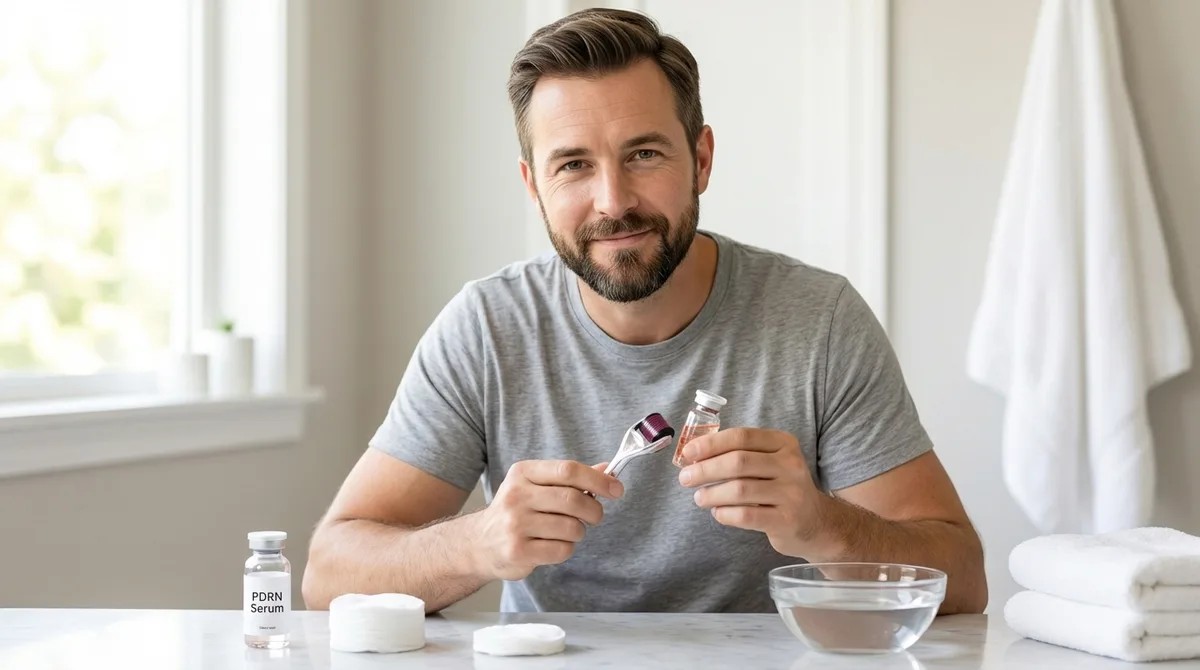
How to Use Salmon DNA Microneedling: DIY Protocol and PDRN Application Guide
Looking for clinical-level skin rejuvenation without the spa markup? This episode delivers a complete walkthrough of combining microneedling with PDRN (polydeoxyribonucleotide) serums—the salmon DNA protocol that's gaining traction for real texture and elasticity improvements. Host Marcus Vance breaks down everything from device calibration and sterile technique to application timing and recovery, treating this like the precision task it actually is. If you've got 90 minutes and basic competency with handheld tools, this protocol turns mechanical collagen induction into a repeatable at-home system. PDRN extracted from salmon sperm cells provides nucleotide building blocks that accelerate fibroblast activity—when paired with controlled micro-injuries, you're giving skin both the stimulus and raw materials to rebuild faster. Stick to 0.5mm needle depth for at-home protocols; going deeper doesn't improve results and significantly increases scarring risk and recovery time. Your prep work determines your infection risk—double-cleanse with a pH-balanced cleanser below 5.5, sterilize needle heads in 70% isopropyl alcohol for at least 60 seconds, and ensure skin is completely dry before needling. Look for uniform pinkness across treatment zones, not welts or bleeding; pinpoint bleeding is acceptable, but continuous oozing means you've exceeded safe depth or pressure. Avoid treatment near the orbital bone, lips, and any areas with active breakouts or broken skin—and stop all chemical exfoliants (AHA, BHA, retinoids) 72 hours before your session. Expect visible tightening within 72 hours, with continued collagen remodeling improvements over four to six weeks. Read the full article: https://luxurybeautyonabudget.com/how-to-use-salmon-dna-microneedling

Salmon DNA Skincare Checklist: Everything You Need to Start PDRN Therapy at Home
Salmon DNA has exploded across skincare feeds, but the $2,000 med spa price tag keeps most people from trying PDRN therapy. In this episode, Chloe Chen breaks down exactly how to build an effective salmon DNA skincare routine at home—from the core products you actually need to the supporting ingredients that amplify results. Whether you're targeting fine lines, acne scarring, or overall skin regeneration, this is your complete checklist for getting real PDRN benefits without the luxury markup. Look for PDRN serums with at least 1% concentration—anything below 0.5% is essentially marketing theater, with the 1-3% range being the sweet spot for actual cell regeneration effects. PDRN requires a specific supporting routine to work effectively: multi-molecular-weight hyaluronic acid applied immediately after creates the hydrated environment needed for cellular repair, while a ceramide moisturizer in a 3:1:1 ratio seals everything in. Sun protection becomes non-negotiable during PDRN therapy because increased cellular turnover makes skin more vulnerable to UV damage—skipping SPF 50+ literally throws your results away. At-home microneedling at 0.25-0.5mm depth is optional but significantly boosts PDRN penetration by creating microchannels; going deeper than 0.5mm crosses into med spa territory and isn't safe for home use. Niacinamide at 4-5% concentration preps skin by improving ceramide synthesis before PDRN application, but exceeding 5% when layering can cause irritation that interferes with the repair process. Combining peptides like copper tripeptide-1 with PDRN increases fibroblast activity by approximately 40% compared to using PDRN alone, making them a powerful addition to any salmon DNA protocol. Read the full article: https://luxurybeautyonabudget.com/salmon-dna-skincare-checklist
Best Body Sculpting Creams Under $30: Caffeine & Retinol Formulas That Work
Ever wondered if those affordable body sculpting creams actually do anything, or if you're just rubbing expensive hope on your thighs? In this episode, Chloe Chen breaks down the results of her six-month experiment testing 23 body sculpting creams, measuring results weekly and comparing drugstore formulas to luxury brands costing three times as much. Whether you're curious about caffeine concentrations, confused by retinol derivatives, or just want to know which textures you'll actually use consistently, this deep dive separates marketing hype from ingredients that deliver real results. Several drugstore body sculpting creams contain higher caffeine concentrations than prestige brands charging $80+, so price doesn't guarantee better formulas. For visible temporary tightening, look for at least 3% caffeine—if it's listed after the seventh ingredient on the label, you're paying for placebo effect. Budget formulas use retinyl palmitate instead of pure retinol because it's more stable and less irritating on large body areas, and the total dose evens out when covering more skin surface. Texture determines whether you'll actually stick with a product: gel creams absorb in 60–90 seconds for morning use under clothes, while cream-balm hybrids work better at night with massage techniques. Aminophylline has legitimate data showing temporary circumference reduction (millimeters, not inches), but it can cause sensitivity—always patch test first. The ideal formula combines 3–5% caffeine for immediate tightening, 0.3–1% retinol derivatives for long-term collagen improvement, and supporting actives like L-carnitine or peptides as bonuses. Read the full article: https://luxurybeautyonabudget.com/best-body-sculpting-creams-under-30
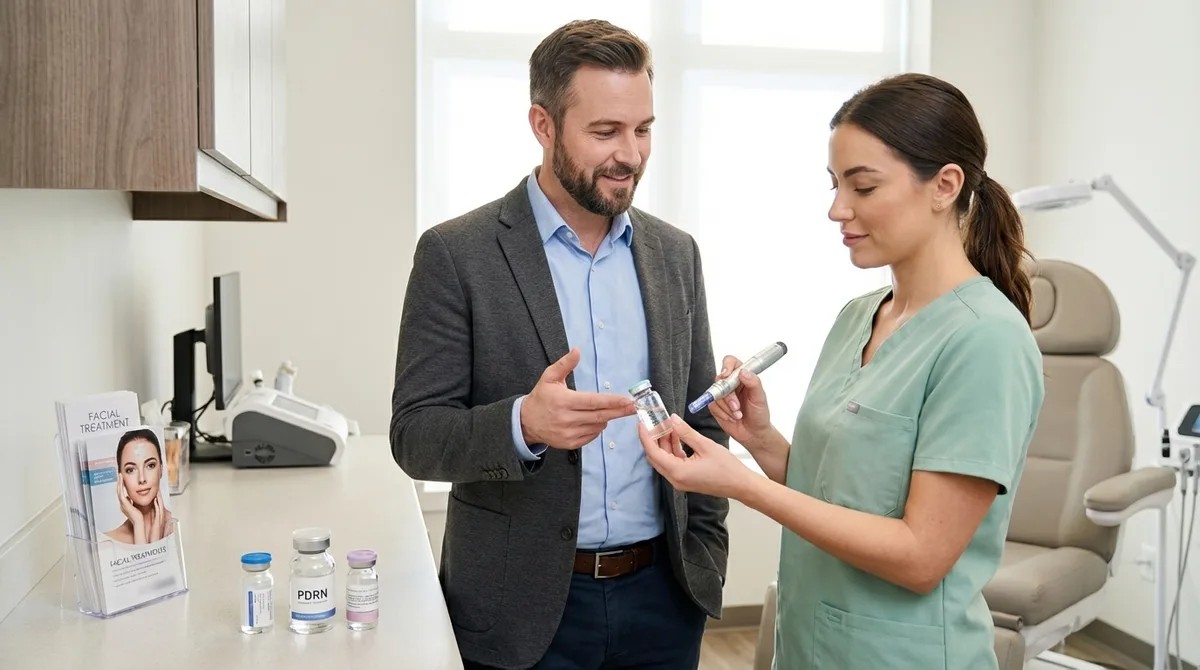
What Is Salmon DNA Facial Treatment? PDRN Concentrations and Clinical Results Explained
Salmon sperm on your face sounds absurd until you learn it's one of the most clinically validated bioregenerative treatments to emerge from Korean dermatology. This episode breaks down PDRN—polydeoxyribonucleotide—the purified nucleotide compound that signals your skin to rebuild collagen as if healing a wound, without causing actual damage. If you've hit the point where hydration alone doesn't restore firmness and you're curious whether this treatment lives up to the science, Marcus Vance explains exactly what's happening at the cellular level and what concentrations actually deliver results. PDRN is extracted from salmon sperm and processed into low-molecular-weight DNA fragments (50–1,500 base pairs) small enough to penetrate the dermis and activate adenosine A2A receptors, the same receptors that regulate inflammation and collagen synthesis during wound healing. Clinical-grade topical concentrations range from 0.5% to 3%, with 0.5% providing maintenance-level signaling, 1–2% offering moderate daily stimulation, and 3% approaching clinical intensity but risking irritation when combined with acids or retinoids. The mechanism works in three phases: nucleotide penetration in the first 0–3 hours, receptor activation from 6–24 hours triggering fibroblast proliferation, and sustained collagen synthesis from 72 hours through 12 weeks of consistent use. Lab studies show fibroblasts increase collagen production by 25–40% using 0.5–3% PDRN concentrations, and clinical trials demonstrated measurable increases in dermal density via ultrasound imaging after eight weeks of twice-daily application. Salmon DNA shares structural similarities with human DNA, minimizing immune rejection—this is why salmon specifically became the source for pharmaceutical-grade PDRN manufactured primarily in South Korea and Japan. Formulation matters as much as concentration: PDRN remains stable at pH 5.5–6.5, lightweight serums penetrate fastest but need occlusive follow-up, and gel-cream hybrids with hyaluronic acid or ceramide matrices provide both penetration and barrier protection. Read the full article: https://luxurybeautyonabudget.com/what-is-salmon-dna-facial-treatment-pdrn-concentrations-and-clinical-results-explained
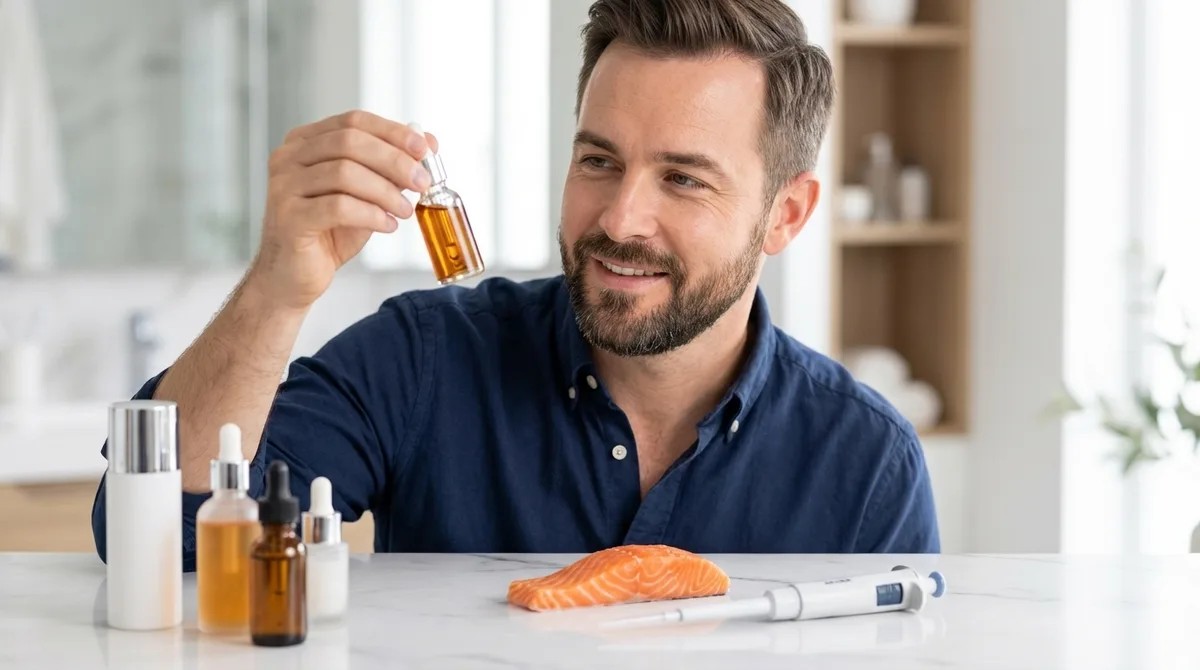
Best Salmon DNA Serums Under $50: Budget-Friendly PDRN Formulations
You've seen the glowing results from expensive salmon DNA injections at dermatology clinics, but you're not ready to spend thousands on your face. In this episode, Marcus Vance breaks down eighteen months of rigorous testing on budget-friendly PDRN serums to reveal which formulations actually deliver measurable skin regeneration—and which ones are just overpriced fish water. Whether you're dealing with dull, flat-looking skin or early signs of aging, this guide treats your skincare routine like the precision investment it deserves, covering everything from molecular weights to cost-per-application math. PDRN concentration matters more than marketing claims—look for formulations with at least one percent salmon DNA extract, since anything lower is likely too dilute to trigger meaningful fibroblast activation in your skin. Molecular weight determines whether PDRN actually penetrates your skin or just sits on the surface; seek out products labeled "hydrolyzed" or "low molecular weight" to ensure the molecules can pass through the dermal barrier. Korean and Japanese manufacturers often provide more transparent formulation data and maintain stricter disclosure standards than many Western brands, making them safer bets when shopping for effective PDRN serums. The supporting ingredients make or break a salmon DNA serum—look for copper peptides, multi-weight hyaluronic acid, and niacinamide working together to enhance absorption and amplify regeneration rather than PDRN dumped into a basic glycerin base. Calculate your serum's value by price per application over a ninety-day cycle, not price per ounce; a forty-five dollar serum used consistently can deliver ten to twelve times the value of a single professional PDRN facial. Texture and pH are functional specs, not preferences—ideal formulations absorb in under ninety seconds without pilling, and maintain a pH between 5.5 and 6.5 to preserve both PDRN stability and your skin barrier. Read the full article: https://luxurybeautyonabudget.com/best-salmon-dna-serums-under-50
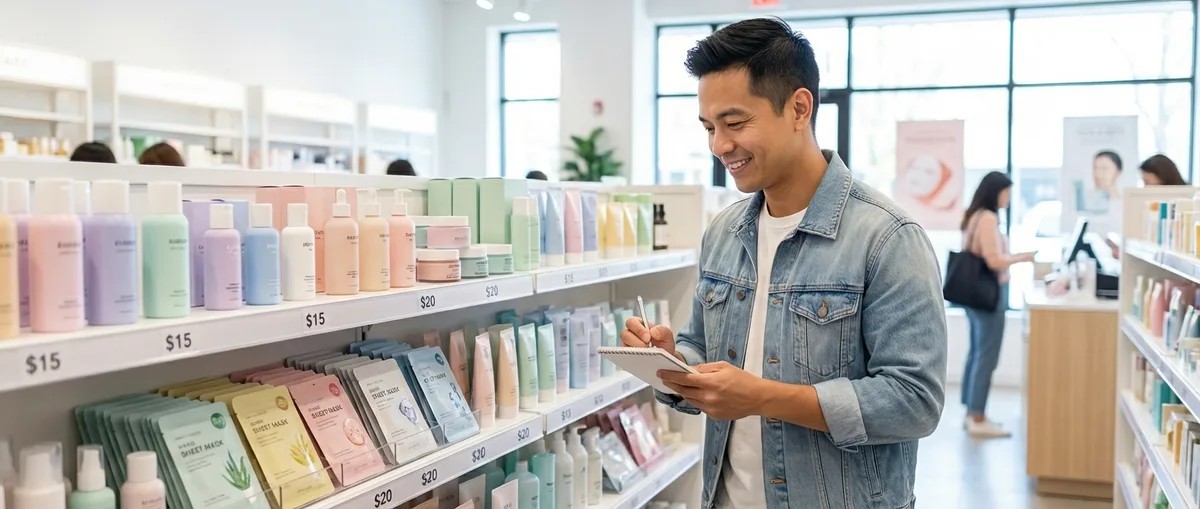
Korean Skincare Shopping Checklist: Essential Products for Glass Skin Under $100
Ever stood paralyzed in a K-beauty aisle, overwhelmed by promises of glass skin but unsure which products actually deliver? This episode breaks down exactly how to build a complete Korean skincare routine for under $100 total—no guesswork, no wasted money. Julian Thorne shares a curated checklist covering everything from pH-balanced cleansers to fermented essences, explaining the science behind why these formulations work and which specific ingredients to look for on labels. The double cleanse is non-negotiable for glass skin: start with an oil-based cleanser ($12–18) to dissolve sunscreen and sebum, then follow with a water-based cleanser ($10–15) featuring amino acid surfactants like sodium cocoyl glycinate that clean without stripping your skin's natural barrier. Korean cleansers are engineered to match your skin's natural pH of 5.0–5.5, which is why they feel cushiony rather than tight—that squeaky-clean sensation actually signals barrier damage. Fermented essences ($18–28) are the secret weapon Western routines miss: yeast filtrates fermented for 120+ hours deliver amino acids and beta-glucans that improve skin hydration by 18–25% after four weeks of consistent use. Skip essential oils in your oil cleanser—they're unnecessary irritants during a prep step, not a treatment step. Look instead for polyethylene glycol-based emulsifiers that rinse clean. Korean hydrating toners aren't astringents—they contain multiple molecular weights of hyaluronic acid (50–1,500 kilodaltons) that penetrate at different dermal depths, building layered moisture reservoirs rather than surface-level hydration. Quality cleansing balms with rice bran oil (5–10%) do double duty, delivering vitamin E and ferulic acid antioxidants while removing makeup, turning a basic cleansing step into active skincare. Read the full article: https://luxurybeautyonabudget.com/korean-skincare-shopping-checklist
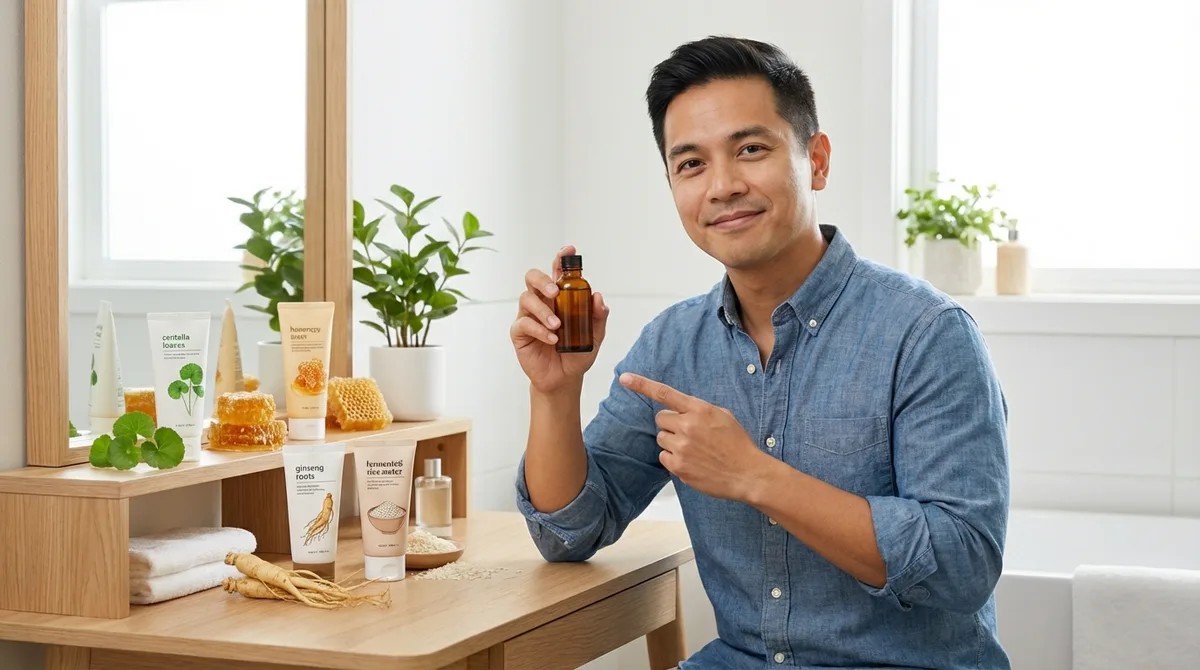
Korean Skincare Ingredients Explained: Centella, Propolis, Ginseng & Ferments Breakdown
Ever wondered why a $400 luxury cream contains less of the star ingredient than an $18 Korean serum? This episode breaks down the science behind Korean skincare's most powerful ingredients—centella asiatica, propolis, ginseng, and fermented complexes—explaining exactly how they work at the cellular level and why they're making luxury brands nervous. Whether you're trying to decode ingredient lists or figure out if that fermented essence is worth the hype, Julian Thorne delivers the cosmetic chemistry you need to shop smarter. Centella asiatica (cica) increases collagen production by 58% at just 0.1% concentration after 12 weeks—comparable to tretinoin but without photosensitivity, thanks to its triterpenoids madecassoside and asiatic acid working through dual pathways of synthesis and protection. Quality matters more than you think: premium centella extracts standardize triterpenoids to 40–60%, while propolis extraction methods range from basic glycerin to supercritical CO2 that concentrates specific flavonoids to pharmaceutical-grade purity. Propolis delivers over 300 bioactive compounds that inhibit acne-causing bacteria as effectively as 2% salicylic acid—without disrupting your skin's microbiome diversity—while its CAPE compound suppresses the inflammatory pathway driving breakouts. Fermentation transforms skincare by reducing molecular weight from 10,000+ daltons to under 500 daltons, which is the threshold for actually penetrating your skin barrier; legitimate formulations contain 50–90% ferment concentration. Korean red ginseng's ginsenoside profile (Rb1, Rg1, Rg3) differs significantly from American varieties, with six-year-aged roots delivering optimal compound ratios at 3–12% concentration in quality extracts. Look for specific ferment strain designations on labels (like "Saccharomyces/Rice Ferment Filtrate") rather than vague terms like "fermented essence"—manufacturing origin and domestic Korean quality standards make a measurable difference. Read the full article: https://luxurybeautyonabudget.com/korean-skincare-ingredients-explained
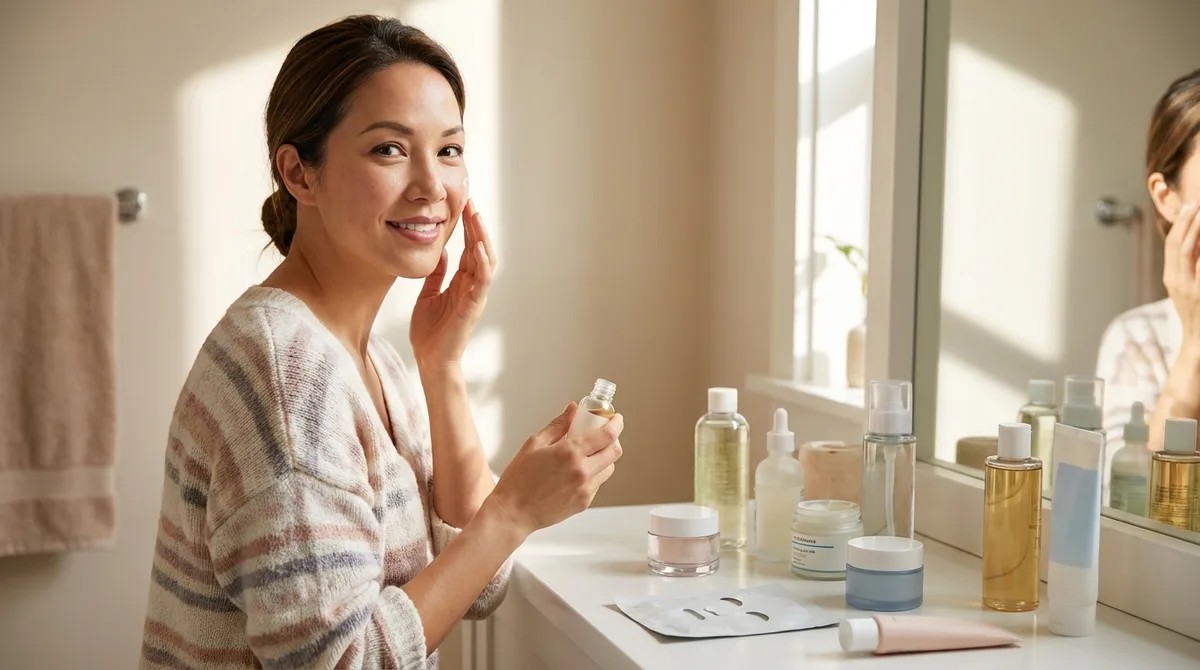
Korean Skincare Routine Checklist: Every Product You Need by Skin Type
Ever stood in your bathroom surrounded by Korean skincare products with absolutely no idea what order to use them? This episode breaks down exactly which products you need based on your specific skin type—no fluff, no "optional" steps that aren't really optional. Sarah Ling-Miller shares the precise routine she developed after pregnancy melasma forced her to rebuild her entire skincare approach with only eight minutes to spare each morning. You'll get formulation breakdowns, time investments per step, and price-per-ounce comparisons so every product earns its spot on your counter. The one-hour bare-face test reveals your true skin type: wash with a gentle cleanser, apply nothing, then check results after sixty minutes to determine if you're oily, dry, combination, sensitive, or dehydrated (yes, oily AND flaky at the same time is a real thing). Many people mistake dehydrated skin for oily skin—over-cleansing can actually cause the breakouts you're trying to prevent, which is why proper diagnosis matters before buying anything. Oil cleansers should contain under fifteen percent oil content with squalane or jojoba for oily skin types, and you can skip this step entirely on days without makeup or SPF. Hyaluronic acid effectiveness depends on molecular weight—look for formulations with high (1–1.5 million Daltons), medium (50,000–500,000), and low (5,000–50,000) weights for proper hydration at different skin depths. The complete oily/acne-prone routine takes six to eight minutes in the morning and eight to ten at night, costing roughly forty-five to seventy-five dollars monthly for quality Korean products. When starting retinoids, apply to dry skin and wait twenty minutes before moisturizer—begin twice weekly and gradually increase to daily use to avoid irritation. Read the full article: https://luxurybeautyonabudget.com/korean-skincare-routine-checklist
What Is the Korean 10-Step Skincare Routine? Each Layer Explained with Active Ingredients
Ten steps of skincare every single night sounds exhausting—until you realize it was never meant to be followed religiously. This episode breaks down the Korean 10-step skincare routine as what it actually is: a framework for understanding how products work together based on molecular size, texture, and skin chemistry. Whether you're a busy professional wiping down the kitchen at 10 PM or just confused about why product order matters, this deep dive covers each layer with actual ingredient percentages and honest guidance on what you can skip when life gets chaotic. The Korean 10-step routine is a layering methodology based on molecular weight—smaller molecules like hyaluronic acid go first, occlusives like ceramides and squalane go last—not a rigid daily checklist. Most people realistically use four to six steps daily and save the full eight to ten steps for weekend self-care sessions. Korean formulas often split active ingredients across multiple products (like 2% niacinamide in a toner plus 5% in an essence) to reach therapeutic levels without the irritation risk of a single high-concentration product. Oil cleansers are essential at night if you wear SPF because chemical sunscreen filters like avobenzone are lipid-soluble and won't fully remove with water-based cleansers alone. Korean cleansers typically maintain a physiological pH of 4.5 to 6.0, protecting your skin's acid mantle, unlike many Western drugstore formulas that run alkaline at pH 8 to 10. Exfoliation is the easiest step to skip on busy weeks—two to three times weekly is sufficient, and overdoing it compromises barrier function. Read the full article: https://luxurybeautyonabudget.com/what-is-the-korean-10-step-skincare-routine-each-layer-explained-with-active-ingredients
How to Build a Korean Skincare Routine for Beginners: Step-by-Step Product Order
Ever stared at a shelf full of Korean skincare products wondering which bottle to use first—and whether you actually need all ten steps? This episode breaks down exactly how to build a Korean skincare routine that works for real life, not just Instagram tutorials. Sarah Ling-Miller walks through the science-backed product order based on molecular weight and pH, reveals which steps you can skip when you're rushing out the door, and shares specific ingredient percentages that deliver results without luxury price tags. If you want glass skin but also need to function as a human with a job and responsibilities, this one's for you. A complete beginner Korean skincare routine takes 7–12 minutes twice daily and costs $80–$150 to build from scratch, working out to roughly 30–80 cents per application. The double cleanse isn't marketing hype—oil dissolves oil-based sunscreen, makeup, and sebum that water alone can't remove, but you only need it in the evening. Your water-based cleanser's pH matters more than fancy ingredients: look for pH 5.0–6.0 to avoid stripping your acid mantle and triggering that tight, uncomfortable feeling. Korean toners are fundamentally different from Western astringents—they're hydrating prep layers that restore pH and should contain humectants like glycerin (3–5%) or multiple weights of hyaluronic acid for both penetration and surface hydration. When you're running late, you can cut your routine from 12 minutes down to 4–6 minutes by knowing which steps are truly non-negotiable versus nice-to-have. Specific active percentages that actually work: niacinamide at 5–10%, vitamin C at 10–20%, and retinol at 0.25–1%—no need for $200 serums to see results. Read the full article: https://luxurybeautyonabudget.com/how-to-build-a-korean-skincare-routine-for-beginners
Top 12 Korean Sunscreens Under $20: SPF Filters, Texture & White Cast Analysis
Tired of sunscreens that leave you looking like a ghost or feeling like you've smeared cooking oil on your face? This episode dives deep into the world of Korean sunscreens under $20, examining the filter systems, texture profiles, and innovative chemistry that make these formulas outperform luxury European options at a fraction of the cost. Whether you have oily, dry, sensitive, or acne-prone skin, Julian Thorne breaks down exactly which budget-friendly Korean SPFs deliver invisible, breathable protection worth switching to. Korean sunscreen chemists use encapsulated UV filters and nanoparticle technology to achieve SPF 50+ protection with zero white cast, even when combining physical and chemical blockers in hybrid formulas. Beauty of Joseon Relief Sun combines 30% rice extract with maximum-concentration UVA filters, delivering treatment-serum-level ingredients alongside UV protection for around $9 per ounce. Many Korean sunscreens include barrier-supporting ingredients like ceramides, niacinamide, and fermented probiotics at concentrations typically reserved for dedicated treatment products. The Skin1004 Centella serum formula uses multi-weight hyaluronic acid (1,000 and 50 kilodaltons) paired with 49.4% centella extract, but the watery texture makes it easy to under-apply the recommended 2mg per square centimeter coverage. COSRX achieves a white-cast-free hybrid formula by using titanium dioxide nanoparticles at 10–30 nanometers, small enough to scatter UV light without leaving visible residue on skin. Price-per-ounce for these Korean formulas ranges from roughly $8–10, making $80 prestige European sunscreens difficult to justify from a pure performance standpoint. Read the full article: https://luxurybeautyonabudget.com/top-12-korean-sunscreens-under-20
Korean Snail Mucin vs Hyaluronic Acid: Which Hydrator Works Better for Dry Skin?
Slathering on moisturizer but still dealing with dry, flaky skin? The culprit might be what you're layering underneath. In this episode, Julian Thorne breaks down the real differences between two cult-favorite hydrators—Korean snail mucin and hyaluronic acid—examining their molecular behavior, formulation chemistry, and price-per-ounce value. Whether you're battling pure dehydration or a compromised skin barrier with redness and texture issues, you'll learn exactly which ingredient matches your skin's actual needs rather than falling for marketing hype. Hyaluronic acid is a pure humectant that binds up to 1,000 times its weight in water, but it doesn't signal any repair processes—it hydrates and nothing more. Snail mucin is a bioactive cocktail containing allantoin, glycoproteins, naturally occurring glycolic acid, and antimicrobial peptides that actively stimulate cell turnover and barrier repair while providing secondary hydration benefits. Multi-molecular-weight hyaluronic acid formulas are critical: low-weight HA (5–50 kDa) penetrates to plump from within, while high-weight HA (1,000+ kDa) creates a protective film that prevents water loss. For snail mucin, look for 90% or higher filtrate concentration from South Korean manufacturers, where low-temperature enzyme-assisted extraction preserves the bioactive proteins that cheaper heat-processed formulas destroy. Snail mucin edges ahead for compromised barriers, acne scarring, and inflammation-prone skin, while hyaluronic acid is the cleaner choice for pure dehydration without barrier damage. The economics favor hyaluronic acid at $4–15 per ounce versus snail mucin at $8–18 per ounce, but the price difference reflects snail mucin's more complex manufacturing and multi-functional benefits. Read the full article: https://luxurybeautyonabudget.com/korean-snail-mucin-vs-hyaluronic-acid
Best Korean Moisturizers Under $25: Ceramide & Peptide Formulations Tested
If your skin feels tight after cleansing, serums sting more than they should, and no amount of vitamin C is cutting through the dullness, your barrier is likely compromised. In this episode, Julian Thorne breaks down the science behind Korean moisturizers that deliver genuine repair without the luxury price tag, sharing results from testing seventeen formulations under $25. You'll learn exactly which ceramide ratios, peptide types, and fermented ingredients actually work—and why Korean brands can offer pharmaceutical-grade actives at a fraction of what Western prestige products charge. The optimal ceramide ratio for barrier repair mirrors your skin's natural composition: 3 parts ceramides to 1 part cholesterol to 1 part fatty acids, with ceramide NP (the smallest molecular weight) doing the heavy lifting for preventing water loss. Korean formulations often include ceramide precursors like phytosphingosine that your skin converts into exactly the lipid it needs in real-time, making the formula adaptive rather than one-size-fits-all. Copper tripeptide-1 (GHK-Cu) at 0.5 to 1% concentration hits the sweet spot for stimulating collagen production without irritation, while acetyl hexapeptide-8 at around 8% concentration genuinely softens expression lines. Fermented ingredients like bifida ferment lysate and galactomyces increase penetration by 40 to 60% compared to non-fermented versions by breaking down molecular structures into forms your skin absorbs without enzymatic breakdown. Many Korean moisturizers under $25 are manufactured in ISO 22716 GMP-certified facilities—the same clean rooms and quality control standards used for prescription dermatological creams and luxury brands. A $22 Korean moisturizer at 1.7 ounces costs roughly $12.94 per ounce, compared to around $280 per ounce for comparable ceramide complexes from prestige brands like La Mer. Read the full article: https://luxurybeautyonabudget.com/best-korean-moisturizers-under-25
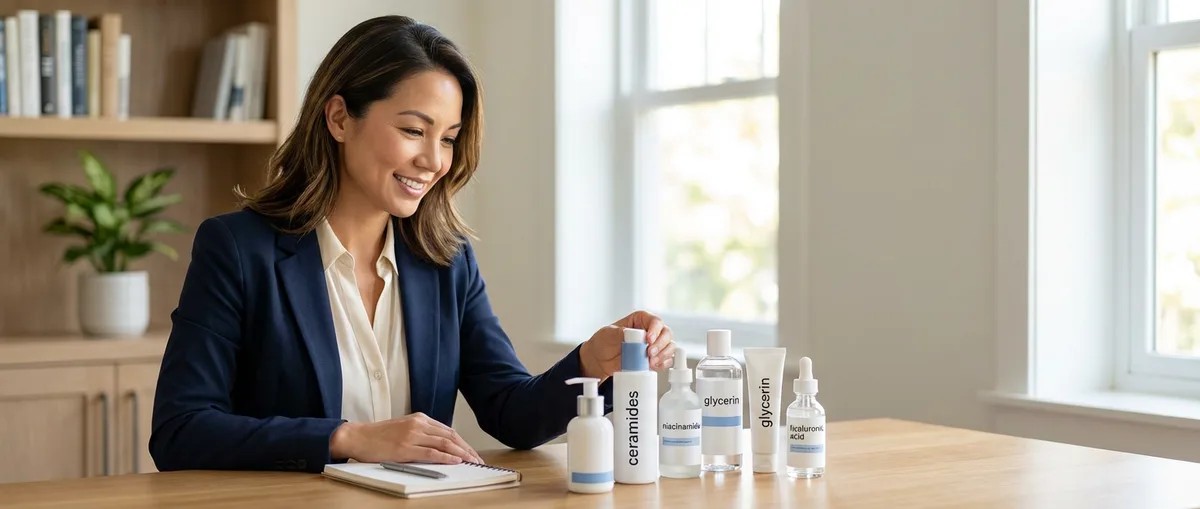
How to Choose Barrier-Repair Ingredients for Your Skin Type
That tight, uncomfortable feeling after washing your face? It's your skin barrier begging for attention—and chances are you've been treating it with the wrong ingredients. This episode breaks down exactly how to choose barrier-repair ingredients based on your actual skin type, climate, and damage level, not what social media trends suggest. Whether you're dealing with post-pregnancy skin changes, mysterious dehydration despite slathering on moisturizer, or products that suddenly sting when they never used to, you'll learn the framework for building a targeted routine that works in as little as five minutes a day. Your barrier damage falls into three levels—mild, moderate, or severe—and each requires different ingredient approaches, from basic humectants for occasional tightness to medical-grade formulations with 4-5% niacinamide for extreme sensitivity. Hyaluronic acid molecular weight matters more than most people realize: low molecular weight penetrates deeper but feels sticky, while high molecular weight plumps the surface, and most drugstore labels don't tell you which you're getting. Climate can make your humectants work against you—glycerin in extremely dry environments (under 20% humidity) can actually pull moisture out of your skin if you don't seal it with an occlusive. Panthenol (Pro-Vitamin B5) at 2-5% concentration is a seriously underrated choice for damaged barriers because it works as both a humectant and an anti-inflammatory. The cost reality of barrier repair ranges dramatically: mild damage can be addressed with a $12 CeraVe product, while moderate to severe damage typically needs $35-60 in targeted products—still cheaper than a dermatologist co-pay. Checking your skin in natural light (not bathroom lighting) is essential for accurate damage assessment, since moisturizer that absorbs instantly and leaves you tight 20 minutes later signals you're past the mild stage. Read the full article: https://luxurybeautyonabudget.com/how-to-choose-barrier-repair-ingredients-for-your-skin-type
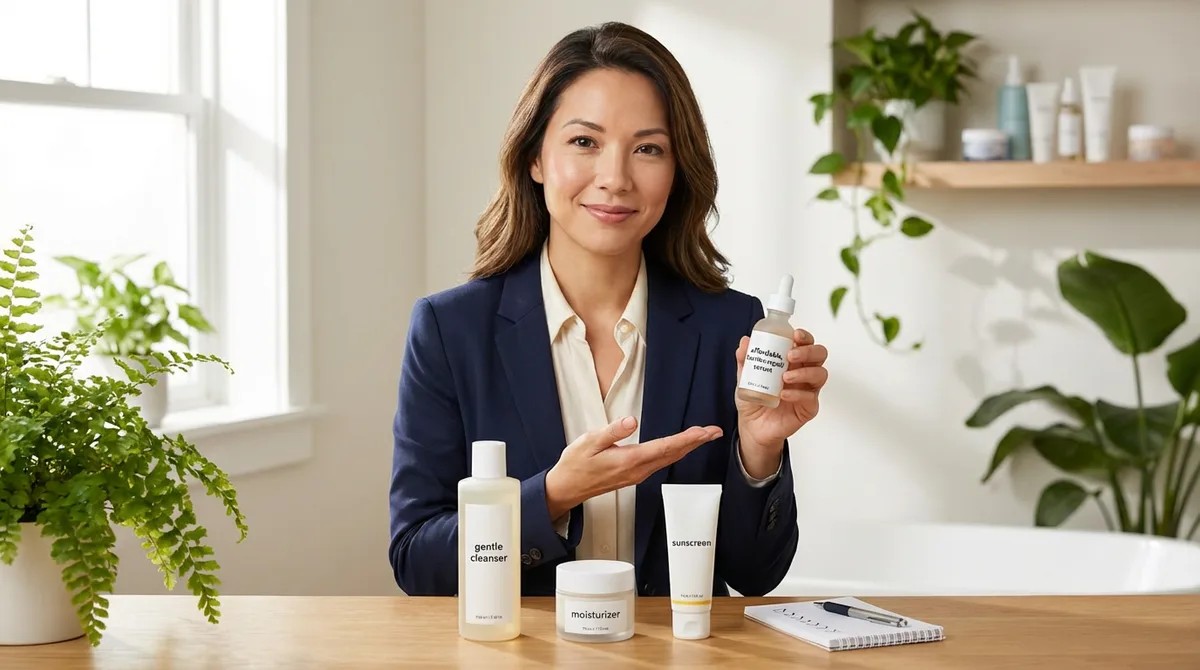
Barrier-First Skincare Routine Checklist: Essential Products and Steps
Ever wondered why your skin still looks angry and dehydrated despite using expensive products? The answer might be that you're treating symptoms while ignoring the foundation—your skin barrier. In this episode, Sarah Ling-Miller breaks down exactly what a barrier-first skincare routine looks like, including specific product recommendations, active ingredient percentages, and real cost-per-use calculations. Whether you're dealing with post-pregnancy skin changes, mysterious new sensitivities, or that tight feeling after washing your face, this practical checklist approach will help you rebuild your routine from the ground up without wasting money on overhyped products. Your skin barrier is a lipid matrix of ceramides, cholesterol, and fatty acids in a 3:1:1 ratio—products that mimic this composition (like Stratia Liquid Gold at 45 cents per use) repair damage far more effectively than random "hydrating" products. That squeaky-clean feeling after cleansing isn't clean—it's stripped. Most drugstore cleansers have a pH of 7–9, while healthy skin sits at 4.7–5.5, which is why pH-balanced options like Vanicream (six cents per use) make such a noticeable difference. Niacinamide's sweet spot is 4–5% concentration, not the popular 10% formulas. Higher percentages can cause irritation without additional barrier-strengthening benefits, and clinical studies show it reduces water loss by up to 24%. CeraVe Moisturizing Cream contains the same lipid complex as SkinCeuticals Triple Lipid Restore 2:4:2, but costs eight cents per use compared to $1.70—both are manufactured by L'Oréal using identical technology. Signs your barrier is compromised include trans-epidermal water loss above 15 g/m²/hour (persistent dryness no moisturizer fixes), pH rising above 5.5, and sudden sensitivity to products that never bothered you before. The entire barrier-first morning routine takes under two minutes—this isn't a 12-step fantasy but a streamlined system designed for real life at 5:45 AM before client meetings. Read the full article: https://luxurybeautyonabudget.com/barrier-first-skincare-routine-checklist
What Is the Skin Barrier? Understanding Your Moisture Barrier Function
Your skin barrier might be the most important factor determining whether your skincare routine actually works—yet most people have no idea what it does at the cellular level. In this episode, Dr. Elena Voss breaks down the molecular science behind barrier function, explaining exactly why a compromised barrier can increase water loss by up to 75 percent and trigger inflammation that sabotages every product you apply. If you've ever dealt with mysterious dehydration, sudden sensitivity, or skin that seems to reject everything, this deep dive into the brick-and-mortar structure of your stratum corneum will finally explain what's going wrong and how to fix it. The skin barrier relies on a precise one-to-one-to-one ratio of ceramides, cholesterol, and free fatty acids—even slight shifts in this lipid composition measurably compromise barrier integrity and can increase transepidermal water loss by 40 to 60 percent within 48 hours. Your "moisture barrier" does far more than retain water; it actively regulates pH balance, ion transport, antimicrobial peptide production, and inflammatory responses, functioning as a metabolically active interface rather than passive protection. Natural moisturizing factor, derived from filaggrin breakdown, accounts for up to 30 percent of your skin's water-binding capacity—genetic variations, inflammation, or environmental stress can deplete these critical hygroscopic amino acids. Not all topical ceramides are effective; ceramide NP and ceramide AP match human skin's most abundant types, while generic "ceramide complex" labels often fail to specify which ceramides you're actually getting. High-pH cleansers and tap water (pH 7-8) can slow barrier repair by 30 to 50 percent by inhibiting the lipid-processing enzymes that require an acidic environment of pH 4.5 to 5.5 to function properly. Barrier dysfunction creates a self-perpetuating cycle: inflammation depletes ceramides through sphingomyelinase activation, which further compromises the barrier and triggers more inflammation—explaining why barrier repair must come before introducing active ingredients. Read the full article: https://luxurybeautyonabudget.com/what-is-the-skin-barrier-understanding-your-moisture-barrier-function
How to Repair a Damaged Skin Barrier in 7 Days
If your skin stings during cleansing, burns when applying products that once felt fine, or looks perpetually dull despite layers of moisturizer, you're not dealing with sensitive skin—you're dealing with barrier damage. In this episode, Dr. Elena Voss breaks down a seven-day protocol rooted in lipid science and strategic routine simplification that rebuilds your skin's protective architecture at the molecular level. This is for anyone stuck in a cycle of irritation and ready to understand why stripping back your routine actually accelerates repair. Your skin barrier functions as a brick-and-mortar structure where corneocytes are the bricks and a precise mixture of ceramides, cholesterol, and fatty acids forms the mortar—when this lipid "cement" degrades, water escapes and irritants penetrate freely. During acute barrier repair, simplification isn't minimalism for aesthetics; clinical studies show reducing to a three-product protocol (cleanser, lipid replenishment, occlusive seal) accelerates recovery by 40–60%. Most foaming cleansers actively perpetuate barrier damage through sulfate surfactants that strip the acid mantle—switching to amino acid-based surfactants at pH 5.0–5.5 stops the cycle of daily lipid depletion. Ceramide concentration and ratio matter: look for minimum 3% ceramide complex in either a 3:1:1 or 1:1:1 ceramide-to-cholesterol-to-fatty-acid ratio for effective intercellular repair. Niacinamide at 5–10% supports barrier function, but higher concentrations aren't better during active repair—and all acids, retinoids, and fragrance (including natural botanicals) must be eliminated completely. Expect your skin to look worse before it looks better; temporary dullness and flaking indicate tissue repair in progress, not product failure, with visible improvement markers appearing around day three. Read the full article: https://luxurybeautyonabudget.com/how-to-repair-a-damaged-skin-barrier-in-7-days
7 Best Budget Skin Barrier Serums for Damaged Skin
Is your skin flaking, stinging, and reacting to everything you put on it? Before you reach for an expensive emergency kit, you should know that barrier repair ingredients work at specific concentration thresholds—regardless of price tag or fancy packaging. Dr. Elena Voss breaks down seven budget-friendly serums that deliver clinical-level ceramides, humectants, and lipids for under a dollar per application, comparing their formulations directly to luxury alternatives that cost four times as much. CeraVe's MVE encapsulation technology isn't marketing fluff—it's a time-release delivery system that prevents irritation from 10% niacinamide hitting your skin all at once, with published third-party testing backing its barrier recovery claims. The ideal ceramide ratio for barrier repair is 1:1:1 (types 1, 3, and 6-II), which mimics your skin's natural lipid profile—and budget formulas can deliver this just as effectively as prestige brands. Marine exopolysaccharides from Pseudoalteromonas ferment extract bind up to five times more water than conventional hyaluronic acid, making The Ordinary's Marine Hyaluronics a hydration powerhouse at just $10 per ounce. Multi-weight hyaluronic acid (ranging from 5 to 1850 kilodaltons) targets different dermal layers simultaneously—low molecular weights penetrate deeper while high molecular weights hydrate the surface. Budget serums from CeraVe are manufactured under L'Oréal's quality protocols, the same parent company behind luxury lines like SkinCeuticals, yet cost roughly $16 per ounce compared to $68 for similar formulations. Expect realistic timelines: even clinical-threshold formulations take 2-3 weeks of twice-daily application to restore a compromised barrier—there's no overnight fix regardless of what you spend. Read the full article: https://luxurybeautyonabudget.com/7-best-budget-skin-barrier-serums-for-damaged-skin
Ceramide Complex vs Niacinamide: Which Barrier Ingredient Is Better?
If you've ever stood in a skincare aisle wondering whether to grab a ceramide cream or a niacinamide serum for your damaged barrier, this episode cuts through the confusion. Dr. Elena Voss breaks down the molecular reality of how these two barrier-repair powerhouses actually work—and why the answer isn't about choosing a winner. You'll learn exactly what concentrations deliver real results, how quickly each ingredient performs, and which one matches your specific skin situation without wasting money on overhyped formulations. Ceramides act like replacement bricks, directly slotting into your skin's lipid structure and reducing water loss within 48–72 hours, while niacinamide takes 7–14 days but trains your skin to manufacture its own barrier components long-term. The optimal ceramide concentration is 2–5% total ceramides in a 3:1:1 or 1:1:1 ratio with cholesterol and fatty acids, while niacinamide hits its sweet spot at 5%—anything above 10% shows minimal additional benefit. Budget-friendly pseudoceramides (synthetic analogues) costing 12 cents per gram deliver comparable barrier-function results to natural ceramides at $2.40 per gram, with many K-beauty brands sourcing from the same facilities as luxury European lines. A 2023 study found that 5% niacinamide increased ceramide production by 34% and free fatty acid synthesis by 67% after 28 days—making it the more cost-effective choice at $4–9 per ounce versus $8–15 for ceramide formulas. Ceramides work best for acute barrier damage like over-exfoliated skin, eczema flares, or post-procedure recovery, while niacinamide excels for inflammatory barrier dysfunction and oilier skin types. Watch out for cheap ceramide formulations with poor emulsifier systems—if your product pills under sunscreen or leaves a waxy film that never absorbs, the ceramides aren't being delivered effectively. Read the full article: https://luxurybeautyonabudget.com/ceramide-complex-vs-niacinamide
Best Barrier Repair Creams Under $30
If your skin feels tight, stinging, and reactive after one too many exfoliating sessions, your barrier is compromised—and expensive creams aren't the only answer. In this episode, Dr. Elena Voss breaks down the formulation science behind barrier repair, revealing exactly which ingredients actually rebuild your skin's protective structure and which are just marketing fluff. After analyzing forty-seven products, she shares six creams under thirty dollars that deliver clinical-grade results, plus how to decode ingredient lists so you never waste money on ineffective formulas again. Your skin barrier requires a precise 3:1:1 ratio of ceramides, cholesterol, and free fatty acids—and sixty percent of mass-market barrier creams skip cholesterol entirely, undermining their effectiveness by up to thirty-four percent according to recent research. Ingredient positioning reveals concentration: ceramides listed in the first eight ingredients typically indicate levels above half a percent, which is the threshold for clinical effectiveness. Glycerin belongs in the top five ingredients of any barrier cream—it upregulates aquaporin-3 expression in skin cells and costs almost nothing, yet luxury brands often bury it in favor of trendy extracts with no clinical support. Many budget Korean formulations consistently hit the optimal pH range of 5.0–5.8 for barrier repair, while several luxury European brands test at 6.5 or higher, actually undermining the enzymatic processes needed for ceramide synthesis. Avoid "soothing" creams that rely on menthol or camphor—these provide sensory relief while potentially irritating damaged skin further, unlike niacinamide and centella asiatica which have documented anti-inflammatory effects. High-molecular-weight and low-molecular-weight hyaluronic acid serve completely different functions: one creates surface occlusion while the other penetrates to boost dermal hydration, so effective formulas include both. Read the full article: https://luxurybeautyonabudget.com/best-barrier-repair-creams-under-30
Barrier-First Beauty: The Complete Guide to Skin Barrier Protection
Ever wonder why your expensive serums and retinoids aren't delivering the results they promised? The problem might not be the products—it's your skin's foundation. In this episode, Chloe Chen breaks down the barrier-first beauty philosophy, explaining why protecting your skin's natural defense system should come before any treatment active. Whether you're dealing with persistent sensitivity, unexplained breakouts, or that tight feeling no moisturizer can fix, this guide reveals how a simple shift in approach (and some surprisingly affordable products) can transform your entire skincare game. Your skin barrier functions like a brick wall, with skin cells as bricks and lipids (ceramides, cholesterol, and fatty acids) as the mortar—when the mortar crumbles, irritation, dehydration, and breakouts follow. The ideal barrier-repair formula contains ceramides at 2–5%, cholesterol around 1%, and fatty acids in a 1:1:1 ratio, which is the research-backed standard for optimal repair. A $12 drugstore moisturizer with the right lipid ratio will outperform a $200 serum if your barrier is compromised—barrier-repair ingredients cost manufacturers pennies to formulate. Niacinamide at 2–5% concentration can boost your skin's natural ceramide production by up to 34%, making it a budget-friendly barrier-building powerhouse. Barrier repair follows three phases: stop the damage by eliminating harsh actives, rebuild the lipid matrix with ceramide-rich products, then maintain and reintroduce treatments over a restored foundation. A healthy barrier keeps transepidermal water loss at 4–6 grams per square meter per hour; damaged barriers can spike to 20+ grams, which is why dehydrated skin feels tight minutes after moisturizing. Read the full article: https://luxurybeautyonabudget.com/barrier-first-beauty
What Is Eco-Effective Beauty? Understanding Sustainable Active Formulations
Ever wondered why your "clean" beauty products cost a fortune but don't seem to work any better than drugstore alternatives? In this episode, Chloe Chen breaks down eco-effective beauty—a formulation philosophy that delivers clinically-proven active ingredients at effective concentrations while actually benefiting the environment. After three months of comparing eco-effective formulas against luxury counterparts, she reveals how you can get identical (or better) skincare results for 60% less while avoiding greenwashing traps. If you're tired of paying premium prices for recyclable packaging wrapped around mediocre formulations, this deep dive into sustainable active formulations is for you. Eco-effective beauty differs from clean beauty by requiring both measurable environmental benefits AND dermatologically-sound active percentages—not just removing ingredients and hiking up prices. Ingredient transparency with actual percentages is the key marker separating eco-effective products from greenwashing; a $28 formula listing 0.3% encapsulated retinol with biodegradability data beats a vague $120 luxury serum every time. Plant-based delivery systems like sugarcane-derived squalane perform identically to synthetic silicones for vitamin C absorption and stability, but biodegrade in 21 days versus 6+ months. Eco-effective peptide serums often use lower molecular weight peptides (500-1000 Daltons) that penetrate skin more effectively than the larger peptides found in many prestige creams. Price-per-ounce analysis exposes the markup: eco-effective hyaluronic acid serums average $0.95/oz compared to $4.80/oz for luxury sustainable versions with identical concentrations. Biodegradable preservatives from fermented radish root or corn-derived sodium levulinate match synthetic preservative shelf life—Chloe tracked products for six months with zero contamination or oxidation issues. Read the full article: https://luxurybeautyonabudget.com/what-is-eco-effective-beauty-understanding-sustainable-active-formulations

How to Build an Eco-Effective Skincare Routine on a Budget
Struggling to find skincare that's actually sustainable without spending a fortune or falling for greenwashing marketing? This episode breaks down exactly how to build an eco-effective routine that delivers real results on a realistic budget. Host Sarah Ling-Miller shares her tested framework for auditing your current products, calculating true cost-per-use, and identifying which active ingredients you genuinely need at concentrations that work. Whether you're dealing with hyperpigmentation, aging concerns, or just want to streamline your routine, you'll learn how to make smarter choices for your skin and the planet. Calculate the true cost of your skincare by dividing price by ounces, then by applications per ounce—that $85 luxury serum might cost $2.83 per use while a $12 alternative with comparable results costs just $0.40. Most products listing ingredients like niacinamide without percentages contain under 2%, which isn't enough to produce visible results—look for at least 5% niacinamide, 0.025–0.1% retinol, or 10–20% azelaic acid. Bakuchiol at 0.5–2% offers a more eco-effective alternative to retinol since it's plant-derived and doesn't require complex synthesis, delivering similar anti-aging benefits at a fraction of the environmental cost. Check packaging recyclability before buying: glass and aluminum are infinitely recyclable, PP #5 plastic works in most areas, but frosted plastics, dual-chamber pumps, and metallic tubes typically go straight to landfill. For hyaluronic acid to actually work, you need a multi-weight formula—high molecular weight (1000–1800 kDa) for surface plumping and low molecular weight (50–500 kDa) for deeper, lasting hydration. Fewer products means a more sustainable routine overall, since every additional bottle adds packaging waste, shipping emissions, and manufacturing resources—prioritize multi-tasking formulations over single-purpose products. Read the full article: https://luxurybeautyonabudget.com/how-to-build-an-eco-effective-skincare-routine-on-a-budget
Eco-Effective Beauty Routine Checklist: Essential Products and Ingredients
Tired of choosing between skincare that actually works and products that align with your environmental values? This episode tackles the myth that eco-friendly beauty means compromising on results or overspending on pretty green packaging. Chloe Chen breaks down a complete product-by-product checklist covering cleansers, treatment serums, and active ingredients—with specific concentrations, price-per-ounce benchmarks, and sustainability standards that prove you can have both efficacy and eco-consciousness without the fluff. Look for emulsifiers like plant-derived polysorbate 80 or decyl glucoside in oil cleansers—these break down in wastewater within 28 days according to OECD 301 standards, unlike many conventional alternatives. Drugstore cleansers from brands like CeraVe and La Roche-Posay often match luxury formulas at a fraction of the cost, with identical surfactant profiles at 35–60 cents per ounce versus $2–4 per ounce. Stable vitamin C derivatives like ascorbyl glucoside and sodium ascorbyl phosphate at 10–20% concentration deliver comparable brightening results without the oxidation issues and energy-intensive stabilization that L-ascorbic acid requires. Bakuchiol at 0.5–2% offers a plant-based alternative to retinol with similar cell turnover benefits, minus the photostabilization requirements that add manufacturing complexity. For biodegradable exfoliation, jojoba esters, bamboo powder, or rice bran particles sized at 200–500 microns effectively replace plastic microbeads without risking micro-tears to your skin barrier. Multi-weight hyaluronic acid serums should list at least two molecular weights—low-weight (50–300 kDa) for deeper penetration and high-weight (1000–1800 kDa) for surface hydration—ideally derived from plant fermentation rather than animal sources. Read the full article: https://luxurybeautyonabudget.com/eco-effective-beauty-routine-checklist
Eco-Effective vs Traditional Beauty Products: Performance and Price Analysis
Ever wondered if you're actually getting better skincare results from eco-effective products, or just paying more for green packaging? In this episode, Chloe Chen breaks down the real differences between eco-effective and traditional beauty formulations after testing 87 products and tracking everything in a spreadsheet. She dives into active ingredient concentrations, preservative systems, price-per-ounce comparisons, and performance timelines so you can make informed decisions based on chemistry rather than marketing claims. Whether you're committed to clean beauty or just want effective skincare without overpaying, this analysis gives you the data you need. Eco-effective products typically contain active ingredient concentrations 2–5% lower than traditional formulas because natural preservatives require more formulation space, which directly impacts how quickly you see results. Bakuchiol works as a retinol alternative, but split-face testing showed it takes roughly 10 weeks to match results that 0.3% retinol delivers in 6 weeks—effective, but slower. You're paying 3–5 times more per ounce for eco-effective retinol alternatives (bakuchiol at $1.80–$4/oz) compared to traditional drugstore retinol (40–80 cents/oz) for the same eventual cell turnover results. Traditional paraben-based preservatives maintained product sterility for 52 weeks in testing, while naturally-preserved equivalents showed bacterial growth at 38 weeks—meaning eco-effective products have shorter effective shelf lives. When comparing peptide products at different price points, the texture experience differed significantly but actual undereye smoothing results were nearly identical by week four, suggesting premium eco-effective pricing often reflects sensory experience rather than superior performance. Shelf stability varies dramatically: eco-effective products last 6–12 months versus 24–36 months for traditional formulas, which affects both value and how quickly you need to use them. Read the full article: https://luxurybeautyonabudget.com/eco-effective-vs-traditional-beauty-products
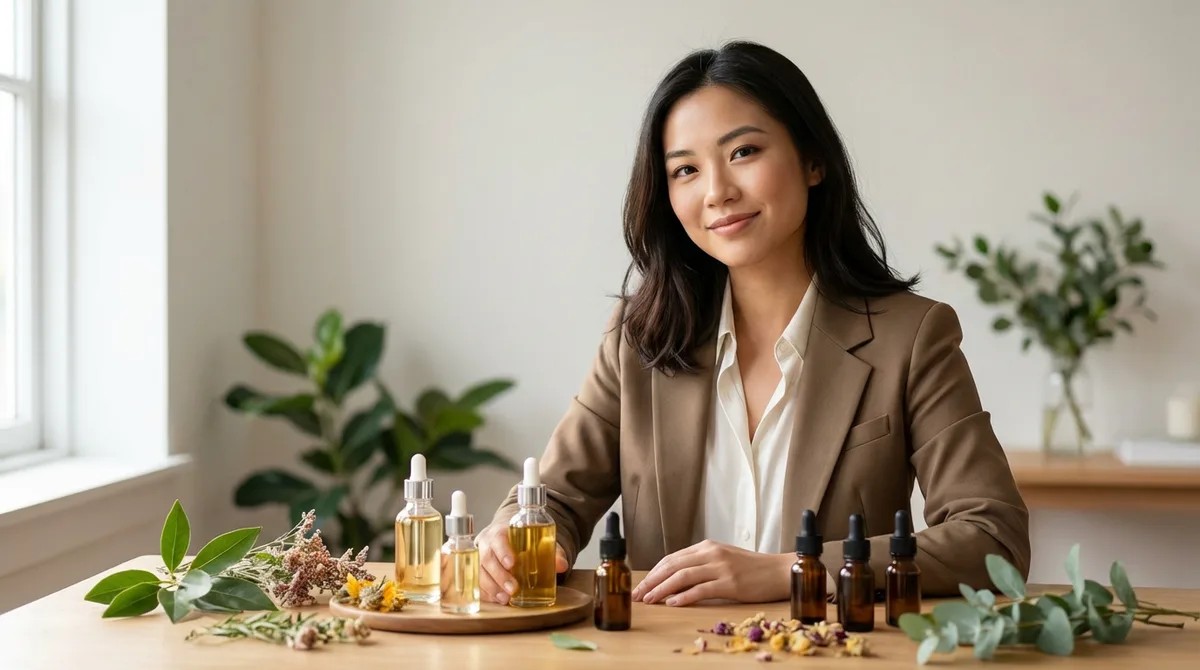
Best Eco-Effective Serums Under $30: Active Ingredient Breakdown
Think twice before dropping $100 on that gorgeous frosted glass serum you saw on Instagram. In this episode, Chloe Chen reveals findings from her three-month investigation testing fourteen eco-effective serums under $30, comparing them head-to-head with prestige brands on formulation transparency, sustainable sourcing, and actual performance. Whether you're a conscious beauty consumer tired of greenwashing or simply want clinical-grade results without the luxury markup, this breakdown exposes why budget eco-serums often outperform their expensive counterparts—and exactly what to look for on the label. Real eco-effective brands list exact active ingredient percentages upfront—look for niacinamide at 5-10%, vitamin C at 10-15%, and peptides at minimum 2-5%—while luxury brands often hide behind proprietary blends or bury actives at trace amounts. The price-per-milliliter sweet spot for well-formulated eco serums is $0.60-$1.20, compared to $3-$8 per milliliter for luxury versions using identical actives. "Clean" and "eco" became meaningless marketing terms by 2024; what actually matters is verifiable supply chain transparency, including where ingredients are sourced and fermented, plus certifications like B Corp, Ecocert, or Leaping Bunny that involve third-party auditing. Glass packaging looks luxurious but creates higher shipping emissions—aluminum, post-consumer recycled plastic with take-back programs, and sugarcane-derived bio-plastics are often more sustainable choices. Airless pump packaging extends shelf life without aggressive preservatives by preventing oxidation, outperforming expensive dropper bottles that can cause vitamin C serums to degrade within months. pH levels determine whether your actives actually work: vitamin C needs pH 2.5-3.5 for stability and penetration, while niacinamide performs best at pH 5-7—brands that list these ranges demonstrate real cosmetic chemistry knowledge. Read the full article: https://luxurybeautyonabudget.com/best-eco-effective-serums-under-30

Eco-Effective Beauty: Complete Guide to Sustainable Skincare That Actually Works
Ever feel guilty tossing another plastic serum bottle while reading about microplastics in human blood? This episode tackles that exact tension—finding skincare that actually delivers clinical results without trashing the planet. Host Sarah Ling-Miller breaks down which sustainable formulations genuinely match conventional products and which ones are just expensive farmer's market vibes with pretty packaging. If you've ever wondered whether "clean" beauty means sacrificing performance, this guide separates the real science from the marketing noise. Eco-effective beauty isn't just "less bad"—it's a performance-first approach using biodegradable actives, sustainable sourcing, and recyclable packaging while maintaining the same active percentages found in prestige formulations. Bio-identical retinoids from fermentation and plant precursors like bakuchiol can deliver results comparable to 0.5% retinol without the photosensitivity issues, while eco-friendly hyaluronic acid achieves identical molecular weights to conventional versions using plant sugar fermentation. Silicone alternatives like hemisqualane and meadowfoam seed oil derivatives can match the texture and performance of dimethicone—though some eco-effective serums may feel slightly tackier initially, they deliver comparable improvements in skin elasticity and hydration. Natural preservation systems using ingredients like leuconostoc radish root ferment and gluconolactone work effectively but often require refrigeration and have shorter shelf lives (12 months versus 36). Packaging matters more than most people realize—post-consumer recycled plastics, infinitely recyclable aluminum, and sugarcane-derived bioplastics are replacing traditional packaging, while some major manufacturers like CeraVe's French facility run on 70% renewable power. A 5% niacinamide serum performs identically whether it's fermented from corn or lab-synthesized—the difference is what happens after it goes down your drain into waterways. Read the full article: https://luxurybeautyonabudget.com/eco-effective-beauty