Best Eco-Effective Serums Under $30: Active Ingredient Breakdown
Luxury Beauty on a Budget Podcast · Luxury Beauty on a Budget
Audio is streamed directly from the publisher (content.rss.com) as published in their RSS feed. Play Podcasts does not host this file. Rights-holders can request removal through the copyright & takedown page.
Show Notes
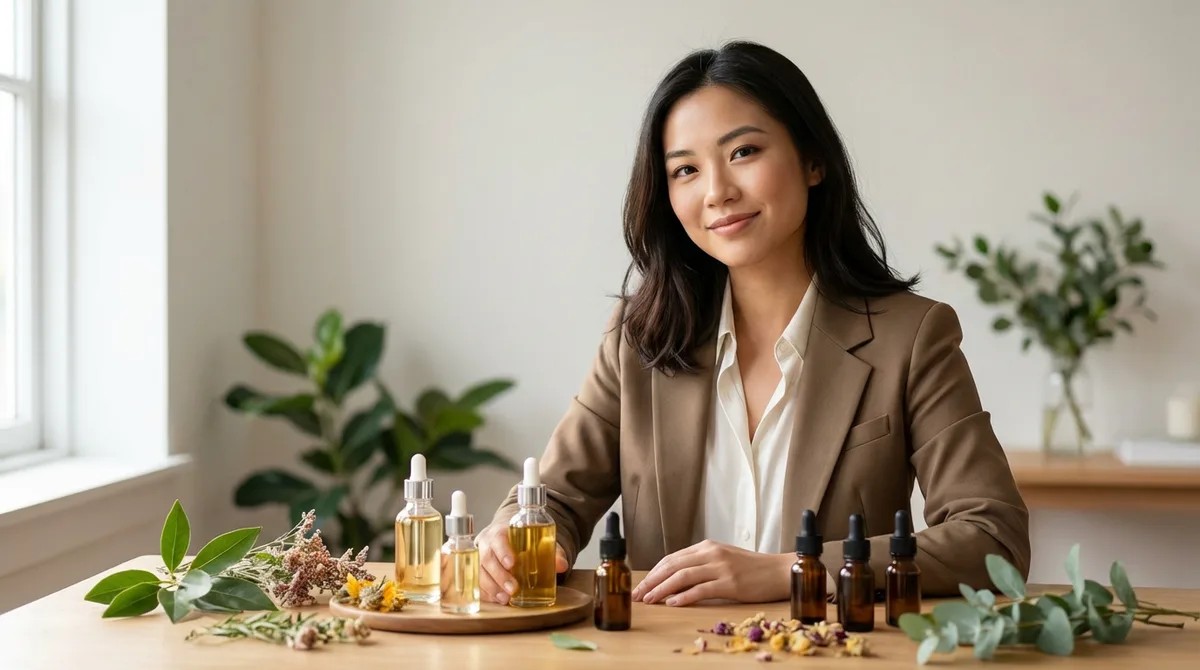
Think twice before dropping $100 on that gorgeous frosted glass serum you saw on Instagram. In this episode, Chloe Chen reveals findings from her three-month investigation testing fourteen eco-effective serums under $30, comparing them head-to-head with prestige brands on formulation transparency, sustainable sourcing, and actual performance. Whether you're a conscious beauty consumer tired of greenwashing or simply want clinical-grade results without the luxury markup, this breakdown exposes why budget eco-serums often outperform their expensive counterparts—and exactly what to look for on the label.
- Real eco-effective brands list exact active ingredient percentages upfront—look for niacinamide at 5-10%, vitamin C at 10-15%, and peptides at minimum 2-5%—while luxury brands often hide behind proprietary blends or bury actives at trace amounts.
- The price-per-milliliter sweet spot for well-formulated eco serums is $0.60-$1.20, compared to $3-$8 per milliliter for luxury versions using identical actives.
- "Clean" and "eco" became meaningless marketing terms by 2024; what actually matters is verifiable supply chain transparency, including where ingredients are sourced and fermented, plus certifications like B Corp, Ecocert, or Leaping Bunny that involve third-party auditing.
- Glass packaging looks luxurious but creates higher shipping emissions—aluminum, post-consumer recycled plastic with take-back programs, and sugarcane-derived bio-plastics are often more sustainable choices.
- Airless pump packaging extends shelf life without aggressive preservatives by preventing oxidation, outperforming expensive dropper bottles that can cause vitamin C serums to degrade within months.
- pH levels determine whether your actives actually work: vitamin C needs pH 2.5-3.5 for stability and penetration, while niacinamide performs best at pH 5-7—brands that list these ranges demonstrate real cosmetic chemistry knowledge.
Read the full article: https://luxurybeautyonabudget.com/best-eco-effective-serums-under-30