LSP's Ear to the Ground
71 episodes — Page 2 of 2
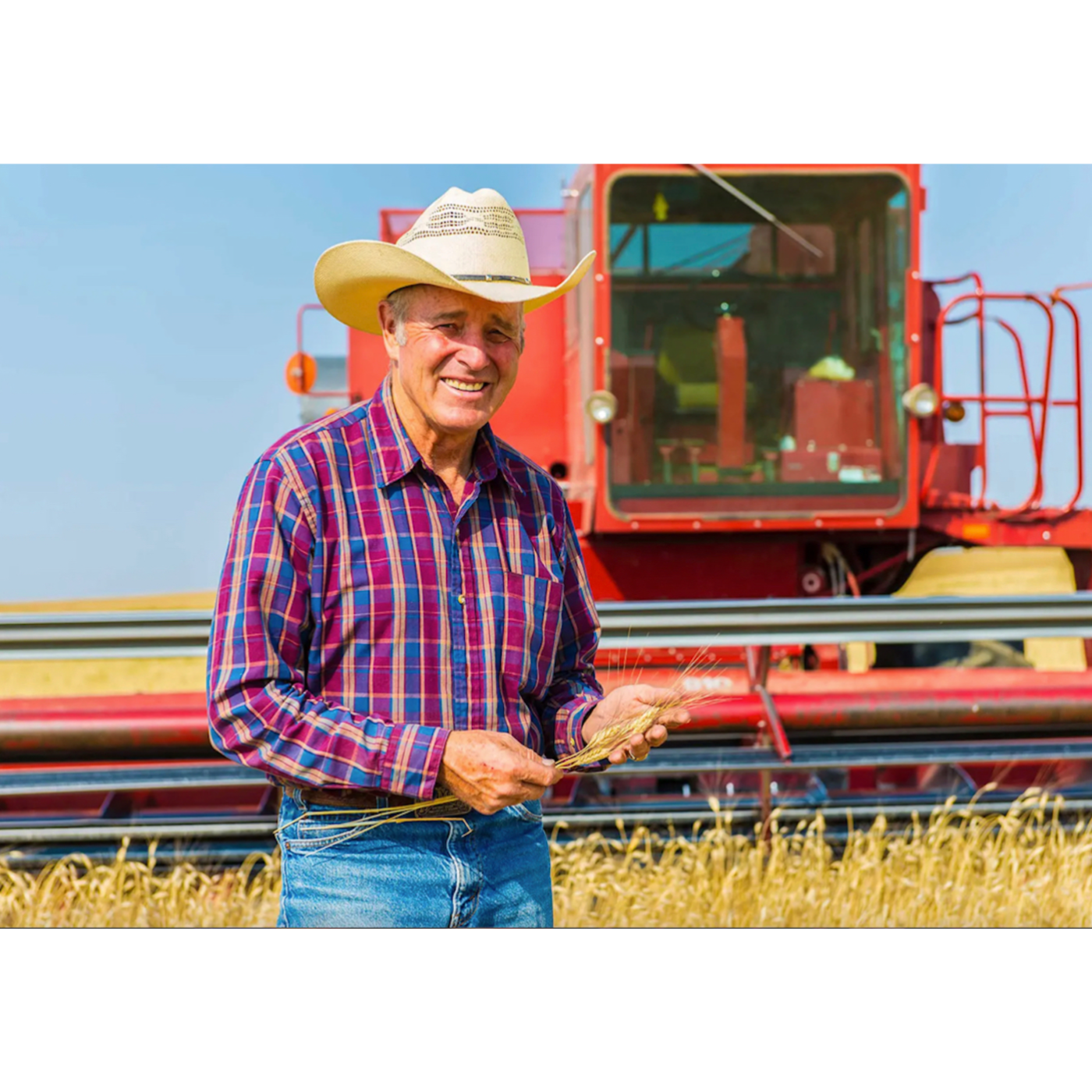
Ep 361Ear to the Ground 361: Additive Vs. Extractive
More Information• LSL Review of Grain By Grain: A Quest to Revive Ancient Wheat, Rural Jobs, and Healthy Food, by Bob Quinn & Liz Carlisle• Quinn Institute• LSP’s Community-Based Food Systems Web Page• LSP’s Soil Health Page
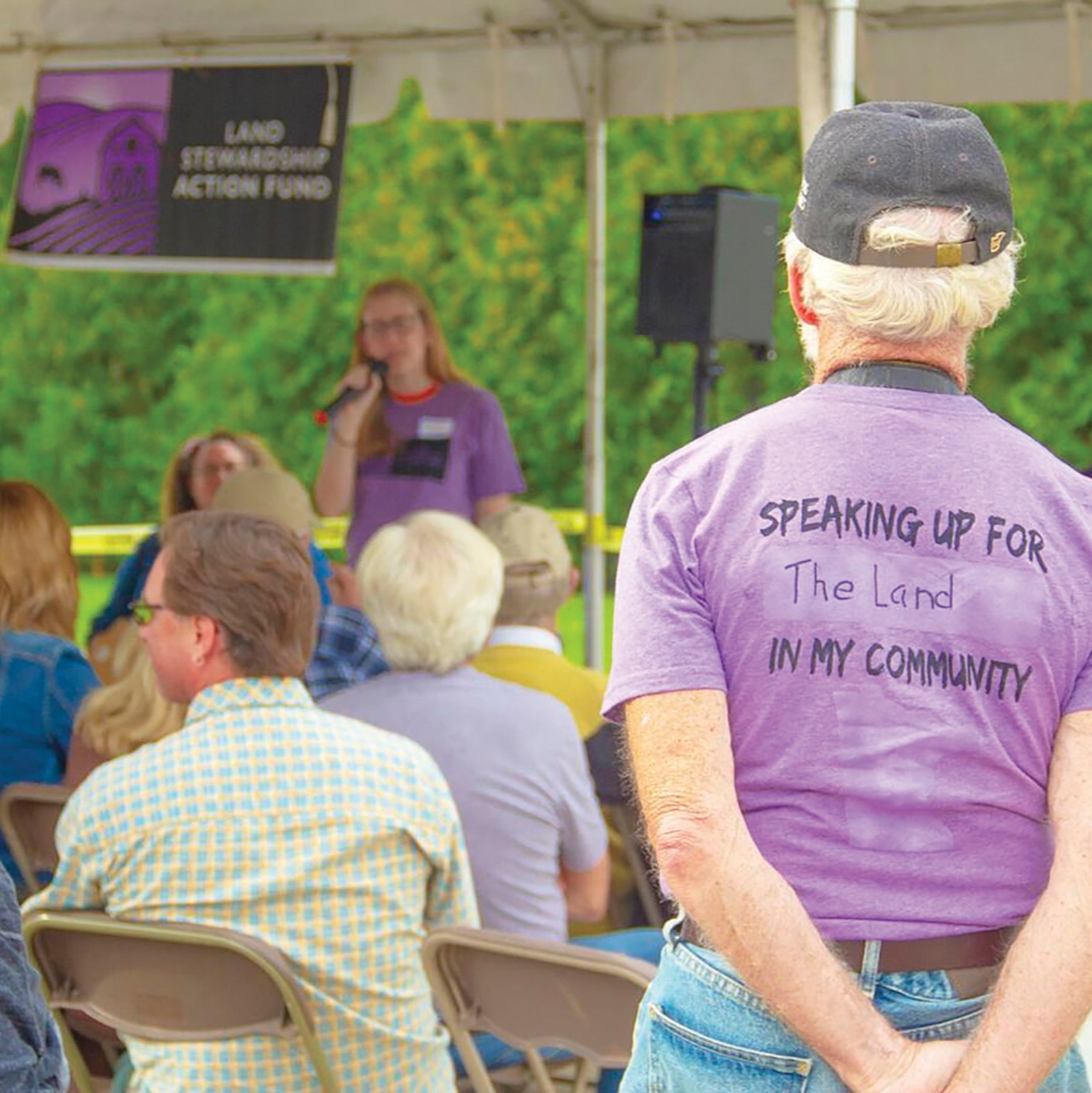
Ep 341Ear to the Ground 341: Seeds of Local Democracy
LSP’s political action partner, the Land Stewardship Action Fund, is working to show that vibrant rural communities require local people participating in decision-making — one vote at a time.More Information:Land Stewardship Action FundLand Stewardship Letter Article: “Land Stewardship Action Fund’s Local Impact” LSP’s Policy Campaigns
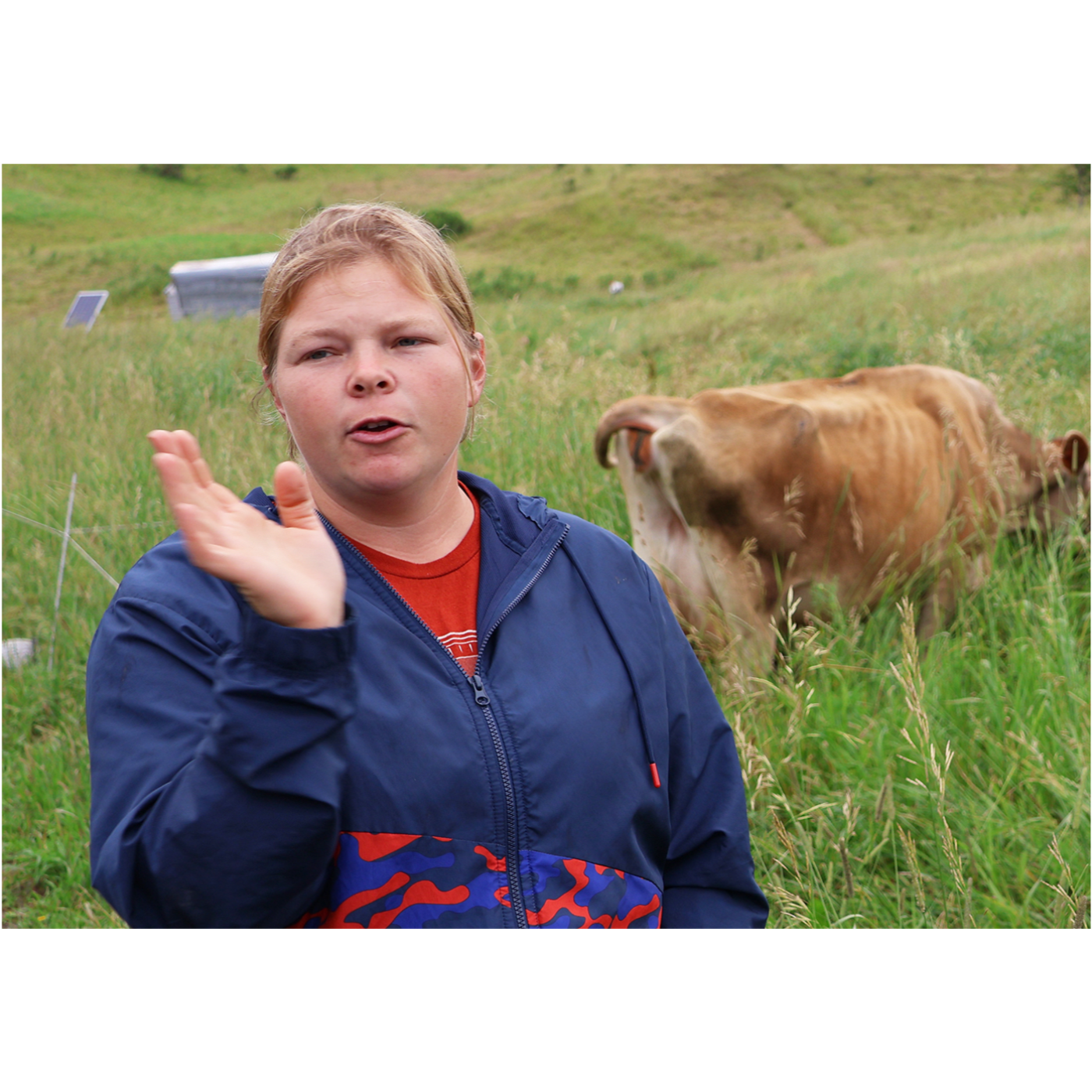
Ep 342Ear to the Ground 342: Ignoring the Red Dress
Wholesome Family Farms is known for juggling enough enterprises to overwhelm even the most ambitious farmer. But Rachelle Meyer says a “three-legged stool” strategy keeps them balanced. (First episode in a series on LSP’s 2024 Grazing School.)More Information:5th in the Grazing School Podcast Series: “Pasture Pixie Dust” 4th in the Grazing School Podcast Series: “Grazing’s Generational Jump” 3rd in the Grazing School Podcast Series: “Flerd is the Word” 2nd in the Grazing School Podcast Series: “Healthy Soil Vs. Plastic Worms” Wholesome Family Farms Drone Footage of Rachelle & Jordan Meyer Moving SheepLSP’s “Building Soil Health Profitably” Web Page LSP’s “Grazing & Soil Health” Web Page LSP’s Farm Beginnings CourseEar to the Ground No. 314: Going for the GoatEar to the Ground No. 291: Shovel Doesn’t LieEar to the Ground No. 255: Embracing the Weed
Ep 343Ear to the Ground 343: Healthy Soil Vs. Plastic Worms
Clifford Johnson calls himself an “honest regenerative hypocrite,” which says a lot about his approach to building soil health on his family’s crop and livestock farm. (Second episode in a series on LSP’s 2024 Grazing School.)More Information:5th in the Grazing School Podcast Series: “Pasture Pixie Dust”4th in the Grazing School Podcast Series: “Grazing’s Generational Jump”3rd in the Grazing School Podcast Series: “Flerd is the Word”1st in the Grazing School Podcast Series: “Ignoring the Red Dress”LSP’s “Building Soil Health Profitably” Web PageLSP’s “Grazing & Soil Health” Web Page
Ep 344Ear to the Ground 344: Flerd is the Word
Poor soil, short growing seasons, and little infrastructure: beginning farmer George Heller is proving that a successful grazing operation doesn’t require optimal conditions. (Third episode in a series on LSP’s 2024 Grazing School.)More Information:5th in the Grazing School Podcast Series: “Pasture Pixie Dust” 4th in the Grazing School Podcast Series: “Grazing’s Generational Jump” 2nd in the Grazing School Podcast Series: “Healthy Soil Vs. Plastic Worms” 1st in the Grazing School Podcast Series: “Ignoring the Red Dress” George Heller YouTube PageSept. 27-28, 2024: Forage Council Grazing School at George Heller Farm, Verndale, Minn. LSP’s “Building Soil Health Profitably” Web PageLSP’s “Grazing & Soil Health” Web Page
Ep 345Ear to the Ground 345: Grazing's Generational Jump
Rick Matt was flat on his back when it became evident how he and his son, Damien, could build an intergenerational farming operation based on soil health, diversity, and grazing. (Fourth episode in a series on LSP’s 2024 Grazing School.)More Information:5th in the Grazing School Podcast Series: “Pasture Pixie Dust” 3rd in the Grazing School Podcast Series: “Flerd is the Word” 2nd in the Grazing School Podcast Series: “Healthy Soil Vs. Plastic Worms” 1st in the Grazing School Podcast Series: “Ignoring the Red Dress” LSP’s “Building Soil Health Profitably” Web Page LSP’s “Grazing & Soil Health” Web Page
Ep 346Ear to the Ground 346: Pasture Pixie Dust
The NRCS’s Jeff Duchene has set up grazing plans in 50 Minnesota counties, and has yet to find that proverbial “magic grass.” But he’s more convinced than ever that good management and good planning are their own kind of silver bullet. (Fifth and last episode in a series on LSP’s 2024 Grazing School.)More Information:4th in the Grazing School Podcast Series: “Grazing’s Generational Jump”3rd in the Grazing School Podcast Series: “Flerd is the Word” 2nd in the Grazing School Podcast Series: “Healthy Soil Vs. Plastic Worms” 1st in the Grazing School Podcast Series: “Ignoring the Red Dress”USDA NRCS Service Center LocatorEnvironmental Quality Incentives Program Conservation Stewardship ProgramLSP’s “Building Soil Health Profitably” Web PageLSP’s “Grazing & Soil Health” Web Page
Ep 347Ear to the Ground 347: Bite-by-Bite
Mapping a rural region’s “community food assets” reveals isolated islands of opportunity in a sea of corn and soybeans. LSP’s Scott DeMuth says now is the time to connect the dots and create a new relationship between farmers, eaters, and the places they live in. For a transcript of this podcast, click here.More Information:LSP’s Community-Based Food Systems Web Page Report: Strengthening community food webs in the Upper Minnesota River ValleyEar to the Ground 335: Bumping ElbowsEar to the Ground 332: Real Food, Real ImpactEar to the Ground 331: Reality CheckEar to the Ground 322: Lunchroom StewardshipEar to the Ground 284: Hive of Healthy Activity
Ep 348Ear to the Ground 348: Urban Agrarian
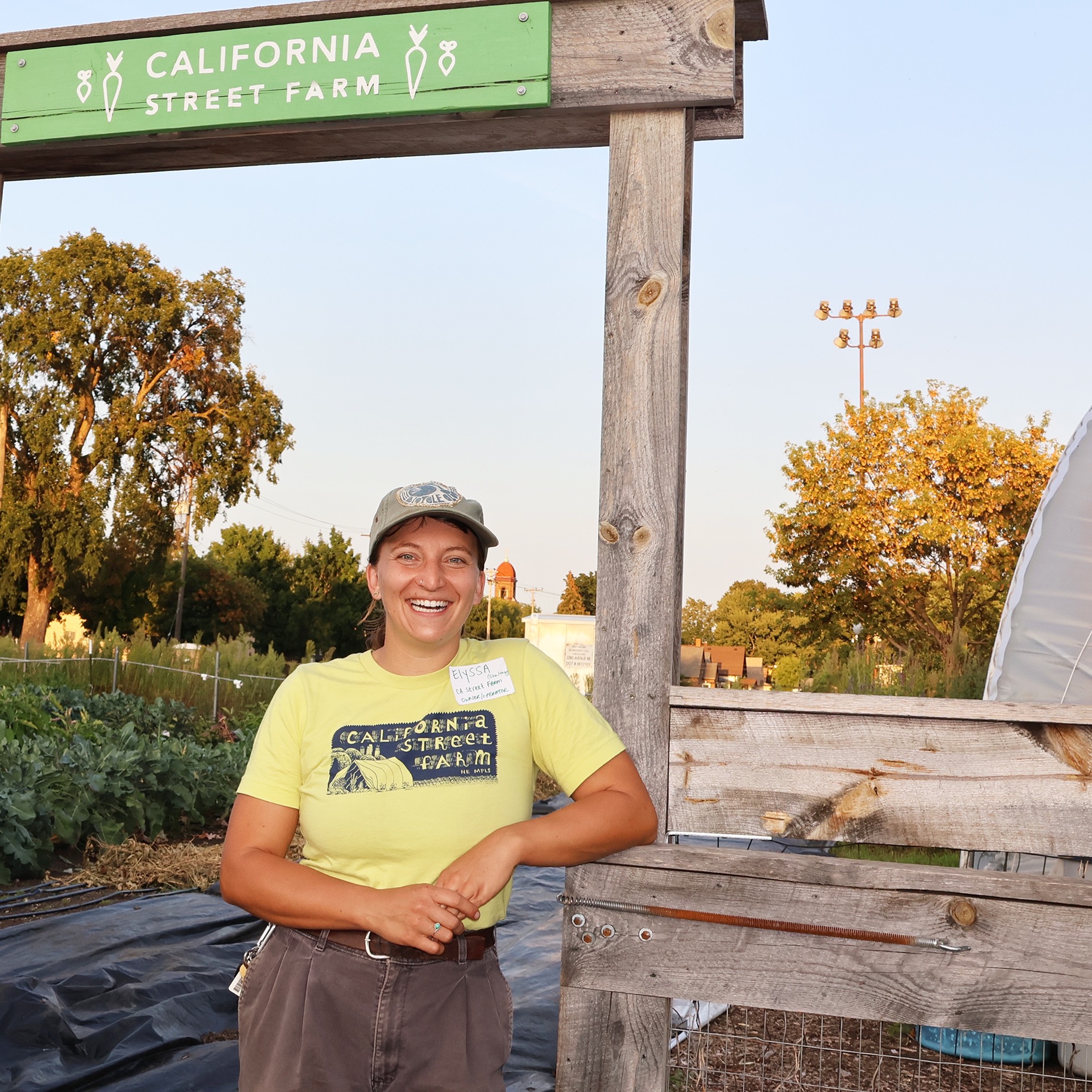
Elyssa Eull’s tiny farm is tucked between railroad tracks and an empty lot in the heart of a major metropolitan area, but its city soil is producing food on a commercial scale.More Information:LSP’s Farm Beginnings CourseCalifornia Street FarmTwin Cities Metro Growers NetworkUSDA Urban Agriculture Programs at a GlanceUSDA Urban Ag & Innovative Production GrantsEar to the Ground 339: Urban Ag’s Moment
Ep 349Ear to the Ground 349: Family, Farming & Forages
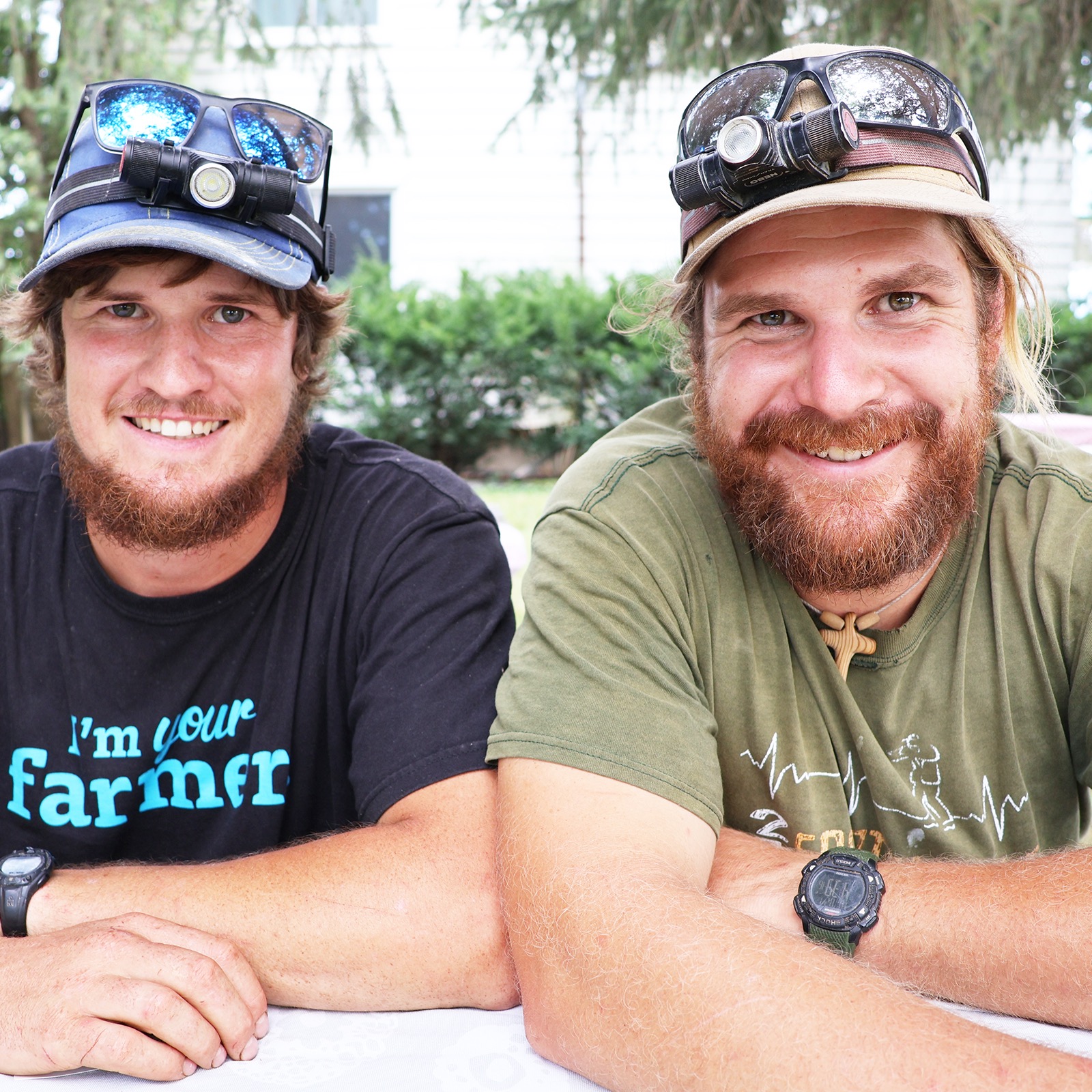
Since taking over their family’s livestock operation, Parker and Sam Beard have added a few new twists. But one thing will never change: those hills will remain in grass.More Information:LSP’s Grazing & Soil Health Web Page LSP’s Farm Transitions Tools Web PageIowa Organic Association
Ep 350Ear to the Ground 350: Cranking Up Capacity
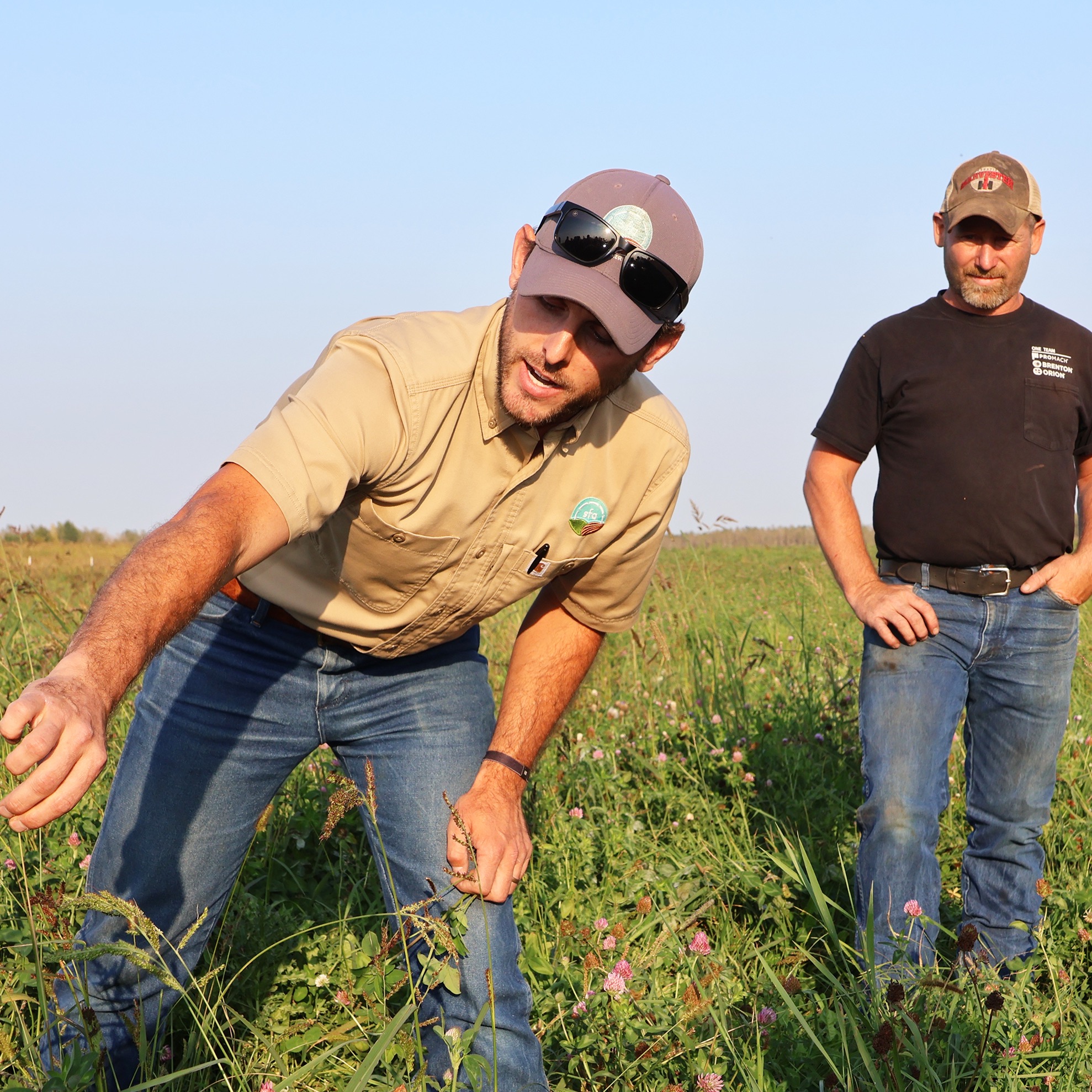
By building soil biology via managed grazing, Langdon Collom is learning that expanding a farm’s capacity doesn’t always require horizontal expansion — sometimes you can simply go vertical.More Information:LSP’s Grazing & Soil Health Web Page Match Made in Heaven: Livestock + Crops Sustainable Farming Association Midwest Grazing Exchange Minnesota Cropland Grazing Exchange
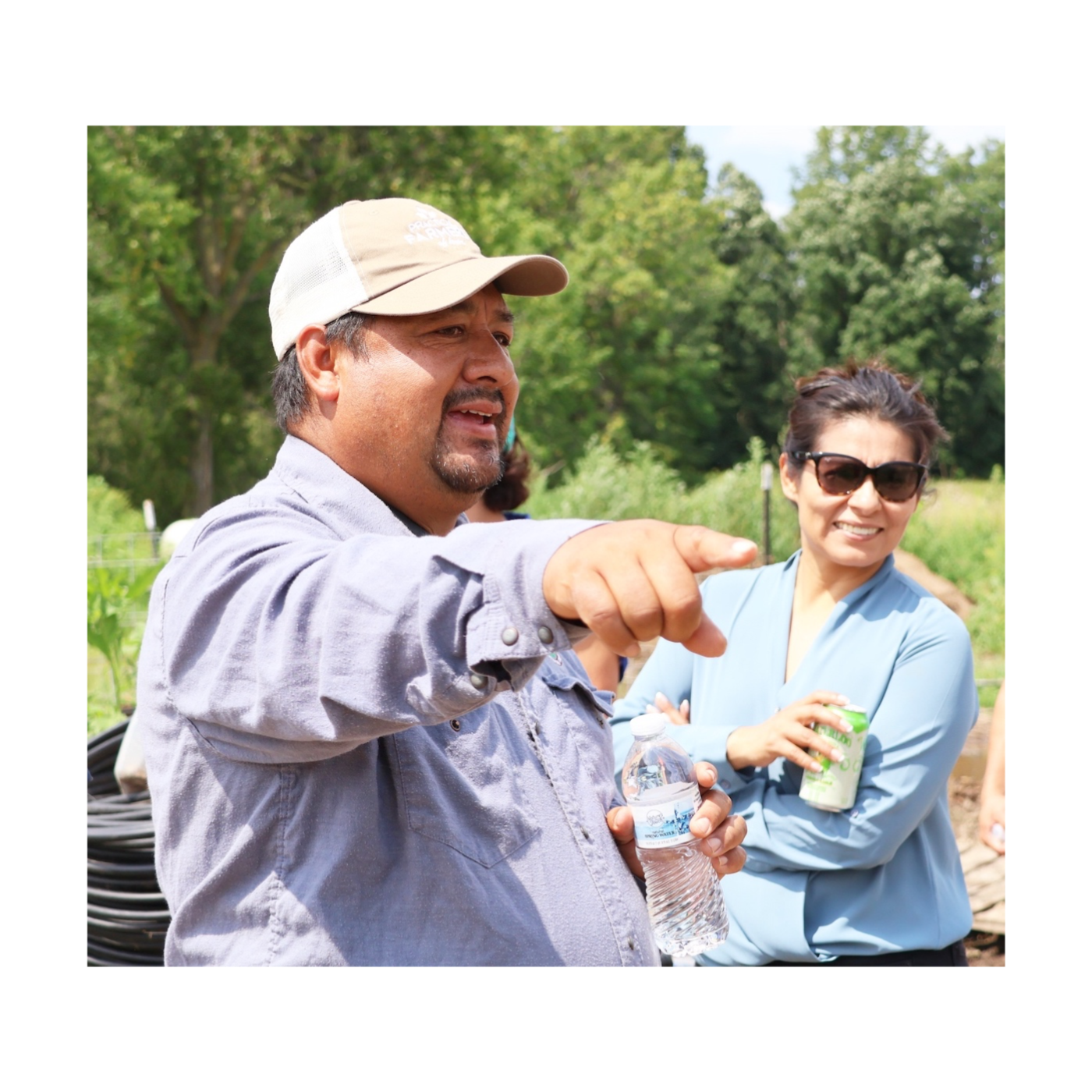
Ep 360Ear to the Ground 360: Food Bank Booster
At a time when rural residents are grappling with high food insecurity, an innovative Wisconsin program is connecting local farmers with local eaters.More Information:Wisconsin Local Food Purchase Assistance ProgramLSP’s Community-Based Food Systems Web PageLatino Economic Development CenterThreshing Table Farm
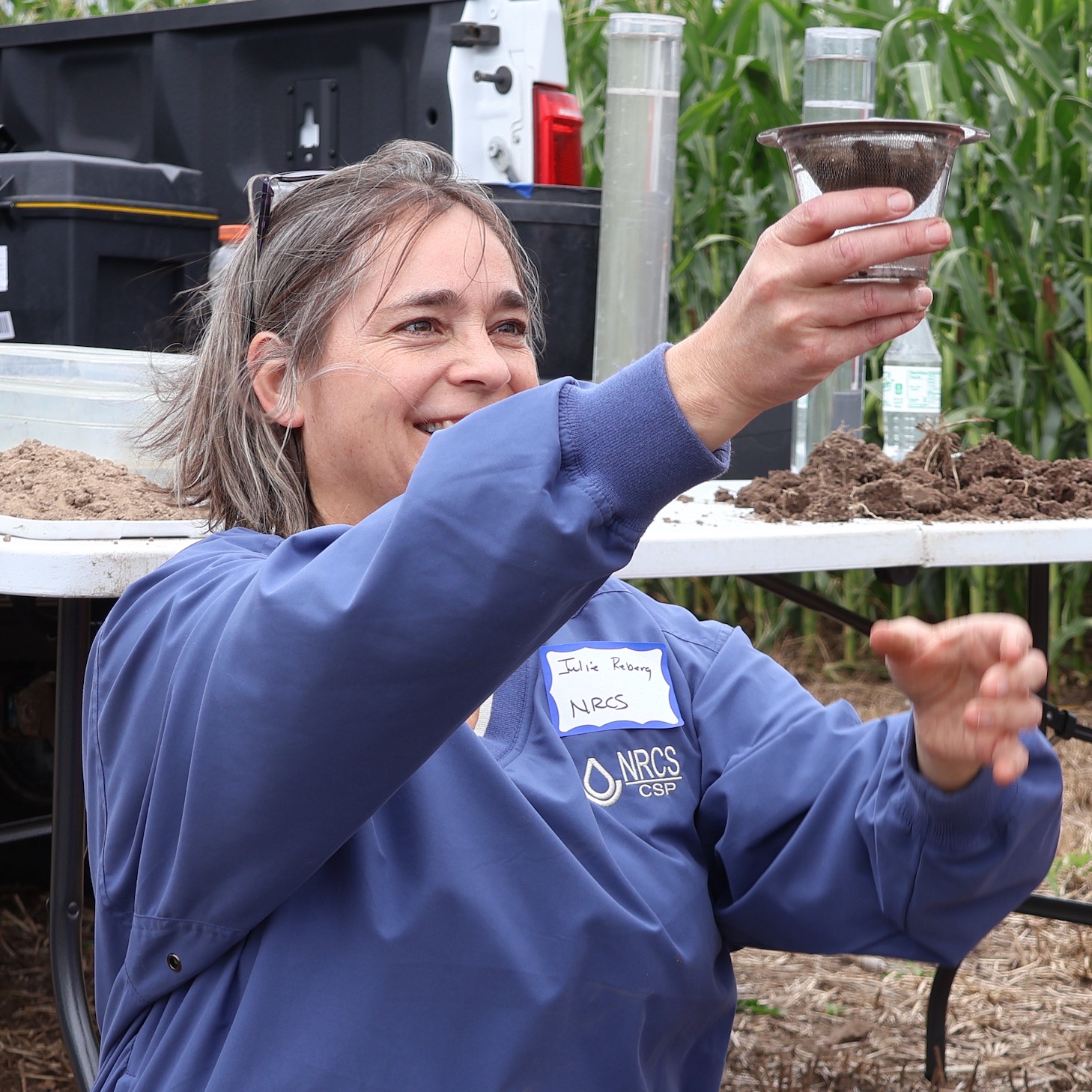
Ep 359Ear to the Ground 359: Trash to Treasure
Soil conservationist Julie Reberg sees composting as a “very scientific art form” that can transform waste into biological bullion.More Information:LSP’s Soil Microbiology Web PageNRCS Manure Composting Fact SheetEar to the Ground 358: Low Input – High ReturnsEar to the Ground 352: Land of the LivingEar to the Ground 292: Working the Microbes
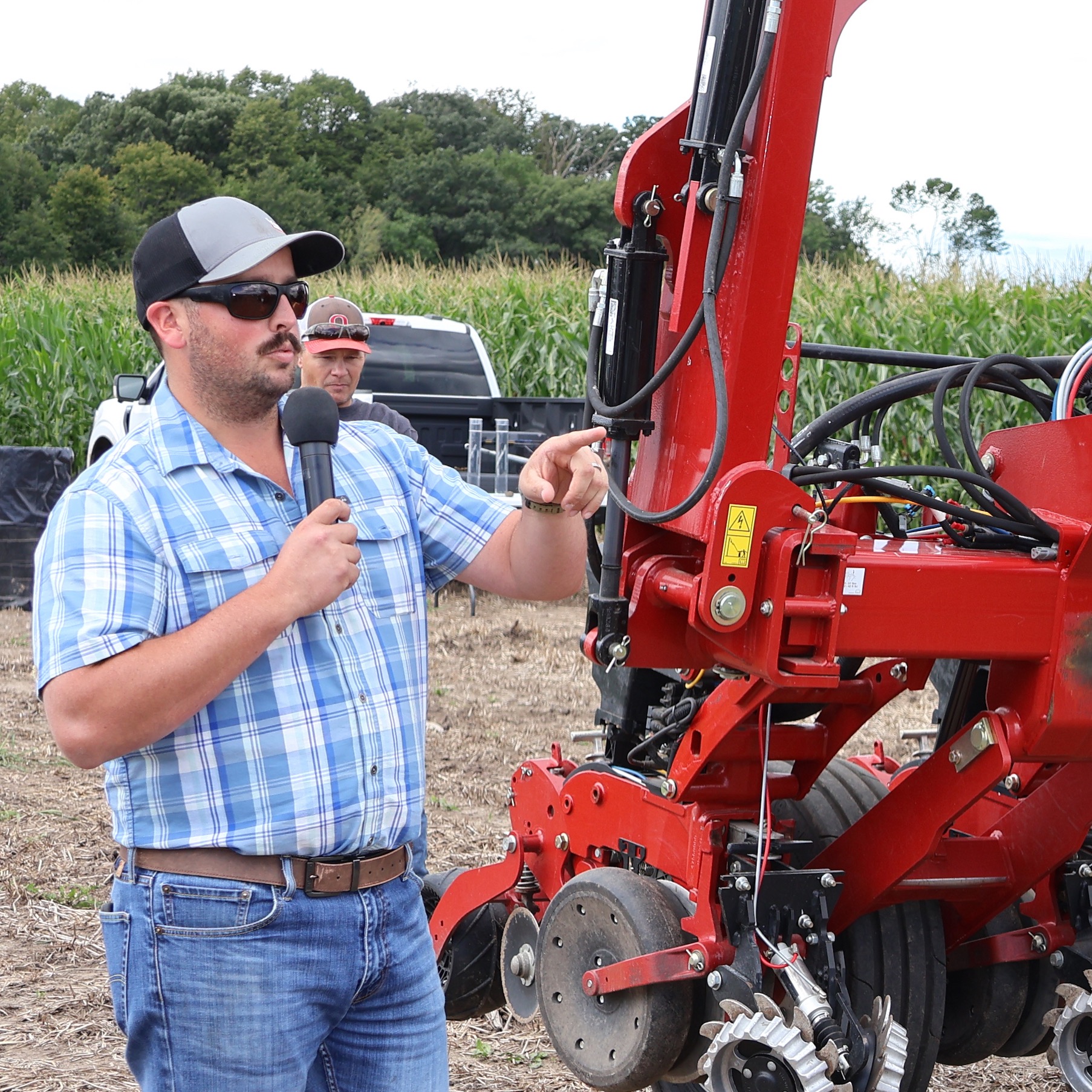
Ep 358Ear to the Ground 358: Low Input - High Returns
Alex Udermann and his family at Meadowbrook Dairy were tired of working harder and harder for less and less. So they invested in building the kind of healthy soil that pays off economically, environmentally, and from a quality of life point of view.More Information:LSP’s Soil Health Web PageMinnesota Agricultural Water Quality Certification Program
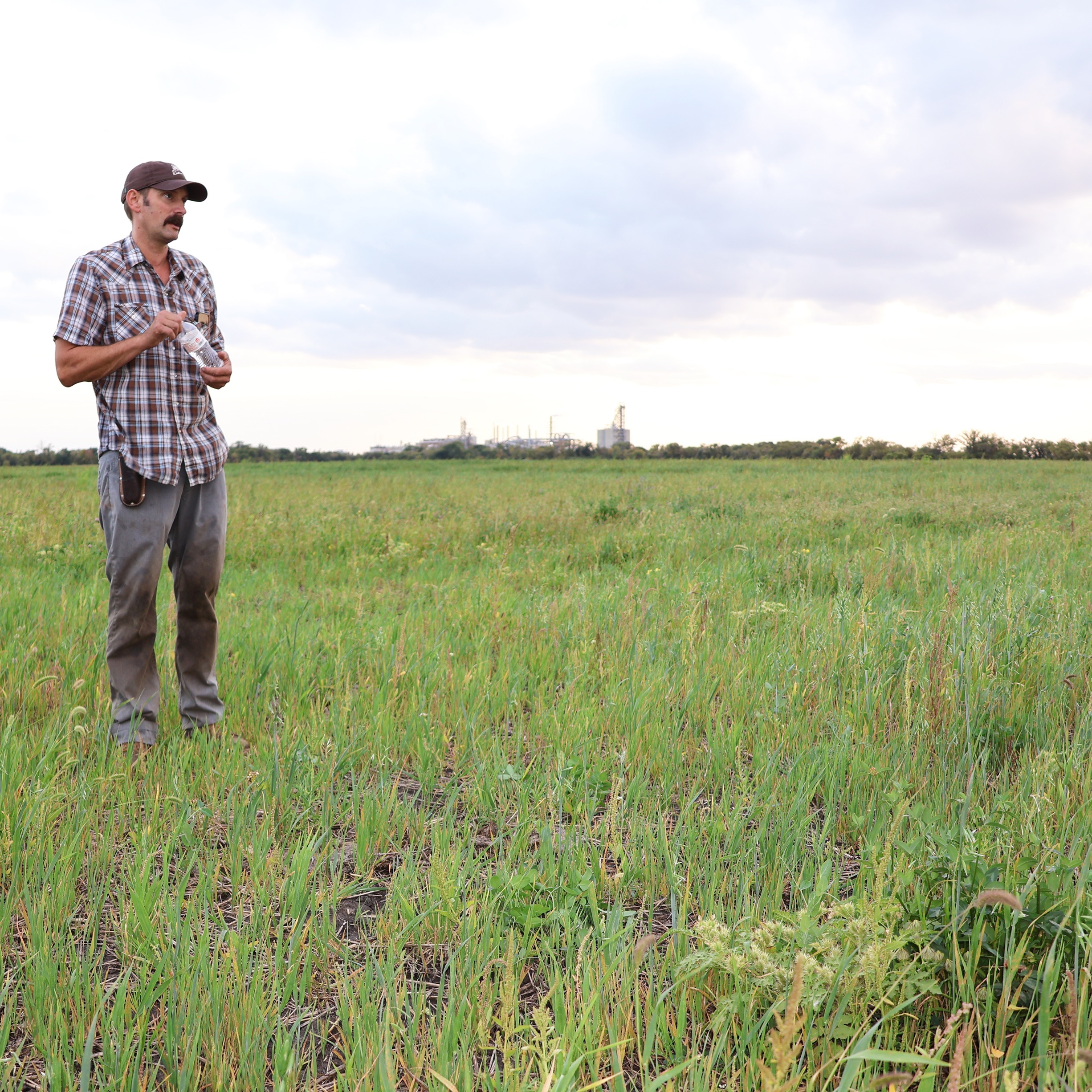
Ep 357Ear to the Ground 357: Against the Grain
As farmers from across the region haul corn past Allen and Kathleen Deutz’s farm to the local ethanol plant, they can’t help but notice fences, livestock, and a diversity of plants. What’s not as immediately evident is how this counter-intuitive way of farming is building long-term soil health and resilience.More Information:LSP’s Soil Health Web PageMatch Made in Heaven: Livestock + CropsRedwood River Farms
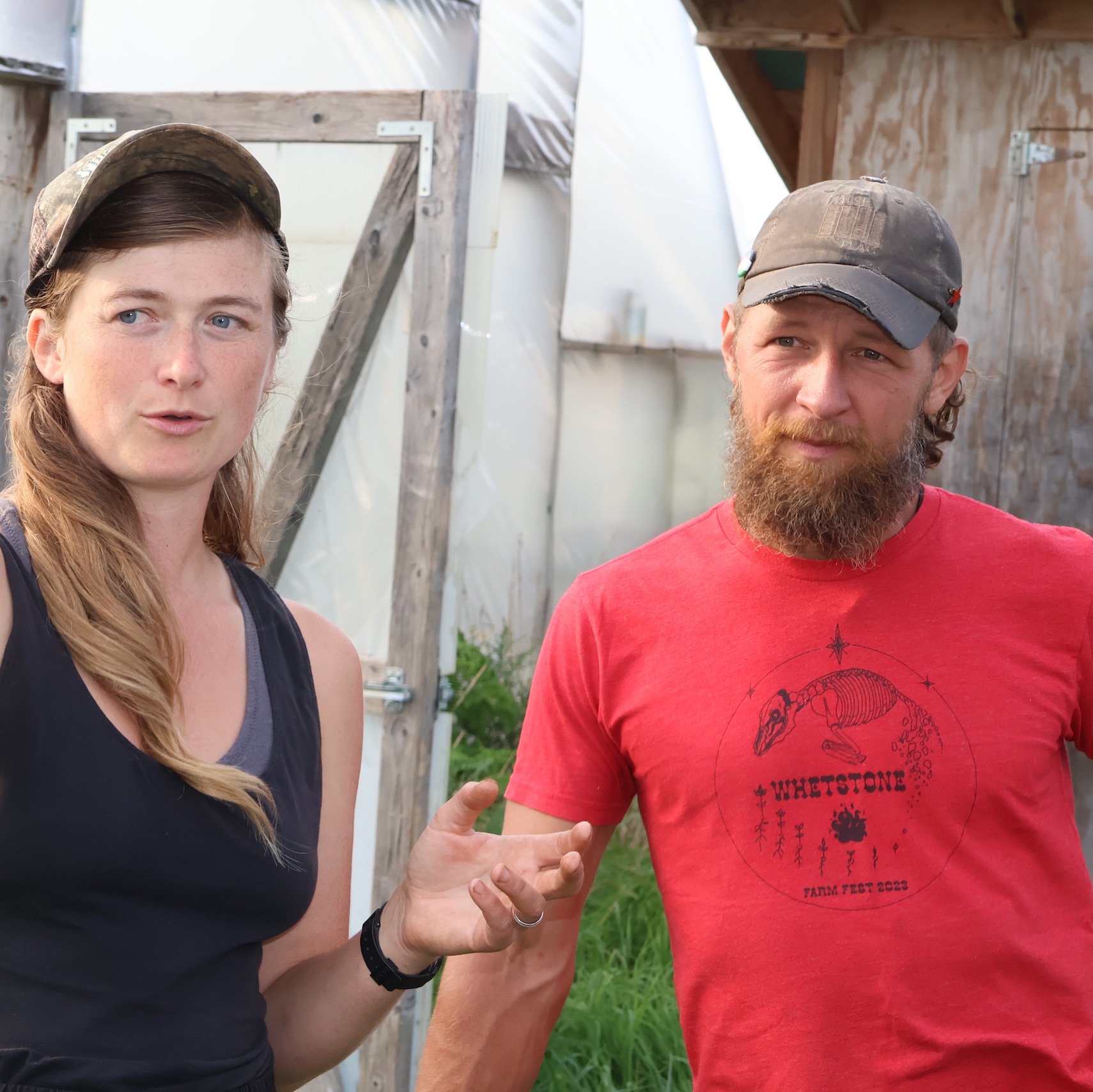
Ep 356Ear to the Ground 356: First Things First
Thinking of applying for NRCS funds? First, advises vegetable and livestock farmer Klaus Zimmermann-Mayo, figure out what kind of farming you want to do and how you want to do it.More Information:Whetstone Farm Go Farm Connect NRCS Environmental Quality Incentives Program NRCS Service Center Locator
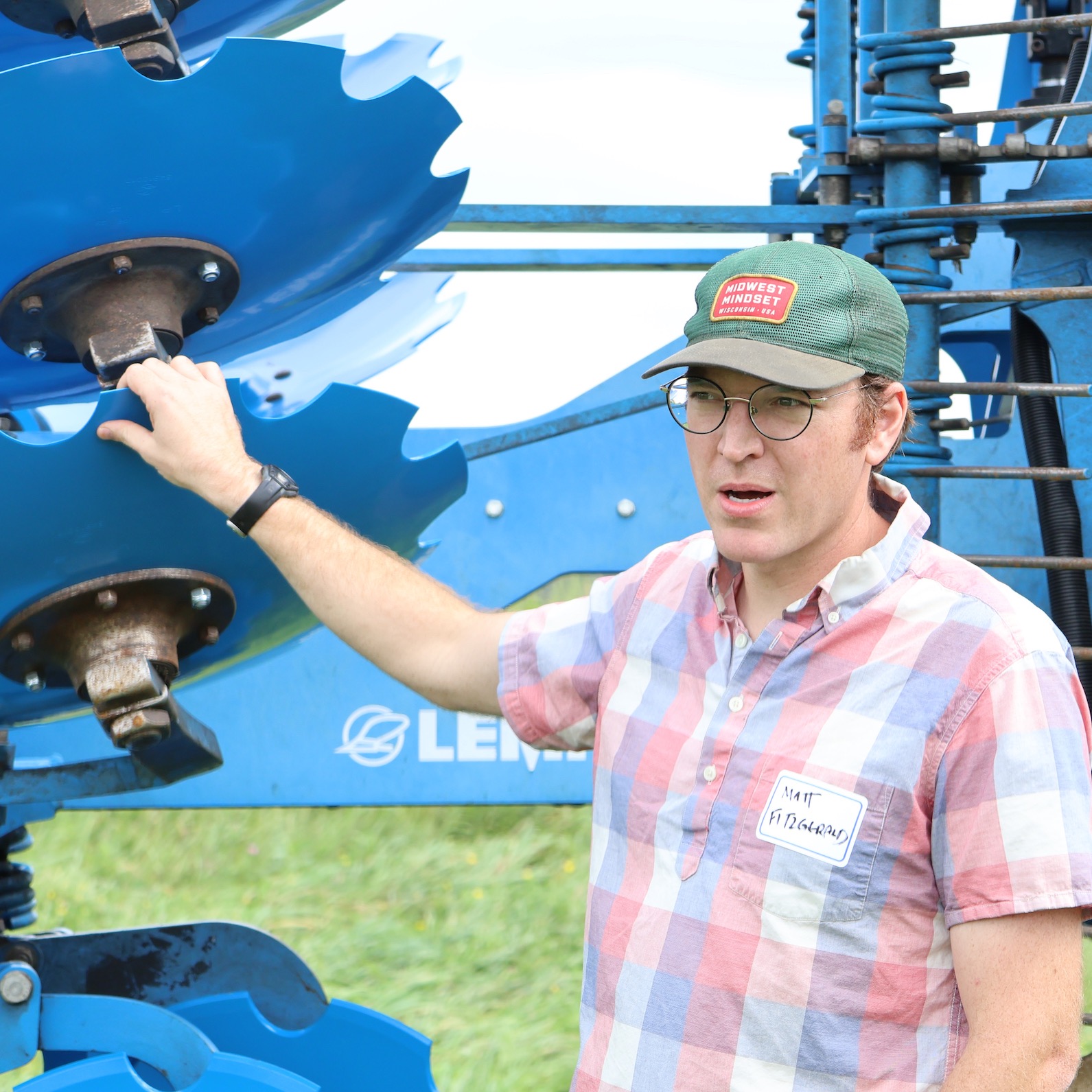
Ep 355Ear to the Ground 355: Silver Buckshot
Father-son team Joe and Matthew Fitzgerald are quite willing to share their insights with other farmers on how to get started in organic crop production. First piece of advice: sell your fishing boat.More Information:• Fitzgerald Organic Mad Agriculture Video • Organic Agronomy Training Service • LSP Soil Health Web Page
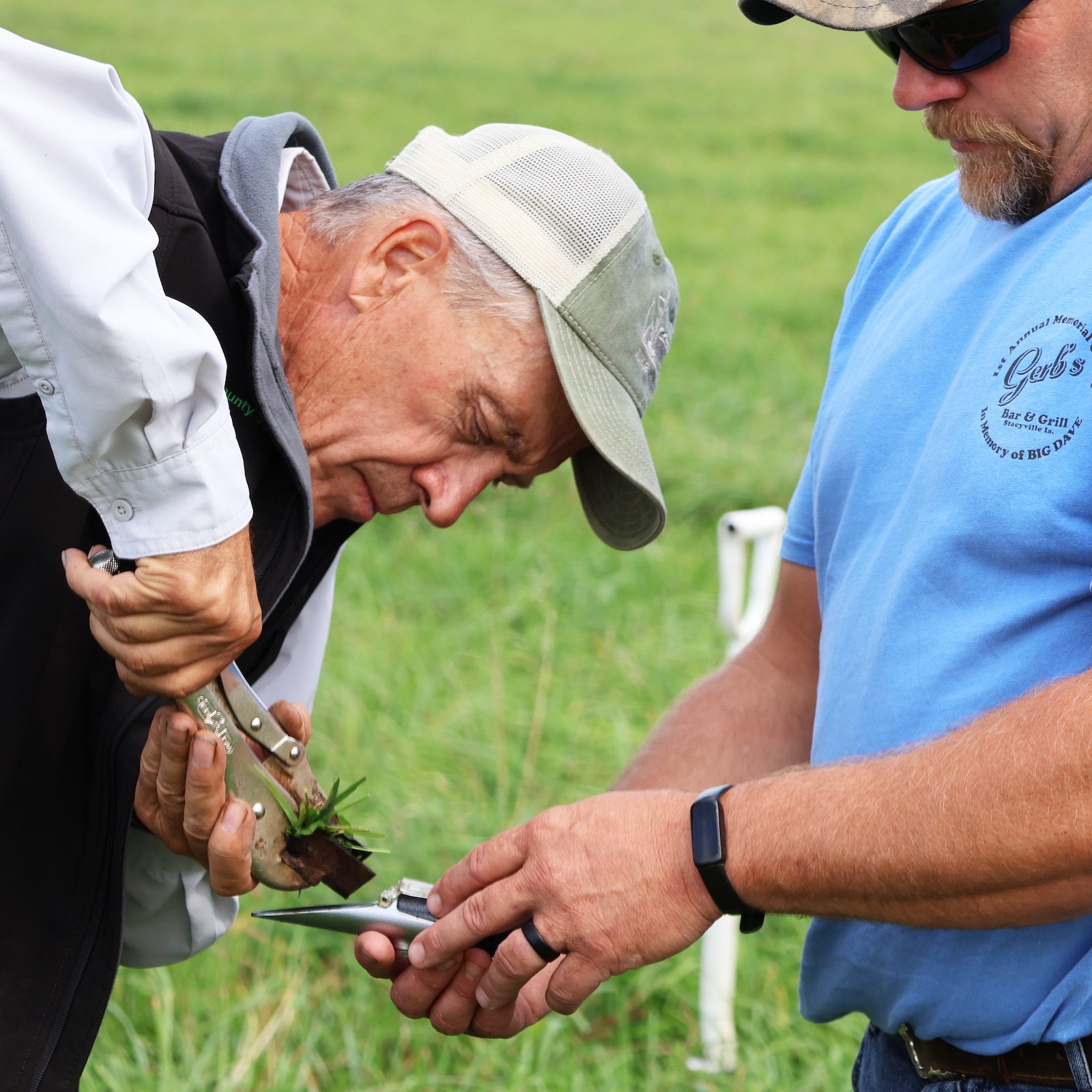
Ep 354Ear to the Ground 354: Great Expectations
When Jay Fuhrer first started talking to his conservation colleagues about a different approach to protecting and building soil, he ended up eating lunch alone. But eventually the Burleigh County Soil Health Team helped launch a movement that’s showing how farming, the environment, and local economies benefit when people stop accepting soil as a degraded resource.More Information:Ear to the Ground 353: 7 Years LaterLSP Soil Health Web Page Menoken Farm Web Site2012 LSL Article on Burleigh County Soil Health Team
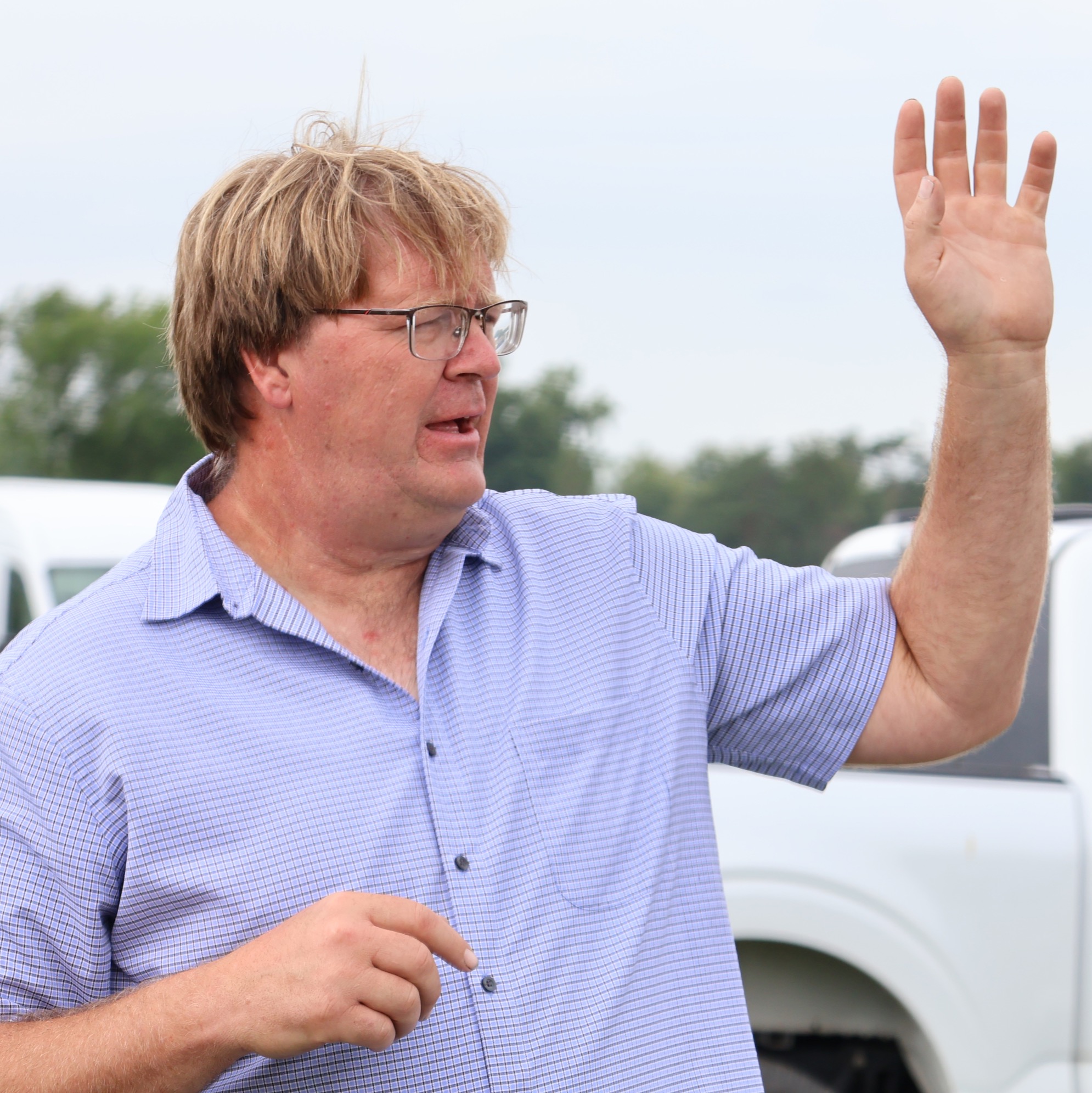
Ep 353Ear to the Ground 353: 7 Years Later
Jon and Carin Stevens farm unforgiving land that leaves little room for mistakes. But thanks to a system based on no-till, cover cropping, and reintegrating livestock, a “victory year” has finally emerged from the ashes of failure.More Information:LSP Soil Health Web PageMaple Grove Farms YouTube Page
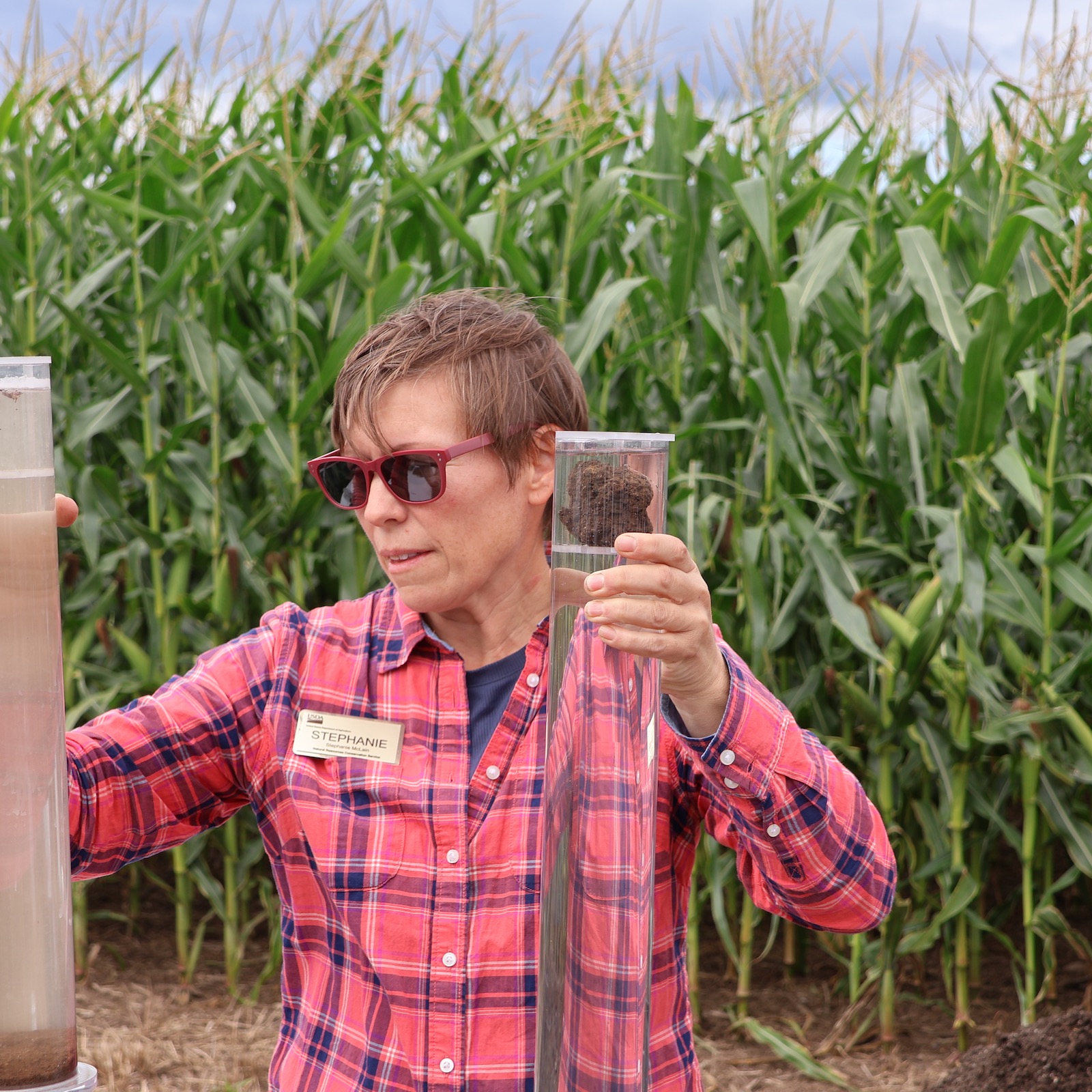
Ep 352Ear to the Ground 352: Land of the Living
Soil health expert Stephanie McLain has found that once farmers start seeking life in the bottom of a red Solo cup, there’s no turning back.More InformationLSP Soil Health Web PageNRCS Soil Health Web Page
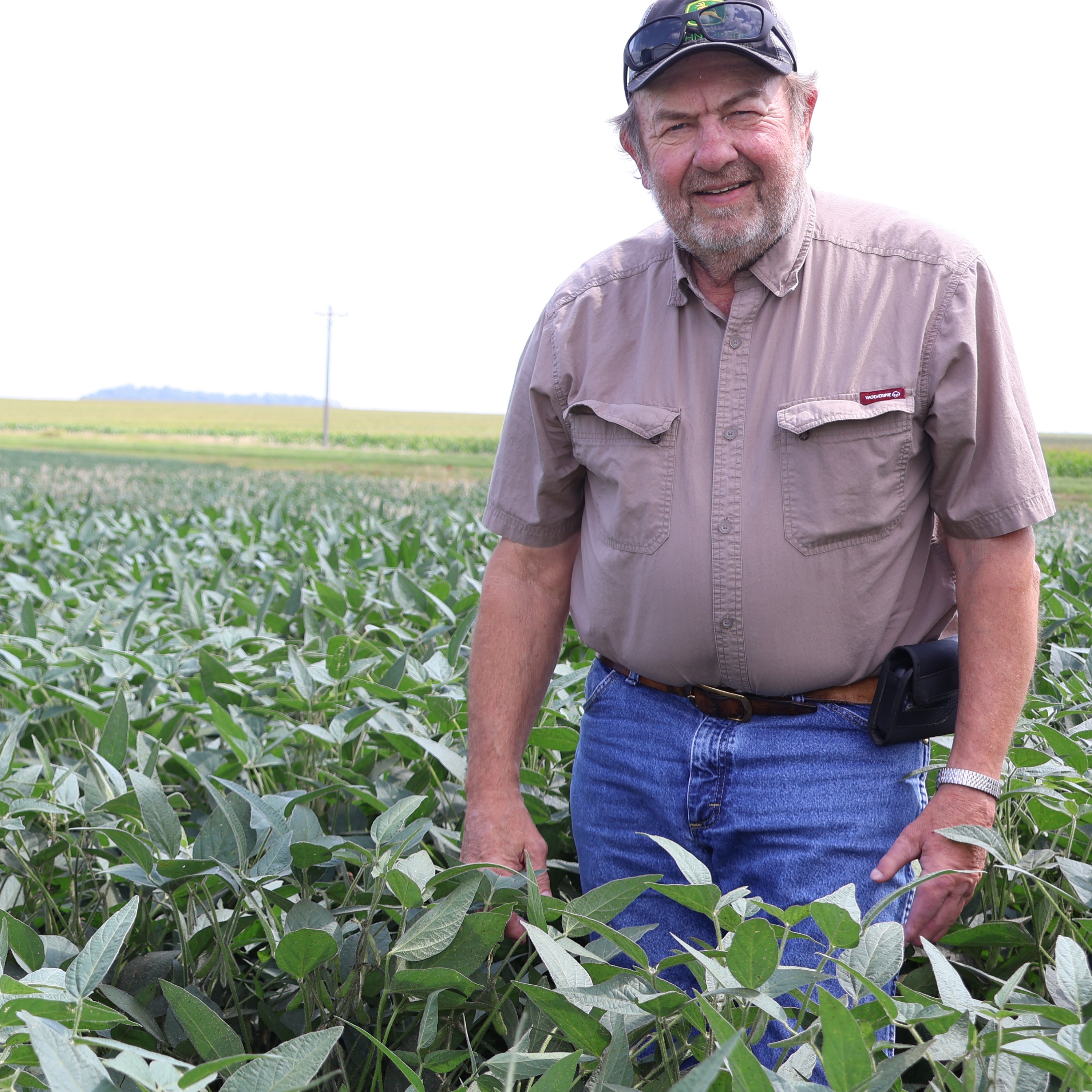
Ep 351Ear to the Ground 351: Less Tillage, More Money
Jerry and Nancy Ackermann’s use of no-till and cover-cropping is building healthier soil, boosting beneficial bugs, and bolstering a positive financial bottom line.More Information:LSP’s No-till Web Page LSP’s Cover Crops Web Page Jerry Ackermann Video: Setting Up Your Equipment for Soil Health