LSP's Ear to the Ground
Brian DeVore, Land Stewardship Project
Show overview
LSP's Ear to the Ground has been publishing since 2024, and across the 2 years since has built a catalogue of 71 episodes. That works out to roughly 40 hours of audio in total. Releases follow a fortnightly cadence.
Episodes typically run twenty to thirty-five minutes — most land between 27 min and 40 min — though episode length varies meaningfully from one episode to the next. None of the episodes are flagged explicit by the publisher. It is catalogued as a EN-language Education show.
The show is actively publishing — the most recent episode landed 4 days ago, with 19 episodes already out so far this year. Published by Brian DeVore, Land Stewardship Project.
From the publisher
LSP's Ear to the Ground features in-the-field interviews with farmers, scientists, activists, and others involved with creating a regenerative, sustainable farm and food system. It is the official podcast of the Land Stewardship Project.
Latest Episodes
View all 71 episodesEar to the Ground 410: Navigating a Way Out
Ear to the Ground 409: Mass Market Madness
Ear to the Ground 408: Civic Spark
Ear to the Ground 407: Dairy Dilemma
Ear to the Ground 406: Pasture Peers
Ear to the Ground 405: High Voltage
Ear to the Ground 404: Closing the Loop
Ear to the Ground 403: Values on the Table
Ear to the Ground 402: Enemy of Good
Ear to the Ground 401: The Belly of Belief
Ear to the Ground 400: Small Farms, Big Markets
Ear to the Ground 399: Asking Why
Ear to the Ground 398: Land Grant Guarantee
Ep 397Ear to the Ground 397: Black Energy
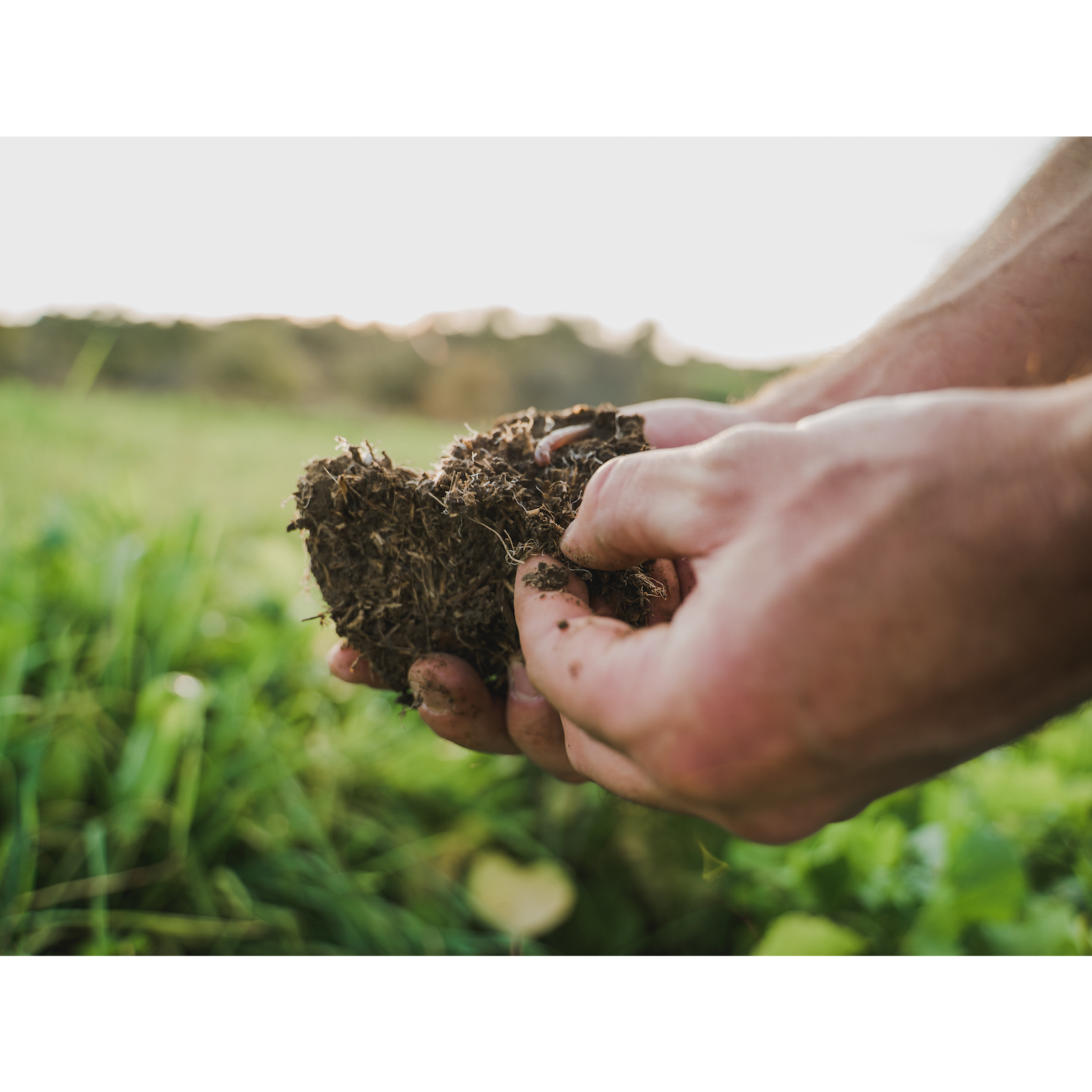
In 1986, Joe Paddock co-authored a book called Soil and Survival. Its message: the relationship between farming and the land is in serious need of repair. Four decades later, that message is more relevant than ever.More Information:• Soil and Survival • Planting in the Dust Script • Joe Paddock • Joe Paddock’s Books • Nancy Paddock • Carol Bly • Making Change from the Ground Up: 40 Stories for 40 Years of Land Stewardship Project
Ep 396Ear to the Ground 396: Accountable Ag
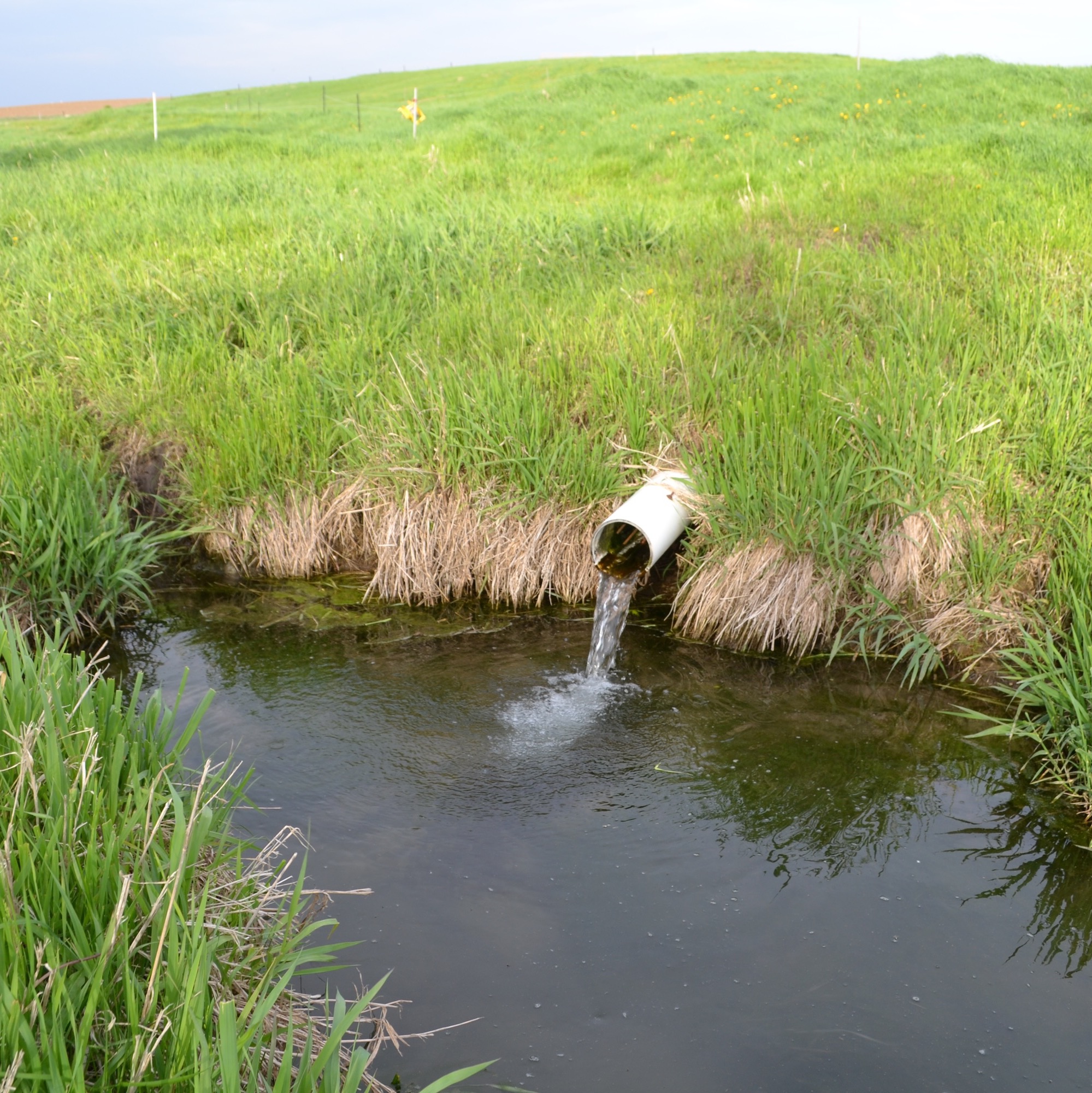
These three crop producers see no reason why productive farming and clean water can’t co-exist. But first, we need to stop the greenwashing and get our hands dirty. (2 of 2 parts; part 1 is here)More Information:• Ear to the Ground 395: The Lobe Rangers • LSP Soil Health Web Page • LSP Myth Buster No. 68: “When Nitrogen is Gone, it Can be Forgotten” • SARE Fact Sheet: “Cover Crops at Work: Keeping Nutrients Out of Waterways” • Article: “A report tied Iowa’s water pollution to agriculture. Then the money to promote it mysteriously disappeared” • Researcher’s Analysis of Nov. 2025 Iowa Farm Bureau Statement on Water Quality • LSP Blog: The Crop Insurance Conundrum • PNAS Paper: “The Extent of Soil Loss Across the US Corn Belt” • ISU CARD Analysis: “Cover Crop Adoption Decelerates and No-till Area Stagnates in the I-States”
Ep 395Ear to the Ground 395: The Lobe Rangers
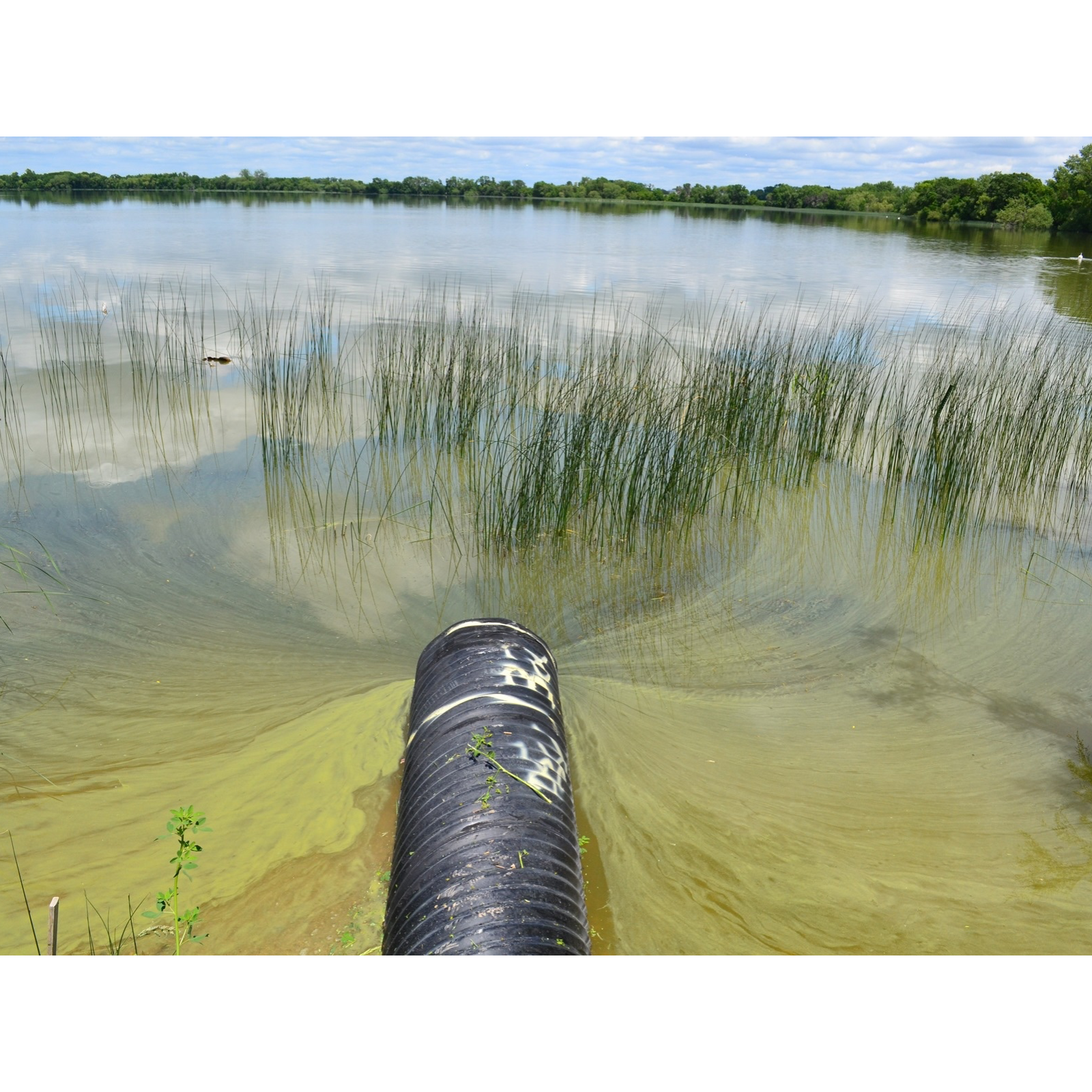
In the Corn Belt, water quality is not improving at a rate that is leading to meaningful landscape level change, and these poster boys for conservation farming say it’s time for the ag industry, commodity groups, and government to step up and take responsibility. (1 of 2 parts; part 2 here)More Information:• Ear to the Ground 396: Accountable Ag• LSP Soil Health Web Page• LSP Myth Buster No. 68: “When Nitrogen is Gone, it Can be Forgotten”• SARE Fact Sheet: “Cover Crops at Work: Keeping Nutrients Out of Waterways”• LSP Blog: The Crop Insurance Conundrum• Researcher’s Analysis of Nov. 2025 Iowa Farm Bureau Statement on Water Quality• PNAS Paper: “The Extent of Soil Loss Across the US Corn Belt”• ISU CARD Analysis: “Cover Crop Adoption Decelerates and No-till Area Stagnates in the I-States”
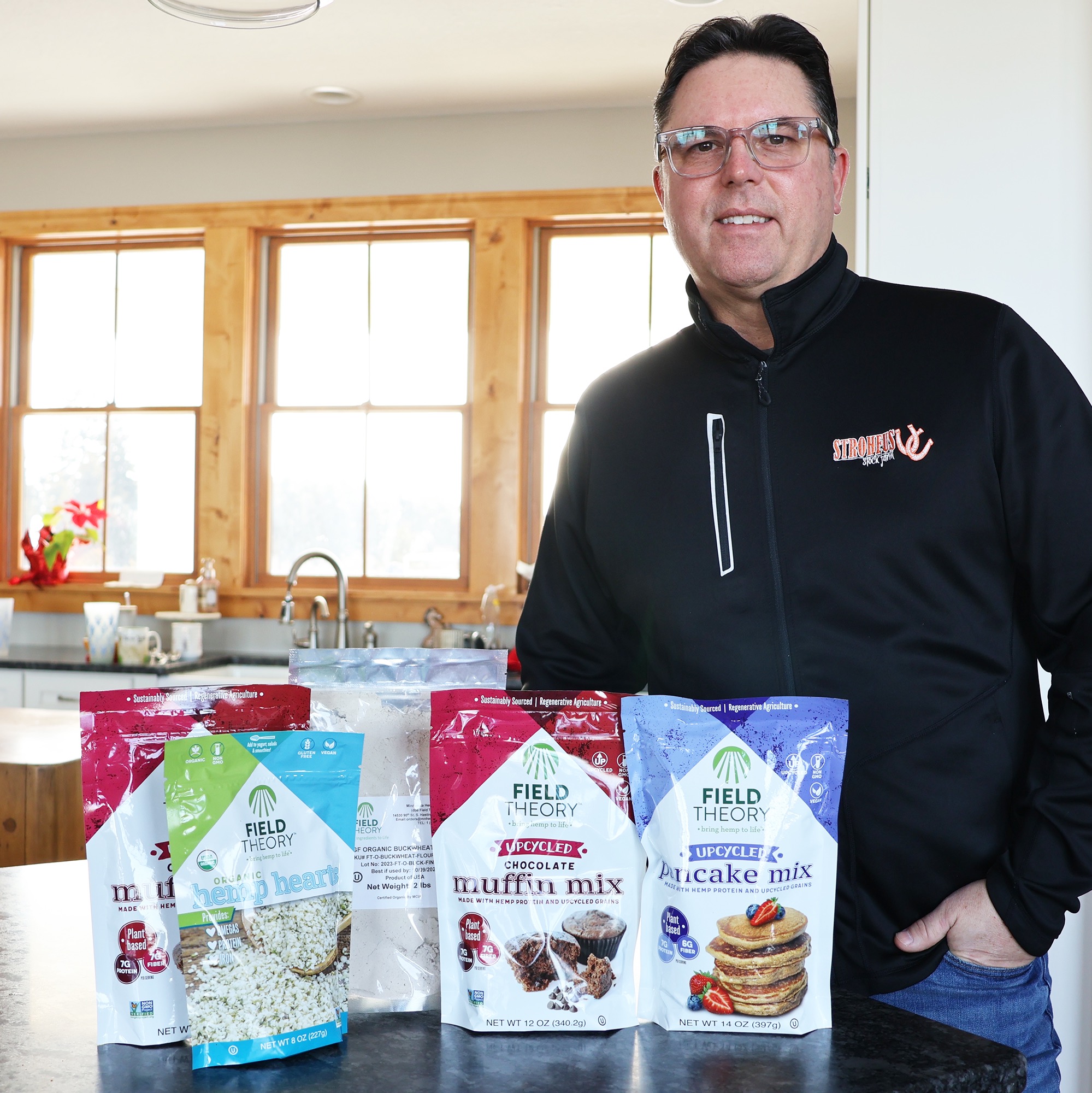
Ep 394Ear to the Ground 394: Canceling Commodities
As a farmer and entrepreneur, John Strohfus sees the production of food-grade crops as a key opportunity for regenerative farmers to forge links in a value chain based on building healthy soil.More Information:• Jan. 27, 2026, LSP Workshop — “Beyond Exports: Rebuilding Local Markets”• Field Theory Foods• LSP Small Grains Web Page• Ear to the Ground podcast 393: Risk Reducers• Ear to the Ground podcast 392: Diversity’s Diet
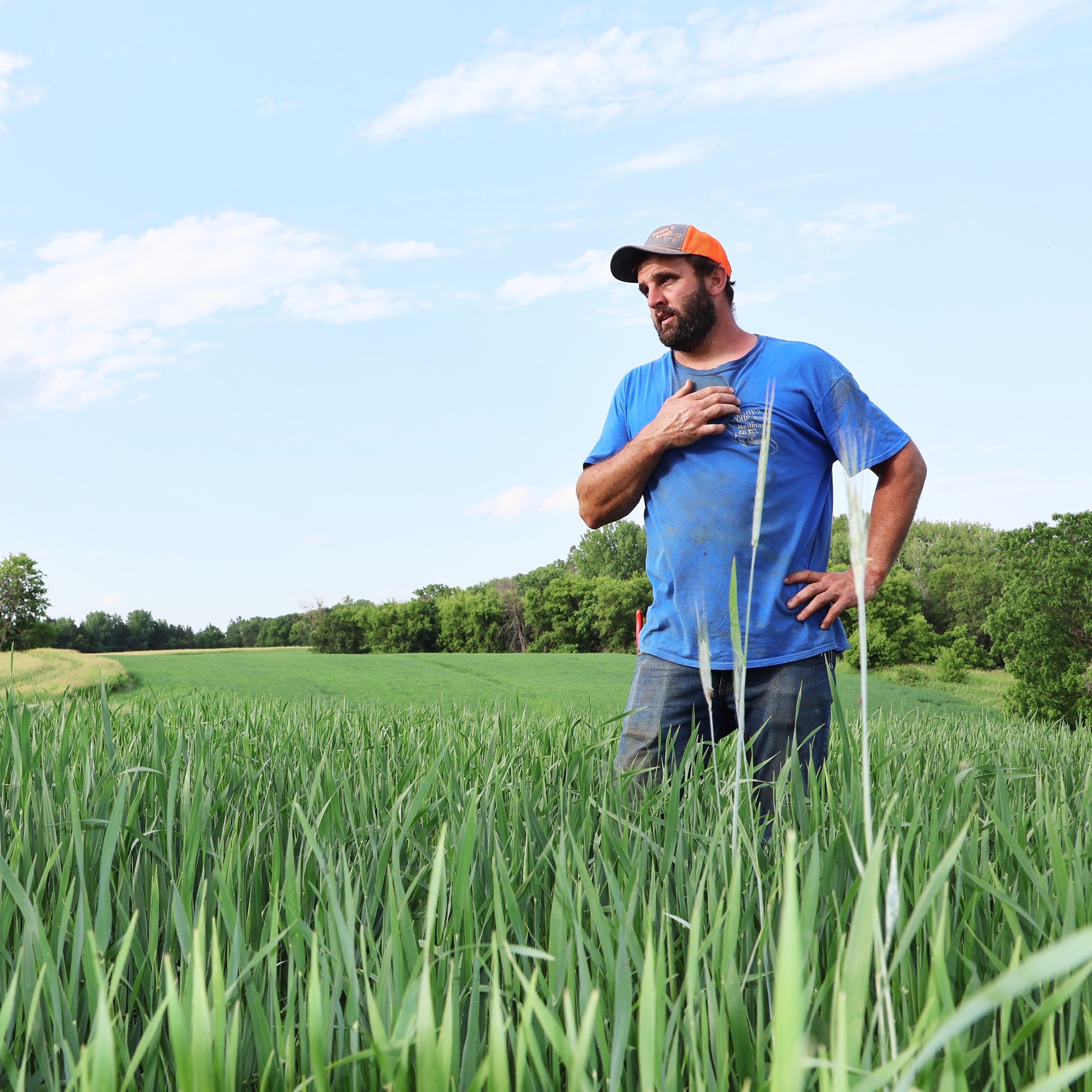
Ep 393Ear to the Ground 393: Risk Reducers
Alan Jostock uses the kind of diversity that builds soil health as a kind of insurance policy for his farm. That means meshing his crop and livestock enterprises in a way that they prop each other up through thick and thin. More Information:• Jan. 27, 2026, LSP Workshop — “Beyond Exports: Rebuilding Local Markets” • LSP Small Grains Web Page • Ear to the Ground podcast 392: Diversity’s Diet • Rolling J Farm’s Facebook Page • Minnesota Farm Business Management Programs
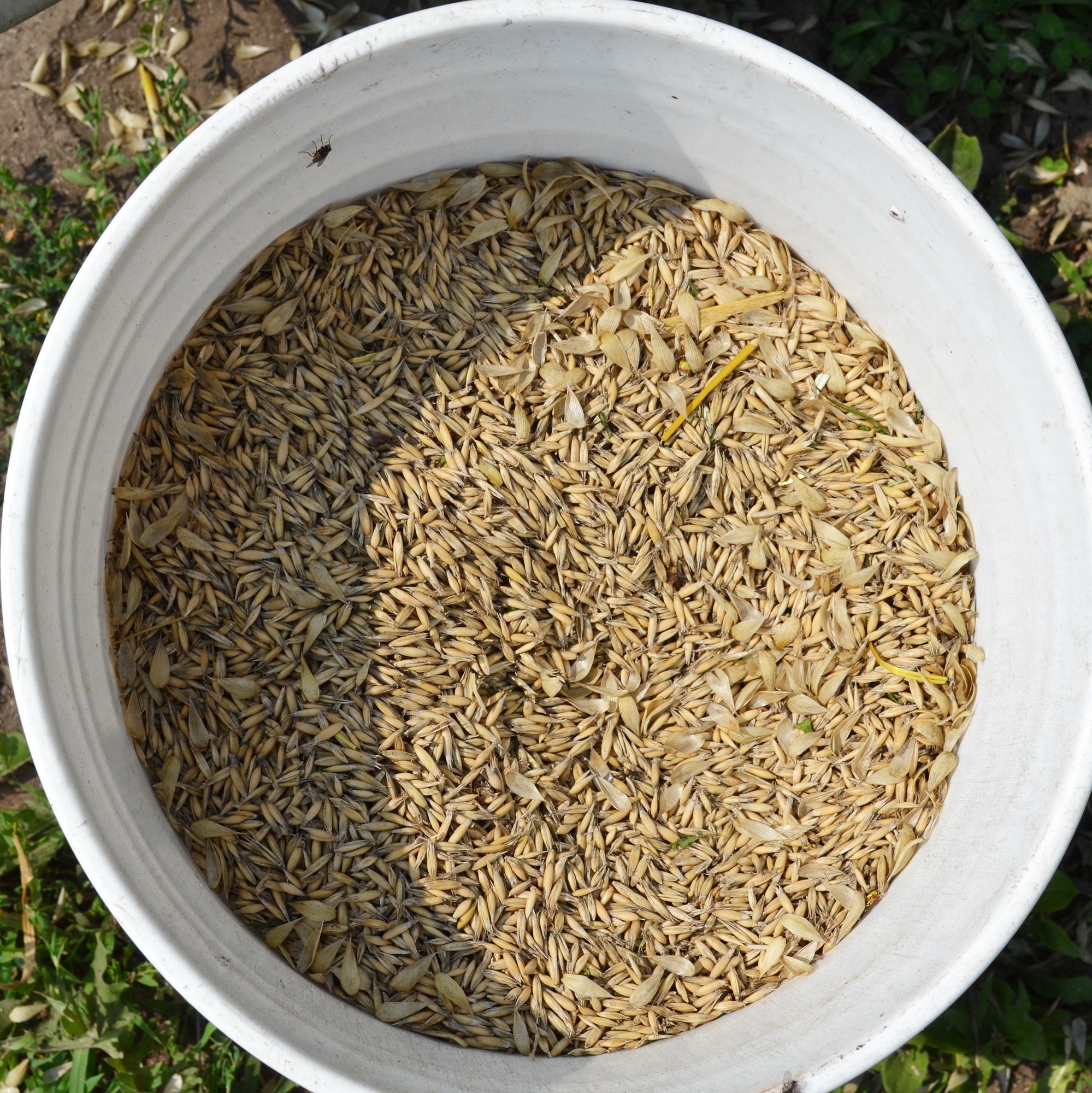
Ep 392Ear to the Ground 392: Diversity’s Diet
Farmer and small grains marketer Matt Kruger sees a rotation based on raising food grade crops as a way for farmers to get rewarded for building soil health. It’s also a way to fight the only thing he truly hates.More Information:• Jan. 27, 2026, LSP Workshop — “Beyond Exports: Rebuilding Local Markets” • LSP Small Grains Web Page • Green Acres Milling • Ear to the Ground podcast 363: Small Grain-Big Opportunity
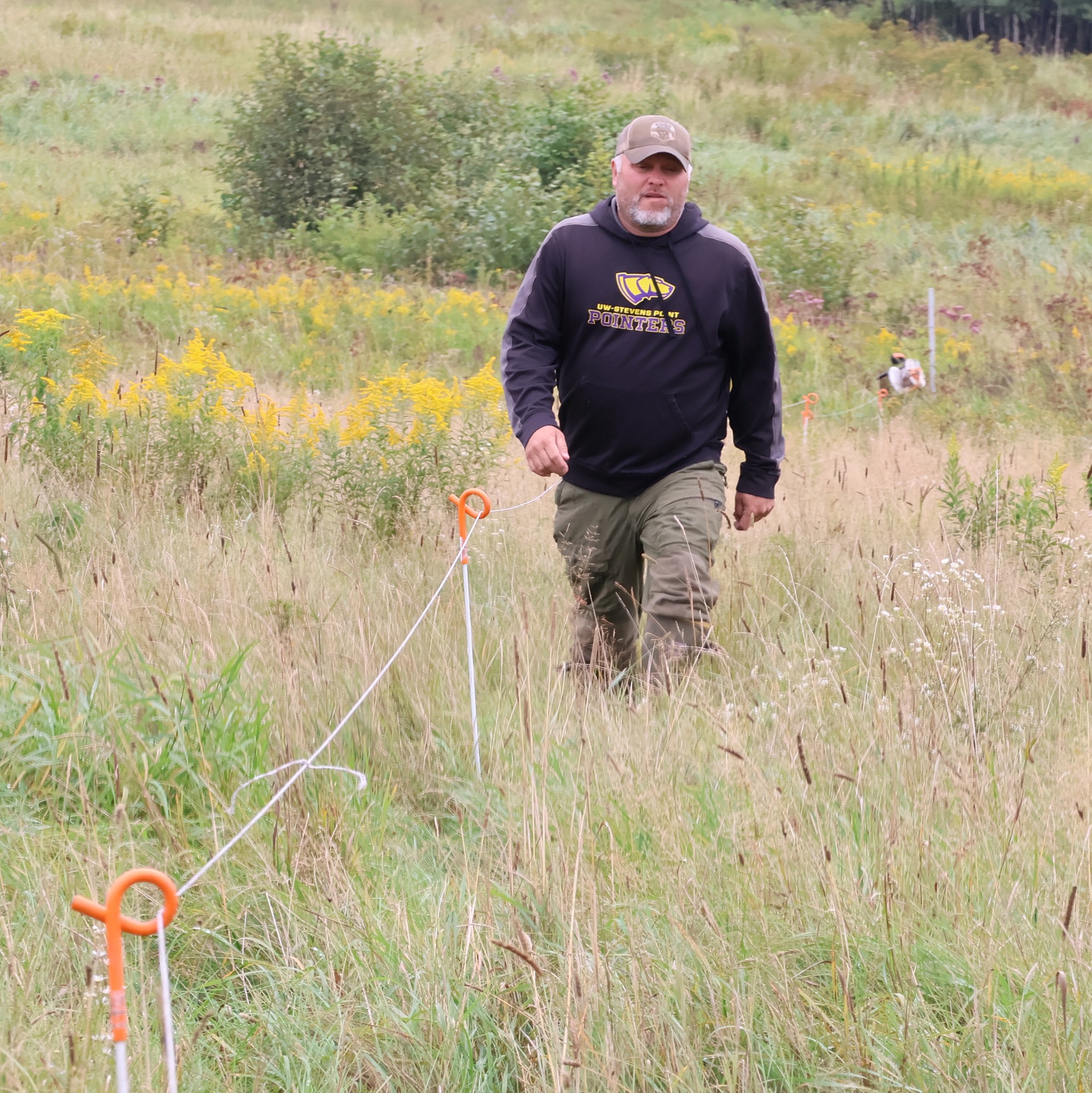
Ep 391Ear to the Ground 391: Grounded in Grazing
Ashly Steinke remembers well the first time he saw a bobolink on pastured land that formerly grew corn and soybeans — it was a sign that he was successfully blending beef, birds, and biology.More Information:• LSP’s Grazing & Soil Health Web Page • Audubon Conservation Ranching Program • The Monitoring Project’s “Tool Box” • Ear to the Ground 390: Sounds of Success • Ear to the Ground 371: Avian Award • Ear to the Ground 370: Bending the Bird Curve • Ear to the Ground 275: Blurring the Bobolink Boundaries