Lost Women of Science
159 episodes — Page 3 of 4
Adventures of a Bone Hunter
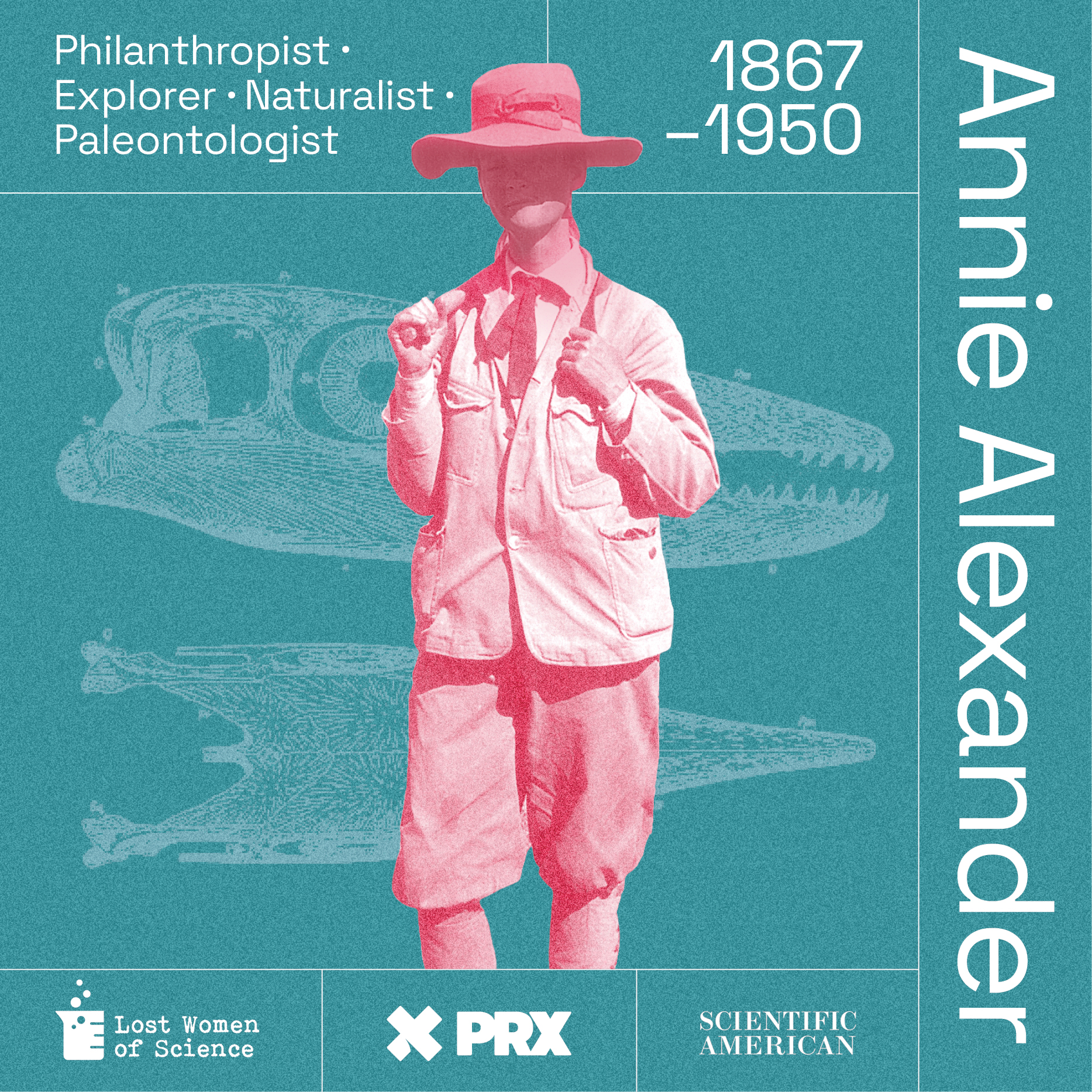
Annie Montague Alexander was an adventurer, amateur paleontologist, and the founding benefactor of two venerated research collections at UC Berkeley - the UC Museum of Paleontology and the Museum of Vertebrate Zoology. She was born in 1867, the daughter of a wealthy sugar baron, but she never quite fit in with her high society peers. Instead, Annie created for herself a grand life out of doors, away from the constraints of the era: she funded expeditions up and down the West Coast, hunting fossils. And sometimes she wore pants! But there was a catch. Annie always had to be accompanied by a female chaperone, as it was considered unseemly for a woman to travel surrounded only by men. Luckily, this worked out well for Annie: One of those female chaperones would become her life partner. For show notes and transcript, visit lostwomenofscience.org Learn about your ad choices: dovetail.prx.org/ad-choices
Emma Unson Rotor: The Filipina Physicist Who Helped Develop a Top Secret Weapon
Emma Unson Rotor took leave from her job as a math teacher in the Philippines to study physics at Johns Hopkins University in 1941. Her plans were disrupted when the Imperial Japanese Army invaded and occupied the Philippines. Unable to access her Philippine government scholarship to attend Johns Hopkins, she joined the Ordnance Development Division at the National Bureau of Standards. It was here that she did groundbreaking research on the proximity fuze, the “world’s first ‘smart’ weapon,” in the words of physicist Frank Belknap Baldwin, who also helped develop the technology. Learn about your ad choices: dovetail.prx.org/ad-choices

Flapper of the South Seas: A Young Margaret Mead Travels To The South Seas
In 1925, a young anthropologist named Margaret Mead traveled to Samoa to explore the impact of cultural factors on adolescent development. In her subsequent book Coming of Age in Samoa, Mead described teenagers who were free to explore and express their sexuality. The book struck a chord with readers in the U.S., became a bestseller, and Mead skyrocketed to fame. But what were her actual methods and motivations? This episode traces Mead’s legendary nine-month stay in the South Pacific. Learn about your ad choices: dovetail.prx.org/ad-choices
The Devastating Logic of Christine Ladd-Franklin
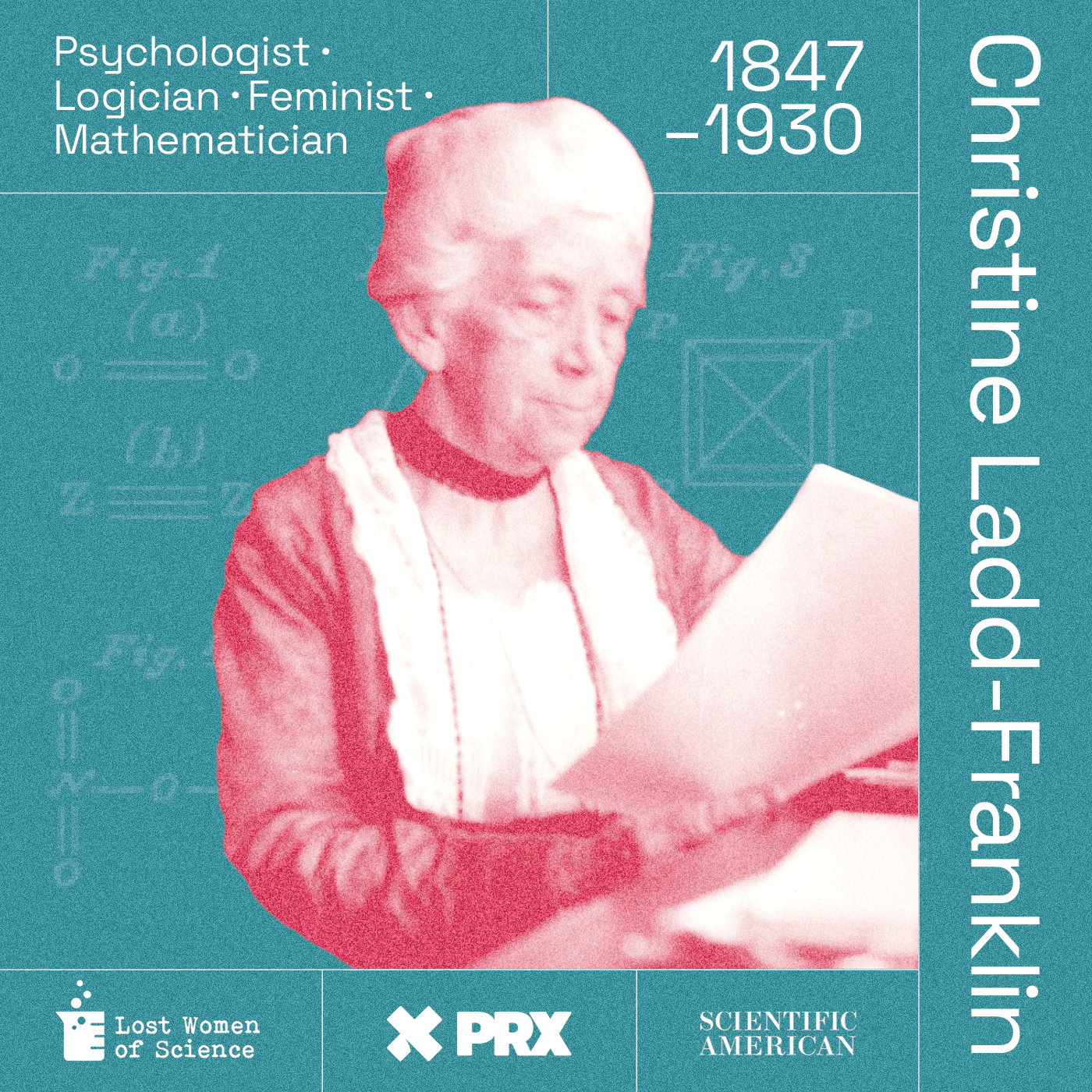
Christine Ladd-Franklin is best known for her theory of the evolution of color vision, but her research spanned math, symbolic logic, philosophy, biology, and psychology. Born in Connecticut in 1847, she was clever, sharp-tongued, and never shied away from a battle of wits. When she decided to go to college instead of pursuing a marriage, she convinced her skeptical grandmother by pointing to statistics: there was an excess of women in New England, so a husband would be hard to find; she’d better get an education instead. “Grandma succumbed,” she wrote in her diary. When a man didn't give her credit for her “antilogism,” the core construct in her system of deductive reasoning, she took him to task in print, taking time to praise the beauty of her own concepts. And when Johns Hopkins University attempted to grant Ladd-Franklin an honorary PhD in 1926, she insisted that they grant her the one she'd already earned — after all, she’d completed her dissertation there, without official recognition, more than 40 years earlier. Johns Hopkins succumbed. Learn about your ad choices: dovetail.prx.org/ad-choices
Best Of: The Feminist Test We Keep Failing
There's a test that we at Lost Women of Science seem to fail again and again: the Finkbeiner Test. Named for the science writer, Ann Finkbeiner, the Finkbeiner Test is a checklist for writing profiles of female scientists without being sexist. It includes rules like not mentioning her husband’s job, or her childcare arrangements, or how she was the “first woman to…”—all rules we break regularly on this show. In this episode, Katie Hafner talks to Christie Aschwanden, the science writer who created the test, and Ann Finkbeiner, who inspired it, to find out how they came up with these rules, and to see if there might be hope yet for our series. She reports her findings to Carol Sutton Lewis, who has a whole other set of rules for telling these stories. Learn about your ad choices: dovetail.prx.org/ad-choices
From Our Inbox: Mária Telkes, The Biophysicist Who Harnessed Solar Power
Today we tell the story of Mária Telkes, one of the developers of solar thermal storage systems, who was so dedicated to the world of solar energy that while she was working at MIT, she earned the nickname: The Sun Queen. Over her lifetime, she registered more than 20 patents, nearly all related to harnessing the power of the sun. Her inventions included an oven, a desalination device, and one of the first solar-heated houses in 1948: the Dover Sun House. We heard about Mária Telkes from Erin Twamley, a children's book author who shares the stories, careers, and the superpowers of everyday women. She said she would love Dr. Mária Telkes to be in every fifth grade classroom to inspire young people. Learn about your ad choices: dovetail.prx.org/ad-choices
The Woman Who Demonstrated the Greenhouse Effect
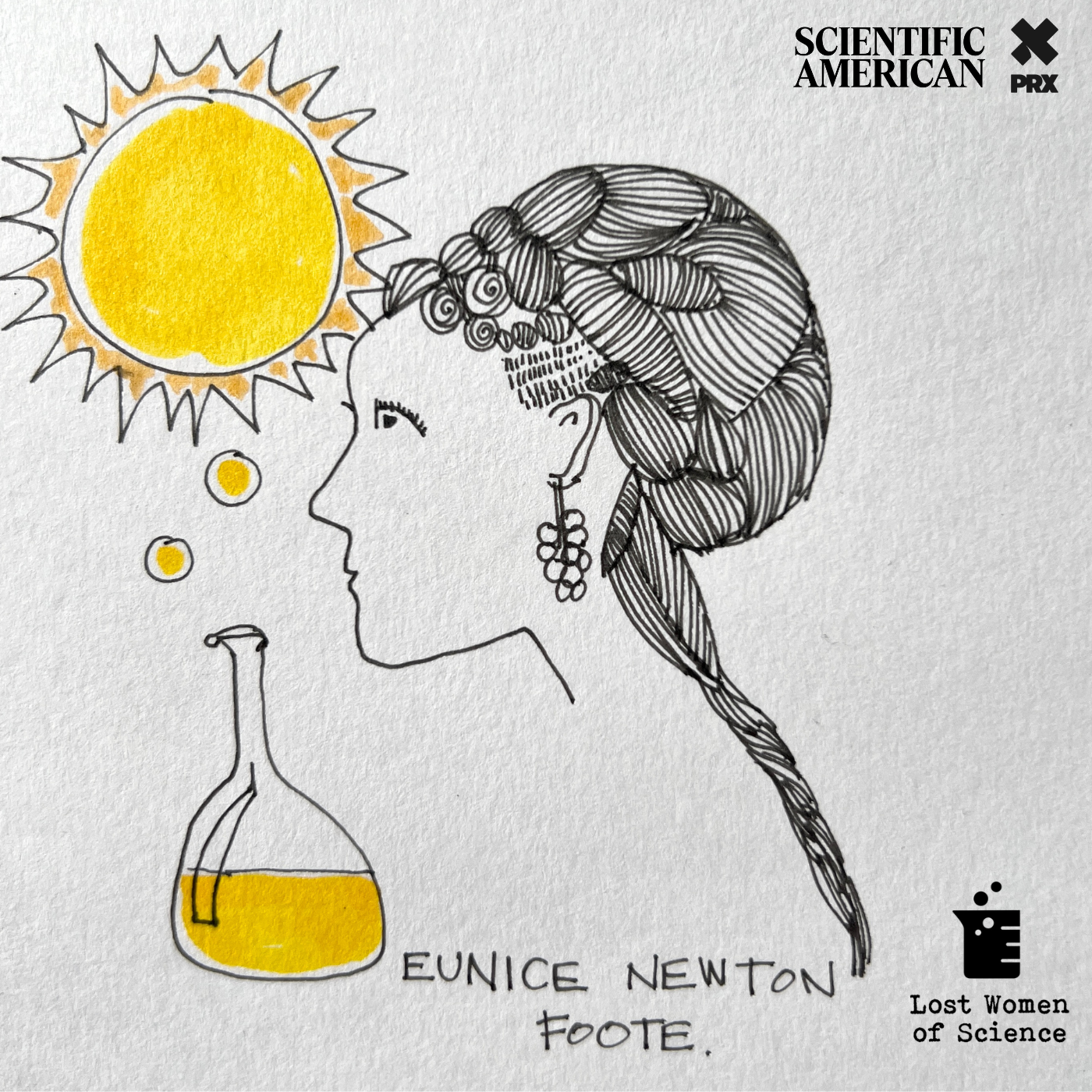
In 1856, decades before the term “greenhouse gas” was coined, Eunice Newton Foote demonstrated the greenhouse effect in her home laboratory. She placed a glass cylinder full of carbon dioxide in the sun, and found that it heated up much faster than a cylinder of ordinary air. Her conclusion: more carbon dioxide in the atmosphere results in a warmer planet. Several years later, a British scientist named John Tyndall conducted a far more complicated experiment that demonstrated the same effect and revealed how it worked. Today, he’s widely known as the man who discovered the greenhouse gas effect. There’s even a crater on the moon named for him! Eunice Newton Foote, meanwhile, was lost to history—until an amateur historian stumbled on her story. Learn about your ad choices: dovetail.prx.org/ad-choices
Dr. Rebecca Crumpler, America's First Black Female Public Health Pioneer
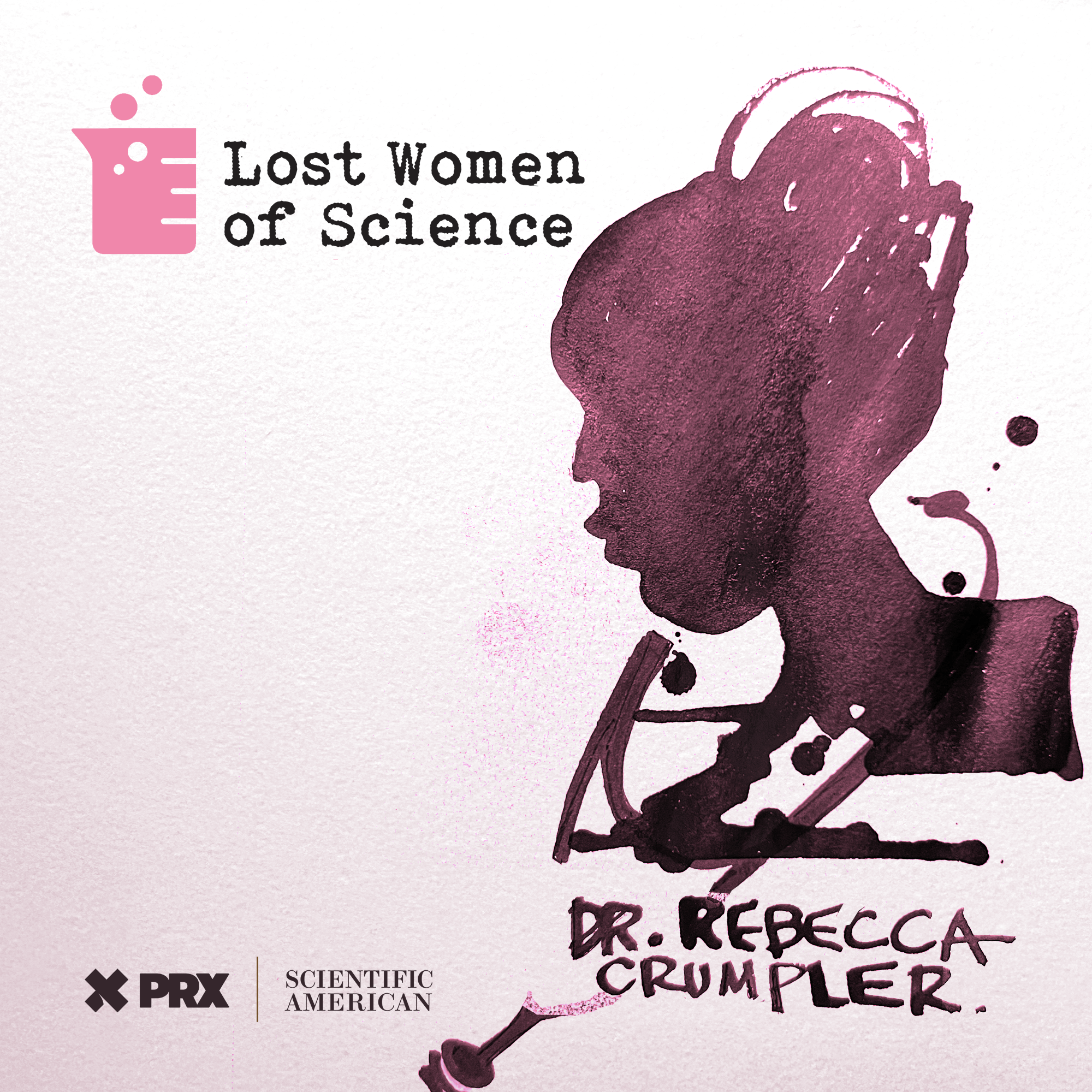
Dr. Rebecca Lee Crumpler, born in 1831, was the first African American female medical doctor in the U.S. and is considered the first Black person to publish a medical book. In it, Dr. Crumpler lays out best practices for good health with a focus on women and children. She writes that she was inspired by her aunt, a community healer and midwife, who raised her in Pennsylvania. In 1864, during the Civil War, Rebecca graduated from the New England Female Medical College, the world’s first medical school for women and the founding institution of what is now the Boston University Chobanian & Avedisian School of Medicine. The following year, in the chaotic aftermath of the Civil War, she traveled to Virginia to treat refugees. Many women and children, suddenly freed from bondage, were dying. She worked to dispel the myth that recently freed slaves were spreading disease, rightly pointing instead to poor living conditions. There are no known photos of Rebecca Crumpler, but a Boston newspaper article describes her in her 60s as “tall and straight, with light brown skin and gray hair”. Rebecca Crumpler was ahead of her time, promoting preventive medicine, and she paved the way for women of color in the field of public health. Learn about your ad choices: dovetail.prx.org/ad-choices
Flemmie Kittrell and the Preschool Experiment
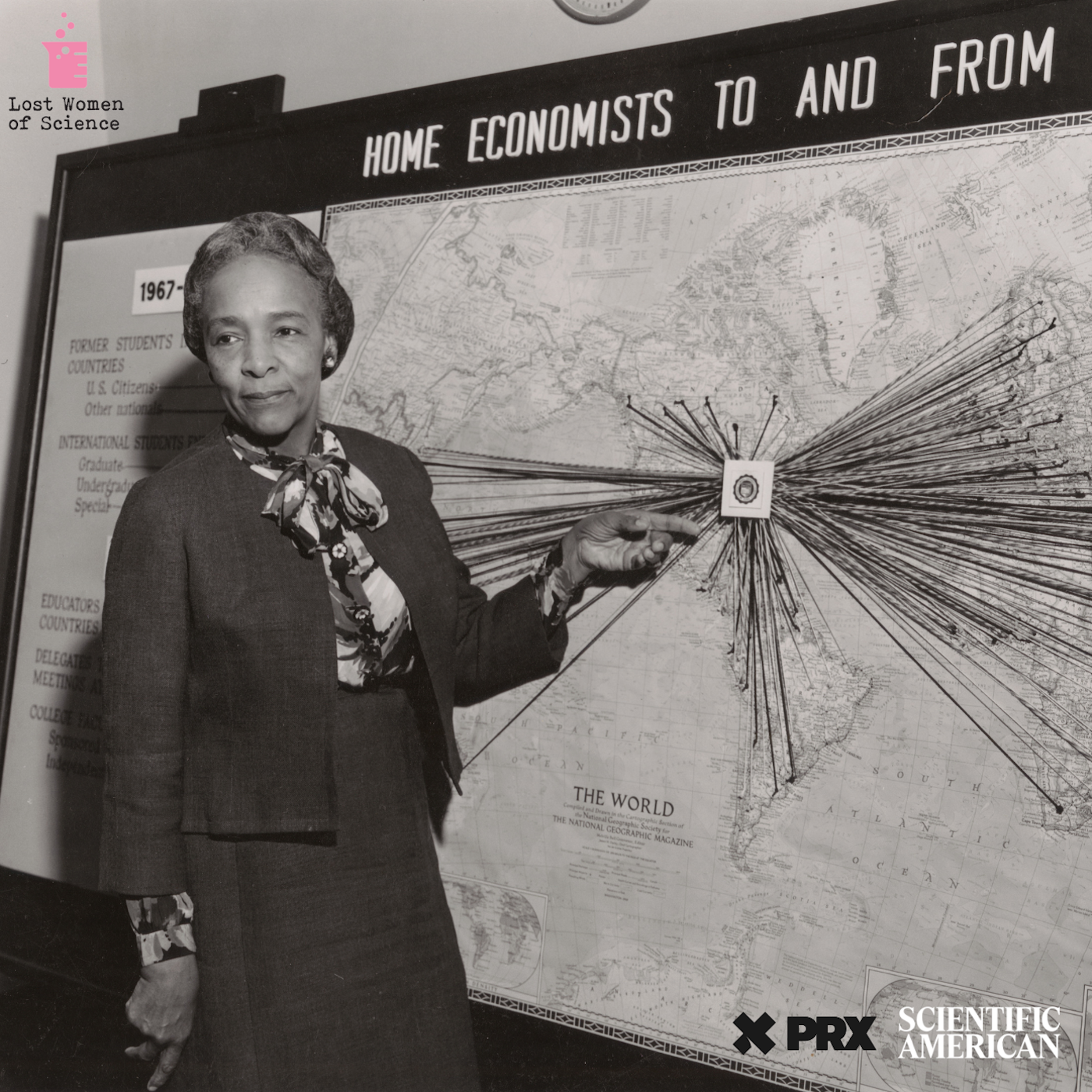
In the 1960s, a Black home economist at Howard University recruited kids for an experimental preschool program. All were Black and lived in poor neighborhoods around campus. Flemmie Kittrell had grown up poor herself, just two generations removed from slavery, and she’d seen firsthand the effects of poverty. While Flemmie earned a PhD from Cornell, most of her siblings didn’t make it to college. One of her sisters died at just 22 years old of malnutrition. And it was the combination of these experiences that drove Flemmie to apply her academic training to help improve the lives of people in her community. In the early 1960s, Flemmie decided to see what would happen if you gave poor kids a boost early in life, in the form of a really great preschool. Every day for two years, parents would get free childcare, and their kids would get comprehensive care for body and mind—with plenty of nutritious food, fun activities, and hugs. What kind of difference would that make? And would it matter later on? Learn about your ad choices: dovetail.prx.org/ad-choices
From Our Inbox: A Microbe Hunter in Oregon Fights the 1918 Influenza Pandemic
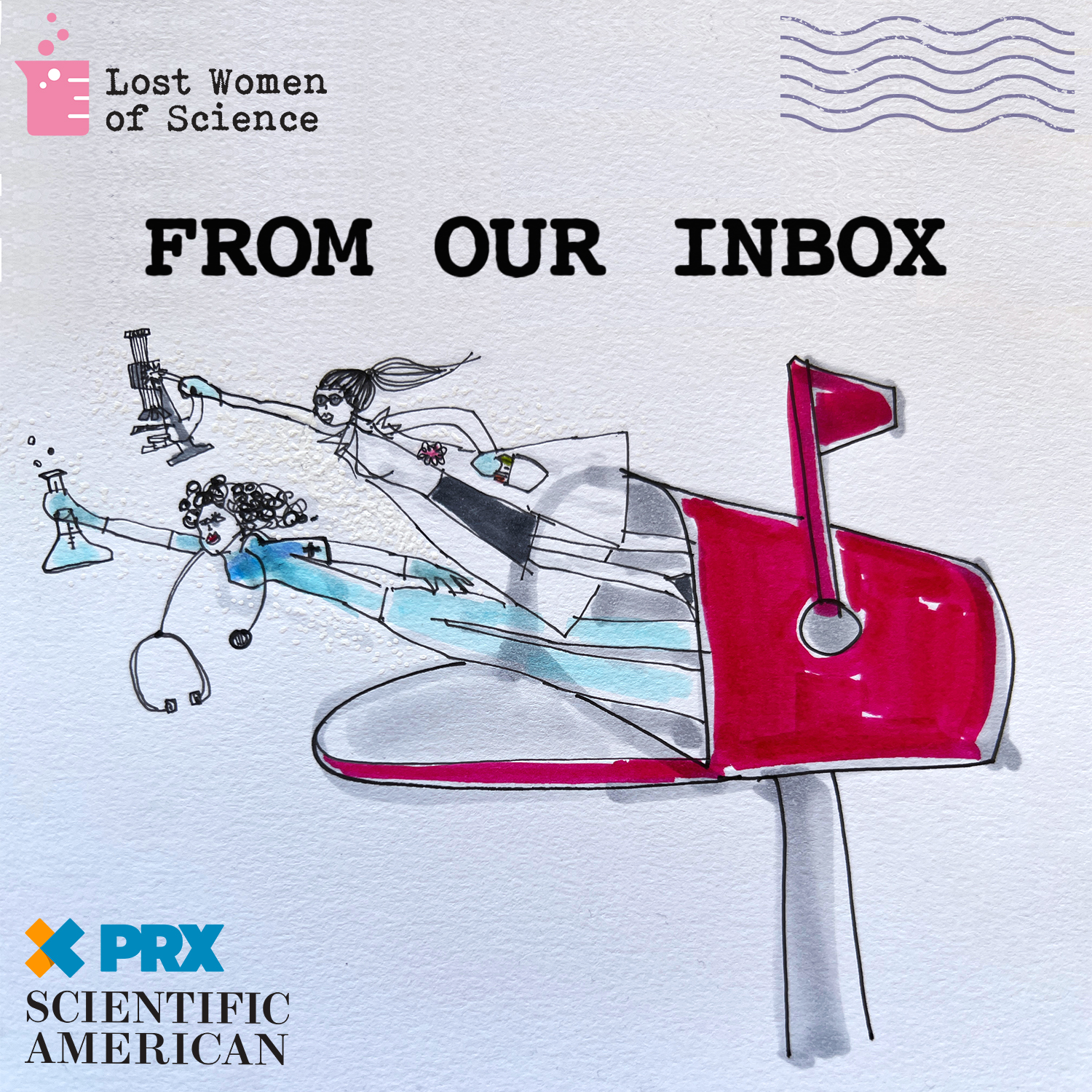
Harriet Jane Lawrence was one of the first female pathologists in the U.S. In the early 1900s she worked in Portland, Oregon, where she hunted microbes and developed vaccines and serum therapies with the help of 200 guinea pigs that she kept in her garage. Her work on a vaccine during the 1918 influenza pandemic earned her presidential recognition and has had a lasting impact on medicine. Learn about your ad choices: dovetail.prx.org/ad-choices
The English Lit Major Who Cracked Nazi Codes
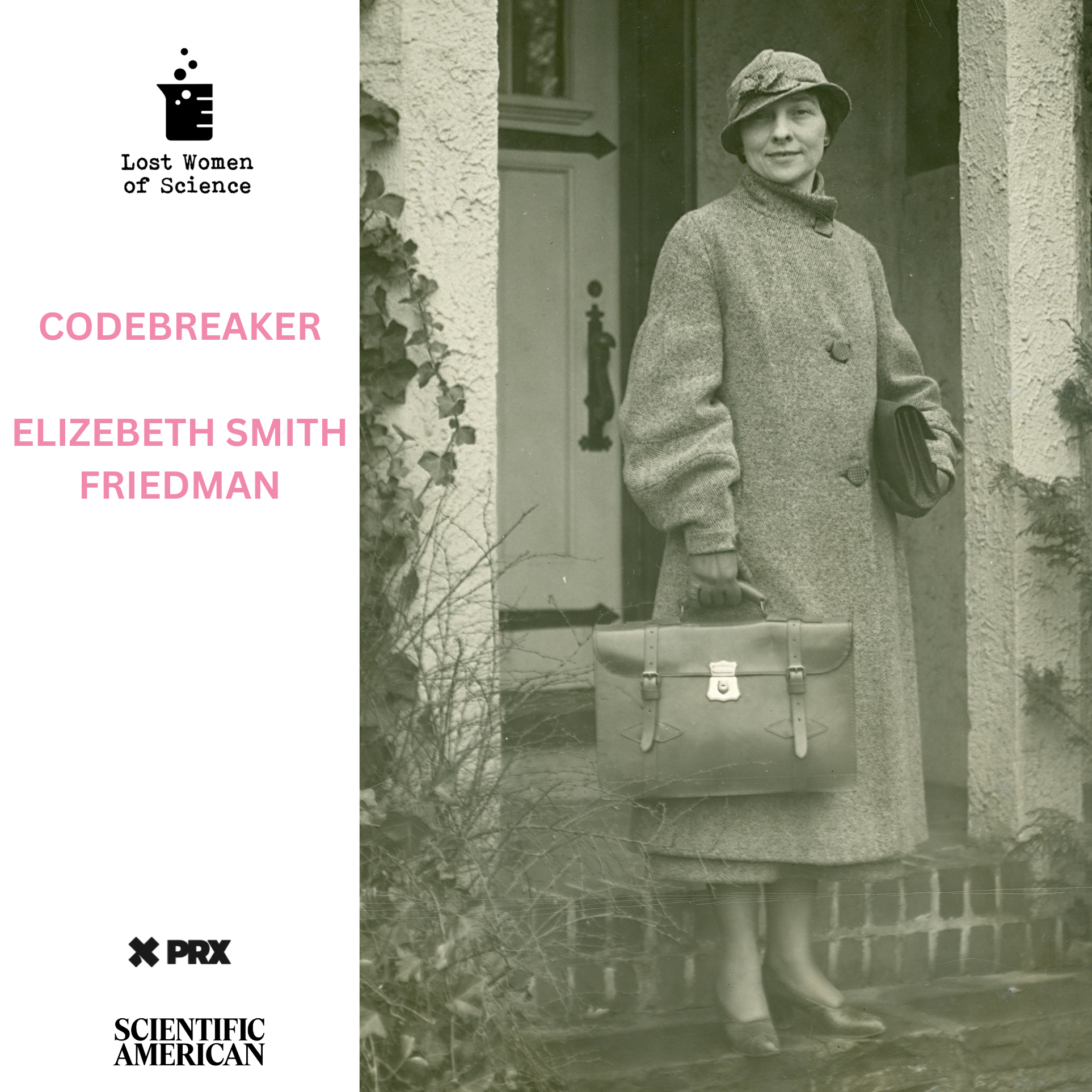
Known as “America’s first female cryptanalyst,” Elizebeth Smith Friedman was a master codebreaker who played a pivotal role in both world wars, but for many years, no one knew what she had done—not even her own family. Elizebeth didn’t set out to be a codebreaker. In 1917, she was a 23-year-old English lit major, looking for an interesting job. That all changed when an eccentric millionaire whisked her off to his lavish country estate and recruited her to work on his passion project: finding the secret codes in Shakespeare’s plays. Elizabeth scoured the texts alongside a tiny team of self-taught codebreakers. No hidden messages surfaced. But soon, the U.S. government came knocking with a slightly higher priority mission. Perhaps her greatest coup was when she uncovered a Nazi spy ring in North America during World War II. J. Edgar Hoover took credit on behalf of the FBI, while Friedman signed an NDA, never speaking of her achievements, and fell into obscurity. Records of what she had done were found in the National Archives annex in College Park, Maryland. Learn about your ad choices: dovetail.prx.org/ad-choices
Who was Christine Essenberg? A remarkable zoologist almost lost to history
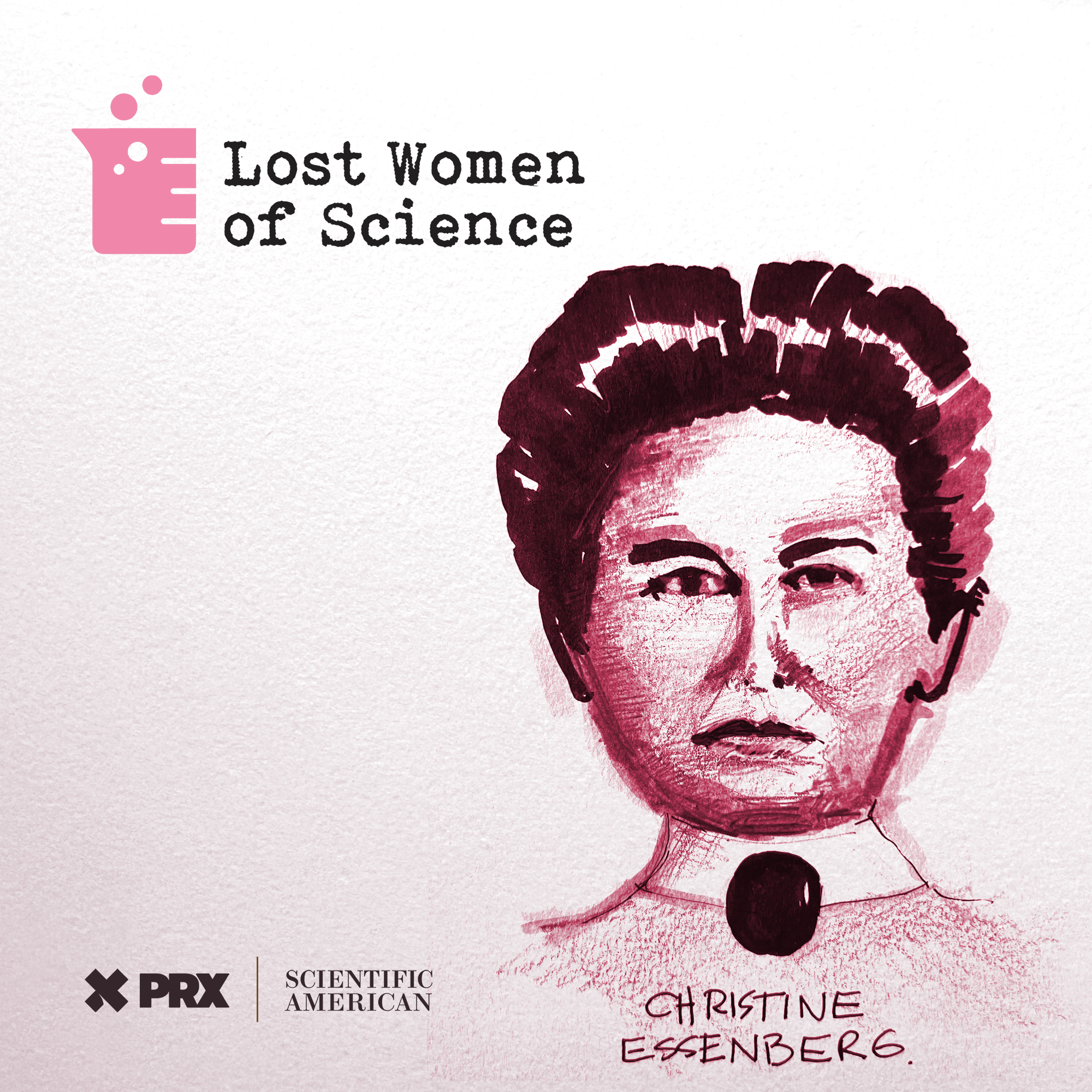
Christine Essenberg had an unusual life and an unusual career trajectory. She was married, then divorced, and earned her PhD in zoology from University of California, Berkeley at age 41. She went on to become one of the early researchers at what is now The Scripps Institution of Oceanography. We know the story of Christine Essenberg only because of a serendipitous find. Host Katie Hafner, searching in an archive jammed with the papers of male scientists, came across a slim folder, "Folder 29", in the back of a box at UC San Diego Special Collections & Archives. Just eight pages as a jumping-off point to flesh out a life, which raises the question: How many other unknown women scientists are out there, hidden away in boxes? This is the story of Christine Essenberg's own journey from researcher to teacher. It’s the first discovery of what we’re calling The Folder 29 Project, a research initiative to uncover the work of lost women of science, hidden in the archives of universities across the country. Learn about your ad choices: dovetail.prx.org/ad-choices
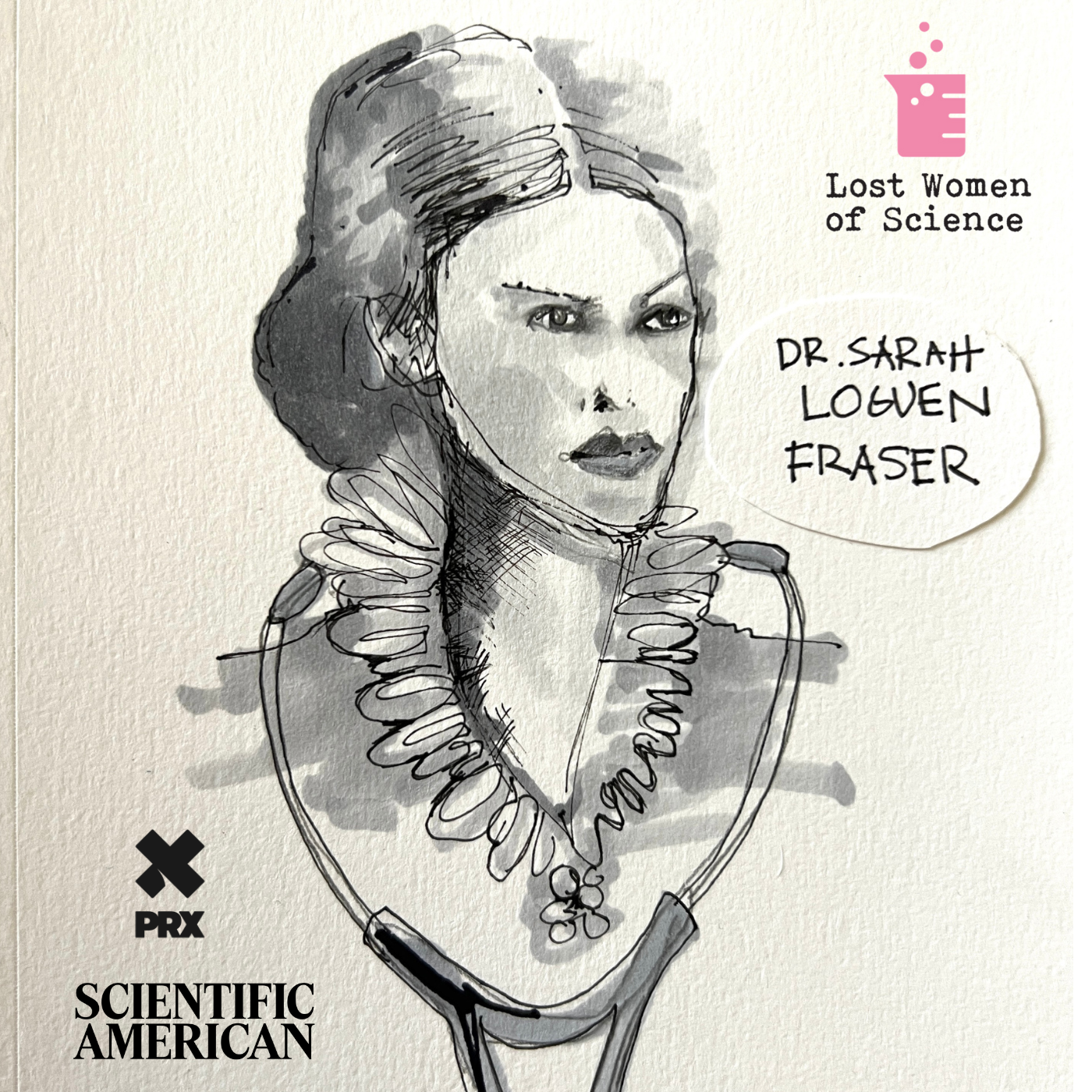
Dr. Sarah Loguen Fraser, an ex-slave’s daughter, becomes a celebrated doctor
Born in 1850, Sarah Loguen found her calling as a child, when she helped her parents and Harriet Tubman bandage the leg of an injured person escaping slavery. When the Civil War ended and Reconstruction opened up opportunities for African Americans, Loguen became one of the first Black women to earn a medical license. But quickly, racist Jim Crow laws prevailed. At the urging of family friend Frederick Douglass, Loguen married and, with her new husband, set sail for the Dominican Republic where more was possible for a person of color. This is her story. Learn about your ad choices: dovetail.prx.org/ad-choices
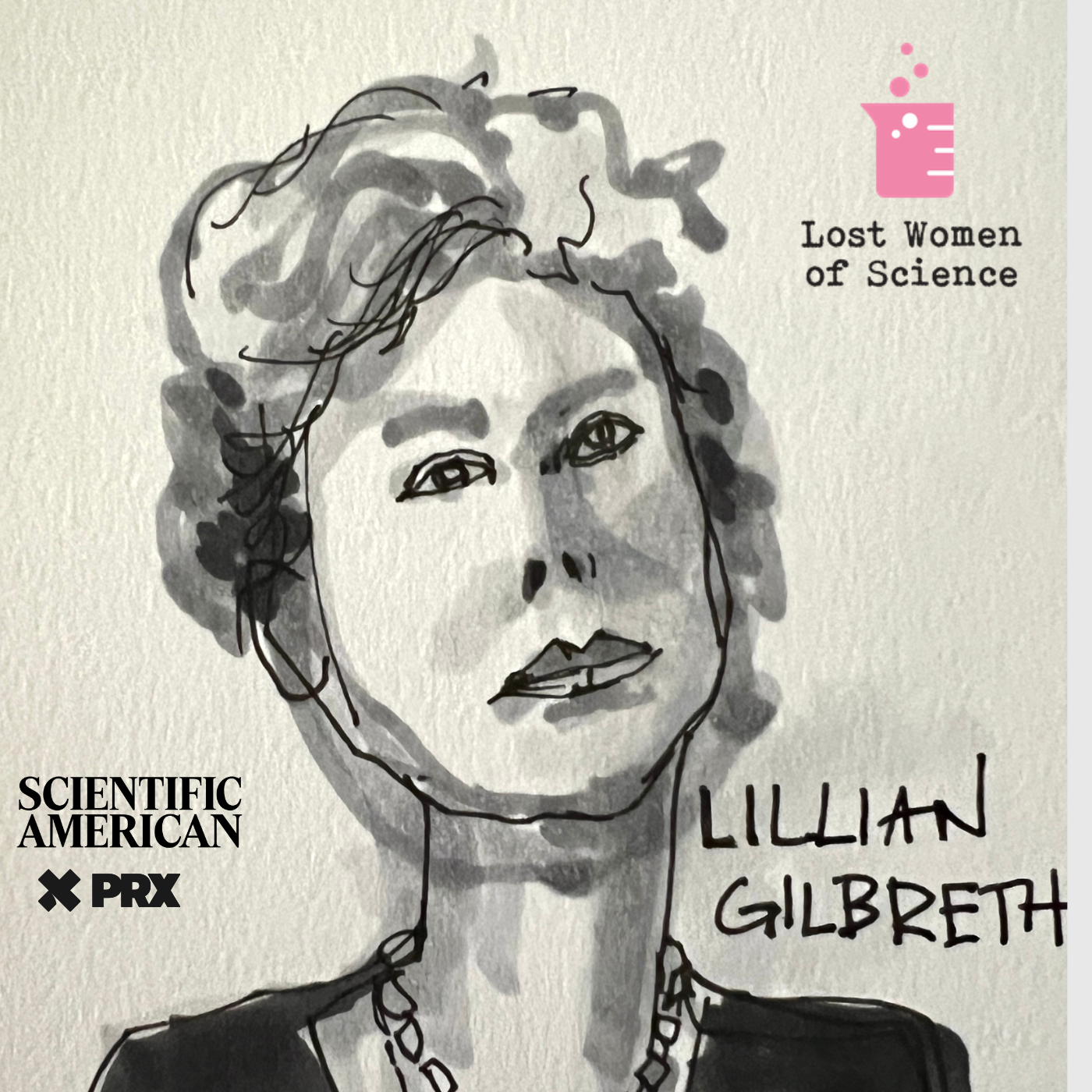
A Flair for Efficiency: The Woman Who Redesigned the American Kitchen
In the late 1920s, Lillian Gilbreth enlisted her children — she had 11— in an experiment: bake a strawberry shortcake in record time. Kitchens at the time tended to have haphazard configurations—pots and pans could be at one end of the kitchen, the stove in another, and the utensils in another room altogether—but Lillian figured that with a well-designed kitchen, she could slash baking time dramatically and make cooks’ lives easier. And if anyone was going to hack the kitchen, Lillian Gilbreth was the woman for the job. Lillian and her late husband, Frank, were absolute fiends for efficiency. They’d used the study of “time and motion” to dissect the activities of factory and office workers, and had made a business of optimizing efficiency in the workplace. Now widowed, Lillian Gilbreth, was set to tackle efficiency in the home when their clients would continue working with her and the business failed. Her innovations—she’s widely credited with inventing the pedal trash can and refrigerator door shelves—live with us to this day. Learn about your ad choices: dovetail.prx.org/ad-choices
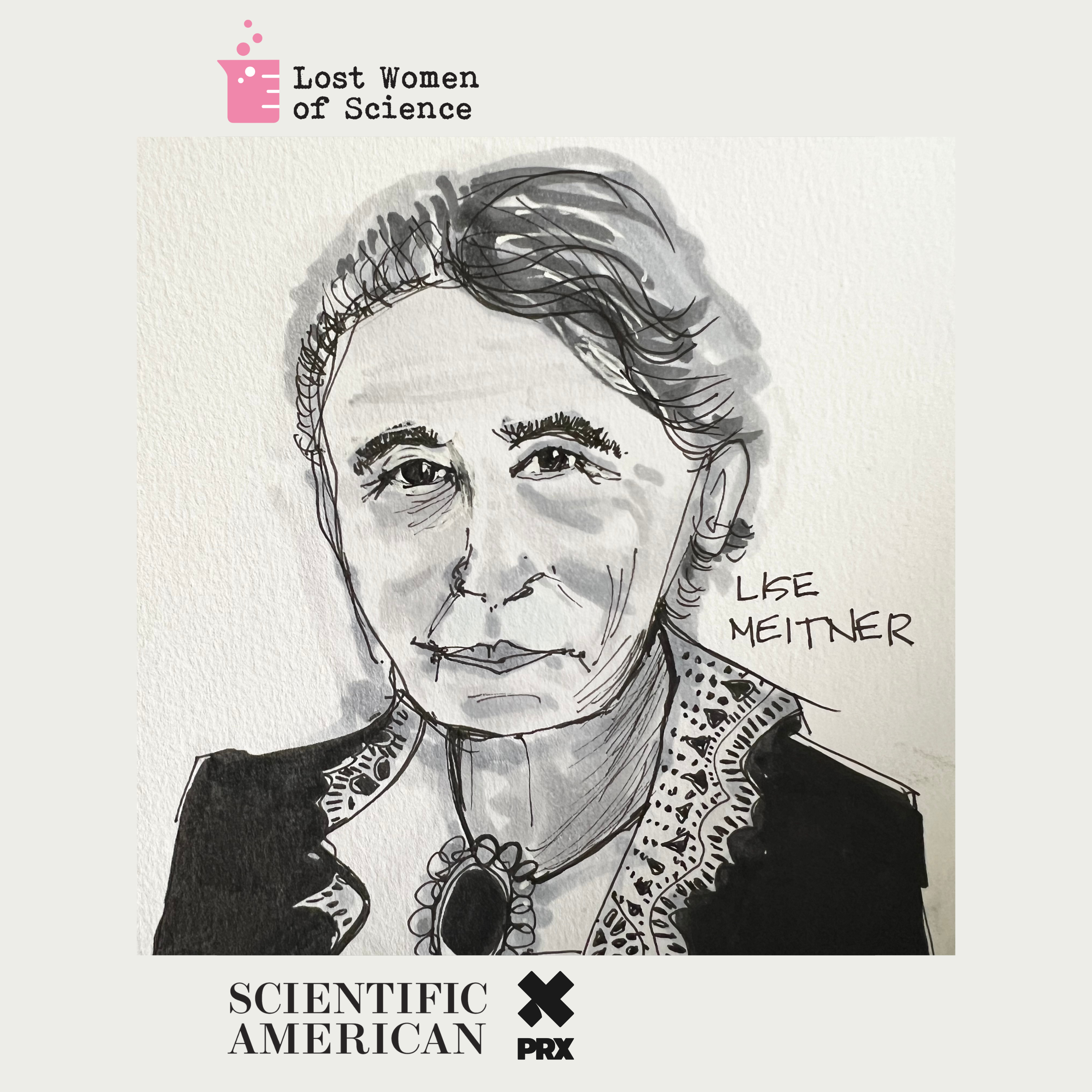
Part 2: Why Did Lise Meitner Never Receive the Nobel Prize for Splitting the Atom?
We continue the story of Jewish physicist Lise Meitner, the first person to understand that the atom had been split. This is the second in a two-part series featuring new letters from and to Lise Meitner translated by author Marissa Moss, author of The Woman who Split the Atom: The Life of Lise Meitner (2022). The letters show the fraught and complex relationship between Otto Hahn and Meitner and the role that antisemitism played in the decision to give the Nobel Prize in 1944 to Hahn and not Meitner. After the discovery of nuclear fission, Meitner grappled with its implication: the advent of nuclear weapons and who would get credit for the discovery of nuclear fission. This would lead to a breakdown of Meitner and Hahn’s decades-long scientific collaboration. Meitner, who had fled Germany because of the Nazis, was horrified at the thought of an atomic bomb. She also faulted Hahn for not speaking out about Nazi atrocities, and questioned his character, though she remained loyal to him to the end. It was their working relationship that defined her life. Learn about your ad choices: dovetail.prx.org/ad-choices
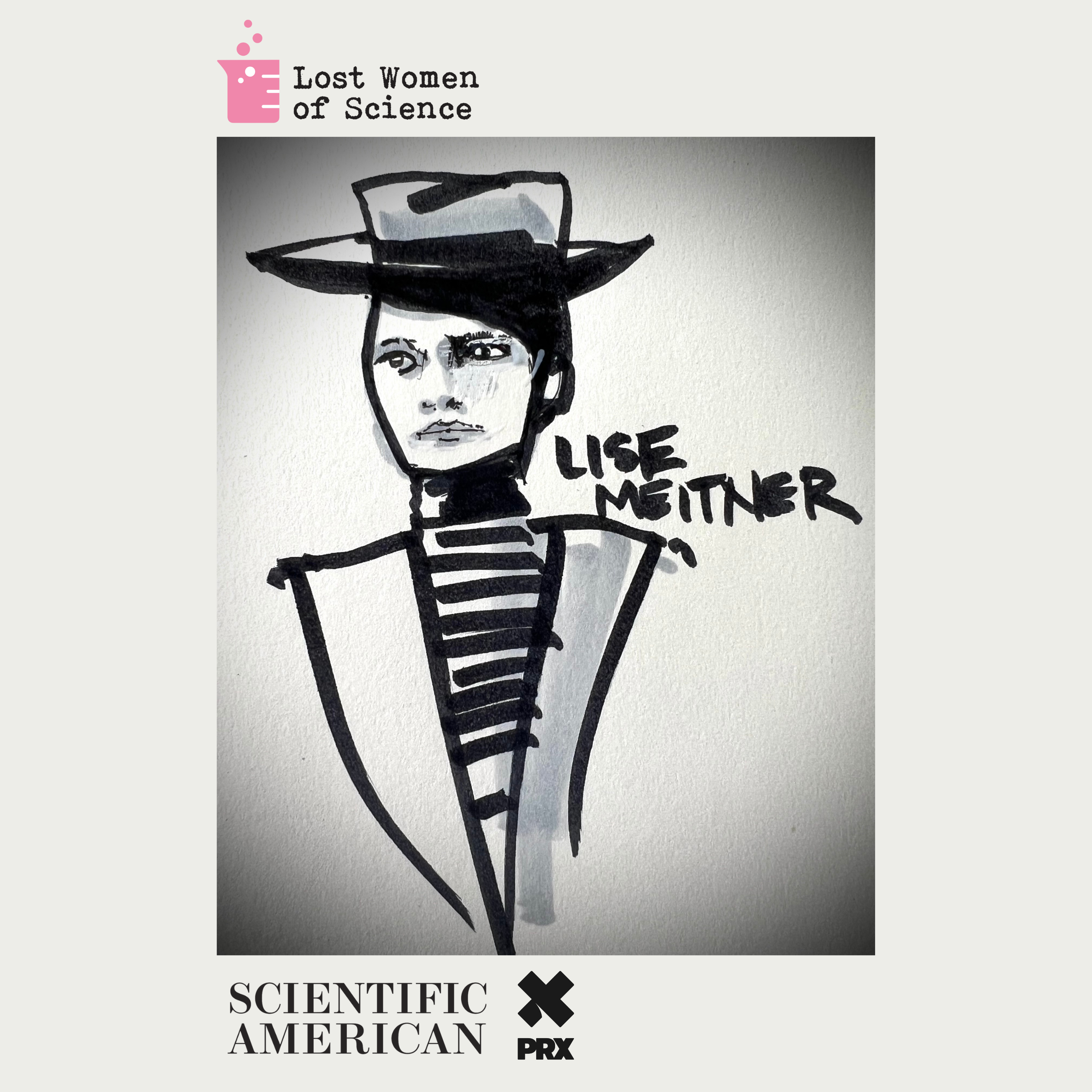
Part 1: Why Did Lise Meitner Never Receive the Nobel Prize for Splitting the Atom?
New translations of hundreds of letters explain, in a two-part episode of Lost Women of Science, why physicist Lise Meitner was not awarded the Nobel Prize in 1944 for splitting the atom. Instead, it was given to her long-time collaborator, chemist Otto Hahn. Lise Meitner was born in Vienna in November of 1878 and moved to Berlin before the first World War where she started work with Hahn. When Marissa Moss came to research her biography of Meitner, The Woman who Split the Atom: The Life of Lise Meitner (2022), she found thousands of her letters in the Cambridge University archive, many of which had never been translated. In this episode we're diving into one particularly illuminating aspect of Meitner's story: her letters with Hahn, which reveal not only that it was Meitner who discovered nuclear fission, when she interpreted experiments that Hahn could not understand, but also her fraught relationship with Hahn. She went to great lengths through her letters to understand his refusal to give her credit for her work before and after the 1944 Nobel Prize was awarded. This first episode takes us up to the end of World War Two. Learn about your ad choices: dovetail.prx.org/ad-choices
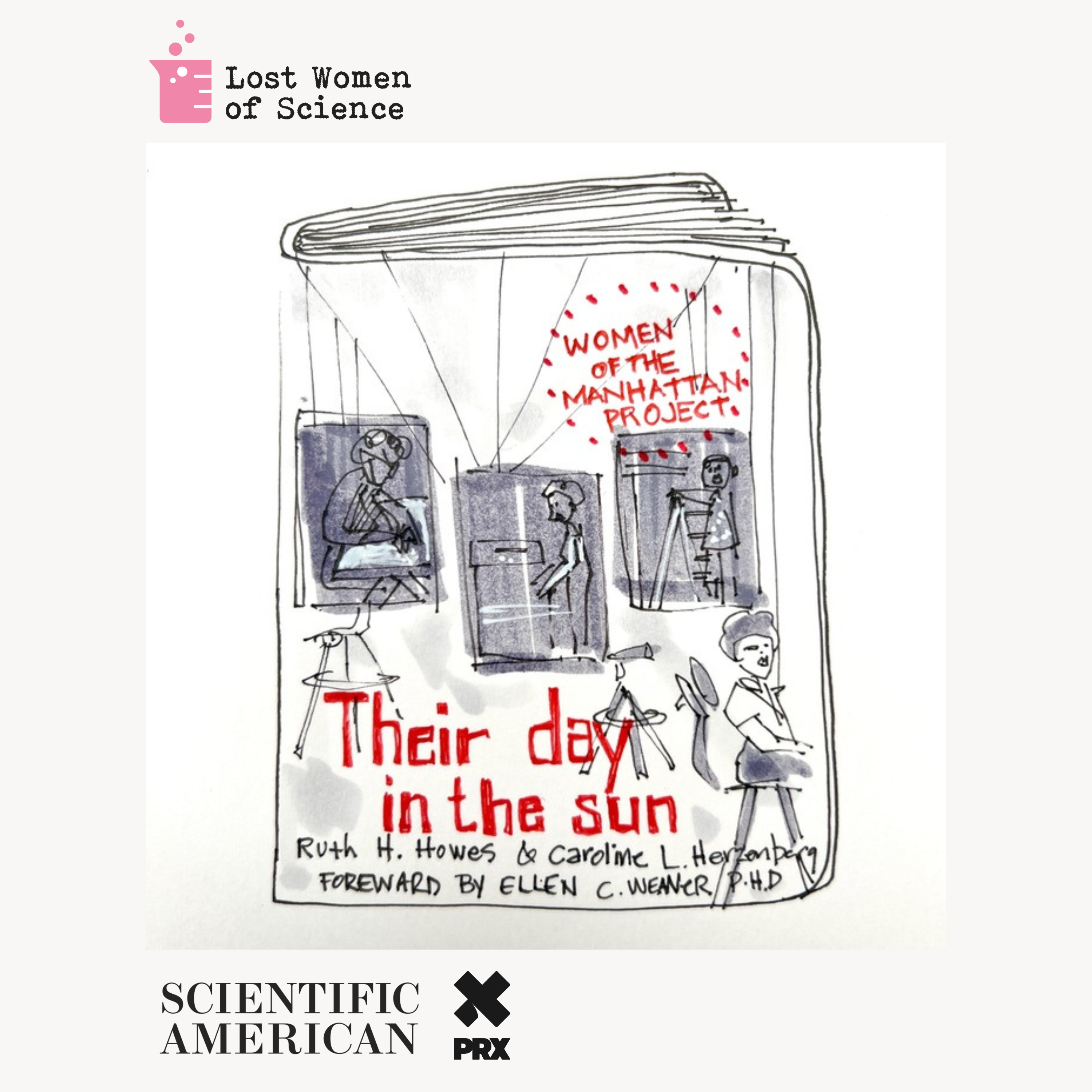
They Remembered the Lost Women of the Manhattan Project So That We Wouldn't Forget
In the early 1990s, two physicists, Ruth Howes and Caroline Herzenberg, began looking into a question that had aroused their curiosity: Just who were the female scientists who worked on the Manhattan Project? Nearly ten years and hundreds of interviews later, they documented hundreds of women across a broad spectrum of scientific fields — physics, chemistry, biology, mathematics — who played crucial roles in the top-secret race to build a nuclear weapon that would end World War II. Since the film Oppenheimer came out earlier this summer, Their Day in the Sun: Women of the Manhattan Project has enjoyed a revival of sorts as new attention is paid to the women for whom recognition is long overdue. Learn about your ad choices: dovetail.prx.org/ad-choices
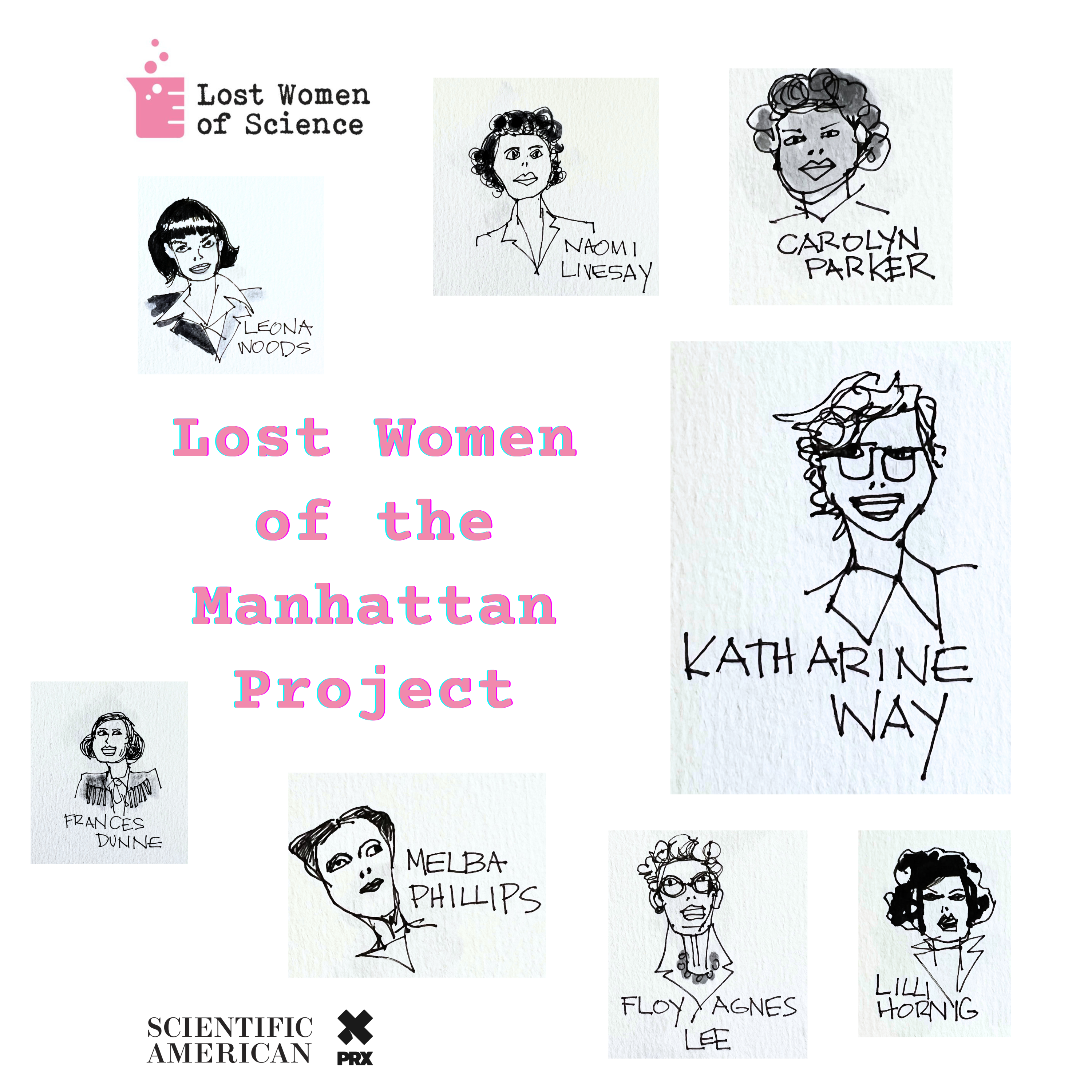
Meet the Physicist who Spoke Out Against the Bomb She Helped Create
Katharine “Kay” Way was a nuclear physicist who worked at multiple Manhattan Project sites. She was an expert in radioactive decay. But after the atomic bombs were dropped on Japan, she became increasingly concerned about the ethics of the nuclear weapons. Dr. Way signed the Szilard Petition and worked to spread awareness of the moral responsibility surrounding atomic weaponry, including co-editing the influential One World or None: a Report to the Public on the Full Meaning of the Atomic Bomb, remaining an outspoken advocate for fairness and justice. Learn about your ad choices: dovetail.prx.org/ad-choices
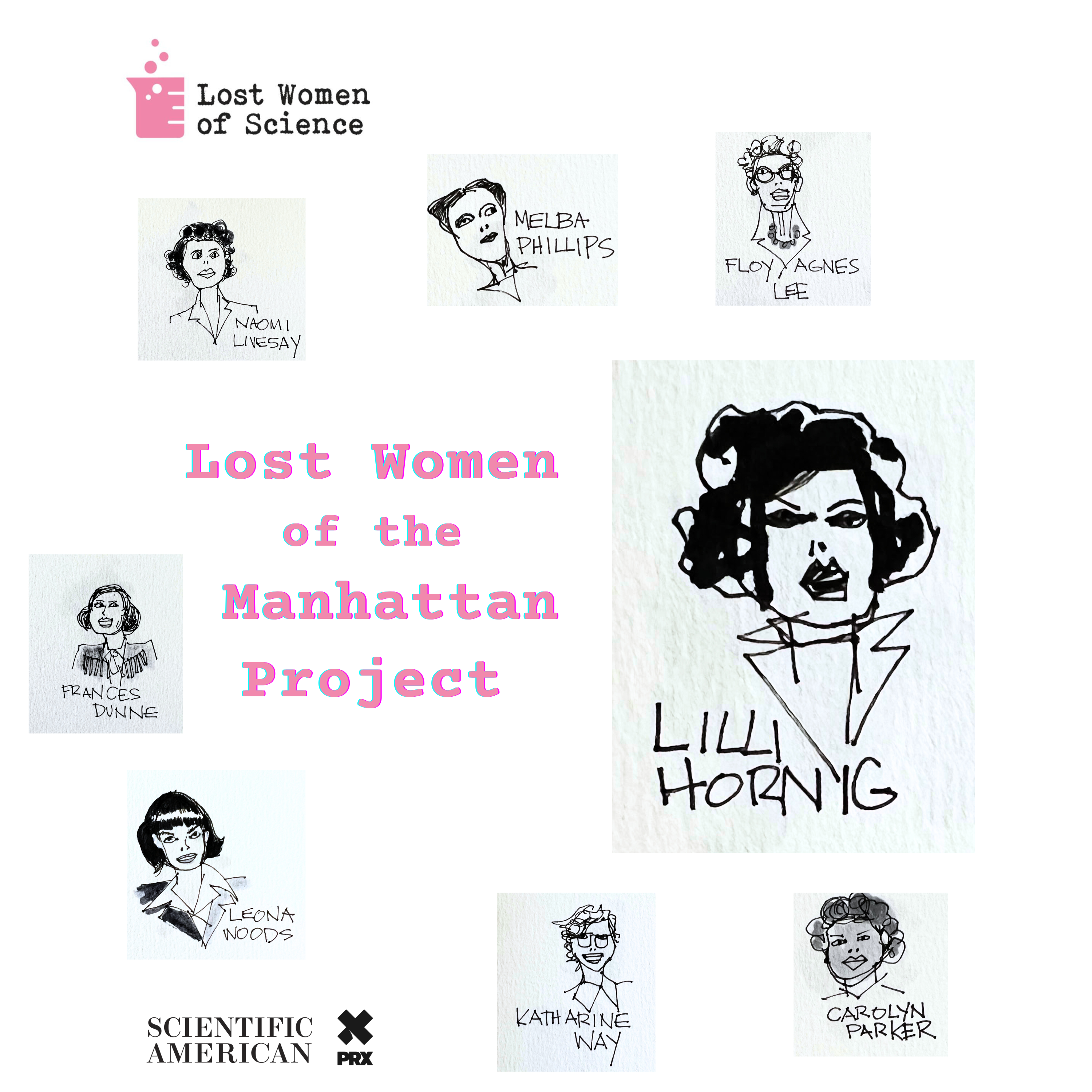
The Story of the Real Lilli Hornig, the Only Female Scientist Named in the Film Oppenheimer
Lilli Hornig was only 23 years old when she arrived at Los Alamos to contribute to the development of an atomic bomb that would end World War II. A talented chemist, Lilli battled sexism throughout her career and remained a steadfast advocate for female scientists like herself. Lilli is the only female scientist named in Christopher Nolan’s film Oppenheimer. But the character is a blur, popping up here and there to say they didn’t teach typing in her graduate chemistry program at Harvard, when asked whether she could be a typist, or to rib a colleague, telling him that her reproductive system was better protected from radiation than his. The real Hornig worked closely on plutonium research and was part of the team that developed and tested the mechanism for the plutonium weapon in the Trinity test. Learn about your ad choices: dovetail.prx.org/ad-choices
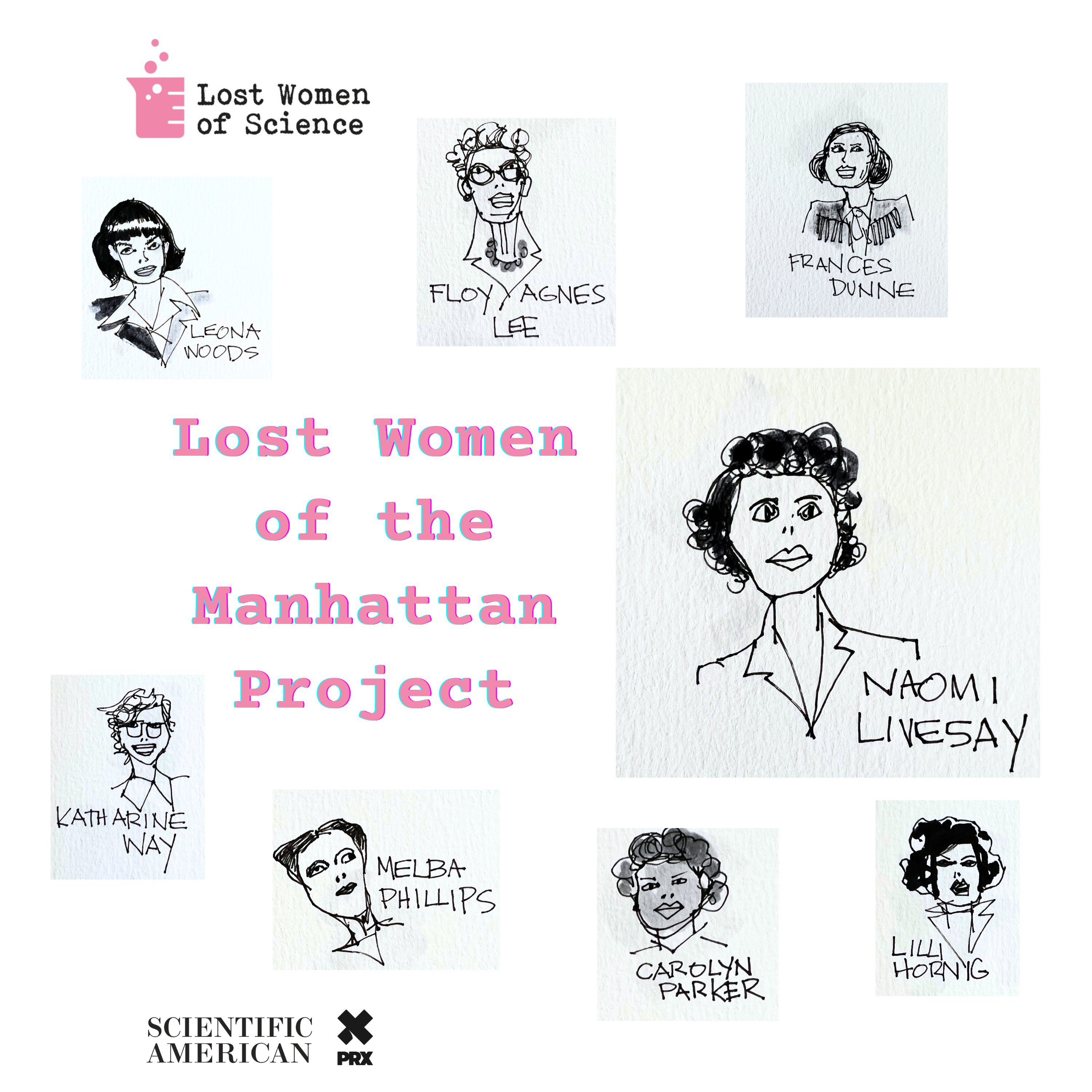
No Place for a Woman in Mathematics? The Woman Who Ended up Supervising The Computations that Proved an Atomic Bomb Would Work
Naomi Livesay, born in 1916 in the northern reaches of Montana, aspired to one career: mathematics. She earned a bachelor’s degree in math, but when she decided to pursue a Ph.D. at the University of Wisconsin, men on the faculty balked. Mathematics, they said, was no place for a woman. Then fate intervened, and Livesay embarked on a circuitous route to Los Alamos, where she landed in 1944 and started as a supervisor in the computation lab during the Manhattan Project. She played, as episode guest Nichole Dale Lewis describes it, “a unique role at a unique place under unique pressures.” Livesay was a reluctant recruit, and it wasn’t until the physicist Richard Feynman stepped in to persuade her to take the job of supervising work on the IBM punch card accounting machinery, that she agreed. And then Oppenheimer himself went out of his way to make sure that Livesay had everything she needed to get the job done. Learn about your ad choices: dovetail.prx.org/ad-choices
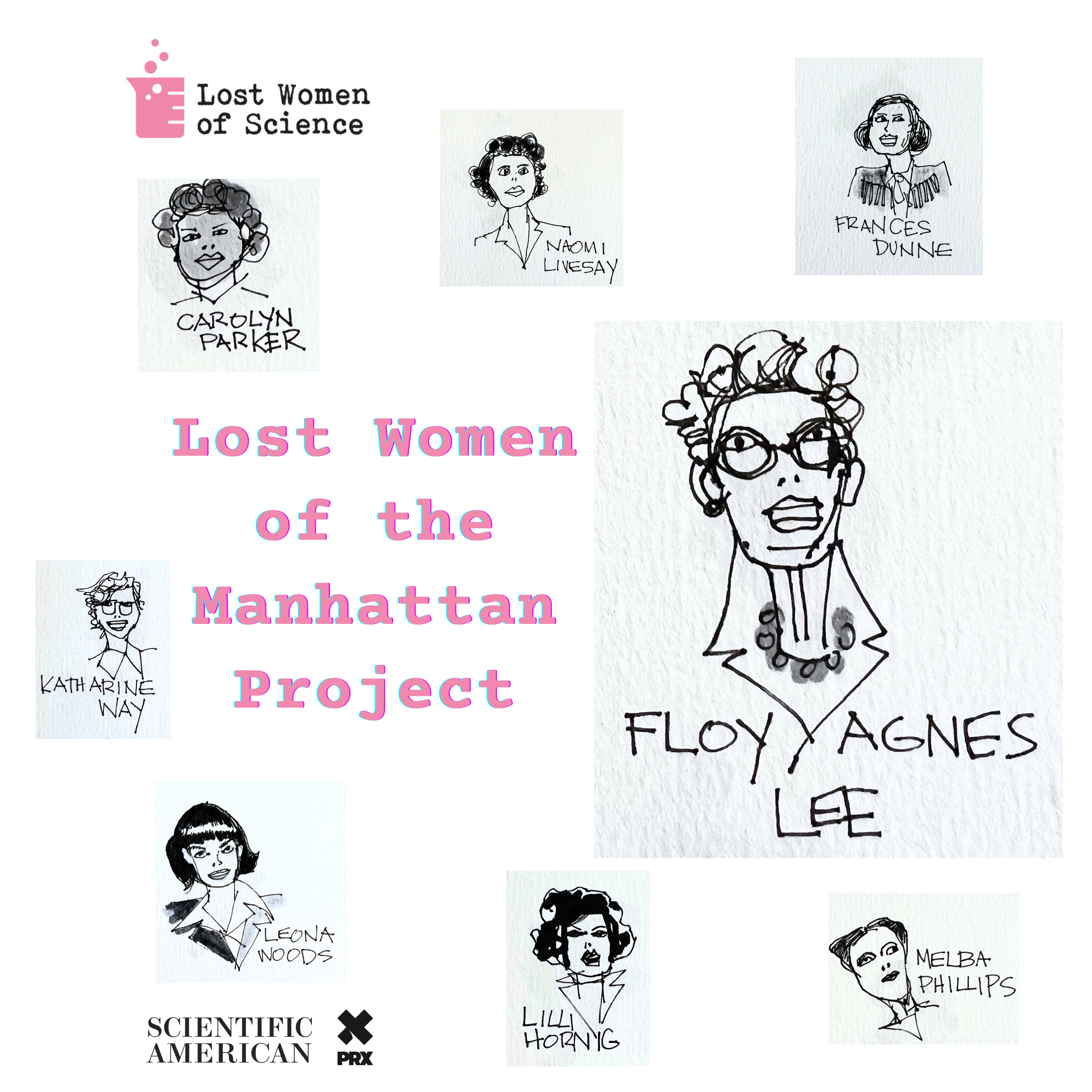
Blood, Sweat, and Fears: The Story of Floy Agnes Lee, the Young Woman Who Analyzed the Blood of Manhattan Project Scientists
Floy Agnes Lee was a hematologist at Los Alamos. Recruited to the Manhattan Project while still a student at University of New Mexico, she collected blood samples from many Manhattan Project scientists, including Louis Slotin, following an accident that exposed him to a fatal dose of radiation. Years after the war, she returned to Los Alamos National Laboratory and conducted research on the impact of radiation on chromosomes. Learn about your ad choices: dovetail.prx.org/ad-choices
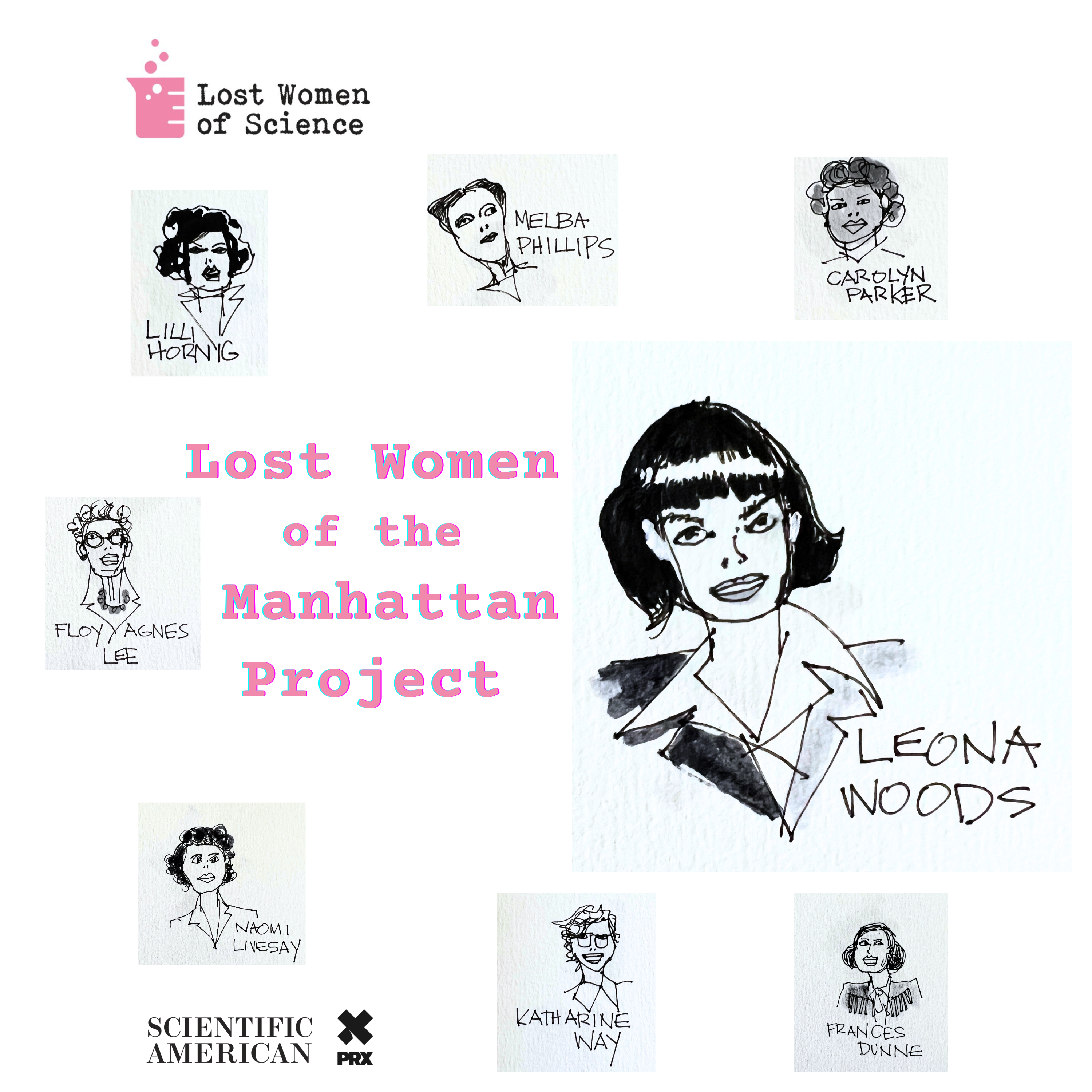
One of Many Lost Women of the Manhattan Project: Leona Woods Marshall Libby
Leona Woods Marshall Libby was the only woman hired onto Enrico Fermi's team at the Metallurgical Laboratory at the University of Chicago. She was just 23 years old, already had a Ph.D. in molecular spectroscopy and a deep understanding of vacuum technology. She was also the only woman present at the world’s first successful nuclear chain reaction. Amid all this, she managed to conceal her pregnancy until two days before her baby was born. Learn about your ad choices: dovetail.prx.org/ad-choices
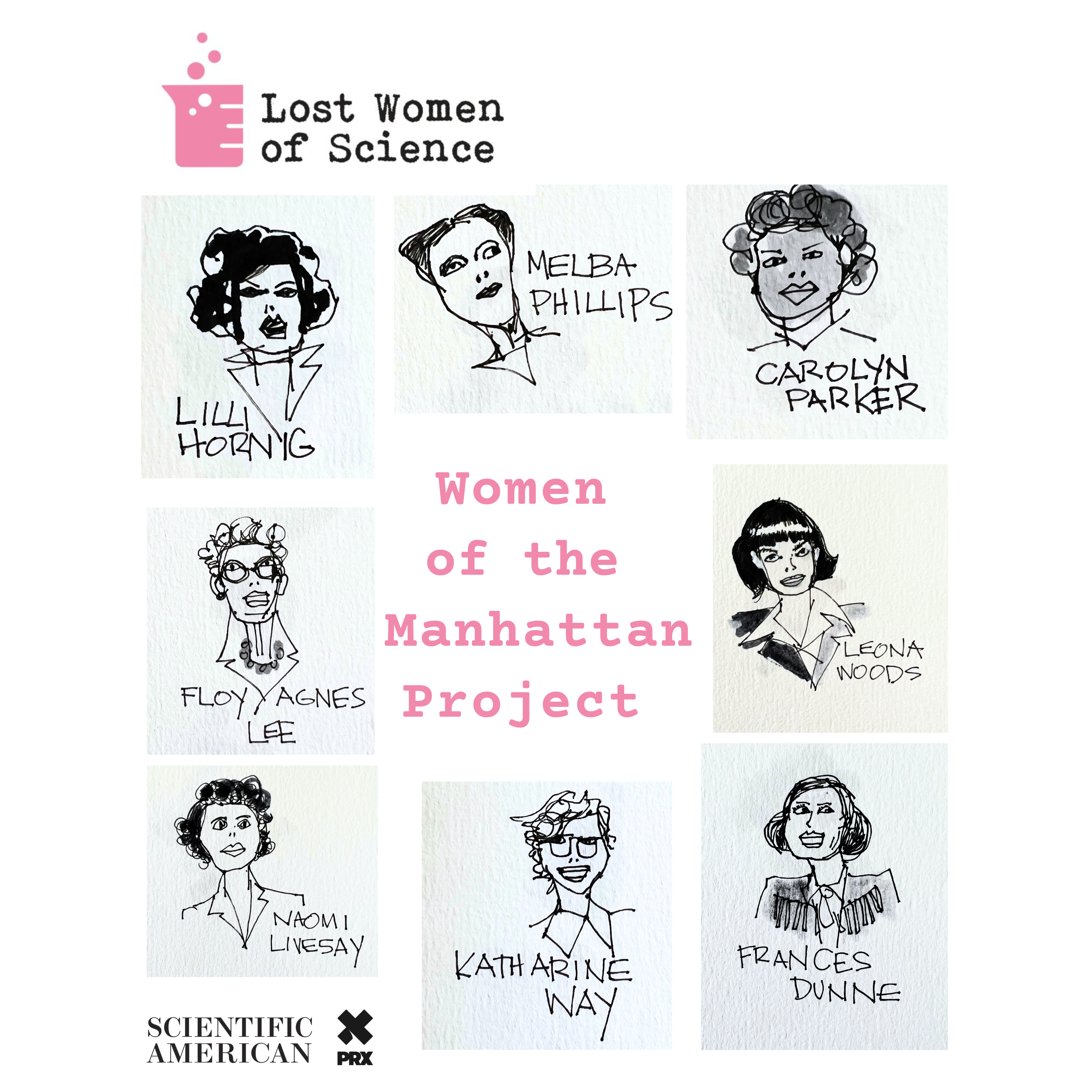
Women of the Manhattan Project: Trailer
trailerDuring World War II, thousands of scientists and engineers worked on the Manhattan project, the top secret push to develop an atomic bomb that would end the war. Two bombs dropped on Hiroshima and Nagasaki did just that, while also killing hundreds of thousands of Japanese civilians. The devastating potential of nuclear weapons sparked a moral controversy that continues to this day. Hundreds of the scientists who worked on the Manhattan Project were women. Over the next few weeks we’ll be bringing you a few of their stories. Learn about your ad choices: dovetail.prx.org/ad-choices
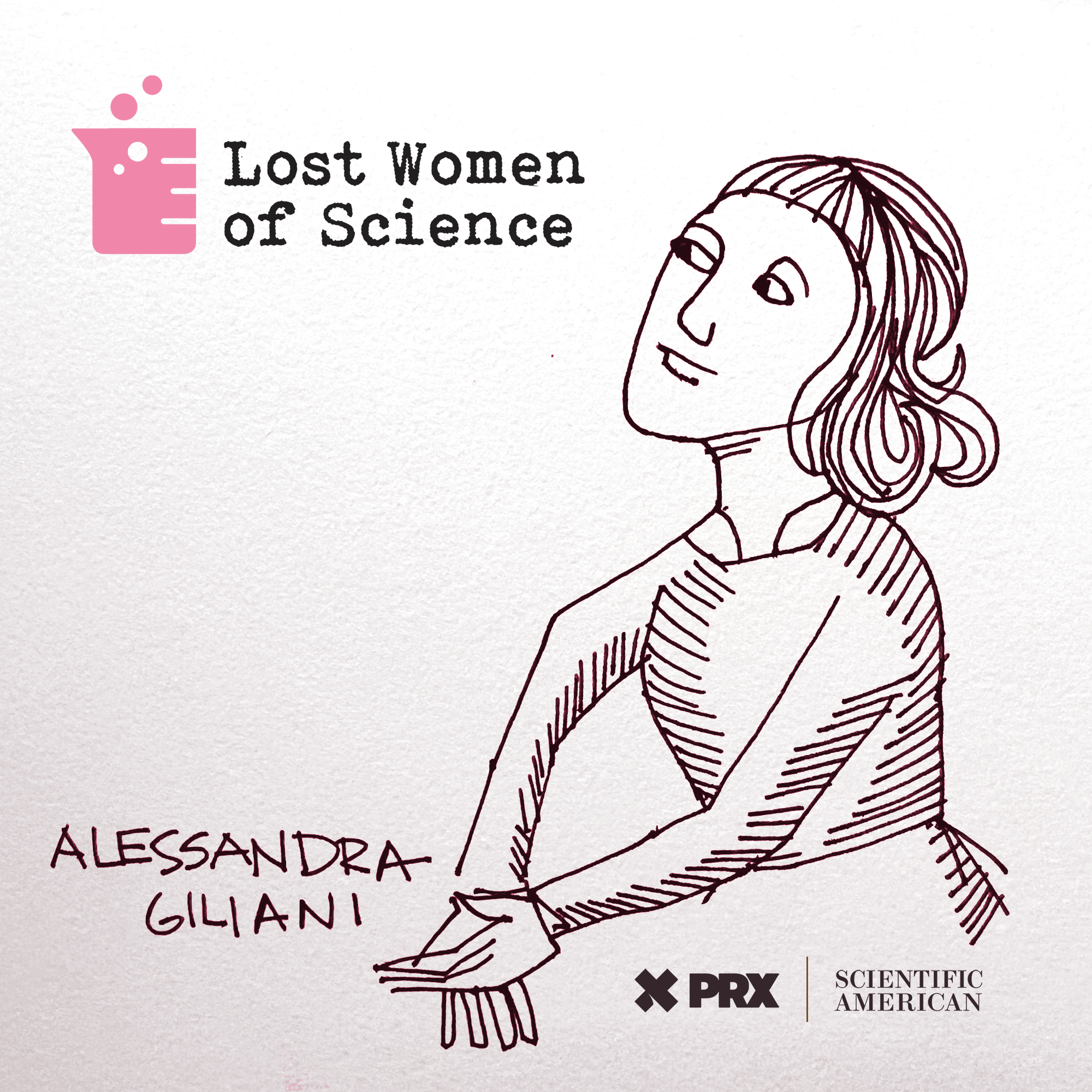
From Our Inbox: Alessandra Giliani, 14th-century Italian anatomist
Welcome to the first in our From Our Inbox series, in which we give listeners a taste of the mail we get from folks wanting to bring a particular forgotten scientist to our attention. Here’s the story of Alessandra Giliani, brought to us by Barbara Quick, an author and poet in the San Francisco Bay Area. There’s a persistent myth in the Emilia-Romagna region of Italy about Alessandra Giliani, a 14th-century girl who defied the laws of Church and state to attend medical school. The most concrete evidence of her existence comes in the form of illuminated manuscripts depicting an assistant to anatomist Mondino de Liuzzi who appears to be a cross-dressed woman. In this episode, associate producer Mackenzie Tatananni speaks with author Barbara Quick about Alessandra’s discoveries, which were well ahead of their time. Learn about your ad choices: dovetail.prx.org/ad-choices
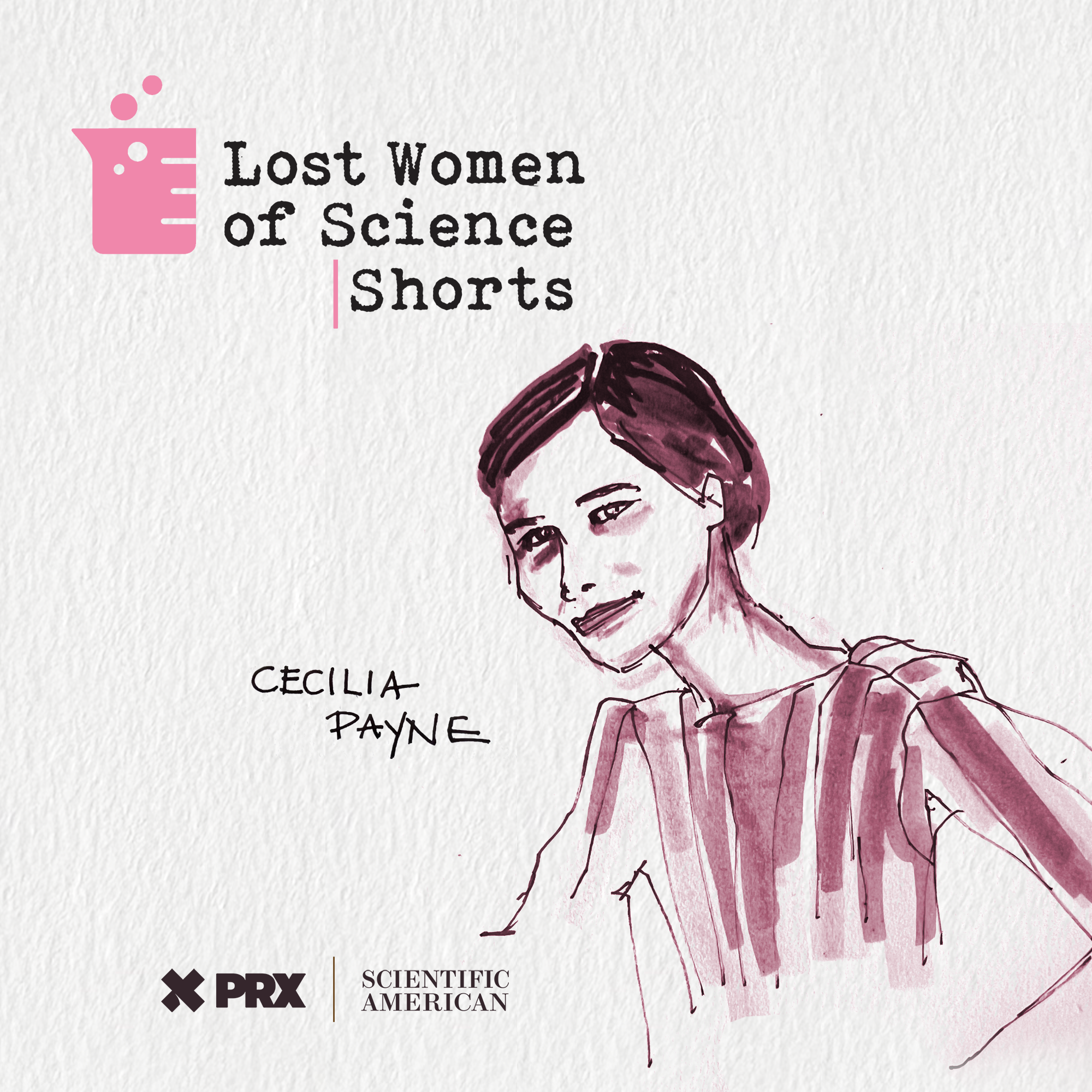
The Highest of All Ceilings: Astronomer Cecilia Payne
Cecilia Payne was in her early 20s when she figured out what the stars are made of. Both she and her groundbreaking findings were ahead of their time. Continuing the legacy of women working at the Harvard Observatory, Cecilia charted the way for a generation of female astronomers to come. This episode of Lost Women of Science: shorts follows Cecilia’s journey of discovery, journals her drive and determination against all odds, and takes you to the Harvard Observatory itself to walk in Cecilia’s footsteps. Learn about your ad choices: dovetail.prx.org/ad-choices
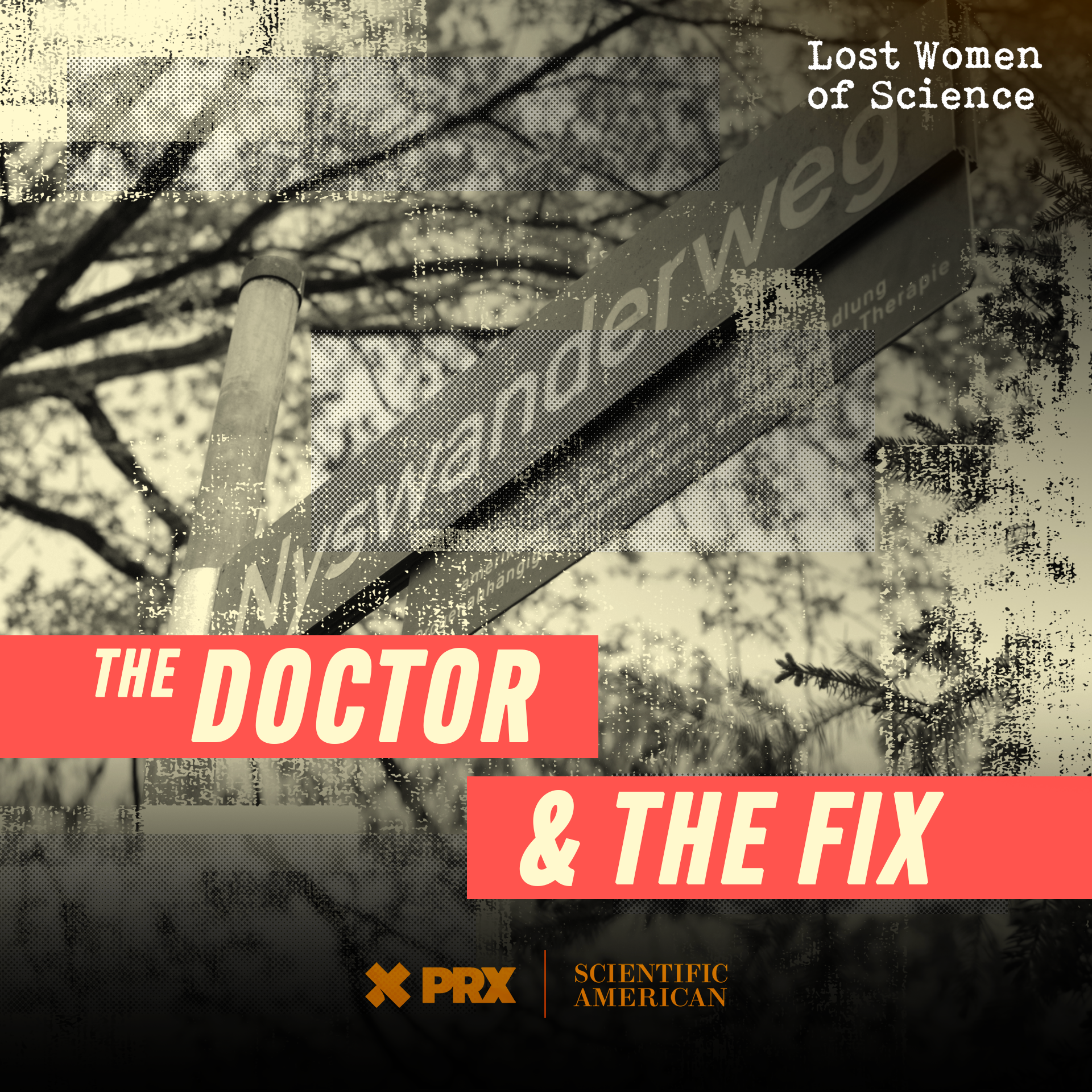
What's in a Street Name? Everything.
In 1992, a Dutch doctor named Josh von Soer Clemm von Hohenberg wrote a letter to Henning Voscherau, the mayor of Hamburg, Germany, requesting that a street be named after Marie Nyswander. The doctor had never met Marie, but he had founded a clinic for treating people with drug addiction, and he’d seen methadone treatment — co-developed by Marie — save lives. Four years later, doctors gathered on a street in northwest Hamburg to celebrate that street’s new name: Nyswanderweg. We’re investigating how German streets get their names, and why so few of them honor women like Marie, who have made historic achievements. Learn about your ad choices: dovetail.prx.org/ad-choices
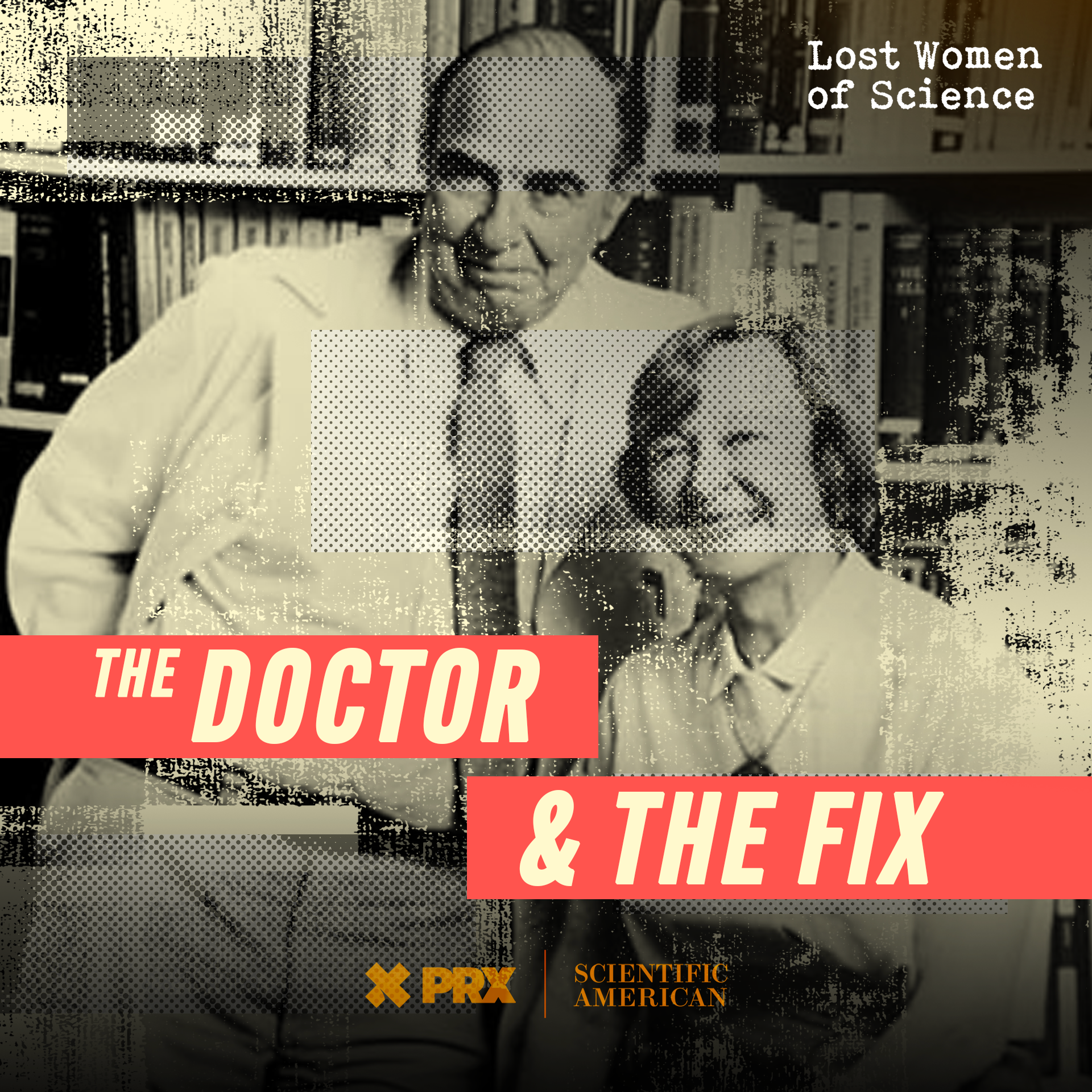
The Doctor and the Fix: Chapter 5
Marie Nyswander died in 1986. She’d achieved almost everything she set out to, but she wanted more: even better medications than methadone, fewer regulations, and the holy grail—a cure for addiction. Addiction science has come a long way since Marie’s time, and it turns out, a lot of the field’s earlier assumptions were probably wrong. Neuroscientist Kent Berridge explains why wanting something isn’t the same as liking it. But a cure is still out of our reach Learn about your ad choices: dovetail.prx.org/ad-choices
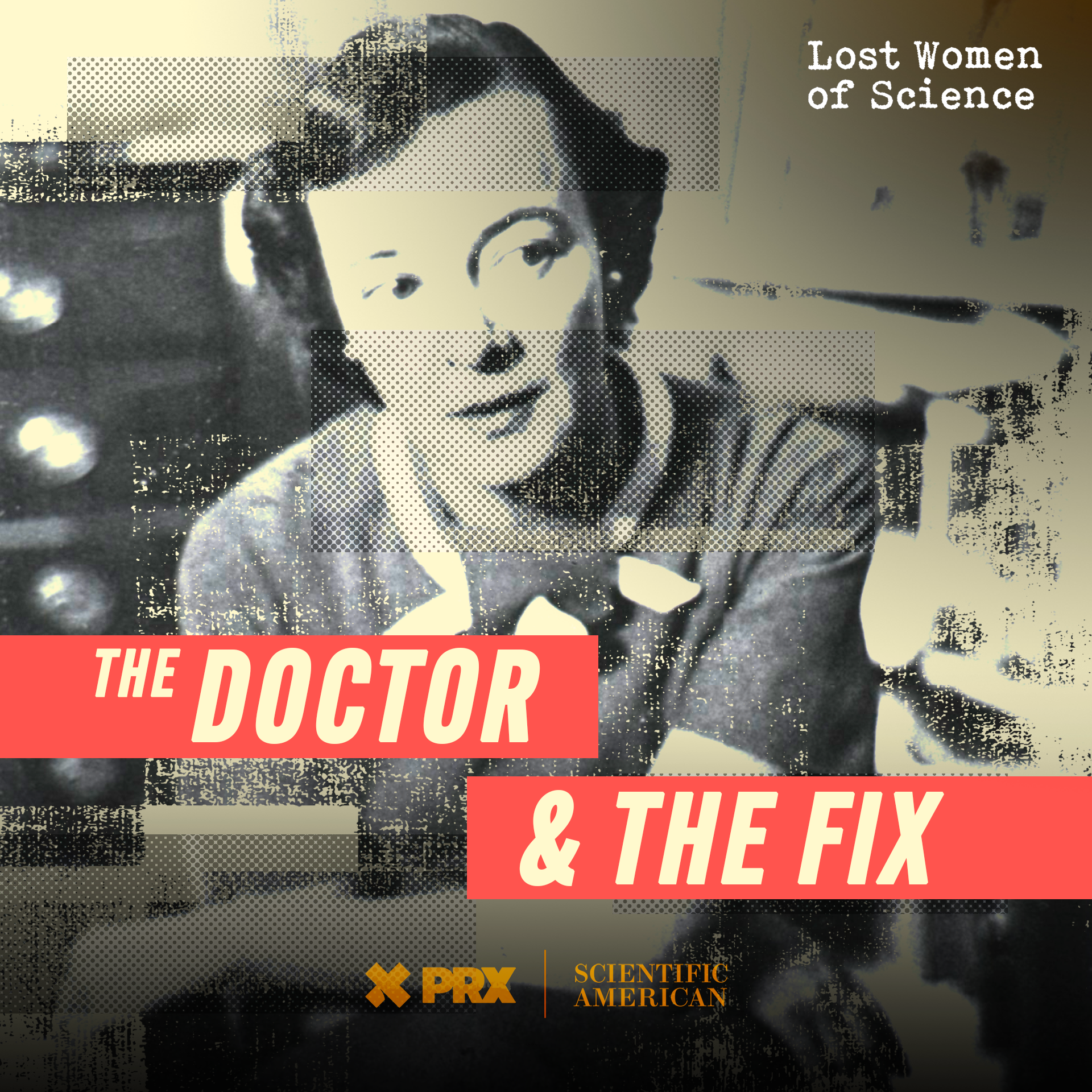
Reminder about next episode and an update
A reminder that our next episode is scheduled to come out next Thursday! In the meantime, we’ve hit a slight snag—Katie has COVID—but she’s resting up, and we’re doing our best to get that episode to you on time. Stay tuned for updates. We'll be back very soon. Learn about your ad choices: dovetail.prx.org/ad-choices
The Doctor and the Fix: Chapter 4
Marie Nyswander and her team at Rockefeller unveil their findings at last: methadone has utterly transformed their patients. They’re going back to school, getting jobs, and reconnecting with family and friends. One of the very first patients went onto college and graduated with a degree in aeronautical engineering, all while taking methadone. But soon, Marie’s treatment starts getting resistance, from fellow doctors as well as patients, who think what she’s doing is immoral. See show notes and full transcripts at lostwomenofscience.org Learn about your ad choices: dovetail.prx.org/ad-choices
The Doctor and the Fix: Chapter 3
After years of disappointing results in her quest to treat heroin addiction, Marie Nyswander was more than ready to try something new. When she met a prominent doctor from the prestigious Rockefeller Institute, they embarked on an experiment that would define both of their careers and revolutionize the treatment of addiction for decades to come. But not everyone was happy about it. Learn about your ad choices: dovetail.prx.org/ad-choices
The Doctor and the Fix: Chapter 2
In the early 1950s, Marie Nyswander was ready to move on from addiction. She set up a private practice and specialized in treating women afflicted with what she would call one of the “gravest problems of our time”: sexual frigidity. She and her adoring husband were living the good life, hanging out with rich art collectors and members of the New York literary scene. But when Marie started getting phone calls for help, she got pulled in a very different direction. Show notes and episode transcripts are available at lostwomenofscience.org Learn about your ad choices: dovetail.prx.org/ad-choices
The Doctor and the Fix: Chapter 1
In 1946, Marie Nyswander, a recent medical school graduate, joined the U.S. Public Health Service looking for adventure abroad. Instead, they sent her to Lexington, Kentucky’s Narcotic Farm, a prison and rehabilitation facility for people with drug addiction, where therapies included milking cows and basket-making. It was at Lexington that Marie encountered addiction for the first time, and what she saw there disturbed her—and reset her life’s course. For show notes and episode transcripts, visit lostwomenofscience.org Learn about your ad choices: dovetail.prx.org/ad-choices
The Doctor and the Fix: Trailer
In 1965, a team of doctors at Rockefeller University announced what sounded like a miracle—they’d found a treatment for heroin addiction that actually seemed to work. For nearly two years, the researchers had been running an experiment with a small group of men, aged 19 to 37, who’d been using heroin for several years—and the results were astonishing. Men who’d been transfixed by heroin cravings for years, who had tried to quit before and failed, were suddenly able to return to their lives. One started painting. Another finished high school and got a scholarship to go to college. The key to these transformations was a drug called methadone. But the treatment was controversial, and one of the doctors on the team already had a bit of a reputation as a bold, and possibly even reckless, defier of convention: Marie Nyswander. This season, we bring you her story and the radical treatment that would upend the landscape of addiction for decades to come. Learn about your ad choices: dovetail.prx.org/ad-choices
Of Chestnuts, Cherry Trees, and Mushroom Catsup: Flora Patterson, the Woman who Kept Devastating Blights from U.S. Shores
In 1909, the Mayor of Tokyo sent a gift of 2,000 prized cherry trees to Washington, D.C. But the iconic blossoms enjoyed each spring along the Tidal Basin are not from those trees. That’s because Flora Patterson, who was the Mycologist in Charge at the USDA, recognized the original saplings were infected, and the shipment was burned on the National Mall. In this episode, assistant producer Hilda Gitchell explores Flora’s lasting impact on the field of mycology, starting with a blight that killed off the American chestnut trees, and how she helped make the USDA’s National Fungus Collection the largest in the world. Learn about your ad choices: dovetail.prx.org/ad-choices
A Complicated Woman: Leona Zacharias
Scientist Leona Zacharias was a rare woman. She graduated from Barnard College in 1927 with a degree in biology, followed by a Ph.D. from Columbia University. But throughout her career she labored behind men with loftier titles who got the bulk of the credit. In the 1940s, when premature newborns were going blind after being born with perfectly healthy eyes, Dr. Zacharias was part of the team that worked to root out the cause. In this inaugural episode of Lost Women of Science Shorts, host Katie Hafner visits the archives at M.I.T. and The Massachusetts Eye and Ear Infirmary in Boston to try to understand Dr. Zacharias’s role in rooting out the cause.For host Katie Hafner, it's personal: Leona Zacharias was her grandmother. Learn about your ad choices: dovetail.prx.org/ad-choices
Introducing Lost Women of Science Shorts: Trailer
trailerEach season of Lost Women of Science tells the story of one remarkable female scientist, but hundreds more remain overlooked. That’s why we’re introducing Shorts—each 30-minute episode tells the remarkable story of a scientific breakthrough and the woman who played a crucial role in it. Join us as we launch Shorts on January 12th. Learn about your ad choices: dovetail.prx.org/ad-choices

The Woman Who Knocked Science Sideways
We’re hard at work producing the next season of Lost Women of Science, but we wanted to bring you this special guest episode from Portraits, a podcast from the Smithsonian’s National Portrait Gallery. Dr. Chien-Shiung Wu was a towering figure in science whose parity experiment shattered our understanding of the physical world. She enjoyed rockstar status in China, met the pope, inspired an opera and even became a “Jeopardy!” question. But to Jada Yuan, she was grandma. See the portraits discussed in the episode: Dr. Wu in the lab Tsung-Dao Lee, Nobel Laureate Chen-Ning Yang, Nobel Laureate Dr. Wu on the forever stamp Also, check out Jada Yuan’s article about her grandmother here! Learn about your ad choices: dovetail.prx.org/ad-choices
The Feminist Test We Keep Failing
There's a test that we at Lost Women of Science seem to fail again and again: the Finkbeiner Test. Named for the science writer, Ann Finkbeiner, the Finkbeiner Test is a checklist for writing profiles of female scientists without being sexist. It includes rules like not mentioning her husband’s job, or her childcare arrangements, or how she was the “first woman to…”—all rules we break regularly on this show. In this episode, Katie Hafner talks to Christie Aschwanden, the science writer who created the test, and Ann Finkbeiner, who inspired it, to find out how they came up with these rules, and to see if there might be hope yet for our series. She reports her findings to Carol Sutton Lewis, who has a whole other set of rules for telling these stories. Learn about your ad choices: dovetail.prx.org/ad-choices
The First Lady of Engineering: An Interview with Y.Y.'s Daughter, Carol Lawson
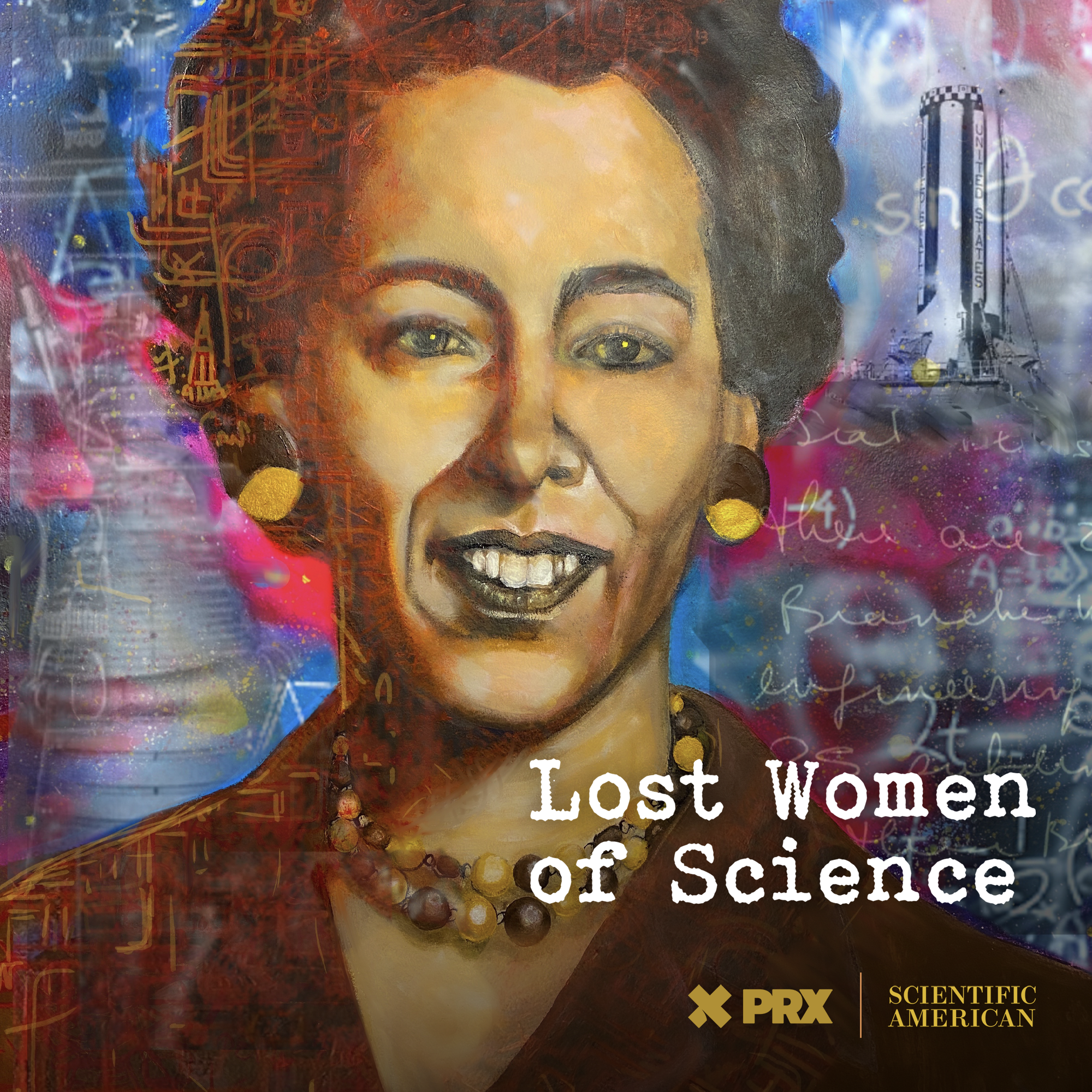
This week, we’re bringing you an episode from another podcast hosted and produced by Katie Hafner, Our Mothers Ourselves. It’s a show that celebrates extraordinary mothers through conversations with their children. In this episode, Katie speaks with Yvonne Young Clark’s daughter, Carol Lawson. We hope you enjoy this episode of Our Mothers Ourselves, “The ‘Relentlessly Positive’ Yvonne Young Clark: An Interview with Y.Y.'s Daughter, Carol Lawson.” Learn about your ad choices: dovetail.prx.org/ad-choices
The First Lady of Engineering: Chapter 4
YY taught at Tennessee State University, a historically Black university, for 55 years. In this episode, we hear from YY’s colleagues, students and family members about who she was as an educator and how she’s remembered. We’ll also explore where HBCUs stand today – particularly, why they graduate so many successful Black scientists compared to other institutions, and their place in the future of science. Plus, a reimagining of YY’s accomplishments: what did it mean to be the first? Access a transcript of the episode here: https://www.scientificamerican.com/article/this-black-female-engineer-broke-through-the-double-bind-of-racism-and-sexism-and-directly-nurtured-a-legion-of-stem-leaders/ Learn about your ad choices: dovetail.prx.org/ad-choices
The First Lady of Engineering: Chapter 3
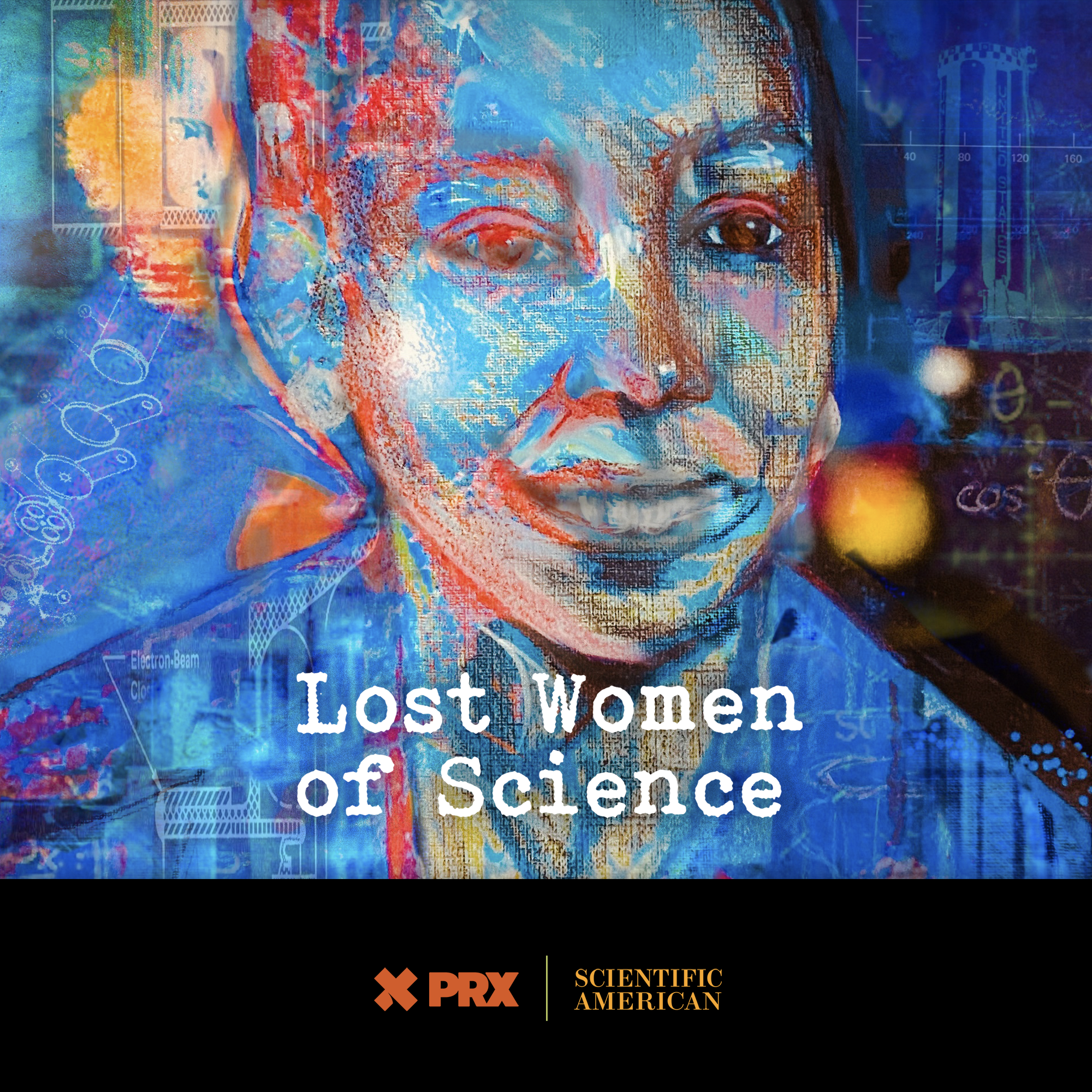
What is mechanical engineering? What was YY actually doing? This episode is about the work itself – specifically, the work Yvonne Young Clark did at NASA on the Saturn V rocket, and in designing the “moon rock box” for transporting lunar samples back to Earth. And we take a deep dive into the history of the American space program, the mechanics of a rocket, and how YY brought her troubleshooter’s mind to a problem that was plaguing some of the country’s top scientists. Access a transcript of the episode here: https://www.scientificamerican.com/article/nasas-saturn-v-rocket-the-moon-rock-box-and-the-woman-who-made-them-work-properly/ Learn about your ad choices: dovetail.prx.org/ad-choices
The First Lady of Engineering: Chapter 2
When YY started college at Howard University as a mechanical engineering student, there were three things she swore she’d never do: marry a tall man, become a teacher, and work for the government. But love and life had other plans, and YY soon discovered the difficulty of entering private industry as one of the few Black women in her field. After success at RCA-Victor and Frankford Arsenal, YY moved back to the South, where Brown v. Board of Education had recently integrated public schools, prompting a violent backlash. Access a transcript of the episode here: https://www.scientificamerican.com/article/for-the-first-lady-of-engineering-freedom-meant-facing-down-racism-and-sexism-and-breaking-her-own-rules/ Learn about your ad choices: dovetail.prx.org/ad-choices
The First Lady of Engineering: Chapter 1
With a librarian mother and a physician father, YY was brought up in a supportive, educated, and prosperous Black enclave of Louisville, Kentucky. Her parents nurtured her knack for engineering. She got her start as a young child when she repaired the family toaster. An early introduction to a Black pilot group inspired her to fly planes, and she applied to the University of Louisville, where she hoped to study engineering and eventually aeronautics—until she learned her race disqualified her. Access a transcript of the episode here: https://www.scientificamerican.com/article/the-first-lady-of-engineering-lost-women-of-science-podcast-season-3-episode-1/ Learn about your ad choices: dovetail.prx.org/ad-choices
The First Lady of Engineering: Trailer
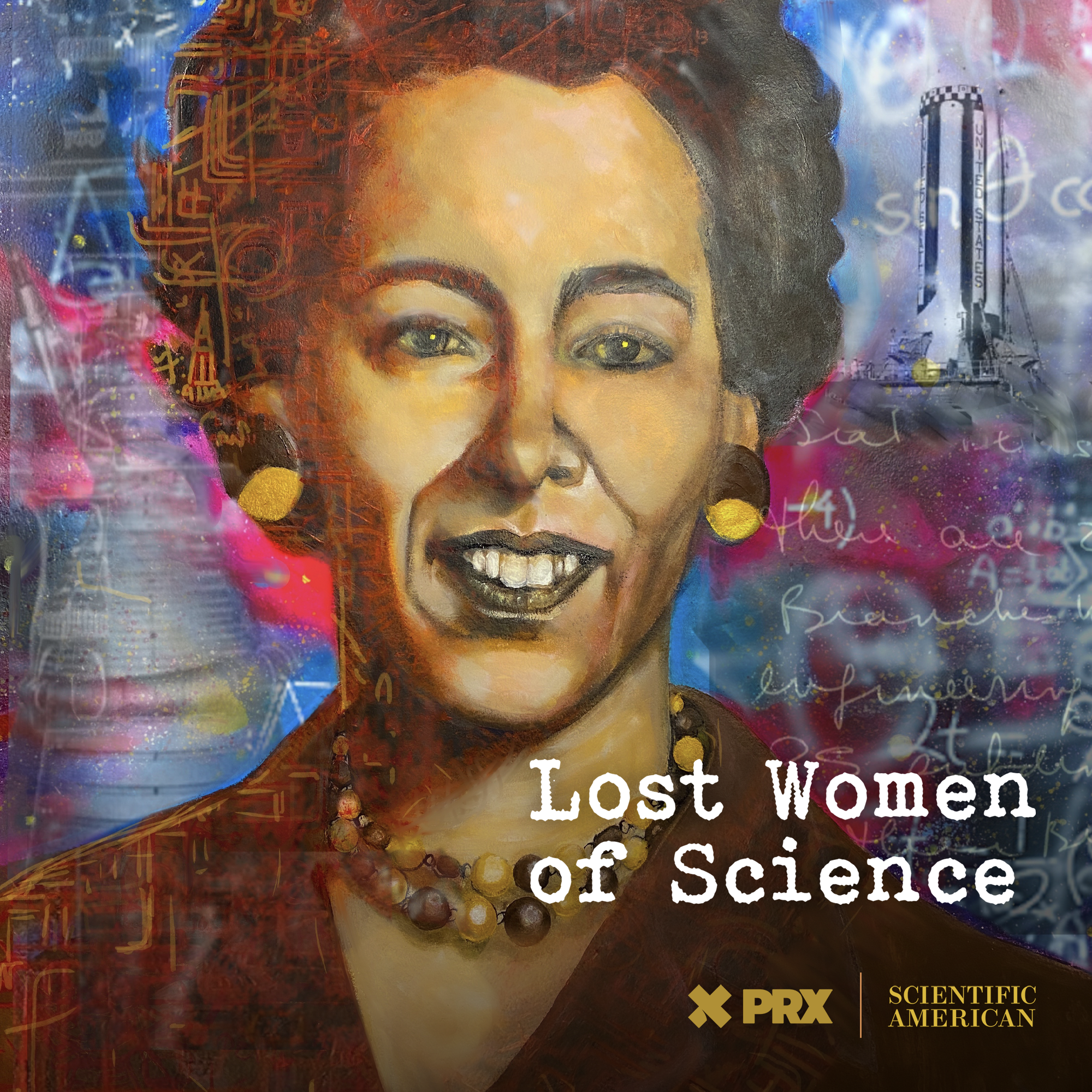
Yvonne Y. Clark, known as YY throughout her career, has also been nicknamed “The First Lady of Engineering,” because of her groundbreaking achievements as a Black female mechanical engineer. Season 3 of Lost Women of Science traces her trajectory, from her unconventional childhood interest in fixing appliances to civil rights breakthroughs in the segregated South; from her trailblazing role at historically Black colleges and universities to her work at NASA. What can YY teach us about what it means to be the first in a scientific field, especially as a Black woman in America? Learn about your ad choices: dovetail.prx.org/ad-choices
Meet our new cohost!
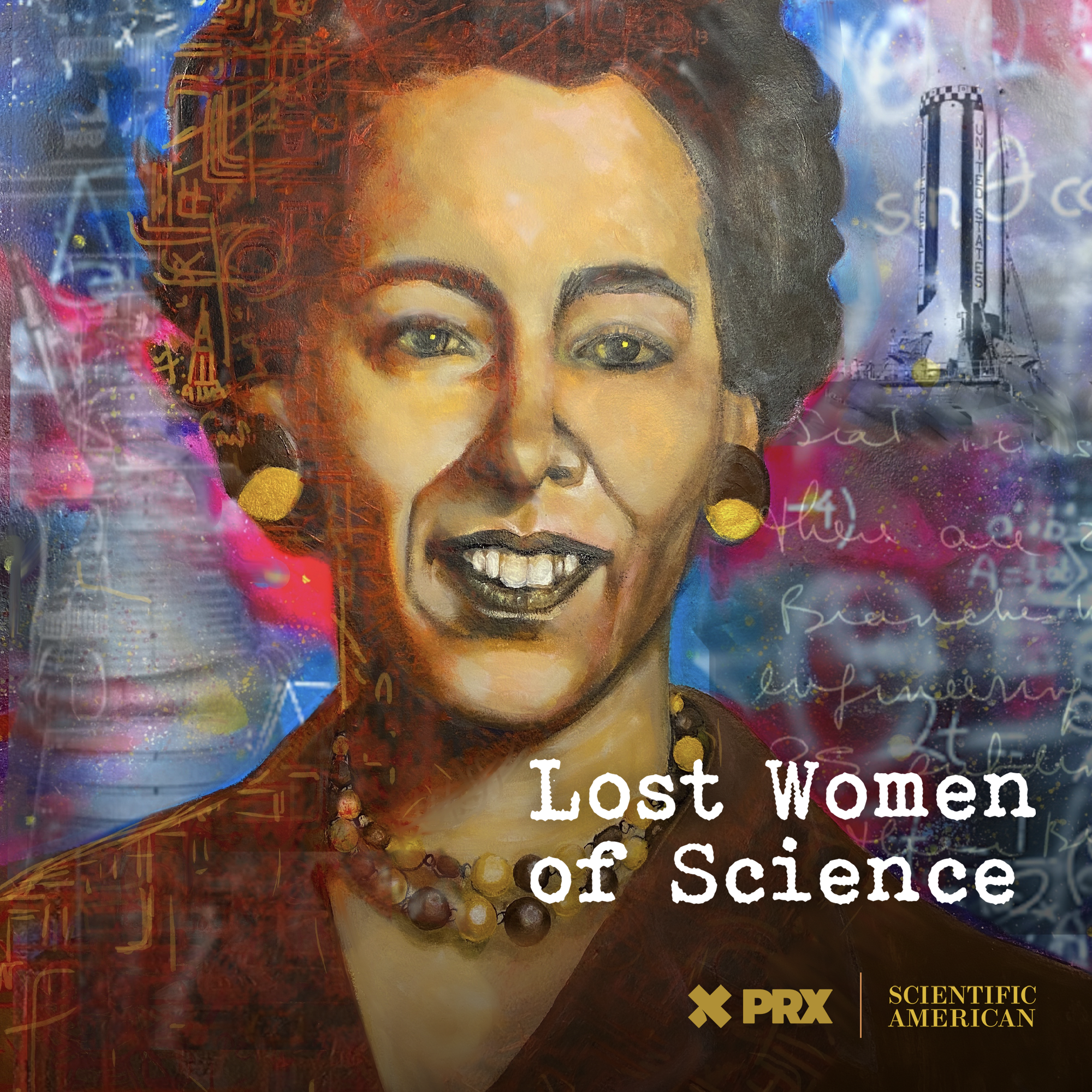
Carol Sutton Lewis, host of the podcast Ground Control Parenting, has long been interested in Black history. This season, she’s joining Lost Women of Science as a cohost to help tell the story of the mechanical engineer, Yvonne Young Clark. Known as Professor Clark to her students and YY to her engineering colleagues, YY’s career spanned academia and industry. She was a dedicated STEM educator and a champion of historically Black colleges and universities. Alongside cohost Katie Hafner, Carol will trace YY’s life and work through fascinating chapters of Black history, from the promises of Reconstruction to integration efforts at NASA. Learn about your ad choices: dovetail.prx.org/ad-choices
A Grasshopper in Tall Grass: The Weather Myth
We saw the story over and over again: computer programmer Klára Dán von Neumann was a pioneer in weather forecasting. But when we talked to Thomas Haigh, a historian who studies Klári’s work, he said he’s found absolutely no evidence of this. How did this weather myth start? We set out to answer that question, and in the process, we asked this: Why is it so tempting to credit the wrong person, even when that false credit is given with the best of intentions? Note: we’d like to acknowledge the operators of the ENIAC who ran the 1950 weather simulation, Homé McAllister and Clyde Hauff. Access a transcript of the episode here: https://www.scientificamerican.com/article/the-weather-myth-lost-women-of-science-podcast-season-2-bonus-episode/ Learn about your ad choices: dovetail.prx.org/ad-choices
A Grasshopper in Tall Grass: Chapter 5
After Johnny’s death, Klári becomes the keeper of his legacy. It’s an exhausting, full-time commitment that takes her out of the computing world for good. She marries her fourth husband, a physicist, and moves to a Southern California beach town. She resolves to settle down, and starts writing a memoir. We discuss her legacy in computing and beyond, and the current state of gender and programming. Note: this episode includes content that could be upsetting. We’ll be talking about depression and self-harm. Access a transcript of the episode here. Learn about your ad choices: dovetail.prx.org/ad-choices
A Grasshopper in Tall Grass: Chapter 4
After World War II, tensions build between the Soviet Union and the U.S. Scientists at Los Alamos continue developing nuclear weapons, helped by the recently-reconfigured ENIAC. Using a statistical method called Monte Carlo, they optimize nuclear weapons through computer simulations. In these simulations, physics is neither purely experimental nor theoretical–it’s both, creating what historian Peter Galison calls a “netherland…at once nowhere and everywhere.” And Klári finds herself immersed in this sort of netherworld, turning nuclear physics into code. Access a transcript of the episode here: https://www.scientificamerican.com/article/lost-women-of-science-podcast-season-2-episode-4-netherworld/ Learn about your ad choices: dovetail.prx.org/ad-choices
A Grasshopper in Tall Grass: Chapter 3
When John von Neumann runs into fellow mathematician Herman Goldstine at a train station, Goldstine clues him into a new powerful computer called the ENIAC that is being constructed to help with the war effort, and Johnny immediately grasps the machine’s enormous potential. Though the computer is not completed in time to be useful in the second world war, it finds new purpose in the war’s aftermath. Soon, Klári von Neumann is enlisted to instruct the machine what to do, and in doing so, becomes one of the first coders. This episode takes a deep dive into the workings of the ENIAC and the origins of computing in the 1940s. Access a transcript of the episode here: https://www.scientificamerican.com/article/lost-women-of-science-podcast-season-2-episode-3-the-experimental-rabbit/ Learn about your ad choices: dovetail.prx.org/ad-choices
A Grasshopper in Tall Grass: Chapter 2
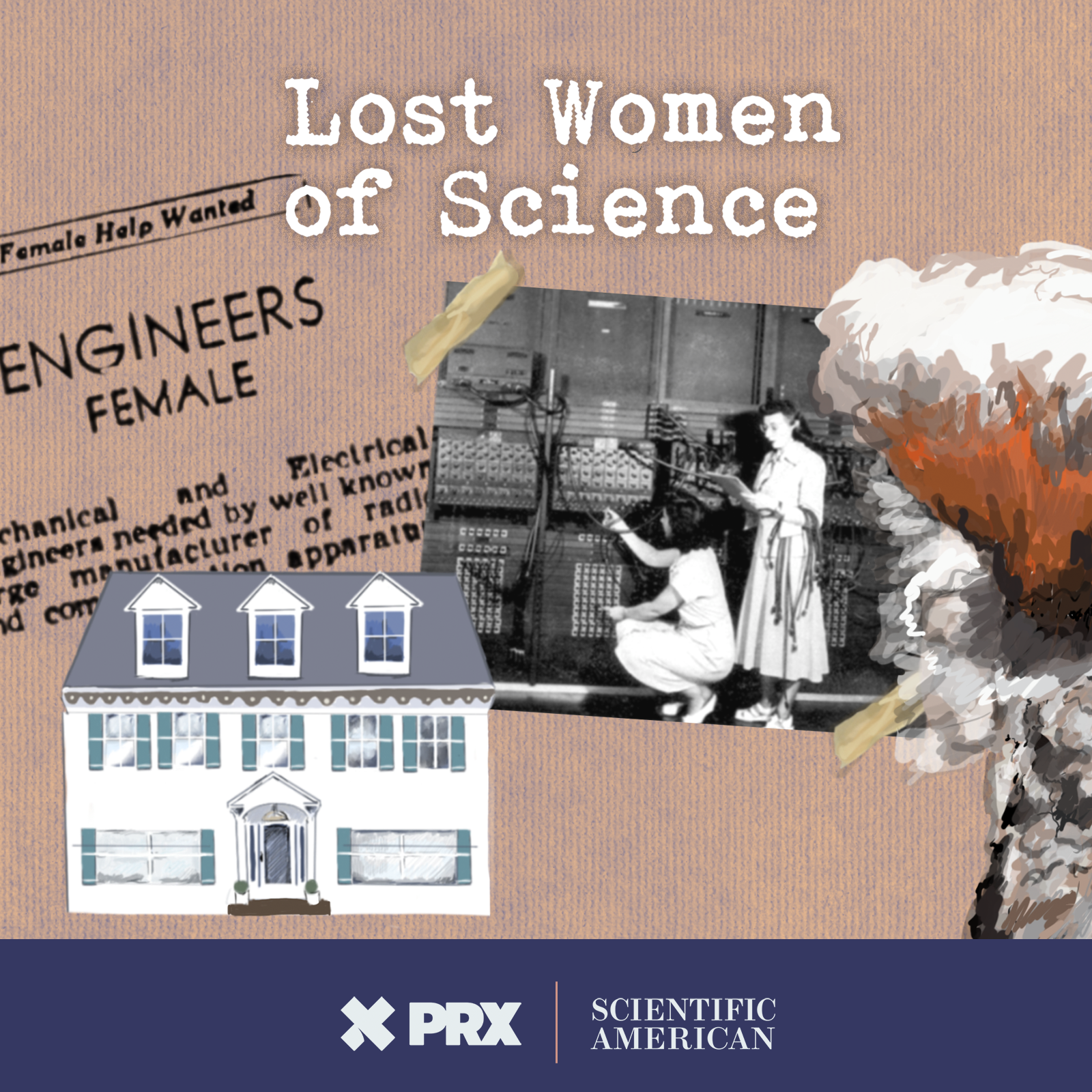
With John von Neumann absorbed in work, Klári struggles to find a niche in her new suburban home while dealing with devastating losses. A new chapter opens for Klári when the U.S. finally enters the war and women are called into the workforce. Access a transcript of the episode here: https://www.scientificamerican.com/article/lost-women-of-science-podcast-season-2-episode-two-women-needed/ Learn about your ad choices: dovetail.prx.org/ad-choices