
Look at the Book
1,392 episodes — Page 8 of 28
Citizens of Heaven Still Have Earthly Families: Colossians 3:18–21, Part 1
We do not belong to this world, nor to the things of this world. How then shall we live out our time in this world?

Do Everything in the Name of King Jesus: Colossians 3:15–17, Part 4
How we speak and act reflects something about our King. What tangible effect has that had on your Christian life?
Songs Rich with the Word of Christ: Colossians 3:15–17, Part 3
Does it really matter if we sing in the Christian life or not? Could we really be spiritually stunted if we refuse to greet one another with songs?

How Does the Peace of Christ Rule? Colossians 3:15–17, Part 2
Everyone lives by a rule. How can the “peace of Christ” rule in our hearts, homes, and communities?
Is Christian Peace in My Heart or in the Church? Colossians 3:15–17, Part 1
Panic often prevents peace. In a world lacking calmness, what does it mean to be called to the peace of Christ?
How Does Love Bind Everything Together? Colossians 3:12–14, Part 4
God calls us to marvel at Christ’s love which forgives and renews us. How does this fascination functionally change how we live?

The Perplexities of Forgiving and Forbearing: Colossians 3:12–14, Part 3
The bite of others’ sin hurts more when repentance never comes. How do Christians become long-suffering in relationships?
Put on Bowels of Mercy: Colossians 3:12–14, Part 2
You need biblical bowels. What on earth are those, and how does a Christian embrace this unusual command?
Christian, You Are Chosen, Holy, Loved: Colossians 3:12–14, Part 1
What difference does it make in our actual lives as Christians to know ourselves as chosen, holy, and loved by God?

The End of Ethnic Strife in the Church: Colossians 3:11
The alternative to ethnic strife that divides the world is a Christ-centered, Christ-empowered love that unites his people.

Develop a Radical Love for Truth: Colossians 3:5–10, Part 7
If we functionally replace God from the center of our lives with some other god, we cannot be people of the truth.

The Cravings Behind Our Anger: Colossians 3:5–10, Part 6
Anger boils when our cravings are denied. The new man in Christ must put away all unrighteous anger and replace it with grateful joy.

Why Warn Saints About Wrath? Colossians 3:5–10, Part 5
If Christians are safe from God’s wrath, why does God warn them about it?
How to Put Sexual Immorality to Death: Colossians 3:5–10, Part 4
How do we gain victory over a sin that continually tempts us with the promise of pleasure?
What Is Sexual Immorality? Colossians 3:5–10, Part 3
How do we know what a biblical author means when he uses words that we almost never use?
Where Is the Spirit in Colossians? Colossians 3:5–10, Part 2
Paul seems extremely shy to mention the Spirit in Colossians. He does so explicitly only once. Why might that be?
Kill What’s Killed, Renew What’s New: Colossians 3:5–10, Part 1
When sinfulness remains and newness of life delays, how should Christians make sense of it all?
Relentlessly Seek Reality Above: Colossians 3:1–4, Part 8
Nothing on earth can compete with the worth of Christ, so we are called to seek him with all our hearts and minds.
Christ Is Coming in Glory: Colossians 3:1–4, Part 7
Grace upon grace, resurrection from the dead, transformation into unimaginable glory, and the unceasing company of our Lord — can you imagine?
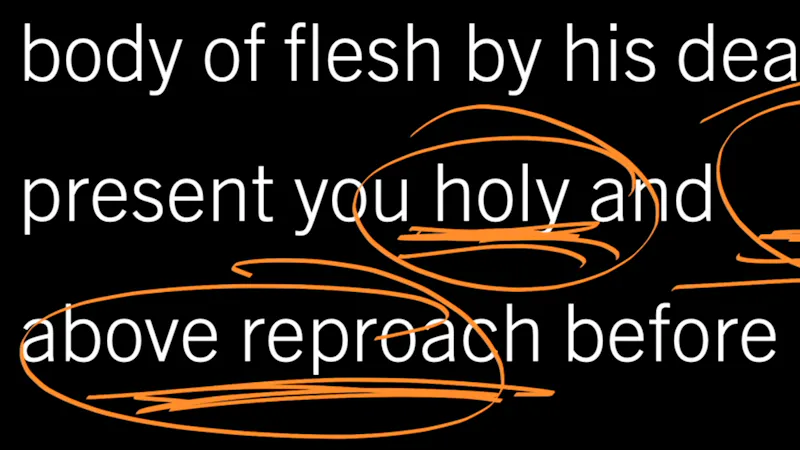
Your Life Is Hidden with Christ in God: Colossians 3:1–4, Part 6
One day we will all shine like the sun. What will our now-hidden lives look like on that day?

Christ Is Your Life: Colossians 3:1–4, Part 5
Christ is our life now, but how do we experience that life? Scripture illuminates how this life flows to Christians through faith.
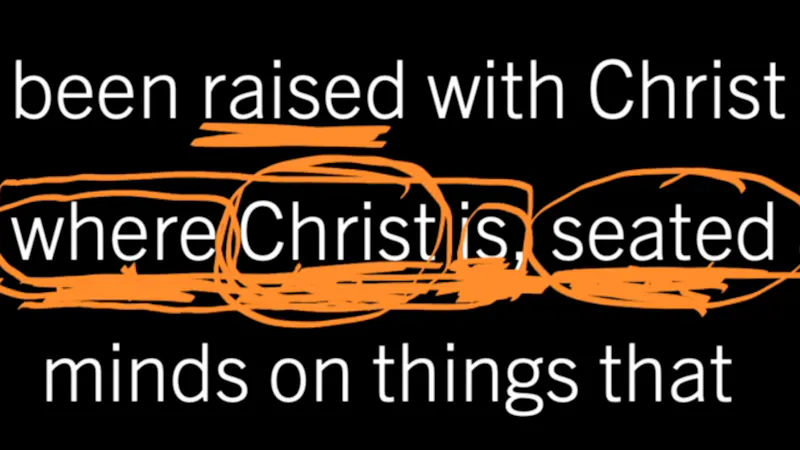
Seated at the Right Hand of God: Colossians 3:1–4, Part 4
Why is it significant that Jesus sits at the right hand of God? Exult in the current physical location of Christ.

Christian, You Have Been Raised! Colossians 3:1–4, Part 3
Satan entices us to believe that our sin defines us. How does unity with Christ forever change the way we battle that lie?
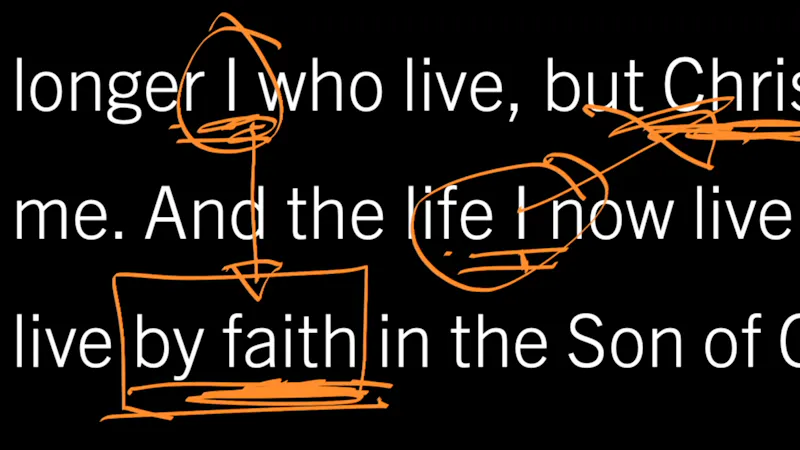
Christian, You Are Dead! Colossians 3:1–4, Part 2
Death precedes true life. Christ exemplifies this, and we follow in his footsteps. How should this change how we live?
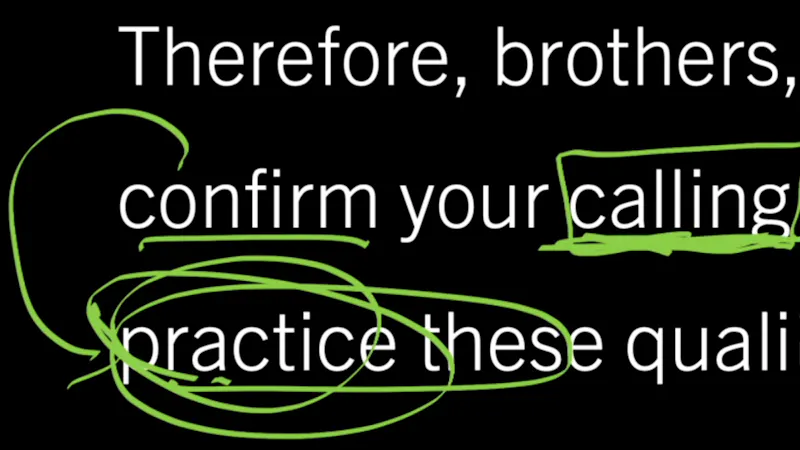
Obedience Confirms Our Resurrection: Colossians 3:1–4, Part 1
Christ calls his disciples to be doers of the word, not hearers only. How does our union with Christ relate to obeying his commands?
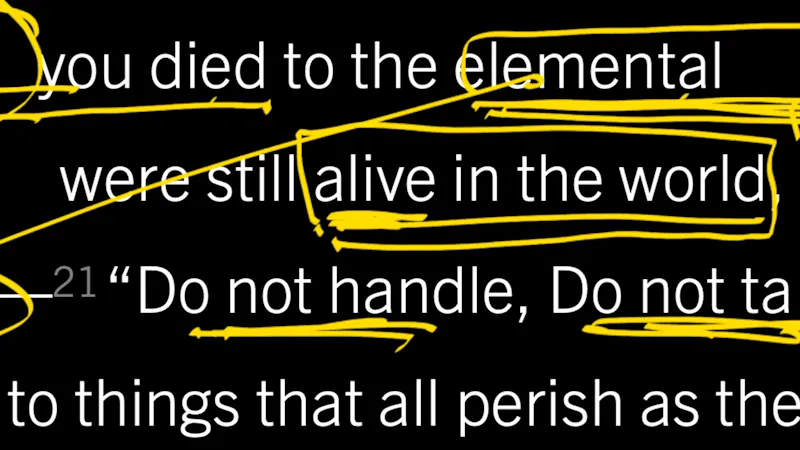
Self-Made Religion Is Useless: Colossians 2:20–23
Christians have died to man-made worship and any religious effort that would try to commend them to God apart from Christ.

Why We Do Not Worship Angels: Colossians 2:18–19
God has provided one Mediator between God and man, and he is far greater than any heavenly or fallen angel.
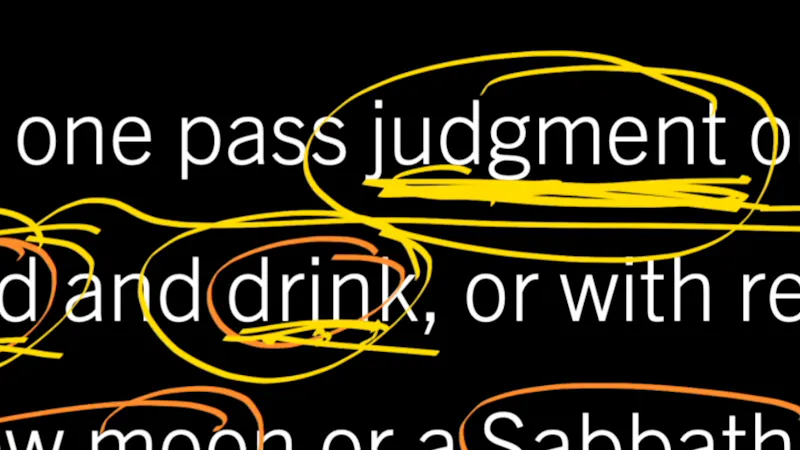
Shadows of Christ, the Substance: Colossians 2:16–17
If Christianity is rooted in the Old Testament, why are Christians not keeping so much of what God commanded there?

How Did the Cross Defeat Satan? Colossians 2:13–15, Part 5
Through his crucifixion, Christ silenced the accuser, nullified the terror of death, and delivered sinners from the dominion of sin.
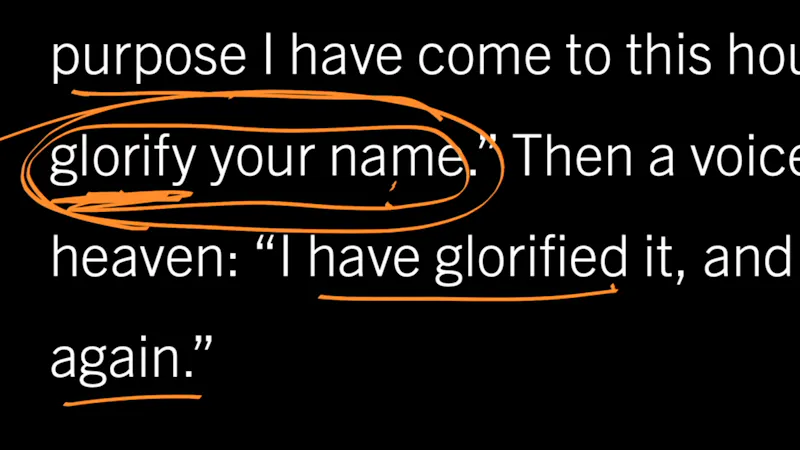
Can the Innocent Die for the Guilty? Colossians 2:13–15, Part 4
Does it satisfy the standards of God’s justice for an innocent one to die for the guilty?
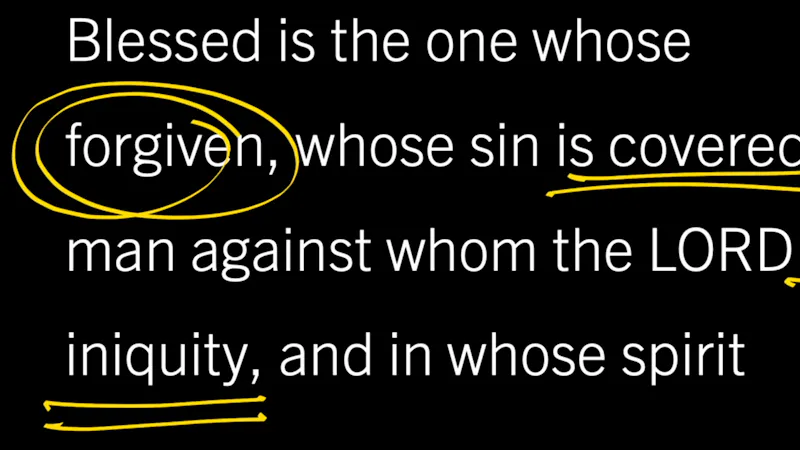
The Gospel: Salvation by Substitution: Colossians 2:13–15, Part 3
God obliterates our record of debt by nailing it to the cross through the substitutionary death of Christ.
How Did God Make Us Alive? Colossians 2:13–15, Part 2
The plights of our sinful state — deadness, blindness, hardness, and inability — were all resolved decisively in the moment God made us alive.
How Dead Are We Before Christ? Colossians 2:13–15, Part 1
Death before life is the testimony of all who really live. Do you know how bleak things were before God brought you to life?

The Glorious Reality Baptism Reveals: Colossians 2:11–12, Part 3
Our union with Christ in his death and resurrection should tangibly, observably define how we live in this world.
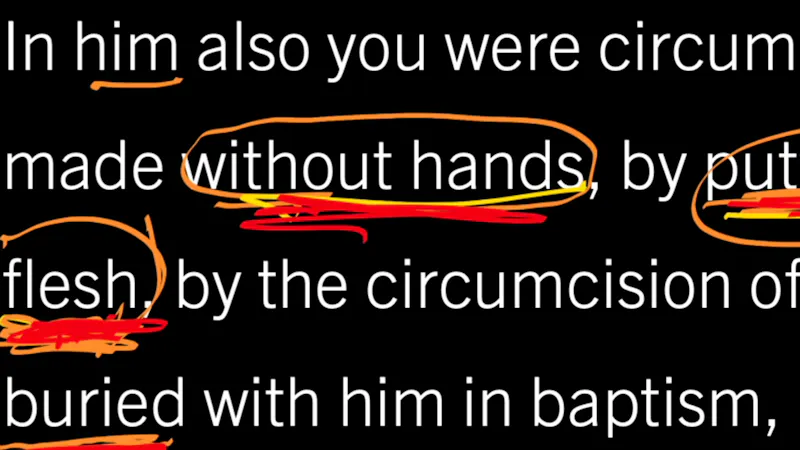
What Is a Circumcision Without Hands? Colossians 2:11–12, Part 2
What is the body of the flesh, and how do you put it off? What exactly is cut away in this “circumcision of Christ”?
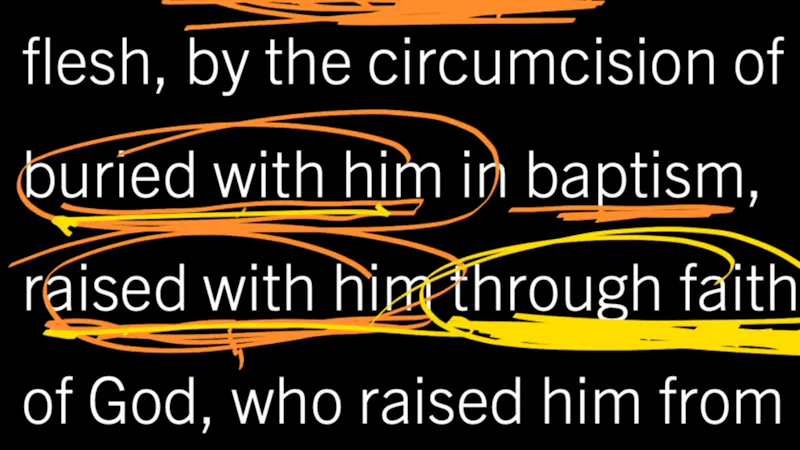
The Sign of Circumcision and Baptism: Colossians 2:11–12, Part 1
Christians have received a circumcision that is “made without hands.” What is this circumcision, and what does it do?
Filled with the Head of All Authorities: Colossians 2:6–10, Part 4
To be filled in Christ is to possess the riches of his inexhaustible love, unsearchable wisdom, and unrivaled rule.
All Deity in Christ Bodily Now: Colossians 2:6–10, Part 3
The incarnation of the Son of God reveals any denigrating of the human body as a man-made, deceitful philosophy.
What Is Wrong with Philosophy? Colossians 2:6–10, Part 2
Christ is the treasure chest of wisdom and knowledge. Any philosophy that would exclude him excludes Wisdom himself.
The Divine Tradition of Walking in Christ: Colossians 2:6–10, Part 1
Faith rooted in Christ, built on him as its firm foundation, will not be blown about by every new gust of doctrine.

Spiritual Antibodies Against Delusion: Colossians 2:4–5
Many people are deceived by false teaching and lost while believing that they know the truth. How do we resist such deceptions?

Love, Unity, and Assurance in the Truth: Colossians 2:1–3, Part 2
Communities bound together in love will better know the great riches of Christ than communities divided by rivalry.
What Was Worth So Much Struggle? Colossians 2:1–3, Part 1
God gives good gifts to his church when he gives her good men to serve as pastors. The work is challenging, but worth every sacrifice.

How to Struggle in the Strength of Christ: Colossians 1:28–29, Part 2
When we put our hands to the plow of our Christian lives, we cannot leave prayer behind. God gives the strength we need; he must work within us.

Who Presents Believers Mature in Christ? Colossians 1:28–29, Part 1
Our growth in Christ can seem so slow and the road so long, but we can take comfort knowing that God himself is maturing us.

The Wealth of the Glory of Mystery: Colossians 1:24–27, Part 4
The welcoming of the nations into the unspeakable hope of the glory of God is the mystery revealed to the elect in the gospel of Christ.

What Is Lacking in Christ’s Afflictions? Colossians 1:24–27, Part 3
What is lacking in Christ’s afflictions? The personal, bodily, costly presentation of his love to the elect through missionaries.

The Amazing Apostolic Heart of Love: Colossians 1:24–27, Part 2
Paul understood his sufferings for the gospel as an essential means to bring about the salvation of the elect.

Six Reasons to Rejoice in Suffering: Colossians 1:24–27, Part 1
The New Testament provides at least six reasons for why Christians embrace the trials they undergo with joy.

Global Response, Personal Apostle: Colossians 1:21–23, Part 4
God is no tribal deity. He will see to it that his gospel reaches every tribe, people, language, and nation under heaven.