
Look at the Book
1,393 episodes — Page 26 of 28

Proverbs 22:17–19, Part 2: Fix Your Eyes and Heart on the Bible
Our Bible reading is about much more than reading. In this lab, John Piper highlights two major principles for getting the most out of your time in God’s word.

Proverbs 22:17–19, Part 1: Enjoy, Apply, and Share
Proverbs is one of the most ruthlessly practical books in the whole Bible. In this lab, John Piper breaks down several lines, asking what they mean and how they relate to each other.

1 Peter 2:18–20, Part 3: God Will Reward Every Wrong Endured
Jesus says that those who follow him will suffer. In this lab, John Piper uncovers the promise that God will one day make every wrong right.

1 Peter 2:18–20, Part 2: Trust God When You Are Mistreated
What happens when someone is mistreated for doing good? In this lab, John Piper teaches us how to respond to and endure injustice.

1 Peter 2:18–20, Part 1: Slaves, Obey Your Masters
Slavery is a sensitive topic with a horrific history. So what does the Bible say for slaves? In this lab, John Piper explores one place where freedom is found.

1 Peter 2:13–17, Part 3: Fear God, Not the Government
What does freedom in Christ look like in subjection to a human government? In this lab, John Piper explains five key principles.

1 Peter 2:13–17, Part 2: Obey as People Who Are Free
How do servants of the King live and serve in a world with kings? In this lab, John Piper reveals the wonder of Christian freedom and the witness of being subject to human authorities.

1 Peter 2:13–17, Part 1: Live on Earth as Citizens of Heaven
Christians live in and are citizens of some nation on earth, under some government, but their final authority is in heaven. In this lab, John Piper explains how to live as exiles and refugees.

1 Peter 2:11–12, Part 3: Will Others Worship God Because of You?
The Bible says that some will be saved through the witness of our faithfulness. In this lab, John Piper explains how our good deeds win others to Christ.

1 Peter 2:11–12, Part 2: Silence the World with Good Deeds
Many Christians today cannot stand being maligned, and so they cave to what the world wants. In this lab, John Piper helps us win the world by living differently.

Philippians 2:3–8, Part 2: Lower Yourself in Love Like Jesus
The key to enduring suffering in service to others is putting on the humility of Christ. In this lab, John Piper walks us through the birth and death of Jesus.

Philippians 2:3–8, Part 1: Holy God Became Like Us
Jesus Christ lived and died in every way for the sake of others. In this lab, John Piper calls us to do the same by looking at the wonder of Christmas.

John 1:14, Part 2: Glory Full of Grace and Truth
“We have seen his glory, glory as of the only Son from the Father.” In this lab, John Piper helps us understand the glory we see at Christmas.

John 1:14, Part 1: God Lived Among Us
Don’t let good things distract from ultimate things this Christmas. Our great reason for celebration is that God came to save us.

1 Peter 2:11–12, Part 1: Your Old Passions War Against You
There are desires inside of you that want to destroy you. In this lab, John Piper teaches us to fight remaining sin in our own hearts.

1 Peter 2:9–10, Part 2: Why You Exist in the World
Can you explain why you exist in the world? In this lab, John Piper explains the purpose of your life.

1 Peter 2:9–10, Part 1: God Treasures You, But Not Because of You
When a person becomes a Christian, they take on an entirely different identity, the pinnacle of which is being God’s prized possession.

James 5:19–20, Part 2: Five Truths About Eternal Security
In this lab, John Piper deals with the security of every believer, explaining how God keeps his children from falling away.

James 5:19–20, Part 1: Bringing Back a Wandering Believer
Some of the most heartbreaking moments in a Christian’s life are watching other believers wander away from the truth. In this lab, John Piper tackles a couple verses that help us understand a Christian’s identity and give us great hope in pursuing a wandering brother or sister in Christ.

1 Peter 2:4–8, Part 2: They Were Destined to Disobey God
God predestined some, in his infinite mercy, to hear the gospel and believe. And he predestined others to disobey and reject the good news. In this lab, John Piper leads us carefully word by word into one of the most difficult verses and truths in all the Bible, ending with nine summary thoughts.

1 Peter 2:4–8, Part 1: Come to the Man Rejected by Men
Those who follow Jesus should expect to be rejected by the world. But their rejection will not be the last word. In this lab, John Piper traces a new word picture and several Old Testament quotations to show why all who come to Christ and embrace rejection with him will also receive eternal life.

1 Peter 2:1–3, Part 2: A Remedy for Envy
The new birth produces love in every true believer in Jesus Christ, and it also weans us off our old sinful desires, like envy. But we have to be able to spot them. In this lab, John Piper zeros in on several common iniquities, and explains how we wield the word of God against them.

1 Peter 2:1–3, Part 1 : Spiritual Growth Is Not Optional
God is not done with his work when we first believe and are saved. He intends day by day to make us into what we already are in Christ. Spiritual growth is not optional or marginal in the Christian life. Every person that truly believes in Christ is being increasingly transformed into his likeness.

Hebrews 13:5–6: God Will Never Forsake You
The love of money — a craving for money as the source of our security — is an epidemic in our world, and maybe especially in our nation. So how do we kill the craving within us? In this lab, John Piper models what it means to fight temptation with the promises of God.
1 Peter 1:22–25, Part 2: We Cannot Love Without Hope
Where do we find the strength we need to truly love the people in our lives? In this lab, John Piper looks at two verses in 1 Peter that describe our new birth, and the affects it has on our earthly relationships. True love only proceeds from genuine hope, which only comes from the word of God.

1 Peter 1:22–25, Part 1: How God Purifies Our Souls from Sin
How does the faith in Jesus by which we were saved relate to the new life in Jesus for which we were saved? How do we pursue purity by grace, and not just our own resolve or discipline? In this lab, John Piper pulls apart the various things that happen when we’re born again.

1 Peter 1:20–21: Jesus Christ, the Beginning and the End
Lots of people identify Jesus as their Lord and Savior. But do they live in way that also says he is their Treasure? In this lab, John Piper uncovers a couple of precious truths about our infinitely valuable Jesus. There are at least two paths in these verses to grow our love for and hope in him.

1 Peter 1:17–19: Fear Treating God as Trash
Do you fear God? The Bible seems to be confusing about fear. In some places, God calls us to live in fear. Elsewhere, he says he’s delivered us from fear. In this lab, John Piper focuses on 1 Peter 1:17–19, but pulls in lots of verses to help us understand what it means for us to fear God.

1 Corinthians 15:9–10, Part 3: Grace Supplies Strength for Today
If grace empowers us to live like Christ, how do we access that grace day after day? What does it mean to live in the strength that God supplies? In this lab, John Piper unpacks a life sustained by faith in God’s future grace, where God’s power meets our needs for his glory moment by moment.

1 Corinthians 15:9–10, Part 2: Grace Empowers the Best Work
For many, the message of grace means the end of all effort. But the Bible will not let us settle for that kind of Christian life. In this lab, John Piper connects key texts to inspire real, consistent, passionate effort to live like Jesus today. The grace that saves us also empowers change in us.

1 Corinthians 15:9–10, Part 1: Grace Redeems the Worst Pasts
God’s grace rescued one of the worst sinners in history, a man who by his own admission was a persecutor, blasphemer, and murderer. Paul’s story gives every sinner hope. In this lab, John Piper defines grace and explains how it meets us in the midst of our brokenness and rebellion.

1 Peter 1:13–16, Part 2: Put Away Ignorant Passions
All of us have remaining sin still inside of us making war against our souls. In this lab, John Piper looks at strategies for bringing our hearts and lives further and further into conformity to God and his word. We need to see the relationship between what we know, what we feel, and how we live.

1 Peter 1:13–16, Part 1: Think Hard for the Sake of Your Heart
Hope is a human emotion, and the Bible commands us to have it. So how do we pursue it if we do not feel it? In this lab, John Piper explains how God has wired the relationship between the mind and the heart. Scripture tells us that biblical thinking serves passionate hoping.

1 Peter 1:10–12: The Immeasurable Value of Grace
We’ll never be able to estimate the value of the grace God has shown us as sinners. In this lab, John Piper highlights the preciousness of our salvation by looking at three groups of people: prophets, preachers, and angels. Each saw the grace Jesus brings, and responded in their own way.

1 Peter 1:6–9, Part 2: Love by Faith, Not by Sight
Do you love Jesus? A genuine affection for and devotion to Jesus is a miracle made possible only by God’s work. In this lab, John Piper looks at the affect of the new birth on our heart’s response to Christ. He also asks how the promise of God’s glory in the future affects our lives today.

1 Peter 1:6–9, Part 1: God Gives Us Joy in Grief
What role do trials play in the Christian life? In this lab, John Piper explains a hard, but beautiful truth. God writes hardship and suffering into every believer’s story for the sake of their faith. He wants to secure and deepen our joy in himself, and so he carries us through various trials.

Luke 7:36–50, Part 2: God’s Love for the Worst
Who will love Jesus more, the one who has been forgiven much or the one who has been forgiven little? If so, why do we not sin more? In this lab, John Piper tackles another difficult question raised by Jesus. His answer helps us understand Jesus’s words and cultivate a deeper love for him.

Luke 7:36–50, Part 1: Forgiveness Leads to Love
What do you do when a verse in the Bible (even words from Jesus himself) seem to contradict core beliefs at the heart of Christianity? In this lab, John Piper models a way forward with difficult texts, not ignoring the problem, but digging deeper to find the harmony with the rest of Scripture.

1 Peter 1:3–5, Part 2: God’s Power Will Guard You
God is guarding an infinitely valuable inheritance for you in heaven, and guarding you through faith to make sure you receive it. In this lab, John Piper pulls parts several implications from the new birth, explaining the new hope we have, and the sovereign hands that hold us.

1 Peter 1:3–5, Part 1: Born Again to a Living Hope
According to the Bible, every believer in Jesus Christ is born a second time by the Spirit. In this lab, John Piper looks at this beautiful and spectacular mystery, asking what it means and how it happens. He also draws out the implications of serious study of the Bible for our worship.

1 Peter 1:1–2, Part 3: Bought with Blood for Obedience
The Bible stabilizes us in the storms of life by reminding us who we are. In this lab, John Piper highlights our unfathomable relationship to God — Father, Son, and Holy Spirit — all in the very first words of Peter’s letter. God has ransomed us, set us apart from the world, and made us new.

1 Peter 1:1–2, Part 2 : Known by God Before You Were Born
When did God know you would be his adopted son or daughter? Peter says that our election is “according to the foreknowledge of God.” In this lab, John Piper asks what it means for God to foreknow us, and then explores the relationship between our election and God’s foreknowledge.

1 Peter 1:1–2, Part 1: A Letter to Exiles
Peter wrote a letter to Christians facing massive opposition and even persecution for their faith. These believers refused to join in the world’s rebellion against God, and they were mocked and rejected for it. In this lab, John Piper begins a new series through this hope-filled letter to exiles.

Galatians 6:12–15, Part 2: Crucified to the World
What does it mean for us to die to the world or for the world to die to us (Galatians 6:14)? In this lab, John Piper explains what happens when we belong to Jesus. What kind of new creation are we, and what does that mean for our lives? Piper pulls in several texts to answer difficult questions.
Galatians 6:12–15, Part 1: Law-Keeping Cannot Save You
People by nature want to boast in their own abilities, efforts, and achievements. Therefore, the cross of Christ is an offense to everyone. In this lab, John Piper looks at why we resist the message of the cross, as well as what the good news of the gospel says to our self-righteousness.
Psalm 141:1–4: Pray for God to Satisfy You
When we ask God to incline our hearts, can he do it? In this third lab, John Piper asks a couple of hard questions about what we pray when we pray. Are we hypocrites to pray for our mouths and behavior even when our hearts fail? We need God to meet us at every level of our lives.
Psalm 141:1–4: Pray for God to Guard You
Prayer is vital for the fight to be more like Jesus. In this lab, John Piper looks at prayer in the Bible that models the pursuit of purity. All of our effort in the pursuit of purity and holiness rests on the power and favor of God to guard us from evil.
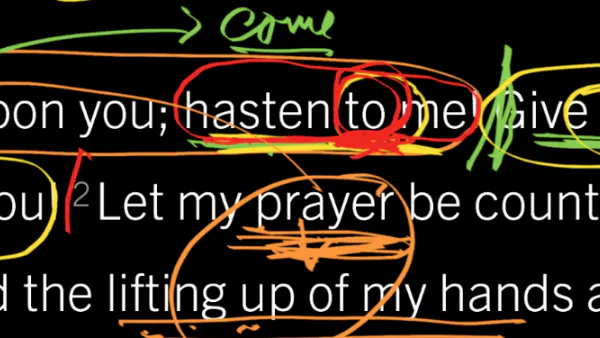
Psalm 141:1–4: Pray for God to Meet You
We learn to pray by reading the prayers in the Bible. This short series will look at David’s prayer in Psalm 141. In the first lab, John Piper asks why we pray for God to come. God is everywhere all the time, so what would it even mean for him to come to you today?
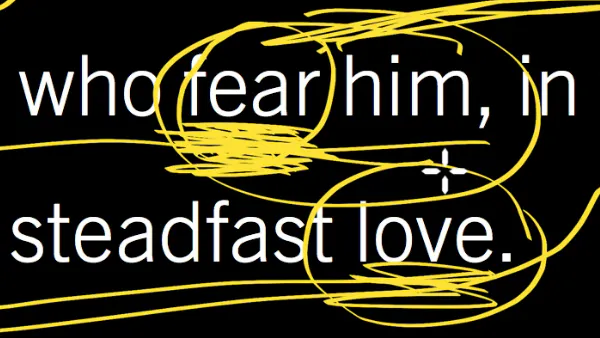
Psalm 147:10–11: What Will Please God?
What kind of heart and faith pleases God? In this lab, John Piper looks at several texts to try and understand what it means for us to fear God. How can we be terrified of God and still find hope in him at the same time?
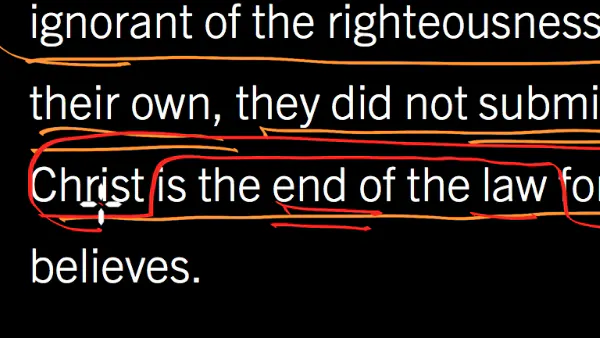
Romans 9:30–33: The Great Antidote to Shame
Has God’s word of promise failed because so many in Israel have failed to believe and receive it? In the last lab in this Romans 9 series, John Piper looks at a second major piece of Paul’s argument for the faithfulness of God. He also summarizes what we’ve learned from the whole chapter.