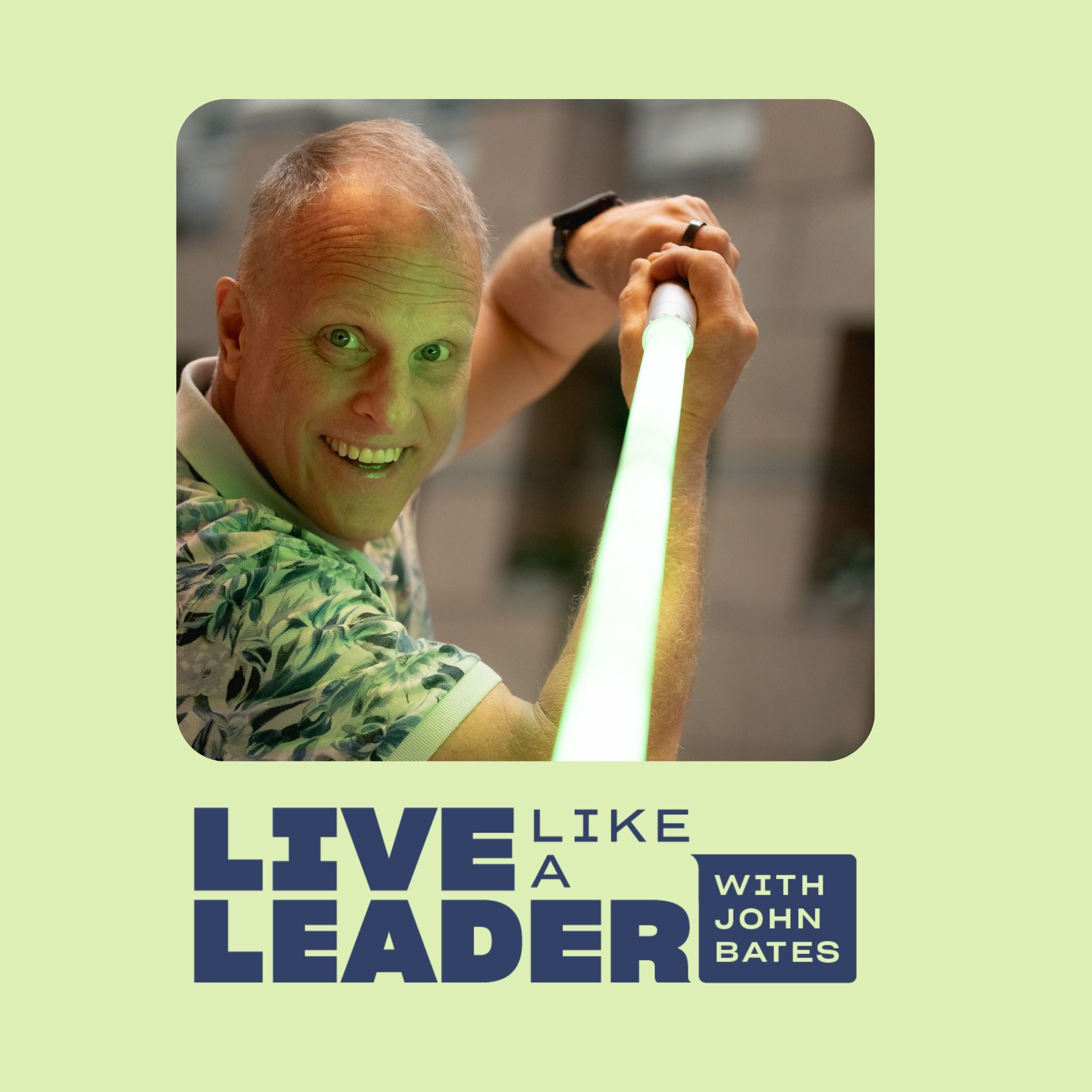
Live Like a Leader with John Bates
John Bates - Executive Speaking Success · John K. Bates
Show overview
Live Like a Leader with John Bates has been publishing since 2020, and across the 6 years since has built a catalogue of 153 episodes. That works out to roughly 130 hours of audio in total. Releases follow a fortnightly cadence.
Episodes typically run thirty-five to sixty minutes — most land between 45 min and 55 min — and the run-time is fairly consistent across the catalogue. It is catalogued as a EN-language Business show.
The show is actively publishing — the most recent episode landed 2 weeks ago, with 14 episodes already out so far this year. The busiest year was 2021, with 45 episodes published. Published by John K. Bates.
From the publisher
Live Like a Leader Show — Where Great Leaders Master Great Communication L = f (c): Leadership is a function of Communication. Great leadership is a function of great communication. Join leadership communication expert, TEDx speaker, author, and executive coach John Bates, founder of Executive Speaking Success, as he explores the communication, leadership, and life secrets of the world’s top leaders. From NASA astronauts and bestselling authors to Navy SEALs, global executives, entrepreneurs, and Keynote/TED/TEDx speakers — discover the lessons, stories, and strategies that empower them to lead with authenticity and impact. If you want to level up your leadership development, build an authentic executive presence, and master the art of public speaking, this podcast is your ultimate resource. Each episode offers immediately actionable insights to help you become a more inspiring leader, a more compelling speaker, and a more confident communicator. Whether you’re an aspiring leader, a seasoned executive, or a professional ready to amplify your influence, you’ll love the inspiring, heart-centered conversations on LiveLikeaLeader.show.
Latest Episodes
View all 153 episodesMatt Hunter: How to Be Tough Enough Without Becoming a Jerk
Why AI Needs Taste, Not Just Prompts with Kelly Abbott
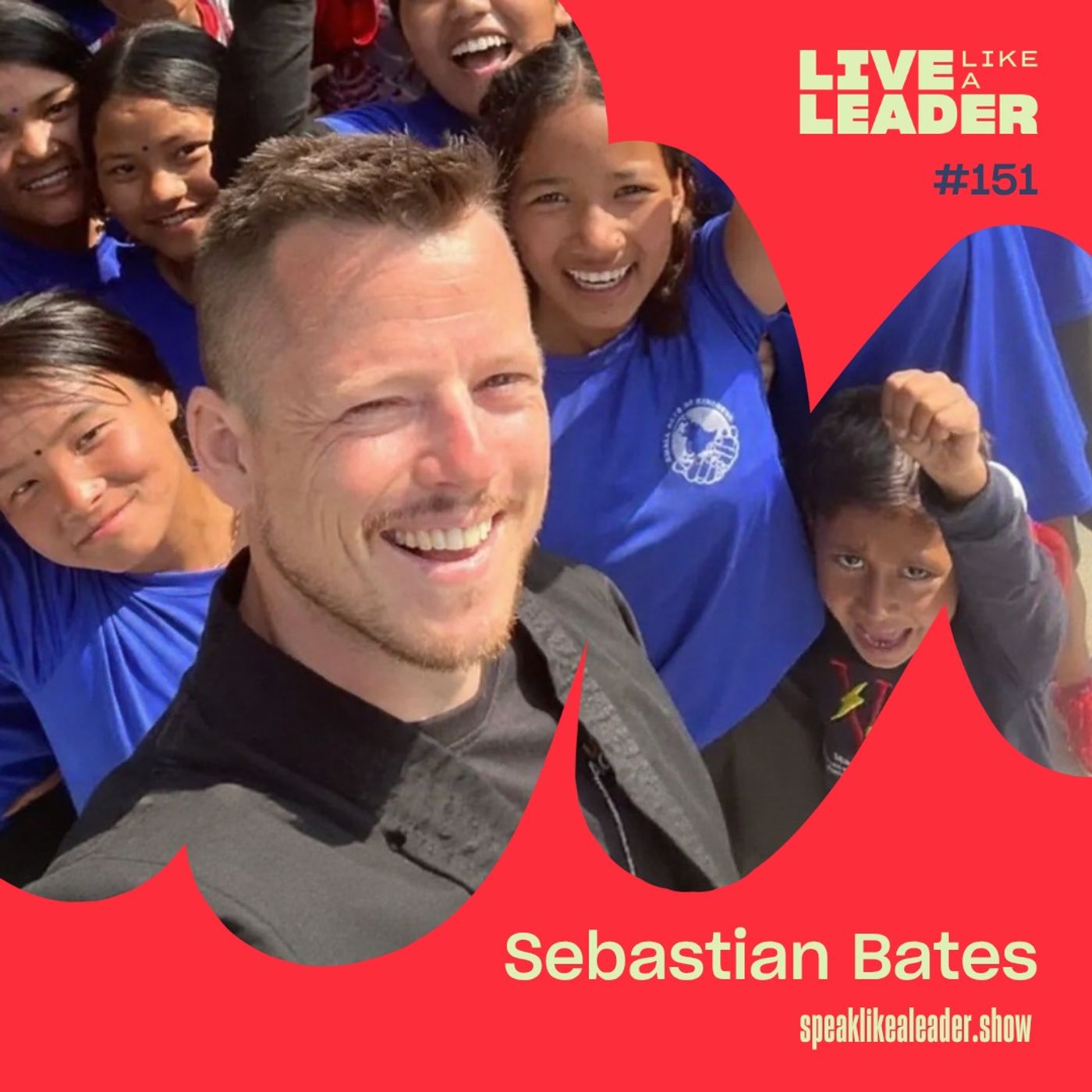
Ep 151From Near-Death, Extreme Sport, and Bullying to Building Character in 10,000 Children a Week with Sebastian Bates
Today I sit down with my dear friend Sebastian Bates. Seb and I first met when he was a client of mine, and from the beginning, I was deeply impressed by him—by his drive, his heart, his courage, and the sheer scale of what he is building in the world. He is one of those rare people who combine intensity with purpose, and ambition with service. I respect him tremendously. In this conversation, Seb shares the extraordinary story of a wingsuit BASE jumping accident in the Dolomites that nearly killed him and left doctors telling him he would never walk again. He takes us inside the physical agony, the long rehabilitation, the identity shift, and the fierce defiance that helped him come back from one of the lowest points of his life. From there, we go back into his childhood, including years of bullying and the role martial arts played in helping him develop the confidence, discipline, and character to stand up for himself. That early pain became part of the seed for what would later become Warrior Academy—now the largest martial arts academy in the Middle East, serving more than 10,000 children every week. We also talk about fatherhood, purpose, and the moment Seb realized he could no longer live only for adrenaline and adventure. After becoming a dad, he redirected that same intensity into business, leadership, and service. Out of that journey came not only Warrior Academy, but also the Bates Foundation, which now serves thousands of vulnerable and at-risk children each week in some of the toughest environments on earth. One of the most powerful parts of this conversation is Seb’s conviction that everything is downstream from character. If you can help a child build confidence, emotional intelligence, resilience, focus, and self-respect, you can help change the decisions they make—and in many cases, change the course of their lives. That philosophy is now reaching children in slums and deeply impoverished communities, where the Bates Foundation is combining martial arts, mentoring, nourishment, and hope in ways that are deeply moving and profoundly practical. We also spend time talking about communication and storytelling—how Seb refined his message, what happens when a great story is truly shaped to land with an audience, and why the smallest details in delivery can create a nonlinear leap in impact. That part of the conversation meant a lot to me personally. Most of all, this episode is about what can happen when pain becomes purpose, when adventure becomes service, and when leadership becomes something much bigger than personal success. Key Takeaways A near-fatal accident can become a turning point rather than an ending. Character development shapes decisions, and decisions shape lives. Martial arts can become a vehicle for confidence, self-respect, emotional regulation, and leadership in children. Bullying often cannot be solved for a child; they need support, tools, and character to overcome it themselves. Fatherhood changed Seb’s relationship to risk and redirected his life toward service. The Bates Foundation is built around a powerful idea: help children build character, belonging, and hope—and you help change their future. Great storytelling is not just about having lived through something extraordinary; it is about learning how to bring others into the moment so the story serves them too. Small refinements in communication can create a dramatic increase in impact. Addressing Relevant Issue This conversation touches on several issues that matter deeply right now: childhood bullying, mentorship, ADHD and identity, emotional resilience, absent support systems, fatherhood, vulnerable youth, and the importance of building strong inner character in a world that often fails children who need support most. It also speaks to a bigger leadership question: how do we turn our pain, our setbacks, and our gifts into something that serves others? Why This Episode Matters I really, really like Seb, and that comes through here. He has become a dear friend, and I support his mission tremendously. What he is doing through Warrior Academy and the Bates Foundation is not theoretical. It is practical, courageous, compassionate work that is changing real lives. If this episode moves you, I hope you’ll do more than listen. I hope you’ll check out the Foundation and consider contributing to the work. Next Steps Learn more about Sebastian Bates, Warrior Academy, and especially The Bates Foundation. And if you’re in a position to support meaningful work in the world, I encourage you to take a serious look at what Seb and his team are doing. Connect with Seb on LinkedIn: https://www.linkedin.com/in/sebastian-bates-4b70412b/ YouTube: https://www.youtube.com/@Seb_bates Warrior Academy: warrioracademy.ae Visit livelikealeader.show for more episodes and resources. --------John Bates provides 1:1 Executive Communications Coaching, both in-person and online. He also gets 92+ Net Promoter Scores for his large and small group l
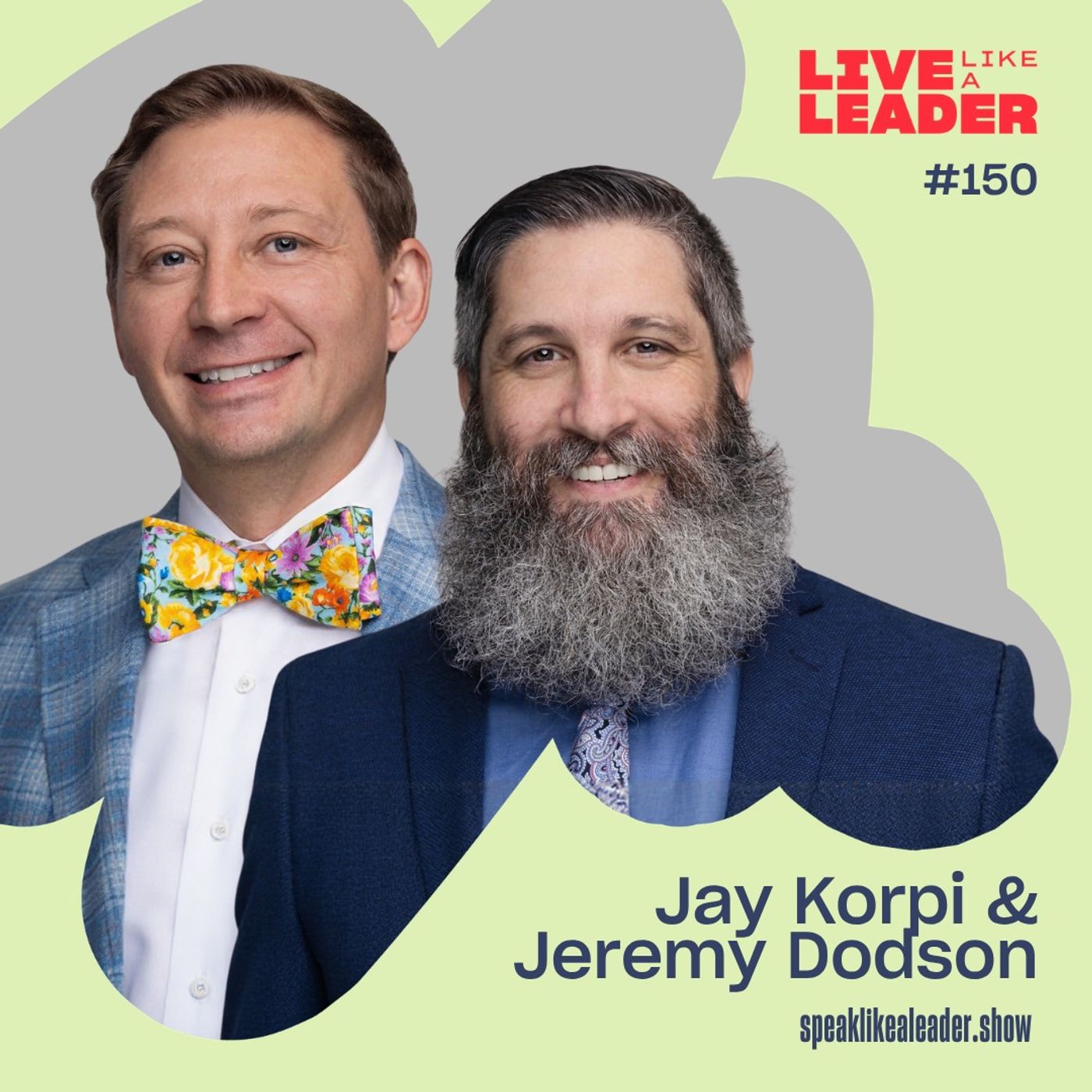
Ep 150Leadership Under Pressure: What Cybersecurity Experts Can Teach Us About Trust, Systems, and AI with Jay Korpi and Jeremy Dodson
Today I sit down with cybersecurity experts Jay Korpi and Jeremy Dodson, two men I genuinely respect and really enjoy talking with. Jeremy and Jay came through Media Mastery Experts, and I think they are total salt-of-the-earth great guys. They also happen to be unusually deep thinkers with backgrounds in cybersecurity, attack emulation, AI, consulting, and systems design, so this conversation goes far beyond tech. What really stands out to me is that, underneath all the jargon and complexity, this episode is about leadership, trust, judgment, and responsibility. We begin with the world they know best: risk. Jay and Jeremy explain that although many people think they are simply cybersecurity consultants, the deeper truth is that they are really helping organizations understand business risk. That distinction matters. They are not just asking whether a company can pass a test or satisfy an insurance requirement. They are asking what risk a company is accepting, whether that risk is intentional, and whether leadership has built the right policies, defaults, and guardrails to support people when pressure hits. One of the most powerful ideas in this conversation is Jeremy’s point that under pressure, people do not rise to their intentions. They fall to their defaults. That is a profound leadership insight, and it applies far beyond security. From there, the conversation opens into one of the biggest issues leaders are wrestling with right now: AI. Jay and Jeremy are not anti-AI, not even close. They are building with it. But they are deeply clear-eyed about the danger of using it lazily. We talk about how AI can create an “easy button” mentality, how it can blur credibility when leaders stop thinking for themselves, and why the real job is not to let AI do your thinking but to let it sharpen the thinking you are already doing. I was especially struck by Jeremy’s framing that AI should amplify rigor, curiosity, and expertise, not overwrite them. In other words, if you are thoughtful, it can make you better. If you are sloppy, it can make you sloppier at scale. We also talk about the future they see coming: more niche, purpose-built AI tools, and a growing need to make team knowledge more usable across an organization. Jeremy describes a problem many leaders already feel without having language for it: people across a company are building valuable context inside separate AI conversations, but that knowledge often stays fragmented. Their work points toward a future where better systems can help organizations preserve decision-making context, reduce duplicated effort, and bring people into the loop faster and more intelligently. That part of the episode is especially relevant for founders, executives, and anyone trying to help a team move with more speed and less confusion. Then the conversation gets even more interesting, because Jay and Jeremy bring all of this back to something very human. They share stories from attack work and real-world breaches, including one wild story about trying to access the literal “keys to the kingdom” in a municipality. It is fascinating on the surface, but the deeper lesson is not about movie-style hacking. It is about how ordinary blind spots, unclear access policies, and human behavior create vulnerabilities. Again and again, the issue is not magic. It is systems, habits, assumptions, and culture. What really lands for me, though, is where we end. Jay makes the case that leadership communication cannot just be top-down. It has to come from the bottom up too. Leaders have to make it safe for people to tell the truth, safe for people to admit mistakes, and safe for people closest to the work to surface the real problems. He talks about being out on the floor, listening to the people with boots on the ground, asking what is getting in their way, and then removing those obstacles so they can do their jobs. That, to me, is real leadership. Not control for its own sake. Not authority for ego’s sake. Service. Clarity. Trust. And the humility to build systems that help people do the right thing when things get hard. This is a conversation about cybersecurity and AI on the surface. But underneath, it is a conversation about character, leadership under pressure, how culture is built, and why judgment still matters more than tools. That is why I think this one is worth your time. Key Takeaways Leadership is not just about setting intentions. It is about creating defaults and guardrails that still hold when people are under pressure. Cybersecurity is not merely a technical issue. It is a business risk issue that includes systems, people, policies, and culture. AI should refine and amplify human judgment, not replace it. Used carelessly, it can scale bad thinking just as fast as good thinking. Leaders can damage their own organizations when they hold on to unnecessary access in the name of control. Ownership does not automatically mean you should have admin rights to everything. One of the mos
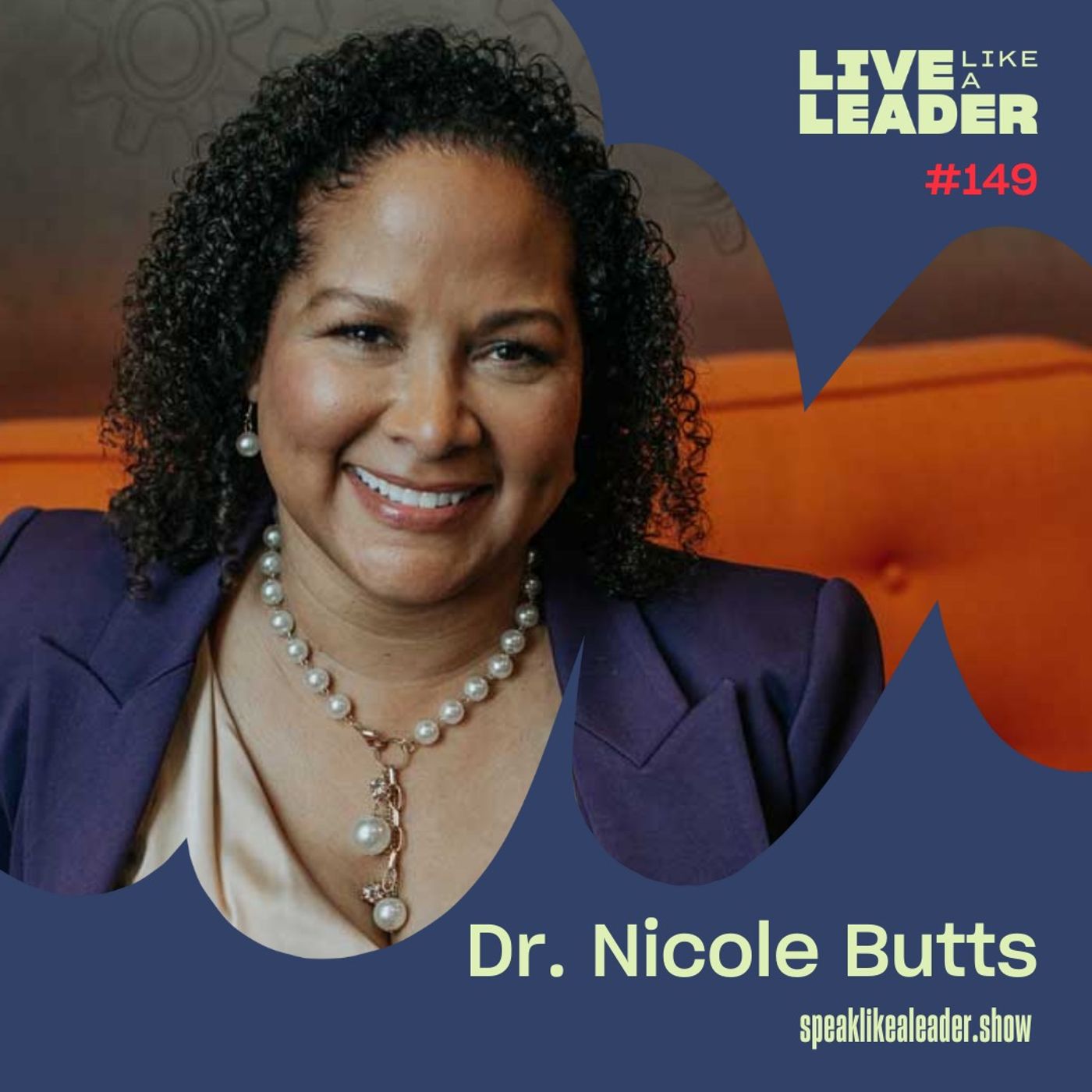
Ep 149SHIFT: A Transformational Journey from Playing Small to Unapologetically Thriving with Dr. Nicole Butts
Today I sit down with Dr. Nicole Butts, best-selling and award-winning author, speaker, and organizational culture strategist and expert, whose new book is SHIFT: A Transformational Journey from Playing Small to Unapologetically Thriving. This conversation is a masterclass in what happens when high-achieving leaders (especially women) finally stop outsourcing their worth to other people’s approval—and start leading from alignment. Nicole opens up about something almost every great leader experiences, but few say out loud: that moment right before a big opportunity where the old story shows up—I’m not worthy. I don’t belong here. She literally started drafting me an email to back out… and then caught herself in the act. That “shrinkage story” (her words) became the doorway into the deeper work—and the reason she wrote SHIFT. We go into: why powerful women still play small in male-dominated systems (and how it shows up in everyday language), how “worker bee syndrome” keeps people doing everything… except being seen as a leader, and Nicole’s core equation for transformation: consciousness + courage = transformation. If you’ve ever felt like your work should “speak for itself,” this episode will challenge you—in the best way. What You’ll Hear in This Episode 1) The real reason accomplished women still shrink Nicole breaks it down into three forces: Cultural conditioning: being taught to be “likable,” defer, and not take up space—showing up as hedging language like “I’m not really sure, but…” Structural dynamics: being outnumbered (especially for women of color), which changes how safe it feels to be visible. Internalized stories: “If I just do a really good job and keep my head down, they’ll notice.” Nicole is clear: that’s not reliably true. 2) “Worker bee syndrome” and the promotion you never get I share a pattern I see constantly: the whole department rides on someone’s back… and then they’re shocked when they’re passed up. Why? Because leadership isn’t only output—leadership is visibility, positioning, and presence. I call it “leadership me time”—stepping back from nonstop doing so people can actually see you leading. Nicole agrees and names it “reactive doing”—being busy, carrying everything, but not intentionally showing up as the leader. And then she drops a line I want you to remember: “By design, the work isn’t the leader. You are the leader.” 3) The SHIFT framework: a roadmap out of “playing small” Nicole shares the backbone of her book as an acronym: S — Set your North Star H — Here I — Illustrate your path forward F — Forge ahead T — Thrive And she didn’t just write a roadmap—she made it real. After each step, she includes a section called “Follow My Journey” where she shows how she personally moved through that step. 4) The inner equation for leadership: consciousness + courage Nicole explains why transformation requires two things: Consciousness (awareness): noticing the old pattern in real time so you can interrupt it. Courage: taking aligned action even with fear present—like deleting the email draft and saying yes to the opportunity instead. Her distinction is sharp: Awareness sets the course. Courage fuels the journey. Try This After You Listen (Practical Actions) Audit your language for “softeners.” If you regularly start with “I’m not sure, but…” practice leading with the point first. Schedule “leadership me time." Block time weekly to think, plan, mentor, and communicate—not just execute—so you’re seen leading, not only producing. Name your shrinkage story. When it shows up, don’t argue with it—notice it. That awareness creates choice. Choose one aligned action you’ll take while still nervous. That’s courage—aligned action in the presence of fear. Resources + Links Dr. Nicole Butts (website + books): NicoleButts.com Connect with Nicole on LinkedIn Book: SHIFT: A Transformational Journey from Playing Small to Unapologetically Thriving About Dr. Nicole Butts Dr. Nicole Butts is a best-selling and award-winning author, speaker, and organizational culture strategist who helps individuals and institutions unlock transformation. ----- If you enjoyed this episode, please leave a 5-star rating, write a few kind words about the show and our guest, and share it with someone who’s ready to stop shrinking and start leading. --------John Bates provides 1:1 Executive Communications Coaching, both in-person and online. He also gets 92+ Net Promoter Scores for his large and small group leadership development trainings at organizations like Johnson & Johnson, NASA, Google, Intuit, Boston Scientific, and many more. Find more at https://executivespeakingsuccess.com.Sign up for his weekly micro-trainings for free at https://johnbates.com/mini-trainings and create a great leadership communications habit that makes you the kind of leader who inspires trust, loyalty, and connection.
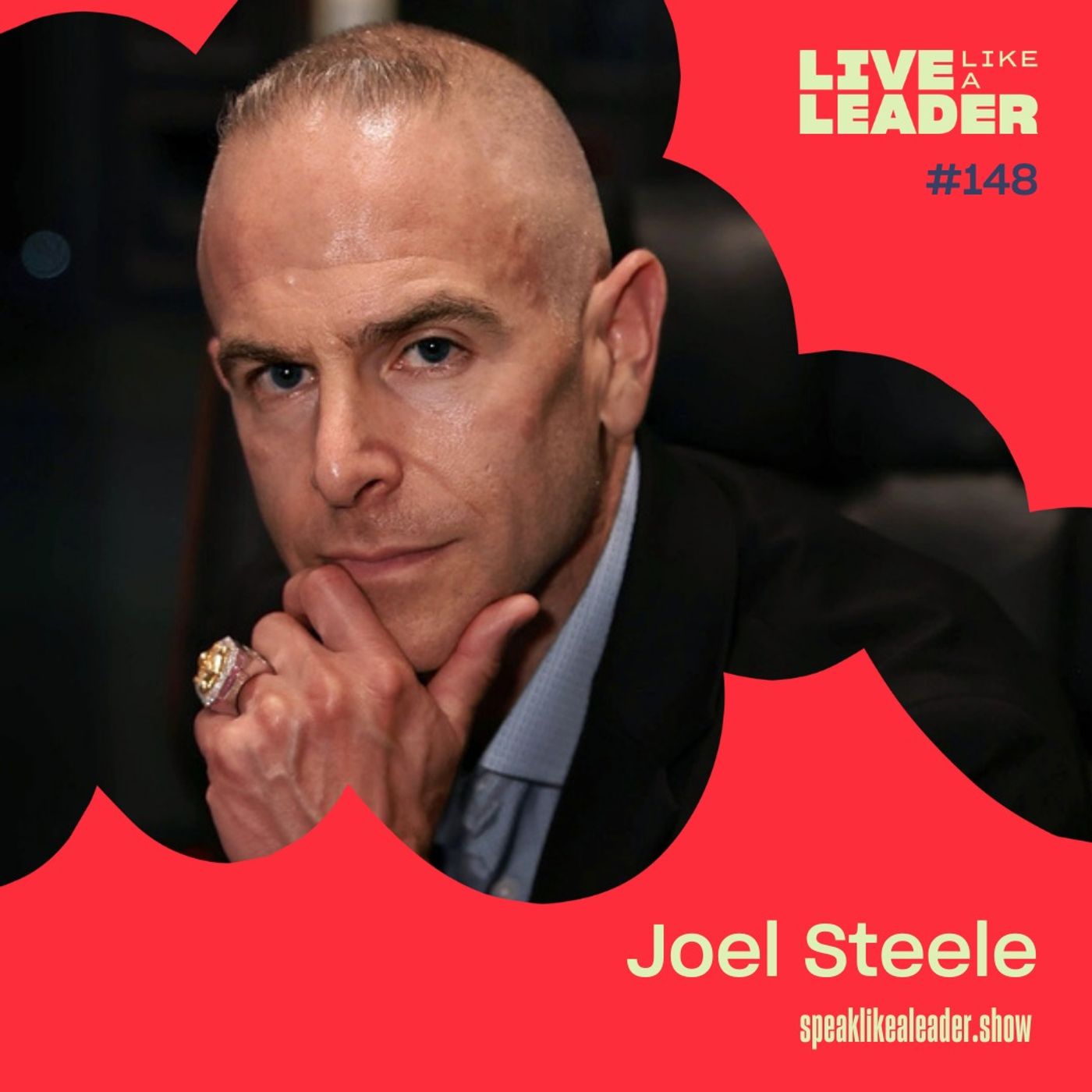
Ep 148Potential, Passion, Purpose: Flipping the Switch with Joel Steele
Today I'm joined by Joel Steele, co-founder of Steele Financial Solutions and author of the powerful new book Life Switch. Joel’s journey from owning a failed healthy fast food restaurant to building a multi-million-dollar financial firm is inspiring, vulnerable, and packed with leadership gold. We dive into how devastating failures can unlock hidden potential and why Joel refused to declare bankruptcy, even when he was drowning in nearly $500,000 in debt at just 24 years old. He shares the exact mindset shift that reignited his fire—and the three “P”s that form the backbone of his book: Potential, Passion, and Purpose. This conversation is for anyone who’s ever felt stuck, wondered if they’re enough, or questioned whether their dreams are still possible. Joel is proof that when you flip the switch inside, everything outside begins to change. In this conversation, Joel and I explore: The story behind Thinkers Grill, Joel’s awesome, yet failed business, and what it taught him about grit and growth How a single decision helped him wipe out massive debt in under two years The million-dollar mission tied to his book sales, and why he’s aching to write a very big check to charity. How to balance success and fulfillment in today’s high-pressure world Why helping others is Joel’s oxygen, and how you can find your own purpose Whether you’re leading a team, building your brand, or climbing back from a setback, this episode is a masterclass in resilience, reinvention, and real leadership. Find Joel on LinkedIn: https://www.linkedin.com/in/joel-steele-9685888/ ----- Joel Steele is an entrepreneur, financial expert, and co-founder/owner of a successful financial firm. He has over 22 years of experience helping people build wealth, along with peace of mind. He’s passionate about enhancing health and wealth, the business of sports, and building meaningful relationships, starting at home with family. Steele’s journey — from massive setbacks to personal reinvention and professional success — fuels his mission to inspire others to win in all aspects of life. He is part of the ownership group of two professional sports teams (NBA G-League and USL Championship League), and has inspired thousands nationwide to achieve personal and professional growth. Joel is a former certified personal trainer and created a small chain of healthy fast-food restaurants in the early 2000s. Find his book Life Switch here: https://bookjoelsteele.com/book/ --------John Bates provides 1:1 Executive Communications Coaching, both in-person and online. He also gets 92+ Net Promoter Scores for his large and small group leadership development trainings at organizations like Johnson & Johnson, NASA, Google, Intuit, Boston Scientific, and many more. Find more at https://executivespeakingsuccess.com.Sign up for his weekly micro-trainings for free at https://johnbates.com/mini-trainings and create a great leadership communications habit that makes you the kind of leader who inspires trust, loyalty, and connection.
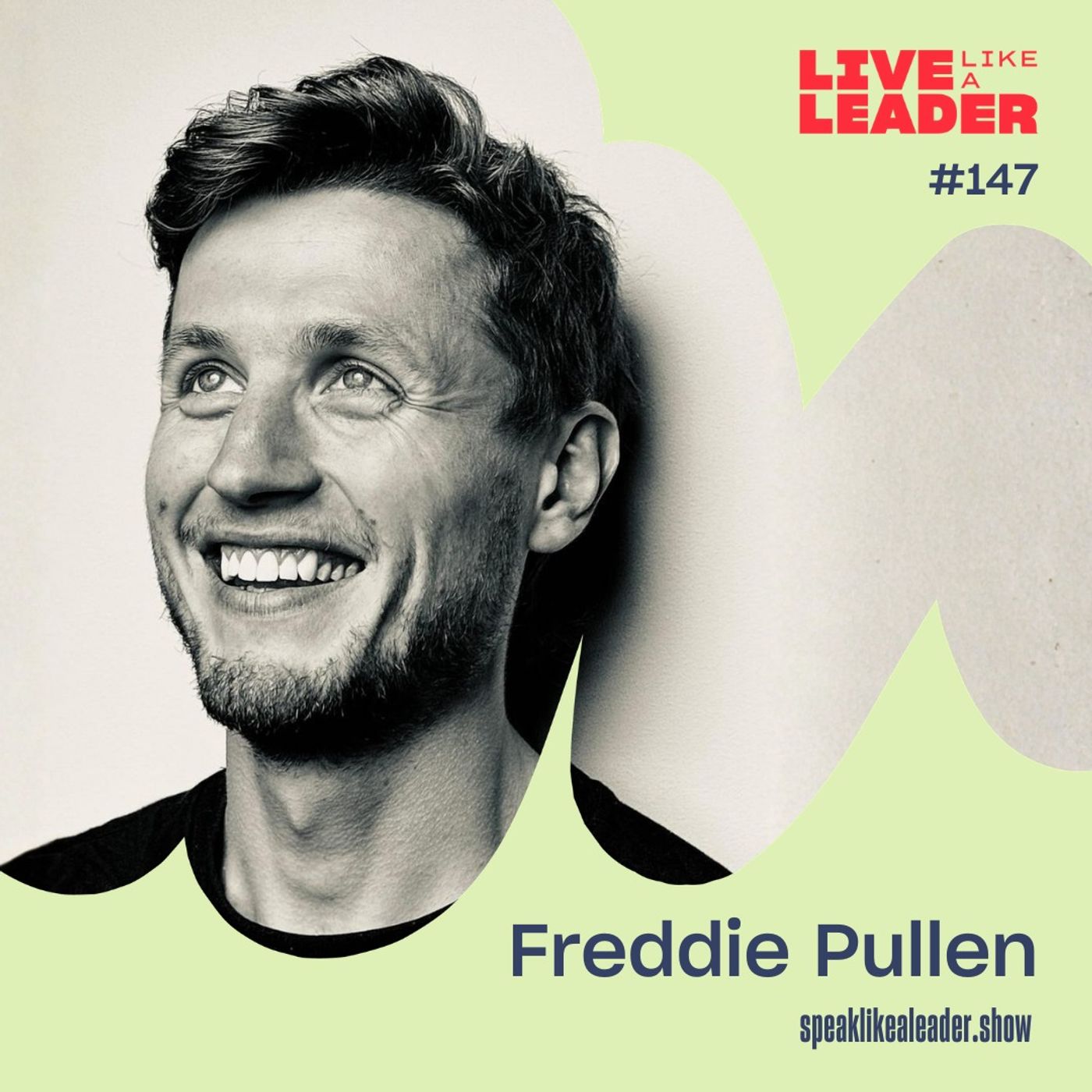
Ep 147How Real Experts Become Recognized (and Paid) Without Selling Their Soul with Freddie Pullen
Today I sit down with Freddie Pullen—founder of The Healthy Entrepreneur Podcast and the founder of Recognized (recognized.global)—and we go straight at a problem I care about deeply: There are too many truly capable experts who stay invisible… while louder, less-qualified voices dominate the conversation. Freddie helps experts become recognized for the value they already have—and then monetize that attention in a way that actually feels aligned. We talk about the practical strategies (podcast guesting, LinkedIn, positioning), but we also go deeper into the psychology: what it really takes to earn credibility, build trust, and show up with authority without playing the “look at me” game. We also start the conversation by honoring the work of Sebastian Bates and the Bates Foundation—because leadership isn’t theory when you’re feeding kids and building character in the toughest environments on Earth. Freddie has been a trustee since the foundation began, and he shares what it was like to see the impact firsthand. What You’ll Learn in This Episode Why Freddie hates the word “expert”… and the standard most people are skipping. The “puddles → lakes → oceans” model for positioning yourself so the market can actually place you. Why podcast guesting + LinkedIn is still the highest-leverage authority play for most founders and consultants. Freddie’s take on platform ROI: why Meta is “cheap,” why YouTube is powerful but expensive to do well, and what ad pricing signals about authority. Why storytelling is still the #1 leadership tool (and why our brains are built for it). My favorite practical exercise for influence: the “10-one-thousand pause”—and why silence makes people tell you what they weren’t going to tell you. A real-world reminder: if you’ve earned expertise and you’re staying quiet, you may be depriving the world of what it needs from you. Ideas Worth Stealing (and Using This Week) Fix your positioning before you fix your content. Most people try to post more, podcast more, “be everywhere”… while the market still can’t answer: what exactly do you do, for whom, and why you? Freddie’s puddles→lakes→oceans model is a clean way to build authority without diluting it. If you want authority, use authority platforms. Freddie’s argument is simple: for most founders/experts, podcast guesting + LinkedIn is still the highest ROI move because trust is already built into the medium. Silence isn’t awkward—silence is leverage. Try the “10-one-thousand” pause in one conversation this week. Don’t weaponize it—just watch what happens when you stop filling space. People often reveal what matters most when you let the moment breathe. Resources Mentioned Freddie Pullen — Recognized: recognized.global The Healthy Entrepreneur Podcast (Freddie’s show) Listen on Spotify or Watch on YouTube Connect with Freddie on LinkedIn ----- Freddie has worked with 200+ founders to build demand, waiting lists, and revenue directly through LinkedIn. Along the way, one thing became impossible to ignore... All buyers do this one thing before they buy: They educate themselves with content. They want to recognize you first. They discover you through a LinkedIn post. Then consume your POV through longer form content. Then decide whether you’re the person they trust. That’s how modern B2B buying actually works. But this didn’t come from theory. After leaving his role as Head of Product at the world’s largest media company serving 500M monthly users and generating $300k per day, Freddie built two 6-figure businesses in 8 months and helped 200+ founders do the same. The results: Multi six-figure profit in 8 months Podcast launched to #1 in 9 countries on day one $100k+ per year generated from the podcast alone Built a $3BN+ network starting with under 10k followers 50+ qualified HOT leads every month, predictably Which is why the goal of content is to be obvious. Freddie helps clients position themselves as the authority people already trust before they ever speak to them. Today, AI is accelerating this, but only if it’s trained on the right positioning. Freddie and his team use AI to: Encode your POV Multiply what already works Turn LinkedIn posts into sales assets You need a new ocean on LinkedIn - where you’re undeniable to your ideal clients. That’s why Freddie and his team built a positioning first, AI powered approach to LinkedIn. https://freddiepullen.com/ https://www.linkedin.com/in/freddie-pullen/ https://www.instagram.com/freddiepullen --------John Bates provides 1:1 Executive Communications Coaching, both in-person and online. He also gets 92+ Net Promoter Scores for his large and small group leadership development trainings at organizations like Johnson & Johnson, NASA, Google, Intuit, Boston Scientific, and many more. Find more at https://executivespeakingsuccess.com.Sign up for his weekly micro-trainings for free at https://johnbates.com/mini-trainings and create a great leadership communications habit that makes you the kind of
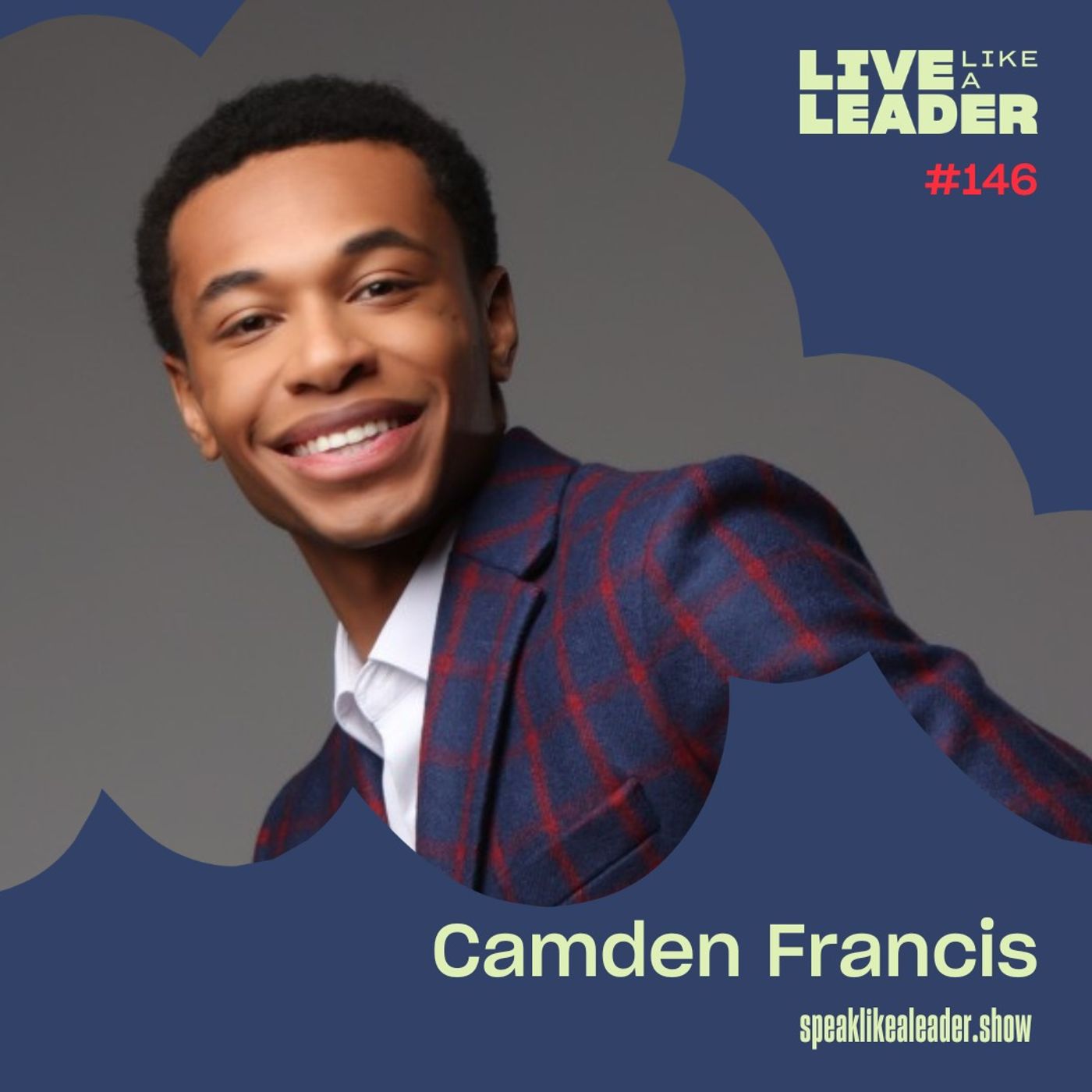
Ep 146Building the Long Game — From Pandemic Food Relief to NomadAI + “Universe” (LinkedIn for Gen Z) with Camden Francis
Today I sit down with Camden Francis—a 21-year-old founder in the Boston area who’s already lived a few lifetimes worth of leadership reps. We talk about the real story behind the highlight reel: how Camden co-founded a pandemic-era food distribution charity that moved $100,000 worth of food and resources, how that experience became a launchpad into the startup world, and why his newest projects—NomadAI (AI-assisted travel planning) and Universe (a career/network platform “for Gen Z,” currently under wraps)—are rooted in something deeper than ambition: service, meaning, and the long game. A big thread in this conversation is something I care about a lot: your origin story—not as marketing, but as emotional credibility. Who you are. What shaped you. What you’ve survived. What you’re here to build—and why people should trust you enough to follow. In this episode, Camden and I cover: Starting early: Camden’s “self-starter” drive—and the mentors who helped him learn fast (including Kathleen Walsh, President/CEO of the Metro North YMCA). Beyond the Crisis: how watching families in the Boston area wait in long lines for food during COVID sparked an “Uber Eats-style” nonprofit distribution model—and how they partnered with Catholic Charities of Boston. Momentum and credibility: how the charity’s visibility led to major exposure and new relationships (including appearances on CBS, Bloomberg, PBS, the Drew Barrymore Show, and even White House conferences). NomadAI: why Camden believes travel is a perfect industry for AI disruption—and how NomadAI aims to build itineraries and handle planning like a “24/7 assistant in your back pocket.” Meridian Capital Partners: a founder-focused “hub” that invests very early stage in college founders—especially people who don’t have the usual resume or network. The hard parts: being misunderstood in a high-pressure prep school environment, dealing with racism, isolation, and having to finish part of high school online. The turning point: Universe taking three years to get funded, losing an early investor, and Camden’s “dark night of the soul” moment—where he had to stop chasing comparison and decide what he’s actually committed to. The mission behind Universe: Camden’s focus on helping Gen Z navigate a brutal job/internship market—and building something that serves them in a way he feels LinkedIn doesn’t. A few lines worth remembering Camden on mission: “I’m really committed to making a difference and solving problems and connecting people.” Camden on perseverance: after setbacks and many calls, they found an accredited investor who put six figures in because he saw the MVP—and the dream. Camden to Gen Z builders: if you’re in a tough season, keep going—try new things—persevere. Links / Resources Mentioned NomadAI: NomadAI.io Universe (waitlist): UniverseApp.com About Camden Francis (from this episode) Camden Francis is a Gen Z founder based in the Boston area. He co-founded: Beyond the Crisis, a COVID-era food distribution charity that moved ~$100,000 in food/resources with partners like Catholic Charities of Boston NomadAI, an AI-assisted travel planning and itinerary platform He’s also building Universe, a career/network platform aimed at helping Gen Z navigate internships and jobs. ----- Camden Francis, a dynamic 21-year-old currently pursuing a degree in Finance and Business Management, seamlessly blends academic prowess with an entrepreneurial spirit. Beyond the confines of his desk, Camden revels in the exhilaration of sports, cherishes quality moments with family and friends, and takes leisurely strolls with his beloved Goldendoodle, Brooks. His summers are often punctuated with escapes to Cape Cod, where he finds solace and inspiration. At the core of Camden's ethos is his commitment to making a positive impact. In 2020, he founded Beyond the Crisis, a nonprofit organization dedicated to serving the community. Under his leadership, the organization diligently distributes food and resources to housing communities and homeless shelters. Camden's visionary approach extends to the research team at Beyond the Crisis, which collaborates with major organizations to strategically combat food insecurity and enhance nutritional health at a national level. Not content with just one venture, Camden is also the visionary force behind "Univerze," a tech company that has birthed a professional networking mobile application. His multifaceted abilities extend beyond the boardroom; Camden is a captivating public speaker, having appeared on renowned platforms such as the Drew Barrymore Show, CBS, PBS, Bloomberg, and NPR. His insights on entrepreneurship have been shared with a broader audience through various podcasts, while his recently published book further underscores his commitment to knowledge dissemination. Looking ahead, Camden is set to expand his horizons. He envisions penning another influential book, venturing into real estate, and strategically growing his investment portfolio.
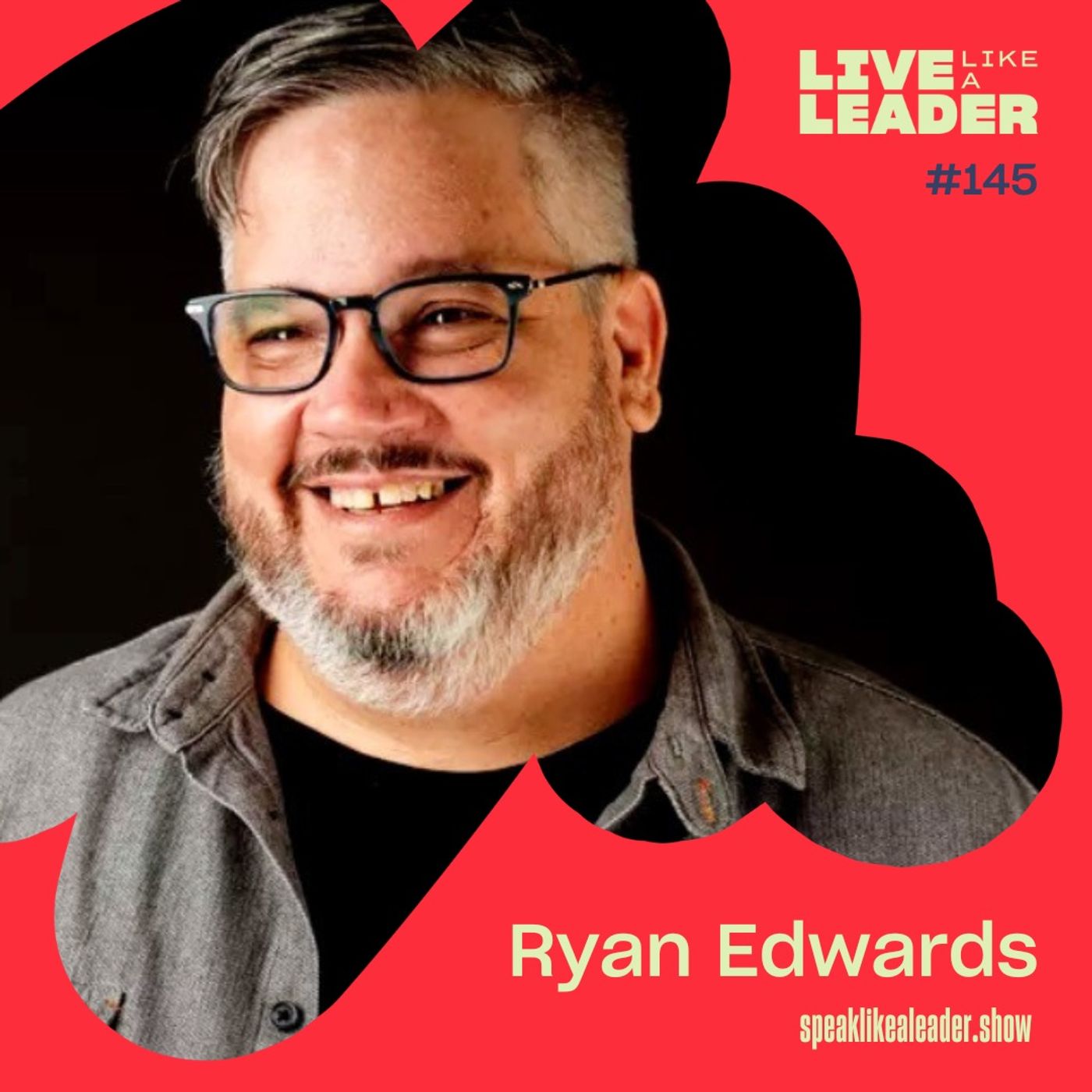
Ep 145AI, White Space Strategy, and the Future of Business Growth with Ryan Edwards
Some conversations arrive exactly when they’re needed. This is one of them. In this episode, I sit down with Ryan Edwards, my friend and the co-founder of Camino5, for a conversation that’s been years in the making. Ryan and I first met at one of my live events in Los Angeles, and ever since, he’s been one of those people who quietly shifts how I see the business landscape. He has a rare vantage point: deep experience working with startups, global brands, and billion-dollar companies, and the pattern recognition that comes with it. Ryan’s work centers on white space strategy... finding the overlooked opportunities where real growth lives, and there couldn’t be a more relevant moment for this conversation. The pace of change has accelerated dramatically, especially with the rise of AI, and many leaders are trying to move faster without losing control. This episode exists because the rules of business strategy have changed faster in the last year than they did in the previous decade. And most leaders haven’t recalibrated yet. What we explore here isn’t fear-based. It’s grounded, optimistic, and practical. Three Operating Principles from This Conversation 1. White space is now dynamic, not static White space used to be analyzed every 18 months. Today, Ryan is seeing strategy cycles compress to quarterly—or even monthly—reviews. Not because leaders love churn, but because technology and culture are moving too fast for set-and-forget thinking. White space isn’t always a massive blue ocean. More often, it’s a small, highly specific intersection of your value proposition, your customer’s real needs, and what you can actually execute well, right now. 2. AI works best when it supports judgment — not when it replaces it Ryan offers one of the clearest, most useful frames I’ve heard for AI and small business: Don’t ask AI for big, sweeping answers. Ask it a series of small questions you can common-sense check, and let those answers ladder up. This takes longer. It requires thinking. And it keeps humans in the loop. That matters because for a small business, one AI mistake isn’t annoying; it’s expensive. One missed email, one misrouted opportunity, one wrong automation can cost real money. Interestingly, Ryan is also seeing large corporations pull back from “AI everywhere” toward controlled automation and fixed workflows. The lesson? We’re not at the point where we can responsibly turn everything over, and pretending we are is risky. 3. Community is now a strategic advantage Ryan makes a compelling case that small business owners should be in their local business community at least once every two weeks, not to network performatively, but to gut-check reality, compare notes, and stay human. Some of the most valuable insights right now are coming from people with just a few years of experience, because they’re in it, learning fast, and willing to share what’s actually working. You never stop learning. And you don’t need decades of experience to contribute. You just need a clear point of view and an open mind. The Bigger Picture Despite uncertainty, Ryan is seeing more optimism in business than he has in years. Not blind optimism, earned optimism. As he puts it, we have more control than we realized last year. But control only matters if we use it. This is a conversation about: Staying human in an increasingly automated world Using powerful tools wisely instead of stupidly Showing up—locally, imperfectly, consistently—for the world we want to create We’re the ones we’ve been waiting for. Connect with Ryan Edwards Camino Five: camino5.com Ryan Edwards on LinkedIn: linkedin.com/in/ryanedwards Connect with John Bates johnbates.com executivespeakingsuccess.com livelikealeader.show This episode makes no difference without you. If you enjoyed the show, please leave a five-star rating and share it with someone who’s navigating leadership, strategy, or AI right now. That’s how we learn from — and support — each other on the journey. Thank you! ----- Ryan Edwards is the co-founder of Camino5, a strategy consultancy built on a simple belief: insights create strategy and strategy creates growth. With more than 15 years of experience across digital, brand, and customer experience, Ryan’s career began in web design and programming before evolving into creative and CX leadership roles. Over the last decade, his work has focused on understanding how people actually engage with brands across platforms, moments, and decisions, turning that understanding into strategies that move businesses forward. At Camino5, Ryan leads work through Paired Perspective™, the firm’s approach to connecting customer behavior across a fragmented landscape. The goal isn’t channel optimization in isolation, but strategic clarity that enables speed, alignment, and action. Ryan has partnered with global brands including Disney, P&G, NBCUniversal, Unilever, Chase, Nike, and Kaiser Permanente, as well as high-growth startups and emerging category leaders. His work
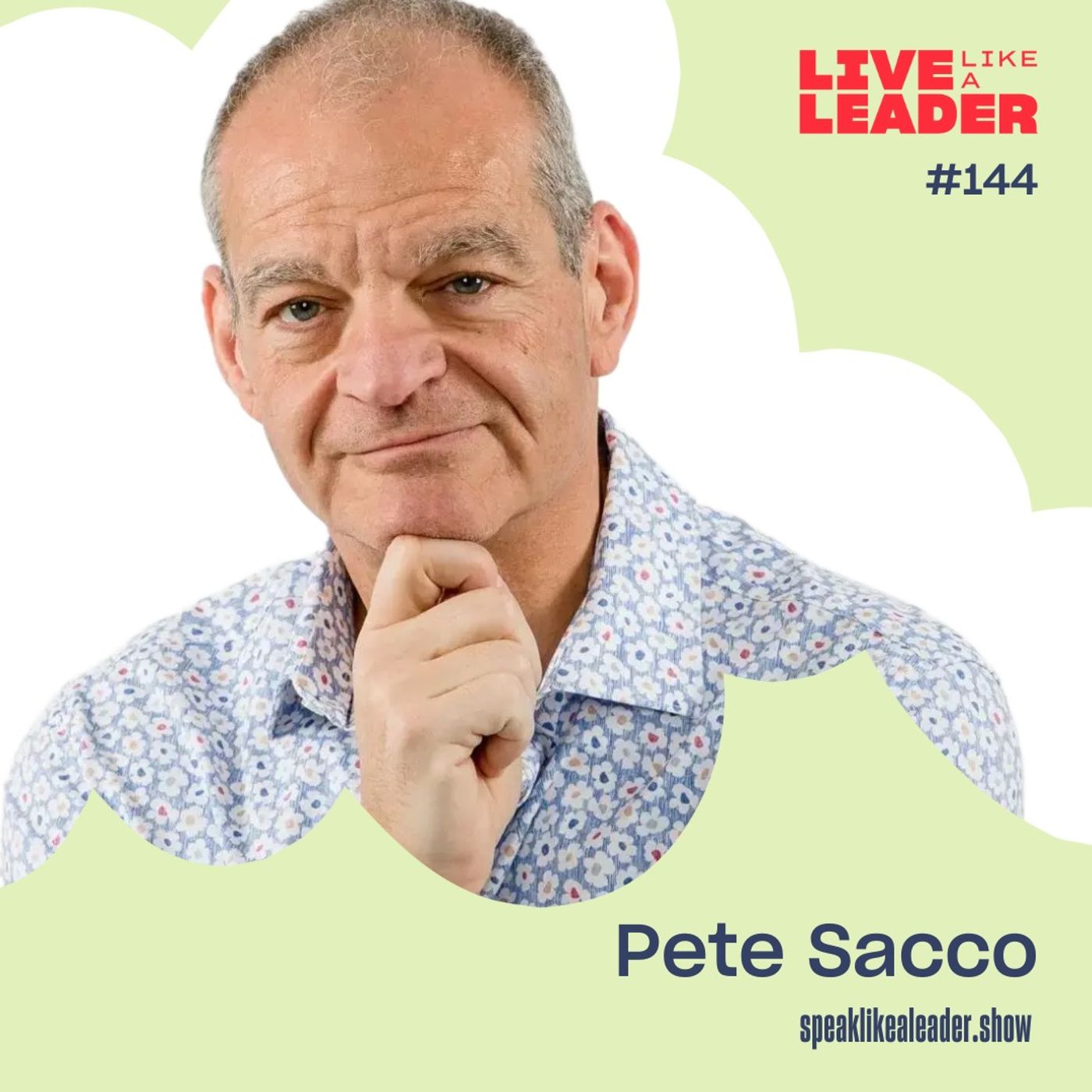
Ep 144Leadership in the Age of AI with Pete Sacco
Today I sit down with Pete Sacco—entrepreneur, technologist, “modern-day mystic,” and a 30-year veteran of designing, building, and operating serious data centers. Pete is also the founder of Gray Wolf Data Centers, and he has a front-row seat to what AI is about to demand from our infrastructure—and from us as leaders. What I loved about this conversation is the range: we go from the brutally practical realities of leadership (cash flow, culture, motivating people) to the big human questions AI forces into the open: Who are we when our “work” no longer defines our value? And how do we stay grounded, connected, and useful in the middle of a technological hockey stick? In this episode, we covered: 1) Pete’s 4-part framework for modern leadership Pete lays out what he sees as “endemic” to great leadership today: Master cash flow (because nothing survives without it) Know whether you’re a visionary or an integrator (and don’t pretend you’re both) Be the master motivator (the era of fear-based leadership is over) Own the culture (and use story as one of your most powerful tools to shape it) 2) Storytelling as culture-engineering We dig into why stories are more than “nice to have.” Stories become the myths that create the mythology of a company—how values become behavior at scale. And if you want to influence culture, yesterday was easier than today. 3) The next AI infrastructure shift: from training to inferencing Pete breaks down the difference between: Training LLMs (building the model) Inferencing (asking the model questions in real time—what most people experience as “prompting”) Then he takes it further: the next wave isn’t human inferencing—it’s machine inferencing. Robots, cars, devices, sensors… constantly asking “what do I do next?” at massive scale. 4) Why “edge” data centers are coming back Pete predicts we’ll move away from only massive, centralized “mega” campuses toward distributed, high-performance data centers near the edge—“in every town,” similar to telecom “points of presence” in the 1990s. That’s the strategic thesis behind Gray Wolf Data Centers. 5) The modern mystic: mind, body, and the inner game Pete shares a candid chapter of his own life—anxiety, therapy, CBT, and a pivotal lesson: don’t make the events you can’t control your “problems.” He connects this to resilience through sleep, health practices, and the belief that we can reshape the mind through neuroplasticity—and even how he sees us as “quantum beings,” responsible for how we observe and choose our reality. 6) A hopeful thesis: “good AI” vs “bad AI” + post-scarcity We touch the fear many people carry (yes, I mention growing up in the Terminator era), but Pete offers a provocative counter: the way we beat bad AI is with good AI—models designed around human flourishing and shared broadly as a public service. He believes we’re headed through disruption toward post-scarcity, and that our descendants will wonder why we didn’t support each other sooner. 7) The closing leadership message: “we are all one” Pete’s final note is the one that matters most to me: we’re all connected—and we’re here for each other. In my book, that’s not just a spiritual idea; it’s a leadership standard. ----- Resources Mentioned: Pete’s company: Gray Wolf Data Centers Pete’s book: Living in Bliss: Achieve a Balanced Existence of Body, Mind and Spirit Pete’s site: PeteSacco.com (signed copies + meditation materials) Dr. David Burns: The Feel Good Handbook Dan Sullivan: Who Not How (and other referenced works) Peter Diamandis: longevity reference ----- If you want to apply this immediately: Ask yourself: Am I the visionary or the integrator here? (And who do I need as my counterbalance?) Choose one cultural value you care about—and tell a story that proves it. If AI is making you anxious, zoom out: are you preparing for the training era, or the inferencing era? ----- https://petesacco.com Pete Sacco is a visionary entrepreneur, technologist, and modern-day mystic who blends conscious leadership with breakthrough innovation. As the founder of multiple ventures—including PTS Data Center Solutions, INTUVA, GRID7, InstaGuardIP, and Gray Wolf Data Centers—Pete has led transformative initiatives across AI, energy, blockchain, and digital infrastructure. His journey from electrical engineer to spiritual author and advisor reflects a rare fusion of high performance and inner awakening. Pete is the author of Living in Bliss: Achieve a Balanced Existence of Body, Mind, and Spirit, a guide for high achievers seeking fulfillment beyond success. A finalist for Ernst & Young’s Entrepreneur of the Year, Pete holds a B.S. in Electrical Engineering from Fairleigh Dickinson University, and serves on the advisory board of its School of Computer Sciences and Engineering. Based in New Jersey, he helps purpose-driven professionals unlock clarity, vitality, and purpose—one system, one person, and one moment at a time. --------John Bates provides 1:1 Executive Communications
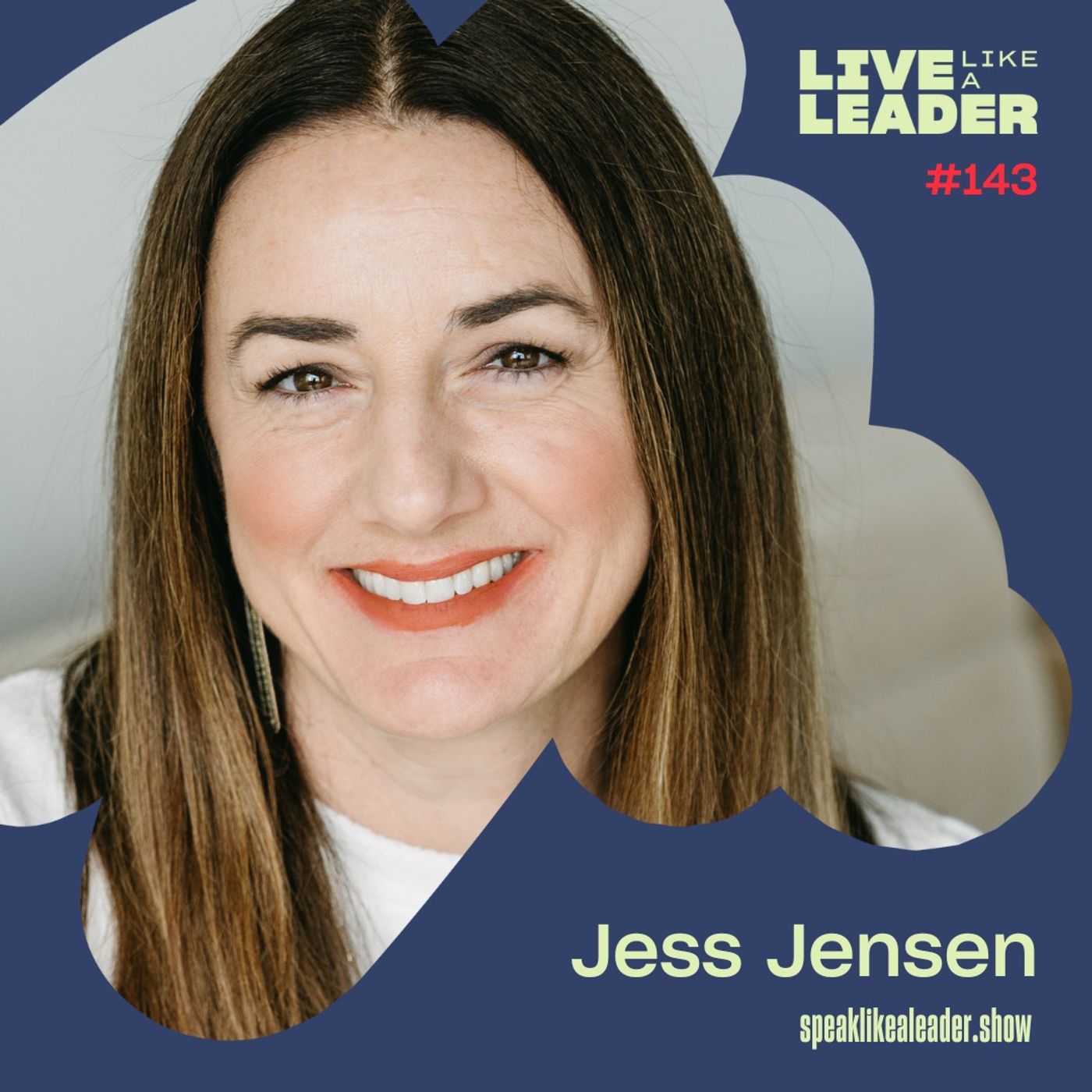
Ep 143Executive Branding in the Age of AI: How to Build Trust (Without Selling Your Soul) with Jess Jensen
Today I sit down with Jess Jensen, founder and CEO of Copilot Communications, where she helps executives build trust, credibility, and warmth online so they can open doors to clients, partners, and opportunity. Jess has lived through the “birth, boom, and backlash” of social — from launching the first Adidas Facebook page in the early days of brand pages, to building global governance at Microsoft when every country team was spinning up pages with no consistency, to leading executive digital comms at Qualcomm after realizing that people connect with people, not brands. We also go to the deeper place: the moment Jess found herself explaining her work to someone outside tech — and felt that pause, that sadness, that “do I need to apologize?” — because social media had become increasingly divisive and weaponized. From there, we turn toward what’s working now — especially LinkedIn as a platform for professional trust-building and thought leadership. Key Takeaways from this Episode Your digital presence is portable. You may not stay at one company for 30 years, but your platform goes with you — and it compounds over time. Social is a “rented” platform (this is a brilliant point!). Think owned, earned, paid — and rented. Algorithms change, and you don’t control the land you’re building on. Brands are losing lift; leaders are gaining it. At Qualcomm, Jess saw corporate campaigns decline while executive voices gained traction — because people want a human point of view. LinkedIn is no longer just a resume. Jess shares why it’s become a writing platform and an editorial home for experts — not just job seekers. Pick 3–4 narrative themes and repeat them. The strongest executive brands aren’t random — they’re built on an editorial strategy that consistently returns to a few clear territories. Your voice matters (especially now). Many leaders think they have “nothing to say,” but your experience and point of view are valuable — and the world needs more constructive voices. Addressing Relevant Issues Algorithmic amplification and polarization: We discuss how feeds shifted away from chronological and toward “what keeps you engaged,” fueling echo chambers and intensity. The ethical wake-up call of social media: Jess describes the internal pivot moment — realizing the space had become toxic in corners, and questioning how to use her skills more constructively. Mental health and unintended consequences: I reference a stark data point Jess brings up — a 65% increase in the suicide rate for high school girls from 2010 to 2019 — and we talk about responsibility and systems. AI and the rising importance of trust: In an AI-dominated age, credibility, warmth, and real human presence become competitive advantages, not “nice-to-haves.” Next Steps Get Jess’s free LinkedIn Audit: Jess offered to review both your profile and your editorial strategy and give actionable next steps. Mention you heard her on Live Like a Leader. Define your 3–4 “narrative pillars.” Decide what you want to be known for — and build content around those themes consistently. Publish what you already say internally. Turn your best internal leadership messages into public leadership content — and let it travel. Learn more about Copilot Communications: https://copilotcommunications.com/ Connect with Jess Jensen on LinkedIn: https://us.linkedin.com/in/jessicakjensen ----- Jess Jensen is the founder of Co-pilot Communications, a Portland-based advisory helping bold executives sound like themselves online—clear, confident, and human. After 20 years inside Fortune 100 companies like Microsoft, Qualcomm, Nestlé, and Adidas, Jess left corporate life to help leaders stop playing small and start showing up online as their full selves—story-rich, imperfect, and unapologetically human. Through sharp messaging, editorial strategy, and smart use of platforms like LinkedIn and podcasting, she helps clients build a digital presence that earns trust, inspires action, and sounds like them. --------John Bates provides 1:1 Executive Communications Coaching, both in-person and online. He also gets 92+ Net Promoter Scores for his large and small group leadership development trainings at organizations like Johnson & Johnson, NASA, Google, Intuit, Boston Scientific, and many more. Find more at https://executivespeakingsuccess.com.Sign up for his weekly micro-trainings for free at https://johnbates.com/mini-trainings and create a great leadership communications habit that makes you the kind of leader who inspires trust, loyalty, and connection.
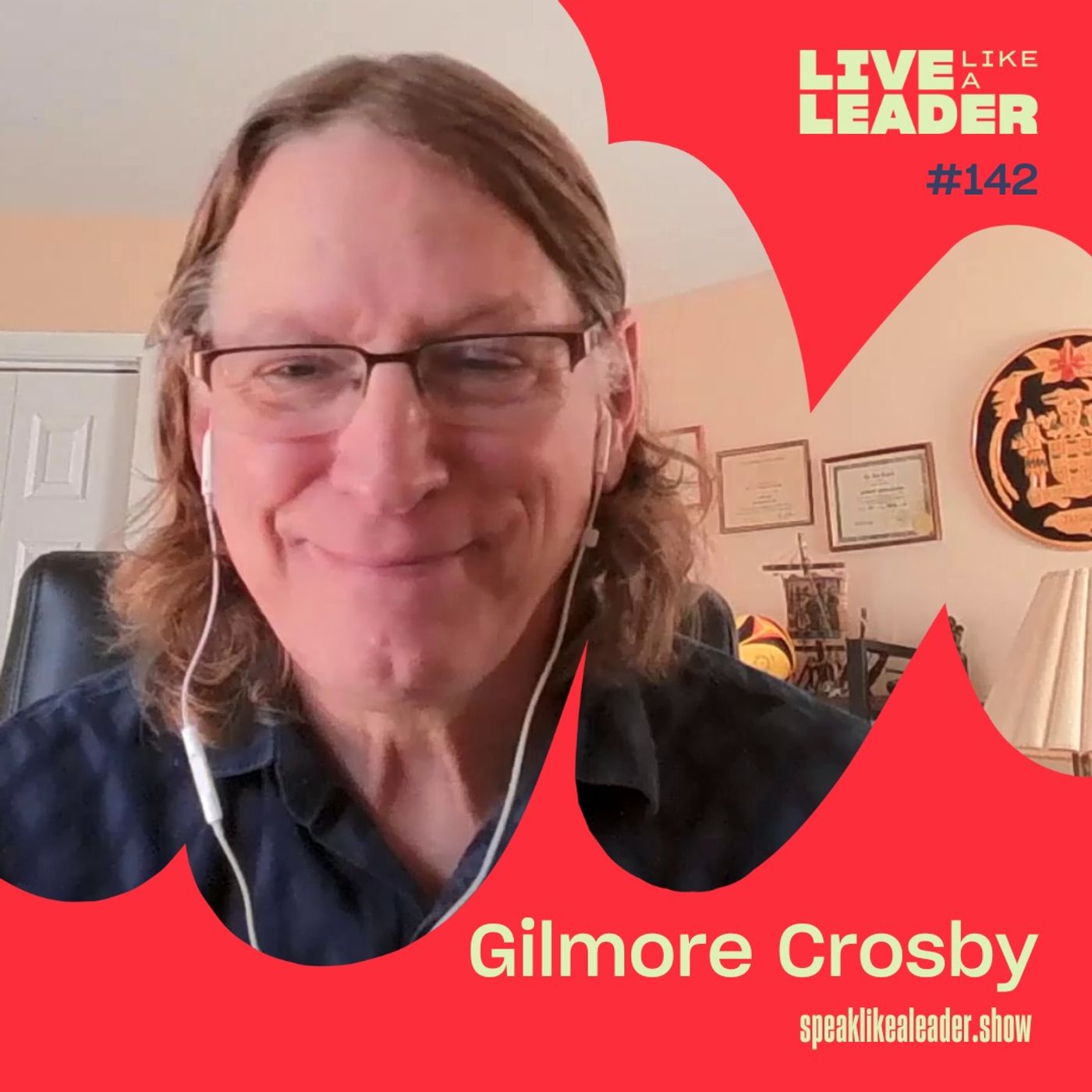
Ep 142Leadership and the Front Line Workforce: Lessons from the Targets of Change with Gilmore Crosby
In this episode of Live Like a Leader, I sit down with organizational development expert Gil Crosby (https://www.crosbyod.com/) to explore timeless principles for change, leadership, and frontline empowerment. Learn why most “programs” fail, how to balance authority with freedom, and how leaders can unlock performance by listening to the people closest to the work.Gil Crosby has been an Organization Development Professional since 1984. He applies the Social Science of Kurt Lewin to help organizations navigate change and improve performance, as the same principles apply in both business and society. He is also a Professor at the Leadership Institute of Seattle, and he has just published his 7th book, Leadership and the Front-Line Workforce, for anyone in an organization. Here's what we get into: Kurt Lewin’s social science—and why it still worksGil explains Lewin’s core insight: when people who live with the problem talk it through together, design solutions that make sense to them, and test them, change actually sticks. Whether it’s improving productivity in a plant or reducing violence in a community, people implement what they help shape. Why “forcing best practices” often failsWe talk about how organizations take something like Lean or the Toyota Production System and try to copy-paste it—usually by forcing compliance. Gil highlights what gets left out: at Toyota, when a worker stops the line, the supervisor’s first response is “Thank you.” That level of respect and engagement is the point—and when it’s missing, the system becomes just another top-down “program of the month.” A perfect frontline story: the Channel Locks lessonGil tells an incredible example from a manufacturing plant: management tried to reduce theft by making workers check out channel locks (basic tools used constantly), which slowed production every time someone needed one. When we asked the obvious question—what does downtime cost compared to a $15 tool?—The plant manager immediately changed course: “Tomorrow, we’re putting channel locks everywhere.”And the best part? Once workers saw leadership was actually listening, they didn’t steal them. Trust went up, friction went down, and productivity improved. Empowerment isn’t “nice”—it’s operationalI share why bad customer service drives me crazy (including what I’ve seen in Slovakia), and the pattern underneath it: people on the front line aren’t empowered to make decisions. If the people closest to the work can’t act, everything bottlenecks—and leadership often doesn’t even know what’s broken. Battlefield leadership and “commander’s intent.”We connect this to military lessons: when leaders hoard information and control, people suffer. When teams understand the goal and the intent, they can make smarter decisions in real time. That’s true in combat, and it’s true in business. Democracy vs. autocracy—at work and in societyGil shares Lewin’s conclusion that hit me hard: every generation has to learn how to be effective democratic citizens, because democracy isn’t self-sustaining. The same is true inside organizations: if people aren’t taught how to think, participate, and take ownership, you’ll get passivity… or rebellion. The leadership sweet spot: structure + freedomOne of my favorite parts: Gil breaks leadership down as a balance of structure and freedom.People need clarity, information, accountability, and guidance.They also need autonomy and space to think.Too much control creates compliance-without-commitment. Too little structure turns into leaderless chaos. Meetings, fear, and why delegation is so hardWe talk about why leaders struggle to delegate well: endless meetings, unclear authority structures, and fear—fear of upsetting someone, fear of saying no, fear of authority (often rooted way earlier than work). I share a line I coach leaders to use when they’re overloaded: “I’d be happy to do that. I’m maxed out—what would you like me to deprioritize so I can take this on?” Gil’s low moment, and a leadership lessonGil opens up about the Great Recession: no safety net, consulting work dried up, and he drove a taxi to survive. His takeaway is powerful: do your best, no matter the role. And don’t get cocky when money is flowing, because it can stop.MY BIGGEST TAKEAWAYIf you want performance, stop trying to “roll out” solutions to people. Build solutions with them. The front line sees what leadership can’t—and when you treat them like owners instead of obstacles, everything improves: morale, execution, and results. --------John Bates provides 1:1 Executive Communications Coaching, both in-person and online. He also gets 92+ Net Promoter Scores for his large and small group leadership development trainings at organizations like Johnson & Johnson, NASA, Google, Intuit, Boston Scientific, and many more. Find more at https://executivespeakingsuccess.com.Sign up for his weekly micro-trainings for free at https://johnbates.com/mini-trainings and create a great leadership communication
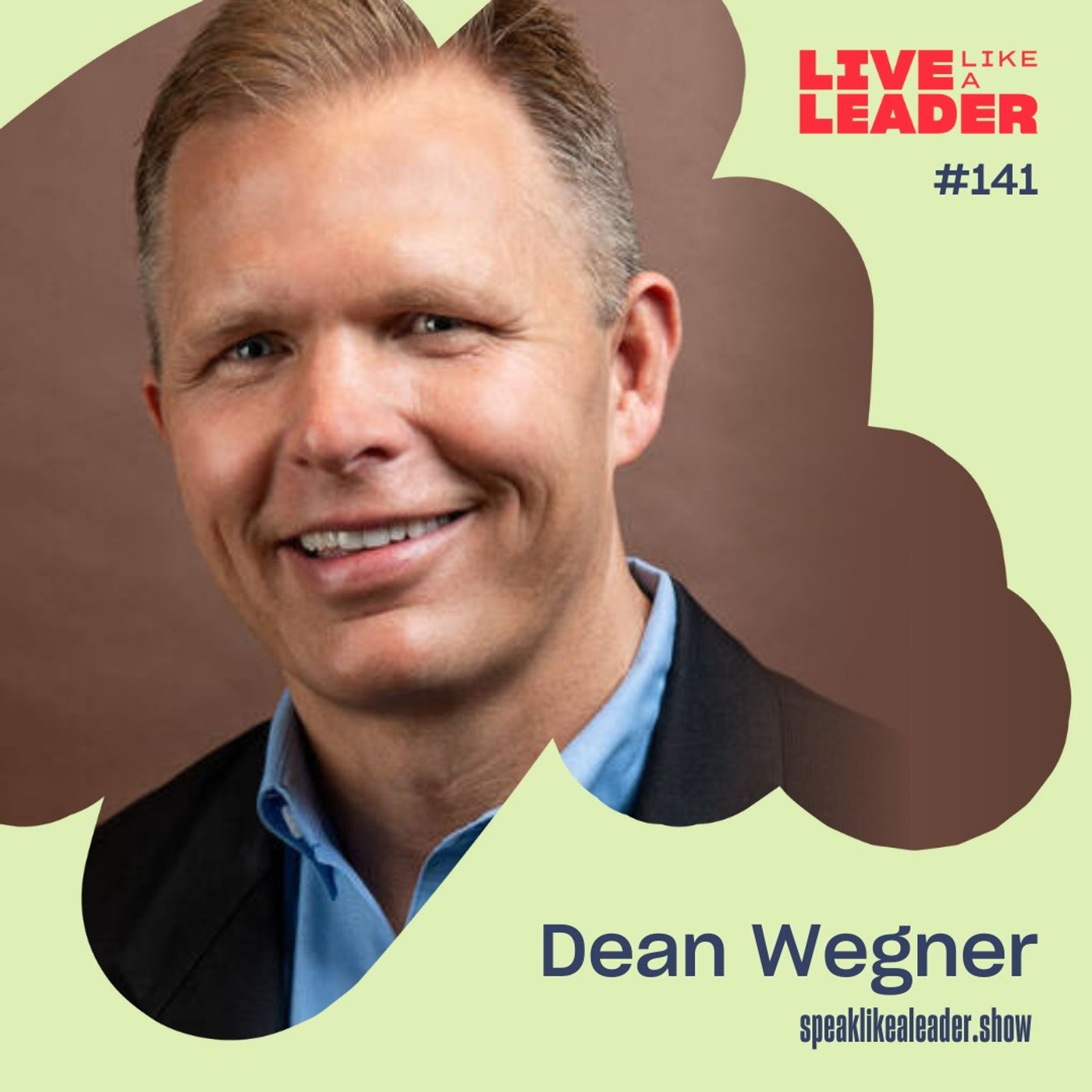
Ep 141Duty, Honor, Country: Building an Authentic American Brand with Army Ranger Dean Wegner
🧠 Key Topics we discussed in this episode: Dean’s path from West Point to entrepreneurship How Ranger School forged his leadership mindset What “authentically American” really means—and why it matters The challenges (and joys) of building a mission-led brand Innovation in apparel: soft shirts, secret prints & national pride Why values like integrity, faith, and country still lead the way 🙌 Connect with Dean Wegner: Website: authenticallyamerican.us LinkedIn: Dean Wegner on LinkedIn Instagram: @authentically_american 🎧 Listen & Subscribe: Catch more inspiring conversations at LiveLikeALeader.show Subscribe on Apple Podcasts| Spotify | YouTube Podcasts Catch more inspiring conversations at LiveLikeALeader.show --------John Bates provides 1:1 Executive Communications Coaching, both in-person and online. He also gets 92+ Net Promoter Scores for his large and small group leadership development trainings at organizations like Johnson & Johnson, NASA, Google, Intuit, Boston Scientific, and many more. Find more at https://executivespeakingsuccess.com.Sign up for his weekly micro-trainings for free at https://johnbates.com/mini-trainings and create a great leadership communications habit that makes you the kind of leader who inspires trust, loyalty, and connection.
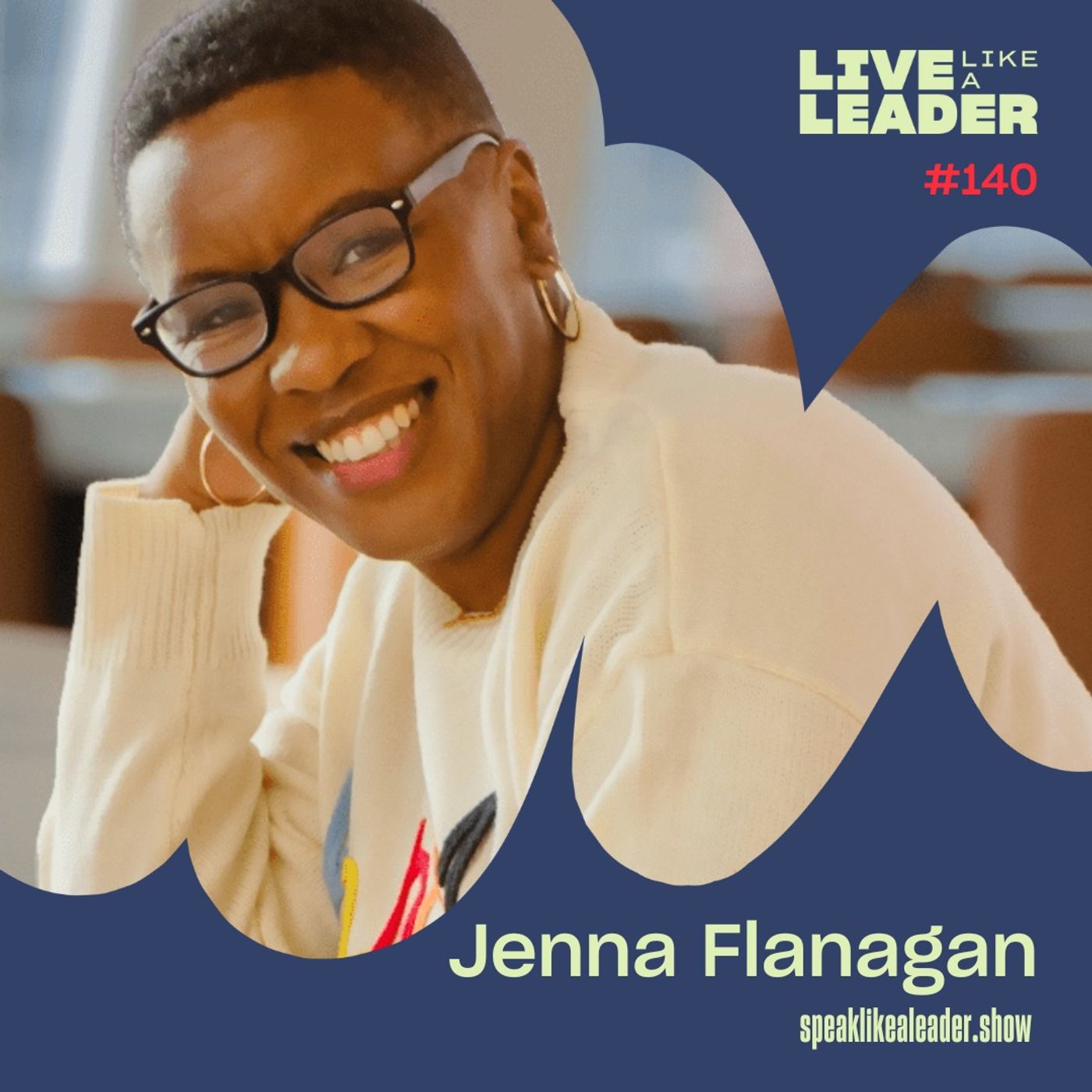
Ep 140Branding from the Inside Out: Speaking from Your Core Essence with Jenna Flanagan
We dive into:Why your beingness is the brand—and how to access itThe quiet resistance most leaders carry that keeps them from full expressionHer philosophy on “branding from the inside out”How she helps clients identify and speak from their core essence, not just what they doThe real story of how she and I met—and why she decided I needed a podcastThis conversation goes far beyond brand strategy. It’s about being brave enough to be fully seen and fully yourself. Jenna doesn’t just build brands—she calls people home to who they are.If you’re ready to stop performing and start resonating, this is an episode you don’t want to miss. ----- Jenna Flanagan is an award-winning broadcast journalist, host, and producer whose work bridges public media, local accountability reporting, and smart, accessible conversations about civic life. She has reported and hosted for WNET’s MetroFocus, bringing audiences across the New York region in-depth coverage of policy, culture, and community voices. She has also been a field reporter responsible for covering how policy presented in the New York State legislature impacts constituents across the state for WMHT’s government and public-affairs program New York NOW.Jenna began her career at New York’s 1010 WINS, rising from production assistant to assistant editor in a fast-paced newsroom. She then went on to WBGO in Newark as a general-assignment reporter before spending six and a half years at WNYC’s All Things Considered as a writer, reporter, and producer. Her work has also aired nationally on NPR.Her recent projects include co-creating and co-hosting the podcast Laid Off and Looking, a candid series that examines how news is made, who shapes it, and what’s at stake for democracy as the media industry restructures. She has also hosted the award-winning podcast series, After Broad and Market, revisiting the 2003 murder of Sakia Gunn to explore the power and limits of local journalism.A Hudson Valley native who grew up in New Paltz, Jenna studied communications and journalism at Seton Hall University. She continues to champion localism and public-interest reporting across platforms, appearing on radio, television, and digital outlets to elevate stories that inform, challenge, and connect communities. Laid Off and Looking Podcast: https://www.youtube.com/@LaidOffandLookingPodcastIn the Margins with Jenna Flanagan Substack: https://jflanagan.substack.com/Jenna Flanagan on TikTok: https://www.tiktok.com/@jflannys?lang=en --------John Bates provides 1:1 Executive Communications Coaching, both in-person and online. He also gets 92+ Net Promoter Scores for his large and small group leadership development trainings at organizations like Johnson & Johnson, NASA, Google, Intuit, Boston Scientific, and many more. Find more at https://executivespeakingsuccess.com.Sign up for his weekly micro-trainings for free at https://johnbates.com/mini-trainings and create a great leadership communications habit that makes you the kind of leader who inspires trust, loyalty, and connection.
Ep 139Confessions of a Hacker with Jeremiah Baker
In this episode, we cover:✅ How Jeremiah went from bootstrapping websites during the dot-com boom to building a global cybersecurity business.✅ Why most cybercrime isn’t about “hacking systems,” it’s about hacking humans.✅ The emotional tricks scammers use, and how to spot them before you get duped.✅ Real-world stories of cybercrime that cost companies hundreds of thousands of dollars in seconds.✅ The single most important (and shockingly simple) thing you can do to protect yourself today. Jeremiah also shares powerful insights from his keynote, Confessions of a Hacker, including why it’s often too late once the money is gone, and how you can take smart, preventative action without expensive software or technical know-how. 💡 Whether you’re an entrepreneur, executive, parent, or just someone who uses email (that’s you), this episode is essential listening.🔗 Learn more about Jeremiah’s work and connect with him:➡️ https://confessionsofahacker.com➡️ Find Jeremiah on LinkedIn: https://www.linkedin.com/in/jeremiahbaker/ 🎧 Listen, learn, and protect yourself—before it’s too late.If you enjoyed this episode, please give us a five-star rating and share it with someone who needs to hear it. I’ll see you next time on http://livelikealeader.show --------John Bates provides 1:1 Executive Communications Coaching, both in-person and online. He also gets 92+ Net Promoter Scores for his large and small group leadership development trainings at organizations like Johnson & Johnson, NASA, Google, Intuit, Boston Scientific, and many more. Find more at https://executivespeakingsuccess.com.Sign up for his weekly micro-trainings for free at https://johnbates.com/mini-trainings and create a great leadership communications habit that makes you the kind of leader who inspires trust, loyalty, and connection.
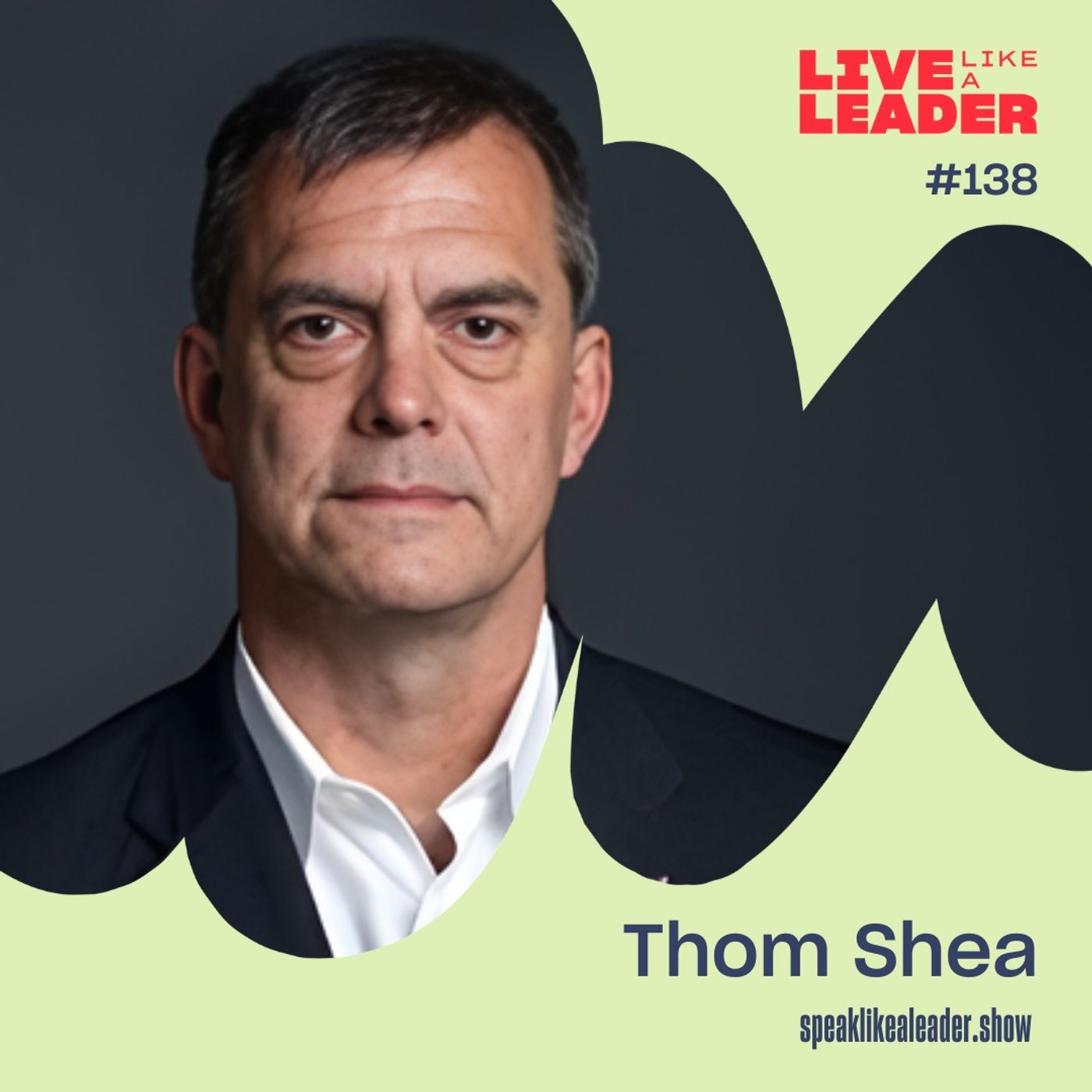
Ep 138Three Simple Things, and the Never-Quit Mindset with Thom Shea
In this episode with Thom Shea, we cover:What makes someone truly “unbreakable”How to survive the worst day of your life, and what happens if you don’t give upWhy “just doing the basics” is often the most advanced move you can makeHis life-saving experience during a firefight in Afghanistan that earned him the Silver StarThe Rule of Three; how simplifying complexity transforms business, health, and leadershipWhether you’re leading a team or leading your own life, Thom shares insights that will challenge and empower you to show up—again and again—no matter what.👉 Connect with Thom at thomshea.com and find him on LinkedIn: linkedin.com/in/thomshea📚 Books mentioned: Unbreakable and Three Simple ThingsIf you’re looking for proof that persistence is even more potent than talent, this is the episode to hear. ----- Retired Navy SEAL Thom Shea served with the US Navy for 23 years with distinguished valor before writing his bestselling books, “Unbreakable: A Navy SEAL’s Way of Life” and “Three Simple Things: Leading During Chaos.” Thom has trained thousands of executives around the world to overcome chaos by applying the rule of Three Simple Things to their lives and businesses.Thom developed his leadership and human performance process during his military career where he trained and led SEAL Teams in three wars. Thom earned a Silver Star, Bronze Star with Valor, Army Commendation with Valor and Two Combat Action Medals. He was later hand-picked to serve as officer in charge of the famed SEAL Sniper course. --------John Bates provides 1:1 Executive Communications Coaching, both in-person and online. He also gets 92+ Net Promoter Scores for his large and small group leadership development trainings at organizations like Johnson & Johnson, NASA, Google, Intuit, Boston Scientific, and many more. Find more at https://executivespeakingsuccess.com.Sign up for his weekly micro-trainings for free at https://johnbates.com/mini-trainings and create a great leadership communications habit that makes you the kind of leader who inspires trust, loyalty, and connection.
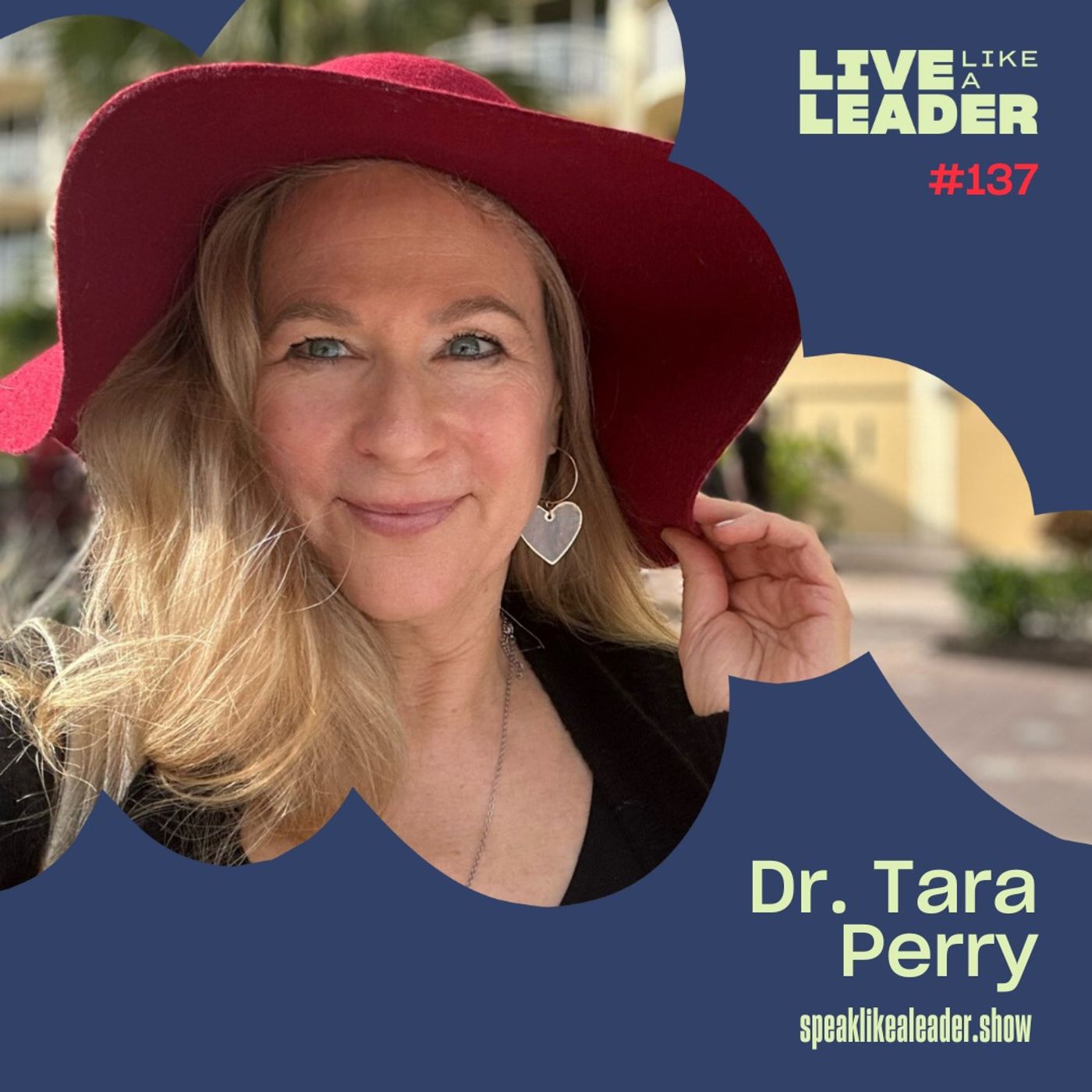
Ep 137Next Level Healing: From Trauma to Transformation with Dr. Tara Perry
We get into interesting topics like:Why communicating with human beings isn’t logical—it’s biologicalWhat Navy SEALs, elite surgeons, and business leaders all get wrong about stress and recoveryThe surprising ways trauma shows up in leadership, relationships, and performanceAnd the decisive importance of celebration in reprogramming the nervous systemWhether you’re a high-performing executive or just someone looking to be free of your invisible walls, Tara’s insight is not to be missed.👉 Visit ConsultTara.com and let her know you heard her on Speak Like a Leader. She’ll send you her “Unzip” meditation to start rewiring today. I think you'll like it! This one’s packed. Listen, take notes, and ---> of course---> celebrate when you do something with it. ----- Dr. Tara Perry is a Clinical Hypnotherapist & Doctor of Acupuncture and Chinese Medicine.She specializes in Core Trauma Transformation, helping people get to the root of their biggest block, connect to their authentic selves, and thrive in deep, confident peace. For 25 years, Dr. Perry has successfully treated celebrities, Olympians, first responders, world record holders, doctors, scientists, teachers, parents, and children. Clients suffering from Anxiety, PTSD, Stress, Trauma, Addiction, Pain, Insomnia, and a variety of other challenges have discovered the power of their subconscious mind to heal better and faster than they thought possible. Dr. Perry has been featured on Lifetime Television, Esquire Magazine, UCLA Bruin, Fox Sports West, Wall Street Journal, CosMed Magazine, Travel Host Magazine, and many more. For 10 years, Dr. Perry taught at the #1 Acupuncture College in California. In 2000, she was chosen to be the first acupuncture teacher at the famous Arthur Ashe Center at UCLA. Dr. Perry hosts her own podcast as well--available on all major platforms called Next Level Healing. --------John Bates provides 1:1 Executive Communications Coaching, both in-person and online. He also gets 92+ Net Promoter Scores for his large and small group leadership development trainings at organizations like Johnson & Johnson, NASA, Google, Intuit, Boston Scientific, and many more. Find more at https://executivespeakingsuccess.com.Sign up for his weekly micro-trainings for free at https://johnbates.com/mini-trainings and create a great leadership communications habit that makes you the kind of leader who inspires trust, loyalty, and connection.
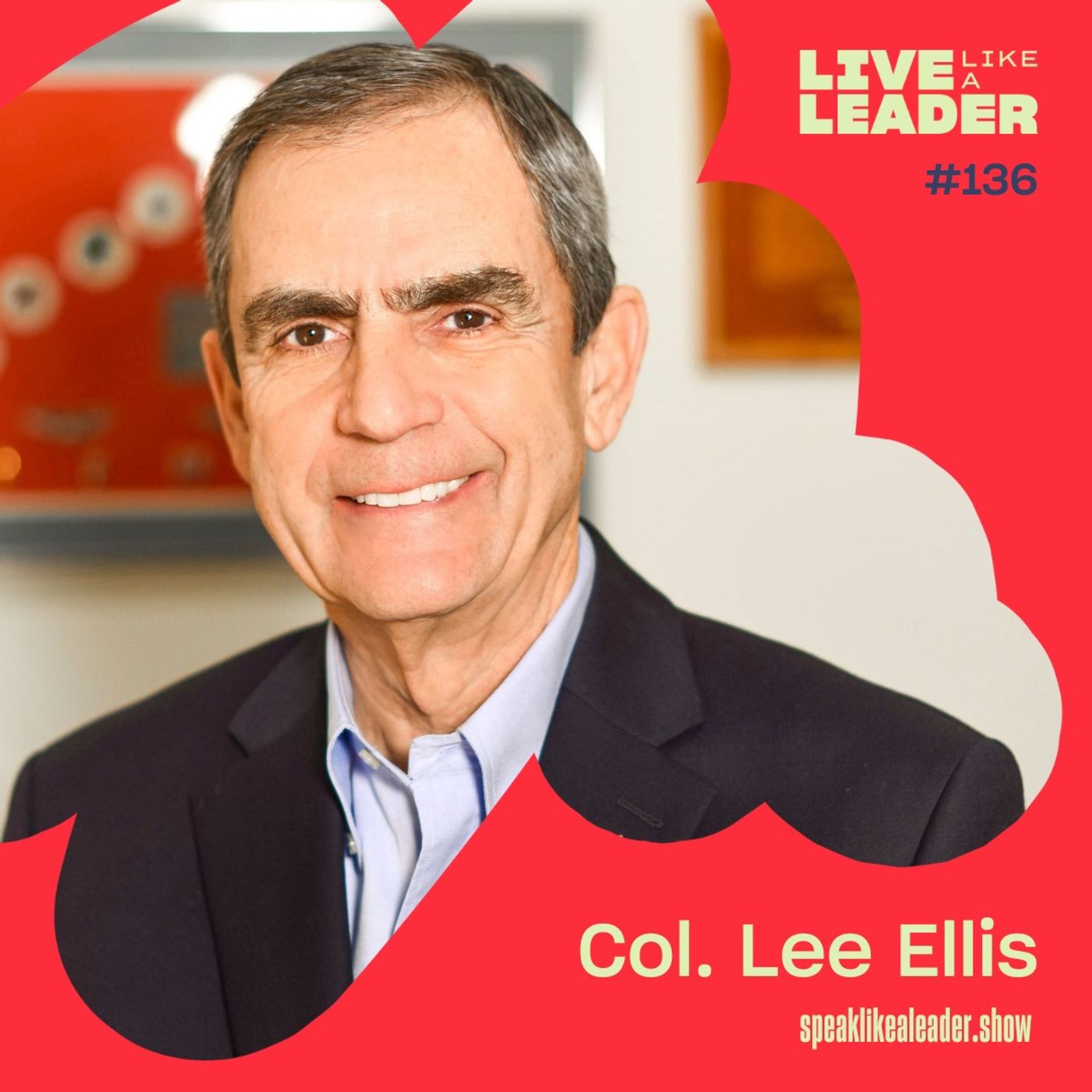
Ep 136Captured by Love, Grounded in Honor with Col. Lee Ellis
In our conversation, we explore:What it was like to fly the legendary F-4 Phantom into combat.The moment his jet exploded — and the life-altering seconds that followed.What helped him survive nearly six years as a POW.The power of faith, friendship, and camaraderie under unthinkable conditions.One of the lowest moments of his time in captivity, and the lesson we can all learn from it. Why honor isn’t just a virtue — it's also a strategy for long-term success.And how we can all bounce back from setbacks with resilience and grace.We also discuss Lee’s latest and most heart-expanding book, Captured by Love: Inspiring True Romance Stories from Vietnam POWs, a best-seller that reveals powerful stories of real love forged in the fires of war and captivity.💌 Want to get a taste of this incredible book? Head over to POWromance.com — you can download the first 50 pages for free and it will inspire you.✈️ And check out all of Lee’s work, including his other books and leadership training programs, at LeadingWithHonor.comThis is one of those rare episodes that will stay with you. Lee’s courage, humility, and wisdom are unforgettable — and I’m honored to share this conversation with you.⭐ If you found this episode meaningful, please share it with someone who could benefit from hearing it. Leave us a 5-star review and subscribe so we can continue to bring you more interviews like this.🙏 Thank you for listening — and as always, live like a leader. --------John Bates provides 1:1 Executive Communications Coaching, both in-person and online. He also gets 92+ Net Promoter Scores for his large and small group leadership development trainings at organizations like Johnson & Johnson, NASA, Google, Intuit, Boston Scientific, and many more. Find more at https://executivespeakingsuccess.com.Sign up for his weekly micro-trainings for free at https://johnbates.com/mini-trainings and create a great leadership communications habit that makes you the kind of leader who inspires trust, loyalty, and connection.

Ep 135TEDx Truths, Speaking Myths & The Motivation Behind “The Motivated Speaker” with Ruth Milligan
In this episode, you’ll hear:Why TEDx is hyper-local—and why that matters more than you think.The one mistake I made in my first TED experience (and what it taught me).Why feedback must start with self-awareness.What makes group presentations succeed—or fail—and how to avoid pitch disasters.Why listening to yourself on video is brutal but necessary (and how to make it less painful).Ruth is smart, generous, and a total TEDx pro, and this episode is packed with real talk, real tools, and real inspiration for anyone who wants to communicate at a higher level.🧠 If you’ve got a brilliant idea trapped in a paper bag, this conversation is your box cutter.👉 Ruth’s book is The Motivated Speaker — and you can grab it here: https://promo.porchlightbooks.com/pages/promotions/motivatedspeakerauthor🎧 Tune in. Take notes. Then go speak like a leader. ----- Ruth Milligan helps people find their voice, tell their story, and have their message be heard. For over three decades, she has served as a communication strategist, coach, and trainer. Founder and curator of one of the longest-running TEDx programs, TEDxColumbus, her career has included roles of speechwriter, national press secretary, and embedded consultant to billion-dollar contract pitches for Fortune 10 companies.Ruth received her BA in Speech Communication from Miami University. Prior to founding Articulation in 2010, which focuses exclusively on executive communication coaching and training, she ran a PR and marketing firm and worked in political and non-profit communications.She has a deep connection and commitment to her forever home, Columbus, where she has served on a variety of non-profit boards, and helped to launch the nation’s third women-founded bank in town, Fortuna. She keeps active ties to Miami, having just finished a term on the university’s foundation board.In her spare time, Ruth plays a healthy amount of Pickleball, enjoys working out, biking, and hiking with her husband, Dave. They have two college-aged children and a dog, Bean. --------John Bates provides 1:1 Executive Communications Coaching, both in-person and online. He also gets 92+ Net Promoter Scores for his large and small group leadership development trainings at organizations like Johnson & Johnson, NASA, Google, Intuit, Boston Scientific, and many more. Find more at https://executivespeakingsuccess.com.Sign up for his weekly micro-trainings for free at https://johnbates.com/mini-trainings and create a great leadership communications habit that makes you the kind of leader who inspires trust, loyalty, and connection.
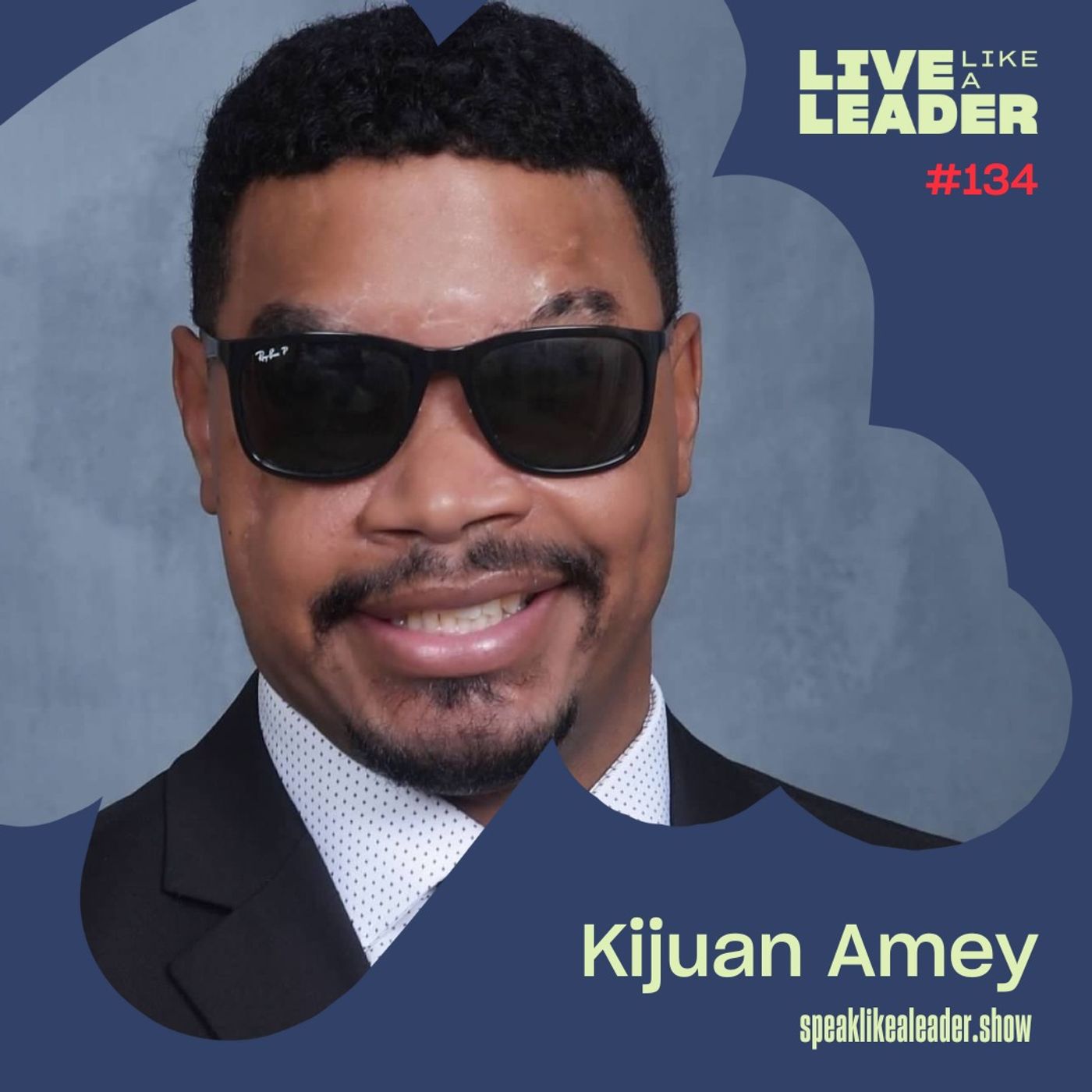
Ep 134From Tragedy to Triumph with Kijuan Amey
Kijuan doesn’t just talk about resilience—he embodies it. Whether you’re going through a tough season or just need a reminder of how strong you really are, this episode will leave you inspired and empowered. 💥Here’s what you’ll hear in this episode:A behind-the-scenes look at what it’s like to refuel aircraft mid-flight (including wild SR-71 and F-4 Phantom stories)The life-altering accident that changed everything—and the month-long coma that followedThe raw truth about faith, fear, and finding purpose after traumaHow Kijuan’s drumming, faith, and mission helped him transform pain into purposePractical tools and mindset shifts to build unshakable resilience 🎧 Tune in now—and get ready to view your challenges in a whole new light. 📚 Learn More & Connect with Kijuan:Book: Don’t Focus on Why Me: From Motorcycle Accident to Miracle – [Available on Amazon, Audible, Kindle & Apple Books]Website: www.ameymotivation.comResilience Coaching & Keynote Speaking Inquiries: Contact via website ⭐ Loved the Podcast?Please rate & review us on your favorite podcast app. Share it with someone who needs a dose of motivation today. Your support helps us bring more real, raw, and remarkable conversations to leaders like you. 🔥 About KijuanKijuan Amey, the visionary behind Amey Motivation, hails from Durham, NC, where his journey of resilience and success began. After graduating from Southern High School, he dedicated a decade of his life to the US Air Force, achieving the rank of Staff Sergeant as an In-flight Refueling Specialist. Medically retired, he transitioned into academia, earning a degree and founding Amey Motivation LLC. Formerly served as the vice president for the Carolina regional group of the Blinded Veterans Association, Kijuan is also a mentor and ambassador for the Air Force Wounded Warriors program. Beyond his remarkable military career, Kijuan is a man of many talents, boasting over 25 years of drumming expertise, onstage acting, and now, an upcoming bestseller, “Don’t Focus on Why Me.” However, life took an unexpected turn on May 5th, 2017, when a motorcycle accident claimed his eyesight. Yet, as Kijuan profoundly states, “I may have lost my sight, but I did not lose my vision.” Now armed with an inspiring story of overcoming adversity, Kijuan has become a motivational force, empowering others to reach their highest potential. Whether addressing a crowd of 1,500 or engaging in one-on-one sessions, Kijuan is well-equipped for any speaking engagement. He’s not just a speaker; he’s a catalyst for transformation, ready for the task ahead! Contact him at (919) 641-8150 | [email protected] | AmeyMotivation.com --------John Bates provides 1:1 Executive Communications Coaching, both in-person and online. He also gets 92+ Net Promoter Scores for his large and small group leadership development trainings at organizations like Johnson & Johnson, NASA, Google, Intuit, Boston Scientific, and many more. Find more at https://executivespeakingsuccess.com.Sign up for his weekly micro-trainings for free at https://johnbates.com/mini-trainings and create a great leadership communications habit that makes you the kind of leader who inspires trust, loyalty, and connection.