
Librivox
150 episodes — Page 3 of 3
Act 3
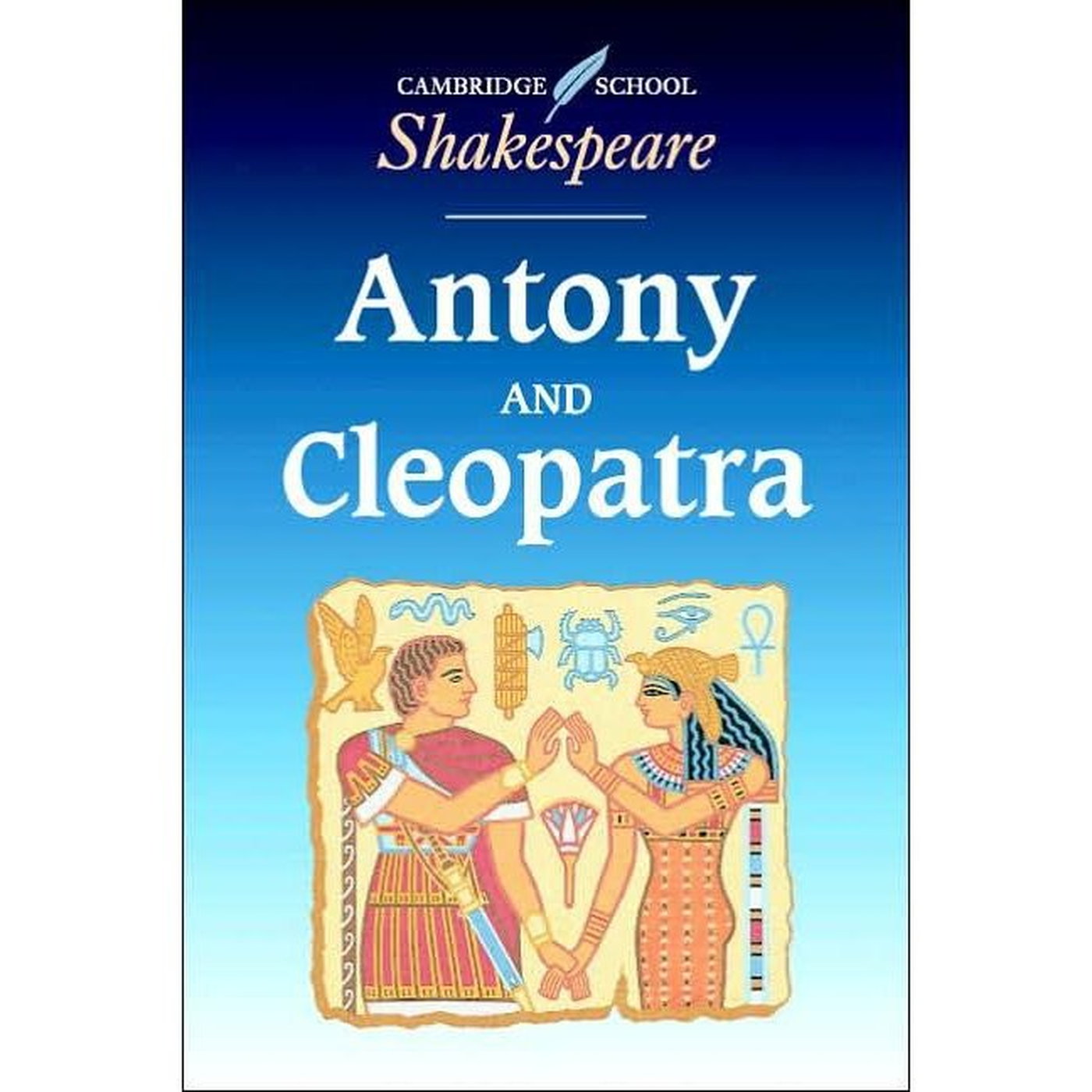
Antony and Cleopatra is a tragedy by William Shakespeare, believed to have been written sometime between 1603 and 1607. It was first printed in the First Folio of 1623. The plot is based on Thomas North's translation of Plutarch's Life of Marcus Antonius and follows the relationship between Cleopatra and Mark Antony from the time of the Parthian War to Cleopatra's suicide. The major antagonist is Octavius Caesar, one of Antony's fellow triumviri and the future first emperor of Rome. The tragedy is a Roman play characterized by swift, panoramic shifts in geographical locations and in registers, alternating between sensual, imaginative Alexandria and the more pragmatic, austere Rome. (Summary by Wikipedia)
Act 2
Antony and Cleopatra is a tragedy by William Shakespeare, believed to have been written sometime between 1603 and 1607. It was first printed in the First Folio of 1623. The plot is based on Thomas North's translation of Plutarch's Life of Marcus Antonius and follows the relationship between Cleopatra and Mark Antony from the time of the Parthian War to Cleopatra's suicide. The major antagonist is Octavius Caesar, one of Antony's fellow triumviri and the future first emperor of Rome. The tragedy is a Roman play characterized by swift, panoramic shifts in geographical locations and in registers, alternating between sensual, imaginative Alexandria and the more pragmatic, austere Rome. (Summary by Wikipedia)
Act 1
Antony and Cleopatra is a tragedy by William Shakespeare, believed to have been written sometime between 1603 and 1607. It was first printed in the First Folio of 1623. The plot is based on Thomas North's translation of Plutarch's Life of Marcus Antonius and follows the relationship between Cleopatra and Mark Antony from the time of the Parthian War to Cleopatra's suicide. The major antagonist is Octavius Caesar, one of Antony's fellow triumviri and the future first emperor of Rome. The tragedy is a Roman play characterized by swift, panoramic shifts in geographical locations and in registers, alternating between sensual, imaginative Alexandria and the more pragmatic, austere Rome. (Summary by Wikipedia)
Dramatis Personae
Antony and Cleopatra is a tragedy by William Shakespeare, believed to have been written sometime between 1603 and 1607. It was first printed in the First Folio of 1623. The plot is based on Thomas North's translation of Plutarch's Life of Marcus Antonius and follows the relationship between Cleopatra and Mark Antony from the time of the Parthian War to Cleopatra's suicide. The major antagonist is Octavius Caesar, one of Antony's fellow triumviri and the future first emperor of Rome. The tragedy is a Roman play characterized by swift, panoramic shifts in geographical locations and in registers, alternating between sensual, imaginative Alexandria and the more pragmatic, austere Rome. (Summary by Wikipedia)
Act V
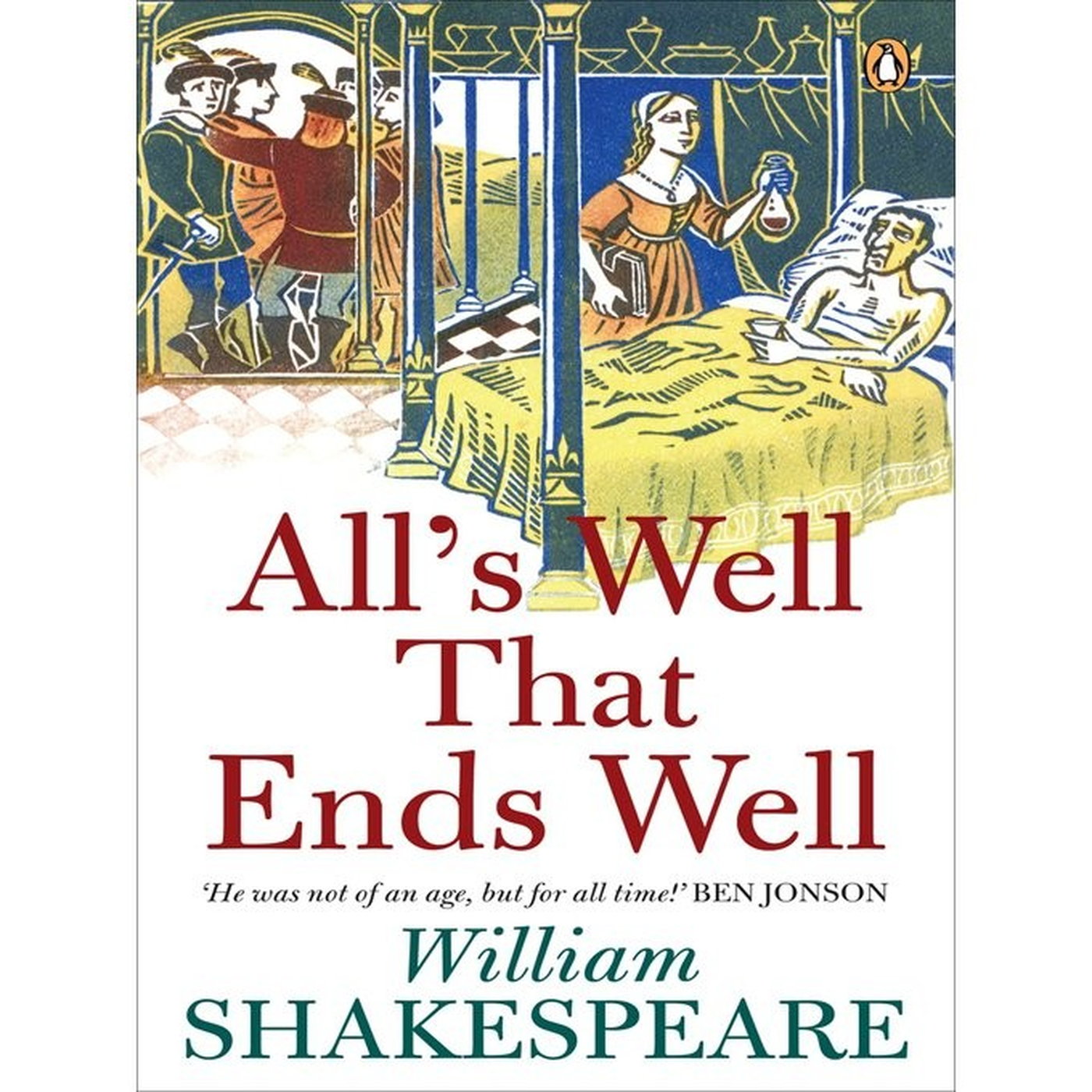
Despite its optimistic title, Shakespeare's All's Well That Ends Well has often been considered a "problem play." Ostensibly a comedy, the play also has fairy tale elements, as it focuses on Helena, a virtuous orphan, who loves Bertram, the haughty son of her protectress, the Countess of Rousillon. When Bertram, desperate for adventure, leaves Rousillon to serve in the King's army, Helena pursues him. (Summary by Elizabeth Klett)
Act IV
Despite its optimistic title, Shakespeare's All's Well That Ends Well has often been considered a "problem play." Ostensibly a comedy, the play also has fairy tale elements, as it focuses on Helena, a virtuous orphan, who loves Bertram, the haughty son of her protectress, the Countess of Rousillon. When Bertram, desperate for adventure, leaves Rousillon to serve in the King's army, Helena pursues him. (Summary by Elizabeth Klett)
Act III
Despite its optimistic title, Shakespeare's All's Well That Ends Well has often been considered a "problem play." Ostensibly a comedy, the play also has fairy tale elements, as it focuses on Helena, a virtuous orphan, who loves Bertram, the haughty son of her protectress, the Countess of Rousillon. When Bertram, desperate for adventure, leaves Rousillon to serve in the King's army, Helena pursues him. (Summary by Elizabeth Klett)
Act II
Despite its optimistic title, Shakespeare's All's Well That Ends Well has often been considered a "problem play." Ostensibly a comedy, the play also has fairy tale elements, as it focuses on Helena, a virtuous orphan, who loves Bertram, the haughty son of her protectress, the Countess of Rousillon. When Bertram, desperate for adventure, leaves Rousillon to serve in the King's army, Helena pursues him. (Summary by Elizabeth Klett)
Act I
Despite its optimistic title, Shakespeare's All's Well That Ends Well has often been considered a "problem play." Ostensibly a comedy, the play also has fairy tale elements, as it focuses on Helena, a virtuous orphan, who loves Bertram, the haughty son of her protectress, the Countess of Rousillon. When Bertram, desperate for adventure, leaves Rousillon to serve in the King's army, Helena pursues him. (Summary by Elizabeth Klett)
Dramatis Personae
Despite its optimistic title, Shakespeare's All's Well That Ends Well has often been considered a "problem play." Ostensibly a comedy, the play also has fairy tale elements, as it focuses on Helena, a virtuous orphan, who loves Bertram, the haughty son of her protectress, the Countess of Rousillon. When Bertram, desperate for adventure, leaves Rousillon to serve in the King's army, Helena pursues him. (Summary by Elizabeth Klett)
ACT V
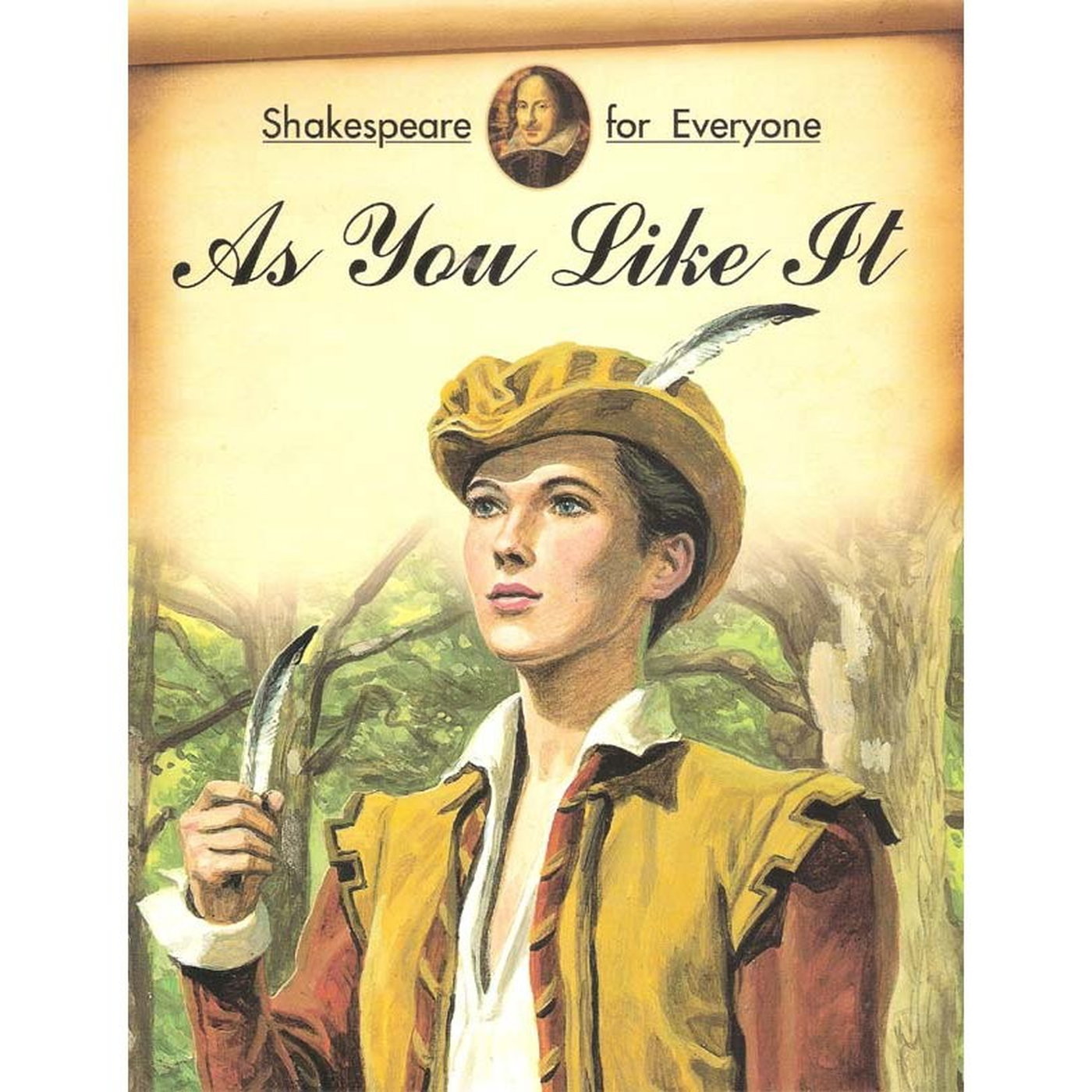
One of Shakespeare’s most popular plays, As You Like It is a pastoral comedy of mistaken identity, wit, and love. Daughter of a banished duke and forced to flee the court, Rosalind hides in the Forest of Arden disguised as a man. When her true love Orlando also shows up in the forest, she courts him without revealing her identity. Meanwhile, Phebe mistakenly falls in love with her disguise, Silvius pines for Phebe, Jacques philosophizes, and Touchstone makes fun of it all, and love and happiness triumph (for the most part) as Rosalind orchestrates a happy ending amid the confusion. (Summary by Rosalind Wills)
Act IV
One of Shakespeare’s most popular plays, As You Like It is a pastoral comedy of mistaken identity, wit, and love. Daughter of a banished duke and forced to flee the court, Rosalind hides in the Forest of Arden disguised as a man. When her true love Orlando also shows up in the forest, she courts him without revealing her identity. Meanwhile, Phebe mistakenly falls in love with her disguise, Silvius pines for Phebe, Jacques philosophizes, and Touchstone makes fun of it all, and love and happiness triumph (for the most part) as Rosalind orchestrates a happy ending amid the confusion. (Summary by Rosalind Wills)
Act III
One of Shakespeare’s most popular plays, As You Like It is a pastoral comedy of mistaken identity, wit, and love. Daughter of a banished duke and forced to flee the court, Rosalind hides in the Forest of Arden disguised as a man. When her true love Orlando also shows up in the forest, she courts him without revealing her identity. Meanwhile, Phebe mistakenly falls in love with her disguise, Silvius pines for Phebe, Jacques philosophizes, and Touchstone makes fun of it all, and love and happiness triumph (for the most part) as Rosalind orchestrates a happy ending amid the confusion. (Summary by Rosalind Wills)
Act II
One of Shakespeare’s most popular plays, As You Like It is a pastoral comedy of mistaken identity, wit, and love. Daughter of a banished duke and forced to flee the court, Rosalind hides in the Forest of Arden disguised as a man. When her true love Orlando also shows up in the forest, she courts him without revealing her identity. Meanwhile, Phebe mistakenly falls in love with her disguise, Silvius pines for Phebe, Jacques philosophizes, and Touchstone makes fun of it all, and love and happiness triumph (for the most part) as Rosalind orchestrates a happy ending amid the confusion. (Summary by Rosalind Wills)
Act I
One of Shakespeare’s most popular plays, As You Like It is a pastoral comedy of mistaken identity, wit, and love. Daughter of a banished duke and forced to flee the court, Rosalind hides in the Forest of Arden disguised as a man. When her true love Orlando also shows up in the forest, she courts him without revealing her identity. Meanwhile, Phebe mistakenly falls in love with her disguise, Silvius pines for Phebe, Jacques philosophizes, and Touchstone makes fun of it all, and love and happiness triumph (for the most part) as Rosalind orchestrates a happy ending amid the confusion. (Summary by Rosalind Wills)
Dramatis Personae
One of Shakespeare’s most popular plays, As You Like It is a pastoral comedy of mistaken identity, wit, and love. Daughter of a banished duke and forced to flee the court, Rosalind hides in the Forest of Arden disguised as a man. When her true love Orlando also shows up in the forest, she courts him without revealing her identity. Meanwhile, Phebe mistakenly falls in love with her disguise, Silvius pines for Phebe, Jacques philosophizes, and Touchstone makes fun of it all, and love and happiness triumph (for the most part) as Rosalind orchestrates a happy ending amid the confusion. (Summary by Rosalind Wills)
Chapter 16
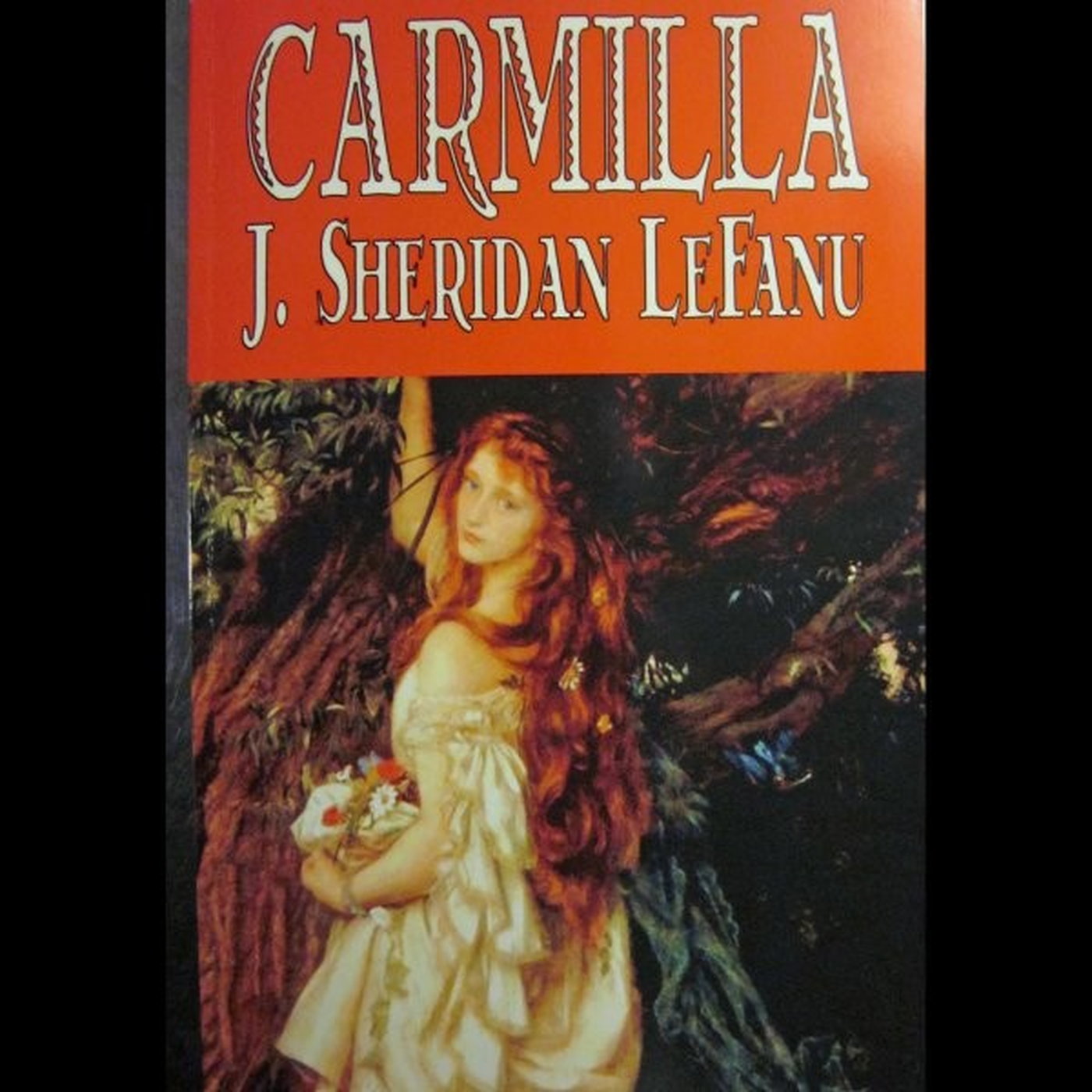
Carmilla is a Gothic novella by Joseph Sheridan le Fanu. First published in 1872, it tells the story of a young woman's susceptibility to the attentions of a female vampire named Carmilla. Carmilla predates Bram Stoker's Dracula by over twenty years, had a strong influence on Stoker's famous novel. (Summary from Wikipedia)
Chapter 15
Carmilla is a Gothic novella by Joseph Sheridan le Fanu. First published in 1872, it tells the story of a young woman's susceptibility to the attentions of a female vampire named Carmilla. Carmilla predates Bram Stoker's Dracula by over twenty years, had a strong influence on Stoker's famous novel. (Summary from Wikipedia)
Chapter 14
Carmilla is a Gothic novella by Joseph Sheridan le Fanu. First published in 1872, it tells the story of a young woman's susceptibility to the attentions of a female vampire named Carmilla. Carmilla predates Bram Stoker's Dracula by over twenty years, had a strong influence on Stoker's famous novel. (Summary from Wikipedia)
Chapter 13
Carmilla is a Gothic novella by Joseph Sheridan le Fanu. First published in 1872, it tells the story of a young woman's susceptibility to the attentions of a female vampire named Carmilla. Carmilla predates Bram Stoker's Dracula by over twenty years, had a strong influence on Stoker's famous novel. (Summary from Wikipedia)
Chapter 12
Carmilla is a Gothic novella by Joseph Sheridan le Fanu. First published in 1872, it tells the story of a young woman's susceptibility to the attentions of a female vampire named Carmilla. Carmilla predates Bram Stoker's Dracula by over twenty years, had a strong influence on Stoker's famous novel. (Summary from Wikipedia)
Chapter 11
Carmilla is a Gothic novella by Joseph Sheridan le Fanu. First published in 1872, it tells the story of a young woman's susceptibility to the attentions of a female vampire named Carmilla. Carmilla predates Bram Stoker's Dracula by over twenty years, had a strong influence on Stoker's famous novel. (Summary from Wikipedia)
Chapter 10
Carmilla is a Gothic novella by Joseph Sheridan le Fanu. First published in 1872, it tells the story of a young woman's susceptibility to the attentions of a female vampire named Carmilla. Carmilla predates Bram Stoker's Dracula by over twenty years, had a strong influence on Stoker's famous novel. (Summary from Wikipedia)
Chapter 9
Carmilla is a Gothic novella by Joseph Sheridan le Fanu. First published in 1872, it tells the story of a young woman's susceptibility to the attentions of a female vampire named Carmilla. Carmilla predates Bram Stoker's Dracula by over twenty years, had a strong influence on Stoker's famous novel. (Summary from Wikipedia)
Chapter 8
Carmilla is a Gothic novella by Joseph Sheridan le Fanu. First published in 1872, it tells the story of a young woman's susceptibility to the attentions of a female vampire named Carmilla. Carmilla predates Bram Stoker's Dracula by over twenty years, had a strong influence on Stoker's famous novel. (Summary from Wikipedia)
Chapter 7
Carmilla is a Gothic novella by Joseph Sheridan le Fanu. First published in 1872, it tells the story of a young woman's susceptibility to the attentions of a female vampire named Carmilla. Carmilla predates Bram Stoker's Dracula by over twenty years, had a strong influence on Stoker's famous novel. (Summary from Wikipedia)
Chapter 6
Carmilla is a Gothic novella by Joseph Sheridan le Fanu. First published in 1872, it tells the story of a young woman's susceptibility to the attentions of a female vampire named Carmilla. Carmilla predates Bram Stoker's Dracula by over twenty years, had a strong influence on Stoker's famous novel. (Summary from Wikipedia)
Chapter 5
Carmilla is a Gothic novella by Joseph Sheridan le Fanu. First published in 1872, it tells the story of a young woman's susceptibility to the attentions of a female vampire named Carmilla. Carmilla predates Bram Stoker's Dracula by over twenty years, had a strong influence on Stoker's famous novel. (Summary from Wikipedia)
Chapter 4
Carmilla is a Gothic novella by Joseph Sheridan le Fanu. First published in 1872, it tells the story of a young woman's susceptibility to the attentions of a female vampire named Carmilla. Carmilla predates Bram Stoker's Dracula by over twenty years, had a strong influence on Stoker's famous novel. (Summary from Wikipedia)
Chapter 3
Carmilla is a Gothic novella by Joseph Sheridan le Fanu. First published in 1872, it tells the story of a young woman's susceptibility to the attentions of a female vampire named Carmilla. Carmilla predates Bram Stoker's Dracula by over twenty years, had a strong influence on Stoker's famous novel. (Summary from Wikipedia)
Chapter 2
Carmilla is a Gothic novella by Joseph Sheridan le Fanu. First published in 1872, it tells the story of a young woman's susceptibility to the attentions of a female vampire named Carmilla. Carmilla predates Bram Stoker's Dracula by over twenty years, had a strong influence on Stoker's famous novel. (Summary from Wikipedia)
Chapter 1
Carmilla is a Gothic novella by Joseph Sheridan le Fanu. First published in 1872, it tells the story of a young woman's susceptibility to the attentions of a female vampire named Carmilla. Carmilla predates Bram Stoker's Dracula by over twenty years, had a strong influence on Stoker's famous novel. (Summary from Wikipedia)
Part 8 (Chapters 36-39)
Kate Chopin's 1899 novella The Awakening is about the personal, sexual, and artistic awakening of a young wife and mother, Edna Pontellier. While on vacation at Grand Isle, an island in the Gulf of Mexico, Edna befriends the talented pianist Mlle. Reisz and the sympathetic Robert Lebrun, both of whom will influence her startling life choices. Chopin's novel created a scandal upon its original publication and effectively destroyed her writing career. Now, however, it is considered one of the finest American novels of the 19th century. (Summary by Elizabeth Klett)
Part 7 (Chapters 31-35)
Kate Chopin's 1899 novella The Awakening is about the personal, sexual, and artistic awakening of a young wife and mother, Edna Pontellier. While on vacation at Grand Isle, an island in the Gulf of Mexico, Edna befriends the talented pianist Mlle. Reisz and the sympathetic Robert Lebrun, both of whom will influence her startling life choices. Chopin's novel created a scandal upon its original publication and effectively destroyed her writing career. Now, however, it is considered one of the finest American novels of the 19th century. (Summary by Elizabeth Klett)
Part 6 (Chapters 26-30)
Kate Chopin's 1899 novella The Awakening is about the personal, sexual, and artistic awakening of a young wife and mother, Edna Pontellier. While on vacation at Grand Isle, an island in the Gulf of Mexico, Edna befriends the talented pianist Mlle. Reisz and the sympathetic Robert Lebrun, both of whom will influence her startling life choices. Chopin's novel created a scandal upon its original publication and effectively destroyed her writing career. Now, however, it is considered one of the finest American novels of the 19th century. (Summary by Elizabeth Klett)
Part 5 (Chapters 21-25)
Kate Chopin's 1899 novella The Awakening is about the personal, sexual, and artistic awakening of a young wife and mother, Edna Pontellier. While on vacation at Grand Isle, an island in the Gulf of Mexico, Edna befriends the talented pianist Mlle. Reisz and the sympathetic Robert Lebrun, both of whom will influence her startling life choices. Chopin's novel created a scandal upon its original publication and effectively destroyed her writing career. Now, however, it is considered one of the finest American novels of the 19th century. (Summary by Elizabeth Klett)
Part 4 (Chapters 16-20)
Kate Chopin's 1899 novella The Awakening is about the personal, sexual, and artistic awakening of a young wife and mother, Edna Pontellier. While on vacation at Grand Isle, an island in the Gulf of Mexico, Edna befriends the talented pianist Mlle. Reisz and the sympathetic Robert Lebrun, both of whom will influence her startling life choices. Chopin's novel created a scandal upon its original publication and effectively destroyed her writing career. Now, however, it is considered one of the finest American novels of the 19th century. (Summary by Elizabeth Klett)
Part 3 (Chapters 11-15)
Kate Chopin's 1899 novella The Awakening is about the personal, sexual, and artistic awakening of a young wife and mother, Edna Pontellier. While on vacation at Grand Isle, an island in the Gulf of Mexico, Edna befriends the talented pianist Mlle. Reisz and the sympathetic Robert Lebrun, both of whom will influence her startling life choices. Chopin's novel created a scandal upon its original publication and effectively destroyed her writing career. Now, however, it is considered one of the finest American novels of the 19th century. (Summary by Elizabeth Klett)
Part 2 (Chapters 6-10)
Kate Chopin's 1899 novella The Awakening is about the personal, sexual, and artistic awakening of a young wife and mother, Edna Pontellier. While on vacation at Grand Isle, an island in the Gulf of Mexico, Edna befriends the talented pianist Mlle. Reisz and the sympathetic Robert Lebrun, both of whom will influence her startling life choices. Chopin's novel created a scandal upon its original publication and effectively destroyed her writing career. Now, however, it is considered one of the finest American novels of the 19th century. (Summary by Elizabeth Klett)
Part 1 (Chapters 1-5)
Kate Chopin's 1899 novella The Awakening is about the personal, sexual, and artistic awakening of a young wife and mother, Edna Pontellier. While on vacation at Grand Isle, an island in the Gulf of Mexico, Edna befriends the talented pianist Mlle. Reisz and the sympathetic Robert Lebrun, both of whom will influence her startling life choices. Chopin's novel created a scandal upon its original publication and effectively destroyed her writing career. Now, however, it is considered one of the finest American novels of the 19th century. (Summary by Elizabeth Klett)
Appendix – About the Brothers Grimm
A classic collection of oral German folklore, brought together for posterity by the scholarly brothers Grimm in the 1800s, this epitome of fairy tales includes many of the world’s best known stories. In these dark foreboding woods, you will find: Rapunzel, Hansel and Gretel, Rumpelstiltskin, Lily and the Lion (better known as Beauty and the Beast), and Snow White and Rose Red, among other timeless works. These tales were later heavily revised and sanitised, but here are presented closer to their grim and beloved originals. (Summary by Marlo Dianne)
Snow White and Rose Red
A classic collection of oral German folklore, brought together for posterity by the scholarly brothers Grimm in the 1800s, this epitome of fairy tales includes many of the world’s best known stories. In these dark foreboding woods, you will find: Rapunzel, Hansel and Gretel, Rumpelstiltskin, Lily and the Lion (better known as Beauty and the Beast), and Snow White and Rose Red, among other timeless works. These tales were later heavily revised and sanitised, but here are presented closer to their grim and beloved originals. (Summary by Marlo Dianne)
Cat-skin
A classic collection of oral German folklore, brought together for posterity by the scholarly brothers Grimm in the 1800s, this epitome of fairy tales includes many of the world’s best known stories. In these dark foreboding woods, you will find: Rapunzel, Hansel and Gretel, Rumpelstiltskin, Lily and the Lion (better known as Beauty and the Beast), and Snow White and Rose Red, among other timeless works. These tales were later heavily revised and sanitised, but here are presented closer to their grim and beloved originals. (Summary by Marlo Dianne)
Iron Hans
A classic collection of oral German folklore, brought together for posterity by the scholarly brothers Grimm in the 1800s, this epitome of fairy tales includes many of the world’s best known stories. In these dark foreboding woods, you will find: Rapunzel, Hansel and Gretel, Rumpelstiltskin, Lily and the Lion (better known as Beauty and the Beast), and Snow White and Rose Red, among other timeless works. These tales were later heavily revised and sanitised, but here are presented closer to their grim and beloved originals. (Summary by Marlo Dianne)
King Grisly-Beard
A classic collection of oral German folklore, brought together for posterity by the scholarly brothers Grimm in the 1800s, this epitome of fairy tales includes many of the world’s best known stories. In these dark foreboding woods, you will find: Rapunzel, Hansel and Gretel, Rumpelstiltskin, Lily and the Lion (better known as Beauty and the Beast), and Snow White and Rose Red, among other timeless works. These tales were later heavily revised and sanitised, but here are presented closer to their grim and beloved originals. (Summary by Marlo Dianne)
The Story of The Youth
A classic collection of oral German folklore, brought together for posterity by the scholarly brothers Grimm in the 1800s, this epitome of fairy tales includes many of the world’s best known stories. In these dark foreboding woods, you will find: Rapunzel, Hansel and Gretel, Rumpelstiltskin, Lily and the Lion (better known as Beauty and the Beast), and Snow White and Rose Red, among other timeless works. These tales were later heavily revised and sanitised, but here are presented closer to their grim and beloved originals. (Summary by Marlo Dianne)
The Salad
A classic collection of oral German folklore, brought together for posterity by the scholarly brothers Grimm in the 1800s, this epitome of fairy tales includes many of the world’s best known stories. In these dark foreboding woods, you will find: Rapunzel, Hansel and Gretel, Rumpelstiltskin, Lily and the Lion (better known as Beauty and the Beast), and Snow White and Rose Red, among other timeless works. These tales were later heavily revised and sanitised, but here are presented closer to their grim and beloved originals. (Summary by Marlo Dianne)
The Wedding of Mrs Fox
A classic collection of oral German folklore, brought together for posterity by the scholarly brothers Grimm in the 1800s, this epitome of fairy tales includes many of the world’s best known stories. In these dark foreboding woods, you will find: Rapunzel, Hansel and Gretel, Rumpelstiltskin, Lily and the Lion (better known as Beauty and the Beast), and Snow White and Rose Red, among other timeless works. These tales were later heavily revised and sanitised, but here are presented closer to their grim and beloved originals. (Summary by Marlo Dianne)
The Seven Ravens
A classic collection of oral German folklore, brought together for posterity by the scholarly brothers Grimm in the 1800s, this epitome of fairy tales includes many of the world’s best known stories. In these dark foreboding woods, you will find: Rapunzel, Hansel and Gretel, Rumpelstiltskin, Lily and the Lion (better known as Beauty and the Beast), and Snow White and Rose Red, among other timeless works. These tales were later heavily revised and sanitised, but here are presented closer to their grim and beloved originals. (Summary by Marlo Dianne)
Doctor Knowall
A classic collection of oral German folklore, brought together for posterity by the scholarly brothers Grimm in the 1800s, this epitome of fairy tales includes many of the world’s best known stories. In these dark foreboding woods, you will find: Rapunzel, Hansel and Gretel, Rumpelstiltskin, Lily and the Lion (better known as Beauty and the Beast), and Snow White and Rose Red, among other timeless works. These tales were later heavily revised and sanitised, but here are presented closer to their grim and beloved originals. (Summary by Marlo Dianne)