
Librivox
150 episodes — Page 2 of 3

Chapter 2
Known primarily for her children's books, Harriet T. Comstock would occasionally depart from that genre and showcase her writing talent in adult prose as well. Janet of the Dunes is one such departure wherein she masterfully takes us into the lives of the bold men and women who tended those life saving stations along the seaboard which many a ship relied upon for their safety. They were simple people, large of heart and as close-knit as a tiny community can and must ever be, and they, above all else, took their duties very seriously. The story revolves primarily around Janet and her "Cap'n Billy Daddy" and how their lives and their devotion to one another are touched by the others within the small circle of people of the dunes, the hills, and the light. (Summary by Roger Melin)
Chapter 1
Known primarily for her children's books, Harriet T. Comstock would occasionally depart from that genre and showcase her writing talent in adult prose as well. Janet of the Dunes is one such departure wherein she masterfully takes us into the lives of the bold men and women who tended those life saving stations along the seaboard which many a ship relied upon for their safety. They were simple people, large of heart and as close-knit as a tiny community can and must ever be, and they, above all else, took their duties very seriously. The story revolves primarily around Janet and her "Cap'n Billy Daddy" and how their lives and their devotion to one another are touched by the others within the small circle of people of the dunes, the hills, and the light. (Summary by Roger Melin)
13 - Rejoicing in the Lord
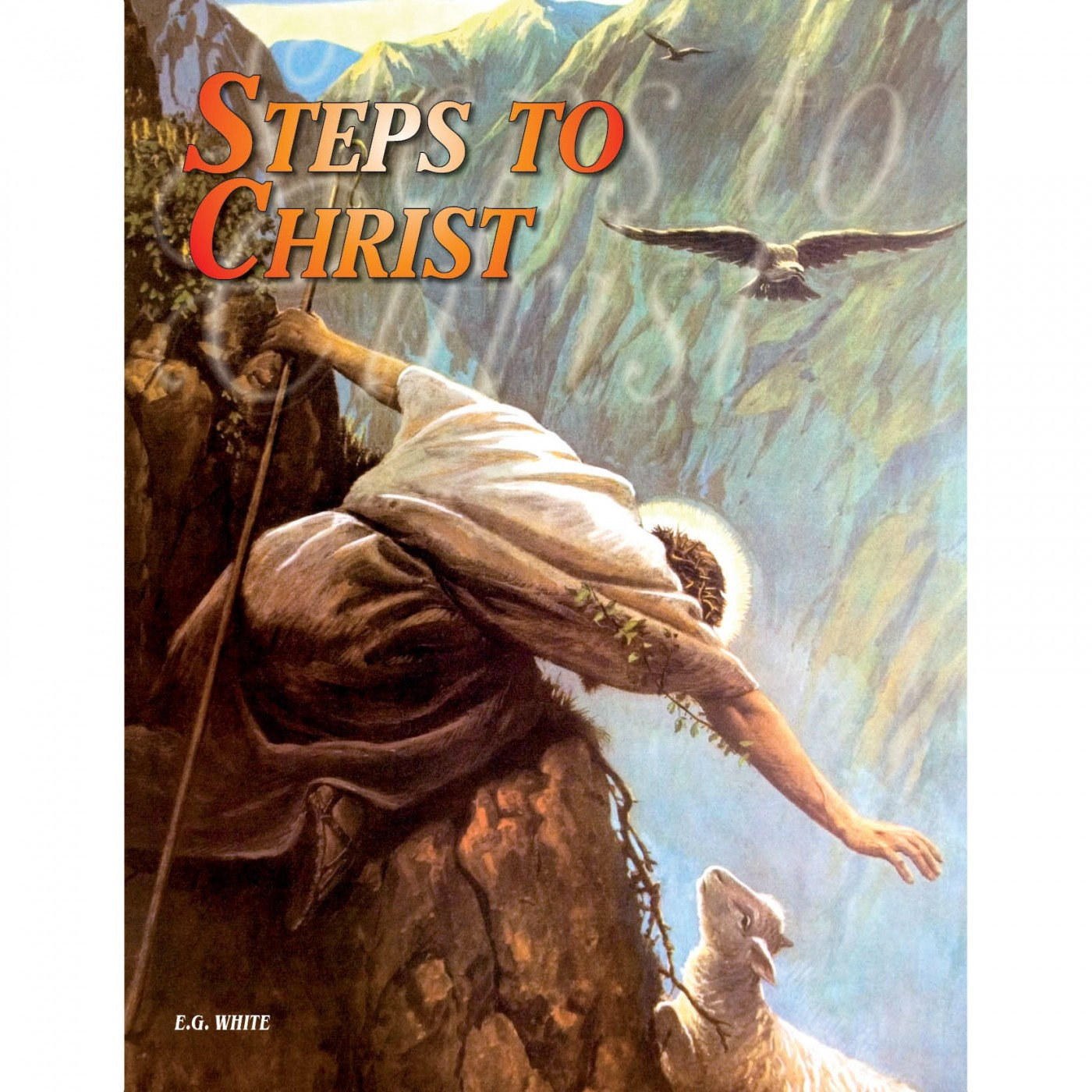
Ellen Gould White (1827 - 1915) was a prolific Christian writer, authoring 40 books in her lifetime. She was active in the Millerite movement, and was one of the principle founders of the Seventh Day Adventist Church. Steps to Christ, first published in 1892, is her most popular book. It has been translated into more than 70 languages. The theme of the book is how to come to know Christ better. (Summary by Donald Hines)
12 - What to Do with Doubt
Ellen Gould White (1827 - 1915) was a prolific Christian writer, authoring 40 books in her lifetime. She was active in the Millerite movement, and was one of the principle founders of the Seventh Day Adventist Church. Steps to Christ, first published in 1892, is her most popular book. It has been translated into more than 70 languages. The theme of the book is how to come to know Christ better. (Summary by Donald Hines)
11 - The Privilege of Prayer
Ellen Gould White (1827 - 1915) was a prolific Christian writer, authoring 40 books in her lifetime. She was active in the Millerite movement, and was one of the principle founders of the Seventh Day Adventist Church. Steps to Christ, first published in 1892, is her most popular book. It has been translated into more than 70 languages. The theme of the book is how to come to know Christ better. (Summary by Donald Hines)
10 - A Knowledge of God
Ellen Gould White (1827 - 1915) was a prolific Christian writer, authoring 40 books in her lifetime. She was active in the Millerite movement, and was one of the principle founders of the Seventh Day Adventist Church. Steps to Christ, first published in 1892, is her most popular book. It has been translated into more than 70 languages. The theme of the book is how to come to know Christ better. (Summary by Donald Hines)
09 - The Work and the Life
Ellen Gould White (1827 - 1915) was a prolific Christian writer, authoring 40 books in her lifetime. She was active in the Millerite movement, and was one of the principle founders of the Seventh Day Adventist Church. Steps to Christ, first published in 1892, is her most popular book. It has been translated into more than 70 languages. The theme of the book is how to come to know Christ better. (Summary by Donald Hines)
08 - Growing Up Into Christ
Ellen Gould White (1827 - 1915) was a prolific Christian writer, authoring 40 books in her lifetime. She was active in the Millerite movement, and was one of the principle founders of the Seventh Day Adventist Church. Steps to Christ, first published in 1892, is her most popular book. It has been translated into more than 70 languages. The theme of the book is how to come to know Christ better. (Summary by Donald Hines)
07 - The Test of Discipleship
Ellen Gould White (1827 - 1915) was a prolific Christian writer, authoring 40 books in her lifetime. She was active in the Millerite movement, and was one of the principle founders of the Seventh Day Adventist Church. Steps to Christ, first published in 1892, is her most popular book. It has been translated into more than 70 languages. The theme of the book is how to come to know Christ better. (Summary by Donald Hines)
06 - Faith and Acceptance
Ellen Gould White (1827 - 1915) was a prolific Christian writer, authoring 40 books in her lifetime. She was active in the Millerite movement, and was one of the principle founders of the Seventh Day Adventist Church. Steps to Christ, first published in 1892, is her most popular book. It has been translated into more than 70 languages. The theme of the book is how to come to know Christ better. (Summary by Donald Hines)
05 - Consecration
Ellen Gould White (1827 - 1915) was a prolific Christian writer, authoring 40 books in her lifetime. She was active in the Millerite movement, and was one of the principle founders of the Seventh Day Adventist Church. Steps to Christ, first published in 1892, is her most popular book. It has been translated into more than 70 languages. The theme of the book is how to come to know Christ better. (Summary by Donald Hines)
04 - Confession
Ellen Gould White (1827 - 1915) was a prolific Christian writer, authoring 40 books in her lifetime. She was active in the Millerite movement, and was one of the principle founders of the Seventh Day Adventist Church. Steps to Christ, first published in 1892, is her most popular book. It has been translated into more than 70 languages. The theme of the book is how to come to know Christ better. (Summary by Donald Hines)
03 - Repentance
Ellen Gould White (1827 - 1915) was a prolific Christian writer, authoring 40 books in her lifetime. She was active in the Millerite movement, and was one of the principle founders of the Seventh Day Adventist Church. Steps to Christ, first published in 1892, is her most popular book. It has been translated into more than 70 languages. The theme of the book is how to come to know Christ better. (Summary by Donald Hines)
02 - The Sinner’s Need of Christ
Ellen Gould White (1827 - 1915) was a prolific Christian writer, authoring 40 books in her lifetime. She was active in the Millerite movement, and was one of the principle founders of the Seventh Day Adventist Church. Steps to Christ, first published in 1892, is her most popular book. It has been translated into more than 70 languages. The theme of the book is how to come to know Christ better. (Summary by Donald Hines)
01 - God’s Love for Man
Ellen Gould White (1827 - 1915) was a prolific Christian writer, authoring 40 books in her lifetime. She was active in the Millerite movement, and was one of the principle founders of the Seventh Day Adventist Church. Steps to Christ, first published in 1892, is her most popular book. It has been translated into more than 70 languages. The theme of the book is how to come to know Christ better. (Summary by Donald Hines)
GOVINDA
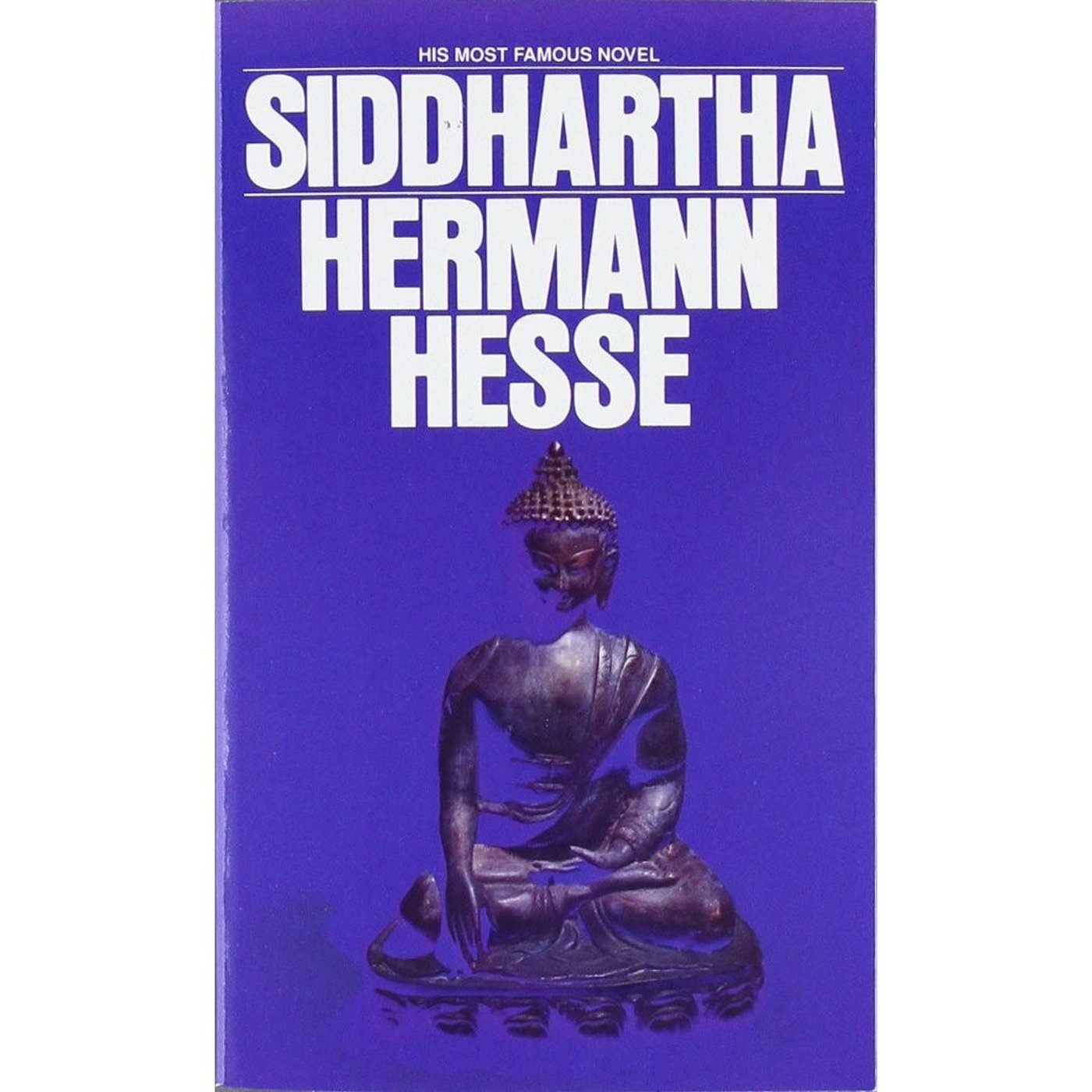
Siddhartha is one of the great philosophical novels. Profoundly insightful, it is also a beautifully written story that begins as Siddhartha, son of an Indian Brahman, leaves his family and begins a lifelong journey towards Enlightenment. On the way he faces the entire range of human experience and emotion: he lives with ascetics, meets Gotama the Buddha, learns the art of love from Kamala the courtesan, and is transformed by the simple philosophy of the ferryman Vasudeva whose wisdom comes not from learned teachings but from observing the River. Herman Hesse (1877-1962) was a German-Swiss novelist, poet, and painter. He was awarded the Nobel Prize in Literature in 1946. This recording contains a sound clip from http://freesound.iua.upf.edu/samplesViewSingle.php?id=15362 (Summary by Adrian Praetzellis)
OM
Siddhartha is one of the great philosophical novels. Profoundly insightful, it is also a beautifully written story that begins as Siddhartha, son of an Indian Brahman, leaves his family and begins a lifelong journey towards Enlightenment. On the way he faces the entire range of human experience and emotion: he lives with ascetics, meets Gotama the Buddha, learns the art of love from Kamala the courtesan, and is transformed by the simple philosophy of the ferryman Vasudeva whose wisdom comes not from learned teachings but from observing the River. Herman Hesse (1877-1962) was a German-Swiss novelist, poet, and painter. He was awarded the Nobel Prize in Literature in 1946. This recording contains a sound clip from http://freesound.iua.upf.edu/samplesViewSingle.php?id=15362 (Summary by Adrian Praetzellis)
THE SON
Siddhartha is one of the great philosophical novels. Profoundly insightful, it is also a beautifully written story that begins as Siddhartha, son of an Indian Brahman, leaves his family and begins a lifelong journey towards Enlightenment. On the way he faces the entire range of human experience and emotion: he lives with ascetics, meets Gotama the Buddha, learns the art of love from Kamala the courtesan, and is transformed by the simple philosophy of the ferryman Vasudeva whose wisdom comes not from learned teachings but from observing the River. Herman Hesse (1877-1962) was a German-Swiss novelist, poet, and painter. He was awarded the Nobel Prize in Literature in 1946. This recording contains a sound clip from http://freesound.iua.upf.edu/samplesViewSingle.php?id=15362 (Summary by Adrian Praetzellis)
THE FERRYMAN
Siddhartha is one of the great philosophical novels. Profoundly insightful, it is also a beautifully written story that begins as Siddhartha, son of an Indian Brahman, leaves his family and begins a lifelong journey towards Enlightenment. On the way he faces the entire range of human experience and emotion: he lives with ascetics, meets Gotama the Buddha, learns the art of love from Kamala the courtesan, and is transformed by the simple philosophy of the ferryman Vasudeva whose wisdom comes not from learned teachings but from observing the River. Herman Hesse (1877-1962) was a German-Swiss novelist, poet, and painter. He was awarded the Nobel Prize in Literature in 1946. This recording contains a sound clip from http://freesound.iua.upf.edu/samplesViewSingle.php?id=15362 (Summary by Adrian Praetzellis)
BY THE RIVER
Siddhartha is one of the great philosophical novels. Profoundly insightful, it is also a beautifully written story that begins as Siddhartha, son of an Indian Brahman, leaves his family and begins a lifelong journey towards Enlightenment. On the way he faces the entire range of human experience and emotion: he lives with ascetics, meets Gotama the Buddha, learns the art of love from Kamala the courtesan, and is transformed by the simple philosophy of the ferryman Vasudeva whose wisdom comes not from learned teachings but from observing the River. Herman Hesse (1877-1962) was a German-Swiss novelist, poet, and painter. He was awarded the Nobel Prize in Literature in 1946. This recording contains a sound clip from http://freesound.iua.upf.edu/samplesViewSingle.php?id=15362 (Summary by Adrian Praetzellis)
SANSARA
Siddhartha is one of the great philosophical novels. Profoundly insightful, it is also a beautifully written story that begins as Siddhartha, son of an Indian Brahman, leaves his family and begins a lifelong journey towards Enlightenment. On the way he faces the entire range of human experience and emotion: he lives with ascetics, meets Gotama the Buddha, learns the art of love from Kamala the courtesan, and is transformed by the simple philosophy of the ferryman Vasudeva whose wisdom comes not from learned teachings but from observing the River. Herman Hesse (1877-1962) was a German-Swiss novelist, poet, and painter. He was awarded the Nobel Prize in Literature in 1946. This recording contains a sound clip from http://freesound.iua.upf.edu/samplesViewSingle.php?id=15362 (Summary by Adrian Praetzellis)
WITH THE CHILDLIKE PEOPLE
Siddhartha is one of the great philosophical novels. Profoundly insightful, it is also a beautifully written story that begins as Siddhartha, son of an Indian Brahman, leaves his family and begins a lifelong journey towards Enlightenment. On the way he faces the entire range of human experience and emotion: he lives with ascetics, meets Gotama the Buddha, learns the art of love from Kamala the courtesan, and is transformed by the simple philosophy of the ferryman Vasudeva whose wisdom comes not from learned teachings but from observing the River. Herman Hesse (1877-1962) was a German-Swiss novelist, poet, and painter. He was awarded the Nobel Prize in Literature in 1946. This recording contains a sound clip from http://freesound.iua.upf.edu/samplesViewSingle.php?id=15362 (Summary by Adrian Praetzellis)
KAMALA
Siddhartha is one of the great philosophical novels. Profoundly insightful, it is also a beautifully written story that begins as Siddhartha, son of an Indian Brahman, leaves his family and begins a lifelong journey towards Enlightenment. On the way he faces the entire range of human experience and emotion: he lives with ascetics, meets Gotama the Buddha, learns the art of love from Kamala the courtesan, and is transformed by the simple philosophy of the ferryman Vasudeva whose wisdom comes not from learned teachings but from observing the River. Herman Hesse (1877-1962) was a German-Swiss novelist, poet, and painter. He was awarded the Nobel Prize in Literature in 1946. This recording contains a sound clip from http://freesound.iua.upf.edu/samplesViewSingle.php?id=15362 (Summary by Adrian Praetzellis)
AWAKENING
Siddhartha is one of the great philosophical novels. Profoundly insightful, it is also a beautifully written story that begins as Siddhartha, son of an Indian Brahman, leaves his family and begins a lifelong journey towards Enlightenment. On the way he faces the entire range of human experience and emotion: he lives with ascetics, meets Gotama the Buddha, learns the art of love from Kamala the courtesan, and is transformed by the simple philosophy of the ferryman Vasudeva whose wisdom comes not from learned teachings but from observing the River. Herman Hesse (1877-1962) was a German-Swiss novelist, poet, and painter. He was awarded the Nobel Prize in Literature in 1946. This recording contains a sound clip from http://freesound.iua.upf.edu/samplesViewSingle.php?id=15362 (Summary by Adrian Praetzellis)
GOTAMA
Siddhartha is one of the great philosophical novels. Profoundly insightful, it is also a beautifully written story that begins as Siddhartha, son of an Indian Brahman, leaves his family and begins a lifelong journey towards Enlightenment. On the way he faces the entire range of human experience and emotion: he lives with ascetics, meets Gotama the Buddha, learns the art of love from Kamala the courtesan, and is transformed by the simple philosophy of the ferryman Vasudeva whose wisdom comes not from learned teachings but from observing the River. Herman Hesse (1877-1962) was a German-Swiss novelist, poet, and painter. He was awarded the Nobel Prize in Literature in 1946. This recording contains a sound clip from http://freesound.iua.upf.edu/samplesViewSingle.php?id=15362 (Summary by Adrian Praetzellis)
WITH THE SAMANAS
Siddhartha is one of the great philosophical novels. Profoundly insightful, it is also a beautifully written story that begins as Siddhartha, son of an Indian Brahman, leaves his family and begins a lifelong journey towards Enlightenment. On the way he faces the entire range of human experience and emotion: he lives with ascetics, meets Gotama the Buddha, learns the art of love from Kamala the courtesan, and is transformed by the simple philosophy of the ferryman Vasudeva whose wisdom comes not from learned teachings but from observing the River. Herman Hesse (1877-1962) was a German-Swiss novelist, poet, and painter. He was awarded the Nobel Prize in Literature in 1946. This recording contains a sound clip from http://freesound.iua.upf.edu/samplesViewSingle.php?id=15362 (Summary by Adrian Praetzellis)
THE SON OF THE BRAHMAN
Siddhartha is one of the great philosophical novels. Profoundly insightful, it is also a beautifully written story that begins as Siddhartha, son of an Indian Brahman, leaves his family and begins a lifelong journey towards Enlightenment. On the way he faces the entire range of human experience and emotion: he lives with ascetics, meets Gotama the Buddha, learns the art of love from Kamala the courtesan, and is transformed by the simple philosophy of the ferryman Vasudeva whose wisdom comes not from learned teachings but from observing the River. Herman Hesse (1877-1962) was a German-Swiss novelist, poet, and painter. He was awarded the Nobel Prize in Literature in 1946. This recording contains a sound clip from http://freesound.iua.upf.edu/samplesViewSingle.php?id=15362 (Summary by Adrian Praetzellis)
ACT III
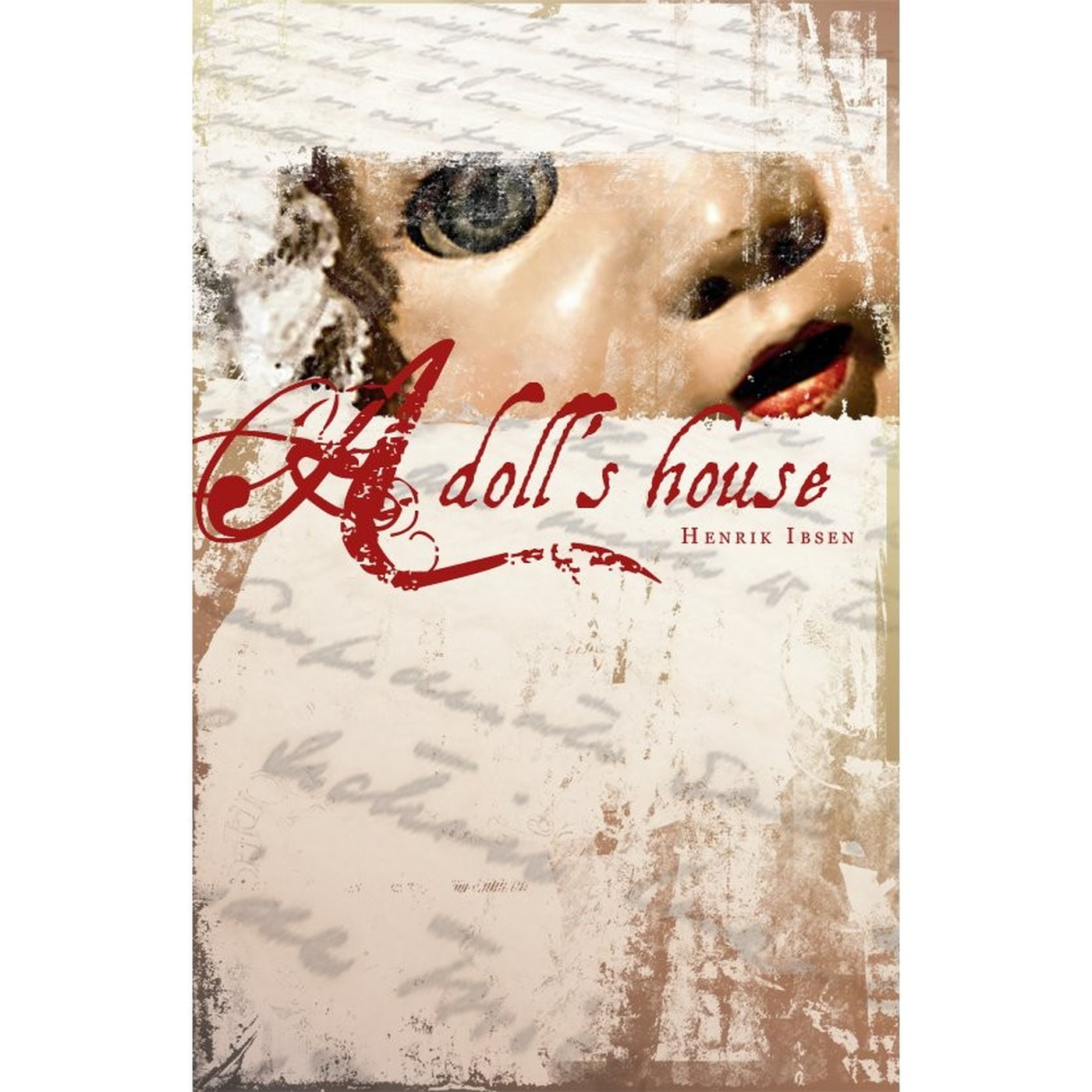
A Doll's House, written two years after The Pillars of Society, was the first of Ibsen's plays to create a sensation and is now perhaps his most famous play, and required reading in many secondary schools and universities. The play was highly controversial when first published, as it is sharply critical of 19th Century marriage norms. It follows the formula of well-made play up until the final act, when it breaks convention by ending with a discussion, not an unravelling. It is often called the first true feminist play, although Ibsen denied this. From Wikipedia
ACT II
A Doll's House, written two years after The Pillars of Society, was the first of Ibsen's plays to create a sensation and is now perhaps his most famous play, and required reading in many secondary schools and universities. The play was highly controversial when first published, as it is sharply critical of 19th Century marriage norms. It follows the formula of well-made play up until the final act, when it breaks convention by ending with a discussion, not an unravelling. It is often called the first true feminist play, although Ibsen denied this. From Wikipedia
ACT I
A Doll's House, written two years after The Pillars of Society, was the first of Ibsen's plays to create a sensation and is now perhaps his most famous play, and required reading in many secondary schools and universities. The play was highly controversial when first published, as it is sharply critical of 19th Century marriage norms. It follows the formula of well-made play up until the final act, when it breaks convention by ending with a discussion, not an unravelling. It is often called the first true feminist play, although Ibsen denied this. From Wikipedia
Act 5
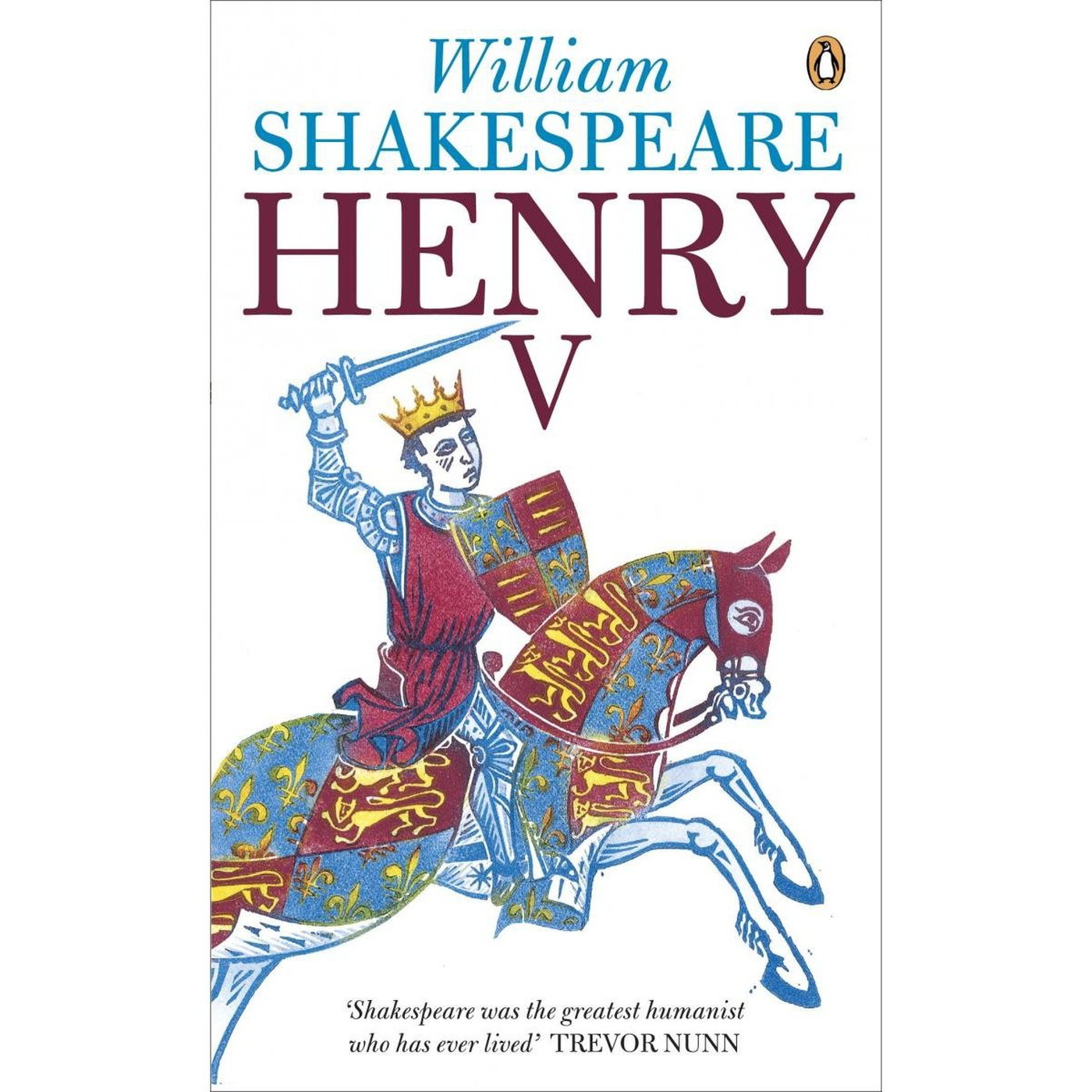
After the turmoil and uncertainty of Henry IV a new era appears to dawn for England with the accession of the eponymous Henry V. In this sunny pageant Chorus guides us along Henry's glittering carpet ride of success as the new king completes his transformation from rebellious wastrel to a truly regal potentate. Of course, there is an underlying feeling that the good times won't last, and this is all the more reason to enjoy the Indian summer before the protracted and bitter fall of the house of Lancaster. (Introduction by Algy Pug)
Act 4
After the turmoil and uncertainty of Henry IV a new era appears to dawn for England with the accession of the eponymous Henry V. In this sunny pageant Chorus guides us along Henry's glittering carpet ride of success as the new king completes his transformation from rebellious wastrel to a truly regal potentate. Of course, there is an underlying feeling that the good times won't last, and this is all the more reason to enjoy the Indian summer before the protracted and bitter fall of the house of Lancaster. (Introduction by Algy Pug)
Act 3
After the turmoil and uncertainty of Henry IV a new era appears to dawn for England with the accession of the eponymous Henry V. In this sunny pageant Chorus guides us along Henry's glittering carpet ride of success as the new king completes his transformation from rebellious wastrel to a truly regal potentate. Of course, there is an underlying feeling that the good times won't last, and this is all the more reason to enjoy the Indian summer before the protracted and bitter fall of the house of Lancaster. (Introduction by Algy Pug)
Act 2
After the turmoil and uncertainty of Henry IV a new era appears to dawn for England with the accession of the eponymous Henry V. In this sunny pageant Chorus guides us along Henry's glittering carpet ride of success as the new king completes his transformation from rebellious wastrel to a truly regal potentate. Of course, there is an underlying feeling that the good times won't last, and this is all the more reason to enjoy the Indian summer before the protracted and bitter fall of the house of Lancaster. (Introduction by Algy Pug)
Act 1
After the turmoil and uncertainty of Henry IV a new era appears to dawn for England with the accession of the eponymous Henry V. In this sunny pageant Chorus guides us along Henry's glittering carpet ride of success as the new king completes his transformation from rebellious wastrel to a truly regal potentate. Of course, there is an underlying feeling that the good times won't last, and this is all the more reason to enjoy the Indian summer before the protracted and bitter fall of the house of Lancaster. (Introduction by Algy Pug)
Act 5
Cymbeline is one of Shakespeare's late romances, which (like The Tempest and The Winter's Tale) combines comedy and tragedy. Imogen, the daughter of King Cymbeline of Britain, angers her father when she marries Posthumus, a worthy but penniless gentleman. The King banishes Posthumus, who goes to Rome, where he falls prey to the machinations of Iachimo, who tries to convince him that Imogen will be unfaithful. Meanwhile, the Queen (Imogen's stepmother) plots against her stepdaughter by trying to plan a match between Imogen and her worthless son Cloten. (Summary by Elizabeth Klett)
Act 4
Cymbeline is one of Shakespeare's late romances, which (like The Tempest and The Winter's Tale) combines comedy and tragedy. Imogen, the daughter of King Cymbeline of Britain, angers her father when she marries Posthumus, a worthy but penniless gentleman. The King banishes Posthumus, who goes to Rome, where he falls prey to the machinations of Iachimo, who tries to convince him that Imogen will be unfaithful. Meanwhile, the Queen (Imogen's stepmother) plots against her stepdaughter by trying to plan a match between Imogen and her worthless son Cloten. (Summary by Elizabeth Klett)
Act 3
Cymbeline is one of Shakespeare's late romances, which (like The Tempest and The Winter's Tale) combines comedy and tragedy. Imogen, the daughter of King Cymbeline of Britain, angers her father when she marries Posthumus, a worthy but penniless gentleman. The King banishes Posthumus, who goes to Rome, where he falls prey to the machinations of Iachimo, who tries to convince him that Imogen will be unfaithful. Meanwhile, the Queen (Imogen's stepmother) plots against her stepdaughter by trying to plan a match between Imogen and her worthless son Cloten. (Summary by Elizabeth Klett)
Act 2
Cymbeline is one of Shakespeare's late romances, which (like The Tempest and The Winter's Tale) combines comedy and tragedy. Imogen, the daughter of King Cymbeline of Britain, angers her father when she marries Posthumus, a worthy but penniless gentleman. The King banishes Posthumus, who goes to Rome, where he falls prey to the machinations of Iachimo, who tries to convince him that Imogen will be unfaithful. Meanwhile, the Queen (Imogen's stepmother) plots against her stepdaughter by trying to plan a match between Imogen and her worthless son Cloten. (Summary by Elizabeth Klett)
Act 1
Cymbeline is one of Shakespeare's late romances, which (like The Tempest and The Winter's Tale) combines comedy and tragedy. Imogen, the daughter of King Cymbeline of Britain, angers her father when she marries Posthumus, a worthy but penniless gentleman. The King banishes Posthumus, who goes to Rome, where he falls prey to the machinations of Iachimo, who tries to convince him that Imogen will be unfaithful. Meanwhile, the Queen (Imogen's stepmother) plots against her stepdaughter by trying to plan a match between Imogen and her worthless son Cloten. (Summary by Elizabeth Klett)
Dramatis Personae
Cymbeline is one of Shakespeare's late romances, which (like The Tempest and The Winter's Tale) combines comedy and tragedy. Imogen, the daughter of King Cymbeline of Britain, angers her father when she marries Posthumus, a worthy but penniless gentleman. The King banishes Posthumus, who goes to Rome, where he falls prey to the machinations of Iachimo, who tries to convince him that Imogen will be unfaithful. Meanwhile, the Queen (Imogen's stepmother) plots against her stepdaughter by trying to plan a match between Imogen and her worthless son Cloten. (Summary by Elizabeth Klett)
Fidele
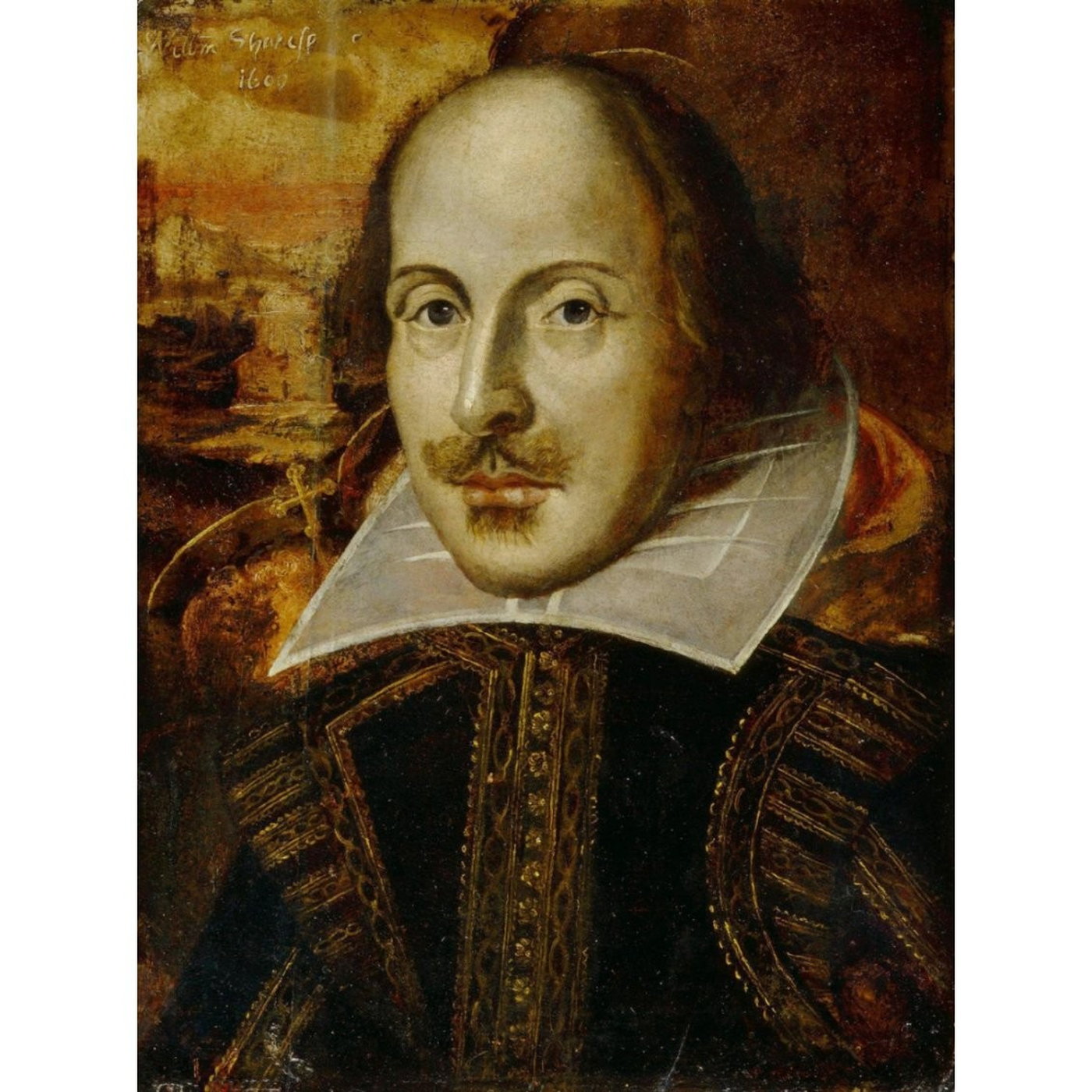
William Shakespeare is an English poet and playwright considered to be one of the greatest writers in the English language, as well as one of the greatest in Western literature.
Act 5
The Comedy of Errors is one of William Shakespeare's earliest plays, believed to have been written between 1592 and 1594. It is his shortest and one of his most farcical comedies, with a major part of the humour coming from slapstick and mistaken identity, in addition to puns and word play. The Comedy of Errors tells the story of two sets of identical twins that were accidentally separated at birth. Antipholus of Syracuse and his servant, Dromio of Syracuse, arrive in Ephesus, which turns out to be the home of their twin brothers, Antipholus of Ephesus and his servant, Dromio of Ephesus. When the Syracusans encounter the friends and families of their twins, a series of wild mishaps based on mistaken identities lead to wrongful beatings, a near-seduction, the arrest of Antipholus of Ephesus, and accusations of infidelity, theft, madness, and demonic possession. (Summary by Wikipedia)
Act 4
The Comedy of Errors is one of William Shakespeare's earliest plays, believed to have been written between 1592 and 1594. It is his shortest and one of his most farcical comedies, with a major part of the humour coming from slapstick and mistaken identity, in addition to puns and word play. The Comedy of Errors tells the story of two sets of identical twins that were accidentally separated at birth. Antipholus of Syracuse and his servant, Dromio of Syracuse, arrive in Ephesus, which turns out to be the home of their twin brothers, Antipholus of Ephesus and his servant, Dromio of Ephesus. When the Syracusans encounter the friends and families of their twins, a series of wild mishaps based on mistaken identities lead to wrongful beatings, a near-seduction, the arrest of Antipholus of Ephesus, and accusations of infidelity, theft, madness, and demonic possession. (Summary by Wikipedia)
Act 3
The Comedy of Errors is one of William Shakespeare's earliest plays, believed to have been written between 1592 and 1594. It is his shortest and one of his most farcical comedies, with a major part of the humour coming from slapstick and mistaken identity, in addition to puns and word play. The Comedy of Errors tells the story of two sets of identical twins that were accidentally separated at birth. Antipholus of Syracuse and his servant, Dromio of Syracuse, arrive in Ephesus, which turns out to be the home of their twin brothers, Antipholus of Ephesus and his servant, Dromio of Ephesus. When the Syracusans encounter the friends and families of their twins, a series of wild mishaps based on mistaken identities lead to wrongful beatings, a near-seduction, the arrest of Antipholus of Ephesus, and accusations of infidelity, theft, madness, and demonic possession. (Summary by Wikipedia)
Act 2
The Comedy of Errors is one of William Shakespeare's earliest plays, believed to have been written between 1592 and 1594. It is his shortest and one of his most farcical comedies, with a major part of the humour coming from slapstick and mistaken identity, in addition to puns and word play. The Comedy of Errors tells the story of two sets of identical twins that were accidentally separated at birth. Antipholus of Syracuse and his servant, Dromio of Syracuse, arrive in Ephesus, which turns out to be the home of their twin brothers, Antipholus of Ephesus and his servant, Dromio of Ephesus. When the Syracusans encounter the friends and families of their twins, a series of wild mishaps based on mistaken identities lead to wrongful beatings, a near-seduction, the arrest of Antipholus of Ephesus, and accusations of infidelity, theft, madness, and demonic possession. (Summary by Wikipedia)
Act 1
The Comedy of Errors is one of William Shakespeare's earliest plays, believed to have been written between 1592 and 1594. It is his shortest and one of his most farcical comedies, with a major part of the humour coming from slapstick and mistaken identity, in addition to puns and word play. The Comedy of Errors tells the story of two sets of identical twins that were accidentally separated at birth. Antipholus of Syracuse and his servant, Dromio of Syracuse, arrive in Ephesus, which turns out to be the home of their twin brothers, Antipholus of Ephesus and his servant, Dromio of Ephesus. When the Syracusans encounter the friends and families of their twins, a series of wild mishaps based on mistaken identities lead to wrongful beatings, a near-seduction, the arrest of Antipholus of Ephesus, and accusations of infidelity, theft, madness, and demonic possession. (Summary by Wikipedia)
Dramatis Personae
The Comedy of Errors is one of William Shakespeare's earliest plays, believed to have been written between 1592 and 1594. It is his shortest and one of his most farcical comedies, with a major part of the humour coming from slapstick and mistaken identity, in addition to puns and word play. The Comedy of Errors tells the story of two sets of identical twins that were accidentally separated at birth. Antipholus of Syracuse and his servant, Dromio of Syracuse, arrive in Ephesus, which turns out to be the home of their twin brothers, Antipholus of Ephesus and his servant, Dromio of Ephesus. When the Syracusans encounter the friends and families of their twins, a series of wild mishaps based on mistaken identities lead to wrongful beatings, a near-seduction, the arrest of Antipholus of Ephesus, and accusations of infidelity, theft, madness, and demonic possession. (Summary by Wikipedia)
Act 5
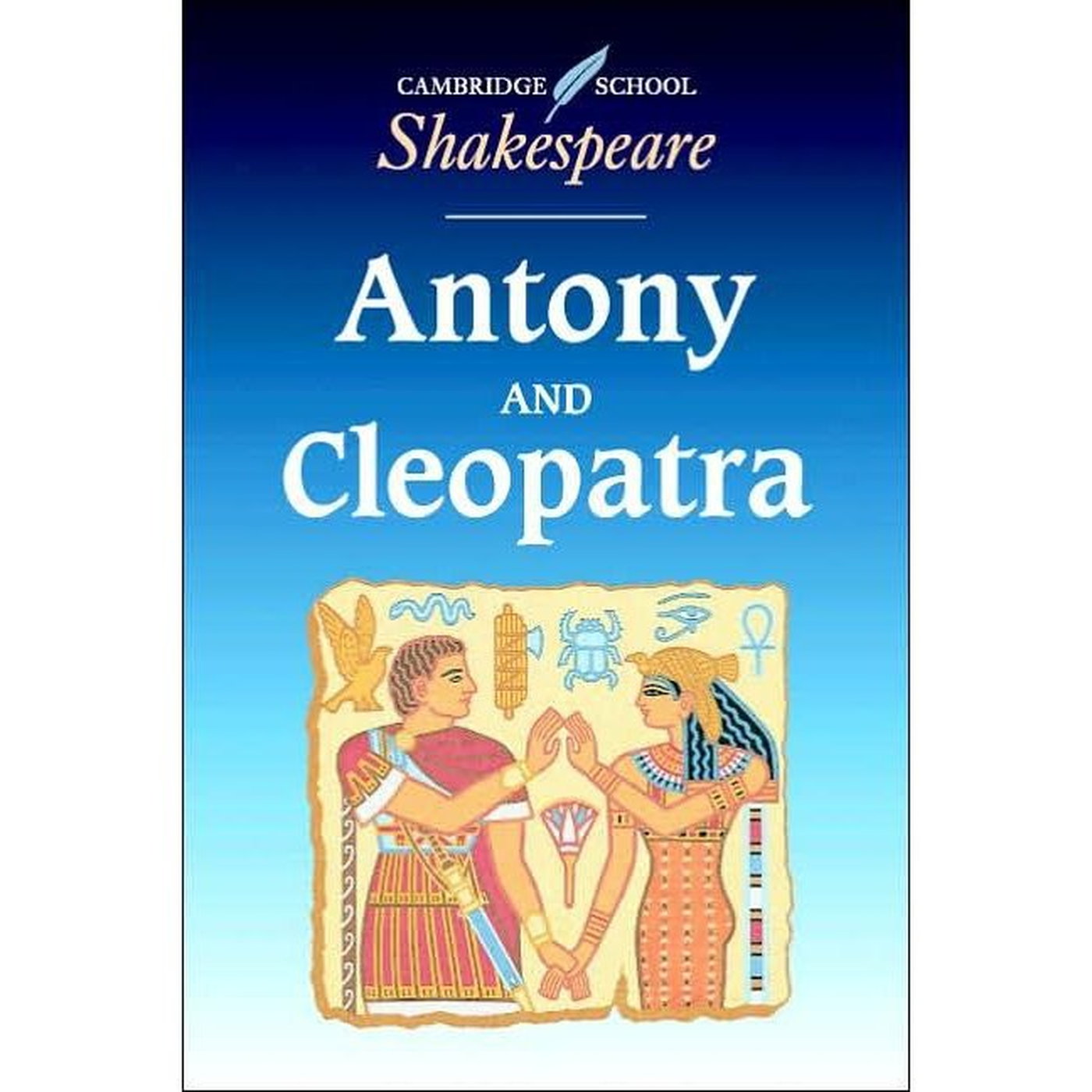
Antony and Cleopatra is a tragedy by William Shakespeare, believed to have been written sometime between 1603 and 1607. It was first printed in the First Folio of 1623. The plot is based on Thomas North's translation of Plutarch's Life of Marcus Antonius and follows the relationship between Cleopatra and Mark Antony from the time of the Parthian War to Cleopatra's suicide. The major antagonist is Octavius Caesar, one of Antony's fellow triumviri and the future first emperor of Rome. The tragedy is a Roman play characterized by swift, panoramic shifts in geographical locations and in registers, alternating between sensual, imaginative Alexandria and the more pragmatic, austere Rome. (Summary by Wikipedia)
Act 4
Antony and Cleopatra is a tragedy by William Shakespeare, believed to have been written sometime between 1603 and 1607. It was first printed in the First Folio of 1623. The plot is based on Thomas North's translation of Plutarch's Life of Marcus Antonius and follows the relationship between Cleopatra and Mark Antony from the time of the Parthian War to Cleopatra's suicide. The major antagonist is Octavius Caesar, one of Antony's fellow triumviri and the future first emperor of Rome. The tragedy is a Roman play characterized by swift, panoramic shifts in geographical locations and in registers, alternating between sensual, imaginative Alexandria and the more pragmatic, austere Rome. (Summary by Wikipedia)