
Learning Chinese through Stories
402 episodes — Page 8 of 9

2.1.14A 故事《小蝌蚪找妈妈》
This is the story that all Chinese people grew up with. It aimed to teach kids the scientific knowledge about tadpoles' life cycles into frogs. The story was also adapted into a watercolor animation and it gained a great success. Find the transcript of glossary under "Stories", "Scientific stories" on http://www.learningchinesethroughstories.com 池塘里有一群小蝌蚪,大大的脑袋,黑灰色的身子,甩着长长的尾巴,快活地游来游去。 小蝌蚪游哇游,过了几天,长出两条后腿。他们看见鲤鱼妈妈在教小鲤鱼捕食,就迎上去,问:"鲤鱼阿姨,我们的妈妈在哪里?"鲤鱼妈妈说:"你们的妈妈四条腿,宽嘴巴。你们到那边去找吧!" 小蝌蚪游哇游,过了几天,长出两条前腿。他们看见一只乌龟摆动着四条腿在水里游,连忙追上去,叫着:"妈妈,妈妈!"乌龟笑着说:"我不是你们的妈妈。你们的妈妈头顶上有两只大眼睛,披着绿衣裳。你们到那边去找吧!" 小蝌蚪游哇游,过了几天,尾巴变短了。他们游到荷花旁边,看见荷叶上蹲着一只大青蛙,披着碧绿的衣裳,露着雪白的肚皮,鼓着一对大眼睛。 小蝌蚪游过去,叫着:"妈妈,妈妈!"青蛙妈妈低头一看,笑着说:"好孩子,你们已经长成青蛙了,快跳上来吧!"他们后腿一蹬,向前一跳,蹦到了荷叶上。 不知什么时候,小青蛙的尾巴已经不见了。他们跟着妈妈,天天去捉害虫。 ——摘自人教版小学语文课本一年级下册

2.2.13 笑话《农民和警察》
EA farmer was driving his bullock cart to the city, while a cop stopped him for driving a cart without a car plate. The farmer got really angry. He did one thing that made the cop so mad that he fainted and fell... Find the transcript of glossary under "Stories", "Joke stories" on http://www.learningchinesethroughstories.com 一农民赶牛车进城被警察拦下,理由是没有车牌。农民愤怒,找来一木板写了一牌挂上,警察当场晕倒,只见牌上写着:牛B—74110。 农民 nóngmín Noun, farmer 赶 gǎn Verb, to drive (a bullock cart, a coach) 牛车 niú chē Noun, bullock cart 警察 jǐngchá Noun, policeman 拦下 lán xià Verb, to stop (someone from going somewhere/doing something) 理由 lǐyóu Noun, reason 车牌 chēpái Noun, car plate or牌照(zhào) 愤怒 fènnù Adj, angry 木板 mùbǎn Noun, a board made of wood 白板, whiteboard 挂上 guà shàng Verb, to hang 当场 dāngchǎng on the spot; immediately 晕倒 yūn dǎo Verb phrase, to faint and fall 牛B niú bī, Adj, (colloquial, improper for kids) cool; stunning Or 牛掰(bāi), a more appropriate way of say 牛B

3.3.1B 解读《乡村孩子与奥运会》
We went through this commentary article with you with a focus on new words, sayings and cultural references. Transcript of this article can be found with the searching bar on the top left corner of our website www.learningchinesethroughstories.com
3.3.1A《乡村孩子与奥运会》
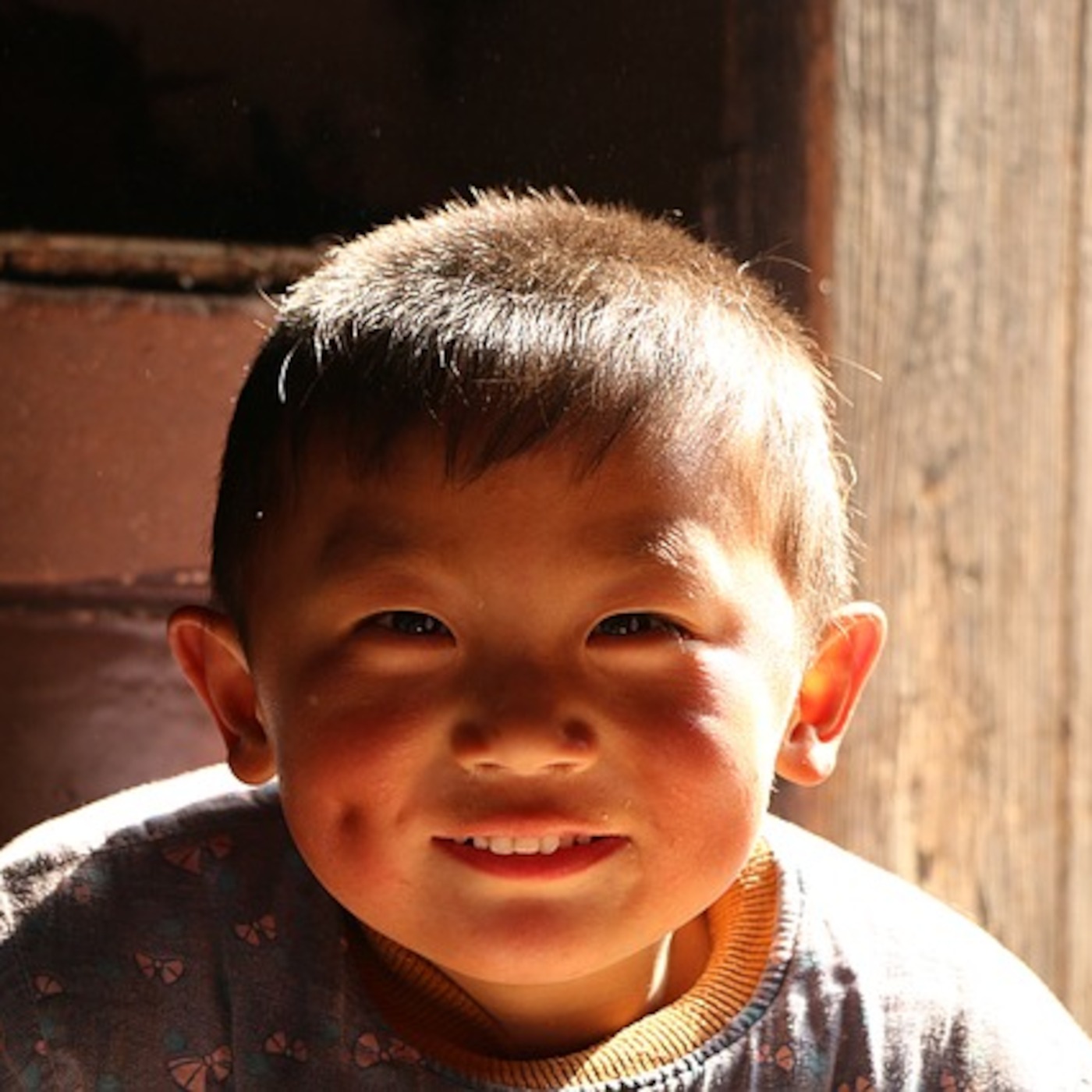
This is a commentary article that targets on advanced-high learners. While China gets on the top-3 gold medal list of the Olympic Games, many kids from countryside barely get any physical education in school. Check out this article by Mr. Changjun Wang from a famous Chinese periodical "Sanlian Shenghuo Zhoukan". 乡村孩⼦与奥运会 马长军 奥运会开幕后,我在微信群里做了⼀个小调查,问家长们,孩⼦喜欢看哪项比赛,⼤多数家长都说孩⼦根本就不看体育节目,只有四五个家长提到孩⼦看了奥运会节目,但兴致不是很⾼,"看不懂"。有些家长还提到自⼰也不看体育节目。 要说这样的结果我不该感到意外。多年来⼀直教小学语⽂课,我曾经让学⽣写过"我最喜欢的体育活动"之类的作⽂,可孩⼦们写得真是"惨不忍睹",不少学⽣从头到尾都没说清自⼰"最喜欢"的体育项目的具体名称,竟然就以"体育活动"之类词语表示,有的学⽣显然是⽆从下笔,想起什么写什么,写"赛跑"的最多,就是因为他们的体育课除了"赛跑"也就没别的了,更有说喜欢体育课是因为最自由,可以随便玩⼀节课的。有个别学⽣虽然也写了具体的体育项目,但不懂得相关项目活动规则,天马⾏空,简直要写成"少林⾜球"。 别说奥运会,体育其实离这些乡村孩⼦也很遥远。我去过⼀些乡村学校,也经常跟乡村同⾏聊天,了解到的情况实在令⼈失望。各班的课程表上每周顶多只有两三节体育课,有些学校的⾼年级每周有⼀节体育课就不错了,临到考试前,体育课全都变成练习课、作业课、模拟考试课。平时可怜的⼏节体育课如果没有被哪个老师随便"借用",也常常因为没有专业的体育老师⽽"放⽺"。有的学校有个操场却没有什么体育设施也没有活动器材,就是⼀块平地⽽已,有的学校倒是有篮球架,但是很"幸运",它从来没被篮球砸过。近些年财政拨款给很多乡村小学发放了⼀些体育器材,比如有乒乓球台,有的进了学校就直接被塞到器材室再也不见天日了。⾄于单杠、双杠、鞍马什么的,⼤概有的孩⼦听都没听说过呢。 体育、奥运会、⾜球等等这⼀切,对乡村孩⼦⽽⾔陌⽣到可能就不知道它们的存在。即使有老师能给孩⼦们上⼏节体育课,要么缺乏专业知识,要么对体育的认识模糊,基本不会讲多少体育常识和规则。现在很多乡村孩⼦以及他们的家长提到体育,就想到"玩",随便玩就是体育课。学校没组织过运动会,很多乡镇也从来没组织过运动会,校际体育竞赛之类,想都没⼈想过。其实县城里运动会也是稀罕物,体育馆建成七⼋年了,好像只在里面举办过⼀次体育比赛,20 多万⼈的城市如此冷清! 在乡村,因体育活动的缺乏也就⽆从培养体育精神、奥运精神,那些⾦牌、体育明星对乡村孩⼦⼏乎不会产⽣什么影响,⾦牌拿得再多,比赛⽆论如何精彩,看得眼花缭乱,都⽆法引起众多乡村孩⼦的共鸣。有时我忍不住感慨,⼴⼤乡村地区包括在"体育⼤国"之内吗? 前些天看到⼀则报道,说乡村小胖墩越来越多,这固然与饮食有很⼤关系,乡村孩⼦的健康令⼈担忧。如果乡村学校以及⼴⼤乡村地区的体育活动能比较好地展开,小胖墩问题也许不会爆炸性地出现。 ——摘自 《三联⽣活周刊》

1.3.16 笑话《乌龟和蜗牛》
Turtle got injured and his friend snail went to get him some medications. After a long wait for 2 hours, the turtle started to lose his patience and make complaint. And surprisingly, he found... 乌龟 受伤了,让蜗牛去买药。过了两个小时,蜗牛还没有回来。乌龟急了就骂它:"哼,这蜗牛,再不回来我可就死了!" 这时候 门外 传来了蜗牛的声音:"你再说我,我就不去帮你买药了!" 乌龟 wūguī Noun, turtle 受伤 shòushāng Verb, to get injured 药 yào Noun, medication 蜗牛 wōniú Noun, snail 急 jí Verb, to feel anxious 骂 mà Verb, to call names; to curse 时候 shíhou Noun, moment 这时候,at this moment 那时候,at that moment 什么时候?When? 门外 mén wài Noun phrase, the outside (of the room, house) 传 chuán Verb, (voice/sound/noise/news) comes/goes to somewhere; verb, to pass (a ball) 外面传来火车的声音。The noise of the train came from the outside. 把球传过来!Pass the ball here! 声音 shēngyīn Noun, voice;sound 声音大, loud 声音小,the sound is small

1.2.20 笑话《妈妈和儿子》
It is time to go to bed and mom asked her son to go to check the light in the kitchen. The son came back to mom, bringing back a hilarious response. 妈妈:"儿子,你到厨房里去看一下,看看电灯有没有关?"儿子去了一下回来说:"妈妈,那里黑咕隆咚的,什么也看不见。我怎么知道?" 儿子 érzi Noun, son 厨房 chúfáng Noun, kitchen 电灯 diàndēng Noun, lighting bulb 关 guān Verb, to turn off; to switch off; to close 黑咕隆咚 hēigūlōngdōng Adj, extremely dark

1.3.15 笑话《爸爸和儿子》
This is the first episode of our joke telling series. We want to thank our listeners for this great idea! Click on "like" or "I want more!" if you want more Chinese jokes like this. 爸爸问儿子:你将来 娶谁做老婆?儿子说:我要娶奶奶,她疼我!爸爸说:胡说,你怎么可以娶我妈呢?儿子说:你可以娶我妈做老婆,为什么我就不能娶你妈呢! ——摘自http://m.jj59.com/gaoxiaowenzhang/030757.html 将来 jiānglái Noun, future 娶 qǔ Verb, (a male) marry (his partner) 老婆 lǎopó Noun, wife 疼 téng Verb, to care a lot about someone 胡说 húshuō Non-sense

2.2.12B 故事解读《黄山奇石》
闻名中外 wénmíng zhōngwài Adj, world-famous; well-known to both locals and foreigners 风景区 fēngjǐng qū Noun, scenic area Or 景区 安徽 Ānhuī Anhui province, capital city is Hefei 景色 jǐngsè Noun, scene; view; landscape Or 风景 秀丽 xiùlì Adj, beautiful(only used to describe mountain, forest and natural scenes that have trees) 风景秀丽,景色秀丽 神奇 shénqí Adj, magical 尤其是 yóuqí shì Conjunction word, especially… 有趣 yǒuqù Adj, interesting Or 有意思,好玩 落 luò Verb, to land (on…) 落在… 飞机落在国际机场。The plane landed on the international airport. 山顶 shāndǐng Noun, top of the mountain 山脚,the foot of the mountain 石盘 shí pán Noun, a flat piece of stone that looks like a plate 陡峭 dǒuqiào Adj, steep 一动不动 yí dòngbùdòng Adj, still; like a statue. Verb, to be still. 蹲 dūn Verb, to squat 山头 shāntóu Noun, the top of the mountain (colloquial form) 望 wàng Verb, to look far into the distance 翻滚 fāngǔn Verb, to flip and roll 云海 yúnhǎi Noun, sea of clouds 手臂 shǒubì Noun, hand(s) and arm(s) 巨石 jùshí Noun, giant stone; boulder 巨人, giant man 金光闪闪 jīnguāng shǎnshǎn Adj, glittering; verb, to glitter 雄鸡 xióng jī Noun, rooster 母鸡,hen 不住 bú zhù Adv, without a pause or stop 不住地说话,to talk without stop 啼叫 tí jiào Verb, to crow 公鸡啼叫,猴子啼叫 不用说 búyòng shuō Needless to day 著名 zhùmíng Adj, renowned 奇形怪状 qíxíngguàizhuàng Chengyu, of odd shapes 奇怪,odd;形状,shape 岩石 yánshí Noun, rock New words and grammatical structures in the story are being taught in this episode. A lot of repetitions are used so that our learners can get master this story in no time! Enjoy the lesson and please find the new word list on our website: www.learningchinesethroughstories.com

2.2.12A 故事《黄山奇石》
Have you been to the Yellow Mountain in China? If you haven't, you should put it on your bucket list. This story gives you a glimpse of the most famous boulders on the Yellow Mountain. Anyway, check it out, I mean both this story and the Yellow Mountain. Going through the new word list before you listen to this episode will help you have a better understanding. The word list can be found on www.learningchinesethroughstories.com 闻名中外的黄山风景区在我国安徽省南部。那里景色 秀丽 神奇,尤其是那些怪石,有趣极了。 就说"仙桃石"吧,它好像从天上飞下来的一个大桃子,落在山顶的石盘上。 在一座陡峭的山峰上,有一只猴子。它两只胳膊抱着腿,一动不动的蹲在山头,望着翻滚的云海。这就是有趣的猴子观海。 "仙人指路"就更有趣了!远远望去,真像一位仙人站在高高的山峰上,伸着手臂指向前方。 每当太阳升起,有座山峰上的几块巨石,就变成了一只金光闪闪的雄鸡。它伸着脖子,对着天都峰不住地啼叫。不用说,这就是著名的"金鸡叫天都"了。 黄山的奇石还有很多,像"天狗望月""狮子抢球""仙女弹琴"……那些叫不出名字的奇形怪状的岩石,正等你去给他们起名字呢! ——摘自人教版小学语文课本一年级下册

2.3.6A 新闻《因病致贫的白血病儿家庭:父亲欲卖肾救女》
This father decided to sell a kidney, so that he could have the money to save his little daughter from leukemia. 75% of the Chinese leukemia patients are from countryside and those families made less than 5000 US dollars each year. The leukemia comes as a devastating blow.You can leave a comment and contact us if you would like to make a donation to help out this family. 因病致 贫的白血病儿家庭:父亲欲卖肾救女 据统计,我国400万名白血病患者中,50%是儿童,其中有超过75%的患儿来自农村,年收入不足3万元。几十万元到上百万元的治疗 费用,对于普通家庭,特别是农村贫困家庭来说,将面临着灾难性医疗支出。 2015年9月,3岁的吴瑾突然低烧、尿血,家人带她去医院检查,结果是高危 急性 淋巴白血病。 吴瑾一家人本来就贫困,几代人都住在偏远的福建寿宁县坑底乡坑底村。为了给女儿治病,37岁的吴文花光了家里所有的积蓄,还东拼西凑借了8万元。住在福州协和医院血液科39病区,很多好心的病友 家属也给吴先生筹了9000多元钱,这让吴先生很感动。然而,相比高昂的医疗费,这只是杯水车薪。无奈,吴文和父母商量,打算去卖肾救女。 吴文的举动引来媒体关注,在社会各界的帮助下,吴文为女儿筹到医疗费已超过10万元,基本 解决了前期的治疗费。而像他这样的家庭,无钱医治的,还有很多。 ——摘自http://news.qq.com/a/20160919/012332.htm#p=1

2.1.12B 故事解读《小伙伴》
小伙伴 xiǎo huǒbàn noun, companies (that one hang out with) 春游 chūnyóu Noun, spring outing 秋游,冬游 午餐 wǔcān Noun, lunch Or 午饭 早饭,早餐:breakfast 晚饭,晚餐:dinner 一旁 yì páng Noun, one side; away from the majority of the people Or 一边 站在一旁,stand alone 背包 bèibāo Noun, backpack 书包,book pack 丢 diū Verb, to lose 把背包丢了。Lost the backpack. 面包 miànbāo Noun, bread 矿泉水 kuàngquán shuǐ Noun, mineral water 大口 dàkǒu Adv, mouth wide open so one can eat/drink more 大口吃饭,to eat with big bites 大口喝水,to drink with the mouth open wide 糟糕 zāogāo Adj, terrible; awful 粗心 cūxīn Adj, careless 小声 xiǎoshēng (in ) a low voice It can be used as an adjective or an adverb 小声点儿! Be quiet! 小声说话,to talk in a low voice. 低下 dīxià Verb, to lower (one's head) 低下头 大概 dàgài Adv, probably Or 有可能 以后 yǐhòu In the future; from now on 以前, before 保管 bǎoguǎn Verb, to take care of (one's belongings); to keep an eye on one's objects 请保管好自己的财物。Please take good care of your money and belongings. 跟前 gēnqián Noun, an area/place that is very close 他来到我跟前,he came to me. 他家就在跟前。His house is nearby. 夹 jiá Verb, to sandwich 黄油 huángyóu Noun, butter 掰 bāi Verb, to separate/divide with two hands pulling to two opposite directions 半 bàn Noun, half 赶快 gǎnkuài Adv, quickly; hurry New words and grammatical structures in the story are being taught in this episode. A lot of repetitions are used so that our learners can get master this story in no time! Enjoy the lesson and please find the new word list on our website: www.learningchinesethroughstories.com

2.1.12A 故事《小伙伴》
At this beautiful spring field trip day, Masha found she lost her backpack that had her lunch box in it. Three buddies had different reactions and Masha might have just learned who could become her best friend. Going through the new word list before you listen to this episode will help you have a better understanding. The word list can be found on www.learningchinesethroughstories.com 春游那天,到了中午,小伙伴都在吃午餐,只有玛莎站在一旁。 维加问她:"你怎么不吃呀?" 玛莎说:"我把背包丢了,里面装着面包和矿泉水……" 维加一边大口地吃着面包,一边说:"真糟糕!离回到家还有好长时间呢!" 安娜说:"你把背包丢在哪儿了?真粗心!" 玛莎小声地说:"我也不知道。"说着,低下了头。 安娜又说:"你大概是丢在公共汽车上,忘记拿了。以后可要保管好自己的东西。" 这时,安东走到玛莎跟前,什么也没说,把夹 着黄油的面包掰成两半,把大一点儿的放到玛莎 手里,说:"赶快吃吧。" ——摘自人教版小学语文课本一年级下册
2.2.11B 新闻故事解读《男子持假信用卡买高档烟酒》
男子 nánzǐ Noun, male; guy; man Anonym 女子 天 tiān Noun, day 内 nèi Prep, within (a period of time); inside (a space) 一天内,within one day 学校内,inside school 持 chí Verb, to take; to hold 假 jiǎ Adj, fake 信用卡 xìnyòngkǎ Noun, credit card 刷 shuā Verb, to swipe 刷卡,to swipe a card 点 diǎn Noun, dot 13.4 十三点四 万 wàn Noun, 10 thousand 高档 gāodàng Adj, high-end; fancy 烟 yān Noun, cigarette 酒 jiǔ Noun, wine; alcohol 面 miàn Noun, the top(of a flat object, such as table, credit card, stage) 卡面,桌面,台面 信息 xìnxī Noun, information 却 què Adv, means "but; however", is always put after the subject of the sentence. Chocolate is yummy, but I do not like it. 巧克力很好吃,但是我不喜欢。 巧克力很好吃,我却不喜欢。 显示 xiǎnshì Verb, to display 咋回事? zǎ huí shì? Why? What happened? What's wrong? Same with "怎么回事?" 竟 jìng Adv, to express something is unexpected, you can use the adverb 竟然 after the subject. Gucci包竟然100块! A Gucci purse only costs $100! 伪造 wèizào Verb, to counterfeit; adj, counterfeit 某某 mǒu mǒu Noun, used to name someone anonymous 某某人, someone 王某某,someone named Wang 使用 shǐyòng Verb, to use 昆明 Kūnmíng City name, Kunming, the capital city of Yunnan Province 附近 fùjìn Noun, a place nearby 学校在医院的附近。The school is nearby the hospital. 酒店 jiǔdiàn Noun, hotel POS机 POS jī Noun, credit card terminal 机:机器,machine POS: point of sale 购买 gòumǎi Verb, to purchase 等 děng Pronoun, means "and other (items that will be omitted here)." 我买了苹果、香蕉等水果。I bought apple, banana and other kinds of fruit. 及 jí Connector, means "and", it is used to connect two nouns. 小王及小李,little Wang and little Li (一)共 (yí) gòng means "in total", it is always put before the total number 我今天消费了一共100块。I spent 100 yuan in total today. 消费 xiāofèi Verb, to consume; to spend (a certain amount of money) 法院 fǎyuàn Noun, court 法官,judge 一审 yīshěn Noun, first instance(law) 判决 pànjué Noun, court decision 犯 fàn Verb, to commit (a crime) 诈骗 zhàpiàn Noun, fraud 罪 zuì Noun, crime 判处 pànchǔ Verb, to sentence 有期徒刑 yǒuqī túxíng Noun, fixed-term imprisonment 并 bìng Conjunction, "and", it is used when there is a need to add up more information about a description or a statement. 处 chǔ Verb, to give the penalty of … (subjected by court) 罚金 fá jīn Noun, fine; forfeit New words and grammatical structures in the story are being taught in this episode. A lot of repetitions are used so that our learners can get master this story in no time! Enjoy the lesson and please find the new word list on our website: www.learningchinesethroughstories.com

2.2.11A 新闻故事《男子持假信用卡买高档烟酒》
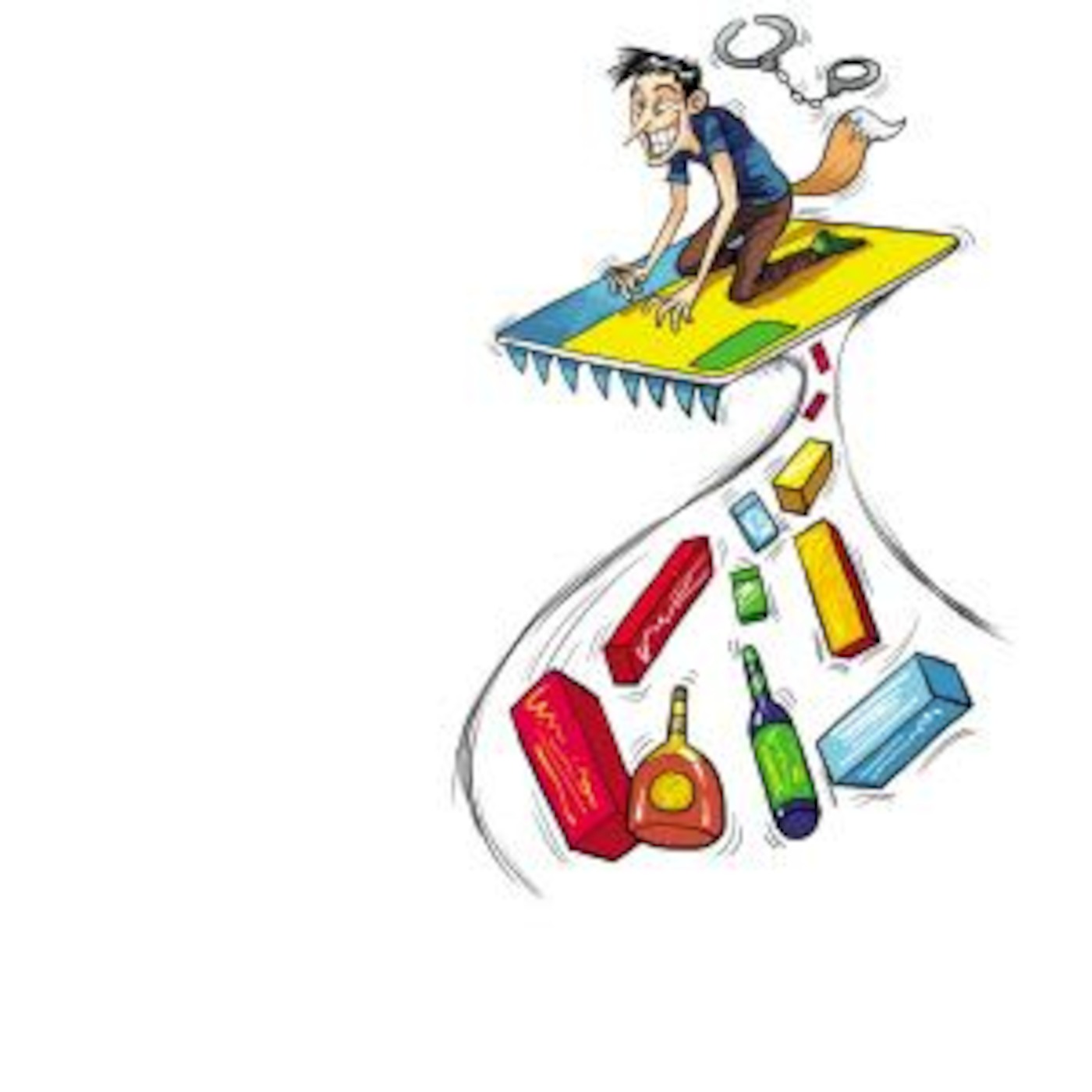
Spending 134,000 Yuan on expensive cigarettes and fine wine in just 6 days! This guy isn't insane cause he isn't swiping his own credit card. And he got sentenced and a penalty of course. Check it out and get to know more about this news. Going through the new word list before you listen to this episode will help you have a better understanding. The word list can be found on www.learningchinesethroughstories.com 男子6天内 持 假 信用卡, 刷13.4万买高档 烟酒 卡面 信息是中国的银行,刷卡时却 显示是外国人信息,这是咋回事?原来这些卡竟是伪造的信用卡。去年9月,一名男子沈某某 使用伪造的信用卡,到昆明火车站附近的锦江大酒店、佳华广场酒店的POS机刷卡购买中华等高档香烟及酒水,9次共 消费13.4万元。官渡区 法院 一审 判决,沈某某犯信用卡诈骗 罪,判处 有期徒刑 6年零6个月,并 处 罚金7万元。 ——摘自腾讯新闻网http://news.qq.com/a/20160916/014618.htm

1.3.14B 故事解读《小白兔和小灰兔》
山羊 shānyáng Noun, goat 收 shōu Verb, to harvest 收麦子,to harvest wheat 收玉米,to harvest corns 白菜 báicài Noun, napa cabbage 收下 shōu xià Verb, to accept (gift, money, bribery, etc.) 些 xiē Pronoun, some 一些, some 这些,these 那些, those 菜子 càizǐ Noun, vegetable seeds Or 菜籽 翻 fān Verb, to plow; to turn up( the soil) 翻地 松 sōng Adj, loose 把地翻松, to plow the soil 土松了,the soil is loose now 种 zhòng Verb, to plant 过了 guò le Verb, (a period of time) passed 过了一个月,a month passed; after a month 浇水 jiāo shuǐ Verb, to water 浇花, to water the flower 施肥 shīféi Verb, to fertilize 给花施肥,to fertilize the flower 给白菜施肥,to fertilize the cabbage 拔草 bá cǎo Adj, to pull up weeds 除虫 chú chóng Adj, to get rid of insects; to kill insects 拉 lā Verb, to pull (carts) 干活 gàn huó Verb, to work (colloquial form) Same with 工作 饿 è Adj, hungry 日子 rìzi Noun, days 挑 tiāo Verb, to carry on a pole 担 dàn Noun, load 奇怪 qíguài Adj, strange; weird 只有……,才…… zhǐyǒu……, cái…… 只有(A),才(B) B cannot happen if criteria A is not met. 只有在Amazon上才能买到这个中国货。You can only get this kind of Chinese goodies on Amazon. New words and grammatical structures in the story are being taught in this episode. A lot of repetitions are used so that our learners can get master this story in no time! Enjoy the lesson and please find the new word list on our website: www.learningchinesethroughstories.com
1.3.14A 故事《小白兔和小灰兔》
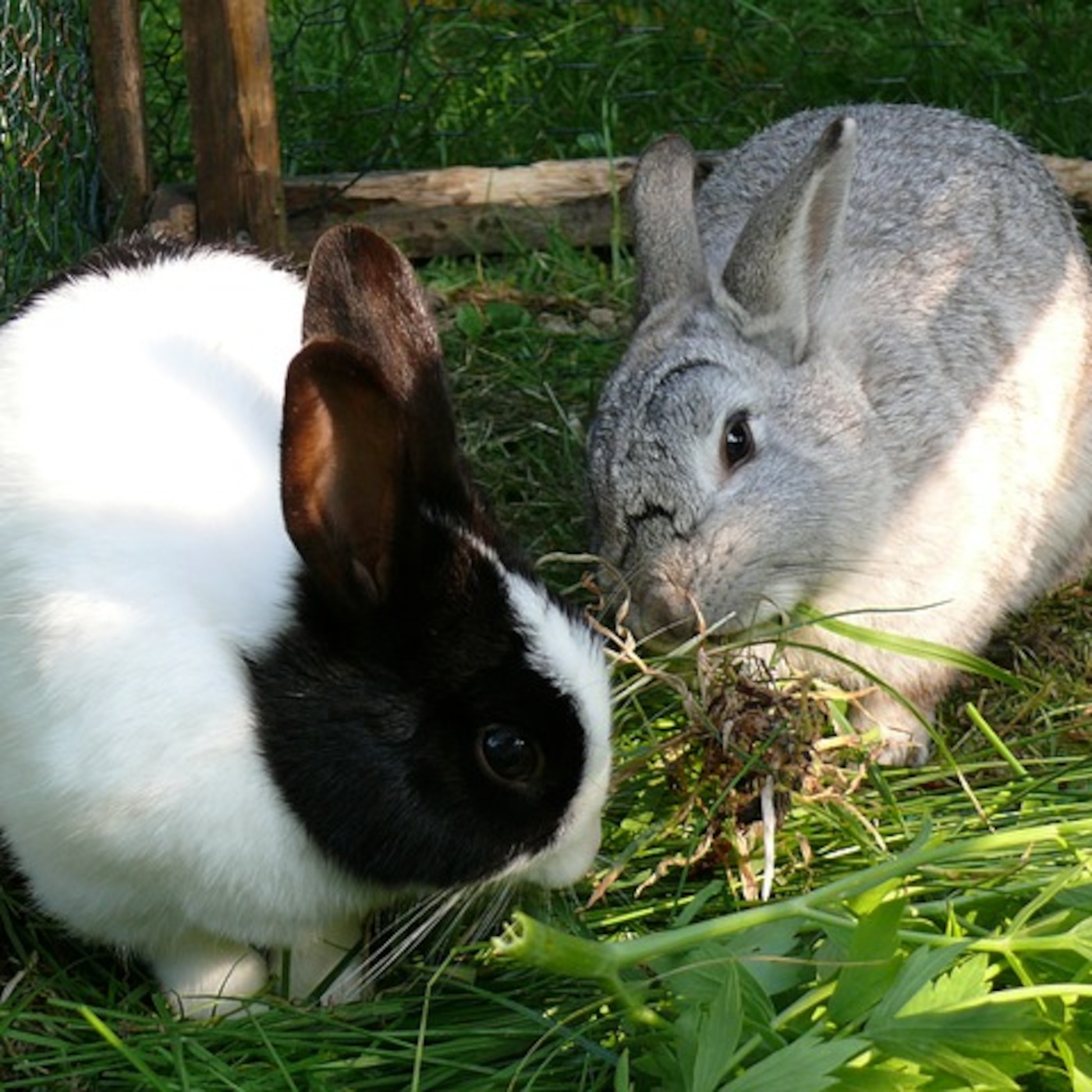
"Give a Man a Fish, and You Feed Him for a Day. Teach a Man To Fish, and You Feed Him for a Lifetime". Have you heard about this quote before? Well, this is a similar one, but it is rabbit and napa cabbage instead. Going through the new word list before you listen to this episode will help you have a better understanding. The word list can be found on www.learningchinesethroughstories.com 老山羊在地里收 白菜,小白兔和小灰兔来帮忙。 收完白菜,老山羊把一车白菜送给小灰兔。小灰兔收下了,说:"谢谢您!" 老山羊又把一车白菜送给小白兔。小白兔说:"我不要白菜,请您给我一些 菜子吧。"老山羊送给小白兔一包菜子。 小白兔回到家里,把地翻 松了,种上菜子。 过了几天,白菜长出来了。小白兔常常给白菜浇水,施肥,拔草,捉虫。白菜很快就长大了。 小灰兔把一车白菜拉回家里。他不干活了,饿了就吃老山羊送的白菜。 过了些日子,小灰兔把白菜吃完了,又到老山羊家里去要白菜。 这时候,他看见小白兔挑着一担白菜,给老山羊送来了。小灰兔很奇怪,问道:"小白兔,你的菜是哪儿来的?" 小白兔说:"是我自己种的。只有自己种,才有吃不完的菜。" ——摘自人教版小学语文课本一年级下册
1.3.13B 故事解读《司马光》
古时候 gǔ shíhòu Noun phrase, ancient times 回 huí noun, time(s) 一回,one time/once 两回,twice 几回,a few times 跟 gēn Prep, (do something) with (someone); and, (noun) and (noun) 我跟朋友去看电影。I went to the movie with a friend. 苹果跟香蕉,apple and banana 花园 huāyuán Noun, garden 颐和园(yíhéyuán),the summer palace 假 jiǎ Adj, fake 假山,fake mountain; rockery 口 kǒu Measure word for vat, water well and family members 一口水缸,一口井(jǐng),五口人 水缸 shuǐ gāng Noun, a big container for water, usually it is made of porcelain 鱼缸,fish tank 浴缸,bath tub 米缸, a porcelain container for rice 烟灰缸,an ashtray for cigarette 装 zhuāng Verb, to contain 把米装到缸里, put the rice into the rice container 满 mǎn Adj, full 爬 pá Verb, to crawl 掉 diào Verb, to fall 掉下来,to fall down 进 jìn Verb, to get in 别的 bié de Adj, other 慌 huāng Adj, to be in panic 别慌!Don't panic! 吓 xià Verb, to scare (someone) 哭 kū Verb, to cry 叫 jiào Verb, to yell 喊 hǎn Verb, to shout 大人 dàrén Noun, guardians 举起 jǔ qǐ Verb, to lift up… 块(儿) kuài (er) Measure word for stone, rock, candy, chocolate, etc. 石头 shítou Noun, rock; stone 使劲儿 shǐjìn er Verb, to exert all one's strength 砸 zá Verb, to smash (something) with something heavy and hard (such as rock, brick, etc) 几下子 jǐ xiàzi (conduct an action for )a few times 破 pò Adj, to be torn 得救 déjiù Verb phrase, to get rescued; to be saved 司马光救了小朋友。Simaguang saved the little guy's life. 小朋友被司马光救了。The little guy was saved by Simaguang. 小朋友得救了。The little guy was saved. New words and grammatical structures in the story are being taught in this episode. A lot of repetitions are used so that our learners can get master this story in no time! Enjoy the lesson and please find the new word list on our website: www.learningchinesethroughstories.com

1.3.13A 故事 《司马光》
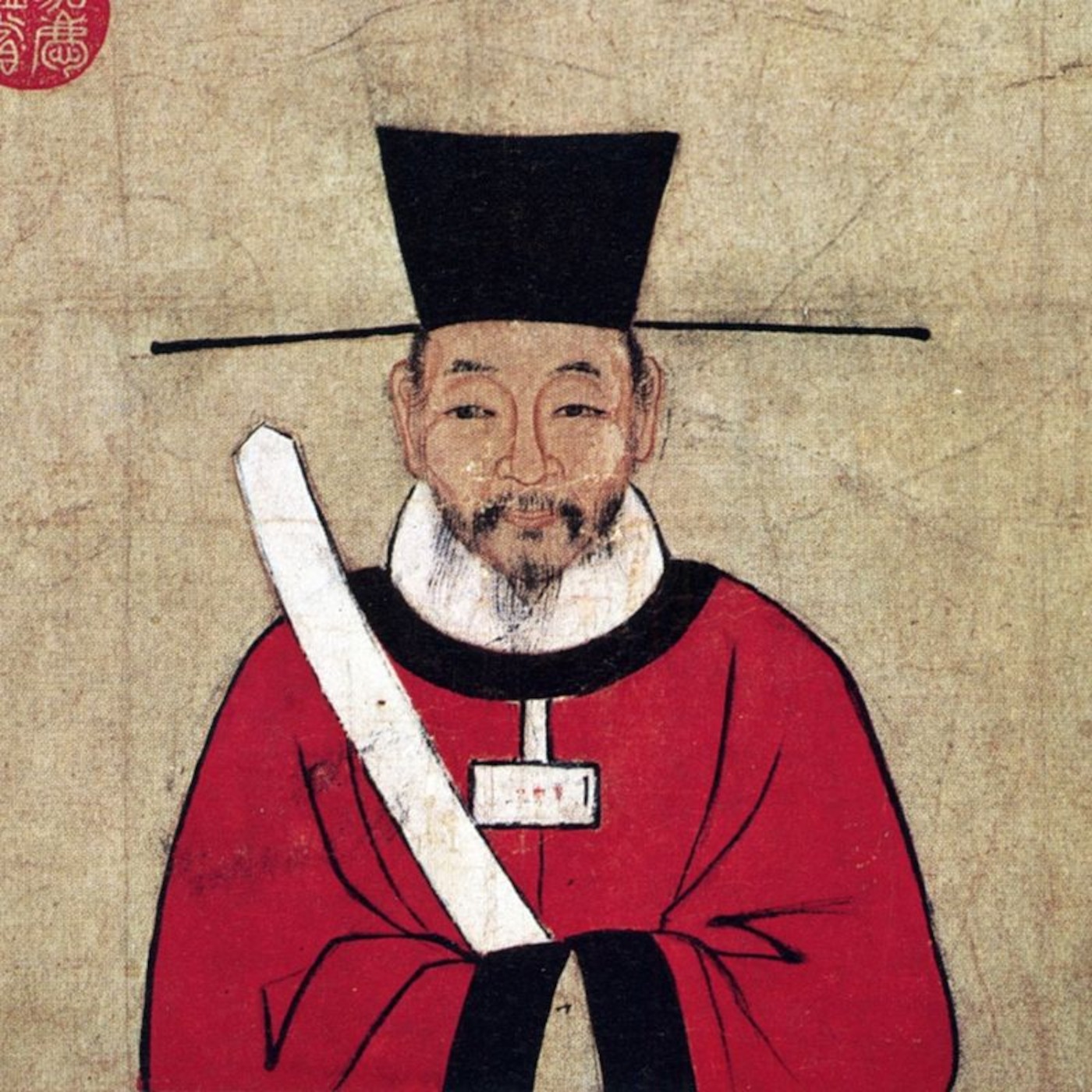
Simaguang is the writer of the greatest Chinese history masterpiece "Zizhi Tongjian". He was a famous historian, writer and politician in Song Dynasty. This story records his heroic act of saving a drowned buddy in his childhood. It has another well-known Chinese name called "Simaguang smashed the vat" (Simaguang Za Gang) and it is one of the best-known stories in China. Going through the new word list before you listen to this episode will help you have a better understanding. The word list can be found on www.learningchinesethroughstories.com 古时候有个孩子,叫司马光。 有一回,他跟几个小朋友在花园里玩。花园里有假山,假山下面有一口大水缸,缸里装 满了水。有个小朋友爬到假山上去玩,一不小心,掉 进了大水缸。 别的小朋友都慌了,有的吓 哭了,有的叫着喊着,跑去找大人。 司马光没有慌,他举 起一块儿 石头,使劲儿 砸那口缸,几下子就把缸砸破了。 缸里的水流出来了,掉进缸里的小朋友得救了。 ——摘自人教版小学语文课本一年级下册

2.1.11B 故事解读《小壁虎借尾巴》
壁虎 bìhǔ Noun, gecko 尾巴 wěibā Noun, tail 角 jiǎo Noun, corner 墙角,corner of the wall 街角,corner of the street 蚊子 wénzi Noun, mosquito 咬住 yǎo zhù Verb phrase, to bite into; to grip 挣 zhèng Verb, to break; to snap 断 duàn Adj, to be broken into half 逃走 táozǒu Verb, to escape 难看 nánkàn Adj, ugly 爬 pá Verb, to crawl 河边 hé biān Noun, riverside 摇 yáo Verb, to wave (head or tail) ……来……去 ……lái……qù Back and forth 走来走去,walk back and forth 游来游去,swim back and forth 飞来飞去,fly back and forth 行吗? xíng ma? Does (that) work? Will (it )work? Are you Ok with that? 拨水 bō shuǐ Verb phrase, to push aside the water 拨号,to dial a phone number 拨台,to change a radio channel 甩 shuǎi Verb, to swat 伯伯 bóbo Noun, uncle (dad's elder brother) 赶 gǎn Verb, to drive away; to expel 蝇子 yíngzi Noun, flies 屋檐 wūyán Noun, eaves 空中 kōngzhōng In the air Or天空中 摆 bǎi Verb, to sway 阿姨 āyí Noun, aunt (mom's sister or friends) 掌握 zhǎngwò Verb, to acquire the information of…; to acquire/master the skill of… 方向 fāngxiàng Noun, direction(s) 难过 nánguò Adj, upset; sad 傻 shǎ Adj, silly; stupid; retarded; 转 zhuǎn Verb, to turn around 过(去) guò (qù) Verb, to move from one place to another 长 zhǎng Verb, to grow New words and grammatical structures in the story are being taught in this episode. A lot of repetitions are used so that our learners can get master this story in no time! Enjoy the lesson and please find the new word list on our website: www.learningchinesethroughstories.com

2.1.11A 故事《小壁虎借尾巴》
This is a scientific story about a little gecko trying to find out a solution after its tail was bitten by a snake. After an adventure of going to different animals and asking for a loan of a new tail, the little gecko learned that its tail would grow back. Going through the new word list before you listen to this episode will help you have a better understanding. The word list can be found on www.learningchinesethroughstories.com 小壁虎在墙角捉蚊子,一条蛇咬住了它的尾巴。小壁虎一挣,挣断尾巴逃走了。 没有尾巴多难看啊!小壁虎想去借一条尾巴。 小壁虎爬呀爬,爬到小河边。他看见小鱼在河里摇着尾巴游来游去。小壁虎说:"小鱼姐姐,您的尾巴借给我行吗?"小鱼说:"不行啊!我要用尾巴拨水呢。" 小壁虎爬呀爬,爬到大树上。他看见老黄牛在树下甩着尾巴吃草。小壁虎说:"黄牛伯伯,您的尾巴借给我行吗?"老黄牛说:"不行啊!我要用尾巴赶 蝇子呢。" 小壁虎爬呀爬,爬到屋檐下。他看见燕子在空中 摆着尾巴飞来飞去。小壁虎说:"燕子阿姨,您的尾巴借给我行吗?"燕子说:"不行啊!我飞的时候,要用尾巴掌握 方向呢。" 小壁虎借不到尾巴,心里很难过。他爬呀爬,爬回家里找妈妈。小壁虎把借尾巴的事告诉了妈妈。妈妈笑着说:"傻孩子,你转过身子看看。"小壁虎转身一看,高兴地叫起来:"我长出一条新尾巴啦!" ——摘自人教版小学语文课本一年级下册

1.3.12B 故事解读《胖乎乎的小手》
胖乎乎 pànghūhū Adj, chubby 全家 quánjiā Noun phrase, whole family 兰兰 lánlan Chinese nickname for girls. 兰 is a kind of a flower 下班 xiàbān Verb phrase, to get off work 拿 ná Verb, to take/pick something with hands 又 yòu Adv, again; one more time 贴 tiē Verb, to post 墙 qiáng Noun, wall 明白 míngbai Verb, to understand 只是 zhǐshì Adv, only 自己 zìjǐ Pronoun, oneself 那么 nàme Adv, very (+adjective) 替 tì Verb, to do something for someone 过 guò Particle, verb+过,means someone has had the experience of doing something 拖鞋 tuōxié Noun, slippers 洗 xǐ Verb, to wash 手绢 shǒujuàn Noun, handkerchief 姥姥 lǎolao Noun, grandma on mom's side 厨房 chúfáng Noun, kitchen 一眼就…… yīyǎn jiù…… did something at the first sight 红润润 hóngrùn rùn Adv phrase, rosy and healthy 帮 bāng Verb, to help 挠 náo Verb, to scratch 痒痒 yǎngyang Noun, itch 长大 zhǎng dà Verb, (kid, small animal) to grow up 变成 biàn chéng Verb, to become 事情 shìqíng Noun, thing(s) New words and grammatical structures in the story are being taught in this episode. A lot of repetitions are used so that our learners can get master this story in no time! Enjoy the lesson and please find the new word list on our website: www.learningchinesethroughstories.com

1.3.12A 故事《胖乎乎的小手》
This is a modern story that happens in a Chinese family. Chinese girl Lanlan's painting of her own chubby hands got praised by all of her family members. Lanlan's father picked this picture from many of her paintings and hang it on the wall. At first, Lanlan was very confused, but later she learned why from each of her family member. Going through the new word list before you listen to this episode will help you have a better understanding. The word list can be found on www.learningchinesethroughstories.com 全家人都喜欢兰兰画的这张画。 爸爸刚下班回来,拿起画,看了又看,把画贴在了墙上。兰兰不明白,问:"我只是画了自己的小手啊!我有那么多画,您为什么只贴这一张呢?" 爸爸说:"这胖乎乎的小手替我拿过 拖鞋呀!" 妈妈下班回来,看见画,笑着说:"这胖乎乎的小手给我洗过手绢啊!" 姥姥从厨房出来,一眼就看见了画上红润润的小手,说:"这胖乎乎的小手帮我挠过痒痒啊!" 兰兰明白了全家人为什么都喜欢这张画。她高兴地说:"等我长大了。小手变成了大手。它会帮你们做更多的事情!" ——摘自人教版小学语文课本一年级下册
2.1.10B 故事解读《要下雨了》
要 yào Auxiliary verb, means "soon will"; "is going to" 弯 wān Verb, to bend 腰 yāo Noun, waist 山坡 shānpō Noun, the slope of a hill 山顶(ding),the top of a hill 山脚,the foot of a hill 山腰,the mid of a hill 闷 mēn Adj, stifling 直(起) zhí (qǐ) Verb, to straight up… 直起腰 直起身子 身子 shēnzi Noun, body 伸 shēn Verb, to stretch 腰 yāo Noun, waist 燕子 yànzi Noun, swallow 大声 dàshēng Adv, loudly 喊 hǎn Verb, yell; shout 低 dī Adj, low (一)边……(一)边…… (yī) biān……(yī) biān…… (one) is doing two things at the same time. 他一边吃饭一边看电视。He is eating his meal and at the same time watching TV. 空气 kōngqì Noun, air 潮湿 cháoshī Adj, humid 虫子 chóngzi Noun, bug 翅膀 chìbǎng Noun, wing 沾 zhān Verb, to wet; to soak 水珠 shuǐ zhū Noun, drop of water 正 zhèng Adv, 正(在)+verb…, (someone) is doing something. 我正(在)吃饭。I am eating my meal. 忙 máng Adj, busy. 忙着+verb…, (someone) is busy doing something. 我正忙着做作业。I am busy doing my homework. 捉 zhuō Verb, to catch 往前 wǎng qián Towards the direction of the front 往后,往左,往右 池子 chízi Noun, pool Or 水池 游 yóu Verb, to swim 水面 shuǐmiàn Noun phrase, the surface of the water 有空 yǒu kòng Verb, to be available; to be free 你明天有空吗?Will you be free tomorrow? 透气 tòuqì Verb, to get some fresh air 透不过气,to suffocate 快 kuài Adv, hurry 小心 xiǎoxīn Verb, to watch out; to be careful 淋雨 lín yǔ Verb phrase, to get wet in the rain 连忙 liánmáng to hasten to do… 挎 kuà Verb, to carry on the arm 篮子 lánzi Noun, basket 路边 lù biān Noun phrase, the side of the road 群 qún flock, measure word for animals 蚂蚁 mǎyǐ Noun, aunt 消息 xiāoxi Noun, news 高处 gāo chù Noun phrase, high place 低处,low place 搬家 bānjiā Verb, to move (to a new place to live) 加快 jiākuài Verb, to accelerate 步子 bùzi Noun, step 哗 huā The sound of the rain falling 下起来 xià qǐlái Verb phrase, to start to rain/snow New words and grammatical structures in the story are being taught in this episode. A lot of repetitions are used so that our learners can get master this story in no time! Enjoy the lesson and please find the new word list on our website: www.learningchinesethroughstories.com

2.1.10A 故事《要下雨了》
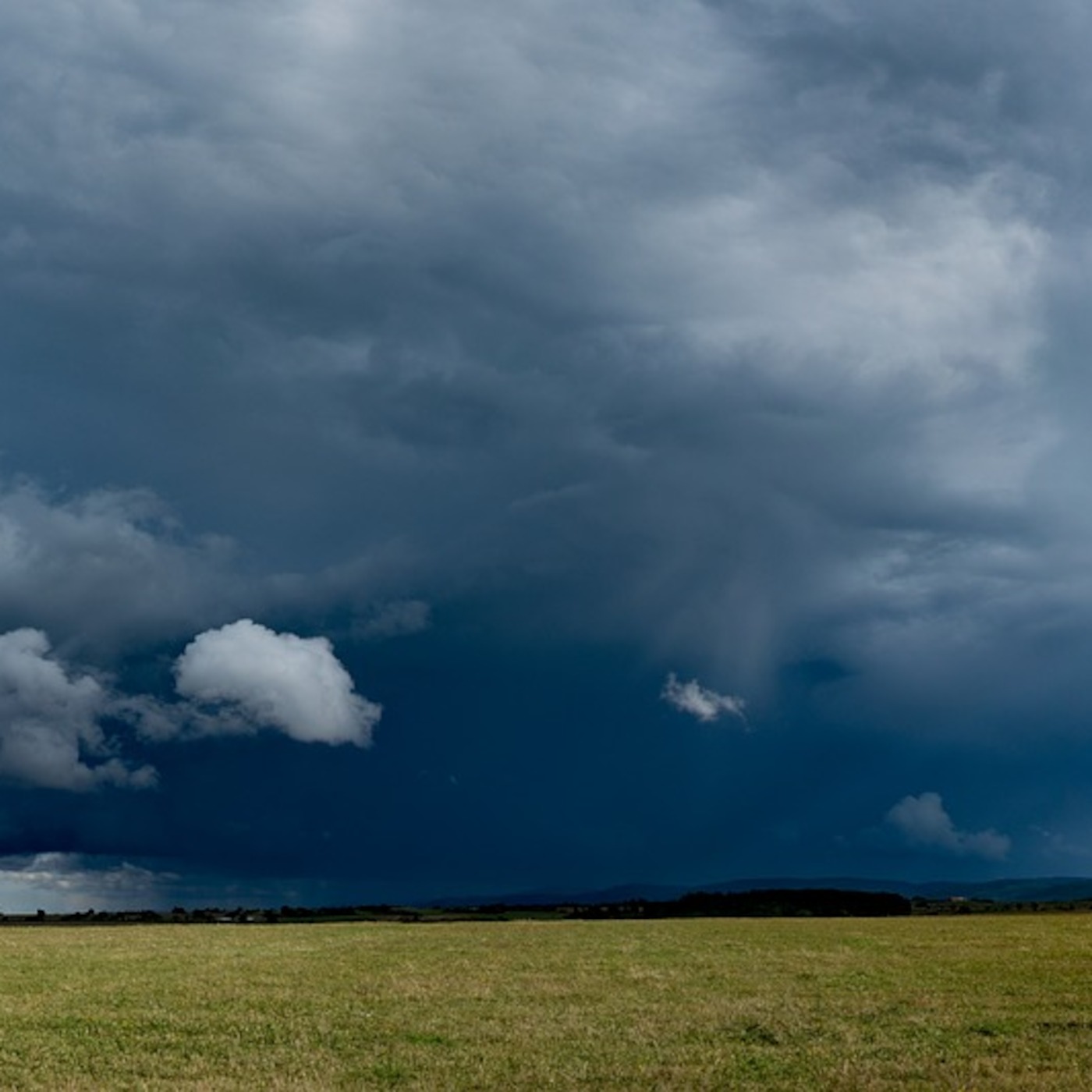
This is a scientific story that teaches people to predict rain from observing animals' change in their behaviors. It is told through a rabbit's lens. 小白兔弯着腰在山坡上割草。天气很闷,小白兔直起 身子,伸伸腰。 小燕子从他头上飞过。小白兔大声 喊:"燕子,燕子,你为什么飞得这么低啊?" 燕子边飞边说:"要下雨了。空气很潮湿,虫子的翅膀沾了小水珠,我飞不高。我正 忙着 捉虫子呢!" 是要下雨了吗? 小白兔往前一看,那边池子里的小鱼都游到水面上来了。 小白兔跑过去,问:"小鱼,小鱼,今天怎么有空出来啊?" 小鱼说:"要下雨了。水里闷得很,我们游到水面上透透气。小白兔, 你快回家吧,小心 淋着雨。" 小白兔连忙 挎起 篮子往家跑。他看见路边有一大群 蚂蚁, 小白兔把要下雨的消息告诉蚂蚁。一只大蚂蚁说:"是要下雨了,我们正忙着往高处 搬家呢!" 小白兔加快 步子往家跑。他一边跑一边喊:"妈妈,妈妈,要下雨了!" 哗,哗,哗,大雨下起来了! ——摘自人教版小学语文课本一年级下册
2.2.10B 新闻故事解读《重庆"月饼王"》
装 zhuāng Verb, to stuff; to fill 满 mǎn Adj, full 海鲜 hǎixiān Noun, seafood 馅 xiàn Noun, filling(s) In northern China, people say 馅儿 重庆 Chóngqìng City name, Chongqing 直径 zhíjìng Noun, diameter 米 mǐ Noun, meter 月饼 yuèbǐng Noun, mooncake, traditional Chinese food for the Mid-Autumn's Day 王 wáng Noun, king 标价 biāojià Verb, the price is marked at… 千 qiān Noun, thousand 百 bǎi Noun, hundred 元 yuán Noun, yuan;RMB 陈家坪 Chénjiāpíng An area in Chongqing city 届 jiè Noun, measure word for festival, conference, competition and etc. 第26届奥运会, the 26th Olympic Games 节 jié Noun, festival 春节, spring festival 展览 zhǎnlǎn Noun, exhibition 中心 zhōngxīn Noun, center 开幕 kāimù Verb, to open (ceremony, festival, exhibition) 开幕式, opening ceremony 等 děng Pronoun, etc. 我喜欢吃西瓜、苹果等水果。 余 yú A little bit more than… 十余个,11-15 二十余个,21-25 三十余个, 31-35 省 shěng Noun, province 市 shì Noun, city 品牌 pǐnpái Noun, brand Or 牌子 参加 cānjiā Verb, participate 公斤 gōngjīn Noun, kilogram Or 千克 市民 shìmín Noun, residents of a city 据……介绍 jù……jièshào According to … (speaking) 据王先生介绍,according to Mr.Wang, 负责人 fùzé rén Noun, the person who is in charge (of the event) 包 bāo Verb, to wrap 包饺子,to make dumplings 包月饼,to make mooncakes 重 zhòng Adj, heavy; verb, to be weighed as… 厚 hòu Adj, thick (the distance from one edge to the opposite side is thick); verb, the thickness is measured as… 厘米 límǐ Noun, centimeter 耗用 hào yòng Verb, to use 面粉 miànfěn Noun, flour 由 yóu Prep, (something is done) by (someone) 师傅 shīfù Noun, master (of a skill) 日夜赶工 rìyè gǎngōng Chengyu, to work diligently day and night 完成 wánchéng Verb, to complete New words and grammatical structures in the story are being taught in this episode. A lot of repetitions are used so that our learners can get master this story in no time! Enjoy the lesson and please find the new word list on our website: www.learningchinesethroughstories.com ta2wpmmr

2.2.10A 新闻故事《重庆"月饼王"》
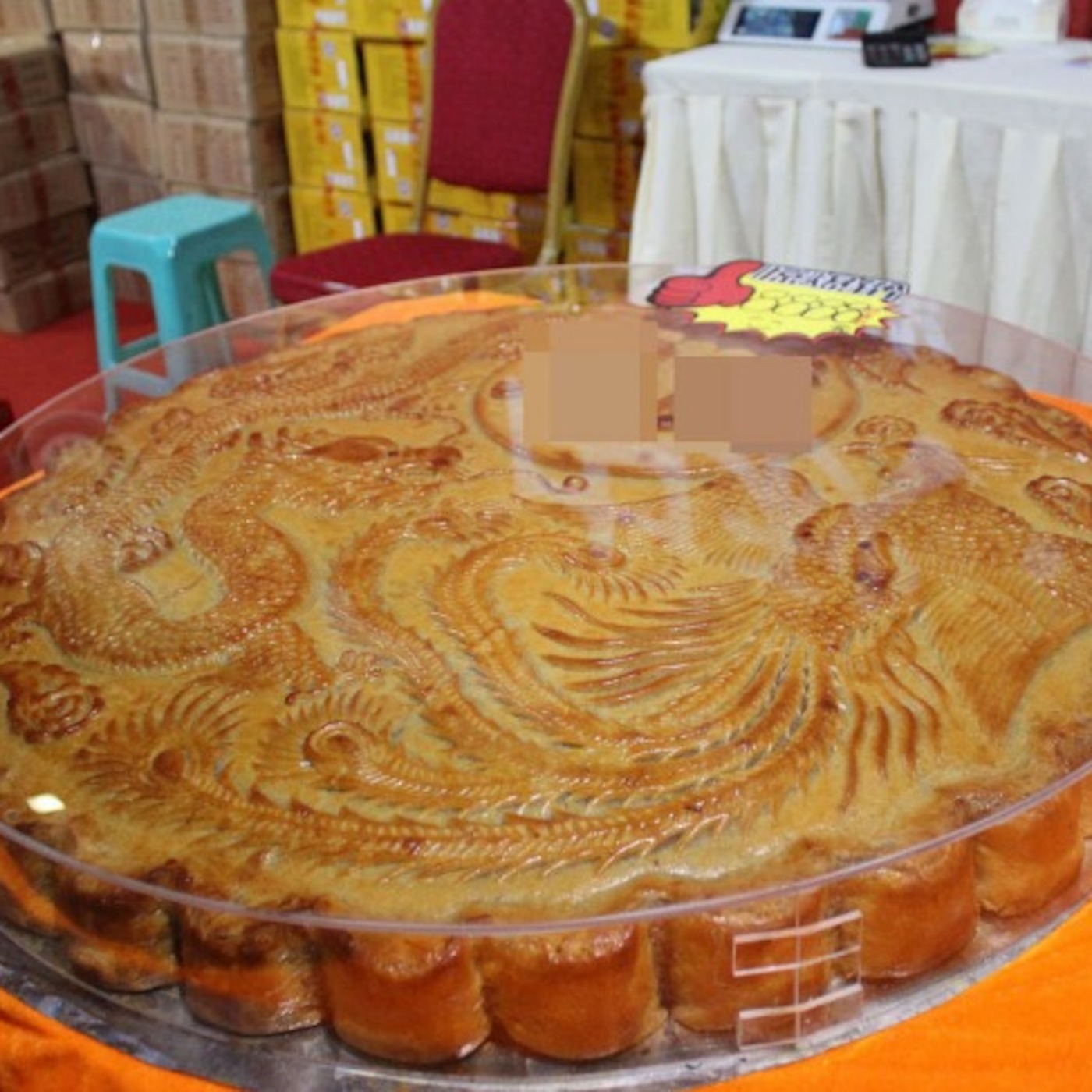
The Mid-Autumn's Day (Zhongqiu jie) is around the corner. As a traditional food for the festival, Chinese mooncakes are notorious for being overpackaging as well as for their skyrocketing prices. This year, a mooncake king produced in Chongqing is priced at 8888 Yuan, which equals 1333 USD. Check out this news story and find out more about this mooncake. And find the transcript and glossary at www.learningchinesethroughstories.com 装满海鲜馅 重庆直径一米"月饼王"标价8888元 2016年9月6日下午2点,重庆市陈家坪第10届(重庆)月饼节在陈家坪展览 中心 开幕,来自广州、上海、四川、云南等 十余个省市、400多个品牌的月饼参加了本次月饼节。在这次月饼节上,200公斤"月饼王"与市民见面。据负责人介绍,这个"月饼王"里面的馅都是包的海鲜。月饼王重200公斤,厚30厘米,直径1.2米,耗用 面粉80公斤,由6个师傅 日夜赶工2天完成。 ——摘自http://news.qq.com/a/20160907/015856.htm#p=1

2.1.8A 故事《小猴子下山》
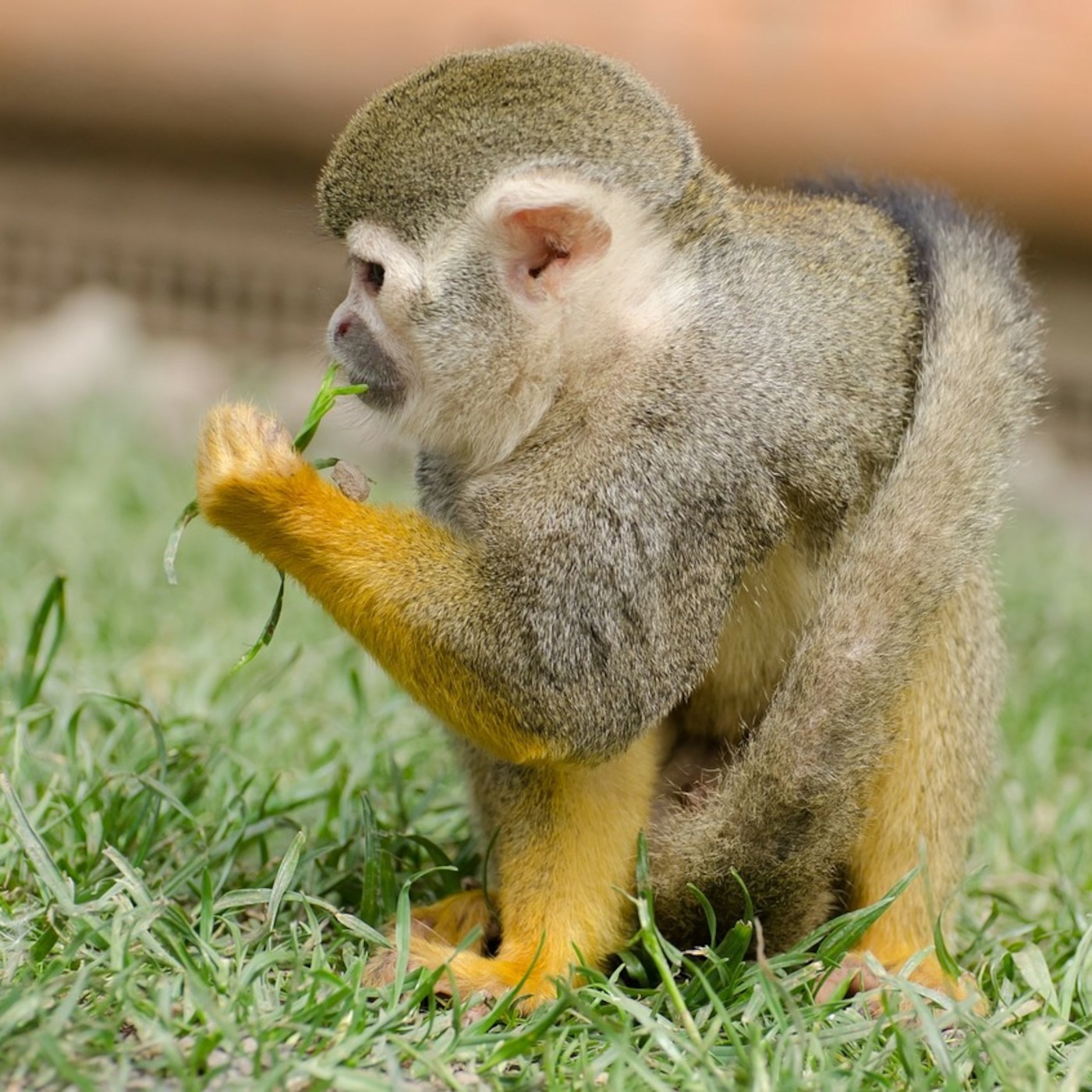
This is a fable story about a little monkey's adventure of going downhill. During the monkey's trip down the hill, he saw many things that interested him. He could have brought everything home, but he did not. Find out more about the story in this episode. The transcript of our stories can be found at www.learningchinesethroughstories.com. They are free for you to download. Enjoy learning with 听故事学中文! 有一天,小猴子下山来,走到一块 玉米地里。他看见玉米结得 又大又多,非常高兴,就掰了一个,扛着往前走。 小猴子扛着玉米,走到一棵 桃树 底下。他看见满树的桃子又大又红,非常高兴,就扔了玉米,去摘桃子。 小猴子捧着几个桃子,走到一片 瓜地里。他看见满地的西瓜又大又圆,非常高兴,就扔了桃子,去摘西瓜。 小猴子抱着一个大西瓜往回走。走着走着,他看见一只小兔子蹦蹦跳跳的,真 可爱,就扔了西瓜,去追小兔子。 小兔子跑进 树林里,不见了。小猴子只好 空着手回家去。 ——摘自人教版小学一年级语文课本
2.1.8B 故事解读《小猴子下山》
下山 xiàshān Verb phrase, to go downhill 上山,to go uphill 块 kuài Measure word for "farming field", a square unit of a farming field 一块巧克力,a piece of chocolate 玉米 yùmǐ Noun, corn 地 dì Noun, farming field 玉米地,corn field 结 jiē Verb, (fruit, flower) grow(s) 玉米结得又大又好。The corn is big and good. 又……又…… yòu……yòu…… ...(adj) and …(adj) 又大又红,big and red 掰 bāi Verb, to break in the middle with one's hands 掰玉米,to pick up corns(break off corn cobs) 扛 káng Verb, to carry on one's shoulder 扛着枪, to carry the gun on the shoulder 着 zhe Particle word, verb+ 着, it means some action is taking place at that moment 吃着饭,while someone is eating meal 扛着枪, while someone is carrying the gun 棵 kē Measure word for tree(s) 桃树 táo shù Noun, peach tree 底下 dǐxia Noun, the place that is underneath; the place that is under… 桃树底下有很多桃子。 Under the peach tree, there are a lot of peaches. (桌子)底下有一本书。 There is a book under the table. 满树 mǎn shù Noun phrase, the whole tree 满天,the whole sky 满眼,the whole vision 扔 rēng Verb, to throw 摘 zhāi Verb, to pick up (fruit, flower) 摘草莓,to pick strawberries 捧 pěng Verb, to hold or carry with both hands 捧腹大笑,to laugh one's head off 片 piàn Measure word for "farming field", an area of a farming filed 瓜 guā Noun, melon 西瓜,water melon 哈密瓜,honey kiss melon 抱 bào Verb, to hold with one's upper body and both hands; to hug 蹦蹦跳跳 bèng bèng tiào tiào Verb phrase, bouncing and vivacious 真 zhēn Adv, really. 真+adv 可爱 kě'ài Adj, cute 追 zhuī Verb, to chase 跑(进) pǎo (jìn) Verb, to run (into) 树林 shùlín Noun, forest 不见了! bú jiàn le Gone! (Cannot be seen!) 只好 zhǐhǎo One has not choice but… 小猴子只好回家。The little monkey has no choice but to go home. 空 kōng Verb, to empty; adj, empty 空手, empty hands New words and grammatical structures in the story are being taught in this episode. A lot of repetitions are used so that our learners can get master this story in no time! Enjoy the lesson and please find the new word list on our website: www.learningchinesethroughstories.com

1.3.10B 故事解读《乌鸦喝水》
乌鸦 wūyā Noun, crow 口渴 kǒu kě Adj, (mouth is) thirsty or 渴 到处 dàochù Adv, everywhere 瓶子 píngzi Noun, bottle 可是 kěshì Conjunction word, but; however. Or 但是,然而 瓶口 píng kǒu Noun, the mouth of a bottle 着 zháo Particle word, an action to be complete. Verb + (不 )+着。 喝(得)着,can get to drink… 喝不着,cannot get to drink… 怎么办 zěnme bàn What should (I/he/she/they) do now? 呢 ne Question particle word, at the end of this sentence softens it and makes it more polite. 你喝水呢还是喝可乐呢?Would you like to drink water or coca? 旁边 pángbiān Noun, (someone or some object's )side 她在我的旁边。She is next to me. 小石子 xiǎo shízǐ Noun, pebble(s) Or 小石子儿 办法 bànfǎ Noun, solution 放(进) fàng (jìn) Verb, to put… ( inside…) 把小石子放进瓶子里。Put pebbles inside the bottle. 渐渐 jiànjiàn Adv, gradually; little by little 升高 shēng gāo Verb, to go up 降低(jiàngdī)is the anonym New words and grammatical structures in the story are being taught in this episode. A lot of repetitions are used so that our learners can get master this story in no time! Please find the new word list on our website: www.learningchinesethroughstories.com

1.3.10A 故事《乌鸦喝水》
This is a classic fable story about a thirsty crow trying to figure out how to get a drink from a water bottle that only has a little bit water inside. 一只乌鸦 口渴了,到处找水喝。乌鸦看见一个瓶子,瓶子里有水。可是,瓶子里水不多,瓶口又小,乌鸦喝不着水。怎么办呢? 乌鸦看见旁边有许多小石子,想出办法来了。 乌鸦把小石子一个一个地放进瓶子里。瓶子里的水渐渐升高,乌鸦就喝着水了。 ——摘自小学一年级语文课本

2.2.9B 故事解读《掩耳盗铃》
从前 cóngqián Noun, long time ago 挂着 guàzhe Verb phrase, (something) is hanging on (somewhere) 门上挂着一个铃铛。 墙上挂着一幅画。 铃铛 língdāng Noun, bell 偷 tōu Verb, to steal 小偷,thief 明明 míngmíng Adv, (someone knows something)clearly 她明明知道吃巧克力会发胖,晚上还吃了两包巧克力。 碰 pèng Verb, to touch (usually without permission) 别碰我!Don't touch me! 丁零丁零 dīngling dīngling Onomatopoeia, the sound of a bell 铃铛"丁零丁零"地响。 响 xiǎng Verb, (alarm, instrument) make a certain sound 被 bèi Passive word, Object + 被 + subject + verb/verb phrase. 铃铛被人偷了。The bell is stole by someone. 发觉 fājué Verb, to come to know; to be aware that… 掩 yǎn Verb, to cover 伸 shēn Verb, to stick out 捂 wǔ Verb, to cover 比喻 bǐyù Verb, to analogize; Noun, analogy 这个成语比喻做事要实事求是。This idiom analogizes that one should seek the truth from facts. 欺骗 qīpiàn Verb, to lie to; to cheat or 骗 却 què Conjunction word, but; however or 可是,但是 了 liǎo Particle word, action is complete 去得了,can go(the action of going can be complete) 去不了, cannot go(the action of going cannot be complete) 自欺欺人 zìqīqīrén Chengyu, deceive oneself and [as well as] others New words and grammatical structures in the story are being taught in this episode. A lot of repetitions are used so that our learners can get master this story in no time! Please find the new word list on our website: www.learningchinesethroughstories.com

2.2.9A 成语故事《掩耳盗铃》
This Chengyu (Chinese idiom) story is about a thief who was stealing a bell with a hand covering his ear. He thought if he covered his ear, then the bell owner would not hear the bell ring either. This Chengyu is used to describe someone who is being dishonest with himself/herself. 从前,有一个人,看见人家大门上挂着一个铃铛,想把它偷走。他明明知道,那个铃铛只要用手一碰,就会丁零丁零地响起来,就会被人发觉。可是他想:响声要耳朵才能听见,如果把耳朵掩起来,不是就听不见了吗?他掩住了自己的 耳朵,伸手去偷那个铃铛。谁知手刚碰到铃铛,就被人发觉了。 掩耳盗铃:捂住耳朵去偷铃。比喻自己欺骗自己,却骗不了别人。做人、做事都不能自欺欺人。

2.2.8B 故事解读《自相矛盾》
古时候 gǔ shíhòu Noun phrase, ancient times 古代的时候 朝代 cháodài, noun,dynasty 矛 máo Noun, spear 长矛, long spear 盾 dùn Noun, shield the same with 盾牌(pái) 街上 jiē shàng On the street 街上,有人卖水果,有人卖衣服。 叫卖 jiàomài Verb, to announce publicly as for sale 举 jǔ Verb, to hold up 举手,have one's hand up 举起…来, to raise…up 夸口 kuākǒu Verb, to brag; to boast or夸下海口 锐利 ruìlì Adj, sharp (this word is used to describe sharp weapons, such as spear, knife and etc.) 不论什么……都…… búlùn shénme……dōu…… Conjunction, all of …(noun) apply to ...(verb/adj phrase) 不论什么巧克力我都吃过。I have tasted all sorts of chocolates. 戳穿 chuōchuān Verb phrase, to pierce through 戳得穿, can be pierced through 戳不穿,cannot be pierced through 坚固 jiāngù Adj, sturdy 哑口无言 yǎ kǒu wú yán Chengyu, speechless 比喻 bǐyù Verb, to analogize; Noun, analogy 这个成语比喻做事要实事求是。This idiom analogizes that one should seek the truth from facts. 前后不符 qiánhòu bùfú Verb phrase, the latter statement does not correspond with the former statement 你说的这些前后不符。What you said has not been consistent. 互相 hùxiāng Adv, Multually or 相互 抵触 dǐchù Verb, to be in conflict 实事求是 shíshìqiúshì Chengyu, be honest about what one's doing/working on; seek the truth from facts 夸大其词 kuādàqící Chengyu, to extravagate what one is talking about boast; to brag 否则 fǒuzé Conjunction, or else… New words and grammatical structures in the story are being taught in this episode. A lot of repetitions are used so that our learners can get master this story in no time!

2.2.8A 成语故事《自相矛盾》
This is an Chengyu (Chinese idiom) story about an ancient street vendor who was being inconsistent while advertising for his spear and shield. Spear and shield were thus used to describe contradictions since then. 古时候,有一个人,一手拿着矛, 一手拿着盾,在街上叫卖。他举起矛,向人夸口说:"我的矛 锐利得很,不论什么盾都戳得穿!"接着又举起盾,向人夸口说:"我的盾坚 固得很,不论什么矛都戳不穿它!" 有人问他:"用你的矛戳你的 盾,会怎么样呢?"他哑口无言, 回答不出来了。自相矛盾:用自己的矛戳自己的盾。 比喻说话、做事前后不符,互相抵触。说话、做事要实事求是, 不能夸大其词,否则只会自相矛盾。
2.2.7B 故事解读《上海"70后"城管101次无偿献血救人》
上海 Shànghǎi Chinese metropolitan city, Shanghai 70后 70 hòu Noun phrase, people who were born during 1970-1979 80后,90后,00后,10后 城管 chéngguǎn Noun, Chinese urban management officer 次 cì Noun, time(s) 一次,once 两次, twice 三次, three times 无偿 wúcháng Adv, voluntarily 献血 xiànxiě Verb phrase, to donate blood 救 jiù Verb, to save one's life "救命(mìng)!"means "Help!" 眭 Suī Noun, surname (uncommonly seen) 区 qū Noun, district 土生土长 tǔshēngtǔzhǎng Adj, to be born and grow up in the local community 个头 gètóu Noun, a person's height synonym or 个子 黝黑 yǒuhēi Adj, tanned skin color (usually caused by outdoor physical work) 话语 huàyǔ Noun, utterance 话语不多, quiet 留着 liúzhe Verb phrase, 留着 +name of hair style 留着长发/短发/平头 小平头 xiǎo píngtóu Noun phrase, flat(hair style) or平头 坚持 jiānchí Verb, to persist; to keep doing without quitting 再坚持一下! Be persistent, you will finish it soon. 来 lái Particle word, a period of time word+来 : in the past a period of time 10年来,in the past ten years 捐献 juānxiàn Verb, to donate 这个公司给学校捐献了10万元钱。This company donated 100,000 dollars to the school. 全血 quánxiě Noun, whole blood 累计 lěijì Verb, to add up 毫升 Háoshēng Noun, milliliter 升,liter 血小板 xuèxiǎobǎn Noun,Blood platelet 人份 rénfèn Noun, serving 5人份,servings for 5 people 熟悉 shúxī Adj, familiar 我和他不熟悉。I am not familiar with him. 传为佳话 chuán wèi jiāhuà chengyu,to become a favorite tale 制服 zhìfú Noun, uniform 穿梭 chuānsuō Verb, to walk through 穿梭在城市里, to walk through the city 街头 jiētóu Noun, street 队员 duìyuán Noun, team player 脱下 tuō xià Verb phrase, to take off (clothing items) 瘦小 shòuxiǎo Adj, skinny and small (use to describe a figure) 微不足道 wēibùzúdào 成语,too tiny/ordinary to be noticed/mentioned 普普通通 pǔ pǔtōng tōng Adj, orginal form is 普通,ordinary 啥 shá Pronoun, (colloquial form) what? Origins from dialect word in northeast part of China 做什么?=干啥? 憨厚 hānhòu Adj, simple and honest New words, sayings and grammatical structures in the story are being taught in this episode. A lot of repetitions are used so that our learners can get master this story in no time!

2.2.7A 新闻故事《上海"70"后城管101次无偿献血救人》
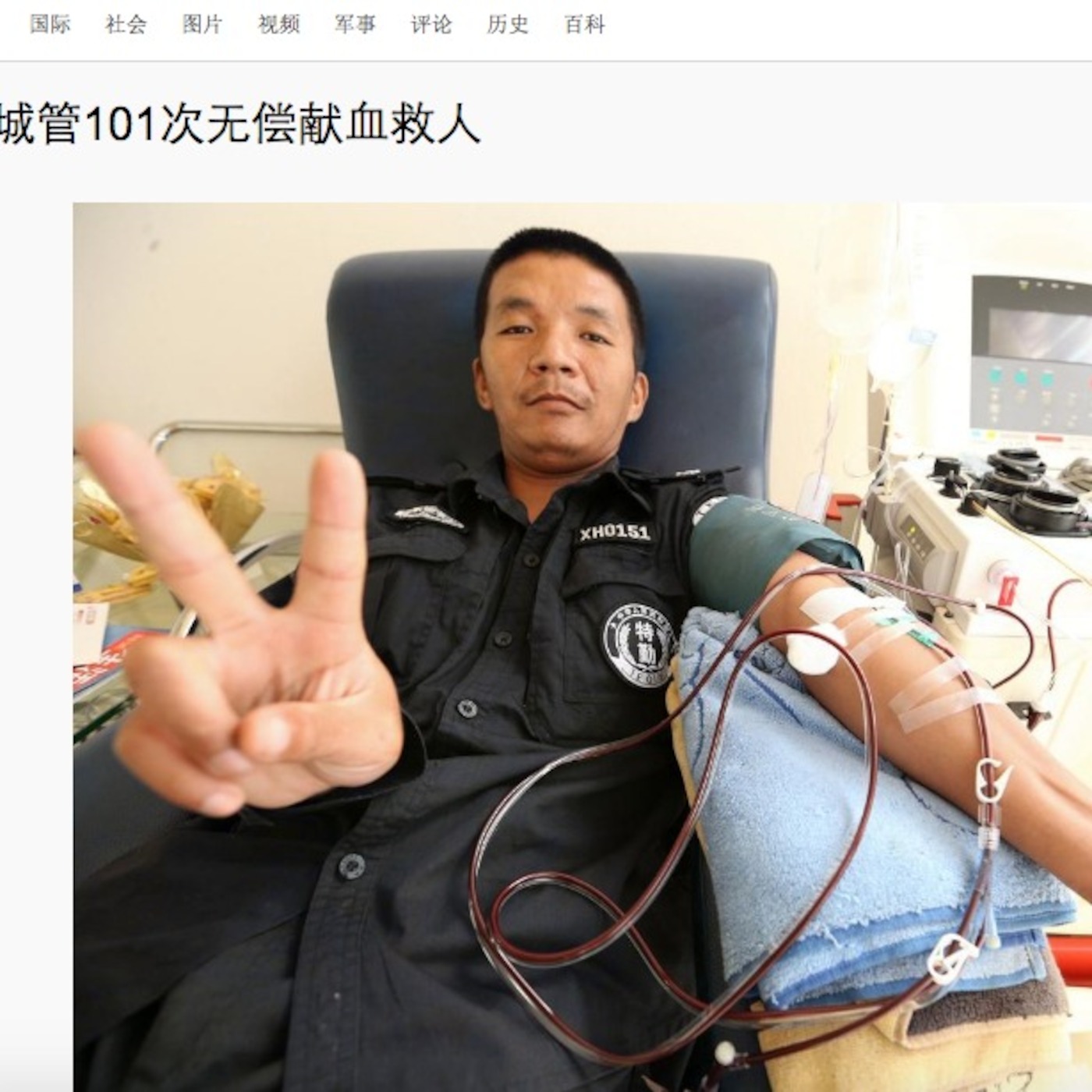
Chinese Chengguan (urban management officers) usually have a very bad reputation. Check at today's news story about an awesome Chengguan doing good deeds by donating blood for 101 times in 10 years and the reason why he is doing this. 上海"70后"城管101次无偿献血救人 2016年8月29日,上海,眭庆是一名城管,在静安新城十区工作。37岁的他是土生土长的上海人,个头不高,黝黑的脸,话语不多,留着 小平头。从2006年起,眭庆坚持 无偿 献血,10年来,眭庆已捐献 全血7次累计2600毫升,血小板94次累计178人份,在熟悉他的人中传为佳话。 眭庆,穿上城管制服,他是穿梭在城市街头的一名城管队员;脱下制服,瘦小的他显得微不足道,普普通通。就是这样一个普通的年轻人,101次无偿献血救人。 要问眭庆献血到底为了啥?憨厚的他笑着说:"不为别的,想着能救人一命就觉得快乐。" ——摘自腾讯新闻http://news.qq.com/a/20160901/007808.htm#p=1

3.3.2A故事《他的深圳故事》
This is a real story about a Chinese man, one of the many who are working hard and trying to make more money for their family at Shenzhen. Shenzhen is a metropolitan city in Guanggong, where there are many big manufacturers, such as Foxconn, which assembles apple products. Many Chinese people from other parts of the country come to work, in pursuit of more money and a good life. 他的深圳故事 作者:周雨施 深圳市 宝安区观澜镇蚌岭村,大小工厂 星罗棋布,随之而来的是大量的外来 廉价 劳动力。 他是其中 之一,二十多岁时南下,进入一个生产 耳机的厂工作。在村里租了一间老旧的平房,每个月130元,有了落脚的地方。 十五年以后,他仍住这里。七年前妻子也来了,房子外面桌上放了台小电视,悄悄 架了天线,晴天的时候能看到十几个台,房子里面是床,煤气炉。地方虽小,五脏俱全。 墙上挂着一支笛子,蒙上 厚厚的灰。"太久不吹了,老婆觉得吵。"他拭去灰尘,拿着笛子,几次靠近嘴边,最终还是拒绝了我听一曲的愿望。这笛子,或许会永远挂着吧。 他是我奶奶的侄女婿,我应该称他表姑爷。 为了多赚 几百块,他们夫妇总是加班。供两个孩子读书、养活 农村的父母,这就是动力。十五年,回家过了两次春节。每年加班到腊月二十九,买不到火车票,汽车票又抬价太高。"太不划算,回家一趟要花好多钱。"他说。大儿子中考考上了县的高中,于是奖励他暑假来深圳玩,也就来过一次。小女儿养在外公家,只有在电话里才能听到声音。 谈到未来,他笑着说:"肯定不会永远在这里。"珠三角 转型 升级的号角 响起,他所在的厂已经有车间 转移到惠州。他会不会一同搬走?不知道。他不甘心的是在这个厂子做了十多年,精明的台湾老板没有给员工他们买养老 保险。 他只去过深圳市区几次,高物价 令他望而却步。一年复一年,生活在蚌岭,自行车可以达到的范围就是活动区域。 蚌岭村口,一道 铁 栅栏 横亘 路中央,一侧是铁门挡道的新村,当地农民的别墅,光鲜的轿车,戒备森严,一侧是旧村,老房子,低矮的白墙黑瓦,随意 进出。新旧之间有令:"未经允许,禁止入内。" 故乡,永远回不去的地方。城市,永远融不进的地方。蚌岭,就是落脚的地方。然而,生活,看不到起伏,也看不到希望。 不远处,就是亚洲最大的观澜高尔夫球 场,无数 新贵在蓝天白云 青山绿水 之间,扭动 腰肢,挥汗如雨,挥金如土…… 文章出处:http://www.infzm.com/content/85202
3.1.1B《山东青岛:11岁"无腿少年"迎新学期》故事解读
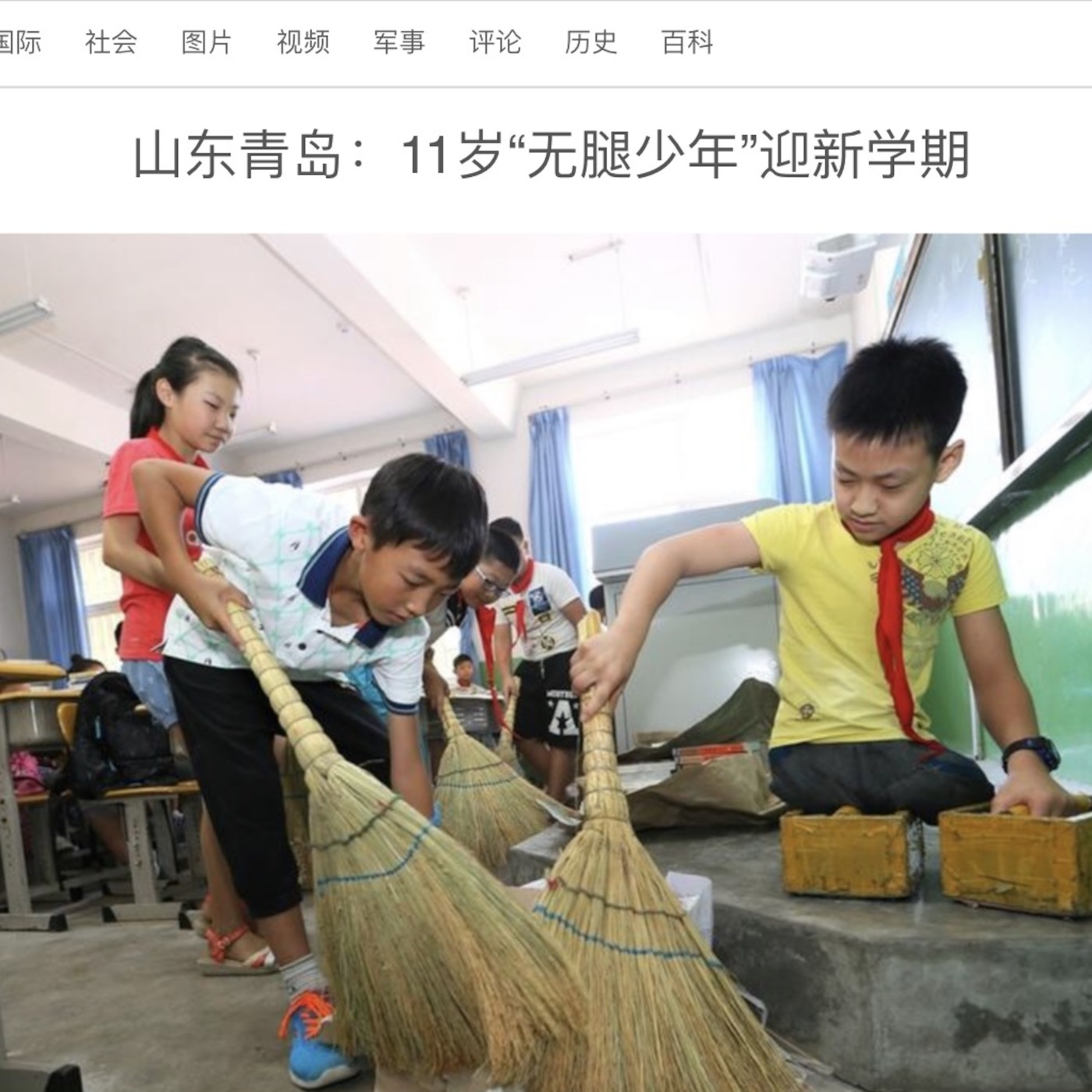
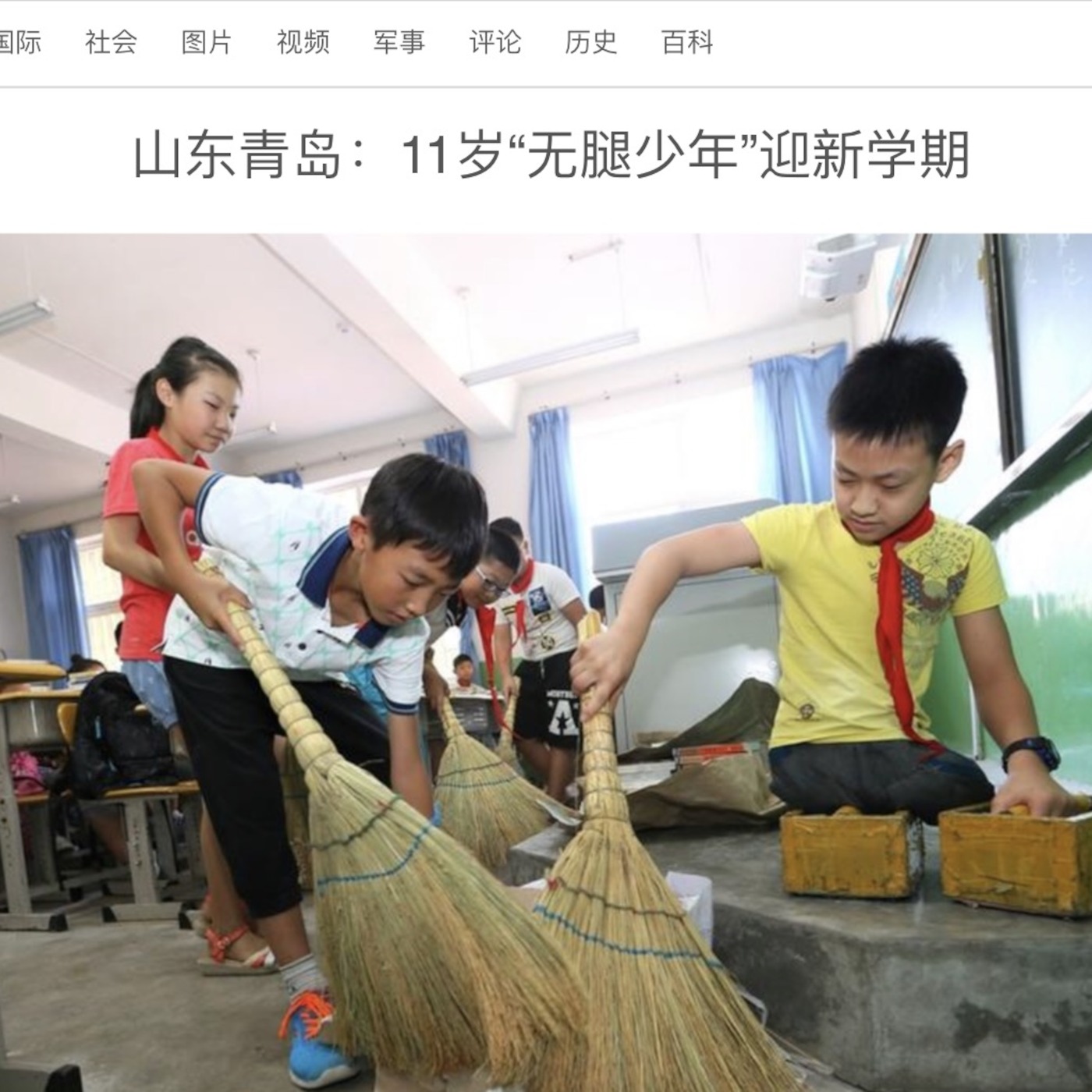
山东 Shāndōng Place name, Shandong Province 青岛 Qīngdǎo Place name, Qingdao city 无 wú Verb, not to have, eaquals to 没有 无糖 táng, sugar-free 腿 tuǐ Noun, leg 少年 shàonián Noun, a 10 to 16-year-old 迎 yíng Verb, to welcome Same with 迎接 jiē 新 xīn Adj, new 学期 xuéqī Noun, semester 经过 Jīngguò Prep, after (a period of time) 经过一天的努力 经过一个暑假的生活 近 jìn Verb, " 近 +a period of time" means "almost + a period of time" 近两年, almost two years 近一天,almost a day 暑假 shǔjià Noun, summer break 寒假,winter break 假期,vocation 久违 jiǔwéi Verb, long time no see. It can also be used as an adj "久违了!"is the same with "好久不见!" 久违的朋友, friends who I haven't seen for a while 伙伴 huǒbàn Noun, friends, peers, mates 玩伴,plamate 升 shēng Verb, to raise(the flag) 升旗 国旗 guóqí Noun, national flag 五星红旗 奏 zòu Verb, to play(the national anthem) 奏国歌 国歌 guógē Noun, national anthem 步入 bù rù Verb, to enter into; to start 步入大学, to start college 显得 xiǎndé Verb, to appear 兴奋 xīngfèn Adj, excited; exciting 显得很兴奋 期间 qíjiān Noun, period;duration 暑假期间, during the summer break 工作期间, during (my) work 遭遇 zāoyù Verb, to get into a terrible accident/experience; Noun, some type of miserable experience 他一年级的时候遭遇了车祸。 他小时候的遭遇让他再也不敢坐车了。 车祸 chēhuò Noun, car accident 一场车祸 高位截肢 gāowèi jiézhī Noun, high-level amputation 治疗 zhìliáo Verb, to treat (some illness) ; Noun, medical treament 医生是怎么治疗 的? 医生的治疗很有效。 悉心 xīxīn Adj, the most careful 悉心照顾,to give the most care to… 呵护 hēhù Verb, to take care of 呵护好孩子,to take good care of kids 刻苦 kèkǔ Adj, hardworking adv, (study/work) hard 刻苦学习, study hard 这个孩子很刻苦,this kid works hard 努力 nǔlì Adj, hardworking; adv, (study/work) hard 努力学习, study hard 这个孩子很努力,this kid works hard 落下 làxià To left something behind; to miss (work) 别落下手机, don't forget your cellphone 学习别落下, don't miss any school work 课(程) kèchéng Noun, course 入学 rùxué Verb, to start school 凭着 píngzhe by reason of… 凭着对中文的热 爱,她每天学习 两个小时的中 文。 渴望 kěwàng Noun, eagerness; verb, be eager to do… 木块 mù kuài Wood block 勇敢 yǒnggǎn Adj, brave 撑 chēng Verb, to support; to prop up 用手撑着,慢慢 走。Walking with the support of hands. 坚强(不 屈), jiānqiáng (bùqū) Adj, strong spirit that cannot be bent 他是一个坚强不 屈的人。He is a strong man. 不向命运低头, bù xiàng mìngyùn dītóu Verb, not to give in to one's fate 积极 jījí Adv, active 笑对人生 xiào duì rénshēng Verb phrase, to have a positive attitude towards life; be optimistic 态度 tàidù Noun, attitude 感染 gǎnrǎn Verb, to bring positive influence to... 他的坚强感染了 他的朋友。His strength has brought positive influence to his friends. 赢得 yíngdé Verb, to earn; to gain 敬佩 jìngpèi Verb, to admire; noun, admiration 赞誉 zànyù Noun, compliment 期末 qīmò Noun, the end of semester 主要 zhǔyào Adj, main 以上 yǐshàng, Above (a number) 今天来了 100 个 人以上。 他的英文成绩在 95 分以上。 夺得 duó dé Verb, to win ( a certain place ) in test, completion, game 这次他夺得了第一名。 里约 lǐ yuē Place name, Rio (Brazil) 奥运会 àoyùnhuì Noun, Olympic games 顽强拼搏 wánqiáng pīnbó Verb phrase, tenaciously strive to succeed 竞技 jìngjì Verb, to compete in sports 精神 jīngshén Noun, spirit; attribute 开启 kāiqǐ Verb, to make… start 梦想 mèngxiǎng Noun, dream (about one's life) 期望 qīwàng Noun, expectation 选学 xuǎn xué Verb, to register selective course 选学中文课 项 xiàng Measure word for skills, sports, task, etc. 一项技能 一项运动, 一项任务 届 jiè Measure word for sports contest 第 26 届奥运会 残奥会 cán ào huì Noun , paralympics 祖国 zǔguó Noun, home country 为……争光 wèi……zhēngguāng Verb, to make someone proud of … This part explains new words, phrases, sayings and grammar in the story. Repetitive responses to questions based on the story are used purposefully to help ease the learning process.
3.1.1A 故事《山东青岛:11岁"无腿少年"迎新学期》
This is an authentic news cited from Tecent News. It is about an 11-year-old handicapped boy Gao Zhenyu, who just started his 6th grade school year. Zhenyu had a high-level amputee who lost both of his legs in a car accident during his 1st grade. Now, Zhenyu is using a pair of wood blocks to help himself walk, with the support of his hands. He has been always studying hard in school and has been very successful academically. His dream is to practice sports and attend the next Paralympics in 2020. 山东青岛:11 岁"无腿少年"迎新学期 2016 年 08 月 29 日,山东青岛即墨市环秀街 道办事处城南小学11岁的"无腿少年"高志宇走 进学校,迎来了新学期的第一天。经过 近两个 月的暑假生活,高志宇终于见到了久违的小伙伴 们。发新书、讲新课、升 国旗、奏 国歌……步 入六年级的第一天,高志宇显得十分兴奋。2005 年出生的高志宇,一年级暑假期间因遭遇 车祸 双腿高位截肢。医院治疗的半年时间里,因为有 老师的悉心呵护和自己的刻苦努力,所以小志宇 没有落下一节课程。入学后,他凭着对读书的渴 望,让爸爸给他做了两个小木块当鞋,勇敢地 "站"了起来,用"手"撑起了坚强的上学路。 四年来,小志宇坚强不屈、不向命运低头、积极 笑对人生的生活态度 感染了周围的同学和老师, 赢得了大家的敬佩和赞誉。在上一学期的期末考 试中,三门主要课程都在95分以上,其中语文以 97 分的成绩,夺得全班第一名。暑假期间,里约奥运会中国运动员顽强拼搏的竞技 精神,开启 了小志宇新的梦想,他的期望是在这个学期里选 学一项体育运动,在下一届 残奥会上为祖国争光! ——摘自腾讯新闻,http://news.qq.com/a/20160829/035471.htm#p=1

3.3.2B(3)《他的深圳故事》故事解读(三)
谈 tán Verb, to talk about, to discuss 谈论,to talk about 谈到,to talk about the topic of… 未来 wèilái Noun, future 肯定 kěndìng Adv, definitely Synonym,一定 珠三角 zhū sānjiǎo Noun, a triangle area on the Zhu River in Guangdong 珠江, the Zhu River 转型 zhuǎnxíng Verb, to transform; noun, transformation 升级 shēngjí Verb, to upgrade 号角 hàojiǎo Noun, horn 吹响号角 号角响起 响起 xiǎngqǐ Verb, (sound) is on 音乐响起, the music is on 号角响起, the horn is blown 车间 chējiān Noun, production department 转移 zhuǎnyí Verb, to move, to transfer 从北京转移到上海 惠州 huìzhōu Noun, city name in Guangdong 搬 bān (zǒu) Verb, to move (to some place) 搬走,to move away 搬到……, to move to… 不甘心 gānxīn Verb phrase, cannot forget about it; cannot let it go; cannot give up 精明 jīngmíng Adj, shrewd; street smart 老板 lǎobǎn Noun, boss 员工 yuángōng Noun, staff; faculty 养老保险 yǎnglǎo bǎoxiǎn Noun, retirement insurance 市区 shìqū Noun,downtown 物价 wùjià Noun, (commodity) prices 房价,house price 令 lìng Verb, to cause 高物价令他望而却步 望而却步 wàng'érquèbù Verb, 成语, to shrink back at the sight 一年复一年 yī nián fù yī nián One year after another 日复一日,年复一年: Day by day, year after year 达到 dádào Verb, to reach (limit, goal) 范围 fànwéi Noun, range 区域 qūyù Noun, area 铁 tiě Noun, iron 栅栏 zhàlán Noun, fence 横亘 hénggèn Verb, to lie across 中央 zhōngyāng Noun, the center; the middle 中央电视台, CCTV 侧 cè Noun, side 左侧,右侧, Left side, right side 挡道 dǎng dào Verb phrase, to block the way 别墅 biéshù Noun, house that has more than one floor 光鲜 guāngxiān Adj, flashy 戒备森严 jièbèi sēnyán Verb phrase成语, heavily guarded 别墅区戒备森严。 低矮 dī ǎi Adj, (architectures) short 低矮的房子 白墙黑瓦 bái qiáng hēi wǎ Noun phrase, white wall and black roof 随意 suíyì Adv, at one's will; freely 随意进出。 之间 zhī jiān Place noun, between (A and B) 新村和旧村之间, between the new village and the old one 令 lìng Noun, command 下令, to give a command 未经允许,禁止入内 wèi jīng yǔnxǔ, jìnzhǐ rùnèi Don't enter without permissions This part explains vocabulary and grammar in the 7th,8th and 9th paragraphs of the story. Repetitive responses to questions based on the story are also included in this part.

3.3.2B(2)《他的深圳故事》故事解读(二)
墙 qiáng Noun, wall 墙上, on the wall. 墙上挂着一支笛子。 一支笛子挂在墙上。 挂 guà Verb, to hang something on 脖子上挂着一串项链。 把衣服挂在钩子上。 笛子 dízi Noun, flute 长笛,短笛,竖笛,牧笛 蒙 méng Verb,to cover 墙上的笛子上蒙了一层厚厚的灰。 孩子把衣服蒙在脸上。 来了一个蒙面人。 厚 hòu Adj, thick (only used on flat subjects, such as books, money, snow fallen on the ground, dirt, etc.) 厚厚的灰。 厚厚的一沓钱。 一本大厚书。 薄(báo),the antonym 灰(尘) Huī(chén) Noun, 1.dust 2. color grey(灰色) 也可以说"灰尘"。 久 jiǔ Adj, long time 很久很久以前,long long time ago 久而久之,gradually 吹 chuī Verb, to blow 吹笛子, to play a flute 吹口哨,to whistle 吹牛,to brag 老婆 lǎopó Noun, wife (colloquial) 老公,colloquial way to say "husband" 妻子,formal way to say "wife" 丈夫,formal way to say "husband" 吵 chǎo Adjective, noisy 吵死了!It's too loud/noisy! 拭 shì Verb, to wipe(formal)擦(ca1) is the informal way 擦拭 拭去灰尘 靠近 kàojìn Verb, to get close to; to approach 靠近一点儿,再近一点儿,get closer 往左靠,lean to the left 最终 zuìzhōng Adv, eventually 拒绝 jùjué Verb, to reject 接受(jiē shòu), to accept 曲 qǔ Noun, song 一曲,one song 歌曲,song 愿望 yuànwàng Noun, wish 我从小就有个愿望。I have been wishing this since I was little. 希望,hope 或许 huòxǔ Adv, perhaps Synonyms, 也许,可能 永远 yǒngyuǎn Time noun, forever 一直,adv, all the time 侄 zhí Noun,niece 侄子,male niece 侄女,female niece 女婿 nǚxù Noun, son-in-law 称 chēng Verb, to call (a person) by a particular name or term 她称我为"老师",称他为"叔叔"。 称呼,particular names or terms that one is being called by others 赚 zhuàn Verb, to earn(money) 赚钱 夫妇 fūfù Noun,a married couple 夫:丈夫(老公) 妇: 妻子(老婆) 加班 jiābān Verb phrase, to work overtime 加了两个小时的班 供 gōng Verb,to provide someone financial support for someone 供孩子读书 读书 dúshū Verb phrase, 1. to read books 2. to go to school 上学,学习:to go to school 养活 yǎnghuo Verb phrase, to feed, provide and support to keep someone alive 父母 fùmǔ Noun, parent 动力 dònglì Noun, motivation 春节 chūnjié Noun, Chinese Spring Festival 腊月 làyuè Noun, December on Chinese lunar calendar 火车票 huǒchē piào Noun, train ticket 汽车票 qìchē piào Noun, bus ticket 抬价 tái jià Verb phrase, to overcharge 抬高价 划算 huásuàn Verb phrase, to be worthy 不划算,it's not worth it. 太划算了,it is a good deal. 趟 tàng Noun, measure word, time(s) for trips 去了一趟北京。 中考 zhōngkǎo Noun, high school entrance exam 高考,college entrance exam 县 xiàn Noun, administrative division word, small city 奖励 jiǎnglì Verb, to reward 奖:奖品,prize 励:鼓励,to encourage 暑假 shǔjià Noun, summer vacation 寒假,winter vacation 外公 wàigōng Noun, grandpa on mom's side 北方:姥姥,姥爷 南方:外婆,外公 声音 shēngyīn Noun, voice This part explains vocabulary and grammar in the 4th to 6th paragraphs of the story. Repetitive responses to questions based on the story are also included in this part.

3.3.2B(1)《他的深圳故事》故事解读(一)
深圳 Shēnzhèn Place name, a metropolitan city in Guangdong 市 shì Noun, city as an administrative division \ 北京市,上海市,纽约市…… 区 qū Noun, district as an administrative division 深圳市宝安区,北京市朝阳区 镇 zhèn Noun, town as an administrative division 镇子,小镇,镇上 村 cūn Noun, village as an administrative division 村子,村民 工厂 gōngchǎng Noun, factory 也可以说"厂子"。在工厂工作的人是"工人"。 星罗棋布 xīngluóqíbù Verb, 成语,spread out like stars and chess pieces 随之而来 suí zhī ér lái Verb phrase, 成语,……comes along with it ……随之而来。 随之而来的是……。 大量 dàliàng Adjective, a large amount of… 外来 wàilái Adjective, foreign; subjects that are not from here 外来人口,外来物种 廉价 liánjià Adj, cheap 劳动力 láodònglì Noun, labor 其中之一 qízhōng zhīyī Noun phrase, one of them 他是其中之一。 南下 nánxià Verb phrase, travel to the south part 北上:travel to the north part 进入 jìnrù Verb phrase, get into; enter into 生产 shēngchǎn Verb, to produce 耳机 ěrjī Noun, ear phone 租 zū Verb, to rent 房租,租金:house rent 旧 jiù Adj, old, not new 老:old, not young 平房 píngfáng Noun, flat(s) 楼房:building 落脚 luòjiǎo Verb, to live in temporarily 找一个落脚的地方。 在……落脚。 仍(然) réng (rán) Adv, still 他去年住在深圳,今年仍(然)住在那里。 妻子 qīzǐ Noun,wife 老婆 is more casual. 台 tái 1. Measure word for many electric appliances; 2. Noun, TV channel 一台电视,一台电脑,一台洗衣机,一台冰箱;北京台,上海台,NBC台 悄悄 qiāoqiāo Adv, in secret 悄悄地…… 架 jià Verb, to install the antenna 架天线 天线 tiānxiàn Noun, antenna 晴天 qíngtiān Noun, sunny days 阴天:cloudy days 煤气炉 méiqì lú Noun, gas stove 煤气:gas 炉子:stove 虽(然) suī (rán) Adjunction word, although… 虽然……,但是…… 麻雀虽小,五脏俱全 Máquè suī xiǎo, wǔzàng jùquán 成语, Small but complete This part explains vocabulary and grammar in the first three paragraphs of the story. Repetitive responses to questions based on the story are also included in this part.
2.3.2B 过年的由来("年"的故事):故事解读
2.3.2A 过年的由来("年"的故事)
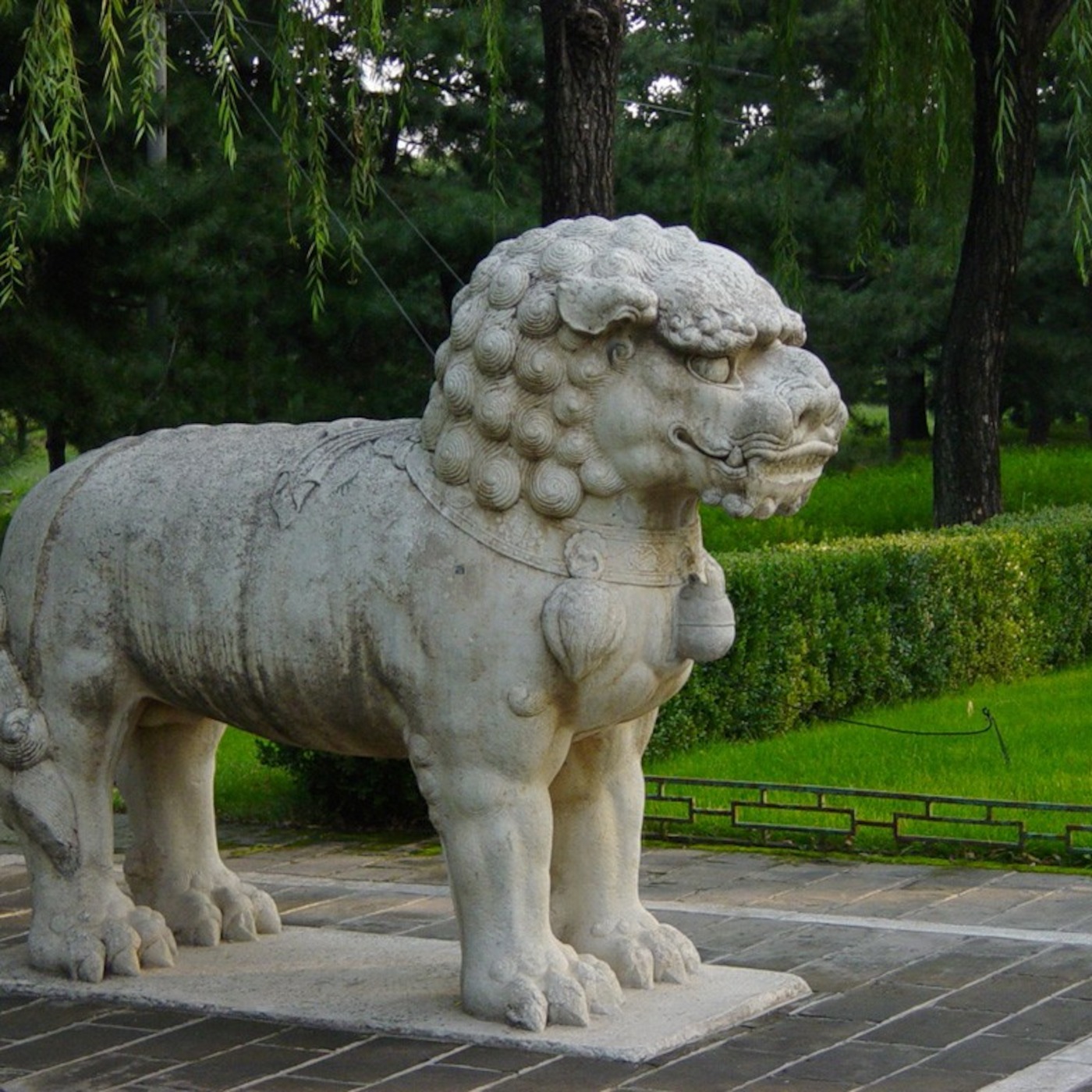
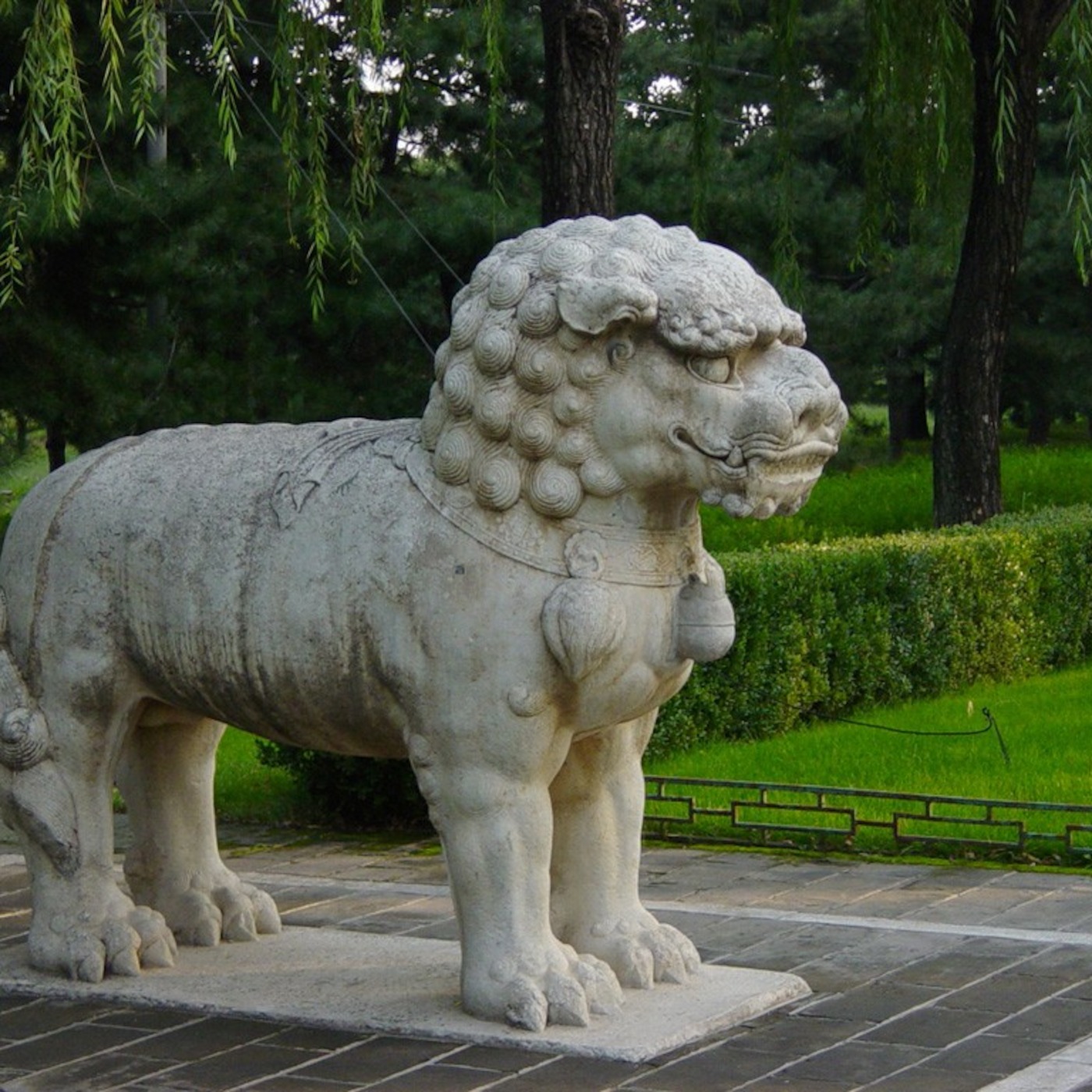
This story tells the origins of Chinese Lunar New year, which is called "Nian" in Chinese. 中国古时候,有一种叫"年"的怪兽,"年"的头上长着尖角,非常凶猛。"年"兽住在海底,每到除夕,就爬上岸来吃人和牲畜,所以每到除夕,人们都要到深山里躲起来。 这一年的除夕,乡亲们正忙着收拾东西躲到山里去。就在这时候,村子的东头来了一个白发老人。他对一位村民说,只要他可以在村里住一晚,就能将"年"兽赶走。大家都不相信。村民们都劝老人到山里躲一躲。老人不听,一个人留了下来! 当"年"兽准备进村吃人的时候,白发老人开始放起鞭炮,"年"兽看见鞭炮,吓得混身发抖 ,再也不敢向前凑了,原来"年"兽最怕红色,火光和炸响.这时大门开了,一位穿着红色衣服的老人哈哈大笑,"年"兽大惊失色,仓惶而逃. 第二天,当村民们回到村里时,发现家里安然无恙,这才恍然大悟!原来那位白发老人是神仙,他帮助大家赶走了"年"兽。人们还发现了白发老人驱逐"年"兽的三件法宝!从此,每年的除夕,家家都贴红对联,放鞭炮,户户灯火通明,"年"兽再也没有出现了。这个风俗 越传越广,成了中国最隆重的传统节日––"过年"。
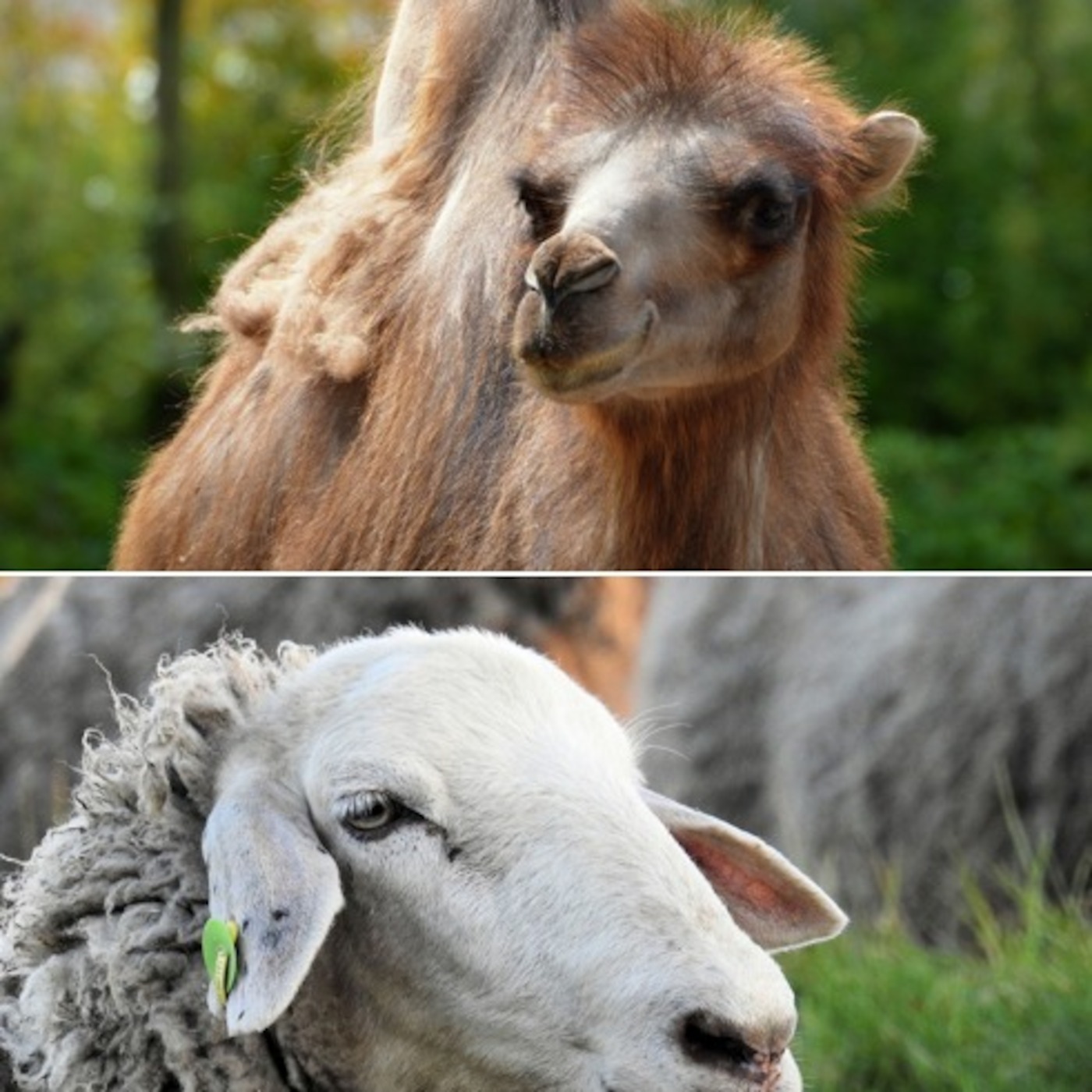
2.2.5B《骆驼和羊》故事解读
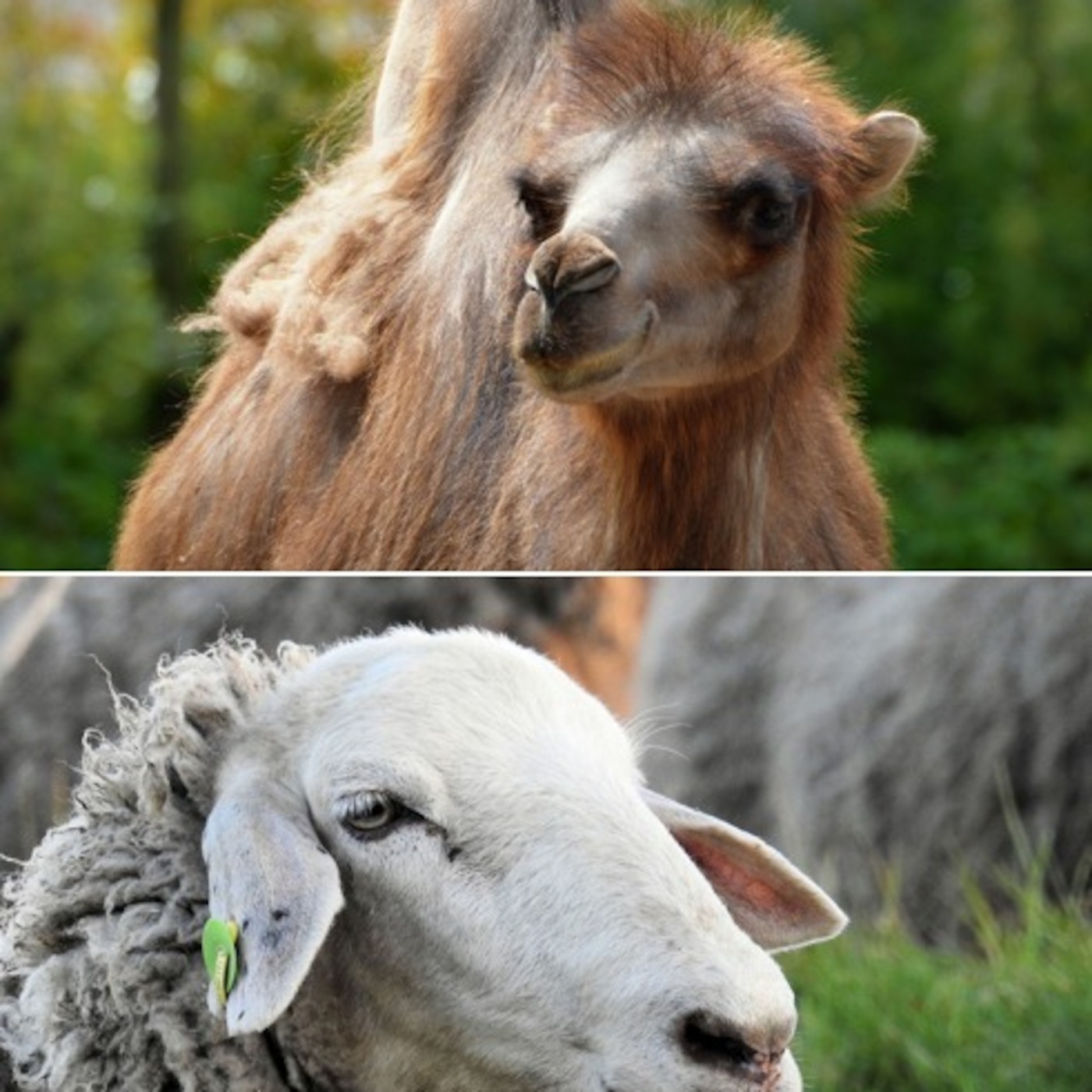
2.2.5A 故事《骆驼和羊》
A camel and a sheep started an argument about the advantage of heights. The camel argued being tall is good, while the sheep discussed being short got more advantage.They finally learned their lessons from a third-party. 骆驼长得高,羊长得矮。骆驼说:"长得高好。"羊说:"不对,长得矮才好呢。"骆驼说:"我可以做一件事情,证明高比矮好。"羊说:"我也可以做一件事情,证明矮比高好。" 他们俩走到一个园子旁边。园子四面有围墙,里面种了很多树,茂盛的枝叶伸出墙外来。骆驼一抬头就吃到了树叶。羊抬起前腿,扒在墙上,脖子伸得老长,还是吃不着。骆驼说:"你看,这可以证明了吧,高比矮好。"羊摇了摇头,不肯认输。 他们俩又走了几步,看见围墙上有个又窄又矮的门。羊大模大样地走进门去吃园子里的草。骆驼跪下前腿,低下头,往门里钻,怎么钻也钻不进去。羊说:"你看,这可以证明了吧,矮比高好。"骆驼摇了摇头,也不肯认输。 他们俩找老牛评理。老牛说:"你们俩都只看到自己的长处,看不到自己的短处,这是不对的。"

2.1.3B "雪孩子"解读

2.1.3A 故事"雪孩子"
This is one of the most well-known Chinese class stories for children. The bunny built a snowman with her mom's help and while the mom went searching for food, bunny was taking a nap at home with the coal heater on. When danger happened, snowman jumped in... 下了一天的大雪。房子上、树上、地上一片 白。兔妈妈要出去找吃的。她堆了一个漂亮的雪 孩子,陪小白兔玩。看着可爱的雪孩子,小白兔 真高兴。他和雪孩子又唱又跳,玩得很开心。小 白兔玩累了,就回家休息。屋子里很冷,他往火 里加了一些柴,就上床睡觉了。火把旁边的柴堆 给烧着了。小白兔睡得正香,一点儿也不知道。 雪孩子看见小白兔家着火了,就飞快地跑了过 去。雪孩子从大火中救出了小白兔,自己却化 了。雪孩子哪里去了呢?他飞到了空中,成了一 朵白云,一朵很美很美的白云。 ——本文摘自北京师范大学出版社《语文教师用书》
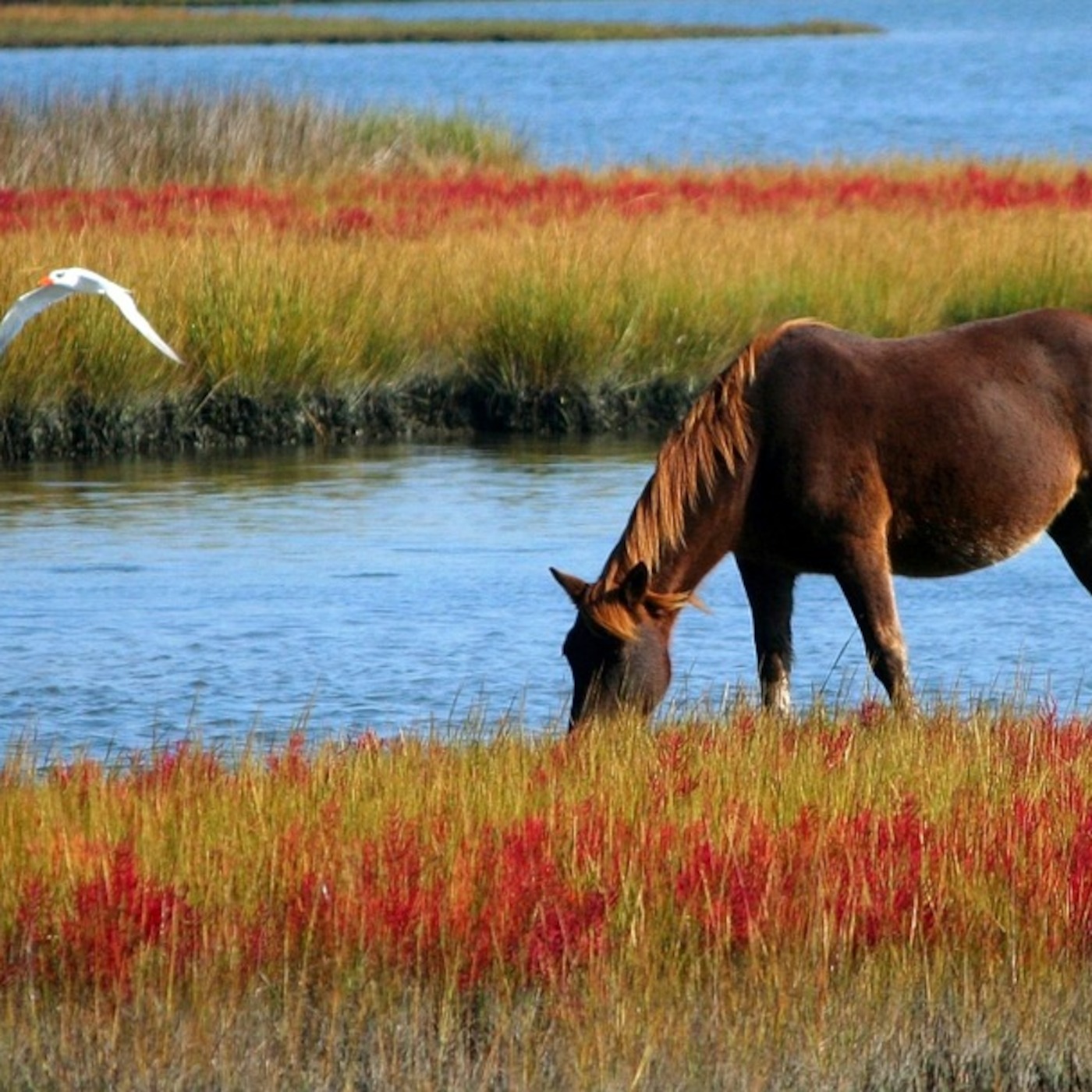
2.2.6B《小马过河》故事解读
《小马过河》故事解读 在一座小山旁边,"座"是一个量词,是山的量词。你可以说一座山,一座高山,一座大山,一座小山。住着一匹老马和一匹小马。那这里的"匹"呢是马的量词,除马以外,你还可以说一匹布,布就是你用来做衣服的材料,叫布。小马整天跟着妈妈,整天呢就是从早到晚。从来不肯离开一步。"从来"就是没有发生过的意思。"不肯"呢就是不想、不愿意。"离开"就是小马想一直和妈妈在一起,它不想和妈妈很远。"一步"就是人走路的时候你的脚出去就是一步,再出去就是两步。所以这个意思是说小马想和妈妈很近很近,不想和妈妈分开。第二段,有一天,妈妈对小马说:"宝宝你现在已经是个大孩子啦,你能帮助妈妈做点事吗?"这个里面没有什么可说的,可是文化上呢,中国的妈妈比较喜欢,很多妈妈喜欢说,对自己的孩子说,你现在已经是个大孩子啦,就是说有些事情你可以自己做了。你不需要爸爸妈妈帮你了,你现在已经是个大孩子了。宝宝呢就是对一个小孩子很小的时候的称呼。我觉得大概是小孩子5岁之前,6岁,5、6岁之前你都可以叫宝宝,不过6、7岁的话就有点大了,就不太适合叫宝宝了,不过也因人而异啦。小马点点头说。这里没有说点头,说了点点头,很有可能是说小马点了两三次的头,所以才说点点头,如果只有一次,那很有可能会说点头。"怎么不能呢?我可喜欢做事啦!"妈妈听了,高兴地笑着说,宝宝真是好孩子。而且就是中国的父母特别喜欢用这个词"好孩子",就是常常在中国的爸爸妈妈想让自己的孩子做一件事情的时候就会说真是个好孩子,或者说,你怎么不乖啦?你是不是个好孩子呀。小孩子小的时候都特别喜欢听到父母叫自己好孩子。我还记得上小学的时候,学校会给学生颁发一种奖,然后这个奖就叫做好孩子奖。那么,你就把这袋麦子背到磨房里去吧。这个麦子啊就是麦子成熟了以后磨出来的东西就是面粉。比如说水稻呢,水稻然后里面有的是米,会做成米饭,这是水稻。那麦子呢,你把麦子的壳打开以后里面的东西磨一磨就是面啦,面可以用来做面包,做蛋糕,这个是麦子,一种植物。背到磨房里去吧。这个磨房呀,这个磨就是中国古代的时候,现在也很多人用,就是石头做的,有两层,圆的,然后你可以把这个麦、麦粒放到这个磨的中间,然后呢可以是人也可以是动物,然后把一根绳子从这个磨栓到动物或人的身上,然后动物和人就可以转圈,转圈的时候这个磨就会动。动的时候麦子呢就磨,给磨成粉了。所以大的麦子就没有了,被磨成很小很小的粉末状的东西就是面粉啦。"房"呢就是房间的"房",所以是磨房。妈妈说着就把一担麦子放到小马的背上。小马的背上就是它的后背上面。小马试了试,一点也不重。可是小马对妈妈说:"妈妈,你跟我一块去好吗?"这个地方大家可以知道,就是说小孩子他长大的时候有一个阶段,这个阶段呢就是他非常非常地想和妈妈在一起,非常非常地依赖妈妈。所以他觉得自己不可以一个人做一件事情。做什么事情都要和妈妈一起。那我小的时候也是这样的一个孩子,就是我从来不肯离开我妈妈一步,然后呢做什么事情我都必须有妈妈在旁边。妈妈说:"怎么?妈妈要是能够和你一块去,还要你帮什么忙呢?"这里"怎么"就是为什么的意思。"还要你帮什么忙呢?"这个意思就是说如果妈妈能和你一块去就不用你帮忙了。快点去吧,早点去早点回来。妈妈等着你吃饭。这个里面呀"早点去早点回来"有的时候大家也常常说"早去早回"。早去早回就是说一件事情如果你开始的早,那么你完成的时候也完成得早,比较节省时间。早点去早点回来,早去早回。小马独个背着麦子向磨房走去。"独个"呢就是说它一个人,"独"就是自己的意思。"个"就是说一个人,一匹马,一匹马自己就是独个的意思。人的时候你也可以说独个。比如说,你应该多交一些朋友,你不能总是独个玩儿。从小马的家到磨房要蹬过一条小河。这个"蹬"呀常常可以说蹬自行车,就是你的两只脚放到自行车的那个,两个蹬自行车的那个上面去,脚蹬。对,自行车的脚蹬上面,所以这个蹬的意思就是你的脚使劲的往下,往下使劲然后蹬然后动起来。所以这个故事用了蹬可能是说小马过河的时候因为它的脚要使劲地往下踩,使劲地用力,所以用了一个蹬。小马走到小河边,看见河水挡在前面,哗啦哗啦地响着。这里的哗啦哗啦是一个象声词,象声词呢就是说汉语里面有一些词,他这个词产生的原因就是和声音有关系的。比如说哗啦哗啦,听起来像河流的声音。哗啦哗啦,对啦。然后呢,这个河水挡在前面。挡就是说有一个大的东西在你的前面,然后呢让你不能很顺利的往前走,是一种阻碍,让你不能过去啦。这时候怎么办。比如说,一个大个的同学挡在了一个小个的同学前面。这样你就不能过去啦,对不对。再比如说你去一个地方的时候,有的时候会看到一个牌子,牌子挡在前面,然后你可能看不到牌子后面的东西啦。或者说你看一个足球比赛,篮球比赛的时候,有的时候你前面坐着一个人,那个人很高很大,然后他挡着你的视线。所以你看不到篮球赛,看不到前面发生了什么。看见河水挡在前面,哗啦哗啦地响着。"响"就是发出声音的意思。心理有点怕了。过去呢还是不过去呢?妈妈不在身边,怎么办啊?所以小马它这个时候心理是在挣扎的。它不知道应该去呢,还是不应该去呢。生活里面呀,我们每个人,几乎每一天都有这种挣扎,一件事情是做呢还是不做呢。小马想着,就回过头去朝后望。所以它回过头,回过头就是回头的意思。"过"呢就是回头的过程,这里放了一个"过"。回过头去朝后望。"朝后"就是向后,"朝前"就是向前。"望"就是看的意思。但望和看不同,因为望呢常常是一个很远很远的地方,你看的话叫望。如果是一个很近的东西,你就说看就可以了。它希望这时候妈妈跑来就好了,可是它没有看到妈妈的影子。影子就是太阳照到你,然后呢,因为你挡着太阳,所以挡着太阳的话,太阳会照下来的时候在地上会有一个影子,一个黑黑的影子,这个是你的影子。它只看见老牛伯伯在河边吃草。"老牛"呀就是一匹很老的牛了。"伯伯"就是说,一般比你爸爸大的人可以叫他伯伯。所以这个时候你可以知道这个老牛年纪很大,是比小马的爸爸年纪大的。于是小马连忙滴答滴答的跑过去。滴答滴答这里和哗啦哗啦是一样的,也是一个象声词,象声词。"连忙"就是说它很快的,因为它很着急嘛,它很着急想知道要不要过去,所以它连忙地跑过去,你可以说连忙,还可以说急忙,还可以说赶忙,都是可以的。连忙,急忙,赶忙。急就是着急的急,赶就是赶快的赶,连忙,急忙,赶忙。滴答滴答就是小马的马蹄滴答滴答的声音。问牛伯伯:"牛伯伯,请你告诉我我能过河去吗?"牛伯伯回答说:"水很浅呐"。你可以说水很浅呐,还可以说水很浅啊,水很浅呀。这个都是一个感叹词。就是老牛伯伯觉得很容易的意思。"还不到我的小腿那么深。"小腿就是牛伯伯的腿啦,你知道人的腿或者动物的腿有两个部分,下面的那个部分我们叫小腿,上面的那个比较粗的我们叫大腿。"怎么不能过去呢?"小马听了,立刻就朝小河跑去。立刻的意思就是说马上,赶快,很快地发生。立刻就朝,朝我们前面说了,朝前朝后。然后这是朝小河就是向小河的方向跑去。"喂,慢点跑,慢点跑!"喂就是打电话的时候说诶,就是告诉一个人,你要听我说。慢点跑,慢点跑,咦。咦就是如果有的时候你觉得不知道为什么,你觉得很奇怪的时候你可以说咦。咦,是谁在说话呢?小马停住脚,停住脚就是它的脚停了,它的脚不跑了。抬头一看,把头抬起来,因为小松鼠在树上,所以它要抬头。抬头一看,原来是一只小松鼠。小松鼠,大家都知道小松鼠,就是,小松鼠呢在美国的话你一年四季,春天,夏天,秋天,冬天都能看到小松鼠。小松鼠呢它看起来有点像小老鼠,但比小老鼠要可爱很多,它的尾巴特别特别的大,它喜欢吃树上的一些果实,比如说松子呀,比如说其他的一些果仁呀,所以这是松鼠。小松鼠蹲在一棵大松树上,摇着大尾巴。我们刚刚说了松鼠的尾巴很大。所以它摇,摇就是它的尾巴在转。松鼠喜欢摇尾巴,小狗也喜欢摇尾巴,对不对,特别是小狗高兴的时候。对小马说:"小马,你可别听老牛的话,水很深,一下就会淹死的。""淹"就是说你知道有很多人不会游泳对不对,那不会游泳的人他掉到水里面、掉到河里面他因为不能呼吸,不会呼吸,所以他就会被淹,然后结果呢常常就是死亡。一下水,下水就是到水里面去。一下水就会淹死的。小马问松鼠:"你怎么知道水很深呢?"小松鼠说:"浅?"浅就是和深相反的,深就是水很多很多,很高。浅就是水很少很少,很低。"浅怎么会把我们的同伴冲跑了呢?"同伴就是一个朋友,他们一起玩的人,可以叫同伴。一起去吃饭啊,一起去玩啊,一起去爬树呀,就是一同做事情的伴侣叫同伴。冲就是水很多很多,很大很大。然后一个东西在哪,然后水过来啦,把那个东西冲走了,冲跑了。你可别听老牛的话。小河里的水到底深呢还是浅呢?这里用了一个"到底",到底是因为这个问题很难,因为有人说深还有人说浅,所以小马就说到底是深呢还是浅呢?小马没有主意了。没有主意的意思就是说不知道了,没有想法了。哎。哎,我们用哎,哎也是一个感叹词。那么哎呢常常就是说一个人不知道怎么办了,一个人觉得很烦恼,他会说哎。还是回家去问问妈妈吧。小马甩了甩尾巴。甩的话就是说尾巴上可能有不好的东西,脏的东西,所以你使劲一甩这个东西就掉下来了。滴滴答答的往家跑。滴滴答答又是一个象声词,就是小马的马蹄的声音,妈妈看见小马回来了,奇怪地问。奇怪就是不知道为什么。为什么会这样子,所以是奇怪。咦。所以妈妈也很好奇,她说"咦?你怎么就回来了呢?"小马很难为情地说。这里呀"难为情"是一个词,难为情的意思呢,情就是表情,就是你脸上看起来怎么样,有的脸上看起来是很高兴呢还是脸上看起来很难过,还是有别的表情。难为情就是说它看起来很尴尬,看起来有一点不好意思了。看起来有个很难的事情在它的生活里,这个叫难为情。河里的水很深,过,过,过不去。妈妈说怎么会很深呢?昨天小驴叔叔。驴就是驴子啦,就是一种和马很像的动物,就是donkey。小驴叔叔,叔叔是比爸爸小的,叫叔叔。小驴叔叔就是年纪很轻的一头驴。还到河那边。河的这边应该是小马的家在的地方,河的那边就是另一边。因为你知道一条河有两边对不对,这边和那边。驮了好几趟柴呢。那"驮"这个词呢你会用到马,驴还有骡的身上。骡子是另一种动物,骡子就是马和驴在一起生的孩子叫骡。这几种动物呢,中国人都用他们来背东西,他们都是背很重的东西。所以这个马,驴和骡背东西我们叫驮东西,特别是身上的东西很重很重我们叫驮。驮了好几趟柴呢。"趟"呀就是一次的意思。一趟一次,两趟两次,三趟就是三次,好几趟就是很多很多次。柴就是你知道冬天房子很暖,特别是在美国,在中国的农村也会有,就是一个地方,这个地方有火,然后你把柴放在火里面就烧起来啦,这样你可以暖和。柴,我们还可以说柴火。它说河水只齐到它的肚子,很浅。"齐"就是和什么什么一样。河水齐到肚子就是河水到它的肚子那。河水齐到小腿就是河水到小腿那里,很浅。是这样?老牛伯伯也说很浅,它说只到它小腿那。那你为什么不过去呢?可是松鼠说水很深,昨天它的一个同伴过河,给河水冲走了。我们上面说到过同伴和冲对不对。那么到底是深呢还是浅呢?你仔细想过他们说的话了么?仔细就是说你花了很长时间慢慢慢慢地想,你没有说没有想就有了自己的结论,仔细。想了一下,可是没有仔细想。不知道他们两个谁说的对。妈妈笑了,妈妈说你现在仔细想想看。牛伯伯有多高多大。多高多大的意思就是说,比如说他多高啊?他有一米高还是两米高。他有多大呀,他是像一头牛那么大呢还是说像一头大象那么大。小松鼠有多高多大,你再把小松鼠和你自己比一比,你有多高多大,小松鼠多高多大。你就知道能不能过河啦。小马听了妈妈的话,高兴地跳起来。它说:"明白啦!明白啦!河里水不深,我过得去。"过得去就是说我可以过去,我有这个能力过去。哎,我刚才怎么不仔细想想呢?这个仔细呀其实很多情况下可以用,你知道生活里面有很多人是很仔细的人,他遇到一个问题,发生一个事情,他先不急着做,他想很长时间,然后去做。可是有很多人,像我就不是一个很仔细的人,发生一件事情我很快的就有一个结论,或者是我很快就做了,所以有的时候不是特别仔细,所以不太好。小马说着就连蹦带跳的朝河边跑去。连蹦带跳就是说小马有的时候蹦,蹦就是说它的腿离开了地然后再下去,蹦。你知道那个袋鼠,澳大利亚的袋鼠他很喜欢蹦。跳呢
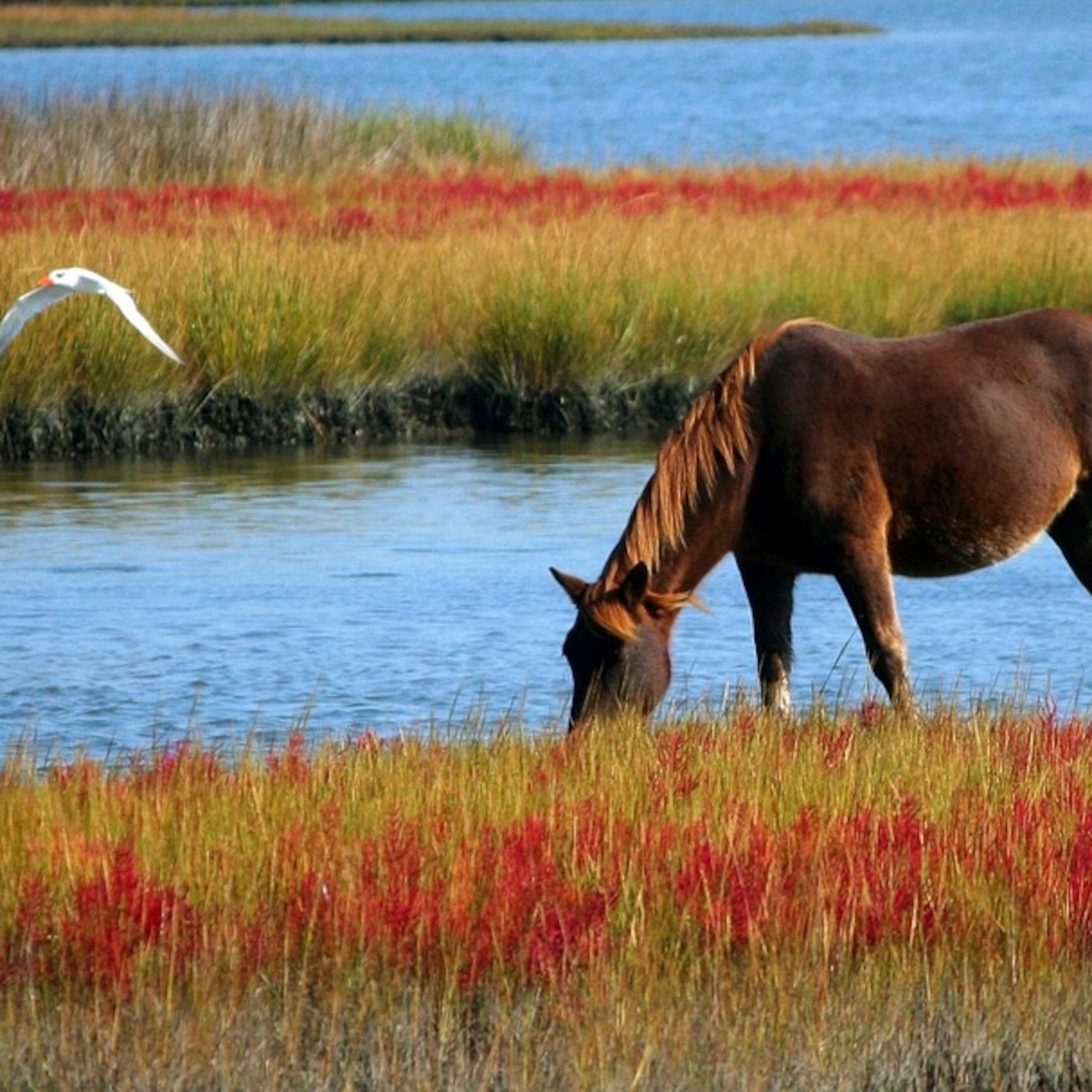
2.2.6A 故事《小马过河》
Pony went to an errand by himself for the very first time at his mom's request. He was going to carry a bag of wheat to the other side of a river. But when he was about to cross the river, he received different suggestions from others. Pony finally learned the lesson with the help of his mom and he made up his decision... 在一座小山旁边,住着一匹老马和一匹小马。小马整天跟着妈妈,从来不肯离开一步。 有一天,妈妈对小马说:"宝宝,你现在已经是个大孩子了。你能帮助妈妈做点事吗?"小马点点头说:"怎么不能呢! 我可喜欢做事啦。" 妈妈听了,高兴地笑着说:"宝宝真是好孩子。那么,你就把这袋麦子背到磨房里去吧。" 妈妈说着就把一袋麦子放在小马的背上。 小马试了试,一点也不重。可是小马对妈妈说:"妈妈,你跟我一块去好吗?" 妈妈说:"怎么,妈妈要是能够跟你一块去,还要你帮什么忙呢?快点去吧,早点去早点回来,妈妈等着你吃饭。" 小马独个儿背着麦子向磨房走去。 从小马的家到磨房,要蹬过一条小河。小马走到小河边,看见河水挡在前面哗啦哗啦地响着,心里有点怕了。 "过去呢,还是不过去呢?妈妈不在身边,怎么办啊?"小马想着,就回过头去朝后望。他希望这时候妈妈跑过来就好了。 可是他没有看到妈妈的影子,他只看见老牛伯伯在河边吃草。 于是小马连忙"的嗒的嗒"地跑过去,问牛伯伯:"伯伯,请你告诉我,我能过河去吗?"牛伯伯回答说:"水很浅呐。还不到我的小腿那么深,怎么不能过去呢?" 小马听了,立刻就朝小河跑去。 "喂!慢点跑,慢点跑!" 咦!是谁在说话呢? 小马停住脚抬头一看,原来是一只小松鼠。小松鼠蹲在一棵大松树上,摇着大尾巴,对小马说:"小马,你可别听老牛的话。水很深,一下水就会淹死的。" 小马问松鼠:"你怎么知道水很深呢?"小松鼠说:"浅?浅,怎么会把我们的同伴冲跑了呢?你可别听老牛的话!" 小河里的水到底深呢,还是浅呢?小马没有主意了。"唉!还是回家去问问妈妈吧。"小马甩了甩尾巴,"的的嗒嗒"地又往家里跑。 妈妈看见小马回来了,奇怪地问:"咦!你怎么就回来了呢?" 小马很难为情地说:"河里的水很深,过……过不去。" 妈妈说:"怎么会很深呢?昨天小驴叔叔还到河那边驮了好几趟柴呢。他说河水只齐到他肚子,很浅。" "是这样……老牛伯伯也说水很浅。他说只到他小腿那儿……" "那么你为什么不过去呢?" "可是……松鼠说……水很深,昨天,他的一个同伴过河,给河水冲走了。" "那么到底是深呢,还是浅呢?你仔细想过他们说的话了吗?" "想了一下,可是没有仔细想,不知道他们两个谁说的对。" 妈妈笑了。妈妈说:"你现在仔细想想看,牛伯伯有多高多大,小松鼠有多高多大。你再把小松鼠和你自己比一比,你有多高多大,小松鼠又有多高多大,你就知道能不能过河了。" 小马听了妈妈的话,高兴得跳起来。他说:"明白了,明白了,河里水不深,我过得去。唉!我刚才怎么不仔细想想呢!" 小马说着,就连蹦带跳地朝河边跑去。 小马一口气跑到河边,立刻跳到水里。河水刚好齐到小马的膝盖,不像老牛伯伯说的那么浅,也不像小松鼠说的那么深。 小马背着麦子,很快活地瞪着水, "扑通扑通"地过了河,到磨房去了。 ——摘自http://www.dtcoalmine.com/102030/102034/53395.html