Law Bytes
231 episodes — Page 4 of 5
Episode 128: Morghan Fortier on Why Canada's Most Successful Youtube Streaming Company Is Worried About Bill C-11
Last week, the Standing Committee on Canadian Heritage started its hearings on the Online Streaming Act with the first of four day-long sessions it has planned for witnesses. Morghan Fortier, the co-founder and CEO of Skyship Entertainment, stole the show that day with insights that demand to be heard. Her company may not be a household name, but it’s Canada’s leading Youtube streaming service with millions of subscribers worldwide and billions of views. She joins the Law Bytes podcast to talk about her company, the challenges and opportunities for Canadians in online streaming, and her sector’s concerns with the government’s Bill C-11 legislative plans.
Episode 127: Lucie Guibault on Canada's Approach to Copyright Term Extension
Last week, the government took another step toward copyright term extension in Canada, inserting extension provisions within Finance Minister Chrystia Freeland’s Budget Implementation Act bill. Despite recommendations from its own copyright review, students, teachers, librarians, and copyright experts to include a registration requirement for the additional 20 years of protection, the government chose to extend term without including protection to mitigate against the harms. Lucie Guibault is an internationally renowned expert on international copyright law, a Professor of Law and Associate Dean at Schulich School of Law at Dalhousie University, and the Associate Director of the school’s Law and Technology Institute. Days before the release of the bill, she joined the Law Bytes podcast for a discussion on copyright term extension, its implications and the government’s implementation options. The podcast can be downloaded here, accessed on YouTube, and is embedded below. Subscribe to the podcast via Apple Podcast, Google Play, Spotify or the RSS feed. Updates on the podcast on Twitter at @Lawbytespod. Show Notes: Bill C-19, Budget Implementation Act Canadian IP Scholars Copyright Term Extension consultation submission Canadian IP Scholars Public Letter on Budget 2022 – Copyright Law Amendments Credits: Standing Committee on Industry, Science and Technology, February 24, 2020
Episode 126: Why Canada's Online Harms Consultation Was a Transparency and Policy Failure
This week’s Law Bytes podcast departs from the typical approach as this past week was anything but typical. As readers of this blog will know, last week I obtained access to hundreds of previously secret submissions to the government’s online harms consultation. Those submissions cast the process in a new light. This week’s Law Bytes podcast explains why the online harms consultation was a transparency and policy failure, walking through what has happened, what we know now, and how this fits within the broader Internet regulation agenda of the Canadian government. The podcast can be downloaded here, accessed on YouTube, and is embedded below. Subscribe to the podcast via Apple Podcast, Google Play, Spotify or the RSS feed. Updates on the podcast on Twitter at @Lawbytespod. Show Notes: Online Harms Consultation ATIP Results Credits: Canada 2020, Democracy in the Digital Age: Addressing Online Harms
Episode 125: Sue Gardner on Journalism, the Internet Platforms, and the Online News Act
Last week, Canadian Heritage Minister Pablo Rodriguez introduced Bill C-18 – the Online News Act – the second of three planned Internet regulation bills. There is much to unpack about the provisions in the bill including the enormous power granted to the CRTC, the extensive scope of the bill that could cover tweets or LinkedIn posts, the provision that encourages the Internet platforms to dictate how Canadian media organizations spend the money at issue, and the principle that news organizations should be compensated by some entities not only for the use of their work but even for links that refer traffic back to them. Sue Gardner is the Max Bell School of Public Policy McConnell Professor of Practice for 2021-2022. A journalist who went on to head CBC.ca and later the Wikimedia Foundation (Wikipedia), she is the only Canadian, and the first woman, to have run a global top-5 internet site. She joins the Law Bytes podcast for a conversation about journalism, the Internet platforms, and Bill C-18. The podcast can be downloaded here, accessed on YouTube, and is embedded below. Subscribe to the podcast via Apple Podcast, Google Play, Spotify or the RSS feed. Updates on the podcast on Twitter at @Lawbytespod. Show Notes: Bill C-18, the Online News Act Credits: CBC News, This Bill Would Require Facebook, Google to Pay News Outlets
Episode 124: David Fraser on Negotiating a CLOUD Act Agreement Between Canada and the United States
The CLOUD Act, which allows US law enforcement to use a warrant or subpoena to compel U.S.-based technology companies to provide data stored on servers regardless of where the data is located, was first introduced in the United States in 2018. Canada and the US recently announced plans to negotiate a Cloud Act agreement which would ease cross-border disclosures of data between the two countries. David Fraser is a lawyer with McInnes Cooper in Halifax and one of Canada’s leading privacy experts. He regularly acts for clients on data disclosure matters and was one of the first to highlight the negotiations and its implications on his Youtube channel. He joins the Law Bytes podcast to talk about the Cloud Act, how it might fit into Canada’s privacy law framework, and how Canada should approach the negotiations. The podcast can be downloaded here, accessed on YouTube, and is embedded below. Subscribe to the podcast via Apple Podcast, Google Play, Spotify or the RSS feed. Updates on the podcast on Twitter at @Lawbytespod. Show Notes: Privacy Lawyer Blog, Canada – US Announce Beginning of CLOUD Act Negotiations United States and Canada Welcome Negotiations of a CLOUD Act Agreement Credits: Senator Orrin Hatch, Hatch Previews CLOUD Act
Episode 123: Darcy Michael on Why Bill C-11 Hurts Canada's Digital First Creators
Since the introduction of Bill C-11, Canadian Heritage Minister Pablo Rodriguez has insisted that he heard the concerns about regulating user generated content and he “fixed it.” Yet the reality is that anyone that takes the time to the read the bill knows that simply isn’t the case. The concerns with the government’s approach have started to attract the attention of Canadian digital-first creators, who fear the plans could lead to lost revenues and reduced promotion worldwide of what has become one of Canada’s most successful cultural exports. Darcy Michael is a B.C.-based comedian with millions of TikTok subscribers and a globally successful podcast. Last week, he appeared before the Standing Committee on Canadian Heritage to warn about the risks of Bill C-11 and to call for reform. He joins the Law Bytes podcast to tell his story of success online and his fears about what the bill would mean for Canadian digital-first creators. The podcast can be downloaded here, accessed on YouTube, and is embedded below. Subscribe to the podcast via Apple Podcast, Google Play, Spotify or the RSS feed. Updates on the podcast on Twitter at @Lawbytespod. Show Notes: Darcy Michael website Credits: House of Commons, February 16, 2022
Episode 122: Monica Song on Banning Russia Today From the Canadian Television System
The Russian invasion of Ukraine has sparked international condemnation and a race to levy sanctions and undo longstanding connections to the country. Responses have included demands that Russia Today, a television network backed by the Russian government, be removed from cable and satellite systems. Companies such as Bell, Rogers, Telus and Shaw have dropped the service, but the desire for a longer-term regulatory solution has brought the issue to the CRTC. Working with a strict two week deadline, last week the CRTC ruled that RT and RT France can no longer be distributed by Canadian television service providers. Monica Song is a partner with the law firm Dentons and one of Canada’s leading telecom and broadcast lawyers. She joins the Law Bytes podcast to unpack the case before the Commission and assess the broader implications around due process and content regulation. The podcast can be downloaded here, accessed on YouTube, and is embedded below. Subscribe to the podcast via Apple Podcast, Google Play, Spotify or the RSS feed. Updates on the podcast on Twitter at @Lawbytespod. Show Notes: CRTC, RT and RT France can no longer be distributed by Canadian television service providers Credits: House of Commons, Question Period, March 2, 2022
Episode 121: The Law Is No Longer Fit For Purpose - My Appearance Before the ETHI Committee on Canadian Privacy and Mobility Data
The House of Commons Standing Committee on Access to Information, Privacy and Ethics spent much of February conducting a study on the collection and use of mobility data by the Government of Canada. The study stems from reports that the Public Health Agency of Canada worked with Telus and BlueDot, an AI firm, to identify COVID-19 trends based on mobility data with questions about whether there was appropriate disclosures, transparency and consent from the millions of Canadians whose data may have been collected. I appeared before the committee toward the end of the study, emphasizing that while the activities were arguably legal, something still does not sit right with many Canadians. This week’s Law Bytes podcast goes inside the hearing room for my appearance, where I made the case that Canada’s outdated privacy laws are no longer fit for purpose. The podcast can be downloaded here, accessed on YouTube, and is embedded below. Subscribe to the podcast via Apple Podcast, Google Play, Spotify or the RSS feed. Updates on the podcast on Twitter at @Lawbytespod. Credits: Global News, Privacy Watchdog Investigates PHAC’s Use of Canadians’ Cellphone Location Data
Episode 120: Vass Bednar, Ana Qarri and Robin Shaban on Fixing Canada's Competition Law Problem
The proposed Rogers – Shaw merger has placed Canada’s competition law and policy back into the spotlight as consumers frustrated by high wireless prices and a market that many believe already suffers from insufficient competition face the prospect of even less competition should the deal be approved. Last week, the House of Commons Standing Committee on Industry and Technology agreed, issuing a recommendation that “the Committee believes the merger should not proceed” and identifying the need for conditions in the event that it does. Vass Bednar, Ana Qarri, and Robin Shaban recently conducted an extensive study for the Ministry of Innovation, Science and Industry on competition in data driven markets in Canada. Vass, the Executive Director of McMaster University’s Master of Public Policy (MPP) in Digital Society Program, Ana, a recent graduate of McGill University Faculty of Law, and Robin, co-founder and senior economist at Vivic Research, join me on this week’s Law Bytes podcast to discuss their study, the intersection between competition and digital and telecom policy, and their proposed reforms to reshape Canadian competition law. The podcast can be downloaded here, accessed on YouTube, and is embedded below. Subscribe to the podcast via Apple Podcast, Google Play, Spotify or the RSS feed. Updates on the podcast on Twitter at @Lawbytespod. Show Notes: Bednar, Qarri and Shaban, Study of Competition Issues in Data-Driven Markets in Canada Credits: Global News, What a $26 B deal between telecom giants means for 5G in Canada
Episode 118: Leah West on the Canadian Government's Invocation of the Emergencies Act
After several weeks of protests, occupation, and border crossing blocking, the Canadian government took the unprecedented step last week of invoking the Emergencies Act. The situation is rapidly evolving and still being debated in the House of Commons. Dr. Leah West is an Assistant Professor of International Affairs at the Norman Paterson School of International Affairs at Carleton University and one of Canada’s leading experts on national security law. She joins the Law Bytes podcast to discuss rules surrounding the Emergencies Act and the implications of the government’s recent move to invoke it. The podcast can be downloaded here, accessed on YouTube, and is embedded below. Subscribe to the podcast via Apple Podcast, Google Play, Spotify or the RSS feed. Updates on the podcast on Twitter at @Lawbytespod. Show Notes: Leah West, Public Order Emergency: A Guide to Thinking Through the Legal Thresholds and Its Justification Jessica Davis, Insight Intelligence CCLA Files Judicial Review Credits: Guardian News, Canadian Prime Minister Trudeau Invokes Emergencies Act over Protests
Episode 117: Fight for the Future's Sarah Roth-Gaudette on Web 3 Regulation and Alternatives to Big Tech
The interest in regulation and Web 3.0, the umbrella term for all matters crypto, continues to grow in countries around the world. In Canada, a new private member’s bill encourages the government to establish a regulatory framework to support innovation even as concerns mount over the use of cryptocurrency to by-pass conventional payments regulations. In the United States, there have been multiple Congressional hearings and proposals for legislative action. Fight for the Future was one of many leading digital civil liberties groups that included Access now, Article 19, EFF, and Global Voices, that recently came together to issue a public letter in support of alternatives to big tech and to approach legislation related to Web 3 technologies carefully. Sarah Roth-Gaudette, the Executive Director of Fight for the Future, joins the Law Bytes podcast to talk about Web 3, the regulatory initiatives, and the issues that are at stake. The podcast can be downloaded here, accessed on YouTube, and is embedded below. Subscribe to the podcast via Apple Podcast, Google Play, Spotify or the RSS feed. Updates on the podcast on Twitter at @Lawbytespod. Show Notes: In Support of Alternatives to Big Tech Credits: Yahoo Finance, Key Takeaways From the Capitol Hill Hearing with Crypto CEOs
Episode 116: Is This Podcast a Program Subject to CRTC Regulation Under Bill C-11?
The government’s Internet regulation plans were back on the agenda last week as a “what we heard report” was released on online harms and Bill C-11 – the sequel to last year’s controversial Bill C-10 – was introduced by Canadian Heritage Minister Pablo Rodriguez. The Law Bytes podcast will devote several episodes to the bill in the coming months. For this week, however, rather than inviting a guest to discuss a bill that people are still assessing, I appear solo and walk through the bill’s provisions involving user generated content. The podcast also highlights several ongoing concerns involving the near-unlimited jurisdictional scope of the bill, the considerable uncertainty for all stakeholders, the misplaced trust in the CRTC, and the weak evidentiary case for the bill. The podcast can be downloaded here, accessed on YouTube, and is embedded below. Subscribe to the podcast via Apple Podcast, Google Play, Spotify or the RSS feed. Updates on the podcast on Twitter at @Lawbytespod. Show Notes: Bill C-11, The Online Streaming Act Credits: Heritage Minister Pablo Rodriguez Discusses Government’s Online Streaming Bill, February 2, 2022
Episode 115: Reuven Avi-Yonah on the Past, Present and Future of Digital Services Taxes
There has been mounting concern over the past few years over whether some of the world’s largest companies – primarily big tech – pay their fair share of taxes. This issue has arisen in countries around the world leading to new digital services taxes that primarily target the U.S. tech giants and which in turn often leads to the U.S. threatening to retaliate in response. Canada now finds itself embroiled in these battles as Finance Minister Chrystia Freeland has proposed a retroactive digital services tax to take effect in 2024 if by that time a newly reached OECD agreement has not taken effect. Professor Reuven Avi-Yonah is a law professor at the University of Michigan and director of the school’s international tax LLM program. He joins the Law Bytes podcast to discuss digital services taxes, the OECD deal, and what might happen if the international agreement falls apart. The podcast can be downloaded here, accessed on YouTube, and is embedded below. Subscribe to the podcast via Apple Podcast, Google Play, Spotify or the RSS feed. Updates on the podcast on Twitter at @Lawbytespod. Credits: CNBC International, What is a Digital Tax?
Episode 114: The Citizen Lab's Ron Deibert on Protecting Society from Surveillance Software
The Citizen Lab at the University of Toronto, led by Professor Ron Deibert, has a well-earned reputation for uncovering surveillance technologies and security vulnerabilities with research and reports that attract immediate attention worldwide. Professor Deibert has won an incredible array of awards and accolades for his remarkable work, including the Order of Ontario and the EFF’s Pioneer Award. In 2020, he delivered the Massey Lectures, based on his book for the lectures, Reset: Reclaiming the Internet for Civil Society. Professor Deibert joins the Law Bytes podcast to talk about the lab, his work, and the threat of what he calls “despotism as a service”, where spyware is used to target journalists, activists, and civil society groups. The podcast can be downloaded here, accessed on YouTube, and is embedded below. Subscribe to the podcast via Apple Podcast, Google Play, Spotify or the RSS feed. Updates on the podcast on Twitter at @Lawbytespod. Show Notes: Issues in Science and Technology, Protecting Society From Surveillance Spyware Credits: DW News, Hacking Backdoor? Security Flaws in China’s Mandatory Olympics App
Episode 112: Aaron Perzanowski on the Right to Repair
The right to repair, whether consumer electronics, farm machinery or even health and medical equipment, is an issue that affects everyone. Given the implications for consumer and property rights, the sustainability of the agricultural sector, and protecting the environment, ensuring a right to repair would seem like an obvious political winner. Yet the issue has lagged, not the least of which because of restrictive copyright laws that can limit the ability to repair personal property. Aaron Perzanowski is a law professor at Case Western Reserve University School of Law in Cleveland, Ohio and the Associate Director of the Spangenberg Center for Law, Technology & the Arts. Professor Perzanowski is the author of the forthcoming book, The Right to Repair, to be published by Cambridge University Press early next year. He joins the Law Bytes podcast to explain why the right to repair matters, how copyright fits into this, and what reforms are needed to address the issue. The podcast can be downloaded here, accessed on YouTube, and is embedded below. Subscribe to the podcast via Apple Podcast, Google Play, Spotify or the RSS feed. Updates on the podcast on Twitter at @Lawbytespod. Show Notes: Aaron Perzanowski, The Right to Repair: Reclaiming the Things We Own (Cambridge University Press, Forthcoming 2022) Credits: Tomorrow Unlocked, No Right to Repair: Farmers are Forced to Hack Their Own Tractors
Episode 111: The Story Behind JusTech - How Three University of Ottawa Law Students Created a Technology Compliance Solution for Privacy Breach Rules
Privacy breaches have become increasingly commonplace as businesses of all sizes grapple with how to keep customer information secure and what to do when things go wrong. The issue is particularly challenging for small and medium sized business, who are forced to navigate a regulatory framework that isn’t easy and can be extremely expensive. Enter JusTech, a project launched by Ritesh Kotak, Ayushi Dave, and Ryan Mosoff, three University of Ottawa law students who leveraged legal innovation hackathons to create a free online service that walks small businesses through the regulations and makes compliance manageable. I’ve been proud to serve as an advisor to JusTech, which provides some notable lessons on legal innovation and privacy law. Ritesh, Ayusha, and Ryan join the Law Bytes podcast to discuss. This episode is part of a series of Law Bytes episodes that have been accredited by the Law Society of Ontario for continuing legal education Professionalism Hours. The program contains 25 minutes of Professionalism Content. The podcast can be downloaded here, accessed on YouTube, and is embedded below. Subscribe to the podcast via Apple Podcast, Google Play, Spotify or the RSS feed. Updates on the podcast on Twitter at @Lawbytespod. Credits: CBC News, How to Keep Your Information Secure Amid Data Breaches
Episode 110: Waiting to Connect - Karen Barnes and Catherine Middleton on the CCA's Report on Internet Access in Canadian Rural, Remote and Indigenous Communities
Canada’s strategy to ensure that everyone from coast to coast to coast has access to affordable high speed Internet services is widely viewed as a failure and the source of ongoing frustration for many, particularly those in rural, remote and indigenous communities. Those communities often face the prospect of no broadband access or at best expensive, unreliable services. The Council of Canadian Academies recently convened an expert panel on High-Throughput Networks for Rural and Remote Communities in Canada. The panel’s report is a must read for anyone concerned with equitable and affordable Internet access and the consequences of leaving many communities – particularly indigenous communities – behind. The panel was chaired by Karen Barnes, the former president of Yukon University and included Professor Catherine Middleton, the Director of the Ted Rogers School of Information Technology Management at Ryerson University. They join the Law Bytes podcast this week to discuss the panel, the report, and the recommendations for policy action. The podcast can be downloaded here, accessed on YouTube, and is embedded below. Subscribe to the podcast via Apple Podcast, Google Play, Spotify or the RSS feed. Updates on the podcast on Twitter at @Lawbytespod. Show Notes CCA Report, Waiting to Connect: The Expert Panel on High-Throughput Networks for Rural and Remote Communities in Canada Credits: CBC News, Digital Divide May Impact the Future of Indigenous Youth
Episode 109: Striking the Balance on Misinformation and Freedom of Expression - My Examination of Canadian Policy Solutions
The Canadian Parliament is set to resume this week and it’s a safe bet that Internet regulation will be part of the legislative agenda in the coming months. One of the toughest policy issues involve misinformation, which can be difficult to define and potentially to regulate. The Canadian Commission on Democratic Expression was established in spring 2020 with a three-year mandate to better understand, anticipate, and respond to the effects of new digital technologies on public life and Canadian democracy. As part of its work, it created a Citizens’ Assembly comprised of Canadians from across the country who recently gathered for several days to debate disinformation online. Last week, I was honoured to deliver a dinner speech to the group followed by a facilitated discussion. This week’s podcast features a recording of that lecture with the slides posted here. The podcast can be downloaded here, accessed on YouTube, and is embedded below. Subscribe to the podcast via Apple Podcast, Google Play, Spotify or the RSS feed. Updates on the podcast on Twitter at @Lawbytespod. Show Notes PPT presentation to the Citizens’ Assembly Credits: CityNews Edmonton, Nearly All Canadians Saw COVID-19 Misinformation Online, Study Says
Episode 106: Former Canadian Heritage Committee Chair Scott Simms Goes Behind the Scenes of the Bill C-10 Hearing
Scott Simms, a Liberal MP from Newfoundland for 17 years, was long recognized as a leading voice on Parliament Hill on cultural and digital policy. Simms recently served as the chair of the Standing Committee on Canadian Heritage, which conducted the review of Bill C-10 and which placed him at the heart of one of the year’s more controversial pieces of proposed legislation. Simms was not re-elected this past fall and is now well positioned to reflect on policy making in Canada and the issues that arose with Bill C-10. He joins the Law Bytes podcast for a conversation about the bill, his suggestions for how the process can be improved, and his thoughts on the challenges of crafting forward-looking digital policies. The podcast can be downloaded here, accessed on YouTube, and is embedded below. Subscribe to the podcast via Apple Podcast, Google Play, Spotify or the RSS feed. Updates on the podcast on Twitter at @Lawbytespod. Credits: Standing Committee on Canadian Heritage, June 11, 2021
Episode 107: Addison Cameron-Huff on the State of Crypto and Blockchain Regulation in Canada
From Bitcoin to NFTs, interest in crypto and the blockchain has never been greater. Millions of people around the world invest in various crypto currencies, exchanges seem to pop-up daily, and for better or worse the pace of innovation and new services is reminiscent of the early of the days of the Internet. As the industry races ahead, where does the law fit in? Can the law fit in? Addison Cameron-Huff is a Toronto-based blockchain and cryptocurrency lawyer. A former president of Decentral, a leading Canadian blockchain company and the co-founder of Toronto Blockchain Week, his clients have included virtual currency dealers, DeFI platforms, and stablecoin developers. He joins the Law Bytes podcast to provide some insight into the state of Canadian law and regulation when it comes to this fast-moving, globally oriented sector. The podcast can be downloaded here, accessed on YouTube, and is embedded below. Subscribe to the podcast via Apple Podcast, Google Play, Spotify or the RSS feed. Updates on the podcast on Twitter at @Lawbytespod. Credits: CBC News, Toronto Stock Exchange Launches World’s First Bitcoin ETF
Episode 108: Scott Benzie on How Bill C-10 Ignored Canada's Thriving Digital First Creators
The Canadian digital first creator economy isn’t something that politicians or policy makers seem to know much about, but they are quick to propose legislative reforms that directly implicate it, most recently in the form of Bill C-10. Yet the sector is thriving, with Canadian stars earning millions of dollars and attracting global audiences that often exceed Canada’s conventional film and television sector. Scott Benzie, the CEO of Buffer Festival, started in traditional media but now advocates and works with creators, platforms and industry around online content. He joins the Law Bytes podcast to discuss the current state of digital first creators in Canada, their omission from the Bill C-10 process, and the formation of Digital First Canada, a new advocacy group to better represent the needs of the community. The podcast can be downloaded here, accessed on YouTube, and is embedded below. Subscribe to the podcast via Apple Podcast, Google Play, Spotify or the RSS feed. Updates on the podcast on Twitter at @Lawbytespod. Credits: Pokimane Too, Watching PewDiePie’s Rewind
Episode 105: NDP MP Charlie Angus on Canada's Failed Digital Policy and His Hopes for the Next Parliamentary Session
NDP MP Charlie Angus has been a consistent – and persistent – voice on digital policies since his election to the House of Commons in 2004. He was one of the first MPs to seriously consider user rights within Canadian copyright law, a vocal supporter of net neutrality and more affordable wireless services, and a leading advocate for privacy protection and social media regulation. Last week, Angus called a press conference to unveil his 6 point plan for digital policy, which emphasized accountability, privacy reform, and algorithmic transparency. Along the way, he derided the government’s Bill C-10 efforts as a political dumpster fire and voiced support for the creation of a new officer of parliament charged with responsibility for social media regulation. Charlie Angus joins the Law Bytes podcast this week to reflect on the failed bill C-10 and C-11, his concerns with the online harms consultation, and his hopes for the coming parliamentary session. The podcast can be downloaded here, accessed on YouTube, and is embedded below. Subscribe to the podcast via Apple Podcast, Google Play, Spotify or the RSS feed. Updates on the podcast on Twitter at @Lawbytespod. Credits: CPAC, NDP MP Charlie Angus Calls for Stronger Regulation of Facebook
Episode 104: Taylor Owen on What the Latest Facebook Revelations Mean for Canada's Online Harms Legislative Plans
Facebook has once again found itself in the political spotlight as Frances Haugen, a former data scientist and product manager with the company turned whistleblower, provided the source documents for an explosive investigative series in the Wall Street Journal followed by an appearance before a U.S. Senate committee. The Facebook Files series comes just as Canada is moving toward its own legislative response to Internet concerns, with an online harms consultation that provides a roadmap for future policies. The Canadian initiative has sparked widespread criticism, but recent events may only increase the calls for legislative action. Taylor Owen, the Beaverbrook Chair in Media, Ethics and Communications in the Max Bell School of Public Policy at McGill University joins the Law Bytes podcast to discuss the latest revelations and what they might mean for the future of Canadian Internet regulation. The podcast can be downloaded here, accessed on YouTube, and is embedded below. Subscribe to the podcast via Apple Podcast, Google Play, Spotify or the RSS feed. Updates on the podcast on Twitter at @Lawbytespod. Credits: CBC News, The National, October 6, 2021
Episode 89: A Special Episode on Debating Bill C-10 at the Canadian Heritage Committee
With yesterday’s Standing Committee on Canadian Heritage meeting with experts on Bill C-10 and its implications for freedom of expression, this is a special Law Bytes episode featuring my opening statement and engagement with Members of Parliament. The discussion canvassed a wide range of issues including how regulating user generated content makes Canada an outlier worldwide, the impact on net neutrality, and why discoverability requirements constitute speech regulation. There is a second post that features my opening statement to the committee. The podcast can be downloaded here, accessed on YouTube, and is embedded below. Subscribe to the podcast via Apple Podcast, Google Play, Spotify or the RSS feed. Updates on the podcast on Twitter at @Lawbytespod. Credits: Standing Committee on Canadian Heritage, May 17, 2021

Episode 83: Inside in the Industry Committee Hearing on the Proposed Rogers-Shaw Merger
When the proposed Rogers – Shaw merger was announced last month, it immediately became a flashpoint for Canada’s ongoing debate over wireless competition and pricing. The Standing Committee on Industry, Science and Technology moved quickly to put the proposed merger under the microscope with hearings that have included Rogers and Shaw along with academics, competitors, and regulators. I was invited to appear before the committee and provide my take on the implications of the merger. This week’s Law Bytes podcast goes inside the virtual hearing room with my short opening statement followed by clips of the Q &A with several Members of Parliament. The podcast can be downloaded here, accessed on YouTube, and is embedded below. Subscribe to the podcast via Apple Podcast, Google Play, Spotify or the RSS feed. Updates on the podcast on Twitter at @Lawbytespod. Credits: Standing Committee on Industry, Science and Technology, April 6, 2021

Episode 82: Jonathan Curtis on the CRTC's Push to Block Botnets
The Canadian technology community has a long history of working together with government and regulators to counter online harms such botnets, spam, and malicious hacking. It therefore came as a surprise when the CRTC launched a consultation on addressing botnets that raised the possibility of the regulator stepping in with new blocking mandates. The consultation just completed its first round of comments and in addition to industry experts, there were others that opportunistically looked at the blocking discussion as the chance to promote copyright related blocking or other Internet blocking requirements. Jonathan Curtis has been at the heart of battling botnets and online harms for decades with work at Bell, the CRTC, and leading security companies. He joins the Law Bytes podcast in a personal capacity to place the online security challenges in historical context and to outline both the benefits and risks that come from the potential blocking approaches raised by the CRTC. The podcast can be downloaded here, accessed on YouTube, and is embedded below. Subscribe to the podcast via Apple Podcast, Google Play, Spotify or the RSS feed. Updates on the podcast on Twitter at @Lawbytespod. Show Notes: CRTC Botnet consultation Credits: Kaspersky, What is a Botnet?

Episode 81: Why Isn't Canada Supporting a Proposal to Help Developing Countries Gain Access to COVID-19 Vaccines?
As countries around the globe work to get their citizen vaccinated against COVID-19, a battle over intellectual property rules has emerged at the World Trade Organization. Last year, Canada passed legislation designed to ensure that patents would not pose a barrier to securing supplies of a vaccine or treatment. A year later, developing countries around the world have looked to the WTO to develop similar standards through a waiver process that would speed up access to, and production of, vaccines. Yet the proposal has run into opposition at the WTO, including from Canada. Thiru Balasubramaniam is the Geneva Representative of Knowledge Ecology International, where he works on IP, health, and trade issues at the WTO, WIPO, and World Health Organization. He joins the Law Bytes podcast to discuss the recent developments at the WTO, the position of developed countries such as Canada, and what this means for global access to critical vaccines. The podcast can be downloaded here, accessed on YouTube, and is embedded below. Subscribe to the podcast via Apple Podcast, Google Play, Spotify or the RSS feed. Updates on the podcast on Twitter at @Lawbytespod. Show Notes: India and South Africa TRIPS Waiver Proposal Government of Canada TRIPS Council Statement, February 2021 Credits: Al Jazeera English, Vaccine Patent Waiver Calls: 100 Countries Push for More Equitable Access
Episode 80: A Roundtable on the Canadian Challenges of Delivering Universal, Affordable Internet Access
A Canadian coalition of consumer advocates, civil society and social justice groups, policy experts, activists and independent ISPs will come together in a national Day of Action on Tuesday to demand the immediate implementation of federal measures to deliver affordable internet and wireless services in Canada and to put an end to constantly increasing bills. This week’s Law Bytes podcast brings together three people that bring unique perspectives to the issue: Madeleine Redfern, the former mayor of Iqaluit, Nunavut and currently the Chief Operating Officer at CanArctic Inuit Networks. Dr. Mary Cavanagh, the Director of School of Information Studies (ÉSIS) at the University of Ottawa and an active researcher on consumer issues in the telecom marketplace. Matt Stein, the CEO of Distributel Communications, a leading independent ISP and the chair of CNOC, the Competitive Network Operators of Canada Madeleine, Mary, and Matt all joined together for a virtual conversation on the impact of access at the community level, the effect on consumers, the state of competition, and what Canada should be doing about the issue. The podcast can be downloaded here, accessed on YouTube, and is embedded below. Subscribe to the podcast via Apple Podcast, Google Play, Spotify or the RSS feed. Updates on the podcast on Twitter at @Lawbytespod. Credits: CBC News, Pandemic Highlights Internet Inequality in Canada
Episode 79: David Kaye on the Challenges of Reconciling Freedom of Expression and the Regulation of Online Harms
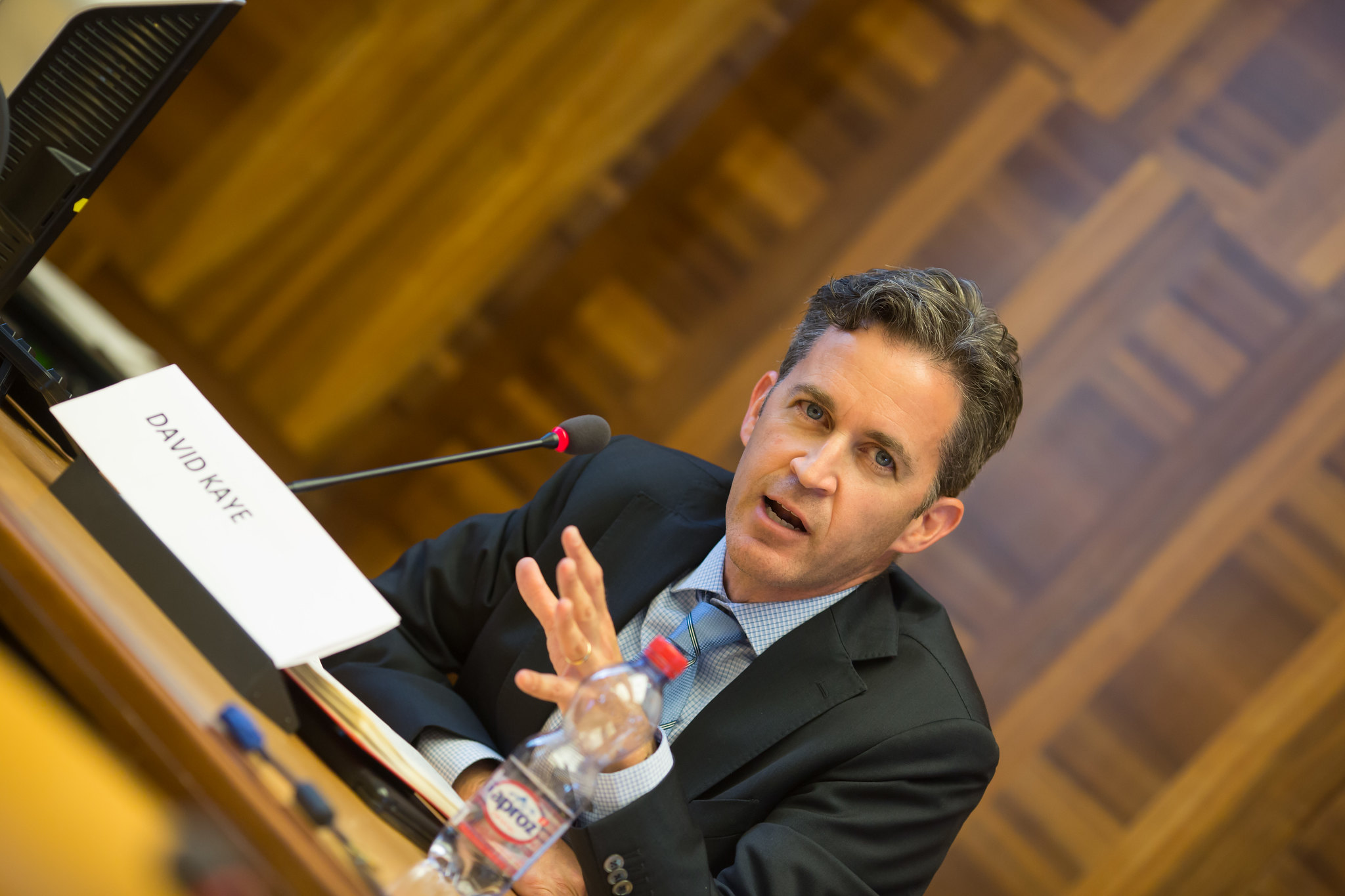
Canadian Heritage Minister Steven Guilbeault is expected to soon introduce new legislation designed to address online harms through increased regulation. Reports indicate that the bill will target five categories of illegal content: hate speech, terrorist content, content that incites violence, child sexual exploitative content and non-consensual sharing of intimate content. The details will matter, however, as failure to ensure due process for content removal and strict limits on scope will raise constitutionality concerns. David Kaye is a clinical professor of law at the University of California, Irvine, and served as the United Nations Special Rapporteur on the promotion and protection of the right to freedom of opinion and expression from 2014 until 2020. He joins the Law Bytes podcast to discuss the challenges associated with balancing regulation and preserving freedom of expression online, the policy considerations that governments should be thinking about, and the risks that arise from getting the balance wrong. The podcast can be downloaded here, accessed on YouTube, and is embedded below. Subscribe to the podcast via Apple Podcast, Google Play, Spotify or the RSS feed. Updates on the podcast on Twitter at @Lawbytespod. Credits: House of Commons, January 26, 2021
Episode 78: Jennifer Jenkins on What Copyright Term Extension Could Mean for Canada
For years, Canada resisted extending the term of copyright beyond the international standard of life of the author plus 50 years. That appears to have come to an end with the USMCA, which requires an extension. The Canadian government has just launched a public consultation on the issue, identifying several “accompanying measures” to address concerns about the negative impact of term extension. For the many Canadians that participated in the recent copyright review process, the consultation document comes as huge disappointment as it seemingly rejects – with little legal basis – the review’s recommendation on establishing a registration requirement for the additional 20 years that would benefit both creators and the public. The consultation is currently open until March 12th. Duke University’s Jennifer Jenkins, who is is a Clinical Professor of Law teaching intellectual property and Director of Duke’s Center for the Study of the Public Domain, joins the Law Bytes podcast this week to help sort through the likely implications of copyright term extension for Canada. The podcast can be downloaded here, accessed on YouTube, and is embedded below. Subscribe to the podcast via Apple Podcast, Google Play, Spotify or the RSS feed. Updates on the podcast on Twitter at @Lawbytespod. Show Notes: Government of Canada Copyright Term Extension consultation – Due March 12, 2021 Government of Canada Copyright Term Extension Consultation Paper Credits: Standing Committee on Industry, Science and Technology, February 24, 2020

Episode 77: The Complexity of Internet Content Regulation - A Conversation with CIPPIC's Vivek Krishnamurthy
Canadian Heritage Minister Steven Guilbeault seems set to table another bill that would establish Internet content regulations, including requirements for Internet platforms to proactively remove many different forms of content, some illegal and others harmful or possibly even “hurtful.” Few would argue with the proposition that some regulation is needed, but venturing into government regulated takedown requirements of otherwise legal content raises complex questions about how to strike the balance between safeguarding Canadians from online harms and protecting freedom of expression. Vivek Krishnamurthy, is a colleague at the University of Ottawa, where he is the Samuelson-Gluschko Professor of Law and serves as the director of CIPPIC, the Samuelson-Glushko Canadian Internet Policy and Public Interest Clinic. He joins the Law Bytes podcast to talk about the complexities of Internet content regulation and the risks that overbroad rules could stifle expression online and provide a dangerous model for countries less concerned with online civil liberties. The podcast can be downloaded here, accessed on YouTube, and is embedded below. Subscribe to the podcast via Apple Podcast, Google Play, Spotify or the RSS feed. Updates on the podcast on Twitter at @Lawbytespod. Credits: Global News, Justin Trudeau Speaks on Canadians Detained in China, Combating Online Hate
Episode 76: Higher Consumer Costs and Less Choice - My Appearance Before the Heritage Committee on Broadcasting Act Reform
The Standing Committee on Canadian Heritage last week started what it is calling a pre-study on Bill C-10, the Broadcasting Act reform bill. The hearings raises some significant procedural concerns given that the bill has not yet passed second reading so the committee is technically conducting a study about the bill, rather than studying the bill itself. Moreover, committee members have indicated that they have already been invited to provide potential amendment to a bill that hasn’t even made it out to committee, much less been the subject of any study. Despite those qualms, I was pleased to be invited to appear before the committee and discuss some of the concerns that I’ve identified with the bill. This week’s podcast features my opening statement and the full exchanges that I had with Conservative MP Keven Waugh and Liberal MP Marcie Ian. The audio isn’t ideal, but I hope that the recordings give a sense of both the policy concerns with the bill and the kinds of questions being asked. The podcast can be downloaded here, accessed on YouTube, and is embedded below. Subscribe to the podcast via Apple Podcast, Google Play, Spotify or the RSS feed. Updates on the podcast on Twitter at @Lawbytespod. Show Notes: The Broadcasting Act Blunder, Day 20: The Case Against Bill C-10 Credits: Standing Committee on Canadian Heritage, February 5, 2021
Episode 75: The Digital Taxman Cometh
Digital tax policy has emerged as major issue around the world. Canada is no exception. Late last year, the Canadian government announced plans to act on all three fronts: Bill C-10 seeks to address mandated Cancon payment and Finance Minster Chrystia Freeland has promised digital sales taxes by July and what sounds like a digital services tax in 2022. What is a DST and how might Canada’s digital tax plans play out on the international front? I spoke with Georgetown University professor Itai Grinberg, a leading expert on cross-border taxation and digital tax issues on December 15, 2020, shortly after the government’s announcement. He joined the Law Bytes podcast to talk about the longstanding approach to multi-national tax policy and the emerging challenges that come from the digital economy. The podcast can be downloaded here, accessed on YouTube, and is embedded below. Subscribe to the podcast via Apple Podcast, Google Play, Spotify or the RSS feed. Updates on the podcast on Twitter at @Lawbytespod. Show Notes: Grinberg, International Taxation in an Era of Digital Disruption: Analyzing the Current Debate Credits: CityNews Toronto, HST/GST on Digital Purchases to Pay for Pandemic Recovery
Episode 74: Heidi Tworek on the Challenges of Internet Platform Regulation
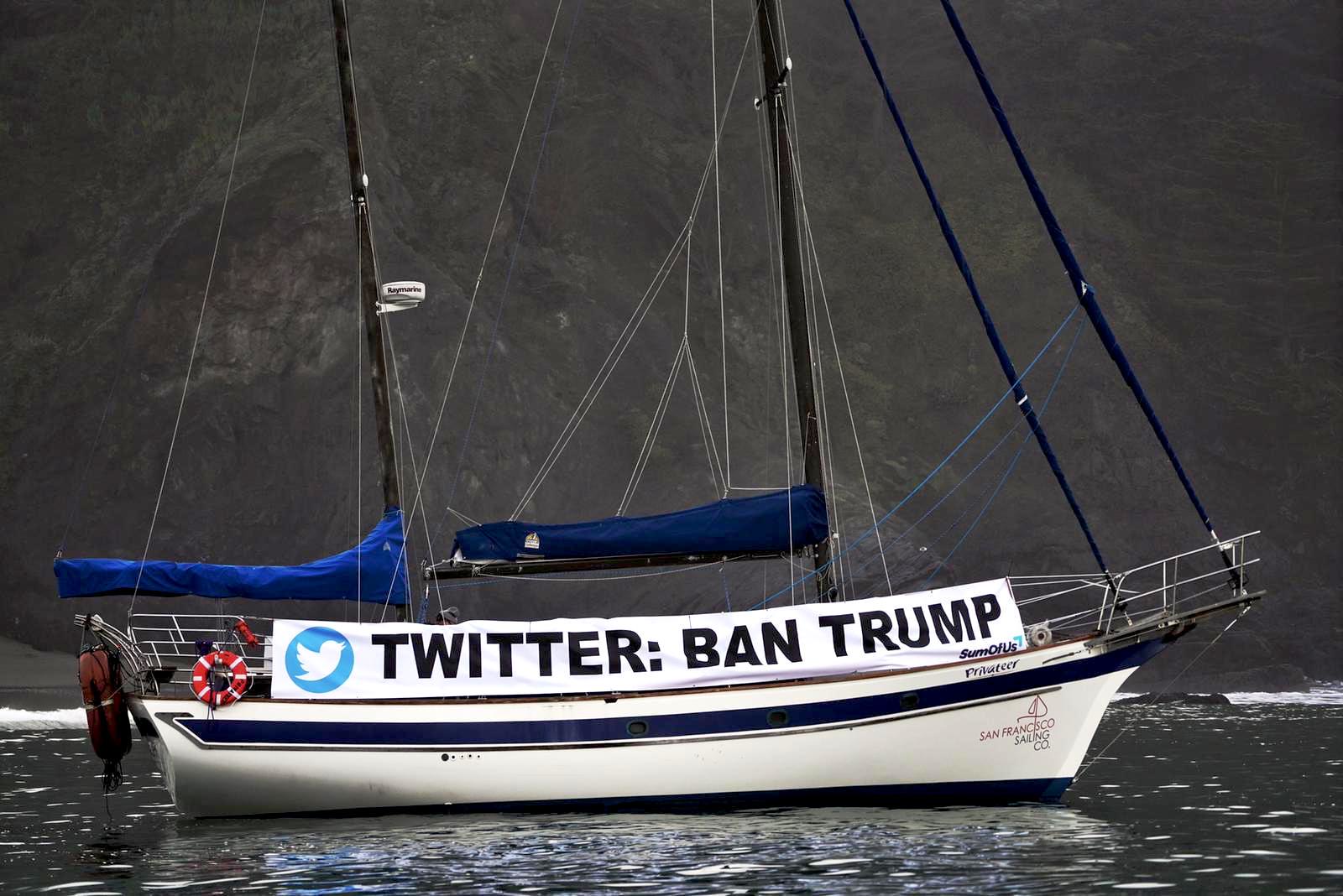
The Law Bytes podcast took a breather over the holidays and into early January, but there seemingly is no break for digital policy issues. Over the past few weeks, Internet platforms have found themselves squarely in the public eye as company after company – from Shopify to Twitter to Facebook de-platformed former US President Donald Trump in response to the events in Washington earlier this month. Dr. Heidi Tworek of the University of British Columbia is one of Canada’s most prolific thinkers on Internet platform policies. She joins the podcast for a conversation about the role and responsibilities of Internet platforms, proposals for payments in the news sector, and insights what governments should be doing about better communicating with the public about the COVID-19 global pandemic. The podcast can be downloaded here, accessed on YouTube, and is embedded below. Subscribe to the podcast via Apple Podcast, Google Play, Spotify or the RSS feed. Updates on the podcast on Twitter at @Lawbytespod. Show Notes: Tworek, The Dangerous Inconsistencies of Digital Platform Policies Tworek, Is News Property? How Digital Platforms are Resurrecting a Centuries-Old Question Credits: NBC News, President Trump Permanently Banned from Twitter
Episode 73: The Broadcasting Act Blunder - Why Minister Guilbeault is Wrong
Canada is currently considering major reforms to how it regulates Internet services. Canadian Heritage Minister Steven Guilbeault’s Bill C-10 would dramatically reshape the Broadcasting Act by regulating foreign Internet sites and services with the prospect of mandated registration, payments to support Canadian content, confidential data disclosures, and discoverability requirements. The bill would also remove policies supporting Canadian ownership of the broadcasting system and reduce expectations about Canadian participation in film and television productions. This week’s Law Bytes podcast takes a closer look at the implications of the bill, examining key concerns discussed in my ongoing Broadcasting Act blunder blog series. The podcast can be downloaded here, accessed on YouTube, and is embedded below. Subscribe to the podcast via Apple Podcast, Google Play, Spotify or the RSS feed. Updates on the podcast on Twitter at @Lawbytespod. Show Notes: Broadcasting Act Blunder series Day 1: Why there is no Canadian Content Crisis Day 2: What the Government Doesn’t Say About Creating a “Level Playing Field” Day 3: Minister Guilbeault Says Bill C-10 Contains Economic Thresholds That Limit Internet Regulation. It Doesn’t Day 4: Why Many News Sites are Captured by Bill C-10 Day 5: Narrow Exclusion of User Generated Content Services Day 6: The Beginning of the End of Canadian Broadcast Ownership and Control Requirements, Day 7: Beware Bill C-10’s Unintended Consequences Day 8: The Unnecessary Discoverability Requirements Day 9: Why Use Cross-Subsidies When the Government is Rolling out Tech Tax Policies? Day 10: Downgrading the Role of Canadians in their Own Programming Day 11: The “Regulate Everything” Approach – Licence or Registrati...
Episode 72: Emily Laidlaw on the Good, the Bad, and the Missed Opportunities Behind Canada's Privacy Reform
Canada’s new privacy bill is only a couple of weeks old but it is already generating debate in the House of Commons and careful study and commentary from the privacy community. As the biggest overhaul of Canada’s privacy rules in two decades, the bill will undoubtedly be the subject of deep analysis and lengthy committee review, likely to start early in 2021. Last week’s Law Bytes podcast featured Navdeep Bains, the Innovation, Science and Industry Minister, who is responsible for the bill. This week, Professor Emily Laidlaw of the University of Calgary, who holds the Canada Research Chair in Cybersecurity Law, joins the podcast with her take on the good, the bad, and the missed opportunities in Bill C-11. The podcast can be downloaded here, accessed on YouTube, and is embedded below. Subscribe to the podcast via Apple Podcast, Google Play, Spotify, Youtube or the RSS feed. Updates on the podcast on Twitter at @Lawbytespod. Show Notes: Laidlaw, AB Lawg: Canada’s Proposed New Consumer Privacy Protection Act: The Good, the Bad, the Missed Opportunities Credits: CTV News, Government Introduces Privacy Bill
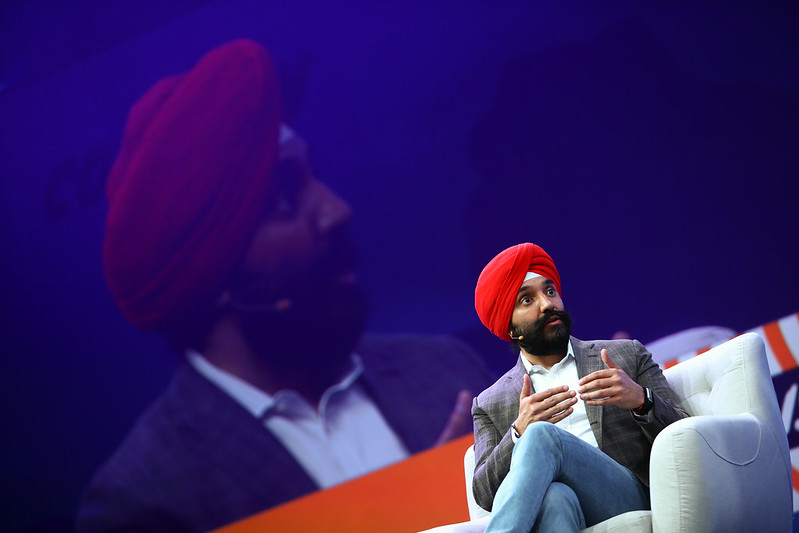
Episode 71: Minister Navdeep Bains on Canada's New Privacy Bill
It has taken many years, but Canada finally appears ready to engage in an overhaul of its outdated private sector privacy law. Earlier this month, the Innovation, Science and Industry Minister Navdeep Bains introduced Bill C-11, which, if enacted, would fundamentally re-write Canada’s privacy rules. The government intends to repeal PIPEDA and replace it with the Consumer Privacy Protection Act, which features a new privacy tribunal, tough penalties for non-compliance, and new provisions on issues such as data portability and data de-identification. To discuss the thinking behind the bill and the government’s privacy plans for privacy, Minister Bains this week joins the Law Bytes podcast as he identifies some the benefits of the bill, clarifies the reasoning behind some of the more controversial policy decisions, and provides a roadmap for what comes next. The podcast can be downloaded here, streamed on Youtube, and is embedded below. Subscribe to the podcast via Apple Podcast, Google Play, Spotify or the RSS feed. Updates on the podcast on Twitter at @Lawbytespod. Credits: Prime Minister of Canada, Remarks Updating Canadians on the COVID-19 Situation and new Privacy Protections
Episode 70: "It's Massive Free Distribution" - Village Media's Jeff Elgie on Why His Company Opposes Lobbying Efforts to Establish a Licence for Linking to News Stories
News Media Canada, the lobby group representing the major newspaper publishers in Canada recently launched a new campaign that calls for the creation of a government digital media regulatory agency that would have the power to establish mandated payments by Internet companies merely for linking to news articles. But not everyone in the sector – or even within News Media Canada – agrees with the position. Jeff Elgie is the CEO and majority shareholder of Village Media, a digital-only media organization that operates local news and community websites throughout Ontario. He joins the Law Bytes podcast this week to talk about operating local news sites in the current environment, why he welcomes referral traffic from companies like Facebook and Google, and why though he respects News Media Canada, he hopes that a new association will emerge that better represents the diversity of news media in Canada. The podcast can be downloaded here and is embedded below. Subscribe to the podcast via Apple Podcast, Google Play, Spotify or the RSS feed. Updates on the podcast on Twitter at @Lawbytespod. Credits: Global News, Letting Tech Giants Like Facebook Regulate Themselves ‘Simply not Working’ Says Minister

Episode 69: Bram Abramson on the Government's Plan to Regulate Internet Streaming Services
Last week, Canadian Heritage Minister Steven Guilbeault introduced Bill C-10, legislation that would significantly reform Canada’s Broadcasting Act. A foundational part of what he has called a “get money from web giants” legislative strategy, the bill grants new powers to the CRTC to regulate online streaming services. Bram Abramson is one of Canada’s leading communications law lawyers and managing director of a new digital risk and rights strategy firm called 32M. Bram acted as an outside consultant on telecom regulation for the recent Broadcasting and Telecommunications Legislative Review panel – often called the Yale Report – but he joins the podcast to talk about the past, present and future of broadcast regulation, in particular what Bill C-10 could mean for the regulation of online streaming services. The podcast can be downloaded here and is embedded below. Subscribe to the podcast via Apple Podcast, Google Play, Spotify or the RSS feed. Updates on the podcast on Twitter at @Lawbytespod. Credits: CPAC, Heritage Minister Discusses Bill to Update Broadcasting Act – November 3, 2020
Episode 68: Mike Pal on What the Canadian Experience Teaches About the Intersection Between Election Law and the Internet
The world will be focused on the United States this week as the U.S. Presidential election is slated to take place on Tuesday, November 3rd. The role of social media has been in the spotlight in the US for months with calls for regulation, a range of responses from the major companies, and ongoing concerns about the immediate aftermath of the election and fears that their platforms could be weaponized if the winner is in dispute. Canada had its own national election one year ago and enacted a range of reforms designed to address some of these issues. Mike Pal is a colleague at the University of Ottawa where he specializes in election law. He joins the Law Bytes podcast to discuss the Canadian experience including what changes were made, whether they were effective, what more can be done, and what Canada might teach others about confronting the challenges that lie at the intersection between elections and the Internet. The podcast can be downloaded here and is embedded below. Subscribe to the podcast via Apple Podcast, Google Play, Spotify or the RSS feed. Updates on the podcast on Twitter at @Lawbytespod. Show Notes: Michael Pal, Social Media and Democracy: Challenges for Election Law and Administration in Canada Credits: CTV News, Facebook is “Clear and Present Danger’ to Democracies: Technology Analyst

Episode 67: Tamir Israel on Facial Recognition Technologies at the Border
Facial recognition technologies seem likely to become an increasingly commonplace part of travel with scans for boarding passes, security clearance, customs review, and baggage pickup just some of the spots where your face could become the source of screening. Tamir Israel, staff lawyer at CIPPIC, the Samuelson-Glushko Canadian Internet Policy and Public Interest Clinic at the University of Ottawa, recently completed a major study on the use of facial recognition technologies at the border. He joins me on the LawBytes podcast to discuss the current use of the technologies, how they are likely to become even more ubiquitous in the future, and the state of Canadian law to ensure appropriate safeguards and privacy protections. The podcast can be downloaded here and is embedded below. Subscribe to the podcast via Apple Podcast, Google Play, Spotify or the RSS feed. Updates on the podcast on Twitter at @Lawbytespod. Show Notes: Facial Recognition at a Crossroads: Transformation at our Borders and Beyond Credits: Washington Post, Your Face is Now Your Boarding Pass, Here’s Why that Should Worry Us
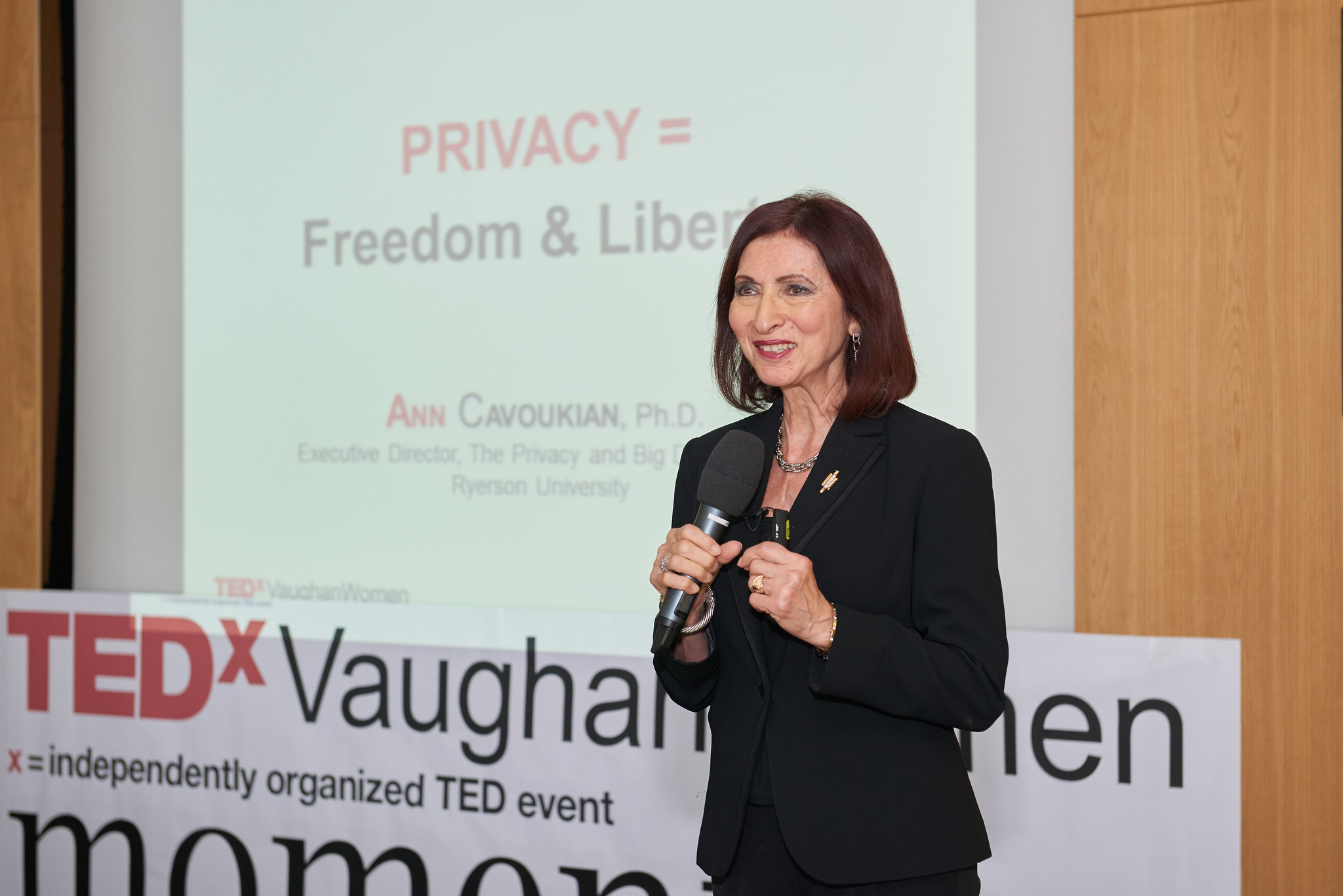
Episode 66: Ann Cavoukian on Why Canadians Can Trust the COVID Alert App
As the second wave of COVID-19 seems to have arrived in many countries, the importance of measures such as social distancing, masks, testing, and tracing takes on increased importance. In Canada, the COVID Alert App is another important part of that toolkit. The app has been downloaded more than 4.5 million times and has been used to alert users to a potential exposure to the virus nearly 1,700 times. Despite the potential benefits, there remain many skeptics. Ann Cavoukian, a three-time Ontario privacy commissioner and one of Canada’s best known privacy experts, joins the LawBytes podcast this week to talk about the exposure notification and how it addresses potential privacy concerns. The podcast can be downloaded here and is embedded below. Subscribe to the podcast via Apple Podcast, Google Play, Spotify or the RSS feed. Updates on the podcast on Twitter at @Lawbytespod. Show Notes: COVID Alert App Credits: CityTV News, Why Aren’t Canadians Downloading the COVID Alert App?
Episode 65: My Ian Kerr Memorial Lecture - Privacy and Zambonis in the Age of COVID-19
One year ago this week, Ian Kerr, a friend, colleague, teacher, and prescient scholar in the world of law, technology, and ethics, passed away. Ian’s loss sparked an outpouring of stories of a truly exceptional person whose friendship, mentorship, and “en-Kerr-agement”, left a remarkable legacy with so many citing his impact as a defining moment in their lives and careers. Given the impact Ian had on the privacy world, the IAPP launched an annual lecture in his honour at the IAPP Canada Privacy Symposium. While this year’s symposium was cancelled, the Kerr Memorial Lecture went ahead with an online streamed lecture. I was honoured to deliver the inaugural lecture, titled Privacy and Zambonis in the Age of COVID-19. This week’s podcast features that lecture, which I think is most notable for exploring how Ian’s scholarship remains so fresh and relevant today with much to teach about the challenges of privacy in our current world. The podcast can be downloaded here and is embedded below. Subscribe to the podcast via Apple Podcast, Google Play, Spotify or the RSS feed. Updates on the podcast on Twitter at @Lawbytespod. Credits: IAPP, The Ian Kerr Memorial Lecture

Episode 64: "You're Seeing the Breakup of the Web" - Anupam Chander on the Battle over TikTok
TikTok has found itself at the centre of a global geo-political fight between the United States and China. U.S. President Donald Trump, citing privacy, censorship, and national security concerns, first declared his plan to ban the app from the country and later followed up with an Executive Order prohibiting commercial activities with TikTok after a 45 day implementation period. What does the battle over TikTok and other Chinese-owned apps mean for their users and for the future of an open and accessible Internet? Anupam Chander, a law professor at Georgetown University and leading expert on the global regulation of new technologies, joins the podcast to explain the recent developments, unpack the legal issues, and assess the broader geo-political implications. The podcast can be downloaded here and is embedded below. Subscribe to the podcast via Apple Podcast, Google Play, Spotify or the RSS feed. Updates on the podcast on Twitter at @Lawbytespod. Show Notes: Chander, Trump Grants TikTok a Reprieve, But His Ban Threat Should be Permanently Retired Credits: CBS New York, President Trump Issues Executive Order on TikTok
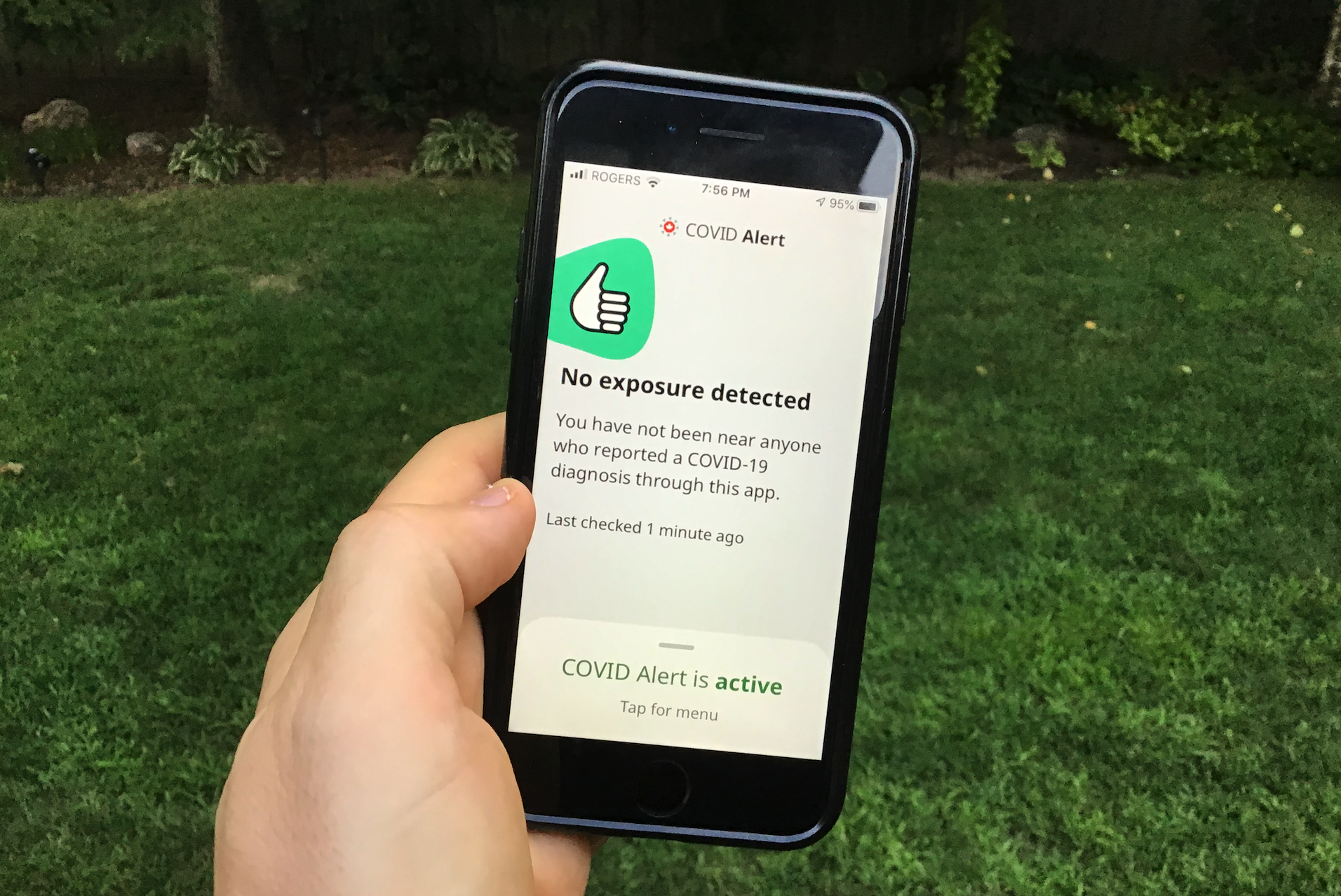
Episode 63: Ontario Privacy Commissioner Patricia Kosseim on the COVID Alert App
The Canadian government released its COVID Alert, its COVID-19 exposure notification app, earlier this month starting first with a roll-out in Ontario. I’ve written how I’ve made the decision to install it, noting that the voluntary app does not collect personal information nor provide the government (or anyone else) with location information. The app underwent two privacy reviews, engaging both the federal privacy commissioner and the Ontario information and privacy commissioner. Patricia Kosseim, the newly appointed Ontario privacy commissioner, had only been on the job for a few hours before she was dealing with the app that was bound to attract public attention. Commissioner Kosseim joins me on the podcast to discuss the app, her review, the interaction between different governments and commissioners, and why she installed the app the day it was released. The podcast can be downloaded here and is embedded below. Subscribe to the podcast via Apple Podcast, Google Play, Spotify or the RSS feed. Updates on the podcast on Twitter at @Lawbytespod. Show Notes: IPC Recommendations to the Government of Ontario Regarding COVID Alert Credits: CBC News, COVID-19 Exposure Notification App Rolls Out in Ontario
Episode 62: Colin Bennett on What the Schrems II Decision Means for Global Data Transfers and Canadian Privacy Law
The Schrems II decision, a recent European Court of Justice ruling that declares the Privacy Shield program that facilitates data transfers between the EU and the United States invalid, has major implications for modern commercial data related activities such as cross-border data transfers. The decision will reverberate in countries around the world, including Canada. For example, Canadian privacy law was found many years ago to meet the EU’s adequacy standard, but the Schrems II may call that into question. Colin Bennett is a political science professor at the University of Victoria and one of Canada’s leading privacy experts. He has written multiple books on privacy and surveillance and focuses on the development and implementation of privacy protection policies at the domestic and international levels. He joins the podcast to discuss the Schrems II decision and what it means for global data transfers and the future of Canada’s privacy law framework. The podcast can be downloaded here and is embedded below. Subscribe to the podcast via Apple Podcast, Google Play, Spotify or the RSS feed. Updates on the podcast on Twitter at @Lawbytespod. Show Notes: Colin Bennett, The Schrems II Decision: Implications and Challenges for Canada Credits: Reuters, Privacy Advocate Wins New Battle Against Facebook

Episode 61: Senator James Cowan on the Extraordinary Battle for a Genetic Anti-Discrimination Law in Canada
As the broad availability of genetic testing has mushroomed over the past two decades, privacy and potential discrimination concerns associated with testing results has increased. Until recently, Canada lagged behind other countries in this regard with no specific national legislation. That changed in 2017 with the enactment of the Genetic Non-Discrimination Act. The Act was quickly challenged on constitutional grounds, but earlier this month a divided Supreme Court of Canada upheld its validity. The law underwent a remarkable parliamentary journey featuring opposition from successive governments, lobbying against the bill by the insurance industry, passage in the House of Commons despite objections from then-Justice Minister Jody Wilson-Raybould, and a court challenge in which the government supported the effort to declare the law invalid. Senator James Cowan, who was the lead proponent of the legislation, joins me on the podcast to discuss what prompted him to take on the issue and the unlikely path of Canada’s genetic non-discrimination law. The podcast can be downloaded here and is embedded below. Subscribe to the podcast via Apple Podcast, Google Play, Spotify or the RSS feed. Updates on the podcast on Twitter at @Lawbytespod. Show Notes: Supreme Court of Canada, Reference re Genetic Non-Discrimination Act Credits: CTV News, Genetic Non-Discrimination Law is Constitutional, Supreme Court Says
Episode 60: Alberta Privacy Commissioner Jill Clayton on the ABTraceTogether Contact Tracing App
From the very outset of the COVID-19 outbreak, public health officials have identified the potential of contact tracing applications to both assist in conventional contact tracing activities and to warn individuals that they may have been in close proximity to someone who tested positive for the virus. The apps have unsurprisingly proven controversial, with some doubting their effectiveness and others concerned about the broader privacy and security implications. The Government of Alberta was first off the mark with its ABTraceTogether app that launched in May 2020. Alberta Information and Privacy Commissioner Jill Clayton recently completed her review of the application with an extensive investigation into its privacy implications that included an examination of the technical details, how the app functions, the role of third parties, and access to the data by contact tracers and other officials. Commissioner Clayton joins me on the podcast to discuss her report, the positive aspects of the app implementation, and the ongoing concerns that her review uncovered. The podcast can be downloaded here and is embedded below. Subscribe to the podcast via Apple Podcast, Google Play, Spotify or the RSS feed. Updates on the podcast on Twitter at @Lawbytespod. Show Notes: Office of the Information and Privacy Commissioner of Canada, ABTraceTogether: Privacy Impact Assessment Review Report Credits: Government of Alberta, Fight COVID-19 with ABTraceTogether
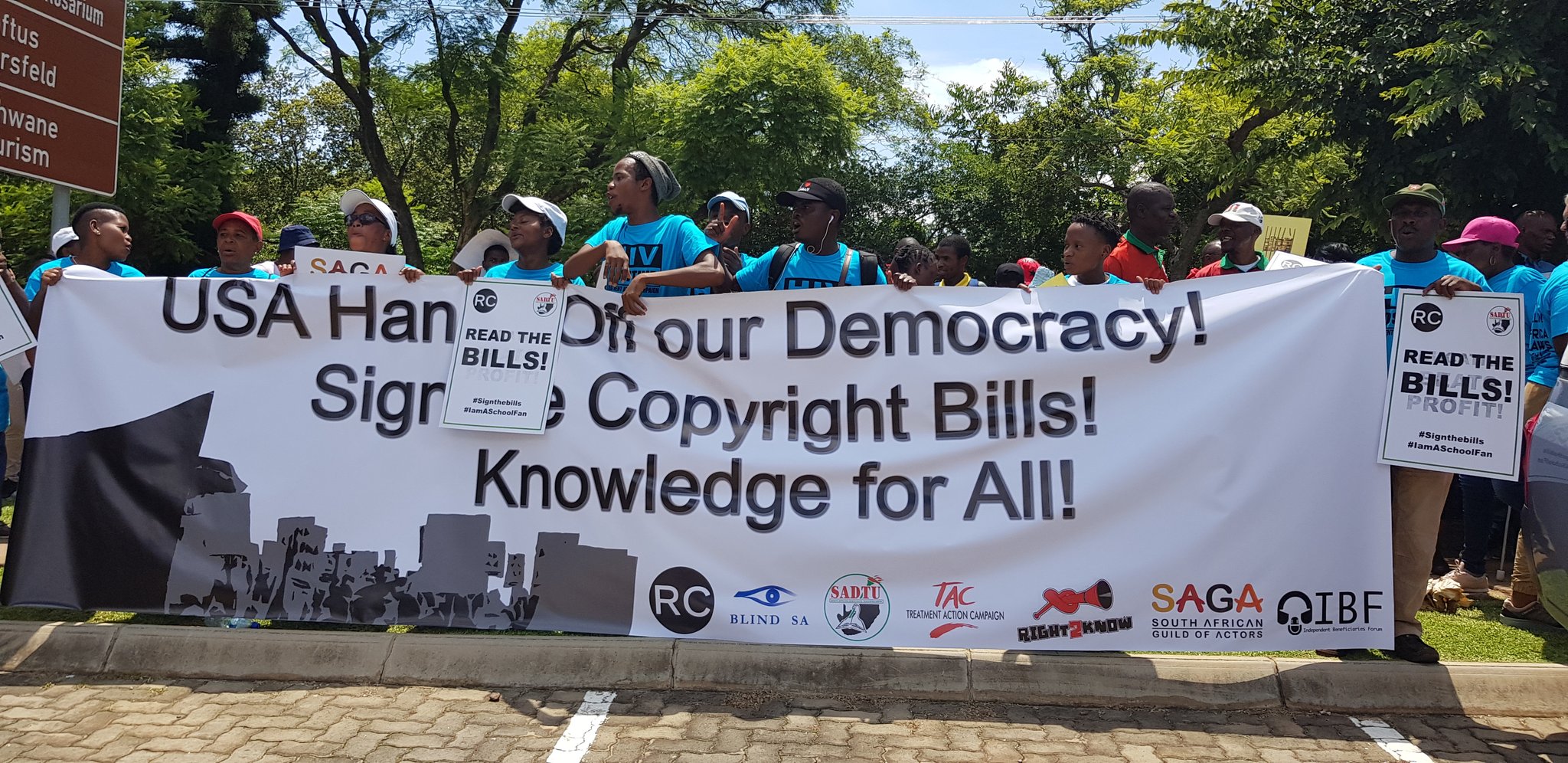
Episode 59: "It's a Racist Policy" - Ben Cashdan on the U.S. Effort to Derail South Africa's Copyright Reform
South Africa spent years embroiled in a high profile effort to update its copyright law responding to concerns from creators, the education community, and the visually impaired that the longstanding laws did not serve the national interest and were harming creativity and access to knowledge. Its Parliament ultimately passed progressive reforms in 2019, but the bill languished on the desk of President Cyril Ramaphosa, who faced enormous trade pressures from the United States and European Union to not sign the bill and stop it from becoming law. Last month, he seemingly caved to the pressure, citing constitutional concerns in sending it back to the Parliament. Ben Cashdan is a South African documentary film maker and television producer who was active during the copyright reform process. He worked with Recreate ZA, which brought together a broad coalition of creatives, to advocate for both the interests of owning copyright in their own works, and in fairly using copyrighted materials in the creation of new works He joins me on the podcast this week to discuss the decade-long reform process, the external pressures, and explains why he thinks those pressures should be viewed as racist policies. The podcast can be downloaded here and is embedded below. Subscribe to the podcast via Apple Podcast, Google Play, Spotify or the RSS feed. Updates on the podcast on Twitter at @Lawbytespod. Credits: SABC News, Various Groups Call for Signing of the Copyright Amendment Bill
Episode 58: "An Earth Shattering Decision" - Marina Pavlovic on the Supreme Court of Canada's Uber v. Heller Ruling
The Supreme Court of Canada recently released its much anticipated Uber Technologies v. Heller decision, a landmark ruling with significant implications for the validity of online contracts and for employment relations in the gig economy. The court rejected an arbitration clause in an Uber contract with its drivers, finding the clause unconscionable. The decision unsurprisingly quickly caught the attention of many in the legal, technology, business, and consumer advocacy communities. Professor Marina Pavlovic is a friend and colleague at the University of Ottawa, who appeared before the Supreme Court representing the Samuelson-Glushko Canadian Internet Policy and Public Interest Clinic as an intervener in the case. She joined me on the podcast to discuss the decision and to explain why she believes it is an earth shattering ruling for online contracts in Canada. The podcast can be downloaded here and is embedded below. Subscribe to the podcast via Apple Podcast, Google Play, Spotify or the RSS feed. Updates on the podcast on Twitter at @Lawbytespod. Show Notes: Uber Technologies v. Heller Credits: CBC News: The National, Supreme Court Rules in Favour of Uber Drivers, Opening Door to Lawsuit