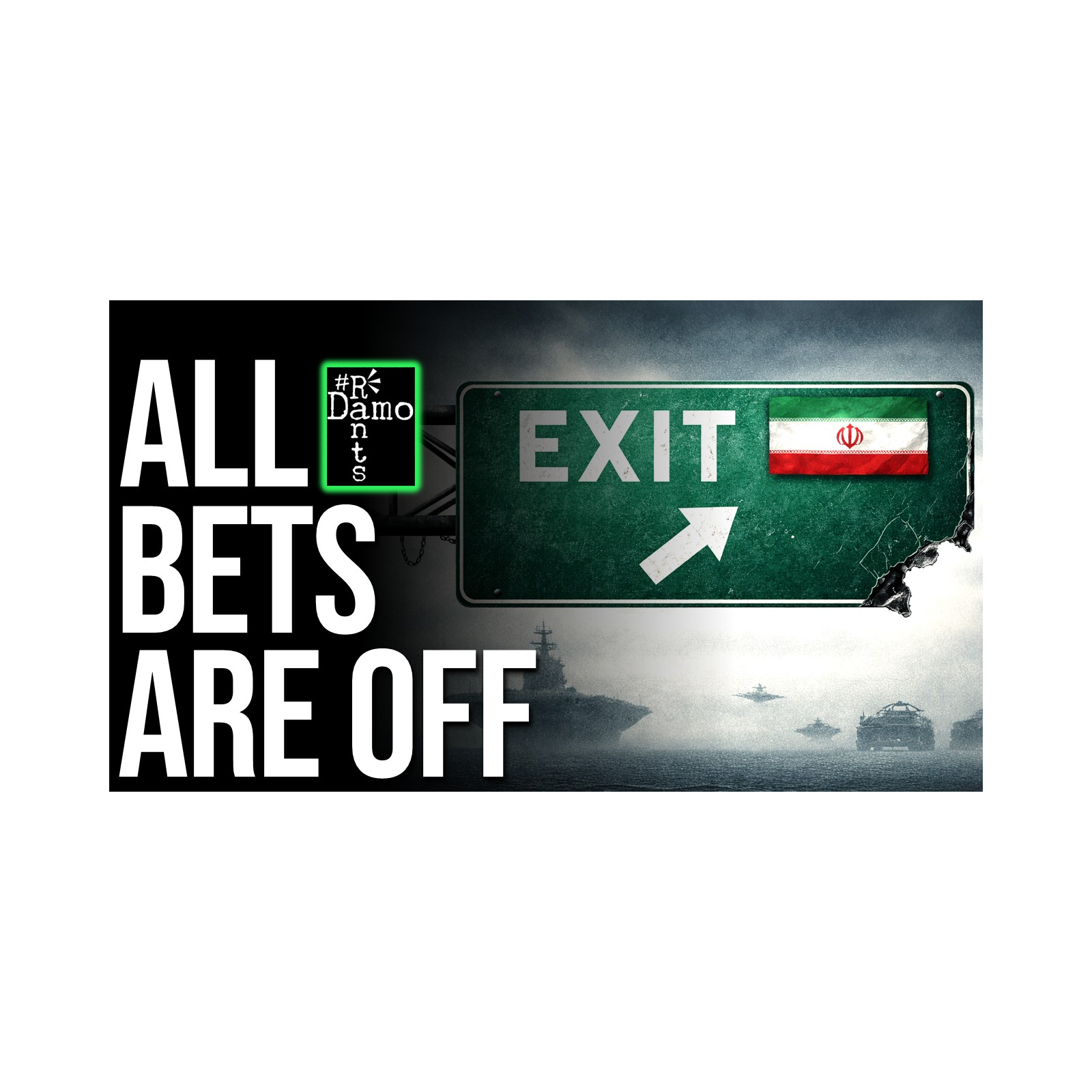
Trump Just Killed the Idea of a Limited Iran Strike
Kernow Damo · Damien Willey
Audio is streamed directly from the publisher (content.rss.com) as published in their RSS feed. Play Podcasts does not host this file. Rights-holders can request removal through the copyright & takedown page.
Show Notes
Trump escalates confrontation with Iran as US carrier deployment wipes out any remaining diplomatic exit routes Right, so Donald Trump has put a carrier strike group back into the Arabian Sea, moved long-range strike aircraft forward, reinforced missile defences across the region, and done it all while threatening “far worse” action unless Iran submits to a deal. I thought making deals was an art form to Trump – not very good at it is he! But that combination has already taken away the only thing that ever made this feel controllable, which is deniability. Once the threat is shouted and the hardware is parked in public view, everyone plans for the consequences, not reassurance, and the fantasy of a tidy, limited episode stops working because it relies on a sense of restraint that’s already gone. You can hear the strain in the language now, the insistence that this is still “pressure for diplomacy,” still calibrated, still reversible, even as the preparations quietly assume retaliation and the region adjusts to that reality. A prop people were leaning on has been kicked out from under them, and anyone still trusting the old script is already late. Right, so Donald Trump is threatening Iran out loud while the US military is visibly moving the kit needed to carry it out, and that combination is already doing the damage that usually only becomes obvious once bombs start falling. The line being sold is that this is pressure for diplomacy, something that can be turned up or down to force a deal. In reality, once you make the threat public and you move the hardware where everyone can see it, you remove the option for everyone else to pretend this is just noise. Other states, militaries, and armed groups stop listening to reassurances and start planning for impact. From that point on, this stops being something Washington can finely control, because every other actor is now locked into worst-case planning. The space to step back doesn’t grow, it shrinks, and it stays shrunk because you can’t un-show a threat once you’ve put it on display.