
Keep Talking
155 episodes — Page 3 of 4
Episode 55: Jack Barsky - A Spy Among Us
Jack Barsky is a former KGB spy who worked undercover in the United States for ten years, from 1978 to 1988. During our conversation, Jack talks about his early life in East Germany, being selected for espionage by the Soviet government, his prior commitment to and belief in Communism, his impression of the United States and its people upon entering the U.S., his objectives as a spy, his experience living in America, the flaws and dangers of utopianism, and the KGB experience of one of his contemporaries, Vladimir Putin.Jack is now a U.S. citizen, and his life story, detailed both in his memoir, "Deep Undercover," and in the podcast "The Agent," is one of the most fascinating that I have come across. He has lived for decades in two parallel worlds - in Soviet and American civilization - and has important wisdom and reflections to share about his experiences and each system's compatibility with human nature.------------Support this podcast via VenmoSupport this podcast via PayPalSupport this podcast on Patreon------------Show notesLeave a rating on SpotifyLeave a rating on Apple PodcastsFollow "Keep Talking" on social media and access all episodes------------(00:00) Introduction(02:34) Early life in East Germany(06:44) Belief in Communism(18:32) Jack's parents(21:56) A good candidate for espionage(25:03) What was The Stasi?(29:53) Objectives as a spy for the Soviet Union in the U.S.(39:41) The qualities the KGB looked for in their recruits(40:34) What Jack knew about his tasks in the U.S. before being deployed(47:24) Perception of Americans(56:12) Resonating with the ideas of the U.S. Constitution(01:02:13) Soviet vs. American system(01:06:25) Assessment of Putin as a man and leader(01:15:00) Important lessons from Jack’s life
Episode 54: Robert Greene - The 48 Laws of Power
Robert Greene is the author of many best-selling books, including "The Laws of Human Nature," "Mastery," "The Art of Seduction," "The 33 Strategies of War," and "The 48 Laws of Power," which is the primary subject of our conversation.During our conversation, Robert talks about his definition of power, why humans crave power, how a lack of power affects human beings, how individuals might increase their power in their own life, and how his own increase in power has affected his life. He also talks about American's reluctance to speak openly about power, Carl Jung's concept of "the shadow" and how it may apply to that collective reluctance, whether power is fundamentally neutral - neither good or bad - and the relationship between love and power."The 48 Laws of Power" is more than twenty years old, yet it is consistently in the top 10 of Amazon's best-seller list. Robert's work can help people understand power's role in human affairs, and with more knowledge and honesty, perhaps individuals can use power both to improve one's life, live with self-awareness, and hold oneself to high standards. As I noted during our conversation, one of my favorite quotes from history comes from Lincoln:“Nearly all men can stand adversity, but if you want to test a man's character, give him power.”------------Support this podcast via VenmoSupport this podcast via PayPalSupport this podcast on Patreon------------Show notesLeave a rating on SpotifyLeave a rating on Apple PodcastsFollow "Keep Talking" on social media and access all episodes------------(00:00) Introduction(02:38) ‘Power’ as explained in "The 48 Laws Of Power"(06:11) Robert's depression before writing "The 48 Laws of Power"(10:41) Why are people reluctant to talk about power?(15:22) The link between the desire for fulfillment and power(19:36) From powerless to powerful: Robert’s story(24:08) Human's desire to gain power through autonomy and authenticity(28:57) How to live a life that increases one's power(34:38) The importance of self-mastery(39:41) Lincoln's quote about power(46:00) Is power inherently neutral, neither good or bad?(53:58) Carl Jung's quote on "the shadow"(49:27) What are examples of America's shadow?(57:45) The importance of integrating one's shadow(01:06:34) How can the American center hold, given our polarization?(01:13:45) Four laws of power for modern times(01:16:22) The relationship between power and love
Episode 53: Konstantin Kisin - An Immigrant's Love Letter to the West
Konstantin Kisin is a stand-up comedian, the co-host of the YouTube show and podcast "TRIGGERnometry," and is the author of the forthcoming book, "An Immigrant's Love Letter to the West."During our conversation, Konstantin talks about the experience, terror, and totalitarianism of Soviet communism, his upbringing in and the lived experience of the collapse of the Soviet Union, differences in values between the West and other civilizational powers, the role of comedy in a free society, the importance and clarity of Martin Luther King's dream that individuals be "judged not by the color of their skin but by the content of their character," freedom of speech, and the corrosive threat of polarization, political correctness, identity politics, and equality of outcome movements to Western civilization.Konstantin is one of the most eloquent and informed public voices about the state of modern Russia, the war in Ukraine, and the importance of upholding Western values. His appreciation for Western values is evident, and his story might help us all be a bit more grateful, mindful, informed about, and protective of the sacred freedoms and opportunities that have been bestowed upon us by past generations.------------Support this podcast via VenmoSupport this podcast via PayPalSupport this podcast on Patreon------------Show notesLeave a rating on SpotifyLeave a rating on Apple PodcastsFollow "Keep Talking" on social media and access all episodes------------(00:00) Introduction(02:50) Journey from the Soviet Union to the West(09:57) What about the Soviet experiment matters to a modern audience?(15:45) What was the Soviet experiment about?(21:08) The 1990's Russian experience of democracy(31:45) Vladimir Putin’s rise to power in Russia(36:54) The importance of Western beliefs, ideas, and values(48:45) MLK's ethical, cultural north star - and a quote on truth(53:53) The threat of polarization - and Western beliefs on liberty vs. other civilizations(01:06:41) The primary threats to America and the West are internal(01:13:40) Mark Normand's "new N-word" and the role of comedy in a free society(01:20:52) Hope for the future

Episode 52: Jeffrey Guss - How to Change Your Mind
Jeffrey Guss is a psychiatrist, a psychotherapist, a researcher, and was the Co-principal Investigator and Director of Psychedelic Therapy Training for psilocybin trials at the NYU School of Medicine. During our conversation, Jeff talks about his interest in psychedelics, its use for treating cancer-stricken patients with existential despair and those with addictions such as alcoholism, anecdotes from those studies, its potential for helping those with mental illness, Michael Pollan's book "How to Change Your Mind," and psychedelics' proper place in our society.Jeffrey's work and those like him are beginning to lend scientific credibility to the promise of psychedelic medicine. I think this is one of the world's most fascinating subjects, and gives real hope to those who are suffering or simply want to live in a more wholesome, honest, and kind world.------------Support this podcast via VenmoSupport this podcast via PayPalSupport this podcast on Patreon------------Show notesLeave a rating on SpotifyLeave a rating on Apple PodcastsFollow "Keep Talking" on social media and access all episodes------------(00:00) Introduction(02:50) Developing an interest in psychiatry(09:08) Learning about the healing properties of psychedelics(23:44) Quotes and ideas from the book "How to Change Your Mind"(30:14) A story of a psychedelic, spiritual transformation(47:55) Rumination and psychedelic's possibility to treat addiction(50:22) An analogy of x-ray technology and psychedelics(01:03:28) Psychedelic's effect on the brain and the mind(01:12:30) The proper role of psychedelics in a sane and healthy society

Episode 51: Jon Birger - Modern Dating
Jon Birger is a journalist and is the author of "Date-onomics: How Dating Became a Lopsided Numbers Game." During our conversation, Jon talks about the demographic data regarding college-educated men and women in America, how sex ratio differences in colleges and cities influence dating and mating behavior, the effect of #MeToo on modern romance, dating apps, assortative mating, evolution's effect on human mate preferences, and how the significant sex ratio difference in China seems to have led to an increase in criminality.There are millions more young, college-educated women than men in the United States. The educational and career success of women in America is a triumph of our society. Yet, inevitably, many such women will have difficulty finding a partner at their achievement level. This is a largely unforeseen modern phenomena, and one that I think should be taken seriously.Jon and I have some clear disagreements on subjects we discuss - including a disagreement about the precariousness of the situation and its likely outcome. Regardless, his book is crucial in understanding the reality of the situation. And in his new book, "Make Your Move," he makes suggestions that single people, especially women, may want to know about, and to keep in mind.------------Support this podcast via VenmoSupport this podcast via PayPalSupport this podcast on Patreon------------Show notesLeave a rating on SpotifyLeave a rating on Apple PodcastsFollow "Keep Talking" on social media and access all episodes------------(00:00) Introduction(02:24) Developing an interest in modern dating(04:57) College-educated sex ratios in America and its effect on dating(08:21) The effect of China's massive sex ratio imbalance(14:23) Sex ratio-driven increase in criminality in China(17:39) What is meant by assortative mating?(21:48) The evolution of dating culture in recent American history(25:49) The effect of the #MeToo movement on dating(31:55) Hypergamy and modern dating(42:33) Testosterone levels and cultural dating tendencies(44:17) The fluctuation of testosterone levels in men and women(47:12) The dating difficulties of accomplished, educated women(49:59) Ideas for women and men to navigate modern dating(56:01) Female assertiveness in modern dating(59:13) Additional dating strategies for college graduates(01:03:18) Modern-day workplace dating(01:08:09) The state of men today(01:18:34) Opening avenues for "mixed collar" dating(01:21:53) The future of dating
Episode 50: Jonathan Rauch - A Defense of Truth
Jonathan Rauch is a journalist, an essayist for "The Atlantic" magazine, and the author of "The Constitution of Knowledge: A Defense of Truth." During our conversation, Jon talks about what "The Constitution of Knowledge" is and how its norms and practices are the backbone of how our civilization attempts to ascertain the truth and how this innovation in civil discourse has led to an unprecedented rise in peace, freedom, and knowledge.He talks about the two modern threats to that foundation - from both the left and the right - from "cancel culture" and "troll culture." Cancel culture, found throughout history, is a coercive and intimidation method to shut down speech, often deteriorating into a spiral of silence, providing a false sense of uniform belief. He also talks about "troll culture," and how disinformation is, at its root, aimed to confuse the populace, with a demagogue or a strongman leader waiting to step into the vacuum to provide the "truth" people so desperately desire.These dual threats are overt attacks to the center, to the mainstream - what Jon calls the "reality-based community." They're direct assaults on the collective immune system of the nation, and they brilliantly play on our deep-seated, evolutionary tribal biases. Jonathan offers insight into how to accurately assess our unsettling times, and how we might upgrade our own individual software, to help to inoculate ourselves and our society.On a personal note: I think Jonathan's book is one of the best, and most important that I have come across in years. He is a master diagnostician, and his clarity of observation is brilliant, deeply-needed, and timely.------------Support this podcast via VenmoSupport this podcast via PayPalSupport this podcast on Patreon------------Show notesLeave a rating on SpotifyLeave a rating on Apple PodcastsFollow "Keep Talking" on social media and access all episodes------------(00:00) Introduction(03:10) Why Jon wrote "The Constitution of Knowledge"(05:47) How do we know what we know?(07:33) What is epistemology?(08:10) What is The Constitution of Knowledge?(15:53) What The Constitution of Knowledge has brought to the world(22:55) The modern threats to free speech in America(27:23) What is cancel culture and the "spiral of silence"?(33:30) The importance of social courtesy and free speech(39:18) What is troll culture?(48:40) How can citizens protect against future disinformation?(58:04) Braver Angels’ work to depolarize America(01:02:28) Evidence to combat "The Big Lie," Trump's claim that he won in 2020(01:10:35) Reasons for hope
Episode 49: Richard Rhodes - The Threat of Nuclear Weapons
Richard Rhodes is a historian, a journalist, and is the author of the Pulitzer Prize-winning "The Making of the Atomic Bomb." During our conversation, Richard talks about the technology and the people that led to the creation of the atomic bomb, the threat of nuclear war in modern times, nuclear winter, how nuclear weapons are influencing the war in Ukraine, and how we might mitigate the risk of a nuclear exchange.Richard also talks about his book "Scientist: E. O. Wilson: A Life in Nature." He details Ed Wilson's role in the history and science of evolution, sociobiology and the application of the evolutionary lens on human nature, the role of genes in human behavior, and his role in environmentalism and conservation.------------Support this podcast via VenmoSupport this podcast via PayPalSupport this podcast on Patreon------------Show notesLeave a rating on SpotifyLeave a rating on Apple PodcastsFollow "Keep Talking" on social media and access all episodes------------(00:00) Introduction(02:19) Developing an interest in writing non-fiction books(06:02) Shifting focus from fiction to non-fiction work(10:30) What about The Making of the Atomic Bomb was new and revelatory?(15:27) What from The Making of the Atomic Bomb is still not widely understood(21:21) The Manhattan Project and atomic technology(29:29) Nuclear winter - can we continue to prevent nuclear war?(36:50) Getting interested in E.O. Wilson(43:28) Ed Wilson: his upbringing, discoveries, and achievements(52:28) Sociobiology and Ed's dangerous ideas(01:06:12) The attempt to cancel Ed Wilson(01:12:12) Quotes from Ed Wilson and his place in the history of science(01:17:23) How a difficult childhood shaped Ed Wilson(01:23:02) Ed's enduring importance to the world, to science, to humanity(01:28:48) Finding meaning and spirituality in life

Episode 48: Joseph Goldstein - Understanding Your Mind
Joseph Goldstein is an author, the co-founder of the Insight Meditation Society in Barre, MA, and is one of the most influential and important figures in bringing vipassana meditation practices into the American mainstream.During our conversation, Joseph talks about his journey from Columbia University to the Peace Corps in Thailand to his early meditation training in India, what mindfulness is and how it can help people come to know their own minds, why meditation is a practice that can decrease human suffering, the key observations and insights of the Buddha and the Noble Eightfold Path, and how and why one might begin to practice meditation.It is impossible to talk to Joseph and not be struck by his decency, his openness, his presentness, and his sense of humor. He has committed his life to mindfulness and loving-kindness meditation, and has attempted to share what he knows and has learned with his students and the general public.------------Support this podcast via VenmoSupport this podcast via PayPalSupport this podcast on Patreon------------Show notesLeave a rating on SpotifyLeave a rating on Apple PodcastsFollow "Keep Talking" on social media and access all episodes------------(00:00) Introduction(02:14) Developing interest in Buddhism and meditation(07:08) Reason for interest in Buddhism and meditation(11:28) Immersing in the study of the mind(15:10) The Buddha’s teachings(20:57) Joseph's psychological state when first exposed to Buddhism and meditation(23:30) The daily habits, discipline, and rituals to try to achieve Enlightenment(29:37) Deciding to devote his life to meditation(32:18) Communicating to his mother his desire to devote his life to Buddhism(35:24) Metaphysical views pre and post meditation(40:15) Buddhism is non-theistic(42:43) What is the Dharma?(47:12) Integrating Buddhist teachings with practice and The Noble Eightfold Path(56:06) The first step to use mindfulness to ease psychological suffering(01:03:49) Awareness versus the weather pattern of one's mind(01:06:59) Using mindfulness to respond, rather than to react(01:18:06) Dealing with grief(01:27:19) How can we improve our lives by being mindful?
Episode 47: Helen Fisher - The Science of Love
Helen Fisher is an anthropologist, a professor, an author, and one of the world's experts on the science of love. During our conversation, Helen talks about her background interest in love, the role that love plays in human existence, the evolutionary purpose of love, the possibility of love to endure for many years, how the subconscious influences who we fall in love with, how to know if you aren't in love, and wisdom she would provide to improve one's probability for healthy romance and a compatible mate choice.As Helen notes during our interview, 97% of mammals don't pair bond. Human's drive to love and be loved is one of the sweeter aspects of our animal natures. She has spent her career trying to understand what love is and how we can better understand it. And just two years ago - in her mid-70's - Helen married for the first time since her 20's.------------Support this podcast via VenmoSupport this podcast via PayPalSupport this podcast on Patreon------------Show notesLeave a rating on SpotifyLeave a rating on Apple PodcastsFollow "Keep Talking" on social media and access all episodes------------(00:00) Intro(00:09) Interest in studying the subject of love(04:39) Trailblazing the academic study of love(05:43) What is love?(10:22) Love and love decisions are life's most important choices(12:07) Understanding "love maps" and the unconscious as it relates to love(21:36) Millennials and "slow love"(27:17) When are you not in love? When is it time to end a relationship?(37:19) Identifying great compatibility matches(41:14) Mitigating the risks of neuroticism from torpedoing a relationship(47:51) Attachment styles and compatibility(54:07) Identifying the root cause of depression(56:07) Ending a relationship when indifference is present(01:07:21) Designing a lifestyle that makes you a better and authentic partner(01:10:48) The role of marriage in human life(01:14:51) Helen getting married in her mid-70's
Episode 46: Daniel Schacter - Human Memory
Daniel Schacter is a professor of psychology at Harvard University who specializes in memory and amnesia. During our conversation, Daniel talks about the evolutionary purpose of human memory, the biological basis of memory, the movie "Memento," the correlation between memory and intelligence, how fMRI technology can help detect false memories, what can be done to improve memory, and he explains the difference between "The Seven Sins of Memory": transience, absent-mindedness, blocking, misattribution, suggestibility, bias, and persistence.Our memories play a crucial role in the stories we tell ourselves about who we are. Daniel has spent a career applying reason to the subject of human memory, and his work helps us better understand who we are and what is true.------------Support this podcast via VenmoSupport this podcast via PayPalSupport this podcast on Patreon------------Show notesLeave a rating on SpotifyLeave a rating on Apple PodcastsFollow "Keep Talking" on social media and access all episodes------------(00:00) Introduction(02:06) The path to researching the cognitive neuroscience of memory(07:55) The general consensus about memory during the 1970s and 1980s(12:14) Why memory exists: to preserve experiences, think and reflect, and learn(14:45) Understanding explicit and implicit memory with the example of a patient with Hippocampus damage(18:12) What is episodic memory?(23:49) The movie Memento - anterograde amnesia(29:50) The correlation between memory and intelligence(38:44) The seven sins of memory: transience, absent-mindedness, blocking, misattribution, suggestibility, bias, persistence.(01:05:55) The link between rumination and persistence(01:13:02) Realizing your memory problems to make better decisions(01:19:41) Using technology to preserve your past meaningfully(01:20:24) What the future holds for memory research

Episode 45: Sarah Haider - Leaving Islam
Sarah Haider is an activist, an immigrant, an essayist, and the co-founder of Ex-Muslims Of North America. During our conversation, Sarah talks about her journey to the U.S. from Pakistan, Western values, the Salman Rushdie fatwa, Charlie Hebdo, freedom of speech in the Muslim world, the life and example of Ayaan Hirsi Ali, the safety of Muslims who leave their religion, feminism and Islam, and the lack of legal equality for women in many Muslim countries.Sarah is committed to providing space and a community to former Muslims who have decided to leave their religion - many of whom fear for their safety and have nowhere else to turn. I admire her commitment to her own conscience, in deciding to go her own way, in creating her organization, in honoring, recognizing, and appreciating her own freedom, and in openly telling the truth - including criticizing Islam - despite its risks.She is a living testament to why our civilization matters, to the rights it bestows to all citizens, to the progress we have made, and to the hope America represents to the oppressed around the world. She is a reminder of our sacred inheritance.------------Support this podcast via VenmoSupport this podcast via PayPalSupport this podcast on Patreon------------Show notesLeave a rating on SpotifyLeave a rating on Apple PodcastsFollow "Keep Talking" on social media and access all episodes------------(00:00) Introduction(02:32) Life in Karachi, Pakistan(05:25) Life in Pakistan vs. America(08:41) The path to atheism(14:53) Breaking out of the belief in God(18:50) Belief in God before becoming an atheist(25:00) The history and foundation of Islam(29:08) What is meant by apostasy?(38:28) Taboos and censorship as a means to protect weak arguments(39:01) The decision to become an activist(43:51) Stories of people inflicting violence against those critical of Islam(49:21) The resistance to changing Islamic beliefs(59:15) Female Genital Mutilation (FGM) and aggression toward women in Muslim societies(01:05:54) Empowering Muslim females to fight for their rights
Episode 44: Ian O'Connor - Coach K: The Rise and Reign of Mike Krzyzewski
Ian O'Connor is a journalist, a sports columnist for "The New York Post," and the author of the new book, "Coach K: The Rise and Reign of Mike Krzyzewski."During our conversation, Ian talks about Coach K's early life and career, the lesser-known, darker aspects of his personality, the juxtaposition of his love and loyalty towards his players with the fear he engenders and the rage he could exhibit, his relationship with Bobby Knight, his marriage to his wife Mickie, the love and respect Coach K has from his former players, the importance of relationships in his life, his daily habits, and whether Coach K is the greatest basketball coach of all-time.Coach K has had a profound influence on my life. I read books about him in middle school, and his message of excellence and hard work resonated with me at an early age. I was obsessed with going to Duke, and as a student in Durham, in close proximity to his program, I was exposed both to his many admirable qualities and the fundamental humanness and flaws of an amazingly successful head coach. Ian perhaps put it best: while Coach K is not a nice guy, he is a good man.------------Support this podcast via VenmoSupport this podcast via PayPalSupport this podcast on Patreon------------Show notesLeave a rating on SpotifyLeave a rating on Apple PodcastsFollow "Keep Talking" on social media and access all episodes------------(00:00) Introduction(02:22) What fascinates Ian about Coach K(04:54) Signs of Coach K's leadership from an early age(07:25) Mike's courtship of Mickie and her role(09:41) Coach K surviving as head coach despite a poor start at Duke(12:24) Early recruiting struggles and successes at Duke(14:41) The keys to the rise of Coach K: excellent communication, motivation, and relationship skills(17:59) The softer side of Coach K: his public open-heartedness and emotionality(21:27) The darker aspects of Coach K’s personality(27:32) Competitive rage and the how being a not-so-nice guy was instrumental to his success(32:38) The effect of a working class upbringing and environment(35:45) Fear as a component of success38:59) The integral role of Bobby Knight and what caused their relationship to rupture(44:02) Bobby Knight couldn’t accept Coach K outshining him(46:04) How Coach K has prioritized personal and professional relationships(49:43) Coach K’s impact on his players and the people he has helped(51:41) Coach K’s habits and work routine(55:26) Lessons to imbibe from Coach K’s life: exceptional work ethic, attention to detail, vulnerability, and public open-heartedness(59:45) Is Coach K the best coach in the history of college basketball?
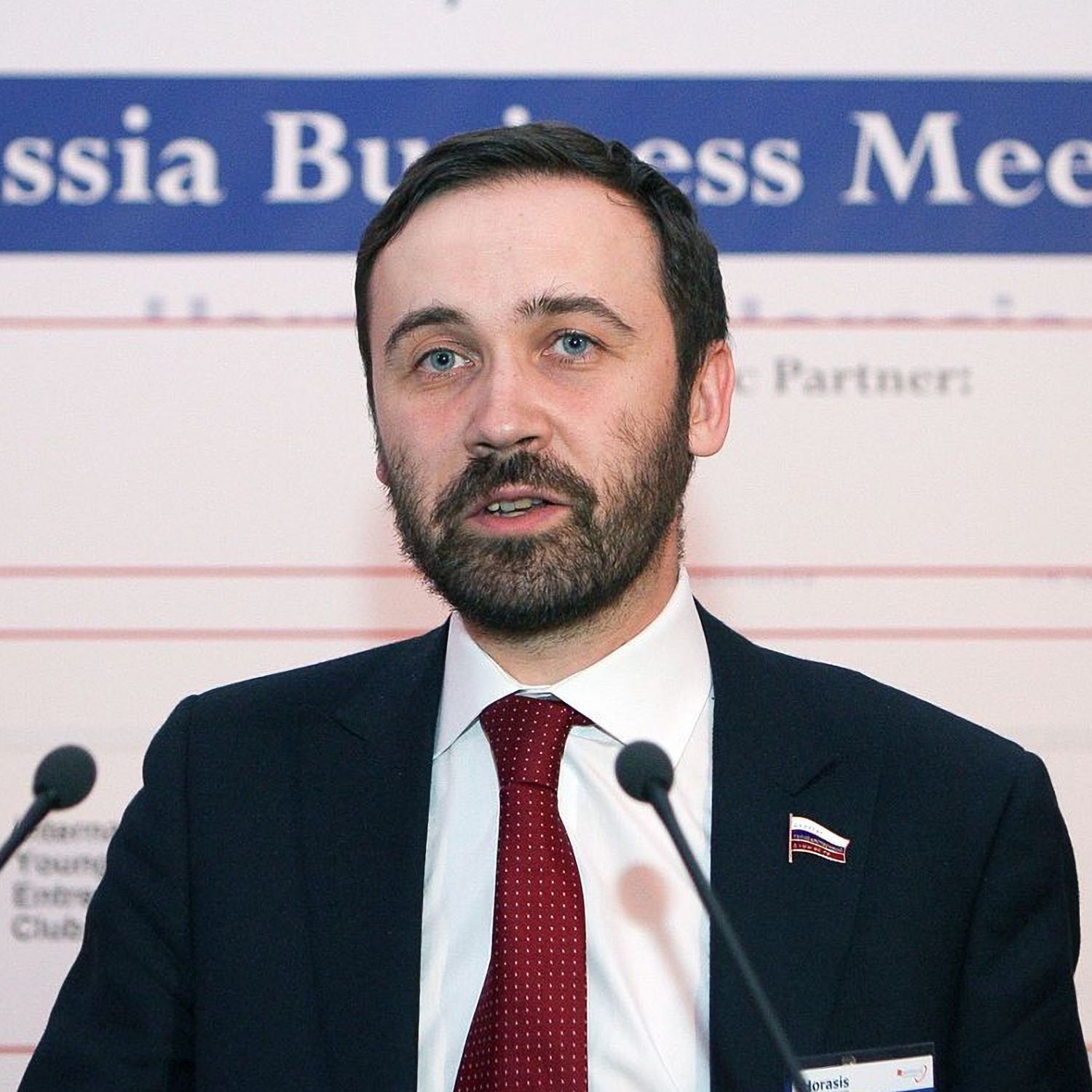
Episode 43: Ilya Ponomarev - Fighting For Ukraine
Ilya Ponomarev is an entrepreneur, a former member of the Russian duma, a political adversary of Vladimir Putin, a friend of Ukrainian President Zelenskyy, and a resident of Ukraine, currently fighting for his life and the future of his adopted homeland.During our conversation, Ilya talks about his political career in Russia, Russian vs. American culture, his assessment of the character and personality of both Putin and Zelenskyy, Russia's intelligence failure and miscalculation prior the war, the lies perpetrated by Putin to justify the invasion, his view that Ukraine is winning and will win the war, the risk of a nuclear exchange, his message for America and the free world, and his belief that Putin will be dead within one year.I met Ilya in 2015 when he was visiting San Francisco to give an interview at the World Affairs Council. He had recently been banished from Russia, best known for being the Russian Duma's lone dissenting vote - 445-1 - against Russia's annexation of Crimea. He is one heroic example out of millions in Ukraine: a man fighting for democracy and freedom, and willing to risk his life for them.------------Support this podcast via VenmoSupport this podcast via PayPalSupport this podcast on Patreon------------Show notesLeave a rating on SpotifyLeave a rating on Apple PodcastsFollow "Keep Talking" on social media and access all episodes------------(00:00) Introduction(02:18) Ilya's personal and political background(07:54) Surprise at the invasion of Ukraine(11:44) Who is Vladimir Putin?(13:47) Experiencing the invasion: February 24, 2022(17:37) Who is Volodymyr Zelenskyy?(21:31) The lies within Putin's argument for invasion(27:41) Russian soldier's beliefs about the war(32:35) How might the Russian narrative about the war crumble?(35:07) How has Ukraine succeeded in Kyiv?(40:41) What daily life is like during the war(44:16) Ilya's message for the Russian people(46:32) What Ukraine needs to win the war(49:09) The risk of a nuclear exchange(53:26) The best-case outcome for Ukraine(56:38) Putin's potential successor(1:03:54) Ilya's potential future in a future Russia(1:05:01) A cause worth dying for: "Do what you feel you need to do, and let things happen."

Episode 42: Walter "Robby" Robinson - Breaking The Catholic Church Sexual Abuse Story
Walter Robinson is an investigative journalist, an editor-at-large at "The Boston Globe," and is the Donald W. Reynolds Visiting Professor of Journalism at the Walter Cronkite School of Journalism and Mass Communication at Arizona State University.During our conversation, Robby talks about his career in journalism, the Catholic Church's historic power in America and in Boston, how and why his "Spotlight" team began to investigate the Catholic Church, the details of the internal documents showing the Church's culture of secrecy and its consistency in moving abusive priests to new parishes, and how a small team of journalists, in just a few months, shed light on the systemic abuse of power by one of the most influential institutions in the world.To me, Robby and his team best represent why free speech and a free press are crucial to a free society: they ask difficult questions, question taboos, have the power of facing disturbing facts, are relentless in determining what's true, and act as a protector to a civilization's need for honest, accurate information. And while the Church's history of abuse is utterly tragic for the crimes and the trauma it has caused, the courageous work by people like Robbie have undoubtedly saved countless children from such a fate.------------Support this podcast via VenmoSupport this podcast via PayPalSupport this podcast on Patreon------------Show notesLeave a rating on SpotifyLeave a rating on Apple PodcastsFollow "Keep Talking" on social media and access all episodes------------(00:00) Introduction(02:24) A path to journalism(12:24) The power and state of the Catholic Church during the late 80's and 90's(24:06) The Boston Globe's "Spotlight" team(30:36) The Catholic Church's reputation before the Spotlight team’s investigation(38:25) What was revealed in the church’s internal documents(43:22) The Church’s consistent strategy of protecting abusive priests(49:24) Nearly every bishop in every diocese knew about abuse and participated in a cover up(55:53) The role of the Church's celibacy vow in incentivizing abuse(01:02:02) What explains the abusive behavior of Catholic Church priests?(01:05:32) Women's second-class status and the role of a free press(01:10:21) The need for a full confession from the Church(01:18:14) The role of investigative journalism today and why it matters(01:23:09) The importance of investigative journalists to think outside the box
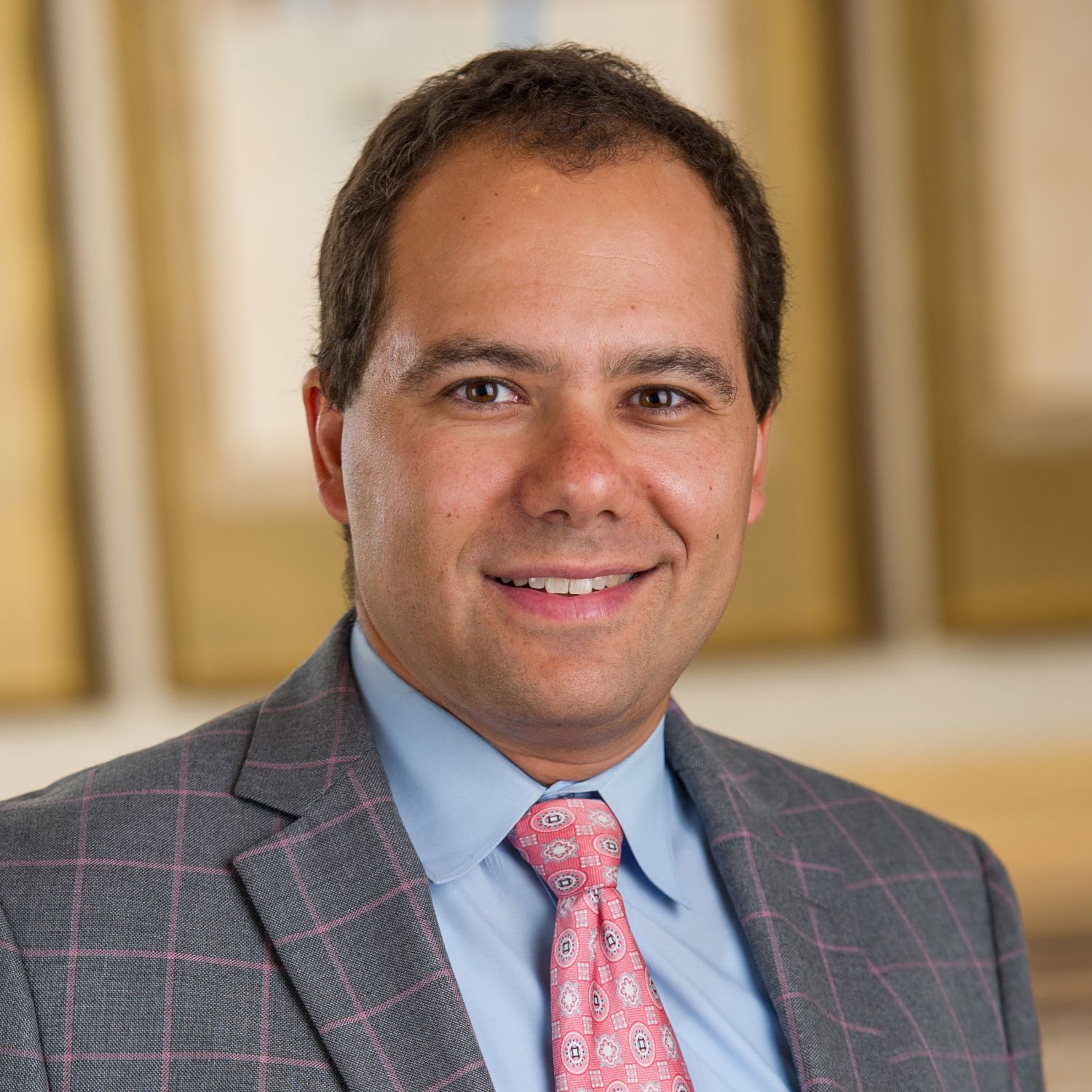
Episode 41: Ilya Shapiro - American Liberty, American Civility
Ilya Shapiro is a legal scholar, an essayist, and an author who holds degrees from Princeton, The London School of Economics, and The University of Chicago. During our conversation, Ilya talks about his family's life in the Soviet Union, his journey to North America as a child, and his desire to become an American citizen.Ilya also talks about the foundational liberties of American civilization, freedom of speech, classical liberalism, the role and importance of disagreement in a free society, and his being hired as the Executive Director of The Georgetown Center for the Constitution in early 2022. In January 2022, following a tweet about his views on a Supreme Court vacancy, Ilya was placed on leave and, in public, has been heckled and shouted down.We talk about that tweet in some detail. This conversation is an attempt to provide some nuance to the controversy surrounding Ilya, and to provide a sense of humanity to a man who - whether or not one agrees with his political views - has apologized.------------Support this podcast via VenmoSupport this podcast via PayPalSupport this podcast on Patreon------------Show notesLeave a rating on SpotifyLeave a rating on Apple PodcastsFollow "Keep Talking" on social media and access all episodes------------(00:00) Introduction(03:30) Life in Soviet Union and his family's move to the West(09:34) Jewish background and thoughts on Russian-Ukrainian war(14:53) Life under an authoritarian Soviet rule(17:32) A desire to become an American(20:55) Evolving beliefs and Ilya’s desire to become an American citizen(24:07) Classical liberalism(27:48) Ilya's historical heroes(29:10) What about classical liberalists resonates with Ilya?(33:36) American ideals and contributing to American intellectual life(38:57) A Russian-Jewish immigrant in Mississippi(42:44) The Cato Institute(46:44) Transitioning to Executive Director of The Georgetown Center for the Constitution(50:23) Questioning President Joe Biden's intentions for the U.S. Supreme Court vacancy(01:00:57) His controversial tweet and an intention to oppose discrimination(01:02:01) Cultivating grace and respecting disagreements(01:05:16) Being shouted down at U.C. Hastings(01:11:18) Allegations made against Ilya by the students of U.C. Hastings(01:13:27) American free speech in 2022(01:17:25) Thoughts about the students who shouted him down
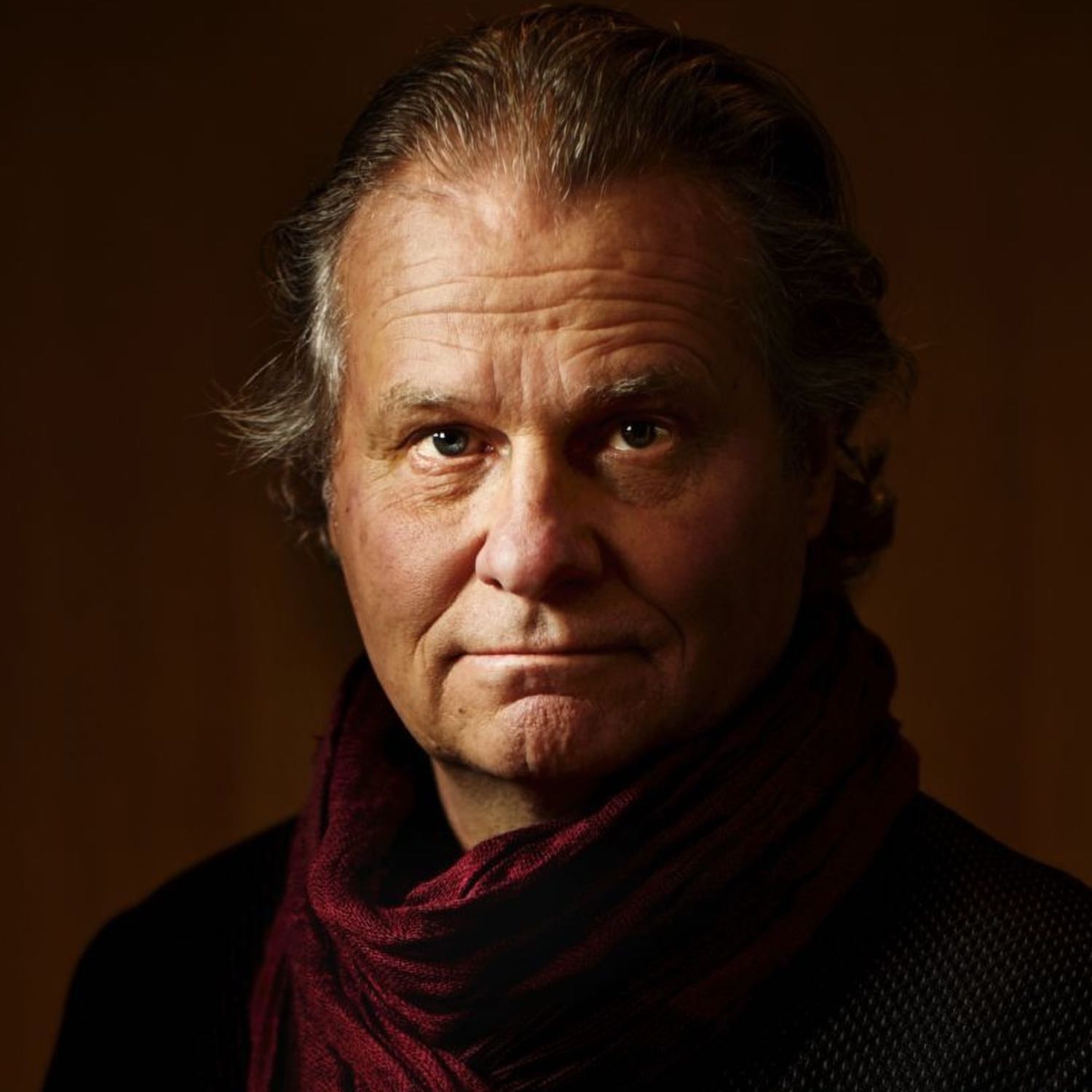
Episode 40: Wade Davis - Knowledge From Exploration
Wade Davis is an author, an ethnobiologist, and a cultural anthropologist. He was an explorer-in-residence at The National Geographic Society from 2000-2013, has helped to produce more than a dozen documentary films, has authored best-selling books, with his work focusing on indigenous cultures across the world.During our conversation, Wade talks about how he became a world-traveler and an explorer and what we might learn from cultures across the world. He talks about the importance of being the architect of your own life, giving destiny its time to find you, not expecting one's work to change the world, but rather having it be a contribution to the world, and his relationship with Richard Evans Schultes, who was instrumental in discovering psychedelics and psychedelic practices in Oaxaca, Mexico.------------Support this podcast via VenmoSupport this podcast via PayPalSupport this podcast on Patreon------------Show notesLeave a rating on SpotifyLeave a rating on Apple PodcastsFollow "Keep Talking" on social media and access all episodes------------(00:00) Introduction(02:07) Early life in Canada: family, community, and upbringing(06:46) Why creativity isn’t an innate quality(14:40) Richard Evans Schultes(26:14) Overcoming fear in the name of exploration(34:23) Having the finances to travel and explore(39:08) Determining if a life of exploration suits you(47:24) The importance of having a home(48:47) Home as an anchor and a source of stability(51:50) Wade’s wife’s support and role in leading him to success(53:00) Staying connected to family despite being away from home(58:20) Why all cultures are myopic: we’re faithful to our own interpretations of reality(1:14:12) Richard Evans Schultes and his psychedelic research(01:25:19) How psychedelics have impact on Wade’s life(01:31:40) Living a purposeful, meaningful life(01:34:47) Why contentment results from patience
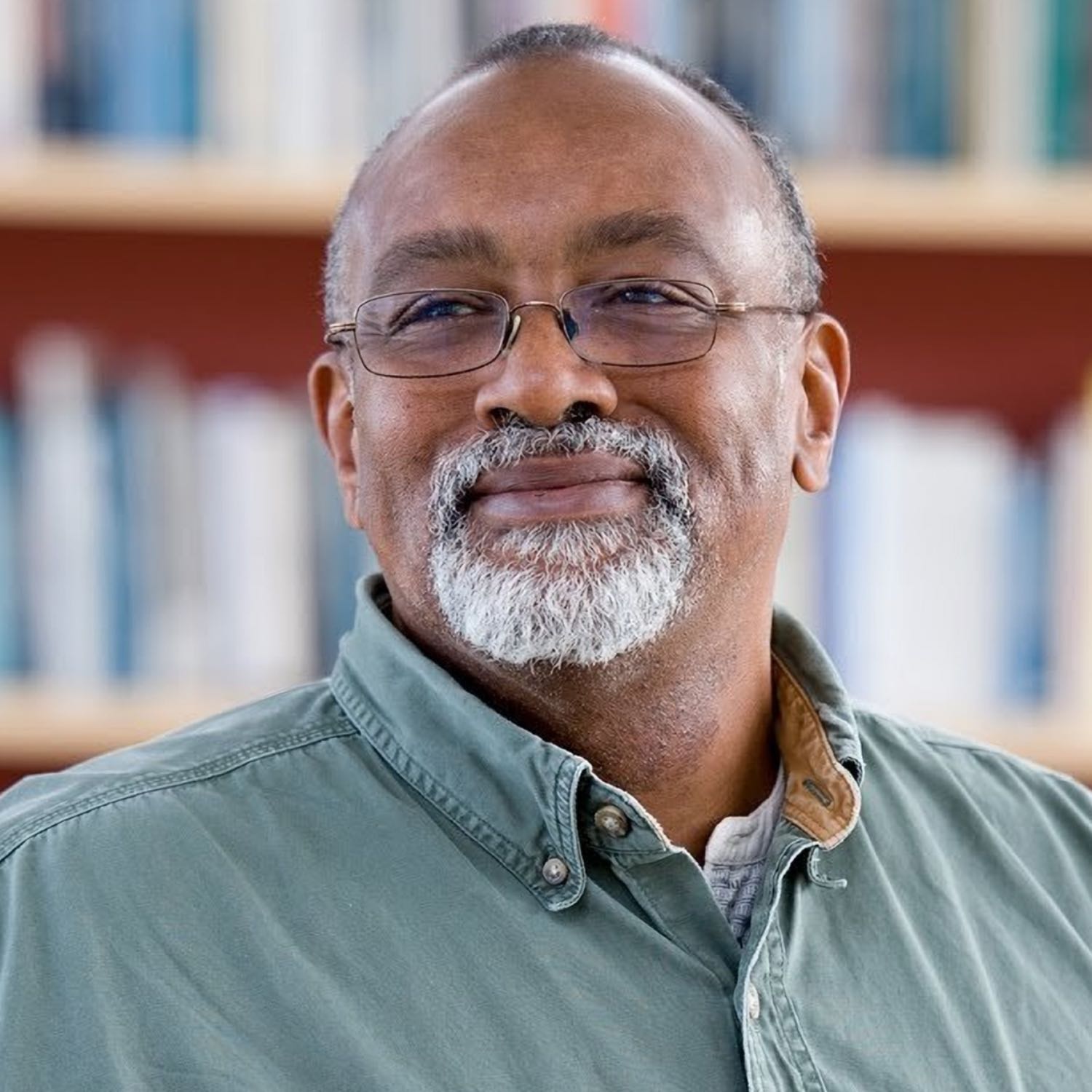
Episode 39: Glenn Loury - Living The American Dream
Glenn Loury is an economist, an essayist, and is the Merton P. Stoltz Professor of the Social Sciences and Professor of Economics at Brown University. During our conversation, Glenn talks about his upbringing in the South Side of Chicago, his "Good Will Hunting-like" trajectory from inner-city black urban life to receiving his PhD in economics from MIT, and his becoming the first tenured African American economics professor in the history of Harvard University, at age 33.Glenn discusses the ideas in his class "Free Inquiry in the Modern World" and his article "The Case for Black Patriotism." He also provides an emphatic defense of Western civilization and Western values, speaks to what's beautiful about America, why it matters in the world, and why maintaining doubt is crucial to an examined life.Glenn is a descendent of slaves. He's one of the U.S.'s top intellectuals, and he has lived "The American Dream." What I admire most about him is his independence of thought, his willingness to affirm his beliefs, especially when they're unfashionable, his decency and his humanity, and his clarity on the importance of appreciating and honoring our cultural inheritance.------------Support this podcast via VenmoSupport this podcast via PayPalSupport this podcast on Patreon------------Show notesLeave a rating on SpotifyLeave a rating on Apple PodcastsFollow "Keep Talking" on social media and access all episodes------------(00:00) Introduction(02:37) Get to know Glenn Loury(05:48) South Side of Chicago culture when Glenn was a boy(08:03) Fatherhood at 18, working at RR Donnelley & Sons, and Mr. Andres(16:58) Opportunity launches Glenn to Northwestern and MIT(21:26) The culture and opportunity of MIT(30:40) Becoming the first African-American tenured economics professor in Harvard, at 33(39:22) Glenn's interest in politics and his heterodox political philosophy(49:36) A memorable incident with Glenn's uncle Alfred(57:27) How Glenn's conservatism informs his views on the campus(1:03:49) Glenn's defense of Western culture(1:08:35) The pushback against Western Civilization(1:16:40) "The Case for Black Patriotism"(1:25:09) An American Living "The American Dream"
Episode 38: Maud Maron - Modern McCarthyism
Maud Maron is a lawyer, a mother of four, and a Congressional Candidate for New York's 12th District. During our conversation, Maud talks about her career as an attorney at The Legal Aid Society, her work providing legal services to poor Americans, how her views in favor of colorblindness and specialized admissions tests and against race essentialism in education resulted in her being publicly labeled a racist by members of the Black Attorneys of Legal Aid Caucus and Attorneys of Color of Legal Aid, her lawsuit against The Legal Aid Society in which she claims she was forced out of her job and “discriminated against on the basis of race," Bari Weiss's article detailing her story, and how American culture might recommit itself to its core principles of freedom of speech, tolerating disagreement while co-existing amicably, resisting ideology and creeping totalitarianism.I have wanted to talk to Maud for well over half a year. She's the first person on this show who has been personally canceled by way of fantastic lies and gross misrepresentation. She has shouldered those consequences and moved forward, refusing to shut up or apologize for having her own point of view. She is a model of how we might all want to behave if we are wrongly libeled or slandered, with our reputation and livelihood on the line.------------Support this podcast via VenmoSupport this podcast via PayPalSupport this podcast on Patreon------------Show notesLeave a rating on SpotifyLeave a rating on Apple PodcastsFollow "Keep Talking" on social media and access all episodes------------(00:00) Intro(01:00) Get to know Maud Maron(02:41) Maud’s career at the The Legal Aid Society(05:55) Maud's interest in becoming a lawyer(07:07) The people who Legal Aid Society represents(12:48) Maud’s political views and her historic alignment with the Democratic Party(14:45) The state of America's education system(23:37) Equity in public education(33:28) Maud's New York Post article on racial obsession and its consequences(38:30) The reaction of The Legal aid Society after Maud's New York Post article(45:22) Why some are apt to wrongfully ruin someone’s reputation and livelihood(49:27) Racism in schools(52:13) Education in America(59:12) The percentage of the population encouraging totalitarian attitudes(01:05:10) Rooting out totalitarianism tendencies in America(01:09:32) Maud's response to those who canceled her(01:13:44) Recommendations for trusted information sources
Episode 37: Wilfred Reilly - American Taboos
Wilfred Reilly is a professor and the author of "Taboo: 10 Facts You Can't Talk About." During our conversation, Wilfred talks about his early life and upbringing, taboos in American society, using empirical data to assess political claims, incentives within the media for fomenting controversy, race and racism in America, the "St. George in Retirement Syndrome," how many unarmed black men are killed by police, The 1619 Project, and political and cultural changes that might improve America.------------Support this podcast via VenmoSupport this podcast via PayPalSupport this podcast on Patreon------------Show notesLeave a rating on SpotifyLeave a rating on Apple PodcastsFollow "Keep Talking" on social media and access all episodesEmail subscribeEmail the show------------(00:00) Intro(01:01) Get to know Wilfred Reilly(01:50) Wilfred Reilly’s personal background(16:51) Race in America(27:39) Using empirical data to test political claims(38:00) The media as an ad agency and its role in amplifying social controversy(45:24) St. George In Retirement Syndrome(57:56) The 1619 Project: its claims and its falsehoods(01:09:14) The kind of policies and cultural shifts that might improve America(01:16:19) Changing your mind through exposure to facts and new information(01:21:35) Maintaining independence of thought(01:26:20) Wilfred Reilly’s recommended thinkers and resources
Episode 36: David Daley - Gerrymandering's Threat To U.S. Democracy
David Daley is a journalist, the former editor-in-chief of Salon.com, and the author of "Ratf**ked: Why Your Vote Doesn't Count." During our conversation, David talks about the watershed 2010 REDMAP initiative (short for the Redistricting Majority Project) and how gerrymandering has essentially rigged U.S. Congressional elections. He also talks about the second-order consequences of the success of REDMAP: that our political system increasingly incentivizes political extremism and disincentivizes compromise and working across the aisle.David believes that gerrymandering is an existential threat to our democracy, and I tend to agree with him. This subject reminds me of the Charley Munger quote: "Show me the incentives and I will show you the outcome." To me, gerrymandering isn't a partisan issue; we owe it to ourselves to have a republic that has fair elections. And we should rightly fear what's likely to happen to our society if we don't.------------Support this podcast via VenmoSupport this podcast via PayPalSupport this podcast on Patreon------------Show notesLeave a rating on SpotifyLeave a rating on Apple PodcastsFollow "Keep Talking" on social media and access all episodesEmail subscribeEmail the show------------(00:00) Intro(01:00) Get to know David Daley(02:55) How David got interested in gerrymandering(08:34) What gerrymandering is(18:21) REDMAP and its impact on the U.S.(25:17) The importance of electoral fairness in a democracy(34:01) How the Trump phenomenon was influenced by gerrymandering(42:01) The Republicans' and Democrats' attempt to control redistricting in 2020(45:51) Redistricting decision-making in a state controlled by one party(47:52) Who makes redistricting decisions in U.S. states?(50:30) Who you can refer to for unbiased views on gerrymandering?(58:22) The Democrats’ own gerrymandering in New York and Maryland(01:02:17) The hope for change around gerrymandering in the future(01:08:33) How gerrymandering is an existential threat to U.S. democracy(01:12:19) Pushing back against America's authoritarian tendencies(01:17:29) The future of gerrymandering in America
Episode 35: Anna Lembke - Modern Addictions
Anna Lembke is a psychiatrist, Chief of the Stanford Addiction Medicine Dual Diagnosis Clinic, and the author of "Dopamine Nation: Finding Balance in the Age of Indulgence." During our conversation, Anna talks about her journey to studying addiction, the downsides to dopamine surplus, modern addictions to devices and social media, what we can learn from drug addicts, the role of struggle in a healthy life, and how individuals might live wisely in our modern technological world.I think Anna is one of the most important figures in our society. Among other things, she provides us with what a good friend does: a mirror to ourselves, our habits, and what we are becoming.------------Support this podcast via VenmoSupport this podcast via PayPalSupport this podcast on Patreon------------Show notesLeave a rating on SpotifyLeave a rating on Apple PodcastsFollow "Keep Talking" on social media and access all episodesEmail subscribeEmail the show------------(00:00) Intro(00:59) Get to know Anna Lembke(02:00) Anna Lembke’s interest in studying addiction(05:37) The "gremlin" theory of addiction and how it applies to the modern world(16:35) The characteristics of a modern addict(25:04) The stigma around addictions(28:02) Characteristics of a healthy person living today(35:06) The importance and role of struggle in a good life(42:20) The impact of addictions on human interactions(48:10) The importance of intentional inconvenience to maintain balance(53:27) The pernicious pace of addictions and their unconscious build-up(01:00:01) The effective and ethical way to address addiction(01:08:41) Workaholism as an addiction(01:21:29) The connection between shame and a “never enough” attitude towards work

Episode 34: Peter Verstrate - The Cultured Meat Revolution
Peter Verstrate is a businessman and the co-founder of Mosa Meat. During our conversation, Peter talks about Mosa Meat's technical breakthrough in making the world's first cultured hamburger - a burger that was created fully in a lab - without raising and killing livestock, the promise of cultured meat to combat climate change and decrease pollution and deforestation, its enormous potential for mitigating animal suffering, the economic challenges of making cultured meat affordable, and when people might expect to be able to purchase and consume such cultivated meat.If successful, companies like Mosa Meat offer an amazing potential future: one in which people might be able to inexpensively and healthily consume high-quality meat with little to no environmental damage and minimal harm inflicted upon sentient animals. This would be a massive win for our collective wealth, ethics, and habitat.------------Support this podcast via VenmoSupport this podcast via PayPalSupport this podcast on Patreon------------Show notesLeave a rating on SpotifyLeave a rating on Apple PodcastsFollow "Keep Talking" on social media and access all episodesEmail subscribeEmail the show------------(00:00) Intro(00:56) Get to know Peter Verstrate(02:09) Getting into the meat industry(04:36) Mosa Meat creating the world's first cultured hamburger(13:43) The time it took to produce the world’s first cultured hamburger(15:13) The different stages of cultured meat production(20:02) How the idea of lab-grown meat came to be(22:17) Reducing animal suffering and the environmental benefits of clean meat(31:00) The negative impact of traditional meat production on agriculture and the Earth’s changing climate(34:32) The safety concerns around cultured meat production and consumption(42:03) The business challenges of running a clean meat production company(48:40) Economic viability and the future of cultured meat production(51:16) Assessing the quality of the meat used for producing lab-grown meat(54:05) The skills needed from people who want to work in the clean meat industry(57:04) Cultured meat production in the next few years(01:02:27) The best way to follow and support Mosa Meat
Episode 33: Ronan Levy - Psychedelics Going Mainstream
Ronan Levy is a lawyer, an entrepreneur, and the co-founder of Field Trip Health. During our conversation, Ronan talks about his journey into the psychedelic space, how currently-available ketamine therapy can help those with anxiety and depression, the possibility of the legalization of MDMA therapy in 2023, how Field Trip Health aims to provide a medically-supervised, professional "set and setting" for those who choose to have a psychedelic experience, the efficacy of empathogens and psychedelics on treating psychological disease, and how the legalization of medicinal psychedelic use might transform and improve our society.------------Support this podcast via VenmoSupport this podcast via PayPalSupport this podcast on Patreon------------Show notesLeave a rating on SpotifyLeave a rating on Apple PodcastsFollow "Keep Talking" on social media and access all episodesEmail subscribeEmail the show------------(00:00) Intro(00:52) Get to know Ronan Levy(04:58) Ronan’s decision to quit the legal world(07:46) The five big personality qualities and Ronan taking the road less traveled(15:44) The past, present, and future of Field Trip Health(23:26) Ketamine-assisted therapy's psychological benefits(31:13) Psychedelic-assisted therapy's ability to address psychological trauma(38:20) Reasons why people avoid psychedelic therapy(44:06) The benefits of psychedelic-assisted therapy and its future(50:30) Dissolving the superstition and stigma of psychosis(58:36) Validating psychedelic-assisted therapy with facts and data(01:04:58) Psychedelic-assisted therapy for a more healthy, cohesive society(01:12:53) Currently-available resources for people to alleviate their mental health issues
Episode 32: Paul Fletcher - Psychosis in Society
Paul Fletcher is a doctor, a researcher, and the Bernard Wolfe Professor of Health Neuroscience at Cambridge University. During our conversation, Paul talks about psychosis and the brain, the sheer strangeness of psychotic episodes, why the human mind produces delusions and hallucinations, some triggers and causes of temporary psychosis, how we might more ethically treat homeless people in a psychotic state, and how we have improved in our treatment of psychotic people.I also share my own experience with the terror and confusion of marijuana-induced psychosis. I hope that such stories might help others facing such a destabilizing and debilitating human experience feel less alone and less stigmatized.------------Support this podcast via VenmoSupport this podcast via PayPalSupport this podcast on Patreon------------Show notesLeave a rating on SpotifyLeave a rating on Apple PodcastsFollow "Keep Talking" on social media and access all episodesEmail subscribeEmail the show------------(00:00) Intro(00:51) Get to know Paul Fletcher(01:48) Paul Fletcher’s background and how he developed an interest in psychosis(04:38) Understanding Jerome Lawrence’s quote on psychosis(11:53) The difference between hallucinations and normal human experiences(23:49) Dan's marijuana-induced psychosis(37:45) What one can do to avoid transitory psychosis(41:39) The prevalence of transient psychotic breaks(45:46) Regaining normalcy after a psychotic break(49:15) Decreasing ignorance about psychosis and reducing its stigma(57:16) The video game "Hellblade," which highlights psychosis(01:05:02) The need to empathize with those experiencing psychosis(01:11:03) Alan Graham’s Community First! Village in Austin, TX(01:18:02) Psychedelics’ effect on the human brain(01:21:36) Potential ways to treat mental illness in the future
Episode 31: John McWhorter - Woke Racism
John McWhorter is a linguistics professor at Columbia University, an essayist for "The New York Times," and the author of "Woke Racism." During our conversation, John talks about the genesis of "The Elect" (his word for woke antiracists), the dangers and the flaws of the ideas of The Elect, how those ideas are counterproductive to helping black America, how The Elect abuse and intimidate those who disagree with them, maintaining standards in American society, the George Floyd murder, the relationship with black men and the police, policies that might help African American communities, and strategies for having courageous, nuanced, well-meaning conversations about race in America.------------Support this podcast via VenmoSupport this podcast via PayPalSupport this podcast on Patreon------------Show notesLeave a rating on SpotifyLeave a rating on Apple PodcastsFollow "Keep Talking" on social media and access all episodesEmail subscribeEmail the show------------(00:00) Intro(00:51) Get to know John McWhorter(02:47) The reason for writing "Woke Racism"(05:51) John’s sense of duty in pushing back against the anti-racist movement(09:40) The state of racism in America in 2022(12:20) A description of “The Elect”(15:56) How the world will look if the ideas of "The Elect" take over society(18:57) An ethical way to approach race relations in America(26:21) Ideas of "The Elect" that are counterproductive to improving black communities(31:45) John’s assessment of the current state of black America(38:08) The relationships between the cops and black America(47:05) Advice for white Americans to have honest conversations about race in America(52:02) What a successful pushback against anti-racism would look like
Episode 30: Robert Glover - No More Mr. Nice Guy
Robert Glover is a speaker, a men's coach, and the author of the best-selling book "No More Mr. Nice Guy." During our conversation, Robert talks about his personal life, men and dating, the male need for tribe, admirable and toxic masculine traits, his views on what makes men both attractive and repellent to women, and what's limiting male development in modern society. Robert is candid and transparent, and offers practical advice to men looking to grow into the best version of themselves.------------Support this podcast via VenmoSupport this podcast via PayPalSupport this podcast on Patreon------------Show notesLeave a rating on SpotifyLeave a rating on Apple PodcastsFollow "Keep Talking" on social media and access all episodesEmail subscribeEmail the show------------(00:00) Intro(00:51) Get to know Robert Glover(01:44) Robert's early life(08:58) A nice guy's beliefs and identities are rooted in childhood(19:53) Characteristics of a nice guy(29:36) Advice for nice guys to become more attractive to other people and more authentic to themselves(41:49) Unappealing traits of a nice guy(49:23) Positive emotional tension(50:02) How men can become better versions of themselves(59:56) Positive aspects of masculinity(01:05:21) Advice for parents or potential parents for raising good men and boys(01:12:40) Advice for men who've lost connection to their capital "S" self to become more authentic

Episode 29: Danielle Crittenden - Feminism Today
Danielle Crittenden is an author, a mother of three, and the host of "The Femsplainers Podcast." During our conversation, Danielle talks about her book "What Our Mothers Didn't Tell Us: Why Happiness Eludes the Modern Woman," feminism in the modern world, women and happiness, the role of mothers in our society, her 30+ year marriage to author and essayist David Frum, and advice she would give to young men and young women about the role of relationships and work in a happy, wise life.------------Support this podcast via VenmoSupport this podcast via PayPalSupport this podcast on Patreon------------Show notesLeave a rating on SpotifyLeave a rating on Apple PodcastsFollow "Keep Talking" on social media and access all episodesEmail subscribeEmail the show------------(00:00) Intro(00:51) Get to know Danielle Crittenden(01:39) What led Danielle to write "What Our Mothers Didn't Tell Us"(10:42) The modern messages received by women in academia and culture(18:43) The modern relevance of "What Our Mothers Didn't Tell Us"(26:01) How not taking partnering seriously changes how women prioritize their lives(32:52) Creating "The Femsplainers Podcast" with Christina Hoff Sommers(39:49) How "The Femsplainers Podcast" has influenced Danielle's thinking(54:06) Danielle's marriage to David Frum, and advice for a successful relationship(01:00:21) The thinkers, writers, podcasters, and resources Danielle recommends(01:07:14) How to address some of modernity's common issues(01:12:31) Advice for young women to chase their dreams and lead a fulfilled, meaningful life
Episode 28: James Hollis - Living an Examined Life
James Hollis is an author, a psychoanalyst, and one of the world's most prolific Jungian thinkers. During our conversation, Jim talks about his life, the ideas of Carl Jung, listening to and honoring one's autonomous psyche, the importance of insight, courage, and endurance, modern life and society, men in therapy, and how one might live more wisely.------------Support this podcast via VenmoSupport this podcast via PayPalSupport this podcast on Patreon------------Show notesLeave a rating on SpotifyLeave a rating on Apple PodcastsFollow "Keep Talking" on social media and access all episodesEmail subscribeEmail the show------------(00:00) Intro(00:18) Jim's transition from academia to psychoanalysis(05:48) The decision to pursue psychoanalysis as a full-time profession(10:23) Gathering the courage to pursue psychoanalysis(17:43) What about Jung’s work resonated with Jim?(29:40) Jim's process of helping people navigate the transitionary phases of their lives(40:55) The most pressing issues Jim sees facing Americans(47:48) The primary blockers to growth and self-healing(51:18) Discerning the difference fears you should avoid and fears you should face(56:25) Exhausted relationships vs. relationships that need endurance(01:08:27) The ratio of men vs. women seeking counsel and therapy and how it’s changed over the years(01:12:45) Why most men tend to suppress their innermost emotions(01:19:13) Jim's’ explanation of Joseph Campbell’s ‘hero’s journey’(01:24:55) How to live an examined, authentic life
Episode 27: Donald G. McNeil, Jr. - Reporting COVID-19
Donald G. McNeil, Jr. is an author, a journalist, and was one of the earliest and leading New York times science reporters to alert the world about the outbreak of COVID-19. During our conversation, Donald talks about his early career, learning about a "Pneumonia-like" new virus in Wuhan, what the U.S. could have done differently to decrease deaths from COVID, the safety and efficacy of COVID vaccines, and what the U.S. might do to better prepare for future pandemics.------------Support this podcast via VenmoSupport this podcast via PayPalSupport this podcast on Patreon------------Show notesLeave a rating on SpotifyLeave a rating on Apple PodcastsFollow "Keep Talking" on social media and access all episodesEmail subscribeEmail the show------------(00:00) Intro(00:45) Get to know Donald G. McNeil Jr.(01:28) Donald’s path to science journalism(09:01) Donald’s background in human biology and science and how they came in handy when covering medical cases(22:24) The factors that added to Donald’s concern about the coronavirus during its first outbreak, including high fatality and transmissibility rates(24:48) Sensing the severity of the coronavirus and the events that followed(30:38) What is meant by a pandemic?(54:10) Vaccine specifics and Donald’s initial judgment in the aftermath of the pandemic(01:04:32) Addressing people choosing not to get vaccinated(01:11:10) The efficacy of COVID vaccines and why they’re safe(01:26:24) Vaccine mandates in the U.S. for employees and children(01:32:40) The Supreme Court’s precedence mandating vaccination(01:34:15) The origin of COVID-19(01:45:30) Preparing for future pandemics

Episode 26: Audrey Brumback - Understanding Autism
Audrey Brumback is a physician, a scientist, and an Assistant Professor of Neurology at the University of Texas. During our conversation, Audrey talks about her interest in autism, what we know about autism today, and how her lab studies brain physiology to better understand the autistic brain.The brain is endlessly complex, and autism has long been a mystery. People like Audrey are working to simultaneously increase our knowledge and decrease the stigma of the roughly 2% of the human population - tens of millions of people - who are autistic.------------Support this podcast via VenmoSupport this podcast via PayPalSupport this podcast on Patreon------------Show notesLeave a rating on SpotifyLeave a rating on Apple PodcastsFollow "Keep Talking" on social media and access all episodes------------(00:00) Intro(00:45) Get to know Audrey Brumback(01:26) Audrey’s upbringing and the life events that led her to study autism (04:56) What is autism?(08:37) Diagnosing autism in children(14:20) The population of Americans identified as having autism(15:50) The influence of genes versus environment in causing autism(17:06) Evaluating the possible factors leading to producing kids with autism(19:56) Introducing a kinder and more rational approach to dealing with individuals with autism or autistic tendencies(24:08) How most people explain their indifferent behavior with autistic individuals (27:09) Audrey’s areas of promise for people with autism(31:11) Determining the kind of help that autistic individuals need(33:00) Understanding neurodiversity and life with autism(36:21) Is there any kind of intrinsic motivation that people with autism experience to change the nature of their minds for the better?(41:41) Why autism is not all negative but is instead a difference in the neurological programming of certain individuals(42:54) Is autism a spectrum disorder?(45:15) The evolutionary history of autism and thoughts on what caused it to continue existing in the human gene pool(47:09) Making our society a better place for individuals with autism: the potential areas of improvement in their conditions in the future
Episode 25: Omer Kanat - The Uyghur Genocide
Omer Kanat is the Director of the Uyghur Human Rights Project and is the Executive Committee Chairman of the World Uyghur Congress. During our conversation, Omer talks about his journey to the U.S., Uyghur history and culture, China's historic oppression of the Uyghur people, and the current Chinese genocide of the Uyghur people, which includes concentration camps, brainwashing, murder, rape, sterilization, and mass surveillance.------------Support this podcast via VenmoSupport this podcast via PayPalSupport this podcast on Patreon------------Show notesLeave a rating on SpotifyLeave a rating on Apple PodcastsFollow "Keep Talking" on social media and access all episodes------------(00:00) Intro(00:45) Get to know Omer Kanat(01:46) Omer’s upbringing and the life events that led him to participate in human rights activities on behalf of the Uyghurs(08:27) Who are the Uyghur people and what is their history?(17:14) About the Uyghur population: the numbers, their culture, and other specifics(19:19) The attempts of the Chinese government to assimilate the Uyghur population into the Chinese population(24:45) Omer explains the Chinese approach to the Uyghur community(33:02) How does Omer describe the Uyghur people?(37:09) How did the unsuccessful integration of the Uyghur people into Chinese culture trigger changes in the Chinese government’s approach towards Uyghurs(40:17) Omer explains the changes to the Chinese leadership post 2017(49:02) How does China detain and oppress Uyghurs?(56:35) What goes on inside Uyghur concentration camps?(01:05:22) A list of Uyghurs who have escaped Chinese concentration camps(01:09:45) What percentage of Uyghurs are living in concentration camps?(01:17:55) What hope does Omer have for the Uyghurs?

Episode 24: Scott Shepherd - Leaving the Ku Klux Klan
Scott Shepherd is a speaker, consultant, and a former Grand Dragon of the Ku Klux Klan. During our conversation, Scott talks about his upbringing, the path that led him to the KKK, his rise in its hierarchy, experiences that led him out of the organization, his relationship with Daryl Davis, and his message for the U.S. related to racism and race relations.------------Support this podcast via VenmoSupport this podcast via PayPalSupport this podcast on Patreon------------Show notesLeave a rating on SpotifyLeave a rating on Apple PodcastsFollow "Keep Talking" on social media and access all episodes------------(00:00) Intro(01:02) Get to know Scott Shepherd(02:21) Scott’s backstory and how he got to where he is today(05:00) How the innate desire to find a tribe got Scott involved with the white supremacist movement and the Ku Klux Klan(07:37) Scott talks about choosing to join the KKK(09:20) How the promise of a family and home led Scott to ultimately join the KKK(12:46) Scott’s knowledge and impression of KKK before becoming a member(14:03) Scott explains that he wasn’t aware of the violent nature of the KKK prior to joining the organization(14:58) What Scott was told about the KKK when he joined them(16:41) Coming across racist views and judgments during Scott’s time with the KKK(18:05) The components that led Scott to connect with the KKK initially(19:41) Scott talks about being raised in by a black woman(24:13) Being intimately associated with an African-American and the risks of banishment from the KKK(26:04) The 15-20 years Scott spent with the KKK and his growth within the group(29:46) Did Scott ever truly believe the KKK’s ideology of racism?(33:49) The objectives of the KKK(37:59) Battling conflicting beliefs on culture and racism and how Scott faced them(45:41) How Scott’s mind changed over the years, and why he decided to leave the KKK(53:49) Scott’s process of exiting the KKK(56:18) Did Scott ghost the KKK?(56:59) Scott’s relationship with Daryl Davis and Daryl's influence on his life(01:08:28) What about Daryl and Daryl's message changed Scott's mind?(01:16:39) The best way to educate people on topics like racism(01:22:59) What should you do to help the nation progress and encourage inclusion(01:27:00) Scott’s plans for the future
Episode 23: Steve Harrigan - Honoring the Artist Within
Steve Harrigan is a screenwriter, a journalist, and a writer for Texas Monthly. His books include "The Gates of the Alamo" and "Big Wonderful Thing: A History of Texas." During our conversation, Steve talks about his work, the path that led him to become a full-time writer, and honoring artistic talents and impulses.------------Support this podcast via VenmoSupport this podcast via PayPalSupport this podcast on Patreon------------Show notesLeave a rating on SpotifyLeave a rating on Apple Podcasts------------(00:00) Intro(01:02) Get to know Steve Harrigan(02:02) Steve talks about his father(03:13) Steve explains how little he knew about his father growing up, and how he feels about him now that he’s learned more(05:42) Overcoming the shock post World War II(06:32) Steve shares the similarities he’s discovered between his father and him(08:21) Steve’s journey into becoming a writer(12:56) How did Steve come to realize that he was a gifted writer?(14:24) Steve shares how his mother played an instrumental role in helping him discover his writing abilities(15:44) Steve talks about his popular article in the Rolling Stone(17:48) How Steve was able to make writing his full-time profession(19:22) Some writers who proved influential in Steve’s career(22:49) What were the things Steve did to hone his craft at the beginning of his career?(25:07) Why is your art an integral part of your identity?(26:13) Why Steve calls his interest in writing a “discovery” rather than a calling(28:40) How Steve was able to honor his writing skills and dedicate himself to it(30:08) The period of Steve’s life between his first article and working as a staff for different magazines(32:50) The big hacks or processes to writing that Steve discovered over the years(37:07) What kept Steve moving in his journey as a writer despite not making huge financial gains out of it initially?(39:14) How writing gives Steve a sense of self-identity(41:00) What does a great working day look like to Steve?(43:42) A day in Steve’s life(46:37) How does Steve balance work and family?(50:10) Steve talks about his family’s role in shaping his career(51:56) Steve’s reasons behind his book The Gates of the Alamo(57:40) Steve talks about his six-year journey writing the book The Gates of the Alamo(01:00:14) What, according to Steve, is Texas's role in the development of America?(01:03:33) The fight about the Alamo and how Steve views its application to the rest of the country(01:11:18) Steve’s advice to people with an artistic bent and worried about the financial side of life
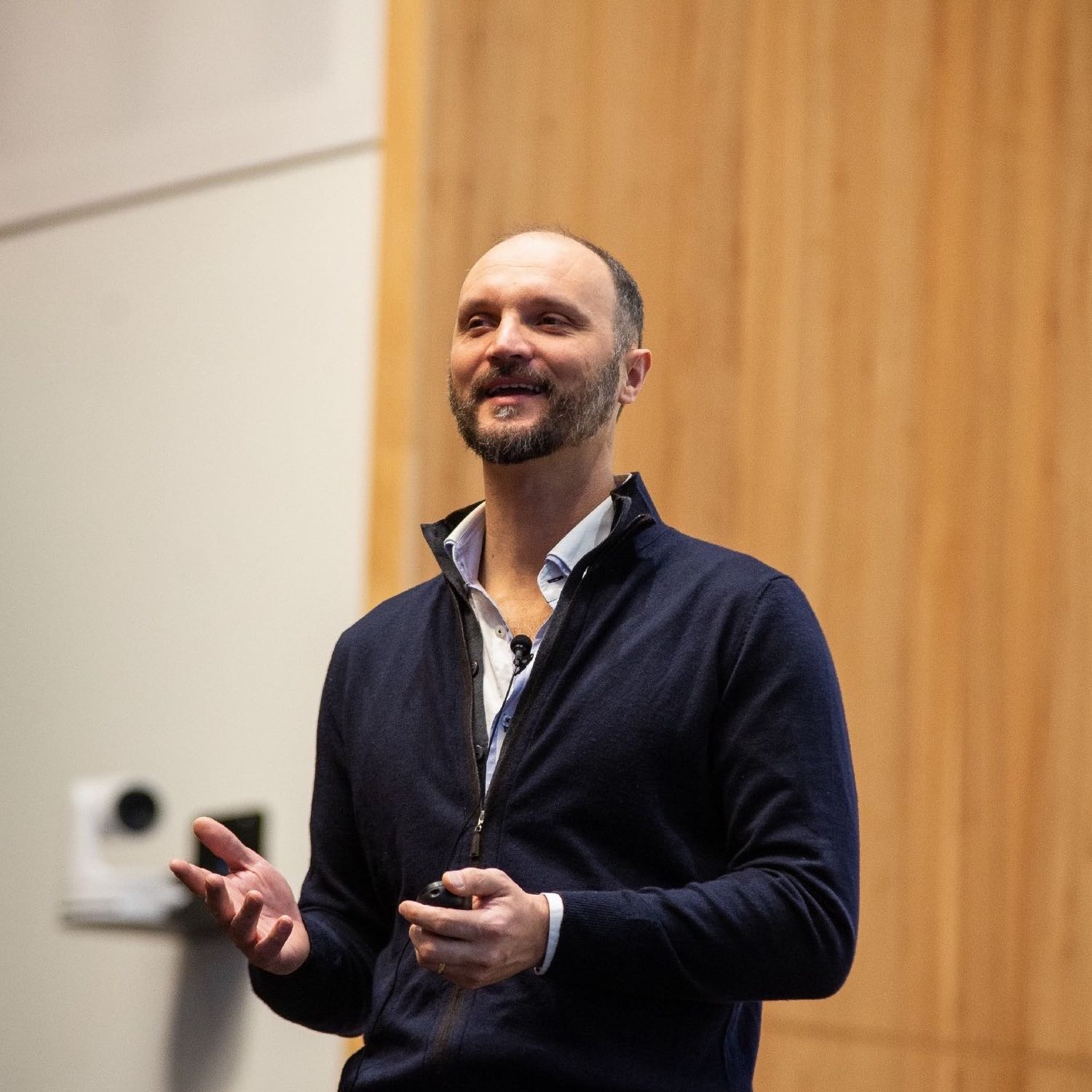
Episode 22: Cesare Fracassi - Cryptocurrency
Cesare Fracassi is an Associate Professor of Finance and the Director of the Blockchain Initiative at the University of Texas - McCombs School of Business. During our conversation Cesare explains the fundamentals and benefits of cryptocurrencies and blockchain technology. Crypto has gained significant momentum, value, and attention in the past few years, and is poised to change our society. Cesare provides a basic overview of where we are and where we might be heading with these technologies.------------Support this podcast via VenmoSupport this podcast via PayPalSupport this podcast on Patreon------------Show notesLeave a rating on SpotifyLeave a rating on Apple Podcasts------------(00:00) Intro(01:10) Get to know Cesare Fracassi(02:13) How did Cesare get interested in blockchain technology?(03:54) Cesare explains his background in technology, developing interest in fintech and blockchain, and becoming the Director at a blockchain institute(07:42) What is meant by fintech?(09:14) Cesare explains the growing trends in blockchain technology(12:19) Centralized vs. distributed ledgers(12:54) Understanding centralized ledgers(14:02) Understanding decentralized ledgers and their evolution(16:23) In the case of decentralized ledgers, how does the whole network decide if a transaction is valid or not?(17:50) How Satoshi Nakamoto discovered a way for every node in a decentralized network to evaluate transactions as legit or not(18:51) The two challenges in allowing every node in a decentralized network to vote -- 1) No centralized vote-counting system, and 2) Sybil attack(20:34) The solution to enabling transactions through decentralized networks, according to Satoshi Nakamoto(23:22) How Bitcoin turned out to become the “digital gold”(30:54) What according to Cesare, is the best cryptocurrency to buy today?(34:09) Is it possible to reverse engineer Bitcoin to provide the benefits that Ethereum does?(36:16) What makes Ethereum smart contracts superior?(39:11) Where are we, at present, with respect to the development of cryptocurrency? What does the future hold?(46:58) What's the easiest way for people to enter the crypto world?(47:32) What is meant by Internet 2.0?(49:34) What would the future look like if cryptocurrency evolved the way we experts think it might?(54:26) Does Cesare believe cryptocurrency holds an opportunity for further growth?(59:04) What is a Private Permission Blockchain?(01:01:02) What would be the end result of a massive blockchain transformation?(01:06:33) Does cryptocurrency have the potential to improve our civilization and people's lives?(01:09:15) Blockchain resource recommendations from Cesare

Episode 21: Helen Joyce - Trans: When Ideology Meets Reality
Helen Joyce is a journalist at "The Economist" and is the author of the book "Trans: When Ideology Meets Reality." During our conversation, Helen discusses the pernicious effects of the gender identity movement: the sterilization of children, the cultural incentives that encourage kids to question their sex, the regret that many with gender dysphoria have after sex reassignment surgery, that the vast majority of people who experience gender dysphoria are gay, rather than trans, why female-only spaces matter to women, and the public shaming of and attempts to silence those who disagree with the activist ideology.------------Support this podcast via VenmoSupport this podcast via PayPalSupport this podcast on Patreon------------Show notesLeave a rating on SpotifyLeave a rating on Apple Podcasts------------(00:00) Intro(03:06) What led Helen into writing her book, "Trans: When Ideology Meets Reality"(04:06) Helen on how she dealt with resistance to asking questions as a journalist(07:14) How Helen feels about pushbacks to open journalism and how she believes we should fight it(09:51) What are the consequences of changing a society where gender is a matter of choice, rather than a matter of biology?(17:12) Helen talks about her research for her book(18:10) Understanding gender dysphoria(19:54) The possible reasons why kids feel they don’t belong to their gender(22:01) Helen cites the example of a female who underwent a full medical procedure and hysterectomy to become male - only to later realize that she was lesbian(28:52) Why most gender non-conforming children are likely to be gay(34:04) What happens when children are given puberty blockers?(40:16) The consequences of California allowing its prison inmates to decide their gender(45:37) Helen talks about gender literature in different countries(46:52) What is transphobia?(48:51) Why it’s essential to be clear about biological reality for child safeguarding(52:59) What is the right way to think about matters of gender?(01:05:40) Helen explains thought control, thought termination, self-censorship(01:08:42) The narrative of progress is bringing marginalized groups in from the cold - and how this is unlike other social justice movements(01:13:04) Helen’s three bits of advice for journalists who are committed to open discussion and open debate(01:14:13) Why your employer is your point of weakness when you’re a journalist or an academic(01:19:13) Helen talks about her friend and researcher Maya Forstater, who lost her job due to social media backlash(01:23:01) Where Helen thinks we are in terms of the policing of conversations and dialogue(01:32:03) What is free speech, according to Helen?(01:34:37) Writers, thinkers, public intellectuals, and groups who believe in an open exchange of ideas and information

Episode 20: Carole Hooven - T: The Story of Testosterone
Carole Hooven is a scientist, a professor, an educator, and she co-directs the undergraduate program in the Department of Human Evolutionary Biology at Harvard University. She is the author of "T: The Story of Testosterone, the Hormone that Dominates and Divides Us." During our conversation, Carole talks about the crucial role of testosterone in shaping male and female nature, contemporary attacks against science, cultural pressure against freedom of speech in our society, and attempts to censor her knowledge within academia.------------Support this podcast via VenmoSupport this podcast via PayPalSupport this podcast on Patreon------------Show notesLeave a rating on SpotifyLeave a rating on Apple PodcastsListen on Spotify, Apple Podcasts, and YouTube------------(00:00) Intro(02:24) Get to know Carole Hooven(02:45) How did Carole get interested in the subject of testosterone?(12:34) What is the general difference in expression of testosterone between men and women?(17:36) What is testosterone?(20:34) What changes in body and behavior could be observed if a female took male testosterone levels or if a male took female levels of estrogen?(21:18) Carole shares her experience interviewing three trans men who lived as women until their early 20s or 30s(24:55) Carole recounts her experience being a guest on the "Transparency" podcast(29:59) Is testosterone the most important hormone that distinguishes the genders?(30:51) Carole explains testosterone transitions in transgender people and what that means for non-transgender people understanding sex differences(32:46) The physical and reproductive differences between females and males(35:05) How can we explain why some men are more nurturing than others?(36:17) How to view high testosterone rates in men(37:30) The ranges of healthy, high, and low levels of testosterone in men and women(40:18) Why elevated testosterone levels in men need not necessarily imply an increased sex drive or aggression(44:21) Carole’s experience as a woman in academia(45:20) About Carole’s students at Harvard(48:26) Carole’s experience over the past year teaching her subject matter(53:20) Where does the reluctance to speak openly about academic subjects come from(01:02:17) Why is there an opposition to speak against subjects of academic interest?(01:13:32) Carole talks about her life at Harvard(01:14:22) Carole explains her fondness for her students at Harvard(01:17:20) How has social media increased instances of bullying against academic researchers(01:18:48) Carole talks about the DEI groups in colleges(01:20:43) How can we overcome the hindrance to free speech?
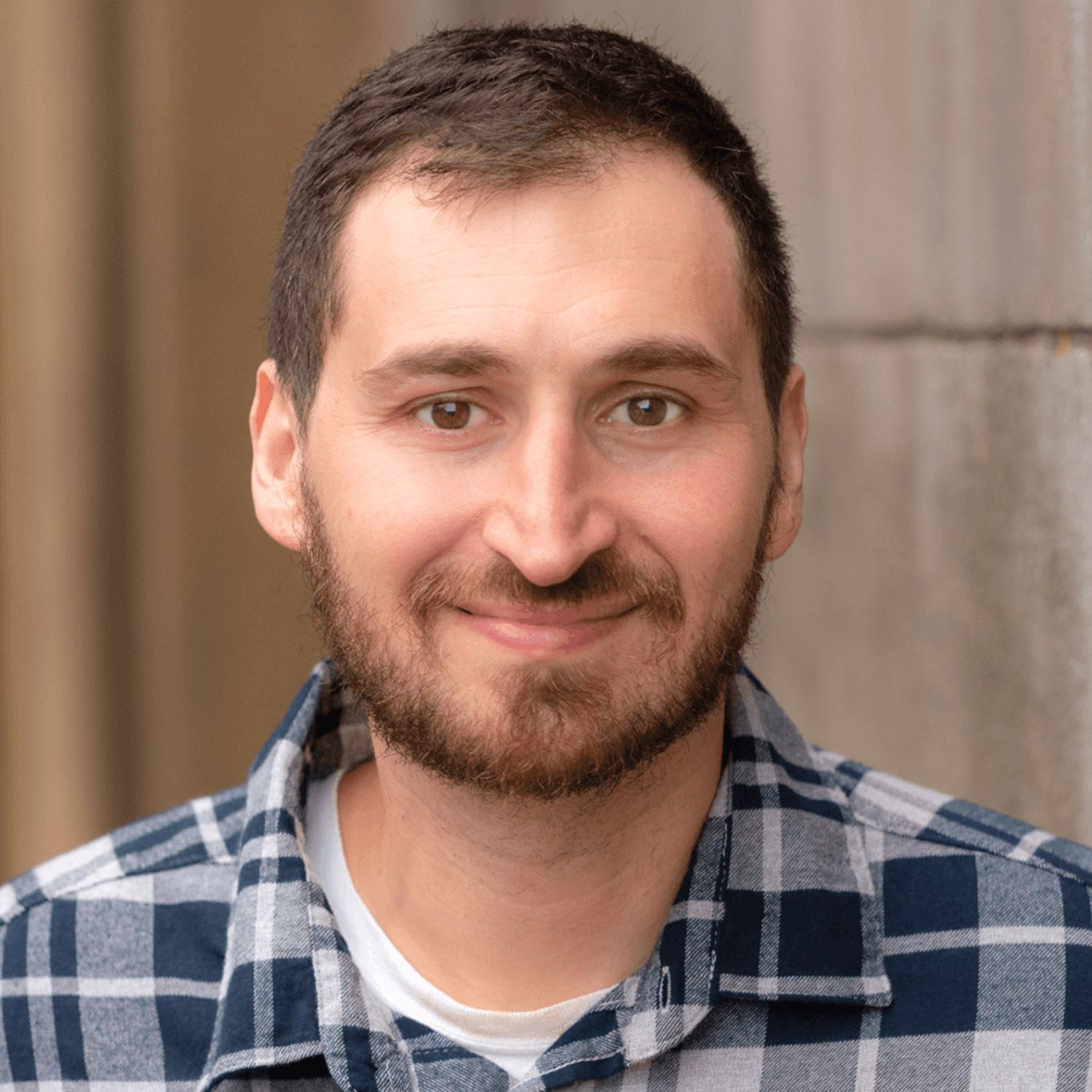
Episode 19: Jesse Singal - Woke Culture
Jesse Singal is a journalist and author, and has written for The New York Times and New York Magazine. During our conversation, Jesse talks about freedom of speech in America, the effect of woke culture on journalism, cancel culture in our society, and the reaction to his Atlantic article, When Children Say They're Trans, published in 2018. Jesse writes on Substack and co-hosts the podcast Blocked and Reported with Katie Herzog.------------Support this podcast via VenmoSupport this podcast via PayPalSupport this podcast on Patreon------------Show notesLeave a rating on SpotifyLeave a rating on Apple PodcastsFollow Keep Talking on Twitter, Instagram, and Facebook------------(00:00) Intro(01:01) Get to know Jesse Singal(02:45) How did Jesse get interested in podcasting, writing, and journalism?(05:12) Jesse talks about Jonathan Haidt’s work and how it helped to shape his outlook on America, and on life(06:45) What about Haidt’s work changed Jesse’s sensibilities about people who disagreed with him?(09:15) Where are we right now with regards to freedom of speech and woke culture(11:16) What is meant by woke culture?(12:42) What trajectory led us to this point?(15:08) Jesse’s take on the percentages of the American population that's fomenting woke culture(17:39) How does Jesse explain the insistence on not using a phrase (like “pregnant women”) for fear of offending?(19:12) Jesse’s article for The Atlantic, When Children Say They're Trans(21:38) Jesse’s reasons for writing the article When Children Say They're Trans and the response it received(24:52) Why is it that a percentage of children regret their transition?(27:52) Jesse cites an example of a child who considered it a mistake to undergo transition therapy(29:53) Why is there a pushback to a more conservative approach to transition therapies for children?(32:08) Do we have the statistics to know what percentage of children under the age of 14 who transition later believe it was a mistake?(35:26) Does Jesse believe that journalism in America is in a state of peril?(40:21) Jesse’s advice to aspiring journalists who want to have the freedom to explore ideas and write openly(42:11) Jesse talks about his plans for the future(46:15) Getting the independence to openly share his thoughts(50:17) Journalists and news outlets that Jesse recommends

Episode 18 - Eric Jorgenson: The Almanack of Naval Ravikant
Eric Jorgenson is the author of "The Almanack of Naval Ravikant." During our conversation, Eric talks about the creation of the book, the vacuum that's been created for advice and wisdom in a secular age, and the ideas in the book related to wealth, health, and happiness.------------Support this podcast via VenmoSupport this podcast via PayPalSupport this podcast on Patreon------------Show notesLeave a rating on SpotifyLeave a rating on Apple PodcastsFollow Keep Talking on Twitter, Instagram, and FacebookListen on Spotify, Apple Podcasts, and YouTube------------(00:00) Intro(02:36) Eric shares how he learned about Naval Ravikant and what got him interested in learning more about him(04:11) Eric talks about Naval and his perception of him(07:00) On getting to know Naval Ravikant(11:15) Some of Naval’s principles that resonate most with Eric(16:46) Why was it so important for Eric to write his book?(19:14) How did Eric approach Naval and actually get access to him?(21:31) Eric shares his process for writing the book: digging into various resources (podcasts, articles, tweets) and arranging the information(24:10) Eric shares if he’s had experience as a writer before he wrote his book(28:07) About having creative control while writing the book(31:14) Eric shares Buddhism's influence on Naval’s and the knowledge that comes from Naval's own personal story(37:17) Eric discusses the book's primary principles that can be applied in life(42:19) Why combining different skills and stacking them makes you unique and valuable(51:55) Eric talks about financial freedom(01:01:38) About understanding the consequence of our actions(01:09:59) Learn about Naval’s principle of being authentically you in your relationships(01:12:52) How Naval is both Eastern and Western-minded(01:16:48) How the process of writing the book has affected Eric: how he’s developed, grown, or changed through doing all of the research
Episode 17: Jerry Rosenbaum - Psychedelics & The Brain
Jerry Rosenbaum is a psychiatrist, a world-renowned expert on mood and anxiety disorders, and the director of the Center for the Neuroscience of Psychedelics at Massachusetts General Hospital in Boston. He was the Stanley Cobb Professor of Psychiatry at Harvard and the Chief of Psychiatry at Mass General for 17 years, from 2002-2019. During our conversation, Jerry talks about his career in psychiatry, the role of rumination in mental illness, the potential for psychedelics to decrease suffering and improve human well-being, and the goals of the Center for the Neuroscience of Psychedelics.------------Support this podcast via VenmoSupport this podcast via PayPalSupport this podcast on Patreon------------Show notesLeave a rating on SpotifyLeave a rating on Apple PodcastsFollow Keep Talking on Twitter, Instagram, and FacebookListen on Spotify, Apple Podcasts, and YouTube------------(00:00) Intro(02:45) Jerry shares how he got into psychiatry, psychedelics and the role of rumination across mental illnesses(09:19) Jerry talks about The Default Mode Network of the human brain - people who ruminate are found to be more active in that network.(11:10) Jerry talks about the potential contributors to psychedelic study(18:31) Funds and investments to psychedelic study(24:02) Jerry discusses whether he was satisfied with the options available to help treat his patients in the past(24:31) What is psychodynamic psychotherapy?(27:21) Jerry’s thoughts on anti-depressants(35:17) How does an antidepressant function?(38:40) About ketamine and ketamine-assisted psychotherapy(42:03) Jerry shares more about research on psychedelics and the different psychedelics available today(45:08) Who would benefit the most from research?(47:39) The controversy in the world around psychedelics(51:26) What is the appropriate setting for taking psychedelics?(01:04:53) Where are we right now in terms of the efficacy of psychotherapy and related treatments?(01:09:09) How can individuals help in studies related to psychotherapy and psychiatry?(01:12:05) Jerry’s words to people who wish to help or need help right now(01:15:10) Jerry’s thoughts on accessibility for psychedelic medicines in the future(01:18:39) Jerry shares how what the treatment experience looks like for individuals

Episode 16: David Blankenhorn - Braver Angels
David Blankenhorn is the co-founder and president of Braver Angels. During our conversation, David talks about why Braver Angels exists, tribalism and division in the United States, Braver Angels' goal of depolarizing American society, the workshops it runs with "red" and "blue" Americans, and its workshop's success at discovering shared values and greater understanding among politically-opposed citizens.------------Support this podcast via VenmoSupport this podcast via PayPalSupport this podcast on Patreon------------Show notesLeave a rating on SpotifyLeave a rating on Apple PodcastsFollow Keep Talking on Twitter, Instagram, and FacebookListen on Spotify, Apple Podcasts, and YouTube------------(00:00) Intro(01:02) About David Blankenhorn(02:58) David shares the circumstances that led him to found Braver Angels(06:43) David talks about the various elements needed to bring people together for a better society(07:44) David shares why he feels we’re in the third big era of polarization(09:53) Can we create a society where people who vehemently disagree with each other can still get along?(15:33) David explains why and how he changed his mind on topics once very important to him(20:22) David talks about disapproving gay marriages and coming to accept it(35:17) Why does society not allow its citizens to change their minds without major repercussions?(45:08) Social virtues and collective beliefs and how they have kept political stridency at bay for a period of American history(51:16) About Robert Putnam’s book, The Upswing(57:10) What is the role of smartphones and social media platforms in polarization(01:04:39) The mission and goals of Braver Angels(01:31:02) David explains why “We're a lot less divided” than people commonly believe(01:43:54) What does David mean by braver politics?(01:48:27) What is the best way for people to help Braver Angels?
Episode 15: Ben Westhoff - Fentanyl in America
Ben Westhoff is an investigative journalist and author. In 2019, he published "Fentanyl, Inc.", the definitive story of the Fentanyl drug trade and its effects on American culture. During our conversation, Ben talks about his reasons for writing the book, where fentanyl is made and how it enters America, the pervasiveness and dangers of fentanyl to society, and what might be done to add a measure of safety to people at risk from its toxicity.------------Support this podcast via VenmoSupport this podcast via PayPalSupport this podcast on Patreon------------Show notesLeave a rating on SpotifyLeave a rating on Apple PodcastsListen on Spotify, Apple Podcasts, and YouTube------------(00:00) Intro(04:41) Ben shares what got him interested in studying fentanyl(06:59) The role of China in the distribution of fentanyl in American society(11:50) Is it technically correct to say that although fentanyl export is illegal, its ingredients can be exported?(12:40) Where are we currently in terms of the death rates or the effects of fentanyl in society? Is it as bad as it ever was?(14:19) How are people affected by the drug?(17:29) What percentage of street drugs, including cocaine or heroin, has fentanyl laced within it?(18:39) How would you advise people to mitigate some of the risks of fentanyl(20:50) Do we know if fentanyl-laced drugs are more common in certain regions of the country?(24:09) What are your thoughts on India potentially taking over as a potential leader in the production of fentanyl?(25:54) What prompted Ben to do firsthand research on fentanyl?(30:06) Why did Ben decide to put himself at risk for the sake of his research?(31:54) Ben talks about his book, "Fentanyl Inc."(34:47) Ben shares the possible ways to improve the situation(37:07) Ben discusses if there is any city, state, or country, that is dealing with the use of the drug in the most rational way(38:59) Has Ben changed his mind on anything after publishing his book?(41:21) The legal ways in which fentanyl is used in the medical context(43:49) What do people taking substances like fentanyl experience?(45:38) What are the substances that people in our culture should be looking out for as a potential risk for having fentanyl in it?(48:09) Ben shares his interests and next steps
Episode 14: Peter Neufeld - The Innocence Project
Peter Neufeld is a civil rights lawyer and the co-founder of the Innocence Project. During over conversation, Peter talks about how and why he and Barry Scheck created The Innocence Project, the importance of DNA testing in exonerating wrongly convicted citizens, common scientific and procedural errors that have been used to convict defendants, and how our culture might create a more fair and impartial criminal justice system.------------Support this podcast via VenmoSupport this podcast via PayPalSupport this podcast on Patreon------------Show notesLeave a rating on SpotifyLeave a rating on Apple PodcastsFollow Keep Talking on Twitter, Instagram, and FacebookListen on Spotify, Apple Podcasts, and YouTube------------(0:00) Intro(02:52) Peter shares what got him to found the Innocence Project(06:07) What were the issues in society back when Peter started the Innocence Project?(09:31) Peter shares what got him interested in law(12:15) The story behind starting the Innocence Project(18:41) Peter talks about his relationship with the Innocence Project co-founder, Barry Scheck(20:57) Why and how scientists use DNA typing(26:41) Peter’s thoughts on the systems that needed to be changed prior to founding the Innocence Project(30:55) How DNA testing was used to exonerate innocent people or to potentially introduce incontrovertible evidence that proved a person’s innocence(39:21) Peter talks about the emotional satisfaction he receives through his work. He also lists the first few cases that the Innocence Project took up(46:43) How the Innocence Project accepted cases at its beginning, and how that evolved over the years(51:46) How the Innocence Project has helped society at large(55:01) What are the hurdles to achieving a more just criminal justice system?(01:04:54) How Peter feels about the existing judicial system, and hope for improvement(01:08:24) What are the ways normal people could try to help the Innocence Project(01:14:35) What percentage of the population of convicted criminals, according to Peter, have likely been wrongly convicted?(01:27:48) What's the right attitude to have as a citizen and juror?(01:33:17) Some changes Peter wishes to see in America's criminal justice system

Episode 13: Avi Loeb - 'Oumuamua, UFOs, and Extraterrestrial Life
Avi Loeb is a theoretical physicist and cosmologist at Harvard University. During our conversation, Avi talks about his interest in science, humanity's search for truth, his view that the interstellar object 'Oumuamua is an alien spacecraft, his book "Extraterrestrial," and The Galileo Project, which he leads, which will embark on the "Scientific Search for Evidence of Extraterrestrial Technological Artifacts."------------Support this podcast via VenmoSupport this podcast via PayPalSupport this podcast on Patreon------------Show notesLeave a rating on SpotifyLeave a rating on Apple PodcastsFollow Keep Talking on Twitter, Instagram, and FacebookListen on Spotify, Apple Podcasts, and YouTube------------(01:05) Meet Avi Loeb(02:28) Avi shares his background and upbringing(07:21) Avi shares the intentions behind his book, "Extraterrestrial"(08:42) Avi shares his understanding of science and philosophy, explaining the difference between the two(14:15) Avi shares his personal development story and how he cultivated a curiosity for the facts and evidence behind explanations(21:41) Avi shares how he used to question spiritual beliefs growing up and how it made him stand out from other people(23:54) Avi’s views on human life considering his current worldview(31:07) Avi’s ideas on evolution and the meaning of life(41:38) Avi shares his most high-profile work to date(51:13) Avi discusses the importance of holding onto evidence and offering a valid justification for your work(59:54) Avi shares his goals and aspirations behind sourcing funds for his future projects(01:09:39) Avi explains Unidentified Aerial Phenomena (UAP) and how it's different from Unidentified Flying Objects, or UFOs.(01:27:11) Avi shares references to the most respectable people he’s come across in his life(01:39:23) Advice for people enthusiastic about approaching the world in a more realistic and accurate way
Episode 12: Bruce Poulter - MDMA for PTSD
Bruce Poulter is an MDMA therapist, trainer, and clinical supervisor. During our conversation, Bruce talks about his interest in MDMA as a therapy, his years as a practitioner, the experience of such therapy for patients, its efficacy in helping people work through trauma, and the MAPS clinical trials that aim to legalize MDMA therapy in the U.S. by 2023.------------Support this podcast via VenmoSupport this podcast via PayPalSupport this podcast on Patreon------------Show notesLeave a rating on SpotifyLeave a rating on Apple PodcastsFollow Keep Talking on Twitter, Instagram, and FacebookListen on Spotify, Apple Podcasts, and YouTube------------(00:00) Intro(02:39) Bruce explains where his interest in MDMA stemmed from(06:51) What does it mean to have PTSD?(09:40) Symptoms of PTSD and the clinician-administered PTSD scale(14:36) What is it that makes the life of an individual with PTSD difficult? What are the triggers they experience?(16:32) Bruce explains how they identify someone with PTSD(18:15) Why is PTSD said to be a defense mechanism for what has happened to people?(23:08) Bruce’s dedication towards helping people with this medicine in a therapy setting(31:30) Bruce explains his wife’s battle with PTSD, and what he noticed in her personality, disposition, and mentality as a result of her going through MDMA therapeutic sittings(37:55) What is MDMA? How does it function?(40:43) The dosage amount, duration, setting, and other parameters that decide the usage of MDMA for PTSD(45:29) An outline of an MDMA treatment session(01:04:15) What does a person experience during the 8-hour period of treatment(01:09:21) Different phases of the MDMA drug trial(01:15:52) MDMA is not for everyone - Bruce explains why coercing should not be an option(01:26:08) What is the future of MDMA?(01:33:31) How is MAPS getting involved in the conversation concerning PTSD treatment?(01:40:32) Misconceptions, facts, and anecdotes that could benefit those listening
Episode 11: Stephen Fried - Benjamin Rush & A Life In Journalism
Stephen Fried is an author and investigative journalist. During our conversation, Stephen talks about his life and work in Philadelphia, and his most recent book "Rush: Revolution, Madness, and Benjamin Rush, the Visionary Doctor Who Became a Founding Father." "Rush" details the life of one of America's most important early citizens: an abolitionist, the uniter of the acrimonious relationship of John Adams and Thomas Jefferson, and the founder of American psychiatry.------------Support this podcast via VenmoSupport this podcast via PayPalSupport this podcast on Patreon------------Show notesLeave a rating on SpotifyLeave a rating on Apple PodcastsFollow Keep Talking on Twitter, Instagram, and FacebookListen on Spotify, Apple Podcasts, and YouTube------------(00:00) Intro(00:49) Stephen shares where his initial interest and talent in nonfiction history comes from(13:35) How Stephen spent years of his life researching and writing books(18:35) About Stephen’s first book, "Thing of Beauty: The Tragedy of Supermodel Gia"(39:25) Stephen explains how he learned about Benjamin Rush(56:39) Stephen notes that Benjamin Rush was somebody who was well ahead of his time. He explains his understanding of Rush and how he was able to create a new perspective on people who had mental illnesses and addiction(01:15:00) Stephen explains why bleeding someone who’s psychotic is the craziest thing in the world(01:27:34) Stephen’s advice for people learning about Patrick Kennedy’s story(01:37:30) Stephen shares his thoughts on modernity(01:45:06) What Stephen thinks is the best thing we as a country could implement to ease some suffering and improve the mental health crisis
Episode 10: Dan Barker - A Preacher's Journey From Religion
Dan Barker is a former evangelical Christian preacher, current co-president of the Freedom From Religion Foundation, and co-founder of The Clergy Project. During our conversation, Dan talks about his two decades as a public Christian figure, what caused him to leave his religion, the purpose of FFRF, how the perspective of atheists and agnostics can be more beautiful and meaningful than the religious outlook, and The Clergy Project, an organization that provides assistance and support to active members of the clergy who have lost their faith.------------Support this podcast via VenmoSupport this podcast via PayPalSupport this podcast on Patreon------------Show notesLeave a rating on SpotifyLeave a rating on Apple PodcastsFollow Keep Talking on Twitter, Instagram, and FacebookListen on Spotify, Apple Podcasts, and YouTube------------(01:17) Dan talks about the circumstances that led him to become a believer and an evangelical Christian preacher(06:20) Dan’s Christian musical background(13:06) On beliefs and religion(22:45) Understanding Christianity and evolution more deeply(27:48) About the Adam and Eve story(30:15) Dan speaks further about the evolution of his beliefs(38:17) What was the intention behind the creation of the Freedom From Religion Foundation?(47:03) Dan talks about the different services that The Clergy Project offers(48:37) What are the resources available to members of the clergy who no longer believe?(53:50) How Dan faced the truth of his beliefs(01:03:10) Dan’s beliefs about religion in America today(01:10:14) The most persuasive observations and arguments from members of The Clergy Project that changed that caused a perspective shift in people
Episode 09: Nancy Segal - Identical Twins and Human Nature
Nancy Segal is a behavioral geneticist, evolutionary psychologist, and one of the nation's preeminent experts on twin studies. During our conversation, Nancy talks about what we can learn from identical twin studies, the role of genes in human nature, and her forthcoming book, "Deliberately Divided: Inside the Controversial Study of Twins and Triplets Adopted Apart."------------Support this podcast via VenmoSupport this podcast via PayPalSupport this podcast on Patreon------------Show notesLeave a rating on SpotifyLeave a rating on Apple PodcastsFollow Keep Talking on Twitter, Instagram, and FacebookListen on Spotify, Apple Podcasts, and YouTube------------(00:59) Nancy shares her background and what got her interested in twin studies(02:04) The state of research around twins when Nancy started her career(03:40) Nancy’s initial intuition about fraternal twins and identical twins and what that looked like once the research was actually fleshed out(06:04) About identical twins, how they're created, and their biological similarities(07:51) The story of two pairs of identical Columbian twins who were raised as two pairs of fraternal twins(13:48) The University of Virginia’s study on identical and fraternal twins(17:43) The role of epigenetics in the development of any human being(21:12) A peek into Nancy’s upcoming book, Deliberately Divided: Inside the Controversial Study of Twins and Triplets Adopted Apart(26:01) Nancy talks about the Louis Wise Agency(34:23) What is the moral and reasonable way to try to raise the next generation of kids?(41:20) Misunderstandings or corrections that Nancy clarifies about twins through her research and expertise(43:26) The most interesting information Nancy has received about her discipline, both research-based and anecdote-based(50:03) Do our genes predispose us in a particular direction when making decisions(56:25) Nancy talks about virtual twins, their traits, and about Canadian photographer, Francois Brunelle who has taken pictures of look-alikes (not biological twins(59:03) Questions on twins beyond the realm of scientific inquiry(01:07:42) What are the pushbacks to academic research on twin studies? What can we, as citizens, do to help protect researchers?
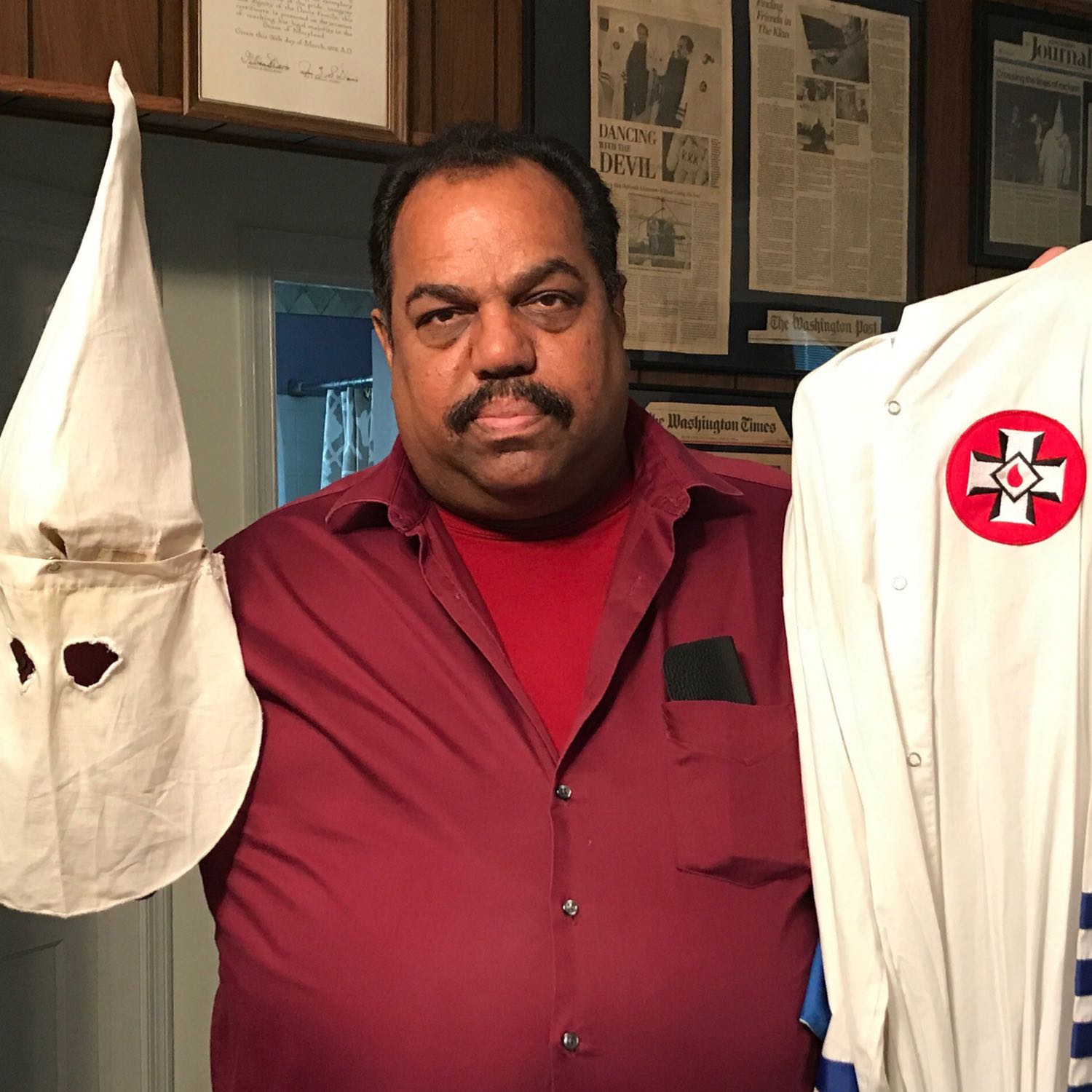
Episode 08: Daryl Davis - Befriending the Ku Klux Klan
EDaryl Davis is an African-American musician, author, and activist. Throughout his life, he has engaged with and befriended members of the Ku Klux Klan, leading dozens of former white supremacists to leave the organization. During our conversation, Daryl talks about his upbringing, how he began meeting KKK members, and race in America.------------Support this podcast via VenmoSupport this podcast via PayPalSupport this podcast on Patreon------------Show notesLeave a rating on SpotifyLeave a rating on Apple PodcastsFollow Keep Talking on Twitter, Instagram, and FacebookListen on Spotify, Apple Podcasts, and YouTube------------(01:16) Daryl’s background and moving to the U.S.(06:04) Daryl’s first racist encounter(12:36) The incidents that led Daryl to dig deeper into understanding racism(21:36) Meeting Matt Cole the second time(27:07) How Matt Cole got more and more people into the American Nazi Party(32:52) Daryl’s first encounter with a KKK member(42:13) Daryl’s second encounter with a KKK member who had for the first time spoken to a person of color(48:46) Daryl’s decision to interview Roger Kelly(59:28) A journey to meet the “Grand Dragon,” Roger Kelly(01:21:11) Why ignorance breeds hate(01:34:43) Dan and Daryl discuss a scene from a documentary about Daryl's life, Accidental Courtesy(01:41:57) Daryl’s closing advice for the listeners(01:49:16) Daryl and Dan talk about the state of our society today and how it has evolved over the years
Episode 07: H.W. Brands - A History of the American West
H.W. Brands is a professor at UT-Austin, a historian, an author of more than 30 books, and a two-time finalist for the Pulitzer Prize. During our conversation, H.W. talks about his book "Dreams of El Dorado," which details the exploration and settlement of the American West.------------Support this podcast via VenmoSupport this podcast via PayPalSupport this podcast on Patreon------------Show notesLeave a rating on SpotifyLeave a rating on Apple PodcastsFollow Keep Talking on Twitter, Instagram, and FacebookListen on Spotify, Apple Podcasts, and YouTube------------(01:19) Brands explains the context of his book Dreams of El Dorado(03:18) What inspired Brands to write about the history of the American West(07:37) The general public impression about the Louisiana purchase back in 1803(13:55) Description of the Great Plains in the Lewis and Clark journal(17:00) The beginning of the Oregon Trail and the overall objective of the people who traveled to the West(22:25) The challenges in heading to the Oregon territory - get there in one piece, find a plot of ground to farm, find better health, and the best-case scenario(26:15) Why is Texas key to Brands’ life and his writings?(35:22) What changed HW Brands’ perception of the country as he learned its history(40:10) Brands’ thoughts on penning another book on the history of Western America
Episode 06: Jonathan Zimmerman - The Importance of Free Speech
Jonathan Zimmeramn is a Professor of History of Education at the University of Pennsylvania. During our conversation, Jonathan talks about his time in the peace corps in Nepal, the history of free speech jurisprudence in America, current attacks on freedom of speech in academia, and his new book, Free Speech: And Why You Should Give a Damn.------------Support this podcast via VenmoSupport this podcast via PayPalSupport this podcast on Patreon------------Show notesLeave a rating on SpotifyLeave a rating on Apple PodcastsFollow Keep Talking on Twitter, Instagram, and FacebookListen on Spotify, Apple Podcasts, and YouTube------------(00:51) Where does Jonathan’s interest in history stem from?(03:25) What did Jonathan learn about US history that resonates with him to this day(12:36) Learnings from Clifford Geertz’s essay on anti-relativism.(15:20) About Jonathan’s book, Innocents Abroad.(22:34) Jonathan talks about the difference between the word judgment and discernment.(24:58) How did Jonathan’s Nepal life influence his personal life?(31:04) Jonathan’s ideas on communities.(42:29) Jonathan discusses the book, Passing on the Right: Conservative Professors in the Progressive University by Jon A. Shields and Joshua M. Dunn Sr.(57:14) About Jonathan’s new book Free Speech: And Why You Should Give a Damn and what he strives to achieve with it.(01:07:11) What has caused the present panic or disregard for freedom of speech(01:09:03) Talking about micro-aggressions.