
Keep Talking
155 episodes — Page 2 of 4
Episode 105: Bill Wasik - The History of the Animal Rights Movement
Bill Wasik is the editorial director for the New York Times Magazine and the author of a variety of books, including his newest - co-written with his wife Monica Murphy - Our Kindred Creatures: How Americans Came to Feel the Way They Do About Animals. During our conversation, Bill talks about the dawn of the animal rights movement in post-Civil War America, the lives and work of Henry Bergh and George Angell, and the creation and mission of the American Society for the Prevention of Cruelty of Animals.Bill also talks about the industrialization of meat production, the invisibility of animal suffering today, and his own lifestyle related to animal rights.------------Book a meeting with Dan------------Keep Talking SubstackRate on SpotifyRate on Apple PodcastsSocial media and all episodes------------Support via VenmoSupport on SubstackSupport on Patreon------------00:00 Intro00:37 How Americans treated animals in the mid-19th century 03:54 Animal blood sport in the 19th century 07:28 Religious and philosophical outlooks on animals in the 19th century 12:25 Who was Henry Burgh? 16:16 The American Society for the Prevention of Cruelty to Animals 22:22 The legal power of the ASPCA 28:21 Who was George Angell? 33:10 The goal: reduce suffering, not eliminate meat consumption 38:55 Industrializing meat production, and the invisibility of animals today47:20 How this book has influenced Bill and his lifestyle
Episode 104: Oliver Burkeman - Four Thousand Weeks: Time Management for Mortals
Oliver Burkeman is a journalist and an author of multiple books, including his bestseller, Four Thousand Weeks: Time Management for Mortals. During our conversation, Oliver talks about being an insecure overachiever, his historic obsession with productivity, learning to say no to things you want to do, the 80/20 principle, and how modern life rewards winners with an unending, lifetime supply of intense work.He also discusses getting clear on what matters to you in life, the work and ideas of James Hollis, and, when facing a big life decision, asking the question, "does this choice diminish or englargen me?"------------Book a meeting with Dan------------Keep Talking SubstackRate on SpotifyRate on Apple PodcastsSocial media and all episodes------------Support via VenmoSupport on SubstackSupport on Patreon------------00:00 Intro00:49 Oliver's struggles with time management03:58 "The mistaken belief that it can be cured"06:53 How Oliver has addressed his productivity addiction12:29 The importance of saying no16:57 Insecure overachievers and people pleasers21:52 Today, the reward for winning is a lifetime of intense work28:25 Human's concept of time over time32:15 Time management in other cultures37:33 When deciding, ask: "Does this choice englargen or diminish me?"45:03 Quotes from James Hollis and Carl Jung51:14 Closing comments about "Four Thousand Weeks"
Episode 103: Derek Sivers - Philosophy for Life
Derek Sivers is an author, a TED speaker, a businessman, a musician, and one of my favorite thinkers on the planet. During our conversation, Derek talks about pursuing mastery, having enough, what success means to him, how he thinks about money, having and raising a kid, and more.Derek's book Hell Yeah or No is one of my all-time favorites, and his essays have had a huge influence on my life. I love Derek's originality, his enthusiasm for life and ideas, and most importantly, his generosity, kindness, and friendliness.------------Keep Talking SubstackRate on SpotifyRate on Apple PodcastsSocial media and all episodesBook a meeting with Dan------------Support via VenmoSupport on SubstackSupport on Patreon------------00:00 Intro00:32 Written off from an early age02:40 How Derek knew he wanted to be a musician08:50 Transitioning from a musician to a businessman15:40 Having enough22:28 Money28:15 The importance of quiet, journaling and solitude40:45 Freedom and children54:48 Giving away $22 million01:03:52 Lifestyle creep01:08:34 Why Derek chooses freedom01:11:14 Envy and maintaining minimalism01:19:25 Success01:21:21 Quotes from Derek's essays01:26:02 Dan's New Zealand story01:35:06 Small actions can have big consequences01:37:23 Reach out to Derek: https://sive.rs/contact

Episode 102: Hemant Mehta - Atheism Today
Hemant Mehta is an author, a YouTuber, and an atheist activist. During our conversation, Hemant talks about his journey to atheism, the threat of Christian nationalism to secular society, and the atheist and secular movements. He also addresses the loss of community felt by those who leave religion, and the life and legacy of Daniel Dennett, including his work with The Clergy Project.------------Keep Talking SubstackRate on SpotifyRate on Apple PodcastsSocial media and all episodes------------Support via VenmoSupport on SubstackSupport on Patreon------------00:00 Intro00:44 Hemant's personal and religious background07:05 Hemant's experience losing his religious belief08:47 Has Hemant's atheism changed him?11:37 What persuaded Hemant to become an atheist?14:56 Modern instances of religious overreach into secular society20:44 Hemant's definition of atheism23:00 What motivates Hemant's work30:57 Christian nationalism in America36:32 Reasons for optimism42:26 The loss of community as people leave religion47:05 Does Hemant have doubts about his atheist convictions?49:29 Who does Hemant go to for information? 55:56 Dan Dennett and The Clergy Project
Episode 101: D.J. Taylor - Why Orwell Matters
D.J. Taylor is a novelist, a literary critic, and the author of two biographies of George Orwell: Orwell: The Life, and Orwell: The New Life. During our conversation, D.J. talks about Orwell's life, why Orwell's books, particularly his two on totalitarianism, Animal Farm and 1984, have endured so many years after his death, and the relevance of his ideas and insights to modern times.------------Keep Talking SubstackRate on SpotifyRate on Apple PodcastsSocial media and all episodes------------Support via VenmoSupport on SubstackSupport on Patreon------------00:00 Intro00:34 Who was George Orwell?02:48 Why is Orwell so intriguing to D.J. Taylor?04:46 Orwell's relevance over the past 20 years08:06 How did Orwell capture totalitarianism so clearly?13:15 The totalitarian impulse in Orwell17:51 Orwell's commitment to his beliefs21:44 A power of facing unpleasant facts26:32 The void filled by the decline of religion30:00 What was Orwell for?34:43 Orwell's final years on Jura38:33 Criticisms of Orwell45:04 How would Orwell view modern times?51:52 Euphemism and Newspeak today54:28 Famous quotes from Orwell55:30 Why does Orwell endure?

Episode 100: Camilla Kring - Sleep and Society
Camilla Kring is an author, a global speaker, and is the founder of B-Society, an organization fighting for "chronotype equality." During our conversation, Camilla talks about night owls and morning birds, why humans have a wide spectrum of sleep cycles, our cultural bias towards early birds, the damage done to night owls who are asked to fit into a morning bird society, and how we might be able to provide greater time autonomy to people to live in accordance with their own rhythms.------------Camilla's org, B-SocietyKeep Talking SubstackRate on SpotifyRate on Apple PodcastsSocial media and all episodes------------Support via VenmoSupport on SubstackSupport on Patreon------------00:00 Intro00:39 An "A person" vs "B person"02:40 Social jet lag of night owls04:15 Evolutionary reasons for night owls11:15 How society became biased against night owls15:30 Are night owls lazy?21:00 The range of preferred sleeping cycles in humans26:27 The guilt of and bias against night owls32:12 Advice for night owls who can't control their schedule36:10 How AM sunlight and light exposure helps people37:20 The importance of sleep43:16 Chronotypes and a quote from "Why We Sleep"48:44 Can night owls turn into morning birds?54:30 Is our society chronically sleep-deprived?58:23 How does a sane society approach sleep?

Episode 99: Sarah Everts - The Science of Sweat
Sarah Everts is a science journalist, an associate professor at Carleton University, and the author of "The Joy of Sweat: The Strange Science of Perspiration." During our conversation, Sarah talks about how sweating was an evolutionary superpower for humans, what sweat is, why some people sweat more than others, the history of the antiperspirant industry, and why we receive such psychological benefits from sauna exposure and exercise-induced sweating.------------Keep Talking SubstackRate on SpotifyRate on Apple PodcastsSocial media and all episodes------------Support via VenmoSupport on SubstackSupport on Patreon------------00:00 Intro00:53 Sarah's interest in sweat02:23 Sweating as an evolutionary advantage13:11 Why do some people sweat more than others?19:32 Is being able to easily sweat a sign of health?24:33 Ethnic differences in sweating29:08 How advertising created the antiperspirant industry39:38 The benefits of heat and sweating51:48 Forcing your heart to exercise

Episode 98: Sherry Ning - Creating Your Own Path
Sherry Ning is an author and an essayist, whose Substack, "Pluripotent," has some of the best writing I've come across on human nature, purpose, and how to live. During our conversation, Shelly talks about creating one's own path, success, open-mindedness, beauty, nostalgia, spirituality, and religion.------------Keep Talking SubstackRate on SpotifyRate on Apple PodcastsSocial media and all episodes------------Support via VenmoSupport on SubstackSupport on Patreon------------00:00 Intro00:34 A purpose to write2:35 Trait openness6:10 Real diversity is found in human personality8:35 Fame10:29 WEIRD people12:43 For happiness, ask: what will make me miserable?15:45 Success and going your own way26:34 Open-mindedness and particularity of taste34:04 Wildflowers: beauty and toughness39:50 The death of Sherry's father43:25 Nostalgia and good times49:47 What modern writer does Sherry enjoy?52:24 Sherry's religious and spiritual beliefs

Episode 97: Stuart Whatley - The Case Against Work
Stuart Whatley is a writer, a Senior Editor at Project Syndicate, and the author of "Toward a Leisure Ethic," my favorite essay that I've read of the past few months. During our conversation, Stuart talks about the historic purpose of leisure and work, our culture's obsession with busyness and praise of toil, and the reason for striving towards a life of a leisure ethic: where one has control of one's time, one's energy, and where one works on projects for their own sake.------------Support via VenmoSupport on SubstackSupport on Patreon------------Rate on SpotifyRate on Apple PodcastsSocial media and all episodes------------00:00 Intro00:57 What has been a "leisure ethic" in history?03:51 Isn't extolling leisure a call for laziness?09:50 The role of work and leisure in history15:30 The shame of having an anti-work mentality20:30 A quote from "Toward a Leisure Ethic"26:48 A response to people who disagree with Stuart31:57 "Enough" and how to live a life well-lived40:05 How much we worked as hunter-gatherers43:22 We lack models for a "leisure ethic"48:10 Workaholism in America51:30 Derek Sivers, money hoarders, and insatiable desires55:00 A story from "The Psychology of Money" and how to use money
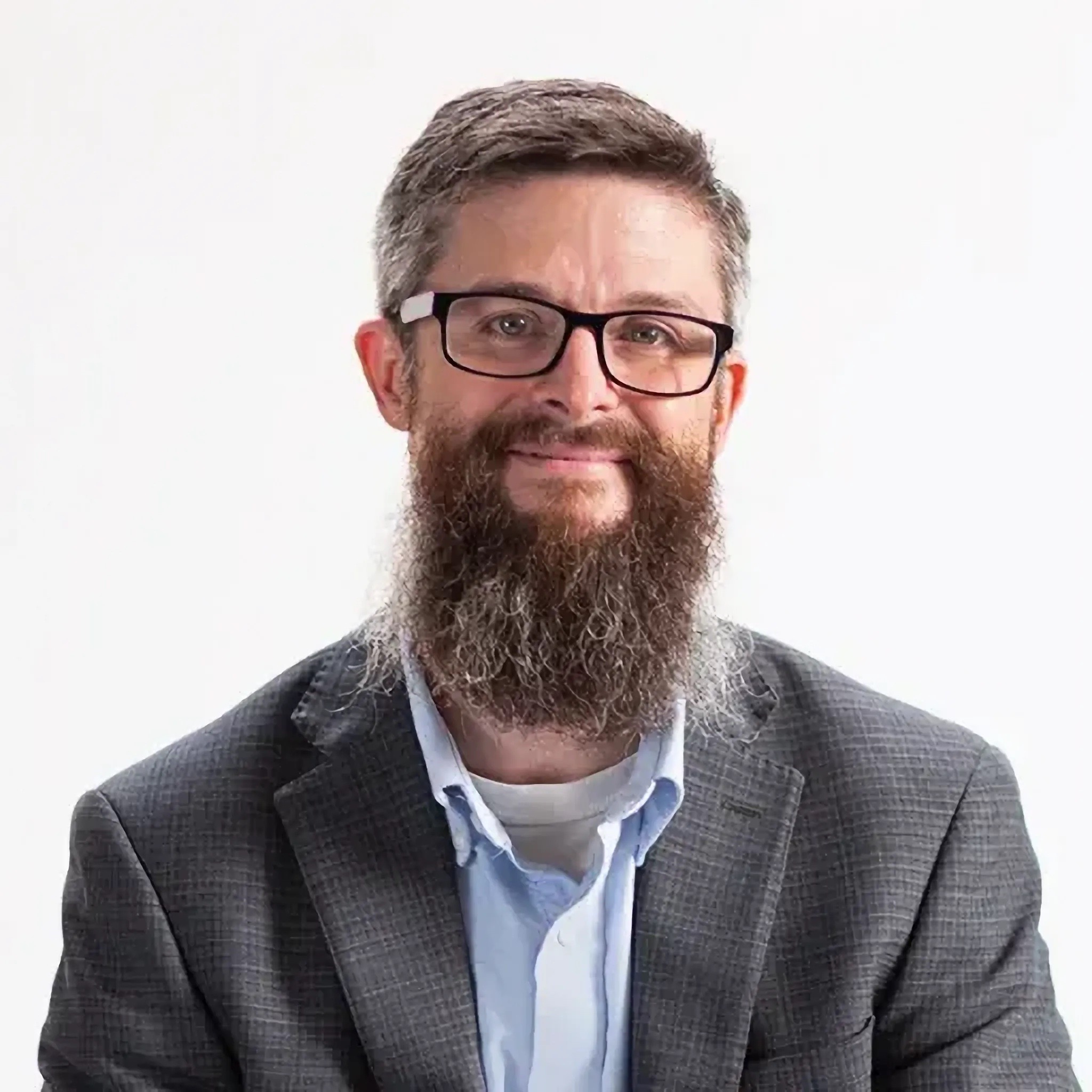
Episode 96: Matthew Johnson - The Psychedelic Renaissance
Matt Johnson is the Susan Hill Ward Professor of Psychedelics and Consciousness and a professor of Psychiatry and Behavioral Sciences at Johns Hopkins University. As stated on the Hopkins' website, Matt "is one of the world’s most published scientists on the human effects of psychedelics, and has conducted seminal research in the behavioral economics of drug use, addiction, and risk behavior."During our conversation, Matt talks about the resistance and skepticism he faced in attempting to study psychedelics for therapeutic purposes, herd mentality within academia, and the effectiveness of psychedelics in mitigating human suffering, specifically in cancer patient's end-of-life anxiety, treatment-resistant depression, nicotine addiction, and alcohol addiction. He also talks about the state of mental healthcare in America and the life and work of one of his colleagues, the late Roland Griffins.Matt has been a pioneer in the psychedelic renaissance, and I believe that his commitment to independent-thinking and freedom of thought, determination in the face of skepticism, and openness to being wrong can be a model for any ambitious person attempting to do original, important, and potentially world-changing work and research.

Episode 95: Rob Henderson - Troubled: A Memoir of Foster Care, Family, and Social Class
Rob Henderson is an Air Force Veteran, an alumnus of Yale and Cambridge, an essayist, and the author of "Troubled: A Memoir of Foster Care, Family, and Social Class." During our conversation, Rob talks about his early life, his experience in the American foster care system, and his unlikely journey out of the unstable and chaotic environment of his youth.Rob is one of my favorite thinkers, and it's damn near miraculous that this brilliant and prolific writer comes from the upbringing that he details in the book. Rob's memoir gives voice to a human experience that is largely invisible and unknown to the American credentialed class: abandonment by one's biological parents, an unstable home life with uncaring guardians, rampant drug abuse and early childhood violence, and a general environment of nihilism that pervades the formative years of life.Rob's arc gives him a unique perspective into American social class, what really matters in the development of children, and what our society should prioritize for childhood and adult well-being.Rob notes in the book that "in the U.S., 60% of boys in foster care are later incarcerated, while only 3% graduate from college." We are all fortunate that Rob is one of the lucky ones to escape the crucible of his upbringing, and to give testimony to the lived, troubled experiences of the voiceless millions who have had similar lives, right under our noses.------------Support via VenmoSupport on SubstackSupport on Patreon------------Rate on SpotifyRate on Apple PodcastsSocial media and all episodes------------(00:00) Intro(03:00) How the book came about(08:15) Rob's early life(18:42) The effect of instability and two quotes from "Troubled"(26:37) America's misguided "success" obsession with education and credentials(34:04) How to help kids in chaotic foster care or impoverished homes(42:29) Should parenthood be more rare?(53:49) How Rob knew he needed to enlist to change his life trajectory(01:02:58) Rob addressing rehab and his own trauma(01:16:04) Shame and rage and deliberately trying to change(01:22:10) Observations from Yale and luxury beliefs(01:37:18) Advice for kids with a similar background to Rob
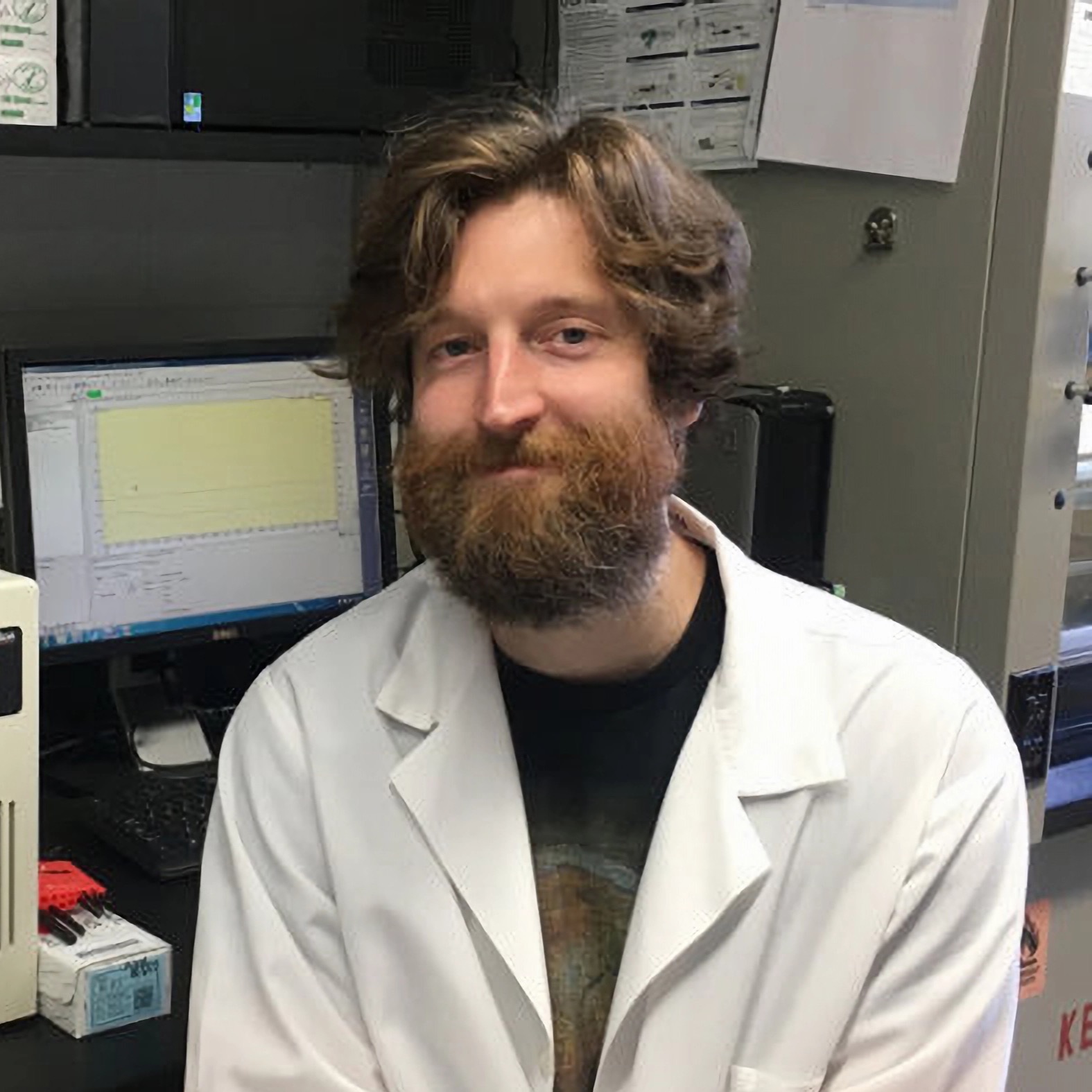
Episode 94: Jon Dean - The Science of DMT
Jon Dean is a postdoc research fellow at UCSD and received his PhD in molecular and integrative physiology at the University of Michigan, where he published a landmark 2019 study on DMT. During our conversation, we talk about how and why Jon became interested in DMT, the details of his 2019 study, Rick Strassman's 2001 book "DMT: The Spirit Molecule", and what Strassman found after giving nearly 400 doses of DMT to roughly five dozen volunteers.Jon is quick to note how little we understand about consciousness and the mind, and how our world is created in our brains. He discusses the bizarre, rather consistent details that many who take DMT report, and we speculate as to the role that this simple chemical might have in making what we call reality, along with the anecdotal stories of those who believe that its modulation can create a portal into another.------------Support via VenmoSupport on SubstackSupport on Patreon------------Rate on SpotifyRate on Apple PodcastsSocial media and all episodes------------00:00 Intro02:04 How Jon got interested in DMT 07:36 How a death of a friend influenced Jon's journey 11:00 The influence of Rick Strassman 12:29 Rick Strassman's work, detailed in "DMT: The Spirit Molecule" 20:11 Anecdotes from what happens to people who do DMT 24:41 How Jon attempts to get funding for a controversial subject 32:51 Jon's three main discoveries about DMT from his 2019 paper 41:54 DMT is the only psychedelic known to be produced by the human body 44:51 Quotes from Rick Strassman speculating about DMT 53:45 How Jon's research on DMT has changed his view on life and death 57:36 Jon's growing acceptance of death post-psychedelic use 59:03 The future of psychedelic research

Episode 93: Robin Dunbar - Why Do Humans Have Friends?
Robin Dunbar is a professor, an evolutionary psychologist, and the author of many books, including "Friends: Understanding the Power of Our Most Important Relationships." During our conversation, Robin talks about how and why he became interested in evolutionary psychology, what evolutionary psychology is, and its explanatory power.He also talks about human social dynamics, and our "circles of friendship." These concentric circles include the universal findings of how, on average, human numerically structure their social lives: intimate friends (1.5), close friends (5), best friends (15), good friends (50), friends (150), acquaintances (500), and known names (1,500). "Dunbar's number" of 150 is really just one of these tiers.Finally, Robin discusses why humans have friends, the "seven pillars of friendship," how people vet others for their appropriate tier early in friendship, and the loneliness people often experience when their "inner circles" are not robust and strong. The health and endorphin benefits of real friends, Robin notes, is often better than any therapy or medicine, and is free to all. I loved talking to this fascinating, friendly, and funny scholar, and hope to have him back on the show not too far down the road.------------Support via VenmoSupport on SubstackSupport on Patreon------------Rate on SpotifyRate on Apple PodcastsSocial media and all episodes------------00:00 Intro02:51 Why evolutionary psychology? 07:16 Rethinking evolutionary arguments to benefit genes. 15:43 Humanities are actually proper sciences applying evidence. 18:32 Evolution shapes behavior, but brain allows freedom. 26:07 Social groups crucial for primate survival. 29:47 Close friendships crucial for psychological and physical health. 37:16 Research found commonalities in social media posting. 42:27 Club membership based on beer, social interaction. 48:18 In hunter-gatherer societies, 150 descendants are common. 54:40 Friends book explores universal categories for human friendships. 58:41 Close friends can help you live longer.01:01:39 Building friendships
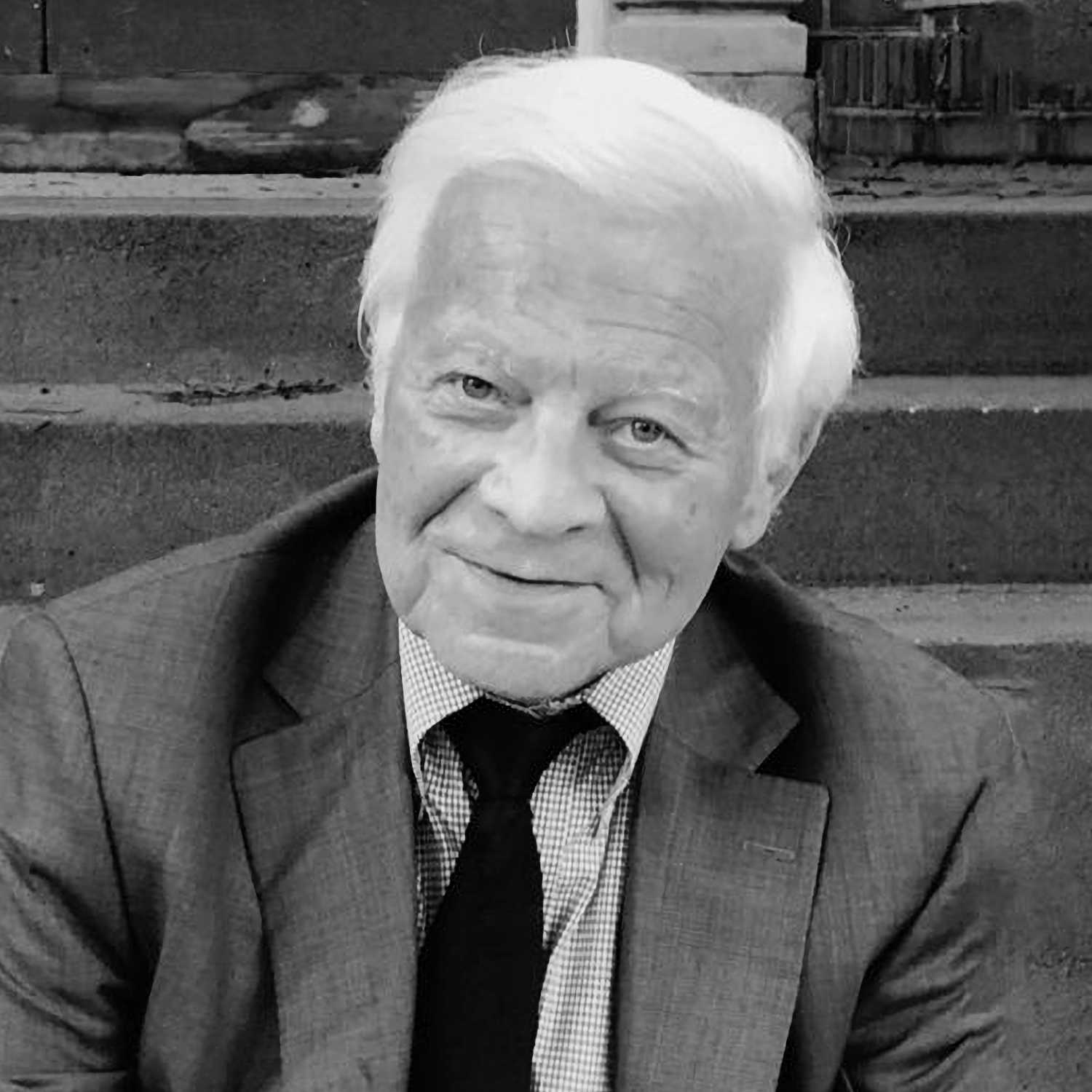
Episode 92: James Hollis - A Life of Meaning
James Hollis is a Jungian psychoanalyst and the author of many books, including his latest: "A Life of Meaning," which is the primary subject of our conversation. During our conversation, Jim talks about some of the major themes in his work and his book: the shadow, the numinous, psychopathology, lethargy, and fear.Jim is one of my favorite writers and thinkers, and I reference him as much as anyone. This conversation is full of some of my favorite ideas and quotes, including this first one from his new book:"Probably the wisest thing ever said about the shadow was uttered by the Roman African playwright Terence, who, a little over two thousand years ago, said, 'Nothing human is alien to me.'”And the second from the writings of Carl Jung:"The spirit of evil is negation of the life force by fear. Only boldness can deliver us from fear. If the risk is not taken, the meaning of life is violated."------------Support via VenmoSupport on SubstackSupport on Patreon------------Rate on SpotifyRate on Apple PodcastsSocial media and all episodes------------00:00 Intro01:05 Why Jim wrote "A Life of Meaning"05:28 The shadow08:38 Why confront one's shadow?10:48 The numinous and finding your calling25:20 Lethargy is a threat to living29:55 A modern culture of distraction32:28 Jim's decision to become a public educator37:02 Jim's growth beyond his family of origin44:30 Psychopathology 48:26 Sin: missing the mark55:15 Fear - the spirit of evil is negation of the life force by fear 58:50 Jim is a "recovering nice person"

Episode 91: Paul Conti - Understanding Trauma
Paul Conti is a psychiatrist, a trauma expert, the former Chief Resident at Harvard, and the author of "Trauma: The Invisible Epidemic." During our conversation, Paul talks about the precise definition of trauma: something that overwhelms one's coping mechanisms and changes the brain, his own personal experience with trauma, the state of mental healthcare in America, how we know one has experienced trauma, how trauma often leads to hidden shame that prevents healing, what trauma is not, how he has stepped outside of mainstream healthcare practices to help his patients, and suggestions for mitigating the negative effects and suffering caused by trauma.Paul is extraordinarily open and informed about the subject of trauma. It is his view that having a holistic approach to treatment and taking the time necessary to establish rapport with patients is key in understanding and addressing the root-cause of his patients' ailments. This was one of my favorite conversations in a long time, and it ends on a note of hope: by providing some tools that are already available for those in need and noting tools that may come in the near future to help human beings become well.------------Support via VenmoSupport on SubstackSupport on Patreon------------Show notesRate on SpotifyRate on Apple PodcastsSocial media and all episodes------------(00:00) Intro02:26 Defining trauma07:29 How do we know someone has experienced trauma?11:06 Paul's personal experience with trauma.17:49 Quote about addressing symptoms in medicine system.18:13 How Paul knew he needed help addressing his own trauma.26:32 What isn't trauma?28:56 Scientific evidence of trauma.30:39 What commonly causes trauma?34:13 The relationship of trauma and shame.40:16 Hope for addressing trauma in modernity, particularly for men.46:56 Failing to seek help due to social conditioning.52:00 Paul working outside the medical system and creating rapport with patients.01:00::08 Tactics for overcoming trauma and suffering01:06:31 Where we are in our understanding of the mind and brain01:11:29 MDMA therapy and what Paul is hopeful about in the future

Episode 90: Eric Jorgenson - The Anthology of Balaji
Eric Jorgenson is an investor, the CEO of Scribe Media, and the author of "The Anthology of Balaji: A Guide to Technology, Truth, and Building the Future." During our conversation, Eric talks about what drew him to Balaji Srinivasan as a subject, the overlap between Balaji and the subject of Eric's first book, Naval Ravikant, and the major themes of his new book: technology, truth, and the future.Marc Andreessen famously remarked that Balaji has "the highest output per minute of new ideas of anybody (he's) ever met." Eric's book documents some of his best and evergreen ideas. Expect to learn Balaji's thoughts on wealth creation, what to prioritize in life, and the importance of risk-taking, independence, and building something valuable.I think anyone who is interested in seeing the world more clearly, becoming more imaginative about our potential future, and being a better version of themselves will treasure this book.------------Support via VenmoSupport on SubstackSupport on Patreon------------Show notesRate on SpotifyRate on Apple PodcastsSocial media and all episodes------------(00:00) Intro(03:01) Why Balaji was chosen as a book subject(07:25) What excited Eric about Balaji(12:48) Balaji's biography(18:28) Technology(26:58) How to avert technological stasis and decline(38:35) Truth(47:05) Philosophy and the future(55:05) How Eric has changed after writing this book
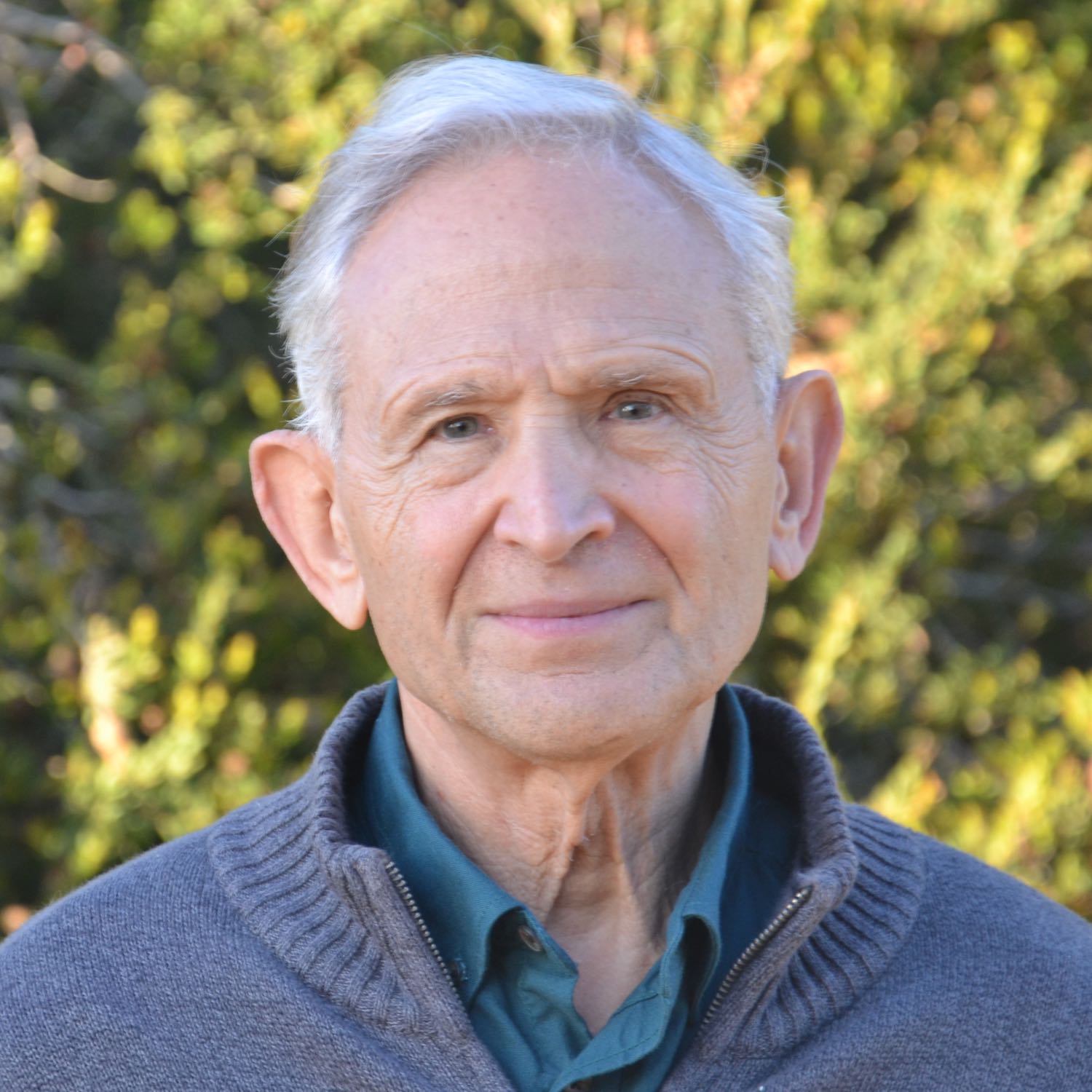
Episode 89: Peter Levine: Healing Trauma
Peter Levine is a lecturer, a psychotherapist, and the author of various best-selling books including "Waking the Tiger: Healing Trauma." During our conversation, Peter talks about how our culture deals with and talks about trauma, the oneness of the mind and the body, and viewing trauma from a naturalistic perspective.Peter has been revolutionary in reframing trauma as something physical, something within the body. His somatic experiencing techniques have been created with this outlook, and aim to help those who are suffering to have a way to release trauma and to reconnect with themselves.Peter has written that "traumatized people are not suffering from a disease in the normal sense of the word - they have become stuck in an aroused state." His work, begun many decades ago, has improved our understanding of the nature of trauma and has helped many to live happier, healthier lives.------------Support via VenmoSupport on SubstackSupport on Patreon------------Show notesRate on SpotifyRate on Apple PodcastsSocial media and all episodes------------(00:00) Intro(02:02) How America approached trauma 50 years ago(04:13) Nancy and somatic experiencing(16:14) Changing our understanding of trauma(25:38) Trauma being viewed as a moral failing(36:42) Peter's childhood trauma(42:57) The wounded healer(47:52) Recommendations to work through trauma(50:16) A quote about trauma from Peter(57:07) Viewing trauma from a naturalist perspective(57:49) Various tools for approaching trauma(01:03:53) What individuals can do to improve the world
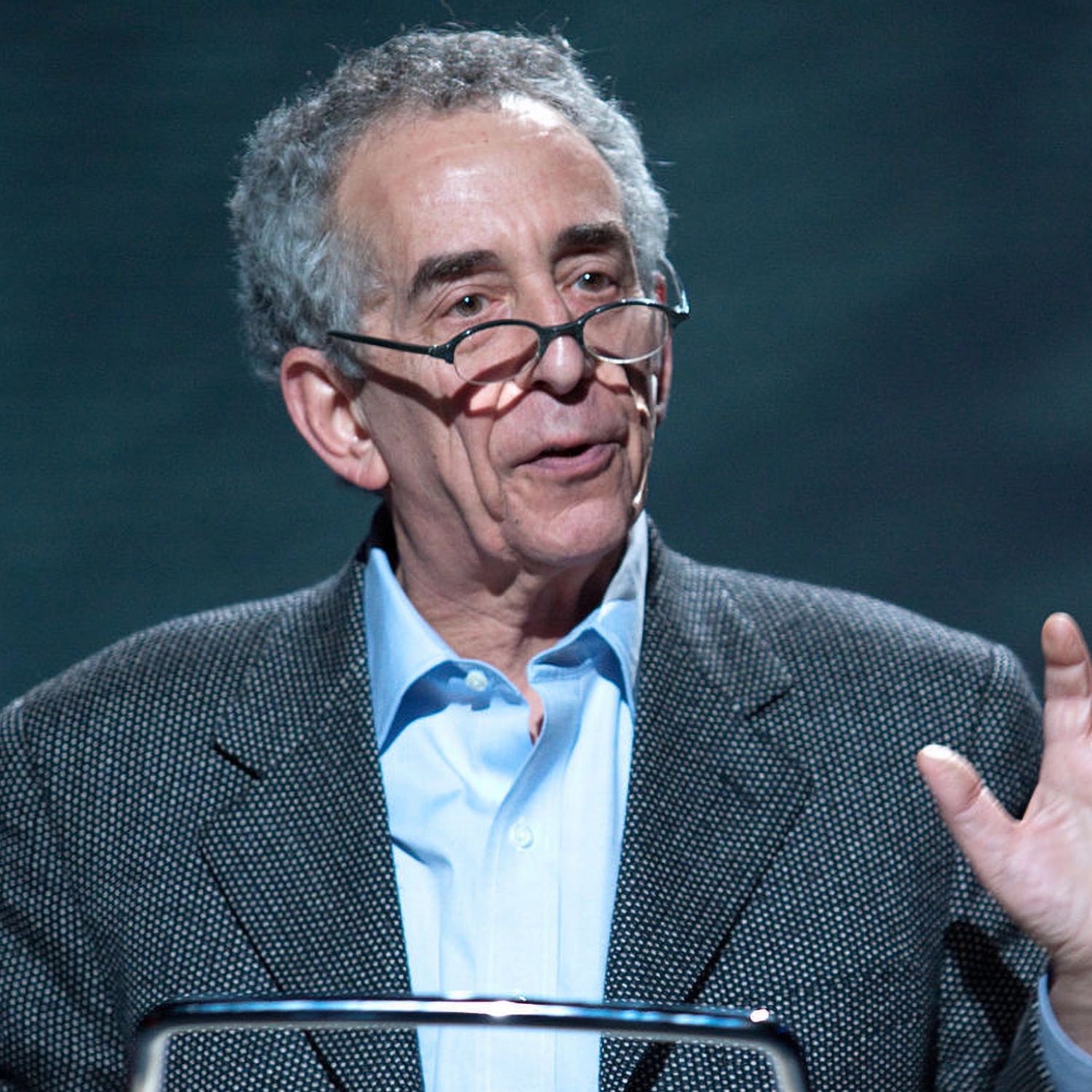
Episode 88: Barry Schwartz - The Paradox of Choice
Barry Schwartz is a TED speaker, a professor, a social scientist, and the author of "The Paradox of Choice." During our conversation, Barry talks about decision paralysis, the downsides of having too many options, and the difference between what calls a "maximizer" and a "satisficier." He also talks about his view that modern depression is in part caused people feeling overwhelmed by choice, how social media and modernity have exacerbated the paradox of choice, and the importance of individuals to intentionally limit their choices.Barry writes in his book: “There’s no question that some choice is better than none, but it doesn’t follow from that that more choice is better than some choice.” "The Paradox of Choice" is nearly 20 years old, and its message, to me, is both counterintuitive and evergreen. It flies in the face of the most American of ideals: the value of freedom, the value of endless optionality.To my mind, Barry's ideas are worth considering. He's right that endless choice can lead to “paralysis rather than liberation" - an observation that our culture, increasingly, would do well to heed.------------Support via VenmoSupport on SubstackSupport on Patreon------------Show notesRate on SpotifyRate on Apple PodcastsSocial media and all episodes------------(00:00) Intro(00:31) The genesis of "The Paradox of Choice"(06:11) The relevance of "The Paradox of Choice" today(10:37) The ideal of freedom of choice in Western Civilization(13:32) "Maximizer" vs "Satisficer"(17:28) Is it ever wise to be a "Maximizer"?(24:16) Depression caused by excess choice(26:00) How can Maximizers be persuaded to change?(29:20) Placing intentional limits on yourself(32:36) What else is causing the negativity of excess choice? (40:22) Insatiability and workaholism in America(47:26) Increasing choice decreases economic activity(52:00) Dating, choice, and how to change

Episode 87: Jon Kostas - Curing My Alcoholism with Psilocybin Therapy
Jon Kostas ([email protected]) is an activist, a former alcoholic, and the first study participant in the NYU psilocybin clinical trials. During our conversation, Jon talks about his years of alcohol abuse, his attempts to rid himself of the addiction, his doctor's belief that, in his mid-20's, his quantity of alcohol consumption would likely kill him within a few years, and his eventual experience of a medically-supervised "heroic dose" of psilocybin - the psychoactive ingredient in magic mushrooms - at New York University.Jon discusses what his trip was like, how it cured him of his alcohol cravings, the efficacy rates of such treatments, and how it has motivated him to dedicate his life to help others get access to professionally-supervised psychedelic experiences to address addiction and other aspects of human suffering.Jon is the first person on this show who was a friend before the interview. His story is an incredible one and offers hope to many who are battling severe addiction. It takes courageous people like Jon to step forward and share honest, open, and very personal stories to effect real change. It was an honor to do this one.------------Support via VenmoSupport on SubstackSupport on Patreon------------Show notesRate on SpotifyRate on Apple PodcastsSocial media and all episodes------------(00:00) Intro(03:16) Drinking and early life in New York City(09:58) Did Jon view his drinking as a problem?(14:18) What are mornings like as an alcoholic?(20:10) Drunk life was better than sober life(21:48) Alcoholism rooted in anxiety(25:52) Alcohol providing relief from pressure(29:57) When Jon knew he had a real problem(32:32) AA, specialists, pharmaceuticals, and counselors didn't work(37:27) Jon's trajectory prior to the NYU trial(49:32) The NYU psilocybin for addiction trial(57:30) Jon's psychological state prior to the NYU trial(59:55) The first psychedelic trip(01:17:49) How did this experience cure his alcoholism?(01:24:17) Is the word "cured" appropriate?(01:29:37) What would Jon say to current addicts?(01:35:10) Advocating for doing this work in a clinical setting

Episode 86: Leidy Klotz - Subtract: The Untapped Science of Less
Leidy Klotz is a professor at the University of Virginia and is the author of "Subtract: The Untapped Science of Less." During our conversation, Leidy talks about why humans are so wired to add to, rather than subtract from, their life, how addition is a signal of competence that we are hard-wired to display, and the downsides of this natural tendency.Leidy also talks about the many ways in which subtracting can be beneficial: from quitting smoking and high-sugar diets, to removing modern addictions like excessive social media use, to getting rid of work meetings to create slack for creativity and focus.The power of subtraction can't be unseen once it's glimpsed. Evolution operates by removing what doesn't work, the "via negativa" concept notes that we know what is wrong with more clarity than what is right, that knowledge grows by subtraction, and human wellbeing is often best boosted by removing a toxic relationship, a toxic boss, or toxic stress. There is a humility in this approach, and as Leidy notes, perhaps we all need to be more-often prompted to tweak our life goals and New Years' resolutions to include habits that need to be subtracted, in addition to those we want to add.------------Support via VenmoSupport on SubstackSupport on Patreon------------Show notesRate on SpotifyRate on Apple PodcastsSocial media and all episodes------------(00:00) Intro(01:23) How "Subtract" came to be(03:56) Coming to the theme of subtraction(07:03) Why humans are so wired to add(11:13) Subtraction as a proactive act(19:15) Cultural differences regarding subtraction(27:28) "Via negativa"(33:30) Evolution is an act of subtraction(35:20) Quotes about subtraction(45:34) Subtraction to fight modern addictions(55:08) Subtraction in New Year's Resolutions
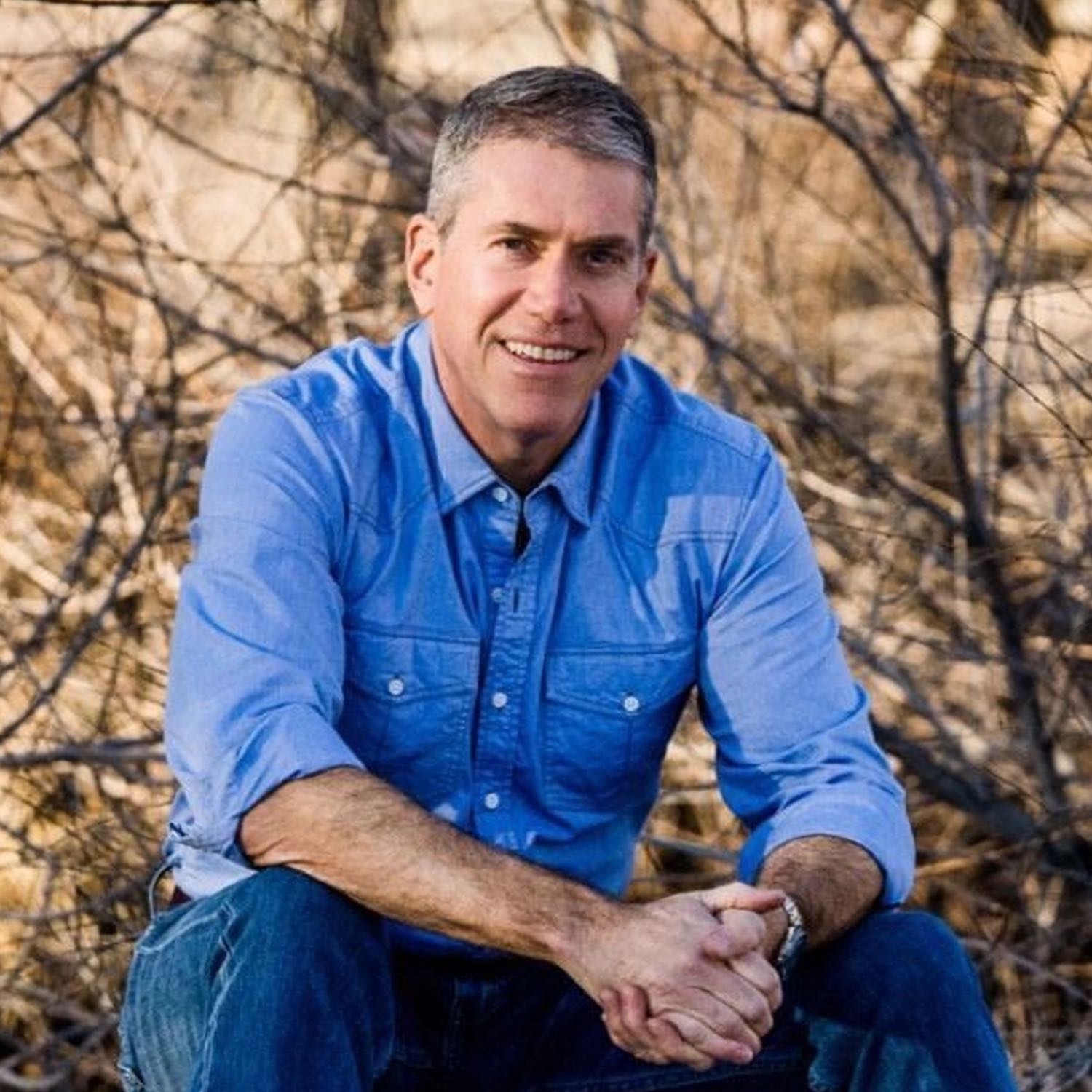
Episode 85: Shawn T. Smith - How to Vet Women for Relationships
Shawn T. Smith is a clinical psychologist and an author of many books, including his best-seller, The "Tactical Guide to Women." During our conversation, Shawn talks about modern dating, the relationship issues with which his male and female clients are struggling, dating apps, how evolutionary psychology has influenced him, and the "red pill" community. More expansively, he talks about how "The Tactical Guide" came to be, what men can do to properly vet women for long-term relationships, and the importance of time in making life-changing decisions.This episode is primarily for men. I have found Shawn to be a candid, sane, and even-handed thinker in the online world of mating and dating. Sean is a fair-minded and strong voice for men, and I would encourage any young man - either looking to make wise life choices or suffering due to indifference - to consult his work.------------Support via VenmoSupport on SubstackSupport on Patreon------------Show notesRate on SpotifyRate on Apple PodcastsSocial media and all episodes------------(00:00) Intro(02:00) How "The Tactical Guide to Women" came to be(03:42) A void in the culture(04:50) The default male approach(06:17) The major themes of "The Tactical Guide"(07:72) The importance of time in vetting(11:50) Red and green flags to look for(16:42) Borderline personality disorder(21:06) Evolutionary psychology(24:52) Roy Baumeister(25:41) Relationship issues he sees in his clinical practice(28:50) Date-onomics and city sex ratios(30:37) Advice for men who are struggling(32:39) Common dating complaints of women(34:08) Dating apps and the Pareto principle(41:20) The tragic aspect of female professional success(45:15) What is the proper message for young women?(46:07) The "Barbie" phenomenon(47:14) What makes for a successful long-term relationship?(50:43) The red pill community(59:40) Who does Shawn recommend for further knowledge?(01:01:22) Why does this information matter?
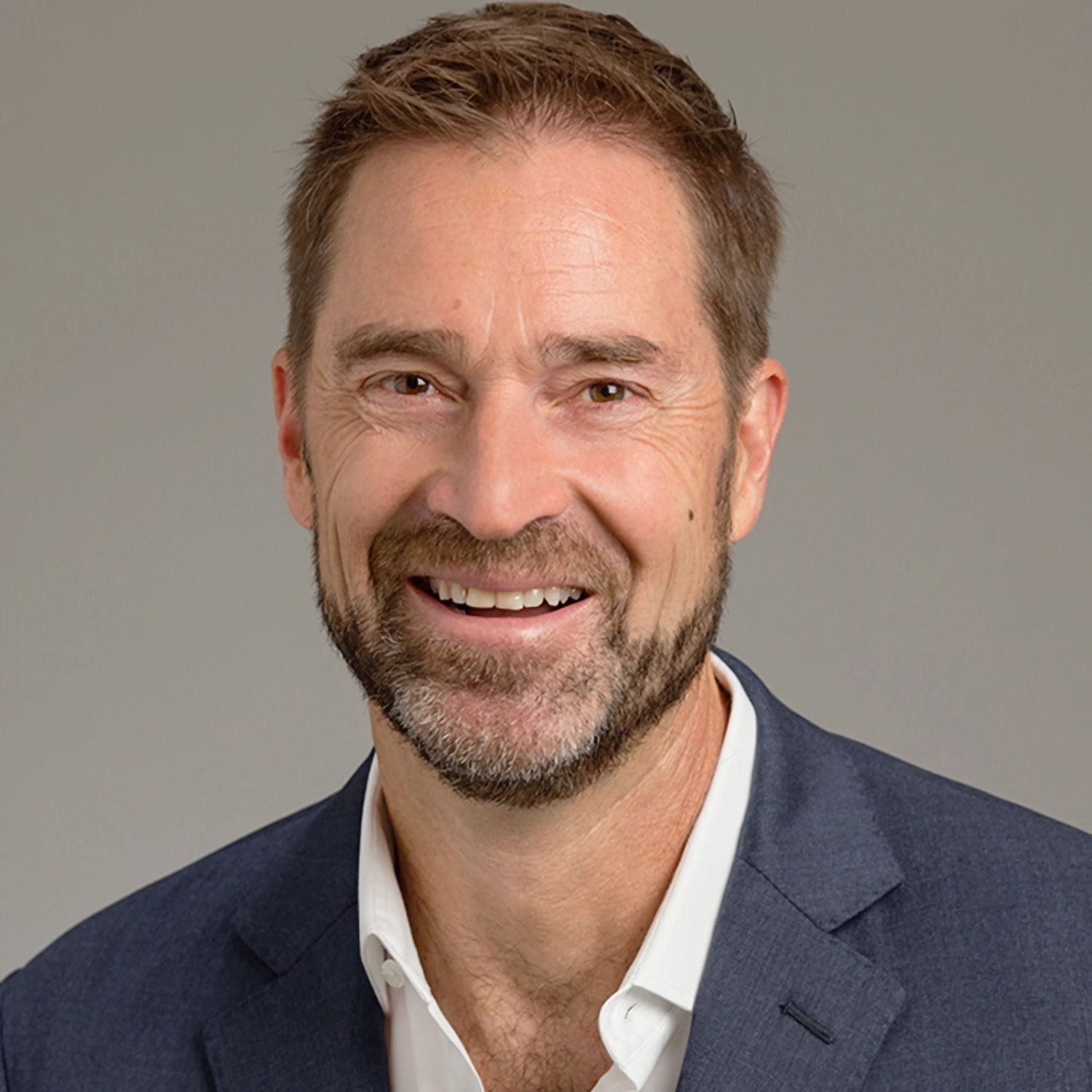
Episode 84: Brent W. Roberts - The Big Five personality traits
Brent W. Roberts is a professor at the University of Illinois Urbana-Champaign and specializes in human personality. During our conversation, Brent talks The Big Five personality traits, what personality is, the differences between the Big Five and the Myers-Briggs personality test, diversity in human personality, the role of genes and sex differences in personality, evolutionary psychology, the stability of one's personality over time, how to decrease trait neuroticism, and practical applications of personality research.I've been fascinated by the Big Five ever since I learned about it a few years ago. It's clear to me that there's a massive public hunger to learn about human personality: what it is, how we know what we know, and how it can better illuminate who we are as a species and as individuals.------------Support via VenmoSupport on SubstackSupport on Patreon------------Show notesRate on SpotifyRate on Apple PodcastsSocial media and all episodes------------(00:00) Intro(02:07) What is personality? (08:23) Differences between Myers-Briggs and The Big Five (12:48) The wide differences in human personalities (17:29) Sex differences in neuroticism (19:27) Ev psych and sex differences in personality (25:17) Describing The Big Five personality traits (30:41) The Big Five and political beliefs (36:28) How to reduce neuroticism (41:20) Why does therapy help to reduce neuroticism? (46:34) Why does knowledge of human personality matter?
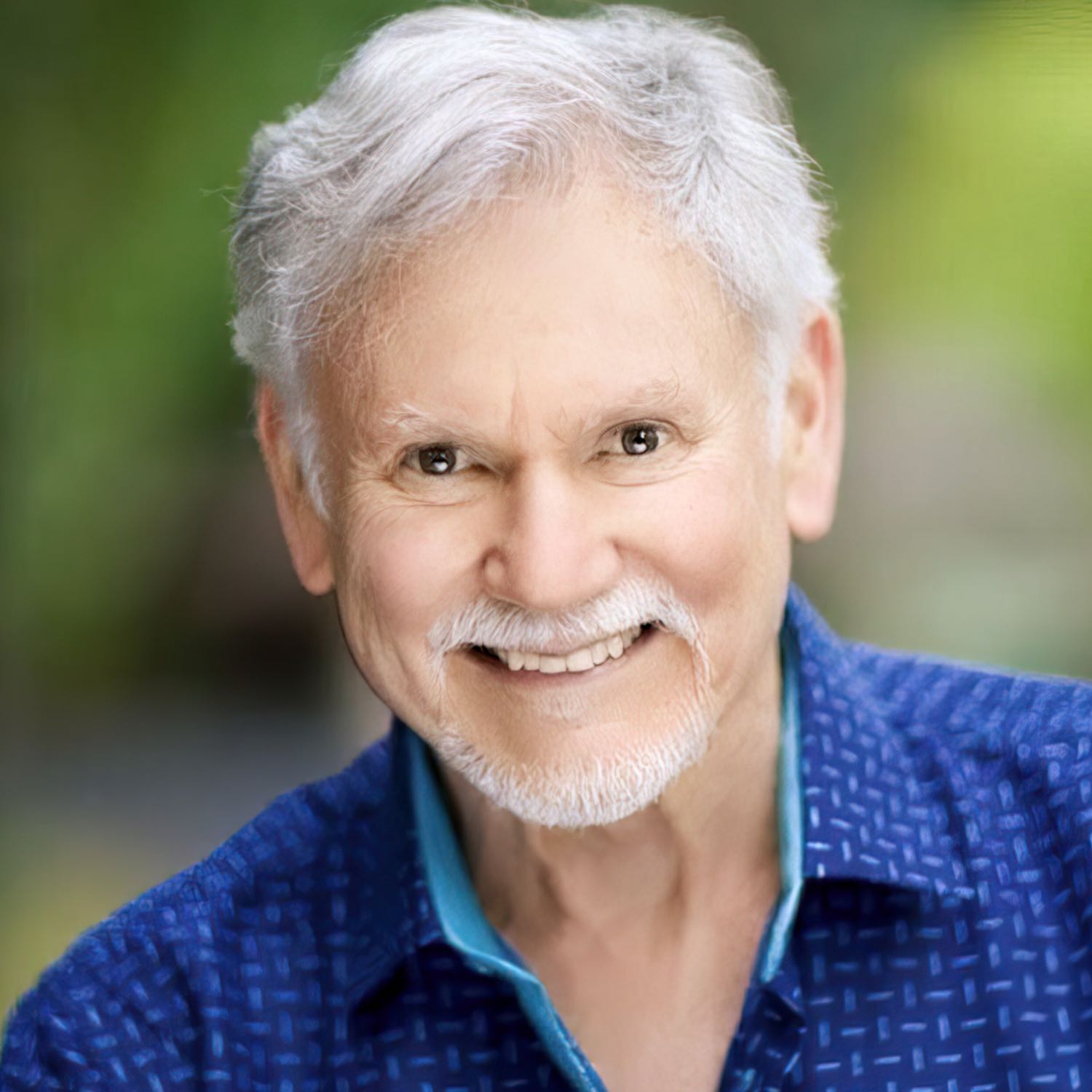
Episode 83: Warren Farrell - The Boy Crisis
Warren Farrell is a political scientist, a former board member of the National Organization for Women (NOW), and the author of many books, including "The Boy Crisis," the focus of this conversation. During our conversation, Warren talks about his time at NOW, second wave and modern feminism, the gender pay gap, what he learned when he stopped lecturing at and started listening to men, and the historic and current role of men in societyHe also talks about the reasons for the decline in male sperm count over the past two generations, the role of men in war, why fathers are so important and what children learn from them, and contemporary male and female college graduation rates.Warren notes during the interview that perhaps the most important line in his book is: "The Boy Crises resides where dads do not reside." He is one of the world's experts on this topic, and is at his best during this interview. It was a privilege to host it.------------Support via VenmoSupport on SubstackSupport on Patreon------------Show notesRate on SpotifyRate on Apple PodcastsSocial media and all episodes------------(00:00) Intro (01:58) "I am sorry for being a man" (06:11) Warren's schism with NOW over the importance of dads (14:29) How we know dads matter (20:40) What Warren learned from listening to men (25:54) Why the sacrifices of men are largely unknown (29:58) Quotes from "The Boy Crisis" (32:13) Sperm count in modern men (42:18) What dads provide to their kids (49:10) Why sperm count is declining (52:18) The future and the proper role of men
Episode 82: Ed Hagen - The Evolutionary Basis of Mental Illness
Ed Hagen is a professor of anthropology at Washington State University Vancouver. During our conversation, Ed talks about the evolutionary reasons for two of humanity's most common mental illnesses: anxiety and depression. He also talks about psychic pain, the correlation between grip strength and depression, hypervigilance and anxiety, differences in suicide rates between men and women, and suicide attempts being an "honest signal of need."Ed has noted that depression is commonly "intertwined with social conflict" and is a legitimate indication of a threat to one's biological fitness. Millions suffer every day from a poor or an intolerable psychological state. Ed's work and his original ideas are a potential corrective to the common view that psychological ill-health is due primarily to a "chemical imbalance." He encourages us to look deeper, to take a more comprehensive look, and to use an evolutionary lens to begin to try to both understand and help alleviate unnecessary suffering.------------Support via VenmoSupport on SubstackSupport on Patreon------------Show notesRate on SpotifyRate on Apple PodcastsSocial media and all episodes------------(00:00) Intro(02:13) Ed's interest in evolutionary psychology(06:45) An evolutionary-based view of mental health(08:08) Biological fitness and mental health(11:35) What is anxiety and depression?(14:31) Why does depression cause its specific symptoms?(21:22) Anxiety and depression as a corrective mechanism(24:19) What is anxiety and why does it exist?(28:00) Advice for people with depression or anxiety(38:57) Advice for young people with mental illness(43:07) Suicide attempts as an "honest signal of need"(44:01) The relationship between grip strength and depression(52:13) The importance of relationships
Episode 81: William Irvine - Lessons from the Stoics
William Irvine was a professor at Wright State University and is the author of seven books, including his best-seller, "A Guide to the Good Life: The Ancient Art of Stoic Joy." During our conversation, Bill talks about the history of the Stoics, an ancient school of philosophy that began in Athens in 300 B.C. He also talks about the psychological training that the Stoics encouraged, including negative visualization, a practice aimed at reducing the human tendency for insatiability and increasing our gratitude for the many gifts of our lives.Bill's book helped to launch the modern renaissance of Stoicism. The Stoic's message - including those of Marcus Aurelius, Seneca, Epictetus, and Musonius Rufus - emphasized the importance of intentional struggle and temporary hardship, to align one's body and one's mind with the reality of life itself. This message is evergreen in creating resilient and capable people, and ever more important in our increasingly super-convenient, super-addicted "Brave New World."Stoicism reminds me of a quote from Veritas Savannah:“Prepare your child for the road, not the road for your child.”------------Support via VenmoSupport on SubstackSupport on Patreon------------Show notesRate on SpotifyRate on Apple PodcastsSocial media and all episodes------------(00:00) Intro (02:09) How "A Guide to the Good Life" came to be (10:01) Who were the Stoics? (16:19) The modern Stoic Renaissance (21:49) Negative visualization (29:57) Insatiability and the importance of struggle (38:09) Marcus Aurelius and expecting hardship (39:47) Modern technology and the rise of Stoicism (44:47) What would the Stoics say to modern people? (50:44) Tools from the Stoics to toughen up

Episode 80: Marc Schulz - How To Have A Flourishing Life
Marc Schulz is a professor of psychology at Bryn Mawr college, is the Associate Director of the Harvard Study of Human Development, and is the co-author of the book "The Good Life: Lessons from the World's Longest Scientific Study of Happiness."During our conversation, Marc talks about the key insight from the longest study ever done on human flourishing: that good relationships are the most important factor in a thriving life. He also discusses what a good relationship means, how good relationships provide us protection from the vicissitudes of life, the ideal number of friends, Robert Putnam's book "Bowling Alone" and the epidemic of modern loneliness, and how our culture distracts us from properly prioritizing what actually makes us healthy and happy.I feel like the truth of this book is hiding in plain sight: we all know that great friends and enduring connections are treasures, but it's easy to get distracted and lethargic. I hope this work can be a clarifier for us all, and a reminder to be more people-focused, to be a bit more socially generous, and a bit more worthy of having terrific people in our lives.------------Support via VenmoSupport on SubstackSupport on Patreon------------Show notesRate on SpotifyRate on Apple PodcastsSocial media and all episodes------------(00:00) Intro(03:11) The Harvard Study of Human Development(06:11) An extensive study of human thriving(07:57) What the study discovered(10:06) What are good relationships?(12:05) Relationships provide protection(16:18) Avoiding toxic relationships(20:38) Rules of thumb regarding toxic relationships(23:58) Modern loneliness(26:51) COVID may have changed our Big 5 personality averages(29:40) Social fitness(33:14) How society discourages focusing on our relationships(37:18) Marc's advice to prioritize relationships(42:03) Stories from the book that resonate(46:48) Marc's advice about ambition to his students(50:33) What are the best number of friends to have?(54:03) Choosing an intimate partner and the importance of friendship

Episode 79: Roy Baumeister - How Women Shaped Men
Roy Baumeister is a social psychologist, a professor at Florida State University, and the author of many books, including "Willpower: Rediscovering the Greatest Human Strength." During our conversation, Roy speaks at length on a variety of fascinating topics: how and why male homosexuality may have survived through evolution, differences in male and female sexuality, hunter-gatherer parenting styles, marriage and sex, how women have shaped men, the "tragedy of the male sex drive," whether free will exists, and how we might approach our nature with a degree of self-awareness and wisdom.Roy is a brilliant writer, a prolific polymath, and someone who is admired and respected by many who have been on this show.------------Support via VenmoSupport on SubstackSupport on Patreon------------Show notesRate on SpotifyRate on Apple PodcastsSocial media and all episodes------------(00:00) Intro (02:31) How are there gay people? (07:06) Ideal lifetime sex partners for men vs. women (08:38) The tragedy of the male sex drive (14:49) Lessons from "Too Many Women" (19:41) Quotes from Roy about men and women (23:45) Lesson from Helen Fisher (27:51) The effect of human babies being born prematurely (36:56) Sex, marriage, and "The Sex Diaries"(41:47) Is the expectation of lifelong monogamy unwise? (47:21) Quotes from Roy about willpower (49:06) Does free will exist? (1:00:21) How has evolutionary psychology effected Roy?

Episode 78: Orna Donath - Regretting Motherhood
Orna Donath is an Israeli sociologist, a teacher at Tel Aviv University, and the author of the landmark book, "Regretting Motherhood." During our conversation, Orna talks about the women she profiled in her book, the difference between regretting motherhood and having ambivalence towards it, and why and how women end up in a life where they regret being mothers. Orna also talks about regretting motherhood as one of our world's taboo topics, the idea that being childless is "selfish," what it is like for women to "come out" as regretting parenthood, and whether the desire to be child-free is an innate orientation.This is one of the most important and interesting conversations I've ever had. Amazingly, Orna's work is the first of its kind: a study that gives voice to women whose experience of motherhood has been an unequivocal mistake. We often, I think, like to believe such people don't exist, hence the shame that's often associated with those who affirm this experience. Orna has helped to bring such women out of the shadows and, I hope, begun to lessen the stigma of those who honestly share the regret they feel about an irreversible, life-changing decision.If we are to live in a world that respects and encourages individuality and personal preferences, then Orna's work is a consciousness-raising offering. I hope that it will help millions of women learn that they are not alone, and reduce the likelihood of people being influenced by conformity and peer pressure over honoring one's inner compass.------------Support via VenmoSupport on SubstackSupport on Patreon------------Show notesRate on SpotifyRate on Apple PodcastsSocial media and all episodes------------(00:00) Intro (04:27) The genesis of the study "Regretting Motherhood" (06:46) Defining regret (10:25) Ambivalence vs. regret (13:24) Similarities with "coming out" as gay (16:55) A first-of-its-kind study(20:25) Quotes from women (23:55) Completness vs. deficiency (29:55) Normative vs. normal (32:57) Is being childfree selfish? (38:00) Who is most at risk for regretting parenthood? (42:44) Can removing stigma reduce regret? (46:40) Are there advantages of being childfree? (51:30) What it's like to know you don't want kids (54:55) How Orna endured in honoring her preference (58:40) Orna's forthcoming study of elderly childfree people

Episode 77: Joyce Benenson - The Differences Between Men and Women
Joyce Benenson is an author, a scientist, and a lecturer in the department of Human Evolutionary Biology at Harvard University. During our conversation, Joyce talks about her field of expertise and research: sex differences in competition and cooperation. She also discusses human hierarchies, common misconceptions about men and boys, how she would, on average, describe the male and female psyche, consistent differences between boys and girls in childhood, and more.Like many of the recent, brilliant guests on this show, Joyce's focus is human nature: what we know about who we are and what we're like. I can't get enough of this subject, and people like her have spent a career trying to answer fundamental questions about what makes us human.------------Support via VenmoSupport on SubstackSupport on Patreon------------Show notesRate on SpotifyRate on Apple PodcastsSocial media and all episodes------------(00:00) Intro (01:54) Joyce's work with children (05:03) The major differences between men and women (09:54) The male vs. the female psyche (17:12) Females care more about equality than males (26:24) Sexual differences of labor (31:59) Male nature in the modern world (41:02) Female intersexual competition: safe, subtle, solitary (53:14) Men are communal: debunking a myth about men

Episode 76: Tania Reynolds - How Women Compete for Men
Tania Reynolds is a scientist, a researcher, and an assistant professor of evolution and development at the University of New Mexico. During our conversation, Tania explains the field of evolutionary psychology, the evolutionary history and culture of hunter-gatherer societies, what we know about how women compete for men, the role and purpose of gossip in female social life and competition, the importance of finding high-quality men for women, why women are driven to find super-nice friends, and why equality is often so important to female relationships.As I have mentioned on this show, I think the field of evolutionary psychology is the most fascinating and revelatory area of research in modern science. Tania's career is just beginning, and to me, she is focusing on the subjects that attempt to accurately explain human nature, why we are the way we are. I loved this conversation and all of the taboo, politically incorrect, and humbling topics we discuss.Robert Greene has noted that we often like to think that we are descended from angels, not from primates. I think understanding our animal nature, our hardwired tendencies, can help us be more compassionate towards other fellow, flawed apes, more honest with ourselves, and more capable of acclimating our lives to flourish with this reality.------------Support via VenmoSupport on SubstackSupport on Patreon------------Show notesRate on SpotifyRate on Apple PodcastsSocial media and all episodes------------(00:00) Intro(02:51) What is evolutionary psychology?(06:16) Why is ev psych interesting?(09:18) What women want: high-quality men(18:16) Patrilocal social groups and women(21:51) Female friends: coalitional partner in reputational warfare(28:50) Female reputational competition and manipulation(37:40) The influence of sex ratios on dating cultures(44:21) Tania's advice for young men(50:00) The evolutionary reason for "slut shaming"(56:30) Females emphasize equal outcomes; males, equal opportunities(01:04:09) What should people do with evolutionary psychology's findings?
Episode 75: Kevin Kelly - Excellent Advice for Living
Kevin Kelly is a photographer, a futurist, an editor, and the author of multiple books, including his newest, "Excellent Advice for Living: Wisdom I Wish I'd Known Earlier."On his 68th birthday, Kevin wrote "68 Bits of Unsolicited Advice" for his children - an essay that went viral. He wrote two more birthday advice essays for years 69, and 70. Now, after cleaning those nuggets up and adding 150 more, he has written a treasure-trove of wisdom, created and given to the world by one of America's most perceptive thinkers.This is my favorite kind of book, and Kevin has created a masterpiece that I will consult for the rest of my life. I highly recommend it for anyone looking to become just a little bit wiser, a little bit better, a little bit more thoughtful. It was an honor to conduct this conversation, with a man who I've admired for years.------------Support via VenmoSupport on SubstackSupport on Patreon------------Show notesRate on SpotifyRate on Apple PodcastsSocial media and all episodes------------(00:00) Intro(02:22) Why Kevin began sharing advice(04:48) "68 Bits of Unsolicited Advice" popularity(06:54) 10 pieces of advice(09:09) You are what you do(13:07) Character is about how you deal with power(20:22) Look back 25 years from today to decide(23:47) The three things you need(37:42) Cultivate 12 people who love you(42:02) Money is to allow you to do great work(43:18) A perfect day to Kevin Kelly(45:42) Success and wealth(47:23) What's the point of obtaining wisdom?
Episode 74: Pico Iyer - Understanding Japan
Pico Iyer is an essayist, a travel writer, and the author of many books, including one of my all-time favorites: "A Beginner's Guide to Japan: Observations and Provocations." During our conversation, Pico talks about his journey to living in Japan, his observations from and insights into this very-foreign culture, and he speaks at length about the very-Japanese themes of subtraction, cosplay, traditional gender roles, baseball, wisdom, and more.Japan, in many ways, exhibits the inverse of many of the more boorish, stereotypically American qualities: it is graceful, quiet, obedient, considerate, internal. I quote extensively from Pico's masterful book, and it was a joy to listen to the man himself go into deeper detail about the country he has called home for more than three decades.Pico was born in Britain, and in a way that only an outsider can - and with his tremendous perceptiveness - he uncovers fascinating and enduring truths about one of the world's brilliantly weird and totally interesting civilizations. Japan is nearly 1,400 years old, and there is much to be learned from this rich, historic, and perplexing place.------------Support via VenmoSupport on SubstackSupport on Patreon------------Show notesRate on SpotifyRate on Apple PodcastsSocial media and all episodes------------(00:00) Introduction(02:52) How Pico ended up in Japan(06:32) A calling to go to Japan(08:17) The foreignness of Japan(10:12) An introvert's paradise(11:53) Theme: subtraction in Japan(22:02) Theme: real-life cosplay in Japan(31:27) Do the Japanese ever express their real feelings?(37:37) Theme: dating and marriage in Japan(42:01) The role and importance of duty in Japan(44:29) Are Japanese women resentful of their expected role?(47:32) Theme: the role of men and women in Japan(52:37) How Pico stays in Japan legally on a tourist visa(59:03) Theme: life baseball in Japan(01:04:41) What else can the world learn from Japan?(01:08:16) Japan: a place deep in empathy, grace, and consideration

Episode 73: Jeremi Suri - The American Civil War
Jeremi Suri is a historian, a professor at the University of Texas at Austin, and the author of multiple books, including his most recent, "Civil War by Other Means: America’s Long and Unfinished Fight for Democracy."During our conversation, Jeremi talks about the circumstances leading up to the American Civil War, the key players in the war, including Abraham Lincoln, Robert E. Lee, and Ulysses S. Grant, the Confederate roots of the Ku Klux Klan, little-known facts about important Confederate leaders in the war, including those who joined and agreed to fight for Mexico, and those who eventually rose to American political power during the post-war years. Perhaps most centrally, Jeremi argues that Lincoln's grand vision for a fully unified, equal America was never realized, and its aftereffects can be felt and observed to this day.Despite its historic atrocities and current injustices, I still believe that America is the world's best hope for human freedom, real prosperity, and inspiring the rights and the dignity of the individual. Its founding principles have endured and have changed the world. And people vote with their feet: there's a reason why America continues to be immigrants' top choice as their preferred home. The United States will never be perfect, but it can be better, and the knowledge and insights from this book can help the place Lincoln called, "the last best hope of earth."------------Support via VenmoSupport on SubstackSupport on Patreon------------Show notesRate on SpotifyRate on Apple PodcastsSocial media and all episodes------------(00:00) Intro(02:30) The creation of "Civil War By Other Means"(06:14) January 6th, 2021 (08:20) America before The Civil War(14:37) Robert E. Lee(19:59) England and Southern cotton(24:42) The Union vs. The Confederacy by the numbers(27:17) Abraham Lincoln (29:58) Lincoln, the master storyteller(35:22) Ulysses S. Grant(40:07) The pernicious end to the Civil War(44:22) Reconstruction and its failures(46:45) Rutherford B. Hayes and the end of Reconstruction(51:44) 50,000 Confederates joined the Mexican army(59:07) The Confederate link to the KKK(01:03:52) Unlearning insidious Confederate stories(01:11:02) Jeremi's story as a symbol of America

Episode 72: Christopher Ryan - The Hunter-Gatherer Within
Christopher Ryan is a writer, a podcaster, and the author of the bestselling books "Sex at Dawn" and "Civilized to Death." During our conversation, Chris talks about his interest in human nature, Native American culture, humanity's origins as hunter-gatherers, and what we can learn from the environment and general culture that shaped our psychology. He also talks about the dawn of agriculture, and why that event - which occurred independently numerous times - is arguably humanity's biggest mistake.If "know thyself" is the bedrock of wisdom, we must first understand who we are, where we come from, and how we evolved. Chris's perspective may allow us all to better understand and prioritize the important aspects of human life: how we work, how we love, and what's worth valuing - especially for those who are struggling and suffering in modern civilization. I love his irreverence, his intelligence, his independence of mind, and his unique lifestyle.------------Support via VenmoSupport on SubstackSupport on Patreon------------Show notesRate on SpotifyRate on Apple PodcastsSocial media and all episodes------------(00:00) Intro (01:44) Preferring life as a hunter-gatherer (07:40) Chris's work tries to understand human nature (14:38) Civilized to Death (27:51) The mistake of the dawn of agriculture (37:34) Lessons from Native Americans (51:09) Chris forging his own path (01:04:20) Monogamy and "Sex at Dawn" (01:13:12) Suspicion of American ambition (01:23:10) Joseph Campbell and humans returning home
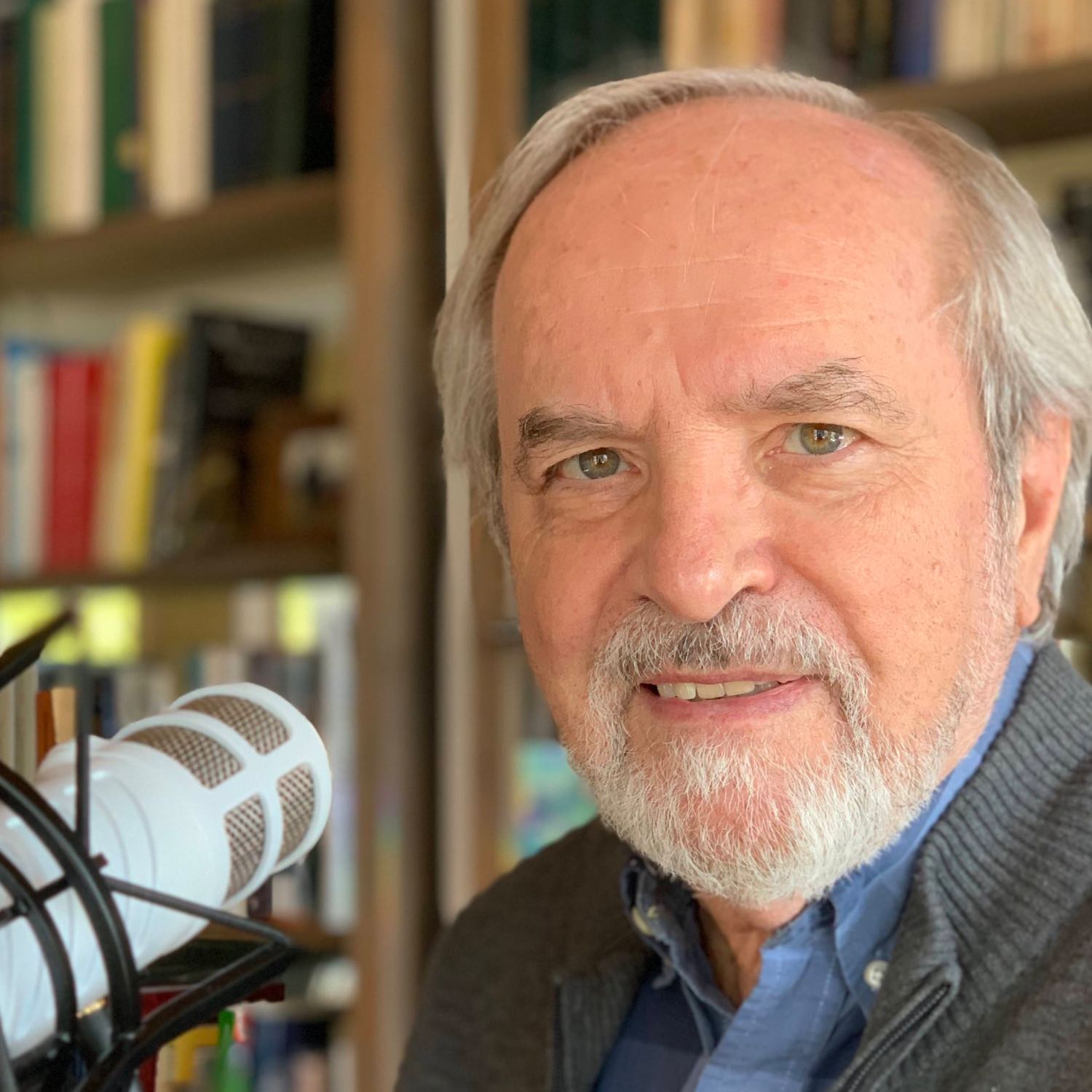
Episode 71: Thomas Moore - Spirituality and Soul in the Modern World
Thomas Moore is a spiritual teacher, a psychotherapist, and the author of many books, including his bestseller, "Care of the Soul."During our conversation, Thomas talks about his many years as a Catholic monk, his time in academia, and his work as a therapist. He also talks about the ideas and life of Carl Jung and James Hillman, archetypes of the human psyche, and spirituality and religion in the modern world.Thomas is well-known for his writings on the human soul. He discusses his appreciation for historical figures like Emily Dickinson and Henry David Thoreau and details their wisdom and insights. In an increasingly secular age, Thomas has given mystical sustenance to those seeking to better understand their own soul, its needs, and how one might live a life of spirituality and soulfulness.------------Support via VenmoSupport on SubstackSupport on Patreon------------Show notesRate on SpotifyRate on Apple PodcastsSocial media and all episodes------------(00:00) Intro (02:36) Attraction to religion and Catholicism (05:10) The life of a monk (06:51) What left Thomas and led to leaving a monk's life (08:25) Being denied tenure at SMU(11:00) Carl Jung (14:10) The influence of Jung (14:51) Jung's biography (20:32) The magician archetype (23:06) Disagreements with Jung (25:50) What is the soul? (30:45) "Care of the Soul" quotes (35:07) Space for soul in modernity (40:38) The exodus from traditional religion is a sign of maturation (45:25) Who should be consulted for wisdom? (48:49) Wisdom from history (52:23) The ego and the mystical (56:04) What is religion? (58:47) Approaching life's decisions religiously (01:02:20) Archetypes and the role of men (01:09:19) Phineas Gage and the implications for a human soul (01:16:09) Lessons from 40 years as a therapist (01:20:30) What's next for Thomas?
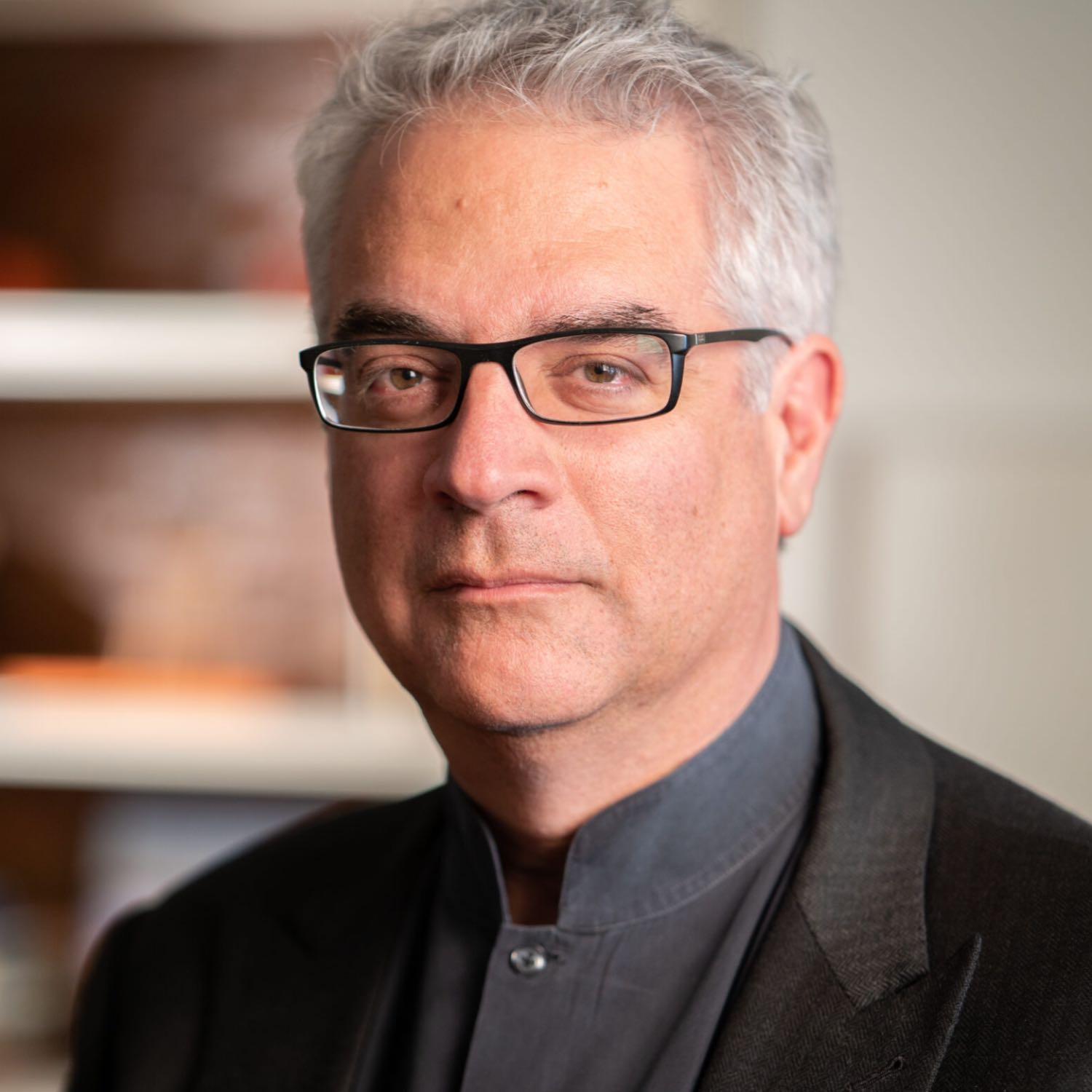
Episode 70: Nicholas Christakis - Lessons From The Dying
Nicholas Christakis is a sociologist, a physician, and is the Sterling Professor of Social and Natural Science at Yale University. He is also the author of a variety of books including "Apollo's Arrow" and "Blueprint."During our conversation, Nicholas talks about his experiences as a hospice doctor and what he has learned from working with the dying, his book "Blueprint" and our current evolutionary understanding of human nature, and the scientific roots of love and friendship. He also discusses another topic about which he has written and which he has experienced: the madness of crowds, and the danger of mobs.Nicholas is a polymath, a public intellectual, and an amazingly curious mind. His professional life has spanned many fascinating and important fields, and his life and his knowledge can help all of us to be more self-aware, more conscious of our natures, and more rooted in reality.------------Support via VenmoSupport on SubstackSupport on Patreon------------Show notesRate on SpotifyRate on Apple PodcastsSocial media and all episodes------------(00:00) Intro (02:03) Journey to a hospice doctor (09:01) Lessons from the dying (14:59) How hospice care changed Nicholas (24:15) Advice for young people from hospice experiences (27:40) "Blueprint: The Evolutionary Origins of a Good Society" (34:47) Why does human friendship exist? (40:13) Why close friendships end (42:51) Why does human love exist? (52:36) Monogamy and polygyny (57:54) Sexual selection and men and women (58:59) The madness of crowds: Greece, Yale and COVID (1:10:24) How an individual can avoid the madness of crowds
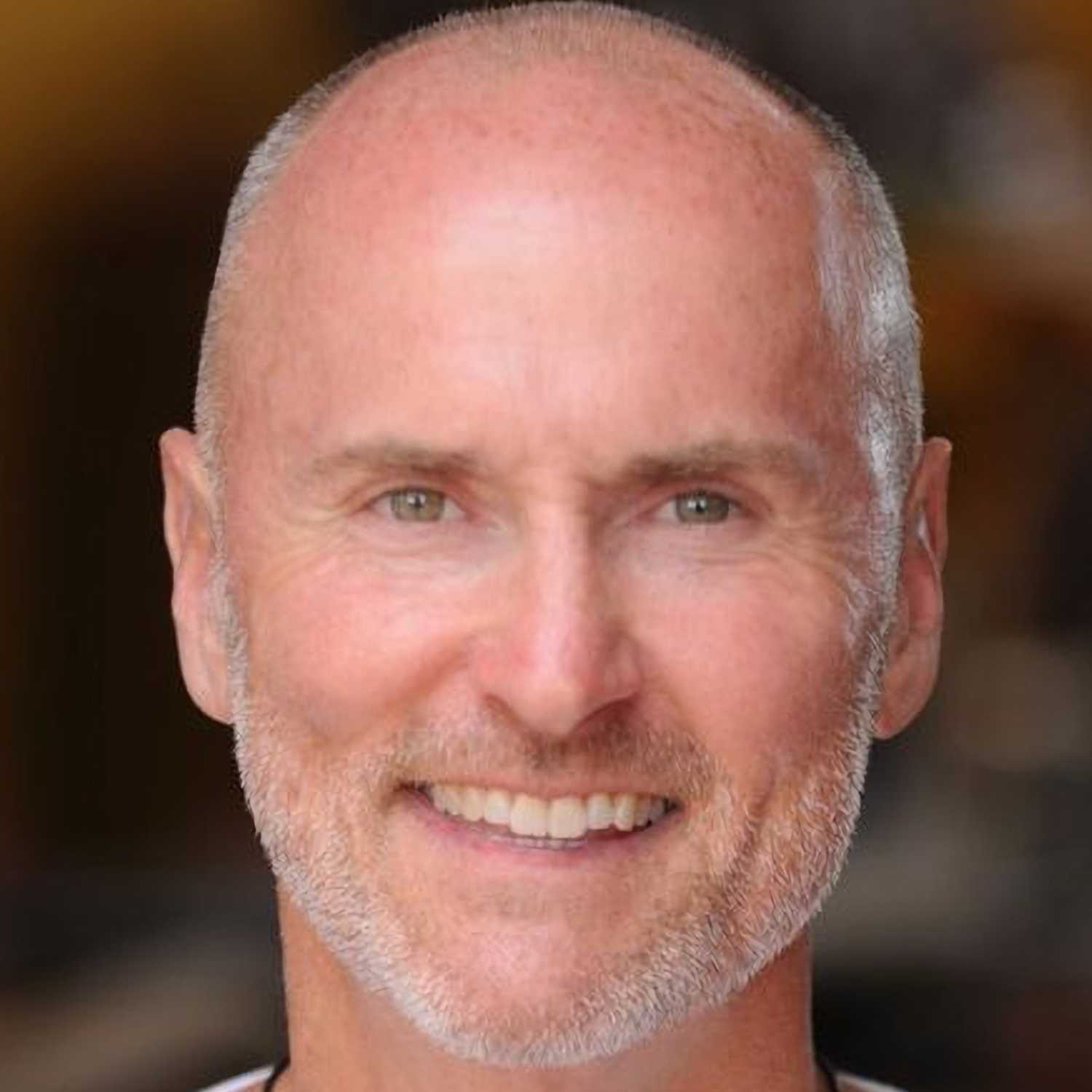
Episode 69: Chip Conley - Elevating Our Elders
Chip Conley is an entrepreneur, the author of many books including "Wisdom at Work," and is the co-founder of the Modern Elder Academy. During our conversation, Chip talks about founding, running, and eventually selling Joie de Vivre Hospitality, mentoring both California Governor Gavin Newsom and Airbnb CEO Brian Chesky, and the role of elders in contemporary and ancestral societies.Chip aims to change the purpose, the usefulness, and the cultural esteem of one of our most untapped resources: our elders. In a society obsessed with youth and fearful of aging, our elders have an abundance of the quality most apt to avoid mistakes, improve decision-making, and increase overall health and wellness: wisdom.If Chip is successful in propelling the growth and the influence of his Modern Elder Academy, and its offshoot Regenerative Communities - an attempt to disrupt, innovate, and improve senior living - I believe he and his team will help us improve as a culture, provide meaning to people as they age, and mature our civilization.------------Support via VenmoSupport on SubstackSupport on Patreon------------Show notesRate on SpotifyRate on Apple PodcastsSocial media and all episodes------------(00:00) Intro (02:32) Chip's interest in wisdom and elders (05:22) What is wisdom?(08:51) Chip's wisdom gained through suffering (13:44) The ancestral role of elders in society (20:20) "Of Boys And Men" (25:19) The Modern Elder Academy (30:22) Elders: our great, untapped resource (37:14) Carl Jung, the ego, and the soul (46:29) Regenerative Communities: transforming senior living (51:44) How would America change if we elevated our elders?

Episode 68: Greg Lukianoff - Free Speech in America
Greg Lukianoff is a journalist, an attorney, the co-author of "The Coddling of the American Mind," and the President of the Foundation for Individual Rights and Expression (FIRE). During our conversation, Greg talks about freedom of speech in America, how social media has affected our propensity to speak openly, and the threats to free expression on modern university campuses.As Greg mentions, while the legal support for free speech is strong in the U.S., it isn't in our culture. A citizen's right to free speech is the counterintuitive exception to the rule in human history. Free speech societies tend to be societies that are peaceful and prosperous. Cancel culture societies seem to be societies that lead to self-censorship, a zeitgeist of fear and suspicion, and an inability to rigorously pursue the truth.The work of people like Greg and organizations like FIRE are crucial to the continuance of our sacred inheritance: a free civilization and a free people. And their noble mission reminds me of two quotes to be considered, one from James Hollis, the other from Václav Havel:"Wherever there is a hysterical certainty, and there is much in our land, it is because doubt has already planted its black flag inside the soul and the ego is running away like a child.""In everyone there is some willingness to merge with the anonymous crowd and to flow comfortably along with it down the river of pseudo-life."------------Support via VenmoSupport on SubstackSupport on Patreon------------Show notesRate on SpotifyRate on Apple PodcastsSocial media and all episodes------------(00:00) Intro (02:29) Greg's interest in free speech (08:06) Free speech: "the eternally radical idea" (12:26) What happens in societies without free speech (18:45) How free speech creates a more peaceful society (25:48) Key observations from "The Coddling of the American Mind" (36:03) Social media's effect on free speech (45:06) Examples of cancel culture (51:53) Respect for free speech must begin early in one's life (59:13) What is the point of education?(01:05:07) Antifragility and the importance of growth through struggle (01:10:19) How overcoming mental health struggles informs Greg's beliefs
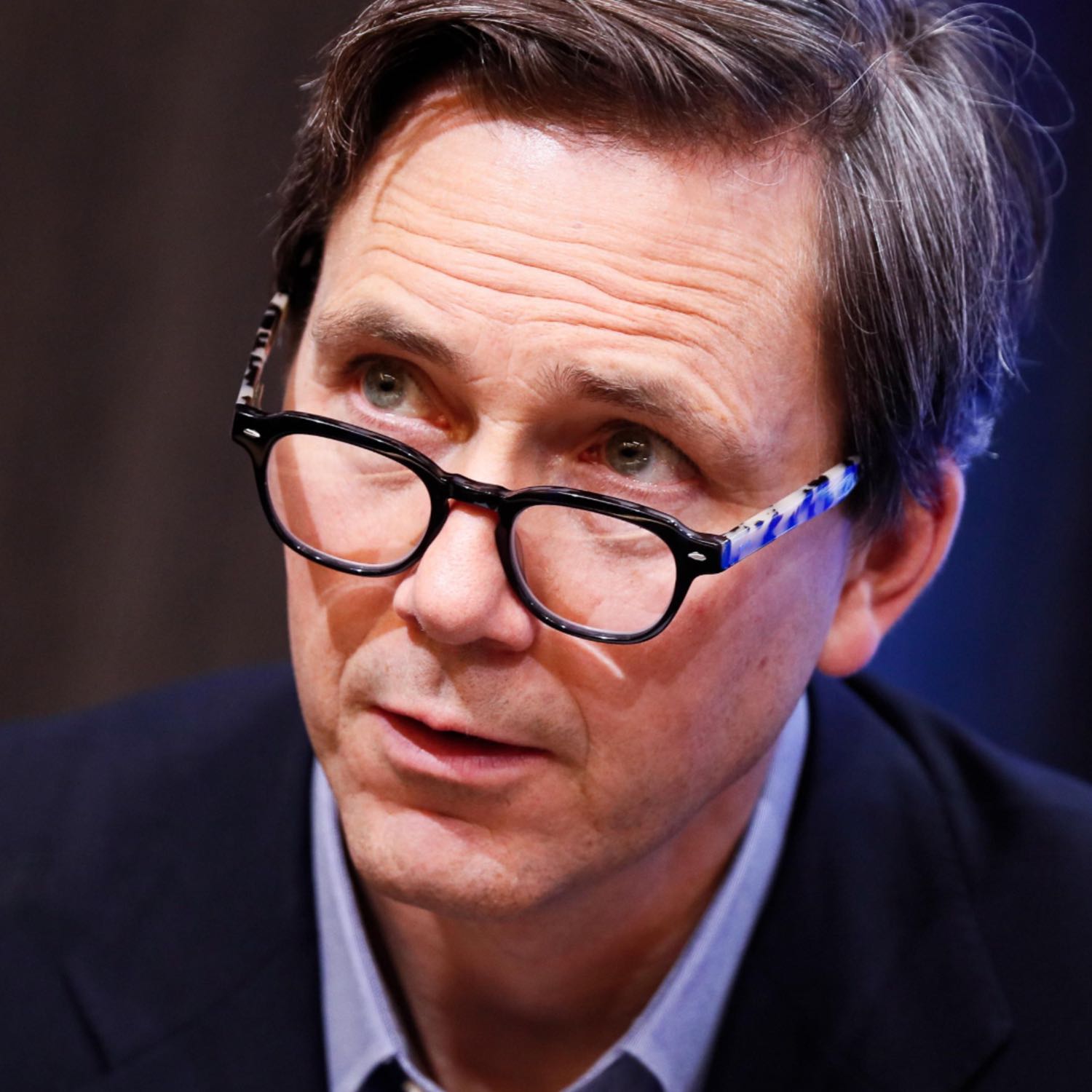
Episode 67: Richard Reeves - The Quiet Despair Of Modern Men
Richard Reeves is a writer, a Senior Fellow at the Brookings Institution and the author of "Of Boys and Men." During our conversation Richard presents data detailing how boys and men are falling behind in education and employment, that men represent three out every four "deaths of despair," and the confusion over what is good about being a man and what it means to be a man as gender roles have significantly changed.Richard also talks about the phenomenon of both Jordan Peterson and Andrew Tate, why Peterson and Tate have gained such an audience, his primary concern of "checked-out" rather than "acting-out" men, the influence of video games and pornography, the effect of divorce on men, the evolutionary point and purpose of the male sex, and what can be done to help problems of modern men.I think Richard's book will be a seminal work of our era. It puts the data to what is already known by millions of men: the isolation, the detachment, the loneliness, the disconnection, the feeling of being unnecessary, the silent despair. A healthy civilization encourages, designs, and incentivizes all of its citizens to flourish, and Richard's book should help raise our consciousness to the reality of the lives of so many men.------------Support via VenmoSupport on SubstackSupport on Patreon------------Show notesRate on SpotifyRate on Apple PodcastsSocial media and all episodes------------(00:00) Intro(02:24) How Richard realized men are falling behind(06:00) The data re: men falling behind in education(09:20) The structure of education helps women's natural abilities(13:44) A response to the indifference of male decline(18:24) Stories of suffering of modern men(21:48) Men are "opting out" not "acting out"(27:00) What would men be doing without porn and video games?(28:37) Big stats and small stats that reveal the decline of men(32:14) A sense of agency is crucial for men who are struggling(38:49) Jim Hollis' work for men(40:04) Jordan Peterson is a gigantic listening ear for men(45:24) The Andrew Tate phenomenon(52:49) Jordan Peterson's rage and empathy (58:27) Divorce and its effect on men (01:03:02) What is the evolutionary purpose of men? (01:08:04) Children need positive relationships with their fathers; married parents less so (01:16:57) Solutions to increase male flourishing

Episode 66: Pano Kanelos - The University of Austin
Pano Kanelos is an educator, a Shakespeare scholar, and is the founding President of the University of Austin. During our conversation, Pano talks about the problems within modern universities, the principles that have and will guide the creation of the University of Austin, why Austin, Texas was chosen as the location of this new university, the timeline for the rollout of the school, and what success would look like for UATX.UATX received 3,500 inquiries in its first week of existence from professors at other universities about career opportunities. From prior conversations on this podcast, I'm persuaded that censorship, self-censorship, monoculture, a lack of tolerance for minority opinions, a lack of academic diversity, and a lack of courage are real problems at modern universities.Pano has called universities the "beating heart of a free society," and I think he's right about that. If we are a society that aims to remain democratic, tolerant, and pluralistic, that's committed to civil discourse and resists dogma, that's fearless in its aim to seek the truth, we should applaud the lofty ambitions of the University of Austin, and hope that it influences and improves our broader culture and our exceptional institutions of higher learning.------------Support on SubstackSupport via VenmoSupport via PayPalSupport on Patreon------------Show notesRate on SpotifyRate on Apple PodcastsSocial media and all episodes------------(00:00) Intro (02:25) From Shakespeare scholar to University of Austin President (04:42) Why UATX matters (06:34) What has happened to modern universities? (13:06) UATX principle: the fearless pursuit of truth (14:07) Modern university's monoculture has led to our culture's polarization (17:02) The University of Austin's principles (23:54) Stories of censorship on university campuses (30:55) AUTX received 3,500 faculty inquiries in its first week (35:35) The timeline rollout of UATX over the next few years (41:12) A new financial philosophy for higher education (46:28) What does UATX need to succeed? (49:50) The UATX is about possibility and optimism (55:29) UATX success involves other university's self-correcting through imitation (52:58) Which current universities are honoring its principles? (1:01:52) Why Austin, Texas? (01:07:02) What should students interested in UATX do? (01:10:50) When will on-campus classes take place? (01:13:06) What additional professional skills does UATX need to success? (01:16:03) The Polaris Center at UATX: developing skills for a flourishing life

Episode 65: Jeff Rediger - Spontaneous Remissions
Jeff Rediger is an assistant professor of psychiatry at Harvard University and a medical director at McLean SouthEast Adult Psychiatric Programs, who holds a Master of Divinity degree from Princeton Theological Seminary. Jeff is the author of the book "Cured," which details and explores examples of spontaneous remission, and discusses various aspects of human health.During our conversation, Jeff talks about what qualifies as a spontaneous remission, what might be causing diseases that had been deemed incurable to disappear, and his four pillars of healing: nutrition, healing your immune system, healing your stress response, and healing your identity and beliefs.Jeff also discusses what may be causing many environmentally-influenced diseases, how chronically-stressful relationships and environments can cause life-threatening illnesses, and the importance of love and community in a healthy life.------------Support via VenmoSupport on SubstackSupport on Patreon------------Show notesRate on SpotifyRate on Apple PodcastsSocial media and all episodes

Episode 64: Stephen Kinzer - MK-Ultra and Sidney Gottlieb
Stephen Kinzer is a former "New York Times" correspondent, is a Senior Fellow in International and Public Affairs at Brown University, and is the author of "Poisoner in Chief: Sidney Gottlieb and the CIA Search for Mind Control."During our conversation, Stephen talks about the goals of the MK-Ultra program, its leader Sidney Gottlieb, its record of physical and psychological torture, its secrecy from the public, how it brought LSD into America, and how its existence was revealed to the public.The MK-Ultra program started in 1953 and the public was unaware of it and its abuses for more than 20 years. Because so much of its documentation was destroyed, we'll likely never know the full extent of MK-Ultra's activity and its abuses of power. But, we can learn that it existed, it was real, and it was fully rationalized in its time.------------Support via VenmoSupport on SubstackSupport on Patreon------------Show notesRate on SpotifyRate on Apple PodcastsSocial media and all episodes------------(00:00) Introduction(02:17) Sidney Gottlieb: the most powerful, unknown American of the 20th century(06:51) What is the CIA’s MK Ultra program?(14:01) The nefarious aspects of MK Ultra’s experiments(16:52) Gottlieb’s interest in clinical experiments with LSD(22:14) Charles Manson and the MK Ultra program(24:44) MK Ultra’s two-step program to first blow out, then control, people’s minds(32:51) How hepatitis patients react to LSD(37:29) MK Ultra was above of the law(44:32) The personal life of Sidney Gottlieb(51:03) Scientific conclusions from the MK Ultra program(53:11) How the public learned about MK Ultra(55:27) Is something like MK Ultra going on today?(59:46) Don't swallow the narrative you're fed by government and power

Episode 63: Josh Chin - China's Surveillance State
Josh Chin is the China Deputy Bureau Chief for "The Wall Street Journal" and is the co-author of the book "Surveillance State: China's Quest to Launch a New Era of Social Control."During our conversation, Josh talks about China's use of surveillance technology in Xinjiang, how it is using that technology to monitor and send Uyghurs to modern gulags (places the Chinese government calls "re-education camps"), and how the Chinese are exporting this technology around the world.Josh also talks about being kicked out of China in 2020, how China could unleash this technology on dissidents in the future, and how he would respond to those who are ambivalent to government surveillance because "they have nothing to hide."------------Support via VenmoSupport on SubstackSupport on Patreon------------Show notesRate on SpotifyRate on Apple PodcastsSocial media and all episodes------------(00:00) Introduction(02:10) Josh's interest in China(07:07) The rise of China's surveillance technology(11:18) The surveillance of the Uyghurs(15:46) What triggers a Uyghur being sent to a gulag?(18:35) The arbitrariness of which Uyghurs disappear is intentional(23:57) The abuse and torture of Uyghurs in Chinese gulags(25:46) Possibly 20-30% of the Uyghur population has been sent to gulags(26:47) China's official statement about what's happening to Uyghurs(27:46) The details of facial recognition technology(31:58) Why do the findings of "Surveillance State" matter?(33:57) A response to "I have nothing to hide"(38:44) How can surveillance information be used against people?(43:19) Who is Xi Jinping?(45:46) Where is China exporting its surveillance technology?(50:12) Is the Uyghur experiment a prototype for future totalitarianism?(56:10) Josh's expulsion from China in 2020(59:38) Are China's human rights abuses, on balance, warranted?(1:08:02) China and TikTok(1:12:08) Thoughts on the future of China and the West
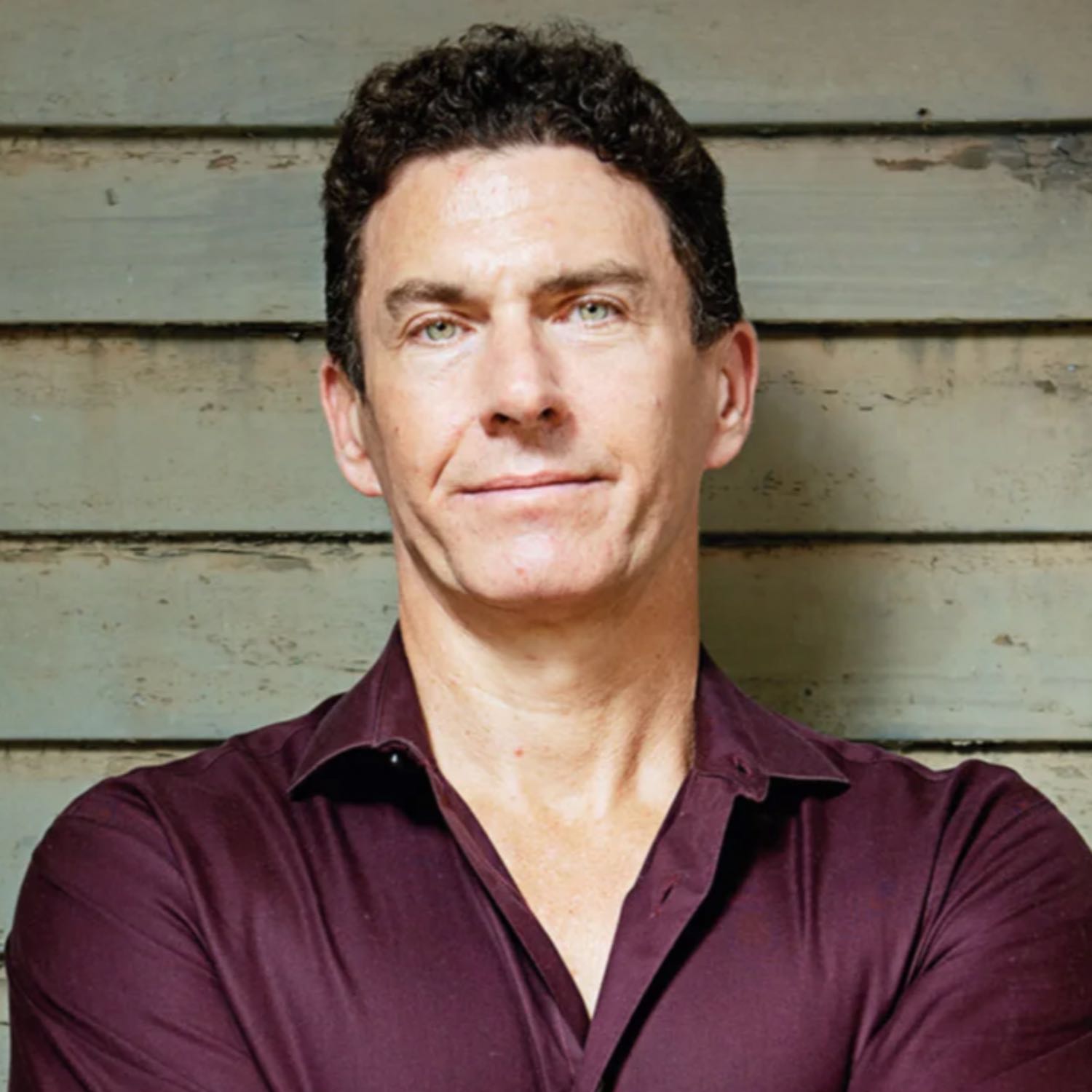
Episode 62: Joe Henrich - The WEIRDest People in the World
Joe Henrich is a professor of human evolutionary biology at Harvard University and is the author of the book "The WEIRDest People in the World."During our conversation, Joe talks about his interest in human nature, how cultures change people biologically, how the mating laws of the Roman Catholic Church and the literacy imperatives of Protestantism changed Western civilization, cultural limitations on the Big 5 Personality traits, monogamy and polygyny, modern dating, objective truth, right and wrong, and what UN parking ticket data tells us about different countries in the world.WEIRD stands for "Western, Educated, Industrialized, Rich, and Democratic," and if you're listening to this episode, you likely fall in that category. Joe is an encyclopedia of information about human beings, who we are, how we're different, and how we got this way. He offers advice for struggling young men, political leaders contemplating foreign intervention, and on how to think clearly about ethics and moral relativism.------------Support via VenmoSupport on SubstackPatreon------------Show notesRate on SpotifyRate on Apple PodcastsSocial media and all episodes------------(00:00) Introduction(03:04) Interest in evolutionary biology and human culture(04:50) The effect of culture on humans(08:04) Culture changes people biologically(11:21) WEIRD vs. non-WEIRD people(13:34) How the structure of the family effects Han Chinese(14:26) The effect of the Catholic Church in Germany(15:08) Scotch-Irish segmentary lineage culture(18:56) How the Catholic Church's rules unwittingly fueled Europe's rise(21:53) How Protestantism's work and word ethic drove Europe's prosperity(25:20) What a kin-based society looked like before the Catholic Church(27:49) Ways that culture changes people's brains(32:26) Testosterone does not go down post-fatherhood for men in polygynous cultures(39:01) Failing young men, dating technology, and modern dating(41:48) What can go wrong in polygynous societies?(43:56) How can we help young men prosper?(47:36) The Big 5 personality traits may be culturally-specific to WEIRD people(51:54) Making sense of human nature(54:16) Evolutionary psychology and human culture(56:46) The future of dating and mating in the West(59:46) Different cultures and American foreign policy mistakes(1:02:56) Joe's advice on American foreign policy(1:04:36) China's male gender imbalance and future societal problems(1:06:28) Advice for struggling young men(1:09:46) United Nations parking tickets data(1:13:51) Moral relativism and Ayaan Hirsi Ali(1:19:41) Truth and science colliding with postmodernism(1:22:26) What's next for Joe

Episode 61: Huw Price - Existential Risk
Huw Price is an author, was the Bertrand Russell Professor of Philosophy at the University of Cambridge, and is the co-founder of the Centre for the Study of Existential Risk.During our conversation, Huw talks about meeting Jaan Tallinn of Skype, learning about lesser-known existential risks of artificial intelligence and catastrophic new biological threats, the founding of the Centre in 2012, what an existential threat is, a near-existential event in 1962, and what an average citizen can do to mitigate the probability of an extinction event.There is no more important subject than the prevention of our own annihilation and the continuation of the human story. It is harrowing to learn how close we have already come to ending human existence on Earth, and it behooves all of us to learn a bit about what our x-risks are and align our priorities, knowledge, wisdom, and resources to lessen its likelihood.------------Support this podcast via VenmoSupport this podcast via PayPalSupport this podcast on Patreon------------Show notesLeave a rating on SpotifyLeave a rating on Apple PodcastsFollow "Keep Talking" on social media and access all episodes------------(00:00) Introduction(02:47) Getting involved in x-risk(13:27) What is existential risk?(19:10) What would an existential event look like?(23:23) The x-risk of AI(26:40) The x-risk of biological threats(30:30) "The Precipice"(31:28) How Vasili Arkhipov likely saved humanity(37:28) The Future of Life Institute(40:35) The x-risk of nuclear weapons(44:12) The risks of climate change(50:55) 1 in 6 chance of human extinction this century(53:35) Is it unethical to have children?(1:00:28) Actions people can make to mitigate x-risk(1:02:14) Do x-risk issues cause Huw depression?(1:04:13) Should people become "preppers"?(1:06:40) Huw's advice to deal with x-risks(1:10:25) Leaders in the x-risk community(1:12:30) Advice for mindset and attitude(1:15:20) Sources of hope and optimism
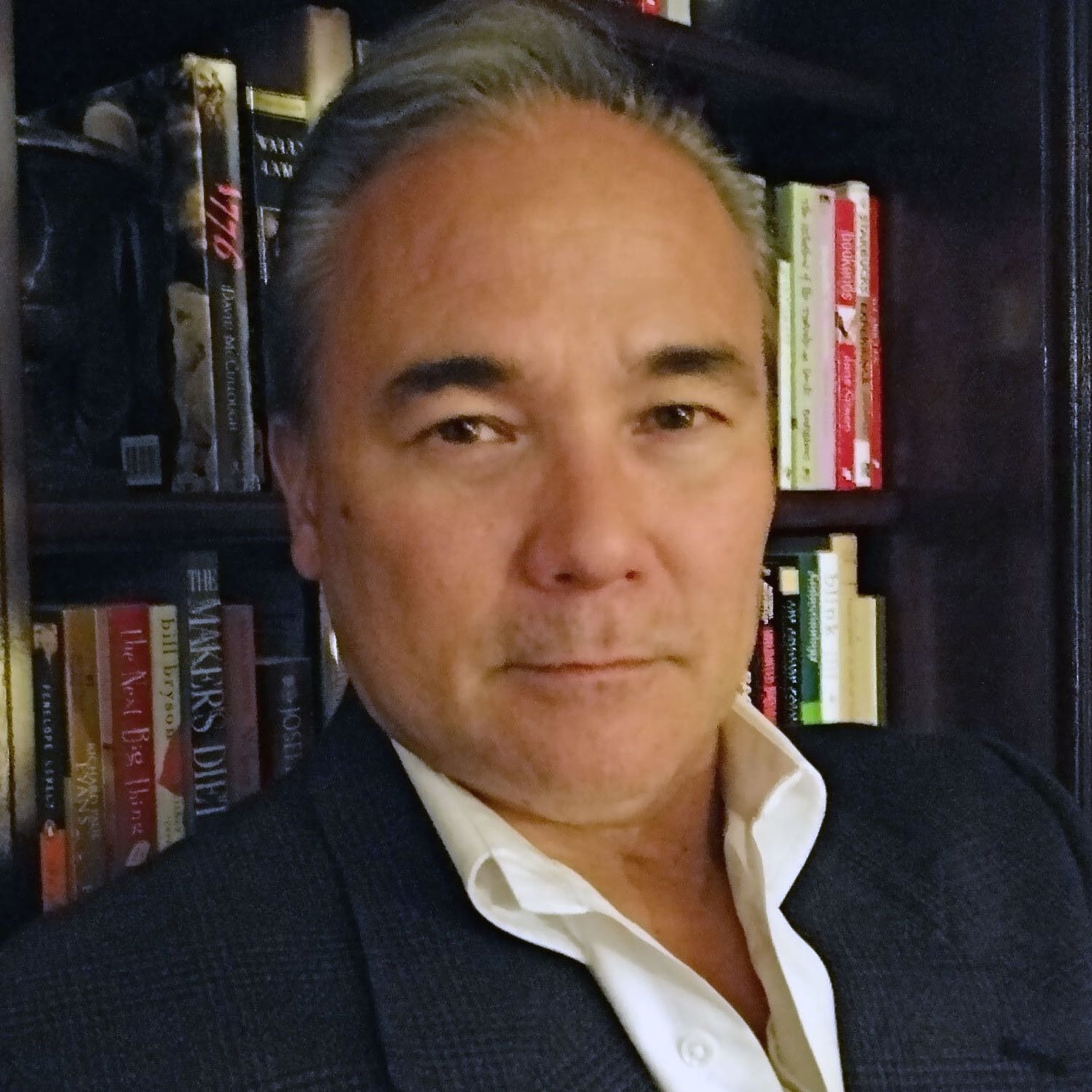
Episode 60: William Davis - Your Gut and Your Health
William Davis is a cardiologist and an author who has written both the best-selling book "Wheat Belly" and his most recent, "Super Gut." During our conversation, Bill talks about the human microbiome, the role of the gut as the "second brain" in the human body, how a modern diet and a modern microbiome may be contributing to common ailments of civilization like inflammation and depression, his suggestions for healthy eating and lifestyle, and what supplements he suggests people consume to improve their microbiome.Nothing is more important to human flourishing than one's health, and Bill offers some original insights and under-the-radar options that people may want to consider. He discusses the role of antibiotics in our culture, bacteria and endotoxemia, and gives advice for healthy living.I know that outside-the-box tinkering with my own lifestyle has dramatically improved my own health through mitigating stress, getting adequate sleep, eliminating or significantly reducing certain foods, and doing daily rigorous exercise that includes heat or cold exposure. Healthy people are happy people and good citizens, and I think we should be open to tinkering with our habits and foods to maximize our well-being. And perhaps one or two ideas from this conversation might resonate with you, and help you in your own life.------------Support this podcast via VenmoSupport this podcast via PayPalSupport this podcast on Patreon------------Show notesLeave a rating on SpotifyLeave a rating on Apple PodcastsFollow "Keep Talking" on social media and access all episodes------------(00:00) Introduction(02:47) Getting involved in x-risk(13:27) What is existential risk?(19:10) What would an existential event look like?(23:23) The x-risk of AI(26:40) The x-risk of biological threats(30:30) "The Precipice"(31:28) How Vasili Arkhipov likely saved humanity(37:28) The Future of Life Institute(40:35) The x-risk of nuclear weapons(44:12) The risks of climate change(50:55) 1 in 6 chance of human extinction this century(53:35) Is it unethical to have children?(1:00:28) Actions people can make to mitigate x-risk(1:02:14) Do x-risk issues cause Huw depression? (1:04:13) Should people become "preppers"?(1:06:40) Huw's advice to deal with x-risks(1:10:25) Leaders in the x-risk community(1:12:30) Advice for mindset and attitude(1:15:20) Sources of hope and optimism
Episode 59: Jim Fadiman - The Science of Microdosing
Jim Fadiman is an author, an educator, and is America's leading expert on the science of microdosing. During our conversation, Jim talks about his relationship with his favorite Harvard professor, Richard Alpert (later Ram Dass), his first psychedelic experience, and why he decided to dedicate so much of his career to the study of psychedelics and microdosing.Jim also discusses The Fadiman Protocol for microdosing, what microdosing is and proper dosing and frequency of use, microdosing's potential for human well-being, creativity, and to combat mental illness, and how a healthy society might wisely integrate such practices into its civilization.Jim believes that our culture is growing more open to the potential promise of psychedelics, and I think he's right. Documentaries like Netflix's "How to Change Your Mind" and books like his, "The Psychedelic Explorer's Guide," offer knowledge that has been suppressed and demonized to be more accurately detailed and publicly available.------------Support this podcast via VenmoSupport this podcast via PayPalSupport this podcast on Patreon------------Show notesLeave a rating on SpotifyLeave a rating on Apple PodcastsFollow "Keep Talking" on social media and access all episodes------------(00:00) Introduction(02:48) Interest in psychedelics and microdosing(04:19) Life as a graduate student(07:28) Richard Alpert and Bill Richards(10:59) The link between theology and psychedelics(15:01) Inspiration from a psychedelic experience(17:32) Religious views prior to psilocybin experience(21:33) The 1970s-1990s as era of lost opportunities in psychedelic research(24:32) Spiritual unwellness in modern people(28:00) “Flump'ing” in the 1960's(30:14) Psychedelic research during its illegality(33:07) How Jim's transcendent experience affected him(37:27) Resistance to psychedelic research(42:04) Quotes by Jim on psychedelics(49:05) What is meant by microdosing?(50:58) Some positive affects of microdosing(52:54) The "sweet spot" quantity and frequency for microdosing(01:05:10) Possible psychedelic dosage mistakes and their impact(01:07:38) Psilocybin as a "nootropic vitamin" for healthy living(01:12:53) Microdosing for intellectual or creative pursuits(01:21:40) Francis Crick, LSD, and the DNA double helix discovery(01:23:47) Microdosing and alleviating human suffering(01:30:21) The role of psychedelics in a healthy, flourishing society and culture

Episode 58: Deirdre McCloskey - Being Trans
Deirdre McCloskey is an economist, the author of more than 20 books, and is one of America's most prominent trans academics. During our conversation, Deirdre talks about growing up in the 1940's and 1950's, knowing from an early age that she wanted to be a woman, her marriage of more than 30 years to the "love of her life" and fathering two children, and her epiphany in the 1990's, at more than 50 years of age, that she wanted to transition from a man to a woman.Deirdre also details the reaction of her family to her desire to transition, how she was twice institutionalized, progress in trans rights in America, and her disagreements with positions taken by individuals like Kathleen Stock and Helen Joyce, who have publicly voiced concerns about allowing children to go through hormone therapy and insist that the majority of kids who transition later regret their decision.As I note during the conversation, I think most people are trying to form their views on this sensitive issue, to best determine what is true and what is decent. A free society should allow adults to do what they want, provided they aren't harming others. I try to understand the concerns of people on both sides of this debate around children, and no matter how one might come down on it, I admire Deirdre's courage in authentically living her life, in being true to herself, and in her commitment to free speech, to allow open and important moral conversations to happen.------------Support via Venmo------------Show notesSocial media and all episodes------------(00:00) Introduction(02:50) “Crossing: A Memoir” quote: boyhood(09:49) Early life and sexuality(14:29) Gender conversations with her ex-wife(16:53) Concealments from her ex-wife(17:44) Being sexually different in the 50s and 60s(20:23) Cross-dressing(21:31) Gender transition after decades of marriage(23:09) 50 years as a male(25:45) Her resistance towards gender change(28:10) Praying to be a woman(29:19) Lived experience as a man identifying as a woman(31:19) The moment of epiphany to transition(35:26) Clarity on the epiphany(36:33) Loved ones’ reactions to the gender transition(38:54) Being institutionalized against her will(41:25) Classical liberalism and freedom(43:13) The experience of being institutionalized(45:59) Changing cultural views on gender transitions(50:09) Life post gender transition(53:50) Self-actualization and gender transition(58:25) The best part about being a female(01:01:16) Living doubt-free post gender transition(01:05:00) Freedom of speech being paramount(01:06:26) Is gender change irreversible?(01:11:41) Do children often regret gender transition?(01:16:29) Are claims of children regretting their gender change fabricated?(01:19:19) The state’s involvement in personal decisions(01:23:00) Removing the state from personal decisions(01:27:47) Courage, and being a public example
Episode 57: Barbara Demick - Inside North Korea
Barbara Demick is a journalist, an essayist, and is the author of both "Nothing to Envy: Ordinary Lives in North Korea" and "Eat the Buddha: Life and Death in a Tibetan Town." During our conversation, Barbara talks about how she became interested in North Korea, the founding of North Korea in 1945, how its society is structured, its ability to isolate its citizens from the outside world, its famine in the 1990's, the defectors she met who became the key characters in her book, and whether its leadership are true-believing Communists or primarily hungry for power.She also talks about her more recent book, "Eat the Buddha," which details the Chinese history and relationship with Tibet, the day-to-day lives of ordinary Tibetan citizens, what happened in 1958, Tibetan acts of self-immolation, and the influence of the Dalai Lama. As Barbara mentions during the interview, it's the role of the journalist to provide the truth, not to provide hope. And in both of these oppressed places, any enduring hope that may change the plight of North Koreans and Tibetans must start by having an accurate understanding of the tragedy, the history, and lived reality of its people.------------Support this podcast via VenmoSupport this podcast via PayPalSupport this podcast on Patreon------------Show notesLeave a rating on SpotifyLeave a rating on Apple PodcastsFollow "Keep Talking" on social media and access all episodes------------(00:00) Introduction(02:35) Early life and interest in studying North Korea(05:53) The creation of North Korea(08:50) North Korea from the 50s to 80s(11:32) Getting access to North Koreans(19:22) The traumas of the North Koreans(23:08) “Nothing To Envy” quotes and the book’s impact on North Koreans(28:10) The North Korean famine of the 90s(31:31) Is the North Korean leadership evil, or committed Communists?(35:45) North Korea in 2022(39:27) “Nothing To Envy” quotes – abuse of power in North Korea(44:48) Threats to freedom in the US(48:34) Hope for North Korean people(49:01) Interest in studying the relationship between China and Tibet(55:09) The importance of the year 1958 for Tibet(59:58) “Eat The Buddha” quotes(01:05:37) Life of a Tibetan(01:12:06) Lesser-known truths about North Korea and Tibet

Episode 56: Merit Cudkowicz - Fighting ALS
Merit Cudkowicz is a scientist, a doctor, a researcher, and is both the director of the Sean M. Healey and AMG Center for ALS and Chief of Neurology at Mass General Hospital in Boston. During our conversation, Merit talks about her journey to becoming a doctor and provides a definition of ALS, commonly known as "Lou Gehrig's Disease." She also discusses her interest in ALS, describes its symptoms and how it affects those who have it, the influence of genes and environment on its development, how one can live to mitigate one's risk of getting ALS, what we don't yet know about its onset, current research to fight the disease, and reasons for hope.To me, ALS is one of the most terrifying diseases a human being can get: normal psychological and intellectual function as one's body deteriorates, eventually resulting in a total inability to move, swallow, and eventually, breathe. Merit is optimistic about the future of our ability to understand and combat this horrible illness, and if she's correct, it will be because of the hard work, brilliance, and determination of people like her.------------Support this podcast via VenmoSupport this podcast via PayPalSupport this podcast on Patreon------------Show notesLeave a rating on Spotify------------(00:00) Introduction(02:23) Early life and interest in Science and Medicine(03:45) Building interest in immunology(04:38) Getting introduced to ALS(06:35) The experience of witnessing someone go through ALS(09:28) What is meant by ALS?(10:43) The most common symptoms of ALS(11:55) The tests used to diagnose ALS(12:45) How long ALS has been around in the world(13:17) Lou Gehrig’s battle with ALS(14:19) What causes the muscular deterioration leading to ALS?(17:12) Preventing ALS(20:22) Probable lifestyle factors causing ALS(22:59) The appropriate level of stress in humans(26:11) The influence of an unhealthy lifestyle in causing life-threatening diseases(28:26) Recommendations for a healthy lifestyle(31:18) The role of inflammation in causing disease in humans(33:30) The factors triggering high inflammation levels in humans(35:57) The future of ALS research and treatment(39:58) Hope for people with genetic reasons for ALS(41:55) Identifying the first changes in people with ALS(43:51) The scope for more robust research around ALS(46:10) The progress made in our fight against ALS(47:44) Other ALS researchers to follow(49:27) Potentially helpful treatment options for ALS(53:29) Available resources for people with ALS(56:17) The evolutionary reasons for the existence of ALS(01:00:57) Using psychedelics to treat ALS(01:06:40): Are people ever cured of ALS?(01:08:23) Merit's inspiration behind getting into ALS research