
Japan Eats!
395 episodes — Page 3 of 8
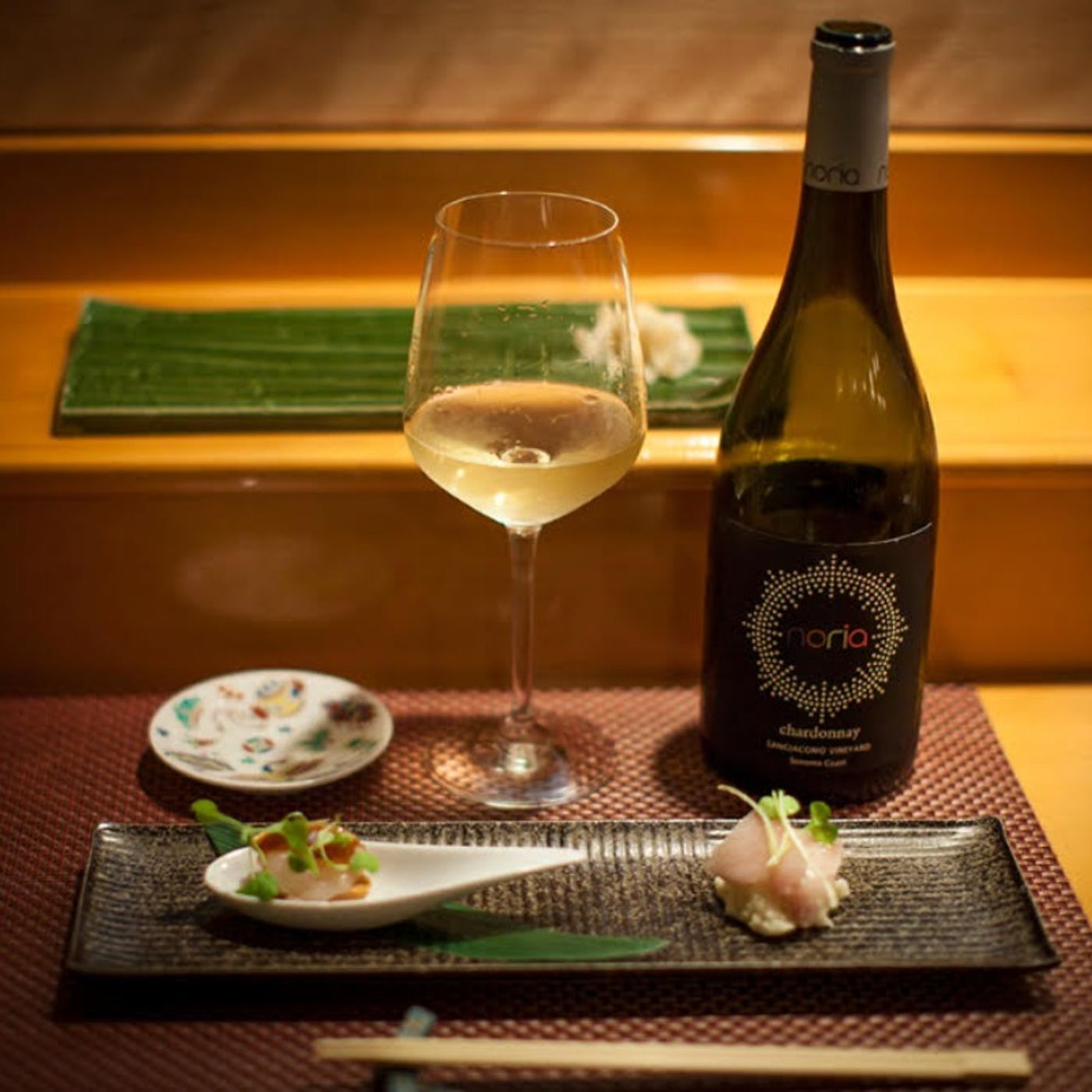
Ep 295Wine Can Be a Perfect Companion to Japanese Food
Our guest is Nori Nakamura who is the owner and winemaker at Noria, a unique winery in California. When we eat Japanese food, we almost automatically think to pair it with Japanese sake or Japanese beer. On the other hand, Japanese sake has become so popular globally that you can find it at Michelin-starred, non-Japanese restaurants outside of Japan these days. Nori decided to break the preconception and now is making beautiful wine that pairs perfectly with Japanese food. In this episode, we will discuss how Nori, who used to be in the high-end hotel industry in Japan, became a winemaker, his wine-making philosophy, what types of wine go well with Japanese food, the future of Japanese food and wine pairing, and much, much more!!!Heritage Radio Network is a listener supported nonprofit podcast network. Support Japan Eats by becoming a member!Japan Eats is Powered by Simplecast.See Privacy Policy at https://art19.com/privacy and California Privacy Notice at https://art19.com/privacy#do-not-sell-my-info.
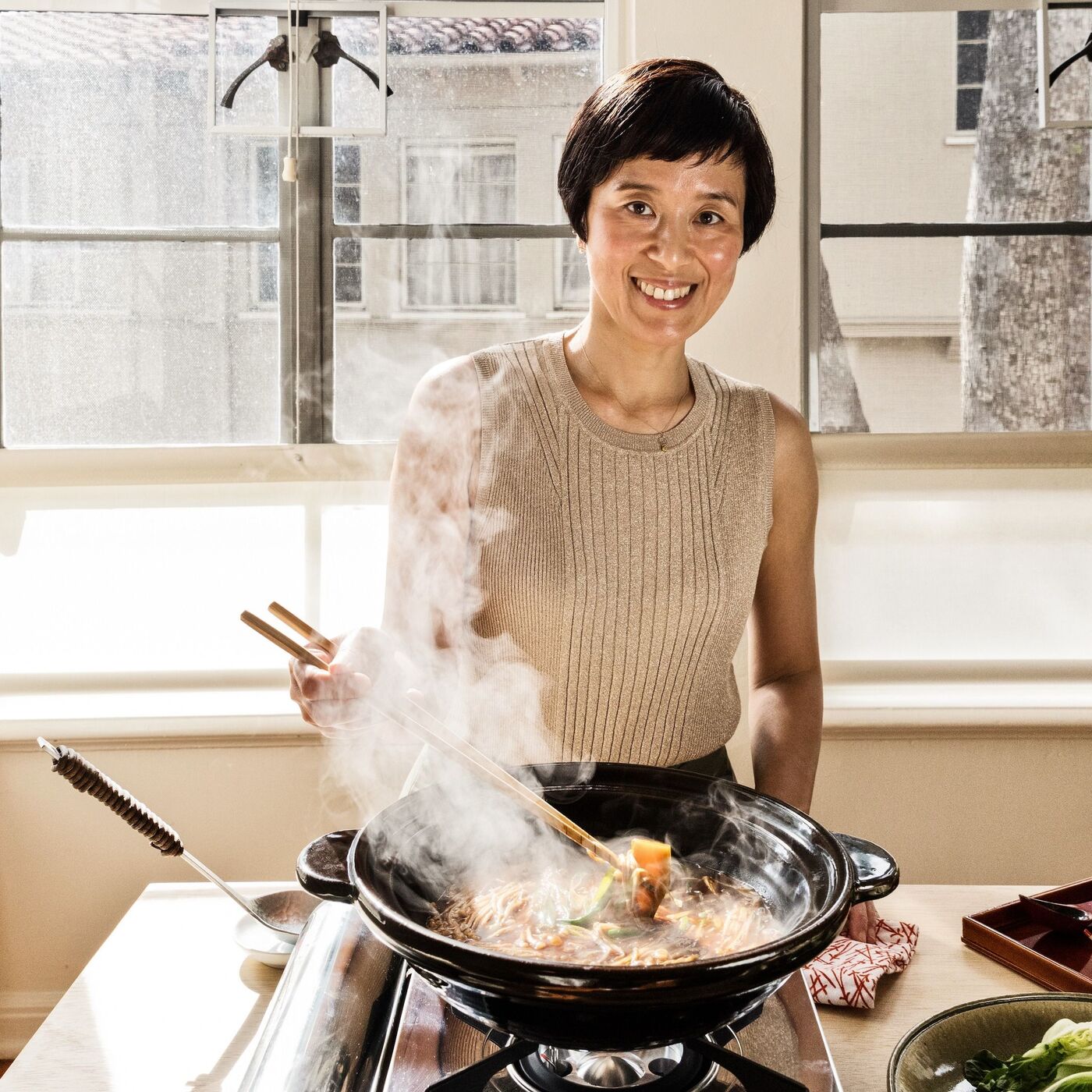
Ep 294The Secret of Donabe Pot That Can Make Food Delicious
Our guest today is Naoko Takei Moore, who is the chef and owner of Toiro. She is an expert in Donabe, or Japanese traditional earthen cookware, and through Toiro, Naoko introduces global food lovers to the world of Donabe. She is also the co-author of “Donabe: Classic and Modern Japanese Clay Pot Cooking”, published by Ten Speed Press. Donabe has a long history and has been an important part of Japanese food culture. Naoko is a precious figure to learn from all about Donabe. In this episode, we will discuss what exactly Donabe is, how superior Donabe is compared to other cookware, how to choose the right Donabe, handy Donabe recipes to try, and much, much more!!!Heritage Radio Network is a listener supported nonprofit podcast network. Support Japan Eats by becoming a member!Japan Eats is Powered by Simplecast.See Privacy Policy at https://art19.com/privacy and California Privacy Notice at https://art19.com/privacy#do-not-sell-my-info.
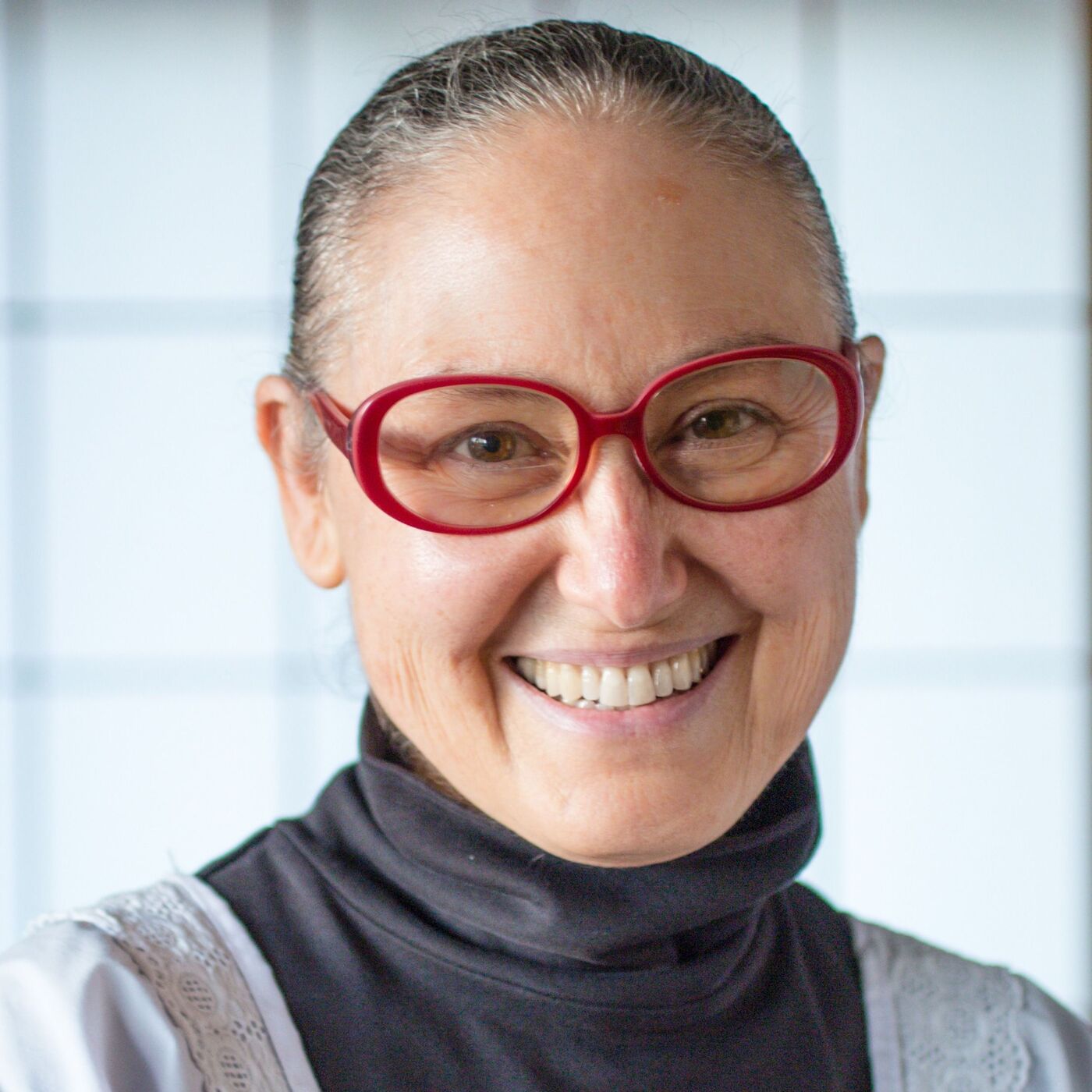
Ep 293Yakumi: Delicious Ingredients That Also Support Your Health
Our guest is Elizabeth Andoh, who already joined us 11 times and shared her truly deep insight into traditional Japanese food culture. Elizabeth is a food writer and Japanese cooking instructor based in Tokyo, and she has lived in Japan for over 50 years. She runs the culinary arts program called A Taste of Culture, which offers a great opportunity for non-Japanese people to explore Japanese culture through its food. She is also the author of 6 cookbooks, including the award-winning “Washoku: Recipes from the Japanese Kitchen”, “Kibo: Recipes and Stories from Japan's Tohoku”, and “Kansha: Celebrating Japan's Vegan and Vegetarian Traditions”.Today’s topic is Yakumi. You may have never heard of this word, but yakumi plays a very important role in Japanese food. Yakumi means herbs and spices but the idea goes far beyond your palate. They not only offer delicious flavors and tastes but also plenty of health benefits. There are various types of yakumi from uniquely Japanese plants like wasabi, sansho, Japanese myoga ginger and mitsuba leaves to more commonly available ginger, garlic and radishes. And yakumi is very easy to use in your own kitchen. In this episode, we will discuss what yakumi is, the diverse flavors of yakumi, the health benefits of yakumi, easy recipes for yakumi-rich dishes, good substitutes for Japanese yakumi if you live outside of Japan, and much, much more!!! Photo Courtesy of Robin Scanlon.Heritage Radio Network is a listener supported nonprofit podcast network. Support Japan Eats by becoming a member!Japan Eats is Powered by Simplecast.See Privacy Policy at https://art19.com/privacy and California Privacy Notice at https://art19.com/privacy#do-not-sell-my-info.
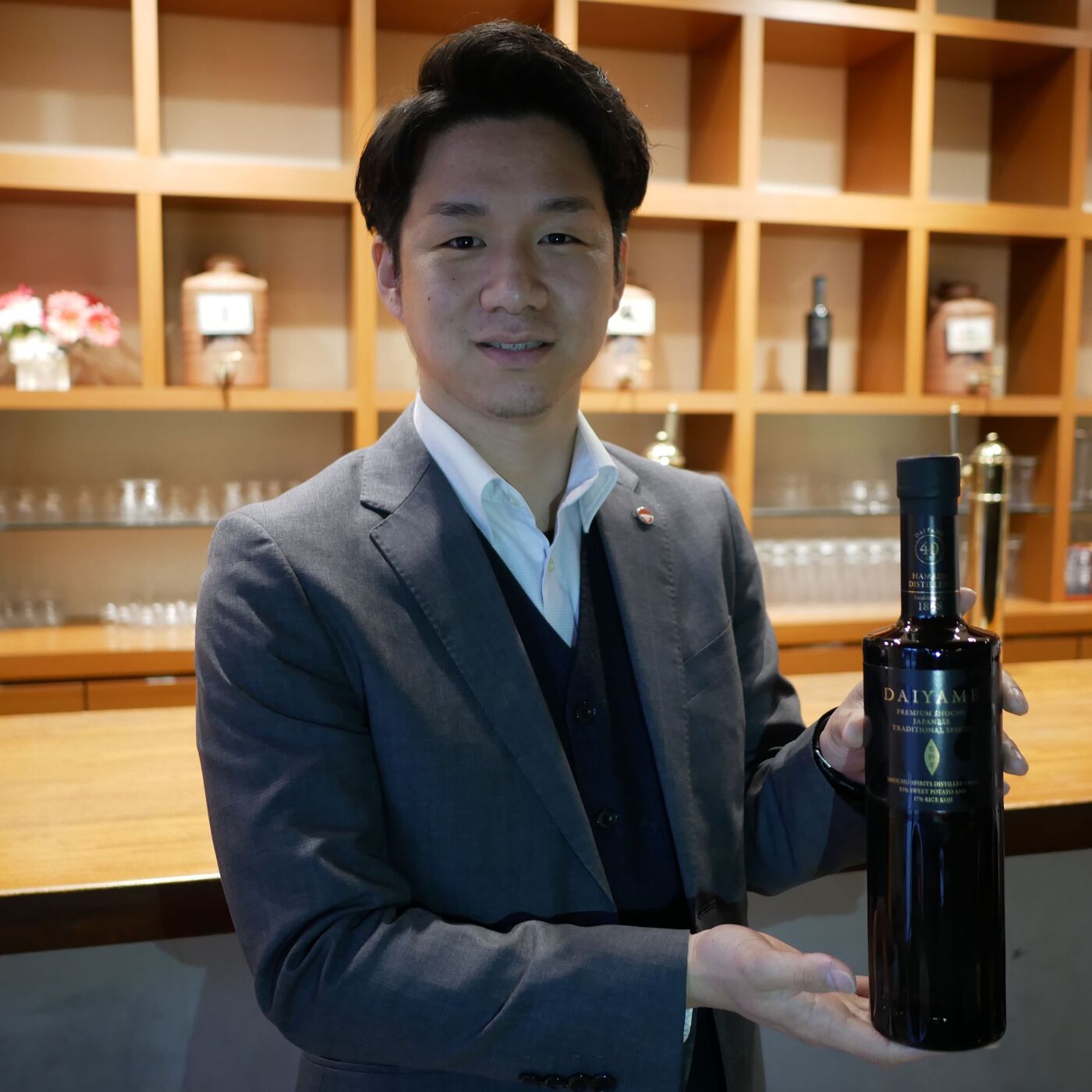
Ep 292A New-Generation Shochu Maker Brings Tradition to the World
Our guest is Kotaro Hamada who is the 6th generation of Hamada Shuzo in Kagoshima Prefecture, Japan. Hamada Shuzo has been making shochu, the Japanese traditional spirit, since 1868. Hamada Shuzo’s quality is highly recognized not only in Japan but also abroad and its shochu brands called Daiyame 25 and Daiyame 40 have received multiple prestigious awards, including the Gold Medal for Daiyame 40 at the International Wine & Spirits Competition in 2022. Japanese sake has once lost its popularity domestically due to various reasons such as declining alcohol consumption among the younger generations, competitive products such as wine and craft beer and the labor shortage. But thanks to the popularity of Japanese food abroad, Japanese sake has been repositioning itself in the market both in Japan and overseas. Shochu, however, is still an unknown beverage outside the country and the shochu industry has been striving to make it recognized as a precious spirit in the international market. So today, we will discuss what shochu is, the regionally diverse characteristics of shochu, how the younger generations of shochu makers like Kotaro are trying to introduce the beautiful Japanese tradition to the world, and much, much more!!!Heritage Radio Network is a listener supported nonprofit podcast network. Support Japan Eats by becoming a member!Japan Eats is Powered by Simplecast.See Privacy Policy at https://art19.com/privacy and California Privacy Notice at https://art19.com/privacy#do-not-sell-my-info.

Ep 291How to Choose the Right Japanese Tea for You
Our guest is Zach Mangan who is the co-founder of Kettl, the Japanese tea importer and distributor based in New York and Fukuoka, Japan. He is also the author of the fantastic book about Japanese tea, “Stories of Japanese tea: The Regions, the Growers, and the Craft”. And in September 2021, he opened a beautiful tea shop and gallery in Greenpoint, Brooklyn, which is now one of the coolest sections of New York. Zach joined us in Episodes 44 and 264 and talked about his fascinating, somewhat accidental path to becoming a tea expert and his love and passion for tea. Japanese tea is gaining the attention of consumers and beverage professionals nowadays for its pure deliciousness and diverse flavors as well as its healthfulness. In this episode, we will discuss various flavors of Japanese tea that you can choose from, how to select the right type of tea to your liking, sustainable sourcing of Japanese tea that you should keep in mind, and much, much more!!!Heritage Radio Network is a listener supported nonprofit podcast network. Support Japan Eats by becoming a member!Japan Eats is Powered by Simplecast.See Privacy Policy at https://art19.com/privacy and California Privacy Notice at https://art19.com/privacy#do-not-sell-my-info.
Ep 290Discovering Hidden Charms of Daily Life in Japan for 20+ Years
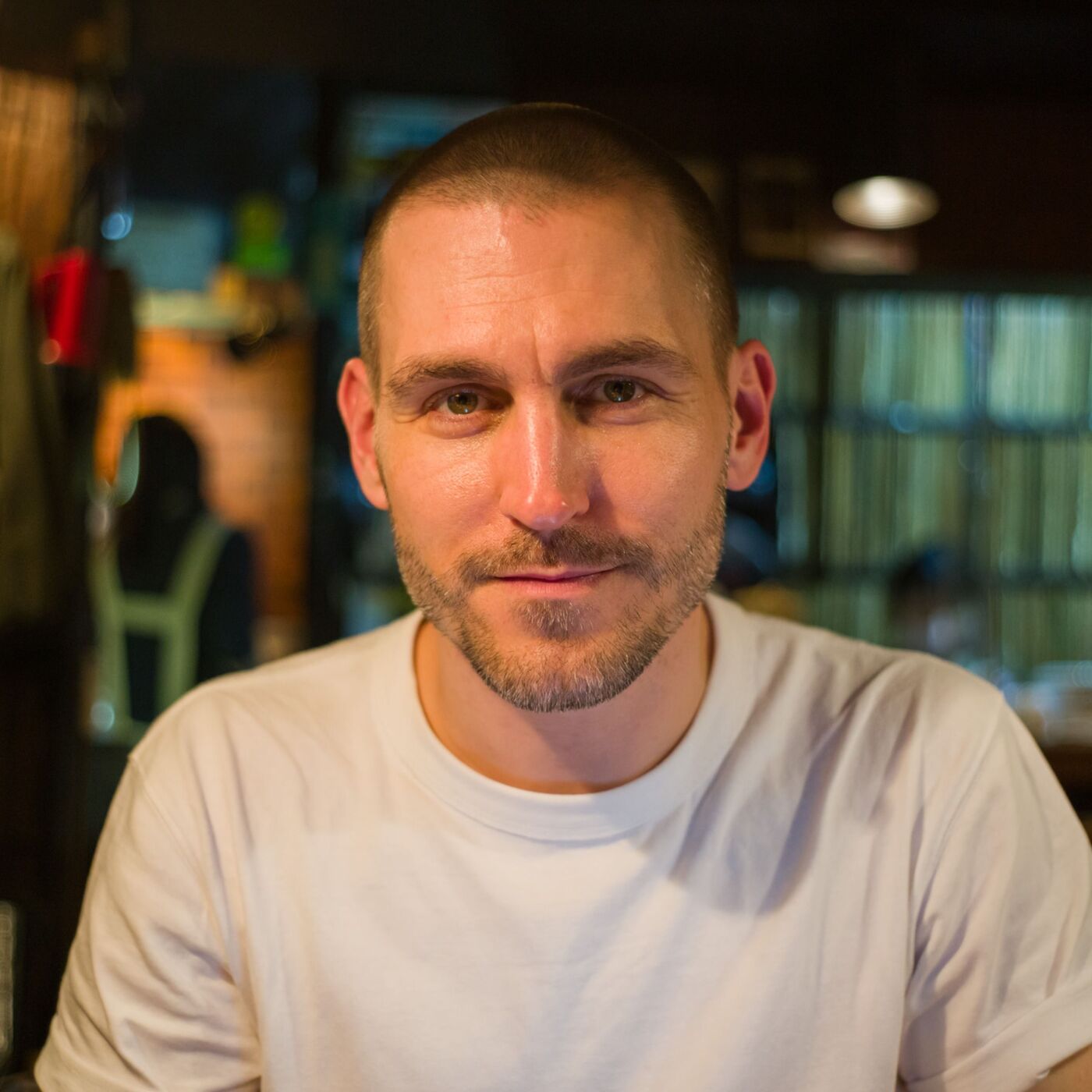
Our guest is Craig Mod who is a writer, author, and photographer based in Japan. Also, according to his website, he is a "walker". And we will talk about what it means. Craig has spent over 20 years in Japan and has produced a lot of valuable work, capturing Japanese daily life objectively as well as being an insider. His insight into Japanese culture is impressive and I have learned a lot from his curious observations. In this episode, we will discuss how Craig got into Japanese culture, his unique perspective of Japanese daily life, how walking helps him to discover the depth of the local culture, Crag’s love for the unique Japanese cafes called Kissaten, and much, much more!!!Heritage Radio Network is a listener supported nonprofit podcast network. Support Japan Eats by becoming a member!Japan Eats is Powered by Simplecast.See Privacy Policy at https://art19.com/privacy and California Privacy Notice at https://art19.com/privacy#do-not-sell-my-info.
Ep 289Kombu: Healthy, Sustainable, Delicious Sea Vegetables
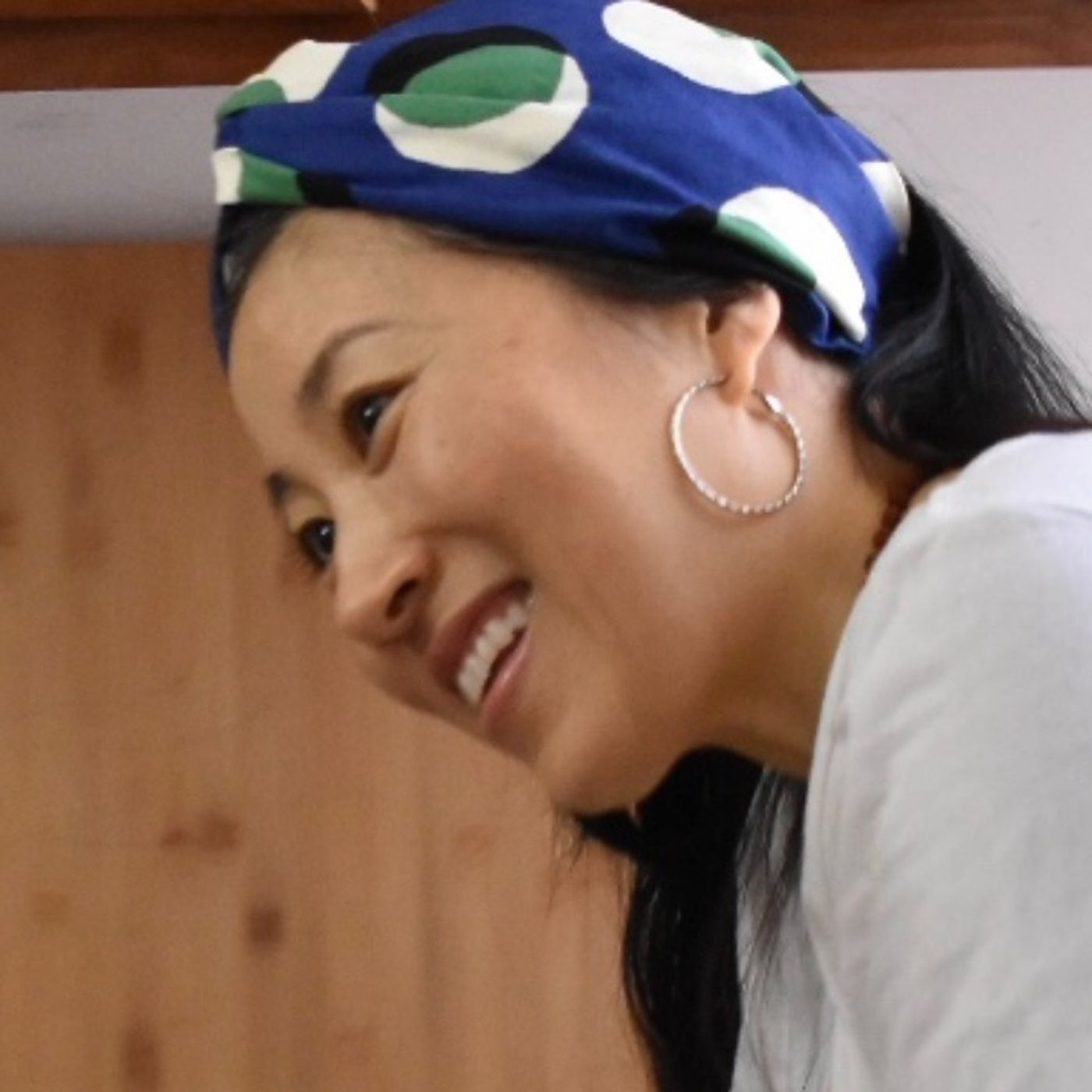
Our guest is Yumi Komatsudaira, who is a recipe developer, food stylist, culinary instructor, and the president of K-Seaweed. Yumi grew up outside Tokyo, playing and snacking in her family’s seaweed factory. When we hear seaweed, many of us may think of the weeds by the beach that do not look particularly delicious, or even edible. But it is like looking at weeds coming out of the pavements on busy city streets. What we are talking about here about seaweed is the equivalent of plants from well-managed farmlands. In Japan, seaweeds are quintessential ingredients for their rich umami. Umami is the fifth taste after salty, sweet, sour and bitter and it enhances and mitigates these other four tastes to make food delicious. That is why Japanese dashi broth, which is made with seaweed, is indispensable in Japanese cuisine. Seaweed is also becoming a hot topic for its huge potential to make the world more sustainable. Not to mention, seaweed is vegan too. In this episode, we will discuss how seaweed is used to make food delicious and healthy in Japan, different types of seaweeds that you can choose for specific flavors and textures, quick seaweed recipes so that you can enjoy its umami, the health benefits of seaweed, Yumi’s new book “Japanese Superfoods”, and much, much more!!!Heritage Radio Network is a listener supported nonprofit podcast network. Support Japan Eats by becoming a member!Japan Eats is Powered by Simplecast.See Privacy Policy at https://art19.com/privacy and California Privacy Notice at https://art19.com/privacy#do-not-sell-my-info.

Ep 288Dom Pérignon’s Legendary Cellar Master Merges Japanese Tradition and the Art of Champagne in His Own Sake
Our guest is Richard Geoffroy who is the founder and maker of Shiraiwa, a sake brewery in Toyama Prefecture, Japan. Before Richard founded the sake brewery in 2018, he was the Chef de Cave, or cellar master, at the world-famous Champagne producer Dom Pérignon for 28 years. Richard makes traditional-style Japanese sake that is uniquely merged with Champagne-making techniques and his sake is gaining the attention of professionals and connoisseurs of sake and wine worldwide. In this episode, we will discuss why the master Champagne maker decided to produce Japanese sake, Richard’s original style of sake that incorporates the idea of assemblages, how his experience with Champagne is inspiring traditional sake production, and much, much more!!!Photo Courtesy of Marion Berrin.Japan Eats is nominated for a viewer’s choice TASTE AWARD. Cast your vote before February 17th.Heritage Radio Network is a listener supported nonprofit podcast network. Support Japan Eats by becoming a member!Japan Eats is Powered by Simplecast.See Privacy Policy at https://art19.com/privacy and California Privacy Notice at https://art19.com/privacy#do-not-sell-my-info.
Ep 287What Is Japanese “Shokupan” Milk Bread and Why Is It So Popular?
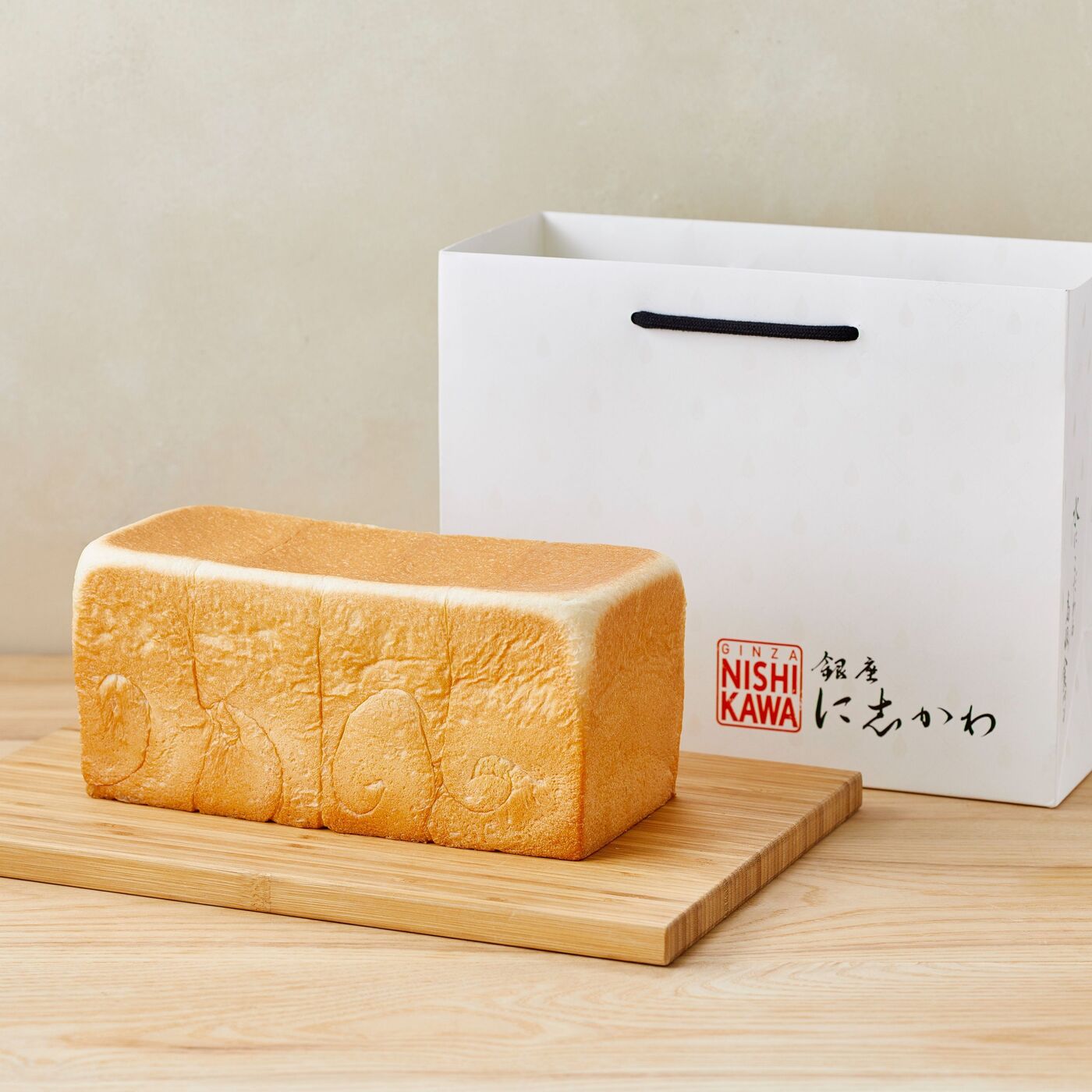
Our guest is Noriko Okubo who is the co-owner and chief operations officer of Ginza Nishikawa U.S.A. Ginza Nishikawa opened in 2018 in Ginza, one of the poshest areas in Tokyo, to sell high-quality Shokupan bread. Shokupan is also called milk bread and is gaining popularity worldwide for its distinctively soft and fluffy texture with a pleasantly sweet taste. Ginza Nishikawa’s Shokupan bread earned accolades very quickly and now it operates over 130 shops throughout Japan. The huge success spread to the U.S. and the bakery opened its first overseas location in L.A. in July 2022, which Noriko co-owns and manages. In this episode, we will discuss what shokupan is, why shokupan has become so popular in Japan and increasingly overseas, the secrets of Ginza Nishikawa’s shokupan that sells out within a few hours of being baked in L.A., and much, much more!!!Photo Courtesy of Courtesy of Ginza Nishikawa.Japan Eats is nominated for a viewer’s choice TASTE AWARD. Cast your vote before February 17th.Heritage Radio Network is a listener supported nonprofit podcast network. Support Japan Eats by becoming a member!Japan Eats is Powered by Simplecast.See Privacy Policy at https://art19.com/privacy and California Privacy Notice at https://art19.com/privacy#do-not-sell-my-info.
Ep 286Committed to Serving Authentic Japanese in Los Angeles
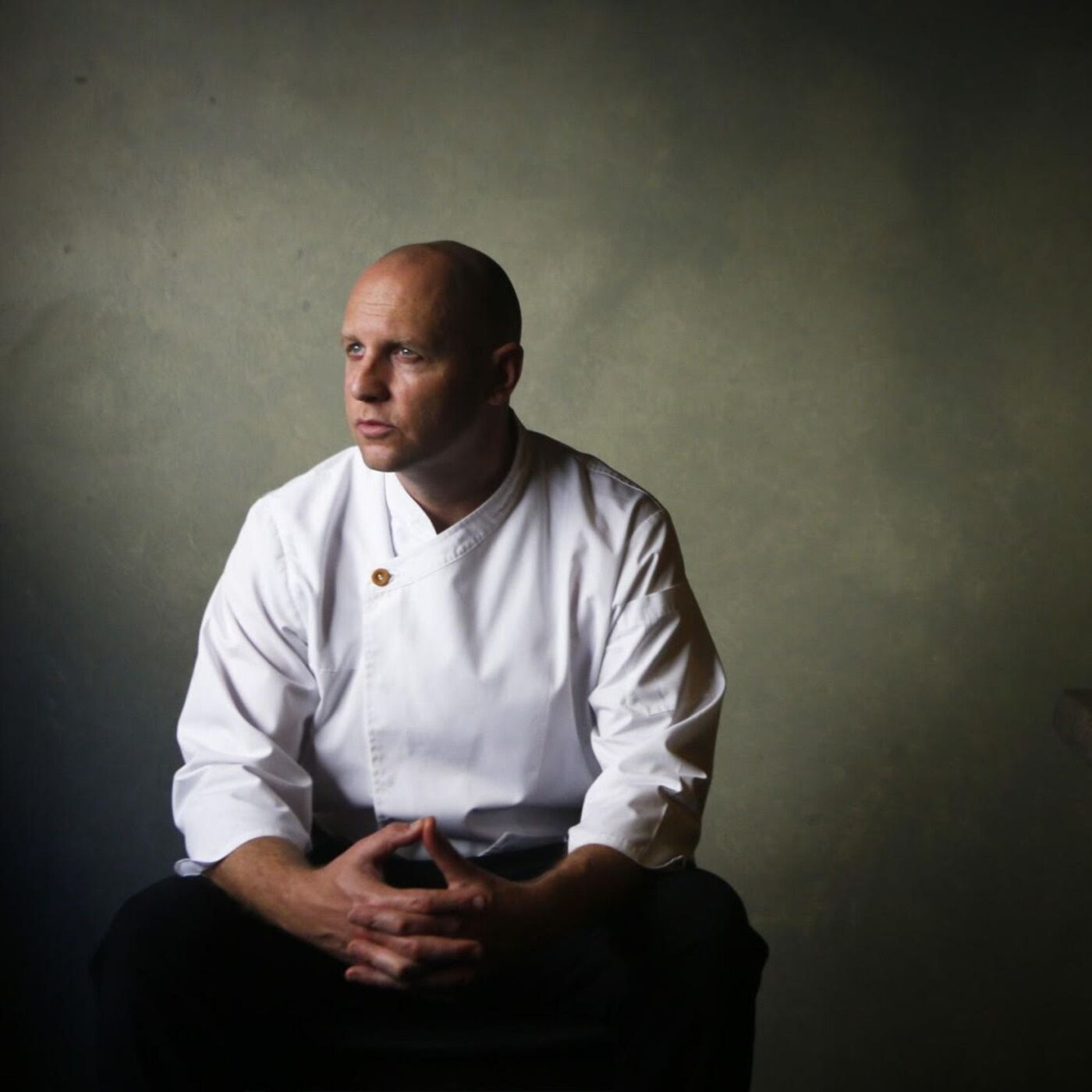
Our guest is David Schlosser who is the chef/owner of Shibumi in Downtown L.A. Shibumi opened in 2016 and shortly afterwards, it earned accolades from various prominent media, including The Los Angeles Times’s Jonathan Gold who ranked Shibumi number two restaurant of the whole city. Currently, Shibumi holds one Michelin star. David was classically trained in Japan and soulfully serves authentic Japanese dishes at Shibumi. But originally, he used to cook French cuisine at Michelin starred restaurants in France. In this episode, we will discuss how David got into Japanese food, his training at top kaiseki restaurants in Japan, his philosophy of cooking Japanese cuisine, and much, much more!!! Heritage Radio Network is a listener supported nonprofit podcast network. Support Japan Eats by becoming a member!Japan Eats is Powered by Simplecast.See Privacy Policy at https://art19.com/privacy and California Privacy Notice at https://art19.com/privacy#do-not-sell-my-info.

Ep 285272-Year-Old Brewery Makes Carbon-Neutral Sake
Our guest is Cinzia Mesolella who is in charge of PR and communication at Kobe Shushinkan Breweries in Hyogo Prefecture. Hyogo is the home of “Nada no sake”, which means “Sake from Nada”, and is synonymous with great sake. Kobe Shushinkan Breweries was founded in 1751 and its award-winning label Fukuju has been served at Nobel prize dinners several times since 2008. Kobe Shushinkan is also known for its sustainable-minded sake production, and last year it released the world’s first carbon-free sake called Fukuju Junmai EcoZero. Cinzia is from Italy and since 2019, she has been playing a precious role in Kobe Shushinkan’s global communication. She is also a certified sake specialist. In this episode, we will discuss how Cinzia became the PR representative at the traditional sake brewery, what makes sake from Nada so special, Kobe Shushinkan’s sustainable production philosophy, its award-winning labels, and much, much more!!!Heritage Radio Network is a listener supported nonprofit podcast network. Support Japan Eats by becoming a member!Japan Eats is Powered by Simplecast.See Privacy Policy at https://art19.com/privacy and California Privacy Notice at https://art19.com/privacy#do-not-sell-my-info.
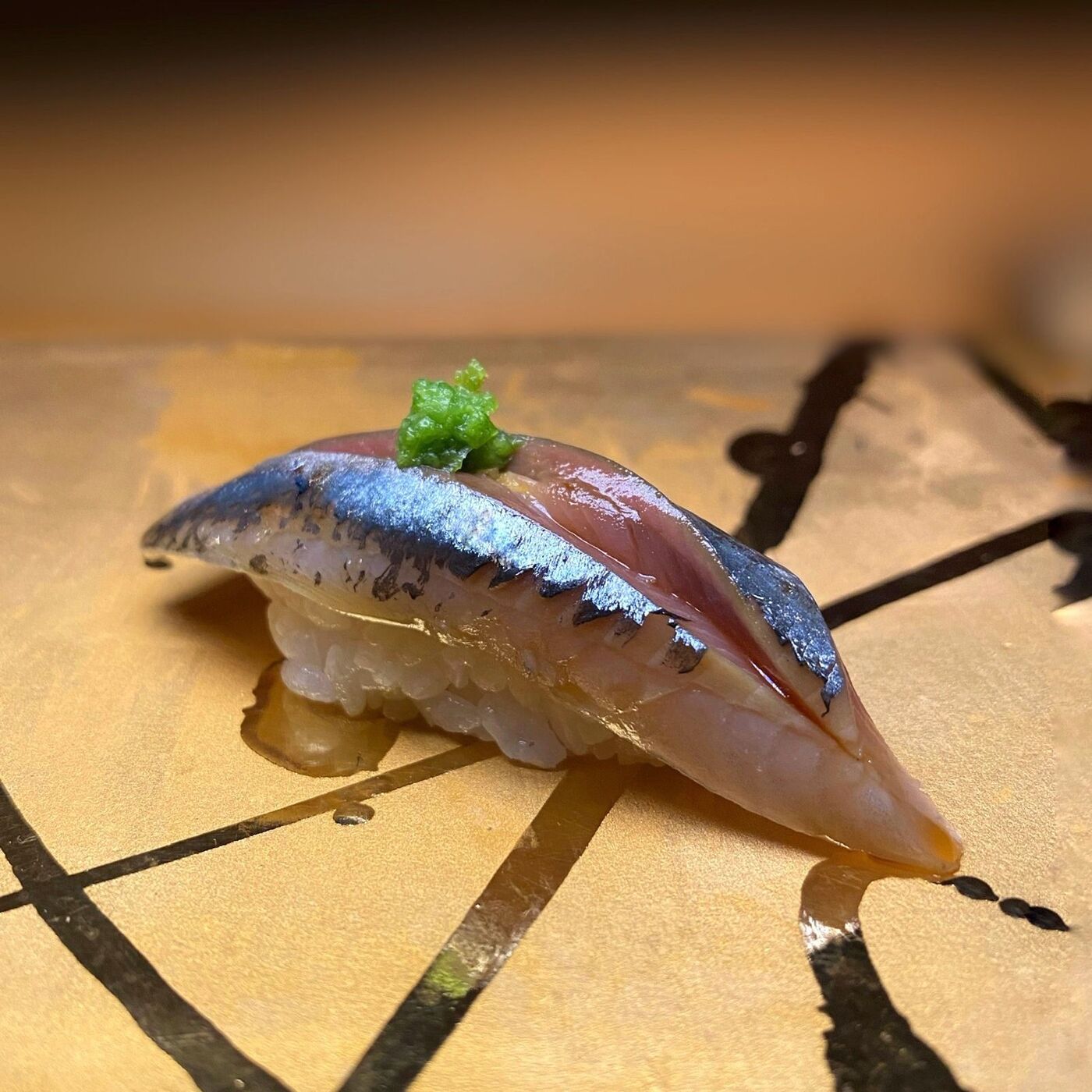
Ep 284How to Choose Great Sushi Restaurants: The Sushi Guide Answers
Our guest is Guy Allen, a sushi blogger based in New York City. Guy fell in love with sushi at a very young age and has been exploring the world of sushi globally since then. You can find his discoveries on Instagram under @thesushiguide. His reviews are so unique and fascinating and his photos are so stunning that he has been invited to dine at great sushi restaurants in Tokyo. In this episode, we will discuss Guy’s diverse experiences at sushi restaurants, his criteria for great sushi, why sushi is universally appealing to diners of all ages, and much, much more!!!Heritage Radio Network is a listener supported nonprofit podcast network. Support Japan Eats by becoming a member!Japan Eats is Powered by Simplecast.See Privacy Policy at https://art19.com/privacy and California Privacy Notice at https://art19.com/privacy#do-not-sell-my-info.
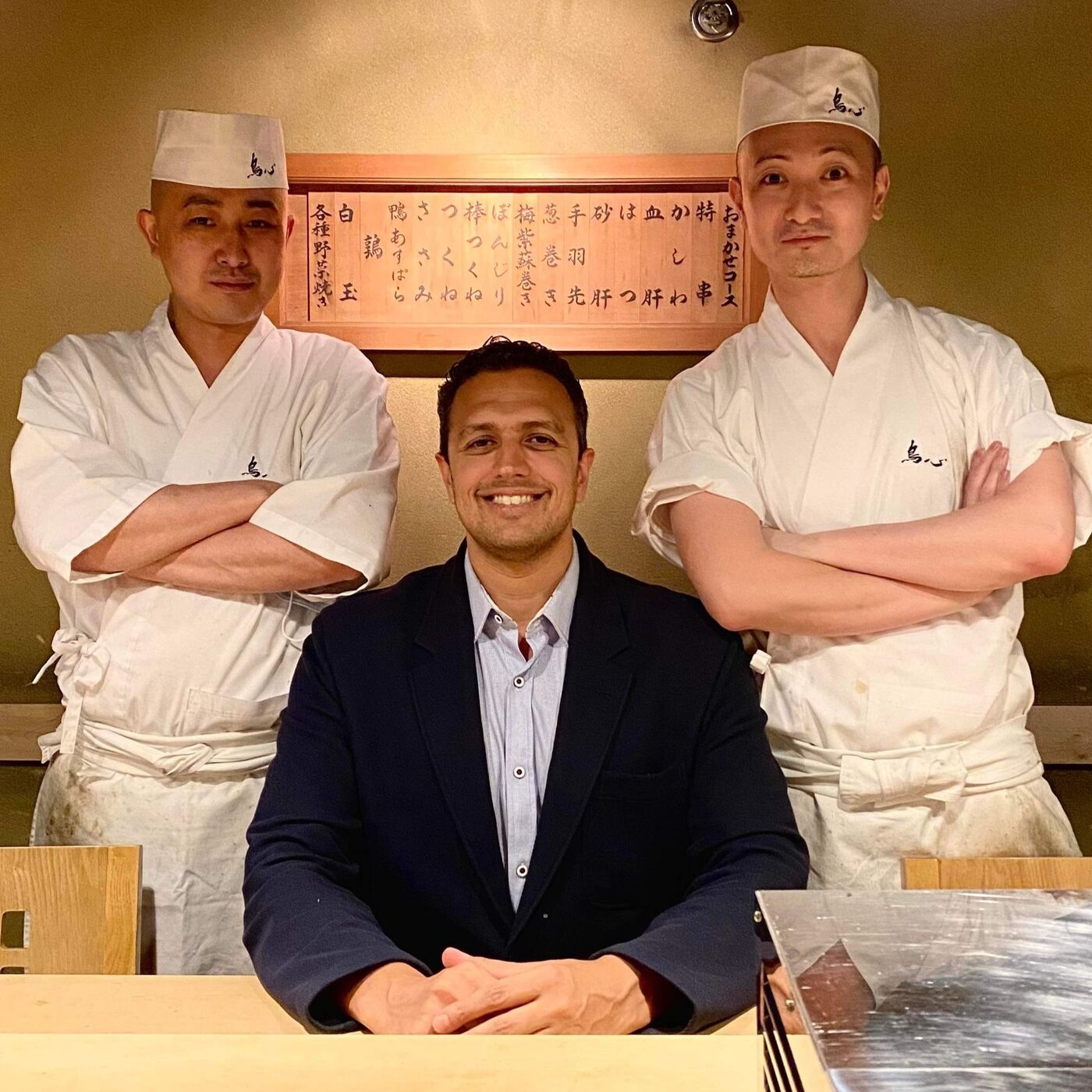
Ep 283The Best Japanese Restaurants and Chefs in 2022
Our guest is Massud Ghaussy who has a Japanese food and restaurant blog on Instagram under TokyoManhattan. His posts not only describe restaurants he has visited, but also include many other elements behind the dishes, such as history, culture, and cooking methods. He joined us in Episodes 125, 136, 152 and 186 and shared his favorite Japanese chefs and restaurants in the world.Today’s topic is the best Japanese restaurants in the world in 2022. The popularity of Japanese food remains high globally, and so is the reputation of Japanese chefs working abroad. Massud has visited many cities in the world and discovered great restaurants during the year. We will discuss all of them. Also, since this is the end-of-the-year episode, we will demystify the Japanese New Year rituals, which is a huge deal in Japan!!! Here are the links to the restaurants discussed in this episode.Kanazawa – (Please use translation technology accordingly!)• Sushi Kawaramachi Hajime http://mikizo1.com/ • Kappo Hamacho https://r.gnavi.co.jp/m20u46880000/ • Higashiyama WakonParis – • Restaurant AT http://www.atsushitanaka.com/ • La Scene Theleme https://www.lascenetheleme.fr/ Spain – • Toshi Restaurant https://www.toshi.es/ NYC – • Noz17 https://www.noz17.com/ • 69 Leonard Street https://www.69leonardstreet.com/ • Kissaki https://explorekissaki.com/ • Kappo Sono https://www.bbfkapposono.com/ Heritage Radio Network is a listener supported nonprofit podcast network. Support Beer Sessions Radio by becoming a member!Beer Sessions Radio is Powered by Simplecast.See Privacy Policy at https://art19.com/privacy and California Privacy Notice at https://art19.com/privacy#do-not-sell-my-info.
Ep 282What Is Unique About Japanese Culture?
Our guest is Greg Lam who has a popular YouTube Channel called “Life Where I'm From”. He has created over 200 videos since 2015 and his Channel has more than 1.6 million subscribers. Greg is based in Japan and in his insightful videos, he covers a wide variety of topics from Japanese breakfast, how a ramen shop operates, why Japanese bathrooms are the best, to Japanese social issues like minorities in Japan. In each video, he accurately and analytically captures a very ordinary aspect of life in Japan, but these daily matters are the most representative of the uniqueness of Japanese culture. Even though I grew up in Japan, I always learn something new from Greg’s videos, and his messages make me think more deeply about what Japan is. In this episode, we will discuss why Greg moved to Japan, why he decided to start the YouTube Channel called 'Life Where I'm From', what is unique about Japanese culture, the underlying mindset and philosophies of Japanese people that make the country unique, and much, much more!!!Heritage Radio Network is a listener supported nonprofit podcast network. Support Japan Eats by becoming a member!Japan Eats is Powered by Simplecast.See Privacy Policy at https://art19.com/privacy and California Privacy Notice at https://art19.com/privacy#do-not-sell-my-info.
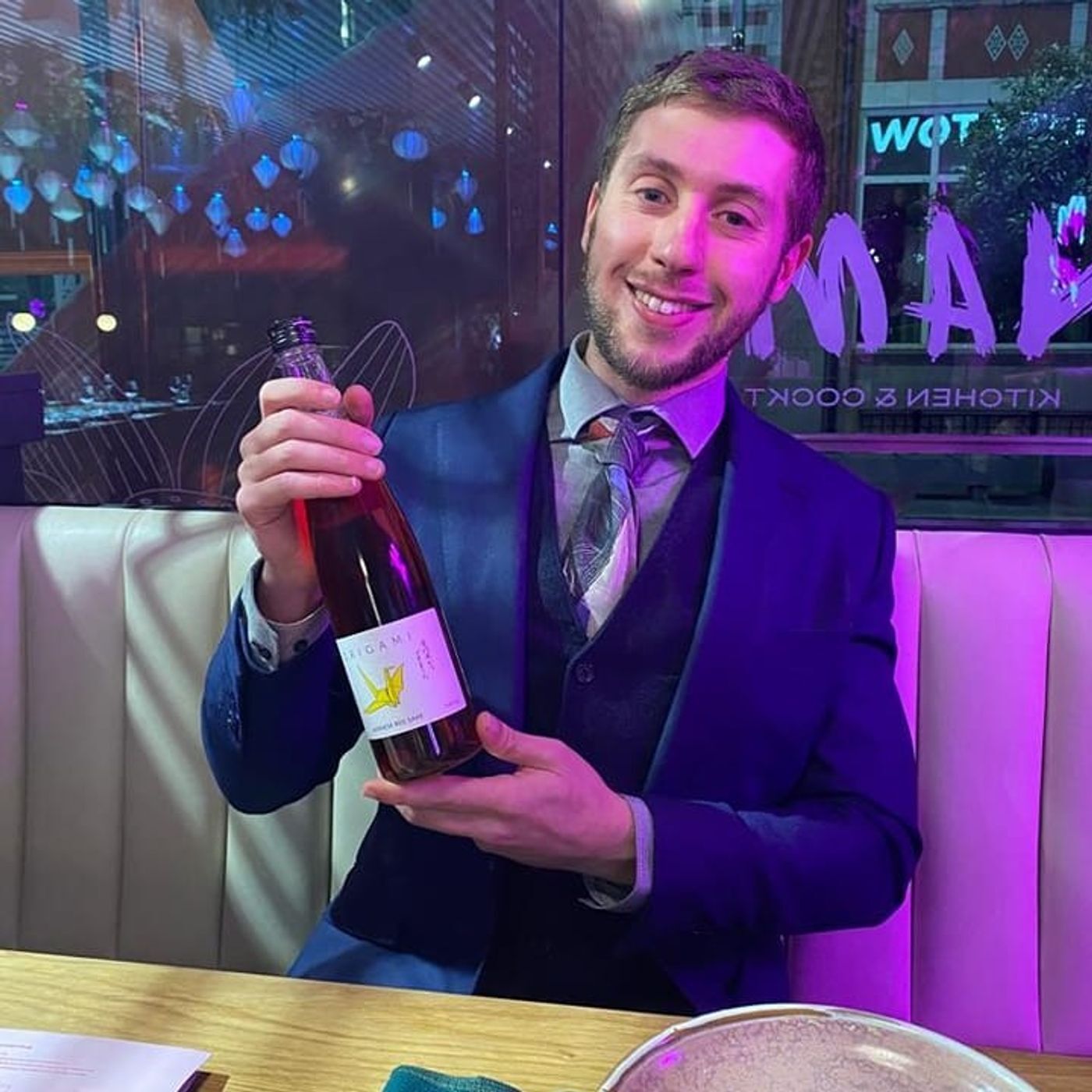
Ep 281Fascinated by Japanese Culture: Sake, Essays, and Beyond
Our guest is Jamie Ryder, who is a certified sake sommelier as well as a Japanese culture enthusiast. Also, Jamie publishes a Japanese culture-themed magazine called Yamato Magazine, which explores Japanese culture from a variety of angles. We have had many guests in the past, talking about Japanese food scenes in the biggest cities in the world such as Tokyo, L.A., London and Paris, but we don’t know too much about how Japanese food is gaining interest in other places. Jamie is based in Manchester, U.K. Manchester is still a big city, the 6th largest in the country, but by no means the same as a metropolis like London. In other words, it is a great example to see what is happening with Japanese food culture in smaller cities. In this episode, we will discuss how Jamie got into Japanese culture, what is happening with Japanese culture outside the metropolis, how Jamie gained knowledge of sake and got certified as a sake sommelier in Manchester, what should happen for Japanese sake to be enjoyed more outside global cities, and much, much more!!!Heritage Radio Network is a listener supported nonprofit podcast network. Support Japan Eats by becoming a member!Japan Eats is Powered by Simplecast.See Privacy Policy at https://art19.com/privacy and California Privacy Notice at https://art19.com/privacy#do-not-sell-my-info.
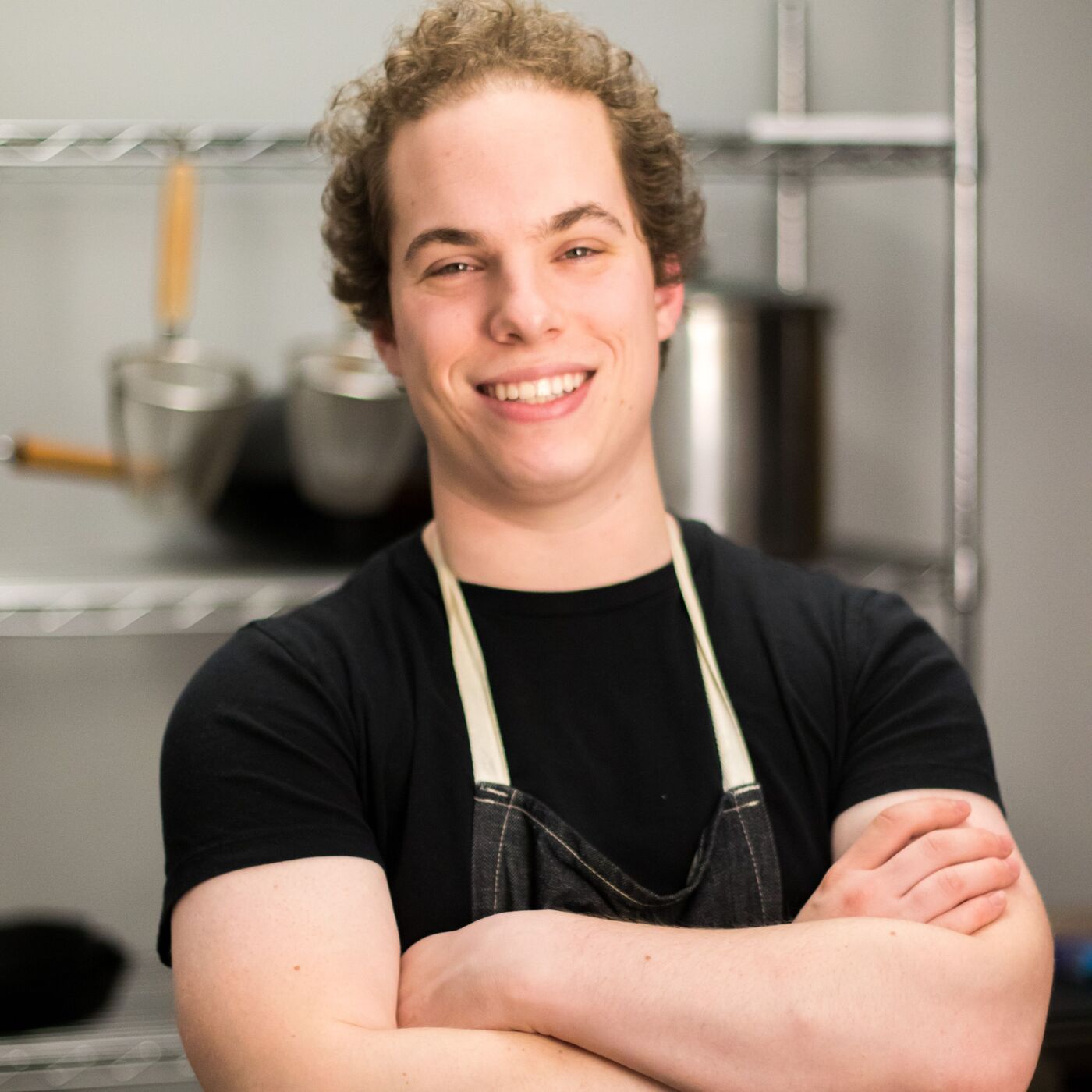
Ep 280Mike Satinover (a.k.a Ramen Lord) Shares His Passion for Ramen
Our guest is Mike Satinover who is a ramen expert based in Chicago. Ramen became a very popular dish outside Japan in the last two decades or so and these days you can find great ramen shops in many cities in the U.S. Mike fell in love with ramen when he spent a year in Japan 12 years ago and since then, his passion for the iconic Japanese national noodle dish has only deepened. That is why his Reddit page has become the go-to place for serious ramen lovers. Go there and you will be surprised by the quantity and the quality of well-organized, practical information about how to make a great bowl of ramen in your own kitchen even outside Japan. In this episode, we will discuss how Mike got into ramen, how he learned to make great ramen back home in America, the importance of regional variations of ramen within Japan, tips to make ramen at home, and much, much more!!! Heritage Radio Network is a listener supported nonprofit podcast network. Support Japan Eats by becoming a member!Japan Eats is Powered by Simplecast.See Privacy Policy at https://art19.com/privacy and California Privacy Notice at https://art19.com/privacy#do-not-sell-my-info.
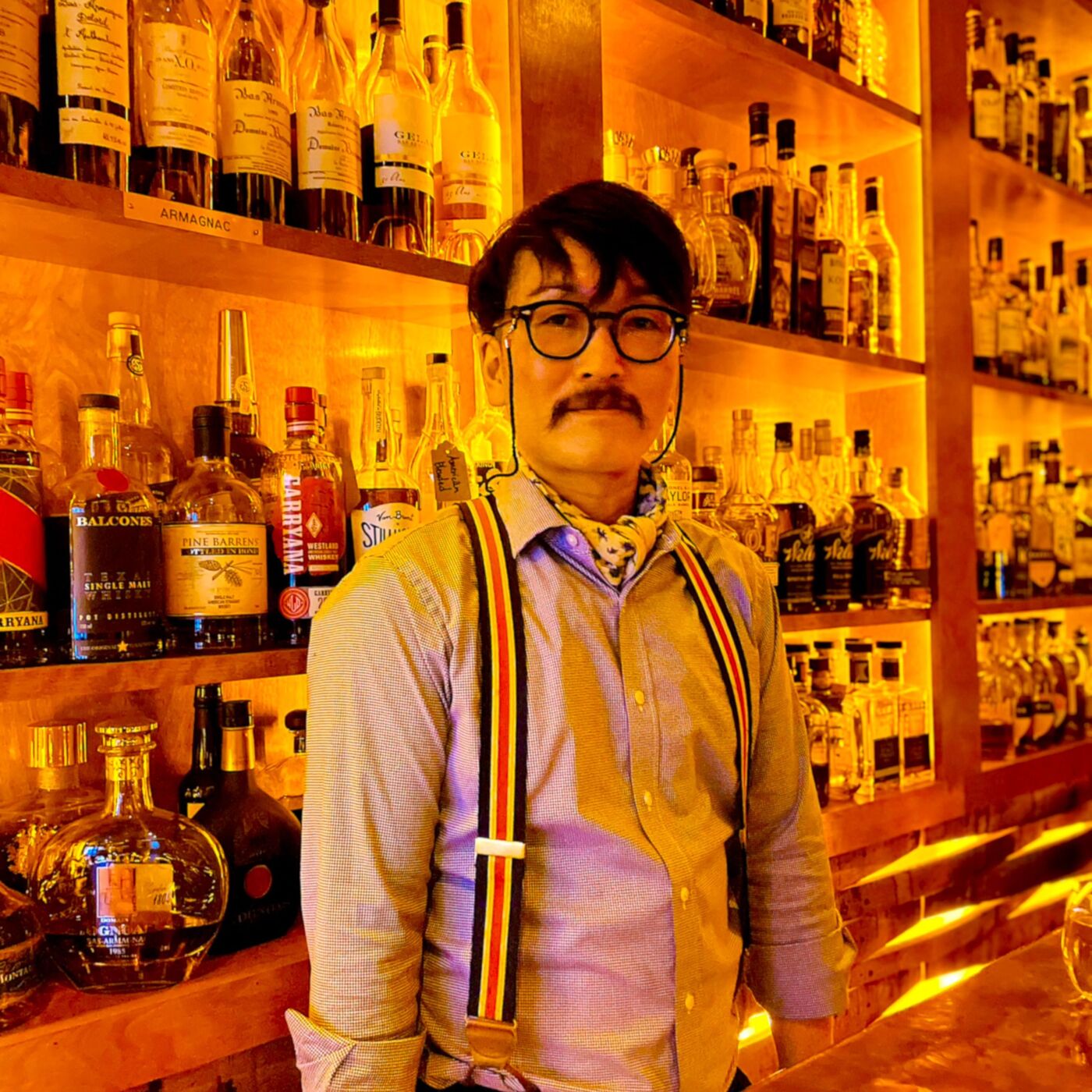
Ep 279The Charm of Japanese Whisky
Our guest is Tomo Matsushita who is the spirit sommelier at Copper & Oak in the Lower East Side, New York. Spirits are very popular in the U.S. If you look at the alcohol beverage market in 2021, beer was the most popular, which accounted for 43% of the market. Spirits were almost as popular as beer and their market share was 41%, and the remaining was mostly wine. Spirits are delicious but if you don’t know much about them, it is hard to choose what to drink. Tomo is the expert who can help you not only to choose what spirit and what brand, but also to understand the story behind each label. At Copper & Oak, he serves 1,400 labels of spirits. Tomo’s passion and knowledge of spirits are well-recognized in the global spirits industry and he received the title of the Icon of Whisky 2021. As you may know, Japanese whisky has been one of the hottest categories of spirits in recent years, and Copper & Oak carries 130 Japanese whisky labels. In this episode, we will discuss Tomo’s unique background outside being a spirits sommelier, why Japanese whisky is distinct from other types of whisky like Scotch and Bourbon, different categories of Japanese whisky, how to taste Japanese whisky, and much, much more!!!Heritage Radio Network is a listener supported nonprofit podcast network. Support Japan Eats by becoming a member!Japan Eats is Powered by Simplecast.See Privacy Policy at https://art19.com/privacy and California Privacy Notice at https://art19.com/privacy#do-not-sell-my-info.

Ep 278Ask the Expert: How to Make Great Japanese Dashi Stock?
Our guest is Shohei Miyajima who is the manager of Dashi Okume in Brooklyn, New York. The New York location of Dashi Okume opened in September 2022 but the history of the company Okume goes back to 1871. Dashi is a Japanese-style stock, but unlike western style stock it is used very extensively in Japanese cuisine. Dashi provides a rich umami taste, which is foundational in many Japanese dishes. Dashi is very easy to make in your kitchen because its ingredients have been carefully made over a long time with special techniques. Dashi Okume sells a whole variety of premium ingredients of dashi and you can customize your dashi flavor as well. In this episode, we will discuss why Shohei decided to become a dashi expert, main ingredients of dashi and their characteristic flavors, how to effectively maximize umami by combining different dashi ingredients, easy recipes that you can try with dashi, and much, much more!!!Heritage Radio Network is a listener supported nonprofit podcast network. Support Japan Eats by becoming a member!Japan Eats is Powered by Simplecast.See Privacy Policy at https://art19.com/privacy and California Privacy Notice at https://art19.com/privacy#do-not-sell-my-info.
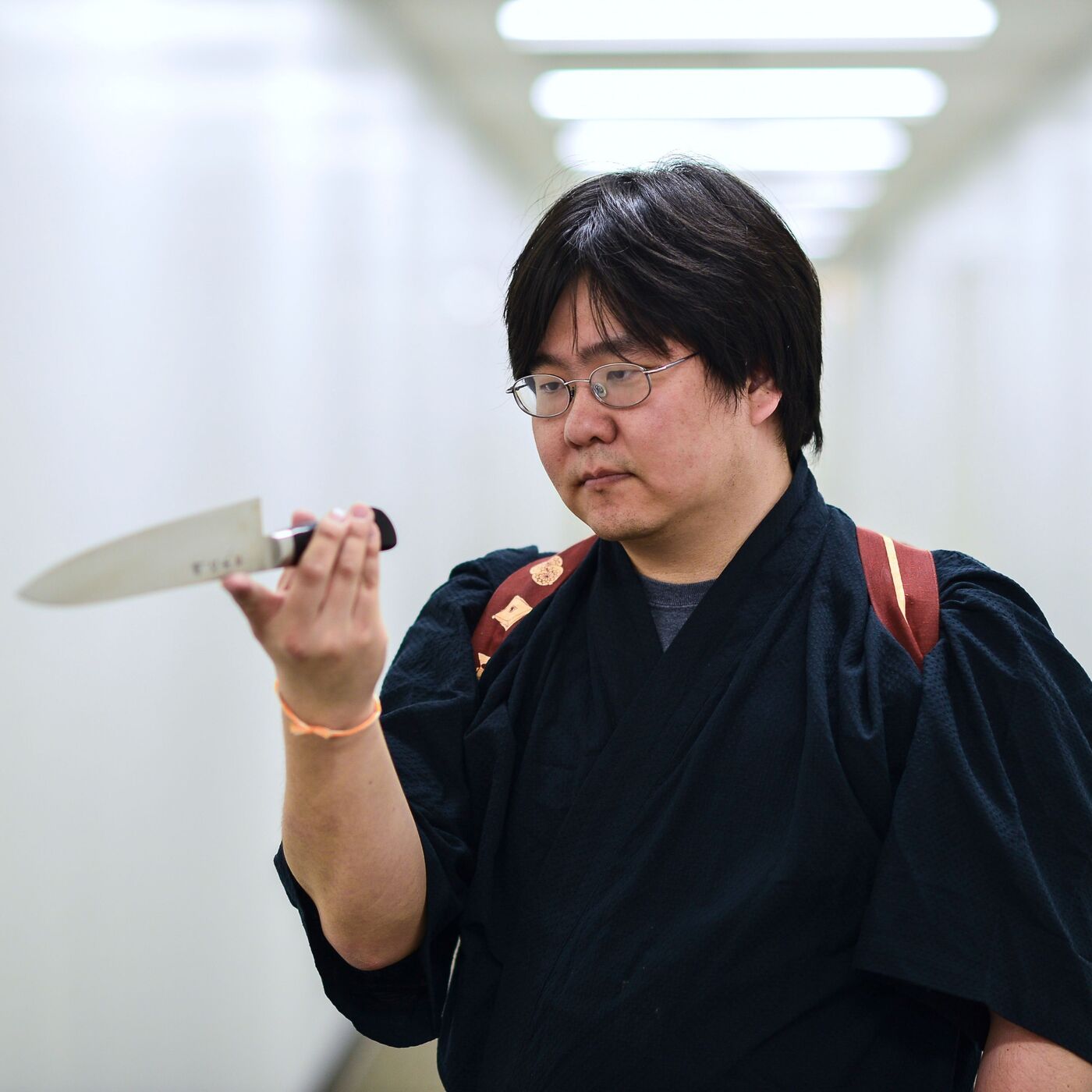
Ep 277Knife Sharpening Expert Vincent Kazuhito Lau Discusses the Uniqueness of Japanese Knives
Our guest is Vincent Kazuhito Lau who is the knife sharpener at Korin based in New York. Korin has been offering premium quality Japanese knives, tableware and cookware to Japanese and non-Japanese chefs and consumers for the last 40 years. Vincent began studying knife sharpening in 2009 and thanks to his passion and patience, he has acquired the highly difficult skills and the mindset of a professional knife sharpener. In this episode, we will discuss how Vincent fell in love with Japanese knives, the challenges he conquered to become a knife sharpening expert, why we should sharpen our knives and how to do so effectively, Japanese knife buying tips, and much, much more!!!Heritage Radio Network is a listener supported nonprofit podcast network. Support Japan Eats by becoming a member!Japan Eats is Powered by Simplecast.See Privacy Policy at https://art19.com/privacy and California Privacy Notice at https://art19.com/privacy#do-not-sell-my-info.
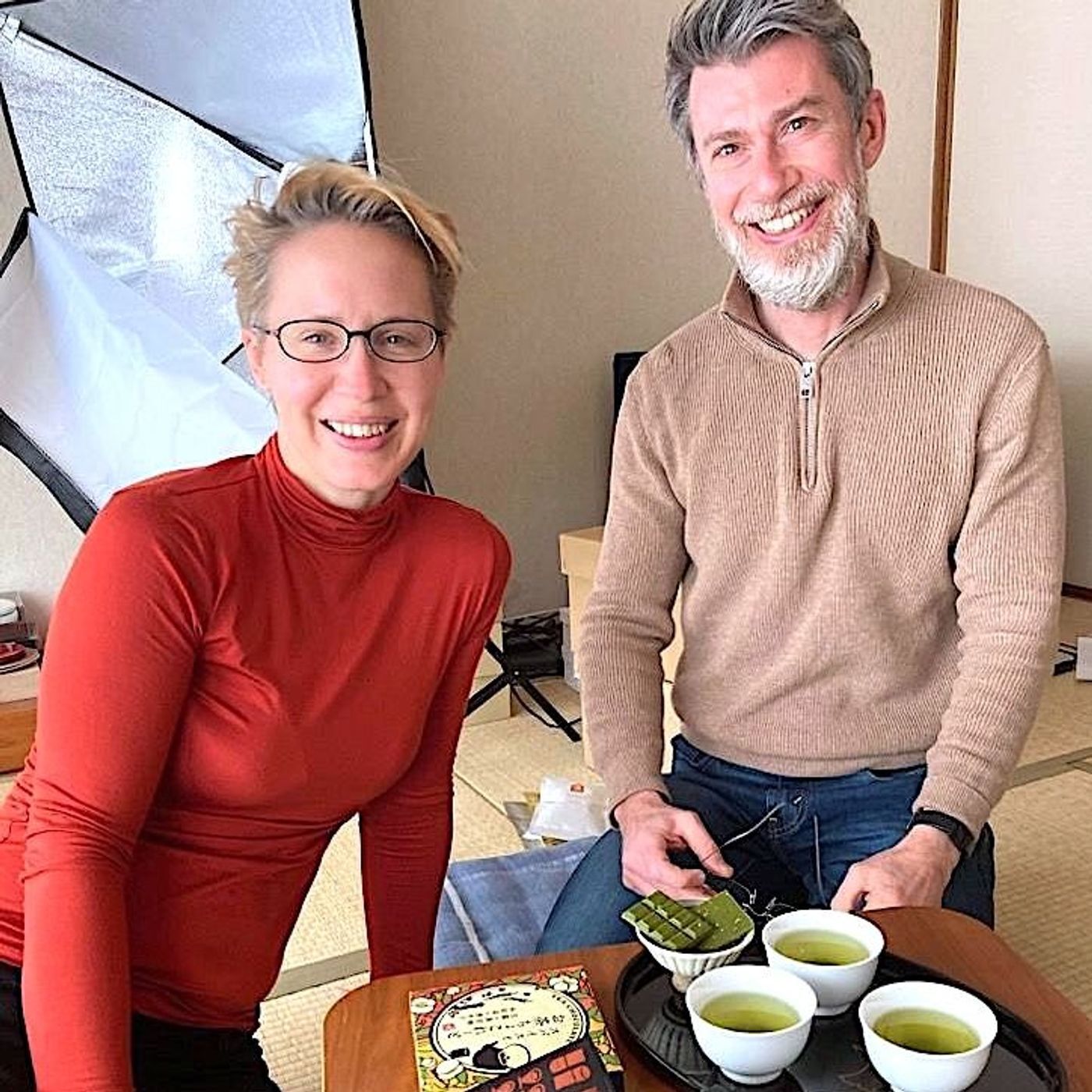
Ep 276A Global Team Delivers the Terroir of Japanese Tea From Kyushu Island
Our guests are Joelle Sambuc Bloise and Aldo Bloise, who are the co-founders of Ikkyu. Ikkyu is a unique tea company that sells high-quality Japanese tea based in the southern island of Kyushu. If you live outside of Japan, it is not easy to find reasonably priced high-quality Japanese tea. Then I heard about Ikkyu. I ordered some tea from the website and I had some wonderful new discoveries! Of course, there are other great Japanese tea companies but I got particularly interested in Ikkyu’s focus on the terroir of Kyushu island. In this episode, we will discuss how Joelle and Aldo decided to move to Japan even though they had a solid professional career in Switzerland, how they discovered the charm of Japanese tea, why you should try Japanese tea beyond matcha, the unique terroir of Kyushu Island, and much, much more!!!Heritage Radio Network is a listener supported nonprofit podcast network. Support Japan Eats by becoming a member!Japan Eats is Powered by Simplecast.See Privacy Policy at https://art19.com/privacy and California Privacy Notice at https://art19.com/privacy#do-not-sell-my-info.
Ep 275Sharing the Essence of Japanese Food Culture From a Tiny Pottery Village
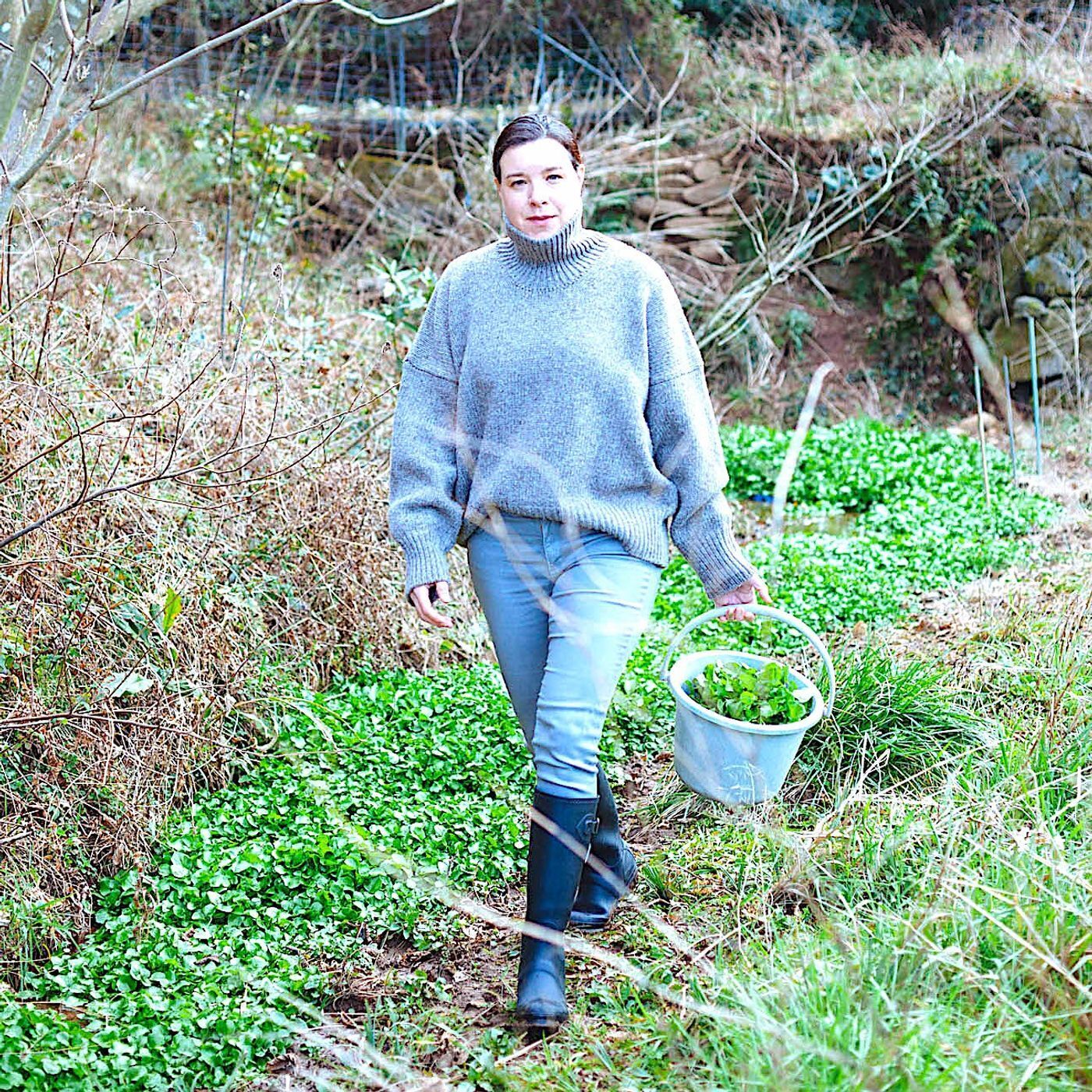
Our guest is Prairie Stuart Wolff who is a writer and photographer and what I would call cultural communicator based in a rural countryside village called Mirukashi on Japan’s southern island of Kyushu. Since Prairie moved to Mirukashi in 2007, she has been deepening her interest in Japanese food through the beautiful surrounding nature. You can find her precious life in the village on her website, Mirukashi Salon. In this episode, we will discuss how Prairie ended up moving to Japan, how the village of Mirukashi inspired her to study Japanese cuisine, the essence of Japanese cuisine Prairie wants to share with others, her unique culture tours that you can participate in, and much, much more!!!Heritage Radio Network is a listener supported nonprofit podcast network. Support Japan Eats by becoming a member!Japan Eats is Powered by Simplecast.See Privacy Policy at https://art19.com/privacy and California Privacy Notice at https://art19.com/privacy#do-not-sell-my-info.
Ep 274Creating a Bright Future in a Depopulated Green Tea Production Town
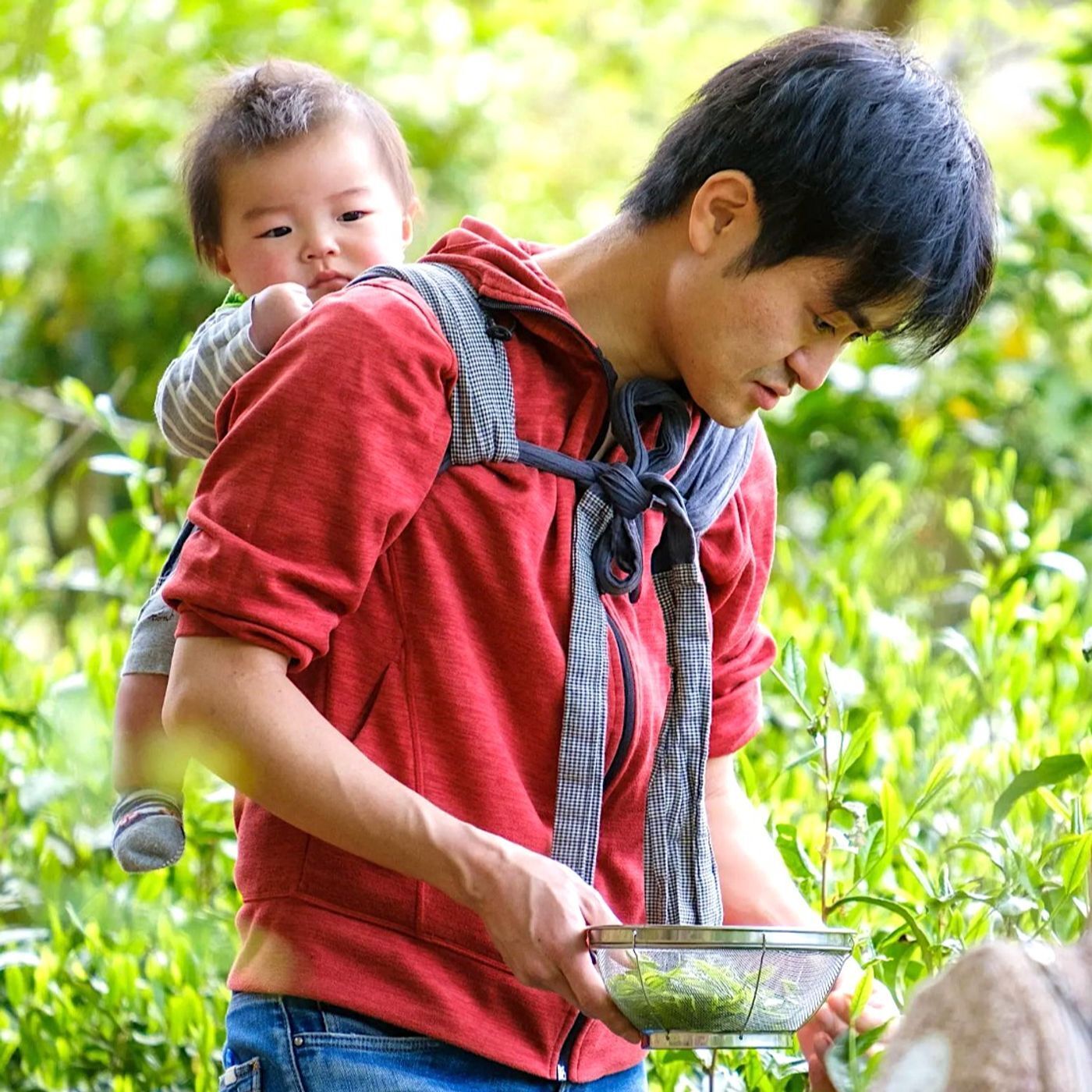
Our guest is Daiki Tanaka who is the founder of d:matcha. d:matcha is a highly unique tea company located in the rural town of Wazuka, Kyoto. Wazuka has been known as a premium tea production area for the last 800 years. The landscape of Wazuka is stunningly beautiful but the town has been suffering from serious depopulation. However, Wazuka started to see a bright future since Daiki moved there and began his various ambitious projects to revive the community. In this episode, we will discuss why Daiki decided to move to a rural town with his family after a successful corporate career, his creative strategies to revitalize Wazuka’s tea industry, challenges he had to conquer as a newcomer to Wazuka’s close-knit community, how he built a powerful young and global team to execute d:matcha’s various activities, Daiki’s ultimate goal beyond reviving Wazuka, and much, much more!!!Daiki's challenges and success are beautifully summarized in this video. Heritage Radio Network is a listener supported nonprofit podcast network. Support Japan Eats by becoming a member!Japan Eats is Powered by Simplecast.See Privacy Policy at https://art19.com/privacy and California Privacy Notice at https://art19.com/privacy#do-not-sell-my-info.
Ep 273KAMBUTSU: The Dried Darlings of the Japanese Kitchen
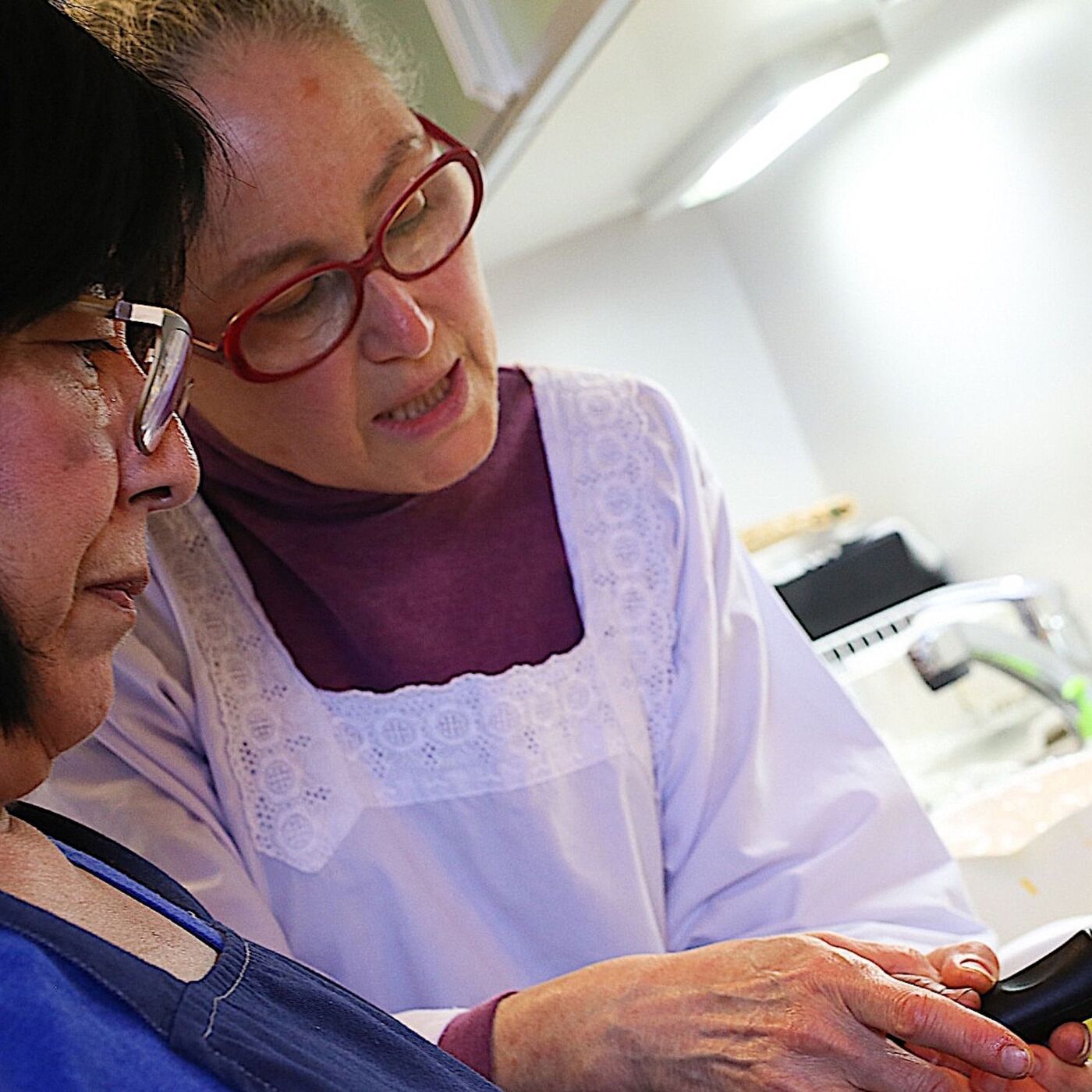
Our guest is Elizabeth Andoh who joined us 10 times in Episodes 18, 61, 83, 99, 108, 131, 156, 180, 200, 208, and shared her truly deep insight into traditional Japanese food culture. Elizabeth is a food writer and Japanese cooking instructor based in Tokyo, and she has lived in Japan for over 50 years. She runs the culinary arts program called A Taste of Culture, which offers a great opportunity for non-Japanese people to explore Japanese culture through its food. Elizabeth is also the author of 6 cookbooks, including the award-winning “Washoku: Recipes from the Japanese Kitchen”, “Kibo: Recipes and Stories from Japan's Tohoku”, and “Kansha: Celebrating Japan's Vegan and Vegetarian Traditions”.Today’s topic is Kambutsu. Kambutsu means “dried things”. These are essential items in the traditional Japanese pantry but rarely receive the attention they deserve. In this episode, we will discuss what kambutsu is, why they are so precious, ways you can use them (that are totally foolproof!), Elizabeth’s favorite kambutsu recipes, and much, much more!!!Heritage Radio Network is a listener supported nonprofit podcast network. Support Japan Eats by becoming a member!Japan Eats is Powered by Simplecast.See Privacy Policy at https://art19.com/privacy and California Privacy Notice at https://art19.com/privacy#do-not-sell-my-info.
Ep 272A Nomadic Fishmonger Is Inspiring the Future of Seafood
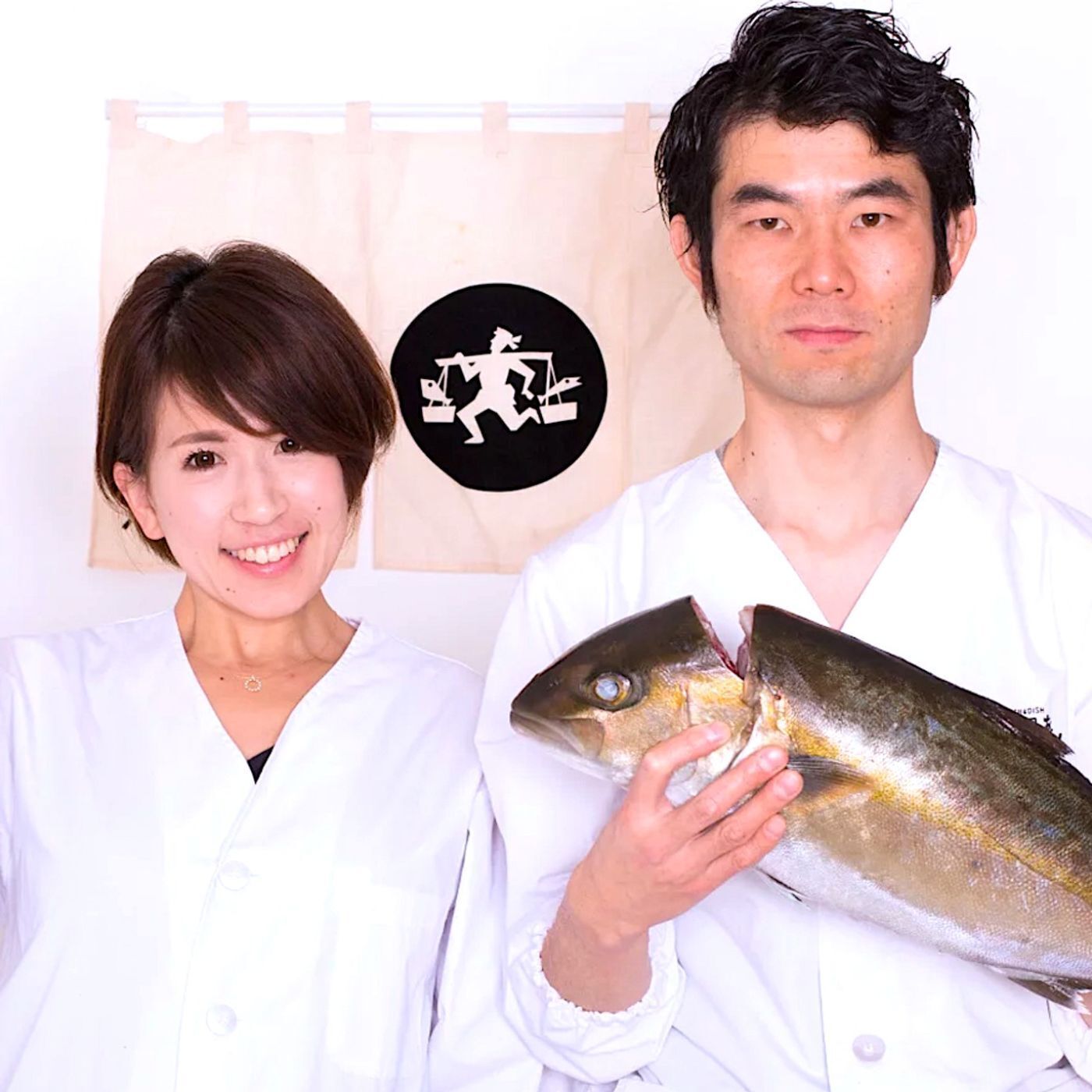
Our guest is Arimi Asai who is the co-founder of Fish & Dish Sakanaya Asai based in Tokyo. Fish & Dish Sakanaya Asai is a unique and highly inspiring fishmonger. When we buy seafood, most of us will go to a supermarket and purchase a piece of fish without knowing its whole shape. It is easy and convenient but the process reminds us that we have become very distant from how we used to eat fish. Arimi and her husband Kazuhiro have a mission to shrink the distance. Their innovative mom & pop business has no address and they are ready to deliver the freshest fish straight from the market to wherever their clients are. Not only that, they offer various catering and educational services to teach how a whole fish is broken down and comes to your plate. Their business started in 2015 and the idea of a fishmonger without a storefront has become popular through word-of-mouth recommendations among foodies and environmentalists alike. In this episode, we will discuss how Kazuhiro and Arimi came up with the concept of the nomadic fishmonger, the unique entertaining and educational programs they offer, how their business can support the brighter, sustainable future of seafood consumption, and much, much more!!!Heritage Radio Network is a listener supported nonprofit podcast network. Support Japan Eats by becoming a member!Japan Eats is Powered by Simplecast.See Privacy Policy at https://art19.com/privacy and California Privacy Notice at https://art19.com/privacy#do-not-sell-my-info.
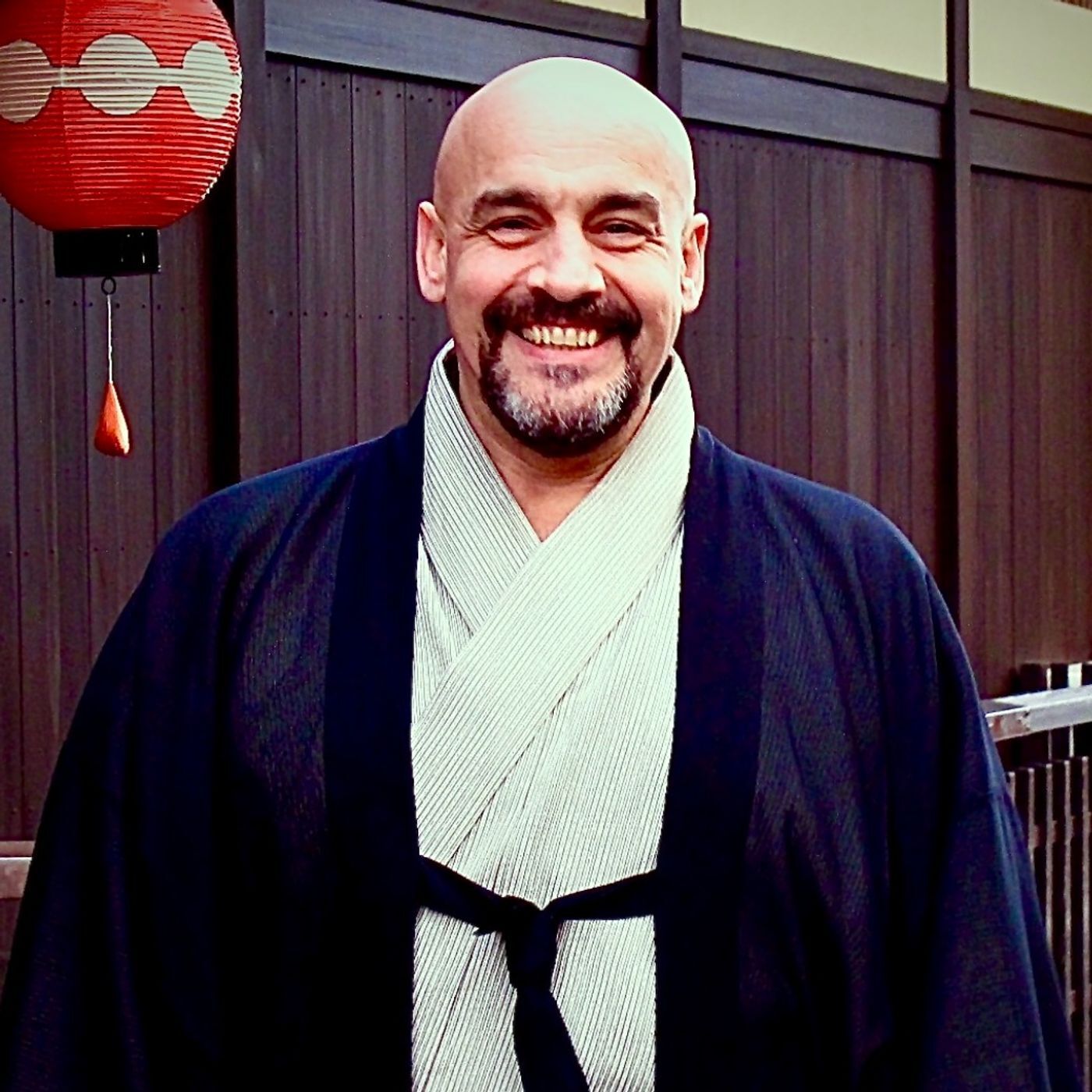
Ep 271The Master Tea Ceremony Practitioner Randy Channell Soei
Our guest is Randy Channell Soei who is a master tea practitioner from Canada. Randy went to Japan 37 years ago to study martial arts. His goal was achieved and he gained proficiency in various styles of martial arts, including Kendo, Iaido, and Kyudo. But somehow, his focus shifted to Japanese tea ceremony and eventually he became the first master tea ceremony instructor as a non-Japanese person.In this episode, we will discuss how Randy got into the tea ceremony, what exactly tea ceremony is, the spiritual aspects of tea ceremony that we all can benefit from, how you can try the tea ceremony, and much, much more!!!Heritage Radio Network is a listener supported nonprofit podcast network. Support Japan Eats by becoming a member!Japan Eats is Powered by Simplecast.See Privacy Policy at https://art19.com/privacy and California Privacy Notice at https://art19.com/privacy#do-not-sell-my-info.
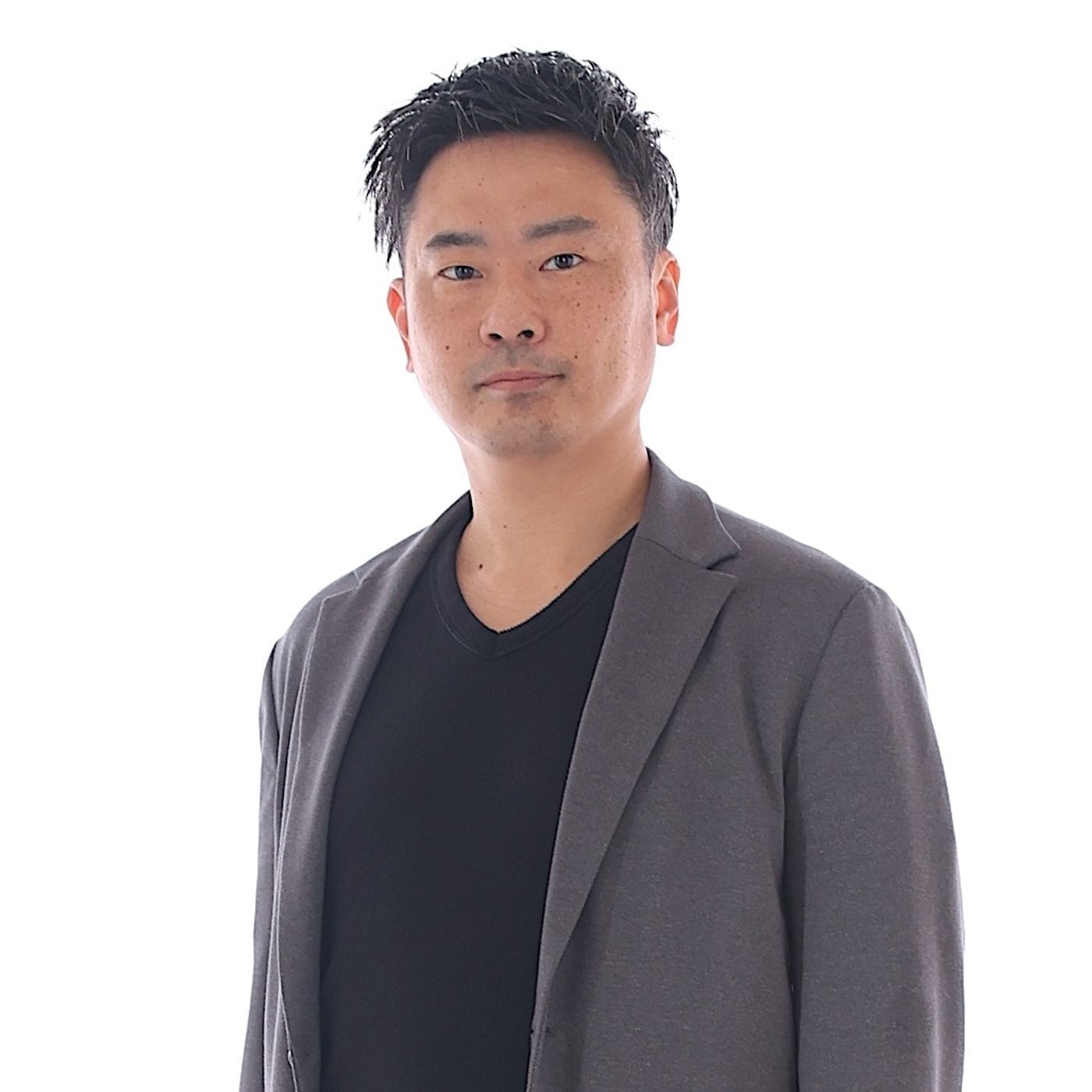
Ep 270The 29th Generation of the Koji Merchant Family Demystifies the Magic Mold of Japan
Our guest is Yuichiro Murai, the 29th generation of Kojiya Sanzaemon based in Aichi Prefecture, Japan. Koji, which is also called the national mold of Japan, has been used to make a majority of anything delicious in Japanese cuisine, such as miso, soy sauce, sake, and shochu. In the last decade or so, koji has become a culinary keyword, especially among forward-minded top chefs like Rene Redzepi of Noma in Denmark, and Feran Adria in Spain. Yuichiro’s family has been selling koji products since 1390. His company’s lab has 3,000 types of koji, and he and his team select the right one for each of their clients based on their knowledge and experience accumulated over the six centuries. In this episode, we will discuss how Japanese and other Asian countries use koji differently, different forms of koji and how they are used, how we can use koji in our own kitchen, novel applications of koji beyond tradition, and much, much more!!!Heritage Radio Network is a listener supported nonprofit podcast network. Support Japan Eats by becoming a member!Japan Eats is Powered by Simplecast.See Privacy Policy at https://art19.com/privacy and California Privacy Notice at https://art19.com/privacy#do-not-sell-my-info.
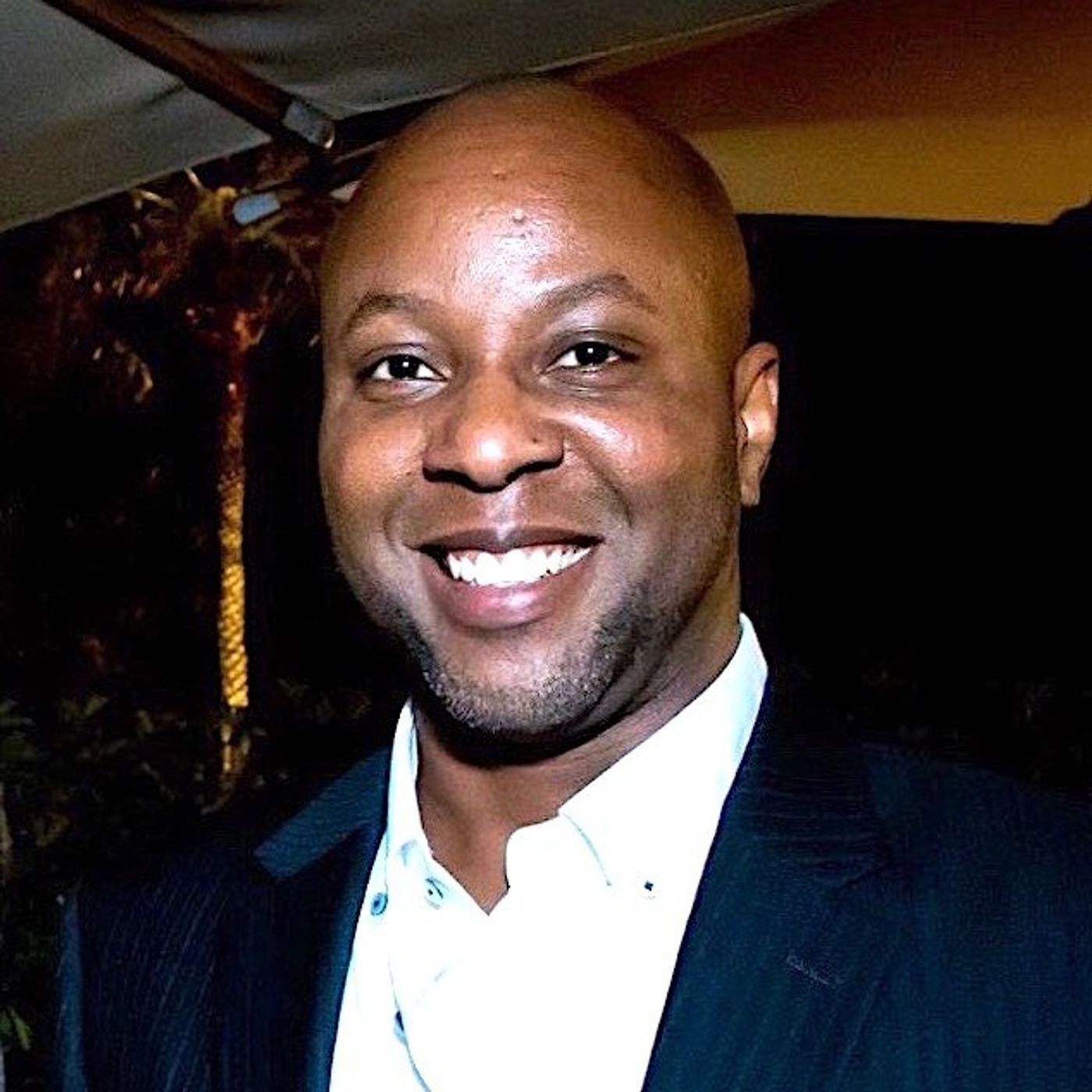
Ep 269Discovering Awamori With Maurice Dudley in Okinawa
Our guest is Maurice Dudley, who is an awamori specialist based in Okinawa. Awamori is a very important traditional alcoholic beverage from Okinawa Prefecture, but its preciousness is yet to be known outside Japan.Maurice went to Japan for the first time in 1994 as an Airman. He was stationed at a U.S. Military base in Okinawa and fell in love with awamori. Since then, he has continued to deepen his knowledge of and passion for awamori, and now owns an awamori bar and trading company, Blue Habu, in Okinawa City. In this episode, we will discuss how Maurice discovered the charm of awamori, what awamori is and how it's different from shochu, how to drink awamori, the latest of the awamori industry, and much, much more!!!HRN is home to transformative exchanges about food. Our 35+ member-supported food podcasts empower eaters to cultivate a radically better world. This month, we’re asking you to join us. Become a monthly sustaining member at heritageradionetwork.org/donate.Japan Eats is Powered by Simplecast.See Privacy Policy at https://art19.com/privacy and California Privacy Notice at https://art19.com/privacy#do-not-sell-my-info.
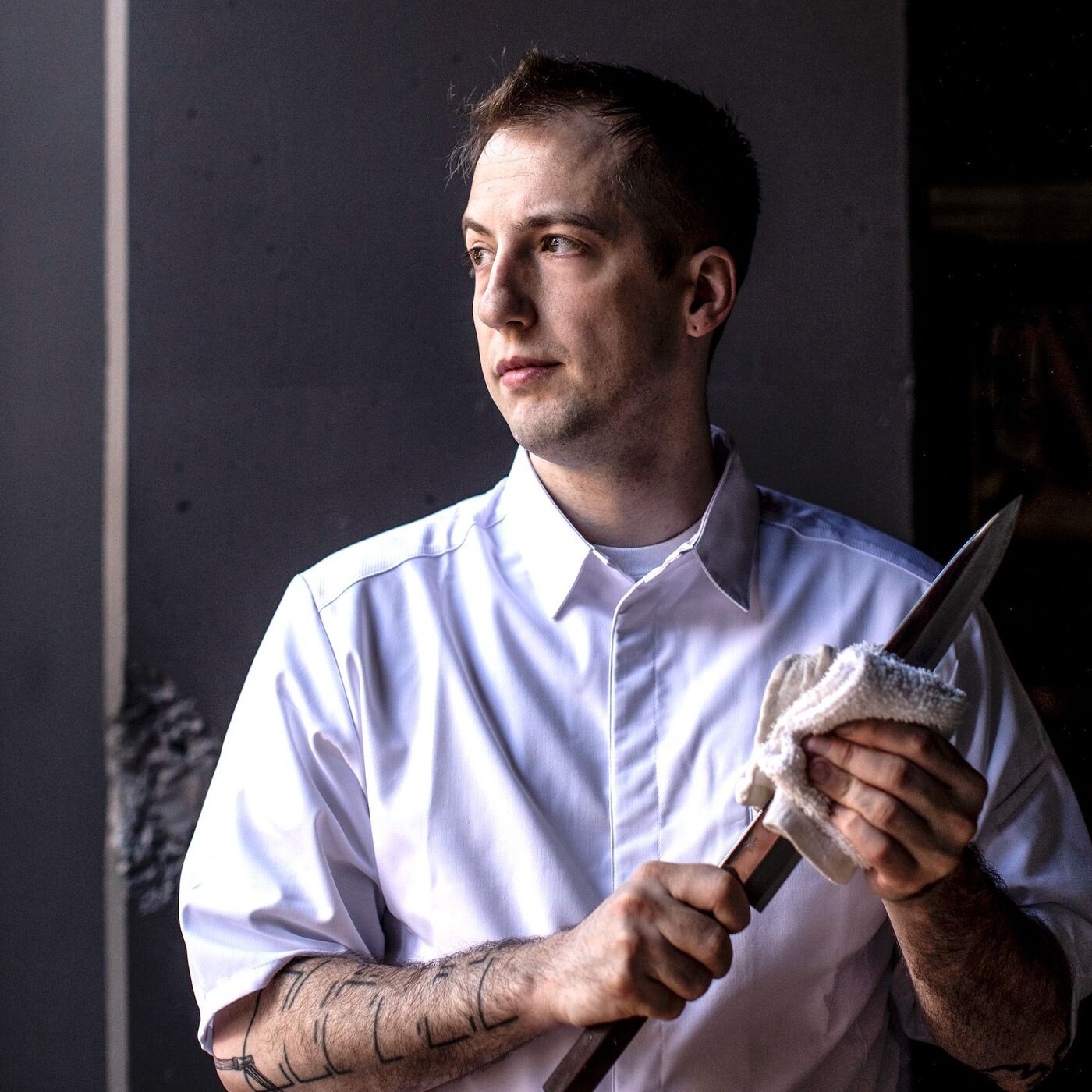
Ep 268An American Sushi Chef Conveys the Evanescence of Life in Georgia
Our guest is J. Trent Harris who is the executive chef at the beautiful new sushi restaurant called Mujo in Atlanta, Georgia, which opened in February 2022. At Mujo there are only 15 seats at the counter made with cypress and he serves an omakase-style tasting menu that changes daily based on the catch of the day. Earlier in his career, chef Harris worked in classic western kitchens, including the Michelin-starred modern Portuguese restaurant Aldea in New York where he was the chef de cuisine. But somehow, he decided to choose sushi as his focus. He trained at reputable Ginza Sushi Onodera in New York as well as in Tokyo and worked as the executive sous chef at Shuko in New York, which showcases a great balance between authentic and creative. In this episode, we will discuss how chef Harris decided to get into sushi, how and where he learned sushi-making, the concept of omakase, his unique philosophy of merging the authentic sushi culture and the southern mentality, and much, much more!!!HRN is home to transformative exchanges about food. Our 35+ member-supported food podcasts empower eaters to cultivate a radically better world. This month, we’re asking you to join us. Become a monthly sustaining member at heritageradionetwork.org/donate.Heritage Radio Network is a listener supported nonprofit podcast network. Support Japan Eats by becoming a member!Japan Eats is Powered by Simplecast.See Privacy Policy at https://art19.com/privacy and California Privacy Notice at https://art19.com/privacy#do-not-sell-my-info.
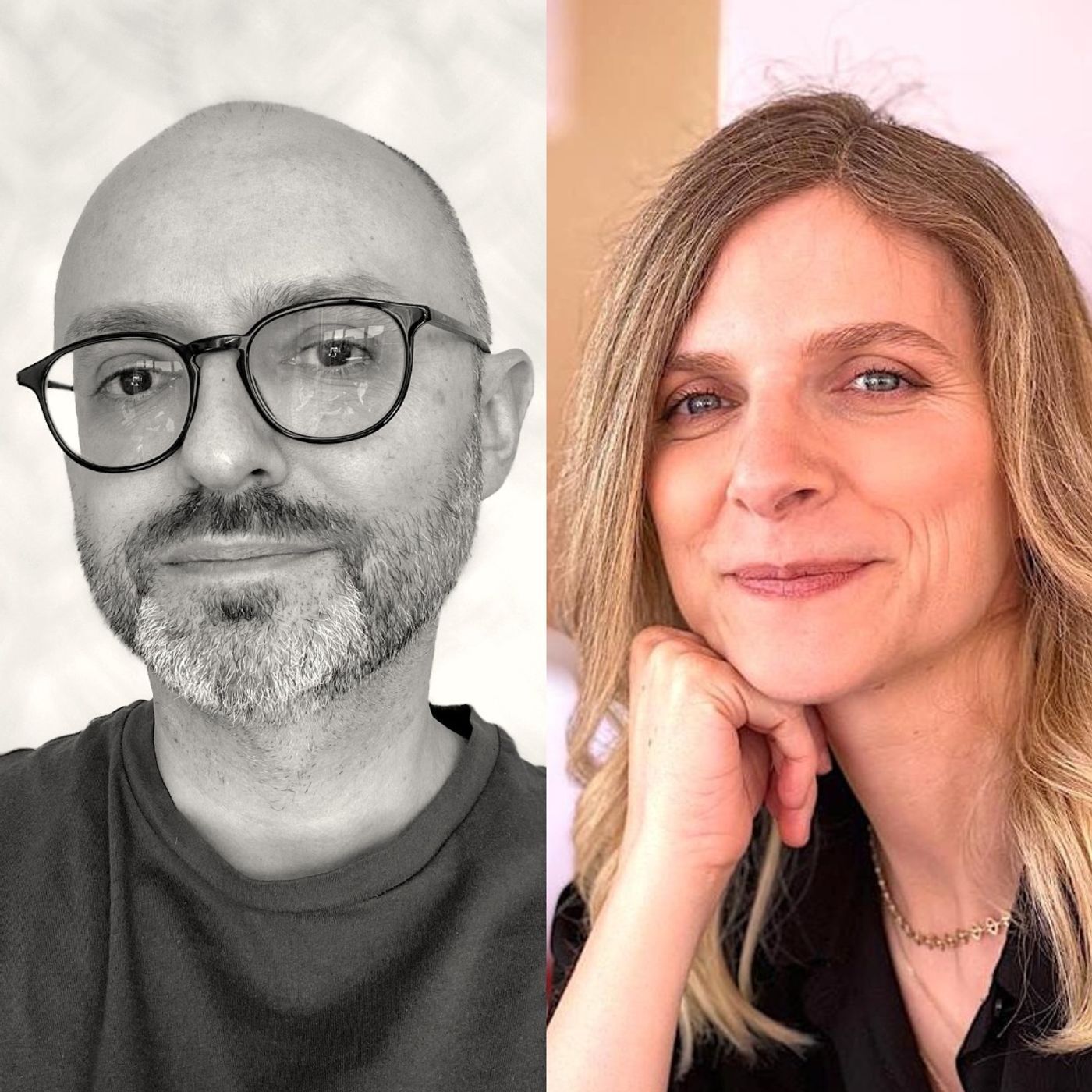
Ep 267The Art of Sushi: In-Depth Discoveries by a French Illustrator
Our guests are Franckie Alarcon and Marilyne Letertre. Franckie is an illustrator and comic artist based in Paris. He recently published a fabulous comic book, The Art of Sushi. The title sounds very ambitious, but he does not disappoint you. I first learned about the book by reading a recommendation by an experienced Japanese sushi chef. The book is about Franckie and Marilyne’s adventures in Japan to discover real sushi. Their French perspective casts refreshing views on Japanese culture and Franckie objectively analyzes its essence in the book. There are many top-of-the-industry professionals featured in the book from a Michelin-starred chef to a fisherman, a rice farmer to a soy sauce maker, and they generously share their insights with you. And because it is a comic book illustrated by Franckie himself, reading it is so much fun and you feel like you are visiting Japan and spending time with the characters. In this episode, we will discuss how Franckie became so fascinated by sushi, so much so that he decided to write a book about it, the amazing characters in the book, what he learned from them, and much, much more!!!(Marilyne is beautifully translating Franckie's French to English in this episode.)Heritage Radio Network is a listener supported nonprofit podcast network. Support Japan Eats by becoming a member!Japan Eats is Powered by Simplecast.See Privacy Policy at https://art19.com/privacy and California Privacy Notice at https://art19.com/privacy#do-not-sell-my-info.
Ep 266In Pursuit of Sustainability With the Power of Koji
Our guest is Tetsuji Ishigaki who is a scientist and the president & CEO of SOI inc. based in Shizuoka, Japan. The company produces sustainable foods and ingredients using Japanese koji mold. Tetsuji has a strong mission to help to create a fully sustainable society by providing healthy products. It sounds like a cliché but what he does is real. His family started a koji manufacturing business in 1739 and with the deepest understanding of the Japanese national mold, Tetsuji has been inventing unique items, such as delicious snack bars made with coffee grounds. In this episode, we will discuss Tetsuji’s fascinating family history, what koji is and why it is so unique and powerful to produce sustainable products, fascinating examples of his delicious and sustainable foods like zero-waste coffee syrup, what koji can do beyond making fermented foods, and much, much more!!!Heritage Radio Network is a listener supported nonprofit podcast network. Support Japan Eats by becoming a member!Japan Eats is Powered by Simplecast.See Privacy Policy at https://art19.com/privacy and California Privacy Notice at https://art19.com/privacy#do-not-sell-my-info.

Ep 265Exploring the World of Craft Sake With Michael Tremblay
Our guest is Michael Tremblay who is a Sake Samurai, international sake judge, sake sommelier, and certified sake educator based in Toronto, Canada. Michael is also the co-author of the excellent new book “Exploring the World of Japanese Craft Sake: Rice, Water, Earth” from Tuttle Publishing. This book is not an ordinary book on sake. It not only covers the basics of sake with unique insights but also discusses more advanced topics such as new rice varieties and water mineral contents and how these elements articulate the terroir in each region. But make no mistake, this book is a fun read rather than a textbook, although you would learn so much from it without trying. You will also get to meet people from 35 breweries and other key players in the sake industry, such as koji providers and female toji. In this episode, we will discuss how Michael became a renowned sake expert and educator, intriguing topics featured in his new book, including the latest trends of popular sake rice, how newly developed flower yeasts are changing the flavors of sake, Japan’s diverse regional terroir, and much, much more!!!Heritage Radio Network is a listener supported nonprofit podcast network. Support Japan Eats by becoming a member!Japan Eats is Powered by Simplecast.See Privacy Policy at https://art19.com/privacy and California Privacy Notice at https://art19.com/privacy#do-not-sell-my-info.
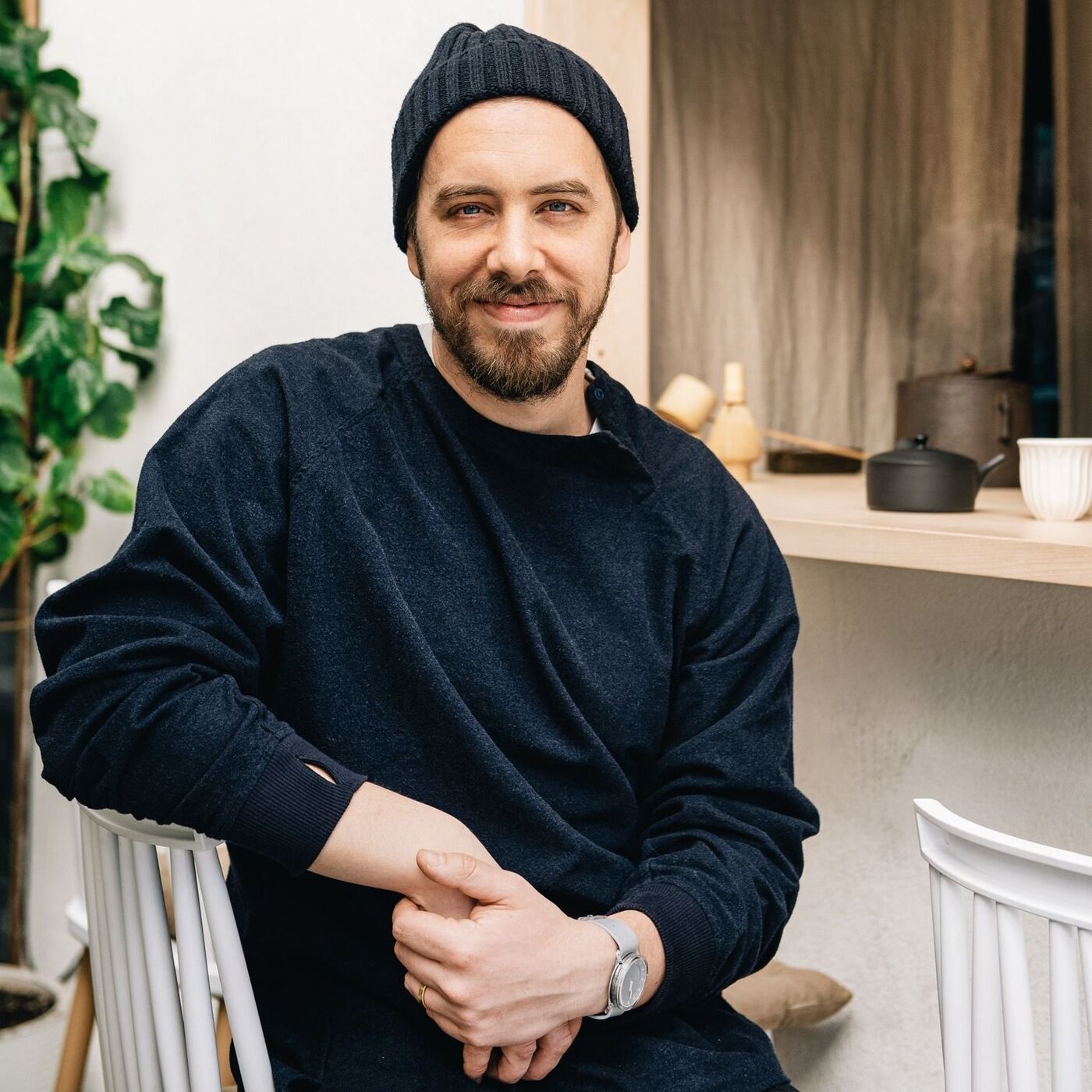
Ep 264Stories of Japanese Tea: The Essence of Tradition and Who Are Sustaining (And Evolving) It
Our guest is Zach Mangan who is the co-founder of Kettl, the Japanese tea importer and distributor based in Fukuoka, Japan and New York. Zach joined us in Episode 44 and talked about his love and passion for Japanese tea. Now, six years later, Zach has lots of updates to share with us. In this episode, we will discuss this fascinating new book, Stories of Japanese Tea: The Regions, the Growers, and the Craft, what Zach offers at his new café and gallery in Greenpoint, Brooklyn, the latest Japanese tea trends in New York City, and much, much more!!! Photo Courtesy of Liz Clayman.Heritage Radio Network is a listener supported nonprofit podcast network. Support Japan Eats by becoming a member!Japan Eats is Powered by Simplecast.See Privacy Policy at https://art19.com/privacy and California Privacy Notice at https://art19.com/privacy#do-not-sell-my-info.
Ep 263The Troubles Shoguns Created in Japanese Food Markets (And How Ordinary Citizens Solved Them)
Our guest today is Akira Shimizu who is the associate professor of History at Wilkes University and his focus has been our favorite topic: food. Professor Shimizu recently published an intriguing book titled, “Specialty Food, Market Culture, and Daily Life in Early Modern Japan: Regulating and Deregulating the Market in Edo, 1780–1870”. The book features the very unique period of Japanese history. The Edo era was a more peaceful time than ever thanks to the strong leadership of the shoguns. But because of the strong shoguns, the food supply system was highly regulated and manipulated back then. Professor Shimizu unfolds how the system unfairly worked for small players and how they tried to change it with fascinating examples. In this episode, we will discuss how the shoguns managed to eat the best of the best foods in the market, how privileged merchants enjoyed and suffered their status at the same time, how ordinary citizens bravely challenged the system, lessons we can learn from the Edo period, and much, much more!!!Heritage Radio Network is a listener supported nonprofit podcast network. Support Japan Eats by becoming a member!Japan Eats is Powered by Simplecast.See Privacy Policy at https://art19.com/privacy and California Privacy Notice at https://art19.com/privacy#do-not-sell-my-info.
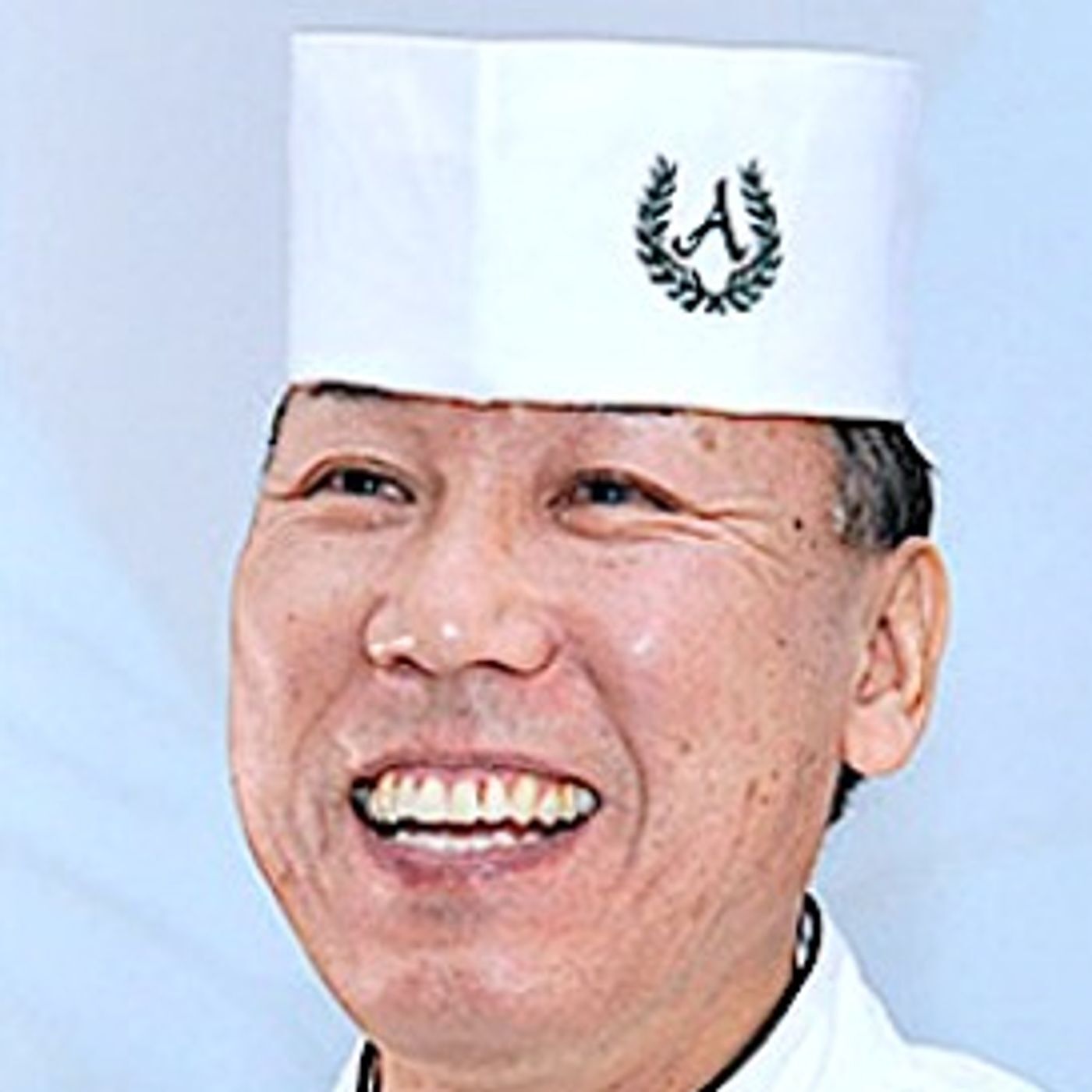
Ep 262Fostering Future Sushi Chefs in the U.S.
Our guest is Andy Matsuda, the founder and master sushi chef of Sushi Chef Institute in Los Angeles, California. Traditionally, sushi-making was something not to be taught, but what you patiently learn by watching your master for years and years. But Andy’s work experience in the U.S. and deep understanding of the global sushi market led him to open the sushi school in 2002. Since then, many successful graduates have been offering sushi to the world and increasing its popularity even further. In this episode, we will discuss how Andy became a master sushi chef himself, why he decided to open a sushi school in the U.S., a life-changing event that triggered his decision to do so, what Sushi Chef Institute provides to students, episodes of successful graduates, and much, much more!!! Heritage Radio Network is a listener supported nonprofit podcast network. Support Japan Eats by becoming a member!Japan Eats is Powered by Simplecast.See Privacy Policy at https://art19.com/privacy and California Privacy Notice at https://art19.com/privacy#do-not-sell-my-info.
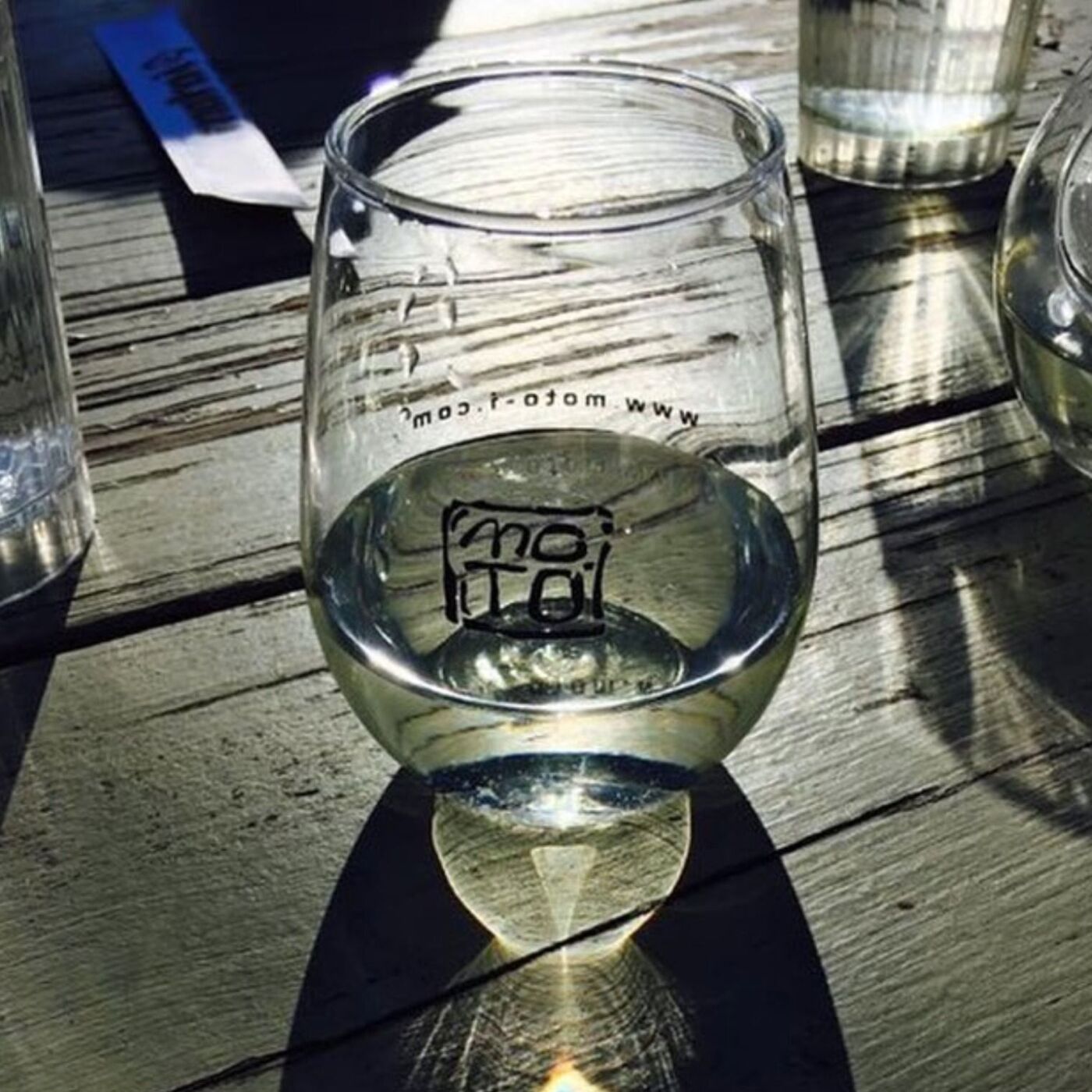
Ep 261Pioneering American Craft Sake: Blake Richardson of Moto-i
Our guest is Blake Richardson who is the president and owner of Moto-i in Minneapolis, Minnesota. Moto-i opened as a sake brewery and brewpub in 2008. There are around 20 craft sake breweries in the U.S. now, but when Blake started Moto-i, there was not much information available about Japanese sake in English, not to mention other craft breweries to learn from. Blake also runs a sake rice milling company called Minnesota Rice and Milling, which is important for American sake brewers, considering difficulties in getting premium sake rice in the U.S. In this episode, we will discuss why Blake decided to open a sake brewery in Minneapolis, how he studied sake production, his sake-making philosophy, why he started the sake rice milling business, and much, much more!!!Heritage Radio Network is a listener supported nonprofit podcast network. Support Japan Eats by becoming a member!Japan Eats is Powered by Simplecast.See Privacy Policy at https://art19.com/privacy and California Privacy Notice at https://art19.com/privacy#do-not-sell-my-info.
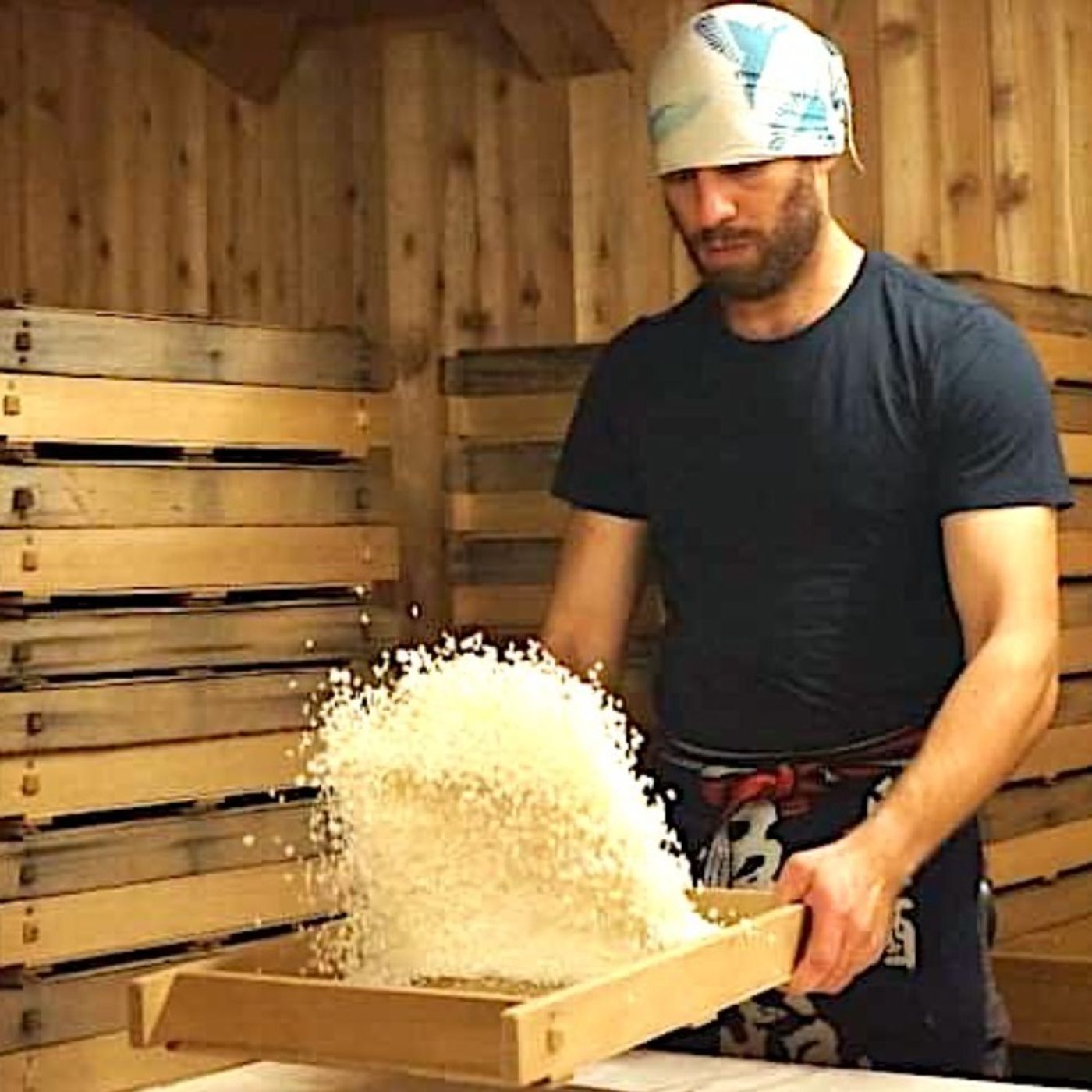
Ep 260Franco-Tunisian Kurabito Brews Super-Natural Sake At Terada Honke
Our guest is Mehdi Alexandre Medhaffar, who is a kurabito, or a brewmaster’s support, at Terada Honke in Chiba Prefecture near Tokyo. Mehdi is Franco-Tunisian and he has made sake at five breweries in Japan for the last 8 years. Terada Honke is distinctively unique and known for its strong focus on natural sake-making. Here, we are not talking about a natural-oriented brewing style but a never-ending pursuit of minimum intervention to maximize the power of nature. The brewery was founded 349 years ago but its philosophy shifted towards natural fairly recently. In this episode, we will discuss why Mehdi decided to pursue his career in sake-making, why Terada Honke chose to become a natural sake brewer, its mind-blowingly unique sake, and much, much more!!!Heritage Radio Network is a listener supported nonprofit podcast network. Support Japan Eats by becoming a member!Japan Eats is Powered by Simplecast.See Privacy Policy at https://art19.com/privacy and California Privacy Notice at https://art19.com/privacy#do-not-sell-my-info.
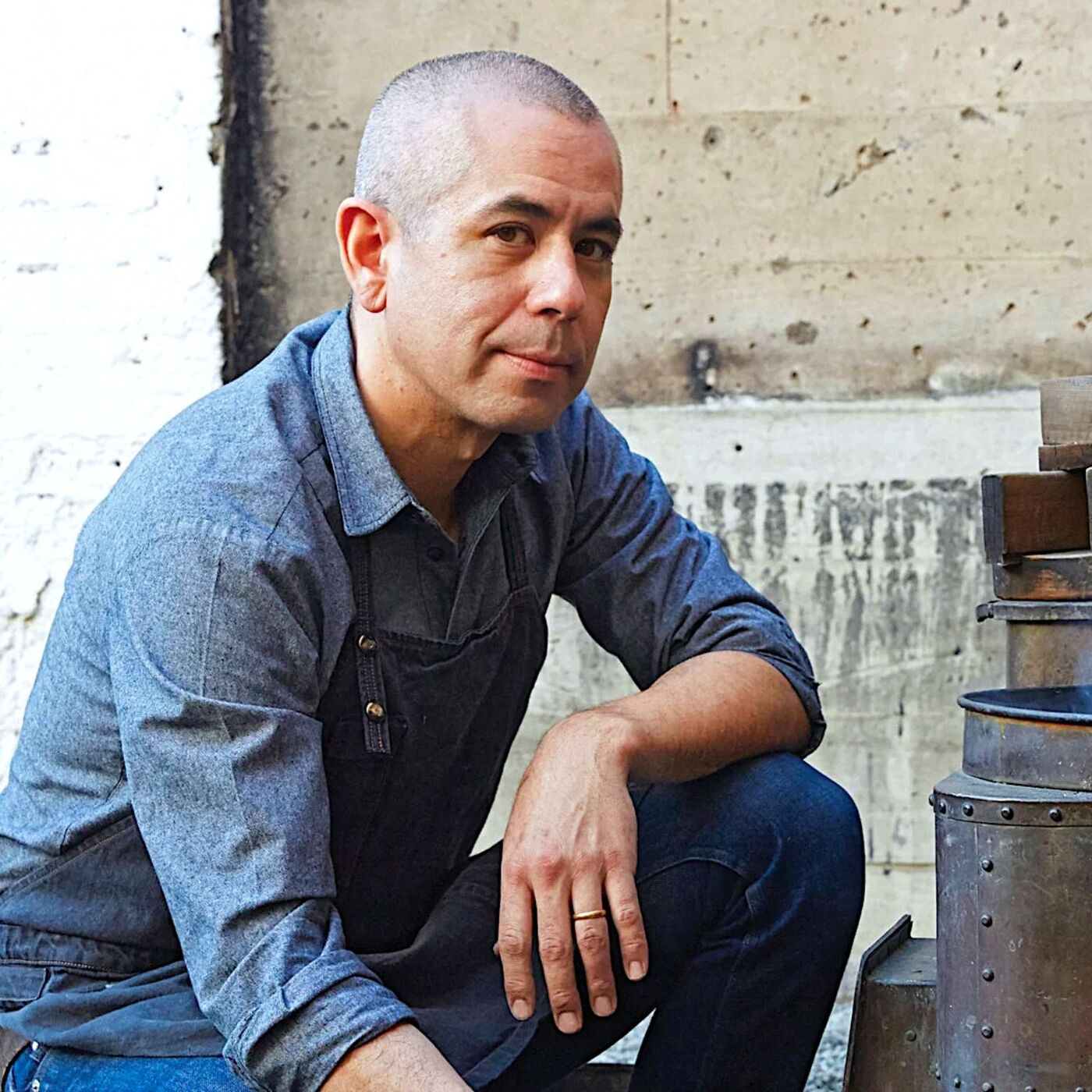
Ep 259Rintaro: Merging Japanese and Californian Food Culture At Their Best
japan, japanese, japanese food, japanese cuisine, washoku, Japanese culture, japan eats!, Rintaro, Izakaya, sylvan Mishima Brackett, akiko katayama, heritage radio network, food radioOur guest is Sylvan Mishima Brackett, who is the chef and owner of Izakaya Rintaro in San Francisco’s Mission district. Shortly after its opening in 2014, Rintaro was included in Bon Appetit magazine’s Top 10 New Restaurant list and has been beloved by many diners for the last 8 years. Born in Japan and raised in California, Sylvan has a unique and beautifully balanced approach to Japanese food culture. He also worked for the iconic American chef Alice Waters for years who has deeply influenced his view of food. In this episode, we will discuss why the son of a Japanese temple carpenter decided to become a chef, Sylvan’s apprenticeship at traditional restaurants in Japan, how he integrates Japanese and American food cultures at his restaurant Rintaro, his favorite Japanese kitchen equipment, and much, much more!!!Are you a business owner? Become an HRN business member! For $500 HRN will shine a light on your work AND you will help sustain our mission to expand the way people think about food. As a thank you for this tax-deductible donation, your business will receive on-air mentions, social media posts, listings on our website and more. Go to heritageradionetwork.org/biz to become a business member todayHeritage Radio Network is a listener supported nonprofit podcast network. Support Japan Eats by becoming a member!Japan Eats is Powered by Simplecast.See Privacy Policy at https://art19.com/privacy and California Privacy Notice at https://art19.com/privacy#do-not-sell-my-info.
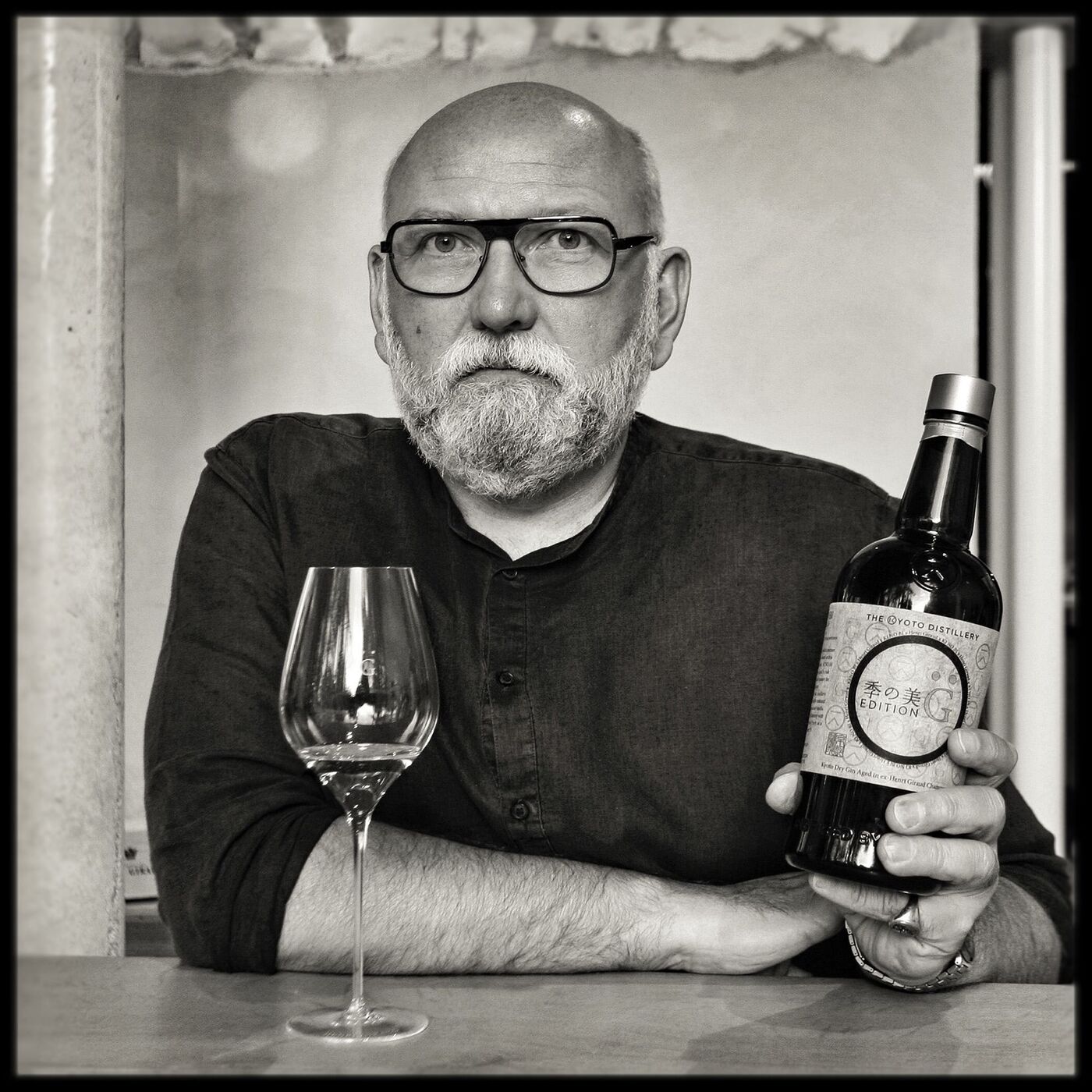
Ep 258KI NO BI: What is Japanese Gin?
Our guest is Marcin Miller who is the founding partner of the Kyoto Distillery in Japan. The distillery is the maker of the award-winning beautiful Japanese-style craft gin called KI NO BI. Before he co-founded the Kyoto Distillery in 2014, Marcin has been in the spirits industry for a long time as a writer, importer, distributor and consultant. Until very recently, no one would have expected that Japanese-made gin would become popular nationally as well as globally, but the Kyoto Distillery initiated the current Japanese gin boom. Marcin and his business partners David and Noriko Croll launched KI NO BI in October 2016 and popular brands like Roku, Sui, Nikka Coffey and other craft labels quickly followed. As a result, in 2020, the sales of Japanese gin exceeded those of imported brands in the country.In this episode, we will discuss why the British spirit writer ended up starting a distillery in Kyoto, what is special about Japanese-style gin, why the terroir of Kyoto can produce a unique gin, the latest and the future of Japanese-style gin and much, much more!!!Are you a business owner? Become an HRN business member! For $500 HRN will shine a light on your work AND you will help sustain our mission to expand the way people think about food. As a thank you for this tax-deductible donation, your business will receive on-air mentions, social media posts, listings on our website and more. Go to heritageradionetwork.org/biz to become a business member today.Japan Eats is Powered by Simplecast.See Privacy Policy at https://art19.com/privacy and California Privacy Notice at https://art19.com/privacy#do-not-sell-my-info.
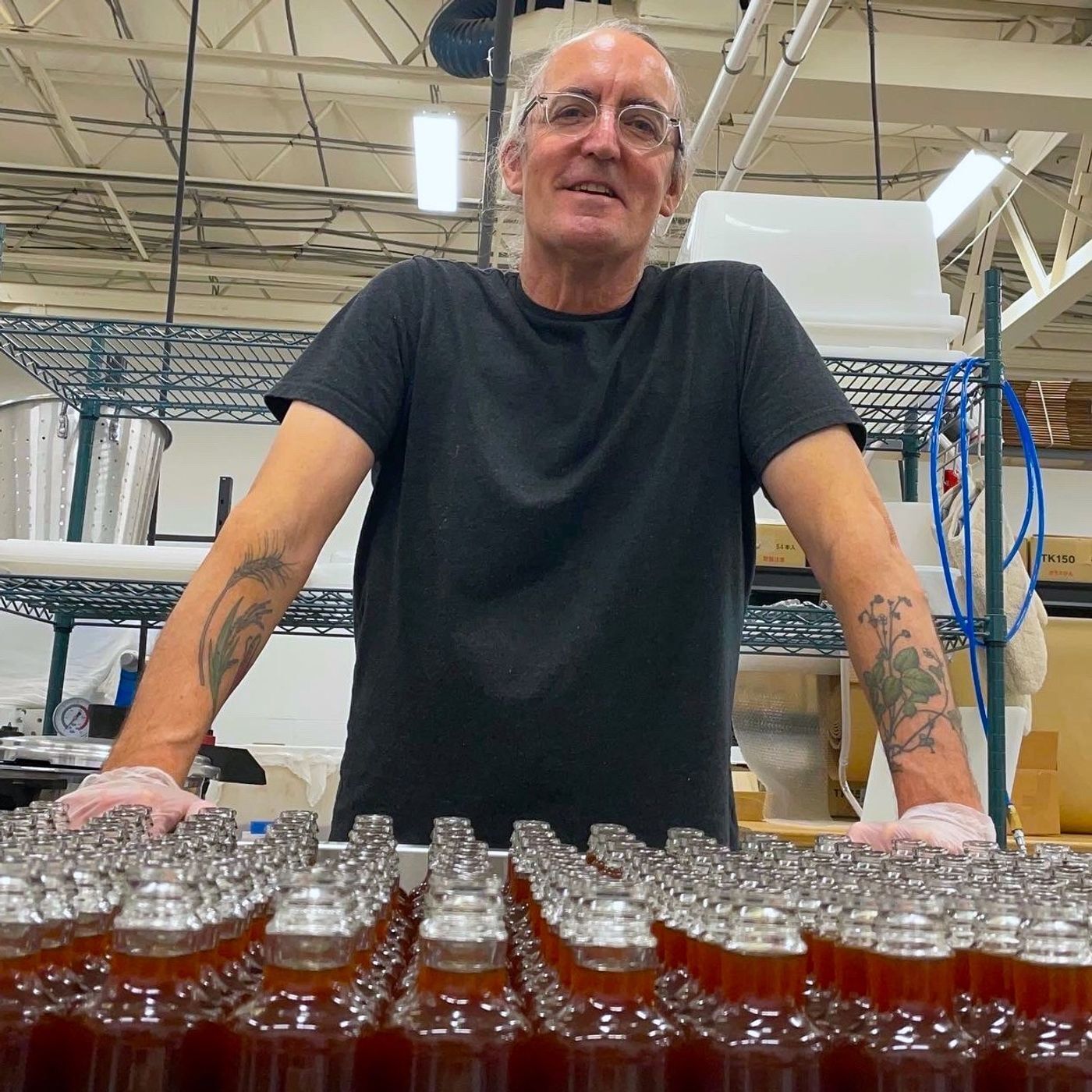
Ep 257Moromi: Artisanal Japanese Fermented Foods Made in Coastal Connecticut
Our guest is Bob Florence, who is the founder of Moromi based in Connecticut. At Moromi, Bob produces hand-crafted, small-batch Japanese-style fermented products such as shoyu, miso, hot sauces, and other condiments.Bob studied how to make authentic Japanese fermented products in Japan and uniquely integrate the Japanese tradition and local flavors of coastal Connecticut. In this episode, we will discuss how an industrial chemist became an artisanal food producer, why Japanese-style fermentation is distinctively unique, how Bob learned Japanese-style fermentation, different types of Japanese soy sauces Bob makes, and much, much more!!!Heritage Radio Network is a listener supported nonprofit podcast network. Support Japan Eats by becoming a member!Japan Eats is Powered by Simplecast.See Privacy Policy at https://art19.com/privacy and California Privacy Notice at https://art19.com/privacy#do-not-sell-my-info.
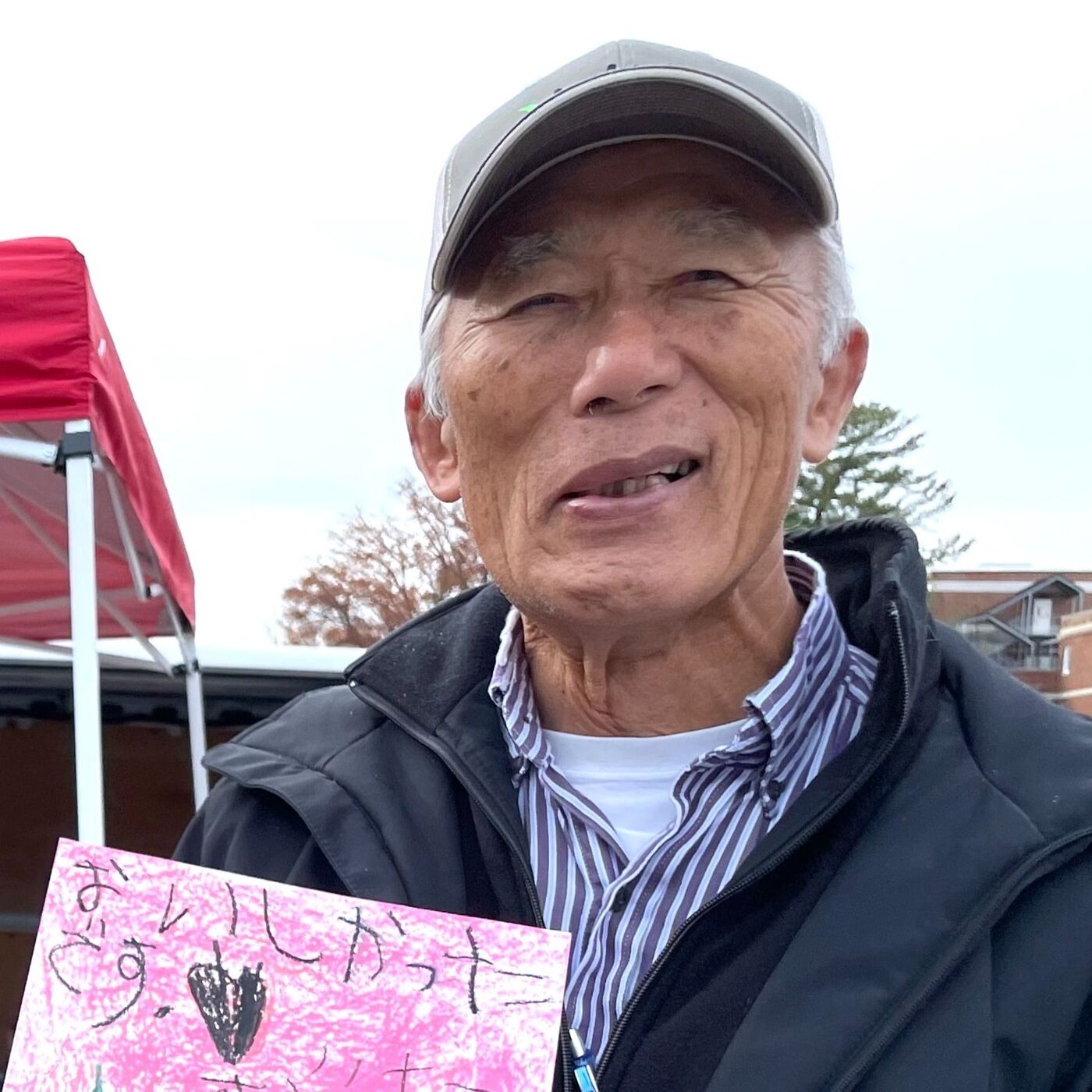
Ep 256Growing Japanese Vegetables in America for 40 Years
Our guest is Ken Suzuki, the founder of the Suzuki Farm in Delaware, which opened in 1983. In the last 39 years, Ken has devoted himself to introducing native Japanese vegetables and fruits to America. He and his team grow a variety of Japanese produce on their 28-acre land and harvest more than 30 kinds of crops throughout the year. I have been hearing about Suzuki Farm through Japanese and non-Japanese chefs who look for the uniquely delicate flavors of Japanese vegetables. In this episode, we will discuss why Japanese-born Ken Suzuki decided to farm in the US, what kinds of Japanese crops he grows, how unique and special they are, how you can use them in your kitchen, and much, much more!!!Heritage Radio Network is a listener supported nonprofit podcast network. Support Japan Eats by becoming a member!Japan Eats is Powered by Simplecast.See Privacy Policy at https://art19.com/privacy and California Privacy Notice at https://art19.com/privacy#do-not-sell-my-info.
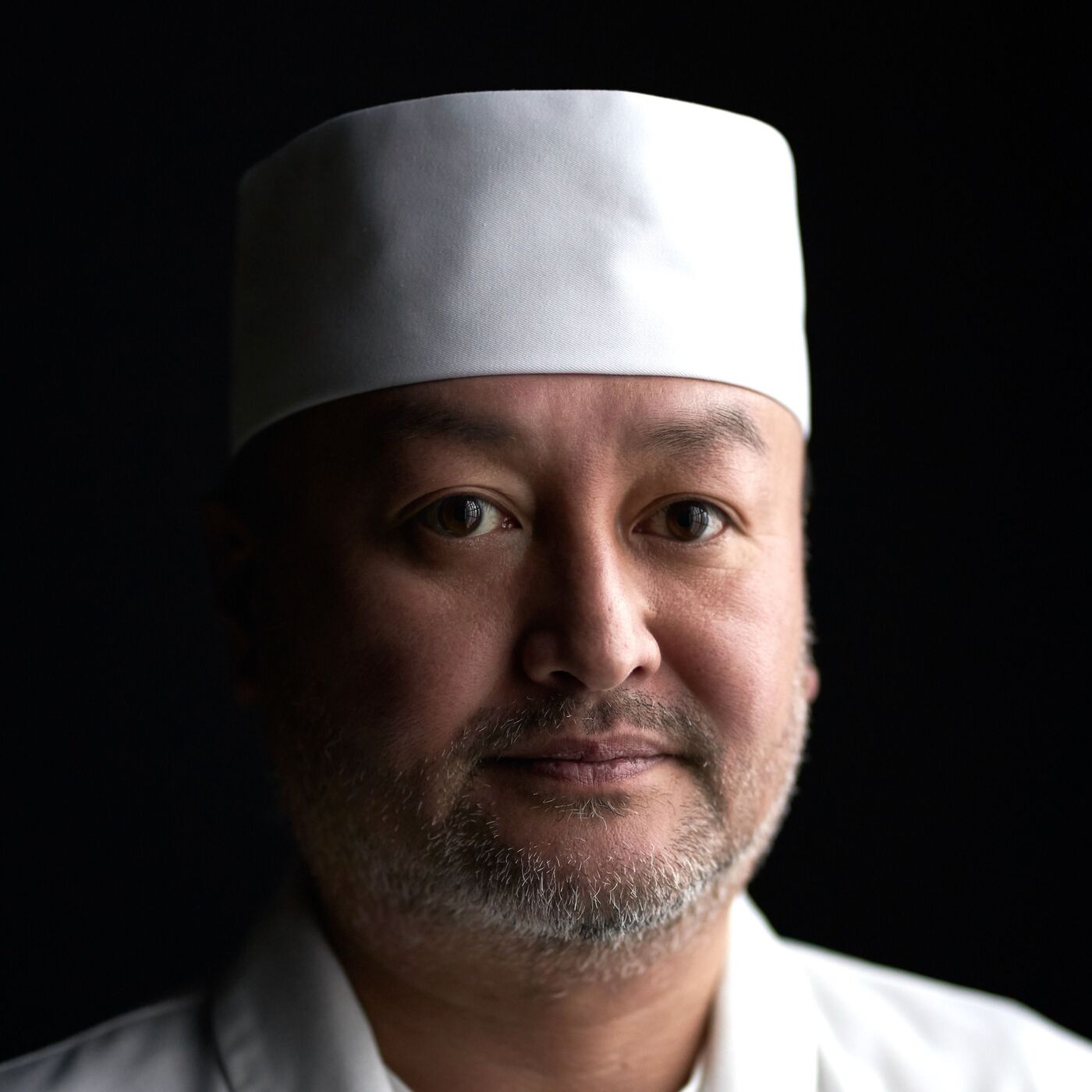
Ep 255ichigo ichie (The Moment Perfected) In Ireland
Our guest is Takashi Miyazaki, who is the chef/owner of ichigo ichie in Cork, Ireland. Takashi moved to Ireland in 2008 where Japanese food was yet to be more deeply discovered. Also, he was met by the global financial crisis shortly after his arrival in Ireland. After going through numerous challenges, he fell in love with Cork, a small city in the south-western part of the country, and opened a kaiseki restaurant called ichigo ichie in 2018. The restaurant became a huge success and earned a Michelin star only 6 months after its opening. In this episode, we will discuss why Takashi ended up moving to Ireland, why he fell in love with Cork, his philosophy of cooking Japanese food outside Japan, how he effectively utilizes Irish ingredients to cook authentic Japanese cuisine, and much, much more!!!Heritage Radio Network is a listener supported nonprofit podcast network. Support Japan Eats by becoming a member!Japan Eats is Powered by Simplecast.See Privacy Policy at https://art19.com/privacy and California Privacy Notice at https://art19.com/privacy#do-not-sell-my-info.
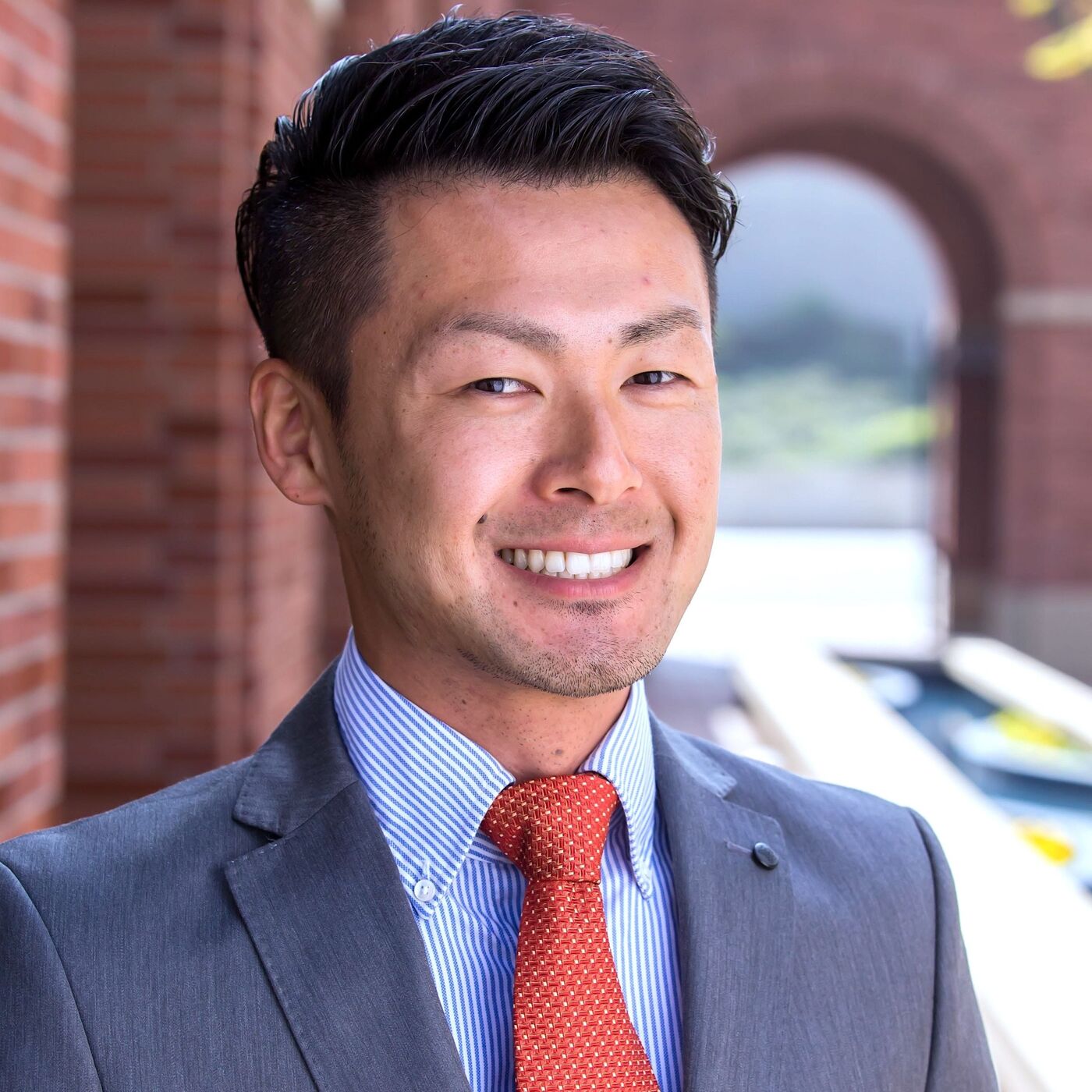
Ep 254Japanese Sake Delivered To My Door
Our guest is Genki Ito, who is the founder of Tippsy Sake, an online store that specializes in Japanese sake, based in California. Japanese sake has been increasingly popular globally in recent years and the US is one of the most promising markets for the sake industry. For example, between 2011 to 2021, the value of Japanese sake export to the US tripled, and its quantity doubled, according to the Japanese government’s statistics. In other words, Americans are drinking not only more sake but also higher-quality sake than 10 years ago. But if you live in America, you normally have to go to Japanese restaurants to discover great sake, partly because your local liquor shop doesn’t carry good enough sake for you (or sells no sake at all), or the store does not have anyone who can give you solid advice on which one to buy.Tipssy Sake is a nice solution for the problem by making Japanese sake more readily available to everyone from sake novices to connoisseurs. In this episode, we will discuss how Genki’s unique background led him to come up with the successful business concept, what types of Japanese sake people are drinking right now in America, how COVID-19 dramatically boosted Tippsy Sake’s business, and much, much more!!!Heritage Radio Network is a listener supported nonprofit podcast network. Support Japan Eats by becoming a member!Japan Eats is Powered by Simplecast.See Privacy Policy at https://art19.com/privacy and California Privacy Notice at https://art19.com/privacy#do-not-sell-my-info.
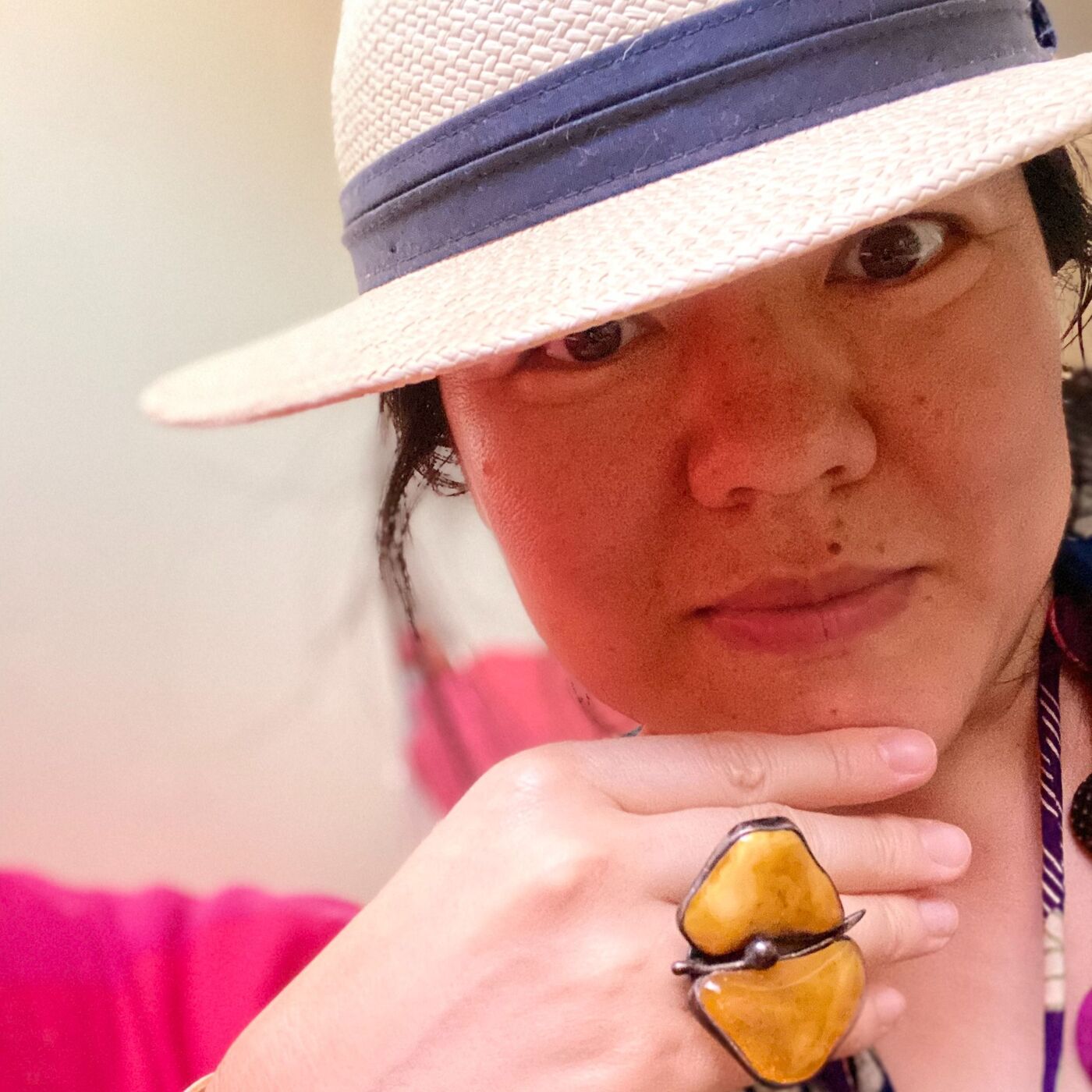
Ep 253Japanese Chefs Are Obsessed With Salt
Our guest is Makiko Harada, who is a salt specialist and the owner of Glamsalt, a salt shop based in the Hudson Valley, New York. She opened Glamsalt in 2012 and now has numerous famous chef clients who adore her products, including those at Sushi Nakazawa, Sushi Yasuda, and Hatsuhana. Makiko is known for her extremely high-quality, unique products, and the awe and respect for salt in Japanese culture underlie her business approach. In this episode, we will discuss how Makiko got into salt, the importance of salt in Japanese culture, why salt can taste so diversely different, depending on the origin, how her top chef clients choose a specific type of salt, and much, much more!!! Heritage Radio Network is a listener supported nonprofit podcast network. Support Japan Eats by becoming a member!Japan Eats is Powered by Simplecast.See Privacy Policy at https://art19.com/privacy and California Privacy Notice at https://art19.com/privacy#do-not-sell-my-info.
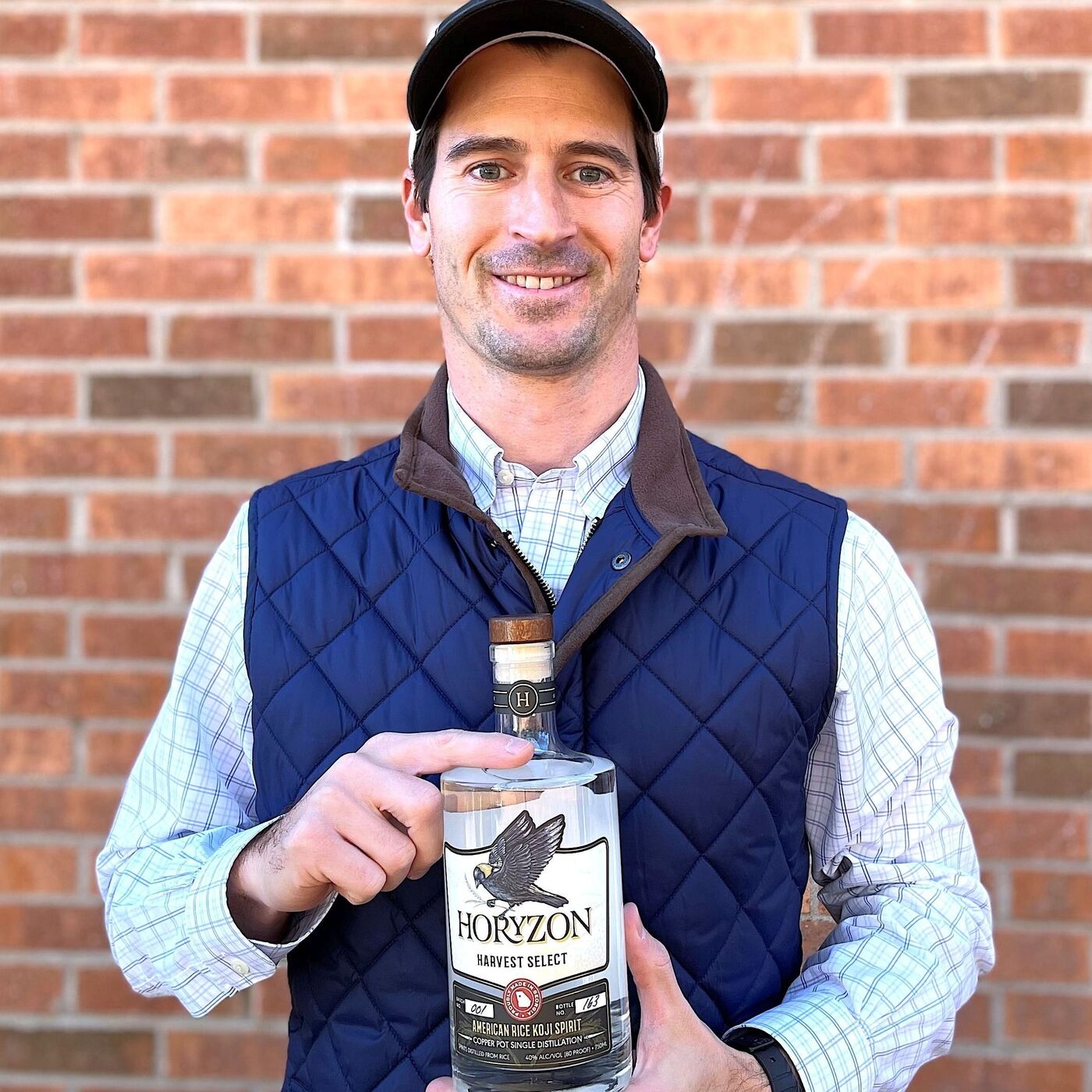
Ep 252It Is Not Shochu; It Is American Rice Koji Spirits
Our guest is Whit Johnson who is the co-founder of Horyzon Spirits based in Atlanta, Georgia. Whit founded Hryzon Spirits in April 2021 to produce very unique products that blend Japanese tradition and American terroir. More specifically, he chose to use Japanese koji mold, which is the foundational ingredient of Japanese cuisine, to produce his spirits instead of malts. Also, he uses Carolina Gold rice, which reflects the rich history of American South agriculture. It is very exciting to see how the two cultures are beautifully merged in his products. In this episode, we will discuss how Whit got into the spirit industry after his successful career in an entirely different industry, the difference between koji and malt-based fermentation, how a traditional Southern American rice naturally merges Japanese traditional koji, and much, much more!!! Heritage Radio Network is a listener supported nonprofit podcast network. Support Japan Eats by becoming a member!Japan Eats is Powered by Simplecast.See Privacy Policy at https://art19.com/privacy and California Privacy Notice at https://art19.com/privacy#do-not-sell-my-info.
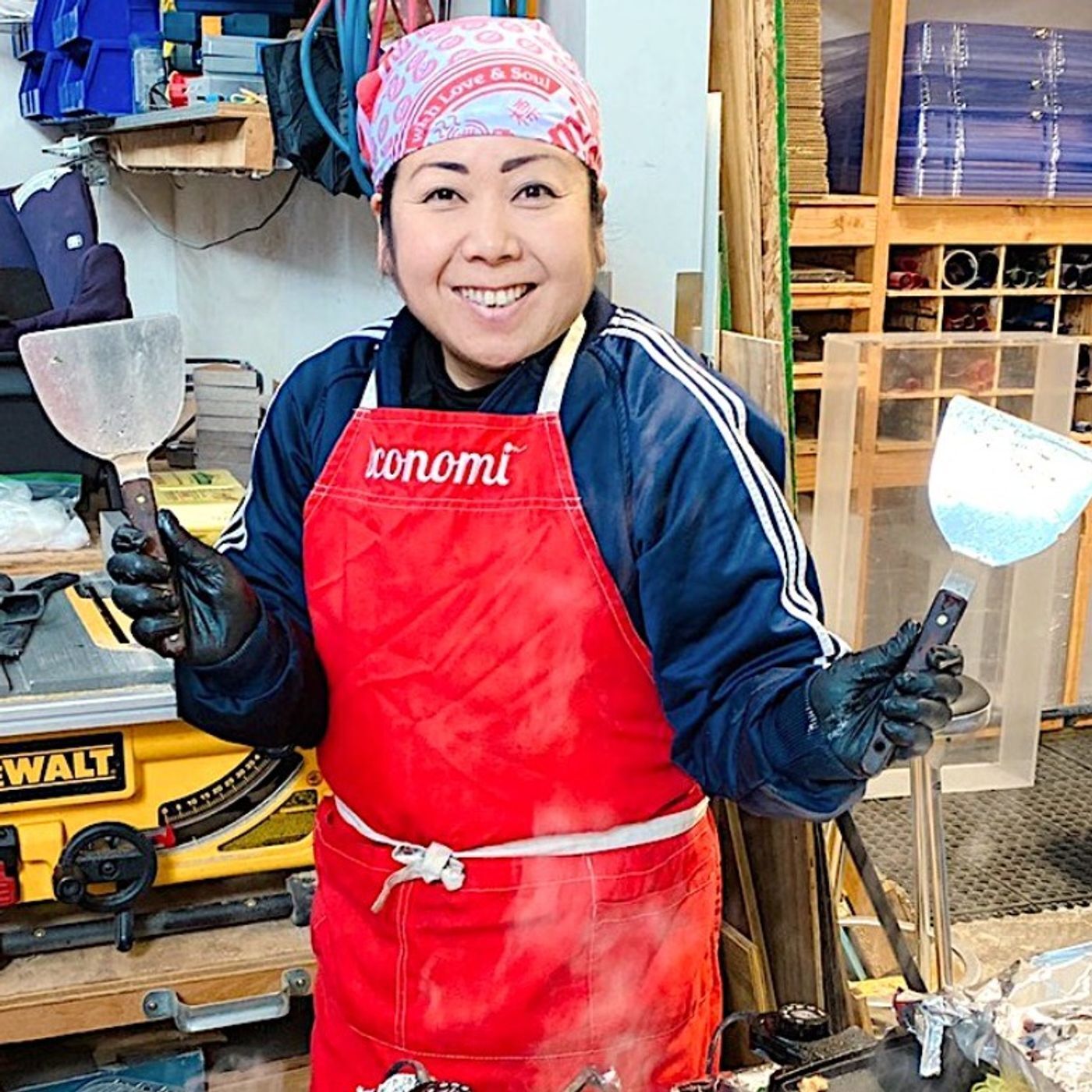
Ep 251What Is Okonomiyaki?
Our guest is Kazuko Nagao, the founder of Oconomi, the okonomiyaki shop based in Queens, New York. Okonomiyaki is a Japanese-style savory pancake, which is very popular in Japan. Despite its rich, delicious taste and approachable style, okonomiyaki is yet to be known to the world outside Japan. Kazuko has been making okonomiyaki for New Yorkers at street fairs and food events for a decade. But last month, in December 2021, she decided to turn her seasonal okonomiyaki business into regular operations throughout the year. In this episode, we will discuss what exactly okonomiyaki is, regional varieties of okonomiyaki (which represent the pride of each region!), how to make okonomiyaki at home, and much, much more!!!Photo Courtesy of Fuko Chubachi.Heritage Radio Network is a listener supported nonprofit podcast network. Support Japan Eats by becoming a member!Japan Eats is Powered by Simplecast.See Privacy Policy at https://art19.com/privacy and California Privacy Notice at https://art19.com/privacy#do-not-sell-my-info.
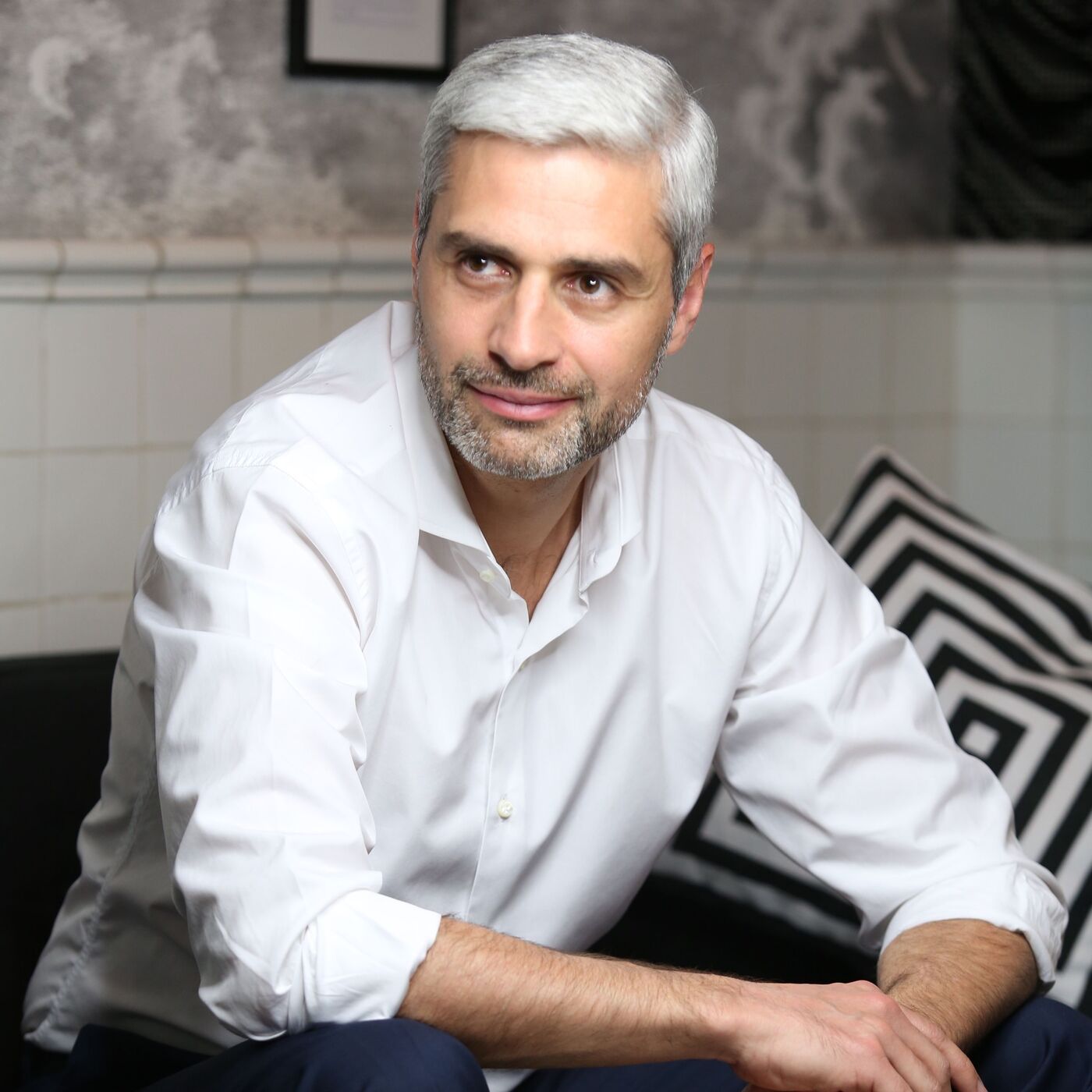
Ep 250The First Sake Brewery in Mexico
Our guest is Matthieu Guerpillon, the Marketing Manager & Brand Ambassador of NAMI, the first sake brewery in Mexico. Japanese sake has been produced outside of Japan in recent years, and it is very exciting to see that there is a sake brewery in Mexico, which is the home of excellent beer and spirits such as tequila and mezcal!NAMI is not just the first sake brewery in Mexico. Their products have proved to be outstanding. For example, The International Sake Challenge, which is an annual event held in Tokyo to recognize the best sakes in the world, has awarded the Gold, Silver, and Bronze prizes to NAMI’s sake. In this episode, we will discuss how NAMI was born, how the all-Mexican team found a Japanese mentor to make premium sake, the unique terroir of Mexico, how to pair sake with Mexican flavors, and much, much more!!!Heritage Radio Network is a listener supported nonprofit podcast network. Support Japan Eats by becoming a member!Japan Eats is Powered by Simplecast.See Privacy Policy at https://art19.com/privacy and California Privacy Notice at https://art19.com/privacy#do-not-sell-my-info.
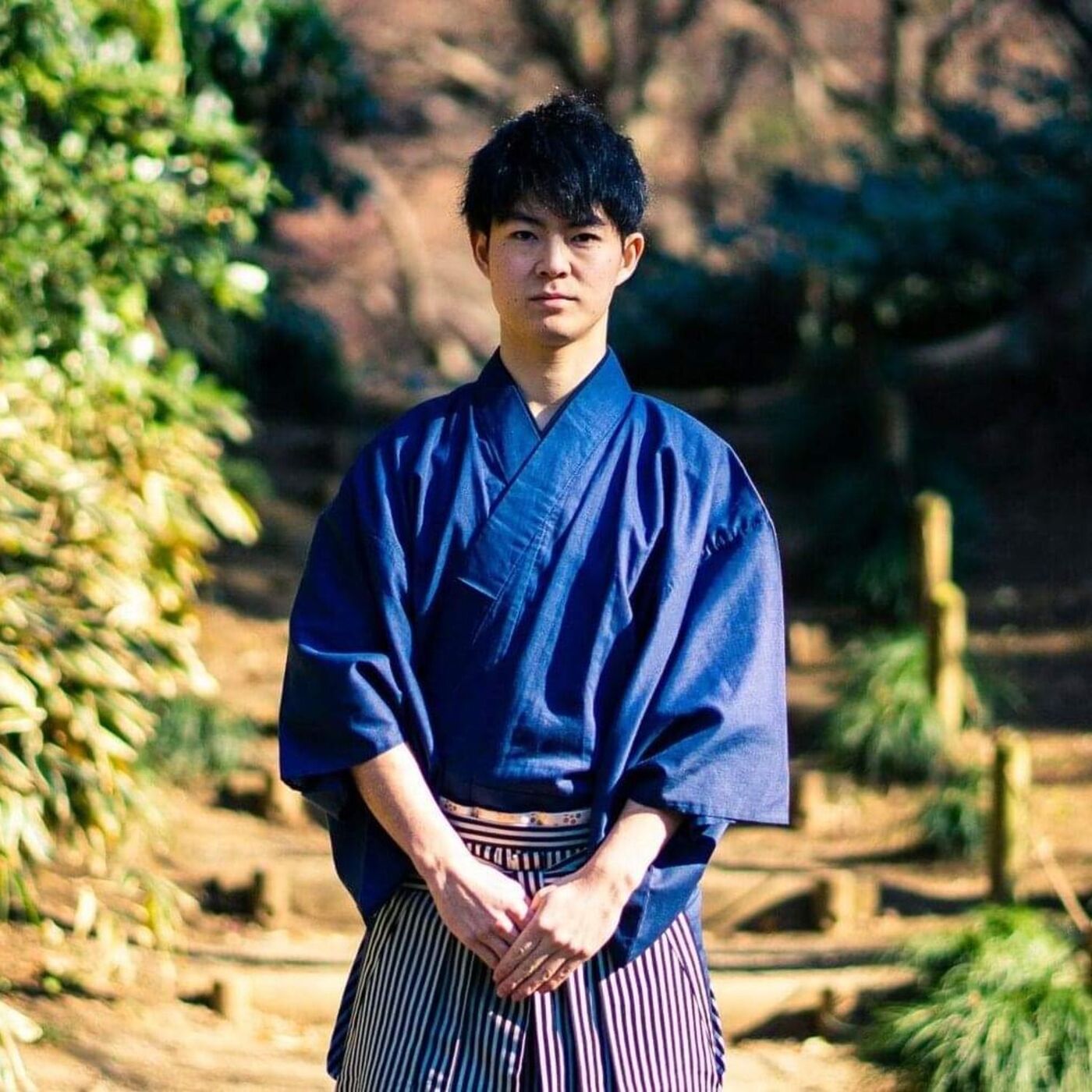
Ep 249Bridging The Tea Ceremony And Your Daily Tea Habit
Our guest today is Ryo Iwamoto, who is the founder and CEO of TeaRoom based in Tokyo. Ryo began studying tea 15 years ago at the age of 9 and now he is a certified instructor of the Japanese tea ceremony. He even has a special name that is only given to outstanding tea practitioners. Ryo founded TeaRoom in 2018 while he was still a student at the prestigious Waseda University to inspire the world with the power of Japanese tea culture. In this episode, we will discuss how Ryo got into the world of tea at such a young age, the essence of Japanese tea culture he has been passionate about, how tea can help us to make the world a more caring and peaceful place, his various projects to make his vision come true including his eye-opening products to attract new tea drinkers, and much, much more!!!Heritage Radio Network is a listener supported nonprofit podcast network. Support Japan Eats by becoming a member!Japan Eats is Powered by Simplecast.See Privacy Policy at https://art19.com/privacy and California Privacy Notice at https://art19.com/privacy#do-not-sell-my-info.
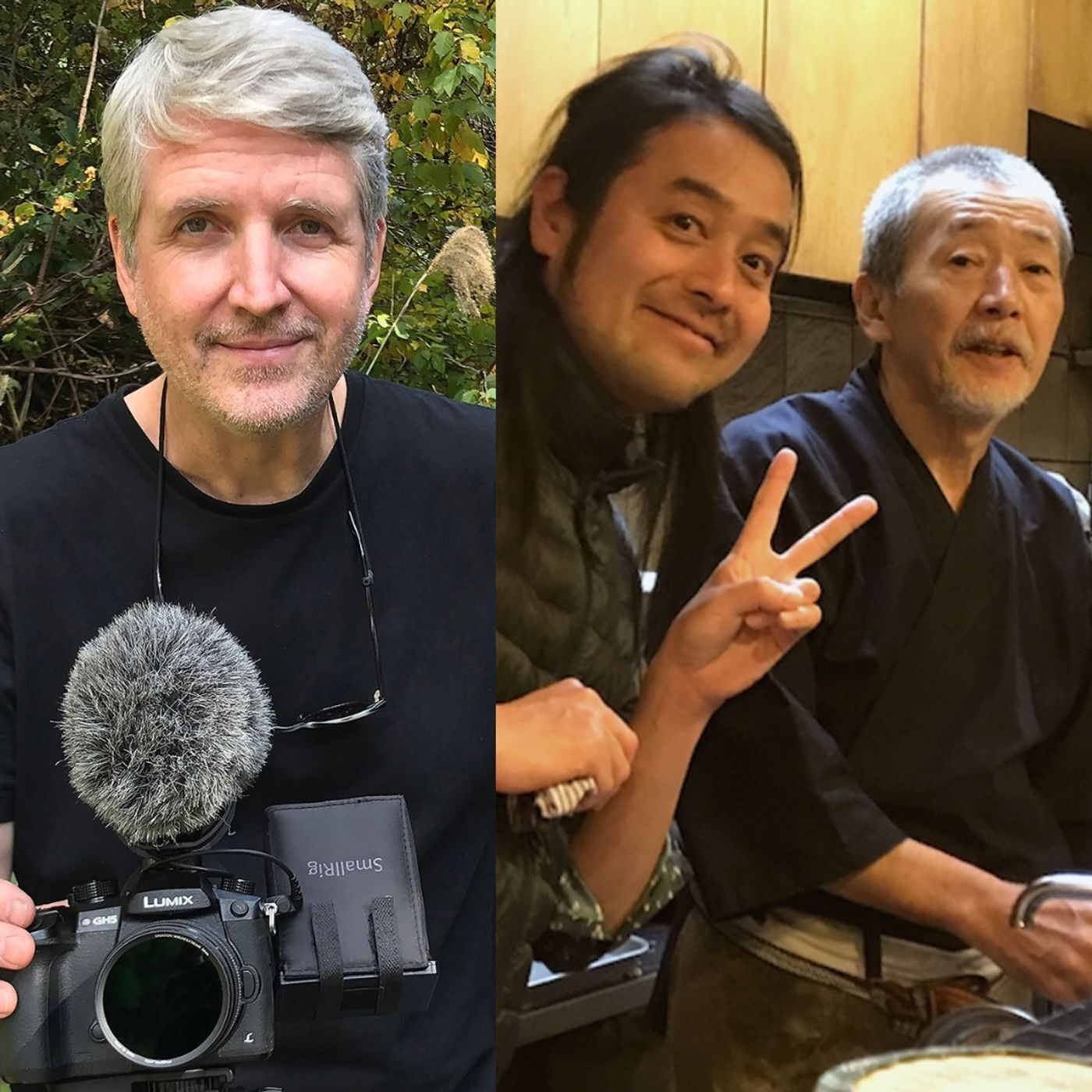
Ep 248A Film for Ramen Lovers: Come Back Anytime
Our guests today are John Daschbach, the director of the fantastic new documentary film Come Back Anytime, and Wataru Yamamoto, the producer of the film. Our mutual friend Yukari Sakamoto, who is an influential food specialist based in Tokyo, introduced me to the new film Come Back Anytime, or mata irasshai (またいらっしゃい) in Japanese. It premiered at DOC NYC, which is the largest documentary festival in America, and at the IFC Center in November 2021. This documentary is about a ramen chef in Tokyo and the close-knit community of his regulars. It sounds simple but there was a lot to digest in your heart and mind. I suggest everyone watch it, especially in the current isolating social situation due to the pandemic. In this episode, we will discuss why John and Wataru decided to make a documentary about a tiny ramen shop in Tokyo, the profound messages they hope to convey to the audience through the film, how ramen can be instrumental in community building, and much, much more!!! Heritage Radio Network is a listener supported nonprofit podcast network. Support Japan Eats by becoming a member!Japan Eats is Powered by Simplecast.See Privacy Policy at https://art19.com/privacy and California Privacy Notice at https://art19.com/privacy#do-not-sell-my-info.

Ep 247Saving Vanishing Culture And Tradition
Our guest today is Kou Sundburg, who is the founder of Kiraku. Kiraku operates multiple projects that aim to preserve Japan’s rich cultural and natural heritage for future generations. Kou has a strong business background with a unique bi-cultural vantage point of the Japanese tradition. Kou’s diverse projects include transforming abandoned machiya, or a traditional Japanese townhouse, in Kyoto into a Michelin-awarded luxury ryokan and reviving a sake brewery that was founded in 1793 but unfortunately shut down in 2012. Now the brewery became a micro-sake brewery to express the rich local terroir. In this episode, we will discuss how Kou came up with the business to preserve Japanese culture and tradition, his intriguing projects of hotels and restaurants that you would want to experience on your next trip to Japan, how seriously Japan is losing cultural heritage, and much, much more!!!Heritage Radio Network is a listener supported nonprofit podcast network. Support Japan Eats by becoming a member!Japan Eats is Powered by Simplecast.See Privacy Policy at https://art19.com/privacy and California Privacy Notice at https://art19.com/privacy#do-not-sell-my-info.
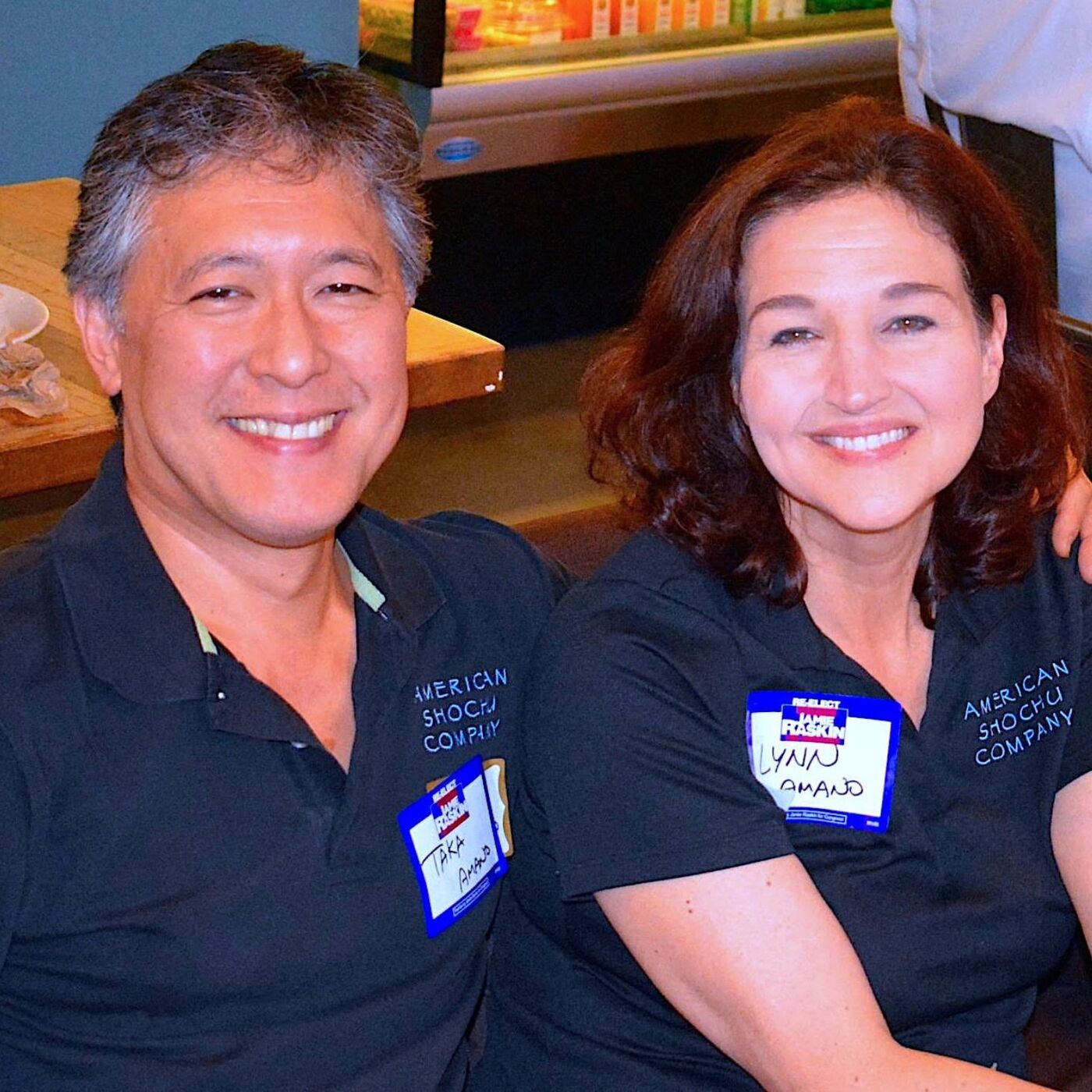
Ep 246Authentic Shochu Comes From Maryland, U.S.A.
Our guest is Takatsugu 'Taka' Amano who is the co-Founder and CEO of American Shochu Company based in Silver Spring, Maryland. Shochu is a traditional Japanese spirit and it is more popular than Japanese sake in Japan. If you compare sake and shochu, 4.2% of liquor tax comes from premium sake, whereas 14.8% comes from shochu, according to the Japanese government’s data in 2019. But the number flips when it comes to overseas. In 2020, Japan exported about $212 million worth of premium sake but only $10.6 million of shochu was brought outside the country, which was just 5% of sake’s export. It is a shame because shochu is as delicious and artisanal as premium sake. That is why Taka decided to introduce the charm of shochu to America by producing his own brand in 2015. He makes 100% barley shochu with his wife Lynn Amano in Maryland and they have already won the 2020 American Craft Spirits Awards. In this episode, we will discuss why the successful biotech industry executive decided to produce the traditional Japanese spirit in America, how he studied shochu production techniques, how he produces his award-winning shochu with American ingredients in the climate of Maryland, why we should drink more shochu and much, much more!!! Heritage Radio Network is a listener supported nonprofit podcast network. Support Japan Eats by becoming a member!Japan Eats is Powered by Simplecast.See Privacy Policy at https://art19.com/privacy and California Privacy Notice at https://art19.com/privacy#do-not-sell-my-info.