Japan Eats!
395 episodes — Page 2 of 8
Ep 345Bringing Japanese Premium Ingredients To Non-Japanese Chefs In The U.K.
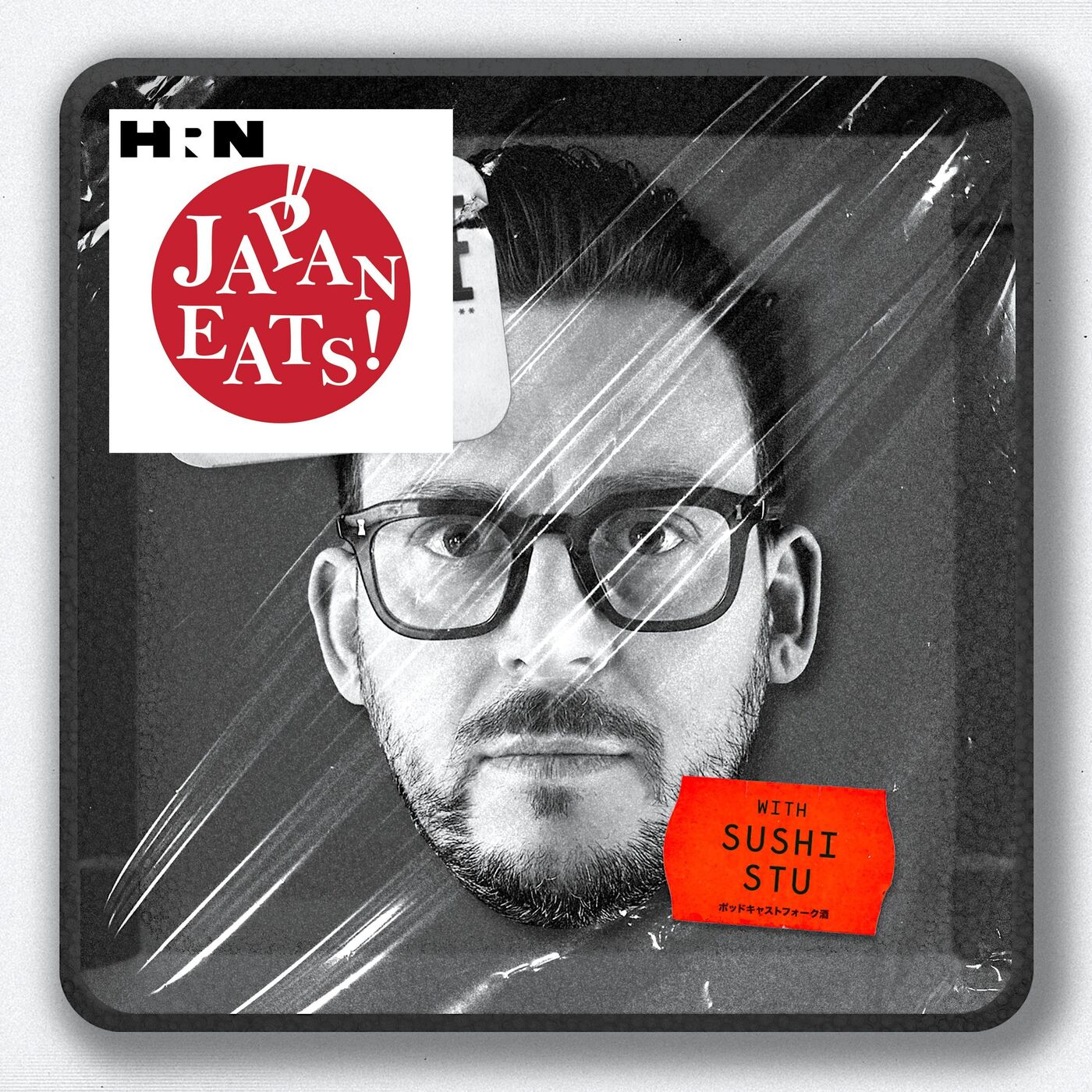
Our guest is Stuart Turner who is the Founder & CEO of SushiSushi https://www.sushisushi.co.uk/ based in Sheffield in the United Kingdom. Stu founded SushiSushi in 2007 and since then, the company has grown to become a leading supplier of high-end Japanese food ingredients. Many of his clients are fine-dining non-Japanese restaurants, including The Fat Duck Group, Gordon Ramsay Group, The Savoy and Mandarin Oriental Group. In this episode, we will discuss how the young British man started a business of selling Japanese traditional items, how he keeps discovering great ingredients that have been unknown outside of Japan, the popular Japanese ingredients top chefs are using right now and much, much more!!!See Privacy Policy at https://art19.com/privacy and California Privacy Notice at https://art19.com/privacy#do-not-sell-my-info.
Ep 344Former Chez Panisse Chef Inspires (And Is Inspired by) Food Communities in Japan
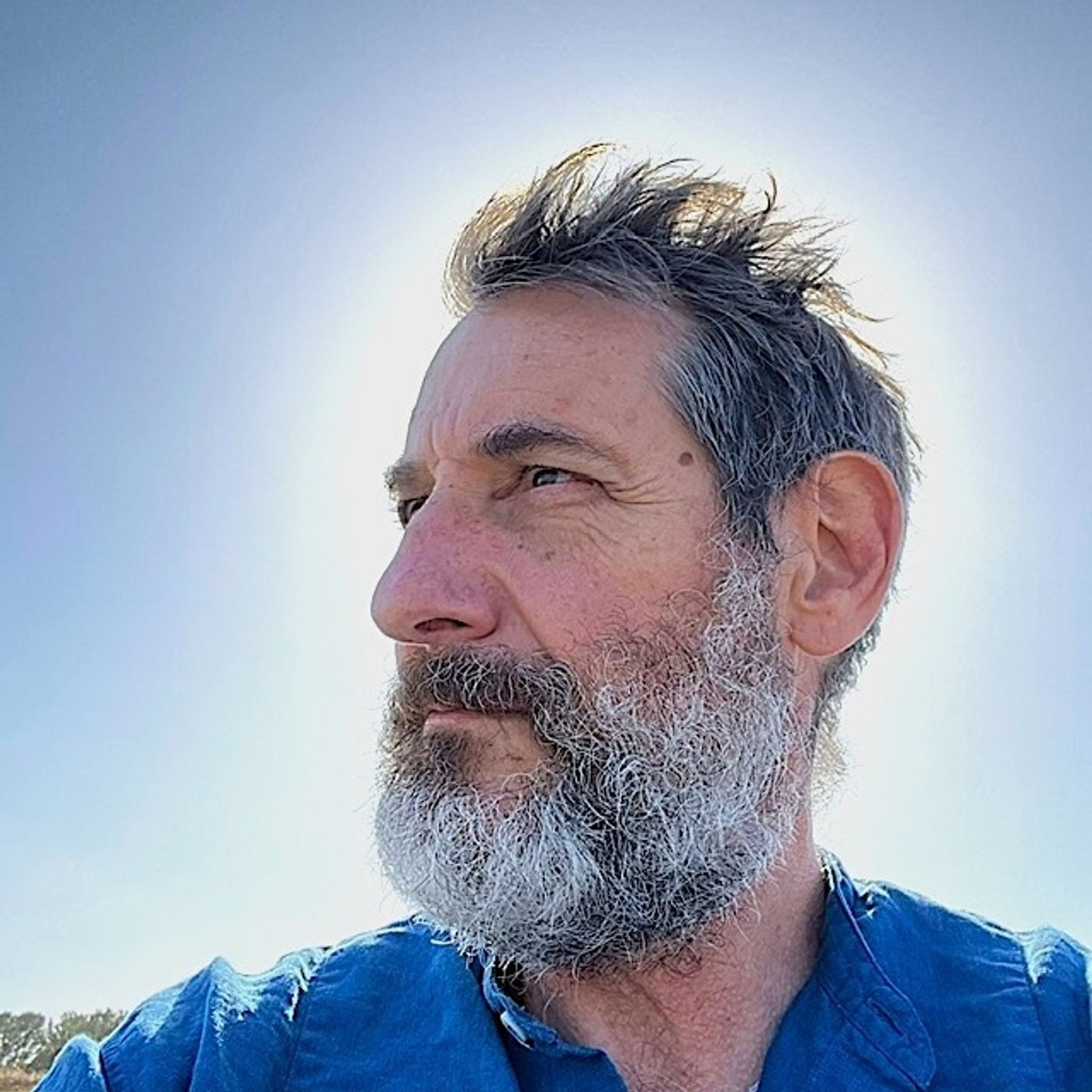
Our guest is Jerome Waag who is the former chef at the legendary farm-to-table restaurant Chez Panisse in Berkeley, California. Jerome moved to Tokyo in 2016 to open his own restaurant Blind Donkey. The restaurant has been popular and successful and in March 2024, Jerome has opened another place called CIMI Restorant with a strong focus on sustainability. He has been also involved in an inspiring project the Food Hub Project in a small town called Kamiyama in Shikoku Island, which aims to revitalize the local community. In this episode, we will discuss how Jerome opened his own restaurant in Japan, his unique experience of running a successful restaurant in Tokyo, his new restaurant CIMI restorant and its vision for sustainable food, his role in revitalizing the rural town Kamiyama, and much, much more!!! Heritage Radio Network is a listener supported nonprofit podcast network. Support Japan Eats by becoming a member!Japan Eats is Powered by Simplecast.See Privacy Policy at https://art19.com/privacy and California Privacy Notice at https://art19.com/privacy#do-not-sell-my-info.
Ep 343Japanese Wine Is Getting Exciting!
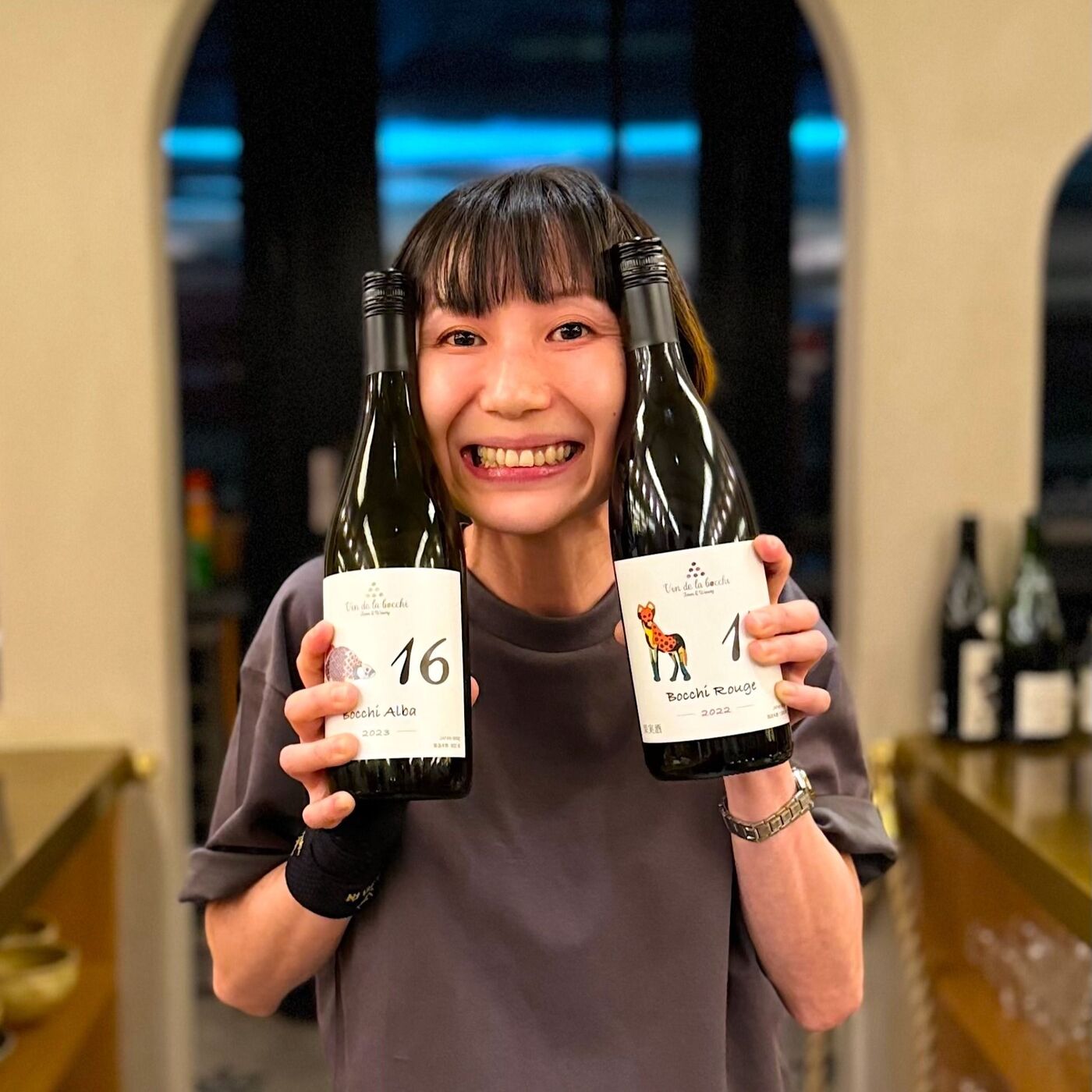
Our guest is Shiho Tanaka who is the head sommelier at Tsukimi, the Michelin-starred kaiseki restaurant in the East Village, Manhattan. The restaurant offers great selections of sake and wine to pair with chef Takanori Akiyama’s original kaiseki-style dishes. Recently, Japanese wines were added to the list and Shiho is one of the most knowledgeable sommeliers about Japanese wines in the U.S. You may not have heard of Japanese wine, but in the last decade or so, it started to appear in the global market and the world's biggest wine competitions, such as the IWSC International Wine & Spirit Competition, the Decanter World Wine Awards and the International Wine Challenge, honor Japanese wines with multiple Gold, Silver and Bronze medals.In this episode, we will discuss the challenging history of Japanese wine, why the Japanese wine industry is developing so fast in recent years, the unique grape varieties that make Japanese wine special, how to pair Japanese wine with Japanese food as well as non-Japanese food and much, much more!!!Heritage Radio Network is a listener supported nonprofit podcast network. Support Japan Eats by becoming a member!Japan Eats is Powered by Simplecast.See Privacy Policy at https://art19.com/privacy and California Privacy Notice at https://art19.com/privacy#do-not-sell-my-info.
Ep 342Trained By Masters From Age 15: A Japanese Chef Shares the Tradition on the Global Stage
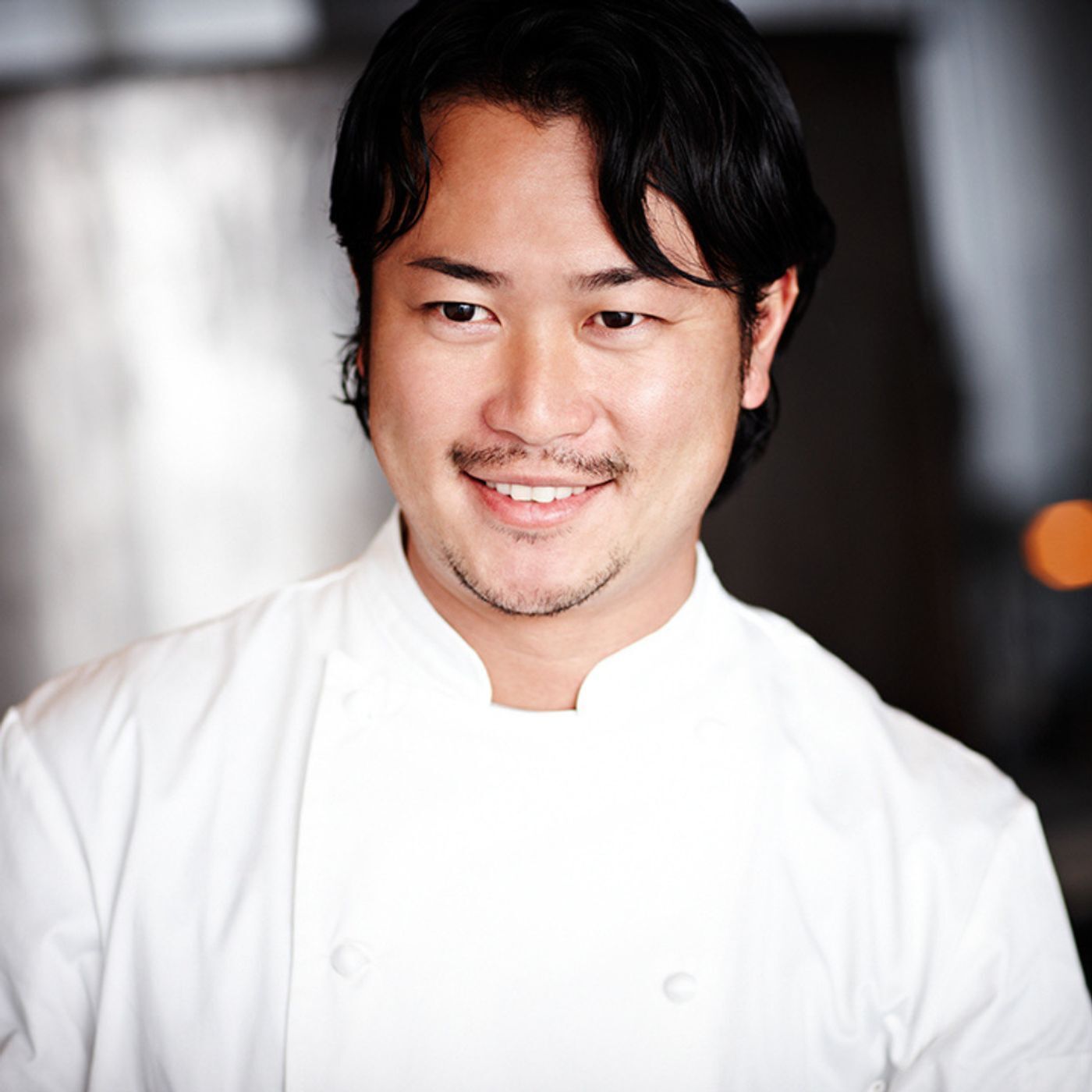
Our guest is Makoto Okuwa, who is the chef/partner of multiple, highly popular Japanese restaurants in the U.S. and other major cities in the world, including Makoto at Bal Harbour in Miami, Love Makoto in Washington D.C., and Makoto Vail in Colorado.Makoto’s success did not come easily. He started cooking at the age of 15 in Japan, training under master chefs for a decade and moved to Washington D.C. in 2001. Under Iron Chef Masaharu Morimoto, his new life in America was another hardworking process of learning a foreign language and culture, how to read American diners’ minds, not to mention honing his culinary skills.In this episode, we will discuss how Makoto got into cooking at such a young age, why he decided to challenge himself in America, what he learned from his mentor/master chefs, the reasons behind his success on the global stage, and much, much more!!!Heritage Radio Network is a listener supported nonprofit podcast network. Support Japan Eats by becoming a member!Japan Eats is Powered by Simplecast.See Privacy Policy at https://art19.com/privacy and California Privacy Notice at https://art19.com/privacy#do-not-sell-my-info.
Ep 341Mouthfeel: The Key To Understanding Japanese Food Culture
Our guest is Elizabeth Andoh, who joined us 14 times and shared her truly deep insight into traditional Japanese food culture. Elizabeth is a food writer and Japanese cooking instructor based in Tokyo, and she has lived in Japan for over 50 years. She runs the culinary arts program called A Taste of Culture https://tasteofculture.com/ , which offers a great opportunity for non-Japanese people to explore Japanese culture through its food. Elizabeth is also the author of 6 cookbooks, including the award-winning “Washoku: Recipes from the Japanese Kitchen” and “Kansha: Celebrating Japan's Vegan and Vegetarian Traditions”.Today’s topic is mouthfeel or 食感 “shokkan” in Japanese. The Japanese language has far more adjectives to describe mouthfeel. For example, according to a 2003 study, the Japanese language had 445 words, French 227, Chinese 144 and English and German around 100 to describe the texture of food in your mouth. In this episode, we will discuss why Japanese people have so many different words to describe mouthfeel, examples of mouthfeel expressions that are unique and essential to understanding Japanese food culture and much, much more!!! Heritage Radio Network is a listener supported nonprofit podcast network. Support Japan Eats by becoming a member!Japan Eats is Powered by Simplecast.See Privacy Policy at https://art19.com/privacy and California Privacy Notice at https://art19.com/privacy#do-not-sell-my-info.
Ep 340I Bought A Kominka (Vintage House) In Japan
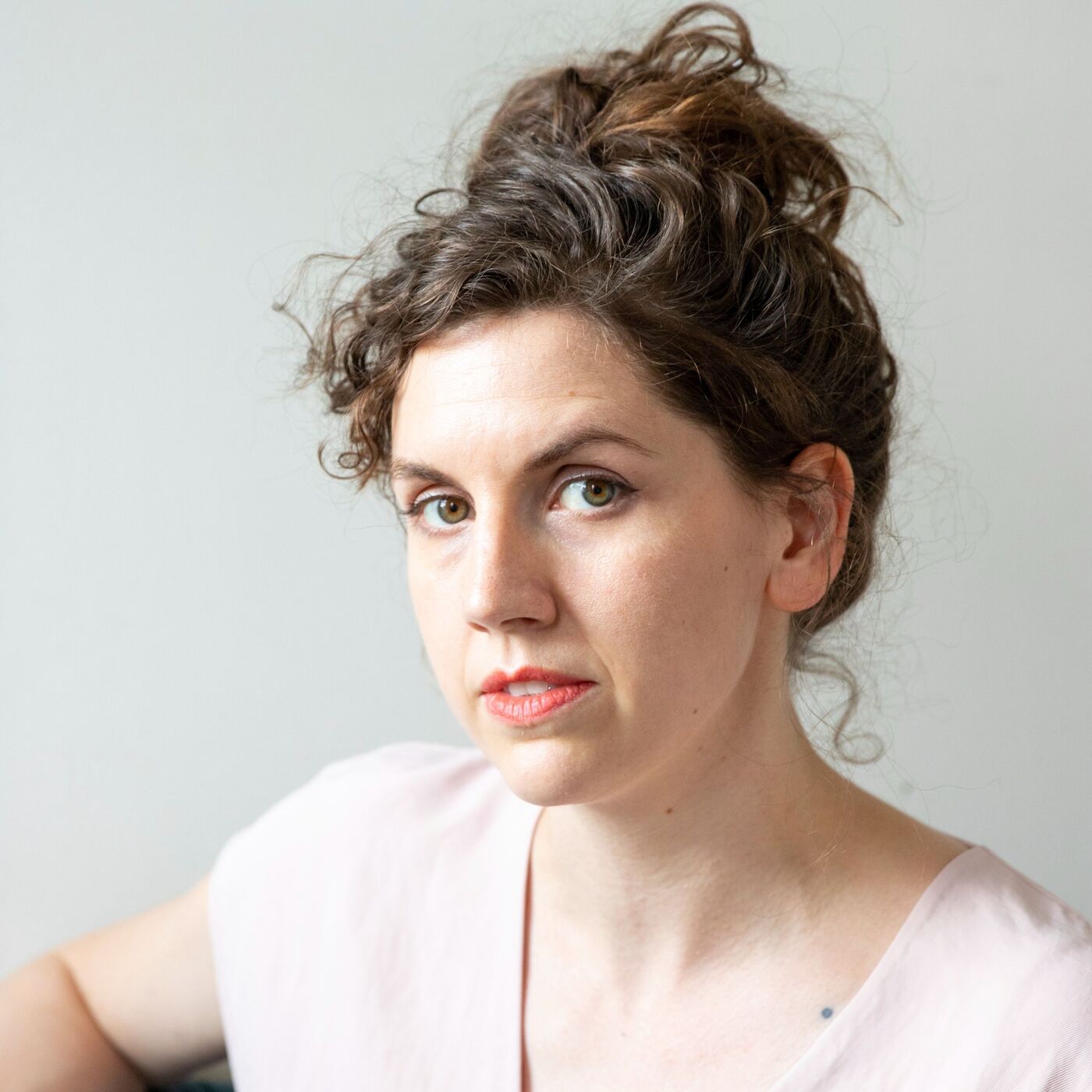
Our guest is Hannah Kirshner who is a food stylist and author of Water, Wood, and Wild Things published in 2021. She joined us in Episode #223 to discuss her wonderful book and introduced us to her fascinating life in Yamanaka, a small town in Ishikawa Prefecture, Japan. Hannah’s connection with Yamanaka has been deepening over time since her first visit in 2015 for a three-month apprenticeship at a sake bar. Then she moved to the town in 2018, fully immersing herself in the local culture through unique experiences, such as working at a sake brewery and carving wood trays with near-extinct ancient techniques. You can read her book and/or listen to Episode #223 to get to know her deep insight into Japanese culture in detail. There is no strict definition but generally speaking, Kominka means a residential house over 50 years old with classic value. Like in many other countries, depopulation is becoming an issue in Japan and as a result, vacant houses are abundant nationwide. In other words, in those depopulated areas, you can find Kominka with lots of charms at very reasonable prices. Hannah happened to find a great one in Yamanaka and bought it in 2021. In this episode, we will discuss why Hannah decided to buy an old house in a rural area in Japan, how she found an ideal property, the joy and challenges of renovating the house in an eco-friendly manner, her advice to potential Kominka owners and much, much more!!!See Privacy Policy at https://art19.com/privacy and California Privacy Notice at https://art19.com/privacy#do-not-sell-my-info.
Ep 339Takoyaki: Another Addictive Japanese Comfort Food
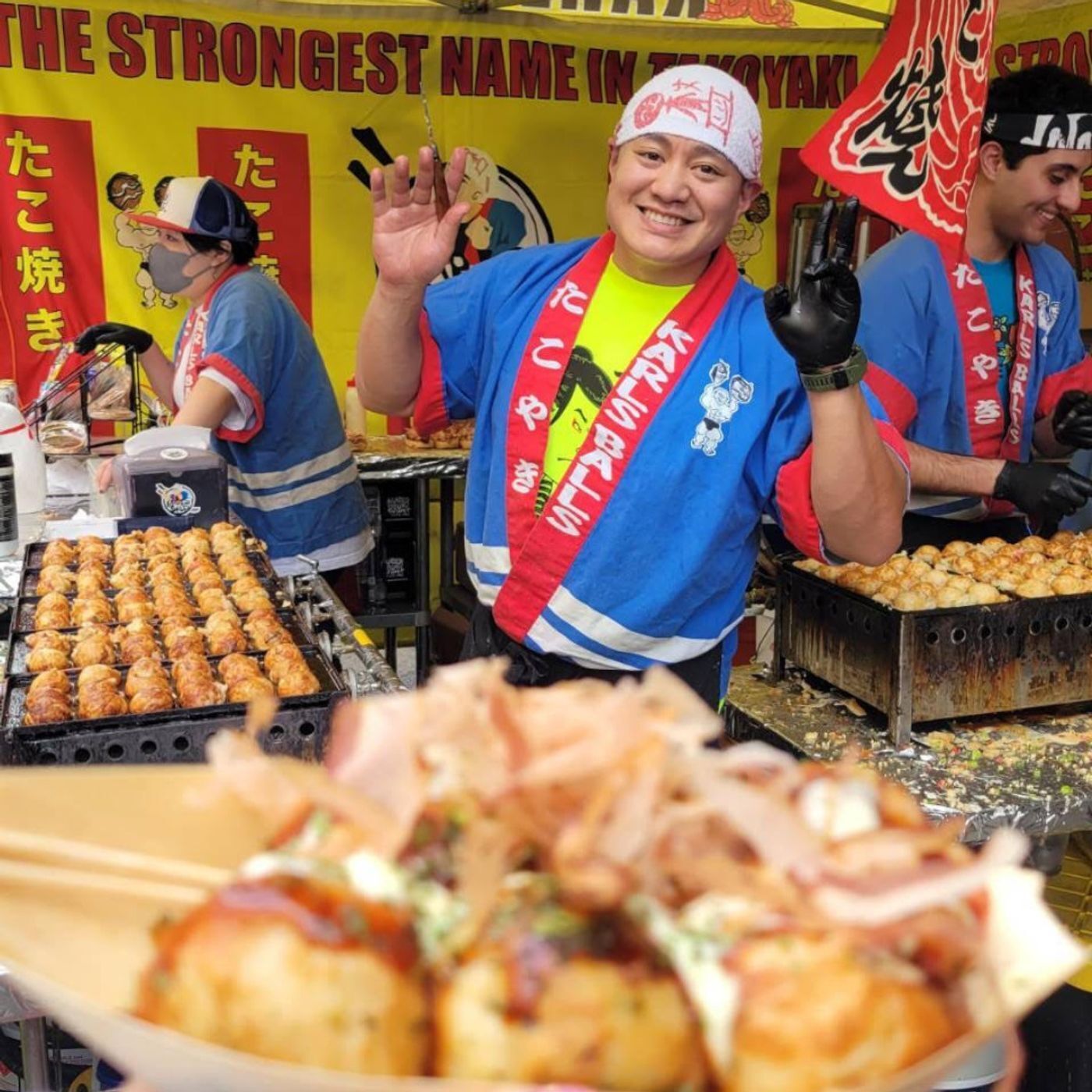
Our guest is Karl Palma, who is the chef and owner of Karl’s Balls based in New York City. His mission is to introduce the soul of takoyaki, which is one of the most beloved traditional comfort foods in Japan, to the world.Karl joined us in Episode #189 in 2020 and introduced us to the basics of takoyaki. Takoyaki is one of the biggest stars of Japanese summer festivals and it is seasonally timely to delve into the delicious, savory snack with a rich cultural background!In this episode, we will discuss why the simple bite-size balls are a piece of art, distinctively different styles of takoyaki between Osaka and Tokyo, the upcoming exciting takoyaki festival in Japan that Karl is invited to, and much, much more!Heritage Radio Network is a listener supported nonprofit podcast network. Support Japan Eats by becoming a member!Japan Eats is Powered by Simplecast.See Privacy Policy at https://art19.com/privacy and California Privacy Notice at https://art19.com/privacy#do-not-sell-my-info.

Ep 338The Inspiring Nordic Restaurant Noma Evolves With Japanese Food Culture
Our guest today is Thomas Frebel, the creative director at Noma. Noma is the famed restaurant in Copenhagen with numerous accolades, including three Michelin stars and The World’s 50 Best Restaurants’ No. 1 spot four times in a row from 2010 to 2014.Since its opening in 2003, Noma’s chef/owner René Redzepi has been inspiring the world through his strong philosophy of cooking with Nordic traditions and his never-ending pursuit of creativity. Noma’s landscape has reached far beyond Nordic countries, and Redzepi and his team have been actively exploring various food cultures in the world, including Japan.Since Thomas joined Noma in 2009, he has been working closely with Chef Redzepi, and has served as the executive chef at Noma’s restaurant project in Tokyo called INUA.In this episode, we will discuss the unique concepts of Noma beyond the famous restaurant, what Thomas learned through his job at INUA, Noma’s pop-up dinners in Kyoto this fall, what happens after Noma restaurant’s closure at the end of 2024, and much, much more!!!Heritage Radio Network is a listener supported nonprofit podcast network. Support Japan Eats by becoming a member!Japan Eats is Powered by Simplecast.See Privacy Policy at https://art19.com/privacy and California Privacy Notice at https://art19.com/privacy#do-not-sell-my-info.
Ep 337Ask Sake Samurai Tim Sullivan: What Sake To Drink Now
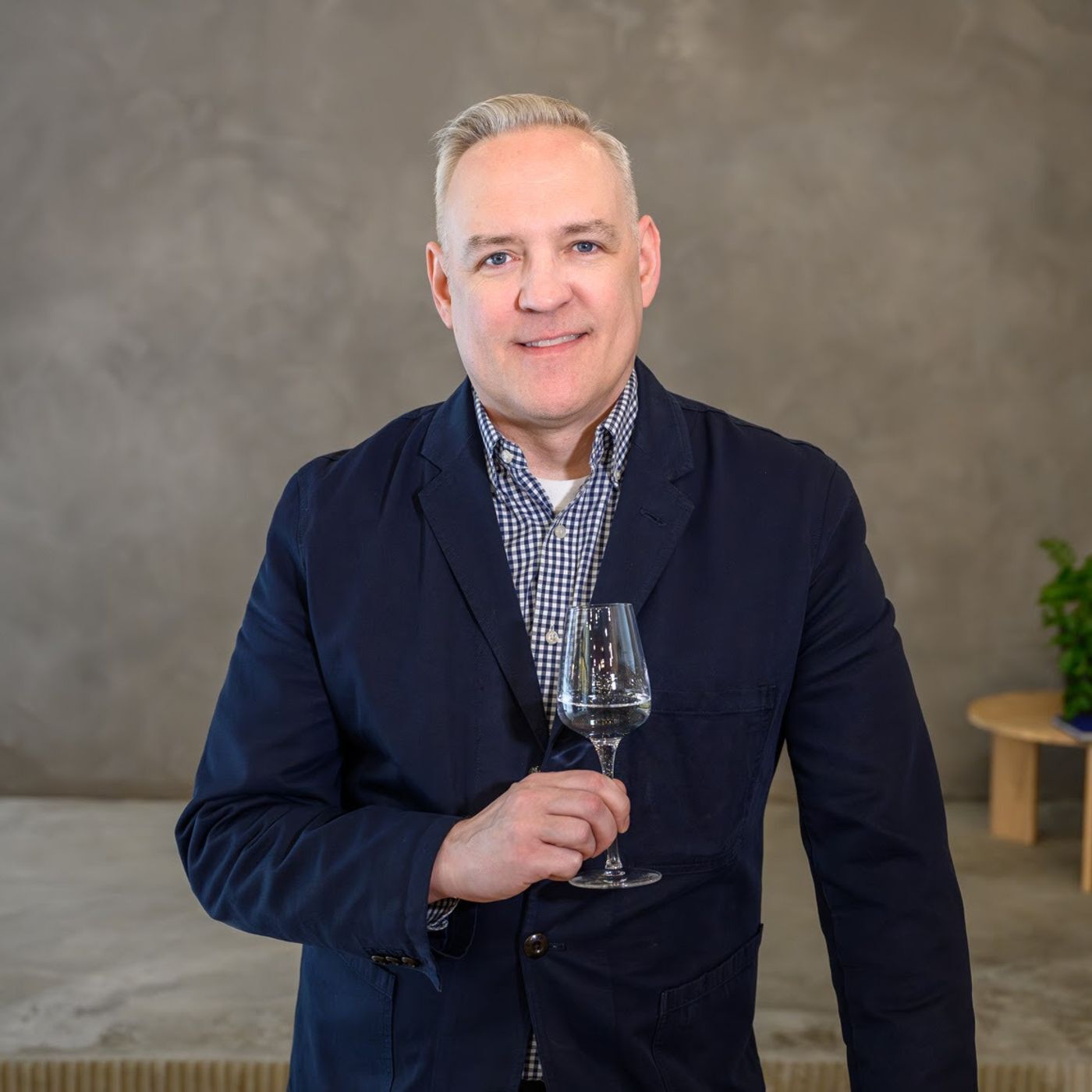
Our guest is Timothy Sullivan who is the Director of Education and lead instructor at the Sake Studies Center at Brooklyn Kura. He has over 16 years of experience teaching about sake, and in 2007 he was awarded the prestigious title of Sake Samurai by the Japan Sake Brewers Association. Since 2013, Tim has served as the Global Brand Ambassador for Hakkaisan Sake Brewery. He has played a pivotal role in developing and advancing the American sake industry.In this episode, we will discuss how the Japanese sake industry has been reviving solidly thanks to sake ambassadors and educators like Tim, how the American sake industry has been powerfully developing, what types of sake to drink now, how you can gain knowledge of sake to make the most of your precious glass, and much, much more!!!Heritage Radio Network is a listener supported nonprofit podcast network. Support Japan Eats by becoming a member!Japan Eats is Powered by Simplecast.See Privacy Policy at https://art19.com/privacy and California Privacy Notice at https://art19.com/privacy#do-not-sell-my-info.
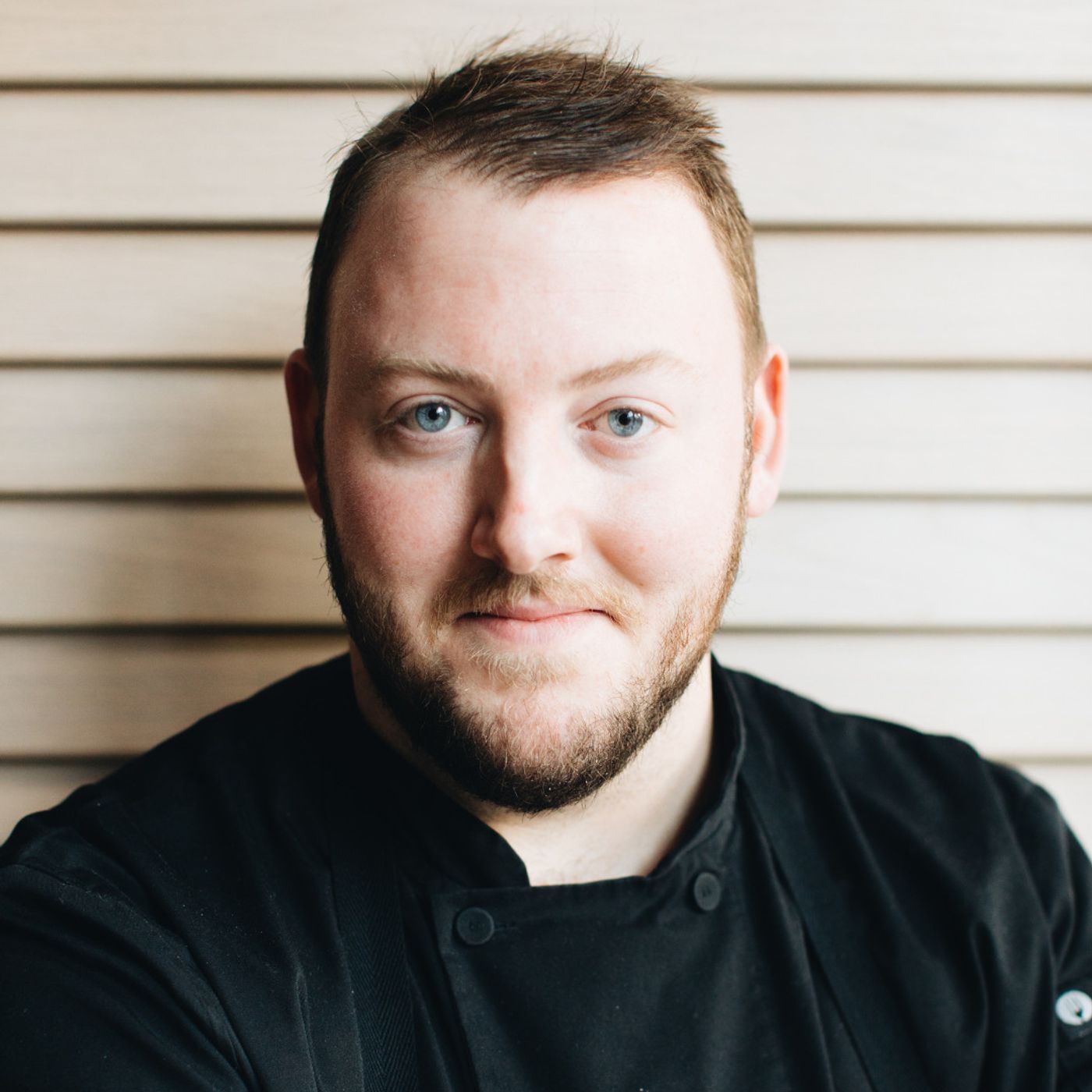
Ep 336Beer And Massage? How Do Wagyu Farms Actually Operate To Create The Buttery Marbling?
Our guest is Bob Broskey, who is the Executive Chef Partner of RPM Restaurants based in Chicago.After working at Michelin-starred restaurants in Chicago, he joined the team at RPM in 2019. Now he oversees multiple restaurants in Chicago, Las Vegas and Washington DC, reflecting his talent in managing popular restaurants in diverse genres. In addition to Bob's profound experience in cooking seafood, he is now one of the most knowledgeable chefs about Japanese wagyu beef in the U.S.In this episode, we will discuss Bob's recent visits to Wagyu farms in Japan, how Wagyu is different from regular beef from a chef's point of view, why Wagyu is so appealing to highly skilled chefs like Bob who have diverse options of meat to choose from, the best way to taste Wagyu, and much, much more!!!Photo courtesy of Lindsay Eberly.Heritage Radio Network is a listener supported nonprofit podcast network. Support Japan Eats by becoming a member!Japan Eats is Powered by Simplecast.See Privacy Policy at https://art19.com/privacy and California Privacy Notice at https://art19.com/privacy#do-not-sell-my-info.
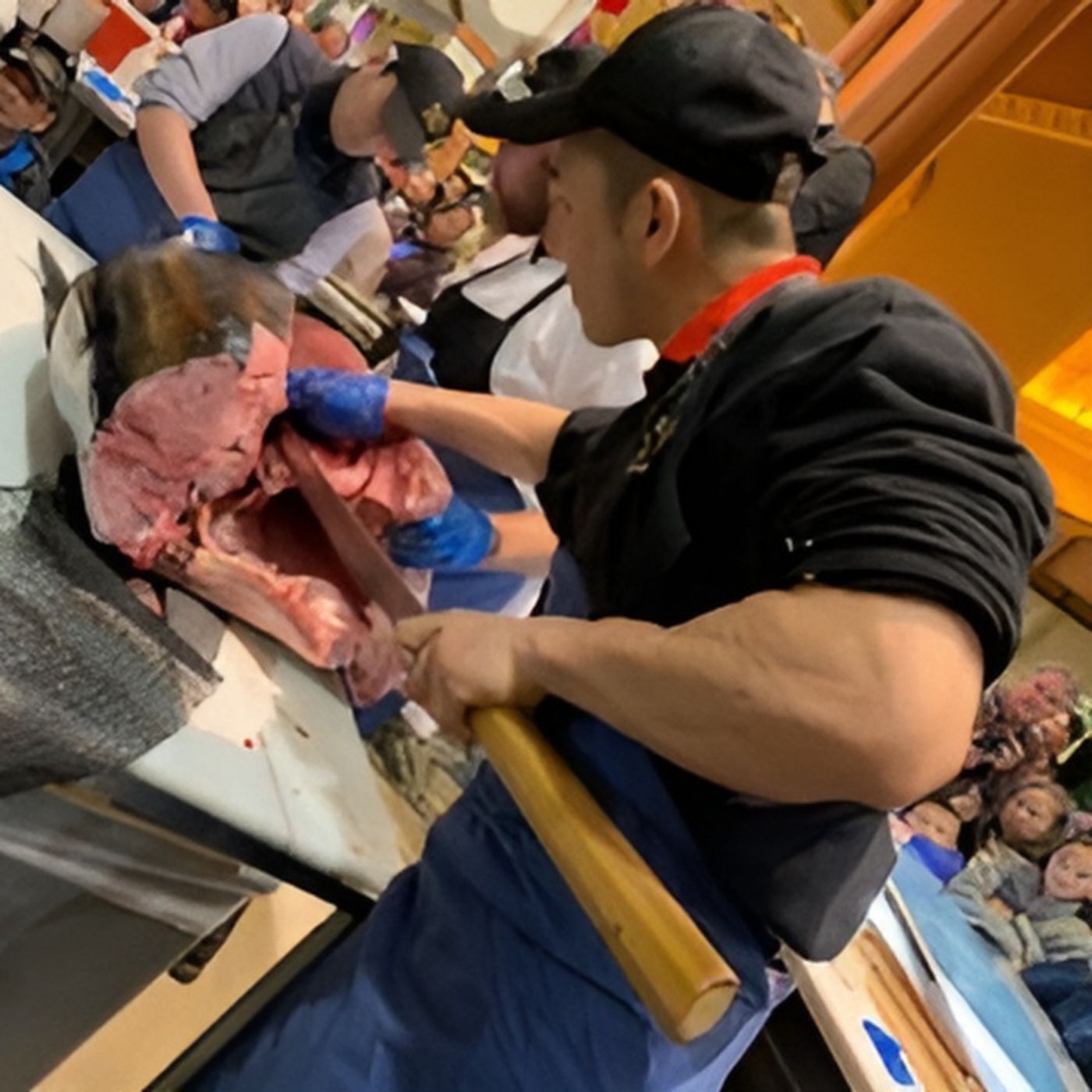
Ep 335All About The World's Biggest Seafood Market Toyosu (Formerly Tsukiji)
Our guest is Shinji Sakamoto, a seafood expert based in Tokyo. Shinji’s background is unique and impressive. He trained himself as a buyer in the world's biggest seafood market called Tsukiji, and worked in Japan, Singapore and the U.S. to support operations of the seafood departments at major corporations. He also received a formal culinary education at one of the top culinary programs in Japan.You may have heard about the Tsukiji Market, which was relocated in 2018 and is now called the Toyosu Market. It is the Central Wholesale Market in Tokyo and every high-end sushi restaurant in the world relies on the market to secure the best-quality seafood available.In this episode, we will discuss how Shinji became a seafood expert and buyer at the world's biggest fish market, why the Toyosu Market is so important regardless of whether you are in the seafood industry or a seafood lover, how the market works to offer prime seafood in the best condition, and much, much more!!!Heritage Radio Network is a listener supported nonprofit podcast network. Support Japan Eats by becoming a member!Japan Eats is Powered by Simplecast.See Privacy Policy at https://art19.com/privacy and California Privacy Notice at https://art19.com/privacy#do-not-sell-my-info.
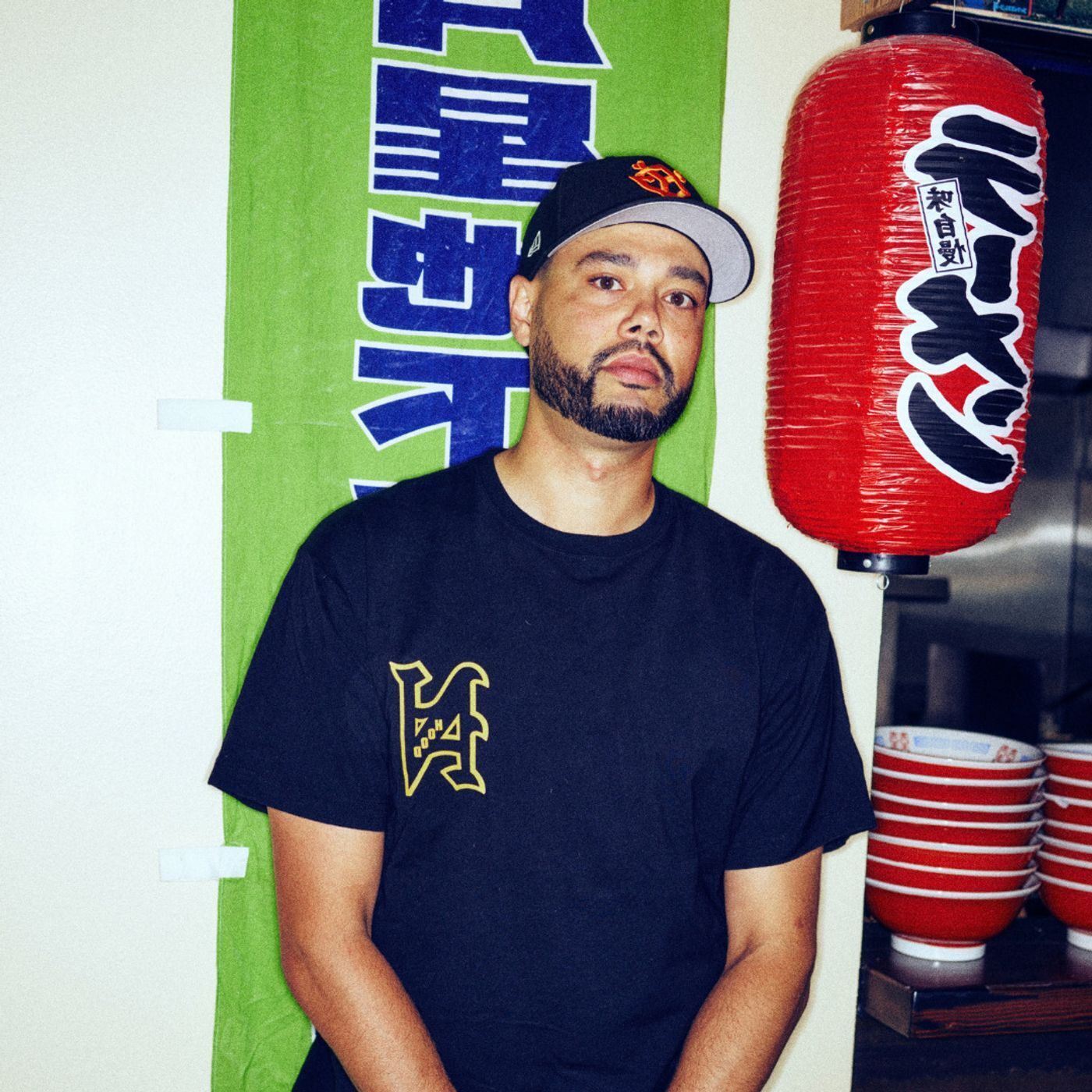
Ep 334The Success of Menya Rui: Expressing The Soul Of Ramen In St. Louis
Our guest is Steven Pursley, the chef/owner of Menya Rui in St. Louis, Missouri. Menya Rui opened in 2022, and since, Steven has received numerous accolades for his job at the ramen shop, such as Food & Wine magazine’s Best New Chef in 2023.Steven has the right reasons to be recognized as a great ramen chef. He grew up both in Japan and the U.S. as a child under his American and Japanese parents, so he has lots of fond memories of Japanese food and in particular, ramen.His soul search led him to study ramen in Japan, and his 24-seat ramen shop Menya Rui represents who he is now. For example, he makes everything from scratch, including noodles, which is highly challenging for even an experienced ramen chef in Japan.In this episode, we will discuss why Steven decided to pursue a career in ramen, what he learned in his three-year intensive training at ramen shops in Japan, his unique philosophy of ramen, his advice to future ramen chefs, and much, much more!Heritage Radio Network is a listener supported nonprofit podcast network. Support Japan Eats by becoming a member!Japan Eats is Powered by Simplecast.See Privacy Policy at https://art19.com/privacy and California Privacy Notice at https://art19.com/privacy#do-not-sell-my-info.
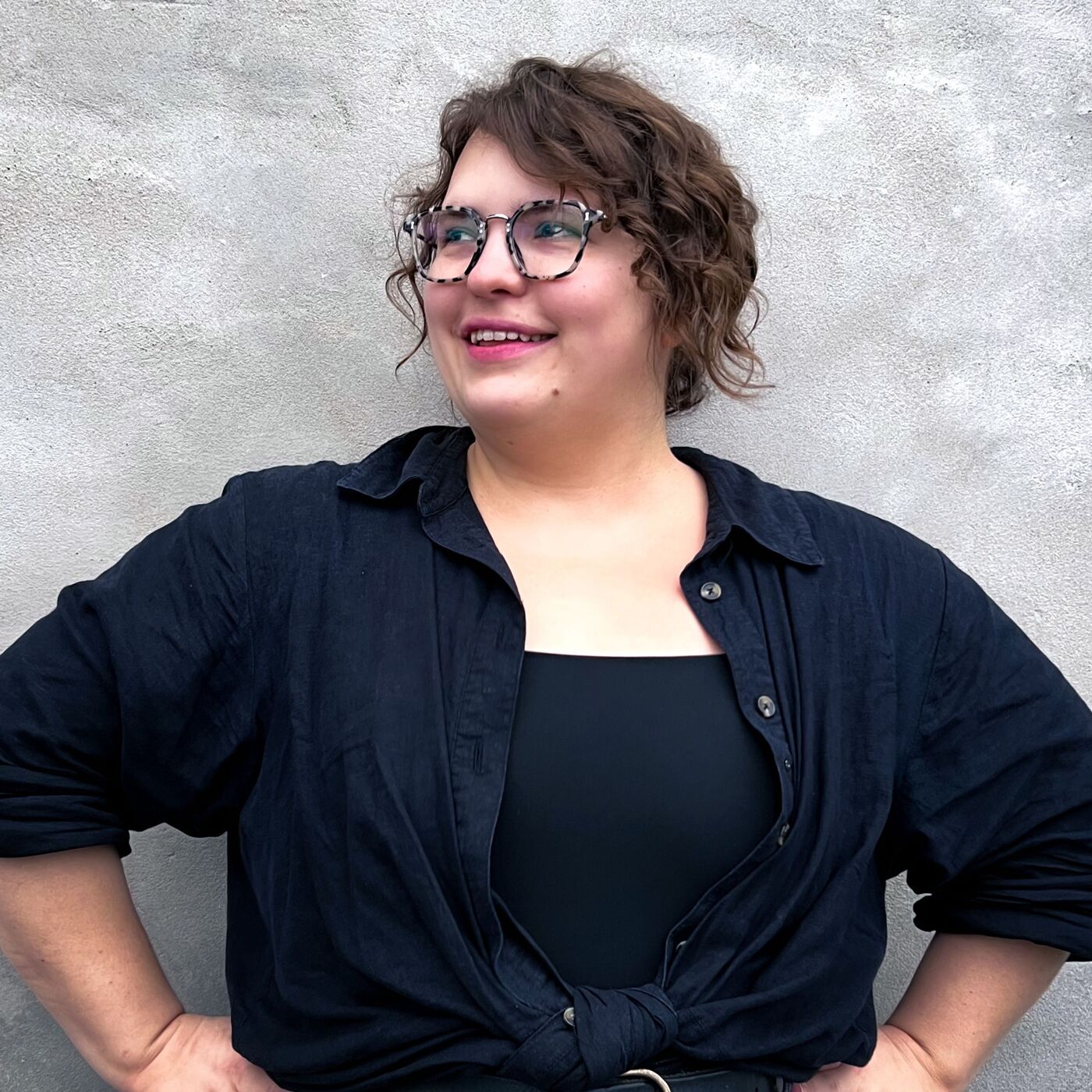
Ep 333Flavorama: Unlock The Art And Of Flavor With Noma’s Science Director
Our guest is Dr. Arielle Johnson. Arielle is a flavor scientist who advises some of the top chefs, restaurants, and bars in the world. For example, she co-founded the fermentation lab at the restaurant Noma in Copenhagen, which has been named the best restaurant in the world multiple times by the World’s 50 Best Restaurants. Arielle is currently the Science Director of Noma Projects and co-founder of Retronasal Industries among other important roles. Arielle is also the author of “Flavorama: A Guide To Unlocking The Art And Science Of Flavor”, which came out in March 2024. The book is a wonderful tool for all of us to understand the science of flavors and to apply it to our daily lives in fun and practical ways. In this episode, we will discuss how Arielle got into the world of tastes and flavors, the joy of applying science to top restaurants' kitchens in the world, how you can use food science in your daily life with tips from Arielle’s new book Flavorama and much, much more!Heritage Radio Network is a listener supported nonprofit podcast network. Support Japan Eats by becoming a member!Japan Eats is Powered by Simplecast.See Privacy Policy at https://art19.com/privacy and California Privacy Notice at https://art19.com/privacy#do-not-sell-my-info.
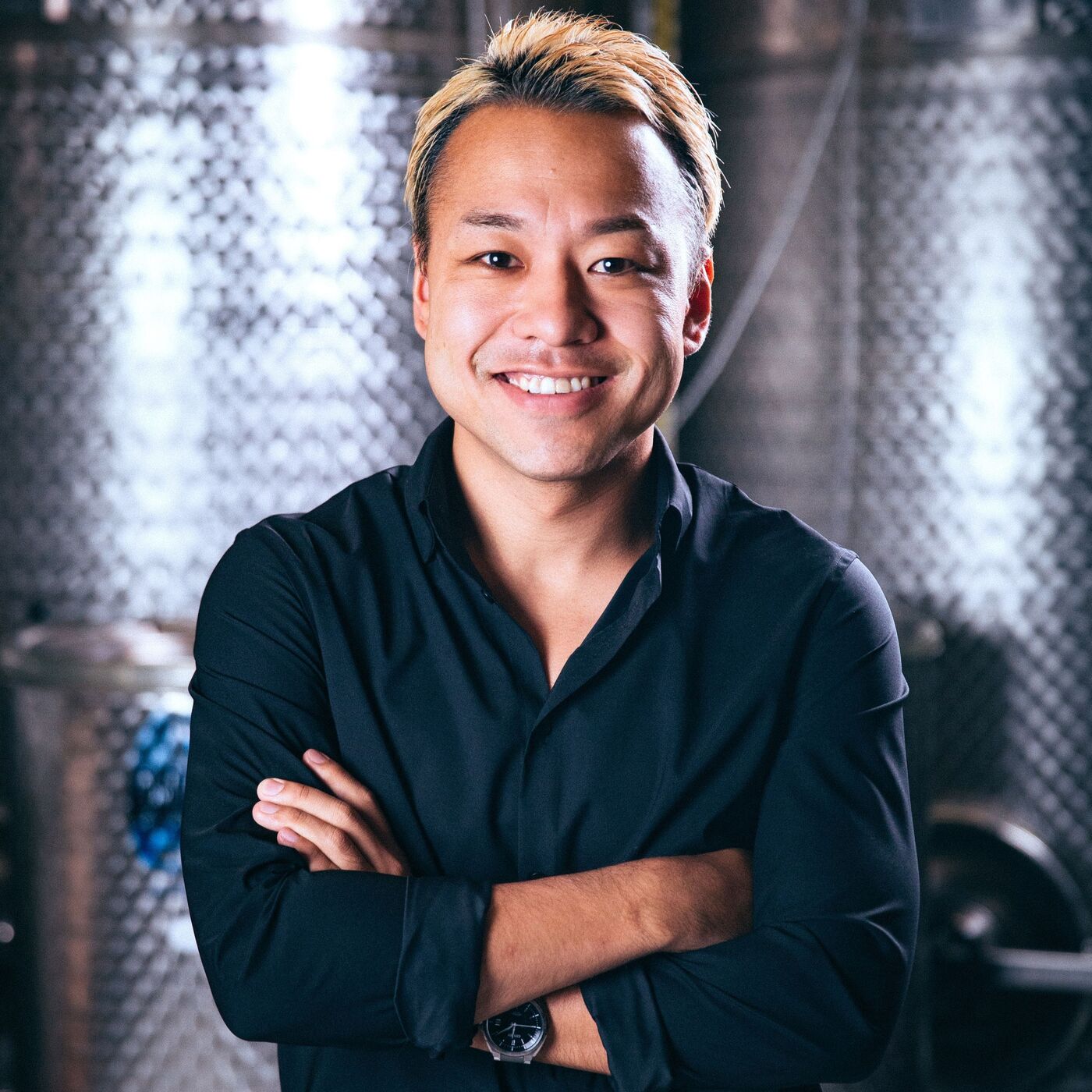
Ep 332WAKAZE: Paving The Way For A Bright Future Of Sake
Our guest is Takuma Inagawa who is the founder and CEO of WAKAZE. WAKAZE is a unique and forward-minded producer of Japanese sake based in Paris, France. The Japanese sake industry has been facing challenges domestically due to various reasons, such as the decrease in the drinking population and the increase in competitive products in the market like wine and shochu. Compared to the peak of sake consumption in the 1970s, Japanese people drink only a quarter of sake now. Ironically, the government regulations are not helping to stop the decline as they restrict licensing new sake businesses that can revitalize the industry. However, WAKAZE is presenting a model to conquer the challenges by producing new styles of sake with traditional techniques and an innovative mindset. In this episode, we will discuss why Takuma left his successful career as a business consultant and decided to start a sake brewery in Paris, his out-of-the-box approach to sake production, how he managed to convince French consumers to drink Japanese sake made in Paris, his new sake production in America, his global plans to grow the popularity of sake, and much, much more!!!Heritage Radio Network is a listener supported nonprofit podcast network. Support Japan Eats by becoming a member!Japan Eats is Powered by Simplecast.See Privacy Policy at https://art19.com/privacy and California Privacy Notice at https://art19.com/privacy#do-not-sell-my-info.
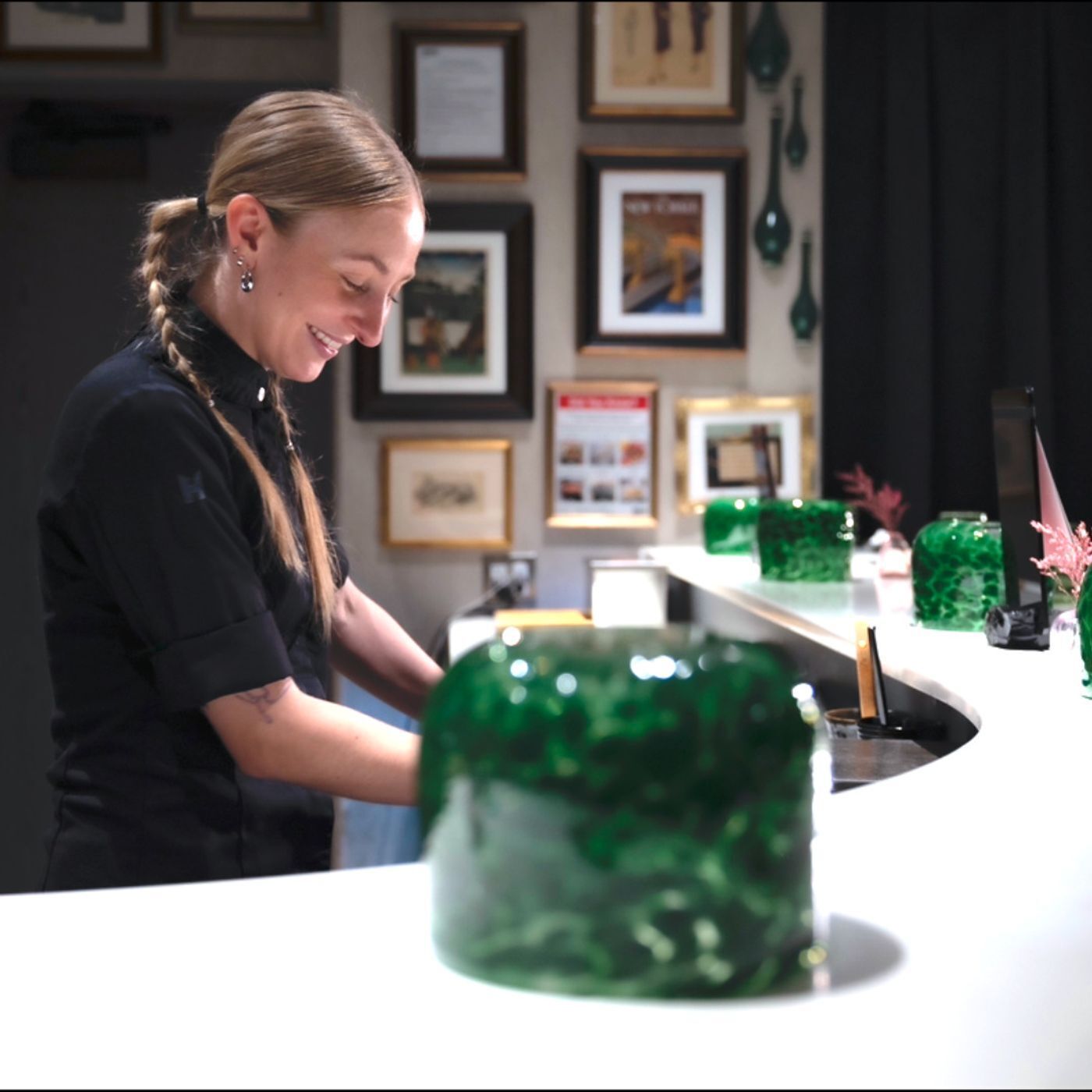
Ep 331Hoseki: An American Female Chef Sparkles At A Sushi Bar
Our guest is Morgan Adamson, the chef at Hoseki, a six-seat omakase sushi bar located at Saks Fifth Avenue in Manhattan.In previous episodes, we had several non-Japanese sushi chefs who proved that America has a distinctive pool of talent, and that the American sushi culture is on healthy ground. Morgan is definitely one of these talents, and being female, she is particularly unique as the traditional sushi industry has been notorious for not welcoming females to lead the sushi counter.In this episode, we will discuss how a young woman from Michigan got into sushi, how she studied sushi-making and built a successful career, a unique concept of Hoseki where she expresses her own sushi-making philosophy, her advice to future sushi chefs in America, and much, much more!!!-----THE NOTO PENINSULA EARTHQUAKE DISASTER RELIEF As you may know, a major earthquake struck Japan's Noto Peninsula in Ishikawa Prefecture on January 1st. The death toll keeps climbing and the damage to the beautiful region is tremendous. Importantly, 10 of the 11 sake breweries in the Noto Peninsula were completely or partially destroyed. So if you can, please donate through reliable organizations including: The Japanese Red Cross https://www.jrc.or.jp/english/relief/2024NotoPeninsulaEarthquake.html Peace Winds America: A fundraiser by US-Japan Foundation/US-Japan Leadership Program https://www.globalgiving.org/fundraisers/49472/ The Ishikawa Sake Brewers Association https://www.ishikawa-sake.jp/index.php (the donation account details) https://www.ishikawa-sake.jp/images/97-1.pdf) Heritage Radio Network is a listener supported nonprofit podcast network. Support Japan Eats by becoming a member!Japan Eats is Powered by Simplecast.See Privacy Policy at https://art19.com/privacy and California Privacy Notice at https://art19.com/privacy#do-not-sell-my-info.
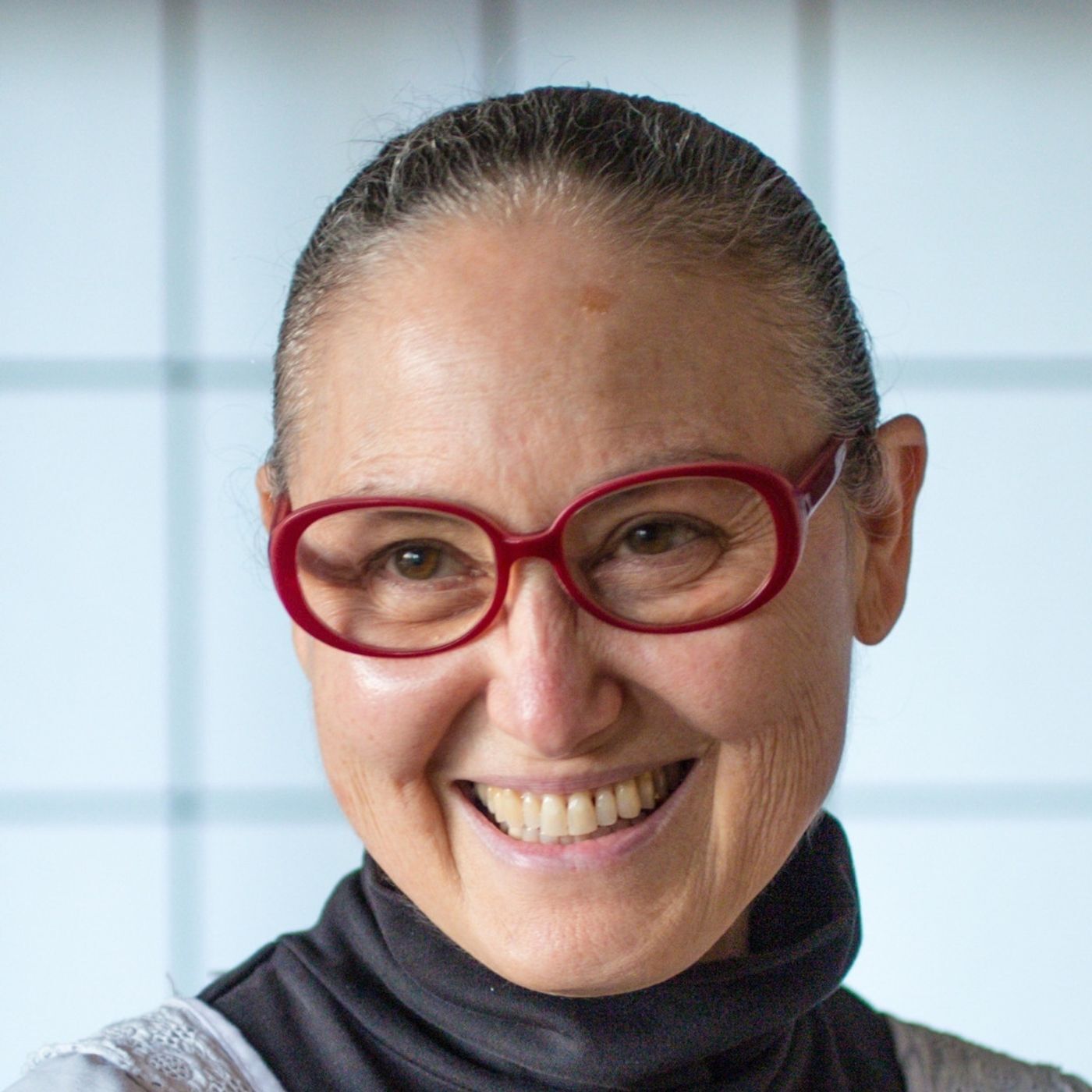
Ep 330Japanese Curry: Unique, Delicious, Super Popular Soul Food
Our guest is Elizabeth Andoh, who already joined us 13 times and shared her truly deep insight into traditional Japanese food culture. Elizabeth is a food writer and Japanese cooking instructor based in Tokyo, and she has lived in Japan for over 50 years. She runs the culinary arts program called A Taste of Culture, which offers a great opportunity for non-Japanese people to explore Japanese culture through its food. Elizabeth is also the author of 6 cookbooks, including the award-winning “Washoku: Recipes from the Japanese Kitchen” and “Kansha: Celebrating Japan's Vegan and Vegetarian Traditions.”Today’s topic is Japanese curry. Curry is a universally popular dish, but like many other things, Japanese people remodeled the original and created a unique style of their own. Now, Japanese people eat Japanese-style curry as often as every 5 days, and the sales of all curry products totals 100 billion Japanese yen, or 660 million US dollars, annually.In this episode, we will discuss when and how Japanese people created their distinctively unique style of curry, the difference between Japanese and other styles of curry in the world, how to make a perfect Japanese curry dish at home, and much, much more!!!-----THE NOTO PENINSULA EARTHQUAKE DISASTER RELIEF As you may know, a major earthquake struck Japan's Noto Peninsula in Ishikawa Prefecture on January 1st. The death toll keeps climbing and the damage to the beautiful region is tremendous. Importantly, 10 of the 11 sake breweries in the Noto Peninsula were completely or partially destroyed. So if you can, please donate through reliable organizations including: The Japanese Red Cross https://www.jrc.or.jp/english/relief/2024NotoPeninsulaEarthquake.html Peace Winds America: A fundraiser by US-Japan Foundation/US-Japan Leadership Program https://www.globalgiving.org/fundraisers/49472/ The Ishikawa Sake Brewers Association https://www.ishikawa-sake.jp/index.php (the donation account details) https://www.ishikawa-sake.jp/images/97-1.pdf) Heritage Radio Network is a listener supported nonprofit podcast network. Support Japan Eats by becoming a member!Japan Eats is Powered by Simplecast.See Privacy Policy at https://art19.com/privacy and California Privacy Notice at https://art19.com/privacy#do-not-sell-my-info.
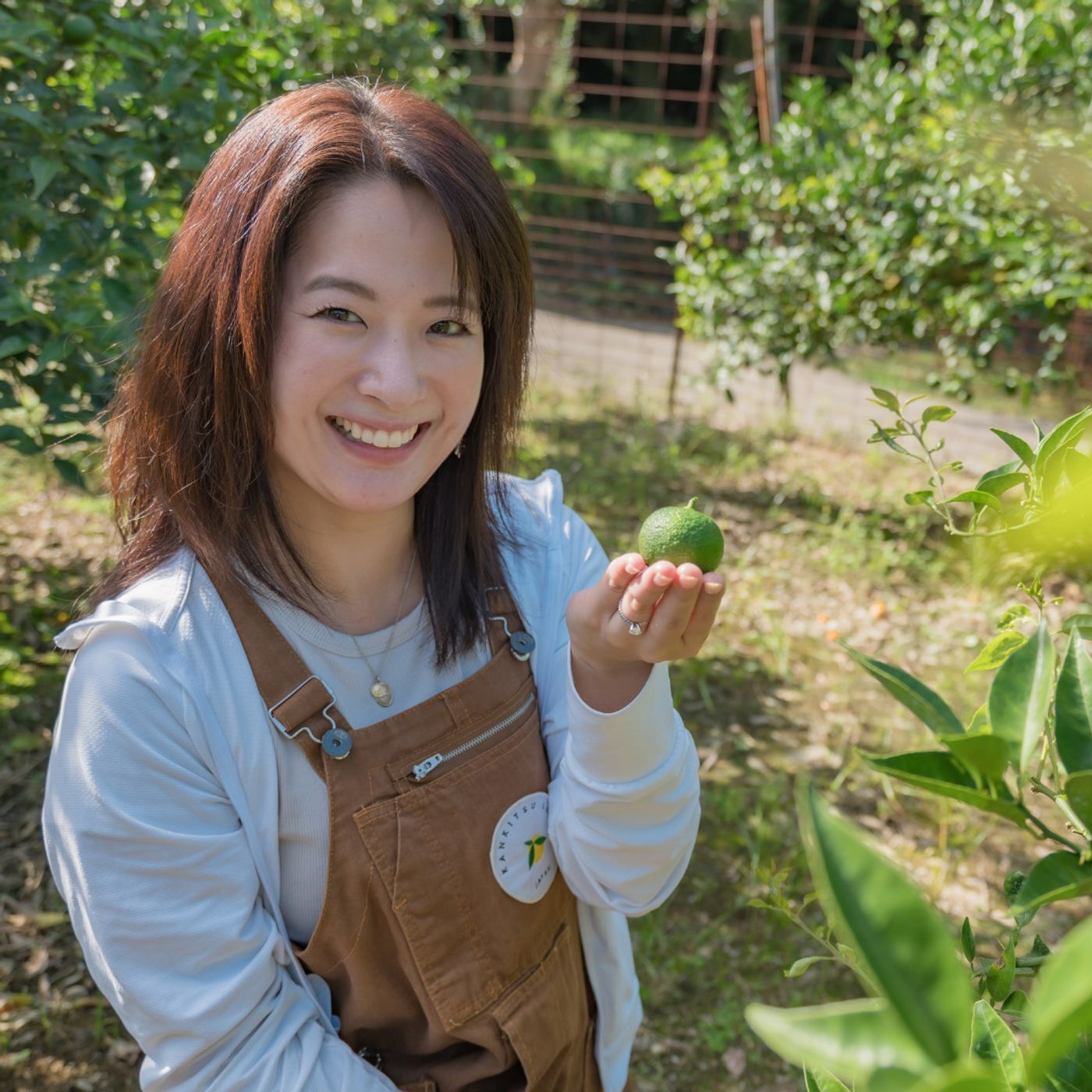
Ep 329Yuzu, Sudachi, Kabosu … All About Japanese Flavorful Citrus
Our guest is Megumi Hwang, the co-founder of KANKITSU LABO based in New York. She started KANKITSU LABO with the goal to revive the declining citrus farming industry in Japan and spread unique flavors of Japanese citrus to the world.You may have heard of yuzu, or tasted it at a Japanese restaurant and enjoyed its distinctively refreshing flavor. Citrus fruits are very popular in Japan, and there are numerous original varieties in the country other than yuzu.On this episode, we will discover the world of Japanese citrus fruits and how you can use them, and Megumi’s mission and activities to support Japanese citrus farms that are seriously in decline due to market competition and the aging population.-----THE NOTO PENINSULA EARTHQUAKE DISASTER RELIEF As you may know, a major earthquake struck Japan's Noto Peninsula in Ishikawa Prefecture on January 1st. The death toll keeps climbing and the damage to the beautiful region is tremendous. Importantly, 10 of the 11 sake breweries in the Noto Peninsula were completely or partially destroyed. So if you can, please donate through reliable organizations including: The Japanese Red Cross https://www.jrc.or.jp/english/relief/2024NotoPeninsulaEarthquake.html Peace Winds America: A fundraiser by US-Japan Foundation/US-Japan Leadership Program https://www.globalgiving.org/fundraisers/49472/ The Ishikawa Sake Brewers Association https://www.ishikawa-sake.jp/index.php (the donation account details) https://www.ishikawa-sake.jp/images/97-1.pdf) Heritage Radio Network is a listener supported nonprofit podcast network. Support Japan Eats by becoming a member!Japan Eats is Powered by Simplecast.See Privacy Policy at https://art19.com/privacy and California Privacy Notice at https://art19.com/privacy#do-not-sell-my-info.
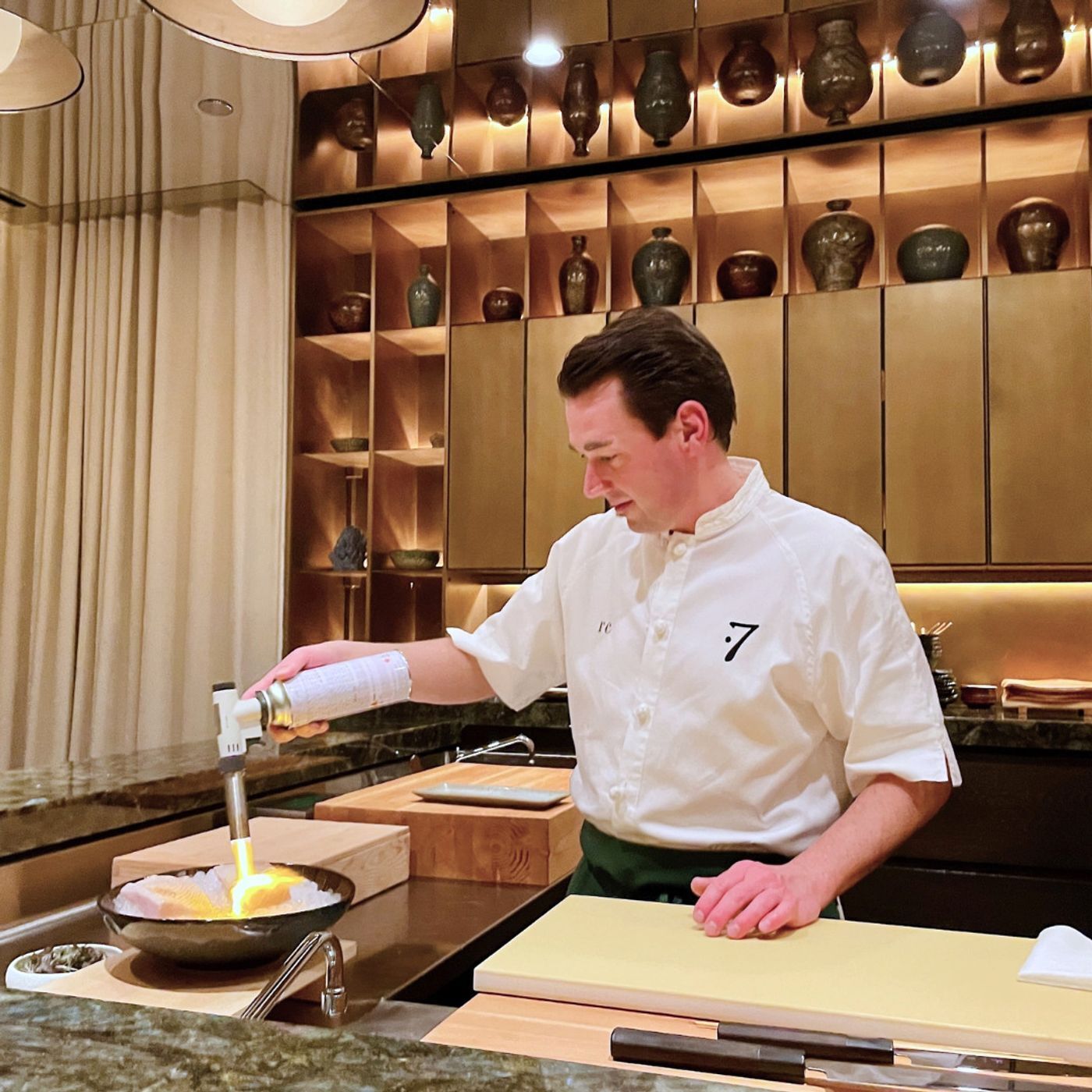
Ep 328An Iowan Chef Classically Nurtures the American Sushi Culture
Our guest today is Robby Cook, who is the chef at Coral. Coral opened in October 2023 and is located next to Grand Central Station in Manhattan.Robby’s path to becoming a successful sushi chef is unique and impressive. He joined us on Episode 37 in 2016, when he was the executive chef at Morimoto, and talked about his intriguing journey to becomimg a successful sushi chef.Inspired by the world of sushi and its tradition, Robby studied at the California Sushi Academy. After graduation, he proved his talent at notable restaurants in New York, including BondST and Morimoto.There used to be a belief that great sushi could be made only by Japanese chefs trained in Japan, but now we see so many cases to disprove this idea. Robby is a perfect example: he not only understands the traditional value of sushi, but communicates it effectively to a global audience with his own sushi-making philosophy.On this episode, we will discuss how a young American decided himself to becoming a sushi chef, how he managed to hone his skills to become one of the top talents in the U.S., his sushi-making philosophy behind his omakase menu at Coral, his advice for future sushi chefs and much, much more!!!-----THE NOTO PENINSULA EARTHQUAKE DISASTER RELIEF As you may know, a major earthquake struck Japan's Noto Peninsula in Ishikawa Prefecture on January 1st. The death toll keeps climbing and the damage to the beautiful region is tremendous. Importantly, 10 of the 11 sake breweries in the Noto Peninsula were completely or partially destroyed. So if you can, please donate through reliable organizations including: The Japanese Red Cross https://www.jrc.or.jp/english/relief/2024NotoPeninsulaEarthquake.html Peace Winds America: A fundraiser by US-Japan Foundation/US-Japan Leadership Program https://www.globalgiving.org/fundraisers/49472/ The Ishikawa Sake Brewers Association https://www.ishikawa-sake.jp/index.php (the donation account details) https://www.ishikawa-sake.jp/images/97-1.pdf) Heritage Radio Network is a listener supported nonprofit podcast network. Support Japan Eats by becoming a member!Japan Eats is Powered by Simplecast.See Privacy Policy at https://art19.com/privacy and California Privacy Notice at https://art19.com/privacy#do-not-sell-my-info.
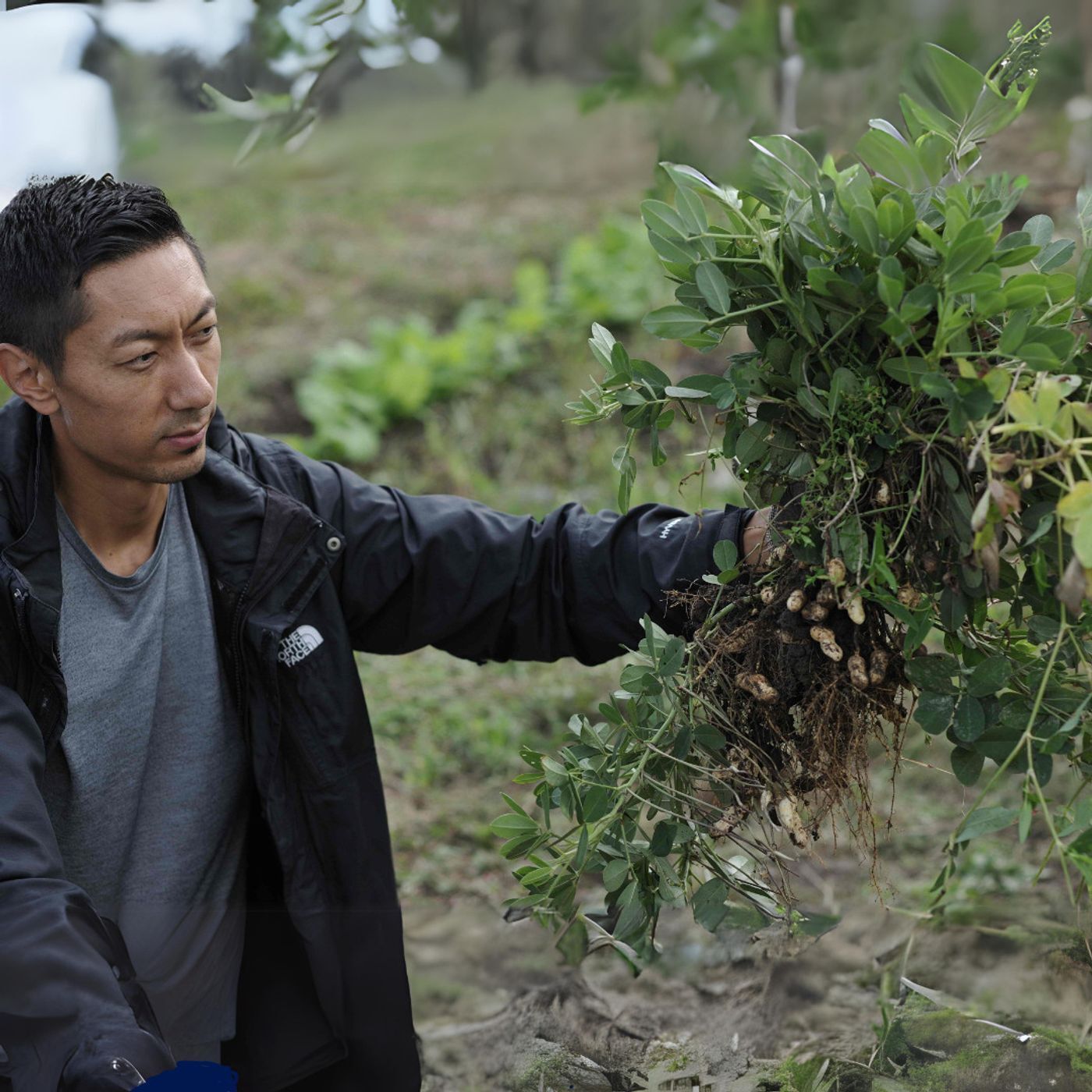
Ep 327Enowa: ‘Beyond Farm-To-Table’ Restaurant in a Remote Onsen Town In Japan
Our guest is Tashi Gyamtso, the chef at Enowa. Enowa is a beautiful new restaurant and hotel in Yufuin, a remote town in the southern part of Japan. Enowa represents Tashi’s unique culinary philosophy, which he has developed through his diverse experiences in the U.S. and abroad, including his career as a sous chef at the Michelin-starred Blue Hill at Stone Barns in New York.On this episode, we will discuss how Tashi, who is originally from Tibet, got into cooking, his idea of the desirable food supply system and how he practices it at Enowa, the joy and the challenges of running a restaurant & hotel and even a sustainable farm in a remote area of Japan, and much, much more!!!-----THE NOTO PENINSULA EARTHQUAKE DISASTER RELIEF As you may know, a major earthquake struck Japan's Noto Peninsula in Ishikawa Prefecture on January 1st. The death toll keeps climbing and the damage to the beautiful region is tremendous. Importantly, 10 of the 11 sake breweries in the Noto Peninsula were completely or partially destroyed. So if you can, please donate through reliable organizations including: The Japanese Red Cross https://www.jrc.or.jp/english/relief/2024NotoPeninsulaEarthquake.html Peace Winds America: A fundraiser by US-Japan Foundation/US-Japan Leadership Program https://www.globalgiving.org/fundraisers/49472/ The Ishikawa Sake Brewers Association https://www.ishikawa-sake.jp/index.php (the donation account details) https://www.ishikawa-sake.jp/images/97-1.pdf) Heritage Radio Network is a listener supported nonprofit podcast network. Support Japan Eats by becoming a member!Japan Eats is Powered by Simplecast.See Privacy Policy at https://art19.com/privacy and California Privacy Notice at https://art19.com/privacy#do-not-sell-my-info.
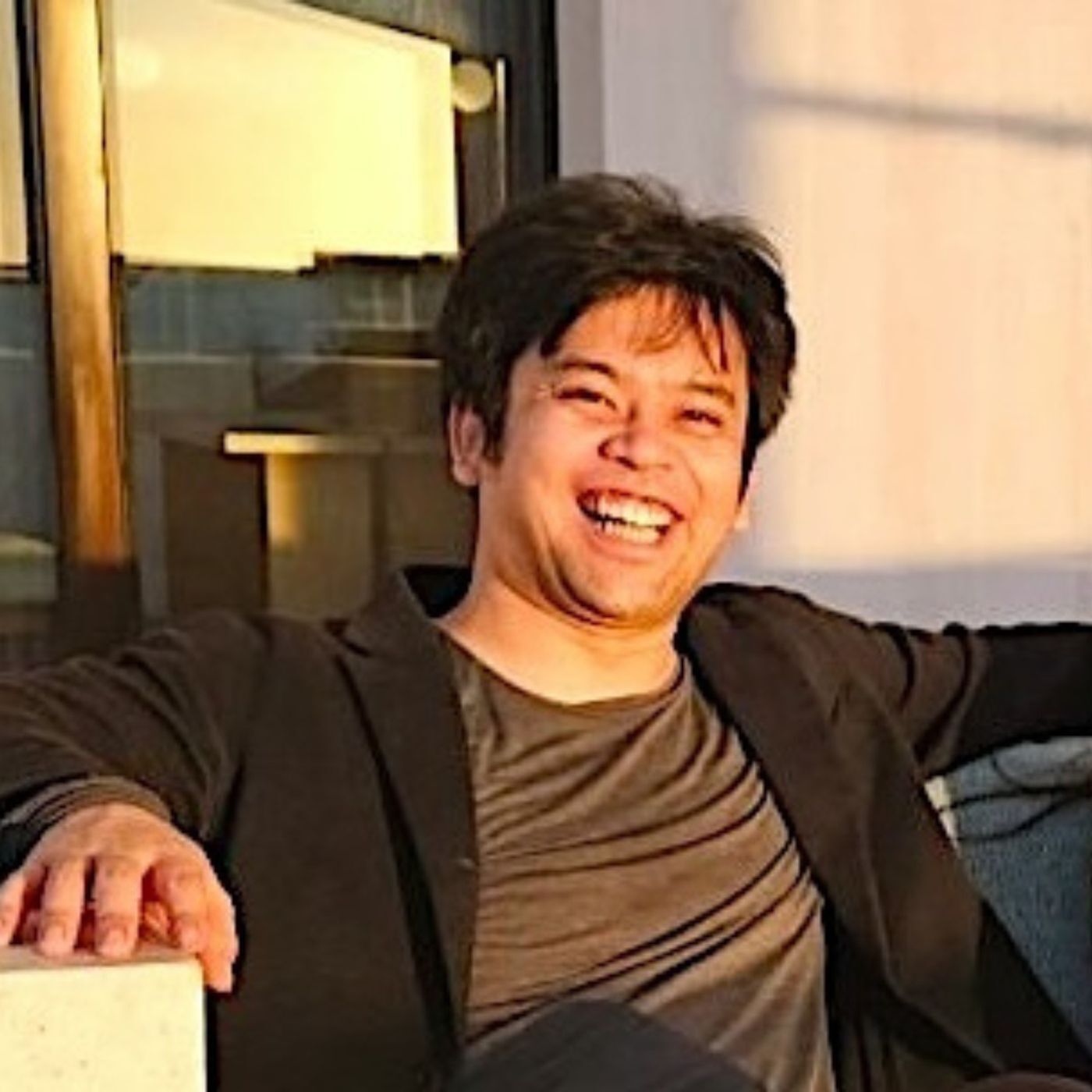
Ep 326Wagyu: The Most Prized Meat In The World
Our guest is Yuki Ueki, the assistant vice president of Zen-Noh America. Zen-Noh America is a subsidiary of the National Federation of Agricultural Cooperative Associations of Japan.As you may know, Wagyu beef is known for its extreme marbling and delicateness, as well as its unique, pleasant flavor. Behind its deliciousness, there is so much to discover such as its breeds, how it is raised, and the healthy unsaturated fat it contains.In this episode, we will discuss what wagyu is by definition, the difference between wagyu, washu, and Kobe beef, the grading program to guarantee wagyu’s quality on your plate, why wagyu’s fatty marbling is not bad for you, and much, much more!!!-----THE NOTO PENINSULA EARTHQUAKE DISASTER RELIEF As you may know, a major earthquake struck Japan's Noto Peninsula in Ishikawa Prefecture on January 1st. The death toll keeps climbing and the damage to the beautiful region is tremendous. Importantly, 10 of the 11 sake breweries in the Noto Peninsula were completely or partially destroyed. So if you can, please donate through reliable organizations including: The Japanese Red Cross https://www.jrc.or.jp/english/relief/2024NotoPeninsulaEarthquake.html Peace Winds America: A fundraiser by US-Japan Foundation/US-Japan Leadership Program https://www.globalgiving.org/fundraisers/49472/ The Ishikawa Sake Brewers Association https://www.ishikawa-sake.jp/index.php (the donation account details) https://www.ishikawa-sake.jp/images/97-1.pdf) Heritage Radio Network is a listener supported nonprofit podcast network. Support Japan Eats by becoming a member!Japan Eats is Powered by Simplecast.See Privacy Policy at https://art19.com/privacy and California Privacy Notice at https://art19.com/privacy#do-not-sell-my-info.

Ep 325Ramen Lord’s New Chapter: His Own Ramen Shop Akahoshi Ramen
Our guest is Mike Satinover, the chef/owner of Akahoshi Ramen in Chicago, which opened in November 2023.Mike joined us on Episode 280 in November 2022 and shared his fascinating story of how a young man who grew up in Chicago got into Japanese culture, ended up living in Japan, and discovered the profound world of ramen.Among ramen connoisseurs and aficionados, Mike has been known as Ramen Lord on Reddit and Instagram. He has been generously sharing valuable knowledge and educating whoever wants to learn about ramen so that they don’t have to find out how to make a good bowl on their own.Ramen has become very popular in the U.S. in the last two decades or so, arguably becoming a part of American food culture. Akahoshi Ramen has been gaining huge attention since its opening and represents the potential of ramen as a global cuisine beyond a Japanese traditional noodle dish.On this episode, we will discuss how Mike got into ramen, why he decided to quit his successful job as a market research analyst to open a ramen shop, the challenges he has faced in opening and running a ramen shop in Chicago, the soulful ramen he offers at Akahoshi Ramen and much, much more!!!-----THE NOTO PENINSULA EARTHQUAKE DISASTER RELIEF As you may know, a major earthquake struck Japan's Noto Peninsula in Ishikawa Prefecture on January 1st. The death toll keeps climbing and the damage to the beautiful region is tremendous. Importantly, 10 of the 11 sake breweries in the Noto Peninsula were completely or partially destroyed. So if you can, please donate through reliable organizations including: The Japanese Red Cross https://www.jrc.or.jp/english/relief/2024NotoPeninsulaEarthquake.html Peace Winds America: A fundraiser by US-Japan Foundation/US-Japan Leadership Program https://www.globalgiving.org/fundraisers/49472/ The Ishikawa Sake Brewers Association https://www.ishikawa-sake.jp/index.php (the donation account details) https://www.ishikawa-sake.jp/images/97-1.pdf) Heritage Radio Network is a listener supported nonprofit podcast network. Support Japan Eats by becoming a member!Japan Eats is Powered by Simplecast.See Privacy Policy at https://art19.com/privacy and California Privacy Notice at https://art19.com/privacy#do-not-sell-my-info.
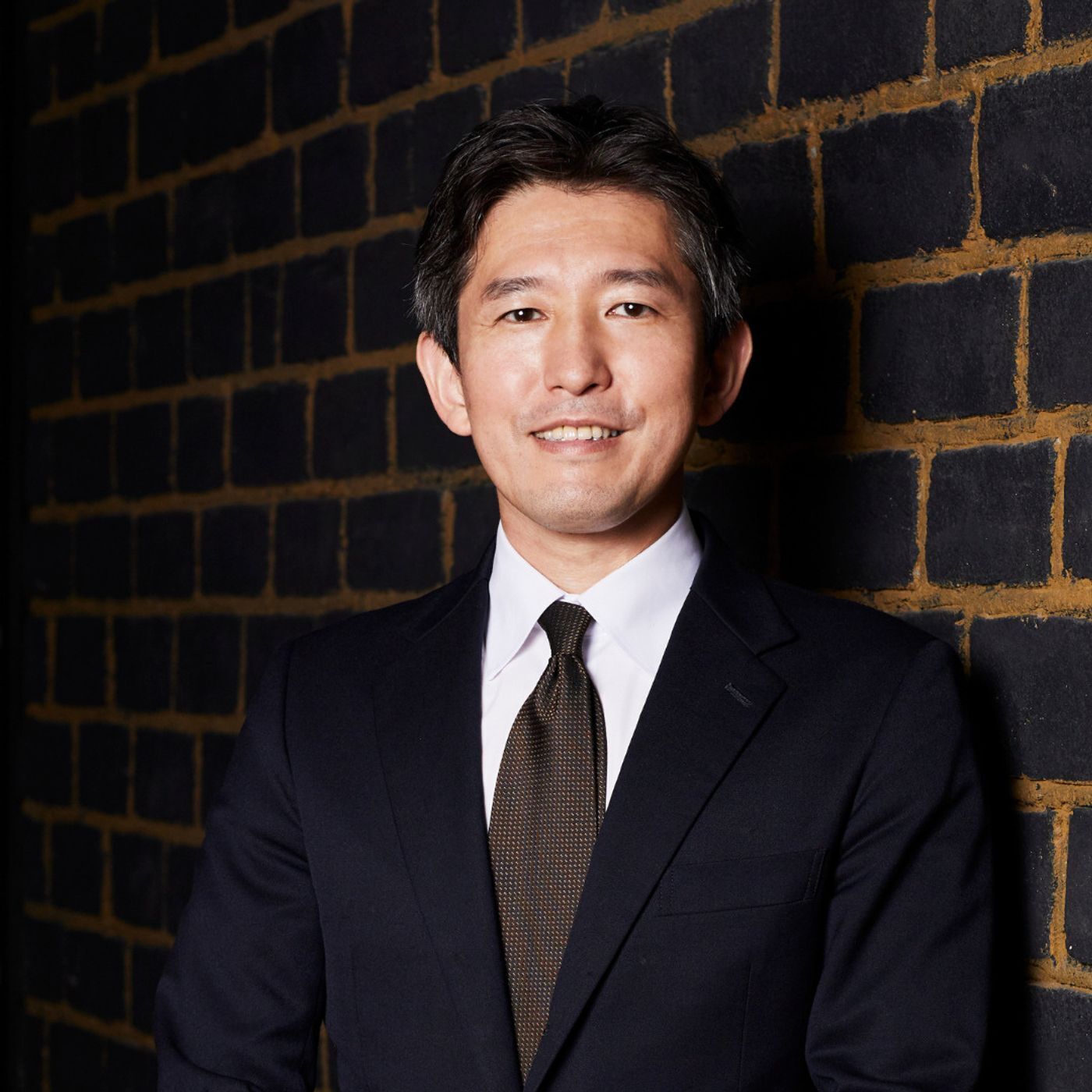
Ep 324Dassai Blue: The American Brewery By Japan’s Biggest Sake Brand Aims To Exceed Its Parent
Our guest is Kazuhiro Sakurai, the 4th generation and CEO of Asahi Shuzo, the maker of Dassai sake. Dassai is the biggest export brand of Japanese sake. Kazuhiro joined us on Episode 233 in July 2021 and shared the unique sake-making philosophy of the company, as well as why Dassai became so popular globally.In September 2023, Asahi Shuzo opened its first overseas brewery Dassai Blue in upstate New York. But it is not another brewery producing the same sake as in Japan to save costs. Dassai Blue aims to exceed its parent brewery in Japan.On this episode, we will discuss why the company decided to open a brewery in New York, the goal of Dassai Blue, the special ingredients Dassai Blue uses to express the local terroir, its collaboration with the Culinary Institute of America, and much, much more!!!-----THE NOTO PENINSULA EARTHQUAKE DISASTER RELIEF As you may know, a major earthquake struck Japan's Noto Peninsula in Ishikawa Prefecture on January 1st. The death toll keeps climbing and the damage to the beautiful region is tremendous. Importantly, 10 of the 11 sake breweries in the Noto Peninsula were completely or partially destroyed. So if you can, please donate through reliable organizations including: The Japanese Red Cross https://www.jrc.or.jp/english/relief/2024NotoPeninsulaEarthquake.html Peace Winds America: A fundraiser by US-Japan Foundation/US-Japan Leadership Program https://www.globalgiving.org/fundraisers/49472/ The Ishikawa Sake Brewers Association https://www.ishikawa-sake.jp/index.php (the donation account details) https://www.ishikawa-sake.jp/images/97-1.pdf) Heritage Radio Network is a listener supported nonprofit podcast network. Support Japan Eats by becoming a member!Japan Eats is Powered by Simplecast.See Privacy Policy at https://art19.com/privacy and California Privacy Notice at https://art19.com/privacy#do-not-sell-my-info.
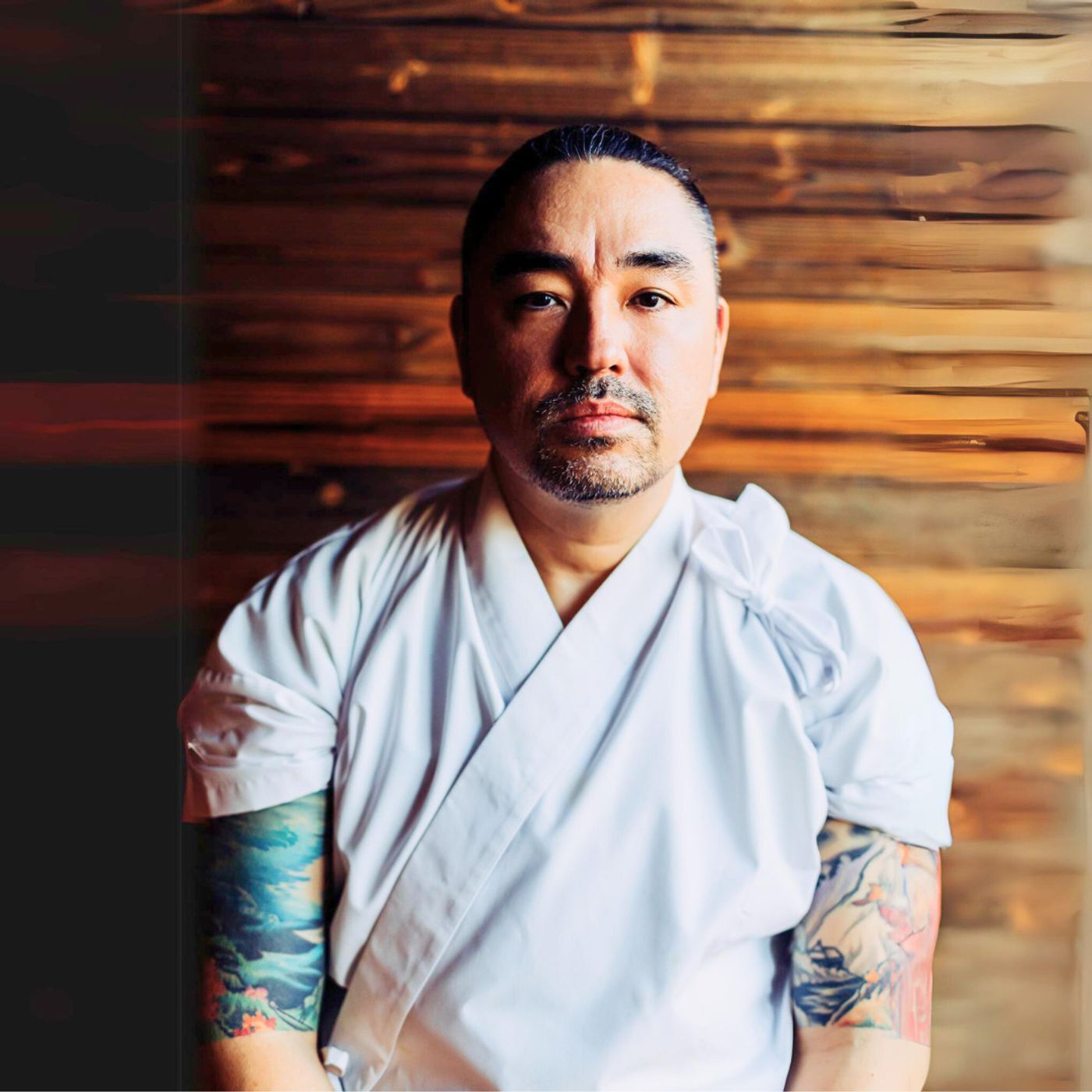
Ep 323America’s Best Sushi Made in the Meat Kingdom
Our guest today is David Yoshitomo Utterback, the chef/owner of Yoshitomo in Omaha, Nebraska.Japanese sushi has become a big part of American food culture. The presence of many great non-Japanese sushi chefs in the U.S. proves that sushi does not belong only to Japan. These chefs serve to inspire the tradition and help push it further.David is a classic example of one of these chefs. He was nominated for Best Chef: Midwest by the James Beard Foundation in 2023, and this year, his restaurant Yoshitomo has been nominated for the 2024 Outstanding Restaurant Award by the Foundation as a semifinalist (the results of this competition will be announced on June 10th in Chicago). Also, the Washington Post named Yoshitomo one of America’s best sushi restaurants in December 2023.On this episode, we will discuss how David got into the world of sushi, how he studied sushi-making in Omaha, Nebraska (where beef is king), his original sushi that merges the tradition and American-style umami, his collaborations with Japanese sushi chefs, and much, much more!!!Photo courtesy of Joshua Foo.---THE NOTO PENINSULA EARTHQUAKE DISASTER RELIEF As you may know, a major earthquake struck Japan's Noto Peninsula in Ishikawa Prefecture on January 1st. The death toll keeps climbing and the damage to the beautiful region is tremendous. Importantly, 10 of the 11 sake breweries in the Noto Peninsula were completely or partially destroyed. So if you can, please donate through reliable organizations including: The Japanese Red Cross https://www.jrc.or.jp/english/relief/2024NotoPeninsulaEarthquake.html Peace Winds America: A fundraiser by US-Japan Foundation/US-Japan Leadership Program https://www.globalgiving.org/fundraisers/49472/ The Ishikawa Sake Brewers Association https://www.ishikawa-sake.jp/index.php (the donation account details) https://www.ishikawa-sake.jp/images/97-1.pdf) Heritage Radio Network is a listener supported nonprofit podcast network. Support Japan Eats by becoming a member!Japan Eats is Powered by Simplecast.See Privacy Policy at https://art19.com/privacy and California Privacy Notice at https://art19.com/privacy#do-not-sell-my-info.
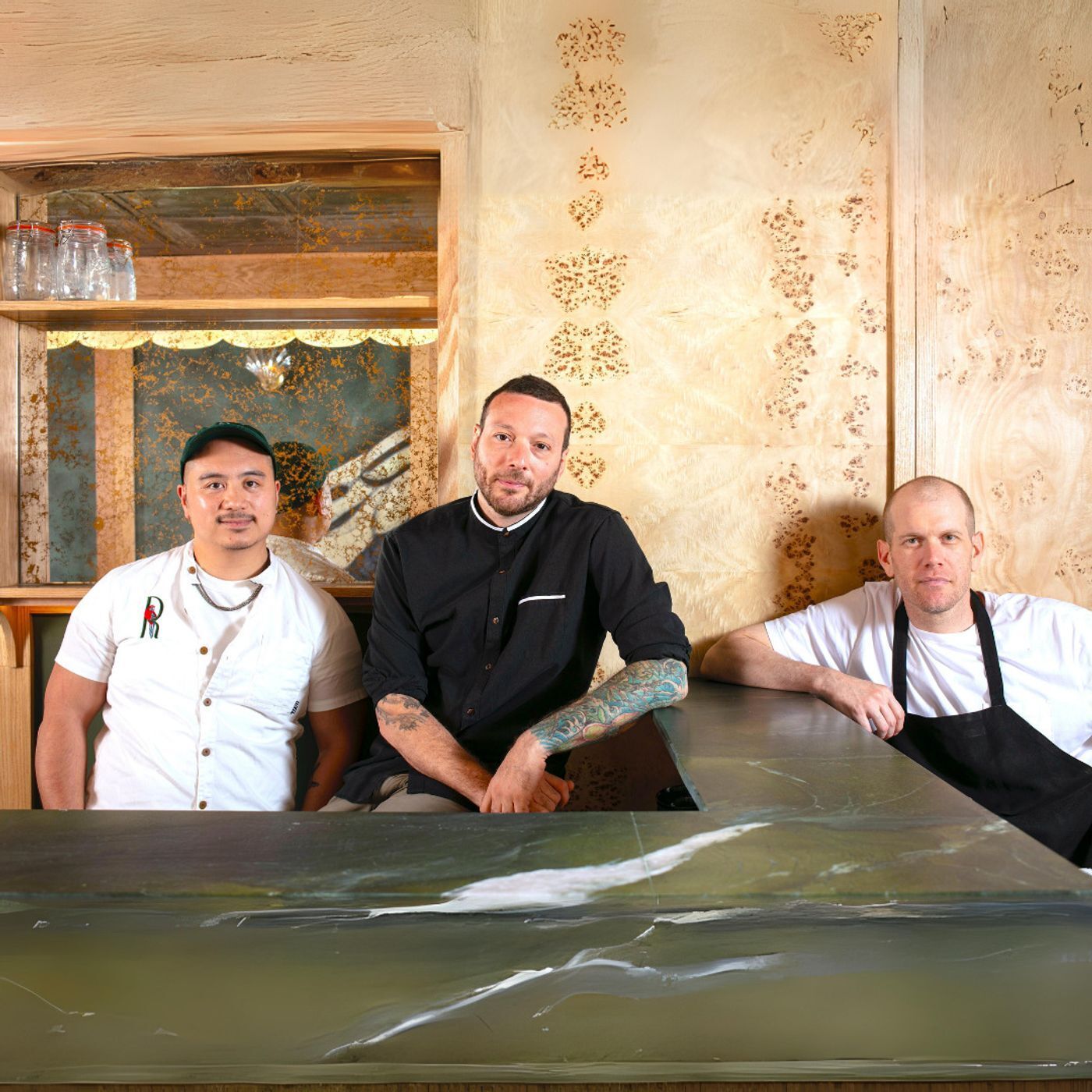
Ep 322Stubbornly Serving Sustainable Sushi in New York
Our guests are Jeff Miller, the chef/owner of Rosella and Bar Miller in the East Village in NYC, and James Dumapit, the executive chef at Bar Miller. They both worked at Uchiko in Austin, Texas, which is one of the most influential sushi restaurants in America. In 2017, Jeff opened Mayanoki, the first sustainable sushi restaurant in New York, with his business partner TJ Provenzano. They joined us on Episode 129 to discuss their unique philosophy. Since then, their business evolved into Rosella, which earned many accolades and was named one of the Best New Restaurants in America by Esquire Magazine in 2021. James joined Rosella shortly after its opening.In September 2023, the team opened Bar Miller, the 8-seat Omakase-only sushi bar where James leads the entire sushi bar with a pleasant energy and offers exciting culinary discoveries. Along with the expansion of the team’s business, Jeff has been deepening his knowledge and experience of serving sustainable sushi.On this episode, we will discuss the meaning and importance of sustainable sushi, the overlooked delicious and sustainable seafood you should try, the challenges and advantages of running sustainable sushi restaurants, and much, much more!!!From left to right in photo: James Dumapit, TJ Provenzano, Jeff MillerPhoto courtesy of Melissa Hom.---THE NOTO PENINSULA EARTHQUAKE DISASTER RELIEF As you may know, a major earthquake struck Japan's Noto Peninsula in Ishikawa Prefecture on January 1st. The death toll keeps climbing and the damage to the beautiful region is tremendous. Importantly, 10 of the 11 sake breweries in the Noto Peninsula were completely or partially destroyed. So if you can, please donate through reliable organizations including: The Japanese Red Cross https://www.jrc.or.jp/english/relief/2024NotoPeninsulaEarthquake.html Peace Winds America: A fundraiser by US-Japan Foundation/US-Japan Leadership Program https://www.globalgiving.org/fundraisers/49472/ The Ishikawa Sake Brewers Association https://www.ishikawa-sake.jp/index.php (the donation account details) https://www.ishikawa-sake.jp/images/97-1.pdf) Heritage Radio Network is a listener supported nonprofit podcast network. Support Japan Eats by becoming a member!Japan Eats is Powered by Simplecast.See Privacy Policy at https://art19.com/privacy and California Privacy Notice at https://art19.com/privacy#do-not-sell-my-info.
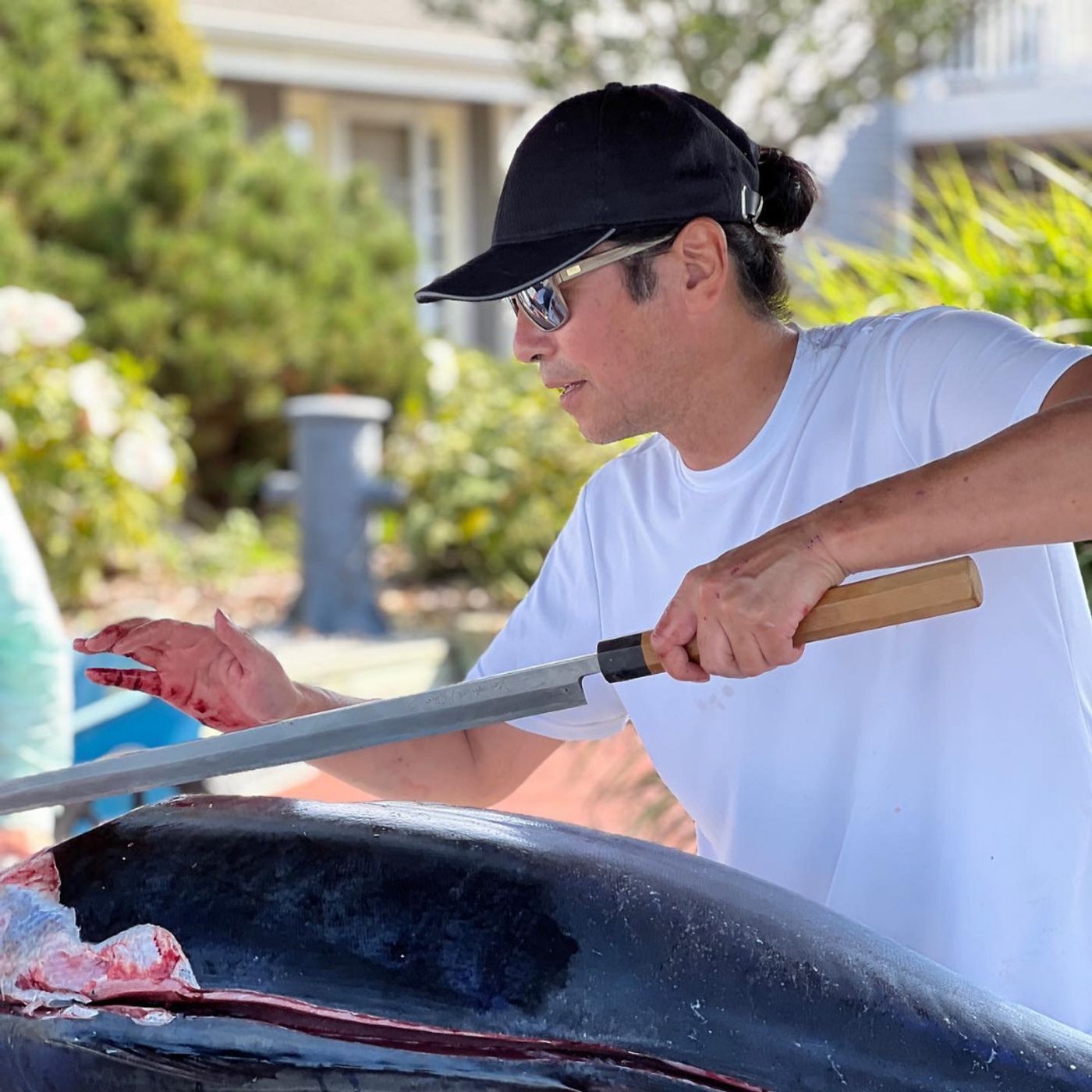
Ep 321The Fascinating Life of a Japanese Private Chef In America
Our guest today is Isao Yoshimura, a private chef based in New York. Isao grew up in the countryside of Japan and came to New York in 1996 where he jumped into the restaurant industry, when authentic Japanese restaurants were still few and far between.His approach to Japanese cuisine is traditional, but his work reflects his free, creative adaptive mindset. For example, he fishes and grows produce by himself to achieve the best taste and flavors he wants to offer to his clients.In this episode, we will discuss how a young man from Japan became a private sushi chef in New York, his unique philosophy of cooking authentic Japanese food, the joy and challenges in his life as a private chef in America, and much, much more!!! *** THE NOTO PENINSULA EARTHQUAKE DISASTER RELIEF As you may know, a major earthquake struck Japan's Noto Peninsula in Ishikawa Prefecture on January 1st. The death toll keeps climbing and the damage to the beautiful region is tremendous. Importantly, 10 of the 11 sake breweries in the Noto Peninsula were completely or partially destroyed. So if you can, please donate through reliable organizations including: The Japanese Red Cross https://www.jrc.or.jp/english/relief/2024NotoPeninsulaEarthquake.html Peace Winds America: A fundraiser by US-Japan Foundation/US-Japan Leadership Program https://www.globalgiving.org/fundraisers/49472/ The Ishikawa Sake Brewers Association https://www.ishikawa-sake.jp/index.php (the donation account details) https://www.ishikawa-sake.jp/images/97-1.pdf) Heritage Radio Network is a listener supported nonprofit podcast network. Support Japan Eats by becoming a member!Japan Eats is Powered by Simplecast.See Privacy Policy at https://art19.com/privacy and California Privacy Notice at https://art19.com/privacy#do-not-sell-my-info.
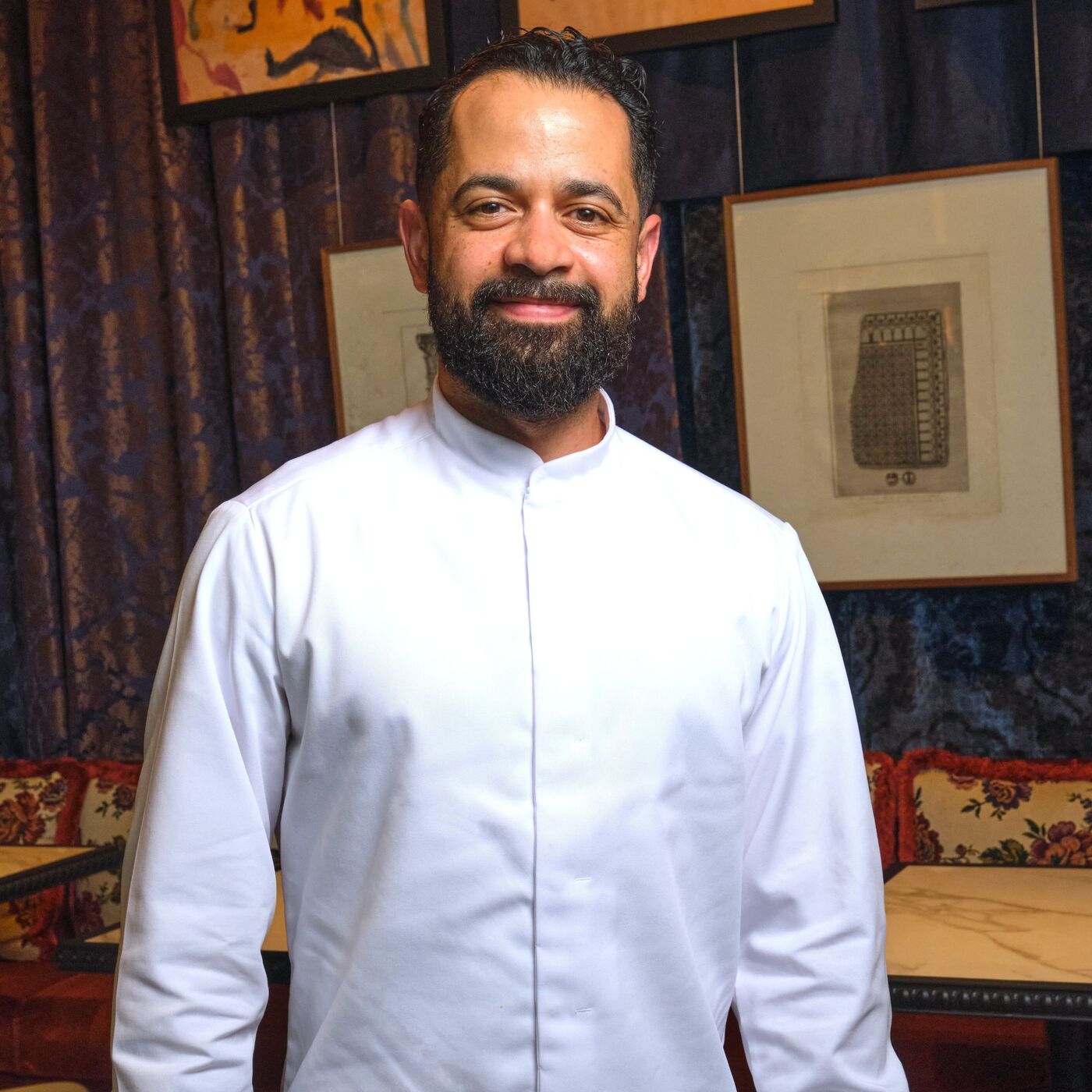
Ep 320Marrying Traditional Spanish And Japanese Cuisines Naturally
Our guest is Victor Rivera who is the Head Chef at The Bazaar by Jose Andres in New York City. Before Victor became the Head Chef at The Bazaar, he cooked Japanese food in notable restaurants, including Masa in New York City, which has 3 Michelin stars. Also, he has a very strong culinary background in French with his experiences at top restaurants such as Jean-Georges Vongerichten’s Edition and Le Bernardin. At the Bazaar in New York City, Victor uniquely incorporates traditional Spanish cuisine and Japanese cuisine in the style of Spanish tapas. He marries the seemingly opposite food cultures seamlessly and creates synergies. In this episode, we will discuss how Victor got into cooking and in particular Japanese cuisine, what is special about Japanese food for him, the unique concept of marrying Spanish and Japanese cuisine, how Victor executes it so well, and much, much more!!! *** THE NOTO PENINSULA EARTHQUAKE DISASTER RELIEF As you may know, a major earthquake struck Japan's Noto Peninsula in Ishikawa Prefecture on January 1st. The death toll keeps climbing and the damage to the beautiful region is tremendous. Importantly, 10 of the 11 sake breweries in the Noto Peninsula were completely or partially destroyed. So if you can, please donate through reliable organizations including: The Japanese Red Cross https://www.jrc.or.jp/english/relief/2024NotoPeninsulaEarthquake.html Peace Winds America: A fundraiser by US-Japan Foundation/US-Japan Leadership Program https://www.globalgiving.org/fundraisers/49472/ The Ishikawa Sake Brewers Association https://www.ishikawa-sake.jp/index.php (the donation account details) https://www.ishikawa-sake.jp/images/97-1.pdf) Heritage Radio Network is a listener supported nonprofit podcast network. Support Japan Eats by becoming a member!Japan Eats is Powered by Simplecast.See Privacy Policy at https://art19.com/privacy and California Privacy Notice at https://art19.com/privacy#do-not-sell-my-info.
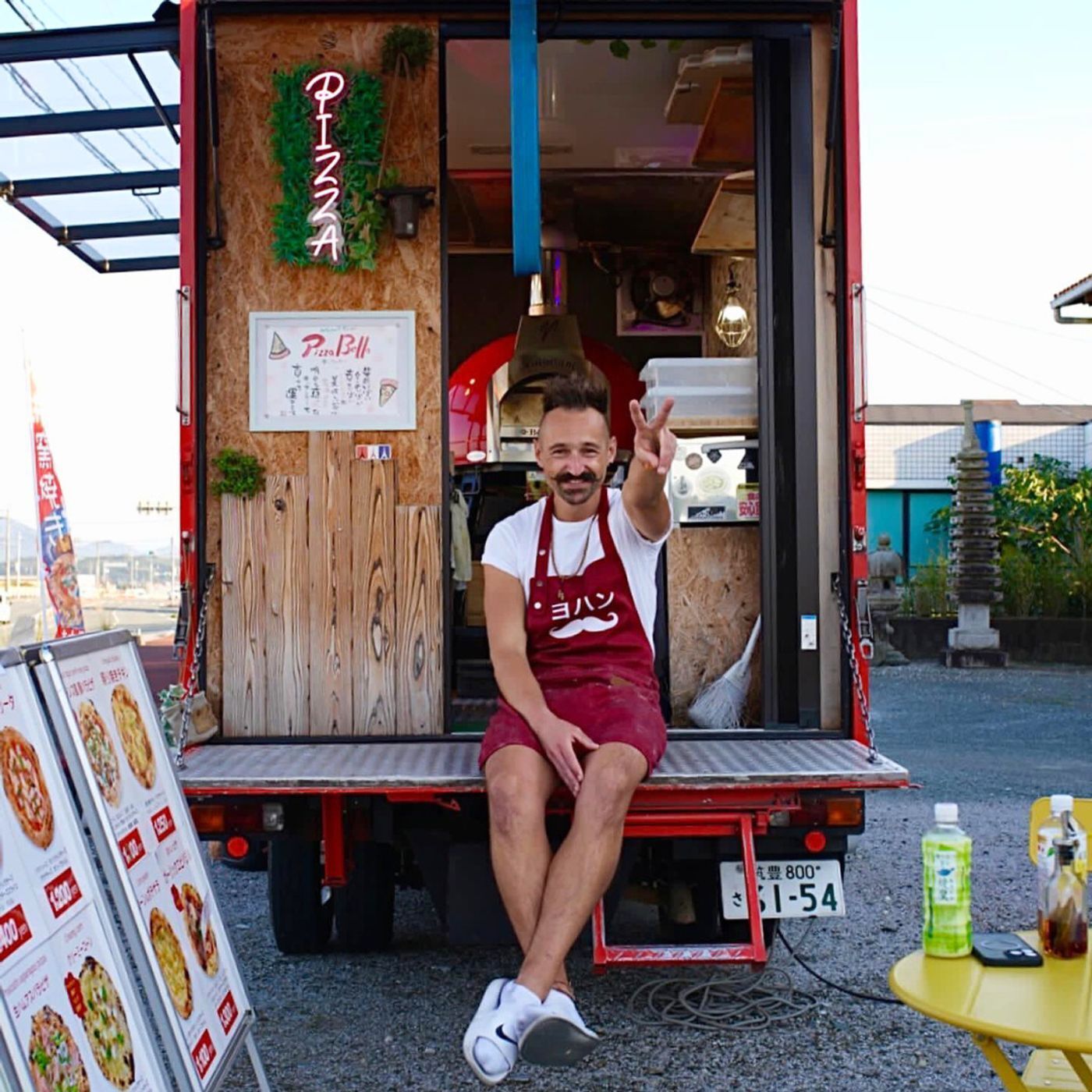
Ep 319A French Pizzaiolo Is Running A Successful Food Truck In Japan
Our guest is Yohan Ourliac, the chef/owner of the Neapolitan pizza food truck “Pizza Bella'' located in Iizuka City, Fukuoka Prefecture in the southern part of Japan.Yohan is originally from France and worked in Australia, Canada, Korea, eventually arriving in Japan eight years ago, where he found his calling of making great pizza for his customers, many of whom became his friends.In this episode, we will discuss why a young Frenchman decided to move to Japan and become a pizzaiolo, how he started and runs the successful food truck business in a foreign land, how he built a network of close friends in Japan, and much, much more!!!Heritage Radio Network is a listener supported nonprofit podcast network. Support Japan Eats by becoming a member!Japan Eats is Powered by Simplecast.See Privacy Policy at https://art19.com/privacy and California Privacy Notice at https://art19.com/privacy#do-not-sell-my-info.
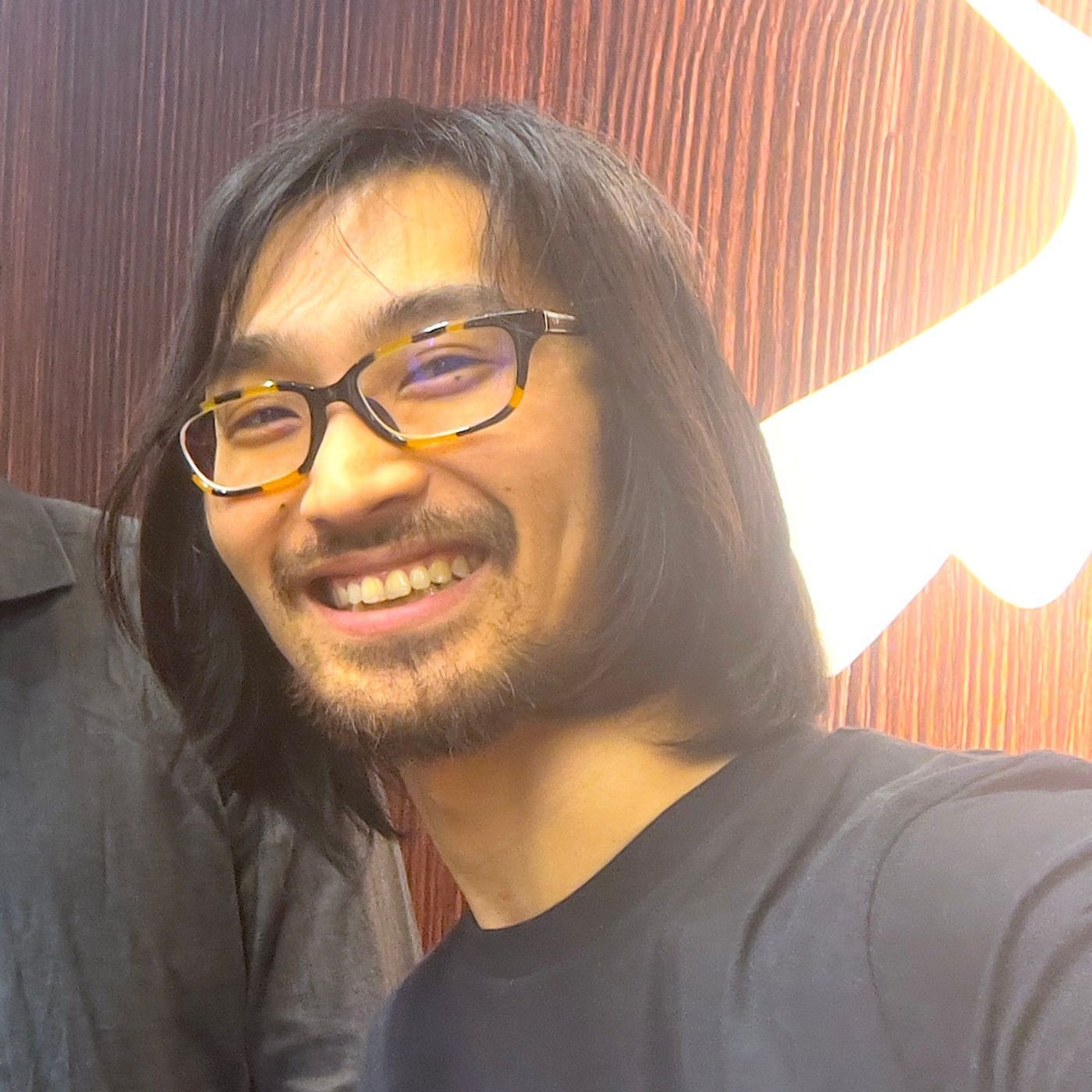
Ep 318Redefining Japanese Sake With Ancient Rice And A Global Mindset
Our guest is Yoshiki Yukimachi, the 6th generation brewmaster of Takeno Brewery in Kyoto. Founded in 1947, Takeno Brewery is known for its high-quality sake as well as its innovative mindset. Yoshiki’s father, Yoshihei Yukimachi, initiated the transformation of the brewery’s strategy and introduced unique products under the Kurabu brand, which features ancient sake rice. Also, Yoshiki has produced creative products and put Takeno Brewery’s name on the map in the global market. Recently, the domestic Japanese sake market has been shrinking due to a number of reasons, including the aging population in Japan and the increase in competing products. Despite this, sake exports have been record-high in recent years, thanks to the efforts and inventive mindsets of sake producers like Takeno Brewery. In this episode, we will discuss Takeno Brewery’s unique sake-making philosophy, the award-winning sake that the brewery makes with rare sake rice varieties, the pioneering ways of tasting sake that Takeno Brewery offers at its sake bar, how Yoshiki merges deep traditions and innovative ideas in his products, and much, much more!!!Heritage Radio Network is a listener supported nonprofit podcast network. Support Japan Eats by becoming a member!Japan Eats is Powered by Simplecast.See Privacy Policy at https://art19.com/privacy and California Privacy Notice at https://art19.com/privacy#do-not-sell-my-info.
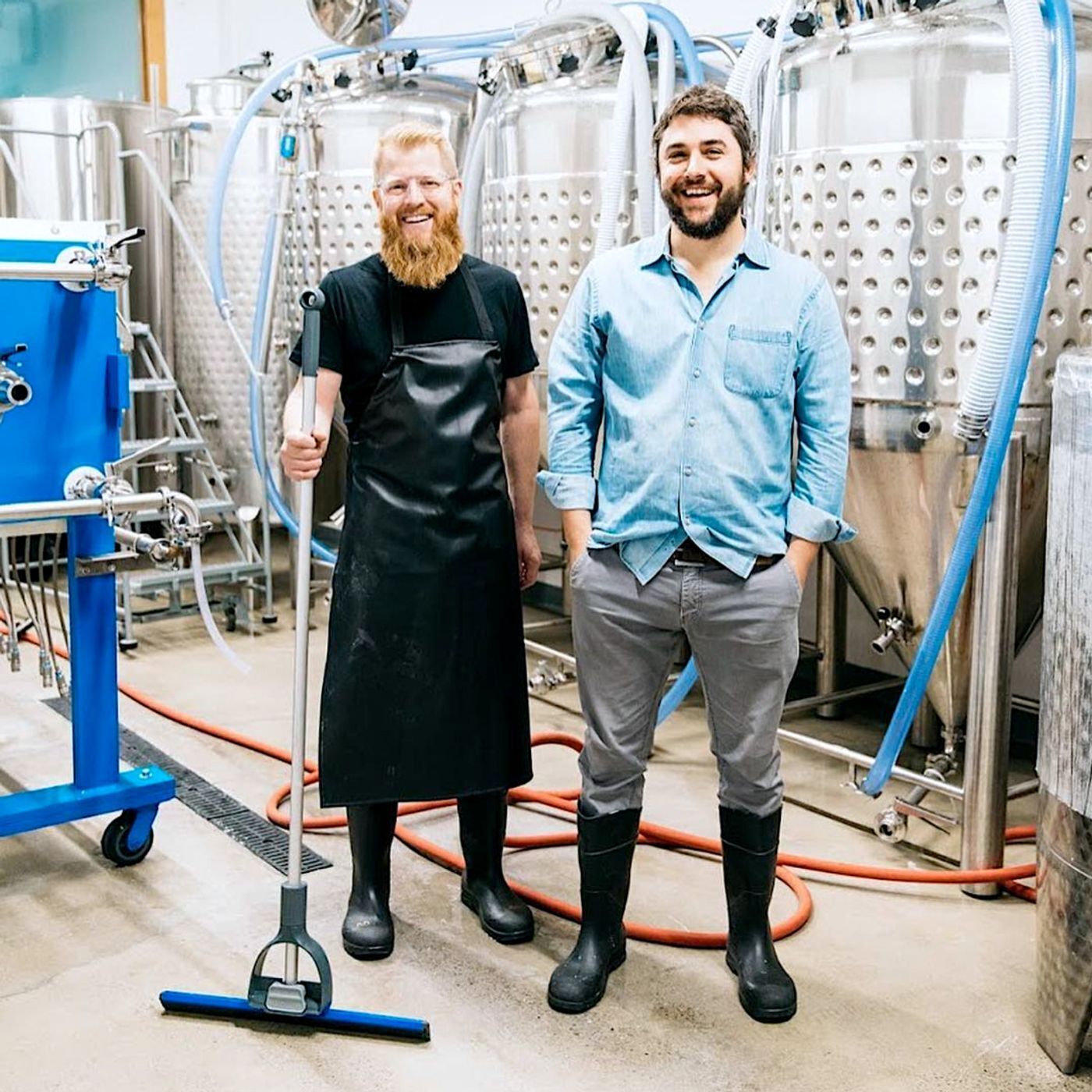
Ep 317Brooklyn Kura: Leading The American Craft Sake Industry
Our guests are Brandon Doughan and Brian Polen, co-owners of Brooklyn Kura, the very first sake brewery in New York, which opened in 2017 at Industry City in Brooklyn, New York.Brandon and Brian joined us on episode #105 in December 2017 and episode #178 in November 2018, where they discussed the unique concept of Brooklyn Kura and how they naturally incorporated the spirit of traditional sake-making into their craft-style sake.Since then, Brooklyn Kura has been growing exponentially, and you may have seen its sake labels at Japanese and non-Japanese restaurants and local retailers. Brian and Brandon join us today to discuss their newly expanded sake brewery, along with what has and hasn't changed about their sake production since they opened the brewery 6 years ago. They also discuss their collaborations with Japanese sake breweries, including the premier brand Hakkaisan, the future of the American craft sake industry, and much, much more!!!Heritage Radio Network is a listener supported nonprofit podcast network. Support Japan Eats by becoming a member!Japan Eats is Powered by Simplecast.See Privacy Policy at https://art19.com/privacy and California Privacy Notice at https://art19.com/privacy#do-not-sell-my-info.
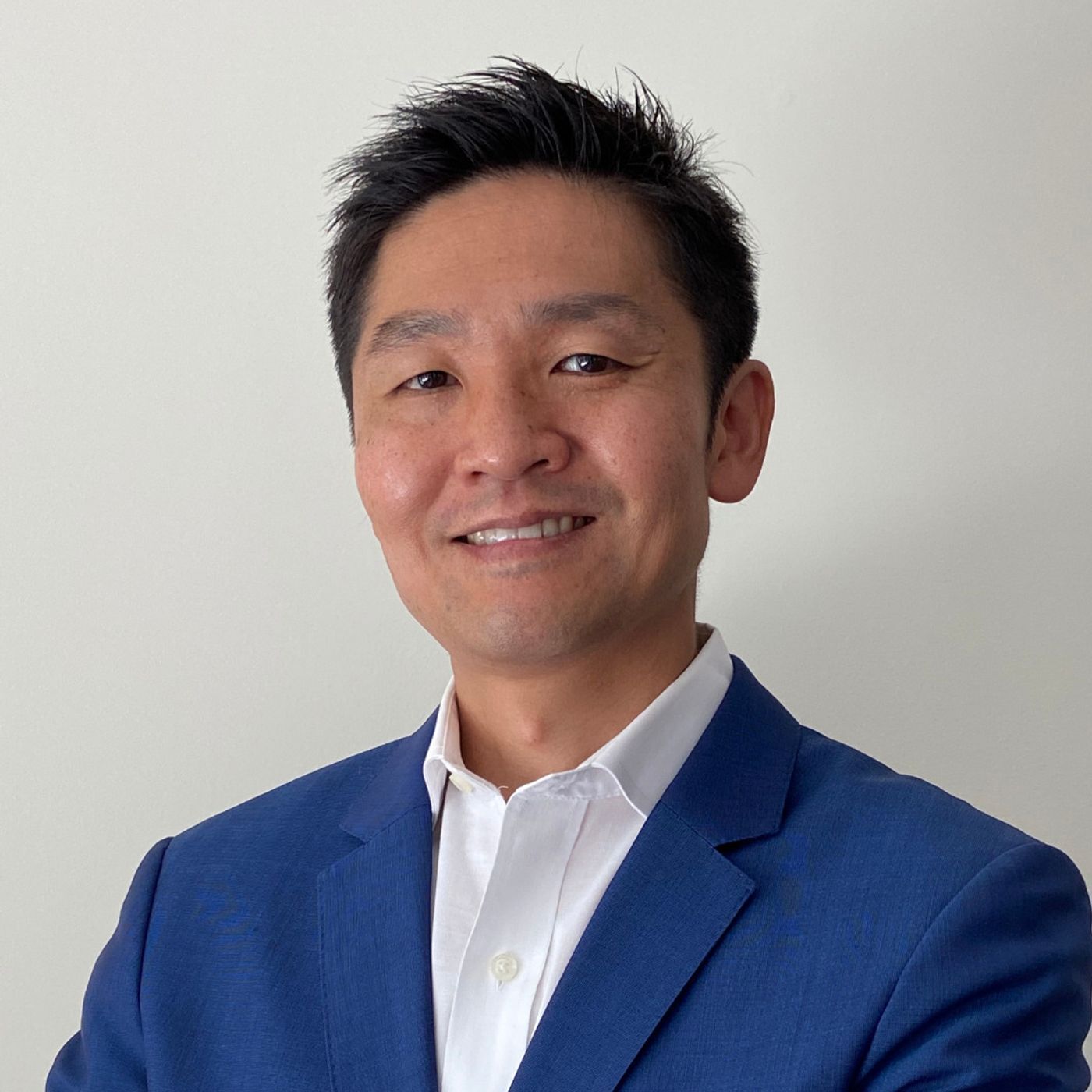
Ep 316B Kyu Gourmet: Discover Casual Palate Gems
Our guest is Kentaro Tsurushima, the President of Canvas Creative Group based in New York. He consults for Japanese food businesses with 20 years of experience in the field under his belt.Today’s topic is B Kyu Gourmet, or B-Class Gourmet. B Kyu Gourmet means B-rank dining experience, but it does not mean second-class food at all. Japanese people fondly use the term to celebrate less fancy but delicious food that you can casually enjoy on a daily basis.In this episode, we will discuss what B Kyu Gourmet is, B Kyu Gourmet dishes you must try, the annual competition to celebrate regional cuisines inspired by B Kyu Gourmet, how universally we can appreciate B Kyu Gourmet, and much, much more!!!Heritage Radio Network is a listener supported nonprofit podcast network. Support Japan Eats by becoming a member!Japan Eats is Powered by Simplecast.See Privacy Policy at https://art19.com/privacy and California Privacy Notice at https://art19.com/privacy#do-not-sell-my-info.

Ep 315Restaurant Yuu
Our guest today is Yuu Shimano who is the chef/owner of Restaurant Yuu in Greenpoint, Brooklyn, which opened in May 2023.Yuu joined us in Episode #197 way back in 2020 when he was the executive chef at Mifune, a creative Japanese restaurant in Midtown, Manhattan, to discuss his unique culinary career. For instance, Yuu worked as the saucier at Guy Savoy in Paris, which had 3 Michelin stars. During the pandemic, Yuu actively supported essential workers by raising funds and making delicious meals for them. His hard work came to fruition and opened his own restaurant Restaurant Yuu. Within 6 months of the opening, Yuu just earned his first Michelin star! In this episode, we will discuss the fascinating concept of Restaurant Yuu, the challenges he came across in opening and running his own restaurant, how he built a cohesive, highly talented team, the unique service style at Restaurant Yuu, and much, much, much more!Heritage Radio Network is a listener supported nonprofit podcast network. Support Japan Eats by becoming a member!Japan Eats is Powered by Simplecast.See Privacy Policy at https://art19.com/privacy and California Privacy Notice at https://art19.com/privacy#do-not-sell-my-info.
Ep 314Soba: As Profound As Kaiseki, As Healthy As Medicine
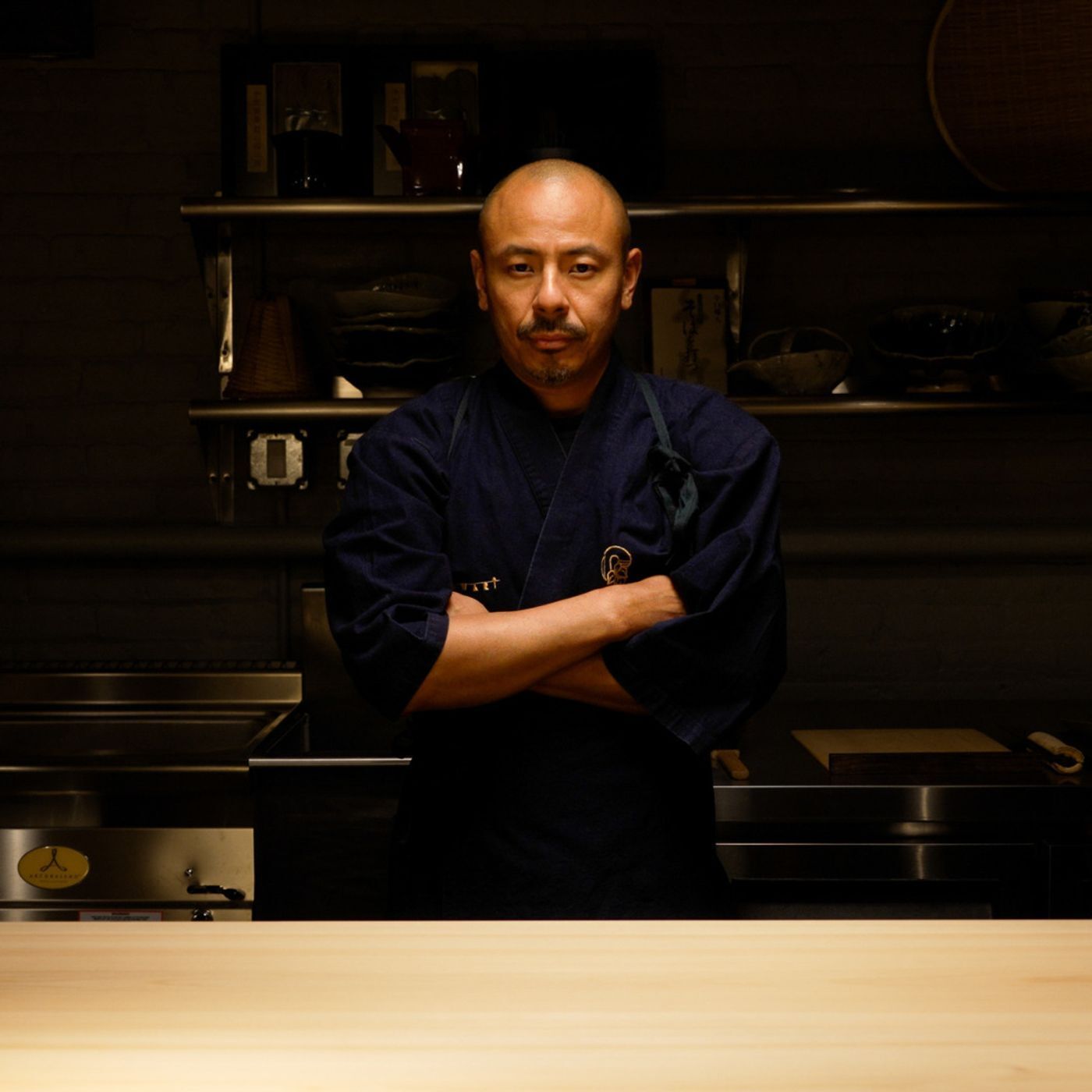
Our guest is Shuichi Kotani, a New York-based master soba chef with over 25 years of experience. After working at prestigious restaurants in Tokyo, including Gonpachi and the Michelin-starred Edo Soba Hosokawa, he came to New York in 2008 and successfully served as the executive chef at Soba Totto in Manhattan. In 2012, he founded Worldwide Soba to introduce the profound culture of soba to the world. Since then, he has been crafting soba at events and consulting for restaurants in New York and beyond. He is also a Goodwill Ambassador designated by the Japanese government to promote Japanese food culture overseas and has held various educational events about soba’s health benefits, including seminars at Harvard University. In this episode, we will discuss what soba is, why soba-making is spiritually important for Chef Kotani, various health benefits of soba, the sustainable nature of soba and its possibilities for future food supply, Chef Kotani’s cool new restaurant Uzuki, which opened in Greenpoint, Brooklyn in September 2023 and much, much more!Image courtesy of Kenji Yamagata.Heritage Radio Network is a listener supported nonprofit podcast network. Support Japan Eats by becoming a member!Japan Eats is Powered by Simplecast.See Privacy Policy at https://art19.com/privacy and California Privacy Notice at https://art19.com/privacy#do-not-sell-my-info.
Ep 313Hokkaido: The Home Of A Unique Japanese Food Culture
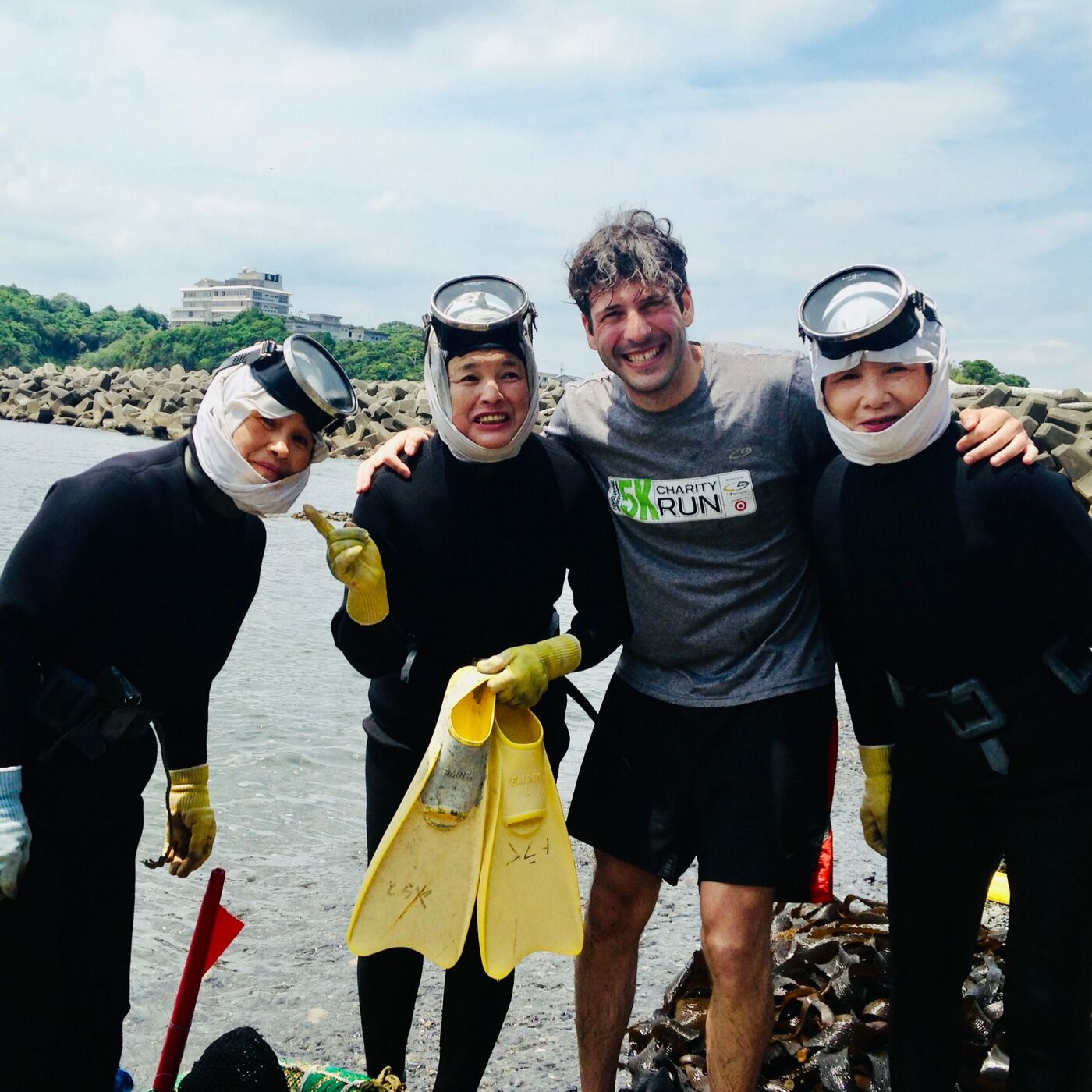
Our guest is Michael Magers, a documentary photographer and journalist who splits his time between New York City and Austin, Texas. He joined us in episode #307 and discussed his affection for Japanese culture and how he captures it through his lens, including works of Japanese “shokunin” artisans. Mike is a frequent collaborator with the highly acclaimed publisher Roads & Kingdoms, and served as the lead photographer on their award-winning books "Rice Noodle Fish” and "Grape Olive Pig." (The legendary author and television host Anthony Bourdain was a partner and investor in Roads & Kingdoms).Mike’s images are exhibited globally and have appeared in a wide range of digital and print publications, including TIME, Smithsonian, Vogue Italia, CNN’s Explore Parts Unknown, and The New York Times, to name a few.He is joining us today to discuss his recent trip to the Hokkaido Island of Japan, which is the home of kombu and other treasured seafood. We will talk about how different Hokkaido’s food culture is from the mainland of Japan, a story of a 96-year-old artisan who hand-processes kombu, unique dishes you should absolutely try in Hokkaido, and much, much more!!!Heritage Radio Network is a listener supported nonprofit podcast network. Support Japan Eats by becoming a member!Japan Eats is Powered by Simplecast.See Privacy Policy at https://art19.com/privacy and California Privacy Notice at https://art19.com/privacy#do-not-sell-my-info.
Ep 312Shojin Ryori: Traditional Japanese Plant-Based Dishes
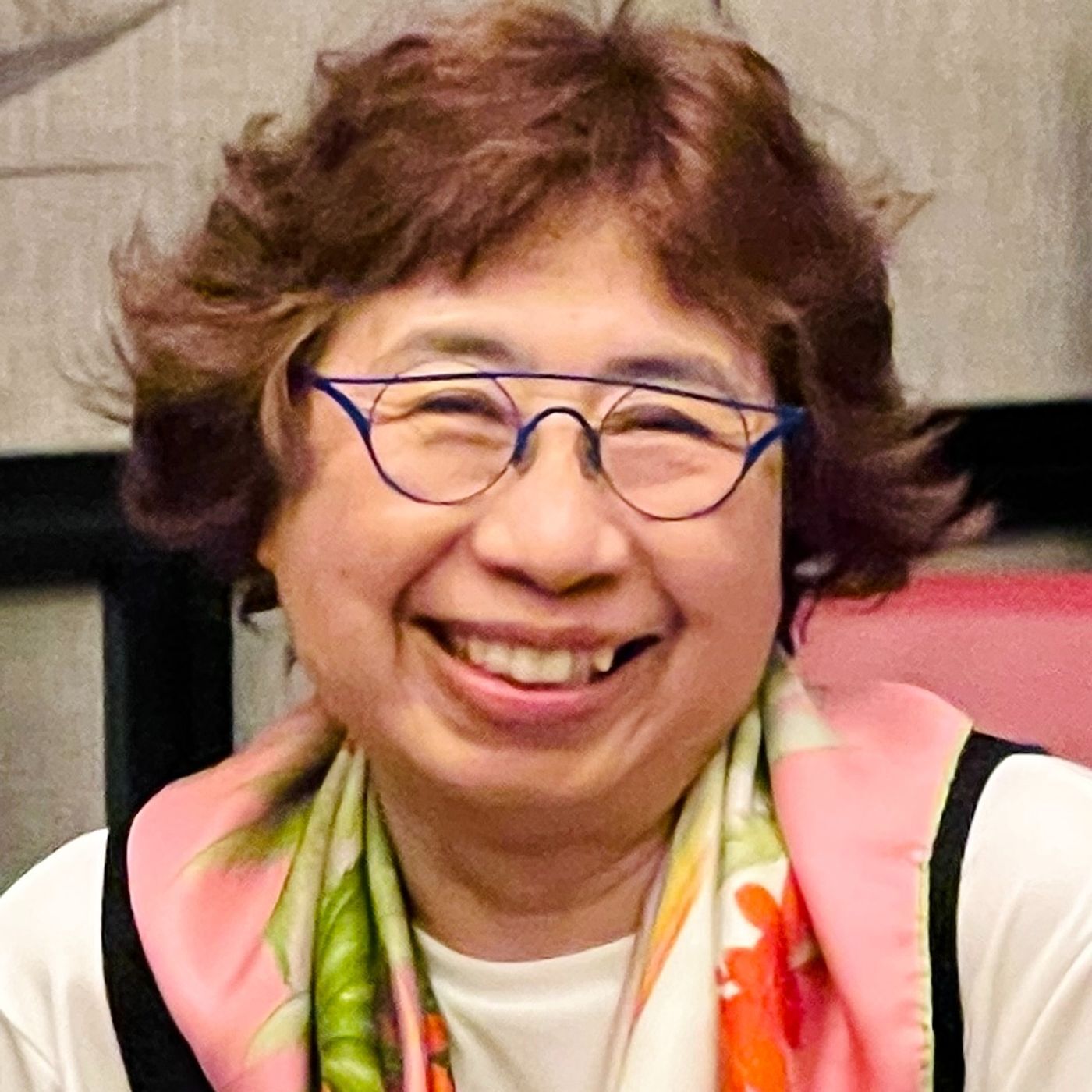
Our guest is Masami Asao who is a temple chef and registered dietitian based in Japan. She is also the Director of Akasaka Teran, a vegetarian cooking school located within Jokokuji, a 350-year-old temple in Tokyo. The Japanese diet is known for being healthy with lots of vegetables incorporated in daily meals. Also, there is a fully plant-based traditional cuisine called shojin ryori. Shojin ryori was originally developed as a part of Buddhist practices, but its healthfulness is gaining attention these days, especially among vegetarians and vegans. Masami is a perfect guest to tell us what shojin ryori is, along with the spiritual mindset behind it. In this episode, we will discuss how Masami got into shojin ryori, why you should try shojin ryori even if you are not a vegan or vegetarian, useful tips to make a healthy meal based on shojin ryori’s principles, and much, much more!!! *** Here is the link to Masami Asao's classes in New York: https://zenstudies.org/events/ And here is the link to the shojin Ryori restaurant Yakuo-in in Mt. Takao that Masami recommends: https://www.takaosan.or.jp/english/Heritage Radio Network is a listener supported nonprofit podcast network. Support Japan Eats by becoming a member!Japan Eats is Powered by Simplecast.See Privacy Policy at https://art19.com/privacy and California Privacy Notice at https://art19.com/privacy#do-not-sell-my-info.
Ep 311New York’s Craft Sake Brewery Kato Sake Works Successfully Expands
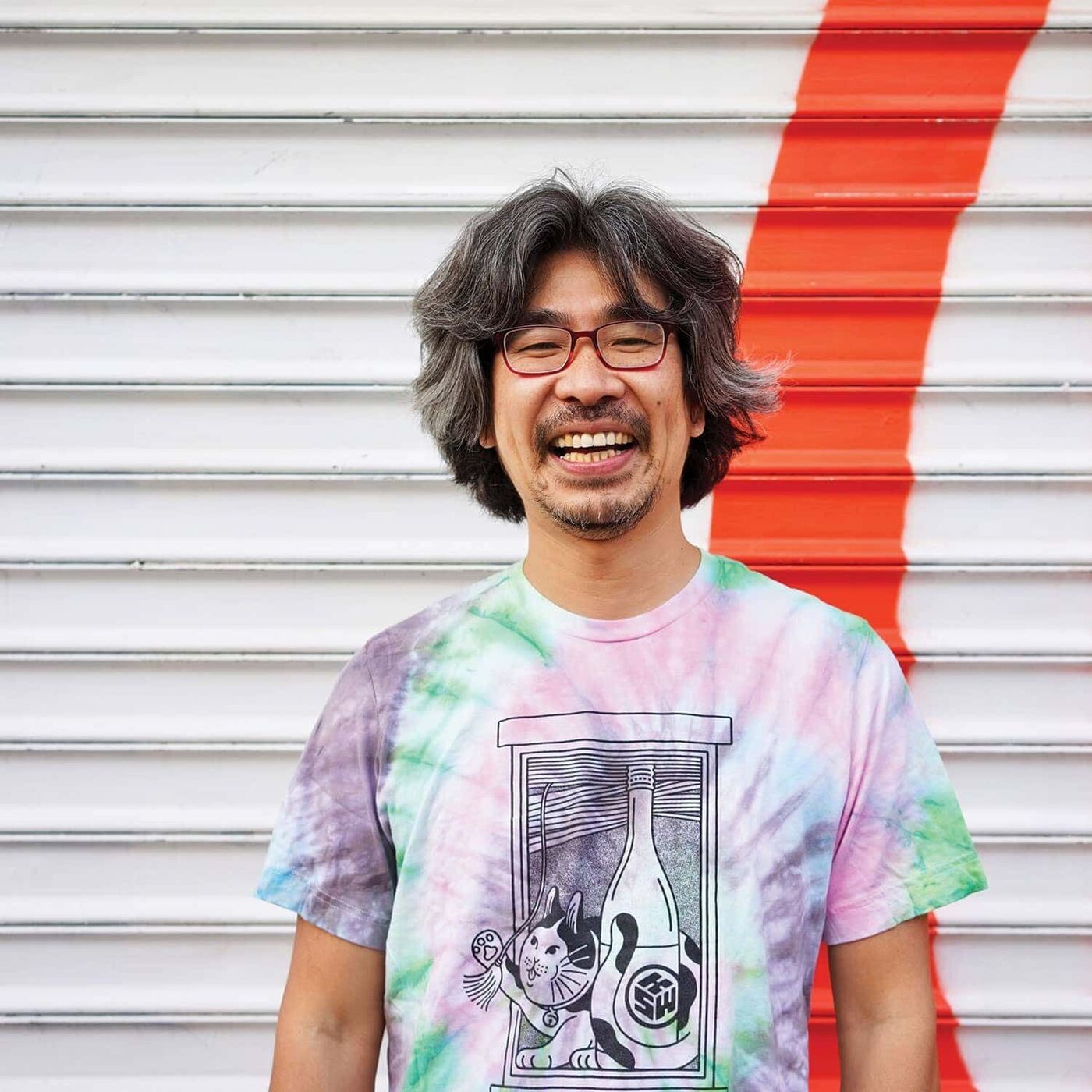
Our guest is Shinobu Kato who is the owner and brewer of New York’s own craft sake brewery Kato Sake Works in Brooklyn, which opened in 2020, right before the pandemic. He joined us in Episode 189 to discuss his new brewery and the fascinating story of how his well-established corporate career transformed into entrepreneurial sake brewing in New York.COVID-19 hit his burgeoning business extremely hard, but Shinobu turned the challenges into opportunities to carefully solidify his customer base. Shinobu is here today to celebrate the expansion of his business. His new and larger brewery officially opened earlier this month on October 1, 2023.In this episode, we will discuss how Shinobu successfully navigated COVID-19, his philosophy of sake-making, why his sake is appealing to a wide American audience including cool young generations in Brooklyn neighborhoods, and much, much more!Photo courtesy of Kato Sake Works.Heritage Radio Network is a listener supported nonprofit podcast network. Support Japan Eats by becoming a member!Japan Eats is Powered by Simplecast.See Privacy Policy at https://art19.com/privacy and California Privacy Notice at https://art19.com/privacy#do-not-sell-my-info.
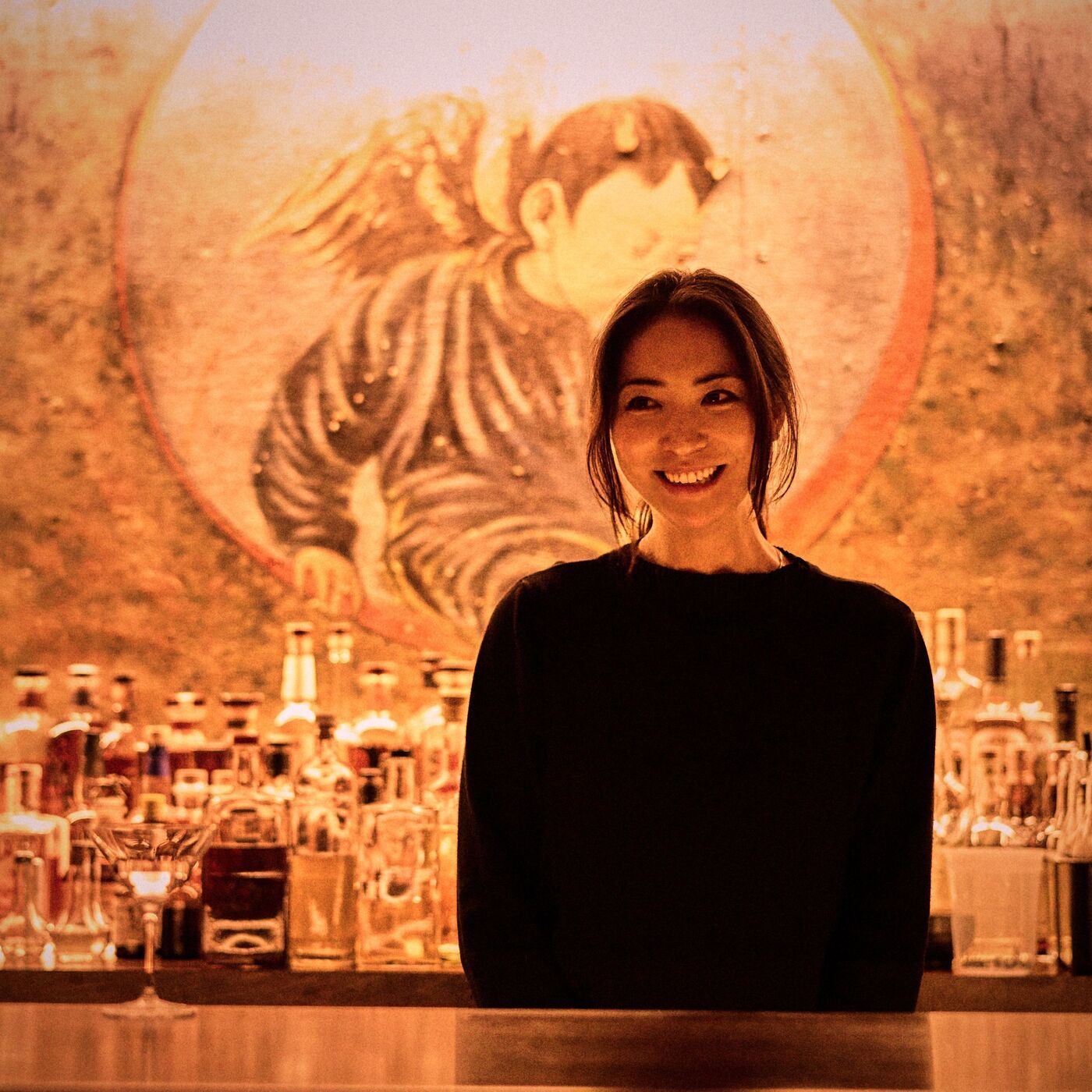
Ep 310The Legendary Cocktail Bar Angel’s Share Returns
Our guest today is Erina Yoshida, the owner of Angel’s Share in New York. She joined us in Episode 165 and shared her unique life story as a daughter of Tony Yoshida, the powerful figure behind New York’s thriving Japanese food culture. Now, four years later, she herself is a successful business owner and the leader of the amazing team at Angel’s Share in Manhattan. If you are a cocktail fan in New York, you must have heard of Angel’s Share. Founded in the East Village, Manhattan, in 1993, the bar was famous for epitomizing the classic style of Japanese cocktail culture. Unfortunately, in March 2022, the bar was closed due to financial hardships caused by the pandemic and many of us thought Angel’s Share had become a part of history. But now, the bar is celebrating its comeback in the West Village, Manhattan, thanks to Erina. In this episode, we will discuss the history of the legendary Angel’s Share, why it was so influential to American cocktail culture, why Erina courageously decided to rebuild it without her father’s support, what she learned from the boot camp experience as a business owner in the process of the reopening of the bar, what you should drink at the new Angel’s Share, and much, much more!Photo Courtesy of Keiichiro Nakajima.Heritage Radio Network is a listener supported nonprofit podcast network. Support Japan Eats by becoming a member!Japan Eats is Powered by Simplecast.See Privacy Policy at https://art19.com/privacy and California Privacy Notice at https://art19.com/privacy#do-not-sell-my-info.
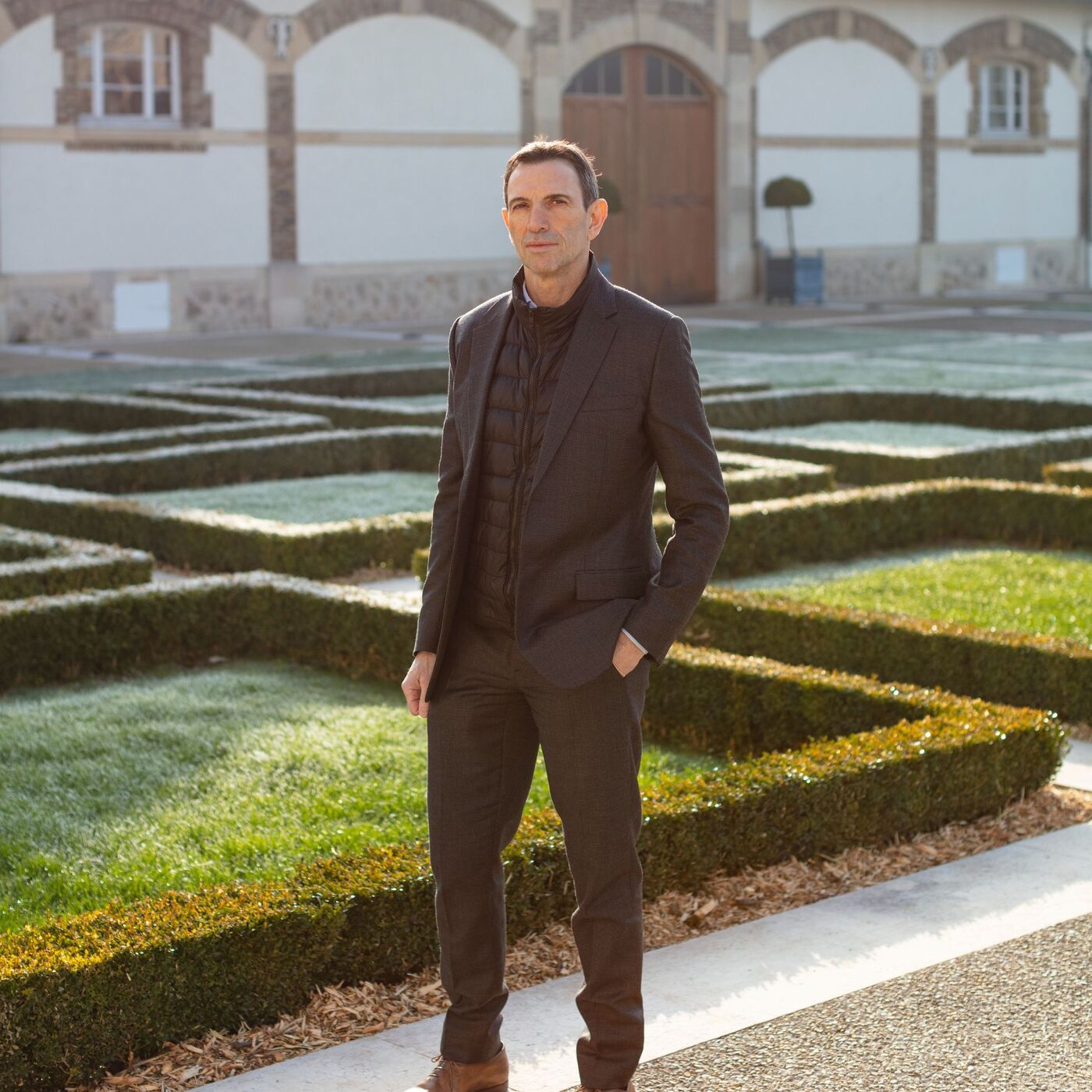
Ep 309How to Pair Japanese Food With Champagne
Our guest today is Frédéric Panaïotis who is the Chef de Cave or Cellar Master of Ruinart. Ruinart is the oldest Champagne producer that was founded in 1729. You may wonder why Japan Eats! has a Champagne master as a guest, but Champagne goes well with many different types of cuisines, including Japanese food. But it is not the only reason why Frédéric is here. He has a deep understanding of Japanese culture and is fluent in Japanese, including the Osaka dialect. In this episode, we will discuss how Frédéric got into Japanese culture, how he became the cellar master of the world-famous Champagne house, how to pair Japanese food with Champagne, how climate change is affecting Champagne production, and much, much more!Photo Courtesy of Romain Guittet.Heritage Radio Network is a listener supported nonprofit podcast network. Support Japan Eats by becoming a member!Japan Eats is Powered by Simplecast.See Privacy Policy at https://art19.com/privacy and California Privacy Notice at https://art19.com/privacy#do-not-sell-my-info.
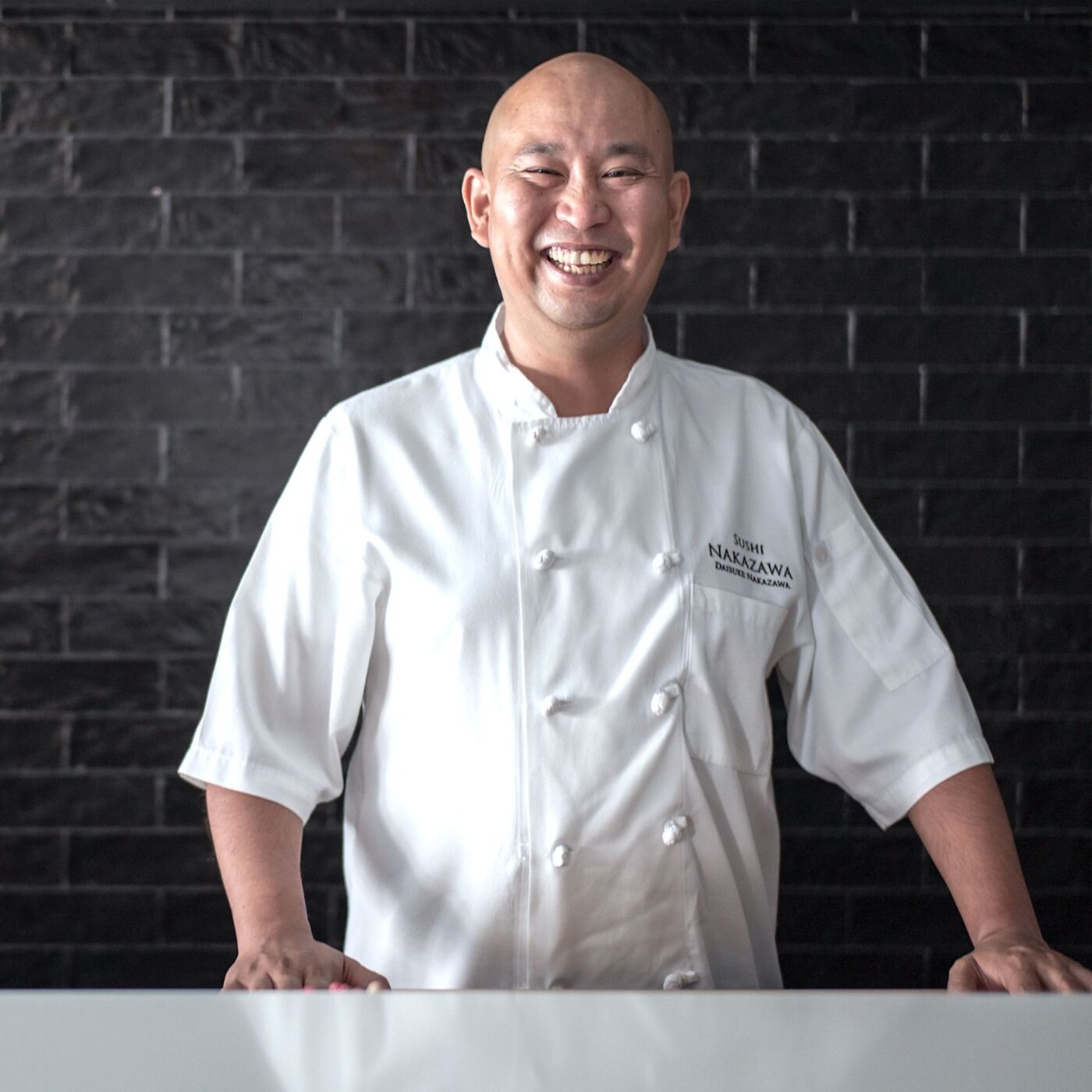
Ep 308Jiro Ono’s Protégé Cultivates His Own Sushi Culture in America
Our guest is Daisuke Nakazawa who is the owner and executive chef of the Michelin-starred Sushi Nakazawa. He opened Sushi Nakazawa in New York in 2013 and its success led to the opening of the second location in Washington, D.C., in 2017. He is also planning to open the third location in Los Angeles later this year. He is also the owner of Saito, an izakaya and sake bar in Manhattan’s Nolita, which he opened in 2022. You may have seen Chef Nakazawa in the legendary documentary film “Jiro Dreams of Sushi” on Netflix. After completing the classic, extremely strict training under chef Ono, he moved to the U.S. and started a new chapter of his life. In this episode, we will discuss what Chef Nakazawa learned from his 11-year training at the renowned Sukiyabashi Jiro, why he moved to the U.S., how he conveys the traditional sushi culture to a very diverse global audience, why he has never changed his menu price since Sushi Nakazawa’s opening 10 years ago, and much, much more!Heritage Radio Network is a listener supported nonprofit podcast network. Support Japan Eats by becoming a member!Japan Eats is Powered by Simplecast.See Privacy Policy at https://art19.com/privacy and California Privacy Notice at https://art19.com/privacy#do-not-sell-my-info.

Ep 307Capturing The Lives of Vanishing Shokunin Masters
Our guest is Michael Magers, who is a documentary photographer and journalist who splits his time between New York City and Austin, Texas. He is a frequent collaborator with the highly acclaimed publisher Roads & Kingdoms (legendary author and television host Anthony Bourdain was a partner and investor in Roads & Kingdoms), and served as the lead photographer on their award-winning books "Rice Noodle Fish” and "Grape Olive Pig."Michael’s images are exhibited both internationally and in the U.S., and have appeared in a wide range of digital and print publications, including TIME, Smithsonian, Vogue Italia, CNN’s Explore Parts Unknown, and The New York Times to name a few. Michael is also known for his unique and deeply insightful work that captures Japanese artisans called shokunin. In this episode, we will discuss how Michael got into documentary photography, what part of Japan attracts him as a photographer, the essence of the shokunin mindset, his intriguing work that features modern life of Japan in the dark, and much, much more!!!Photo courtesy of David Burnett, Contact Press Images.Heritage Radio Network is a listener supported nonprofit podcast network. Support Japan Eats by becoming a member!Japan Eats is Powered by Simplecast.See Privacy Policy at https://art19.com/privacy and California Privacy Notice at https://art19.com/privacy#do-not-sell-my-info.
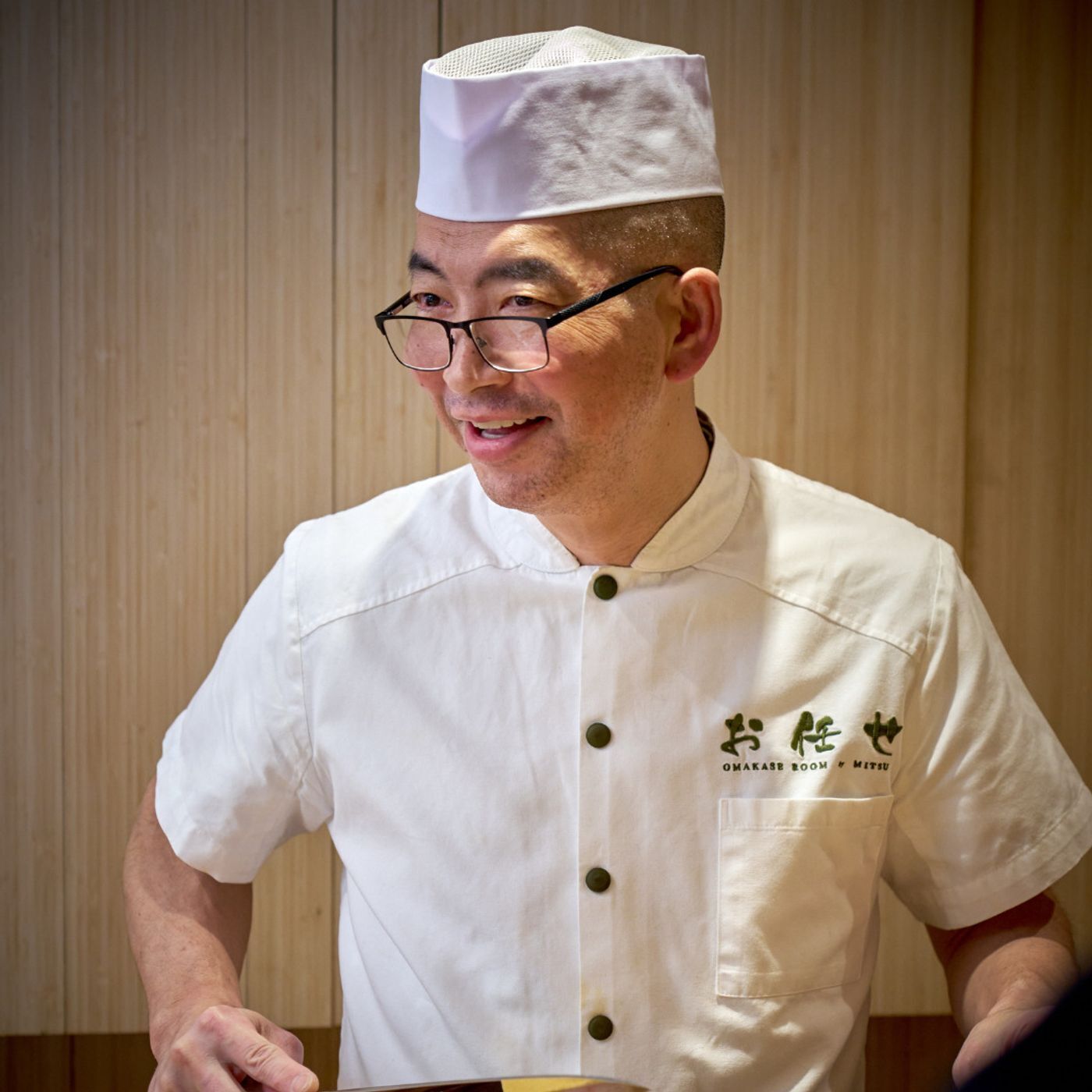
Ep 306The Mindset of a Sushi Chef
Our guest today is Mitsunori Isoda, the executive chef at Omakase Room by Mitsu in New York. The Omakase Room serves authentic Japanese Edomae-style sushi at his beautiful 8-seat hinoki wood bar counter in Manhattan’s West Village.These days you can find great sushi restaurants in New York and other global cities around the world, but we don’t often get to understand the philosophy of each sushi chef. In this show, we get an exclusive look at how a sushi chef strives to create the guests’ best experience based on their own mindset that has been cultivated over the years. Chef Mitsu was classically trained in Japan and came to the U.S. in 2006 to pursue his dream of making sushi in this country. Since then, he has gone through diverse experiences in America but his philosophy has only solidified. In this episode, we will discuss what the essence of Edomae sushi is, the key elements of great Edomae sushi you should look for at sushi restaurants, Chef Mitsu’s sushi-making policy and philosophy behind it, how to become a sophisticated sushi diner (yes, it is a bit intimidating to eat at a sushi counter!), and much, much more!!!Photo courtesy of Francesco Sapienza.Heritage Radio Network is a listener supported nonprofit podcast network. Support Japan Eats by becoming a member!Japan Eats is Powered by Simplecast.See Privacy Policy at https://art19.com/privacy and California Privacy Notice at https://art19.com/privacy#do-not-sell-my-info.
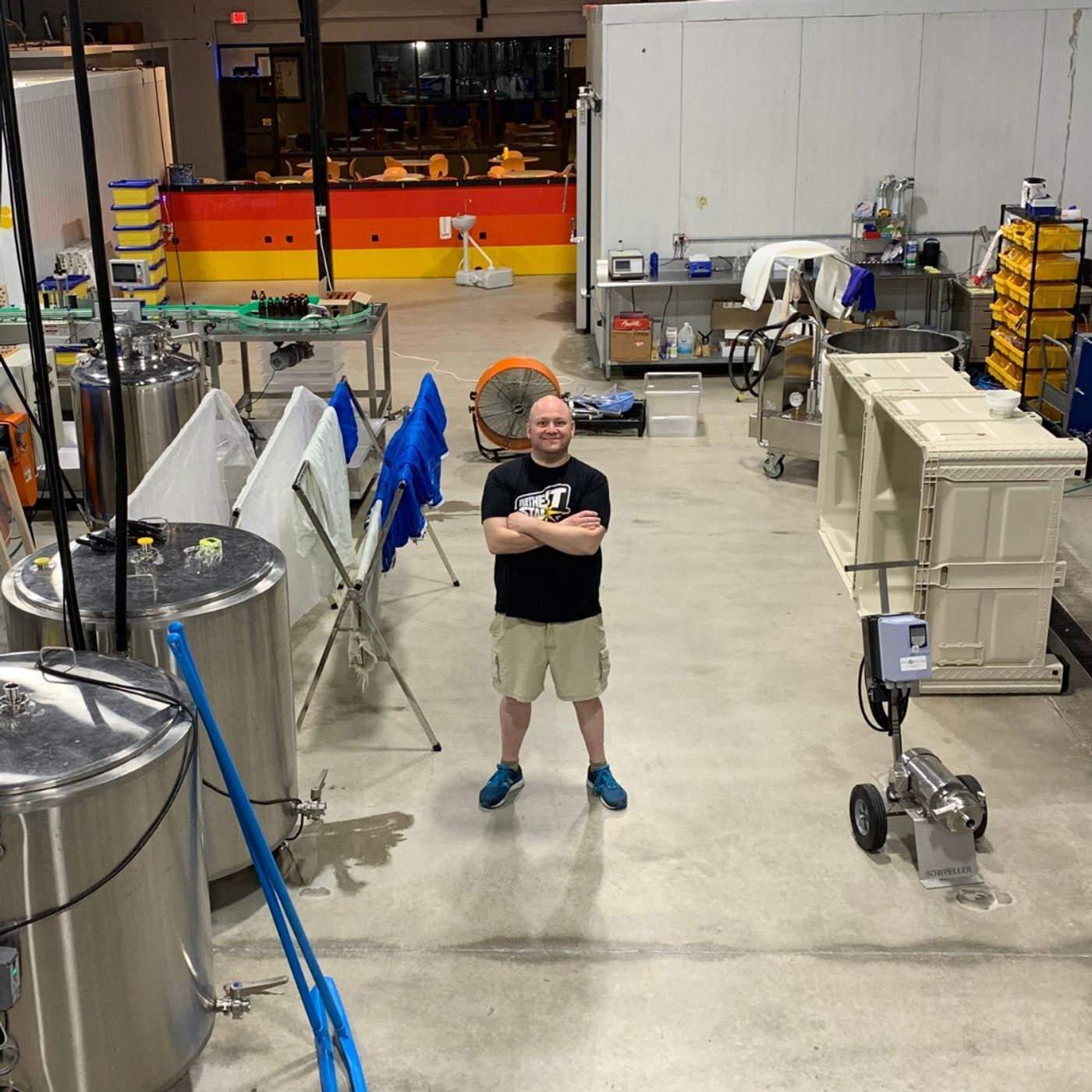
Ep 305A Journey of An American Sake Brewer
Our guest this week is Todd Bellomy, the owner and brewer of Farthest Star Sake in Massachusetts. Todd joined us in Episode #36 to discuss his previous brewery Dovetail Sake in 2016. His success at Dovetail Sake led him to the opening of his new brewery Farthest Star Sake in 2022.Todd has not only been producing high-quality, authentic style of sake, but has also witnessed the development of the American sake culture as an insider. Now we have dozens of notable sake breweries in the U.S. and this is an exciting time to drink locally-made, delicious Japanese sake. In this episode, we will discuss how Todd successfully convinced American beverage lovers to drink Japanese sake in Massachusetts, his new products at Farthest Star Sake that would inspire both sake lovers and novices alike, the fascinating recent changes in American sake production, and much, much more!!!Heritage Radio Network is a listener supported nonprofit podcast network. Support Japan Eats by becoming a member!Japan Eats is Powered by Simplecast.See Privacy Policy at https://art19.com/privacy and California Privacy Notice at https://art19.com/privacy#do-not-sell-my-info.

Ep 304Sushi Can Be Sustainable
Our guest today is Hajime Sato who is the chef/owner of Sozai near Detroit, Michigan. Hajime has been known for keenly pursuing sustainability, which is very challenging for a sushi chef, for the last 14 years.His efforts have been widely recognized, and this year, Hajime became one of the five nominees for the James Beard Foundation’s Outstanding Chef Award. The James Beard Foundation Awards are often called the Academy Awards for culinary professionals, so you can tell how powerful Hajime’s voice is.In this episode, we will discuss how Hajime came to the U.S. and became a sustainability-minded chef, how he manages to offer sustainable seafood at his Japanese restaurant Sozai, what unknown, delicious and sustainable seafood we should try, what we should do now for the future to keep enjoying seafood, and much, much more!!!Photo courtesy of Rebecca Simonov.Heritage Radio Network is a listener supported nonprofit podcast network. Support Japan Eats by becoming a member!Japan Eats is Powered by Simplecast.See Privacy Policy at https://art19.com/privacy and California Privacy Notice at https://art19.com/privacy#do-not-sell-my-info.
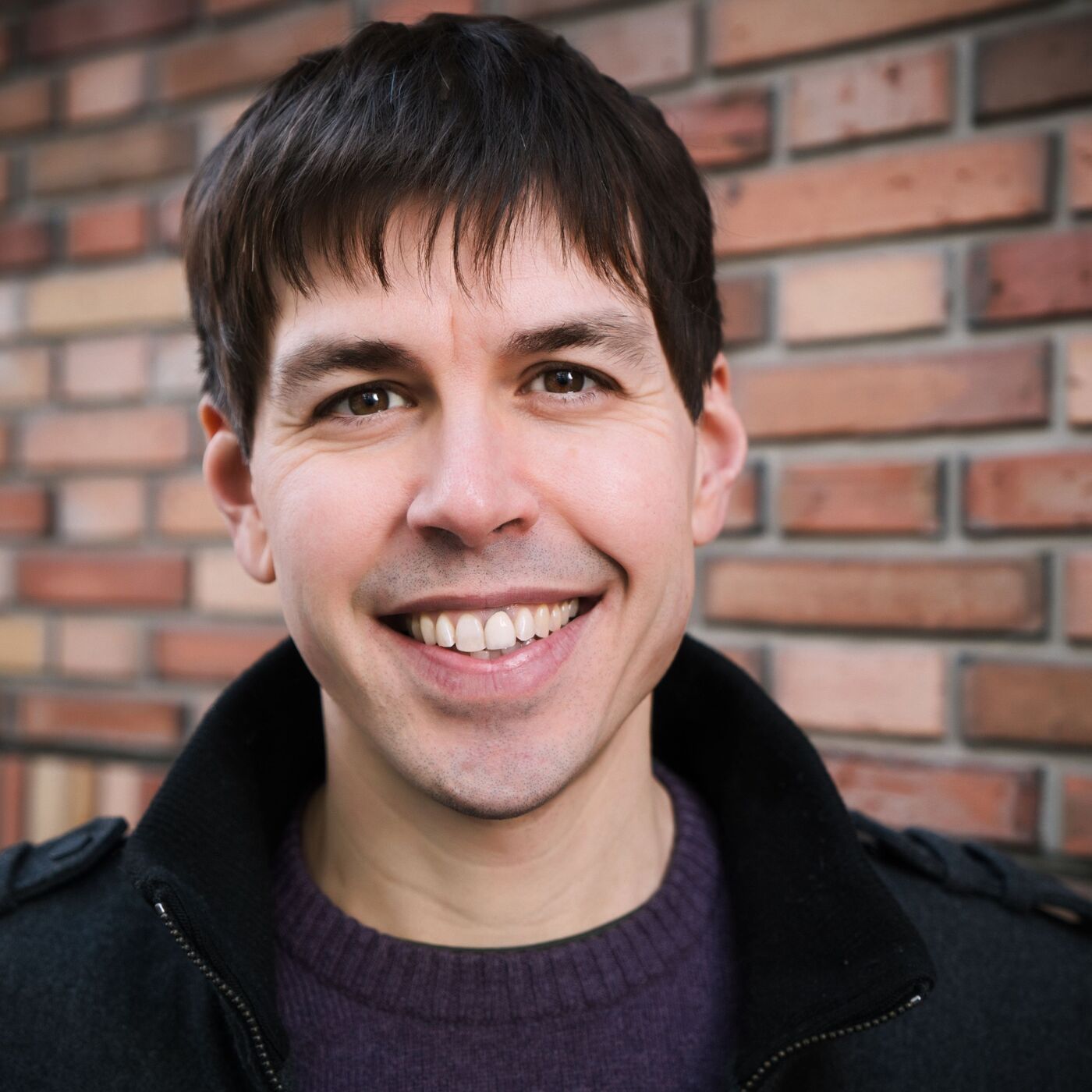
Ep 303What Makes the Japanese Food Culture So Unique?
Our guest is Matt Alt who is a Tokyo-based writer and "localizer" of Japanese entertainment products including video games, toys, and manga. His work has appeared widely in publications including The New York Times, BBC Culture, The Economist 1843, Aeon Magazine, and The New Yorker. (We will find out what “localizer” means in our conversation.)Also, Matt is the author of “Pure Invention: How Japan Made The Modern World”, which insightfully analyzes how the unique Japanese mindset ended up producing unexpectedly globally influential products, such as anime and games, along with the roots of these inventions. In this episode, we will discuss how Matt established his interesting career in Japan, his deep insights into how Japanese culture has unexpectedly influenced the world (with plenty of fun examples such as Konbini, Depachika, Hello Kitty and Anime), what is underneath the Japanese food culture, and much, much more!!!Heritage Radio Network is a listener supported nonprofit podcast network. Support Japan Eats by becoming a member!Japan Eats is Powered by Simplecast.See Privacy Policy at https://art19.com/privacy and California Privacy Notice at https://art19.com/privacy#do-not-sell-my-info.

Ep 302Wagashi: Delicious, Beautiful Japanese Sweets Celebrate Seasons And Nature
Our guest today is Phoebe Ogawa, who is a wagashi chef based in New York. Wagashi are traditional Japanese sweets, and they are quite different from Western-style sweets in many ways, such as the ingredients, how they're made, and the occasions they are served. For whatever reason, we don’t see wagashi outside of Japan very often, even in big cities like New York, despite the popularity of Japanese food.Pheobe is one of the precious wagashi ambassadors abroad. She was classically trained in Japan and now communicates the essence of wagashi to New Yorkers through her stunningly beautiful sweets. In this episode, we will discuss what wagashi is, the differences between wagashi and Western-stye sweets, different types of wagashi, how Phoebe studied wagashi, the challenges of making wagashi in New York, and much, much more!Heritage Radio Network is a listener supported nonprofit podcast network. Support Japan Eats by becoming a member!Japan Eats is Powered by Simplecast.See Privacy Policy at https://art19.com/privacy and California Privacy Notice at https://art19.com/privacy#do-not-sell-my-info.
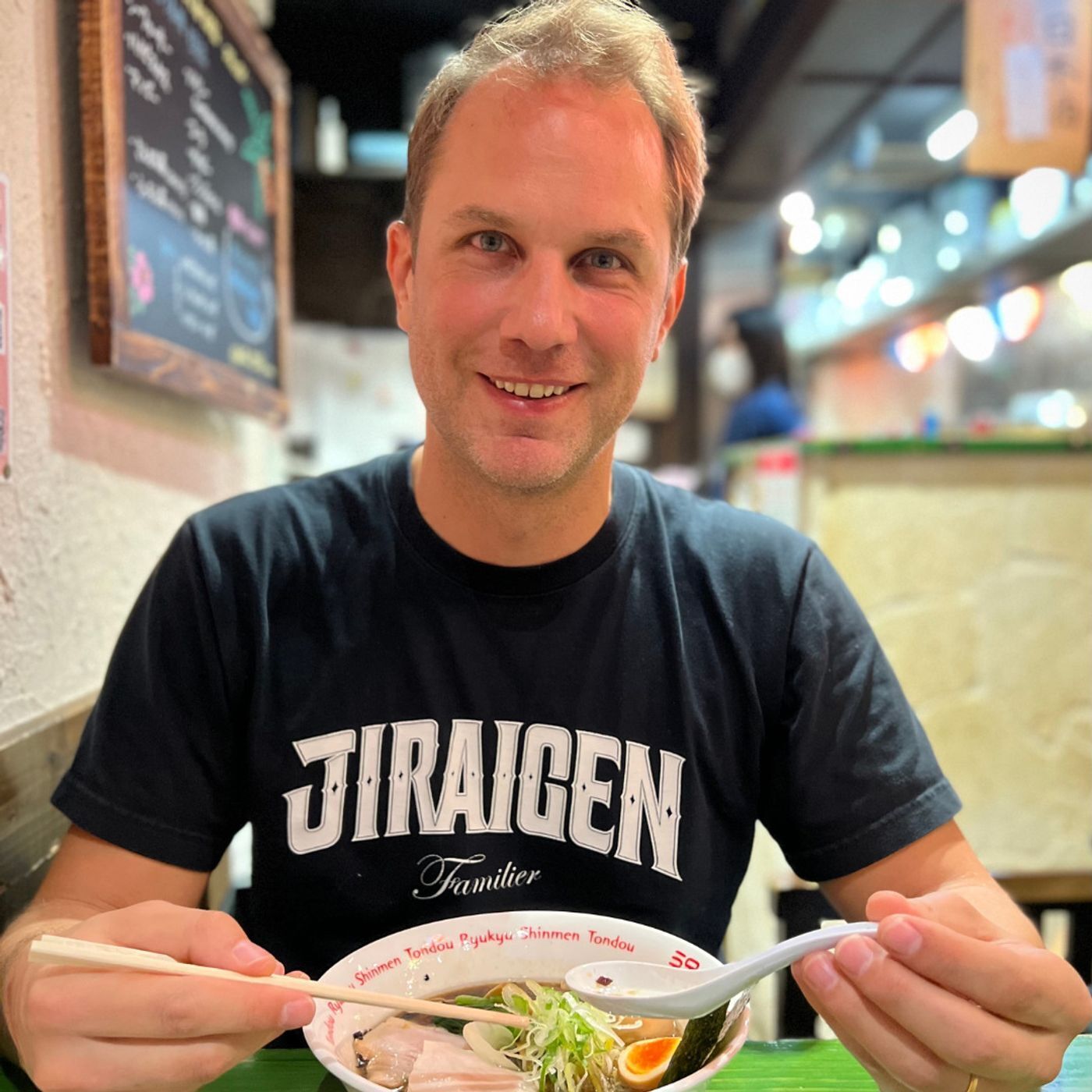
Ep 301Kodawari Ramen: A Former Air Force Pilot Leads The Ramen Culture In Paris
Our guest today is Jean-Baptiste Meusnier, the chef and owner of Kodawari Ramen in Paris. Jean-Baptiste was an air force pilot in his home country of France when he had a revelation to become a ramen chef. In April 2016, he opened Kodawari Ramen in central Paris and his focus on creating the best ramen has been as sharp as flying a military airplane. He makes everything from scratch at a level even Japanese ramen cooks would never do. In this episode, we discuss how Jean-Baptiste was drawn into the world of ramen, his authentic yet inspiring philosophy of making ramen, the utterly unique ambiance of Kodawari’s dining room, challenges in cooking ramen in Paris, and much, much more!Heritage Radio Network is a listener supported nonprofit podcast network. Support Japan Eats by becoming a member!Japan Eats is Powered by Simplecast.See Privacy Policy at https://art19.com/privacy and California Privacy Notice at https://art19.com/privacy#do-not-sell-my-info.
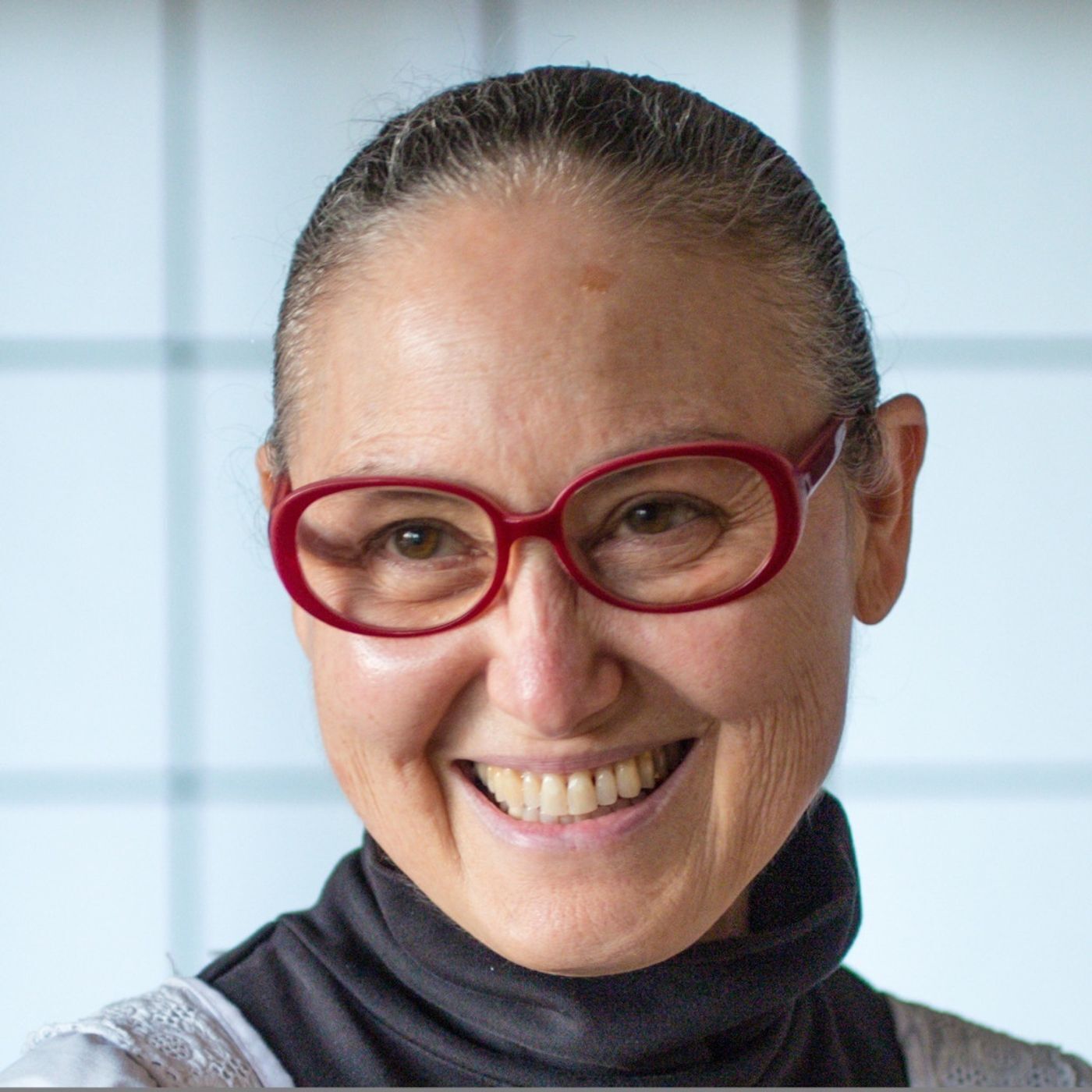
Ep 300Obsessed With Ice: What is Kakigori?
Our guest today is Elizabeth Andoh, who has joined us 12 times previously to share her truly deep insight into traditional Japanese food culture. Elizabeth is a food writer and Japanese cooking instructor based in Tokyo, where she has lived for over 50 years. She runs the culinary arts program called A Taste of Culture, which offers a great opportunity for non-Japanese people to explore Japanese culture through its food. Elizabeth is also the author of 6 cookbooks, including the award-winning “Washoku: Recipes from the Japanese Kitchen” and “Kansha: Celebrating Japan's Vegan and Vegetarian Traditions.”Today’s topic is ice. It’s summertime and we all love refreshing cooling sweets. In Japan, ice has been an important part of its food culture. The most famous food would be Kakigori, a type of shaved ice dish with unique flavor and texture. Its aesthetic is another reason Kakigori is so popular. You can go to a specialty shop or Japanese-style café to enjoy Kakigori or you can make one at home as various handy tools are available. In this episode, we will discuss how Japanese people started eating ice 12 centuries ago, how they developed the elaborate shaved ice called Kakigori, the unique flavors and texture of Kakigori, how you can make Kakigori at home, other types of ice used in Japanese food culture, such as hand-carved perfect ice used for cocktails and much, much more!!!Photo courtesy of Robin Scanlon.Heritage Radio Network is a listener supported nonprofit podcast network. Support Japan Eats by becoming a member!Japan Eats is Powered by Simplecast.See Privacy Policy at https://art19.com/privacy and California Privacy Notice at https://art19.com/privacy#do-not-sell-my-info.
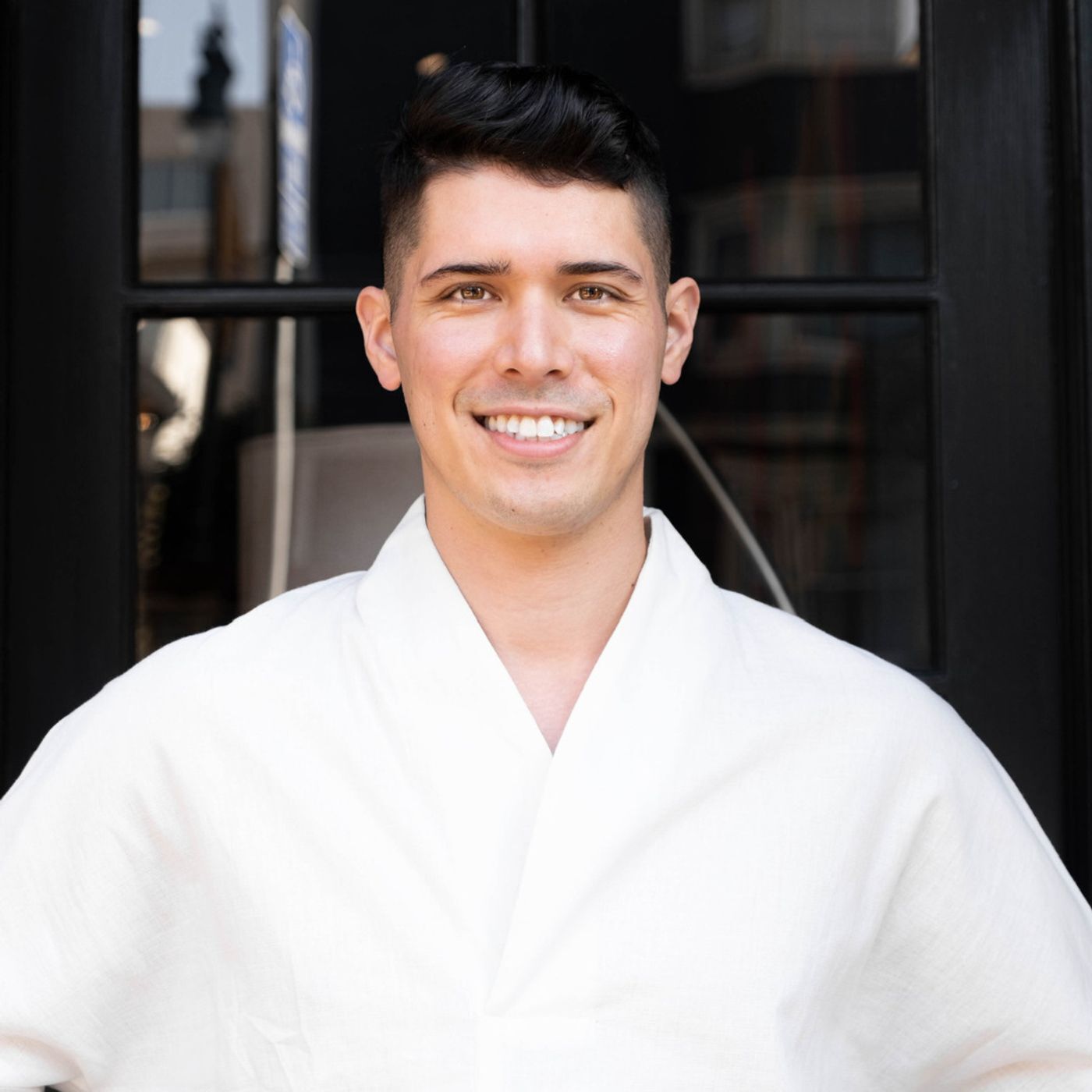
Ep 299Nisei: A First-Generation Chef Explores Possibilities of Japanese Culinary Tradition Globally
Our guest is David Yoshimura, who is the chef/owner of Nisei in San Francisco, California.Nisei means the first-generation, a son or daughter of Japanese immigrants who were born in the United States. Niseis inevitably live in dual cultures and many of them choose to celebrate Japanese culture in different ways. David is one of them. After working at top restaurants in the world, he opened his own place named Nisei in 2022 and earned a Michelin star within six months after opening. In this episode, we will discuss what is it like to be Nisei in America, how David expresses the Japanese tradition through his unique identity, how David explores possibilities of Japanese food in the global context by working with culturally diverse top chefs in the world, and much, much more!Heritage Radio Network is a listener supported nonprofit podcast network. Support Japan Eats by becoming a member!Japan Eats is Powered by Simplecast.See Privacy Policy at https://art19.com/privacy and California Privacy Notice at https://art19.com/privacy#do-not-sell-my-info.
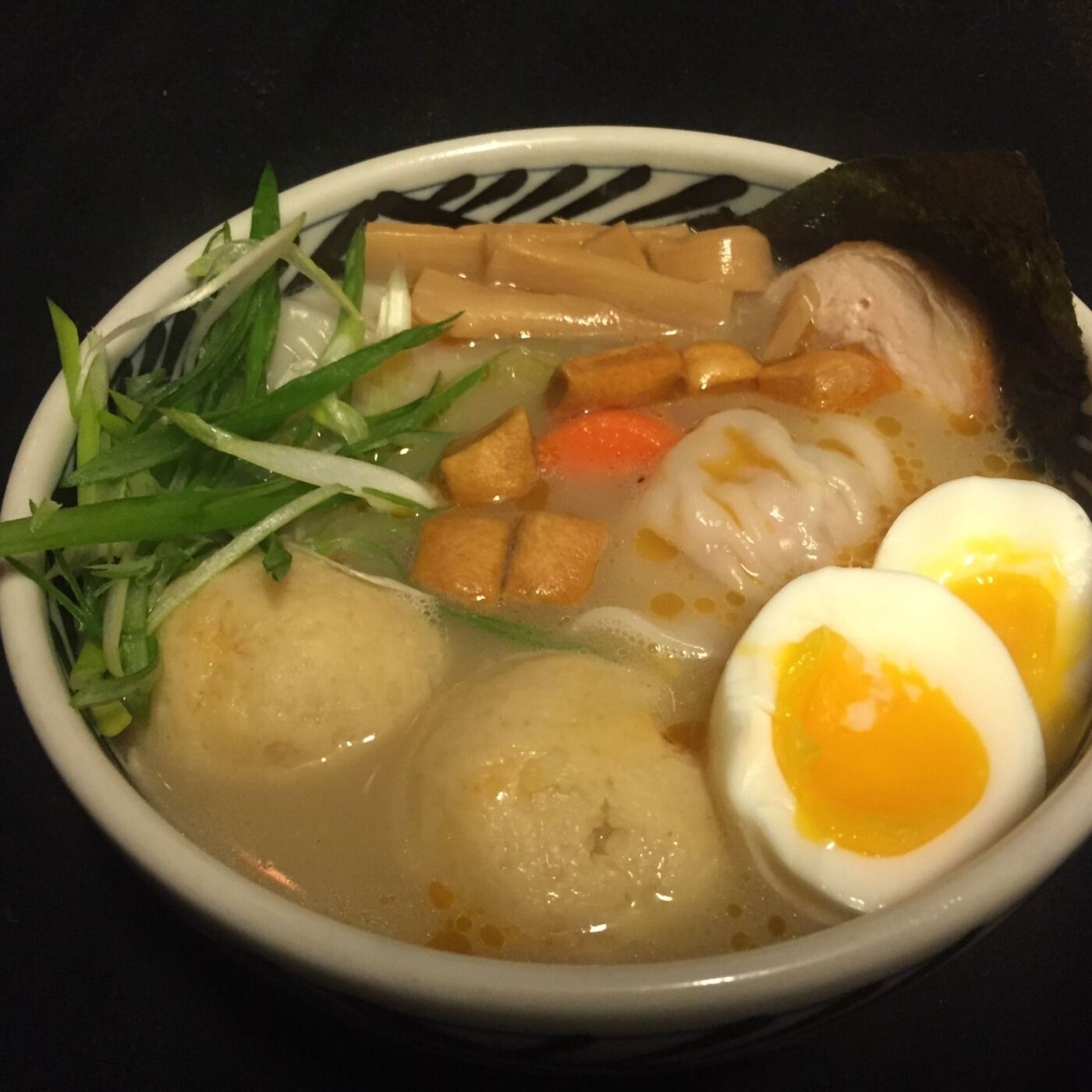
Ep 298Shalom Japan: Marrying Japanese and Jewish Flavors Naturally
Our guest is Sawako Okochi who is the co-chef and co-owner of Shalom Japan, which she opened in 2013 with her husband and co-chef, Aaron Israel. Shalom Japan is unique because Sawa and Aaron combine Japanese and Jewish food cultures on one menu. The unique concept has proven successful as they celebrate the 10th year of Shalom Japan. They also have just published a beautiful book titled “Love Japan – Recipes From Our Japanese American Kitchen”. In this episode, we will discuss how Sawa and Aaron met and decided to open a restaurant together, the overlapping and contrasting elements in Japanese and Jewish foods, creative menu items at Shalom Japan, what they want to share with us through the new book, and much, much more!!!Heritage Radio Network is a listener supported nonprofit podcast network. Support Japan Eats by becoming a member!Japan Eats is Powered by Simplecast.See Privacy Policy at https://art19.com/privacy and California Privacy Notice at https://art19.com/privacy#do-not-sell-my-info.
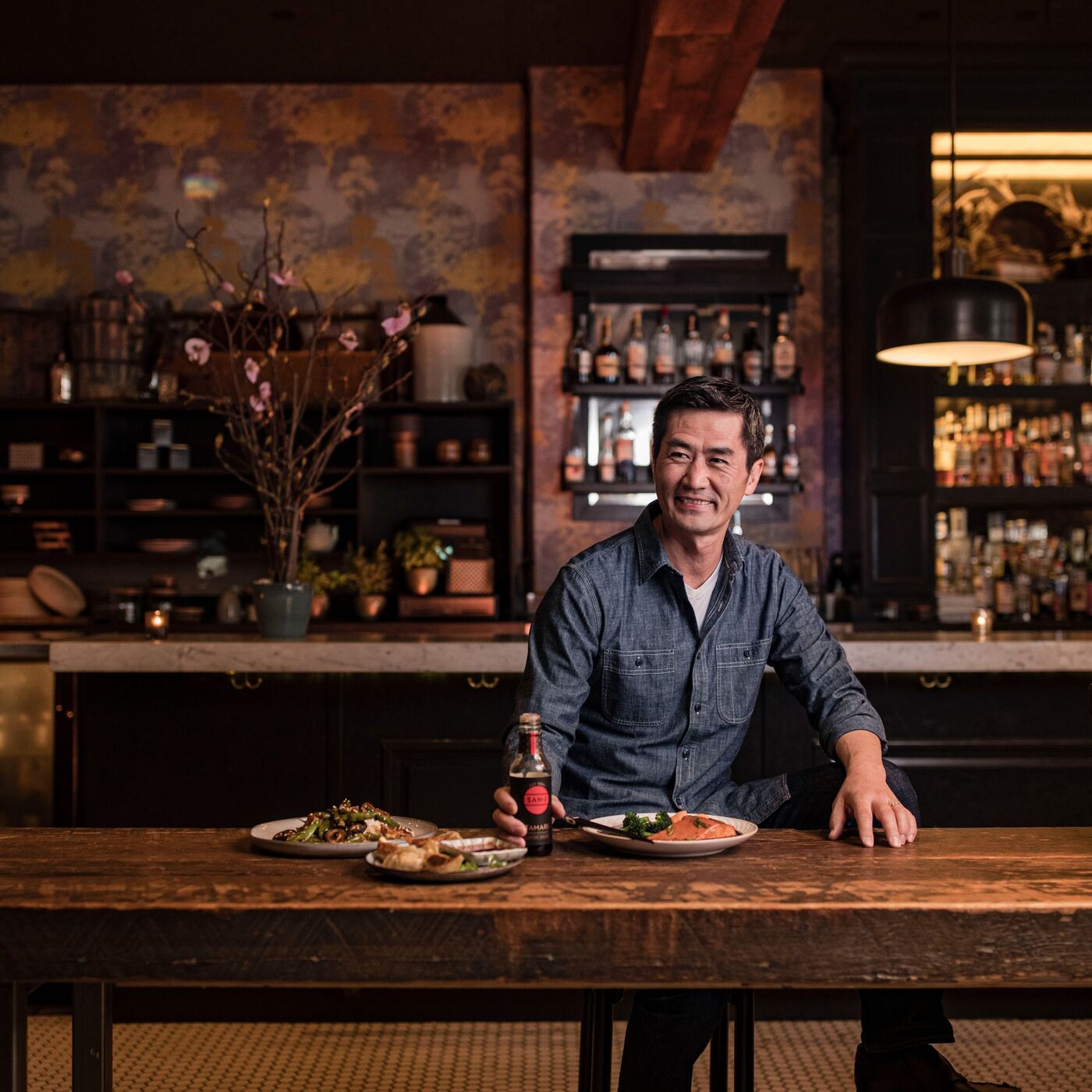
Ep 297San-J: Communicating the Precious Tradition of Japanese Soy Sauce for 45 Years
Our guest Takashi Sato is the 8th generation family member of Sanjirushi Jozo in Mie Prefecture and the president of San-J International in the U.S. Sanjirushi Jozo has been making soy sauce and miso since 1804, and in 1978 the company decided to expand its business to the U.S. Now, 45 years later, San-J is one of the most familiar soy sauce brands in the U.S. and you may have seen its labels at Whole Foods Market, for instance. Soy sauce is a quintessential ingredient of Japanese food, but many of us don’t know the different types and their unique flavors. San-J specializes in Tamari, which is a rare type. Also unknown is the fact that the precious tradition of fermented food production has been declining in Japan and Takashi is very much concerned about the situation. That is why he created the Hakko Hub, which aims to revitalize the artisanal fermented food industry. In this episode, we will discuss the diverse types and flavors of soy sauce, what exactly Tamari soy sauce is, how Takashi’s unique product line can help people with allergies, his efforts to revive the traditional fermentation industry in Japan, and much, much more!!!Heritage Radio Network is a listener supported nonprofit podcast network. Support Japan Eats by becoming a member!Japan Eats is Powered by Simplecast.See Privacy Policy at https://art19.com/privacy and California Privacy Notice at https://art19.com/privacy#do-not-sell-my-info.
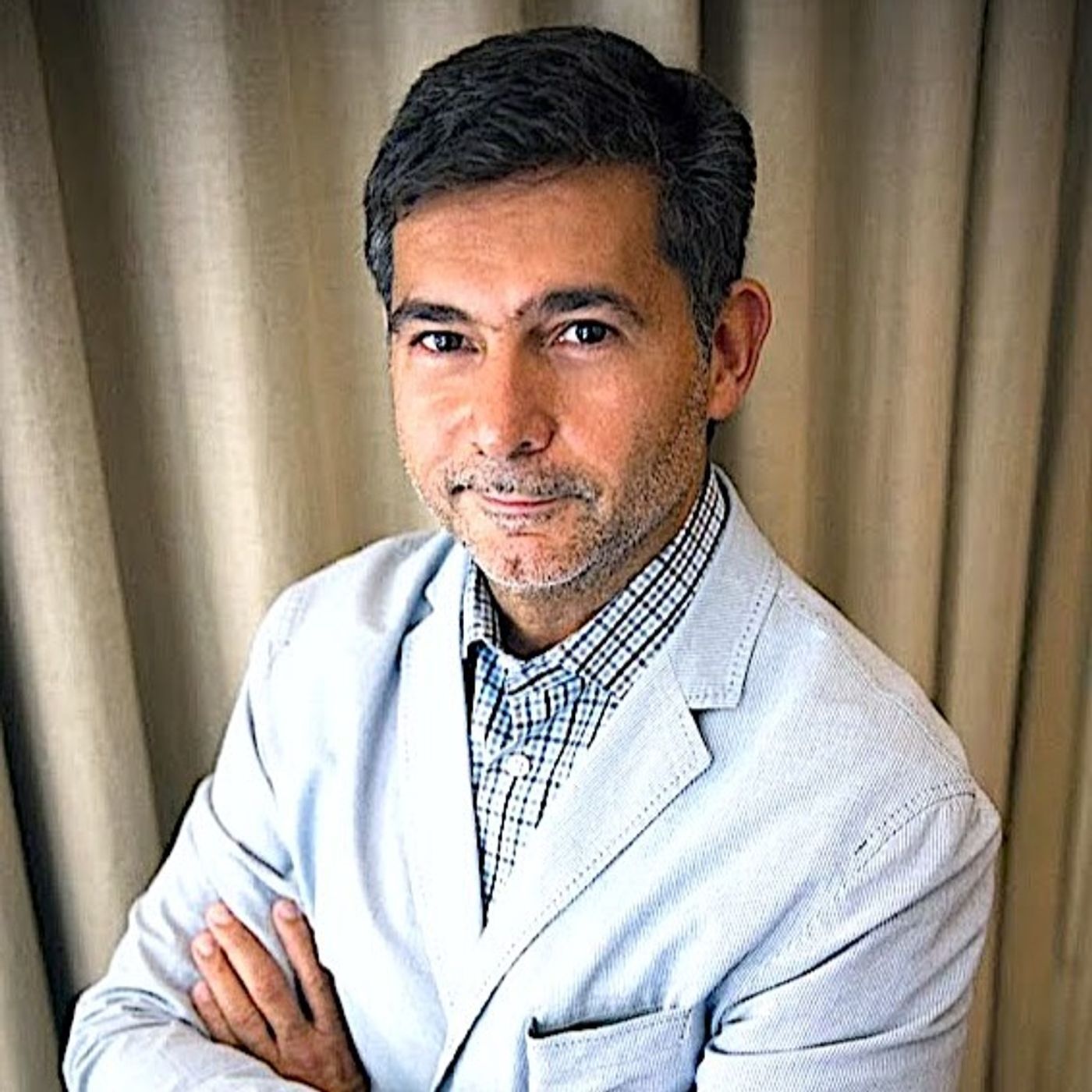
Ep 296Sushi and French Merged Seamlessly by Chef Marco Moreira
Our guest is Marco Moreira who is the chef/owner of 15 EAST @ Tocqueville in New York. He joined us in Episode #28 and discussed his fascinating background, including how the young Brazilian man came to New York and became a sushi chef, and shared his deep knowledge of Japanese food culture. Marco has run multiple highly successful restaurants in New York with a wide variety of influences from Japanese, French and Brazilian flavors. No restaurant was unaffected by COVID but Marco navigated tremendous challenges well and opened a new restaurant called 15 EAST @ Tocqueville after the pandemic. 15 EAST @ Tocqueville is an innovative concept because Japanese food and French are served both authentically and seamlessly under one roof without being gimmicky. In this episode, we will discuss the unique concept of 15 EAST @ Tocqueville, why Marco decided the contrasting culinary genres belong in one space, his point of view about how Japanese sushi has become part of mainstream American food culture, and much, much more!!! Heritage Radio Network is a listener supported nonprofit podcast network. Support Japan Eats by becoming a member!Japan Eats is Powered by Simplecast.See Privacy Policy at https://art19.com/privacy and California Privacy Notice at https://art19.com/privacy#do-not-sell-my-info.