
JAMA Medical News
316 episodes — Page 4 of 7

Highlights From Gastroenterology Week 2023
JAMA Associate Editor John M. Inadomi, MD, discusses clinical highlights from United European Gastroenterology (UEG) Week with UEG president Helena Cortez-Pinto, MD, PhD. Related Content: Highlights From Gastroenterology Week: New Crohn Disease Drug, Redefining Liver Disease, and More

AI and Clinical Practice—Predictive AI and Early Clinical Detection
AI has potential to meaningfully improve patient care. How will AI advances help clinicians focus on the best use of their time and talents? In this Q&A, JAMA Editor in Chief Kirsten Bibbins-Domingo, PhD, MD, MAS, interviews Suchi Saria, PhD, MSc, an associate professor in computer science at Johns Hopkins, to discuss how AI could streamline care. Related Content: Can Predictive AI Improve Early Detection of Sepsis and Other Conditions?
October 2023 Medical News Summary
Who Should Get the New Alzheimer Disease Drug? Could Universal Donor Blood Be Made in the Lab? More Than 1 in 4 Nurses Say They Plan to Leave Health Care Related Content: Who Should—and Can—Get Lecanemab, the New Alzheimer Disease Drug? Could Universal Donor Blood Be Made in the Laboratory? Overworked and Understaffed, More Than 1 in 4 US Nurses Say They Plan to Leave the Profession

AI and Clinical Practice—Can AI Accelerate Medical Education?
In this Q&A, JAMA Editor in Chief Kirsten Bibbins-Domingo, PhD, MD, MAS, and Bernard S. Chang, MD, MMSc, a neurologist and dean for medical education at Harvard Medical School, discuss how AI will change medical education, admissions, and teaching the future generation of physicians and clinicians. Related Content: AI Will—and Should—Change Medical School, Says Harvard's Dean for Medical Education Transformation of Undergraduate Medical Education in 2023

AI and Clinical Practice—Building Patient and Clinician Trust in a Health Care System
In this Q&A, JAMA Editor in Chief Kirsten Bibbins-Domingo, PhD, MD, MAS, talks with Andrew Bindman, MD, an internist and the executive vice president and chief medical officer for Kaiser Permanente, about AI implementation and the importance of building trust in a health care system. Related Content: Kaiser Permanente's CMO: How AI Might Help Clinicians Address Patients' Social Risk Factors

AI and Clinical Practice—Improving Health Care Quality and Equity
In this Q&A, JAMA Editor in Chief Kirsten Bibbins-Domingo, PhD, MD, MAS, interviews Kedar S. Mate, MD, an internal medicine physician, President and Chief Executive Officer at the Institute for Healthcare Improvement, and faculty at Weill Cornell Medical College, to discuss AI's role in health care quality and approaches to improving health equity. Related Content: New AI Tools Must Have Health Equity in Their DNA

AI and Clinical Practice—the Potential to Reduce Clinician Burden and Streamline Health Systems
In this Q&A, JAMA Editor in Chief Kirsten Bibbins-Domingo, PhD, MD, MAS, and Kevin B. Johnson, MD, MS, the David L. Cohen and Penn Integrates Knowledge University Professor of Pediatrics, Informatics, Engineering, and Communication at the University of Pennsylvania, discuss how AI can reduce clinician burden and streamline health system functions. Related Content: Electronic Health Records Failed to Make Clinicians' Lives Easier—Will AI Technology Succeed?
September 2023 Medical News Summary
Should Consumers Buy a Blood Test to Evaluate Their Alzheimer Disease Risk; How Wildfire Smoke Harms Health Related Content: Consumers Can Now Buy a Blood Test to Evaluate Their Alzheimer Disease Risk, but Should They? Raging Wildfires Are Exposing More People to Smoky Air—Here's What That Means for Health

AI and Clinical Practice—the Potential for AI to Augment Humanity in Medicine
In this Q&A, JAMA Editor in Chief Kirsten Bibbins-Domingo, PhD, MD, MAS, and Ida Sim, MD, PhD, a primary care physician and UCSF's Chief Research Informatics Officer, discuss generative AI, large language models, and the ways in which AI could affect humanity in medicine. Related Content: The Promise and Pitfalls of AI in the Complex World of Diagnosis, Treatment, and Disease Management

AI and Clinical Practice—AI Gaslighting, AI Hallucinations, and GenAI Potential
In this Q&A, JAMA Editor in Chief Kirsten Bibbins-Domingo, PhD, MD, MAS, interviews Michael Howell, MD, MPH, a pulmonologist and chief clinical officer at Google, to discuss the evolution of AI and what we should expect next for AI and health care. Related Content: Google Health's Chief Clinical Officer Talks About Incorporating AI in Health Care

Climate Change and Health
Many health care professionals are already dealing with the effects of climate change. In this Q&A, the World Health Organization's first-ever Special Envoy for Climate Change and Health, Vanessa Kerry, MD, MSc, joins JAMA Medical News Director Jennifer Abbasi to discuss how a changing climate and extreme weather events are impacting human health, what clinicians should expect in the years ahead, and how they can help protect patients—and the planet. Related Content: Critical Care Physician Takes on Climate Change in New WHO Role Climate Change and Health
August 2023 Medical News Summary
What to Know About the First Pill Approved for Postpartum Depression; Will the Updated COVID Vaccines Protect Against the New Variant? CDC Assesses Risk From BA.2.86, Highly Mutated COVID-19 Variant Related Content: A Fast-Acting Pill Received Approval for Postpartum Depression—Is It a Game Changer? What to Know About EG.5, the Latest SARS-CoV-2 "Variant of Interest" CDC Assesses Risk From BA.2.86, Highly Mutated COVID-19 Variant
July 2023 Medical News Summary
Treating Long COVID's Mental Health Symptoms in Primary Care; This Fall's COVID-19 Vaccine Will Target Omicron XBB Subvariants—Who Needs to Get It; Avian Influenza Update Related Content: HHS Urges Primary Care Clinicians to Help Patients Manage Long COVID's Mental Health Symptoms Vigilance Urged Against Bird Flu Amid Ongoing Outbreaks in Mammals This Fall's COVID-19 Vaccines Will Target Omicron XBB Subvariants, but Who Needs Them Remains to Be Seen
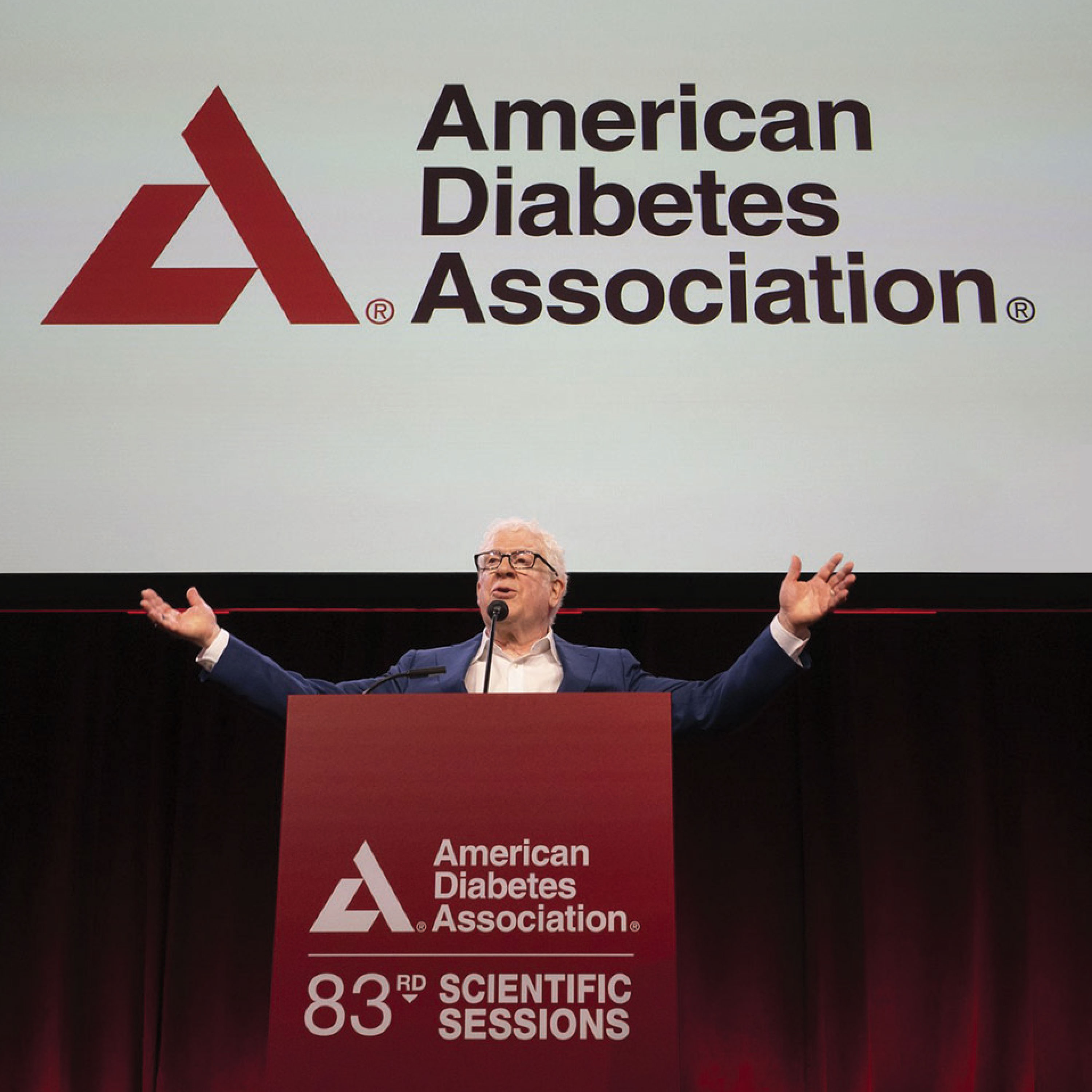
Highlights From the American Diabetes Association Scientific Session 2023
Data on a new crop of hormone analogues for weight loss—including an oral version of semaglutide and the triple agent retatrutide—were recently presented at the American Diabetes Association's annual Scientific Sessions. Robert Gabbay, MD, PhD, the ADA's chief scientific and medical officer, speaks with JAMA's Jennifer Abbasi about this and other clinical data presented at the meeting. Related Content: New Weight Loss Drugs Make Headlines at Diabetes Meeting

Worsening US Maternal Death Rates
The 2021 US maternal mortality rate is more than 10 times the rate of other high-income countries, according to a March 2023 CDC report. In this Q&A, JAMA Editor in Chief Kirsten Bibbins-Domingo, PhD, MD, MAS, is joined by Monica McLemore, PhD, MPH, RN, University of Washington, Audra Meadows, MD, MPH, UC San Diego, and Joia Crear-Perry, MD, founder and president of the National Birth Equity Collaborative, to discuss these concerning numbers and why preventable death rates are worsening in the US. Related Content: Trends in State-Level Maternal Mortality by Racial and Ethnic Group in the United States Worsening US Maternal Death Rates US Maternal Mortality Is Unacceptably High, Unequal, and Getting Worse—What Can Be Done About It? Trends in Maternal Mortality and Severe Maternal Morbidity During Delivery-Related Hospitalizations in the United States, 2008 to 2021
June 2023 Medical News Summary
Sugar Substitutes Don't Help Weight Control and May Increase Risk of Heart Disease and Diabetes, WHO Warns; Social Media and the Youth Mental Health Crisis Related Content: Sugar Substitutes Don't Help Weight Control and May Increase Risk of Heart Disease and Diabetes, WHO Warns Surgeon General Sounds the Alarm on Social Media Use and Youth Mental Health Crisis
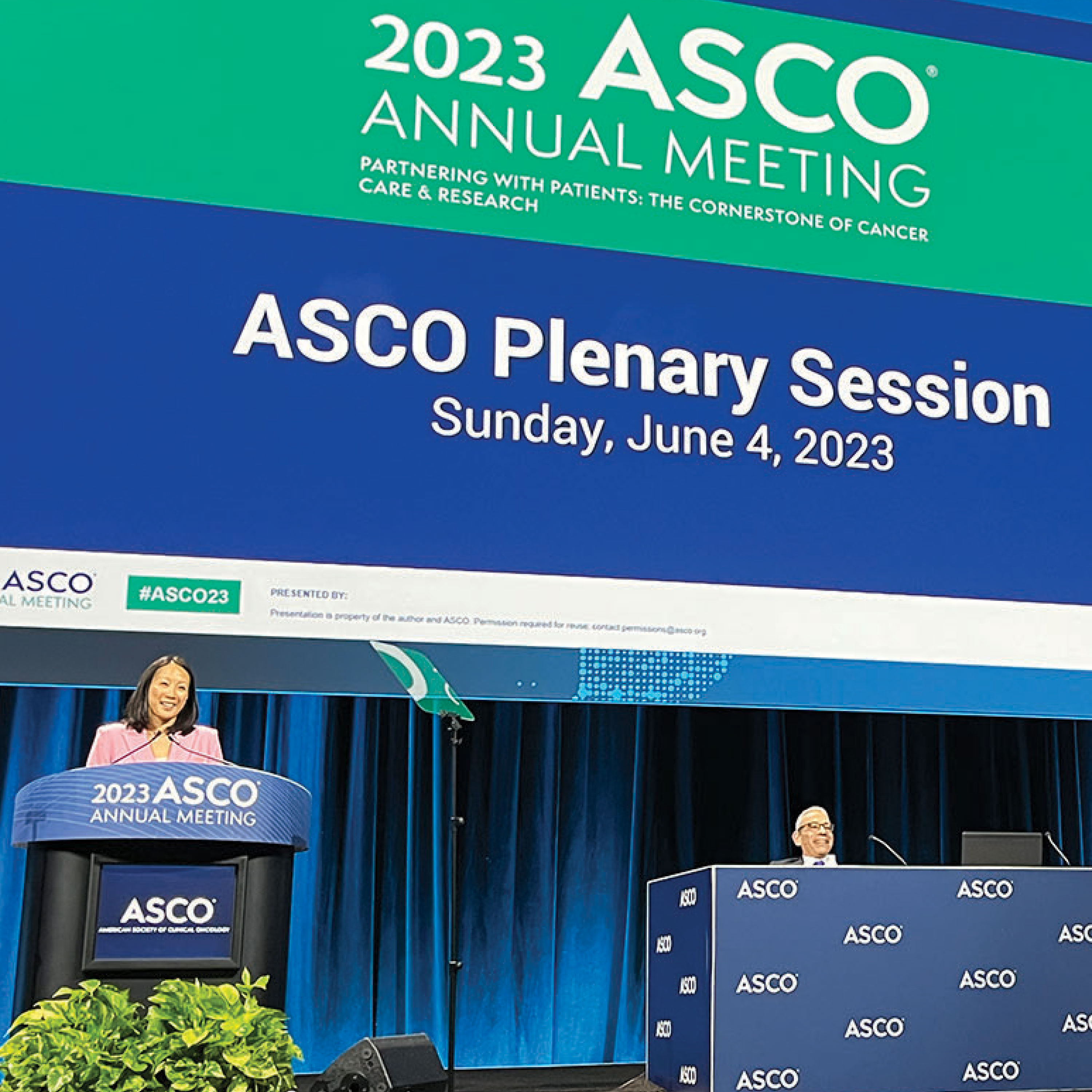
Highlights From the 2023 American Society of Clinical Oncology Annual Meeting
JAMA Deputy Editor and JAMA Oncology Editor Mary (Nora) L. Disis, MD, speaks with Kimmie Ng, MD, MPH, chair of the meeting's Scientific Program Committee and associate chief of the Division of Gastrointestinal Oncology at Dana-Farber Cancer Institute. Related Content: Highlights From the ASCO Annual Meeting—New Approaches to Cancers of the Blood, Brain, Lung, and More

Highlights From the American Thoracic Society 2023 Conference
JAMA Senior Editor Kristin L. Walter, MD, MS, speaks with Debra Boyer, MD, MHPE, about important research studies and keynote addresses presented at the American Thoracic Society International Conference in May 2023. Dr Boyer is a pediatric pulmonologist and chief medical education officer at Nationwide Children's Hospital in Columbus, Ohio, and was cochair of this year's conference. Related Content: COPD Mortality, Goals-of-Care Conversations in Serious Illness, and Advocating for Climate Change Science and Gun Violence Prevention—Highlights From the American Thoracic Society Conference
May 2023 Medical News Summary
What Clinicians Need to Know About "Tranq"; As Laws Restricting Health Care Surge, Some US Physicians Choose Between Fight or Flight Related Content: As Laws Restricting Health Care Surge, Some US Physicians Choose Between Fight or Flight Here's What to Know About Xylazine, aka Tranq, the Animal Tranquilizer Increasingly Found in Illicit Fentanyl Samples Risk of Parkinson Disease Among Camp Lejeune Veterans

Live From the 2023 American Academy of Neurology Conference
JAMA Fishbein Fellow Revital Marcus, MD, talks with American Academy of Neurology president-elect and meeting science committee chair Natalia Rost, MD, about hot topics at this year's conference in Boston, including new Alzheimer disease drugs, long COVID and the central nervous system, and a nasal spray for migraines. Related Content: New Alzheimer Disease Drugs, Long COVID and the Central Nervous System, and a Nasal Spray for Migraines—Highlights From the 2023 American Academy of Neurology Conference
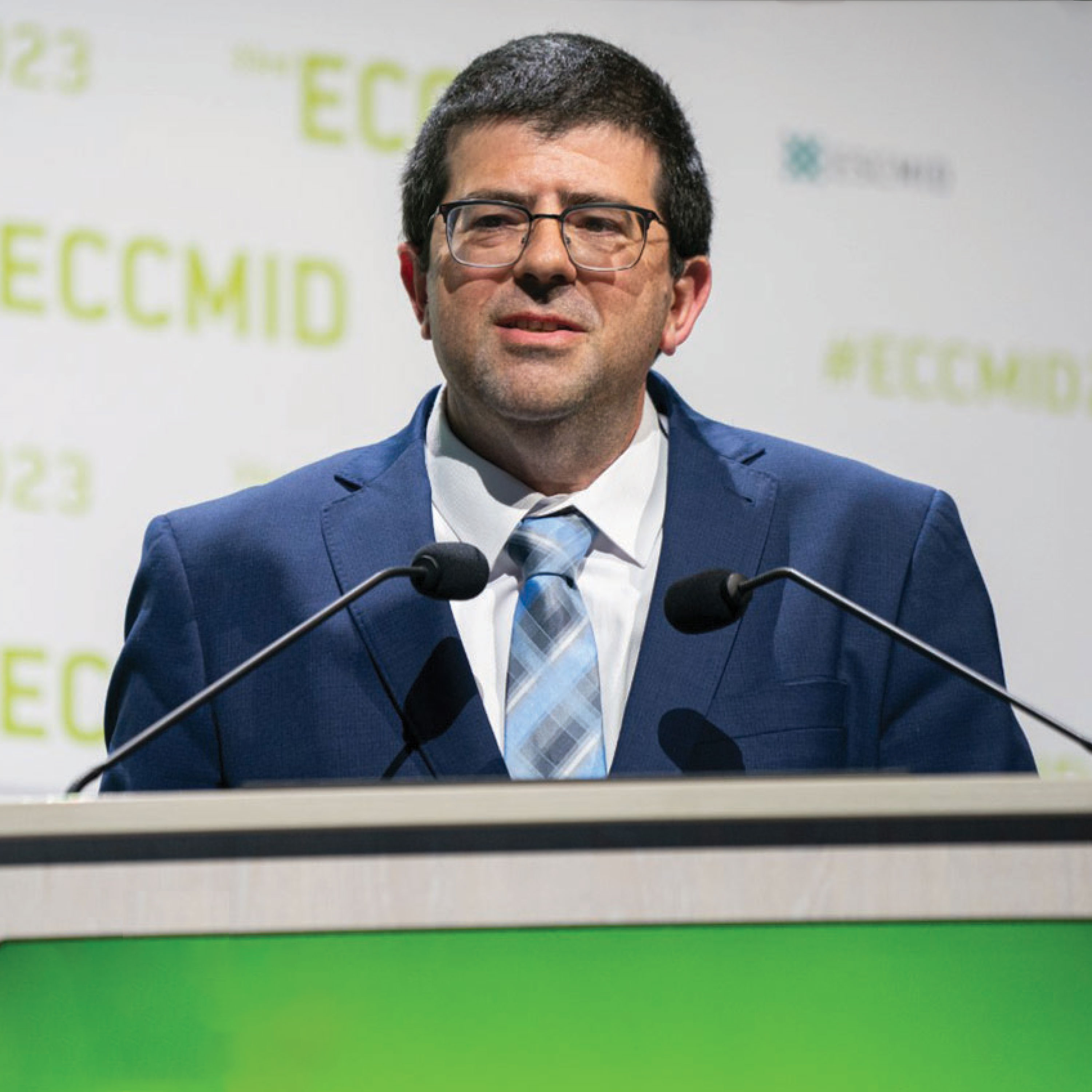
Highlights From ECCMID, Europe's Largest Infectious Diseases Conference
More than 14 000 infectious diseases physicians, clinical microbiologists, and public health professionals gathered in Copenhagen, Denmark, in April for the European Congress of Clinical Microbiology and Infectious Diseases (ECCMID), Europe's largest infectious diseases conference. In this Medical News Q&A, JAMA Deputy Editor Preeti N. Malani, MD, MSJ, discusses highlights from the congress with Jacob Moran-Gilad, MD, MPH, ECCMID program director. Related Content: Artificial Intelligence, Emerging Threats, and Diagnostic Advances—Highlights From ECCMID, Europe's Largest Infectious Disease Conference
April 2023 Medical News Summary
As Ozempic's Popularity Soars, Here's What to Know About Semaglutide and Weight Loss; Implementation Science Seeks to Translate Research Into Practice; What a Study of Hibernating Bears Tells Us About Deep Vein Thrombosis Related Content: As Ozempic's Popularity Soars, Here's What to Know About Semaglutide and Weight Loss It Takes an Average of 17 Years for Evidence to Change Practice—the Burgeoning Field of Implementation Science Seeks to Speed Things Up What a Study of Hibernating Bears Tells Us About Deep Vein Thrombosis
March 2023 Medical News Summary
Physicians Say an Idaho House Bill That Would Criminalize Administering mRNA Vaccines Is an Attack on the Medical Profession—Even If It Doesn't Become Law; The Debate Over Whether to Make Daylight Saving or Standard Time Permanent; Expanded Family Leave Policies May Ease Burden for Residents Related Content: Physicians Say an Idaho House Bill That Would Criminalize Administering mRNA Vaccines Is an Attack on the Medical Profession—Even If It Doesn't Become Law Groundswell Grows for Permanent Daylight Saving Time, but Medical Societies Overwhelmingly Support Year-Round Standard Time Expanded Family Leave Policies May Ease Burden for Residents Cut Calories, Lengthen Life Span? Randomized Trial Uncovers Evidence That Calorie Restriction Might Slow Aging, but Questions Remain Highlights From the American College of Cardiology's 2023 Scientific Session: the Ketogenic Diet and Cardiac Events, a Wearable Sensor to Predict Troponin Levels, Bempedoic Acid for Statin Intolerance, and More Former NIH Director Francis S. Collins on the New White House Plan to Eliminate Hepatitis C
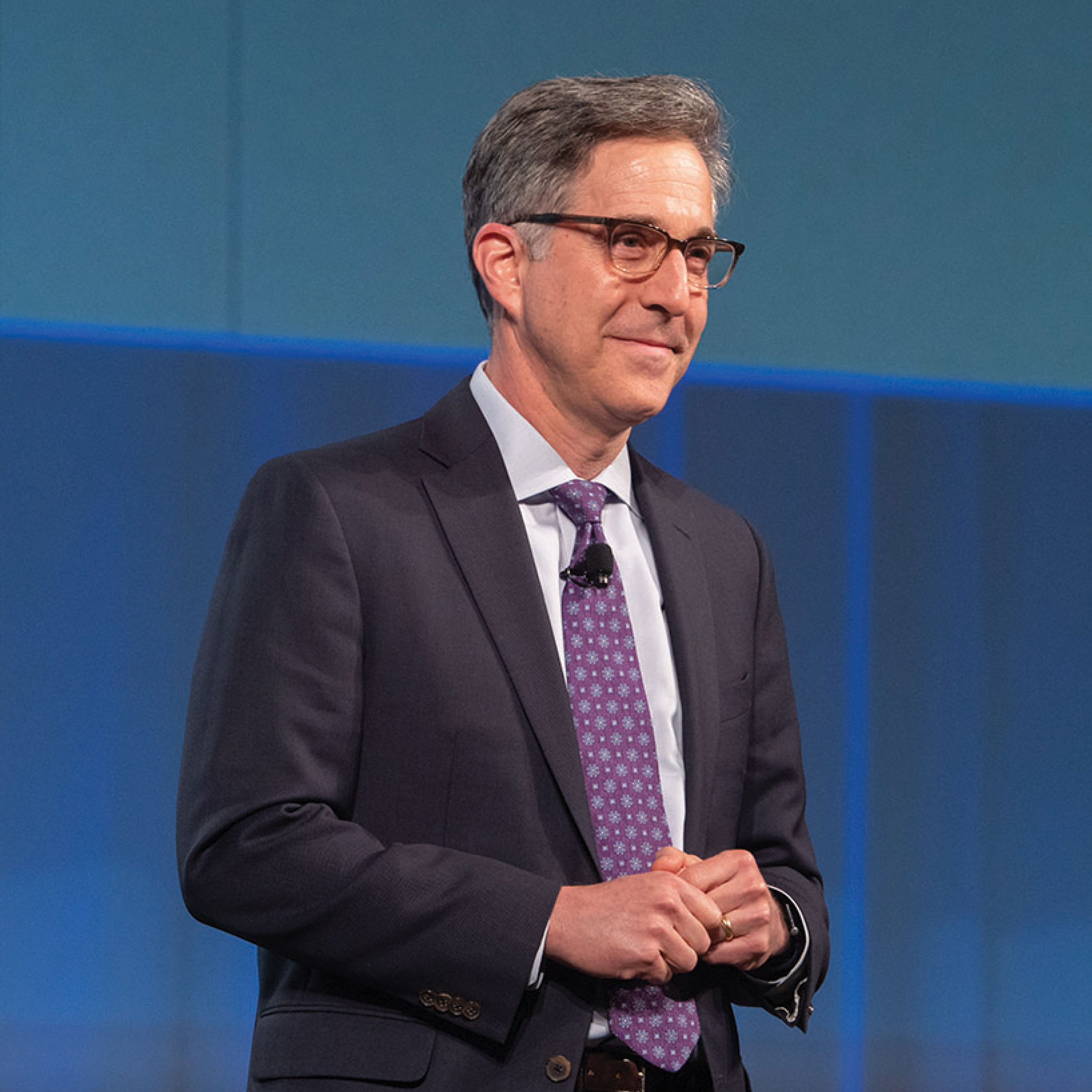
Highlights From the American College of Cardiology's 2023 Scientific Session
JAMA Medical News Senior Staff Writer Melissa Suran, PhD, MSJ, speaks with Douglas Drachman, MD, about late-breaking research discussed at the annual conference of the American College of Cardiology and World Congress of Cardiology. Dr Drachman—who chaired this year's conference—is an interventional cardiologist at Massachusetts General Hospital, where he is also director of education in the cardiology division. Related Content: Highlights From the American College of Cardiology's 2023 Scientific Session: the Ketogenic Diet and Cardiac Events, a Wearable Sensor to Predict Troponin Levels, Bempedoic Acid for Statin Intolerance, and More
Eliminating Hepatitis C in the United States
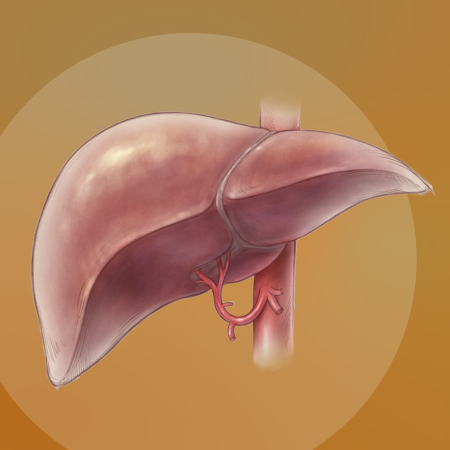
More than 2 million individuals in the US are chronically infected with hepatitis C, and nearly 15 000 die every year. Antivirals are available but are not reaching the majority of infected individuals. In this Q&A, JAMA Editor in Chief Kirsten Bibbins-Domingo, PhD, MD, MAS, and Francis S. Collins, MD, PhD, discuss a plan to eliminate hepatitis C included in the Biden-Harris 2024 budget proposal. Related Content: A National Hepatitis C Elimination Program in the United States Eliminating Hepatitis C in the United States Former NIH Director Francis S. Collins on the New White House Plan to Eliminate Hepatitis C Association of Direct-Acting Antiviral Therapy With Liver and Nonliver Complications and Long-term Mortality in Patients With Chronic Hepatitis C After 12 Years, NIH Director Francis S. Collins, MD, PhD, Seeks His Next Chapter After 12 Years, NIH Director Francis S. Collins Seeks His Next Chapter
Live From CROI, the Conference on Retroviruses and Opportunistic Infections
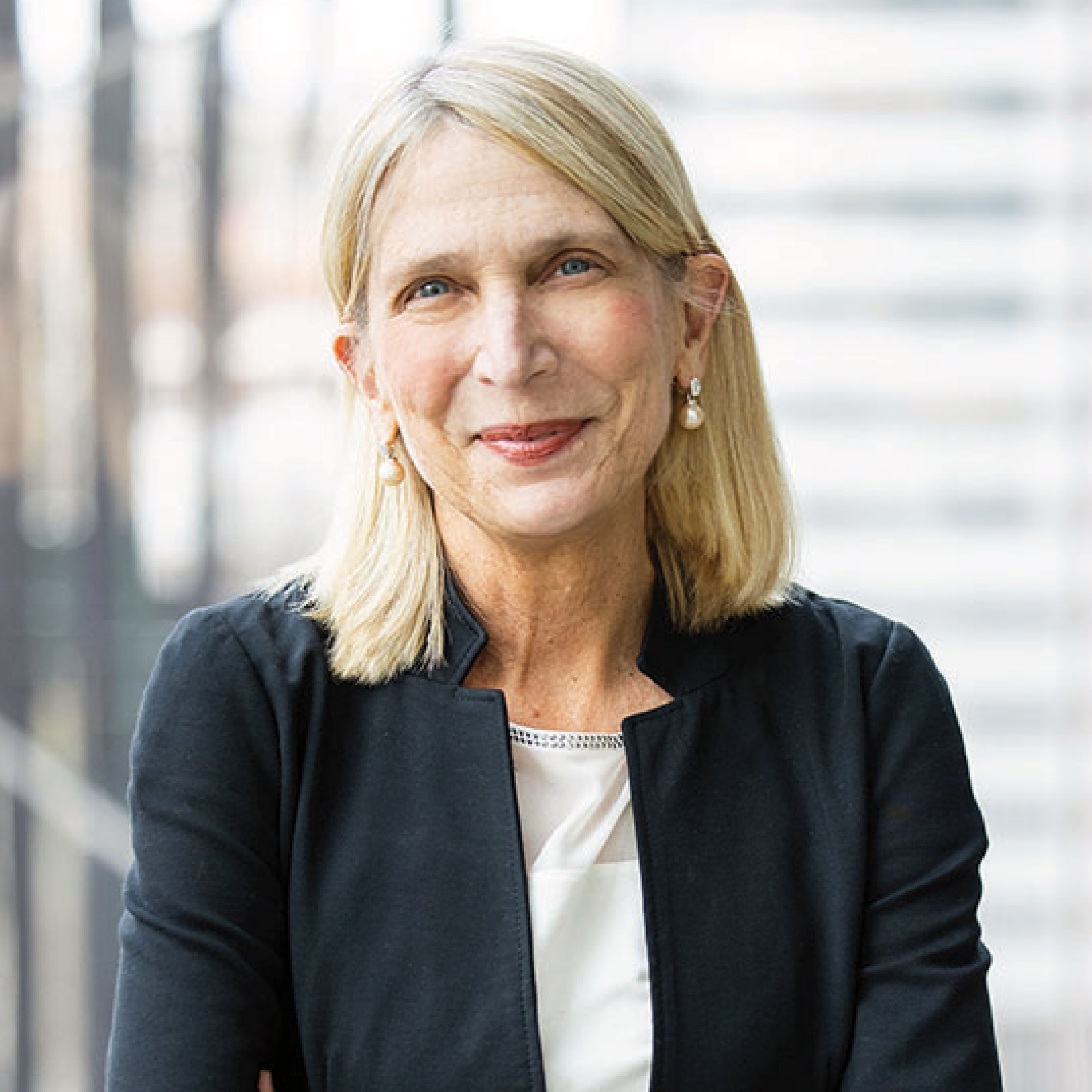
Conference clinical cochair Diane Havlir, MD, a professor of medicine at the University of California, San Francisco, sits down with JAMA Deputy Editor Preeti Malani, MD, MSJ, about research highlights presented at the 30th annual CROI, held in Seattle. The infectious disease experts discuss postexposure prophylaxis for sexually transmitted infections, a new protease inhibitor for COVID-19, goals for preventing HIV transmission, and more. Related Content: Highlights From CROI, the Conference on Retroviruses and Opportunistic Infections—Postexposure Prophylaxis for Sexually Transmitted Infections, a New Protease Inhibitor for COVID-19, Goals for Preventing HIV Transmission, and More
February 2023 Medical News Summary
Bird Flu Has Begun to Spread in Mammals—Here's What's Important to Know; Questions Remain About What Should Go Into Annual COVID-19 Vaccines; Long COVID Linked With Unemployment in New Analysis; As Superbugs Flourish, Bacteriophage Therapy Recaptures Researchers' Interest. Related Content: Bird Flu Has Begun to Spread in Mammals—Here's What's Important to Know Questions Remain About What SARS-CoV-2 Variants Should Go Into the Annual COVID-19 Vaccines Proposed by the FDA Long COVID Linked With Unemployment in New Analysis As Superbugs Flourish, Bacteriophage Therapy Recaptures Researchers' Interest
Revisiting Phage Therapy for Antibiotic-Resistant Superbugs
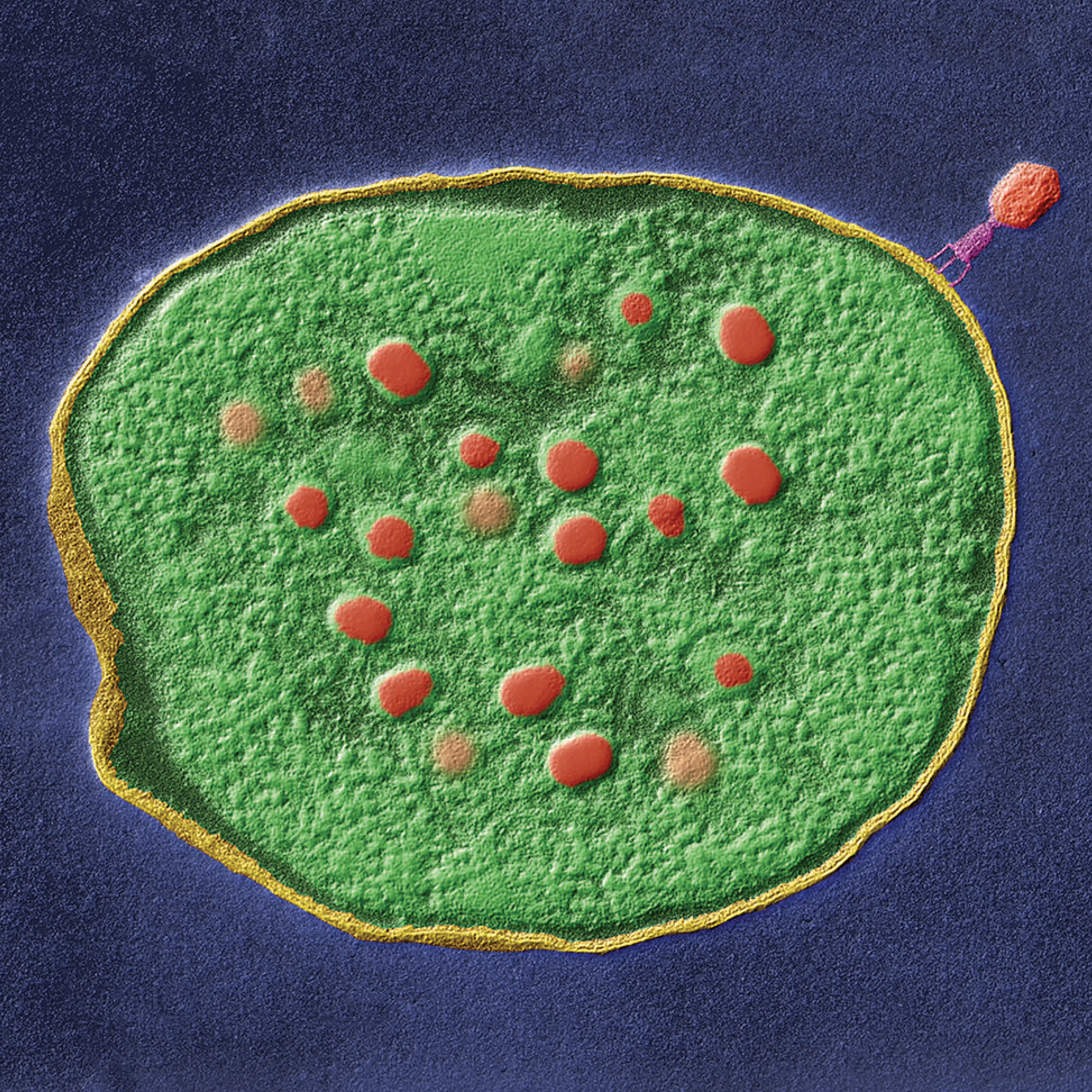
We're revisiting this 2017 episode—with updates! The episode is an interview with Robert T. "Chip" Schooley, MD, a professor of medicine in the Division of Infectious Diseases and Global Public Health at the University of California, San Diego, and codirector of the school's Center for Innovative Phage Applications and Therapeutics. Dr Schooley discusses the unique events that led to the first use of intravenous phage therapy in North America. Stay tuned to the end for an update on phage therapy and on Thomas Patterson, the patient who received the lifesaving treatment. Related Content: Phage Therapy's Role in Combating Antibiotic-Resistant Pathogens As Superbugs Flourish, Bacteriophage Therapy Recaptures Researchers' Interest
January 2023 Medical News Summary
Large Cohort Study Finds Possible Association Between Postural Orthostatic Tachycardia Syndrome and COVID-19 Vaccination but Far Stronger Link With SARS-CoV-2 Infection; From Thought to Text: How an Endovascular Brain-Computer Interface Could Help Patients With Severe Paralysis Communicate Related Content: Large Cohort Study Finds Possible Association Between Postural Orthostatic Tachycardia Syndrome and COVID-19 Vaccination but Far Stronger Link With SARS-CoV-2 Infection From Thought to Text: How an Endovascular Brain-Computer Interface Could Help Patients With Severe Paralysis Communicate Swab the Throat as Well as the Nose? The Debate Over the Best Way to Test for SARS-CoV-2 Study: Short Spurts of Vigorous Physical Activity During Daily Life Are Associated With Lower Mortality Ceasefire Declared, but Ethiopian Health Systems Remain in Critical Condition After Civil War
December 2022 Medical News Summary
Telemedicine Rollbacks—Why Providing Care Across State Lines Is No Longer as Simple as It Was Early in the Pandemic; Amid Ohio Measles Outbreak, New Global Report Warns of Decreased Vaccination During COVID-19 Pandemic; Will the New CDC Opioid Prescribing Guidelines Help Correct the Course in Pain Care? Related Content: Amid Ohio Measles Outbreak, New Global Report Warns of Decreased Vaccination During COVID-19 Pandemic Will the New CDC Opioid Prescribing Guidelines Help Correct the Course in Pain Care?
November 2022 Medical News Summary
Trying to Predict What the COVID-19 Pandemic Might Look Like This Winter in the US; "This Is Our COVID"—What Physicians Need to Know About the Pediatric RSV Surge; Conflict and Climate Collide to Create an Acute Hunger Crisis for an Unprecedented 345 Million People. Related Content: How Immune-Evasive Omicron Offspring and a Lack of Mitigation Measures Could Shape a COVID-19 Winter Wave "This Is Our COVID"—What Physicians Need to Know About the Pediatric RSV Surge Conflict and Climate Collide to Create an Acute Hunger Crisis for an Unprecedented 345 Million People Highlights From the American Heart Association's Scientific Sessions 2022—COVID-19's Ripple Effects, a Triglyceride Disappointment, Gene Editing Advances, and More Highlights From Infectious Disease Week 2022—COVID-19, HIV, Monkeypox, and Polio After the First Pig-to-Human Heart Transplant, Scientists Look to the Future of Cardiac Xenotransplantation Detailed Maternal Mortality Data Suggest More Than 4 in 5 Pregnancy-Related Deaths in US Are Preventable
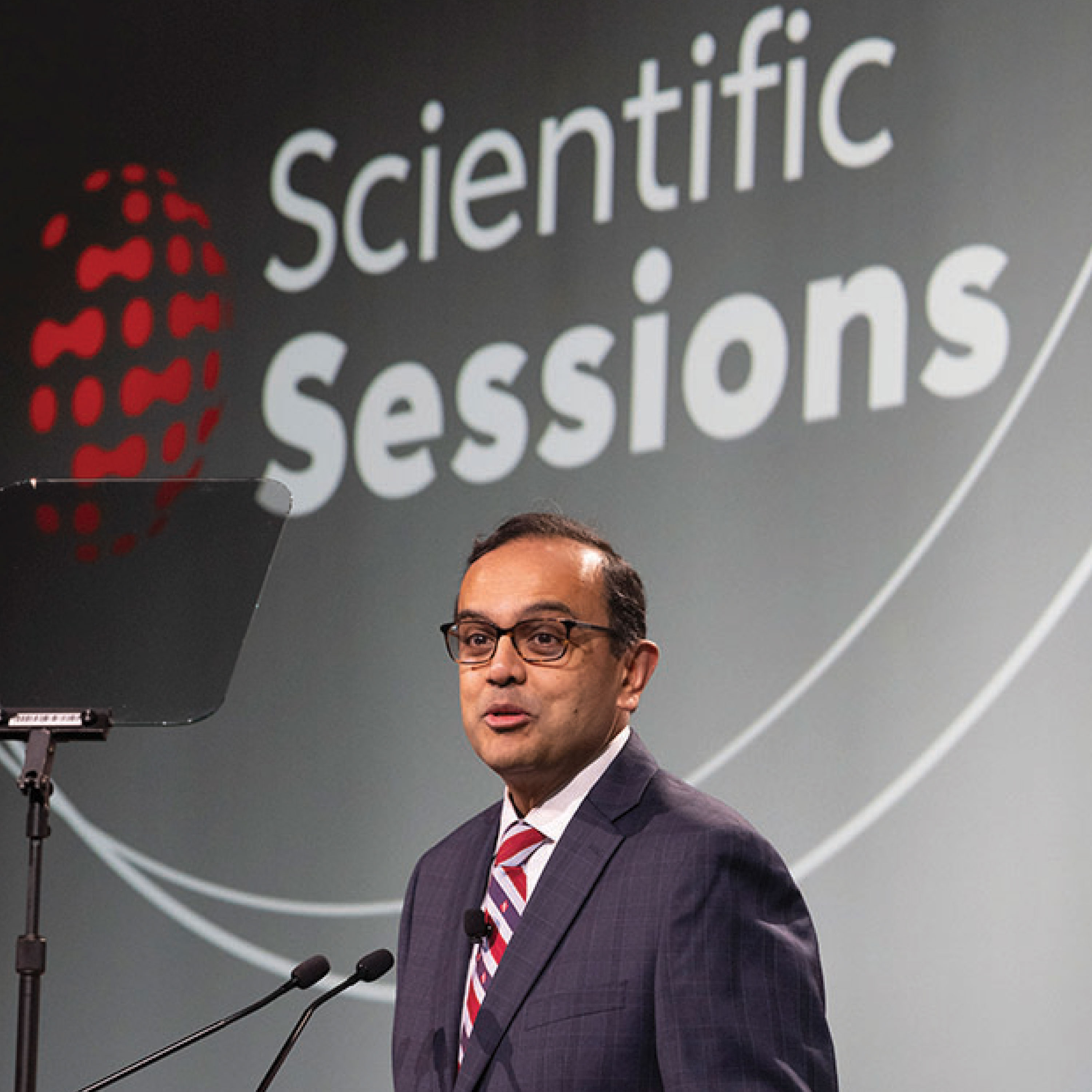
Highlights From the American Heart Association's Scientific Sessions 2022
Medical News Associate Managing Editor Jennifer Abbasi and Conference Chair Manesh Patel, MD, discuss the latest trials and topics from the American Heart Association's Scientific Sessions meeting. Patel is the Richard S. Stack Distinguished Professor and chief of cardiology at Duke University School of Medicine. Related Content: Treatment Time and In-Hospital Mortality Among Patients With ST-Segment Elevation Myocardial Infarction, 2018-2021 After the First Pig-to-Human Heart Transplant, Scientists Look to the Future of Cardiac Xenotransplantation Conflict of Interest Disclosures: Dr. Patel has received research grants from AstraZeneca, Bayer, Janssen, Mytonomy and Procyrion, and he currently serves on the Advisory Boards for Bayer, Janssen and Novartis.

Highlights From Infectious Disease Week 2022
JAMA Medical News Senior Staff Writer Melissa Suran, PhD, MSJ, speaks with Adarsh Bhimraj, MD, about new research and timely topics discussed at Infectious Disease Week (IDWeek) 2022. Dr Bhimraj, who was one of the conference chairs, is also director of Infectious Diseases Fellowship and Education at Houston Methodist Hospital. Related Content: Highlights From Infectious Disease Week 2022—COVID-19, HIV, Monkeypox, and Polio
October 2022 Medical News Summary
Deciding Whether to Continue Using Teratogenic Drugs in States That Have Banned Abortions; Treating Cancer in Pregnant Patients After Roe v Wade Overturned; Dobbs Decision Threatens Full Breadth of Ob-Gyn Training Related Content: Threats to Evidence-Based Care With Teratogenic Medications in States With Abortion Restrictions Treating Cancer in Pregnant Patients After Roe v Wade Overturned Dobbs Decision Threatens Full Breadth of Ob-Gyn Training

Global COVID-19 Update
In July 2022, Nahid Bhadelia, MD, MALD, joined the White House COVID-19 Response Team as senior policy advisor for Global COVID Response. The infectious disease physician, who is on sabbatical from Boston University, spoke with JAMA Associate Managing News Editor Jennifer Abbasi about the pandemic's true burden of disease in low- and middle-income countries and ongoing COVID-19 vaccine inequity. Related Content: White House Advisor Nahid Bhadelia, MD, MALD, on COVID-19 in Resource-Limited Nations—Undercounted Deaths, Vaccine Inequity, and More Global COVID-19 Update (video)
September 2022 Medical News Summary
New Guidance From the American Academy of Pediatrics on Protecting Children From Sexual Abuse in Health Care Settings; Growing Role of Gabapentin in Opioid-Related Overdoses Highlights Misuse Potential and Off-label Prescribing Practices. Related Content: New Guidance From the American Academy of Pediatrics on Protecting Children From Sexual Abuse in Health Care Settings Growing Role of Gabapentin in Opioid-Related Overdoses Highlights Misuse Potential and Off-label Prescribing Practices Reports of Asymptomatic Monkeypox Suggest That, at the Very Least, Some Infections Go Unnoticed After the Genome—A Brief History of Proteomics Dr Fauci and the Art of Science Communication The Dreaded "Twindemic" of Influenza and COVID-19 Has Not Yet Materialized—Might This Be the Year?
August 2022 Medical News Summary
The US Now Has a Research Plan for Long COVID—Is It Enough?; Debate Swirls Around the Relevance of the Amyloid Hypothesis in Alzheimer Disease Research; Microplastics Are Found Outside in Nature and Inside the Body—but Evidence of Health Risks Is Inconclusive Related Content: The US Now Has a Research Plan for Long COVID—Is It Enough? Much Anticipated Alzheimer Disease Prevention Trial Finds No Clinical Benefit From Drug Targeting Amyloid; Highlights Need to Consider Other Approaches Microplastics Are Found Outside in Nature and Inside the Body—but Evidence of Health Risks Is Inconclusive Animal Reservoirs—Where the Next SARS-CoV-2 Variant Could Arise Large Autopsy Study Estimates Prevalence of "LATE" Neuropathologic Change Addressing the Long-term Effects of COVID-19 Long COVID: The US Federal Response (audio) Long COVID: The US Federal Response (video)
July 2022 Medical News Summary
How Abortion Bans Could Affect Care for Miscarriage and Infertility; COVID-19 mRNA Vaccine Booster During Pregnancy Increases Maternal and Fetal Antibodies; Code Blue—What to Do When the Shooting Starts. Related Content: COVID-19 mRNA Vaccine Booster During Pregnancy Increases Maternal and Fetal Antibodies How Abortion Bans Could Affect Care for Miscarriage and Infertility Code Blue—What to Do When the Shooting Starts

South Asian Ancestry, Cardiovascular Disease, and the MASALA Study
Studies dating back to the late 1950s have shown that people with South Asian ancestry have higher cardiovascular disease risk compared with other racial and ethnic groups, and the heightened risks have been observed in the US over the past 2 decades. To better understand why, in 2010 two Indian American internists, Alka Kanaya, MD, and Namratha Kandula, MD, MPH, launched the Mediators of Atherosclerosis in South Asians Living in America, or MASALA, prospective cohort study. Drs Kanaya and Kandula spoke with JAMA Medical News Associate Managing Editor Jennifer Abbasi about cardiovascular disease and risk factors among people of South Asian descent. Related Content: MASALA Study Probes Why People With South Asian Ancestry Have Increased Cardiovascular Disease Risks

A Conversation With Dr Kirsten Bibbins-Domingo, JAMA's New Editor in Chief
In July 2022, Kirsten Bibbins-Domingo, PhD, MD, MAS, took on a new role as the 17th editor in chief of JAMA and the JAMA Network. In conversation with Nobel laureate Harold Varmus, MD, Bibbins-Domingo discusses her research background, approaches to leadership in health care, and the critical role that journals play in communication about public health and science. Related Content: The Urgency of Now and the Responsibility to Do More—My Commitment for JAMA and the JAMA Network A Conversation With Dr Kirsten Bibbins-Domingo, JAMA's New Editor in Chief (video) A Conversation With Dr Kirsten Bibbins-Domingo, JAMA's New Editor in Chief (audio)
June 2022 Medical News Summary
The Mystery of Why COVID-19 Rebounds in Some Patients Who Take Paxlovid; What to Know About Monkeypox; UN Reports New Insights on Link Between Climate Change and Human Health. Related Content: The Mystery of Why COVID-19 Rebounds in Some Patients Who Take Paxlovid What to Know About Monkeypox UN Reports New Insights on Link Between Climate Change and Human Health
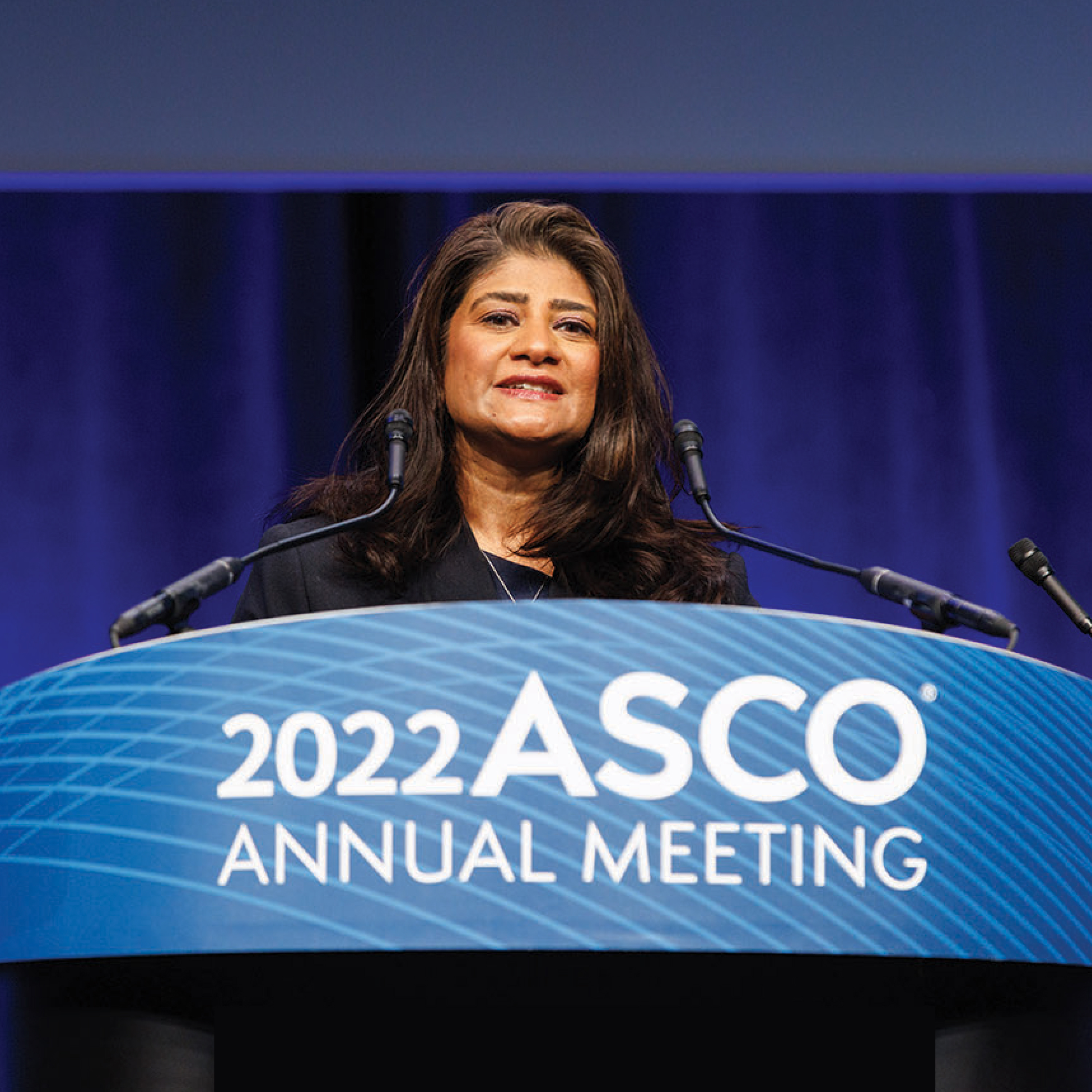
Highlights From the 2022 Annual Meeting of the American Society of Clinical Oncology
JAMA Medical News Senior Staff Writer Melissa Suran, PhD, MSJ, speaks with Sonali Smith, MD, about new research and timely topics from the recent annual meeting of the American Society of Clinical Oncology (ASCO). Dr Smith, who chaired the conference's Scientific Program Committee, is also chief of the hematology and oncology section at the University of Chicago Medicine. Related Content: Highlights From the 2022 Annual Meeting of the American Society of Clinical Oncology—Disparities in Clinical Trials, Mitigating Clinician Burnout, and Combination Treatments for Cancer Effect of Electronic Symptom Monitoring on Patient-Reported Outcomes Among Patients With Metastatic Cancer Cancer Risk and Mortality in Adults With Obesity Who Underwent Bariatric Surgery vs No Surgery
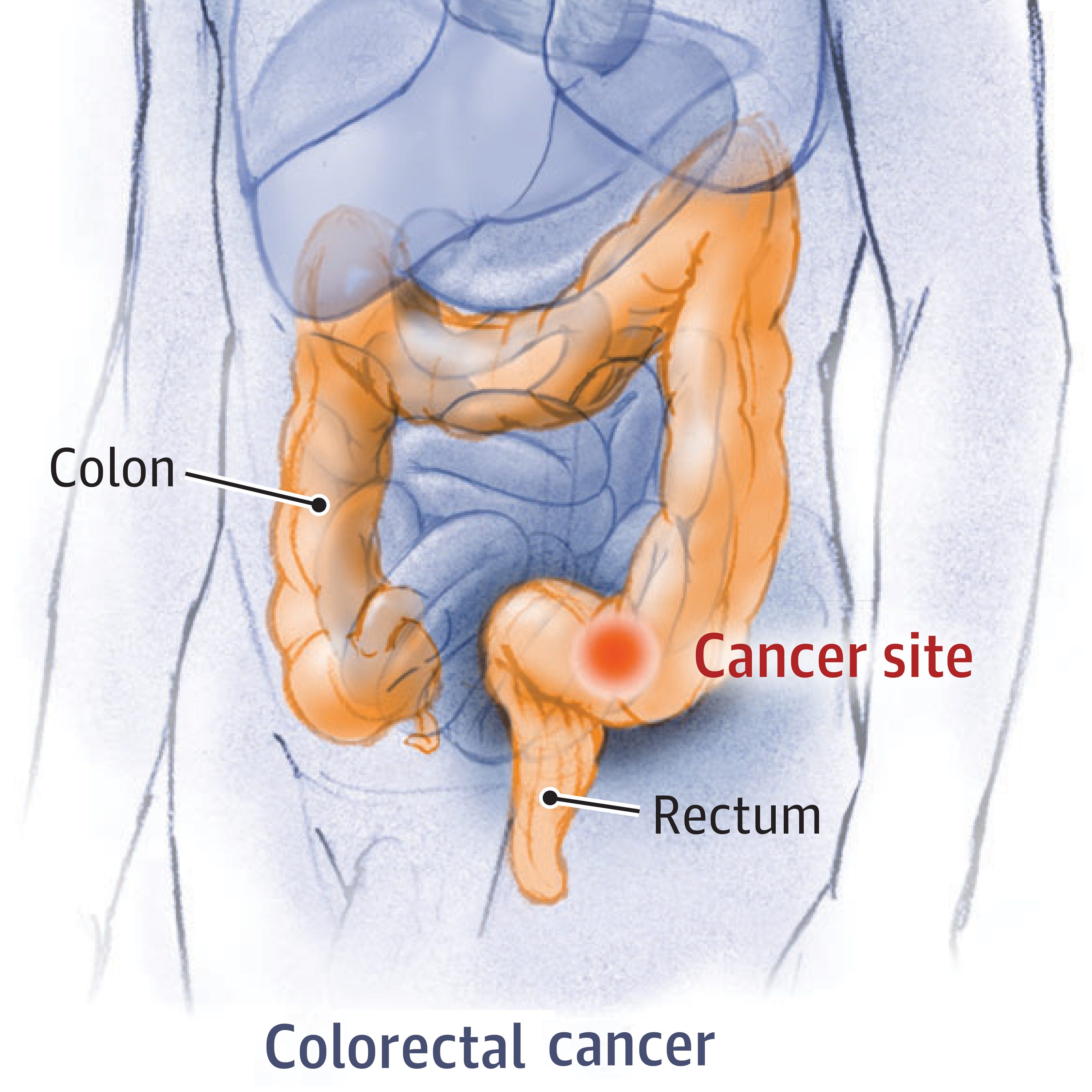
Q&A With Loren Laine, MD, on Highlights From Digestive Disease Week 2022
Loren Laine, MD, professor of Medicine (Digestive Diseases); chief, Section of Digestive Diseases, Internal Medicine; medical chief, Digestive Health, Yale New Haven Health, discusses the pandemic-related decline in colorectal cancer screening, racial and ethnic disparities in cancer care and survival, and other research highlights from the recent Digestive Disease Week meeting. Related Content: Highlights From Digestive Disease Week—Pandemic-Related Decline in Colorectal Cancer Screening, Lack of Association Between Proton Pump Inhibitors and Dementia, and More

American Thoracic Society 2022 Conference Highlights
JAMA Senior Editor Kristin L. Walter, MD, MS, speaks with Andrew J. Halayko, PhD, ATSF, MSc, BSc, about some important research studies and keynote addresses presented at the American Thoracic Society (ATS) International Conference in May 2022. Dr Halayko is professor of physiology and internal medicine at the University of Manitoba in Canada and this year's ATS conference chair. Related Article(s): American Thoracic Society 2022 Conference Highlights
May 2022 Medical News Summary
What a Post–Roe v Wade US Might Look Like for Physicians; SARS-CoV-2 RNA Can Persist in Stool Months After Respiratory Tract Clears Virus Related Article(s): What a Post–Roe v Wade US Might Look Like for Physicians SARS-CoV-2 RNA Can Persist in Stool Months After Respiratory Tract Clears Virus
April 2022 Medical News Summary
Clinical Trials Disrupted During War in Ukraine; The Role of Supervised Consumption Sites for People Who Use Illicit Drugs Related Content: Clinical Trials Disrupted During War in Ukraine The Role of Supervised Consumption Sites for People Who Use Illicit Drugs

Highlights From the American College of Cardiology's Scientific Sessions: New Heart Failure Management Guidelines and more
Preventive cardiologist and conference cochair Pamela Morris, MD, discusses new heart failure management guidelines and important clinical trial results presented at the American College of Cardiology's 2022 Scientific Sessions. Related Content: Highlights From the American College of Cardiology's Scientific Sessions—New Heart Failure Management Guidelines, Alirocumab After a Myocardial Infarction, and Treating Mild Chronic Hypertension in Pregnancy Short Interfering RNA Targeting Lp(a) Production in Individuals With Elevated Plasma Lp(a) Effect of Alirocumab Added to High-Intensity Statin Therapy on Coronary Atherosclerosis The Potential Clinical Benefit of Lowering Lipoprotein(a)
March 2022 Medical News Summary
Physicians in Ukraine—Caring for Patients in the Middle of a War; The COVID Heart—One Year After SARS-CoV-2 Infection, Patients Have an Array of Increased Cardiovascular Risks; How Cancer Will Affect the US in 2022 Related Content: Physicians in Ukraine: Caring for Patients in the Middle of a War The COVID Heart—One Year After SARS-CoV-2 Infection, Patients Have an Array of Increased Cardiovascular Risks How Cancer Will Affect the US in 2022

Ukrainian Doctors Share Current Experiences
Russian attacks on Ukraine have created a humanitarian crisis and made the treatment of patients exponentially more difficult. Two Ukrainian doctors, Oleksandra Shchebet and Anastasiia Barzylovych, share their experiences as they practice medicine in a dangerous wartime environment. Recorded March 9, 2022. Related Content: Physicians in Ukraine: Caring for Patients in the Middle of a War
Highlights From the International Stroke Conference
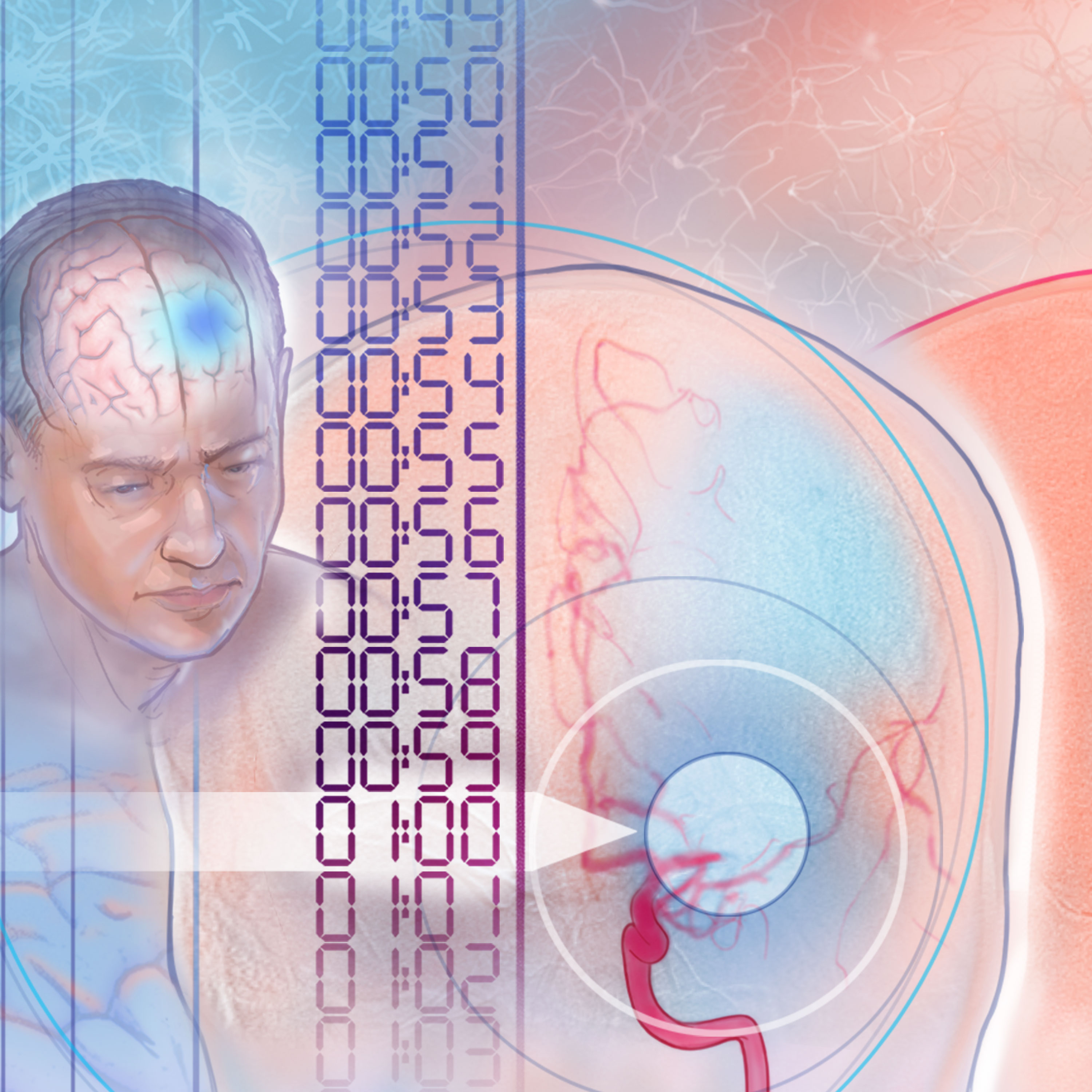
JAMA Medical News Senior Staff Writer Melissa Suran speaks with Louise McCullough, MD, PhD, about new research and timely topics from the American Heart Association and American Stroke Association's annual International Stroke Conference. McCullough, who chaired this year's conference, is also chair of neurology at the University of Texas Health Science Center at Houston and chief of neurology at Memorial Hermann—Texas Medical Center. Related Content: Highlights From the International Stroke Conference 2022—Thrombectomy and Alteplase, Access to Stroke Centers, and Warfarin vs Direct Oral Anticoagulants