
JAMA Author Interviews
873 episodes — Page 4 of 18

Progress in Adverse Event Rates in US Hospitalized Patients
Patient safety is a national priority, but adverse events during hospitalization are hard to track and whether progress has been made over the past decade is unknown. JAMA Associate Editor Karen E. Joynt Maddox, MD, MPH, Washington University School of Medicine, discusses recent findings demonstrating decreases in hospital chart-abstracted adverse events and what's next in patient safety in the wake of COVID-19, with Mark Metersky, MD, University of Connecticut Health Center, and Peter Pronovost, MD, PhD, University Hospitals, Shaker Heights, Ohio. Related Content: Trends in Adverse Event Rates in Hospitalized Patients, 2010-2019 Improvements in Hospital Adverse Event Rates: Achieving Statistically Significant and Clinically Meaningful Results

A Conversation With Dr Kirsten Bibbins-Domingo, JAMA's New Editor in Chief
In July 2022, Kirsten Bibbins-Domingo, PhD, MD, MAS, took on a new role as the 17th editor in chief of JAMA and the JAMA Network. In conversation with Nobel laureate Harold Varmus, MD, Bibbins-Domingo discusses her research background, approaches to leadership in health care, and the critical role that journals play in communication about public health and science. Related Content: The Urgency of Now and the Responsibility to Do More—My Commitment for JAMA and the JAMA Network A Conversation With Dr Kirsten Bibbins-Domingo, JAMA's New Editor in Chief (video) A Conversation With Dr Kirsten Bibbins-Domingo, JAMA's New Editor in Chief (audio)

The Association of Bariatric Surgery With Risk of Cancer in Adults With Obesity
Observational data suggest that the risk of certain types of cancer may be increased in individuals with obesity and that this risk may be lower after bariatric surgery. JAMA Deputy Editor Gregory Curfman, MD, explores this in detail with Steven Nissen, MD, an author of a JAMA study on this topic, and Anita Courcoulas, MD, MPH, author of an accompanying editorial. Related Content: Association of Bariatric Surgery With Cancer Risk and Mortality in Adults With Obesity Bariatric Surgery and Cancer Risk

USPSTF Recommendation: Vitamin and Mineral Supplementation to Prevent CVD and Cancer
Interview with John B Wong, MD, USPSTF member and coauthor of Vitamin, Mineral, and Multivitamin Supplementation to Prevent Cardiovascular Disease and Cancer: US Preventive Services Task Force Recommendation Statement. Hosted by JAMA Deputy Editor Mary M. McDermott, MD. Related Content: Multivitamins and Supplements—Benign Prevention or Potentially Harmful Distraction? Patient Information: Vitamins and Minerals to Prevent Cardiovascular Disease and Cancer

Occupational Well-being Among Clinicians
Interview with Lisa Rotenstein, MD, MBA, author of A Learning Health System Agenda for Organizational Approaches to Enhancing Occupational Well-being Among Clinicians, and Clyde W. Yancy, MD, author of Resident Physician Wellness Postpandemic: How Does Healing Occur?. Hosted by JAMA Associate Editor Anne Cappola, MD.

USPSTF Recommendations: Screening for Primary Open-Angle Glaucoma and Screening for Impaired Visual Acuity in Older Adults
Interview with Katrina Erika Donahue, MD, MPH, coauthor of Screening for Primary Open-Angle Glaucoma: US Preventive Services Task Force Recommendation Statement, and Screening for Impaired Visual Acuity in Older Adults: US Preventive Services Task Force Recommendation Statement. Hosted by JAMA Deputy Editor Mary M. McDermott, MD. Related Content: USPSTF Review: Screening for Glaucoma in Adults USPSTF Review: Screening for Impaired Visual Acuity in Older Adults Patient Information: Screening for Primary Open-Angle Glaucoma Screening for Impaired Visual Acuity in Older Adults Patient Information: Screening for Impaired Visual Acuity in Older Adults Screening for Glaucoma

Q&A With White House COVID-19 Response Coordinator Ashish Jha
As the White House's COVID-19 Response Coordinator, Ashish Jha, MD, MPH, plays a critical role in the federal government's continued response to the pandemic. In this Q&A with JAMA Associate Editor Preeti Malani, MD, Jha details current thinking and federal planning around additional boosters, testing trends, and treatment for COVID-19. Related Content: New White House COVID-19 Leader on What's Next Q&A With White House COVID-19 Response Coordinator Ashish Jha
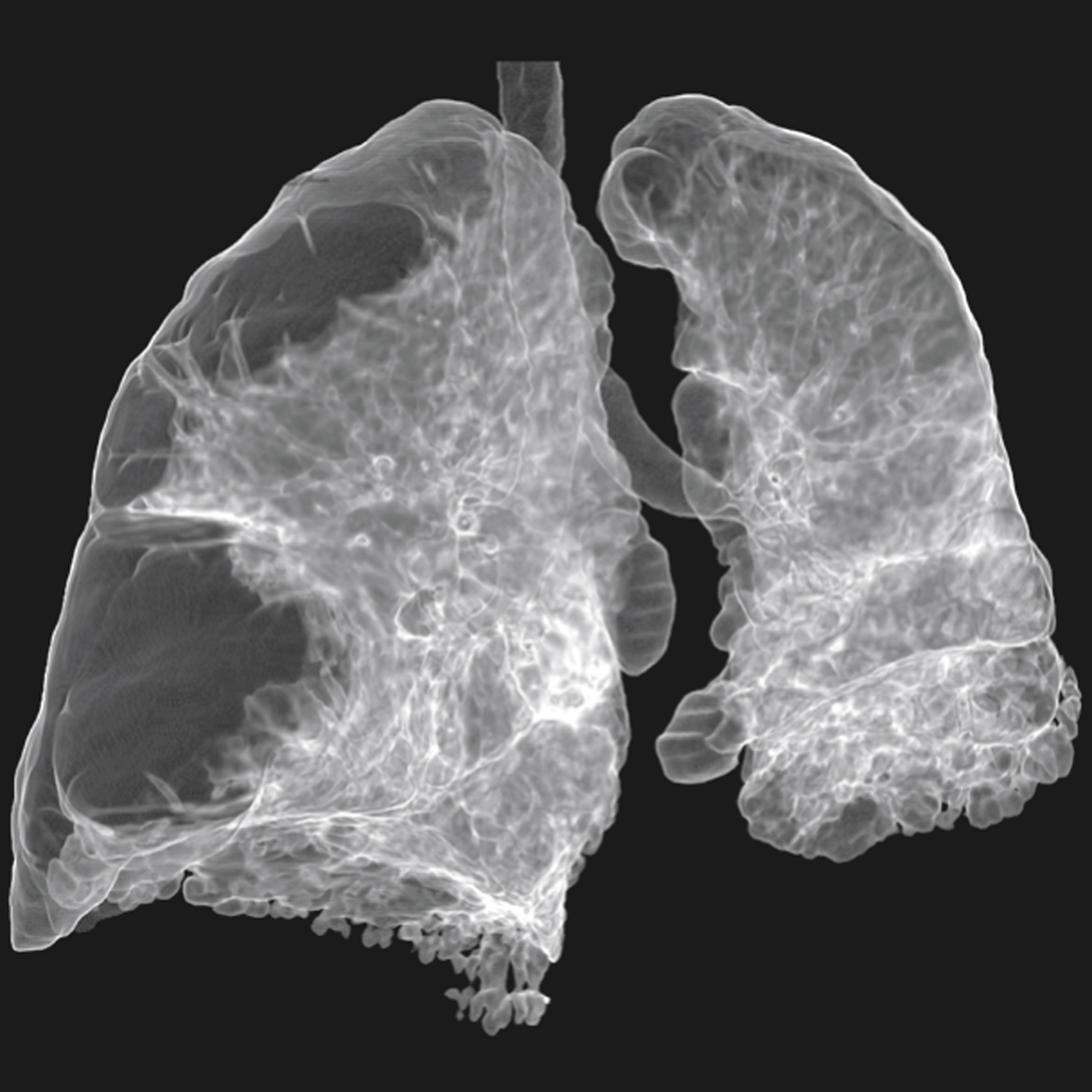
USPSTF Recommendation: Screening for Chronic Obstructive Pulmonary Disease
Interview with Katrina E. Donahue, MD, MPH, USPSTF member and coauthor of Screening for Chronic Obstructive Pulmonary Disease: US Preventive Services Task Force Reaffirmation Recommendation Statement. Hosted by JAMA Senior Editor Kristin Walter, MD. Related Content: USPSTF Review: Screening for Chronic Obstructive Pulmonary Disease Screening for Chronic Obstructive Pulmonary Disease: Challenges and Opportunities USPSTF Recommendation: Screening for Chronic Obstructive Pulmonary Disease Patient Information: Screening for Chronic Obstructive Pulmonary Disease

Q&A With FDA Commissioner Robert Califf
After serving as commissioner of the US Food and Drug Administration (FDA) under President Obama, Robert M. Califf, MD, recently returned to the role, overseeing a critical federal agency that regulates food, drugs, therapeutics, and medical devices in the US. In a wide-ranging discussion with JAMA Deputy Editor Gregory Curfman, MD, Califf discusses COVID-19 vaccine modifications, the FDA's approach to evaluating evidence, and efforts to combat health misinformation. Recorded April 26, 2022. Related Content: "Unfinished Business" Brings Robert Califf, MD, Back for a Second Stint as FDA Commissioner Q&A With FDA Commissioner Robert Califf

USPSTF Recommendation: Aspirin Use for Cardiovascular Disease
Interview with John B. Wong, MD, USPSTF member and coauthor of Aspirin Use for Cardiovascular Disease: US Preventive Services Task Force Recommendation Statement. Hosted by JAMA Deputy Editor Gregory Curfman, MD. Related Content: Aspirin Use to Prevent Cardiovascular Disease: US Preventive Services Task Force Recommendation Statement Should Patients Take Aspirin for Primary Cardiovascular Prevention? USPSTF Review: Aspirin Use to Prevent Cardiovascular Disease and Colorectal Cancer Aspirin Use to Prevent Cardiovascular Disease and Colorectal Cancer: Updated Modeling Study for the US Preventive Services Task Force Patient Information: Use of Aspirin to Prevent Cardiovascular Disease Whom to Treat for Primary Prevention of Atherosclerotic Cardiovascular Disease

Reducing "COVID-19 Misinformation" While Preserving Free Speech
Misinformation about COVID-19 (such as around vaccines, masks, and ineffective drugs) has circulated widely during the pandemic, and much of this misinformation is protected by the Free Speech Clause of the First Amendment. Professor of Surgery and Perioperative Care and Professor of Law William M. Sage, MD, JD, from the University of Texas at Austin, is interviewed in this JAMA podcast. Related Content: Reducing "COVID-19 Misinformation" While Preserving Free Speech

Examining the Association of Left Atrial Function and Size With Incident Dementia
Electrocardiographic markers of atrial myopathy are associated with dementia, but it is unclear whether 2-dimensional echocardiographic––defined LA function and size are associated with dementia. JAMA Senior Editor Philip Greenland, MD, discusses study findings with Wendy Wang, MPH, and Lin Yee Chen, MD, authors of Association of Echocardiographic Measures of Left Atrial Function and Size With Incident Dementia

Leading Medicare: Q&A With Medicare Director Meena Seshamani
As the largest public insurance program in the US, Medicare has an outsize influence in how many people in the US access and receive health care. Recently appointed Director of Center for Medicare Meena Seshamani, MD, PhD, joins JAMA Associate Editor Karen Joynt Maddox, MD, for a discussion of equitable, patient-centered approaches to health care delivery, and how her own experiences as a physician have illuminated how she leads the program. Related Content: Center for Medicare Director Envisions Holistic Approach to Health Care Leading Medicare: Q&A With Medicare Director Meena Seshamani Health System Factors Related to Overuse of Health Services in Medicare Leveraging Medicare to Advance Health Equity

USPSTF Recommendation: Screening for Eating Disorders in Adolescents and Adults
Interview with Lori Pbert, PhD, USPSTF member and coauthor of Screening for Eating Disorders in Adolescents and Adults: US Preventive Services Task Force Recommendation Statement

USPSTF Recommendation: Screening for Atrial Fibrillation
Interview with Gbenga Ogedegbe, MD, MPH, USPSTF member and coauthor of Screening for Atrial Fibrillation: US Preventive Services Task Force Recommendation Statement. Hosted by Gregory Curfman, MD.
Public Health in an Era of Endemic COVID-19
Three members of President Biden's former COVID-19 Advisory Board—Luciana Borio, MD, Ezekiel Emanuel, MD, PhD, and Mike Osterholm, PhD—discuss their recent JAMA Viewpoints, providing their ideas on strategies for public health as COVID-19 transitions from pandemic to endemic. Hosted by JAMA Associate Editor Preeti Malani, MD. Related Content: A National Strategy for the "New Normal" of Life With COVID A National Strategy for COVID-19—Testing, Surveillance, and Mitigation Strategies A National Strategy for COVID-19 Medical Countermeasures Former Biden-Harris Transition Advisors Propose a New National Strategy for COVID-19 Public Health in an Era of Endemic COVID-19 (video)
COVID-19 CDC Update – Early January 2022
Former CDC Executive Secretariat of the Advisory Committee on Immunization Practices Amanda Cohn, MD, joins JAMA Associate Editor Preeti Malani, MD, for the latest on the need for vaccination and boosters, vaccine misinformation, and tackling the pandemic from a global perspective. Recorded January 6, 2022. Related Content: One Year of COVID-19 Vaccines: A Shot of Hope, a Dose of Reality COVID-19 Vaccines Have Been Available in the US for More Than a Year—What's Been Learned and What's Next? COVID-19 CDC Update – Early January 2022

USPSTF Recommendation: Screening and Interventions to Prevent Dental Caries in Children
Interview with Michael Cabana, MD, USPSTF member and coauthor of Screening and Interventions to Prevent Dental Caries in Children Younger Than 5 Years: US Preventive Services Task Force Recommendation Statement. Related Content: Screening and Interventions to Prevent Dental Caries in Children Younger Than 5 Years

COVID-19 Update: Omicron Variant
Infectious disease experts Adam Lauring, MD, PhD, and Carlos del Rio, MD, join JAMA Associate Editor Preeti Malani, MD, MSJ, for a discussion of the newly emerged Omicron variant, the potential for a 2021-2022 "twindemic" with flu, and the latest COVID-19 clinical updates. Recorded December 1, 2021. Related content: Omicron Has Reached the US—Here's What Infectious Disease Experts Know About the Variant COVID-19 Update: Omicron Variant

Achieving Diagnostic Excellence in the 21st Century
Phil Fontanarosa, MD, MBA, interim editor in chief of JAMA, interviews Harvey V. Fineberg, MD, PhD, from the Gordon and Betty Moore Foundation, and Abraham Verghese, MD, from Stanford University School of Medicine, about diagnostic excellence and a new series on this topic in JAMA. Related Content: Diagnostic Excellence Diagnosis and the Illness Experience: Ways of Knowing

A Continued Focus on Equity Through Pharmacoequity and Digital Health Equity: Two Current Viewpoints
Individuals who experience systemic, structural, institutional, and social barriers within society deserve better and more convenient health care access. This idea should be central when advancing efforts to achieve health equity. JAMA Editorial Board member Raina M. Merchant, MD, speaks with Courtney R. Lyles, PhD, and Urmimala Sarkar, MD, about approaches toward improving digital health equity and with Utibe R. Essien, MD, about enhancing targeted efforts toward realizing pharmacoequity. Related Content: A Policy Prescription for Reducing Health Disparities—Achieving Pharmacoequity Focusing on Digital Health Equity

Administrative Costs in US Health Care: A Quarter-Trillion-Dollar Opportunity
Health care expenses that arise from largely nonclinical functions, such as coding and billing and administration, cost the US health care system almost $1 trillion annually. Michael Chernew, PhD, from Harvard Medical School Department of Health Care Policy, and David Cutler, PhD, from Harvard University Department of Economics, join JAMA Associate Editor Karen Joynt Maddox, MD, MPH, from Washington University School of Medicine to discuss some basic fixes and simplifications that could reduce administrative spending by an estimated $265 billion. Related Content: Waste in the US Health Care System: Estimated Costs and Potential for Savings Administrative Expenses in the US Health Care System: Why So High? Administrative Simplification and the Potential for Saving a Quarter-Trillion Dollars in Health Care Economic Incentives for Administrative Simplification Waste in the US Health Care System Waste in the US Health Care System

Effect of Carbon Dioxide Laser vs Sham Therapy on Women With Postmenopausal Vaginal Symptoms
Interview with Jason A. Abbott, and Fiona G Li, authors of Effect of Fractional Carbon Dioxide Laser vs Sham Treatment on Symptom Severity in Women With Postmenopausal Vaginal Symptoms: A Randomized Clinical Trial

Scopolamine Butylbromide for Preventing End-of-Life Death Rattle
Death rattle, defined as noisy breathing caused by the presence of mucus in the respiratory tract, is common among dying patients. Harriette van Esch, MD, from the Erasmus Medical Center, the Netherlands, and Jared R. Lowe, MD, from the University of North Carolina, join JAMA Associate Editor Ethan Basch, MD, to discuss evidence about use of prophylactic scopolamine butylbromide to reduce the death rattle. Related Content: Effect of Prophylactic Subcutaneous Scopolamine Butylbromide on Death Rattle Preventing Death Rattle With Prophylactic Subcutaneous Scopolamine Butylbromide

USPSTF Recommendation: Aspirin Use to Prevent Preeclampsia and Related Morbidity and Mortality
Interview with Aaron B. Caughey, MD, USPSTF member and coauthor of Aspirin Use to Prevent Preeclampsia and Related Morbidity and Mortality: Updated Evidence Report and Systematic Review for the US Preventive Services Task Force Related Content: Low-Dose Aspirin for the Prevention of Preeclampsia USPSTF Recommendation: Aspirin Use to Prevent Preeclampsia Patient Information: Use of Aspirin During Pregnancy to Prevent Preeclampsia

COVID-19 in Canada—Experience and Response to Waves 2 and 3
Canadian law gives the country's individual provinces and territories primary responsibility for coronavirus containment and mitigation. JAMA Associate Editor Preeti Malani, MD, MSJ, from the University of Michigan and Allan S. Detsky, MD, PhD, from the University of Toronto, Ontario, Canada, discuss the national pandemic experience, including public health responses to infection and vaccine allocation, from fall 2020 through summer 2021. Related Content: COVID-19 in Canada: Experience and Response to Waves 2 and 3
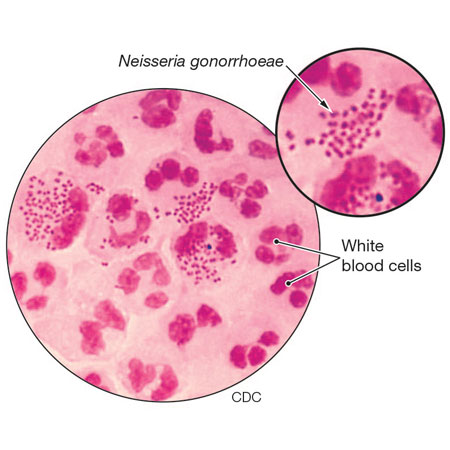
USPSTF Recommendation: Screening for Chlamydia and Gonorrhea
Interview with Martha Kubik, PhD, RN, USPSTF member and coauthor of Screening for Chlamydia and Gonorrhea: US Preventive Services Task Force Recommendation Statement

Addressing Diversity, Equity, and Inclusion in Health Care and Medicine
While health disparities have gained growing attention in recent years, much work is still needed, as inequities continue to have a direct and measurable negative influence on patients in historically disadvantaged communities. David Satcher, MD, PhD, Francisco Cigarroa, MD, and Howard Koh, MD, MPH, join moderator Ebony Boulware, MD, MPH, to discuss the vital importance of the visibility of all races and ethnicities in research, medical schools, and health care. They propose potential solutions, including the recruitment of and support for more physicians who look like their patients, who care enough, know enough, have the courage to make a difference, and who will persevere until changes are made. Related Content: Healing and Health Equity for Asian American, Native Hawaiian, and Pacific Islander Populations Uplifting the Latino Population From Obscurity to the Forefront of Health Care Does Race Interfere With the Doctor-Patient Relationship? (published 1973) Race and the Patient-Physician Relationship in 2021
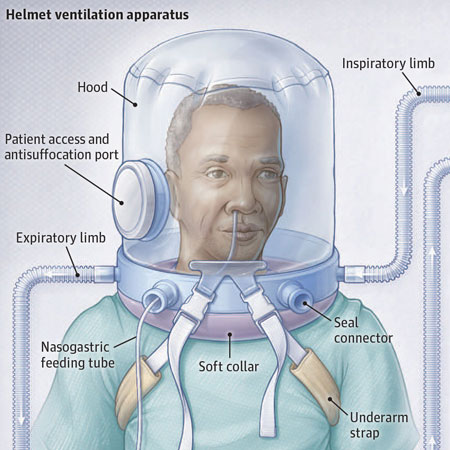
Noninvasive Ventilation of COVID-19 Patients
Noninvasive ventilation (NIV) may help COVID-19 patients in respiratory failure avoid invasive mechanical ventilation but may also lead to delays in intubation with potential for worse clinical outcomes. Domenico L. Grieco, MD, of Fondazione Policlinico Agostino Gemelli IRCCS in Rome, Jesse B. Hall, MD, of the University of Chicago, and Laveena Munshi, MD, MSc, of Sinai Health System/University Health Network of the University of Toronto join JAMA's live Q&A series to discuss helmet NIV, high-flow nasal oxygen, and other NIV modalities in the management of hypoxic coronavirus patients. Recorded March 25, 2021. Related Content: Effect of Helmet Noninvasive Ventilation vs High-Flow Nasal Oxygen on Days Free of Respiratory Support in Patients With COVID-19 and Moderate to Severe Hypoxemic Respiratory Failure Respiratory Support During the COVID-19 Pandemic: Is It Time to Consider Using a Helmet? Noninvasive Ventilation of COVID-19 Patients

Precision Dosing—A Clinical and Public Health Imperative
Interview with Kimberly Maxfield, PhD, author of Precision Dosing—A Clinical and Public Health Imperative

USPSTF Recommendation: Screening for Hearing Loss in Older Adults
Interview with Chien-Wen W. Tseng, MD, USPSTF member and coauthor of USPSTF Recommendation: Screening for Hearing Loss in Older Adults

A Conversation About Structural Racism in Medicine and Health Care
Lisa A. Cooper, MD, MPH, of Johns Hopkins University School of Medicine; Clyde W. Yancy, MD, MSc, of Northwestern University, and David R. Williams, PhD, MPH, of Harvard T.H. Chan School of Public Health, join JAMA Editor in Chief Howard Bauchner, MD, to discuss racism and structural racism in health care and medicine. Recorded March 16, 2021.

Coronavirus Update With Carlos del Rio and Preeti Malani
Coronavirus trends, variants, vaccines, treatment, and more. JAMA Associate Editor Preeti Malani, MD, MSJ, also from the University of Michigan, and Emory University School of Medicine's Carlos del Rio, MD, return to JAMA's Q&A series to discuss the latest in COVID-19 medicine and public health. Recorded March 15, 2021. Related Content: COVID-19 in 2021—Continuing Uncertainty Coronavirus Update With Carlos del Rio and Preeti Malani Frequently Asked COVID Vaccine Questions

National Initiatives to Prevent Myocardial Infarction and Stroke
Interview with Thomas R. Frieden, MD, MPH, author of National Initiatives to Prevent Myocardial Infarction and Stroke

USPSTF Recommendation—Screening for Lung Cancer
Interview with Michael J. Barry, MD, author of USPSTF Recommendation—Screening for Lung Cancer

Coronavirus Variants With John P. Moore
Genetic variants of the SARS-CoV-2 virus are emerging but so far do not seem to have caused breakthrough infections in people with previous infection or in those who have been vaccinated. John P. Moore, PhD, of Weill Medical College of Cornell University in New York, joins JAMA's Q&A series for an update on the latest variants and what you need to know. Recorded March 4, 2021. Related Article: Approaches for Optimal Use of Different COVID-19 Vaccines

Will COVID-19 Become a Recurrent Seasonal Disease?
Interview with Christopher J.L. Murray, MD, DPhil, author of The Potential Future of the COVID-19 Pandemic: Will SARS-CoV-2 Become a Recurrent Seasonal Infection?

Coronavirus Vaccine Update From the CDC With Nancy E. Messonnier, MD
Nancy E. Messonnier, MD is director of the National Center for Immunization and Respiratory Diseases (NCIRD) at the Centers for Disease Control and Prevention (CDC) and leads the CDC's efforts on COVID-19 vaccination. She joins JAMA's Q&A series to discuss the agency's response to emerging coronavirus variants, the FDA advisory hearings on the new Johnson & Johnson vaccine, and other agency activities and priorities related to COVID-19 control. Recorded February 26, 2021. Related Content: Genetic Variants of SARS-CoV-2—What Do They Mean? Coronavirus Vaccine Update From the CDC With Nancy E. Messonnier, MD SARS-CoV-2 Vaccines and the Growing Threat of Viral Variants Experts Discuss COVID-19—Vaccine Doses, Virus Variants, and More Emergence of a Novel SARS-CoV-2 Variant in Southern California SARS-CoV-2 Variants of Concern in the United States Pregnant People Getting Mixed Messages About COVID-19 Vaccines The Johnson & Johnson Vaccine for COVID-19 SARS-CoV-2 Viral Variants—Tackling a Moving Target Vaccine Distribution—Equity Left Behind? Taking Vaccine to Where the Virus Is—Equity and Effectiveness in Coronavirus Vaccinations?

Funding of Pharmaceutical Innovation During and After the COVID-19 Pandemic
Interview with James C. Robinson, PhD, author of Funding of Pharmaceutical Innovation During and After the COVID-19 Pandemic

Removing One Barrier to Opioid Use Disorder Treatment—Is It Enough?
Interview with Richard Saitz, MD, author of Removing One Barrier to Opioid Use Disorder Treatment: Is It Enough and with Yngvild Olsen, MD, author of Overcoming Barriers to Treatment of Opioid Use Disorder

New Insights Into Plaque Erosion as a Mechanism of Acute Coronary Syndromes
Interview with Ik-Kyung Jang, MD, PhD, author of New Insights Into Plaque Erosion as a Mechanism of Acute Coronary Syndromes

Coronavirus Update With CDC Director Rochelle Walensky - February 17, 2021
CDC Director Rochelle P. Walensky, MD, MPH, returns to JAMA's Q&A series to discuss the agency's response to emerging SARS-CoV-2 variants, implications for the planned vaccine mobilization strategy, the upcoming Johnson & Johnson vaccine FDA advisory hearings, strategies for reopening K-12 schools, and other agency activities and priorities related to COVID-19 control. Recorded February 17, 2021. Related Article(s): Coronavirus Update With CDC Director Rochelle Walensky - February 17, 2021 SARS-CoV-2 Variants of Concern in the United States—Challenges and Opportunities SARS-CoV-2 Viral Variants—Tackling a Moving Target

Coronavirus Vaccine Update With Paul Offit – February 11, 2021
Paul A. Offit, MD, of The Children's Hospital of Philadelphia returns to JAMA's Q&A series to provide an update on the emergence of COVID-19 variants and their implications for vaccine development, including the Johnson & Johnson vaccine, scheduled for a US Food and Drug Administration VRBPAC hearing on February 26, 2021. Recorded February 11, 2021. Related Article: SARS-CoV-2 Vaccines and the Growing Threat of Viral Variants

Coronavirus Vaccination in Pregnant and Breastfeeding Individuals
As US vaccine distribution expands to include younger healthier populations, questions about vaccine safety in women of childbearing age have become more urgent. University of Texas Southwestern Medical Center's Catherine Y. Spong, MD, and Emory University School of Medicine's Denise J. Jamieson, MD, MPH, both eminent obstetrician/gynecologists, join JAMA's Q&A series to discuss the safety of the Pfizer-BioNTech and Moderna vaccines in pregnant and nursing mothers, and in individuals trying to get pregnant. Recorded February 8, 2021. Related Article(s): Pregnancy, Postpartum Care, and COVID-19 Vaccination in 2021 COVID-19 Vaccination in Pregnant and Lactating Women Involving Pregnant Individuals in Clinical Research on COVID-19 Vaccines

Mandating COVID-19 Vaccines—Ethical and Legal Considerations
Interview with Lawrence O. Gostin, JD, author of Mandating COVID-19 Vaccines

The Triple Aim Applied to Correctional Health Systems
Interview with Donald Berwick, MD, author of The Triple Aim Applied to Correctional Health Systems

Coronavirus Variants - What They Mean
2021 has brought news of emerging SARS-CoV-2 genetic variants that increase transmissibility. Will they diminish vaccine efficacy and lead us to lose pandemic control? University of Michigan's Adam Lauring, MD, PhD, a molecular virologist who uses evolutionary theory to study viral transmission and pathogenesis, joins JAMA's Q&A series to explain the variants and what they mean for public health. Recorded February 4, 2021. Related Article(s): Genetic Variants of SARS-CoV-2—What Do They Mean?
Coronavirus Update With Anthony Fauci – February 3, 2021
NIAID Director Anthony S. Fauci, MD, returns to JAMA's Q&A series to discuss Shifts in the US pandemic response under the Biden administration Emerging genetic variants and implications for vaccine efficacy Prospects for new vaccine approvals and more. Related Article: Preventing the Spread of SARS-CoV-2 With Masks and Other "Low-tech" Interventions

When Physicians Engage in Practices That Threaten the Nation's Health
Interview with Philip A. Pizzo, MD, author of When Physicians Engage in Practices That Threaten the Nation's Health

Ensuring Quality in the Era of Virtual Care
Interview with Peter Pronovost, MD, PhD, author of Ensuring Quality in the Era of Virtual Care and Abraham Verghese, MD, author of Virtual Care and Real Connection in the Era of COVID-19