
It's Been a Minute
1,114 episodes — Page 3 of 23
Christians are having a Trump-sized reckoning
The casino-ification of literally everything
'Algorithm Bodies' & the human need to worship celebrities
You might be suffering from AI brain fry
Numb girls & the humiliation of caring too much
The funny thing about ADHD
Is this the end of reality TV?
Me and my partner don't see eye-to-eye about AI. Now what?

The best & worst of culture in 2026...so far
We have officially wrapped Quarter 1 of 2026. That means it's time to gather the pop culture C-suite and take stock of the best and worst of culture this year...so far.Host Brittany Luse is your Pop Culture CEO, and she's joined by esteemed members of the C-suite, Joan Summers and Matthew Lawson, co-hosts of the Eating for Free podcast, to recap the last three months in an official Pop Culture Quarterly Review. What have been the major cultural achievements and setbacks so far this year? And in the Pop Culture Boardroom, who will emerge as the MVP?Want more bird's eye views of pop culture? Check out these episodes.The Best & Worst Moments of 20252026 Predictions: Beyoncé retires, AI busts, Democrats lift weightsSupport Public Media. Join NPR Plus.Follow Brittany on Instagram: @bmluseFor handpicked podcast recommendations every week, subscribe to NPR’s Pod Club newsletter at npr.org/podclub.To manage podcast ad preferences, review the links below:See pcm.adswizz.com for information about our collection and use of personal data for sponsorship and to manage your podcast sponsorship preferences.NPR Privacy Policy

Welcome to 'The Republic of Wasia'
Does 2026 belong to "Wasians?"Actor Hudson Williams (Heated Rivalry) and Olympic gold medalist Alysa Liu recently became household names very quickly. And people are talking about the rising stars beyond just their talents: they’re talking about Liu’s and Williams’ race. Both are half-Asian, half-white, also known as “Wasian” – and some have dubbed this past season “Wasian winter.” But why are Wasians a topic of conversation now, and what does this discussion say about how attitudes around some mixed race identities have changed?Brittany is joined by Mika Ellison, intern for It’s Been a Minute and Life Kit, to get into the geopolitical and cultural forces around the “Wasian fixation.”(00:00) Unpacking the 'Wasian Fixation' (04:38) Geopolitical forces behind Wasians in culture(09:53) From 'Hapa' to 'Wasian'(13:38) What does a Wasian story look like?(19:53) The evolution of mixed discourse(23:04) Is 'Wasian' a good term?For more on Heated Rivalry, check out: What's so hot about Heated Rivalry?For more on identity and the internet, check out: Think you have ADHD? Here's why so many of us are saying yes.Support Public Media. Join NPR Plus.Follow Brittany on Instagram: @bmluseFor handpicked podcast recommendations every week, subscribe to NPR’s Pod Club newsletter at npr.org/podclub.To manage podcast ad preferences, review the links below:See pcm.adswizz.com for information about our collection and use of personal data for sponsorship and to manage your podcast sponsorship preferences.NPR Privacy Policy

"Girl Math" does not add up to financial freedom
Sorry but...the "Girl Math" is not adding up.And by "Girl Math" we mean the class fantasies of young women; the dream of achieving financial freedom by being frivolous with finances (because 'I'm just a girl!')... and rely entirely on their husband or partner (with no backup plan!).You see these fantasies peddled in romance novels, divorce memoirs, and, of course, tradwife content. According to Chelsea Fagan, author and CEO of The Financial Diet, these are all part of our culture's obsession with class fantasies. While we may believe much of our social and romantic desires are solely rooted in love, Chelsea wants to encourage women especially to interrogate their financial status and future. Brittany is joined by Chelsea to answer the question: is it really love if you don’t have the financial ability to come and go as you please? (0:00) Unpacking the infantilization of "girl math" and women's financial fantasies(1:58) Financial fantasy brain rot: relying on a wealthy man(05:18) How 'Just Getting Good' got started(08:55) How 'Just Getting Good' debunks financial myths(12:05) How romance novels peddle regressive class fantasies(17:28) How fictional fantasies bleed into real life(24:55) How voluntary financial ignorance harms women(30:32) Building relationships with financial clarity and equityWant more on financial fantasies or relationships? Check out these IBAM episodes: Money can make or break your relationshipThe embarrassing truth of dating menSupport Public Media. Join NPR Plus.Follow Brittany on Instagram: @bmluseFor handpicked podcast recommendations every week, subscribe to NPR’s Pod Club newsletter at npr.org/podclub.To manage podcast ad preferences, review the links below:See pcm.adswizz.com for information about our collection and use of personal data for sponsorship and to manage your podcast sponsorship preferences.NPR Privacy Policy

The fanfic-ification of mainstream culture
Is fanfiction mainstream now?If you are anywhere near fan spaces online, you’ve probably seen people talking about fanfiction. And it's also behind some of the biggest books of the last decade – some of the publishing industry's greatest hits are fanfic adaptations. But even as fanfic seeps into the mainstream, there’s a battle inside fanfic communities over whether it should be kept private – and a larger culture war brewing over what gets published and who’s reading it. Brittany gets into the gendered, economic, and cultural forces pushing fanfiction to the fore with Ashley Reese, writer, cultural commentator and fanfic veteran, and Eli Cugini, culture writer, Ph.D. student and author of a Defector article called “Fanfiction’s Total Cultural Victory.”Want to hear more about the state of literacy? Check out these episodes: Have we lost the art of reading?Yes, romance & fantasy novels are political.Books vs. Brain Rot: why it's so hard to readSupport Public Media. Join NPR Plus.Follow Brittany on Instagram: @bmluseFor handpicked podcast recommendations every week, subscribe to NPR’s Pod Club newsletter at npr.org/podclub.To manage podcast ad preferences, review the links below:See pcm.adswizz.com for information about our collection and use of personal data for sponsorship and to manage your podcast sponsorship preferences.NPR Privacy Policy

The hard work of having "good taste"
Do you think you have good taste?Having a good sense of taste is something like a cultural badge of honor: the result of hard work understanding what you find beautiful and why it moves you. Silicon Valley tech bros are latching onto taste as a new buzzword, and some are even suggesting that their products can give you a fast track to refining your own taste. Brittany is joined by Kyle Chayka, staff writer at The New Yorker, and Kate Wagner, architecture critic at The Nation, to find out whether or not taste can be created from terabytes of AI data. You can read Kyle's piece, titled, 'Why Tech Bros Are Now Obsessed with Taste' in The New Yorker.Want more about Tech and Culture? Check out these episodes:The false promise of a tech job.Can you trust AI search results?Support Public Media. Join NPR Plus.Follow Brittany on Instagram: @bmluseFor handpicked podcast recommendations every week, subscribe to NPR’s Pod Club newsletter at npr.org/podclub.To manage podcast ad preferences, review the links below:See pcm.adswizz.com for information about our collection and use of personal data for sponsorship and to manage your podcast sponsorship preferences.NPR Privacy Policy

The morbid lifelessness of modern beauty
There's a new beauty trend in town: why are women trying to look...lifeless?Today’s guest, Jessica DeFino - beauty reporter, critic, and author of the FLESH WORLD Substack - says contemporary glamorization of anti-aging products and long dead icons like Caroline Bessette Kennedy all fall within a macabre beauty trend, what she calls ‘the morgue gaze.’ Ageless, poreless, lifeless beauty inspiration keeps consumers coming back for more numb, frozen aesthetics - forever. Jessica joins host Brittany Luse to break down what the morgue gaze is and why we’re so fascinated with the beauty of lifelessness.(0:00) The Resurgence of Carolyn Bessette and the 'Morgue Gaze'(2:03) Aesthetic Immortality: Unpacking the Morgue Gaze's Appeal(5:49) From Mannequin Skin to Cadaver Fat: The Rise of Lifeless Beauty(9:41) Billionaire Longevity: Transhumanism, AI, and the Undead Future(12:59) The Dissociative Pout(17:58) The Inescapable Grip of Beauty CultureWant more about beauty? Check out these IBAM episodes: The beauty industry has an Epstein problemLooksmaxxing is teaching men that pretty hurts.Peptides & the pursuit of the "perfect" bodySupport Public Media. Join NPR Plus.Follow Brittany on Instagram: @bmluseFor handpicked podcast recommendations every week, subscribe to NPR’s Pod Club newsletter at npr.org/podclub.To manage podcast ad preferences, review the links below:See pcm.adswizz.com for information about our collection and use of personal data for sponsorship and to manage your podcast sponsorship preferences.NPR Privacy Policy

Many women don't want kids. And for good reason.
Everyone has to make the decision to have or not have kids. There are good reasons for both.Are you sick of dating? Terrified of how expensive everything is? Frustrated with America's so-called social safety net? Horrified by the state of healthcare? If you answered yes to any of these, you might be one of the many people deciding to go childfree. Host Brittany Luse is joined by Sarah McCammon, Senior Fellow at Third Way, and Emma Gannon, author of the novel Olive, to explore the reasons people feel like life might be better without a child -- and how that impacts everyone.(0:00) Why women choose to go childfree(1:53) The economic & ideological responses to declining birth rates(6:01) Pushing back against negative assumptions of childfree women(10:39) How to deal with society's judgment of family size and choice(17:33) How childfree women shape modern society(25:45) How culture and policy lag behind women's expectations of life(31:02) What true childbearing freedom looks like for everyoneWant to hear more about modern womanhood? Check out these episodes: Enough is enough. Is it time to leave America?Why are people freaking out about the birth rate?The myth of modern "adulthood"Support Public Media. Join NPR Plus.Follow Brittany on Instagram: @bmluseFor handpicked podcast recommendations every week, subscribe to NPR’s Pod Club newsletter at npr.org/podclub.To manage podcast ad preferences, review the links below:See pcm.adswizz.com for information about our collection and use of personal data for sponsorship and to manage your podcast sponsorship preferences.NPR Privacy Policy

Don't get got by big MILK
Why is the government obsessed with whole milk?In January, the USDA account on X posted a picture, possibly AI generated, of President Trump with a milk mustache. The caption was, “Drink up America. #DrinkWholeMilk.” Health and Human Services Secretary Robert F. Kennedy Jr. posted what seems to be an AI video that shows him being transported to a nightclub when he drinks milk. The caption is, “when you take that first sip of whole milk.” Whole milk is also at the top of the new food pyramid. But what’s all this for? How do we make sense of this push for whole milk, especially when milk has some unsavory ideological associations?Brittany gets into it with Yasmin Tayag, staff writer for The Atlantic who covers science and the future of food, and Andrea Freeman, Second Century Chair Professor of Law at Southwestern Law School and author of the book Ruin Their Crops on the Ground: The Politics of Food in the United States from the Trail of Tears to School Lunch.Want more about modern health? Check out these episodes:Were Americans actually healthier in the past?The difference between losing weight & being "healthy" Is tech making us too obsessed with our bodies?Support Public Media. Join NPR Plus.Follow Brittany on Instagram: @bmluseFor handpicked podcast recommendations every week, subscribe to NPR’s Pod Club newsletter at npr.org/podclub.To manage podcast ad preferences, review the links below:See pcm.adswizz.com for information about our collection and use of personal data for sponsorship and to manage your podcast sponsorship preferences.NPR Privacy Policy

Meet the billionaires who control your media
What happens when tech billionaires control the media you consume?With the help of his father, Paramount CEO David Ellison's purchase of Warner Bros. Discovery has gained him a roster of franchises and networks, from Looney Tunes to CNN. But the sale hasn't come without serious concerns, from data privacy to the rising costs of streaming services to what this means for workers in the entertainment industry. Brittany is joined by Mandalit Del Barco, NPR culture correspondent, and David Folkenflik, NPR media correspondent, to cut through the corporate drama and figure out what this deal means for all of us.(0:00) Why Brittany thinks you should be interested in the Paramount/Warner Bros deal(4:12) How this deal will impact journalism and what you watch on TV(7:19) Who are the Ellisons? And what's their relationship to Trump?(11:49) Why cuts to the entertainment industry impact the entire country(16:45) Who really controls American culture: the people or the rich & powerful? Interested in more TV conversations? Check out these episodes: Sinners vs. One Battle After Another: who should win Best Picture?Melania Trump’s multi-million dollar “infomercial”Support Public Media. Join NPR Plus.Follow Brittany on Instagram: @bmluseFor handpicked podcast recommendations every week, subscribe to NPR’s Pod Club newsletter at npr.org/podclub.To manage podcast ad preferences, review the links below:See pcm.adswizz.com for information about our collection and use of personal data for sponsorship and to manage your podcast sponsorship preferences.NPR Privacy Policy

The unbearable fear of being cheated on
It's easier than ever to cheat and to catch a cheater, but is that a good thing?For example, there are apps and social media groups dedicated to outing a cheater. But what if that paranoia about cheating is actually hurting our relationships? And on top of that, definitions of "cheating" vary widely. How do you decide for yourself what really counts as cheating? And what's really fueling our fear of being cheated on?Brittany is joined by Kathryn Jezer-Morton, writer of the Brooding column from The Cut, and Shannon Keating, freelance culture journalist, to get to the bottom of why fear of infidelity haunts our culture and our dating lives.Want more about modern dating? Check out these episodes:The embarassing truth of dating menIs he a good guy? Or is he manipulating you?Support Public Media. Join NPR Plus.Follow Brittany on Instagram: @bmluseFor handpicked podcast recommendations every week, subscribe to NPR’s Pod Club newsletter at npr.org/podclub.To manage podcast ad preferences, review the links below:See pcm.adswizz.com for information about our collection and use of personal data for sponsorship and to manage your podcast sponsorship preferences.NPR Privacy Policy

The beauty industry has an Epstein problem
The Epstein Files have revealed social and financial relationships throughout the beauty industry - and a toxic veneration for youth. Is it time for the public to reckon with what the powerful tell us is and isn't "beautiful?" Host Brittany Luse wonders: can society let go of decades old obsession with youthfulness? Luckily, Jessica DeFino, reporter, critic, and author of the FLESH WORLD substack, joins the show to answer that question and unpack how we’ve made beauty our God.(0:00) How the beauty industry shows up in the Epstein Files(3:24) Why the language of "self-care" is hypocritical post-Epstein(6:06) The beauty industry's obsession with youth(11:55) The secular religion of beauty(19:59) America's Next Top Model & the internalization of beauty standards(24:30) Tyra Banks & the power you lose in pursuit of powerCorrection, March 19, 2026A previous version of this episode incorrectly said that the 1970s tagline “because innocence is sexier than you think” was used to promote Maybelline products. It was used in advertisements for Love’s Baby Soft products.Want more about beauty and power? Check out these IBAM episodes:"Looksmaxxing" is teaching men that pretty hurts.Peptides & the pursuit of the "perfect" bodyThe privilege of being "skinny"Support Public Media. Join NPR Plus.Follow Brittany on Instagram: @bmluseFor handpicked podcast recommendations every week, subscribe to NPR’s Pod Club newsletter at npr.org/podclub.To manage podcast ad preferences, review the links below:See pcm.adswizz.com for information about our collection and use of personal data for sponsorship and to manage your podcast sponsorship preferences.NPR Privacy Policy

Is tech making us too obsessed with our bodies?
All this health tracking might not be actually very...healthy.There's a lot of evidence that health tracking can be good for us. Studies have shown that fitness trackers are effective at increasing physical activity, and can pretty accurately detect issues like arrhythmia. And now they're getting a promotional boost from some very influential people: Secretary of Health and Human Services Robert F. Kennedy Jr., and doctor and wellness influencer Casey Means – President Trump's nominee for surgeon general and founder of Levels Health, a company that analyzes data from continuous glucose monitors. But even as health wearables have benefits – how do they fit into the Make America Healthy Again vision for health? What does all this data really do for us – and who else could access it?Brittany is joined by Adam Clark Estes, senior technology correspondent at Vox, and Lindsay Gellman, a freelance journalist who reports on health and business, to get into it.Want more about modern health? Check out these episodes:Were Americans actually healthier in the past?The difference between losing weight & being "healthy" Exercise is more important than everSupport Public Media. Join NPR Plus.Follow Brittany on Instagram: @bmluseFor handpicked podcast recommendations every week, subscribe to NPR’s Pod Club newsletter at npr.org/podclub.To manage podcast ad preferences, review the links below:See pcm.adswizz.com for information about our collection and use of personal data for sponsorship and to manage your podcast sponsorship preferences.NPR Privacy Policy

Young women are struggling, too. Why can't we see it?
Yes, young men are in crisis, but young women are too. Why aren't we talking about it?Over the past two years, statistics about men's mental health, educational advancement, and financial well-being have made headlines. And, in turn, sparked an industry of organizations, pundits, and others ringing the alarm about men, particularly young men, being in crisis. But, the data shows young women are struggling at the same rates in most categories. In this episode we're looking at broader data — across genders — to see if it paints a more accurate picture of what's going on and to understand why when one gender suffers...all genders do.Brittany is joined by Faith Hill, staff writer at the Atlantic, and Dr. Meg Jay, clinical psychologist and author of the Twentysomething Treatment to unpack the unspoken crisis women are facing.Interested in more conversations about modern adulthood? Check out these episodes:The myth of modern "adulthood"The political power of Gen Z womenMake America Male Again?Support Public Media. Join NPR Plus.Follow Brittany on Instagram: @bmluseFor handpicked podcast recommendations every week, subscribe to NPR’s Pod Club newsletter at npr.org/podclub.To manage podcast ad preferences, review the links below:See pcm.adswizz.com for information about our collection and use of personal data for sponsorship and to manage your podcast sponsorship preferences.NPR Privacy Policy

Sinners vs. One Battle After Another: who should win Best Picture?
The stakes feel especially high for this year's top Oscars prize.It feels like every few years there are two films that really set the tone for where American culture is headed. In 2017: it was Moonlight versus La La Land. In 2019: it was Green Book versus BlackKKlansman. And now, in 2026: it’s Sinners versus One Battle After Another. And there’s one question that host Brittany Luse has at the top of her mind: How do these films capture what it means to live in this moment? And how does the conversation surrounding them become so contentious? Host Brittany Luse is joined by Nadira Goffe, staff writer of culture at Slate, and Robert Daniels, associate editor at rogerebert.com to unpack the discourse taking the internet by storm.Interested in other episodes about cultural critique? Check these out:Pop culture has a 'bean soup problem'Yes, romance & fantasy novels are political.What's so hot about Heated Rivalry?Support Public Media. Join NPR Plus.Follow Brittany on Instagram: @bmluseFor handpicked podcast recommendations every week, subscribe to NPR’s Pod Club newsletter at npr.org/podclub.To manage podcast ad preferences, review the links below:See pcm.adswizz.com for information about our collection and use of personal data for sponsorship and to manage your podcast sponsorship preferences.NPR Privacy Policy

The danger of falling for "Pathetic Men"
A "pathetic man" is the guy who gets you to take care of him, because he's purposefully not taking care of himself.These are the men who lean into the hardships of modern manhood...and expect women to sooth their pain. They're popping up in our TV shows, social media feeds, and real lives. So much so that Tiktoker Josh Lora (aka tellthebeees) has declared 2026 the year of pathetic men. Host Brittany Luse and Josh raise a toast to the men who lean into the ways patriarchy and masculinity have failed them…maybe too much.(0:00) What is a "pathetic man?" And how does he manipulate people?(4:18) How to spot a "pathetic man" in pop culture and real life(8:52) How men ask others to support him...rather than supporting himself(15:18) Why society is primed to excuse men's behavior(18:46) Pathetic men are the logical evolution of soft boys and baby girls(24:06) Women are in crisis too...so why do struggling men get all the attention? Interested in other episodes about modern dating? Check these out:"The End of Men" by Hanna RosinThe Embarrassing Truth of Dating MenIs he a good guy? Or is he manipulating you?Support Public Media. Join NPR Plus.Follow Brittany on Instagram: @bmluseFor handpicked podcast recommendations every week, subscribe to NPR’s Pod Club newsletter at npr.org/podclub. To manage podcast ad preferences, review the links below:See pcm.adswizz.com for information about our collection and use of personal data for sponsorship and to manage your podcast sponsorship preferences.NPR Privacy Policy

You're healthier than they say you are. Here's why.
Are Americans actually becoming less healthy?That’s an idea that Health and Human Services Secretary Robert F. Kennedy Jr. has been repeating for a while now. While there are some nuggets of truth in that – on the whole, American life expectancy has gone up a lot in Kennedy’s lifetime. So why does a backward-looking narrative serve his agenda? And what would actually move the needle forward on improving Americans’ health?Brittany is joined by NPR health policy correspondent Selena Simmons-Duffin to get into the nuances of what “healthy” means.Want more about modern health? Check out these episodes:The difference between losing weight & being "healthy" Exercise is more important than everSex is pleasurable. It should feel safe too.Support Public Media. Join NPR Plus.Follow Brittany on Instagram: @bmluseFor handpicked podcast recommendations every week, subscribe to NPR’s Pod Club newsletter at npr.org/podclub. To manage podcast ad preferences, review the links below:See pcm.adswizz.com for information about our collection and use of personal data for sponsorship and to manage your podcast sponsorship preferences.NPR Privacy Policy

Who will be the next great civil rights leader?
As the old vanguard of civil rights leaders pass, who will fill the void?Last month, the world lost a titan in the struggle for civil rights: the Reverend Jesse Jackson Sr. His style of leadership is deeply familiar: masculine, charismatic, and inspiring. But is that archetype of the modern Moses-style social justice leader still as salient as it once was? And if not, what would does that mean for civil rights organizing moving forward? We're getting into why it all starts with you and your communities.Brittany is joined by Dr. Marcus Lee, assistant professor of African American studies at Princeton University, and Dr. Kellie Carter Jackson, the chair of Africana Studies at Wellesley College, to find out.Interested in more conversations about civil rights and protest? Check out these episodes:The biggest threat to Trump? Ordinary people.Is The Squad dead? Cori Bush on the future of progressive politicsSupport Public Media. Join NPR Plus.Follow Brittany on Instagram: @bmluseFor handpicked podcast recommendations every week, subscribe to NPR’s Pod Club newsletter at npr.org/podclub.To manage podcast ad preferences, review the links below:See pcm.adswizz.com for information about our collection and use of personal data for sponsorship and to manage your podcast sponsorship preferences.NPR Privacy Policy

Sick of Democrats & Republicans? There's another option.
Politically "independent" used to mean you were moderate. Not anymore. It's no secret that Americans are politically divided, as faith in political parties erodes. In the past, so-called "independent" voters were likely shifting between Democrats and Republicans. But now, especially Gen-Z, are pushing in new directions, far from the center. In this episode, we explore how "independent" became a rallying cry for change on the left and the right. Danielle Kurtzleben guest hosts with Elena Moore, a political reporter for NPR, and Dr. Omar Ali, a professor of African American political history at UNC & author of In the Balance of Power: Independent Black Politics and Third Party Movements in the United States.Want more episodes on political culture? Check out these episodes:Woke is BACK! ...really?MAGA has a DEI policy. Just ask Nicki Minaj.The Swoletariat: a history of leftist fitnessSupport Public Media. Join NPR Plus.Follow Brittany on Instagram: @bmluseFor handpicked podcast recommendations every week, subscribe to NPR’s Pod Club newsletter at npr.org/podclub.To manage podcast ad preferences, review the links below:See pcm.adswizz.com for information about our collection and use of personal data for sponsorship and to manage your podcast sponsorship preferences.NPR Privacy Policy

Do you want to marry for love or money?
Can you afford to get married? Or get a divorce?Nothing sets the internet on fire more than the fantasy of finding a partner (usually a man) to pay for your lifestyle. We’re here to put those fires out: dating across class is rare (we will explain why) and financial differences can hurt the partner who has less. Plus, with more women becoming the breadwinners, are women actually the new power partners?Brittany is joined by Wailin Wong, Business and Economics journalist and co-host of The Indicator from Planet Money, and Reema Khrais, host of Marketplace’s This is Uncomfortable (which just had a BRAND NEW season drop. Check it out!)(0:00) The explicit and implicit ways money shows up in dating(6:49) Why marriage is a GOOD financial investment(12:10) Why marriage is a BAD financial investment(20:13) Dating someone wealthier than you is harder than you think(37:54) Will women surpass men as the breadwinners?Want more episodes on dating and finances? Check out these episodes:Is marriage worth it? Single women say no.Want to date a rich man? It's harder than you think.Your date gave you 'The Ick?' That might be a YOU problem.Support Public Media. Join NPR Plus.Follow Brittany on Instagram: @bmluseFor handpicked podcast recommendations every week, subscribe to NPR’s Pod Club newsletter at npr.org/podclub.To manage podcast ad preferences, review the links below:See pcm.adswizz.com for information about our collection and use of personal data for sponsorship and to manage your podcast sponsorship preferences.NPR Privacy Policy

The joy of breaking up with dating apps
If the apps aren't working for you, don't stress – there’s a different way to date.Dating apps have quickly become a fixture of modern dating. They do work for a lot of people – but many are also dissatisfied with the endless swiping and paywalled features. With the apps so ubiquitous, is it still possible to date offline? Or have dating apps made some people too scared of face-to-face rejection?Brittany is joined by Manuela López-Restrepo, All Things Considered producer and writer, to get into her offline dating journey – and what she’s learned along the way.(0:00) Are you fed up with dating apps? Us too!(4:48) The dating app paradox: who makes money when you swipe...(15:09) How dating apps change what rejection feels like(23:05) A trip to a real life singles night (will Manuela find a date?)Want more about modern dating? Check out these episodes:The embarrassing truth of dating menIt's never too late to find a good relationship. Here's proof.Your date gave you 'The Ick?' That might be a YOU problem.Support Public Media. Join NPR Plus.Follow Brittany on Instagram: @bmluseFor handpicked podcast recommendations every week, subscribe to NPR’s Pod Club newsletter at npr.org/podclub.To manage podcast ad preferences, review the links below:See pcm.adswizz.com for information about our collection and use of personal data for sponsorship and to manage your podcast sponsorship preferences.NPR Privacy Policy

Looksmaxxing is teaching men that pretty hurts.
Who gets to be "hot" in America? And, at what cost?Some young men are pushing beauty boundaries with guidance from an online trend that's been making headlines: looksmaxxing. Looksmaxxing celebrates intense fitness & skincare routines, extreme body modification, and notably Eurocentric features as the holy grail of modern beauty, but who gets locked out of looksmaxxing when "Chad" is the gold standard? And how painful is it to pursue perfection that's skin deep?Brittany is joined by Jason Parham, senior writer at WIRED covering internet culture, online dating, and the future of sex.(0:00) What is "Looksmaxxing" and why it went mainstream(2:15) How politics influence who gets to be "attractive"(7:10) Eugenics and the backlash to Black looksmaxxers(13:28) Why pursuing beauty standards leaves you feeling lonely(18:43) How to redefine beauty and feel more confident in your body Interested in more conversations about body politics and beauty standards? Check out these episodes:MAGA has a DEI policy. Just ask Nicki Minaj.The privilege of being "skinny"Support Public Media. Join NPR Plus.Follow Brittany on Instagram: @bmluseFor handpicked podcast recommendations every week, subscribe to NPR’s Pod Club newsletter at npr.org/podclub.To manage podcast ad preferences, review the links below:See pcm.adswizz.com for information about our collection and use of personal data for sponsorship and to manage your podcast sponsorship preferences.NPR Privacy Policy

The truth about men on the 'down low'
Why is the culture so obsessed with men on the down low?To some, they're a secret, sexy symbol. To others, they're carriers of diseases and lies. What is the truth about men who live their sexual lives 'on the DL', and what does our culture's recurring fascination with them say about how society treats men whose sexualities don't fit into neat boxes? Brittany is joined by Dr. Jeffrey McCune, author of Sexual Discretion: Black Masculinity and the Politics of Passing, and Kai Wright - a journalist and host for the Guardian who has been writing about sexual politics for the last 30 years.Support Public Media. Join NPR Plus.Follow Brittany on Instagram: @bmluseFor handpicked podcast recommendations every week, subscribe to NPR’s Pod Club newsletter at npr.org/podclub.To manage podcast ad preferences, review the links below:See pcm.adswizz.com for information about our collection and use of personal data for sponsorship and to manage your podcast sponsorship preferences.NPR Privacy Policy

The high cost of getting food delivered.
Is it time to rethink our food delivery habits?According to data from the National Restaurant Association, around 60% of both millennials and Gen Z say food delivery is an essential part of their lifestyles. But are the steep prices — and occasional guilt — worth the convenience? Brittany is joined by NPR Life Kit producer Margaret Cirino, who recently scaled her food delivery habits way back, to discuss why so many have come to rely on it and what a different path could look like.Support Public Media. Join NPR Plus.Follow Brittany on Instagram: @bmluseFor handpicked podcast recommendations every week, subscribe to NPR’s Pod Club newsletter at npr.org/podclub.To manage podcast ad preferences, review the links below:See pcm.adswizz.com for information about our collection and use of personal data for sponsorship and to manage your podcast sponsorship preferences.NPR Privacy Policy

What really counts as social media "addiction?"
Social media could fundamentally shift our understanding of what is and isn't "addictive."Tech companies are back in court...and likely will be for a while. A wave of lawsuits allege that platforms - like Instagram, Facebook, YouTube, TikTok and Snapchat - are addictive and harmful, especially to children. These cases could change platform regulations and this country's interpretation of what counts as "addiction."Brittany is joined by NPR correspondent Shannon Bond, and Dr. Carl Erik Fisher, addiction psychiatrist and author of The Urge: Our History of Addiction, to find out what these court cases mean for our relationships with social media - and how social algorithms are fundamentally reshaping our understanding of "addiction."(0:00) Is social media bad for your mental health?(1:54) What people are taking social media platforms to court(7:27) How social media is changing what counts as "addiction"(15:01) Behavioral vs. Substance addiction(18:11) How to change your relationship to social media(23:21) Systemic interventions for social media useSupport Public Media. Join NPR Plus.Follow Brittany on Instagram: @bmluseFor handpicked podcast recommendations every week, subscribe to NPR’s Pod Club newsletter at npr.org/podclub.To manage podcast ad preferences, review the links below:See pcm.adswizz.com for information about our collection and use of personal data for sponsorship and to manage your podcast sponsorship preferences.NPR Privacy Policy

Has the vegan business bubble burst?
Is veganism in its flop era?There was a time when veganism – or plant-based food – seemed to be in ascendency: from the early 2010s when Beyoncé adopted a plant-based diet to its height in 2020, when the retail market for plant-based meat made over a billion dollars in sales. And then… things started getting a little more… meaty. From protein-maxxing to the new food pyramid, the culture seems to have shifted. But what does the plant-based food flop era say about our culture, how we think about our food, and how we feel about our future? Special guest host Danielle Kurtzleben, NPR political correspondent, discusses with writer Rachel Sugar, who wrote a piece on the boom and bust of veganism for New York Magazine, and Mark Bittman, long-time food journalist and former New York Times columnist who has written about veganism since the early 2010s.Support Public Media. Join NPR Plus.Follow Brittany on Instagram: @bmluseFor handpicked podcast recommendations every week, subscribe to NPR’s Pod Club newsletter at npr.org/podclub.To manage podcast ad preferences, review the links below:See pcm.adswizz.com for information about our collection and use of personal data for sponsorship and to manage your podcast sponsorship preferences.NPR Privacy Policy

Make life harder (and better): Learn another language.
Translation tech has improved a lot. So why learn a language?A lot of people around the world speak English. For those who don’t, AirPods offer live translation – and Google Translate can fill in gaps, too. So as English-speakers, why learn a second language? Well, it’s hard – but translation can miss a lot of cultural understanding. Brittany is joined by Emily Kwong, co-host of NPR’s science podcast Short Wave, to explore why putting your brain through learning a new language offers surprising benefits and opportunities for connection.Support Public Media. Join NPR Plus.Follow Brittany on Instagram: @bmluseFor handpicked podcast recommendations every week, subscribe to NPR’s Pod Club newsletter at npr.org/podclub.To manage podcast ad preferences, review the links below:See pcm.adswizz.com for information about our collection and use of personal data for sponsorship and to manage your podcast sponsorship preferences.NPR Privacy Policy
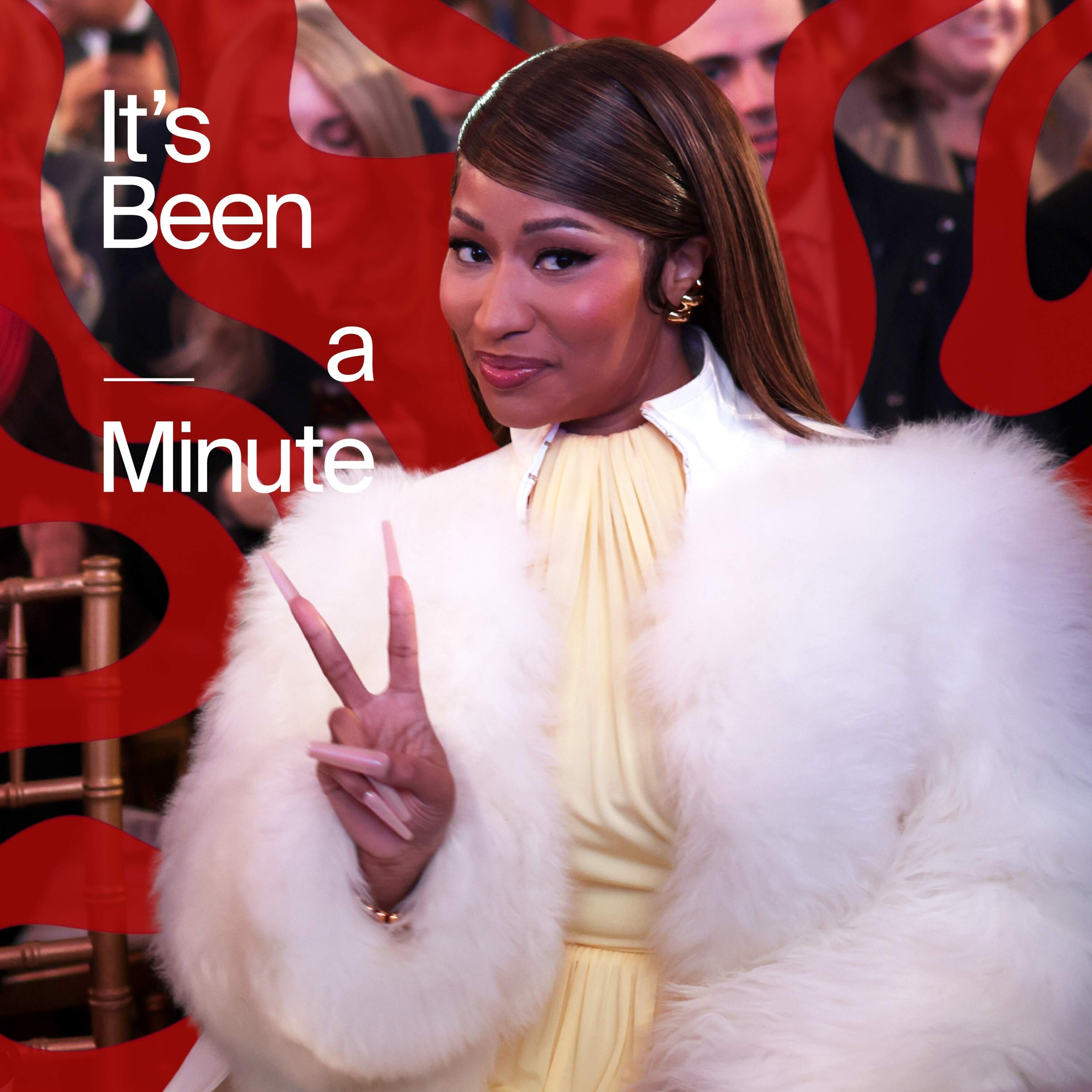
MAGA has a DEI policy. Just ask Nicki Minaj.
Is the far-right in its rainbow coalition era?We're seeing quite a few examples in the culture that may suggest so: from Nicki Minaj's recent pivot to the MAGA right, to the videos of DHS agents of color making violent arrests, it feels like the far-right is making more space for people of color to find platforms and power. But how does a multicultural right-wing movement square with the politics of the President? Brittany is joined by Axios senior race and justice reporter Russell Contreras to understand the world of multiracial MAGA.Support Public Media. Join NPR Plus.Follow Brittany on Instagram: @bmluseFor handpicked podcast recommendations every week, subscribe to NPR’s Pod Club newsletter at npr.org/podclub.To manage podcast ad preferences, review the links below:See pcm.adswizz.com for information about our collection and use of personal data for sponsorship and to manage your podcast sponsorship preferences.NPR Privacy Policy

Did the Cult of the Tech Job trick you too?
Learn to code, they said! And then the layoffs started happening...The tech industry is hemorrhaging jobs. According to one estimate, there have been over 700,000 tech workers laid off since 2022. But there was once a time when “learn to code” was the advice de rigueur for laid-off workers, and a lot of resources went into teaching kids computer science. So if a cushy position in tech isn’t a “good” job anymore… what is? Brittany discusses this with Rya Jetha, tech culture reporter for the San Francisco Standard, and Natasha Singer, technology reporter for The New York Times and author of the upcoming book Coding Kids: Big Tech's Battle to Remake Public Schools.Support Public Media. Join NPR Plus.Follow Brittany on Instagram: @bmluseFor handpicked podcast recommendations every week, subscribe to NPR’s Pod Club newsletter at npr.org/podclub.To manage podcast ad preferences, review the links below:See pcm.adswizz.com for information about our collection and use of personal data for sponsorship and to manage your podcast sponsorship preferences.NPR Privacy Policy

Bad Bunny's Super Bowl: a radical act of resistance
Bad Bunny's Super Bowl performance had a clear message for his fans and his haters. The pop star's show was a colorful and vibrant vision of Puerto Rican culture and heritage, from a real life wedding to boxing matches - and even a surprise cameo from Ricky Martin. Against a backdrop of widespread immigration crackdowns and targeted rhetoric, Bad Bunny centered joy as an act of resistance - and as a space for all people in North and South America to unite. Brittany is joined by Pop Culture Happy Hour cohost Stephen Thompson, music and entertainment critic Reanna Cruz, and Alana Casanova-Burgess, host of La Brega podcast, to understand the version of America that Bad Bunny wants us to live in.(0:00) Bad Bunny's performance was one of the all time greats(03:04) The key moments: the parade of nations to Ricky Martin & Lady Gaga(08:11) The story and world that Bad Bunny was building(12:33) Weddings and joy as acts of resistance(16:14) The Grammy, Liam Conejo Ramos, and what the moment meant(23:57) Bad Bunny's radical politics vs. the NFL's politicsFor more on Bad Bunny, check out this deep dive into his latest album: Bad Bunny & the battle for Puerto RicoSupport Public Media. Join NPR Plus.Follow Brittany on Instagram: @bmluseFor handpicked podcast recommendations every week, subscribe to NPR’s Pod Club newsletter at npr.org/podclub.To manage podcast ad preferences, review the links below:See pcm.adswizz.com for information about our collection and use of personal data for sponsorship and to manage your podcast sponsorship preferences.NPR Privacy Policy
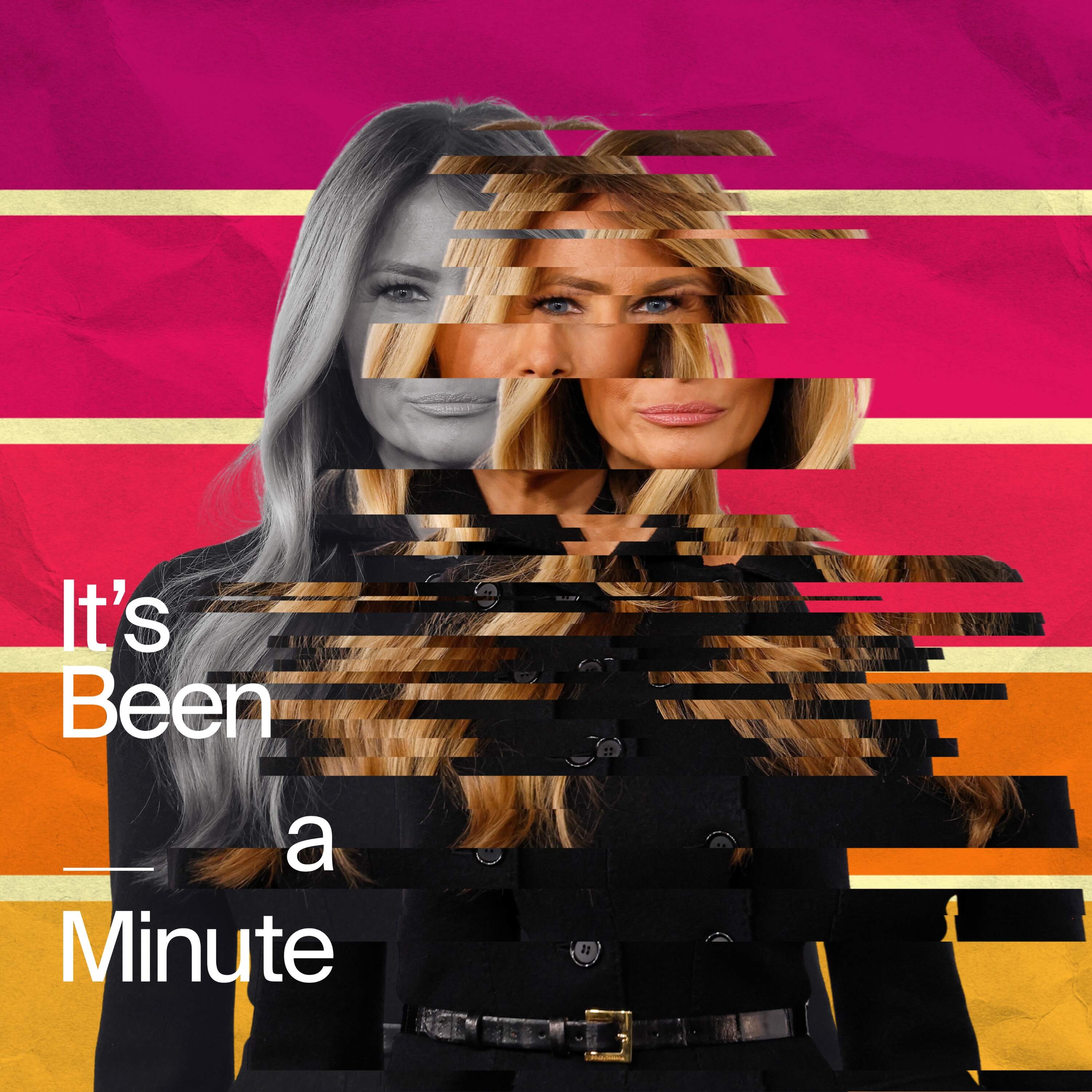
Melania Trump isn't telling the whole truth
Is Melania Trump's new film a documentary? Fan service? Or propaganda?The Amazon funded $40 million-$75 million film, follows the first lady as she prepares for her husband's second inauguration. But, it's finely manicured editing and it's fabricated storylines obscure reality - much like the Trump administration's broader media strategy. So what's the point?Brittany sits down with NPR Senior Arts Critic Bob Mondello, and Vulture Movie Critic Alison Willmore. They examine the wardrobe changes, opulent decor, and even Amazon’s financial support of the movie and break down what this film tells us – and doesn’t tell us – about the first lady.(00:00) The Melania Documentary Review: Airless, High Heels, Shiny(03:07) Melania Trump is staging the scenes of her life(06:06) Melania is in control - and rewriting history(13:10) Is Trump's documentary propaganda or fan service?(17:34) Amazon, Jeff Bezos, and the Trump family businessSupport Public Media. Join NPR Plus.Follow Brittany on Instagram: @bmluseFor handpicked podcast recommendations every week, subscribe to NPR’s Pod Club newsletter at npr.org/podclub.To manage podcast ad preferences, review the links below:See pcm.adswizz.com for information about our collection and use of personal data for sponsorship and to manage your podcast sponsorship preferences.NPR Privacy Policy

The Swoletariat: a history of leftist fitness
So-called "swoletariats" are exercising for the resistance.There’s a lot of fitness content in conservative manosphere circles – that’s not new – but now, there are also fitness influencers who call themselves the “swoletariat.” That’s a combination of the word “swole,” meaning buff, and “proletariat,” meaning the working class — the swoletariat are people whose fitness regimens connect to leftist politics. NPR's Life Kit producer Margaret Cirino shares her reporting with Brittany on the history of leftist fitness – and why she’s seeing the swoletariat picking up steam on social media.Want to know more about fitness and health? Check out these episodes:The difference between losing weight & being "healthy"Beware the Wellness Industrial Complex!The privilege of being "skinny"Support Public Media. Join NPR Plus.Follow Brittany on Instagram: @bmluseFor handpicked podcast recommendations every week, subscribe to NPR’s Pod Club newsletter at npr.org/podclub.To manage podcast ad preferences, review the links below:See pcm.adswizz.com for information about our collection and use of personal data for sponsorship and to manage your podcast sponsorship preferences.NPR Privacy Policy

Americans are tired. The grindset is to blame.
America’s workers are tired – here’s why.Do you feel like you can never get off the grind? From gig laborers to salaried workers, a lot of people are keeping their noses to the grindstone in order to remain afloat, avoid job loss, and stay one step ahead of market fluctuations. But this culture of overwork isn’t new – according to Erik Baker, Harvard lecturer and author of Make Your Own Job: How the Entrepreneurial Work Ethic Exhausted America, the grindset has been intentionally promoted and structurally enforced over decades. Brittany sits down with Erik to discuss how we got here – and how we can untangle the culture from these working conditions.Support Public Media. Join NPR Plus.Follow Brittany on Instagram: @bmluseFor handpicked podcast recommendations every week, subscribe to NPR’s Pod Club newsletter at npr.org/podclub.To manage podcast ad preferences, review the links below:See pcm.adswizz.com for information about our collection and use of personal data for sponsorship and to manage your podcast sponsorship preferences.NPR Privacy Policy
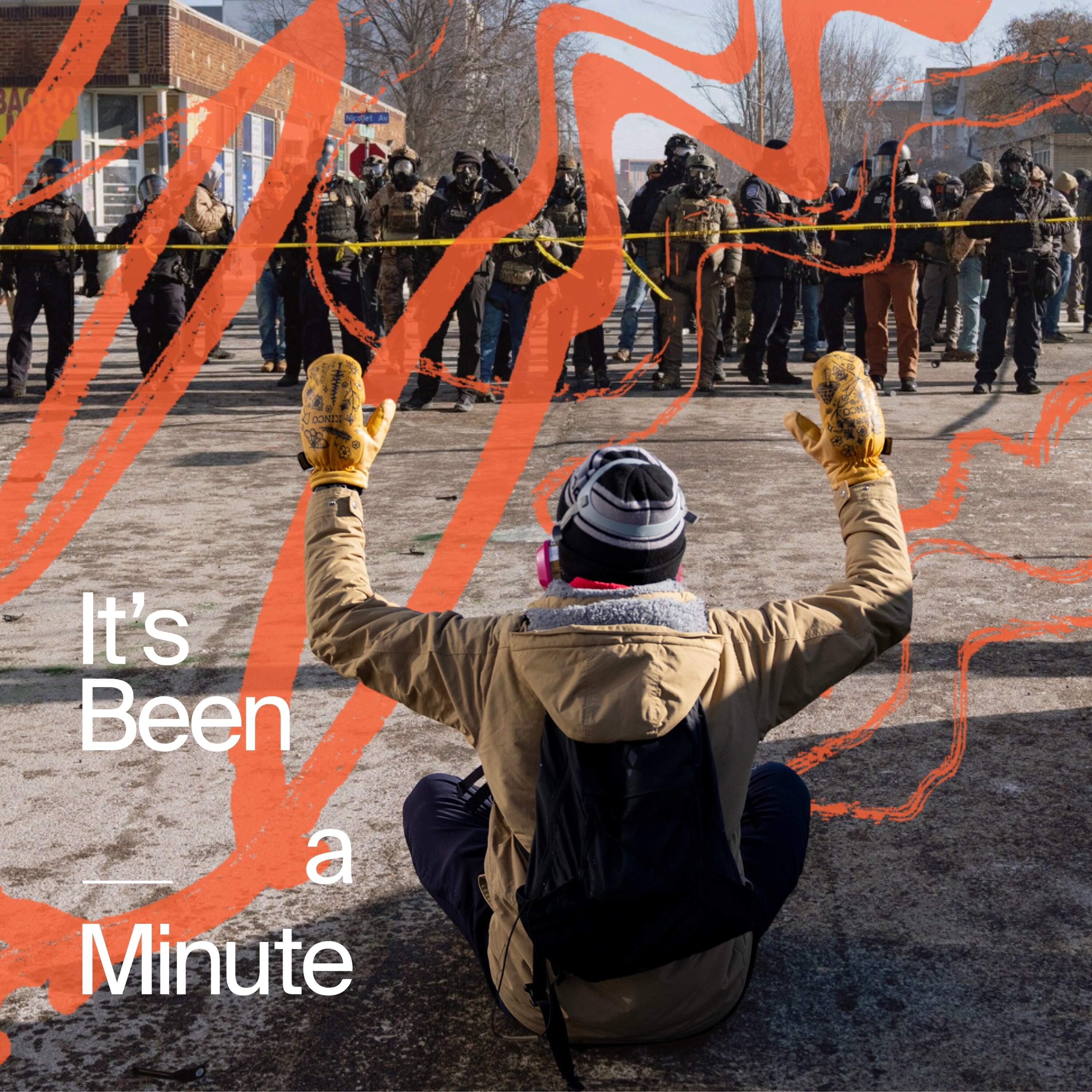
The biggest threat to Trump? Ordinary people.
One of the biggest lessons from the clash between ICE and the citizens of Minneapolis is that communities are prepared to stand up for their neighbors.When Alex Pretti, a 37-year-old ICU Nurse, became the second person killed by federal agents in Minneapolis this month, citizens were there to document the killing. Today, we're exploring how Minnesotans trained for this moment and how, despite deep cultural divides between them, they stood together in the face of government aggression.Brittany is joined by Adam Serwer, staff writer at The Atlantic, to unpack his time on the ground with communities in Minneapolis and the role of bystanders in these moments of state violence. For more of Adam's reporting from Minneapolis, read his latest piece, "Minnesota proved MAGA wrong."Support Public Media. Join NPR Plus.Follow Brittany Luse on Instagram: @bmluseFor handpicked podcast recommendations every week, subscribe to NPR’s Pod Club newsletter at npr.org/podclub.To manage podcast ad preferences, review the links below:See pcm.adswizz.com for information about our collection and use of personal data for sponsorship and to manage your podcast sponsorship preferences.NPR Privacy Policy

Yes, romance is political too.
How do romantic tropes and fantasies impact how you understand politics?You might be a fan of Romantic Fantasy, or as the internet calls it: Romantasy. Even if you're not, you would recognize the tradwives or fascism. Romantasies combine supernatural characters and plotlines with the rush of a whirlwind romance novel, and, in this episode, we're exploring how the politics of some of these books have an effect on politics in the real world.Brittany is joined by Netta Baker, Advanced Instructor of English at Virginia Tech, and Princess Weekes, video essayist and online pop culture critic. They get into how this genre demolishes misogyny while reinforcing conservative politics.Support Public Media. Join NPR Plus.Follow Brittany Luse on Instagram: @bmluseFor handpicked podcast recommendations every week, subscribe to NPR’s Pod Club newsletter at npr.org/podclub.To manage podcast ad preferences, review the links below:See pcm.adswizz.com for information about our collection and use of personal data for sponsorship and to manage your podcast sponsorship preferences.NPR Privacy Policy

You're not broken. The job market is.
Job seekers are sending out hundreds of applications. Here’s why they’re not hearing back.The unemployment rate has been climbing over the past few years, but historically, it isn’t that high… Even so, some people have been talking about having a really, really rough time finding work. Brittany is joined by Wailin Wong, co-host of NPR’s Indicator podcast, and Nitish Pahwa, staff writer for business and tech at Slate, to get into why the decent macroeconomic numbers aren’t adding up for job seekers and why the market might be stuck in an “AI doom loop.”Support Public Media. Join NPR Plus.Follow Brittany on Instagram: @bmluseFor handpicked podcast recommendations every week, subscribe to NPR’s Pod Club newsletter at npr.org/podclub.To manage podcast ad preferences, review the links below:See pcm.adswizz.com for information about our collection and use of personal data for sponsorship and to manage your podcast sponsorship preferences.NPR Privacy Policy

Everyone & no one can be a Finance Bro
He's mysterious and aspirational, but is he even real? Or is he just a reflection of all of our society?The ‘finance bro’ has become a pretty ubiquitous figure in the American zeitgeist. From American Psycho and Mad Men to the tech bros of Silicon Valley, he’s taken many forms. And these days he has flipped genders in the hit HBO series Industry. But what makes the finance bro mythology so compelling? And why do we sign up to watch him again and again?To find out, Brittany is joined by chief correspondent at Business Insider and host of Channels, Peter Kafka and Roxana Hadadi, TV critic for Vulture and New York Magazine.Support Public Media. Join NPR Plus.Follow Brittany Luse on Instagram: @bmluseFor handpicked podcast recommendations every week, subscribe to NPR’s Pod Club newsletter at npr.org/podclub.To manage podcast ad preferences, review the links below:See pcm.adswizz.com for information about our collection and use of personal data for sponsorship and to manage your podcast sponsorship preferences.NPR Privacy Policy

Sex is pleasurable. It should feel safe too.
What does it mean to feel safe during sex these days?From feeling comfortable with your partner to access to public health and medication, "safety" comes up a lot in sex. But, having the tools you need to feel confident in your own sexual health is an essential part of the pursuit of pleasure. Today, Brittany is joined by Dr. Leisha McKinley-Beach, founder and CEO of the Black Public Health Academy, and Dr. Jasmine Abrams, a research scientist at the Yale School of Public Health, to give us a New Year's booster on how to live our best sex lives — and explore how to feel safer in bed. Support Public Media. Join NPR Plus.Follow Brittany Luse on Instagram: @bmluseFor handpicked podcast recommendations every week, subscribe to NPR’s Pod Club newsletter at npr.org/podclub.To manage podcast ad preferences, review the links below:See pcm.adswizz.com for information about our collection and use of personal data for sponsorship and to manage your podcast sponsorship preferences.NPR Privacy Policy

Black women in their 30s: Then vs. Now
We're taking a trip back to the 90s and exploring the lives of single Black women and how their stories still show up in media 30 years later. This episode comes from NPR's Books We've Loved podcast series. Brittany joined hosts Andrew Limbong and B.A. Parker to revisit Terry McMillan's classic novel, Waiting to Exhale. The three get into how the book was a blueprint for Sex & The City and how it depicts the complexity of Black women's lives - and echoes the lives of Black women today.Support Public Media. Join NPR Plus.Follow Brittany on Instagram: @bmluseFor handpicked podcast recommendations every week, subscribe to NPR’s Pod Club newsletter at npr.org/podclub.To manage podcast ad preferences, review the links below:See pcm.adswizz.com for information about our collection and use of personal data for sponsorship and to manage your podcast sponsorship preferences.NPR Privacy Policy

The difference between losing weight & being "healthy"
What are we missing something in the conversation around obesity and GLP-1s? Oprah Winfrey’s new book, Enough, co-authored by endocrinologist Dr. Ania Jastreboff is one of many new narratives attempting to reframe how we think about obesity and diet culture. But host Brittany Luse thinks we’re just scratching the surface. She’s joined by Dr. Kellie Carter Jackson, Chair of the Africana Studies Department at Wellesley College and co-host of the podcast This Day, and Dr. Mara Gordon, family physician and NPR's Real Talk with a Doc columnist to unpack fatphobia, the GLP-1 craze, and what it really means to be ‘healthy.’Support Public Media. Join NPR Plus.Follow Brittany on Instagram: @bmluseFor handpicked podcast recommendations every week, subscribe to NPR’s Pod Club newsletter at npr.org/podclub.To manage podcast ad preferences, review the links below:See pcm.adswizz.com for information about our collection and use of personal data for sponsorship and to manage your podcast sponsorship preferences.NPR Privacy Policy

Protest is going viral on TikTok
There's a new sound of protest going viral on TikTok. What is being said, and how much impact could it have?We're just two weeks into January, but this year has already been eventful. There's Trump's incursion into Venezuela, and last week’s ICE shooting in Minneapolis, which led to protests all across the country over the weekend. And these protests on the street are connected to some of the music we’re hearing online: artists like Jensen McRae and Jesse Welles are responding to current events with their own musical takes on the news with bitesize songs on TikTok. But why is folk protest music having revival, and who is listening? Brittany sits down with NPR Music reporter Isabella Gomez Sarmiento to get into why this folk-y protest music hasn’t been popular in decades – and why it’s going viral now. You can read Isabella's story here.Support Public Media. Join NPR Plus.Follow Brittany on Instagram: @bmluseFor handpicked podcast recommendations every week, subscribe to NPR’s Pod Club newsletter at npr.org/podclub.To manage podcast ad preferences, review the links below:See pcm.adswizz.com for information about our collection and use of personal data for sponsorship and to manage your podcast sponsorship preferences.NPR Privacy Policy

Will Renee Good's death be a turning point?
Renee Good, a 37-year-old Minnesotan mother, is just one of several victims of Immigration and Customs Enforcement (ICE) violence in recent months. But her death marks a turning point in the discourse around state violence. How will her name and story be used by politicians and protestors? And how does her story line up with other moments of government violence throughout American history?Brittany is joined by Abené Clayton, the lead reporter for the Guns and Lies in America series at The Guardian. Brittany and Abené unpack the importance of this moment, how Good's death compares to other deaths at the hands of the federal government, and how the narrative around her death is already messier than it should be.Support Public Media. Join NPR Plus.Follow Brittany on Instagram: @bmluseFor handpicked podcast recommendations every week, subscribe to NPR’s Pod Club newsletter at npr.org/podclub.To manage podcast ad preferences, review the links below:See pcm.adswizz.com for information about our collection and use of personal data for sponsorship and to manage your podcast sponsorship preferences.NPR Privacy Policy

Peptides & the pursuit of the "perfect" body
Ozempic and other GLP-1s have changed how we think of our bodies. Now, some are searching for other quick fixes for their body - far beyond weight loss.In some Silicon Valley circles, 'Chinese peptides' are taking so-called biohacking to the next level. These unregulated injectables promise to help people who struggle with sleep, losing weight, or even making eye contact. One person even said they were searching for the "Ozempic for autism." Sound ethically dubious? Brittany thought so, too.To get into it all, Brittany is joined by independent journalist Jasmine Sun, who writes about Silicon Valley culture; and, Karen Maschke, editor-in-chief of Ethics and Human Research. Jasmine and Karen break down the peptide subculture of Silicon Valley and what it means to be human in rapidly self-optimizing world.Support Public Media. Join NPR Plus. Follow Brittany on Instagram: @bmluse For handpicked podcast recommendations every week, subscribe to NPR’s Pod Club newsletter at npr.org/podclub.To manage podcast ad preferences, review the links below:See pcm.adswizz.com for information about our collection and use of personal data for sponsorship and to manage your podcast sponsorship preferences.NPR Privacy Policy