Interchange Recharged
356 episodes — Page 7 of 8
Would Electricity Work in a Zombie Apocalypse?
Would electricity work during a zombie apocalypse?Does Elon Musk own Amazon or Uber?Are electric vehicles better for the environment?These are questions that people are asking Google — and we're going to answer them.This week on the Interchange, what our collective search history tells us about our perception of Elon Musk, electric vehicles and zombies.Plus, we'll have the results of last week's Deep Decarbonization Draft. (Listen to that episode, if you haven't already.)This podcast is supported by Wunder Capital, the easiest way to invest in large-scale solar energy projects across the U.S. With Wunder, you can help finance renewable energy projects while earning up to 7.5 percent annually. Get started here to diversify your portfolio and support American solar projects.This podcast is brought to you by Shoals, the gold standard for solar and storage balance-of-systems solutions. Learn more about how Shoals can make your project operate at the highest level.Recommended reading on electric vehicle emissions:Manhattan Institute report on electric vehicle pollutionUnion of Concerned Scientists report on the cleanliness of electric carsDepartment of Energy calculator for comparing electric vehicle emissionsSubscribe to The Interchange podcast via Apple Podcasts, Google Play, Stitcher or wherever you find your audio content.See Privacy Policy at https://art19.com/privacy and California Privacy Notice at https://art19.com/privacy#do-not-sell-my-info.

Deep Decarbonization Draft: Fantasy Sports for Energy Nerds
Like fantasy sports? Listen to our deep decarbonization draft. In this episode, Shayle and Stephen choose their rosters of nine technologies to decarbonize the global economy. The goal: find the best resource mix to keep global temperatures below 2 degrees Celsius. After they battle it out, listeners decide who has the best team of technologies. Vote in our Twitter poll.Here are the rules:The draft has nine rounds. The “team” resulting from each person’s picks will need to stand on its own. Each pick must be a unique technology. For example, “energy efficiency” is not a pick, but “LED lighting” is.Technologies with major subsets must be picked separately. For example, rooftop solar and centralized solar are two different picks.The existing technology mix will stand. (We don’t need to pick “transmission & distribution" in order to have electricity.)The time horizon will be through 2050.The winner will be chosen by listeners. Once you've listened to the episode, access our GTM poll or our Twitter poll. We'll tally the results for a future episode.See Privacy Policy at https://art19.com/privacy and California Privacy Notice at https://art19.com/privacy#do-not-sell-my-info.
Damn, Commercial Solar Is Hard
This week on The Interchange, a listener tries to convince his office building owner to install solar: "he's open to the idea, but we're struggling with the question of who pays," says Daniel from Menlo Park, California.This conundrum gets to the heart of C&I solar's complexity. We'll address the landlord-tenant split that plagues commercial solar — and the broad range of financing and policy solutions.Later in the show, we'll talk with two of our senior solar analysts at GTM Research, Michelle Davis and Allison Mond. Both residential installers and commercial developers have customer acquisition problems — only they’re the exact opposite problems.Residential installers now have more attractive loan options for ownership, but it’s getting harder to find the next tier of customers who want PV on their roofs; meanwhile, commercial solar developers are seeing more demand for third-party ownership, but projects are still bespoke and complicated.Davis and Mond unpack the latest financing and customer acquisition trends in residential and commercial PV.This podcast is supported by Wunder Capital, the easiest way to invest in large-scale solar energy projects across the U.S. With Wunder, you can help finance renewable energy projects while earning up to 7.5 percent annually. Get started here to diversify your portfolio and support American solar projects.This podcast is brought to you by Shoals, the gold standard for solar and storage balance-of-systems solutions. Learn more about how Shoals can make your project operate at the highest level.Recommended reading:GTM Research: Commercial Solar Consumer Finance TrendsGTM Research: U.S. Residential Solar Finance Update: H1 2018DOE Better Buildings (PDF): Promoting Solar PV on Leased Buildings Guide Kacie Peters: But What If I Sell My Building? Transferability in Commercial SolarSubscribe to The Interchange podcast via Apple Podcasts, Google Play, Stitcher or wherever you find your audio content.See Privacy Policy at https://art19.com/privacy and California Privacy Notice at https://art19.com/privacy#do-not-sell-my-info.
Batteries Are Changing Residential Solar
The solar industry is talking about battery storage almost as much as solar these days.On this week's Interchange, we're addressing the shift toward storage in residential solar. Sunrun, a top installer, is at the forefront of the trend. In California, the company is adding storage to 20 percent of rooftop PV systems — and it believes other states will soon catch up. Sunrun now thinks of itself as a grid services provider. We'll talk with Sunrun Chief Policy Officer Anne Hoskins about how this broadened focus influences the way it interacts with utilities, regulators and customers. Shayle and Stephen will also talk about how batteries are changing the way consumers shop around for solar.This podcast is supported by Wunder Capital, the easiest way to invest in large-scale solar energy projects across the U.S. With Wunder, you can help finance renewable energy projects while earning up to 7.5 percent annually. Get started here to diversify your portfolio and support American solar projects.This podcast is brought to you by Shoals, the gold standard for solar and storage balance-of-systems solutions. Learn more about how Shoals can make your project operate at the highest level.Recommended reading:Sunrun white paper: A Better System Created by the People, for the PeopleGTM: Sunrun Keeps Growing, While Prepping for a Whole New Grid Services BusinessSubscribe to The Interchange podcast via Apple Podcasts, Google Play, Stitcher or wherever you find your audio content.See Privacy Policy at https://art19.com/privacy and California Privacy Notice at https://art19.com/privacy#do-not-sell-my-info.
European Solar Rises Again, With Fewer Subsidies
Europe was once the world's biggest solar spender, until the region's PV market fell into a structural decline after subsidies were pulled back. Now Europe is on the upswing once again — this time, with far less government spending. As European countries embrace competitive auctions, the Old World of solar is getting new attention. The region is expected to install 10-17 gigawatts a year through 2022, bringing cumulative installs from 111 gigawatts to 182 gigawatts, according to GTM Research. A good portion of that capacity won't see any direct government support.Competitive auctions will make solar growth much more sustainable. But will it be enough to make up for the tens of gigawatts of coal and nuke plants closing around the region?Tom Heggarty, a senior global solar analyst with GTM Research, joins us on The Interchange to grapple with that question. We'll put the new trends into a historical and macro-economic context.This podcast is supported by Wunder Capital, the easiest way to invest in large-scale solar energy projects across the U.S. With Wunder, you can help finance renewable energy projects while earning up to 7.5 percent annually. Get started here to diversify your portfolio and support American solar projects.This podcast is brought to you by Shoals, the gold standard for solar and storage balance-of-systems solutions. Learn more about how Shoals can make your project operate at the highest level.Recommended reading:GTM Research: Europe Solar PV Market Outlook 2018GTM: Here Are Solar’s Next Gigawatt-Scale MarketsGTM: Germany's Course Correction on Solar GrowthSubscribe to The Interchange podcast via Apple Podcasts, Google Play, Stitcher or wherever you find your audio content.See Privacy Policy at https://art19.com/privacy and California Privacy Notice at https://art19.com/privacy#do-not-sell-my-info.
Shell Thinks Solar Could Beat Oil & Gas
Shell, the world’s sixth biggest oil and gas company, just published a future "sky" scenario that's getting a lot of attention. That potential future: By 2050, renewables could overtake oil, gas and coal as the primary energy source; by that date, it could be “impossible” to purchase a new internal combustion car; and by 2070, there could be 10,000 carbon capture plants operating globally.Shell's energy transition report is receiving mixed reaction. Many energy experts are hailing Shell for putting together such an ambitious document. A lot of environmentalists are cynical, since oil and gas still play a prominent role in the company's future vision.In this week's episode, we're going to walk through the different scenarios outlined by Shell. We'll also discuss what Shell's business might look like beyond 2050, as the company acquires more electricity retailers, EV charging assets and renewable energy developers.This podcast is supported by Wunder Capital, the easiest way to invest in large-scale solar energy projects across the U.S. With Wunder, you can help finance renewable energy projects while earning up to 7.5 percent annually. Get started here to diversify your portfolio and support American solar projects.This podcast is brought to you by Shoals, the gold standard for solar and storage balance-of-systems solutions. Learn more about how Shoals can make your project operate at the highest level.Recommended reading:Shell: The Energy Transition reportShell: The New Energies businessWashington Post: Shell Just Outlined a Radical Scenario for What It Would Take to Halt Climate ChangeSubscribe to The Interchange podcast via Apple Podcasts, Google Play, Stitcher or wherever you find your audio content.See Privacy Policy at https://art19.com/privacy and California Privacy Notice at https://art19.com/privacy#do-not-sell-my-info.
What Will Energy Blockchain Become?
Blockchain is largely untested compared to its potential. We know it’s likely transformative — we just don’t know exactly how.There are hundreds of potential applications in the electricity business. Which ones will win out?To kick off this week's show, Shayle, Scott and Stephen will examine different pathways for the technology. We'll answer:Of all the scenarios for the future of blockchain in energy, which one is most likely?Imagine a future in which blockchain doesn’t take off. What is the likely reason?Are there any pilots or trends underway now that push us in any of these directions?In the second half of the show, we’ll talk with Kristen Brown, a business technology expert at Commonwealth Edison, about how the regulated utility sees blockchain influencing operations.We’ll also talk with Michael Horwitz, a partner with Greentech Capital Advisors, about how he evaluates investment opportunities in the space.If you missed the companion episode, listen here.This podcast is supported by Wunder Capital, the easiest way to invest in large-scale solar energy projects across the U.S. With Wunder, you can help finance renewable energy projects while earning up to 7.5 percent annually. Get started here to diversify your portfolio and support American solar projects.This podcast is brought to you by Shoals, the gold standard for solar and storage balance-of-systems solutions. Learn more about how Shoals can make your project operate at the highest level.Recommended reading:GTM Squared: Does the Energy Industry Need Its Own Blockchain?GTM Squared: The Live Broadcast From Our Blockchain in Energy Forum Subscribe to The Interchange podcast via Apple Podcasts, Google Play, Stitcher or wherever you find your audio content.See Privacy Policy at https://art19.com/privacy and California Privacy Notice at https://art19.com/privacy#do-not-sell-my-info.
How Blockchain Peer-to-Peer Energy Trading Might Work
Out of the 122 startups (and counting) that GTM Research is tracking in the energy-blockchain space, 22 are focused on peer-to-peer energy trading.Sharing electrons directly with peers sounds cool, but why do it in the first place? Would it help the grid? Will it be a catalyst for more distributed energy? Or is it just a novel application?In this episode of The Interchange, we're exploring the potential of peer-to-peer trading. We'll start with a segment of Consensus, where we explore a specific blockchain tech or concept.Later in the show, we'll talk with Colleen Metelitsa, a grid edge analyst with GTM Research, about investment trends and emerging applications in the energy-blockchain space.Finally, we'll talk with three blockchain startups -- Electron, Leap and Omega Grid -- about their experiences building partnerships with incumbent energy companies. This podcast is supported by Wunder Capital, the easiest way to invest in large-scale solar energy projects across the U.S. With Wunder, you can help finance renewable energy projects while earning up to 7.5 percent annually. Get started here to diversify your portfolio and support American solar projects.Recommended reading:GTM Research: Blockchain for Energy 2018: Companies & Applications for Distributed Ledger Technologies on the GridGTM: Energy Blockchain Startups Raised $324 Million in the Last Year. Where’s the Money Going?Subscribe to The Interchange podcast via Apple Podcasts, Google Play, Stitcher or wherever you find your audio content.See Privacy Policy at https://art19.com/privacy and California Privacy Notice at https://art19.com/privacy#do-not-sell-my-info.
Gina McCarthy
Gina McCarthy isn't happy watching Scott Pruitt dismantle the climate plan that she helped President Obama build. But she doesn't think Pruitt will be successful."They've made a lot of announcements, they haven't made a lot of progress," she said in an interview on The Interchange podcast. McCarthy predicted that EPA Administrator Scott Pruitt will keep getting "slapped back" by legal challenges.And even if Pruitt makes progress, the markets have spoken against him. "The market has already dictated that strategy, and it's a clean energy future," she said. In this week's podcast, we talk with McCarthy about the EPA under the Trump Administration. We'll talk about the viciousness of environmental politics, the coal industry's impact on politics, shifts in the energy markets, and why she's optimistic about the future. "The clean energy train has left the station and it's moving," she said. McCarthy is currently the director of the Center for Health and the Global Environment at Harvard University. This podcast is brought to you by Shoals, the gold standard for solar and storage balance-of-systems solutions. Learn more about how Shoals can make your project operate at the highest level.This podcast is brought to you by Fiveworx, a turnkey customer engagement platform for utilities. Find out more about how Fiveworx can help your customer engagement program succeed -- and get you beyond the meter.See Privacy Policy at https://art19.com/privacy and California Privacy Notice at https://art19.com/privacy#do-not-sell-my-info.
Solar's Tough Year
Last year was a tough one for many U.S. solar companies. For the first time, America's solar market saw a decline in growth and solar employment.What gives? In this podcast, we're going to walk through the sector-specific factors that threw solar off its axis in 2017. Some of the questions we address in this episode:Residential customer acquisition: why is it getting so much harder to find new customers?Solar-plus-storage: where are batteries getting the most traction?Utility-scale solar: what's the latest data on pricing?Sunrun and Tesla: why is Sunrun doing so well, while Tesla keeps shrinking?Non-residential: why is this sector outshining others in terms of growth?Don't forget to come to our 11th annual Solar Summit in San Diego, where we'll be dissecting data in the top solar markets around the world. This podcast is brought to you by Shoals, the gold standard for solar and storage balance-of-systems solutions. Learn more about how Shoals can make your project operate at the highest level.This podcast is brought to you by Fiveworx, a turnkey customer engagement platform for utilities. Find out more about how Fiveworx can help your customer engagement program succeed -- and get you beyond the meter.Recommended reading:GTM: US Residential and Utility-Scale Solar Markets See Installations Fall for the First TimeGTM Research: U.S. Solar Market Insight reportSubscribe to The Interchange podcast via Apple Podcasts, Google Play, Stitcher or wherever you find your audio content.See Privacy Policy at https://art19.com/privacy and California Privacy Notice at https://art19.com/privacy#do-not-sell-my-info.
Google and Microsoft Are Shaping Energy Markets
Since 2015, large corporations have signed deals for more than 7 gigawatts of renewable energy. As activity picks up, these companies are grappling with increasingly complex deals. They're no longer just thinking about renewable energy credits or average consumption over the year; they're now looking at matching wind, solar and hydro supply directly with their on-site demand in a more granular way. Consequently, energy storage is becoming more attractive.This week, we're talking with two leading buyers of renewable energy, Google and Microsoft.We'll talk with Neha Palmer, Google's head of energy strategy, about hitting 100 percent renewable energy. Then, we'll talk with Brian Janous, Microsoft's general manager of energy, about how deals around the world are structured.We'll also grapple with a bigger question that corporate buyers are facing: what happens to their procurement when the gigawatts and gigawatts of renewables they’re buying literally reshape how markets function?This podcast is also brought to you by Shoals, the gold standard for solar and storage balance-of-systems solutions. Learn more about how Shoals can make your project operate at the highest level.This podcast is brought to you by Fiveworx, a turnkey customer engagement platform for utilities. Find out more about how Fiveworx can help your customer engagement program succeed -- and get you beyond the meter.Recommended reading:GTM: The Latest Trends in Corporate Renewable Energy ProcurementGoogle: We’re Set to Reach 100% Renewable Energy -- and It’s Just the BeginningMicrosoft: Transitioning to Zero-Carbon EnergySubscribe to The Interchange podcast via Apple Podcasts, Google Play, Stitcher or wherever you find your audio content.See Privacy Policy at https://art19.com/privacy and California Privacy Notice at https://art19.com/privacy#do-not-sell-my-info.
A Blueprint for the Transactive Grid
Ryan Hanley is convinced that the distributed electric grid will create vastly more economic, security and societal value than today's centralized system.Over the course of his career as a civil engineer -- working at Pacific Gas & Electric, SolarCity, Tesla and now Advanced Microgrid Solutions -- Hanley has worked to understand and extract that value. "A macro theme that I've been tracking in my career is that exchange of value over the grid [that] I'm convinced will only become more transactive over time. More value will be exchanged in markets as the system relentlessly tries to take out economic fat from the system."In this week's conversation, Shayle Kann talks with Hanley about the tools at hand to re-engineer the distributed, transactive grid system. Topics addressed in this interview include:What distributed energy resources actually look like to utility distribution engineers and planners.The ultimate outcome of net metering battles and the market's natural "equilibrium."How markets can extract maximum value from solar, storage and load control.What it takes to build a 100-megawatt battery in South Australia in 100 days based on a tweet from Elon Musk.The role of blockchain in future electricity marketsPlus, we'll play a bonus round of "who said it" and quiz Hanley on quotes from executives from PG&E, SolarCity, Tesla and Advanced Microgrid Solutions. This podcast is also brought to you by Shoals, the gold standard for solar and storage balance-of-systems solutions. Learn more about how Shoals can make your project operate at the highest level.This podcast is brought to you by Fiveworx, a turnkey customer engagement platform for utilities. Find out more about how Fiveworx can help your customer engagement program succeed -- and get you beyond the meter.See Privacy Policy at https://art19.com/privacy and California Privacy Notice at https://art19.com/privacy#do-not-sell-my-info.
Don't Like the Solar Buying Process? Start Your Own Company
In 2009, Sara Ross and her husband bought a dilapidated farmhouse in Massachusetts, intending to turn it into a net-zero home.Solar was an important part of the plan. And then came the price tag: $81,000 in cash. Their local solar installer had no financing options at that time.Ross cobbled the money together, but she became obsessed with the buying process: "How are other members of our family going to do this? How are our friends supposed to do this? How is this supposed to work? How are we going to scale this awesome thing if it's so very hard?"Finally, she harnessed that obsession (and her six-year-old daughter's college fund) and started a solar loan company, Sungage Financial. This was before anyone was serious about loans. Today, more rooftop solar in the U.S. is financed through loans than leases. In this week's edition of the live podcast series Watt It Takes, Ross sits down with Powerhouse CEO Emily Kirsch to discuss how she built Sungage -- evolving from solar customer to solar entrepreneur. Watt It Takes is a live interview series produced by Powerhouse in partnership with GTM. The conversation was recorded live in Oakland, California.Listen to our other episodes of Watt It Takes:Previous episodes of Watt It Takes: Nancy Pfund’s Pro Tips for Getting Started in CleantechSunPower Founder Dick Swanson’s Guide to Launching a Cleantech StartupLessons From the Fall of SungevityDan Shugar, the King Midas of SolarA History of Greentech Media With Scott ClavennaThis podcast is also brought to you by Shoals, the gold standard for solar and storage balance-of-systems solutions. Learn more about how Shoals can make your project operate at the highest level.This podcast is brought to you by Fiveworx, a turnkey customer engagement platform for utilities. Find out more about how Fiveworx can help your customer engagement program succeed -- and get you beyond the meter.Like our shows? Make sure to give The Interchange and The Energy Gang a rating and review on Apple podcasts. And make sure to subscribe to both shows on Apple podcasts, Google Play, Stitcher, or anywhere you get your podcasts.See Privacy Policy at https://art19.com/privacy and California Privacy Notice at https://art19.com/privacy#do-not-sell-my-info.
Can Solar Become the World's Dominant Source of Energy?
Nothing can stop solar's growth trajectory -- except maybe solar itself.This week, we have a deep discussion on the future of solar photovoltaics. Solar is exploding around the world, but have we grappled with the technology and market limitations that could stop the next order of magnitude in growth for PV?On this week's episode of The Interchange, Shayle Kann sits down with Varun Sivaram, author of the new book, Taming the Sun: Innovations to Harness Solar Energy and Power the Planet.Shayle and Varun examine every angle of the solar transition. They consider numerous possible futures, good and bad, for the technology. "If we do not take the right actions and urgently in innovation today, I warn that in the medium term we might run into a penetration ceiling for solar. And by the time that happens, it might have been too late to start investing in these long-term innovations that only pay off after you've invested for a little while," explains Varun.Varun Sivaram is the Philip D. Reed Fellow for Science and Technology at the Council on Foreign Relations, and an adjunct professor at Georgetown University.This podcast is brought to you by Fiveworx, a turnkey customer engagement platform for utilities. Find out more about how Fiveworx can help your customer engagement program succeed -- and get you beyond the meter.Subscribe to The Interchange podcast via Apple Podcasts, Google Play, Stitcher or wherever you find your audio content.See Privacy Policy at https://art19.com/privacy and California Privacy Notice at https://art19.com/privacy#do-not-sell-my-info.
Cleantech's Top Venture Capitalist, Nancy Pfund
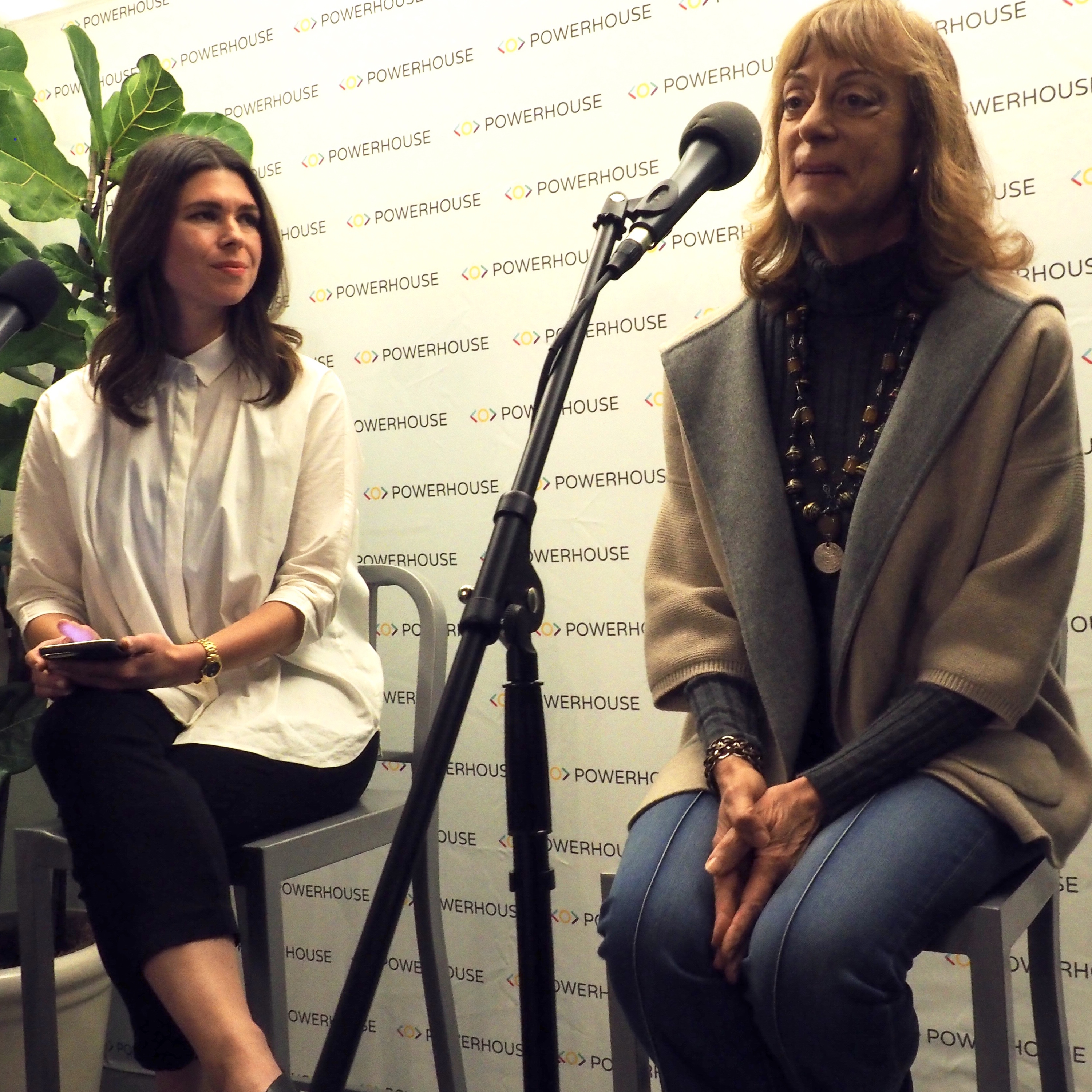
Nancy Pfund is perhaps the most recognizable venture capitalist in the clean energy space.Before she raised multi-hundred-million-dollar funds at her firm DBL Partners and made early investments in the likes of Tesla, SolarCity, Off Grid Electric, PowerLight, NEXTracker and Advanced Microgrid Solutions, Pfund had to start somewhere."In college, I didn't know what a venture capitalist was -- I was an anthropology major," she said at the January recording of Watt It Takes, the live podcast from GTM and Powerhouse in which cleantech founders tell their stories.In this edition of Watt It Takes, Powerhouse CEO Emily Kirsch interviews Pfund about her successful venture capital career.Watt It Takes is a live interview series produced by Powerhouse in partnership with GTM. The conversation was recorded live in Oakland, California.The next live Watt It Takes taping will feature Sara Ross, co-founder and CEO of Sungage Financial, who turned her frustration at the lack of rooftop solar financing into a business opportunity -- with a little help from her daughter's college savings fund. It's happening Wednesday, February 21. Click here for tickets.Recommended reading:This podcast is brought to you by Fiveworx, a turnkey customer engagement platform for utilities. Find out more about how Fiveworx can help your customer engagement program succeed -- and get you beyond the meterSee Privacy Policy at https://art19.com/privacy and California Privacy Notice at https://art19.com/privacy#do-not-sell-my-info.
Death to Energy Tribalism
The Breakthrough Institute was founded on the idea that traditional environmentalists were wrong about how to protect the planet.Back in 2004, the co-founders called for ending the "politics of limits" pushed by environmental groups. Rather, they saw economic growth, technological innovation, and human ingenuity as the most important tools for environmental progress -- not necessarily regulatory limits. That angered large swaths of the environmental community.Over the last decade, the Breakthrough Institute has thrust itself into the tribal warfare that grips the energy and climate movement. Energy innovation versus deployment? Renewables versus nuclear? GMOs versus organic food? The organization brings strong views in those areas.In this episode, we’re going to talk with Alex Trembath, the communications director at Breakthrough, about where the think tank stands on renewables, nuclear, climate policy, and energy intensity. We'll also spend some time on tribalism itself -- and how to get beyond it.This podcast is brought to you by Fiveworx, a turnkey customer engagement platform for utilities. Find out more about how Fiveworx can help your customer engagement program succeed -- and get you beyond the meter.Recommended reading:The Death of Environmentalism (2004)An Ecomodernist ManifestoNature Unbound: Deocoupling for ConservationGTM: What the Struggling Nuclear Industry Can Learn From Boeing, SpaceX and Big PharmaSubscribe to The Interchange podcast via Apple Podcasts, Google Play, Stitcher or wherever you find your audio content.See Privacy Policy at https://art19.com/privacy and California Privacy Notice at https://art19.com/privacy#do-not-sell-my-info.
Our Blockchain Explainer Segment: 'Consensus'
Blockchain is coming to the energy industry in a big way.We're at the beginning of a fierce hype cycle, when new startups are emerging weekly to tout their Initial Coin Offerings and tokenization platforms for energy trading. Utility executives are grappling with yet another distributed technology that proponents say will demolish the traditional power delivery business.Still having a hard time understanding why all this matters? Getting lost in the maze of new terminology? We've got you covered.On this week's Interchange podcast, we're starting a new segment called "consensus." We'll bring a blockchain-related topic that we don’t understand -- a term, a business model, or an application -- and present it to GTM’s resident blockchain enthusiast, Scott Clavenna, to see if he can help us out. Hopefully we'll reach consensus.In this week's segment, we're bringing two questions to Scott: How does WePower's tokenized energy trading work? And how to different variations of cryptocurrency mining?If you need a blockchain 101 course, try listening to our earlier Interchange episode on the subject.This podcast is brought to you by Fiveworx, a turnkey customer engagement platform for utilities. Find out more about how Fiveworx can help your customer engagement program succeed -- and get you beyond the meter.Recommended reading:GTM: Can We Prevent a Global Energy Crisis From Bitcoin Mining?GTM: WePower Expansion Hints at Adoption of Blockchain for Energy TradingCome to our Blockchain in Energy Forum in New York CitySubscribe to The Interchange podcast via Apple Podcasts, Google Play, Stitcher or wherever you find your audio content.See Privacy Policy at https://art19.com/privacy and California Privacy Notice at https://art19.com/privacy#do-not-sell-my-info.

Trump Issues Solar Tariffs: We Answer Your Questions
The Trump Administration just imposed 30 percent tariffs on imported solar cells and modules. How much will it stunt solar growth in America? Will it spark a broader trade war?There are a lot of questions about the impact. In this podcast, we’re giving you the answers – or, as many answers we have, just a day after the decision.This week, we'll bring together our teams from The Interchange and The Energy Gang together to answer listener questions about the tariffs. We'll also talk with GTM Research's Cory Honeyman about how (and where) the 30 percent penalty will impact projects around the U.S.Thanks to podcast sponsor, Fiveworx. Find out more about how Fiveworx can help your customer engagement program succeed.In this episode, we address:What does a 30 percent tariff mean for project economics in the residential and utility-scale sectors?How will the 2.5 gigawatt cell quota work?Will the decision help domestic U.S. manufacturing? Will it hurt domestic installation jobs?What kind of challenges will we see at the World Trade Organization?Is there a pathway toward a negotiation with China?How could local policy blunt the negative impact of these tariffs?Read all our previous coverage and analysis of the Trump Administration's solar tariffs:GTM Research: New Tariffs to Curb US Solar Installations by 11% Through 2022GTM: Trump Administration Issues 30% Solar Panel Import TariffGTM: Foreign Solar Manufacturers Weigh Opening US Facilities as Tariff Decision LoomsLike our shows? Make sure to give The Interchange and The Energy Gang a rating and review on Apple podcasts. And make sure to subscribe to both shows on Apple podcasts, Google Play, Stitcher, or anywhere you get your podcasts.See Privacy Policy at https://art19.com/privacy and California Privacy Notice at https://art19.com/privacy#do-not-sell-my-info.
What the Grid Really Needs
Grid nerds have spent the last few months whipped into a frenzy over Energy Secretary Rick Perry’s hastily-written plan to prop up aging coal plants in the name of grid resiliency.And then, last week, federal energy regulators rejected it. Secretary Perry’s team couldn’t come up with the basic legal argument needed for FERC to consider the proposal.The door is not fully closed, however. Regulators say they want to revisit the idea of grid resiliency -- and now they’re asking regional grid operators to report back on their actual needs.So, it’s worth stepping back and asking the same question. What does the grid actually need? In an age when renewables -- and already, in some cases, batteries -- are the lowest-cost resources, how should we really be planning?This week, we're joined by two grid experts who’ve been asking this question for years: Sonia Aggarwal and Robbie Orvis of the analysis firm Energy Innovation.Sonia is the vice president of Energy Innovation. She heads up the firm’s work on power sector transformation and energy policy. And she also launched America’s Power Plan, a collection of insights about rapid change underway in the electric sector. Robbie is the policy design projects manager at Energy Innovation, where he works on power sector transformation issues. He’s a contributor to America’s Power Plan.This podcast is brought to you by Fiveworx, a turnkey customer engagement platform for utilities. Find out more about how Fiveworx can help your customer engagement program succeed -- and get you beyond the meter.Recommended reading:A Year-End Update on Electricity Policy from the FieldWind and Solar Are Our Cheapest Energy Generation Sources: Now What Do We Do?Grid Flexibility: Methods for Modernizing the Power Grid (PDF)A Roadmap for Finding Flexibility in Wholesale Markets (PDF)Subscribe to The Interchange podcast via Apple Podcasts, Google Play, Stitcher or wherever you find your audio content.See Privacy Policy at https://art19.com/privacy and California Privacy Notice at https://art19.com/privacy#do-not-sell-my-info.
Is Trump Saving Coal?
When President Trump took office, U.S. coal was in a state of decline. Between 2007 and 2016, coal production and consumption each fell by more than a third, and mining jobs fell from 125,000 to 75,000.Trump promised to reverse that trend. Did his deregulatory agenda work?In 2017, U.S. coal production grew by 6 percent. That increase, however, came from a factor unrelated to Trump Administration policy: demand in foreign markets. Meanwhile, domestic coal consumption fell by 2.4 percent last year.This week, we talk with Trevor Houser, a partner with the Rhodium Group, about where things stand in America's coal sector. It still doesn't look good.In this conversation, we unpack some of the big themes we're grappling with as 2018 unfolds: coal demand, electric system reliability, and possible directions for climate policy. Houser will also explain why we've "achieved escape velocity" in renewable energy, and why that matters for our emissions trajectory.This podcast is brought to you by Fiveworx, a turnkey customer engagement platform for utilities. Find out more about how Fiveworx can help your customer engagement program succeed -- and get you beyond the meter.Recommended reading from the Rhodium GroupThe Year in CoalElectric System Reliability: No Clear Link to Coal and NuclearPreliminary US Emissions Estimates for 2017Subscribe to The Interchange podcast via Apple Podcasts, Google Play, Stitcher or wherever you find your audio content.See Privacy Policy at https://art19.com/privacy and California Privacy Notice at https://art19.com/privacy#do-not-sell-my-info.
Watt It Takes: The Origin Story of Greentech Media
We spend most of our time talking about other companies. For our first podcast of the year, we're turning the tables and reflecting on GTM.In this edition of Watt It Takes, Powerhouse CEO Emily Kirsch interviews GTM Co-Founder Scott Clavenna about the origins of our company, the challenges of being a startup in the cleantech world, and our recent acquisition by Wood Mackenzie. Watt It Takes is a live interview series produced by Powerhouse in partnership with GTM. The conversation was recorded live in Oakland, California.As we prepare for the onslaught of news in 2018, this interview will give you more insight into how we operate as a company.This podcast is brought to you by Fiveworx, a turnkey customer engagement platform for utilities. Find out more about how Fiveworx can help your customer engagement program succeed -- and get you beyond the meter.See Privacy Policy at https://art19.com/privacy and California Privacy Notice at https://art19.com/privacy#do-not-sell-my-info.
Rebuilding Puerto Rico With Solar and Batteries
Three months after Hurricane Maria, there are still large swaths of Puerto Rico that don’t have power. It took two months to get half the island’s residents power again -- and hundreds of thousands of people are still without grid access as the holidays approach.After a slow start, there are mainland crews there working day and night to restore electricity. They've been making progress, but the situation is still dire.In the aftermath of the disaster, we’re finally getting a sense of what a resilient Puerto Rican grid could look like. The Puerto Rican Energy Commission recently asked for ideas about how to rebuild the grid, and some of the biggest heavy hitters in the industry responded.In this week's episode, we're talking with Chris Shelton, the chief technology officer at the global electricity provider AES. He'll describe the company's vision for a network of solar-storage mini-grids the most competitive way to make Puerto Rico more resilient from future storms.This podcast is sponsored by Schneider Electric. Now, you can reap the benefits of a microgrid with no upfront capital through the new microgrid-as-a-service business model from Schneider Electric. Find out how it works.Recommended reading:GTM: Group of Energy Heavyweights Unveils Plan for Puerto Rico’s Future GridThe Hill op-ed: Puerto Rico Needs a Weatherized Mini-Grid Network to Survive the Next MariaAES Corporation: A Vision for Restoring Puerto Rico’s GridSmart Electric Power Alliance: Build Back Better for Puerto RicoSubscribe to The Interchange podcast via Apple Podcasts, Google Play, Stitcher or wherever you find your audio content.See Privacy Policy at https://art19.com/privacy and California Privacy Notice at https://art19.com/privacy#do-not-sell-my-info.
Energy Storage Has Arrived
Energy storage has arrived. This year brought numerous record-breaking battery projects, dozens of acquisitions and partnerships, and over a dozen utility integrated resource plans that factor storage. Within a decade, the U.S. storage market could be 25 times bigger than it is today -- swamping natural gas peaker plants, and enabling a vast array of new grid applications.In this week's episode, we open up our vault of data and describe the state of storage in America: which sectors are dominating, how utilities are thinking about the technology, where the economics stand, and what to look for in 2018.Plus, we'll have a conversation with Green Mountain Power CEO Mary Powell about how customer-sited battery storage fits into the utility's broad culture and tech shift.This podcast is sponsored by Schneider Electric. Now, you can reap the benefits of a microgrid with no upfront capital through the new microgrid-as-a-service business model from Schneider Electric. Find out how it works.We're also sponsored by Mission Solar Energy, a solar module manufacturer based in San Antonio, Texas. Find out more about Mission’s American-made, high-power modules.Recommended reading:GTM Research: U.S. Energy Storage Monitor, Q4 2017GTM: The 10 Stories That Defined Energy Storage in 2017GTM Squared: Watch the Live Broadcast From US Energy Storage Summit 2017Make sure to subscribe to The Interchange on Apple podcasts, Google Play, Stitcher, or wherever you get your audio.See Privacy Policy at https://art19.com/privacy and California Privacy Notice at https://art19.com/privacy#do-not-sell-my-info.
The Conservative and Progressive View on the Future of Electricity Markets
Something feels different. In the last two years, there’s been a material shift in the way renewable energy and other distributed resources are discussed.For so long, believers of wind, solar, batteries and microgrids have focused on targeted government support. But direct subsidies and mandates are diminishing in importance.One example: utility-scale solar in the U.S., which was once almost exclusively driven by state mandates and tax credits, is now mostly being driven by economics. And tax credits are on a path to being phased out.We now have a proven class of resources that can perform the same function as traditional power plants -- often at a lower economic and environmental cost. And these resources are hitting the grid at an accelerating pace.Now that people are waking up to this reality, the conversation is shifting toward markets.How do you put rules in place that fairly value the responsiveness, resiliency and environmental performance of distributed resources like aggregated batteries, real-time energy efficiency and commercial microgrids? And how do you manage the surge of wind and solar so they don’t crush wholesale markets by flooding them with cheap power at the wrong time?That’s the framework we’re operating in today. It's uniting groups across the political spectrum that favor of open markets and oppose the Trump Administration's agenda to prop up coal.This week, we'll talk with two experts who are focused intensely on the evolution of markets: Lenae Shirley, the senior director of technology innovation and market adoption at the Environmental Defense Fund; and Devin Hartman, a senior fellow with the R Street Institute.How much should we read into this alignment?This podcast is sponsored by Schneider Electric. Now, you can reap the benefits of a microgrid with no upfront capital through the new microgrid-as-a-service business model from Schneider Electric. Find out how it works.Recommended reading and listening:R Street Institute: Refreshing Price Formation in Electricity Wholesale MarketsEDF: More Subsidies than You Think Influence the Cost of ElectricityThe Interchange: Renewables Are on a Collision Course With Power MarketsSubscribe to The Interchange podcast via Apple Podcasts, Google Play, Stitcher or wherever you find your audio content.See Privacy Policy at https://art19.com/privacy and California Privacy Notice at https://art19.com/privacy#do-not-sell-my-info.
Tesla's Giant Battery: Pros and Cons
Tesla built the world's biggest lithium-ion battery ahead of schedule. It's an important milestone for the technology, and Tesla itself. But is it coming at a cost to smaller players in the industry?This week on The Interchange, we'll talk about how Tesla's battery supply constraints are hitting downstream installers and developers. We'll bring GTM Staff Writer Julian Spector on the show to discuss his recent reporting on Tesla's delivery delays.Then, we'll cover some of Spector's other big stories this year: how gas is suddenly challenging natural gas peaker plants around the world; and why New York is struggling to put a cohesive energy storage framework in place. This podcast is sponsored by Schneider Electric. Now, you can reap the benefits of a microgrid with no upfront capital through the new microgrid-as-a-service business model from Schneider Electric. Find out how it works.Recommended reading:· Tesla Fulfilled Its 100-Day Australia Battery Bet. What’s That Mean for the Industry?· NRG Asked to Suspend Its Controversial Gas Plant Application. What Does That Actually Mean?· Can Batteries Displace Gas Peakers in South Australia’s Fast-Changing Grid?· Years In, NY REV Lacks Major Storage Action. That May Have to Change SoonSubscribe to The Interchange podcast via Apple Podcasts, Google Play, Stitcher or wherever you find your audio content.See Privacy Policy at https://art19.com/privacy and California Privacy Notice at https://art19.com/privacy#do-not-sell-my-info.
Dan Shugar, the King Midas of Solar
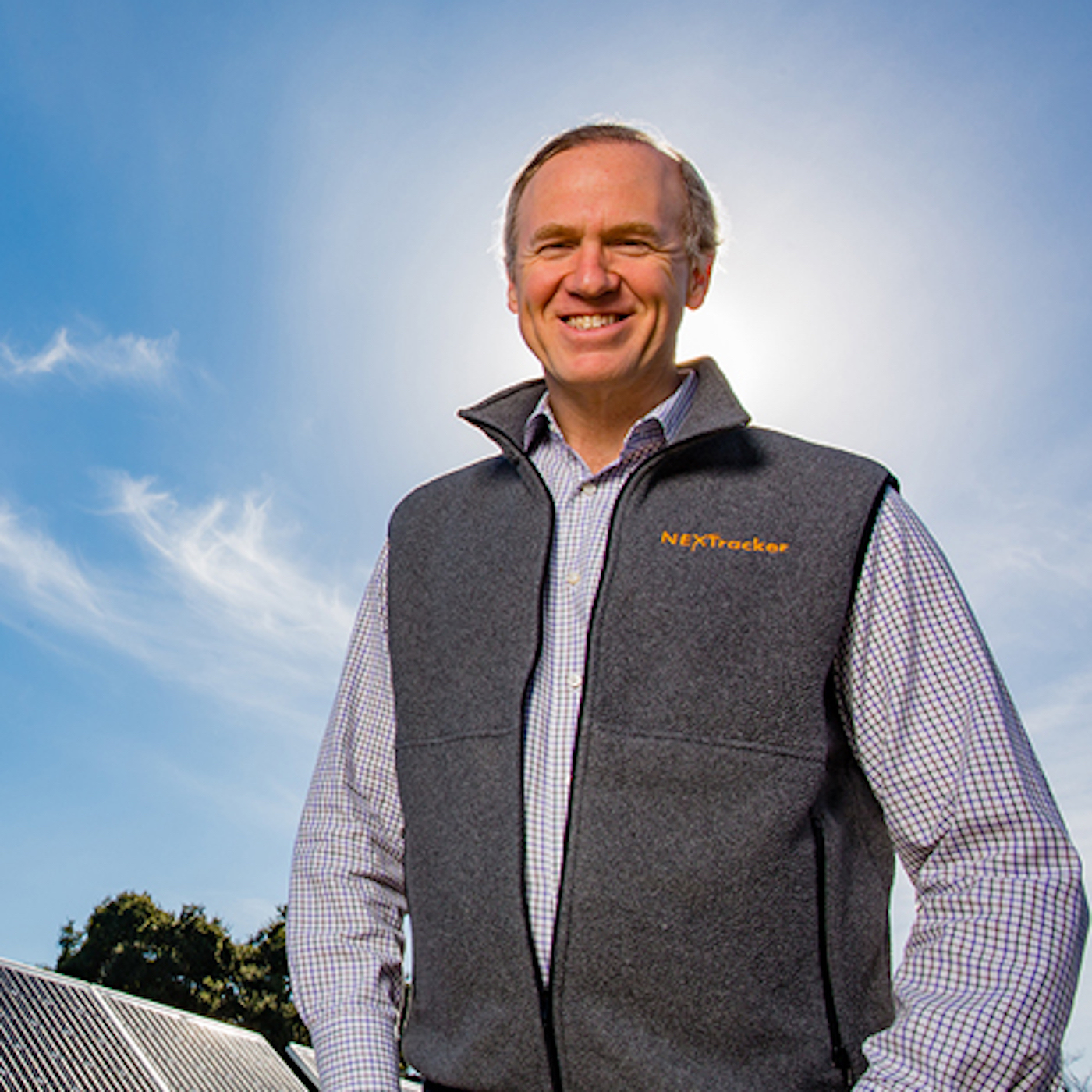
Dan Shugar lives, breathes and bleeds solar. "If you cut my wrist, pure silicon comes out," he exclaimed in an interview with Powerhouse CEO Emily Kirsch, as part of the Watt It Takes interview series. This week, Shugar steps behind the microphone to talk about turning his passion for PV into deals and acquisitions worth over $1 billion.Shugar has a storied career. Some call him the "King Midas" of solar, because he's turned so many ventures into gold. He's the former president of Powerlight, the pioneering developer acquired by SunPower in 2006. He's now CEO of the tracker company NEXTracker, which was sold to Flextronics for $330 million last year. In this edition of Watt It Takes, Shugar describes the moment he realized solar's potential while working for PG&E; how Powerlight was founded and funded; the risks he took when getting into solar; his passion for the environment; and why everyone is underestimating the growth of PV.This conversation was recorded live in Oakland, California at Powerhouse. In the next episode, GTM Co-Founder Scott Clavenna takes the stage.This podcast is sponsored by Schneider Electric. Want to protect yourself from escalating energy costs? Invest in a microgrid. Find out more: www.schneider-electric.us/microgridListen to earlier episodes of Watt It Takes:SunPower Founder Dick Swanson’s Guide to Launching a Cleantech StartupLessons From the Fall of SungevityLike our shows? Make sure to give The Interchange and The Energy Gang a rating and review on Apple podcasts. And make sure to subscribe to both shows on Apple podcasts, Google Play, Stitcher, or anywhere you get your podcasts.See Privacy Policy at https://art19.com/privacy and California Privacy Notice at https://art19.com/privacy#do-not-sell-my-info.
Collision Course: How Wind and Solar Are Disrupting Power Markets
We've spent a lot more time lately looking at the structure of U.S. power markets. Why? Because they're about to get shaken up.It's already begun. In this episode, we'll look at how renewables are upending wholesale power markets today -- and what we can do about it.We'll examine the issue from a few different angles.How the growth of renewables is depressing power prices: Wood Mackenzie's Prajit Gosh describes why low-price events are becoming more common in wholesale markets than high-price events. He'll also look at the impact on other generation sources.How prices are decreasing: MAKE Consulting's Dan Shreve talks about what's driving cost reductions in wind. And GTM's Shayle Kann will look at the "vicious cycle" of low prices, and how to manage the wholesale market transition in the U.S.This podcast is sponsored by Schneider Electric. Now, you can reap the benefits of a microgrid with no upfront capital through the new microgrid-as-a-service business model from Schneider Electric. Find out how it works.Recommended reading:GTM: The Rise of Renewables Creates Uncertainty in US Power MarketsGTM: Next-Generation Energy Technologies Are Constrained by Outdated Markets. Here’s How to Fix ThemSubscribe to The Interchange podcast via Apple Podcasts, Google Play, Stitcher or wherever you find your audio content.See Privacy Policy at https://art19.com/privacy and California Privacy Notice at https://art19.com/privacy#do-not-sell-my-info.
Watt It Takes: Sungevity CEO Andrew Birch
This week: a conversation with Andrew Birch, the co-founder and CEO of Sungevity.For those who’ve been following the wild ride in solar, you’re going to want to listen to this conversation.Sungevity was once one of the biggest residential solar installers in the U.S. – until it filed for bankruptcy protection at the beginning of the year. In this interview, Andrew Birch talks candidly about how Sungevity was founded, what killed an acquisition deal to save the installer, how market forces and the political landscape hurt the business, and where he thinks global solar trends are headed.This interview was conducted on-stage at Powerhouse, an incubator based in San Francisco. It’s part of the “Watt It Takes” series on how top cleantech entrepreneurs built their companies. The series is produced by Powerhouse, in partnership with Greentech Media.This podcast is sponsored by the New York Times ClimateTech conference, held in San Francisco on November 29 and 30. Engage with influential leaders from key industries and explore how innovation of all stripes can help solve one of the most pressing issues of our time. To apply and receive a 20% discount, visit www.nytclimatetech.com and use code GTM20.See Privacy Policy at https://art19.com/privacy and California Privacy Notice at https://art19.com/privacy#do-not-sell-my-info.
Halloween Special: You Should Fear a Cyber Attack on the Grid
Still looking for a scary costume for this Halloween? Here's a terrifying idea: Dress up like an "attack vector" or an "advanced persistent threat."This week's topic of conversation is a combination disaster movie and cat-and-mouse political thriller -- encompassing extreme weather, hacking and political espionage.We're talking security threats to the electric grid with Dr. Paul Stockton, an international security expert based in Washington, DC.Paul is the managing director for Sonecon, where he advises utilities and other operators of critical infrastructure on a wide range of security threats. Before that, he was Assistant Secretary of Homeland Defense and America’s Security Affairs, where he directed the agency’s response to Superstorm Sandy and the Deepwater Horizon oil spill. In this interview, Dr. Stockton describes the many different vulnerabilities along the electric grid. How are they evolving? What can we learn from them?Recommended reading:Paul Stockton analysis: How the Nation’s Electric Utilities Can Speed Recovery from Cyber-Induced BlackoutsGTM: Energy Sector Ups Cybersecurity Amid Growing IT ThreatsGTM e-book: How Superstorm Sandy changed America's GridSubscribe to The Interchange podcast via Apple Podcasts, Google Play, Stitcher or wherever you find your audio content.See Privacy Policy at https://art19.com/privacy and California Privacy Notice at https://art19.com/privacy#do-not-sell-my-info.
Blockchain for Energy, Part Deux: Real-World Use Cases
Two unproven startups just raised a combined $65 million to test out real-world use cases of blockchain in energy: Grid+ and Power Ledger.Blockchain for energy is starting to get traction, and there's actual money flowing into the space. So what do these companies actually do? In this episode, Shayle Kann talks with Scott Clavenna about the ideas, strategies and risks behind each of these startups. Then we talk about the heady world of ICOs -- initial coin offerings -- and why so much capital is flowing into this market all at once.This is an update to our previous conversation on blockchain and energy. Listen to that episode for a primer on blockchain.See Privacy Policy at https://art19.com/privacy and California Privacy Notice at https://art19.com/privacy#do-not-sell-my-info.
Watt It Takes: Dick Swanson, Founder of SunPower
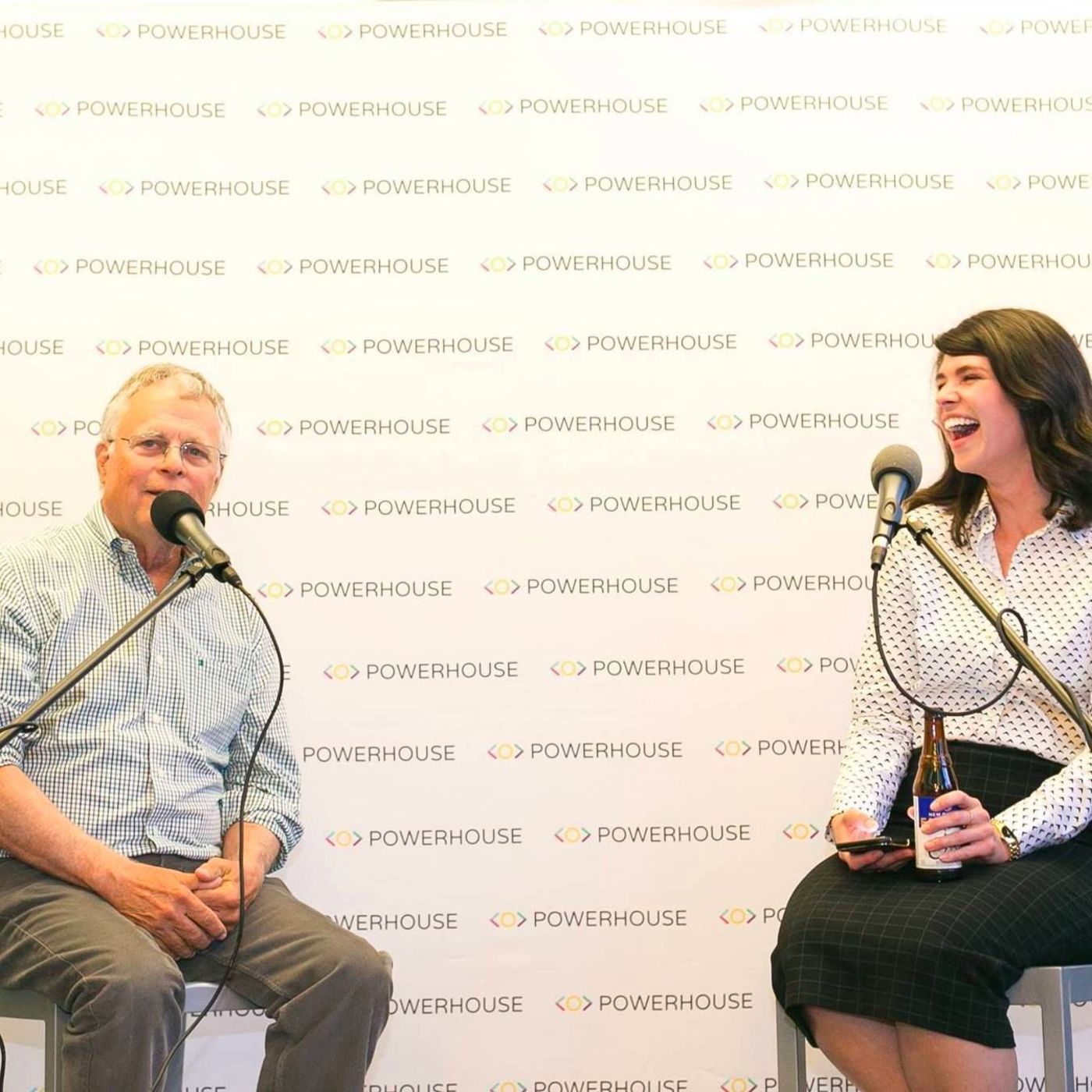
This week, we’re unveiling a new podcast collaboration between Greentech Media and Powerhouse, called "Watt it Takes." Watt It Takes is produced and recorded live at Powerhouse, a cleantech incubator and seed fund in Oakland, CA. Each month, a founder of a top clean energy company shares the personal story behind the company they’ve built. Our first episode features Dick Swanson, founder, and former CEO and CTO of SunPower, who talks about the wild ups and downs of building one of the largest solar companies in the world. The show begins with Shayle Kann, SVP at GTM, providing some market context. And then Powerhouse Founder and CEO Emily Kirsch leads the interview with Swanson. Want to meet these industry luminaries and watch a live recording? Get tickets for future events: wattittakesoct2017.splashthat.com. See Privacy Policy at https://art19.com/privacy and California Privacy Notice at https://art19.com/privacy#do-not-sell-my-info.

Rick Perry's Value-of-Coal Tariff
Thought that controversial grid resiliency report ordered by Energy Secretary Rick Perry was only an intellectual exercise? It didn't take long for the Department of Energy to put it into action -- in exactly the way that critics feared when the report was first announced. Last week, Perry asked federal energy regulators to consider new rules that would value coal and nuclear plants with 90 days of fuel on hand. In other words: find a way to help keep struggling baseload plants open by offering them a new financial incentive. Or, as a supposed free-market proponent like Perry might put it for any other technology, "pick winners and losers." After months of prebuttals from renewable-energy interest groups, the final DOE study was widely considered a straightforward account of power plant retirements on the U.S. grid. Travis Fisher, the project coordinator at the DOE, joined us on the podcast to talk through the process and his team's findings. While many cleantech enthusiasts disagreed with the lack of attention on distributed resources in the report, there was wide agreement that it was not a political document. That is, until Perry issued his letter to FERC last week. Now the politics are center stage. And it's going to get messy. In this week's Interchange podcast, Shayle Kann interviews Ari Peskoe, a senior fellow in electricity law at Harvard Law School. They'll talk about the specifics of Perry's "flimsy" request, and, more importantly, what it could mean for regulatory priorities under FERC. Has the government found a new way to keep coal alive? Or is this a half-baked attempt to prop up struggling plants? "This seems to be a total retreat from market-based principles," explains Peskoe in the podcast. See Privacy Policy at https://art19.com/privacy and California Privacy Notice at https://art19.com/privacy#do-not-sell-my-info.

The Utility-Startup Paradox
There’s a paradox in energy. While new technologies are accelerating faster than ever, the adoption of those technologies by incumbents remains slow. This presents a captivity problem for startups, particularly in electricity. They need incumbent utilities to reach customers and integrate new technologies at the grid edge –- but this reliance significantly slows progress, creates tension, and potentially destroys their chances of success. Will the situation ever change? Or is it just the reality that startups (and their investors) need to accept? And what about utilities? What is at the root of their hesitancy to quickly adopt new technologies? In this week’s show, we talk with GTM Senior Manager Nick Rinaldi about a new in-house survey that addresses all those questions. Read the survey: http://bit.ly/2wkooRU See Privacy Policy at https://art19.com/privacy and California Privacy Notice at https://art19.com/privacy#do-not-sell-my-info.

America's Solar Trade War Escalates
In the four decades since congress passed the 1974 Trade Act, there have been 75 cases when U.S. industries used the law to argue that imports caused them injury. The list of aggrieved industries is wide-ranging: footwear, CB radios, mushrooms, lamb meat, clothespins and steel. And now, solar. Over the years, the International Trade Commission has ruled in favor of petitioners roughly half the time. But according to a study from Georgetown Law, which analyzed the impacts of import penalties on lamb meat, line pipe and gluten, "none of the three industries were restored to sustained competitiveness" because of protectionist measures. Last Friday, the ITC determined that US solar manufacturers faced harm from imports. If penalties are imposed, will the result be any different? This week, we discuss the next steps in the solar industry's latest controversial trade case. Recommended reading: The Effects of Section 201 Safeguards on U.S. Industries: http://bit.ly/2wh5tHL 6 Ways to Encourage American Solar Manufacturing Without Import Duties: http://bit.ly/2yBZ9fp Foreign Solar Manufacturers Weigh Opening US Facilities as Tariff Decision Looms: http://bit.ly/2hhX97Z See Privacy Policy at https://art19.com/privacy and California Privacy Notice at https://art19.com/privacy#do-not-sell-my-info.
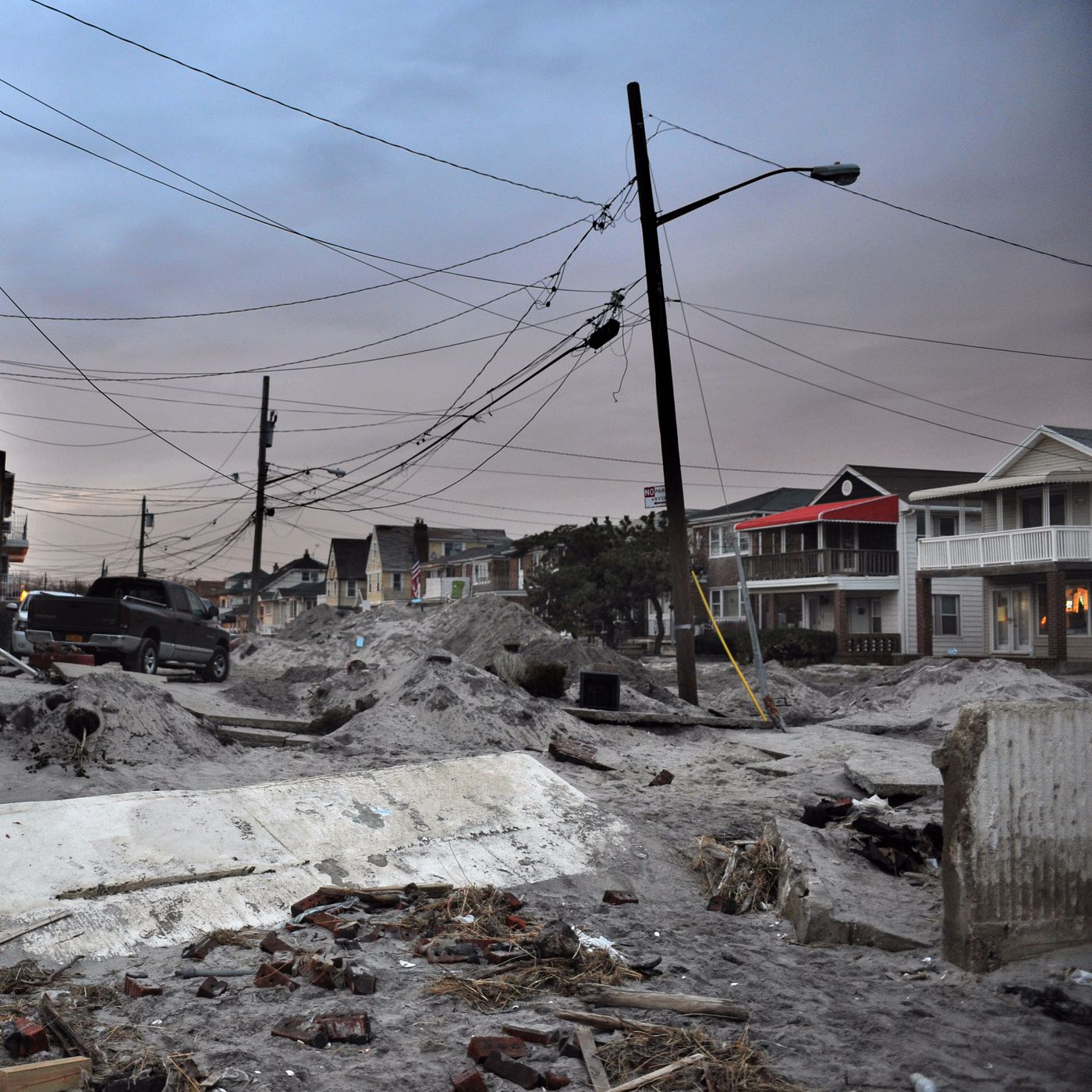
Microgrids, Hurricanes and Resiliency
We're having a bit of a moment for "resiliency" in the U.S. Hurricanes Harvey and Irma have forced a conversation about climate resiliency for coastal communities. Meanwhile, the Energy Department has made grid reliability and resiliency central to its mission. This brings us to an important resiliency tool: microgrids. Microgrids became a major part of resiliency plans in New York, New Jersey, Connecticut and Massachusetts after Hurricane Sandy in 2012. We’ll look at how that’s influencing the conversation today in the wake of Harvey and Irma. We'll also get a snapshot of how microgrids in Texas fared during the storm. This week, GTM Grid Analyst Colleen Metelitsa joins us to talk about microgrid applications, the limits of certain technologies, and where they fit into the resiliency picture. See Privacy Policy at https://art19.com/privacy and California Privacy Notice at https://art19.com/privacy#do-not-sell-my-info.

Policymakers Can't Keep Up With Battery and Solar Costs
It's difficult to keep up with cost and performance trends for technologies like batteries and solar PV. It's particularly hard for regulators and policymakers, who often rely on outdated analysis. The latest example comes from California, where the California Independent System Operator is using three-year-old data on battery and solar costs as it evaluates alternatives to a natural gas peaker plant. The cost of lithium-ion batteries and solar PV have come down precipitously since then. So why are regulators using such ancient data to make this crucial decision? This is not an isolated incident. In this episode, we talk about the questionable analysis behind the Puente natural gas plant in Southern California. We'll also discuss some other examples of faulty data being used for energy planning decisions. Finally, we'll speculate on some possible solutions to the chronic problem. Read Julian Spector's story on the faulty analysis: https://www.greentechmedia.com/articles/read/energy-storage-nrg-puente-gas-peaker-plant-cost See Privacy Policy at https://art19.com/privacy and California Privacy Notice at https://art19.com/privacy#do-not-sell-my-info.

Travis Fisher on DOE's Epic Grid Reliability Report
We are getting a clearer picture of the Energy Department's direction under Secretary Perry. In the four months after Perry requested special report on threats to baseload power plants, we saw an unprecedented number of prebuttals from groups worried that it would assist in President Trump's mission to revive the coal industry. We finally got the end result last week. While some environmental groups didn't like the report, it was a straightforward account of the factors changing the grid -- not a booster for coal, or any other technology. But there are still a lot of outstanding questions. Are emerging distributed resources discounted in the report? Where does climate change fit in? How does the report inform policy going forward? This week, we’ve got a wide-ranging interview with Travis Fisher, a senior advisor at the Department of Energy, who took the lead on the study. He talks to us about the process, critical reactions, key findings, and recommendations for market designs. Recommended reading: DOE staff report on electricity markets and reliability: http://bit.ly/2wlKV1v DOE's Grid Study Is a Rorschach Test for the Future of Electricity: http://bit.ly/2xubKA5 GTM Squared -- Getting Into the Weeds of DOE’s Grid Report: http://bit.ly/2wfTEUq See Privacy Policy at https://art19.com/privacy and California Privacy Notice at https://art19.com/privacy#do-not-sell-my-info.

From the Vault: Elon Musk and Grid Fan Fiction
What makes Elon Musk tick? What will the grid look like in 2030? This week, we (re)answer both of those questions. We're featuring a couple of our favorite podcast segments for your summer listening enjoyment. First up, a 2015 Energy Gang interview with Ashlee Vance, a Bloomberg reporter and author of the book, Elon Musk: Tesla, Space X and the Quest for a Fantastic Future. Vance gives us an intimate look at why Elon operates in such a unique way. It's been two years since the book was released, but it's still just as relevant. In our second interview, we dig into The Interchange vaults and serve up a conversation about what the grid may look like in 2030. It’s like a literary review of geeky grid fan fiction, written by Shayle Kann. Sign up for our live Energy Gang in New York City on September 19: This podcast is sponsored by Mission Solar Energy, a solar module manufacturer based in San Antonio, Texas. Visit Mission Solar at the upcoming Solar Power International conference at Booth 3975. You can find out more about Mission’s American-made, high-power modules at missionsolar.com. Recommended reading: Elon Musk: Tesla, Space X and the Quest for a Fantastic Future -- https://www.amazon.com/Ashlee-Vance/e/B003YLHAJG How the Grid Was Won: Three Scenarios for the Distributed Grid in 2030 -- https://www.greentechmedia.com/articles/read/how-the-grid-was-won See Privacy Policy at https://art19.com/privacy and California Privacy Notice at https://art19.com/privacy#do-not-sell-my-info.

Debating Google's Track Record in Energy
It’s been 10 years since Google shifted its attention from bits and bytes toward the world of therms and electrons. It started with a wide-ranging investment and R&D initiative, called RE See Privacy Policy at https://art19.com/privacy and California Privacy Notice at https://art19.com/privacy#do-not-sell-my-info.

Can We Make Nuclear Great Again?
That nuclear revival that many people hoped for? It’s not looking so good. The latest blow came last week, when two South Carolina utilities backed away from a half-completed nuclear project in the state, after already spending $9 billion. Nuclear is struggling, particularly in the U.S. In the second half of the show, we'll talk with Jessica Lovering, the director of energy at the Breakthrough Institute, about how to rethink nuclear. What can we learn from other industries in order to foster innovation, support advanced nuclear technologies, and push the industry to evolve faster? We'll start the show by turning our attention to natural gas -- an abundant resource coincidentally responsible for eroding the economics of nuclear in America. Our team of analysts has been evaluating the economics of batteries versus gas peaker plants in select markets. We'll give an update on how batteries are stacking up against gas. Recommended reading: What the Struggling Nuclear Industry Can Learn From Boeing, SpaceX and Big Pharma: https://www.greentechmedia.com/articles/read/struggling-nuclear-industry-breakthrough-institute-trump GE Digital Gas Plants vs. Utility-Scale Batteries: https://www.greentechmedia.com/articles/read/ge-digital-gas-plants-vs-utility-scale-batteries This podcast is brought to you by Wunder Capital, an award-winning investment platform that allows you to invest directly in solar projects and earn up to 8.5 percent annually. Create an account for free at WunderCapital.com/gtm. See Privacy Policy at https://art19.com/privacy and California Privacy Notice at https://art19.com/privacy#do-not-sell-my-info.

So You Want to Build a Cleantech Startup?
While venture capitalists swoon over startups devoted to making people click on ads and stare at their phones longer, they’re decidedly less interested in solving more difficult real-world problems -- like transforming the energy sector. Yes, we’ve been talking about this downward trend for years now. And there are still a number of venture firms actively pursuing opportunities in energy decarbonization and decentralization. But startups are realizing they can’t rely on venture capitalists like they used to. So where do they turn for support? This week, we feature a conversation with four execs from incubators around the country. We chat about the emergence of new funding sources, different business models for incubators and accelerators, and the importance of corporate partnerships. Joining the conversation: Emily Kirsch, the founder and CEO of Powerhouse, a software-focused incubator and accelerator in Oakland, California: https://powerhouse.solar/ Emily Reichert, CEO of Greentown Labs, a hardware-focused incubator in the country, based in Somerville, Massachusetts: https://www.greentownlabs.com/ Path Sapinsley, managing director of cleantech initiatives at the Urban Future Lab in Brooklyn, New York, which houses the ACRE incubator: http://ufl.nyc/ Beth Hartman, project manager at the IncubateEnergy Network at the Electric Power Research Institute in Boulder, Colorado: https://incubatenergy.org/ This podcast is brought to you by Wunder Capital, an award-winning investment platform that allows you to invest directly in solar projects and earn up to 8.5 percent annually. Create an account for free at WunderCapital.com/gtm. See Privacy Policy at https://art19.com/privacy and California Privacy Notice at https://art19.com/privacy#do-not-sell-my-info.

100% Renewables: A Dead End?
We’re back in familiar territory on the podcast this week. Once again, we are revisiting Mark Jacobson’s famous -- some might say infamous -- 100% renewable energy scenario. This week, we’re rounding out our previous conversation with Professor Jacobson by turning to Dr. Christopher Clack, the lead author of a critique of Jacobson’s modeling, which was published in the Proceedings of the National Academy of Sciences in June. Dr. Clack is the CEO of Vibrant Clean Energy, a grid modeling firm. His expertise is in mathematics, statistics and optimization. He formerly worked at the National Oceanic and Atmospheric Administration and at the Cooperative Institute for Research in Environmental Sciences at the University of Colorado Boulder. Dr. Clack is also the co-lead author of a 2016 paper in the journal Nature Climate Change looking at how the U.S. could slash carbon emissions by 80 percent. In this podcast, we talk about Clack's rebuttal, Jacobson’s rebuttal to Clack’s rebuttal, the meaning of the debate over 100 percent renewables, and the reason so many academics targeted Jacobson’s work. This podcast is brought to you by Wunder Capital, an award-winning investment platform that allows you to invest directly in solar projects and earn up to 8.5 percent annually. Create an account for free at WunderCapital.com/gtm. Read the critique of Jacobson's work: http://www.pnas.org/content/114/26/6722 See Privacy Policy at https://art19.com/privacy and California Privacy Notice at https://art19.com/privacy#do-not-sell-my-info.

Leaked Study Puts Energy Dept. in an Awkward Position
In April, Energy Secretary Rick Perry requested an analysis on whether renewable energy poses a threat to baseload power plants and the broader health of the grid. Last week, an early draft of that highly-anticipated report was leaked. It concluded that renewables are not destabilizing the power sector. The leaked version pointed to a natural gas glut, aging power plant fleets and flattening demand as the cause of baseload retirement -- not wind and solar. Now the question becomes: how will the final version change? And does it now put the department in an awkward position? We debate the ethics and consequences of the leak. In the second half of the show, we talk with Hervé Touati, managing director of the Rocky Mountain Institute, about the latest trends in corporate renewable energy purchasing. The federal government may have walked away from its climate commitments, but corporations are doing more than ever -- and we’ll look at how deals are getting more complex. Read the full text of the leaked study: fingfx.thomsonreuters.com/gfx/reuterscom/1/32/32/GRID%20Study.pdf This podcast is brought to you by Wunder Capital, an award-winning investment platform that allows you to invest directly in solar projects and earn up to 8.5% annually. Create an account for free at WunderCapital.com/gtm. See Privacy Policy at https://art19.com/privacy and California Privacy Notice at https://art19.com/privacy#do-not-sell-my-info.
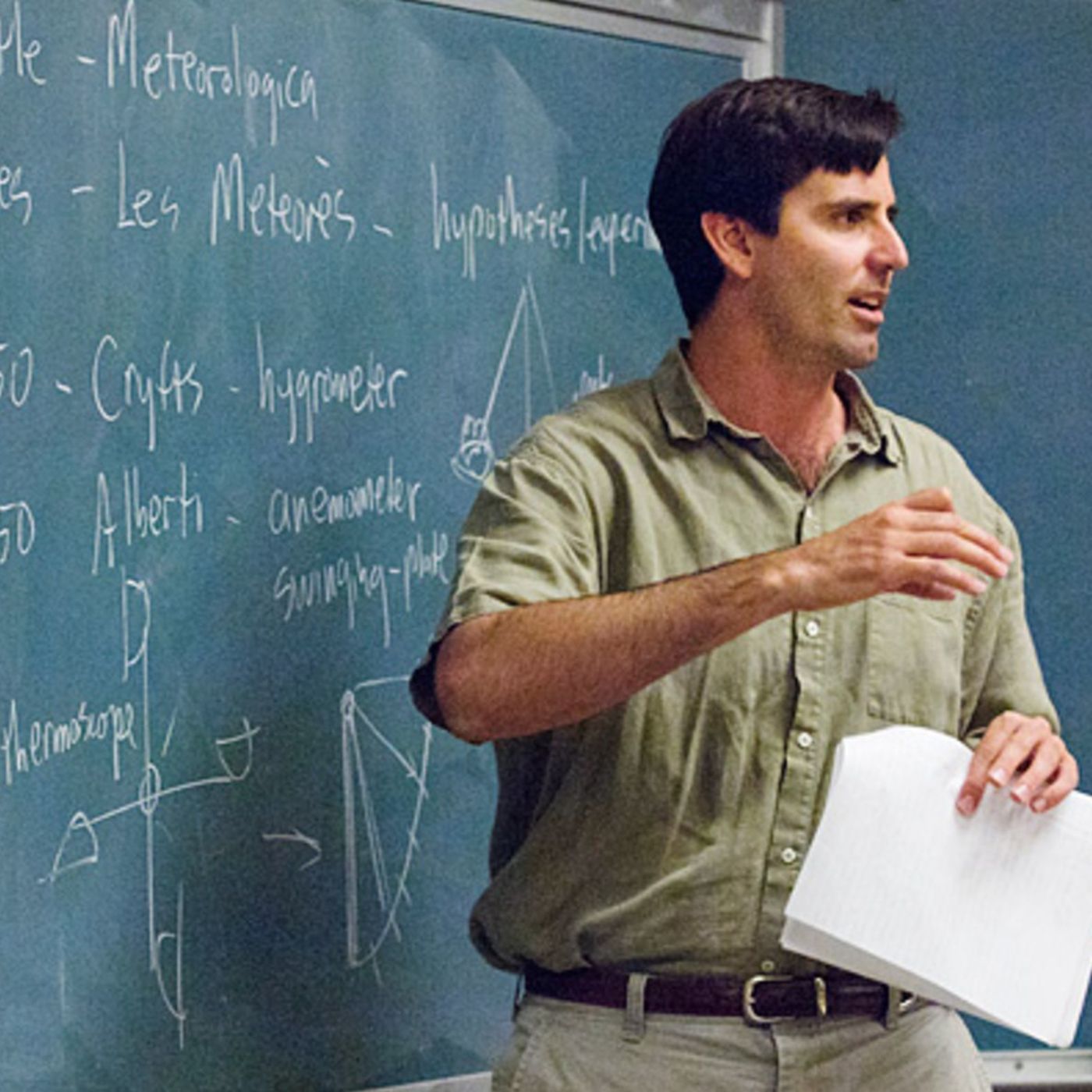
Mark Jacobson Responds to Skeptics of 100% Renewable Energy
Not long ago, energy nerds were pondering the feasibility of 20 percent renewables on the electric grid. We're long past that. Today, the conversation is centered around 100 percent renewables economy-wide -- thanks largely to a body of work developed by Stanford Professor Mark Jacobson and his colleagues. Since 2009, he's argued that 100 percent renewables is not only feasible, it's desirable. But as the stakes get higher, the debate gets more intense. Jacobson has picked up many high-profile supporters -- but he's also picked up a lot of critics, who believe his work is faulty and short-sighted. That criticism to a head last month when a group of researchers published a lengthy rebuttal to one of Jacobson's 100-percent renewable scenarios. The internet exploded with points and counter-points and counter-counter-points. In this episode, we talk with Jacobson himself. He responds directly to criticisms of the paper, sheds light on his modeling, and talks about the role of his work in setting energy policy. This podcast is brought to you by Wunder Capital, an award-winning investment platform that allows you to invest directly in solar projects and earn up to 8.5 percent annually. Create an account for free at WunderCapital.com/gtm. Jacobson's initial 2009 study: https://web.stanford.edu/group/efmh/jacobson/Articles/I/revsolglobwarmairpol.htm Jacobson's 2015 study: http://www.pnas.org/content/112/49/15060 The rebuttal from 21 researchers: http://www.pnas.org/content/114/26/6722.abstract See Privacy Policy at https://art19.com/privacy and California Privacy Notice at https://art19.com/privacy#do-not-sell-my-info.
A Guide to Blockchain and Energy
Over the last 18 months, blockchain has evolved from an obscure concept in cryptocurrency circles into a mainstream corporate tool for "disrupting” entire industries. If you don’t have a blockchain strategy, you are not innovating hard enough. People love throwing around the term. But wait, what is it again? And why is it relevant to energy? In this week's episode, we'll get some context from GTM CEO Scott Clavenna. We explore how it’s already being applied to utility operations and energy markets, and where the long-term potential lies. The conversation was recorded at GTM's Grid Edge World Forum. The Interchange is brought to you by AES Energy Storage. AES is helping utilities harness the power of battery-based energy storage to make the electric power system cleaner, more flexible and more reliable. Find out more: aesenergystorage.com/interchange See Privacy Policy at https://art19.com/privacy and California Privacy Notice at https://art19.com/privacy#do-not-sell-my-info.

The Changing Market Rules for Energy Storage
What happens when the most important market signal for energy storage gets stripped away virtually overnight? That’s what happened earlier this year when the regional transmission operator PJM put in place new rules for storage as a provider of frequency regulation. Between 2011 and 2015, hundreds of megawatts of storage were put in place to balance the grid in PJM territory. A strong market signal made development extremely easy, causing an explosion of growth. We’re in a different world today. New rules have lowered revenue for a 20-megawatt/5-megawatt-hour storage system from $623 in 2014 to $86 today, according to GTM Research's analysis. Storage developers are now looking to other markets and other types of grid services to make money. GTM Research Senior Storage Analyst Dan Finn-Foley has been tracking the regulation of frequency regulation in PJM and other markets. This week, we chatted about the impact on America's storage industry. We also looked to future revenue models in other regional markets. The Interchange is brought to you by AES Energy Storage. AES is helping utilities harness the power of battery-based energy storage to make the electric power system cleaner, more flexible, and more reliable. Find out more: http://bit.ly/2oxZ5dT Make sure to subscribe to The Interchange podcast via iTunes, SoundCloud or Stitcher, or integrate our RSS feed into the podcast app of your choice. See Privacy Policy at https://art19.com/privacy and California Privacy Notice at https://art19.com/privacy#do-not-sell-my-info.

Inside the Minds of Top Utility Executives
Utility executives poured into Boston from across the country this week for the Edison Electric Institute’s annual conference. They talked about everything from crazy national politics to rate design to artificial intelligence and the future of workers. We brought our recording gear and tracked down some top names in the industry. In this episode, we hear what's on the minds of utility executives. Here are some highlights from the interviews: Tom Fanning, CEO of Southern Company, on why decarbonization will continue under Trump: "We don't chase fads. Our business approach, our strategies, our models, have a much longer life than any political party or any particular administration." Pat Vincent-Collawn, PNM Resources CEO, on automation and the future of work: "We're not thinking about that enough yet." Julia Hamm, the CEO of SEPA, on how distributed energy is wrapped up in smart cities and artificial intelligence: "Utility executives are really starting to think about how does that suite of distributed energy resources fit into an even bigger picture." David Owens, retiring VP of regulatory affairs at EEI, on the new priorities for investor-owned utilities: We've gotten very aggressive in the industry's vision. And that vision is focused around cleaner energy, a smarter energy infrastructure, and providing customized or individualized solutions so we can respond to customer needs." And here's our reading list mentioned at the top of the show: R Street Institute report on why baseload retirements don't necessarily mean unreliability: bit.ly/2sA7uAH Rocky Mountain Institute piece on outdated notions of baseload power: bit.ly/2swyRdY Researchers debunk the premise of Rick Perry's baseload report in The Conversation: http://bit.ly/2rnBH1k GTM article summarizing a report on why ARPA-E is a success so far: http://bit.ly/2sGFevU Wall Street Journal article on oil giants shifting their focus to electricity: http://on.wsj.com/2tuE2bL The Interchange is brought to you by AES Energy Storage. AES is helping utilities harness the power of battery-based energy storage to make the electric power system cleaner, more flexible, and more reliable. Find out more: http://bit.ly/2oxZ5dT Make sure to subscribe to The Interchange podcast via iTunes, SoundCloud or Stitcher, or integrate our RSS feed into the podcast app of your choice. See Privacy Policy at https://art19.com/privacy and California Privacy Notice at https://art19.com/privacy#do-not-sell-my-info.

Journey to the Center of the Solar Industry
There are two stories playing out in solar today. One of them is decidedly negative. The other is extraordinarily positive. And they're both unfolding at the exact same time. In this week's podcast, we detail the different stories playing out in solar. We'll weave reflective conversation together with excerpts from Shayle's keynote address at last month's Solar Summit. In part one, the brutal year for many businesses: Public solar companies are getting thrashed; module oversupply is causing severe financial pain for manufacturers; and even downstream companies who’ve benefited from cheaper equipment and growing demand have struggled. What does this tell us about the state of in the industry? In part two, the macro trends: While the industry is in upheaval, the prospects could not be better for the technology. It’s one of the strange contradictions in solar. Where do we stand on the growth trajectory today? In part three, preparing for explosive growth: How do you manage the coming wave of solar with better market design and integration techniques? The Interchange is brought to you by AES Energy Storage. AES is helping utilities harness the power of battery-based energy storage to make the electric power system cleaner, more flexible, and more reliable. Find out more: bit.ly/2oxZ5dT See Privacy Policy at https://art19.com/privacy and California Privacy Notice at https://art19.com/privacy#do-not-sell-my-info.
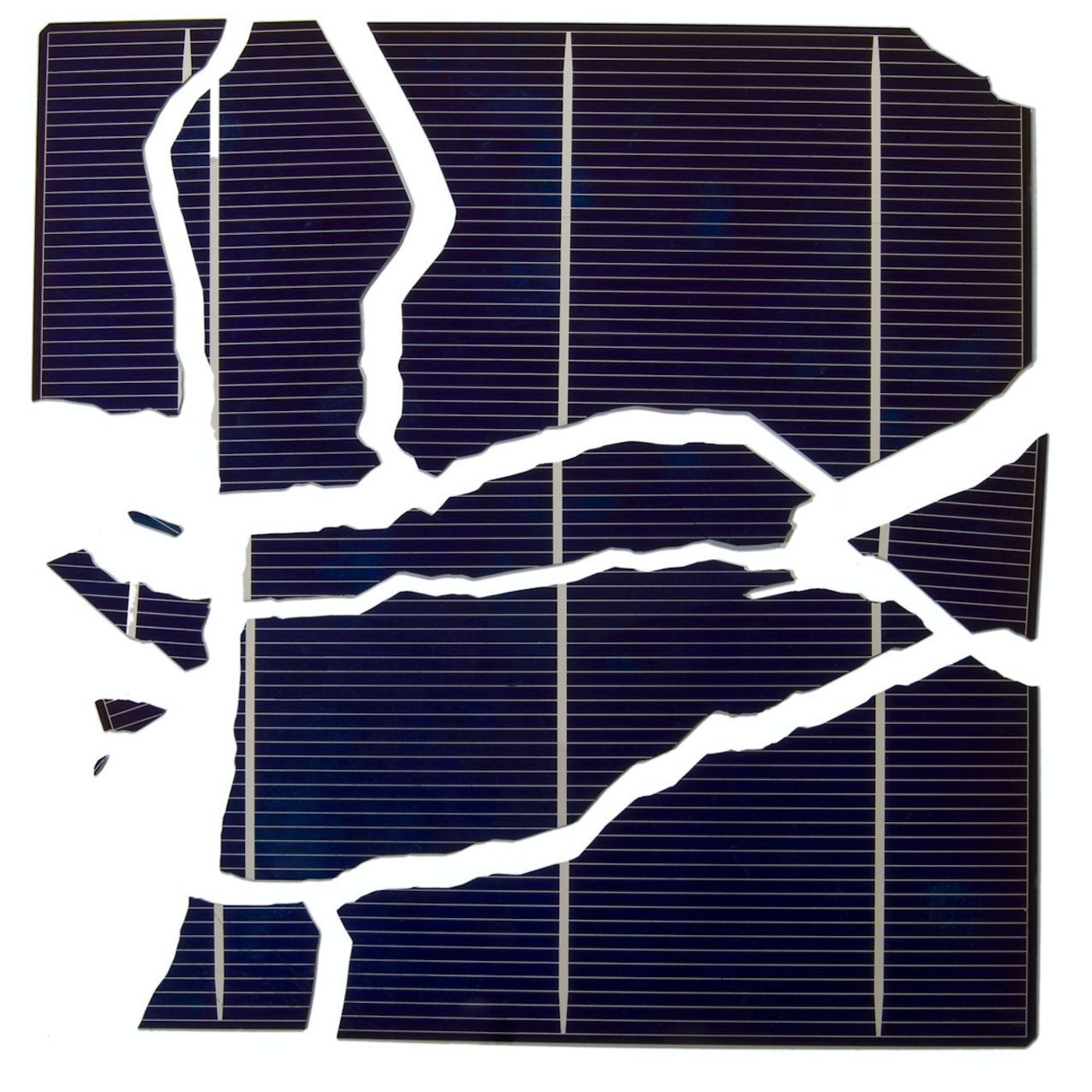
Suniva Trade Case: A Doomsday Scenario for US Solar?
Here we go again. America's solar industry is in the midst of yet another trade dispute. In late May, the U.S. government officially accepted Suniva's request to review the impact of imported cells and modules on domestic solar manufacturers. If trade officials request tariffs and minimum prices at the levels suggested by Suniva, it could set industry equipment pricing back to 2012 levels and installed system pricing at 2015 levels. A lot of planned utility-scale solar projects would be destroyed. And a number of states would be out of reach for residential installers. If the International Trade Commission agrees with Suniva's complaint, it will send recommendations to the president. And no one knows what Trump will do. In an industry already facing a slowdown in growth, high duties on imported solar equipment could be a disaster. But is it a doomsday scenario? In this week's podcast, we look at the potential consequences for solar businesses upstream and downstream. Thanks to our launch sponsor, AES Energy Storage. AES Energy Storage is helping utilities harness the power of battery-based energy storage to make the electric power system cleaner, more flexible, and more reliable. Find out more: bit.ly/2oxZ5dT See Privacy Policy at https://art19.com/privacy and California Privacy Notice at https://art19.com/privacy#do-not-sell-my-info.
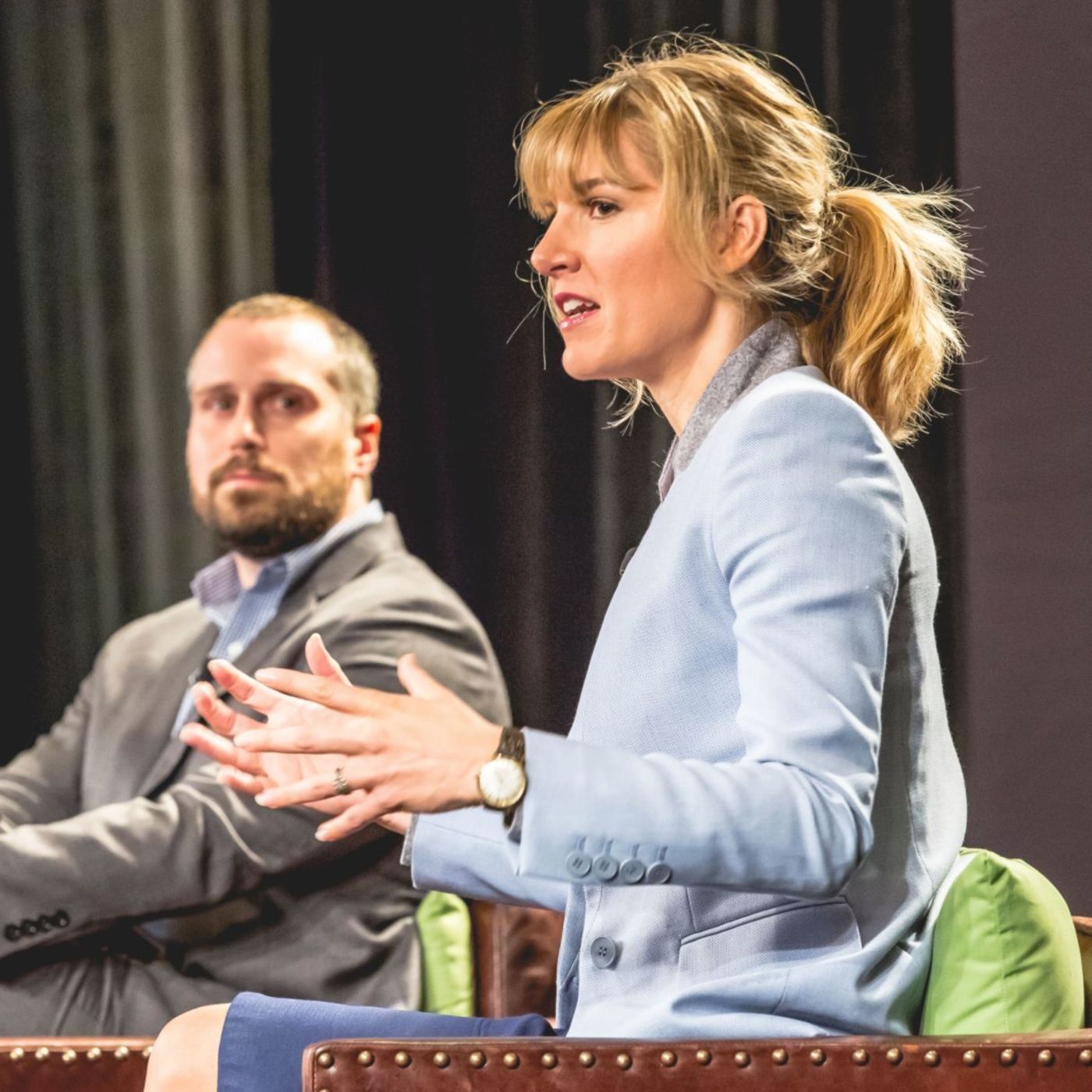
Sunrun CEO Lynn Jurich Imagines the Future of Solar
Sunrun is now the largest standalone solar company in the U.S. And as a public company, it faces increased scrutiny of its solar services model from investors who are skeptical about residential solar conditions. After reporting solid quarterly numbers for the end of 2016, the company is now dealing with accusations that it hid customer cancelation rates. Executives aren't commenting on an SEC investigation into canceled contracts, but analysts believe it's a distraction from the real metrics used to value Sunrun. The company also says it is a distraction, and that the allegations are false. On stage at the Solar Summit, we talked about some of the immediate challenges -- investor sentiment, customer acquisition costs, and streamlining installations -- that Sunrun is grappling with. (Squared subscribers can watch every single session.) After that session, we whisked Jurich into a back room for a podcast interview about Sunrun's long-term outlook. We asked about the role of solar as a grid resource, the company's growing storage deployments, its new partnerships with utilities, and the evolution of customer choice. It offers a glimpse into her leadership style as the CEO of one of America's top solar companies. "We often get stuck in the short term noise, we often miss this bigger, massive structural shift that's happening," she said. Thanks to our launch sponsor, AES Energy Storage. Find out more about the company's storage solutions for utilities: http://aesenergystorage.com/interchange See Privacy Policy at https://art19.com/privacy and California Privacy Notice at https://art19.com/privacy#do-not-sell-my-info.