
Instant Genius
681 episodes — Page 12 of 14

Anthony David: Why is there still such stigma around mental health?
Mental health has become a hot topic in recent years, with campaigns asking us to be kind on social media and to reach out to friends who are struggling. It seems now more than ever, we have a better understanding of what it means when someone is struggling with their mental health, but despite this, some people feel that the stigma surrounding it stops them from getting the help they need. Professor Anthony David is a neuropsychiatrist at University College London, whose book Into the Abyss (£14.99, Oneworld) tells the stories of patients he has treated and what their cases have taught him. He speaks to our editorial assistant Amy Barrett about why this stigma exists and whether it’s getting any better. Let us know what you think of the episode with a review or a comment wherever you listen to your podcasts. Subscribe to the Science Focus Podcast on these services: Acast, iTunes, Stitcher, RSS, Overcast Why you should subscribe to BBC Science Focus Listen to more episodes of the Science Focus Podcast: Sandro Galea: What is the difference between health and medicine? Camilla Pang: How can science guide my life? Jesse Bering: What can psychology tell us about suicide? Caroline Criado Perez: Does data discriminate against women? Adam Rutherford: Can science ever be rid of racism? Phillippa Diedrichs: Is body positivity the answer to body image issues? Hosted on Acast. See acast.com/privacy for more information. Learn more about your ad choices. Visit podcastchoices.com/adchoices

Luck, the paranormal and the Moon landings - Everything you ever wanted to know about…. illusions, magic and the paranormal
bonusOur guest Prof Richard Wiseman is a spectacularly creative scientist who started off his career as a magician before becoming a psychologist. Over the last few decades, Richard has studied the art of deception, parapsychology and the concept of good luck alongside many other aspects of the human mind. Richard has a hugely popular YouTube channel called Quirkology, with a mere 2.15m subscribers and has written a book called Shoot For The Moon (£20, Quercus), which takes a closer look at the psychology that achieved the Moon landings. Over two quickfire, 30-minute episodes, Richard tells BBC Science Focus magazine editor Daniel Bennett how to make himself luckier, whether magicians make the best psychologists and why the stories we tell ourselves matter. And if you enjoyed this episode and want to learn more, check out any of Richard’s books at richardwiseman.wordpress.com or follow him on Twitter @RichardWiseman. Hosted on Acast. See acast.com/privacy for more information. Learn more about your ad choices. Visit podcastchoices.com/adchoices
Christiana Figueres and Tom Rivett-Carnac: Has climate change determined our future?
Christiana Figueres is the former Executive Secretary of the UN Framework Convention on Climate Change, and it was her work that led to its members signing the 2015 Paris agreement. Together with Tom Rivett-Carnac, she created Global Optimism, an organization focused on bringing about environmental and social change. Their book, The Future We Choose (£12.99, Bonnier), reveals that we are on the precipice of two futures: one where net-zero emissions is achieved, and one where it is not, and this week they’re talking to our editorial assistant Amy Barrett about the Paris Climate Agreement, why we need to reduce carbon emissions, and how we all have a role to play in combating climate change. Read the edited interview –"We stand at the fulcrum between two worlds. It really is a question of choosing what future we wan"t Let us know what you think of the episode with a review or a comment wherever you listen to your podcasts. Subscribe to the Science Focus Podcast on these services: Acast, iTunes, Stitcher, RSS, Overcast Why you should subscribe to BBC Science Focus Listen to more episodes of the Science Focus Podcast: Toby Ord: What are the odds civilisation will survive the century? Mark Miodownik: Are biodegradable plastics really better than traditional plastic? Samantha Alger: What can we do to save the bees? Chris Lintott: Can members of the public do real science? John Higgs: Are Generation Z our only hope for the future? Andrew Blum: How accurately can we predict the weather? Hosted on Acast. See acast.com/privacy for more information. Learn more about your ad choices. Visit podcastchoices.com/adchoices

Illusions and Magic - Everything you ever wanted to know about... illusions, magic and the paranormal, episode 1
Our guest Prof Richard Wiseman is a spectacularly creative scientist who started off his career as a magician before becoming a psychologist. Over the last few decades, Richard has studied the art of deception, parapsychology and the concept of good luck alongside many other aspects of the human mind. Richard has a hugely popular YouTube channel called Quirkology, with a mere 2.15m subscribers and has written a book called Shoot For The Moon (£20, Quercus), which takes a closer look at the psychology that achieved the Moon landings. Over two quickfire, 30-minute episodes, Richard tells BBC Science Focus magazine editor Daniel Bennett how to make himself luckier, whether magicians make the best psychologists and why the stories we tell ourselves matter. And if you enjoyed this episode and want to learn more, check out any of Richard’s books at richardwiseman.wordpress.com or follow him on Twitter @RichardWiseman. Hosted on Acast. See acast.com/privacy for more information. Learn more about your ad choices. Visit podcastchoices.com/adchoices

Elisa Raffaella Ferrè: What happens to the brain in space?
Here on Earth, we take the force of gravity for granted. For years, researchers have neglected to study its influence because of this very reason, but with commercial spaceflight on the horizon, researchers are now racing to discover what living off-Earth might do to our bodies and our brains. In this week’s episode, we hear from psychologist Dr Elisa Raffaella Ferrè. She explains how her studies are revealing the impact of gravity on our cognition through her experiments in a zero-g environment aboard the so-called ‘Vomit Comet’– the aircraft used to train astronauts for the weightlessness in space. Read the edited interview - This is your brain on space: how gravity influences your mental abilities Let us know what you think of the episode with a review or a comment wherever you listen to your podcasts. Subscribe to the Science Focus Podcast on these services: Acast, iTunes, Stitcher, RSS, Overcast Why you should subscribe to BBC Science Focus Listen to more episodes of the Science Focus Podcast: Dr Erin Macdonald: Is there science in Star Trek? Kathryn D. Sullivan: What is it really like to walk in space? Dean Burnett: What’s going on in the teenage brain? Lisa Feldman Barrett: How emotions are made Bill Bryson: What should we know about how our bodies work? Richard Wiseman: The mindset behind the Moon landing Hosted on Acast. See acast.com/privacy for more information. Learn more about your ad choices. Visit podcastchoices.com/adchoices
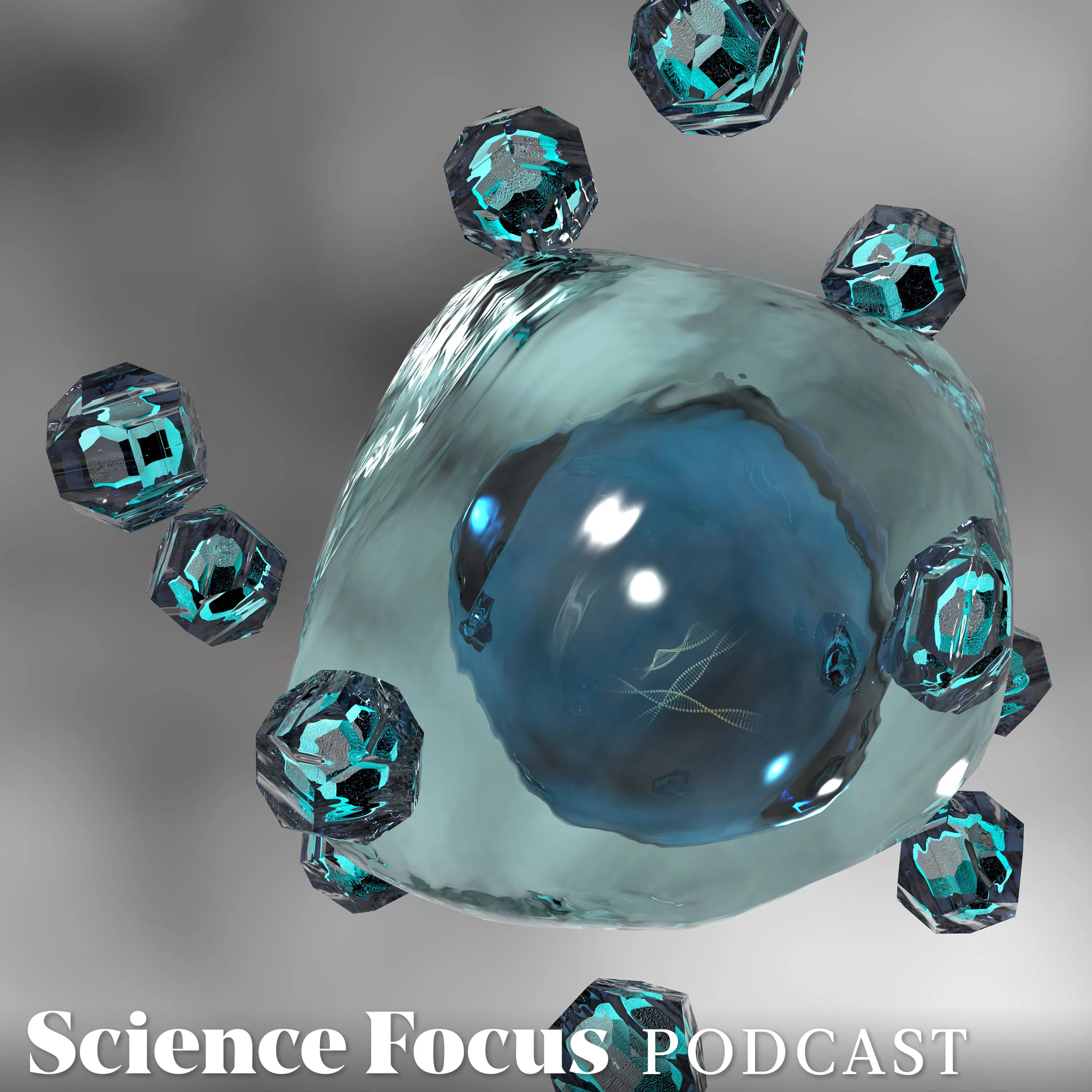
Sonia Contera: How will nanotechnology revolutionise medicine?
This week we talk to one of the world’s leading pioneers in the field of nanotechnology, Sonia Contera. Nanotechnology is the application of science at a truly nano scale. To put that in perspective, if a nanometre were the size of a cup of tea, a meter would cover the diameter of the whole Earth. Being able to control the world at such an intricate level has the potential to revolutionise medicine - enabling us to target cancer cells, deliver drugs and fight antibiotic resistance – but how do we create technology to that size? Sonia talks to our editorial assistant Amy Barret about how her work in nanotechnology began, building proteins unknown to nature, and why going nano is nothing like in the movies. Her book Nano Comes To Life (£22, Princeton University Press), is out now. Read the full transcription [this will open in a new window] Let us know what you think of the episode with a review or a comment wherever you listen to your podcasts. Subscribe to the Science Focus Podcast on these services: Acast, iTunes, Stitcher, RSS, Overcast Listen to more episodes of the Science Focus Podcast: Sandro Galea: What is the difference between health and medicine? Jim Al-Khalili: Why should we care about science and scientists? Gordon Wallace: Is an implantable electronic device the future of medicine? Professor Catharina Svanborg: Is the cure for cancer hiding in human breast milk? Nessa Carey: Is gene editing inspiring or terrifying? Dr Lucy Rogers: What makes a robot a robot? Hosted on Acast. See acast.com/privacy for more information. Learn more about your ad choices. Visit podcastchoices.com/adchoices

Neil Shubin: How do big changes in evolution happen?
The first time a fish crawled out of the water and onto land, it was a turning point that led to brand new kinds of life. But this couldn’t happen on its own: that fish would have needed both lungs and legs. Neil Shubin, evolutionary biologist and author of Some Assembly Required (£18.99, Oneworld), says that fish didn’t evolve these traits to help them live on land. In fact, the reason they could live on land was that they repurposed the body parts they had already. The same remarkable changes have happened all through evolutionary history, from the first vertebrate life to the first flying dinosaurs. He speaks to our Online assistant Sara Rigby. Read the full transcription [this will open in a new window] Let us know what you think of the episode with a review or a comment wherever you listen to your podcasts. Subscribe to the Science Focus Podcast on these services: Acast, iTunes, Stitcher, RSS, Overcast Listen to more episodes of the Science Focus Podcast: Ross Barnett: Why should we be interested in prehistoric animals that aren’t dinosaurs? Brian Switek: How did bones evolve? Steve Brusatte: The truth about dinosaurs Neil Gemmell: The genetic hunt for the Loch Ness Monster James Lovelock: What can the father of Gaia theory tell us about our future? Andrew Hunter Murray and Dan Schreiber: Is there really no such thing as a fish? Hosted on Acast. See acast.com/privacy for more information. Learn more about your ad choices. Visit podcastchoices.com/adchoices

Your questions – Everything You Wanted To Know About…Physics, episode six
bonusProf Jim Al-Khalili answers listeners’ questions about physics, the Universe and everything else. Hosted on Acast. See acast.com/privacy for more information. Learn more about your ad choices. Visit podcastchoices.com/adchoices

Mysteries in physics – Everything You Wanted To Know About…Physics, episode five
bonusProf Jim Al-Khalili reveals some of the biggest unsolved mysteries. We talk about the plausibility of time travel, whether there are multiple universes and what we need to discover a ‘theory of everything’. Hosted on Acast. See acast.com/privacy for more information. Learn more about your ad choices. Visit podcastchoices.com/adchoices

Energy – Everything You Wanted To Know About…Physics, episode four
bonusProf Jim Al-Khalili tackles thermodynamics – the study of energy. Together, we unravel the idea of entropy, talk about the direction of time and muse upon the inevitable heat death of the Universe. Hosted on Acast. See acast.com/privacy for more information. Learn more about your ad choices. Visit podcastchoices.com/adchoices

Quantum physics – Everything You Wanted To Know About…Physics, episode three
bonusProf Jim Al-Khalili demystifies the strange world of quantum physics. We discuss the key experiments, how quantum effects play out in the real world and, of course, Schrödinger's infamous cat. Hosted on Acast. See acast.com/privacy for more information. Learn more about your ad choices. Visit podcastchoices.com/adchoices

Space & Time – Everything You Wanted To Know About…Physics, episode two
bonusProf Jim Al-Khalili helps us get to grips with the big concepts in cosmology. We talk space time, relativity and, of course, the end of the Universe. Hosted on Acast. See acast.com/privacy for more information. Learn more about your ad choices. Visit podcastchoices.com/adchoices

The Fundamentals – Everything You Wanted to Know About…Physics, episode one
bonusProf Jim Al-Khalili breaks down the building blocks of the Universe and reveals what simplicity, beauty and elegance have to do with physics. Hosted on Acast. See acast.com/privacy for more information. Learn more about your ad choices. Visit podcastchoices.com/adchoices

Everything You Wanted To Know About Physics, with Prof Jim Al-Khalili
Let your curiosity run wild. No question is off-limits in this new podcast series from the team behind BBC Science Focus magazine. In Everything You Wanted To Know About… world-leading experts answer Google’s most searched for queries and tackle questions from our listeners. Hosted on Acast. See acast.com/privacy for more information. Learn more about your ad choices. Visit podcastchoices.com/adchoices

Sandro Galea: What is the difference between health and medicine?
This week we talk to the Sandro Galea, Dean of the school of public health at Boston University. His book, called Well: What We Need to Talk About When We Talk About Health (£18.99, OUP) takes a deep look at the differences between health and medicine, and looks at how everything from the environment, taxation, education and even luck plays a part in the overall health of a nation. Speaking before the coronavirus pandemic, he explains the surprising factors that influence public health, which countries are doing it well, and why he felt he had to write this book. Subscribe to the Science Focus Podcast on these services: Acast, iTunes, Stitcher, RSS, Overcast Read the full interview transcript [opens in a new window] Let us know what you think of the episode with a review or a comment wherever you listen to your podcasts. Listen to more episodes of the Science Focus Podcast: Anthony Warner: Are we really too fat? Aleks Krotoski: What happens to your data when you die? Marcel Danesi: Why do we want to believe lies? Jim Al-Khalili: Why should we care about science and scientists? Bill Bryson: What should we know about how our bodies work? Caroline Criado Perez: Does data discriminate against women? Hosted on Acast. See acast.com/privacy for more information. Learn more about your ad choices. Visit podcastchoices.com/adchoices

Toby Ord: What are the odds civilisation will survive the century?
This week we talk to the philosopher Toby Ord about the end of civilisation as we know it. Ok, it’s not all doom and gloom. As Toby says, he’s an optimistic person, but in his new book The Precipice (£25, Bloomsbury) he explains why we’re at a point in time where we, as a species, are teetering on the edge of extinction. We discuss how much potential us homo sapiens have, what’s putting our continued survival at risk, how civilisation as we know it could come to an end, and what are the odds we’ll see out the century. Let us know what you think of the episode with a review or a comment wherever you listen to your podcasts. Subscribe to the Science Focus Podcast on these services: Acast, iTunes, Stitcher, RSS, Overcast Listen to more episodes of the Science Focus Podcast: Michio Kaku: The future of humanity William Poundstone: Can we really predict when doomsday will happen? John Higgs: Are Generation Z our only hope for the future? Brad Lister: Are we facing an insect apocalypse? Randall Munroe: How do you find the worst solution to any problem? Sir David Attenborough: How can we save our planet? Hosted on Acast. See acast.com/privacy for more information. Learn more about your ad choices. Visit podcastchoices.com/adchoices

Anthony Warner: Are we really too fat?
In this week's Science Focus Podcast chef and author of the book The Truth About Fat: Why Obesity is Not that Simple (£9.99, Oneworld), Anthony Warner chews the fat about, well, fat. Pretty much all of us have been tempted at some point in our lives to shed some weight around our midriff, especially when we see our BMI creeping over 25, but what does this actually mean, and is it really a reliable measure of general health? He speaks to our editorial assistant Amy Barrett about why the body needs fat, what influences our body shape, and why there is so much stigma about being obese. Read the full transcription Let us know what you think of the episode with a review or a comment wherever you listen to your podcasts. Subscribe to the Science Focus Podcast on these services: Acast, iTunes, Stitcher, RSS, Overcast Listen to more episodes of the Science Focus Podcast: Samantha Alger: What can we do to save the bees? Randall Munroe: How do you find the worst solution to any problem? Bill Bryson: What should we know about how our bodies work? Phillippa Diedrichs: Is body positivity the answer to body image issues? Professor Catharina Svanborg: Is the cure for cancer hiding in human breast milk? Giles Yeo: Eating for your genes Hosted on Acast. See acast.com/privacy for more information. Learn more about your ad choices. Visit podcastchoices.com/adchoices

Camilla Pang: How can science guide my life?
Dr Camilla Pang is a bioinformatician, who was diagnosed with autism spectrum disorder when she was eight years old. Her first book, Explaining Humans (£14.99, Viking), is a guide to navigating life, love and relationships using the lessons she’s learned in her scientific career so far. In it she draws on examples from how the different proteins in the human body can reflect the different roles in a social group, to the way how light refracts through a prism helping her to break down fear into something manageable. In this episode of the Science Focus Podcast, she discusses her current work using disease and cancer data, along with machine learning methods, to find patterns that can be used in healthcare and lead to the development of therapies. She also explains how her neurodiversity has affected the way she works. If you have a burning science question you want an expert to answer, send them to us on twitter at @sciencefocus, and we may answer them in a future episode. Subscribe to the Science Focus Podcast on these services: Acast, iTunes, Stitcher, RSS, Overcast Let us know what you think of the episode with a review or a comment wherever you listen to your podcasts. Listen to more episodes of the Science Focus Podcast: Why AI is not the enemy – Jim Al-Khalili What we got wrong about pandas and teenagers Jim Davies: How do you use your imagination? Dean Burnett: What’s going on in the teenage brain? Dr Guy Leschziner: What is your brain doing while you sleep? Everything that's wrong with the human body – Nathan Lents Hosted on Acast. See acast.com/privacy for more information. Learn more about your ad choices. Visit podcastchoices.com/adchoices
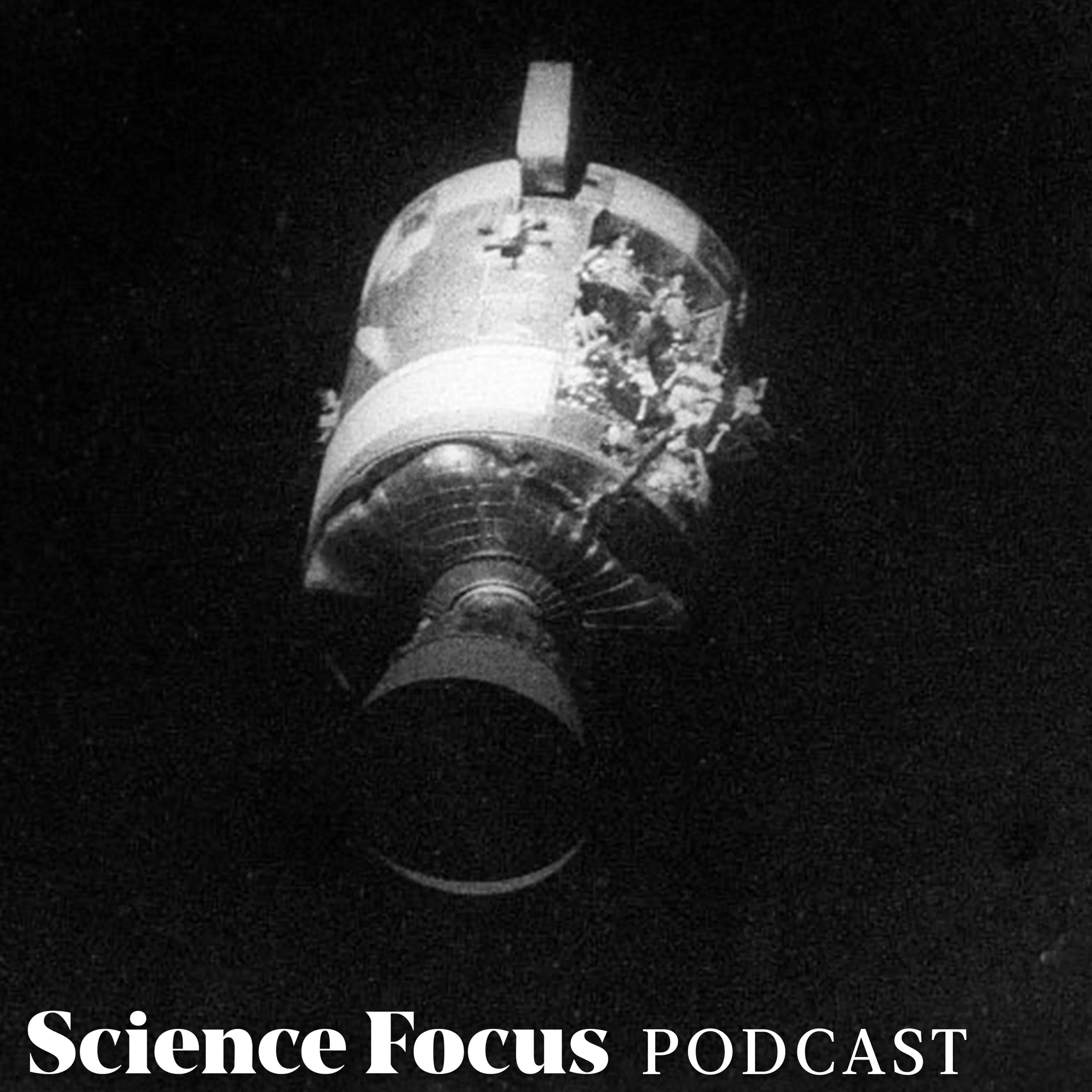
Kevin Fong: What happened to Apollo 13?
This week we catch up with Kevin Fong about the new series of his award-winning podcast 13 Minutes to the Moon. Whereas the first series celebrated the 50th anniversary of one of humanity’s greatest scientific achievements, the Moon landing, the new season follows what could have been one of our worst disasters – an explosion aboard the spacecraft Apollo 13. We discuss what happened on this ill-fated mission, how it impacted the astronauts and staff at Mission Control, and whether catastrophe at space could ever happen again. If you have a burning science question you want an expert to answer, send them to us on twitter at @sciencefocus, and we may answer them in a future episode. Subscribe to the Science Focus Podcast on these services: Acast, iTunes, Stitcher, RSS, Overcast Let us know what you think of the episode with a review or a comment wherever you listen to your podcasts. Listen to more episodes of the Science Focus Podcast: Kevin Fong: Why is the Moon landing still relevant 50 years on? Katherine Johnson: mathematician and NASA pioneer dies age 101 Dr Erin Macdonald: Is there science in Star Trek? Dr Becky Smethurst: How do you actually find a black hole? Mike Garrett: Is there anybody out there? Monica Grady: What is the future of space science? Richard Wiseman: The mindset behind the Moon landing Hosted on Acast. See acast.com/privacy for more information. Learn more about your ad choices. Visit podcastchoices.com/adchoices
Aleks Krotoski: What happens to your data when you die?
What happens to all your digital data once you die? We ask social psychologist, host of BBC Radio 4's Digital Human and BBC Science Focus columnist Aleks Krotoski about life after death, and she enlightens us on how much digital data is really out there, the value of virtual gravestones and why big data firms really don’t care if you’re alive or dead. If you have a burning science question you want an expert to answer, send them to us on twitter at @sciencefocus, and we may answer them in a future episode. Subscribe to the Science Focus Podcast on these services: Acast, iTunes, Stitcher, RSS, Overcast Let us know what you think of the episode with a review or a comment wherever you listen to your podcasts. Listen to more episodes of the Science Focus Podcast: Dr Kathryn Mannix: What it’s really like to die Robert Elliott Smith: Are algorithms inherently biased? Gretchen McCulloch: How has the internet affected how we communicate? Caroline Criado Perez: Does data discriminate against women? John Higgs: Are Generation Z our only hope for the future? Jesse Bering: What psychology can tell us about suicide Hosted on Acast. See acast.com/privacy for more information. Learn more about your ad choices. Visit podcastchoices.com/adchoices

Professor Fay Dowker: What is the problem of quantum gravity?
This week, we’re going on a search for the theory of everything. The two main theories of physics are at odds with one another. Einstein's general relativity explains gravity, but it contradicts quantum theory: how we understand matter, atoms and particles. Theoretical physicist at Imperial College London Professor Fay Dowker has been working on a solution to this quantum gravity problem, and tells us why the theories are incompatible, and how she plans to bring them together. If you have a burning science question you want an expert to answer, send them to us on twitter at @sciencefocus, and we may answer them in a future episode. Subscribe to the Science Focus Podcast on these services: Acast, iTunes, Stitcher, RSS, Overcast Let us know what you think of the episode with a review or a comment wherever you listen to your podcasts. Listen to more episodes of the Science Focus Podcast: Dr Erin Macdonald: Is there any science in Star Trek? Dr Becky Smethurst: How do you actually find a black hole? Kathryn D. Sullivan: What is it really like to walk in space? Hannah Fry: How much of our lives is secretly underpinned by maths? Robert Elliott Smith: Are algorithms inherently biased? Monica Grady: What is the future of space science? Hosted on Acast. See acast.com/privacy for more information. Learn more about your ad choices. Visit podcastchoices.com/adchoices

Jim Davies: How do you use your imagination?
Imagine, just for one moment, that you’re flying. What can you see? How high up are you? Can you feel the rush of wind in your face? Keep these thoughts in mind while you listen to this week's podcast. Your imagination is a strange old thing, with some people experiencing vivid senses while some struggle to picture anything at all. In this episode, we speak to Jim Davies, whose book, Imagination: The Science of Your Mind's Greatest Power (£21.99, Pegasus), sheds light on this mysterious function of the brain. As you can imagine, we go deep into the neuroscience of conjuring up mental images, but we also find out why your memory doesn’t need to be perfect, the joys of playing video games after a bad day, the benefits of imaginary friends, and, rather bizarrely, how to make a better door. If you have a burning science question you want an expert to answer, send them to us on twitter at @sciencefocus, and we may answer them in a future episode. Subscribe to the Science Focus Podcast on these services: Acast, iTunes, Stitcher, RSS, Overcast Let us know what you think of the episode with a review or a comment wherever you listen to your podcasts. Listen to more episodes of the Science Focus Podcast: Dean Burnett: What’s going on in the teenage brain? Gordon Wallace: Is an implantable electronic device the future of medicine? Dr Guy Leschziner: What is your brain doing while you sleep? Gustav Kuhn: Do you believe in magic? Helen Russell: What does it mean to be happy? Richard Wiseman: The mindset behind the Moon landing Hosted on Acast. See acast.com/privacy for more information. Learn more about your ad choices. Visit podcastchoices.com/adchoices

Mark Miodownik: Are biodegradable plastics really better than traditional plastic?
You’ve probably bought something from a corner shop and taken it home in a plastic bag that says it’s biodegradable, or eaten takeaway food with a compostable fork. But when you’re done with your bag or your fork, what do you do with them? Can you put them in your food waste bin, your compost heap, or even the recycling bin? To find out, we spoke to materials scientist Professor Mark Miodownik. Mark is leading the Big Compost Experiment, a nationwide citizen science experiment to explore whether home-compostable plastics really do compost in your garden. If you sent us a question for Mark, listen out for his answer towards the end of the episode. If you have a burning science question you want an expert to answer, send them to us on twitter at @sciencefocus, and we may answer them in a future episode. Subscribe to the Science Focus Podcast on these services: Acast, iTunes, Stitcher, RSS, Overcast Let us know what you think of the episode with a review or a comment wherever you listen to your podcasts. Listen to more episodes of the Science Focus Podcast: Solving the plastic problem – Mark Miodownik How can we save our planet? – Sir David Attenborough Chris Lintott: Can members of the public do real science? Dr Erin Macdonald: Is there any science in Star Trek? John Higgs: Are Generation Z our only hope for the future? Mark Lynas: Could leaving nature to its own devices be the key to meeting the UK’s climate goals? Hosted on Acast. See acast.com/privacy for more information. Learn more about your ad choices. Visit podcastchoices.com/adchoices

Dr Erin Macdonald: Is there any science in Star Trek?
This week we’re boldly going where no Science Focus Podcast has gone before. Dr Erin Macdonald is the new science consultant for the Star Trek franchise. With the release of Star Trek: Picard on Amazon Prime, she takes us through the science of both the new and classic series. She tells our production assistant and resident Trekkie Holly Spanner about supernovae, what a science consultant really does, and whether warp drive is possible. Subscribe to the Science Focus Podcast on these services: Acast, iTunes, Stitcher, RSS, Overcast Let us know what you think of the episode with a review or a comment wherever you listen to your podcasts. Listen to more episodes of the Science Focus Podcast: What if the Earth’s magnetic field died? – Jim Al-Khalili Building a base on the Moon, and crafting believable sci-fi – Andy Weir Dr Becky Smethurst: How do you actually find a black hole? Kathryn D. Sullivan: What is it really like to walk in space? Mark McCaughrean: How do you launch a successful space mission? Colin Stuart: The most mysterious objects in the Universe Hosted on Acast. See acast.com/privacy for more information. Learn more about your ad choices. Visit podcastchoices.com/adchoices

Adam Rutherford: Can science ever be rid of racism?
Adam Rutherford is a geneticist at the University College London, which has one of the most prestigious population, genetics and evolution departments in the world. However, the university was also the home of ideas such as eugenics and race science. Times have changed, and although our current understanding of genetics and biology should have consigned them to history, these insidious ideas are making their way back into the mainstream. In his new book, How to Argue with a Racist (£12.99, Weidenfeld & Nicolson), Adam wants to show his readers that what we understand as race doesn’t really hold up with the genomic data, why professional sport is not a particularly good data set for studying race, and whether we can ever truly remove racism from science. He speaks to our editorial assistant Amy Barrett. Subscribe to the Science Focus Podcast on these services: Acast, iTunes, Stitcher, RSS, Overcast Let us know what you think of the episode with a review or a comment wherever you listen to your podcasts. Listen to more episodes of the Science Focus Podcast: Marcel Danesi: Why do we want to believe lies? Gaia Vince: What part does culture play in our evolution? Robert Elliott Smith: Are algorithms inherently biased? Caroline Criado Perez: Does data discriminate against women? Angela Saini: Is racism creeping into science? John Higgs: Are Generation Z our only hope for the future? Hosted on Acast. See acast.com/privacy for more information. Learn more about your ad choices. Visit podcastchoices.com/adchoices
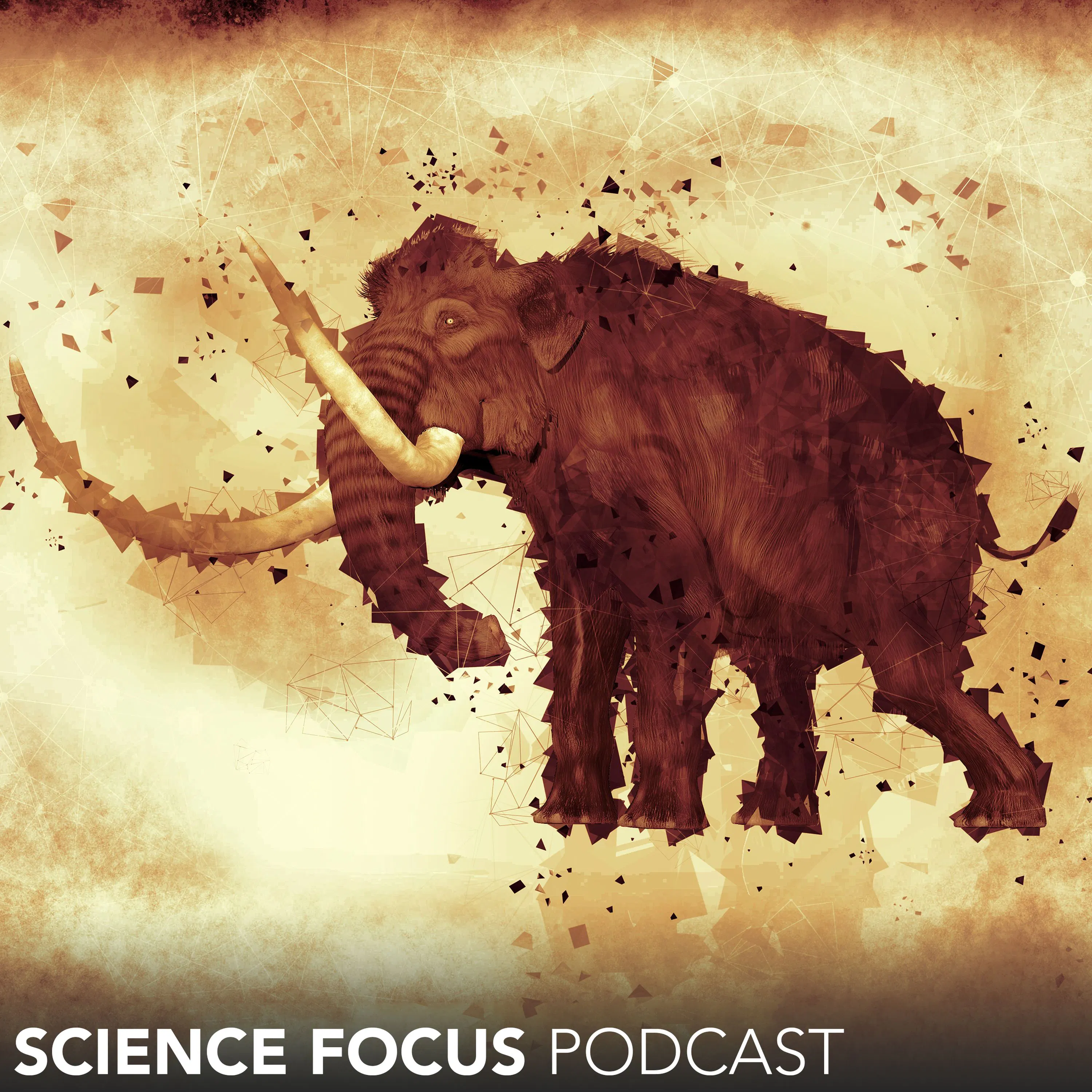
Ross Barnett: Why should we be interested in prehistoric animals that aren’t dinosaurs?
In this week's episode of the Science Focus Podcast we’re investigating long-extinct animals. No, not dinosaurs, they get plenty enough coverage already. Instead, we’re going to look at creatures that lived in the Pleistocene era, a period of time that covered the last known ice age. During this period enormous creatures roamed the Earth, with some surprising animals making what we now know as the British Isles their home. What makes these often-enormous animals so interesting is that they lived side-by-side humans and other early human species, which means we have more than just fossilised bone fragments to learn from - we have cave art, sculpture, tools and even cooking utensils that we can use to build our understanding. Ross Barnett is a palaeontologist, whose recent book The Missing Lynx: The Past and Future of Britain's Lost Mammals (£16.99, Bloomsbury Wildlife) explores the story of Britain’s lost megafauna. He speaks to our online assistant Sara Rigby about Britain’s biggest beasts, humans’ role in their extinction, and what they can teach us about the future of conservation. Subscribe to the Science Focus Podcast on these services: Acast, iTunes, Stitcher, RSS, Overcast Let us know what you think of the episode with a review or a comment wherever you listen to your podcasts. Listen to more episodes of the Science Focus Podcast: Samantha Alger: What can we do to save the bees? Brian Switek: How did bones evolve? Mark Lynas: Could leaving nature to its own devices be the key to meeting the UK’s climate goals? Brad Lister: Are we facing an insect apocalypse? Steve Brusatte: The truth about dinosaurs Neil Gemmell: The genetic hunt for the Loch Ness Monster Hosted on Acast. See acast.com/privacy for more information. Learn more about your ad choices. Visit podcastchoices.com/adchoices

Samantha Alger: What can we do to save the bees?
We all appreciate the buzz of the humble bee in the garden, however, not a summer goes past without hearing news that our bee population is under threat, with the finger usually pointing at habitat loss or chemicals containing neonicotinoids. But in reality, there are a whole host of reasons why our vital bee population is in decline. And given they provide pollination services for every one in three bites of the food we eat, their survival is critical to our very way of life. In this episode of the Science Focus Podcast, University of Vermont environmental scientist and pollination specialist Samantha Alger talks about her work uncovering the secret life of bees, what is causing the decline in bee numbers, and what we can do so save them. Subscribe to the Science Focus Podcast on these services: Acast, iTunes, Stitcher, RSS, Overcast Let us know what you think of the episode with a review or a comment wherever you listen to your podcasts. Listen to more episodes of the Science Focus Podcast: Mark Lynas: Could leaving nature to its own devices be the key to meeting the UK’s climate goals? Andrew Hunter Murray and Dan Schreiber: Is there really no such thing as a fish? Brad Lister: Are we facing an insect apocalypse? Nick Lyon: Filming a Dynasty Neil Gemmell: The genetic hunt for the Loch Ness Monster Steve Brusatte: The truth about dinosaurs Hosted on Acast. See acast.com/privacy for more information. Learn more about your ad choices. Visit podcastchoices.com/adchoices

Marcel Danesi: Why do we want to believe lies?
We all love a good story, and sometimes a lie is more interesting to hear than the truth, but there is more to it than spinning a good yarn. According to Marcel Danesi, linguist and author of the book The Art of the Lie (£11.95, Prometheus Books), throughout history certain ‘Liar Princes’ have perfected the art of lying to gain fame, fortune and notoriety. In this week’s podcast, he explains what makes them so effective at this so-called ‘Machiavellian intelligence’, what happens in the brain when we twist the truth, and why we’re all liars in one way or another. Subscribe to the Science Focus Podcast on these services: Acast, iTunes, Stitcher, RSS, Overcast Let us know what you think of the episode with a review or a comment wherever you listen to your podcasts. Listen to more episodes of the Science Focus Podcast: Dean Burnett: What’s going on in the teenage brain? Gretchen McCulloch: How has the internet affected how we communicate? Lewis Dartnell: How geology can influence elections Jamie Susskind: How technology is changing politics Jack Lewis: Sin and why we do the things we shouldn't Trevor Cox: To become Prime Minister, change your voice Hosted on Acast. See acast.com/privacy for more information. Learn more about your ad choices. Visit podcastchoices.com/adchoices
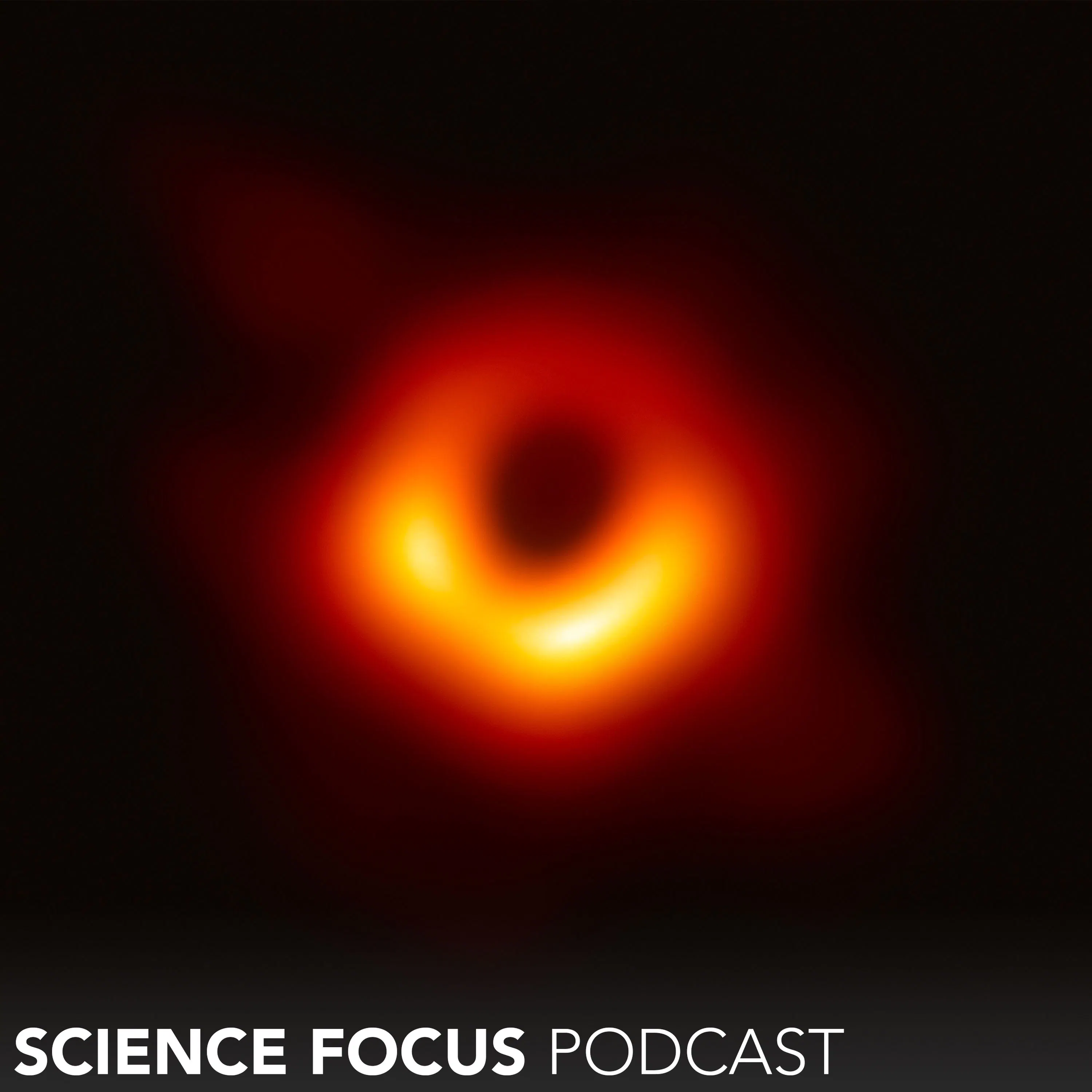
Dr Becky Smethurst: How do you actually find a black hole?
By day Dr Becky, is an astrophysicist, unravelling the mysteries of supermassive black holes, but by night entertains science buffs like us on her YouTube channel. In this week's episode of the Science Focus Podcast she explains how to find a black hole (and why they’re actually incredibly bright), what an astrophysicist does all day, and why flooding YouTube with scientists is the best way to counteract disinformation and bogus theories. Her book Space: 10 Things You Should Know (£9.99, Orion), is out now and you can read an extract from it here. Subscribe to the Science Focus Podcast on these services: Acast, iTunes, Stitcher, RSS, Overcast Let us know what you think of the episode with a review or a comment wherever you listen to your podcasts. Listen to more episodes of the Science Focus Podcast: Kathryn D. Sullivan: What is it really like to walk in space? Monica Grady: What is the future of space science? Mark McCaughrean: How do you launch a successful space mission? Kevin Fong: Why is the Moon landing still relevant 50 years on? Bruce Banerdt: What NASA's InSight will tell us about Mars Natalie Starkey" What asteroids can tell us about our Solar System Hosted on Acast. See acast.com/privacy for more information. Learn more about your ad choices. Visit podcastchoices.com/adchoices

Hannah Fry: How much of our lives is secretly underpinned by maths?
Hopefully by now the last crumbs of mince pie will be wiped clean and Grandad has woken up from his Christmas day nap. If you’re anything like us, that period between Christmas and New Year means only one thing – lazing in front of the TV and watching the Royal Institution Christmas Lectures. This institution has been sharing the wonders of science and entertaining children and adults alike for generations, and this year’s host hopes this year will be no different. Our editorial assistant Amy Barret sat down with Hannah Fry, only the fourth mathematician to deliver one of the lectures, who’ll be showing the audience how maths secretly underpins much of the world around us in her lecture series called Secrets and Lies, broadcast on BBC Four on 26-28 December at 20:00. Subscribe to the Science Focus Podcast on these services: Acast, iTunes, Stitcher, RSS, Overcast Let us know what you think of the episode with a review or a comment wherever you listen to your podcasts. Listen to more episodes of the Science Focus Podcast: Aoife McLysaght: What makes me 'me'? Adam Kay: Is Christmas really the most wonderful time of the year on labour ward? Chris Lintott: Can members of the public do real science? Jim Al-Khalili: Why should we care about science and scientists? Robert Elliott Smith: Are algorithms inherently biased? Hannah Fry: What's the deal with algorithms? Hosted on Acast. See acast.com/privacy for more information. Learn more about your ad choices. Visit podcastchoices.com/adchoices

Adam Kay: Is Christmas really the most wonderful time of the year on labour ward?
If you’re stuffing your face with mince pies this Christmas Day, spare a thought for the hundreds of thousands of people working in the NHS providing vital medical support over the festive period. One person who has seen his fair share of Christmas shifts is comedian and writer Adam Kay, who in a previous life worked as a junior doctor. His new book, Twas the Nightshift before Christmas (£9.99, Harper Collins), is at times, a graphically intimate diary of what happens on a labour ward over the holidays. Our editorial assistant Amy Barrett spoke to Adam over the phone about whether Christmas is more dangerous than other seasons, some of the issues facing healthcare at this time of the year, and life after medicine. Subscribe to the Science Focus Podcast on these services: Acast, iTunes, Stitcher, RSS, Overcast Let us know what you think of the episode with a review or a comment wherever you listen to your podcasts. Listen to more episodes of the Science Focus Podcast: Dean Burnett: What’s going on in the teenage brain? Sarah Harper: What does a world with an ageing population look like? Andrew Hunter Murray and Dan Schreiber: Is there really no such thing as a fish? Matt Parker: What happens when maths goes horribly, horribly wrong? Robin Ince: Inside the mind of a comedian Dara Ó Briain: Finding the fun in science Hosted on Acast. See acast.com/privacy for more information. Learn more about your ad choices. Visit podcastchoices.com/adchoices

Kathryn D Sullivan: What is it really like to walk in space?
Kathryn D Sullivan made history on 11 October 1984 when she became the first American woman to make an Extravehicular Activity, something most of us will know as a space walk, and in this episode of the Science Focus Podcast, she explains how maybe ‘walk’ isn’t the most appropriate way of describing it. She also reveals the importance of planning over plans, the influence of the Hubble Space Telescope, and whether this year’s news story about spacesuits for women was really as problematic as the headlines suggested. Let us know what you think with a review or a rating wherever you listen to your podcasts. Subscribe to the Science Focus Podcast on these services: Acast, iTunes, Stitcher, RSS, Overcast Listen to more episodes of the Science Focus Podcast: Mark McCaughrean: How do you launch a successful space mission? Monica Grady: What is the future of space science? Why is the Moon landing still relevant 50 years on? – Kevin Fong The most mysterious objects in the Universe – Colin Stuart Gaia Vince: What part does culture play in our evolution? Chris Lintott: Can members of the public do real science? Hosted on Acast. See acast.com/privacy for more information. Learn more about your ad choices. Visit podcastchoices.com/adchoices

Brian Switek: How did bones evolve?
Brian Switek, the pen name of science writer and fossil fanatic Riley Black. This year she released a book called The Secret Life of Bones: Their Origins, Evolution and Fate (£9.99, Duckworth), which as well as explaining how and why we evolved bones, explains the relationship us humans have with these sturdy struts of osseous tissue. In this week's episode of the Science Focus Podcast, she helpfully explains what a bone is and how they turn into fossils, as well as how they revealed Richard III’s diet, were historically used to justify scientific racism, and why Hollywood is getting aliens all wrong. Let us know what you think with a review or a rating wherever you listen to your podcasts. Subscribe to the Science Focus Podcast on these services: Acast, iTunes, Stitcher, RSS, Overcast Listen to more episodes of the Science Focus Podcast: Bill Bryson: What should we know about how our bodies work? Gaia Vince: What part does culture play in our evolution? Angela Saini: Is racism creeping into science? Neil Gemmell: The genetic hunt for the Loch Ness Monster Nathan Lents: Everything that's wrong with the human body Steve Brusatte: The truth about dinosaurs Hosted on Acast. See acast.com/privacy for more information. Learn more about your ad choices. Visit podcastchoices.com/adchoices

Chris Lintott: Can members of the public do real science?
We’re living in the age of big data. Scientists can collect and store more information than ever before. So how can they manage it all? That’s where citizen science comes in. Members of the public can log in to the Zooniverse, the world’s largest citizen science platform, and do the hard work of sorting through the data. Whether that’s searching for alien planets or spotting penguins, the project’s co-founder Chris Lintott says that the public aren’t just helping out, but doing real science. In his new book, The Crowd and the Cosmos: Adventures in the Zooniverse (£20, OUP), Chris explains how, in just a few minutes in your lunch break, you can contribute to fields from astronomy to zoology. He speaks to BBC Science Focus online assistant Sara Rigby. Subscribe to the Science Focus Podcast on these services: Acast, iTunes, Stitcher, RSS, Overcast Let us know what you think of the episode with a review or a comment wherever you listen to your podcasts. Listen to more episodes of the Science Focus Podcast: Jim Al-Khalili: Why should we care about science and scientists? Randall Munroe: How do you find the worst solution to any problem? Dr Tilly Blyth: How has art influenced science? Does data discriminate against women? – Caroline Criado Perez How can we save our planet? – Sir David Attenborough Monica Grady: What is the future of space science? Hosted on Acast. See acast.com/privacy for more information. Learn more about your ad choices. Visit podcastchoices.com/adchoices
Dean Burnett: What’s going on in the teenage brain?
Why are teens so emotional? Why won’t they listen when adults depart their worldly knowledge? Why won’t they tidy their rooms? Well, there are plenty of parenting books out there that attempt to answer these questions, but in the new book Why Your Parents Are Driving You Up the Wall and What To Do About It (£8.99, Penguin) by neuroscientist, comedian and science writer Dean Burnett, for the first time, it’s teens who are getting an insight into their parents’ minds. The book is all about reverse parenting, and offers teens an answer to why their parents are always dragging them out of bed, why they’re so obsessed with asking ‘How was school?’ and other common complaints. He speaks to BBC Science Focus editorial assistant Amy Barrett. Subscribe to the Science Focus Podcast on these services: Acast, iTunes, Stitcher, RSS, Overcast Let us know what you think of the episode with a review or a comment wherever you listen to your podcasts. Listen to more episodes of the Science Focus Podcast: Bill Bryson: What should we know about how our bodies work Are Generation Z our only hope for the future? – John Higgs Randall Munroe: How do you find the worst solution to any problem? What we got wrong about pandas and teenagers How emotions are made – Lisa Feldman Barrett The neuroscience of happiness – Dean Burnett Hosted on Acast. See acast.com/privacy for more information. Learn more about your ad choices. Visit podcastchoices.com/adchoices

Randall Munroe: How do you find the worst solution to any problem?
If you need advice for the best way to move house, predict the weather or take a selfie, Randall Munroe, the creator of the webcomic xkcd, can’t help you. But if you’re willing to get creative, Randall’s book How To: Absurd Scientific Advice for Common Real-World Problems (£16.99, John Murray Press) will show you the worst ways to solve your problems, with some help from tennis star Serena Williams and astronaut Commander Chris Hadfield along the way. In this episode of the Science Focus Podcast, Randall talks to online assistant Sara Rigby about why the worst solution to a problem can be the most interesting. Subscribe to the Science Focus Podcast on these services: Acast, iTunes, Stitcher, RSS, Overcast Let us know what you think of the episode with a review or a comment wherever you listen to your podcasts. Listen to more episodes of the Science Focus Podcast: Bill Bryson: What should we know about how our bodies work? Jim Al-Khalili: Why should we care about science and scientists? Dr Tilly Blyth: How has art influenced science? Gretchen McCulloch: How has the internet affected how we communicate? Richard Dawkins: Can we live in a world without religion? Are Generation Z our only hope for the future? – John Higgs Hosted on Acast. See acast.com/privacy for more information. Learn more about your ad choices. Visit podcastchoices.com/adchoices

Gaia Vince: What part does culture play in our evolution?
Some scientists now believe we are living in a new epoch, the age of invention and human influence on the world, called the Anthropocene. In 2014, science journalist and broadcast Gaia Vince took readers on a journey through this new world in her award-winning book, Adventures in the Anthropocene. Documenting the startling impacts of human’s growth on Earth, Gaia opened eyes to the future that we have all but set in stone. Her new book, Transcendence (£20, Allen Lane), looks instead to our past, and how humans have evolved as much through our culture as through our genes. How did Homo sapiens out-live our hominin relatives, and what made us so different from the other primates? Subscribe to the Science Focus Podcast on these services: Acast, iTunes, Stitcher, RSS, Overcast Let us know what you think of the episode with a review or a comment wherever you listen to your podcasts. Listen to more episodes of the Science Focus Podcast: Richard Dawkins: Can we live in a world without religion? Does data discriminate against women? – Caroline Criado Perez Are Generation Z our only hope for the future? – John Higgs Is racism creeping into science? – Angela Saini What does a world with an ageing population look like? – Sarah Harper Is religion compatible with science? – John Lennox Hosted on Acast. See acast.com/privacy for more information. Learn more about your ad choices. Visit podcastchoices.com/adchoices

Jim Al-Khalili: Why should we care about science and scientists?
Every Tuesday morning, physicist and science communicator Jim Al-Khalili presents the long-running radio programme The Life Scientific on BBC Radio 4. On 5 November 2019, the show celebrates its 200th episode, so we caught up with Jim just after recording this landmark show. He talked to us about what it’s like to work on The Life Scientific, he fights the corner for creativity in science, and reveals why research and scientists keep him optimistic about the future. Subscribe to the Science Focus Podcast on these services: Acast, iTunes, Stitcher, RSS, Overcast Let us know what you think of the episode with a review or a comment wherever you listen to your podcasts. Listen to more episodes of the Science Focus Podcast: Dr Tilly Blyth: How has art influenced science? Richard Dawkins: Can we live in a world without religion? Bill Bryson: What should we know about how our bodies work? Gretchen McCulloch: How has the internet affected how we communicate? Monica Grady: What is the future of space science? Jim Al-Khalili: Why AI is not the enemy Hosted on Acast. See acast.com/privacy for more information. Learn more about your ad choices. Visit podcastchoices.com/adchoices

Bill Bryson: What should we know about how our bodies work?
In this episode of the Science Focus Podcast, we hear from renowned travel writer and science communicator, Bill Bryson. Beloved by readers around the world, his works have included Notes from a Small Island, an observation of life in England, and the best-selling science book A Short History of Nearly Everything. His new book is called The Body: A Guide for Occupants (£25, Doubleday), where he turns inward to look at the mechanisms that keep us alive. Subscribe to the Science Focus Podcast on these services: Acast, iTunes, Stitcher, RSS, Overcast Let us know what you think of the episode with a review or a comment wherever you listen to your podcasts. Listen to more episodes of the Science Focus Podcast: Does data discriminate against women? – Caroline Criado Perez What does our skin tell us about ourselves? – Dr Monty Lyman Is an implantable electronic device the future of medicine? – Gordon Wallace What does a world with an ageing population look like? – Sarah Harper What does it mean to be a man? – Gary Barker Is gene editing inspiring or terrifying? – Nessa Carey Hosted on Acast. See acast.com/privacy for more information. Learn more about your ad choices. Visit podcastchoices.com/adchoices

Gretchen McCulloch: How has the internet affected how we communicate?
Scroll through Facebook or Twitter and you’ll notice that many people type in a particular style: full of lols and emoji, and rarely using punctuation or capital letters. Does this mean that we’re losing the ability to use our language correctly? Gretchen McCulloch, author of Because Internet (£12.99, Penguin Books), says absolutely not: in fact, internet users have collaboratively developed a style of language that makes communication much richer. Here’s Gretchen talking to BBC Science Focus online assistant Sara Rigby about how sarcasm and humour drive our use of language, the value of emoji, and the history of lol. Subscribe to the Science Focus Podcast on these services: Acast, iTunes, Stitcher, RSS, Overcast Let us know what you think of the episode with a review or a comment wherever you listen to your podcasts. Listen to more episodes of the Science Focus Podcast: To become Prime Minister, change your voice – Trevor Cox Dr Tilly Blyth: How has art influenced science? Why ASMR gives you tingles – Emma WhispersRed Robert Elliott Smith: Are algorithms inherently biased? Monica Grady: What is the future of space science? How do you launch a successful space mission? – Mark McCaughrean Hosted on Acast. See acast.com/privacy for more information. Learn more about your ad choices. Visit podcastchoices.com/adchoices

Robert Elliott Smith: Are algorithms inherently biased?
In this week’s podcast, we speak Robert Elliott Smith, an expert in evolutionary algorithms and researcher of artificial intelligence. His latest book, Rage Inside the Machine: The Prejudice of Algorithms, and How to Stop the Internet Making Bigots of Us All (£20, Bloomsbury), explores how the harmful effects of bigotry, greed, segregation and mass coercion are finding their way into the AI that runs our lives, without us even realising it. He tells us how powerful algorithms have been manipulated to divide people, why algorithmic bias has a dark history in the field of eugenics, and what we can do to fight back against the insidious influences of social media. Subscribe to the Science Focus Podcast on these services: Acast, iTunes, Stitcher, RSS, Overcast Let us know what you think of the episode with a review or a comment wherever you listen to your podcasts. Listen to more episodes of the Science Focus Podcast: What's the deal with algorithms? – Hannah Fry Does data discriminate against women? – Caroline Criado Perez Is racism creeping into science? – Angela Saini What happens when maths goes horribly, horribly wrong? – Matt Parker How technology is changing politics – Jamie Susskind There's no such thing as Blue Monday – Sir David Spiegelhalter Follow Science Focus on Twitter, Facebook, Instagram and Flipboard Hosted on Acast. See acast.com/privacy for more information. Learn more about your ad choices. Visit podcastchoices.com/adchoices

Monica Grady: What is the future of space science?
Today on the Science Focus Podcast, we’re talking to Professor Monica Grady, planetary and space scientist, ahead of World Space Week. World Space Week runs from 4 to 10 October, and this year’s theme is ‘The Moon: Gateway to the Stars’. Events to celebrate World Space Week are being held in the UK and across the world, including Monica’s talk at the Dynamic Earth in Edinburgh. Monica’s research spans to the Moon and beyond, and Asteroid 4731 is named Monicagrady, in honour of her contributions to the field. Here, she speaks to editorial assistant Amy Barrett about working in the industry and the challenges faced by current and future space scientists. Let us know what you think of the episode with a review or a comment wherever you listen to your podcasts. Listen to more episodes of the Science Focus Podcast: How do you launch a successful space mission? – Mark McCaughrean Why is the Moon landing still relevant 50 years on? – Kevin Fong The mindset behind the Moon landing – Richard Wiseman What if the Earth’s magnetic field died? – Jim Al-Khalili The most mysterious objects in the Universe – Colin Stuart What NASA’s InSight will tell us about Mars – Bruce Banerdt Follow Science Focus on Twitter, Facebook, Instagram and Flipboard Hosted on Acast. See acast.com/privacy for more information. Learn more about your ad choices. Visit podcastchoices.com/adchoices

Dr Tilly Blyth: How has art influenced science?
Science and art have not always been separately defined. Leonardo Da Vinci studied anatomy, neuroscientist Cajal created beautiful drawings of the cells in the cerebellum and hippocampus, and the painter John Constable observed the skies with an almost scientific study. Though their pursuits have diverged into distinct fields, the relationship between art and science has remained tightly woven together. Documenting the history of this tumultuous relationship is The Art of Innovation. Comprised of a 20-part BBC Radio 4 series, an exhibition at the Science Museum and an accompanying book, The Art of Innovation shows how scientific discoveries have influenced, and been influenced by, artists and the general public. Editorial assistant Amy Barrett visited the Science Museum’s Dana Research Centre and Library to meet the Head of Collections & Principle Curator at the Science Museum and the co-host of The Art of Innovation radio series, Dr Tilly Blyth. The Science Museum’s major free exhibition runs from now until the 24 January 2020. You can also read 20 stories from the history of art and science in The Art of Innovation (£25, Transworld). Image: A Philosopher Giving that Lecture on an Orrery, in which a Lamp is put in the Place of the Sun, by Joseph Wright, exhibited 1776, oil on canvas © Derby Museums Trust Listen to more episodes of the Science Focus Podcast: Why is Leonardo da Vinci’s scientific legacy so often overlooked? – Martin Clayton What can the father of Gaia theory tell us about our future? – James Lovelock Richard Dawkins: Can we live in a world without religion? Do you believe in magic? – Gustav Kuhn Is religion compatible with science? – John Lennox Inside the mind of a comedian – Robin Ince Follow Science Focus on Twitter, Facebook, Instagram and Flipboard Hosted on Acast. See acast.com/privacy for more information. Learn more about your ad choices. Visit podcastchoices.com/adchoices
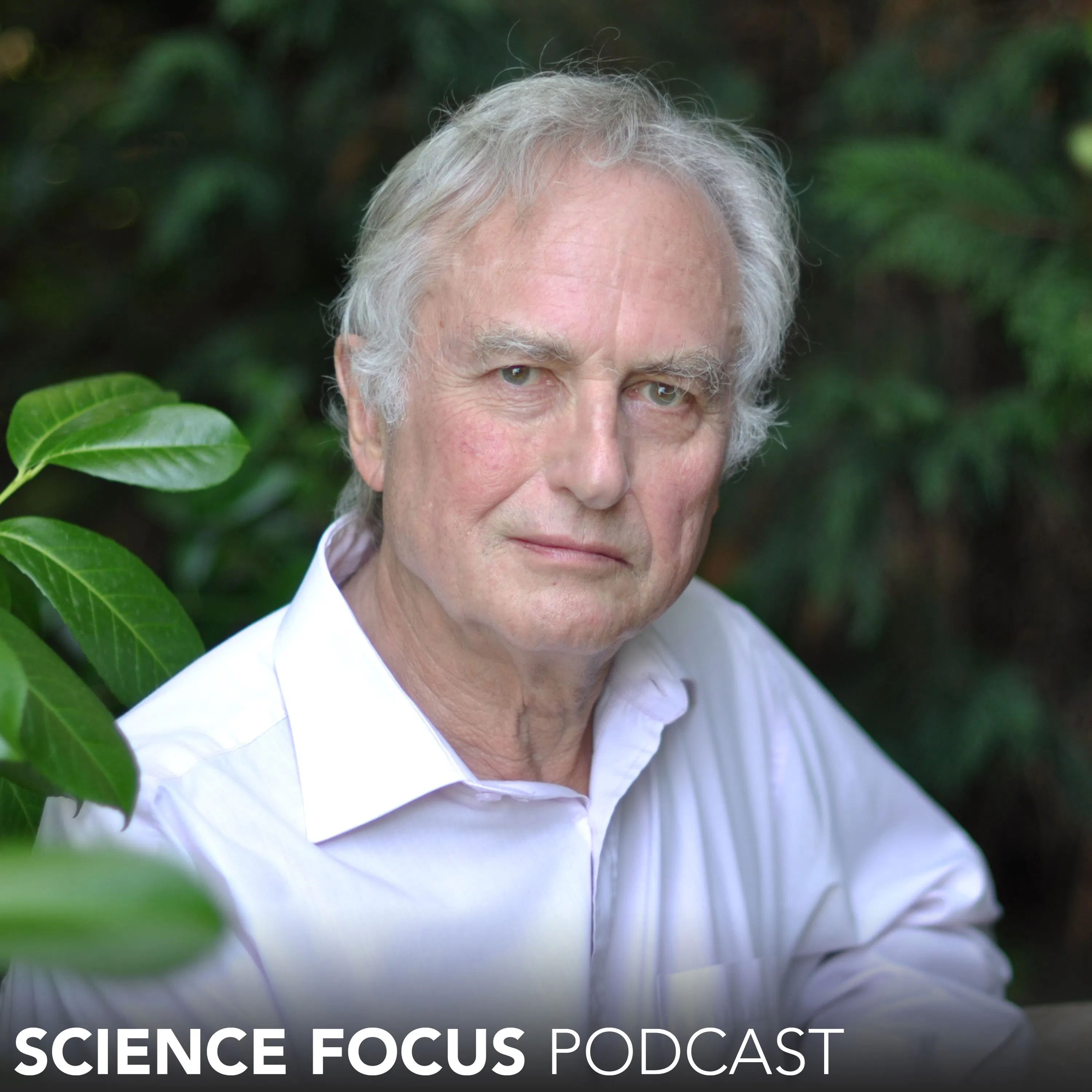
Richard Dawkins: Can we live in a world without religion?
Richard Dawkins is considered one of the top British intellectuals of the 21st Century. He’s known for his opinions on atheism and his books on evolution. In his most recent book, Outgrowing God, he talks about his own experience with religion, and how science offers us a far more convincing and concrete view of the world we live in. We sat down with Richard to discuss his views on faith, flat-earthers and Facebook. Let us know what you think of the episode with a review or a comment wherever you listen to your podcasts. Listen to more episodes of the Science Focus Podcast: Is religion compatible with science? – John Lennox Does data discriminate against women? – Caroline Criado Perez What does a world with an ageing population look like? – Sarah Harper Are Generation Z our only hope for the future? – John Higgs Is racism creeping into science? – Angela Saini How can we save our planet? – Sir David Attenborough Follow Science Focus on Twitter, Facebook, Instagram and Flipboard Hosted on Acast. See acast.com/privacy for more information. Learn more about your ad choices. Visit podcastchoices.com/adchoices

Does data discriminate against women? – Caroline Criado Perez
When Apple launched its health tracker app HealthKit in 2014, they promised users the ability to track everything from their blood pressure to their copper intake – but not their periods. This seems like a startling oversight, but Apple aren’t alone in failing to consider women’s needs. For example, it wasn’t until 2015 that the EU required new cars to be tested on a female crash-test dummy. Caroline Criado Perez, whose book Invisible Women (£16.99, Chatto and Windus) has been shortlisted for the 2019 Royal Society Science Book Prize, calls this the gender data gap, and it appears in everything from public policy to medical research. In this episode of the Science Focus Podcast, we talk to Caroline about the gender data gap and how it causes everything from mild inconvenience to potential fatality. She speaks to BBC Science Focus online assistant Sara Rigby. Listen to more episodes of the Science Focus Podcast which we think you will find interesting: Why aren’t there more women in science? Is racism creeping into science? – Angela Saini Is religion compatible with science? – John Lennox Is body positivity the answer to body image issues? – Phillippa Diedrichs What makes me ‘me’? – Aoife McLysaght Inequality in science – Angela Saini Follow Science Focus on Twitter, Facebook, Instagram and Flipboard Hosted on Acast. See acast.com/privacy for more information. Learn more about your ad choices. Visit podcastchoices.com/adchoices

How do you launch a successful space mission? – Mark McCaughrean
Launching a rocket into space doesn’t come cheap. That much won’t surprise anybody, but what goes into the planning, construction and the science before the mission even gets off the ground? And when it’s up there, what does it do, and what makes it a success? One man that knows how to put a space project together is Mark McCaughrean, senior advisor for science and exploration at the European Space Agency. During his 10 years at ESA, he’s worked on numerous projects, including the Rosetta mission to land a probe on a comet, and the enormous James Webb Space Telescope. Ahead of his talk at ESA's Space Rocks event on 21 September 2019, he talks to BBC Science Focus Online Editor Alexander McNamara about how to build a space project from start to finish, why studying space is so important for life on Earth, and reaching out through the power of rock music. We now have more than 85 episodes of the Science Focus Podcast, each of which is still well worth a listen. Here are a few that you might find interesting: What happened at Bluedot festival 2019? – Libby Jackson, Tom Shakespeare and Danielle George Is there anybody out there? – Mike Garrett What asteroids can tell us about our Solar System – Natalie Starkey Why is the Moon landing still relevant 50 years on? – Kevin Fong The most mysterious objects in the Universe – Colin Stuart Project Discovery and its search for exoplanets - Bergur Finnbogason Follow Science Focus on Twitter, Facebook, Instagram and Flipboard Hosted on Acast. See acast.com/privacy for more information. Learn more about your ad choices. Visit podcastchoices.com/adchoices

What does our skin tell us about ourselves? – Dr Monty Lyman
The largest organ in the body isn’t the lungs or the brain, but the skin. Our skin performs a vast array of functions for us, from protecting us from disease to helping us make friends. Dr Monty Lyman, author of The Remarkable Life of The Skin (£20, Bantam Press), calls skin the ‘Swiss Army Organ’ because of all the tasks it carries out. Monty talks to BBC Science Focus Online assistant Sara Rigby about what the skin is for, why vanity is good for you, and what kind of creatures inhabit our skin. We now have more than 75 episodes of the Science Focus Podcast, each of which is still well worth a listen. Here are a few that you might find interesting: Is an implantable electronic device the future of medicine? – Gordon Wallace What is your brain doing while you sleep? – Dr Guy Leschziner Is the cure for cancer hiding in human breast milk? – Professor Catharina Svanborg Is gene editing inspiring or terrifying? – Nessa Carey Can we slow down the ageing process? – Sue Armstrong Is body positivity the answer to body image issues? – Phillippa Diedrichs Follow Science Focus on Twitter, Facebook, Instagram and Flipboard Hosted on Acast. See acast.com/privacy for more information. Learn more about your ad choices. Visit podcastchoices.com/adchoices

Are Generation Z our only hope for the future? – John Higgs
If you grew up on a steady stream of Hollywood blockbusters filled with killer robots, alien invasions and apocalyptic natural disasters, you’d be forgiven for thinking that the future looks pretty bleak. But that doesn’t necessarily mean it has to be that way. In fact, according John Higgs, a writer who specialises in finding previously unsuspected narratives hidden in obscure corners of our history and culture, the group of adults of school-leaving age might be just the sort of individuals we need if we’re going to avoid the dystopian future science fiction would have us believe inevitable. In his book, The Future Starts Here (£20, Orion), he explains why this Generation Z have inherited a world apparently on the brink of self-destruction, and why their enthusiasm for wider social networks will be key to a brighter future. He speaks to BBC Science Focus Online editor Alexander McNamara about what Star Trek can teach us about generational attitudes, the desire for meaning over stuff, and why life on Mars would be rubbish, and who kicks things off by asking him why he decided to write a book about the future. We now have more than 75 episodes of the Science Focus Podcast, each of which is still well worth a listen. Here are a few that you might find interesting: How can we save our planet? – Sir David Attenborough There is no Plan B for planet Earth – Lord Martin Rees What we got wrong about pandas and teenagers What does a world with an ageing population look like? – Sarah Harper Can we really predict when doomsday will happen? – William Poundstone Is body positivity the answer to body image issues? – Phillippa Diedrichs Follow Science Focus on Twitter, Facebook, Instagram and Flipboard Hosted on Acast. See acast.com/privacy for more information. Learn more about your ad choices. Visit podcastchoices.com/adchoices

Is an implantable electronic device the future of medicine? – Gordon Wallace
Materials scientist Gordon Wallace is the director of ARC Centre of Excellence for Electromaterials Science at the University of Wollongong, New South Wales, Australia. He is developing the ‘sutrode’, a medical device made from graphene that combines the electrical properties of an electrode with the mechanical properties of a suture. The device is wrapped around damaged or malfunctioning nerve bundles and used to stimulate them and return their regular function. Though still in its early stages, the technology may one day be used to treat epilepsy, schizophrenia, and in the production of next generation prosthetics. He speaks to BBC Science Focus commissioning editor Jason Goodyer in this episode of the Science Focus Podcast. We now have more than 75 episodes of the Science Focus Podcast, each of which is still well worth a listen. Here are a few that you might find interesting: Is the cure for cancer hiding in human breast milk? – Professor Catharina Svanborg Is gene editing inspiring or terrifying? – Nessa Carey Can we slow down the ageing process? – Sue Armstrong What is your brain doing while you sleep? – Dr Guy Leschziner What does a world with an ageing population look like? – Sarah Harper Is racism creeping into science? – Angela Saini Follow Science Focus on Twitter, Facebook, Instagram and Flipboard Hosted on Acast. See acast.com/privacy for more information. Learn more about your ad choices. Visit podcastchoices.com/adchoices

How accurately can we predict the weather? – Andrew Blum
Hurricane Sandy hit the east coast of the United States in October 2012, causing $65bn of damage. Remarkably, weather forecasters managed to predict its impact on the US eight days in advance, when it was barely even a storm. How did forecasts get to be so good? It’s a story that begins with the invention of the telegraph and ends with supercomputers. We talk to Andrew Blum, author of The Weather Machine (£16.99, Bodley Head), about the history of weather forecasting, why we shouldn’t trust the icons on our weather apps, and whether we’ll ever have an accurate minute-by-minute forecast. He speaks to BBC Science Focus online assistant Sara Rigby. Listen to more episodes of the Science Focus Podcast which we think you will find interesting: What's going on with the weather? – Dann Mitchell Could leaving nature to its own devices be the key to meeting the UK’s climate goals? – Mark Lynas Can we really predict when doomsday will happen? – William Poundstone What if the Earth’s magnetic field died? – Jim Al-Khalili Why is the magnetic north pole moving? – Ciaran Beggan Are we facing an insect apocalypse? – Brad Lister Follow Science Focus on Twitter, Facebook, Instagram and Flipboard Image: Actor and environmental activist Leonardo DiCaprio stares at a visual showing Hurricane Sandy using data from Goddard Earth Observing System Model © NASA/Goddard/Rebecca Roth Hosted on Acast. See acast.com/privacy for more information. Learn more about your ad choices. Visit podcastchoices.com/adchoices