Instant Coffee
38 episodes
4.5 Urban Exclusion in the City
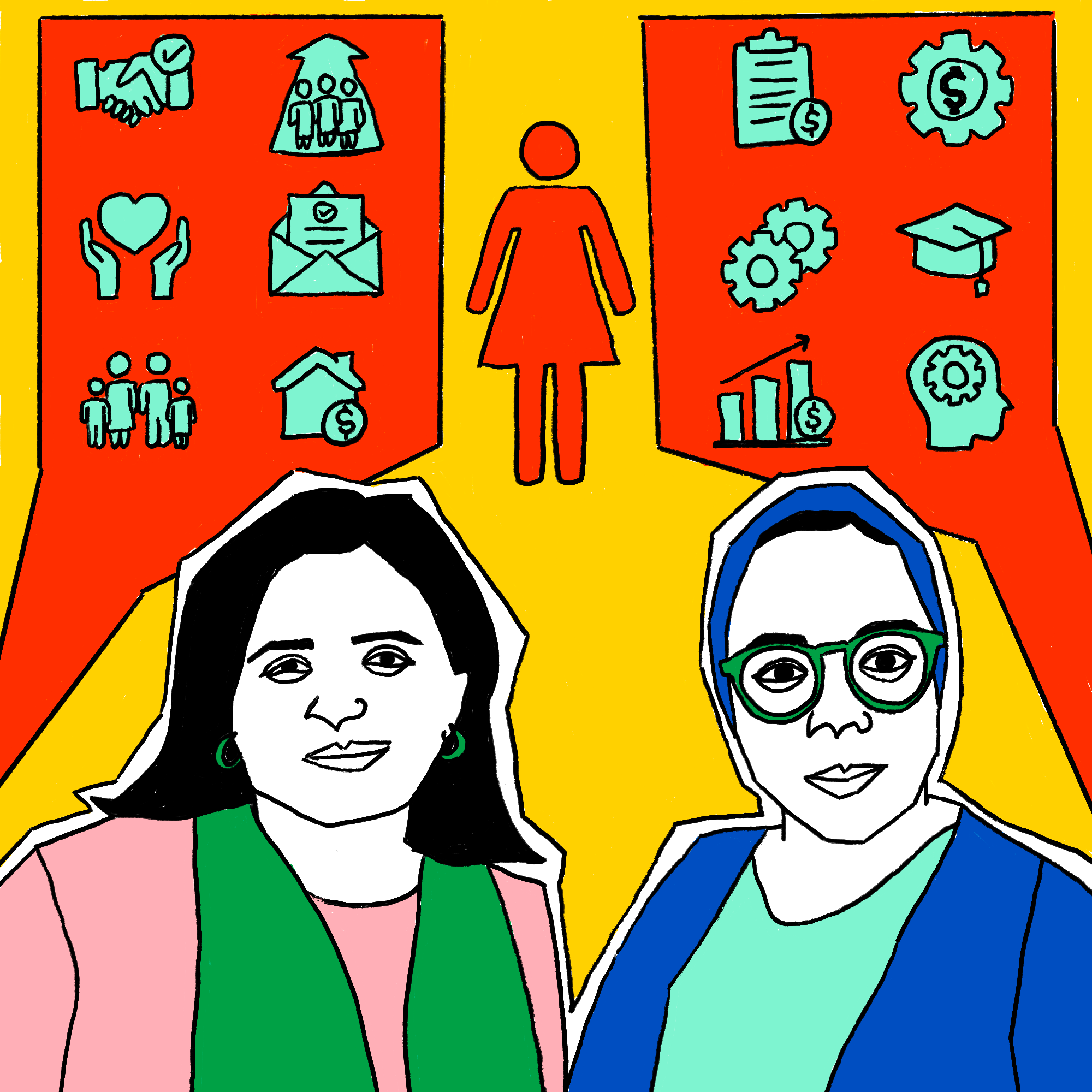
S4 Ep 44.4 Creating Real Economic Empowerment for Women in MENA
In this penultimate episode, Yara Shawky Shahin has a frank discussion with her colleague Yasmine D’Alessandro about how to create programmes of real economic empowerment for women in the Middle East and North Africa based on their decades long experience working with international and grassroots organisations in the region.Yara Shawky Shahin is a Senior Atlantic Fellow for Social and Economic Equity and a researcher and civil society professional with more than 20 years of experience in the fields of development, human rights, policy analysis, and not-for-profit management. Yara has worked with different organisations including UNHCR, Save the Children, and UNDP in programs supporting youth participation, inclusion, and integration. With the Danish Egyptian Dialogue Institute, and recently Ford Foundation, her work focused on programs supporting media reform, freedom of expression, digital rights, and the impact of technology on society as well as advocating for inclusive social protections across countries of the MENA region.Yasmine D’Alessandro is a senior development expert with over two decades of experience in the gender, economic empowerment, skills development and civil society fields. Yasmine has a solid grounding in program design, strategic planning, and program management across a wide spectrum of organisations, ranging from consultancy firms and international NGOs to independent grant-making institutions. Over the course of her career, she has successfully led initiatives that address complex social and economic challenges, in communities such as rural Upper Egypt, remote communities in Yemen, refugee camps in Jordan and pockets of poverty in urban centres in various countries, always with a focus on building sustainable and locally grounded impact. She has been consistently committed to bridging the gap between policy and practice, ensuring that programs are not only well-designed but also contextually relevant and responsive to community needs.Find out more about Yara's work here: https://afsee.atlanticfellows.lse.ac.uk/en-gb/fellows/2023/yara-shawky-shahin

S4 Ep 34.3 Gendering the Archive: A Catalyst for Change in Women's Rights in Egypt
In this episode, Diana Magdy, a gender equality specialist, feminist researcher and oral historian has a conversation with Professor Hoda Elsadda unpacking the politics of archiving, revealing archives as spaces of power and resistance rather than neutral repositories.Diana Magdy is an Atlantic Fellow for Social and Economic Equity and a feminist researcher and gender equality specialist from Cairo, Egypt. She has 12 years of experience in gender and development. As a feminist oral historian, she has worked on documenting the Egyptian feminist movement, producing feminist knowledge in Arabic, and archive building. In this area, she published a paper titled ‘Narrating Gender in Egypt's Public Sphere: The Archive of Women’s Oral History’.Professor Hoda Elsadda is a feminist activist, Professor of English and Comparative Literature at Cairo University, and Co-founder of the Women and Memory Forum. She previously held a Chair in the Study of the Contemporary Arab World at Manchester University, and was Co-Director of the Centre for the Advanced Study of the Arab World in the UK. Her research interests are in the areas of gender studies, comparative literature and oral history. She is author of Gender, Nation and the Arabic Novel: Egypt: 1892-2008 (Edinburgh UP and Syracuse UP, 2012); and co-editor of Oral History in Times of Change: Gender, Documentation and the Making of Archives (Cairo Papers, 35:1, 2018).Find out more about Diana's work: https://afsee.atlanticfellows.lse.ac.uk/en-gb/fellows/2023/diana-magdyFind out more about Hoda's work: https://wmf.org.eg/en/member/hoda-elsadda/
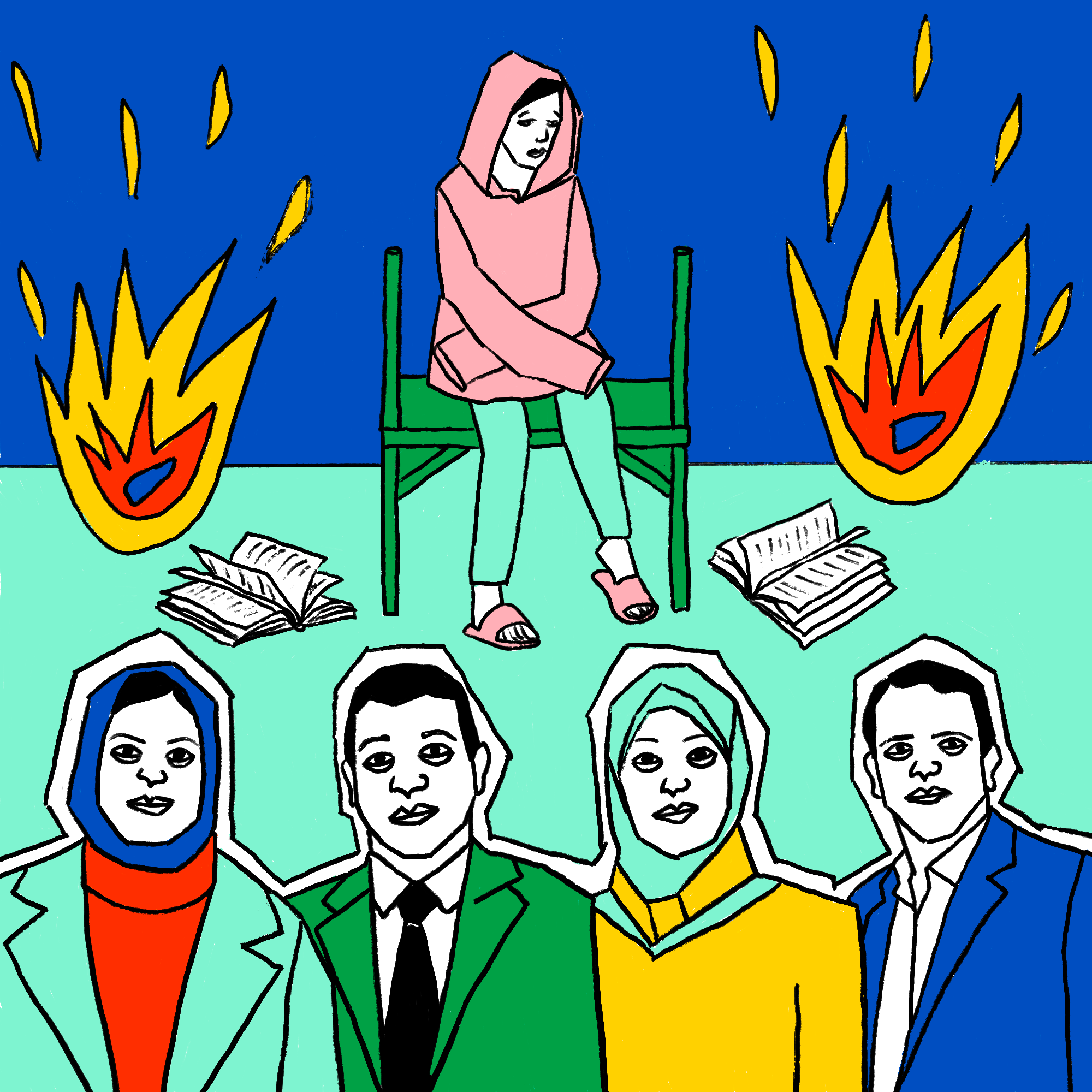
S4 Ep 24.2 Keeping Education Going in Gaza
Manar Alzraiy, a Palestinian education professional dedicated to resilience and equity in crisis-affected schools, brings together her colleagues from Gaza to talk about education since October 7 2023, how Israel's war on Gaza and forced displacement has destroyed the education sector, and what is needed to rebuild it both physically and intellectually. These interviews took place in the summer of 2025.Manar Alzraiy is an Atlantic Fellow for Social and Economic Equity and an education professional from Gaza, where she worked for ten years with UNRWA. At LSE, Manar conducted research on embedded inequalities in how United Nations humanitarian principles are applied in UN schools in Palestine. She is currently a fellow at the Harvard Graduate School of Education. Dr Alaa Ali Aladini is an Assistant Professor of Curriculum and Instruction (TEFL). He has over 23 years of experience with UNRWA-Gaza, serving as an English teacher, educational supervisor and education specialist. Dr Aladini brings extensive expertise in language education, teacher training and inclusive education. Asma Mustafa is an English language teacher who received the title ‘Global Teacher of the Year 2020’ from the AKS Education Award in India, and the title ‘Palestine’s Innovative Teacher of the Year 2022’ for her applied eTwinning approach in English language teaching. Dr Mohammed Awad Shbeir holds a PhD in Educational Administration. He is also an education supervisor as well as an academic and educational researcher specialising in education and social issues.To find out more about Manar's work: https://afsee.atlanticfellows.lse.ac.uk/en-gb/fellows/2023/manar-alzraiy.
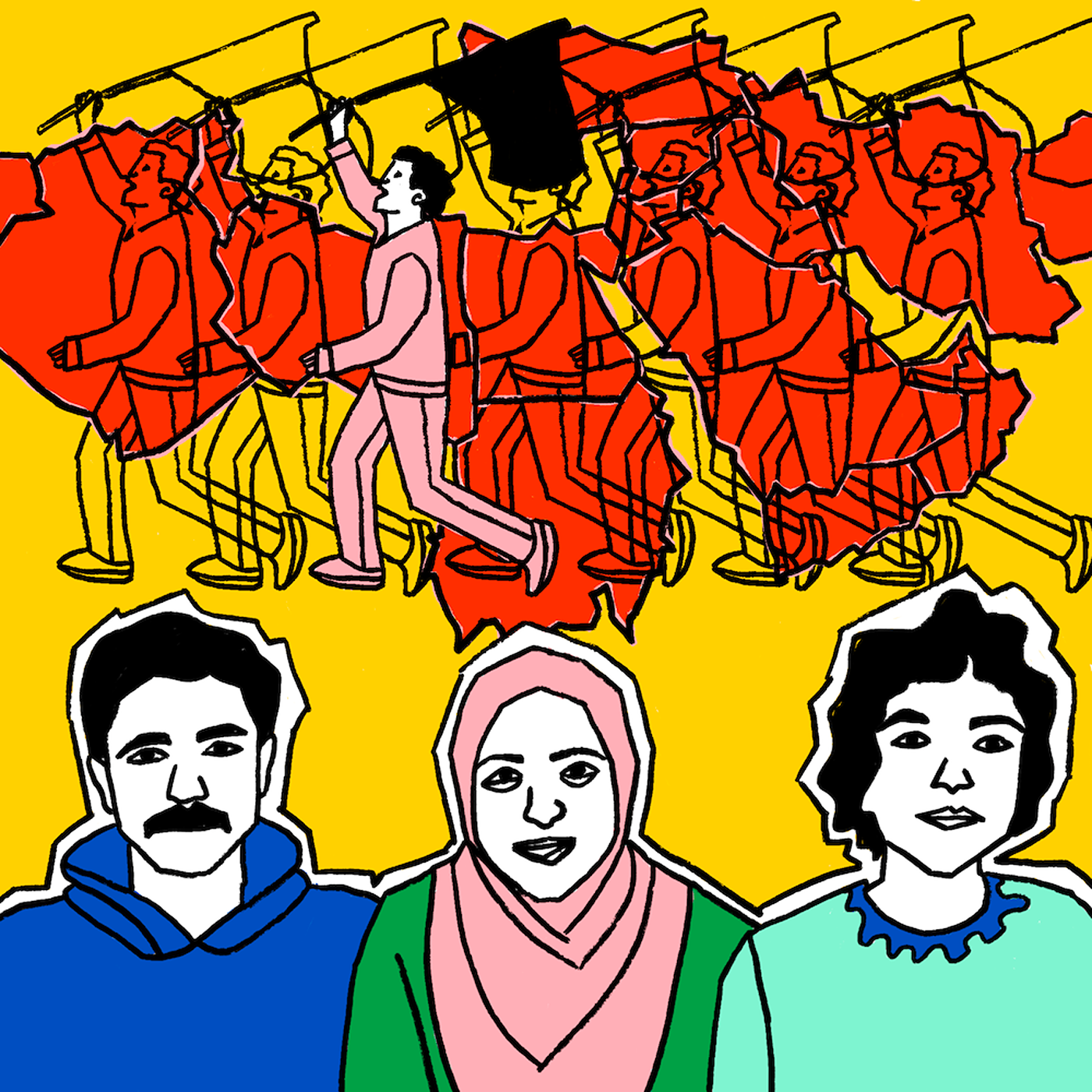
S4 Ep 14.1 Building Transnational Solidarity Networks of Resistance
In this first episode of season 4, Hamidreza Vasheghanifarahani speaks with Azadeh Sobout and Rindala about how transnational solidarity networks can strengthen efforts towards social change. While both Azadeh and Rindala focus their discussion on Syria and the 2011 Revolution, the conversation explores broader approaches and challenges to political organising and revolutionary politics that can be applied globally.Hamidreza Vasheghanifarahani an Iranian researcher, activist and an Atlantic Fellow for Social and Economic Equity. Currently, he works at the LSE International Inequalities Institute as a researcher. He has worked with and for civil society organisations and communities as a researcher, project manager and trainer, with a focus on civil society and community mobilisation, children’s rights, and disability.Azadeh Sobout is a Post-Doctoral Research Fellow at Queen’s University Belfast. She is an Iranian activist, writer, and educator rooted in refugee justice, indigenous solidarity, Palestinian liberation, anti-racist, feminist, anti-imperialist, and anti-capitalist movements for over a decade.Rindala is a Syrian member of the People’s Want transnational network and a co-founder of the cooperative space Darna in Montreuil, France.To learn more about the Atlantic Fellows for Social and Economic Equity: https://afsee.atlanticfellows.lse.ac.uk/The Peoples Want: https://thepeopleswant.org/en/about_usHamidreza Vasheghanifarahani: https://afsee.atlanticfellows.lse.ac.uk/fellows/2022/hamidreza-vasheghanifarahani
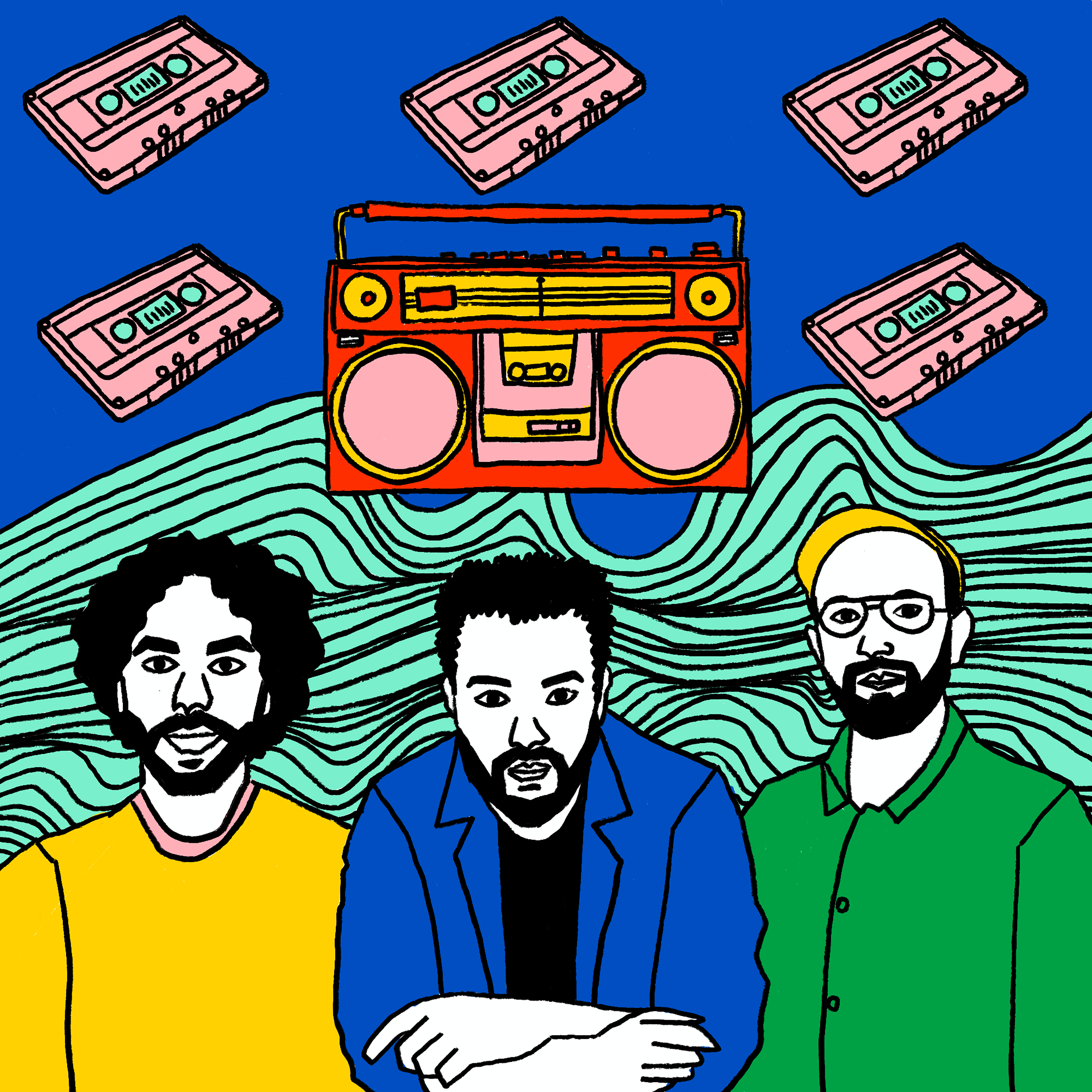
S3 Ep 103.10 The Power of Radio
How did the radio, a major technological development in the history of sound and music, change the social, cultural and political landscape of the region?In this last episode of the season, we speak to audio curator Hazem Jamjoum, and Elias Anastas and Saeed Abu Jaber, two of the co-founders of the Palestinian radio station Radio Al Hara. We find out more about the history of the radio in the region and also it's present – specifically looking at how this new technology was used by imperialists, technocrats, intellectuals and liberation groups to broadcast and connect groups. Through Radio Al Hara's activity, we learn how radio works in similar ways to this day.Hazem Jamjoum is an audio curator and researcher with an interest in history of audio and music recording in the Arab worldElias Anastas is a co-founder of Radio Al Hara. He is an architect based in Bethlehem, Palestine and runs an architectural studio with his brother Yousef called AAU ANASTAS. They also run Wonder Cabinet, a not-for-profit cultural platform.Saeed Abu Jaber is one of the founders of radio al hara. He is a graphic designer and runs a studio called Turbo in Amman, Jordan.www.radioalhara.net/
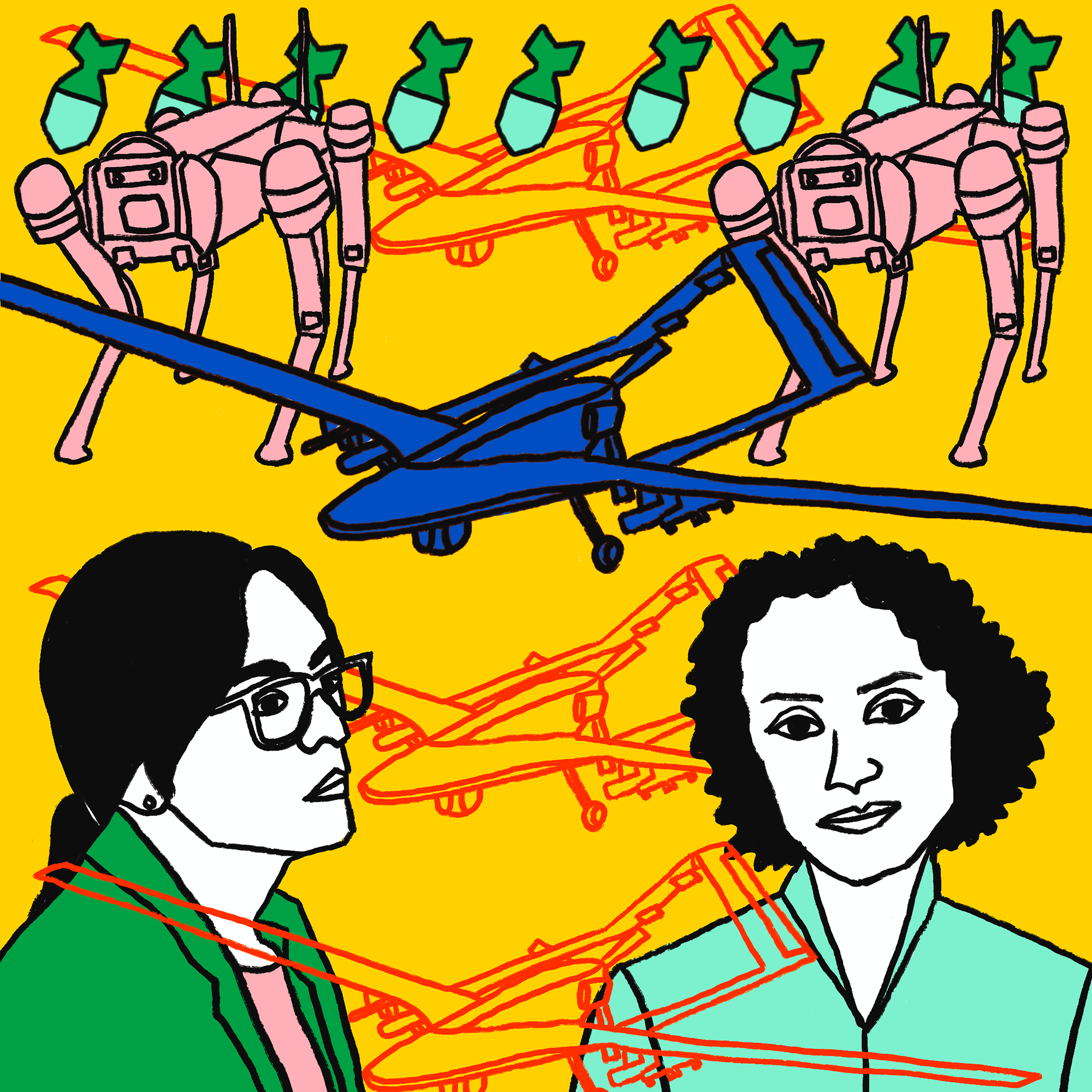
S3 Ep 93.9 War Tech and Nationalism in Turkey and Israel
This episode explores the link between technology, warfare and nationalism. Turkey and Israel are two countries in the region who have developed their technological capabilities for both domestic and international conflict. We speak to two researchers who have been tracing the use of military technologies and the effect they have had on a sense of nationalism amongst their populations.Digdem Solaytin Colella speaks to the regime-boosting effects of drone production in Turkey whilst Sophia Goodfriend provides a more granular analysis of how military technology has transformed a new generation of Israeli soldiers’ views of Palestinians and Israeli occupation.Digdem is Assistant Professor of Politics and Public Policy at the University of Aberdeen. Her research concentrates on the politics of corruption, mechanisms of state capture and regime survival, autocratic bureaucracies & illiberal governance, and Southeast European and Turkish politics.Sophia is a PhD candidate at Duke University’s Department of Cultural Anthropology and Fulbright-Hays Dissertation Fellow. Her academic work examines the ethics and impact of new surveillance technologies in Israel and Palestine.
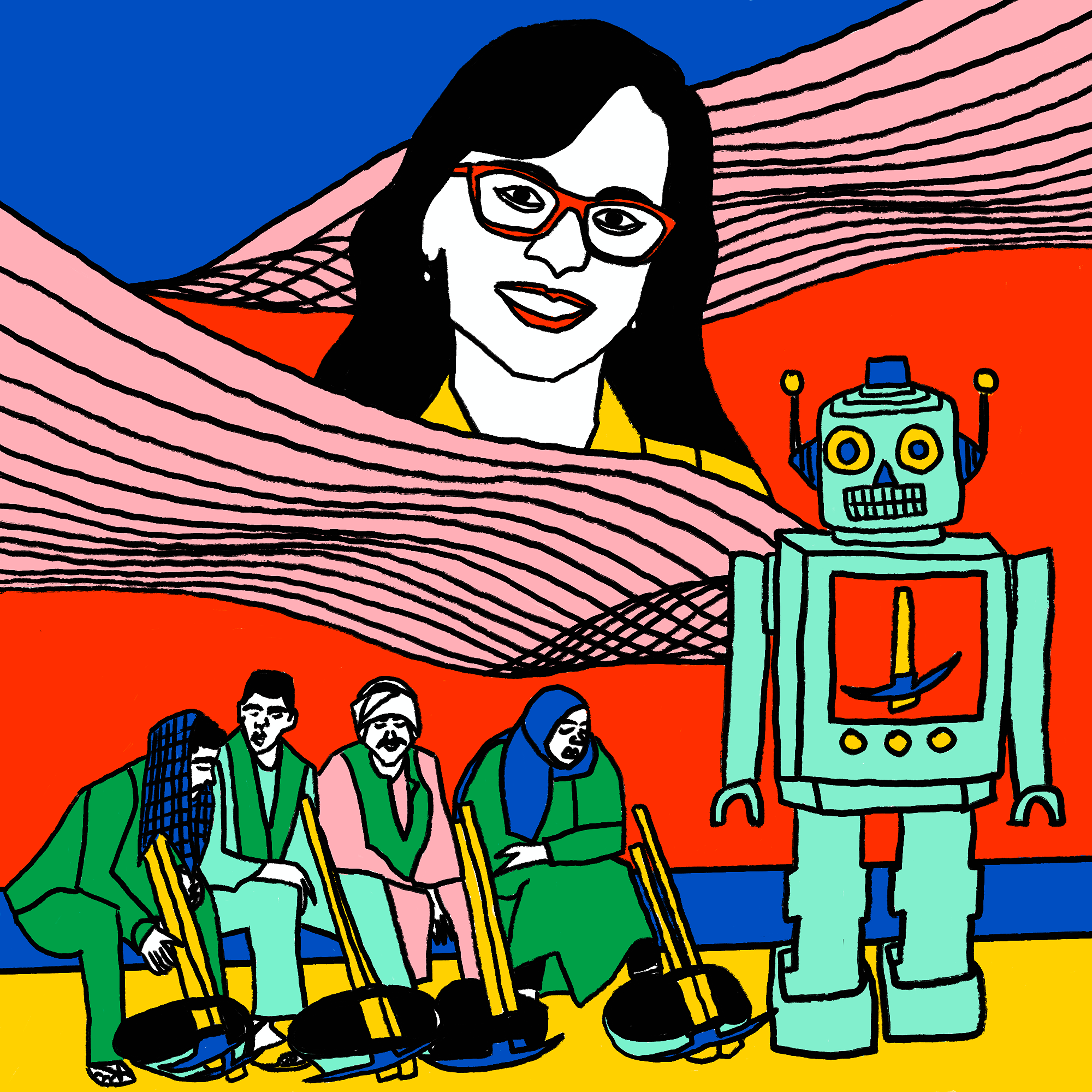
S3 Ep 83.8 Data for Development with Nagla Rizk
What does the era of ‘big data’ mean for development technologies in MENA? How can data be used for good, to ensure projects working with vulnerable communities such as informal workers and women are seen and supported? What kind of repercussions does poor data collection have on emerging technologies? How can data-driven research and technology improve prospects for the next generation in the region seeking work, and what does it mean for the future of labour in the region?These are some of the questions we posed to Nagla Rizk, Professor of Economics at the American University in Cairo in episode 8.Nagla is Professor of Economics and Founding Director of the Access to Knowledge for Development Center (A2K4D) at the American University in Cairo’s School of Business. Nagla’s area of research, teaching and advocacy is the economics of knowledge, technology and development, with focus on governance of responsible data and Artificial Intelligence, fair work in the platform economy, innovation, gender and inclusion in Egypt, the Middle East and North Africa (MENA).

S3 Ep 73.7 Living in the Future with Rahel Aima
Writer and art critic, Rahel Aima, who grew up and currently lives in Dubai, talks to us about living in the Gulf, a region rapidly developing itself as the place to be for smart cities and high-tech living.Rahel explores a concept she has been thinking about for some time, the Khaleeji Ideology, which meets at the intersection of technology, economy, the environment and nation building, as a way of understanding developments in the contemporary Gulf.This episode also features comment from Michael Mason, Director of the LSE Middle East Centre and Professor of Environmental Geography at LSE, who explores the rise of “progressive” urban development projects in the Gulf, and whether technology can be the solution to pressing environmental challenges of our time.Rahel Aima is a writer, critic, and editor from Dubai. She writes about art, technology and the Gulf. Her work has been published in Artforum, Artnews, ArtReview, The Atlantic, Bookforum, frieze, Mousse and Vogue Arabia, amongst others.Read Rahel’s ‘The Khaleeji Ideology’ here: https://www.e-flux.com/architecture/horizons/498319/the-khaleeji-ideology/.
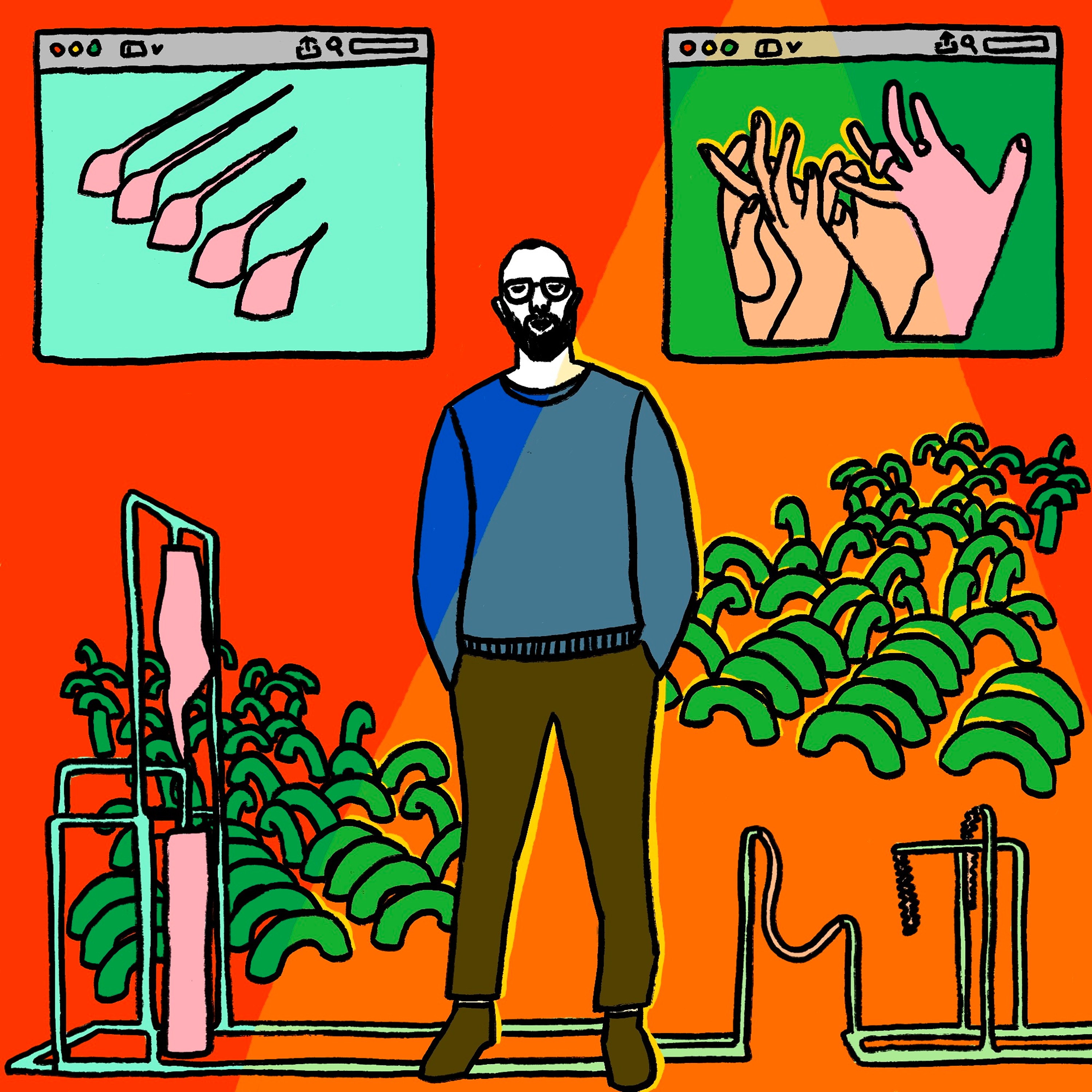
S3 Ep 63.6 Art Meaning and Art Making with Nadim Choufi
How can art complicate claims of progress, innovation and the use of rapidly developing emerging technologies in MENA? In this episode, Cima Chehab speaks to visual artist Nadim Choufi about how he incorporates technology into his artwork both as subject matter and as medium.In the conversation, they discuss Nadim’s own artistic practice, his use of “lecture performances” and the question of whether life is truly enhanced by progress and technology, which is one of the main questions that underpins his work. Nadim also explores emerging art in the Middle East and how technology has transformed a new generation of artists – from digital illustrations to meme accounts.Nadim is a visual artist living in Beirut. He primarily focuses on the material histories and futures of innovation and desire, their social and political driving forces, and the visual and literary practices that surround them. He is a 2024 resident at the Jan van Eyck Academy. Currently he is the curator of the film programme of the 2024 festival edition of transmediale and a researcher at Haven For Artists. Previously he was co-Programs Director at Beirut Art Center.https://nadimchoufi.com/
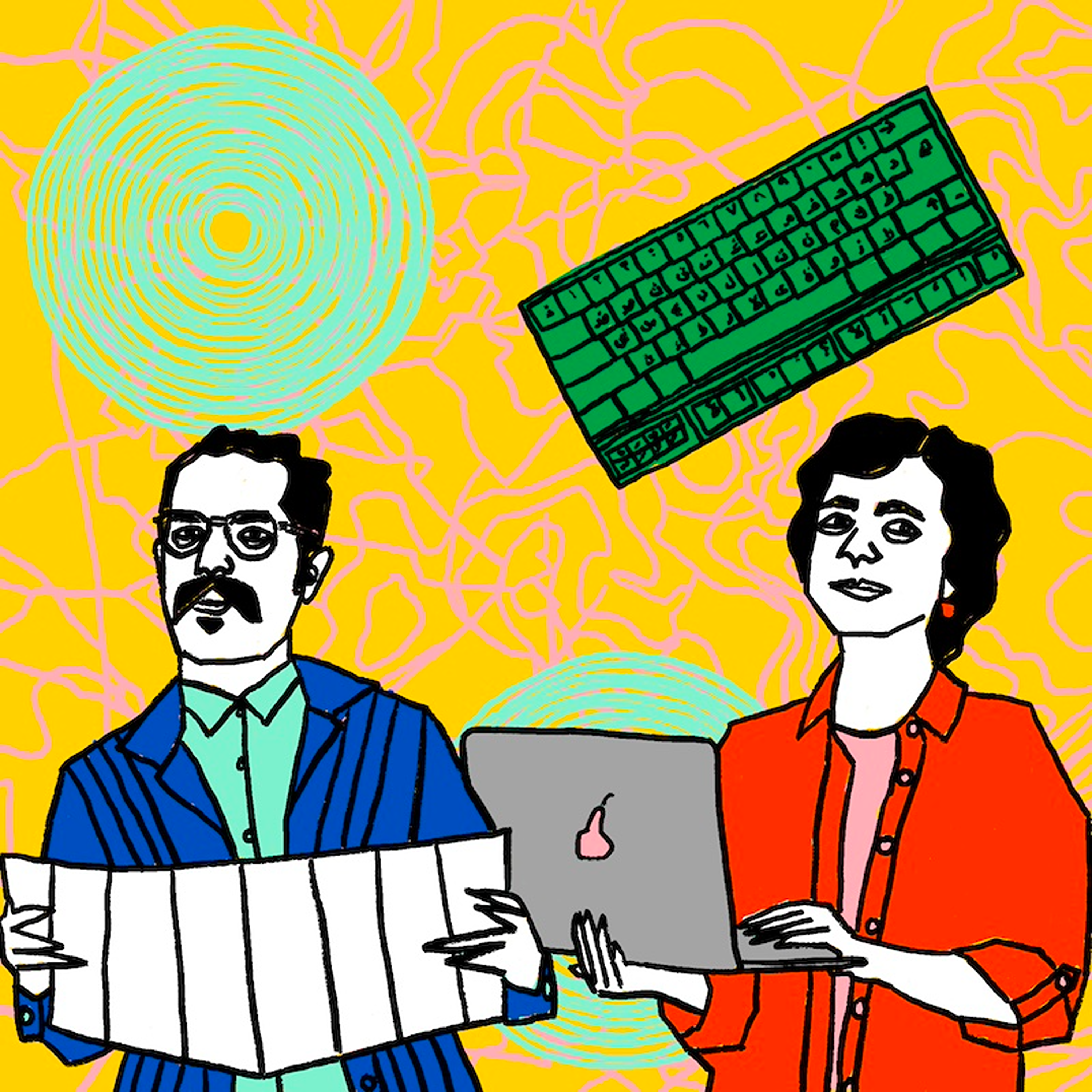
S3 Ep 53.5 Archiving and Mapping Technologies in Palestine and Syria
Majd Al-Shihabi of 'Palestine Open Maps' and Sana Yazigi of the 'Creative Memory of the Syrian Revolution' talk to us about how they have centered their archiving processes around maps, and what digital archiving can do for Palestinian and Syrian community-building.This episode also features comment from Dr Sara Salem and Dr Mai Taha of LSE, who explore the importance of creative archiving through their project 'Archive Stories'.Note: this episode was recorded before October 7, 2023.Majd Al-Shihabi is a technologist turned urban planner, turned technologisturbanplanner. Majd is co-founder of Palestine Open Maps, a platform for searching, navigating, downloading and digitizing historical maps of Palestine. Majd was the inaugural Bassel Khartabil Free Culture Fellow which enabled him to start Palestine Open Maps. https://palopenmaps.org/en Sana Yazigi is a graphic designer and cultural activist. She is the founder of Creative Memory of the Syrian Revolution, a project that documents all types of creative expressions produced since the Syrian Revolution in 2011 until the present day. She is also the founder of The Cultural Diary, Syria's first bilingual monthly cultural agenda (2007-2012).https://creativememory.org/https://archive-stories.com/
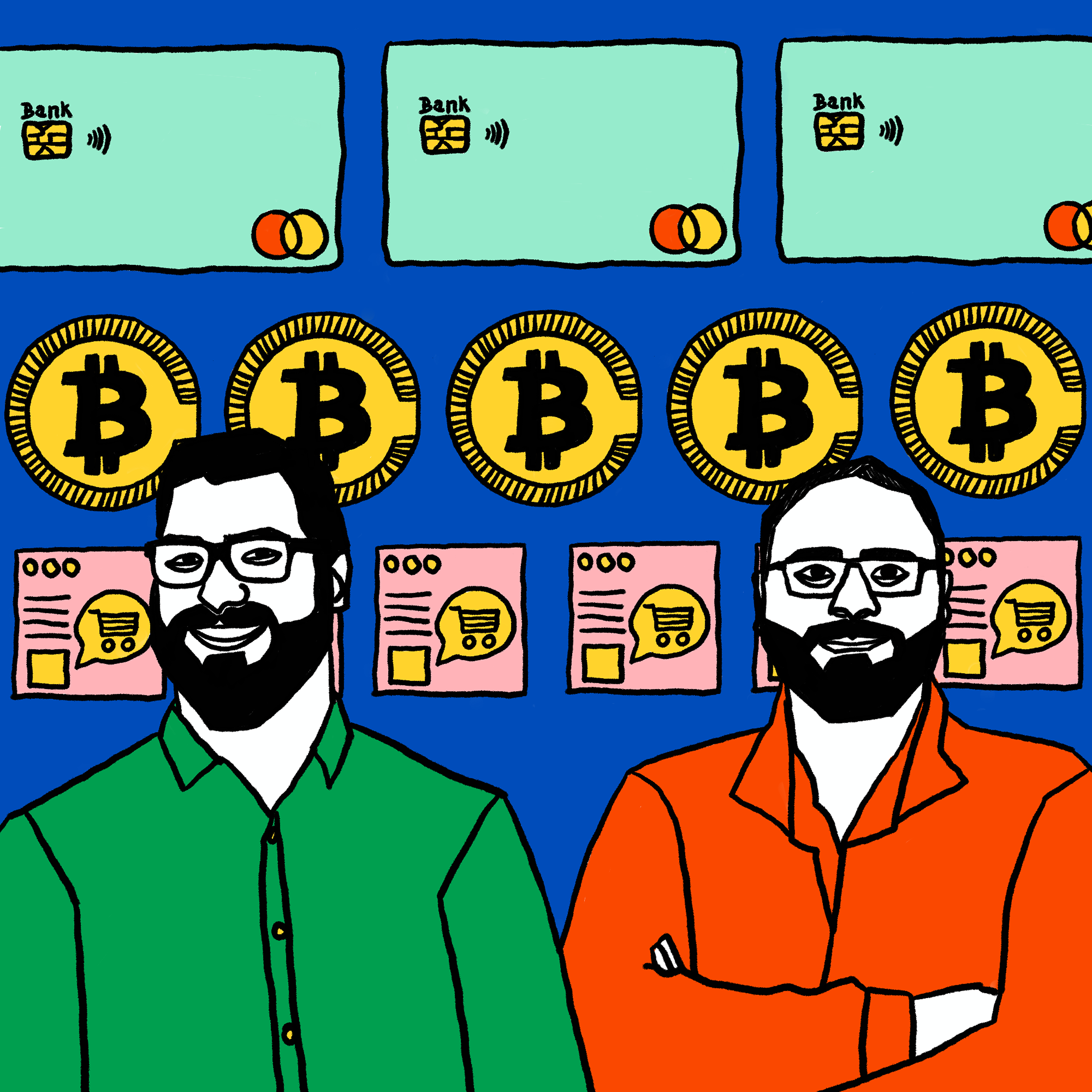
S3 Ep 43.4 Fintech, Crypto and Sanctions in Iraq and Iran
Iraq’s engagement with fintech is new but rapidly developing, amidst a contemporary economic history that has struggled with foreign intervention and internal corruption, while Iranians have been engaging with a form of fintech - alternative digital currencies - for some time, to evade and work around sanctions and a crippled economy. In this episode we speak to Ali Al-Hilli and Shayan Eskandari, who are working at the intersection of technology and finance, to improve the livelihoods and prosperity in their home countries.Ali Al-Hilli is a tech entrepeneur from Iraq with over 14 years of experience in business development, telecommunications, and fintech. He is currently Marketing and Communications Director at Miswag, the largest and oldest homegrown e-commerce startup in Iraq.Shayan Eskandari is a PhD candidate at Concordia University. Originally from Iran, he has a background in blockchain engineering. Shayan is actively involved in creating and supporting open-source projects related to cryptocurrencies. He has been working on nonprofit educational content in Farsi on the topic of blockchain and cryptocurrencies for over a decade.
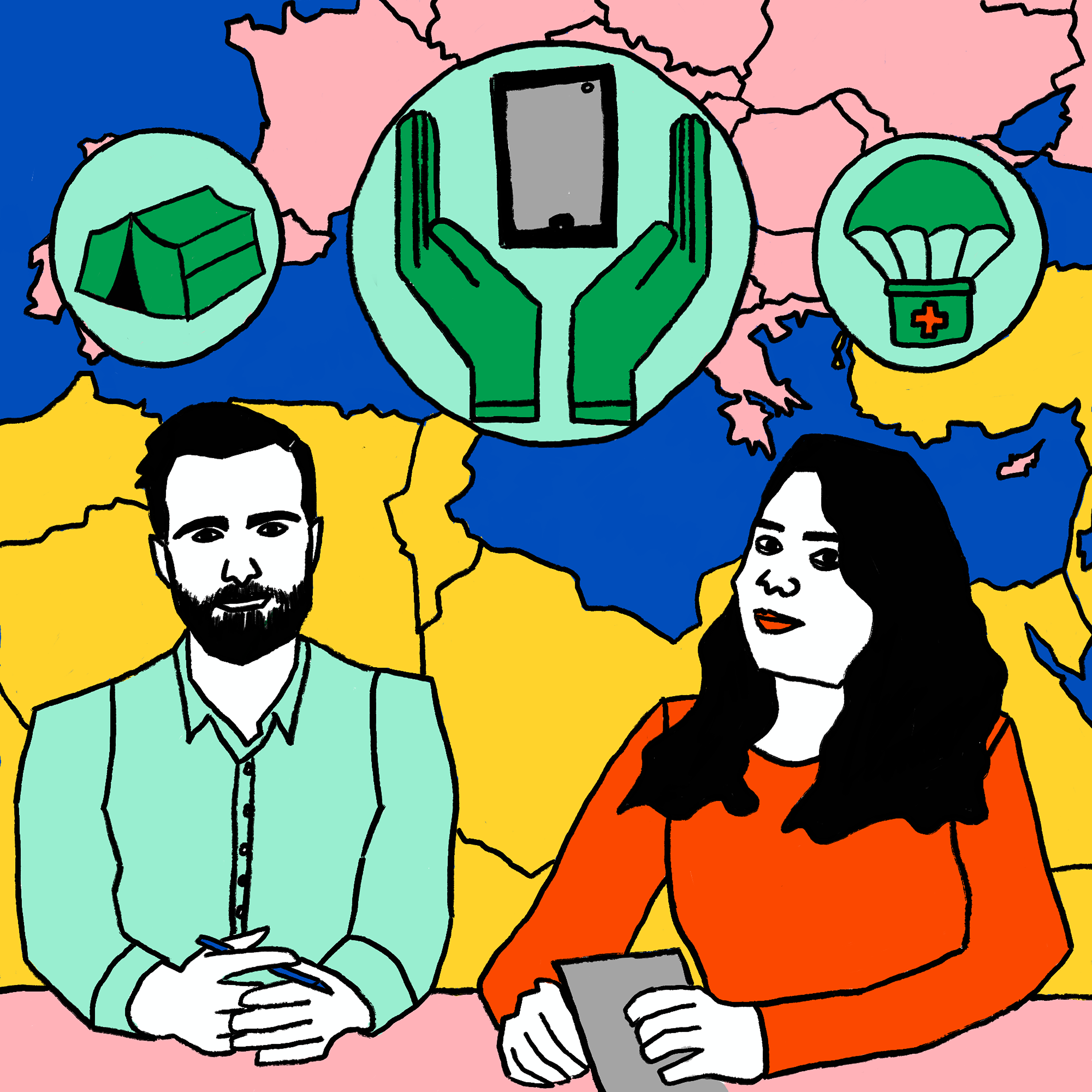
S3 Ep 33.3 Re-Appropriating Technologies with and for Refugees and Migrants
Smartphones, food-only debit cards, biometric data checks at border crossings, these are some of the ways refugees and migrants interact with technology in their daily lives both in the region and the diaspora.This episode unpacks the benefits, ambivalences and concerns surrounding these technologies. Our guests, Dr Reem Talhouk and Dr Yener Bayramoğlu discuss refugee-centered design technologies for humanitarian aid, as well as smartphone usage amongst refugees and migrants and how it has given them control over their own lives and narratives as they cross borders.Reem Talhouk is an Assistant Professor in Design and Global Develpment at Northumbria University where she co-leads the Design Feminisms Research Group. Reem also leads the Global Development Futures Hub. Her work sits within design, and human and computer interaction. Reem works with communities considered to be ‘on the margins’ to design technologies and counter-narratives with a focus on humanitarianism, activism and social movements.Yener Bayramoglu is Assistant Professor in Digital Media at York University. His current research explores the role of digital media in everyday practices of belonging. Yener is particularly interested in the ambivalent meaning and function of digital media for social groups whose lives are marginalised and shaped by intersectional inequalities. Yener has previously explored how digital media technologies turn into self-empowering tools for migrants, refugees and LGBTIQ+ people.
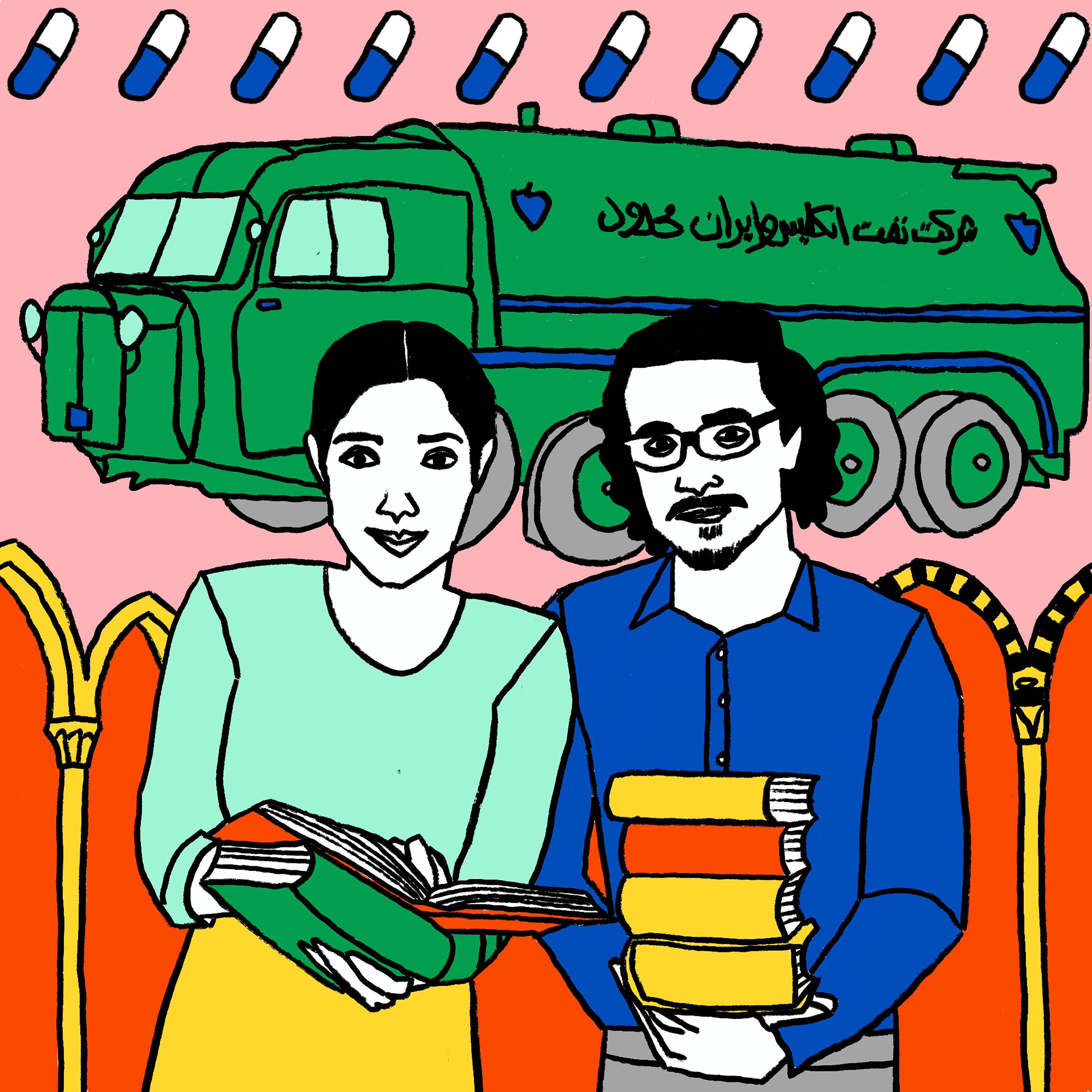
S3 Ep 23.2 Knowledge Production Across Empires
The Abbasid and British Empires are the nexus through which our two guests, Dr Ahmed Ragab and Dr Katayoun Shafiee explore technology, knowledge production and power. This episode charts medieval paper production and Abbasid-era hospitals to the “discovery” of oil by foreign entrepreneurs in southern Iran, exploring the different ways technological knowledge production developed across empire.Ahmed Ragab is Associate Professor of the History of Medicine and the Chair of the Medicine, Science and Humanities Programme at Johns Hopkins University. Ahmed works primarily on the history of medieval and early modern medicine in the islamic world and questions of medicine in colonial and post colonial contexts.Katayoun Shafiee is Associate Professor in the Department of History at the University of Warwick. Katayoun focuses on modern Middle Eastern history and politics, and she teaches on empire and energy.
S3 Ep 13.1 Digital Rights and Big Tech in MENA
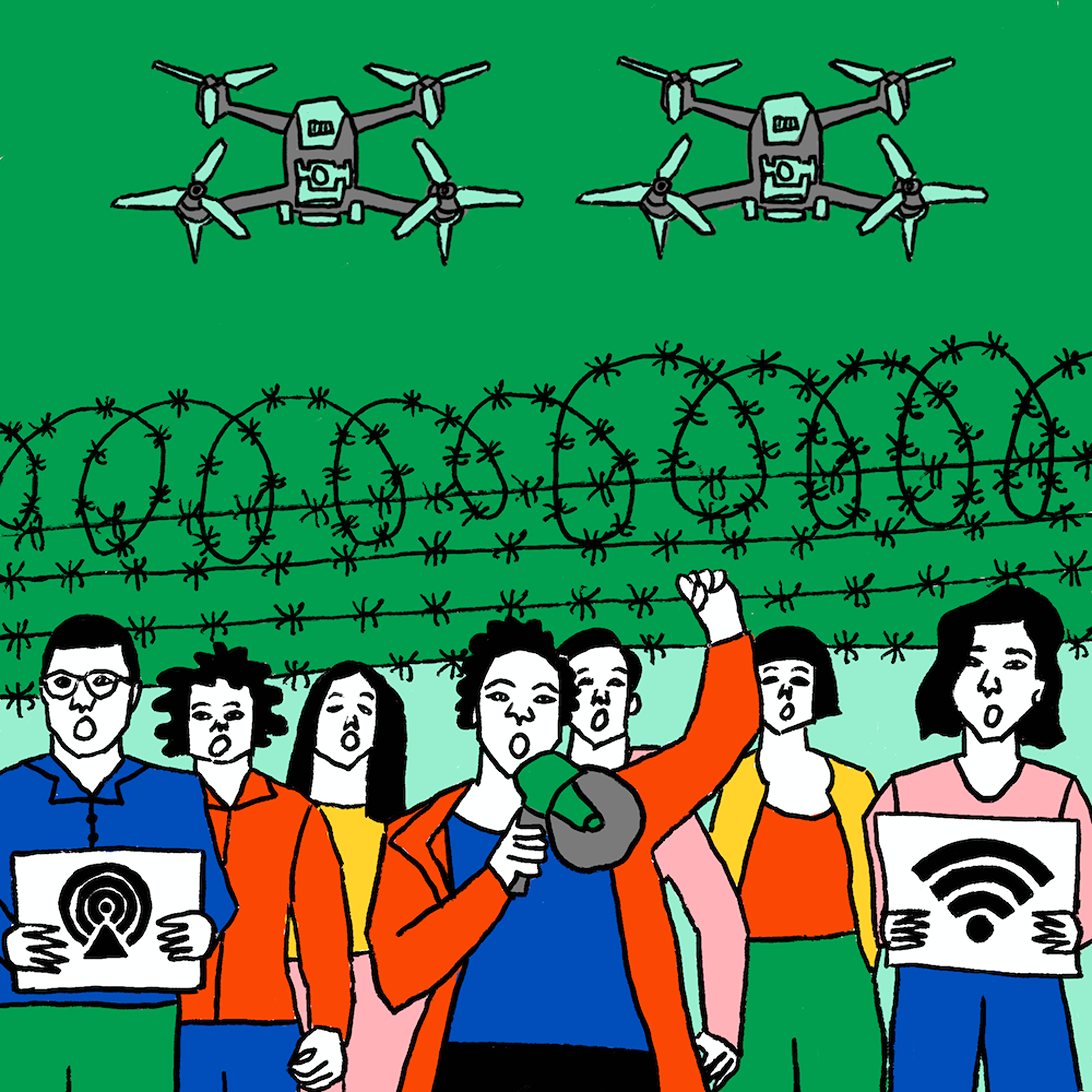
What kinds of obstacles are people in MENA facing with regards to access to technological opportunity and concerns around digital rights abuses? How are they tied to global challenges? Dr Nakeema Stefflbauer, tech executive, investor and digital rights advocate shares her thinking.This episode also features comment from Kassem Mnejja and Marwa Fatafta of Access Now, a digital rights advocacy group. They discuss these issues in relation to Tunisia, Sudan and Palestine.
S2 Ep 102.10 A Brief History of Wine with Farrah Berrou
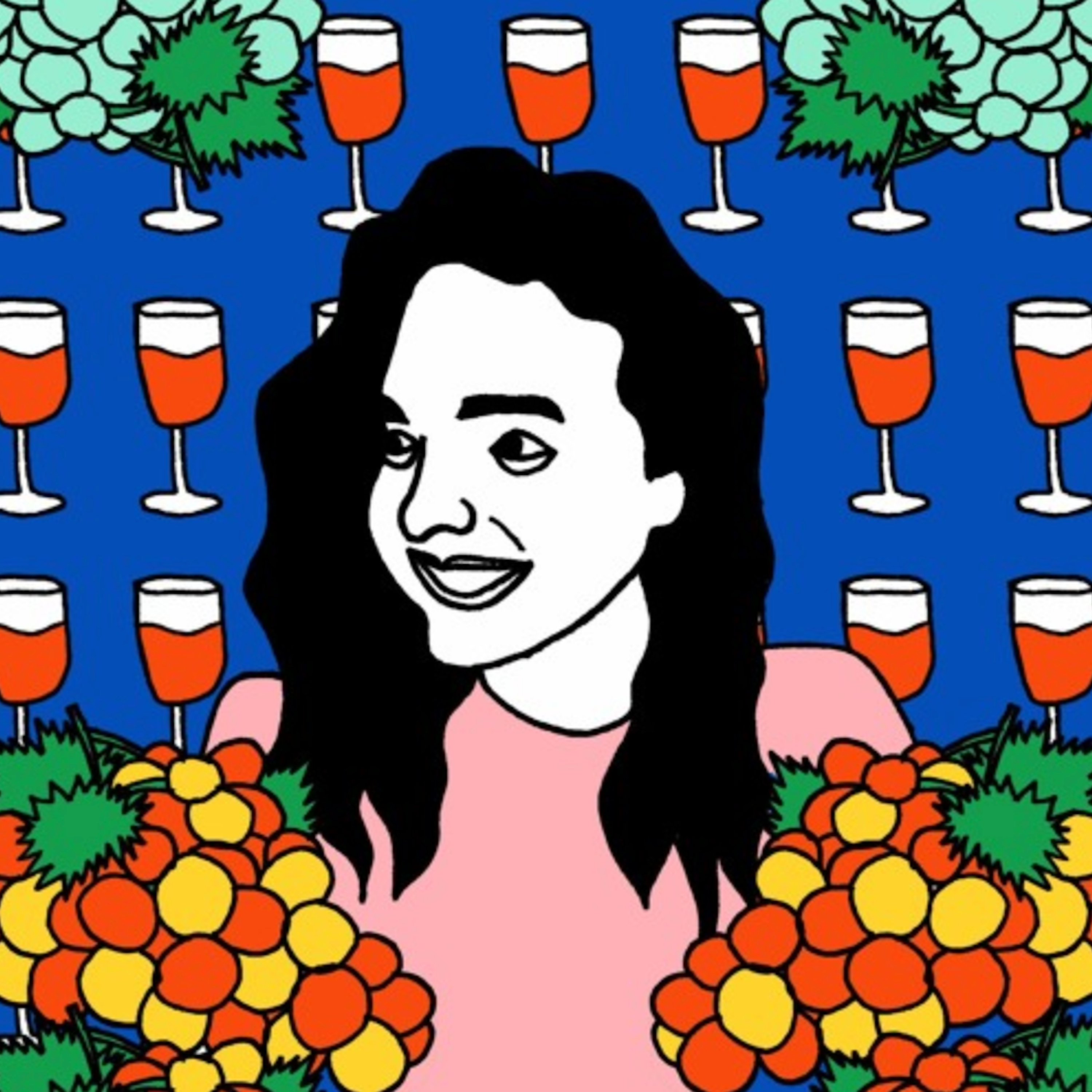
From Tlmecen through to Bethlehem and the Bekaa Valley, we chart the history of wine production in the Middle East and North Africa. Farrah Berrou talks us through her journey of wine writing for a Western audience and what the future holds for Lebanese wine. We also explore the relationship between french colonialism and wine production, and ideas of nationhood, religion, and politics in Algeria and Palestine. Farrah is founder of B for Bacchus, a media platform & podcast featuring wine stories from the Fertile Crescent. Farrah is also a contributing editor to The Wine Zine, a print publication about natural wine. This episode also features commentary from Jamal Rayyis, a Palestinian-American wine writer, as well as Arthur Asseraf, historian of modern North Africa, France and the Mediterranean.
S2 Ep 92.9 An A-Z of food names with Salma Serry
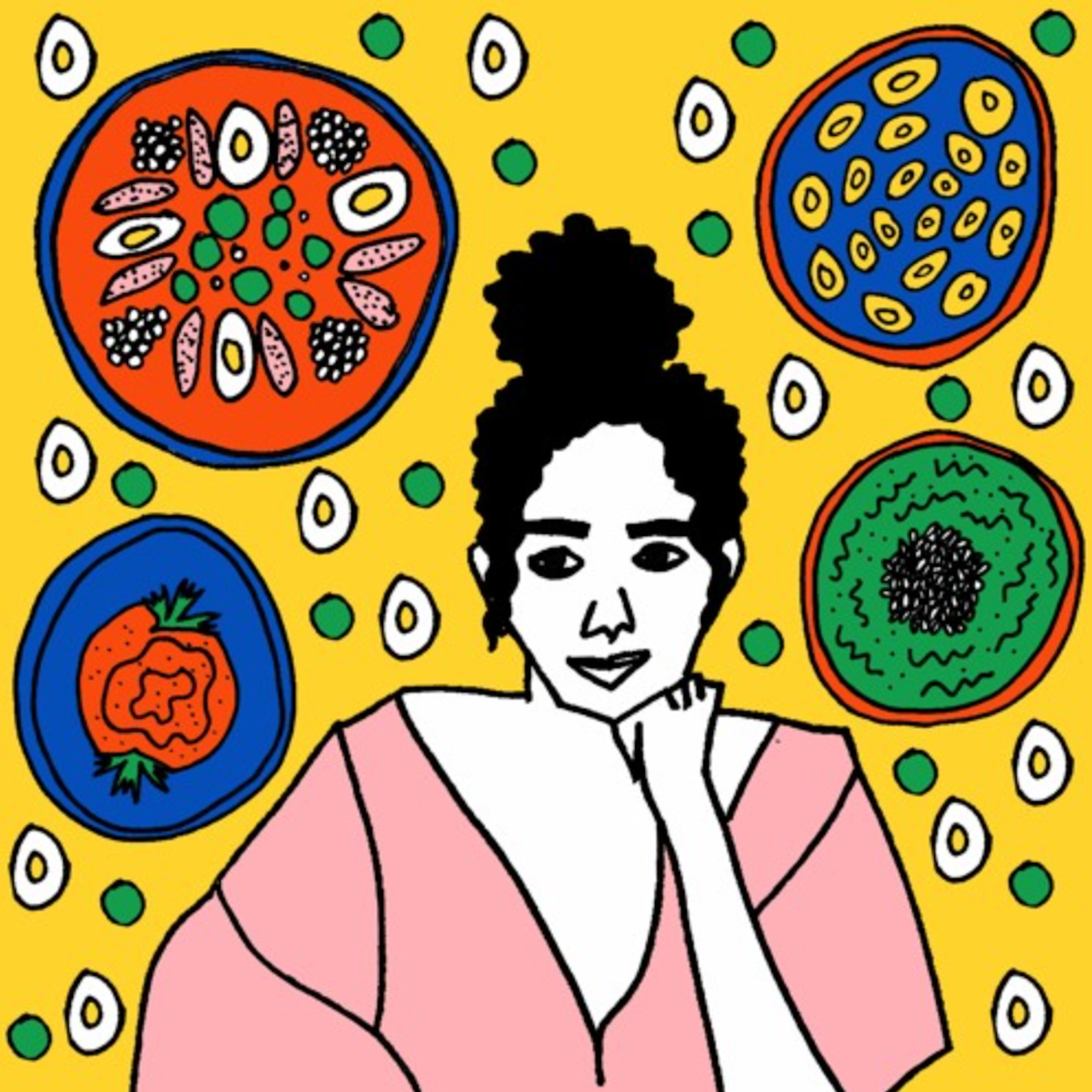
Have you ever thought about the names behind the dishes you’re eating? Salma Serry, an Egyptian born filmmaker and interdisciplinary foodways researcher, gave us the lowdown on how many of the foods we know and love came to be named. We discuss folk tales, personal and national histories, and even get into the grammar of it all! This episode also features contributions from Mahmoud Arif, Iran Seyed Raeesi, Rusaila Bazlamit, Rawand Issa, Rajae Oujlakh and Sergen Bahceci. Thank you for sending in your recordings!
CALLOUT: We want your stories of food names
No new episode this week, but we're working on something that requires your help. Do you know any interesting facts, stories or folk tales about the names of dishes from the region? If so we want to hear from you! Drop us an email or contact us on Instagram to get involved. @instantcoffee.pod [email protected]; [email protected]
S2 Ep 82.8 The Sudanese Kitchen(s) with Omer Eltigani
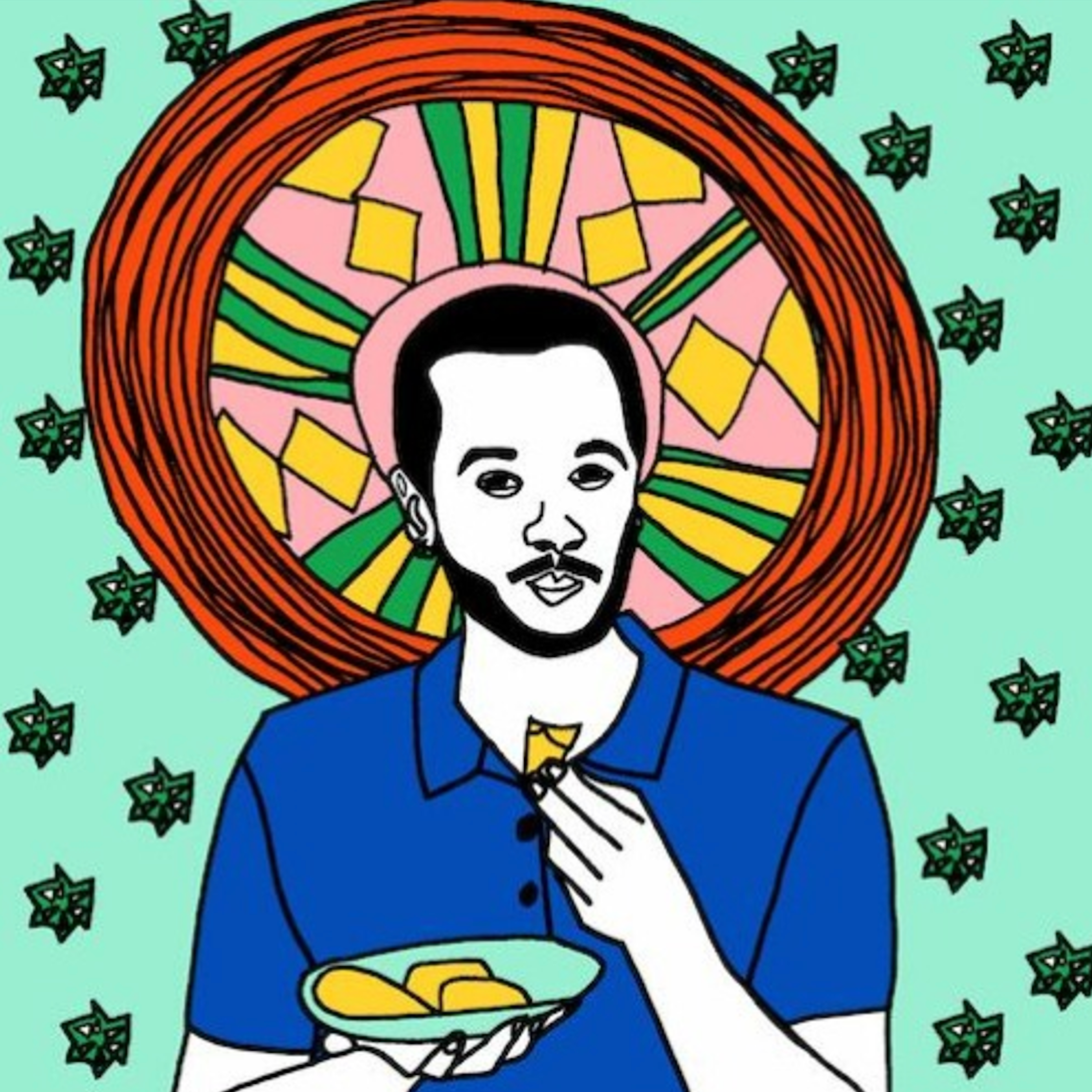
Camel milk, mushrooms, ta’miyah, agashe, aseeda, tarkeen, these are just some of the foods and dishes that make up Sudan’s intricate network of cuisines. We spoke with Omer Eltigani, cook, archivist and founder of ‘The Sudanese Kitchen’ to talk more about the country’s vast foods, their historical influences and how he is trying to bring these recipes to the younger generation. This episode also features comments on gender and food from Jennifer Shutek, PhD candidate and instructor, as well as a discussion on food and identity with filmmaker Hajooj Kuka. Follow Jennifer on Twitter: https://twitter.com/quixoticavocado Watch Hajooj's documentary 'Beats of Antonov': https://vimeo.com/ondemand/59409?autoplay=1 Visit Omer's website 'The Sudanese Kitchen': https://www.sudanesekitchen.com/
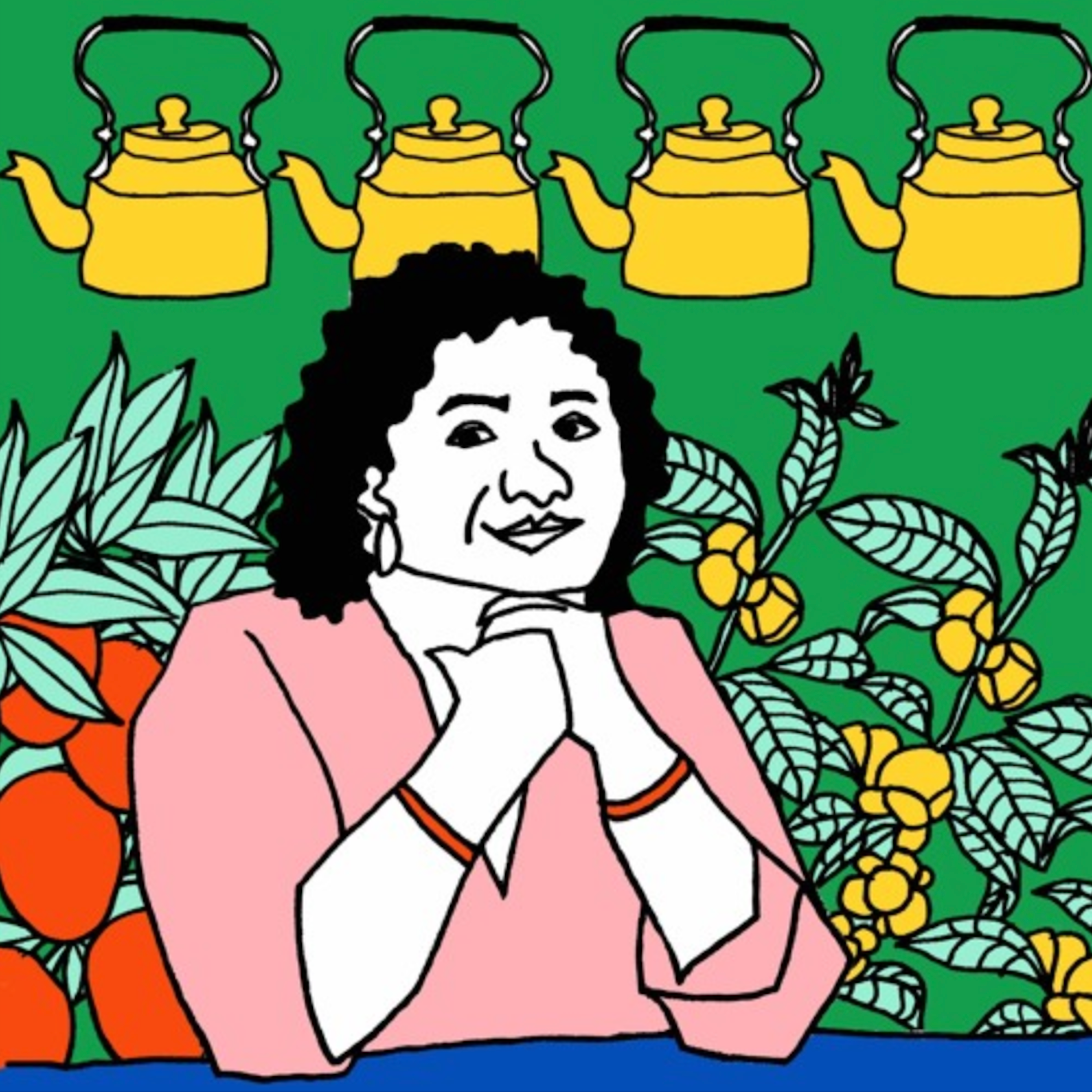
S2 Ep 72.7 Migrant Cuisine in the Expat City with Vidya Balachander
Is there such a thing as a Dubai cuisine? What role do the migrants and expats of the Emirate play in curating this food culture? On episode 7 we see if Vidya Balachander can help us find some answers. The episode also features additional analysis from Steffen Hertog, Associate Professor in the Department of Government at LSE. Vidya is a food writer, editor and journalist currently based in Dubai. She is the South Asia editor of Whetstone Magazine, an American print magazine and media company dedicated to food origins and culture.
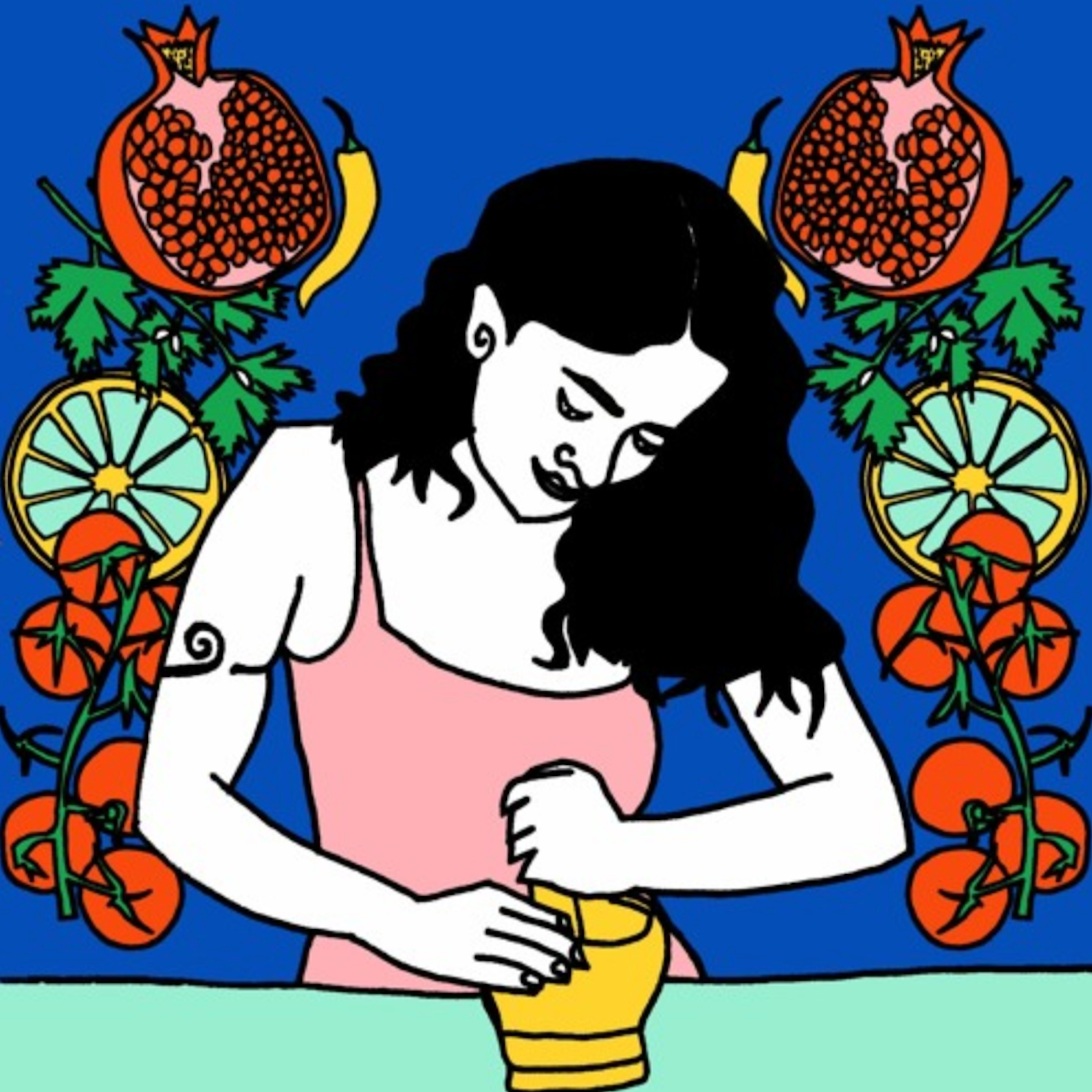
S2 Ep 62.6 Behind 'The Iranian Vegan' with Mana Shamshiri
In this episode, we speak about veganism both around the world and in Iran with Mana Shamshiri. Mana is a philosophy graduate and creator of the website and Instagram platform 'The Iranian Vegan'. She wanted to showcase the diversity of Iranian cuisine as well as provide a space for vegans of colour and those who aren't from traditionally vegan backgrounds. Follow Mana's work here: https://www.instagram.com/theiranianvegan/ https://theiranianvegan.com/
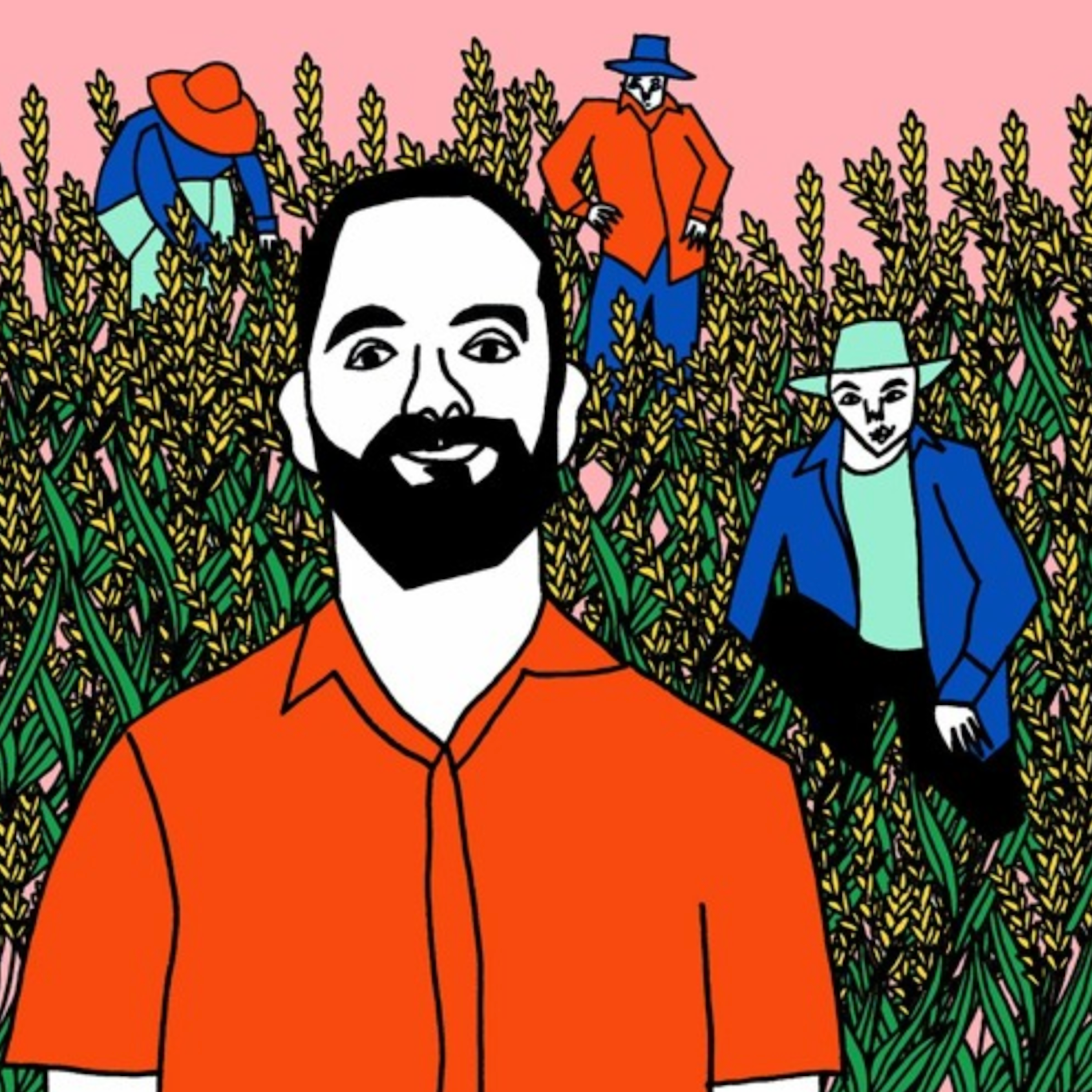
S2 Ep 52.5 Food as a human right with Michael Fakhri
‘UN Special Rapporteur on the Right to Food’ - who wouldn’t want that job title? When we read about Michael, we knew we had to interview him to learn about what he had to do to get this cool job and to know what it actually entails. He talked to us about why food is a human right and how he uses the case of Lebanon, his home country, as a sounding board for his right to food questions. Find Michael on Twitter: https://twitter.com/MichaelFakhri
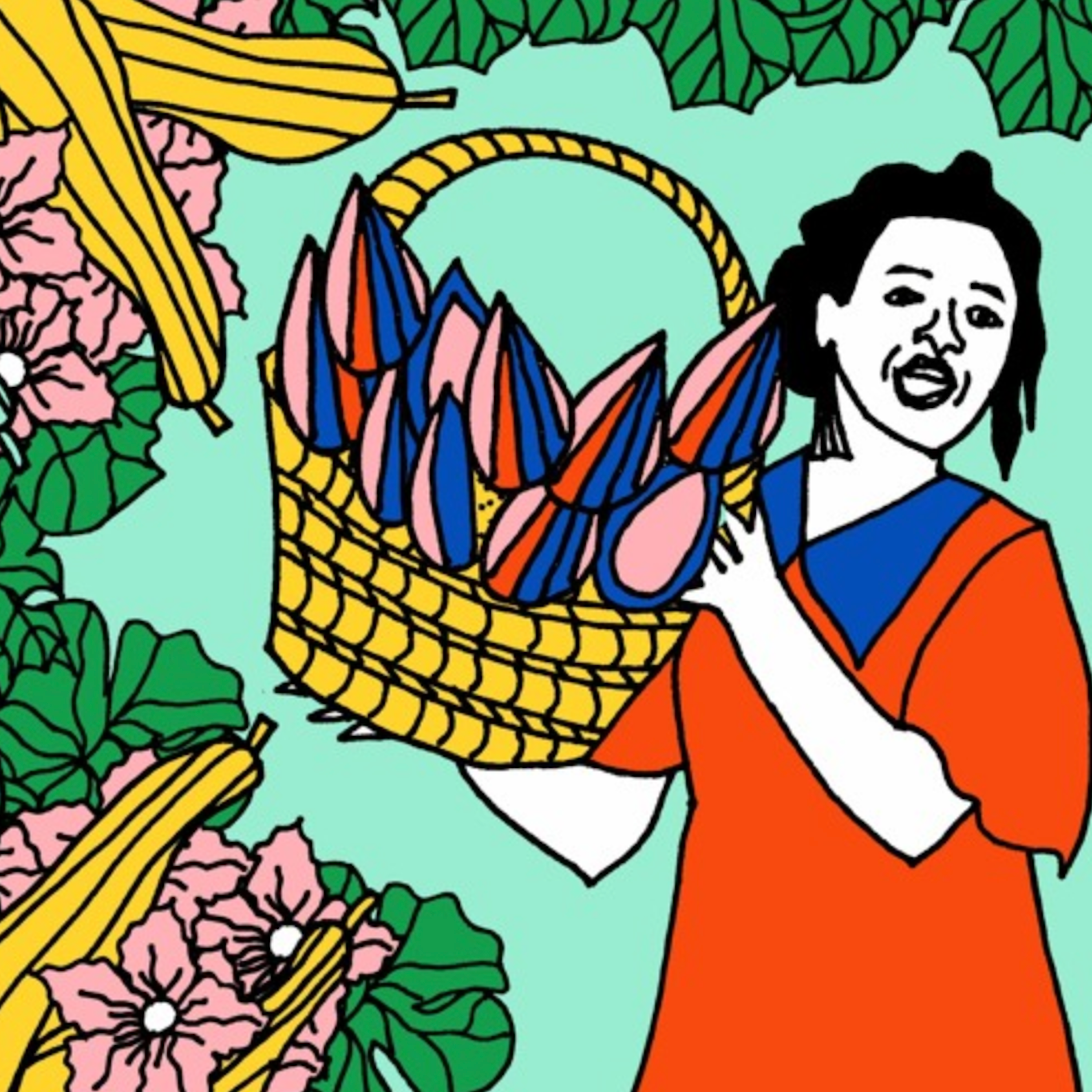
S2 Ep 42.4 Sowing Solidarity with Vivien Sansour
On episode 4, Nadine Almanasfi speaks with artist, storyteller and conservationist Vivien Sansour. Nadine has been trying to grow her own food and vegetable in her small allotment in north London and was very excited to speak with Vivien, who advocates for seed conservation and the protection of agro-biodiversity as a cultural and political act. She is founder of the Palestine Heirloom Seed Library, an interactive arts and agriculture project attempting to record ancient seeds and their stories and put them back into people’s hands. To learn more about Vivien and the Palestine Heirloom Seed Library, visit: https://viviensansour.com/Palestine-Heirloom In the podcast, Vivien mentions Esiah Levy, whose legacy you can read about on the Green Conspiracy: https://thegreenconspiracy.com/esiah-levy/ To see the yakteen seed labels that Haya Kaabneh illustrated for the Hudson Valley Seed Co., visit: https://modernfarmer.com/2021/02/palestinian-seeds-come-to-america-stories-and-artwork-included/
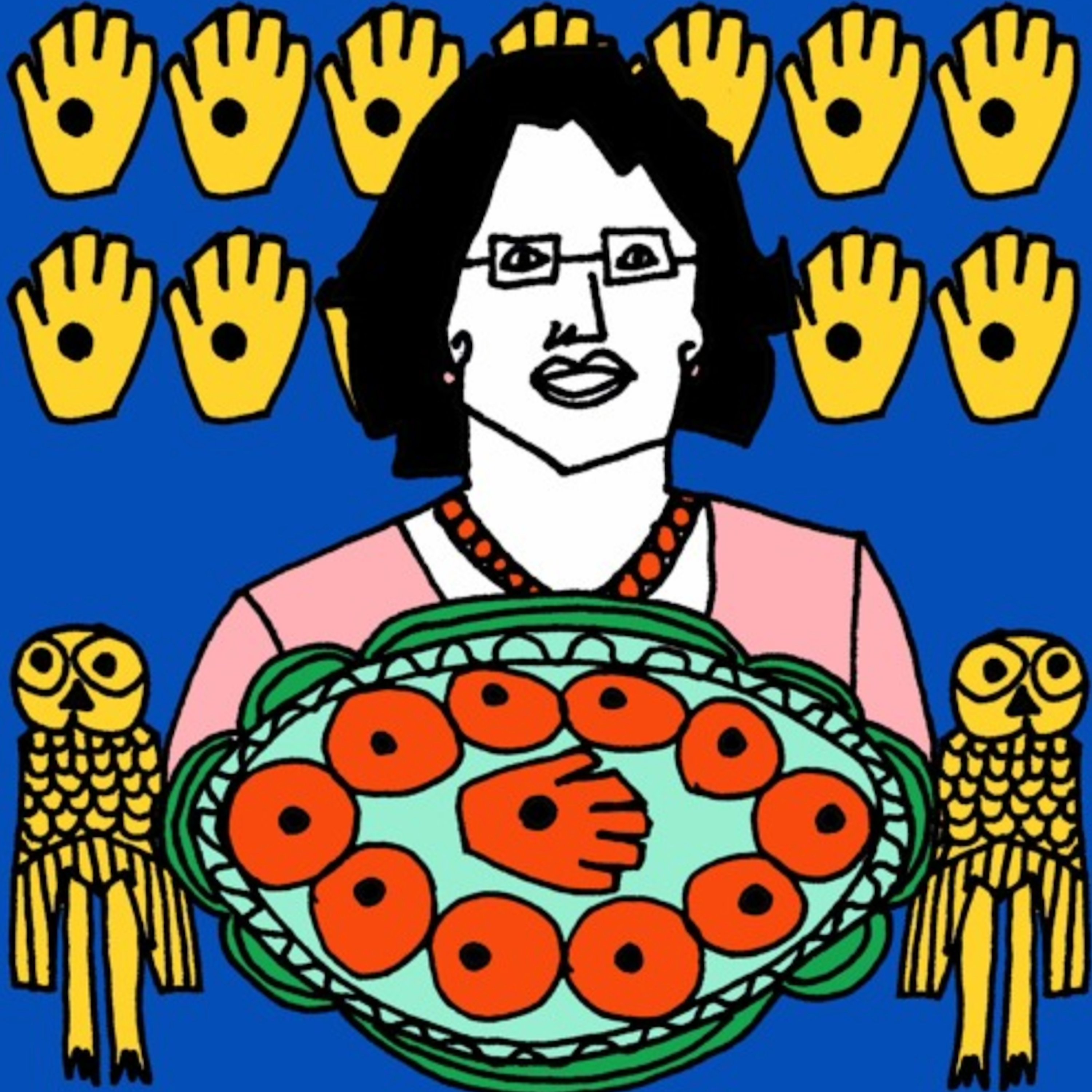
S2 Ep 32.3 Iraqi Cuisine from Mesopotamia to Mosul with Nawal Nasrallah
On episode 3, Taif Alkhudary speaks with Nawal Nasrallah about the history and development of Iraqi cuisine from Mesopotamia to modern day through her own cookbook 'Delights from the Garden of Eden' and her translation of the medieval Arabic cookbook 'Annals of the Caliphs’ Kitchens', an annotated translation of the tenth-century, Abbasid-era cookbook Kitab al-Tabikh by Ibn Sayyar al-Warraq. Nawal is an award-winning food historian of the Arab world, and translator of major medieval Arabic cookbooks hailing from Baghdad, Egypt, and Al-Andalus. Taif is a Research Assistant on the LSE Middle East Centre project 'Managing Religious Diversity in the Middle East: The Muhasasa Ta'ifia in Iraq, 2003–2018'. All artwork by Rawand Issa: www.instagram.com/rawand.issa_
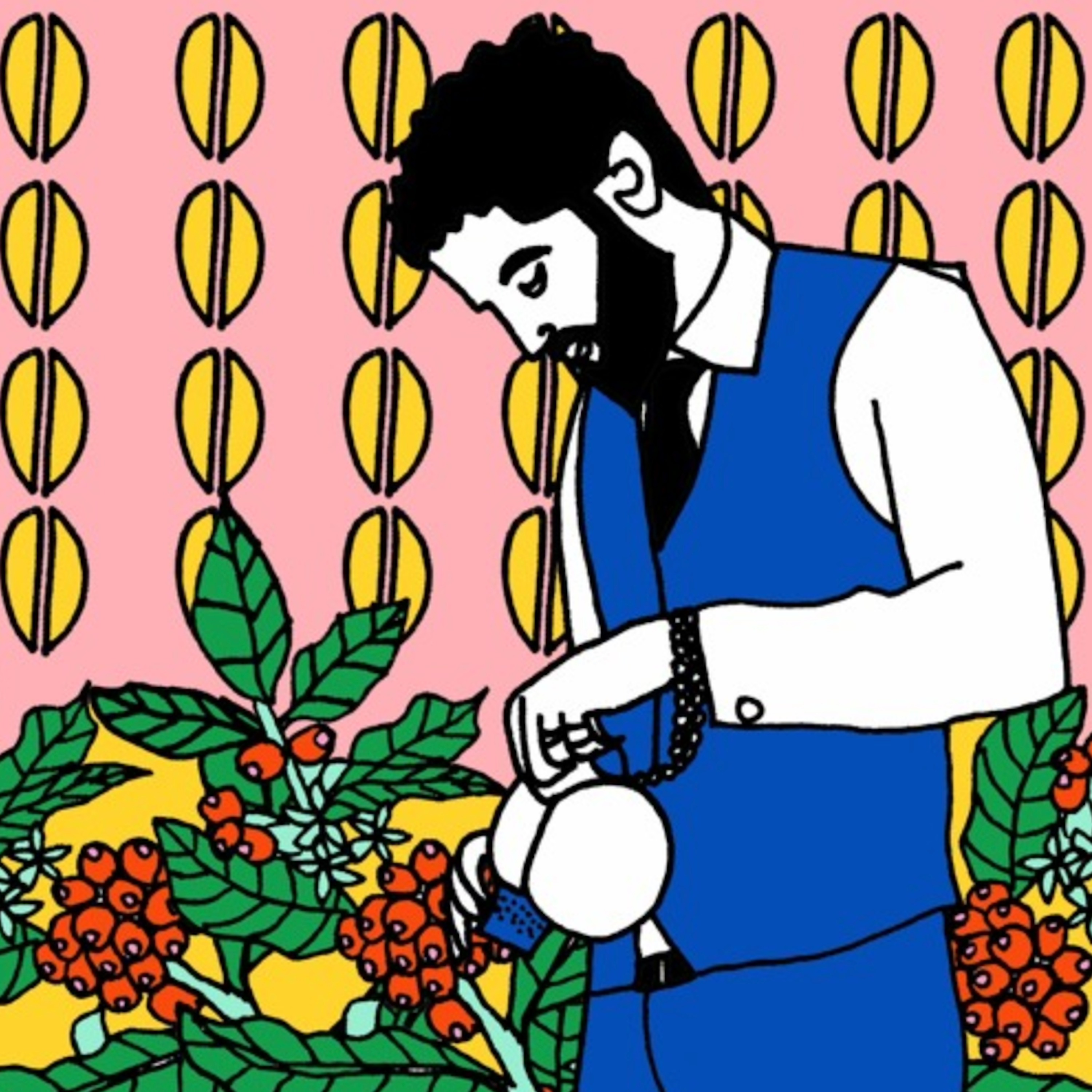
S2 Ep 22.2 Yemen's Coffee Revolution with Faris Sheibani
On episode 2, Professor Madawi Al-Rasheed speaks with Faris Sheibani about the history and culture of coffee in Yemen, and how the drink can be used to connect with, and sustainably support, Yemeni farmers. Faris is a British Yemeni social entrepreneur and founder of Qima Coffee, a Yemeni social enterprise that uses coffee as a vehicle for livelihood generation in Yemen. Learn more about Qima Coffee here: https://www.qimacoffee.com/. Madawi is a Visiting Professor at LSE Middle East Centre and Fellow of the British Academy. Her research interests include history and politics of the Middle East with special reference to Saudi Arabia and the Gulf, gender and state, religious transnational connections, and Islamist movements. Learn more about Madawi’s work here: https://www.lse.ac.uk/middle-east-centre/people/madawi-al-rasheed. All artwork by Rawand Issa: www.instagram.com/rawand.issa_
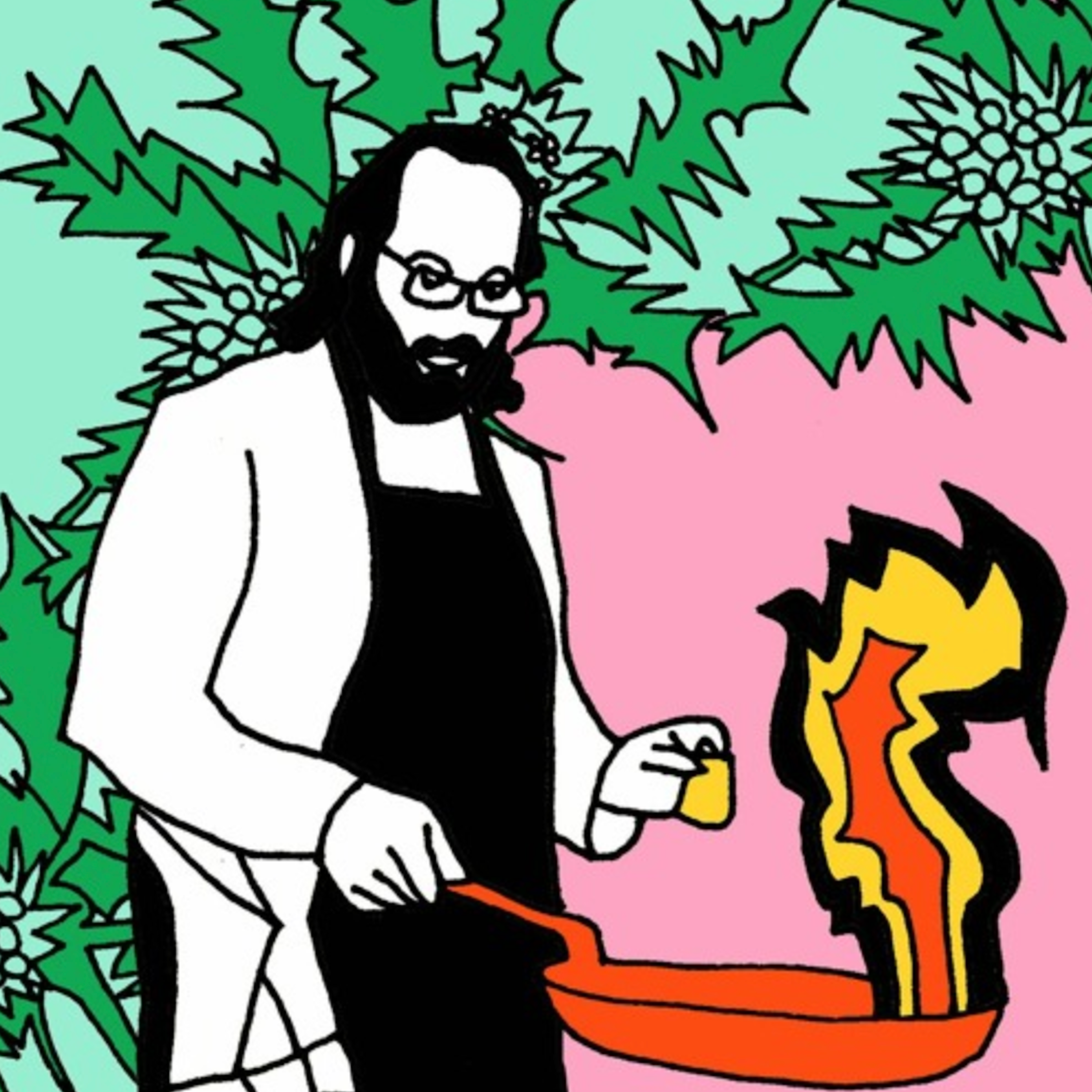
S2 Ep 12.1. Beetroot Hummus and Culinary Appropriation with Fadi Kattan
In this first episode, Fadi Kattan speaks with Sara Masry about everything from Palestinian cuisine in Chile and Haiti to why you shouldn't make chocolate and beetroot hummus. Fadi is a Franco-Palestinian chef from Bethlehem. He opened his own restaurant, Fawda, in Bethlehem in 2016. Alongside his restaurant, he pioneered the region’s first food tours. Fadi’s approach to food is informed by his passion for sharing the stories of the local foragers, gardeners, farmers and cooks that have shaped the culinary heritage of Palestine. Sara is an actor, writer and a partner at Basima's Kitchen, where she and her sister Alia serve up dishes from their Saudi and Palestinian heritage, inspired by their late grandmother Basima.
S1 Ep 121.12. Food of the Middle East with Claudia Roden & Sami Zubaida
On this special episode of Instant Coffee as part of our 10-year anniversary celebrations, we spoke with renowned food writers Claudia Roden and Sami Zubaida reflecting on all things gastronomic in the Middle East! Claudia Roden is a food writer and cultural anthropologist. Born and brought up in Cairo, she is best known as the author of Middle Eastern cookbooks including 'A Book of Middle Eastern Food', 'The New Book of Middle Eastern Food' and 'Arabesque—Sumptuous Food from Morocco, Turkey and Lebanon'. Sami Zubaida is Emeritus Professor of Politics and Sociology at Birkbeck, and also holds posts as Professorial Research Associate at the Food Studies Centre at the School of Oriental and African Studies. Born in Iraq, he is the co-author of 'Food, Politics and Society: Social Theory and the Modern Food System' and co-editor of 'Taste of Thyme: Culinary Cultures of the Middle East'.
S1 Ep 111.11. Keeping the memories of Syria's disappeared alive with Wafa Mustafa
On the final episode of this season's Instant Coffee, Co-producer of Instant Coffee, Ribale Sleiman-Haidar, talks to Wafa Mustafa about her father's enforced disappearance and why the world should be doing more to help. Wafa is a Syrian activist, campaigner and journalist. She is a survivor of detention and member of Families for Freedom, a group of women-led Syrian families demanding freedom for all of the country’s arbitrarily detained and forcibly disappeared citizens. Families for Freedom: syrianfamilies.org/en/
S1 Ep 101.10. Between Africa and the Arab World, Sudan's arts and culture with Omnia Shawkat
On this episode of Instant Coffee, Co-producer of Instant Coffee, Nadine Almanasfi, talks to Omnia Shawkat about arts and culture in Sudan, and the country's unique position between Africa and the Arab World. Omnia is co-founder of Andariya, a bilingual digital cultural platform from and on Sudan, South Sudan and Uganda. www.andariya.com
S1 Ep 91.9. Independent media in Iraq in the age of disinformation with Aida Al-Kaisy
On this episode of Instant Coffee, Sandra Sfeir, Projects Manager at the LSE Middle East Centre, talks to Aida Al-Kaisy about the growth of independent media in Iraq in the age of disinformation. Aida Al-Kaisy is a media development consultant and researcher who focuses on supporting ethical practices in the media industry.
S1 Ep 81.8. Resistance politics during a global pandemic with Ghiwa Sayegh
On this episode of Instant Coffee, Sara Salem talks to Ghiwa Sayegh about resistance politics during a global pandemic. Ghiwa Sayegh is a feminist writer and researcher. She is editor-in-chief of Kohl, a journal for body and gender research produced in Beirut, Lebanon. We recorded this episode on the 3rd of August 2020, a day before the explosion in Beirut. We decided to release it as is because we believe it provides a good framework for understanding what led to the explosion. Website: kohljournal.press/ Twitter: @kohljournal, @feministswrite
S1 Ep 71.7. Locating Afghanistan in the 'Middle East' with Moshtari Hilal
On this episode of Instant Coffee, Marral Shamshiri-Fard talks to Moshtari Hilal about locating Afghanistan in the 'Middle East', as well as her own artistic practice. Moshtari Hilal is a visual artist and researcher working from Hamburg and Berlin. Website: www.moshtari.de/ Instagram: @moshtarimoshtari
S1 Ep 61.6. Feminism in Kurdistan with Houzan Mahmoud
On this episode of Instant Coffee, Isabel Käser talks to Houzan Mahmoud about the state of feminism in Kurdistan and Culture Project, a platform for writers, feminists, artists and activists from Kurdistan and the Kurdish diaspora to freely express their ideas. Houzan, a Kurdish feminist and public lecturer is co-founder of Culture Project. Culture Project: cultureproject.org.uk/ Kurdish Women's Stories (edited by Houzan Mahmoud): www.waterstones.com/book/kurdish-wo…//9780745341132
S1 Ep 51.5. Technology and activism in Palestine with Salem Barahmeh
On the fifth episode of Instant Coffee, LSE Middle East Centre's Muna Dajani talks to Salem Barahmeh about technology and activism in Palestine. Salem is Executive Director of the Palestine Institute for Public Diplomacy (PIPD) and an advocate for Palestinian freedom and rights. You can find the PIPD on: Facebook: www.facebook.com/ThePIPD/ Twitter: twitter.com/thepipd Instagram: www.instagram.com/thepipd/?hl=en Youtube: www.youtube.com/channel/UCI1faJEQ…PLIBIS-g/featured
S1 Ep 41.4. The Future of the Israeli Left with Alon-Lee Green
On the fourth episode of Instant Coffee, LSE Middle East Centre's Jack McGinn talks to Alon-Lee Green about the future of the Israeli Left. Alon-Lee is National Director of Standing Together, a Jewish-Arab grassroots movement organising in Israel. You can find Standing Together on: Facebook: www.facebook.com/standingtogetherenglish/ Twitter: twitter.com/omdimbeyachad Instagram: www.instagram.com/standing.together.movement/ Youtube: www.youtube.com/channel/UCEE8M44MkYm6wqN8HN98jnA
S1 Ep 31.3. Challenges of researching in Yemen with Hafez Al-Bukari
In episode 3 of Instant Coffee, Rasha Obaid Ba Sabih (@Rasha7Rasha) talks to Hafez Al-Bukari of the Yemen Polling Centre (@yemenpolling)about the challenges of researching in Yemen. The Yemen Polling Centre is an independent research centre which aims to impact local and international policymaking with the ultimate goal of improving the living conditions of the Yemeni people.
S1 Ep 21.2. Arts under occupation with Ahmed Masoud
On the second episode of Instant Coffee, Sinéad Murphy (@DrS1neadMurphy) talks to Ahmed Masoud (@masoud_ahmed) about 'Obliterated', the play that never happened. Ahmed is a Palestinian & British writer from Gaza, living in London/UK. Author of the mystery novel Vanished & The Shroud Maker.
S1 Ep 11.1. Reporting the Lebanese Thawra with Megaphone's Jean Kassir
On this first episode of Instant Coffee, Omar al-Ghazzi (@omar_alghazzi) talks to Jean Kassir about covering the Lebanese revolution in times of Coronavirus. Jean is co-founder of Megaphone news, an independent media platform covering Lebanon and the region. You can find Megaphone on: Facebook: www.facebook.com/megaphone.news/ Twitter: twitter.com/megaphone_news Instagram: www.instagram.com/megaphonenews/