Inspirational Insights Podcast - Insight To Action
136 episodes — Page 1 of 3
Dancing with Cancer - the Doorways Journey
The Experience You Didn’t Choose
How Inner Health Changes What AI Means for Your Career
The Real Reason You Feel Tired
Ervin Laszlo-Systems theorist, Mentor, Inspiration
Why You Can't Control Your Emotions (And What Interoception Has to Do With It)
Stop Reacting to Emotional Triggers!
From Emotionally Triggered to Grounded and Confident with Miranda Rocca-Circelli
Regenerative Health with Tim Wagner
Get full access to Navigating Uncertainty: Visionary Resilience at dawnajones.substack.com/subscribe
Is intuition woo-woo? Or your high speed cognitive advantage?
The Intuition SeriesHow does your high-speed cognitive process work?“I don’t trust my intuition. It’s been wrong.”“Intuition is fear.”“We want rational decisions, not something intangible.”There is a reason why intuition can be wrong and a reason why it is not fear or any other emotion. Intuition is a cognitive process that runs at high speeds so you can make life-saving decisions BEFORE you are cognitively aware. That’s life-saving insight First Responders rely on. So do repeatedly successful entrepreneurs. Intuition utilizes your subconscious processor and is mashed up with bias (cognitive distortions), unhealed emotional wounds, beliefs, and other distortions, hence the confusion. Whether you believe or do. not believe in intuition, the info in this video will help you recognize your greatest asset when working with dynamic conditions, high stakes, insufficient information at speed. Your life might depend on it. Get full access to Navigating Uncertainty: Visionary Resilience at dawnajones.substack.com/subscribe
So You've Been Triggered by Emotional Wounds! Now what?
Being triggered is a positive signal that there’s an emotional wound buried in the subconscious, needing your attention. Behind fatigue is a lot of overwhelm and energy bound up in carrying unhealed emotional wounds and generational trauma around. Clear those energetic triggers to regain usable energy and emotional freedom. The horse in the background gets triggered but, unfortunately, can’t apply self-directed solutions like readers can. Releasing decision fatigue and reframing overwhelming powerlessness into forward steps requires expanded self-awareness and action. Reactivity converts into unflappable growth.In this video, I cover the steps to:Deal with the emotional reactivity where your brain fires out of protection. Box breathing is one tool. Included in this podcast interview are instructions on box breathing. Clear the emotional energetic charge so you retain the memory but not the emotional wounding that goes with it. Therapy is one option. As I’ve mentioned in previous posts, my go-to is Emotional Freedom Technique because it is science-backed, self-directed, and works. Get started using Brad Yates, Manifest Portal (Devi), and Julie Shiffman. If you’re ready to clear up stored emotion from your body’s hard drive (subconscious), you can start immediately. Why wait for spring?!Clearing trauma and old emotional wounds is an insurance policy against chronic illness while providing a sense of control over fatigue and the overwhelming consequences of global events. Why?In my experience, dealing with overwhelm is a lot easier using your subconscious with its outrageously fast processing speeds. Clearing out the closet of old energies gives you more resources to work with. Applying the oxygen mask allows you to focus more clearly on what is going on around you. Without context awareness, you can’t see what’s coming next, much less respond to it effectively. Considering the world that emerges is a direct function of the health and well-being and decision-making consciousness of each person and the collective, this personal development and expansion is critically important. Thanks for being a future-shaper!! Note and Disclaimer: What I write about it is based on my personal transformation, professional experience and research into the intersection between science, the power of the human spirit and the fringe of discovery. It does not supplant or replace conventional medicine or other sources of personal development. Navigating Uncertainty: Visionary Resilience is a reader-supported publication. To receive new posts and support my work, consider becoming a free or paid subscriber. Get full access to Navigating Uncertainty: Visionary Resilience at dawnajones.substack.com/subscribe
Rebalancing Down and Difficult Feelings
Reflections surfaced while I was trooping around snowshoeing on Hollyburn Mountain and thinking of my subscribers, some new (thank you!), some loyal (very grateful), and all who are paying attention to what is going on in the world. More aggression in the global arena, deceptive accords (peace, truce or not), can hurt your heart. Home base is your personal spirit and joy. In this short video, I name a few simple practices to boost your personal spirit in the face of the news and other emotional distractions.Your mindset is directly impacted by your self-awareness of the context and its effect on your emotions. This makes awareness critically important because it triggers action to intentionally process your emotions and regain clarity.Core to well-being and personal growth is having a sense of control, a face-forward outlook on life, and the initiative to grow, so you can hack resilience and build feel-better emotions.None of us can face the world with courage without the inspiration of others who are taking on the difficult conversations that are critically important for breakthroughs.People like Garry Turner, whose conversations on the masculine-feminine dynamic invite self-situational awareness on what is going on for you, what is going on face to face, and what is going on in the wider environment (context awareness).Dark feelings, triggers all provide openings for personal development.When the going gets tough, the tough get growing. Get full access to Navigating Uncertainty: Visionary Resilience at dawnajones.substack.com/subscribe
Feeling Shattered? How To Recover From Being Laid Off
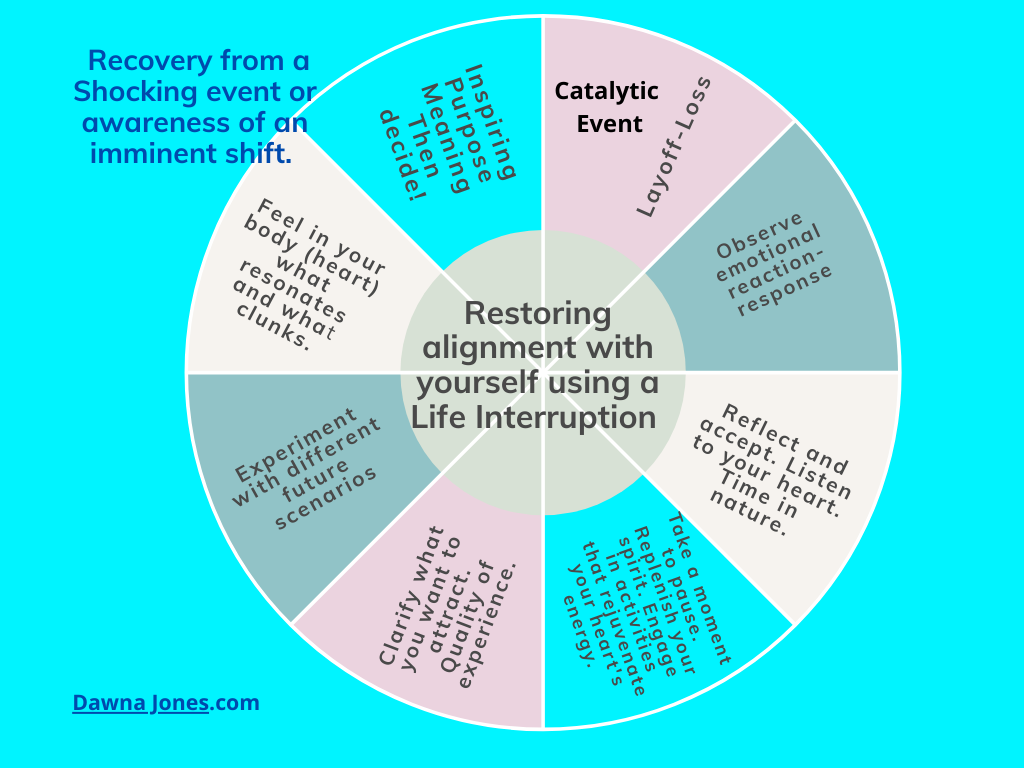
Full disclosure, I have never been laid off, but I have fired clients who were using my work to ‘control’ employees and “bring them into alignment”. After personal losses and life’s interruptions, I began to notice a pattern in my experience. It is not necessarily linear but can be. Your heart energy is your compass, and it needs deliberate care to respect the more intense emotions that accompany loss. It is also a great way to stay aware of what charges you and what depletes you. If you’ve lost your job, feel a need to reinvent yourself, or realize that there is something deeper emerging from within, then the steps I’ve outlined here will help you hone in on what you need to respect and listen to as you process and reinvent. Thanks for reading Navigating Uncertainty: Visionary Resilience! This post is public so feel free to share it.Given the ridiculously high disengagement statistics, reinventing yourself is timely. Doing it while moving through fear (financial, and more), brings you face-to-face with your commitment to You. I work for myself, so if my work is unfulfilling, it is up to me to change it. Staying aligned with my purpose has been a bumpy ride and no less challenging than a company like Patagonia has experienced through its growth and commitment. Over thirty years, both internal catalysts and external conditions have propelled me into new territory. It hasn’t always been successful or smooth, so I began taking notes, hoping that my experimental process would help someone willing to accept full responsibility for their well-being and destiny. “It is not in the stars to hold our destiny but in ourselves.” - Ralph Waldo EmersonIn moving through fear and doubt, there might be temptations to take the well-worn road of depression and other mental health side trips. Dark emotional places serve as a signal that you’ve fallen into a pit. Commitment and compassion will get you through any trials. Not easy, but necessary. The world needs your full talent now. Biologically, repression of expression creates depression or aggression. Any time I see people shooting other people, it tells me that the pressure has become too great and the violence too easy. Nothing about self-collective leadership is easy peasy. Commitment is essential. So is reflection, stepping back, observing and noticing the pressures you’re responding to. Your heart will tell you what is next, after you’ve done some emotional release work and given yourself the space to recover. As we move from individual to collective leadership, the personal work you do directly informs the quality and frequency of the collective. Exciting times. Please post comments, or questions and share this with someone who needs to know they are not adrift in the open ocean nor are they alone. Navigating Uncertainty: Visionary Resilience is a reader-supported publication. To receive new posts and support my work, consider becoming a free or paid subscriber. Get full access to Navigating Uncertainty: Visionary Resilience at dawnajones.substack.com/subscribe
A Moment of Awe- Geese Migrating
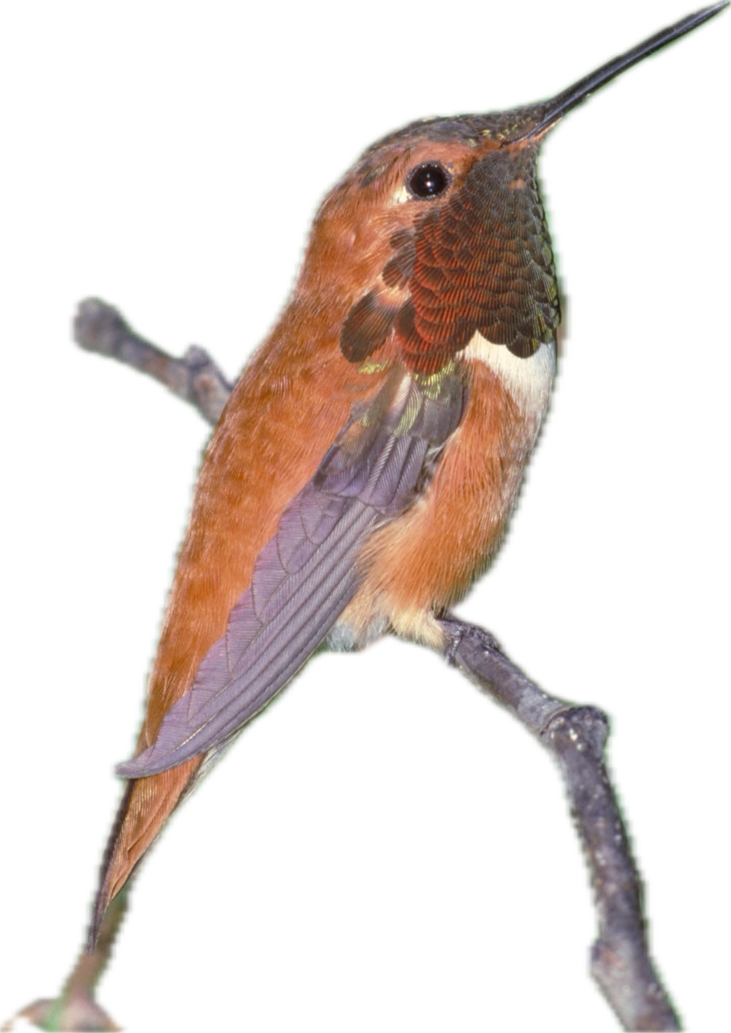
Our connection to nature is captured in appreciation for the journey these birds make. This is a group of stranglers; the bulk of the migration has passed. They flew overhead yesterday while I was playing with my grandkids. Every time I see a flock like this pass overhead, I am in awe of their navigational instincts. These are Canada Geese, one of three or four species that migrate south along the Pacific flyway. They will cover 3200 km to 5600 km, depending on their starting point (2000 to 3500 miles), flying from Arctic Canada to the southern U.S. and Mexico for the winter. With flight speeds of 64 km to over 100 km per hour (40-70 miles per hour), a built-in GPS and navigational devices, they face every obstacle humans have created, plus those the weather presents. After wandering the world for two years, the first thing I did on my return home was go camping in a cow pasture because my father and mother were banding birds. Crouched down in a slough, overhead came a flock of Canada Geese honking and flying low. I could hear their wings whistle as they passed overhead. And I cried from the joy of their presence.Navigating Uncertainty: Visionary Resilience is a reader-supported publication. To receive new posts and support my work, consider becoming a free or paid subscriber.Nothing is quite as spectacular as the flight and migration of birds… a journey that has been followed for possibly 50 million years according to the fossil record. Hummingbirds lay an egg the size of a pea. Their migratory journey covers 3200 km (2000 miles) and fits easily in the palm of your hand. You can’t handle them without risking breaking their wings. And yet they make that flight distance. Their metabolic rate is so high that at night they go into a state of hibernation. Photo: Edgar T. Jones Our technological ambitions look small next to the magnificence of small birds on big flights or larger birds on group flights. Get full access to Navigating Uncertainty: Visionary Resilience at dawnajones.substack.com/subscribe
What happens when conflicting worldviews ignore trust and connection?
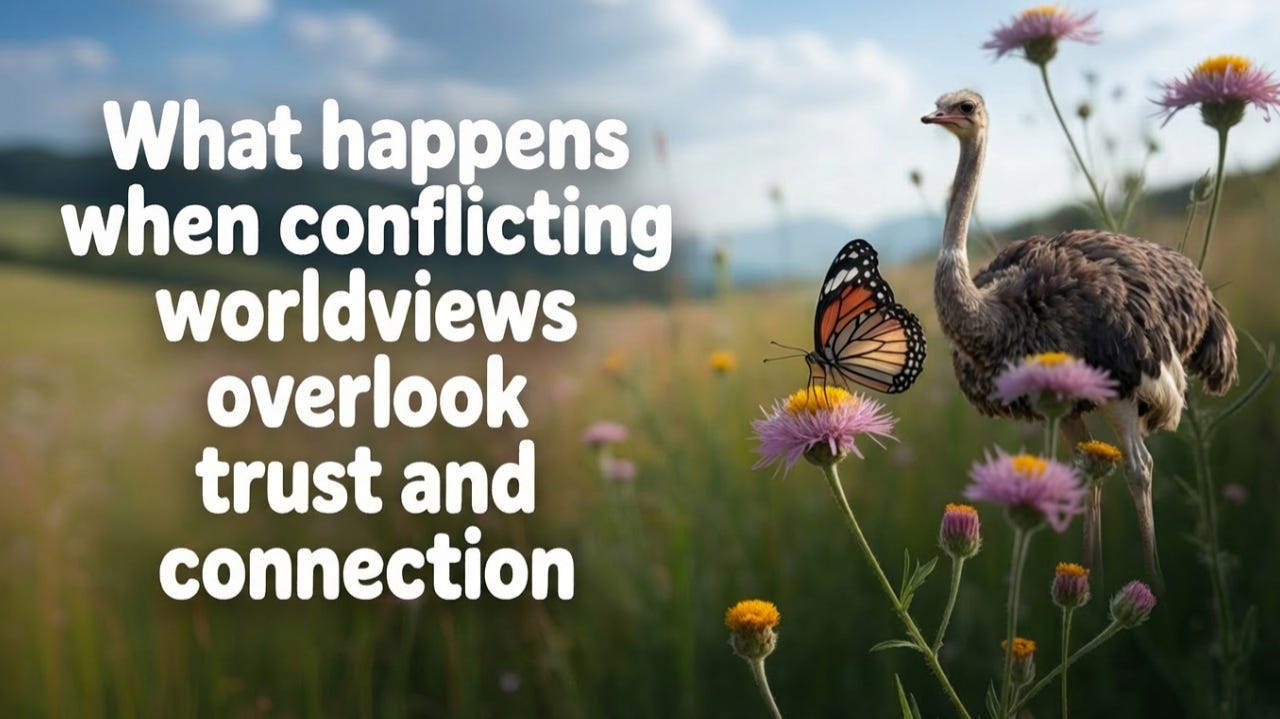
When strangers from the city step onto a farm, they often see disorder—muddy kitchen floors, grass growing in ditches, animals or birds that poop and have no character or personality. It looks messy. But to the person who tends the land, that same scene is alive with relationship—a quiet understanding between humans, animals, and place. Without that bond, decisions are clinical, missing the big picture, and limited by what is perceived as possible from that worldview. For instance, the virologist who was interviewed by CBC along with others presented the challenge of testing the ostriches from a technical point of view arguing that the birds were too strong, fast to be tested. No one considered, at least that I saw, recognized that the farmers could have done the testing because they had raised the birds since birth. The ostriches knew and trusted them. The decision was sourced in a worldview that was missing the reality of the relationship and farm life.Relationships is the basis for understanding complex interactions. Oversimplication is easy but misleading. That gap in understanding shaped the fate of 317 ostriches in British Columbia. The cull revealed more than the tragic, unethical, disconnected method; it exposed a deeper divide between how caregivers, scientists, and government officials see life. This video takes you onto a farm, where the connection between you and the animals you care for leads to cooperation, after trust has been established. To a city dweller, animals are animals. Objects. Edible objects. To anyone working with a modicum of sensitivity and consciousness, they are sentient creatures who understand much more than you think they do. The other day, while leading one of the stallions in, I told him I’d be walking him in. Usually, he runs himself in. I’ve learned that if I don’t explain what is happening, he makes his own decisions, like pulling a 100-pound bale of hay off the stack. We cooperate. It didn’t start that way. Boundaries needed to be set on my part. The sum total of how we see and interpret the world is captured in your worldview, individually and culturally. Consciousness is when you are aware of your worldview and able to observe how it differs from the worldview of others. Shifting perspective and empathy are the two metaskills that illuminate the source of conflict or tension. With tension as your signal, you can ask questions with an open mind. I had a lovely conversation on worldview with Kathy Jourdain on the podcast. Understanding worldviews can reduce polarization and bring people together to reach some level of cooperation in solving a complex problem. If you missed it, listen here. Navigating Uncertainty: Visionary Resilience is a reader-supported publication. To receive new posts and support my work, consider becoming a free or paid subscriber.https://embed.acast.com/5a6fab1455cdce603414631c/6385025a1c0715001196cadcUnderstanding worldview opens the door to greater understanding. Without it, decisions are made that lack humanity and any ethical integrity.The daily news is full of opportunities to practice spotting the source of different perspectives. As a consciousness shifter, recognizing when you’ve just stepped into a different world, provides a fresh context for how you process your experience and make decisions. J.K. Rowling knew that when she created the world Harry Potter lived in. The world we live in, is still being shaped and formed in everyday decisions, and in the decisions that tilt toward affirming life, or killing it. Thanks for reading Navigating Uncertainty: Visionary Resilience! This post is public so feel free to share it.Reconnecting back to life sustaining wisdom means being humble enough to know that how you or I see the world, is not how it is from many other points of view. I love the work this musician (Plume on YouTube) has done to discover how sensitive animals truly are. Animals respond to the emotion you bring and their experience. Plume sings to a shy OkapiEnjoy! Get full access to Navigating Uncertainty: Visionary Resilience at dawnajones.substack.com/subscribe

Persistently Recovering Emotional Health
After three sports-related head injuries, one subarachnoid hemorrhage, financial loss, loss of housing, and other setbacks, I began to process difficult experiences as a learning lab for resilience, to stay in alignment with my purpose and what has meaning. It occurred to me that my experience might help others. In this video, I share what I observed, the steps I wandered (or staggered) through to process various life experiences, recover, and move forward. Disclaimer: This is not professional advice; it is personal experience. Because I am a process nerd and specialize in transforming life’s experiences into value, making sense is combined with the steps I used to guide myself into new territory with confidence. My hope is/was that what I experienced would have value to others navigating the messy middle between one state of being and the next. Feedback is welcome. There’s more to come. The inner work is becoming increasingly essential if we are to collectively work with high uncertainty while redirecting leadership decisions toward a life-affirming understanding of system relationships. Navigating Uncertainty: Visionary Resilience is a reader-supported publication. To receive new posts and support my work, consider becoming a free or paid subscriber.One more simple step not in the video:Be in awe with life. Every morning! For me, lately it has been the massive flocks of geese flying south. Canada geese, Snow geese, White-fronted geese in formation or not. These are Ross’s geese from my father’s photo collection and a book that never got published. Above the deafening manmade noise is the subtle sound of wings riding the slipstream following the bird ahead. Their trip is not as long as other species, only 4800 km (2 - 3000 miles). Still, pretty impressive! Thanks for reading Navigating Uncertainty: Visionary Resilience! This post is public so feel free to share it. Get full access to Navigating Uncertainty: Visionary Resilience at dawnajones.substack.com/subscribe
What if simply being present changed your workplace?
In the upcoming episode with Garry Turner on the Healthy Masculinity podcast, we talk about how horses sense your emotional state. What is unsaid in the video is that the simple act of listening with the intention to understand changes how people feel. Nick Zeniuk, former Ford executive and my mentor in 2007-8-9 understood the sensitivity of horses and how they express themselves. It is particularly valuable when moving through times when it seems easier to rely on mental will over sensing your environment. Moving through uncertainty with confidence draws on universal principles and meta skills of consciousness. Four universal principles from cultural anthropology have guided my facilitation and leadership self-work…* Pay attention to what has heart and meaning.* Show up and be present. * Tell the truth without judgment.* Be open to outcome, not attached to it. Thanks for reading Navigating Uncertainty: Visionary Resilience! This post is public so feel free to share it.These four principles look innocently simple until you put them into practice and observe yourself in action. Even listening comes in categories: connected listening, active listening, and empathic listening, for example. Intention guides focus in my experience. With the surge in layoffs, companies deferring to AI instead of engaging their people, self-knowledge will fuel resilience and visionary leadership. These principles help, along with awareness of your inner and outer emotional world. Will post the interview when it is released. Navigating Uncertainty: Visionary Resilience is a reader-supported publication. To receive new posts and support my work, consider becoming a free or paid subscriber. Get full access to Navigating Uncertainty: Visionary Resilience at dawnajones.substack.com/subscribe
Observing Focus: From Me To Paying Attention To Purpose
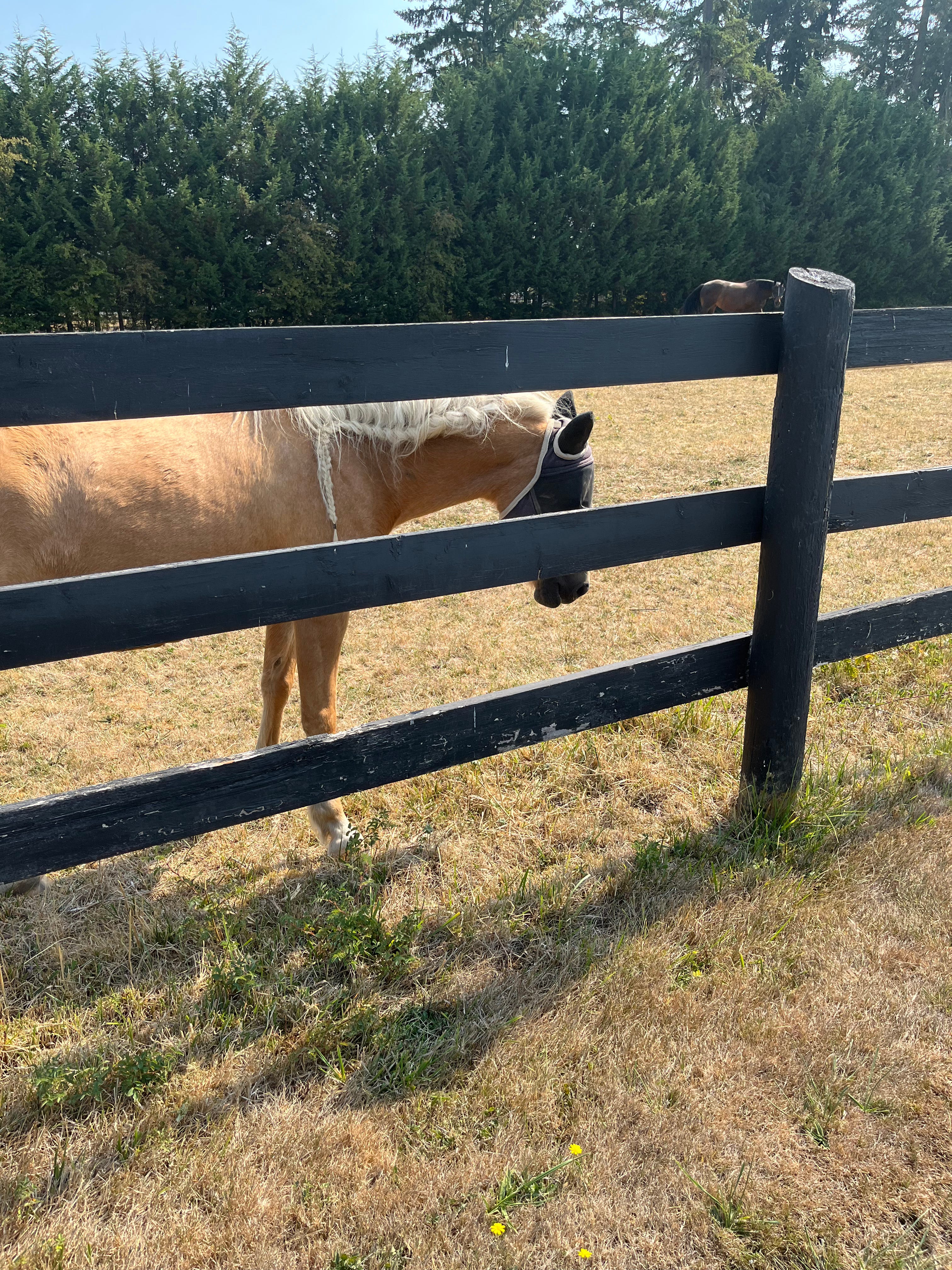
This is the pony. In the video you see only her butt so this photo shows her front end. She has one eye and two sides. In this story, I share how a six-year-old decided brushing one side was good enough. It is something that everyone does occasionally. Perceive through a narrow ‘Me’ lens and forget about the purpose - why you are doing what you’re doing. In this video, I share how the six-year-old’s actions and motivation mirror those of anyone whose focus is on ‘Me’ and not on why. The value of paying attention to what you focus on is one of the most powerful ways to maintain your well-being, oversee organizational change, and teamwork. One simple practice with infinite value for leaders leading their lives with consciousness, self and situational awareness. I mention a podcast I did with Richard Sheridan where we go into detail on focus, outcomes and the rigour associated with being clear about what you’re aiming to achieve. That link is here. The Business Value of Joy! Get full access to Navigating Uncertainty: Visionary Resilience at dawnajones.substack.com/subscribe

Standing in the Eye of Uncertainty
Working with the uncertainty presented by housing costs, cost of living, global conflict and loss of biodiversity demands a change in how we think. We are trained to think linearly. But the world runs on inter-relationships. I’m back on the horse farm. In this video, I talk about eco-systemic thinking as it applies to farm life and purpose-driven focus on relationships, going beyond cause and effect versus the ingrained linear thinking that dominates.I also cover the tips for working with uncertainty, which may be a partial repeat from a previous post, but it is worth repeating. None of what it takes to stay well in today’s world is a one-off checklist. Finally, I’d like my subscribers to know that I’m pausing for a month for a digital detox. Will resume and return with lessons from nature, and more skills and stories from a life of travel, that inform and support full flourishing humans. Get full access to Navigating Uncertainty: Visionary Resilience at dawnajones.substack.com/subscribe

Workplace Culture: Opportunities to Engage
What if companies engaged their people, replacing fear of losing control with a focus on health, well-being and high value contribution? According to Perplexity.ai, it would add $9.6 trillion to the global economy. Worse, 27% of managers are disengaged. So why isn’t making an engagement a priority happening? I gained insight when a colleague who consults within US companies mentioned that, post-COVID, he was hearing executives say they could hardly wait for this engagement fad to be over. Hopefully, that’s not a popular view, but if it is, then fear of losing control over others, rooted in emotional insecurity, lies at the source of failure to adapt thinking. Could replacing emotional insecurity with emotional mastery be the highest leverage step toward well-being and resilience? Thanks for reading Navigating Uncertainty for Radical Action! This post is public so feel free to share it.Dan Szuc and Jo Wong run a UX consultancy out of Hong Kong. Aware of space, place and interaction, and grounded in theatre production and education, they observed how interactions are driven by culture. Make Meaningful Work has templates for observing micro action in place. Their cultural work involves paying attention to what is going around, widening the lens, opening the aperture to capture the bigger picture. How about treating culture as a theatre production?The live stream is on my YouTube podcast channel. This is a 5 minute overview of the discussion. I have questions. * How can workplace cultures be moved from process-driven to being aligned in personal and organizational values, when decision-makers fear loss of control? * How can there be movement toward high engagement and company resilience when there is habitual avoidance of discomfort? * What if asking and having challenging conversations deepened skillsets, engaged creative thinking, and connected decisions to consequence, meaning and purpose? In 2024, the Edelman Trust Barometer reported an innovation crisis. Innovation reverted to tweaking what existed, skipping the opportunity to rethink and delete processes that worked against company viability. That’s not innovation. More like retrenching to the familiar and bypassing the value of uncertainty for leadership and growth. If there is a simple way to illuminate possibilities, it would be to observe where the focus is going and make an intentional decision to take action and move forward. At the end of our longer discussion, Jo Wong closed with: “ You have power. Just be more aware of it and be more intentional about how you frame things. The mindset and attitude can affect your choices.”Find Jo and Dan’s book on Amazon, and their work on the links below. Subscribe to their newsletter: https://www.linkedin.com/newsletters/make-meaningful-work-7327884648296972288 https://www.makemeaningfulwork.com/ https://www.apogeehk.com/ https://www.makemeaningfulwork.com/books https://www.amazon.com/dp/173792823X?ref_=pe_93986420_774957520 https://www.makemeaningfulwork.com/about Get full access to Navigating Uncertainty: Visionary Resilience at dawnajones.substack.com/subscribe
3 Ways To Pay Attention To Your Emotional Health
Amid another disruption to my life, I am reminded that we each have the power to become emotionally and mentally stronger using chaotic and volatile circumstances. This is a high level way to self-witness how you are doing emotionally and mentally so that you cam make adjustments and grow increasingly calmer and at peace while system-wide disruption is underway.COVID was one opportunity. The straight line thinking that the current President of the US applies to decision-making presents another. In the video, I mention box breathing. Here is the audio clip of how to box breathe from my interview with Colonel John O’Grady of the US military. If you don’t like the military, it is OK. We can still learn from the training and conditions military personnel are exposed to.Navigating Uncertainty is a reader-supported publication. To receive new posts and support my work, consider becoming a free or paid subscriber.If you are curious about the military’s approach the full interview is here: https://embed.acast.com/$/5a6fab1455cdce603414631c/uncertaintyambiguity-lessons-from-us-military-with-colonel-j? The skills, mental disciplines, and sensory practices I share are part of the Revive and Restore program. The recipe is simple. Look after your emotional and mental health so that you can make the best decisions possible and then participate, with others who think differently, in collective action-oriented change, local to global. Phew!I provide coaching on resilience and beyond for those who wish to be part of something bigger. To my paying subscribers, thank you for your support!! Get full access to Navigating Uncertainty: Visionary Resilience at dawnajones.substack.com/subscribe
Expanding Your Vision, Impact and Vitality
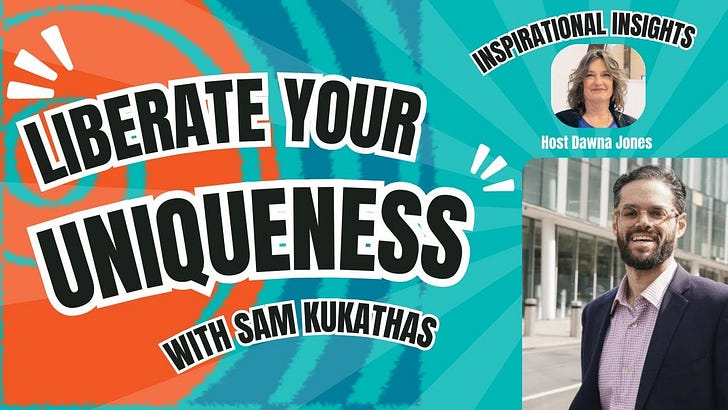
Note: The sound on the first publication was distorted so I have redone the whole thing and replaced the video and audio files (now on Spotify etc). If you missed listening the first time try now. Imagine the possibilities if every single person in this world, in your company, or in your family could express themselves from their original pure note. In the early part of 2003-4 when I was rethinking my role in the world I came across quantum coherence where each person in a company brought their unique note to their work, in harmony with all others focusing on the achievement of a goal. Lofty right?And then along came Sam Kukathas with a voice that can transmute barriers of disbelief, limits imposed through difficult experiences, to reveal the deepest source of your True Self. Sam Kukathas is an academic who had a crisis. Through that, he became who he is today. Bringing a visionary approach to the larger issues we are capable of solving collectively. On the full episode, we talk about his journey which has parallels to all of our journeys in the return to self. We recorded a YouTube livestream on Thursday, March 13th where we talked about sound, and frequency at the intersection of science and spirit. Then Sam gave every listener a gift. In this video clip Sam makes neuro-resonance optimization real and shares what Neuro Resonance Optimization is. Every time I hear Sam’s voice I feel an opening and elevation in spirit and in my heart. I hope you gain hope from this experience, that we are capable of much more than we have been doing so far. And that nothing is impossible. This is a short clip so I encourage you listen to the full episode where we talk about breakthroughs and a shift in global political consciousness. Please share this post, and reach out to Sam if you are curious and have questions about evolving into who you fully are. Find Sam’s work here: https://soulpurposeleaders.com/https://samkukathas.com/ and for a digital recording head to Bandcamp:If you appreciate this work please consider becoming a paid subscriber. Only by working together can companies contribute to business being better for and in the world. Beyond business, it is citizen-led visionary action that can solve most of the large problems we face today. Get full access to Navigating Uncertainty: Visionary Resilience at dawnajones.substack.com/subscribe
Developing Your SENSING Skill for Dealing with Uncertainty
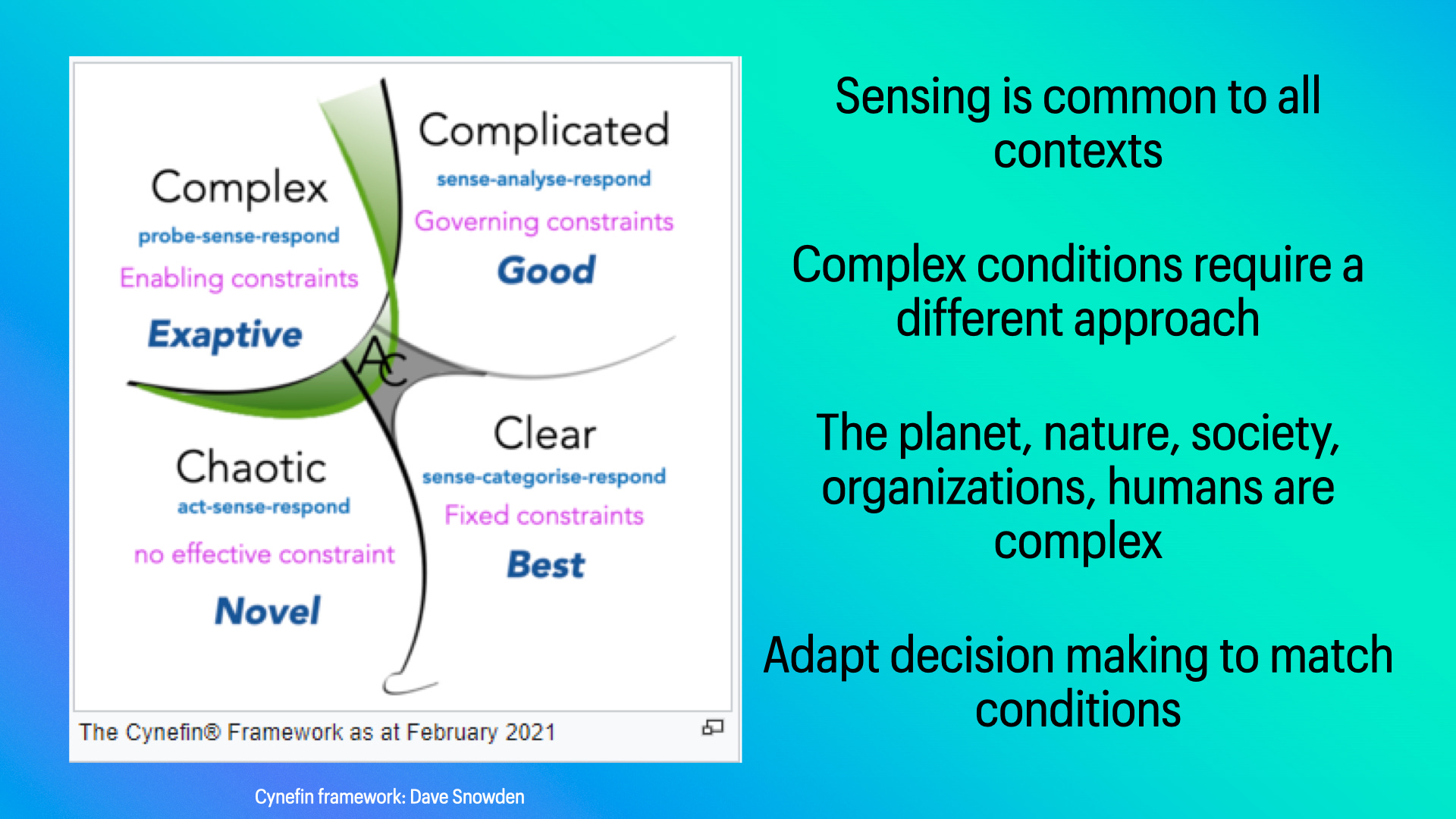
Spotting patterns in your life or an organization’s decision-making relies on your sensing ability. In this short video, I describe how the Sentinelese people of south east Asia, detected the tsunami through signals and cues. These included:* fast and significant retreat of ocean waves,* cicadas stopped singing, * one small wave came before the big wave.There were other signals of course. Experienced surfers, SUP (stand up boarders) know how to read the wind, waves and layers of currents. The modern world is noisy and tends to drown out the perception of subtle signals that speak volumes about what is going on. * gain the capacity to recognize signals and cues and you gain the capacity to:* predict market shifts before they happen,* read the signals of a company going down, * detect whether the promises of an investment opportunity are shiny but destined to fail. * decide whether a company’s management is a fit for you. Navigating Uncertainty is a reader-supported publication. To receive new posts and support my work, consider becoming a free or paid subscriber.There are more personal and professional benefits.I am reminded of a conversation with a surfer who was also a mortgage broker before the 2008 crash. In the same way he could sense the water was ‘sharky’ (and yes a shark was cruising beneath him), he could also detect the impending crash. He diversified and got out of the mortgage business so when it crashed months later, he emerged unscathed. These are times to dive deeper into skill sets that our ancestors and those close to nature rely on. Sensing as a way of seeing is invaluable for seeing ahead, making sound choices, and calming the nervous system.Sensing is one core skill that applies in all contexts in Dave Snowden’s Cynefin framework: simple, complicated, complex and chaotic. Rather than investing emotionally in what is being said, try sensing what lies beneath the surface to see the possibilities or motivations behind the rhetoric. It helps you avoid being manipulated or scared into doing something not in your best interest. A simple way to reduce stress is to suspend judgment and stay open to sensing what might emerge. For more reading:https://www.esa.int/Applications/Observing_the_Earth/Proba-1/Tsunami_leaves_tribal_island_high_in_the_water#:~:text=The%20islanders%20would%20typically%20have,well%20before%20the%20waves%20hit.Search on Perplexity.ai Dave Snowden’s Cynefin framework is explained here: Get full access to Navigating Uncertainty: Visionary Resilience at dawnajones.substack.com/subscribe
Decision Lab - Spotting Signals and Patterns
The infamous scandal posed by the Horizon One Post Office illustrates what happens when high-impact decision-makers ignore the signals and cues and the negative ripple effect. Using this example, in this video, I lay out what happened as a result of one out of several decision-makers involved, then look at reasons why it happened and how you can avoid being caught in a similar trap. Of course, it is easy to see the obvious benefits using hindsight. The focus is not on judging people retroactively or retrospectively, but on seeing what can be learned about reading system-level sourced issues. The book I mentioned in this episode is How to Read Water: Clues and Patterns from puddles to the Sea by Tristan Gooley Links to research behind this episode:https://www.computerweekly.com/feature/Post-Office-Horizon-scandal-explained-everything-you-need-to-knowhttps://www.iod.com/app/uploads/2024/10/IoD-The-Post-Office-Scandal-%E2%80%93-A-Failure-of-Governance-3a831350ff1204afaabb59adb973590e.pdf This is the research Perplexity.ai pulled up for this episode:“Paula Vennells served as the CEO of the Post Office from 2012 to 2019 and played a significant role in the Post Office Horizon scandal2. Her decisions and actions had a detrimental impact on subpostmasters, who were essentially distributed staff managing local post office branches.During Vennells' tenure, the Post Office:1. Blamed subpostmasters for financial discrepancies caused by the faulty Horizon IT system2.2. Prosecuted many subpostmasters for financial crimes they did not commit2.3. Used legal action and deep pockets to defend itself against accusations, silencing subpostmasters who raised concerns2.4. Lied to journalists, politicians, and others who questioned the Horizon system's robustness2.The fallout from Vennells' decisions was severe:1. Hundreds of subpostmasters were wrongly convicted of financial crimes2.2. Many subpostmasters faced bankruptcy, imprisonment, and devastating personal consequences2.3. The scandal has been described as one of the greatest miscarriages of justice in British legal history2.”Navigating Uncertainty is a reader-supported publication. To receive new posts and support my work, consider becoming a free or paid subscriber. Get full access to Navigating Uncertainty: Visionary Resilience at dawnajones.substack.com/subscribe
Bridging Gaps and Restoring Humanity
In this live stream, Dr. Rob Lion of Black Rock Performance Management discusses the bridge between academic research and practical application, using language nuances as one example. Dr. Lion shares his role as a translational researcher who bridges this gap with actionable models and frameworks. We talk about human motivation, the impact of AI on HR practices, challenges in leadership, and the importance of integrating human flourishing with performance. Given today’s political climate we also touch on the value of diversity in complex decision-making and organizational behavior. Rob’s approach is built on a deep understanding of work psychology, human behavior, and relationship development, enabling him to offer strategic, evidence-based solutions that drive measurable results. Dr. Rob Lion teaches at Idaho State University and practices with his firm Black River Performance Management so is well-positioned to discuss the persistent gaps between academia and real-world conditions. The themes in this episode:* question assumptions and sense into the meaning of common concepts often used without much thought. Motivation. Inspiration. Moving beyond the duality of thinking to see different perceptions.* look at the forces that shape your work environment beyond the superficial level.* apply academic insights to work life for wiser decisions.More live streams coming up for the podcast. Thanks to paid subscribers for their support in bringing insights to your inbox and you all for your commitment to thinking differently about the world. More episodes and conversations coming up from the many people in the world working hard to make things better in personal and home life. Thanks for reading Navigating Uncertainty! This post is public so feel free to share it. Get full access to Navigating Uncertainty: Visionary Resilience at dawnajones.substack.com/subscribe

AI, Education and Human Intelligence
Sitting in a coffee shop a couple of weekends ago, I learned from a few twenty-somethings that AI was intended to replace humans. That’s one option but not the only one. If we do nothing then it is a fair fear, but if we bring awareness and clarity to the decision of how to respond, then In this short clip innovation coach and facilitator Curtis Michelson talk about the greatest barrier to innovation in the education sector. Reflective QuestionTo what extent does fear of the unknown and unfamiliar block having conversations and making intentional decisions about how to respond and decide? What part of humanity do we give up for convenience? AI, Ethics and GovernanceIn 2018 I talked to Robbie Stamp about our relationship with AI. The conversation centered on ethics and agency. How do we decide what our relationship will be? In 2024 and 2025, the conversation has circled back to how AI is used to augment or replace human intelligence. Listen to my chat with Robbie Stamp here. https://embed.acast.com/$/5a6fab1455cdce603414631c/ep40-ai-ethics-and-governance-with-robbie-stamp?The longer version of the podcast will hit your inbox shortly. Just ironing out a few tech glitches.Your Revive and Restore TipRevive and Restore is Dawna’s online program for coaching yourself to a dynamic state of mental and emotional health. Challenge: How do you lead wisely when emotional can cloud judgement?Skill: Breathe out any tension. Take a walk and allow all the chatter in your head to sink to your diaphragm. When your mind is clear, then decide. This newsletter is generated by Dawna Jones. www.DawnaJones.com Please share or recommend this newsletter. Thanks! Dawna Get full access to Navigating Uncertainty: Visionary Resilience at dawnajones.substack.com/subscribe
Back Stage: Expanding consciousness using adverse circumstances
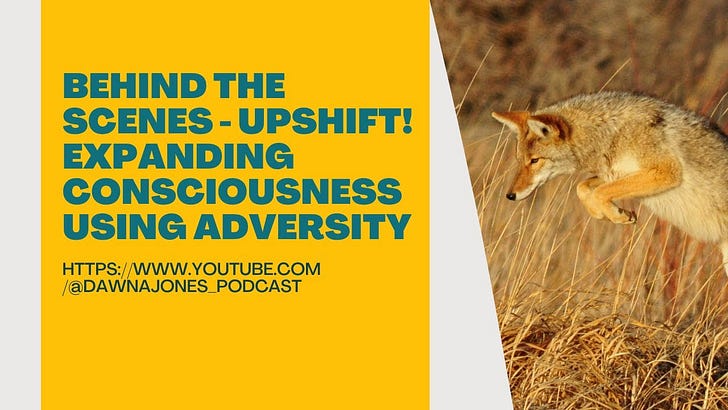
Have you ever faced a challenge so big it felt like your world was falling apart? (And it did) In this special behind-the-scenes episode, I share the raw truth of my journey—nine years of homelessness—added to multiple other setbacks and how it shaped the creation of this podcast. The role model for adaptive intelligence in this episode is the coyote. I grew up with coyotes and have a lot of respect for their intelligence and adaptive ability. Upshifting consciousness to recognize: * Adversity isn’t a curse—it’s a doorway to self-discovery and transformation.* Practical strategies to stay emotionally and physically well while turning challenges into opportunities for growth.* How facing fear brings more peace and a deeper connection with the world.* The urgent need for self-aware, collaborative leaders to address today’s planetary challenges.Audio listeners. Please note that part of this episode was done while I was hiking so the sound reflects me on the trail. Photo: Dru Bloomfield on FlickrThis is also a video on YouTube on my podcast channel. I’ve also included an invite to participate in Revive and Restore beta program running in January. More details to follow. Sign up here: https://sunny-originator-4963.kit.com/c1ba69eb16 Get full access to Navigating Uncertainty: Visionary Resilience at dawnajones.substack.com/subscribe
What does the future hold?
With the geopolitical global context more volatile than at any point in history, humanity faces big questions that need imaginative answers. That’s not the only compelling reason for citizen-led action. Any one of the large global issues we face could inspire imaginative and radical creativity that governments are not capable of doing. A few things need to change:Human consciousness. We tend to destroy to survive when we can cooperate and create better solutions. Here’s my low-tech image of the evolution of human consciousness adapted from Barrett’s Value vertical and incorporating the thinking of David Hawkins. Adapting thinking. Thinking in terms of designing for life, connectedness, relationships, patterns and context. Unifying and inspiring visions for the future. More than one future will unfold. The question is which ones do we collectively nurture? The aim of this podcast, the one before it, and all the work I’ve been doing for twenty years is to shift thinking from reliance on analytical to expand perception to a wider, holistic view. Not by everyone thinking the same way but by learning how to combine thinking to solve intractable problems. In this episode, I look at: - Breaking old paradigms and embracing diverse perspectives. - Balancing linear and non-linear thinking. - The critical role of biodiversity in a sustainable future. - Ethical decision-making beyond legal frameworks. - Emotional mastery as a foundation for effective decision-making. - Insights from companies like Patagonia and Novo Nordisk. Big vision and answering hard questions. - Examining the impact of linear decision-making as a generator of e-waste. - Exploring different views on keystone species like wolves. - Insights from *Not the End of the World* by Hannah Richie. -A way to see the future from *Imaginable* by Jane McGonigal.- Download the future worksheet using a ten-year frame. You’ll also receive an invitation to join a webinar to brainstorm solutions for a hopeful, resilient future.Thanks for reading Navigating Uncertainty! This post is public so feel free to share it.“You cannot get through a single day without having an impact on the world around you. What you do makes a difference, and you have to decide what kind of difference you want to make.” - Jane GoodallComments are open to subscribers supporting the production of this work, the podcast, the writing, the creator (moi). I’ll be making some changes going forward to move all this work to a sustainable level. Navigating Uncertainty is a reader-supported publication. To receive new posts and support my work, consider becoming a free or paid subscriber. Get full access to Navigating Uncertainty: Visionary Resilience at dawnajones.substack.com/subscribe
Decision Lab: Unintended Consequences
Get full access to Navigating Uncertainty: Visionary Resilience at dawnajones.substack.com/subscribe
How Does the Enneagram Support Better Decisions?
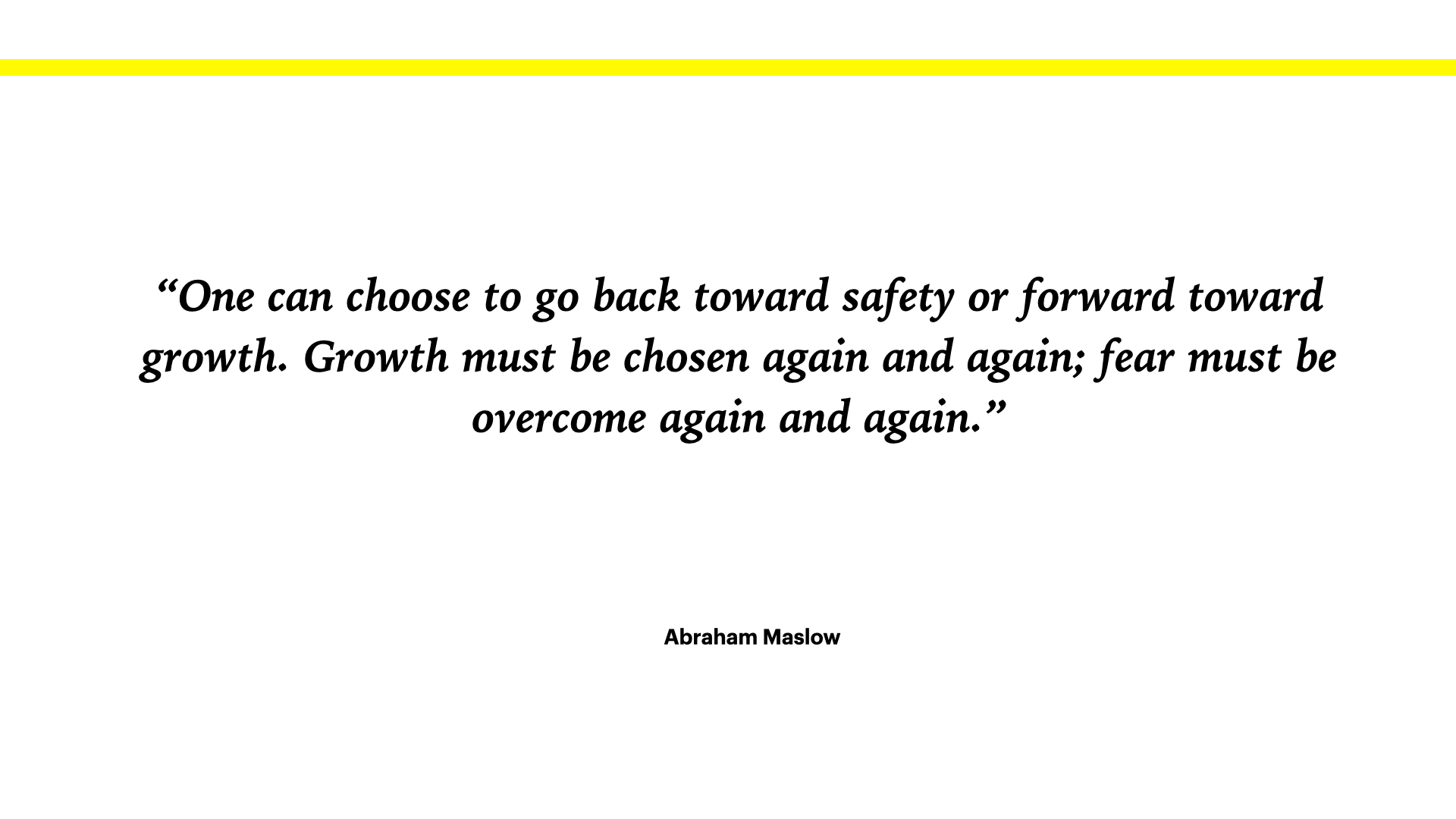
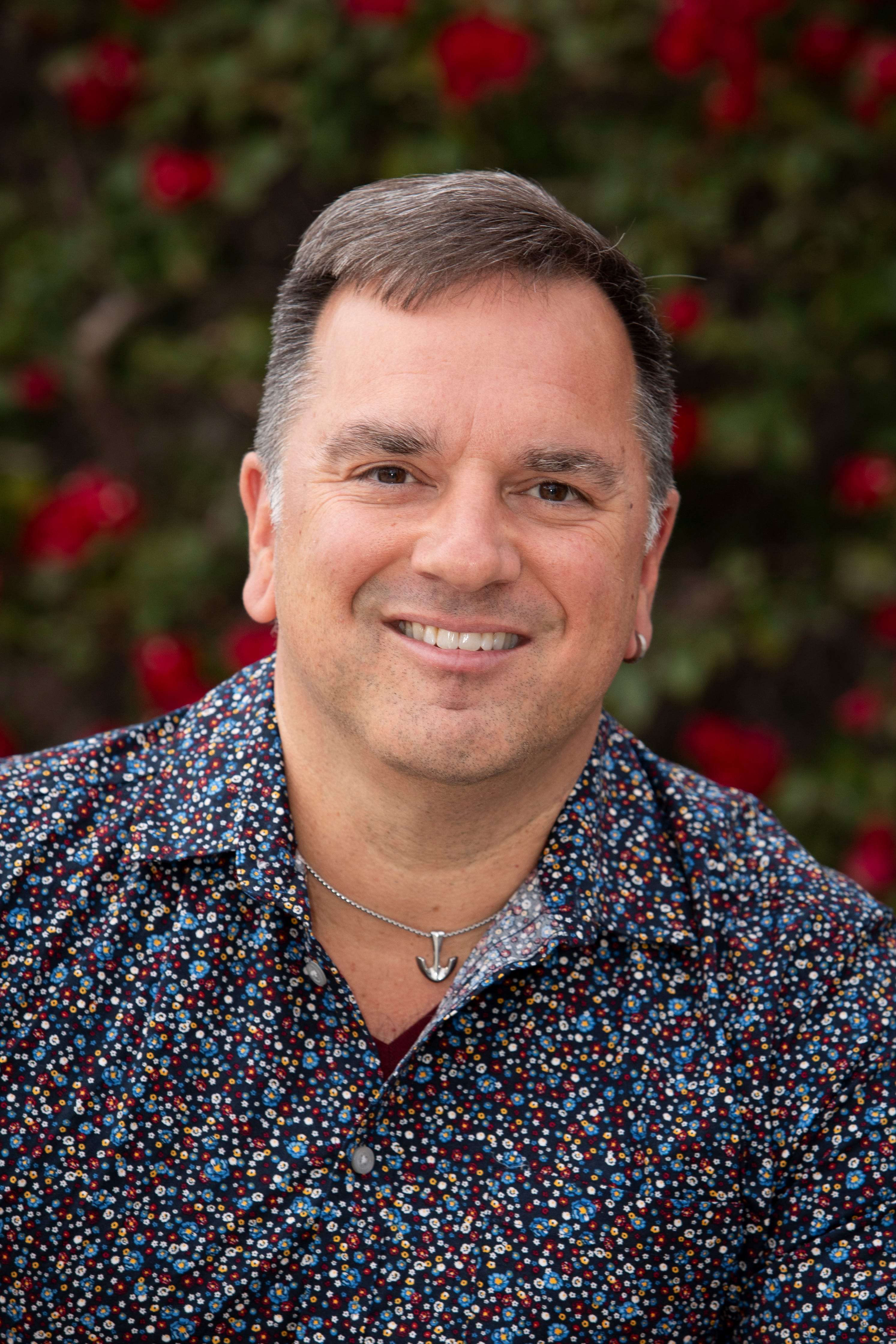
“In any given moment we have two options. To step forward into growth or step back into safety.” Abraham MaslowOn my second trip to Europe between university semesters, I met an older woman on the train who had never been to London. She lived 30 km away in a village. I had just traveled around the world for a year with my family and on a three-month wander through Europe following the sun. Later in life, I organized a trip to Europe for my daughter and her soccer school. She was fourteen and at that pivotal hormonal age where leaps of maturity come with increased responsibility and accountability supported by trust. One of the parents denied his daughter’s participation using the rationale that there wasn’t anything you could see in Europe, you couldn’t see in Canada. They were playing soccer against highly competitive players. The logic escaped me then, and now. Landscapes can look similar, but people’s thinking is shaped by their childhood experiences, their exposure to the unfamiliar and the confidence gained from learning from different points of view and experiences. It is shaped by culture, by emotional and social norms, and by memorable moments. Combined you have an individual and collective worldview.There is an episode on worldview intelligence that dives deeper into what that is and why it is important. So in this episode with Karl Hebenstreit, we are talking about the application of the Enneagram for personal and business-personal growth. In the course of my facilitation work observing deep dynamics, it became obvious that a business reflects the cumulative emotional maturity and capacity of individuals to learn. One expression of that is leadership consciousness.Navigating Uncertainty is a reader-supported publication. To receive new posts and support my work, consider becoming a free or paid subscriber.There is a skill-building, self-organizational awareness boost that directly improves how business decisions are made. Complex issues like COVID-19, organizational change, communication, ecological and social health or workplace health benefit from diverse points of view. Yet oddly diversity and inclusion is treated as an add-on, not an essential element of making sustainable and supportable decisions. One skill set lost in the rush to resolve conflicts sparked by seemingly incompatible points of view is knowing how to respect and bring those differing views into the open. This is where the Enneagram comes in.My guest in this episode is Karl Hebenstreit who brings a lengthy list of accomplishments to the conversation. Karl is a certified Executive Coach, Leadership/Team/Organization Development Consultant, and international speaker with over 25 years of experience coaching leaders and their teams (from Individual Contributors to CEOs in myriad industries and sectors) to work better together and consistently exceed their organizations’ goals. He holds a PhD in Organizational Psychology and authored three books: “The How & Why: Taking Care of Business with the Enneagram” (now in its 3rd Edition), “Nina and the Really, Really Tough Decision” (now available in English, Spanish, French, and Greek), and the newly-released “Explicit Expectations: The Essential Guide & Toolkit of Management Fundamentals.” Karl is an “International Enneagram Association (IEA) Accredited Professional with Distinction” and “IEA Accredited Professional/Provider/Teacher.”We talk about:· Understanding the Enneagram· Challenges in Modern Business Practices· The Oz Principle and Mindset Shifts· Head, Heart, and Gut Leadership· Exploring the Enneagram Types (with Dawna as the demo!)· Understanding Organizational Culture Through Enneagram· Hiring Bias and Personality Assessments· Integrating Enneagram in Decision Making· Enneagram's Role in Broader Worldview· Children's Book: Teaching Enneagram Early· Empowering Choices and Psychological SafetyKarl also wrote a children’s book so that the skills and understanding could start earlier and improve conversation outcomes. Contact info for Karl:R. Karl Hebenstreit, Ph.D., PCCExecutive Coach | Author | Speaker | Leadership, Team, & Organization Development Consultantwww.performandfunction.comConnect with me on LinkedIn!510.381.0121Check out Explicit Expectations here!Check out the Enneagram business book here!Check out the children's book here!¡Obtén el libro infantil en español aquí!Παραγγείλετε το παιδικό Ελληνικό βιβλίο εδώ!Retrouvez le livre jeunesse en français ici !Schedule a meeting with me via Calendly! Get full access to Navigating Uncertainty: Visionary Resilience at dawnajones.substack.com/subscribe
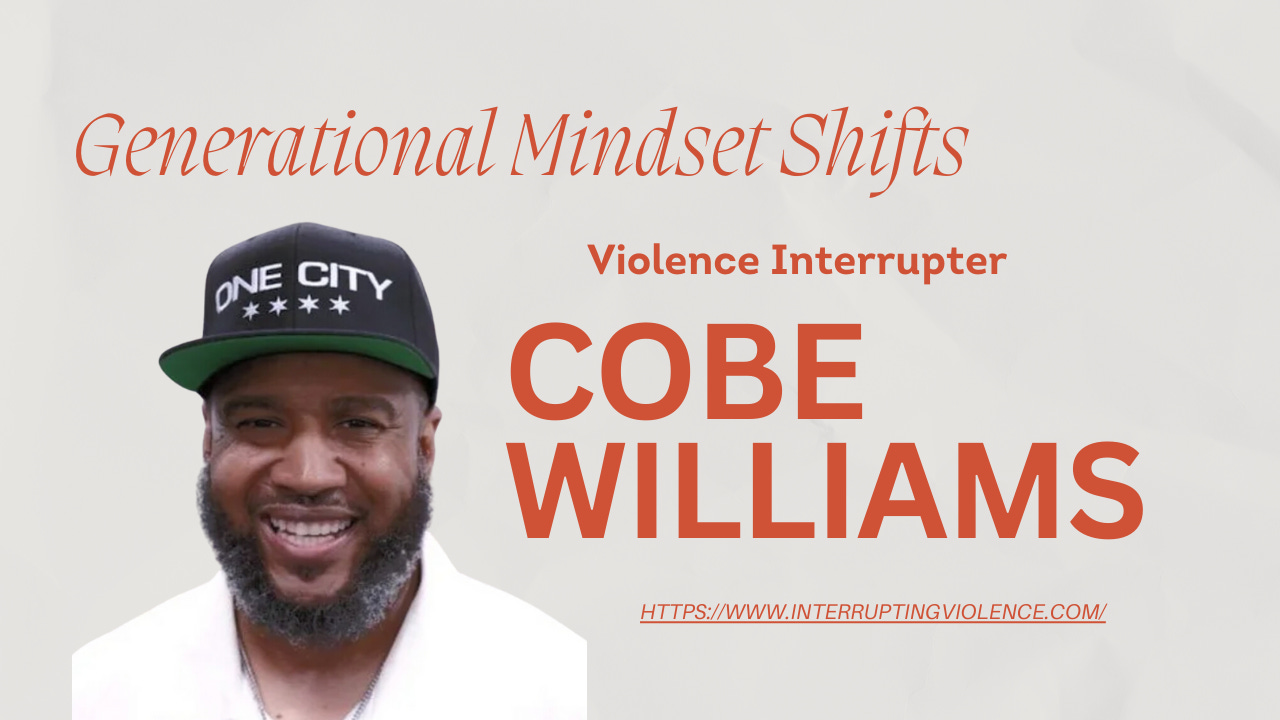
Interrupting Violence: Restoring Trust and Growth
What insights can a former gang member bring to toxic workplace environments?According to Tech Report intimidation, harassment, physical violence, or threatening, troublemaking behavior at work spans the spectrum from verbal abuse to physical fighting and even murder. “Violence or harassment at work has been experienced by 743 million people or 23% of all employees around the globe.” That is significant. Emphasis on psychological safety has been interpreted as a signal to run for cover and take zero risk. But the real value is found by stepping into the conflict armed with advanced skills. My guest on this episode of the Inspirational Insights podcast is a former gang member who became a highly trained violence interrupter. In his words, a violence interrupter is like a fireman. “They’re called into a burning building as everyone else is rushing out. They have the equipment and the training to put out the flames before it gets out of control. In the same way, an interrupter runs toward the gunfire. We try to get an incident, like this one, under control before it escalates.”What can managers creating toxic workplaces learn from a former gang member about character, inner strength, and security sourced from within?A lot. Consider the social dynamics that take place when a decision is made and then the ripple effect of social impact spreads through the emotional nervous system of an organization. Consider the tenuous nature of a transformation initiative that could roll back to its original state when a sense of belonging and trust is not cultivated in the process. Consider the underlying conditions that create bad behavior in the first place. My conversation with Cobe Williams is a walk into a world where life and death in the neighborhood sit on the razor’s edge of an emotionally conditioned reaction. Cobe’s work interjects a more mindful thoughtful response. I read his book, and there’s plenty of cross-over to other contexts. By applying lateral thinking, managers and executives can widen their span of perception to consider the ripple effect on mid to long-term health and well-being of decisions. Think big when you listen to this episode. What if strength and ethical character were a pre-requisite to be placed in a position of authority? What if bosses were selected based on the level of trust and respected reputation when dealing with hard issues? What if decisions made in responding to a crisis were guided by knowledge of trauma patterns? What if transformation initiatives were attended to with vigilance knowing that “No matter how seemingly airtight, any agreement can go sideways with enough outside pressure.” Admittedly I am biased toward making difficult choices in volatile and challenging conditions. It shows what you’re made of and you discover who you become. I found a quote on the cover of O magazine that fits: “The whole point of being alive is to evolve into the complete person you were meant to be.” O magazine, Transformation issue, 2023Read more here: https://www.interruptingviolence.com/Book is here Thank you for reading Navigating Uncertainty. This post is public so feel free to share it. Get full access to Navigating Uncertainty: Visionary Resilience at dawnajones.substack.com/subscribe
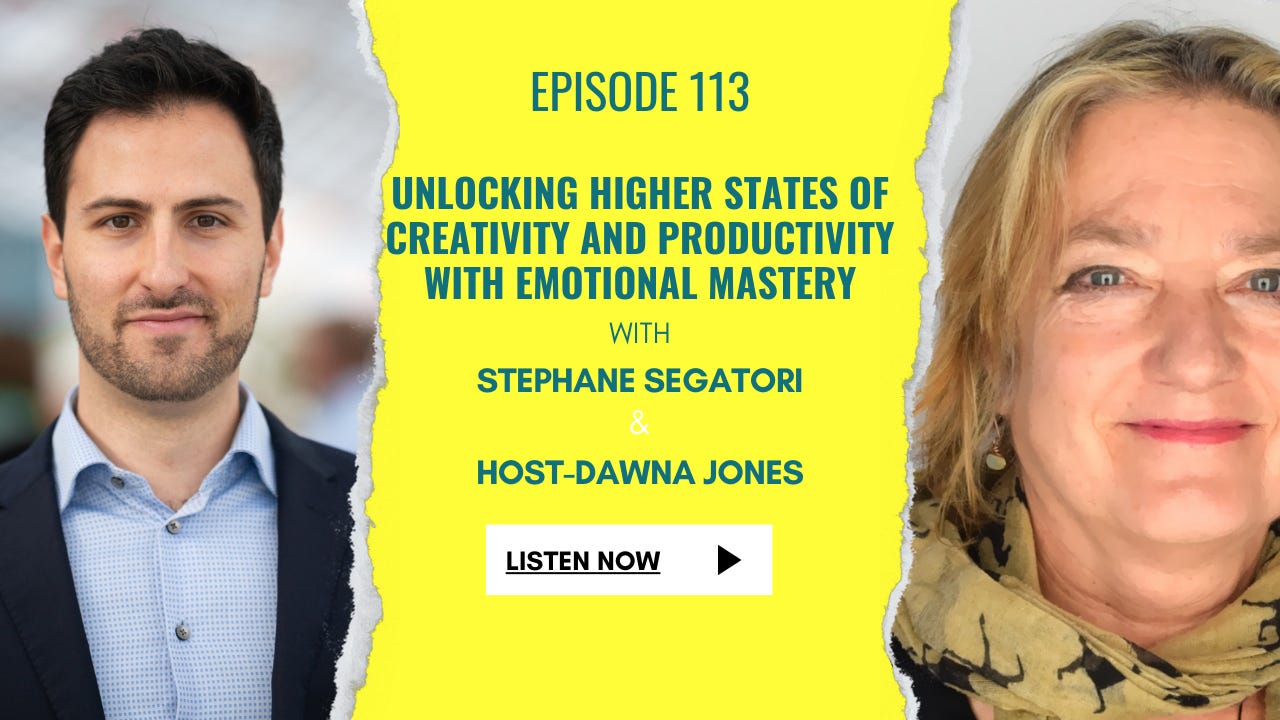
Unlocking Higher States of Creativity and Productivity with Emotional Transparency
Stéphane Segatori is the Co-Founder and Director of the We-Flow Lab in Amsterdam. With a background in Business Intelligence & MBTI Coaching, Stéphane studied the hidden links between organizations, human potential, and states of consciousness.Toxic bosses and workplace environments signal power corrupts those who have not moved past their emotional wounds. Patrick Lencioni listed the Five Temptations of a CEO published in 1998. Each could be traced back to emotional mastery, and commitment to growth. Toxic bosses and workplaces are a direct result of ignoring the role of emotions in healthy personal and professional relationships. As long as the duality of emotions and intellect persists, blocks to resilience will persist. So imagine my delight when I came across Stephane’s work at WeFlow. A We-Flow client described her experience with WeFlow as, “a new and much more rich way of being in the world, and a practical, daily usable system to get to higher states of creativity, productivity and inspiration than I have ever been. And it feels with this system my growth and that of my business is exponentially, and I don't mean that metaphorically, I mean it literally.”Thank you for reading Navigating Uncertainty. This post is public so feel free to share it.Moving from emotions as two systems to recognizing the dynamic between emotions and intellect, highlights the value of paying attention to your emotional state to avoid the mic-was-left-on-moments. Better, it is the avenue for high-quality relationships and workplaces that are capable of having difficult conversations because there is emotional and psychological safety. Inner freedom is accessible when you have the tools, awareness, and practices that peel back the tension and find the gems. Stephane’s management experience in the corporate world inspires his expanded role as a facilitator and coach, bridging the value of understanding oneself at a deeper level to navigating the complexities of life and business. Plenty of insights into applying emotional mastery to designing workplace cultures that create psychological safety through intentional and transparent practices.Key Highlights: (modified from a ChatGPT result)• Emotional Health and Self-Awareness: Insights into the importance of being comfortable with oneself and managing emotional health.• Stephane Segatori's Journey: From a corporate career in business intelligence to becoming the director of WeFlow Lab Stephane brings vision to the work of WeFlow. WeFlow’s research and mission to elevate inner freedom through well-researched practices and spaces designed for individual and team growth.• Integration of Business and Consciousness: Discussion on the hidden links between organizations, human potential, and states of consciousness, highlighting the relevance of these connections in today's business environment.• Personal Growth and Mastery: Practical advice on gaining clarity and connection to one's true self, essential for making informed decisions and navigating future challenges.• Psychological Safety as a function of practices and principles applied intentionally to gain the benefit of emotions in making rational and intuitive decisions.On the mission to replace duality with a unifying view of being humans capable of accessing all varieties of intelligence, I am sharing the work of WeFlow as a refreshing entry into the world of company design, leadership consciousness, and decision-making that is a better match to the world we live in. Would love to hear your feedback or comments on this direction. Navigating Uncertainty is a reader-supported publication. To receive new posts and support my work, consider becoming a free or paid subscriber. Get full access to Navigating Uncertainty: Visionary Resilience at dawnajones.substack.com/subscribe
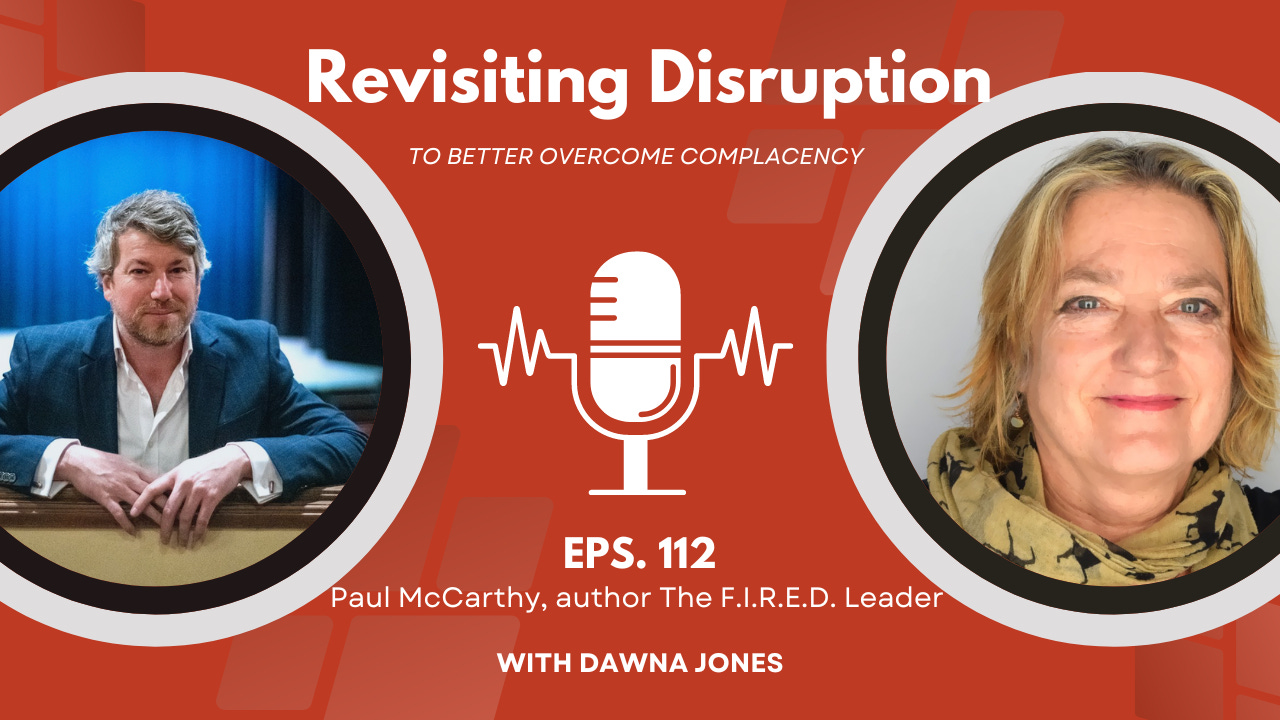
Why the world needs disruptive leaders
It took a long time to figure out I thought differently. After finding no meaning in words like ‘foster’ or ‘enhance’ I find it disturbing to see both words in active use by mainstream thinking AI. It was with great relief that I came across the work of Paul McCarthy and his book The F.I.R.E.D. Leader. Disruption can happen when a pandemic generates lockdowns, when technology replaces a business model, or when innovative thinking replaces predictable paradigms such as AirBNB or car-sharing. The ripple effect runs often without notice. Food prices rise in response to decreasing harvests of fish while oceans increase in temperature. https://showyourstripes.info/c/ocean/allThere is an imperative to up-level trust and confidence in personal and collective ability to adapt, to handle disruption with confidence. James Doty in his most recent book Mind Magic states “The reality, though, is that our feelings of disempowerment are often an illusion. If we examine each moment in which we appear to involuntarily give away our power, what is happening is the reactivation of an old habit.” We are conditioned to act powerless. Perhaps the lean to the right in the world’s political stage is an indication of that conditioning. Yet there are people among us who think differently, and who offer a shift in perspective, an opening so that doing things differently can provide a boost to the evolution of human consciousness at warp speed. It takes a few key ingredients. Open-mindedness replaces fixed thinking, curiosity replaces fear, and recognition that growth personally or in business starts with being uncomfortable, then as we rewire, it all makes sense. I mention this in the outro of the episode. We can do it. We’re wired to adapt and evolve quickly when inspired or motivated. Thank you for reading Navigating Uncertainty. This post is public so feel free to share it.Paul is offering a 30% discount on his book:Enter FIREDLEAD30 into one of these sites:If you're in North America:https://indiepubs.com/products/the-fired-leader-1/If you're in the UK:https://practicalinspiration.com/book/the-fired-leaderAnd here’s the link to a 1-hour video-based learning program. Enter the code DAWNA and receive a 25% discount: https://paulmacleadership.thinkific.com/courses/embracingtomorrowsleadertodayIf you are a paid subscriber, you are already supporting this podcast. If you’re not, please either become a paid subscriber or drop a tip into the Tips Jar. Navigating Uncertainty is a reader-supported publication. To receive new posts and support my work, consider becoming a free or paid subscriber.Looking forward to your feedback. Hope you enjoy the episode. Get full access to Navigating Uncertainty: Visionary Resilience at dawnajones.substack.com/subscribe

Cultural Cohesion: Principles and Partnerships in Action
Timisoara, a city in Romania, bolstered by winning a bid through the EU, took on a grand experiment. Could partnerships and a principled approach strengthen cultural cohesion? It so happens that a resident of the city is also fluent in network science and its principles. On a different podcast episode, Silvia shared how network science applies to dealing with corruption where removing the person, doesn’t change the system.https://embed.acast.com/$/5a6fab1455cdce603414631c/network-science-conversation-DrSilviaFieracu? In this instance, working with organizations in a city with a population of 300,000, presented a different opportunity. How to galvanize cohesion among cultural organizations that would normally compete for resources?Can cooperation be better than competition when it comes to growth?Competition is often assumed to be the fuel that fires performance yet it also works to divide when not combined with a common focus. In Timisoara, the focus was on redirecting competition for resources to cooperation and collaboration. The conversations meant people who didn’t agree with one another needed to be able to hear opposing views. The lessons learned here can scale to how mid to large companies adapt their approach to removing siloes, having difficult conversations with eyes on an inspiring goal. Using principle-guided decisions and interactionsIn the many consultations I have facilitated around national policy and local and regional implications, the one thing that blocks people from working together is a failure to remain open to different views and perspectives. The prevailing consciousness of What is in it for me tends to funnel all that is said through one lens. Navigating Uncertainty is a reader-supported publication. To receive new posts and support my work, consider becoming a free or paid subscriber.ChatGPT has summarized a few of the takeaways from the first segment of this episode. To hear more listen to the full episode. Takeaway Bullet Points (1st segment) [ChatGPT]* Role and Evaluation: Silvia’a role was to evaluate the European Capital of Culture title in Timișoara, involving various types of analyses and consultations to formulate a legacy plan for the city's cultural ecosystem.* Legacy and Strategy: The insights gathered are integrated with Timișoara's cultural strategy for the next 10 years, aiming to leverage a one-year intervention for long-term community and cultural development.* Cultural Impact: The focus is on prioritizing cultural development as a driver for economic growth, improving quality of life, and integrating education to cultivate future cultural consumers and producers.* Institutional Support: The Center for Projects, an institution under the mayor’s office, leads the program implementation and acts as a think tank, providing policy and financial support for the cultural sector.* Principles vs. Beliefs: Principles, unlike beliefs, can be tested and are used to anchor actions and guide change, fostering collaboration and sustainability within the cultural ecosystem.* Recognition and Respect: The follow-up plan emphasizes recognizing and respecting the contributions of individuals and organizations, planning together to give meaning and purpose to their efforts.* Network Analysis: The methodology identifies key actors with significant influence over the ecosystem, fostering trust and collaboration for broader impact.* Reflection for Growth: A key recommendation is for 2024 to be a year of reflection to learn from experiences, ensuring continuous improvement and sustainability of the cultural initiatives.* Innovative Financing: Changes in cultural financing legislation made funding more sustainable and transparent, promoting collaboration and accessibility for vulnerable communities.* Public Debate and Inclusion: Public debates around art and inclusive cultural events were new and significant interventions that fostered community engagement and collaboration among cultural operators.I am a big fan of network science though data analysis is not my strength. However, I know people who can do the detailed analytical work making it easier for me, or someone like me, to find the insights and connect them to decision-making and next steps. The relevance to the issues we are working with in mid to large companies is that there is a set of principles and know-how that applies to multiple contexts. Would it be easier to facilitate change in a city than in a company, where authoritative power fears collective intelligence?At a time when an individual’s emotional and mental health is informed or influenced by the health of the people around them, building community across fragmentation and division is an experience worth creating. Get full access to Navigating Uncertainty: Visionary Resilience at dawnajones.substack.com/subscribe
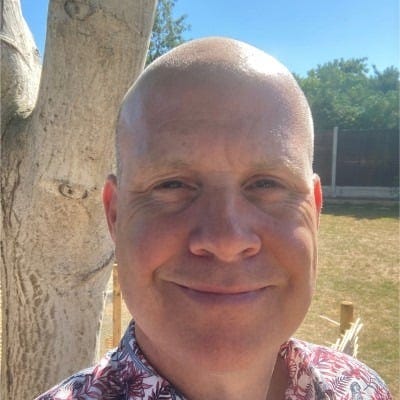
Vulnerability: Moving through Fear to Inner Freedom with Garry Turner
Brene Brown’s December 23, 2010 TED talk on The Power of Vulnerability attracted 64,845,208 views (as of today) and made vulnerability cool. So why is it stigmatized as a weakness in business environments? Leaders like Garry Turner are changing all that. Guided by a vision for inner freedom and expression of the highest potential in each person and company, my conversation with Garry is upfront and personal. The journey to move beyond limits takes an epiphany or a catalyst; some sense of compelling need to move past stagnation into growth, accompanied by a state of openness that opens many doors. It also provides stability and trust for times that are anything but stable, and conditions that challenge trust and intuition. It is a road that is associated with more trust than fear and one I resisted for a long time. Vulnerability didn’t mean weakness to me. It was more a question of emotional safety, but nine years of being on the road changed all that. Sometimes the hardest experiences are the best. Garry Turner shares two pivotal moments in his life that led to significant personal growth. The first was experiencing bullying as a child, which he held onto emotionally for over 25 years. The second was a moment of realization nine years ago when despite having a successful career and family, he felt empty inside, prompting him to explore his inner world. Garry’s journey of self-discovery led him to embrace curiosity and playfulness, which transformed his perspective on work and relationships. He emphasizes the importance of seeking support and guidance from others during this process and highlights the shift from conforming to external expectations to acting from a place of inner security and authenticity.The conversation touches on the importance of networks, experimentation, and community in driving systemic change.Emotions in workplaces can be denied which results in their suppression. Emotions set us apart from AI and robots. Logically, releasing repressed emotions, embracing curiosity, and finding freedom in being true to oneself is the essential journey. If we are to create a world that affirms life and moves away from force as the go-to for decision-makers, then vulnerability is the portal. Expect to hear:* the importance of intuitive awareness in decision-making, both for himself and others.* the significance of staying aligned with one's sense of purpose to avoid being pulled in multiple directions.* moving from seeking validation to focusing on what makes sense in the moment.* bringing vulnerability and an authentic self into corporate spaces, initiating conversations on sensitive topics like diversity, inclusion, and social justice.* the transformation of leadership, advocating for a shift from traditional command and control structures to self-organizing and vulnerability-centered leadership. * the challenges faced in traditional hierarchical organizations, where fear of loss of power and privilege inhibits progress toward more inclusive and just practices.* tangible examples of how he introduced self-managed structures and vulnerability into his team, leading to significant business growth.* a personal experience of self-imposed stress and the importance of taking time to allow the mind to settle.* the practice of deep breathing and the ability to observe life from a detached perspective, facilitating more intentional responses to situations.Reflective Questions:* What is the role of vulnerability in your life? * How do you respond to the word emotionally? * What could be possible if vulnerability was practiced in your workplace by leaders in authority or at the team level? Garry is a content creator hosting two podcasts, Value through Vulnerability and Activating Consciousness, writing blogs, and hosting livestreams around deeply human and systemic topics. Garry's links are here: https://linktr.ee/HexoChangeGarryTurner See also Hegemony Revealed on YouTube.These are times when true leaders accept the challenge of moving past fear to realize a much deeper adaptive capacity. Garry's experience illustrates what is possible when you refuse to let fear-based thinking set the limits for what you are capable of experiencing and co-creating. He has very kindly interviewed me on Episode 45 of Value Through Vulnerability. Emotions are powerful energies and are best applied to well-being and adaptability. What if the worst events in your life were used to attain freedom? Get full access to Navigating Uncertainty: Visionary Resilience at dawnajones.substack.com/subscribe

Nobody is Smarter than Everybody w Rod Collins
Returning guest and author Rod Collins shares insights that began in his first year of college with a professor who dropped his students into an experience. The lessons learned informed Rod’s executive style and what Rod calls synergistic power. The world we live in is moving beyond traditional ways of running organizations. Historically hierarchy is used to structure authority and in business has become synonymous with command and control. This doesn’t work for talented smart people who are not cogs in a wheel. Understanding personal relationship with power vs force, is central to what happens next.Has business forgotten it can evolve? I went to ChatGPT to get a summary of the episode: Here’s a short version of what came back.· Understanding the distinction between "power over" and "power with": Learn how these two forms of power impact societal structures, organizational management, and personal relationships.· Leveraging collective intelligence: Discover how engaging in "power with" rather than "power over" can amplify the collective intelligence of groups, leading to more innovative and effective outcomes.· The importance of autonomy and order: Gain insights into how a management model focused on autonomy within a structured environment can lead to lower turnover rates and higher job satisfaction among employees.· The evolution of Google: the journey of Google from leveraging collective intelligence to its current challenges, highlighting the importance of maintaining a "power with" philosophy.· The implications of digital feudalism: Understand the concept of digital feudalism, where users contribute value without compensation, and envision the potential for new models that reward user participation.· The future of artificial intelligence· The decline of hierarchical management structures: Learn about the challenges facing traditional top-down management models in adapting to rapid changes and the rise of network structures as a more adaptable and innovative approach.· The necessity for companies to evolve: Discover through real-world examples like Netflix and Blockbuster, the critical need for organizations to evolve their business models to survive and thrive in a rapidly changing market.· Self-awareness and leadership in changing times: Reflect on the importance of self-awareness and the ability to adapt one's leadership style in response to shifting power dynamics and the evolving landscape of business and society.It will take a shift from authoritative management to engaging in the collective for organizations to see more clearly and evolve versus retreat as companies appear to be doing in 2024. Tensions exist. The tension between autonomy and order finds a middle ground where order is achieved through structures and services that support cooperation, coordination, and collaboration. The skill to move through polarities and tensions is a prerequisite to personal mastery and collective action. Accompanying the transition from power over to ‘power with’ is a fresh set of leadership skills that start at the personal level. This shift is observable in parenting styles. When I grew up, parents were the boss and while we were free-range kids gone from dawn to dusk, compliance was expected - to a point. The parent was the highest authority. Today it is more of a cooperative approach that can support self-esteem and confidence through acceptance. Navigating Uncertainty is a reader-supported publication. To receive new posts and support my work, consider becoming a free or paid subscriber.What will tomorrow bring? How can we use the tension between force vs freedom for healthier workplaces where freedom replaces force? There is a set of inner skills and awareness that can systematically chart a course guided by fundamental principles. Understanding and being aware of the difference between force and autonomy is one. A second would be finding security within rather than hoping to control the outer world. Gaining control of yourself is the first step. My experience living as a nomad brought this lesson home because fear can either stop you in your tracks or propel you to stretch. The utility of emotions is that they serve as a compass. How you feel gives clarity and feedback. Purpose (personal or organizational) points to the direction. The Whitehall studies revealed that having a strong sense of control was key to personal and organizational health. That is as true today as it was in 1991. To move forward might mean looking back to recall what we already know but appear to have forgotten. Emotions serve as the compass. Purpose points to the direction. Thanks to my paying subscribers and all readers. Paying subscribers are invited to suggest podcast guests or questions you’d like to explore. Having been podcasting for 16 years now, your support makes a difference!! Thank you for reading Navigating Uncertainty. This post is public so feel free to share it. Get full access to Navigating Uncertainty: Visionary R
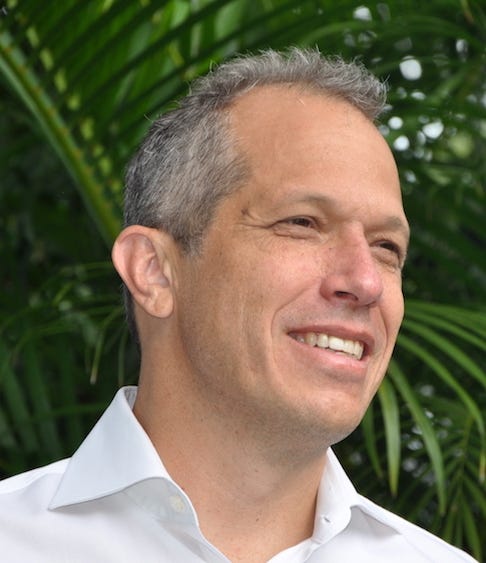
What is emerging in innovation for 2024? with Curtis Michelson
Innovation nerd and adaptive thinker extraordinaire Curtis Michelson provides an overview of what is emerging in 2024 based on signals he's picked up from his many communities. From Agile to organization network analysis to open innovation and more, you'll learn what is brewing inside edgy thinking communities.Curtis Michelson is, in his own words a "serial failed entrepreneur, yet ever hopeful and optimistic". A longtime coach and complexity facilitator, Curtis works with clients on strategic business model deep dives and rethinks. His consultancy Minds Alert delivers on those transformation ambitions with 'design sprints' - short bursts of intense value discovery and validation. AI tools for generative thinking come along for the ride. The supporting innovation offering he created is INFOdj which aims to deliver just-in-time research insights to teams who are sprinting at those emerging edges of technology and business models. Based in Orlando, Florida, he gives time locally to community projects focused on social justice, reframing historical trauma narratives and green economies.Curtis's overview of who is doing the leading-edge thinking work has been summarized on this page: https://infodj.notion.site/Curtis-Forecasts-Futures-for-Innovation-in-2024-66f092cfa3174340828c98a4e2915f8fCurtis is a musician so naturally, I asked him to name a theme song for 2024. How about The Waters Of March · Susannah McCorkle on YouTube?Reading signals and cues is a great training ground for adaptive thinking. To complement Curtis’s overview this podcast will emphasize three themes during 2024.* Considering the impact of decisions on ecological and social health so that innovation replaces habitual exploitation of the living systems and biodiversity all life relies on, including humans. * Learning from nature and the subtle yet advanced skills inherent in other species. Injecting humanity with a dose of humility. * Emotional health and transcendence. Leaping forward to inspiring innovations is powered by emotional health. Without it, there is a run back to the familiar instead of the step into bold and self-actualized collective leadership! What if we advanced thinking to gain clarity by finding security from within, rather than external stability? Widening consciousness instead of contracting in fear? These and other questions will be part of the podcast menu for 2024. Thanks for supporting and joining! Get full access to Navigating Uncertainty: Visionary Resilience at dawnajones.substack.com/subscribe

Networks and the Future of Organizations with Jeffrey Beeson
What is the world asking for you to contribute? This and many other reflections pop up in the conversation with Jeffrey Beeson who explores what network science tells us about the future of organizations and what it means for leaders. Organizations are changing their structure, thinking, and internal roles. We talk about:* pioneering companies who reinvented themselves, * leadership opportunities for growth, * the science and effectiveness of small teams, * how network science helps us understand human systems and organizations, * collective intelligence.Jeffrey’s career path inspired him to integrate the perspectives of strategy and organizational culture. He founded Ensemble Enabler to collaborate with organizations and foster agile organizational cultures and advance leadership at all levels of an organization. Through a unique collection of practices, Ensemble Enabler supports organizations to develop insights, acquire new knowledge, and implement new ideas through innovative approaches. Jeffrey co-founded the non-profit organization World Café Europe e.V. in 2007. Its vision …” is a Europe where citizens actively engage to find concrete solutions for the key issues of their time.”You'll find his work on https://www.ensembleenabler.com/ in German and EnglishThanks to Patricia Munro for the introduction.Contact or follow host Dawna Jones on one or more of these channels:Linkedin: https://www.linkedin.com/in/dawnahjones/X: EPDawna_JonesInstagram: https://www.instagram.com/insightful_dawna/Website: www.dawnajones.com Get full access to Navigating Uncertainty: Visionary Resilience at dawnajones.substack.com/subscribe

From a Suicidal State to an Emmy-Harry Turner's Redemption
At 18 Harry Turner graduated from high school facing the tough question: now what? School had not been kind to him, a typical experience for kids who are more sensitive to the subtleties of life. He signed up for the military, and after six months was sent to Afghanistan. In the first week, a soldier died in his arms. One theory is that a shock to worldview is one source of PTSD. because our worldview is a source of stability and security. It is not hard to threaten that as you may have heard in my conversation with Kathy Jourdain. All that is needed is different thinking which helps explain why worldviews have their own orbit. The dramatic shock of moving from a stable home life to being immersed in the violence that seems to characterize global unconsciousness has life-threatening consequences. After his Afghanistan tour, he was discharged and wanted to commit suicide. You’ll hear the rest of his story in this episode. His experience is documented in the film, Wild Cat, now streaming on Amazon Prime.Harry's experience with school, war, and violence led him to discover and reconnect with himself. And he had help through becoming the parent of two orphaned ocelots. His role mirrored that of any parent. Teach life skills, keeping them safe, and the goal of re-wilding them to their native habitat.How does the experience of fearless living in the jungle mimic the much noisier modern world? What can be learned about Harry’s journey that applies to business and personal leadership? Plenty I’d say.This is the third in a series of three episodes on transcending difficult situations and emotions to reclaim agency, hope, and ways to restore connection to self and others. You can find the documentary film on Amazon Prime. It just won an Emmy.Harry’s Emerald Arch project at www.emeraldarch.orgSee www.wildcatdocumentary.com Get full access to Navigating Uncertainty: Visionary Resilience at dawnajones.substack.com/subscribe
Working Directly with Trauma of Torture with Ihor Kozlovsky
In the second of three episodes on moving through difficult experiences, Ukranian theologian and passivist Ihor Kozlovsky talks about his experience recovering from torture and illegal imprisonment. HR professional Liliya Sayvch hosted an expert panel on July 4th, 2023 to discuss how to remain Unbroken in tradition and spirit. If you haven’t listened to her episode, she provides a short introduction before introducing Ihor. If you have listened to Liliya Sayvch’s episode you can zip through to the nine-minute mark. Mr. Kozlovsky was one of the panel experts on the July 4th panel . He speaks in Ukranian and interpreter Olesia provides the translation. This conversation is important because dark emotions and trauma can negatively impact decisions, leadership thinking, and our humanity at a time when being human is the primary differentiator from technology.Surprises that come with abrupt disruption can threaten the worldview each person relies on to make sense of the world and feel secure in it. Trauma is a big topic today and this discussion provides insight into the biological secret to surviving, making sense of one’s experience, and recovering emotional peace.While it is easy to assume traumatic experiences will go away over time, they do not. An emotional charge gets stored in the body and dashes out when triggered by a sight, sound, smell or repetitive pattern. Here’s a summary of the minute marks to hone in on specific parts of the conversation. 4:08 Liliya Sayvch provides an update and sets the context for the discussion9:00 3 things coming out of the expert panel on July 4th, 2023 that motivated the deeper conversation in this episode.11:42 How has Mr. Kozlovsky processed his experience and made sense of his experience?20:51 What kind of dark emotions stay with you and what can they teach?25:46 What motivates soldiers? Hate or love?28.31 When you are in dark places in your mind or surroundings how do you pull yourself out?33:41 The three levels of intellectual abilities for overcoming trauma.39:05 Finding a coherent sense of ourselves in the world around us.40:51 What can Ihor's experience teach humanity about being compassionate and living on one planet?46:42 Having survived a torturous experience do you retrieve meaning from the past or start anew?1 hr 00 The fourth layer of intellectual ability - social1 hr 06 Why these conversations matter today1 hr11 The source: Emotional health and its relationship to polarization and conflict. A higher leadership call.Apart from the fact that Ihor Kozlovsky does not speak English, I have learned that recounting a traumatic event must be done in one’s own language. Emotion is buried in the language we use and choose. The wisdom Ihor shares is timeless and applicable to all traumatic experiences because moving through it follows a common path, neurologically and biologically. The last episode in this series (so far) will be published this week and then capped with a review of the steps anyone can use to move through a difficult experience while strengthening resilience and emotional/mental health. Get full access to Navigating Uncertainty: Visionary Resilience at dawnajones.substack.com/subscribe

An HR Professional's Journey with Liliya Savych
Liliya Savych is an HR professional who was working for a large Ukraine-based corporation located in Kyiv when we recorded this episode. When Russians surrounded Kyiv she left the city and faced being a refugee without roots. Landing in Dublin she reclaimed her sense of self and then returned to Ukraine. Since this interview, Liliya has left corporate to work in Lviv in western Ukraine with the aim of bringing her international experience to a municipal workforce. Her journey describes the experience of having the roots of your homeland yanked out and the process of adapting to a very different reality. Her experience and journey reflect the process of a leader who chose to move through her fear to arrive at a place of inner strength - a core attribute for leaders today. Get full access to Navigating Uncertainty: Visionary Resilience at dawnajones.substack.com/subscribe
Moving from Force to Radical Purpose - Jose Leal
Jose Leal is an entrepreneur who reached the stage where corporate environments just didn't work. In this episode, we zoom way out to see the underlying intention of the systems that drive management and employee behavior, to see the roots. However, the simplicity of the solution takes a level of leadership consciousness and inner skills that can shift how people experience work. We cover why some won't make the shift, how young people are leading the way, and explore the honest emotion underpinning the systems in place.Jose has founded or co-founded six companies. Autonet, his third startup, was acquired by a Canadian media conglomerate, where he became the vice president and GM of the English online division. During that time, Jose was also the vice-chair of the Canadian IAB and was highly involved in the industry. After a hiatus from the traditional startup scene, Jose co-founded Radical, a co-owned and co-managed organization helping people create organizations that meet their needs.Jose has spent the last several years researching and studying what makes us human and what prompts us to certain actions and choices. "Our vision is a future where the traditional FIAT hierarchy no longer grinds people into submission but rather the new realities of co-management and co-ownership give people and organizations the opportunity to flourish."The Radical Purpose app is free. Meet and greet your radical purpose.https://profile.radicalpurpose.org/en/profilehttps://www.radicalpurpose.org/Contact or follow host Dawna Jones on any one of these channels:Linkedin: https://www.linkedin.com/in/dawnahjones/Twitter: EPDawna_JonesInstagram: https://www.instagram.com/insightful_dawna/Navigating Uncertainty Newsletter: Medium: @dawnajonesWebsite: dawnajones.com Get full access to Navigating Uncertainty: Visionary Resilience at dawnajones.substack.com/subscribe

Design for Identity with Jessica Bantom
Design for Identity with Jessica BantomAs a designer, Jessica Bantom pays attention to details. Details matter particularly when it comes to connecting to different identities and how customers see themselves. Her newly released book, Design for Identity, aims at influencing design decisions that either bring people in or leave them out resulting in a loss of customers. After all, as Bruce Mau stated, it is not about the world of design, but about the design of the world we live in.Jessica Bantom is a Diversity, Equity, Inclusion & Belonging (DEIB) practitioner and workplace strategist whose mission is to enable individuals to take immediate actions that create meaningful outcomes for historically excluded people. A graduate of the University of Virginia and Marymount University, Bantom is a skilled management consultant with over 20 years of experience, a compelling speaker, and a certified facilitator and coach with a passion for helping people and organizations activate the values of DEIB to become more culturally competent and thrive in our increasingly global economy. Bantom is also active in the interior design industry as an interior design and color consultant and as an engaged advocate committed to promoting DEIB in the industry and in practice. You can learn more about Jessica and her upcoming book, Design for Identity: How to Design Authentically for a Diverse World, at JessicaBantom.com.Despite an inexplicable aversion to diversity, the logic of diverse perspectives considering identity is essential when designing spaces and places for decisions that make sense to more people. Apart from the logic Jessica lays out in our conversation, diversity is essential when working with complexity because it provides the many lenses that we need to understand the situation, to really see the full picture. Without that, decision-makers cannot make effective decisions.To quote Jessica:“To design for identity means to design with respect for the depth and breadth of humanity. It means that in the process of designing we are conscious of the identities of the people we’re designing for, and we are conscious of interacting with them and getting their feedback directly so that we can, number one, identify what is culturally relevant to them, what is meaningful to them, and then also to make sure that as designers, our interpretation of that still resonates with them and respects them, and brings their voices in accurately into whatever we are designing. It’s especially important now because design organizations like many other organizations, especially since the summer of 2020, have been making these proclamations about “we support DEI”, or “we stand with so-and-so this week, and we stand with so-and-so next week”, but they’re not backing it up with any meaningful change. I wouldn’t say that there is a lack of intention or desire to change or to know more about what to do, but there is a lack of guidance I would say in terms of what to do.”Listen in on our conversation to apply design lenses to decisions and spaces. Get full access to Navigating Uncertainty: Visionary Resilience at dawnajones.substack.com/subscribe

Human-centered Workplaces in the Health Care Sector
Season 6, Ep. 96Healthcare services in many nations are under pressure to adapt their design to meet the challenges in today's world. Two exemplary leaders in this challenging field, Margaret Stone and JP Swaine of the Irish Health Service share their experience in working with organizational network analysis and other means to engage the power of people within the 147, 000 employee organization. Starting small and thinking big, both leaders bring leadership skills fit for complex systems.Margaret Stone is a change maker, leader, and believer in empowering staff through a social movement to shape the culture of a health service – and by translating values into behaviors. She has extensive experience in developing and leading programs to enable change in culture in the Irish Health Services. A Social Movement Change Leader and Viral Change fellow with a specific interest in developing and enabling people to their best abilities to improve Health Services.JP. Swaine is the Culture Transformation Manager with HSE Culture & Engagement and leads nationally on the Values in Action movement in the Health Services in Ireland. Values in Action is a behavior-based social movement in the Irish Healthcare system. JPs diverse experience is grounded in understanding social systems and cognitive psychology. He has worked for many years in the Irish Community Mental Health Services and developed the First Fortnight social enterprise, Irelands Mental Health Arts Charity.Subscribe and share this episode with others seeking to create better workplaces with restored vitality and definitely more agility in terms of working with complex systemic change.Contact or Follow Dawna Jones on any one of these channels:Linkedin: https://www.linkedin.com/in/dawnahjones/Twitter: EPDawna_JonesInstagram: https://www.instagram.com/insightful_dawna/Navigating Uncertainty Newsletter: Medium: @dawnajonesWebsite: dawnajones.comThanks to Mark Romero Music for the intro track, Alignment. Get full access to Navigating Uncertainty: Visionary Resilience at dawnajones.substack.com/subscribe

Cultivating Transformations with Jardena London
This episode features the art of cultivating transformations with author Jardena London. My guest, Jardena London, is a consultant (the good kind), author, speaker, and CEO of Rosetta Agile. She has spent the last 30 years finding ways to transform organizations so that our souls can flourish, while financials thrive. Her book “Cultivating Transformations: A Leader’s Guide to Connecting the Soulful and Practical”, draws a straight line between the processes we use, the way we feel, and the results we get, so we nourish our souls while producing thriving financial outcomes.Find her on LinkedIn at https://www.linkedin.com/in/jardena/ or her website at https://www.JardenaLondon.comHer book is published by the Business Agility Institute. which also publishes the Emergence magazine. Subscribe to Emergence using a discount code: DawnaThank you for reading Navigating Uncertainty. This post is public so feel free to share it. Get full access to Navigating Uncertainty: Visionary Resilience at dawnajones.substack.com/subscribe

Purpose as a Superpower
When Ozlem Brooke Erol left IBM, she knew it was an opportunity to find happiness at work, to live from a higher place and sense of purpose. With one foot in Turkey and the other in the US, SoCal, Ozlem has been taking the message and skills of living and working from a sense of purpose to companies seeking to keep talent. Find her at Purposeful.business or on LInkedIN. Get full access to Navigating Uncertainty: Visionary Resilience at dawnajones.substack.com/subscribe

Returning to the Heart of Business with Marilijn Boumeester
Driving value through clarity on who you are, what truly matters is what differentiates a company from the crowd. Brand strategist and author Marilijn Boumeester talks to Dawna about integrity, values, leadership, and other soft concepts hard to bring to a meaningful level of experience. The character of leaders, stewardship management, and the value of reflection for insight and clarity are a few of the topics discussed. Marilijn is a brand strategist and change strategist based in Amsterdam. Her work and the conversation touch on what you do as an entrepreneur or company in a new era with your values and the role change plays in dealing with complexity.We had a lot of fun collaborating on a complexity quiz published in her freshly published book Van hoofdkantoor naar hartszaak. Yes, it is in Dutch but the conversation isn't. Join us for a bit of a fun fireside type of conversation.Contact Marilijn Boumeester at https://buroboumeester.nl/ or on LinkedIn http://linkedin.com/in/marilijnboumeesterReferences: She mentions Rajeev Peshawaria https://rajeevpeshawaria.com/ and Joseph (Jay) Bragdon and his latest book Economies that Mimic Life. Jay is also interviewed in EP4 of this podcast and in the early part of the Evolutionary Provocateur podcast on iTunes.Follow the Inspirational Insights podcast on Spotify or on iTunes.Connect with Dawna on LinkedInConnect on InstagramSubscribe to the monthly newsletterBook a conversation here to discuss decision-making and leadership adaptations during interruptions like a pandemic.Support this show http://supporter.acast.com/insight-to-action-inspirational-insights-podcast. See acast.com/privacy for privacy and opt-out information. Get full access to Navigating Uncertainty: Visionary Resilience at dawnajones.substack.com/subscribe

Deeper Leadership to Restore Humanity to Workplaces with Nico Petit
Recently Global Senior Director of Culture Transformation in a Fortune 500 corporation, Nicolas or Nico Petit has pioneered innovative approaches to culture change, applying peer-to-peer behavioral science principles, and orchestrating a community of 1200 influencers worldwide. Passionate about people and data, he led a culture transformation program for GSK, a science-led global health company. Working with Maven7, Nico led a team handling that transformation using the powerful tool Organizational Network Analysis. If the times do not demand it, using organizational network analysis to leverage the accuracy of decision-making definitely raises the leadership bar to a deeper level. Bringing the practical experience of working with the GSK vaccine division to launch a culture transformation program, Nico explains the shift in leadership needed to work cooperatively with 1000 influencers identified through peer-to-peer nomination. The complexity of the world and organizations offers an opportunity to move past leadership as a position of authority or knowing the right answer. It is about listening and observing through a deeper level of leadership to bring the whole person to work, impacting wellbeing, innovation, diffusion, and delivery. In 2021, Nico launched Humanize, a consultancy boutique aimed at reshaping company cultures and leveraging the power of data to help organizations put humanity back at the center of their operating models.In this episode, I mention the interview done with Hilton Barbour. Find that here; https://www.linkedin.com/pulse/culture-transformation-championing-catalytic-change-gsk-barbour/ More links to resources will be provided in an upcoming Substack Navigating Uncertainty newsletter. Also, check OrgMapper.com for more information. Intro Music was provided by Mark Romero Music. Track is called Alignment.Connect with Dawna JonesLinkedIn: dawnahjonesT: EPDawna_JonesInstagram: https://www.instagram.com/insightful_dawna/Subscribe to Substack Newsletter: https://dawnajones.substack.com/Support this show http://supporter.acast.com/insight-to-action-inspirational-insights-podcast. See acast.com/privacy for privacy and opt-out information. Get full access to Navigating Uncertainty: Visionary Resilience at dawnajones.substack.com/subscribe

Networks Beneath the Surface with Michael Arena, Amazon Web Services
Organizational Network Analysis (ONA) is a critically important tool for understanding how to use data for better workplace relationships, culture, and decisions. Michael Arena, VP of Talent and Development for Amazon Web Services turns data into a bridge for connecting humanity to better ways of working, deciding, and relating to one another. A keynote speaker at the Organizational Network Analysis Summit hosted by OrgMapper and the team led by Andras Viscek, Michael's passion for data and desire to make optimal decisions benefiting talent and connection stood out. Jump into the conversation where we look at the ways in which understanding networks help leaders move past snap judgments when the environment is complex, to arrive at a more enlightened view. Author of Adaptive Space and a big fan of ONA, Michael brings a passion and engineer's mind to understanding data and how it can connect people and their collective strength. Michael Arena is the vice president of talent and development at Amazon Web Services (AWS), where he is responsible for global talent practices, leadership development, learning, organizational effectiveness, new employee success strategies conducting organizational research to facilitate growth and innovation of AWS. Before that, he was chief talent officer for General Motors Corporation (GM) responsible for enterprise talent management, cultural transformation, leadership development, talent acquisition, and people analytics. His book Adaptive Space: How GM and Other Companies Are Positively Disrupting Themselves and Transforming into Agile Organizations, shares how employees can disrupt their workplaces to increase flexibility and adaptive capacity. The Sloan article Michael refers to in this interview is located here: https://sloanreview.mit.edu/article/use-networks-to-drive-culture-change/The ONA Summit was put on by OrgMapper.com. OrgMapper.org is referenced in the podcast. Contact the OrgMapper folks at .com.Two other episodes to fill in more details are the ones with Maya Townsend and Andras Viscek. Maya's is EP77 and Andras's is EP38. Dawna Jones is found at:https://www.linkedin.com/in/dawnahjones/Twitter: EPDawna_JonesInstagram: https://www.instagram.com/insightful_dawna/Patreon: https://www.patreon.com/dawnajonesSupport the Podcast through Acast: https://supporter.acast.com/insight-to-action-inspirational-insights-podcastSupport this show http://supporter.acast.com/insight-to-action-inspirational-insights-podcast. See acast.com/privacy for privacy and opt-out information. Get full access to Navigating Uncertainty: Visionary Resilience at dawnajones.substack.com/subscribe

Facilitating Breakthroughs Between People Who Don't Like Each Other - Adam Kahane
Adam Kahane is a Director of Reos Partners, an international social enterprise that helps people move forward together on their most important and intractable issues. In this conversation with Dawna Jones, they explore the great mystery and methods for working with people who do not like each other. Adam's is a leading organizer, designer, and facilitator of processes through which business, government, and civil society leaders can work together to address such challenges. They talk love, justice, and more while referencing Adam's latest book Facilitating Breakthroughs. His previous book, Solving Tough Problems, is referenced by Nelson Mandela as “This breakthrough book addresses the central challenge of our time: finding a way to work together to solve the problems we have created.”www.reospartners.com/adamkahaneThis episode contains a discount code for a subscription to the Business Agility Institute's premier magazine, Emergence. Go to www.businessagility.institute and plug in Dawna to receive the discount. Intro music by Mark Romero MusicSupport this show http://supporter.acast.com/insight-to-action-inspirational-insights-podcast. See acast.com/privacy for privacy and opt-out information. Get full access to Navigating Uncertainty: Visionary Resilience at dawnajones.substack.com/subscribe