
In The Garden
Gordon Clinton Williams, M.Ed.
Show overview
In The Garden launched in 2025 and has put out 100 episodes in the time since. That works out to roughly 9 hours of audio in total. Releases follow a near-daily cadence.
Episodes typically run under ten minutes — most land between 5 min and 6 min — and the run-time is fairly consistent across the catalogue. None of the episodes are flagged explicit by the publisher. It is catalogued as a EN-language Religion & Spirituality show.
There hasn’t been a new episode in the last ninety days; the most recent episode landed 7 months ago. The busiest year was 2026, with 95 episodes published. Published by Gordon Clinton Williams, M.Ed..
From the publisher
In The Garden is a daily journey through the Scriptures, an invitation to slow down, breathe deep, and walk with God in the garden of His Word.Hosted by Gordon C. Williams, M.Ed. (usually called Clint), In The Garden blends biblical storytelling, poetic interpretation, ancient context, scientific curiosity, and Christ-centered teaching into a warm, reflective, and deeply accessible radio-style program. Each episode guides listeners through the Bible, from Genesis to Revelation, with the humility to honor both the literal and the literary beauty of the text.Genesis, for example, is approached as many Christians across the centuries have read it: true, inspired, God-breathed Scripture, written in the rich language of Hebrew poetry and theology—not as a modern science textbook. Clint explores how creation’s “days” can be understood poetically, symbolically, and even scientifically, without dismissing the possibility of a literal seven-day creation. He invites listeners to consider how a timeless Creator, who stands outside of time, could shape a universe that feels ancient to us yet unfolds at His command.Every episode follows a simple rhythm:Listen to the storyConsider its original contextExplore its symbols and themesReflect on what it reveals about humanityLook for how the story leads to JesusThroughout the journey, Clint draws from Hebrew word studies, the narrative structure of Scripture, historical and cultural background, and the words of Jesus Himself—always returning to the conviction that the whole Bible tells the One Story that leads to Christ.Whether unpacking the symbolism of Adam and Eve, the spiritual psychology of Jacob and Esau, the rise of agriculture beneath the story of Cain and Abel, or the meaning of covenant in the life of Abraham, In The Garden offers thoughtful, accessible teaching for listeners from every background: lifelong Christians, curious seekers, new believers, recovering skeptics, and anyone longing to rediscover the beauty of Scripture.In The Garden was born in West Texas and is broadcast locally on KCKM 1330 AM, where neighbors, families, truckers, farmers, teachers, and everyday people tune in weekly to hear the Word of God taught with tenderness, craftsmanship, and hope. The podcast version, released shortly after each broadcast, offers an extended edition for listeners who want to dig a little deeper.Wherever you listen from, you are invited to step into the garden. Here, among the stories of Scripture, we learn how to cultivate the soil of the heart, plant seeds of wisdom, uproot the weeds that choke our joy, and walk with our Lord in the cool of the day.This is In The Garden. Welcome. Your time here is holy ground.
Latest Episodes
View all 100 episodes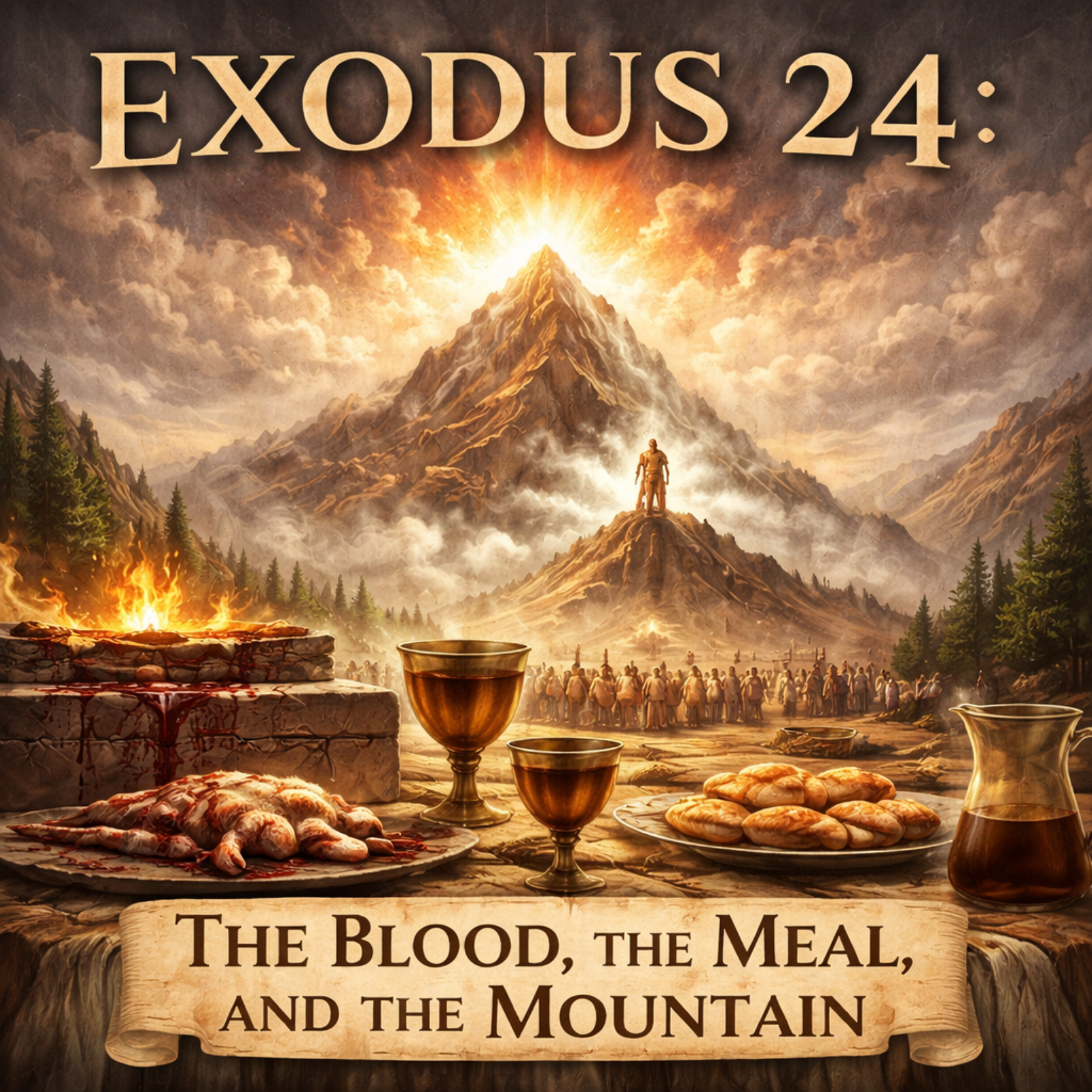
S1 Ep 102Exodus 24: The Blood, the Meal, and the Mountain
What if drawing near to God required both sacrifice and invitation?Exodus 24 reveals a covenant sealed in blood, a meal in God’s presence, and a man called into the fire.In this episode of In the Garden, we step into one of the most pivotal chapters in Exodus—a moment where God’s relationship with His people moves from spoken law to lived covenant.After receiving the commandments and the Book of the Covenant (Exodus 20–23), Israel stands at a crossroads. Moses recounts all the words of the Lord, and the people respond with bold unity: “All that the Lord has spoken we will do.” Their promise is sincere—but the story ahead will reveal how fragile human obedience can be.To establish the covenant, Moses builds an altar and offers sacrifices. Then comes a striking moment: the blood is divided. Half is thrown against the altar, and half is thrown on the people. This is not symbolic in a casual sense—it is life-binding. The covenant is sealed with blood, declaring that relationship with a holy God comes at a cost.And then—grace breaks through.Moses, Aaron, Nadab, Abihu, and seventy elders ascend the mountain. Scripture tells us they “saw the God of Israel… and they ate and drank.” Sinful men, preserved by mercy, sharing a meal in the presence of God. This moment foreshadows something greater—a future covenant where Jesus would say, “This cup is the new covenant in my blood.”But Moses is called even higher.The glory of the Lord settles on Mount Sinai like a consuming fire. For six days, Moses waits in the cloud. Then, on the seventh day, God calls him forward. Moses enters the cloud and remains there forty days and forty nights—receiving instructions that will shape Israel’s worship and reveal God’s desire to dwell among His people.Exodus 24 is a bridge—from law to presence, from distance to nearness, from fear to fellowship.Yet tension remains. The people have pledged obedience, but even as Moses meets with God, they will soon fall into idolatry. The chapter reminds us that human promises are not enough—we need a better covenant.And we have one.Through Jesus, the final sacrifice has been made. The invitation is no longer limited to one man on a mountain. Because of His blood, we are invited to draw near with confidence.The question is no longer just, “Will you obey?”It is: “Will you come near?”Call to Action:Take time today to reflect on what it means to be invited into God’s presence. Read Exodus 24 slowly. Consider the cost of the covenant—and the grace that welcomes you in. If this episode encouraged you, share it with someone who is seeking to draw closer to God.Keywords: Exodus 24, covenant, blood of the covenant, Mount Sinai, Moses, presence of God, Old Testament, Bible study, Jesus, new covenant, faith, obedience, worshipScripture References:Exodus 24:1–18Exodus 20–23Luke 22:20Hebrews 4:16
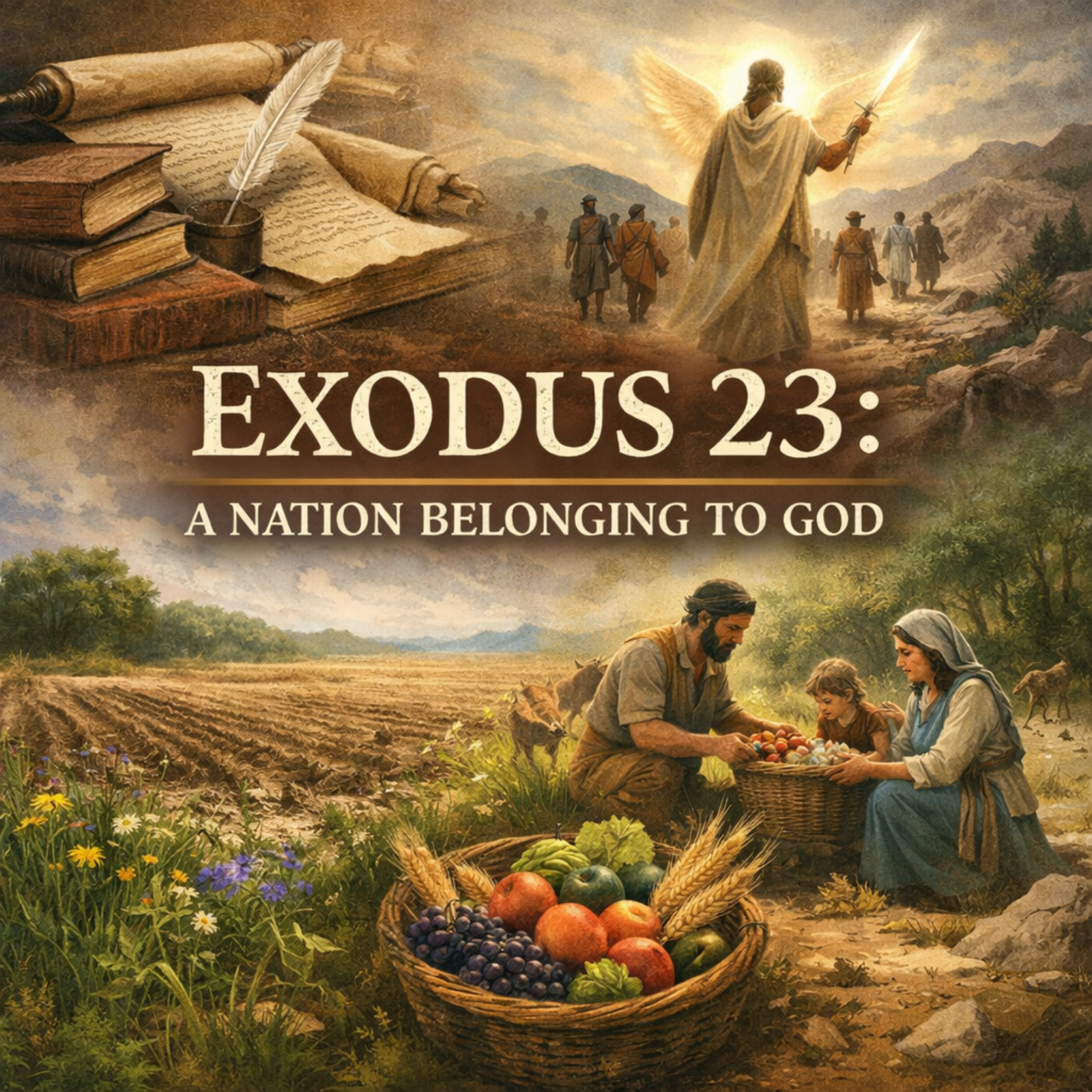
S1 Ep 101Exodus 23: A Nation Belonging to God
What do truth, rest, and ancient conquest have in common?Exodus 23 reveals one unified story: God forming a people who belong to Him.In this episode, we explore how Exodus 23—though it feels divided between familiar laws, unfamiliar practices, and distant promises—actually speaks with one voice. God is not just giving commands; He is shaping a nation to reflect His character in every part of life.We begin with a command that feels strikingly relevant today: “You shall not spread a false report.” In a world filled with misinformation, gossip, and half-truths, God calls His people to be anchored in truth. This is about more than honesty—it’s about justice, integrity, and refusing to participate in what corrupts community.Next, we step into rhythms that feel foreign but reveal something timeless. The command to let the land rest in the seventh year teaches trust. God’s people were to depend on Him for provision, not just their own effort. Even more, this rest created space for generosity—the poor and even the animals would eat from what grew naturally. God’s design reflects a heart of provision, compassion, and shared blessing.Finally, we encounter promises tied to a specific people and place—God going before Israel, leading them into the Promised Land. While this may feel distant, the principle remains: God is a God who leads. He prepares the way, calls His people forward, and invites them to trust Him in the unknown.Together, these passages reveal a powerful truth: God is forming a people who speak truth, live by trust, and follow His lead.This episode connects these ancient words to our lives today—whether in our conversations, our work, or our future. No matter where we live, God’s call is the same: to belong to Him and reflect His character in the world.Keywords: Exodus 23, Bible study, truth, integrity, rest, Sabbath, trust in God, provision, justice, Old Testament law, Christian living, faith, obedience, God’s promises👉 If this episode encouraged you, share it with a friend, subscribe to the podcast, and continue reading along with “The One Story That Leads to Jesus” Bible plan. Let’s keep seeking the Lord together.Scriptures Referenced:Exodus 23:1Exodus 23:10–11Exodus 23:23Numbers 23:19John 14:6Matthew 11:28
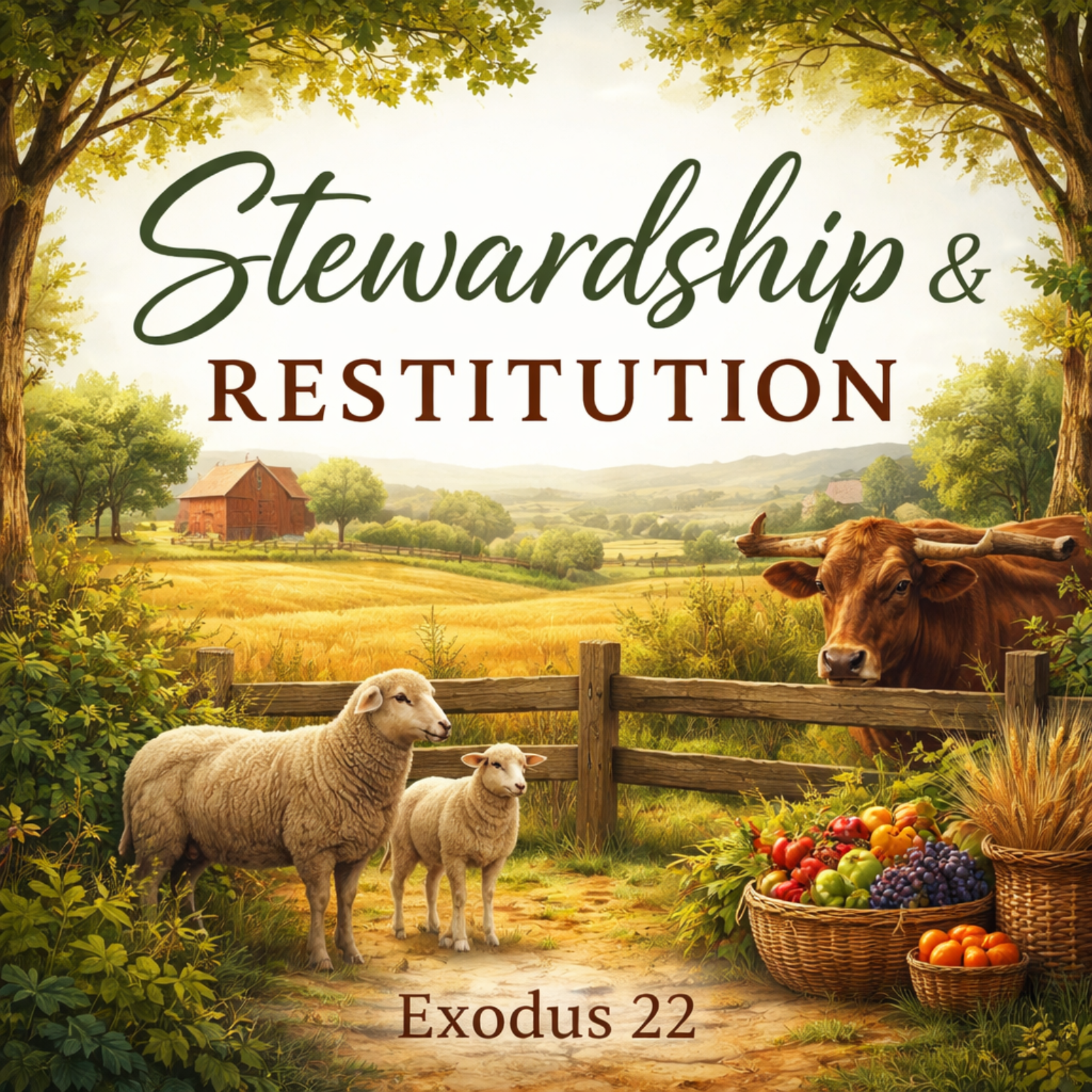
S1 Ep 100Exodus 22: Stewardship & Restitution
What if the real cost of sin is far greater than what’s taken?Exodus 22 reveals a God who cares not just about justice—but about restoration.In this episode, we explore Exodus 22 and uncover timeless wisdom rooted in an agrarian world that still speaks powerfully today. At first glance, these laws about oxen, sheep, fields, and fires may seem distant—but they reveal something deeply relevant: God’s design for stewardship, responsibility, and neighborly love.In ancient Israel, stealing an ox wasn’t just theft—it was taking someone’s livelihood. That’s why restitution wasn’t equal—it was multiplied. The law required fourfold or fivefold repayment because the damage extended beyond the surface.The same principle holds true today. Consider modern examples like copper wiring theft. A thief may gain a few hundred dollars, but the business owner can suffer thousands—or tens of thousands—in damages and lost income. Exodus 22 reminds us that our actions often carry consequences far beyond what we see.This chapter walks through real-life scenarios—grazing livestock in another’s field, fires that spread unintentionally, borrowed items that are damaged—and in each case, God establishes a clear truth: we are responsible for what has been entrusted to us.This is the language of stewardship.From the Garden of Eden to the wilderness of Exodus, humanity’s calling has remained the same: to care for what belongs to God. Our time, resources, relationships, and influence are not our own—they are entrusted to us.Exodus 22 also expands stewardship beyond property to people—especially the vulnerable. God commands His people not to mistreat the sojourner, the widow, or the fatherless. True righteousness is not just measured in how we manage things, but in how we treat others.And yet, when we reflect honestly, we recognize that we have all fallen short. We have been careless. We have caused harm—intentionally or unintentionally. And the cost of that harm adds up.But the story doesn’t end there.Exodus 22 points us forward to the One who makes restitution on our behalf. Jesus fulfills what we could not—bearing the full weight of our debt and restoring what was lost. Through Him, we are not only forgiven, but called back into faithful stewardship.This episode invites you to reflect:What has God entrusted to you?Where might you need to take responsibility or make things right?Listen, share, and join the journey through Scripture as we rediscover what it means to live faithfully in God’s world.Keywords: Exodus 22, restitution, stewardship, biblical justice, responsibility, Christian living, Old Testament law, neighborly love, faith and practiceCall to Action:If this episode challenged or encouraged you, share it with a friend or your small group. Follow along with the reading plan and continue exploring how every part of Scripture points us to Jesus.Scripture References:Exodus 22:1Exodus 22:5–6Exodus 22:10–15Exodus 22:21–22
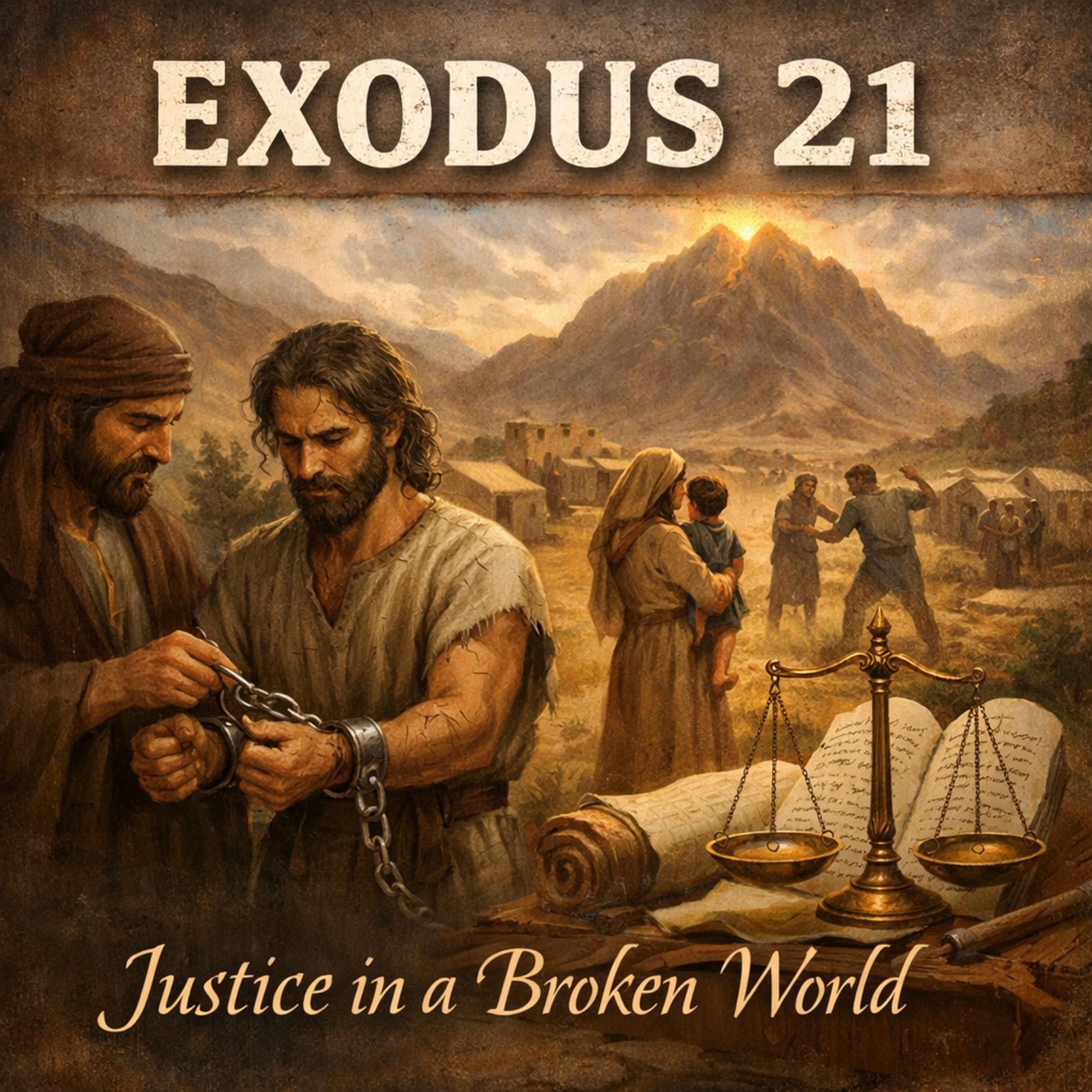
S1 Ep 99Exodus 21: Justice in a Broken World
Slavery, justice, and God’s law—how do they fit together?In Exodus 21, we see God bringing order, restraint, and dignity into a broken world.This episode explores one of the most difficult passages in Scripture and reveals something surprising: God is not endorsing injustice—He is limiting it. In a culture where slavery, violence, and unchecked power were already the norm, God establishes boundaries that protect the vulnerable, restrain revenge, and affirm the value of human life.We walk through the laws of Exodus 21 and uncover how they functioned within their historical context. From the release of Hebrew servants after six years to the principle of “eye for eye,” these laws were not about creating a perfect society overnight—but about introducing justice where there was none.You’ll also hear how this passage connects to the broader story of the Bible. The same God who gives these laws is the One who delivers His people from slavery and ultimately points forward to something greater—freedom, restoration, and redemption through Christ.Jesus Himself sheds light on these kinds of laws in Gospel of Matthew 19, reminding us that some commands were given because of the hardness of human hearts. And yet, the trajectory of Scripture always moves toward freedom, dignity, and unity in Him.This episode will help you:Understand the cultural and historical context of Exodus 21See how God establishes justice within broken systemsRecognize the difference between Biblical servitude and modern concepts of slaveryTrace the thread of redemption from Exodus to JesusIf you’ve ever wrestled with difficult Old Testament laws, this conversation will challenge and encourage you to see the heart of God more clearly.👉 Share this episode with someone who struggles with passages like this, and join the conversation.👉 Follow for more daily Bible-based insights and practical teaching.👉 Keep reading—because even in the laws, God is revealing His character.Scripture References:Exodus 21:1–36Exodus 20:2Matthew 19:8John 8:36Galatians 3:28
S1 Ep 98Exodus 20: The Law Written
Ten commandments on the wall… but are they written on your heart?Exodus 20 reveals more than rules—it reveals the life God calls us to live.In this episode, we explore the foundation of God’s Law in Exodus 20 and the well-known Ten Commandments—words now appearing on posters in classrooms across Texas. But what do they really mean? And how do they fit into the larger story of Scripture?While many recognize the “top ten,” the Law of Moses actually includes 613 commandments (mitzvot), shaping every aspect of life for God’s people. The Ten Commandments serve as the foundation, revealing what it looks like to love God and love others in everyday life.But here’s the deeper truth:God gave the Law after He rescued His people—not before.“I am the Lord your God, who brought you out of Egypt…” (Exodus 20:2)The Law is not a ladder to earn salvation—it’s a path for those already redeemed.In this episode, we unpack:Why the Ten Commandments come first in the LawHow the 613 commandments point to a complete life of obedienceThe danger of reducing God’s Word to something external—like a poster on a wallHow Jesus Christ deepens the Law, moving it from outward behavior to inward transformationGod’s ultimate desire: not just obedience, but hearts changed from withinJesus teaches that all the Law can be summed up in two commands: Love God. Love your neighbor. (Matthew 22:37–40)And the prophets point forward to something even greater: A day when God’s Law would not just be written on stone—but written on the heart.This episode invites you to reflect:Are these commands just something you see…or something you live?Because:If these words hang on a wall, they are easy to ignore.But if they are written on the heart, they become life.Keywords: Exodus 20, Ten Commandments, Law of Moses, 613 mitzvot, Bible teaching, Christian podcast, Jesus and the Law, heart transformation, Old Testament, faith and obedienceCall to Action:If this episode challenged or encouraged you, share it with a friend, a student, or a teacher. Take a moment today to read Exodus 20 for yourself—and ask God not just to show you His Word, but to write it on your heart.Scripture References:Exodus 20:2–17Matthew 5:21–28Matthew 22:37–40Galatians 3:24Jeremiah 31:33
S1 Ep 97Exodus 19: When Access Is Dangerous
You were never meant to approach God casually… but you were always meant to come close.Exodus 19 reveals a holy boundary—and points to the only way it could ever be crossed.In this episode, we step into the trembling scene at Mount Sinai, where fire, smoke, and thunder surround the presence of God. The command is clear: do not come near. And yet, in the middle of that warning, God calls the priests to consecrate themselves.Why prepare to draw near… if you’re still not allowed to come all the way?Because Exodus 19 is not confusion—it’s a revelation.It shows us a God whose holiness is not casual, not safe, and not to be approached on human terms. There are layers of access: the people remain at a distance, the priests come nearer with preparation, and Moses alone ascends into the presence of God. This moment establishes a pattern we see throughout Scripture—distance, danger, and the need for a mediator.But this is not where the story ends.Sinai teaches us something we often forget: before we can understand grace, we must first understand holiness. Before we can appreciate access, we must feel the weight of separation. The boundaries at the mountain are not meant to push us away forever—they are meant to awaken us to our need.And that need is ultimately met in Jesus.What was once restricted becomes open. What was once dangerous becomes invitation—not because God has changed, but because a way has been made. The tearing of the temple veil marks a turning point in history: access to God is no longer limited to one man, one place, one moment.Through Christ, we are invited to draw near with confidence—but never casually.This episode challenges us to hold both truths together: God is holy beyond comprehension…and through Jesus, we are welcomed into His presence.So how do you approach God today?Do you keep your distance… or have you forgotten the weight of His holiness?Do you come casually… or confidently through the One who made a way?Take time today to reflect on the God of Sinai—and the Savior who brings you near.Call to Action:Read Exodus 19 slowly. Picture the scene. Feel the distance. Then read it again in light of Jesus—and respond. Draw near to God in reverence and confidence, trusting not in yourself, but in the One who stands between.Scriptures Referenced:Exodus 19:16–25Exodus 20:18–21Hebrews 12:18–24Matthew 27:50–51Hebrews 10:19–22
S1 Ep 96Exodus 18: The Lord is Greater Than All Gods
Before the Law was written, a foreign priest was already at the table.Exodus 18 reveals a God who is drawing people in long before they “belong.”In this episode, we explore one of the most overlooked and powerful moments in the book of Exodus—when Jethro, a Midianite priest, confesses the greatness of Yahweh and leads a sacrifice accepted by God. Even more surprising, Moses, Aaron, and the elders of Israel sit down to share a covenant meal with him before Sinai, before the Law, and before Israel is fully formed as a nation.This moment challenges how we think about who is “in” and who is “out.”Jethro hears the testimony of what God has done—and responds with worship:“Now I know that the Lord is greater than all gods.”Then he acts on that confession, offering sacrifices to Yahweh. There is no correction, no hesitation—only fellowship. A table is set, and a man from outside Israel is welcomed into the presence of God.But the story doesn’t stop at the table.Jethro also brings wisdom.Seeing Moses overwhelmed by the weight of leadership, he offers counsel: appoint capable, trustworthy men to share the burden. And Moses listens. Authority is distributed. The people are better served. And the wisdom comes from someone who, by every cultural measure, was an outsider.This is more than good leadership advice—it’s a glimpse into the heart of God.God is already at work beyond the boundaries we expect.Before Sinai…Before the commandments…Before the structure of Israel is complete…God is drawing people in.Jethro is not an exception—he is a preview.This passage invites us to ask:Where might God already be working that we haven’t recognized?Are we willing to receive truth and wisdom from unexpected places?And are we making room at the table for those God is drawing near?This episode reminds us that God’s mission has always been bigger than one people group. The story of Scripture moves outward—from Israel to the nations—and Exodus 18 gives us an early glimpse of that unfolding plan.Call to Action:Share this episode with someone who might feel like an outsider. Then take a moment to reflect—who has God placed in your life that you might be overlooking? Invite them in. There may already be a seat for them at the table.Scriptures Referenced:Exodus 18:8–12Exodus 18:17–23
S1 Ep 95Exodus 17: Water from the Rock
When the desert is dry and strength is gone, where does life come from?Exodus 17 reveals a surprising truth: God often brings provision and victory through human weakness.In this episode, we explore two powerful moments from Exodus 17 that reveal the same spiritual pattern. First, the Israelites face a desperate crisis in the wilderness—there is no water. Fear rises, complaints begin, and the people question why they ever left Egypt. But God responds in an unexpected way. He instructs Moses to strike a rock, and from that lifeless stone water pours out, sustaining the entire nation.This miracle becomes one of the most important symbols in Scripture. Later, the apostle Paul explains that the rock pointed forward to Christ, the true source of living water. Just as the rock had to be struck for water to flow, Jesus would be struck so that life could flow to the world.But the lesson of Exodus 17 doesn’t stop there.Soon after the water flows, Israel faces its first battle in the wilderness against the Amalekites. Joshua leads the fight in the valley while Moses stands on a hill with the staff of God raised in his hands. Something remarkable happens: whenever Moses’ hands are lifted, Israel prevails. When his arms grow tired and fall, the enemy advances.Eventually Moses’ strength fails. His arms grow heavy, and he cannot hold them up alone. So Aaron and Hur place a stone beneath him and stand beside him, supporting his arms until sunset. Through this shared weakness and dependence on God, Israel wins the battle.Both stories reveal the same surprising truth: God’s power is often revealed through human limitation. Water flows from a rock. Victory comes through a weary leader whose strength runs out. Again and again in Scripture, God chooses what appears weak so that His power becomes unmistakably clear.If you’ve ever felt spiritually dry, exhausted, or unable to carry the weight alone, Exodus 17 offers a powerful reminder. God still provides living water in the wilderness, and His strength is made perfect in weakness.Subscribe to the podcast and share this episode with someone who might need encouragement today. And wherever you are on your journey, keep seeking the One Story that leads to Jesus.Scripture References:Exodus 17:1–16Exodus 17:6Exodus 17:11–121 Corinthians 10:4
S1 Ep 94Exodus 16: Learning to Live on God's Provision
What if the greatest miracle in the wilderness wasn’t the food—but the freedom to stop striving?In this episode, we explore how God used manna in the wilderness to teach His people a completely new way to live: a life built on trust instead of constant labor.In Book of Exodus 16, the Israelites leave Egypt only to face hunger in the wilderness. Fear quickly turns into grumbling as they remember the food they had in slavery. But instead of abandoning His people, God responds with mercy. Each morning He sends manna—bread from heaven—covering the ground like dew.Yet the miracle isn’t just the bread.God establishes a completely different system of provision. The people are instructed to gather only enough for each day. If they try to hoard it, the manna spoils overnight. Every sunrise becomes an invitation to trust God again.Then comes the most surprising part of the story: the Sabbath. On the sixth day, the people gather double because on the seventh day there will be none. That day is set apart as a day of rest.This is the heart of the lesson.In Egypt, survival depended on endless labor. Pharaoh’s system demanded constant productivity—more bricks, more work, more pressure. Rest didn’t exist for slaves.But God introduces a different rhythm for His people:work faithfully, gather what you need, and trust Him enough to rest.The manna teaches Israel—and us—that life does not ultimately depend on our ability to secure everything ourselves. God invites His people into a relationship where daily dependence replaces anxious striving.The wilderness becomes a classroom where God retrains a former slave nation to live in freedom.Later in Scripture, the meaning of manna grows even deeper. When Jesus Christ teaches His disciples to pray, He echoes the same lesson: “Give us this day our daily bread.” And in the Gospel of John, Jesus points back to the wilderness miracle and declares, “I am the bread of life.”The manna fed Israel for a day.Christ offers life that never runs out.Join us as we explore how Exodus 16 reveals God’s system of provision—a life marked by trust, daily dependence, and the freedom to rest in His care.If this episode encouraged you, consider sharing it with a friend, leaving a review, or subscribing so you can follow the journey as we continue walking through Scripture together.Keywords: Exodus 16, manna in the wilderness, daily bread, Sabbath rest, God’s provision, trusting God, Bible study podcast, wilderness journey, spiritual dependence, bread from heaven.Scriptures ReferencedExodus 16:1–35Deuteronomy 8:3Matthew 6:11John 6:32–35
S1 Ep 93Exodus 15: From Singing to Grumbling
They had just watched the Red Sea split and sang songs of victory. Three days later, the same people were grumbling in the wilderness.In Exodus 15 we see both the beauty of joyful worship and the fragility of human faith—and the unchanging faithfulness of God.After Israel’s miraculous deliverance from Egypt, Moses and the Israelites respond the only way a rescued people can: they sing. Exodus 15 records the first great song of redemption in the Bible. Moses leads the people in praising the Lord for defeating Pharaoh’s army and delivering them from slavery.“I will sing to the Lord, for He is highly exalted; He has thrown the horse and its rider into the sea.” (Exodus 15:1)Soon Miriam the prophetess joins in. With tambourine in hand, she leads the women in music and dancing as the whole community celebrates what God has done. Singing, music, and joyful movement become the natural expression of hearts that have witnessed the power of God.But the celebration does not last long.Only three days into their journey in the wilderness, the people cannot find drinkable water. When they finally reach water at Marah, it is bitter. The same voices that had just been singing now begin to complain.“The people grumbled to Moses, ‘What are we going to drink?’” (Exodus 15:24)Exodus 15 reveals how quickly human hearts can move from worship to worry, from praise to complaint. Yet the chapter also reveals the patience and mercy of God. Instead of abandoning His people, the Lord provides a solution. Through Moses, He turns the bitter water sweet and begins to teach Israel what it means to trust and obey Him.Here God reveals a powerful name: Yahweh Rapha — “The Lord who heals you.” The God who delivered Israel from Egypt is also the God who sustains and restores His people in the wilderness.The chapter closes with a beautiful picture of grace. After the bitterness of Marah, the people arrive at Elim—a place of abundance with twelve springs of water and seventy palm trees. Even though Israel’s faith was shallow, God’s faithfulness was not.Exodus 15 reminds us that while our faith may waver, the Lord continues to provide, guide, and heal. The same God who leads His people through the sea also leads them through the wilderness.If this episode encouraged you, share it with a friend, subscribe to the podcast, and continue reading through Scripture with us as we follow The One Story That Leads to Jesus.Scriptures Referenced:Exodus 15:1Exodus 15:20–21Exodus 15:24Exodus 15:26–27
S1 Ep 92Exodus 14: The God Who Stands Between
The sea split, the wind roared, and Israel walked through on dry ground—but the greatest revelation in Exodus 14 is not the miracle. It’s the God who stands between His people and their enemies.In this episode, we explore how the crossing of the Red Sea echoes the very first days of creation and reveals the Creator who still commands the wind, the waters, and the destiny of nations.Exodus 14 is one of the most dramatic moments in the Bible. Israel is trapped between Pharaoh’s army and the Red Sea with no visible escape. But the God who created the heavens and the earth is still present in His creation.Before the waters even divide, something extraordinary happens: the pillar of cloud and fire that had been leading Israel moves behind them. God places Himself between His people and the Egyptian army. The same presence that gives light to Israel brings darkness and confusion to Egypt. Salvation for one side, judgment for the other.Then the Lord sends a powerful east wind that blows through the night. The waters divide, dry land appears, and Israel walks through the sea. The language echoes Genesis itself—when the Spirit of God moved over the waters and the dry land first appeared. At the Red Sea, the Creator moves again. The wind blows, the waters separate, and a path opens where none existed.Scripture even tells us that the Lord looked out from the pillar of fire and cloud upon the Egyptian army. God is not distant in this moment—He is personally present, guiding, protecting, and judging. The same act that delivers Israel becomes the downfall of Pharaoh’s army.Exodus 14 reveals a powerful truth about God’s presence. The same God who saves also judges. The same pillar that lights the path for Israel blinds their enemies. It is like a scroll written on two sides—deliverance on one side and judgment on the other.When the waters close and the danger is gone, Israel finally sees what God has done.They see His power.They fear the Lord.And they believe.But this moment raises a deeper question that will shape the rest of the Bible.Will Israel trust God when the sea is no longer splitting?Because most of life is not lived in Red Sea moments. Most days are wilderness days—days when miracles are quieter and faith must rest on remembering what God has already done.The God who separated the waters at creation, the God who opened the sea for Israel, is still the One who stands between His people and destruction.If this episode encouraged you, share it with someone who needs a reminder that God still makes a way where none seems possible. And join us as we continue exploring the story of Scripture—one chapter at a time.Keywords: Exodus 14, Red Sea crossing, pillar of fire and cloud, biblical theology, creation echoes, God’s presence, faith in the wilderness, Old Testament study, Bible podcast.Scriptures referenced:Genesis 1:2–3Exodus 14:19–22Exodus 14:24Exodus 14:31Isaiah 60:1–2Ezekiel 2:10
S1 Ep 91Exodus 13: The Firstborn Belong to God
A lamb dies so the firstborn can live. But what happens after the deliverance?In Exodus 13, God reveals that every rescued life now belongs to Him—and the story traces all the way back to Isaac and forward to Christ.After the night of Passover in the Book of Exodus, Israel begins its journey out of Egypt. But before they travel far, God stops them with an unexpected command: “Consecrate to me all the firstborn.” Every firstborn child and animal now belongs to the Lord because He spared Israel’s sons on the night when Egypt’s firstborn died.This moment reveals a central truth of redemption: the life that is saved now belongs to the Savior.In this episode of In the Garden, we explore the deeper meaning behind Exodus 13 and how the command about the firstborn connects to one of the earliest stories of substitution in Scripture. Centuries before the Exodus, Abraham climbed Mount Moriah with his beloved son Isaac. Isaac asked a haunting question: “Where is the lamb?” Abraham answered with faith: “God will provide the lamb.”At the last moment, a ram caught in a thicket took Isaac’s place.That same pattern appears again at Passover. Each household sacrificed a lamb, and the blood was spread on the doorposts with a branch of hyssop. The lamb died, and the firstborn lived.In Exodus 13, God establishes a memorial so this truth would never be forgotten. The Feast of Unleavened Bread and the consecration of the firstborn surround the story of Passover like a literary frame, reminding every generation that their deliverance came through substitution.But the story does not end in Egypt.During another Passover centuries later, Jesus Christ walked toward the cross carrying the wood of His sacrifice—just as Isaac once carried the wood up Mount Moriah. At the crucifixion, even the small detail of a hyssop branch appears again, echoing the Passover night when lamb’s blood marked the doors of Israel.What began with one son spared through a substitute in Genesis becomes the salvation of a nation in Exodus—and ultimately the redemption of the world through Christ.In this episode, we explore how Exodus 13 reveals the meaning of redemption, why God claims the firstborn, and how the story of Passover points both backward to Isaac and forward to the Lamb of God.If this episode deepens your understanding of Scripture, consider sharing it with a friend, subscribing to the podcast, and joining the conversation. Together we are discovering how the entire Bible tells one story that leads to Jesus.Scriptures referenced in this episode:Book of Exodus 12:13, 12:22, 13:2–16Book of Genesis 22:2–14Gospel of John 1:29, 19:29
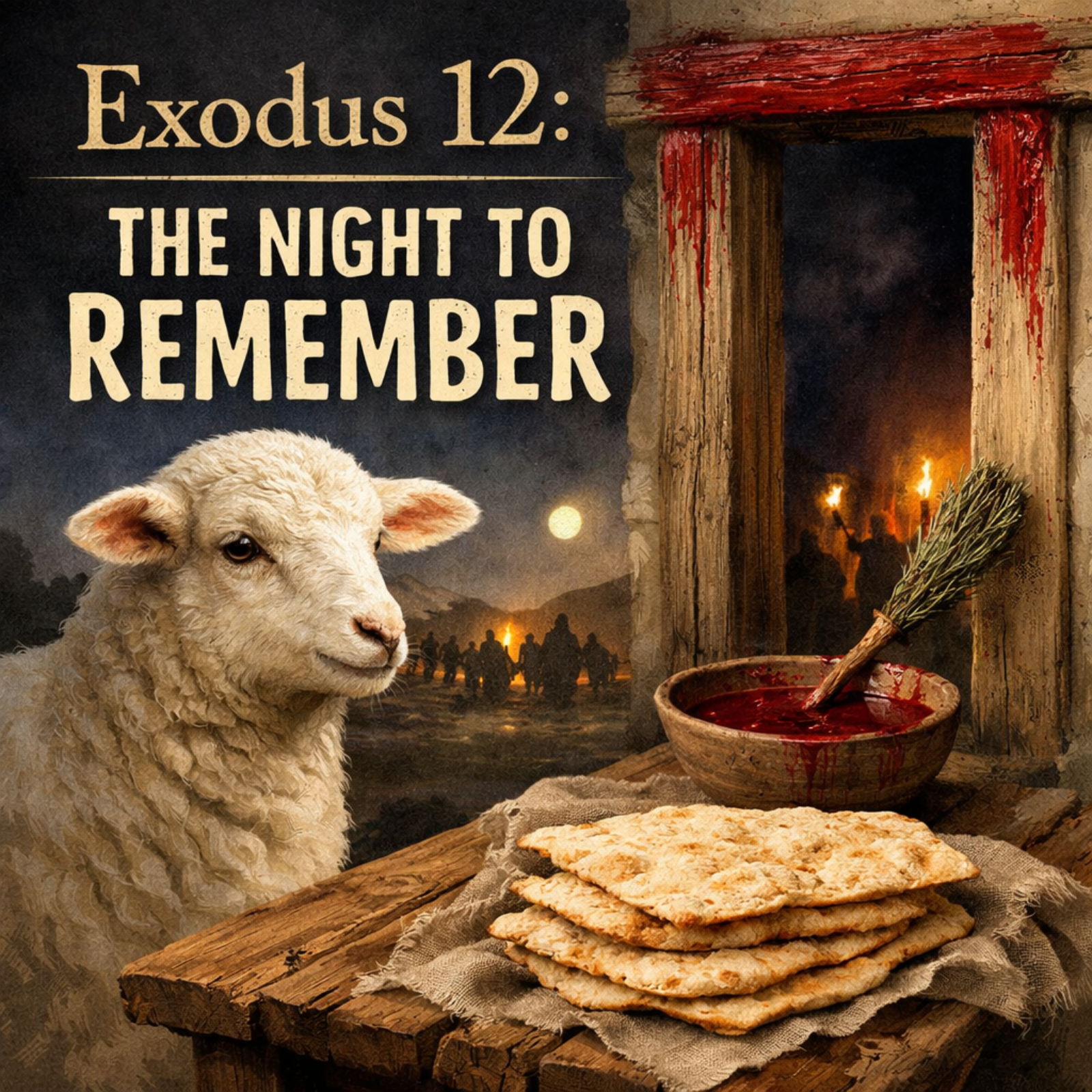
S1 Ep 90Exodus 12: The Night to Remember
Have you ever faced a moment where obedience felt urgent, even overwhelming? Exodus 12 shows how God turns moments of fear and haste into eternal remembrance.In this episode, we journey through the pivotal night of the Exodus. God commands the Israelites to prepare a lamb, apply its blood to their doorposts, and eat bread without leaven—all in anticipation of the 10th Plague, the midnight judgment on Egypt. What began as hurried preparation becomes a profound memorial of faith and deliverance.We explore the layers of meaning in this chapter: the lamb as a sign of protection, the unleavened bread as a reminder of readiness, and the establishment of a feast to be observed throughout generations. This is not just a historical event—it’s a spiritual lesson in trust, obedience, and God’s providence that points forward to the ultimate Lamb, Jesus Christ.Whether you are reflecting on God’s faithfulness in your own life, seeking courage to obey, or simply desiring to understand the depth of His deliverance, this episode offers a meditation on how God transforms ordinary acts of obedience into memorials of salvation.Call to Action:Consider your own “midnight moments”—times of uncertainty or urgency where God calls you to trust and obey. How might God turn these moments into a lasting reminder of His faithfulness? Share your reflections, discuss with friends, or journal how God has delivered you in ways that become stories of remembrance.Keywords: Exodus 12, Passover, 10th Plague, lamb of God, unleavened bread, deliverance, obedience, faith, memorial, salvation, God’s faithfulness, spiritual reflection, Bible studyScriptures Referenced: Exodus 11:4, Exodus 12:6, Exodus 12:14-15
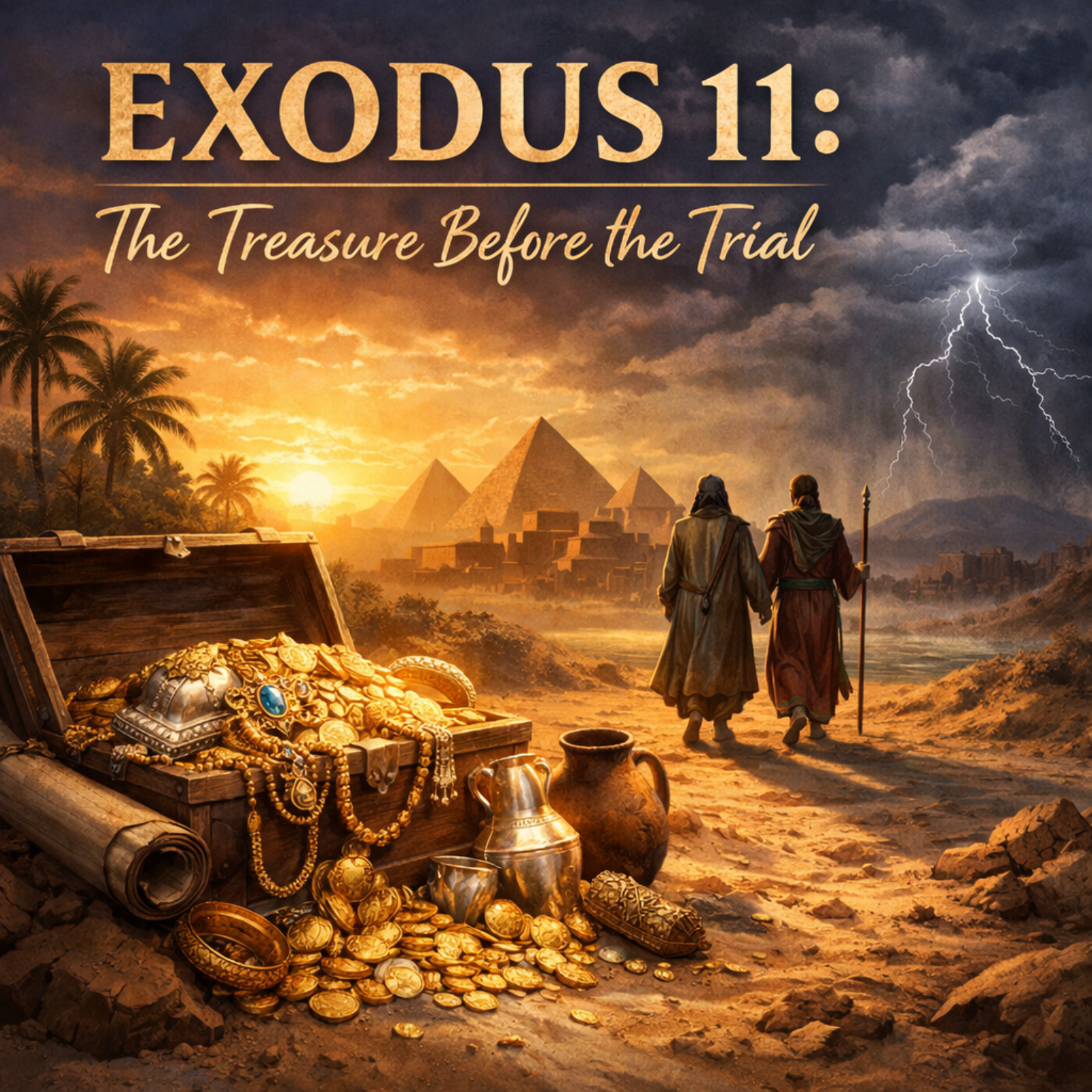
S1 Ep 89Exodus 11: The Treasure Before the Trial
Before the final plague strikes Egypt, something incredible happens — God provides favor, provision, and promise to His people. In this episode, we explore how the Israelites received silver and gold from the Egyptians before the midnight Passover, and what this teaches us about God’s timing, justice, and care.In Exodus 11, God tells Moses that one last plague will come, but first, He instructs the Israelites to ask their Egyptian neighbors for silver and gold. The people obey, and God gives them favor, ensuring they leave Egypt not empty-handed but empowered for the journey ahead. This act of provision is rich in meaning: it demonstrates God’s favor, fulfills divine justice, prepares the Israelites for a new beginning, and teaches a timeless lesson about trusting God’s plan even before the trial is fully revealed.We also see the interplay of divine sovereignty and human responsibility. Pharaoh’s heart is hardened, God’s wonders multiply, and yet the Israelites’ obedience and trust are rewarded in advance. The story reminds us that God often provides before the storm, equips His people before the challenge, and guides them through His perfect timing.Join us as we unpack this pivotal moment in the Exodus story — the treasure before the trial — and discover how God’s provision, justice, and faithfulness intersect in ways that still speak to us today. Whether you’re facing uncertainty, waiting for deliverance, or learning to trust God’s timing, this episode offers encouragement and insight straight from God’s Word.Keywords: Exodus 11, Passover, Israelites, Egypt, silver and gold, God’s provision, divine justice, favor, obedience, trust, faith, deliverance, Bible study, God’s timing, spiritual lessonsCall to Action:If this episode inspired you, share it with a friend, subscribe to In the Garden Podcasts for weekly episodes, and join our community as we journey through the Bible together. Reflect on how God might be providing for you before your trial and consider sharing your story of trust and provision with someone today.Scripture References: Exodus 11:1–10 ESV
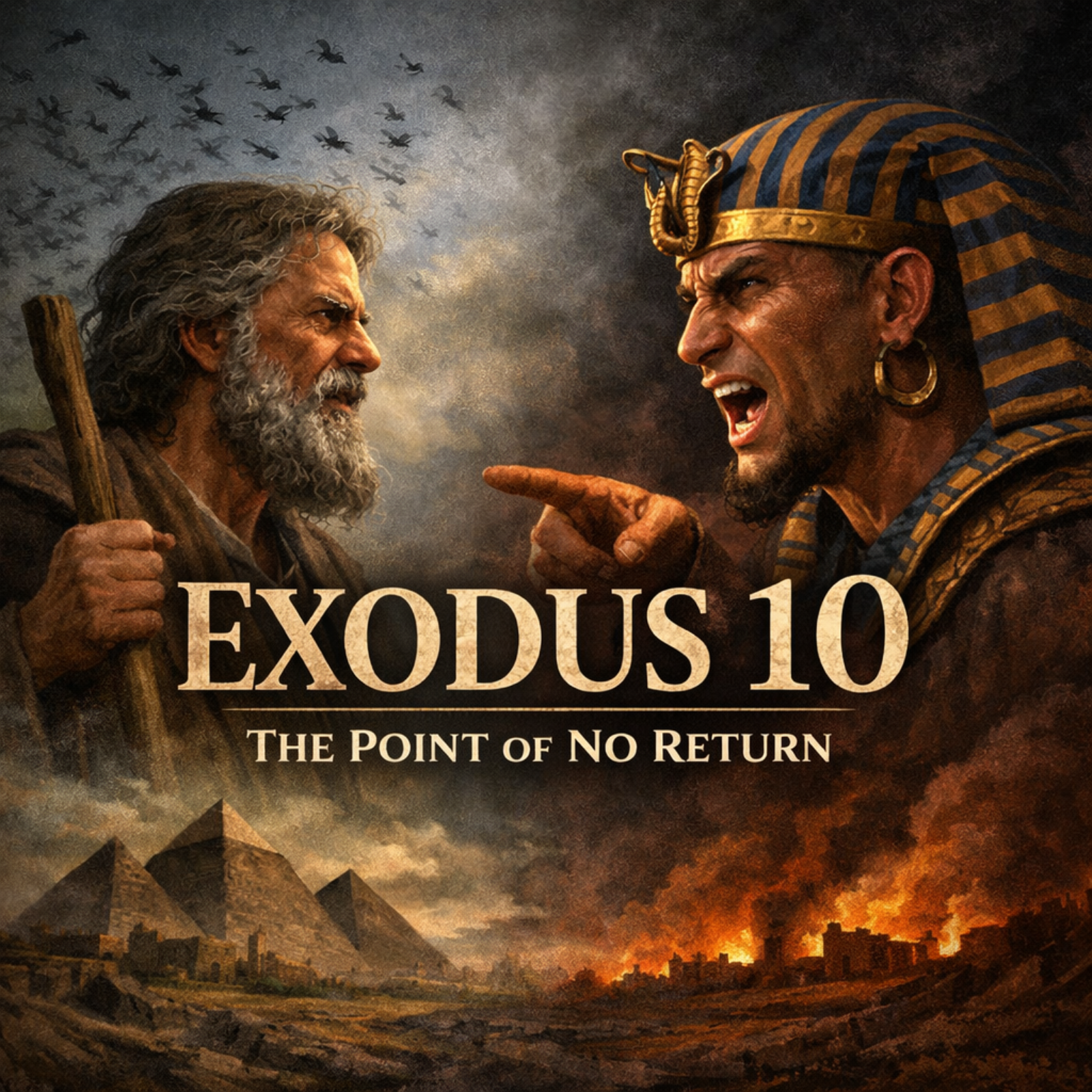
S1 Ep 88Exodus 10: The Point of No Return
Exodus 10: The Point of No Return – When Refusal Meets JudgmentWhat happens when someone hears God’s voice again and again—and refuses to listen? In Exodus 10, Pharaoh reaches the edge of his limits, and the consequences of hardened hearts become clear. From locusts that devour everything to darkness that covers the land, this chapter reminds us that repeated rejection of God’s will can bring a point of no return.In this episode, we explore the ninth plague, Pharaoh’s bargaining, and the dramatic confrontation between Moses and Pharaoh. We uncover why God’s people experience light even in the midst of darkness and why true freedom comes only when hearts choose allegiance to God over worldly authority.Join us as we reflect on how the story of Exodus speaks to modern struggles with pride, control, and the temptation to negotiate obedience. Pharaoh’s path serves as a cautionary tale: ignoring God’s voice has consequences, but listening brings light, even in the darkest circumstances.Keywords: Exodus 10, Pharaoh, Moses, locusts, darkness, God’s power, hardened heart, biblical freedom, obedience, light in darkness, faith, Bible podcastCall to Action: If this episode challenged or encouraged you, share it with someone who needs to hear the message of God’s faithfulness and warning. Subscribe to the podcast to follow the journey through Exodus and experience the unfolding story of God’s power and mercy.Scriptures Referenced: Exodus 10:1–29, Exodus 9:15–16, Matthew 22:21, Romans 13:1, Jeremiah 29:7
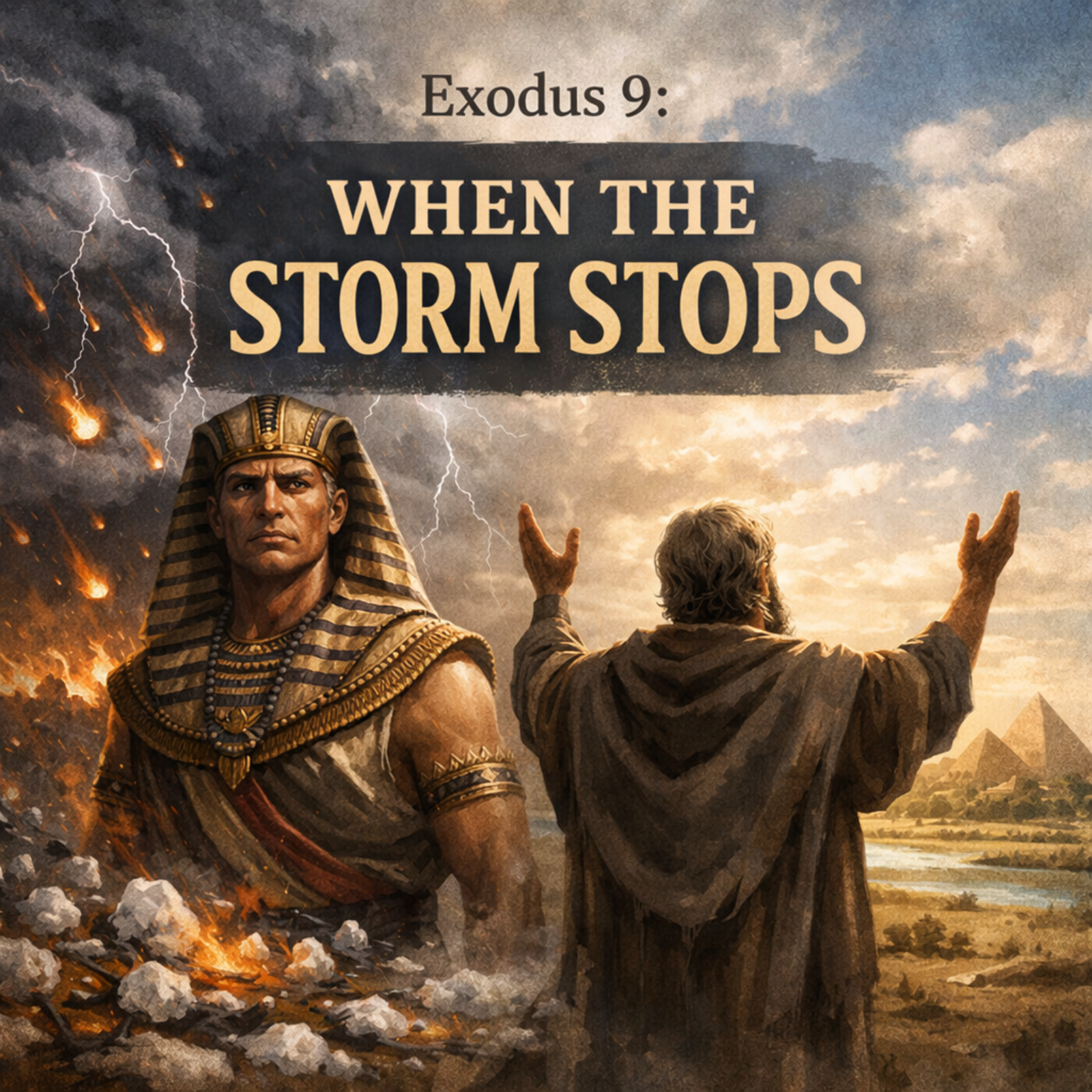
S1 Ep 87Exodus 9: When the Storm Stops
When the storm stops, what happens to our promises to God? In Exodus 9, Pharaoh finally admits his sin during a devastating storm—but the moment the thunder fades, his heart hardens again.In this episode, we explore the powerful moment in Exodus 9:33–35 when Moses prays, the hail and thunder cease, and Pharaoh immediately returns to rebellion. The plague of hail is more than a natural disaster—it is part of God’s deliberate confrontation with the gods of Egypt. The sky itself, once associated with Egyptian deities like Nut and Shu, obeys the command of YHVH.Throughout the plagues, God systematically reveals His authority over everything Egypt believed controlled their world. The Nile turns to blood, frogs overrun the land, dust becomes gnats, livestock die, and boils strike the people. Each event exposes the limits of Egypt’s idols and demonstrates that the God of Israel alone rules creation.But Exodus 9 reveals something even deeper than God’s power—it reveals the human heart.When Pharaoh is terrified by the storm, he confesses: “I have sinned. The LORD is in the right.” Yet as soon as relief comes, he hardens his heart again. His repentance is driven by fear, not surrender.This raises an important question for us today: Do we seek God only when the storm is raging?Many people cry out to God in moments of crisis. We promise change, devotion, obedience—if only the trouble will pass. But when the skies clear and life feels normal again, those promises often fade.The story of Pharaoh is a warning about temporary repentance—the kind that appears during fear but disappears when comfort returns.God explains the purpose of the plagues clearly: He is revealing Himself so that the world will know that there is no one like Him. Even the weather, the land, and the heavens answer to His command.Yet Pharaoh shows us that even overwhelming evidence will not soften a heart that refuses to yield.In this episode, we reflect on the deeper meaning of the plagues, the spiritual pattern of Pharaoh’s hardened heart, and the question that still confronts us today:What will we do when the storm stops?If this episode encourages you, consider sharing it with a friend, subscribing to the podcast, and joining the journey as we continue walking through the story of Scripture together.Scriptures ReferencedExodus 7:14–25 Exodus 8:1–19 Exodus 8:20–32 Exodus 9:1–12 Exodus 9:13–35 Exodus 12:12
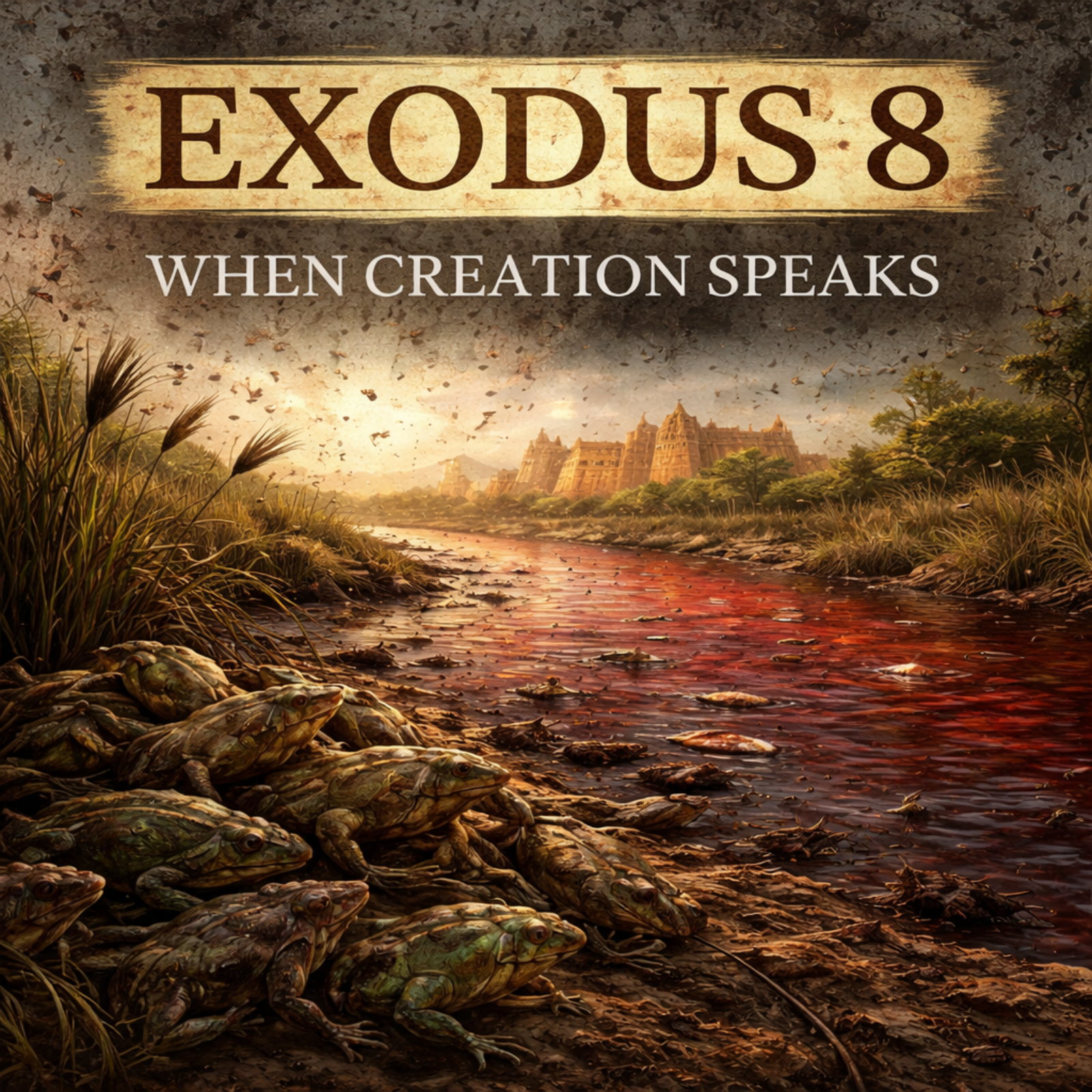
S1 Ep 86Exodus 8: When Creation Speaks
What if the plagues of Egypt weren’t random disasters—but a chain reaction? In Exodus 8, we begin to see how one event in creation triggers another, revealing the power of the God who rules over it all.In this episode of In the Garden, we explore Exodus 8 and the fascinating pattern unfolding in the plagues of Egypt. After the Nile is struck and its waters turn to blood, the entire ecosystem begins to unravel. Fish die, frogs flee the poisoned river, and when those frogs die across the land, their decaying bodies create the perfect breeding ground for gnats and flies. Soon insects swarm the land and disease spreads.What may look like chaos is actually a cascade of cause and effect—a natural chain reaction within the world God created.But understanding the pattern does not remove God from the story.The Lord who designed creation can also use creation as His instrument. The rivers, animals, insects, and weather all remain under His authority. In Exodus, the natural world itself becomes a witness to God's power and a challenge to the pride of Pharaoh.Pharaoh’s magicians could imitate a few signs, and Pharaoh believed that because he partially understood what was happening, he could endure it. Instead of humbling himself, he hardened his heart. He believed he could control events, survive the crisis, and remain in power.That was Pharaoh’s fatal mistake.Knowledge is not the same thing as sovereignty. Understanding how something happens does not mean we control it.Exodus 8 reminds us that creation still answers to its Creator. The God who spoke the world into existence can use the systems of nature to accomplish His purposes. When creation itself begins to speak, the wise response is humility.This episode invites us to step back and see the larger picture: God is not absent from the processes of the natural world—He is the Lord over them.🎧 Listen, reflect, and share this episode with someone who is exploring the story of Exodus with you. If you are following The One Story That Leads to Jesus reading plan, today’s episode will deepen your understanding of how God reveals His authority through the events of Exodus.Keywords: Exodus 8, Bible study podcast, plagues of Egypt, ecological collapse, cause and effect, Pharaoh’s hardened heart, Moses and Pharaoh, Old Testament teaching, biblical theology, God and creation, In the Garden podcastScriptures Referenced: Exodus 7:20–21 Exodus 8:1–32 Exodus 9:1–7
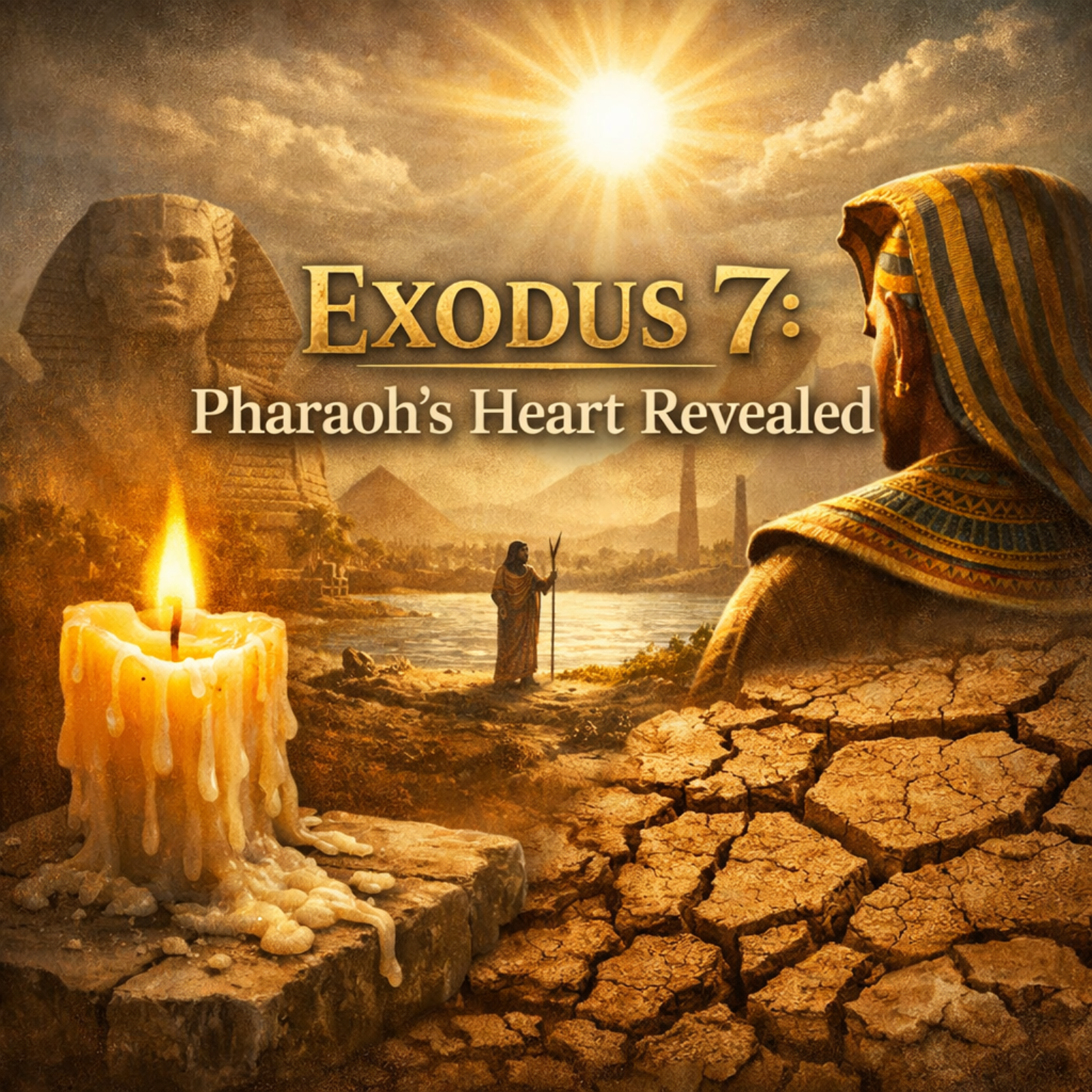
S1 Ep 85Exodus 7: Pharaoh's Heart Revealed
Pharaoh’s heart was already hardened—Exodus 7 simply reveals it. When the light of God confronts human pride, the heart either softens in humility or hardens in resistance.In Exodus 7, the confrontation between the Lord and Pharaoh begins in earnest. Moses and Aaron deliver a clear command from God: “Let my people go, that they may serve me in the wilderness.” Yet Pharaoh refuses to listen. The text tells us plainly that his heart is hardened and that he will not let the people go.But the story shows something deeper than simple defiance. Pharaoh’s hardened heart is not the result of God forcing stubbornness into him. Instead, it is the natural response of a proud ruler rejecting the authority of the living God.Pharaoh had already revealed his posture when he asked, “Who is the LORD, that I should obey his voice?” Confronted with God’s command, he chooses resistance rather than humility.A helpful way to understand this is through a simple picture: the same sun that melts wax also hardens clay. The sun itself does not change; the material responds according to its nature. In the same way, God’s presence softens the humble but strengthens the proud in their defiance.When Moses meets Pharaoh by the Nile and the first sign unfolds, God begins revealing His power through signs and wonders. These miracles are not merely punishments. They are revelations—showing that the God of the Hebrews is Lord over creation, over Egypt, and even over kings.Yet each sign only confirms what Pharaoh has already chosen. Instead of humbling himself before the Lord, he resists again and again. The light of God’s presence exposes the true condition of his heart.This story is more than ancient history. Exodus 7 reminds us that every encounter with God invites a response. The same truth that leads one person to repentance can lead another to resistance.The difference is not in God. The difference is in the heart.As the plagues begin and God’s power is revealed across Egypt, one message becomes unmistakably clear:“You shall know that I am the LORD.”If this episode helped you see Exodus 7 in a new light, consider sharing it with a friend, subscribing to the podcast, and continuing the journey through Scripture as the story of redemption unfolds.Scriptures ReferencedExodus 5:2 Exodus 7:3 Exodus 7:14–16 Exodus 7:17
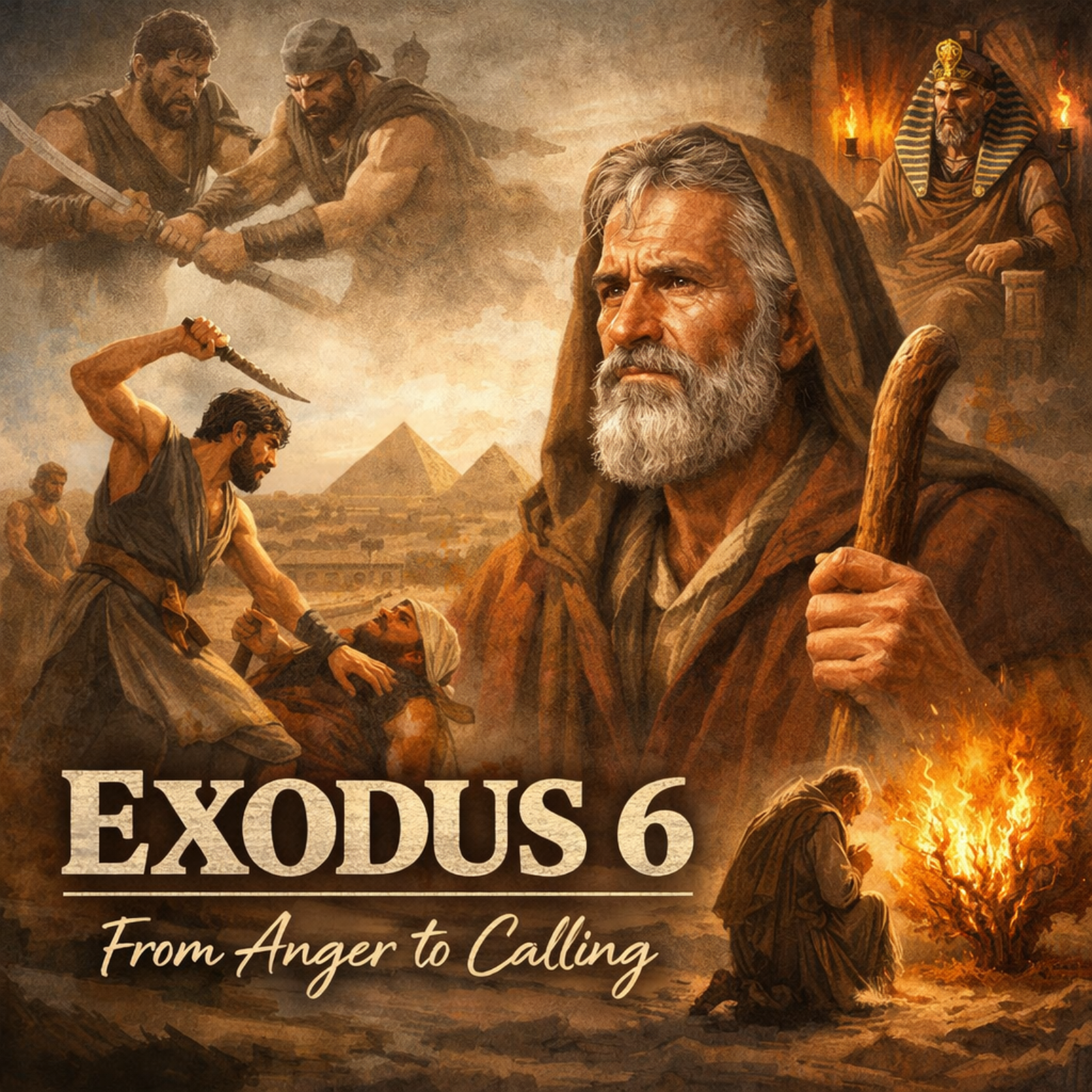
S1 Ep 84Exodus 6: From Anger to Calling
From Anger to Calling — The Redemption of Moses What if the worst moment of your past didn’t disqualify you from God’s calling—but became the very place He began redeeming your story?In this episode, we look at a quiet but powerful moment in Exodus 6 where the story pauses to remind us where Moses comes from. Before Moses stands before Pharaoh, the Bible traces his lineage back to Levi, a man whose name was once associated with fierce anger and violence. Generations earlier, Jacob spoke difficult words over Levi, remembering the destruction that came from uncontrolled wrath.And if we look closely, young Moses seems to follow that same path.In Exodus 2, Moses sees an Egyptian beating a Hebrew slave and responds in anger, striking the man down and hiding him in the sand. It is an impulsive act that forces Moses to flee Egypt and spend forty years in the wilderness of Midian.But the wilderness becomes a place of transformation.By the time we reach Exodus 6, Moses is no longer the confident young prince who thought he could fix injustice with his own strength. When God commands him to speak to Pharaoh again, Moses responds with hesitation:“Behold, I am of uncircumcised lips. How will Pharaoh listen to me?”The man who once acted too quickly now doubts his ability even to speak. The wilderness has humbled him. Scripture later describes Moses as the most meek man on the face of the earth.This episode explores how God redeems broken family histories and personal failures. Moses came from a line marked by anger. He himself carried the guilt of violence. Yet God shaped him through years of quiet obscurity into a humble servant prepared to lead a nation.For many of us, our past mistakes feel like they disqualify us. But the story of Moses reminds us that God does not waste our wilderness seasons. The same God who transformed a fugitive shepherd into the deliverer of Israel is still at work today—redeeming stories, reshaping hearts, and calling ordinary people to faithful obedience.If this episode encourages you, share it with a friend or neighbor who may need the reminder that our past does not have the final word—God does.Subscribe to follow along as we continue exploring the story of Exodus and the ways God calls imperfect people to participate in His greater story of redemption.Scriptures Referenced Genesis 49:5–7 Exodus 2:11–15 Exodus 6:10–11 Exodus 6:16–20 Exodus 6:28–30 Numbers 12:3
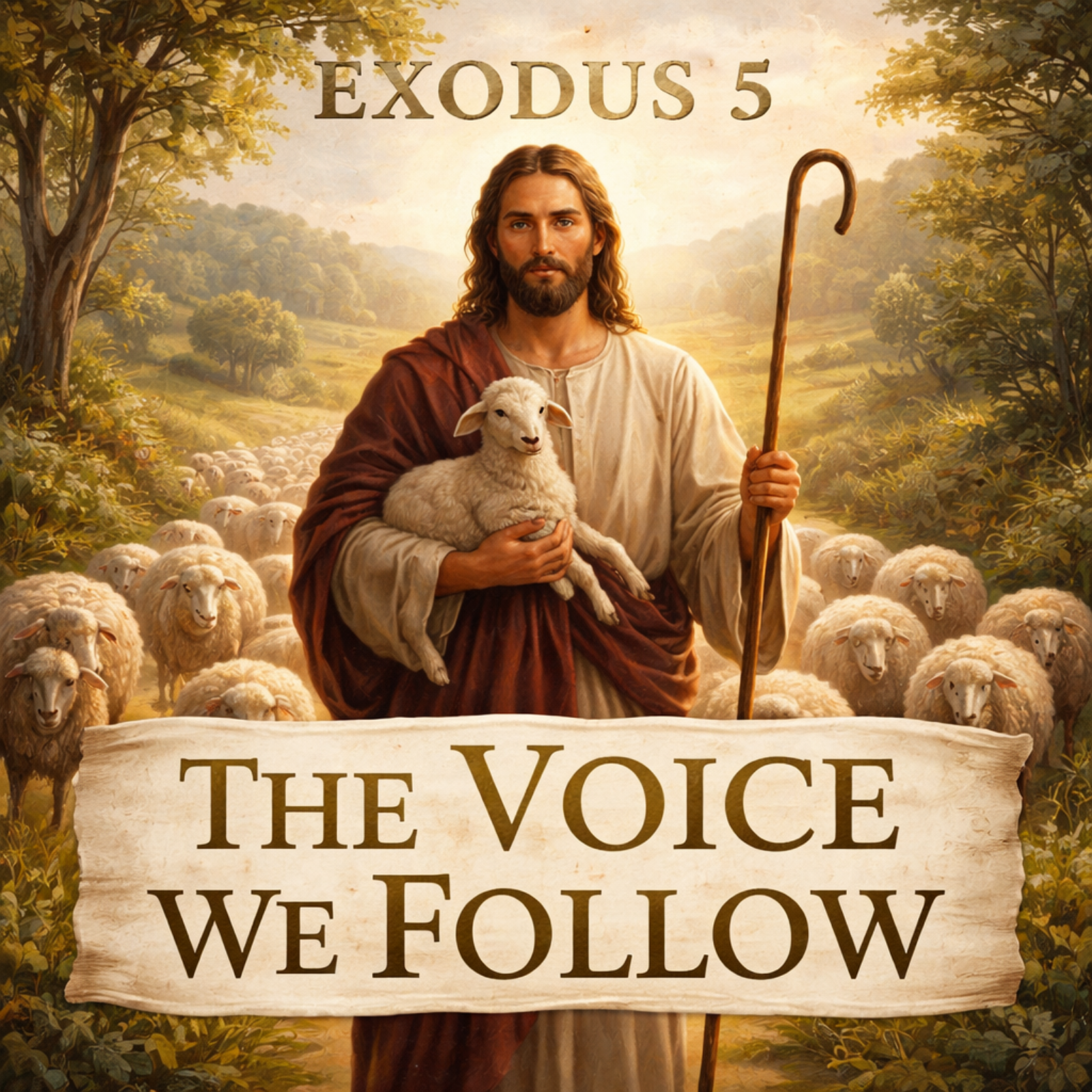
S1 Ep 83Exodus 5: The Voice We Follow
Who is the Lord that we should obey His voice? Pharaoh asked that question in defiance—but it’s a question every human heart must eventually answer.In Exodus 5, Moses and Aaron bring God’s command to Pharaoh: “Let my people go.” Pharaoh’s response reveals more than political resistance—it reveals a spiritual posture that has echoed since the beginning.“Who is the LORD, that I should obey his voice…? I do not know the LORD.” (Exodus 5:2)Pharaoh’s words mirror the ancient rebellion first whispered in Genesis 3. The serpent’s strategy in the garden was simple: question God’s voice and invite humanity to become its own authority. “Did God actually say…?” Soon that question led to the deeper lie: “You will be like God.”By the time we reach Exodus, that lie has grown into a kingdom. Pharaoh sits on the throne of Egypt believing himself divine, refusing to acknowledge the authority of the Lord. His refusal becomes the stage upon which God reveals His power through the plagues, the Passover, and the Exodus.But Pharaoh’s question did not disappear with Egypt.Centuries later, when Jesus walks the earth, many respond with the same resistance. Religious leaders ask, “By what authority are you doing these things?” Others simply refuse to recognize who He is. As John writes, “He was in the world… yet the world did not know him.”Pharaoh rejected the voice of God. The serpent taught humanity to doubt that voice. But Jesus invites us into something entirely different.“My sheep hear my voice, and I know them, and they follow me.”The mark of those who belong to Christ is not perfection—it is recognizing His voice and choosing to follow Him.Our world is filled with competing voices: ambition, fear, pride, comfort, approval. But beneath the noise there is still one voice calling—the voice of the Shepherd who leads us to life.The same Lord who confronted Pharaoh, spoke from the burning bush, calmed the storm, and rose from the grave now calls us to freedom.And His promise is clear:“If the Son sets you free, you will be free indeed.”So today the question is not just about Pharaoh. It is about us.When Jesus speaks… will we harden our hearts, or will we listen and follow?🎧 Listen to this episode and reflect on whose voice is shaping your life. If this message encourages you, share it with someone who needs to hear the voice of the Good Shepherd today.Scriptures ReferencedExodus 5:1–2 Genesis 3:1–5 John 1:10 Matthew 21:23 John 8:58 John 10:27 John 8:36