
Humankind on Public Radio
82 episodes — Page 1 of 2
Aging in Community, Pt3
Ahead of His Time: The Story of Charles Sumner, Pt1
Mattie Stepanek’s Heartsong
First Responders
Streetworkers
Mothers Out Front
The Placebo Effect
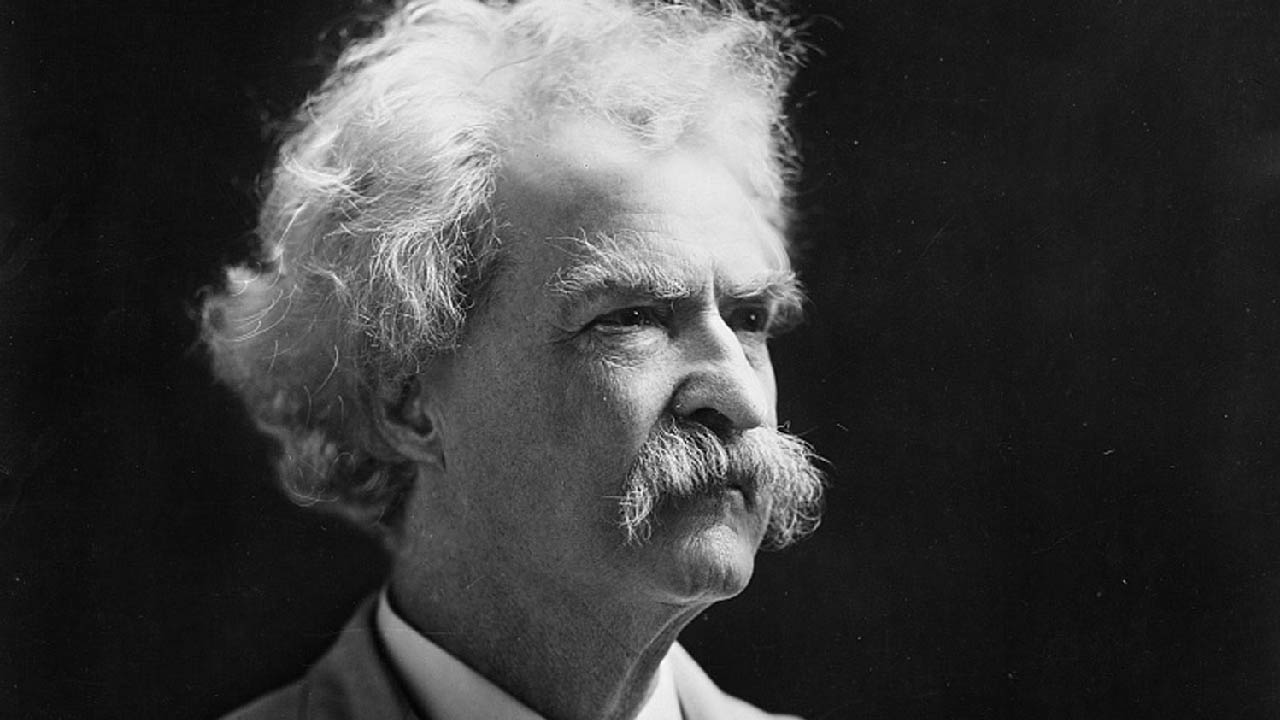
Words of War and Peace
Author Cynthia Wachtell describes contrasting views of war in American literature, including the Civil War reflections of Walt Whitman and the fervent anti-war beliefs expressed by Mark Twain in several works. To see additional resources and our other programs, please visit humanmedia.org . Humankind specials are heard on NPR and PRX member-stations, in association with GBH Boston.
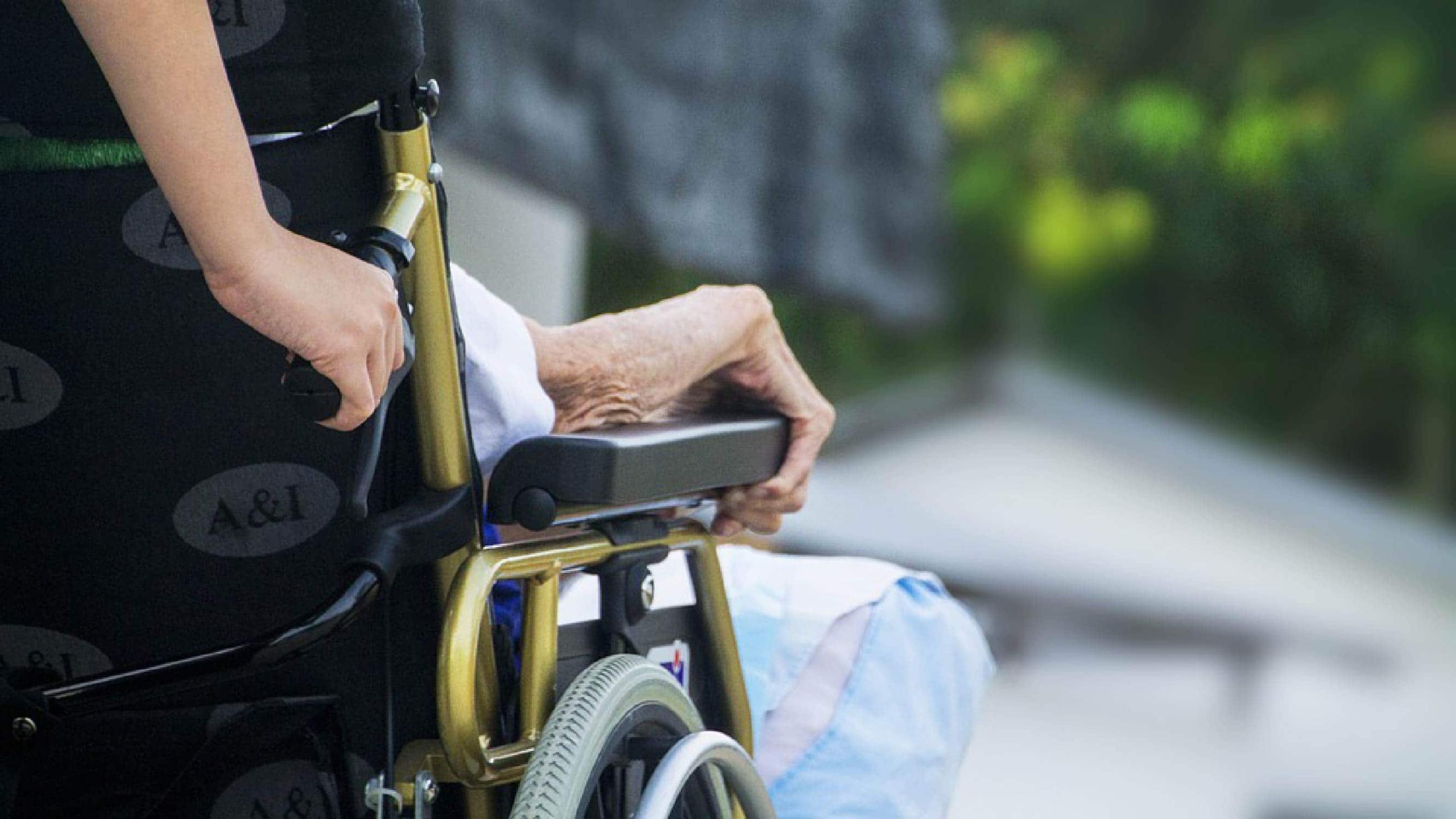
Hospice Doc Joel Bauman
In this documentary we enter a rich dialogue with Joel Bauman, a remarkably gifted physician, trained in care for the elderly. He describes the special needs of palliative care for hospice patients, who have shifted from seeking a cure (which may no longer be realistic) to relief of symptoms and distress, as life draws to a close. To see additional resources and our other programs, please visit humanmedia.org . Humankind specials are heard on NPR and PRX member-stations, in association with GBH Boston.
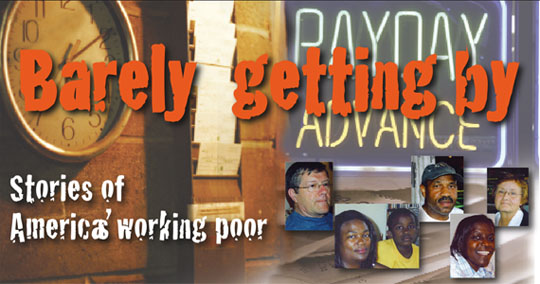
Barely Getting By, Pt2
In a country as wealthy as the United States, “working poor” should be a contradiction in terms. But tens of millions of Americans fall into that category, affecting a growing population of children. To see additional resources and our other programs, please visit humanmedia.org . Humankind specials are heard on NPR and PRX member-stations, in association with GBH Boston.
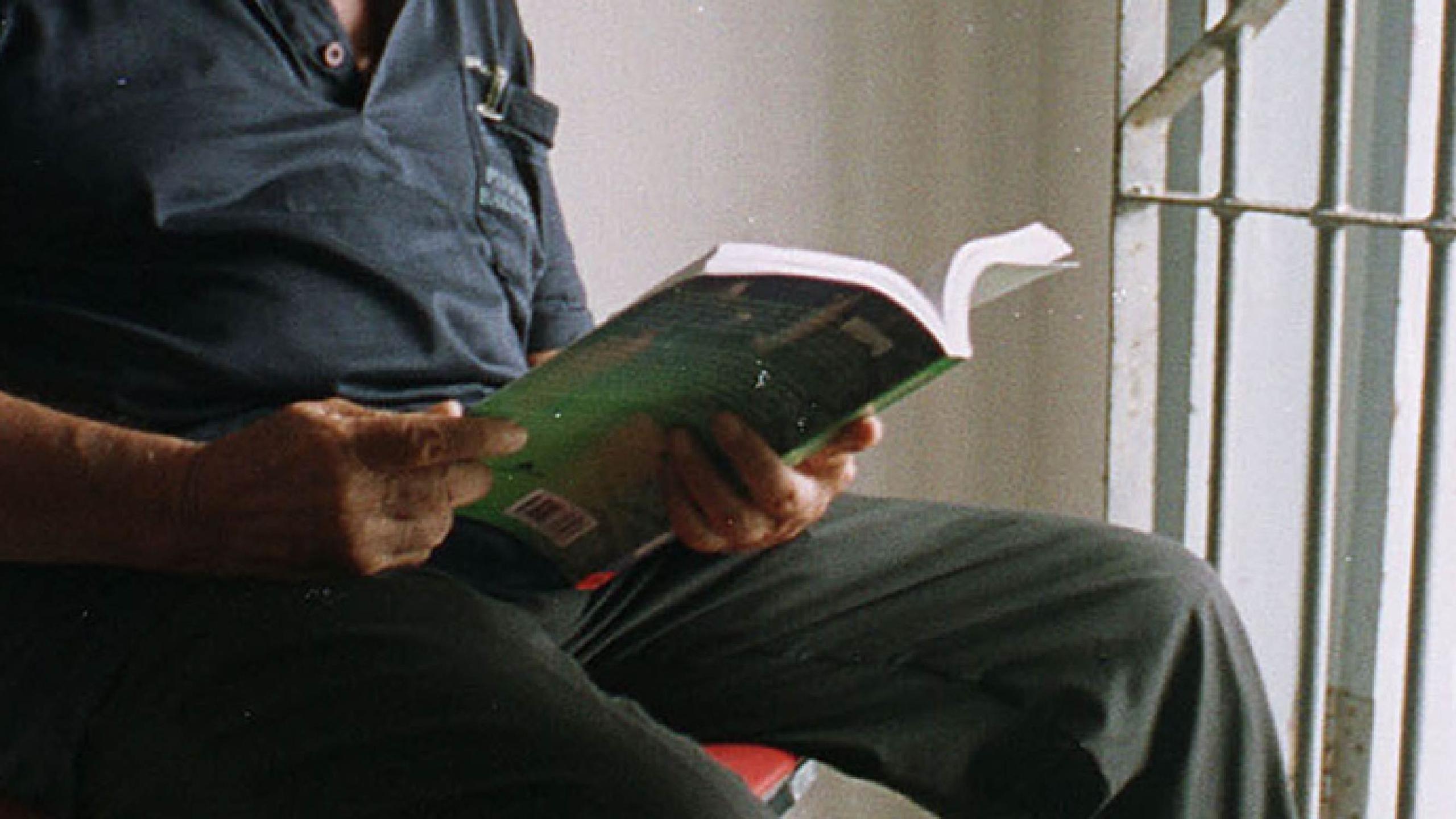
Books to Prisoners
The Prisoners Literature Project, an all-volunteer service based in Berkeley, California, packages and ships books to people who are incarcerated, as a humanitarian gesture and one that helps inmates prepare for re-entry into society. To see additional resources and our other programs, please visit humanmedia.org . Humankind specials are heard on NPR and PRX member-stations, in association with GBH Boston.
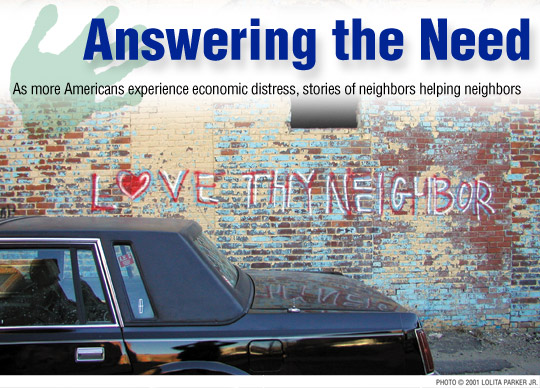
Answering the Need, Pt2
Years into an uneven economic recovery throughout the United States, more and more Americans will be relying on the good will of their neighbors. When and how to help people in poverty is an ancient ethical question. But in most cases, there remains a wall between the poor and everyone else. This documentary examines why people decide to offer their time and money to answer the need. To see additional resources and our other programs, please visit humanmedia.org . Humankind specials are heard on NPR and PRX member-stations, in association with GBH Boston.
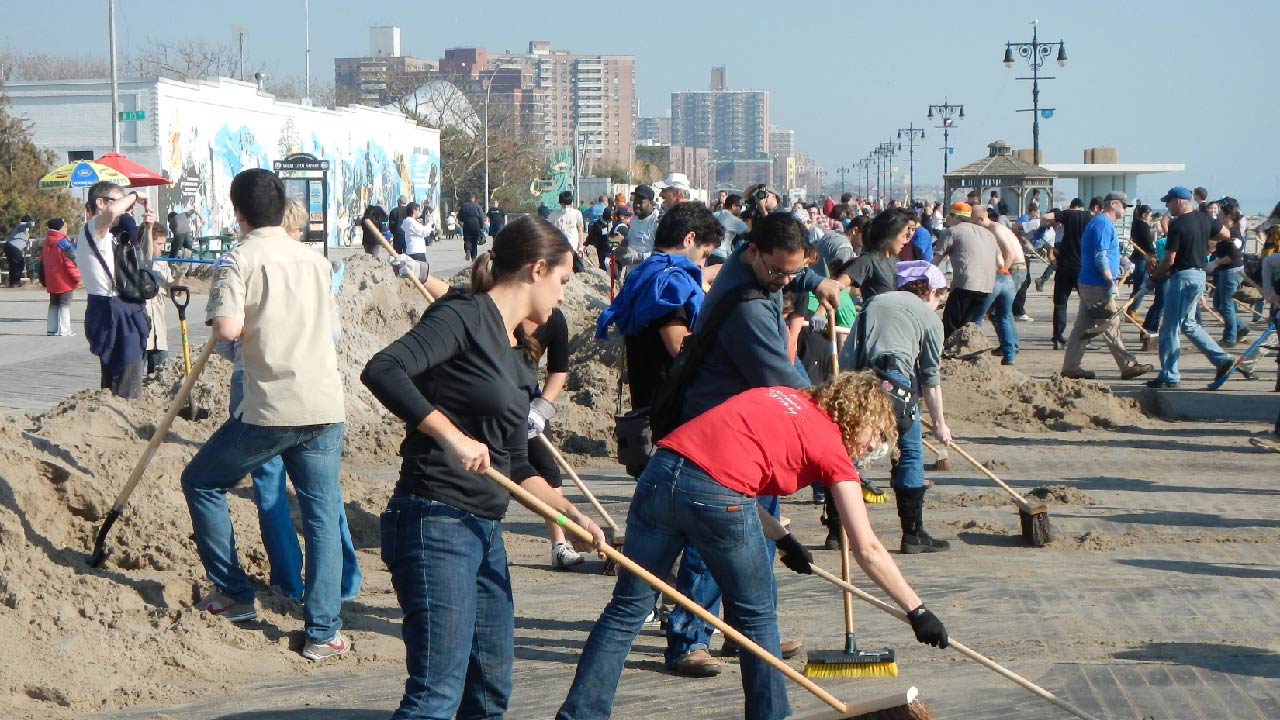
Answering the Need, Pt1
With the tightening economy, increased middle class anxiety, home foreclosures and lengthening lines at soup kitchens throughout the United States, more and more and more Americans will be relying on the good will of their neighbors. This documentary examines why people decide to offer their time and money to answer the need. To see additional resources and our other programs, please visit humanmedia.org . Humankind specials are heard on NPR and PRX member-stations, in association with GBH Boston.
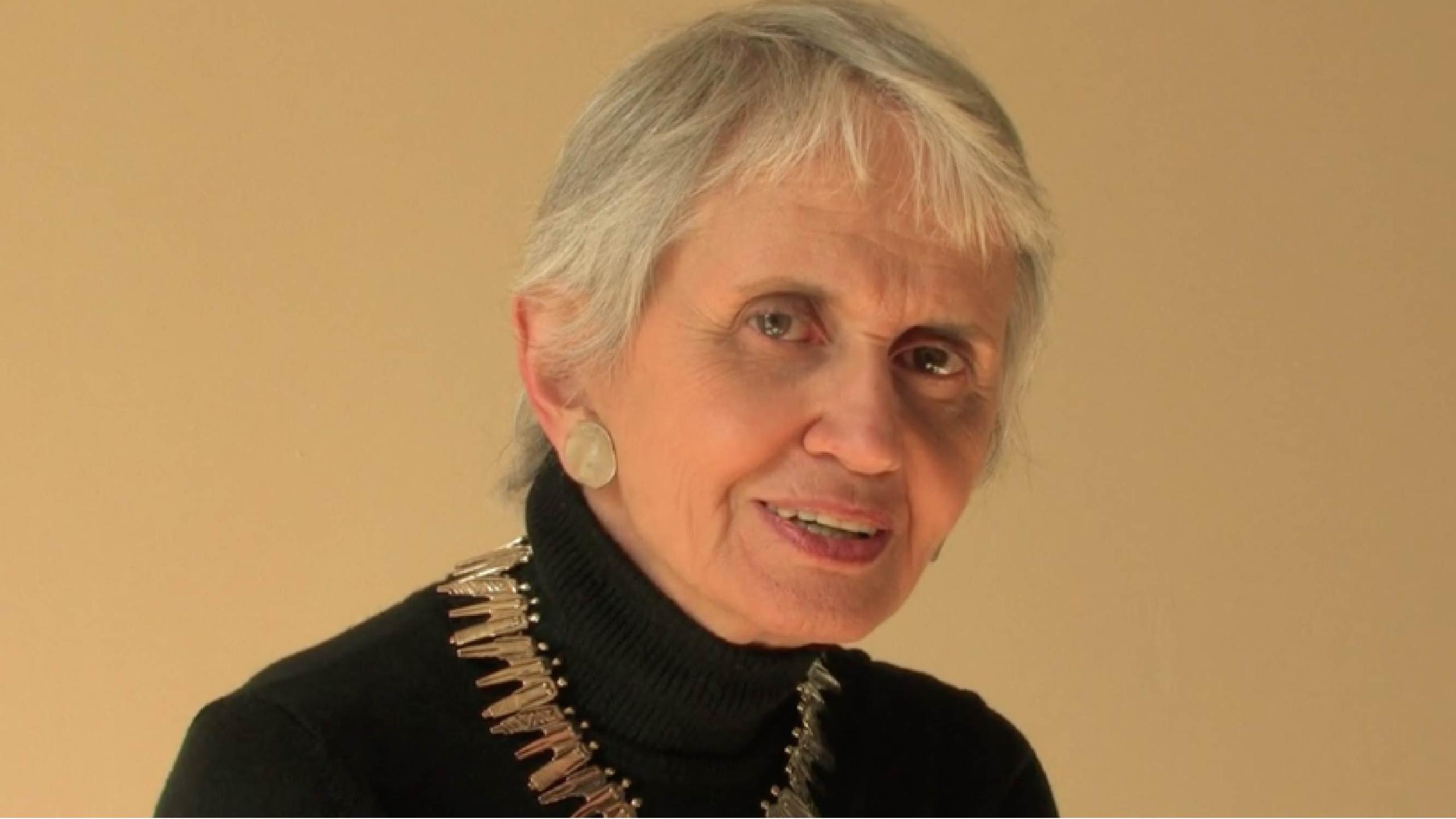
Medicine’s River of Meaning
Physician, philosopher and best-selling author Rachel Remen describes her remarkable course, “The Healer’s Art,” taught at medical schools throughout the United States. To see additional resources and our other programs, please visit humanmedia.org . Humankind specials are heard on NPR and PRX member-stations, in association with GBH Boston.
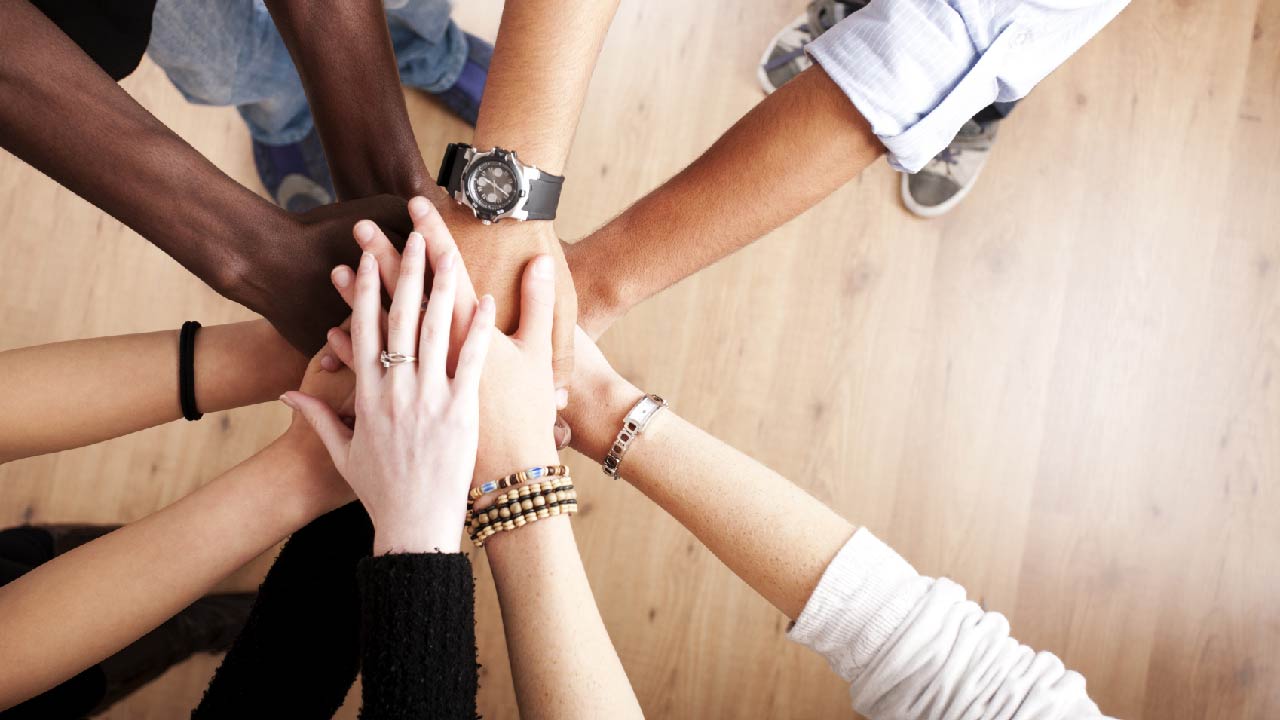
Chuck Collins -Common Good
The heir to the Oscar Mayer fortune, Chuck Collins, examines income inequality, sustainable local economies and his personal journey in a provocative new book, “Born on Third Base.” To see additional resources and our other programs, please visit humanmedia.org . Humankind specials are heard on NPR and PRX member-stations, in association with GBH Boston.
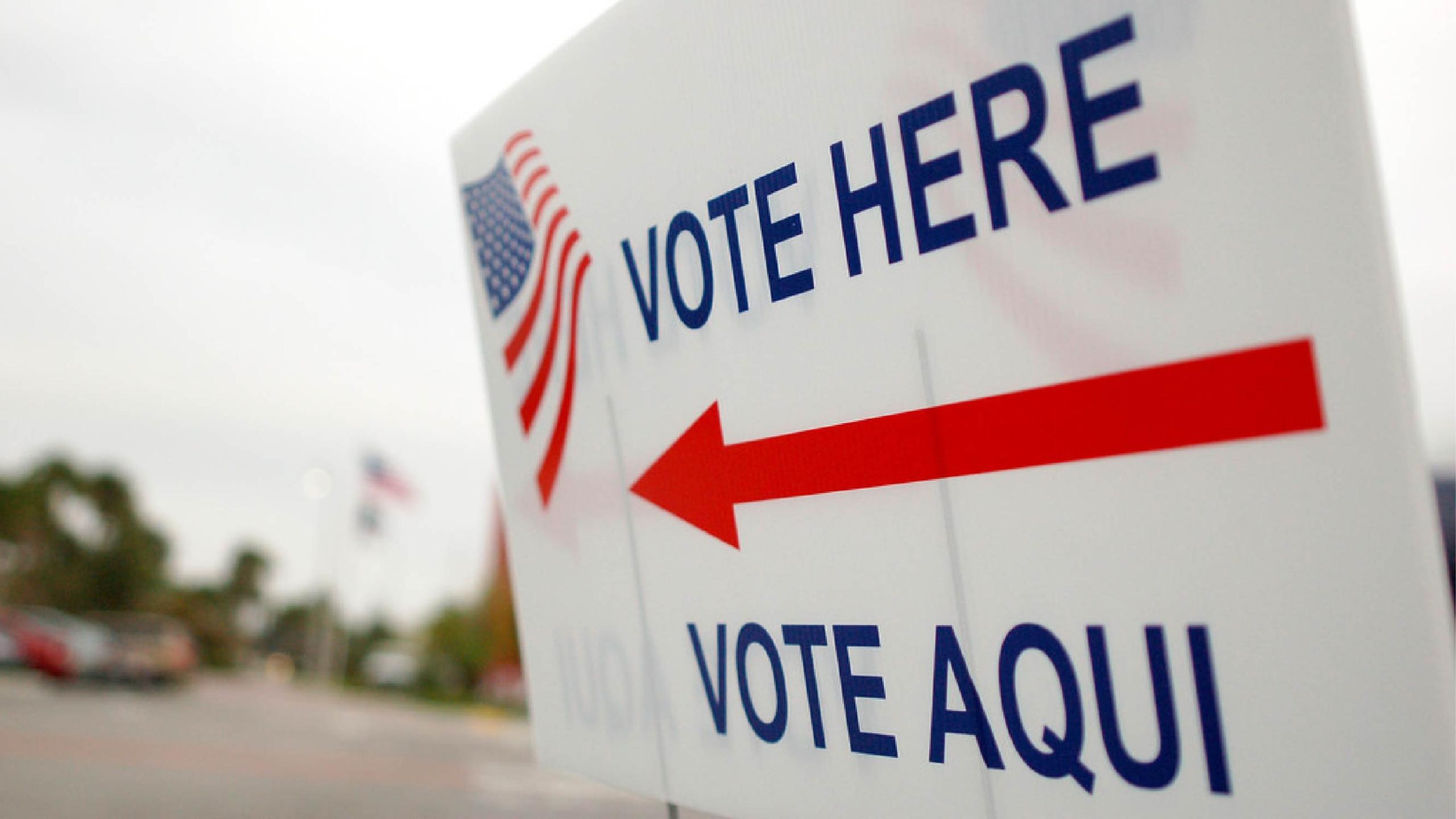
The Right to Vote, Pt2
Should voters be required to show ID at the polls? Some Americans believe that ensures honest elections; while others see it as an unnecessary obstacle to minority voters. And we consider whether people who’ve committed felonies should be allowed to vote, after serving their time. To see additional resources and our other programs, please visit humanmedia.org . Humankind specials are heard on NPR and PRX member-stations, in association with GBH Boston.
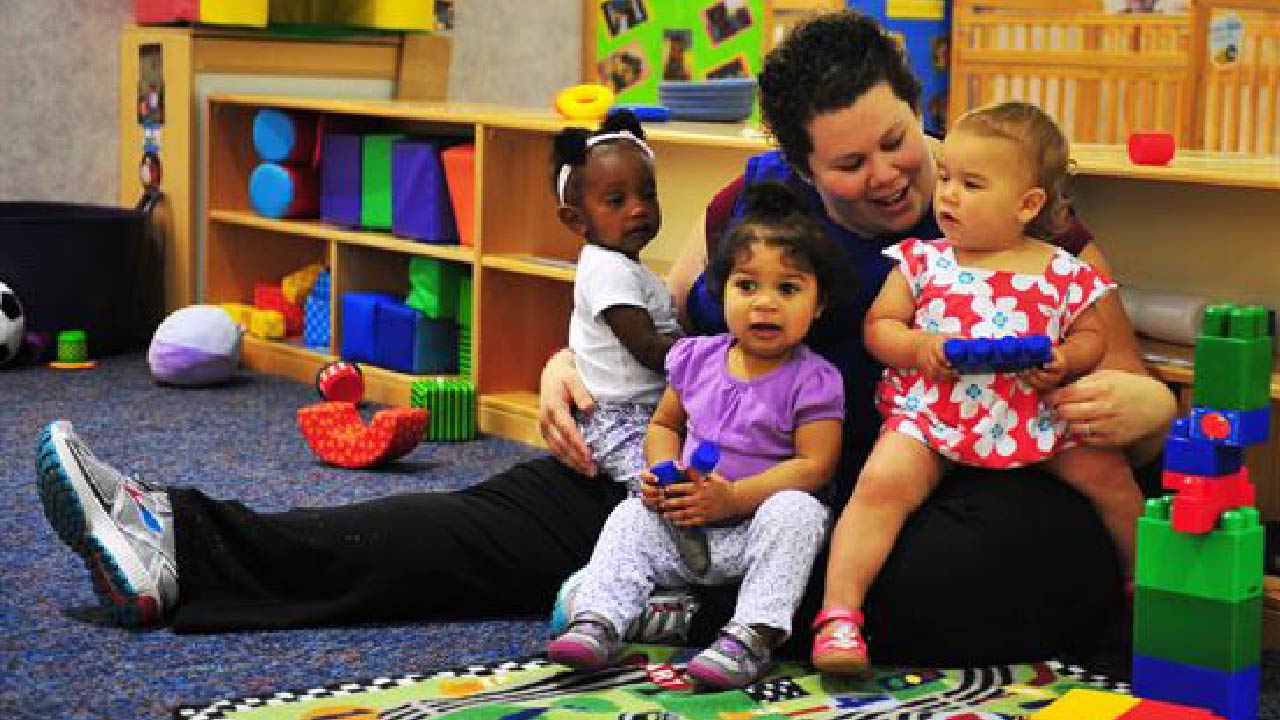
Teaching Nonviolence, Pt 1
In a world of too much violent conflict, this documentary asks: Can the traits of peacemaking be taught to young people in schools? Examining this imperative question are some of America’s most innovative leaders in the field of conflict resolution education and peace studies. To see additional resources and our other programs, please visit humanmedia.org . Humankind specials are heard on NPR and PRX member-stations, in association with GBH Boston.
Giving Voice to Youth
Barbara Cervone, a lifelong educator who started a network of small schools and later became a grantmaker involved in investing hundreds of millions of dollars in public schools, undertook a new venture in 2001. She founded What Kids Can Do as a national effort to amplify the voices of young people. To see additional resources and our other programs, please visit humanmedia.org . Humankind specials are heard on NPR and PRX member-stations, in association with GBH Boston.
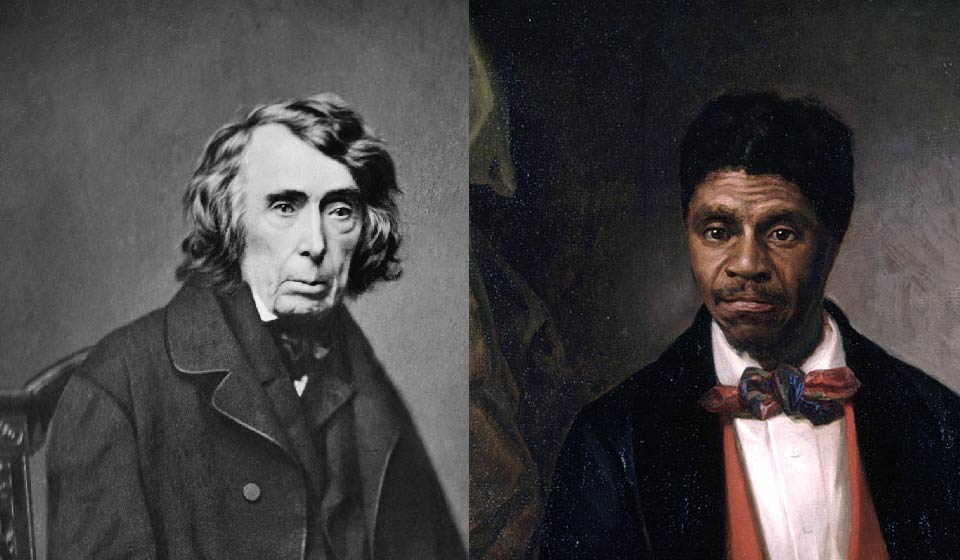
Eric Foner – Justice Denied, Pt2_26
Pulitzer Prize-winning Lincoln historian Eric Foner chronicles the Dred Scott decision (often derided as the Supreme Court’s worst ruling), which held that black people have “no rights” and aggravated tensions between north and south, setting the stage for the bloody Civil War. To see additional resources and our other programs, please visit humanmedia.org . Humankind specials are heard on NPR and PRX member-stations, in association with GBH Boston.

Serving the Whole Patient
In this segment, we hear the stories of two contemporary hospital social workers who describe encounters with patients looking for a way to explore important life questions that can arise in times of challenge. To see additional resources and our other programs, please visit humanmedia.org . Humankind specials are heard on NPR and PRX member-stations, in association with GBH Boston.
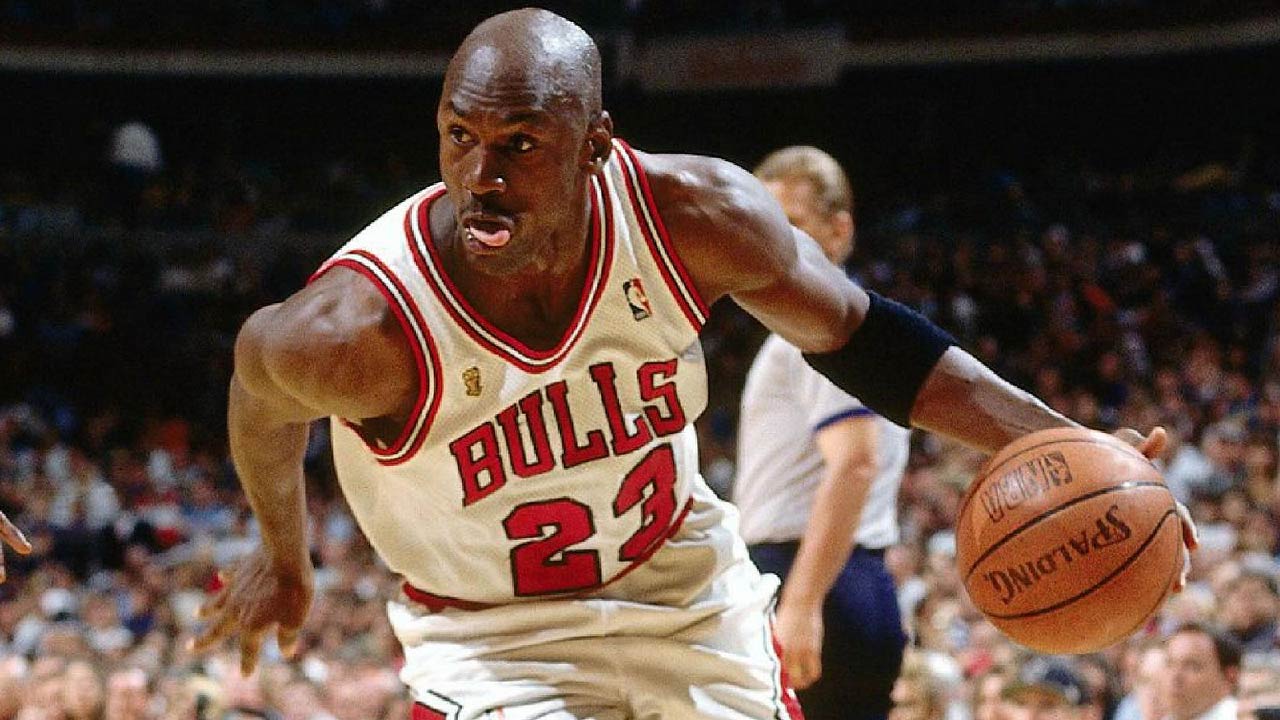
Power of Concentration with George Mumford
George Mumford teaches top athletes the “superpowers” of mindfulness, concentration, insight, right effort and trust as techniques to strengthen performance and avoid the trap of spiritual demise. To see additional resources and our other programs, please visit humanmedia.org . Humankind specials are heard on NPR and PRX member-stations, in association with GBH Boston.

Living Fully with Illness
The power of a patient’s self-reflection as a tool for coping with illness is explored by a nurse scientist who has studied meditation as a health technique, and by a cancer survivor who teaches other patients about the value of therapeutic writing in expressing their inward feelings. To see additional resources and our other programs, please visit humanmedia.org Humankind specials are heard on NPR and PRX member stations, in association with GBH Boston.
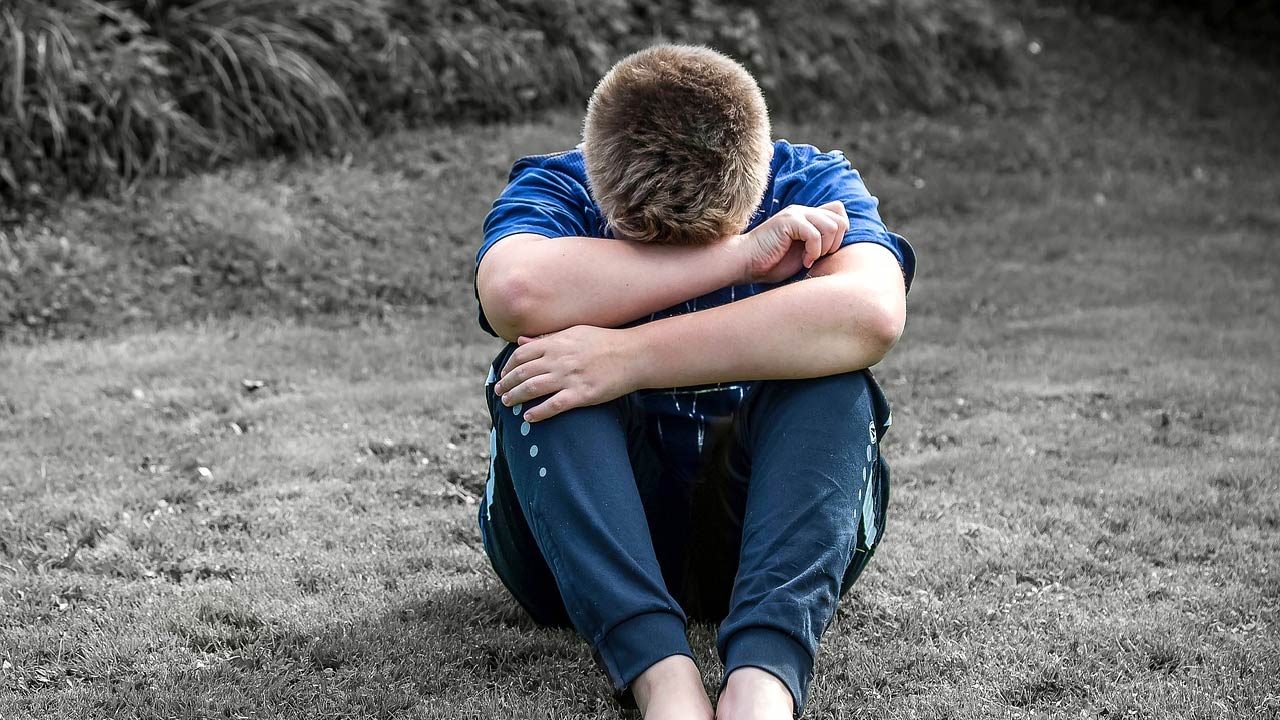
Unintended Consequences(Children of Alcoholics)
We consider the plight of tens of millions of Americans in families and relationships with alcoholics. How does the destabilizing influence of active addiction affect family systems? What emotional and life challenges are faced by people raised around alcoholism? To see additional resources and our other programs, please visit humanmedia.org . Humankind specials are heard on NPR and PRX member-stations, in association with GBH Boston.
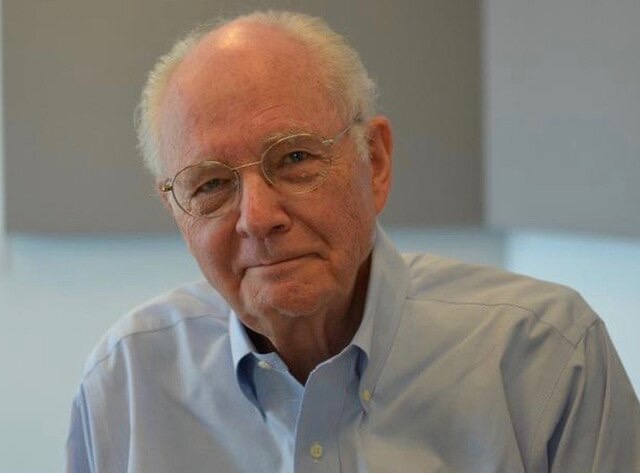
Public Radio in Democracy
Bill Siemering, NPR’s first program director and the author of its inspiring mission statement, recounts the network’s early goal of honoring diversity by including a variety of American voices. To see additional resources and our other programs, please visit humanmedia.org . Humankind specials are heard on NPR and PRX member-stations, in association with GBH Boston.
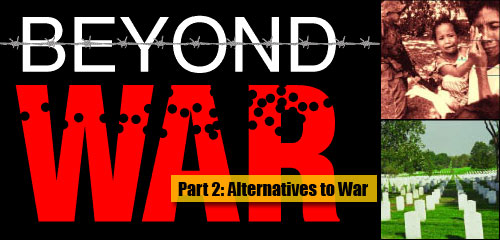
Beyond War: Waging Peace, Pt 1
In these special Humankind documentaries, ‘Beyond War’ takes a look back at the last time the U.S. military had major involvement in the Middle East. We examine the true human costs of organized violence (for both soldiers and civilians). And what happens when citizens protest against war? How fully do we exhaust peaceful options before resorting to military action? When has nonviolence been effective and when has it been dangerous? What constitutes a just war “just”—or do no ends justify large-scale killing of human beings? What are the social, moral and spiritual values held by pacifists and conscientious objectors? Hear accounts from Yugoslavia to South Africa—of non-violent movements that ousted unjust leaders. To see additional resources and our other programs, please visit humanmedia.org . Humankind specials are heard on NPR and PRX member-stations, in association with GBH Boston.
Nonviolent Communication
It’s been said that we’ve learned how to speak but not necessarily how to communicate. Rarely are we taught the art of deep listening or how to respond to someone without accusation or blame or the ability to articulate our own needs without putting others on the defensive. To see additional resources and our other programs, please visit humanmedia.org . Humankind specials are heard on NPR and PRX member-stations, in association with GBH Boston.
Anthony Burns/Fugitive Slave
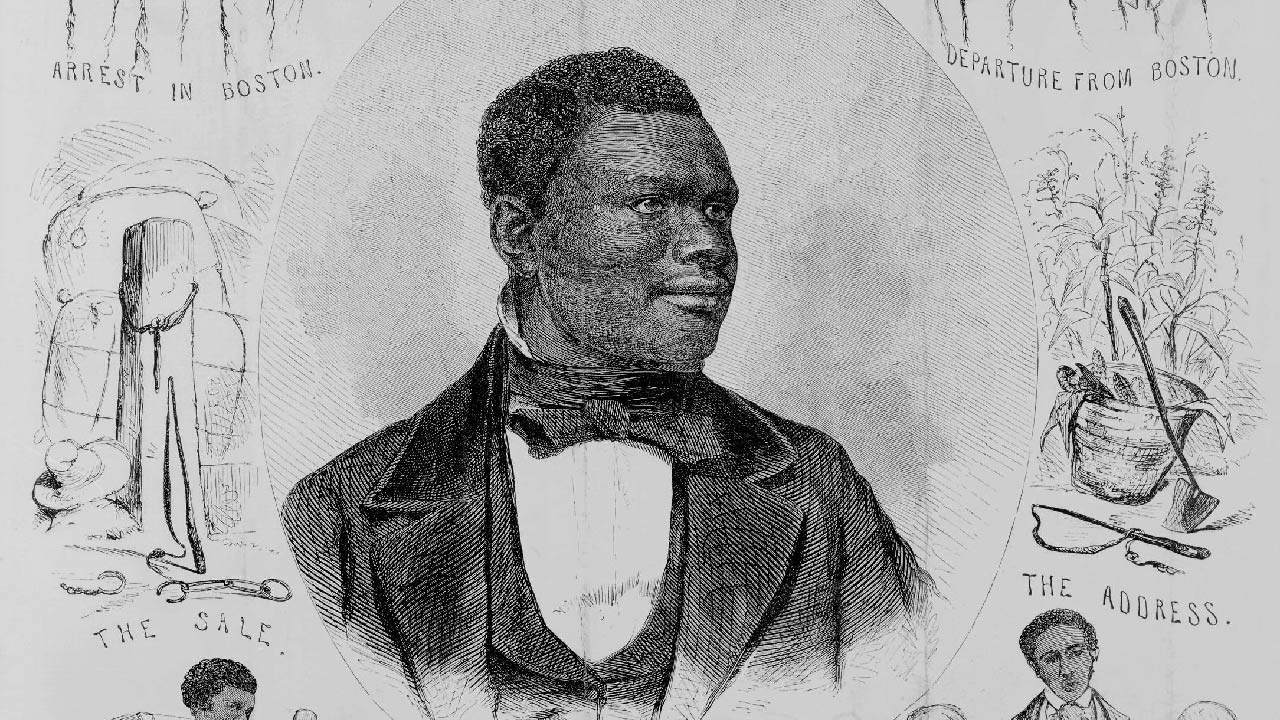
In this documentary we explore how federal courts enforced fugitive slave laws. Historians, actors and legal scholars re-create the famous case of a young escaped slave who was sent back by a Boston judge, provoking America’s largest abolitionist protest. To see additional resources and our other programs, please visit humanmedia.org . Humankind specials are heard on NPR and PRX member-stations, in association with GBH Boston.
Steps to Recovery, Pt2
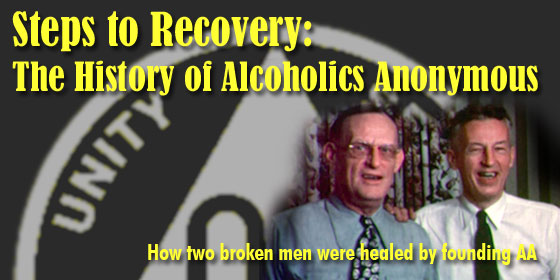
In the second half of our documentary on the history of Alcoholics Anonymous, we examine the AA recovery principles that have promoted sobriety for millions of recovering alcoholics and have created a template to help people worldwide who struggle with many forms of addiction. To view additional resources for this episode please visit our website at humanmedia.org. Human Media produces public broadcasting productions and distribution activities in association with WGBH/Boston, NPR, and PRX.

The Medicine Garden, Pt 1
Herbal remedies: Do they work? Are they safe? In The Medicine Garden, a special series drawn from our archives, you’ll take a fascinating tour of this relatively low-cost form of health care. It’s an approach to healing that has become enormously popular among Americans dissatisfied with conventional medicine.

Hospice Doc Joel Bauman
We dive into a rich dialogue with Joel Bauman, a remarkably gifted physician, trained in care for the elderly. He describes the special needs of palliative care for hospice patients, who have shifted from seeking a cure (which may no longer be realistic) to relief of symptoms and distress, as life draws to a close.

Practicing Prevention with Ralph Snyderman
In this episode, we hear from physician Ralph Snyderman, MD, a proponent of preventive medicine, who believes that our health care system should place greater emphasis on preventive practices (such as healthy diet and stress management), because it is more humane to avoid disease than to cope with it, and because it is a far cheaper mode of health care.

Constant Emergency Pt1
Have we entered an age of unrelenting chaos? As we grope for a “new normal”, has humanity reached a kind of turning point? In this timely audio documentary, you’ll hear inspiring stories of survivors. We also listen to health care providers, clergy and others who offer specific guidance to help people navigate these choppy waters. They conclude that new, hope-giving possibilities are emerging.

Seeds of Peace
Take a trip to a pristine spot in Maine for an afternoon spent with Palestinian and Israeli youth as they come together to play, connect, and discuss the imperiled region they struggle in eleven months out of the year. Despite the hardened conditions in which they were raised, the teenagers here reveal an innocence and delightful hopefulness that makes these kids, this camp, and this program a practical way forward that many politicians have never glimpsed.

Constant Emergency, Pt2
As we grope for a “new normal”, has humanity reached a kind of turning point? It feels that way — in the wake of the Covid pandemic, intensifying impacts of climate change, the war in Ukraine, mounting threats to our democracy, repeated mass shootings and so much more. In this second part of our documentary, we learn about the simple self-care techniques that can help relieve the tensions now being felt by so many.

Healing the Trauma of War, Pt1
After war, our veterans face a new battle: emotional and spiritual conflict that is normal to human beings who’ve experienced intense brutality. In this documentary, we examine the effects of military violence and how people begin the journey of healing from it. We hear deeply moving stories of veterans who served in Iraq, Afghanistan and Vietnam. In trying to put their lives back together, some now participate in counseling and attend support groups with other vets. They may practice relaxation techniques, like meditation. Some have become antiwar activists. Others join volunteer activities to help refugees from war zones.

Books to Prisoners
The Prisoners Literature Project, an all-volunteer service based in Berkeley, California, packages and ships books to people who are incarcerated, as a humanitarian gesture and one that helps inmates prepare for re-entry into society.

Uncommon Ground, Pt1
In the wake of shocking violence at abortion clinics, two apparent enemies — women representing pro-choice and pro-life factions in the Boston area, where shootings had occurred — were forced to communicate, for the sake of everyone’s safety. What unfolded over many months was one of the most mysterious and moving conversations among people of sharply differing ideologies. A remarkable encounter with continuing relevance.

After-Effects of War with Christal Presley
Christal Presley, an English teacher in Virginia who experienced “secondary trauma” in response to the extreme behavior of her father, a Vietnam-era veteran with PTSD, tells how the family began a journey of recovery.

Steps to Recovery, Pt 2
Today over two million people partake of the storytelling, the good humor, the words of wisdom and the gallons and gallons of free coffee made available to attenders of Alcoholics Anonymous meetings. AA’s basic text has been translated into more than 60 languages and has sold over 35 million English copies. We consider the history of the “12 Steps” of recovery, how this free-of-charge fellowship spread worldwide, as well as recent scientific confirmation of AA’s effectiveness.

Steps to Recovery, Pt 1
Alcoholics Anonymous marks its beginning when one hopelessly addicted drunk realized that connecting with a fellow-sufferer would create a safe zone in which both could stop their downward spiral. In the second half, we examine the AA recovery principles that have promoted sobriety for millions of recovering alcoholics and have created a template to help people worldwide who struggle with many forms of addiction.

The Way of Tao, Pt 2
“At the end of the day,” says Jonathan Star about his English translation of Tao te Ching from the original Chinese, “it’s not about attaining anything. The Tao keeps saying ‘it’s everywhere!’ It’s to notice another part of yourself that’s just overlooked. You know, we see what the mind shows us, but there’s another dimension to our being that’s constantly being overlooked.” For Star, his translation project for this slender, stunning volume, which took over a decade, was a spiritual practice. Includes further readings from Star’s translation.

The Way of Tao, Pt 1
Jonathan Star took twelve years to master the nuances of ancient Chinese in his quest to produce a remarkably lucid and evocative English translation of Lao Tsu’s brilliant masterpiece of wisdom. Guidance in the subtle art of attaining mental and emotional balance pervades Star’s brilliant translation of Lao Tsu’s timeless poetic volume of Taoist philosophy on how to lead a centered life.

The Practice of Forgiveness, Pt 2
When we nurse grudges, the person clinging to a resentment often pays a high price in anxiety, hostility, perhaps depression. What follows from that for many people, says Robin Casarjian of the Lionheart Foundation, are health-related symptoms. “And it stops you,” she says, ‘from really being able to be fully present to yourself, and to other relationships. So forgiving frees you. Forgiveness frees the forgiver.” This insight informs her fascinating work with inmates in prison, at-risk youth and others.

Aging in Community, pt. 2: Participants
Within a decade, America will be looking different. In addition to other demographic changes, 70 million Baby Boomers are now entering their retirement years. For the first time in our history, there will be more older adults than children. This huge societal change will affect how families provide eldercare, how older Americans access transportation, and whether people can age in their own homes among neighbors they know — and avoid nursing facilities, where about 30% of Covid-19 deaths occurred. These shifts will accelerate a trend that began three decades ago with passage of the Americans with Disabilities Act: local communities are attempting to become more age-friendly. What changes will this mean for how families relate, how our streets and sidewalks are designed, how we use technology? On Aging in Community, a special project from Humankind public radio, you’ll hear stories of transition and dignity — and meet people who are showing the way.

The Practice of Forgiveness, Pt 1
Author and prison therapist Robin Casarjian reframes the act of forgiveness not to condone hurtful behavior, but as a shift in perception that allows us not to take someone’s else’s misconduct so personally. Casarjian has spent decades teaching forgiveness. Drawing on her own experience of having been abused — and learning how to move on — she noticed that some people don’t regard forgiveness as an option for themselves. The implication, she says, is “I’m not going to do a favor” to someone who was hurtful. In fact, she says, forgiveness is a favor we do for ourselves. “We do it to release ourselves from the negative power that somebody has over us.”

Aging in Community, pt. 1: Connecting to Community
Within a decade, America will be looking different. In addition to other demographic changes, 70 million Baby Boomers are now entering their retirement years. For the first time in our history, there will be more older adults than children. This huge societal change will affect how families provide eldercare, how older Americans access transportation, and whether people can age in their own homes among neighbors they know — and avoid nursing facilities, where about 30% of Covid-19 deaths occurred. These shifts will accelerate a trend that began three decades ago with passage of the Americans with Disabilities Act: local communities are attempting to become more age-friendly. What changes will this mean for how families relate, how our streets and sidewalks are designed, how we use technology? On Aging in Community, a special project from Humankind public radio, you’ll hear stories of transition and dignity — and meet people who are showing the way.
Judicial Independence, pt. 4: Term Limits
The Constitution specifies that once federal judges are nominated by the president and confirmed by the Senate, they can hold their office “during good behavior,” in other words for life — unless they’ve misbehaved, that is. But the average American today lives a lot longer today than in 1789, when President George Washington signed the Judiciary Act, establishing America’s court system. In a time when justices may live into their eighties and even nineties, sometimes facing ill-health, advocates of Supreme Court reform maintain there may be constitutional ways to institute term limits. In part four of our look at the judiciary, we consider the addition of an independent body to pick cases for the Supreme Court, the role of The Federalist Society and the impact that a lack of diversity in life experience has on our federal judiciary.

Judicial Independence, pt. 3: Expanding the Court
The Republican party has not won the majority of votes in six of the last seven presidential elections. And yet vacancies on the Supreme Court have allowed Republican presidents to appoint six of the last ten justices. Does this skew the Court in a way that’s out of step with public opinion? Here we explore the history of “court-packing” as well as a range of other proposals intended to bring greater fairness and political independence to America’s judiciary.

Judicial Independence, pt. 2: Politicians In Robes?
Have our courts – intended by America’s founders to be an independent arbiter of justice – turned into another political battlefield? Are today’s judges mere “politicians in robes”? This public radio documentary series looks at crucial flashpoints in recent decades. In this divisive climate, will the frequency of 5-4 decisions by the Supreme Court increase, as Justice Ruth Bader Ginsburg suggested in June 2019? Will rulings follow the predictable blocs of liberal and conservative justices, strongly associated with the party of the president who appointed them?

Judicial Independence, pt. 1: Our Divided Court
Have our courts – intended by America’s founders to be an independent arbiter of justice – turned into another political battlefield? Are today’s judges mere “politicians in robes”? This public radio documentary series looks at crucial flashpoints in recent decades. Because federal judges are nominated by the president and confirmed the U.S. Senate, inevitably the process is somewhat politicized. But as hyper-partisanship has corrosively swept across American life, we’ll explore whether our judiciary has been infected.