
Humanitarian AI Today
139 episodes — Page 2 of 3

Valentine Pistorozzi on Advances in AI and Boldcode’s Reporter AI Project
In this short Humanitarian AI Today podcast episode Valentine Pistorozzi speaks with Brent Phillips about Boldcode, new projects in the pipeline, and changes in the way that AI applications are being built. Brent and Valentine speak in detail about Boldcode’s https://reporterai.org/ project and about technical aspects of humanitarian AI applications. This interview was recorded as a test in November 2024 to experiment with a short 15 minute interview format for a special series of new Humanitarian AI Today podcast episodes to be published on Mondays.

Luke Marsden from HelixML on the Past, Present, and Future of Generative AI and MLOps
Luke Marsden, CEO of HelixML, speaks with Humanitarian AI Today podcast producer Brent Phillips about how generative AI has evolved since early language models like BERT were introduced and applications like ChatGPT captured widespread popular interest in artificial intelligence, including across the humanitarian community. Luke traces advances in large language models and shares his views on where we are today and where the future of generative AI and the uses of large language models are headed. Luke also touches on top-down pressure on engineering teams to leverage AI, HelixML’s involvement in helping companies deploy large language models locally on their own infrastructure, and Anthropic’s Model Context Protocol (MCP) which standardizes how AI models connect with different data sources and tools, as well as the future of MLOps.
The New Commons Challenge: Advancing AI for Public Good through Data Commons
Stefaan Verhulst and Andrew Schroeder speak with Brent Phillips, Humanitarian AI Today podcast producer, about the New Commons Challenge (https://newcommons.ai/) focusing advancing AI for public good through data commons. Dr. Stefaan G. Verhulst is an expert in using data and technology for social impact. He is the Co-Founder of several research organizations including the Governance Laboratory (GovLab) at New York University and The DataTank based in Brussels. Dr. Andrew Schroeder is the Vice President of Research and Analysis for Direct Relief and the Co-Director of CrisisReady. The Open Data Policy Lab, a collaboration between The GovLab and Microsoft, launched the New Commons Challenge initiative to advance the responsible re-use of data for AI-driven solutions that enhance local decision-making and humanitarian response. The Challenge will award two winning institutions $100,000 each to develop data commons that fuel responsible AI innovation in these critical areas. The Challenge builds on the Open Data Policy Lab’s recent report, “Blueprint to Unlock New Data Commons for AI,” which advocates for creating collaboratively governed data ecosystems that support responsible AI development. The Challenge is backed by leading institutions committed to ethical AI and open data. Partners include Direct Relief / CrisisReady, and Harvard Law School Library, and UNESCO as international observer, which will provide subject-matter expertise and evaluation support. Stefaan, Andrew and Brent discuss the New Commons Challenges in detail and touch on data commons for AI, disaster relief and local decision making, AI governance, data sharing architectures and data re-use, advances in artificial intelligence and human-AI interaction, and the intersection of collective intelligence and artificial intelligence.
Ali Al Mokdad on the Aid Funding Crisis: The World Didn’t Fall When Help Left
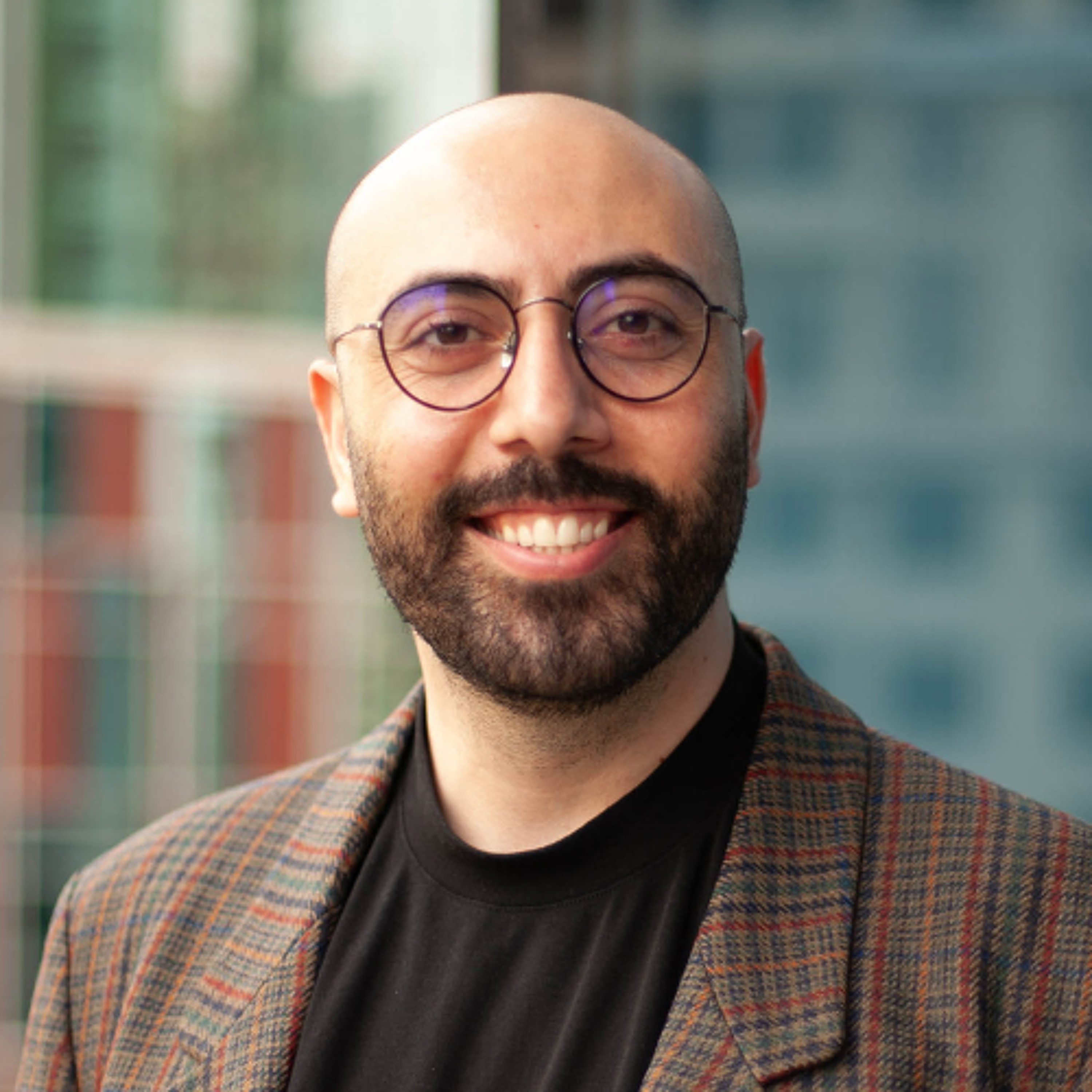
On this episode of Humanitarian AI Today, Ali Al Mokdad, a seasoned humanitarian leader with extensive field and headquarters experience, offers a very personal perspective on the evolving landscape of humanitarian aid, particularly in the context of the current and hugely destructive aid funding crisis. Brant Phillips, producer of the podcast, and Ali speak in depth about Ali’s writing and analysis on the challenges of bureaucracy and inefficiency in the humanitarian sector, and the need to incrementally optimize processes and strategies. They also discuss in detail a tribute that Ali wrote in response to the crisis to those who kept going when the systems went silent, entitled: “The World Didn’t Fall When Help Left.” The tribute which reads like a poem can be found here: https://www.linkedin.com/feed/update/urn:li:activity:7316798459745853441/ Ali weaves together powerful narratives of human resilience and solidarity with a critical examination of aid operations and artificial intelligence's potential to reshape the sector. The interview highlights the enduring strength of local communities, showcasing examples of individuals and groups rallying to support each other in the face of adversity, filling gaps when traditional aid structures falter due to funding shortfalls and other systemic challenges. The interview is part of a new special series of short episodes published on Mondays, providing a broader range of individuals with opportunities to talk about their work, share their views on humanitarian applications of artificial intelligence and discuss developments shaping the humanitarian and technology sectors.
AI Voices: The Machine Race by Suzy Madigan
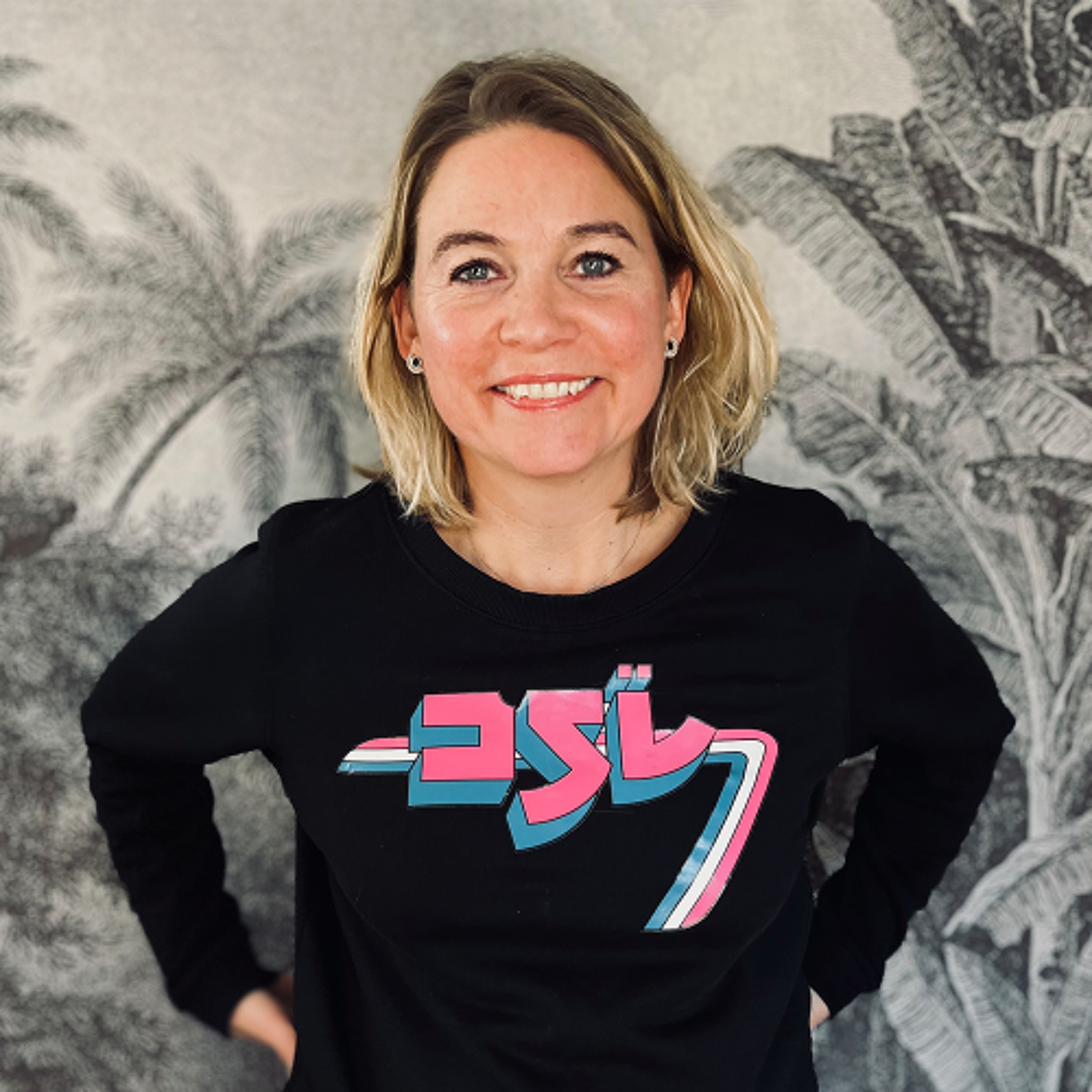
Suzy Madigan, Founder of The Machine Race and Senior Humanitarian Advisor at CARE International, speaks with Humanitarian AI Today podcast Producer, Brent Phillips, about her blog series on AI and society. In this bite-sized episode, they chat through the wide range of ideas explored in The Machine Race blog — from how AI intersects with politics, culture, and philosophy, to its social impact and safety. They also discuss the role of AI in humanitarian operations in the context of aid cuts and what this means for vulnerable communities. This is the first in a HAI mini-series showcasing newsletters and podcasts on AI helping to keep humanitarians informed and connected across communities of practice. Navigate to The Machine Race by Suzy Madigan on Medium and hit the envelope icon to subscribe to new articles: https://medium.com/@themachinerace
Kai Hopkins on the Aid Funding Crisis and Difficult Choices Facing the Humanitarian Community
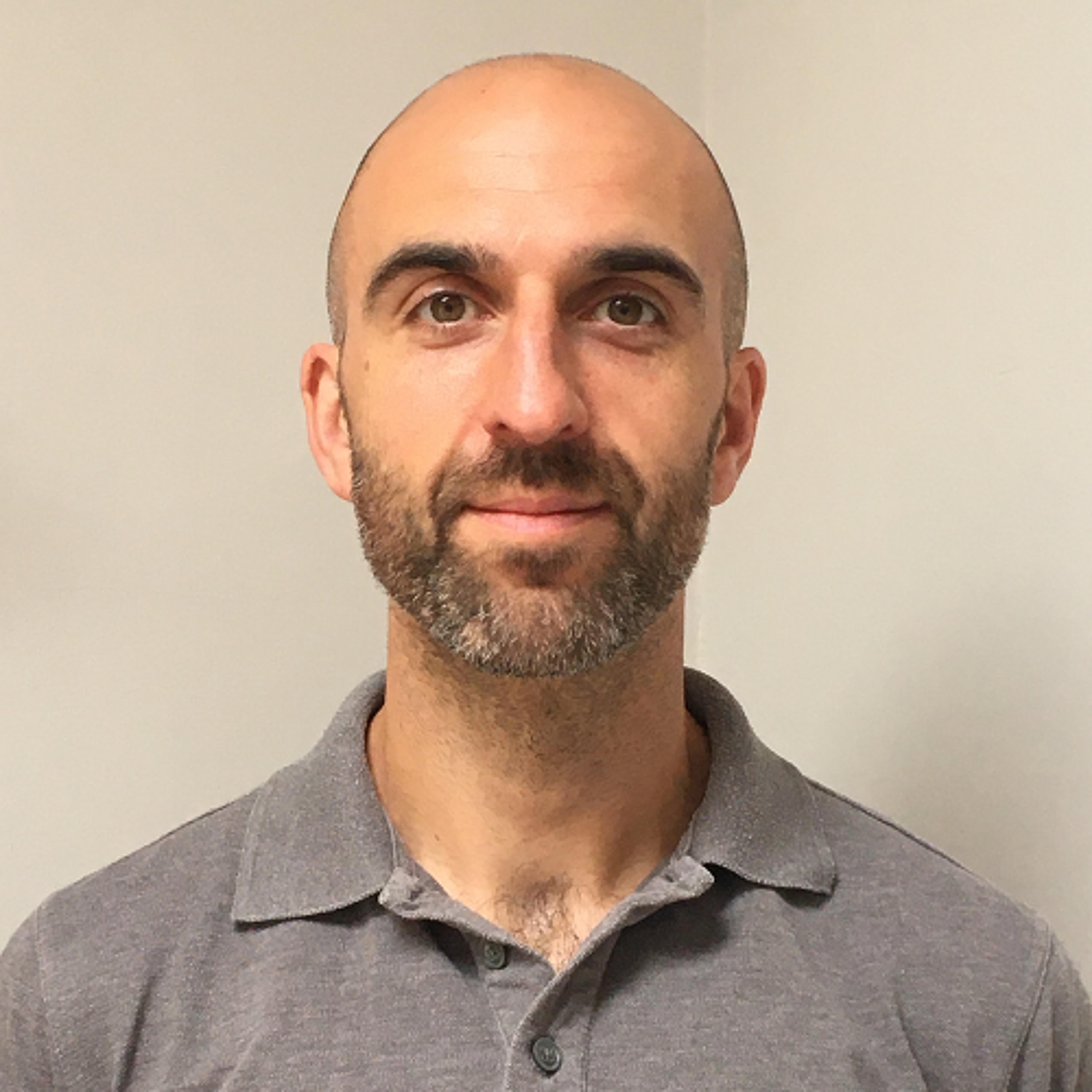
Kai Hopkins, Head of Research Initiatives with Elrha, summarizes hard dilemmas facing the humanitarian and development sectors following massive cuts in government funding. Offering takeaways from Humanitarian Networking and Partnerships Week in Geneva and discussions with other attendees, Kai and Brent discuss four key questions with no easy answers that as a sector we need to consider in response to funding cuts, and discuss the impact of cuts on humanitarian applications of artificial intelligence. Kai shares how his team is responding to the crisis and calls for a fundamental shift in how the humanitarian sector approaches partnerships, emphasizing inclusivity, collaboration, and a willingness to embrace new actors and models. This episode is part of a short interview series, geared for publishing on Mondays, providing individuals with opportunities to briefly talk about their work and share their views on humanitarian applications of artificial intelligence or to talk about developments shaping the humanitarian and technology sectors.
Payal Dalal & Deval Sanghavi: Mastercard's Artificial Intelligence to Accelerate Inclusion Challenge
Payal Dalal, Executive Vice President of Global Programs at the Mastercard Center for Inclusive Growth, and Deval Sanghavi, Co-founder and Partner at Dasra, speak with Aleks Berditchevskaia, Principal Researcher, Nesta Centre for Collective Intelligence Design, about the Center’s Artificial Intelligence to Accelerate Inclusion Challenge, a global call for AI solutions to accelerate inclusion and economic empowerment. Dasra is a funding partner of the AI Challenge, and Dasra’s other co-founder, Neera Nundy, participated as a judge for the Challenge. Done in partnership with data.org, the winners were announced in December 2024: https://newsroom.mastercard.com/news/press/2024/december/mastercard-center-for-inclusive-growth-and-data-org-announce-ai2ai-challenge-awardees/ In this Humanitarian AI Today podcast episode, guest hosted by Aleks Berditchevskaia, Payal and Deval speak in depth about the challenge, this year’s five winners, and share their takeaways and learnings from the challenge and global submission process. Payal and Deval emphasize the importance of bringing partners together to organize and support these kinds of challenges and accelerators, which help source innovations and advance participatory approaches to technology development. They highlight the speed at which the technology sector is advancing and offer advice on keeping pace with, and adapting to, challenges and opportunities that are emerging. More about the Center’s work and its upcoming Global Inclusive Growth Summit, taking place on April 24th in Washington D.C., can be found here: https://globalinclusivegrowthsummit.com/
AI Governance in Humanitarian Action
The UK Humanitarian Innovation Hub (UKHIH), Elrha, and Humanitarian AI Today bring panelists together to discuss the subject of AI governance in connection with humanitarian applications of artificial intelligence. Representing the humanitarian, academic, regulatory and private sectors, Eugenia Olliaro, former Responsible Data for Children Lead at UNICEF, Stefaan Verhulst, Co-founder of NYU’s GovLab, and Meeri Haataja, CEO of Saidot, provide their views and insight on AI governance and on AI governance in humanitarian action. Next, representing the technology and private sectors, Agata Ferretti, AI an Data Governance Expert with IBM, and Aparna Bhushan, Data Governance and Digital Policy Advisor, discuss how initiatives like the AI Alliance are approaching AI governance and provide unique insight on the role of open-source AI in promoting transparency and trust, and the importance of addressing the digital divide and ensuring that AI works for everyone. Panelists explain why it’s important for humanitarian actors to become aware of broader governance conversations connected with AI. They help to outline what AI governance is about, they share how their different teams are approaching AI governance and touch on the challenges of regulating and deploying AI and the challenges of connecting with and engaging communities in humanitarian settings, and the need for adaptive and context-aware governance approaches, real accountability, and global inclusivity in AI policy and governance. Eugenia, Meeri, Stefaan, Agata, and Aparna provide valuable insight on AI governance from their different vantage points and join together in advocating for greater engagement around AI governance. The podcast episode, guest-hosted by Brent Phillips from Humanitarian AI Today, is part of a six-part panel discussion series sponsored and produced by Humanitarian AI Today in collaboration with the UK Humanitarian Innovation Hub (UKHIH) and Elrha, with funding from UK International Development from the UK government. The series examines critical aspects of humanitarian applications of artificial intelligence. More information about this episode, its focus, and upcoming discussions can be found by subscribing to the UK Humanitarian Innovation Hub and Elrha's new AI newsletter: http://ukhih.org/newsletter.

Humanitarian Principles in Discussion
The UK Humanitarian Innovation Hub (UKHIH), Elrha, and Humanitarian AI Today have brought together a panel to discuss the subject of humanitarian principles with an emphasis on discussing the principles in connection with uses of artificial intelligence in humanitarian action. Aleks Berditchevskaia, Principal Researcher, Nesta Centre for Collective Intelligence Design; Marc DuBois, Independent Researcher and Consultant in humanitarian sector; Olivier Mills, Founder of Baobab Tech; and Brent Phillips, Producer of the Humanitarian AI Today podcast, introduce listeners to the subject of humanitarian principles and summarize key principles underpinning humanitarian action. Panelists share key takeaways on humanitarian principles from their work, discussing lessons learned and risks associated with neglecting core humanitarian principles in AI use in the face of explosive advances in AI and whole landscape changes in human-machine interaction that we’re seeing today, and then explore how to align AI initiatives with humanitarian values. For more information on this episode and the rest of UKHIH and Elrha’s six-part panel discussion series, subscribe to their new AI newsletter here: http://ukhih.org/newsletter.
Assessing Evidence on AI Use Cases and their Impact on Humanitarian Action
The UK Humanitarian Innovation Hub (UKHIH), Elrha, and Humanitarian AI Today have brought together a panel to critically assess evidence from real-world AI use cases and their impact on humanitarian action, while exploring approaches to learning and evidence-building. In this episode, Zineb Bhaby, AI Lead at the Norwegian Refugee Council (NRC), Zita Lengyel-Wang, Matching Manager at Tech to the Rescue, and Thomas Byrnes, Humanitarian and Social Protection Consultant, join Maria Kett, Professor of Humanitarianism and Social Inclusion, and Tigmanshu Bhatnagar, Lecturer in Global Disability Innovation, from University College London. Hosted by Brent Phillips, Producer of the Humanitarian AI Today podcast. As we delve into Zineb, Zita, and Thomas’ perspectives on AI applications in humanitarian contexts, they highlight challenges faced when implementing and testing these tools, and their insights shed light on the complexities of gathering evidence to assess AI’s impact on humanitarian action. Maria and Tigmanshu then summarize recent key research findings, providing our listeners with a deeper understanding of the broader implications of their work, supported by UKHIH and Elrha. To close, the panelists share key takeaways on evaluating evidence from AI use cases, discussing lessons learned and offering actionable recommendations for improving evidence-building and enhancing the rollout of AI applications in the humanitarian sector. For more information on this episode and the rest of UKHIH and Elrha’s six-part panel discussion series, subscribe to their new AI newsletter here: http://ukhih.org/newsletter.
Abdallah El Ali and Ahmad Tafti on Human Machine Interaction and AI Transparency
Abdallah El Ali, a Human-Computer Interaction (HCI) researcher with a background in cognitive science discusses trustworthy AI, explainability and transparency with Ahmad Tafti from the University of Pittsburgh and Humanitarian AI Today’s Producer, Brent Phillips. Dr. Abdallah El Ali, a Research Scientist at the Research Institute for Mathematics and Computer Science in the Netherlands (Centrum Wiskunde & Informatica) who is also an Assistant Professor at Utrecht University and Dr. Ahmad Tafti, Director of the Pitt HexAI Research Laboratory at the University of Pittsburgh and Interim Director of Scientific Affairs with Pitt’s Computational Pathology and AI Center of Excellence (CPACE) and head of AI at Youki GmbH provide insight to individuals interested in humanitarian applications of artificial intelligence on human-computer interaction, information transparency and challenges associated with human cognition, attention, learning and information overload. The discussion touches on emerging transparency regulations governing uses of AI systems, the impact of AI generated content on our lives and how humans process transparency information on uses of AI and data, AI generated content and on the functioning of AI algorithms. The discussion is especially valuable for humanitarian actors considering information disclosure strategies on uses and risks associated with AI. The episode builds on discussions on AI transparency launched by the UK Humanitarian Innovation Hub (UKHIH) and Elrha, and combines insight gained from research into health AI applications and explainability.
Affected Populations in Discussion: Vulnerable Populations and the Rollout of AI Applications
In this episode, the UK Humanitarian Innovation Hub (UKHIH), Elrha, and Humanitarian AI Today bring panelists together to critically examine the colonial approach in the rollout of AI applications, including the extraction of data from vulnerable groups without adequate representation or input. Shaza Alrihawi, Researcher, Human Rights Advocate, and Consultant specializing in working with refugees at the Leibniz Institute for Educational Trajectories; Shruti Viswanathan, an Independent Consultant, Data Governance and Digital Inclusion; Olubayo Adekanmbi, CEO and Co-founder of EqualyzAI and CEO and Founder of Data Science Nigeria; and Helen McElhinney, Executive Director with the CDAC Network, join Brent Phillips, Producer of the Humanitarian AI Today podcast, to discuss the rollout of AI applications, the extraction of data from vulnerable groups without adequate representation or input, key challenges in engaging affected populations and communities on the topic of AI and how we can roll out AI technologies in humanitarian work in an ethical and impactful manner. This episode is part of a six-part panel discussion series produced by Humanitarian AI Today in collaboration with the UK Humanitarian Innovation Hub and Elrha, with funding from UK International Development from the UK Government. More information about this episode and details about the rest of the series can be found by subscribing to the UK Humanitarian Innovation Hub and Elrha's new AI newsletter: http://ukhih.org/newsletter.

Transparency in Discussion: Improving Transparency and Accountability in AI Implementations
The UK Humanitarian Innovation Hub (UKHIH), Elrha, and Humanitarian AI Today bring panelists together to discuss transparency and strategies for improving transparency and accountability in AI implementations. Michael Hind, Distinguished Research Staff Member at IBM Research; Shadrock Roberts, Director of Global Data Protection & Privacy at Mercy Corps; Scott Turnbull, Chief Technology Officer at Data Friendly Space; Liam Nicoll, Signpost Product Lead at Signpost AI Lab; and Sarah Spencer, a consultant who regularly speaks on humanitarian operations and applications of artificial intelligence, contribute their insights on transparency and ways of improving transparency and accountability in AI implementations. Touching on the existing landscape of AI initiatives within the humanitarian sector, key players, and what transparency means broadly and in practice, their views connect the humanitarian and technology communities and provide valuable insight into why transparency is crucial for building trust in AI systems and engaging stakeholders in developing and leveraging uses of AI for good. The panel discussion, guest hosted by Brent Phillips from Humanitarian AI Today, mixes input on AI systems, technical information disclosure, AI governance and regulation, and how humanitarian organizations are approaching developing, testing and deploying safe, responsible and trustworthy AI applications that are transparent and accountable to end users. Panelists each share their views on ways of improving transparency and offer ideas on directions to expand the transparency conversation. In closing, panelists provide a strong case for greater information sharing on AI use cases and greater inclusivity around transparency throughout the AI building and deployment process. This episode is part of a six-part panel discussion series sponsored and produced by Humanitarian AI Today in collaboration with the UK Humanitarian Innovation Hub (UKHIH) and Elrha, with funding from UK International Development from the UK government. More information about this episode, its focus and upcoming discussions can be found by subscribing to the UK Humanitarian Innovation Hub and Elrha's new AI newsletter: http://ukhih.org/newsletter.
Sian White, Dan Amias and Daniela Weber Introduce Elrha and UKHIH's new AI Newsletter
Sian White, Director of the UK Humanitarian Innovation Hub; Dan Amias, Senior Innovation Learning Advisor at Elrha; and Daniela Weber, Director of NetHope’s Center for the Digital Nonprofit, discuss the growing importance of AI in the humanitarian sector and introduce Elrha and UKHIH’s new AI newsletter. Joining Brent Phillips of Humanitarian AI Today, they highlight recent AI initiatives by UKHIH, Elrha, and NetHope, emphasizing their collaborative role in advancing humanitarian efforts. They also share insights from their AI learning journeys, key takeaways, and ongoing challenges in harnessing AI for humanitarian impact.

Lindsey Moore from DevelopMetrics on their AI for Development Summit and on Funding for AI Research
Lindsey Moore, Founder and CEO of DevelopMetrics, discusses her team’s upcoming AI for Development Summit and provides an update on DevelopMetric’s current work helping humanitarian organizations develop and test AI applications. Lindsey and Humanitarian AI Today podcast producer, Brent Phillips, touch on advancements in AI and the state of humanitarian AI, the importance of humanitarian organizations and technology companies participating in technical working groups, the need for funding for critical humanitarian AI research and development and importantly the need for funding to bridge the digital divide and ensure diverse representation in AI models particularly for underrepresented communities, and touch on AI transparency, Signpost’s new AI Lab, UK Humanitarian Innovation Hub projects and other subjects.
Karin Maasel and Doug Smith from Data Friendly Space on the Evolving Humanitarian AI Landscape
Karin Maasel and Doug Smith from Data Friendly Space update listeners on GANNET, a collaborative, generative AI-powered tool that DFS developed in partnership with Amazon Web Services (AWS) to help humanitarian organizations access, extract, and visualize information to boost the timeliness, effectiveness, and accuracy of humanitarian responses and anticipatory action. Over three recording sessions, Karin (DFS CEO) and Doug (DFS Chief of Staff) answer a broad range of questions covering their team’s work and new tools, the evolving humanitarian AI landscape and AI-powered tools being developed by other humanitarian initiatives, trusted data sources and open data sharing frameworks, and the importance of domain specific AI model training, human-centered design and responsible AI development as well as the need for greater cross-sector collaboration.
Vanessa Parli on how Stanford's Institute for Human-Centered AI Evaluates Research Proposals
Vanessa Parli, Director of Research Programs at Stanford's Institute for Human-Centered Artificial Intelligence (HAI), speaks with Allison Cohen, Senior Applied AI Project Manager at Mila. This episode was recorded for both the Humanitarian AI Today podcast and The World We Are Building podcast, which seek to broaden the conversation around artificial intelligence. Vanessa and Allison discuss how HAI reviews and selects AI research projects to support based on their technical soundness, potential impact, ethical considerations, and alignment with HAI's goals and values. Vanessa emphasizes the importance of interdisciplinary collaboration, which fosters a holistic approach to AI development. She also discusses the role of ethics in AI development and the challenges of bridging the gap between cutting-edge research and real-world applications, highlighting the importance of considering the potential impact of AI on society. This interview was recorded to provide humanitarian organizations, grantmakers and others with insights into how leading AI institutes handle research project cultivation and evaluation.
Kate Behncken: How Microsoft Philanthropies Supports AI for Inclusion, Social Impact, and Innovation
In this episode of Humanitarian AI Today, Sarah Spencer, a consultant for the UK Humanitarian Innovation Hub, interviews Kate Behncken, Corporate VP and Global Head of Microsoft Philanthropies. Kate discusses how Microsoft Philanthropies is harnessing AI to drive digital inclusion and empower nonprofits and communities worldwide. She shares details on her team’s work with organizations like UNICEF, IOM, and the British Heart Foundation, highlighting how AI is being leveraged to address pressing global challenges. The conversation also explores the ethical challenges of AI, focusing on responsible AI development, balancing humanitarian principles with AI ethics, privacy, and security concerns, and emphasizing the importance of inclusivity in AI development to avoid marginalizing vulnerable communities. Tune in to learn how AI is shaping the future of humanitarian work and how Microsoft is driving social impact across the globe.

Rolf Kleef on IATI, Open Data and the Integration of AI into Humanitarian Operations
Rolf Kleef, former CTO and Senior IATI Consultant with Data4Development, shares his views on Signpost’s new AI Lab and on the integration of AI into humanitarian operations with Humanitarian AI Today’s podcast producer Brent Phillips. Rolf specializes in helping civil society initiatives with online collaboration, transparency, open data sharing, algorithms, and ethical AI. Brent and Rolf use the interview to discuss the International Aid Transparency Initiative and run through a list of questions for Humanitarian AI Today Live, the podcast’s new video channel. Rolf answers questions on the mapping of humanitarian AI initiatives, AI powered chatbots, how Signpost’s AI Lab aims to collaborate with humanitarian organizations, AI governance and how the humanitarian community should approach improving transparency and accountability around AI, AI learning goals, open data sharing in the AI age and other subjects of interest to staff from humanitarian organizations interested in humanitarian applications of artificial intelligence.
Payal Dalal with the Mastercard Center for Inclusive Growth
Payal Dalal, Executive Vice President of Global Programs at the Mastercard Center for Inclusive Growth (the Center), speaks with Aleks Berditchevskaia, Principal Researcher, Nesta Centre for Collective Intelligence Design, about the Center’s data science work and commitment to advancing sustainable economic growth. Payal and Aleks look at real-life applications of data science and AI to address real-world challenges and drive social impact, discuss ways to ensure emergent technologies such as AI are inclusive and equitable, and examine how a participatory AI framework involving diverse voices and data in the development of AI tools can mitigate bias and maximize the positive potential of these tools to close existing inequities. They also discussed the Center’s Artificial Intelligence to Accelerate Inclusion Challenge, a global call for AI solutions to accelerate inclusion and economic empowerment. In partnership with data.org, the Challenge is accepting submissions through July 18, 2024. Link to the application: https://data.org/initiatives/challenges/artificial-intelligence-to-accelerate-inclusion-challenge/ Aleks Berditchevskaia is the Principal Researcher working at Nesta's Centre for Collective Intelligence Design which creates new ways for communities to use technology to harness their ideas and insights, act on the problems that matter and create the futures they want. Their work on humanitarian AI is focused on collective crisis intelligence technologies. These are tools that combine localized collective intelligence from affected communities and frontline responders, and AI. Since 2021, they have pioneered participatory AI methodologies that bring affected communities and frontline responders into the designing, testing and oversight of AI systems. Their research is funded by a grant from the UK Humanitarian Innovation Hub (UKHIH). Keep an eye out for a forthcoming Humanitarian AI Today episode that will dive deeper into Aleks' work on participatory AI and the responsible deployment of humanitarian AI technologies.
Stefaan Verhulst and Andrew Schroeder on Meta's Llama Impact Grants Program
Stefaan Verhulst and Andrew Schroeder speak with Brent Phillips, Humanitarian AI Today podcast producer, about Meta’s Lama Impact Grants program supporting applications of artificial intelligence for social good and a recent workshop that Meta organized for their 2024 Lama Impact Grant finalists. Stefaan, Andrew and Brent also discuss collective intelligence, large language models, data accessibility and making data AI ready, data collection and standardization initiatives geared for humanitarian actors, the impact of AI on humanitarian operations, localization, and how humanitarian actors can collaborate around advancing humanitarian AI. Dr. Stefaan G. Verhulst is an expert in using data and technology for social impact. He is the Co-Founder of several research organizations including the Governance Laboratory (GovLab) at New York University and The DataTank base in Brussels. He focuses on using advances in science and technology, including data and artificial intelligence, to improve decision-making and problem-solving. He is also the Editor-in-Chief of the open-access journal Data & Policy and has served as a member of several expert groups on data and technology, including the High-Level Expert Group to the European Commission on Business-to-Government Data Sharing and the Expert Group to Eurostat on using Private Sector data for Official Statistics. Dr. Verhulst has been recognized as one of the 10 Most Influential Academics in Digital Government globally. He has published extensively on these topics, including several books, and has been invited to speak at international conferences, including TED and the UN World Data Forum. He is asked regularly to provide counsel on data stewardship to a variety of public and private organizations. Dr. Andrew Schroeder is the Vice President of Research and Analysis for Direct Relief. He leads Direct Relief’s work in data science, GIS, and humanitarian innovation. He has worked in a consulting and advisory capacity for the World Bank, United Nations Development Program (UNDP) and World Food Programme (WFP), as well as being a member of the health data experts committee for Meta (formerly Facebook). Dr. Schroeder is the co-founder, along with colleagues at Harvard TH Chan School of Public Health and Harvard Medical School, of CrisisReady, a research and response platform for translating private data into public good for disasters and health emergencies. He is also the co-founder and former Board President of the global nonprofit WeRobotics.org, which builds local capacity in robotics applications for humanitarian aid, development, and global health in nearly 40 countries around the world. Andrew earned his Ph.D. in Social and Cultural Analysis from New York University and his Masters of Public Policy (MPP) and certification in Science, Technology and Public Policy (STPP) from the Gerald R. Ford School of Public Policy at the University of Michigan.
Lindsey Moore with DevelopMetrics
Lindsey Moore, CEO and Founder of DevelopMetrics, speaks with Brent Phillips, Humanitarian AI Today podcast Producer, about DevelopMetrics’ work helping humanitarian organizations experiment with large language models. Lindsey and Brent discuss humanitarian applications of artificial intelligence, domain specificity, large language models, model training, testing and fine tuning, data structuring, data privacy and security, sandboxing, goal and objective setting, applicational development and deployment and other subjects relevant to humanitarian organizations interested in experimenting with generative AI.
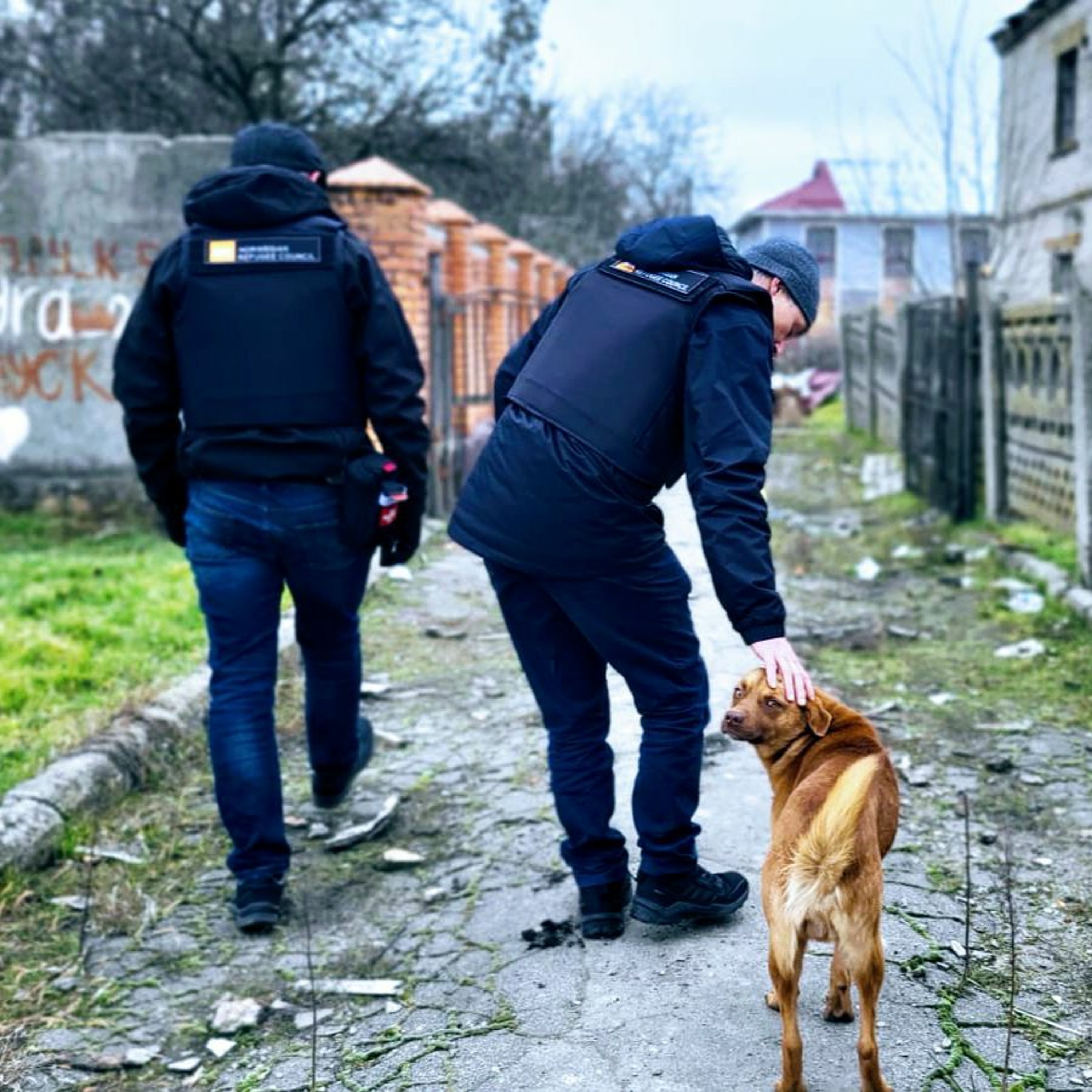
Jakob Harbo and Roberto Vila_Sexto, Ukraine Country Managers, discuss Humanitarian AI
Roberto Vila-Sexto, Country Director for Ukraine with the Norwegian Refugee Council, speaks with Jakob Harbo, Country Manager for Ukraine with the Danish Red Cross. Joined by Brent Phillips, Roberto and Jakob discuss their work and roles, the scale and severity of conditions in Ukraine this Winter, humanitarian needs and operations, risks and complications humanitarian actors face in Ukraine, attacks on humanitarian facilities and their views on humanitarian applications of artificial intelligence, including their views on real-world wartime humanitarian applications of AI and concerns. Closing the interview, Roberto and Jakob offer their thoughts on futuristic AI applications they would like to see developed.

Shadrock Roberts from Mercy Corps
Shadrock Roberts, Director of Global Data Protection, Privacy, and Ethical AI at Mercy Corps, speaks with Humanitarian AI Today guest host, Nasim Motalebi, an Information Scientist, Researcher and co-author of a Digital Humanitarian Network / UN OCHA supported paper on “Generative AI for Humanitarians”, about data protection and privacy in the AI age and about how humanitarian organizations are experimenting with generative AI and addressing AI from legal, regulatory, ethical and responsible AI vantage points. Nasim and Shadrock also discuss developmental testing, synthetic data, data interpretation and analysis, risk reduction, chatbots and prompting. Nasim closes the interview with input on data sharing frameworks like IATI, HDX and ReliefWeb, data tagging and work ahead of humanitarian organizations in 2024 needed to advance humanitarian applications of artificial intelligence.

André Heller Pérache from Signpost
André Heller Pérache, Director of the International Rescue Committee’s Signpost project speaks with Isabella Loaiza, a Postdoctoral Associate at MIT Sloan School Of Management and former Research Assistant at MIT Media Lab. Isabella and André discuss Signpost’s work responding to the informational needs of people facing crises, the program’s growth plans and how Signpost is approaching experimenting with generative AI. Isabella and André speak in detail about the importance of deploying large language models correctly and in ways that are safe and useful for vulnerable populations and broach Isabella’s research around the future of work and other topics.

Suzy Madigan Founder of the Machine Race
Suzy Madigan, founder of ‘The Machine Race’ blog series and senior humanitarian advisor at CARE international speaks with Shivaang Sharma, PhD researcher on Humanitarian AI systems at University College London (UCL). Ahead of the UK Government’s AI Safety Summit, Suzy and Shivaang discuss some of the human rights and safety implications of AI for society globally, particularly for communities in the global south experiencing humanitarian crises, conflicts, poverty or marginalization and look at how to ensure that the design, deployment and governance of AI is inclusive and equitable, to make sure everybody can share in its potential benefits and be protected from potential harms. The discussion will help humanitarian actors understand why traditional humanitarian NGOs need to think through the implications of AI both for the societal changes it brings, and the considerations for using AI within humanitarian operations.

John Adams formerly with the UK's Foreign, Commonwealth and Development Office
John Adams, former Deputy Director for Digital and Data Services with the UK’s Foreign, Commonwealth and Development Office, speaks with Roderick Besseling, Head of the Data and Analytics Unit at the Norwegian Refugee Council, about open data sharing frameworks used by humanitarian and international development organizations and their importance in the AI age. John and Roderick discuss in detail why transparency and open data sharing matters to the humanitarian community, different open data sharing frameworks, John’s involvement in helping lead and grow the the International Aid Transparency Initiative (IATI) and IATI’s emergence as a valuable source of information for artificial intelligent applications. John and Roderick also mention NetHope’s upcoming Global Summit and the importance of data standards to work around climate change. Joining the discussion, Brent Phillips added insight on IATI and uses of IATI by AI applications.
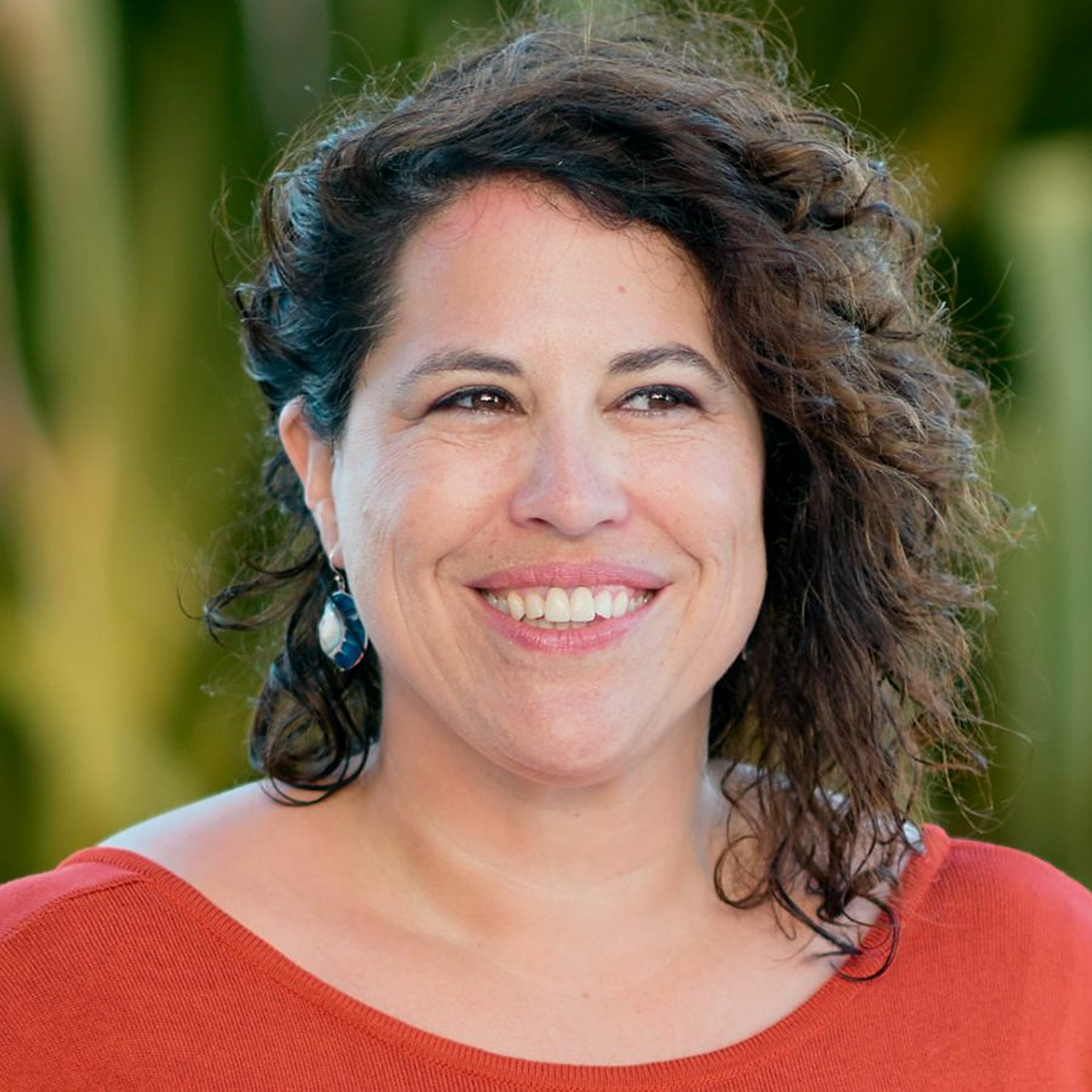
Claudia Von Vacano from the D-lab at the University of California, Berkeley
Claudia von Vacano, Executive Director of the D-Lab and the Digital Humanities at the University of California, Berkeley, speaks with Humanitarian AI Today guest host Larissa Doroshenko, a lecturer of Communication Studies at Northeastern University and a researcher specializing in state-sponsored disinformation, and Mythili Tirumalasetty from the University of Pittsburgh’s Health and Explainable AI Research Laboratory about Berkeley’s D-Lab, the university’s brand new College of Computing, Data Science and Society and about the D-Lab’s research into hate speech. Claudia, Larissa and Mythili discuss in detail the lab’s research methodology, machine learning and natural language processing, and parallels between hate speech research and research into misinformation and disinformation and the subject of bias in healthcare.
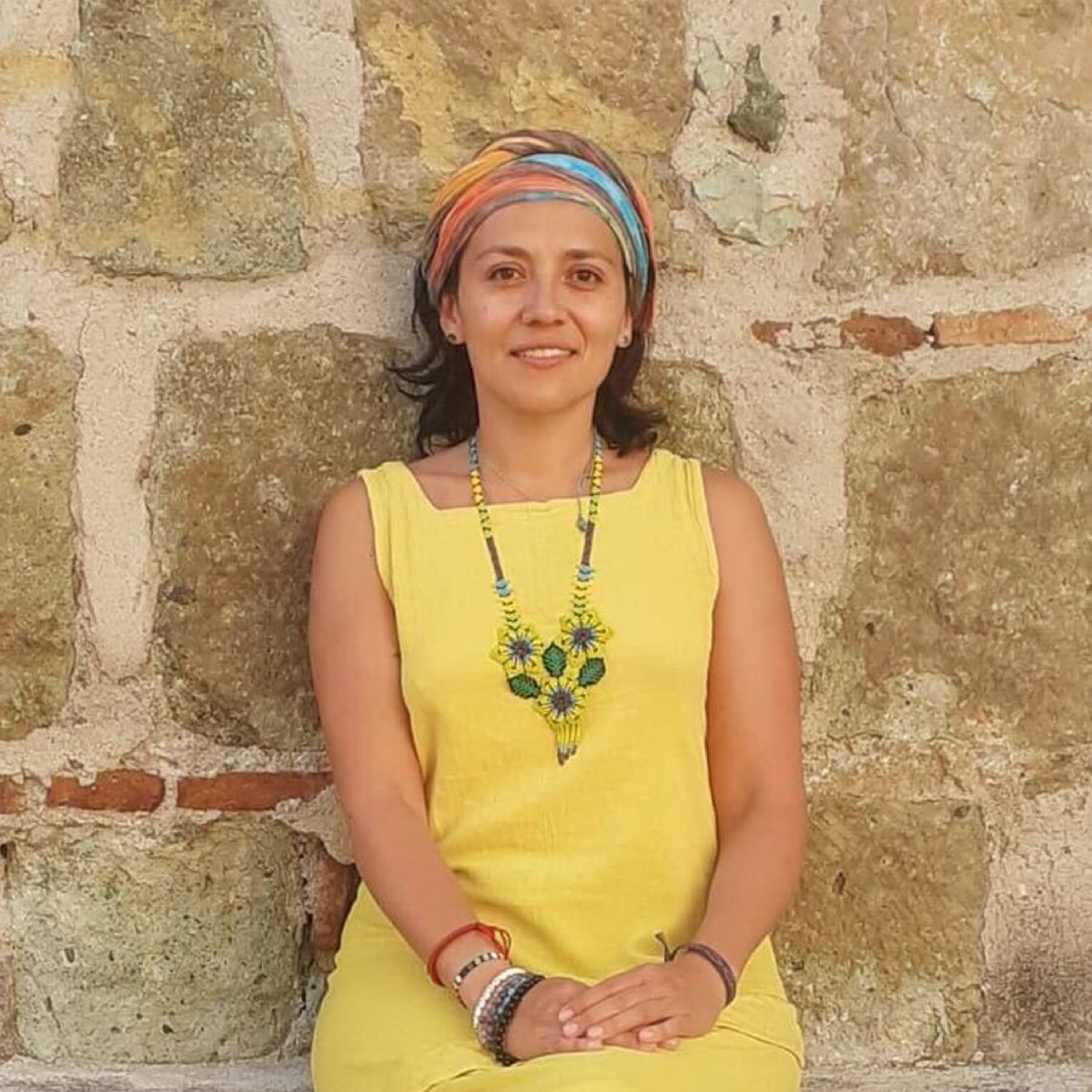
Ximena Contla with Data Friendly Space
Ximena Contla, NLP Project Manager with Data Friendly Space (DFS) discusses ChatGPT and use of large language models to support Turkey and Syria earthquake response. Guest hosted by Rishi Jha from DFS and Brent Phillips, with Nayid Orozco Bohorquez a Product Lead from DFS and Sylvan Ridderinkhof, a Data Engineer from Zimmerman, an AI data information technology company, joining the conversation, the interview touches on humanitarian emergencies, relief operations in the field, data generated by humanitarian actors, data summarization, open data sharing frameworks like IATI, Data Friendly Space’s Data Entry and Exploration Platform (DEEP), deployment of large language models by humanitarian actors, ethical AI and a range of other subjects.
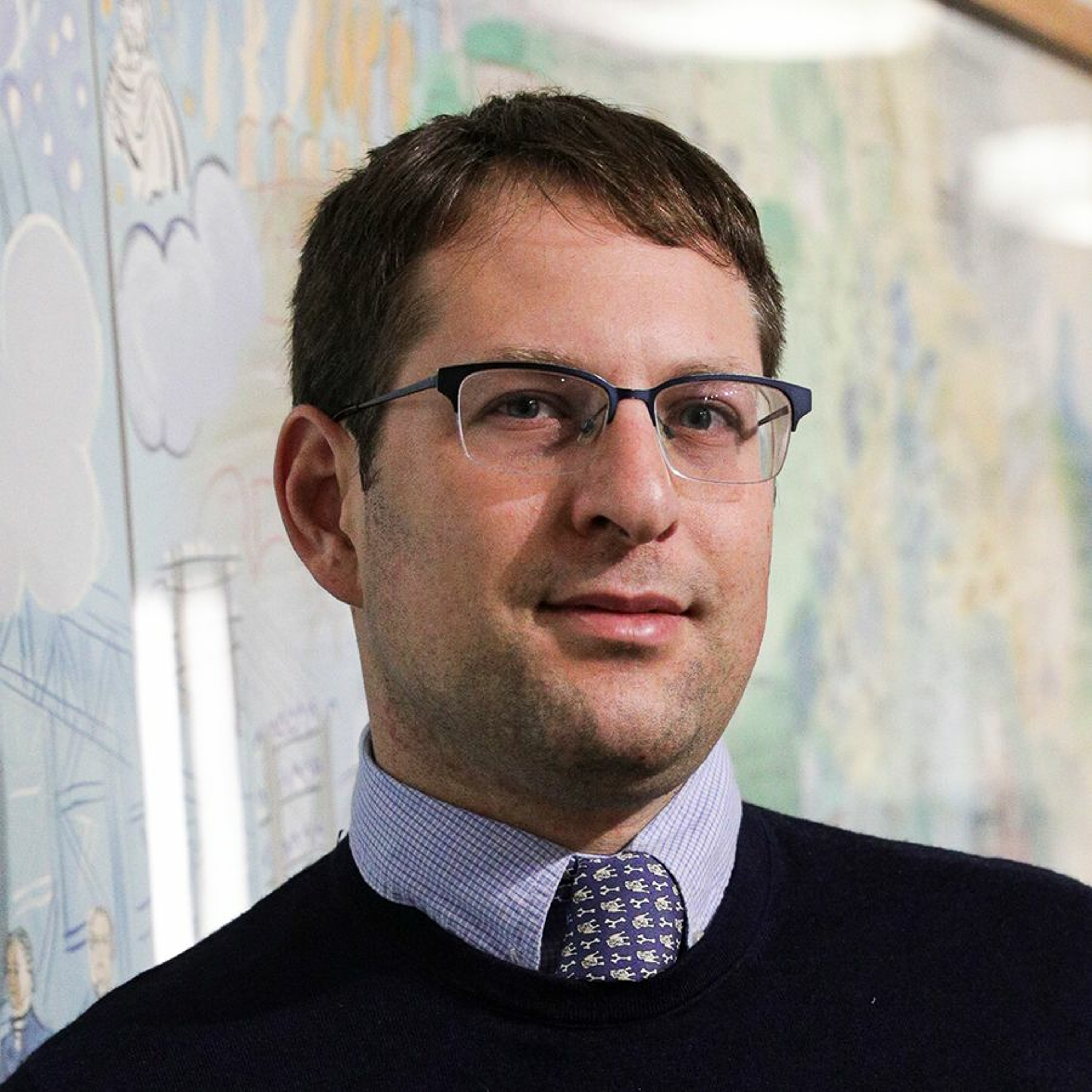
Aaron Margolis on ChatGPT
Aaron Margolis, a Data Scientist researching Responsible AI and Large Language Models, speaks with Brent Phillips, producer of the Humanitarian AI Today podcast series, and Megan DeMatteo, a journalist covering Web3, about ChatGPT. The interview is geared towards helping humanitarian actors get acquainted with emerging new conversational AI applications being developed by OpenAI, Google, Meta and others, large large language models powering them, and setting up, testing and deploying models.

Liam Nicoll with IRC's Signpost Initiative
Liam Nicoll, Product Lead with the International Rescue Committee’s Signpost initiative speaks with Humanitarian AI Today guest host Alexandra Pittman, Founder of ImpactMapper, and Brent Phillips about Signpost’s work providing people with accurate, accessible and timely information in times of crisis and about open data sharing, ChatGPT and humanitarian applications of artificial intelligence. This two part interview was recorded live in NYC and then followed-up with a discussion on ChatGPT geared for humanitarian actors.
Bret Kinsella from Voicebot.ai and Synthedia on ChatGPT
Join Humanitarian AI Today as guest host Brent Phillips sits down with Bret Kinsella, founder of Voicebot.ai and Synthedia, to delve into the latest advancements in conversational AI and voice technology. Kinsella, a leading expert in the field, will discuss the release of ChatGPT by OpenAI and its potential to revolutionize the humanitarian aid sector. Learn about the capabilities of large language machine learning models for dialogue applications, and gain insights on the direction of this technology and the steps humanitarian organizations should take to adapt and incorporate these powerful tools in their operations by 2023. This podcast is a must-listen for professionals in the humanitarian aid community seeking to stay informed on the latest developments in AI technology.

Kyrylo Lapko with SpivDiia and NeedsList
Kyrylo Lapko with SpivDiia and NeedsList speaks with Humanitarian AI Today guest host Brent Phillips about Ukrainian humanitarian relief organizations, needs across Ukraine this Winter, logistics and import compliance, open data sharing, data and information sensitivity, initiatives like NeedsList and Signpost, and about humanitarian applications of artificial intelligence and new question answering applications like ChatGPT.
Gaurav Nemade on LaMDA and ChatGPT
Gaurav Nemade, former Product Manager with Google who worked on the development of LaMDA, Google's large language model for dialogue applications, speaks with Christopher Hoffman from Humanity link and Megan DeMatteo, a Journalist covering Web3 about powerful new generative machine learning models. These models have dominated the news this year, spurred by OpenAI's release of ChatGPT. For humanitarian actors, Gaurav goes over how generative machine learning models work and how next-generation chatbots like ChatGPT compare to search engines. Gaurav, Christopher and Megan talk in depth about the accelerating pace of advancements in computing and the types of powerful new conversational AI applications, hybrid search engines and even more powerful machine learning models that humanitarian actors will see emerge in 2023. Gaurav, Christopher and Megan broach the growing impact of AI on the humanitarian sector, challenges and opportunities that humanitarian actors should be conscious of and how humanitarian actors can get involved and contribute to helping train, fine-tune, adapt and improve AI applications, making them suitable for use across the humanitarian community. Interview notes: https://humanitarianaitoday.medium.com/gaurav-nemade-on-humanitarian-ai-today-91d385d4057

Gerd Buta with the World Food Program
Gerd Buta, head of in-kind food operations in Ukraine for the World Food Program (WFP) speaks with Humanitarian AI Today’s guest host Christopher Hoffman from Humanity Link about the World Food Program’s work in Ukraine, conditions on the ground this Winter, aid logistics, open data sharing and about innovative uses of technology and artificial intelligence.
Larissa Doroshenko with Northeastern University
Larissa Doroshenko, a Visiting Lecturer of Communication Studies at Northeastern University, speaks with Humanitarian AI Today’s guest host Jodi Hilton about her computational research studying disinformation and misinformation campaigns with a focus on the war in Ukraine and on the “dark side” of online media. Larissa received her doctoral degree in Communication Arts with a minor in Political Science from the University of Wisconsin-Madison. Her current research explores how marginalized groups, ranging from racial minorities and women politicians to pro-democratic citizens in authoritarian regimes use emerging media to make their voices heard and gain power to drive change.
Scott Ciment with the University of South Carolina Rule of Law Collaborative
Scott Ciment, Senior Rule of Law Expert with the University of South Carolina Rule of Law Collaborative speaks with Theodora Gazi, a Lawyer with a PhD in Refugee Law currently with ActionAid about how technology can support efforts to increase access to justice for marginalized groups in developing countries with under-resourced justice systems and about human rights, the war in Ukraine and applications of artificial intelligence.
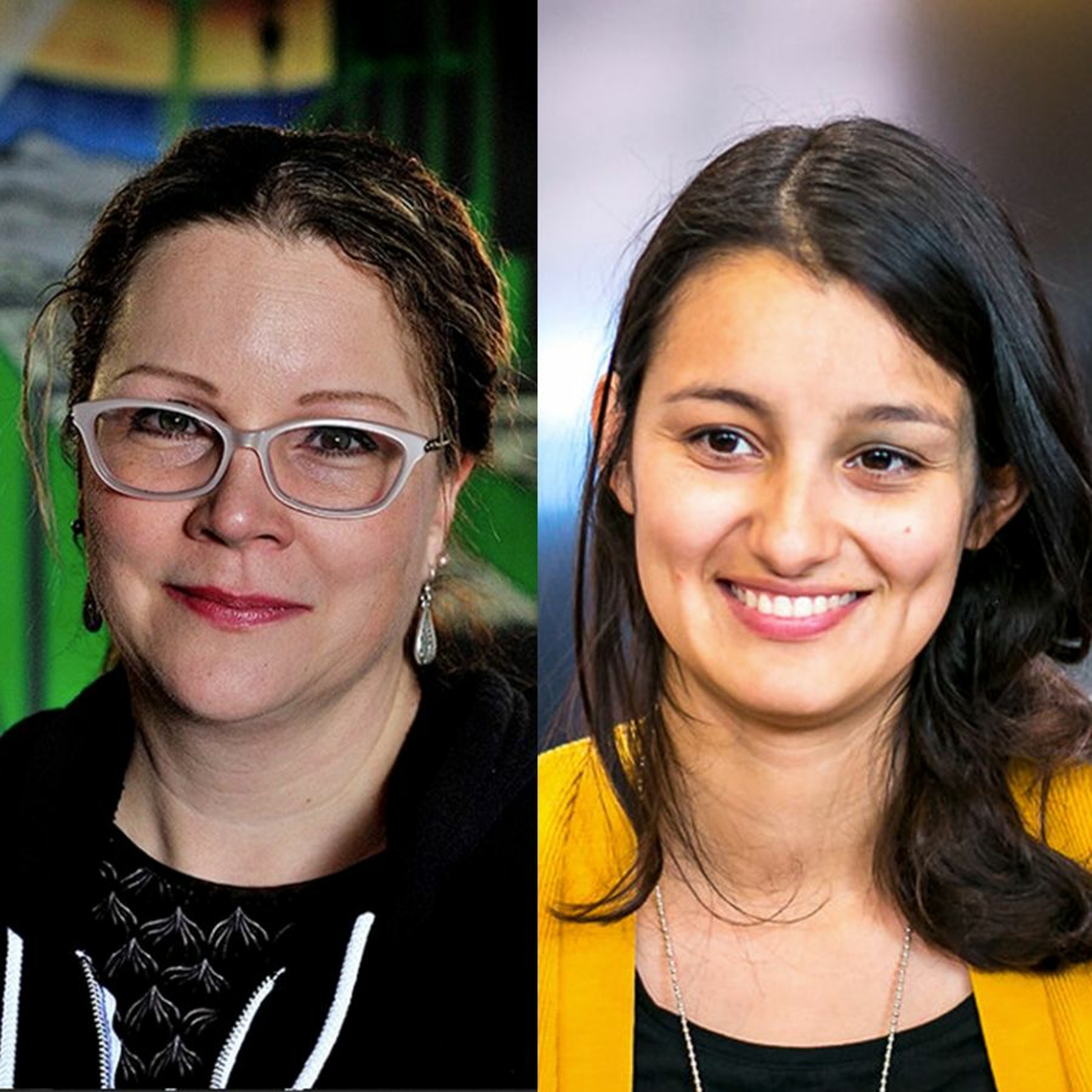
Heather Leson and Paola Yela from the IFRC
Heather Leson, Digital Innovation Lead with the Solferino Academy of the International Federation of the Red Cross and Red Crescent Societies (IFRC) and Jenny Paola Yela, Information Management and Data Science Officer with the IFRC speak with Theodora Gazi, a Lawyer with a PhD in Refugee Law currently with ActionAid. Heather Leson and Paola Yela discuss the Solferino Academy’s Data Playbook initiative, the IFRC’s Digital Transformation Strategy and how their teams are working with national societies to support digital transformation and crisis response. Heather and Paola also provide important feedback from national societies on digital innovation and share their thoughts on humanitarian applications of artificial intelligence.
Preeti Adhikary and Ahmad Tafti on AI Education
Preeti Adhikary, seasoned tech executive, startup advisor, emerging venture professional, and former Vice President of Marketing at Fusemachines, and Ahmad Tafti, Assistant Professor of Computer Science at the University of Southern Maine and Director of the HexAI Research Lab discuss the future of AI education with Mia Kossiavelou and Brent Phillips, producers of the Humanitarian AI Today podcast series. Preeti and Ahmad offer their thoughts on AI education, challenges facing the field and the emerging focus on opening up AI education for all, as well as investment in AI education, the relationship between education and applications, and responsibility and ethics in AI.
Tyler Radford from Humanitarian OpenStreetMap
Tyler Radford, Executive Director of Humanitarian OpenStreetMap, speaks with Ewan Oglethorpe, Executive Director of Data Friendly Space (DFS) and co-creator of theDEEP and Brent Phillips, producer of the Humanitarian AI Today podcast series about the Humanitarian OpenStreetMap initiative, the evolution of the team and technology, artificial intelligence in the humanitarian sector and the war and mapping in Ukraine. The podcast was recorded in Geneva at The Humanitarian Networks & Partnerships Weeks, where both Tyler and Ewan were presenting their works to the humanitarian community. Brent joined remotely from the Roux Institute in Portland, Maine.

Laura McGorman from Meta's Data for Good Program
Laura McGorman, Director of Data for Good at Meta speaks with Andrew Schroeder and Ewan Oglethorpe about data sharing for good today and in the future in the Metaverse, the types of sophisticated datasets her team makes available to researchers, humanitarian actors and others, and how Meta is collaborating with the humanitarian community around Ukraine and around improving the use and impact of data for good. Andrew Schroeder is the VP of Research and Analysis at Direct Relief and Co-Director of CrisisReady and Ewan Oglethorpe is the Executive Director of Data Friendly Space (DFS) and co-creator of theDEEP.
Juan Lavista Ferres from Microsoft's AI for Good Research Lab
Juan Lavista Ferres, Chief Scientist and Lab Director at Microsoft’s AI for Good Research Lab, speaks with Humanitarian AI Today's host Sarah Spencer about how his team is aiding NGOs by leveraging data to address a variety of global humanitarian issues, and shares his thoughts on the future of data-based solutions for increasingly complex humanitarian efforts.
Jakub Parusinski from The Fix Media
Jakub Parusinski, Editor at The Fix Media, speaks with Humanitarian AI Today guest host Jodi Hilton about the war and humanitarian crisis in Ukraine, the work of Ukrainian journalists and how to support them, and about journalism and crisis reporting in the AI Age.
Allison Fine and Beth Kanter Authors of The Smart Nonprofit
Allison Fine and Beth Kanter speak with Humanitarian AI Today's host Mia Kossiavelou about their work advising nonprofits leaders on digital transformation. Allison and Beth have collaborated on books such as The Networked Nonprofit and The Smart Nonprofit and have written on Unlocking Generosity with Artificial Intelligence.
Jennifer Chan and Andrew Schroeder from CrisisReady
Jennifer Chan and Andrew Schroeder discuss the war in Ukraine and putting data to use to support humanitarian operations with Humanitarian AI Today guest hosts Natasha Freidus, Jean-Martin Bauer and Brent Phillips. Jennifer Chan is an Associate Professor and Director Of Global Emergency Medicine at Northwestern University’s Feinberg School of Medicine. Andrew Schroeder, VP of Research and Analysis at Direct Relief and Co-Director of CrisisReady and Jennifer are collaborating on using human mobility data to map the displacement of refugees and internally displaced persons fleeing the war in Ukraine.

Joanna van der Merwe from The Center for European Policy Analysis
Joanna van der Merwe, a Defense Tech Fellow from The Center for European Policy Analysis (CEPA) speaks with Sarah Spencer about the war and escalating humanitarian crisis in Ukraine, hybrid warfare and the challenges and threats humanitarian actors face in the age of AI.
Natasha Freidus from NeedsList
Natasha Freidus, Co-founder and CEO of NeedsList speaks with Humanitarian AI Today host Mia Kossiavelou about the evolution of NeedsList, humanitarian crises, needs reporting, and about open data sharing, futuristic humanitarian AI applications and what’s holding back advances in humanitarian applications of artificial intelligence.
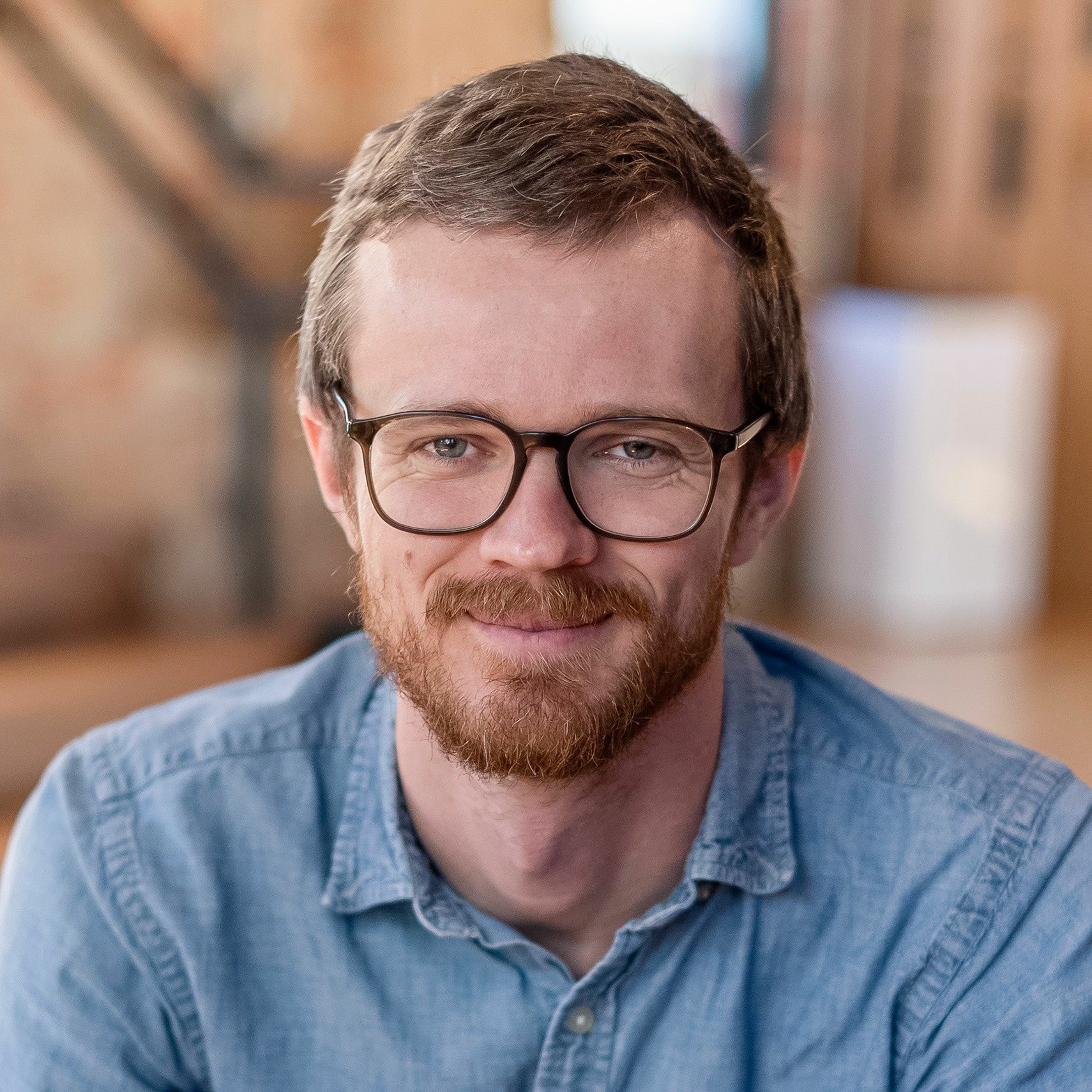
Ewan Oglethorpe from Data Friendly Space
Ewan Oglethorpe, Executive Director of Data Friendly Space (DFS) and co-creator of theDEEP, speaks with Mia Kossiavelou, host of the Humanitarian AI Today podcast series, about DFS and theDEEP, the Metaverse and humanitarian applications of artificial intelligence.
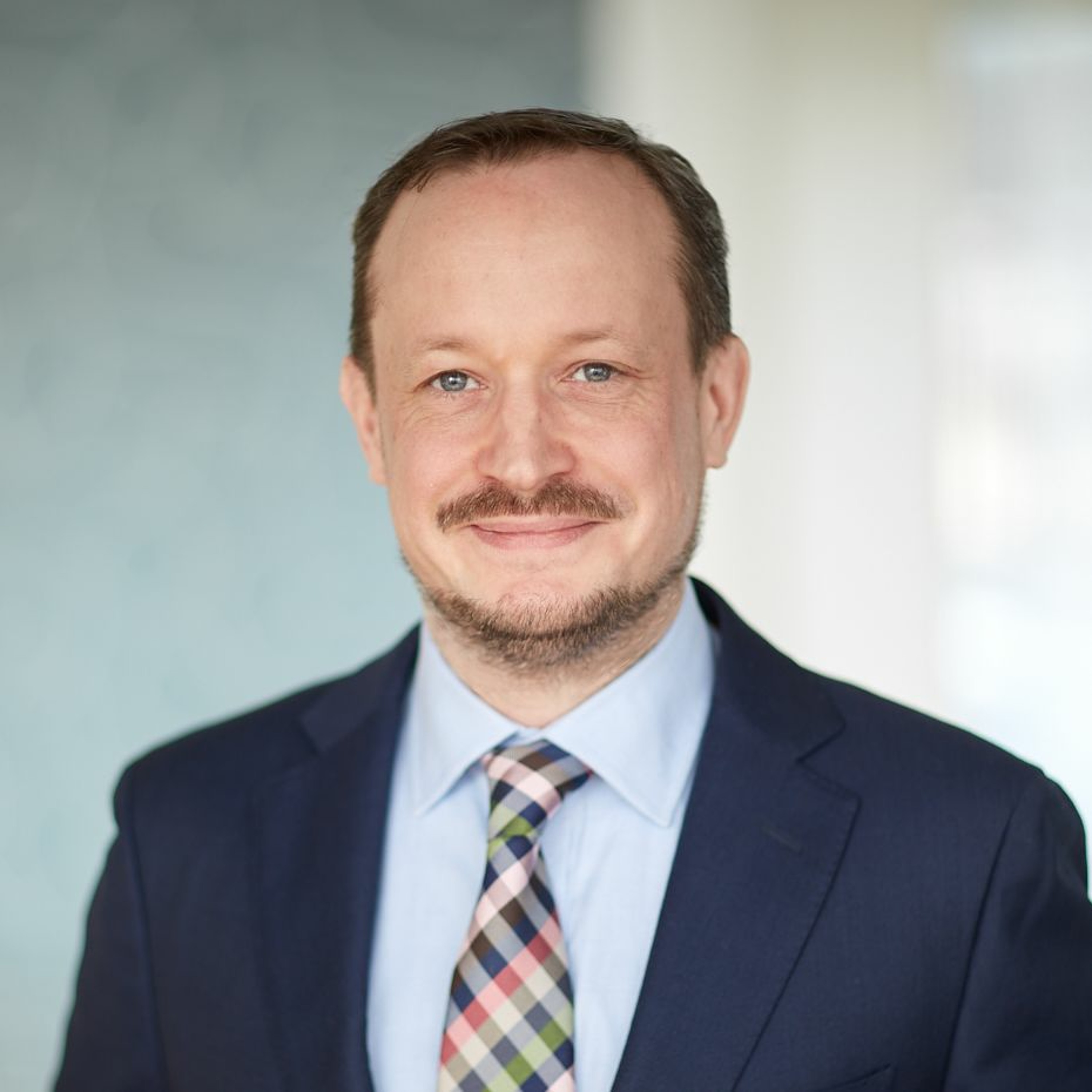
Daniel Eriksson from Transparency International
Daniel Eriksson, Chief Executive Officer of Transparency International speaks with Brent Phillips, Producer of the Humanitarian AI Today podcast series, about Transparency International’s work combatting corruption, sustainable development and the future of transparency initiatives, corporate social responsibility, and artificial intelligence.

Ralf Sudhoff from The Center for Humanitarian Action
Ralf Südhoff, Director at Centre for Humanitarian Action (CHA), speaks with Brent Phillips, Producer of the Humanitarian AI Today podcast series, about the German humanitarian aid community, CHA’s work, humanitarian operations, cash aid programs, localization initiatives, technology and artificial intelligence.