How We Survive
84 episodes — Page 2 of 2
S4 Ep 7Water, water, everywhere
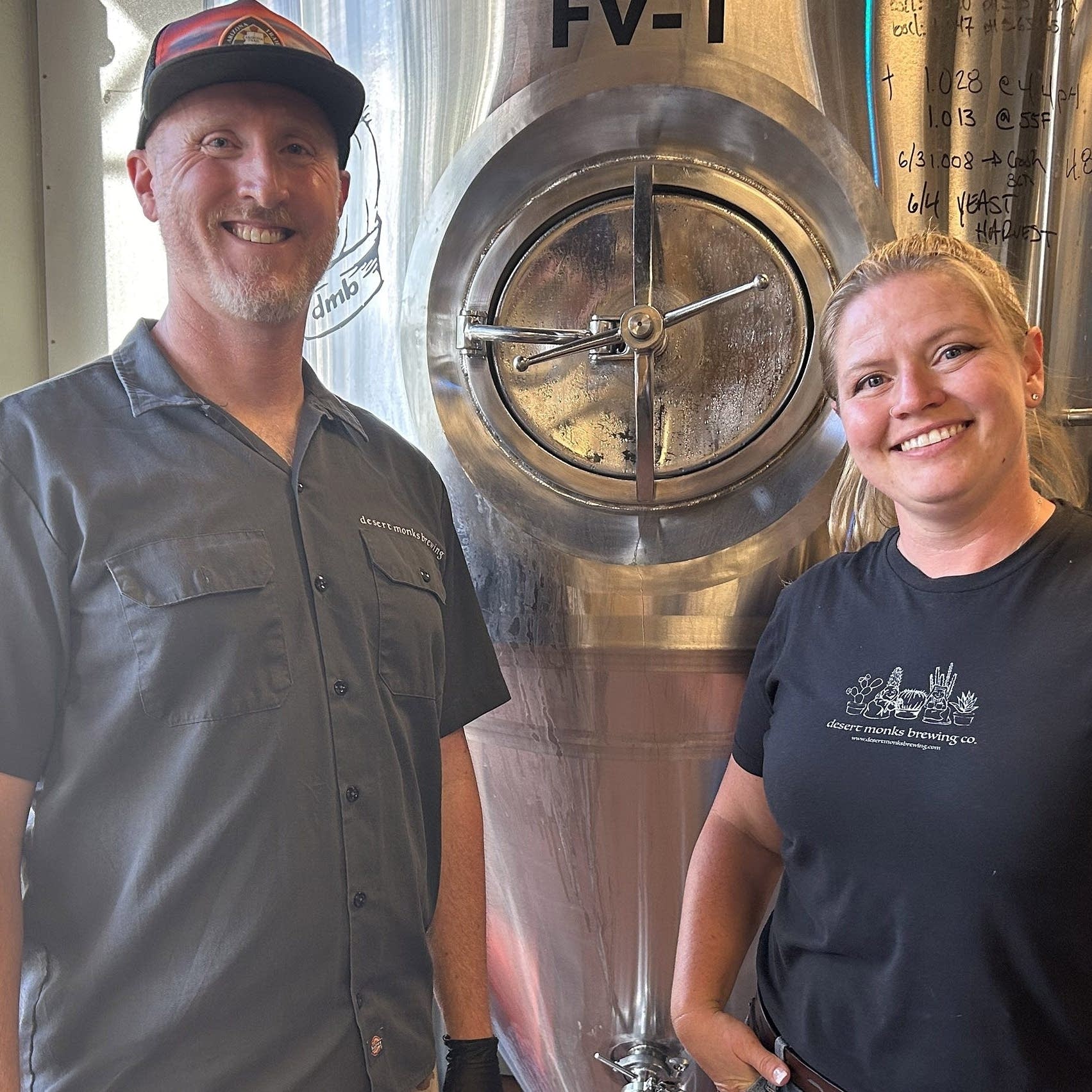
As water supplies in the west dry up, finding solutions is critical. The good news is that water is all around us, if you know where to look and how to treat it. In this episode, we’re going on a road trip to check out the fascinating technology producing water from the sewer, the ocean and even out of the sky! Plus, Amy tastes the next generation of water and shares her favorite.

S4 Ep 6Betting on Conservation
Las Vegas is a fantastical Disneyland for adults in the middle of the desert. It features fabulous displays of water — like the thousand dancing fountains of the Bellagio Hotel or the winding canals that recreate Venice at the Venetian Hotel. But surprisingly, it’s a city that has also become known for water conservation and innovation.In this episode, we sit down with Pat Mulroy, who was the top water manager in Southern Nevada for 25 years and led conservation efforts in the desert city. We talk with her about the existential crisis that Las Vegas and other desert cities face, how Southern Nevada has been able to cut its Colorado River water use by 31% in the past two decades, and what that means for the trade-offs that we all may have to consider to keep living where we want to live.
S4 Ep 5The Price of Paradise
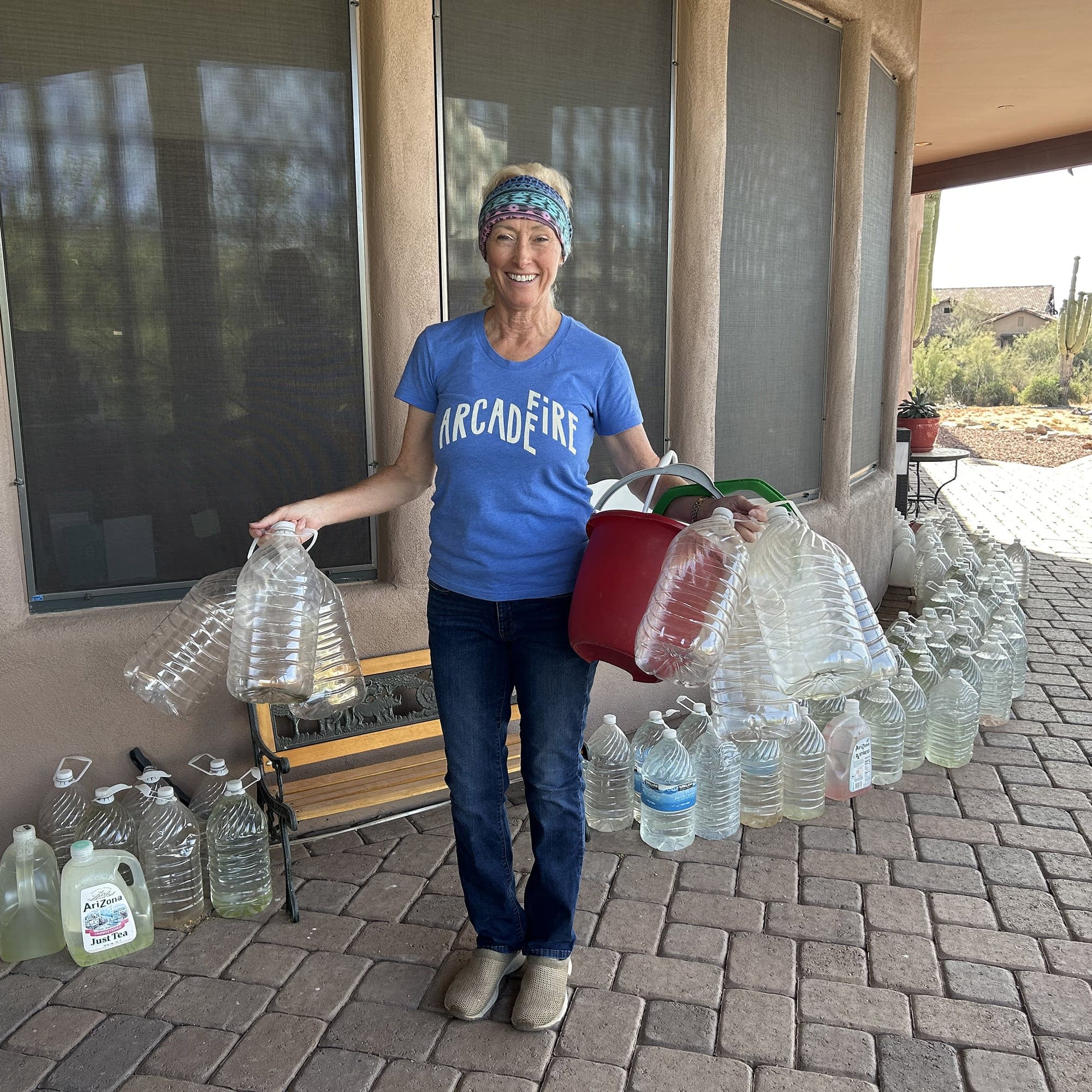
When Leigh Harris and her husband, Franck Avril, moved into their dream home, Leigh said she felt like the luckiest person in the world. The home is in Rio Verde Foothills, Arizona, outside Scottsdale, in unincorporated Maricopa County. It’s a large stucco house, with high ceilings, a fireplace and 35 windows to take in the mountain views.There was just one downside. Their home was built on a dry lot, which meant water was hauled in by trucks from Scottsdale. And amid a worsening drought, Scottsdale had to cut them off. This episode, we follow Leigh and Franck as they scramble to find an affordable water supply and make the most of every last drop.
S4 Ep 4Groundwater Wars
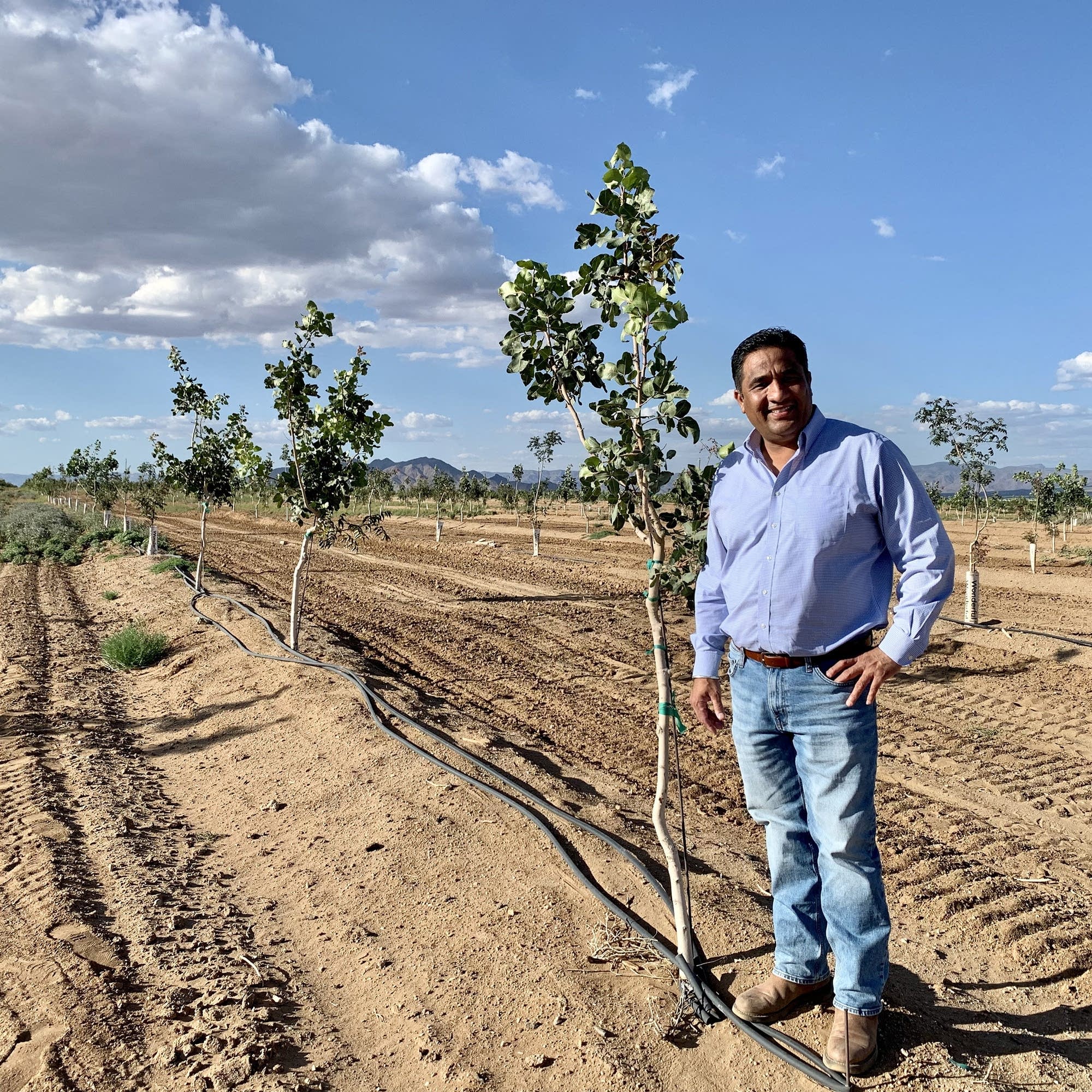
Kingman, Arizona, a small farming town in the desert, is a cautionary tale in the West’s water crisis.About a decade ago, large corporate farms started moving into the desert of Mohave County, growing thirsty crops like alfalfa and nuts. At the time, there were practically no rules restricting groundwater pumping, and local officials worried the farms would run the town dry. So local leaders did something that hadn’t been done in 40 years. They asked the state to step in and pass strict rules on groundwater pumping.This episode, we travel to Kingman to look at a complicated solution that has splintered a community, pitting neighbors against each other and farmers and ranchers against elected officials.
S4 Ep 3Rewriting the Rules
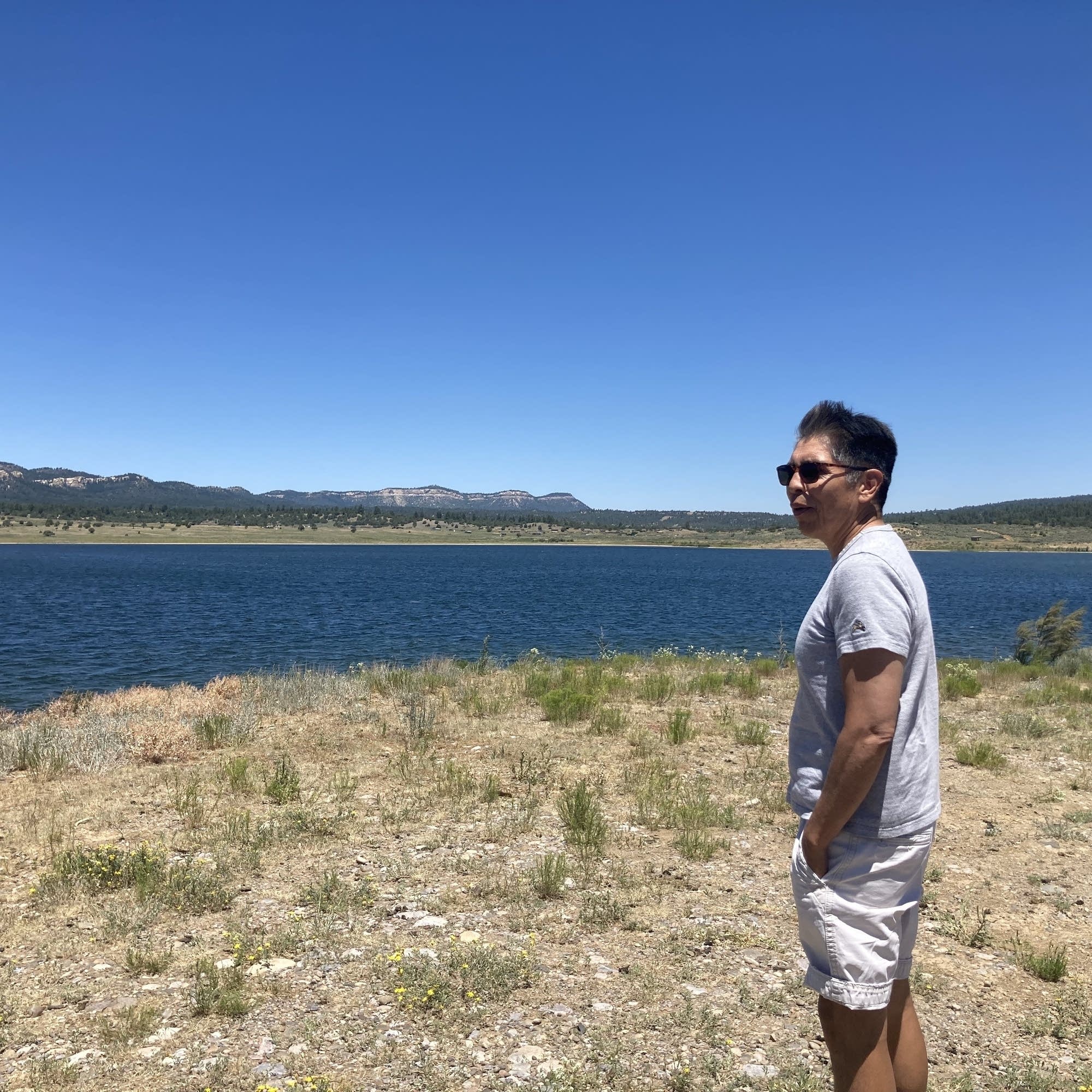
The city of Albuquerque exists in part because of the Azotea Tunnel, a massive infrastructure project that effectively rerouted part of the Colorado River into the Rio Grande. The project helped sustain Albuquerque’s rapid population growth. Meanwhile, some communities lost out. Water that would have flowed through the Jicarilla Apache Nation was instead diverted via the tunnel.In this episode, we travel 180 miles north of Albuquerque to the town of Dulce to talk to Daryl Vigil, retired longtime water administrator, about how the tribe is fighting for a seat at the table in ongoing Colorado River management. And we visit To’Hajiilee, a community dealing with water insecurity that stands to benefit from leasing Jicarilla settlement water.
S4 Ep 2Stolen River
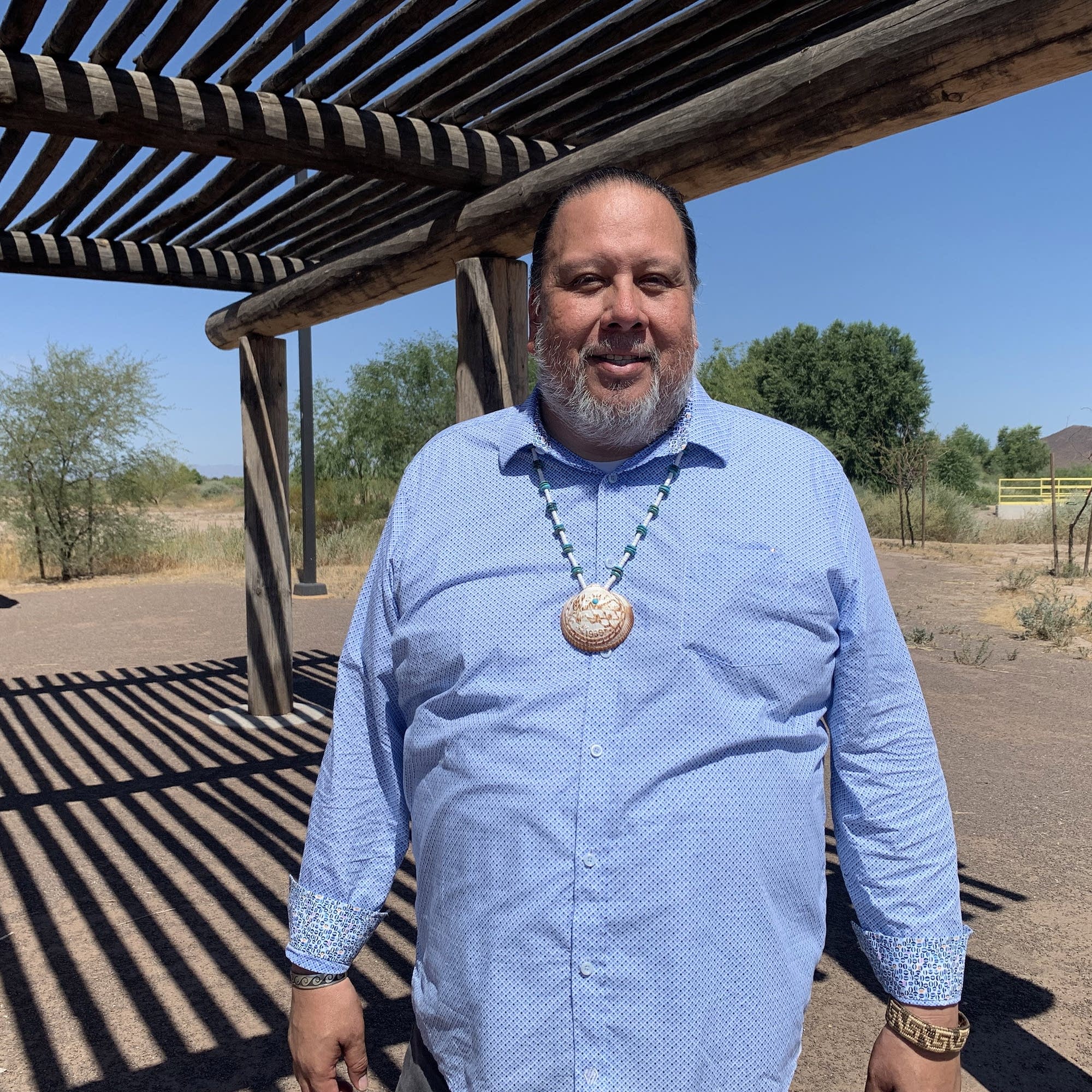
Over a century after its namesake river — the Gila — was stolen by colonization, the Gila River Indian Community won its water rights back. Now the community is using the water to restore its farming economy, build back wetlands that long ago dried up and help stabilize the Colorado River system.
S4 Ep 1The $80 Million Acre
Buckeye, Arizona, is a small city with dreams of becoming “the next Phoenix.” It’s one of the fastest-growing cities in the country. In the past few decades, its population has ballooned more than twentyfold, and the city plans to add more than 100,000 new homes in coming years.The only catch? Growth requires water. And Buckeye doesn’t have enough. So what’s a small city with big dreams to do? Part of the answer lies in one scrubby acre of land way out in the desert that’s owned by a group of investors.
Introducing “How We Survive: The Worth of Water”
trailerThe Colorado River is the lifeblood of the American West. Millions of people rely on it to live. But we’re using more water than the river has to give, and it’s already lost trillions of gallons to rising temperatures since 2000. Meanwhile, rampant growth and water-intensive farming have depleted groundwater supplies. This means Western states must fundamentally rethink how water is divided up and used. In this season of “How We Survive,” we find an oasis in the desert, float down Las Vegas’ finest canal and give wastewater a taste as we continue our hunt for solutions to the climate crisis.

S3 Ep 4Burning Questions: Can AI save the planet?
When it comes to solving the climate crisis, artificial intelligence can be a powerful tool, but it comes with some significant risks. Marketplace’s AI reporter Matt Levin talks with Priya Donti, Assistant Professor at MIT and co-founder Climate Change AI about the promises and perils of AI.WATCH: Can AI Help Solve the Climate Crisis? – TED READ: How Big Tech AI models nailed forecast for Hurricane Lee a week in advance – The Washington Post CHECK OUT: Climate Change AI
S3 Ep 3Burning Questions: Can we eat our way out of the climate crisis?
Do my food choices really matter? What about solutions like composting? In this installment of Burning Questions, NYT’s food journalist and best-selling cookbook author Priya Krishna is in conversation with restaurateur and founder of Zero Foodprint, Anthony Myint, to chat through the personal and structural changes we can make to our food choices to better the climate.CHECK OUT: The impact of specific foods on the environment COMPOST: Even if your city doesn’t offer municipal pick-up DIG DEEPER: The science of regenerative agriculture with Anthony Myint
S3 Ep 2Burning Questions: Should we blow it all up?
Some climate activists think it’s time to ramp up their efforts by vandalizing multimillion-dollar artworks and even sabotaging key infrastructure. Should activists move beyond peaceful protests? Host Amy Scott talks with filmmakers Daniel Goldhaber and Ariela Barer about some of these ideas that show up in their environmental thriller “How to Blow Up a Pipeline.”Related Links: OPINION: The moral case for destroying fossil fuel infrastructure – Andreas Malm WATCH: TED – The fairy tales of the fossil fuel industry — and a better climate story – Luisa Neubauer STREAM: How to Blow Up a Pipeline (Film)
S3 Ep 1Burning Questions: Can I be fashionable without hurting the planet?
Is it really that bad to buy a shirt from a fast fashion company? How can I tell if a company is really committed to sustainable practices? Do things like the quality of fabric matter to the environment? LAist’s Josie Huang sits down with fast-fashion expert and Columbia University professor Elizabeth Cline to discuss the impacts of what we wear.Consume Less, Learn More: Read: “Fashion Creates Culture, and Culture Creates Action” from Vogue Peruse: The ReMake brand directory Get up to speed on: The Fabric Act

Introducing “How We Survive’s” Burning Questions
Ever wonder how our food choices impact the climate? Or how to make smarter selections when it comes to buying fast fashion? Us, too! “How We Survive’s” Burning Questions video series explores those questions we’ve all had about how our actions contribute to the climate crisis. Join us as we find climate solutions big and small.
Bonus: Earth Day fundraiser
bonusWe’re hard at work on the next season of “How We Survive,” but we’re dropping into your feed today to say thank you.To show our thanks, we’re going to give you a little peek behind the curtain to show you how we make “How We Survive.” We’ll also play a few stories that’ll be new to our podcast audience about the dangers of the climate crisis and the solutions that help people live safely in vulnerable coastal communities — at least for a while longer.It’s listeners like you who keep this podcast going, and this Earth Day, we ask that you consider making a donation in support of Marketplace’s climate journalism. Every donation makes a big difference. Give here: marketplace.org/survive
S2 Ep 8No Place Like Home
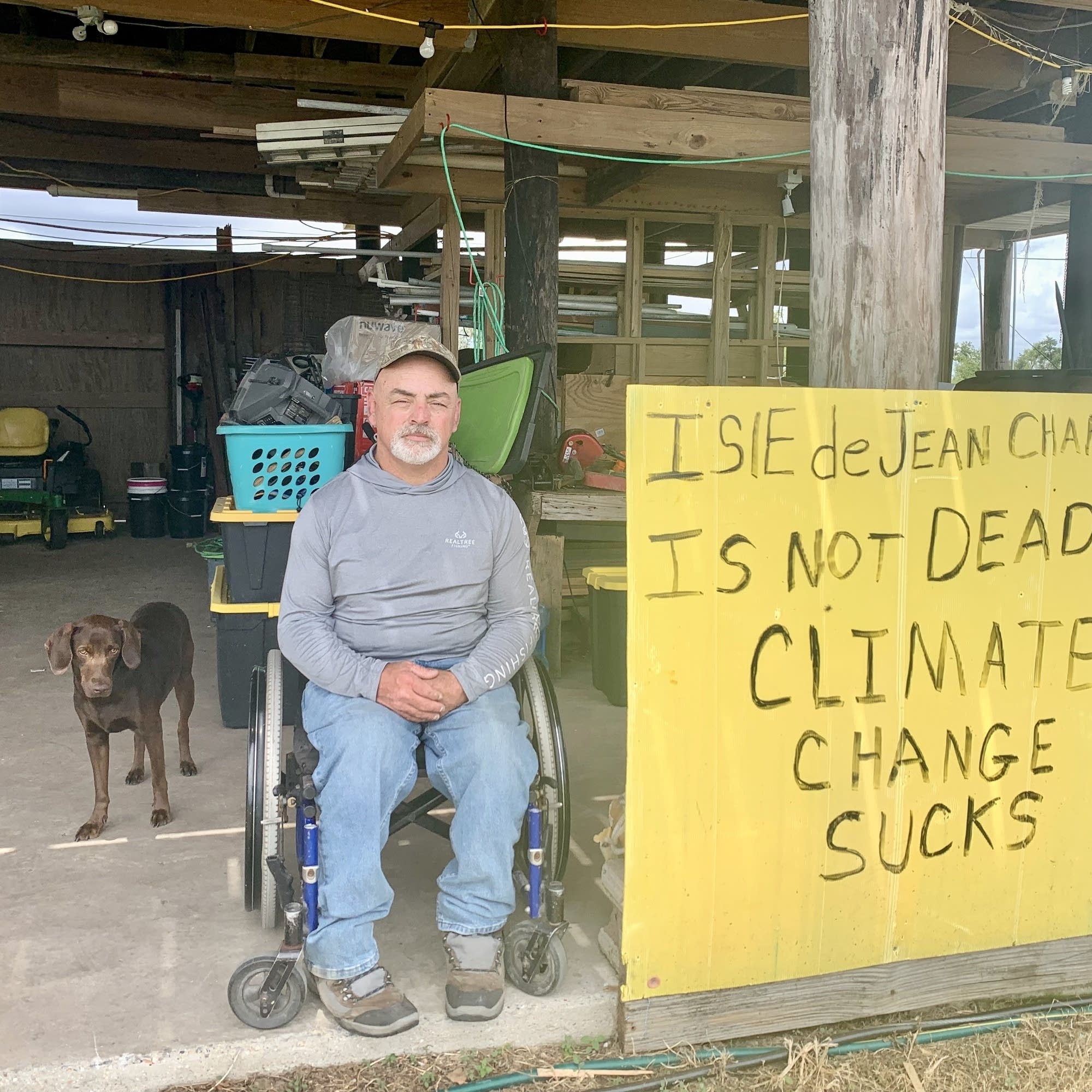
You’ve raised your house up on stilts and your town has added higher seawalls and pumping stations, but sea level rise is relentless. Eventually, you may have to consider the ultimate solution: Leaving your home, giving the land back to nature and starting over somewhere else. There’s a jargony sounding name for this solution: Managed Retreat.In our season finale, we head to a small island community off the coast of Louisiana that has lost 98% of its land to rising seas and sinking land. Now residents have to decide if they’re ready to leave the place most have called home their whole lives, or be swallowed up with it. Later in the episode, we unpack what managed retreat might mean for the rest of us, even those of us who don’t think we’re at any risk.
S2 Ep 7Swampland for Sale
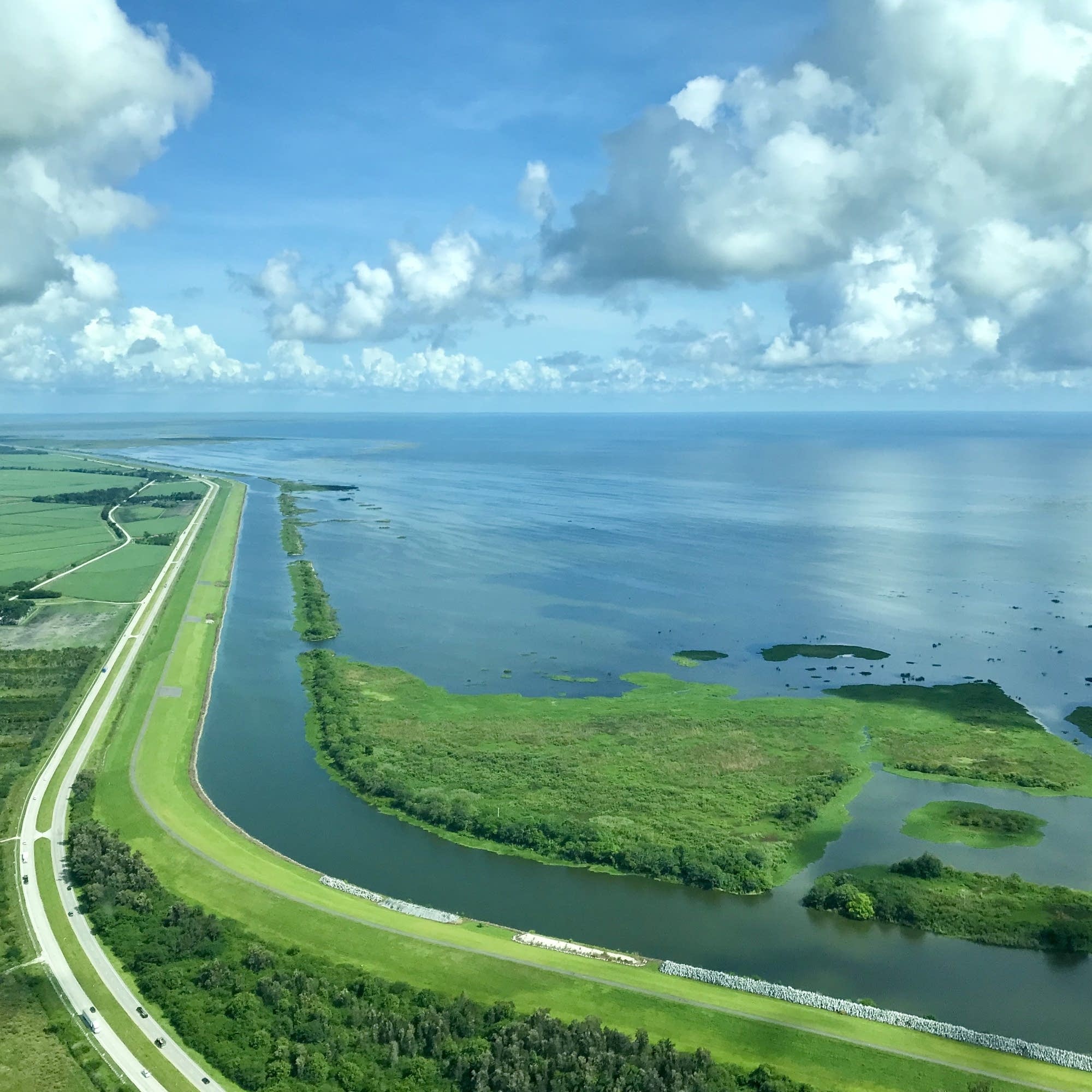
In this episode, we travel back in time to the place South Florida used to be — the Everglades before it was drained, developed and transformed into the megalopolis we know today. We start with a bird’s-eye view of the ecosystem. Then we get down on the ground to look at the consequences of drainage up close. Finally we discuss why a restoration plan passed more than two decades ago is more pressing now than ever before.
S2 Ep 6Betting Against a Storm
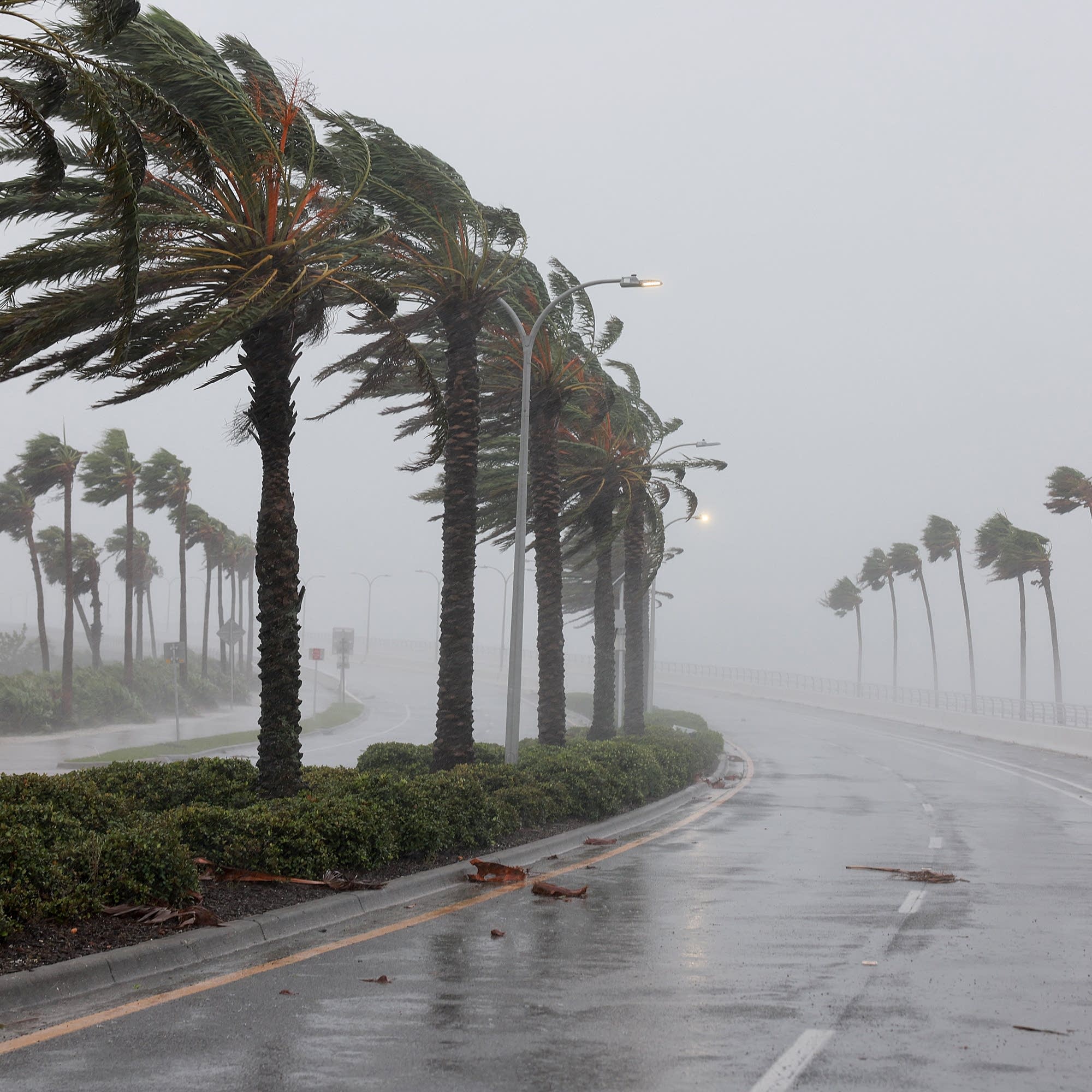
We’ve told you the insurance industry in Florida is in crisis. Or as one industry insider put it, it’s holding on by “a piece of chewing gum.”In this episode, we explore possible solutions. We dive into the business of reinsurance, or insurance for insurers (turns out you can insure almost anything, including insurance policies); and we look at another possible solution that was born from the wreckage of Hurricane Andrew 30 years ago: the catastrophe bond, a financial instrument that allows investors to bet against storms and make money on risk. So long as a big storm doesn’t wipe them out completely.
Special Episode: Ask Amy Anything
bonusYou asked, we answered. Listeners wrote in wanting to know: “Who the hell loans these people money for mortgages” in risky coastal areas? Who ultimately owns the risk? Do certain investments, like REITs, drive gentrification (and what the heck is a REIT, anyway)? And finally, we tackle the age-old riddle: to rent or to buy? This episode is devoted to answering listener questions.
S2 Ep 5Risky Business
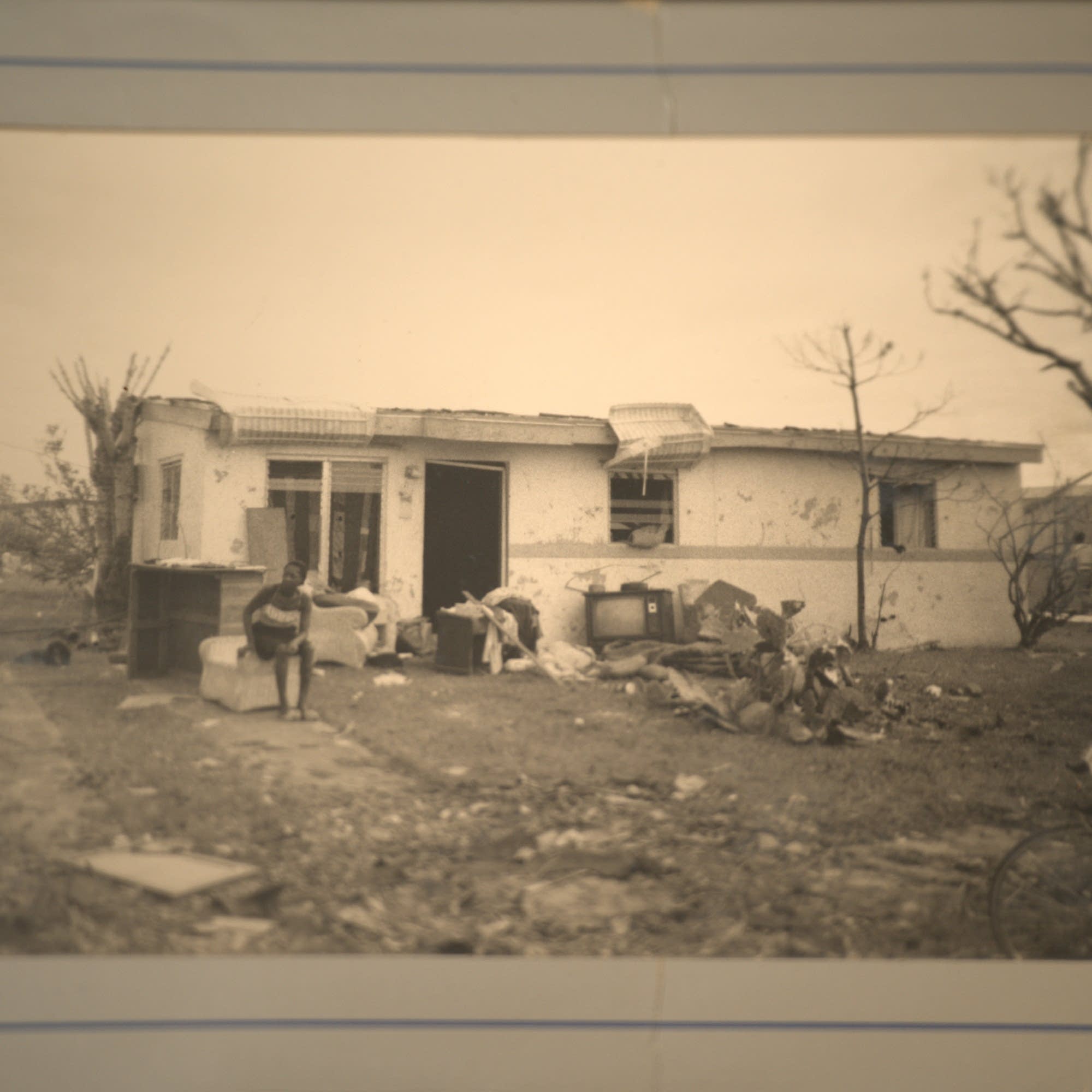
The insurance industry quietly rules our lives. It determines where and what we build. It’s also a linchpin of the housing market. Without it, homeowners can’t get mortgages. And without mortgages, most people can’t buy homes, and the whole housing market starts to collapse.In this episode, we dig into Florida’s broken insurance market and what’s at stake if we don’t fix it. And we look back at Hurricane Andrew, the 1992 storm that changed the insurance industry.
S2 Ep 4Built to Last
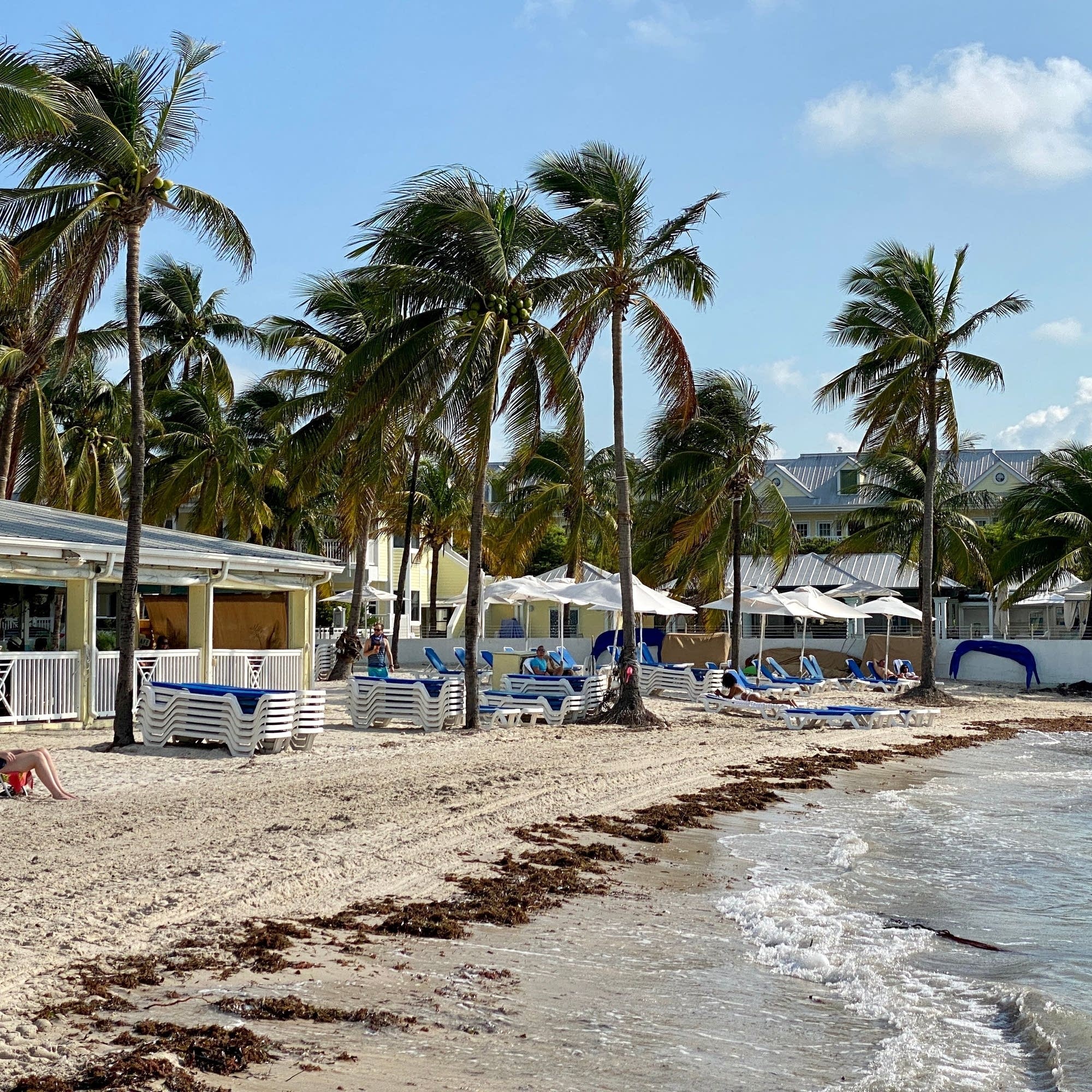
What do a burning shed, a beautiful above-ground bunker and an island of misfits all have in common? They are all places we visit on our hunt for solutions.This episode, we find out what it will take to stay in the places we love. We play around at a research lab where scientists are figuring out how to make our homes and buildings more resilient to the elements. Then, we leave the lab to see what it looks like to implement safer building methods and materials in real life; first, at a plastic surgeon’s impressive home — 18 feet above sea level. Then, we head south to explore an island where living with the water is a way of life.
S2 Ep 3Science Meets Fiction
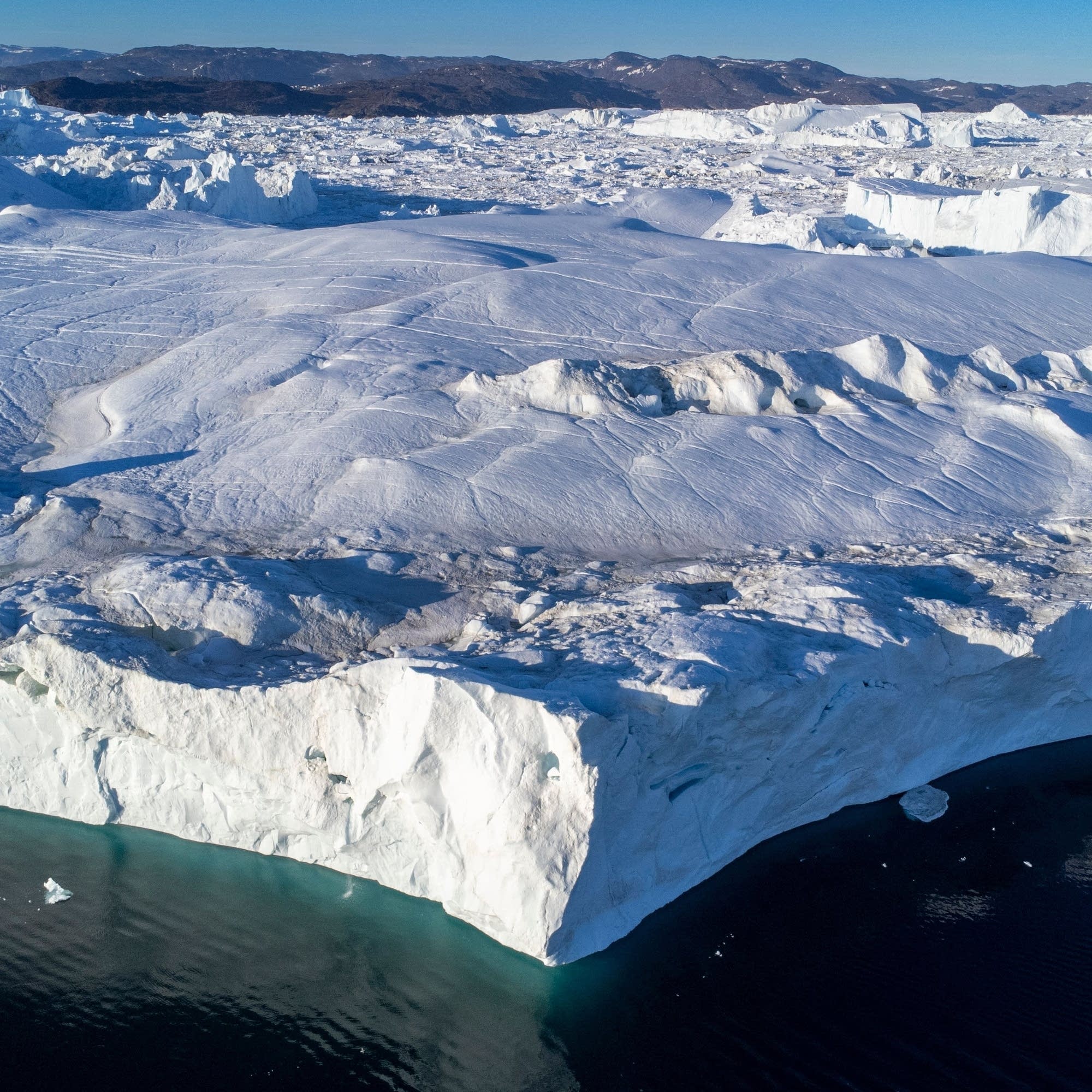
Buckle up, grab a hard hat, a tent (and maybe a snack). It’s going to be a bumpy ride! From camping on top of a glacier, right before billions of tons of ice melt off of it, to dealing with the aftermath of a hurricane that destroys Miami, this episode we’re diving head first into the realclimate predictions — and the imagined ways society will handle them. We’re unpacking why a glacier halfway around the world is causing sea levels around South Florida to rise faster, and then we’re heading to an imagined world (that doesn’t seem too far from reality) where millions of people in Miami and South Florida are displaced after a hurricane ravages the metro area. With every twist and turn of the episode, we’re exploring the ways we can still have hope in the face of what’s to come.
S2 Ep 2Little River
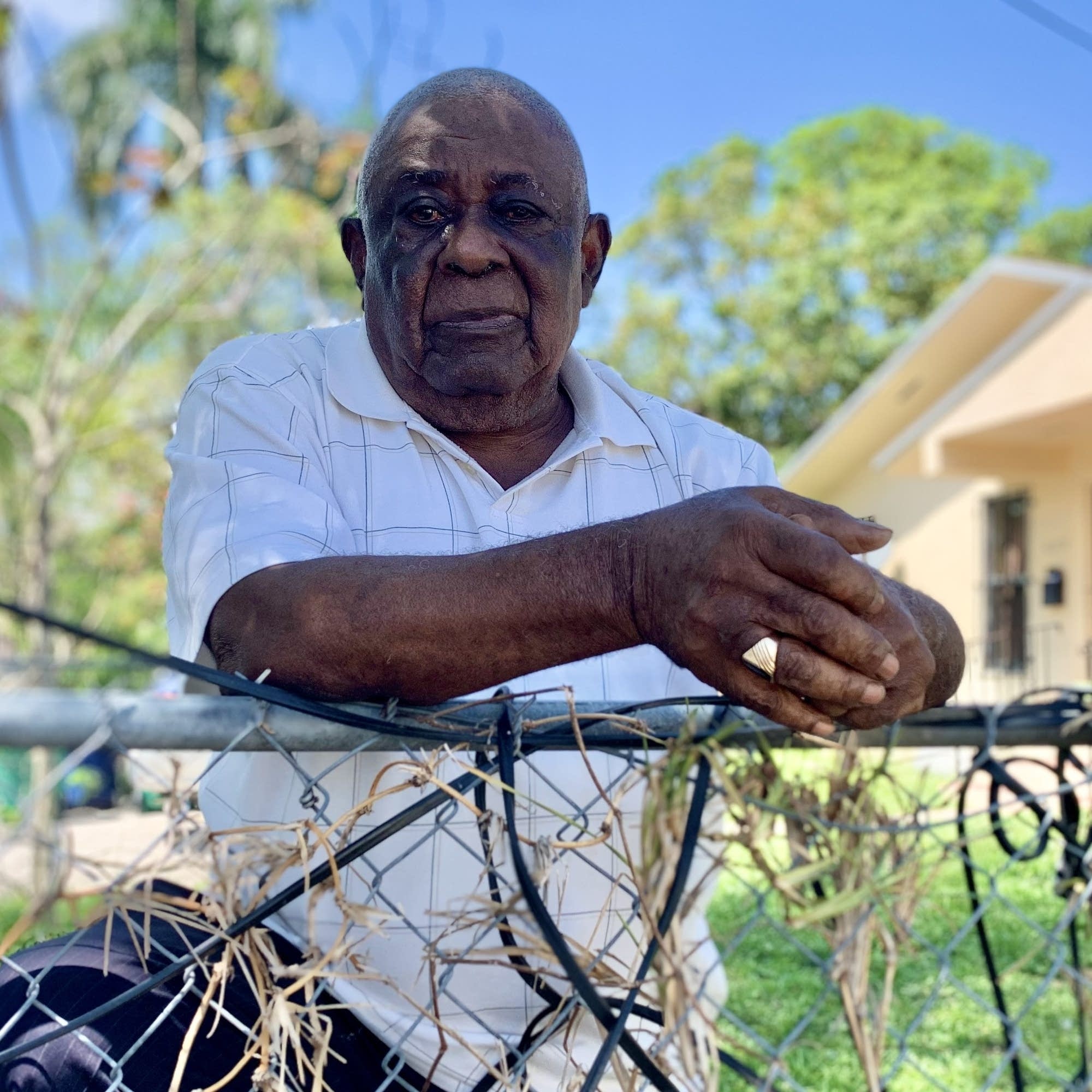
The Little River community in Miami is known for frequent flooding during heavy rains, high tides and storms. And when the neighborhood floods, sewage can spill into the yard; toilets back up. Even though it floods, the housing market here is hot. Long-time residents face displacement. This episode looks at flooding and flipping and how the two are related.
S2 Ep 1Selling Miami
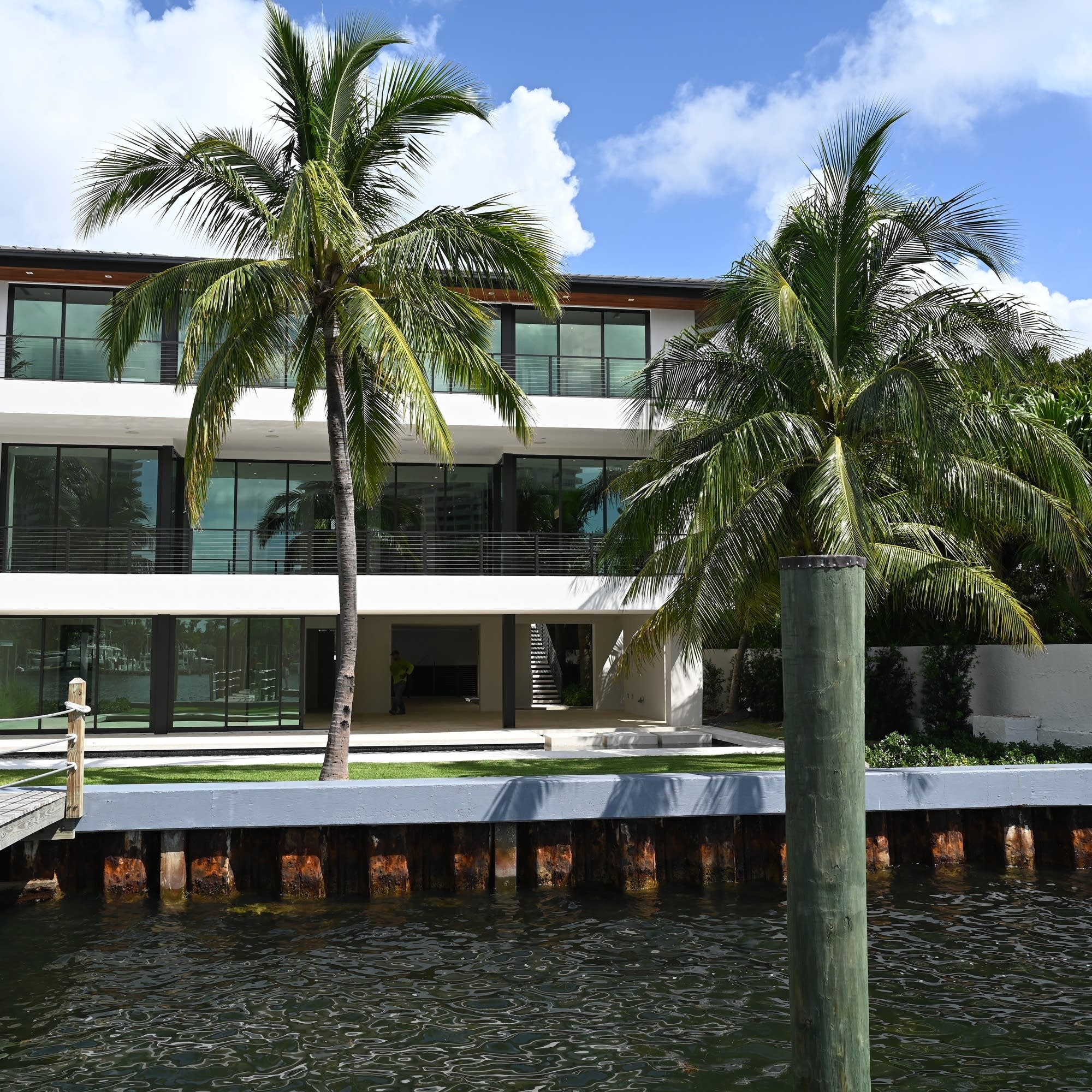
Whether you live on the coast or not, sea-level rise will have profound impacts on all of us. So we packed up our bags and headed to Miami, a city that is considered one of the most vulnerable coastal cities in the world. How Miami responds will serve as a test case for how other places around the country survive the effects of climate change. Experts say seas here could rise by 5 feet or more by 2100, eventually leaving whole parts of the city underwater. So if the city is doomed, why isn’t the housing market acting like it? From multimillion-dollar waterfront mansions to a flood-prone block miles from the beach, we went on the hunt for answers.
Prologue: Tracking a Catastrophe
A powerful hurricane was churning toward the southwest coast of Florida. It looked like it was going to be bad. So we hopped on a plane and headed first to Boston where we embedded with a team of catastrophe modelers who were tracking the disaster and calculating the potential losses.The number they came up with is staggering high: $100 billion. And only $63 billion of that is insured.We then visited Gasparilla Mobile Home Estates in Placida, Florida to see what these data points looked like on the ground, and talk to people who lost everything.
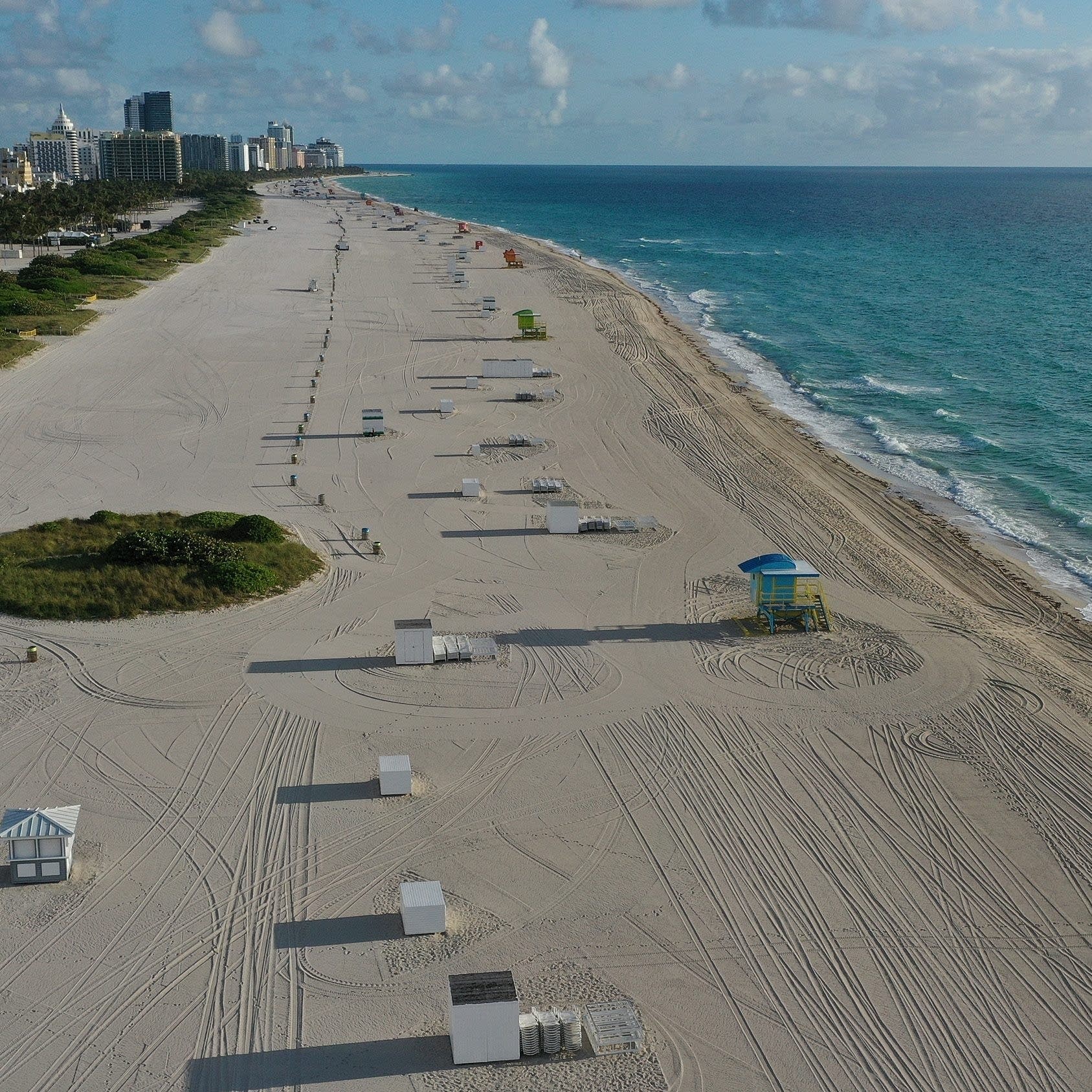
Introducing “How We Survive Season 2: Saving Miami”
trailerThere’s the mythical version of Miami, the version that’s all about wealth and glamour and a never-ending party on the beach. And then there’s the real Miami, a deeply unequal place that could eventually be swallowed up by the Atlantic Ocean because of glaciers melting halfway around the world. Miami has been called the most vulnerable coastal city in the world because of climate change. South Florida could be one of the first places in the United States to see true devastation wrought by the climate crisis, devastation that threatens its very existence. This season, we’re asking: How will South Florida survive sea-level rise?
S1 Ep 8How We Change
Technology will help us avoid the worst outcomes of the climate crisis, and it’ll help us adapt to a warming planet. But technology alone can’t save us. Humans need to make profound changes. We need to change our behavior, our consumption, our policies and our mindsets.In the final episode of the season, we talk to a climate psychologist about how our minds react to change and hear from a politician relying on Fergie and Megan Thee Stallion to get Americans excited about energy policy. We also visit an encampment in the desert where people are already adapting to a changing climate, living off-grid and generating their own renewable energy.

S1 Ep 7The Better Battery
Imagine a future where all the lithium we need has already been extracted from the ground and is endlessly recycled. Or where the batteries we use to store renewable energy are made from abundantly available materials — like salt.This episode, we visit a lab where a couple of brilliant scientists are trying to build the batteries of the future. And we drop in on a company that’s extending the life cycle of lithium through something called “urban mining.”
S1 Ep 6Sci-Fi Intermission
Our favorite place to look for climate solutions: Science fiction. In fact, sci-fi (and its sub-genre, cli-fi) is what got us thinking about adaptation in the first place. Cli-fi can get a little bleak — weather turns deadly; earth becomes uninhabitable; humans flee to space. And while it’s entertaining to imagine the worst-case scenarios, the best of the writing is hopeful. It allows us to dream up solutions that don’t involve billionaires, rockets or climate-changing satellite stations. This week, Molly sits down with climate fiction author Kim Stanley Robinson to discuss his most recent book, “The Ministry for the Future,” which almost reads as a blueprint for saving the planet.
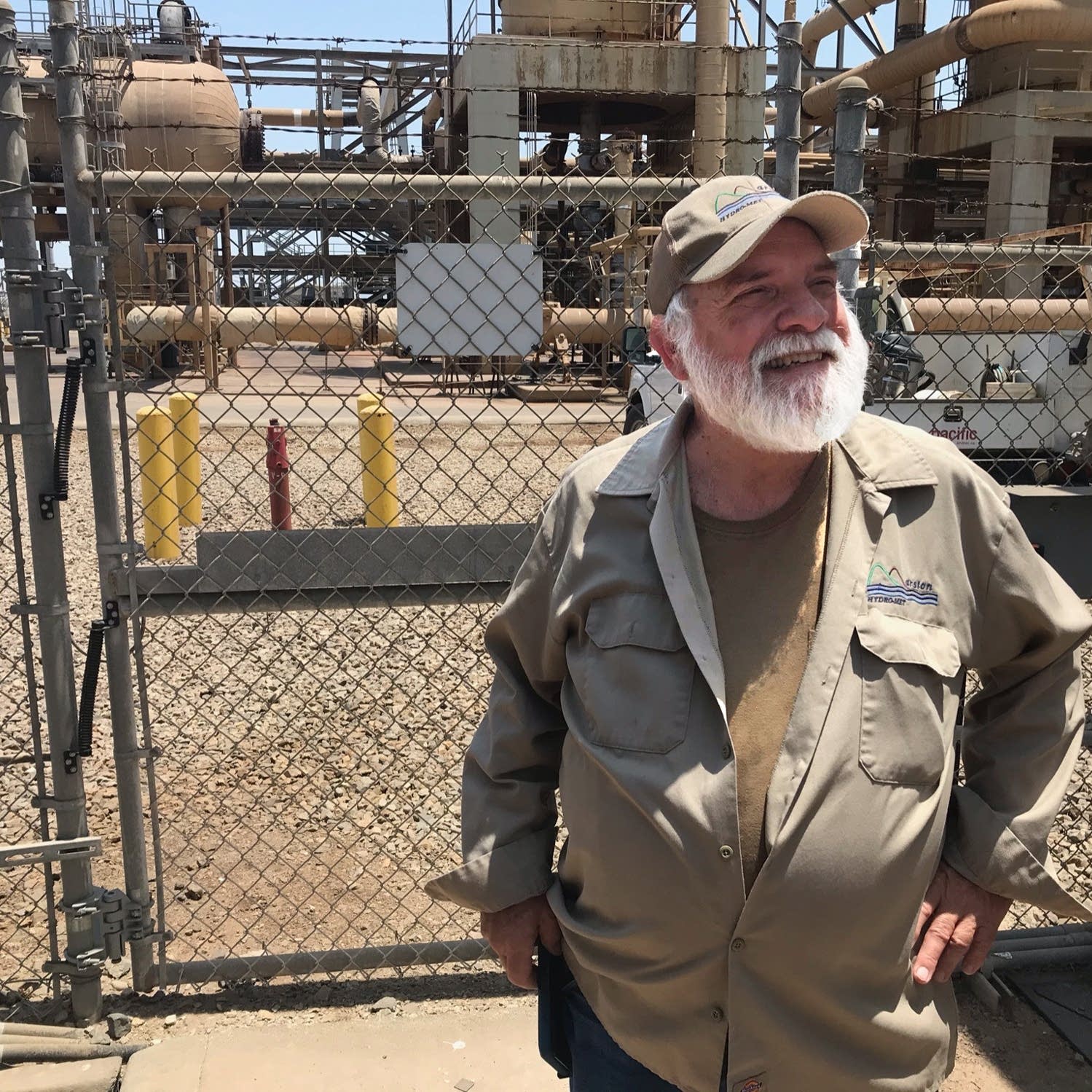
S1 Ep 5Gnarly Brine
Our journey through the California desert continues. We visit the quiet front-runner in the race to extract lithium from the superhot, corrosive brine bubbling underground. And we dive into the past to look at an earlier attempt to harvest lithium from the Salton Sea. That project ended in failure, but its patents live on. And those patents could be a roadblock for the companies racing to extract the “white gold” today. With millions of dollars invested and a global supply of lithium waiting below the Salton Sea, there is a lot on the line.
S1 Ep 4The Resource
We’re back on the road this week, to California’s Salton Sea, a salty lake in the desert that was once marketed as “Palm Springs with water.” Today the water is receding and increasingly toxic. The community that once thrived here now has one of the highest unemployment rates in the country. But there is some hope. There’s a huge amount of lithium all around the Salton Sea in the bubbling hot brine deep underground. Some hopeful modern-day 49ers have big plans to get it out. If they can only succeed, the lithium here could meet 40 percent of the world’s demand.
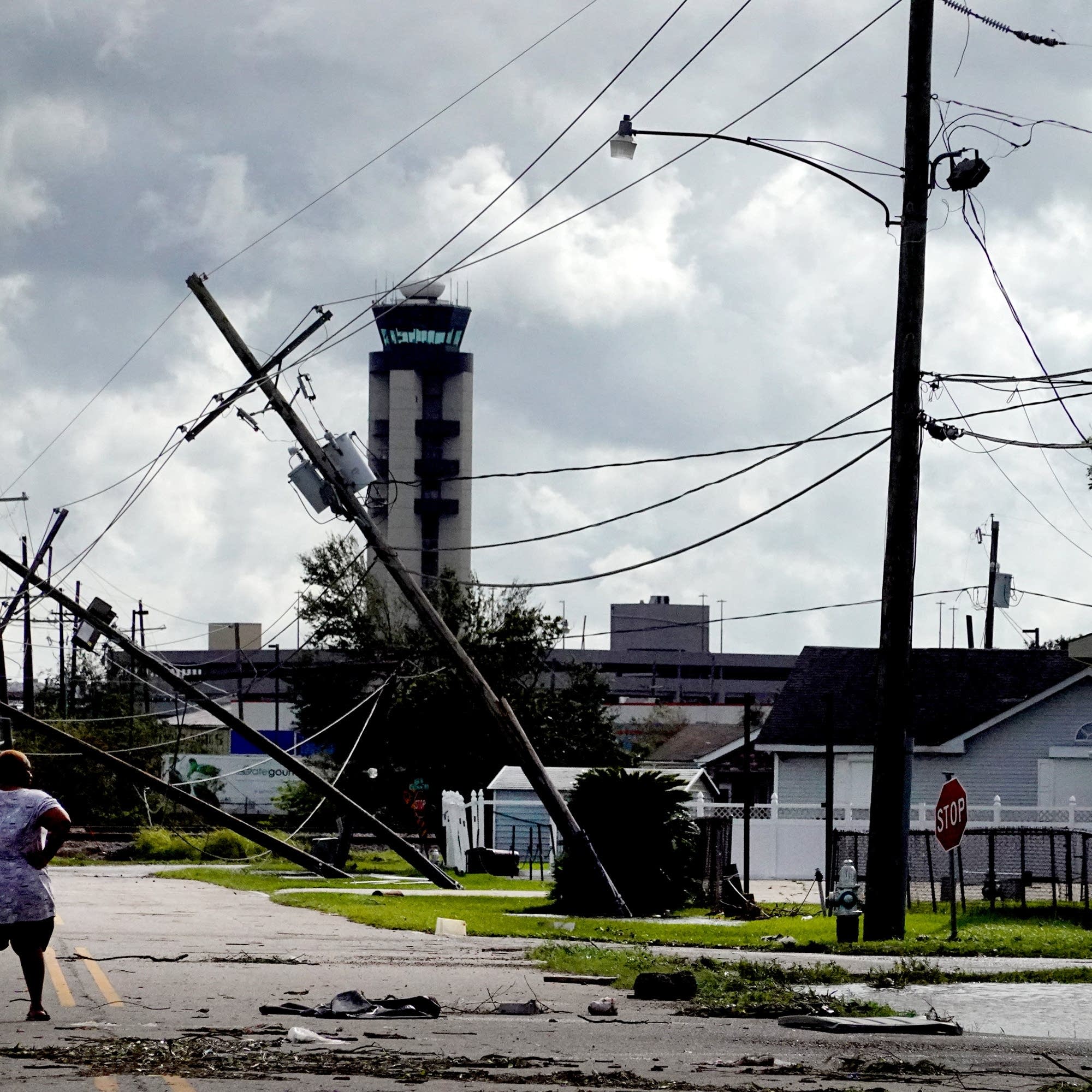
S1 Ep 3Electrify Everything
To survive the climate crisis, we need to electrify everything: our cars, of course, but also our appliances, homes, mass transit, entire neighborhoods and cities. Everything. That’s no small task. So to better understand why electrifying everything matters, and how we’re going to do it, we look at the aftermath of a natural disaster and talk to one man who used batteries to save lives. Then we spend a little time with an entrepreneur whose vision for an electric future includes turning every building into a Tesla (sort of). And we talk to U.S. Energy Secretary Jennifer Granholm on how we can seize this moment.
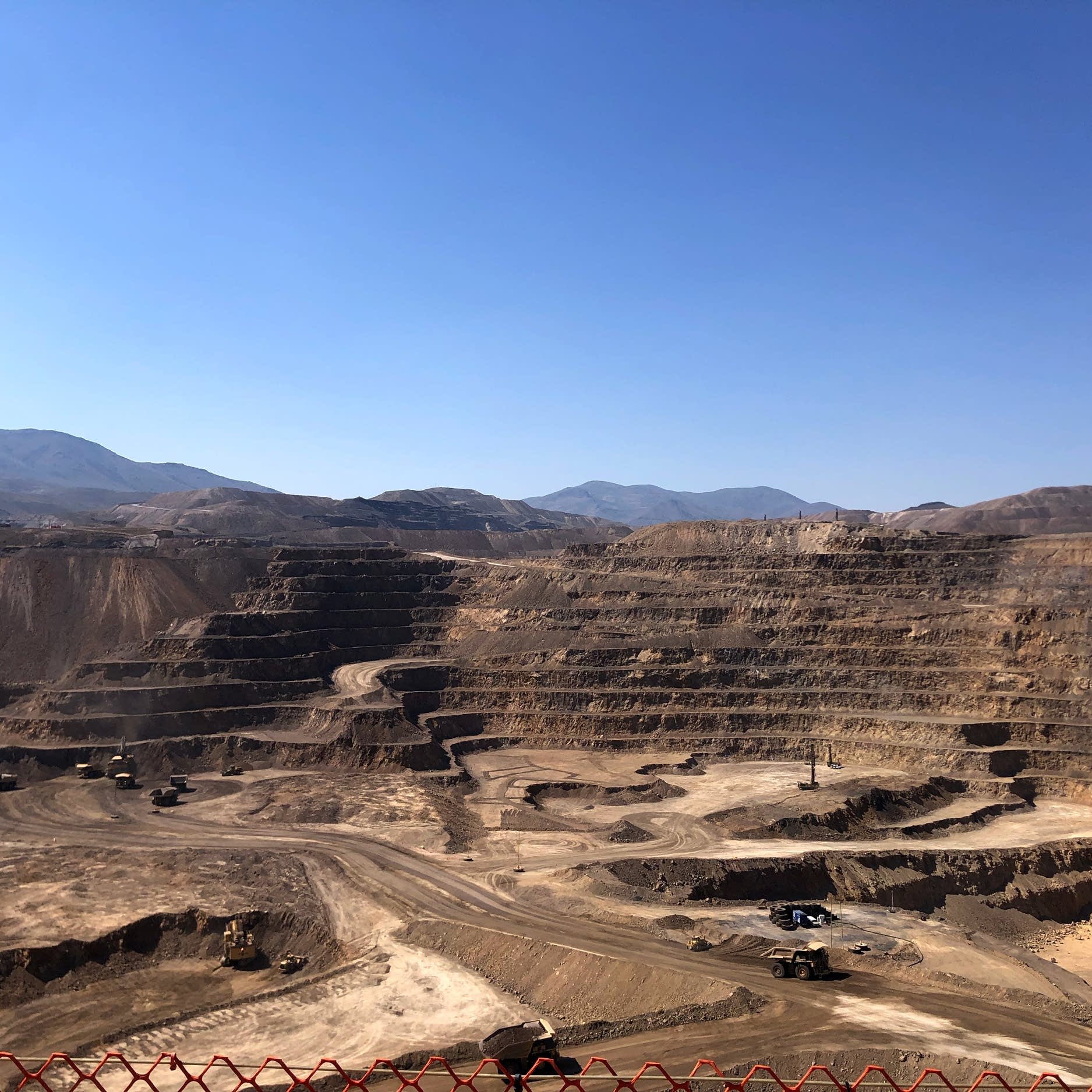
S1 Ep 2The Necessary Evil
Mining is a complicated business. It’s destructive, it’s dangerous. But in order to get the lithium we need to power the energy transition, mining could be a necessary evil.In this episode, we go from protests in South America to a gold mine in Nevada, where we take a ride on what looks like a massive Tonka truck, all in the hopes of finding out if there’s a better way to do things while getting the metal we need to survive.After talking to mining experts, environmental justice advocates and a very vocal CEO, we get some answers.

S1 Ep 1White Gold
To get off fossil fuels, you need a lot of batteries. To get a lot of batteries, you need to mine a lot of lithium. Welcome to Thacker Pass, Nevada, where a proposed lithium mine has sparked protests from farmers, ranchers and the native Paiute–Shoshone tribe.Some tribal members reject the idea that they should sacrifice their ancestral home for the climate fight, while others say that their history is being distorted and co-opted by protestors. And farmers and ranchers in the area who have never had to sacrifice their way of life really don’t want to. We traveled to Thacker Pass to report on a fractured community thrust to the front line of the fight to save us all.
Introducing “How We Survive”
trailerThe climate crisis is here. The Western U.S. is burning, much of the Northeast is underwater after a hurricane and towns in Europe are swept away by massive floods. Time is slipping away to stop the worst effects of a warming planet, and the world is looking for solutions.On “How We Survive,” Molly Wood explores the technology that could provide some of those solutions, the business of acclimatizing to an increasingly inhospitable planet, and the way people have to change if we’re going to make it in an altered world.Decarbonization requires a lot of batteries, and many batteries require lithium. The need for lithium is driving a modern gold rush for the metal that could save the world, but relies on an old, dirty technology: mining. This season, we’ll dive deep into the economics, the tech and the human stories behind the rush for “white gold.” And unlike the gold rush of the 1800s, this time, our survival might depend on it.It all starts Oct. 6. Listen to the trailer now and be sure to follow the show so you don’t miss an episode.