How To Love Lit Podcast
301 episodes — Page 3 of 7
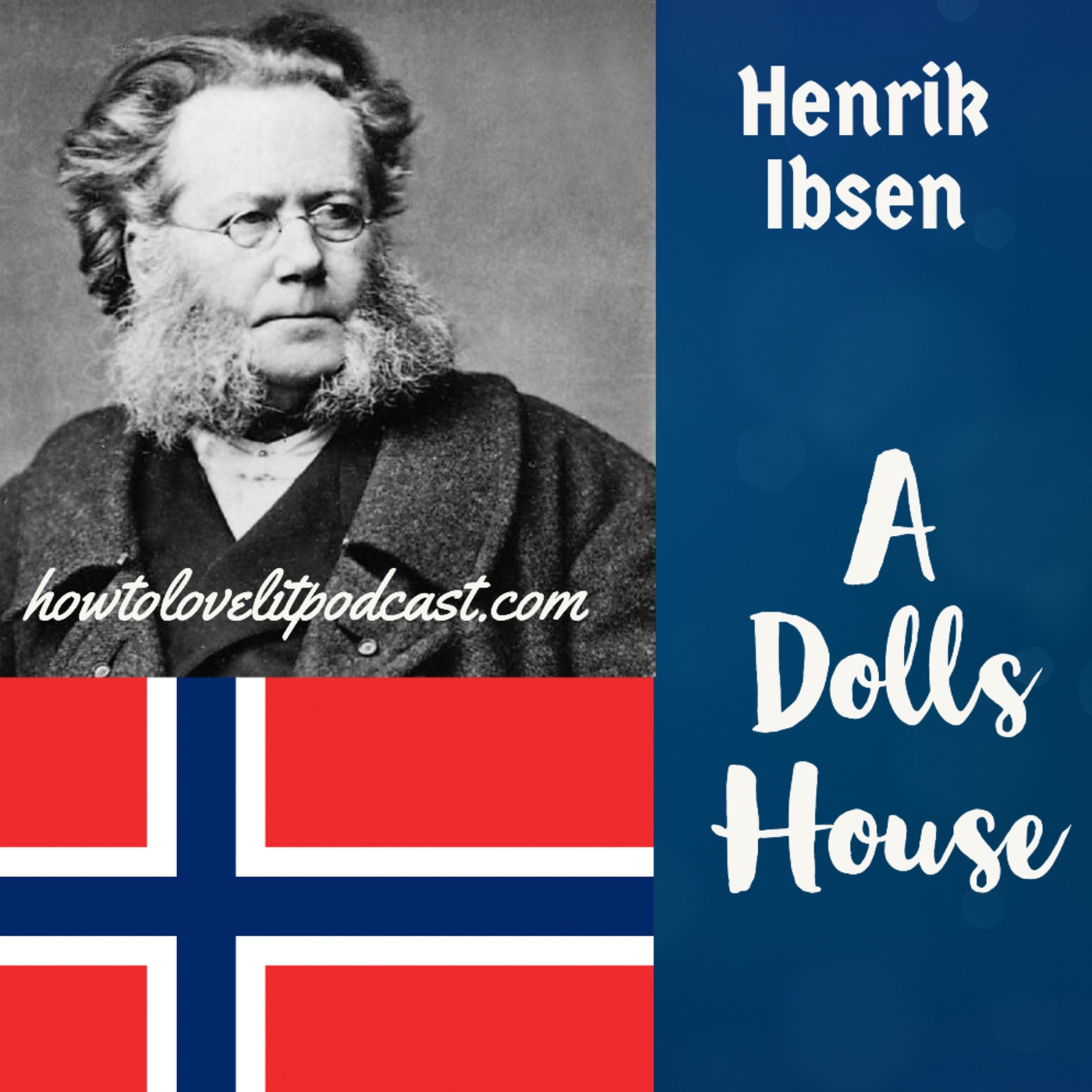
S1 Ep 127A Dolls House || Henrik Ibsen || Episode 2 || Is It Or Is It Not A Feminist Play?
A Dolls House - Henrik Ibsen - Episode 2 - Is It Or Is It Not A Feminist Play? Hi, I’m Christy Shriver and we’re here to discuss books that have changed the world and have changed us. I’m Garry Shriver and this is the How to Love Lit Podcast. This is episode two in our three part series over Ibsen’s explosive play A Doll’s House. Last week, we looked briefly at the life of Ibsen, his early origins in Norway, the beginning of his career all the way to this play- the one that launched him into stratosphere of Theater greats- It still amazes me that his plays are only outperformed by those of William Shakespeare. Crazy!!! We also looked at the very very beginning of this play- we entered the doll house by meeting Nora as she came back from a shopping trip. We talked about her unique role in this play- she is the entire focus of the play- Nora IS the doll- but we also began to expand the metaphor a little bit because we are also introducing the idea that Nora is not the only person playing a part- maybe she isn’t the only doll in the house. No, I don’t think she is- although she’s the most interesting and the focus, no doubt. This play is fascinating because there are so many subtle details that leave subtext about so many psychological and sociological ideas- this is, to a greater or lesser degree- a play about someone we all know- if not about ourselves. To what degree do we all play parts and to what degree do we want to? Do we use people? Are we used being? Are we in a relationship where both parties are using each other? What are the moral implications of this? Does an arrangement like this bring happiness? What are the inevitable consequences- and are these consequences different for men and women because of the different roles we absolutely can’t escape either sociologically or biologically on planet earth? And it is that last question that we will start discussing today. Because, if you google this play at all, the unanswered question that has plagued this play- to the chagrin of Ibsen himself for over 100 years is this- IS or is this NOT a feminist play? Is Ibsen advocating for women’s rights? HA!! It’s really amazing that so many books that have staying power over the centuries end up landing on gender politics? From Antigone to Wuthering Heights to The Scarlet Letter and the Great Gatsby- gender politics is absolutely inescapable at one level or another. Well, it absolutely IS- and speaking of gender politics in the 20s, Hermann Weigand a notable literary critic of that time period once said about having watched the doll’s house that “he was, like all men, momentarily shaken by the play. He said this, “Having had the misfortune to be born of the male sex, we slink away in shame, vowing to mend our ways.” Ha! That’s funny. I get the feeling since I’ve also had that very same misfortune that I’m supposed to feel that way after watching a lot of things. Indeed, and, that of course IS the goal of most things women write (I’m kidding- I’m not trying to insult anybody, just having a bit of fun), but having said that, Henrik Ibsen absolutely ran from this “feminist” label. So much so that in May 1898, he gave a speech at a banquet held in his honour by the Norwegian Women’s rights league and this is what he said at the speech. “I am not a member of the Women’s Rights League. Whatever I have written has been without any conscious thought of making propaganda. I have been more the poet and less the social philosopher than people generally seem included to believe. I thank you for the toast, but must disclaim the honor of having consciously worked for the Women’s Right’s Movement. I am not even quite clear as to just what this Women’s Rights Movement really is. To me, it has seemed a problem of mankind in general. And if you read my books carefully you will understand this. True enough, it is desirable to solve the woman problem, along with all the others; but that has not been the world purpose. My task has been the description of humanity. To be sure, whenever such a description is felt to be reasonably true, the reader will read his own feelings and sentiments into the work of the poet. These are then attributed to the poet; but incorrectly so. Every reader remolds the work beautifully and neatly, each according to his own personality. Not only those who write but also those who read are poets. They are collaborators. They are often more poetical than the poet himself. With these reservations, let me thank you for the toast you have given me. I do indeed recognize that women have an important task to perform in the particular directions; this club is working along. I will express my thanks by proposing a toast to the League for Women’s Rights, wishing it progress and success. The task always before my mind has been to advance our country and to give our people a higher standard. To achieve this, two factors are important. It is for the mothers, by strenuous and sustained labor, to awaken a conscious feeling
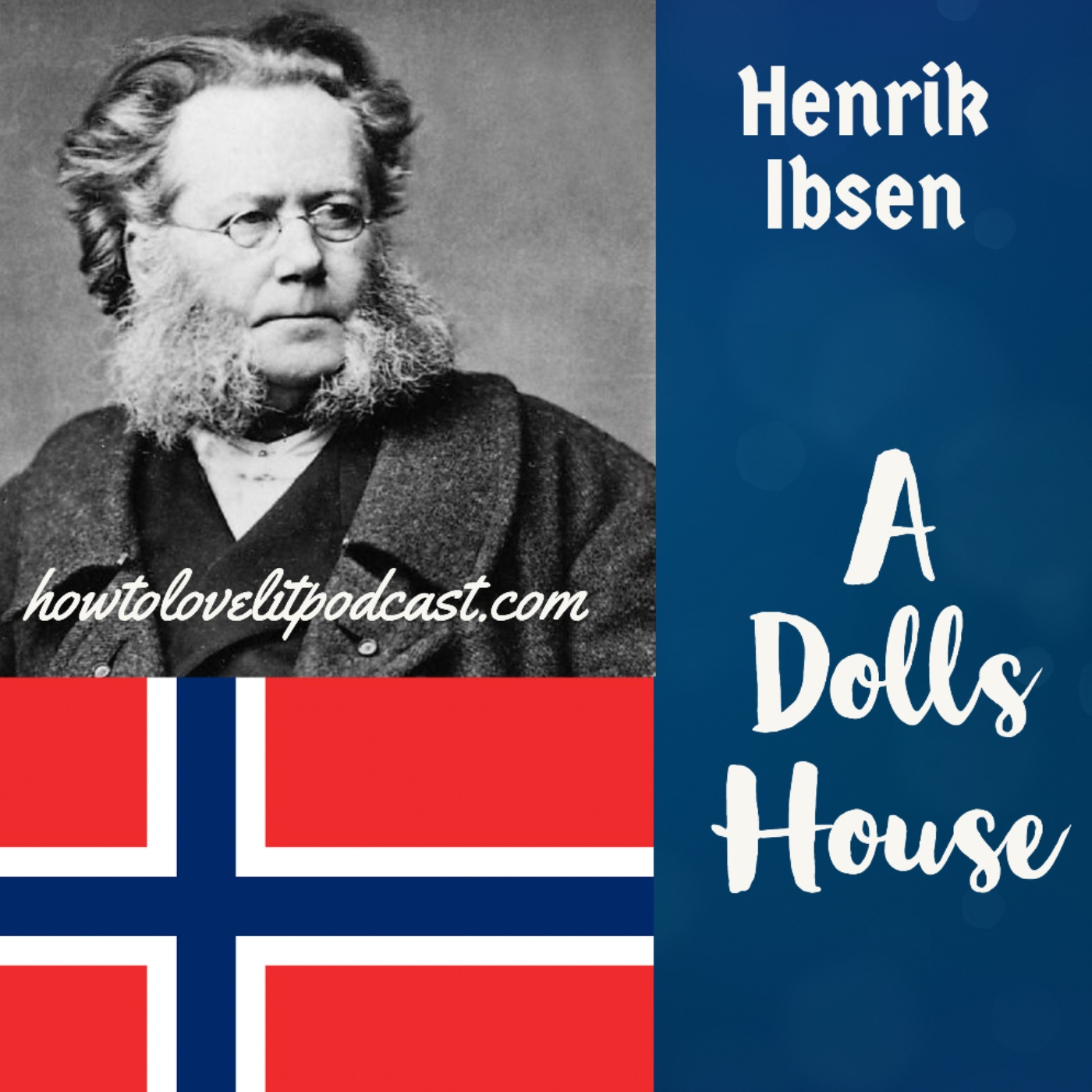
S1 Ep 126A Doll‘s House || Henrik Ibsen || Episode 1 || Norway At Its Literary Best!
A Doll's House - Henrik Ibsen - Episode 1 - Norway At It's Literary Best! Hi, I’m Christy Shriver and we’re here to discuss books that have changed the world and have changed us. I’m Garry Shriver and this is the How to Love Lit Podcast. Today we begin our series on Henrik Ibsen and his great play- A Doll’s House. Ibsen was born in Norway, a country that shines a bright light on our view of the world more than most of us realize because it’s such a small place geographically. . Haha- shines a light- is that a pun- Norway is, after all, the land of the midnight sun! Where in the summer, the sun literally shines at midnight. Well, there is that, but I was actually thinking about the tremendous influence of the Nobel committee and the prestigious Nobel Peace Prize the famous committee that grants every year since 1901 on December 10th, from Oslo City Hall. There they announce which human, in their estimation, on planet earth has conferred the greatest benefit on mankind. What an amazing designation. Oh, that’s pretty important too. I know this is a tangent, but why IS the Nobel Peace Prize selected by and given out by Norwegians instead of the Swedish people, since Alfred Nobel was Swedish and not Norwegian. That’s a really good question, and I’m not sure anyone knows- but it was definitely stipulated by Alfred Nobel at his death that although the other awards would be awarded in Stockholm, the Peace Prize would be awarded in Oslo, Norway and it has been ever since. Norway is a country that has established itself for many years at the top of the lists of “best places to live on planet earth”- a designation it won again in 2020. It has the highest life expectancy in the world, (82.4 average) in case you’re wondering, second place went to Ireland, btw. It’s population on average is one of best educated in the world, and the gross national income is ranked third behind Switzerland and again Ireland. Wow, and yet Christy, I wonder if you would like living there- let me remind you that the average temperature in the summer is 65 degrees Fahrenheit or 18 degrees Celsius. I know, growing up in tropical climates where the average summer temperature is in the 90s or high 30s Celsius, I would definitely have to buy a new wardrobe, but that’s not always a negative. Ha! No, I guess that’s true. Norway is also a land we generally think of for its striking outdoor beauty characterized by those magnificient fjords. Fjord is one of the few Norwegian words that almost everyone knows. It literally means where one fares through- and if you see pictures of them, that makes sense why. They are fairy-tale like, truly and can be hundreds of miles long. Of course, Norway isn’t the only place where they exist, but they have over 1700 of them and two are featured on UNESCO’s world heritage list. Garry, describe what a fjord is for those of us, which includes me, who have never seen them. Well, I’ve never seen them in person either..yet…but I will. They are long narrow inlets of water with steep cliffs on both sides that were created by glaciers thousands of years ago. They are astonishingly deep, often thousands of feet or meters deep. They say one of the best ways to seem them is on a cruise ship, so that’s my plan. Ha!! Sounds like a great plan. Of course, right after Fjords and the Nobel Prize, the next thing that comes to mind when we think of Norway is still not Ibsen but- Vikings. Oh Vikings for sure have put their mark on northern Europe, and many of us have a very specific image in our minds of raiding warriors arriving in those amazing ships that could move around 15-17 knots. And although, the Vikings are mostly known for colonizing and conquering, which could be viewed negatively, you would be happy to know that women’s rights date back to before the 1100s among vikings. Women had the right to divorce, own property and were protected by law from sexual harassment. Well, there you go, and I guess that’s a good Segway to the reason for our interest today in Norway- because after those things- when we get to famous Norwegians, it’s hard to find one more well known then their native son, Henrik Ibsen, who was also quite the feminist- although as we will talk about next episode- he fought that label as he fought all labels. Yes- I guess he did. But let’s jump back just a little before we talk about Ibsen specifically, to talk a little more bit about Norway, because this little country has made such an important impact on the world but it isn’t a country that necessarily and deliberately draws a lot of attention to itself. I guess that’s true. Are you talking about Lasse Matberg- the real live version of Thor- Instagram and basically the internet has gone nuts over. Okay- Christy- no drooling. I was thinking King Harald the fifth. Most of us don’t even realize it is a constitutional monarchy with a very active monarch, Harald V who is 84 years old is known as a symbol of consolation and support; he and his beautiful queen Sonja- e
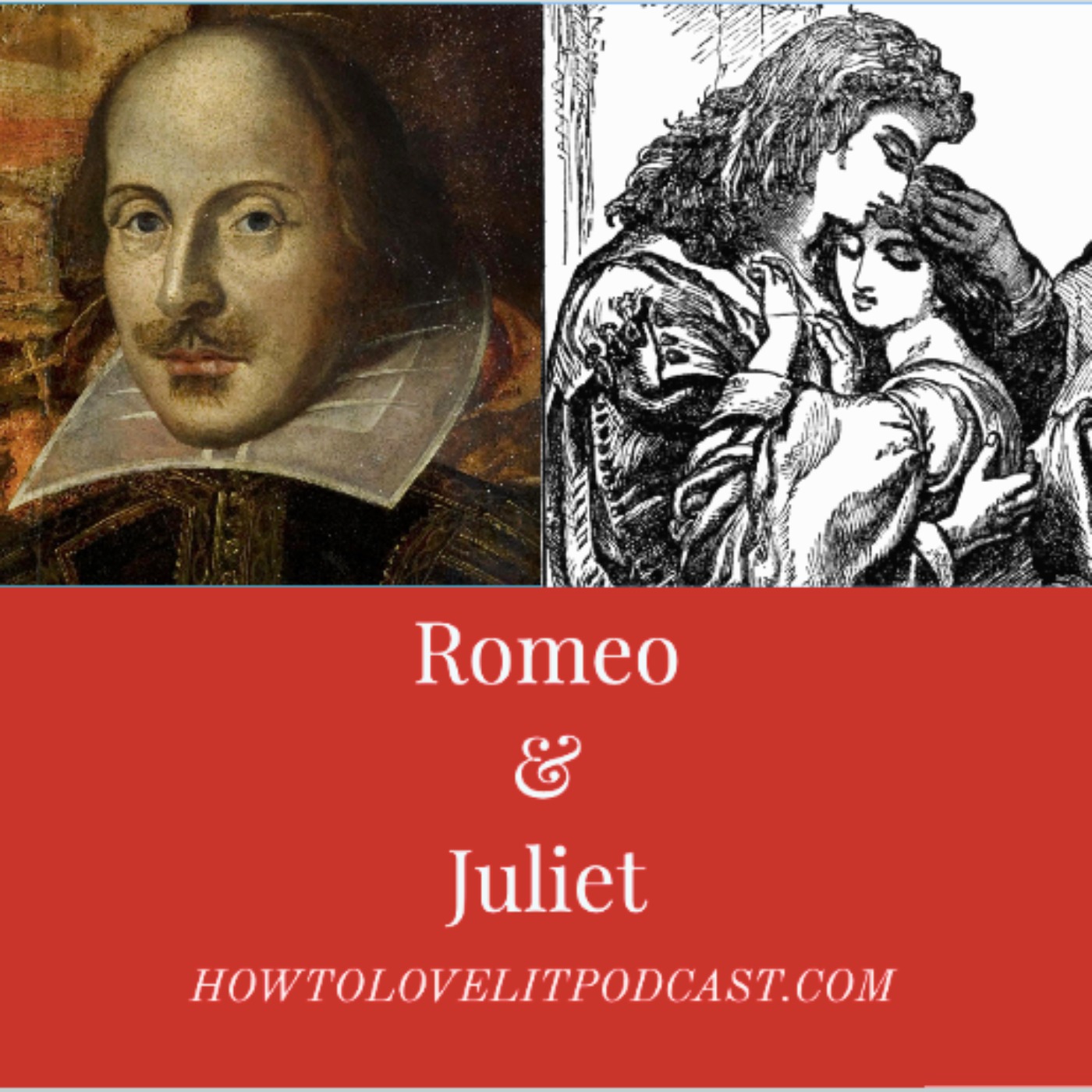
S1 Ep 125Romeo & Juliet || William Shakespeare || Episode 5 || The Worst Way To End A Story...And Become A Classic!
Romeo & Juliet - William Shakespeare - Episode 5 - The Worst Way To End A Story...And Become A Classic! Hosted on Acast. See acast.com/privacy for more information.
S1 Ep 124Romeo & Juliet || William Shakespeare || Episode 4 || The Power Of Impulse And Really Bad Ideas!
Romeo & Juliet - William Shakespeare - Episode 4 - The Power Of Impulse And Really Bad Ideas! Hosted on Acast. See acast.com/privacy for more information.
S1 Ep 123Romeo & Juliet || William Shakespeare || Episode 3 || From Comedy To Tragedy!
Hosted on Acast. See acast.com/privacy for more information.
S1 Ep 122Romeo & Juliet || William Shakespeare || Episode 2 ||The Most Iconic Lines In All Of Literature!
Hosted on Acast. See acast.com/privacy for more information.
S1 Ep 121Romeo & Juliet || William Shakespeare || Episode 1 || Meet The Author And The Play!
Romeo & Juliet || William Shakespeare || Episode 1 || Meet The Author And The Play! Hosted on Acast. See acast.com/privacy for more information.
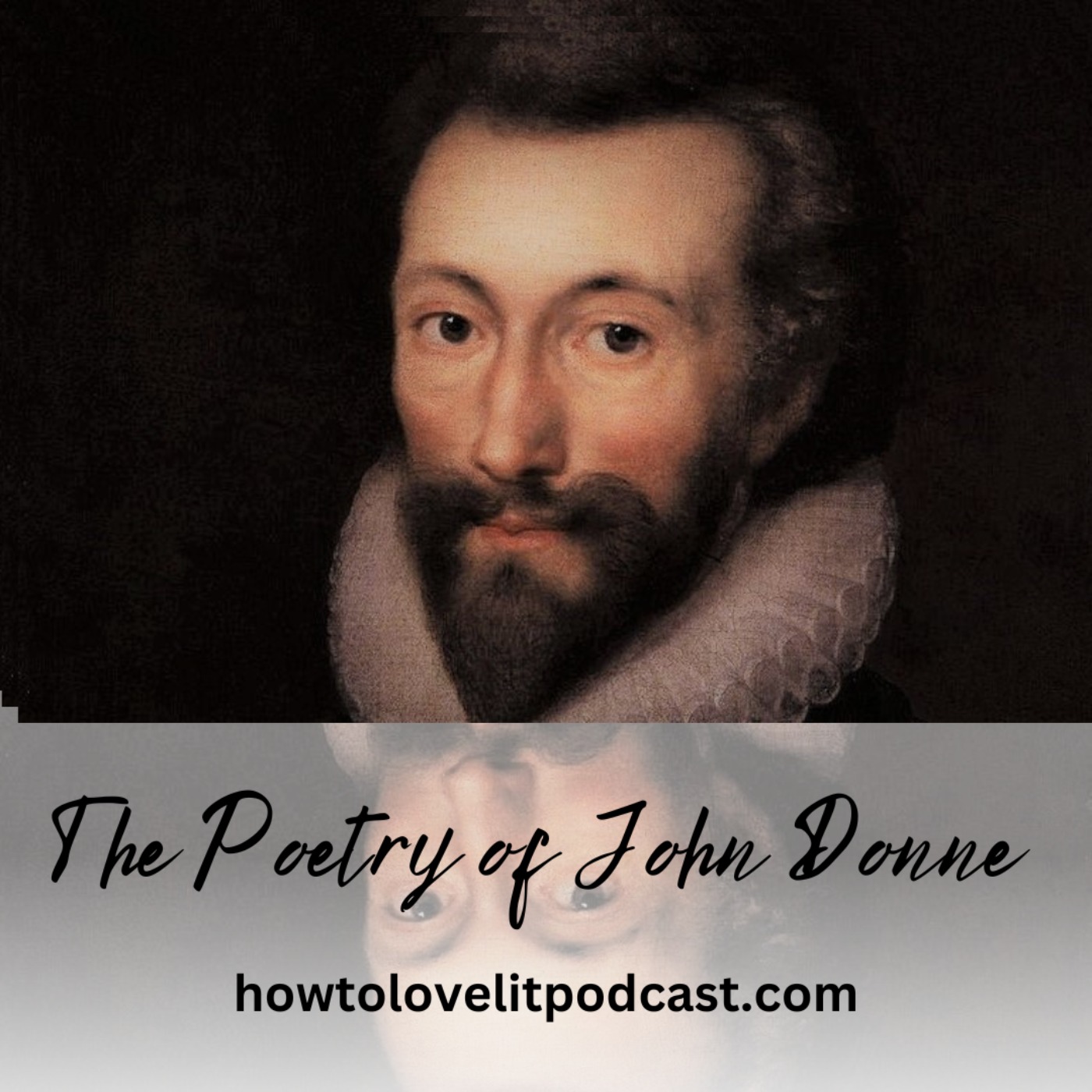
S1 Ep 256The Poetry Of John Donne || Episode 3 || The Holy Sonnets & Mediation 17
The Poetry Of John Donne || Episode 3 || The Holy Sonnets Hosted on Acast. See acast.com/privacy for more information.
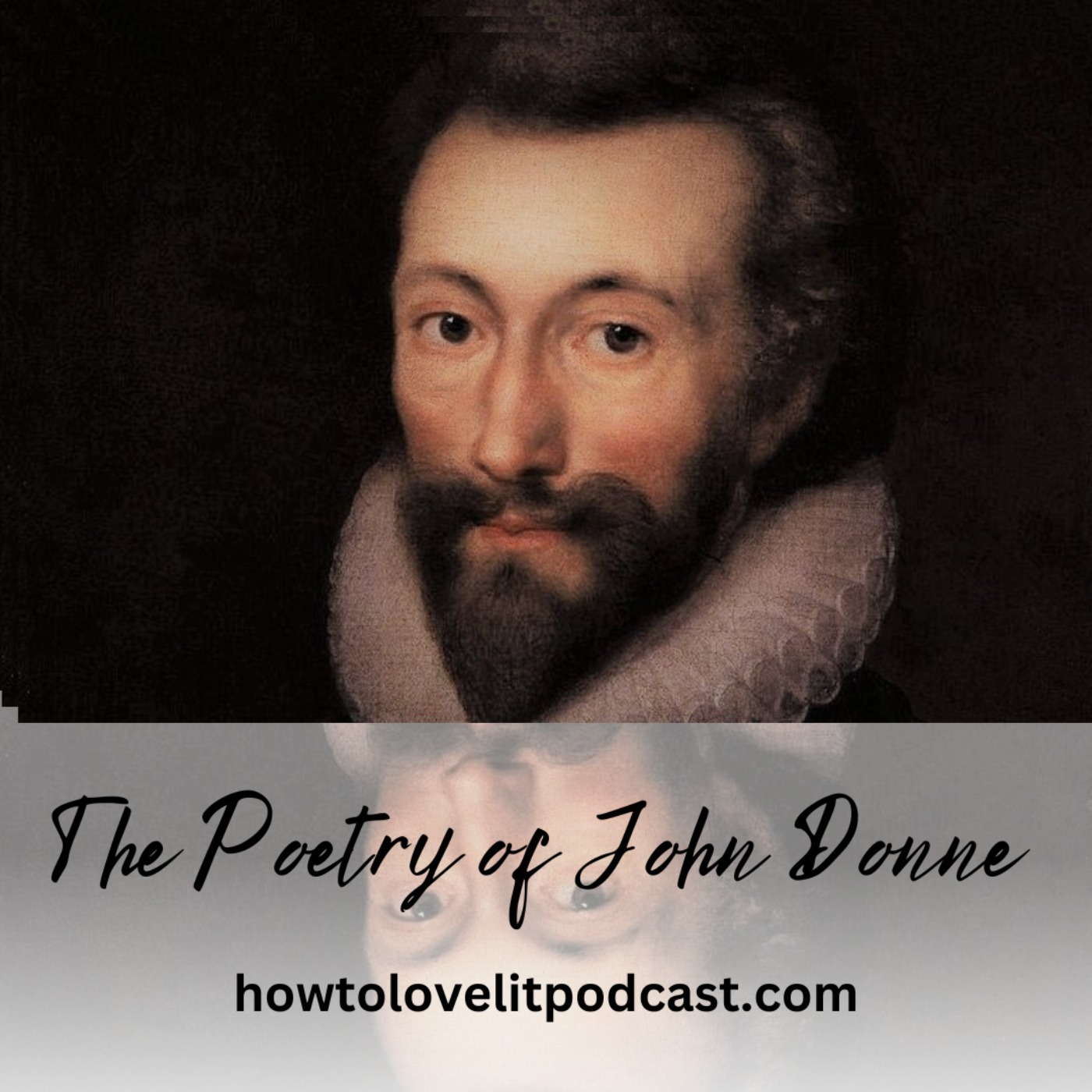
S1 Ep 255The Poetry Of John Donne || Episode 2 || A Valediction: Forbidding Mourning
The Poetry Of John Donne || Episode 2 || A Valediction: Forbidding Mourning Hosted on Acast. See acast.com/privacy for more information.
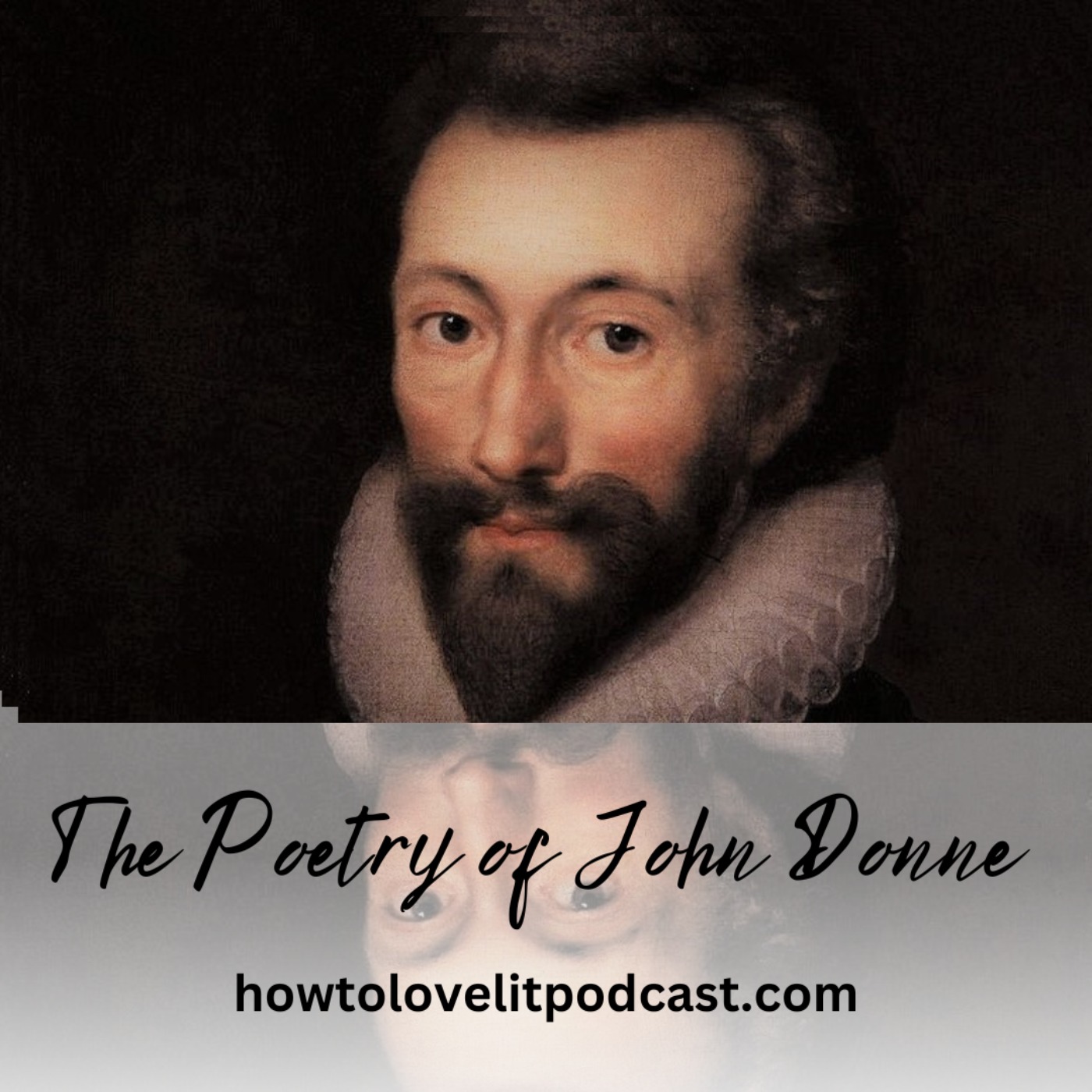
S1 Ep 254The Poetry Of John Donne || Episode 1 || The Flea
The Poetry Of John Donne ll Episode 1 Hosted on Acast. See acast.com/privacy for more information.
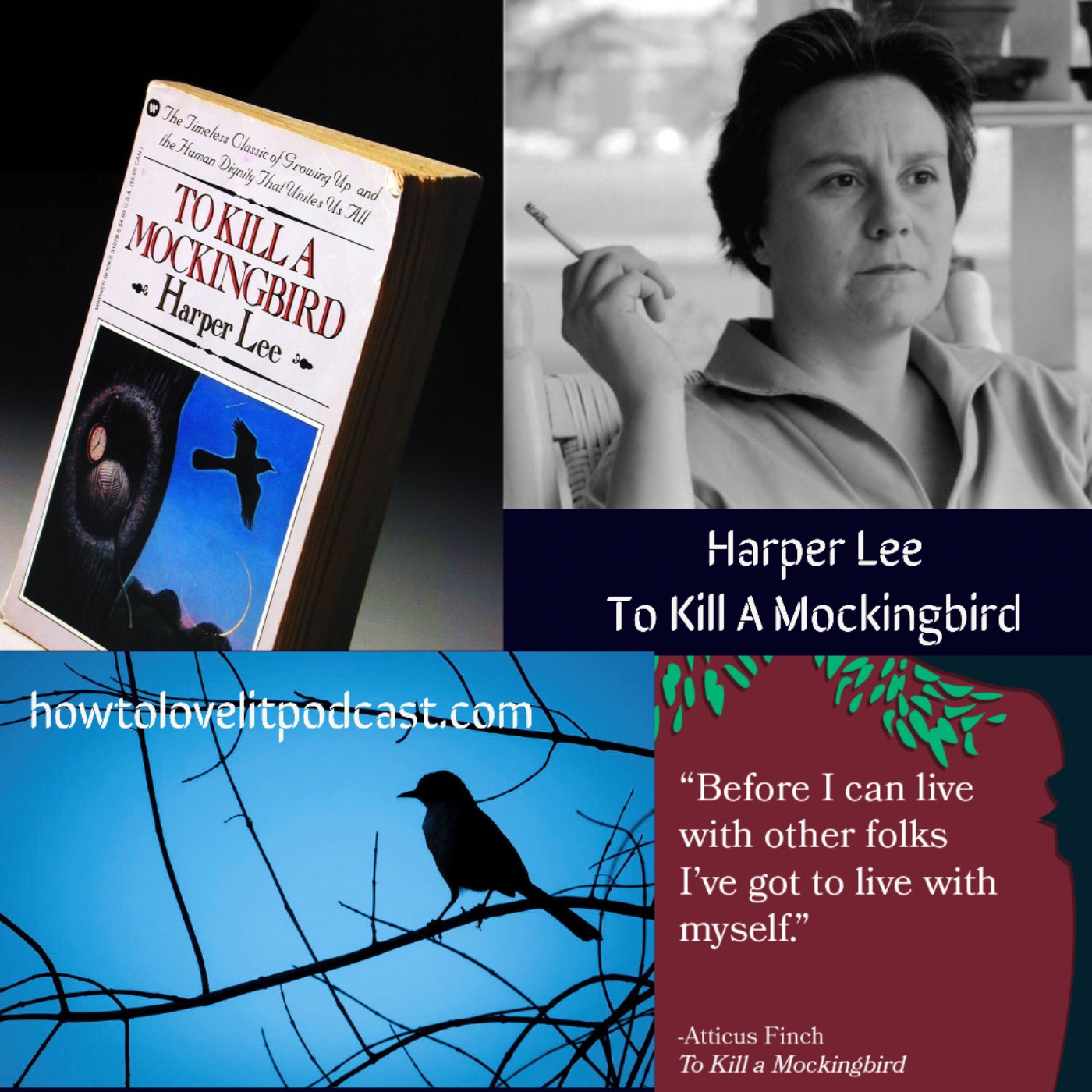
S1 Ep 188Harper Lee - To Kill A Mockingbird - Episode 4 - The World Clarified And The Conclusion
Harper Lee - To Kill A Mockingbird - Episode 4 - The World Clarified And The Conclusion Hosted on Acast. See acast.com/privacy for more information.
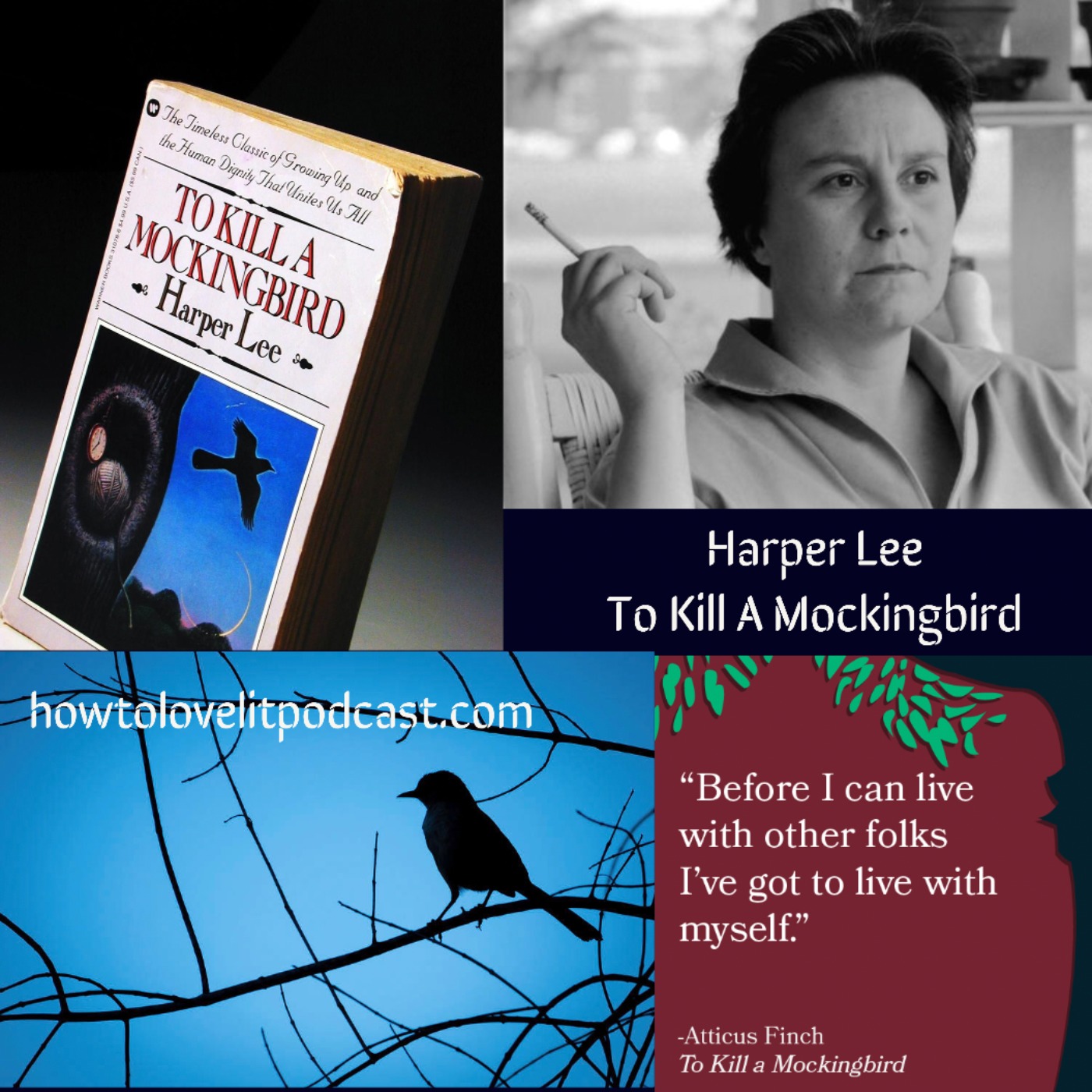
S1 Ep 187Harper Lee - To Kill A Mockingbird - Episode 3 - Real Life History Finds Its Way Into Tom Robinson's Trial
Harper Lee - To Kill A Mockingbird - Episode 3 - Real Life History Finds Its Way Into Tom Robinson's Trial Hosted on Acast. See acast.com/privacy for more information.
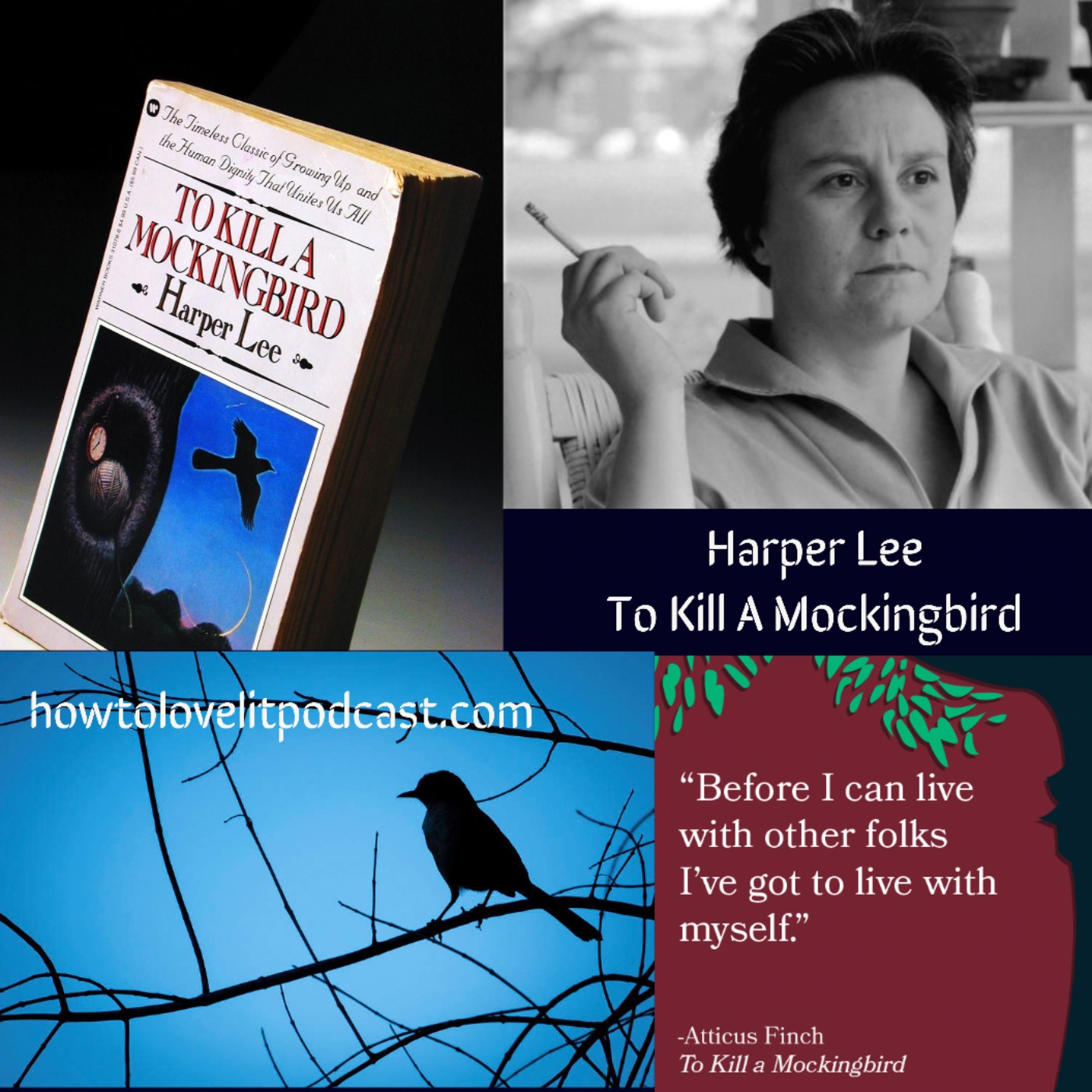
S1 Ep 186Harper Lee - To Kill A Mockingbird - Episode 2 - Innocence, Motifs And The Power Of Language!
Harper Lee - To Kill A Mockingbird - Episode 2 - Innocence, Motifs And The Power Of Language! Hi, I’m Christy Shriver, and we’re here to discuss books that have changed the world and have changed us. I’m Garry Shriver, and this is the How to Love Lit Podcast. This is our second episode over that great American classic, To Kill a Mockingbird. Last week, we introduced our author and both of her published books. We compared them briefly, looked at the titles of each, and then focused more specifically on the origins and inspirations of Mockingbird. We looked at Lee’s historical moment and argued that Lee’s novel, although set in the 1930s was far more interested in the world of the 1950s than the 1930s- a world struggling with civil rights. We will develop the theme of racial injustice in the second part of the book, of course, but today as we lay the ground work for that part, we will continue our focus on part 1. Last episode we ended our discussion talking about Maycomb, the tired old town where Lee set her story, a town which could be seen more like a character than an actual place. Maycomb is a broken place and this brokenness is on display in several ways. Part one only hints at the racial division that is the focus of the second section but that doesn’t mean it isn’t setting us up for it. Lee carefully introduces several major themes and motifs then she proceeds to developed throughout and beyond the trial. These themes should be considered as we read the section part of the book, for one reason because they provide a framework from which we should understand the insanity of the trial and its aftermath. If you can’t understand Maycomb, you would not believe such a facade of a trial could even be possible. So, Christy, can we say the primary role of section one is foreshadowing, then? No. I would absolutely say not the primary role. There is forshadowing, for sure, and it surfaces in many different ways, but it’s the the primary role. Harper Lee is laying the framework for a larger discussion than race. Race is the context, but she is framing the racial discussion that will come. Maycomb is the microcosm of society at large- any society, not just the segregated South of her days. The disease of racism, and she does call it a disease, has several causes, and it’s the cause of this disease that she’s exploring. The first half is charming and disarming. It’s less intense and emotionally jarring than the second. The language gets more offensive the closer we get to part two, but she’s setting us up for how she wants us to understand the racism we will soon be exposed to, and what she thinks we can and should do to address it. Her argument is nuanced and much of it is delivered through the words of Atticus and Calpurnia, although Uncle Jack and Miss Maudie weigh in as well. It’s illustrated through the actions of the children as they interact with the different groups in their community: the Cunninghams, the Radleys, The Ewell’s and Mrs. Dubose. Lee explicitly discusses man’s relationship with power, its use and abuse of it, She blatantly spells out for us what a mockingbird symbolically represents and the principle protecting the innocent. Atticus not only tells his children to learn to understanding the lived experience of those around them, but forces this lesson upon them in what comes across as a very cruel way to learn a life lesson. The setting of part 1 is the playful existence of childhood innocence, but as we walk with Scout, we are to learn these same life-lessons before she forces us to apply them in this adult world of experience which is cruel and ruthless in many ways. Hosted on Acast. See acast.com/privacy for more information.
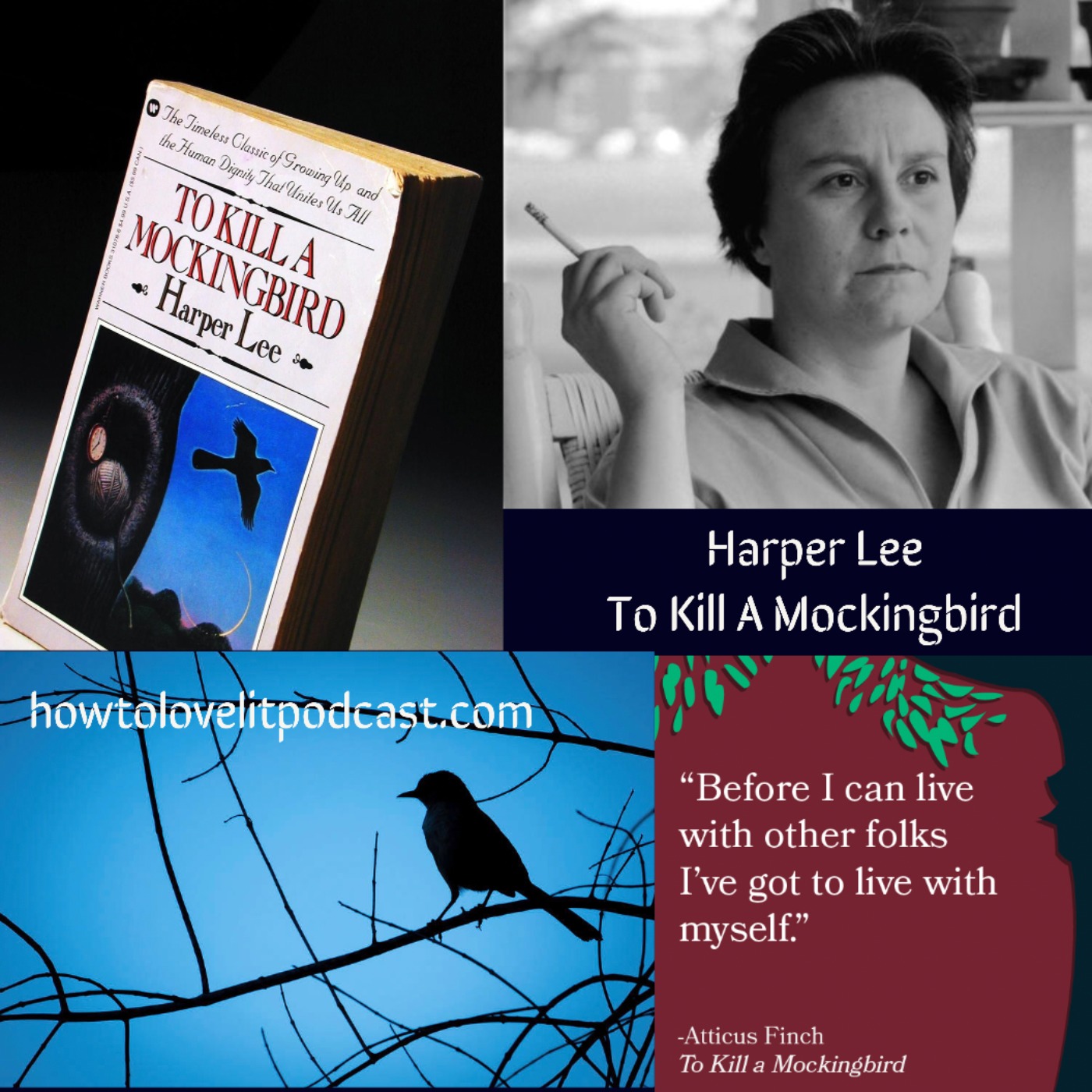
S1 Ep 185Harper Lee - To Kill A Mockingbird - Episode 1 - So Many Mysteries About The Author - And The Book!
Hi, I’m Christy Shriver and we’re here to discuss books that have changed the world and have changed us. And I’m Garry Shriver, and this is the How to Love Lit Podcast. Today we begin our discussion on a deeply beloved book by many but at the same time one of the most censored books ever written on the American continent. When it was published in 1960 it was an immediate hit with the public. Critics called it melodramatic and over-simplistic but that hasn’t stopped people from reading it and loving it. Harper Collins boasts almost 50 million copies sold, by latest count, in over 40 languages. It won the coveted Pulitzer Prize. In 1962, it was adapted by Horton Foote into an Academy Award-winning film, admittedly diminishing the role of Scout and the story of the children but drawing considerable attention and acclaim for many reasons, one being the memorable and Oscar-winning performance of Gregory Peck as Atticus Finch. The focus of the movie is, of course, the trial of a wrongly convicted and clearly innocent African-American gentleman by the name of Tom Robinson. The film is considered one of the greatest American films of all time and even Harper Lee liked it. After viewing she had this to say, “"I can only say that I am a happy author. They have made my story into a beautiful and moving motion picture.” Of course, it’s the racial element of the book that has always kept this book at the center of controversy- from both sides of the political aisle. It has been held in contempt for its language which is extremely raw, and obviously, and for that reason alone, it’s been censored in many circles. But that’s not the only problematic issue. Many have drawn attention to the idealized characterization of Atticus Finch as a paragon of respectability and champion of for the oppressed. Toni Morrison labeled him a “white savior”. More recently, social advocates have challenged Lee’s characterization of the Ewells as feral animals depicting them basically as sub-human. There is no doubt the setting is the segregated South of the 1930s; there is no doubt; Maycomb is a broken town; there is no doubt that the child Scout looks at her father in that way we hope all 9 year old daughters are afforded the opportunity to look at their fathers. So, is this a dated sociological study or timeless classic? Lee’s ability to stir so many emotions and raise so many questions is freakishly genius. Through the eyes of a child, she questions our ability as humans to even understand of the role of time in our world, the place of human judgement, our ability to give and receive social acceptance, the causes of human cruelty and human kindness. She goes a lot of directins- but what do all these things mean when presented as a whole? How do they connect us to each other? What did these things mean to the most provincial of people possible in 1935, what did they mean to a cosmopolitan American in 1960 and what do they mean to a world-wide interconnected globe today? I know you like to talk about timeless themes and universal truths and so do I, don’t get me wrong, but historically speaking there’s a lot here I think is important to discuss as well. This book is not just regarded as sensitive because of its language and racial issues; it’s also considered one of the most revealing portraits of the American South to come out of that generation- and beyond issues of race there is a lot more to see. The book is important historically. Lee was born an insider to a very specific and closed cultural group, but she pulled out of her culture and tried to examine it critically in some ways as an outsider, but an outsider who understood the inside. Hosted on Acast. See acast.com/privacy for more information.
S1 Ep 156The Easter Story
The Easter Story Hosted on Acast. See acast.com/privacy for more information.
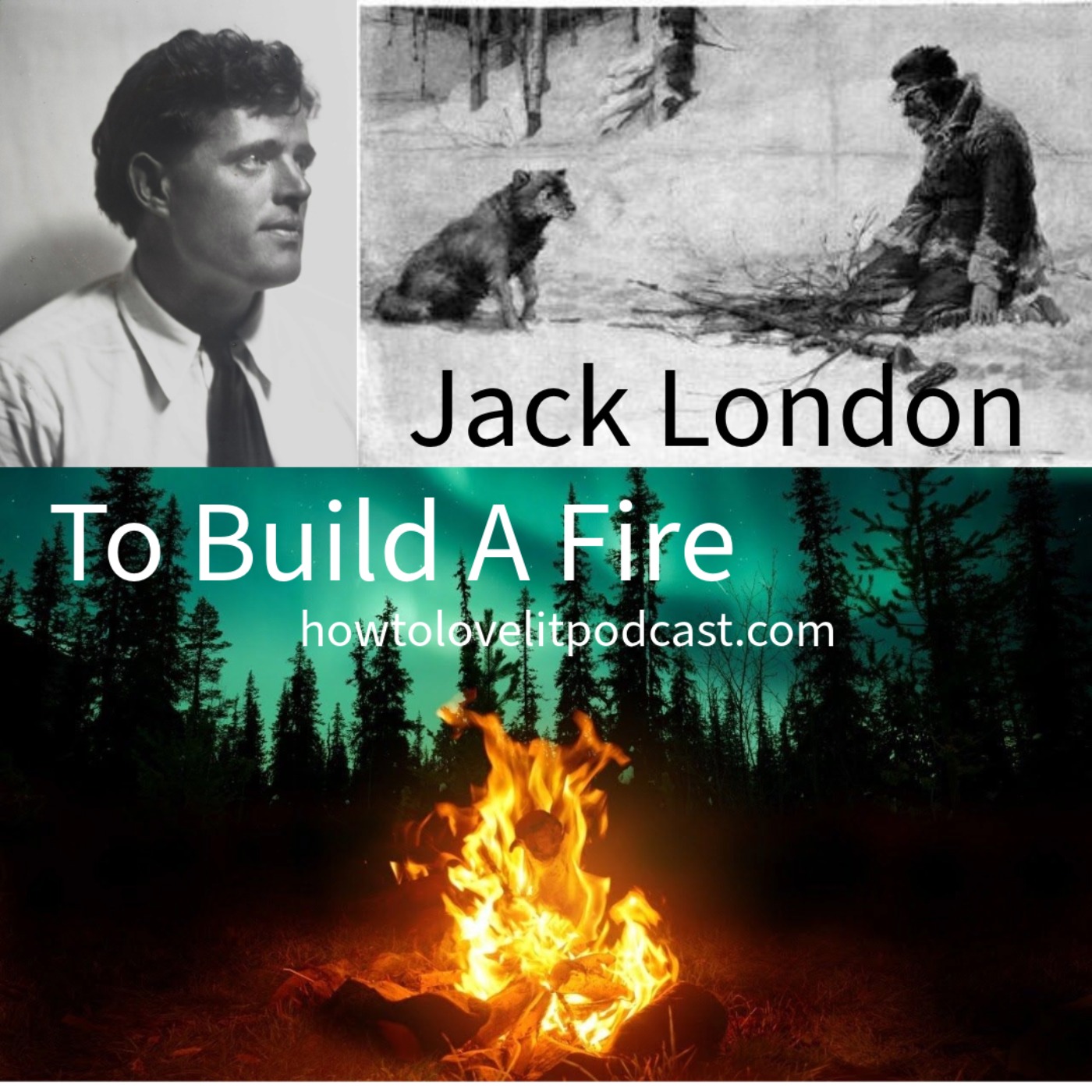
S1 Ep 253To Build A Fire || Jack London || Episode 2 || The Iron Law Of Naturalism
To Build A Fire || Jack London || Episode 2 || The Iron Law Of Naturalism Hosted on Acast. See acast.com/privacy for more information.
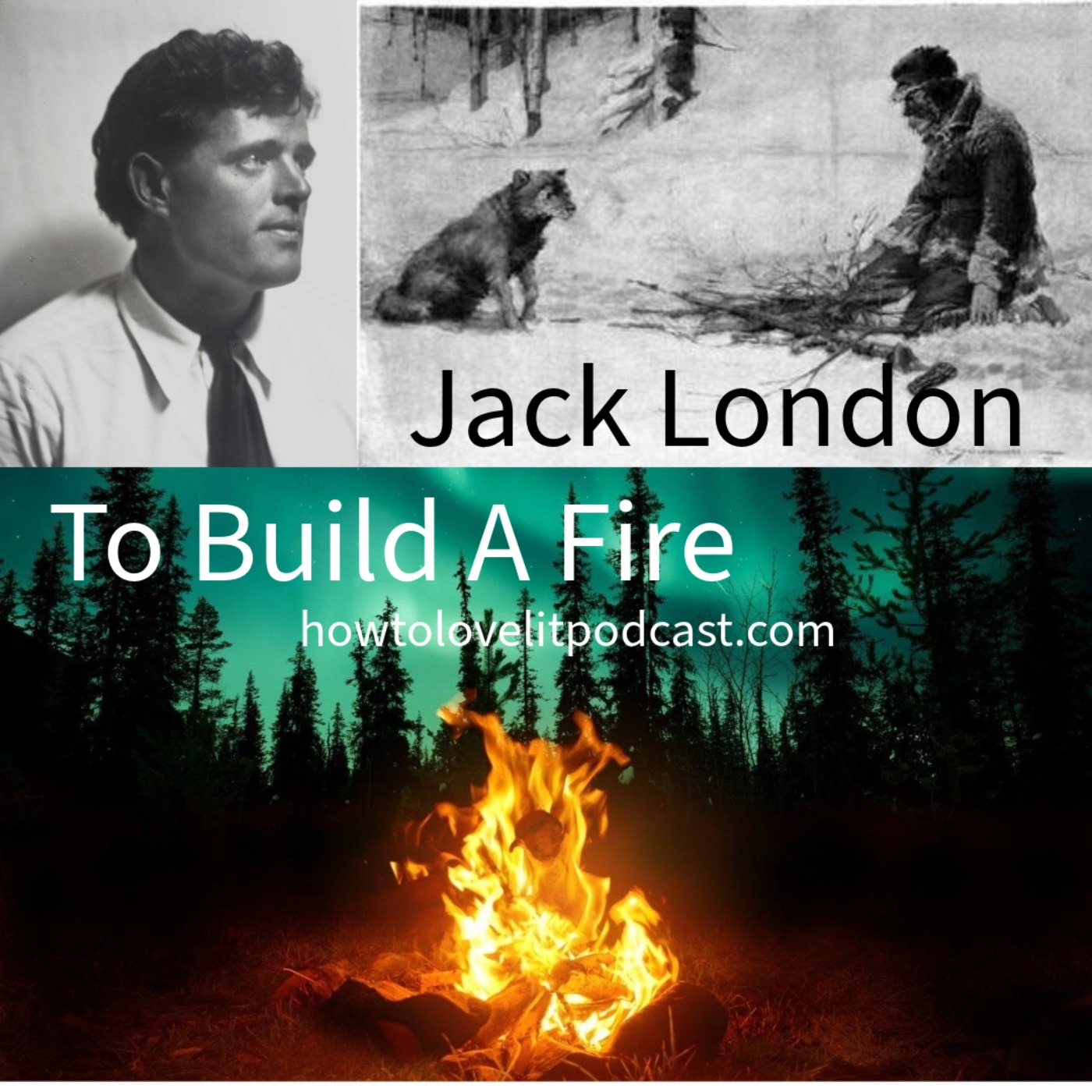
S1 Ep 252To Build A Fire - Jack London - Episode 1 - Naturalism Meets The Klondike!
To Build A Fire - Jack London - Episode 1 - Naturalism Meets The Klondike! Hosted on Acast. See acast.com/privacy for more information.

S1 Ep 251Into The Wild - Jon Krakauer - Episode 3 - The Battle To Kill The False Being Within!
Into The Wild - Jon Krakauer - Episode 3 - The Battle To Kill The False Being Within! Hosted on Acast. See acast.com/privacy for more information.

S1 Ep 250Into The Wild - Jon Krakauer - Episode 2 - London And Thoreau, The Influencers!
Into The Wild - Jon Krakauer - Episode 2 - London And Thoreau, The Influencers! Hosted on Acast. See acast.com/privacy for more information.

S1 Ep 249Into The Wild - Jon Krakauer - Episode 1 - The Creation Of A "Story World"!
Into The Wild - Jon Krakauer - Episode 1 - The Creation Of A "Story World"! Hosted on Acast. See acast.com/privacy for more information.
S1 Ep 149Dr. Martin Luther King Jr. - Letter From Birmingham Jail - Episode 3 - The Radiant Stars Of Love And Brotherhood
Dr. Martin Luther King Jr. - Letter From Birmingham Jail - Episode 3 - The Radiant Stars Of Love And Brotherhood I’m Christy Shriver and we’re here to discuss books that have changed the world and have changed us. And I am Garry Shriver, and this is the How to Love Lit Podcast. This is our third episode in this series discussing Dr. King’s leadership in the Civil Rights Movement most specifically in his iconic and historically important Letter From Birmingham Jail. Next episode, we will extend our discussion of King to the origins of his story. In Dr. King’s speech to American from the steps of the Lincoln Memorial he said this, In a sense we have come to our Nation’s Capital to cash a check. When the architects of our great republic wrote the magnificent words of the Constitution and the Declaration of Independence, they were signing a promissory note to which every American was to fall heir. This note was a promise that all men, yes, black men as well as white men, would be guaranteed the inalienable rights of life liberty and the pursuit of happiness. This promissory note was again revisited during the days of Abraham Lincoln with the Emancipation Proclamation and then the Gettysburg address in 1863. Next week, we will discuss this great address which Dr. King recalls occurred 100 years before his days in that Birmingham jail. Hosted on Acast. See acast.com/privacy for more information.
S1 Ep 148Dr. Martin Luther King Jr. - Letter From Birmingham Jail - Episode 2 - There Are Just And There Are Unjust Laws
Martin Luther King Jr. - Letter From Birmingham Jail - Episode 2 - There Are Just And There Are Unjust Laws Hi, I’m Christy Shriver and we’re here to discuss books that have changed the world and have changed us. I’m Garry Shriver and this is the How to Love Lit Podcast. This is our second week discussing Dr. Martin Luther King, Jr., and the letter that some consider today to be one of the most significant political documents to emerge from the American continent in the last 300 years, ranking with the founding documents, the Gettysburg Address and the Emancipation Proclamation. Last week, we spoke a little, although very briefly, about Dr. King’s growing up years. We focused on his rise to political prominence through his political activism in Montgomery with the MIA and Rosa Parks as they led a community to boycott public bussing system for 381 days protesting the unfair bussing practices in Montgomery. These efforts resulted in legislation that would begin the process of unraveling a 100 years of Jim Crow laws across, not just Birmingham, but the entire South. We also discussed Project C, C, btw, stands for Confrontation. Project C was the name given to the program that was designed to combine economic pressure with large scale direct action protest in order to undermine the very rigid system of segregation in place in the Southern city of Birmingham, Alabama. The project was multi-faceted and by that I mean, it had various moving parts. It consisted of strategic sit-ins, mass meetings, economic boycotts, and of course “parading” primarily without a permit because no permits would be given. Yes, and one significant component of this project was planned for Good Friday, April 12 1963. It would be on this auspicious day that two political and spiritual leaders, Reverend Ralph Abernathy and Dr. Martin Luther King Jr., would step out in faith in front of the Sixth Avenue Zion Hill Church to march down those prohibited streets. And, leading by example, proving that they would never ask anyone to do something they would not do themselves, they walked into what they knew would be a guaranteed confrontation with Bull Connor’s tightly controlled police force. As they marched, they were met by a police barricade, so they changed directions and marched a different way; however, it wasn’t long until they got to a second barricade. At this one, Commissioner Eugene “Bull” Conner’s clear orders could be heard and I quote, “Stop them…Don’t let them go any further!” They were arrested, and let me add, this was not the first time these two were arrested, nor would it be the last. Dr. King and Ralph Abernathy, according to Abernathy’s own words were closer than blood brothers. There was a deep trust between these two men. If you remember, they had been leaning on each other since those early days in Montgomery, Alabama where Abernathy was pastor of Montgomery’s First Baptist Church. This support would continue even after Dr. King’s assassination where Abernathy would follow through with the support of Memphis’ sanitation workers that had brought Dr. King to Memphis on the day he was murdered. Abernathy and King eventually would be jailed together a total of 17 times. Both they and their families would be targets of multiple assassination attempts. Hosted on Acast. See acast.com/privacy for more information.
S1 Ep 147Dr. Martin Luther King Jr. - Letter From Birmingham Jail - Episode 1 - Dr. King Reaches Out Of His Jail Cell To Touch The Heart Of A Nation!
Martin Luther King Jr. - Letter From Birmingham Jail - Episode 1 - Dr. King Reaches Out Of His Jail Cell To Touch The Heart Of A Nation! I’m Christy Shriver and we’re here to discuss books that have changed the world and have changed us. I’m Garry Shriver and this is the How to Love Lit Podcast. Today we are going to start a three part series on a man who changed the landscape of political protesting- demonstrating that positive change can occur without massive loss of life. He won the Nobel Peace Prize when he was 35 years old, at the time he was the youngest to ever receive the award. His life became synonymous with civil disobedience- taking it farther than Thoreau ever dreamed possible. He radically and controversially claimed the role of a Christian political resister was not only the role to resist injustice. This was not enough, to be successful one must accompany resistance with love- loving the persecutor- a claim that would be put to the test over and over and for which he would be martyred. On Jan 20, 1986, the US Federal Government proclaimed a national holiday commemorating his life and message. Today over 955 (that number is likely small), but there are at least 955 major street, boulevards and thoroughfares that carry his name not only across the United States but across the world. If you haven’t figured it out yet, we are talking about the life, literature and legacy of Dr. Martin Luther King, Jr. Specifically, the iconic letter that moved a nation from apathy to change, the “Letter from Birmingham Jail.” It was written on April 16, 1963 and famously addressed to “My Dear Fellow Clergyman.” Indeed, and yet, so many students or really people, who hear that name know so little about the movement itself. Growing up first in our nation’s capital, Washington DC and then Brazil, I’d heard of Dr. King. I knew he stood for non-violence, but I ignorantly thought he literally just walked around preaching and protesting, carrying signs, singing and marching. I had NO idea how calculated the entire Civil Rights moment was. I had no idea the amount of strategy and genius that went into the planning and execution of one of the most effective non-violent movements in the world- or even how many years it was in the making. I just thought, Dr. King got up one day and just started protesting. Well, I think most people don’t, even people of good faith who try to mimic some of his basic strategies. It’s really difficult to wrap our minds around the complexity involved, not to mention the sheer power of King’s personal rhetorical charisma that carried the movement from a few thousand African-American Christian protesters in Montgomery, Alabama to 250,000 people of all ethnicities and faith and the steps of the Lincoln Memorial. The changes in legislation and the implementation of laws that had been allowed to be ignored for a century were a direct result of this movement we are discussing over the next few episodes. So, let’s get started beginning with some terminology that we hear when it comes to Civil Rights, words that many of us who aren’t originally from the South may not be familiar with- for example what are Jim Crow laws. Who was Jim Crow and what are his laws? Hosted on Acast. See acast.com/privacy for more information.
S1 Ep 248Elizabeth Barrett Browning - Sonnets Of The Portuguese - Plus A Great Love Story!
Elizabeth Barrett Browning - Sonnets Of The Portuguese - Plus A Great Love Story! Hosted on Acast. See acast.com/privacy for more information.
S1 Ep 247Queen Elizabeth I - Speech To The Troops At Tilbury
Queen Elizabeth I - Speech To The Troops At Tilbury Hosted on Acast. See acast.com/privacy for more information.
S1 Ep 162Dolly Parton - The Ultimate Local Color Songwriter!
Dolly Parton - The Ultimate Local Color Songwriter! Hosted on Acast. See acast.com/privacy for more information.
S1 Ep 238Albert Camus - The Stranger - Episode 3 - The Absurdity Of A Happy Ending??? 2023
Albert Camus - The Stranger - Episode 3 - The Absurdity Of A Happy Ending??? Hosted on Acast. See acast.com/privacy for more information.
S1 Ep 237Albert Camus - The Stranger - Episode 2 - The Consequences Of Meaninglessness! 2023
Albert Camus - The Stranger - Episode 2 - The Consequences Of Meaninglessness! Hosted on Acast. See acast.com/privacy for more information.
S1 Ep 236Albert Camus - The Stranger - Episode 1 -Introduction To Absurdity! 2023
Albert Camus - The Stranger - Episode 1 -Introduction To Absurdity! Hosted on Acast. See acast.com/privacy for more information.
Edgar Allan Poe - The Raven 2023
Edgar Allan Poe - The Raven 2023 Hosted on Acast. See acast.com/privacy for more information.
S1 Ep 234Edgar Allan Poe - The Cask Of Amontillado 2023
Edgar Allan Poe - The Cask Of Amontillado 2023 Hosted on Acast. See acast.com/privacy for more information.
S1 Ep 233Tupac Shakur - Poetry, Prose, Pain And Hope
Tupac Shakur - Poetry, Prose, Pain And Hope Hosted on Acast. See acast.com/privacy for more information.
S1 Ep 175Anne Bradstreet - The First Female Published Poetess In The America's!
Anne Bradstreet - The First Female Published Poetess In The America's! Hosted on Acast. See acast.com/privacy for more information.
S1 Ep 228The Iroquois Constitution - 2023
The Iroquois Constitution - 2023 Hosted on Acast. See acast.com/privacy for more information.
S1 Ep 227Jimmy Baca - Episode 2 - "When I Walk Through That Door, I Am: An Immigrant Mother's Quest".
Jimmy Baca - Episode 2 - "When I Walk Through That Door, I Am: An Immigrant Mother's Quest". Hosted on Acast. See acast.com/privacy for more information.
S1 Ep 226Jimmy Baca - Episode 1 - The Voice Of Chicano Poetry!
Jimmy Baca - Episode 1 - The Voice Oc Chicano Poetry! Hosted on Acast. See acast.com/privacy for more information.
S1 Ep 218Antigone Episode #2 - Tragedy, Honor, Wisdom And The End Of All Things
Antigone Episode #2 - Tragedy, Honor, Wisdom And The End Of All Things Hosted on Acast. See acast.com/privacy for more information.
S1 Ep 217Antigone Episode #1 - Drama, death, higher law, family issues and more death
Antigone Episode #1 - Drama, death, higher law, family issues and more death Hosted on Acast. See acast.com/privacy for more information.
S1 Ep 216Oedipus Rex - Episode #3- The Reveal, The Conclusion, Sigmund Freud, and how it all goes together!
Oedipus Rex - Episode #3- The Reveal, The Conclusion, Sigmund Freud, and how it all goes together! Hosted on Acast. See acast.com/privacy for more information.
S1 Ep 215Oedipus Rex - Episode #2 - Irony, Tragedy, Oracles, Flaws And More!
Oedipus Rex - Episode #2 - Irony, Tragedy, Oracles, Flaws And More! Hosted on Acast. See acast.com/privacy for more information.
S1 Ep 214Oedipus Rex - Episode #1 - The philosophy, the predicaments, the purpose in Greek Theater
Oedipus Rex - Episode #1 - The philosophy, the predicaments, the purpose in Greek Theater Hosted on Acast. See acast.com/privacy for more information.
S1 Ep 213Henry David Thoreau - Civil Disobedience - An Inspiration To Gandhi And MLK Jr.!
Henry David Thoreau - Civil Disobedience - An Inspiration To Gandhi And MLK Jr.! Hosted on Acast. See acast.com/privacy for more information.
S1 Ep 212Henry David Thoreau - Walden Pond - Simplify! Simplify! Simplify!
Henry David Thoreau - Walden Pond - Simplify! Simplify! Simplify! Hosted on Acast. See acast.com/privacy for more information.
S1 Ep 97Julia de Burgos - Meet Puerto Rico's Most Famous Poet!
Hosted on Acast. See acast.com/privacy for more information.
S1 Ep 209Emily Dickinson - Episode 3 - The Publishing Drama Surrounding Her Work!
Emily Dickinson - Episode 3 - The Publishing Drama Surrounding Her Work! Hosted on Acast. See acast.com/privacy for more information.
S1 Ep 208Emily Dickinson - Episode 2 - The Mysterious Life And times!
Emily Dickinson - Episode 2 - The Mysterious Life And times! Hosted on Acast. See acast.com/privacy for more information.
S1 Ep 207Emily Dickinson - Episode 1 - The Myth of Amherst!
Emily Dickinson - Episode 1 - The Myth of Amherst! Hosted on Acast. See acast.com/privacy for more information.
S1 Ep 205Langston Hughes - Poet Of The Harlem Renaissance!
Hosted on Acast. See acast.com/privacy for more information.
S1 Ep 204Raisin In The Sun - Lorraine Hansberry - Episode 4
Hosted on Acast. See acast.com/privacy for more information.
S1 Ep 203Raisin In The Sun - Lorraine Hansberry - Episode 3
Raisin In The Sun - Lorraine Hansberry - Episode 3 Hosted on Acast. See acast.com/privacy for more information.