
History on Fire
144 episodes — Page 2 of 3
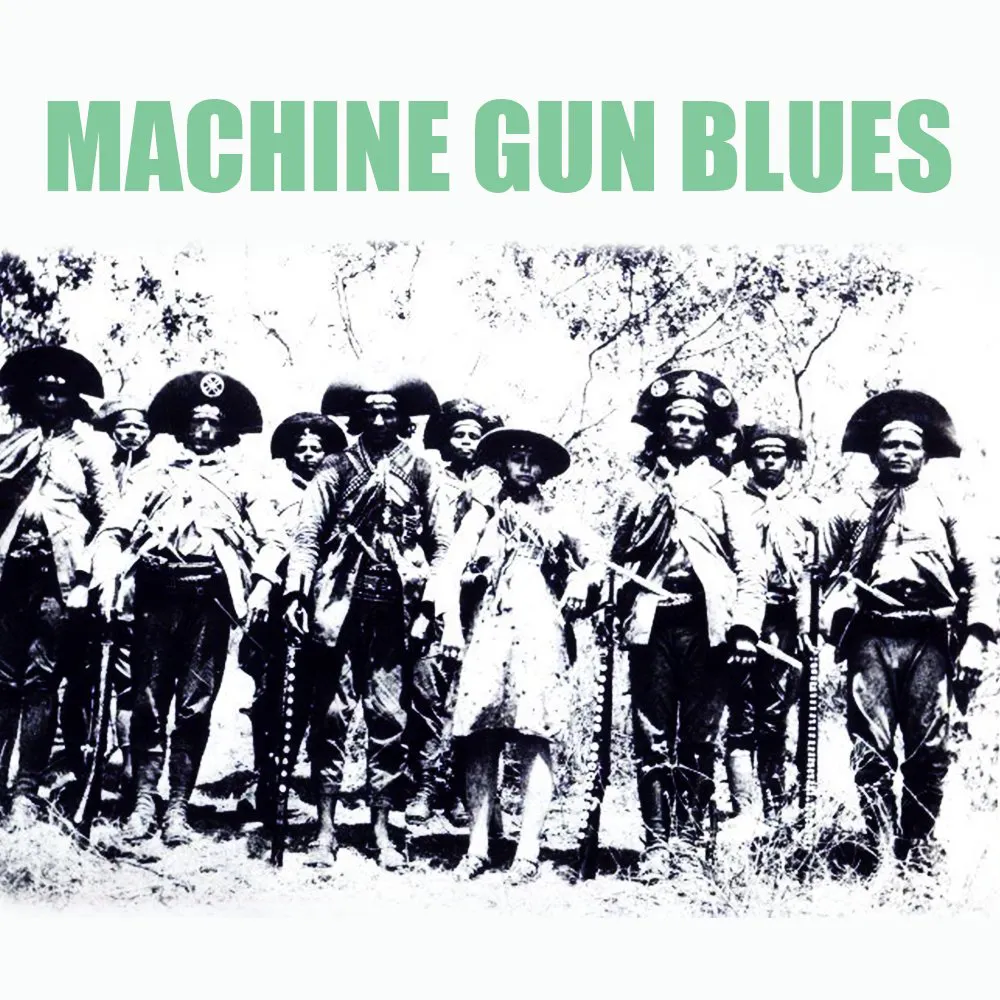
S1 Ep 98EPISODE 98: Machine Gun Blues
“Most people go through life thinking they’re totally safe. People like us, we know the truth. Life is hard and dangerous, and sometimes you just got to chop off somebody’s head to survive.” Ash vs. Evil Dead “No friend ever served me, and no enemy ever wronged me, whom I have not repaid in full.” Lucius Cornelius Sulla “Around four o’clock on that Monday afternoon of the thirteenth, with a light rain falling, the bandits attacked. To the sound of a trumpet—for Lampiao did things in style—and the rumble of thunder in the cloudy sky, the outlaws entered the city, on foot and divided into groups.” Billy Jaynes Chandler “The first step toward becoming a true outlaw is the refusal to be victimized.” Tom Robbins This is the tale of the most famous outlaw operating in Brazil in the early 1900s. Much like the Old West in the 1800s in U.S., the backcountry of North-Eastern Brazil was a rough place where disputes were often settled with guns. Extreme wealth inequality, and a lack of opportunities to climb out of poverty, pushed many people toward criminality. Lampiao was the most legendary of them all. After turning to banditry in 1916, Lampiao led a gang that battled with rivals and with the police all the way until 1938. News of his feats reached around the globe, even making the pages of the NY Times. Some people considered him a popular hero. Others believed he was a blood-thirsty criminal. In this episode, we’ll explore his story. If you feel generous and enjoy History on Fire, please consider joining my Patreon at https://www.patreon.com/historyonfire to access plenty of bonus content. Learn more about your ad choices. Visit megaphone.fm/adchoices
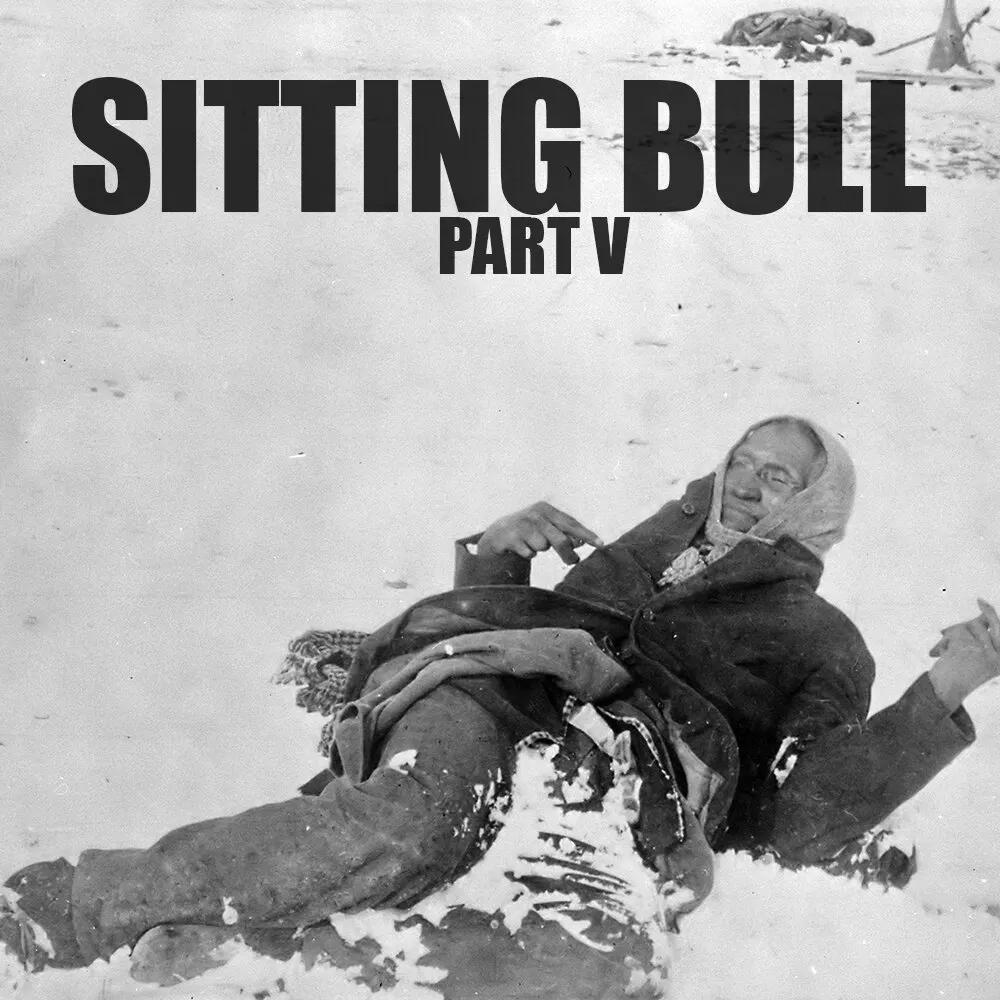
S1 Ep 58[RERUN] EPISODE 58 Sitting Bull: Wounded Knee (Part 5)
“There a papoose cries by its mother’s breast which, cold and insensible, can nourish it no more; there lies a young girl with her long hair sticky of blood, hiding her mutilated face… And here—here rests the beautiful young squaw whom yesterday I offered a cigarette—dying, with both her legs shot off. She lies there without wailing and greets me with a faint smile on her pale lips.” First Sergeant Ragnar Ling-Vannerus “The Pioneer has before declared that our only safety depends upon the total extermination of the Indians. Having wronged them for centuries, we had better, in order to protect our civilization, follow it up by one more wrong and wipe these untamed and untamable creatures from the face of the earth.” Frank Baum, author of The Wonderful Wizard of Oz “Who would have thought that dancing could make such trouble? We had no thought of fighting.” Short Bull “When he went to the bottom of the ravine, he saw many little children lying dead… He was now pretty weak from his wounds. Now when he saw all those little infants lying there dead in their blood, his feeling was that even if he ate one of the soldiers, it would not appease his anger… The Indians all knew that Dewey was wounded, but those in the ravine wanted him to help them. So, he fought with his life to defend his own people.” From The Dull Knifes of Pine Ridge “What we saw was terrible. Dead and wounded women and children and little babies were scattered all along there where they had been trying to run away. The soldiers had followed along the gulch, as they ran, and murdered them in there. Sometimes they were in heaps because they had huddled together, and some were scattered all along. Sometimes bunches of them had been killed and torn to pieces where the wagon guns hit them. I saw a little baby trying to suck its mother, but she was bloody and dead. There were two little boys at one place in this gulch. They had guns and they had been killing soldiers all by themselves. We could see the soldiers they had killed. The boys were all alone there, and they were not hurt. These were very brave little boys.” From Black Elk Speaks By 1890, the Ghost Dance religion was spreading like wildfire in many reservations across United States. At a time when most Natives were facing utter hopelessness, it gave them something to hope in. But the murder of Sitting Bull orchestrated by a reservation agent, and the political machinations of the Harrison administration initiated a military crackdown against an otherwise peaceful movement. The sequence of events thus started would end in bloodshed at Wounded Knee on December 29, 1890, as the 7th Cavalry massacred nearly 300 Lakota—mostly women and kids. In this final episode of the Sitting Bull series, we explore the dynamics that led to Wounded Knee, the insane story of Iron Hail (aka Dewey Beard), how the Yanktons dealt with a traitor, the genocidal fantasies of the author of The Wonderful Wizard of Oz, and how Lakota culture endured—in spite of it all. If you feel generous and enjoy History on Fire, please consider joining my Patreon at https://www.patreon.com/historyonfire to access plenty of bonus content. Learn more about your ad choices. Visit megaphone.fm/adchoices
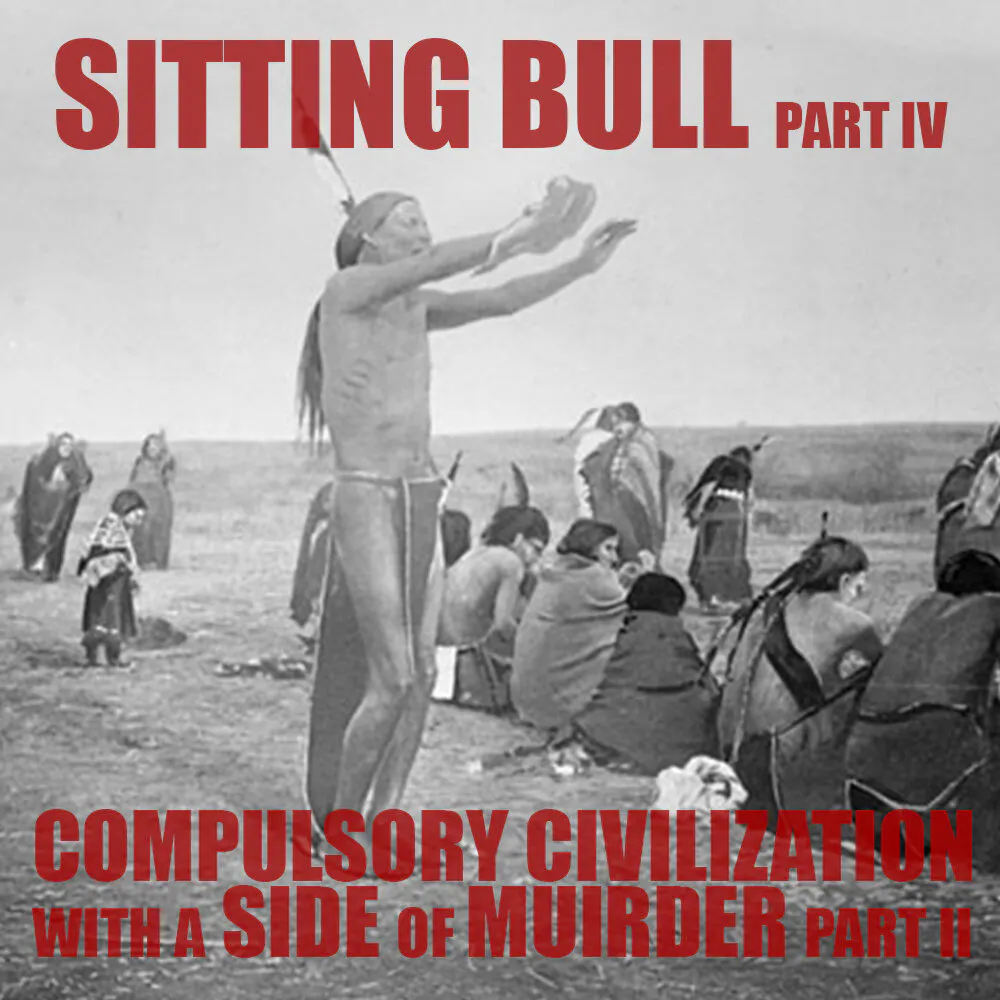
S1 Ep 57[RERUN] EPISODE 57 Sitting Bull: Compulsory Civilization with a Side of Murder (Part 4)
“Sent to report on a story that wasn’t there, reporters invented one.” Heather Cox Richardson “Lakota will kill you.” A meadowlark speaking to Sitting Bull in a vision “If the white men want me to die, they ought not to put up the Indians to kill me… Let the soldiers come and take me away and kill me, wherever they like. I am not afraid. I was born a warrior.” Sitting Bull In historical terms, it was just a blink of an eye ago. In the mid-1800s, the Great Plains in the United States were still firmly in the hands of nomadic, buffalo hunting tribes. The looming threat of American expansion was still barely noticeable. But things changed quickly, and soon the tribes were locked in an existential struggle with the U.S. for control of the heartland of North America. One man rose among these tribes to lead his people to resisting the inevitable for over two decades. By the time he was 10 years old, the boy who would become the Lakota leader Sitting Bull, had killed his first bison by running him down and putting an arrow through its heart. In the opinion of his fellow tribesmen, his ability as a hunter and as a warrior was only second to his generosity in taking care of widows and orphans. In this fourth episode of this series, we’ll see how incompetent government agents, unscrupulous journalists, corrupt politicians, and army officers blinded by their egos manufactured a crisis where there wasn’t one. We’ll also discuss Sitting Bull’s take on the Ghost Dance, Agent McLaughlin’s murderous plans, Buffalo Bill trying to save Sitting Bull, and a murder that sets in motion a much bigger tragedy. If you feel generous and enjoy History on Fire, please consider joining my Patreon at https://www.patreon.com/historyonfire to access plenty of bonus content. Learn more about your ad choices. Visit megaphone.fm/adchoices
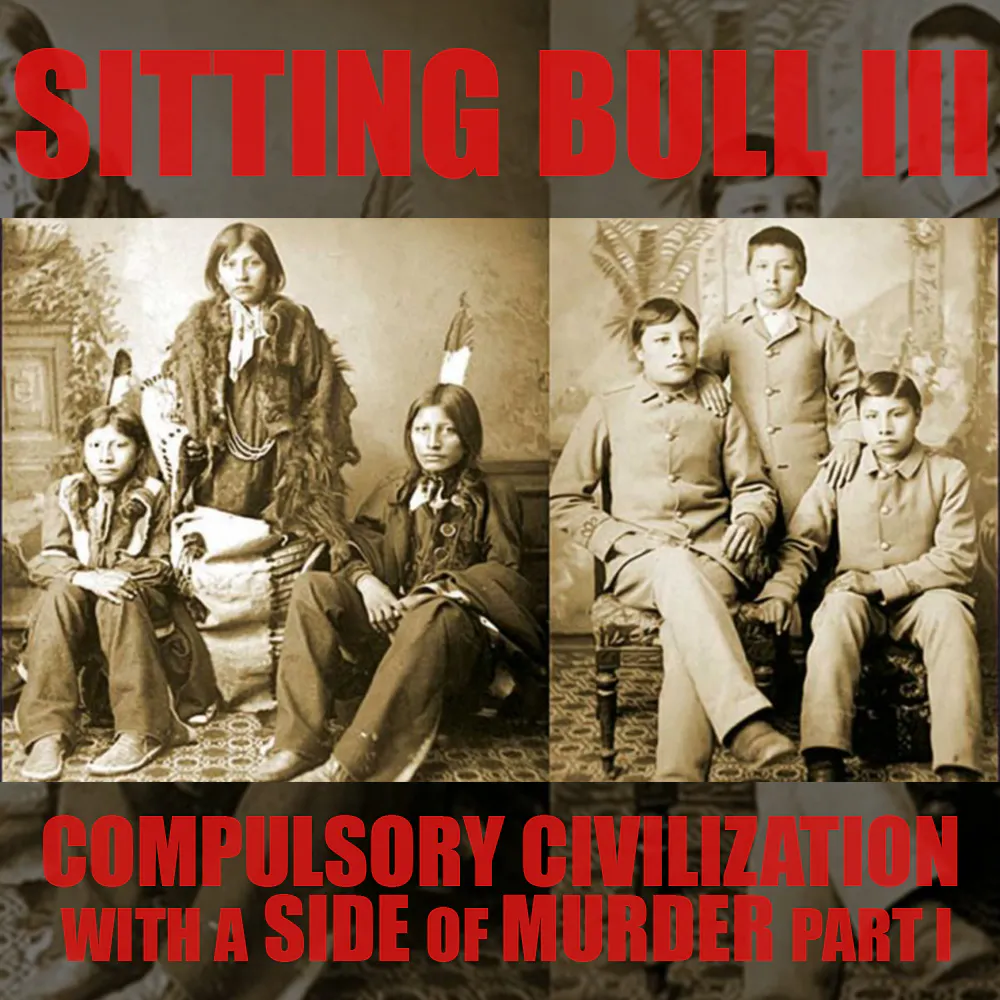
S1 Ep 56[RERUN] EPISODE 56 Sitting Bull: Compulsory Civilization with a Side of Murder (Part 3)
Learn more about your ad choices. Visit megaphone.fm/adchoices
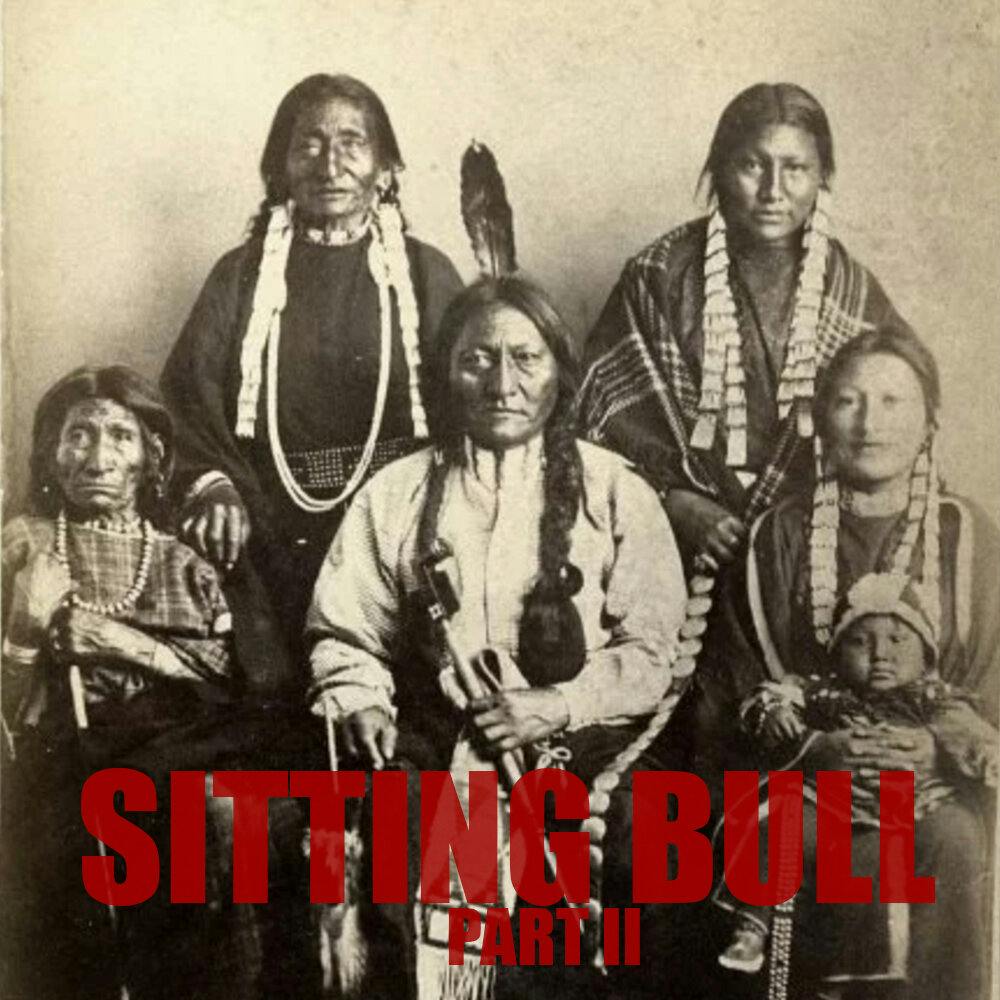
S1 Ep 55[RERUN] EPISODE 55 Sitting Bull (Part 2)
“I don’t want to have anything to do with people who make one carry water on the shoulders and haul manure. You are fools to make yourselves slaves to a piece of fat bacon, some hardtack, and a little sugar and coffee. The whites may get me at last, but I will have good times till then.” Sitting Bull “Let me live deep while I live.” Robert E. Howard “Were I to run away from the enemy, no one will consider me a man.” Kit Fox warrior society song “A warrior I have been. Now it is all over. A hard time I have.” Sitting Bull song In historical terms, it was just a blink of an eye ago. In the mid-1800s, the Great Plains in the United States were still firmly in the hands of nomadic, buffalo hunting tribes. The looming threat of American expansion was still barely noticeable. But things changed quickly, and soon the tribes were locked in an existential struggle with the U.S. for control of the heartland of North America. One man rose among these tribes to lead his people to resisting the inevitable for over two decades. By the time he was 10 years old, the boy who would become the Lakota leader Sitting Bull, had killed his first bison by running him down and putting an arrow through its heart. In the opinion of his fellow tribesmen, his ability as a hunter and as a warrior was only second to his generosity in taking care of widows and orphans. In this second episode of this series, we’ll see Sitting Bull emerging as the main leader for the free Lakota, fighting in a brutal intertribal battle, challenging the expansion of the Northern Pacific Railroad, saving the Cheyenne from starvation, Sun Dancing and having premonitory visions of the Little Big Horn battle, leading his people to Canada, befriending a major for the Royal Canadian Mounted Police, helping Nez Perce’ refugees across the border, fighting in a duel at 49 years of age, returning to the U.S. as a POW, and much, much more. If you feel generous and enjoy History on Fire, please consider joining my Patreon at https://www.patreon.com/historyonfire to access plenty of bonus content. Learn more about your ad choices. Visit megaphone.fm/adchoices

S1 Ep 54[RERUN] EPISODE 54 Sitting Bull (Part 1)
“Sitting Bull, leader of the largest Indian nation on the continent, the strongest, boldest, most stubborn opponent of European influence, was the very heart and soul of the Frontier. When the true history of the New World is written, he will receive his chapter. For Sitting Bull was one of the Makers of America.” Stanley Vestal “If you intend to do this for my sake, take good care of them and let them live. My father is a man and death is his.” Sitting Bull addressing his fellow tribesmen who wanted to kill some captives “I told them I did not want their annuities, nor could I sell my country. My father lived and died here; so would I. And if our white brothers would do right, we would never have had war.” Sitting Bull “At no other time or place in the history of the Indian Wars, before or after, would the U.S. Army voluntarily destroy a major defensive line in order to appease an enemy.” Bill Yenne In historical terms, it was just a blink of an eye ago. In the mid-1800s, the Great Plains in the United States were still firmly in the hands of nomadic, buffalo hunting tribes. The looming threat of American expansion was still barely noticeable. But things changed quickly, and soon the tribes were locked in an existential struggle with the U.S. for control of the heartland of North America. One man rose among these tribes to lead his people to resisting the inevitable for over two decades. By the time he was 10 years old, the boy who would become the Lakota leader Sitting Bull, had killed his first bison by running him down and putting an arrow through its heart. In the opinion of his fellow tribesmen, his ability as a hunter and as a warrior was only second to his generosity in taking care of widows and orphans. In this first episode of this series, we’ll see Sitting Bull dueling man-to-man against a Crow chief, adopting a boy from an enemy tribe, avenging his father (Conan The Barbarian-style), having visions, acquiring shamanic powers, dealing with marriages and grief, leading the first round of warfare against the U.S., and much, much more. If you feel generous and enjoy History on Fire, please consider joining my Patreon at https://www.patreon.com/historyonfire to access plenty of bonus content. Learn more about your ad choices. Visit megaphone.fm/adchoices

S1 Ep 97EPISODE 97: The Psychology of Power in History: A Conversation with Aziz Al-Doory
“…we venerate the crooks, rapists, and pillagers credulous historians have repackaged as ‘founders,’ ‘conquerors,’ and ‘civilize.’ We erect statues and consecrate tombs to commemorate their difference-making. But in fact, most of these monuments memorialize the dark deeds of unhinged lunatics driven by rampant ego and raving greed… most of the supposed ‘great men of history’ were criminals on a rampage. We celebrate them because they ‘changed the world.’ But where’s the evidence that they changed it for the better?” Chris Ryan “He who dies with the most toys wins.” Malcolm Forbes “If we don’t put aside our enmities and band together, we will die. And then it doesn’t matter whose skeleton sits on the Iron Throne.” Davos Seaworth, Game of Thrones Season 7 Episode 3 In most episodes I tell a story about a specific event with a clear beginning and end. Occasionally, I tackle a theme and look at how it plays out throughout history. This is one of those times. Simple stories are great, but sometimes looking at the big picture is even more interesting. I am joined by Aziz Al-Doory from the History of Westeros podcast to chat about a central theme in history and, of course, in JRR Martin’s work: the drive that makes individuals struggle for power throughout history. In particular, we look at the more extreme (but by no means rare) examples: what makes someone risk his position and wealth in an effort to plunge a country into civil war for the sake of power? What goes through someone’s head who is willing to murder his siblings to get to the throne? Can uber-powerful people who executed their children and spouses ever have been happy? Why so many people have become addicted to a struggle that seems to be antithetical to having a good life? As we ponder the answer to these questions, we tackle multiple case studies: from the Japanese warring states period to Shaka Zulu’s career, from the power struggle after the death of Alexander the Great to the conflict between Kublai Khan and his brother, and many more. If you feel generous and enjoy History on Fire, please consider joining my Patreon at https://www.patreon.com/historyonfire to access plenty of bonus content. Learn more about your ad choices. Visit megaphone.fm/adchoices
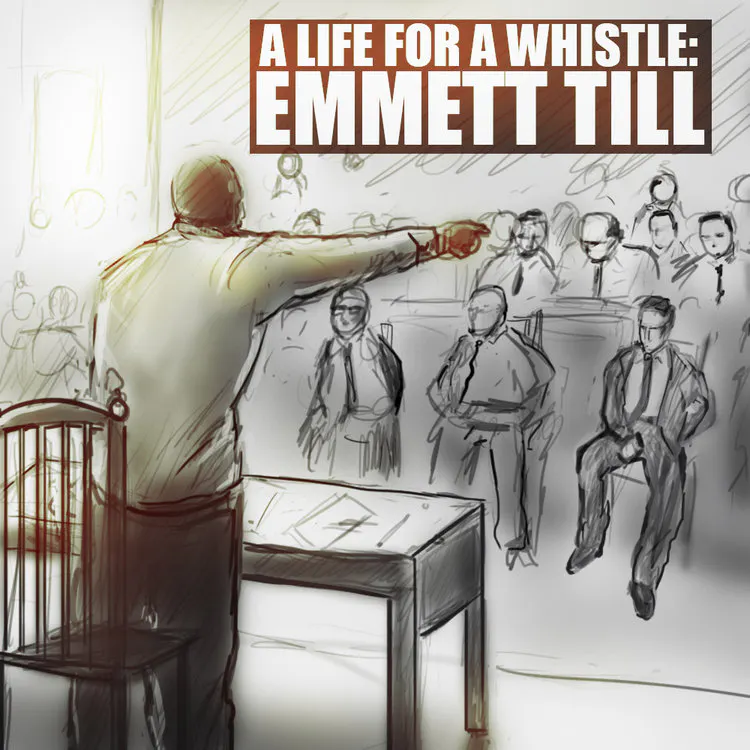
S1 Ep 51[RERUN] EPISODE 51: A Life for a Whistle: Emmett Till and the Birth of the Civil Rights Movement
“Until the philosophy Which hold one race superior and another Inferior Is finally And permanently Discredited And abandoned Everywhere is war” Bob Marley, War, inspired by a speech by Haile Selassie “Emmett Till is dead and gone… Why can’t people leave the dead alone and quit trying to stir things up?” Roy Bryant “I think black peoples' reaction was so visceral. Everybody knew we were under attack and that attack was symbolized by the attack on a 14-year-old boy.” Rose Jourdain “The audience fell silent, wondering if Wright would risk his life to accuse a white man in open court. For a moment no one moved. Excruciating tension filled the room while people waited for Wright’s reply. Then, in one of the most dramatic moments in Mississippi trial history, Mose Wright, a poor Black sharecropper, stood up, raised his arm, pointed at Milam, a white man, and said, ‘There he is.’” Chris Crowe By 1955, in United States, people liked to say that the worst racial abuses belonged to the past—that the culture that had led to nearly 5,000 people getting lynched between the end of Reconstruction and the mid-1940s no longer existed. But then a 14-year old boy from Chicago jokingly whistled at a white lady in Mississippi, and what followed was a familiar script: the flashing of guns in the middle of the night, kidnapping, torture, African Americans looking for their relatives where bodies were normally dumped, and a justice system that was anything but just. What was not part of the familiar script was Mamie Till’s choice that led to a public funeral attended by tens of thousands, and—many people argued—that lit the spark for the birth of the Civil Rights Movement. Among other things, in this episode: -The culture of lynching and the gutsy Southern ladies standing up against it -How ‘Brown vs. Board of Education’ set the South on fire -Paranoia over integration and Communist plots -William Faulkner and the fear at the roots of white supremacy -Getting away with murder and boasting about it -How white supremacists won a battle and lost the war But the craziest thing in this whole story is realizing this happened not so long ago… If you feel generous and enjoy History on Fire, please consider joining my Patreon at https://www.patreon.com/historyonfire to access plenty of bonus content. Learn more about your ad choices. Visit megaphone.fm/adchoices
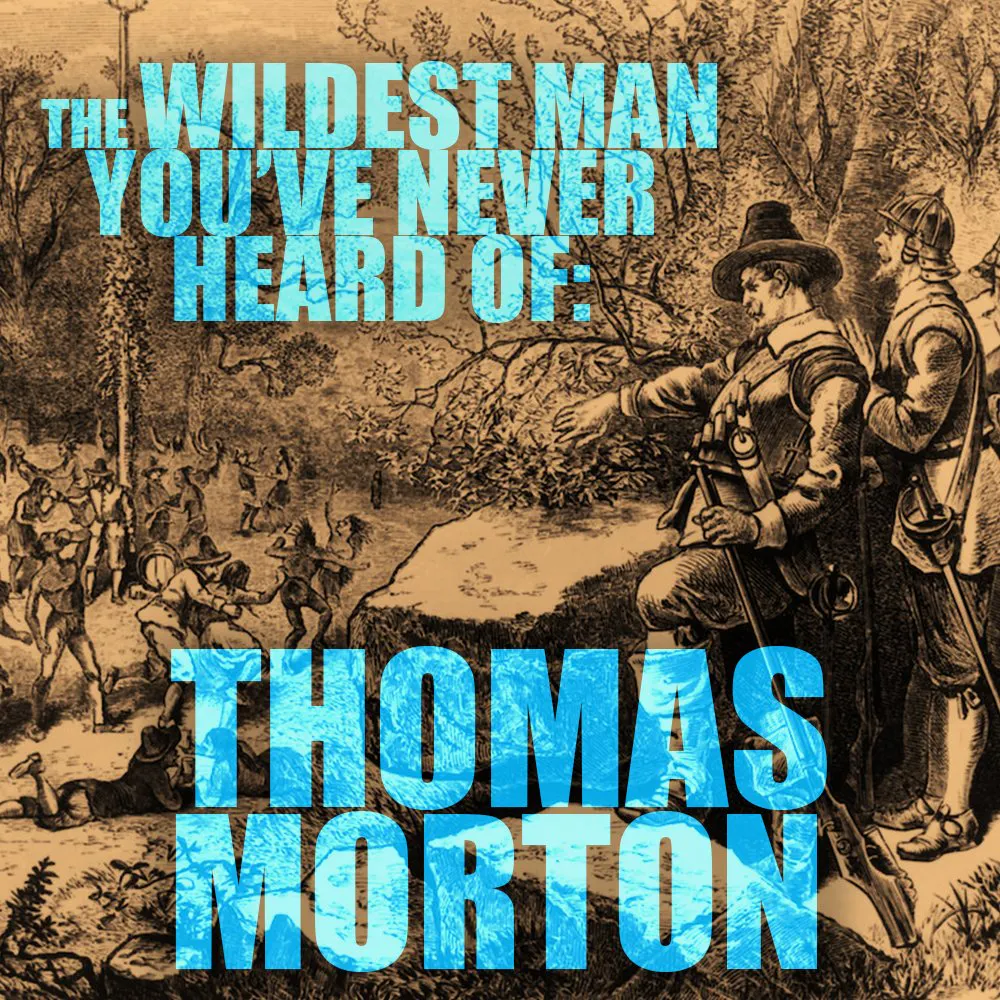
S1 Ep 96EPISODE 96: The Wildest Man You Have Never Heard Of: Thomas Morton
“The Puritans feared that which was undomesticated.” Jeff Hendricks “Our earliest American heroes were Morton’s oppressors, Endicott, Bradford, Miles Standish. Merry Mount’s been expunged from the official version because it’s the story not of a virtuous utopia but of a utopia of candor. Yet it’s Morton whose face should be carved in Mount Rushmore.” Philip Roth “He held out the promise of America as an earthly paradise, a pagan, not a protestant prospect, a zone of pleasure, not salvation through suffering.” John Seelye “Drink and be merry, merry, merry boys; Let all your delight be in the Hymens joys… Or make green garlands, bring bottles out And fill sweet nectar freely about. Uncover thy head and fear no harm; For here’s good liquor to keep it warm. Then drink and be merry, Or yet, lasses in beaver coats come away, Yee hall be welcome to us night and day. To drink and be merry.” Thomas Morton Today we are going to play with one of the greatest stories you probably have never heard of. Even in U.S. very little known about this story and it’s a crime. If you have even a superficial knowledge of American history, you have almost certainly heard about the settlers who came to Plymouth in 1620. What you may not have heard about is that shortly thereafter a gentleman named Thomas Morton set up a different colony just down the road from Plymouth. At a time when most people arrived to Plymouth in chains, as indentured servants, Morton abolished servitude in his settlement he called Merrymount. At a time when his neighbors in Plymouth were brutally squashing religious dissent, Morton encouraged religious freedom. And on top of it all, he and his friends entertained extremely friendly relations with Native tribes even openly intermarrying. What makes the story even crazier is that Merrymount was well on its way to be more successful than Plymouth. When new settlers arrived on American shores, many took one look at ultra-strict Plymouth, another look at the freedom to be enjoyed at Merrymount and didn’t need to be told twice which way to go. The only reason why Merrymount didn’t make it in the history books you may have read is because the pilgrims turned to violence to destroy a community whose existence was a challenge to all of their beliefs. From that day forward, the name of Thomas Morton has largely been erased from history. Some people could refer to Morton as a victim of the Puritan brand of cancel culture. The Puritan story became mainstream, and Morton’s name disappeared. This episode fixes this mistake. If you feel generous and enjoy History on Fire, please consider joining my Patreon at https://www.patreon.com/historyonfire to access plenty of bonus content. Learn more about your ad choices. Visit megaphone.fm/adchoices
S1 Ep 50[RERUN] EPISODE 50 Philosophers and Thugs: Jigoro Kano (Part 2)
“I teach Kodokan judo as a way of life.” Jigoro Kano “Even though he was drunker than usual, Saigo came to the driver’s aid. The burly sailors laughed out loud: “Scram, midget!” Much to their great surprise and considerable pain, in a flash, the pocket Hercules subsequently hurled each of them into the river.” John Stevens “I have not been able to transmit my ideals to many students, and there are unfortunately few instructors who can impart proper Kodokan values.” Jigoro Kano “The teaching of one virtuous person can influence many.” Jigoro Kano In the second half of the 1800s, after the United States made Japan an offer it couldn’t refuse, Japan experienced a period of crisis and extremely fast modernization. Swept by efforts to copy everything that made the West powerful, Japan turned its back on much of its traditional culture. Martial arts were considered anachronistic and irrelevant, and looked well on their way to disappear into the dustbin of history—much in the same way as they had done in other parts of the world. In 1882, a small, nerdy man named Jigoro Kano made his stand to reverse this process. Kano was only 22 years old, and had only little over 5 years of martial arts practice. But what 22-year old Kano started in some spare rooms in a Buddhist temple was going to affect the lives of millions of people. This story is about martial arts, but is also about much more. This story is about the dramatic transformations in Japanese history in the 1800s (and without understanding them, it’s pretty much impossible to understand the role played by Japan in WWII.) It is a story about how one individual can radically impact millions. It’s about how cultural traditions that are seemingly anachronistic can be reinvented to provide value in a modern context. It’s a story about Taoist philosophy, Olympic Games and U.S. presidents, pro-wrestling and helping society, the tension between globalization and nationalism, the role that physical education can play in shaping a person’s character, and a bunch of other things that have only marginally to do with martial arts per se. Among other things, in this episode: -Shiro Saigo, Kano’s pocket-sized enforcer -Blood oaths -History’s first black belts -The four ‘heavenly lords’ of the Kodokan -Judo gaining a reputation through challenge fights -Leglocks -Shiro Saigo and his NWA attitude -Akira Kurosawa movies -Kano clashing with nationalism and militarism -Theodore Roosevelt -Mitsuyo Maeda -The origins of pro-wrestling -The Olympic Games So, with this in mind, let’s get rolling. If you feel generous and enjoy History on Fire, please consider joining my Patreon at https://www.patreon.com/historyonfire to access plenty of bonus content. Learn more about your ad choices. Visit megaphone.fm/adchoices

S1 Ep 49[RERUN] EPISODE 49 The Father of Martial Arts: Jigoro Kano (Part 1)
“It was a period of stupendous change and immense challenge; the entire social, political, and economic landscape of Japan would be transformed within a few decades. Just as this new era was dawning in Japan, Jigoro Kano was born, on October 28, 1860.” John Stevens “In my childhood, I had heard that there was a thing called jujutsu thanks to which even a weak person could defeat a strong person. I definitely thought about learning it.” Jigoro Kano “Some people believe that Judo means simply practicing at the dojo. This is applying the principle of judo at the dojo when practicing defense against attack, and through it is certainly one aspect of judo, it is only a small part of it.” Jigoro Kano In the second half of the 1800s, after the United States made Japan an offer it couldn’t refuse, Japan experienced a period of crisis and extremely fast modernization. Swept by efforts to copy everything that made the West powerful, Japan turned its back on much of its traditional culture. Martial arts were considered anachronistic and irrelevant, and looked well on their way to disappear into the dustbin of history much in the same way as they had done in other parts of the world. In 1882, a small, nerdy man named Jigoro Kano made his stand to reverse this process. Kano was only 22 years old, and had only little over 5 years of martial arts practice. But what 22-year old Kano started in some spare rooms in a Buddhist temple was going to affect the lives of millions of people. This story is about martial arts, but is also about much more. This story is about the dramatic transformations in Japanese history in the 1800s (and without understanding them, it’s pretty much impossible to understand the role played by Japan in WWII.) It is a story about how one individual can radically impact millions. It’s about how cultural traditions that are seemingly anachronistic can be reinvented to provide value in a modern context. It’s a story about Taoist philosophy, Olympic Games and U.S. presidents, pro-wrestling and helping society, the tension between globalization and nationalism, the role that physical education can play in shaping a person’s character, and a bunch of other things that have only marginally to do with martial arts per se. So, with this in mind, let’s get rolling. If you feel generous and enjoy History on Fire, please consider joining my Patreon at https://www.patreon.com/historyonfire to access plenty of bonus content. Learn more about your ad choices. Visit megaphone.fm/adchoices

S1 Ep 95EPISODE 95: Tom Le Forge: The Real Dances with Wolves
“The adopted father gave away many presents to the people, and these in turn gave presents to me. Thus I became a Crow Indian, a brother of Three Irons and a son of Yellow Leggings, who was a leading counselor of Blackbird, chief of the Mountain Crow tribe.” Tom Le Forge “Cherry was utterly cool… under fire. She was as brave as the bravest. She liked to sing and pray, she was jolly and amiable, but on proper occasion she would stand her ground and fight bravely if that were necessary.” Tom Le Forge about his wife Cherry “The white-man system of continual struggle for money began to pall upon me. My thoughts dwelt more and more upon the simplicity of Crow Indian life, where I had acquired moderate wealth without special effort, or by efforts entirely to my liking. In fact, among them, great accumulation of material wealth was not of importance. Nobody having an amiable disposition ever came to dire want among them.” Tom Le Forge “I worship the Sun and the Bighorn Mountains. The towering range just south of my present home is to me both father and mother. My stomach craves meat cooked in the Indian way… I was born an Ohio American. I shall die a Crow Indian American. My last white wife, in Seattle, got a divorce from me, because of my desertion of her. She was a good woman, but I could not live any longer the life of a white man. When comes the time for me to leave this earth I want to dwell wherever are the spirits of my wives—my Indian wives—both of them.” Tom Le Forge I am fascinated by tales of people who lived across cultures—particularly back in the day when knowledge of different ways of living was severely limited. The tale of Tom Le Forge reads like a real-life Dances with Wolves story. Born as an Anglo-American in 1850, when he was still a teenager he was adopted by a family from the Crow nation, and for all intents and purposes became a Crow, marrying into the tribe, living as one of them, and going to war with them against their traditional enemies. Le Forge also joined the ranks of Crow scouts that helped the U.S. army during the last phase of the Plains Indian wars. His story is a love letter to a way of life that disappeared once the buffalo were gone and the frontier was no more. If you feel generous and enjoy History on Fire, please consider joining my Patreon at https://www.patreon.com/historyonfire to access plenty of bonus content. Learn more about your ad choices. Visit megaphone.fm/adchoices
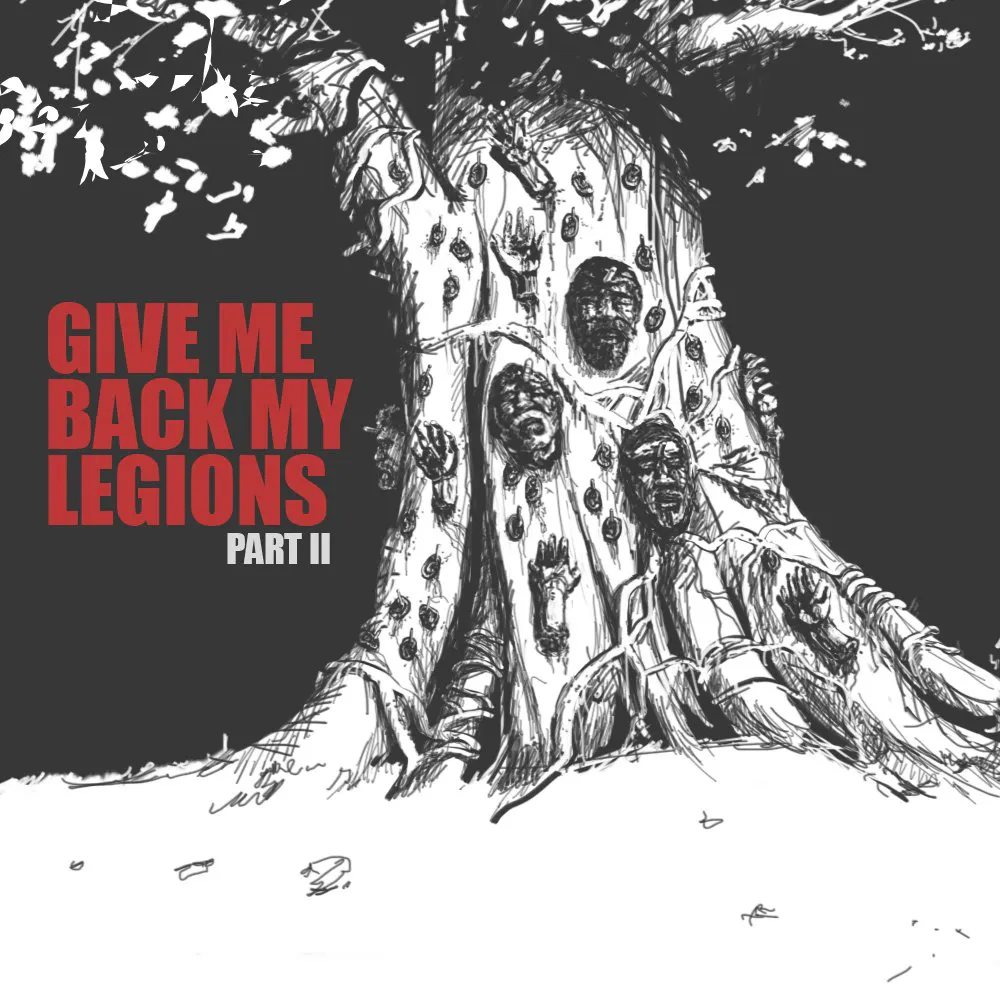
S1 Ep 48[RERUN] EPISODE 48: Give Me Back My Legions! (Part 2)
“In order to depict a battle, there is required one of those powerful painters who have chaos in their brushes” Victor Hugo “Inconceivable!” From The Princess Bride A little over 2,000 years ago, Rome was a well-oiled war machine crushing everything in its path. At that time, the Roman legions were the most deadly military force in the Western world, and possibly in the whole world. Every year, they conquered new peoples and pushed the boundaries of their empire. Rape and pillage was the name of the game, and they were masters at it. But in the year 9 CE, something happened in the forests of Germany that was going to have a profound impact on the destiny of the world. Some historians go so far as to suggest that both the German and English languages may not exist as we know them, had things gone differently. News arriving from Germany, along with a severed head delivered by courier, threw Emperor Augustus in a deep depression. In this second and final part of the series about the clash between Rome’s power with Germanic tribesmen, we’ll consider topics such as how suicide post-defeat in battle was a family tradition for one of the key characters in our story, when Varus ordered 2,000 people crucified, the training of the Roman army, Arminius’ skill at playing the long con, the battle that changed history, having to cut your friends’ throat out of kindness, the German passion for human sacrifice, Roman vengeance, how these events may be tied to the creation of the English language, and much more. If you feel generous and enjoy History on Fire, please consider joining my Patreon at https://www.patreon.com/historyonfire to access plenty of bonus content. Learn more about your ad choices. Visit megaphone.fm/adchoices

S1 Ep 94EPISODE 94: The Last War Chief
“Reflecting upon the chiefs I had known, I realized that here had never been one who was very well off. Poverty was part of a chief’s obligations…” Frank Bird Linderman Plenty Coups “While we painted ourselves the drums kept beating, and our women sang war-songs. No man can feel himself a coward at such a time. Every man that lives will welcome battle while brave men and women sing war-songs. I would have willingly gone alone against our enemies that day.” Plenty Coups “To be alone with our war-horses at such a time teaches them to understand us, and us to understand them. My horse fights with me and fasts with me, because if he is to carry me in battle he must know my heart and I must know his or we shall never become brothers. I have been told that the white man, who is almost a god, and yet a great fool, does not believe that the horse has a spirit. This cannot be true. I have many times seen my horse’s soul in his eyes.” Plenty Coups "The story of Joseph Medicine Crow is something I've wanted to tell for 20 years." Ken Burns “I felt good. I was a Crow warrior. My grandfathers would have been proud of me.” Joe Medicine Crow Lakota history has been the subject of many episodes of History on Fire. Today, however, we’ll see history through the eye of their traditional enemies, the Crow. Part of the episode will cover the history and culture of the Crow nation up to the late 1800s. The other part will move into the 1900s and follow the tale of Joe Medicine Crow, the last man to achieve the status of war chief of the Crow Nation thanks to the coups he counted during WWII against the Nazi. The fact that Joe Medicine Crow’s story has not been made into a movie is a crime. I can’t fix that, but at least I can dedicate a podcast to him. If you feel generous and enjoy History on Fire, please consider joining my Patreon at https://www.patreon.com/historyonfire to access plenty of bonus content. Learn more about your ad choices. Visit megaphone.fm/adchoices

S1 Ep 93EPISODE 93: The Beast of Gevaudan
“This animal is a monster whose father is a lion; it remains open what the mother is.” Jean-Baptiste Boulanger Duhamel “I would be tempted to imagine that we are dealing with a witch, or the devil in person, if only I could believe it.” Jean-Baptiste Boulanger Duhamel It’s the 1760s, in the Gevaudan area of South Central France. Imagine being a kid. Maybe 12 years old. Maybe as young as 8. You have heard the rumors. Maybe, you saw the mangled bodies. There’s a monster out there. A monster that hunts people and eats them. It has killed people in the woods, on the pastures, and even just a few feet out of their homes. Time and time again, the men have gone out to try to put an end to the monster’s reign of terror, but time and time again the monster has outsmarted them. Some say it’s an animal that escaped a private zoo—a lion or a hyena, or something else you have never seen. Some people say it’s a giant wolf. Some say a demon that can’t be killed by bullets. Maybe, it’s a werewolf. Just knowing that this monster wanders the countryside, right around your village… that would be terrifying. With this bloodthirsty beast roaming around, the door to your house doesn’t seem that solid anymore, and any suspicious noise outside can make you jump. So, it’s more than legitimate for you to think this is scary. But the reality is that this is nothing. Things don’t get truly scary until you take into account the fact that someone has to go outside and take care of the animals. And I don’t mean simply walking to the barn a few yards away from your house. I mean having to leave the relative safety of your home, go out there in the forest, and take them to the pastures, possibly for days at a time. Authorities have been warning people to stay home. Yeah… right… that’s a sweet concept but is practically impossible. If you stay home, your whole family starves. Your father and mother have other jobs that require their presence on the land. Taking animals to pasture… that’s your job. If you are lucky, you get to band with few other friends your age, and tend to the animals together, while you pray that the monster doesn’t choose to come for you. Think about being a 10-year old kid, and that’s your lot in life. This is the story of a monster that killed in the neighborhood of 100 people during the 1760s in France as well as the story of the men sent to hunt it. In the course of this episode, we’ll tackle the entire saga of the monster’s reign of terror, the mystery of the monster’s identity, and the role that the press played in shaping the events. Honorable mentions to the film Brotherhood of the Wolf, Georges St. Pierre, Alan Watts & The Wisdom of Insecurity. If you feel generous and enjoy History on Fire, please consider joining my Patreon at https://www.patreon.com/historyonfire to access plenty of bonus content. Learn more about your ad choices. Visit megaphone.fm/adchoices

S1 Ep 92EPISODE 92: Jujitsuffragettes With Attitude
“…a mad, wicked folly…” Queen Victoria about the notion of women having the right to vote “When I watched a policeman fell a girl to the ground and kick her across the platform, my only regret was that I had no weapon with which to strike him an effective blow.” Eunice G. Murray “£100 to any man who can defeat him. Notwithstanding the physical disadvantages against heavier men (for Tani weighs 9 stone only), Apollo will pay any living man twenty guineas who Tani fails to defeat in fifteen minutes: Professional champion wrestlers specially invited.” Music Hall advertisement “Physical force seems to be the only thing in which women have not demonstrated their equality to men, and whilst we are waiting for the evolution which is slowly taking place and bringing about that equality, we might just as well take time by the forelock and use ju-jitsu." Edith Garrud These days, pretty much any time I run into a movie or a book or a tv series with a strong woman among the lead characters, almost inevitably I run into comments by people whining about it, basically implying that strong women are a Hollywood invention created purely to satisfy some PC, affirmative action requirement. What we play with today is not that kind of a story. There’s nothing fictional about the rather intense ladies starring in this episode. One of them, in particular, Edith Garrud is Exhibit A when it comes to real life tough women from humanity’s past. Our story takes place at the very beginning of the 1900s in England, and it weaves together some rather unlikely elements: how the upper classes’ fear of crime associated with urbanization led to the popularization of Asian martial arts, how the very legitimate request for women to have the right to vote unleashed some rather extreme violence… We’ll talk about suffragettes and terrorism, the early days of pro wrestling, Sherlock Holmes, and some Japanese expats (including that Mitsuyo Maeda destined to set in motion a sequence of events leading to the creation of modern MMA and the UFC.) And most of all, we’ll talk about Edith Garrud, one of the very first women to become a martial arts teacher and to star in the granddaddy of martial arts movies. Please support History on Fire at www.patreon.com/historyonfire Learn more about your ad choices. Visit megaphone.fm/adchoices

S1 Ep 85EPISODE 85: The Siege That Changed All of History
“I cut off their heads. I burned them with fire. With their blood I dyed the mountain red like red wool. Men I impaled on stakes. The city I destroyed, devastated… the young men and maidens I burned in the fire.” Ashurnairpal II “I filled the wide plain with the corpses of his warriors…. These [rebels] I impaled on stakes. …A pyramid of heads I erected in front of the city.” Salmaneser III “Don’t let Hezekiah mislead you by saying, ‘The Lord will rescue us!’ Have the gods of any other nations ever saved their people from the king of Assyria? 19 What happened to the gods of Hamath and Arpad? And what about the gods of Sepharvaim? Did any god rescue Samaria from my power? 20 What god of any nation has ever been able to save its people from my power? So what makes you think that the Lord can rescue Jerusalem from me?” Isaiah 36:18-20 History is a fickle beast. Some events may not seem like much at the time when they happen, but they end up radically shaping all events afterwards. For example, had just one event turned out different—an event largely forgotten today, such as the siege of Jerusalem in 701 BCE—and all of history would have changed. If the siege had ended in the way everyone expected it to end, Judaism would have disappeared from the pages of history, and Christianity and Islam would have never been born. Can you imagine how different the world would be if you were to remove the entire history of the three main monotheistic religions? In this episode we’ll tackle this greatest of ‘what ifs.’ In the process of doing so, we’ll discuss the origins of Western monotheism, Assyrian culture, Hebrew legends, the Assyrian protection racket, the clash between monotheistic Hebrews and polytheistic Hebrews, how the Assyrians turned 10 of the tribes of Israel into the “lost tribes”, committing ‘suicide by Assyrian’, the destruction of Lachish, what may have happened in Jerusalem in 701 BCE, and much more. Learn more about your ad choices. Visit megaphone.fm/adchoices

S1 Ep 78EPISODE 78: Bruce Lee (Part 2)
“Jeet Kune Do favors formlessness so that it can assume all forms and since Jeet Kune Do has no style, it can fit with all styles. As a result, Jeet Kune Do utilizes all ways and is bound by none and, likewise, uses any techniques or means which serve its ends.” Bruce Lee “1. Research your own experience. 2. Absorb what is useful. 3. Reject what is useless. 4. Add what is specifically your own.” Bruce Lee’s methodology “I maintain that truth is a pathless land and you cannot approach it by any religion. A belief is purely an individual matter, and you cannot and must not organize it. If you do, it becomes dead, crystallized; it becomes a creed, a sect, a religion, to be imposed on others.” Jiddhu Krishnamurti “This doesn’t look like success to me.” Sovannahry Em “A martial artist is a human being first. Just as nationalities have nothing to do with one’s humanity, so they have nothing to do with the martial arts.” Bruce Lee Ask anyone for one name they associate with martial arts, and odds are they will mention Bruce Lee. Because of his career, millions of people were introduced to martial arts. Thanks to his movies, Lee achieved enduring, worldwide fame, broke plenty of box office records, and forever changed the aesthetics of action films. Not bad for a skinny kid from Hong Kong who arrived in United States with the proverbial shirt on his back. The image of his hyper-muscular body in combat pose has become iconic. But there was a lot more to Bruce Lee than meets the eye. He could have been a rock star or a spiritual leader or anything else he had wished… Martial arts was just a channel for his energy. Had he put that same energy anywhere else, he’d have probably had similar success. Despite Hollywood turning him down time and time again due to racial prejudices, Lee refused to take no for an answer and more or less single-handedly changed the way in which Asian people were perceived in the West. His philosophical insights also changed the face of martial arts training, and introduced masses of people to Taoism and Zen Buddhism. His creative & anti-authoritarian approach to life captured the best of the essence of the 1960s. Get ready for a ride because this is an incredible story I have wanted to tell since I first started podcasting. This episode covers Bruce Lee’s philosophy and life from 1965 through his death in 1973. Learn more about your ad choices. Visit megaphone.fm/adchoices

S1 Ep 77EPISODE 77: Bruce Lee (Part 1)
“Energy is eternal delight.” William Blake “Hong Kong in the 1950s was a depressed place. Post–World War II Hong Kong had suffered from unemployment, a poor economy, over-crowding, homelessness, and people taking advantage of each other. Gangs roamed the street, and juvenile delinquents ran rampant.” Hawkins Cheung “Teachers should never impose their favorite patterns on their students—he said—They should be finding out what works for them, and what does not work for them. The individual is more important than the style.” Bruce Lee “I feel I have this great creative and spiritual force within me that is greater than faith, greater than ambition, greater than confidence, greater than determination, greater than vision. It is all of these combined…” Bruce Lee Ask anyone for one name they associate with martial arts, and odds are they will mention Bruce Lee. Because of his career, millions of people were introduced to martial arts. Thanks to his movies, Lee achieved enduring, worldwide fame, broke plenty of box office records, and forever changed the aesthetics of action films. Not bad for a skinny kid from Hong Kong who arrived in United States with the proverbial shirt on his back. The image of his hyper-muscular body in combat pose has become iconic. But there was a lot more to Bruce Lee than meets the eye. He could have been a rock star or a spiritual leader or anything else he had wished… Martial arts was just a channel for his energy. Had he put that same energy anywhere else, he’d have probably had similar success. Despite Hollywood turning him down time and time again due to racial prejudices, Lee refused to take no for an answer and more or less single-handedly changed the way in which Asian people were perceived in the West. His philosophical insights also changed the face of martial arts training, and introduced masses of people to Taoism and Zen Buddhism. His creative & anti-authoritarian approach to life captured the best of the essence of the 1960s. Get ready for a ride because this is an incredible story I have wanted to tell since I first started podcasting. This episode covers Bruce Lee’s life from birth to his famous fight with Wong Jack Man in 1964. Learn more about your ad choices. Visit megaphone.fm/adchoices
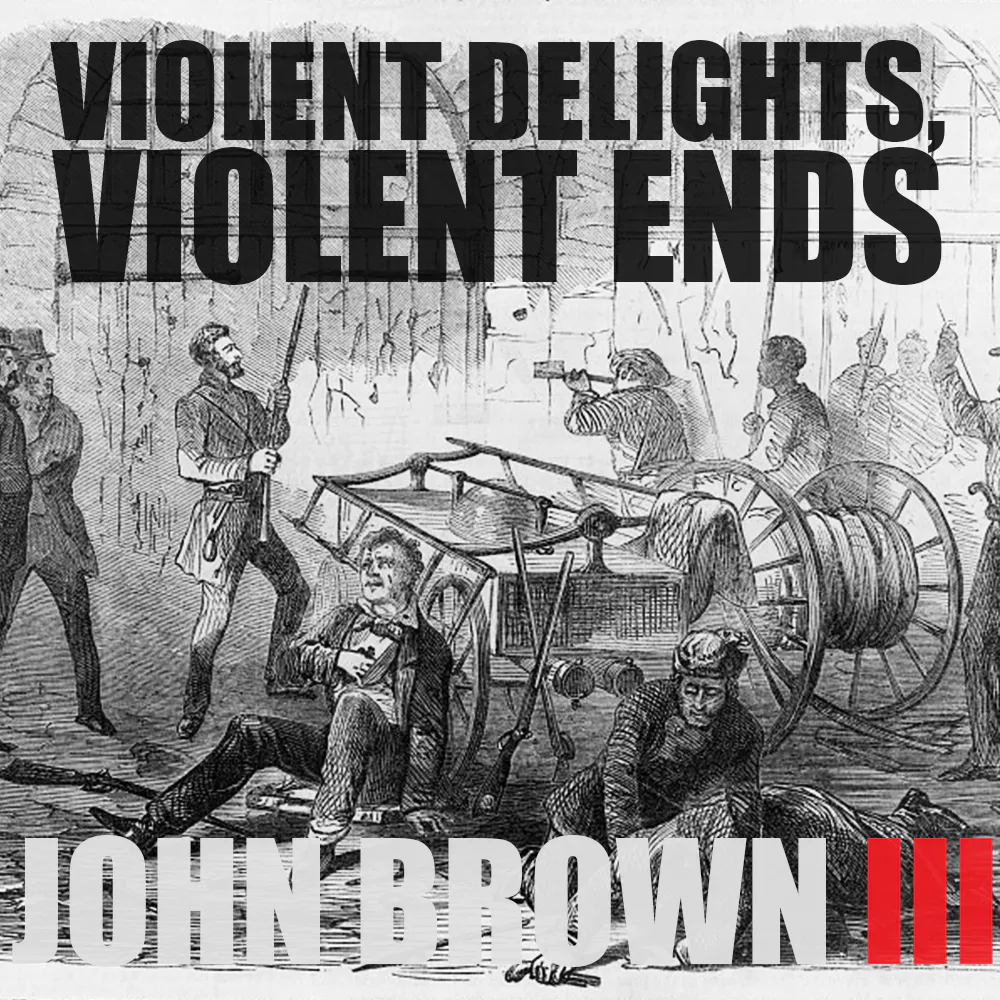
S1 Ep 72EPISODE 72: John Brown (Part 3): Violent Delights, Violent Ends
“I, John Brown, am now quite certain that the crimes of this guilty land will never be purged away but with blood.” John Brown “If you seek my blood, you can have it at any moment without the mockery of a trial.” John Brown “John Brown, and a thousand John Browns, can invade us, and the Government will not protect us. To secure our rights and protect our honor we will dissever the ties that bind us together, even if it rushes us into a sea of blood." Mississippi congressman Reuben Davis “John Brown began the war that ended American slavery and made this a free Republic.” Frederick Douglass "I looked at the traitor with unlimited, undeniable contempt." John Wilkes Booth “Had I interfered in the manner which I admit… in behalf of the rich, the powerful… the so-called great… every man in this Court would have deemed it an act worthy of reward rather than punishment.” John Brown The subject of this series is easily one of the most divisive individuals in U.S. history. The man we are talking about is Mr. John Brown. Many, in fact, see Brown’s actions as the spark that ignited the Civil War. He has been described as a civil rights hero, a terrorist, and everything in between. Some have argued he was clinically insane. Others believe he was the most principled man of his age. Regardless of how we interpret his story, certain facts are beyond dispute. Throughout his life, slavery was the law of the land in much of the United States. With hardly any abolitionist willing to do more than use words against slavery, while pro-slavery forces demonstrated they were quite skilled at using violence to further their worldview, it seemed inevitable that slavery would last for the foreseeable future. To John Brown, that was an unacceptable option. Allowing it to continue for one more second was cowardly and evil. If pacifist means weren’t enough to bring about the end of slavery, then John Brown was more than ready to speak the language of violence. For the sake of destroying slavery, he would shed the blood of his enemies, the blood of his family, and his own blood. In this final episode of this series, we’ll cover: John Brown’s meeting with Harriet Tubman, a raid to free slaves and bring them to Canada, the loyalty of Shields Green, Dangerfield Newby dying to save his family, the attack on Harpers Ferry, stealing George Washington’s sword, drunkards shooting corpses, Silas Soule’s jailbreaking skills, the trial of John Brown, the dangers posed by Zombie John Brown, guest appearances by Robert E. Lee, Stonewall Jackson, John Wilkes Booth and Jeb Stuart, and much more. If you feel generous and enjoy History on Fire, please consider joining my Patreon at https://www.patreon.com/historyonfire to access plenty of bonus content. All the links to History on Fire social media can be found at https://linktr.ee/danielebolelli Including the HOF YouTube Channel: https://www.youtube.com/channel/UCFCiqHbWJO26nFzUP-Eu55Q Substack: https://substack.com/@danielebolelli Instagram: https://www.instagram.com/historyonfire/ TikTok: https://www.tiktok.com/@historyonfirepodcast Thank you to today’s sponsor, Fabric by Gerber Life, a term life insurance. If you are interested in life insurance, please check them out at https://meetfabric.com/HISTORYONFIRE Throughout history, people have used mushrooms (such as Lion’s Mane, Turkey Tail, Cordyceps, Reishi and Chaga) for their medicinal properties. My friends started https://purestmushrooms.com/ where they offer some of the best quality mushrooms you can find on the market at affordable prices. Use code historyonfire at checkout for a discount. Bison is some of the healthiest meat you could possibly eat. Get yours at https://dakotapurebison.com/ History on Fire listeners get a discount by using the code HOF10 at checkout. Learn more about your ad choices. Visit megaphone.fm/adchoices
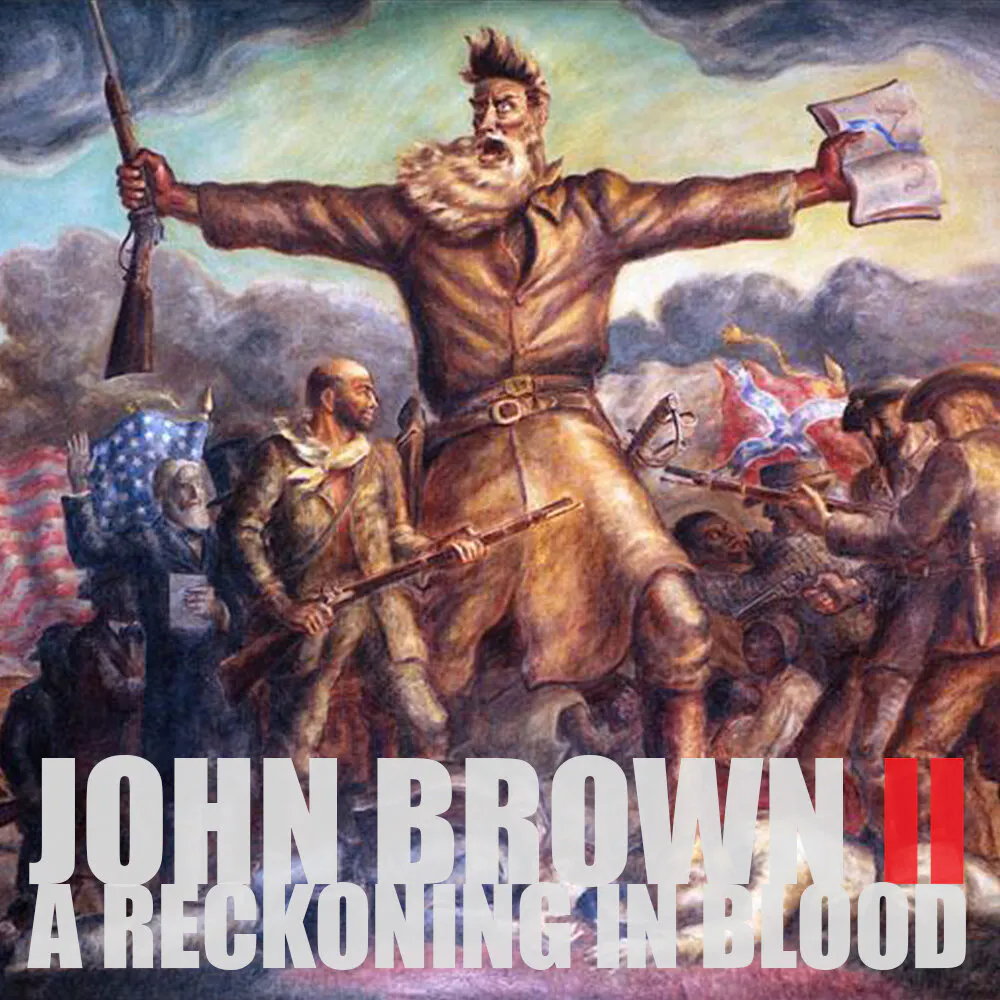
S1 Ep 71EPISODE 71: John Brown (Part 2): A Reckoning in Blood
“I think he [God] has used me as an instrument to kill men; and if I live, I think he will use me as an instrument to kill a good many more.” John Brown “I had reached the point at which I was not afraid to die. This spirit made me a freeman in fact, while I remained a slave in form.” Frederick Douglass “I have only a short time to live, only death to die and I will die fighting for this cause. There will be no peace in this land until slavery is done for.” John Brown “We will continue to tar and feather, drown, lynch, and hang every white-livered abolitionist who dares to pollute our soil.” Dr. John H Stringfellow “Caution!? Caution!?—he exploded—I am eternally tired of hearing that word Caution! It is nothing but the word of cowardice!” John Brown “To know and not to act is not to know.” Wang Yangming “Behind them lay five twisted, red and mangled corpses. Behind them rose the stifled wailing of widows and little children… but before them rode a man, tall, dark, grim-faced and awful. His hands were red and his name was John Brown. Such was the cost of freedom.” DuBois The subject of this series is easily one of the most divisive individuals in U.S. history. The man we are talking about is Mr. John Brown. Many, in fact, see Brown’s actions as the spark that ignited the Civil War. He has been described as a civil rights hero, a terrorist, and everything in between. Some have argued he was clinically insane. Others believe he was the most principled man of his age. Regardless of how we interpret his story, certain facts are beyond dispute. Throughout his life, slavery was the law of the land in much of the United States. With hardly any abolitionist willing to do more than use words against slavery, while pro-slavery forces demonstrated they were quite skilled at using violence to further their worldview, it seemed inevitable that slavery would last for the foreseeable future. To John Brown, that was an unacceptable option. Allowing it to continue for one more second was cowardly and evil. If pacifist means weren’t enough to bring about the end of slavery, then John Brown was more than ready to speak the language of violence. For the sake of destroying slavery, he would shed the blood of his enemies, the blood of his family, and his own blood. In this second episode of a three-part series, we see John Brown meeting Frederick Douglass & visiting Europe, the passing of the Fugitive Slave Law, the experiment at North Elba, Bleeding Kansas, the pathetic story of the Border Ruffians, revising the notion of abolitionist pacifism, blood on the floor of the Senate, the Pottawatomie massacre, guerrilla in Kansas, and much more. If you feel generous and enjoy History on Fire, please consider joining my Patreon at https://www.patreon.com/historyonfire to access plenty of bonus content. All the links to History on Fire social media can be found at https://linktr.ee/danielebolelli Learn more about your ad choices. Visit megaphone.fm/adchoices
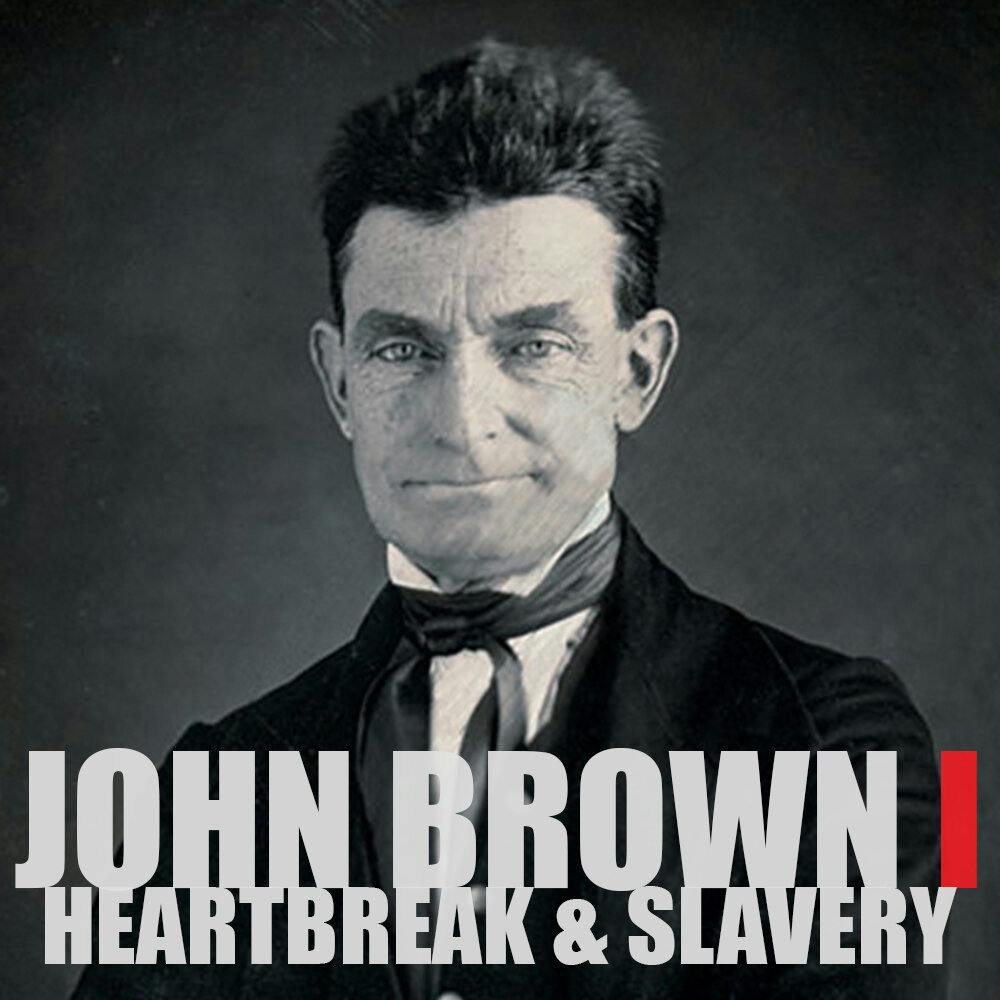
S1 Ep 70EPISODE 70: John Brown (Part 1): Heartbreak & Slavery
“You know what John Brown did? He went to war. He was a white man who went to war against white people to help free slaves. White people call John Brown a nut. Go read the history, go read what all of them say about John Brown. They’re trying to make it look like he was a nut, a fanatic… But they depict him in this image because he was willing to shed blood to free the slaves. And any white man who is ready and willing to shed blood for your freedom… So when you want to know good white folks in history where black people are concerned, go read the history of John Brown.” Malcolm X “When a man strikes his male or female slave with a rod so hard the slave dies under his hand, he shall be punished. If, however, the slave survives for a day or two, he is not to be punished, since the slave is his own property.” Exodus 21:20–21 “Here, before God, in the presence of these witnesses, from this time, I consecrate my life to the destruction of slavery!” John Brown The subject of this series is easily one of the most divisive individuals in U.S. history. The man we are talking about is Mr. John Brown. Many, in fact, see Brown’s actions as the spark that ignited the Civil War. He has been described as a civil rights hero, a terrorist, and everything in between. Some have argued he was clinically insane. Others believe he was the most principled man of his age. Regardless of how we interpret his story, certain facts are beyond dispute. Throughout his life, slavery was the law of the land in much of the United States. With hardly any abolitionist willing to do more than use words against slavery, while pro-slavery forces demonstrated they were quite skilled at using violence to further their worldview, it seemed inevitable that slavery would last for the foreseeable future. To John Brown, that was an unacceptable option. Allowing it to continue for one more second was cowardly and evil. If pacifist means weren’t enough to bring about the end of slavery, then John Brown was more than ready to speak the language of violence. For the sake of destroying slavery, he would shed the blood of his enemies, the blood of his family, and his own blood. In this first episode of a three-part series, we’ll introduce the early part of John Brown’s life and his crusade against slavery. Among today’s topics, we’ll have the ethics of punching a Nazi, how the beating of an enslaved child set Brown on his path, how both pro and anti-slavery forces used Christianity to justify their stances, racism masquerading as philanthropy, the Nat Turner rebellion, grief & PTSD, the Underground Railroad, the murder of Elijah Lovejoy, and much more. If you feel generous and enjoy History on Fire, please consider joining my Patreon at https://www.patreon.com/historyonfire to access plenty of bonus content. All the links to History on Fire social media can be found at https://linktr.ee/danielebolelli Learn more about your ad choices. Visit megaphone.fm/adchoices
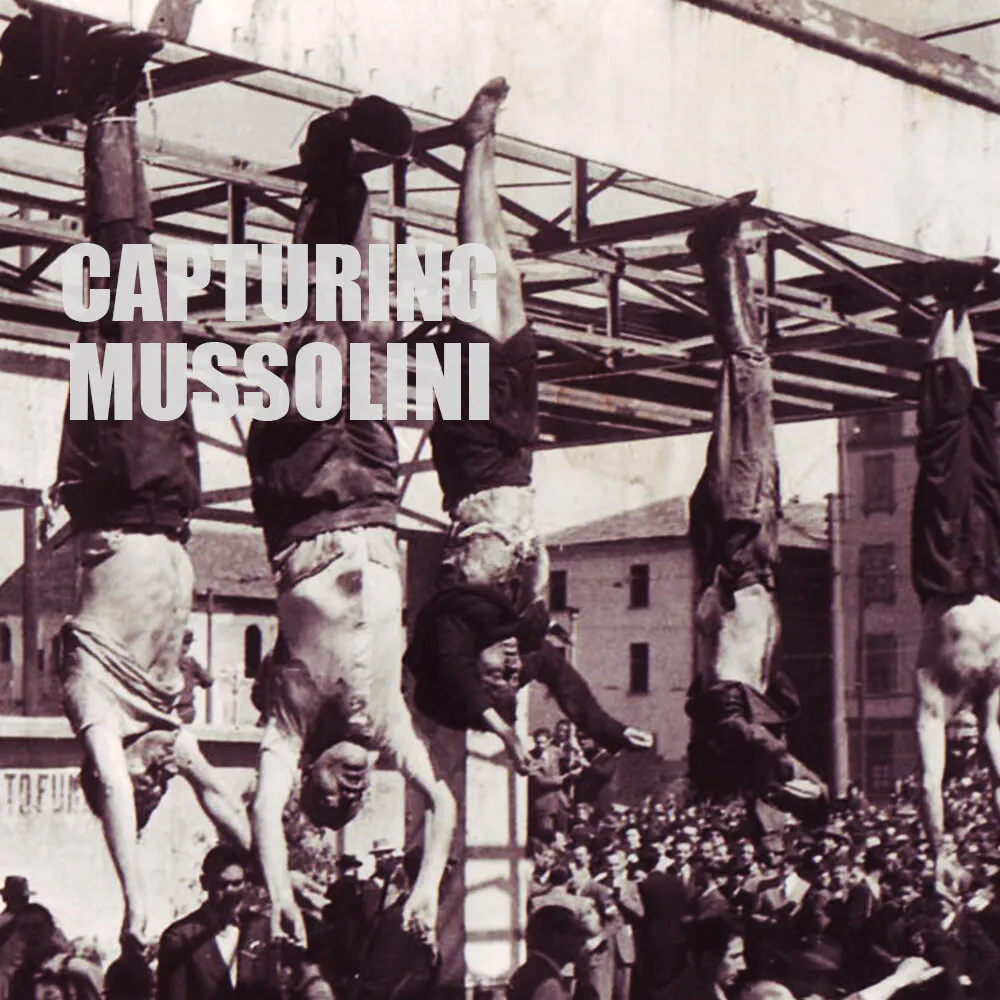
S1 Ep 69EPISODE 69: Capturing Mussolini
“He must be handed over to a tribunal of the people so it can judge him quickly. We want this, even though we think an execution platoon is too much of an honor for this man. He would deserve to be killed like a mangy dog.” Future Italian President Sandro Pertini about Benito Mussolini “The world unfortunately continues to be a battlefield where different egos clash, repeating the mistakes of the past.” Federigo Giordano “Death to the Nazi-Fascists.” The closing quote of most letters written by Federigo Giordano during WWII I am not done with stories of resistance from Italy during WW II. Today, I’ll tell the story of a friend, one of the very last partisan commanders to still be alive—Federigo Giordano (battle name “Gek.”) His name is still recognized in some towns in Northern Italy since he was the one to lead his men to liberate them from Fascists and Nazis. In this episode we’ll tackle the growth of racism within Fascist ideology, becoming a partisan in the mountains of Northern Italy, rejecting the Alexander Proclamation, saving American aviators, participating in the capture of Benito Mussolini, Mussolini ‘hanging’ in Piazzale Loreto, drunk Nazis in one room while partisans hide in the attic, having to explain to a 90+ year old lady why you killed her sister over 70 years earlier, and much more. Here's the link to my daughter’s YouTube channel: https://www.youtube.com/@isabellahan-bolelli If you feel generous and enjoy History on Fire, please consider joining my Patreon at https://www.patreon.com/historyonfire to access plenty of bonus content. All the links to History on Fire social media can be found at https://linktr.ee/danielebolelli Learn more about your ad choices. Visit megaphone.fm/adchoices

S1 Ep 68EPISODE 68: My Grandma and Her Bombs: A Story of WWII
“Women must obey… My opinion of women’s role within the state is against any kind of feminism. In our state, women must not count.” Benito Mussolini “Yes, I participated in the actions. I usually had the task of carrying the weapons and would hand them to our shooters. As soon as they had used them, I’d get them back from them—still hot.” Liana Germani “I was mostly afraid of torture had they captured me, of the terrible suffering on the way to the concentration camps. Death seemed simple, something quick, liberating. Fear was a constant element of our daily lives.” Liana Germani This is a tale of Italian Resistance during WW II. Unlike nearly all History on Fire episodes, this is not a story I researched in books. It’s a much more personal one—these are my grandparents’ experiences. The starring role goes to my grandmother, Liana Germani, who as a teenager was a combat partisan active against the Fascist regime and the Nazi occupation. What I remember of her... there was a constant hint of sadness and pessimism hanging around her. It may have to do with the fact that during WW II, she found her boyfriend murdered--cut into pieces by fascists. She spent the rest of her teenage years smuggling guns & bombs, and doing what she could to kill them all. Honorable mention also to my paternal grandparents—in particular my grandfather Stelio Bolelli, who found his way into fighting alongside Allied troops all the way through the Gothic Line. In the course of this episode we’ll talk about a brief history of Fascism, DMX & the Matteotti murder, the collusion between fascist leaders and Sinclair Oil, the Badoglio government, the Nazi occupation, the massacre of St. Anna di Stazzema, guerrilla in the streets of Milan, gender roles in fascist Italy, my grandma’s friends being executed, PTSD, carrying bombs & smuggling weapons, my grandfather avoiding execution, the Gorla massacre, and much, much more. If you feel generous and enjoy History on Fire, please consider joining my Patreon at https://www.patreon.com/historyonfire to access plenty of bonus content. All the links to History on Fire social media can be found at https://linktr.ee/danielebolelli Learn more about your ad choices. Visit megaphone.fm/adchoices

S1 Ep 67EPISODE 67: Ripples of History
“If I knew the way, I would take you home.” From the song Ripple by the Grateful Dead “The only thing that will redeem mankind is cooperation.” Bertrand Russell “Talent wins games, but teamwork and intelligence win championships.” Michael Jordan “A journey of a thousand miles begins with one step.” Tao Te Ching In most fields, we are taught that people in your same profession are your competitors, and you need to do whatever you can to prevent them from rising above you. In podcasting I found the opposite attitude—people helping each other out and doing whatever possible to facilitate things for other podcasters in the same field. In this spirit, today we’ll do something unique: six history podcasters cooperating, with each one tackling a segment, to create a super-episode together. As the host, yours truly will get the ball rolling setting the theme and offering some examples of ‘historical ripples’—events that end up having unforeseen consequences years, or decades, or centuries after they take place. Alexander Rader Von Sternberg (History Impossible) will chat about how a man who died feeling like he had failed to make his mark in history ended up—possibly more than any other—shaping the culture of several Asian civilizations. CJ Killmer (Dangerous History) will tackle the Bacon’s Rebellion and its ramifications. Sebastian Major (Our Fake History) will play with the myth and lasting impact of Homer’s telling of the Trojan War. Sam Davis (Inward Empire) will be discussing the impact of Henry David Thoreau’s essay Civil Disobedience on the Civil Rights Movement about a century later. And Darryl Cooper (Martyrmade) will make a case for the Japanese origin for suicide bombings in the Middle East. Learn more about your ad choices. Visit megaphone.fm/adchoices
S1 Ep 66EPISODE 66: Sex in Ancient Rome
“From an author’s perspective, writing about sex is risky, because if you write well enough, evocatively enough, vividly enough, you make the reader want to put the book aside and go get laid.” Tom Robbins “Let's live and love, Caring less than nothing for The moralizing of stern old men. The sun sets and rises back again, But an eternal night of sleep awaits us When our brief light turns to darkness. Give me a thousand kisses, and a hundred more. Then a thousand, and another hundred. And then more thousands and hundreds. Let's scatter them, then, So that no one can envy us By knowing how many kisses we have shared.” Catullus “You know how today some people have garden gnomes? Ancient Romans had their own version, and of course... the Romans being Romans, their garden gnomes were endowed huge penises and an enthusiasm for raping anyone entering the garden uninvited.” Daniele Bolelli This is a cultural history episode about sexuality in Ancient Rome. I thought the topic would be fun and juicy, but that’s because my memory of Roman sexuality was hazy. After refreshing it with lots of research, I can safely say that ‘fun’ is not a word I would apply to it. ‘Insanely disturbing’ is probably more fitting. Most of the ancient sources, in fact, seem to indicate that little to no attention was paid to the idea of sex being for mutual pleasure. Rather, sex was primarily seen as something to reinforce dominance and hierarchy. In this episode, we’ll cover prison sex, rapey garden gnomes, the similarities and differences between ancient Roman and Christian sexualities, the origin of the word ‘family’ (it’s not pleasant), threatening sexual violence to prove one’s manliness, the violent myths about Rome’s founding, the Rape of the Sabine women, sex and slavery, prostitution, why speaking of homosexuality or heterosexuality made no sense in Ancient Rome, legal trials as rap battles, Cicero & the art of character assassination, Mark Anthony & the art of assassinating Cicero, Augustus’ puritanism, gladiators fighting against their own wildcat-shaped phalli, Roman sexual art, and much, much more. If you feel generous and enjoy History on Fire, please consider joining my Patreon at https://www.patreon.com/historyonfire to access plenty of bonus content. All the links to History on Fire social media can be found at https://linktr.ee/danielebolelli Learn more about your ad choices. Visit megaphone.fm/adchoices

S1 Ep 65EPISODE 65: The Taiping Rebellion (Part 3): A River of Death
“Everywhere in southern Anhui they are eating people.” Zeng Guofan “Infants but recently born were torn from their mother’s breasts, and disemboweled before their faces. Young strong men were disemboweled, mutilated, and the parts cut off thrust into their own mouths…” A British testimony on the Qing treatment of POWs If I were to ask you which is the deadliest conflict in history, you’d probably answer WW II. But if I were to ask you, which is the second deadliest conflict ever—at least according to most historians—I’d bet the number of raised hands would shrink quickly. And I’d also bet that a good percentage of those taking their chances with an answer would probably be wrong. So, welcome to the wildest, weirdest, biggest conflict in history that few people have heard about (that is…unless you are quite knowledgeable about Chinese history). Millions of troops took part in this war. Something in the neighborhood of 600 cities changed hands over decade and half of fighting. Conservative estimates place the dead around 20-30 millions (some estimates go as high as 100 millions.) For frame of references, this is deadlier than the Iraq War, the War in Afghanistan, the Vietnam War, the Korean War, the Spanish American War, the American Civil War and the American Revolution put together. We can also throw in the 7 Years War, all three Punic wars and all of the Crusades for good measure. In light of this, it may begin to make sense why several historians believe this is the bloodiest civil war of all time. It all began with a Chinese man who, in the mid-1800s, dreamed of becoming a scholar and receive a government job. Seems like an innocent start, right? Well, our wannabe intellectual, a certain Hong Xiuquan, experienced a major crisis when he realized that no matter how much he studied, he would not succeed at passing the imperial exams, that were the prerequisite to getting the career he dreamed of. The fact that he failed was more than a personal tragedy for Hong. Rather, this failure would trigger a sequence of events leading to the death of millions. This was easily the most costly F in the history of education. Broken to the core, he had a mental breakdown, and began to experience visions. These visions revealed to him that he was God’s son, and Jesus’ younger brother, and he was tasked by his heavenly relatives to clean China off any demonic influences in order to create the Kingdom of Heavenly Peace. His efforts to create this Heavenly Kingdom of Great Peace heralded a bloody civil war with a body count that would make most video gamers blush. In this episode, we run into Christian missionaries floating on a river of death, Hong’s descent into further layers of madness, the Second Opium War, Zeng Guofan’s comical pessimism, the wavering French-British policy, the Empress Dowager Cixi being a gangster, the battle for Shanghai, the Ever Victorious Army, a cholera outbreak, the asexual crusader Charles Gordon, the death of a Christian kingdom in China, and much more. If you feel generous and enjoy History on Fire, please consider joining my Patreon at https://www.patreon.com/historyonfire to access plenty of bonus content. All the links to History on Fire social media can be found at https://linktr.ee/danielebolelli Learn more about your ad choices. Visit megaphone.fm/adchoices

S1 Ep 64EPISODE 64: The Taiping Rebellion (Part 2): Jesus’ Chinese Younger Brother
“Is not this insurgent movement truly wonderful? These rebels keep Sabbath as we do, they pray to God daily, they read the Scriptures, they break the idols, and they long for the time when, instead of those heathen temples, they shall have Christian chapels, and worship together with us… is it not a remarkable era in China?” A Christian missionary wife about the Taiping Rebellion “Jesus our Elder Brother showed us the treacherous heart of this demon follower.” Sign hanging around the neck of a man executed by the Taiping “Those who believe not in the true doctrine of God and Jesus, though they be old acquaintances, are still no friends of mine, but they are demons.” Hong Xiuquan If I were to ask you which is the deadliest conflict in history, you’d probably answer WW II. But if I were to ask you which is the second deadliest conflict ever—at least according to most historians—I’d bet the number of raised hands would shrink quickly. And I’d also bet that a good percentage of those taking their chances with an answer would probably be wrong. So, welcome to the wildest, weirdest, biggest conflict in history that few people have heard about (that is…unless you are quite knowledgeable about Chinese history). Millions of troops took part in this war. Something in the neighborhood of 600 cities changed hands over decade and half of fighting. Conservative estimates place the dead around 20-30 millions (some estimates go as high as 100 millions.) For frame of references, this is deadlier than the Iraq War, the War in Afghanistan, the Vietnam War, the Korean War, the Spanish American War, the American Civil War and the American Revolution put together. We can also throw in the 7 Years War, all three Punic wars and all of the Crusades for good measure. In light of this, it may begin to make sense why several historians believe this is the bloodiest civil war of all time. It all began with a Chinese man who, in the mid-1800s, dreamed of becoming a scholar and receive a government job. Seems like an innocent start, right? Well, our wannabe intellectual, a certain Hong Xiuquan, experienced a major crisis when he realized that no matter how much he studied, he would not succeed at passing the imperial exams, that were the prerequisite to getting the career he dreamed of. The fact that he failed was more than a personal tragedy for Hong. Rather, this failure would trigger a sequence of events leading to the death of millions. This was easily the most costly F in the history of education. Broken to the core, he had a mental breakdown, and began to experience visions. These visions revealed to him that he was God’s son, and Jesus’ younger brother, and he was tasked by his heavenly relatives to clean China off any demonic influences in order to create the Kingdom of Heavenly Peace. His efforts to create this Heavenly Kingdom of Great Peace heralded a bloody civil war with a body count that would make most video gamers blush. In this episode, we follow Hong Xiuquan as he graduates from religious intolerance to armed insurrection against the government. We also run into angels torturing Confucius, ‘God’ & ‘Jesus’ & ‘Jesus’ younger brother’ leading an army to topple the Qing Dynasty, a massive army of sexually frustrated people, the capture of Nanjing, Quentin Tarantino’s Biblical tales, the Taiping turning into The Sopranos, ‘Jesus’ younger brother’ placing a hit on ‘God’s Voice’, and much more. If you feel generous and enjoy History on Fire, please consider joining my Patreon at https://www.patreon.com/historyonfire to access plenty of bonus content. All the links to History on Fire social media can be found at https://linktr.ee/danielebolelli Learn more about your ad choices. Visit megaphone.fm/adchoices
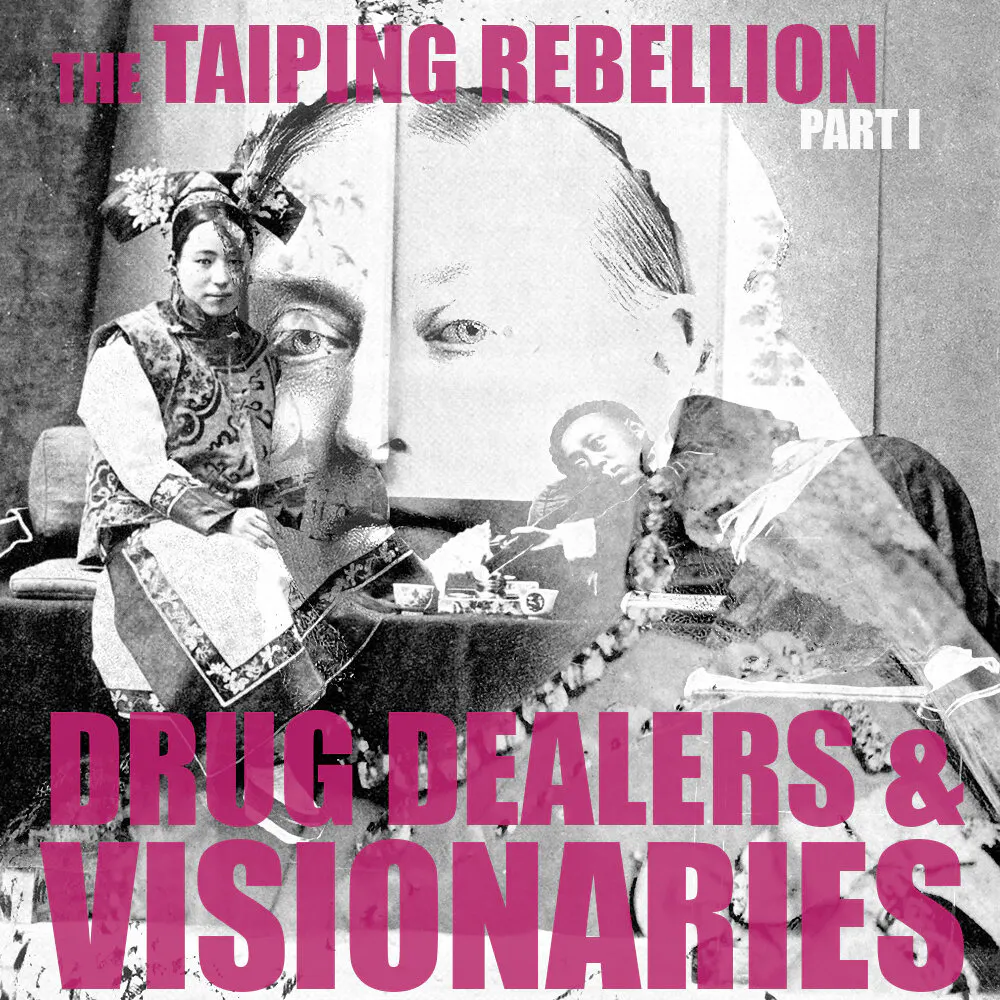
S1 Ep 63EPISODE 63: The Taiping Rebellion (Part 1): Drug Dealers and Visionaries
“The entire story of the Taiping Rebellion might be told, from one perspective, as the rage of a failed exam candidate writ large.” Stephen Platt “They may not intend to harm others on purpose, but the fact remains that they are so obsessed with material gain that they have no concern whatever for the harm they can cause to others.” Lin Zexu about British opium traders “Heaven is furious with anger, and all the gods are moaning with pain!... A murderer of one person is subject to the death sentence; just imagine how many people opium has killed! This is the rationale behind the new law which says that any foreigner who brings opium to China will be sentenced to death by hanging or beheading.” Lin Zexu “… soothing, quieting and delightful beyond measure.” Queen Victoria about opium If I were to ask you which is the deadliest conflict in history, you’d probably answer WW II. But if I were to ask you which is the second deadliest conflict ever—at least according to most historians—I’d bet the number of raised hands would shrink quickly. And I’d also bet that a good percentage of those taking their chances with an answer would probably be wrong. So, welcome to the wildest, weirdest, biggest conflict in history that few people have heard about (that is…unless you are quite knowledgeable about Chinese history). Millions of troops took part in this war. Something in the neighborhood of 600 cities changed hands over decade and half of fighting. Conservative estimates place the dead around 20-30 millions (some estimates go as high as 100 millions.) For frame of references, this is deadlier than the Iraq War, the War in Afghanistan, the Vietnam War, the Korean War, the Spanish American War, the American Civil War and the American Revolution put together. We can also throw in the 7 Years War, all three Punic wars and all of the Crusades for good measure. In light of this, it may begin to make sense why several historians believe this is the bloodiest civil war of all time. It all began with a Chinese man who, in the mid-1800s, dreamed of becoming a scholar and receive a government job. Seems like an innocent start, right? Well, our wannabe intellectual, a certain Hong Xiuquan, experienced a major crisis when he realized that no matter how much he studied, he would not succeed at passing the imperial exams, that were the prerequisite to getting the career he dreamed of. The fact that he failed was more than a personal tragedy for Hong. Rather, this failure would trigger a sequence of events leading to the death of millions. This was easily the most costly F in the history of education. Broken to the core, he had a mental breakdown, and began to experience visions. These visions revealed to him that he was God’s son, and Jesus’ younger brother, and he was tasked by his heavenly relatives to clean China off any demonic influences in order to create the Kingdom of Heavenly Peace. His efforts to create this Heavenly Kingdom of Great Peace heralded a bloody civil war with a body count that would make most video gamers blush. In this episode, we tackle ethnic conflicts in China, Christian missionaries in Canton, uber-difficult Imperial exams, the Pablo Escobar of the 1800s having the British navy on her side, foot binding, Great Britain solving a trade deficit by flooding China with drugs, the First Opium War, and much more. If you feel generous and enjoy History on Fire, please consider joining my Patreon at https://www.patreon.com/historyonfire to access plenty of bonus content. All the links to History on Fire social media can be found at https://linktr.ee/danielebolelli Learn more about your ad choices. Visit megaphone.fm/adchoices

S1 Ep 62EPISODE 62: Plagues, Mystery and Dancing
“The universities do not teach all things, so a doctor must seek out old wives, gypsies, sorcerers, wandering tribes, old robbers, and such outlaws and take lessons from them. A doctor must be a traveler… Knowledge is experience.” Paracelsus “They indulged in disgraceful immodesty, for many women, during this shameless dance and mock-bridal singing, bared their bosoms, while others of their own accord offered their virtue.” C. Browerus describing the 1374 Dancing Plague Weird seems like the most appropriate word to describe today’s subject, and yet ‘weird’ feels like an understatement. On July 14, 1518, in Strasbourg, a lady named Troffea began dancing in the streets. Ok… that doesn’t sound too weird. Just bare with me… Troffea didn’t reply to questions or requests from her frustrated husband that she stopped. She had somehow slipped in a whole different state of consciousness and kept dancing until she passed out from exhaustion. As soon as she woke up, she started dancing again. This process of compulsive dancing and passing out went on for days until Troffea’s feet were covered in blood. But the real problem began when others fell under the same spell and joined in the dance… And that’s not the worst part. Before long, many of them began dropping off dead from heart attacks caused by the excessive effort. No matter how self-destructive the dance could be, the people afflicted simply couldn’t stop. Strasbourg had been hit with the weirdest plague in history… a dancing plague. As we explore the mystery of the dancing plague, we end up discussing the black plague, anti-Semitism, the corruption of the church, martyrs and saints, creepy fairy tales, the origin of Tarantella music, the limits of medicine in the 1500s, Paracelsus, mass hallucinations, collective hysteria, the placebo effect, and much more. If you feel generous and enjoy History on Fire, please consider joining my Patreon at https://www.patreon.com/historyonfire to access plenty of bonus content. All the links to History on Fire social media can be found at https://linktr.ee/danielebolelli Learn more about your ad choices. Visit megaphone.fm/adchoices
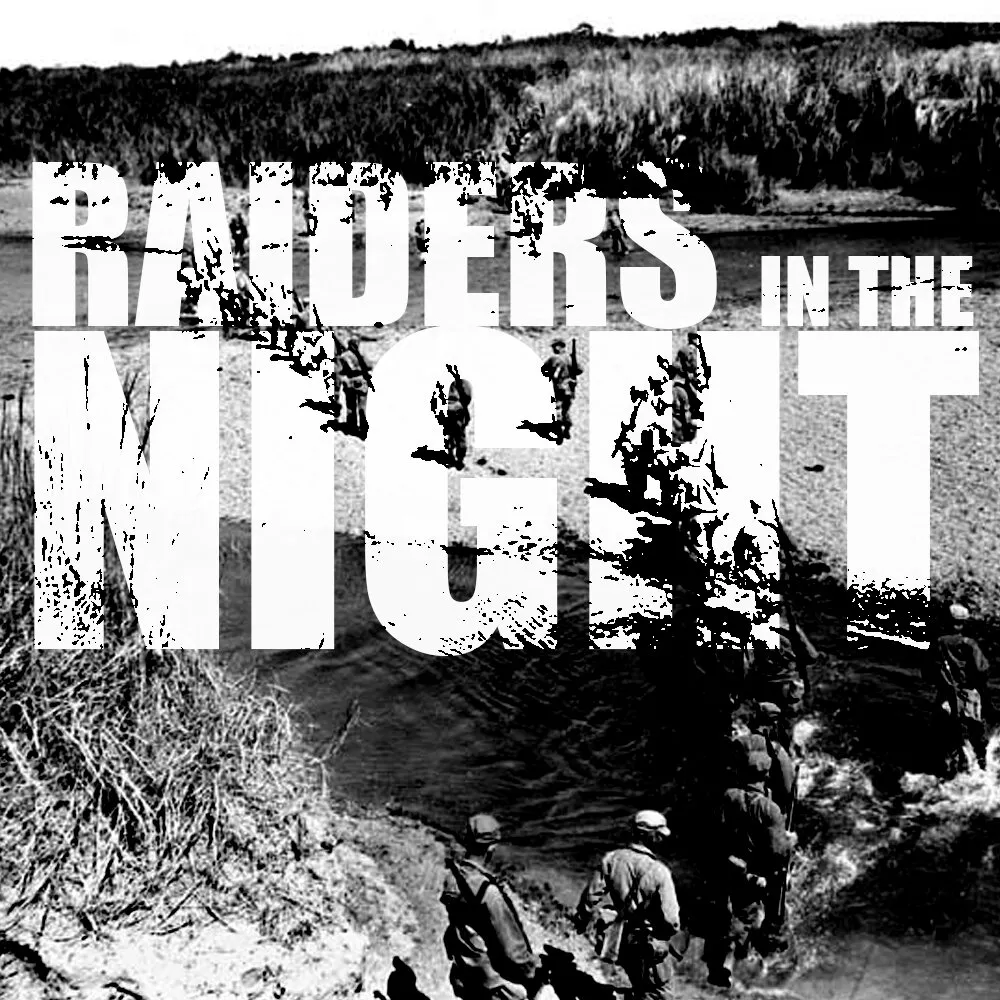
S1 Ep 61EPISODE 61: Raiders in the Night
“Never in history had the United States Army been called on to rescue such a large number of POWs from so deep in enemy territory.” William Breuer “We were in the best shape of our lives, and with this mission we understood why he had driven us so hard.” Alvie Robbins speaking about Henry Mucci’s physical training “As far as we were concerned, they were gods.” Bob Body about the Rangers who rescued him and his fellow POWs. “Nothing in this entire campaign has given me so much personal satisfaction.” General MacArthur “I’ll be grateful for the rest of my life that I had a chance to do something in this war that was not destructive. Nothing for me can ever compare with the satisfaction I got from helping to free our prisoners.” Robert Prince This is the tale of one of the most daring missions in the history of WWII. After being defeated by the Japanese in 1942, by 1945 American forces were back in the Philippines ready to retake the islands. But their very success may have spelled doom for some survivors of the Bataan Death March, who had spent nearly three years as prisoners of the Japanese. Plenty of evidence, in fact, suggested that Japanese guards were ready to kill them all rather than letting them be freed. The only way to stop this imminent massacre was for a newly formed unit of Rangers, along with Filipino guerrilla fighters, to travel 30 miles behind enemy lines, face off with numerically superior forces, and rescue the POWs. By every logical metric, this had suicide mission written all over it. And yet, the Rangers and guerrilla, all volunteered. Rarely are war stories feel-good stories. But this may be the exception to the rule. If you feel generous and enjoy History on Fire, please consider joining my Patreon at https://www.patreon.com/historyonfire to access plenty of bonus content. Learn more about your ad choices. Visit megaphone.fm/adchoices
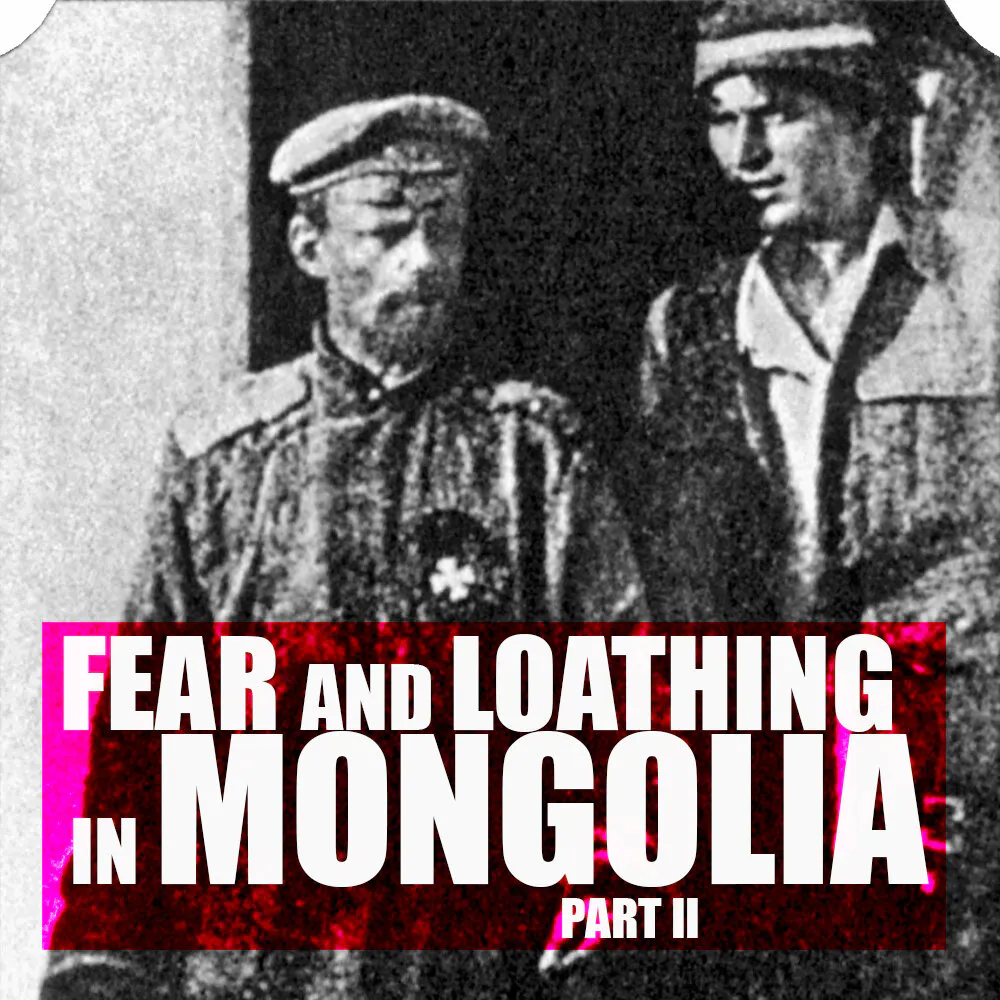
S1 Ep 60EPISODE 60: Fear and Loathing in Mongolia (Part 2)
“On these hills, where everywhere were rolling skulls, skeletons, and decaying body parts, Baron Ungern used to like to go to rest.” One of Ungern-Sternberg’s officers “Look at [Europe's] past full of fire and blood and the vicious, savage struggle of man against God. The West has given man science, wisdom, and power, yet it has also brought godlessness, immorality, treason, the abnegation of truth and goodness. There, in the West, the destruction of entire empires has begun. Whole nations are being led to their deaths.” Roman von Ungern-Sternberg “The Baron's soldiers had spent a desperate winter struggling to live off an alien landscape, and the last time any of them had been in a city was a year or more ago. They were veterans of two of the most brutalizing wars in history, they were led by a madman, and they had very little prospect for the future. They went berserk…” James Plamer “This is the product of someone suffering from megalomania and a thirst for human blood” Admiral Kolchak commenting about Roman von Ungern-Sternberg’s writings A recurring thread in History on Fire episodes is my soft spot for individuals who are mildly mentally deranged, but have something lovable about them. Today, thaqt thread doesn’t quite apply. The subject of our story gets an A+ in mental derangement (nothing mild about that), but is severely lacking in the lovable department. The man is a fascinating character—no doubt. But fascinating in the way Vlad the Impaler or Darth Vader or Walter White are. This series is a tale of insanity and bloodshed. It’s the story of a monster consumed by his love of warfare, a defender of monarchy in an age of revolutions, a bloodthirsty killer who took delight in persecuting Russian Jews, a soldier in both WW I and the Russian Civil War, an independent warlord who ended up riding at the head a multi-ethnic horde and conquered Mongolia. He is Baron Roman Nikolaus Maximillian Freiherr von Ungern-Sternberg, better known as the Bloody White Baron. In this episode, we follow the second life of his life, including his conquering the Mongolian capital, and his deadly showdown with Bolshevik authorities. If you feel generous and enjoy History on Fire, please consider joining my Patreon at https://www.patreon.com/historyonfire to access plenty of bonus content. Bison is some of the healthiest meat you could possibly eat. Get yours at https://dakotapurebison.com/ History on Fire listeners get a discount by using the code HOF10 at checkout. Learn more about your ad choices. Visit megaphone.fm/adchoices

S1 Ep 59EPISODE 59: Fear and Loathing in Mongolia (Part 1)
“My name is surrounded with such hate and fear that no one can judge what is the truth and what is false, what is history, and what is myth.” Roman von Ungern-Sternberg “Ungern had fused with the war, and equally, the war, in turn, had fused with him.” Willard Sunderland A recurring thread in History on Fire episodes is my soft spot for individuals who are mildly mentally deranged, but have something lovable about them. Today, that thread doesn’t quite apply. The subject of our story gets an A+ in mental derangement (nothing mild about that), but is severely lacking in the lovable department. The man is a fascinating character—no doubt. But fascinating in the way Vlad the Impaler or Darth Vader or Walter White are. This series is a tale of insanity and bloodshed. It’s the story of a monster consumed by his love of warfare, a defender of monarchy in an age of revolutions, a bloodthirsty killer who took delight in persecuting Russian Jews, a soldier in both WW I and the Russian Civil War, an independent warlord who ended up riding at the head a multi-ethnic horde and conquered Mongolia. He is Baron Roman Nikolaus Maximillian Freiherr von Ungern-Sternberg, better known as the Bloody White Baron. In this episode, we will follow his life from his troubled childhood until the early days of the Russian Civil War. If you feel generous and enjoy History on Fire, please consider joining my Patreon at https://www.patreon.com/historyonfire to access plenty of bonus content. Bison is some of the healthiest meat you could possibly eat. Get yours at https://dakotapurebison.com/ History on Fire listeners get a discount by using the code HOF10 at checkout. Learn more about your ad choices. Visit megaphone.fm/adchoices

S1 Ep 58EPISODE 58 Sitting Bull: Wounded Knee (Part 5)
“There a papoose cries by its mother’s breast which, cold and insensible, can nourish it no more; there lies a young girl with her long hair sticky of blood, hiding her mutilated face… And here—here rests the beautiful young squaw whom yesterday I offered a cigarette—dying, with both her legs shot off. She lies there without wailing and greets me with a faint smile on her pale lips.” First Sergeant Ragnar Ling-Vannerus “The Pioneer has before declared that our only safety depends upon the total extermination of the Indians. Having wronged them for centuries, we had better, in order to protect our civilization, follow it up by one more wrong and wipe these untamed and untamable creatures from the face of the earth.” Frank Baum, author of The Wonderful Wizard of Oz “Who would have thought that dancing could make such trouble? We had no thought of fighting.” Short Bull “When he went to the bottom of the ravine, he saw many little children lying dead… He was now pretty weak from his wounds. Now when he saw all those little infants lying there dead in their blood, his feeling was that even if he ate one of the soldiers, it would not appease his anger… The Indians all knew that Dewey was wounded, but those in the ravine wanted him to help them. So, he fought with his life to defend his own people.” From The Dull Knifes of Pine Ridge “What we saw was terrible. Dead and wounded women and children and little babies were scattered all along there where they had been trying to run away. The soldiers had followed along the gulch, as they ran, and murdered them in there. Sometimes they were in heaps because they had huddled together, and some were scattered all along. Sometimes bunches of them had been killed and torn to pieces where the wagon guns hit them. I saw a little baby trying to suck its mother, but she was bloody and dead. There were two little boys at one place in this gulch. They had guns and they had been killing soldiers all by themselves. We could see the soldiers they had killed. The boys were all alone there, and they were not hurt. These were very brave little boys.” From Black Elk Speaks By 1890, the Ghost Dance religion was spreading like wildfire in many reservations across United States. At a time when most Natives were facing utter hopelessness, it gave them something to hope in. But the murder of Sitting Bull orchestrated by a reservation agent, and the political machinations of the Harrison administration initiated a military crackdown against an otherwise peaceful movement. The sequence of events thus started would end in bloodshed at Wounded Knee on December 29, 1890, as the 7th Cavalry massacred nearly 300 Lakota—mostly women and kids. In this final episode of the Sitting Bull series, we explore the dynamics that led to Wounded Knee, the insane story of Iron Hail (aka Dewey Beard), how the Yanktons dealt with a traitor, the genocidal fantasies of the author of The Wonderful Wizard of Oz, and how Lakota culture endured—in spite of it all. If you feel generous and enjoy History on Fire, please consider joining my Patreon at https://www.patreon.com/historyonfire to access plenty of bonus content. Learn more about your ad choices. Visit megaphone.fm/adchoices

S1 Ep 57EPISODE 57 Sitting Bull: Compulsory Civilization with a Side of Murder (Part 4)
“Sent to report on a story that wasn’t there, reporters invented one.” Heather Cox Richardson “Lakota will kill you.” A meadowlark speaking to Sitting Bull in a vision “If the white men want me to die, they ought not to put up the Indians to kill me… Let the soldiers come and take me away and kill me, wherever they like. I am not afraid. I was born a warrior.” Sitting Bull In historical terms, it was just a blink of an eye ago. In the mid-1800s, the Great Plains in the United States were still firmly in the hands of nomadic, buffalo hunting tribes. The looming threat of American expansion was still barely noticeable. But things changed quickly, and soon the tribes were locked in an existential struggle with the U.S. for control of the heartland of North America. One man rose among these tribes to lead his people to resisting the inevitable for over two decades. By the time he was 10 years old, the boy who would become the Lakota leader Sitting Bull, had killed his first bison by running him down and putting an arrow through its heart. In the opinion of his fellow tribesmen, his ability as a hunter and as a warrior was only second to his generosity in taking care of widows and orphans. In this fourth episode of this series, we’ll see how incompetent government agents, unscrupulous journalists, corrupt politicians, and army officers blinded by their egos manufactured a crisis where there wasn’t one. We’ll also discuss Sitting Bull’s take on the Ghost Dance, Agent McLaughlin’s murderous plans, Buffalo Bill trying to save Sitting Bull, and a murder that sets in motion a much bigger tragedy. If you feel generous and enjoy History on Fire, please consider joining my Patreon at https://www.patreon.com/historyonfire to access plenty of bonus content. Learn more about your ad choices. Visit megaphone.fm/adchoices

S1 Ep 57BONUS EPISODE Dan Carlin’s “The End Is Always Near”
“That is the nicest guilt trip anybody has ever given me in my entire life.” — Dan Carlin Dan Carlin is one of my all time favorite human beings, and on top of that an incredible podcaster. He’s now a published author as well. In this episode we chat about his new book, The End is Always Near. The conversation covers more than should theoretically be possible to cover in little over an hour—from Dan’s understanding for Thanos’ plight to the collapse of civilizations, the concept of Gross National Happiness, the delusion of infinite growth in a finite system, Jared Diamond, The Walking Dead, Game of Thrones, meteors, nuclear weapons, James Burke, the need for nuance, the future of Common Sense, what to do when people can’t agree on basic evidence, social media, incredibly fast historical changes, and the nicest guilt trip in Dan’s life. Learn more about your ad choices. Visit megaphone.fm/adchoices

S1 Ep 56EPISODE 56 Sitting Bull: Compulsory Civilization with a Side of Murder (Part 3)
“Kill the Indian and save the man.” Richard Pratt “The life my people want is a life of freedom. I have seen nothing that a white man has, houses or railways or clothing or food, that is good as the right to move in the open country, and live in our own fashion.” Sitting Bull “The white man knows how to make everything, but he does not know how to distribute it.” Sitting Bull “Possession—a war that doesn’t end.” John Trudell “We were faint with hunger and maddened by despair. We held our dying children and felt their little bodies tremble as their souls went out and left only a dead weight in our hands. They were not very heavy, but we ourselves were very faint, and the dead weighed us down. There was no hope on earth, and God seemed to have forgotten us.” Red Cloud “Don’t talk to me about Indians; there are no Indians left except those in my band.” Sitting Bull “We shall live again.” Comanche Ghost Dance song In historical terms, it was just a blink of an eye ago. In the mid-1800s, the Great Plains in the United States were still firmly in the hands of nomadic, buffalo hunting tribes. The looming threat of American expansion was still barely noticeable. But things changed quickly, and soon the tribes were locked in an existential struggle with the U.S. for control of the heartland of North America. One man rose among these tribes to lead his people to resisting the inevitable for over two decades. By the time he was 10 years old, the boy who would become the Lakota leader Sitting Bull, had killed his first bison by running him down and putting an arrow through its heart. In the opinion of his fellow tribesmen, his ability as a hunter and as a warrior was only second to his generosity in taking care of widows and orphans. In this third episode of this series, we’ll see how the U.S. government forcibly tried to change Lakota culture by outlawing their religion, removing kids from parents, and taking their land through laws such as the Dawes Ac. We’ll also discuss the corruption of the agents in charge of reservations, Sitting Bull joining the Wild West Show, adopting Annie Oakley, befriending William Cody, giving away all he earned, Senator Henry Dawes wanting to ‘teach Indians to be selfish’, President’s Harrison terrible policies, the birth of the Ghost Dance movement, and much, much more. If you feel generous and enjoy History on Fire, please consider joining my Patreon at https://www.patreon.com/historyonfire to access plenty of bonus content. Learn more about your ad choices. Visit megaphone.fm/adchoices

S1 Ep 55EPISODE 55 Sitting Bull (Part 2)
“I don’t want to have anything to do with people who make one carry water on the shoulders and haul manure. You are fools to make yourselves slaves to a piece of fat bacon, some hardtack, and a little sugar and coffee. The whites may get me at last, but I will have good times till then.” Sitting Bull “Let me live deep while I live.” Robert E. Howard “Were I to run away from the enemy, no one will consider me a man.” Kit Fox warrior society song “A warrior I have been. Now it is all over. A hard time I have.” Sitting Bull song In historical terms, it was just a blink of an eye ago. In the mid-1800s, the Great Plains in the United States were still firmly in the hands of nomadic, buffalo hunting tribes. The looming threat of American expansion was still barely noticeable. But things changed quickly, and soon the tribes were locked in an existential struggle with the U.S. for control of the heartland of North America. One man rose among these tribes to lead his people to resisting the inevitable for over two decades. By the time he was 10 years old, the boy who would become the Lakota leader Sitting Bull, had killed his first bison by running him down and putting an arrow through its heart. In the opinion of his fellow tribesmen, his ability as a hunter and as a warrior was only second to his generosity in taking care of widows and orphans. In this second episode of this series, we’ll see Sitting Bull emerging as the main leader for the free Lakota, fighting in a brutal intertribal battle, challenging the expansion of the Northern Pacific Railroad, saving the Cheyenne from starvation, Sun Dancing and having premonitory visions of the Little Big Horn battle, leading his people to Canada, befriending a major for the Royal Canadian Mounted Police, helping Nez Perce’ refugees across the border, fighting in a duel at 49 years of age, returning to the U.S. as a POW, and much, much more. If you feel generous and enjoy History on Fire, please consider joining my Patreon at https://www.patreon.com/historyonfire to access plenty of bonus content. Learn more about your ad choices. Visit megaphone.fm/adchoices

S1 Ep 54EPISODE 54 Sitting Bull (Part 1)
“Sitting Bull, leader of the largest Indian nation on the continent, the strongest, boldest, most stubborn opponent of European influence, was the very heart and soul of the Frontier. When the true history of the New World is written, he will receive his chapter. For Sitting Bull was one of the Makers of America.” Stanley Vestal “If you intend to do this for my sake, take good care of them and let them live. My father is a man and death is his.” Sitting Bull addressing his fellow tribesmen who wanted to kill some captives “I told them I did not want their annuities, nor could I sell my country. My father lived and died here; so would I. And if our white brothers would do right, we would never have had war.” Sitting Bull “At no other time or place in the history of the Indian Wars, before or after, would the U.S. Army voluntarily destroy a major defensive line in order to appease an enemy.” Bill Yenne In historical terms, it was just a blink of an eye ago. In the mid-1800s, the Great Plains in the United States were still firmly in the hands of nomadic, buffalo hunting tribes. The looming threat of American expansion was still barely noticeable. But things changed quickly, and soon the tribes were locked in an existential struggle with the U.S. for control of the heartland of North America. One man rose among these tribes to lead his people to resisting the inevitable for over two decades. By the time he was 10 years old, the boy who would become the Lakota leader Sitting Bull, had killed his first bison by running him down and putting an arrow through its heart. In the opinion of his fellow tribesmen, his ability as a hunter and as a warrior was only second to his generosity in taking care of widows and orphans. In this first episode of this series, we’ll see Sitting Bull dueling man-to-man against a Crow chief, adopting a boy from an enemy tribe, avenging his father (Conan The Barbarian-style), having visions, acquiring shamanic powers, dealing with marriages and grief, leading the first round of warfare against the U.S., and much, much more. If you feel generous and enjoy History on Fire, please consider joining my Patreon at https://www.patreon.com/historyonfire to access plenty of bonus content. Learn more about your ad choices. Visit megaphone.fm/adchoices

S1 Ep 53EPISODE 53 Diogenes: The Punk Rocker of Ancient Greece
“A Socrates gone mad.” Plato referring to Diogenes “Had I not been Alexander, I would have liked to have been Diogenes.” Alexander the Great "If I wasn't Diogenes, I would be wishing to be Diogenes too." Diogenes “There are nowadays professors of philosophy, but not philosophers… To be a philosopher is not merely to have subtle thoughts, nor even to found a school, but so to love wisdom as to live according to its dictates, a life of simplicity, independence, magnanimity, and trust. It is to solve some of the problems of life, not only theoretically, but practically.” Henry David Thoreau “I am a citizen of the world.” Diogenes “Free from what? As if that mattered. . . . But your eyes should tell me brightly: free for what?” Friedrich Nietzsche “He maintained, moreover, that nothing in life has any chance of succeeding without strenuous practice, which is capable of overcoming any obstacles.” Diogenes Laertius 2,400 years ago, long before punk rock was created, there was a man in ancient Greece who embodied the spirit of punk as much as anyone ever did. He was known as Diogenes The Dog. And Sid Vicious had nothing on him. Between the end of the Peloponnesian War, the bloody reign of the Thirty Tyrants, Socrates’ death… the times he lived in were wild ones, but Diogenes was considerably wilder than his historical context. As a master of frugality, he lived on the streets as a homeless philosopher inviting people to stop being slaves of their possessions. In this episode, we’ll see him clashing with the father of Western philosophy, getting busted for manipulating the currency, being the recipient of the good graces of celebrity sex workers, planting the seeds at the roots of Stoicism, defying Alexander the Great, getting kidnapped by pirates, rejecting nationalism, and pushing forward ideas that were as outlandish in Ancient Greece as they are today. The Amazons, the Oracle at Delphi, Game of Thrones, The Clash, The Temptations, The Princess Bride, and Nicki Minai also make an appearance in this episode. And before we wrap things up, we’ll consider the limitations of punk as a worldview. Learn more about your ad choices. Visit megaphone.fm/adchoices

S1 Ep 52EPISODE 52 The Lady and Her Gun
“It's just incredible that this little hand has killed Nazis, has scythed them down by the hundreds, without missing…” Charlie Chaplin “Miss Pavlichenko's well known to fame, Russia's your country, fighting is your game, Your smile shines as bright as any new morning sun, But more than three hundred Nazi dogs fell by your gun.” Woody Guthrie “Charging together, we would dash into battle and forget about everything else in the world.” Lyudmila Pavlichenko “Gentlemen, I am 25 years old and I have already managed to kill 309 of the fascist invaders. Do you not think, gentlemen, that you have now been hiding behind my back for rather too long?” Lyudmila Pavlichenko During WW II, women in the Soviet Union had many reasons to fear German soldiers. But in some cases it was the German soldiers’ turn to be the targets of Soviet ladies. Among the many women who would fight tooth and nail and send quite a few Axis soldiers to a premature death, one stood out among the rest. Germans would know her by name, and would grow to fear her. And they had good reasons to fear her since it was by killing 309 of them that she would become the most deadly female sniper in history. Legends about her would grow both among her own comrades and among the terrified Nazi soldiers who heard rumors about this vengeful female demon who seemed to have made it her personal mission to make them pay for any outrage committed by anyone wearing their same uniform had ever. Some told stories about how a witch in some village near Odessa had cast a spell deflecting enemy bullets away from her. Others swore that she was followed by the lord of the forest himself—a wood sprite with a huge tree-like body who protected her, made her invisible and gave her the supernatural ability to move through the forest without making a sound, to know what was happening a mile away, and to see in complete darkness as well as normal people see in daylight. She was Lyudmila Pavlichenko aka Lady Death. Among other things, in this episode: Operation Barbarossa, caught between vicious dictators, Stalin (even better than Nazis at killing his own people), Nazi guns in front of you and Soviet guns pointed at your back, a song by Woody Guthrie, Charlie Chaplin kissing her hand, Lyudmila disappoints Yoda, bringing Belgian chocolates as a gift for your girlfriend (after looting them from a corpse), love found & love lost, bloody revenge, hanging out with the American First Lady. Learn more about your ad choices. Visit megaphone.fm/adchoices

S1 Ep 51EPISODE 51: A Life for a Whistle: Emmett Till and the Birth of the Civil Rights Movement
“Until the philosophy Which hold one race superior and another Inferior Is finally And permanently Discredited And abandoned Everywhere is war” Bob Marley, War, inspired by a speech by Haile Selassie “Emmett Till is dead and gone… Why can’t people leave the dead alone and quit trying to stir things up?” Roy Bryant “I think black peoples' reaction was so visceral. Everybody knew we were under attack and that attack was symbolized by the attack on a 14-year-old boy.” Rose Jourdain “The audience fell silent, wondering if Wright would risk his life to accuse a white man in open court. For a moment no one moved. Excruciating tension filled the room while people waited for Wright’s reply. Then, in one of the most dramatic moments in Mississippi trial history, Mose Wright, a poor Black sharecropper, stood up, raised his arm, pointed at Milam, a white man, and said, ‘There he is.’” Chris Crowe By 1955, in United States, people liked to say that the worst racial abuses belonged to the past—that the culture that had led to nearly 5,000 people getting lynched between the end of Reconstruction and the mid-1940s no longer existed. But then a 14-year old boy from Chicago jokingly whistled at a white lady in Mississippi, and what followed was a familiar script: the flashing of guns in the middle of the night, kidnapping, torture, African Americans looking for their relatives where bodies were normally dumped, and a justice system that was anything but just. What was not part of the familiar script was Mamie Till’s choice that led to a public funeral attended by tens of thousands, and—many people argued—that lit the spark for the birth of the Civil Rights Movement. Among other things, in this episode: -The culture of lynching and the gutsy Southern ladies standing up against it -How ‘Brown vs. Board of Education’ set the South on fire -Paranoia over integration and Communist plots -William Faulkner and the fear at the roots of white supremacy -Getting away with murder and boasting about it -How white supremacists won a battle and lost the war But the craziest thing in this whole story is realizing this happened not so long ago… If you feel generous and enjoy History on Fire, please consider joining my Patreon at https://www.patreon.com/historyonfire to access plenty of bonus content. Learn more about your ad choices. Visit megaphone.fm/adchoices
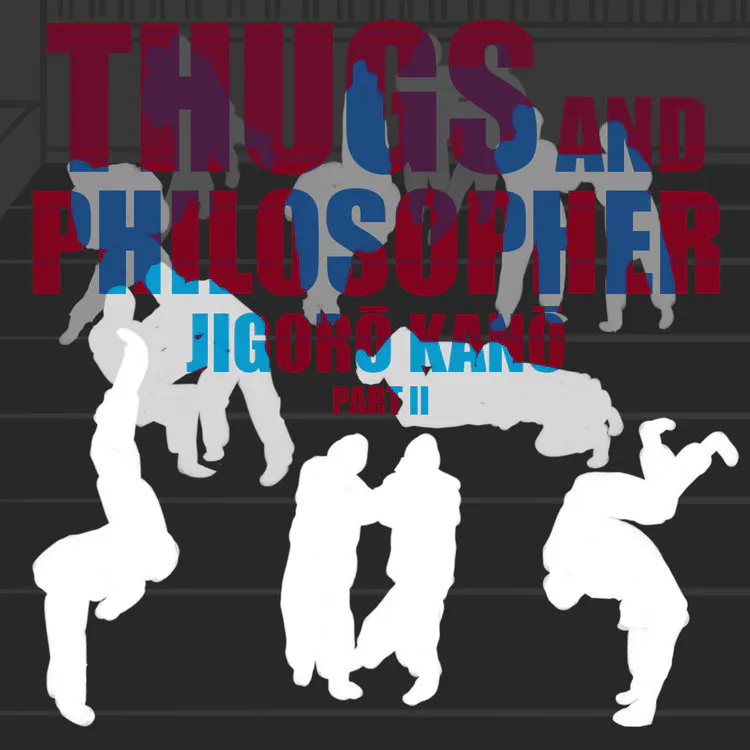
S1 Ep 50EPISODE 50 The Father of Martial Arts: Jigoro Kano (Part 2)
“I teach Kodokan judo as a way of life.” Jigoro Kano “Even though he was drunker than usual, Saigo came to the driver’s aid. The burly sailors laughed out loud: “Scram, midget!” Much to their great surprise and considerable pain, in a flash, the pocket Hercules subsequently hurled each of them into the river.” John Stevens “I have not been able to transmit my ideals to many students, and there are unfortunately few instructors who can impart proper Kodokan values.” Jigoro Kano “The teaching of one virtuous person can influence many.” Jigoro Kano In the second half of the 1800s, after the United States made Japan an offer it couldn’t refuse, Japan experienced a period of crisis and extremely fast modernization. Swept by efforts to copy everything that made the West powerful, Japan turned its back on much of its traditional culture. Martial arts were considered anachronistic and irrelevant, and looked well on their way to disappear into the dustbin of history—much in the same way as they had done in other parts of the world. In 1882, a small, nerdy man named Jigoro Kano made his stand to reverse this process. Kano was only 22 years old, and had only little over 5 years of martial arts practice. But what 22-year old Kano started in some spare rooms in a Buddhist temple was going to affect the lives of millions of people. This story is about martial arts, but is also about much more. This story is about the dramatic transformations in Japanese history in the 1800s (and without understanding them, it’s pretty much impossible to understand the role played by Japan in WWII.) It is a story about how one individual can radically impact millions. It’s about how cultural traditions that are seemingly anachronistic can be reinvented to provide value in a modern context. It’s a story about Taoist philosophy, Olympic Games and U.S. presidents, pro-wrestling and helping society, the tension between globalization and nationalism, the role that physical education can play in shaping a person’s character, and a bunch of other things that have only marginally to do with martial arts per se. Among other things, in this episode: -Shiro Saigo, Kano’s pocket-sized enforcer -Blood oaths -History’s first black belts -The four ‘heavenly lords’ of the Kodokan -Judo gaining a reputation through challenge fights -Leglocks -Shiro Saigo and his NWA attitude -Akira Kurosawa movies -Kano clashing with nationalism and militarism -Theodore Roosevelt -Mitsuyo Maeda -The origins of pro-wrestling -The Olympic Games So, with this in mind, let’s get rolling. If you feel generous and enjoy History on Fire, please consider joining my Patreon at https://www.patreon.com/historyonfire to access plenty of bonus content. Learn more about your ad choices. Visit megaphone.fm/adchoices

S1 Ep 49EPISODE 49 The Father of Martial Arts: Jigoro Kano (Part 1)
“It was a period of stupendous change and immense challenge; the entire social, political, and economic landscape of Japan would be transformed within a few decades. Just as this new era was dawning in Japan, Jigoro Kano was born, on October 28, 1860.” John Stevens “In my childhood, I had heard that there was a thing called jujutsu thanks to which even a weak person could defeat a strong person. I definitely thought about learning it.” Jigoro Kano “Some people believe that Judo means simply practicing at the dojo. This is applying the principle of judo at the dojo when practicing defense against attack, and through it is certainly one aspect of judo, it is only a small part of it.” Jigoro Kano In the second half of the 1800s, after the United States made Japan an offer it couldn’t refuse, Japan experienced a period of crisis and extremely fast modernization. Swept by efforts to copy everything that made the West powerful, Japan turned its back on much of its traditional culture. Martial arts were considered anachronistic and irrelevant, and looked well on their way to disappear into the dustbin of history much in the same way as they had done in other parts of the world. In 1882, a small, nerdy man named Jigoro Kano made his stand to reverse this process. Kano was only 22 years old, and had only little over 5 years of martial arts practice. But what 22-year old Kano started in some spare rooms in a Buddhist temple was going to affect the lives of millions of people. This story is about martial arts, but is also about much more. This story is about the dramatic transformations in Japanese history in the 1800s (and without understanding them, it’s pretty much impossible to understand the role played by Japan in WWII.) It is a story about how one individual can radically impact millions. It’s about how cultural traditions that are seemingly anachronistic can be reinvented to provide value in a modern context. It’s a story about Taoist philosophy, Olympic Games and U.S. presidents, pro-wrestling and helping society, the tension between globalization and nationalism, the role that physical education can play in shaping a person’s character, and a bunch of other things that have only marginally to do with martial arts per se. So, with this in mind, let’s get rolling. If you feel generous and enjoy History on Fire, please consider joining my Patreon at https://www.patreon.com/historyonfire to access plenty of bonus content. Learn more about your ad choices. Visit megaphone.fm/adchoices

S1 Ep 48EPISODE 48 Give Me Back My Legions! (Part 2)
“In order to depict a battle, there is required one of those powerful painters who have chaos in their brushes” Victor Hugo “Inconceivable!” From The Princess Bride A little over 2,000 years ago, Rome was a well-oiled war machine crushing everything in its path. At that time, the Roman legions were the most deadly military force in the Western world, and possibly in the whole world. Every year, they conquered new peoples and pushed the boundaries of their empire. Rape and pillage was the name of the game, and they were masters at it. But in the year 9 CE, something happened in the forests of Germany that was going to have a profound impact on the destiny of the world. Some historians go so far as to suggest that both the German and English languages may not exist as we know them, had things gone differently. News arriving from Germany, along with a severed head delivered by courier, threw Emperor Augustus in a deep depression. In this second and final part of the series about the clash between Rome’s power with Germanic tribesmen, we’ll consider topics such as how suicide post-defeat in battle was a family tradition for one of the key characters in our story, when Varus ordered 2,000 people crucified, the training of the Roman army, Arminius’ skill at playing the long con, the battle that changed history, having to cut your friends’ throat out of kindness, the German passion for human sacrifice, Roman vengeance, how these events may be tied to the creation of the English language, and much more. If you feel generous and enjoy History on Fire, please consider joining my Patreon at https://www.patreon.com/historyonfire to access plenty of bonus content. Learn more about your ad choices. Visit megaphone.fm/adchoices

S1 Ep 47EPISODE 47: Give Me Back My Legions! (Part 1)
“Bits of weapons and horses' limbs lay about, and human heads fixed to tree-trunks. In groves nearby were barbaric altars, where the Germans had laid the tribunes and senior centurions and sacrificed them.” Tacitus “It stands on record that armies already wavering and on the point of collapse have been rallied by the women, pleading heroically with their men, thrusting forward their bared breasts…” Tacitus “They are not so easily convinced to plough the land and wait patiently for harvest as to challenge an enemy and run the risk to be wounded. They think it is weak and spiritless to earn by sweat what they might purchase with blood.” Tacitus A little over 2,000 years ago, Rome was a well-oiled war machine crushing everything in its path. At that time, the Roman legions were the most deadly military force in the Western world, and possibly in the whole world. Every year, they conquered new peoples and pushed the boundaries of their empire. Rape and pillage was the name of the game, and they were masters at it. But in the year 9 CE, something happened in the forests of Germany that was going to have a profound impact on the destiny of the world. Some historians go so far as to suggest that both the German and English languages may not exist as we know them, had things gone differently. News arriving from Germany, along with a severed head delivered by courier, threw Emperor Augustus in a deep depression. In this first of two parts about the clash between Rome’s power with Germanic tribesmen, we’ll look at what we know about Germanic tribal cultures from those days, walk among the grisly remnants of a battlefield with Roman general Germanicus, and consider how Tacitus’ work was fuel to the fire of Nazi ideology 2,000 years later. Also, in this episode: Europe’s pre-Christian religions, naked tribesmen snowboarding on their shields, the dramatic encounter between Gaius Marius with Cimbri & Teutones, Gaius Julius Caesar making a larger-than-life entrance into Germany, Drusus’ campaign beyond the Rhine, racing on horseback for 200 miles to see one’s brother, slavery with golden chains, and much more as we set the stage for part 2, when the big showdown will take place. Learn more about your ad choices. Visit megaphone.fm/adchoices
S1 Ep 46EPISODE 46: Enjoying Hell: The Life of Ikkyu Sojun (Part 2)
“Even if I go to Hell, I’ll find a way to enjoy it.” Ikkyu “Watching my four year old daughter dance, I can’t break free of her. Forgetting my duties, I slip into freedom.” Ikkyu "After ten days in this temple, my mind is spinning. Between my legs the red thread stretches and stretches. If you wish to find me in the future, you better look for me in a fish shop, a sake parlor, or a brothel.” Ikkyu “. . . tasting life and enjoying sex to the fullest.” Ikkyu “Thus the so-called ‘traditional arts of Japan’ all felt his influence: tea, ceramics, Noh drama, rock gardening, and haiku poetry. No historian was keeping track of this cultural movement with Ikkyu the axis of a vortex; but with hindsight one can see how deeply Japanese medieval art forms are indebted to him.” Jon Covell So many History on Fire episodes feature incredibly violent pages from humanity’s past. This is not one of those episodes. The hero of our tale was too busy enjoying life in 15th century Japan to join the civil wars raging around him or to go around killing people. As the illegitimate son of the Emperor of Japan, Ikkyu Sojun experienced the harsh side of life from the moment he was born, but always looked for a way not to let it spoil his good mood. His main passions (in no particular order) were Zen Buddhism, sex and drinking. And in the midst of the endless party that was in life, he managed to have a tremendously powerful impact on Japanese culture. In this episode, we see Ikkyu’s wanderings taking him through torrid love affairs, friendships with pirate-merchants, and clashes with the Zen establishment. Living in an age of shoguns being assassinated, peasant uprisings, and the fury of the Onin War, Ikkyu found the time to save very Zen temple he had criticized throughout his life, and to launch an artistic renaissance that would have a lasting impact on Japanese history. In the course of our journey, we’ll find out how Ikkyu affected the creation of tea ceremony, how he and Lady Mori shared the greatest love story in Japanese history, and Ikkyu can teach about finding joy in the midst of suffering. Learn more about your ad choices. Visit megaphone.fm/adchoices

S1 Ep 45EPISODE 45 Sex, Sake and Zen: The Life of Ikkyu Sojun (Part 1)
“The autumn breeze of a single night of love is better than a hundred thousand years of sterile sitting meditation.” Ikkyu "Thirsty, you dream of water. Cold, you want fire. Not me: I want the firm warm breasts and wetness of a woman." Ikkyu "Drinking and lust, no man can match me in these things.” Tyrion Lannister in Game of Thrones “You will always be wild and strange among men—wild and strange even when they love you.” Friedrich Nietzsche “…to live deep and suck out all the marrow of life.” Henry David Thoreau "Where can I find the best beer and the prettiest women?" Drukpa Kunley So many History on Fire episodes feature incredibly violent pages from humanity’s past. This is not one of those episodes. The hero of our tale was too busy enjoying life in 15th century Japan to join the civil wars raging around him or to go around killing people. As the illegitimate son of the Emperor of Japan, Ikkyu Sojun experienced the harsh side of life from the moment he was born, but always looked for a way not to let it spoil his good mood. His main passions (in no particular order) were Zen Buddhism, sex and drinking. And in the midst of the endless party that was in life, he managed to have a tremendously powerful impact on Japanese culture. In this episode, we will tackle the odd phenomenon of people being more comfortable with warfare and violence than sex, how Tom Robbins introduced me to Ikkyu, Sovannahry’s Ikkyu painting (the first thing I see every morning), the odd circumstances of Ikkyu’s birth, a history of Zen, Ikkyu’s training and attempted suicide, Ikkyu’s burning of his ‘certificate of enlightenment’, his clashes with the Zen establishment, Jack London’s Call of the Wild, becoming ‘the Crazy Cloud’, Drukpa Kunley and his… ehm… ‘flaming thunderbolt of wisdom’… Learn more about your ad choices. Visit megaphone.fm/adchoices

S1 Ep 44EPISODE 44 Dan Carlin
"You keep using this word. I don't think it means what you think it means." The Princess Bride "Political parties exist to secure responsible government and to execute the will of the people. From these great tasks both of the old parties have turned aside. Instead of instruments to promote the general welfare, they have become the tools of corrupt interests which use them impartially to serve their selfish purposes. Behind the ostensible government sits enthroned an invisible government, owing no allegiance and acknowledging no responsibility to the people. To destroy this invisible government, to dissolve the unholy alliance between corrupt business and corrupt politics is the first task of the statesmanship of the day." Theodore Roosevelt Dan Carlin is the undisputed king of historical podcasting, and one of my favorite human beings. Today we sit down to chat about the differences between Nazism and Socialism, the right-wing vs. left-wing paradigm, our favorite past U.S. presidents, the feeling you have when witnessing slow moving historical catastrophes, and much more. Learn more about your ad choices. Visit megaphone.fm/adchoices

S1 Ep 43EPISODE 43: The Melian Dialogue (The Peloponnesian War and Morality in History)
“The strong do what they want, and the weak suffer what they must.” Athenian embassy to Melos via Thucydides “As far as right and wrong are concerned, our people think there is no difference between the two—that those who still preserve their independence do so because they are strong, and that if we fail to attack them it is because we are afraid.” Athenian embassy to Melos via Thucydides “This is no fair fight, with honor on one side and shame on the other. It is rather a question of saving your lives and not resisting those who are far too strong for you.” Athenian embassy to Melos via Thucydides “Don’t quote laws to men who carry swords.” Pompey the Great “The present policy of the Government is but a continuation of the same progressive change by a milder process. The tribes which occupied the countries now constituting the Eastern States were annihilated or have melted away to make room for the whites.” Andrew Jackson "And do you know what 'the world' is to me? Shall I show it to you in my mirror? This world: a monster of energy, without beginning, without end... This world is the will to power--and nothing besides!" Friedrich Nietzsche In the midst of The Peloponnesian War (431-401 BCE), the Athenians paid a visit to the inhabitants of the island of Melos and tried to make them an offer they couldn’t refuse. The dialogue that emerged from their negotiations is a classic in political philosophy, and raises fascinating questions about the nature of morality in history. In this episode, Darryl Cooper (from “The Martyrmade Podcast”) and I tackle them all, and leave no stones unturned. Learn more about your ad choices. Visit megaphone.fm/adchoices