History of the Second World War
373 episodes — Page 8 of 8

22: The Third Reich Pt. 8 - January 1933
January 1933 would see the end of the Schleicher government that lasted under two months, and on January 30th a new era in Germany would begin. Check out Pax Britannica: https://paxbritannica.info/ Website Patreon Twitter Facebook Discord Email: [email protected] Sources The Coming of the Third Reich by Richard J. Evans Germany and the Second World War Volume 1: The Build-Up of German Aggression by Wilhelm Deist, Manfred Messerschmidt, Hans-Erich Volkmann, and Wolfram Wette Hitler: A Biography by Ian Kershaw The Third Reich by Thomas Childers The Wages of Destruction: The Making and Breaking of the Nazi Economy by Adam Tooze The Rise and Fall of the Third Reich by William Shirer France and the Remilitarization of the Rhineland, 1936 by Stephen A. Schuker The First Capitulation: France and the Rhineland Crisis of 1936 by R.A.C. Parker (1956) France, Germany, and the Saar by A.J.P. Taylor (1952) The Franco-Polish Alliance and the Remilitarization of the Rhineland by George Sakwa French Intelligence and Hitler's Rise to Power by Peter Jackson Great Britain and the Saar Plebiscite of 13 January 1935 by C.J. Hill Hitler, Intelligence and the Decision to Remilitarize the Rhine by Zach Shore Hitler's Thirty Days to Power: January 1933 by Henry Ashby Turner Jr. Prologue to Peacekeeping: Ireland and the Saar, 1934-35 by Michael Kennedy Fantasy and Reality in Nazi Work-Creation Programs, 1933-1936 by Dan P. Silverman Franz von Papen, the German Center Party, and the Failure of Catholic Conservatism in the Weimar Republic by Larry Eugene Jones Causes and Consequences of the Plebiscite in the Saar by E.W (1955) The Purge of the SA Reconsidered: "An Old Putschist Trick"? by Eleanor Hancock The Remilitarization of the Rhineland and its Impact on the French-Polish Alliance by Roman D. Bicki (1969) Rohm and Hitler: The Continuity of Political-Military Discord by David Jablonsky The German Roman Catholic Hierarchy and the Saar Plebiscite of 1935 by Guenter Lewy (1964) Saar Coal After Two World Wars by O.R. Reischer Schacht's Regulation of Money and the Capital Markets by Arthur Schweitzer (1948) The Myth of Chancellor Von Schleicher's Querfront Strategy by Henry Ashby Turner Jr. The Struggle for Control of the German Economy by Amos E. Simpson The Nazi State and German Society: A Brief History with Documents by Robert G. Moeller Franz von Papen, Catholic Conservatives, and the Establishment of the Third Reich, 1933-1934 by Larry Eugene Jones Franz von Papen, the German Center Party, and the Failure of Catholic Conservatism in the Weimar Republic by Larry Eugene Jones British Establishment Perspectives on France, 1936-1940 by Michael Dockrill Learn more about your ad choices. Visit megaphone.fm/adchoices

21: The Third Reich Pt. 7 - "We Will Win Ourselves to Death"
Another round of political chaos results in another national election, with disappointing results for the Nazi party. Website Patreon Twitter Facebook Discord Email: [email protected] Sources The Coming of the Third Reich by Richard J. Evans Germany and the Second World War Volume 1: The Build-Up of German Aggression by Wilhelm Deist, Manfred Messerschmidt, Hans-Erich Volkmann, and Wolfram Wette Hitler: A Biography by Ian Kershaw The Third Reich by Thomas Childers The Wages of Destruction: The Making and Breaking of the Nazi Economy by Adam Tooze The Rise and Fall of the Third Reich by William Shirer France and the Remilitarization of the Rhineland, 1936 by Stephen A. Schuker The First Capitulation: France and the Rhineland Crisis of 1936 by R.A.C. Parker (1956) France, Germany, and the Saar by A.J.P. Taylor (1952) The Franco-Polish Alliance and the Remilitarization of the Rhineland by George Sakwa French Intelligence and Hitler's Rise to Power by Peter Jackson Great Britain and the Saar Plebiscite of 13 January 1935 by C.J. Hill Hitler, Intelligence and the Decision to Remilitarize the Rhine by Zach Shore Hitler's Thirty Days to Power: January 1933 by Henry Ashby Turner Jr. Prologue to Peacekeeping: Ireland and the Saar, 1934-35 by Michael Kennedy Fantasy and Reality in Nazi Work-Creation Programs, 1933-1936 by Dan P. Silverman Franz von Papen, the German Center Party, and the Failure of Catholic Conservatism in the Weimar Republic by Larry Eugene Jones Causes and Consequences of the Plebiscite in the Saar by E.W (1955) The Purge of the SA Reconsidered: "An Old Putschist Trick"? by Eleanor Hancock The Remilitarization of the Rhineland and its Impact on the French-Polish Alliance by Roman D. Bicki (1969) Rohm and Hitler: The Continuity of Political-Military Discord by David Jablonsky The German Roman Catholic Hierarchy and the Saar Plebiscite of 1935 by Guenter Lewy (1964) Saar Coal After Two World Wars by O.R. Reischer Schacht's Regulation of Money and the Capital Markets by Arthur Schweitzer (1948) The Myth of Chancellor Von Schleicher's Querfront Strategy by Henry Ashby Turner Jr. The Struggle for Control of the German Economy by Amos E. Simpson The Nazi State and German Society: A Brief History with Documents by Robert G. Moeller Franz von Papen, Catholic Conservatives, and the Establishment of the Third Reich, 1933-1934 by Larry Eugene Jones Franz von Papen, the German Center Party, and the Failure of Catholic Conservatism in the Weimar Republic by Larry Eugene Jones British Establishment Perspectives on France, 1936-1940 by Michael Dockrill Learn more about your ad choices. Visit megaphone.fm/adchoices

20: The Third Reich Pt. 6 - The 1932 Presidential Election
A German Presidential election was scheduled for 1932, and it would perfectly illustrate how divided the German political landscape had become. Website Patreon Twitter Facebook Discord Email: [email protected] Sources The Coming of the Third Reich by Richard J. Evans Germany and the Second World War Volume 1: The Build-Up of German Aggression by Wilhelm Deist, Manfred Messerschmidt, Hans-Erich Volkmann, and Wolfram Wette Hitler: A Biography by Ian Kershaw The Third Reich by Thomas Childers The Wages of Destruction: The Making and Breaking of the Nazi Economy by Adam Tooze The Rise and Fall of the Third Reich by William Shirer France and the Remilitarization of the Rhineland, 1936 by Stephen A. Schuker The First Capitulation: France and the Rhineland Crisis of 1936 by R.A.C. Parker (1956) France, Germany, and the Saar by A.J.P. Taylor (1952) The Franco-Polish Alliance and the Remilitarization of the Rhineland by George Sakwa French Intelligence and Hitler's Rise to Power by Peter Jackson Great Britain and the Saar Plebiscite of 13 January 1935 by C.J. Hill Hitler, Intelligence and the Decision to Remilitarize the Rhine by Zach Shore Hitler's Thirty Days to Power: January 1933 by Henry Ashby Turner Jr. Prologue to Peacekeeping: Ireland and the Saar, 1934-35 by Michael Kennedy Fantasy and Reality in Nazi Work-Creation Programs, 1933-1936 by Dan P. Silverman Franz von Papen, the German Center Party, and the Failure of Catholic Conservatism in the Weimar Republic by Larry Eugene Jones Causes and Consequences of the Plebiscite in the Saar by E.W (1955) The Purge of the SA Reconsidered: "An Old Putschist Trick"? by Eleanor Hancock The Remilitarization of the Rhineland and its Impact on the French-Polish Alliance by Roman D. Bicki (1969) Rohm and Hitler: The Continuity of Political-Military Discord by David Jablonsky The German Roman Catholic Hierarchy and the Saar Plebiscite of 1935 by Guenter Lewy (1964) Saar Coal After Two World Wars by O.R. Reischer Schacht's Regulation of Money and the Capital Markets by Arthur Schweitzer (1948) The Myth of Chancellor Von Schleicher's Querfront Strategy by Henry Ashby Turner Jr. The Struggle for Control of the German Economy by Amos E. Simpson The Nazi State and German Society: A Brief History with Documents by Robert G. Moeller Franz von Papen, Catholic Conservatives, and the Establishment of the Third Reich, 1933-1934 by Larry Eugene Jones Franz von Papen, the German Center Party, and the Failure of Catholic Conservatism in the Weimar Republic by Larry Eugene Jones British Establishment Perspectives on France, 1936-1940 by Michael Dockrill Learn more about your ad choices. Visit megaphone.fm/adchoices

19: The Third Reich Pt. 5 - The Election that Broke Germany
The 1930 election would result in a drastic shift in German politics. Website Patreon Twitter Facebook Discord Email: [email protected] Sources The Coming of the Third Reich by Richard J. Evans Germany and the Second World War Volume 1: The Build-Up of German Aggression by Wilhelm Deist, Manfred Messerschmidt, Hans-Erich Volkmann, and Wolfram Wette Hitler: A Biography by Ian Kershaw The Third Reich by Thomas Childers The Wages of Destruction: The Making and Breaking of the Nazi Economy by Adam Tooze The Rise and Fall of the Third Reich by William Shirer France and the Remilitarization of the Rhineland, 1936 by Stephen A. Schuker The First Capitulation: France and the Rhineland Crisis of 1936 by R.A.C. Parker (1956) France, Germany, and the Saar by A.J.P. Taylor (1952) The Franco-Polish Alliance and the Remilitarization of the Rhineland by George Sakwa French Intelligence and Hitler's Rise to Power by Peter Jackson Great Britain and the Saar Plebiscite of 13 January 1935 by C.J. Hill Hitler, Intelligence and the Decision to Remilitarize the Rhine by Zach Shore Hitler's Thirty Days to Power: January 1933 by Henry Ashby Turner Jr. Prologue to Peacekeeping: Ireland and the Saar, 1934-35 by Michael Kennedy Fantasy and Reality in Nazi Work-Creation Programs, 1933-1936 by Dan P. Silverman Franz von Papen, the German Center Party, and the Failure of Catholic Conservatism in the Weimar Republic by Larry Eugene Jones Causes and Consequences of the Plebiscite in the Saar by E.W (1955) The Purge of the SA Reconsidered: "An Old Putschist Trick"? by Eleanor Hancock The Remilitarization of the Rhineland and its Impact on the French-Polish Alliance by Roman D. Bicki (1969) Rohm and Hitler: The Continuity of Political-Military Discord by David Jablonsky The German Roman Catholic Hierarchy and the Saar Plebiscite of 1935 by Guenter Lewy (1964) Saar Coal After Two World Wars by O.R. Reischer Schacht's Regulation of Money and the Capital Markets by Arthur Schweitzer (1948) The Myth of Chancellor Von Schleicher's Querfront Strategy by Henry Ashby Turner Jr. The Struggle for Control of the German Economy by Amos E. Simpson The Nazi State and German Society: A Brief History with Documents by Robert G. Moeller Franz von Papen, Catholic Conservatives, and the Establishment of the Third Reich, 1933-1934 by Larry Eugene Jones Franz von Papen, the German Center Party, and the Failure of Catholic Conservatism in the Weimar Republic by Larry Eugene Jones British Establishment Perspectives on France, 1936-1940 by Michael Dockrill Learn more about your ad choices. Visit megaphone.fm/adchoices

18: The Third Reich Pt. 4 - The Republic
The Weimar Republic would be dealt a poor hand, but they would make it worse. Website Patreon Twitter Facebook Discord Email: [email protected] Sources The Coming of the Third Reich by Richard J. Evans Germany and the Second World War Volume 1: The Build-Up of German Aggression by Wilhelm Deist, Manfred Messerschmidt, Hans-Erich Volkmann, and Wolfram Wette Hitler: A Biography by Ian Kershaw The Third Reich by Thomas Childers The Wages of Destruction: The Making and Breaking of the Nazi Economy by Adam Tooze The Rise and Fall of the Third Reich by William Shirer France and the Remilitarization of the Rhineland, 1936 by Stephen A. Schuker The First Capitulation: France and the Rhineland Crisis of 1936 by R.A.C. Parker (1956) France, Germany, and the Saar by A.J.P. Taylor (1952) The Franco-Polish Alliance and the Remilitarization of the Rhineland by George Sakwa French Intelligence and Hitler's Rise to Power by Peter Jackson Great Britain and the Saar Plebiscite of 13 January 1935 by C.J. Hill Hitler, Intelligence and the Decision to Remilitarize the Rhine by Zach Shore Hitler's Thirty Days to Power: January 1933 by Henry Ashby Turner Jr. Prologue to Peacekeeping: Ireland and the Saar, 1934-35 by Michael Kennedy Fantasy and Reality in Nazi Work-Creation Programs, 1933-1936 by Dan P. Silverman Franz von Papen, the German Center Party, and the Failure of Catholic Conservatism in the Weimar Republic by Larry Eugene Jones Causes and Consequences of the Plebiscite in the Saar by E.W (1955) The Purge of the SA Reconsidered: "An Old Putschist Trick"? by Eleanor Hancock The Remilitarization of the Rhineland and its Impact on the French-Polish Alliance by Roman D. Bicki (1969) Rohm and Hitler: The Continuity of Political-Military Discord by David Jablonsky The German Roman Catholic Hierarchy and the Saar Plebiscite of 1935 by Guenter Lewy (1964) Saar Coal After Two World Wars by O.R. Reischer Schacht's Regulation of Money and the Capital Markets by Arthur Schweitzer (1948) The Myth of Chancellor Von Schleicher's Querfront Strategy by Henry Ashby Turner Jr. The Struggle for Control of the German Economy by Amos E. Simpson The Nazi State and German Society: A Brief History with Documents by Robert G. Moeller Franz von Papen, Catholic Conservatives, and the Establishment of the Third Reich, 1933-1934 by Larry Eugene Jones Franz von Papen, the German Center Party, and the Failure of Catholic Conservatism in the Weimar Republic by Larry Eugene Jones British Establishment Perspectives on France, 1936-1940 by Michael Dockrill Learn more about your ad choices. Visit megaphone.fm/adchoices
17: The Third Reich Pt. 3 - The New Nazi Party
The middle years of the 1920s would be a challenging period for the Nazi Party as it tried to find its way. Website Patreon Twitter Facebook Discord Email: [email protected] Sources The Coming of the Third Reich by Richard J. Evans Germany and the Second World War Volume 1: The Build-Up of German Aggression by Wilhelm Deist, Manfred Messerschmidt, Hans-Erich Volkmann, and Wolfram Wette Hitler: A Biography by Ian Kershaw The Third Reich by Thomas Childers The Wages of Destruction: The Making and Breaking of the Nazi Economy by Adam Tooze The Rise and Fall of the Third Reich by William Shirer France and the Remilitarization of the Rhineland, 1936 by Stephen A. Schuker The First Capitulation: France and the Rhineland Crisis of 1936 by R.A.C. Parker (1956) France, Germany, and the Saar by A.J.P. Taylor (1952) The Franco-Polish Alliance and the Remilitarization of the Rhineland by George Sakwa French Intelligence and Hitler's Rise to Power by Peter Jackson Great Britain and the Saar Plebiscite of 13 January 1935 by C.J. Hill Hitler, Intelligence and the Decision to Remilitarize the Rhine by Zach Shore Hitler's Thirty Days to Power: January 1933 by Henry Ashby Turner Jr. Prologue to Peacekeeping: Ireland and the Saar, 1934-35 by Michael Kennedy Fantasy and Reality in Nazi Work-Creation Programs, 1933-1936 by Dan P. Silverman Franz von Papen, the German Center Party, and the Failure of Catholic Conservatism in the Weimar Republic by Larry Eugene Jones Causes and Consequences of the Plebiscite in the Saar by E.W (1955) The Purge of the SA Reconsidered: "An Old Putschist Trick"? by Eleanor Hancock The Remilitarization of the Rhineland and its Impact on the French-Polish Alliance by Roman D. Bicki (1969) Rohm and Hitler: The Continuity of Political-Military Discord by David Jablonsky The German Roman Catholic Hierarchy and the Saar Plebiscite of 1935 by Guenter Lewy (1964) Saar Coal After Two World Wars by O.R. Reischer Schacht's Regulation of Money and the Capital Markets by Arthur Schweitzer (1948) The Myth of Chancellor Von Schleicher's Querfront Strategy by Henry Ashby Turner Jr. The Struggle for Control of the German Economy by Amos E. Simpson The Nazi State and German Society: A Brief History with Documents by Robert G. Moeller Franz von Papen, Catholic Conservatives, and the Establishment of the Third Reich, 1933-1934 by Larry Eugene Jones Franz von Papen, the German Center Party, and the Failure of Catholic Conservatism in the Weimar Republic by Larry Eugene Jones British Establishment Perspectives on France, 1936-1940 by Michael Dockrill Learn more about your ad choices. Visit megaphone.fm/adchoices

16: The Third Reich Pt. 2 - The Munich Years
In 1923 the National Socialists would try to move things along by launching a putsch in Munich, it would go very poorly. Links to some Mein Kampf translations can be found here: http://historyofthesecondworldwar.com/episodes/the-third-reich-supplements/ Website Patreon Twitter Facebook Discord Email: [email protected] Sources The Coming of the Third Reich by Richard J. Evans Germany and the Second World War Volume 1: The Build-Up of German Aggression by Wilhelm Deist, Manfred Messerschmidt, Hans-Erich Volkmann, and Wolfram Wette Hitler: A Biography by Ian Kershaw The Third Reich by Thomas Childers The Wages of Destruction: The Making and Breaking of the Nazi Economy by Adam Tooze The Rise and Fall of the Third Reich by William Shirer France and the Remilitarization of the Rhineland, 1936 by Stephen A. Schuker The First Capitulation: France and the Rhineland Crisis of 1936 by R.A.C. Parker (1956) France, Germany, and the Saar by A.J.P. Taylor (1952) The Franco-Polish Alliance and the Remilitarization of the Rhineland by George Sakwa French Intelligence and Hitler's Rise to Power by Peter Jackson Great Britain and the Saar Plebiscite of 13 January 1935 by C.J. Hill Hitler, Intelligence and the Decision to Remilitarize the Rhine by Zach Shore Hitler's Thirty Days to Power: January 1933 by Henry Ashby Turner Jr. Prologue to Peacekeeping: Ireland and the Saar, 1934-35 by Michael Kennedy Fantasy and Reality in Nazi Work-Creation Programs, 1933-1936 by Dan P. Silverman Franz von Papen, the German Center Party, and the Failure of Catholic Conservatism in the Weimar Republic by Larry Eugene Jones Causes and Consequences of the Plebiscite in the Saar by E.W (1955) The Purge of the SA Reconsidered: "An Old Putschist Trick"? by Eleanor Hancock The Remilitarization of the Rhineland and its Impact on the French-Polish Alliance by Roman D. Bicki (1969) Rohm and Hitler: The Continuity of Political-Military Discord by David Jablonsky The German Roman Catholic Hierarchy and the Saar Plebiscite of 1935 by Guenter Lewy (1964) Saar Coal After Two World Wars by O.R. Reischer Schacht's Regulation of Money and the Capital Markets by Arthur Schweitzer (1948) The Myth of Chancellor Von Schleicher's Querfront Strategy by Henry Ashby Turner Jr. The Struggle for Control of the German Economy by Amos E. Simpson The Nazi State and German Society: A Brief History with Documents by Robert G. Moeller Franz von Papen, Catholic Conservatives, and the Establishment of the Third Reich, 1933-1934 by Larry Eugene Jones Franz von Papen, the German Center Party, and the Failure of Catholic Conservatism in the Weimar Republic by Larry Eugene Jones British Establishment Perspectives on France, 1936-1940 by Michael Dockrill Learn more about your ad choices. Visit megaphone.fm/adchoices

15: The Third Reich Pt. 1 - The Austrian
Germany would play a critical role in driving events during the interwar period, and within Germany political volatility would cause drastic changes. Roadmap and full text of 25 points can be found here: http://historyofthesecondworldwar.com/episodes/the-third-reich-supplements/ Website Patreon Twitter Facebook Discord Email: [email protected] Sources The Coming of the Third Reich by Richard J. Evans Germany and the Second World War Volume 1: The Build-Up of German Aggression by Wilhelm Deist, Manfred Messerschmidt, Hans-Erich Volkmann, and Wolfram Wette Hitler: A Biography by Ian Kershaw The Third Reich by Thomas Childers The Wages of Destruction: The Making and Breaking of the Nazi Economy by Adam Tooze The Rise and Fall of the Third Reich by William Shirer France and the Remilitarization of the Rhineland, 1936 by Stephen A. Schuker The First Capitulation: France and the Rhineland Crisis of 1936 by R.A.C. Parker (1956) France, Germany, and the Saar by A.J.P. Taylor (1952) The Franco-Polish Alliance and the Remilitarization of the Rhineland by George Sakwa French Intelligence and Hitler's Rise to Power by Peter Jackson Great Britain and the Saar Plebiscite of 13 January 1935 by C.J. Hill Hitler, Intelligence and the Decision to Remilitarize the Rhine by Zach Shore Hitler's Thirty Days to Power: January 1933 by Henry Ashby Turner Jr. Prologue to Peacekeeping: Ireland and the Saar, 1934-35 by Michael Kennedy Fantasy and Reality in Nazi Work-Creation Programs, 1933-1936 by Dan P. Silverman Franz von Papen, the German Center Party, and the Failure of Catholic Conservatism in the Weimar Republic by Larry Eugene Jones Causes and Consequences of the Plebiscite in the Saar by E.W (1955) The Purge of the SA Reconsidered: "An Old Putschist Trick"? by Eleanor Hancock The Remilitarization of the Rhineland and its Impact on the French-Polish Alliance by Roman D. Bicki (1969) Rohm and Hitler: The Continuity of Political-Military Discord by David Jablonsky The German Roman Catholic Hierarchy and the Saar Plebiscite of 1935 by Guenter Lewy (1964) Saar Coal After Two World Wars by O.R. Reischer Schacht's Regulation of Money and the Capital Markets by Arthur Schweitzer (1948) The Myth of Chancellor Von Schleicher's Querfront Strategy by Henry Ashby Turner Jr. The Struggle for Control of the German Economy by Amos E. Simpson The Nazi State and German Society: A Brief History with Documents by Robert G. Moeller Franz von Papen, Catholic Conservatives, and the Establishment of the Third Reich, 1933-1934 by Larry Eugene Jones Franz von Papen, the German Center Party, and the Failure of Catholic Conservatism in the Weimar Republic by Larry Eugene Jones British Establishment Perspectives on France, 1936-1940 by Michael Dockrill Learn more about your ad choices. Visit megaphone.fm/adchoices

14: The Great Depression Pt. 4 - Unemployment in Germany
We end our series on the Great Depression by taking a deeper dive into how the German government chose to interact with rampant unemployment. Website Patreon Twitter Facebook Discord Email: [email protected] Sources China During the Great Depression: Market, State, and the World Economy, 1929-1937 by Tomoko Shiroyama Germany and the Great Depression by Dieter Petzina The Global Impact of the Great Depression: 1929-1939 by Dietmar Rothermund Japan and World Depression: Then and Now Edited By Ronald Dore and Radha Sinha The Failure of Economic Diplomacy: Britain, Germany, France and the United States 1931-36 by Patricia Clavin The Forgotten Man by Amity Shales The Great Crash of 1929 by John Kenneth Galbraith The Great Depression in Europe, 1929-1939 by Patricia Clavin The Politics of Depression in France 1923-1936 by Julian Jackson The Slump: Britain and the Great Depression by John Stevenson and Chris Cook The World in Depression 1929-1939 by Charles Kindleberger Unemployment and the Great Depression in Weimar Germany Edited By Peter D. Stachura The Gold Standard and the Great Depression by Barry Eichengreen and Peter Temin Life Expectancy during the Great Depression in Eleven European Countries by Tim A. Bruckner, Andrew Noymer, and Ralph A. Catalano The Origins and Nature of the Great Slump Revisited by Barry Eichengreen Socialism and Wages in the Recovery from the Great Depression in the United States and Germany by Peter Temin Learn more about your ad choices. Visit megaphone.fm/adchoices

13: The Great Depression Pt. 3 - London and Paris
The Great Depression was a worldwide phenomenon, but in this episode we focus on just two states: France and Britain. Website Patreon Twitter Facebook Discord Email: [email protected] Sources China During the Great Depression: Market, State, and the World Economy, 1929-1937 by Tomoko Shiroyama Germany and the Great Depression by Dieter Petzina The Global Impact of the Great Depression: 1929-1939 by Dietmar Rothermund Japan and World Depression: Then and Now Edited By Ronald Dore and Radha Sinha The Failure of Economic Diplomacy: Britain, Germany, France and the United States 1931-36 by Patricia Clavin The Forgotten Man by Amity Shales The Great Crash of 1929 by John Kenneth Galbraith The Great Depression in Europe, 1929-1939 by Patricia Clavin The Politics of Depression in France 1923-1936 by Julian Jackson The Slump: Britain and the Great Depression by John Stevenson and Chris Cook The World in Depression 1929-1939 by Charles Kindleberger Unemployment and the Great Depression in Weimar Germany Edited By Peter D. Stachura The Gold Standard and the Great Depression by Barry Eichengreen and Peter Temin Life Expectancy during the Great Depression in Eleven European Countries by Tim A. Bruckner, Andrew Noymer, and Ralph A. Catalano The Origins and Nature of the Great Slump Revisited by Barry Eichengreen Socialism and Wages in the Recovery from the Great Depression in the United States and Germany by Peter Temin Learn more about your ad choices. Visit megaphone.fm/adchoices
12: The Great Depression Pt. 2 - The Depression
In the early 1930s the depression would spread around the globe. Website Patreon Twitter Facebook Discord Email: [email protected] Sources China During the Great Depression: Market, State, and the World Economy, 1929-1937 by Tomoko Shiroyama Germany and the Great Depression by Dieter Petzina The Global Impact of the Great Depression: 1929-1939 by Dietmar Rothermund Japan and World Depression: Then and Now Edited By Ronald Dore and Radha Sinha The Failure of Economic Diplomacy: Britain, Germany, France and the United States 1931-36 by Patricia Clavin The Forgotten Man by Amity Shales The Great Crash of 1929 by John Kenneth Galbraith The Great Depression in Europe, 1929-1939 by Patricia Clavin The Politics of Depression in France 1923-1936 by Julian Jackson The Slump: Britain and the Great Depression by John Stevenson and Chris Cook The World in Depression 1929-1939 by Charles Kindleberger Unemployment and the Great Depression in Weimar Germany Edited By Peter D. Stachura The Gold Standard and the Great Depression by Barry Eichengreen and Peter Temin Life Expectancy during the Great Depression in Eleven European Countries by Tim A. Bruckner, Andrew Noymer, and Ralph A. Catalano The Origins and Nature of the Great Slump Revisited by Barry Eichengreen Socialism and Wages in the Recovery from the Great Depression in the United States and Germany by Peter Temin Learn more about your ad choices. Visit megaphone.fm/adchoices

11: The Great Depression Pt. 1 - The Crash
The Great Depression would have many causes, this episode discusses two of them. Website Patreon Twitter Facebook Discord Email: [email protected] Sources China During the Great Depression: Market, State, and the World Economy, 1929-1937 by Tomoko Shiroyama Germany and the Great Depression by Dieter Petzina The Global Impact of the Great Depression: 1929-1939 by Dietmar Rothermund Japan and World Depression: Then and Now Edited By Ronald Dore and Radha Sinha The Failure of Economic Diplomacy: Britain, Germany, France and the United States 1931-36 by Patricia Clavin The Forgotten Man by Amity Shales The Great Crash of 1929 by John Kenneth Galbraith The Great Depression in Europe, 1929-1939 by Patricia Clavin The Politics of Depression in France 1923-1936 by Julian Jackson The Slump: Britain and the Great Depression by John Stevenson and Chris Cook The World in Depression 1929-1939 by Charles Kindleberger Unemployment and the Great Depression in Weimar Germany Edited By Peter D. Stachura The Gold Standard and the Great Depression by Barry Eichengreen and Peter Temin Life Expectancy during the Great Depression in Eleven European Countries by Tim A. Bruckner, Andrew Noymer, and Ralph A. Catalano The Origins and Nature of the Great Slump Revisited by Barry Eichengreen Socialism and Wages in the Recovery from the Great Depression in the United States and Germany by Peter Temin Learn more about your ad choices. Visit megaphone.fm/adchoices

10: Rise of Mussolini Pt. 4 - The Italian Fascist State
Italy represented the first nation to come under the control of a Fascist government, and they would do everything in their power to keep it that way. Website Patreon Twitter Facebook Discord Email: [email protected] Sources Fascism in Italian Historiography: In Search of an Individual Historical Identity by Emilio Gentile Fascism, Industrialism, and Socialism: The Case of Italy by Albert Szymanski The Fascist Revolution in Italy: A Brief History in Documents by Marla Stone The Fiftieth year of the "March on Rome": Recent Interpretations of Fascism by Charles Keserich Italian Intellectuals Under Fascism by Emiliana P. Noether The Meaning of Fascism in Italy: Fifty Years After the Fall by Philip V. Cannestraro, Claudio G. Segre, Alexander De Grand, and Furo Columbo Mussolini's Italy by R.J.B. Bosworth The Force of Destiny: A History of Italy Since 1796 by Christopher Duggan The Seizure of Power: Fascism in Italy 1919-1929 by Adrian Lyttelton Austro-Marxist Interpretation of Fascism by Gerhard Botz The British Labour Press and Italian Fascism, 1922-25 by Charles Keserich Communist Theories of Fascism, 1920-1935 by John M. Cammett Fascinating Fascism by Jeffrey T. Schnapp Fascism and the French Revolution by George L. Mosse Fascism from below? A Comparative Perspective on the Japanese Right, 1931-1936 by Gregory J. Kasza Fascism, National Socialism and Conservatives in Europe, 1914-1945: Issues for Comparativists by Carl Levy Fascist Ideology: Territory and expansionism in Italy and Germany, 1922-1945 by Aristotle A. Kallis Fascists by Michael Mann The Five Stages of Fascism by Robert O. Paxton The Foreign Office and Fascism 1924-1929 by P.G. Edwards Introduction: The Genesis of Fascism by George L. Mosse How Not to Think about Fascism and Ideology, Intellectual Antecedents and Historical Meaning by David D. Roberts Interpretations of the Origins of Fascism by Roberto Vivarelli Italian Fascism: Whatever Happened to Dictatorship? by Paul Corner National Socialism: Totalitarianism or Fascism? by Wolfgang Sauer The Nature of Fascism by Roger Griffin The Origins and Nature of Fascism and Nazism in Europe by John Horne Pacifism, Feminism, and Fascism in Inter-War France by Sandi E. Cooper Learn more about your ad choices. Visit megaphone.fm/adchoices

9: Rise of Mussolini Pt. 3 - Prime Minister Mussolini
After the March on Rome Mussolini would be made Prime Minister. Website Patreon Twitter Facebook Discord Email: [email protected] Sources Fascism in Italian Historiography: In Search of an Individual Historical Identity by Emilio Gentile Fascism, Industrialism, and Socialism: The Case of Italy by Albert Szymanski The Fascist Revolution in Italy: A Brief History in Documents by Marla Stone The Fiftieth year of the "March on Rome": Recent Interpretations of Fascism by Charles Keserich Italian Intellectuals Under Fascism by Emiliana P. Noether The Meaning of Fascism in Italy: Fifty Years After the Fall by Philip V. Cannestraro, Claudio G. Segre, Alexander De Grand, and Furo Columbo Mussolini's Italy by R.J.B. Bosworth The Force of Destiny: A History of Italy Since 1796 by Christopher Duggan The Seizure of Power: Fascism in Italy 1919-1929 by Adrian Lyttelton Austro-Marxist Interpretation of Fascism by Gerhard Botz The British Labour Press and Italian Fascism, 1922-25 by Charles Keserich Communist Theories of Fascism, 1920-1935 by John M. Cammett Fascinating Fascism by Jeffrey T. Schnapp Fascism and the French Revolution by George L. Mosse Fascism from below? A Comparative Perspective on the Japanese Right, 1931-1936 by Gregory J. Kasza Fascism, National Socialism and Conservatives in Europe, 1914-1945: Issues for Comparativists by Carl Levy Fascist Ideology: Territory and expansionism in Italy and Germany, 1922-1945 by Aristotle A. Kallis Fascists by Michael Mann The Five Stages of Fascism by Robert O. Paxton The Foreign Office and Fascism 1924-1929 by P.G. Edwards Introduction: The Genesis of Fascism by George L. Mosse How Not to Think about Fascism and Ideology, Intellectual Antecedents and Historical Meaning by David D. Roberts Interpretations of the Origins of Fascism by Roberto Vivarelli Italian Fascism: Whatever Happened to Dictatorship? by Paul Corner National Socialism: Totalitarianism or Fascism? by Wolfgang Sauer The Nature of Fascism by Roger Griffin The Origins and Nature of Fascism and Nazism in Europe by John Horne Pacifism, Feminism, and Fascism in Inter-War France by Sandi E. Cooper Learn more about your ad choices. Visit megaphone.fm/adchoices
8: Rise of Mussolini Pt. 2 - March on Rome
In October 1922 the Fascists would take an important step, and they would stage a March on Rome. The results were as good as they could have possibly imagined. Website Patreon Twitter Facebook Discord Email: [email protected] Sources Fascism in Italian Historiography: In Search of an Individual Historical Identity by Emilio Gentile Fascism, Industrialism, and Socialism: The Case of Italy by Albert Szymanski The Fascist Revolution in Italy: A Brief History in Documents by Marla Stone The Fiftieth year of the "March on Rome": Recent Interpretations of Fascism by Charles Keserich Italian Intellectuals Under Fascism by Emiliana P. Noether The Meaning of Fascism in Italy: Fifty Years After the Fall by Philip V. Cannestraro, Claudio G. Segre, Alexander De Grand, and Furo Columbo Mussolini's Italy by R.J.B. Bosworth The Force of Destiny: A History of Italy Since 1796 by Christopher Duggan The Seizure of Power: Fascism in Italy 1919-1929 by Adrian Lyttelton Austro-Marxist Interpretation of Fascism by Gerhard Botz The British Labour Press and Italian Fascism, 1922-25 by Charles Keserich Communist Theories of Fascism, 1920-1935 by John M. Cammett Fascinating Fascism by Jeffrey T. Schnapp Fascism and the French Revolution by George L. Mosse Fascism from below? A Comparative Perspective on the Japanese Right, 1931-1936 by Gregory J. Kasza Fascism, National Socialism and Conservatives in Europe, 1914-1945: Issues for Comparativists by Carl Levy Fascist Ideology: Territory and expansionism in Italy and Germany, 1922-1945 by Aristotle A. Kallis Fascists by Michael Mann The Five Stages of Fascism by Robert O. Paxton The Foreign Office and Fascism 1924-1929 by P.G. Edwards Introduction: The Genesis of Fascism by George L. Mosse How Not to Think about Fascism and Ideology, Intellectual Antecedents and Historical Meaning by David D. Roberts Interpretations of the Origins of Fascism by Roberto Vivarelli Italian Fascism: Whatever Happened to Dictatorship? by Paul Corner National Socialism: Totalitarianism or Fascism? by Wolfgang Sauer The Nature of Fascism by Roger Griffin The Origins and Nature of Fascism and Nazism in Europe by John Horne Pacifism, Feminism, and Fascism in Inter-War France by Sandi E. Cooper Learn more about your ad choices. Visit megaphone.fm/adchoices

7: Rise of Mussolini Pt. 1 - Fascism
The rise of Fascism throughout Europe, beginning in Italy, would be an important catalyst for future events. Website Patreon Twitter Facebook Discord Email: [email protected] Sources Fascism in Italian Historiography: In Search of an Individual Historical Identity by Emilio Gentile Fascism, Industrialism, and Socialism: The Case of Italy by Albert Szymanski The Fascist Revolution in Italy: A Brief History in Documents by Marla Stone The Fiftieth year of the "March on Rome": Recent Interpretations of Fascism by Charles Keserich Italian Intellectuals Under Fascism by Emiliana P. Noether The Meaning of Fascism in Italy: Fifty Years After the Fall by Philip V. Cannestraro, Claudio G. Segre, Alexander De Grand, and Furo Columbo Mussolini's Italy by R.J.B. Bosworth The Force of Destiny: A History of Italy Since 1796 by Christopher Duggan The Seizure of Power: Fascism in Italy 1919-1929 by Adrian Lyttelton Austro-Marxist Interpretation of Fascism by Gerhard Botz The British Labour Press and Italian Fascism, 1922-25 by Charles Keserich Communist Theories of Fascism, 1920-1935 by John M. Cammett Fascinating Fascism by Jeffrey T. Schnapp Fascism and the French Revolution by George L. Mosse Fascism from below? A Comparative Perspective on the Japanese Right, 1931-1936 by Gregory J. Kasza Fascism, National Socialism and Conservatives in Europe, 1914-1945: Issues for Comparativists by Carl Levy Fascist Ideology: Territory and expansionism in Italy and Germany, 1922-1945 by Aristotle A. Kallis Fascists by Michael Mann The Five Stages of Fascism by Robert O. Paxton The Foreign Office and Fascism 1924-1929 by P.G. Edwards Introduction: The Genesis of Fascism by George L. Mosse How Not to Think about Fascism and Ideology, Intellectual Antecedents and Historical Meaning by David D. Roberts Interpretations of the Origins of Fascism by Roberto Vivarelli Italian Fascism: Whatever Happened to Dictatorship? by Paul Corner National Socialism: Totalitarianism or Fascism? by Wolfgang Sauer The Nature of Fascism by Roger Griffin The Origins and Nature of Fascism and Nazism in Europe by John Horne Pacifism, Feminism, and Fascism in Inter-War France by Sandi E. Cooper Learn more about your ad choices. Visit megaphone.fm/adchoices

6: League of Nations Pt. 3 - Failure
During the 1920s and 1930s the League of Nations would have many issues when attempting to execute on one of its most important goals, disarmament. It would not be the only challenge that the League would face in the 1930s. Website Patreon Twitter Facebook Discord Email: [email protected] Sources: Global Community: The Role of International Organizations in the Making of the Contemporary World by Akira Iriye A History of the League of Nations by F.P Walters The Guardians: The League of Nations and the Crisis of Empire by Susan Pedersen In Pursuit of Equality and Respect: China's Diplomacy and the League of Nations by Alison Adcock Kaufman Collective Security as Political Myth: Liberal Internationalism and the League of Nations in Politics and History by George W. Egerton Transnationalism and the League of Nations: Understanding the Work of Its Economic and Financial Organization by Patrician Clavin and Jens-Wilhelm Wessels Getting Out of Iraq-in 1932: The League of Nations and the Road to Normative Statehood by Susan Pedersen A "Great Experiment" of the League of Nations Era: International Nongovernmental Organizations, Global Governance, and Democracy Beyond the State by Thomas Richard Davies The League of Nations Health Organisation and the Evolution of Transnational Public Health by Patricia Anne Sealey The League of Nations, International Terrorism, and British Foreign Policy, 1934-1938 by Michael D. Callahan Japan and the League of Nations: An Asian Power Encounters the "European Club" by Thomas W. Burkman Exporting Development: The League of Nations and Republican China by Margherita Zanasi The League of Nations and the Great Powers, 1936-1940 by Peter J. Beck The League of Nations and the Minorities Question by Carole Fink Imperialism and Sovereignty: The League of Nations' Drive to Control Global Arms Trade by David R. Stone The League of Nations, Public Ritual and National Identity in Britain, c. 1919-56 by Helen McCarthy The Legacies of Woodrow Wilson and the League of Nations in Russia by Alexander S. Khodnev Mapping the UN - League of Nations Analogy: Are There Still Lessons to be Learned from the League by Alexandru Grigorescu Minorities and the League of Nations in Interwar Europe by Mark Mazower The League of Nations and the Settlement of Disputes by Lorna Lloyd The Transnational Dream: Politicians, Diplomats and Soldiers in the League of Nations' Pursuit of International Disarmament, 1920-1939 by Andrew Webster Turkey's Entrance into the League of Nations by Yucel Guclu Learn more about your ad choices. Visit megaphone.fm/adchoices

5: League of Nations Pt. 2 - Around the World
Among its many goals the League of Nations hoped to oversee a new way for European colonialism to manifest around the world. Website Patreon Twitter Facebook Discord Email: [email protected] Sources: Global Community: The Role of International Organizations in the Making of the Contemporary World by Akira Iriye A History of the League of Nations by F.P Walters The Guardians: The League of Nations and the Crisis of Empire by Susan Pedersen In Pursuit of Equality and Respect: China's Diplomacy and the League of Nations by Alison Adcock Kaufman Collective Security as Political Myth: Liberal Internationalism and the League of Nations in Politics and History by George W. Egerton Transnationalism and the League of Nations: Understanding the Work of Its Economic and Financial Organization by Patrician Clavin and Jens-Wilhelm Wessels Getting Out of Iraq-in 1932: The League of Nations and the Road to Normative Statehood by Susan Pedersen A "Great Experiment" of the League of Nations Era: International Nongovernmental Organizations, Global Governance, and Democracy Beyond the State by Thomas Richard Davies The League of Nations Health Organisation and the Evolution of Transnational Public Health by Patricia Anne Sealey The League of Nations, International Terrorism, and British Foreign Policy, 1934-1938 by Michael D. Callahan Japan and the League of Nations: An Asian Power Encounters the "European Club" by Thomas W. Burkman Exporting Development: The League of Nations and Republican China by Margherita Zanasi The League of Nations and the Great Powers, 1936-1940 by Peter J. Beck The League of Nations and the Minorities Question by Carole Fink Imperialism and Sovereignty: The League of Nations' Drive to Control Global Arms Trade by David R. Stone The League of Nations, Public Ritual and National Identity in Britain, c. 1919-56 by Helen McCarthy The Legacies of Woodrow Wilson and the League of Nations in Russia by Alexander S. Khodnev Mapping the UN - League of Nations Analogy: Are There Still Lessons to be Learned from the League by Alexandru Grigorescu Minorities and the League of Nations in Interwar Europe by Mark Mazower The League of Nations and the Settlement of Disputes by Lorna Lloyd The Transnational Dream: Politicians, Diplomats and Soldiers in the League of Nations' Pursuit of International Disarmament, 1920-1939 by Andrew Webster Turkey's Entrance into the League of Nations by Yucel Guclu Learn more about your ad choices. Visit megaphone.fm/adchoices

4: League of Nations Pt. 1 - Foundations
The Paris Peace Conference would result in the creation of the League of Nations, designed to foster communication and cooperation between all nations. Website Patreon Twitter Facebook Discord Email: [email protected] Sources: Global Community: The Role of International Organizations in the Making of the Contemporary World by Akira Iriye A History of the League of Nations by F.P Walters The Guardians: The League of Nations and the Crisis of Empire by Susan Pedersen In Pursuit of Equality and Respect: China's Diplomacy and the League of Nations by Alison Adcock Kaufman Collective Security as Political Myth: Liberal Internationalism and the League of Nations in Politics and History by George W. Egerton Transnationalism and the League of Nations: Understanding the Work of Its Economic and Financial Organization by Patrician Clavin and Jens-Wilhelm Wessels Getting Out of Iraq-in 1932: The League of Nations and the Road to Normative Statehood by Susan Pedersen A "Great Experiment" of the League of Nations Era: International Nongovernmental Organizations, Global Governance, and Democracy Beyond the State by Thomas Richard Davies The League of Nations Health Organisation and the Evolution of Transnational Public Health by Patricia Anne Sealey The League of Nations, International Terrorism, and British Foreign Policy, 1934-1938 by Michael D. Callahan Japan and the League of Nations: An Asian Power Encounters the "European Club" by Thomas W. Burkman Exporting Development: The League of Nations and Republican China by Margherita Zanasi The League of Nations and the Great Powers, 1936-1940 by Peter J. Beck The League of Nations and the Minorities Question by Carole Fink Imperialism and Sovereignty: The League of Nations' Drive to Control Global Arms Trade by David R. Stone The League of Nations, Public Ritual and National Identity in Britain, c. 1919-56 by Helen McCarthy The Legacies of Woodrow Wilson and the League of Nations in Russia by Alexander S. Khodnev Mapping the UN - League of Nations Analogy: Are There Still Lessons to be Learned from the League by Alexandru Grigorescu Minorities and the League of Nations in Interwar Europe by Mark Mazower The League of Nations and the Settlement of Disputes by Lorna Lloyd The Transnational Dream: Politicians, Diplomats and Soldiers in the League of Nations' Pursuit of International Disarmament, 1920-1939 by Andrew Webster Turkey's Entrance into the League of Nations by Yucel Guclu Learn more about your ad choices. Visit megaphone.fm/adchoices

3: The Paris Peace Conference
After the First World War was over, the leaders of the victorious nations convened a Conference in Paris to determine what terms would be presented to their defeated enemies. Website Patreon Twitter Facebook Discord Email: [email protected] Learn more about your ad choices. Visit megaphone.fm/adchoices

2: The War to End All Wars
The First World War would cast a shadow over the next two decades, altering the course of nations. In this episode we discuss, in the briefest way I know how, the History of the Great War. Website Patreon Twitter Facebook Discord Email: [email protected] Learn more about your ad choices. Visit megaphone.fm/adchoices

1: Season 1 - Introduction
Season 1 of the podcast will be all about the much neglected interwar years. During this period there were many changes that are critical to understanding the start and course of the Second World War.WebsitePatreonTwitterFacebookDiscordEmail: [email protected] Learn more about your ad choices. Visit megaphone.fm/adchoices
0: Introduction
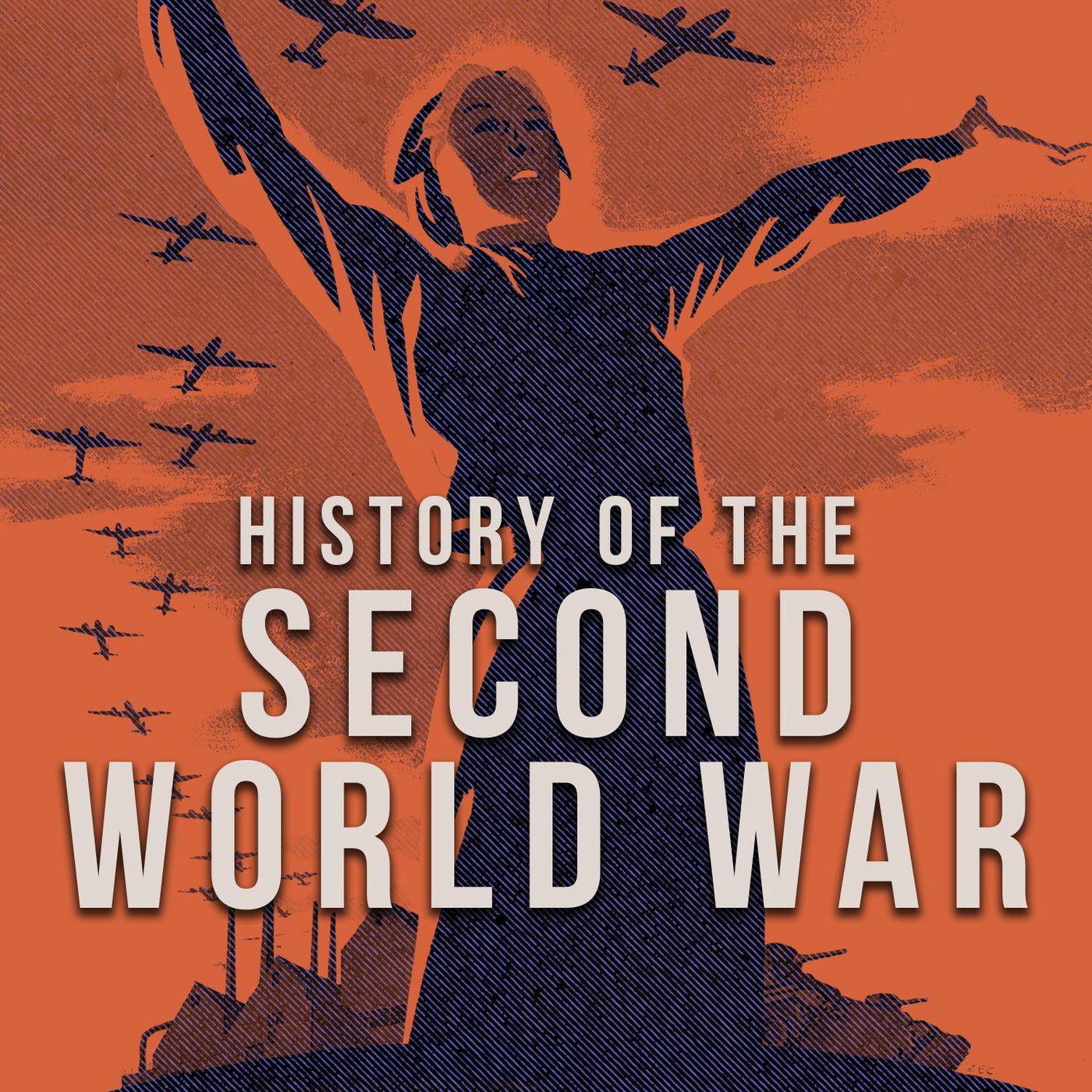
History of the Second World War is a (mostly) weekly podcast that will cover the events of the Second World War in (rough) chronological order.WebsitePatreonTwitterFacebookDiscordEmail: [email protected] Learn more about your ad choices. Visit megaphone.fm/adchoices