Show overview
Historias en Inglés y en Español launched in 2024 and has put out 17 episodes in the time since. That works out to roughly 10 hours of audio in total. Releases follow a fortnightly cadence, with the show now in its 2nd season.
Episodes typically run thirty-five to sixty minutes — most land between 27 min and 47 min — though episode length varies meaningfully from one episode to the next. None of the episodes are flagged explicit by the publisher. It is catalogued as a ES-language Education show.
The catalogue appears to be on hiatus or wound down — the most recent episode landed 1.5 years ago, with no new episodes in over a year. The busiest year was 2024, with 13 episodes published. Published by Carmen Soliz.
From the publisher
A podcast dedicated to the analysis of Latin American studies, featuring discussions on books about Latin America published in English, as well as disseminating the work of historians and anthropologists whose research is published in Spanish in Latin America.Un podcast dedicado al análisis de los estudios latinoamericanos, con debates sobre libros sobre América Latina publicados en inglés, así como a la difusión del trabajo de historiadores y antropólogos cuyas investigaciones se publican en español en América Latina.
Latest Episodes

S2 Ep 7The role of US aid in Latin America in historical context
In this episode, historians Aldo Marchesi, Amanda Waterhouse, and Thomas Field examine the role of U.S. aid in Latin America, helping us place this institution’s history in context, particularly in light of Trump’s recent move to restrict or cut foreign assistance to the region.
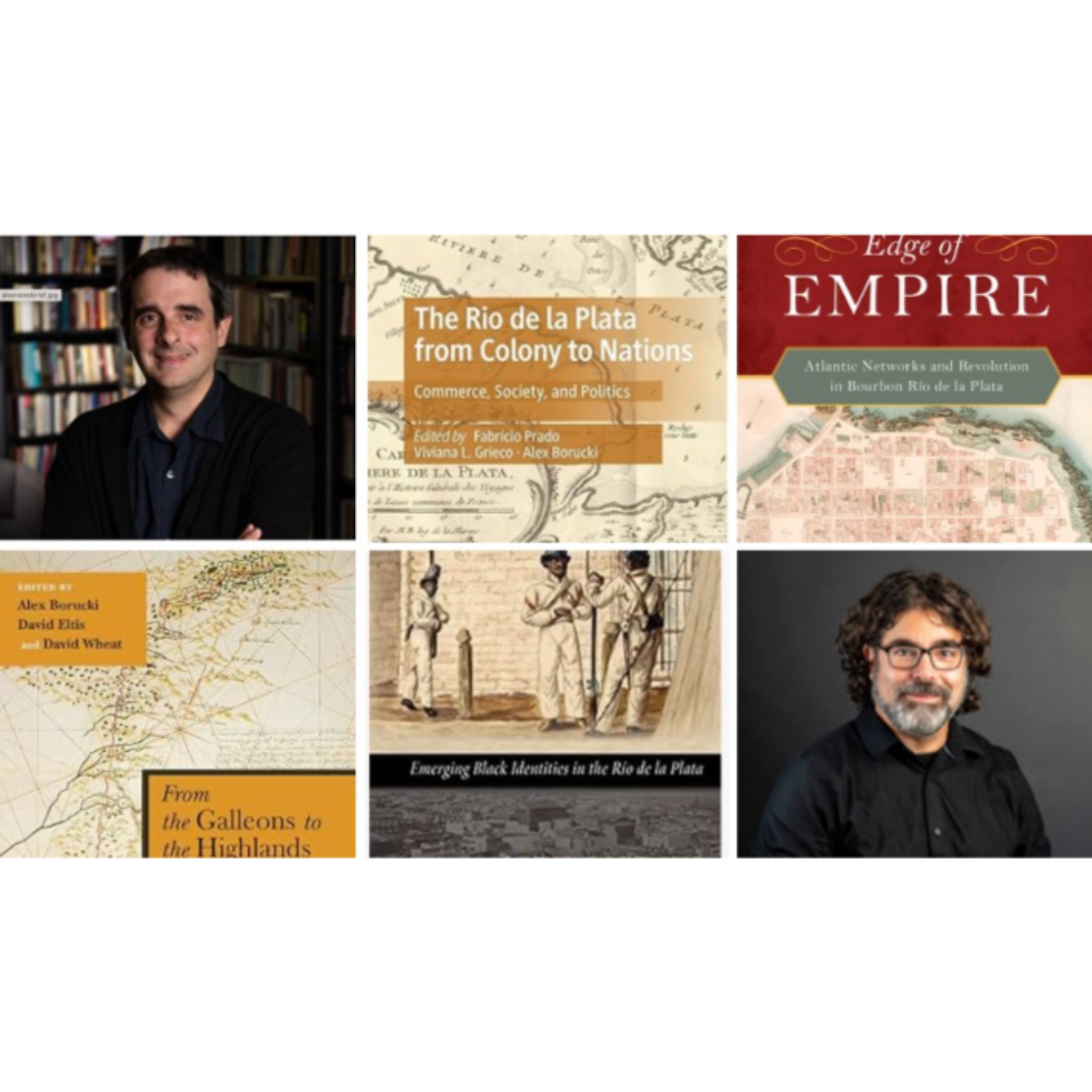
S2 Ep 6Historias del Río de la Plata: Conversaciones con Alex Borucki y Fabricio Prado
En este episodio, Edward Brudney y Carmen Soliz conversan con los historiadores Fabricio Prado y Alex Borucki sobre sus aportes a la historia del Río de la Plata. Discutimos cómo su trabajo desafió el nacionalismo metodológico y sus aportes a los estudios de redes sociales y comerciales transimperiales.Alex Borucki es autor de From Shipmates to Soldiers: Emerging Black Identities in the Río de la Plata. También editó el volumen From the Galleons to the Highlands: Slave Trade Routes in the Spanish Americas.Fabricio Prado es autor de Edge of Empire: Atlantic Networks and Revolution in Bourbon Río de la Plata. Junto con Alex Borucki, coeditó The Río de la Plata: From Colony to Nations, un volumen que explora las transformaciones políticas, sociales y económicas de la región en el tránsito del período colonial a la independencia.
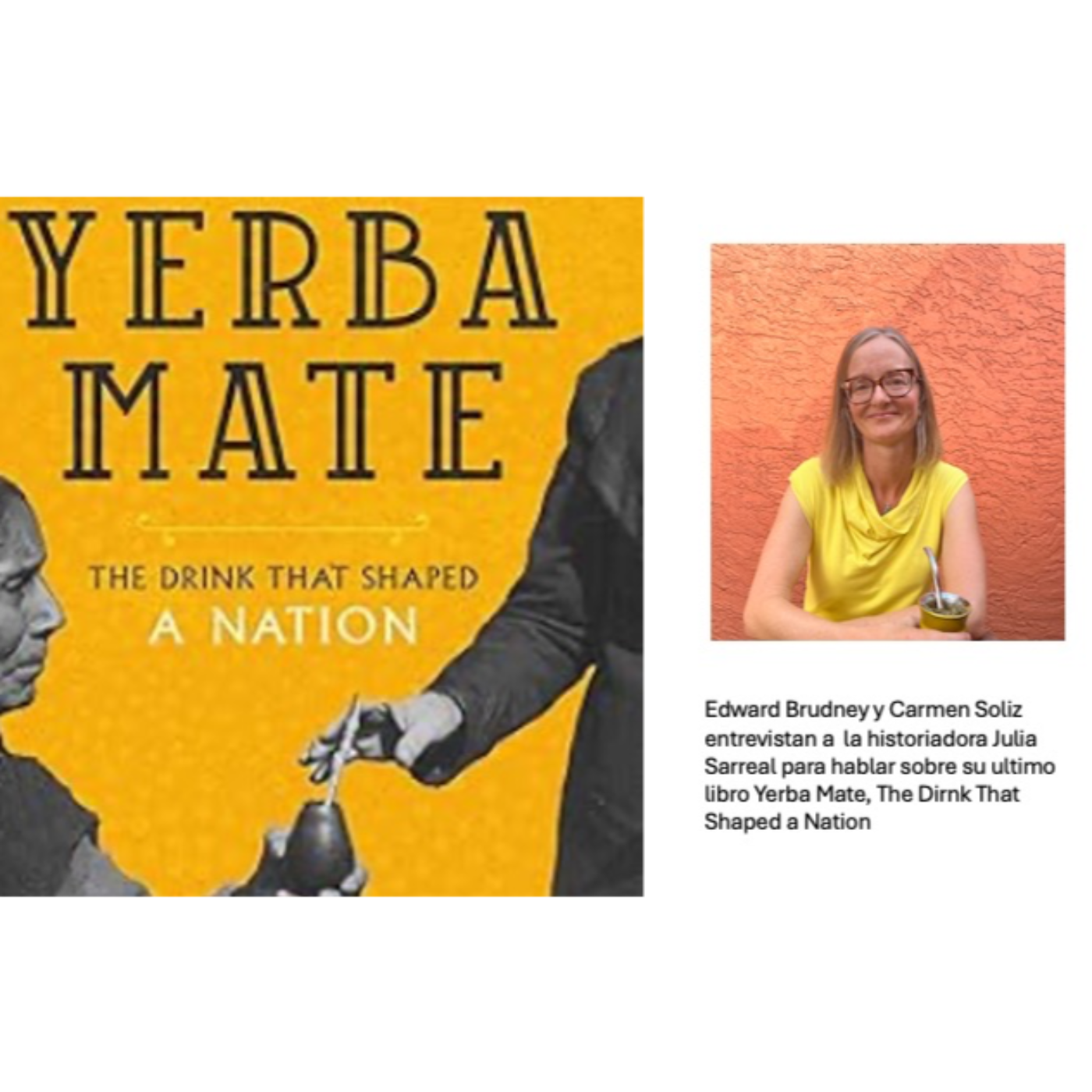
S2 Ep 5Julia Sarreal hablan con Edward Brudney y Carmen Soliz sobre su reciente libro Yerba Mate: The Drink that Shaped a Nation
Julia Sarreal conversa con Edward Brudney y Carmen Soliz sobre Yerba Mate: The Drink that Shaped a Nation, el primer libro que explora la historia de esta icónica bebida en Argentina desde la época precolonial hasta la actualidad. Sarreal narra cómo el mate pasó de ser una tradición indígena a un símbolo omnipresente en la colonia, su asociación con los sectores rurales y populares en el siglo XIX, y su resurgimiento en el siglo XX. Este libro revela el papel de la bebida en la construcción de la identidad nacional argentina, explorando raza, cultura y producción en su evolución.
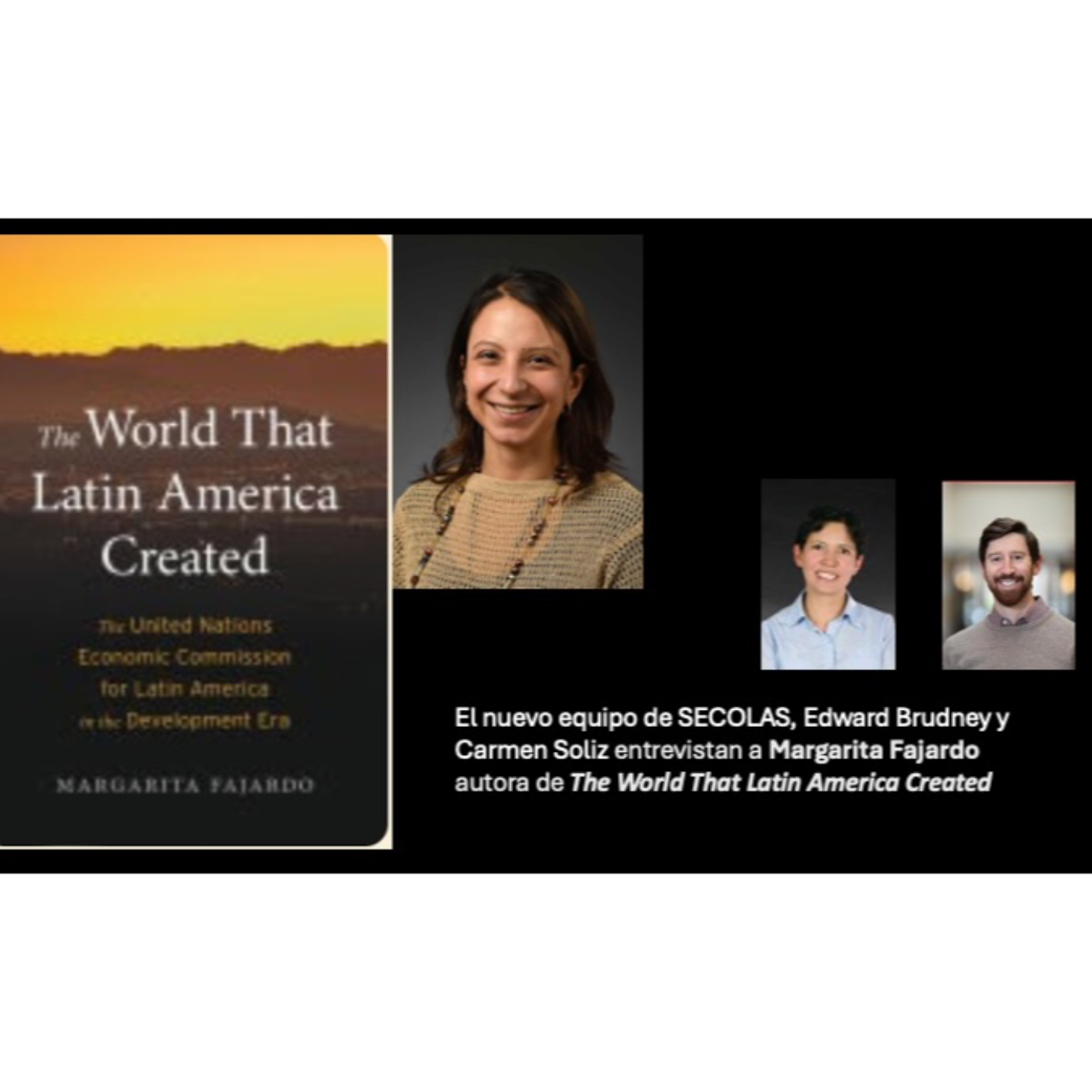
S2 Ep 4El nuevo equipo de SECOLAS, Edward Brudney y Carmen Soliz entrevistan a la historiadora Margarita Fajardo
Edward Brudney y Carmen Soliz entrevistan a la historiadora Margarita Fajardo para hablar sobre su innovador libro The World That Latin America Created: The United Nations Economic Commission for Latin America in the Development Era. En su obra, Fajardo revela cómo un grupo de intelectuales transformaron la economía del desarrollo y redefinieron el papel de América Latina en el escenario global.
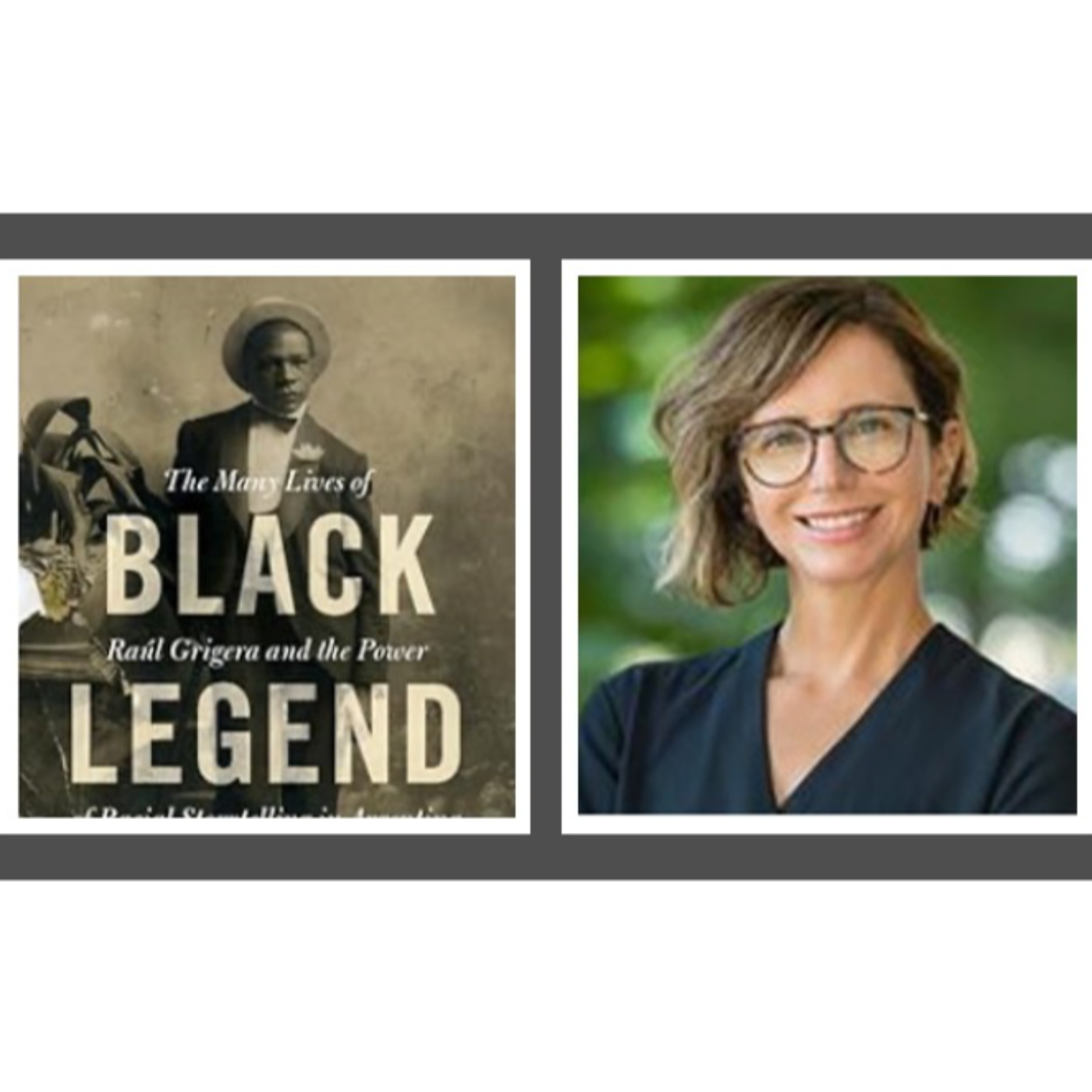
S2 Ep 3A fabulous interview with Paulina Alberto, discussing her award-winning book Black Legend.
In this episode, historian Paulina Alberto joins us to talk about her award-winning book Black Legend, published by Cambridge University Press in 2022. Celebrated with the 2023 Bolton-Johnson Prize for Best Book in Latin American History and the 2023 Southern Cone Section Award for Best Book in the Social Sciences, Black Legend has quickly become a must-read. Tune in to discover the groundbreaking insights of Alberto’s second monograph and learn more about her inspiring academic journey.
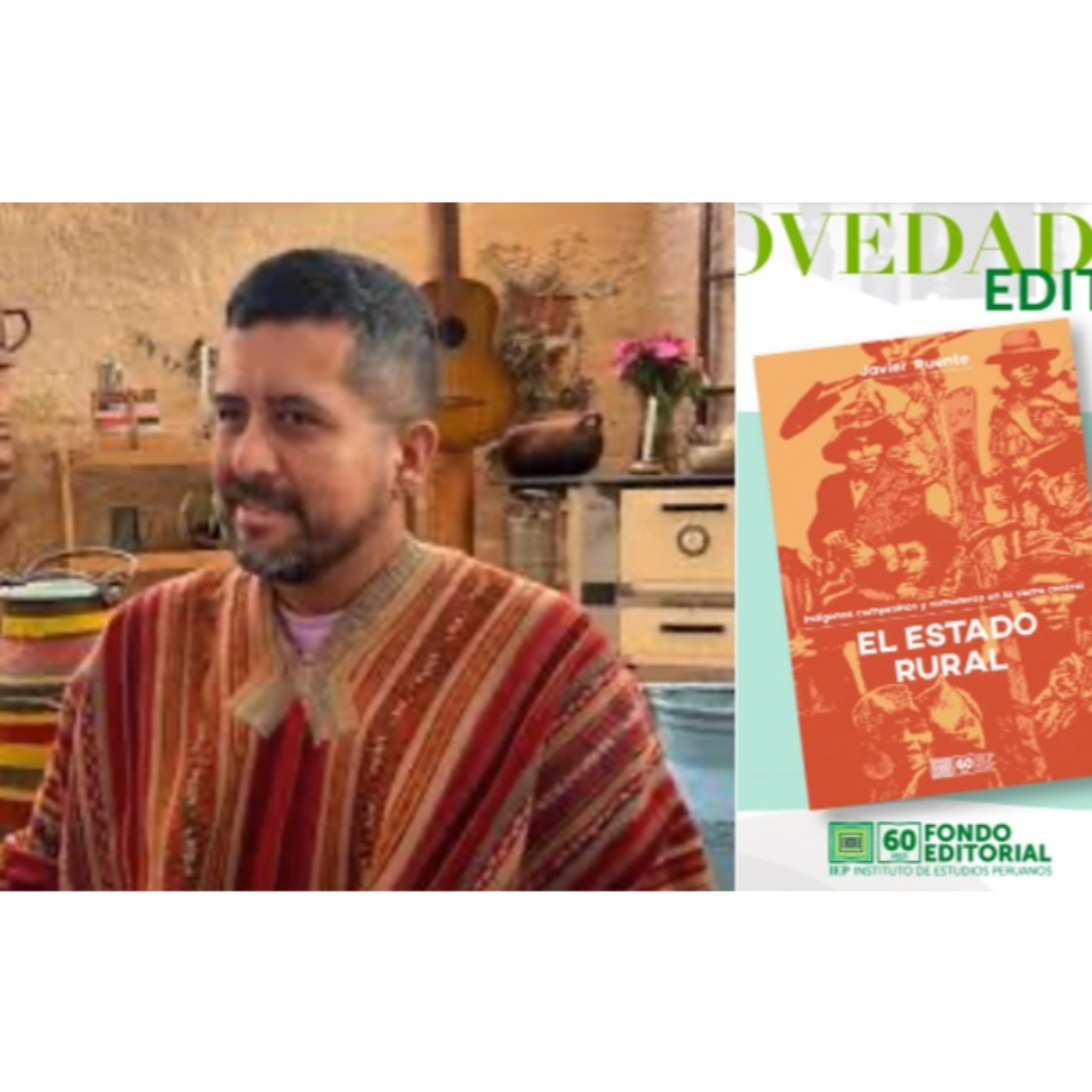
S2 Ep 2Javier Puente nos habla de su libro El Estado rural: indígenas, comuneros, y campesinos en la sierra central
El Estado Rural estudia la política interna de una comunidad de la sierra central peruana, desde principios del siglo XX, cuando el estado peruano reconoció la legalidad de las comunidades indígenas, hasta finales del conflicto armado en la década de 1990. Este largo arco temporal permite al autor analizar un siglo de intervenciones estatales y mercantiles en el campo y sus repercusiones en la vida rural.

S2 Ep 1A conversation with Brooke Larson about her most recent book, The Lettered Indian.
Several scholars, including Joanne Rappaport, Sinclair Thomson, Gavin O'Toole, and Bret Gustafson, have praised Brooke Larson's book as a monumental, meticulously documented history of Indigenous education in twentieth-century Bolivia.
S1 Ep 10Elena McGrath explores the impact of revolution on people's everyday lives
Elena McGrath's meticulous analysis uncovers the effects of mine nationalization—a policy typically examined from a macro and state-level perspective—on the daily lives of mining families.
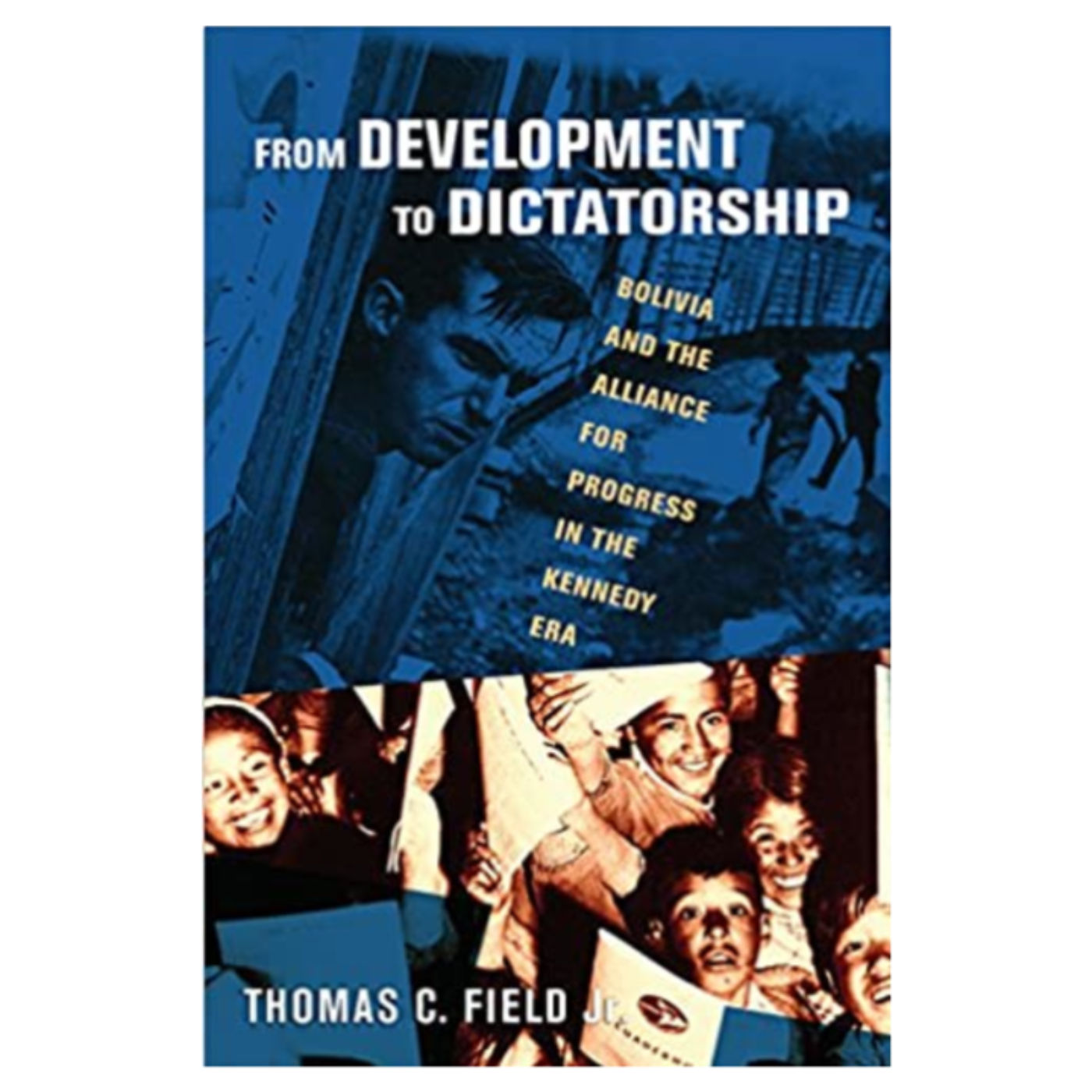
S1 Ep 9Bolivia in the 1960s: From Revolution to Dictatorship in Bolivia with Thomas Field
Thomas Field Jr. reconstructs the untold story of USAID’s first years in Bolivia, including the 1964 military coup d’état. Field demonstrates that Bolivia’s turn toward an anti-communist, development-oriented dictatorship was the logical and practical culmination of the military-led modernization paradigm that provided the liberal underpinnings of Kennedy’s Alliance for Progress.

S1 Ep 8Examining the role of the conscription and citizenship with Elizabeth Shesko
Elizabeth Shesko studies coercion and citizenship in the Bolivian Barracks. She argues conscription evolved into a pact between the state and society. Shesko contends that state formation built around military service has been characterized in Bolivia by multiple layers of negotiation and accommodation.
S1 Ep 7Nicole Pacino examines the rural healthcare policies of the Bolivian Revolution
In this episode, historian Nicole Pacino discusses the rural healthcare policies of the Bolivian Revolution, with a particular focus on their impact on women.
S1 Ep 6Resource Nationalism and Revolution with Kevin Young
Kevin A. Young reveals that Bolivia became a key site in a global battle among economic models, with grassroots coalitions demanding nationalist and egalitarian alternatives to market capitalism.
S1 Ep 5Unraveling the Role of Cochabamba Peasants in the Bolivian Revolution with José Gordillo
Jose Gordillo reveals the active political role played by the Cochabamba Valley peasants during Bolivia's 1952-64 revolutionary period. The book blends sociological and anthropological methods to uncover peasants’ revolutionary experience
S1 Ep 4The history of unwanted pregnancy in Bolivia with Natalie Kimball
Natalie Kimball explores how women decided whether to continue or terminate their pregnancies and the medical practices to which women recurred in their search for reproductive health care between the early 1950s and 2010. It demonstrates that, far from constituting private events with little impact on the public sphere, women’s intimate experiences contributed to changing policies and services in reproductive health in Bolivia.
S1 Ep 3Exploring the Bolivian Revolution through Environmental History with Sarah Hines
Sarah T. Hines examines conflict and compromises over water from the 1870s to the 2010s, showing how communities of water users increased supply and extended distribution through collective labor and social struggle.
S1 Ep 2Rethinking the role of President Hernán Siles Zuazo with Rafael Archondo
Rafael Archondo and Isabel Siles reviewed the life of former President Hernán Siles Zuazo, one of the founding members of the National Revolutionary Movement (MNR) in 1942. This two-time president (1956-1960 and 1982-1985) was instrumental in the consolidation of human rights, civil liberties, and the peaceful transfer of power during the 1980s.
S1 Ep 1Lina Britto y Ricardo López nos hablan de Historias de Soledad y Perplejidad
Los historiadores Lina Britto y Ricardo López Pedreros -editores de dos volúmenes, Historias de soledad e Historias de perplejidad- reflexionan sobre las trayectorias personales y académicas que impulsaron la producción de esta obra, las condiciones de producción de conocimiento en Estados Unidos y América Latina, y la importancia de utilizar Colombia como lente para mirar a las Américas y al mundo.