
Hands On Hands Off: Manual Therapy & Orthopedic Physical Therapy (AAOMPT)
AAOMPT
Show overview
Hands On Hands Off: Manual Therapy & Orthopedic Physical Therapy (AAOMPT) has been publishing since 2018, and across the 8 years since has built a catalogue of 459 episodes. That works out to roughly 230 hours of audio in total. Releases follow a fortnightly cadence.
Episodes typically run twenty to thirty-five minutes — most land between 26 min and 38 min — though episode length varies meaningfully from one episode to the next. None of the episodes are flagged explicit by the publisher. It is catalogued as a EN-US-language Health & Fitness show.
The show is actively publishing — the most recent episode landed 3 weeks ago, with 30 episodes already out so far this year. The busiest year was 2021, with 90 episodes published. Published by AAOMPT.
From the publisher
The Hands On Hands Off Podcast from the American Academy of Orthopaedic Manual Physical Therapists explores the debate at the heart of modern rehab: How much treatment should be hands-on… and how much should empower patients to move independently? Through conversations with leaders in manual therapy, orthopedic physical therapy, pain science, and rehabilitation, we break down: • clinical reasoning • manual therapy techniques • patient education • exercise-based care • evidence vs tradition in PT If you’re a physical therapist, manual therapist, DPT student, or rehabilitation professional, this show will challenge assumptions and sharpen your practice.
Latest Episodes
View all 459 episodesEnvironmental Physiotherapy: A New Lens for Patient Care
Josh Funk on Scaling Rehab 2 Perform and the Business Future of PT
Dr. Thomas Ibounig on Incidental Rotator Cuff Abnormalities and Shoulder MRI
Tim Fearon on Exercise, Manual Therapy, and Patient Responsibility
Should PTs Be the First Provider for Musculoskeletal Pain?
Jess Ellis on the Reality of Pro Sports PT, Clinical Honesty, and Pragmatic Practice
Mapping the OMPT Education Continuum with Dr. Matthew Smith
When Headache Starts in the Neck: Gwen Jull & Zhiqi Liang on Migraine, Cervicogenic Headache, and Clinical Reasoning
Life After Fellowship: Giving Back to the Profession
Why Kyle Feldman Never “Works a Day”
In this episode, we sit down with Kyle Feldman, National Director of Physical Therapy for ReEnvision PT and owner of WE ARE Physiotherapy. Kyle shares how clinical reasoning, therapeutic alliance, and intentional growth have shaped his work as a clinician, educator, and leader.We discuss:Why clinical reasoning is often misunderstoodHow strong therapeutic alliance amplifies patient outcomesSafety, intent, and application of spinal manipulation in elderly patientsUsing fellowship training to step into leadership or ownershipKyle’s career path and the mindset that keeps him energizedThis is a must-listen episode for clinicians looking to level up their reasoning, build meaningful patient relationships, and explore new opportunities in the profession.Key Takeaways:Clinical reasoning is more than pattern recognition — it’s dynamic decision-making.Therapeutic alliance isn’t “being nice”; it’s a critical clinical skill.Older adults are often under-treated due to clinician fear, not evidence.Fellowships can be springboards for business ownership and leadership innovation.Growth in PT requires curiosity, reflection, and courage. Guest Info: ???? Kyle Feldman – [email protected] ???? ReEnvision PT ???? WE ARE Physiotherapy
How to Teach Clinical Reasoning in OMPT
What happens when you mix decades of movement science, deep mentorship, and a passion for solving complex MSK problems? You get Lee Marinko — one of the most beloved educators and mentors in OMPT.Lee has been teaching in the Boston University DPT program for more than 20 years, serves as Chair of the AAOMPT Program Director SIG, and launched the BU OMPT Fellowship in 2014 with one goal: “We can do better than that.”In this conversation, Lee shares her philosophy on mentorship, the joy of Ah ha moments, how to keep clinical problem-solving fun, and what young professionals really need from their teachers and clinical leaders.In this episode, we explore:???? Why movement science is the foundation for great OMPT???? Lee’s favorite teaching moments — and what they reveal???? How to guide learners through complex cases???? Mentorship tips for faculty, fellows, and CI’s???? The origin story of the BU Fellowship???? Why curiosity beats certainty in clinical reasoning???? The mindset that makes clinicians grow faster???? How to “do better” for people with MSK painIf you teach, mentor, or simply want to think better as a clinician — do not miss this one.
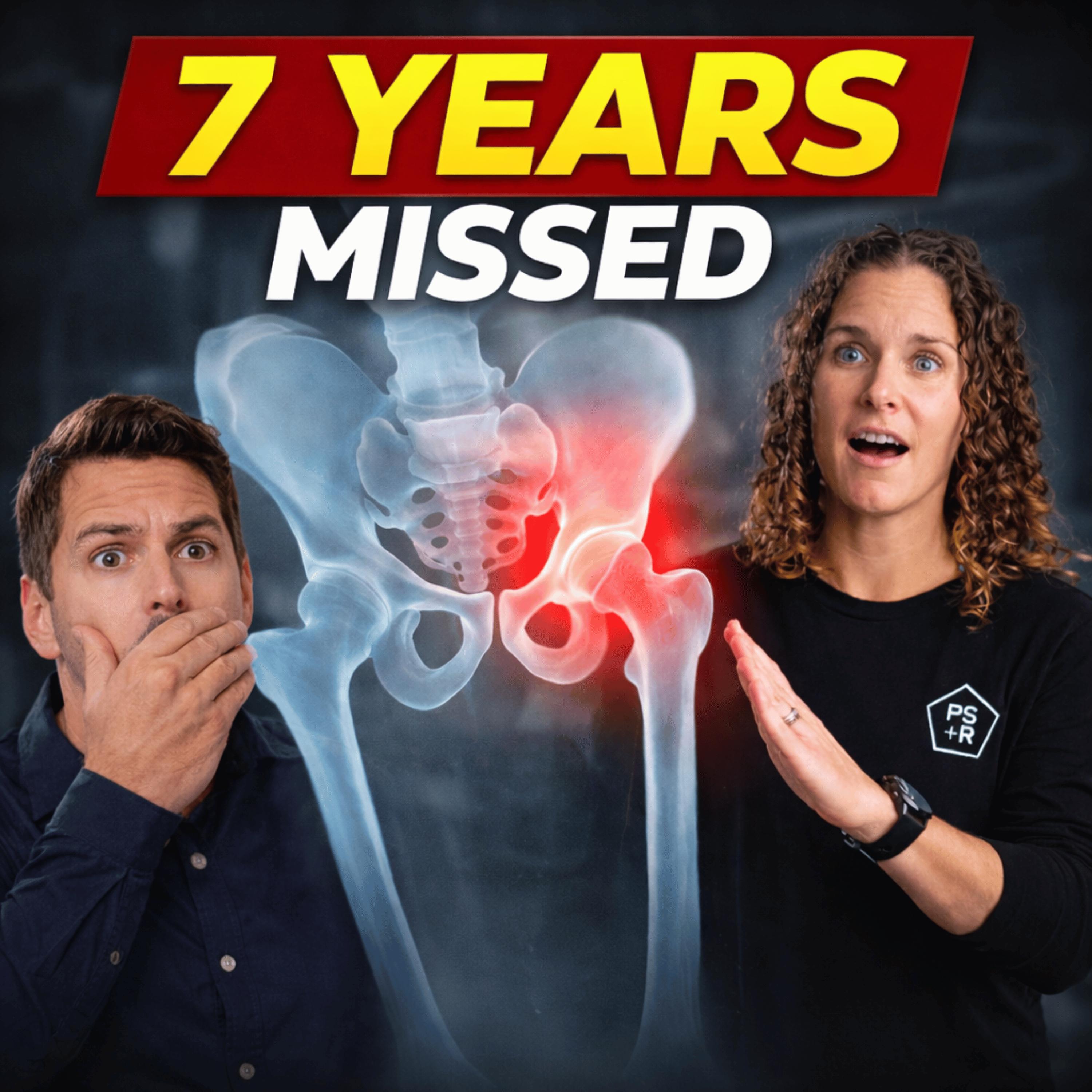
Why Hip Dysplasia Goes Undiagnosed for 7 Years
Why do patients with hip dysplasia go years without a diagnosis?In this episode, physical therapist and researcher Dr. Libby Bergman explains why hip dysplasia in young adults is frequently overlooked—and what clinicians can do to catch it earlier.Her research explores whether simple clinical tests physical therapists already use—range of motion, strength testing, and hypermobility measures—might help identify hidden hip instability.The findings could help clinicians recognize hip dysplasia sooner and potentially prevent years of unexplained pain and delayed treatment.In this conversation we discuss: • Why hip dysplasia is commonly missed • Early clinical signs physical therapists should watch for • Why athletes like dancers and swimmers may be at higher risk • New research linking range of motion and adductor strength to dysplasia • Why patients often wait 5–7 years for the correct diagnosis

When a PTA Crosses Scope of Practice: An Ethics Case Every PT Should Hear
What should a clinician do when they discover an ethical breach in the clinic?In this episode, members of the AAOMPT Ethics Committee walk through a realistic clinical scenario involving a physical therapy fellow who discovers a physical therapist assistant performing manipulation techniques outside their scope of practice.When the fellow raises the concern with the clinical director, the issue is dismissed—creating tension, professional risk, and uncertainty for a student observing the situation.This conversation explores the ethical principles that guide clinical decision-making and the leadership responsibilities that often come with fellowship training.The panel discusses how clinicians can navigate difficult ethical situations while protecting patients, maintaining professional integrity, and supporting colleagues.In This Episode • Ethical responsibilities of physical therapy fellows • Scope of practice considerations for PTAs • Patient expectations vs professional standards • The role of accountability and integrity in clinical practice • Leadership development through fellowship training • How students and clinicians can report ethical concerns • Why ethical issues in healthcare are often underreported
Screening Social Determinants of Health in Outpatient PT
What does it look like when an early-career clinician steps up to solve real barriers patients face — not just their pain?Wisconsin-based PT and Fellow-in-Training Rachel Beilfuss joins us to talk about her mission to integrate social determinants of health (SDoH) into everyday outpatient PT practice. As a Northwestern OMPT fellow with a clinical site at Marquette University, she's building systems to help clinicians screen, identify, and address the life factors that shape recovery and access.Rachel is also this year’s FOMPT scholarship recipient, representing the next generation of OMPT clinicians who are redefining what comprehensive care looks like.In this episode, we dig into:???? Why SDoH screening belongs in musculoskeletal care???? How Rachel is building clinic workflows + resource guides???? Her experience as a Fellow-in-Training at Northwestern/Marquette???? The importance of advocating for patients’ basic needs???? What early-career leadership looks like in AAOMPT???? How lifestyle, access, and equity affect rehab outcomes???? Why clinicians need support beyond biomechanics to serve patients fullyThis one is full of passion, practicality, and vision from one of the profession’s rising voices.
The Future of Musculoskeletal Care with Clare Ardern
What does the future of musculoskeletal care look like — and how can physical therapists lead it?Dr. Clare Ardern, Assistant Professor at the University of British Columbia and leader of the DigiMSK research team, joins us to break down digital health innovations, access bottlenecks, advanced practice roles, and the tools clinicians need to navigate a rapidly changing MSK landscape.We explore how technology, triage systems, and research literacy can reshape global MSK care — and why PTs are uniquely positioned to lead.Clare also shares practical insights from her work designing and testing new health care technologies and services in partnership with patients, clinicians, and health systems.In this episode, we cover:???? Why MSK health care is ripe for redesign???? Digital health tools: what works, what doesn’t, and what’s coming???? Virtual triage & advanced practice physiotherapy models???? How PTs can improve access to MSK care globally???? Leadership skills every clinician needs today???? Tips for reading and interpreting research (without getting overwhelmed)???? How to get your research published???? The mission and work of DigiMSKA deep dive for clinicians, researchers, and leaders who want to be part of the solution in MSK care.
Life After Fellowship: Why Post-Professional Growth Matters
In this AAOMPT interview, we sit down with Liam Globensky, Center Manager at Brooks Rehabilitation and a brand-new fellow from the Brooks Institute of Higher Learning. Liam shares his passion for post-professional development, advocacy, and the responsibility fellows have to give back to the profession.We dive into:What life after fellowship should look likeHow new fellows can become leaders, mentors, and advocatesWhy post-professional opportunities are essential for the growth of PTThe role of clinicians in “raising the tide” for the entire professionA preview of Liam’s AAOMPT platform presentationsHow orthopedic clinicians can screen for pelvic floor dysfunctionWhether you're a student, a fellow, or a seasoned clinician, this episode offers an inspiring look at how PTs can serve, teach, and elevate the profession long after formal training ends.Chapters:00:00 – Opening00:48 – Meet Liam Globensky03:10 – The Fellow → Clinician transition06:20 – Why post-professional opportunities matter10:55 – “Raising the tide” through advocacy15:40 – How new fellows can give back20:10 – Orthopedic screening of pelvic floor dysfunction26:30 – Working alongside his wife: the joint lecture30:20 – What the future of fellowship-trained PTs looks like35:00 – Advice to new grads & future fellows38:50 – ClosingIf you’re passionate about fellowship training, clinical growth, and elevating our profession, be sure to like, subscribe, and share this interview with a colleague.
Why Communication Is the Real Superpower in Manual Therapy
John Seivert, PT, a clinician with more than 40 years of experience blending skilled orthopedic manual therapy with the art of Motivational Interviewing.Fresh off his conference breakout sessions — Touch, Talk, and Transform — John breaks down what holistic OMPT looks like today, why communication is the foundation of effective care, and how accurate empathy changes outcomes.We explore:The current state of OMPT and where the field is headingWhy “How good are you at listening?” might be the most important question in therapyHow MI empowers patients to make meaningful changeWhat John has learned from four decades of treating, teaching, and bike racingHis reflections on retirement, mentorship, and legacyIf you’re a clinician, student, educator, or anyone who cares about whole-person care, this is a conversation that will sharpen your skills — and your humanity.0:00 – Intro0:27 – Who Is John Seivert?1:35 – Touch, Talk & Transform: The Masterclass4:22 – The Current State of OMPT7:50 – Why It All Starts With Communication11:10 – How to Actually Listen in a Clinical Encounter14:40 – Motivational Interviewing in Orthopedic Practice18:55 – Role Modeling Listening for Patients & Learners22:30 – What 40 Years of OMPT Has Taught John26:15 – Bike Racing at 65: Lessons for Clinicians30:02 – Preparing for Retirement & Passing the Torch33:10 – Final Thoughts & Advice for New Clinicians???? Guest: John Seivert, PTFaculty at Kaiser Permanente Fellowship Program, EIM Weekend Intensive Faculty, MINT Trainer
Why AAOMPT Membership Matters
AAOMPT Fellow and educator Laura Wenger joins us to explore the future of membership, community, and belonging within orthopaedic manual physical therapy.Laura teaches foundational clinical reasoning at the University of Utah’s hybrid DPT pathway, treats patients weekly in a rural outpatient ortho practice, and serves as Co-Chair of AAOMPT’s Inclusive Membership & Engagement Committee (IMEC). Her work sits at the intersection of education, patient care, and organizational leadership.In this episode, Laura shares what IMEC is working on, how AAOMPT can better serve clinicians across training levels, and why belonging and representation matter for the future of the profession.In this episode, we cover:???? Who AAOMPT members actually are — and who we want to reach???? The biggest opportunities for member engagement year-round???? How AAOMPT supports professional + personal growth???? The value of SIGs, committees, and leadership pathways???? Fellowship pathways & mentorship: where they shine???? Why DEI work is essential for OMPT’s long-term health???? How Laura teaches clinical reasoning to a new generation of DPT students???? Practicing in rural settings + hybrid education insightsThis one is essential listening for current AAOMPT members — and anyone curious about joining.
The Worst Pain Is Unexplained Pain — Rethinking Diagnosis in Physical Therapy
The worst pain is unexplained pain. In this episode of the Hands-On, Hands-Off Podcast, physical therapists Amy McDevitt and Paul Mintkin explore why pain without a clear diagnosis is often the most distressing—and how physical therapists can communicate pain more effectively when imaging, MRI findings, and pathoanatomy don’t provide clear answers.This conversation dives deep into pain science, musculoskeletal pain, low back pain, and the limitations of medical imaging in explaining symptoms. We discuss how over-reliance on MRI results can increase fear, catastrophizing, and confusion for patients—and how language, context, and functional diagnosis can dramatically change outcomes.Learn how to reframe pain using the ICF model, why pain does not equal tissue damage, and how PTs can shift from chasing a pain generator to treating the whole person. The episode includes a real-time patient role-play, practical communication strategies, and insights on direct access physical therapy, lifestyle factors (sleep, stress, activity), and the future of PT education.This episode is essential listening for physical therapists, manual therapists, rehab professionals, and students looking to improve patient communication, reduce fear, and deliver truly person-centered care.
Manual Therapy Mechanisms & the Future of MT Education | Damian Keter
Damian Keter joins the show to unpack manual therapy treatment mechanisms and how our profession needs to evolve its education around MT.Damian is a clinician specializing in complex pain at the VA and a clinical researcher whose work centers on MT mechanisms and manual therapy training paradigms. If you’ve ever wondered what actually happens when we deliver manual therapy — and how to teach it more effectively — this episode delivers clarity.Topics:• Manual therapy mechanism research • Contextual effects and clinical reasoning • How MT education needs to evolve • Helping clinicians move beyond outdated models • The future of manual therapy in PT