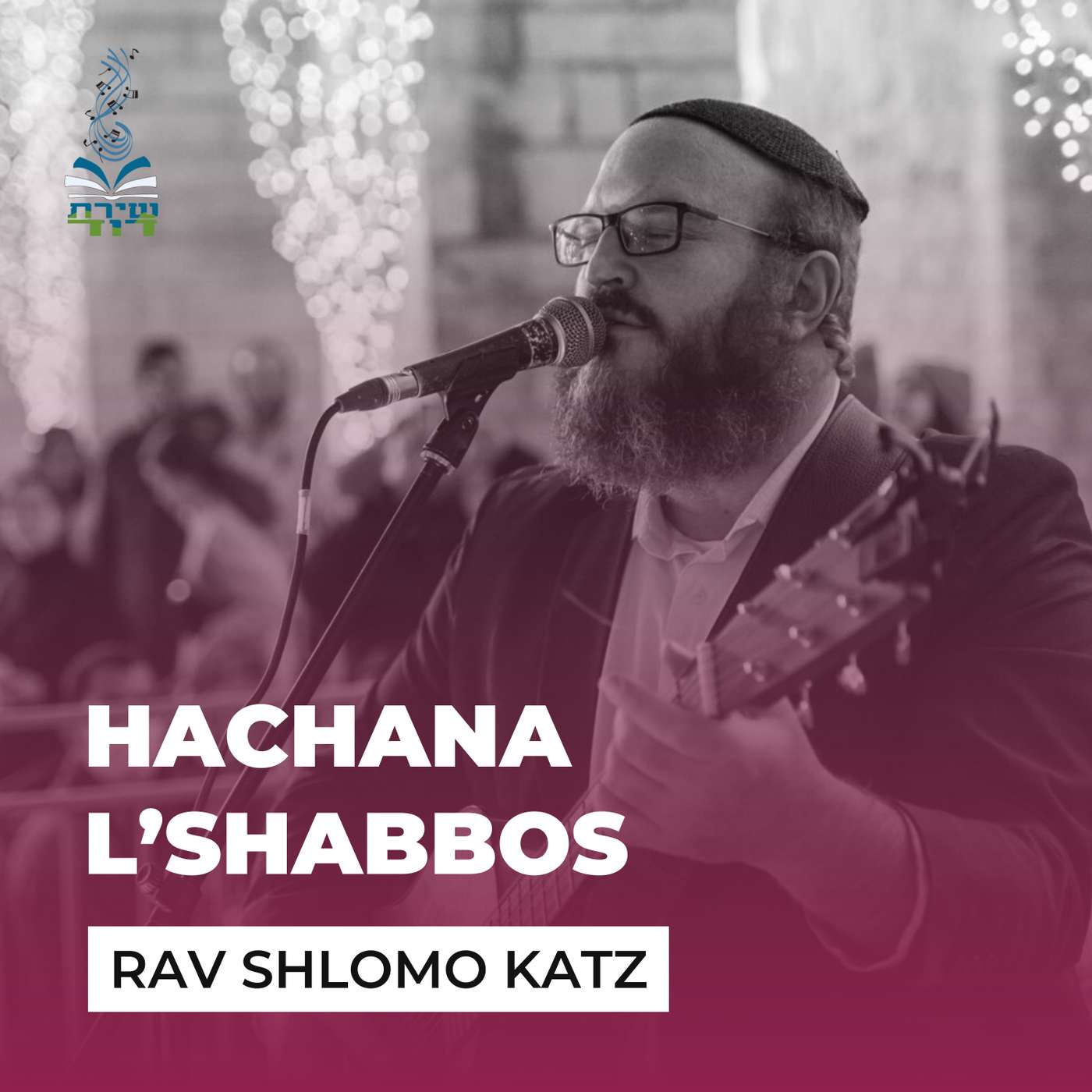
Hachana L'Shabbos
What type of rest do we yearn for on Shabbat.
Rav Shlomo Katz · Shirat David
Show overview
Hachana L'Shabbos has been publishing since 2023, and across the 3 years since has built a catalogue of 106 episodes. That works out to roughly 70 hours of audio in total. Releases follow a fortnightly cadence, with the show now in its 5th season.
Episodes typically run thirty-five to sixty minutes — most land between 35 min and 46 min — and the run-time is fairly consistent across the catalogue. None of the episodes are flagged explicit by the publisher. It is catalogued as a EN-language Religion & Spirituality show.
The show is actively publishing — the most recent episode landed 3 weeks ago, with 11 episodes already out so far this year. The busiest year was 2023, with 57 episodes published. Published by Shirat David.
From the publisher
What type of rest do we yearn for on Shabbat? How do we frame our mindset during the week to prepare for Shabbat and how can we transform our Shabbat experience? Using the teachings of Rabbi Yaakov Meir Shechter, a leading Breslov Rabbi, in his sefer Yom Machmadim, we build tools towards enhancing our ability to connect to the day of rest.
Latest Episodes
View all 106 episodesThe Shabbos That Lets You Begin Again | Shabbat Shuvah
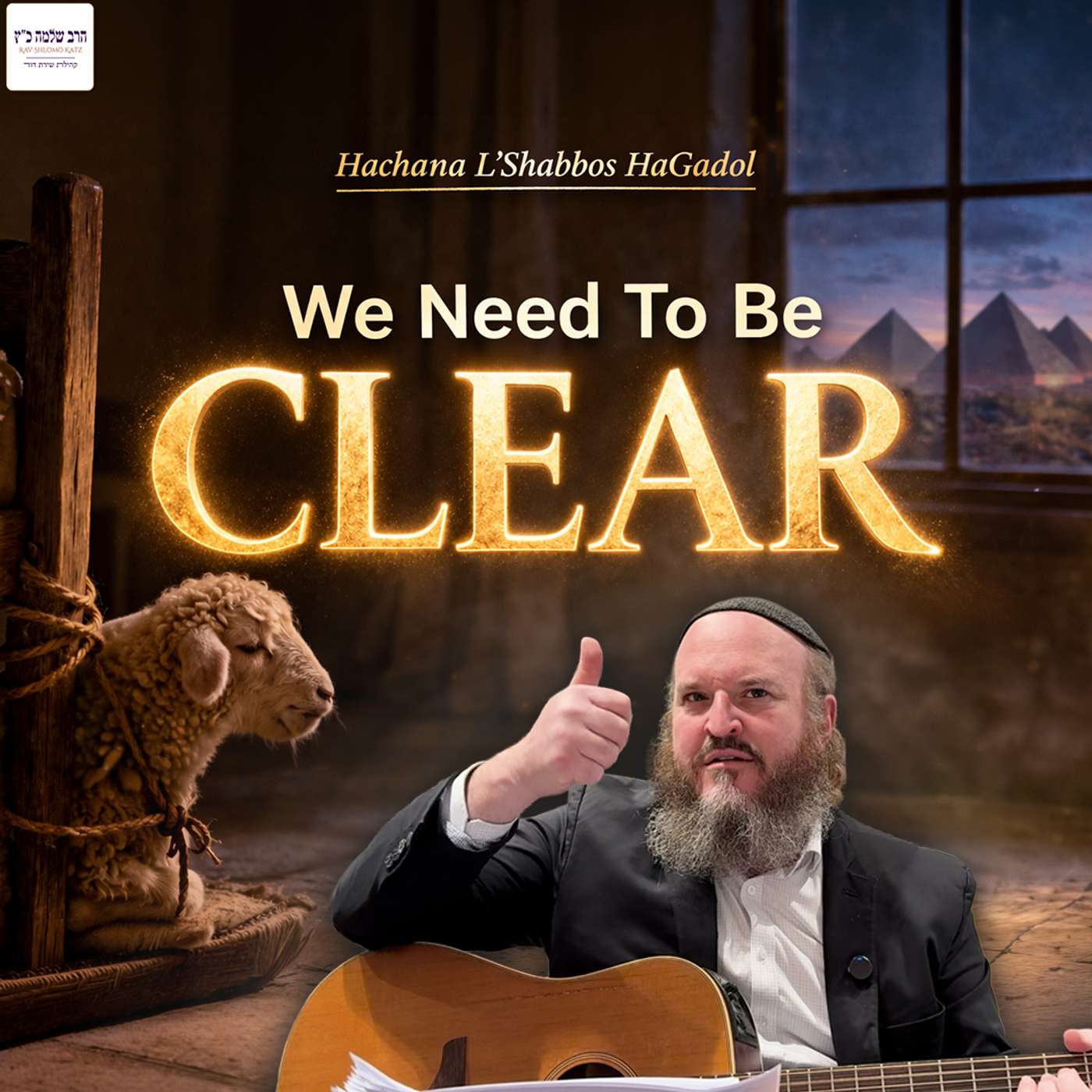
S5 Ep 23Why Are We Still Stuttering? | Shabbos HaGadol
There are moments in history when the greatest miracle isn’t what we do… but how clearly we can say why we’re doing it.On the original Shabbos HaGadol, Bnei Yisrael didn’t just take the korban Pesach. They were asked by the Egyptians what they were doing… and they answered בלי גמגום. No hesitation. No confusion. Total clarity.This wasn’t just bravery. This was a miracle.In this deeply timely Hachana L’Shabbos, Rav Shlomo Katz and the chevra of Shirat David explore why Shabbos HaGadol is not named for the date, but for the day, and what that reveals about the כוח of Shabbos to transform who we are.From the teachings of the Ohev Yisrael, we learn that Shabbos is not just a day of rest. It’s the מקור הברכה, the place where a person becomes someone capable of דברים שלא חלמתי עליהם.And maybe the biggest avodah right now?To stop stuttering.To speak clearly, to our אויבים, to our children, and even to ourselves, about who we are and why we’re here.May this Shabbos give us the כח to live, to believe, and to speak… clearly.----------For more Shuirim and Music from Rav Shlomo Katz, visit: https://ravshlomokatz.comJoin Rav Shlomo Katz's WhatsApp Community: https://chat.whatsapp.com/KHKOhhPaeHx5Kb74WL9L9a?mode=ems_copy_tCHAPTERS00:00 Opening niggun & reflection 02:54 Looking back at past Shabbos HaGadol06:33 Why it’s called Shabbos HaGadol14:08 Why the miracle is tied to Shabbos (not the date)17:17 The Ohev Yisrael on timing & כוח20:07 Shabbos HaGadol as a spiritual launchpad22:48 The role of drashos & speaking clearly
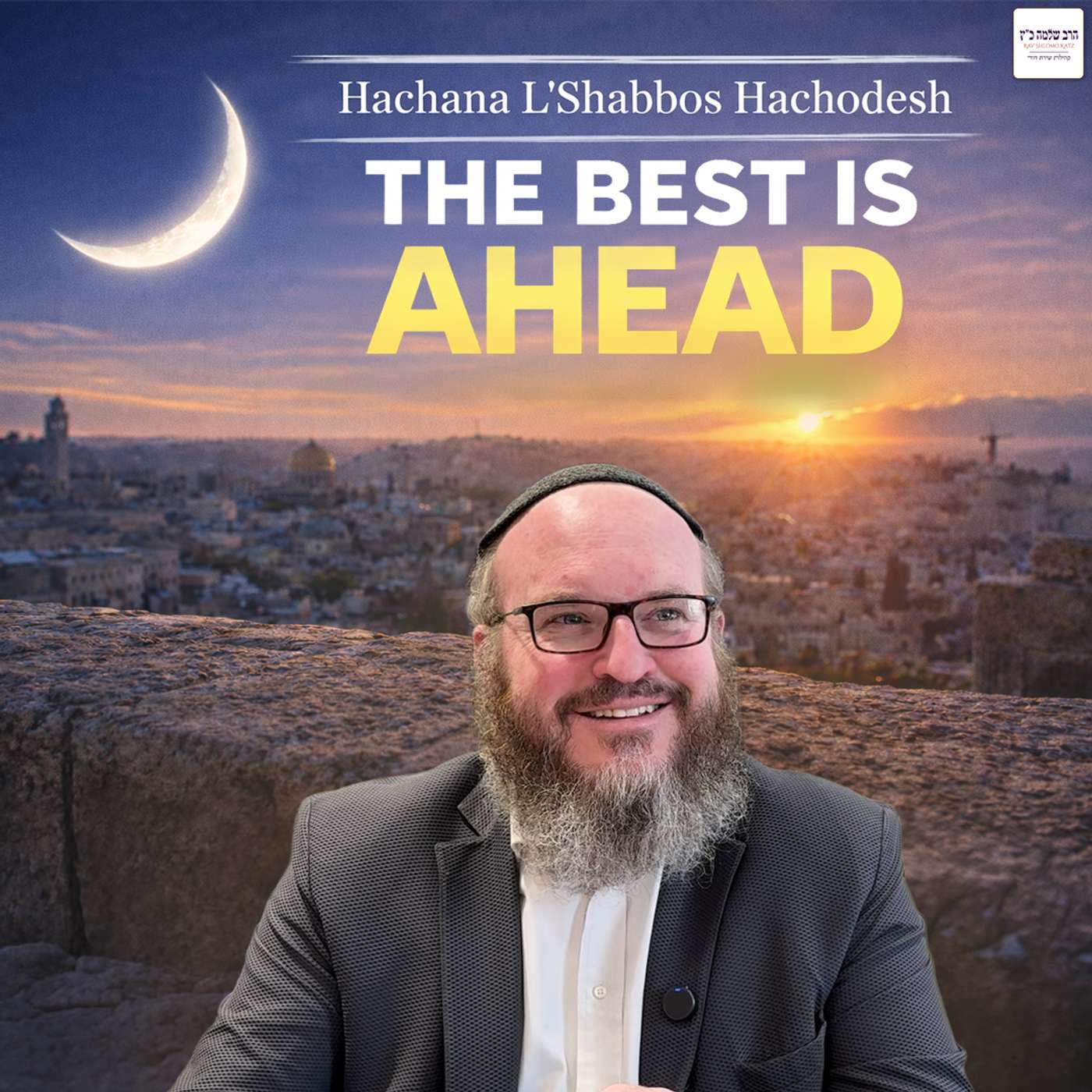
S5 Ep 22The "Good Old Days" Are Irrelevant | Shabbos Hachodesh
In this Hachana L’Shabbos for Parshas Hachodesh, Rav Shlomo Katz and the chevra of Shirat David open up one of the deepest avodos of this season: hischadshus—not changing into someone else, but renewing yourself exactly from where you are right now.Drawing from the Chiddushei Harim, the Beis Avraham of Slonim, Reb Nosson, and Rebbe Nachman, this shiur is a call to stop waiting for the “right time,” the “better version” of yourself, or the return of the so-called “good old days.” The mitzvah of Hachodesh hazeh lachem was given דווקא in Mitzrayim to teach us that renewal begins in the mud, in the constriction, in the place where a person feels most stuck.Rav Shlomo explores the danger of becoming a matzevah—a fixed monument to your old self—and the holiness of small acts of mesirus nefesh that open the gates to real growth. From the symbolism of fish scales swimming against the current, to the challenge of not letting yesterday enslave today, this is a powerful preparation for entering Shabbos Hachodesh with courage, honesty, and hope.----------For more Shuirim and Music from Rav Shlomo Katz, visit: https://ravshlomokatz.comJoin Rav Shlomo Katz's WhatsApp Community: https://chat.whatsapp.com/KHKOhhPaeHx5Kb74WL9L9a?mode=ems_copy_tCHAPTERS00:00 Opening encouragement for Shabbat preparation01:44 Yahrtzeit reminder and linking to Chiddushei Harim04:45 Renewal is in our hands – Chiddushei Harim quote15:00 Reb Nosson on grabbing moments for spiritual growth19:16 Small actions as the catalyst for true hischadshus23:58 Aliyah as a Matzevah: Growing Beyond Past Selves24:59 Finding the Middle Path Between Matzevah and Asherah27:59 Avoiding the Mask: Don't Create a God of Yourself29:48 Fish Scales as Symbols of Purity Against the Current32:34 Rethinking Prime Years: Beyond Shana Aleph35:54 Seizing the Moment for Mesirus Nefesh
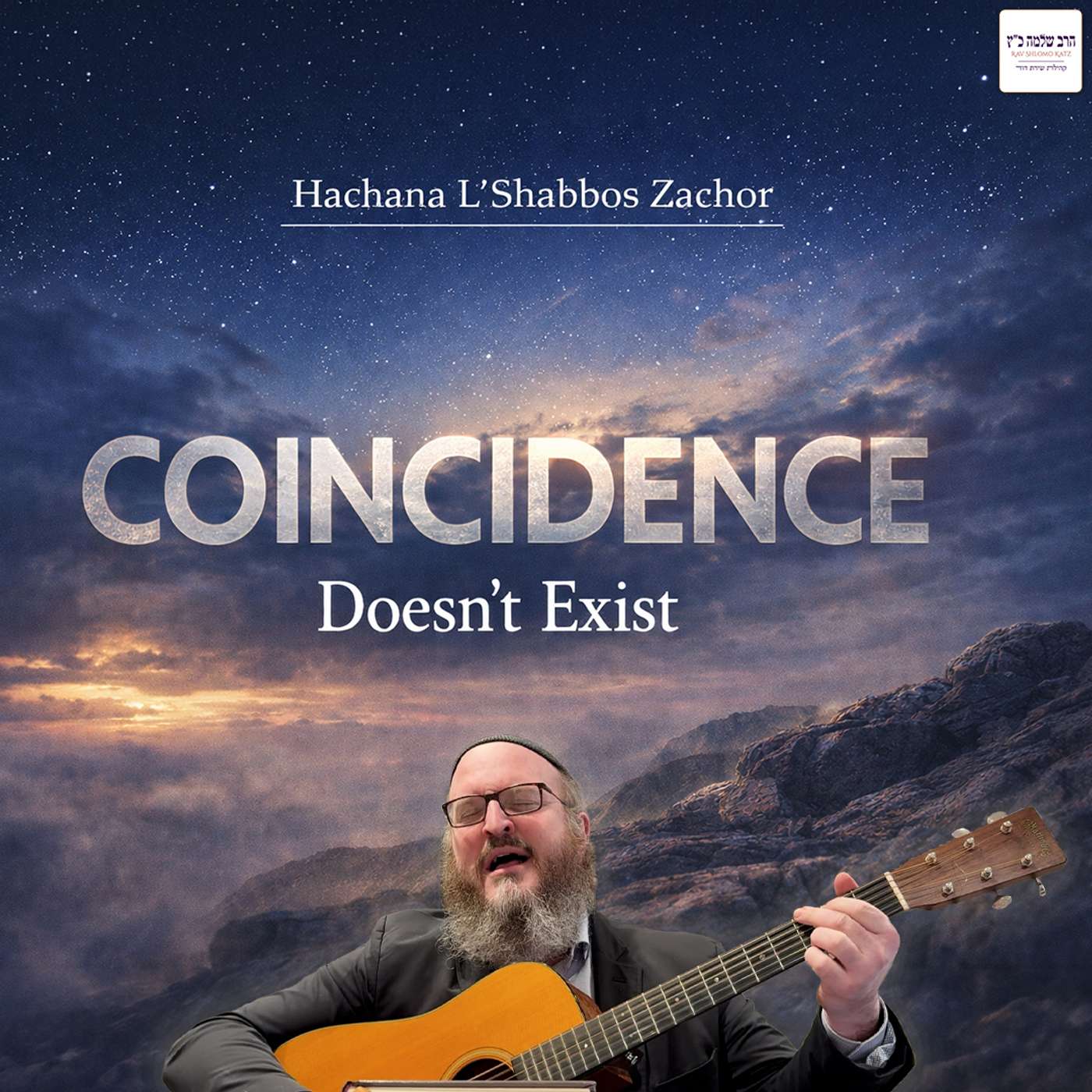
S5 Ep 21A Shabbos Zachor Above the Heavens
Rav Shlomo Katz and the chevra of Shirat David enter Shabbos Zachor in a moment unlike any other.There has never been a Shabbos Zachor like this one. Not in our lifetimes.Drawing from the Maggid of Mezeritch, Rav Biderman, the Ishbitzer Rebbes, and the holy Tiferes Shmuel, we explore Amalek’s true war — not against belief in God, but against belief in hashgacha pratis. Not “Does God exist?” but “Is He involved?”Amalek cools us off. He whispers: It’s all a coincidence. It’s all mitachas haShamayim. But the Torah commands us: Timcheh es zecher Amalek mitachas haShamayim. Wipe out the voice that says this world runs on its own.Through Moshe Rabbeinu lifting his hands, through the avodah of looking me’al haShamayim, we learn that the weapon against Amalek today is not panic, not argument, but strengthened emunah peshutah. Pure faith in a precise script.There is a script. You are not here by accident. This Shabbos Zachor, we choose to look up.----------For more Shuirim and Music from Rav Shlomo Katz, visit: https://ravshlomokatz.comJoin Rav Shlomo Katz's WhatsApp Community: https://chat.whatsapp.com/KHKOhhPaeHx5Kb74WL9L9a?mode=ems_copy_tCHAPTERS00:00 Dedication, Sponsors, and Opening Niggun04:44 Finishing the Current Sefer and Looking Ahead11:57 Amalek’s Challenge: Hashgacha Pratis vs. Klalis22:18 Shiva House Story and Final Reflections27:45 Moshe on the Mountaintop Inspires Israel29:16 Reb Shlomo’s Quick Glance in Jerusalem30:24 Stuck in Mitachas Hashomayim – The Problem31:54 Shabbat Blessing and Hope for Me'ala Hashomayim
S5 Ep 20Ultimate Trust in the One Above
This week in Hachana L’Shabbos, Rav Shlomo Katz and the chevra of Shirat David take us deeper into the “benching series” with a powerful focus on bitachon—what it really means to trust Hashem, and how that trust changes a person from the inside out.Starting from the words we sing and say so often—“Baruch HaGever asher yivtach baHashem”—we explore why the pasuk repeats itself, and how Chazal read that repetition as a map of ultimate trust: not just believing in Hashem, but letting Hashem become the only “support beam” you’re leaning on.Along the way we move through a sweeping set of sources—Midrash, Rav Pinchas of Koretz, the Maggid, Arugas HaBosem, Sfas Emes, and the Modzhitzer Rebbe—until we land on the real test Rav Shlomo keeps returning to:If your trust is real… does it make you more calm, more alive, and even more joyful—right now?----------For more Shuirim and Music from Rav Shlomo Katz, visit: https://ravshlomokatz.comJoin Rav Shlomo Katz's WhatsApp Community: https://chat.whatsapp.com/KHKOhhPaeHx5Kb74WL9L9a?mode=ems_copy_tChapters00:00 Opening Nigun and Chant05:40 Yizkor and Yahrzeits Introduction07:09 Benching Depth and the Table of Gold11:38 Midrash on Trust and Godlikeness16:52 Rav Biderman on Extreme Bitachon25:24 Personal encounter with Reb Biderman and unique…26:38 Observations on others’ perceived laziness and…28:46 Three differing opinions on bitachon presented40:53 Sfas Emes perspective on ultimate trust and…43:52 Addressing Yossi’s question about “ani that doesn’t take”45:44 Modzhitzer Rebbe’s insight on desperation vs genuine…47:53 Rav Biderman on the purpose of bitachon49:06 Trust Amid Despair and Lost Hope50:20 Harder Than Arugas Habosem: True Trust51:23 Why This Trust Is the Hardest

S5 Ep 19Acquiring Yirat Hashem
What does it really mean to acquire Yirat Hashem without becoming anxious, rigid, or spiritually “small”?In this Hachana L’Shabbos, Rav Shlomo Katz and the chevra of Shirat David zoom in on the words we often rush past near the end of bentching: “Yiru es Hashem kedoshav, ki ein machsor l’yire’av.” Rav Biederman brings a powerful teaching בשם בית אהרן מקרלין: if a person is truly chasing Yirat Shamayim, nothing is missing — spiritually and emotionally.From there we open Rav Kook’s Middot HaRa’ayah and discover a surprising definition: real Yirah doesn’t weaken you. It gives oz v’gevurah, fills life with purpose and big aspirations, and elevates your talents with the light of a holy fire. And we clarify the essential distinction between fear-based Yirah (sometimes necessary as a guardrail) and Yirat Romemut — a higher awe that comes with ahavah and an inner Eden.A practical, uplifting reframing of Yirat Hashem so your avodah leaves you feeling more alive, more courageous, and more connected.----------For more Shuirim and Music from Rav Shlomo Katz, visit: https://ravshlomokatz.comJoin Rav Shlomo Katz's WhatsApp Community: https://chat.whatsapp.com/KHKOhhPaeHx5Kb74WL9L9a?mode=ems_copy_tCHAPTERS00:00 Opening Nigun and Shabbat Greeting 01:43 Shabbat Welcome and Sponsorship 03:21 Benching Structure and the Rise Toward Mashiach 17:15 Exploring Kinyan Yirat Shamayim 19:26 Rav Kook on the Nature of Yirat Hashem 25:58 Distinguishing Fear from Awe in Yirat Hashem 27:12 Seeing Hashem Everywhere: a New View of Yirat Hashem 28:36 Fear (Eimah) Triggered by Seeing Hashem in Sin 30:58 Distinguishing Yirat Chet from Yirat Shamayim 36:49 Rambam vs. Ra’avad on Visualizing Kisse Hakavod 37:55 Rav Kook on Visualization for Higher Yirat Hashem 41:10 Yirat Romemut: Love and Inner Eden 42:18 Closing Blessing and Niggun for Yirat Romemut
S5 Ep 18The Gates that Open During Bentching
Rav Shlomo Katz and the chevra of Shirat Davud open a window into what really happens when we bentch.Drawing from the Baal Shem Tov, Rav Shlomo Zalman Auerbach, the Chofetz Chaim, and Rabbeinu Bachya, we discover that Birkat HaMazon is not just gratitude after a meal. It is an eis ratzon, a moment when gates open in Shamayim.When a mitzvah d’Oraita is fulfilled with presence and kavana, something shifts. A person is no longer standing in the same place. And once the gates are open, the question becomes: do we walk through them?We explore why Chazal placed the Harachaman tefillos specifically after bentching, how true satiation comes from blessing rather than food, and how a Jew is invited to pour their deepest bakashos into the words of Birkat HaMazon.This is a shiur about trust, dependence on Hashem, and learning to recognize when Heaven is quietly saying: now is the moment.May we learn to slow down, to stay present, and to walk fully through the gates that open before us.----------For more Shuirim and Music from Rav Shlomo Katz, visit: https://ravshlomokatz.comJoin Rav Shlomo Katz's WhatsApp Community: https://chat.whatsapp.com/KHKOhhPaeHx5Kb74WL9L9a?mode=ems_copy_tChapters00:00 Niggun of the Baal Shem Tov01:50 The Completeness of Torah: תורת השם תמימה04:01 Blood Donation Example and Bentching Kavana06:27 Ikar, Tefillah, and Dependence on Hashem11:27 Harachaman After Birkat HaMazon13:14 Minhag of Stopping at Yachasreinu14:41 Benching Opens Gates to Heaven36:48 Metzius and Davening Climax38:24 Rabbi Chaya on Mitzvah Timing40:46 Benching Series and Shabbos Focus

S5 Ep 17The REAL Satiation of Food
Rav Shlomo Katz and the chevra of Shirat David step into a quiet but radical idea: food doesn’t truly satiate a Jew — blessing does.Beginning with niggun and moving into the inner meaning of Birchas HaMazon, we learn from Reb Shlomo of Karlin that “vesavata” doesn’t come from eating alone, but from uverachta. The real fullness is not physical; it’s spiritual.Through Chazal, Chassidus, and a powerful story carried through generations, this shiur reframes benching as the heart of Jewish life — our past, our survival, and our future. When blessing is said slowly, with presence and kavana, it becomes a source of sustenance, dignity, and quiet strength that no circumstance can take away.This is a preparation for Shabbos, and for living with inner satiation all week long.----------For more Shuirim and Music from Rav Shlomo Katz, visit: https://ravshlomokatz.comJoin Rav Shlomo Katz's WhatsApp Community: https://chat.whatsapp.com/KHKOhhPaeHx5Kb74WL9L9a?mode=ems_copy_tChapters00:00 Opening Niggun02:15 Shabbos as the Source of All Holiness05:10 Birchas HaMazon as the Story of Am Yisrael09:30 Why Benching Requires More Kavana Than Tefillah14:05 Mitzvos With “Mazal” — and One Without18:40 The Real Meaning of “Ve’Achalta Ve’Savata”22:55 Reb Shlomo of Karlin on True Satiation27:10 A Story of Survival Through Birchas HaMazon34:20 What Sustains a Jew Through Everything38:45 Bringing This Consciousness Into Shabbos

S5 Ep 16The Calm that Follows Waking Up from Certain Dreams
There’s a certain kind of dream that leaves you with a pounding heart… and then you wake up, and the room is quiet, and you realize: it wasn’t real. And in that quiet, in that calm, there’s a taste of what Dovid HaMelech calls “היינו כחולמים”.In this week’s Hachana L’Shabbos, Rav Shlomo Katz and the chevra of Shirat David open up a life-changing lens from the Beis Avraham of Slonim and Rav Biederman: the ultimate Redemption won’t only be that things get better moving forward. Part of the redemption is that we’ll be able to look back and see that even the darkest chapters were never random. Not “hakol tov (It's All Good).” Sometimes it’s not. But hakol letovah (It's All For The Good). And there’s a world of emunah inside that one small shift.We speak honestly about pain, and still we learn the avodah of holding on: to keep doing mitzvos, to keep praying, to keep singing… until the day comes when the heart can finally exhale and say: I thought it was the end… and it was part of the plan.May this Shabbos bring us that calm, the calm that follows waking up, and may it open the door to simcha shel mitzvah, even inside the mess.----------For more Shuirim and Music from Rav Shlomo Katz, visit: https://ravshlomokatz.comJoin Rav Shlomo Katz's WhatsApp Community: https://chat.whatsapp.com/KHKOhhPaeHx5Kb74WL9L9a?mode=ems_copy_tCHAPTERS00:00 Opening Niggunim 06:40 Comment on the Niggun MakSim 26:02 The Nuance of “Hakol Tov” vs “Hakol Letovah” 27:16 Rav Biederman’s Message on Meaningful Suffering 28:34 Everyday Labor as a Path to Shabbat Honor 35:51 Finding Joy Despite Pain: The Reason God Blesses Us 41:32 Choosing Halachic Paths: Haloch Yeilech vs Bo Yavo Berina
S5 Ep 15Escorting the Queen
Rav Shlomo Katz and the chevra of Shirat David explore the avodah of Melave Malka not as a custom but as an act of love.Drawing from Shulchan Aruch, Gemara, the Rizhiner Rebbe, and the Shlah HaKadosh, we learn that escorting the Shabbos Queen is not about leftovers or convenience, but about honoring the Presence that filled our homes for twenty-five hours. Melave Malka stands as its own seudah—mutzav artza, v’rosho magia ha’shamayma—rooted in the weekday yet reaching Heaven.Through niggun, food, and consciousness, we discover how Motzei Shabbos becomes the bridge between holiness and ordinary life, and how angels ascend and descend with us each week. When we escort Shabbos with song, intention, and kavod, the light of Shabbos does not leave, it lingers.This shiur invites us to slow the goodbye, to sing the Queen out gently, and to begin the week with dignity, simcha, and blessing.— For more shiurim and music from Rav Shlomo Katz: https://ravshlomokatz.comJoin the WhatsApp community: https://chat.whatsapp.com/KHKOhhPaeHx5Kb74WL9L9a?mode=ems_copy_tChapters / Timestamps00:03 – Opening Niggun: “Esa Einai El Heharim” 04:05 – A New Hanan Niggun: “Rachmana Libba Ba’ei” 09:23 – From Song to Torah 12:57 – What Is the Seuda of Motzei Shabbos? 14:19 – Shulchan Aruch: Escorting Shabbos with a Seuda 16:33 – Maharsha: Why Leftovers Don’t Count 22:16 – The Rizhiner Rebbe: The Ladder of Melave Malka 26:34 – Angels Ascending and Descending 29:16 – Escorting the Queen with Song 31:24 – Delaying the Goodbye: Tosefet Shabbos 33:00 – The Gra’s Rebbetzin and the Power of Melave Malka 36:10 – Closing Reflections and Practical Kabbalah
S5 Ep 14Motzei Shabbos Folding
Motzei Shabbos is often the most fragile moment of the week — when the light of Shabbos fades and old patterns rush back in. In this week’s Hachana L’Shabbos, Rav Shlomo Katz and the chevra of Shirat David learn a deceptively simple avodah that can transform the entire week ahead: folding.Drawing from the Be’er Mayim Chaim, we learn that folding the tallis on Motzei Shabbos isn’t just a custom. It’s a spiritual practice. Just as a tallis is folded again and again until it rests properly, so too real shalom bayis is built through repeated acts of humility and restraint.We explore:Why peace only enters a home after a person steps back from their “makom”How letting go — especially when you’re right — creates true blessingWhy spilled wine, folded fabric, and Motzei Shabbos habits set the tone for the entire weekHow v’tur doesn’t erase truth, but allows truth to be heardMay we merit to carry the kedusha of Shabbos into Motzei Shabbos, and to begin each week with menuchas hanefesh, shalva, and bracha.----------For more Shuirim and Music from Rav Shlomo Katz, visit: https://ravshlomokatz.comJoin Rav Shlomo Katz's WhatsApp Community: https://chat.whatsapp.com/KHKOhhPaeHx5Kb74WL9L9a?mode=ems_copy_t
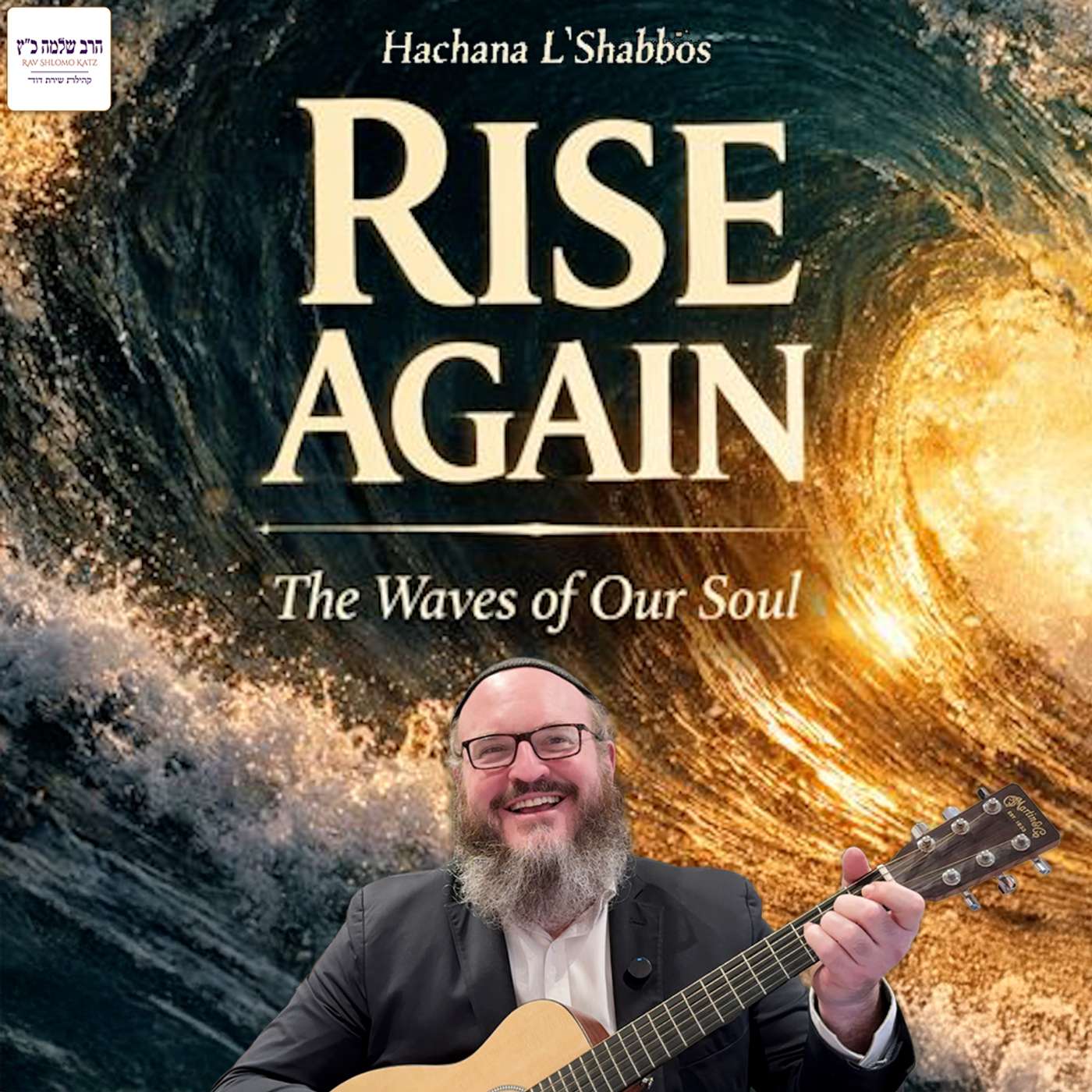
S5 Ep 13The Waves of Our Soul
Waves are loud. Waves do big things. They rise higher and higher… and then they crash. And the chiddush is: that's exactly what Hashem praises. Not the person who “arrived,” but the person who keeps trying to rise מתוך געגועים והשתוקקות — even when it didn’t work yet.Rav Shlomo Katz and the chevra of Shirat David learn the difference between “success” in the Western world (goal-oriented) and success in avodas Hashem: not that I made it.... but that I didn’t give up. And how real yearning (“כי זה כמה נכסוף נכספתי”) can’t just be in the head. It has to move you, even a little, into action… because davening is called avodah for a reason.Along the way, we connect:The wave that falls… and comes back again.Aharon HaKohen’s pain, and why Hashem says: your ratzon is greater than their korbanos.The koach of ratzon in Chazal (even when the full “result” didn’t happen the way you dreamed).Looking at another Yid with רחמים: maybe they didn’t “fall” — maybe they just came down from a wave.May we merit a Shabbos of deeper waves, deeper hishtokekus, and to look at each other with those eyes that give a person strength to rise again, and this time: deeper, wiser, stronger.----------For more Shuirim and Music from Rav Shlomo Katz, visit: https://ravshlomokatz.comJoin Rav Shlomo Katz's WhatsApp Community: https://chat.whatsapp.com/KHKOhhPaeHx5Kb74WL9L9a?mode=ems_copy_t
S5 Ep 12Do You Have Passion that Can’t Be Ignored?
In this week’s Hachana L’Shabbos we step back into the holy words of Yedid Nefesh and learn a line that is daring, almost chutzpadik, and yet it’s Torah-emes: “אל תתעלם” — Don’t ignore me.How can a Jew speak like that to the Ribbono Shel Olam? Rav Shlomo Katz and the chevra learn that this isn’t entitlement — it’s relationship. Like a child speaking to a parent, when the longing is real and the yearning is true, a Jew has the right to say: Abba… please don’t hide. Please don’t turn away.We explore what it means to call ourselves “בן אהוב” — a beloved child — and why that only works if we can honestly say “נכספה”: I’ve actually longed for You. Not longing for “things to work out,” not longing for Hashem to serve me, but longing to be an eved Hashem, to live close, to want kedushah for real.Through Rav Biderman’s teaching, the “king’s palace” mashal, and a guarantee passed down through tzaddikim: passion is the ingredient that saves a person in this world, and even beyond. Not quick fixes. Not perfection. But an inner fire that keeps trying, keeps returning, keeps yearning.Together we explore: – The difference between wanting results and wanting Hashem – “Don’t ignore me” — when that’s holy, and when it’s just ego – Practical avodah: how to build real longing so your prayers becomes honest and aliveMay we be ambassadors of true passion — passion that leads to mindset, and mindset that leads to action.----------For more Shuirim and Music from Rav Shlomo Katz, visit: https://ravshlomokatz.comJoin Rav Shlomo Katz's WhatsApp Community: https://chat.whatsapp.com/KHKOhhPaeHx5Kb74WL9L9a?mode=ems_copy_t
S5 Ep 11We Are Infinitely Stronger Than We Think We Are
In this week’s Hachana L’Shabbos we return to Yedid Nefesh and the words: “ירוץ עבדך כמו איל – May Your servant run like a deer.” Chazal tell us: “לעולם ירוץ אדם לדבר הלכה אפילו בשבת – a person should run to a dvar halacha even on Shabbos,” and yet the pasuk they bring says “אחרי ה’ ילכו – they will walk after Hashem.” So are we meant to walk… or to run?With the help of the Chidushei HaRim, the Sochatchover Rebbe, the Klausenberger Rebbe, and the Piaseczna, we learn that inside every Jew lives a world of hidden kochos that usually stay asleep. A frail man who can’t carry a sefer suddenly lifts stones heavier than his own body in the camps. A mother flips a car to save her children. A Yid standing in a tunnel during a siren somehow stays calm for his wife and baby. In moments of danger, we discover that what we thought was “my limit” was often just a story.The Torah of this shiur is simple and devastatingly hopeful: those kochos were always there. They’re not “emergency powers” Hashem hands us only in crisis; they are part of who we are, usually operating at a tiny percentage. The avodah is to live with the awareness of sha’as sakana — spiritual and emotional — without waiting for another October 7th, another breakdown at home, another fire to wake us up.Practically, we speak about:Why “I’ll do whatever I can” is often a lie we tell ourselves, and how to start discovering what we actually can do.How to feel the urgency of lanus min ha’aveirah – to run from aveirah and toward mitzvah – without needing a catastrophe.Everyday examples of hidden strength: putting the phone away for five minutes, not snapping at our spouse or children, taking one small step toward kedushah even when we feel totally drained.We are infinitely stronger than we think we are. Every step we run toward what really matters brings the Ribbono Shel Olam immeasurable nachas and pulls the geulah closer – not just bimheira b’yameinu, but teikef u’miyad mamash.----------For more Shuirim and Music from Rav Shlomo Katz, visit: https://ravshlomokatz.comJoin Rav Shlomo Katz's WhatsApp Community: https://chat.whatsapp.com/KHKOhhPaeHx5Kb74WL9L9a?mode=ems_copy_t
S5 Ep 10When Nothing Adds Up, Everything Opens Up
In this week’s Hachana L’Shabbos Rav Shlomo Katz and the chevra of Shirat David learn that there’s a difference between believing in Hashem and leaning on Hashem. It’s one thing to say “I have emunah.” It’s something else entirely to make the Ribbono shel Olam your mish’enet – the crutch you actually put your weight on when nothing in your life logically adds up.Through a piercing Midrash about a wanderer who calls himself “ben beiso shel melech” and the fiery Torah of the Piaseczna Rebbe from inside the Warsaw Ghetto, we hear that it’s not such a chochmah to believe when you can still see a plan. The avodah of a Yid is to say: “In my mind there is no way out. And still, Hineni – I lean on You.” That kind of bitachon, says the Rebbe, doesn’t block the shefa – it pulls the yeshuah closer.This week’s kabbalas Shabbos work is simple and radical: find one place where you’re done trying to force a natural solution, and instead of spiraling, whisper: “Hashem, You’re my mish’enet. I’m putting my weight on You here.” When nothing adds up, that’s often where the deepest opening begins.In memory of שלמה ליב בן רפאל גדליה----------For more Shuirim and Music from Rav Shlomo Katz, visit: https://ravshlomokatz.comJoin Rav Shlomo Katz's WhatsApp Community: https://chat.whatsapp.com/KHKOhhPaeHx5Kb74WL9L9a?mode=ems_copy_t
S5 Ep 9The Deepest Consolation One Can Have During Affliction
In this week’s Hachana L’Shabbos we linger in Mizmor L’David and reach the line that so many of us recite without understanding: שבטך ומשענתך המה ינחמוני “Shivtecha u’Mishantecha, hema yenachamuni.” How can a shevet (rod/whip) possibly console? Rav Shlomo Katz and the chevre of Shirat David learn that what feels like the blow often becomes the very mish’enet (staff) we lean on later.We hear a searing, hope-filled story from the recent wedding of Rachel Goldberg and Aminadav Rotenberg where 11 children who buried a parent danced to מלך ממית ומחיה ומצמיח ישועה “Melech meimis u’mechayeh… u’matzmiach yeshuah,” and we meet the Shatzer Rav’s teaching that even when the world goes dark, Hashem is still sprouting salvation from within it.Together we explore:Rod → Staff: training our eyes to notice how past “patches” became future supports.When to speak, when to hold: why this isn’t a vort for a shivah house—it’s an inner avodah for Shalosh Seudos.Practical kabbalah for this week: name one place you’re fighting reality and choose, just for seven days, to lean on it with emunah.May we taste the nechama that comes when the Shepherd’s rod becomes our staff, and may new yeshuos quietly begin to sprout.— For more shiurim and music from Rav Shlomo Katz: https://ravshlomokatz.com Join the WhatsApp community: https://chat.whatsapp.com/KHKOhhPaeHx5Kb74WL9L9a?mode=ems_copy_t

S5 Ep 8Learning How to Cry Out When Things are Going Smooth
Rav Shlomo Katz and the chevra of Shirat David enter Mizmor L’David (Tehillim 23) through the eyes of Rav Tzadok HaKohen (ר׳ צדוק הכהן) and discover why David HaMelech shifts from לשון נסתר (speaking about Hashem)—“יַרְבִּיצֵנִי… יְנַהֲלֵנִי… יַנְחֵנִי”—to לשון נוכח (speaking to Hashem)—“כִּי אַתָּה עִמָּדִי.” The teaching is piercing and tender: most of us turn to אַתָּה (You) only in the גֵּיא צַלְמָוֶת (valley of shadow), but the avodah is to live in אַתָּה even on the green pastures.We sing the נוסח (melody) for Mizmor L’David that Reb Shlomo Carlebach composed at his mother’s levayah, and we learn how תְּפִלָּה תָּמִיד (constant prayer) keeps us awake to the מְנַהֵג לַבִּירָה (One who runs the “castle,” i.e., the world)—so we don’t need painful wake-ups. From a Chassid who broke his hand yet whispered “בִּנְאוֹת דֶּשֶׁא…”, to the line “עם ה׳—חוצים ים; בלא ה׳—אין עוברים מפתן (with Hashem you cross a sea; without Him you can’t cross a doorstep)”, we practice thanking, pleading, and noticing while the fridge is full and the house is calm.Takeaways:Train your heart to say אַתָּה (You) in moments of plenty—set two daily “calm-time” tefillos of gratitude.Add a quiet Mizmor L’Todah (מִזְמוֹר לְתוֹדָה) before מִמַּעֲמַקִּים—praise before plea.Place שִׁוִּיתִי ה׳ לְנֶגְדִּי (I have set Hashem before me) on your phone lockscreen; touch it before you touch your day.When you notice success, speak out loud: “לֹא כֹחִי וְעֹצֶם יָדִי (not my own strength)”—and name one gift that clearly isn’t yours.----------For more Shuirim and Music from Rav Shlomo Katz, visit: https://ravshlomokatz.comJoin Rav Shlomo Katz's WhatsApp Community: https://chat.whatsapp.com/KHKOhhPaeHx5Kb74WL9L9a?mode=ems_copy_t
S5 Ep 7Has God Become Your Shepherd Yet?
In this week’s Hachana L’Shabbos, Rav Shlomo Katz and the chevra of Shirat David enter the niggun of “ה׳ רֹעִי לֹא אֶחְסָר” and ask a very simple, very brave question: am I still wrestling with life, or am I letting the Shepherd lead?Together we learn that Shalosh Seudos is an עת רצון to be led: to discover what we truly want, to cry for it, and to begin living it now. From the Slonimer and the mefarshim on Tehillim 23, and from the image of ra’aya meheimna (Moshe the “faithful shepherd”), we hear that leaders don’t just inspire. They plant אמונה until following Hashem becomes natural, not forced.We explore:Why “Hashem is my Shepherd” is not poetry but a posture: when He’s leading, what am I really lacking?The animal-market mashal: resisting the pull of the Shepherd bruises us; softening to His guidance brings calm and protection.Yaakov’s secret—“הָאֱ-לֹקִים הָרֹעֶה אֹתִי… עַד הַיּוֹם הַזֶּה”: a lifetime of hard chapters without losing the Shepherd-consciousness.What true ביטול looks like (not becoming “gefilte-fish frum,” but awake, dignified surrender).Practice for this Shabbos: choose one place you’ve been fighting reality. During Shalosh Seudos, whisper: “Ribono Shel Olam, You are my Shepherd here too.” Then let your next small step follow, not drag.May we merit to feel guided, guarded, and gently gathered, so our bodies stop bracing, our hearts stop bruising, and Shabbos becomes the pasture of trust.----------For more Shuirim and Music from Rav Shlomo Katz, visit: https://ravshlomokatz.comJoin Rav Shlomo Katz's WhatsApp Community: https://chat.whatsapp.com/KHKOhhPaeHx5Kb74WL9L9a?mode=ems_copy_t
S5 Ep 6The Shabbos Between Yom Kippur and Sukkot
In this week’s Hachana L’Shabbos — The Shabbos between Yom Kippur and Sukkot — we breathe in the freshness after Ne’ilah and learn how to land with gentleness. Join Rav Shlomo Katz and the chevra of Shirat David in learning from the Slonimer Rebbe: this Shabbos holds two lights at once— יום השביעי that carries the love and cleansing of Yom Kippur, and תחילה למקראי קודש that calls out the joy of Sukkot. From Rav Kook we receive the avodah of these days: to re-educate our return to olam hazeh with קדושה—less סבלנות (gritting teeth) and more הַמתנה (patient waiting as a gift).Together we explore:• Why this Shabbos can be the holiest of the year—where YK’s “בני, אל תמאס” meets Sukkot’s “זמן שמחתנו.”• How to guard calm—כל מלאכתך עשויה—even while building the sukkah, chasing schach, and lists upon lists.• A simple practice: welcome Shabbos with one conscious hamtanah—slow Kiddush, a softer niggun, or a whispered “thank You for letting me come back gently.”May the Ribbono Shel Olam let our bodies be proud of our souls this week, as heaven and earth meet in patience, joy, and Shabbos-peace.----------For more Shuirim and Music from Rav Shlomo Katz, visit: https://ravshlomokatz.comJoin Rav Shlomo Katz's WhatsApp Community: https://chat.whatsapp.com/KHKOhhPaeHx5Kb74WL9L9a?mode=ems_copy_t
S5 Ep 5The Importance of a Real Third Meal
In this week’s Hachana L’Shabbos—The Importance of a Real Third Meal—we sing our way into the year with ונאמר לפניו שירה חדשה and remember that Torah itself is a song: learning must stay fresh—אסור להזדקן—ever new. Then we turn to the hidden jewel of Shabbos: Seudah Shlishit, the ne’ilah of every Shabbos. With the Bnei Yissaschar (in the name of R. Menachem Mendel of Rimanov), we learn that at late-afternoon רצון דרצונות the original will to create the world resurfaces—יש מאין energy enters the air. That’s why tefillah there can open gates “beyond nature.” The Chafetz Chaim’s story of a father crying Tehillim at Seudah Shlishit—and the shidduch that birthed the Ketzot HaChoshen—reminds us what one cracked-open heart can draw down.Practical avodah for this Shabbos Shuvah: • Make Seudah Shlishit real (wash, sing, Tehillim, a few words of chizuk). • Guard the עת רצון: start Mincha earlier or plan a later Maariv so you’re not rushing. • Aim your tefillah from the heart—especially for others and for Klal Yisrael. • Choose one small “new note” in learning or song so Shabbos ends with חיות.May the Ribbono Shel Olam let this Seudah Shlishit lift us into a year of revealed mercy—where guf and neshamah, heaven and earth, meet in Shabbos-peace, and miracles above nature become our everyday path.----------For more Shuirim and Music from Rav Shlomo Katz, visit: https://ravshlomokatz.comJoin Rav Shlomo Katz's WhatsApp Community: https://chat.whatsapp.com/KHKOhhPaeHx5Kb74WL9L9a?mode=ems_copy_t