
Ground Truths
97 episodes — Page 2 of 2
Rachael Bedard: A Geriatric Physician and Champion for Patients Without a Voice
Above is a brief video snippet from our conversation. Full videos of all Ground Truths podcasts can be seen on YouTube here. The audios are also available on Apple and Spotify.Transcript with links to audio and external citationsEric Topol (00:06):Well, hello it's Eric Topol with Ground Truths, and I'm really delighted to welcome Dr. Rachael Bedard, who is a physician geriatrician in New York City, and is actually much more multidimensional, if you will. She's a writer. We're going to go over some of her recent writings. She's actually quite prolific. She writes in the New Yorker, New York Magazine, New York Times, New York Review of Books. If it has New York in front of it, she's probably writing there. She's a teacher. She works on human rights, civil rights, criminal justice in the prison system. She's just done so much that makes her truly unique. That's why I really wanted a chance to meet her and talk with her today. So welcome, Rachael.Rachael Bedard (00:52):Thank you, Dr. Topol. It's an honor to be here.Eric Topol (00:55):Well, please call me Eric and it's such a joy to have a chance to get acquainted with you as a person who is into so many different things and doing all of them so well. So maybe we'd start off with, because you're the first geriatrician we've had on this podcast.Practicing Geriatrics and Internal MedicineEric Topol (01:16):And it’s especially apropos now. I wanted maybe to talk about your practice, how you got into geriatrics, and then we'll talk about the piece you had earlier this summer on aging.Rachael Bedard (01:32):Sure. I went into medicine to do social justice work and I was always on a funny interdisciplinary track. I got into the Mount Sinai School of Medicine through what was then called the Humanities and Medicine program, which was an early acceptance program for people who were humanities focused undergrads, but wanted to go into medicine. So I always was doing a mix of politics and activist focused work, humanities and writing, that was always interested in being a doctor. And then I did my residency at the Cambridge Health Alliance, which is a social medicine program in Cambridge, Massachusetts, and my chief residency there.(02:23):I loved being an internist, but I especially loved taking care of complex illness and I especially loved taking care of complex illness in situations where the decision making, there was no sort of algorithmic decision-making, where you were doing incredibly sort of complex patient-centered shared decision making around how to come up with treatment plans, what the goals of care were. I liked taking care of patients where the whole family system was sort of part of the care team and part of the patient constellation. I loved running family meetings. I was incredibly lucky when I was senior resident and chief resident. I was very close with Andy Billings, who was one of the founders of palliative care and in the field, but also very much started a program at MGH and he had come to work at Cambridge Hospital in his sort of semi-retirement and we got close and he was a very influential figure for me. So all of those things conspired to make me want to go back to New York to go to the Sinai has an integrated geriatrics and palliative care fellowship where you do both fellowships simultaneously. So I came to do that and just really loved that work and loved that medicine so much. There was a second part to your question.Eric Topol (03:52):Is that where you practice geriatrics now?Rachael Bedard (03:55):No, now I have ever since finishing fellowship had very unusual practice settings for a geriatrician. So right out of fellowship, I went to work on Rikers Island and then New York City jail system, and I was the first jail based geriatrician in the country, which is a sort of uncomfortable distinction because people don't really like to think about there being a substantial geriatric population in jails. But there is, and I was incredibly lucky when I was finishing fellowship, there was a lot of energy around jail healthcare in New York City and I wrote the guy who was then the CMO and said, do you think you have an aging problem? And he said, I'm not sure, but if you want to come find out, we'll make you a job to come find out. And so, that was an incredible opportunity for someone right out of fellowship.(04:55):It meant stepping off the sort of academic track. But I went and worked in jail for six years and took care of older folks and people with serious illness in jail and then left Rikers in 2022. And now I work in a safety net clinic in Brooklyn that takes care of homeless people or people who have serious sort of housing instability. And that is attached to Woodhull Hospital, which is one of the public hospitals in New York City. And there I do a mix of regular internal medicine primary care, but I preferentially see the older folks who come through, which is a really interesting, painful, complicated patient population because I see a
Katerina Akassoglou: Blood Clots, Brain Inflammation, and Covid
Superimposed on an impressive body of work on the blood-brain-barrier and immune system, Prof Akassoglou and her collaborators just published an elegant study in Nature that centered on the direct binding os the SARS-CoV-2 spike protein to fibrin with marked downstream pro-inflammatory effects. The findings and potential treatments have implications beyond Covid, Long Covid to other neurologic diseases.Full videos of all Ground Truths podcasts can be seen on YouTube here. The audios are also available on Apple and Spotify.Transcript with links to audio and to relevant papers, graphicsEric Topol (00:07):Well, hello this is Eric Topol with Ground Truths, and with me today is Katerina Akassoglou. She is at the Gladstone Institute and she is a remarkable neuroimmunologist who has been doing extraordinary work for three decades to unravel the interactions between the brain, blood vessels and the role of inflammation. So Katerina, there's a lot to discuss, so welcome.Katerina Akassoglou (00:40):Thank you. Thank you so much. It's a great pleasure to join.By Way of BackgroundEric Topol (00:43):It's really interesting going back in your career. First of all, we're thankful that you immigrated here from Greece, and you have become one of the leading scientists in this discipline of important discipline of neuroimmunology, which is not just about Covid that we're going to talk about, but Alzheimer's and neurodegenerative diseases. This is a really big hot area and you're definitely one of the leaders. And what I was impressed is that all these years that you've been working on the integrity of the blood-brain barrier, the importance of fibrinogen and fibrin, and then comes along the Covid story. So maybe what we can do is start with that, which is you've made your mark in understanding this whole interaction between what can get into the brain, through the blood-brain barrier and incite inflammation. So this has been something that you've really taken to the extreme knowledge base. So maybe we can start with your work there before we get into the important seminal Nature paper that you recently published.Katerina Akassoglou (01:57):Yes, of course. So since very early on, I was still a graduate student when we made the first discovery and at the time was like mid-90s, so it was really ahead of its time. That dysregulation of cytokine expression in the brain of mice was sufficient to induce the whole cascade of events, triggering neurodegeneration, demyelination in pathological alterations, very reminiscent of multiple sclerosis pathology. And it was really hard to publish that study at the time because it was not yet accepted that this regulation of the immune system modeling the brain can be linked to neurodegeneration. So that was 1995 when we made that discovery, and I became really interested, what are the pathogenic triggers that actually polarized the immune cells in the brain? So with this, of course, this transgenic animal was expressing TNF, it was an artificially made animal that we made, but naturally what were the triggers that would polarize the innate immune cells? So I looked really early on in this mice and what I found was that the very first event was leaks of blood-brain barrier. It was opening of the blood-brain barrier in this mouse before inflammation, before demyelination, before neuronal loss. And this is really what shaped the question that, is it possible that these blood leaks that happened very early in the pathology, could this be the instigators of pathogenic inflammation in the brain?Eric Topol (03:34):Yeah. So in a way, you got at this question because of the chicken-and-egg and what happens first, and you got to the temporal saying, which happened first as you said, the leak before you could see evidence of inflammation and being able to study this of course in the experimental model, which you couldn't really do in people. And what I love about the description of your career, which has been quite extraordinary contributions is connecting the dots between the blood, the inflammatory response and the brain. Perhaps no one has done that like you have. And before we get into the recent paper, a lot of people are not aware that a year ago, a group in the UK known as PHOSP-COVID, they published a really important paper in Nature Medicine of over 1,800 people who were hospitalized with Covid and they found that fibrinogen was the best marker for cognitive deficits at 6 and 12 months (Figure below)(04:40):So that's just one of many papers, but it's a particularly well done study that already before you got into this work that recently published had emphasized fibrinogen. And by the way, again, having spent a lot of years in clots in the arteries, for me, we have to just get it down to fibrinogen plus thrombin gets you to fibrin. Okay, so fibrin is a major player here when fibrinogen is cleaved. So here we have the basis that you established, which is the fibrinogen leakage into the brain, acti
Patrick Hsu: A Trailblazer in Digital Biology
When I think of digital biology, I think of Patrick Hsu—he’s the prototype, a rarified talent in both life and computer science, who recently led the team that discovered bridge RNAs, what may be considered CRISPR 3.0 for genome editing, and is building new generative A.I. models for life science. You might call them LLLMs-large language of life models. He is Co-Founder and a Core Investigator of the Arc Institute and Assistant Professor of Bioengineering and Deb Faculty Fellow at the University of California, Berkeley.Above is a brief snippet of our conversation. Full videos of all Ground Truths podcasts can be seen on YouTube here. The audios are also available on Apple and Spotify.Here’s the transcript with links to the audio and external links to relevant papers and things we discussed.Eric Topol (00:06):Well hello, it's Eric Topol with Ground Truths and I'm really delighted to have with me today Patrick Hsu. Patrick is a co-founder and core investigator at the Arc Institute and he is also on the faculty at the University of California Berkeley. And he has been lighting things up in the world of genome editing and AI and we have a lot to talk about. So welcome, Patrick.Patrick Hsu (00:29):Thanks so much. I'm looking forward to it. Appreciate you having me on, Eric.The Arc InstituteEric Topol (00:33):Well, the first thing I'd like to get into, because you're into so many important things, but one that stands out of course is this Arc Institute with Patrick Collison who I guess if you can tell us a bit about how you two young guys got to meet and developed something that's really quite unique that I think brings together investigators at Stanford, UCSF, and Berkeley. Is that right? So maybe you can give us the skinny about you and Patrick and how all this got going.Patrick Hsu (01:05):Yeah, sure. That sounds great. So we started Arc with Patrick C and with Silvana Konermann, a longtime colleague and chemistry faculty at Stanford about three years ago now, though we've been physically operational just over two years and we're an independent research institute working at the interface of biomedical science and machine learning. And we have a few different aspects of our model, but our overall mission is to understand and treat complex human diseases. And we have three pillars to our model. We have this PI driven side of the house where we centrally fund our investigators so that they don't have to write grants and work on their very best ideas. We have a technical staff side of the house more like you'd see in a frontier AI lab or in biotech industry where we have professional teams of R&D scientists working cross-functionally on higher level organizational wide goals that we call our institute initiatives.(02:05):One focused on Alzheimer's disease experimentally and one that we call a virtual cell initiative to simulate human biology with AI foundation models. And our third pillar over time is to have things not just end up as academic papers, but really get things out into the real world as products or as medicines that can actually help patients on the translational side. And so, we thought that some really important scientific programs could be unlocked by enabling new organizational models and we are experimenting at the institutional scale with how we can better organize and incentivize and support scientists to reach these long-term capability breakthroughs.Patrick, Patrick and SilvanaEric Topol (02:52):So the two Patrick’s. How did you, one Patrick I guess is a multi-billionaire from Stripe and then there's you who I suspect maybe not quite as wealthy as the other Patrick, how did you guys come together to do this extraordinary thing?Patrick Hsu (03:08):Yeah, no, science is certainly expensive. I met Patrick originally through Silvana actually. They actually met, so funny trivia, all three Arc founders did high school science together. Patrick and Silvana originally met in the European version of the European Young Scientist competition in high school. And Silvana and I met during our PhDs in her case at MIT and I was at Harvard, but we met at the Broad Institute sort of also a collaborative Harvard, MIT and Harvard hospitals Institute based in Kendall Square. And so, we sort of in various pairwise combinations known each other for decades and worked together for decades and have all collectively been really excited about science and technology and its potential to accelerate societal progress. Yet we also felt in our own ways that despite a lot of the tremendous progress, the structures in which we do this work, fund it, incentivize it and roll it out into the real world, seems like it's really possible that we'll undershoot that potential. And if you take 15 years ago, we didn't have the modern transformer that launched the current AI revolution, CRISPR technology, single-cell, mRNA technology or broadly addressable LNPs. That’s a tremendous amount of technologies have developed in the next 15 yea
AI Snake Oil—A New Book by 2 Princeton University Computer Scientists
Arvind Narayanan and Sayash Kapoor are well regarded computer scientists at Princeton University and have just published a book with a provocative title, AI Snake Oil. Here I’ve interviewed Sayash and challenged him on this dismal title, for which he provides solid examples of predictive AI’s failures. Then we get into the promise of generative AI.Full videos of all Ground Truths podcasts can be seen on YouTube here. The audios are also available on Apple and Spotify.Transcript with links to audio and external links to key publications Eric Topol (00:06):Hello, it's Eric Topol with Ground Truths, and I'm delighted to welcome the co-author of a new book AI SNAKE OIL and it's Sayash Kapoor who has written this book with Arvind Narayanan of Princeton. And so welcome, Sayash. It's wonderful to have you on Ground Truths.Sayash Kapoor (00:28):Thank you so much. It's a pleasure to be here.Eric Topol (00:31):Well, congratulations on this book. What's interesting is how much you've achieved at such a young age. Here you are named in TIME100 AI’s inaugural edition as one of those eminent contributors to the field. And you're currently a PhD candidate at Princeton, is that right?Sayash Kapoor (00:54):That's correct, yes. I work at the Center for Information Technology Policy, which is a joint program between the computer science department and the school of public and international affairs.Eric Topol (01:05):So before you started working on your PhD in computer science, you already were doing this stuff, I guess, right?Sayash Kapoor (01:14):That's right. So before I started my PhD, I used to work at Facebook as a machine learning engineer.Eric Topol (01:20):Yeah, well you're taking it to a more formal level here. Before I get into the book itself, what was the background? I mean you did describe it in the book why you decided to write a book, especially one that was entitled AI Snake Oil: What Artificial Intelligence Can Do, What It Can't, and How to Tell the Difference.Background to Writing the BookSayash Kapoor (01:44):Yeah, absolutely. So I think for the longest time both Arvind and I had been sort of looking at how AI works and how it doesn't work, what are cases where people are somewhat fooled by the potential for this technology and fail to apply it in meaningful ways in their life. As an engineer at Facebook, I had seen how easy it is to slip up or make mistakes when deploying machine learning and AI tools in the real world. And had also seen that, especially when it comes to research, it's really easy to make mistakes even unknowingly that inflate the accuracy of a machine learning model. So as an example, one of the first research projects I did when I started my PhD was to look at the field of political science in the subfield of civil war prediction. This is a field which tries to predict where the next civil war will happen and in order to better be prepared for civil conflict.(02:39):And what we found was that there were a number of papers that claimed almost perfect accuracy at predicting when a civil war will take place. At first this seemed sort of astounding. If AI can really help us predict when a civil war will start like years in advance sometimes, it could be game changing, but when we dug in, it turned out that every single one of these claims where people claim that AI was better than two decades old logistic regression models, every single one of these claims was not reproducible. And so, that sort of set the alarm bells ringing for the both of us and we sort of dug in a little bit deeper and we found that this is pervasive. So this was a pervasive issue across fields that were quickly adopting AI and machine learning. We found, I think over 300 papers and the last time I compiled this list, I think it was over 600 papers that suffer from data leakage. That is when you can sort of train on the sets that you're evaluating your models on. It's sort of like teaching to the test. And so, machine learning model seems like it does much better when you evaluate it on your data compared to how it would really work out in the real world.Eric Topol (03:48):Right. You say in the book, “the goal of this book is to identify AI snake oil - and to distinguish it from AI that can work well if used in the right ways.” Now I have to tell you, it's kind of a downer book if you're an AI enthusiast because there's not a whole lot of positive here. We'll get to that in a minute. But you break down the types of AI, which I'm going to challenge a bit into three discrete areas, the predictive AI, which you take a really harsh stance on, say it will never work. Then there's generative AI, obviously the large language models that took the world by storm, although they were incubating for several years when ChatGPT came along and then content moderation AI. So maybe you could tell us about your breakdown to these three different domains of AI.Three Types of AI: Predictive, Generative, Content ModerationSayash Kapoor (04:
Francis Collins: On Truth, Science, Faith and Trust
Francis Collins is a veritable national treasure. He directed the National Institutes of Health from 2009 to 2021. Prior to that he led the National Human Genetics Research Institute (NHGRI) from 1997-2009, during which the human genome was first sequenced. As a physician-scientist, he has made multiple seminal discoveries on the genetic underpinnings of cystic fibrosis, Huntington’s disease, neurofibromatosis, progeria, and others. This brief summary is barely scratching the surface oh his vast contributions to life science and medicine.A video clip from our conversation on hepatitis C. Full videos of all Ground Truths podcasts can be seen on YouTube here. The audios are also available on Apple and Spotify.Transcript with external inks and links to audioEric Topol (00:06):Well, I am really delighted to be able to have our conversation with Francis Collins. This is Eric Topol with Ground Truths and I had the chance to first meet Francis when he was on the faculty at the University of Michigan when I was a junior faculty. And he gave, still today, years later, we're talking about 40 years later, the most dazzling Grand Rounds during his discovery of cystic fibrosis. And Francis, welcome, you inspired me and so many others throughout your career.Francis Collins (00:40):Well, Eric, thank you and you've inspired me and a lot of other people as well, so it's nice to have this conversation with you in the Ground Truths format.Eric Topol (00:49):Well, thank you. We're at the occasion of an extraordinary book you put together. It's the fifth book, but it stands out quite different from the prior books as far as I can tell. It's called The Road to Wisdom: On Truth, Science, Faith and Trust, these four essential goods that build upon each other. And it's quite a book, Francis, I have to say, because you have these deep insights about these four critical domains and so we'll get into them. But I guess the first thing I thought I'd do is just say, how at some point along the way you said, “the goal of this book is to turn the focus away from hyperpartisan politics and bring it back to the most important sources of wisdom: truth, science, faith and trust, resting upon a foundation of humility, knowledge, morality, and good judgment.” So there's a lot there. Maybe you want to start off with what was in the background when you were putting this together? What were you really aiming at getting across?Reflections on CovidFrancis Collins (02:06):I'm glad to, and it's really a pleasure to have a chance to chat with you about this. I guess before Covid came along, I was probably a bit of a naive person when it came to how we make decisions. Yeah, I knew there were kind of wacky things that had gone out there from time to time, but I had a sort of Cartesian attitude that we were mostly rational actors and when presented with evidence that's been well defended and validated that most people will say, okay, I know what to do. Things really ran off the rails in the course of Covid. It was this remarkable paradox where, I don't know what you would say, but I would say the development of the vaccines that were safe and highly effective in 11 months using the mRNA platform was one of the most stunning achievements of science in all of history up until now.Francis Collins (03:02):And yet 50 million Americans decided they didn't want any part of it because of information that came to them that suggested this was not safe or there was conspiracies behind it, or maybe the syringes had chips that Bill Gates had put in there or all manner of other things that were being claimed. And good honorable people were distracted by that, lost their trust in other institutions like the CDC, maybe like the government in general like me, because I was out there a lot trying to explain what we knew and what we didn't know about Covid. And as a consequence of that, according to Kaiser Family Foundation, more than 230,000 people died between June of 2021 and April of 2022 because of a decision to reject the opportunity for vaccines that were at that time free and widely available. That is just an incredibly terribly tragic thing to say.Francis Collins (04:03):More than four times the number of people who died, Americans who died in the Vietnam War are in graveyards unnecessarily because we lost our anchor to truth, or at least the ability to discern it or we couldn't figure out who to trust while we decided science was maybe not that reliable. And people of faith for reasons that are equally tragic were among those most vulnerable to the misinformation and the least likely therefore, to take advantage of some of these lifesaving opportunities. It just completely stunned me, Eric, that this kind of thing could happen and that what should have been a shared sense of working against the real enemy, which was the SARS-CoV-2 virus became instead a polarized, divisive, vitriolic separation of people into separate camps that were many times driven more by polit
Joseph Allen: The Pivotal Importance of Air Quality, Ventilation and Exposures (Such as "Forever Chemicals") For Our Health
Professor Joseph Allen directs the Healthy Buildings Program at Harvard Chan School of Public Health. His expertise extends far beyond what makes buildings healthy. He has been a leading voice and advocate during the Covid pandemic for air quality and ventilation. He coined the term “Forever Chemicals” and has written extensively on this vital topic, no less other important exposures, which we covered In our wide-ranging conversation. You will see how remarkably articulate and passionate Prof Allen is about these issues, along with his optimism for solutions.A video snippet of our conversation: buildings as the 1st line of defense vs respiratory pathogens. Full videos of all Ground Truths podcasts can be seen on YouTube here. The audios are also available on Apple and Spotify.Transcript with External Links and Links to AudioEric Topol (00:00:06):Well, hello. It's Eric Topol from Ground Truths and I am just delighted to have with me, Joseph Allen from the Harvard School of Public Health, where he directs the Healthy Buildings Program that he founded and does a whole lot more that we're going to get into. So welcome, Joe.Joseph Allen (00:00:24):Thanks. It's great to be here. I appreciate the invitation.Joe Allen’s Background As A DetectiveEric Topol (00:00:28):Well, you have been, as I've learned, rocking it for many years long before the pandemic. There's quite a background about you having been a son of a homicide detective, private eye agency, and then you were going to become an FBI agent. And the quote from that in the article that's the Air Investigator is truly a classic. Yeah, you have in there, “I guarantee I'm the only public health student ever to fail an FBI lie detector polygraph in the morning and start graduate school a few hours later.” That's amazing. That's amazing.Joseph Allen (00:01:29):All right. Well, you've done your deep research apparently. That's good. Yeah, my dad was a homicide detective and I was a private investigator. That's no longer my secret. It's out in the world. And I switched careers and it happened to be the day I took the polygraph at the FBI headquarters in Boston, was the same day I started graduate studies in public health.Sick vs Healthy Buildings (Pre-Covid)Eric Topol (00:01:53):Well, you're still a detective and now you're a detective of everything that can hurt us or help us environmentally and my goodness, how grateful we are that you change your career path. I don't know anyone who's had more impact on buildings, on air, and we're going to get into chemicals as well. So if we go back a bit here, you wrote a book before the pandemic, talk about being prescient. It’s called Healthy Buildings: How Indoor Spaces Can Make You Sick - or Keep You Well with John Macomber, your co-author. What was it that gave you the insight to write a book before there was this thing called Covid?Joseph Allen (00:02:41):Yeah, well, thanks for making the connection too, my past career to current career. For many years, I thought there wasn't a connection, but I agree. There's actually a lot of similarities and I also am really appreciative. I am lucky I found the field of Public Health, it's clearly where I belong. I feel like I belong here. It's a place to make an impact that I want to make in my career. So yeah, the Healthy Buildings book, we started writing years before the pandemic and was largely motivated by, I think what you and others and other people in my field have known, is that buildings have an outsized impact on our health. Yet it's not something that comes to the forefront when you ask people about what matters for their health. Right, I often start presentations by asking people that, what constitutes healthy living? They'll say, I can't smoke, I have to eat well.(00:03:30):I have to exercise. Maybe they'll say, outdoor pollution’s bad for you. Very few people, if any, will say, well, the air I breathe inside my building matters a lot. And over the years I had started my public health career doing forensic investigations of sick buildings. People really can get sick in buildings. It can be anything from headaches and not being able to concentrate all the way to cancer clusters and people dying because of the building. And I've seen this in my career, and it was quite frustrating because I knew, we all knew how to design and operate buildings in a way that can actually keep people healthy. But I was frustrated like many in my field that it wasn't advancing. In other words, the science was there, but the practice wasn't changing. We were still doing things the wrong way around ventilation, materials we put in our building, and I would lecture over and over and give presentations and I decided I want to try something new.(00:04:22):I do peer-reviewed science. That's great. I write pieces like you for the public, and I thought we'd try a longer form piece in a book, and it's published by Harvard Press. John Macomber for those who know is a professor at Harvard Business Sch
Steve Horvath: Our Epigenetic Age Clocks
Steve Horvath made the seminal discovery of the—Horvath Clock— an epigenetic clock based on DNA methylation, which is now being used extensively in medical research and offered commercially for individuals (←we talk about that!). He was on the faculty at UCLA from 2000-2022 as a Professor of Human Genetics and Biostatistics, and now works on anti-aging research at Altos Labs.A perspective on the importance of epigenetic clocks this week’s Nature”This insight is crucial for deriving reliable biological markers of ageing in tissues or blood. Such a feat has been accomplished through the ingenious identification of epigenetic clocks in our genome. But these insights are even more important for revealing targets that enable intervention in the ageing process.”A video snippet on vegetable intake and epigenetic clocks. Full videos of all Ground Truths podcasts can be seen on YouTube here. The audios are also available on Apple and Spotify.Transcript with links to Audio and External LinksEric Topol (00:06):Hello, it's Eric Topol with Ground Truths, and I've got a terrific guest with me today, Steve Horvath. He's a geneticist, a statistician, a mathematician. He's got a lot of background that has led to what is a landmark finding in biomedicine, the Horvath clock. So Steve, welcome.Steve Horvath (00:30):Thank you for having me.Eric Topol (00:33):Well, it's really fascinating. I followed your work for well over a decade since you introduced the pan-tissue clock in 2013, and it's fascinating to go back a bit on that finding, which initially, I guess was in saliva a couple of years prior, and then you found it everywhere you looked, wherever cells had a nucleus and tissues. And what gave you the sense that these markers of methylation on the DNA would give us some clues about the aging process? How did you even come about to make this discovery?SerendipitySteve Horvath (01:17):It was an accidental discovery because before the methylation clock, I had worked very hard on a gene expression clock, a transcriptomic biomarker. I mean, I was at the height of my energy levels. I worked really on weekends, really eight hour days during the week. But all the weekends I had collected a large set of gene expression data and I dredged the data. And for two years and I couldn't get anywhere, there was nothing I could do. But nowadays, of course, you see various publications where people built transcriptomic clocks. But back in the day when we had these arrays, I just couldn't see a signal. And then at some point I got roped into a study of homosexuality where my collaborator at UCLA wanted to see whether there's an epigenetic correlate of sexual orientation in saliva. And so yeah, being a biostatistician, I said, sure, I analyzed the data and I couldn't find any signal for homosexuality.(02:48):But then I just looked for an aging signal in the same, and really within an hour of analyzing the data, I knew that I have to completely drop gene expression. I need to go after methylation. And the signal is so profound, and as you said initially we looked at saliva samples and we thought, isn't it curious? You spit in a cup and you can measure someone's age. And we were of course, hoping that this could become a valuable readout of biologic age, but it took, of course, many years to realize that potential. Nowadays, there's several companies that offer a saliva based methylation clock test. But yeah, many years passed, and it was important to fill in the details and to build the case that methylation clocks are predictive of things we care about time to death or time to various forms of morbidity. So it took many, many years to analyze large cohort studies and to accumulate the evidence that it actually works.Eric Topol (04:16):Yeah, I mean, it was pretty amazing back almost a decade ago when I would see, we would take tissue or blood sample and look at your clock and it would say, age of the person is 75 years. And then we look at the actual age of the person who is 75 years to say, wait a minute, how can this be? So I mean, the plausibility of this discovery, if you look back, I mean you say, well, this is just kind of the rust of the pipes, or how do you process that the methylation is such a marker potentially of a person's biologic age? Of course, we're going to get into how it could be a way to intervene to change the aging process. But would it be fair to say that its epigenetic clocks are not the same as biologic aging or how do you put all that together?Epigenetic Age vs Biologic AgeSteve Horvath (05:21):Yes, for sure. An epigenetic age estimate is certainly not the same as a biologic age estimate. And the reason why I say it is because biologic age is really determined by so many things and by so many organs. And as I mentioned initially, we had a clock for saliva later for blood and so on. And so, if you only have an epigenetic readout of a certain cell type, it's really too limited to assess the whole organismal state. And ar
Pradeep Natarajan: Preventing Heart Disease
Pradeep is a brilliant geneticist and Director of Preventive Cardiology, holds the Paul & Phyllis Fireman Endowed Chair in Vascular Medicine at Mass General Hospital and on faculty at Harvard Medical School and the Broad Institute. His prolific research has been illuminating for the field of improving our approach to reduce the risk of heart disease. That’s especially important because heart disease is the global (and US) #1 killer and is on the increase. We didn’t get into lifestyle factors here since there was so much ground to cover on new tests. drugs, and strategies.A video snippet of our conversation on ApoB. Full videos of all Ground Truths podcasts can be seen on YouTube here. The audios are also available on Apple and Spotify.Transcript with links to key publications and audioEric Topol (00:06):Well, welcome to Ground Truths. I'm Eric Topol and with me is Pradeep Natarajan from Harvard. He's Director of Preventative Cardiology at the Mass General Brigham Health System and he has been lighting it up on the field of cardiovascular. We're going to get to lots of different parts of that story and so, Pradeep welcome.Pradeep Natarajan (00:31):Thanks Eric, really delighted and honored to be with you and have this discussion.Eric Topol (00:36):Well, for years I've been admiring your work and it's just accelerating and so there's so many things to get to. I thought maybe what we'd start off with is you recently wrote a New England Journal piece about two trials, two different drugs that could change the landscape of cardiovascular prevention in the future. I mean, that's one of the themes we're going to get to today is all these different markers and drugs that will change cardiology as we know it now. So maybe you could just give us a skinny on that New England Journal piece.Two New Lipid Targets With RNA DrugsPradeep Natarajan (01:16):Yeah, yeah, so these two agents, the trials were published at the same time. These phase two clinical trials for plozasiran, which is an siRNA against APOC3 and zodasiran, which is an siRNA against ANGPTL3. The reason why we have medicines against those targets are based on human genetics observations, that individuals with loss of function mutations and either of those genes have reduced lipids. For APOC3, it's reduced triglycerides for ANGPTL3 reduced LDL cholesterol and reduced triglycerides and also individuals that have those loss of function mutations also have lower risk for coronary artery disease. Now that's a very similar parallel to PCSK9. We have successful medicines that treat that target because people have found that carriers of loss of function mutations in PCSK9 lead to lower LDL cholesterol and lower coronary artery disease.(02:11):Now that suggests that therapeutic manipulation without significant side effects from the agents themselves for APOC3 and ANGPTL3 would be anticipated to also lower coronary artery disease risk potentially in complementary pathways to PCSK9. The interesting thing with those observations is that they all came from rare loss of function mutations that are enriched in populations of individuals. However, at least for PCSK9, has been demonstrated to have efficacy in large groups of individuals across different communities. So the theme of that piece was really just the need to study diverse populations because those insights are not always predictable about which communities are going to have those loss of function mutations and when you find them, they often have profound insights across much larger groups of individuals.Eric Topol (03:02):Well, there's a lot there that we can unpack a bit of it. One of them is the use of small interfering RNAs (siRNA) as drugs. We saw in the field of PCSK9, as you mentioned. First there were monoclonal antibodies directed against this target and then more recently, there’s inclisiran which isn't an RNA play if you will, where you only have to take it twice a year and supposedly it's less expensive and I’m still having trouble in my practice getting patients covered on their insurance even though it's cheaper and much more convenient. But nonetheless, now we're seeing these RNA drugs and maybe you could comment about that part and then also the surprise that perhaps is unexplained is the glucose elevation.Pradeep Natarajan (03:53):Yeah, so for medicines and targets that have been discovered through human genetics, those I think are attractive for genetic-based therapies and longer interval dosing for the therapies, which is what siRNAs allow you to do because the individuals that have these perturbations, basically the naturally occurring loss of function mutations, they have these lifelong, so basically have had a one-time therapy and have lived, and so far, at least for these targets, have not had untoward side effects or untoward phenotypic consequences and only reduce lipids and reduce coronary artery disease. And so, instead of taking a pill daily, if we have conviction that that long amount o
Shane Crotty: A Landmark Study on Upper Airway Mucosal Immunity
A video snippet of our conversation. Full videos of all Ground Truths podcasts can be seen on YouTube here. The audios are also available on Apple and Spotify.Shane Crotty: A Landmark Study on Upper Airway Mucosal ImmunityTranscriptThis is the first time a Ground Truths podcast is being posted simultaneous with a new publication, this one in Nature, by Professor Shane Crotty and his colleagues at La Jolla Institute for Immunology. Shane is one of the leading immunologists and virologists in the country; he and his group published in 2020 the first detailed analysis for how our immune system responds to SARS-CoV-2. Shane also, among many other notable contributions during COVID, illuminated the role of hybrid immunity vs COVID, the differences between and additivity of vaccination and infection.Today’s paper in Nature is indeed a landmark contribution doing something that hasn’t been done before—to understand the underpinnings of mucosal immunity of the upper airway. 100 participants had monthly nasal and nasopharyngeal swabs throughout the pandemic. With a median of >100,000 cells per swab recovered, they undertook single-cell sequencing and full characterization of the cells (tissue-resident memory B cells, CD4+ and CD8+ T cells, germinal center follicular helper T cells and B cells, etc.) to determine optimal immune protection of the upper airway, the effect of infections by different variants, breakthrough infections, vaccination, and age.Here is the transcript of our conversation about the new report with links to the audio:Eric Topol (00:06):Hello, it's Eric Topol with Ground Truths, and with me today is Professor Shane Crotty from the La Jolla Institute of Immunology (LJI), not too far away from where I work at Scripps. And Shane has been a go-to immunologist colleague here in the Mesa, and he and his colleagues were the ones that really first published the response to SARS-CoV-2 as far as the immunologic response. And today we're doing something very unique. We're going to go over for the first time in the two year plus history of Ground Truths, going to have a publication with at least simultaneous or near simultaneous podcast. Shane, welcome and congratulations on this really important paper in Nature.Shane Crotty (00:57):Thanks, Eric. Thanks for having me. Yeah, somebody asked if I was going to go over to Scripps for the podcast and I was like, yeah, we could.Eric Topol (01:06):You could. You could. But no, it's good. And it's nice having the logo of this great institute you work at right in the right corner. And you've done so many contributions with your colleagues at La Jolla Institute. It's really a privilege to have a chance to learn from you and particularly about what we're going to talk about today, which is mucosal immunity to upper airway infections, which is especially germane to COVID. And we're actually in the middle of a significant wave of COVID right now. And I guess it would maybe be fair to say, Shane, that we've never truly understood the underpinnings, the real details of upper airway mucosal immunity. Is that a fair statement?Shane Crotty (01:53):Yeah, it is a fair statement.Eric Topol (01:56):Okay. So today we're going to crack the case. This paper from you and your colleagues, of course, you're the senior author and first author, Sydney Ramirez did a remarkable study. I mean, just extraordinary. This is why we're doing a special podcast about it. Maybe you could just kind of give us the overview of the design because you were doing things that haven't been done before.Shane Crotty (02:24):Sure. And, I would say the genesis even of it goes back to what you were introducing. I mean, during the pandemic, we like a lot of scientists spent a lot of time and energy trying to help understanding immune responses to this virus, and immune memory to this virus, and what was involved in protective immunity. And we're certainly proud of the work that we did. And it was hard work. And after a while we were exhausted and we stopped.Shane Crotty (02:59):And then we came back to it after a while and said, well, the virus is still here. And so many people have contributed so much to better understanding the virus and creating vaccines. But there are clearly still things we don't understand. What are those biggest knowledge gaps and where might we be able to contribute? And really to me the biggest one was location, location, location. This is a virus that infects your nose, infects your upper airway—your nose, and throat, and oral cavity. And then obviously if you get severe disease, the severe disease and death are from the lungs. And it's just been a big knowledge gap in terms of understanding what actually occurs in those tissues immunologically and what is associated with protective immunity or what could be associated with protective immunity. And sort of looking forward what might be helpful for mucosal vaccine development from things that we could learn.Shane Crotty (04:12):So we star
Faisal Mahmood: A.I.'s Transformation of Pathology
Full videos of all Ground Truths podcasts can be seen on YouTube here. The audios are also available on Apple and Spotify.Thank you for reading Ground Truths. This post is public so feel free to share it.Transcript with audio and external linksEric Topol (00:05):Hello, it's Eric Topol with Ground Truths, and I am really thrilled to have with me Professor Faisal Mahmood, who is lighting it up in the field of pathology with AI. He is on the faculty at Harvard Medical School, also a pathologist at Mass General Brigham and with the Broad Institute, and he has been publishing at a pace that I just can't believe we're going to review that in chronological order. So welcome, Faisal.Faisal Mahmood (00:37):Thanks so much for having me, Eric. I do want to mention I'm not a pathologist. My background is in biomedical imaging and computer science. But yeah, I work very closely with pathologists, both at Mass General and at the Brigham.Eric Topol (00:51):Okay. Well, you know so much about pathology. I just assume that you were actually, but you are taking computational biology to new levels and you're in the pathology department at Harvard, I take it, right?Faisal Mahmood (01:08):Yeah, I'm at the pathology department at Mass General Brigham. So the two hospitals are now integrated, so I'm at the joint department.Eric Topol (01:19):Good. Okay. Well, I'm glad to clarify that because as far as I knew you were hardcore pathologist, so you're changing the field in a way that is quite unique, I should say, because a number of years ago, deep learning was starting to get applied to pathology just like it was and radiology and ophthalmology. And we saw some early studies with deep learning whereby you could find so much more on a slide that otherwise would be not even looked at or considered or even that humans wouldn't be able to see. So maybe you could just take us back first to the deep learning phase before these foundation models that you've been building, just to give us a flavor for what was the warmup in this field?Faisal Mahmood (02:13):Yeah, so I think around 2016 and 2017, it was very clear to the computer vision community that deep learning was really the state of the art where you could have abstract feature representations that were rich enough to solve some of these fundamental classification problems in conventional vision. And that's around the time when deep learning started to be applied to everything in medicine, including pathology. So we saw some earlier cities in 2016 and 2017, mostly in machine learning conferences, applying this to very basic patch level pathology dataset. So then in 2018 and 2019, there were some studies in major journals including in Nature Medicine, showing that you could take large amounts of pathology data and classify what's known to us and including predicting what's now commonly referred to as non-human identifiable features where you could take a label and this could come from molecular data, other kinds of data like treatment response and so forth, and use that label to classify these images as responders versus non-responders or having a certain kind of mutation or not.(03:34):And what that does is that if there is a morphologic signal within the image, it would pick up on that morphologic signal even though humans may not have picked up on it. So it was a very exciting time of developing all of these supervised, supervised foundation models. And then I started working in this area around 2019, and one of the first studies we did was to try to see if we can make this a little bit more data efficient. And that's the CLAM method that we published in 2021. And then we took that method and applied it to the problem of cancers of unknown primary, that was also in 2021.Eric Topol (04:17):So just to review, in the phase of deep learning, which was largely we're talking about supervised with ground truth images, there already was a sign that you could pick up things like the driver mutation, the prognosis of the patient from the slide, you could structural variations, the origin of the tumor, things that would never have been conceived as a pathologist. Now with that, I guess the question is, was all this confined to whole slide imaging or could you somehow take an H&E slide conventional slide and be able to do these things without having to have a whole slide image?Faisal Mahmood (05:05):So at the time, most of the work was done on slides that were fully digital. So taking a slide and then digitizing the image and creating a whole slide image. But we did show in 2021 that you could put the slide under a microscope and then just capture it with a camera or just with a cell phone coupled to a camera, and then still make those predictions. So these models were quite robust to that kind of domain adaptation. And still I think that even today the slide digitization rate in the US remains at around 4%, and the standard of care is just looking at a glass light under a microscope. So it's v
Euan Ashley: Exercise may be the single most potent medical intervention ever known
Recently, a series of papers were published in Nature and Nature journals illuminating the physiologic effects of exercise from an NIH initiative called MoTrPAC. To understand the wealth of new findings, I spoke with Professor Euan Ashley, who, along with Matt Wheeler, heads up the bioinformatics center.Earlier this week, Stanford announced Euan Ashley will be the new Chair of the Department of Medicine. He has done groundbreaking work in human genomics, including rapid whole genome sequencing for critically ill patients and applying the technology for people with unknown diseases. A few years ago he published The Genome Odyssey book. As you’ll see from our conversation, he has also done extensive work on the science of exercise.Video snippet from our conversation. Full videos of all Ground Truths podcasts can be seen on YouTube here. The audios are also available on Apple and Spotify.Transcript with audio and external linksEric Topol (00:06):Well, hello, it's Eric Topol with Ground Truths, and I'm really delighted today to welcome my friend, Euan Ashley. He is the Roger and Joelle Burnell Chair of Genomics and Precision Health at Stanford. He's done pioneering work in genomics, but today we're going to talk about something very different, which he also is working in exercise. Exercise the cover of a Nature paper in May regarding this MoTrPAC, which we're going to talk about this big initiative to understand the benefits of exercise. But before I hand it over to Euan, and I just want to mention his description of the paper that he posted to summarize started with, “Exercise may be the single most potent medical intervention ever known.” So Euan welcome.Euan Ashley (01:01):Yeah, well, great. It's wonderful to be here, Eric, and so nice to see you.Eric Topol (01:06):Yeah. Well, we have a lot to talk about because exercise is a fascinating topic. And I guess maybe we'd start with the MoTrPAC, which is an interesting acronym that you all came up with. Maybe tell us a bit about that with the 800 rats and the 2,400 people and the 17,000 molecules, there’s a lot there.Euan Ashley (01:24):Right, right. Yeah. Well, first of all, of course, before you do any scientific study, especially with a large number of people in a consortium, you need a good acronym. So that was where we started with the idea was to focus on the molecular transducers of physical activity. As you pointed out there at the beginning, we really don’t have a more potent medical intervention, especially for prevention of disease. I mean, it’s just such a powerful thing that we have, and yet we don’t really understand how it works. And so, the MoTrPAC Consortium was designed to really work together, bring groups of people across the US together who all have some interest in exercise and some ability to measure molecules and really put together the world's largest study of exercise to try and start answering some of the questions about where the potency of this intervention come from.Eric Topol (02:20):So the first crop of papers, and there were several of them that came out all on the same day in Nature publications, was about the rats. The people part is incubating, but can you give us a skinny on, there was a lot there, but maybe you could just summarize what you thought were the main findings.Key MoTrPAC FindingsEuan Ashley (02:43):Yeah, of course, of course. And the MoTrPAC Consortium, I'll say first of all, yeah, large group is probably I think 36 principal investigators funded by the Common Fund. And so, it brings together large numbers of people, some of whom who spend most of their time thinking about let’s say animal exercise. Some have spent a lot of time thinking about humans in exercise and many of whom think about measuring technologies. And as you say, these first group of papers were focused on the rat study, but actually the study goes much more broadly than that. But of course, there are some advantages to the animal protocols. We can look at tissue and we'll talk about that in a moment. But the humans, of course, are where we're most interested in the end. And we do have tissues coming from humans blood and adipose tissue and skeletal muscle, but those are obviously the only organs we can really access.(03:31):So there's a rat study, which is this one we'll talk about, and that's aerobic exercise and training. There's human studies that include aerobic exercise, strengths studies as well. There's a study in kids, pediatric study and then also a study of people who are very fit because here we're focusing on the change from sedentary to fit. And so that gives us the key exercise signal. So this first crop of papers was really our first look, cross-tissue, cross multi-omics, so multiple different modalities of measurement. And I think, yeah, we were like about nine and a half thousand assays, 19 tissues, 25 different measurement platforms, and then four training points for these rats. So let's talk about the rats for a minute. What do
Christopher Labos: Debunking Myths About What We Eat and Drink
A book that reads like a novel; it’s humorous, it’s a love story. Dr. Christopher Labos, an imaginative cardiologist and epidemiologist at McGill University, takes us through multiple longstanding misconceptions about different foods and drinks, and along the way provides outstanding educational value.Video snippet from our conversation. Full videos of all Ground Truths podcasts can be seen on YouTube here. The audios are also available on Apple and Spotify.Transcript with external links and links to the audio recordingEric Topol (00:07):Hello, it's Eric Topol with Ground Truths, and with me today is a cardiologist, Chris Labos from Montreal, who has written an extraordinary book. I just read it on my Kindle, “Does Coffee Cause Cancer? And 8 More Myths about the Food We Eat. Chris teaches at McGill University. He is a prolific writer at the Montreal Gazette and Canadian broadcast system, CBC, CJAD radio, CTV News. And he also has a podcast on the Body of Evidence and he probably has other stuff, but welcome Chris.Christopher Labos (00:49):Hello. Hello. Hello. Thank you for having me. It is a great honor to be on your podcast. I am in awe of the work that you've been doing, I mean, for all your career, but especially during Covid. So it's a big thrill for me to be on the podcast.Eric Topol (01:03):Well, for me, I have to say I learned about a person who is not only remarkably imaginative but also humorous. And so, have you ever done standup comedy?Christopher Labos (01:16):I have not. Although I was asked to chair the research awards that we did here at McGill one year because I've been doing local media stuff and they said, can you come and be like the MC? And I said, sure. And I said, do you want me to be funny? And they were like, well, if you can. And I went up there and people were laughing and laughing and laughing and then people, like some of my former attendings had come up to me and they're like, Chris, I don't remember you being this funny as a resident. And I was like, well, I guess you come into your own when you start your own career. But I think people were very, it's tough MCing a research awards because you're essentially, it's kind of like a high school graduation where you don't read the names in alphabetical order, right? It's like one name after the other. And I went up there and I tried to throw in a little bit of humor and people seem to like it. So I think that was the first, that was when I started to realize, oh, if you inject a little bit of levity into what you're doing, it tends to resonate a little bit more with people.Eric Topol (02:13):Well, no question about that. And what I love about this book is that it wasn't anything like I thought it was going to be.Eric Topol (02:21):Amazing. It was a surprise. So basically you took these nine myths, which we'll talk to, hopefully we'll get to several of them, but you didn't just get into that myth. You get into teaching medical statistics, how to read papers, all the myths. I mean, you are the master debunker with entertainment, with funny stuff. It's really great. So this is great, before we get into some of these myths and for you to amplify, but this is a gift of communication, science communication that is you get people to learn about things like p-hacking and you throw in love stories and all kinds of stuff. I mean, I don't know how you can dream this stuff up. I really don't.Christopher Labos (03:10):I sort of look back at the inception of this. This book did have sort of a few iterations. And I think the first time I was thinking about it, I mean I wrote it during Covid and so I was really thinking about this type of stuff. It's like how do we educate the public to become better consumers of scientific information? Because there was a lot of nonsense during Covid. So teaching them about confounding, which I think through a lot of people when we started talking about low vitamin D levels and Covid and outcomes and all that. And so, I started like, how do I write this type of book? And I thought, yeah, this should probably be a serious science book. And the first version of it was a very serious science book. And then the idea came and try to make it a conversation. And I think I sort of wrote it.(04:02):There's a book that may not be that popular in the US but it was kind of popular here in Canada. It was called The Wealthy Barber. And it was all about personal finance. And the idea of the book was these people would go into a barbershop and the barber would talk to them about how to save money and how to invest in all that. And it was fairly popular and people liked that back and forth. And I said, oh, maybe I could do something like that. And then I wrote the first chapter of the doctor who goes in to talk to the barista and I showed it to a friend of mine. I said, what do you think? Do you think this would work? And her response to me by email was two lines. It was pretty good period. But I kept expecting him to ask her out
Charlie Swanton: A Master Class on Cancer
The most enthralling conversation I’ve ever had with anyone on cancer. It’s with Charlie Swanton who is a senior group leader at the Francis Crick Institute, the Royal Society Napier Professor in Cancer and medical oncologist at University College London, co-director of Cancer Research UK.Video snippet from our conversation. Full videos of all Ground Truths podcasts can be seen on YouTube here. The audios are also available on Apple and Spotify.Transcript with audio links and many external linksEric Topol (00:07):Well, hello, this is Eric Topol with Ground Truths, and I am really fortunate today to connect us with Charlie Swanton, who is if not the most prolific researcher in the space of oncology and medicine, and he's right up there. Charlie is a physician scientist who is an oncologist at Francis Crick and he heads up the lung cancer area there. So Charlie, welcome.Charles Swanton (00:40):Thank you, Eric. Nice to meet you.Learning from a FailureEric Topol (00:43):Well, it really is a treat because I've been reading your papers and they're diverse. They're not just on cancer. Could be connecting things like air pollution, it could be Covid, it could be AI, all sorts of things. And it's really quite extraordinary. So I thought I'd start out with a really interesting short paper you wrote towards the end of last year to give a sense about you. It was called Turning a failing PhD around. And that's good because it's kind of historical anchoring. Before we get into some of your latest contributions, maybe can you tell us about that story about what you went through with your PhD?Charles Swanton (01:26):Yeah, well thank you, Eric. I got into research quite early. I did what you in the US would call the MD PhD program. So in my twenties I started a PhD in a molecular biology lab at what was then called the Imperial Cancer Research Fund, which was the sort of the mecca for DNA tumor viruses, if you like. It was really the place to go if you wanted to study how DNA tumor viruses worked, and many of the components of the cell cycle were discovered there in the 80s and 90s. Of course, Paul Nurse was the director of the institute at the time who discovered cdc2, the archetypal regulator of the cell cycle that led to his Nobel Prize. So it was a very exciting place to work, but my PhD wasn't going terribly well. And sort of 18, 19 months into my PhD, I was summoned for my midterm reports and it was not materializing rapidly enough.(02:25):And I sat down with my graduate student supervisors who were very kind, very generous, but basically said, Charlie, this isn't going well, is it? You've got two choices. You can either go back to medical school or change PhD projects. What do you want to do? And I said, well, I can't go back to medical school because I’m now two years behind. So instead I think what I'll do is I'll change PhD projects. And they asked me what I'd like to do. And back then we didn't know how p21, the CDK inhibitor bound to cyclin D, and I said, that's what I want to understand how these proteins interact biochemically. And they said, how are you going to do that? And I said, I'm not too sure, but maybe we'll try yeast two-hybrid screen and a mutagenesis screen. And that didn't work either. And in the end, something remarkable happened.(03:14):My PhD boss, Nic Jones, who's a great guy, still is, retired though now, but a phenomenal scientist. He put me in touch with a colleague who actually works next door to me now at the Francis Crick Institute called Neil McDonald, a structural biologist. And they had just solved, well, the community had just solved the structure. Pavletich just solved the structure of cyclin A CDK2. And so, Neil could show me this beautiful image of the crystal structure in 3D of cyclin A, and we could mirror cyclin D onto it and find the surface residue. So I spent the whole of my summer holiday mutating every surface exposed acid on cyclin D to an alanine until I found one that failed to interact with p21, but could still bind the CDK. And that little breakthrough, very little breakthrough led to this discovery that I had where the viral cyclins encoded by Kaposi sarcoma herpes virus, very similar to cyclin D, except in this one region that I had found interactive with a CDK inhibitor protein p21.(04:17):And so, I asked my boss, what do you think about the possibility this cyclin could have evolved from cyclin D but now mutated its surface residues in a specific area so that it can't be inhibited by any of the control proteins in the mammalian cell cycle? He said, it's a great idea, Charlie, give it a shot. And it worked. And then six months later, we got a Nature paper. And that for me was like, I cannot tell you how exciting, not the Nature paper so much as the discovery that you were the first person in the world to ever see this beautiful aspect of evolutionary biology at play and how this cyclin had adapted to just drive the cell cycle without being inhibited. For me, just,
Tom Cech: RNA Takes Center Stage
In this podcast, Thomas Czech, Distinguished Professor at the University of Colorado, Boulder, with a lineage of remarkable contributions on RNA, ribozyme, and telomeres, discuss why RNA is so incredibly versatile.Video snippet from our conversation. Full videos of all Ground Truths podcasts can be seen on YouTube here. The audios are also available on Apple and Spotify.Transcript with links to the audio and external linksEric Topol (00:07):Well, hello, this is Eric Topol from Ground Truths, and it's really a delight for me to welcome Tom Cech who just wrote a book, the Catalyst, and who is a Nobel laureate for his work in RNA. And is at the University of Colorado Boulder as an extraordinary chemist and welcome Tom.Tom Cech (00:32):Eric, I'm really pleased to be here.The RNA GuyEric Topol (00:35):Well, I just thoroughly enjoyed your book, and I wanted to start out, if I could, with a quote, which gets us right off the story here, and let me just get to it here. You say, “the DNA guy would need to become an RNA guy. Though I didn’t realize it at the time, jumping ship would turn out to be the most momentous decision in my life.” Can you elaborate a bit on that?Tom Cech (01:09):As a graduate student at Berkeley, I was studying DNA and chromosomes. I thought that DNA was king and really somewhat belittled the people in the lab next door who were working on RNA, I thought it was real sort of second fiddle material. Of course, when RNA is acting just as a message, which is an important function, a critical function in all life on earth, but still, it's a function that's subservient to DNA. It's just copying the message that's already written in the playbook of DNA. But little did I know that the wonders of RNA were going to excite me and really the whole world in unimaginable ways.Eric Topol (02:00):Well, they sure have, and you've lit up the world well before you had your Nobel Prize in 1989 was Sid Altman with ribozyme. And I think one of the things that struck me, which are so compelling in the book as I think people might know, it's divided in two sections. The first is much more on the biology, and the second is much more on the applications and how it's changing the world. We'll get into it particularly in medicine, but the interesting differentiation from DNA, which is the one trick pony, as you said, all it does is store stuff. And then the incredible versatility of RNA as you discovered as a catalyst, that challenging dogma, that proteins are supposed to be the only enzymes. And here you found RNA was one, but also so much more with respect to genome editing and what we're going to get into here. So I thought what we might get into is the fact that you kind of went into the scum of the pond with this organism, which by the way, you make a great case for the importance of basic science towards the end of the book. But can you tell us about how you, and then of course, many others got into the Tetrahymena thermophila, which I don't know that much about that organism.Tom Cech (03:34):Yeah, it's related to Tetrahymena is related to paramecium, which is probably more commonly known because it's an even larger single celled animal. And therefore, in an inexpensive grade school microscope, kids can look through and see these ciliated protozoa swimming around on a glass slide. But I first learned about them when I was a postdoc at MIT and I would drive down to Joe Gall's lab at Yale University where Liz Blackburn was a postdoc at the time, and they were all studying Tetrahymena. It has the remarkable feature that it has 10,000 identical copies of a particular gene and for a higher organism, one that has its DNA in the nucleus and does its protein synthesis in the cytoplasm. Typically, each gene's present in two copies, one from mom, one from dad. And if you're a biochemist, which I am having lots of stuff is a real advantage. So 10,000 copies of a particular gene pumping out RNA copies all the time was a huge experimental advantage. And that's what I started working on when I started my own lab at Boulder.Eric Topol (04:59):Well, and that's where, I guess the title of the book, the Catalyst ultimately, that grew into your discovery, right?Tom Cech (05:08):Well, at one level, yes, but I also think that the catalyst in a more general conversational sense means just facilitating life in this case. So RNA does much more than just serve as a biocatalyst or a message, and we'll get into that with genome editing and with telomerase as well.The Big Bang and 11 Nobel Prizes on RNA since 2000Eric Topol (05:32):Yes, and I should note that as you did early in the book, that there's been an 11 Nobel prize awardees since 2000 for RNA work. And in fact, we just had Venki who I know you know very well as our last podcast. And prior to that, Kati Karikó, Jennifer Doudna who worked in your lab, and the long list of people working RNA in the younger crowd like David Liu and Fyodor Urnov and just so many others, we need to have an
Venki Ramakrishnan: The New Science of Aging
Professor Venki Ramakrishnan, a Nobel laureate for his work on unraveling the structure of function of the ribosome, has written a new book WHY WE DIE which is outstanding. Among many posts and recognitions for his extraordinary work in molecular biology, Venki has been President of the Royal Society, knighted in 2012, and was made a Member of the Order of Merit in 2022. He is a group leader at the MRC Laboratory of Molecular Biology research institute in Cambridge, UK.A brief video snippet of our conversation below. Full videos of all Ground Truths podcasts can be seen on YouTube here. The audios are available on Apple and Spotify.Transcript with links to audio and external linksEric Topol (00:06):Hello, this is Eric Topol with Ground Truths, and I have a really special guest today, Professor Venki Ramakrishnan from Cambridge who heads up the MRC Laboratory of Molecular Biology, and I think as you know a Nobel laureate for his seminal work on ribosomes. So thank you, welcome.Venki Ramakrishnan (00:29):Thank you. I just want to say that I'm not the head of the lab. I'm simply a staff member here.Eric Topol (00:38):Right. No, I don't want to give you more authority than you have, so that was certainly not implied. But today we're here to talk about this amazing book, Why We Die, which is a very provocative title and it mainly gets into the biology of aging, which Venki is especially well suited to be giving us a guided tour and his interpretations and views. And I read this book with fascination, Venki. I have three pages of typed notes from your book.The Compression of MorbidityEric Topol (01:13):And we could talk obviously for hours, but this is fascinating delving into this hot area, as you know, very hot area of aging. So I thought I'd start off more towards the end of the book where you kind of get philosophical into the ethics. And there this famous concept by James Fries of compression of morbidity that's been circulating for well over two decades. That's really the big question about all this aging effort. So maybe you could give us, do you think there is evidence for compression of morbidity so that you can just extend healthy aging and then you just fall off the cliff?Venki Ramakrishnan (02:00):I think that's the goal of most of the sort of what I call the saner end of the aging research community is to improve our health span. That is the number of years we have healthy lives, not so much to extend lifespan, which is how long we live. And the idea is that you take those years that we now spend in poor health or decrepitude and compress them down to just very short time, so you're healthy almost your entire life, and then suddenly go into a rapid decline and die. Now Fries who actually coined that term compression or morbidity compares this to the One-Hoss Shay after poem by Oliver Wendell Holmes from the 19th century, which is about this horse carriage that was designed so perfectly that all its parts wore out equally. And so, a farmer was riding along in this carriage one minute, and the next minute he found himself on the ground surrounded by a heap of dust, which was the entire carriage that had disintegrated.Venki Ramakrishnan (03:09):So the question I would ask is, if you are healthy and everything about you is healthy, why would you suddenly go into decline? And it's a fair question. And every advance we've made that has kept us healthier in one respect or another. For example, tackling diabetes or tackling heart disease has also extended our lifespan. So people are not living a bigger fraction of their lives healthily now, even though we're living longer. So the result is we're spending the same or even more number of years with one or more health problems in our old age. And you can see that in the explosion of nursing homes and care homes in almost all western countries. And as you know, they were big factors in Covid deaths. So I'm not sure it can be accomplished. I think that if we push forward with health, we're also going to extend our lifespan.Venki Ramakrishnan (04:17):Now the argument against that comes from studies of these, so-called super centenarians and semi super centenarians. These are people who live to be over 105 or 110. And Tom Perls who runs the New England study of centenarians has published findings which show that these supercentenarians live extraordinarily healthy lives for most of their life and undergo rapid decline and then die. So that's almost exactly what we would want. So they have somehow accomplished compression of morbidity. Now, I would say there are two problems with that. One is, I don't know about the data sample size. The number of people who live over 110 is very, very small. The other is they may be benefiting from their own unique genetics. So they may have a particular combination of genetics against a broad genetic background that's unique to each person. So I'm not sure it's a generally translatable thing, and it also may have to do with their
Svetlana Blitshteyn: On the Front Line With Long Covid and POTS
After finishing her training in neurology at Mayo Clinic, Dr. Svetlana Blitshteyn started a Dysautonomia Clinic in 2009. Little did she know what was in store many years later when Covid hit!Ground Truths podcasts are on Apple and Spotify. The video interviews are on YouTubeTranscript with audio and external linksEric Topol (00:07):Well, hello, it's Eric Topol from Ground Truths, and I have with me a really great authority on dysautonomia and POTS. We will get into what that is for those who aren't following this closely. And it's Svetlana Blitshteyn who is a faculty member at University of Buffalo and a neurologist who long before there was such a thing as Covid was already onto one of the most important pathways of the body, the autonomic nervous system and how it can go off track. So welcome, Svetlana.Svetlana Blitshteyn (00:40):Thank you so much, Eric for having me. And I want to say it's a great honor for me to be here and just to be on the list with your other guests. It's remarkable and I'm very grateful and congratulations on being on the TIME100 Health list for influential people in 2024. And I am grateful for everything that you've done. As I mentioned earlier, I'm a big fan of your work before the pandemic and of course with Covid I followed your podcast and posts because you became the best science communicator and I'm very happy to see you being a strong advocate and thank you for everything you've done.Eric Topol (01:27):Well, that's so kind to you. And I think talking about getting things going before the pandemic, back in 2011, you published a book with Jodi Epstein Rhum called POTS - Together We Stand: Riding the Waves of Dysautonomia. And you probably didn't have an idea that there would be an epidemic of that more than a decade later, I guess, right?Svetlana Blitshteyn (01:54):Yeah, absolutely. Of course, SARS-CoV-2 is a new virus and we can technically say that Long Covid and post Covid complications could be viewed as a new entity. But practically speaking, we know that post-infectious syndromes have been happening for many decades. And so, the most common trigger for POTS happened to be infection, whether it was influenza or mononucleosis or Lyme or enterovirus. We knew this was happening. So I think it didn't take long for me and my colleagues to realize that we're going to be seeing a lot of patients with autonomic dysfunction after Covid.On the Front LineEric Topol (02:40):Well, one of the things that's important for having you on is you're in the front lines taking care of lots of patients with Long Covid and this postural orthostatic tachycardia syndrome (POTS). And I wonder if you could tell us what it's care for these patients because so many of them are incapacitated. As a cardiologist, I see of course some because of the cardiovascular aspects, but you are dealing with this on a day-to-day basis.Svetlana Blitshteyn (03:14):Yeah, absolutely. As early as April 2020 when everything was closed, I got a call from a young doctor in New York City saying that he had Covid and he couldn't recover, he couldn't return to the hospital. And his colleagues and cardiology attendants also had the same symptoms and the symptoms were palpitations, orthostatic intolerance, tachycardia, fatigue. Now, how he knew to contact me is that his sister was my patient with POTS before Covid pandemic. So he kind of figured this looked like my sister, let me check this out. And it didn't take long for me to have a lot of patience from the early wave. And then fairly soon, I think within months I was thinking, we have to write this up because this is important. And to some of us it was not news, but I was sure that to many physicians and public health officials, this would be something new.Svetlana Blitshteyn (04:18):So because I'm a busy clinician and don't have a lot of time for publications, I had to recruit a graduate student from McMasters and together we had this paper out, which was the first and largest case series on post Covid POTS and other autonomic disorders. And interestingly, even though it came out I think in 2021, by the time it was published, it became the most citable paper for me. And so I think from then on organizations and societies became interested in the work that I do because prior to that, I must say in the kind of a niche specialty was I don't think it was very popular or of interest to me.How Did You Get Interested in Dysautonomia?Eric Topol (05:06):Yeah, so that's why I wanted to just take a step back with you Svetlana, because you had the foresight to be the founder and director of the Dysautonomia Clinic when a lot of people weren't in touch with this as an important entity. What prompted you as a neurologist to really zoom in on dysautonomia when you started this clinic?Svetlana Blitshteyn (05:28):Sure. So the reasons are how I ended up in this field is kind of a convoluted road and the reasons are many, but one, I will say that I trained at Mayo Clinic where we received ver
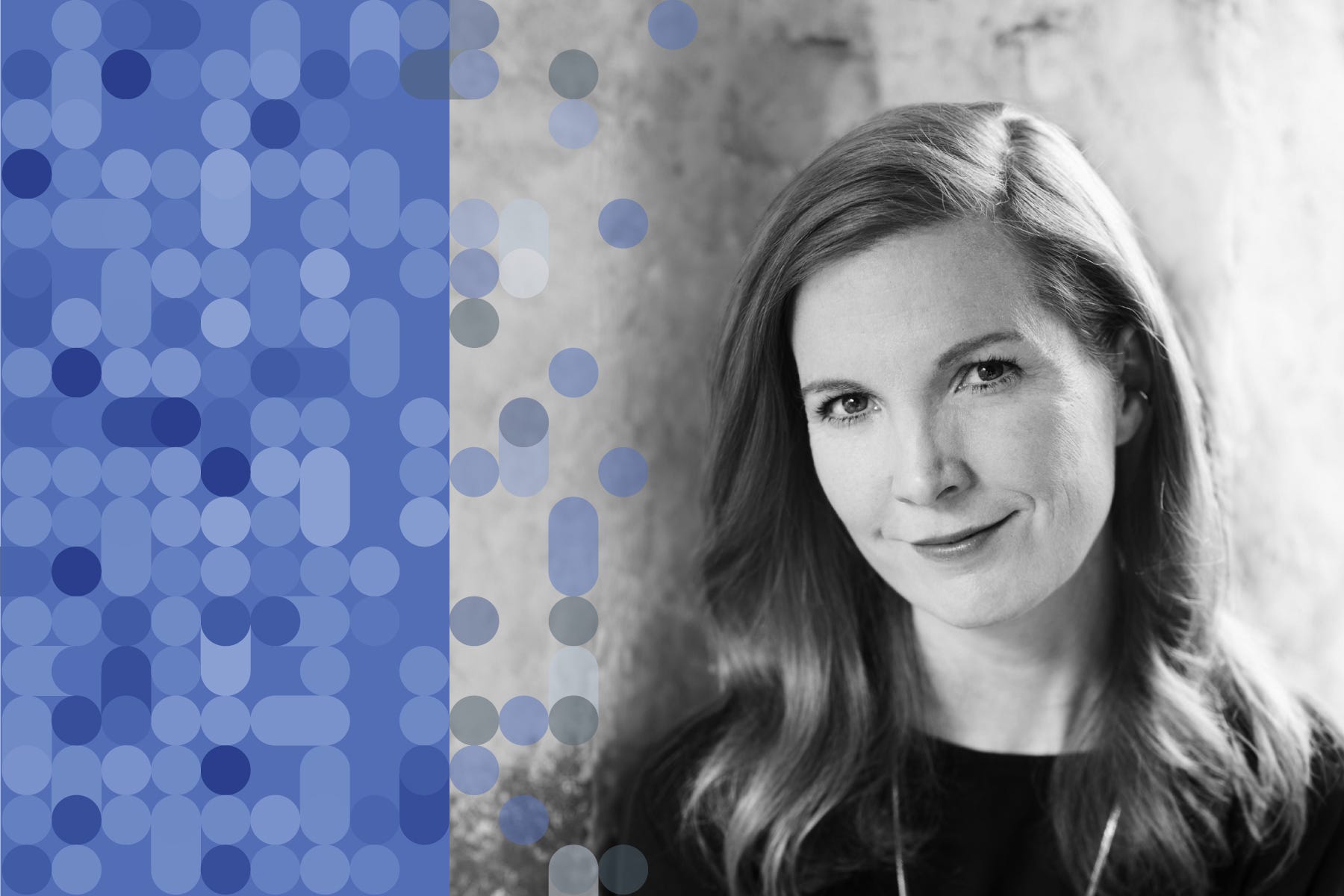
Kate Crawford: A Leading Scholar and Conscience for A.I.
“We haven't invested this much money into an infrastructure like this really until you go back to the pyramids”—Kate CrawfordTranscript with links to audio and external links. Ground Truths podcasts are on Apple and Spotify. The video interviews are on YouTube Eric Topol (00:06):Well, hello, this is Eric Topol with Ground Truths, and I'm really delighted today to welcome Kate Crawford, who we're very lucky to have as an Australian here in the United States. And she's multidimensional, as I've learned, not just a scholar of AI, all the dimensions of AI, but also an artist, a musician. We're going to get into all this today, so welcome Kate.Kate Crawford (00:31):Thank you so much, Eric. It's a pleasure to be here.Eric Topol (00:34):Well, I knew of your work coming out of the University of Southern California (USC) as a professor there and at Microsoft Research, and I'm only now learning about all these other things that you've been up to including being recognized in TIME 2023 as one of 100 most influential people in AI and it's really fascinating to see all the things that you've been doing. But I guess I'd start off with one of your recent publications in Nature. It was a world view, and it was about generative AI is guzzling water and energy. And in that you wrote about how these large AI systems, which are getting larger seemingly every day are needing as much energy as entire nations and the water consumption is rampant. So maybe we can just start off with that. You wrote a really compelling piece expressing concerns, and obviously this is not just the beginning of all the different aspects you've been tackling with AI.Exponential Growth, Exponential Concerns Kate Crawford (01:39):Well, we're in a really interesting moment. What I've done as a researcher in this space for a very long time now is really introduce a material analysis of artificial intelligence. So we are often told that AI is a very immaterial technology. It's algorithms in the cloud, it's objective mathematics, but in actual fact, it comes with an enormous material infrastructure. And this is something that I took five years to research for my last book, Atlas of AI. It meant going to the mines where lithium and cobalt are being extracted. It meant going into the Amazon fulfillment warehouses to see how humans collaborate with robotic and AI systems. And it also meant looking at the large-scale labs where training data is being gathered and then labeled by crowd workers. And for me, this really changed my thinking. It meant that going from being a professor for 15 years focusing on AI from a very traditional perspective where we write papers, we're sitting in our offices behind desks, that I really had to go and do these journeys, these field trips, to understand that full extractive infrastructure that is needed to run AI at a planetary scale.(02:58):So I've been keeping a very close eye on what would change with generative AI and what we've seen particularly in the last two years has been an extraordinary expansion of the three core elements that I really write about in Atlas, so the extraction of data of non-renewable resources, and of course hidden labor. So what we've seen, particularly on the resources side, is a gigantic spike both in terms of energy and water and that's often the story that we don't hear. We're not aware that when we're told about the fact that there gigantic hundred billion computers that are now being developed for the next stage of generative AI that has an enormous energy and water footprint. So I've been researching that along with many others who are now increasingly concerned about how we might think about AI more holistically.Eric Topol (03:52):Well, let's go back to your book, which is an extraordinary book, the AI Atlas and how you dissected not just the well power of politics and planetary costs, but that has won awards and it was a few years back, and I wonder so much has changed since then. I mean ChatGPT in late 2022 caught everybody off guard who wasn't into this knowing that this has been incubating for a number of years, and as you said, these base models are just extraordinary in every parameter you can think about, particularly the computing resource and consumption. So your concerns were of course registered then, have they gone to exponential growth now?Kate Crawford (04:45):I love the way you put that. I think you're right. I think my concerns have grown exponentially with the models. But I was like everybody else, even though I've been doing this for a long time and I had something of a heads up in terms of where we were moving with transformer models, I was also quite taken aback at the extraordinary uptake of ChatGPT back in November 2022 in fact, gosh, it still feels like yesterday it's been such an extraordinary timescale. But looking at that shift to a hundred million users in two months and then the sort of rapid competition that was emerging from the major tech companies that I think
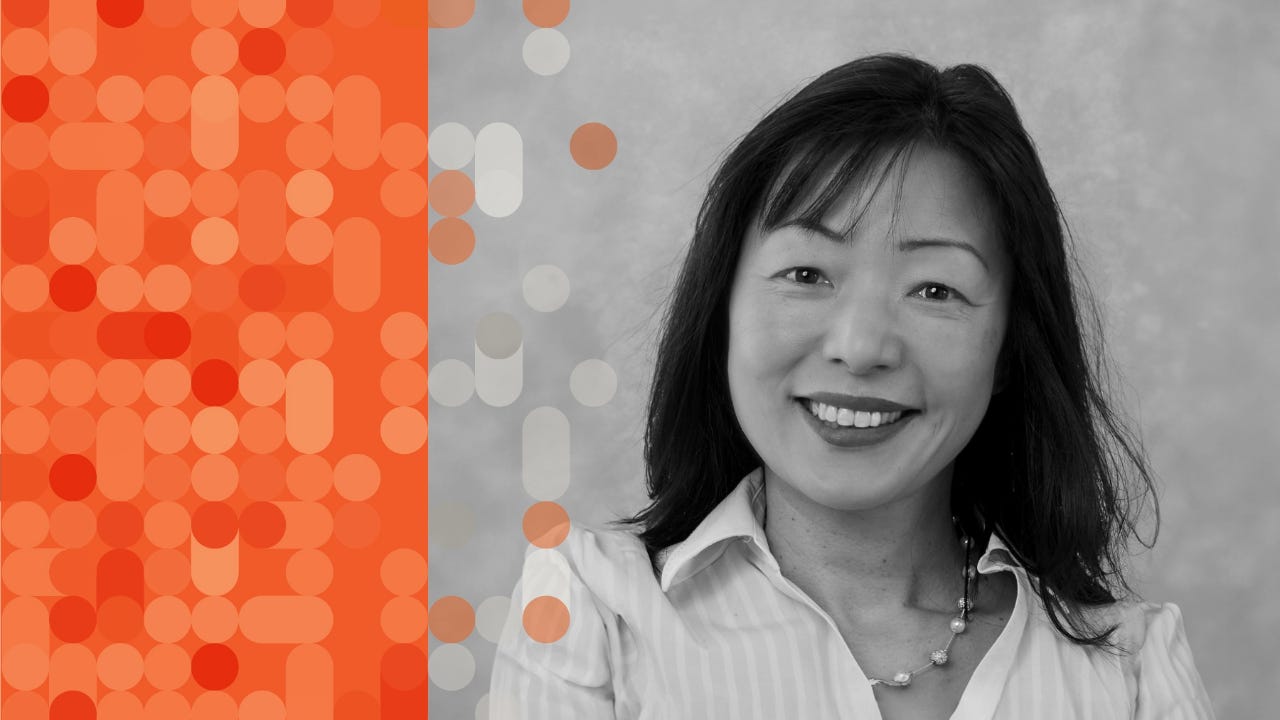
Akiko Iwasaki: The Immunology of Covid and the Future
If there’s one person you’d want to talk to about immunology, the immune system and Covid, holes in our knowledge base about the complex immune system, and where the field is headed, it would be Professor Iwasaki. And add to that the topic of Women in Science. Here’s our wide-ranging conversation.A snippet of the video, Full length Ground Truths videos are posted here and you can subscribe. Ground Truths is a reader-supported publication. To receive new posts and support my work, consider becoming a free or paid subscriber.Transcript with many external link and links to the audio, recorded 30 April 2024 Eric Topol (00:06):Hello, it's Eric Topol and I'm really thrilled to have my friend Akiko Iwasaki from Yale, and before I start talking with Akiko, I just want to mention there aren't too many silver linings of the pandemic, but one for me was getting to know Professor Iwasaki. She is my go-to immunologist. I've learned so much from her over the last four years and she's amazing. She just, as you may know, she was just recently named one of the most influential people in the world by TIME100. [and also recognized this week in TIME 100 Health]. And besides that, she's been elected to the National Academy of Medicine, National Academy of Sciences. She's the president of the American Association of Immunologists and she's a Howard Hughes principal investigator. So Akiko, it's wonderful to have you to join into an extended discussion of things that we have of mutual interest.Akiko Iwasaki (01:04):Thank you so much, Eric, for having me. I equally appreciate all of what you do, and I follow your blog and tweets and everything. So thank you Eric.Eric Topol (01:14):Well, you are a phenom. I mean just, that's all I can say because I think it was so appropriate that TIME recognize your contributions, not just over the pandemic, but of course throughout your career, a brilliant career in immunology. I thought we'd start out with our topic of great interest on Long Covid. You've done seminal work here and this is an evolving topic obviously. I wonder what your latest thoughts are on the pathogenesis and where things are headed.Long CovidAkiko Iwasaki (01:55):Yeah, so as I have been saying throughout the pandemic, I think that Long Covid is not one disease. It's a collection of multiple diseases and that are sort of ending up in similar sets of symptoms. Obviously, there are over 200 symptoms and not everyone has the same set of symptoms, but what we are going for is trying to understand the disease drivers, so persistent viral infection is one of them. There are overwhelming evidence for that theory now, all the way from autopsy and biopsy studies to looking at peripheral blood RNA signatures as well as circulating spike protein and nucleocapsid proteins that are detected in people with Long Covid. Now whether that persistent virus or remnants of virus is driving the disease itself is unclear still. And that's why trials like the one that we are engaging with Harlan Krumholz on Paxlovid should tell us what percentage of the people are suffering from that type of driver and whether antivirals like Paxlovid might be able to mitigate those. If I may, I'd like to talk about three other hypotheses.Eric Topol (03:15):Yeah, I'd love for you to do that.Akiko Iwasaki (03:18):Okay, great. So the second hypothesis that we've been working on is autoimmune disease. And so, this is clearly happening in a subset of people, again, it's a heterogeneous disease, but we can actually not only look at reactogenicity of antibodies from people with Long Covid where we can transfer IgG from patients with Long Covid into an animal, a healthy animal, and really measure outcomes of a pathogenesis. So that's a functional evidence that antibodies in some people with Long Covid is really actually causing some of the damages that are occurring in vivo. And the third hypothesis is the reactivation of herpes viruses. So many of us adults have multiple latent herpes virus family members that are just dormant and are not really causing any pathologies. But in people with Long Covid, we're seeing elevated reactivation of viruses like Epstein-Barr virus (EBV) or Varicella-zoster virus (VZV) and that may again be just a signature of Long Covid, but it may also be driving some of the symptoms that people are suffering from.(04:32):So that's again, we see the signature over and over, not just our group, but multiple other groups, Michael Peluso's group, Jim Heath, and many others. So that's also an emerging evidence from multiple groups showing that. And finally, we think that inflammation that occurs during the acute phase can sort of chronically change some tissue tone. For instance, in the brain with Michelle Monje’s team, we developed a sort of localized mild Covid model of infection and showed that changes in microglia can be seen seven weeks post infection even though the virus is completely gone. So that means that inflammation that's established as a
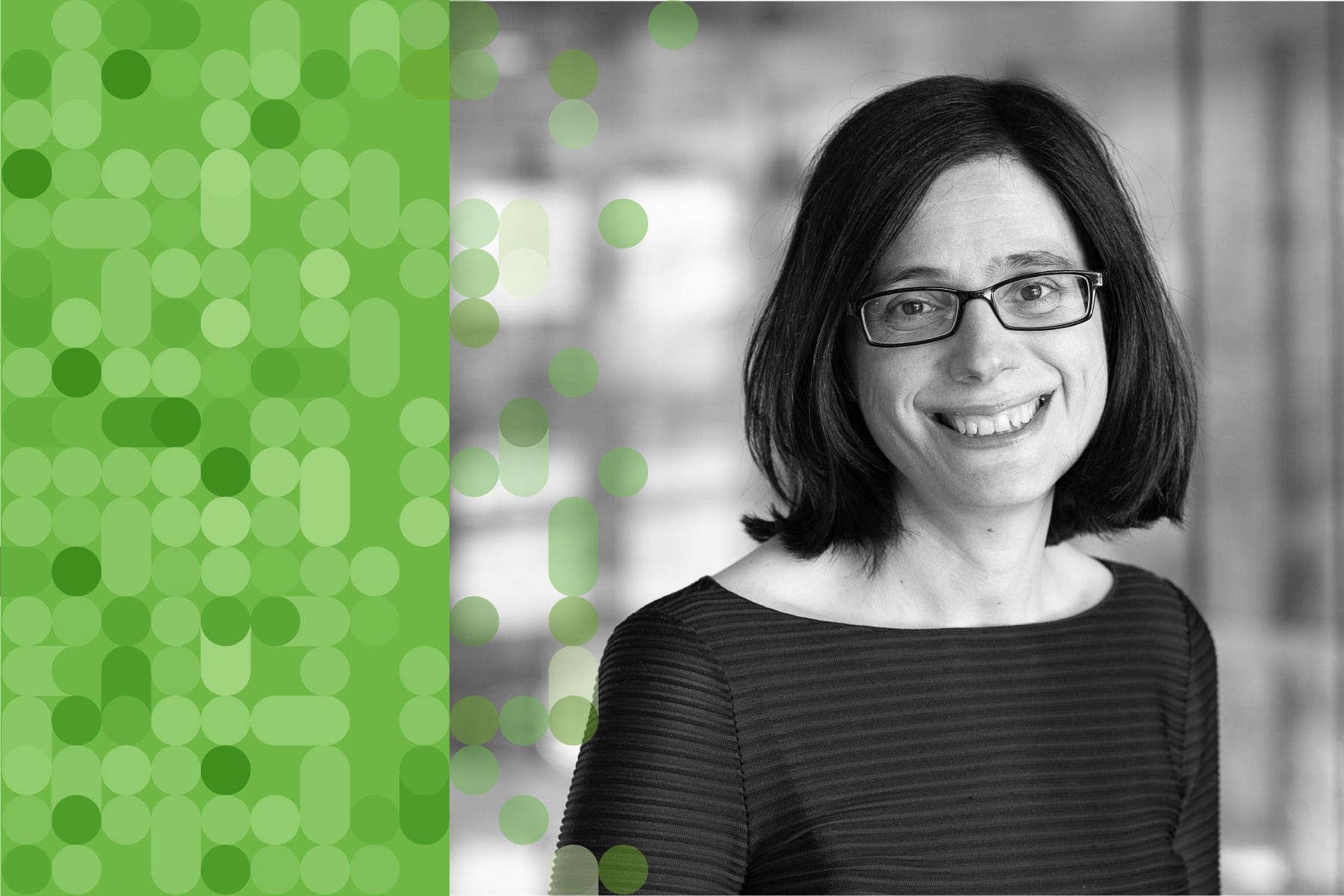
Aviv Regev: The Revolution in Digital Biology
“Where do I think the next amazing revolution is going to come? … There’s no question that digital biology is going to be it. For the very first time in our history, in human history, biology has the opportunity to be engineering, not science.” —Jensen Huang, NVIDIA CEOAviv Regev is one of the leading life scientists of our time. In this conversation, we cover the ongoing revolution in digital biology that has been enabled by new deep knowledge on cells, proteins and genes, and the use of generative A.I .Transcript with audio and external linksEric Topol (00:05):Hello, it's Eric Topol with Ground Truths and with me today I've really got the pleasure of welcoming Aviv Regev, who is the Executive Vice President of Research and Early Development at Genentech, having been 14 years a leader at the Broad Institute and who I view as one of the leading life scientists in the world. So Aviv, thanks so much for joining.Aviv Regev (00:33):Thank you for having me and for the very kind introduction.The Human Cell AtlasEric Topol (00:36):Well, it is no question in my view that is the truth and I wanted to have a chance to visit a few of the principal areas that you have been nurturing over many years. First of all, the Human Cell Atlas (HCA), the 37 trillion cells in our body approximately a little affected by size and gender and whatnot, but you founded the human cell atlas and maybe you can give us a little background on what you were thinking forward thinking of course when you and your colleagues initiated that big, big project.Aviv Regev (01:18):Thanks. Co-founded together with my very good friend and colleague, Sarah Teichmann, who was at the Sanger and just moved to Cambridge. I think our community at the time, which was still small at the time, really had the vision that has been playing out in the last several years, which is a huge gratification that if we had a systematic map of the cells of the body, we would be able both to understand biology better as well as to provide insight that would be meaningful in trying to diagnose and to treat disease. The basic idea behind that was that cells are the basic unit of life. They're often the first level at which you understand disease as well as in which you understand health and that in the human body, given the very large number of individual cells, 37.2 trillion give or take, and there are many different characteristics.(02:16):Even though biologists have been spending decades and centuries trying to characterize cells, they still had a haphazard view of them and that the advancing technology at the time – it was mostly single cell genomics, it was the beginnings also of spatial genomics – suggested that now there would be a systematic way, like a shared way of doing it across all cells in the human body rather than in ways that were niche and bespoke and as a result didn't unify together. I will also say, and if you go back to our old white paper, you will see some of it that we had this feeling because many of us were computational scientists by training, including both myself and Sarah Teichmann, that having a map like this, an atlas as we call it, a data set of this magnitude and scale, would really allow us to build a model to understand cells. Today, we call them foundational models or foundation models. We knew that machine learning is hungry for these kinds of data and that once you give it to machine learning, you get amazing things in return. We didn't know exactly what those things would be, and that has been playing out in front of our eyes as well in the last couple of years.Spatial OmicsEric Topol (03:30):Well, that gets us to the topic you touched on the second area I wanted to get into, which is extraordinary, which is the spatial omics, which is related to the ability to the single cell sequencing of cells and nuclei and not just RNA and DNA and methylation and chromatin. I mean, this is incredible that you can track the evolution of cancer, that the old word that we would say is a tumor is heterogeneous, is obsolete because you can map every cell. I mean, this is just changing insights about so much of disease health mechanisms, so this is one of the hottest areas of all of life science. It's an outgrowth of knowing about cells. How do you summarize this whole era of spatial omics?Aviv Regev (04:26):Yeah, so there's a beautiful sentence in the search for lost time from Marcel Proust that I'm going to mess up in paraphrasing, but it is roughly that going on new journeys is not about actually going somewhere physically but looking with new eyes and I butchered the quote completely.[See below for actual quote.] I think that is actually what single cells and then spatial genomics or spatial omics more broadly has given us. It's the ability to look at the same phenomenon that we looked at all along, be it cancer or animal development or homeostasis in the lung or the way our brain works, but having new eyes in looking and because these new eyes are no

Jennifer Doudna: The Exciting Future of Genome Editing
Professor Doudna was awarded the 2020 Nobel Prize in Chemistry with Professor Emmanuelle Charpentier for their pioneering work in CRISPR genome editing. The first genome editing therapy (Casgevy) was just FDA approved, only a decade after the CRISPR-Cas9 editing system discovery. But It’s just the beginning of a much bigger impact story for medicine and life science.Ground Truths podcasts are now on Apple and Spotify. And if you prefer videos, they are posted on YouTubeTranscript with links to audio and relevant external linksEric Topol (00:06):This is Eric Topol with Ground Truths, and I'm really excited today to have with me Professor Jennifer Doudna, who heads up the Innovative Genomics Institute (IGI) at UC Berkeley, along with other academic appointments, and as everybody knows, was the Nobel laureate for her extraordinary discovery efforts with CRISPR genome editing. So welcome, Jennifer.Jennifer Doudna (00:31):Hello, Eric. Great to be here.Eric Topol (00:34):Well, you know we hadn't met before, but I felt like I know you so well because this is one of my favorite books, The Code Breaker. And Walter Isaacson did such a wonderful job to tell your story. What did you think of the book?My interview with Walter Isaacson on The Code Breaker, a book I highly recommendJennifer Doudna (00:48):I thought Walter did a great job. He's a good storyteller, and as you know from probably from reading it or maybe talking to others about it, he wrote a page turner. He actually really dug into the science and all the different aspects of it that I think created a great tale.Eric Topol (01:07):Yeah, I recommended highly. It was my favorite book when it came out a couple years ago, and it is a page turner. In fact, I just want to read one, there's so many quotes out of it, but in the early part of the book, he says, “the invention of CRISPR and the plague of Covid will hasten our transition to the third great revolution of modern times. These revolutions arose from the discovery beginning just over a century ago, of the three fundamental kernels of our existence, the atom, the bit, and the gene.” That kind of tells a big story just in one sentence, but I thought I’d start with the IGI, the institute that you have set up at Berkeley and what its overall goals are.Jennifer Doudna (01:58):Right. Well, let's just go back a few years maybe to the origins of this institute and my thinking around it, because in the early days of CRISPR, it was clear that we were really at a moment that was quite unique in the sense that there was a transformative technology. It was going to intersect with lots of other discoveries and technologies. And I work at a public institution and my question to myself was, how can I make sure that this powerful tool is first of all used responsibly and secondly, that it's used in a way that benefits as many people as possible, and it's a tall order, but clearly we needed to have some kind of a structure that would allow people to work together towards those goals. And that was really the mission behind the IGI, which was started as a partnership between UC Berkeley and UCSF and now actually includes UC Davis as well.The First FDA Approved Genome EditingEric Topol (02:57):I didn't realize that. That's terrific. Well, this is a pretty big time because 10 years or so, I guess starting to be 11 when you got this thing going, now we're starting to see, well, hundreds of patients have been treated and in December the FDA approved the first CRISPR therapy for sickle cell disease, Casgevy. Is that the way you say it?Jennifer Doudna (03:23):Casgevy, yeah.Eric Topol (03:24):That must have felt pretty good to see if you go from the molecules to the bench all the way now to actually treating diseases and getting approval, which is no easy task.Jennifer Doudna (03:39):Well, Eric, for me, I'm a biochemist and somebody who has always worked on the fundamentals of biology, and so it's really been extraordinary to see the pace at which the CRISPR technology has been adopted, and not just for fundamental research, but also for real applications. And Casgevy is sort of the crowning example of that so far, is that it's really a technology that we can already see how it's being used to, I think it's fair to say, effectively cure a genetic disease for the first time. Really amazing.Genome Editing is Not the Same as Gene TherapyEric Topol (04:17):Yeah. Now I want to get back to that. I know there's going to be refinements about that. And of course, there's beta thalassemia, so we've got two already, and our mutual friend Fyodor Urnov would say two down 5,000 to go. But I think before I get to the actual repair of the sickle cell defect molecular defect, I think one of the questions I think that people listeners may not know is the differentiation of genome editing with gene therapy. I mean, as you know, there was recently a gene therapy approval for something like $4.25 million for metachromatic leukodystrophy. So maybe you cou
Daniel Drucker: Illuminating the GLP-1 Drug's Break Out
Note: This podcast is a companion to the Ground Truths newsletter “A Big Week for GLP-1 Drugs”Eric Topol (00:06):It is Eric Topol with Ground Truths, and with me today is Dr. Daniel Drucker from the University of Toronto, who is one of the leading endocrinologists in the world, and he along with Joel Habener and Jens Juul Holst from the University of Copenhagen and Denmark, have been credited with numerous prizes of their discovery work of glucagon-like peptide-1 (GLP-1) as we get to know these family of drugs and he's a true pioneer. He's been working on this for decades. So welcome, Daniel.Daniel Drucker (00:43):Thank you.Eric Topol (00:45):Yeah, it's great to have you and to get the perspective, one of the true pioneers in this field, because to say it's blossom would be an understatement, don't you think?Daniel Drucker (00:57):Yeah, it's been a bit of a hectic three years. We had a good quiet 30 plus years of solid science and then it's just exploded over the last few years.Eric Topol (01:06):Yeah, back in 30 years ago, did you have any sense that this was coming?Daniel Drucker (01:14):Not what we're experiencing today, I think there was a vision for the diabetes story. The first experiments were demonstrating insulin secretion and patents were followed around the use for the treatment of GLP-1 for diabetes. The food intake story was much more gradual and the weight loss story was quite slow. And in fact, as you know, we've had a GLP-1 drug approved for people with obesity since 2014, so it's 10 years since liraglutide was approved, but it didn't really catch the public's attention. The weight loss was good, but it wasn't as spectacular as what we're seeing today. So this really has taken off just over the last three, four years.Eric Topol (01:58):Yeah, no, it's actually, I've never seen a drug class like this in my life, Daniel. I mean, I've obviously witnessed the statins, but this one in terms of pleiotropy of having diverse effects, and I want to get to the brain here in just a minute because that seems to be quite a big factor. But one thing just before we get too deep into this, I think you have been great to recognize one of your colleagues who you work with at Harvard, Svetlana Mojsov. And the question I guess is over the years, as you said, there was a real kind of incremental path and I guess was in 1996 when you said, well, this drug likely will inhibit food intake, but then there were gaps of many years since then, as you mentioned about getting into the obesity side. Was that because there wasn't much weight loss in the people with diabetes or was it related to the dose of the drugs that were being tested?Why Did It Take So Long to Get to Obesity?Daniel Drucker (03:11):Well, really both. So the initial doses we tested for type 2 diabetes did not produce a lot of weight loss, maybe 2-3%. And then when we got semaglutide for type 2 diabetes, maybe we were getting 4-5% mean weight loss. And so that was really good and that was much better than we achieved before with any glucose lowering drug. But a lot of credit goes to Novo Nordisk because they looked at the dose for liraglutide and diabetes, which was 1.8 milligrams once daily for people with type 2 diabetes. And they asked a simple question, what if we increase the dose for weight loss? And the answer was, we get better weight loss with 3 milligrams once a day. So they learn that. And when they introduced semaglutide for type 2 diabetes, the doses were 0.5 and 1 milligrams. But in the back of their minds was the same question, what if we increased the dose and they landed on 2.4 milligrams once a week. And that's when we really started to see that the unexpected spectacular weight loss that we're now quite familiar with.Eric Topol (04:16):Was there also something too that diabetics don't lose as much weight if you were to have match dose?Daniel Drucker (04:22):Yeah, that's a general phenomenon. If one goes from either diet to bariatric surgery, and certainly with weight loss medicines, we tend to see maybe two thirds to three quarters of the amount of weight loss in people with type 2 diabetes. We don't really understand it. The brain pathways are probably resistant to some of the pathways that are activated that lead to weight loss, and it's really an interesting observation that needs further study.The Brain EffectEric Topol (04:50):Yeah, it's fascinating really. And it might've at least in part, held up this progress that has been truly remarkable. Now, recently you published a paper among many, you're a very prolific scientist, of course, physician scientist, but back in December in Cell Metabolism was a very important paper that explored the brain gut axis, the ability to inhibit inflammation and the mechanism through Toll-like receptors that you were seeing that. So maybe you could summarize the fact that you saw this, you were quoted in this Atlantic piece by Sarah Zhang, the science behind Ozempic was wrong. The weight loss effects
Sid Mukherjee: On A.I., Longevity and Being A Digital Human
Siddhartha Mukherjee is a Professor at Columbia University, oncologist, and extraordinary author of Emperor of All Maladies (which was awarded a Pulitzer Prize), The Gene, and The Song of the Cell, along with outstanding pieces in the New Yorker. He is one of the top thought leaders in medicine of our era. “I have begun to imagine, think about what it would be to be a digital human..”—Sid MukherjeeEric Topol (00:06):Well, hello, this is Eric Topol with Ground Truths, and I am delighted to have my friend Sid Mukherjee, to have a conversation about all sorts of interesting things. Sid, his most recent book, SONG OF THE CELL is extraordinary. And I understand, Sid, you're working on another book that may be cell related. Is that right?Sid Mukherjee (00:30):Eric, it's not cell related, I would say, but it's AI and death related, and it covers, broadly speaking, it covers AI, longevity and death and memory —topics that I think are universal, but also particularly medicine.Eric Topol (00:57):Well, good, and we'll get into that. I had somehow someone steered me that your next book was going to be something building on the last one, but that sounds even more interesting. You're going in another direction. You've covered cancer gene cells, so I think covering this new topic is of particularly interest. So let's get into the AI story and maybe we'll start off with your views on the healthcare side. Where do you think this is headed now?A.I. and Drug DiscoverySid Mukherjee (01:29):So I think Eric, there are two very broad ways of dividing where AI can enter healthcare, and there may be more, I'm just going to give you two, but there may be more. One is on what I would call the deep science aspect of it, and by that I mean AI-based drug discovery, AI-based antibody discovery, AI-based modeling. All of which use AI tools but are using tools that have to do with machine learning, but may have to do less directly with the kind of large language models. These tools have been in development for a long time. You and I are familiar with them. They are tools. Very simply put, you can imagine that the docking of a drug to a protein, so imagine every drug, every medicine as a small spaceship that docks onto a large spaceship, the large spaceship being the target.(02:57):So if you think of it that way, there are fundamental rules. If anyone's watched Star Wars or any of these sci-fi films, there are fundamental rules by which that govern the way that the small spaceship in this case, a molecule like aspirin fits into a pocket of its target, and those are principles that are determined entirely by chemistry and physics, but they can be taught, you can learn what kind of spaceship or molecule is likely to fit into what kind of pocket of the mothership, in this case, the target. And if they can be learned, they're amenable to AI-based discovery.Eric Topol (03:57):Right. Well, that's, isn't that what you'd call the fancy term structure-based discovery, where you're using such tools like what AlphaFold2 for proteins and then eventually for antibodies, small molecules, et cetera, that you can really rev up the whole discovery of new molecules, right?Sid Mukherjee (04:21):That's correct, and that's one of the efforts that I'm very heavily involved in. We have created proprietary algorithms that allow us to enable this. Ultimately, of course, there has to be a method by which you start from these AI based methods, then move to physical real chemistry, then move to real biology, then move to obviously human biology and ultimately to human studies. It's a long process, but it's an incredibly fruitful process.Eric Topol (04:57):Well, yeah, as an example that recently we had Jim Collins on the podcast and he talked about the first new drug class of antibiotics in two decades that bind to staph aureus methicillin resistant, and now in clinical trials. So it’s happening. There’s 20 AI drugs in clinical trials out there.Sid Mukherjee (05:18):It’s bound to happen. It is an unstoppable bound to happen systematology of drug discovery. This is just bound to happen. It is unstoppable. There are kinks in it in the road, but those will be ironed out, but it’s bound to happen.(05:41):So that’s on the very discovery oriented end, which is more related to learning algorithms that have to do with AI and less to do with what we see in day-to-day life, the ChatGPT kind of day-to-day life of the world. On the very other end of the spectrum, just to move along on the very other end of the spectrum are what I would call patient informatics. So by patient informatics, I mean questions like who responds to a particular drug? What genes do they have? What environment are they in? Have they had other drug interactions in the past? What is it about their medical record that will allow us to understand better why or why they're not responding to a medicine?(06:51):Those are also AI, can also be really powered by AI, but are much more dependent and much more sensitiv
Holden Thorp: Straight Talk from the Editor-in-Chief of the Science family of journals
There was so much to talk about—this is the longest Ground Truths podcast yet. Hope you’ll find it as thought-provoking as I did!Transcript, with audio and external links, edited by Jessica Nguyen, Producer for Ground TruthsVideo and audio tech support by Sinjun Balabanoff, Scripps ResearchEric Topol (00:00:05):This is Eric Topol from Ground Truths, and I am delighted to have with me Holden Thorp, who is the Editor-in-Chief of the Science journals. We're going to talk about Science, not just the magazine journal, but also science in general. This is especially appropriate today because Holden was just recognized by STAT as one of the leaders for 2024 because of his extraordinary efforts to promote science integrity, so welcome Holden.Holden Thorp (00:00:36):Thanks Eric, and if I remember correctly, you were recognized by STAT in 2022, so it's an honor to join a group that you're in anytime, that's for sure, and great to be on here with you.Eric Topol (00:00:47):Well, that's really kind to you. Let's start off, I think with the journal, because I know that consumes a lot of your efforts and you have five journals within science.Holden Thorp (00:01:02):Oh, we have six.Eric Topol (00:01:03):Oh six, I'm sorry, six. There's Science, the original, and then five others. Can you tell us what it's like to oversee all these journals?Overseeing the Science JournalsHolden Thorp (00:01:16):Yeah, we're a relatively small family compared to our commercial competitors. I know you had Magdalena [Skipper]on and Nature has I think almost ninety journals, so six is pretty small. In addition to Science, which most people are familiar with, we have Science Advances, which also covers all areas of science and is larger and is a gold open access journal and also is overseen by academic editors, not professional editors. All of our other journals are overseen by professional editors. And then the other four are relatively small and specialized areas, and probably people who listen to you and follow you would know about Science Translational Medicine, Science Immunology, Science Signaling and then we also have a journal, Science Robotics which is something I knew nothing about and I learned a lot. I've learned a lot about robotics and the culture of people who work there interacting with them.Holden Thorp (00:02:22):So we have a relatively small family. There's only 160 people who work for me, which is manageable. I mean that sounds like a lot, but in my previous jobs I was a provost and a chancellor, and I had tens of thousands of people, so it's really fun for me to have a group where I at least have met everybody who works for me. We're an outstanding set of journals, so we attract an outstanding group of professionals who do all the things that are involved in all this, and it's really, really fun to work with them. At Science, we don't just do research papers, although that's a big, and probably for your listeners the biggest part of what we do. But we also have a news and commentary section and the news section is 30 full-time and many freelancers around the world really running the biggest general news operation for science that there is. And then in the commentary section, which you're a regular contributor for us in expert voices, we attempt to be the best place in the world for scientists to talk to each other. All three of those missions are just really, really fun for me. It's the best job I've ever had, and it's one I hope to do for many years into the future.Eric Topol (00:03:55):Well, it's extraordinary because in the four and a half years I think it's been since you took the helm, you've changed the face of Science in many ways. Of course, I think the other distinction from the Nature Journals is that it's a nonprofit entity, which shows it isn't like you're trying to proliferate to all sorts of added journals, but in addition, what you've done, at least the science advisor and the science news and all these things that come out on a daily basis is quite extraordinary as we saw throughout the pandemic. I mean, just reporting that was unparalleled from, as you say, all points around the world about really critically relevant topics. Obviously it extends well beyond the concerns of the pandemic. It has a lot of different functions, but what I think you have done two major things, Holden. One is you medicalized it to some extent.Eric Topol (00:04:55):A lot of people saw the journal, particularly Science per se, as a truly basic science journal. Not so much applied in a medical sphere, but these days there's more and more that would be particularly relevant to the practice of medicine, so that's one thing. And the other thing I wanted you to comment on is you're not afraid to speak out and as opposed to many other prior editors who I followed throughout my career at Science, there were pretty much the politically correct type and they weren't going to really express themselves, which you are particularly not afraid of. M
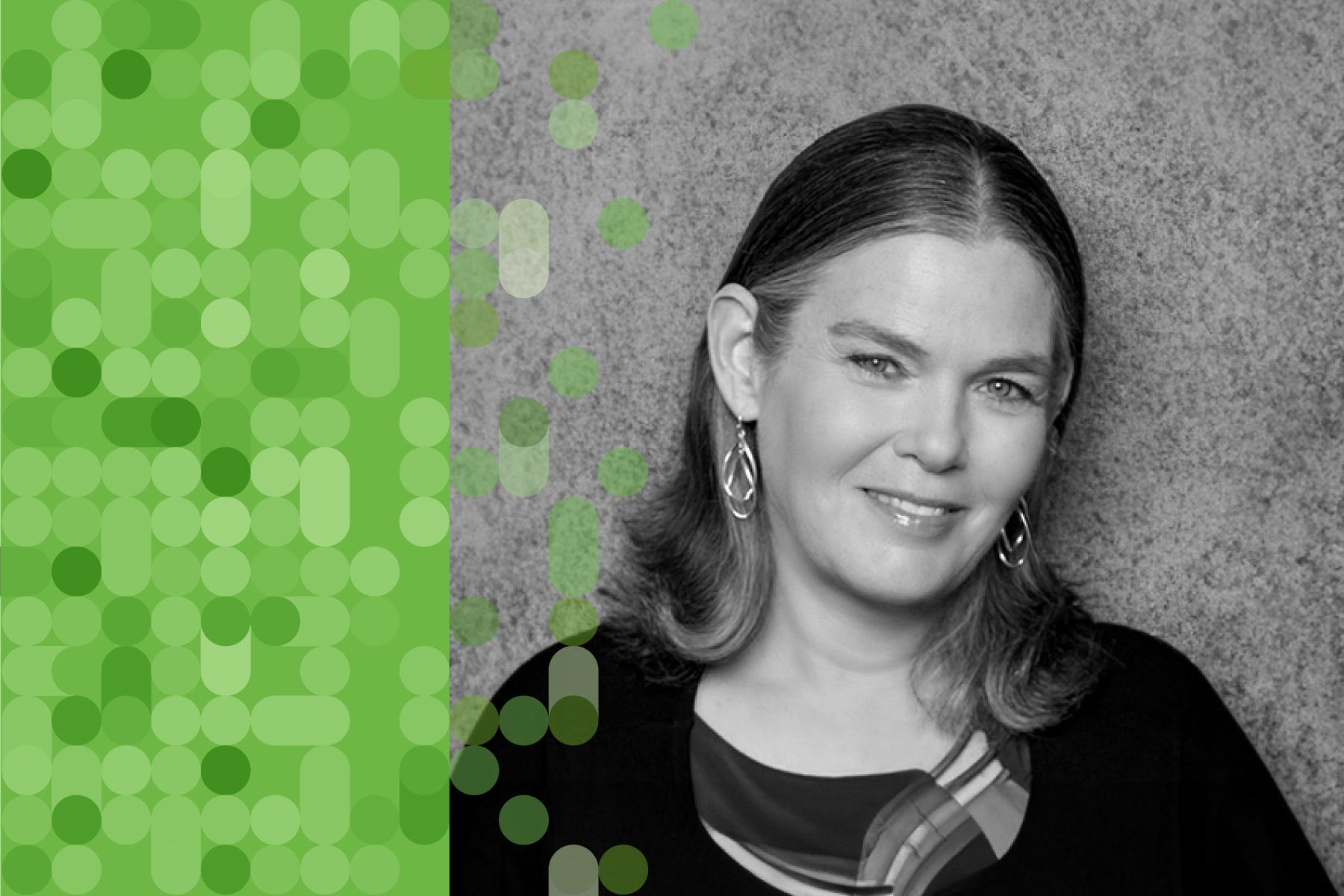
Daphne Koller: The Convergence of A.I. and Digital Biology
Transcript Eric Topol (00:06):Well, hello, this is Eric Topol with Ground Truths and I am absolutely thrilled to welcome Daphne Koller, the founder and CEO of insitro, and a person who I've been wanting to meet for some time. Finally, we converged so welcome, Daphne.Daphne Koller (00:21):Thank you Eric. And it's a pleasure to finally meet you as well.Eric Topol (00:24):Yeah, I mean you have been rocking everybody over the years with elected to the National Academy of Engineering and Science and right at the interface of life science and computer science and in my view, there's hardly anyone I can imagine who's doing so much at that interface. I wanted to first start with your meeting in Davos last month because I kind of figured we start broad AI rather than starting to get into what you're doing these days. And you had a really interesting panel [←transcript] with Yann LeCun, Andrew Ng and Kai-Fu Lee and others, and I wanted to get your impression about that and also kind of the general sense. I mean AI is just moving it at speed, that is just crazy stuff. What were your thoughts about that panel just last month, where are we?Video link for the WEF PanelDaphne Koller (01:25):I think we've been living on an exponential curve for multiple decades and the thing about exponential curves is they are very misleading things. In the early stages people basically take the line between whatever we were last year, and this year and they interpolate linearly, and they say, God, things are moving so slowly. Then as the exponential curve starts to pick up, it becomes more and more evident that things are moving faster, but it’s still people interpolate linearly and it's only when things really hit that inflection point that people realize that even with the linear interpolation where we'll be next year is just mind blowing. And if you realize that you're on that exponential curve where we will be next year is just totally unanticipatable. I think what we started to discuss in that panel was, are we in fact on an exponential curve? What are the rate limiting factors that may or may not enable that curve to continue specifically availability of data and what it would take to make that curve available in areas outside of the speech, whatever natural language, large language models that exist today and go far beyond that, which is what you would need to have these be applicable to areas such as biology and medicine.Daphne Koller (02:47):And so that was kind of the message to my mind from the panel.Eric Topol (02:53):And there was some differences in opinion, of course Yann can be a little strong and I think it was good to see that you're challenging on some things and how there is this “world view” of AI and how, I guess where we go from here. As you mentioned in the area of life science, there already had been before large language models hit stride, so much progress particularly in imaging cells, subcellular, I mean rare cells, I mean just stuff that was just without any labeling, without fluorescein, just amazing stuff. And then now it's gone into another level. So as we get into that, just before I do that, I want to ask you about this convergence story. Jensen Huang, I'm sure you heard his quote about biology as the opportunity to be engineering, not science. I'm sure if I understand, not science, but what about this convergence? Because it is quite extraordinary to see two fields coming together moving at such high velocity."Biology has the opportunity to be engineering not science. When something becomes engineering not science it becomes...exponentially improving, it can compound on the benefits of previous years." -Jensen Huang, NVIDIA.Daphne Koller (04:08):So, a quote that I will replace Jensen's or will propose a replacement for Jensen's quote, which is one that many people have articulated, is that math is to physics as machine learning is to biology. It is a mathematical foundation that allows you to take something that up until that point had been kind of mysterious and fuzzy and almost magical and create a formal foundation for it. Now physics, especially Newtonian physics, is simple enough that math is the right foundation to capture what goes on in a lot of physics. Biology as an evolved natural system is so complex that you can't articulate a mathematical model for that de novo. You need to actually let the data speak and then let machine learning find the patterns in those data and really help us create a predictability, if you will, for biological systems that you can start to ask what if questions, what would happen if we perturb the system in this way?The ConvergenceDaphne Koller (05:17):How would it react? We're nowhere close to being able to answer those questions reliably today, but as you feed a machine learning system more and more data, hopefully it'll become capable of making those predictions. And in order to do that, and this is where it comes to this convergence of these two disciplines, the

Coleen Murphy: The Science of Aging and Longevity
“A few years ago, I might have chuckled at the naiveté of this question, but now it's not so crazy to think that we will be able to take some sort of medicine to extend our healthy lifespans in the foreseeable future.”—Coleen MurphyTranscript with external linksEric Topol (00:06):Hello, this is Eric Topol from Ground Truths, and I'm just so delighted to have with me Professor Coleen Murphy, who has written this exceptional book, How We Age: The Science of Longevity. It is a phenomenal book and I'm very eager to discuss it with you, Coleen.Coleen Murphy (00:25):Thanks for having me on.Eric Topol (00:27):Oh yeah. Well, just so everyone who doesn't know Professor Murphy, she's at Princeton. She's the Richard Fisher Preceptor in Integrative Genomics, the Lewis-Sigler Institute for Integrative Genomics at Princeton, and director of the Paul Glenn Laboratories for Aging Research. Well, obviously you've been in this field for decades now, even though you're still very young. The classic paper that I can go back to would be in Nature 2003 with the DAF-16 and doubling the lifespan of C. elegans or better known as a roundworm. Would that be the first major entry you had?Coleen Murphy (01:17):Yeah, that was my postdoctoral work with Cynthia Kenyon.Eric Topol (01:20):Right, and you haven't stopped since you've been on a tear and you’ve put together a book which has a hundred pages of references in a small font. I don't know what the total number is, but it must be a thousand or something.Coleen Murphy (01:35):Actually, it's just under a thousand. That's right.Eric Topol (01:37):That's a good guess.Coleen Murphy (01:38):Good guess. Yeah.Eric Topol (01:39):So, because I too have a great interest in this area, I found just the resource that you've put together as extraordinary in terms of the science and all the work you've put together. What I was hoping to do today is to kind of take us through some of the real exciting pathways because there's a sentence in your book, which I thought was really kind of nailed it, and it actually is aligned with my sense. Obviously don't have the expertise by any means that you do here but it says, “A few years ago, I might have chuckled at the naivety of this question, but now it's not so crazy to think that we will be able to take some sort of medicine to extend our healthy lifespans in the foreseeable future.” That's a pretty strong statement for a person who's deep into the science. First I thought we'd explore healthy aging health span versus lifespan. Can you differentiate that as to your expectations?Coleen Murphy (02:54):So, I think most people would agree that they don't want to live necessary super long. What they really want to do is live a healthy life as long as they can. I think that a lot of people also have this fear that when we talk about extending lifespan, that we're ignoring that part. And I do want to assure everyone that the people in the researchers in the aging field are very much aware of this issue and have, especially in the past decade, I think put a real emphasis on this idea of quality of life and health span. What's reassuring is actually that many of the mechanisms that extend lifespan in all these model organisms also extend health span as well and so I don't think we're going to, they're not diametrically opposed, like we'll get to a healthier quality of life, I think in these efforts to extend lifespan as well.Eric Topol (03:50):Yeah, I think that's important that you're bringing that up, which is there's this overlap, like a Venn diagram where things that do help with longevity should help with health span, and we don't necessarily have to follow as you call them the immoralists, as far as living to 190 or whatever year. Now, one of the pathways that's been of course a big one for years and studied in multiple species has been caloric restriction. I wonder if you could talk to that and obviously there's now mimetics that could simulate that so you wouldn't have to go through some major dietary starvation, if you will. What are your thoughts on that pathway?Coleen Murphy (04:41):Yeah, actually I'm really glad you brought up mimetics because often the conversation starts and ends with you should eat less. I think that is a really hard thing for a lot of people to do. So just for the background, so dietary restriction or caloric restriction, the idea is that you would have to take in up to 30% less than your normal intake in order to start seeing results. When we've done this with laboratory animals of all kinds, this works from yeast all the way up through mice, actually primates, in fact, it does extend lifespan and in most metrics of health span the quality of life, it does improve that as well. On the other hand, I think psychologically it's really tough to not eat enough and I think that's a part that we kind of blindly ignore when we talk about this pathway.Coleen Murphy (05:30):And of course, if we gave any of those animals the choice of whether
Michelle Monje: The Brain in Long Covid and Cancer
Transcript with audio and relevant external links, recorded on 6 Feb 2024Eric Topol (00:05):Hello, this is Eric Topol with Ground Truths, and I have a remarkable guest with me today, Professor Michelle Monje, who is from Stanford, a physician-scientist there and is really a leader in neuro-oncology, the big field of cancer neuroscience, neuroinflammation, and she has just been rocking it recently with major papers on these fields, no less her work that's been on a particular cancer, brain cancer in kids that we'll talk about. I just want to give you a bit of background about Michelle. She is a National Academy of Medicine member, no less actually a National Academy of Medicine awardee with the French Academy for the Richard Lounsbery Award, which is incredibly prestigious. She received a Genius grant from the MacArthur Foundation and is a Howard Hughes Medical Institute (HHMI) scholar, so she is just an amazing person who I'm meeting for the first time. Michelle, welcome.Michelle Monje (01:16):Thank you. So nice to join you.Long Covid and the BrainEric Topol (01:18):Well, I just am blown away by the work that you and your colleagues have been doing and it transcends many different areas that are of utmost importance. Maybe we can start with Long Covid because that's obviously such a big area. Not only have you done work on that, but you published an amazing review with Akiko Iwasaki, a friend of mine, that really went through all the features of Long Covid. Can you summarize your thoughts about that?Michelle Monje (01:49):Yeah, and specifically we focused on the neurobiology of Long Covid focusing on the really common syndrome of cognitive impairment so-called brain fog after Covid even after relatively mild Covid. There has been this, I think really important and exciting, really explosion of work in the last few years internationally trying to understand this in ways that I am hopeful will be beneficial to many other diseases of cognition that occur in the context of other kinds of infections and other kinds of immune challenges. But what is emerging from our work and from others is that inflammation, even if it doesn't directly initially involve the nervous system, can very profoundly affect the nervous system and the mechanisms by which that can happen are diverse. One common mechanism appears to be immune challenge induced reactivity of an innate immune cell in the nervous system called microglia. These microglia, they populate the nervous system very early in embryonic development.(02:58):And their job is to protect the nervous system from infection, but also to respond to other kinds of toxic and infectious and immune challenges. They also play in healthy conditions, really important roles in neurodevelopment and in neuroplasticity and so they're multifaceted cells and this is some population of those cells, particularly in the white matter in the axon tracks that are exquisitely sensitive it seems to various kinds of immune challenges. So even if there's not a direct nervous system insult, they can react and when they react, they stop doing their normal helpful jobs and can dysregulate really important interactions between other kinds of cells in the brain like neurons and support cells for those neurons like oligodendrocytes and astrocytes. One common emerging principle is that microglial reactivity triggered by even relatively mild Covid occurring in the respiratory system, not directly infecting the brain or other kinds of immune challenges can trigger this reactivity of microglia and consequently dysregulate the normal interactions between cells and the brain.(04:13):So important for well-tuned and optimal nervous system function. The end product of that is dysfunction and cognition and kind of a brain fog impairment, attention, memory, ability to multitask, impaired speed of information processing, but there are other ways that Covid can influence the nervous system. Of course there can be direct infection. We don't think that that happens in every case. It may not happen even commonly, but it certainly can happen. There is a clear dysregulation of the vasculature, the immune response, and the reaction to the spike protein of Covid in particular can have very important effects on the vessels in the nervous system and that can trigger a cascade of effects that can cause nervous system dysregulation and may feed directly into that reactivity of the microglia. There also can be reactivation of other infections previous, for example, herpes virus infections. EBV for example, can be reactivated and trigger a new immune challenge in the context of the immune dysregulation that Covid can induce.(05:21):There also can be autoimmunity. There are many, we're learning all the different ways Covid can affect the nervous system, but autoimmunity, there can be mimicry of some of the antigens that Covid presents and unfortunate autoimmunity against nervous system targets. Then finally in severe Covid where th
Jim Collins: Discovery of the First New Structural Class of Antibiotics in Decades, Using A.I.
Jim Collins is one of the leading biomedical engineers in the world. He’s been elected to all 3 National Academies (Engineering, Science, and Medicine) and is one of the founders of the field of synthetic biology. In this conversation, we reviewed the seminal discoveries that he and his colleagues are making at the Antibiotics-AI Project at MIT.Recorded 5 February 2024, transcript below with audio links and external links to recent publicationsEric Topol (00:05):Hello, it's Eric Topol with Ground Truths, and I have got an extraordinary guest with me today, Jim Collins, who's the Termeer Professor of Medical Engineering at MIT. He also holds appointments at the Wyss Institute and the Broad Institute. He is a biomedical engineer who's been making exceptional contributions and has been on a tear lately, especially in the work of discovery of very promising, exciting developments in antibiotics. So welcome, Jim.Jim Collins (00:42):Eric, thanks for having me on the podcast.Eric Topol (00:44):Well, this was a shock when I saw your paper in Nature in December about a new structure class of antibiotics, the one from 1962 to 2000. It took 38 years, and then there was another one that took 24 years yours, the structural antibiotics. Before I get to that though, I want to go back just a few years to the work you did published in Cell with halicin, and can you tell us about this? Because when I started to realize what you've been doing, what you've been chipping away here, this was a drug you found, halicin, as I can try to understand, it works against tuberculosis, c. difficile, enterobacter that are resistant, acinetobacter that are resistant. I mean, this is, and this is of course in mice models. Can you tell us how did you make that discovery before we get into I guess what's called the Audacious Project?Jim Collins (01:48):Yeah, sure. It's actually a fun story, so it is origins go broadly to institute wide event at MIT, so MIT in 2018 launched a major campus-wide effort focused on artificial intelligence. The institute, which had played a major role in the first wave of AI in the 1950s, 1960s, and a major wave in the second wave in the 1980s found itself kind of at the wheel in this third wave involving big data and deep learning and looked to correct that and to correct it the institute had a symposium and I had the opportunity to sit next to Regina Barzilay, one of our faculty here at MIT who specializes in AI and particularly AI applied to biomedicine and we really hit it off and realized we had interest in applying AI to drug discovery. My lab had focused on antibiotics to then close to 15 years, but primarily we're using machine learning and network biology to understand the mechanism of action of antibiotics and how resistance arise with the goal of boosting what we already had, with Regina we saw there was an opportunity to see if we could use deep learning to get after discovery.(02:55):And notably, as you kind of alluded in your introduction, there's really been a discovery void and the golden age of discovery antibiotics was in the forties, fifties and sixties before I was born and before you had the genomic revolution, the biotech revolution, AI revolution. Anyways, we got together with our two groups, and it was an unfunded project and we kind of cobbled together very small training set of 2,500 compounds that included 1,700 FDA approved drugs and 800 natural compounds. In 2018, 2019, when you started this, if you asked any AI expert should you initiate that study, they would say absolutely not, there's going to be two big data. The idea of these models are very data hungry. You need a million pictures of a dog, a million pictures of a cat to train a model to differentiate between the cat and the dog, but we ignored the naysayers and said, okay, let's see what we can do.(03:41):And we apply these to E. coli, so a model pathogen that's used in labs but is also underlies urinary tract infections. So it’s a look to see which of the molecules inhibited growth of the bacteria as evidence for antibacterial activity and we could have measured and we quantified each of their effects, but because we had so few compounds, we just discretized instead, if you inhibited at least 80% of the growth you were antibacterial, and if you didn't achieve that, you weren't antibacterial zero in ones. We then took the structure of each molecule and trained a deep learning model, specifically a graphical neural net that could look at those structures, bond by bond, substructure by substructure associated with whatever features you look to train with. In our case, making for good antibiotic, not for good antibiotic. We then took the train model and applied it to a drug repurposing hub as part of the Broad Institute that consists of 6,100 molecules in various stages of development as a new drug.(04:40):And we asked the model to identify molecules that can make for a good antibiotic but didn't look like existing antibiotics. So p

Katalin Karikó: The unimaginable, obstacle-laden, multi-decade journey to discover the mRNA platform and win the 2023 Nobel Prize
“The history of science, it turns out, is filled with stories of very smart people laughing at good ideas.”—Katalin Karikó Ground Truths podcasts are now available on Apple and Spotify!The list of obstacles that Kati Karikó faced to become a scientist, to make any meaningful discovery, to prevail over certain scientists and administrators who oppressed her, unable to obtain grants, her seminal paper rejected by all of the top-tier journals, demoted and dismissed, but ultimately to be awarded the 2023 Nobel Prize with Drew Weissman, is a story for the ages. We covered them in this conversation, which for me will be unforgettable, and hopefully for you an inspiration.Recorded 30 January 2023, unedited transcript belowEric Topol (00:06):Well, hello, this is Eric Topol with Ground Truths, and I am really thrilled to have with me Kati Kariko, who I think everyone knows won the Nobel Prize with the Drew Weissman in 2023 and she has written a sensational book, it's called Breaking Through. I love that title because it's a play on words, a breakthrough and breaking through, and we have a lot to talk about Kati, so welcome.Katalin Kariko (00:34):Thank you very much for inviting me.Eric Topol (00:36):Yes, well I'd like to start off, as you did in the book with your background in Hungary where of course you started with a tough background in a one room house without running water and you never had exposures to scientists and somehow or other you became interested in science and you attributed some of these things like your biology teacher, Mr. Tóth and the book Stress of Life [by Hans Selye] Could you tell us a little bit more what stimulated you in a career of science?Katalin Kariko (01:18):I have to say that every child is interested in understanding the nature around them and so I was surrounded with nature because we had big garden, we had animals around and it was an exciting thing. The children ask questions and if they try to find an answer and teachers or parents might give the answer, but definitely the school, even elementary school was very stimulating. Teachers, chemistry teacher, figure out how we can make crystals and I was so excited to have my own crystals and things like that and in high school the teachers were so engaging and not like they tried to put all of the information into your brain, but they encourage you to think yourself, so that's all contributed. I think that most of the child in the first, I don't know, six, seven years of their life that’s how they can see their parents behaving, their friends, the school, classmates, and they shaped what kind of people they will be at the end and the rest of it is refining.Eric Topol (02:41):Right, right. Well one of the things I loved that you brought up in the book was how much you liked the TV show Columbo. That's one of my favorite TV shows of all time and one more thing, one more thing. Can you talk a little bit about Columbo? Because in some ways you were like the Peter Falk of mRNA in terms of one more thing.Katalin Kariko (03:09):Yes, so I realized that we as researchers, we are not called searchers, we researchers, so we are repeating things. Of course everybody knows who committed the crime in Columbo because this is how it starts and you don't have to figure out, but it seems always that things in a different direction you would lead but all the little clues and some of my colleagues said that they as a physician, they have this tunnel vision. So the patient comes and they can figure out probably from some clues that this is the disease and they get back the lab results and others. Then they realize that one or two things is not fitting, but they always so strongly believe their first instinct. What I taught them to focus on those which will not fit because that will lead to the real perpetrator in case of Columbo.(04:23):And so I like the simplicity. I know that what we are doing this research is very over complicated, but we can break down in very simple question, yes or no and then repeating things and many experiments. When I did one was the experiments really the question and the nine of them was like just controls always. I have to have a control for that, control for that and since I work most of the time with my own hands myself, so I had to make sure that I think through that what will be the experimental outcome and then think about that. Do I have a control for that? So that many times in my brain before I performed the experiment in my brain, I predicted that what will be the outcome, of course you never get the outcome what you expect, but at least you have the control that you can exclude a couple of things and so this is how I function usually in the end of the 20th century, 21st century people did not work like I did alone most of the time.Eric Topol (05:35):No, I see how you described it in the book was just so extraordinary and it really was in keeping with this relentless interrogation and that's what I want to get into
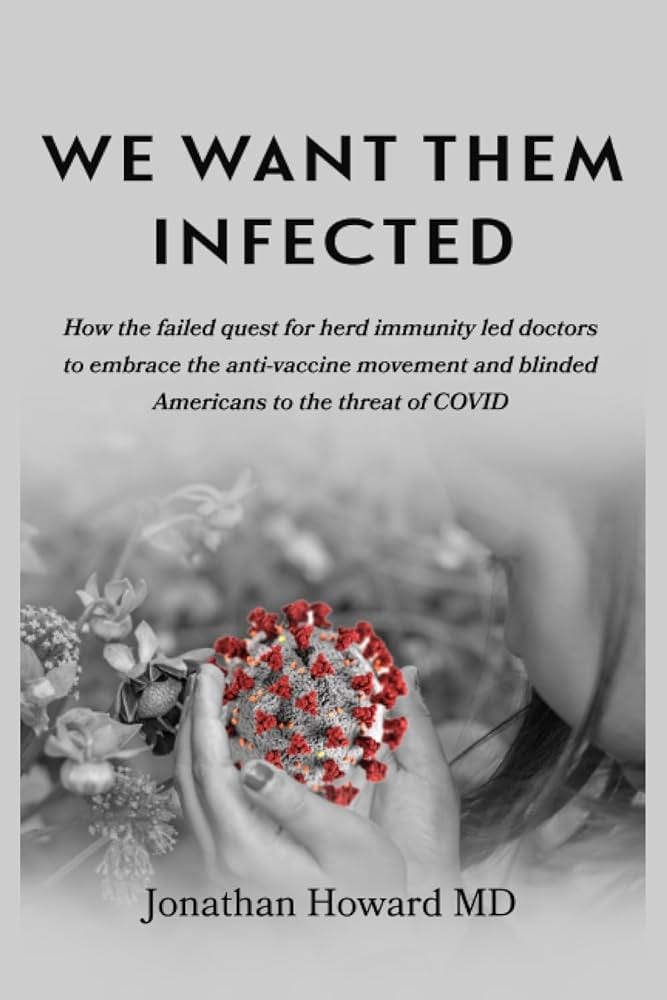
Jonathan Howard, author of We Want Them Infected
Jonathan Howard is a neurologist and psychiatrist who practices at NYU-Bellevue and posts frequently on Science Based Medicine.Transcript, unedited, with links to audioEric Topol (00:05):Well, hello, Eric Topol with Ground Truths and I'm really pleased to have the chance to talk with Jonathan Howard today, who is a neurologist and psychiatrist at NYU at Bellevue and has written quite an amazing book published a few months months ago called We Want Them Infected, so welcome Jonathan.Jonathan Howard (00:27):Hey, thanks so much for having me. I really appreciate it.Eric Topol (00:30):Yeah, I mean, there's so much to talk about because we're still in the throes of the pandemic with this current wave at least by wastewater levels and no reason to think it isn't by infections at least the second largest in the pandemic course. I guess I want to start off first with you being into the neuropsychiatric world. How did you become, obviously caring for patients with Covid, but how did you decide to become a Covidologist?Jonathan Howard (00:59):Well, I developed a strong interest in the anti-vaccine movement of all things about a decade ago when a doctor who I trained with here at NYU in Bellevue morphed into one of the country's biggest anti-vaccine doctors a woman by the name of Dr. Kelly Brogan. I knew her well and we were friends; She was smart and after she left NYU in Bellevue, she became one of the country's most outspoken anti-vaccine doctors and really started leaving off the wall things that germ theory didn't exist, that HIV doesn't cause AIDS. When Covid struck, she felt that SARS-CoV-2 was not killing people because she doesn't believe any virus kills people and so I became very fascinated about how smart people can believe strange, incorrect things and I dedicated myself to learning everything that I could about the anti-vaccine movement. In 2018, I wrote a book chapter on the anti-vaccine movement with law professor Dorit Reiss.(02:01):And so when the pandemic came around, I was really prepared for all of their arguments, but I got two very important things wrong. I thought the anti-vaccine movement would shrink. I was wrong about that and I was also really caught off guard by the fact that a lot of mainstream physicians started to parrot pandemic anti-vaccine talking points. So all of the stuff that I'd heard about measles and the HPV vaccine, these are benign viruses, the vaccines weren't tested, blah, blah, blah. I started hearing from professors at Stanford, Harvard, UCSF, Johns Hopkins, all about Covid and the Covid vaccine.Eric Topol (02:40):Yeah, we're going to get to some of the leading institutions and individuals within them and how they were part of this, and surprisingly too, of course. Before we do that in the title of your book, We Want Them Infected, it seems to bring in particularly the Great Barrington Declaration that is just protect the vulnerable elderly and don't worry about the rest. Can you restate that declaration and whether that's a core part of what you were writing about?Jonathan Howard (03:21):Yeah, the title of the book is to be taken literally. It comes from a quote by Dr. Paul Alexander, who was an epidemiologist in the Trump administration and he said in July 4th, 2020, before anyone had been vaccinated, infants, kids, teens, young people, young adults, middle age with no conditions, et cetera, have zero to little risk so we want to use them to develop herd, we want them infected. This was formalized in the Great Barrington Declaration, which was written by three doctors, our epidemiologist, none of whom cared for Covid patients, Jay Bhattacharya at Stanford, Martin Kulldorf who at the time was at Harvard, and Sunetra Gupta who is at Oxford. If I could state their plan in the most generous terms, it would be the following that Covid is much more dangerous for certain people, but we can relatively easily identify older people and people with underlying conditions.(04:19):It's much more benign for a healthy 10-year-old, for example and their idea was that you could separate these two groups, the vulnerable and the not vulnerable. If the not vulnerable people were allowed to catch the virus develop natural immunity that would create herd immunity. They said that this would occur in three to six months and in that time, once herd immunity had been achieved, the vulnerable people who have been in theory sheltering at home are in otherwise safe places could reenter society. So it was really the best of both worlds because lives would be saved and schools would be open, the economy would be open. It sounded very good on paper, kind of like my idea of stopping crime by locking up all the bad guys. What could go wrong? It was a very short document. It took about maybe an hour to write.(05:17):I imagine there were some nefarious forces behind it. One of the main instigators of it was a man by the name of Jeffrey Tucker, who sounds like a cartoon villain and he worked at the, I forg
An exhilarating conversation with Azeem Azhar on medical A.I., science of aging, genome editing and the GLP-1 drugs
Azeem Azharis an award-wining entrepreneur and innovator in technology, especially A.I., a member of the editorial board of Harvard Business Review, and an outstanding communicator which makes him a frequent media guest and often featured in The Economist, WSJ, and Financial Times. Exponential View by Azeem Azharis chock full of interesting analyses and podcasts on tech and A.I. Here’s his summary of our extended and fun discussionI hope you find our conversation interesting and informative. Get full access to Ground Truths at erictopol.substack.com/subscribe
Liv Boeree: On Competition, Moloch Traps, and the A.I. Arms Race
A snippet of our conversation belowTranscript of our conversation 8 January 2023, edited for accuracy, with external linksEric TopolIt’s a pleasure for me to have Liv Boeree as our Ground Truths podcast guest today. I met her at the TED meeting in October dedicated to AI. I think she's one of the most interesting people I’ve met in years and the first time I've ever interviewed a professional poker player who has won world championships and we're going to go through that whole story, so welcome Liv.Liv BoereeThanks for having me, Eric.Eric TopolYou have an amazing background having been at the University of Manchester in physics and astrophysics. Back around in 2005 you landed into the poker world. Maybe you could help us understand how you went from physics to poker.From Physics to PokerLiv BoereeAh, yeah. It's a strange story, I graduated as you said in 2005 and I had student debt and needed to get a job I had plans to continue in academia. I wanted to do a masters and then a PhD to work in astrophysics in some way, but I needed to make some money, so I started applying for TV game shows and it was on one of these game shows that I first learned how to play poker. They were looking for beginners and the loose premise of the show was which personality type is best suited for learning the game and even though I didn't win that particular show we were playing for a winner take all prize of £100,000 which was a life changing amount of money had I won it at the time. It was like a light bulb moment just the game and I’ve always been a very competitive person, but poker in particular really spoke to my soul. I always wanted to play in games where it was often considered a boy’s game and I could be a girl beating the boys at their own game. I hadn't played that much cards in particular, but I just loved any game that was very cutthroat which poker certainly is. From that point onwards I was like you know what I'm going to put physics on hold and see if I can make it in this poker world instead and then never really looked back.Eric TopolWell, you sure made it in that world. I know you retired back in about 2019, but that was after you won all sorts of world and European championships and beat a lot of men. No less. What were some of the things that that made you such a phenomenal player?Liv BoereeThe main thing with poker is well the most important ingredient if you really want to make it as a professional is you have to be extremely competitive. I have not met any top pros who don't have that degree of killer instinct when it comes to the game that doesn't mean it means you're competitive in everything else in life, but you have to have a passion for looking someone in the eye, mentally modeling them, thinking how to outwit them and put them into difficult situations within the game and then take pleasure in that. So, there’s a certain personality type that tends to enjoy that. The other key facet is you have to be comfortable with thinking in terms of probability. The cards are shuffled between every hand so there's this inherent degree of randomness. On the scale of pure roulette which is all luck no skill to a game like chess which has almost no luck (close to 100% skill as you can get) poker lies somewhere in the middle and of course the more you play the bigger the skill edge and the smaller the luck factor. That's why professionals can exist. It's a game of both luck and skill which I think is what makes it so interesting because that's what life is really, right? We're trying to get our business off the ground, we're trying to compete in the dating market. Whatever it is. We're doing our strategy, the role of luck life can throw your curved balls that you can do everything right and still things don't go the way you intended them to or vice versa, but there's also strategies we can employ to improve our chances of success. Those are the sort of skills that poker players particularly this idea of gray scale probabilistic thinking that you really have to hone. I've always wondered whether having a background in science or at least you know studying having ah a scientific degree helped in that regard because of course the scientific method is about understanding variables and minimizing uncertainty as much as possible and understanding what cofounding factors can bias the outcome of your results. Again, that's always going on in a poker player's mind, you'll have concurrent hypotheses. Oh, this guy just made a huge bet into me when that ace came out, is it because he actually has an ace or is it because he's pretending to have an ace and so you've got to weigh all the bits of information up as unbiased as possible in an unbiased way as possible to come to a correct conclusion. Even then you can never be certain, so this idea of understanding biases understanding probabilities I think that’s why a lot of top poker players have backgrounds in scientific degrees a very good friend of mine he had a PhD in in ph
Tony Wyss-Coray: The Science of Aging
The science to advance our understanding of the aging process—and to potentially slow it down—has made important strides. One of the leading scientists responsible for this work is Professor Tony Wyss-Coray, whose work has particularly focused on brain aging but has implications for all organs. I believe his December 2023 Nature paper on blood proteins that can track aging for 11 of our organs is one of the most important aging reports yet.Here is the audio and transcript of our conversation, recorded 20 December 2023, with a few relevant external links.This is the last Ground Truths post for 2023 and I hope you’ll find it informative. I look forward to sharing many more exciting, cutting-edge biomedical advances with you in 2024!00:10.38Eric TopolHello this is Eric Topol and for this edition of Ground Truths. I'm so delighted to have with me Professor Tony Wyss-Coray of Stanford, a Distinguished Professor at Stanford and who directs the Knight Initiative for Brain Resilience. So welcome Tony.00:30.19Tony Wyss-CorayThank you, thank you for having me, Eric.00:32.84Eric TopolWell, I've been following your career and your work for decades I have to say and what you just published a couple weeks ago in Nature. The cover paper about internal organ clocks. It blew me away. I mean it's a built on a foundation of extraordinary work. I thought we could start with that because to me that's really a breakthrough in that when we think of aging and how to gauge a person aging with things like the Horvath clock of methylation markers or telomeres or —not at all specific to any part of the body, just overall, l but you published an extraordinary work about plasma proteins for 11 organs that predicted the outcomes things like heart failure and Alzheimer's so maybe you could tell us about this. Seems to be a big deal to me.01:28.41Tony Wyss-CorayThank you so much I'm honored. Really, you know I think if you work on this stuff, especially for several years it feels sort of obvious to do it? But I think you know it is in a way. It is. Pretty simple. So what we argued is that the thousands of proteins that you know are present in our blood. They must originate from somewhere now a lot of proteins are you know, produced by cells throughout the body. But some proteins are very specifically produced. For example, only in the brain or only in the liver or only in the heart because they have specialized functions and we have you know being taking advantage of that in clinical medicine where you measure. Often you know one of these proteins to sort of diagnose pathology in a tissue, but we took this It's just a level further and said, well, let's just find out of thousands of proteins that we can measure assign them to specific organs and tissues. And then see whether they change with age and many of them turn out to change. We found you know about 1500 proteins or so in the study that we did although that number can grow dramatically if we you know keep.03:01.11Tony Wyss-CorayImproving our technologies or techniques to measure them and many of them come from the brain or from other tissues and because they change with age. They tell us something about the aging of that organ. And as others have shown in the field including Steve Horvath is that that prediction of the age if it doesn't really match exactly your actual age contains information about the state the physiological state or the risk to develop. Organ-specific disease.03:37.75Eric TopolRight. And you found that about 1 in 5 people had evidence of accelerated aging of 1 organ which of course is really starting to nail down ability to detect aging you know to localize it and um. What strikes me Tony is that now because we're seeing at the cusp of advancing in the science of aging a field that you have done so much to propel forward and one of the issues has been well, how are we going to prove it. We can't wait for 20 years to show that. Whatever intervention led to promotion of healthy aging. But when you have a marker like this of organ specificity, it seems like the chances of being able to show that intervention makes a difference is enhanced would you say so?04:29.28Tony Wyss-CorayYeah, absolutely I think that's one of the most exciting aspects of this that we can now start looking at interventions whether they are you know a specific intervention that tries to target the aging process, or you know just that. Let's say a cholesterol lowering drug or blood pressure lowering drug does that have a beneficial effect on the heart. For example, on the kidney or you can also start thinking of lifestyle interventions where they actually have an effect right? If you started exercising you collect your blood before and then a year after you have an exercise regimen does that actually change the age that we can measure with these different clocks.05:22.55Eric TopolRight? Well I mean it's really a striking advance and by a marker of aging so that gets me to your other work. You've
David Liu: A Master Class on the Future of Genome Editing
David Liu is an gifted molecular biologist and chemist who has pioneered major refinements in how we are and will be doing genome editing in the future, validating the methods in multiple experimental models, and establishing multiple companies to accelerate their progress.The interview that follows here highlights why those refinements beyond the CRISPR Cas9 nuclease (used for sickle cell disease) are vital, how we can achieve better delivery of editing packages into cells, ethical dilemmas, and a future of somatic (body) cell genome editing that is in some ways is up to our imagination, because of its breadth, over the many years ahead. Recorded 29 November 2023 (knowing the FDA approval for sickle cell disease was imminent)Annotated with figures, external links to promote understanding, highlights in bold or italics, along with audio links (underlined)Eric Topol (00:11):Hello, this is Eric Topol with Ground Truths and I'm so thrilled to have David Liu with me today from the Broad Institute, Harvard, and an HHMI Investigator. David was here visiting at Scripps Research in the spring, gave an incredible talk which I'll put a link to. We're not going to try to go over all that stuff today, but what a time to be able to get to talk with you about what's happening, David. So welcome.David Liu (00:36):Thank you, and I'm honored to be here.Eric Topol (00:39):Well, the recent UK approval (November 16, 2023) of the first genome editing after all the years that you put into this, along with many other colleagues around the world, is pretty extraordinary. Maybe you can just give us a sense of that threshold that's crossed with the sickle cell and beta thalassemia also imminently [FDA approval granted for sickle-cell on 8 December 2023] likely to be getting that same approval here in the U.S.David Liu (01:05):Right? I mean, it is a huge moment for the field, for science, for medicine. And just to be clear and to give credit where credit is due, I had nothing to do with the discovery or development of CRISPR Cas9 as a therapeutic, which is what this initial gene editing CRISPR drug is. But of course, the field has built on the work of many scientists with respect to CRISPR Cas9, including Emmanuel Charpentier and Jennifer Doudna and George Church and Feng Zhang and many, many others. But it is, I think surprisingly rapid milestone in a long decade’s old effort to begin to take some control over our genetic features by changing DNA sequences of our choosing into sequences that we believe will offer some therapeutic benefit. So this initial drug is the CRISPR Therapeutics /Vertex drug. Now we can say it's actually a drug approved drug, which is a Crispr Cas9 nuclease programmed to cut a DNA sequence that is involved in silencing fetal hemoglobin genes. And as you know, when you cut DNA, you primarily disrupt the sequence that you cut. And so if you disrupt the DNA sequence that is required for silencing your backup fetal hemoglobin genes, then they can reawaken and serve as a way to compensate for adult hemoglobin genes like the defective sickle cell alleles that sickle cell anemia patients have. And so that's the scientific basis of this initial drug.Eric Topol (03:12):So as you aptly put— frame this—this is an outgrowth of about a decade's work and it was using a somewhat constrained, rudimentary form of editing. And your work has taken this field considerably further with base and prime editing whereby you're not just making a double strand cut, you're doing nicks, and maybe you can help us understand this next phase where you have more ways you can intervene in the genome than was possible through the original Cas9 nucleases.David Liu (03:53):Right? So gene editing is actually a several decades old field. It just didn't quite become as popular as it is now until the discovery of CRISPR nucleases, which are just much easier to reprogram than the previous programmable zinc finger or tail nucleases, for example. So the first class of gene editing agents are all nuclease enzymes, meaning enzymes that take a piece of DNA chromosome and literally cut it breaking the DNA double helix and cutting the chromosome into two pieces. So when the cell sees that double strand DNA break, it responds by trying to get the broken ends of the chromosome back together. And we think that most of the time, maybe 90% of the time that end joining is perfect, it just regenerates the starting sequence. But if it regenerates the starting sequence perfectly and the nuclease is still around, then it can just cut the rejoin sequence again.(04:56):So this cycle of cutting and rejoining and cutting and rejoining continues over and over until the rejoining makes the mistake that changes the DNA sequence at the cut site because when those mistakes accumulate to a point that the nuclease no longer recognizes the altered sequence, then it's a dead end product. That's how you end up with these disrupted genes that result from cutting a target DNA sequen
Geoffrey Hinton: Large Language Models in Medicine. They Understand and Have Empathy
This is one of the most enthralling and fun interviews I’ve ever done (in 2 decades of doing them) and I hope that you’ll find it stimulating and provocative. If you did, please share with your network.And thanks for listening, reading, and subscribing to Ground Truths.Recorded 4 December 2023Transcript below with external links to relevant material along with links to the audioERIC TOPOL (00:00):This is for me a real delight to have the chance to have a conversation with Geoffrey Hinton. I followed his work for years, but this is the first time we've actually had a chance to meet. And so this is for me, one of the real highlights of our Ground Truths podcast. So welcome Geoff.GEOFFREY HINTON (00:21):Thank you very much. It's a real opportunity for me too. You're an expert in one area. I'm an expert in another and it's great to meet up.ERIC TOPOL (00:29):Well, this is a real point of conversion if there ever was one. And I guess maybe I'd start off with, you've been in the news a lot lately, of course, but what piqued my interest to connect with you was your interview on 60 Minutes with Scott Pelley. You said: “An obvious area where there's huge benefits is healthcare. AI is already comparable with radiologists understanding what's going on in medical images. It's going to be very good at designing drugs. It already is designing drugs. So that's an area where it's almost entirely going to do good. I like that area.”I love that quote Geoff, and I thought maybe we could start with that.GEOFFREY HINTON (01:14):Yeah. Back in 2012, one of my graduate students called George Dahl who did speech recognition in 2009, made a big difference there. Entered a competition by Merck Frost to predict how well particular chemicals would bind to something. He knew nothing about the science of it. All he had was a few thousand descriptors of each of these chemicals and 15 targets that things might bind to. And he used the same network as we used for speech recognition. So he treated the 2000 descriptors of chemicals as if they were things in a spectrogram for speech. And he won the competition. And after he'd won the competition, he wasn't allowed to collect the $20,000 prize until he told Merck how he did it. And one of their questions was, what qsar did you use? So, he said, what's qsar? Now qsar is a field, it has a journal, it's had a conference, it's been going for many years, and it's the field of quantitative structural activity relationships. And that's the field that tries to predict whether some chemical is going to bind to something. And basically he'd wiped out that field without knowing its name.ERIC TOPOL (02:46):Well, it's striking how healthcare, medicine, life science has had somewhat of a separate path in recent AI with transformer models and also going back of course to the phenomenal work you did with the era of bringing in deep learning and deep neural networks. But I guess what I thought I'd start with here with that healthcare may have a special edge versus its use in other areas because, of course, there's concerns which you and others have raised regarding safety, the potential, not just hallucinations and confabulation of course a better term or the negative consequences of where AI is headed. But would you say that the medical life science AlphaFold2 is another example of from your colleagues Demis Hassabis and others at Google DeepMind where this is something that has a much more optimistic look?GEOFFREY HINTON (04:00):Absolutely. I mean, I always pivot to medicine as an example of all the good it can do because almost everything it's going to do there is going to be good. There are some bad uses like trying to figure out who to not insure, but they're relatively limited almost certainly it's going to be extremely helpful. We're going to have a family doctor who's seen a hundred million patients and they're going to be a much better family doctor.ERIC TOPOL (04:27):Well, that's really an important note. And that gets us to a paper preprint that was just published yesterday, on arXiv, which interestingly isn't usually the one that publishes a lot of medical preprints, but it was done by folks at Google who later informed me was a model large language model that hadn't yet been publicized. They wouldn't disclose the name and it wasn't MedPaLM2. But nonetheless, it was a very unique study because it randomized their LLM in 20 internists with about nine years of experience in medical practice for answering over 300 clinical pathologic conferences of the New England Journal. These are the case reports where the master clinician is brought in to try to come up with a differential diagnosis. And the striking thing on that report, which is perhaps the best yet about medical diagnoses, and it gets back Geoff to your hundred million visits, is that the LLM exceeded the clinicians in this randomized study for coming up with a differential diagnosis. I wonder what your thoughts are on this.GEOFFREY HINTON (05:5
Andrew Ng: On OpenAI's stormy times, AI regulation, education, and where we are headed for healthcare and beyond
“A.I. is not the problem; it’s the solution.”—Andrew Ng at TED, 17 October 2023Recorded 21 November 2023Transcript with relevant links and links to audio fileEric Topol (00:00):Hello, it's Eric Topol with Ground Truths, and I'm really delighted to have with me Andrew Ng, who is a giant in AI who I've gotten to know over the years and have the highest regard. So Andrew, welcome.Andrew Ng (00:14): Hey, thanks Eric. It's always a pleasure to see you.Eric Topol (00:16):Yeah, we've had some intersections in multiple areas of AI. The one I wanted to start with is that you've had some direct healthcare nurturing and we've had the pleasure of working with Woebot Health, particularly with Alison Darcy, where the AI chatbot has been tested in randomized trials to help people with depression and anxiety. And, of course, that was a chatbot in the pre-transformer or pre-LLM era. I wonder if you could just comment about that as well as your outlook for current AI models in healthcare.Andrew Ng (01:05):So Alyson Darcy is brilliant. It's been such a privilege to work with her over the years. One of the exciting things about AI is a general purpose technology. It's not useful for one thing. And I think in healthcare and more broadly across the world, we're seeing many creative people use AI for many different applications. So I was in Singapore a couple months ago and I was chatting with some folks, Dean Chang and one of his doctors, Dr. M, about how they're using AI to read EHRs in a hospital in Singapore to try to estimate how long a patient's going to be in the hospital because of pneumonia or something. And it was actually triggering helpful for conversations where a doctor say, oh, I think this patient will be in for three days, but the AI says no, I'm guessing 15 days. And this triggers a conversation where the doctor takes a more careful look. And I thought that was incredible. So all around the world, many innovators everywhere, finding very creative ways to apply AI to lots of different problems. I think that's super exciting.Eric Topol (02:06):Oh, it's extraordinary to me. I think Geoff Hinton has thought that the most important application of current AI is in the healthcare/ medical sphere. But I think that the range here is quite extraordinary. And one of the other things that you've been into for all these years with Coursera starting that and all the courses for deep learning.AI —the democratization of knowledge and education in AI. Since this is something like all patients would want to look up on whatever GPT-X about their symptoms different than of course a current Google search. What's your sense about the ability to use generative AI in this way?Andrew Ng (02:59):I think that instead of seeing a doctor as a large language model, what's up with my symptoms, people are definitely doing it. And there have been anecdotes of this maybe saving a few people's lives even. And I think in the United States we're privileged to have some would say terrible, but certainly better than many other country’s healthcare system. And I feel like a lot of the early go-to market for AI enabled healthcare may end up being in countries or just places with less access to doctors. The definitely countries where you can either decide do you want to go see if someone falls sick? You can either send your kid to a doctor or you can have your family eat for the next two weeks, pick one. So with families made these impossible decisions, I wish we could give everyone in the world access to a great doctor and sometimes the alternatives that people face are pretty harsh. I think any hope, even the very imperfect hope of LLM, I know it sounds terrible, it will hallucinate, it will give bad medical advice sometimes, but is that better than no medical advice? I think there's really some tough ethical questions are being debated around the world right now.Eric Topol (04:18):Those hallucinations or confabulation, won't they get better over time?Andrew Ng (04:24):Yes, I think LLM technology is advanced rapidly. They still do hallucinate, they do still mix stuff up, but it turns out that I think people still have an impression of LLM technology from six months ago. But so much has changed in the last six months. So even in the last six months, it is actually much harder now to get an LMM, at least many of the public ones offered by launch companies. It's much harder now compared to six months ago to get it to give you deliberately harmful advice or if you ask it for detailed instructions on how to commit a crime. Six months ago it was actually pretty easy. So that was not good. But now it's actually pretty hard. It's not impossible. And I actually ask LLMs for strange things all the time just to test them. And yes, sometimes I can get them when I really try to do something inappropriate, but it's actually pretty difficult.(05:13):But hallucination is just a different thing where LLMs do mix stuff up and you definitely don't want that when it come
The Science Behind Food and Dangers of Ultra-Processed, Artificial, Non-Food with Dr. Chris Van Tulleken
If you care about what you eat, you won’t want to miss this conversation! Chris Van Tulleken is an infectious disease physician-scientist in the UK’s National Health Service who has written a deeply researched masterpiece book on food—ULTRA-PROCESSED PEOPLE. It’s not just about these synthetic and artificial UPF substances, that carry many health hazards, but also about our lifestyle and diet, challenging dogma about low carbs/glycemic index and the impact of exercise. Chris ate an 80% UPF diet for a month with extensive baseline and follow-up assessments including MRI brain scans. He has an identical twin brother who at times is 20 kg heavier than him. Why? What can be done to get limit pervasive UPF ingestion and its multitude of adverse effects on our health?For additional background to the book, here are some Figures and a Table from a recent BMJ piece by Mathilde Touvier and colleagues.Consumption of UPFs are highest in the USA and UKA Table summarizing some of the health hazards and magnitude of increased riskIn his book Chris gets into the evidence for risks that are much broader than cardio- metabolic, including cancer, dementia, inflammatory bowel disease, and other chronic conditions. A schematic for how UPFs increase the risk of cardiometabolic diseasesHere is the transcript of our conversation, unedited, with links to the audio podcast.Recorded October 20, 2023.Eric Topol (00:00):It's Eric Topol here with Ground Truths. And what a delight for me to welcome Chris van Tulleken, who has written a masterpiece. It's called Ultra-processed People, and it's actually much more beyond ultra-processed food as I learned. We're going to get into how it covers things like exercise, nutrition in general, all sorts of things. Welcome, Chris.Christoffer van Tulleken (00:27):It's such a pleasure to be here. And there's no one I would rather say that about my book than you, so that means a huge amount.Eric Topol (00:35):Well, I was kind of blown away, but I have to tell you, and it's probably going to affect my eating behavior and other things as we'll discuss for years to come. You're going to be stuck in my head. So what's interesting, before we get into the thick of it, your background, I mean as a molecular virologist turned into a person that devoted so much to food science, and you go through that in the book, how you basically got into rigorous reviews of papers and demand for high quality science and then somehow you migrated into this area. Maybe you could just give us a little bit of background on that.Christoffer van Tulleken (01:20):So I suppose it feels a tenuous thing. I'm an infectious diseases clinician, but the only people who get infections are disadvantaged people. For the most part, rich people well off people get cardiometabolic disease. And so I worked a lot in very low income settings in South Asia and Pakistan in the hills and in Central and West Africa. And the leading cause of death in the kids I was seeing in the infants was the marketing of food companies. So food, particularly formula, but also baby food was being made up with filthy water. And so these children were getting this triple jeopardy where they were having bugs, they were ingesting bugs from filthy water. Their parents were becoming poor because they couldn't afford the food and they lacked the immune system of breast milk in the very young. And so it sort of presented itself, although I was treating infections that the root of the problem was the food companies. And now my work has sort of expanded to understanding that poor diets has overtaken tobacco or it's depending on the number set you look at, but the Lancet Global health data shows that poor diets overtaken tobacco is the leading cause of early death globally. And so we need to start thinking about this problem in terms of the companies that cause it. So that's how I still treat patients with infections, but that was my route into being interested in what we call the commercial determinants of health.Eric Topol (02:52):Yeah, well you've really done it. I have 15 pages of highlights and notes that I got from the book and book. I mean, wow. But I guess the summary statement that somebody said to you during the course of the book, because you researched it heavily, not just through articles, but talking to experts that ultra-processed foods is not food, it's an industrial produced edible substance, and really it gets graphic with the bacteria that's slime and anthem gum and I mean all this stuff, I mean everywhere I look, I see. And I mean all these, I mean just amazing stuff. So before we get into the nitty gritty of some of these additives and synthetic crap, you did an experiment and with the great University College in London where you took I guess 80% of your diet for a month of up pfs. So can you tell us about that experiment, what it did for you, what you learned from it?Christoffer van Tulleken (04:04):Yeah, so it wasn't just a stunt for the book. I was the f
Peter Attia: Our conversation about his hit book OUTLIVE, Medicine 3.0, promoting healthspan, GLP-1 drugs and more
In July, I reviewed Peter’s Outlive book here in Ground Truths and hoped I’d be able to interview him about my concerns. Here’s that conversation, recorded October 16th. I hope you’ll find it informative and stimulating!The AI generated transcript (unedited) below with links to the audio recordingEric Topol (00:01):Peter, it's really great to see you. I haven't been chance to visit since early 2020, and you introduced me to Topo Chico as a great way to get carbonated water. Are you still into those?Peter Attia (00:15):Very much so, yeah. Although I have a different drink today because, well, I don't know why I grabbed for different drinks.Eric Topol (00:22):Yeah, well it's kind of amazing. Distinct from the rest of the waters, fizzy waters. At any rate, since that time, that memorable visit we had, you published an incredible book Outlive, and I think it sold more than a million, well over a million copies, which is amazing. So congratulations.Peter Attia (00:41):Thank you so much.Eric Topol (00:42):It's a great book. And you may have written my review, which I really thought it offers just a great information resource and it must've taken so many years to put it all together.Peter Attia (00:54):Yeah, I think it probably took seven years in total.Eric Topol (00:57):Well, I think it was well worth, and I think it's helping a lot of people. And in fact, I first became aware of it just because these patients were coming into me and saying, well, that's not what Dr. Attia says, or What do you think of Dr. Attia’s book ? So that's prompted me to give it a really close read, and I learned a lot from all your work. I thought what we'd start off with, I think you framed it really well with this Medicine, 1.0, 2.0, 3.0 and the shift to the right. So maybe you could explain the concept on that. Sure.Peter Attia (01:34):So Medicine 1.0 is kind of a placeholder for a time before there really was medicine, or at least before, there was sort of a scientific method and an understanding of science and the natural world around us. But of course, from a timescale perspective, it's what dominated all of our civilization. So humans have been around for 250,000 years and until very, very, very recently on that timescale, we didn't really have the tools intellectually to understand science. So we couldn't understand cause and effect. We didn't have a scientific method, let alone capacity to do experiments. And so most of what we did as far as medicine was based on things that we look back at today and think are completely ridiculous. Illness was brought on by the gods or bad humors or things like that. And really then when we start to think about medicine in the way we think about it today, we're really thinking about Medicine 2.0.(02:33):And this is something that was obviously a many, many year transition. Technically I would argue it took place over hundreds of years, beginning with Francis Bacon in the late 17th century or the mid 17th century, but really accelerating in the latter part of the 19th century with germ theory. So we can think about lister, I wrote a little bit about them, and ultimately really a more concrete set of tools including physical tools such as the light microscope, ssid, Muer G writes very elegantly about the importance of the light microscope in the understanding of the cell. And of course a big part of understanding the cell was understanding bacteria, their role in disease. And then we have the advent of antimicrobial agents. So it's this sort of collective set of tools that allow us to basically double without exaggeration human lifespan in a matter of three generations.(03:31):So this is kind of a remarkable trajectory. I think it would be surprising for most people to learn, however, that in this doubling of human lifespan about, well, I would say virtually all of it has come through the reduction of and or elimination of infectious diseases and communicable diseases. And none of that has really come, or very little of that has come by addressing chronic diseases. And so as we've now lived longer by not dying due to the sort of usual infant mortality and infectious disease route, we're instead dying of these chronic diseases. And I think Medicine 2.0 has been largely unsuccessful in that arena with perhaps one exception and that exception is vaccination. So vaccination is in some ways a medicine 3.0 tool because it's a tool of prevention, meaning you treat before a person is sick, whereas most of the success of medicine 2.0 is treat once the patient is ill.(04:39):And that tool doesn't work for cancer, for dementia, and for atherosclerosis for those diseases, you actually have to treat if you will, long before the patient is sick to prevent or at least delay the onset of. So in some ways that is one of the most important pillars of Medicine 3.0, there are several others. So another very important pillar of it is an equal if not greater focus on health span over lifespan where the description an
On Genome Editing With Fyodor Urnov, A Pioneer
Recorded 11 October 2023Beyond being a brilliant scientist, Fyodor is an extraordinary communicator as you will hear/see with his automotive metaphors to explain genome editing and gene therapy. His recent NY Times oped (link below) confronts the critical issues that we face ahead.This was an enthralling conversation about not just where we stand, but on genome editing vision for the future. I hope you enjoy it as much as I did.Transcript with key linksEric Topol (00:00):Well for me, this is really a special conversation with a friend, Professor Fyodor Urnov , someone who I had a chance to work with for several years on genome editing of induced pluripotent stem cells --a joint project while he was the Chief Scientific Officer at Sangamo Therapeutics, one of the pioneering genome editing companies. Before I get into it, I just want to mention a couple of things. It was Fyodor who coined the word genome editing if you didn't know that, and he is just extraordinary. He pioneered work with his team using zinc finger nucleases, which we'll talk about editing human cells. And his background is he grew up in Moscow. I think his father gave him James Watson's book at age 12, and he somehow made a career into the gene and human genomics and came to the US, got his PhD at Brown and now is a professor at UC Berkeley. So welcome Fyodor.Fyodor Urnov (01:07):What an absolute treat to be here and speak with you.Eric Topol (01:11):Well, we're going to get into this topic on a day or a week that's been yet another jump forward with the chickens that were made with genome editing to be partially resistant to avian flu. That was yesterday. Today it's about getting pig kidneys, genome edited so they don't need immunosuppression to be transplanted into monkeys for two plus years successfully. And this is just never ending, extraordinary stuff. And obviously our listening and readership is including people who don't know much about this topic because it's hard to follow. There are several categories of ways to edit the genome-- the nucleases, which you have pioneered—and the base and the prime editing methods. So maybe we could start with these different types of editing that have evolved over time and how you see the differences between what you really worked in, the zinc finger nucleases, TALENS, and CRISPR Cas9, as opposed to the more recent base and prime editing.Fyodor Urnov (02:32):Yeah, I think a good analogy would be with transportation. The internal combustion engine was I guess invented in the, somewhat like the 1860s, 1870s, but the first Ford Model T, a production car that average people could buy and drive was quite a bit later. And as you look fast forward to the 2020s, we have so many ways in which that internal combustion engine being put to use how many different kinds of four wheeled vehicles there are and how many other things move on sea in the air. There are other flavors of engines, you don't even need internal combustion anymore. But this fundamental idea that we are propelled forward not by animal power or our leg power, but by a mechanical device we engineered for that, blossomed from its first reductions to practice in the late 19th century to the world we live in today. The dream of changing human DNA on demand is actually quite an old one.(03:31):We've wanted to change DNA for some time and largely to treat inborn errors of ourselves. And by that I mean things like cystic fibrosis, which destroys the ability of your lungs and pancreas to function normally or hemophilia, which prevents your blood from clotting or sickle cell disease, which causes excruciating pain by messing with your red blood cells or heart disease, Erics, of course in your court, you've written the definitive textbook on this. Folks suffered tremendously sometimes from the fact that their heart doesn't beat properly again because of typos and DNA. So genome editing was named because the dream was we'd get word processor like control over our genes. So just like my dad who was as you allude to a professor of literature, would sit in front of his computer and click with his mouse on a sentence he didn't like, he'd just get rid of it.(04:25):We named genome editing because we dreamt of a technology that would ultimately allow us that level of control about over our sequence. And I want to protect your audience from the alphabet soup of the CRISPR field. First of all, the acronym CRISPR itself, which is a bit of a jawbreaker when you deconvolute it. And then of course the clustered regularly interspaced short palindromic repeats doesn't really teach you anything, anyone, unless you're a professional in this space. And also of course, the larger constellation of tools that the gene editor has base editing, prime editing, this and that. And I just want to say one key thing. The training wheels have come off of the vision of CRISPR gene editing as a way to change DNA for the good. You alluded to an animal that has been CRISPR’d to no long
Straight Talk with Peter Hotez
Dr. Peter Hotez is a veritable force. He has been the tip of the spear among physicians and scientists for taking on anti-science and has put himself and his family at serious risk.Along with Dr. Maria Bottazzi, he developed the Corbevax Covid vaccine —without a patent— that has already been given to over 10 million people, and was nominated for the Nobel Peace Prize. Here an uninhibited, casual and extended conversation about his career, tangling with the likes of RFK Jr, Joe Rogan, Tucker Carlson, Steve Bannon, and an organized, funded, anti-science mob, along with related topics.Today is publication day for his new book, The Deadly Rise of Anti-Science.Transcript (AI generated)Eric Topol (00:00):Hello, this is Eric Topol with Ground Truths, and I'm with my friend and colleague who's an extraordinary fellow, Dr. Peter Hotez. He's the founding dean of the National School of Tropical Medicine and University professor at Baylor, also at Texas Children's founding editor of the Public Library Science and Neglected Tropical Disease Journal. and I think this is Peter, your fifth book.Peter Hotez (00:28):That's my fifth single author book. That's right, that's right.Eric Topol (00:32):Fifth book. So that's pretty amazing. Peter's welcome and it's great to have a chance to have this conversation with you.Peter Hotez (00:39):Oh, it's great to be here and great to be with you, Eric, and you know, I've learned so much from you during this pandemic, and my only regret is not getting to know you before the pandemic. My life would've been far richer. AndPeter Hotez (00:53):I think, I think I first got to really know about you. You were are my medical school, Baylor College of Medicine, awarded you an honorary doctorate, and that's when I began reading about it. Oh. I said, holy cow. Why didn't, why haven't I been with this guy before? SoEric Topol (01:08):It's, oh my gosh. So you must have been there that year. And I came to the graduation.Peter Hotez (01:12):No, I actually was speaking at another graduation. That's why I couldn't be there, . Ah,Eric Topol (01:18):Right. As you typically do. Right. Well, you know, it's kind of amazing to track your career besides, you know, your baccalaureate at Yale and PhD at Rockefeller and MD at Cornell. But you started off, I, I think deep into hookworm. Is that where you kind of got your start?Peter Hotez (01:36):Yeah, and I'm still, and I'm still there actually, the hookworm vaccine that I started working on as an MD-PhD student at Rockefeller and Cornell is now in phase 2 clinical trials. Wow. So, which is, I tell people, is about the average timeframe --about 40 years-- is about a, not an unusual timeframe. These parasites are obviously very tough targets. oh man. And then we have AOIs vaccine and clinical trials and a Chagas disease vaccine. That's always been my lifelong passion is making vaccines for these neglected parasitic infections. And the story with Covid was I had a collaboration with Dr. Sarah Lustig at the New York Blood Center, who, when we were working on a river blindness vaccine, and she said, Hey, I want you to meet these two scientists, New York Blood Center. They're working on something called coronaviruses vaccines.(02:27):They were making vaccines for severe acute respiratory syndrome and SARS and ultimately MERS. And so we, we plugged their, their, some of their discoveries into our vaccine development machine. And they had found that if you were using the receptor binding domain of the, of the spike protein of SARS and ultimately MERS it produced an equivalent protective immune response neutralizing antibodies without the immune enhancement. And that's what we wrote to the NIT to do. And they supported us with a $6 million grant back in 2012 to make SARS and MERS vaccines. And, and then when Covid 19 hit, when the sequence came online and BioXriv in like early 2020, we just pivoted our program to Covid and, and we were able to hit the ground running and it worked. Everything just clicked and worked really well. And stars aligned and we were then transferred that technology.(03:26):We did it with no patent minimizing strings attached to India, Indonesia, Bangladesh. any place that we felt had the ability to scale up and produce it, India went the furthest. They developed it into Corbevax, which has reached 75 million kids in India. And another 10 million as their, for their primary immunization. Another 10 million is adult booster. And then Indonesia developed their own version of our, of our technology called IndoVac. And, and that's also reaching millions of, of people. And now they're using it as a, also as a booster for Pfizer, because I think it may be a superior booster. So it was really exciting to s you know, after working in parasitic disease vaccines, which are tough targets and decades to get it through the clinical trials because the pressure was on to move quickly goes to show you when people prioritize it. And also the fact that I think viru
Ziyad Al-Aly: Illuminating Long Covid
Few, if any, physician researchers have done more to understand the long-term impact of Covid than Dr. Ziyad Al-Aly, a professor, nephrologist, and epidemiologist along with his team at Washington University, St. Louis. Here is the transcript (with links to the audio) of our conversation that was recorded one 7 September 2023.Eric Topol (00:00):Welcome to Ground Truths, and this podcast is a special one for me. I get to meet professor Dr. Ziyad Ali for the first time, even though we've been communicating for years. So welcome, Ziyad.Ziyad Al-Aly (00:15):Well, thank you. Thank you. Thank you for having me. It's really a delight and pleasure and an honor to be with you here today. So thank you. Thank you for the invitation, and most importantly, thank you for all the stuff that you do and you've been doing over the past several years, communicating science to the whole world, especially during the pandemic and enormously grateful for all your effort.Background in Lebanon, the move to Wash U., and EpidemiologyEric Topol (00:33):Well, you're too kind and we're going to get into your work, which is more than formidable. But before I do that, because you have been a leading light in the pandemic and understanding, especially through the large veterans affairs population, the largest healthcare system in the United States, the toll of covid. But before we touch on that a bit on your background first, you're a young guy. You haven't even hit 50 yet, my goodness. Right. And you grew up in Lebanon, as I understand it, and you were already coding when you were age 14, I think, right? Pretty wild. And then perhaps the death of your father at a young age of multiple myeloma had a significant impact on your choice to go into medicine. Is that right?Ziyad Al-Aly (01:28):Yeah, that's how it is. So I grew up in Lebanon, and when I was growing up, the computer revolution at that time was happening and all of a sudden in my surroundings, there's these people who have these Commodore 64. So I decided that I wanted one. I asked my parents to get me one. They got me one. I learned coding at that age, and my passion was I thought I wanted to do then why not to do computer science. And then my dad fell ill with multiple myeloma and it was an aggressive form and he required initially a lot of chemotherapy and then subsequently hospitalizations. I do remember vividly visiting him in the hospital and then connected with the profession of medicine. I was not on that track. I didn't really, that's not all my youth. I wanted to be a coder. I wanted to be a computer scientist. I wanted to do basically work with computers all my life. That's what my passion was. And then redirected all that energy to medicine.Eric Topol (02:32):Well, you sure did it well. And you graduated from one of the top medical schools, universities at American University of Beirut, and came to St. Louis where you basically have for now 24 years or so, went on to train in medicine and nephrology and became a leading light before the pandemic. You didn't know it yet, I guess, but you were training to be a pandemic researcher because you had already made the link back in 2016, as far as I know, between these protein pump inhibitors and kidney disease later, cardiovascular disease and upper GI cancers. Can you tell us, was that your first big finding in your work in epidemiology?Ziyad Al-Aly (03:22):Yeah, we started doing epi. I started doing epidemiology or clinical epi right after fellowship, trained with mentors and subsequently developed my own groups and my own funding. And initially our initial work was in pharmaco-epidemiology. We were very, very interested in figuring out how do we leverage this big data to try to understand the long-term side effects of medication, which was really not available in clinical trials. Most clinical trials for these things track them for maybe 30 days or at most for few months. And really long-term risk profile of these medications have not been characterized previously. So we did that using big data and then subsequently discovered the world of environmental epidemiology. We also did quite a bit of work and environmental linking air pollution to non-communicable disease. And in retrospect, reflecting on that now, I sort of feel there was training ground that was training wheel out, how to really optimize our thinking, asking the right question, the right question that matters to people addressing it rigorously using data and also communicating it the wider public. And that was my training, so to speak, before the pandemic. Yeah,Eric Topol (04:37):Yeah. Well, you really made some major, I just want to point out that even though I didn't know of your work before the pandemic, it was already momentous the link between air pollution and diabetes, the link of PPIs and these various untoward organ events, serious events. So now we go into the pandemic and what you had access to with the VA massive resource, you seize the opportunity wi

Straight talk with Magdalena Skipper, the Editor-in-Chief at Nature
Eric Topol (00:00):Hello, this is Eric Topol, and I'm thrilled to have a chance to have a conversation with Magdalena Skipper, who is the Editor-in-Chief of Nature. And a historic note. Back in 2018, she became the first woman editor of Nature in its 149 years, and only the eighth editor of all times. Having taken over for Philip Campbell, who had been previously the editor for 22 years, we're going to ask her if she's going to do 22 or more years, but we're going to have a fun conversation because there's so much going on in medical publishing, and I think, you know, that Nature is the number one cited science journal in the world. So, welcome, Magdalena.Magdalena Skipper (00:41):Thank you very much. Real pleasure to be here and chatting with you today, Eric. Thank you.How COVID-19 Affected NatureEric Topol (00:47):Well, you know, we're still, of course, in the pandemic world. It's obviously not as bad as it had been, but there's still things going on with new variants and Long Covid, and it's not, the virus isn't going away. But first thing I wanted to get into was how did Nature handle this frenetic craziness? I mean, it was putting out accelerated publications on almost a daily or weekly basis and putting out like a speed, velocity of the likes that we've not seen. This must have been really trying for the whole crew. What, what do you think?Magdalena Skipper (01:29):It was! And, you know, the first thing I, I think I will recognize two things at the same time. So the first one, as you say, at a time, such as the pandemic, but actually at any point when there is a, a new health emergency that is spreading, especially something as unknown, as new as, as it was the case with SARS-CoV-2. And of course, in the beginning, we really knew nothing about what we were facing if speed is of the essence, but equally what's truly important is of course, the rigor itself. So that combination of needing to publish as quickly as possible, but at the same time as rigorously evaluating the papers as possible, that was actually quite a challenge. And of course, you know, what we sometimes forget when we talk about, well, researchers themselves, but also editors and publishers is of course, as individuals, as human beings.(02:33):They are going through all the trauma, all the constraints associated with various lockdowns concerns about the loved ones, perhaps those ones who are in the care. You know, in many cases of course there would've been the elderly who are individuals would've been concerned by or indeed children, because of course, schools in so many places were. And all the while, while we were dealing with these very human, very ordinary daily preoccupations, we were very focused on the fact that we had a responsibility and a duty to publish papers and evaluate them as quickly as possible. It really was an extraordinary time. And, and you know, one other thing I should emphasize is, of course, it's not just the manuscript editors who evaluate the research, it's the reporters on my team as well who are going out of their the way to find out as much information to report as robustly, find as many sources to, to interview as possible.(03:44):And, and, you know, I also have to mention colleagues who work on production side of nature actually make Naturehappen, be published online on a daily and then of course weekly basis. And literally from one week to the next all our operations had to be performed from home. And it's really remarkable that the issue was not late. We published the issue, just as you know, from as lockdowns came in. And as it happens, the production side of Nature is mainly based in, in London. So most of that team effectively found themselves not being able to go to the office effectively from one day to the next. So it really was an extraordinary time and, and a time that as I said was, was a time of great responsibility. But looking back on it, I'm actually incredibly proud of, of my team, what, what they achievedEric Topol (04:47):Did they hold up? I mean, they hadn't, they didn't get burnout from lack of sleep and lack of everything. Are they still hanging in there?Magdalena Skipper (04:55):So they are hanging in there. You'll be glad to hear. But I think, very importantly, we were there for one another insofar that we could be, of course, we were all at home remotely. We were not meeting, but we had virtual meetings, which were regular of course in as a whole team, but also in, in subgroups as we sub-teams, as we worked together, that human contact in addition to of course, loved ones and families and friends, that human contact in a professional setting was, was really, really necessary. And clearly what I'm describing was affected all of us one way or another. Sometimes there is a tendency not to remember. That also applies to editors, publishers, and of course researchers themselves. I mean, very clearly they were at the forefront of the issue facing the same problems.Nature and Challenge o

John Halamka: How Mayo Clinic is Transforming Healthcare with A.I.
Transcript Eric Topol (00:00):This is a real great opportunity to speak to one of the most impressive medical informaticists and leaders in AI in the United States and worldwide. Dr. John Halamka, just by way of background, John, his baccalaureate in Stanford was at U C S F/Berkeley for combined MD PhD trained in emergency medicine at U C L A. He went on to Harvard where he, for 20 years was the Chief Information Officer at Beth Israel Deaconess. And then in 2020 he joined Mayo Clinic to head its platform to help transform Mayo Clinic to be the global leader in digital healthcare. So welcome, John. It's so great to have you. And by the way, I want to mention your recent book came out in April, one of many books you've written, redefining the Boundaries of Medicine, the High Tech High Touch Path into the Future.John Halamka (01:00):Well, a thrilled to be with you today, and you and I need to spend more time together very clearly.Eric Topol (01:06):Yeah, I really think so. Because this is the first time we've had a one-on-one conversation. We've been on panels together, but that's not enough. We've got to really do some brainstorming, the two of us. But first I wanted to get into, because you have been on a leading edge of ai and Mayo is doing big things in this space, what are you excited about? Where do you think things are right now?John Halamka (01:35):So you and I have been in academic healthcare for decades, and we know there's some brilliant people, well-meaning people, but sometimes the agility to innovate isn't quite there, whether it's a fear of failure, it's the process of getting things approved. So the question of course is can you build to scale the technology and the processes and change policies so that anyone can do what they want much more rapidly? And so what's been exciting over these last couple of years at Mayo is we started with the data and we know that anything we do, whether it's predictive or regenerative, starts with high quality curated data. And so by de-identifying all the multimodal data of Mayo and then working with other partners around the world to create a distributed federated approach for anyone to train anything, suddenly you're empowering a very large number of innovators. And then you've seen what's happened in society. I mean, culturally, people are starting to say, wow, this ai, it could actually reduce burden, it could democratize access to knowledge. I actually think that yes, there need to be guidelines and guardrails, but on the whole, this could be very good. So here we have a perfect storm, the technology, the policy, the cultural change, and therefore these next couple of years are going to be really productive.Implementing a Mayo Randomized AI TrialEric Topol (02:59):Well, and especially at Mayo, the reason I say that is not only do they recruit you, having had a couple of decades of experience in a Harvard program, but Mayo's depth of patient care is extraordinary. And so that gets me to, for example, you did a randomized trial at Mayo Clinic, which there aren't that many of by the way in AI where you gave E C G reading power of AI to half the primary care doctors and the other half you didn't for determining whether the patients had poor cardiac function that is low ejection fraction. And now as I understand it, having done that randomized trial published it, you've implemented that throughout the Mayo Clinic system as far as this AI ECG support. Is that true?John Halamka (03:56):Well, right, and let me just give you a personal example that shows you how it's used. So I have an SVT [supraventricular tachycardia] , and that means at times my resting heart rate of 55 goes to one 70. It's uncomfortable. It's not life-threatening. I was really concerned, oh, may I have underlying cardiomyopathy, valvular disease, coronary artery disease. So Paul Friedman and Peter Newsworthy said, Hey, we're going to take a six lead ECG wearable, send it to your home and just record a bunch of data and your activities of daily living. And then we buy 5G cell phone. We'll be collecting those six leads and we'll run it through all of our various validated AI systems. And then we'll tell you based on what the AI suggests, whether you're at high risk or not for various disease states. So it says your ejection fraction 70%. Oh, good. Don't have to worry about that. Your likelihood of developing AFib 3% cardiomyopathy, 2% valvular disease, 1%. So bottom line is without even going to a bricks and mortar facility here, I have these validated algorithms, at least doing a screen to see where maybe I should get additional evaluation and not.Eric Topol (05:12):Yeah, well see what you're bringing up is a whole other dimension. So on the one hand that what we talked about was you could give the primary care doctors who don't read electrocardiograms very well, you give them supercharged by having a deep learning interpretation set for them. But on the other, now you're bringing up this other

Melanie Mitchell: Straight Talk on A.I. Large Language Models
Transcript with LinksEric Topol (00:00):This is Eric Topol, and I'm so excited to have the chance to speak to Melanie Mitchell. Melanie is the Davis Professor of Complexity at the Santa Fe Institute in New Mexico. And I look to her as one of the real, not just leaders, but one with balance and thoughtfulness in the high velocity AI world of large language models that we live in. And just by way of introduction, the way I got to first meet Professor Mitchell was through her book, Artificial Intelligence, A Guide for Thinking Humans. And it sure got me thinking back about four years ago. So welcome, Melanie.Melanie Mitchell (00:41):Thanks Eric. It's great to be here.The Lead Up to ChatGPT via Transformer ModelsEric Topol (00:43):Yeah. There's so much to talk about and you've been right in the middle of many of these things, so that's what makes it especially fun. I thought we'd start off a little bit of history, because when we both were writing books about AI back in 2019 publishing the world kind of changed since . And in November when ChatGPT got out there, it signaled there was this big thing called transformer model. And I don't think many people really know the difference between a transformer model, which had been around for a while, but maybe hadn't come to the surface versus what were just the deep neural networks that ushered in deep learning that you had so systematically addressed in your book.Melanie Mitchell (01:29):Right. Yeah. Transformers are, were kind of a new thing. I can't remember exactly when they came out, maybe 2018, something like that, right from Google. They were an architecture that showed that you didn't really need to have a recurrent neural network in order to deal with language. So that was one of the earlier things, you know, and Google translate and other language processing systems, people were using recurrent neural networks, networks that sort of had feedback from one time step to the next. But now we have the transformers, which instead use what they call an attention mechanism where the entire text that the system is dealing with is available all at once. And the name of the paper, in fact was Attention is All You need. And that by attention is all you need they meant this particular attention mechanism in the neural network, and that was really a revolution and enabled this new era of large language models.Eric Topol (02:34):Yeah. And as you aptly pointed out, that was in, that was five years ago. And then it took like, oh, five years for it to become in the public domain of Chat GPT. So what was going on in the background?Melanie Mitchell (02:49):Well, you know, the idea of language models (LLMs) that is neural network language models that learn by trying to predict the next word in a, in a text had been around for a long time. You know, we now have GPT-4, which is what's underlying at least some of ChatGPT, but there was GPT-1 and GPT-2, you probably remember that. And all of this was going on over those many years. And I think that those of us in the field have seen more of a progression with the increase in abilities of these increasingly large, large language models. that has really been an evolution. But I think the general public didn't have access to them and ChatGPT was the first one that like, was generally available, and that's why it sort of seemed to appear out of nothing.SPARKS OF ARTIFICIAL GENERAL INTELLIGENCESentience vs IntelligenceEric Topol (03:50):Alright. So it was kind of the, the inside world of the computer science kinda saw a more natural progression, but people were not knowing that LLMs were on the move. They were kinda stunned that, oh, look at these conversations I can have and how, how humanoid it seemed. Yeah. And you'll recall there was a fairly well-publicized event where a Google employee back I think last fall was, put on suspension, ultimately left Google because he felt that the AI was sentient. Maybe you'd want to comment that because that's kind of a precursor to some of the other things we're going to discuss,Melanie Mitchell (04:35):Right? So yeah, so one of the engineers who was working with their version of ChatGPT, which I think at the time was called LaMDA was having conversations with it and came to the conclusion that it was sentient, whatever that means, , you know, that, that it was aware that it had feelings that it experienced emotions and all of that. He was so worried about this and he wanted, you know, I think he made it public by releasing some transcripts of his conversations with it. And I don't think he was allowed to do that under his Google contract, and that was the issue. tThat made a lot of news and Google pushed back and said, no, no, of course it's not sentient. and then there was a lot of debate in the philosophy sphere of what sentient actually means, how you would know if something is sentient. And it Yeah. and it's kind of gone from there.Eric Topol (05:43):Yeah. And then what was interesting is then

Al Gore: The Intersection of A.I. and Climate Change
Transcript with some hyperlinksEric Topol (00:00):Hello, Eric Topol here. And what a privilege to have as my guest Al Gore, as we discuss things that are considered existential threats. And that includes not just climate change but also recently the concern about A.I. No one has done more on the planet to bring to the fore the concerns about climate change. And many people think that the 2006 film, An Inconvenient Truth, was the beginning, but it goes way back into the 1980s. So, Al it's really great to have you put in perspective. Here we are with the what's going on in Canada with more than 12 million acres of forest fires that are obviously affecting us greatly, no less the surface temperature of the oceans. And so many other signs of this climate change that you had warned us about decades ago are now accelerating. So maybe we could start off out, where are we with climate change and the climate reality?The Good News on Climate ChangeAl Gore (01:00):Oh, well, first of all, thank you so much for inviting me to be on your podcast again, Eric. It's always a pleasure and especially because you're the host and we, we have very interesting conversations that aren't on the podcast. So, , I'm looking forward to this one. So, to start with climate you know, the old cliche, there's good news and bad news. Unfortunately, there's an abundance of bad news but there's also an awful lot of good news. Let me start with that first and then turn to the more worrying trends. We have seen the passage in the US last August of the largest and most effective best funded climate legislation passed by any nation in all of history. The so-called Inflation Reduction Act is an extraordinary piece of legislation.(01:55): It's billed as allocating $369 billion to climate solutions. But actually, the heavy lifting in that legislation is done by tax credits, most of which are open-ended and uncapped, and a few without any time limits, most a 10-year duration. And the enthusiastic response to the legislation after President Biden signed it has now made it clear that that early estimate of 369 billion is a low-ball estimate, because Goldman Sachs, for example, is predicting that it will end up allocating 1.2 trillion to climate solutions. A lot of other investors and others using economic models are estimating more than a trillion. So, it's really a fantastic piece of legislation and other nations are beginning to react and respond and copy it. One month after that law was passed the voters of Australia threw out their climate denying government and replaced it with a climate-friendly government, which immediately then set about passing legislation that adopts the same goals as the US IRA and the Australian context.(03:19):And they stopped the biggest new coal mine there. And anyway, one month after that, in October, the voters of Brazil threw out their former president often called the “Trump of the Tropics” and replaced him with a new president, a former president who's a new president, who has pledged to protect the Amazon and the European Union in responding to the evil, evil and cruel invasion of Ukraine by Russia. And the attempted blackmail of nations in Europe, dependent on Russian gas and oil responded not by bending their knee to Vladimir Putin, but by saying, wait a minute, this makes renewable energy, freedom, energy. And so they accelerated their transition. And so these are all excellent signs and qualifies as good news. The other good news is not all that new, but it's still continuing to improve.(04:28):And that is the astonishing reductions in cost for electricity produced by solar and wind, and the reductions in cost for energy storage, principally in batteries and electric vehicles and a hundred other less well known technologies that are extremely important. We're in the midst of early stages of a sustainability revolution that has the magnitude of the industrial revolution, coupled with the speed of the digital revolution. And we're seeing it all over the place. It’s really quite heartening. One quick example last, the, the biggest single source of global warming pollution is the generation of electricity with gas and coal. Well, last year, if you look at all the new electricity generation capacity installed worldwide 90% of it was renewable. In India, 93% was solar and wind. And India's pledged not to give permits for any new coal burning plants for at least five years, which means never, probably because this cost reduction curve, as I mentioned, is still continuing downward electric vehicles, we're now seeing that the purchases have reached 15% of the market globally.(05:56):Norway's already at 50%. They've actually outlawed the sale of any new internal combustion engines. And indeed, many national and even municipal and state jurisdictions have prospectively served notice that they, you won't be able to buy them after a certain day, 2030, in many cases and the auto companies and truck and bus companies have long

Hannah Davis: A 360° on Long Covid
TRANSCRIPTEric Topol (00:00):Hello, this is Eric Topol, and it's really a delight for me to welcome Hannah Davis who was the primary author of our recent review on Long Covid and is a co-founder of the Patient-Led Research Collaborative. And we're going to get into some really important topics about citizen science, Long Covid and related matters. So, Hannah, welcome.Hannah Davis (00:27):Thank you so much for having me.Eric Topol (00:29):Well, Hannah, before we get into it I thought because you had a very interesting background before you got into the patient led research collaborative organization with graphics and AI and data science. Maybe you could tell us a bit about that.Hannah Davis (00:45):Sure. Yeah. Before I got sick, I was working in machine learning with a particular focus on generative models for art and music. so I did some projects like translating data sets of landscapes into emotional landscapes. I did a project called The Laughing Room, where there was a room and you went in and the room would listen to you and laugh if it thought you said something funny, . and then I did a lot of generative music based on sentiment. So I, I did a big project where I was generating music from the sentiment of novels and a lot of kind of like critical projects, looking at biases in data sets, and also curating data sets to create desired outcomes in these generative models.Eric Topol (01:30):So, I mean, in a way again, you were ahead of your time because that was before ChatGPT in November last year, and you were ahead of the generative AI curve. And here again, you're way ahead in in the citizen science era as it particularly relates to the pandemic. So, I, I wonder if you could just tell us a bit I think it was back, we go back to March, 2020. Is that when you were hit with Covid?Hannah Davis (01:59):Yes.Eric Topol (02:00):And when did you realize that it wasn't just an acute phase illness?Hannah Davis (02:06): for me, honestly, I was not worried at all. I, my first symptom was that I couldn't parse a text message. I just couldn't read it, thought I was tired. an hour later, took my temperature, realized I had a fever, so that's when I kind of knew I was sick. but I really just truly believed the narrative I was going to get better. I was 32 at the time. I had no pre-existing conditions. I just was, you know, laying around doing music stuff, not concerned at all. And I put a calendar note to donate plasma two weeks out, and I was like, you know, I'm going to hit that mark. I'm going to donate plasma, contribute, it'll be fine. And that day came and went. I was still, you know, pretty sick with a mild case. You know, I didn't have to be hospitalized.(02:49):I didn't have severe respiratory symptoms. but my neurological symptoms were substantial and did increase kind of over time. And so I, I was getting concerned. Three weeks went by, still wasn't better. And then I read Fiona Lowenstein’s op-ed in the New York Times. They were also very young. They were 26 at the time, they had been hospitalized, and they had this prolonged recovery, which we now know as Long Covid. and they started the Body Politic Support Group joined that saw thousands of people with the same kind of debilitating brain fog, the same complete executive functioning loss, inability to drive, forgetting your family members' names who were all extremely young, who all had mild cases. and that's kind of when I got concerned because I realized, you know, this was not just happening to me. This was happening to so many people, and no one understood what was happening.Eric Topol (03:49):Right. extraordinary. And, and was a precursor, foreshadowing of what was to come. Now, here it is, well over three years later. And you're still affected by all this, right?Hannah Davis (04:02):Yes. Pretty severely.Eric Topol (04:04):Yeah. And I learned about that when I had the chance to work with you on the review. You were the main driver of this review, and I remember asking you, because I, I didn't know anyone in the world that was tracking Long Covid like you and to be the primary author. And then you sent this outline, and I had never seen an outline in all my years in academic medicine. I never saw an outline like this of the review. I said, oh my God, this is incredible. So I know that during that time when we worked on the review together, along with Lisa McCorkell and Julia Moore Vogel, that, you know, there, there were times when you couldn't work on it right there, there were just absolutely, you would have some good days or bad days. And, and that's the kind of, is that kind of the way is, how it goes in any given unit time?Hannah Davis (04:55):I think generally, I, I communicated as like 40% of my function is gone. So, like, I used to be able to have very, very full days, 12 hour days would work, would socialize, would do music, whatever. you know, I, I have solidly four functional hours a day. on a good day, maybe that will be six. On a bad day

Peter Lee and the Impact of GPT-4 + Large Language AI Models in Medicine
Link to the book: The AI Revolution in MedicineLink to my review of the bookLink to the Sparks of Artificial General Intelligence preprint we discussedLink to Peter’s paper on GPT-4 in NEJMTranscript (with a few highlights in bold of many parts that could be bolded!)Eric Topol (00:00):Hello, I'm Eric Topol, and I'm really delighted to have with me Peter Lee, who's the director of Microsoft Research and who is the author, along with a couple of colleagues for an incredible book called The AI Revolution in Medicine, GPT-4 and Beyond. Welcome, Peter.Peter Lee (00:20):Hello Eric. And thanks so much for having me on. This is a real honor to be here.Eric Topol (00:24):Well, I think you are in the enviable position of having spent now more than seven months looking at GPT-4’s S capability, particularly in the health and medicine space. And it was great that you recorded that in a book for everyone else to learn because you had such a nice head start. I guess what I wanted to start with is, I mean, it's, it's a phenomenal book. I [holding the book up], this prop. I can't resistPeter Lee (00:52):Eric Topol (00:53):When, when I got it, I, I couldn't, I stayed up most of the night because I couldn't put it down. It was, it is so engrossing. But when you, when you first got your hands on this and started testing it, what were, what were your initial thoughts?Peter Lee (01:09):Yeah. I, let me first start by saying thank you for the nice words about the book, but really, so much of the credit goes to the co-authors, Carey Goldberg and Zach Kohane and Corey in particular took my overly academic writing. I suspect you have the same kind of writing style as well as Zach's pretty academic writing and helped turn it into something that would be approachable to non-computer scientists and as she put it, as much as possible as a page turner. So I'm glad that her work helped make the, the book an easy read. I,Eric Topol (01:54):I want to just say you're very humble because the first three chapters that you wrote yourself were clearly the, the best ones for me. Anyway. I don't mean to interrupt, but it, it, it is an exceptional book, really.Peter Lee (02:06):Oh thank you very much. It means a lot. Hearing that from you. You know, my own view is that the, the best writing and the best analyses and the best ideas for applications or not of this type of technology in medicine are yet to come. But you're right that I did benefit from this seven-month head start. And so, you know, I think the timing is, is very good. but I'm hoping that much better books and much better writings and ideas will come, you know, when you start with something like this, I, I suspect, Eric, you had the same thing. you start off with a lot of skepticism and I, in fact, I sort of now made light with this. I talk about the nine stages of grief that you have to go through.(02:55): I was extremely skeptical. Of course, I was very aware of GPT 2, GPT 3 and GPT 3.5. I understand, you know, what goes into those models really deeply. and so some of the claims, when I was exposed to the early development, GPT-4 just seemed outlandish and impossible. So I, I was, you know, skeptical, somewhat quietly skeptical. We've all been around the block before and, you know, we've heard lots of AI claims and I was in that state for maybe more than two weeks. And then I started to become in that two weeks annoyed, because I know that some of my colleagues like falling into what I felt was the trap of getting fooled by this technology. And then that turned into frustration and fear. I actually got angry. And one colleague who I won't name I've since had to apologize because then I into the phase of amazement because you start to encounter things that you can't explain that this thing seems to be doing that turns into joy.(04:04): I remember the exhilaration of thinking, wow, I did not think I would live long enough to see a technology like this. and then intensity, There was a period of about three days when I didn't sleep, I was just experimenting. Then you run into some limits and some areas of puzzlement and that's a phase of chagrin. And then real dangerous missteps and mistakes that this system can make that you realize might end up really hurting people. and then, you know, ChatGPT gets released and to our surprise it catches fire with people. And we learn directly through communications that some clinicians are using it in clinical settings. And that heightens the concern. And I, I can't say I'm in the ninth stage of enlightenment yet, but you do become very committed to wanting to help the medical community get up to speed and to be in a position to take ownership of the question of whether, when, and how a technology like this should be used. and that was really the motivating force behind the book. And it, it was really that journey. And that journey also has given me patience with everyone else in the world, because I realize everyone else in the world has to go throug

Straight talk with Michael Osterholm
Transcript Eric (00:00):Okay. Hello, this is Eric Topol and this is a rare privilege for me to interview my favorite epidemiologist, Dr. Michael Osterholm. He is the Regents Professor of the University of Minnesota. He's director of CIDRAP, which is certainly one of the leading entities around the world for public health. And, we've been friends for the last few years, which we'll we'll talk about. So, welcome Michael. Such a great privilege to have you today.Michael (00:31):Well, thank you, the honor, really is mine. As I have shared with you and others know very well--you have been a real mentor to me and many others during this pandemic. And, I could never repay you adequately for all that you've helped teach me throughout these last three years. It's been immeasurable.Eric (00:49):No, if you're too kind, I think it's much different. The opposite way. I've learned so much from you because this isn't my area, as you well know. I thought we'd start with, of course, right now things are relatively good for the pandemic in the United States and mostly around the world, with relatively less cases, less hospitalizations and deaths. But obviously still people are getting infected. And maybe you can tell us about the recent case that you went through that would be enlightening.End of the Pandemic?Michael (01:28):Yeah, I think we're all trying to understand when the pandemic ends. And, as we've discussed many times before, we'll probably know that about a year after it ends, then we'll say, yep, that was the end of it. Don’t for a moment think that at the end means that there won't be cases. You know, for every infectious agent that we think of when causing a pandemic, they still come back, whether it be influenza, or potentially coronaviruses. They will, they will continue to circulate. It's a matter of how many cases occur, how many people die. And I think that's an important point. There isn't really a definition for when a pandemic ends. It's, I guess it's just when you feel like it's over. And clearly the world has come to that conclusion already. You don't need a, an epidemiologist or a politician to tell 'em that the pandemic's over that they feel that we're still seeing about 165 deaths a day in this country from Covid.(02:24):So it's hardly gone away completely. But we do have to acknowledge it. Most of those deaths are older individuals, people who have not been vaccinated recently with bivalent boosters. And in that regard, we could surely even reduce the illnesses further. I don't have any faith right now in the surveillance systems that have been set up to look at cases around the world. We've pretty much dismantled that. We are not testing people that we results in reports being made to public health agencies, whether in this country or anywhere else in the world. So I really look at two other things. One is deaths. And even they're realizing that still is a challenge in terms of how complete death reporting is due to covid. But then the other thing we're looking at, which has been really, you might say, public health revolution during the pandemic, and I say revolution cause it's really changed things.(03:19):And that is the issue of wastewater surveillance. And we've been able to ascertain in many areas of the world, in fact, with using wastewater surveillance, a much better sense of how much virus is in the community. And so, just in following with your very thoughtful comment about case numbers dropping, that's exactly what we're seeing in most locations in this country too. We, for example, here in the Minneapolis St. Paul area, have seen a dramatic decrease in wastewater activity in the last two months. So I think we're in a place right now where I can hope it'll only get better. On the other hand, you know, I have a lot of respect for this virus, and frankly, we all ought to have a lot of humility. We don't know if another variant will emerge that with, given how much immunity we have in our population will somehow break through that and cause increase in surgeon cases or whether this will become kind of the norm and we'll see less and less.On Getting Covid(04:16):Now, you asked me about my case. Yeah. I have to say that, I speak about this with, with really some trepidation in the sense that I was not gonna get this. I had and very faithful throughout the course of the pandemic, where in my N 95 respirator when I went out and about, I had been fit tested. In addition, when we finally did socialize in our home, we had a, what became affectionately known as the Osterholm Home Rule. You could not have had known contact with someone of the, with Covid in the five previous days. You could have no symptoms yourself on the day of, and you had to test negative bilateral flow test within three to four hours of coming. And we would entertain small four, the six party, parties, and it was going wonderful.(05:07):And then on March 10th, the night of March 10th, a colleague from work came over with Fern