
Ground Truths
97 episodes — Page 1 of 2
Michael Lewis: The NIH “Murder Mystery,” DOGE, and Our Government Immune System
Marios Georgakis: Why Did Two Major Clinical Trials for Heart Disease Fail?
Two Landmark Studies Challenge Dogma About our Brain Immune Cells and Aging
Deborah Cohen: The Wellness-Industrial Complex
Sarah Urbut: Predicting Your Health Arc
Patrick Hsu: How Is AI Catalyzing Life Science?
Aaron Newman: A Breakthrough Blood Test for Cancer
Elisa Port: Discuss THE BREAST ADVICE Book
Helen Pearson: What Constitutes Real Medical Evidence?
Assessment of the Hantavirus with Prof Donald Milton
Joanna Stern: An AI Immersion for 365 Days
Roxanne Khamsi: We Are All Genetic Mosaics
Sebastian Mallaby: The Infinity Machine
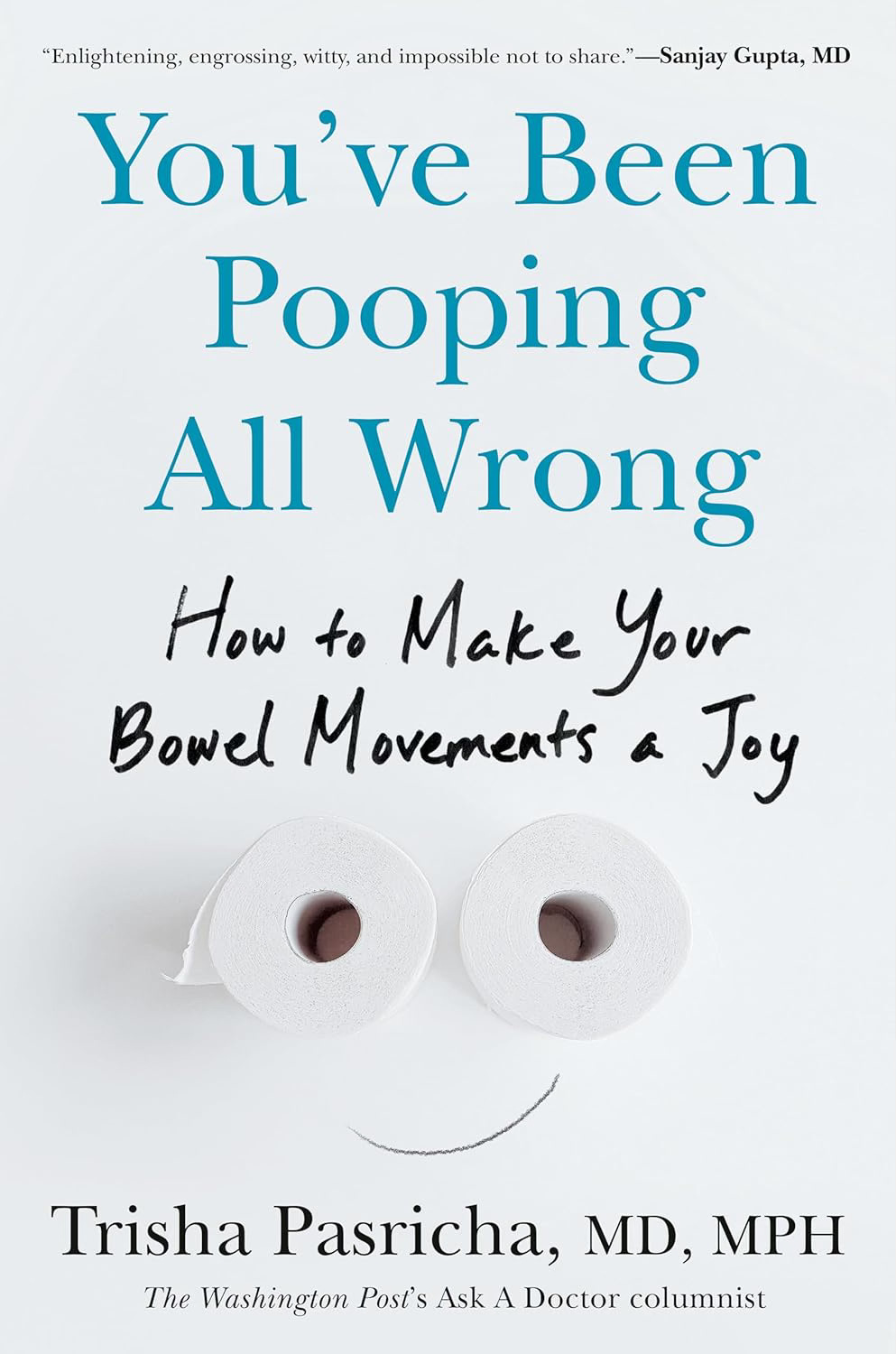
Trisha Pasricha: How to Get to Poophoria, Making Your Bowel Movements a Joy!
Dr. Trisha Pasricha is a gastroenterologist, Assistant Professor at Harvard Medical School, and the Ask a Doctor columnist for The Washington Post. Her new book gets deep into the stigmatized, taboo, rarely discussed topics of our bowel movements and farts, no less the science that backs that up, with lucid explainers for the mechanisms (such as the gut-brain axis). Her research is on the gut origin of Parkinson’s disease.Here’s a quote from Trisha early in the book:“I’m not a wellness guru. I’m a scientist.”Another quote from a Vanderbilt professor:“An effortless, socially appropriately timed bowel movement is the second greatest bodily pleasure known to man.”The proportion of people with bowel issues is remarkable, a brief summary:Some of the topics covered in our lively, fun and highly informative conversation:—The 3 P’s Propulsion, Pliability, Pelvic Floor—Ten Myths—99% of farts have no odor; the 1% that do are from hydrogen sulfide, Pepto-Bismol substantially reduces the latter (and an incredible experiment of people with rectal tubes and judges smelling their gas)—What is the normal frequency of pooping?—the Bristol Scale of poop appearance and what it means—Transit time—The uselessness and danger of bowel cleanses—Fibermaxxing—5 minutes max on the toilet and positions to help propulsion—Psyllium and laxatives—The art of wiping and bidets—Fecal incontinence—Not to miss urges and the TRPV1 and PIEZO2 receptors—Impact of coffee, alcohol, NSAIDs (Ibuprofen, aspirin, naproxen, etc), and hydration—What are the different definitions of constipation?—What gives poop its color?********************************************Thank you YOUR DOCTOR KLOVER, Nickhil Jakatdar, Ph.D., Bob Fleischman, karemm, Jessica Nguyen, and >600 others for tuning into our live video with Trisha Pasricha! Join me for my next live video and newsletters in the app.And a big thanks to Ground Truths subscribers (> 200,000) from every US state and 212 countries. Your subscription to these free essays and podcasts makes my work in putting them together worthwhile. Please join!If you found this interesting PLEASE share it!Paid subscriptions are voluntary and all proceeds from them go to support Scripps Research. They do allow for posting comments and questions, which I do my best to respond to. Please don’t hesitate to post comments and give me feedback. Let me know topics that you would like to see covered.Many thanks to those who have contributed—they have greatly helped fund our summer internship programs for the past two years. It enabled us to accept and support 47 summer interns in 2025! We aim to accept even more of the several thousand who will apply for summer 2026. Get full access to Ground Truths at erictopol.substack.com/subscribe
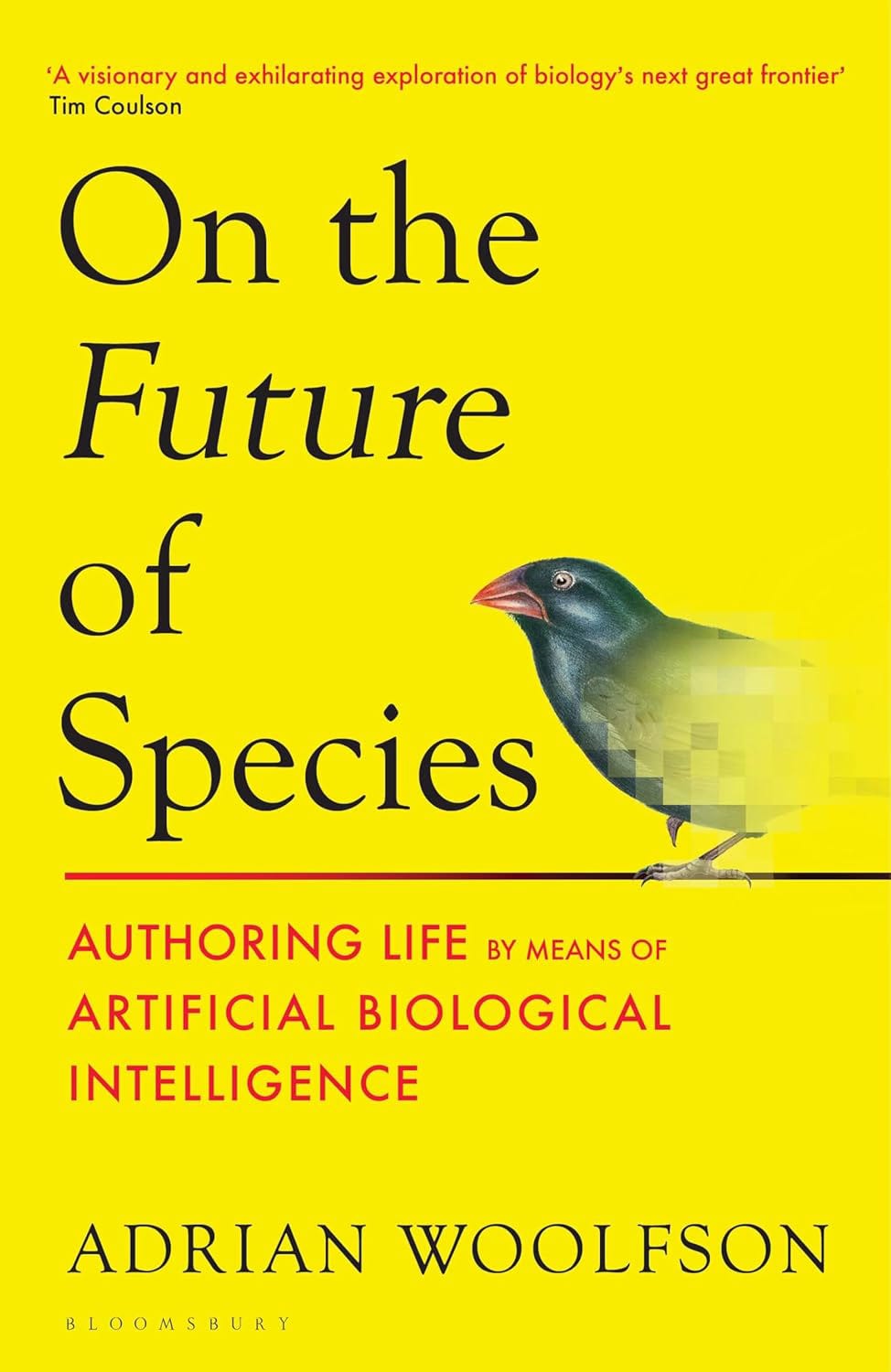
On the Future of Species
Adrian is a molecular biologist and co-founder and CEO of Genyro, a synthetic biology company. He has published 2 previous books on life science (Life Without Genes and An Intelligent Person’s Guide to Genetics). In this conversation we discussed his new book, cover below and the title of this post.ABI. As Adrian puts it, a monumental shift, a second genesis, the “artivolution,” ability to use a molecular Gutenberg press, it’s post-Darwinian. I made an infographic about the book and our conversation with NotebookLMThe expansion of genome sequences beyond “Fred’s library” (referring to Fred Sanger, father of genome sequencing, little green box)We talked about the jump from DNA reading to editing and now writing genomes, with the potential of the latter for both good and harm. I disagreed with Adrian about the bright prospects for curing diseases, but there are many possibilities for positive impact, such as intervening vs the climate crisis and sustainability.We also discussed the large language of life models (LLLMs) and by coincidence my colleagues and I just published a review of these in this Nature Biotechnology (←free access is hyperlinked).“It should be possible to meet most of humanity’s needs through biologically inspired designs—to solve many global problems, revolutionize health care, extend human lifespan, and create other organisms to order.”—Adrian WoolfsonIf you are into life science, I think you’ll find Adrian’s book thoughtful and provocative, even if you don’t agree with some of his optimism like a disease-free organism.The topic connects with digital biology, a theme that is approached in many editions of Ground Truths, such as this one with Patrick Hsu***************************************************Thank you Ric Bayly, Kevin Johnson, MD, YOUR DOCTOR KLOVER, Patricia Scott, Anne, and more than 600 others for tuning into my live video with Adrian Woolfson! Join me for my next live video in the app.And a big thanks to Ground Truths subscribers (> 200,000) from every US state and 212 countries. Your subscription to these free essays and podcasts makes my work in putting them together worthwhile. Please join!If you found this interesting PLEASE share it!Paid subscriptions are voluntary and all proceeds from them go to support Scripps Research. They do allow for posting comments and questions, which I do my best to respond to. Please don’t hesitate to post comments and give me feedback. Let me know topics that you would like to see covered.Many thanks to those who have contributed—they have greatly helped fund our summer internship programs for the past two years. It enabled us to accept and support 47 summer interns in 2025! We aim to accept even more of the several thousand who will apply for summer 2026. Get full access to Ground Truths at erictopol.substack.com/subscribe
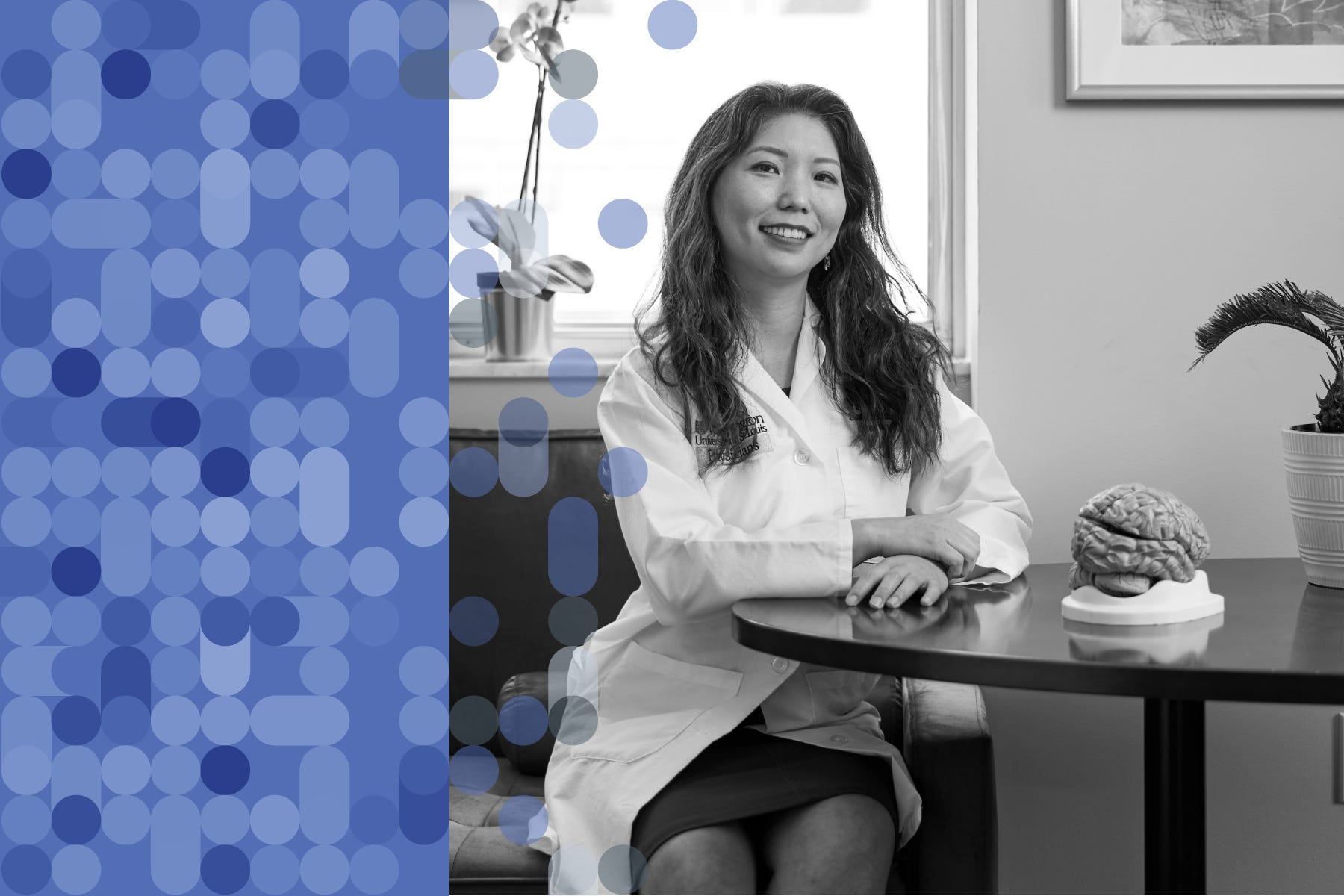
A Master Class on Sleep
Yo-El Ju is the Barbara Burton and Reuben Morris Professor of Neurology at Washington University, St. Louis. She got her AB from Harvard and MD from Columbia and actively practices sleep medicine and is a prolific researcher, one of the top sleep scientists in the country. Here are some of the topics we discussed and a few related hyperlinked citations:—Importance of Deep Sleep (and her paper on what happens when deep sleep is purposely disrupted, how it is modulated, effect of alcohol —The Orexin Antagonist drugs that promote sleep (and a study that shows they can reduce p-tau217 and other neuroinflammation markers—Link of sleep regularity with less all-cause, cardiovascular, and cancer related mortalityFigure 3.9 from SUPER AGERS (SRI-sleep regularity index) More things we discussed:—A sleep foundation model that predicts 130 diseases—Impact of menopause on sleep—Getting to sleep vs staying asleep—Role of naps—Impact of interruptions of sleep—Sleep apnea and new interventions—Vagal nerve stimulation and sleep—Cerebrospinal fluid wave that occurs during attention lapse after poor sleep—cognitive behavioral therapy for improved sleep —Wearables, sleep scores, and effect on sleep—Any supplements that help sleep?—The rare genetically endowed short sleepersThank you Jeoffry Gordon, MD, MPH, Dr. Sara Wolfson, Lynn L, Vau Geha, Bernie Newman, and more than 600 others for tuning into my live video with Yo-El Ju! Join me for my next live video in the app.**************************************************Thanks to Ground Truths subscribers (> 200,000) from every US state and 210 countries. Your subscription to these free essays and podcasts makes my work in putting them together worthwhile. Please join!If you found this interesting PLEASE share it!Paid subscriptions are voluntary and all proceeds from them go to support Scripps Research. They do allow for posting comments and questions, which I do my best to respond to. Please don’t hesitate to post comments and give me feedback. Let me know topics that you would like to see covered.Many thanks to those who have contributed—they have greatly helped fund our summer internship programs for the past two years. It enabled us to accept and support 47 summer interns in 2025! We aim to accept even more of the several thousand who will apply for summer 2026.+++++++++++++++++++++++++++++I also want to thank the National Academies of Science, Medicine and Engineering for their recent recognition. Get full access to Ground Truths at erictopol.substack.com/subscribe

Robert Wachter & Eric Topol - Discuss a Giant Leap Book
Get full access to Ground Truths at erictopol.substack.com/subscribe
Vagus Nerve Stimulation and the Immune System
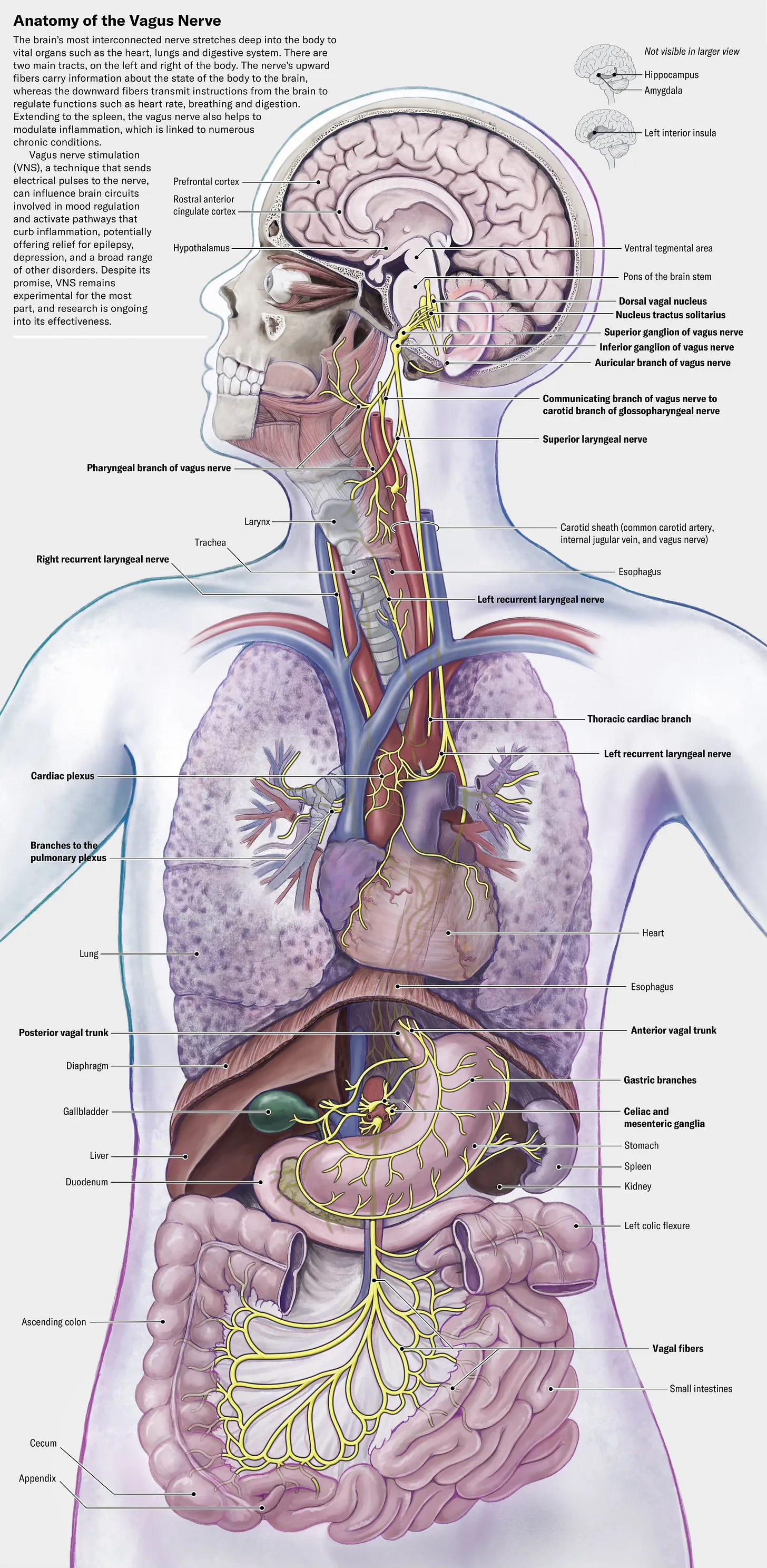
The vagus nerve, also known as the Great Nerve, connects the brain to all parts of the body, like an internet (Figure below). Every week we’re learning more about its importance for health and disease. Until recent years the brain and immune system were thought to be in separate “firewalled” compartments. But that turned out to be far from the truth.Dr. Kevin Tracey, who directs the Feinstein Institute at Northwell Health, has been studying the vagus nerve for more than 3 decades. In the early 1990’s he made the seminal observation that stimulating the vagus reduces the inflammatory cytokine known as tumor necrosis factor (TNF), what he described at the time as a “holy s**t” moment. In 2025 he published the book THE GREAT NERVE with many rich patient anecdotes and the history for how this field developed.I wrote about the brain-immune axis previously on Ground Truths, spotlighting the vagus nerve’s role. That included much more on depth of the pathways if you are interested.We discussed the recent FDA July approval for refractory rheumatoid arthritis (RA)(unresponsive to medications or intolerance to medical therapy) based on a sham-controlled randomized trial published in December 2025 in Nature Medicine. It is striking that the benefits were derived from 1 minute of vagal stimulation per day. That stimulation is barely perceived (tingling, many not at all) by device recipients. The surgery takes one hour to implant the tiny stimulator device along side the vagus nerve in the neck. But this is much bigger than a treatment for RA. It is now being tested for lupus, Crohn’s disease, and other autoimmune conditions. That’s beyond the role vagus nerve stimulation (VNS) has played for epilepsy and depression, independent of VNS’s anti-inflammatory impact (Tracey named it “the inflammatory reflex”).We also discussed handheld VNS devices, potential use for Long Covid and POTS, cold plunges, heart rate variability, stress, and other topics related to the vagus nerve and parasympathetic nervous system (the brakes, “rest and digest” as opposed to the sympathetic nervous system (the gas, “fight or flight”).Most people are not aware of this device approved treatment for an autoimmune disease. Our treatments are so drug-centric but they are immunosuppressive, have important side-effects, and are expensive. It’s good to see a non-drug approach get compelling data as an alternative. Moreover, as I recently wrote about, there’s a shift ongoing from treatment to cures vs autoimmune diseases that will be adding to the mix.Here are some very recent papers about the vagus nerve to give you a sense about how its prominence is getting appreciated more all the timeGut-brain-vagus axis for reward circuit and addiction, 30 Jan 2026, Science AdvancesRandomized trial of VNS for depression , Int J of Neuropsychopharm 2026 The vagus nerve role in heart function after a heart attack, Cell, February 2026Vagus receptors and hemorrhage, blood volume, Nature, 28 Jan 2026A Quick PollThank you Harshi Peiris, Ph.D., Tay MacIntyre, David Dansereau, MSPT, Max Manwaring-Mueller, RJ, and over 600 others for tuning into my live video with Kevin J. Tracey, MD! Join me for my next live video with Robert Wachter Feb 4th, 12:30 PM PT in the app.**********************************************Thanks to Ground Truths subscribers (approaching 200,000) from every US state and 210 countries. Your subscription to these free essays and podcasts makes my work in putting them together worthwhile. Please join!If you found this interesting PLEASE share it!Paid subscriptions are voluntary and all proceeds from them go to support Scripps Research. They do allow for posting comments and questions, which I do my best to respond to. Please don’t hesitate to post comments and give me feedback. Let me know topics that you would like to see covered.Many thanks to those who have contributed—they have greatly helped fund our summer internship programs for the past two years. It enabled us to accept and support 47 summer interns in 2025! We aim to accept even more of the several thousand who will apply for summer 2026. Get full access to Ground Truths at erictopol.substack.com/subscribe
A Look Into the Blue Zones
Back in 2005 Dan Buettner patented Blue Zones. He’s written 9 books, of which 5 were NY Times bestsellers, and has another one in the works. His 2023 Netflix documentary series “Live to 100: Secrets of the Blue Zones” won Emmy awards and was widely viewed. Many of the main points that Dan has emphasized over the years—healthy diet (he highlighted whole grains, beans, nuts, greens, and “peasant food” here), physical activity, social engagement, and sense of purpose—are backed up by randomized trials and/or large, prospective studies, as I reviewed in Super Agers. In this interview, I asked Dan about the critique he’s faced, predominantly from Saul Newman, a biologist in the UK, about accuracy of the data for extreme longevity in the blue zones. In December 2025, two of his collaborators published in The Gerontologist a rebuttal response (open-access) entitled “The validity of Blue Zones demography: a response to critiques” on the rigorous demographic work they’ve done. We also discussed the marketing and business operations of Blue Zones LLC, the company he sold to Adventist Health in 2020. His son, Danny, is the EVP of the company and likely successor to Dan’s work in the future. As Dan said, “He’s my genetic upgrade.”I hope you find this conversation informative. An AI-generated transcript is available in the tab at top right above. Some biomedical updates from the past week:* A vaccine to prevent colon cancer in carriers of mutations of Lynch Syndrome looks good for strong immune response and safety, ready for Phase 3 clinical trials * A review of the data of Tylenol during pregnancy reaffirms its safety and lack of increased risk for autism, ADHD, and intellectual disability.* Our perspective/review on how AI and large language models can reduce global health inequities* Another big jump vs refractory autoimmune diseases, this time for hemolytic anemia, using engineered T cells. See my recent review of this topic, from treatment to cures.* A pair of new large prospective cohort studies that reinforce the importance of even small increases in physical activity, along with sleep and diet, for reduction all-cause mortality and improvement in healthspan.Thanks to Ground Truths subscribers (nearly 200,000) from every US state and 210 countries. Your subscription to these free essays and podcasts makes my work in putting them together worthwhile. Please join!If you found this interesting PLEASE share it! Paid subscriptions are voluntary and all proceeds from them go to support Scripps Research. They do allow for posting comments and questions, which I do my best to respond to. Please don’t hesitate to post comments and give me feedback. Let me know topics that you would like to see covered.Many thanks to those who have contributed—they have greatly helped fund our summer internship programs for the past two years. It enabled us to accept and support 47 summer interns in 2025! We aim to accept even more of the several thousand who will apply for summer 2026Thank you Annie Fenn, MD, Harshi Peiris, Ph.D., Strategy Shots, Rebecca Moore, Lynn L, and many others for tuning into my live video with Dan Buettner! Join me for my next live video in the app. Get full access to Ground Truths at erictopol.substack.com/subscribe
How Our Brain Drains Its Waste Products
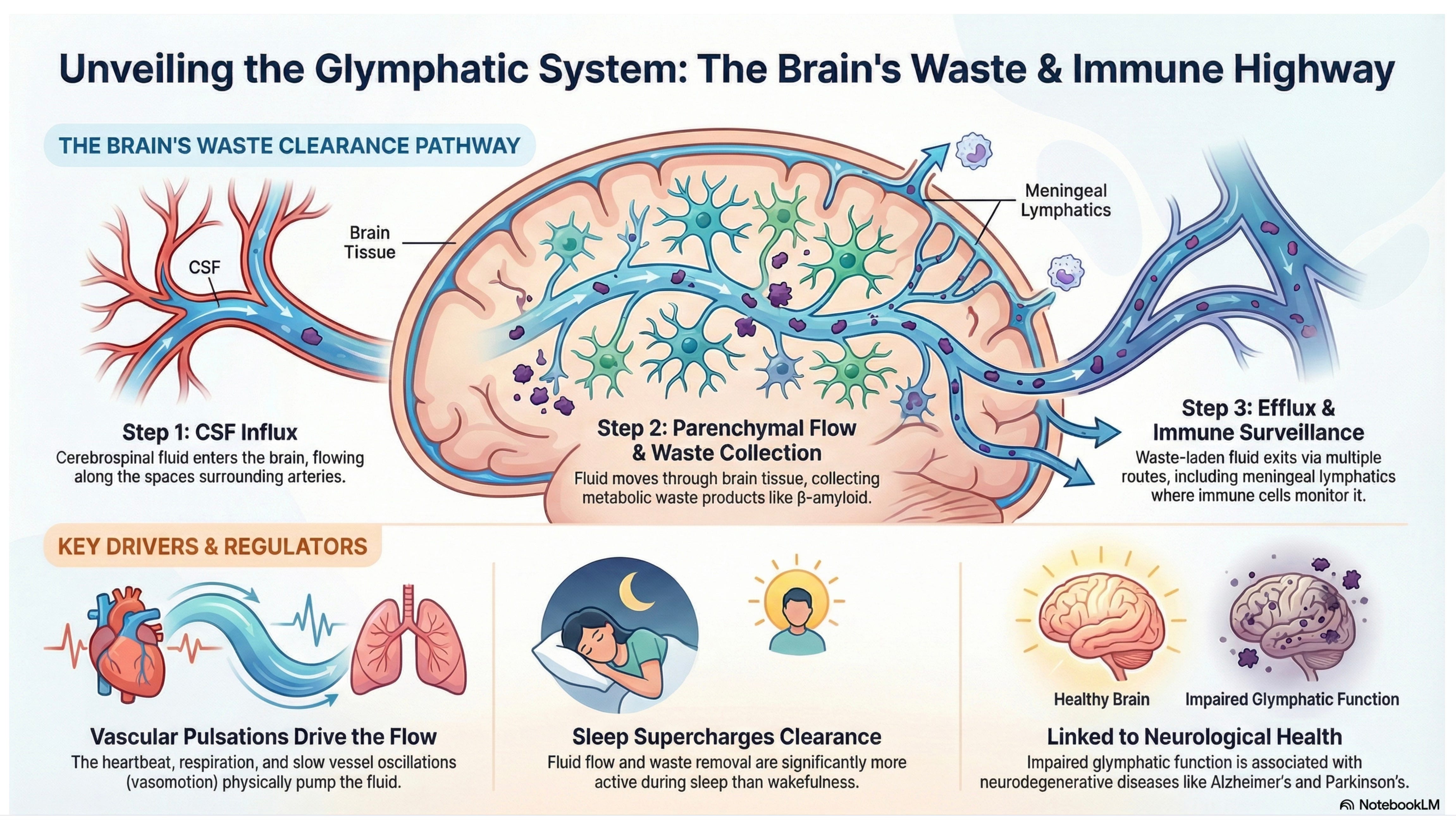
Jonathan Kipnis is a neuroscientist, the Alan A. and Edith L. Wolff Distinguished Professor of Pathology and Immunology at Washington University, St. Louis, who discovered meningeal lymphatics and has been a prolific researcher in brain drainage and the continuous immune system surveillance of the brain.I made this infographic with the help of Notebook LM to summarize many of the concepts we discussed. (Notebook LM is free and worth trying)We went over his new review with 24 co-author leading experts in the recent issue of NeuronA Clever Cover The drainage system anatomy on influx and efflux (blue arrows)The 3 ways the flow of glymphatics are modulated. I mentioned the recent studies that show atrial fibrillation, via reduced cardiac pulsation, has an effect on reducing glymphatic flow. We also discussed his recent review on the immune surveillance system in Cell:A schematic of key channels for the “faucet” and “drain” and how the system changes from healthy to central nervous system autoimmune diseases (such as multiple sclerosis) and aging with different immune bar codes.The outsized role of astrocytes in the brain, a subject of recent Nature feature, was also mentioned.Our understanding of the brain’s immune system has been completely revamped. Kipnis’s recent review in Nature Immunology highlights the critical role of the outer layers —the skull, dura and meninges—as an immune reservoir that is ready to detect and react abnormalities in the brain with a continuous “intelligence report.”Notably, Kipnis touched on lymphatic-venous anastomosis (LVA) surgery (Figure below) for Alzheimer’s disease which is popular in China, available at 30 centers in multiple cities, and the subject of multiple randomized trials as a treatment for Alzheimer’s. Trials of LVA surgery are also getting started in the United States for treatment of Alzheimer’s and Parkinson’s diseases. Here is a Figure to show the surgical anastomoses (connections) from the deep cervical lymphatics to external jugular and internal jugular veinsThis podcast was packed with insights relevant to health, spanning sleep quality, sleep medications, autoimmune diseases, and Alzheimer’s disease. I hope you find it as informative and engaging as I did.A Poll************************************This is my 4-year anniversary of writing Ground Truths. Post number 250! That’s an average of more than 1 per week, nearly 5 per month. Hard for me to believe.Thanks to Ground Truths subscribers (approaching 200,000) from every US state and 210 countries. Your subscription to these free essays and podcasts makes my work in putting them together worthwhile. Please join!If you found this interesting PLEASE share it!Paid subscriptions are voluntary and all proceeds from them go to support Scripps Research. They do allow for posting comments and questions, which I do my best to respond to. Please don’t hesitate to post comments and give me feedback. Let me know topics that you would like to see covered.Many thanks to those who have contributed—they have greatly helped fund our summer internship programs for the past two years. It enabled us to accept and support 47 summer interns in 2025! We aim to accept even more of the several thousand who will apply for summer 2026Thank you EG, Alan, Lynn L, Stacy Mattison, Jackie, and many others for tuning into my live video with Jonathan Kipnis! Join me for my next live video in the app. Get full access to Ground Truths at erictopol.substack.com/subscribe
The Story of Francis Crick, a new masterpiece biography by Matthew Cobb
A recording from my enthralling conversation with Prof Matthew Cobb about the life and science contributions of Francis Crick, regarded as one of the most influential biologists of all times, along with Darwin and Mendel. As you’ll see, there’s so much more to Crick’s story than cracking DNA’s double helix structure in a matter of weeks with James Watson. Matthew Cobb, Emeritus Professor of the University of Manchester, has written several award-winning books on life science, but I think this is his most important one to date, deeply researched and a thrilling account of Crick’s life, clearing up, as best as one can, many questions, and presenting some surprises.The transcript is available (A.I. generated) by clicking at the top right.A few things we discussed—Crick’s reaction to James Watson’s bookCrick contrasted his own approach to science writing with Watson’s memoir: “The difference between my lecture and your book is that my lecture had a lot more intellectual content and nothing like so much gossip. (...) Your book on the other hand, is mainly gossip and I think it a pity in this way that there is so much of it that it obscures some of the important conclusions which can be drawn of what we did at the time”.—The Peyote Poem, by Michael McClure (part 1) that had a big influence on Crick—Crick’s 1994 neuroscience book “The Astonishing Hypothesis”“You, your joys and your sorrows, your memories and your ambitions, your sense of personal identity and free Weill, are in fact no more than the behavior of a vast assembly of nerve cells and their associated molecules.”—CrickThe book has been reviewed at Science, Nature, The Economist and many other journals. Here is a gift link to The Economist It has deservedly been named a best book of 2025 by The Guardian, The Economist, and many other media.Thank you Bruce Lanphear, Harshi Peiris, Ph.D., Elisabetta Pilotti, Allan Konopka, Stephen B. Thomas, PhD, and over 500 others for tuning into my live video with Matthew Cobb! *********************Upcoming, this Wednesday 9AM PT, live podcastI will be interviewing Dan Buettner founder of the Blue Zones Join us!**********************Thanks to US News for recently being named one of the 25 best leaders in the United Stateshttps://www.usnews.com/news/leaders/articles/best-leaders-2025-eric-topol^^^^^^^^^^^^^^^^^^^^^^Thanks to >190,000 Ground Truths subscribers from every US state and 210 countries. Your subscription to these free essays and podcasts makes my work in putting them together worthwhile.If you found this interesting PLEASE share it!Paid subscriptions are voluntary and all proceeds from them go to support Scripps Research. They do allow for posting comments and questions, which I do my best to respond to. Please don’t hesitate to post comments and give me feedback. Let me know topics that you would like to see covered.Many thanks to those who have contributed—they have greatly helped fund our summer internship programs for the past two years. It enabled us to accept and support 47 summer interns in 2025! We aim to accept even more of the several thousand who will apply for summer 2026. Get full access to Ground Truths at erictopol.substack.com/subscribe
Jennifer Gunter & Eric Topol: Discuss Women’s Health and Recent Changes by FDA for MHT
A couple of weeks ago, the FDA Commissioner published a WSJ oped “The FDA Liberates Women’s Hormone Replacement Therapy” (←gift link) and, with other FDA colleagues, a JAMA essay entitled “Updated Labeling for Menopausal Hormone Therapy” (open-access). That change, and the data cited, led to a series of articles in the days that followed, such as at STAT News “FDA reverses decades-old warning on hormone therapy products for menopause. Agency says the treatments o!fer heart, brain, and bone health benefits” and at the Washington Post “The FDA finally corrects its error on menopause hormone therapy. Women have been needlessly scared away from effective treatments.” If you read through these links, you’ll be confused. Does MHT have proven cognitive benefits? What about a study from 1991 that showed ~50% reduction of fatal heart events with MHT? Or the 35% decreased risk of Alzheimer’s disease? Or the breast cancer increased risk attributed to medroxyprogesterone acetate?I turned to my go-to gynecologist truth teller, Dr. Jen Gunter, to get her review of the evidence. This is a complex topic, with old data from the 2002 Women’s Heath Initiative (WHI), new reports since, population level analysis, changes in preparations of MHT including local delivery, and much more.Here is our conversation which isn’t just about MHT but includes “Big Wellness” marketing direct to middle aged women, the new FDA approved drug for hot flashes, the $14 million cut of the NIH’s Office of Women’s Health , marked increase in philanthropic support of women’s health research, the Surgeon General nominee, ovarian failure, and a lightning round on proven benefits of MHT.Here’s a brief clip on her views of the women’s health “wellness” predatorsWe also discussed the reasons for Dr. Gunter’s planned move next year back to Canada after practicing gynecology for 3 decades in the United States. I referred to a recent GT I wrote about the WHI and the potential favorable impact of MHT on the immune system, as suggested by new data on organ clocks. That finding, which has been replicated, may be linked to healthy aging, extending healthspan.****************************Thanks to the >190,000 Ground Truths subscribers from every US state and 210 countries. Your subscription to these free essays and podcasts makes my work in putting them together worthwhile.If you found this interesting PLEASE share it!Paid subscriptions are voluntary and all proceeds from them go to support Scripps Research. They do allow for posting comments and questions, which I do my best to respond to. Please don’t hesitate to post comments and give me feedback. Let me know topics that you would like to see covered.Many thanks to those who have contributed—they have greatly helped fund our summer internship programs for the past two years. It enabled us to accept and support 47 summer interns in 2025! We aim to accept even more of the several thousand who will apply for summer 2026.Thank you Debbie Weil, Cynthia Brumfield, Sara Garcia, Harshi Peiris, Ph.D., Liane Moccia, and over 1,000 others for tuning into my live video with Dr. Jen Gunter! Join me for my next live video in the app. Get full access to Ground Truths at erictopol.substack.com/subscribe

Dr. Susan Monarez—Former CDC Director, First Live Interview
Dr. Susan Monarez was the first CDC Director to be confirmed by the Senate and served from July 31, 2025 – August 27, 2025. Because she refused to give approval to new vaccine recommendations without ever seeing them or their evidence and firing scientists without cause, she was fired. In my view, she’s a hero for standing up for science and speaking truth to power.In her first live interview since leaving the CDC, we review her background. That includes growing up in rural Wisconsin and getting her college and PhD education at UW-Madison, the latter in microbiology and immunology. She then went on to 18 years of government service with an extensive portfolio of jobs and management at BARDA, the White House, ARPA-H, and others, before becoming Acting Director of the CDC in early 2025.We discussed the horrific CDC shooting on August 8th, days after she started. Then we reviewed a conversation that we had on August 19th in which she laid out her exciting vision for the future of CDC, emphasizing the goal of prevention (BTW, CDC stands for Centers for Disease Control and Prevention) and asked me to help as an advisor. At the time, she was well aware, with growing tension, that her tenure at CDC might be limited. I asked about her perspective for the jobs of 4,300 people at CDC who have been terminated, which account for more than 1/3rd of the workforce, no less the gutting of the budget.Then we got into what she learned from this ordeal and her plans for the future, which includes a very ambitious initiative: 90/90/2035. As you’ll see from our conversation, Dr. Monarez is exceptionally resilient and an optimist. She’s got lots to do in the years ahead to carry out her mission of promoting human health!Dr. Monarez just started a Substack The Road Best Traveled so you can follow her there. It was a real privilege for me to do this interview with her. In deep admiration of her willingness to not only take on the job of CDC Director in tough circumstances, her professionalism during testimony at the Senate committee hearing, her impressive yet unrealized vision for transforming the CDC, and refusing to cave to immense pressure from the HHS Secretary to move ahead with his agenda. Thank you Julie, Stephen B. Thomas, PhD, David Dansereau, MSPT, Dr. Sara Wolfson, Vau Geha, and >500 others for tuning into my live video with The Road Best Traveled! Thanks for being a Ground Truths subscriber! Please spread the word. Get full access to Ground Truths at erictopol.substack.com/subscribe

Seth Berkley & Eric Topol - Discuss Fair Doses Book
Get full access to Ground Truths at erictopol.substack.com/subscribe

Tom Frieden & Eric Topol - Discuss the Formula for Better Health Book
Get full access to Ground Truths at erictopol.substack.com/subscribe
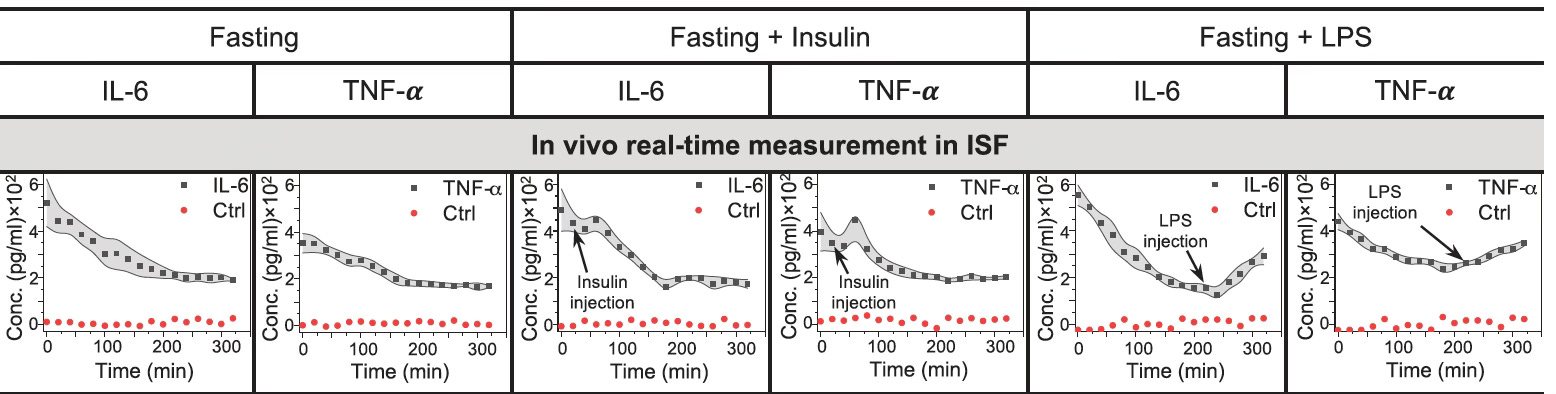
Shana Kelley: Biosensors to Track Proteins and Inflammation in Our Blood in Real Time
Prof Shana Kelley is the Neena Schwartz Professor of Chemistry and Biomedical Engineering at Northwestern University and President of the CZI Chicago Biohub, which brings together life scientists at Northwestern, University of Chicago, and U. Illinois Urbana Champaign. Her lab’s website provides recent publications in the 3 major areas of biomolecular sensors, rare and single cell analysis, and intracellular molecular delivery.You are undoubtedly familiar with wearable biosensors on the wrist and rings, and continuous glucose monitoring (CGM), all of which can transmit physiologic data in real time to your smartphone. What is different about Prof Kelley’s work is the ingenious way of continuously tracking any proteins in our blood via a sensor that could function just like CGM in the future (hair thin sensor applied just below the skin and data relayed to your smartphone). A proof-of-concept paper in Science showed how exquisitely sensitive such a sensor worked to track inflammation markers [interleukin-6 (IL-6) and tumor necrosis factor (TNF)] in the diabetic rat model. As seen. below, just the injection of insulin evoked inflammation, and introduction of lipopolysaccharide (LPS) did so markedly.This capability opens up the potential for monitoring body-wide inflammation in real time, but also extends to many other conditions such as autoimmune diseases, heart failure (e.g. continuous brain natriuetic peptide monitoring), and neurodegenerative diseases (with specific markers of neuroinflammation). This innovation represents a new dimension in individualized (precision) medicine.In our conversation, Shana takes us through the discovery of these unique bimolecular sensors that have no reagents, and use electricity to shake off the protein from DNA strands. And she maps out the path to clinical trials and commercialization in the next couple of years.Thank you Stephen B. Thomas, PhD, Linda Kemp, Lynn L, Pat Mumby PhD, David Hobson, and many others for tuning into my live video with Shana Kelley! Join me for my next live video in the app, along with posts on biomedical news and analysis.***********************************************************************Thanks you for your listening, reading and subscribing to Ground Truths.If you found this interesting PLEASE share it!That makes the work involved in putting these together especially worthwhile.All content on Ground Truths—its newsletters, analyses, and podcasts, are free, open-access.Paid subscriptions are voluntary and all proceeds from them go to support Scripps Research. They do allow for posting comments and questions, which I do my best to respond to. Please don't hesitate to post comments and give me feedback. Let me know topics that you would like to see covered.Many thanks to those who have contributed—they have greatly helped fund our summer internship programs for the past two years. It enabled us to accept and support 47 summer interns in 2025! Get full access to Ground Truths at erictopol.substack.com/subscribe
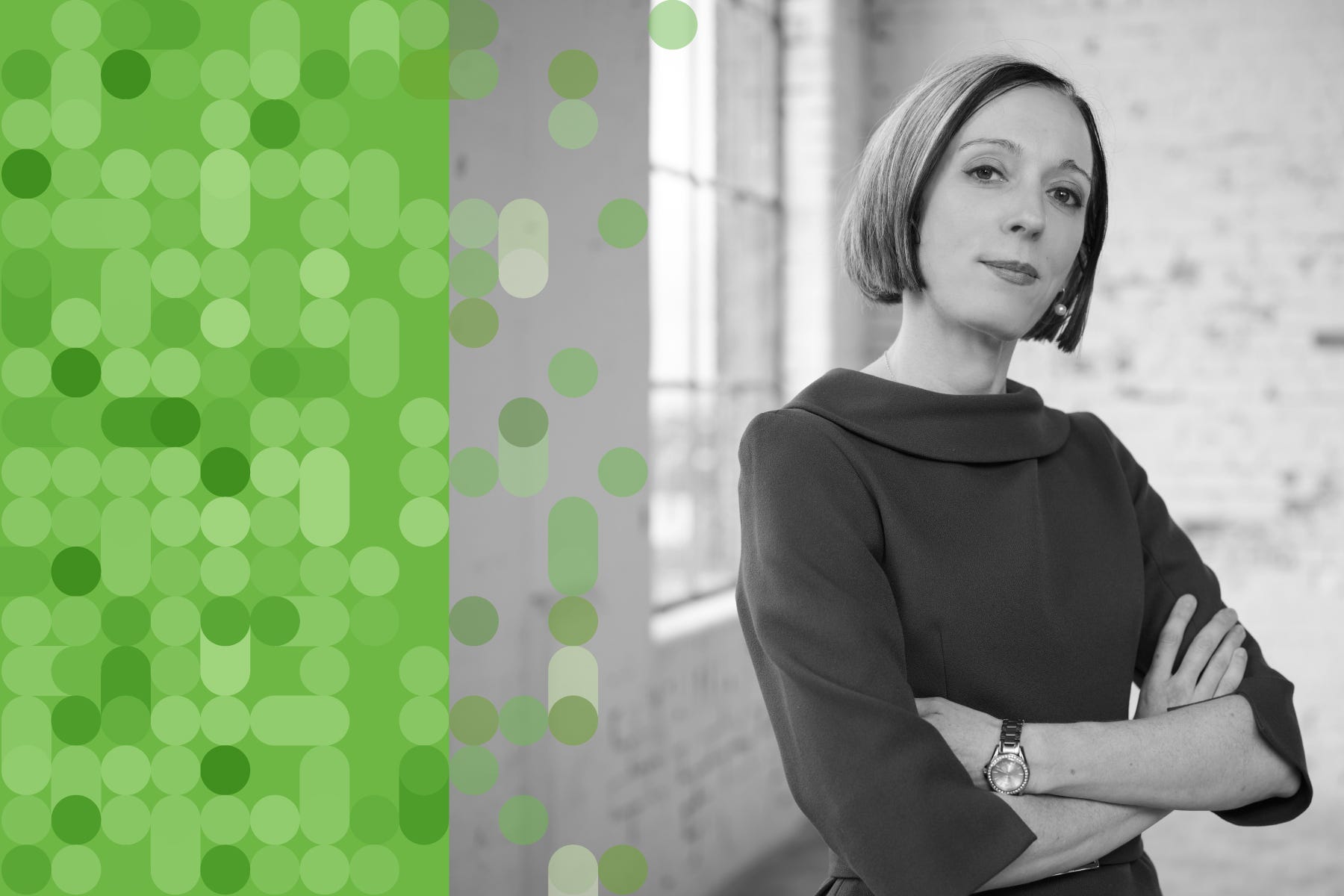
Charlotte Blease: Is A.I. Going to Remedy Medicine’s Problems?
Thank you Bruce Lanphear, Clyde Wilson, Tracy Dennis-Tiwary, Diego Pereyra, Dr Mike Hunter, and many others for tuning into my live video with Charlotte Blease! Join me for my next live video in the app.Whether A.I. will transform the practice of medicine in a positive way remains controversial. Health researcher Prof Charlotte Blease, on faculty at Uppsala University in Sweden and researcher at Harvard University, has written a new book —Dr. Bot—that critically assesses the unmet needs in healthcare and whether A.I. can fulfill them. She provides an optimistic viewpoint (see the subtitle), and our conversation probes whether that is justified. She has a substack, too, hereThanks for listening to Ground Truths. Through analytic essays and podcasts, I try to cover the important issues and discoveries in life science and medicine. If you have suggestions for topics I should get into, please pass them along. Get full access to Ground Truths at erictopol.substack.com/subscribe
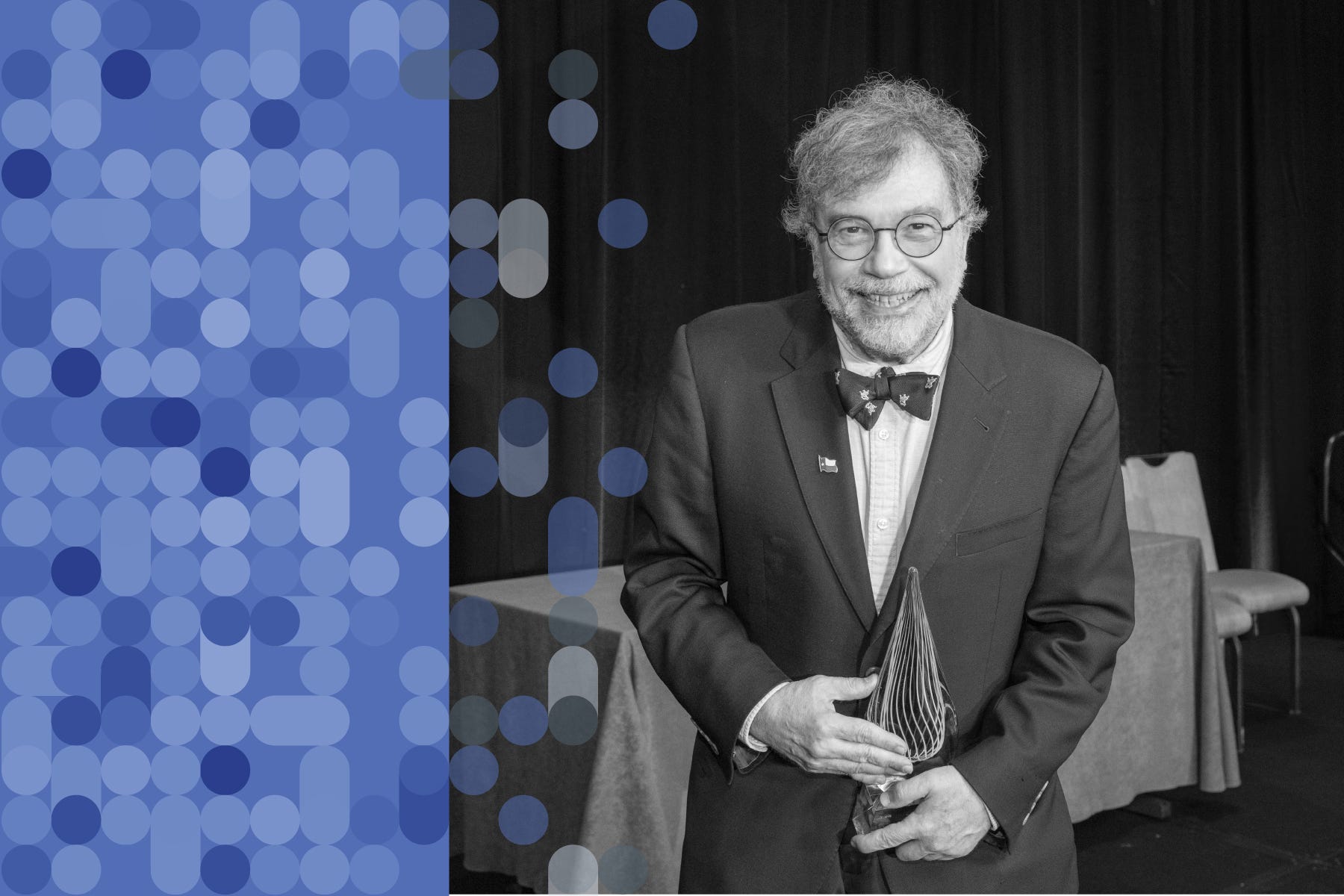
Peter Hotez & Eric Topol - Discuss “Science Under Siege” book
Thank you Sara Garcia, Andrew O'Malley BSc PhD, Sam Hester, Julie, Stephen B. Thomas, PhD, and so many others for tuning into my live video with Peter Hotez! Join me for my next live video in the app.Peter Hotez and I discuss his new book, co-authored with Michael Mann, SCIENCE UNDER SEIGE, on the anti-science superstorm culminating from the climate crisis, the Covid pandemic, and a vast interconnected network that has waged a direct assault on scientific truth.During our conversation we trace history of priors in civilization, such as Lysenko and Stalinism in the last century. And acknowledge the future role of A.I. for promoting infinite disinformation. Beyond human suffering and direct health outcome consequences (such as Red Covid), the toll this is taking on the career of young scientists, universities, public health agencies, and loss of public trust are reviewed. The interdependent role of the media and the wellness industry is touched on.The book and our conversation puts forth a call to arms, potential solutions, including the need to move away from invisible scientists and political activism.Thanks for listening to Ground Truths podcasts and reading the analytic posts.In case you missed any, these are a few recent and related ones:Podcasts with Michael Osterholm and Sanjay Gupta on their new books—The Big One and It Doesn’t Have to Hurt, respectively.Next up is Charlotte Blease and her new book Dr. Bot on where we are headed with medical A.I.If you found this interesting PLEASE share it!That makes the work involved in putting these together especially worthwhile.All content on Ground Truths—its newsletters, analyses, and podcasts, are free, open-access.Paid subscriptions are voluntary and all proceeds from them go to support Scripps Research. They do allow for posting comments and questions, which I do my best to respond to. Please don't hesitate to post comments and give me feedback. Let me know topics that you would like to see covered.Many thanks to those who have contributed—they have greatly helped fund our summer internship programs for the past two years. Get full access to Ground Truths at erictopol.substack.com/subscribe
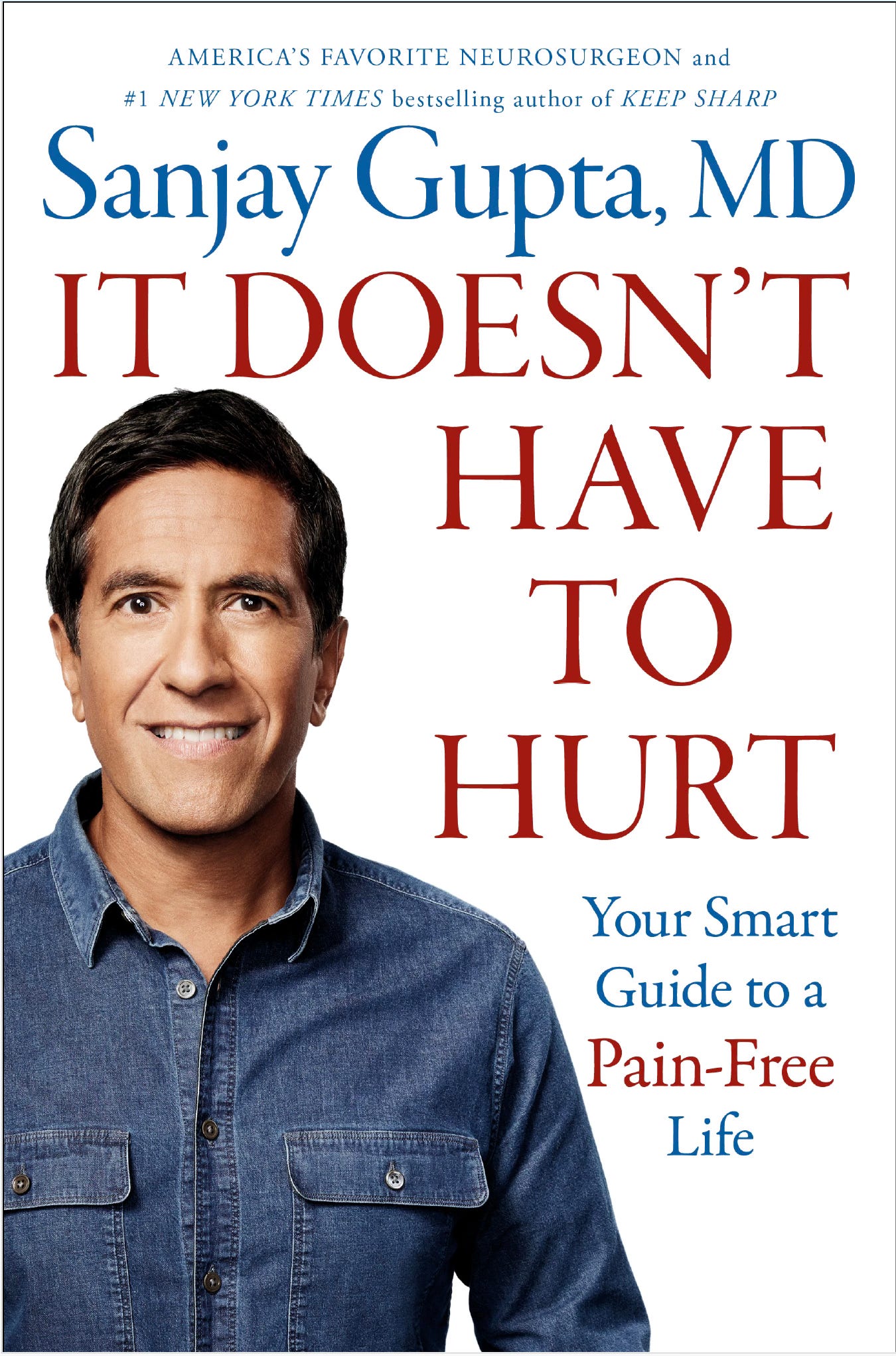
Sanjay Gupta & Eric Topol - Discuss “It Doesn’t Have to Hurt” book
Thank you Jose Bolanos MD, Dr. Zeest Khan, Lawrence Toole, Julie, Stephen B. Thomas, PhD, and many others for tuning into my live video with Dr. Sanjay Gupta. Join me for my next live video in the app.A Brief Summary of Our ConservationWe discussed the new understanding and approach to chronic pain, which affects nearly 1 in 4 adults. Dr. Gupta gets personal telling the story of his wife, Rebecca, who has an autoimmune disease and at one point he had to carry her up stairs. He also tells the story of his mother who had a back injury and didn’t want to live because of the pain. How his family members got relief is illuminating.Our whole understanding and approach to pain has changed, with the acronym change from RICE to MEAT.A newly approved drug Suzetrigine (Journavx) exploits the sodium channel gene mutation initially discovered via a family of fire walkers. It’s the first new pain medicine approved for more than 2 decades. Many other new non-opioid treatments are reviewed, no less lifestyle changes (anti-inflammatory diet and sleep), and acupuncture.Sanjay’s research over the past few years has led to a video special on CNN with the same title as the book, set to air 9 PM EST Sunday. If you know someone suffering chronic pain, please share the post. Get full access to Ground Truths at erictopol.substack.com/subscribe

Mike Osterholm & Eric Topol - Discuss “The Big One” book
Get full access to Ground Truths at erictopol.substack.com/subscribe
Bruce Lanphear: Chronic Lead Exposure, a Risk Factor for Heart Disease
This is a hybrid heart disease risk factor post of a podcast with Prof Bruce Lanphear on lead and a piece I was asked to write for the Washington Post on risk factors for heart disease.First, the podcast. You may have thought the problem with lead exposure was circumscribed to children, but it’s a much bigger issue than that. I’ll concentrate on the exposure risk to adults in this interview, including the lead-estrogen hypothesis. Bruce has been working on the subject of lead exposure for more than 30 years. Let me emphasize that the problem is not going away, as highlighted in a recent New England Journal of Medicine piece on lead contamination in Milwaukee schools, “The Latest Episode in an Ongoing Toxic Pandemic.”Transcript with links to the audio and citationsEric Topol (00:05):Well, hello. This is Eric Topol with Ground Truths, and I'm very delighted to welcome Professor Bruce Lanphear from Simon Fraser University in British Columbia for a very interesting topic, and that's about lead exposure. We tend to think about lead poisoning with the Flint, Michigan, but there's a lot more to this story. So welcome, Bruce.Bruce Lanphear (00:32):Thank you, Eric. It's great to be here.Eric Topol (00:33):Yeah. So you had a New England Journal of Medicine (NEJM) Review in October last year, which was probably a wake up to me, and I'm sure to many others. We'll link to that, where you reviewed the whole topic, the title is called Lead Poisoning. But of course it's not just about a big dose, but rather chronic exposure. So maybe you could give us a bit of an overview of that review that you wrote for NEJM.Bruce Lanphear (01:05):Yeah, so we really focused on the things where we feel like there's a definitive link. Things like lead and diminished IQ in children, lead and coronary heart disease, lead and chronic renal disease. As you mentioned, we've typically thought of lead as sort of the overt lead poisoning where somebody becomes acutely ill. But over the past century what we've learned is that lead is one of those toxic chemicals where it's the chronic wear and tear on our bodies that catches up and it's at the root of many of these chronic diseases that are causing problems today.Eric Topol (01:43):Yeah, it's pretty striking. The one that grabbed me and kind of almost fell out of my chair was that in 2019 when I guess the most recent data there is 5.5 million cardiovascular deaths ascribed to relatively low levels, or I guess there is no safe level of lead exposure, that's really striking. That's a lot of people dying from something that cardiology and medical community is not really aware of. And there's a figure 3 [BELOW] that we will also show in the transcript, where you show the level where you start to see a takeoff. It starts very low and by 50 μg/liter, you're seeing a twofold risk and there's no threshold, it keeps going up. How many of us do you think are exposed to that type of level as adults, Bruce?Bruce Lanphear (02:39):Well, as adults, if we go back in time, all of us. If you go back to the 1970s when lead was still in gasoline, the median blood lead level of Americans was about 13 to 15 µg/dL. So we've all been exposed historically to those levels, and part of the reason we've begun to see a striking decline in coronary heart disease, which peaked in 1968. And by 1978, there was a 20% decline, 190,000 more people were alive than expected. So even in that first decade, there was this striking decline in coronary heart disease. And so, in addition to the prospective studies that have found this link between an increase in lead exposure and death from cardiovascular disease and more specifically coronary heart disease. We can look back in time and see how the decline in leaded gasoline led to a decline in heart disease and hypertension.Eric Topol (03:41):Yeah, but it looks like it's still a problem. And you have a phenomenal graph that's encouraging, where you see this 95% reduction in the lead exposure from the 1970s. And as you said, the factors that can be ascribed to like getting rid of lead from gasoline and others. But what is troubling is that we still have a lot of people that this could be a problem. Now, one of the things that was fascinating is that you get into that herbal supplements could be a risk factor. That we don't do screening, of course, should we do screening? And there's certain people that particularly that you consider at high risk that should get screened. So I wasn't aware, I mean the one type of supplements that you zoomed in on, how do you say it? Ayurvedic?Supplements With LeadBruce Lanphear (04:39):Oh yeah. So this is Ayurvedic medicine and in fact, I just was on a Zoom call three weeks ago with a husband and wife who live in India. The young woman had taken Ayurvedic medicine and because of that, her blood lead levels increased to 70 µg/dL, and several months later she was pregnant, and she was trying to figure out what to do with this. Ayurvedic medicine is not well reg

Owen Tripp: Why Can't I Find and Get to the Right Doctor?
Eric Topol (00:06):Hello, this is Eric Topol from Ground Truths, and I'm delighted to welcome Owen Tripp, who is a CEO of Included Health. And Owen, I'd like to start off if you would, with the story from 2016, because really what I'm interested in is patients and how to get the right doctor. So can you tell us about when you lost your hearing in your right ear back, what, nine years ago or so?Owen Tripp (00:38):Yeah, it's amazing to say nine years, Eric, but obviously as your listeners will soon understand a pretty vivid memory in my past. So I had been working as I do and noticed a loss of hearing in my right ear. I had never experienced any hearing loss before, and I went twice actually to a sort of national primary care chain that now owned by Amazon actually. And they described it as eustachian tube dysfunction, which is a pretty benign common thing that basically meant that my tubes were blocked and that I needed to have some drainage. They recommended Sudafed to no effect. And it was only a couple weeks later where I was walking some of the senior medical team at my company down to the San Francisco Giants game. And I was describing this experience of hearing loss and I said I was also losing a little bit of sensation in the right side of my face. And they said, that is not eustachian tube dysfunction. And well, I can let the story unfold from there. But basically my colleagues helped me quickly put together a plan to get this properly diagnosed and treated. The underlying condition is called vestibular schwannoma, even more commonly known as an acoustic neuroma. So a pretty rare benign brain tumor that exists on the vestibular nerve, and it would've cost my life had it not been treated.Eric Topol (02:28):So from what I gather, you saw an ENT physician, but that ENT physician was not really well versed in this condition, which is I guess a bit surprising. And then eventually you got to the right ENT physician in San Francisco. Is that right?Owen Tripp (02:49):Well, the first doctor was probably an internal medicine doctor, and I think it's fair to say that he had probably not seen many, if any cases. By the time I reached an ENT, they were interested in working me up for what's known as sudden sensorineural hearing loss (SSHL), which is basically a fancy term for you lose hearing for a variety of possible pathologies and reasons, but you go through a process of differential diagnosis to understand what's actually going on. By the time that I reached that ENT, the audio tests had showed that I had significant hearing loss in my right ear. And what an MRI would confirm was this mass that I just described to you, which was quite large. It was already about a centimeter large and growing into the inner ear canal.Eric Topol (03:49):Yeah, so I read that your Stanford brain scan suggested it was about size of a plum and that you then got the call that you had this mass in your brainstem tumor. So obviously that's a delicate operation to undergo. So the first thing was getting a diagnosis and then the next thing was getting the right surgeon to work on your brain to resect this. So how did you figure out who was the right person? Because there's only a few thousand of these operations done every year, as I understand.Owen Tripp (04:27):That's exactly right. Yeah, very few. And without putting your listeners to sleep too early in our discussion, what I'll say is that there are a lot of ways that you can actually do this. There are very few cases, any approach really requires either shrinking or removing that tumor entirely. My size of tumor meant it was really only going to be a surgical approach, and there I had to decide amongst multiple potential approaches. And this is what's interesting, Eric, you started saying you wanted to talk about the patient experience. You have to understand that I'm somebody, while not a doctor, I lead a very large healthcare company. We provide millions of visits and services per year on very complex medical diagnoses down to more standard day-to-day fare. And so, being in the world of medical complexity was not daunting on the basics, but then I'm the patient and now I have to make a surgical treatment decision amongst many possible choices, and I was able to get multiple opinions.Owen Tripp (05:42):I got an opinion from the House clinic, which is closer to you in LA. This is really the place where they invented the surgical approach to treating these things. I also got an approach shared with me from the Mayo Clinic and one from UCSF and one from Stanford, and ultimately, I picked the Stanford team. And these are fascinating and delicate structures as you know that you're dealing with in the brain, but the surgery is a long surgery performed by multiple surgeons. It's such an exhausting surgery that as you're sort of peeling away that tumor that you need relief. And so, after a 13 hour surgery, multiple nights in the hospital and some significant training to learn how to walk

Priscilla Chan & Jennifer Doudna: New Center for Pediatric CRISPR Cures
Eric Topol (00:05):Hello, it's Eric Topol from Ground Truths, and I've got some really exciting stuff to talk to you about today. And it's about the announcement for a new Center for pediatric CRISPR Cures. And I'm delight to introduce doctors Jennifer Doudna and Priscilla Chan. And so, first let me say this is amazing to see this thing going forward. It's an outgrowth of a New England Journal paper and monumental report on CRISPR in May. [See the below post for more context]Let me introduce first, Dr. Doudna. Jennifer is the Li Ka Shing Chancellor's Chair and a Professor in the departments of chemistry and of molecular and cell biology at the University of California Berkeley. She's also the subject of this book, one of my favorite books of all time, the Code Breaker. And as you know, the 2020 Nobel Prize laureate for her work in CRISPR-Cas9 genome editing, and she founded the Innovative Genomics Institute (IGI) back 10 years ago. So Jennifer, welcome.Jennifer Doudna (01:08):Thank you, Eric. Great to be here.Eric Topol (01:10):And now Dr. Priscilla Chan, who is the co-founder of the Chan Zuckerberg Initiative (CZI) that also was started back in 2015. So here we are, a decade later, these two leaders. She is a pediatrician having trained at UCSF and is committed to the initiative which has as its mission statement, “to make it possible to cure, prevent, and manage all diseases in this century.” So today we're going to talk about a step closer to that. Welcome, Priscilla.Priscilla Chan (01:44):Thank you. Thanks for having me.Eric Topol (01:46):Alright, so I thought we'd start off by, how did you two get together? Have you known each other for over this past decade since you both got all your things going?Jennifer Doudna (01:56):Yes, we have. We've known each other for a while. And of course, I've admired the progress at the CZI on fundamental science. I was an advisor very early on and I think actually that's how we got to know each other. Right, Priscilla?Priscilla Chan (02:11):Yeah, that's right. We got to know each other then. And we've been crisscrossing paths. And I personally remember the day you won the Nobel Prize. It was in the heart of the pandemic and a lot of celebrations were happening over Zoom. And I grabbed my then 5-year-old and got onto the UCSF celebration and I was like, look, this is happening. And it was really cool for me and for my daughter.Eric Topol (02:46):Well, it's pretty remarkable convergence leading up to today's announcement, but I know Priscilla, that you've been active in this rare disease space, you've had at CZI a Rare As One Project. Maybe you could tell us a bit about that.Priscilla Chan (03:01):Yeah, so at CZI, we work on basic science research, and I think that often surprises people because they know that I'm a pediatrician. And so, they often think, oh, you must work in healthcare or healthcare delivery. And we've actually chosen very intentionally to work in basic science research. In part because my training as a pediatrician at UCSF. As you both know, UCSF is a tertiary coronary care center where we see very unusual and rare cases of pediatric presentations. And it was there where I learned how little we knew about rare diseases and diseases in general and how powerful patients were. And that research was the pipeline for hope and for new discoveries for these families that often otherwise don't have very much access to treatments or cures. They have a PDF that maybe describes what their child has. And so, I decided to invest in basic science through CZI, but always saw the power of bringing rare disease patient cohorts. One, because if you've ever met a parent of a child with rare disease, they are a force to be reckoned with. Two, they can make research so much better due to their insights as patients and patient advocates. And I think they close the distance between basic science and impact in patients. And so, we've been working on that since 2019 and has been a passion of ours.Eric Topol (04:40):Wow, that's great. Now Jennifer, this IGI that you founded a decade ago, it's doing all kinds of things that are even well beyond rare diseases. We recently spoke, I know on Ground Truths about things as diverse as editing the gut microbiome in asthma and potentially someday Alzheimer’s. But here you were very much involved at IGI with the baby KJ Muldoon. Maybe you could take us through this because this is such an extraordinary advance in the whole CRISPR Cures story.Jennifer Doudna (05:18):Yes, Eric. It's a very exciting story and we're very, very proud of the teamwork that went into making it possible to cure baby KJ of his very rare disease. And in brief, the story began back in August of last year when he was born with a metabolic disorder that prevented him from digesting protein, it's called a urea cycle disorder and rare, but extremely severe. And to the point where he was in the ICU and facing a very, very difficult prognosis. And so, fortunately his clinic

Adam Kucharski: The Uncertain Science of Certainty
“To navigate proof, we must reach into a thicket of errors and biases. We must confront monsters and embrace uncertainty, balancing — and rebalancing —our beliefs. We must seek out every useful fragment of data, gather every relevant tool, searching wider and climbing further. Finding the good foundations among the bad. Dodging dogma and falsehoods. Questioning. Measuring. Triangulating. Convincing. Then perhaps, just perhaps, we'll reach the truth in time.”—Adam KucharskiMy conversation with Professor Kucharski on what constitutes certainty and proof in science (and other domains), with emphasis on many of the learnings from Covid. Given the politicization of science and A.I.’s deepfakes and power for blurring of truth, it’s hard to think of a topic more important right now.Audio file (Ground Truths can also be downloaded on Apple Podcasts and Spotify)Eric Topol (00:06):Hello, it's Eric Topol from Ground Truths and I am really delighted to welcome Adam Kucharski, who is the author of a new book, Proof: The Art and Science of Certainty. He’s a distinguished mathematician, by the way, the first mathematician we've had on Ground Truths and a person who I had the real privilege of getting to know a bit through the Covid pandemic. So welcome, Adam.Adam Kucharski (00:28):Thanks for having me.Eric Topol (00:30):Yeah, I mean, I think just to let everybody know, you're a Professor at London School of Hygiene and Tropical Medicine and also noteworthy you won the Adams Prize, which is one of the most impressive recognitions in the field of mathematics. This is the book, it's a winner, Proof and there's so much to talk about. So Adam, maybe what I'd start off is the quote in the book that captivates in the beginning, “life is full of situations that can reveal remarkably large gaps in our understanding of what is true and why it's true. This is a book about those gaps.” So what was the motivation when you undertook this very big endeavor?Adam Kucharski (01:17):I think a lot of it comes to the work I do at my day job where we have to deal with a lot of evidence under pressure, particularly if you work in outbreaks or emerging health concerns. And often it really pushes the limits, our methodology and how we converge on what's true subject to potential revision in the future. I think particularly having a background in math’s, I think you kind of grow up with this idea that you can get to these concrete, almost immovable truths and then even just looking through the history, realizing that often isn't the case, that there's these kind of very human dynamics that play out around them. And it's something I think that everyone in science can reflect on that sometimes what convinces us doesn't convince other people, and particularly when you have that kind of urgency of time pressure, working out how to navigate that.Eric Topol (02:05):Yeah. Well, I mean I think these times of course have really gotten us to appreciate, particularly during Covid, the importance of understanding uncertainty. And I think one of the ways that we can dispel what people assume they know is the famous Monty Hall, which you get into a bit in the book. So I think everybody here is familiar with that show, Let's Make a Deal and maybe you can just take us through what happens with one of the doors are unveiled and how that changes the mathematics.Adam Kucharski (02:50):Yeah, sure. So I think it is a problem that's been around for a while and it's based on this game show. So you've got three doors that are closed. Behind two of the doors there is a goat and behind one of the doors is a luxury car. So obviously, you want to win the car. The host asks you to pick a door, so you point to one, maybe door number two, then the host who knows what's behind the doors opens another door to reveal a goat and then ask you, do you want to change your mind? Do you want to switch doors? And a lot of the, I think intuition people have, and certainly when I first came across this problem many years ago is well, you've got two doors left, right? You've picked one, there's another one, it's 50-50. And even some quite well-respected mathematicians.Adam Kucharski (03:27):People like Paul Erdős who was really published more papers than almost anyone else, that was their initial gut reaction. But if you work through all of the combinations, if you pick this door and then the host does this, and you switch or not switch and work through all of those options. You actually double your chances if you switch versus sticking with the door. So something that's counterintuitive, but I think one of the things that really struck me and even over the years trying to explain it is convincing myself of the answer, which was when I first came across it as a teenager, I did quite quickly is very different to convincing someone else. And even actually Paul Erdős, one of his colleagues showed him what I call proof by exhaustion. So go through every combination and that didn't really convin

Eric Topol With Devi Sridhar on her new book- How Not to Die (Too Soon)
Thanks to so many of you who joined our live conversation with Devi Sridhar! Professor Devi Sridhar is the Chair of Global Public Health at the University of Edinburgh. Over the past 2 decades she has become one of the world’s leading authorities and advisors for promoting global health. Her new book —How No to Die Too Soon—provides a unique outlook for extending healthspan with a global perspective admixed with many personal stories. We talked about lifestyle factors with lessons from Japan (on diet) and the Netherlands (on physical activity), ultra-processed foods, air pollution and water quality, the prevention model in Finland, guns, inequities, the US situation for biomedical research and public health agency defunding, and much more. Get full access to Ground Truths at erictopol.substack.com/subscribe

Matthew Walker: Promoting Our Sleep Health
My conversation with Matthew Walker, PhD on faculty at UC Berkeley where he is a professor of neuroscience and psychology, the founder and director of the Center for Human Sleep Science, and has a long history of seminal contributions on sleep science and health. Audio File (also downloadable at Apple Podcast and Spotify)“Sleep is a non-negotiablebiological state required for the maintenance of human life . . . our needsfor sleep parallel those for air, food, and water.”—Grandner and FernandezEric Topol (00:07):Hello, it's Eric Topol with Ground Truths, and I am really delighted to welcome Matt Walker, who I believe has had more impact on sleep health than anyone I know. It's reflected by the fact that he is a Professor at UC Berkeley, heads up the center that he originated for Human Sleep Science. He wrote a remarkable book back in 2017, Why We Sleep, and also we'll link to that as well as the TED Talk of 2019. Sleep is Your Superpower with 24 million views. That's a lot of views here.Matt Walker:Striking, isn't it?Eric Topol:Wow. I think does reflect the kind of impact, you were onto the sleep story sooner, earlier than anyone I know. And what I wanted to do today was get to the updates because you taught us a lot back then and a lot of things have been happening in these years since. You're on it, of course, I think you have a podcast Sleep Diplomat, and you're obviously continued working on the science of sleep. But maybe the first thing I'd ask you about is in the last few years, what do you think has been, are there been any real changes or breakthroughs in the field?What Is New?Matt Walker (01:27):Yeah, I think there has been changes, and maybe we'll speak about one of them, which is the emergence of this brain cleansing system called the glymphatic system, but spreading that aside for potential future discussion. I would say that there are maybe at least two fascinating areas. The first is the broader impact of sleep on much more complex human social interactions. We think of sleep at maybe the level of the cell or systems or whole scale biology or even the entire organism. We forget that a lack of sleep, or at least the evidence suggests a lack of sleep will dislocate each other, one from the other. And there's been some great work by Dr. Eti Ben Simon for example, demonstrating that when you are sleep deprived, you become more asocial. So you basically become socially repellent. You want to withdraw, you become lonely. And what's also fascinating is that other people, even they don't know that you sleep deprived, they rate you as being less socially sort of attractive to engage with.Matt Walker (02:35):And after interacting with you, the sleep deprived individual, even though they don't know you're sleep deprived, they themselves walk away feeling more lonely themselves. So there is a social loneliness contagion that happens that a sleep deprived lonely individual can have almost a viral knock on effect that causes loneliness in another well-rested individual. And then that work spanned out and it started to demonstrate that another impact of a lack of sleep socially is that we stop wanting to help other people. And you think, well, helping behavior that's not really very impactful. Try to tell me of any major civilization that has not risen up through human cooperation and helping. There just isn't one. Human cooperative behavior is one of our innate traits as homo sapiens. And what they discovered is that when you are insufficiently slept, firstly, you don't wish to help other people. And you can see that at the individual level.Matt Walker (03:41):You can see it in groups. And then there was a great study again by Dr. Eti Ben Simon that demonstrated this at a national level because what she did was she looked at this wonderful manipulation of one hour of sleep that happens twice a year to 1.6 billion people. It's called daylight savings time at spring. Yeah, when you lose one hour of sleep opportunity. She looked at donations across the nation and sure enough, there was this big dent in donation giving in the sleepy Monday and Tuesday after the clock change. Because of that sleep, we become less willing to empathetically and selflessly help other individuals. And so, to me I think it's just a fascinating area. And then the other area I think is great, and I'm sorry I'm racing forward because I get so excited. But this work now looking at what we call genetic short sleepers and sort of idiots like me have been out there touting the importance of somewhere between seven to nine hours of sleep.Matt Walker (04:48):And once you get less than that, and we'll perhaps speak about that, you can see biological changes. But there is a subset of individuals who, and we've identified at least two different genes. One of them is what we call the DEC2 gene. And it seems to allow individuals to sleep about five hours, maybe even a little bit less and show no impairment whatsoever. Now we haven't tracked these
Katie Couric and Eric Topol: On the State of US Life Science and Extending Healthspan
Thank you Richard DeWald, Michael Mann, Dr Avneesh Khare, Maud Pasturaud, Lower Dementia Risk, and many others for tuning into my live video with Katie Couric! Join me for my next live video in the app. Get full access to Ground Truths at erictopol.substack.com/subscribe

Sir John Bell: Transforming Life Science and Medicine's Future
Audio FileGround Truths can also be found on Apple Podcasts, Spotify and YouTube.The UK is the world leader in human genomics, and laid the foundation for advancing medicine with the UK Biobank, Genomes England and now Our Future Health (w/ 5 million participants). Sir John Bell is a major force in driving and advising these and many other initiatives. After 22 years as the Regius Professor of Medicine at the University of Oxford he left in 2024 to be President of the Ellison Institute of Technology. Professor Bell has been duly recognized in the UK: knighted in 2015 and appointed Companion of Honor in 2023. In our conversation, you will get a sense for how EIT will be transformational for using A.I. and life science for promoting human health.Transcript with audio links Eric Topol (00:06):Hello, this is Eric Topol from Ground Truths. And I'm really delighted to welcome today, Sir John Bell who had an extraordinary career as a geneticist, immunologist, we'll talk about several initiatives he's been involved with during his long tenure at University of Oxford, recently became head of the Ellison Institute of Technology (EIT) in the UK. So welcome, John.Sir John Bell (00:30):Thanks, Eric. Thanks very much for having me.Eric Topol (00:34):Well, I think it's just extraordinary the contributions that you have made and continue to make to advance medicine, and I thought what we could do is get into that. I mean, what's interesting, you have had some notable migrations over your career, I think starting in Canada, at Stanford, then over as Rhodes Scholar in Oxford. And then you of course had a couple of decades in a very prestigious position, which as I understand was started in 1546 by King Henry VII, and served as the Regius Professor of Medicine at the University of Oxford. Do I have that right?Sir John Bell (01:11):It was actually Henry VIII, but you were close.Eric Topol (01:14):Henry VIII, that's great. Yeah. Okay, good. Well, that's a pretty notable professorship. And then of course in recent times you left to head up this pretty formidable new institute, which is something that's a big trend going on around the world, particularly in the US and we'll talk about. So maybe we can start with the new thing. Tell us more about the Ellison Institute of Technology (EIT), if you will.Sir John Bell (01:47):Yeah. So as you know, Larry Ellison has been one of the great tech entrepreneurs focused really on developing terrific databases over his career and through Oracle, which is the company that he founded. And Larry is really keen to try and give back something substantial to the world, which is based on science and technology. So he and I did quite a bit together over the Covid pandemic. He and I talked a lot about what we're doing and so on. He came to visit afterwards and he had, I think he decided that the right way to make his contributions would be to set up an institute that would be using the state-of-the-art science and technology with a lot of AI and machine learning, but also some of the other modern tools to address the major problems in healthcare, in food security, in green energy and climate change and in global governance.Sir John Bell (02:49):So anyway, he launched this about 18 months ago. He approached me to ask whether I would run it. He wanted to set it up outside Oxford, and he wanted to do something which is a bit different than others. And that is his view was that we needed to try and create solutions to these problems which are commercially viable and not all the solutions are going to be commercially viable, but where you can create those, you make them sustainable. So the idea is to make sure that we create solutions that people want to buy, and then if they buy them, you can create a sustainable solution to those issues. So we are actually a company, but we are addressing many of the same problems that the big foundations are addressing. And the big issues that you and I talk about in health, for example, are all on our list. So we're kind of optimistic as to where this will go and Larry's supporting the project and we're going to build out an institute here which will have about 5,000 people in it, and we'll be, I think a pretty exciting new addition to the science and technology ecosystem globally.Eric Topol (04:02):Well, I know the reverberations and the excitement is palpable and some of the colleagues I've spoken to, not just in England, but of course all over the world. So congratulations on that. It was a big move for you to leave the hardcore academics. And the other thing I wanted to ask you, John, is you had distinguished your career in immunology, in genetics, type 1 diabetes and other conditions, autoimmune conditions, and now you've really diversified, as you described with these different areas of emphasis at the new institute. Is that more fun to do it or do you have deputies that you can assign to things like climate change in other areas?Sir John Bell (04:50):Trust me, E

Tyler Cowen: The Prototypic Polymath
Audio file, also on Apple and SpotifyTyler Cowen, Ph.D, is the Holbert L. Harris Professor of Economics at George Mason University. He is the author of 17 books, most recently Talent.: How to Identify Energizers, Creatives, and Winners Around the World. Tyler has been recognized as one of the most influential economists of the past decade. He initiated and directs the philanthropic project Emergent Ventures, writes a blog Marginal Revolution, and a podcast Conversations With Tyler, and also writes columns for The Free Press." He is writing a new book (and perhaps his last) on Mentors. “Maybe AGI [Artificial General Intelligence] is like porn — I know it when I see it. And I’ve seen it.”—Tyler CowenOur conversation on acquiring information, A.I., A.G.I., the NIH, the assault on science, the role of doctors in the A.I. era,, the meaning of life, books of the future, and much more.Transcript with linksEric Topol (00:06):Well, hello. This is Eric Topol with Ground Truths, and I am really thrilled today to have the chance to have a conversation with Tyler Cowen, who is, when you look up polymath in the dictionary, you might see a picture of him. He is into everything. And recently in the Economist magazine 1843, John Phipps wrote a great piece profile, the man who wants to know everything. And actually, I think there's a lot to that.Tyler Cowen (00:36):That's why we need longevity work, right?Eric Topol (00:39):Right. So he's written a number of books. How many books now, Tyler?Tyler Cowen:17, I'm not sure.Eric Topol:Only 17? And he also has a blog that's been going on for over 20 years, Marginal Revolution that he does with Alex Tabarrok.Tyler Cowen (00:57):Correct.Eric Topol (00:57):And yeah, and then Conversations with Tyler, a podcast, which I think an awful lot of people are tuned into that. So with that, I'm just thrilled to get a chance to talk with you because I used to think I read a lot, but then I learned about you.“Cowen calls himself “hyperlexic”. On a good day, he claims to read four or fivebooks. Secretly, I timed him at 30 seconds per page reading a dense tract byMartin Luther. “—John Phipps, The Economist’s 1843I've been reading more from the AIs lately and less from books. So I'll get one good book and ask the AI a lot of questions.Eric Topol (01:24):Yeah. Well, do you use NotebookLM for that?Tyler Cowen (01:28):No, just o3 from OpenAI at the moment, but a lot of the models are very good. Claude, there's others.Eric Topol (01:35):Yeah, yeah. No, I see how that's a whole different way to interrogate a book and it's great. And in fact, that gets me to a topic I was going to get to later, but I'll do it now. You're soon or you have already started writing for the Free Press with Barri Weiss.Tyler Cowen (01:54):That’s right, yes. I have a piece coming out later today. It's been about two weeks. It's been great so far.“Tyler Cowen has a mind unlike any I've ever encountered. In a single conversation, it’s not at all unusual for him to toggle between DeepSeek, GLP-1s, Haitian art, sacred Tibetan music, his favorite Thai spot in L.A., and LeBron James”—Bari WeissYeah, so that's interesting. I hadn't heard of it until I saw the announcement from Barri and I thought what was great about it is she introduced it. She said, “Tyler Cowen has a mind unlike any I've ever encountered. In a single conversation, it’s not at all unusual for him to toggle between DeepSeek, GLP-1s, Haitian art, sacred Tibetan music, his favorite Thai spot in L.A., and LeBron James. Now who could do that, right. So I thought, well, you know what? I need independent confirmation of that, that is as being a polymath. And then I saw Patrick Collison, who I know at Stripe and Arc Institute, “you can have a specific and detailed discussion with him about 17th-century Irish economic thinkers, or trends in African music or the history of nominal GDP targeting. I don't know anyone who can engage in so many domains at the depth he does.” So you're an information acquirer and one of the books you wrote, I love the title Infovore.Tyler Cowen (03:09):The Age of the Infovore, that’s right.Eric Topol (03:11):I mean, have people been using that term because you are emblematic of it?“You can have a specific and detailed discussion with him about 17th-century Irish economic thinkers, or trends in African music or the history of nominal GDP targeting. I don't know anyone who can engage in so many domains at the depth he does.”—Patrick CollisonIt was used on the internet at some obscure site, and I saw it and I fell in love with that word, and I thought I should try to popularize it, but it doesn't come from me, but I think I am the popularizer of it.Yeah, well, if anybody was ingesting more information and being able to work with it. That's what I didn't realize about you, Tyler, is restaurants and basketball and all these other fine arts, very impressive. Now, one of the topics I wanted to get into you is I guess related to a topic you've written ab

Bob Bordone and Joel Salinas: How to Deal With Conflict
In our divided world we face or avoid conflicts on a frequent basis. I turned to Bob Bordone and Joel Salinas to find out the best strategies to deal with these, including having them take on a mock conflict between each other on the merits of Covid research.Audio fileYou can also find this on Spotify and Apple podcasts with Ground Truths.The video is also posted on YouTubeTranscript with Audio LinksEric Topol (00:06):Well, hello. It's Eric Topol with Ground Truths, and we're going to get into a new book called Conflict Resilience: Negotiating Disagreement Without Giving Up or Giving In, and we're lucky to have its two authors, Bob Bordone, who is a Senior Fellow at Harvard Law School, and Joel Salinas, who is a physician, neurologist, a clinician scientist at NYU. So welcome both Bob and Joel.Bob Bordone and Joel Salinas (00:34):Thank you for having us. Yeah, looking forward to the conversation.Eric Topol (00:37):Yeah. So first, how did you guys get together? This is a pretty diverse, you got law and medicine, usually they don't talk to each other very much.Bob Bordone (00:46):Well, we were very fortunate. I mean, we basically were friends, but part of that friendship, I think emerged from work that I do around conflict issues in the Mass General system and then just the larger, bigger Mass General, Harvard community. Yeah, so this began really as a friendship where we were each swimming in very different waters, but then as we would start to talk, we realized there was a lot of connection and maybe the possibility to bring two different disciplines together in a way that might be practically useful and make an impact. And even when we started writing this, which was during Covid, what seemed to be some pretty polarizing times that were unlikely to resolve by the time the book would come out.Eric Topol (01:44):Yeah, well you sure hit it with the divisiveness and the polarized world that we live in is perhaps worse than ever, certainly in all my years, and probably long before then as well. So this topic of resilience, it's a very interesting concept because some people might think of resilience as just being tough. So go into a conflict and just go heavy tough. That obviously is not what you're writing about. And I guess maybe we can start off, what was the goal here? Obviously, there's other books that have addressed this topic, I'm sure, but yours is somewhat unique in many respects because it brings in the science of it and many strategies perhaps that have never been developed. But when you got together, what was the mission that you set out to do?Joel Salinas (02:38):Yeah, well maybe I can start out and then you can add on. So my research has been all around understanding how social relationships influenced brain health, and one of the things that I was seeing was social isolation and loneliness had been steadily increasing. Want to figure out what kind of interventions or what are the factors that are involved here? And I think one of the things that has stood out is just the difficulty with being able to navigate conflict in different contexts. And so, the idea around conflict resilience is really, even though there's been lots of books on what to say and what specific tactics to use, I think that there was this skillset around just being able to sit with the discomfort of that disagreement, which will ultimately help make it much more useful to take on those tactics. One way to think about it, if it's like all these tactics are like learning how to cook with a set of recipes in the kitchen, what we're really proposing here is that you also need to be able to stand the heat of the kitchen to even be able to cook.Eric Topol (03:47):Okay. Go ahead, Bob.Bob Bordone (03:49):Yeah, and I would say I was starting to write about my first kind of piece on this topic where I use the word conflict resilience was in 2018, and it really came from an observed dynamic that I was seeing in my teaching of Harvard Law School students. I was on the admissions committee, I'd been on the admissions committee for many years. I knew that we worked very hard and were quite successful in fact, at bringing together a very diverse student body, including politically. And people sometimes maybe think of elite law schools as being very progressive. But Harvard Law School, the biggest student organization is actually the Federalists, which is the conservative students. And despite that effort, what I noticed in the classroom was a reduction in conversation, diversity of viewpoint across the board, interesting classrooms became boring. And even though I was teaching around conflict and negotiation and difficult conversations, I would read in students' journals things like, I want to avoid conflict or I don't want to get into it.Bob Bordone (04:59):And so, it occurred to me that quite a part, as Joel said, from any skills, if we don't develop this capacity to sit with disagreement, then we will never get to problem solving. I'm in

Steve Quake and Charlotte Bunne: The Holy Grail of Biology
“Eventually, my dream would be to simulate a virtual cell.”—Demis HassabisThe aspiration to build the virtual cell is considered to be equivalent to a moonshot for digital biology. Recently, 42 leading life scientists published a paper in Cell on why this is so vital, and how it may ultimately be accomplished. This conversation is with 2 of the authors, Charlotte Bunne, now at EPFL and Steve Quake, a Professor at Stanford University, who heads up science at the Chan-Zuckerberg Initiative The audio (above) is available on iTunes and Spotify. The full video is linked here, at the top, and also can be found on YouTube.TRANSCRIPT WITH LINKS TO AUDIO Eric Topol (00:06):Hello, it's Eric Topol with Ground Truths and we've got a really hot topic today, the virtual cell. And what I think is extraordinarily important futuristic paper that recently appeared in the journal Cell and the first author, Charlotte Bunne from EPFL, previously at Stanford’s Computer Science. And Steve Quake, a young friend of mine for many years who heads up the Chan Zuckerberg Initiative (CZI) as well as a professor at Stanford. So welcome, Charlotte and Steve.Steve Quake (00:42):Thanks, Eric. It's great to be here.Charlotte Bunne:Thanks for having me.Eric Topol (00:45):Yeah. So you wrote this article that Charlotte, the first author, and Steve, one of the senior authors, appeared in Cell in December and it just grabbed me, “How to build the virtual cell with artificial intelligence: Priorities and opportunities.” It's the holy grail of biology. We're in this era of digital biology and as you point out in the paper, it's a convergence of what's happening in AI, which is just moving at a velocity that's just so extraordinary and what's happening in biology. So maybe we can start off by, you had some 42 authors that I assume they congregated for a conference or something or how did you get 42 people to agree to the words in this paper?Steve Quake (01:33):We did. We had a meeting at CZI to bring community members together from many different parts of the community, from computer science to bioinformatics, AI experts, biologists who don't trust any of this. We wanted to have some real contrarians in the mix as well and have them have a conversation together about is there an opportunity here? What's the shape of it? What's realistic to expect? And that was sort of the genesis of the article.Eric Topol (02:02):And Charlotte, how did you get to be drafting the paper?Charlotte Bunne (02:09):So I did my postdoc with Aviv Regev at Genentech and Jure Leskovec at CZI and Jure was part of the residency program of CZI. And so, this is how we got involved and you had also prior work with Steve on the universal cell embedding. So this is how everything got started.Eric Topol (02:29):And it's actually amazing because it's a who's who of people who work in life science, AI and digital biology and omics. I mean it's pretty darn impressive. So I thought I'd start off with a quote in the article because it kind of tells a story of where this could go. So the quote was in the paper, “AIVC (artificial intelligence virtual cell) has the potential to revolutionize the scientific process, leading to future breakthroughs in biomedical research, personalized medicine, drug discovery, cell engineering, and programmable biology.” That's a pretty big statement. So maybe we can just kind of toss that around a bit and maybe give it a little more thoughts and color as to what you were positing there.Steve Quake (03:19):Yeah, Charlotte, you want me to take the first shot at that? Okay. So Eric, it is a bold claim and we have a really bold ambition here. We view that over the course of a decade, AI is going to provide the ability to make a transformative computational tool for biology. Right now, cell biology is 90% experimental and 10% computational, roughly speaking. And you've got to do just all kinds of tedious, expensive, challenging lab work to get to the answer. And I don't think AI is going to replace that, but it can invert the ratio. So within 10 years I think we can get to biology being 90% computational and 10% experimental. And the goal of the virtual cell is to build a tool that'll do that.Eric Topol (04:09):And I think a lot of people may not understand why it is considered the holy grail because it is the fundamental unit of life and it's incredibly complex. It's not just all the things happening in the cell with atoms and molecules and organelles and everything inside, but then there's also the interactions the cell to other cells in the outside tissue and world. So I mean it's really quite extraordinary challenge that you've taken on here. And I guess there's some debate, do we have the right foundation? We're going to get into foundation models in a second. A good friend of mine and part of this whole I think process that you got together, Eran Segal from Israel, he said, “We're at this tipping point…All the stars are aligned, and we have all the different

Katelyn Jetelina: Public health in the US
Thank you Katelyn Jetelina, Andy Meyers, Tracy Paeschke, MD, FACC, Bruce Lanphear, Tay MacIntyre, and many others for tuning into my live video with Katelyn Jetelina! Join me for my next live video in the app. Get full access to Ground Truths at erictopol.substack.com/subscribe

Anna Greka: Molecular Sleuthing for Rare Diseases
Funding for the NIH and US biomedical research is imperiled at a momentous time of progress. Exemplifying this is the work of Dr. Anna Greka, a leading physician-scientist at the Broad Institute who is devoted to unlocking the mysteries of rare diseases— that cumulatively affect 30 million Americans— and finding cures, science supported by the NIH.A clip from our conversationThe audio is available on iTunes and Spotify. The full video is linked here, at the top, and also can be found on YouTube.Transcript with audio and external linksEric Topol (00:06):Well, hello. This is Eric Topol from Ground Truths, and I am really delighted to welcome today, Anna Greka. Anna is the president of the American Society for Clinical Investigation (ASCI) this year, a very prestigious organization, but she's also at Mass General Brigham, a nephrologist, a cell biologist, a physician-scientist, a Core Institute Member of the Broad Institute of MIT and Harvard, and serves as a member of the institute’s Executive Leadership Team. So we got a lot to talk about of all these different things you do. You must be pretty darn unique, Anna, because I don't know any cell biologists, nephrologists, physician-scientist like you.Anna Greka (00:48):Oh, thank you. It's a great honor to be here and glad to chat with you, Eric.Eric Topol (00:54):Yeah. Well, I had the real pleasure to hear you speak at a November conference, the AI for Science Forum, which we'll link to your panel. Where I was in a different panel, but you spoke about your extraordinary work and it became clear that we need to get you on Ground Truths, so you can tell your story to everybody. So I thought rather than kind of going back from the past where you were in Greece and somehow migrated to Boston and all that. We're going to get to that, but you gave an amazing TED Talk and it really encapsulated one of the many phenomenal stories of your work as a molecular sleuth. So maybe if you could give us a synopsis, and of course we'll link to that so people could watch the whole talk. But I think that Mucin-1 or MUC1, as you call it, discovery is really important to kind of ground our discussion.A Mysterious Kidney Disease Unraveled Anna Greka (01:59):Oh, absolutely. Yeah, it's an interesting story. In some ways, in my TED Talk, I highlight one of the important families of this story, a family from Utah, but there's also other important families that are also part of the story. And this is also what I spoke about in London when we were together, and this is really sort of a medical mystery that initially started on the Mediterranean island of Cyprus, where it was found that there were many families in which in every generation, several members suffered and ultimately died from what at the time was a mysterious kidney disease. This was more than 30 years ago, and it was clear that there was something genetic going on, but it was impossible to identify the gene. And then even with the advent of Next-Gen sequencing, this is what's so interesting about this story, it was still hard to find the gene, which is a little surprising.Anna Greka (02:51):After we were able to sequence families and identify monogenic mutations pretty readily, this was still very resistant. And then it actually took the firepower of the Broad Institute, and it's actually from a scientific perspective, an interesting story because they had to dust off the old-fashioned Sanger sequencing in order to get this done. But they were ultimately able to identify this mutation in a VNTR region of the MUC1 gene. The Mucin-1 gene, which I call a dark corner of the human genome, it was really, it's highly repetitive, very GC-rich. So it becomes very difficult to sequence through there with Next-Gen sequencing. And so, ultimately the mutation of course was found and it's a single cytosine insertion in a stretch of cytosines that sort of causes this frameshift mutation and an early stop codon that essentially results in a neoprotein like a toxic, what I call a mangled protein that sort of accumulates inside the kidney cells.Anna Greka (03:55):And that's where my sort of adventure began. It was Eric Lander’s group, who is the founding director of the Broad who discovered the mutation. And then through a conversation we had here in Boston, we sort of discovered that there was an opportunity to collaborate and so that’s how I came to the Broad, and that's the beginnings of this story. I think what's fascinating about this story though, that starts in a remote Mediterranean island and then turns out to be a disease that you can find in every continent all over the world. There are probably millions of patients with kidney disease in whom we haven't recognized the existence of this mutation. What's really interesting about it though is that what we discovered is that the mangled protein that's a result of this misspelling of this mutation is ultimately captured by a family of cargo receptors, they’re called the TMED cargo recep

Carl Zimmer: Air-Borne and the Big Miss With Covid
Before getting into this new podcast, have you checked out the recent newsletter editions and podcasts of Ground Truths?—the first diagnostic immunome—a Covid nasal vaccine update—medical storytelling and uncertainty—why did doctors with A.I. get outperformed by A.I. alone?The audio is available on iTunes and Spotify. The full video is embedded here, at the top, and also can be found on YouTube.Transcript with links to Audio and External Links Eric Topol (00:07):Well, hello. It's Eric Topol with Ground Truths, and I am just thrilled today to welcome Carl Zimmer, who is one of the great science journalists of our times. He's written 14 books. He writes for the New York Times and many other venues of great science, journalism, and he has a new book, which I absolutely love called Air-Borne. And you can see I have all these rabbit pages tagged and there's lots to talk about here because this book is the book of air. I mean, we're talking about everything that you ever wanted to know about air and where we need to go, how we missed the boat, and Covid and everything else. So welcome, Carl.Carl Zimmer (00:51):Thanks so much. Great to be here.A Book Inspired by the PandemicEric Topol (00:54):Well, the book starts off with the Skagit Valley Chorale that you and your wife Grace attended a few years later, I guess, in Washington, which is really interesting. And I guess my first question is, it had the look that this whole book was inspired by the pandemic, is that right?Carl Zimmer (01:18):Certainly, the seed was planted in the pandemic. I was working as a journalist at the New York Times with a bunch of other reporters at the Times. There were lots of other science writers also just trying to make sense of this totally new disease. And we were talking with scientists who were also trying to make sense of the disease. And so, there was a lot of uncertainty, ambiguity, and things started to come into focus. And I was really puzzled by how hard it was for consensus to emerge about how Covid spread. And I did some reporting along with other people on this conflict about was this something that was spreading on surfaces or was it the word people were using was airborne? And the World Health Organization said, no, it's not airborne, it's not airborne until they said it was airborne. And that just seemed like not quantum physics, you know what I'm saying? In the sense that it seemed like that would be the kind of thing that would get sorted out pretty quickly. And I think that actually more spoke to my own unfamiliarity with the depth of this field. And so, I would talk to experts like say, Donald Milton at the University of Maryland. I'd be like, so help me understand this. How did this happen? And he would say, well, you need to get to know some people like William Wells. And I said, who?Eric Topol (02:50):Yeah, yeah, that's what I thought.Carl Zimmer (02:53):Yeah, there were just a whole bunch of people from a century ago or more that have been forgotten. They've been lost in history, and yet they were real visionaries, but they were also incredibly embattled. And the question of how we messed up understanding why Covid was airborne turned out to have an answer that took me back thousands of years and really plunged me into this whole science that's known as aerobiology.Eric Topol (03:26):Yeah, no, it's striking. And we're going to get, of course, into the Covid story and how it got completely botched as to how it was being transmitted. But of course, as you go through history, you see a lot of the same themes of confusion and naysayers and just extraordinary denialism. But as you said, this goes back thousands of years and perhaps the miasma, the moral stain in the air that was start, this is of course long before there was thing called germ theory. Is that really where the air thing got going?A Long History of Looking Into Bad AirCarl Zimmer (04:12):Well, certainly some of the earliest evidence we have that people were looking at the air and thinking about the air and thinking there's something about the air that matters to us. Aristotle thought, well, there's clearly something important about the air. Life just seems to be revolve around breathing and he didn't know why. And Hippocrates felt that there could be this stain on the air, this corruption of the air, and this could explain why a lot of people in a particular area, young and old, might suddenly all get sick at the same time. And so, he put forward this miasma theory, and there were also people who were looking at farm fields and asking, well, why are all my crops dead suddenly? What happened? And there were explanations that God sends something down to punish us because we've been bad, or even that the air itself had a kind of miasma that affected plants as well as animals. So these ideas were certainly there, well over 2,000 years ago.Eric Topol (05:22):Now, as we go fast forward, we're going to get to, of course into the critical work of William and Mil

Emily Silverman: Storytelling, Uncertainty, and Humanity in Medicine
Before getting into this new podcast, have you checked out the recent newsletter editions of Ground Truths?—how are gut microbiome drives sugar cravings—the influence of sleep on brain waste clearance and aging—the new findings of microplastics in the brain—the surprise finding about doctors and A.I.In this podcast with Dr. Emily Silverman, an internist and founder of The Nocturnists, an award winning podcast and live show, we discuss what inspired her in medicine, what led to her disillusionment, the essentiality of storytelling, of recognizing uncertainty, the limits of A.I., and promoting humanity in medicine. The audio is available on iTunes and Spotify. The full video is linked here, at the top, and also can be found on YouTube.“Storytelling is medicine's currency. Storytelling is not just an act of self-healing; it may actually create better physicians.”—Emily SilvermanTranscript with links to audio and relevant publications, websitesEric Topol (00:07):Well, hello. This is Eric Topol with Ground Truths, and with me, I am delighted to welcome Dr. Emily Silverman, who is Assistant Volunteer Professor of Medicine at UCSF, an old training grounds for me. And we're going to talk about some of the experience she's had there and she is the Founder of the remarkably recognized podcast, The Nocturnists. It's more than a podcast folks. We'll talk about that too. So Emily, welcome.Emily Silverman (00:40):Thank you for having me.Inspiration by Kate McKinnonEric Topol (00:42):Yeah. Well, I thought I would go back to perhaps when we first synapsed, and it goes back to a piece you wrote in JAMA about going to the Saturday Night Live (SNL) with Kate McKinnon. And it was one of my favorite columns, of course, it brought us together kind of simpatico because you were telling a story that was very personal, and a surprise factor added to it. We'll link to it. But it said, ‘Sometime in 2016, I fell in love with SNL comedian Kate McKinnon.’ You wrote, ‘It was something about her slow-mo swagger; her unilateral dimple, flickering in and out of existence; the way she drinks up her characters and sweats them from her pores.’ I mean, you're an incredible writer, no less podcast interviewer, organizer, doctor. And you talked about my sterile clinical life, which was kind of maybe a warning of things to come and about the fact that there's two very different career paths, comedy and medicine. One could argue they are in essence the same. So maybe you could tell us about that experience and about Kate McKinnon who, I mean, she's amazing.Emily Silverman (02:09):You're making me blush. Thank you for the kind words about the piece and about the writing, and I'm happy to give you a bit of background on that piece and where it came from. So I was in my internal medicine residency at UCSF and about halfway through residency really found myself hitting a wall. And that is actually what gave birth to The Nocturnists, which is the medical storytelling program that I run. But I think another symptom of my hitting that wall, so to speak, and we can talk more about what exactly that is and what that means, was me really looking outside of medicine and also outside of my typical day-to-day routine to try to find things that were a part of me that I had lost or I had lost touch with those aspects of myself. And one aspect of myself that I felt like I had lost touch to was my humorous side, my sense of humor, my silly side even you could say.Emily Silverman (03:17):And throughout my life I have this pattern where when I'm trying to get back in touch with a side of myself, I usually find somebody who represents that and sort of study it, I guess you could say. So in this case, for whatever reason that landed on Kate McKinnon, I just loved the surrealism of her comedy. I loved how absurd she is and loved her personality and so many things. Everything that you just read and really found her and her comedy as an escape, as a way to escape the seriousness of what I was doing on a day-to-day basis in the hospital and reconnect with those humorous sides of myself. So that's the understory. And then the story of the article is, I happened to be traveling to New York for a different reason and found myself standing in line outside of 30 Rock, hoping to get into Saturday Night Live. And there was basically a zero chance that we were going to get in. And part of the reason why is the musical guest that week was a K-pop band called BTS, which is one of the most famous bands in the world. And there were BTS fans like camped out in three circles around 30 Rock. So that week in particular, it was especially difficult to get in. There was just too many people in line. And we were at the very end of the line.Eric Topol (04:43):And it was in the pouring rain, too.Emily Silverman (04:45):And it was pouring rain. And my husband, God bless him, was there with me and he was like, what are we doing? And I was like, I don't know. I just have a feeling that we should

Lotte Bjerre Knudsen: The Scientist Who Drove GLP-1 Drugs For Obesity and Alzheimer's
The Chief Scientific Advisor at Novo Nordisk, Lotte Bjerre Knudsen, was the key force who pushed hard to develop GLP-1 drugs for treating obesity and subsequently for Alzheimer’s. She was recently recognized by the 2024 Lasker Medical Research Award, and the 2024 AAAS Bhaumik Breakthrough of the Year Award. That recognition is richly deserved, since it is unclear if the GLP-1 drug path to obesity treatment, and all of the associated benefits, would have been seen at this time without her influence. That’s especially true given the mystery for why people with Type 2 diabetes (for which these drugs were used for many years) did not exhibit much in the way of weight loss. We discussed that and the future of these drugs, including their potential to prevent neurodegenerative diseases. And about dressing up in pink!The Ground Truths podcasts are also available on Apple and Spotify.Our entire conversation can also be seen by video at YouTube along with all of the Ground Truths podcasts. If you like the video format, please subscribe to this channel. Even if you prefer video, please take a look at the transcript with graphics and useful links to citations.A Video Clip below on the barriers of a woman scientist to push Novo Nordisk to develop GLP-1 for obesity. “I was always just been a nerdy little scientist who kind of found home here in this company for 35 years.”—Lotte Bjerre Knudsen, 60 MinutesTranscript with Links to audio and external referencesEric Topol (00:06):Well, hello, it's Eric Topol with Ground Truths, and I have with me a special guest. She's the Chief Science Officer of Novo Nordisk and it's Lotte Bjerre Knudsen, and we're delighted to have her. She's a recent recipient of the Lasker Award, which I think is considered like the pre-Nobel Award here in the United States. And I was involved with her in terms of researching who was the principal person who brought the GLP-1 drugs to the forefront for obesity, and it turned out to be Lotte. So welcome, Lotte.Lotte Bjerre Knudsen (00:48):Thank you very much. And also very, very happy to be here. I'm not the Chief Science Officer for Novo Nordisk, I'm the Chief Scientific Advisor of working for the Chief Science Officer of Novo Nordisk, but maybe too many people, not so different, right?From Laundry Detergents to GLP-1 DrugsEric Topol (01:06):Yes. Thank you, I actually meant to say advisor, but yes, I'm glad you cleared that up. I know from speaking to some of your colleagues, I actually spoke to Robin yesterday that you are looked to very highly, the most highly regarded person in science there, so not surprisingly. What I want to do is first talk about the glucagon-like peptide-1 (GLP-1) that got its legs back in, I guess 1984. So we're going way back. And what's also interesting is that you go way back at Novo Nordisk to 35 years in 1989. And so, there had been this work with this extraordinary hormone and neurotransmitter with a very short half-life that you knew about. But when you first started in Novo Nordisk, you weren't working on this. As I understand it, you're working on laundry detergent enzymes. How did you make this pivot from the laundry enzymes to getting into the GLP-1 world?Lotte Bjerre Knudsen (02:16):Yeah, thank you for that question. I'm from the technical University of Denmark, so I'm trained in biotechnology, and we're a small country, so not that many companies to work for. And I always had my mind set on, I wanted to work for Novo as it was called back then, and it just happened to be in the industrial enzyme part that I got my foot in first. And then I had a very interesting boss at the time. Unfortunately, he's not alive anymore, but he was both a medical doctor as well as a chemist. So he was actually put in charge of actually, let's see if we can do something new in diabetes. And then since he hired me and I had not been there that long, I simply tagged along as the youngest scientist on the team, and then suddenly I became a diabetes researcher. Around the same time, I think you remember that all of pharma was interested in obesity in the early 90s, everyone wanted to do diabetes as well as obesity, but they were separate teams and they all wanted to do small molecules, but it just happens to be so that the best idea we could find at that time was actually GLP-1, because we actually had clinical data relatively early that GLP-1 was a really good candidate as a treatment for diabetes because of the glucose sensitivity of the actions.(03:43):So you'd have efficient lowering of glucose through a dual mechanism with increasing insulin, lowering glucagon, and then it was safe because there wasn't this hypoglycemia you get from insulin. But then I had other colleagues who were working on obesity, and I was just kind of listening, right, what's going on there? And then also a colleague that I had, we had, I don’t know if you remember the old Hagedorn Research Institute, but Novo actually had kind of like an academic research insti

Ardem Patapoutian: The Pervasive PIEZO Channels
Piezo touch and pressure-sensing ion channels are showing up everywhere as the explanation for physiologic phenomena, both at the macro and micro levels. Ardem Patapoutian, my friend and colleague at Scripps Research, discovered these receptors back in 2010 and was awarded the Nobel Prize in 2021 for his work. As you’ll see/hear from our conversation, the field has exploded. And you’ll get to know Ardem, who is such a fun, charismatic, and down-to-earth person. He also recently got a unique tattoo (videos below) and I wonder (unlikely) if any other Nobel laureates have one related to their discovery?!Below is a video clip from our conversation. Full videos of all Ground Truths podcasts can be seen on YouTube here. The current one is here. If you like the YouTube format, please subscribe! The audios are also available on Apple and Spotify.Transcript with links to audioEric Topol (00:07):Well, hello. It's Eric Topol with Ground Truths, and I've really got a special guest today. The first time for the podcast, I've been able to interview a colleague and faculty at Scripps Research, Ardem Patapoutian, who just by the way happens to be the 2021 Nobel Laureate in Physiology or Medicine. So welcome, Ardem. It's so wonderful to have you.Ardem Patapoutian (00:30):Thanks so much, Eric. Looking forward to chatting with you.Eric Topol (00:34):Well, this has been interesting because although I've known you for several years, I didn't research you. I mean, I had to learn about more than I even do. And of course, one of the great sources of that is on the Nobel Prize website where you tell your whole story. It is quite a story and not to review all of it, but I wanted to go back just before you made the call to move to Los Angeles from Beirut, Lebanon and with the scare that you went through at that time, it seemed like that was just extraordinary that you had to live through that.Ardem Patapoutian (01:11):Yeah, so I am of Armenian origin, but I was born in Lebanon and born in 1967, so I was eight years old when the civil war started. So it's a kind of bizarre childhood in the sense that with all the bombs and fighting in Lebanon. So it was tough childhood to have, but it was never personal. It was bombs and such. And so, the event you're talking about is, I happened to be kidnapped while crossing East to West Beirut. They only held me for four or five hours at first asking me questions to see who I am, but I think they pretty soon figured out that I was not a dangerous guy and they ended up letting me go. But before that, that incident really had a huge impact on me so that by the time I got home, I literally said, I'm out of here. I'm going to find a way to leave the country. And so, that's what, very quickly within a few months I packed and came to United States.Eric Topol (02:19):And how did you pick LA to be your destination?Ardem Patapoutian (02:22):Being from the Armenian community, there's a lot of Armenians in Los Angeles. My cousins already had moved there. They also grew up in Lebanon. And my brother, who's a few years older than me, got admitted to USC graduate school in engineering. So he was going to be there. So it made a lot of sense.Eric Topol (02:44):Oh yeah.Ardem Patapoutian (02:45):Unlike him, I came with no school or job prospects because it happened so fast that I kind of just left. One year I was at American University of Beirut for one year, but then just left and came here. So worked for a year in various jobs and then started going back to school to UCLA.Eric Topol (03:07):Yeah, I saw how there was about a year where you were delivering pizzas and before you got into UCLA, and that must have been an interesting off year, if you will. Well, the story of course, just to fast forward, you did your baccalaureate at UCLA, your PhD at Caltech, postdoc at UCSF, and then you came to Scripps Research 24 years ago along with Pete Schultz, and it's been quite an amazing run that you've had. Now, before we get into PIEZO receptors, the background, maybe you could help me understand, the precursor work seems to be all related to the transient receptor potential (TRP) series, also ion channels. They were of course related to whether it was heat and temperature or somatosensory. How do these channels compare to the ones that you discovered years later?Background on these Ion ChannelsArdem Patapoutian (04:09):Yeah, so the somatosensory neurons that innervate your fingertips and everywhere else in your body, their main job is to sense temperature and pressure. And this is very different than any other neuron or any other cell. So when you touch a hot stove that’s burning hot, you need to know about that immediately within milliseconds or something cold. So the opposite side of it is pressure sensing, and it also comes in light touch, which is pleasant or a hammer hitting your finger, which is unpleasant. But all of these have the same characteristic anyway, that is your body has learned at the molecular level to
Mark Cuban: A Master Disrupter for American Healthcare
American healthcare is well known for its extreme cost and worst outcomes among industrialized (such as the 38 OECD member) countries, and beyond that to be remarkably opaque. The high cost of prescription drugs contributes, and little has been done to change that except for the government passing the Affordable Insulin Now Act at the end of 2022, enacted in 2023. But in January 2022 Mark Cuban launched Cost Plus Drugs that has transformed how many Americans can get their prescriptions filled at a fraction of the prevailing prices, bypassing pharmacy benefit managers (PBMs) that control 80% of US prescriptions. That was just the beginning of a path of creative destruction (disruptive innovation, after Schumpeter) of many key components American healthcare that Cuban is leading, with Cost Plus Marketplace, Cost Plus Wellness and much more to come. He certainly qualifies as a master disrupter: “someone who is a leader in innovation and is not afraid to challenge the status quo.” Below is a video clip from our conversation dealing with insurance companies. Full videos of all Ground Truths podcasts can be seen on YouTube here. The current one is here. If you like the YouTube format, please subscribe! The audios are also available on Apple and Spotify.Transcript with External links to Audio (00:07):Hello, it's Eric Topol with Ground Truths, and I have our special phenomenal guest today, Mark Cuban, who I think you know him from his tech world contributions and Dallas Mavericks, and the last few years he's been shaking up healthcare with Cost Plus Drugs. So Mark, welcome.Mark Cuban (00:25):Thanks for having me, Eric.Eric Topol (00:27):Yeah, I mean, what you're doing, you’ve become a hero to millions of Americans getting them their medications at a fraction of the cost they're used to. And you are really challenging the PBM industry, which I've delved into more than ever, just in prep for our conversation. It's just amazing what this group of companies, namely the three big three CVS Caremark, Optum of UnitedHealth and Express Scripts of Cigna with a market of almost $600 billion this year, what they're doing, how can they get away with all this stuff?Inner Workings of Pharmacy Benefit ManagersMark Cuban (01:03):I mean, they're just doing business. I really don't blame them. I blame the people who contract with them. All the companies, particularly the bigger companies, the self-insured companies, where the CEO really doesn't have an understanding of their healthcare or pharmacy benefits. And so, the big PBMs paid them rebates, which they think is great if you're a CEO, when in reality it's really just a loan against the money spent by your sickest employees, and they just don't understand that. So a big part of my time these days is going to CEOs and sitting with them and explaining to them that you're getting ripped off on both your pharmacy and your healthcare side.Eric Topol (01:47):Yeah, it's amazing to me the many ways that they get away with this. I mean, they make companies sign NDAs. They're addicted to rebates. They have all sorts of ways a channel of funds to themselves. I mean, all the things you could think of whereby they even have these GPOs. Each of these companies has a group purchasing organization (I summarized in the Table below).Mark Cuban (02:12):Yeah, which gives them, it's crazy because with those GPOs. The GPO does the deal with the pharmacy manufacturer. Then the GPO also does the deal with the PBM, and then the PBM goes to the self-insured employer in particular and says, hey, we're going to pass through all the rebates. But what they don't say is they've already skimmed off 5%, 10%, 20% or more off the top through their GPO. But that's not even the worst of it. That's just money, right? I mean, that's important, but I mean, even the biggest companies rarely own their own claims data.Mark Cuban (02:45):Now think about what that means. It means you can't get smarter about the wellness of your employees and their families. You want to figure out the best way to do GLP-1s and figure out how to reduce diabetes, whatever it may be. You don't have that claims data. And then they don't allow the companies to control their own formularies. So we've seen Humira biosimilars come out and the big PBMs have done their own version of the biosimilar where we have a product called Yusimry, which is only $594 a month, which is cheaper than the cheapest biosimilar that the big three are selling. And so, you would think in a normal relationship, they would want to bring on this new product to help the employer. No, they won't do it. If the employer asks, can I just add Cost Plus Drugs to my network? They'll say no, every single time.Mark Cuban (03:45):Their job is not to save the employer money, particularly after they've given a rebate. Because once they give that loan, that rebate to the employer, they need to get that money back. It's not a gift. It's a loan and they need to have the rebates, and we don
Kevin Hall: What Should We Eat?
A leader for conducting rigorous randomized trials of humans along with animal models for understanding nutrition and metabolism, Dr. Kevin Hall is a Senior Investigator at the National Institutes of Health, and Section Chief of the Integrative Physiology Section, NIDDK. In this podcast, we reviewed his prolific body of research a recent publications. The timing of optimizing our diet and nutrition seems apropos, now that we’re in in the midst of the holiday season!Below is a video snippet of our conversation on his ultra-processed food randomized trial.Full videos of all Ground Truths podcasts can be seen on YouTube here. The current one is here. If you like the YouTube format, please subscribe! The audios are also available on Apple and Spotify.Note: I’ll be doing a Ground Truths Live Chat on December 11th at 12 N EST, 9 AM PST, so please mark your calendar and join!Transcript with links to publications and audioEric Topol (00:05):Well, hello. This is Eric Topol with Ground Truths, and I'm really delighted to have with me today, Dr. Kevin Hall from the NIH. I think everybody knows that nutrition is so important and Kevin is a leader in doing rigorous randomized trials, which is not like what we usually see with large epidemiologic studies of nutrition that rely on food diaries and the memory of participants. So Kevin, it's really terrific to have you here.Kevin Hall (00:34):Thanks so much for the invitation.Ultra-Processed FoodsEric Topol (00:36):Yeah. Well, you've been prolific and certainly one of the leaders in nutrition science who I look to. And what I thought we could do is go through some of your seminal papers. There are many, but I picked a few and I thought we'd first go back to the one that you published in Cell Metabolism. This is ultra-processed diets cause excessive caloric intake and weight gain. (Main results in graph below.) So maybe you can take us through the principle findings from that trial.Kevin Hall (01:10):Yeah, sure. So that was a really interesting study because it's the first randomized control trial that's investigated the role of ultra-processed foods in potentially causing obesity. So we've got, as you mentioned, lots and lots of epidemiological data that have made these associations between people who consume diets that are very high in ultra-processed foods as having greater risk for obesity. But those trials are not demonstrating causation. I mean, they suggest a strong link. And in fact, the idea of ultra-processed foods is kind of a new idea. It's really sort of appeared on the nutrition science stage probably most prominently in the past 10 years or so. And I first learned about this idea of ultra-processed foods, which is really kind of antithetical to the way most nutrition scientists think about foods. We often think about foods as nutrient delivery vehicles, and we kind of view foods as being the fraction of carbohydrates versus fats in them or how much sodium or fiber is in the foods.Kevin Hall (02:17):And along came this group in Brazil who introduced this new way of classifying foods that completely ignores the nutrient composition and says what we should be doing is classifying foods based on the extent and purpose of processing of foods. And so, they categorize these four different categories. And in the fourth category of this so-called NOVA classification scheme (see graphic below) , they identified something called ultra-processed foods. There's a long formal definition and it's evolved a little bit over the years and continues to evolve. But the basic ideas that these are foods that are manufactured by industries that contain a lot of purified ingredients made from relatively cheap agricultural commodity products that basically undergo a variety of processes and include additives and ingredients that are not typically found in home kitchens, but are typically exclusively in manufactured products to create the wide variety of mostly packaged goods that we see in our supermarkets.Kevin Hall (03:22):And so, I was really skeptical that there was much more about the effects of these foods. Other than that they typically have high amounts of sugar and saturated fat and salt, and they're pretty low in fiber. And so, the purpose of this study was to say, okay, well if there's something more about the foods themselves that is causing people to overconsume calories and gain weight and eventually get obesity, then we should do a study that's trying to test for two diets that are matched for these various nutrients of concern. So they should be matched for the macronutrients, they should be matched for the sugar content, the fat, the sodium, the fiber, and people should just be allowed to eat whatever they want and they shouldn't be trying to change their weight in any way. And so, the way that we did this was, as you mentioned, we can't just ask people to report what they're eating.Kevin Hall (04:19):So what we did was we admitted these folks to the NIH Clinical Cent
The Glaucomfleckens: The Best in Medical Comedy
Below is a brief video snippet from our conversation. Full videos of all Ground Truths podcasts can be seen on YouTube here. The current one is here. If you like the YouTube format, please subscribe! This one has embedded one of my favorite TikTok’s from Will. There are several links to others in the transcript. The audios are also available on Apple and Spotify.Transcript with links to both audio and videos, commencement addresses, NEJM article coverageEric Topol (00:06):Hi, it's Eric Topol from Ground Truths, and I've got an amazing couple with me today. It's Will Flanary and Kristin Flanary, the Glaucomfleckens. I've had the chance to get to know them a bit through Knock Knock, Hi! which is their podcast. And of course, everyone knows Dr. Glaucomflecken from his TikTok world and his other about 4 million followers on Instagram and Twitter and all these other social media, and YouTube. So welcome.Will Flanary (00:43):Thanks for having us.Kristin Flanary (00:44):Thank you. Happy to be here.By Way of BackgroundEric Topol (00:45):Yeah. Well, this is going to be fun because I'm going to go a quick background so we can go fast forward because we did an interview back in early 2022.Kristin Flanary (00:56):Yes.Eric Topol (00:57):And what you've been doing since then is rocking it. You're like a meteoric, right. And it was predictable, like rarefied talent and who couldn't love humor, medical humor, but by way of background, just for those who are not up to speed. I guess you got your start, Will, as a class clown when your mother was a teacher in the sixth grade.Will Flanary (01:22):Yep, yep. I misbehaved a little bit. It helped that I still made good grades, but I cut up a bit in class.Eric Topol (01:32):And then you were already in the comedy club circuits doing standup in Houston as an 18-year-old.Will Flanary (01:40):It was all amateur stuff, nothing, just dabble in it and trying to get better. I was always kind of naturally funny just with my friend group and everything. I loved making people laugh, but doing standups is a whole different ball game. And so, I started doing that around Houston as a high school senior and kept that going through college and a little bit into med school.Kristin Flanary (02:02):Houston was a good training ground, right? That where Harris Wittels was also coming up.Will Flanary (02:07):Yeah. A lot of famous comedians have come through Houston. Even going back to Bill Hicks back in the, was that the 80s, I think? Or 90s?Eric Topol (02:17):Well, and then of course, it was I think in 2020 when you launched Dr. Glaucomflecken, I think. Is that right?Will Flanary (02:28):That's when it really started to take off. I was on Twitter telling jokes back in 2016.Kristin Flanary (02:39):GomerBlog before that, that's actually where it was born.Will Flanary (02:41):I was doing satire writing. I basically do what I'm doing now, but in article form, trying to be The Onion of medicine. And then the pandemic hit, started doing video content and that's really with lockdown. That's when, because everybody was on social media, nobody had anything else to do. So it was right place, right time for me and branching out into video content.On to Medical School Commencement AddressesEric Topol (03:11):Alright, so that's the background of some incredible foundation for humor. But since we last got together, I'll link the Medicine and the Machine interview we did back then. What has been happening with you two is nothing short of incredible. I saw your graduation speeches, Will. Yale in 2022, I watched the UCSF in 2023 and then the University of Michigan in 2024. Maybe there's other ones I don't even know.Kristin Flanary (03:45):There’s a few others.Will Flanary (03:45):There's a few. But I feel like you've done, I'm sure your fair share of commencement addresses as well. It's kind of hard to come up with different ways to be inspirational to the next generation. So fortunately, we have together, we have some life experiences and learned a thing or two by doing all of this social media stuff and just the things we've been through that I guess I have enough things to say to entertain an interest.Eric Topol (04:18):Well, you're being humble as usual, but having watched those commencement addresses, they were the best medical commencement addresses I've ever seen. And even though you might have told us some of the same jokes, they were so great that it was all right. Yeah, and you know what is great about it is you've got these, not the students, they all love you of course, because they're probably addicted to when's your next video going to get posted.(04:44):But even the old professors, all the family members, it's great. But one of the things I wanted to get at. Well, I'll start with the graduation speeches, because you were such an inspiration, not just with humor, but your message. And this gets back to you as a couple and the tragedies you've been through. So you really, I think, got into this co-surviv