
Fun Facts Daily
390 episodes — Page 4 of 8

Fun Facts About the Dead Sea
The Dead Sea stands as the lowest point on the Earth's surface, with shores and water levels resting approximately 1,410 feet below sea level. Situated along a fault line where the African and Arabian plates diverge, this hypersaline environment boasts a salt concentration of roughly 34%, nearly ten times that of the open ocean. This extreme salinity fundamentally alters the water’s density, creating a unique buoyancy that allows human bodies to float effortlessly while feeling slightly oily to the touch. Beyond its famous salt, the sea’s chemical makeup includes high concentrations of magnesium, bromide, and potassium, which have drawn visitors seeking therapeutic treatments for millennia. Historically, the region served as a premiere health resort for royalty, including Cleopatra and Herod the Great, who utilized the mineral-rich black mud and water for medicinal and cosmetic purposes. The sea's geological activity even yields natural asphalt, or bitumen, which the ancient Egyptians famously harvested for use in the mummification process. Despite its name, the environment is not entirely sterile; it supports specialized extremophiles like Dunaliella salina algae and various bacteria. This unique atmospheric pressure and dry climate also facilitated the incredible preservation of the Dead Sea Scrolls, ancient manuscripts that remained intact for two thousand years within nearby caves. Learn more about your ad choices. Visit megaphone.fm/adchoices

Fun Facts About Lobsters
Lobsters are truly amazing with a number of shocking traits, including a form of biological immortality. They produce the enzyme telomerase, which repairs their DNA indefinitely, allowing them to maintain their strength and fertility as they age. Most lobsters do not die of "old age" but rather from the physical exhaustion required to molt their increasingly large shells. These creatures also feature a sophisticated sensory system, using chemosensory hairs on their legs to "taste" and small antennae to "smell" their environment. While most appear brownish-green in the wild for camouflage, rare genetic mutations can produce vibrant blue, orange, calico, or even "split" colorations, with albino specimens appearing only once in every 100 million. Once regarded as the "cockroach of the sea," the American lobster has a history rooted in abundance rather than luxury. In colonial New England, these crustaceans were so plentiful they would wash ashore in massive piles, leading them to be used primarily as fertilizer, fish bait, or food for prisoners and indentured servants. This reputation was so lowly that laws and contracts were reportedly established to prevent individuals from being forced to eat lobster more than a few times a week, a practice then considered a form of cruel punishment. It was not until the mid-19th century, with the advent of refrigerated rail transport and the growth of tourism, that lobster transitioned into the high-status delicacy recognized today. Want to learn more? Head over to my website www.funfactsdailypod.com and be sure to listen to my other podcasts Who ARTed: Weekly Art History for All Ages or Art Smart. For family fun, check out my son's podcast Rainbow Puppy Science Lab Fun Facts Daily is an Airwave Media Podcast. If you are interested in advertising on this or any other Airwave Media show, email: [email protected] Learn more about your ad choices. Visit megaphone.fm/adchoices

Fun Facts About March Madness
While March Madness is now a global phenomenon, the term actually originated with Illinois high school basketball in 1939. Henry V. Porter, an official with the Illinois High School Association, first used the phrase to describe the intense excitement of the state’s championship games. It wasn't until the 1980s that the term gained national traction after sports broadcaster Brent Musburger, who had covered the Illinois games, used it during an NCAA tournament broadcast. Today, the tournament is known for its high-stakes environment, even down to the specialized courts; these temporary hardwood floors are built with thousands of rubber pads beneath the panels to provide a bouncier, safer surface for athletes playing in large football stadiums. The tournament’s history is also marked by significant milestones in women’s sports and long-standing traditions. Although the first official NCAA Division I Women’s Basketball Tournament wasn't held until 1982, women have been playing collegiate basketball since the 1890s. In a historic shift in 2024, the women’s national championship game officially outdrew the men’s final in viewership, averaging 18.8 million viewers. Beyond the stats, the tournament is defined by the tradition of "cutting down the net," a practice started by North Carolina State coach Everett Case in 1947. Originally done because Case wanted a souvenir from a conference championship victory, the ritual has evolved into a formal ceremony with the NCAA now providing custom ladders and scissors for winning teams to claim their piece of history. Want to learn more? Head over to my website www.funfactsdailypod.com and be sure to listen to my other podcasts Who ARTed: Weekly Art History for All Ages or Art Smart. For family fun, check out my son's podcast Rainbow Puppy Science Lab Fun Facts Daily is an Airwave Media Podcast. If you are interested in advertising on this or any other Airwave Media show, email: [email protected] Learn more about your ad choices. Visit megaphone.fm/adchoices

Fun Facts About Shamrock Shakes
The McDonald’s Shamrock Shake has evolved from a local holiday experiment into a global seasonal phenomenon since its inception in 1967. Originally created by Connecticut franchise owner Hal Rosen, the beverage debuted nationally in 1970 with a surprising lemon-lime flavor composed of vanilla ice cream and lemon-lime sherbet. It wasn't until 1983 that the signature cool mint profile was introduced, replacing the plain green-dyed vanilla version that had persisted throughout much of the 1970s. Though it remained a regional item for decades, often tracked by dedicated fans via "shake-tracking" websites, it finally became a permanent national limited-time offering across the United States in 2012. Beyond its cult-favorite status, the Shamrock Shake holds a significant place in philanthropic history as the "shake that built the house." In 1974, sales from the green treat funded the purchase of the very first Ronald McDonald House in Philadelphia, a project spearheaded by Eagles player Fred Hill to support families of hospitalized children. This charitable legacy continued through high-profile events, such as the 2010 symbolic pouring of a 24-foot tall "shake" into the Chicago River to commemorate a donation for a new local chapter. The brand even utilized a festive mascot, Uncle O'Grimacey, a green-furred character from "Sham-rock" who helped cement the drink's association with St. Patrick’s Day folklore and Irish heritage. Want to learn more? Head over to my website www.funfactsdailypod.com and be sure to listen to my other podcasts Who ARTed: Weekly Art History for All Ages or Art Smart. For family fun, check out my son's podcast Rainbow Puppy Science Lab Fun Facts Daily is an Airwave Media Podcast. If you are interested in advertising on this or any other Airwave Media show, email: [email protected] Learn more about your ad choices. Visit megaphone.fm/adchoices

Fun Facts About Sabrina Gonzalez Pasterski
Sabrina Gonzalez Pasterski is a world-renowned theoretical physicist celebrated for her groundbreaking contributions to our understanding of the universe's fundamental structures. A graduate of the Massachusetts Institute of Technology (MIT) with a perfect 5.0 GPA, she completed her undergraduate degree in just three years before earning a PhD from Harvard University. Pasterski’s research focuses on the Pasterski-Strominger-Zhiboedov (PSZ) Triangle, a theoretical framework connecting soft theorems, asymptotic symmetries, and memory effects at the boundary of spacetime. Her work is a cornerstone of celestial holography, which explores the possibility that the three-dimensional universe we experience may be encoded by a simpler two-dimensional theory. Beyond her academic prowess, Pasterski's journey is marked by an extraordinary blend of practical engineering and abstract thought. At age 14, she became the youngest person to build, certify for airworthiness, and fly a single-engine airplane—a feat that helped secure her admission to MIT. Despite her global recognition and being cited by luminaries like Stephen Hawking, Pasterski maintains a unique digital profile, opting out of all social media in favor of a personal website, physicsgirl.com. Her dedication to pure research led her to decline lucrative positions at major aerospace companies to join the Perimeter Institute for Theoretical Physics, where she continues to tackle the challenge of unifying gravity with quantum mechanics. Want to learn more? Head over to my website www.funfactsdailypod.com and be sure to listen to my other podcasts Who ARTed: Weekly Art History for All Ages or Art Smart. For family fun, check out my son's podcast Rainbow Puppy Science Lab Fun Facts Daily is an Airwave Media Podcast. If you are interested in advertising on this or any other Airwave Media show, email: [email protected] Learn more about your ad choices. Visit megaphone.fm/adchoices

Fun Facts About Pi
The mathematical constant pi is defined as the ratio of a circle's circumference to its diameter, characterized by an infinite and non-repeating decimal sequence. As a transcendental number, it cannot be expressed as the solution to a simple algebraic equation, representing a value that surpasses finite calculation. Despite its infinite nature, high-precision scientific endeavors require surprisingly few digits; for instance, NASA utilizes only about 15 or 16 decimal places to navigate the entire solar system. Calculating the circumference of the observable universe to the precision of a single hydrogen atom would require only about 40 digits of the constant. Furthermore, because pi is considered a "normal number," any specific sequence of digits—such as a birthdate or a phone number—is eventually found within its infinite string. The cultural and historical impact of pi is evident in architectural structures and human achievements throughout history. The proportions of the Great Pyramid of Giza reflect the constant, as the ratio of its base perimeter to twice its height is remarkably close to 3.14. Human fascination with the number has led to extreme feats of memorization, such as the world record of 70,000 decimal places recited over a period of 10 hours. Artistic expressions have also emerged, including "Pilish" literature, where the length of each word corresponds to the consecutive digits of pi. In an odd bit of legal history, in 1897, the Indiana General Assembly nearly passed a bill that would have legally redefined pi as 3.2. Beyond abstract theory, the geometric principles of pi offer practical utility in everyday life, such as determining the best value when purchasing pizza or ensuring a pie crust is the correct size for a baking tin. Want to learn more? Head over to my website www.funfactsdailypod.com and be sure to listen to my other podcasts Who ARTed: Weekly Art History for All Ages or Art Smart. For family fun, check out my son's podcast Rainbow Puppy Science Lab Fun Facts Daily is an Airwave Media Podcast. If you are interested in advertising on this or any other Airwave Media show, email: [email protected] Learn more about your ad choices. Visit megaphone.fm/adchoices

Fun Facts About AI
AI is revolutionizing diverse fields by identifying patterns beyond human perception. In medicine, deep learning models have scanned millions of chemical compounds to discover Halicin, a powerful new antibiotic capable of killing drug-resistant superbugs. In the natural world, AI-powered satellites track endangered species like snow leopards, while researchers use acoustic analysis to decode the complex "coda" dialects of sperm whales. Beyond scientific utility, AI has shown remarkable creative and emergent behaviors, from completing Beethoven’s unfinished 10th Symphony to discovering unintended "glitches" in virtual environments to solve tasks more efficiently. While many associate conversational AI with recent breakthroughs, the first chatbot, ELIZA, was actually developed in 1966 by Joseph Weizenbaum at MIT. Operating on a simple logic of rephrasing user statements as questions, ELIZA demonstrated that even basic programming could create a profound human connection. At the core of these interactions are algorithms, step-by-step sets of instructions that have evolved from 9th-century mathematical concepts into the complex "recipes" that allow modern AI to process information and make autonomous decisions. Want to learn more? Head over to my website www.funfactsdailypod.com and be sure to listen to my other podcasts Who ARTed: Weekly Art History for All Ages or Art Smart. For family fun, check out my son's podcast Rainbow Puppy Science Lab Fun Facts Daily is an Airwave Media Podcast. If you are interested in advertising on this or any other Airwave Media show, email: [email protected] Learn more about your ad choices. Visit megaphone.fm/adchoices

Fun Facts About Showers
The evolution of personal hygiene has transformed the simple act of washing into a complex interplay of engineering and biology. While early bathing relied on basins and washstands, the first mechanical shower was patented in 1767 by London stove-maker William Feetham. His "English Regency Shower" utilized a hand pump to push water into a container above the user’s head, though it lacked a drainage system, forcing users to repeatedly recycle the same soapy water. Since then, showering technology has branched into highly specialized environments. In space, NASA developed zero-gravity showers for the Skylab missions that used vacuum-like suction to prevent water from forming suffocating blobs in microgravity. Similarly, the "Navy shower" method—alternating short bursts of water with lathering—demonstrates extreme efficiency, reducing average water consumption from 60 gallons to just three. Beyond simple cleansing, showering triggers significant physiological and psychological responses. Cold water immersion activates vasoconstriction and vasodilation, a circulatory "workout" that may stimulate white blood cell production and activate brown fat for calorie burning. In the brain, the relaxed, repetitive nature of showering encourages the release of dopamine and shifts mental states into alpha waves, a condition conducive to creative problem-solving and "epiphanies." This effect is further enhanced by the Leonard Effect, where the physical impact of water against a surface strips electrons from the air to create negative ions. When inhaled, these ions are believed to increase serotonin levels, acting as a natural mood elevator. Even the ancient world recognized these benefits; archaeological evidence from 4th-century BCE Greece reveals sophisticated shower rooms in cities like Pergamon, featuring lead pipes and lion-headed spouts centuries before modern plumbing was standardized. Be sure to email [email protected] with our word of the day, pluviophile, in the subject line by March 21 for a chance to win in my latest giveaway. Want to learn more? Head over to my website www.funfactsdailypod.com and be sure to listen to my other podcasts Who ARTed: Weekly Art History for All Ages or Art Smart. For family fun, check out my son's podcast Rainbow Puppy Science Lab Fun Facts Daily is an Airwave Media Podcast. If you are interested in advertising on this or any other Airwave Media show, email: [email protected] Learn more about your ad choices. Visit megaphone.fm/adchoices

Fun Facts About Mr. Rogers
Fred Rogers, the iconic creator and host of Mister Rogers' Neighborhood, remains a symbol of equanimity and gentle strength in American cultural history. A classically trained musician with a degree in music composition, Rogers wrote over 200 original songs for his program, including the famous theme "Won't You Be My Neighbor?". His dedication to his audience was unparalleled; he famously personally responded to every piece of fan mail he received, waking up at 5:00 AM daily to maintain this sacred trust with children and parents. His signature sweaters, one of which is now housed in the Smithsonian Institution, were hand-knitted by his mother, Nancy, adding a layer of authentic familial warmth to his television persona. Beyond his on-screen kindness, Rogers was a formidable advocate for the importance of quality children's media. In 1969, he provided pivotal testimony before the U.S. Senate that effectively saved $20 million in funding for the Corporation for Public Broadcasting. His ability to connect with individual needs was also a hallmark of his work; for instance, he began narrating the feeding of his fish after receiving a letter from a young blind fan who worried the fish were hungry. Rogers consistently used his platform to promote inclusivity and social progress, most notably in 1969 when he invited Officer Clemmons to share a wading pool, a powerful symbolic gesture against racial segregation. Want to learn more? Head over to my website www.funfactsdailypod.com and be sure to listen to my other podcasts Who ARTed: Weekly Art History for All Ages or Art Smart. For family fun, check out my son's podcast Rainbow Puppy Science Lab Fun Facts Daily is an Airwave Media Podcast. If you are interested in advertising on this or any other Airwave Media show, email: [email protected] Learn more about your ad choices. Visit megaphone.fm/adchoices

Fun Facts About Lascaux Cave Art
The prehistoric Caves of Lascaux in Southwestern France are home to some of the most significant Upper Paleolithic art ever discovered. Dating back approximately 17,000 years, the cave complex features nearly 2,000 figures, including the massive 17-foot bull in the Hall of the Bulls. These ancient artists displayed remarkable technical sophistication, utilizing scaffolding to reach high cave walls and employing advanced spray-painting techniques by blowing pigments through hollowed bird bones or reeds to create soft gradients and stencils. Beyond animal depictions, some researchers suggest the caves contain one of the oldest known star maps, with dot patterns potentially representing the Pleiades cluster and the constellation Taurus. To ensure the long-term preservation of the original site, which suffered from mold and mineral growth due to human exposure after its 1948 opening, the cave was closed to the public in 1963. In its place, Lascaux II, a meticulous one-to-one replica, was constructed nearby to allow visitors to experience the artwork without damaging the ancient pigments. This conservation effort highlights the delicate balance between archeological study and the physical protection of world heritage. The discovery itself remains a legendary tale of accidental find, attributed to four teenagers and their dog, Robot, who stumbled upon the entrance in 1940 while searching for a rumored underground tunnel. Want to learn more? Head over to my website www.funfactsdailypod.com and be sure to listen to my other podcasts Who ARTed: Weekly Art History for All Ages or Art Smart. For family fun, check out my son's podcast Rainbow Puppy Science Lab Fun Facts Daily is an Airwave Media Podcast. If you are interested in advertising on this or any other Airwave Media show, email: [email protected] Learn more about your ad choices. Visit megaphone.fm/adchoices

Fun Facts About Stockholm, Sweden
Stockholm, the capital of Sweden, is uniquely situated across 14 islands connected by 57 bridges, earning it the nickname "Venice of the North". This geography is the result of post-glacial isostatic rebound; following the last ice age, the removal of massive glaciers caused the Earth's crust to slowly rise, a process that continues today at a rate of approximately 4 millimeters per year. This ongoing geological shift has transformed former Viking waterways into dry land over centuries. Beneath the city's surface lies the world's longest art gallery within the Stockholm metro system, known as the Tunnelbana. Spanning over 110 kilometers, more than 90 stations feature unique installations, often preserving the raw, two-billion-year-old bedrock of the Baltic Shield as a natural backdrop for modern artistic expression. The city’s cultural landscape is defined by its dedication to both scientific achievement and historical preservation. Stockholm is the primary home of the Nobel Prizes, hosting the annual awards and banquets for physics, chemistry, medicine, and literature in honor of Alfred Nobel, the inventor of dynamite. For maritime enthusiasts, the Vasa Museum displays the world's only preserved 17th-century ship, which famously sank on its maiden voyage in 1628 due to a high center of gravity caused by excessive heavy cannons. Furthermore, Stockholm serves as the "Sun" in the Sweden Solar System, the world's largest scale model of the planetary system, with the Avicii Arena representing the central star on a scale of 1:20 million. Today, the city remains a global leader in digital infrastructure, operating as one of the most cashless societies in the world. Want to learn more? Head over to my website www.funfactsdailypod.com and be sure to listen to my other podcasts Who ARTed: Weekly Art History for All Ages or Art Smart. For family fun, check out my son's podcast Rainbow Puppy Science Lab Fun Facts Daily is an Airwave Media Podcast. If you are interested in advertising on this or any other Airwave Media show, email: [email protected] Learn more about your ad choices. Visit megaphone.fm/adchoices
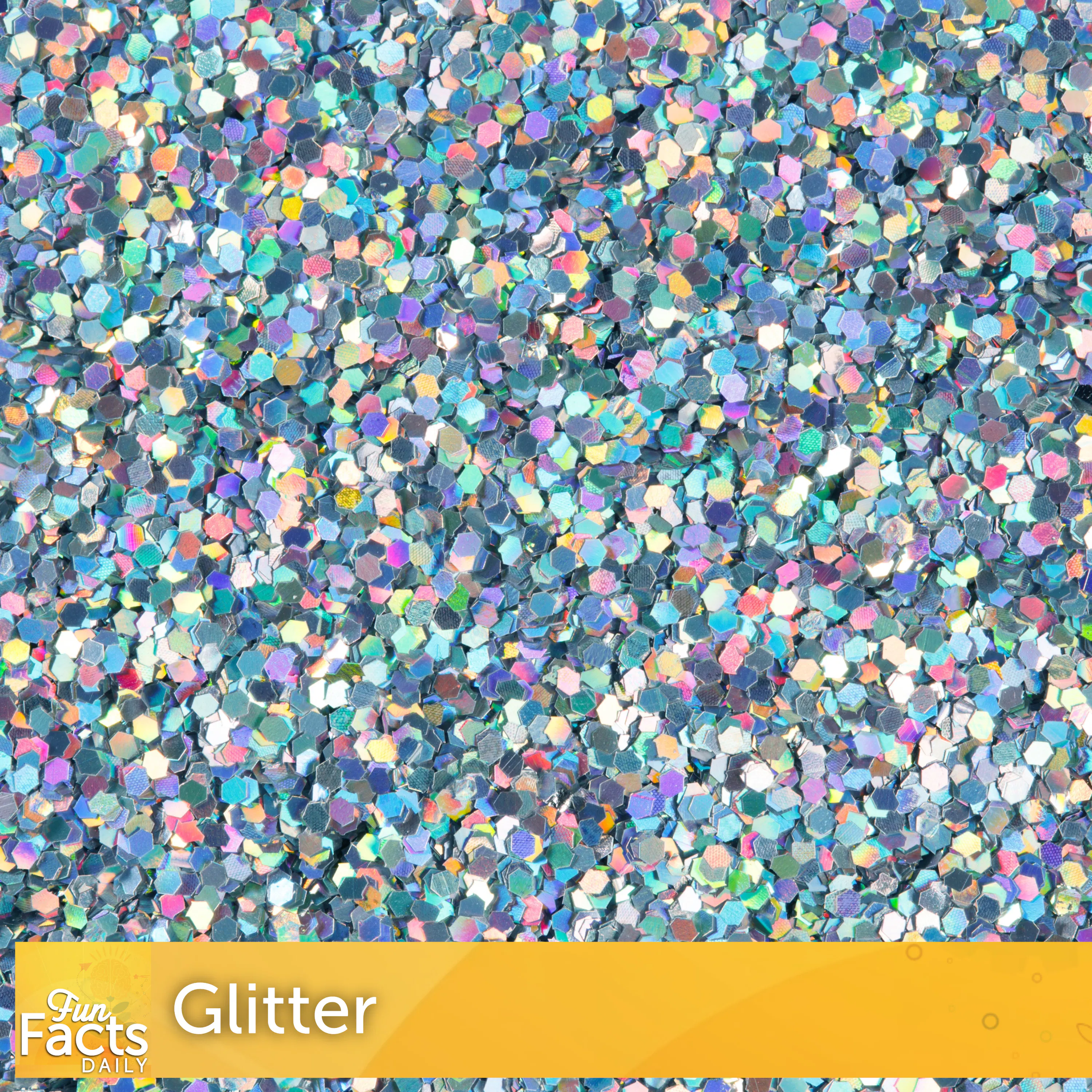
Fun Facts About Glitter
Glitter’s transition from an ancient decorative tool to a modern industrial staple reveals a history of both artistic ingenuity and accidental discovery. Long before the synthetic materials of today, ancient Egyptians utilized ground mica to impart an iridescent sheen to makeup and sarcophagi, while Paleolithic cave painters achieved a metallic glimmer using hematite. The modern iteration of glitter emerged in 1934 on a New Jersey farm when machinist Henry Ruschmann inadvertently created "schnibbles"—tiny, reflective plastic and metal fragments—after his cutting machine malfunctioned. These scraps were initially repurposed as artificial snow for holiday decorations before evolving into the ubiquitous craft material used globally today. Beyond its aesthetic uses, glitter serves sophisticated roles in science and engineering. In forensic investigations, glitter acts as a "sparkly fingerprint," where unique polymer compositions and the Lacard’s exchange principle allow scientists to link suspects to crime scenes through microscopic evidence. While hobbyists use significant quantities, an anonymous industry consumes millions of pounds annually, likely for automotive finishes or currency security. Furthermore, specialized edible glitters made of 24-karat gold are used in luxury culinary arts, and NASA utilizes high-tech, space-grade glitter coatings on spacecraft to reflect solar radiation and protect sensitive instrumentation from extreme heat. Want to learn more? Head over to my website www.funfactsdailypod.com and be sure to listen to my other podcasts Who ARTed: Weekly Art History for All Ages or Art Smart. For family fun, check out my son's podcast Rainbow Puppy Science Lab Fun Facts Daily is an Airwave Media Podcast. If you are interested in advertising on this or any other Airwave Media show, email: [email protected] Learn more about your ad choices. Visit megaphone.fm/adchoices

Fun Facts About History's Oddest Medical Treatments
For centuries, medical practices were guided by the miasma theory, which posited that diseases like cholera and the Black Death were caused by "bad air" or foul-smelling vapors. This belief led to unconventional treatments, such as the 17th-century practice of storing farts in jars to be inhaled as a shield against the plague. Other historically accepted remedies included the use of mummy powder, or mummia, made from ground human remains, which was believed to cure ailments ranging from headaches to broken bones. This practice originated from a linguistic misunderstanding regarding bitumen, a natural healing substance thought to be used in Egyptian mummification. Advancements in the 19th and 20th centuries introduced equally peculiar, and often dangerous, treatments. "Medicated cigarettes" containing herbs like stramonium and belladonna were prescribed to treat asthma and congestion, despite the harmful effects of inhaling burnt plant matter. In the early 1900s, Radithor, a radioactive energy drink made with distilled water and radium isotopes, was marketed as a health supplement before the lethal effects of radiation were understood. Similarly, hydro-electric baths, which delivered low-voltage electric currents to patients in porcelain tubs, were popular for treating conditions like exhaustion and writers' cramp, highlighting a period of medical history defined by experimental, and often hazardous, innovation. Want to learn more? Head over to my website www.funfactsdailypod.com and be sure to listen to my other podcasts Who ARTed: Weekly Art History for All Ages or Art Smart. For family fun, check out my son's podcast Rainbow Puppy Science Lab Fun Facts Daily is an Airwave Media Podcast. If you are interested in advertising on this or any other Airwave Media show, email: [email protected] Learn more about your ad choices. Visit megaphone.fm/adchoices

Fun Facts About Platypuses
The platypus is a unique, egg-laying mammal native to Australia, classified as a monotreme. It possesses a distinct combination of features, including a duck-like bill, a beaver-like tail, and otter-like feet. One of its most remarkable biological adaptations is electroreception, which allows the platypus to hunt underwater by detecting the tiny electrical impulses generated by the muscle contractions of its prey. Despite their somewhat comical appearance, male platypuses are among the few venomous mammals, featuring sharp, hollow spurs on their hind ankles connected to venom glands that are most active during the breeding season. Beyond its physical oddities, the platypus exhibits several extraordinary internal and external characteristics. It lacks a traditional stomach, with its esophagus connecting directly to the small intestine, requiring it to consume small, soft-bodied invertebrates that are easily processed. Recent scientific discoveries have also revealed that platypus fur is biofluorescent, glowing a vivid bluish-green under ultraviolet light. Furthermore, mother platypuses do not have nipples; instead, they secrete milk directly through pores in their skin, which collects in grooves on their abdomen for their young to lap up. These diverse and unusual traits reflect the complex evolutionary history of one of nature’s most fascinating creatures. Want to learn more? Head over to my website www.funfactsdailypod.com and be sure to listen to my other podcasts Who ARTed: Weekly Art History for All Ages or Art Smart. For family fun, check out my son's podcast Rainbow Puppy Science Lab Fun Facts Daily is an Airwave Media Podcast. If you are interested in advertising on this or any other Airwave Media show, email: [email protected] Learn more about your ad choices. Visit megaphone.fm/adchoices

Fun Facts About The Palais Idéal
The Palais Idéal stands as a monumental achievement of "outsider art" located in Hauterives, France, constructed entirely by a local postman named Ferdinand Cheval. The project began in 1879 after Cheval tripped over an unusually shaped stone—a piece of water-hardened mollasse sandstone—while walking his 18-mile mail route. Inspired by the natural sculpture of the rock, he spent the next 33 years collecting stones in a wheelbarrow and cementing them together using a self-taught method of reinforced lime and cement. The resulting structure is a fantastical labyrinth of grottos, towers, and sculptures that reaches heights of up to 10 meters, despite Cheval having no formal architectural or masonry training. Architecturally, the palace is a "world tour in stone," blending diverse styles that Cheval encountered through postcards and magazines he delivered. The facade features a surrealist mélange of Swiss chalets, Algerian fortresses, Hindu temples, and medieval castles, populated by stone figures ranging from Julius Caesar to mythological beasts. Though initially dismissed by critics as the work of an eccentric hobbyist, the Palais Idéal was championed by surrealists like Salvador Dalí and Pablo Picasso. In 1969, it was officially designated a protected historical monument by the French Minister of Culture, André Malraux, cementing its status as a global symbol of individual creativity and perseverance. Want to learn more? Head over to my website www.funfactsdailypod.com and be sure to listen to my other podcasts Who ARTed: Weekly Art History for All Ages or Art Smart. For family fun, check out my son's podcast Rainbow Puppy Science Lab Fun Facts Daily is an Airwave Media Podcast. If you are interested in advertising on this or any other Airwave Media show, email: [email protected] Learn more about your ad choices. Visit megaphone.fm/adchoices

Fun Facts About Dr Pepper
Dr Pepper is the oldest major soft drink in the United States, originating in 1885 at Morrison’s Old Corner Drug Store in Waco, Texas. Created by pharmacist Charles Alderton, the beverage features a proprietary blend of 23 fruit, herb, and spice flavors that was designed to mimic the pleasant aroma of a 19th-century pharmacy. Unlike standard colas, Dr Pepper is officially classified as a "pepper soda" because it lacks kola nut extract, a distinction that proved legally vital in the 20th century. This classification allowed the company to bypass exclusive bottling contracts held by industry giants like Coca-Cola and Pepsi, ensuring the drink's widespread availability across different restaurant chains and grocery stores. Beyond its unique flavor profile, Dr Pepper’s legacy is defined by inventive marketing and versatile consumption habits. The brand gained national recognition at the 1904 World’s Fair in St. Louis, where it was showcased alongside other American staples like the ice cream cone and hot dog. During the 1920s and 30s, the company leveraged energy research to promote a "10, 2, and 4" routine, encouraging consumers to "drink a bite to eat" to combat natural energy slumps. Its versatility even extends to the winter months; a 1960s campaign popularized serving the soda hot with a slice of lemon, a tradition that remains a niche favorite. Today, the beverage is also a staple in culinary circles, particularly in Texas BBQ, where it is used as a tenderizing marinade for pulled pork and brisket. Want to learn more? Head over to my website www.funfactsdailypod.com and be sure to listen to my other podcasts Who ARTed: Weekly Art History for All Ages or Art Smart. For family fun, check out my son's podcast Rainbow Puppy Science Lab Fun Facts Daily is an Airwave Media Podcast. If you are interested in advertising on this or any other Airwave Media show, email: [email protected] Learn more about your ad choices. Visit megaphone.fm/adchoices

Fun Facts About Secret Living Spaces
Explore the fascinating phenomenon of individuals establishing secret residences within unconventional urban structures. They often inhabit interstices, the small, overlooked gaps between architectural elements. These hidden dwellings range from a fully furnished 750-square-foot apartment built by artists inside the Providence Place Mall in Rhode Island to a wooden room suspended within the iron supports of the Manhattan Bridge. Other notable examples include a woman who lived undetected in a crawl space of a Japanese man's closet for a year and a designer who constructed a mobile pop-up studio beneath a highway bridge in Valencia, Spain, using the bridge's concrete beams as rails for a movable platform. The most recent and striking instance of this behavior occurred in April 2024, when a woman was discovered living inside the large rooftop sign of a Family Fair supermarket in Midland, Michigan. Having occupied the hollow sign for approximately a year, she equipped the space with flooring, a mini desk, a pantry, a computer, and a printer powered by the sign's existing electrical infrastructure. These cases highlight a growing trend of "hidden history" where resourceful individuals reclaim "dead space" in overcrowded urban environments, challenging traditional definitions of usable living and working areas. Want to learn more? Head over to my website www.funfactsdailypod.com and be sure to listen to my other podcasts Who ARTed: Weekly Art History for All Ages or Art Smart. For family fun, check out my son's podcast Rainbow Puppy Science Lab Fun Facts Daily is an Airwave Media Podcast. If you are interested in advertising on this or any other Airwave Media show, email: [email protected] Learn more about your ad choices. Visit megaphone.fm/adchoices

Fun Facts About Frogs
Frogs possess a unique biological makeup that allows them to thrive in diverse environments, largely due to their permeable skin. Unlike human skin, which acts as a barrier, a frog’s skin allows liquids and gases to pass through easily, enabling them to absorb necessary moisture directly from their surroundings rather than drinking with their mouths. This sensitivity makes them vital bioindicators, as they are often the first to react to pollution or environmental changes. Some species, such as the North American wood frog, have evolved extreme survival mechanisms, including the ability to survive being frozen solid. By producing large amounts of glucose that acts as a natural antifreeze, these frogs can protect their vital organs even as their heart stops beating and their body water turns to ice. In addition to their unique skin and survival tactics, frogs exhibit remarkable physical adaptations for hunting and protection. When consuming prey, many frogs use their eyeballs to assist in swallowing; by retracting their bulging eyes into their skull, they create downward pressure that shoves food toward the stomach. Defensive strategies vary by species, ranging from the Golden Poison Frog’s potent batrachotoxin—derived from a specific wild diet of ants and beetles—to the nictitating membrane, a translucent third eyelid that functions like built-in goggles for underwater vision. Their legendary jumping ability is powered by specialized leg muscles and stretchy tendons that act like springs, allowing a small cricket frog to leap distances equivalent to a human jumping the length of a football field. Want to learn more? Head over to my website www.funfactsdailypod.com and be sure to listen to my other podcasts Who ARTed: Weekly Art History for All Ages or Art Smart. For family fun, check out my son's podcast Rainbow Puppy Science Lab Fun Facts Daily is an Airwave Media Podcast. If you are interested in advertising on this or any other Airwave Media show, email: [email protected] Learn more about your ad choices. Visit megaphone.fm/adchoices

Fun Facts About Nerf
Nerf has been one of the most recognizable names in the toy industry since it began in 1969 with an inventor named Reyn Guyer, who also created the classic game Twister. Originally pitched as a game involving foam "cavemen" and rocks, the product was simplified by Parker Brothers into the world’s first 4-inch foam indoor ball. The material itself is a specialized visco-elastic polyurethane. During manufacturing, a chemical reaction between polyester resin and water releases carbon dioxide, creating millions of microscopic "open cells" that give the material its signature squishy, velvety texture. While the brand is now synonymous with high-tech blasters, the first Nerf projectile toy, the Blastaball, did not debut until 1989, followed by the dart-firing Sharpshooter in 1992. Today, Nerf has evolved into a high-performance hobby with the Nerf Pro and Rival series, which are designed for enthusiasts and can fire rounds at speeds exceeding 100 feet per second. For maintenance, players can actually repair dented or misshapen foam darts by using a hair dryer on a low heat setting; the heat causes the air inside the microscopic cells to expand, pushing the foam back into its original cylindrical shape. From world-record-breaking pneumatic creations to competitive backyard tournaments, the brand remains the gold standard for safe, kinetic play. Want to learn more? Head over to my website www.funfactsdailypod.com and be sure to listen to my other podcasts Who ARTed: Weekly Art History for All Ages or Art Smart. For family fun, check out my son's podcast Rainbow Puppy Science Lab Fun Facts Daily is an Airwave Media Podcast. If you are interested in advertising on this or any other Airwave Media show, email: [email protected] Learn more about your ad choices. Visit megaphone.fm/adchoices

Fun Facts About the Australian Outback
The Australian Outback encompasses approximately 70% of the Australian continent, covering nearly 2.2 million square miles of diverse terrain. If this vast interior were an independent nation, it would rank as the sixth-largest country on Earth, surpassing the size of the entire European Union. While often characterized by its iconic red sands, the region features complex ecosystems ranging from tropical savannas and mountain ranges to some of the world’s oldest rainforests. Beneath this arid surface lies the Great Artesian Basin, one of the largest and deepest freshwater resources globally. Covering 22% of the continent, this subterranean reservoir holds enough water to fill Sydney Harbour 130,000 times, providing a critical lifeline for wildlife and industry in areas where rainfall is rare. The region’s history and culture are defined by unique geological records and adaptive human architecture. At Lark Quarry, the Outback preserves the world's only known fossilized record of a dinosaur stampede, where over 3,300 footprints from 95 million years ago remain etched in sediment. In the opal-mining town of Coober Pedy, residents have adapted to extreme temperatures exceeding 104°F by constructing subterranean "dugouts" that maintain comfortable temperatures year-round. The landscape is also home to the 3,488-mile Dingo Fence, the longest continuous fence in the world, and a population of over one million wild dromedary camels. Furthermore, the native flora offers practical survival solutions, such as the tea tree, which contains the compound terpinen-4-ol and serves as a natural insect repellent and antiseptic. Want to learn more? Head over to my website www.funfactsdailypod.com and be sure to listen to my other podcasts Who ARTed: Weekly Art History for All Ages or Art Smart. For family fun, check out my son's podcast Rainbow Puppy Science Lab Fun Facts Daily is an Airwave Media Podcast. If you are interested in advertising on this or any other Airwave Media show, email: [email protected] Learn more about your ad choices. Visit megaphone.fm/adchoices

Fun Facts About Gold
Gold is a remarkable noble metal defined by its extraordinary malleability and extreme chemical stability. As the most malleable of all known metals, a single ounce, roughly the size of a large marble, can be hammered into a translucent sheet of gold leaf covering 100 square feet or drawn into a wire significantly thinner than a human hair. Because gold does not oxidize or corrode when exposed to moisture or biological systems, it is considered biologically inert and technically edible. This unique stability makes gold essential in modern medicine for dental crowns and specialized treatments for rheumatoid arthritis, as well as in aerospace engineering, where microscopic layers on astronaut helmet visors reflect intense solar infrared radiation. The presence of gold on Earth is the result of violent cosmic phenomena, specifically the supernova explosions of dying stars or the high-energy collisions of neutron stars. While much of Earth's native gold sank into its molten core during the planet's formation, the gold accessible in the crust today was likely delivered by a massive meteor bombardment approximately four billion years ago. Despite its prominence in global culture, gold remains exceptionally scarce. The total volume mined throughout human history, approximately 200,000 metric tons, would fit into just over three Olympic-sized swimming pools. This scarcity, combined with unusual natural occurrences like eucalyptus trees absorbing gold particles through their roots, continues to solidify gold's status as one of the world's most valued substances. Want to learn more? Head over to my website www.funfactsdailypod.com and be sure to listen to my other podcasts Who ARTed: Weekly Art History for All Ages or Art Smart. For family fun, check out my son's podcast Rainbow Puppy Science Lab Fun Facts Daily is an Airwave Media Podcast. If you are interested in advertising on this or any other Airwave Media show, email: [email protected] Learn more about your ad choices. Visit megaphone.fm/adchoices

Fun Facts About Silver
Silver is distinguished as the most reflective element on the periodic table, capable of reflecting approximately 95% of the visible light spectrum. This high level of reflectivity exceeds that of both gold and platinum, making silver essential for the manufacturing of high-quality mirrors, specialized telescopes, and solar panels. Beyond its optical properties, silver is the most effective conductor of electricity among all known elements, surpassing copper and gold. Because of this efficiency, it is a critical component in modern electronics, with small amounts found in smartphones, laptops, and the heavy-duty contacts used in electrical grids. In addition to its industrial uses, silver possesses powerful antimicrobial properties that allow it to eliminate bacteria and fungi. This natural defense mechanism works as silver ions penetrate bacterial cell walls to disrupt their ability to function or reproduce, a quality utilized today in medical bandages, athletic apparel, and water purification systems on the International Space Station. Interestingly, the majority of the world's silver supply is produced as a byproduct of mining for other metals like copper, lead, and zinc. Furthermore, silver serves a unique role in meteorology through the use of silver iodide, a compound used in cloud seeding to induce precipitation by mimicking the molecular structure of ice crystals. Want to learn more? Head over to my website www.funfactsdailypod.com and be sure to listen to my other podcasts Who ARTed: Weekly Art History for All Ages or Art Smart. For family fun, check out my son's podcast Rainbow Puppy Science Lab Fun Facts Daily is an Airwave Media Podcast. If you are interested in advertising on this or any other Airwave Media show, email: [email protected] Learn more about your ad choices. Visit megaphone.fm/adchoices

Fun Facts About Bronze
Bronze, the historic alloy that defined an entire era of human progress, remains a cornerstone of artistry and industrial utility. Emerging around 3300 BCE, the discovery that combining copper with roughly 10% tin created a metal harder and more durable than its predecessors revolutionized society. This "super metal" enabled the creation of superior tools, weaponry, and agricultural equipment, facilitating the rise of complex urban civilizations like Mesopotamia and ancient Egypt. Beyond its structural strength, bronze is renowned for its unique chemical properties, such as the formation of a protective patina. Unlike rust which destroys iron, this thin layer of copper carbonate acts as a barrier against deep corrosion, preserving ancient artifacts for millennia and providing the distinct green or brown hue prized by art collectors. The physical characteristics of bronze also make it indispensable in specialized fields ranging from music to hazardous industrial environments. Because bronze expands slightly as it cools and solidifies, it is the ideal medium for lost-wax casting, as the expanding metal forces itself into the finest details of a mold to capture intricate textures. Furthermore, high-tin "bell metal" is celebrated for its acoustic resonance, creating the rich, sustained tones found in church bells and cymbals that other metals cannot replicate. In safety-critical sectors like oil refineries and ammunition factories, bronze is a vital lifesaver due to its non-sparking nature. Unlike steel, bronze tools do not generate sparks when struck against other surfaces, preventing catastrophic explosions in flammable atmospheres. Want to learn more? Head over to my website www.funfactsdailypod.com and be sure to listen to my other podcasts Who ARTed: Weekly Art History for All Ages or Art Smart. For family fun, check out my son's podcast Rainbow Puppy Science Lab Fun Facts Daily is an Airwave Media Podcast. If you are interested in advertising on this or any other Airwave Media show, email: [email protected] Learn more about your ad choices. Visit megaphone.fm/adchoices

Fun Facts About Ski Mountaineering (Skimo)
Ski mountaineering, commonly known as Skimo, is a high-intensity winter sport that combines the technical skills of skiing with the physical endurance of mountain climbing. While it will make its Olympic debut at the 2026 Winter Games, the sport’s origins are rooted in practical necessity, evolving from the methods used by mountain explorers, soldiers, and couriers to traverse frozen alpine terrain. Modern competitions are grueling, requiring athletes to ascend steep slopes using specialized equipment before transitioning to rapid downhill descents. The sport demands extreme cardiovascular fitness, as elite athletes can ascend 1,000 meters in under 40 minutes while maintaining heart rates near their maximum. The technical efficiency of Skimo relies on innovative gear designed for speed and lightness. A critical tool is the use of "skins," adhesive strips attached to the bottom of skis that allow for uphill traction by biting into the snow during backslides while gliding forward smoothly. Originally made from actual seal fur, modern skins are synthetic but remain essential for the rapid transitions that often decide the outcome of a race. To excel in high-altitude environments where oxygen levels are 30% lower than at sea level, practitioners often utilize altitude training to increase red blood cell production, ensuring their muscles remain fueled during the intense vertical sprints. Learn more about your ad choices. Visit megaphone.fm/adchoices

Fun Facts About Nordic Combined
Nordic combined traces its origins back to the 18th-century Norwegian military, where it was developed to train "super soldiers" who needed both the endurance to traverse snowy landscapes and the explosive power to navigate steep terrain. The sport, which requires athletes to compete in both ski jumping and cross-country skiing, saw its first major public competition in 1892 at the Holmenkollen Ski Festival in Oslo. As one of the original disciplines included in the first Winter Olympics in 1924, it remains a cornerstone of winter sports history, emphasizing a rare balance of precision and physical stamina over specialized skill. The modern format of the sport is defined by the Gundersen method, a scoring system introduced in the 1980s that converts ski jumping points into specific time intervals for a pursuit-style cross-country race. This creates a high-stakes finish where the first athlete across the line is the overall winner. Physically, competitors must manage a biological paradox by training both slow-twitch (Type I) muscle fibers for cardiovascular endurance and fast-twitch (Type II) fibers for the power required on the jump hill. To facilitate these distinct challenges, athletes use specialized equipment, transitioning from wide, heavy jumping skis—which can measure up to 145% of their height—to thin, lightweight cross-country skis during a break between the two events. Want to learn more? Head over to my website www.funfactsdailypod.com and be sure to listen to my other podcasts Who ARTed: Weekly Art History for All Ages or Art Smart. For family fun, check out my son's podcast Rainbow Puppy Science Lab Fun Facts Daily is an Airwave Media Podcast. If you are interested in advertising on this or any other Airwave Media show, email: [email protected] Learn more about your ad choices. Visit megaphone.fm/adchoices

Fun Facts About Ski Jumping
Ski jumping originated as a show of military courage in 1808, when Norwegian lieutenant Olaf Rye launched himself 9.5 meters into the air to impress his fellow soldiers. This daring feat transformed skiing from a practical mode of transportation into a competitive sport that eventually became a cornerstone of the 1924 Winter Olympics. While traditionalists initially focused on rigid form, the sport underwent a revolution in the 1980s with the introduction of the V-style technique. By angling the tips of their skis outward, jumpers discovered they could generate approximately 30% more lift, effectively turning their skis into wings that allow them to glide through the air for up to 10 seconds. The physics of a successful jump rely on a delicate balance between aerodynamics and environmental conditions. Athletes achieve flight by creating a cushion of high-pressure air beneath their bodies, mimicking the lift of an airplane wing. Because of this sensitivity to air currents, modern competitions utilize a wind compensation system to ensure fairness; judges adjust scores based on real-time sensor data to account for lucky gusts that might carry a jumper further. Safety is also a primary concern in hill design, as the parabolic arc of the landing slope is engineered to match the jumper's flight path. This ensures that even when traveling at speeds over 60 mph, athletes are rarely more than 10 to 15 feet above the ground, converting downward energy into forward momentum for a safe landing. Want to learn more? Head over to my website www.funfactsdailypod.com and be sure to listen to my other podcasts Who ARTed: Weekly Art History for All Ages or Art Smart. For family fun, check out my son's podcast Rainbow Puppy Science Lab Fun Facts Daily is an Airwave Media Podcast. If you are interested in advertising on this or any other Airwave Media show, email: [email protected] Learn more about your ad choices. Visit megaphone.fm/adchoices

Fun Facts About Skeleton
The skeleton sliding event, originating in the 19th century in St. Moritz, Switzerland, is a high-speed winter sport characterized by athletes descending an ice track head-first on a specialized sled. The sport's name is derived from the "skeletal" appearance of the early metal sleds, which featured a stripped-down, ribbed design reminiscent of a human rib cage. Skeleton athletes navigate high-G turns at speeds of 80 to 90 miles per hour, utilizing a technique known as pronation. This steering method involves subtle shifts in body weight, primarily through the shoulders and knees, to guide the sled, as it lacks a traditional steering wheel or rudder. Protective gear, including reinforced chin guards on helmets, is essential due to the athlete's proximity to the ice, often hovering just an inch above the track. The outcome of a skeleton race is frequently determined in the initial 50 meters during an explosive running start. Athletes wear specialized shoes with up to 250 needle-like spikes for traction, sprinting on the ice before performing a precise "load" onto the sled to maintain momentum and prevent "fishtailing". Each sled is custom-molded to the individual athlete's body dimensions using 3D scanning technology to ensure maximum control and even distribution of G-force pressure. Although skeleton debuted at the 1928 Winter Olympics, it was absent from the program for over 50 years, largely due to its dangerous reputation, before becoming a permanent Olympic fixture in 2002. The sport also highlights the effectiveness of mental rehearsal, as elite racers often visualize every curve and bump of the track to strengthen neural pathways and enhance performance under pressure. Be sure to email [email protected] with the word of the day, pronation, for your chance to win a $50 gift card. Want to learn more? Head over to my website www.funfactsdailypod.com and be sure to listen to my other podcasts Who ARTed: Weekly Art History for All Ages or Art Smart. For family fun, check out my son's podcast Rainbow Puppy Science Lab Fun Facts Daily is an Airwave Media Podcast. If you are interested in advertising on this or any other Airwave Media show, email: [email protected] Learn more about your ad choices. Visit megaphone.fm/adchoices

Fun Facts About Olympic Snowboarding
Olympic snowboarding has evolved from its controversial debut in 1998 into a sport defined by extreme precision and the pursuit of physical limits. The Halfpipe competition relies on massive 22-foot Superpipes shaped by specialized Pipe Dragon tractors and laser sensors to create a perfect parabolic curve. Meanwhile, Snowboard Cross introduces a tactical element through drafting, where riders use a leader's slipstream to reduce wind resistance before attempting to slingshot past them at the finish line. The sport's progression is currently testing the boundaries of human physics, particularly in the Big Air and freestyle events. Athletes performing the Quad Cork—four full flips with horizontal rotations—experience high G-forces that can temporarily blur their vision, requiring a finely tuned sense of proprioception to time their blind landings. To survive these 40-foot drops at speeds of 50 mph, modern boards utilize advanced damping systems made of carbon fiber and honeycomb aluminum to mimic a car’s suspension and absorb impact forces equivalent to a traffic accident. Check out the other Snowboarding episode: Fun Facts About Snowboarding Want to learn more? Head over to my website www.funfactsdailypod.com and be sure to listen to my other podcasts Who ARTed: Weekly Art History for All Ages or Art Smart. For family fun, check out my son's podcast Rainbow Puppy Science Lab Fun Facts Daily is an Airwave Media Podcast. If you are interested in advertising on this or any other Airwave Media show, email: [email protected] Learn more about your ad choices. Visit megaphone.fm/adchoices

Fun Facts About Freestyle Skiing
Freestyle skiing is an athletic discipline defined by its blend of technical precision and gravity-defying showmanship. From its roots in the high-energy "hotdogging" culture of the 1970s—where skiers performed stunts with pyrotechnics—to its modern status as a strictly regulated Olympic sport, the field relies on a unique combination of specialized equipment and physical mastery. Modern freestyle skis utilize a symmetrical "twin-tip" design, allowing athletes to maneuver and land backward with the same stability as skiing forward. This symmetry shifts the center of gravity to the middle of the ski, enabling the rapid, top-like rotations seen in professional competitions. Technical success in freestyle skiing is often determined by an athlete’s ability to manage momentum and torque. In mogul skiing, competitors must maintain a "quiet" upper body, keeping their torso facing downhill while their legs act as high-speed pistons to absorb the impact of snow mounds. In aerial and big air events, athletes utilize "visual spotting"—snapping their heads around faster than their bodies to find a fixed point on the horizon—to maintain spatial awareness during complex flips. This elite level of performance was exemplified by Tess Ledeux’s historic triple cork in 2021 and Andri Ragettli’s groundbreaking quad cork in 2017, feats that require athletes to withstand forces up to 6Gs while maintaining total body control. Want to learn more? Head over to my website www.funfactsdailypod.com and be sure to listen to my other podcasts Who ARTed: Weekly Art History for All Ages or Art Smart. For family fun, check out my son's podcast Rainbow Puppy Science Lab Fun Facts Daily is an Airwave Media Podcast. If you are interested in advertising on this or any other Airwave Media show, email: [email protected] Learn more about your ad choices. Visit megaphone.fm/adchoices

Fun Facts About Alpine Skiing
Alpine skiing relies on extreme speed and precision engineering. To maintain fair competition and consistent speeds, Olympic slalom courses are prepared using a technique called injection, where high-pressure hoses force water into the snowpack to create a solid, glass-like sheet of blue ice. This surface is so dense that athletes must sharpen their ski edges to a razor-like finish just to maintain a grip. In the high-stakes discipline of downhill racing, skiers can reach speeds exceeding 80 mph. To manage this velocity, athletes utilize hinged gates—invented in the 1980s—which allow them to strike poles with their shins and maintain the tightest possible line. Additionally, racers perform pre-jumps before cresting hills to minimize time spent in the air, ensuring their skis remain in contact with the snow for maximum acceleration. The evolution of the sport has been defined by both legendary resilience and technological breakthroughs. One of the most iconic moments in skiing history occurred during the 1998 Nagano Olympics, when Hermann Maier recovered from a devastating 80 mph crash to win a gold medal just three days later. Beyond human endurance, the sport was a pioneer in precision technology, becoming the first to implement photoelectric cells for electronic timing in the 1950s. These sensors, accurate to one-thousandth of a second, eliminated the inconsistencies of manual stopwatches. If you want to become a better, more confident skier, avoid "visual latency" by looking several turns ahead rather than at your ski tips. This allows your body to subconsciously prepare for the upcoming terrain at high velocities. Want to learn more? Head over to my website www.funfactsdailypod.com and be sure to listen to my other podcasts Who ARTed: Weekly Art History for All Ages or Art Smart. For family fun, check out my son's podcast Rainbow Puppy Science Lab Fun Facts Daily is an Airwave Media Podcast. If you are interested in advertising on this or any other Airwave Media show, email: [email protected] Learn more about your ad choices. Visit megaphone.fm/adchoices
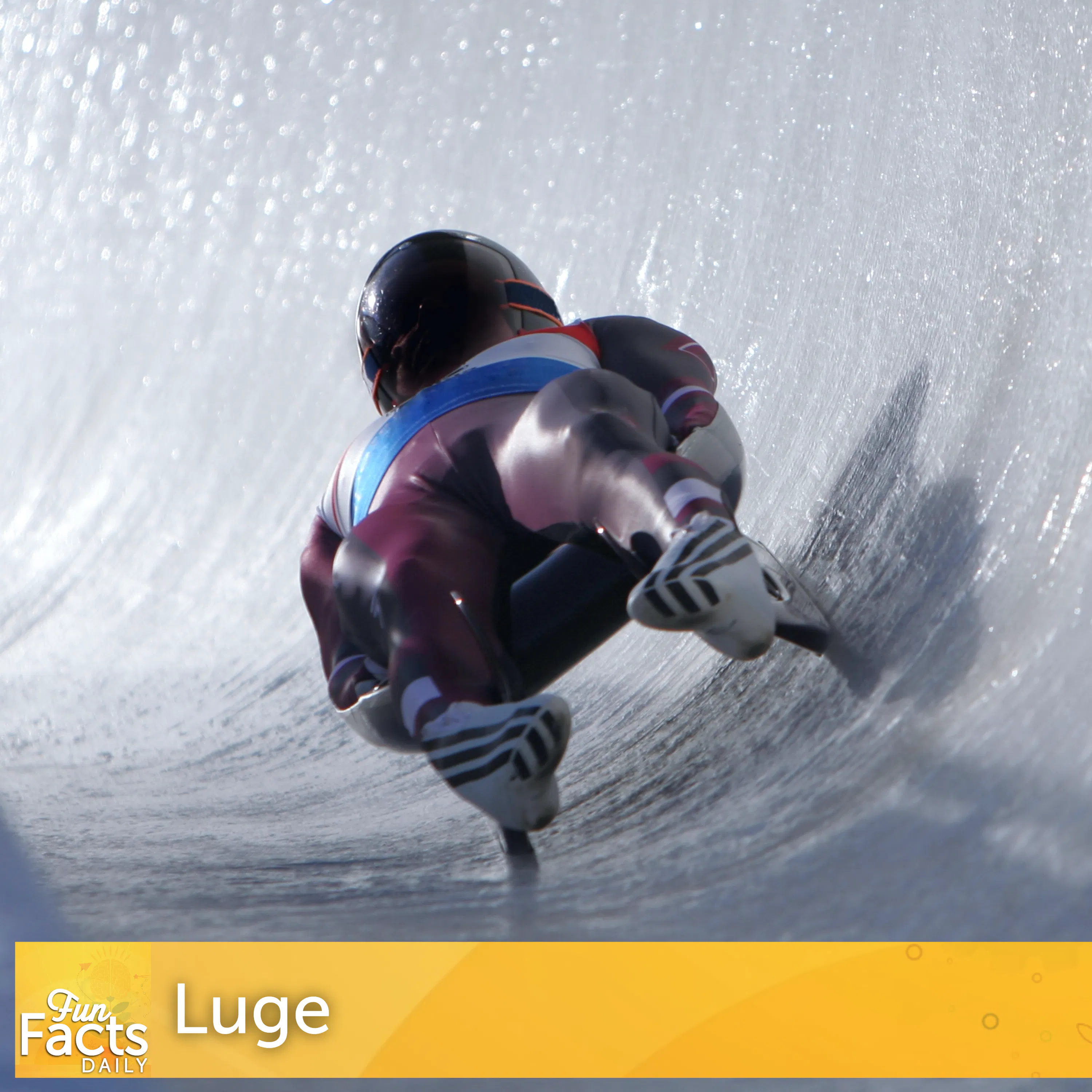
Fun Facts About Luge
The luge is recognized as one of the fastest and most physically demanding winter sports, requiring athletes to navigate icy tracks at speeds exceeding 90 mph. Unlike other sledding disciplines, a luge sled is steered primarily through the athlete’s legs and shoulders. The sled itself features runners called kufen, which are crafted from flexible wood like ash or maple and tipped with specialized steel. To gain initial momentum, athletes use gloves fitted with 4 mm steel spikes to "paddle" against the ice before transitioning into a supine (flat on the back) position to maximize aerodynamics. Precision is paramount in competitive luge, where race times are measured to the thousandth of a second. At high speeds, athletes experience centrifugal forces of up to 5Gs in banked curves, requiring immense neck strength to maintain visibility. To minimize drag, lugers wear custom-tailored, "calendered" suits made of slick, coated fabric that reduces air resistance. Because the sleds lack mechanical brakes, the track is designed to tilt upward at the finish line, allowing gravity and the athlete's body position to bring the sled to a safe stop. Want to learn more? Head over to my website www.funfactsdailypod.com and be sure to listen to my other podcasts Who ARTed: Weekly Art History for All Ages or Art Smart. For family fun, check out my son's podcast Rainbow Puppy Science Lab Fun Facts Daily is an Airwave Media Podcast. If you are interested in advertising on this or any other Airwave Media show, email: [email protected] Learn more about your ad choices. Visit megaphone.fm/adchoices

Fun Facts About Cross Country Skiing
Cross-country skiing stands as one of the world’s premier endurance sports, with origins that predate even the Great Pyramids of Giza. While the pyramids were constructed around 2500 BCE, archaeological evidence of wooden skis in Russia and Scandinavia dates back to 6000 BCE. These prehistoric skis were often asymmetrical—one long for gliding and one short, covered in animal fur, for traction. This ancient necessity for winter survival eventually evolved into a sophisticated sport defined by two primary styles: classic, which uses a rhythmic striding motion in parallel tracks, and skating (freestyle), where skiers push off the edges of their skis in a manner similar to ice skating. The physiological demands of the sport are among the highest in the athletic world, often producing athletes with superior VO2 max scores compared to cyclists or marathon runners. Because cross-country skiing engages every major muscle group simultaneously, the heart becomes a highly efficient pump, with some elite competitors maintaining a resting heart rate as low as 30 to 40 beats per minute. To fuel this intense exertion, which can burn over 1,000 calories per hour, athletes often utilize high-altitude training to naturally increase red blood cell counts and consume massive quantities of carbohydrates. This physical grit is encapsulated by the Finnish concept of Sisu, a term representing extraordinary determination and courage in the face of extreme adversity. Want to learn more? Head over to my website www.funfactsdailypod.com and be sure to listen to my other podcasts Who ARTed: Weekly Art History for All Ages or Art Smart. For family fun, check out my son's podcast Rainbow Puppy Science Lab Fun Facts Daily is an Airwave Media Podcast. If you are interested in advertising on this or any other Airwave Media show, email: [email protected] Learn more about your ad choices. Visit megaphone.fm/adchoices

Fun Facts About Speed Skating
Speed skating stands as one of the original pillars of the Winter Olympic Games, having been featured in every competition since the inaugural 1924 games in Chamonix, France. While the sport began with athletes using polished animal bones to glide across frozen canals, it has evolved into a high-tech discipline defined by aerodynamic precision and engineering. Modern skaters utilize the "clap skate," a design where the blade is hinged at the front of the boot to allow for longer contact with the ice, significantly increasing power and speed. To maintain velocities that can exceed 35 miles per hour, athletes adopt a deep crouch position to minimize air resistance, often wearing suits textured with ceramic dots to further reduce drag. The competitive environment of speed skating is governed by strict regulations and meticulous environmental controls. During long-track events, skaters must swap lanes every lap to ensure both competitors cover the exact same distance on the 400-meter oval. Even the ice itself is treated as a variable; technicians maintain different temperatures depending on the race distance. Shorter sprints require "warmer," softer ice (approximately -5°C) to provide better grip during explosive turns, while long-distance races utilize harder, colder ice (approximately -9°C) to minimize friction and allow for maximum glide. This combination of physical endurance and scientific optimization remains the hallmark of the fastest human-powered sport on ice. Want to learn more? Head over to my website www.funfactsdailypod.com and be sure to listen to my other podcasts Who ARTed: Weekly Art History for All Ages or Art Smart. For family fun, check out my son's podcast Rainbow Puppy Science Lab Fun Facts Daily is an Airwave Media Podcast. If you are interested in advertising on this or any other Airwave Media show, email: [email protected] Learn more about your ad choices. Visit megaphone.fm/adchoices

Fun Facts About Biathlon
The Biathlon is a high-stakes Olympic sport that combines the physical exhaustion of cross-country skiing with the precise focus of rifle shooting. Originally developed as essential survival skills for hunting and traveling in snowy climates, the sport evolved from 18th-century military training between Swedish and Norwegian border guards. Today, it requires athletes to manage an intense transition from a heart rate of approximately 180 beats per minute during skiing to a state of total stillness for shooting. The sport emphasizes extreme mental discipline and physiological control, rooted in its history as a demonstration of "ski warrior" prowess. A defining feature of the Biathlon is the specialized equipment and the rigorous penalties for inaccuracy. Athletes use custom-engineered .22 caliber rimfire rifles designed to withstand sub-zero temperatures and prevent ice jams caused by the athlete’s own breath. During the race, shooters target objects as small as a golf ball (45mm) from the prone position and slightly larger targets (115mm) while standing. Each missed shot carries a heavy physical toll, typically requiring a 150-meter penalty lap that adds 20 to 30 seconds to the competitor's time. To succeed, biathletes often utilize "zen" breathing techniques, timing their shots between heartbeats to ensure maximum stability under duress. Want to learn more? Head over to my website www.funfactsdailypod.com and be sure to listen to my other podcasts Who ARTed: Weekly Art History for All Ages or Art Smart. For family fun, check out my son's podcast Rainbow Puppy Science Lab Fun Facts Daily is an Airwave Media Podcast. If you are interested in advertising on this or any other Airwave Media show, email: [email protected] Learn more about your ad choices. Visit megaphone.fm/adchoices

Fun Facts About Hockey
Ice hockey is a dynamic sport with a rich history, characterized by unique equipment and traditions. In its early days, before the production of standardized rubber pucks, players on frozen ponds used improvised objects, including frozen cow manure known as "road apples". Today, professional National Hockey League (NHL) pucks are made of vulcanized rubber and are kept in freezer coolers between 14°F and 20°F (-10°C to -6°C) before games. Freezing the puck hardens the rubber and "deadens" its bounce, allowing it to glide smoothly across the ice and making it easier for players to control. The Stanley Cup, the championship trophy of the NHL, is also unique as it is the only professional sports trophy with a full-time "babysitter" or keeper from the Hockey Hall of Fame who travels with it nearly 300 days a year. Safety and inclusivity have also shaped the evolution of the game. Goaltenders did not always wear masks; it was not until 1959 that Jacques Plante of the Montreal Canadiens introduced the fiberglass mask after a facial injury, eventually making face protection mandatory for the position. The sport has also seen historic milestones in gender representation, such as when Manon Rhéaume became the first woman to play in the NHL, signing with the Tampa Bay Lightning in 1992. In international competition, Canada has historically been a dominant force, once securing a record 33-0 victory over Switzerland during the 1924 Winter Olympics. For players looking to improve their performance, the physics of a powerful slapshot involves striking the ice slightly behind the puck, causing the flexible stick to bend and release stored energy for maximum velocity. Want to learn more? Head over to my website www.funfactsdailypod.com and be sure to listen to my other podcasts Who ARTed: Weekly Art History for All Ages or Art Smart. For family fun, check out my son's podcast Rainbow Puppy Science Lab Fun Facts Daily is an Airwave Media Podcast. If you are interested in advertising on this or any other Airwave Media show, email: [email protected] Learn more about your ad choices. Visit megaphone.fm/adchoices
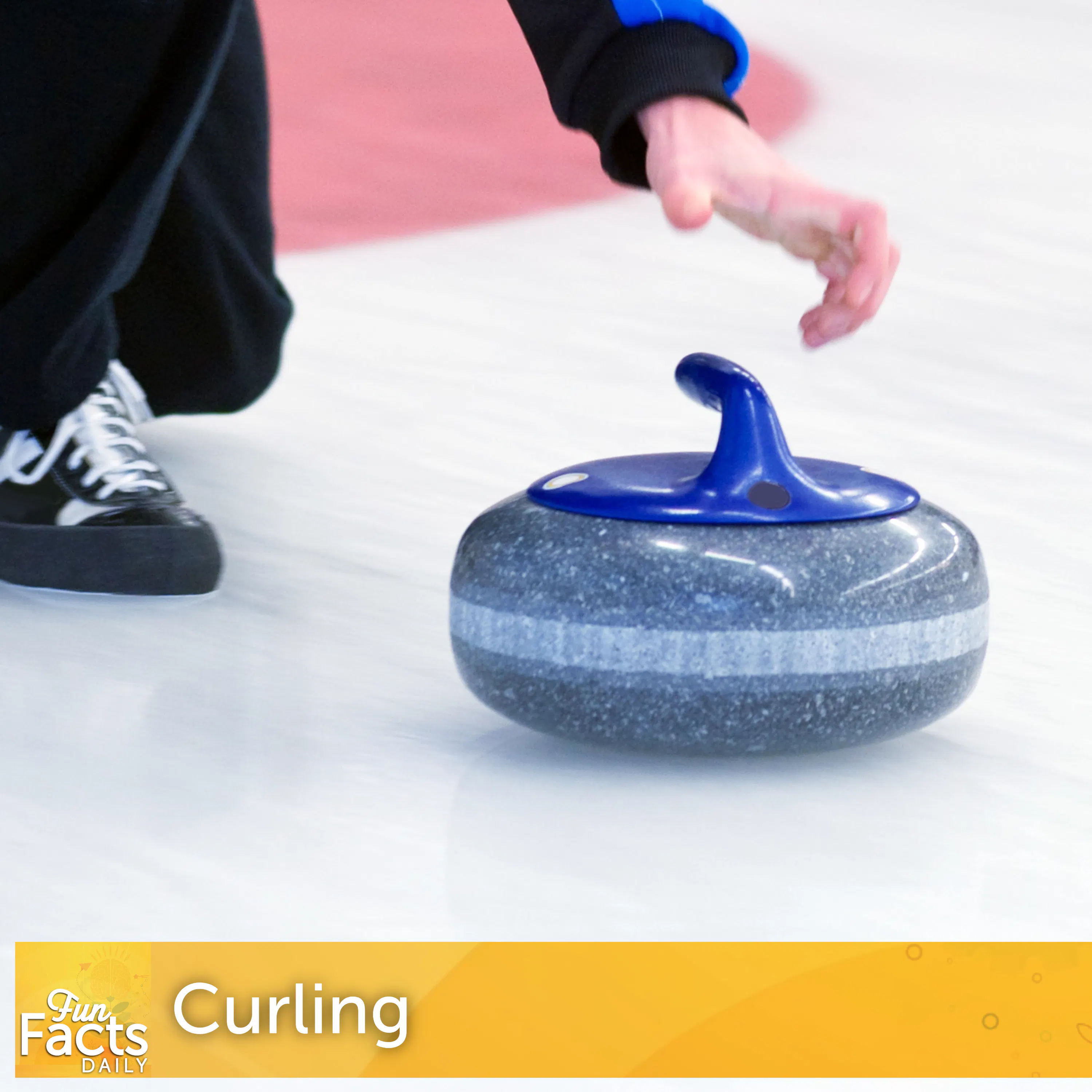
Fun Facts About Curling
Curling, historically referred to as the "Roarin' Game" due to the sound of granite stones traveling across the ice, originated in Scotland during the early 16th century. The sport's earliest physical evidence is the Stirling Stone, which features the inscribed date of 1511. Played on a long, narrow sheet of ice known as a "rink," the game involves two teams of four players—the lead, second, third (or vice-skip), and skip—who strategically slide 44-pound granite stones toward a circular target called the "house". The dense, water-resistant granite used for nearly all competitive curling stones is sourced exclusively from Ailsa Craig, an uninhabited island off the coast of Scotland. The technical mechanics of the sport center on "pebbled ice," a surface created by spraying fine water droplets that freeze into tiny bumps, allowing the heavy stones to glide with reduced friction. Players impart a rotation on the stone upon release, causing it to "curl" or curve along the ice to navigate around "guard" stones. Sweeping plays a critical role in the game's physics, as the friction from the brushes generates heat to momentarily warm the ice, which can extend the stone's travel distance and straighten its trajectory. Guided by the "Spirit of Curling," a formalized code of sportsmanship, the game emphasizes honor and mutual respect, requiring players to call their own fouls and congratulate opponents regardless of the match's outcome. Want to learn more? Head over to my website www.funfactsdailypod.com and be sure to listen to my other podcasts Who ARTed: Weekly Art History for All Ages or Art Smart. For family fun, check out my son's podcast Rainbow Puppy Science Lab Fun Facts Daily is an Airwave Media Podcast. If you are interested in advertising on this or any other Airwave Media show, email: [email protected] Learn more about your ad choices. Visit megaphone.fm/adchoices

Fun Facts About Bobsleigh/Bobsled
Whether you call it bobsleigh or bobsled, the sport originated in St. Moritz, Switzerland, during the late 1860s as a recreational activity for English tourists who modified traditional delivery sleds for racing. The sport evolved from these informal races on icy village streets to more organized competitions, leading Casper Badrutt to build the Cresta Run in 1884, the world's first natural ice track. The modern bobsleigh was developed in 1888 by connecting two skeleton sleds with a wooden board and adding a steering mechanism. Today, only about 17 professional bobsleigh tracks exist worldwide, with the St. Moritz-Celerina Olympic Bobrun remaining the last major natural ice track, hand-built annually from snow and water. The sport is defined by extreme physical demands and precise engineering, with athletes experiencing G-Forces (gravitational force) up to 5G during high-speed turns. These forces can be so intense that they may compress an athlete's spine over time. Success in bobsleigh often depends on the initial push, leading teams to recruit world-class sprinters to accelerate the heavy sleds—which can weigh up to 630 kilograms (approximately 1,400 pounds) for a four-person team. While early participants used a rhythmic "bobbing" motion to increase momentum—giving the sport its name—modern teams remain as still and aerodynamic as possible to minimize air resistance and maintain speeds that can reach 90 miles per hour. Want to learn more? Head over to my website www.funfactsdailypod.com and be sure to listen to my other podcasts Who ARTed: Weekly Art History for All Ages or Art Smart. For family fun, check out my son's podcast Rainbow Puppy Science Lab Fun Facts Daily is an Airwave Media Podcast. If you are interested in advertising on this or any other Airwave Media show, email: [email protected] Learn more about your ad choices. Visit megaphone.fm/adchoices
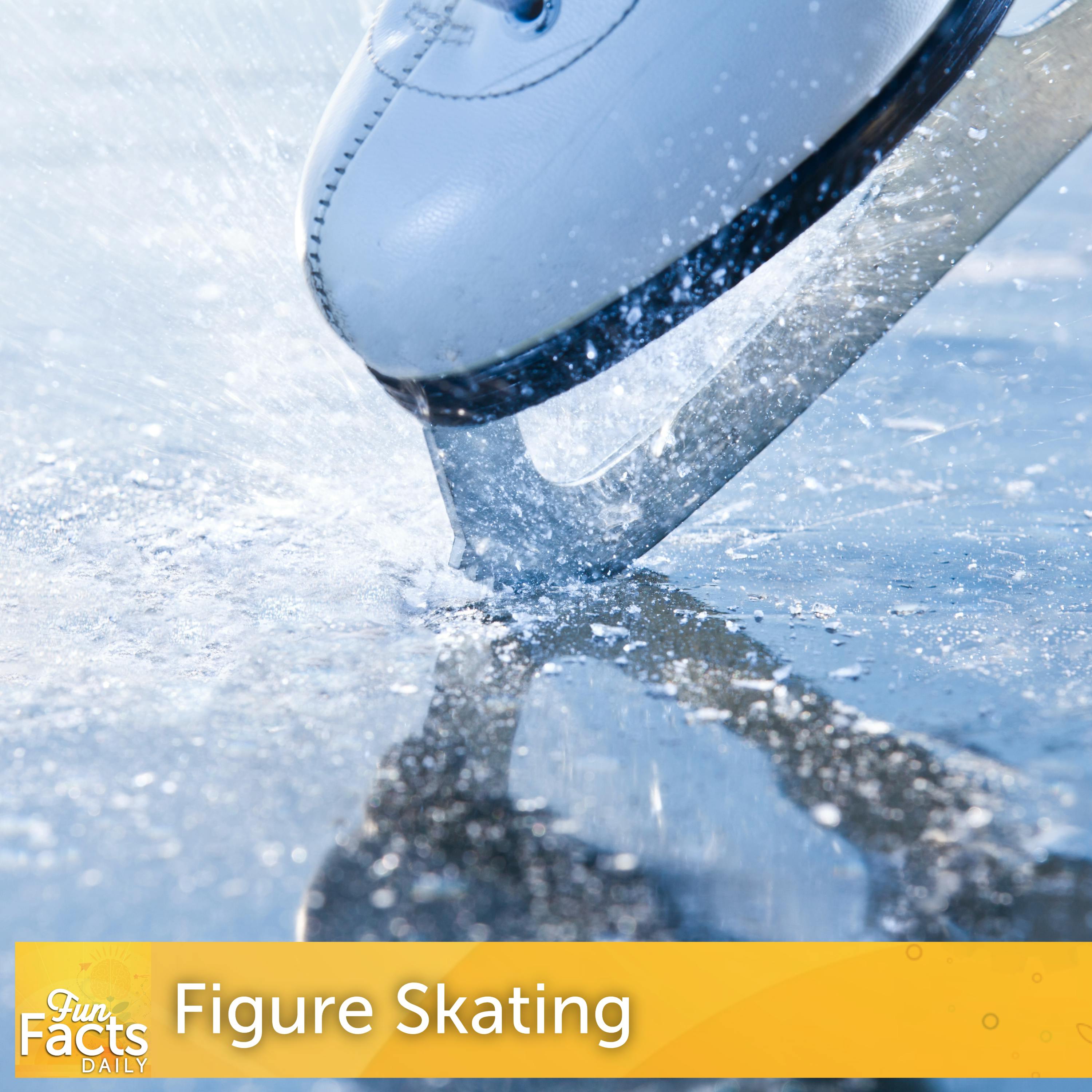
Fun Facts About Figure Skating
Figure skating is a sport that combines amazing athletic feats with artistic expression. One of the most widely recognized and incredibly difficult moves is the Axel jump. Invented by Axel Paulsen in 1882, it is the only jump where a skater takes off while moving forward, necessitating an extra half-rotation to land backward. This mechanical complexity is further enhanced by the toe pick, a serrated edge at the front of the blade that acts as a pivot point. By digging the pick into the ice, skaters convert horizontal momentum into vertical height, similar to the mechanics of pole vaulting, allowing for the explosive lift required for multi-rotational jumps. The sport’s history and environmental conditions are equally specialized. Originally named for the intricate "figures" or patterns skaters carved into the ice, the discipline once prioritized geometric symmetry over acrobatic jumps. To support these diverse maneuvers, competition ice is maintained at approximately 22°F to 24°F (-4°C), which is slightly warmer and softer than the ice used for hockey. This specific temperature allows the blade to grip the surface more effectively, providing the stability necessary for landing jumps that can exert a force up to eight times a skater's body weight. Want to learn more? Head over to my website www.funfactsdailypod.com and be sure to listen to my other podcasts Who ARTed: Weekly Art History for All Ages or Art Smart. For family fun, check out my son's podcast Rainbow Puppy Science Lab Fun Facts Daily is an Airwave Media Podcast. If you are interested in advertising on this or any other Airwave Media show, email: [email protected] Learn more about your ad choices. Visit megaphone.fm/adchoices
Fun Facts About the Winter Olympics
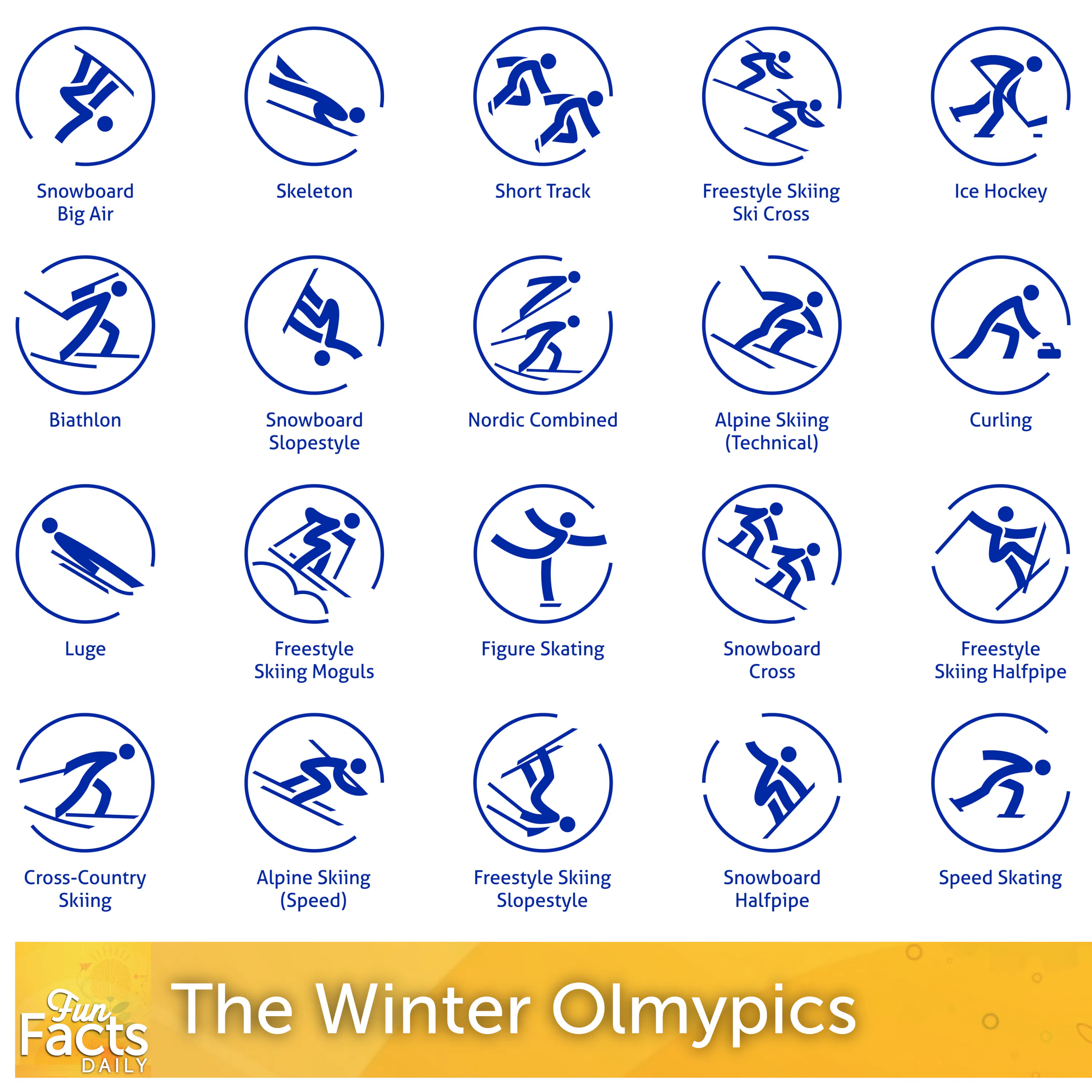
The Winter Olympic Games represent a pinnacle of athletic precision, exemplified by disciplines like the slalom. Derived from the Norwegian words "sla" (sloping hillside) and "lam" (track after skis), slalom skiing is a technical test of agility and control. Unlike the high-speed descent of downhill racing, slalom requires athletes to navigate a series of tightly spaced gates; missing even a single gate results in immediate disqualification. This emphasis on technical mastery is reflected in the equipment used across winter sports, such as curling stones. Every stone used in the Olympics is crafted from a unique, water-resistant granite found only on Ailsa Craig, a small volcanic island off the coast of Scotland. This rare material ensures the stones do not crack or erode as they collide on the ice. The history of the Winter Games is marked by unusual milestones and experimental events. For instance, Eddie Eagan remains the only individual to win gold medals in both the Summer and Winter Games, securing victories in light-heavyweight boxing in 1920 and the four-man bobsled in 1932. Early iterations of the Games even saw winter events like figure skating and ice hockey held during the Summer Olympics, utilizing advanced brine-based cooling systems to maintain artificial ice in warmer temperatures. Beyond competition, winter athletes often utilize physiological hacks to combat extreme conditions, such as the "windmill maneuver." This technique uses centrifugal force to push blood from the body’s core to the fingertips, providing a rapid warming effect to extremities numbed by the cold. Want to learn more? Head over to my website www.funfactsdailypod.com and be sure to listen to my other podcasts Who ARTed: Weekly Art History for All Ages or Art Smart. For family fun, check out my son's podcast Rainbow Puppy Science Lab Fun Facts Daily is an Airwave Media Podcast. If you are interested in advertising on this or any other Airwave Media show, email: [email protected] Learn more about your ad choices. Visit megaphone.fm/adchoices

Fun Facts About Cookies
Explore the rich history and surprising science of cookies, tracing their origins from ancient survival rations to modern culinary masterpieces. The term "biscuit" stems from the Latin bis coctus, meaning "twice-baked," a technique used by Roman soldiers and sailors to create long-lasting, durable bread. Later, 17th-century Dutch bakers used small bits of cake batter as "edible thermometers" to test oven temperatures, leading to the name koekje or "little cake". The evolution of these treats continued into the 20th century with landmark moments like the 1902 introduction of Animal Crackers, which featured a string on the box so they could be used as Christmas ornaments, and the 1917 creation of the first Girl Scout cookies by a troop in Muskogee, Oklahoma.The art of cookie baking is deeply rooted in chemistry, where small adjustments to ingredients significantly alter the final texture and flavor. Utilizing brown sugar increases moisture and acidity for a chewier result, while white sugar creates a crispier snap. Bread flour, with its higher protein content, provides a bakery-style chewiness due to increased gluten development, whereas melted butter creates a denser, fudgier consistency compared to creamed butter. Additionally, the popular Fortune Cookie, often associated with Chinese cuisine, is actually an American invention with Japanese roots, popularized by immigrants in California during the early 20th century. Yield: 2 dozen cookies Prep time: 15 mins | Bake time: 10–12 mins The Dough Unsalted Butter: 1 cup (2 sticks), softened Brown Sugar: 1 cup, packed Granulated Sugar: ½ cup Eggs: 2 large, room temperature Vanilla Extract: 2 ½ tsp All-Purpose Flour: 2 ¾ cups Unsweetened Cocoa Powder: ¼ cup Baking Soda: 1 tsp Salt: ½ tsp The Spices & Mix-ins Ground Cinnamon: 2 tsp Cayenne Pepper: ½ - 1 tsp Espresso Powder: ½ tsp Dark Chocolate Chips or Chunks: 2 cups The Topping Cinnamon Sugar: 1 tbsp sugar mixed with 3/4 tsp cinnamon Instructions Prep: Preheat oven to 350°F (175°C). Line baking sheets with parchment paper. Cream: Beat softened butter and both sugars until light and fluffy. Add eggs one at a time, then stir in the vanilla. Whisk Dry Ingredients: In a separate bowl, whisk together flour, cocoa powder, baking soda, salt, cinnamon, cayenne, and espresso powder. Ensure the spices are evenly distributed to avoid "hot spots." Combine: Gradually add the dry mixture to the wet ingredients. Mix until just combined, then fold in the chocolate chips. Scoop & Top: Roll dough into 2-tablespoon-sized balls. Sprinkle a pinch of cinnamon sugar over them. Bake: Place 2 inches apart on sheets. Bake for 10–12 minutes. The edges should be set, but the centers should still look slightly soft. Learn more about your ad choices. Visit megaphone.fm/adchoices
Fun Facts About Your Senses
Dive into the biological mechanics of human perception, moving beyond the traditional five senses to explore complex neurological phenomena like synesthesia. This condition occurs when the stimulation of one sensory pathway leads to automatic, involuntary experiences in a second pathway, such as "tasting" words or "seeing" musical notes. Unlike a typical brain where sensory data is processed in isolated regions like the visual or auditory cortex, a synesthete’s brain exhibits increased cross-talk or connectivity between these areas. Furthermore, the human body utilizes "hidden" senses such as proprioception, which tracks body position in space, equilibrioception for balance, and nociception for processing pain signals. The physiological complexity of our primary senses often involves "illusions" managed by the brain to ensure survival and clarity. For instance, the human eye actually receives images upside down due to the convex shape of the lens; the visual cortex must instantly flip and interpret this data to provide a right-side-up perspective. In terms of speed, hearing is the fastest sense, with the brain capable of reacting to sound in as little as 50 milliseconds—four times faster than it processes visual stimuli. Additionally, human skin lacks specific hydroreceptors to detect wetness; instead, the brain synthesizes inputs from temperature and pressure sensors to create the sensation of moisture. To maintain sensory health in a digital age, experts recommend the 20-20-20 rule—looking at something 20 feet away for 20 seconds every 20 minutes—to prevent eye strain caused by the constant contraction of ciliary muscles. Want to learn more? Head over to my website www.funfactsdailypod.com and be sure to listen to my other podcasts Who ARTed: Weekly Art History for All Ages or Art Smart. For family fun, check out my son's podcast Rainbow Puppy Science Lab Fun Facts Daily is an Airwave Media Podcast. If you are interested in advertising on this or any other Airwave Media show, email: [email protected] Learn more about your ad choices. Visit megaphone.fm/adchoices

Fun Facts About Chameleons
Chameleons are unique arboreal lizards defined by their remarkable physical adaptations and complex social behaviors. Most species are zygodactyl, possessing toes fused into opposing bundles that function like specialized pincers for gripping narrow branches in high tree canopies. Their visual systems are equally specialized, with eyes capable of rotating independently to provide a full 360-degree field of vision. When a chameleon detects prey, its eyes transition from monocular to binocular vision for precise depth perception, allowing it to launch a tongue that can extend up to twice its body length. This ballistic strike can reach speeds of 60 miles per hour in a hundredth of a second, utilizing a suction-cup tip and saliva roughly 400 times more viscous than a human's to secure meals that can weigh up to 30% of the lizard's own body mass. The diversity and communication methods of chameleons vary significantly by species and environment. Sizes range from the tiny Brookesia micra, which can fit on the head of a match, to the Parsons and Oustalet’s chameleons, which can reach lengths of nearly 2.5 feet. While popular culture suggests they change color for camouflage, this process is primarily used for thermoregulation and social signaling. Darker tones absorb heat, while vibrant colors indicate dominance or reproductive readiness. Some species even exhibit biofluorescence, with bony tubercles on their skulls that glow blue under ultraviolet light, potentially serving as a secret visual language. Additionally, chameleons have evolved unique hydration habits; they often do not recognize standing water and instead rely on lapping moving droplets from foliage, a behavior critical to their survival in both the wild and in captivity. Want to learn more? Head over to my website www.funfactsdailypod.com and be sure to listen to my other podcasts Who ARTed: Weekly Art History for All Ages or Art Smart. For family fun, check out my son's podcast Rainbow Puppy Science Lab Fun Facts Daily is an Airwave Media Podcast. If you are interested in advertising on this or any other Airwave Media show, email: [email protected] Learn more about your ad choices. Visit megaphone.fm/adchoices

Fun Facts About Paint
While paint is often seen as a modern convenience, humans have utilized pigments for over 40,000 years, with some of the oldest examples found in the Cave of El Castillo in Spain. These early artisans sourced pigments from natural minerals like ochre, hematite, and manganese oxide, combining them with binders such as plant sap, animal fat, or even saliva. The evolution of color has also seen its share of dark history, including the use of "Mummy Brown," a pigment literally made from ground-up Egyptian mummies, and "Scheele’s Green," a 19th-century favorite that contained lethal levels of arsenic. In the modern era, paint technology has advanced to include high-tech applications like Vantablack, a coating of vertically aligned carbon nanotubes that absorbs 99.96% of light. Scientists have also developed a "super white" paint made with a high concentration of barium sulfate, which reflects up to 98.1% of solar radiation. This material is so effective it can cool surfaces below the surrounding air temperature, offering a passive cooling solution for buildings. Beyond aesthetics, paint serves vital industrial roles, with enough produced annually to fill 20,000 Olympic-sized swimming pools, protecting infrastructure like cars, planes, and bridges from rust and corrosion. Want to learn more? Head over to my website www.funfactsdailypod.com and be sure to listen to my other podcasts Who ARTed: Weekly Art History for All Ages or Art Smart. For family fun, check out my son's podcast Rainbow Puppy Science Lab Fun Facts Daily is an Airwave Media Podcast. If you are interested in advertising on this or any other Airwave Media show, email: [email protected] Learn more about your ad choices. Visit megaphone.fm/adchoices
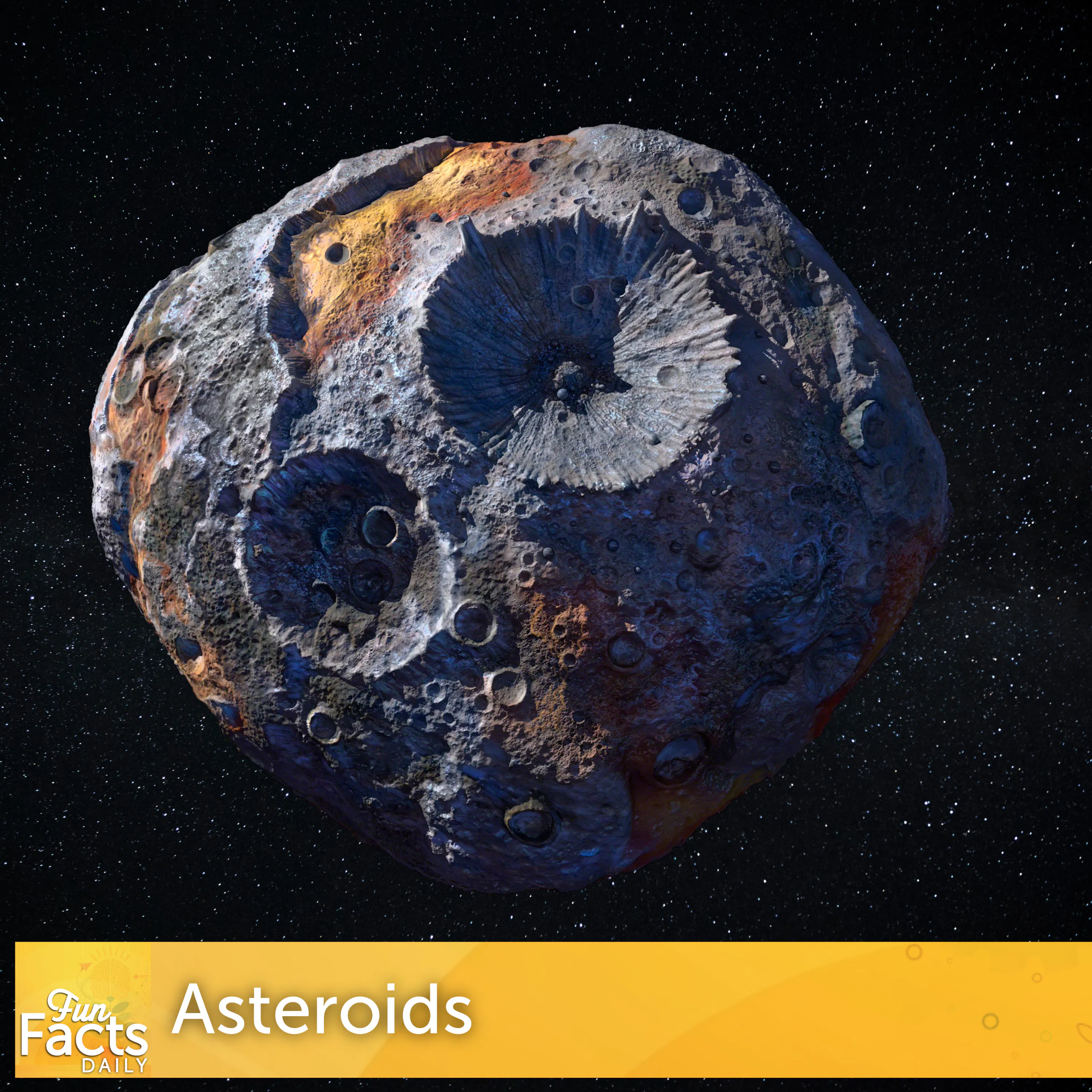
Fun Facts About Asteroids
The solar system contains millions of asteroids, ranging from small rocky debris to massive metal-rich bodies like 16 Psyche. Located in the main asteroid belt between Mars and Jupiter, 16 Psyche is a potato-shaped object composed almost entirely of iron and nickel, believed to be the exposed core of an early planet. Its theoretical value is estimated at $10 quintillion, a figure that far exceeds the entire global economy of Earth. These celestial bodies often possess complex features once thought unique to planets, such as their own orbiting moons or even ring systems. Approximately 15% of near-Earth asteroids are part of binary systems where a larger asteroid captures a smaller "moonlet" in its gravitational pull, while the asteroid Chariklo notably hosts two dense rings of water ice and debris. Beyond their composition, asteroids serve as chemical time capsules of the early solar system. Their surfaces are covered in regolith, a layer of fine dust and rocky debris created by millions of years of microscopic impacts. Scientific missions have successfully returned samples containing water and amino acids, suggesting that asteroid impacts billions of years ago may have delivered the essential building blocks for life to Earth. While popular media often depicts the asteroid belt as a dense obstacle course, the region is largely empty, with the average distance between objects exceeding 600,000 miles. Additionally, small asteroids can experience the YORP effect, where sunlight hitting an uneven surface acts as a propellant, causing some objects to rotate as quickly as once every 2.6 seconds. Want to learn more? Head over to my website www.funfactsdailypod.com and be sure to listen to my other podcasts Who ARTed: Weekly Art History for All Ages or Art Smart. For family fun, check out my son's podcast Rainbow Puppy Science Lab Fun Facts Daily is an Airwave Media Podcast. If you are interested in advertising on this or any other Airwave Media show, email: [email protected] Learn more about your ad choices. Visit megaphone.fm/adchoices
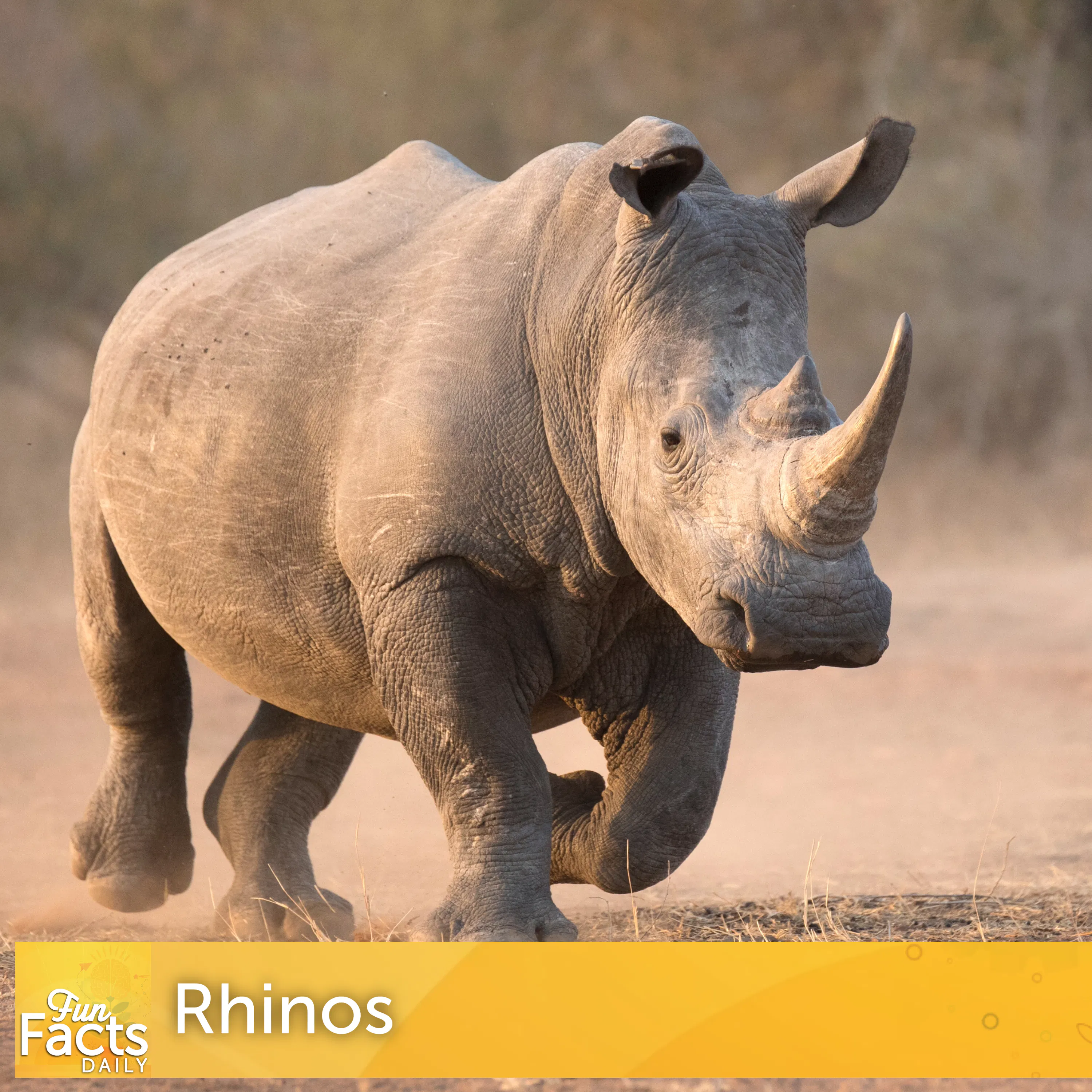
Fun Facts About Rhinoceroses
Rhinoceroses possess distinct biological traits that defy their lumbering appearance. Their iconic horns are not made of bone but are composed entirely of solid keratin, the same protein found in human hair and fingernails, which allows the horn to regrow if broken. Despite weighing over 3,000 pounds and appearing slow, these animals are agile sprinters capable of reaching speeds up to 34 miles per hour, accelerating from a standstill almost instantly. Even the naming convention of the "White" rhino is a historical misunderstanding; the term is likely a mistranslation of the Dutch word for "wide," referring to the animal's broad, flat lip used for grazing, rather than its actual color. While rhinos are encased in skin that can be up to two inches thick, this natural armor is surprisingly sensitive to sunburn and insect bites, necessitating frequent mud baths to create a protective barrier. Their social behavior is equally complex, as they utilize infrasound—deep frequency rumbles below the range of human hearing—to communicate with other rhinos over vast distances in dense habitats. Contrary to the popular "firefighter" myth popularized in film, rhinos do not instinctively stomp out campfires to protect their territory; like most wildlife, they view fire as a danger and flee for safety. Want to learn about other amazing animals? Check out my Spotify playlist, Fun Facts About Animals Head over to my website www.funfactsdailypod.com and be sure to listen to my other podcasts Who ARTed: Weekly Art History for All Ages or Art Smart. For family fun, check out my son's podcast Rainbow Puppy Science Lab Fun Facts Daily is an Airwave Media Podcast. If you are interested in advertising on this or any other Airwave Media show, email: [email protected] Learn more about your ad choices. Visit megaphone.fm/adchoices

Fun Facts About Kindness
Scientific research demonstrates that kindness offers tangible physiological benefits driven by the "helper's high," a release of dopamine, serotonin, and oxytocin that lowers blood pressure via nitric oxide and protects cardiovascular health. Furthermore, acts of compassion have been linked to slower cellular aging by preserving the length of telomeres, the protective caps on DNA strands that typically shorten over time due to stress. Beyond human biology, altruism is a survival trait observed across the animal kingdom, from vampire bats sharing food to humpback whales protecting other species. Among humans, the impact of a single individual can be profound, as seen in the case of James Harrison, an Australian man whose unique blood antibodies helped save over 2.4 million babies. This spirit of selfless concern—a term coined by philosopher Auguste Comte—can be practiced through simple habits like Adam Grant’s "five-minute favor," where small, immediate acts of assistance create a cascading ripple effect of cooperation and well-being within social networks. Participate in the giveaway by emailing [email protected] and put our word of the day in the subject line. Want to learn more? Head over to my website www.funfactsdailypod.com and be sure to listen to my other podcasts Who ARTed: Weekly Art History for All Ages or Art Smart. For family fun, check out my son's podcast Rainbow Puppy Science Lab Fun Facts Daily is an Airwave Media Podcast. If you are interested in advertising on this or any other Airwave Media show, email: [email protected] Learn more about your ad choices. Visit megaphone.fm/adchoices

Fun Facts About the Circulatory System
The human circulatory system is a sprawling network of arteries, veins, and capillaries that facilitates the delivery of life-sustaining oxygen and nutrients to every cell in the body. While the system fits compactly beneath the skin, its scale is immense, with scientists estimating that an average adult contains between 60,000 and 100,000 miles of blood vessels. To put this in perspective, these vessels could wrap around the Earth's equator approximately four times. This complex logistical feat is powered by the heart, a tireless muscle that beats roughly 100,000 times a day to circulate the equivalent of 2,000 gallons of blood. The heart generates enough energy daily to drive a heavy semi-truck 20 miles, yet it does not work alone; the calf muscles act as a "peripheral heart," squeezing deep veins to help return blood from the lower limbs against the force of gravity. Beyond its mechanical complexity, the circulatory system exhibits fascinating biological diversity across species. While humans use iron-rich hemoglobin that gives blood its signature red color—ranging from bright red in oxygen-rich arteries to a darker maroon in veins—other creatures have evolved different chemical solutions. Octopuses and horseshoe crabs utilize copper-based hemocyanin, resulting in blue blood, while certain lizards possess green blood due to the buildup of specific waste products. Within the human body, the most critical exchanges occur in the capillaries, which are microscopic vessels so narrow that red blood cells must often travel through them in single file. These tiny tubes resemble hair in their thinness and ensure that oxygen and nutrients reach their destination while waste products like carbon dioxide are efficiently removed. Want to learn more? Head over to my website www.funfactsdailypod.com and be sure to listen to my other podcasts Who ARTed: Weekly Art History for All Ages or Art Smart. For family fun, check out my son's podcast Rainbow Puppy Science Lab Fun Facts Daily is an Airwave Media Podcast. If you are interested in advertising on this or any other Airwave Media show, email: [email protected] Learn more about your ad choices. Visit megaphone.fm/adchoices

Fun Facts About Stonehenge
Stonehenge, located on the Salisbury Plain in England, is a massive prehistoric monument constructed of large stones known as megaliths. The site was developed in stages over approximately 1,500 years, beginning around 3000 BCE with a circular ditch and bank, and evolving into the complex stone structure seen today. Its construction involved an immense feat of engineering, as builders transported bluestones weighing up to four tons from the Preseli Hills in West Wales—a distance of over 150 miles—using wooden rollers, sledges, and rafts. The larger sarsen stones are joined together through sophisticated woodworking techniques, such as mortise and tenon joints to secure horizontal lintels and tongue and groove joints to connect the lintels to one another. These ten-ton lintels were likely lifted nearly 20 feet into the air using a "cribbing" method, which involved building a rising wooden platform of interlaced timber beams. The monument functions as a giant solar calendar, meticulously aligned to track the sun's movement during the summer and winter solstices. On the summer solstice, the sun rises directly behind the Heel Stone and shines into the center of the circle, a feature that allowed ancient farming societies to predict seasonal shifts with high accuracy. Beyond its astronomical purpose, the arrangement of stones creates unique acoustic properties similar to a modern concert hall, where sound waves bounce off the flat surfaces of the upright megaliths. This reverberation effect, known as acoustic scattering, amplifies mid-to-high frequency sounds like the human voice for those inside the circle while muffling the sound for those outside. Although popular culture often associates the site with Druids, archaeological evidence confirms that Stonehenge was completed roughly 1,000 years before the Celtic Druid culture emerged. Want to learn more? Head over to my website www.funfactsdailypod.com and be sure to listen to my other podcasts Who ARTed: Weekly Art History for All Ages or Art Smart. For family fun, check out my son's podcast Rainbow Puppy Science Lab Fun Facts Daily is an Airwave Media Podcast. If you are interested in advertising on this or any other Airwave Media show, email: [email protected] Learn more about your ad choices. Visit megaphone.fm/adchoices

Fun Facts About Martin Luther King Jr.
Dr. Martin Luther King Jr. demonstrated exceptional intellectual ability from a young age, skipping both the ninth and twelfth grades to enter Morehouse College at only 15 years old. By the age of 19, he had earned a degree in sociology, eventually completing a PhD from Boston University by the time he was 26. Although globally recognized by his famous name, he was born Michael King Jr.; his father changed both of their names in 1934 following a trip to Germany, where he was inspired by the legacy of the Protestant reformer Martin Luther. In 1964, King's commitment to non-violent resistance earned him the Nobel Peace Prize at age 35, making him the youngest male recipient in history. Demonstrating his dedication to the cause of equality over personal gain, he donated the entire prize purse of over $54,000 to the civil rights movement. The oratorical style that defined the civil rights movement was deeply rooted in the traditions of the Black church, utilizing techniques such as call and response and a rhythmic, musical cadence. Despite his later mastery, King actually received a "C" grade in public speaking during his first year of seminary, later achieving straight "A"s through diligent practice and the study of great preachers. His most iconic address, the "I Have a Dream" speech, was partly improvised; after being prompted by gospel singer Mahalia Jackson to "tell them about the dream," King set aside his prepared text to deliver the unscripted climax now studied worldwide. His influence also crossed into popular culture through his admiration for the television series Star Trek. He personally convinced actress Nichelle Nichols not to leave her role as Lieutenant Uhura, arguing that her portrayal of a Black woman as a high-ranking professional and equal was vital for the future of representation. Want to learn more? Head over to my website www.funfactsdailypod.com and be sure to listen to my other podcasts Who ARTed: Weekly Art History for All Ages or Art Smart. For family fun, check out my son's podcast Rainbow Puppy Science Lab Fun Facts Daily is an Airwave Media Podcast. If you are interested in advertising on this or any other Airwave Media show, email: [email protected] Learn more about your ad choices. Visit megaphone.fm/adchoices

Fun Facts About the Chicago Bears
Known as the "Monsters of the Midway," the Chicago Bears are one of the most storied franchises in NFL history. Originally founded in 1920 as the Decatur Staleys by the A.E. Staley food starch company, the team moved to Chicago in 1921 and was renamed the Bears in 1922 to complement the city's baseball team, the Cubs. The team's iconic navy blue and orange colors were adopted from owner George Halas's alma mater, the University of Illinois. The Bears hold the NFL record for the most lopsided victory, defeating Washington 73-0 in the 1940 NFL Championship Game. They also gained pop culture fame in 1985 with "The Super Bowl Shuffle," which became the first song by a professional sports team to earn a Grammy nomination. In 1932, the team played the first-ever indoor NFL game at Chicago Stadium on a makeshift dirt field, an event that led to the permanent addition of hash marks to the NFL rulebook. Want to learn more? Head over to my website www.funfactsdailypod.com and be sure to listen to my other podcasts Who ARTed: Weekly Art History for All Ages or Art Smart. For family fun, check out my son's podcast Rainbow Puppy Science Lab Fun Facts Daily is an Airwave Media Podcast. If you are interested in advertising on this or any other Airwave Media show, email: [email protected] Learn more about your ad choices. Visit megaphone.fm/adchoices