
Full Story
511 episodes — Page 8 of 11
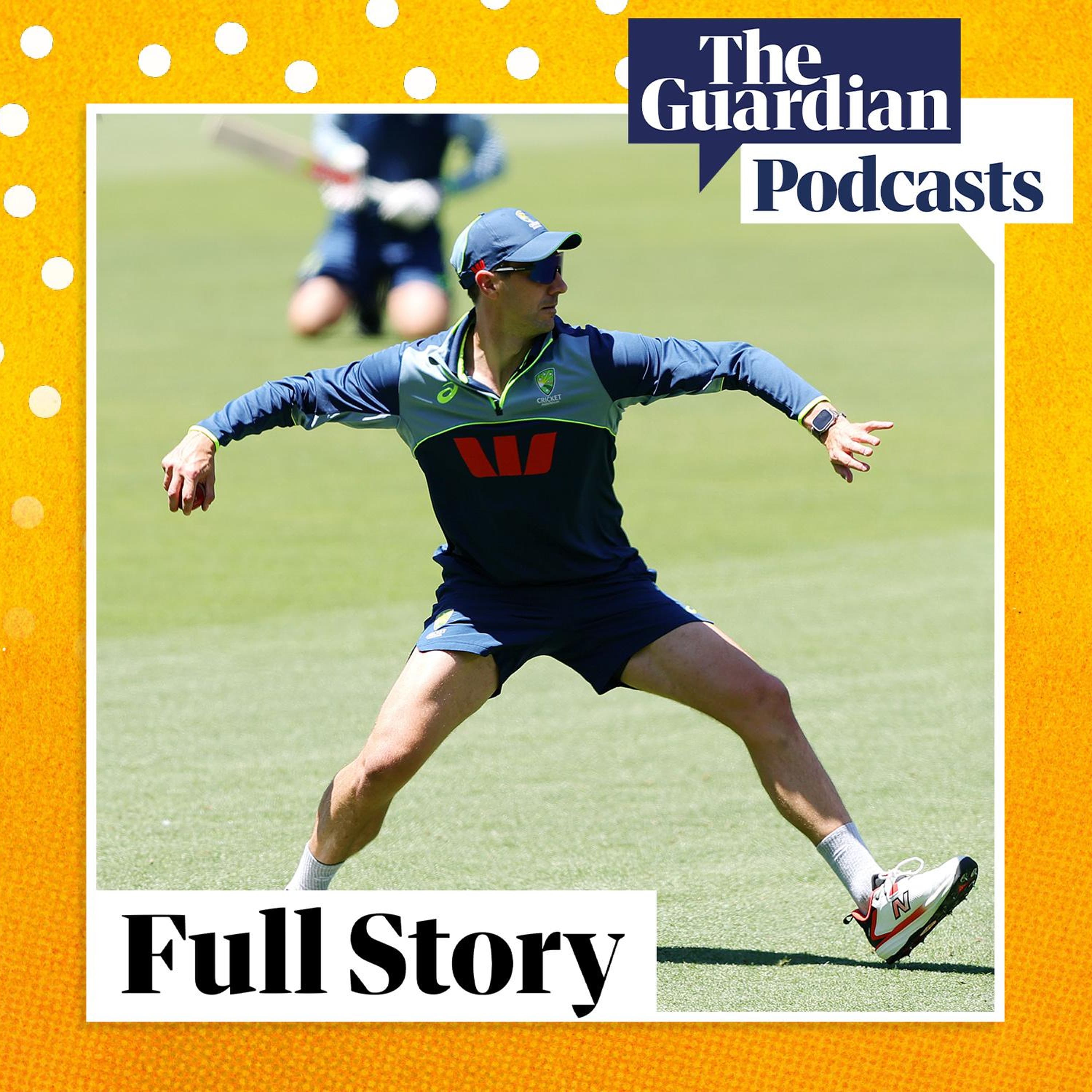
Ashes Weekly: Can Australia clinch the series in Adelaide?
EMax Rushden is joined by Geoff Lemon, Ali Martin and Taha Hashim to preview the third Test in Adelaide. Do England rip up their Bazball gameplan or double down against Australia?
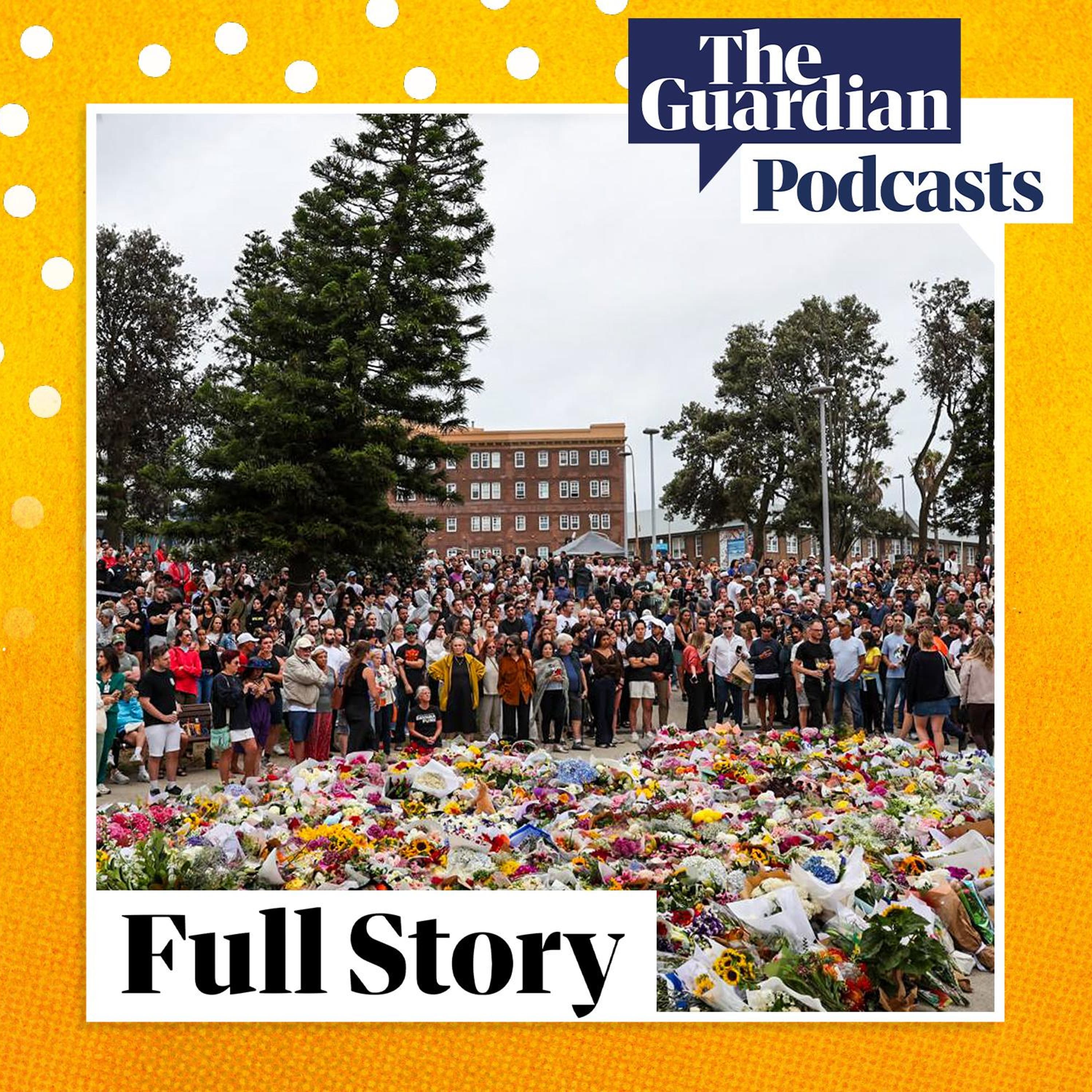
Shock, grief and political reaction: Bondi terror attack aftermath
It’s been more than 24 hours since two gunmen fired into crowds at Bondi beach, and a clearer picture is emerging. Senior reporter Ben Doherty speaks to Reged Ahmad about what we now know about the alleged gunmen, the grief and fear expressed by the Jewish community and the prime minister’s promise to examine Australia’s gun laws
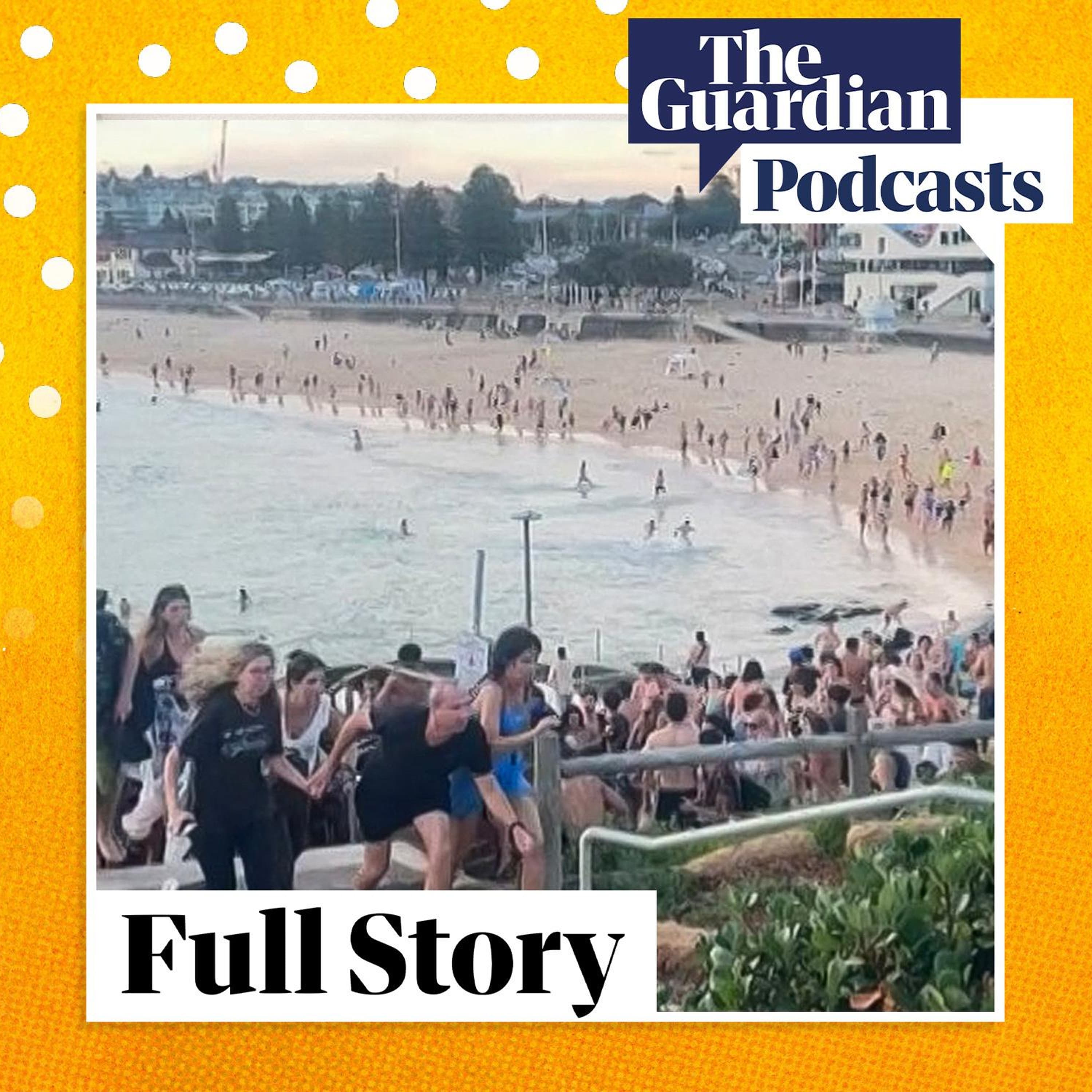
Terror in Bondi
Just before 7pm on Sunday, two alleged gunmen, a father and son, attacked a Hanukah celebration on Bondi Beach in Sydney. At the time of recording, 16 people between the ages of 10 and 87 have been confirmed killed – including one of the gunmen – and at least 42 people are being treated for injuries in hospital. Anthony Albanese says the attack was ‘deliberately targeted at the Jewish community’ and the NSW police commissioner, Mal Lanyon, has confirmed the shooting has been declared a terrorist incident. Senior reporter Ben Doherty speaks to Reged Ahmad about what he saw on Bondi beach last night and what we know happened
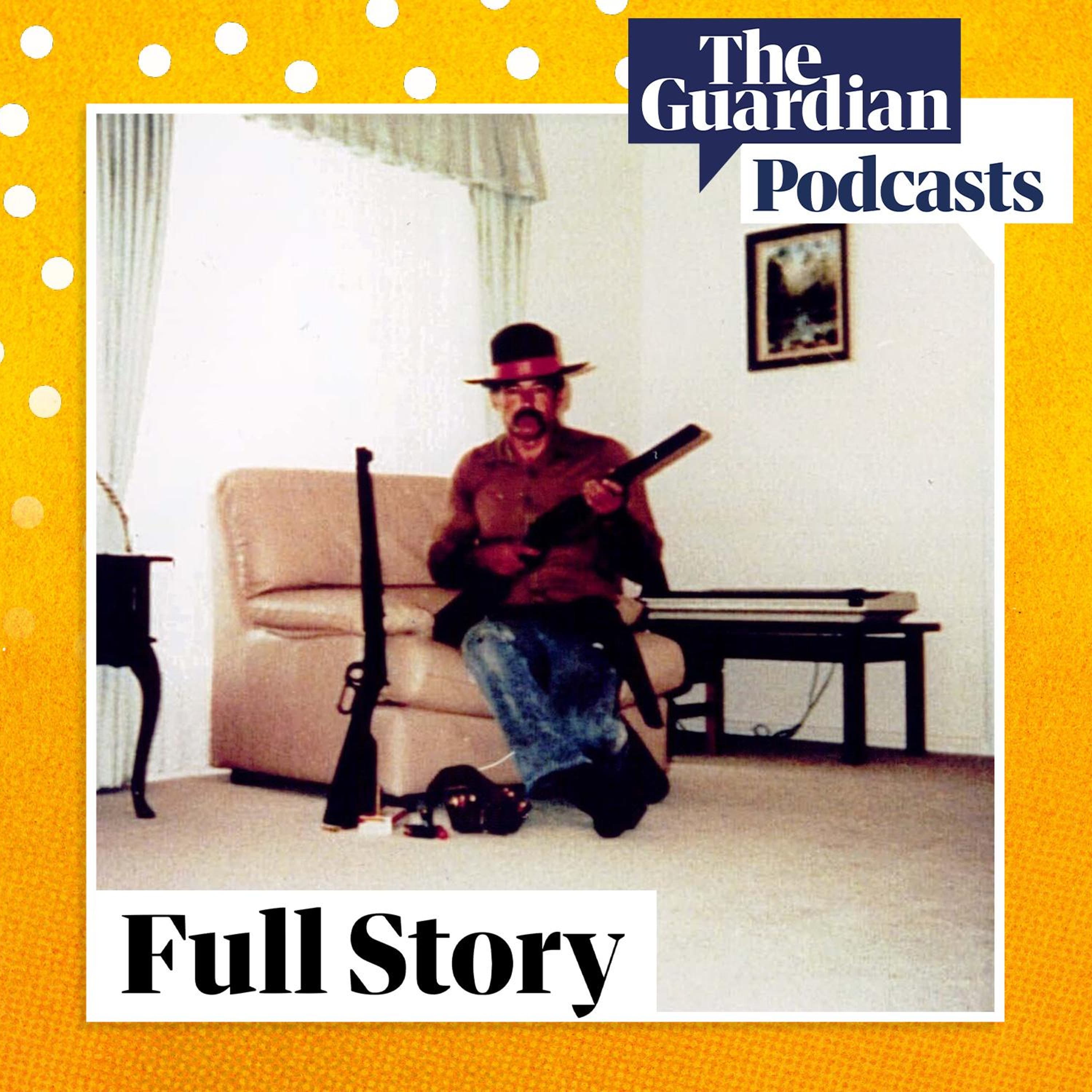
Was Ivan Milat responsible for more murders than we think?
In 1994, Ivan Milat was jailed for life for the murder of seven backpackers, whose bodies were found in the remote Belanglo state forest in the New South Wales southern highlands. Milat died in jail in 2019, aged 74. Now, a NSW parliamentary inquiry into unsolved murders and long-term missing cases from 1965 to 2010 could link many more victims to the infamous serial killer. NSW correspondent Anne Davies speaks to Reged Ahmad about why it’s estimated Milat could have murdered more than 80 people and the continued efforts by victims’ family members to uncover the truth

The real reason behind Trump’s nasty breakup with Europe
This week, Donald Trump described Europe as ‘weak’ and ‘decaying’ and warned of ‘civilisational collapse’ on the continent due to immigration. His administration also published its blueprint for national security, which suggests that democracy might not be as important to the Trump White House as it has been for previous administrations. Jonathan Freedland speaks to the US military scholar Joseph Stieb about the Trump administration’s national security strategy

Back to Back Barries and Niki Savva on a seismic year in politics
What lessons from 2025 can Labor and the Coalition take into their summer break? After a landslide election win, will Albanese maintain his lead in the polls and use the momentum to achieve ambitious reform? And can the Liberals come back into public favour? Niki Savva, award-winning author of Earthquake: The Election that Shook Australia, joins Barrie Cassidy and Tony Barry in this bumper final episode for 2025. The Barries will return to your feed in February 2026

Newsroom edition: Labor’s ambition and the Coalition’s existential crisis in 2025
As the year rounds to a close, Anthony Albanese has been on a victory lap, while the Coalition continues to pick up the pieces after a bruising election defeat. But as Labor has slowly been delivering election promises, is there a disconnect between Albanese’s cautious approach and the way Australians feel about their lives? Bridie Jabour talks to the editor, Lenore Taylor, and deputy editors Patrick Keneally and Gabrielle Jackson about Labor’s ambitions, the Coalition’s existential crisis and the stories that will define the year to come
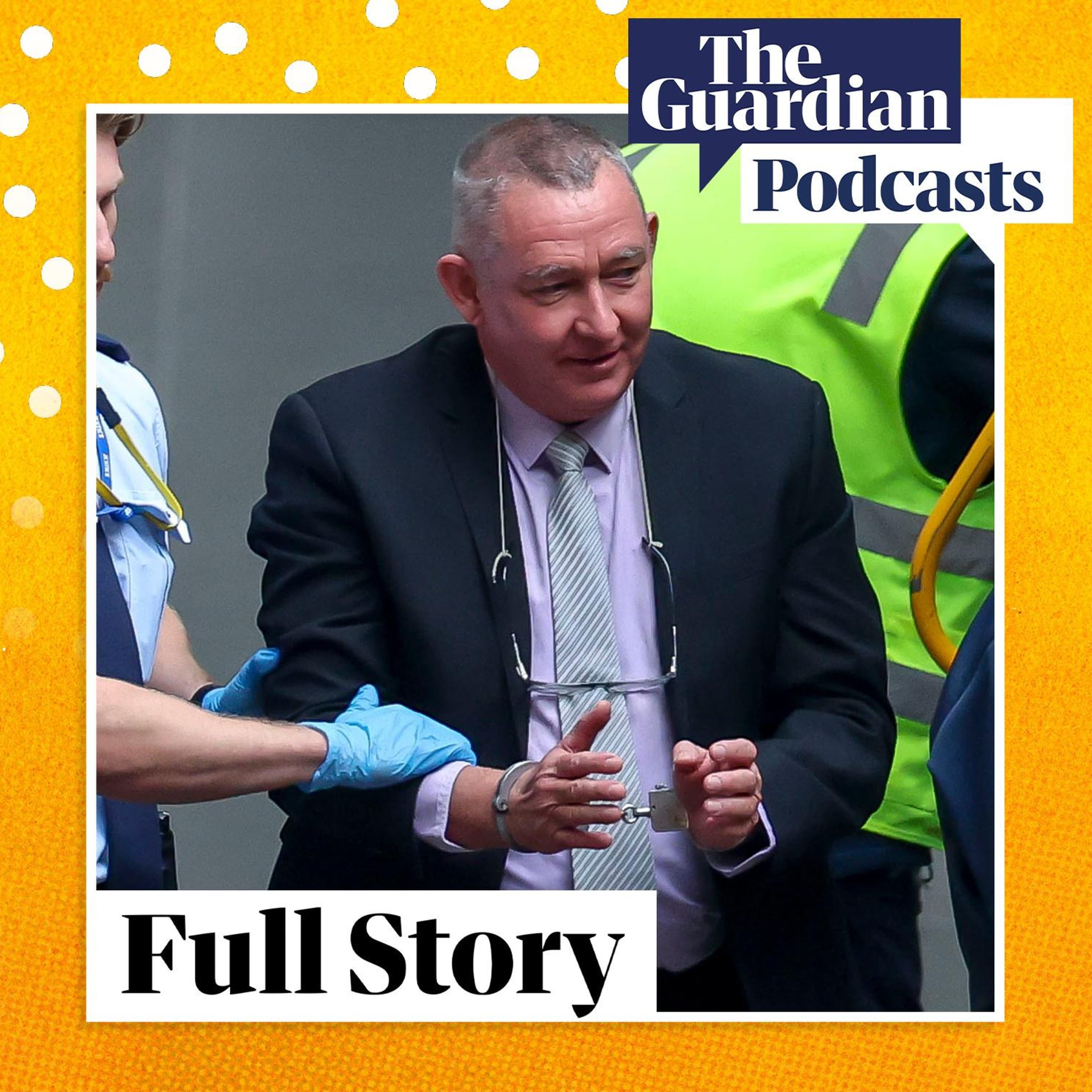
Greg Lynn’s murder conviction quashed
Former pilot Greg Lynn has had his conviction for murdering an elderly camper in the Victorian high country overturned in a stunning decision made by Victoria’s highest court. Justice and courts reporter, Nino Bucci, speaks to Reged Ahmad about why Lynn’s conviction was overturned and what happened inside the courtroom when the decision was handed down
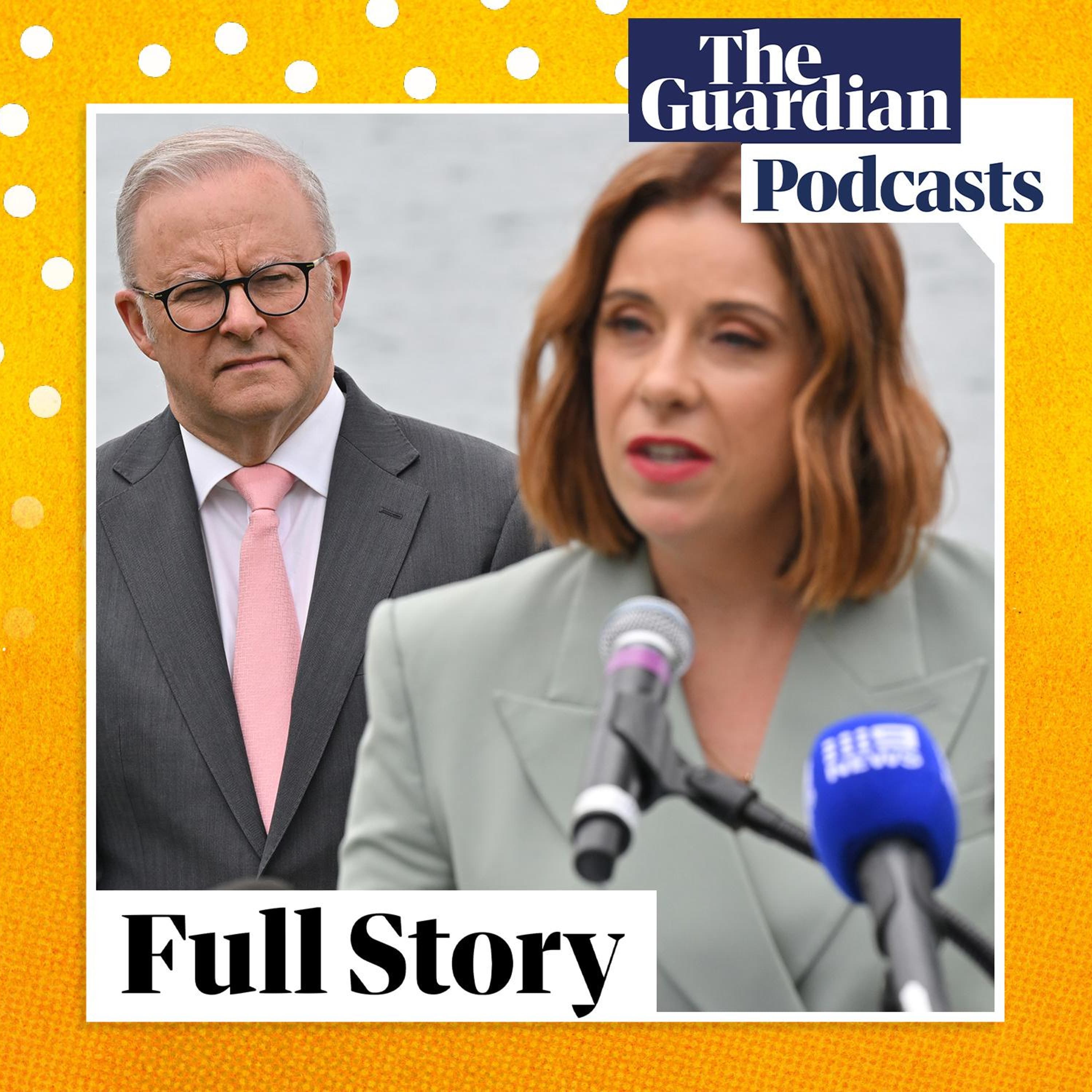
The expensive expenses of Anika Wells
The communications and sport minister, Anika Wells, should be flying high this week spruiking Australia’s world-first social media ban – instead she is defending her use of travel entitlements. Political editor Tom McIlroy joins Reged Ahmad to discuss whether this latest controversy will see a change to politicians’ perks
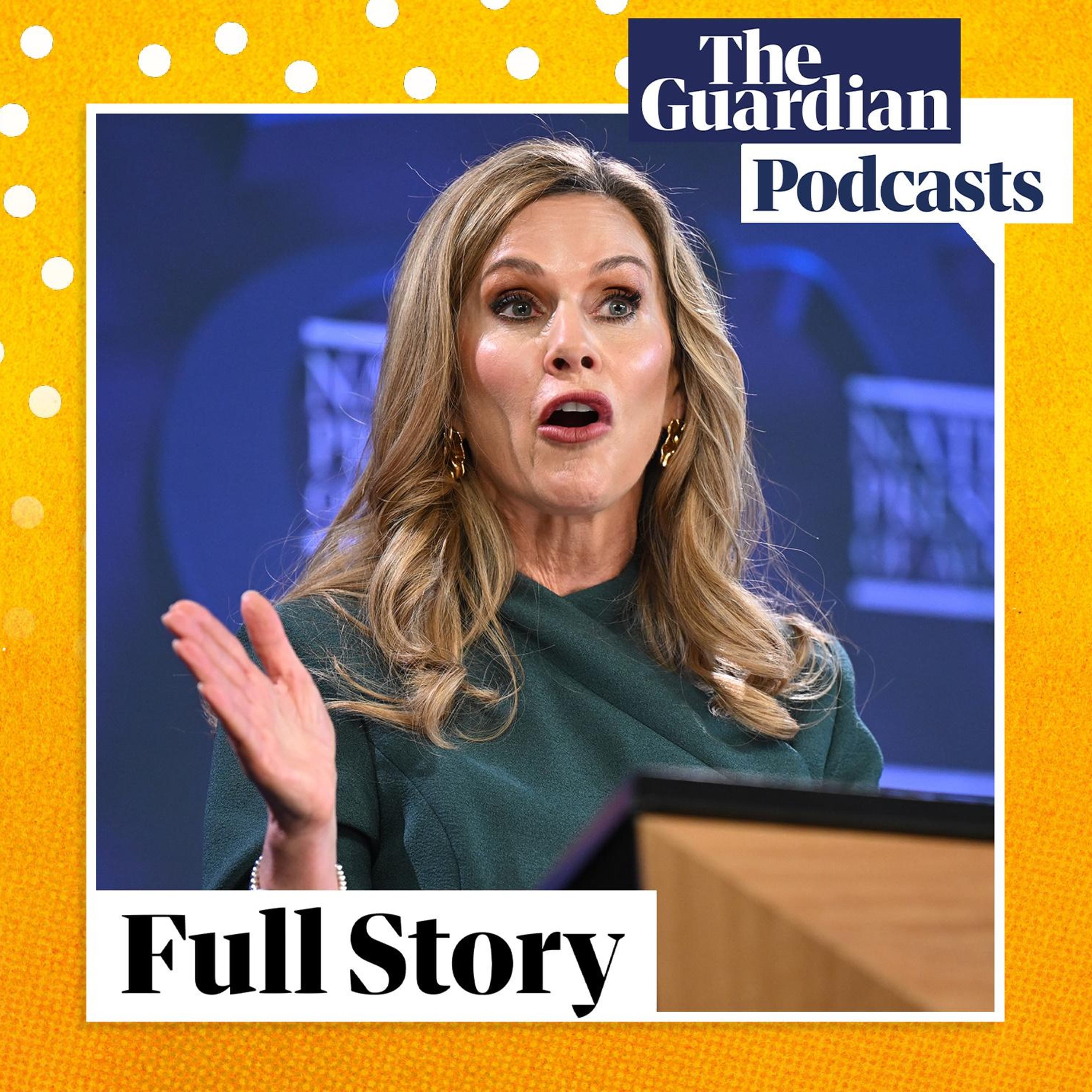
'No playbook for this': the eSafety commissioner on her world-first social media ban
Today more than a million teenagers will wake up to find they have been locked out of social media sites such as Instagram and TikTok as Australia’s world-first social media ban for under-16s comes into force. Guardian Australia technology reporter Josh Taylor speaks to Julie Inman Grant about how she plans to enforce the move, why it could fail and how taking on the tech giants has come at a personal cost
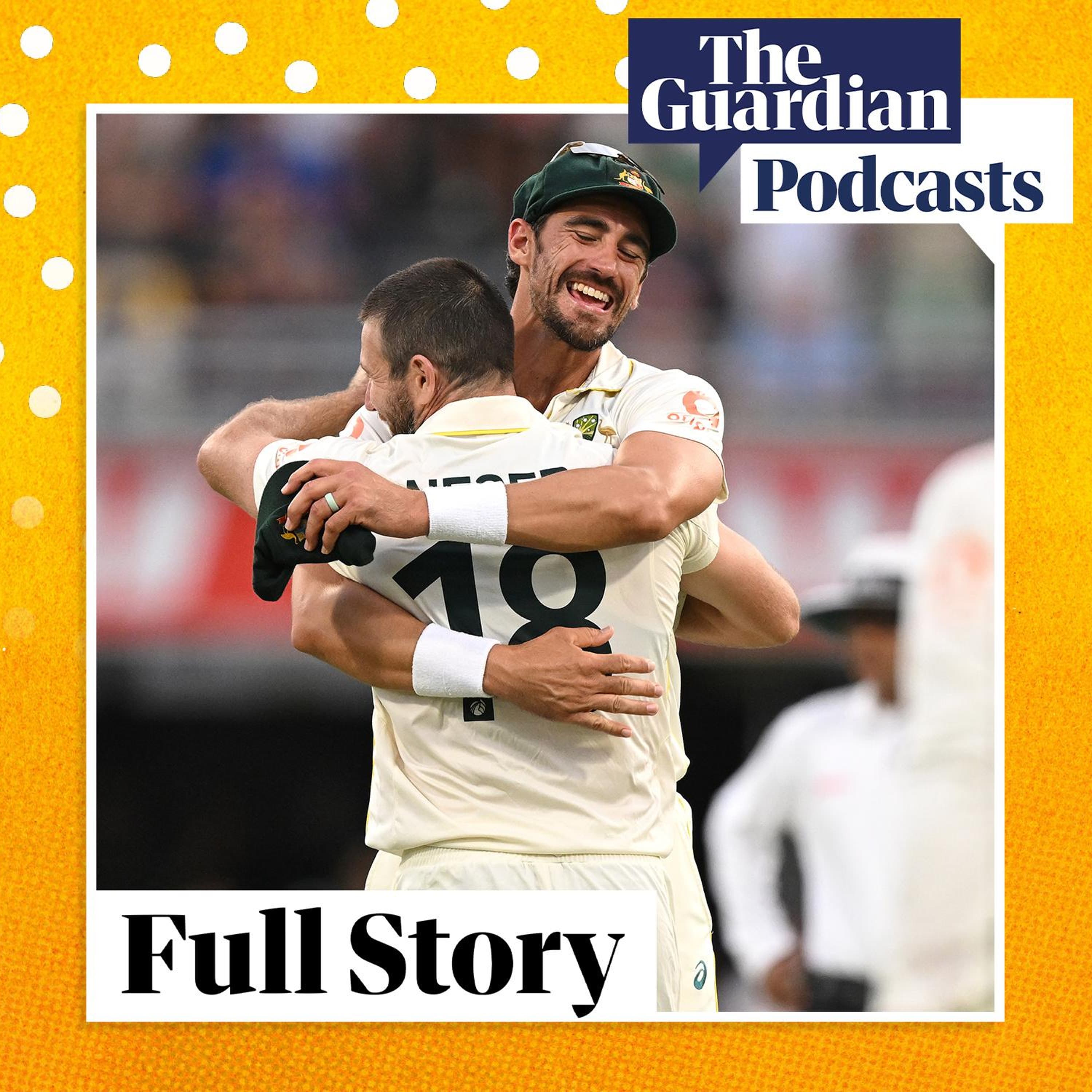
Ashes Weekly: Starc shines for Australia as England slump again
EMax Rushden is joined by Geoff Lemon, Ali Martin and James Wallace to discuss another humbling defeat for England as Australia took full control of the series in Brisbane, with Mitchell Starc starring with both bat and ball

Who is behind Australia’s new rightwing political group?
At an anti-immigration rally in Sydney late last month, pamphlets for a new populist political venture were being handed out to the crowd bearing the name and the colours of Nigel Farage’s Reform UK party. So who is behind the group calling themselves Reform Australia, and what does its digital footprint reveal? Nour Haydar speaks with investigations reporter Ariel Bogle and political reporter Sarah Basford Canales on the rightwing group seeking to recruit at rallies

Where is four-year-old Gus Lamont?
Gus Lamont went missing in the Australian outback on 27 September. Despite one of the largest and most intensive searches for a missing person in South Australia, no trace has been found of the four-year-old. Senior reporter Tory Shepherd speaks to Reged Ahmad about how the child has seemingly vanished and left only questions about what could have happened

'This is war': is Trump about to invade Venezuela?
Donald Trump has in recent months turned his attention to ousting Venezuela’s leader, Nicolás Maduro. But the US president and his secretary of war, Pete Hegseth, are under scrutiny over military strikes on suspected drug boats from Venezuela in the Caribbean Sea. This week, Jonathan Freedland speaks to the Guardian’s Tom Phillips about why people are accusing Trump of war crimes
Back to Back Barries: why gen z and millennials will decide the Coalition’s fate
Barrie Cassidy and Tony Barry are back and there’s a lot that’s happened since they last sat down together. In this week’s episode they examine the Liberals’ abandonment of net zero emissions, whether Barnaby Joyce could help or hinder support for One Nation and why the Liberal party needs to start courting young people if it is to survive

Newsroom edition: the dangers of automated governance
A Guardian exclusive this week revealed the national disability insurance scheme is set to be dramatically overhauled, with participants’ plans now being assessed by a computer and human oversight dramatically reduced. Advocates have called it a ‘nightmare scenario for disabled people’. Bridie Jabour speaks with the editor, Lenore Taylor, the head of newsroom, Mike Ticher, and deputy editor Patrick Keneally about what happens when you take the human out of human services, and if the government has learned any lessons from robodebt

The 27-year-old white supremacist radicalising Maga
Where is Nick Fuentes trying to lead the Republican party? J Oliver Conroy reports
Why NDIS plans will soon be computer-generated
A Guardian Australia exclusive report has revealed details of a planned major overhaul to the national disability insurance scheme. Under the new model, funding and support plans will be generated by a computer, with human involvement dramatically reduced. Senior reporter Kate Lyons speaks to Nour Haydar about what this means for the more than 750,000 Australians relying on the scheme, and why some staff and disability advocates are raising the alarm

Ashes Weekly: will Australia strike again in Brisbane?
EMax Rushden is joined by Geoff Lemon, Emma John and Sam Perry to preview the second Test, a day-night affair at the Gabba, with Australia aiming to continue their outstanding record with the pink ball and England looking to recover from their embarrassing defeat in Perth
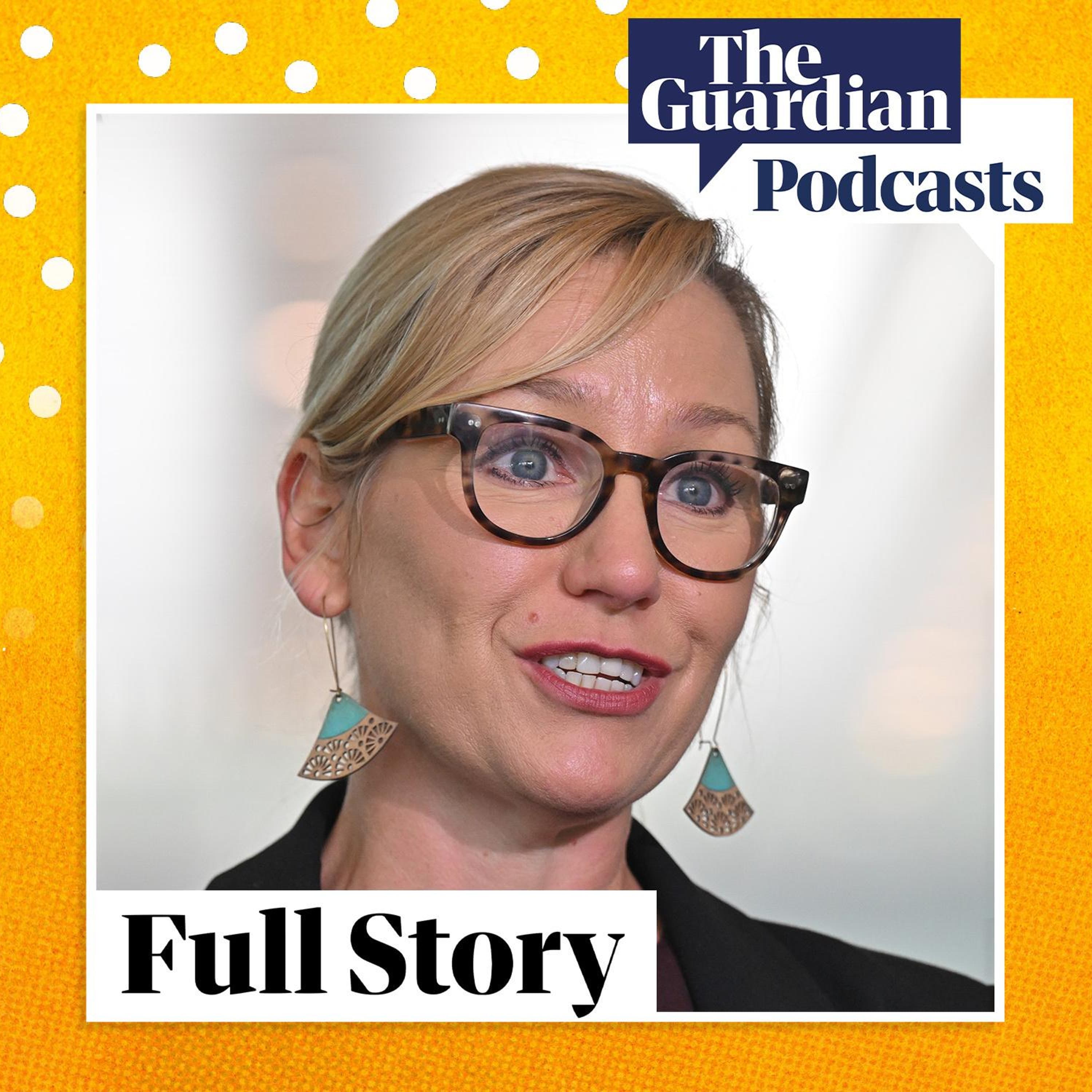
Larissa Waters on how the environment deal was done
Larissa Waters has been at the helm of the Greens since the federal election saw former leader Adam Bandt unexpectedly lose his seat. Last week, her party secured a deal with Labor to pass new environment laws – a deal her predecessor didn’t deliver. The senator talks to Reged Ahmad about what it was like taking over after the dramatic election loss earlier this year and why she compromised to get the reforms over the line.
Is 2026 the year Albanese’s political honeymoon ends?
The prime minister, Anthony Albanese, has ended the parliamentary year on a high, passing the long-promised nature laws and celebrating a wedding. But inflation is moving in the wrong direction, far-right populist sentiment is on the rise, and gambling and housing reform are continuing to fester. Does Labor have a plan to confront these big social and economic challenges? Guardian Australia political editor Tom McIlroy and chief political correspondent Dan Jervis-Bardy join Nour Haydar to discuss what lies ahead for Labor as the sun sets on the 2025 parliamentary year
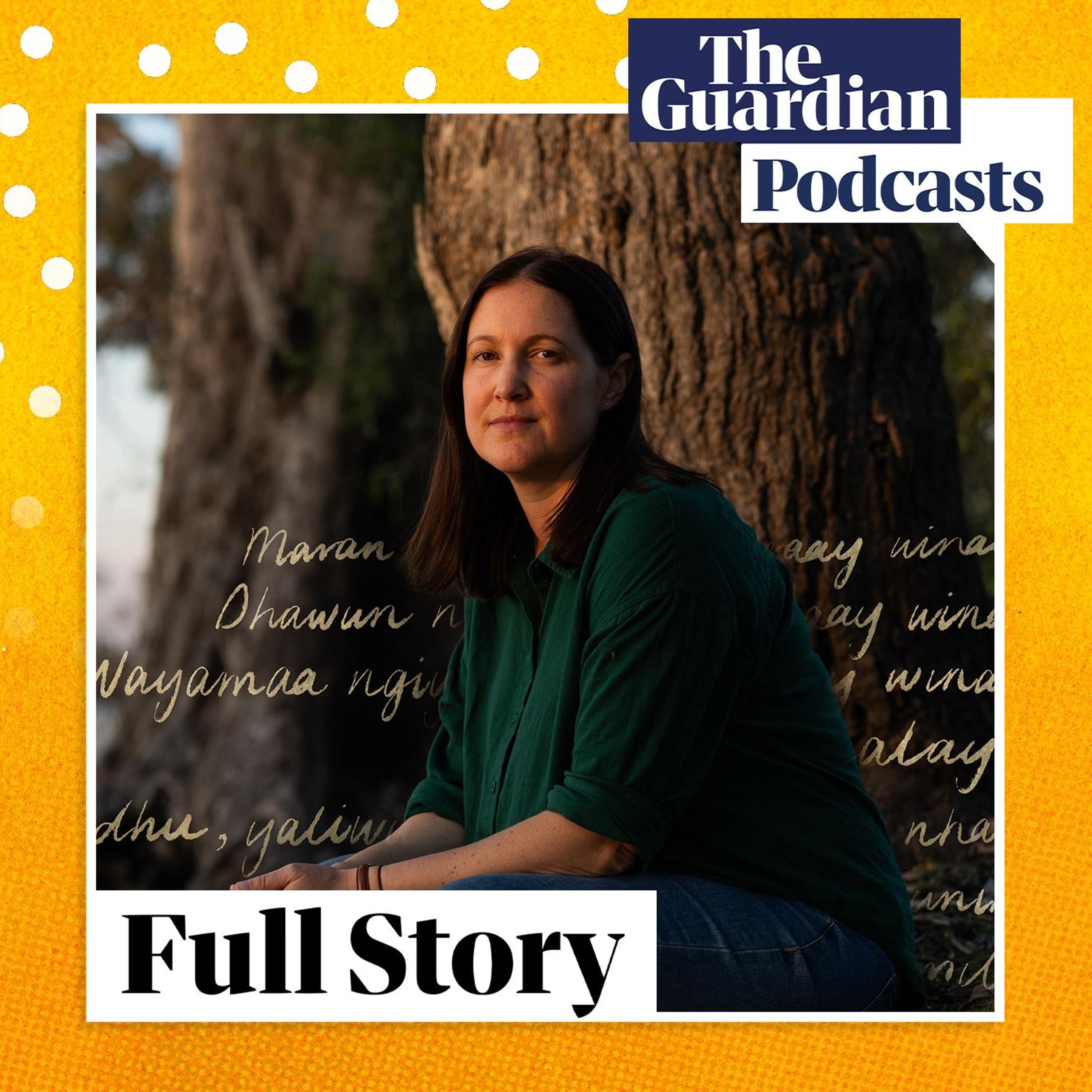
Bringing Indigenous languages back from the brink
More than 250 languages were spoken across Australia before British colonisation. Now only half are still in use as a result of policies that suppressed and prevented First Nations people from speaking their mother tongues. Indigenous affairs reporter Ella Archibald-Binge travels to two communities including her country to hear from elders, teachers and students about efforts to revive native languages and close the education gap
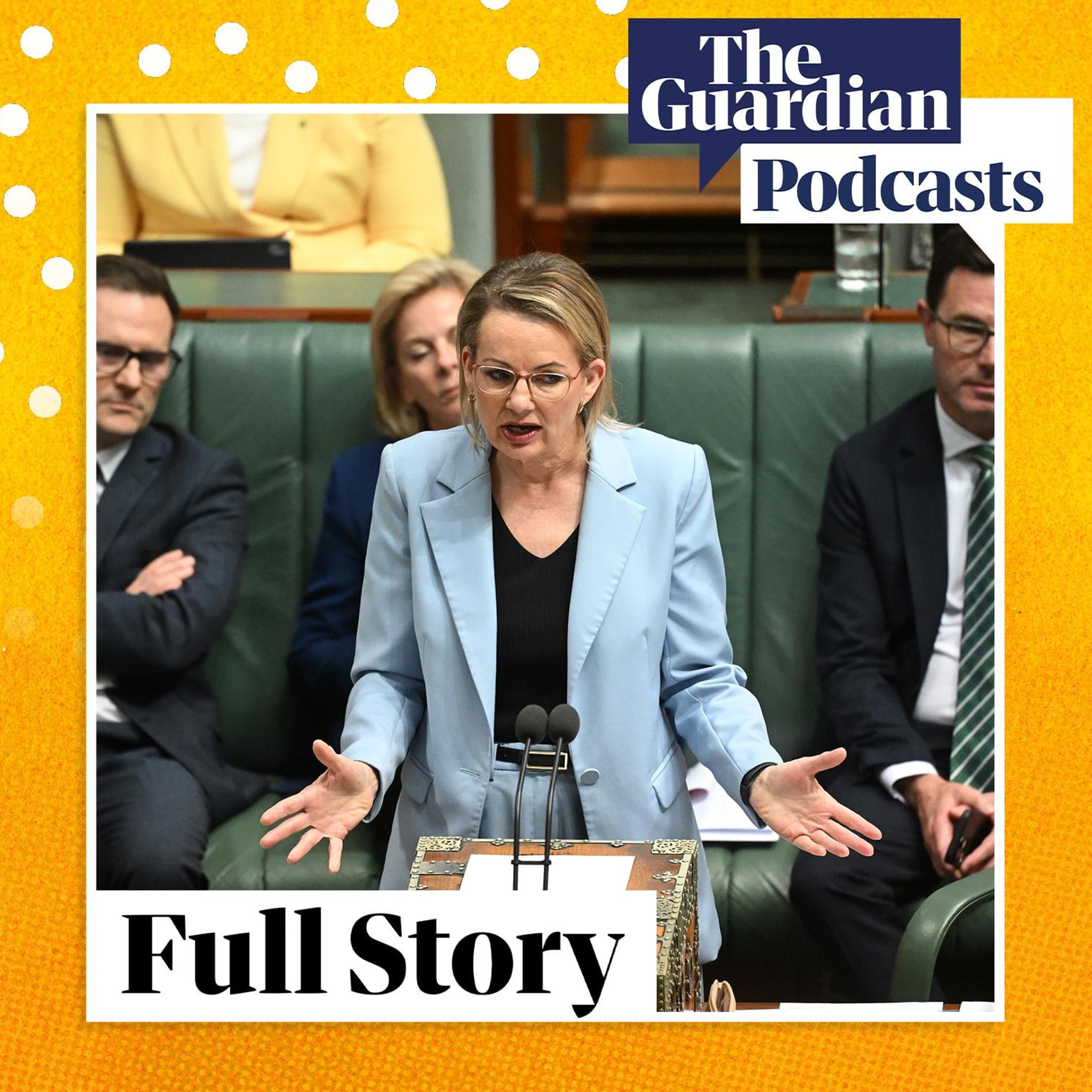
Sussan Ley says ‘still up for the job’ of opposition leader
Ever since she was elected opposition leader, Sussan Ley has faced strong criticism from within her party and across the parliament. Some commentators even predicted she’d be out of the job already. But she has made it to the last sitting week of parliament for the year. On the other side of the aisle, the Albanese government managed to meet their own deadline to legislate changes to outdated nature laws – by settling on a deal with the Greens. Political editor Tom McIlroy speaks to Ley about her disappointment over the long-awaited reforms, Barnaby Joyce resigning from the Nationals and why she thinks ‘it’s never been about me’

Maga moms, Trump babies and Erika Kirk: Republicans woo women in run-up to midterms
Erika Kirk – the widow of Charlie Kirk, the rightwing activist killed in Utah in September – has indicated she would be willing to support JD Vance in a 2028 presidential bid. Katie Miller, the wife of White House deputy chief of staff for policy Stephen Miller, invites senior Republicans on to her podcast for discussions with conservative women. And the Trump administration is developing baby-boom policies it hopes will help gain the backing of women in the midterm elections. Jonathan Freedland speaks to the Guardian columnist Arwa Mahdawi about the Republican drive to win over women

Newsroom edition: unpacking Pauline Hanson’s burqa stunt
This week, senator Pauline Hanson donned a burqa in parliament and refused to remove it, attracting significant attention. Bridie Jabour talks to the editor, Lenore Taylor, the head of newsroom, Mike Ticher, and the national news editor, Josephine Tovey, about political stunts and how the media should cover them.
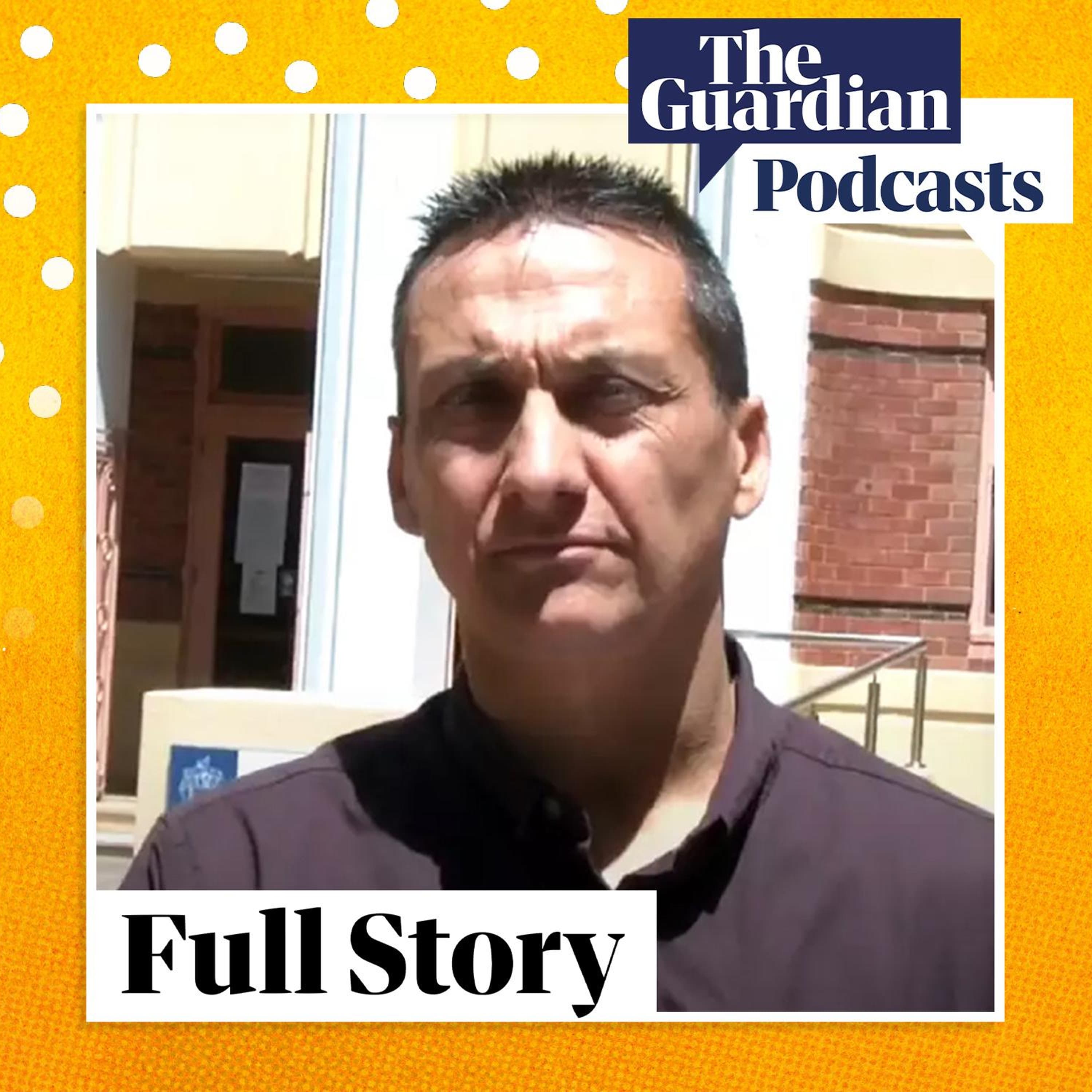
Australia’s most notorious fugitive: where is Dezi Freeman?
Porepunkah shooting suspect Dezi Freeman remains missing three months after he allegedly shot and killed two police officers, and wounded a third. Justice and court reporter Nino Bucci tells Reged Ahmad about the unease felt by those living in the Victorian town, and police theories of where Freeman could be
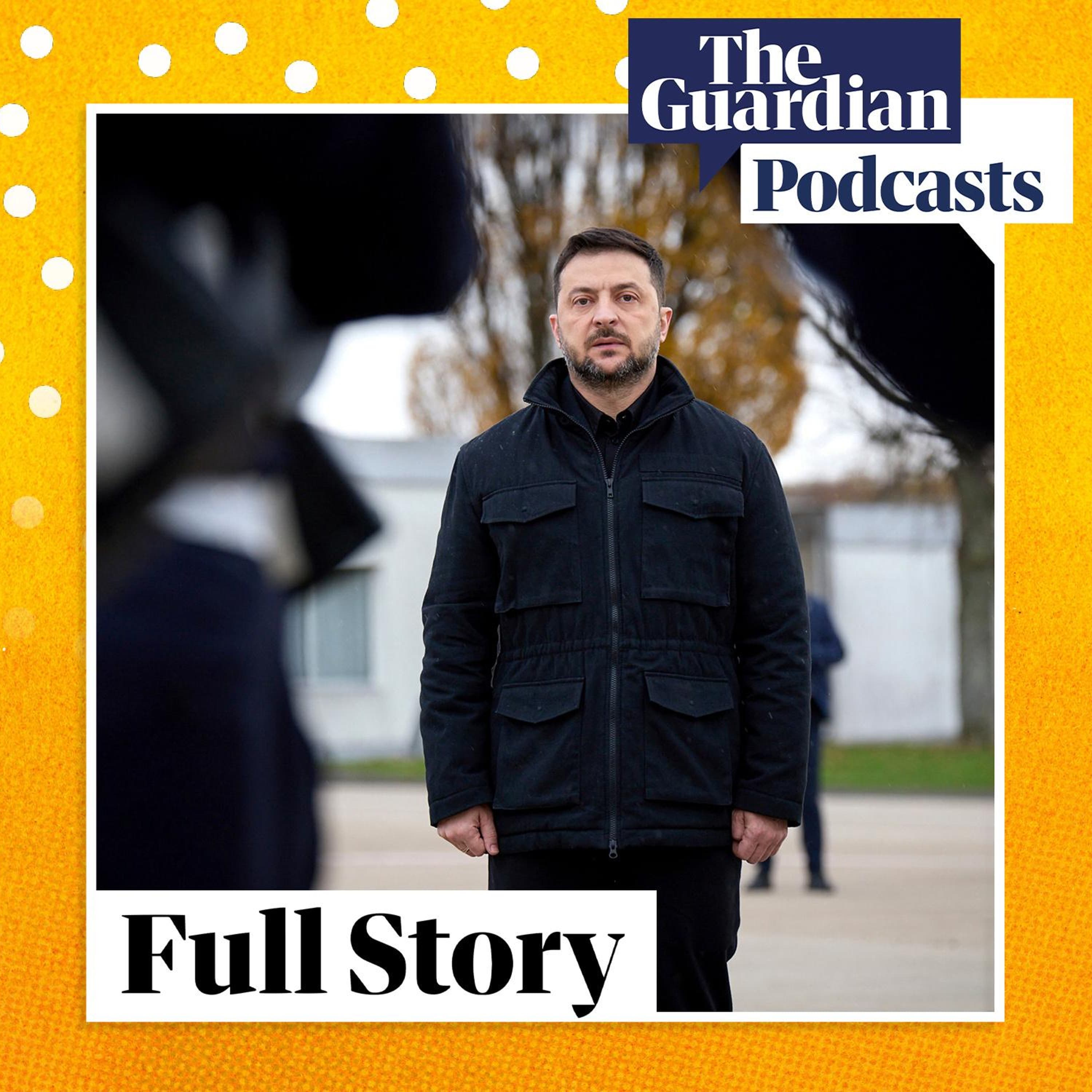
The frantic push to bring peace to Ukraine
First there was a 28-point plan pushed by Trump last Wednesday, as a solution to end almost four years of a war that has devastated Ukraine and killed hundreds of thousands of soldiers and civilians. By the weekend, there had been a redraft. A slimmed down 19-point proposal. This time seemingly less skewed towards Russia. By Tuesday, at a summit in Abu Dhabi, US, Russian and Ukrainian officials were hammering out a third version. The Guardian’s Russian affairs reporter, Pjotr Sauer, told Nosheen Iqbal what it has been like to watch these twists and turns
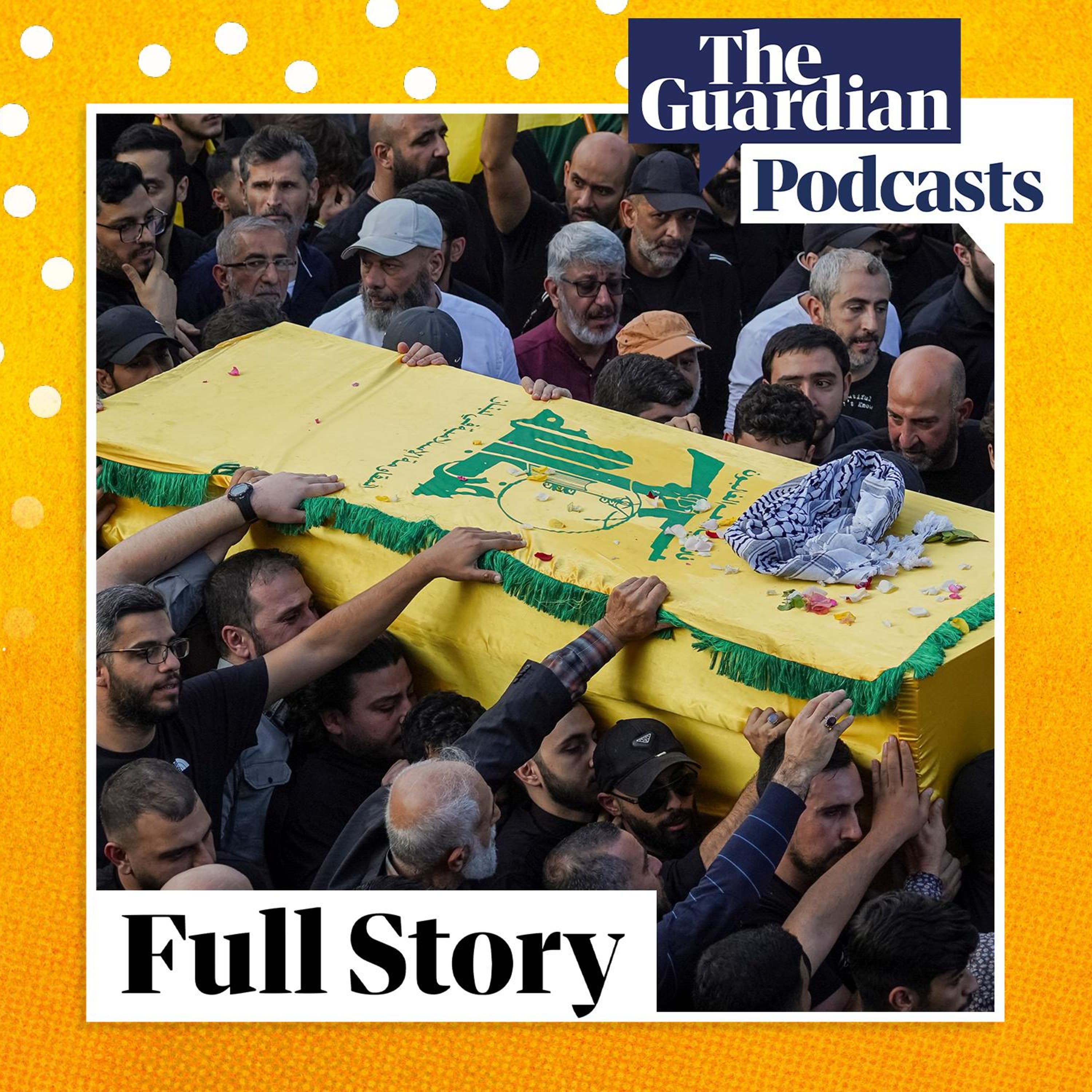
Is Lebanon the new flashpoint for Israel?
Israel’s latest strike in Beirut on Sunday, which killed at least five people and wounded 28, has dramatically escalated existing tensions in the region and left many in Lebanon anxious about what may follow. Beirut-based journalist William Christou speaks to Nour Haydar about the Lebanese government and Hezbollah’s responses to the strike and Israel’s ongoing presence in south Lebanon, despite a ceasefire agreement.

Why did the BoM website cost a bomb?
New figures released over the weekend show the cost of the Bureau of Meteorology’s website redesign has ballooned to $96.5m. Technology reporter Josh Taylor tells Nour Haydar how this happened, how it compares with other website redesigns and why the environment minister is asking for an explanation
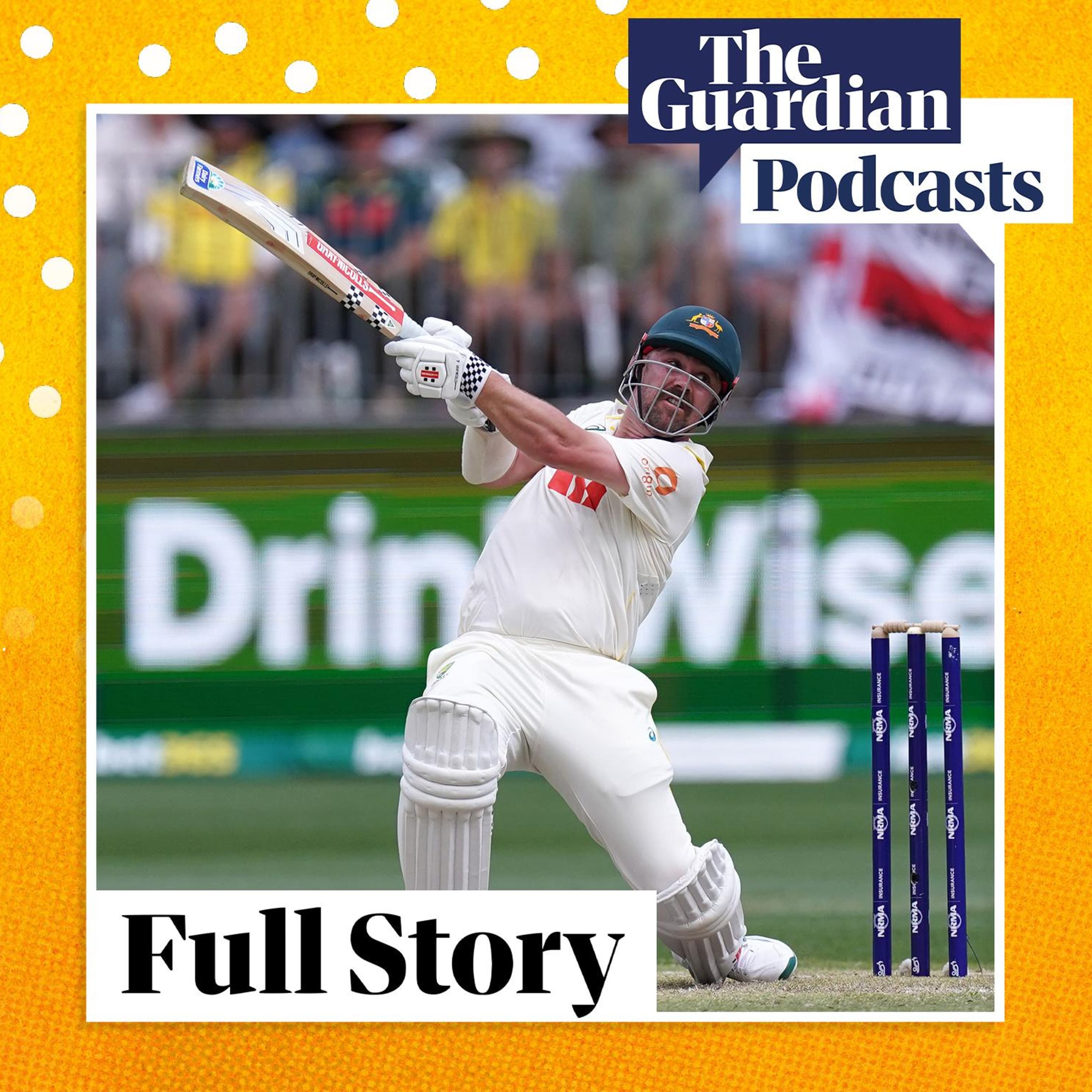
Ashes Weekly: Australia wins and England collapses in the first Test
Max Rushden is joined by Geoff Lemon, Ali Martin and Jim Wallace to discuss Australia’s humbling defeat of England in the first Test in Perth that ended three days early
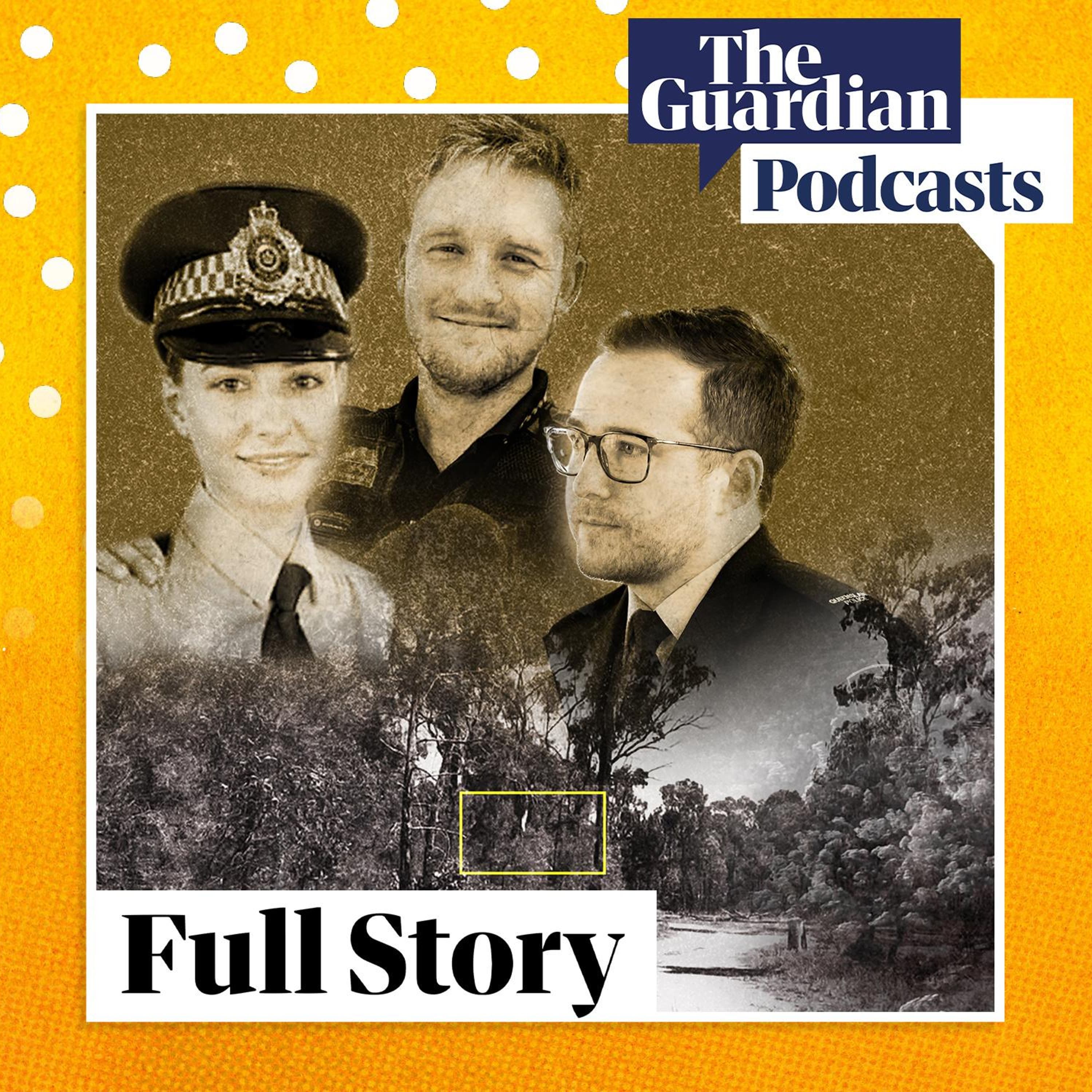
What went wrong at Wieambilla
EA Queensland coroner has found that the three members of the Train family behind the 2022 Wieambilla shootings were not terrorists, but instead killed two police officers and a neighbour due to their shared ‘persecutory’ delusions. Queensland state reporter Andrew Messenger speaks to Reged Ahmad about the coroner’s findings into what happened that day and whether anything could have been done to prevent it
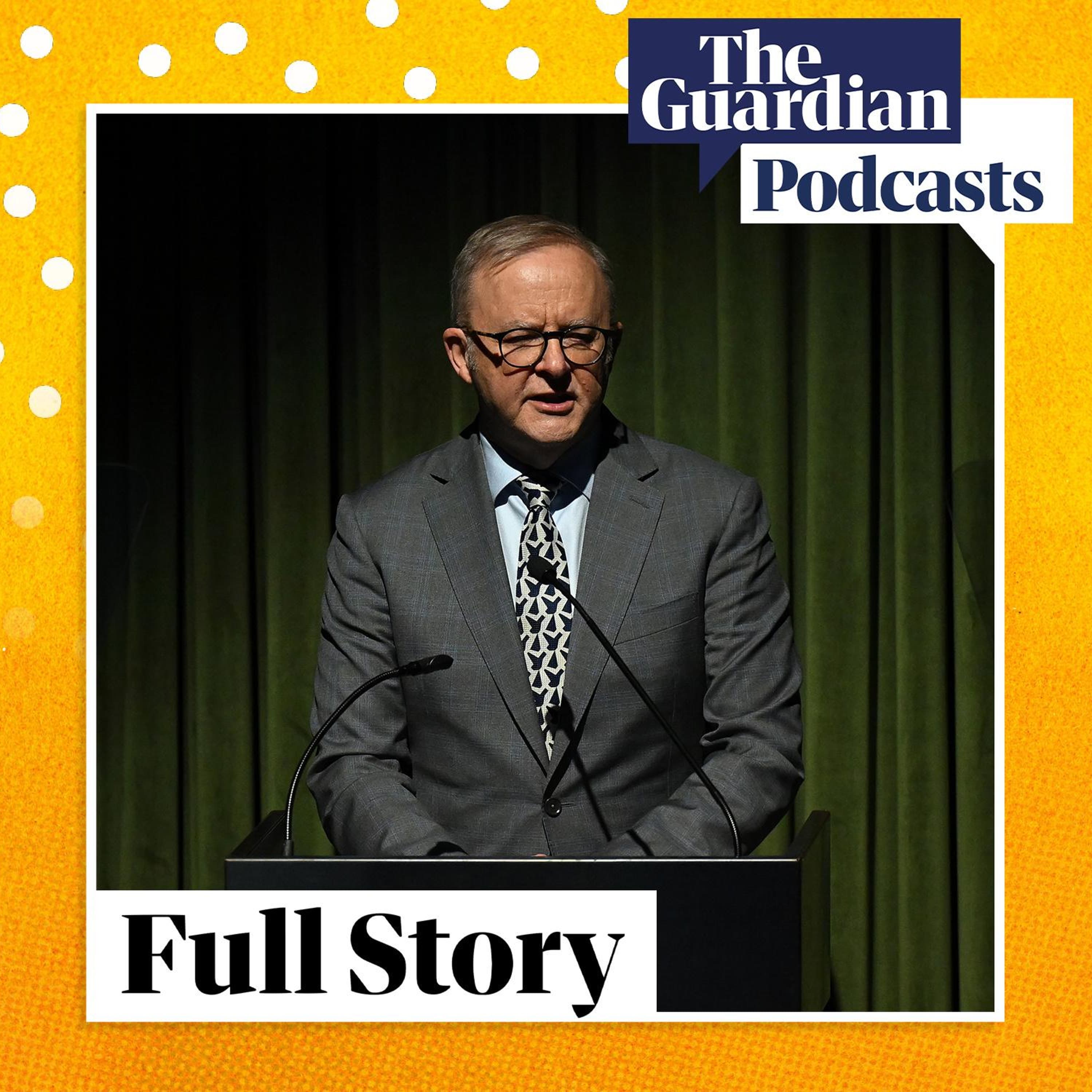
Will Albanese’s caution become his weakness?
EAuthor and columnist Sean Kelly says despite Labor’s overwhelming majority and an opposition largely consumed by its own infighting, there are signs that Anthony Albanese’s government will waste the opportunity handed to them by the Australian people. Kelly talks to Guardian Australia political editor Tom McIlroy about his new Quarterly essay, which examines the Labor party’s move away from idealism towards pragmatism. And the former Rudd and Gillard staffer argues that while Albanese’s caution has won him two elections, it could also become the prime minister’s greatest weakness

Trump’s U-turn on the Epstein files and his bust-up with Marjorie Taylor Greene
In an incredible U-turn, Donald Trump this week signed a bill directing the justice department to release more files from the investigation into the convicted child sex offender Jeffrey Epstein. It comes amid a huge bust-up with his former firebrand loyalist Marjorie Taylor Greene, who has led the calls for him to release the documents. Is this the start of a Maga breakdown? And where will this increasingly hostile row between them go? Jonathan Freedland speaks to Rolling Stone reporter Nikki McCann Ramirez about how the former allies fell out and what will happen next with the Epstein files
Can the Liberals survive an existential crisis?
Liberal party leaders around the country are facing challenges, from Sussan Ley in Canberra to Mark Speakman stepping down in New South Wales – all while the party struggles to maintain relevance, diversify its base and win votes. Bridie Jabour talks to the head of newsroom, Mike Ticher, and deputy editor Patrick Keneally about whether the Liberals have what it takes to bounce back
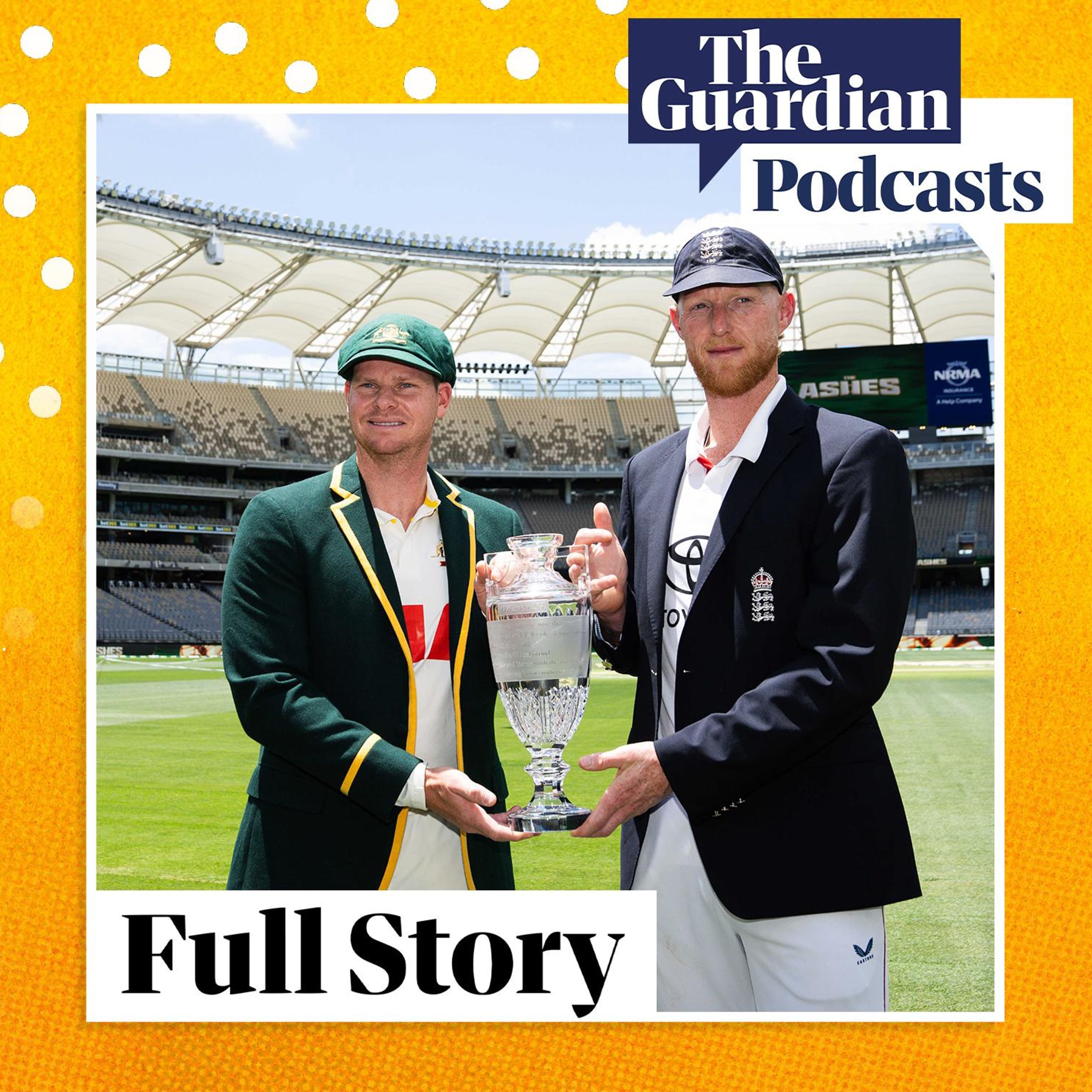
Ashes preview: can Australia continue their dominant streak?
Max Rushden and Geoff Lemon are joined by Ali Martin and Andy Bull to look ahead to the hotly anticipated first Ashes Test in Perth. Australia are beset by injuries, but England’s record on the bouncy pitches of Western Australia is atrocious
The Coalition’s climate shift: what’s at risk for Australia?
The Coalition has abandoned net zero and announced its new energy policy, promising to strip emissions reductions from the objectives of the electricity market operator and focus on lowering consumer prices. The climate and environment editor, Adam Morton, and Reged Ahmad factcheck the opposition’s new energy claims and discuss why dropping net zero is dragging the country backwards in the battle against climate change
Are Australian weapons destined to be used in Sudan atrocities?
Australia exports more arms and ammunition to the United Arab Emirates than it does to any other country in the world. And just this week Team Defence Australia holds a prime slice of real estate at a weapons fair in Dubai. But human rights advocates are calling on the government to suspend defence exports to the country over reports it’s arming a militia responsible for mass killings in Sudan. Senior reporters Ben Doherty and Henry Belot tell Nour Haydar about Australia’s growing role in the global weapons trade.
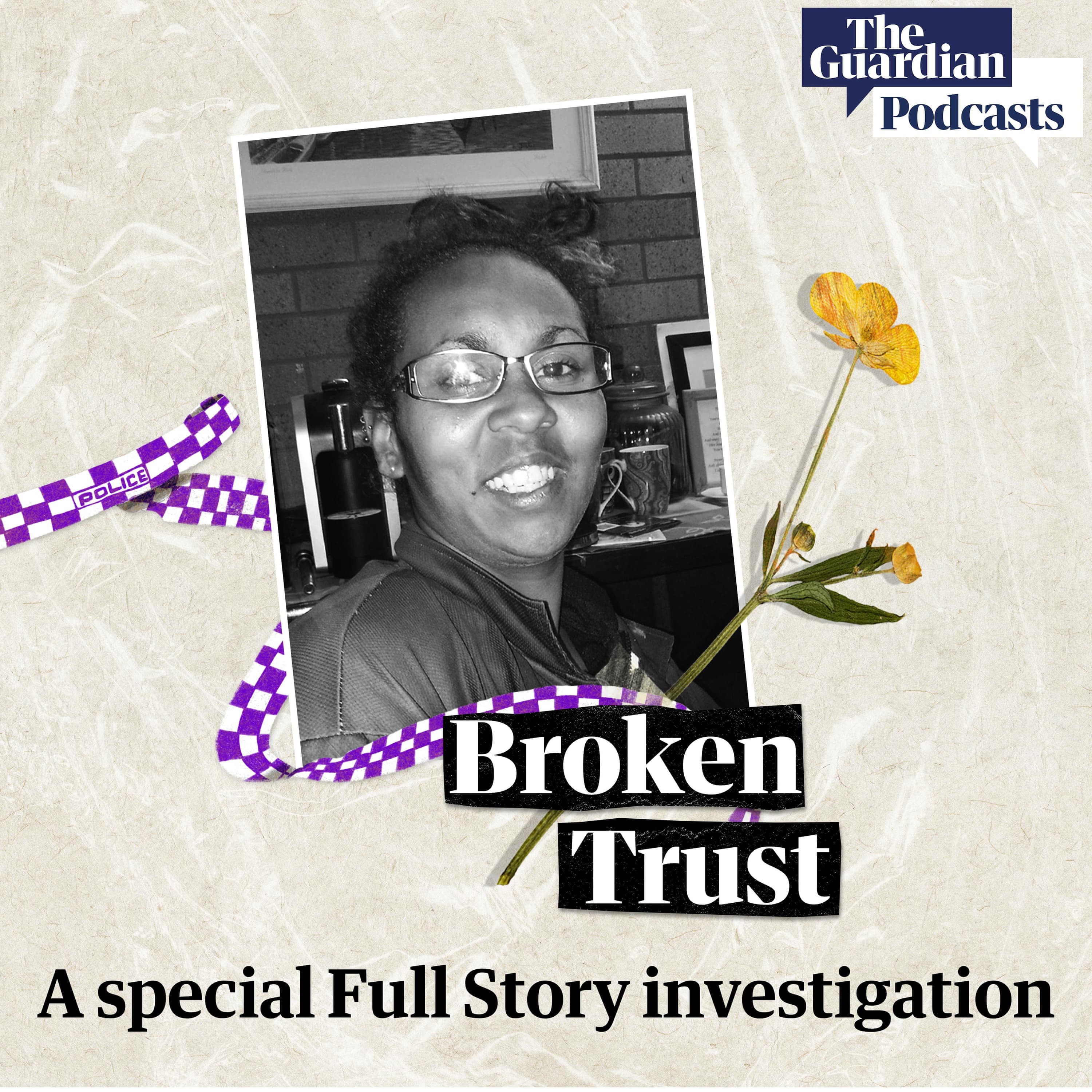
Broken trust: why police are failing to learn from their own mistakes
EBen Smee, Guardian Australia’s Queensland correspondent, has been reporting on the national crisis of domestic and family violence, as well as the culture and attitudes inside the Queensland police, for years. In the final episode of this special Full Story investigation, Broken trust looks at how police are failing to learn from their own mistakes. Guardian Australia can reveal allegations from a former senior Queensland detective who has accused police of covering up their own failures in cases in which vulnerable women died after seeking police protection, and alleges she was ordered to ‘protect the organisation’s reputation at all costs’
Broken trust: how police failed Hannah Clarke and her children
Ben Smee, Guardian Australia’s Queensland correspondent, has been reporting on the national crisis of domestic and family violence, as well as the culture and attitudes inside the Queensland police, for years. In the first episode of this special Full Story investigation, Broken trust uncovers exclusive new evidence in the case of Hannah Clarke and her children. It looks at serious police failings in the lead-up to the murders that were overlooked by the coronial inquest and not investigated by homicide detectives
Introducing Broken Trust: a two-year investigation into the domestic and family violence crisis
Ben Smee, Guardian Australia’s Queensland correspondent, has been reporting on the national crisis of domestic and family violence, as well as the culture and attitudes of Queensland police, for years. In this special Full Story investigation, Broken Trust can reveal exclusive new evidence in the case of Hannah Clarke and her children, a domestic and family violence homicide that made national headlines. The series looks at serious police failings in the lead-up to the murders that were overlooked by the coronial inquest and not investigated by homicide detectives
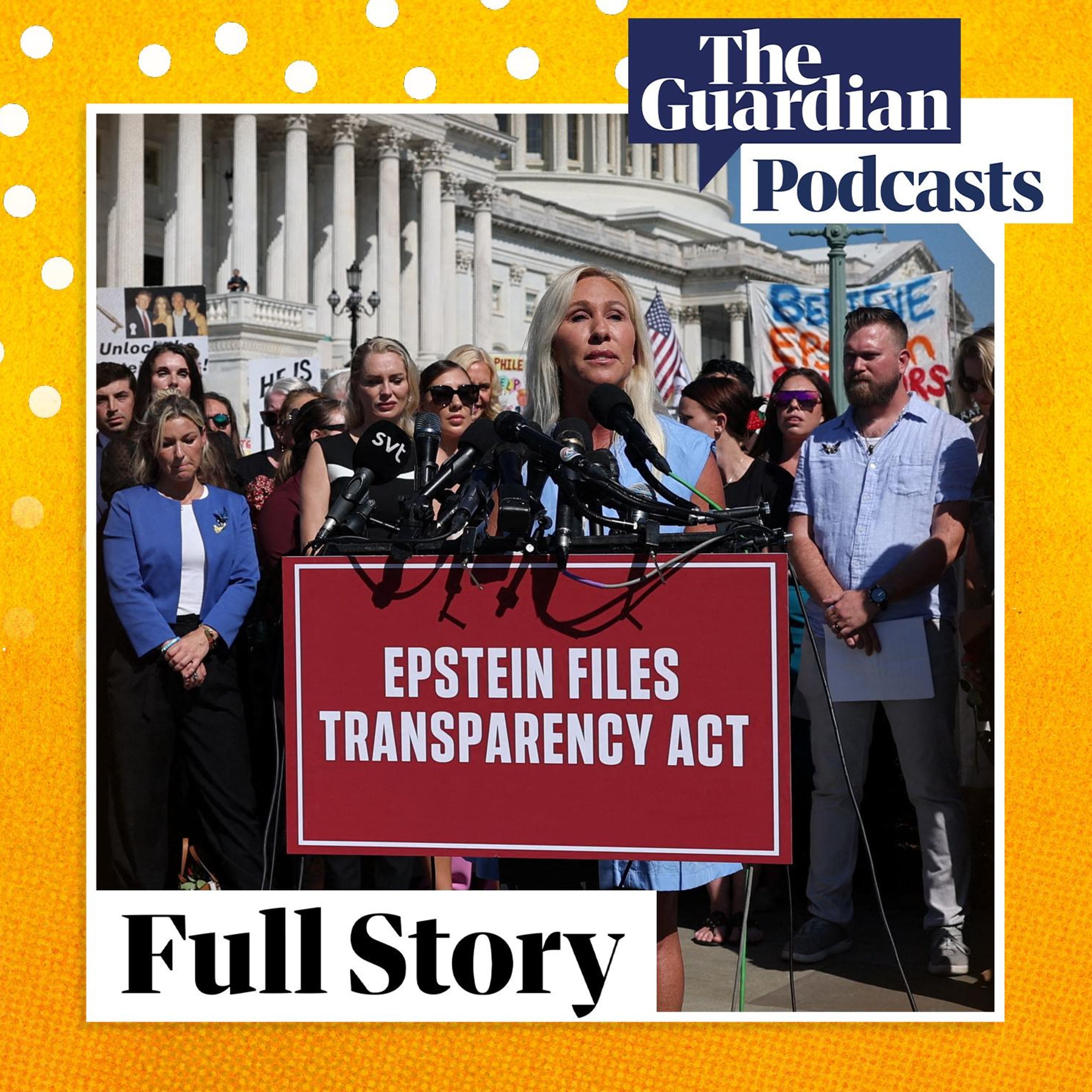
The Epstein files are back to haunt Trump
Just when Donald Trump thought he could celebrate the end of the longest government shutdown in US history, the Democrats had a trick up their sleeve. They released another batch of emails, some from the disgraced financier Jeffrey Epstein, who wrote that ‘of course he knew about the girls’, referring to Trump. This week, Jonathan Freedland speaks to the Guardian’s George Chidi about why the Epstein files will not go away and how the saga is likely to unfold over the next few weeks

Newsroom edition: is Labor doing enough to solve the housing crisis?
The housing crisis is getting worse. Prices are going up at the fastest rate in almost four years and, as more Australians are being locked out of the market, many are struggling to pay the rent. The government knows the scale of this crisis but progress has been slow.Bridie Jabour talks to the head of newsroom, Mike Ticher, deputy editor Patrick Kennelly and the national news editor, Josephine Tovey, about whether the government has found the right solutions to fix the housing crisis
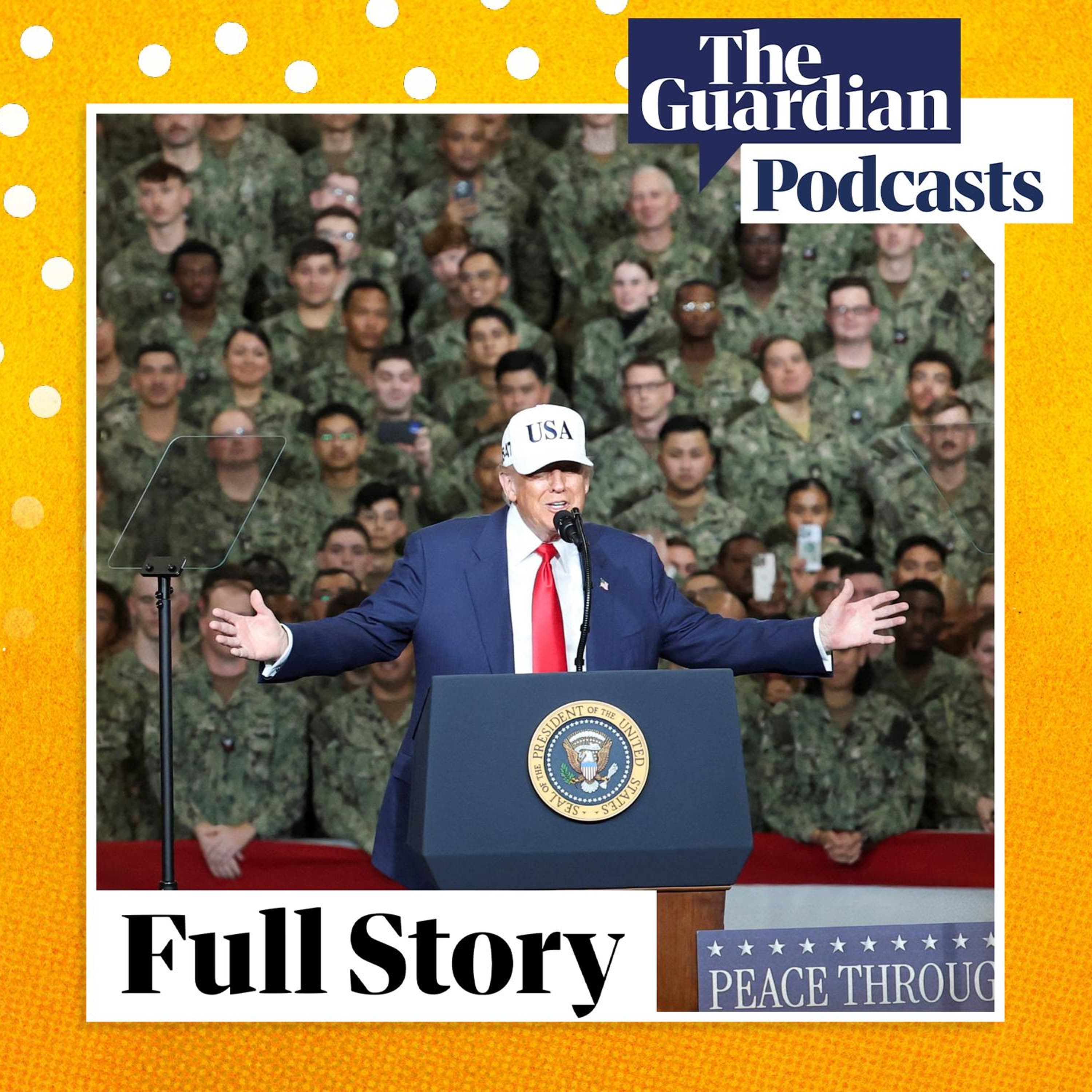
Is Trump going to war with Venezuela?
Who is pushing Trump to send the US navy to Venezuela? With Andrew Roth and Tom Phillips
Inside the Liberals marathon meeting to ditch net zero
It took nearly five hours, but Liberal MPs emerged from today’s party meeting with a decision on whether to drop net zero. And while leader Sussan Ley is holding off until tomorrow to announce the final outcome, senior Liberal sources say 28 speakers wanted to jettison the 2050 target entirely, 17 expressed a desire to retain it in some form, while four were on the fence. Chief political reporter Dan Jervis Bardy tells Nour Haydar what happened inside the meeting, what tomorrow’s outcome means for the future of the Coalition, and whether Sussan Ley’s leadership is on the line
Why a neo-Nazi rally was allowed to happen
Over the weekend, a neo-Nazi rally overtly targeting Jewish people took place in front of New South Wales parliament. Reporter Jordyn Beazley speaks to Reged Ahmad about why NSW police allowed the protest to take place and if it can be stopped from happening again

Why Trump is threatening to sue the BBC for $1bn
Complaints about the editing of a Donald Trump clip in a BBC documentary about the January 6 riots have led to the resignations of the broadcaster’s director general and the head of news

Is Roblox an ‘X-rated paedophile hellscape’?
In a month’s time, the Albanese government’s under-16s social media ban will come into effect. But popular gaming platform Roblox, where children are exposed to inappropriate or violent content and grooming, is not covered under the ban. Senior correspondent Sarah Martin joins Nour Haydar to talk about her chilling experience posing as an eight-year-old girl on the popular online platform.

The ban on puberty blockers risking harm to Queensland children
The Queensland health minister has issued a new order banning the prescription of puberty blockers for transgender patients, just hours after the state’s supreme court ruled the government’s first attempt was unlawful. It is now the only state to have banned gender-affirming care for transgender children. But parents say they are not backing away from the fight. Reged Ahmad speaks with Queensland correspondent Ben Smee and state reporter Andrew Messenger about whether Queensland’s ban on puberty blockers is ideologically driven You can support the Guardian at theguardian.com/fullstorysupport
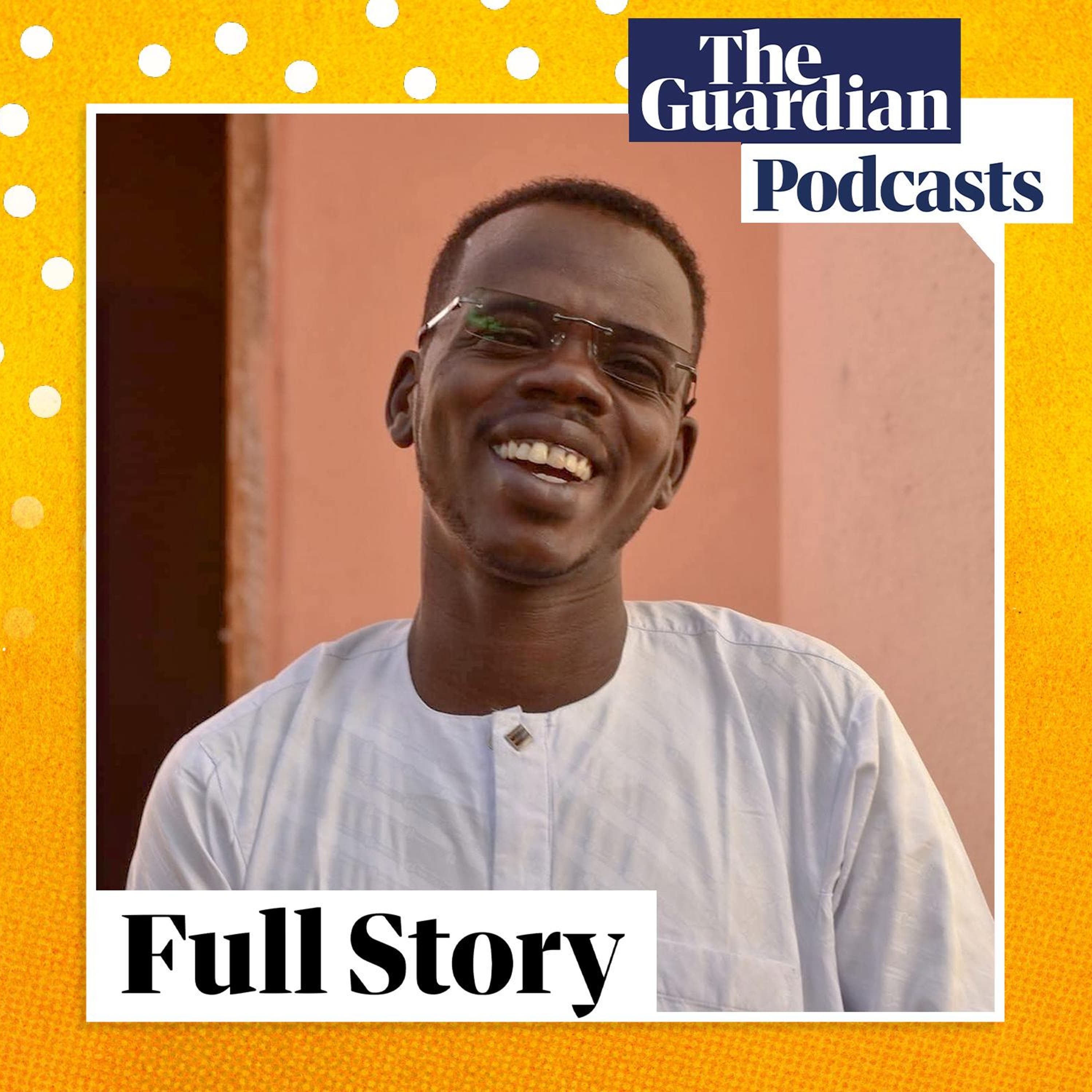
One man’s story inside the siege of El Fasher, Sudan
What does the fall of El Fasher mean for the future of Sudan? Kaamil Ahmed reports
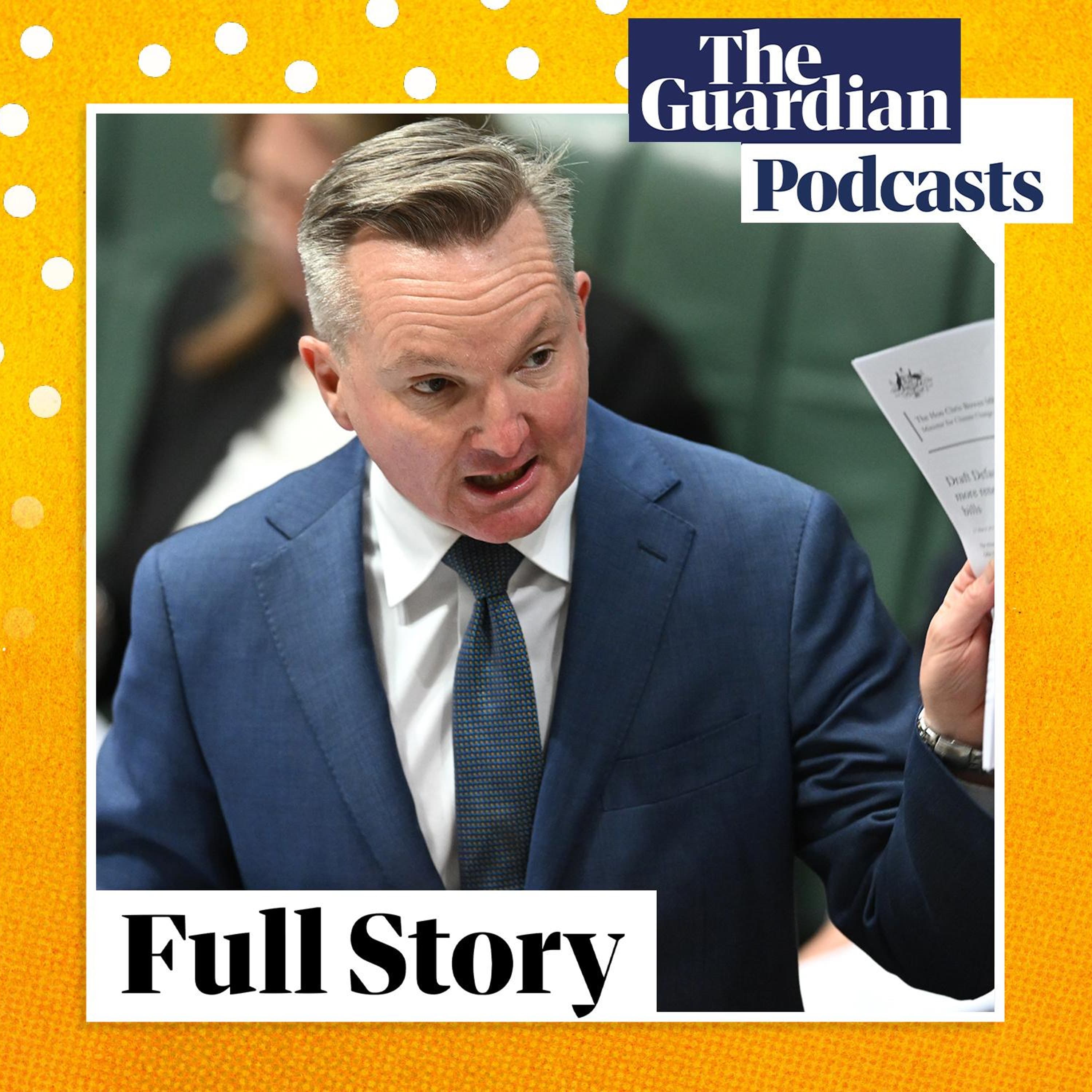
Chris Bowen on why net zero is dividing parliament
Speaking at Cop30 in Brazil, the British prime minister, Keir Starmer, said the ‘consensus is gone’ on tackling the climate crisis. An apt assessment, as this week Australia’s two major political parties have had starkly different commitments on climate action. The minister for climate change and energy, Chris Bowen, speaks to Guardian Australia’s political editor, Tom McIlroy, about Labor’s free solar power scheme for some homes and the Coalition’s continued infighting on emissions targets