
Full Story
511 episodes — Page 7 of 11
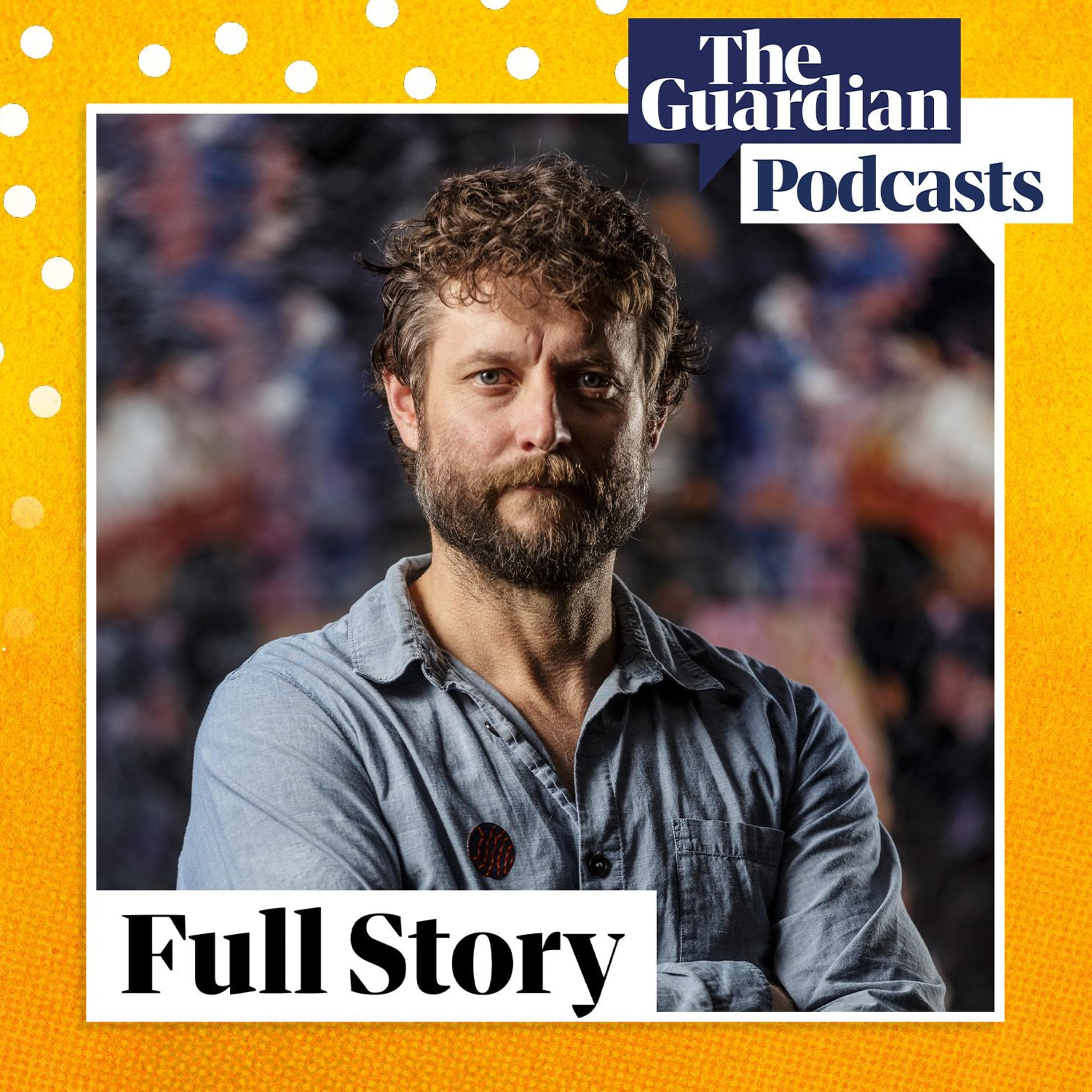
A nation of rich cowards? Ben Quilty on why we need our artists
After the cancellation of Adelaide writers’ week in a furore over free speech, conversations are being had about how much Australia value its writers and artists. The renowned painter Ben Quilty is asking that question in a new essay exploring how to be a more courageous country when it comes to the arts. He speaks to Reged Ahmad about the Adelaide festival, Donald Trump and why we need a society that encourages visionaries
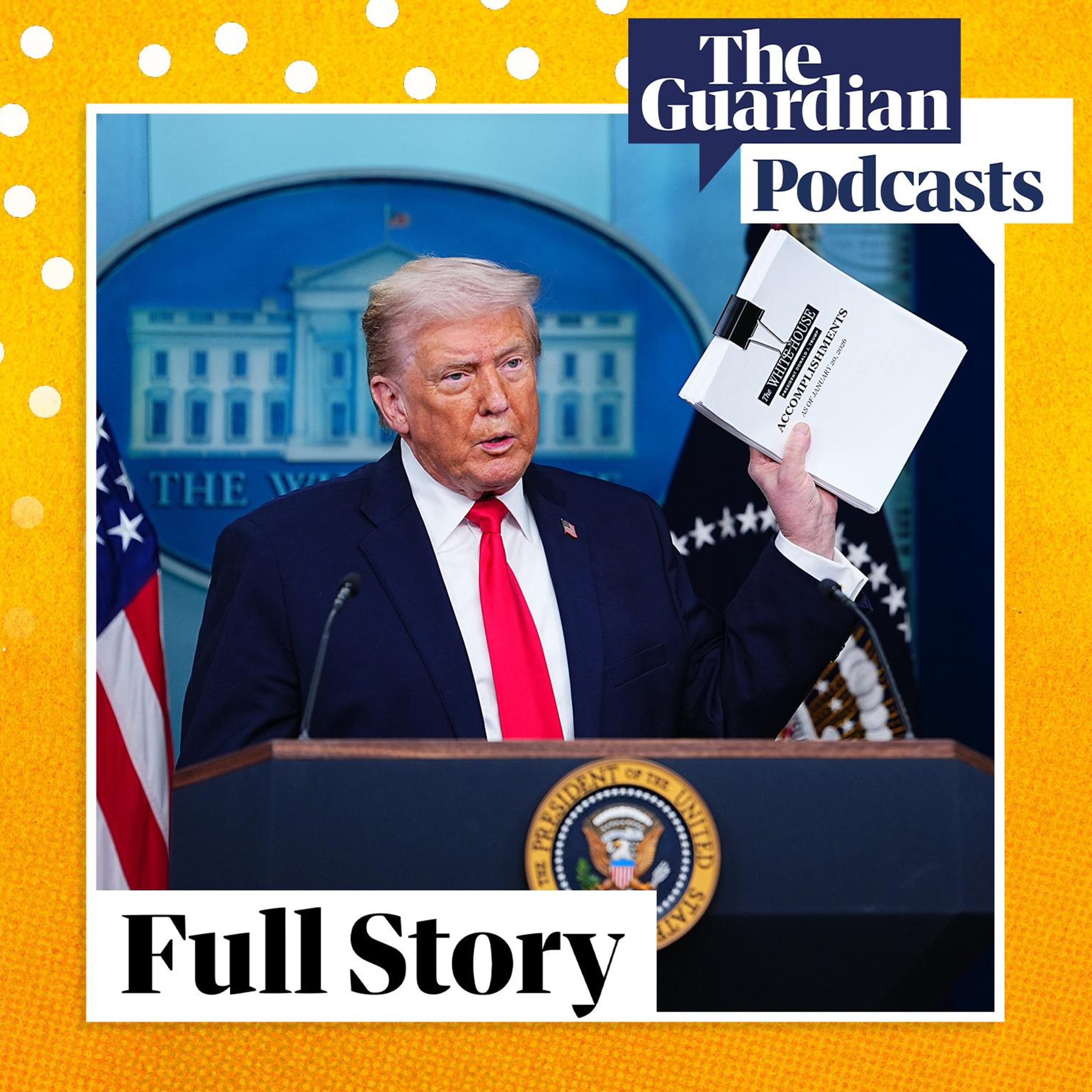
Finding the remedy to ‘Trump exhaustion syndrome’
At the beginning of Donald Trump’s trip to Davos, the US president’s plans for Greenland were vague, and a worry to European leaders. By the end of the day, military force was off the table and threats of tariffs dropped. This is just one example of what it has been like to follow Trump 2.0 in the last year. This week, Jonathan Freedland speaks to Ashley Parker of the Atlantic about why she thinks Americans are suffering from a new politically induced condition and why the midterms in November might be the perfect remedy

Allegra Spender on fear and rushed laws after the Bondi attack
In an eventful start to parliament for 2026, MPs came together with condolences for the victims of the Bondi terror attack and passed hurried reforms on guns and hate speech. And then, on the national day of mourning on Thursday, the Coalition split for the second time and Sussan Ley’s leadership is now all but over. Guardian Australia political editor, Tom McIlroy, speaks to the independent MP for Wentworth, Allegra Spender, whose electorate includes Bondi, about why she thinks politics can often stand in the way of community safety. She also discusses her concerns that migrants could become a political target during this time of fear and grief
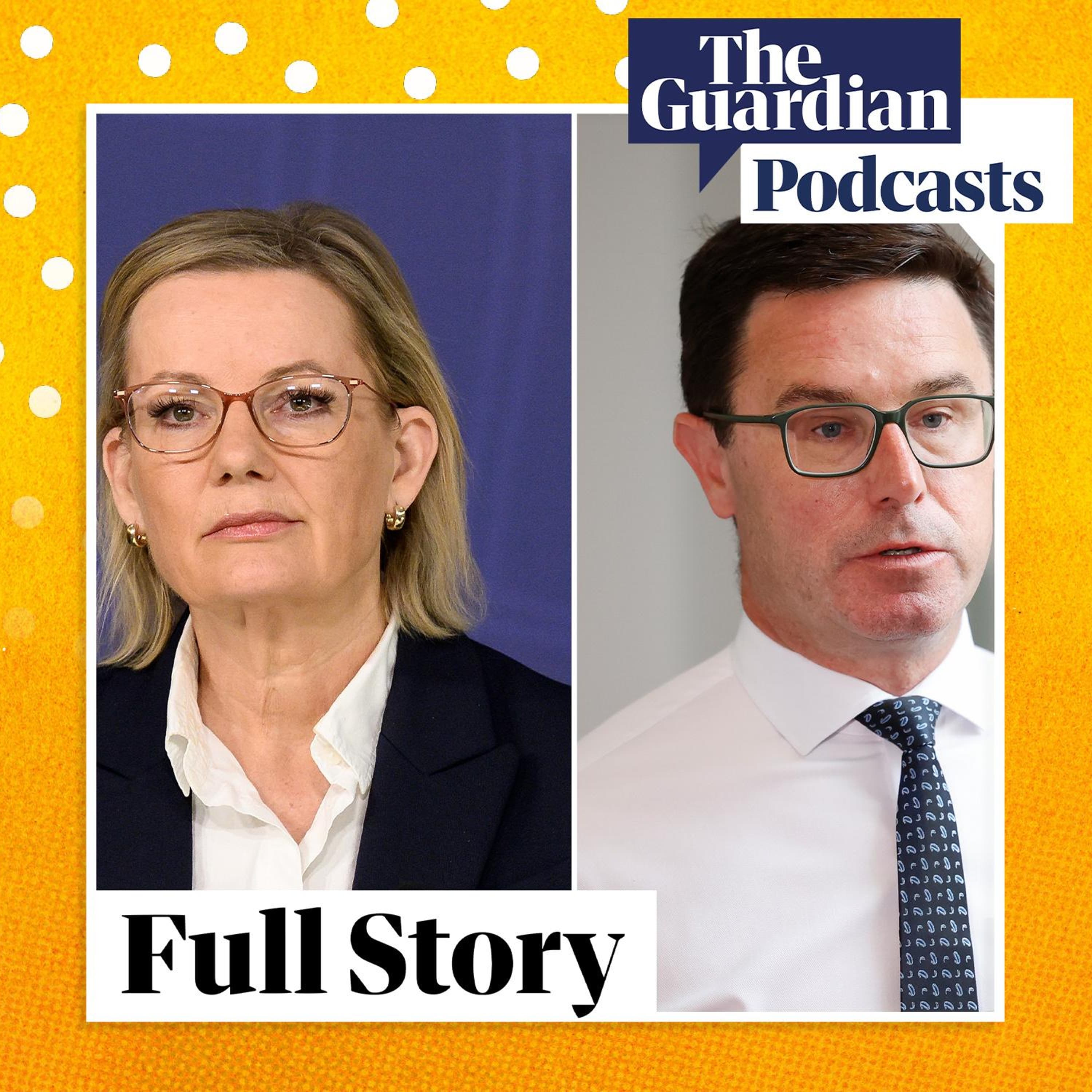
The Coalition has collapsed, will Ley’s leadership?
It was the bill that the prime minister hoped would bring people together, but instead, Labor’s hate speech legislation and the Liberal party’s decision to endorse it, has torn the Coalition apart. The entire Nationals front bench has quit Sussan Ley’s shadow cabinet leaving the Coalition to come to terms with its second split in less than a year. Political editor Tom McIlroy speaks to Reged Ahmad about how this happened and whether Sussan Ley can hold on to the leadership
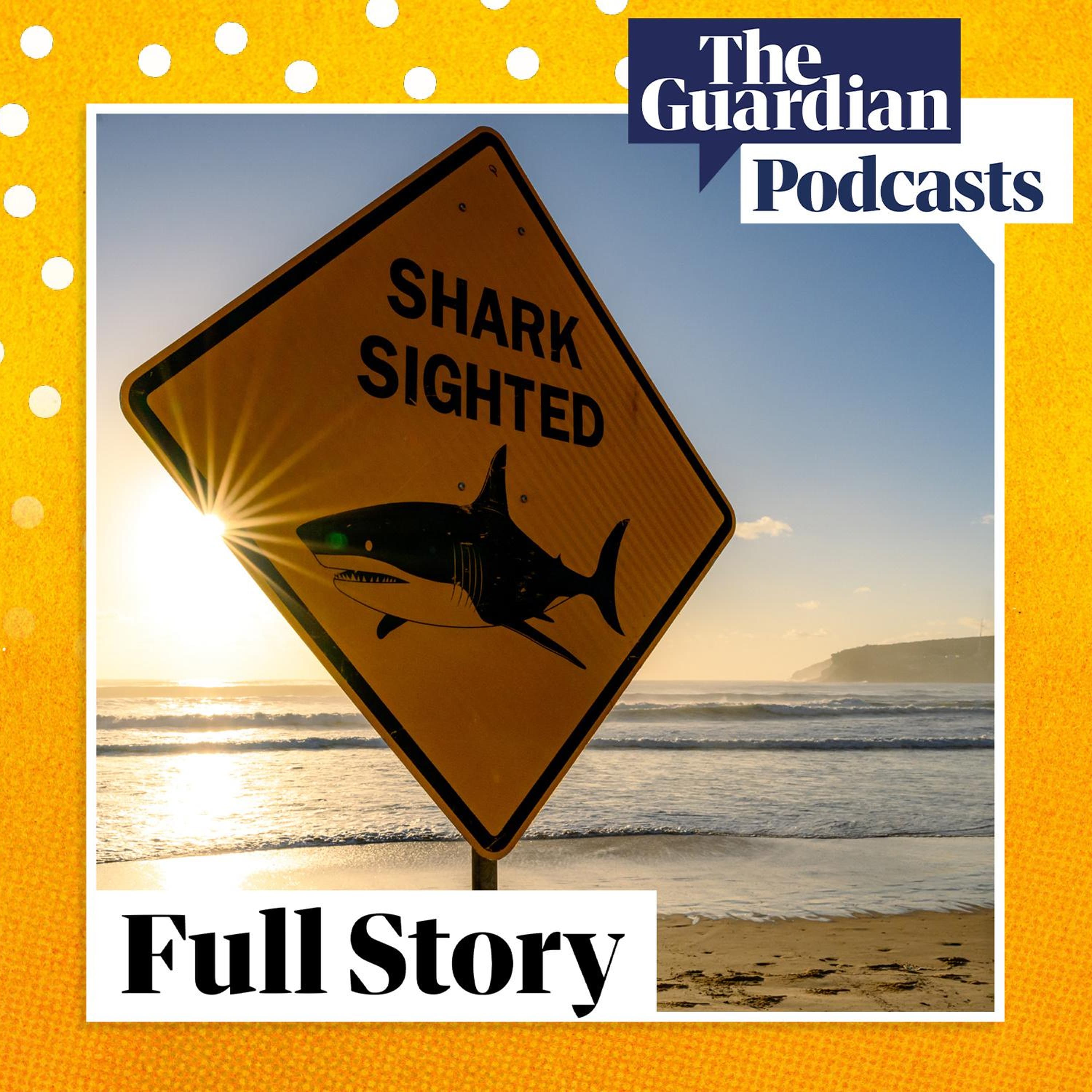
What’s behind the Sydney shark attack cluster?
In just 48 hours, four people were attacked by sharks in New South Wales. In response, nearly thirty beaches have been closed and authorities are warning swimmers to avoid waterways after heavy storms. Nour Haydar speaks to associate professor Christopher Pepin-Neff about the ‘perfect storm’ of environmental factors that has attracted sharks and what we all need to know before entering the water
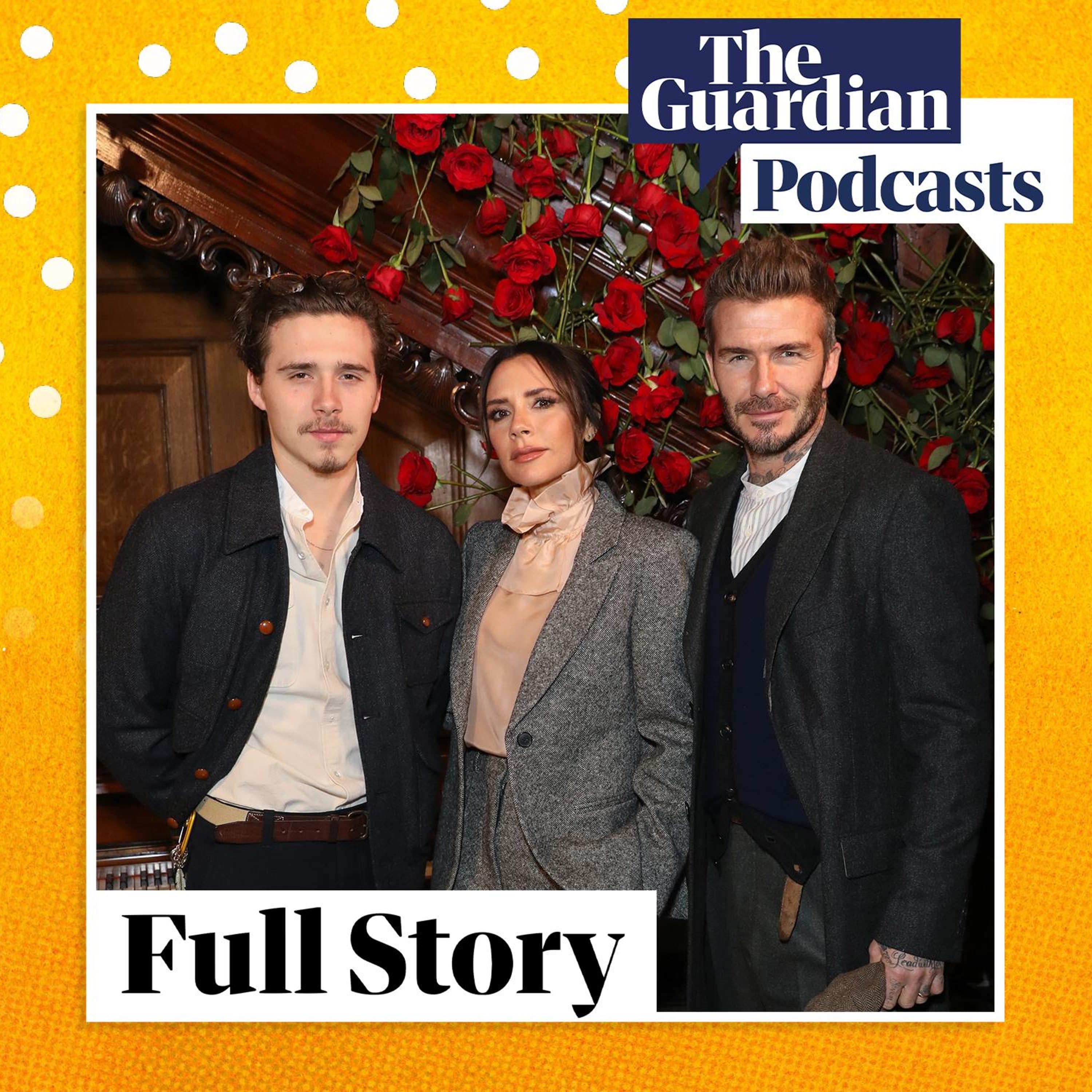
Beckham feud: Marina Hyde on why Brooklyn has gone nuclear
Brooklyn Peltz Beckham, the eldest son of David and Victoria Beckham, has appeared to permanently cut ties with his family. In an explosive statement posted on Instagram, he claimed his parents had been controlling narratives in the press about his family, and had tried to ‘ruin’ his relationship with his wife, Nicola Peltz Beckham. Lucy Hough speaks to Guardian columnist Marina Hyde
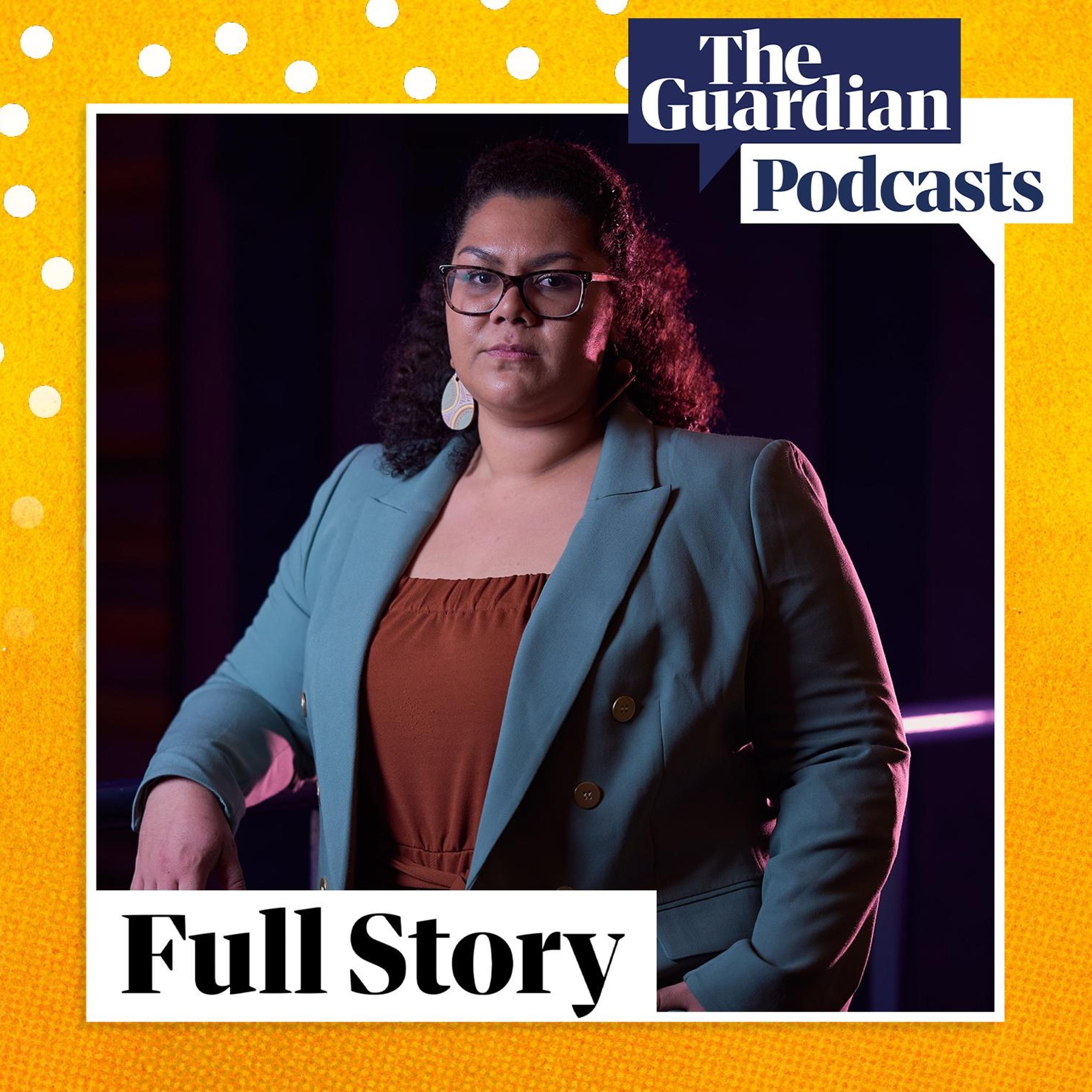
Bridget Cama on Invasion Day and the political silence on First Nations rights
In the lead-up to 26 January, co-chair of the Uluru Youth Dialogue, Bridget Cama, says the same divisive debate is playing out around the country, and the silence from political leaders has been demoralising. But she says those who want to see constitutional recognition are regrouping after the voice to parliament defeat and she hopes to see another referendum in a decade. She speaks to Nour Haydar
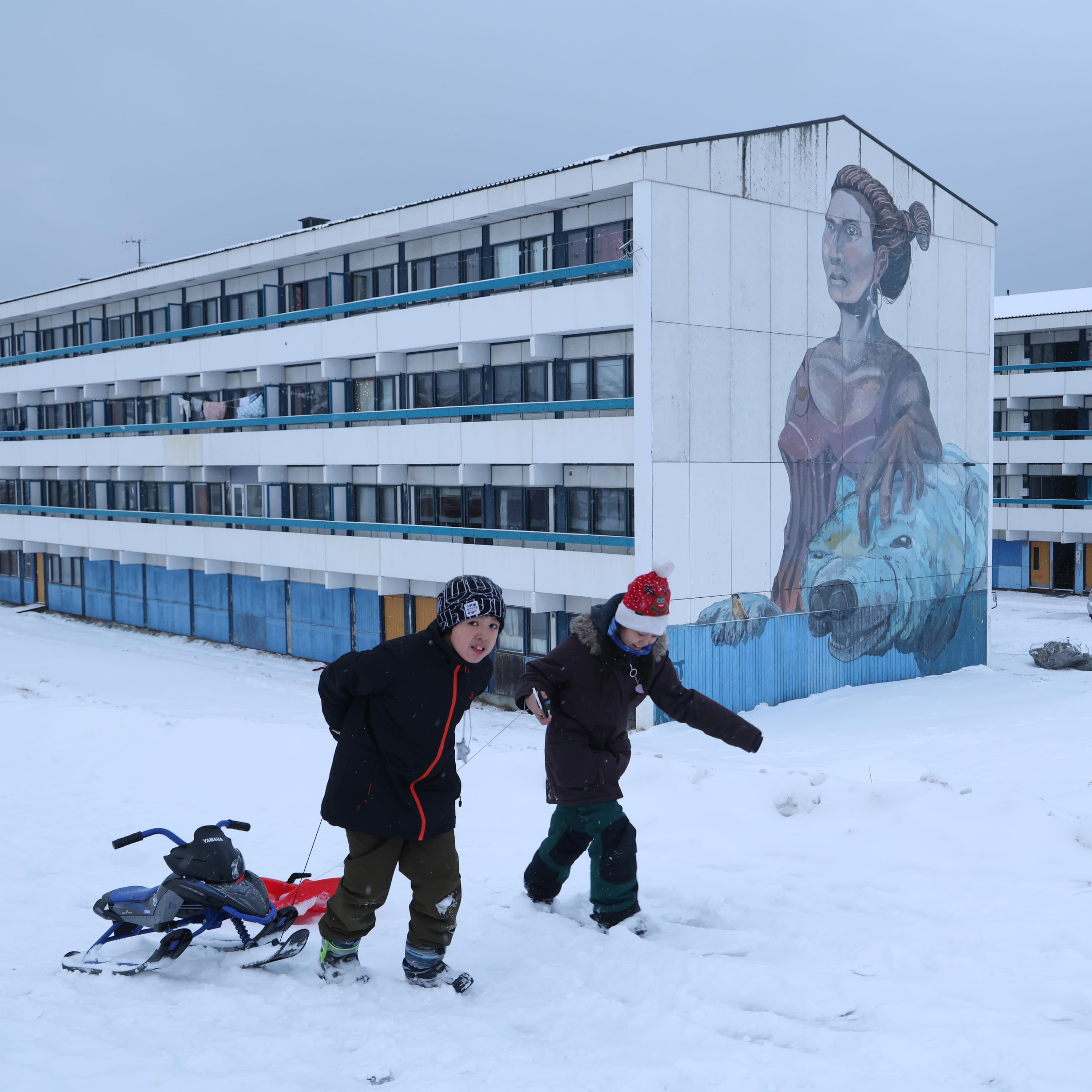
Why Donald Trump really wants Greenland
Tom Burgis on Donald Trump’s friend Ronald Lauder, a billionaire with business interests in Greenland
Dr Bot: can ChatGPT be trusted with your health?
It has been three years since ChatGPT first launched, and according to OpenAI, the American artificial intelligence company that runs the chatbot, 40 million people ask it healthcare-related questions every day. Now the company has launched a new health feature in Australia that allows the platform to “securely connect medical records and wellness apps” to generate responses “more relevant and useful to you”. Medical editor Melissa Davey speaks to Nour Haydar about how it works and whether AI is changing healthcare as we know it

Will Labor’s contentious hate laws pass?
Conceding that his hate speech and gun law omnibus bill was friendless and unable to pass parliament, Anthony Albanese announced over the weekend that he would split the legislation in two. It was a move the PM said he needed to make if he wanted to get his post-Bondi reforms through. As parliament returns for a special sitting, political editor Tom McIlroy speaks to Reged Ahmad about whether the prime minister can get his reforms over the line and why the Coalition is being accused of hypocrisy
Is Trump regretting his battle with the Federal Reserve?
Last week, the Department of Justice opened a criminal investigation into the chair of the Federal Reserve – and longtime foe of Donald Trump – Jerome Powell. In an extraordinary move, world central bank governors and bank bosses in America pushed back against the Trump administration. This week, Jonathan Freedland speaks to the economist Heather Boushey about why a fight with Wall Street might be one the president regrets
Is ICE out of control?
Its agents outnumber police on the streets of Minneapolis, are detaining US citizens and clashing violently with protesters. Caitlin Dickerson and Maanvi Singh report
Randa Abdel-Fattah speaks to Nour Haydar about the Adelaide festival
A week after the Adelaide festival disinvited Palestinian Australian writer Randa Abdel-Fattah from its writers’ week, organisers have issued a complete and unreserved apology. The South Australian event collapsed after the author was dropped from its line-up and more than 180 writers pulled out. Now, with a new board, the organisers have apologised for the harm caused and invited Abdel-Fattah to speak in 2027. Dr Abdel-Fattah spoke to Nour Haydar about why she is considering defamation action against the South Australian premier and what this moment represents
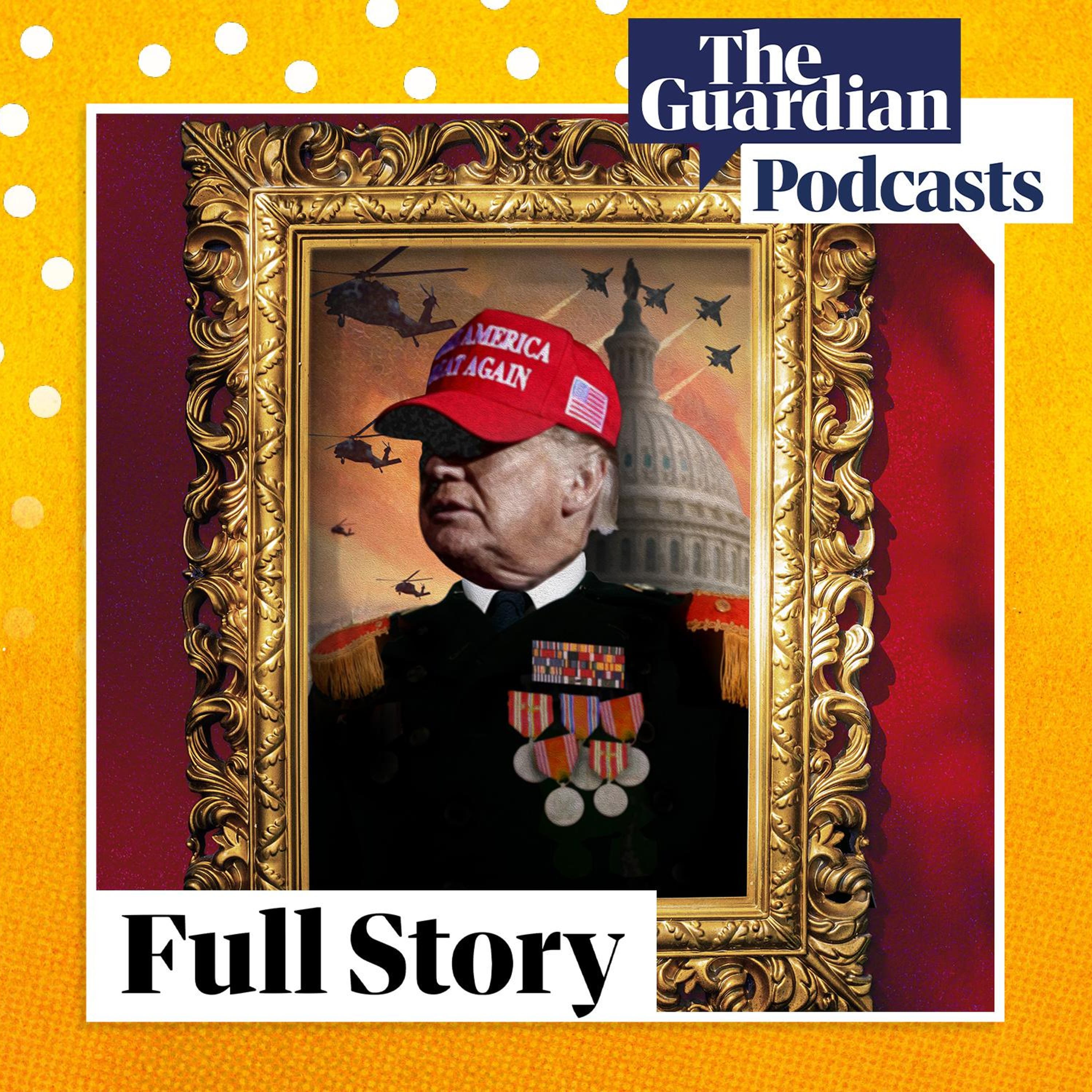
Donald Trump’s new age of empire
It started with US forces attacking Venezuela and capturing its sitting president. And almost immediately more American intervention was flagged, in countries such as Cuba, Colombia and Greenland. For the moment Donald Trump’s focus is now on Iran. Senior international correspondent Julian Borger speaks to Reged Ahmad about whether we are seeing a new ramp-up of Trump’s imperialist intentions, or is this simply the same America we’ve always known?
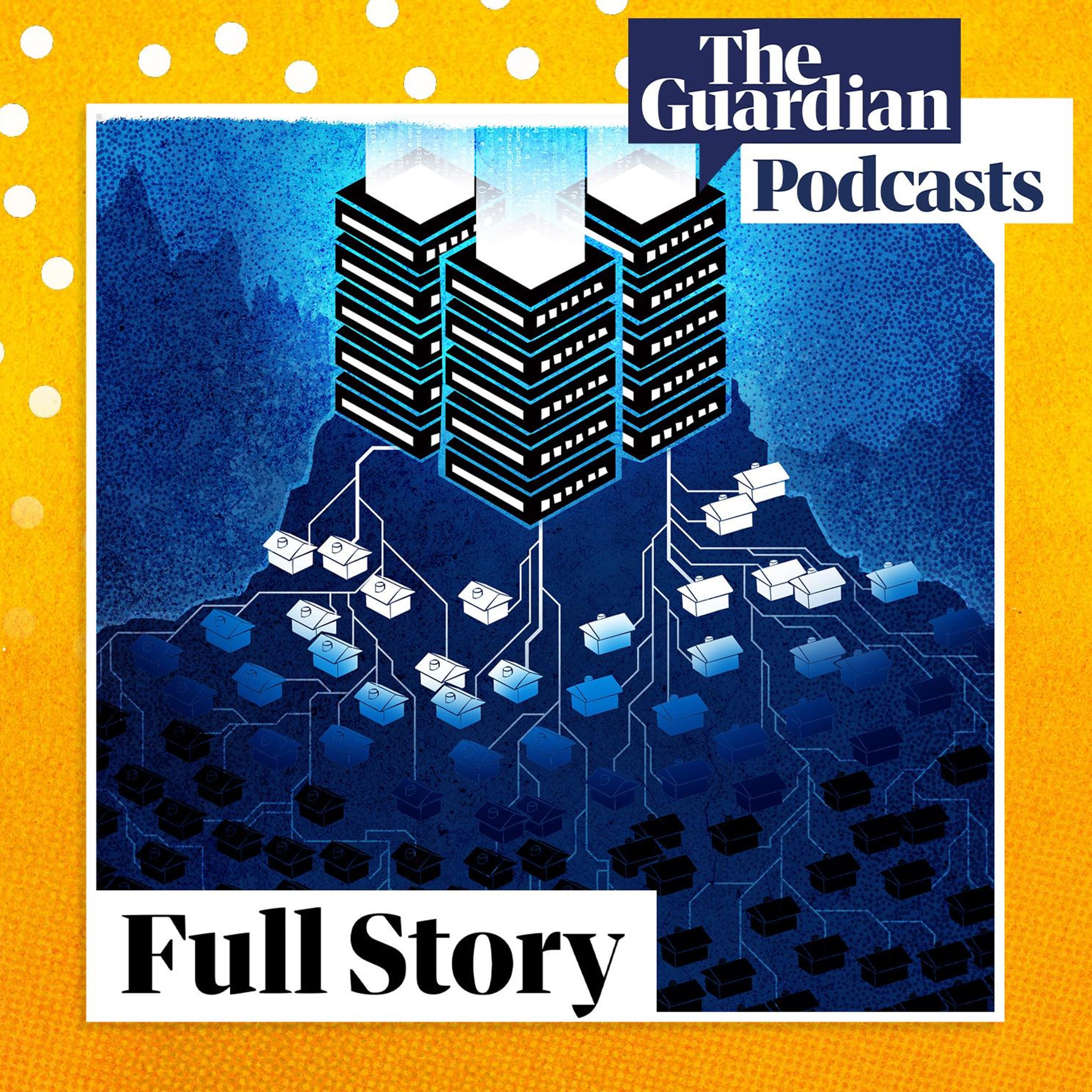
Why AI datacentres are draining our energy and water – Full Story podcast
Australia wants in on the artificial intelligence boom but datacentres needed to run AI require huge amounts of electricity and water. Climate and environment reporter Petra Stock speaks with Nour Haydar about the increasing concerns over the environmental impact of datacentres
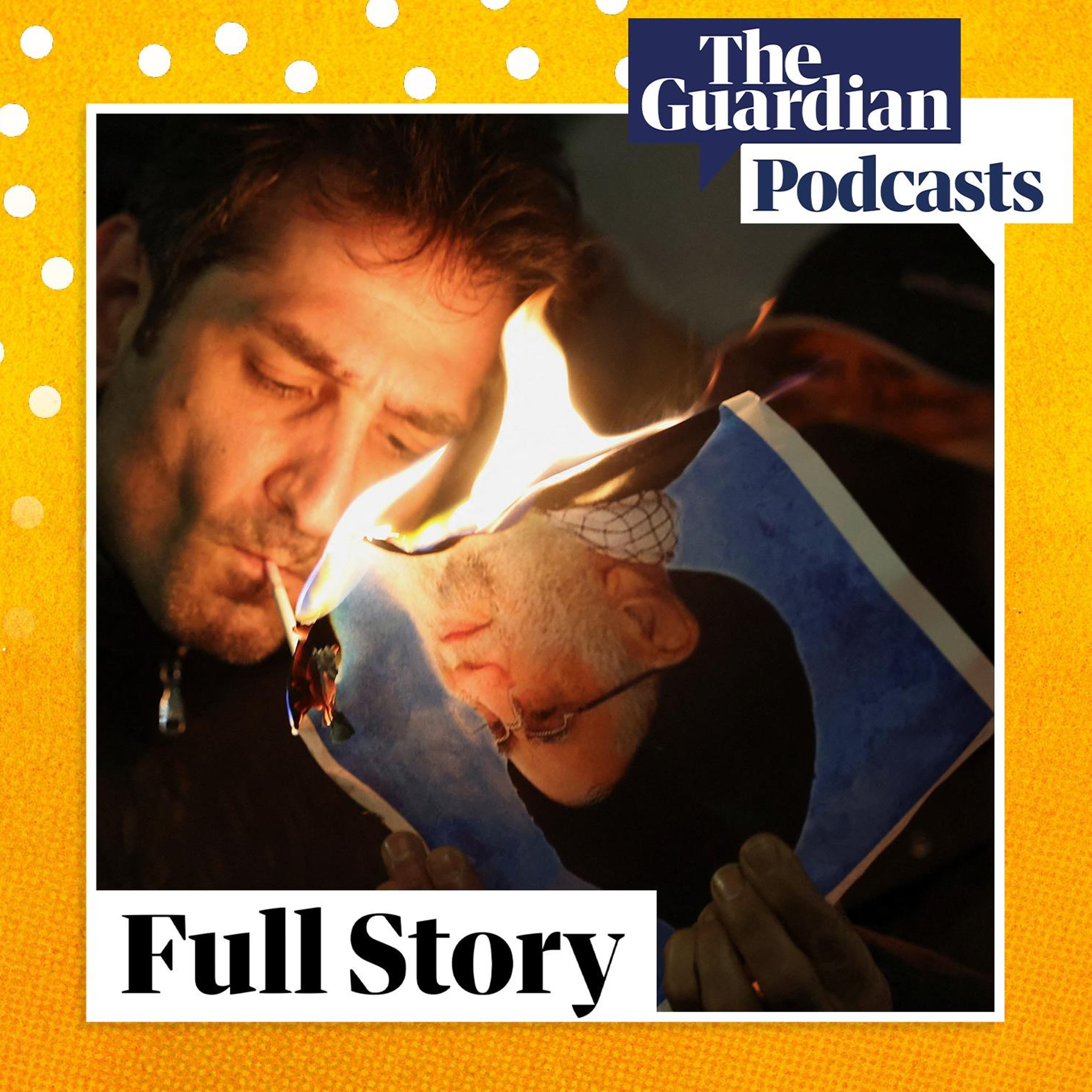
Is this the end of the Iranian regime?
Protests have rocked Iran, a brutal crackdown is under way and Trump has threatened to intervene. Ellie Geranmayeh on a dangerous moment for the country’s leaders
The anxiety of having kids in a climate crisis
About 40% of Australian women without kids say they are hesitant to have children because of climate change. Guardian Australia’s climate, environment and science assistant editor, Donna Lu, is among them. Reged Ahmad speaks to Donna about her anxiety – shared by many – about starting a family as global temperatures rise
Albanese bows to Bondi pressure
Over the summer break, calls for a royal commission into the Bondi beach massacre saturated headlines across parts of the media. And last week the prime minister, Anthony Albanese, bowed to the pressure, launching a royal commission into antisemitism and social cohesion. Nour Haydar speaks with political correspondent Dan Jervis-Bardy on the political reverberations from the Bondi attack and the tests that lie ahead for Labor in 2026
The Birth Keepers: death plan – episode six
A backlash against FBS grows and Emilee and Yolande respond to the growing crisis. This is episode six of a year-long investigation by Guardian journalists Sirin Kale and Lucy Osborne
The Birth Keepers: FBS goes global – episode five
Emilee and Yolande had seeded an ideology that they grew around the world – a reach investigative reporters Sirin Kale and Lucy Osborne could not have fathomed when they started reporting on the story. They set out to see just how far FBS has spread. This is episode five of a year-long investigation
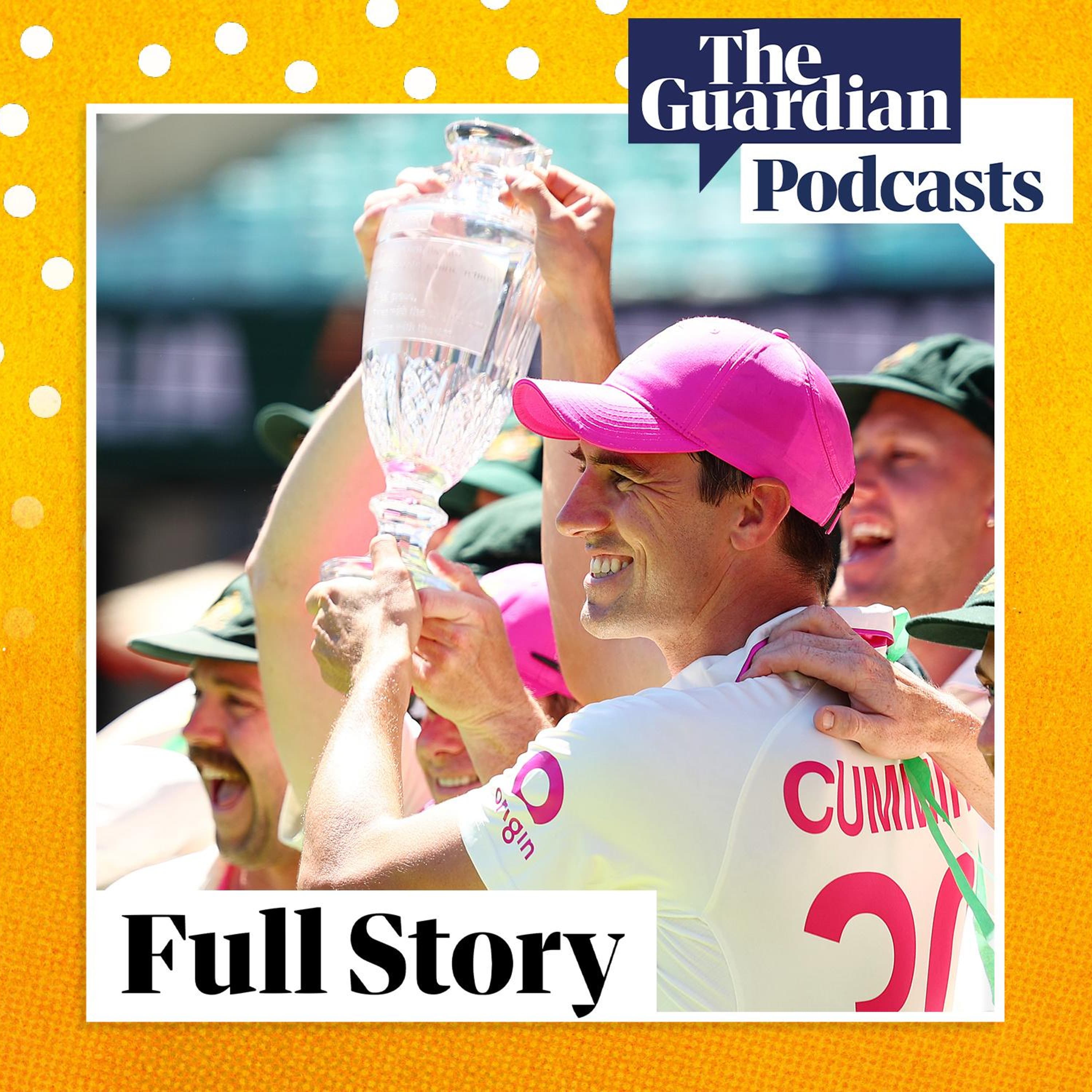
Ashes Weekly: A flawed Ashes series ends in familiar fashion
EAs Australia celebrates a comprehensive 4-1 victory, England’s approach to the Ashes series and Test cricket itself has been under the microscope. Max Rushden is joined by Geoff Lemon, Barney Ronay, Emma John and Ali Martin for a look back on the 2025-26 series
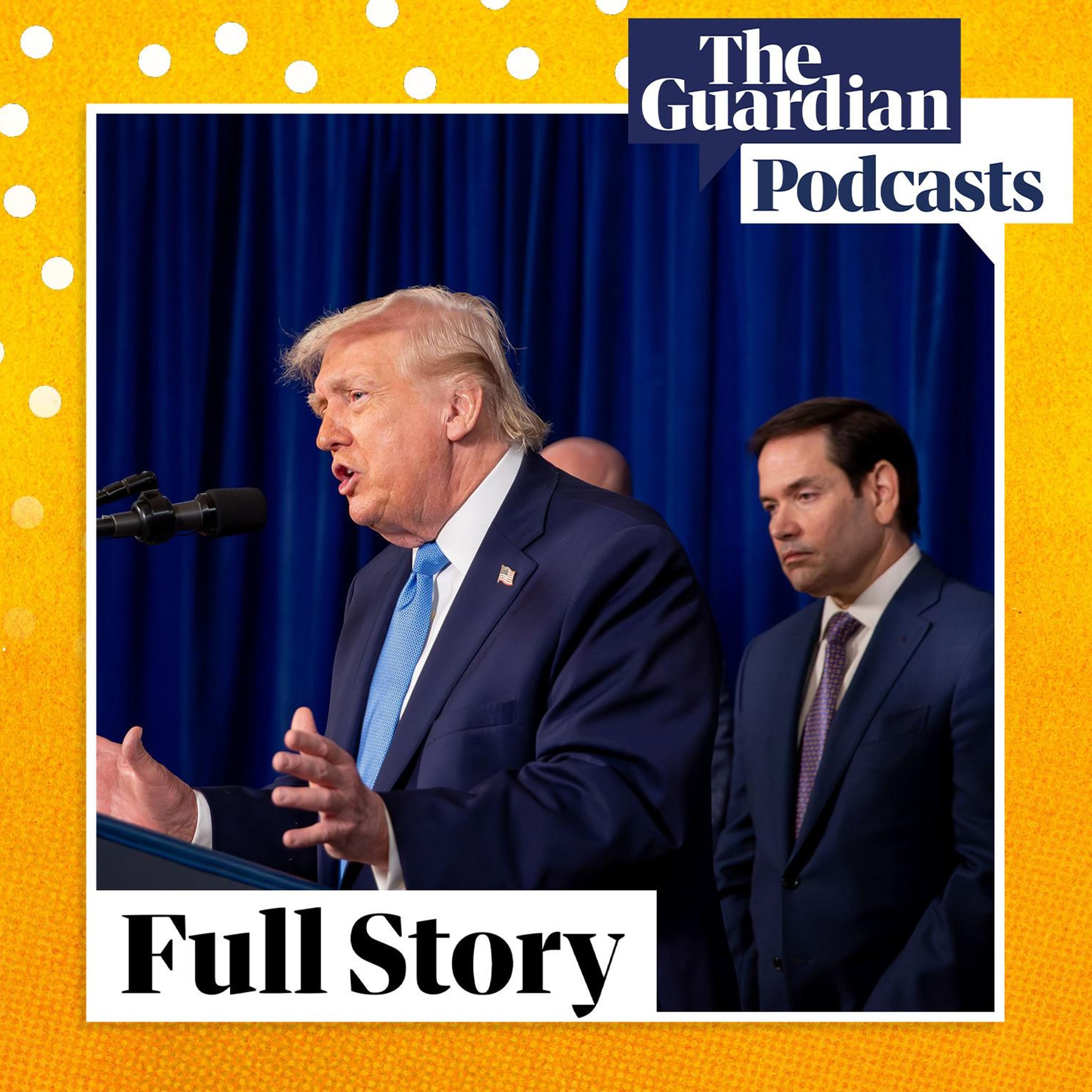
Watch out Greenland: Trump is pro-imperialism now
If it’s not threats of military action against Colombia and Cuba, or talk of taking Greenland from Denmark, it’s seizing oil tankers in European and Caribbean waters. All of it has world leaders scrambling to figure out how to handle Donald Trump’s revived form of US imperialism. Jonathan Freedland speaks to the Pulitzer-winning author Anne Applebaum about what to expect from a world changing by the hour at the hands of the US president
The Birth Keepers: Growing an empire – episode four
Within months of the death of Lorren’s baby, Journey Moon, and the public backlash against the Free Birth Society that followed, Emilee Saldaya took the FBS membership private, turning the business into a global multimillion-dollar empire. This is episode four of a year-long investigation by Guardian journalists Sirin Kale and Lucy Osborne
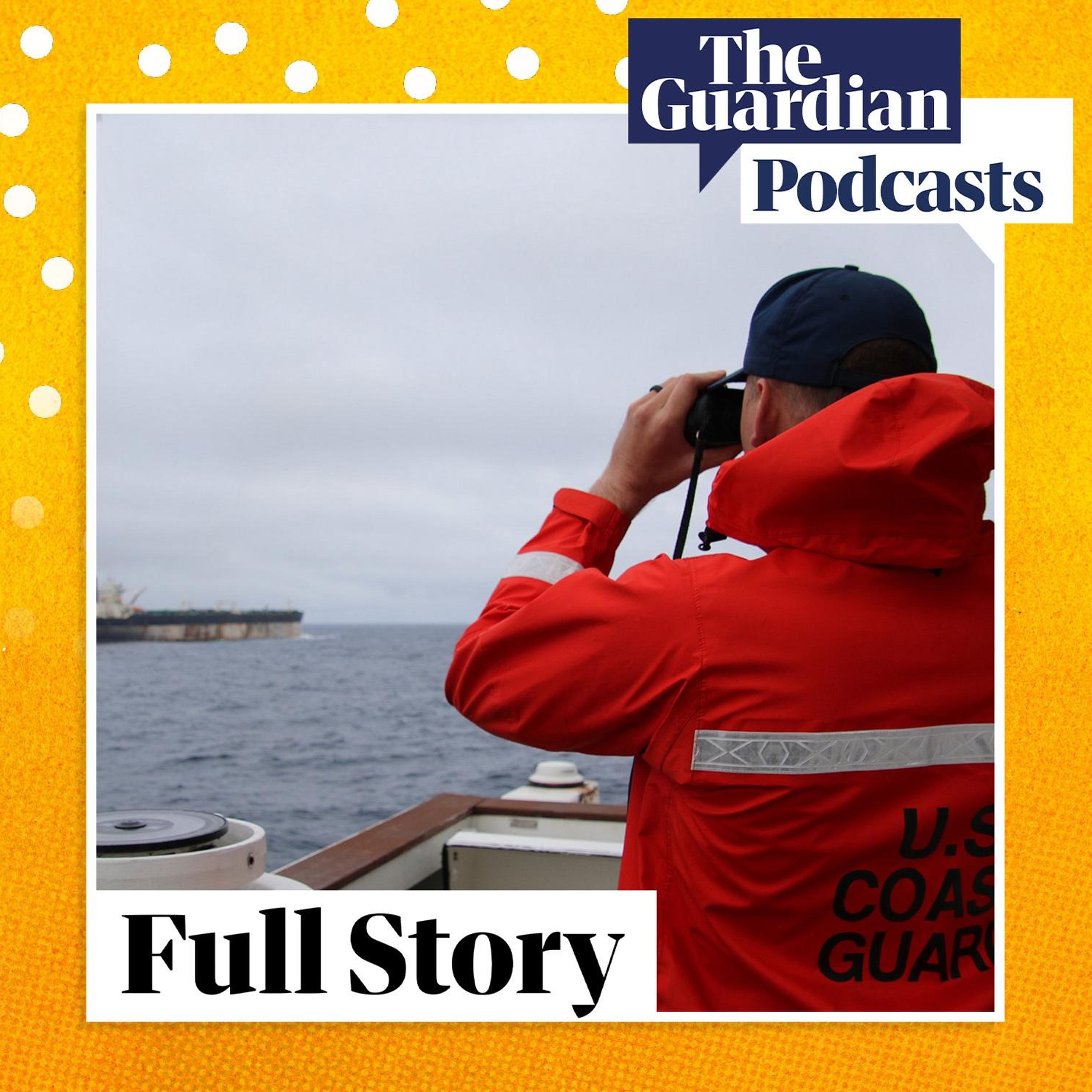
Why has Trump seized a Russia-linked oil tanker?
The US has dramatically seized a Russian-flagged oil tanker between the UK and Iceland, with the support of the UK government. The operation comes after US attacks on Venezuela, the abduction of President Nicolás Maduro and threats against Greenland. Lucy Hough speaks to Russian affairs correspondent Pjotr Sauer – watch on YouTube
The Birth Keepers: Journey Moon – episode three
When Lorren Holliday got pregnant in 2018, she joined Emilee Saldaya’s Facebook group and quickly became hooked on the Free Birth Society podcasts. It was a decision that led to tragedy. This is episode three of a year-long investigation by Guardian journalists Sirin Kale and Lucy Osborne
The Birth Keepers: When Emilee met Yolande – episode two
Who is Emilee Saldaya, the woman behind the Free Birth Society movement? And how did she meet her business partner, Yolande Norris-Clark? Does either woman have the credentials they are claiming? This is episode two of a year-long investigation by Guardian journalists Sirin Kale and Lucy Osborne
The Birth Keepers episode one: I choose this
The Free Birth Society was selling pregnant women a simple message. They could exit the medical system and take back their power – by free birthing. But Nicole Garrison believes she nearly lost her life to FBS ideology. This is episode one of a year-long investigation by Guardian journalists Sirin Kale and Lucy Osborne
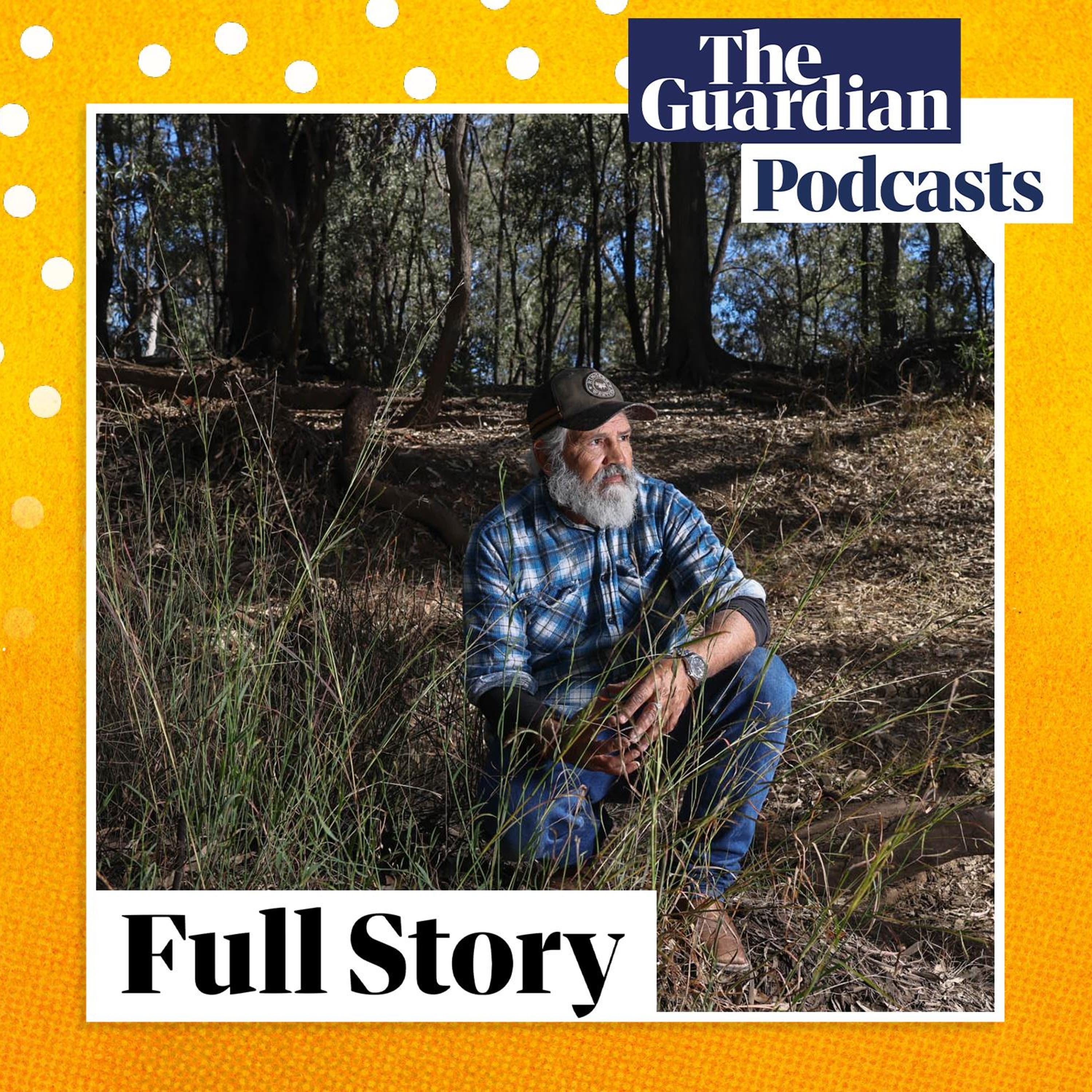
The Descendants episode 2: the search for Tom Wills
For some years there have been suggestions that in the 1860s Tom Wills, Australia’s first sports hero and a founder of Australian rules football, may have taken part in the massacres of Gayiri people in central Queensland. Now, in a Guardian Australia investigation, Indigenous affairs reporter Ella Archibald-Binge travels in search of the truth behind the allegations. In this two-part special Full Story, she and Lorena Allam from the University of Technology Sydney’s Jumbunna Institute discuss how families on both sides of the conflict are reckoning with the truth of their ancestors’ colonial past
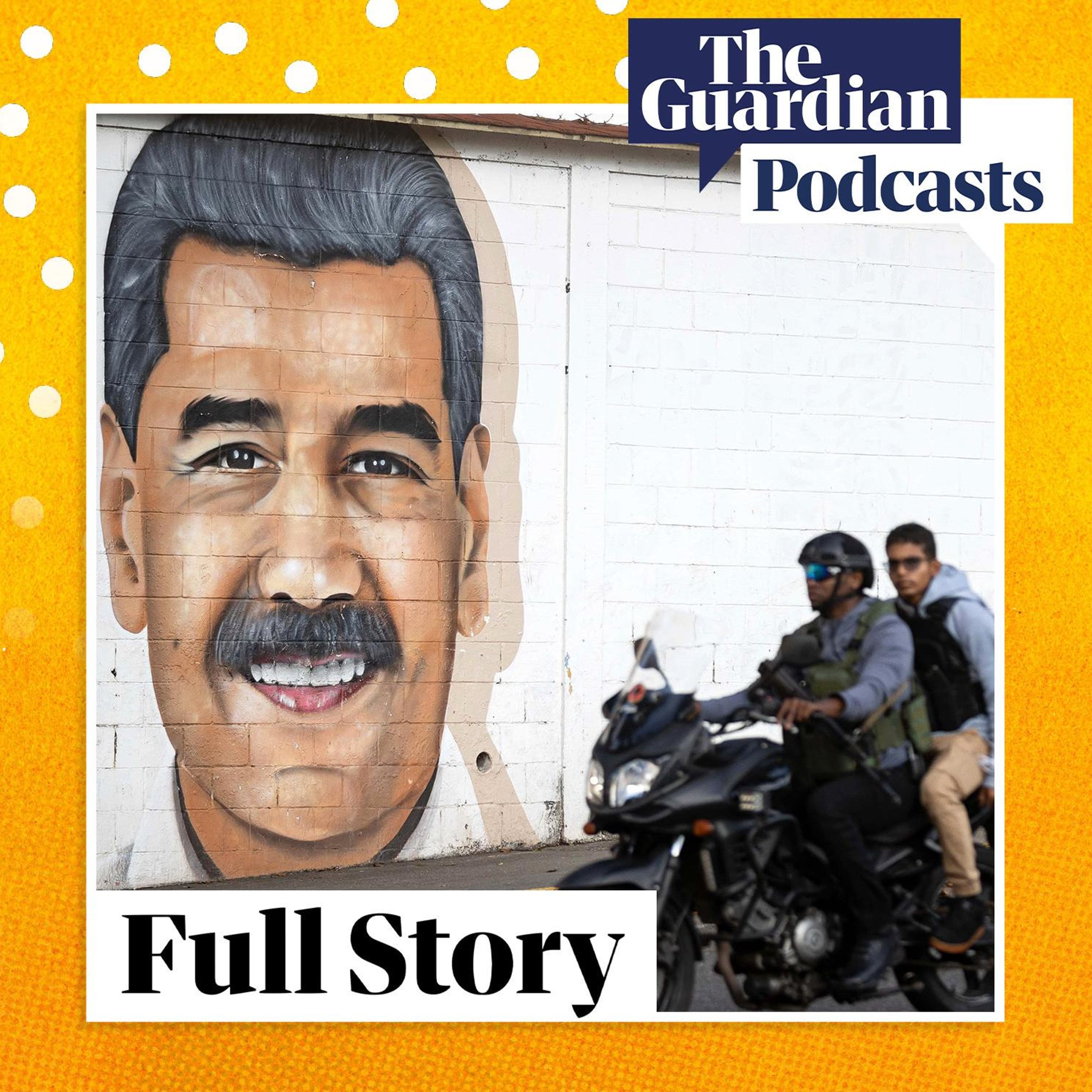
Trump ousts Venezuela’s President
The president of Venezuela, Nicolás Maduro, was captured, flown to the US and is facing trial in New York. What does it mean for the country – and the world?
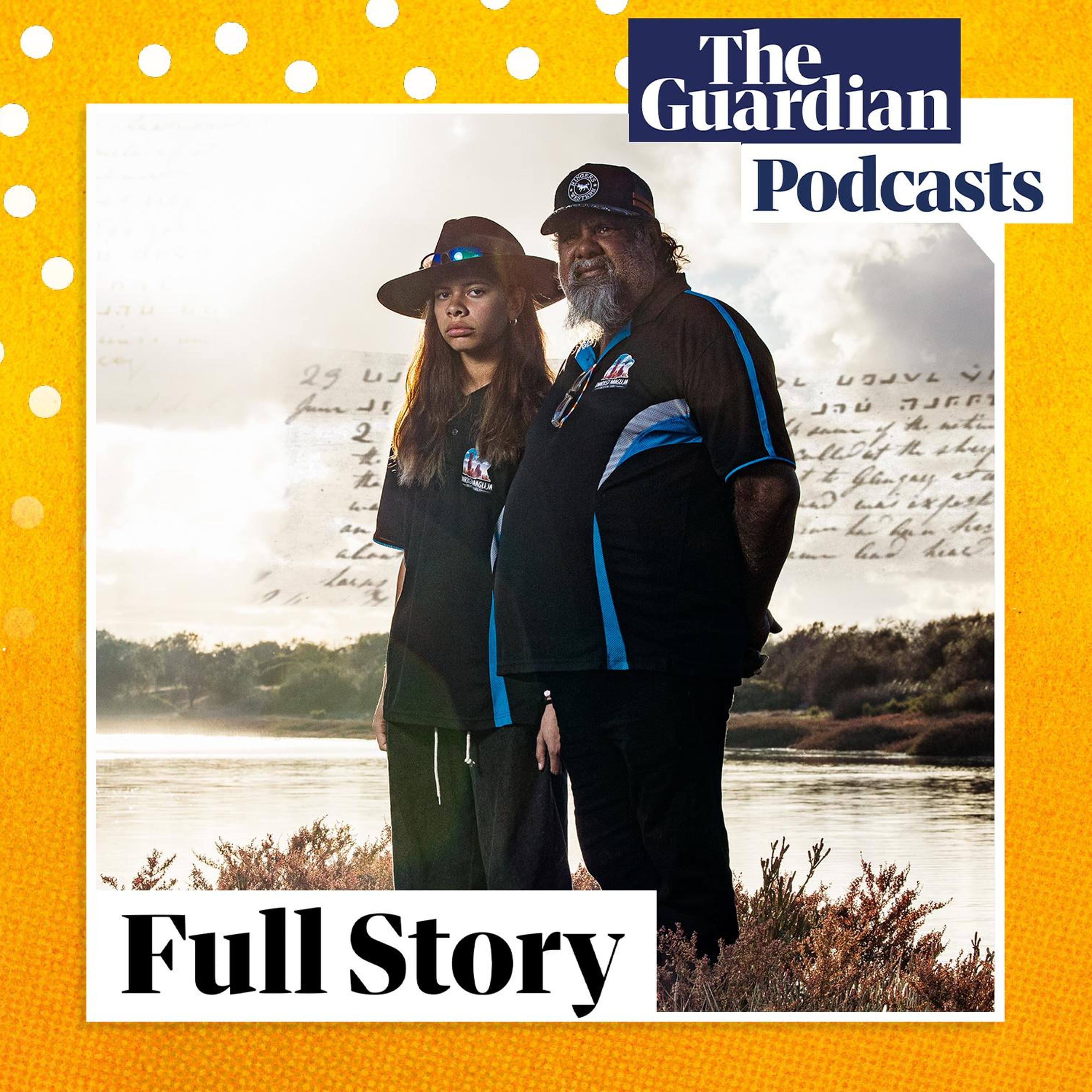
The Descendants episode 1: decoding a massacre
Colonial pastoralist Major Logue is a figure of note in the city of Geraldton, Western Australia. But his diaries, written partly in code, reveal a dark and confronting chapter of Australia’s past – a history that Yamatji people already know all too well. Descendants of some perpetrator families are now challenging what they call “colonial silence”. For them, truth-telling is real, personal and local. There are no guidelines or rulebooks, and it can lead to denial and indifference – but it can also be a liberation. In this two-part special Full Story, Guardian Australia’s Indigenous affairs reporter Sarah Collard and Lorena Allam from UTS’s Jumbunna Institute discuss decoding the truth behind Logue’s diaries, and how descendants of colonial violence are coming together to heal from the horrors of the past Warning: This episode contains historical records that use racist and offensive language, and descriptions of events that will be distressing to some
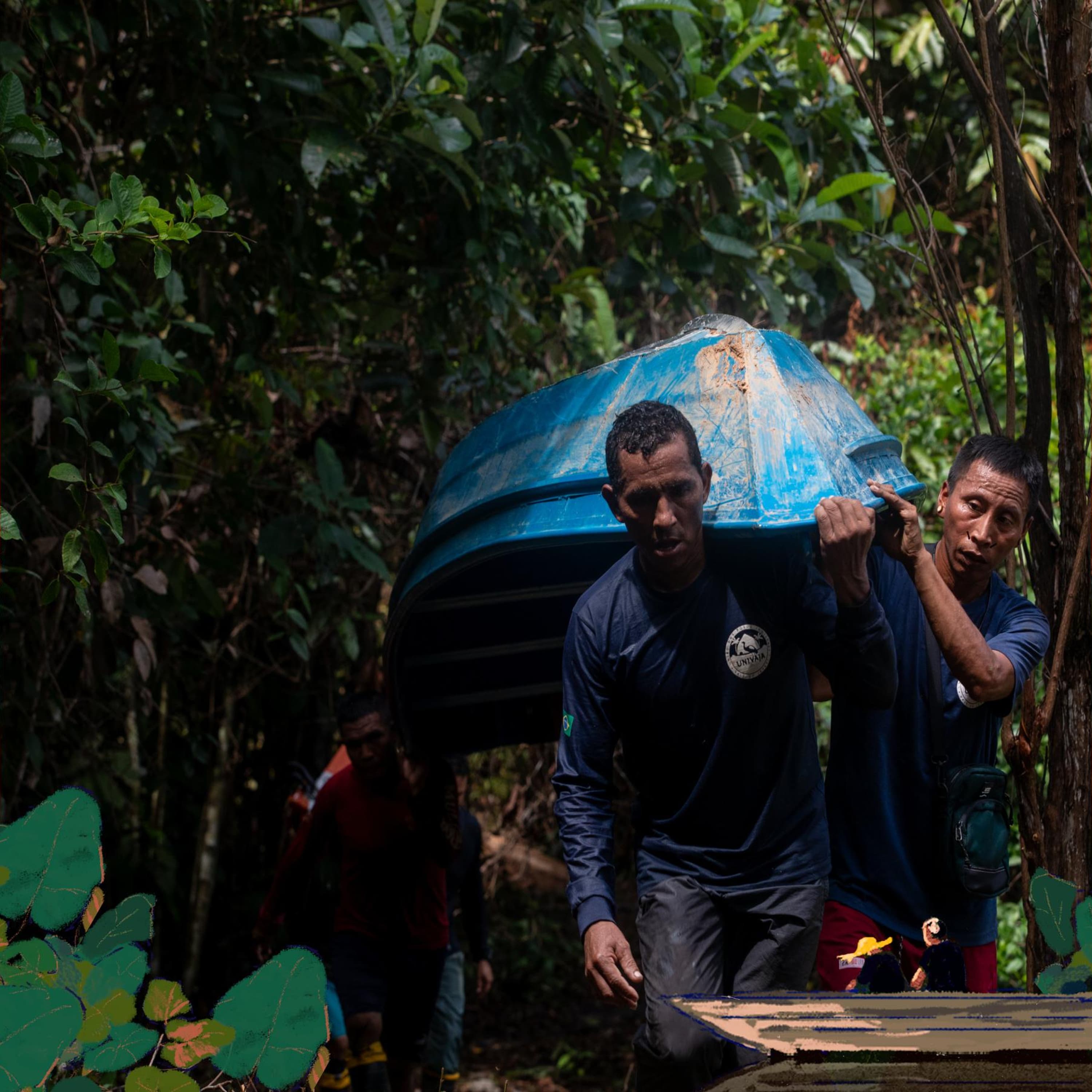
Missing in the Amazon: the frontline, episode six
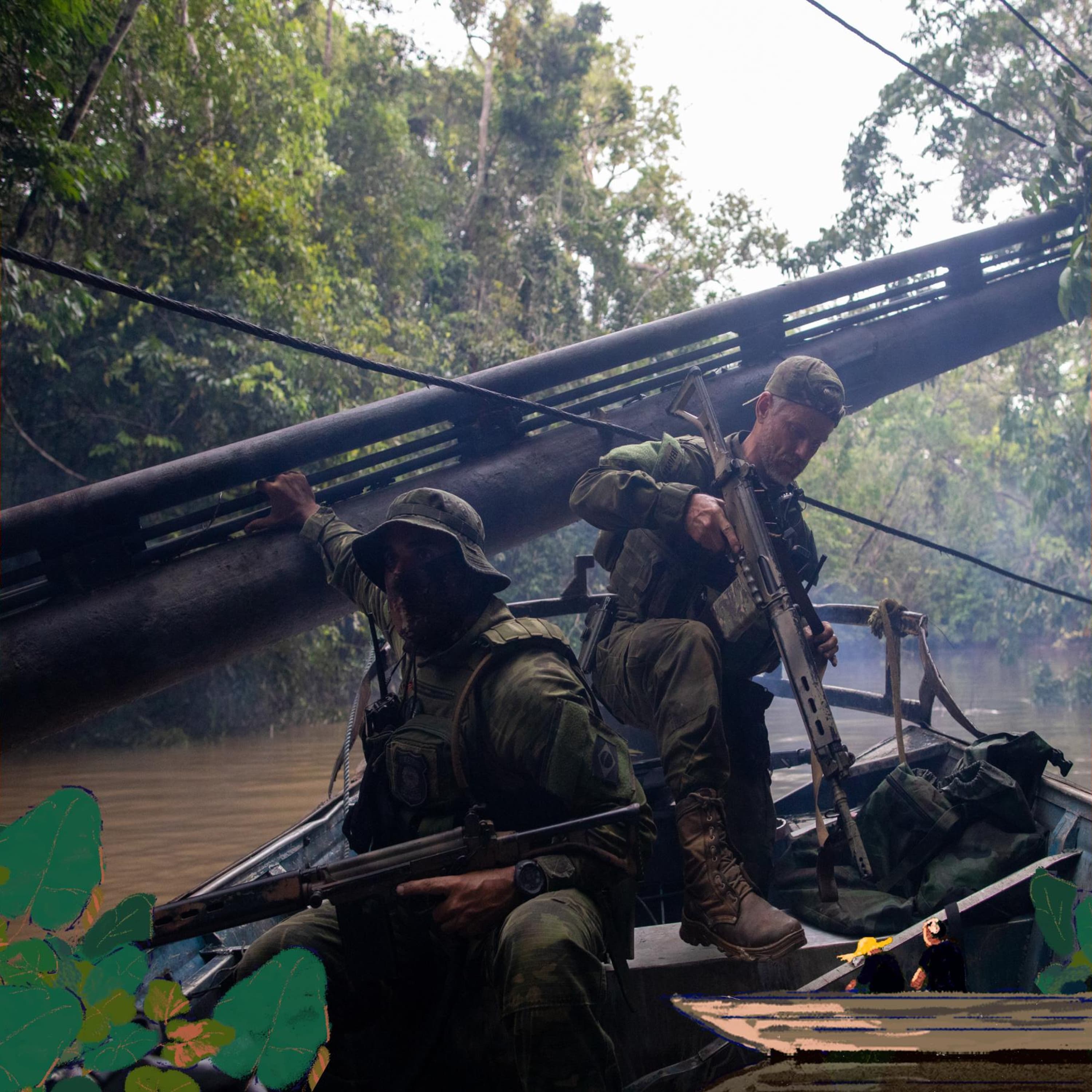
According to Beto Marubo, if Dom and Bruno did the same expedition in 2025, they would face the same levels of danger. The Guardian’s Latin America correspondent, Tom Phillips, returns to the Javari valley and meets those risking their lives daily basis to fight the threats from organised crime. Is it possible to save the Amazon?
Missing in the Amazon: the fightback, episode five
Funerals are held for Dom Phillips and Bruno Pereira and there is hope that the election of President Lula will mean new protections for the Amazon – and that the killers of Dom and Bruno will face justice. But organised crime is widespread and deep-rooted. The investigative journalist Sônia Bridi tells the Guardian’s Latin America correspondent Tom Phillips about a man who allegedly not only may have helped plan the killings but may have ordered them. A man whose name strikes fear across the region
Missing in the Amazon: the ambush, episode four
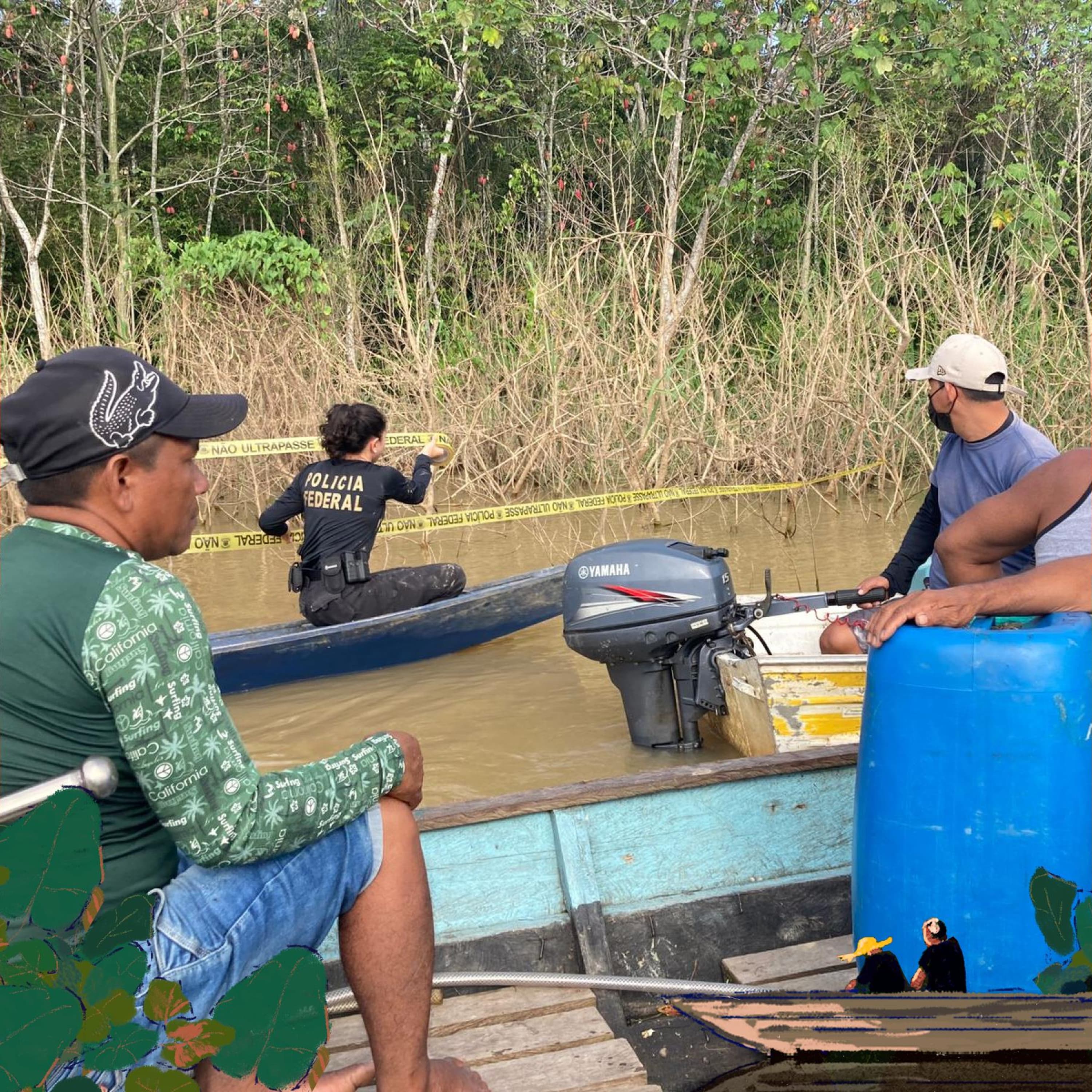
The Guardian’s Latin America correspondent, Tom Phillips, recalls the moment that he and others on the search team found Dom and Bruno’s belongings in a hidden area of flooded forest. The team finally discover what has happened to the men
Missing in the Amazon: the protector and the poacher, episode three
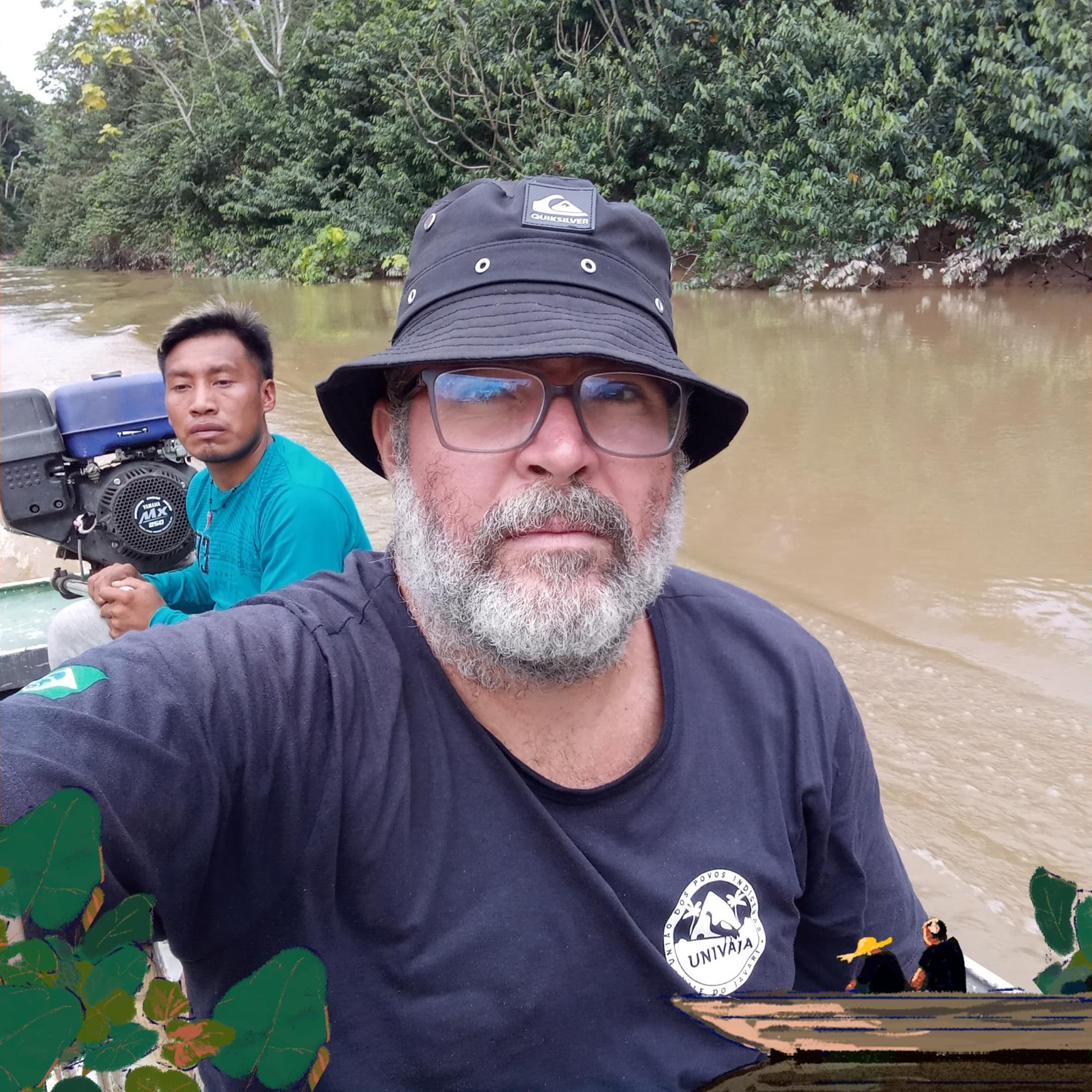
Bruno Pereira was considered one of the great Indigenous protectors of his generation. And this made him an enemy of a man called Amarildo da Costa de Oliveira, also known as Pelado. The Guardian’s Latin America correspondent, Tom Phillips, reports on the story of the two men and what happened when their paths collided
Missing in the Amazon: the journalist and the president, episode two
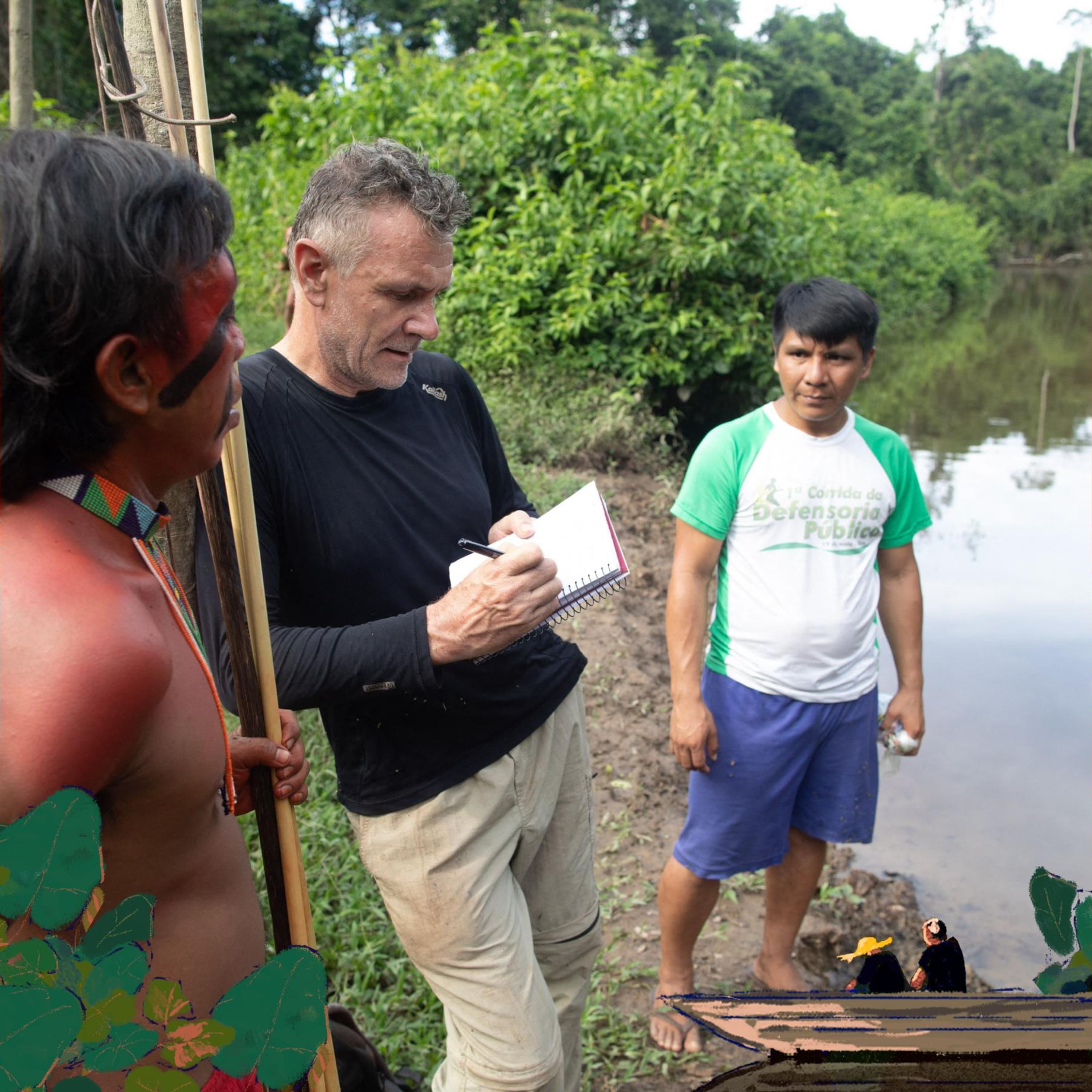
What took British journalist Dom Phillips from the club nights of the UK dance scene as editor of Mixmag to one of the most remote, and dangerous, corners of the Amazon rainforest? In 2022, Dom set off on a reporting trip with Bruno Pereira, a Brazilian expert on uncontacted tribes, into the Javari valley to investigate the criminal gangs threatening this region. And then they vanished
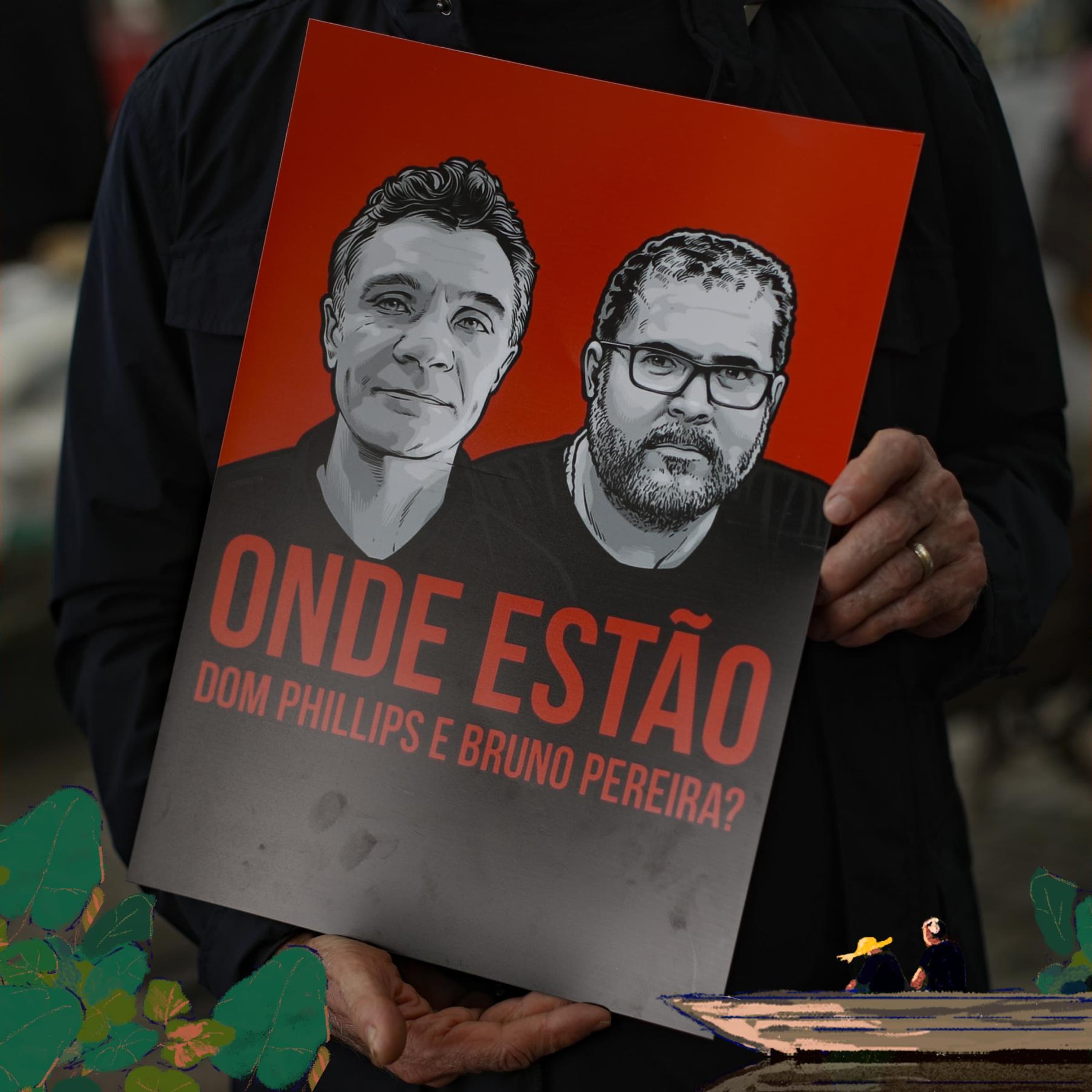
Missing in the Amazon: the disappearance, episode one
Three years ago, British journalist Dom Phillips and Brazilian indigenous defender Bruno Pereira vanished while on a reporting trip near Brazil’s remote Javari valley. The Guardian’s Latin America correspondent, Tom Phillips, investigates what happened in the first episode of a six-part investigative podcast series

Ashes Weekly: England bounce back in madcap Melbourne Test
EEngland came out on top in another two-day Test match as the tourists chased down 175 at the MCG. Max Rushden is joined by Geoff Lemon, Barney Ronay and Ali Martin to discuss England’s first Test win in Australia for nearly 15 years
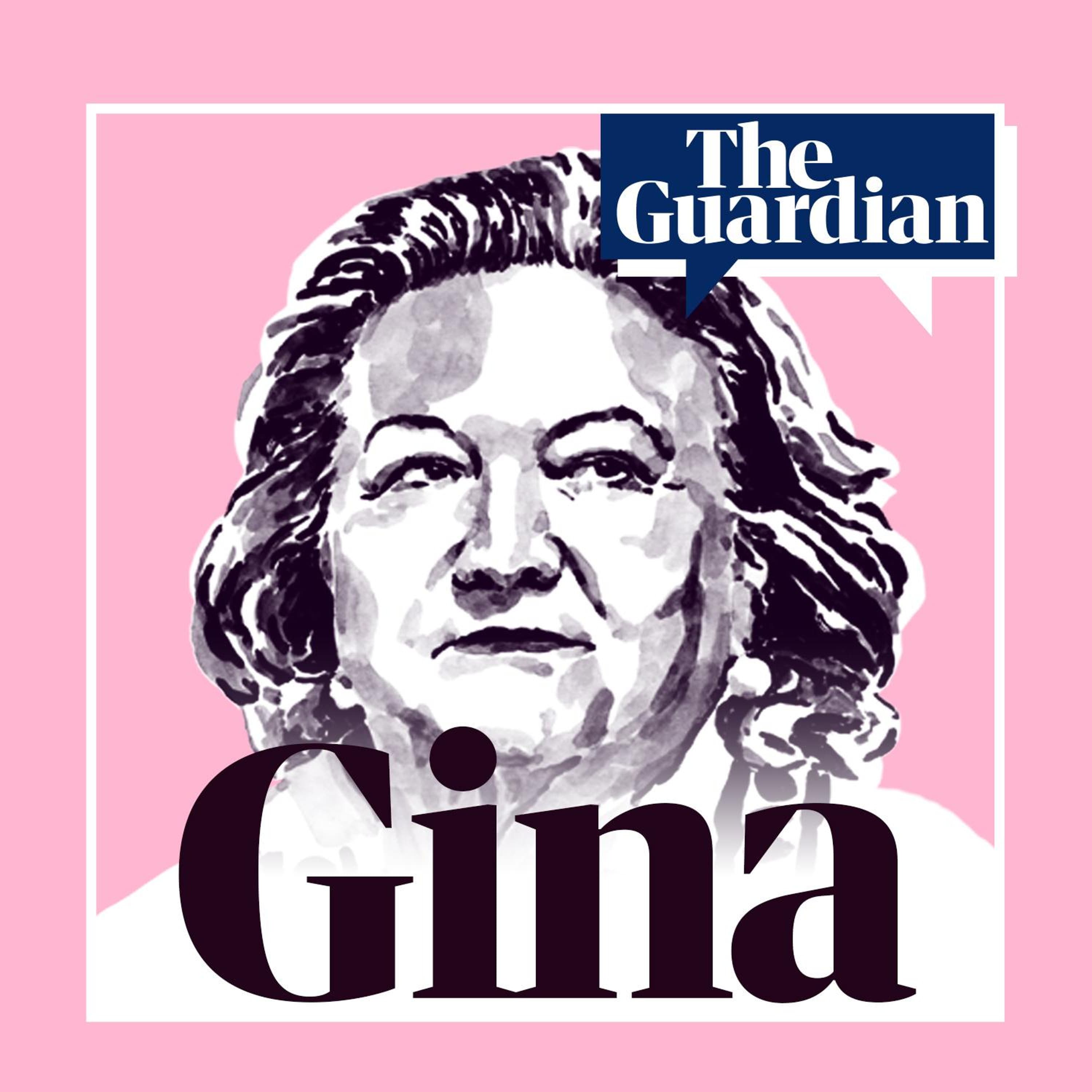
Gina: What does she want? – episode 7
At 13 years old, a young Gina Rinehart read a book that would help shape her world view – Ayn Rand’s Atlas Shrugged. The novel’s capitalist underpinnings promote the idea that people should strive to be their best industrial selves. In this episode, we explore how these values are playing out in Rinehart’s life today, including her proposal to build a coalmine in Canada’s Rocky Mountains. And we hear how author and environmental campaigner Tim Winton views her efforts to prevent an overhaul of Australia’s environmental laws
Gina: Mythmaking – episode 6
Gina Rinehart’s father, Lang Hancock, is well known as a pioneer of the iron ore industry in Australia but few realise he started his mining career on a smaller scale and digging for a different substance – blue asbestos. Hancock and his partner started the mining operation at Wittenoom in the 1940s before selling it to another company, CSR, which mined the area for 20 more years. Wittenoom has become synonymous with an immense tragedy that unfolded upon thousands of the people who lived and worked there due to exposure to asbestos fibres. In this episode of Gina, we interrogate some of the stories her family chooses to celebrate – and others they don’t
Gina: The DNA request – update episode
bonusIn the last episode, we covered historical claims made over the years that Lang Hancock, Gina’s father, had two unacknowledged daughters with separate Indigenous women. Since then, the daughter of Sella Robinson, one of the Indigenous women who claimed to be Hancock’s daughter, has decided to speak publicly for the first time
Gina: The portrait – episode 5
It’s the portrait of Gina Rinehart that launched 1,000 memes, went viral globally and became Australia’s Mona Lisa. But it’s also a symbol of how wealth intersects with other areas of life, including art and sport. How does Rinehart use her money to control her image – and what would she rather you don’t see? This episode of Gina is about power and control, and the colonial history of Australia. It contains references to outdated offensive language and events that Aboriginal and Torres Strait Islander people may find distressing. It also contains the names of Indigenous Australians who have died. Listen with care
Gina: The first-born son – episode 4
Twenty years ago, John Hancock had dinner with his mother, Gina Rinehart. He says it’s the last positive interaction he had with her. In an in-depth interview, he explains how his relationship with his mother fell apart and discusses a high-stakes legal case that could threaten the foundations of her empire
Gina: Love and money – episode 3
Gina Rinehart has been Australia’s richest person for the past six years in a row. But where does her money come from? In the third episode of Gina, we unpack the bitter rivalries, court battles and family conflicts behind the Hancock fortune – and consider a fundamental question: is Rinehart a mining heiress or is she a self-made mining magnate? We then look at her crowning achievement to date in her time at the helm of Hancock Prospecting – owning and operating her own iron mine at Roy Hill, something her father was never able to do
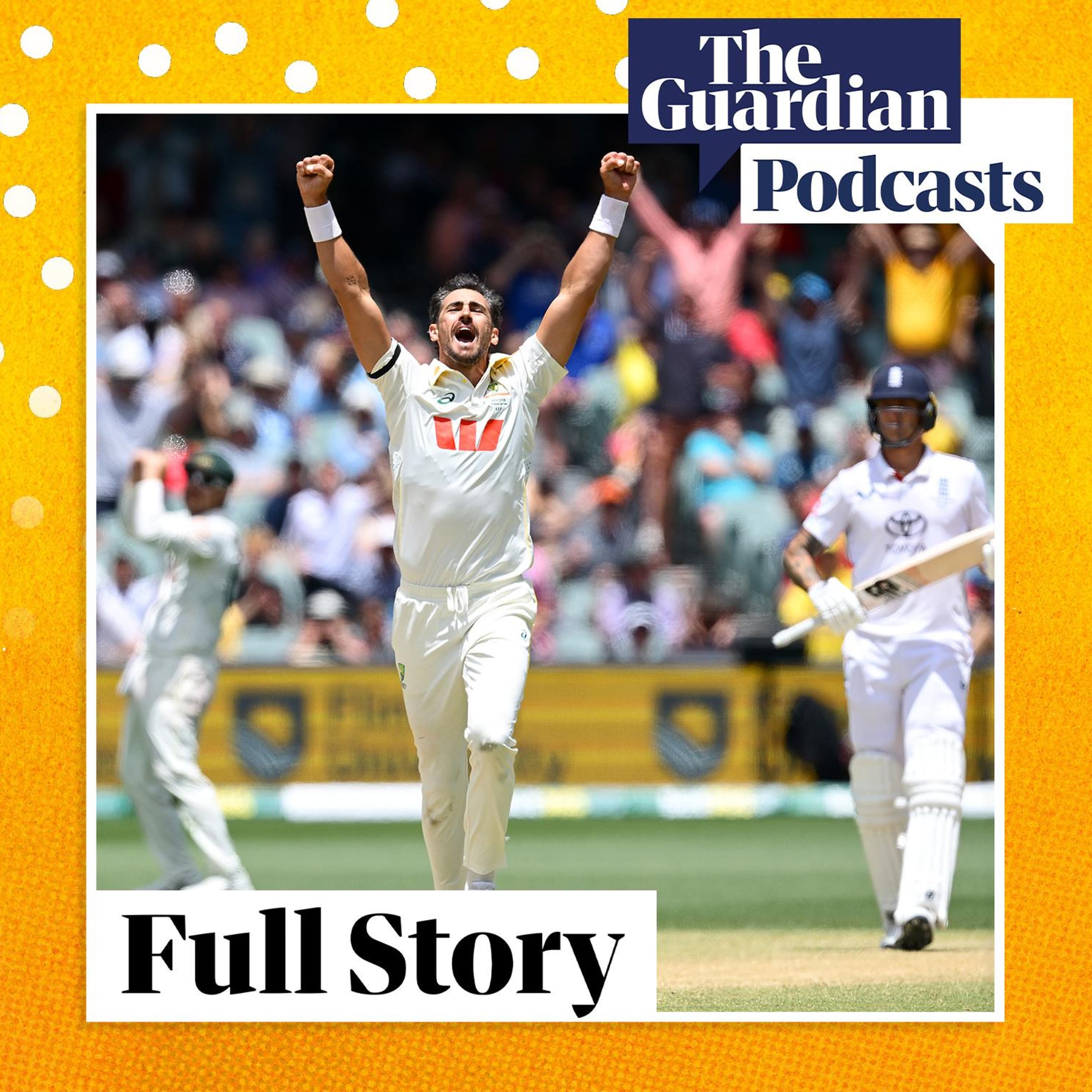
Ashes Weekly: how Australia won the Ashes in 11 days
EMax Rushden is joined by Geoff Lemon, Barney Ronay and Ali Martin to discuss Australia’s victory in the Adelaide Test, which has helped them retain the Ashes – and has left England with a lot of questions about how it all went so wrong
Gina: Like father, like daughter – episode 2
How does Gina Rinehart, like her father before her, use wealth and power to influence politics? Rinehart’s first major foray into the political spotlight was successfully lobbying against Labor’s mining super profit tax during the early 2010s. But what did she learn from Lang Hancock, who campaigned to overturn the iron ore export embargo in the 1950s, setting the foundation for their family fortune?
Gina: Becoming Mrs Rinehart – episode 1
Gina Rinehart is Australia’s richest person – and as her wealth continues to rise, so does her power and influence. But what does she want? In the first episode of Gina, senior correspondent Sarah Martin explores the impact Rinehart could have on Australian politics. Rinehart grew up in the vast expanse of the Pilbara. To understand her story, we delve into her past and how her unique childhood under the influence of Lang Hancock shaped her
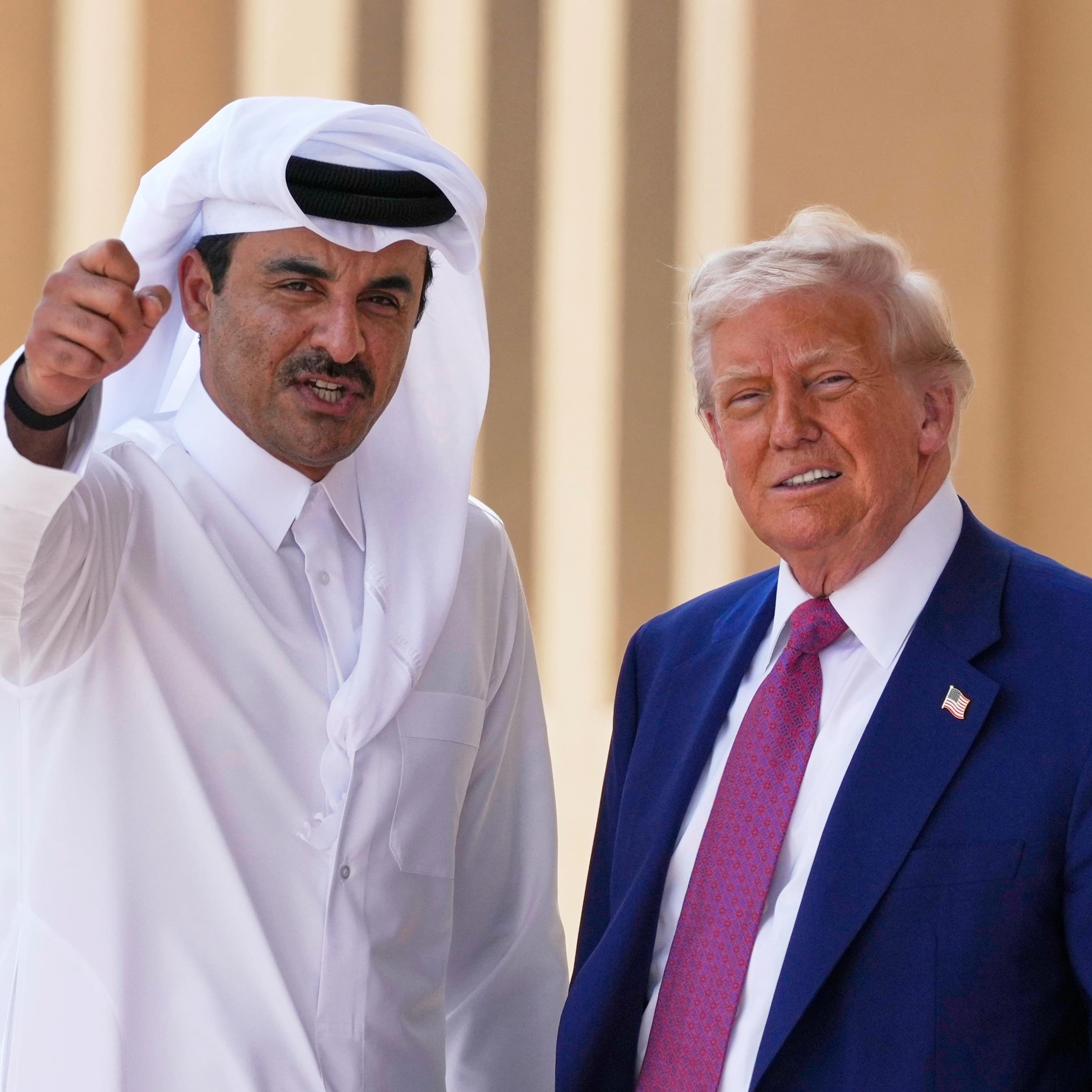
Trump in the White House: is it time to call it corruption?
The White House has consistently denied that Donald Trump has ever engaged in conflicts of interest while president. But experts have been tallying up examples of decisions made over the past 12 months, which, they say, amount to corruption coming from the highest office. Jonathan Freedland is joined by the anthropologist Prof Janine Wedel as they wade through the most egregious allegations of corruption from Trump’s first year in office
The free birth influencers radicalising women around the world
The Free Birth Society (FBS) is a multimillion-dollar business that promotes the idea of women giving birth with no medical assistance. Now, a year-long Guardian investigation has revealed the FBS has been linked to baby deaths around the world. Mothers lost children after being radicalised by uplifting podcast tales of births without midwives or doctors, all while influencers made millions pushing so-called ‘wild’ births. Investigations correspondent Sirin Kale speaks to Reged Ahmad about why so many women find the claims made by the Free Birth Society so appealing but why medical experts say they are dangerous
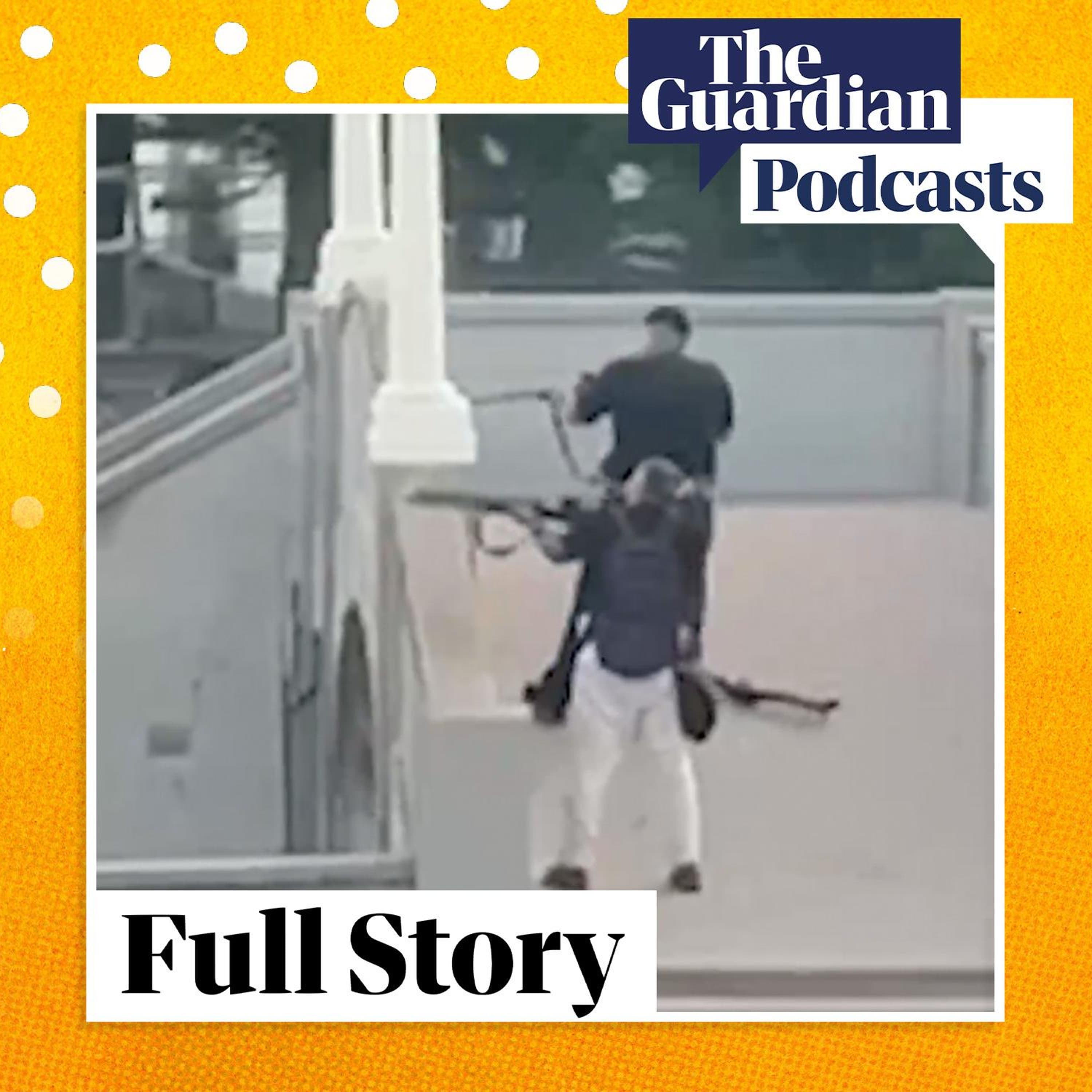
The Bondi attack suspects and what we know so far
As funerals commence for the 15 victims of the Bondi terror attack, one of the men allegedly responsible for the shooting, Naveed Akram, has regained consciousness in hospital and is under police guard. At the same time, more information about the father and son has been reported. Police confirmed that both 24-year-old Naveed, and his father, 50-year-old Sajid, travelled to the Philippines last month, although for what reason remains unclear. And the prime minister said in a press conference that there is evidence the alleged shooters may have been inspired by the ideology of the Islamic State. Rabbi Eli Schlanger remembered as ‘a great leader’ at first funeral for victims of Bondi terror attack Bondi terror attack: alleged gunmen travelled to the Philippines before ‘Isis-inspired’ shooting
A moment of reckoning for Australia's gun laws
As the Jewish community continues to grieve after the Bondi beach terror attack, attention also turns to how another act of violent hate can be stopped from happening again. That includes a focus on antisemitism and a change to our gun laws. Investigations reporter Ariel Bogle and political editor Tom McIlroy speak to Reged Ahmad about the data showing Sydney has a ‘frightening concentration’ of gun ownership and why the pressure is on the prime minister to do more to make the Jewish community feel safe