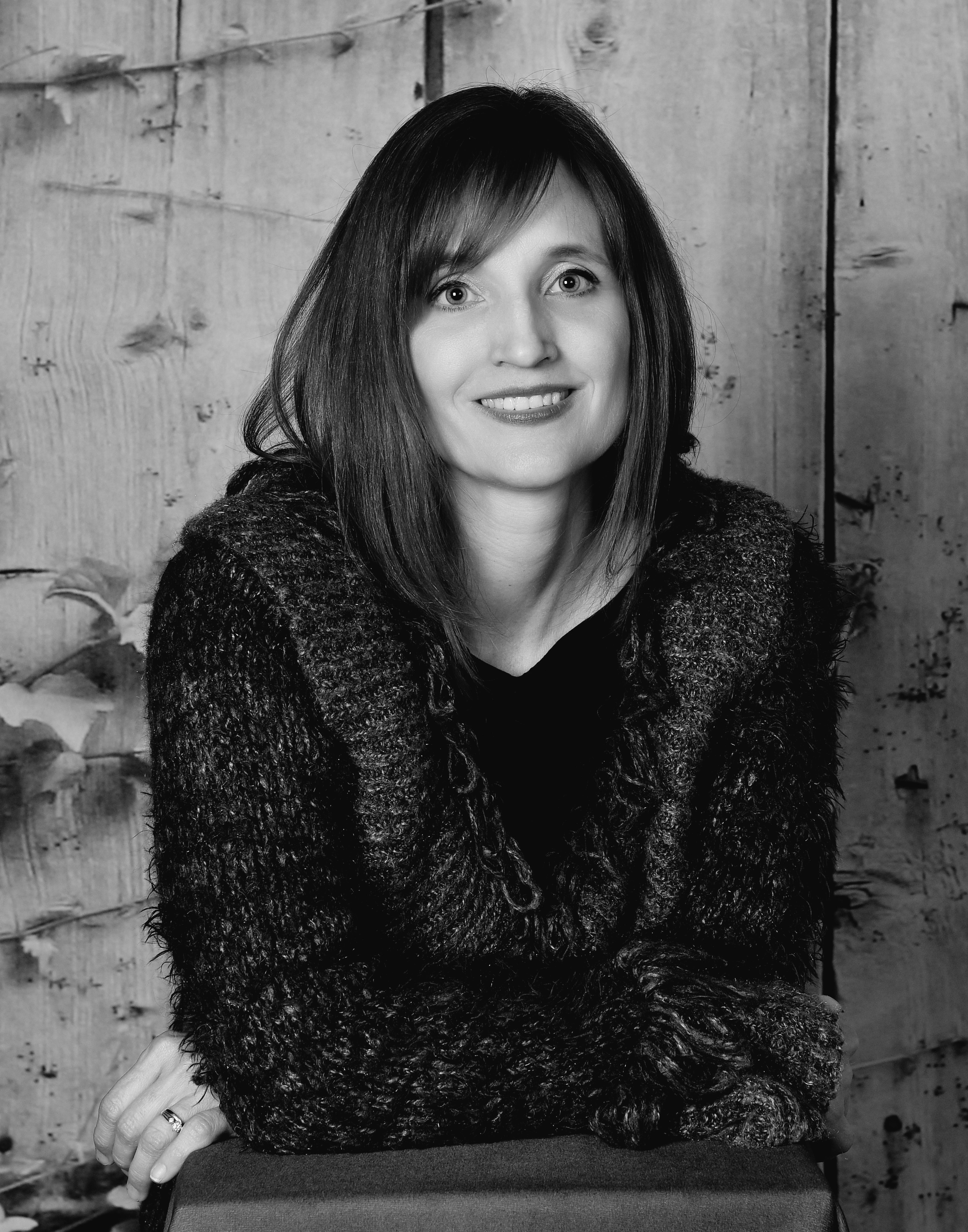
Season 1, Episode 7: Creating Safe Havens as an Abuse Survivor
Audio is streamed directly from the publisher (api.substack.com) as published in their RSS feed. Play Podcasts does not host this file. Rights-holders can request removal through the copyright & takedown page.
Show Notes
(00:00:19):
Do you long for hope amid mental, emotional, or relational struggles?
(00:00:24):
Join life coach,
(00:00:25):
author,
(00:00:25):
and trauma survivor Tammy Kennington on From Hardship to Hope,
(00:00:29):
the podcast for Christian women navigating the intersection of motherhood,
(00:00:33):
mental health,
(00:00:34):
and matters of faith.
(00:00:36):
If you need biblical support, encouragement, and actionable tips, this show is for you.
(00:00:42):
Welcome.
(00:00:44):
On today's episode, we will consider safe spaces.
(00:00:49):
creating a place of safety as we heal.
(00:00:52):
In the previous episode,
(00:00:57):
when I met with special guest Sally Miller,
(00:01:00):
we introduced the idea of inner healing prayer as an effective means of counseling
(00:01:08):
and therapeutic recovery.
(00:01:12):
And during that episode, Sally told us that
(00:01:16):
When a person begins that journey at the beginning of each session,
(00:01:21):
he or she will be invited to imagine a place that feels very safe to them.
(00:01:30):
Some people will imagine maybe a place in the mountains.
(00:01:34):
Perhaps they think of the beach.
(00:01:37):
Maybe they think of their favorite chair in their home.
(00:01:40):
Whatever that safe space might be.
(00:01:43):
can represent a wonderful opportunity to step into and further healing.
(00:01:52):
So why is imagining a safe place so useful?
(00:01:57):
Why do trauma survivors benefit from this?
(00:02:01):
Well, most trauma survivors have experienced a lack of either physical and or emotional healing.
(00:02:11):
situations that were not safe.
(00:02:14):
And many of these have been ongoing over a period of years.
(00:02:19):
So what happens is that a person's limbic system is impacted.
(00:02:25):
And the limbic system is the part of the body that involves our flight and fight reaction, our response.
(00:02:33):
It releases stress hormones that flow throughout our body.
(00:02:37):
It increases blood flow to our muscles.
(00:02:39):
It makes us ready to respond to a threat.
(00:02:44):
But trauma like this can really impact the amygdala and hippocampus that are key
(00:02:53):
components of that limb extraction.
(00:02:55):
What happens is that those areas of the brain actually act as though they are an alarm system.
(00:03:05):
that is constantly going off.
(00:03:06):
It's hard to turn those parts of the limbic system off when one has experienced
(00:03:13):
chronic and ongoing stress or trauma.
(00:03:16):
So our goal then is to teach our own selves and to rewire our own neurobiology in
(00:03:22):
such a way that we create personal safety.
(00:03:27):
It can be really challenging because if we're feeling triggered by an event
(00:03:33):
at home or at work or any other place,
(00:03:37):
we may just respond with high levels of anxiety,
(00:03:42):
panic attacks,
(00:03:44):
a variety of different responses.
(00:03:46):
But we can learn to create that safety for ourselves.
(00:03:52):
So a couple of ways we can do this are to, first of all, say aloud to ourselves, I am safe.
(00:03:59):
In this moment, I am safe.
(00:04:03):
It helps us to think about the present moment,
(00:04:07):
even though our body is being triggered in such a way we're reminded,
(00:04:12):
even involuntarily or unconsciously,
(00:04:15):
of the past.
(00:04:17):
And of course, there's a lot of information and research that supports breathing techniques.
(00:04:26):
And some of the simple ways to incorporate this
(00:04:30):
I even teach to little children.
(00:04:34):
One of them is called flower candle breathing.
(00:04:37):
You inhale, imagining your favorite scented flower for a count of four.
(00:04:44):
Hold that breath for that four count and then blow it out gently as though you're
(00:04:50):
blowing out a birthday candle for another count of four and repeat this four times.
(00:04:56):
Pretty simple.
(00:04:57):
Some people,
(00:04:58):
rather than envisioning or pretending that they're smelling a flower,
(00:05:03):
imagine their favorite drink or coffee that they might enjoy.
(00:05:10):
So flower candle breathing is one easy technique, and another is called 5-4-3-2-1.
(00:05:18):
Many counselors will share these if you're in session with them.
(00:05:22):
But the 5-4-3-2-1 breathing technique involves looking around the room and noticing
(00:05:31):
five specific things that you can see,
(00:05:35):
hearing four different noises,
(00:05:38):
smelling three different items or environmental scents,
(00:05:47):
touching two specific items,
(00:05:51):
Maybe it's the chair you're sitting in.
(00:05:53):
Maybe it's a blanket on the couch or petting the dog.
(00:05:58):
And then one is tasting something.
(00:06:01):
So taste is very powerful.
(00:06:04):
And maybe you want to grab a mint.
(00:06:07):
Maybe you take a sip of your Perrier or something like that.
(00:06:15):
So 5, 4, 3, 2, 1 is also a very simple way
(00:06:20):
to work on that safe space, teaching your brain to rewire itself.
(00:06:27):
Beyond that, we can also invite Jesus into our safe space.
(00:06:34):
And if you feel comfortable doing that, then he can provide so much comfort for us in that moment.
(00:06:43):
If not, and you're still growing in that area, you can do like Sally suggested and think about
(00:06:51):
representing and introducing maybe a lamb into that safe space, a lamb representing Jesus.
(00:07:00):
Or maybe you consider the cross,
(00:07:04):
something that invites him into that sacred place of safety can be very healing and
(00:07:11):
comforting for many of us.
(00:07:15):
So creating safety for oneself is
(00:07:18):
very important, learning how to live in that place of safety.
(00:07:24):
The second thing that I recommend is building that safe community.
(00:07:31):
And we've talked about this before.
(00:07:32):
That was one area that was a real struggle for me.
(00:07:37):
While I often would see a counselor throughout the years or meet with somebody beyond that,
(00:07:45):
I didn't really have a safe community.
(00:07:47):
And this is so helpful for those of us who have lived through trauma and were
(00:07:54):
surviving and learning to heal.
(00:07:56):
Because when others understand our experience and reflect back empathetically their
(00:08:08):
just willingness to listen to our hearts and walk with us through that,
(00:08:14):
can prove to us that there are people we can trust.
(00:08:20):
And trusting people is often not our strong suit.
(00:08:25):
So where do we find groups like this?
(00:08:28):
I've mentioned before Journey to Heal by Crystal Sutherland.
(00:08:33):
It's a wonderful program that has even online groups that will meet with women,
(00:08:41):
And I believe they've even started groups for men now.
(00:08:46):
And so you can look up Journey to Heal and find a group either locally in your area or online.
(00:08:55):
You might also be able to find an inner healing prayer counselor or small group,
(00:09:02):
whether that's at church or in one of the resources we mentioned in the previous episode.
(00:09:07):
And
(00:09:10):
You can also start a group of your own.
(00:09:13):
You can create a meetup.
(00:09:15):
You can start a study in your own church that's for women who need healing.
(00:09:24):
And some basic tips for creating that sort of group involve creating a space for sharing information.
(00:09:36):
by establishing norms that encourage open communication,
(00:09:39):
honest communication,
(00:09:41):
and emphasizing respectful dialogue and active participation with the expectation
(00:09:49):
that the information shared in that group will remain confidential.
(00:09:58):
So, of course, the active participation is really important.
(00:10:03):
And that ensures everybody has an opportunity to be heard because so many of us have not been heard.
(00:10:09):
And we don't have practice oftentimes in even being heard,
(00:10:17):
of even speaking out and using our voices to share the heart of our lives.
(00:10:23):
So we want to create that environment where everyone feels comfortable speaking up.
(00:10:28):
And beyond that, we know that
(00:10:32):
We'll need to look for people in our everyday lives.
(00:10:35):
We'll need to turn to people in our everyday lives who we can trust and who will
(00:10:41):
respect what we've been through.
(00:10:43):
So one of the books I recommend that we all read,
(00:10:49):
regardless of whether we've experienced trauma or not,
(00:10:52):
would be a book called Safe People by Dr.
(00:10:56):
Henry Cloud and Dr.
(00:10:58):
John Townsend.
(00:10:59):
They're well known for their work in areas like this.
(00:11:03):
And they actually have a list of unsafe people and safe people on their website.
(00:11:13):
And this list actually includes specific characteristics of each of those types of people.
(00:11:21):
Now, none of us fit either category completely.
(00:11:26):
And I'm sure we've all been unsafe.
(00:11:29):
for somebody at one point or safe in another.
(00:11:32):
But here are in general some of the characteristics that really stand out to me.
(00:11:38):
An unsafe person is going to apologize but keeps repeating the same mistakes.
(00:11:46):
They won't work on their problems.
(00:11:47):
They demand trust.
(00:11:49):
They blame others.
(00:11:50):
They lie.
(00:11:52):
They avoid closeness.
(00:11:53):
They're not sympathetic.
(00:11:55):
They can't respect boundaries or set boundaries.
(00:11:59):
and they confront with guilt or shame or not at all.
(00:12:04):
They might be condemning.
(00:12:06):
They might be envious or self-sufficient or entitled, and they may be insecure with their attachments.
(00:12:19):
Safe people tend to admit their weaknesses.
(00:12:23):
They are spiritual but not religious, meaning they don't
(00:12:28):
live in law or judgment.
(00:12:30):
They're more open to feedback.
(00:12:33):
They apologize and change behavior.
(00:12:36):
They deal with their problems.
(00:12:38):
They try to connect with people.
(00:12:40):
They tell the truth.
(00:12:43):
And they're concerned about the needs of others.
(00:12:47):
In addition, they allow people to say no and they'll respect it.
(00:12:51):
They can set boundaries and they can respect boundaries.
(00:12:56):
And
(00:12:57):
They forgive.
(00:12:58):
Those are just a few of the characteristics that you'll find in this book,
(00:13:09):
Safe People,
(00:13:11):
again by Dr.
(00:13:12):
Henry Cloud and John Townsend.
(00:13:17):
So safety was often a rare commodity for children who are adult survivors of childhood sexual abuse.
(00:13:27):
but it is attainable.
(00:13:30):
You can create safety for yourself.
(00:13:32):
You can find safety in Christ.
(00:13:35):
You can develop and foster safe relationships in community within and without of
(00:13:41):
church and in your own family and circle of friends.
(00:13:47):
I hope this is helpful to you and an encouragement to you.
(00:13:50):
I will provide links and reads and resources
(00:13:56):
at the end of the post on substack.com, TammyKennington.substack.com.
(00:14:02):
And I want to thank you for listening to From Hardship to Hope.
(00:14:07):
You'll find the show notes in today's episode.
(00:14:11):
And in addition to that,
(00:14:14):
if this episode was helpful to you,
(00:14:16):
I would love it if you would leave a review for me at From Hardship to Hope on
(00:14:23):
(00:14:25):
Reads and Resources
Safe People by Dr. Henry Cloud and Dr. John Townsend
This is a public episode. If you'd like to discuss this with other subscribers or get access to bonus episodes, visit tammykennington.substack.com/subscribe