FRDH Podcast with Michael Goldfarb
245 episodes — Page 5 of 5
July 4, 2017: Hanging Together or Separately
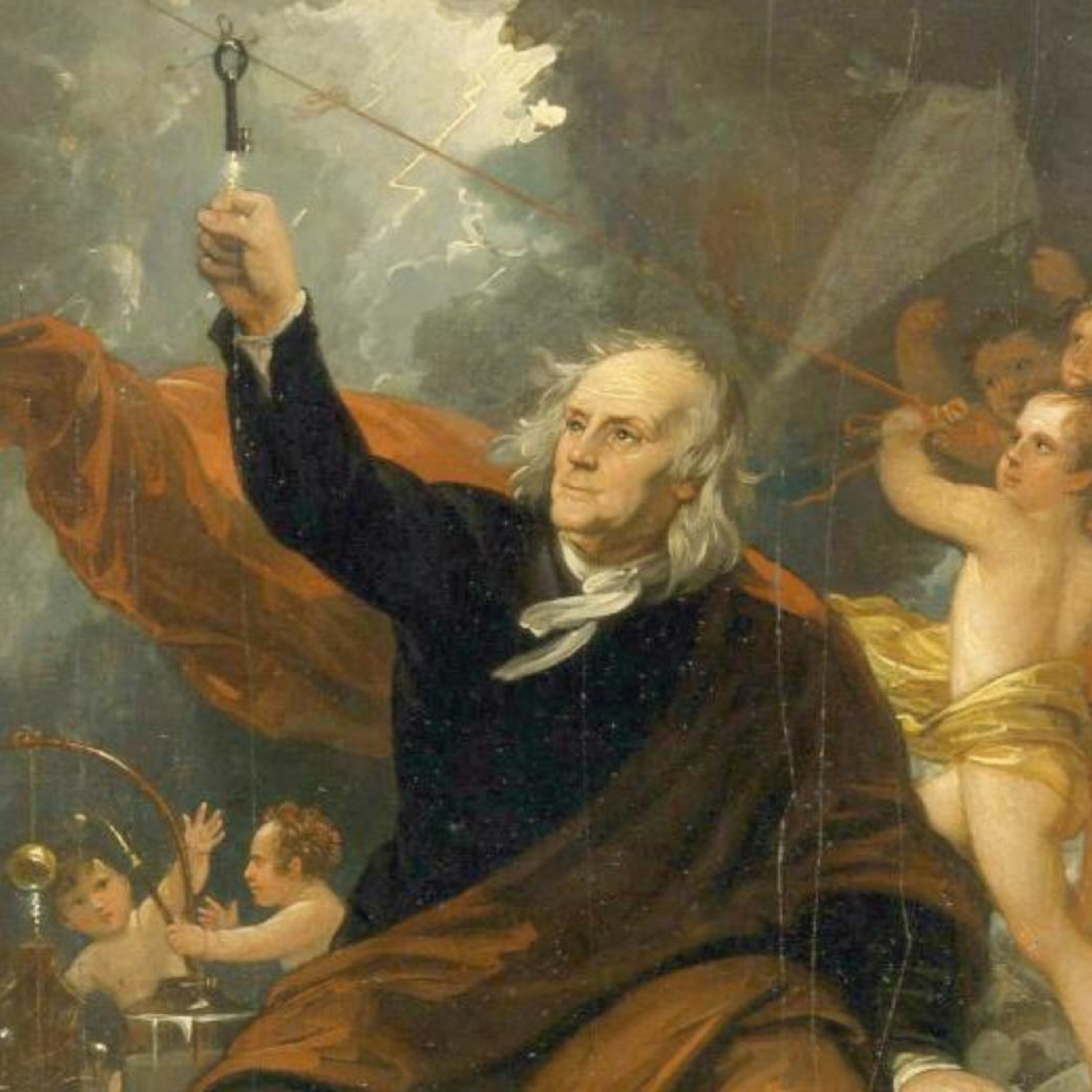
July 4, 2017. America is not a happy place. It is splitting apart rhetorically and if only a fraction of the threats posted in social networks are acted on it will split apart in other ways. In this FRDH podcast Michael Goldfarb looks at how Americans have forgotten Benjamin Franklin's words on hanging together versus hanging separately. How can Americans rediscover their links to one another? Extremely violent rhetoric amplified by broadcast media always precedes violent acts. Nations, particularly multi-ethnic nations like the US, can disintegrate in months with a concentrated campaign of angry words against a particular group in the society: Yugoslavia, Rwanda … it took less than six months to foment civil war. Hanging together, keeping the faith, solidarity ... unity has been challenged by this new epoch of economic instability. Liberals are concerned but don't risk their own security to help and Evangelicals go to Church but don't risk talking to those who won't pledge allegiance to their political faith. Neither side makes contact with one another. Thousands of individual acts of solidarity grow into a social norm. On July 4, 2017, it is clear: the terrible rent in America's social fabric can not be repaired without it.
FRDH Six Day War 50th Anniversary Meditation
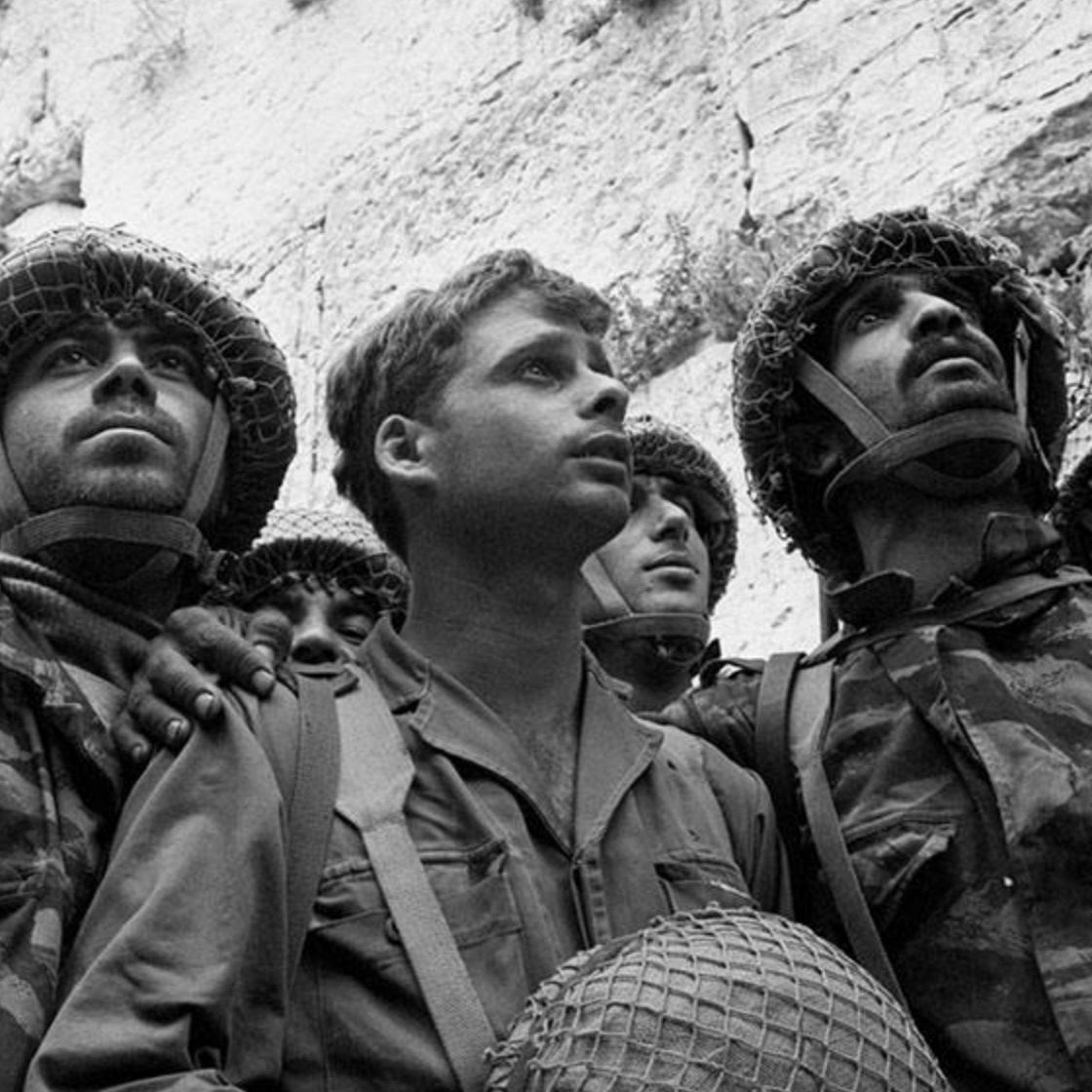
On the 50th anniversary of the Six-Day War, Michael Goldfarb has a meditation on how that event changed what it meant to be Jewish and Israeli. The Six-Day War was an epic victory for the young country of Israel and for Jews worldwide. Coming two decades after the Holocaust it restored a sense of pride but it also brought with it an onerous burden: the Occupation of Gaza and the West Bank and rule over 1 million Palestinians. Over the last 50 years this has fundamentally altered Israeli society. It has also changed the way Jews of the diaspora see themselves. At each stage of their modern history what it meant to be authenticallyJewish was analyzed again and again. After 1967 this questioning has grown more intense. Since 1967 Israel has replaced religion as the touchstone of Jewish identity.
FRDH: Bible Study for Atheists
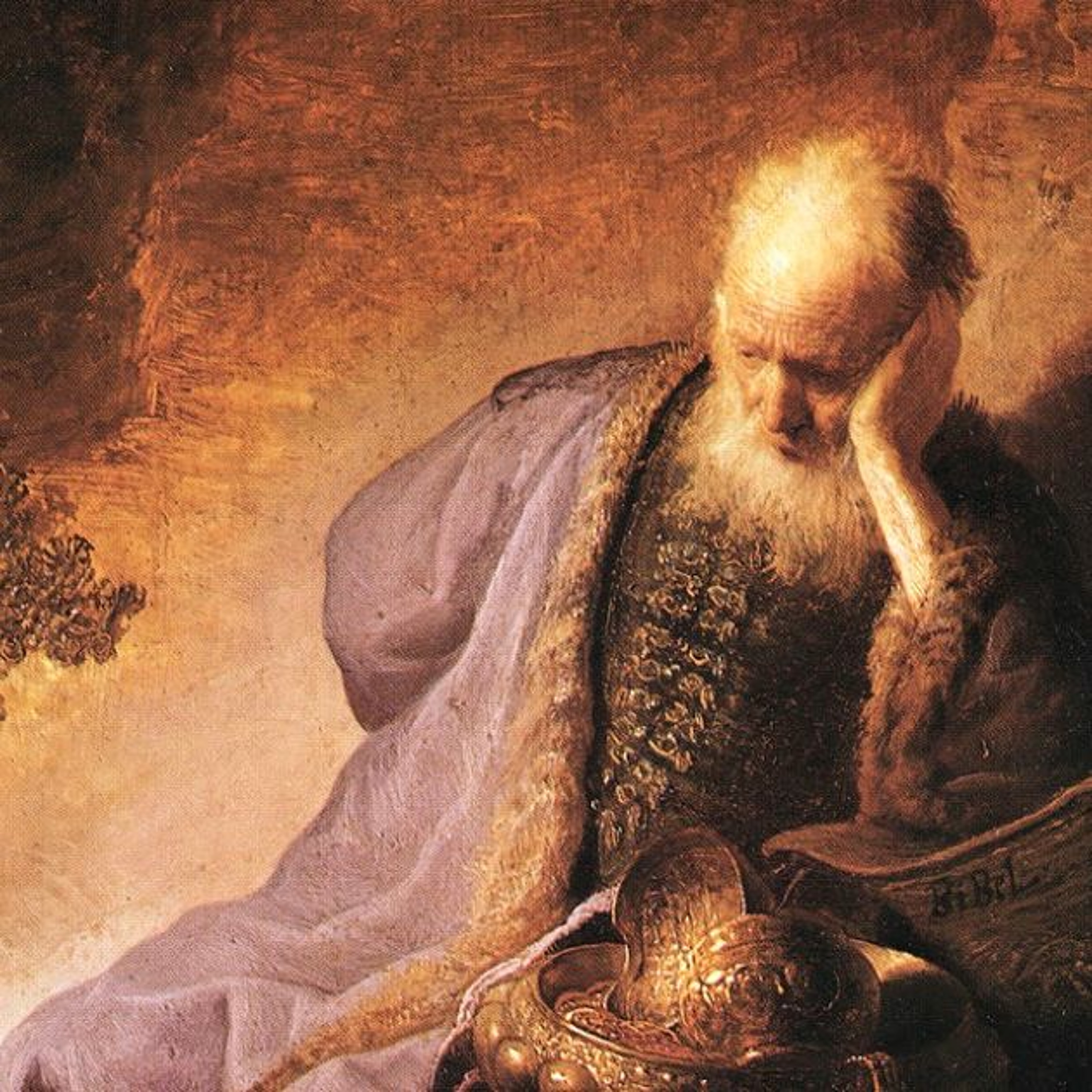
Bible Study for Atheists is an occasional feature of FRDH podcast. Michael Goldfarb looks at Bible stories and the Bible's poetic books and talks about their history and their meaning in contemporary life. In this first Bible Study for Atheists podcast he looks at psalm 52, which he read just after watching President Trump on TV: "Why boastest thou thyself in mischief, O mighty man? Thy tongue deviseth mischiefs; like a sharp razor working deceitfully. Thou lovest evil more than good; and lying rather than to speak righeousness." He explains how the bible is is a draft of the history of our civilization, and how even Atheists need faith sometime.
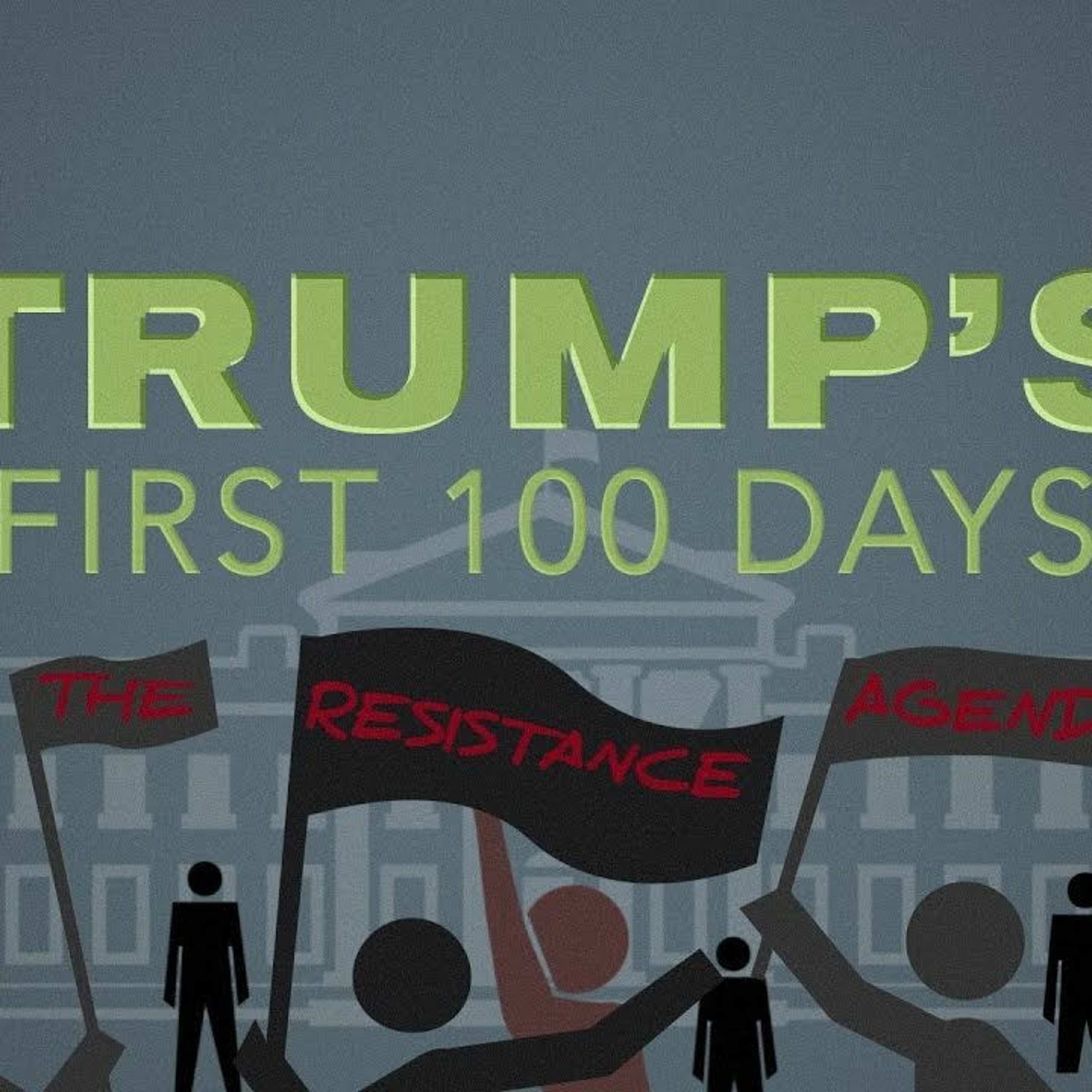
FRDH Episode 15: Trump's First Hundred Days: How to Survive the Next 100 and the next
Trump's First Hundred Days in office have been like no other presidents. There is no deep channel you can follow in trying to write the First Rough Draft of History for this man’s presidency you are constantly going this way and that on jagged currents. This FRDH podcast rambles looking at Trump as an avatar of a new society which emulates what it watches on TV unable to distinguish between reality and reality TV programs. “It’s a Kardashian world and he’s the Kardashian candidate.” It also analyzes the precedents for Trump and the resistance to him. Ronald Reagan was the first president to gain the presidency following a television career. It looks at what resistance to Reagan was able to achieve. It also criticizes the current practice of journalism via social networking sites, particularly Twitter. Do you think Woodward and Bernstein would have got to the bottom of Watergate if they had been tweeting every little twist and turn of the story. Give FRDH podcast 17 minutes and forty-five seconds and I will give you something to think about for the next hundred days.
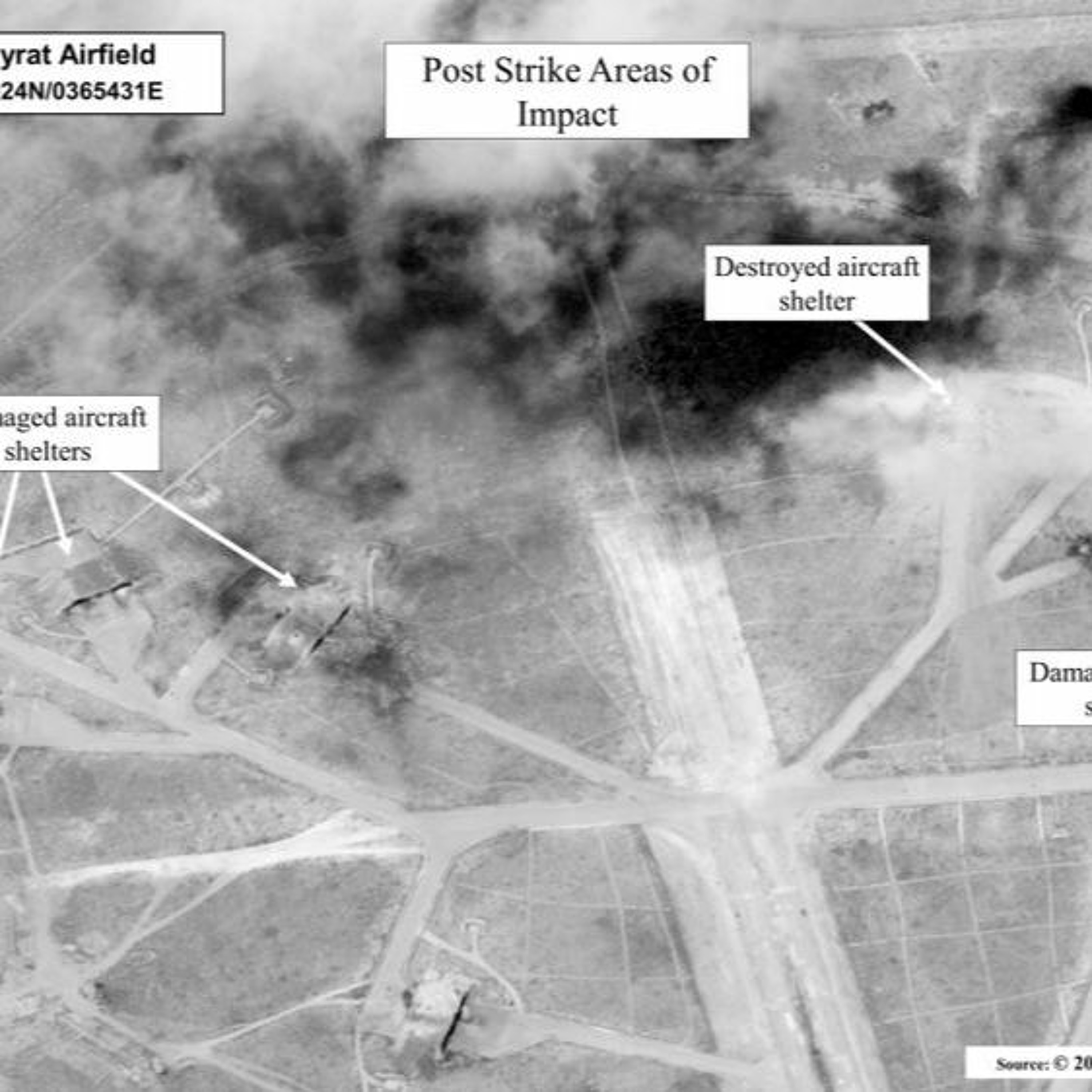
FRDH Episode 14 Trump & Security: What's the Policy?
President Trump's foreign and security policy: What is it? Does the military know? As American war ships steam towards the Korean peninsula and American diplomats argue with Russian leaders about Syria this FRDH podcast is a conversation with historian Robert Batement, Lt. Col (ret) of the US Army. Bateman, a veteran of Afghanistan and Iraq is currently a fellow at the New America think tank and a contributing columnist for Esquire magazine. He gives a nuanced analysis that non-specialists can understand explaining Trump's doctrine ... or lack of it. He also comes up with some surprising historical analogs for the chaos president.
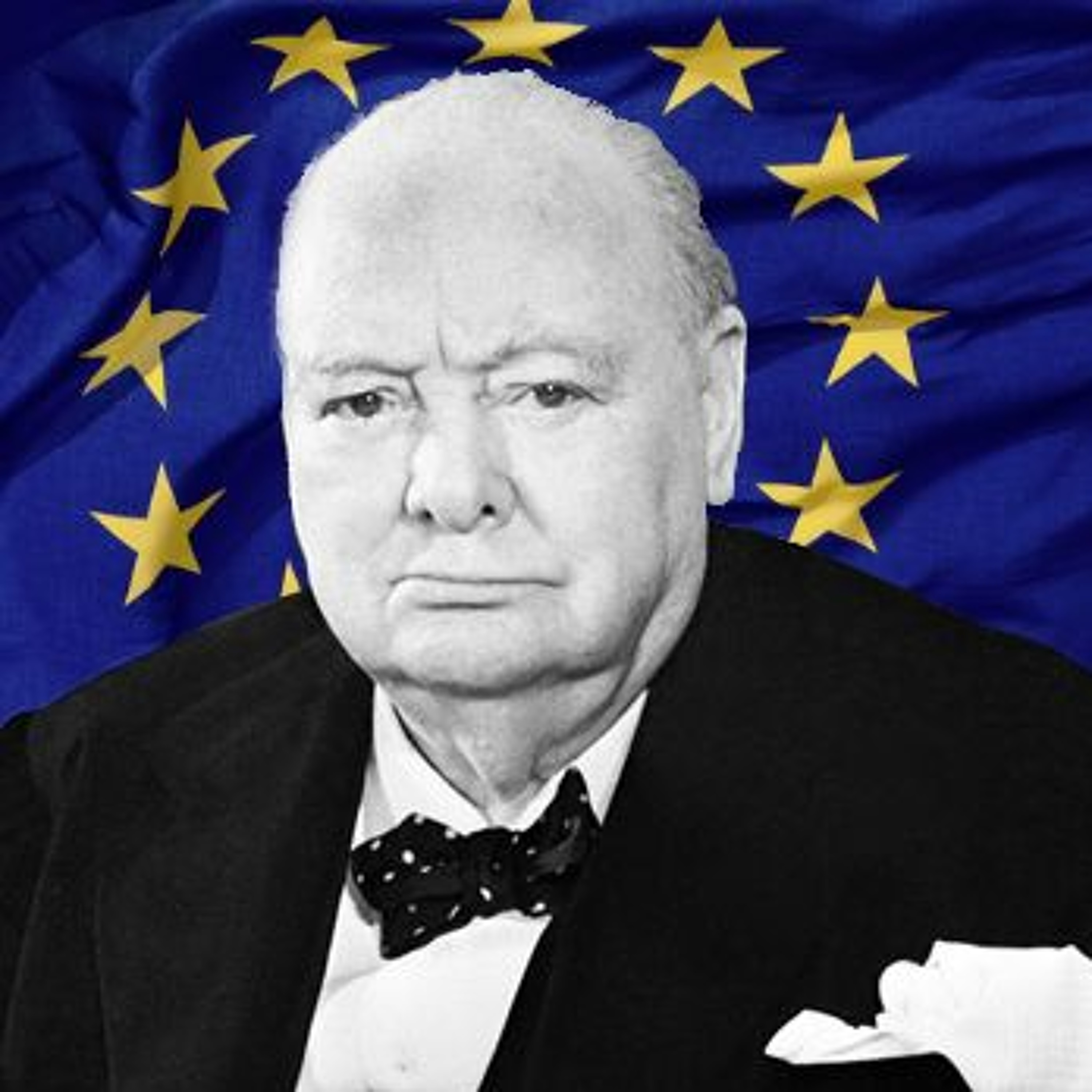
FRDH Episode 13 Brexit & Churchill & United States of Europe
Brexit: An apostate thought: the EU will be better off without UK. Churchill saw it clearly in a speech given on the 19th of September 1946 at the University of Zurich. The war had been over for just over a year. Continental Europe had been partitioned, Much of it was in ruins. Millions were displaced and homeless. There was a way out of the catastrophic conditions around the continent, Churchill told his audience, “It is to re-create the European Family, or as much of it as we can, and provide it with a structure under which it can dwell in peace, in safety and in freedom. We must build a kind of United States of Europe." He added, "The first step in the re-creation of the European family must be a partnership between France and Germany.” The United States of Europe is inevitable the questions are will it be created by war or peace? And can Britain be part of it?
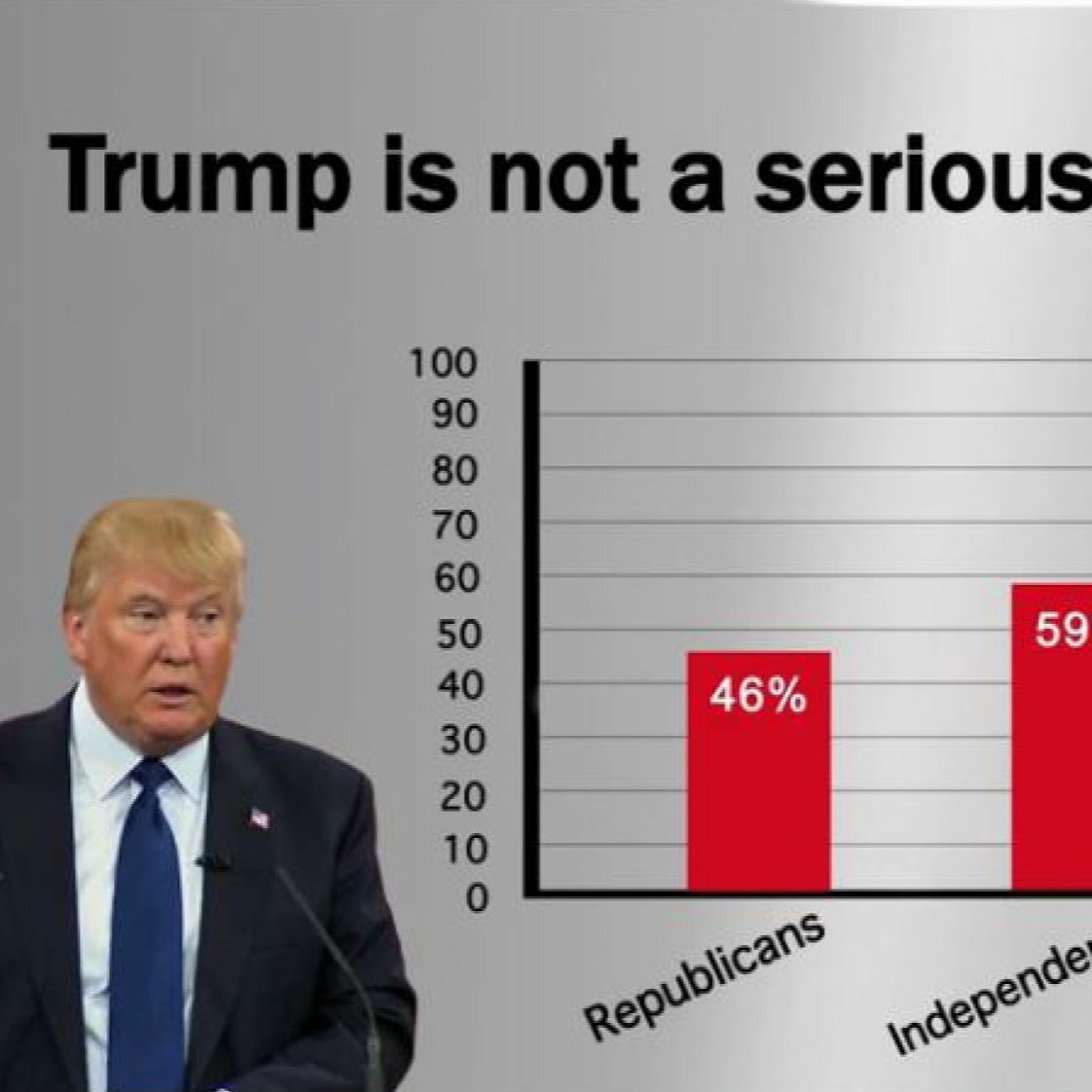
FRDH Episode 12: episode 12: Statistics>Facts>News>Truth>History
Facts are the building blocks of journalism leading, hopefully, to the truth, and the FRDH, First Rough Draft of History. In a world overwhelmed by data and statistics facts are easy to come by, but can numbers alone tell a story? In 2016, the bulk of institutional journalism missed the rise of Donald Trump because the numbers said his victory wasn’t possible … then it was. In this FRDH podcast, Michael Goldfarb says journalism’s increasing reliance on data is behind this failure. Lies, damned lies and statistics have led reporters down a blind alley. He argues for a different approach to reporting the world, one that places a deeper reliance on the rational imagination. He borrows a word from the German enlightenment for this technique, “einfühlung.” It’s a word coined by philosopher, historian, and clergyman Johann Gottfried von Herder in the 18th century. Google translate says Einfühlung means empathy which is accurate up to a point but doesn’t quite get at Herder’s intention. Einfühling means “in feeling,” feeling your way into a story. For an example he takes listeners on a journey through his past to Northern Ireland and the years he spent getting to know Protestant paramilitaries. Then returns to the present to Ohio in 2016 at the height of the Presidential campaign. In writing FRDH, the first rough draft of history, who you gonna trust: a data set or an eyewitness story?
FRDH Episode 11 Resistance Is Not Futile, But It Ain't Easy
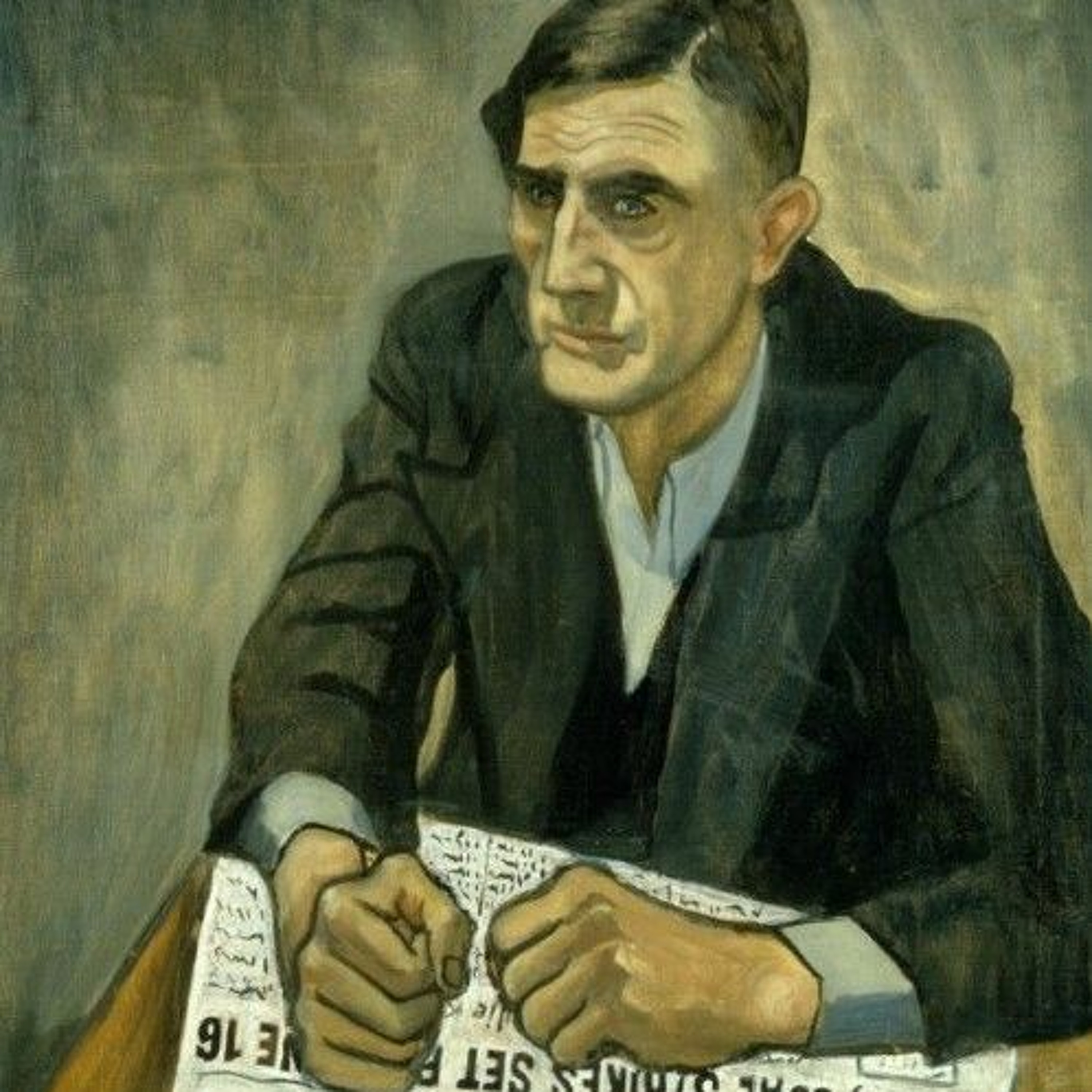
Resistance is a beautiful word. It is a Romantic word. It is the word of the moment. But what does resistance really mean? Are you a resister if you simply say you are? Anyone can call themselves a resister and put a hashtag in front of it. Does that make them part of the “#resistance?” Real resistance has an objective and it comes at a price. This FRDH podcast tells several stories of resistance from recent history to see if they have something to teach those who want to resist President Trump. French resistance: Almost from the moment the German Army overran France in June 1940 there was resistance: acts of non-cooperation with German orders or scrawling anti-Nazi graffiti on walls. It was spontaneous and uncoordinated and it had little effect. The new administration of the country took shape: a zone of occupation run by the Germans in the north headquarted in Paris. A French run government based in Vichy oversaw the south. Very quickly this new normal became established fact. From the beginning, the resistance - think of it as being written without a capital “r” at that point - was as disparate as French society. All manner of people and groups “resisted’ without any central coordination. The resisters came from the right and the left, men and women. They were catholics, protestants and jews. Vietnam War resistance: Non-cooperation with the draft was called resistance. An organization named “Resistance” was started by David Harris. Harris served time in a Federal Prison for his anti-draft activities. Artistic resistance from the 1930's in America. Resistance is a beautiful word … but it is just a word. It is a name for something, it is not the thing itself. It is not action. If it helps people get over the shock of change to add hashtagresistance to their messages … fine but more important than the word is this question: What is a meaningful way to act in a political order you find wicked or shameful? Should you act as an individual or be part of an organization? Is speaking out resistance? or just a first step towards it? Give FRDH 15 minutes and I will give you the past as prologue to the present.

FRDH Podcast Episode 10: PTSD, Donald Trump, and Civil War
This is a meditation on PTSD and Donald Trump and does the shock from PTSD make it impossible to see Trump and his actions clearly. In this FRDH podcast, Michael Goldfarb analyzes whether his experience of war and reporting from societies that slipped from stability to civil war affect his judgment about the state of America in the Age of Trump. He asks whether committing journalism in Northern Ireland, Bosnia and Iraq has left him with PTSD. Does his knowledge of how quickly well-established societies can disintegrate into Civil War render it impossible to see the Trump effect clearly. What percentage of a society wanting to fight is necessary for a civil war to start? In Northern Ireland and Bosnia, Goldfarb learned that civil war is a minority occupation. How many people on each side are willing to fight - not metaphorically, but physically fight - for their vision of what their country should be? Is there a critical mass at which point violence becomes inevitable? There is no data set on this question, of course, so it’s a matter of speculation. Listen for nine minutes and 48 seconds and you will hear how the past can provide a meditation for the present on American Society, PTSD and Donald Trump
FRDH Special Trump's Travel Ban
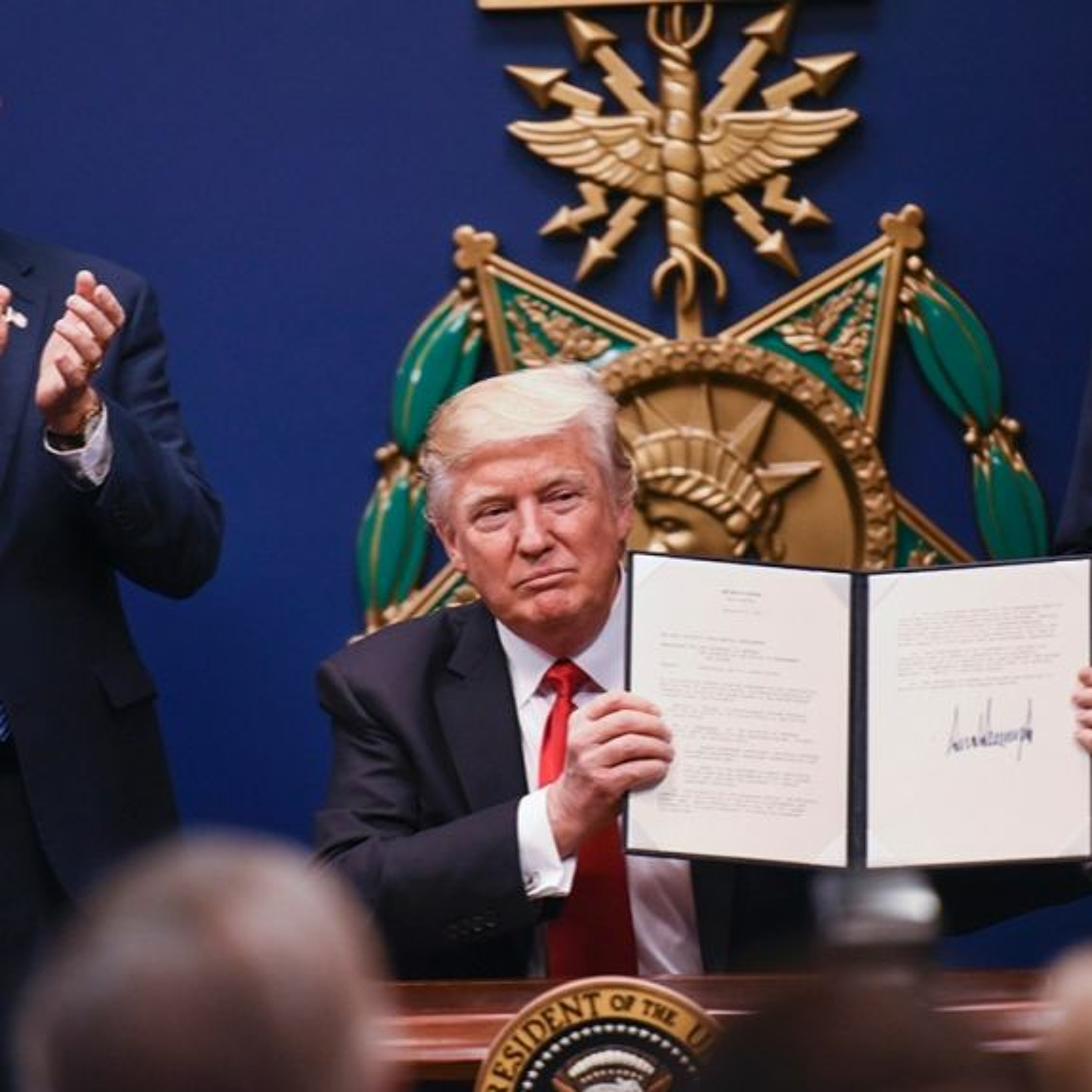
President Trump's travel ban has now seen more than 100,000 people lose visas to travel to the US. In this FRDH special, Michael Goldfarb discusses the ban with Iranian, Syrian and Iraqi journalists who have long experience of living and working in the US. Today, thanks to the Executive Order issued January 27th by President Donald Trump: "PROTECTING THE UNITED STATES FROM FOREIGN TERRORIST ENTRY INTO THE UNITED STATES" these three journalists cannot visit the country because Iran, Syria and Iraq are among the seven countries from which travel is banned. In a wide ranging conversation, MIna al-Oraibi, columnist for Asharq al Awsat newspaper, Nazenin Ansari, managing editor of Kayhan London, the global Iranian newspaper, and Mustapha Kharkouti, columnist for Gulf New discuss frankly how the ban affects them and how it affects the people in their home countries. All are veteran journalists, authors of FRDH, the First Rough Draft of History. All have long experience of living and reporting from America and all have been affected by the ban. Visas obtained and paid for legally have all been rendered useless. The trio reflect on the personal price to them, and the price the United States will pay in the long run for this policy. They question the Trump Administration's obsession with Iran and look at the absurdity of its geo-political strategy. They discuss their views on Trump foreign policy in Syria and, finally, what long term effect the Trump Ban will have on people from a region in turmoil who look to America as a shining city on a hill. IN a conversation that is by turns thoughtful and passionate, these journalists speak truth to the new people in power in America. An FRDH podcast special an Iranian, a Syrian and an Iraqi sit in a radio studio to talk about Trump’s Travel Ban. Give us 48 minutes and we will give you the recent past as context for the present. The FRDH Podcast is hosted by internationally acclaimed journalist Michael Goldfarb and is about History. The History he has reported on; the History he has written about; and the long History he has lived. You can subscribe to the podcast on iTunes, YouTube and Soundcloud, and you can follow us on Facebook and Twitter.
FRDH podcast Episode8: America, I Ain't Marchin Anymore
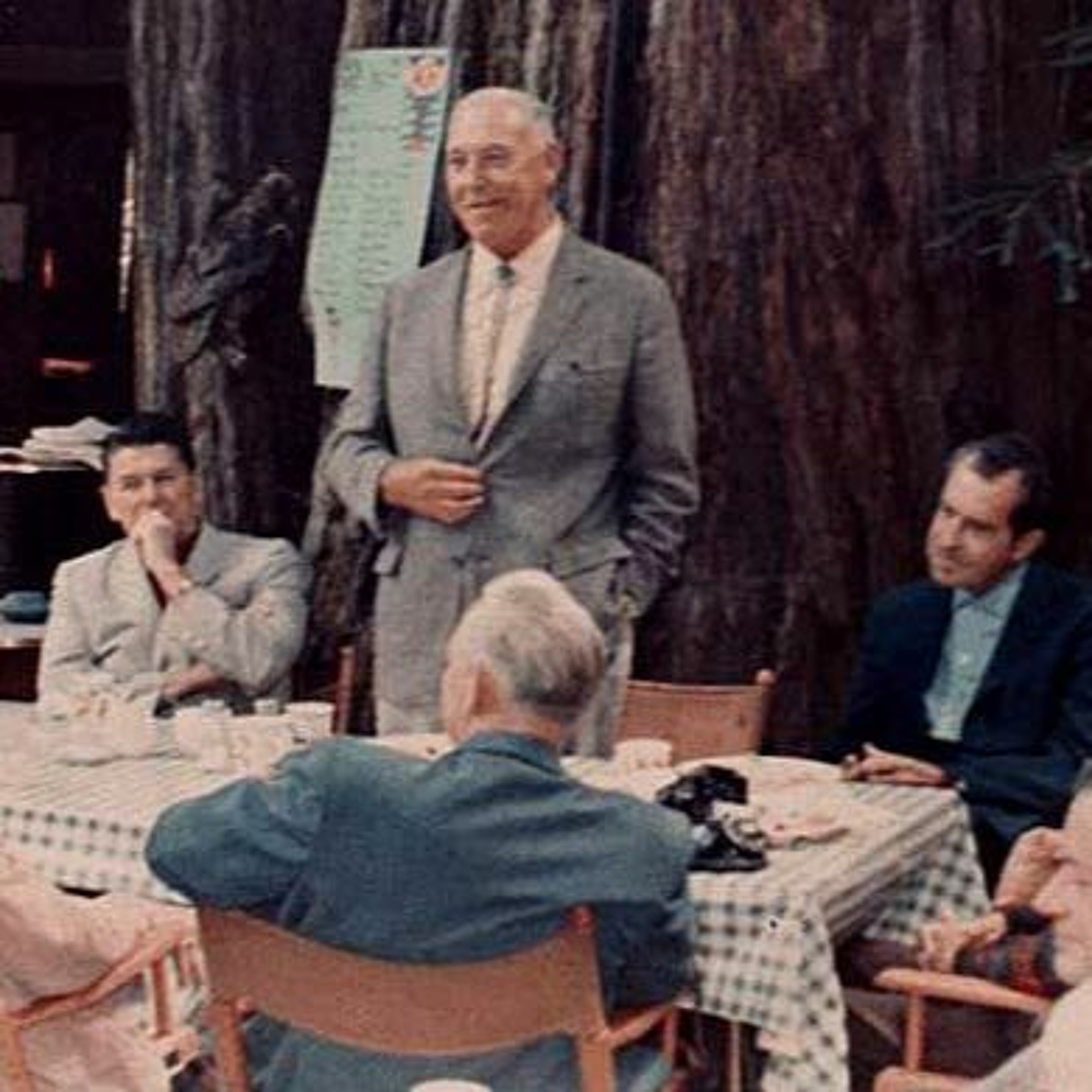
America is undergoing historic political change as Donald Trump is sworn in as President. It is an "un President ed" break with history. No one, not even Ronald Reagan has represented such a dramatic break with the past since the days of Franklin Roosevelt and maybe ever. People are finding it hard to make sense of the impending new era and so is Michael Goldfarb, host of FRDH Podcast. In this episode he free associates his way through his own and America's history for the last half century looking for some pattern that might explain how Donald Trump was elected to the White House. He points out the difference between Trump and Reagan and wonders what the most effective way those opposed to the new President's policies can force him to change tack. Is protest marching enough?
FRDH Special: How America Got This Way
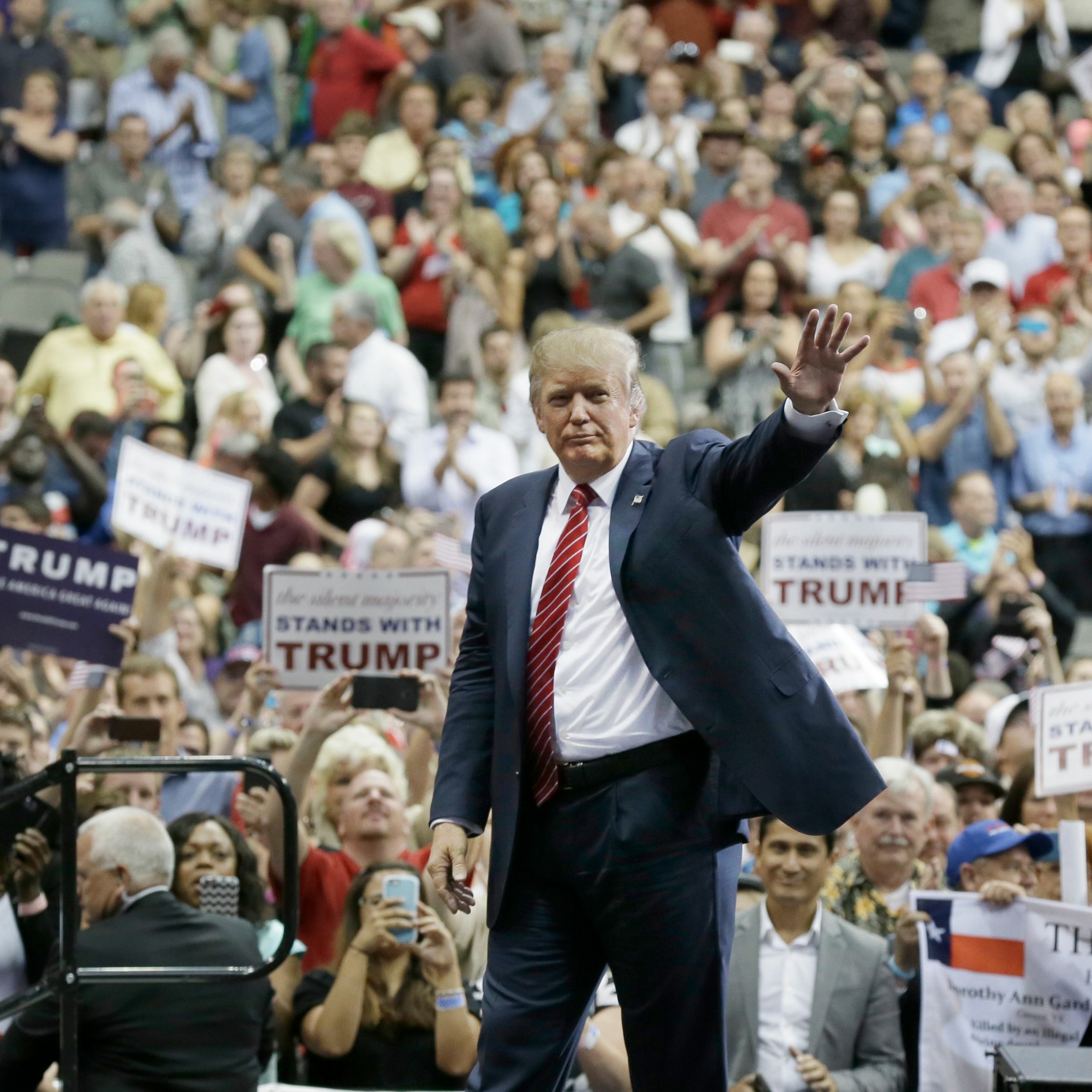
2016 was by any measure an historic year. A different America revealed itself to its own people and to the rest of the world. Donald Trump was unlike any Presidential candidate in history and now is set to be President. This FRDH podcast special explores How America Got This Way. FRDH stands for First Rough Draft of History, which is what journalists like to say they are writing and in this FRDH special four London-based journalists with a cumulative century of reporting on America and the way America effects the world talk about their own rough drafts of American history. Robin Lustig, former presenter of Newshour on the BBC World Service, Mina al-Oraibi Iraqi-British journalist formerly of pan-Arab newspaper Asharq al-Awsat, and Ned Temko, former political editor of The Observer, join Michael Goldfarb to talk about America, isolationism, Iraq, Syria, Putin. They ask can American institutions - especially Congress - stand up to the surprising changes in American society and is 2016 as historic in comparison with other years when modern history changed: 1968 and 1989.
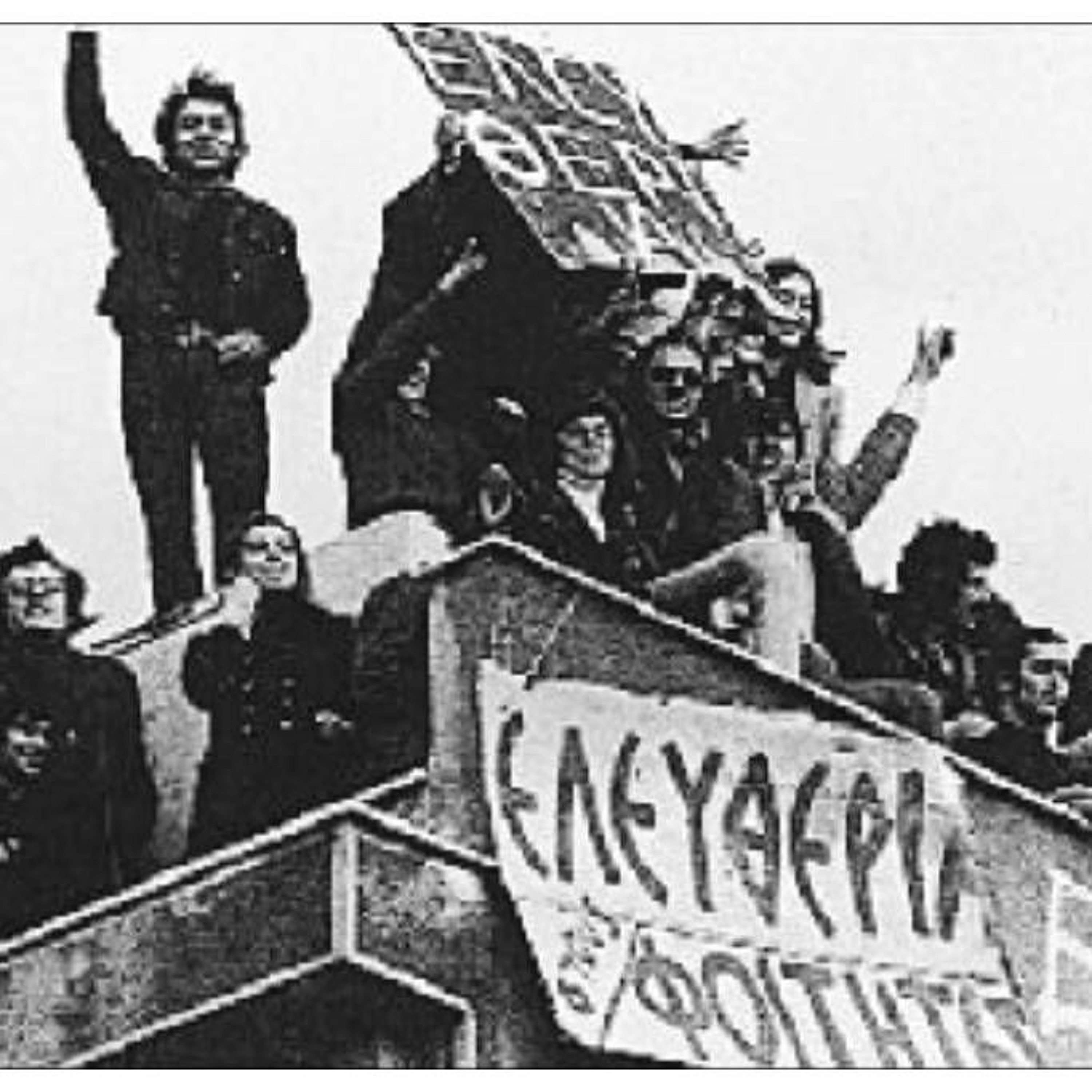
FRDH Episode 6: Paradigm shift Today, A Parable From the Past to Help Understand
Memoir as history. The paradigm in American politics has shifted since the election. It has many people racking their memories for a historical parallel, some source of guidance. This parable from the late 1970's in New York might help. It's a story about finding the courage to stand up when bad change happens in your society. Love, literature, torture and courage all figure in this story. It takes place in New York and Athens and in memory. Give me 15 minutes and I will give you the past as prologue to the present.
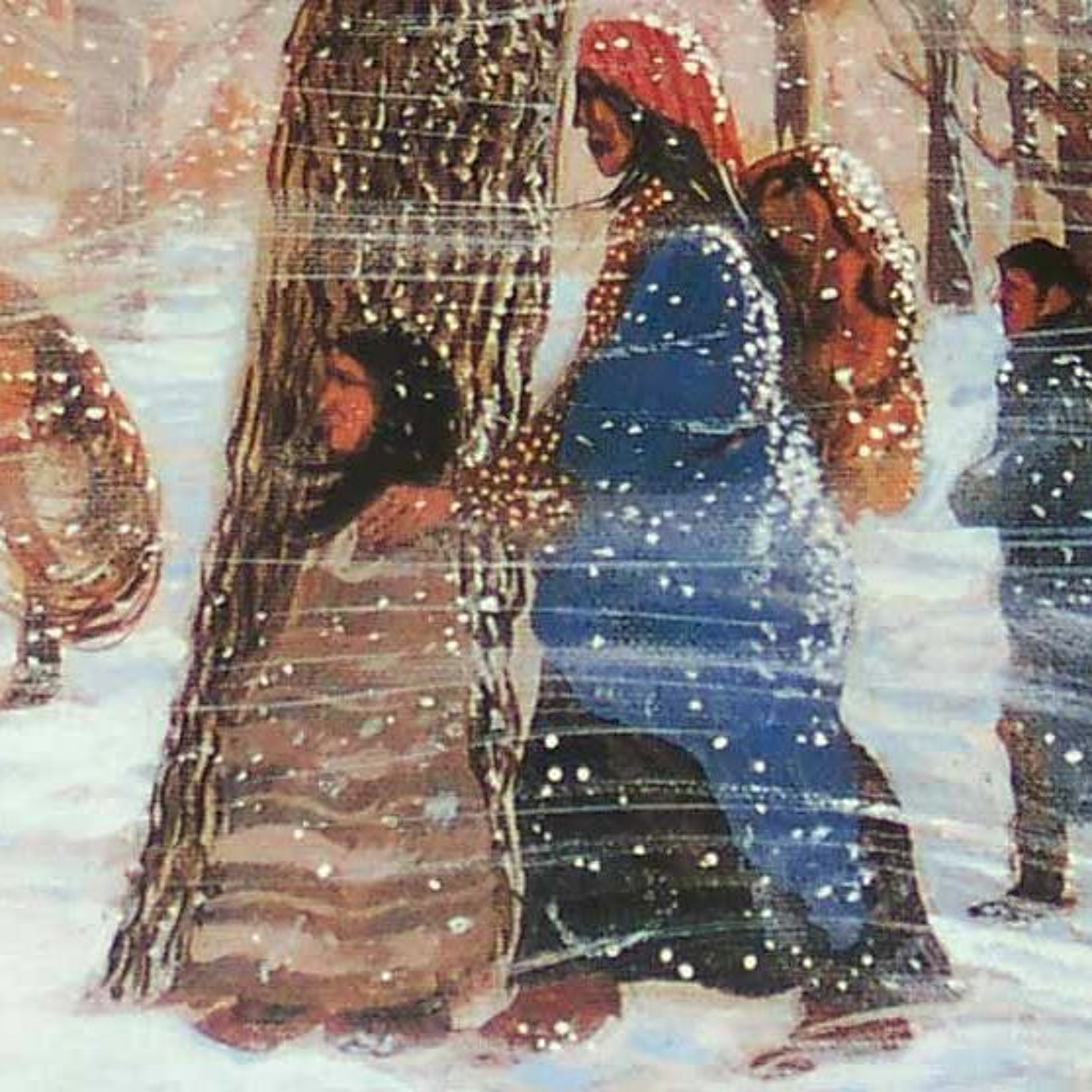
FRDH Ep5: Memo to President-elect, Mass Deportation, a History
Donald Trump has reiterated his intention to deport millions of people who entered America illegally. The history of mass deportation indicates that's easier said than done
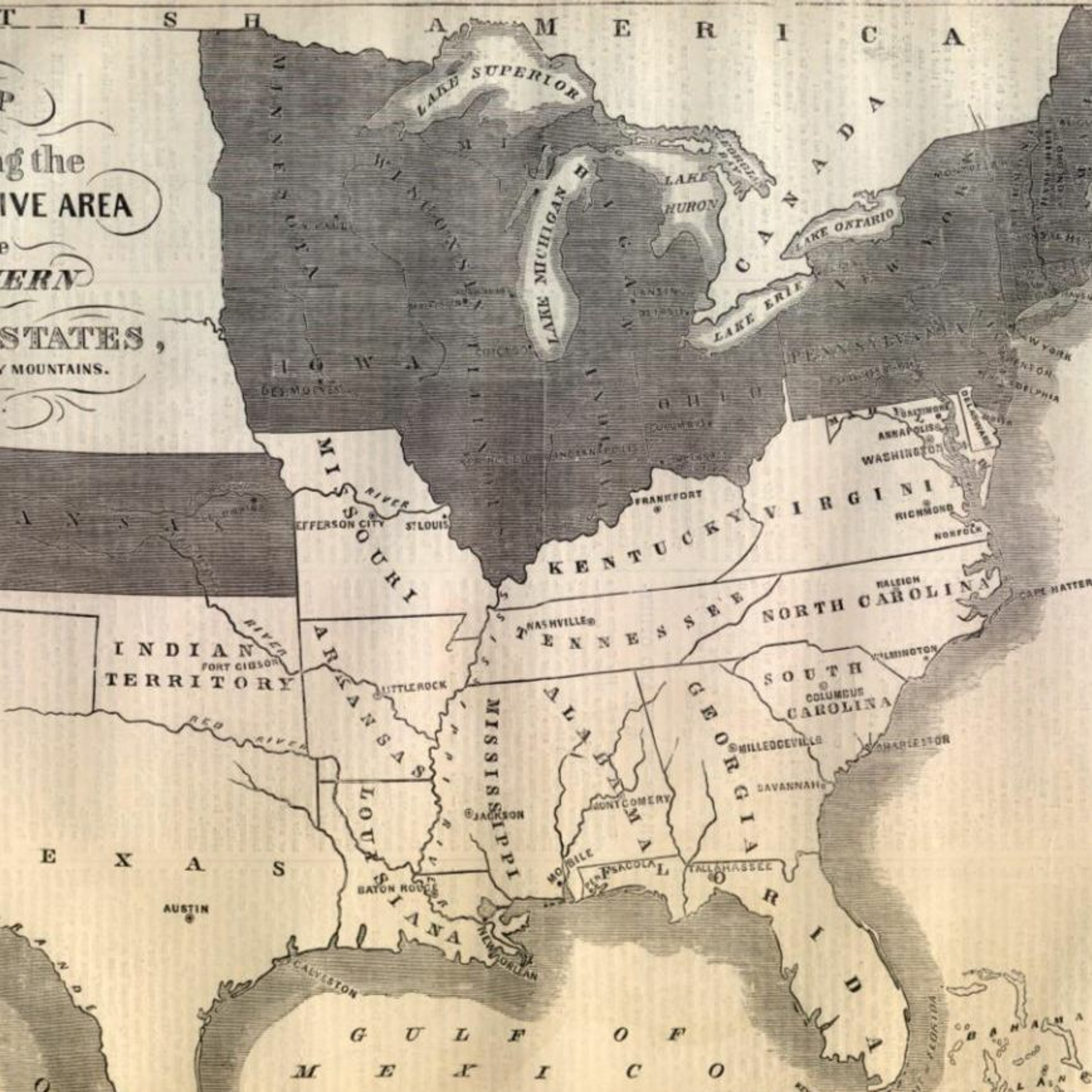
FRDH Podcast Ep 4: Mind Of The South
Social History: "Whoever wants to understand the heart and mind of America better know baseball" Jacques Barzun. Not really. They better know the South, the region that more than any other shapes US politics. This piece from 2004 foreshadows much of what shaped the election of Donald Trump + great music.
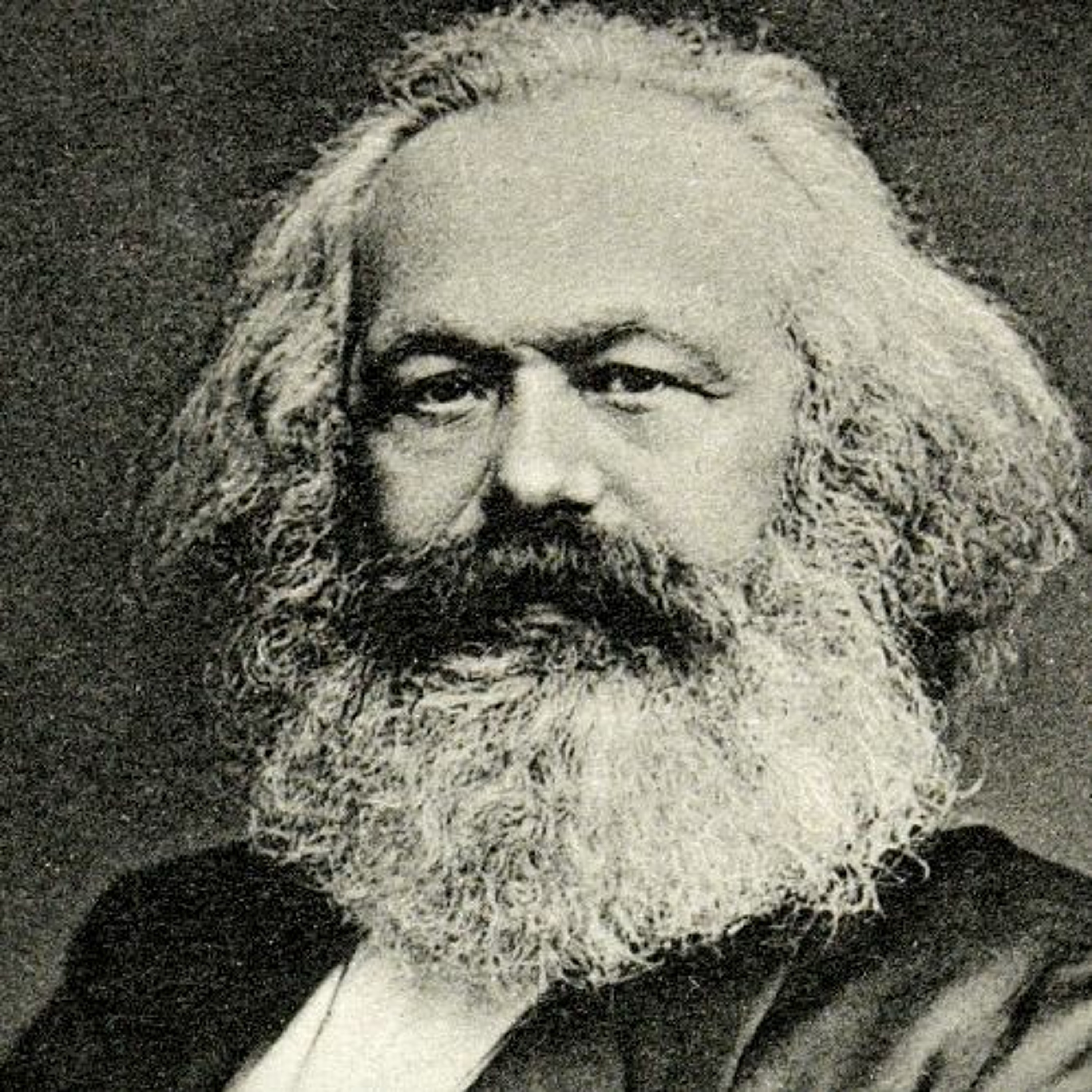
FRDH Podcast Ep 3: Class Reclassified
Social History: the reclassification of social classes + the history of wine
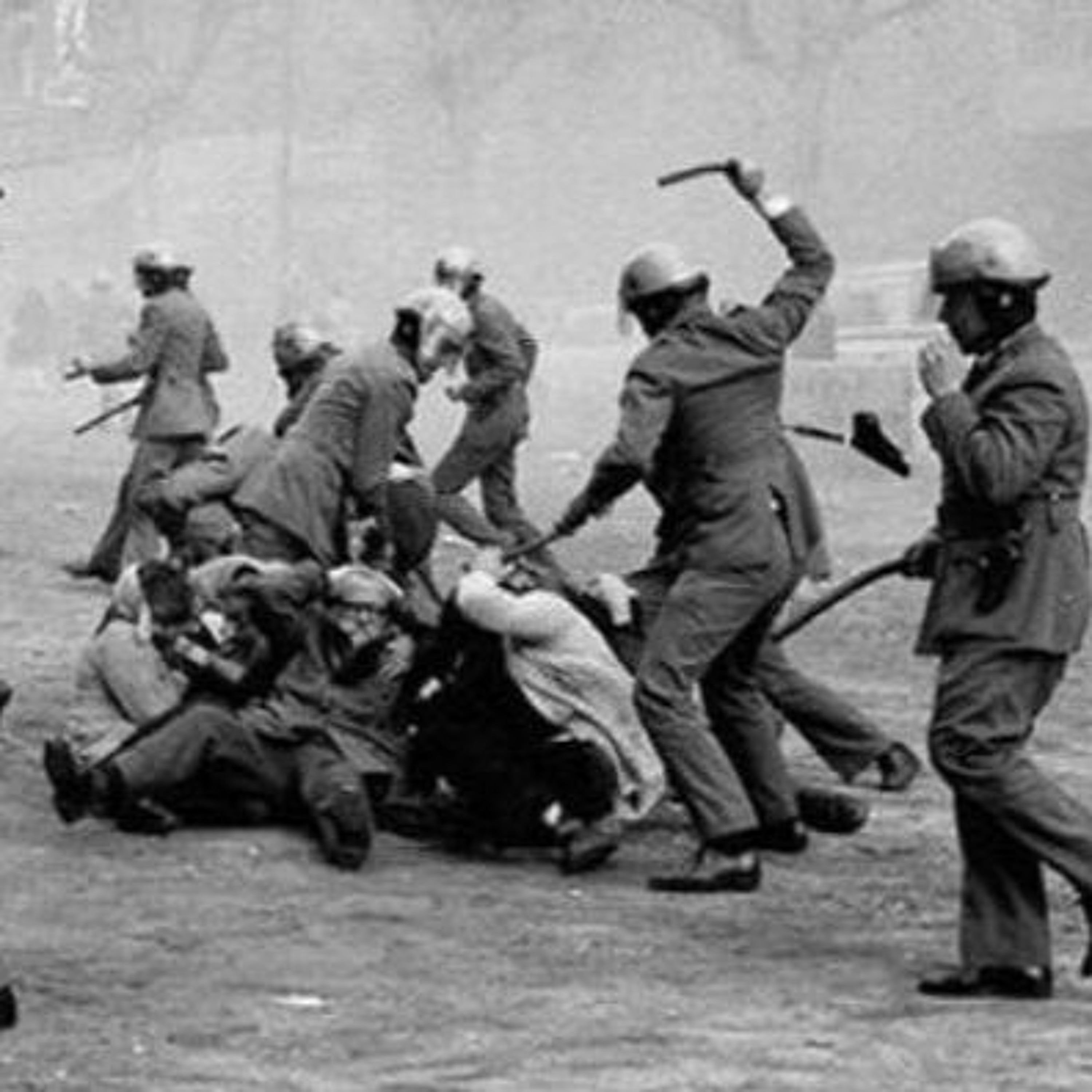
FRDH Podcast ep2: You Say Want a Revolution! Are You Sure?
Political History: The true price of revolution.
FRDH Podcast Ep 1: The First Rough Draft Mission Statement
History keeps happening to me. This first episode is a mission statement for a podcast about all kinds of history. the history I've reported and the history I have lived.
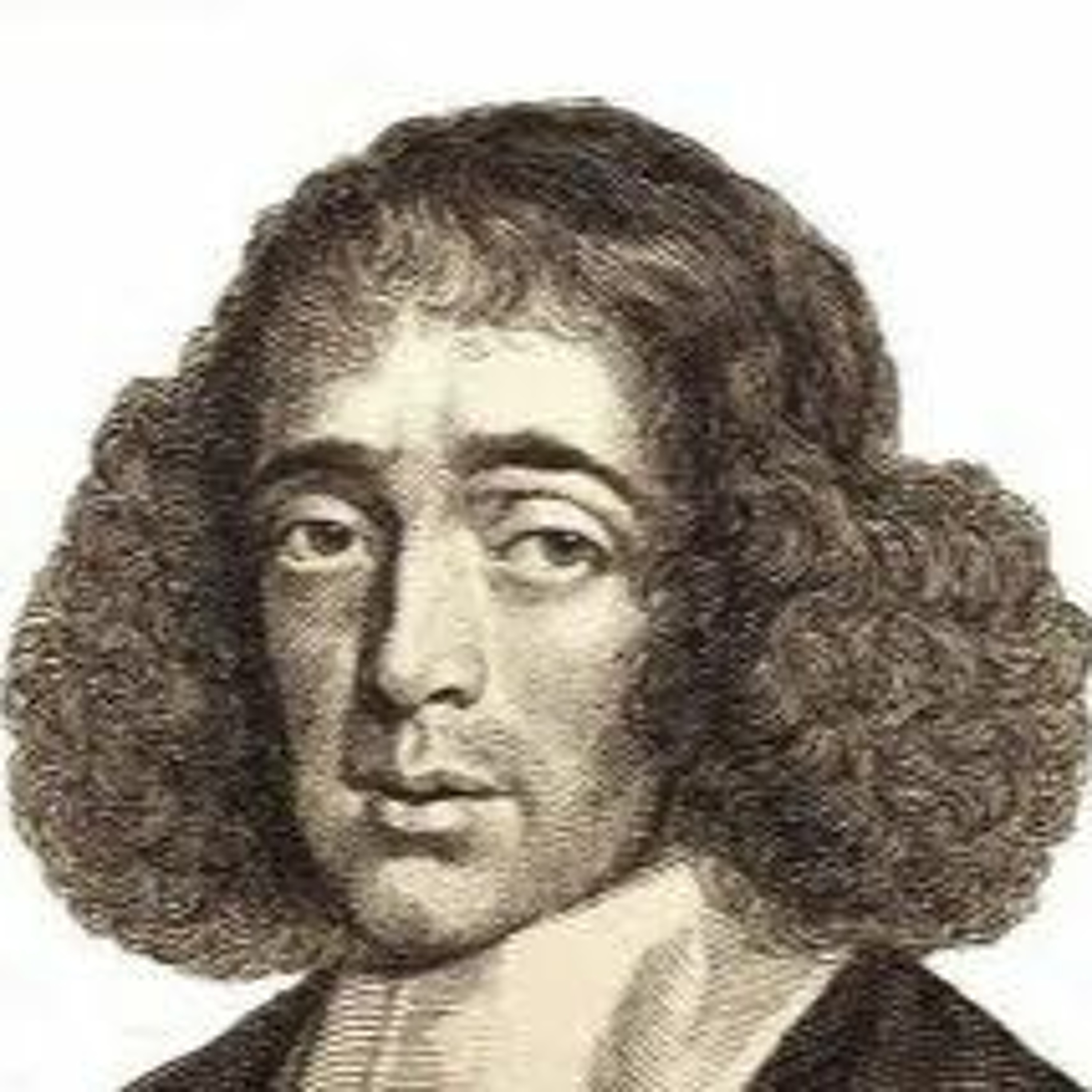
Benedict Spinoza: God Intoxicated Man
Cultural History: A biographical sketch of the philosopher Spinoza and his thought, particularly focused on the relationship between government and religion.
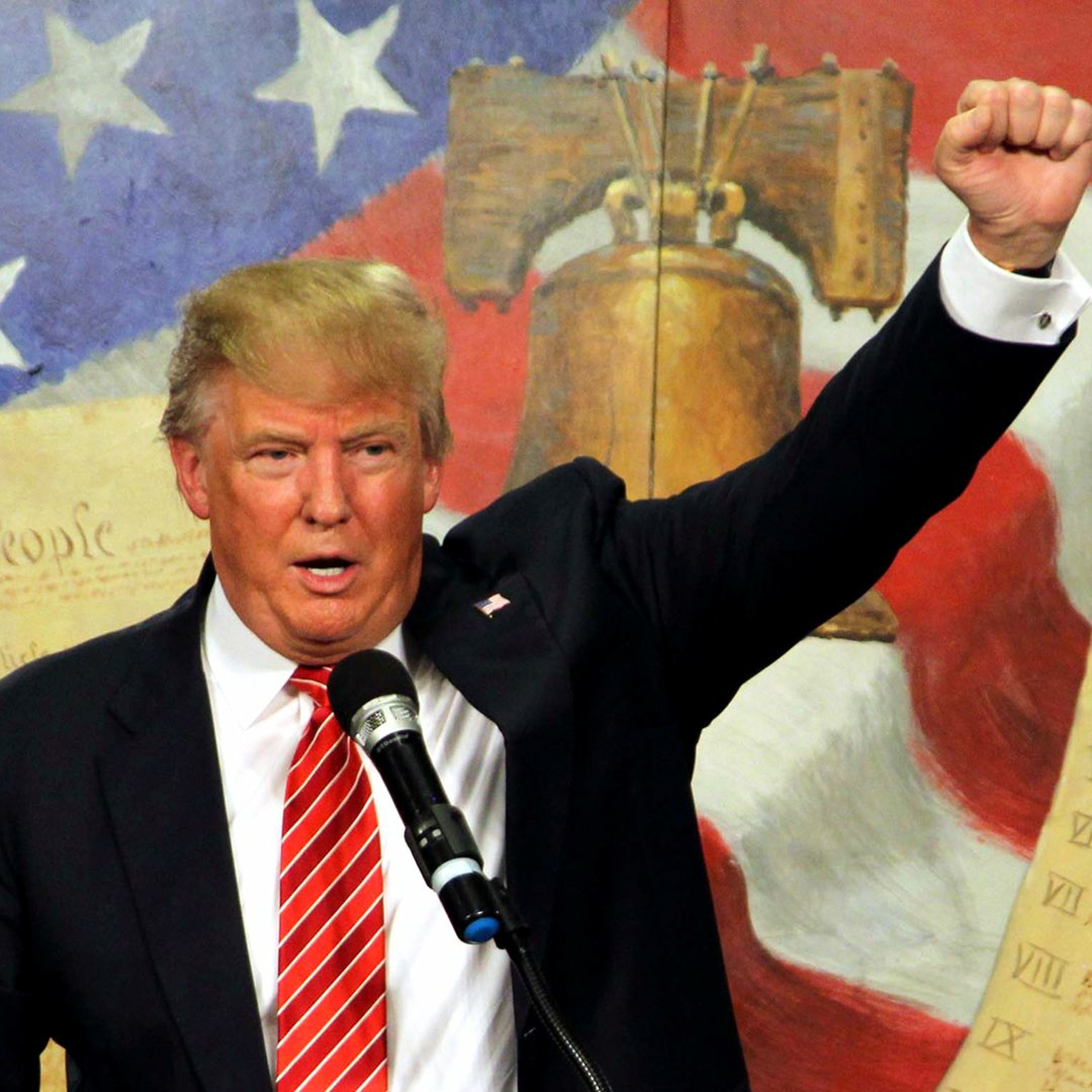
Trump And The Politics Of Paranoia
This draft of history - first b'cast on BBC Radio 4 just before the 2016 primaries - looks at the long history of irrational fear being used by American politicians to win office.
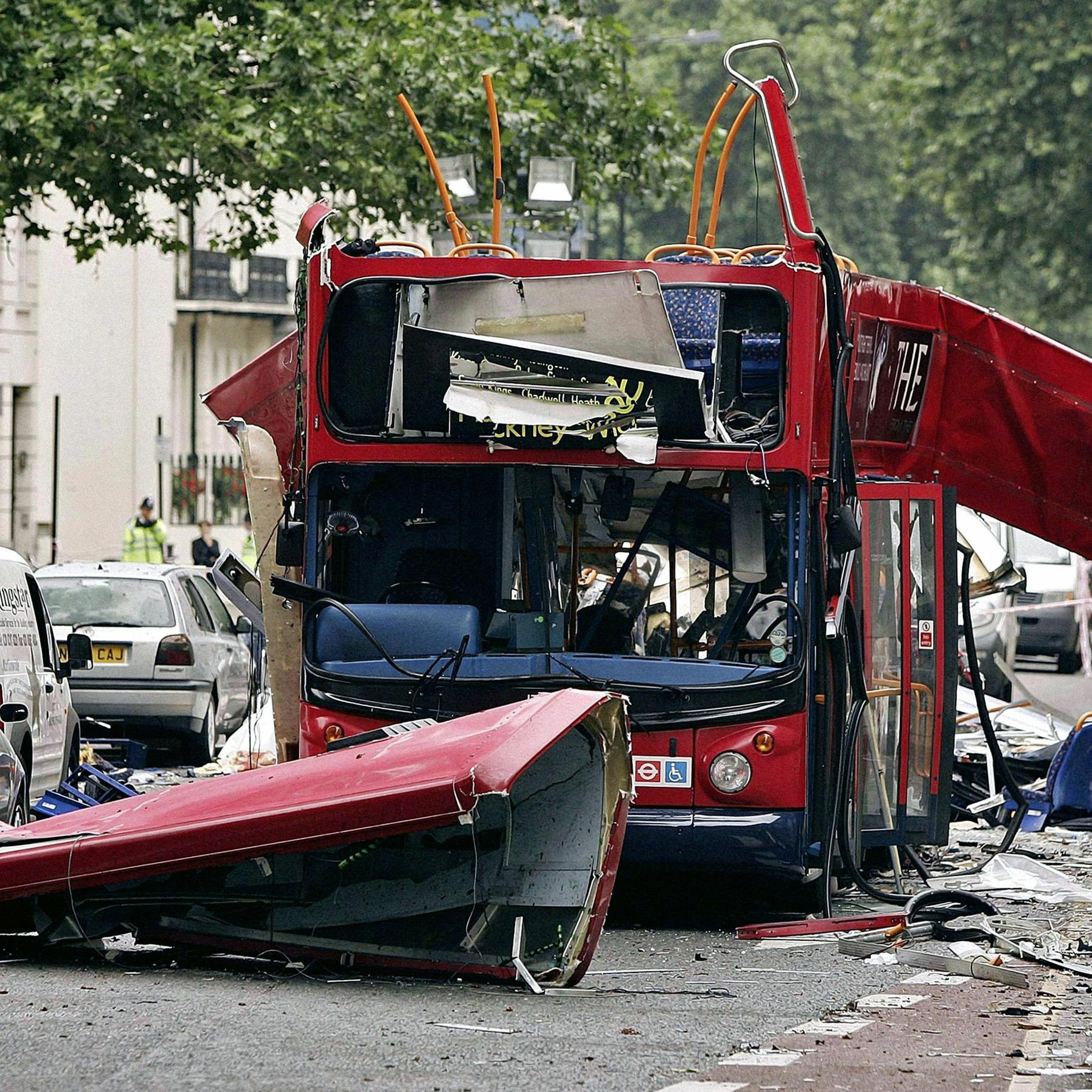
British Jihad
First draft of history: my documentary on British Jihadis made a year before the London bombings of 7/7. It won an award from the Overseas Press Club of America.
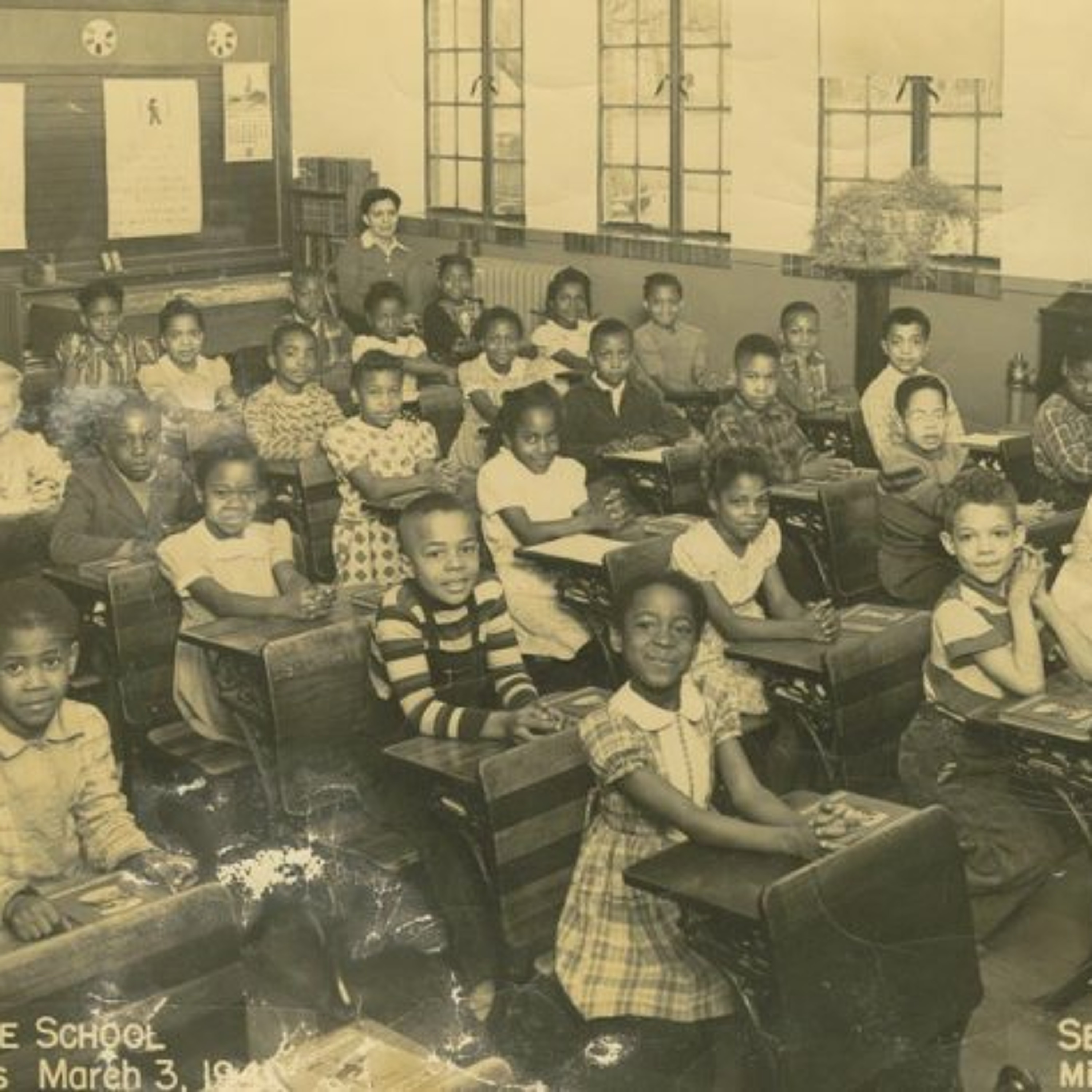
Topeka Kansas 1993
Draft History: A story recorded in Topeka KS in 1993 about the successes and failures of integration. Part of my Sony Award-winning series Homeward Bound.
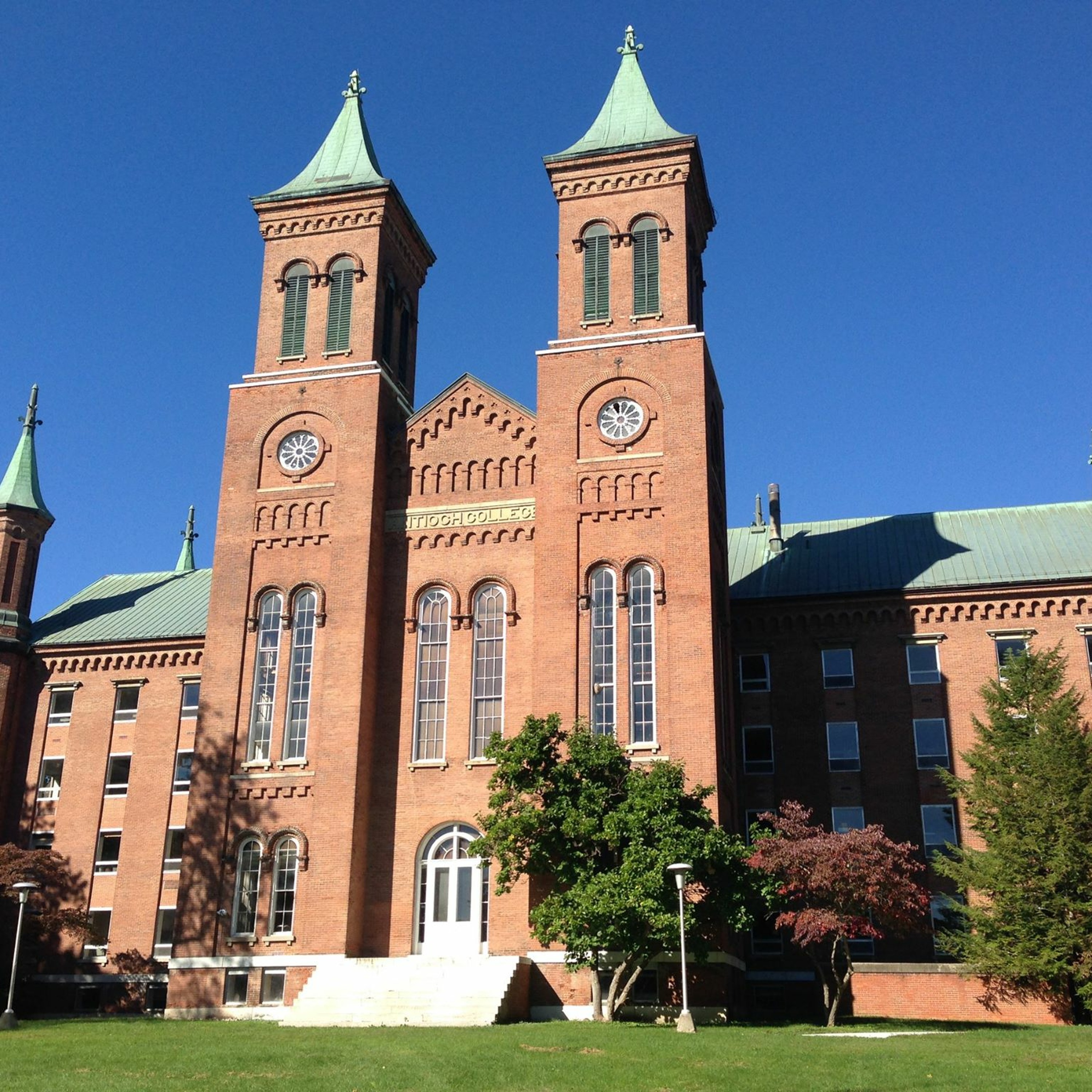
Yellow Springs Ohio 1993
This draft of history is from 1993: Race, violence, fear. It was part of my Sony-Award winning series, Homeward Bound. Listen to the voices recorded from the radio.
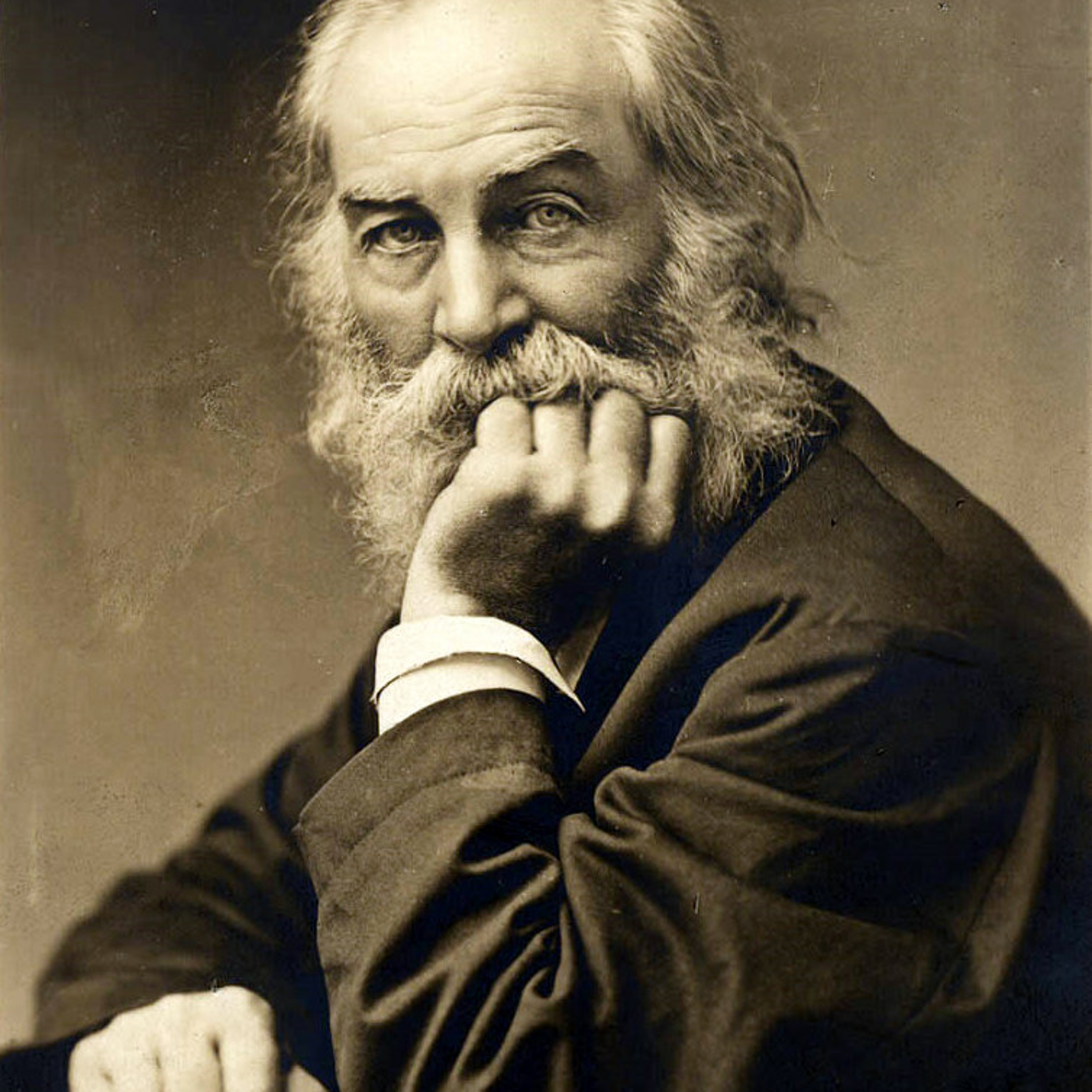
Whitman To Woodstock
Whitman to Woodstock was originally made for the BBC on the 25th anniversary of the music festival. It aired on BBC Radio 3 as a Proms interval talk. It's a cultural draft of history tracing the historical chain of American bards and poets from Walt Whitman to the Woodstock festival. Something I hope will teach the children well. If you like it, share it and in the spirit of Woodstock, visit www.goldfarbpod.com and make a donation ... to keep the podcasts - new and from the archive coming.
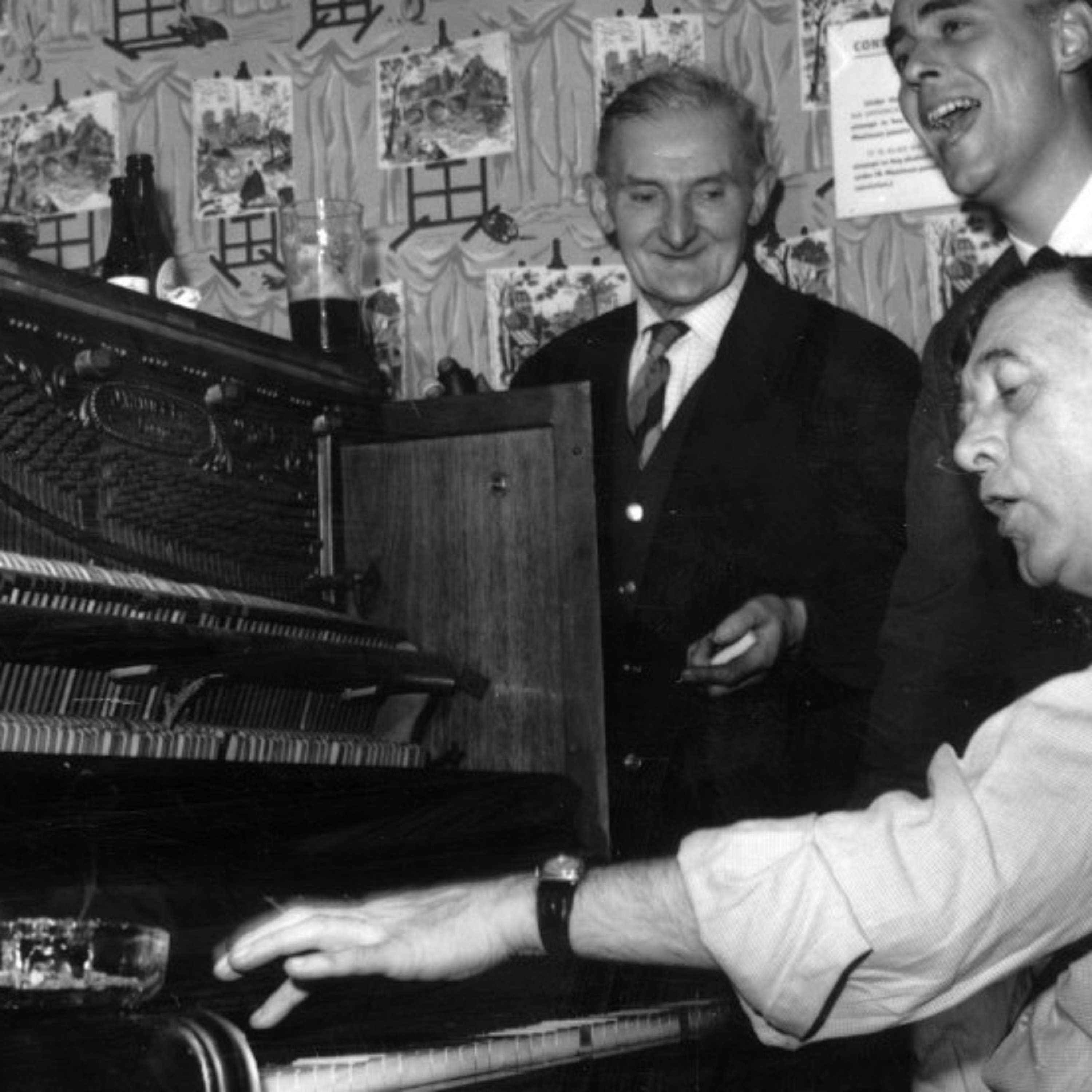
Piano Tales: a social history of the Piano
A social history of the piano with lots of interesting facts and lovely playing.
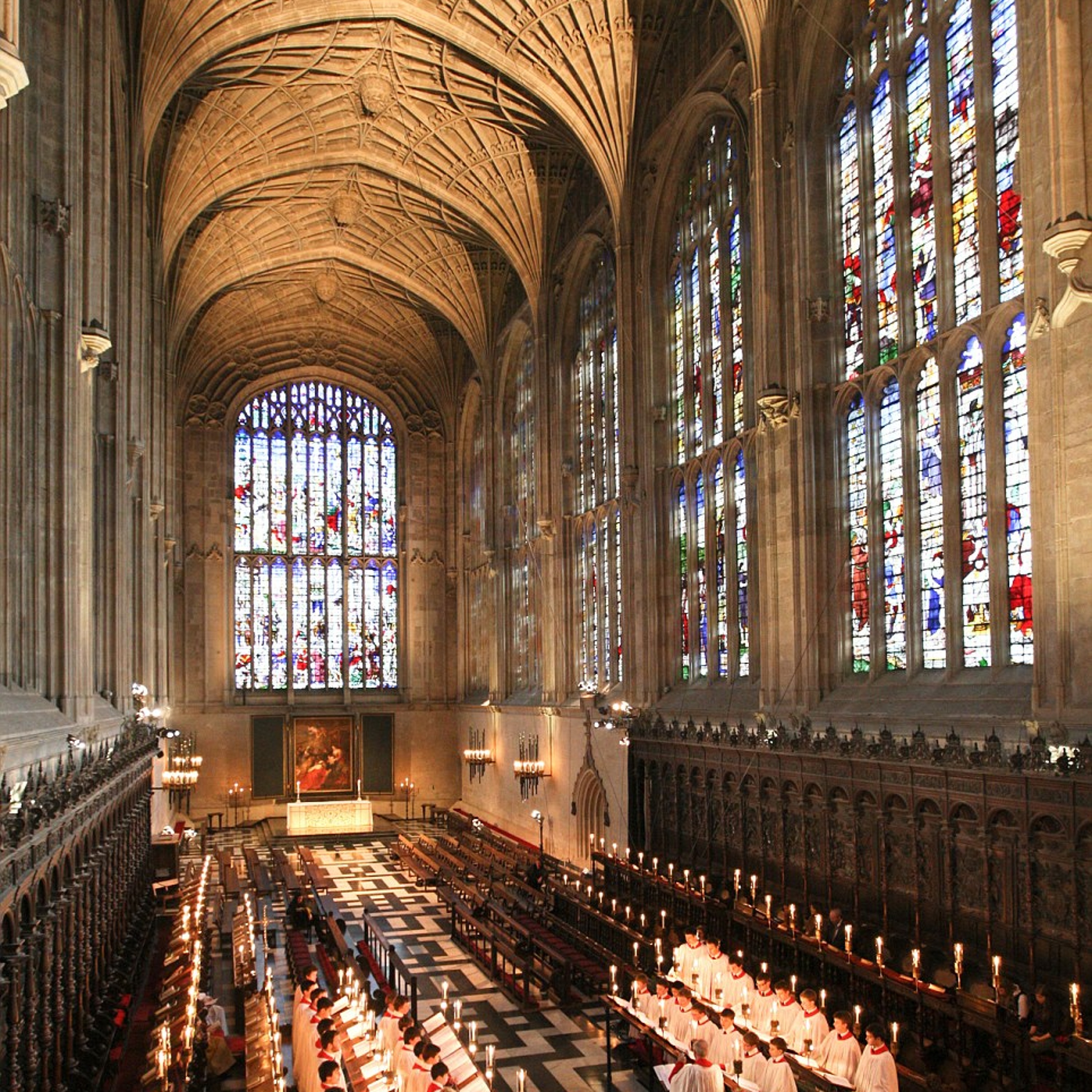
FRDH podcast, Episode 7: King's College Choir
A Christmas treat from the FRDH archive. A musical feature about the boy choristers of King's College Choir at Cambridge University. The piece is a backstage look at the boys' daily schedule of academics and rehearsal in the great Chapel of King's College. The King in question was Henry VI. Built in phases between 1446 and 1515, the chapel is one of the monuments of late Gothic architecture and possesses unique acoustics. There has been a choir associated with the building since its founding. Director Stephen Cleobury explains the history of the choir and the practical demands of the chorister's life.
Charlottesville, Virginia 2017 > Natchez, Mississippi 1995
Charlottesville: “What happens to a dream deferred” wrote Langston Hughes in the poem Harlem. Hughes was referring to the frustrations of African-American life 90 years after the Emancipation Proclamation. Does the deferred Dream explode, the poet asked. What happens, ironically when the deferred dream is that of white supremacy and the Confederacy risen? Does it also explode? Charlottesville is the latest detonation in a process that has been left unaddressed for decades, for more than a century and a half really. Arguably since the founding of the United States. This piece from the FRDH archive is from 1995 is based on an evening I spent with the Sons of Confederate Veterans in Natchez Mississippi which nearly ended in a fistfight over the meaning of the Constitution. Hughes poem in full: “What happens to a dream deferred? Does it dry up like a raisin in the sun? Or fester like a sore— And then run? Does it stink like rotten meat? Or crust and sugar over— like a syrupy sweet? Maybe it just sags like a heavy load. Or does it explode?”
Clarksdale Mississippi 1995
Draft history. Race in America. A piece from 1995 reported from the Mississippi Delta
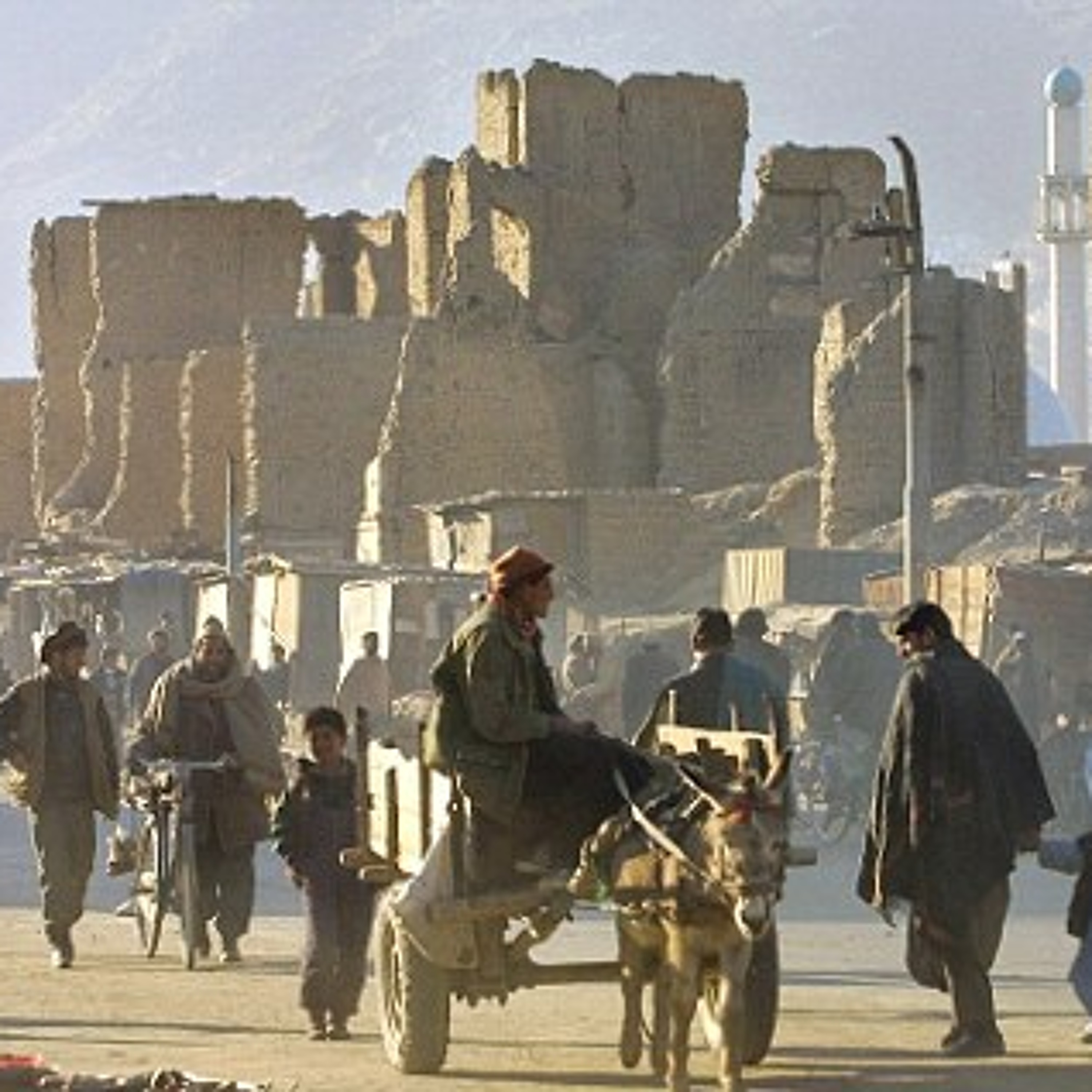
FROM KABUL TO KENT pt 2
History on the move: the story of Ali, his two-year long journey from Afghanistan and his new life in the UK
FROM KABUL TO KENT, pt 2
History on the move: documentary about Ali, who left Afghanistan as 14 year old and snuck into Britain on a Eurotunnel freight train and today holds a masters in International Relations
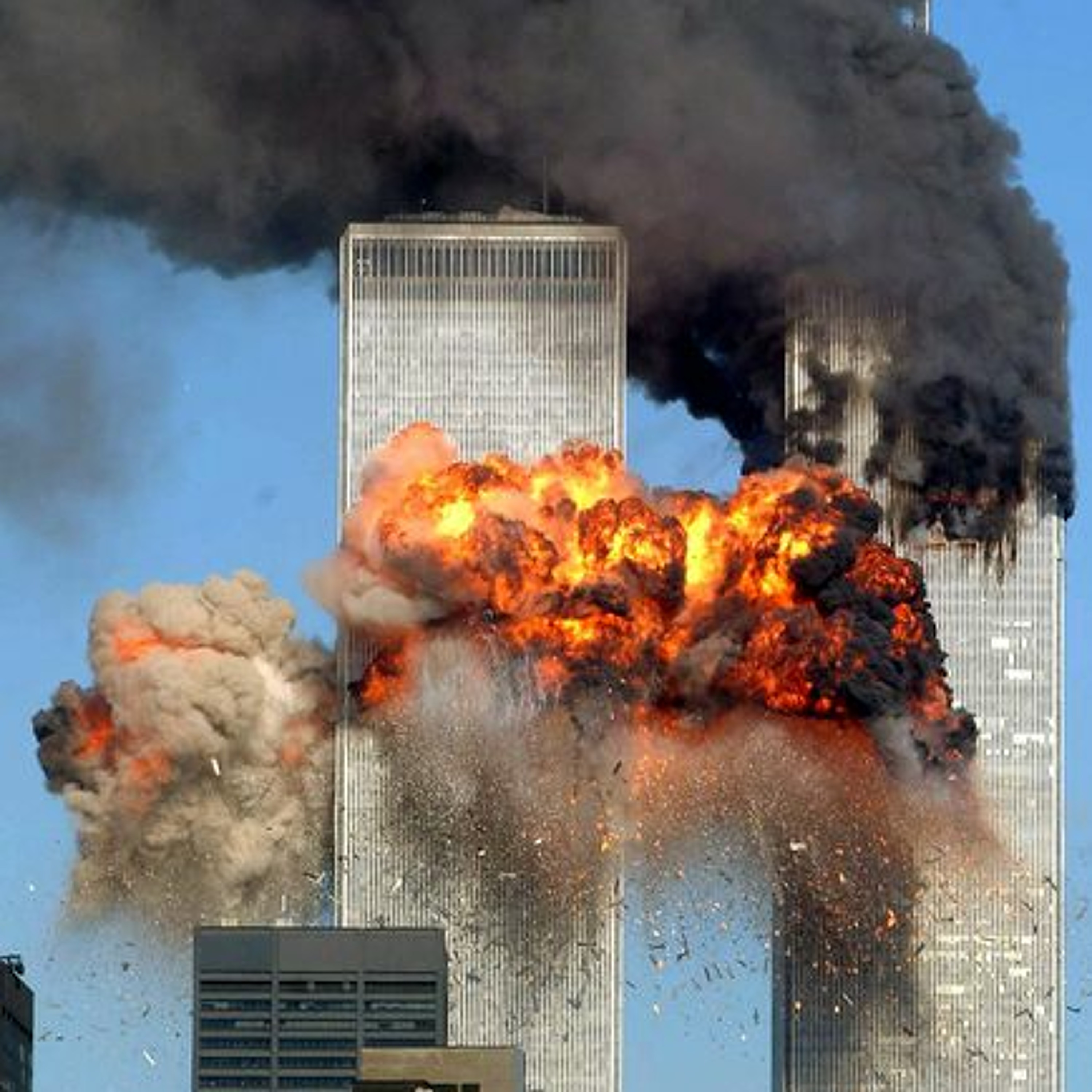
9/11 Live: On Air
Live history: 9/11 I was hosting the NPR program The Connection as the twin towers came down. How do you find the sounds to convey an epoch defining tragedy?
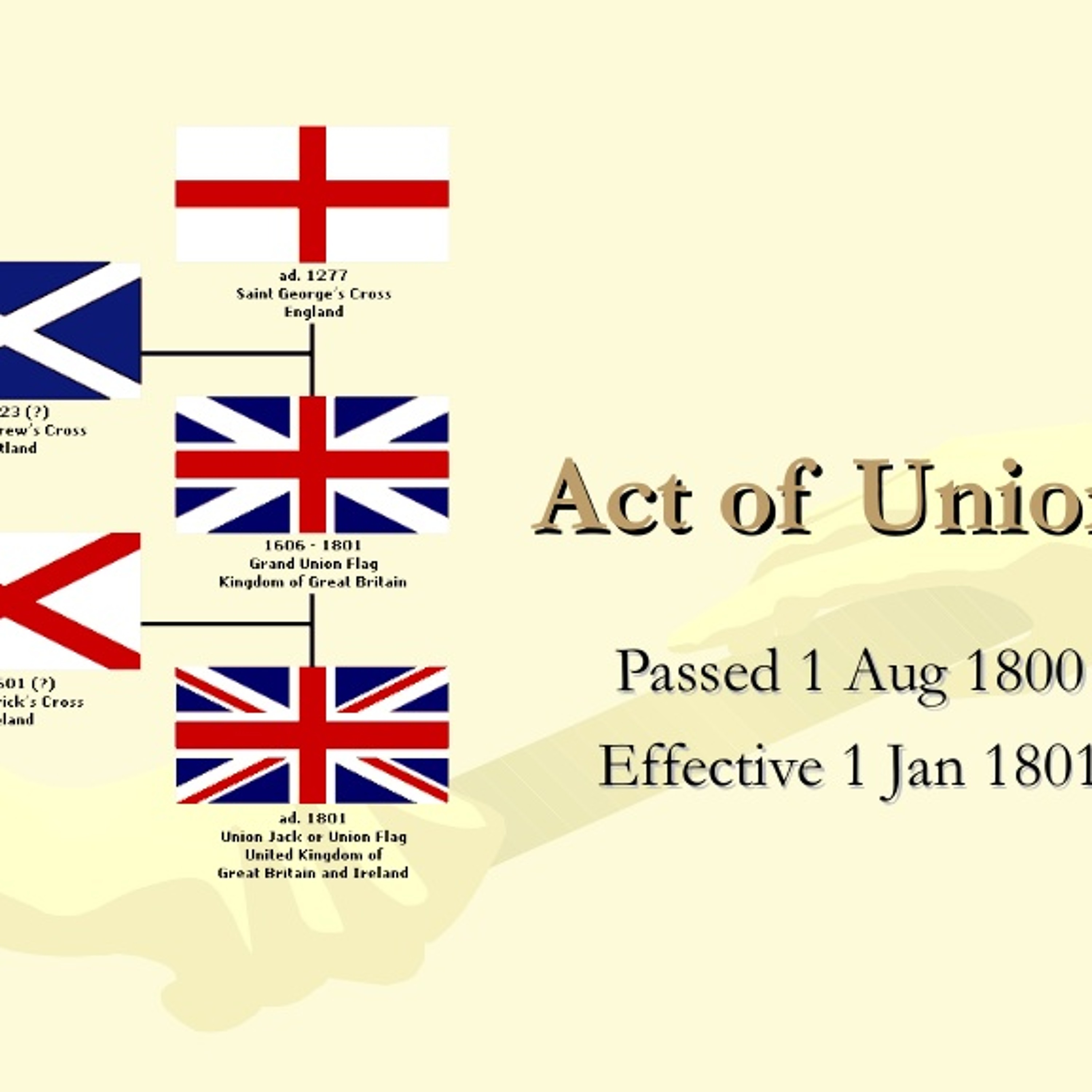
FEDERALISM: A Political History
Political History: Federalism beginning with the Act of Union between England and Scotland in 1707 through to the European Union.
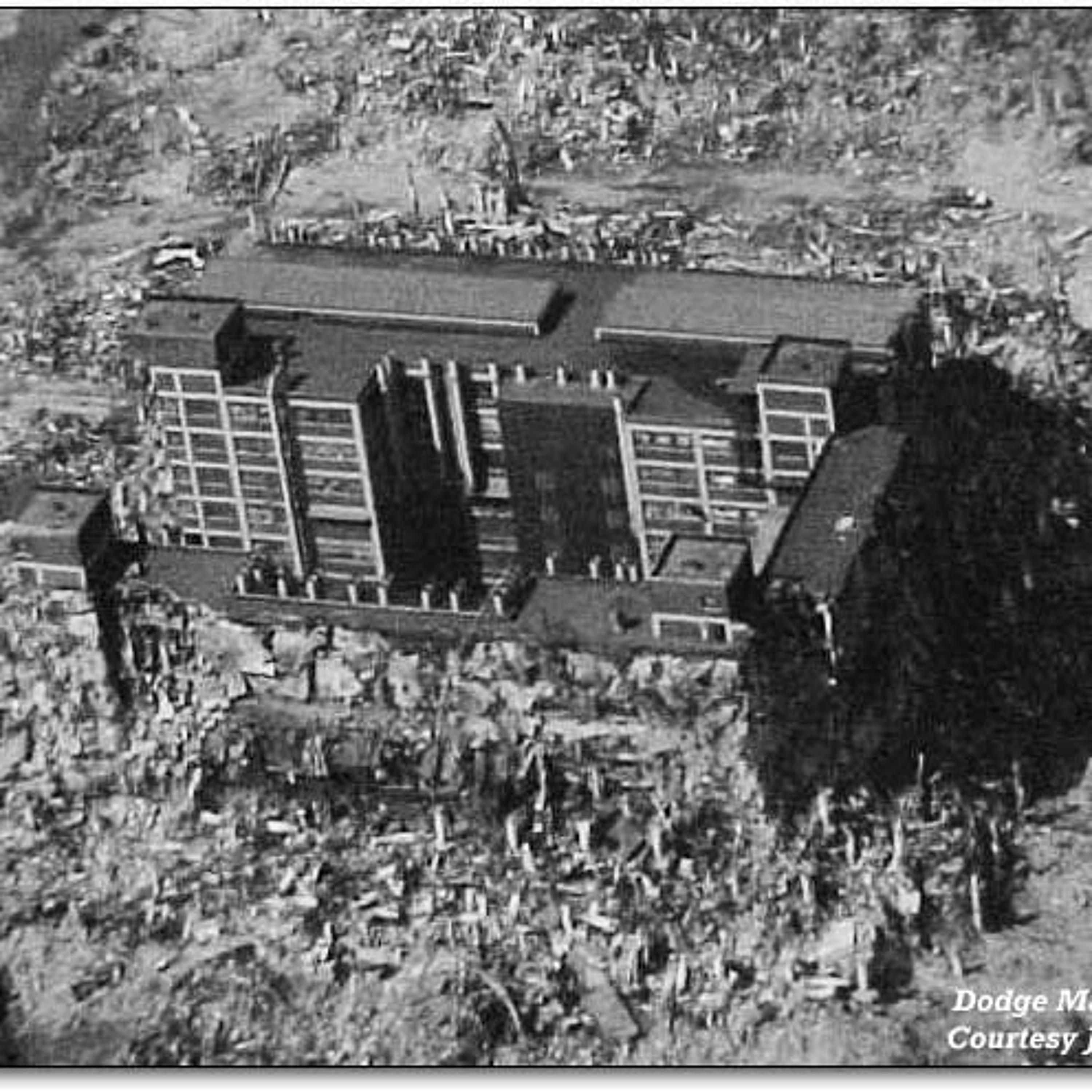
Autumn 1973 Ep 5: End of the Post-War Economy
Turning Point in HIstory: Part 5 of my series on how the world dramaticall changed in Autumn 1973. The photo is of Dodge Main plant in Hamtramck MIchigan 8 years later.
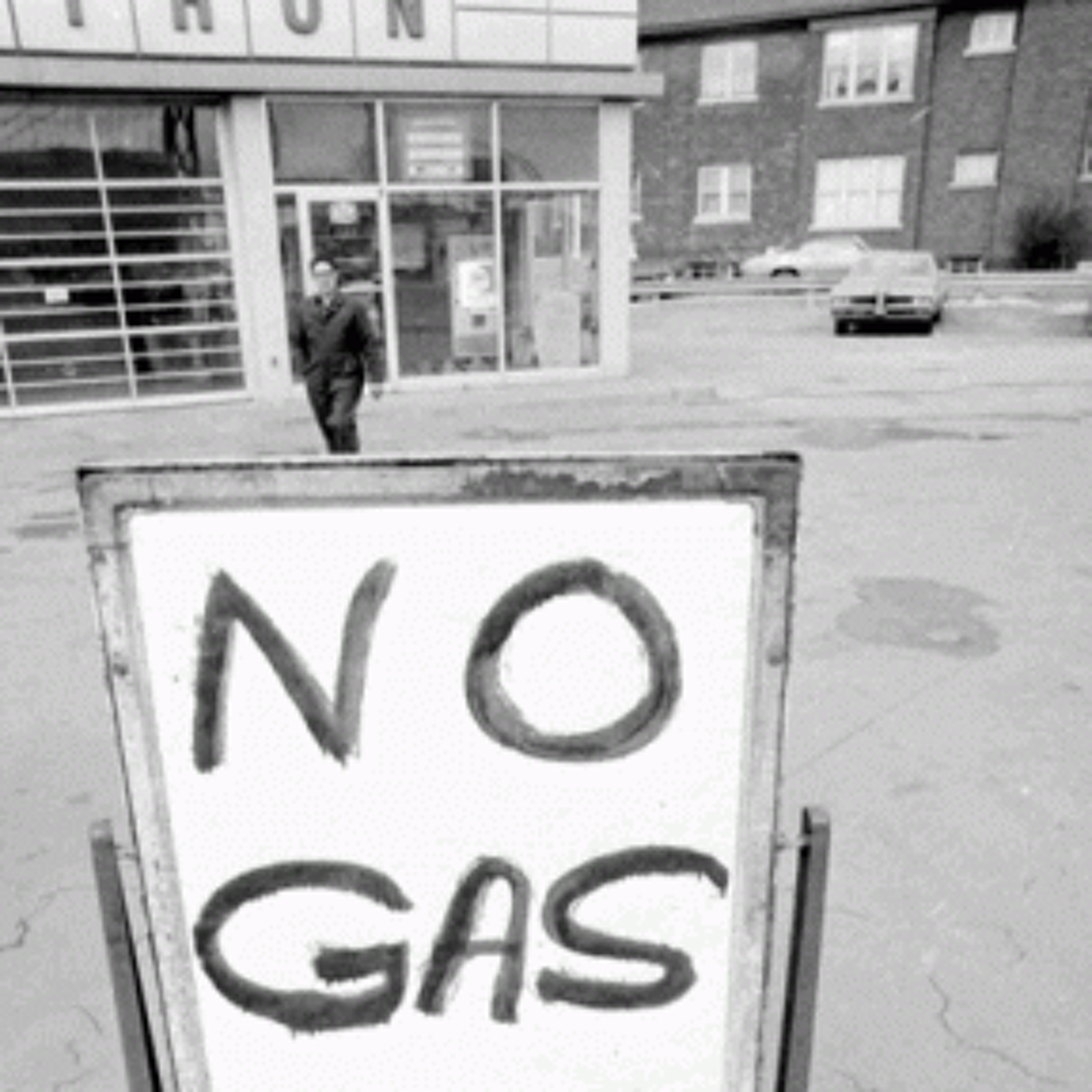
Autumn 1973 Ep 4: Arab Oil Embargo
Turning Point in History: How the Arab oil embargo caught the American and Uk governments by surprise and effectively ended the post-World War2 economic era of good feeling in under 10 weeks.
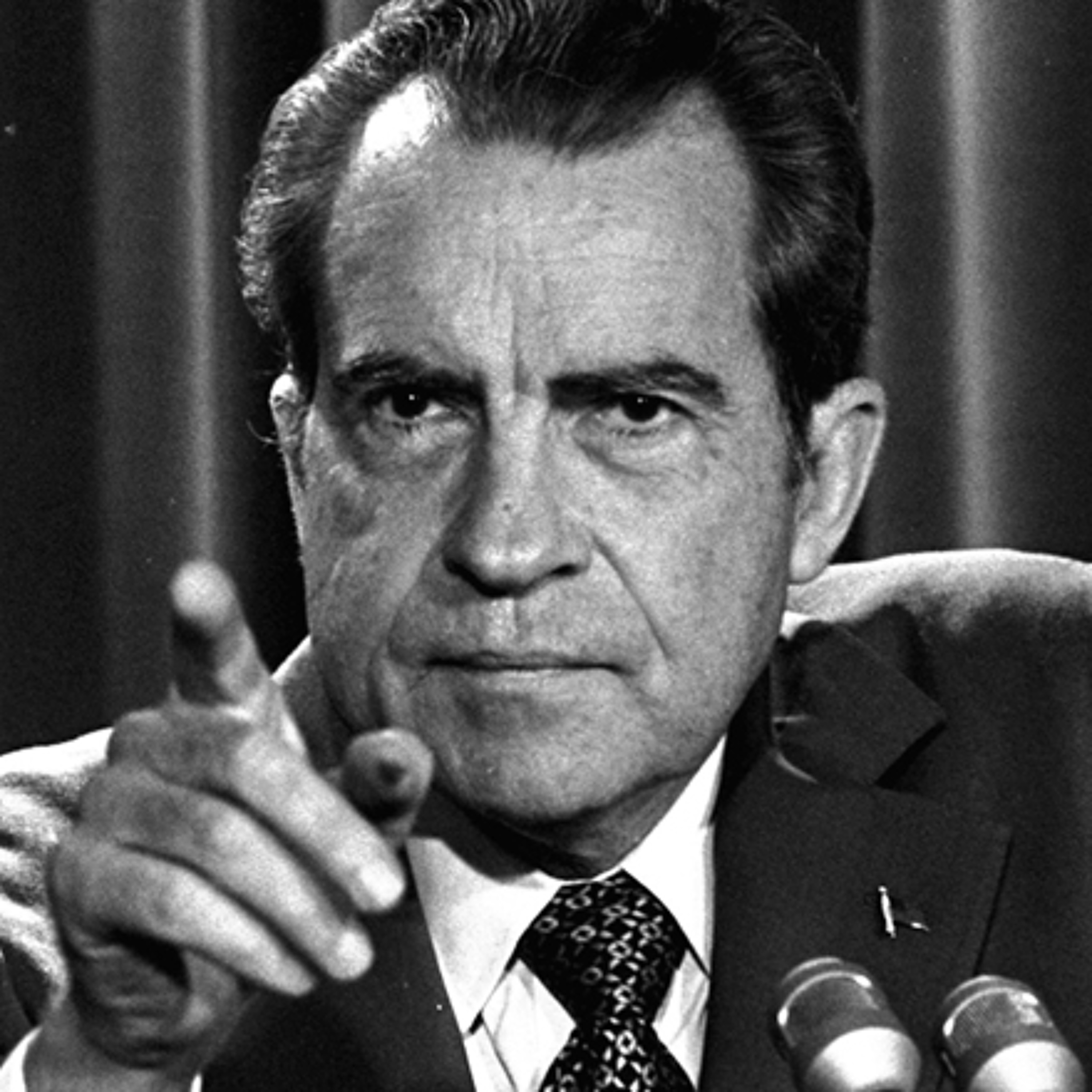
Episode 9 Nixon's Saturday Night Massacre
As the House Intelligence Committee memo alleging FBI malfeasance in its Russia investigation grabs the headlines, a look back at Nixon’s Saturday Night Massacre. The Saturday Night Massacre was the hinge point of the Watergate scandal. The words coup and Third Reich were thrown around. The events of that weekend in October 1973 marked the beginning of the end of Nixon’s Presidency. Do they hold a lesson for today? President Trump has started his term of office exercising power in a similar fashion. His firing of the acting Attorney General Sally Yates has echoes of the Saturday Night Massacre. Nixon said, “If the President does it, it’s not illegal.” Trump acts as if he thinks that is the way the world works. But Nixon found out even his own Republican Party didn’t think that was true. Will Trump? This is an essay from my archive and it offers a chance to reflect on how American politics has changed in the more than four decades since the Watergate scandal. If you like this be sure to tell your friends and make a donation to keep the podcasts coming.
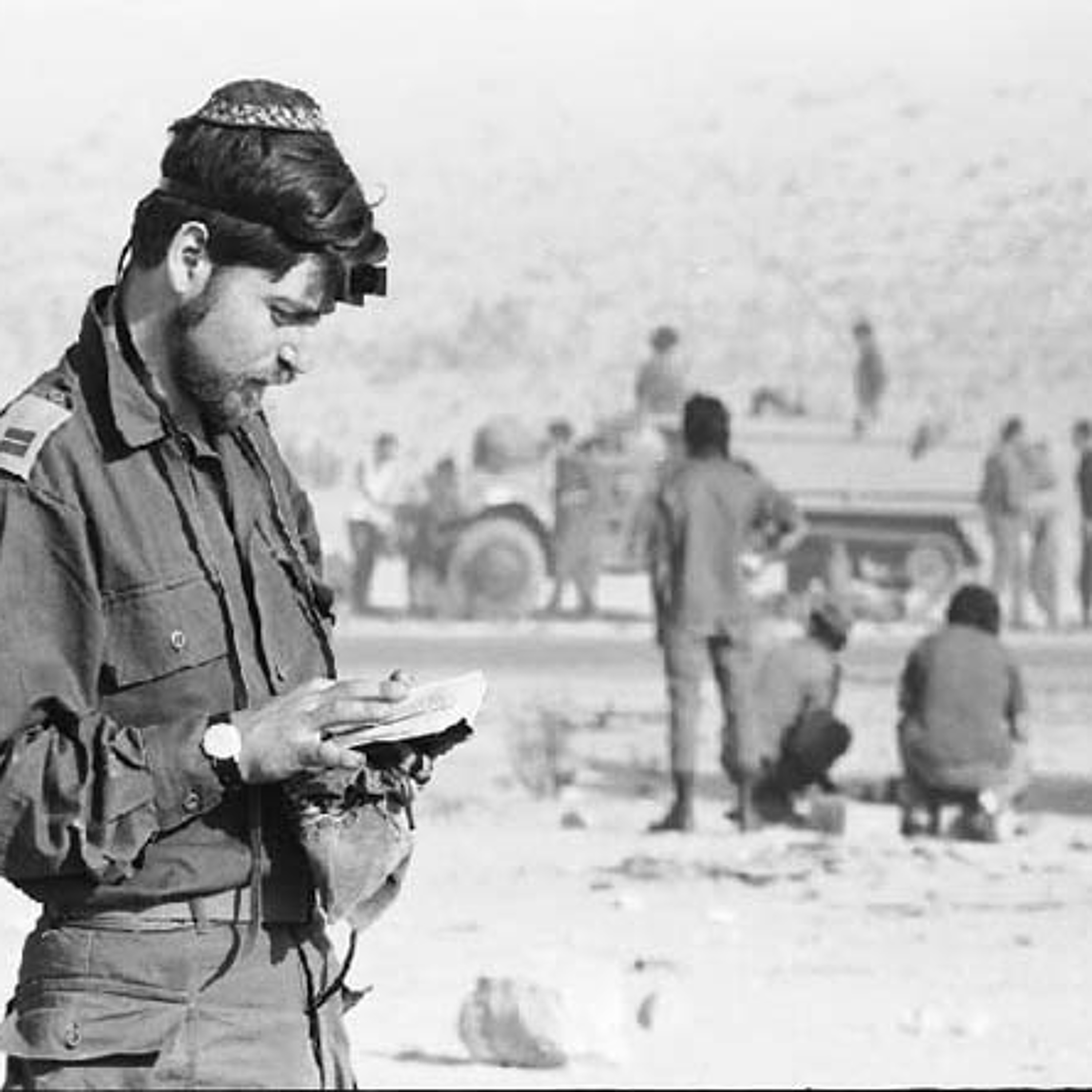
Autumn 1973 Ep 2: Yom Kippur War
Turning Point in History: The Yom Kippur war in 1973 changed Israeli and Jewish psyche's as well the relationship between the Arab nations and the Palestinians.
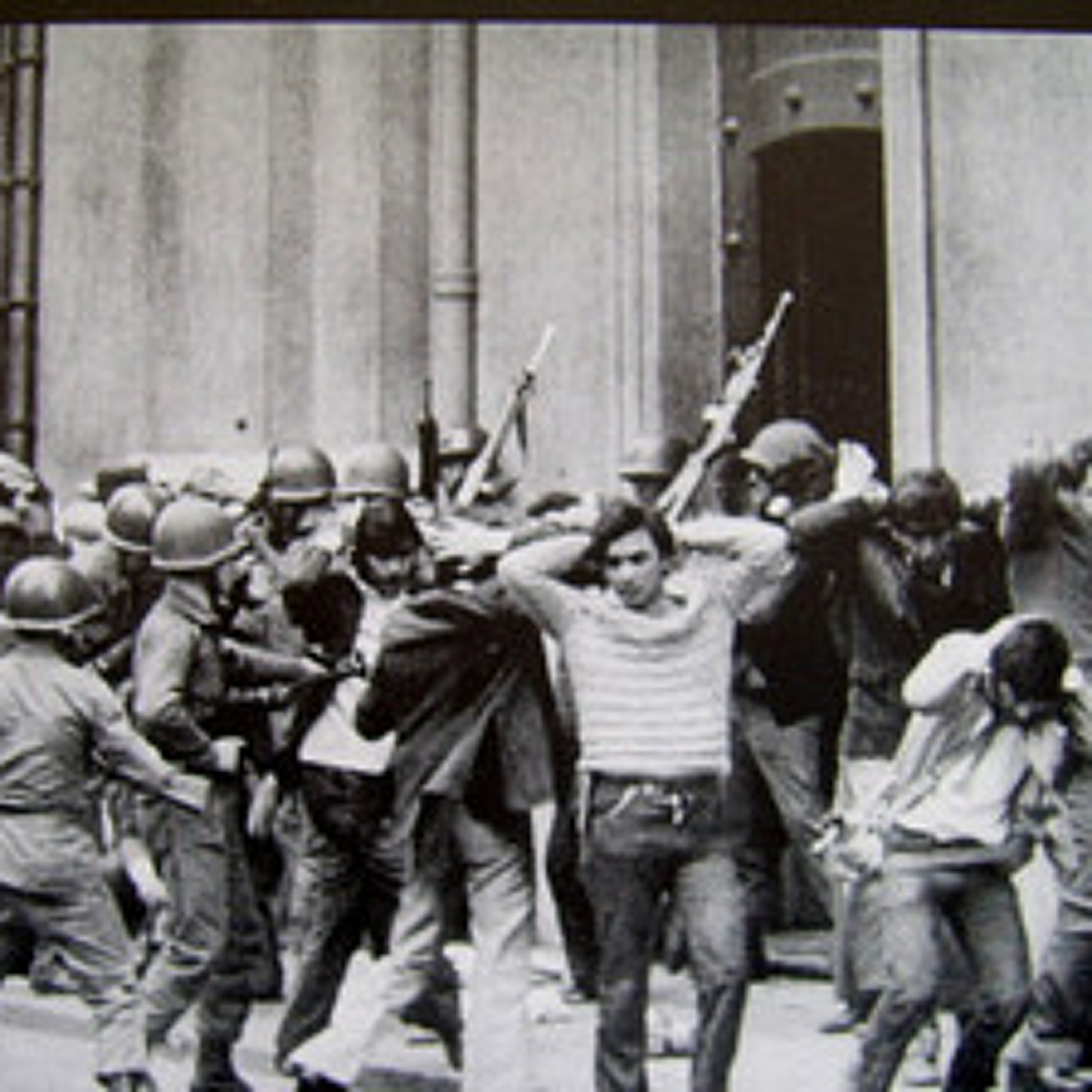
Autumn 1973 Ep 1: Chilean Coup
Turning Point in History: The Chilean coup and the end of anti-war activism. First of five essays on Autuman 1973 broadcast on BBC Radio 3.
Suicide Watch
The Cost of History: the surge in suicides among veterans of the Iraq and Afghanistan wars. Originally broadcast on BBC Radio 4
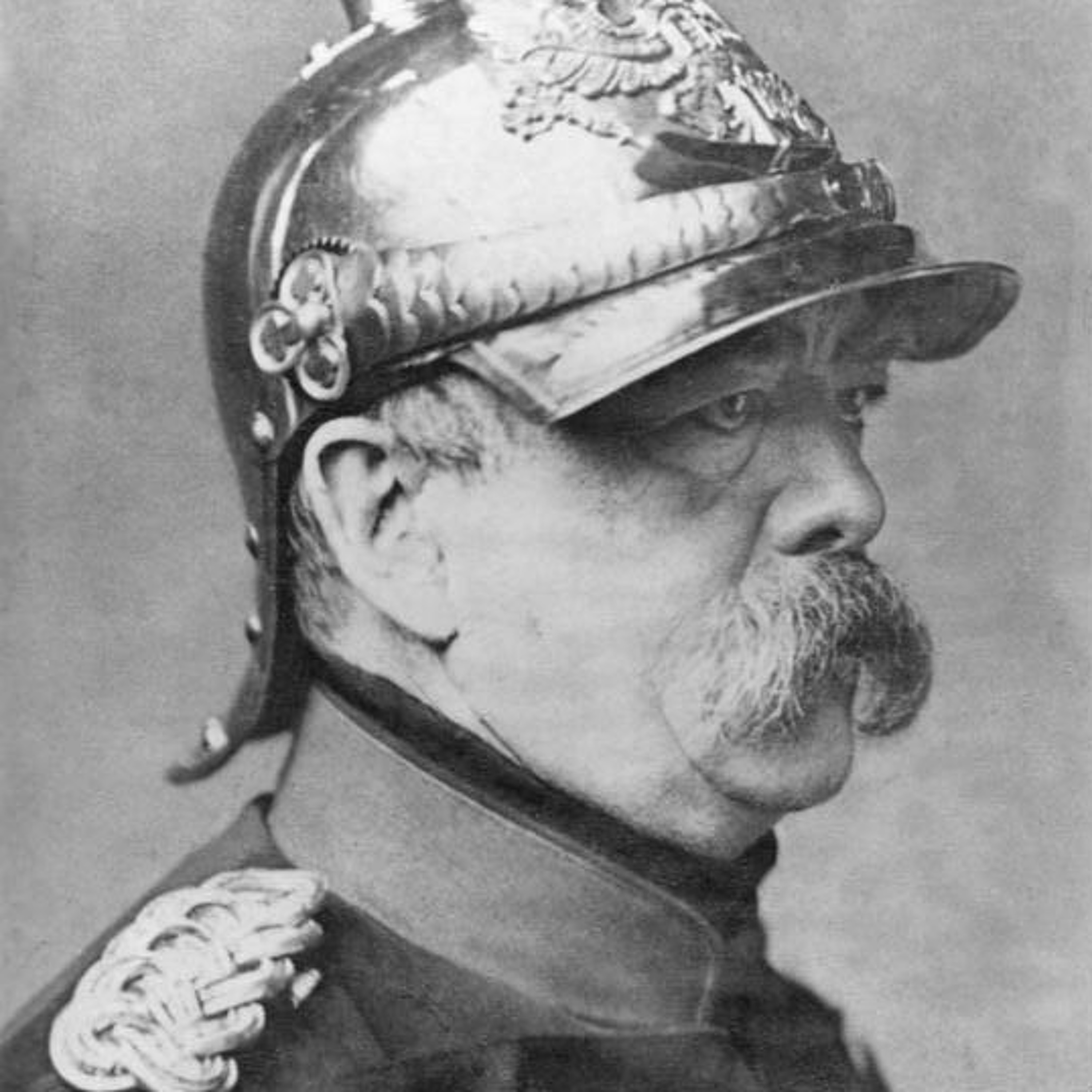
WHAT IS A NATION? pt. 4 Germany
National History: Germans' constant attempt to answer the question "What is the German Nation?" has been one of the driving forces of history in the last 200 years.
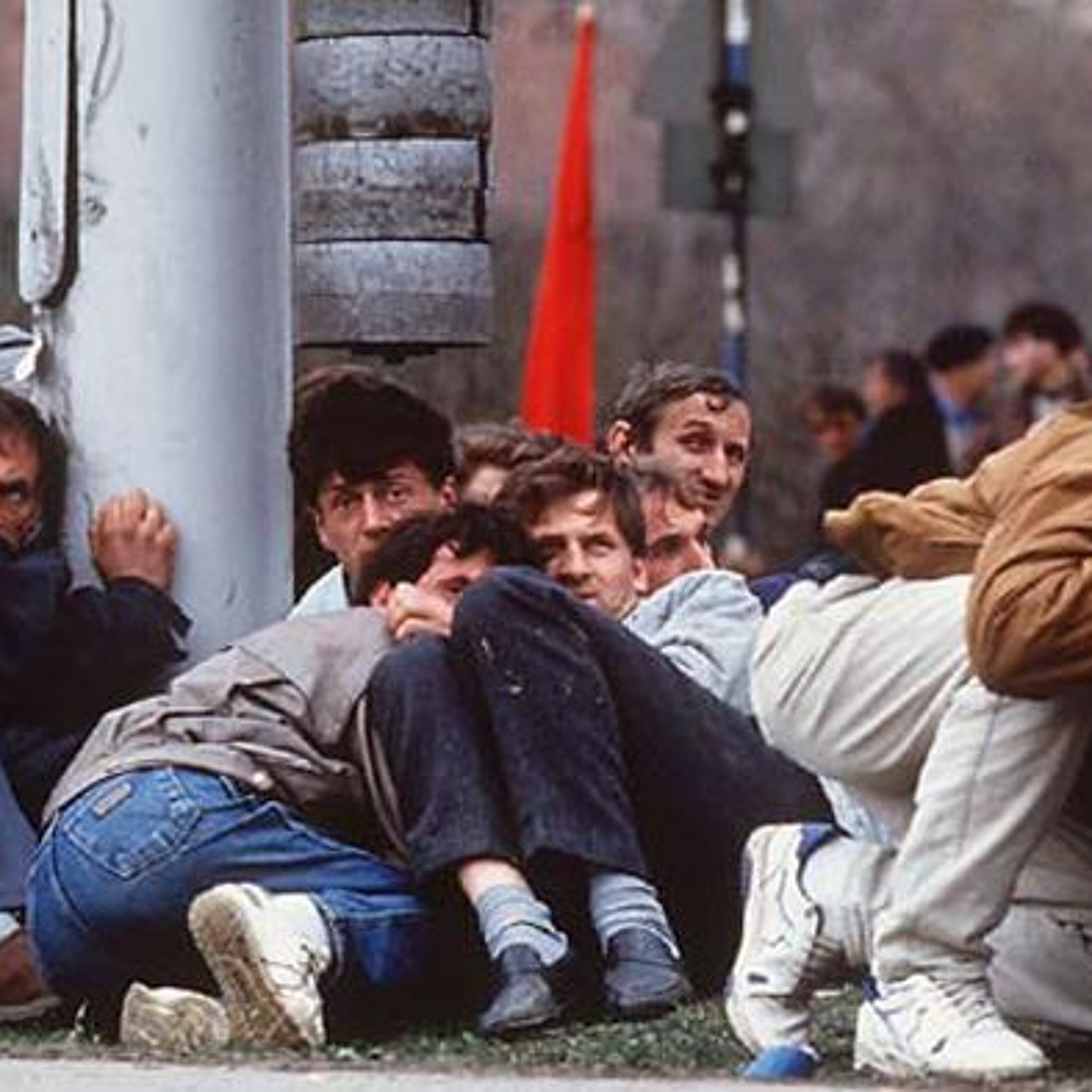
WHAT IS A NATION? pt3 Bosnia-Herzegovina
National History: I have never witnessed the birth of a nation, but I have attended the death of one, Yugoslavia.
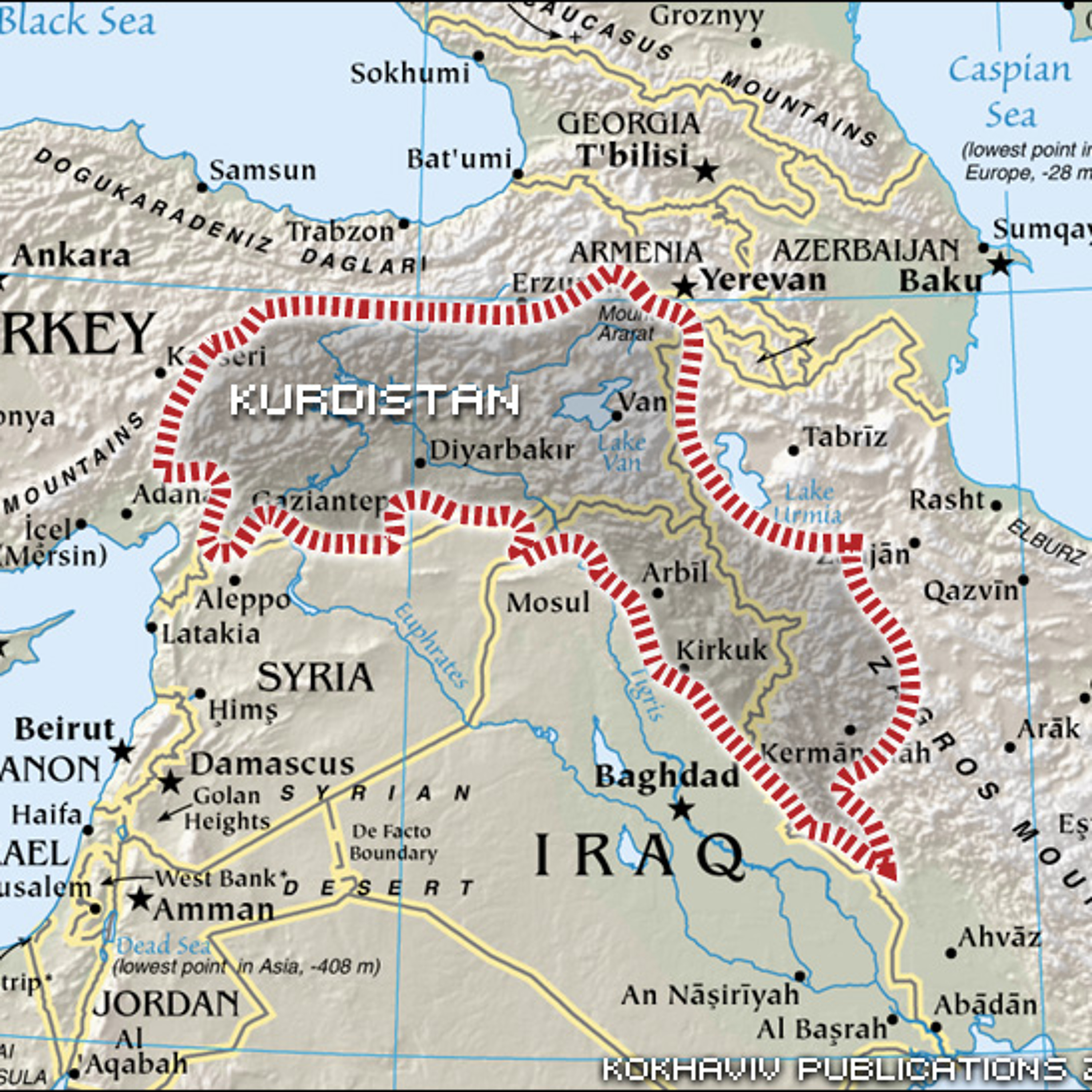
WHAT IS A NATION? pt. 2 Kurdistan
National History: The story of the Kurds, the largest ethnic group in the world without a "nation-state" of their own.
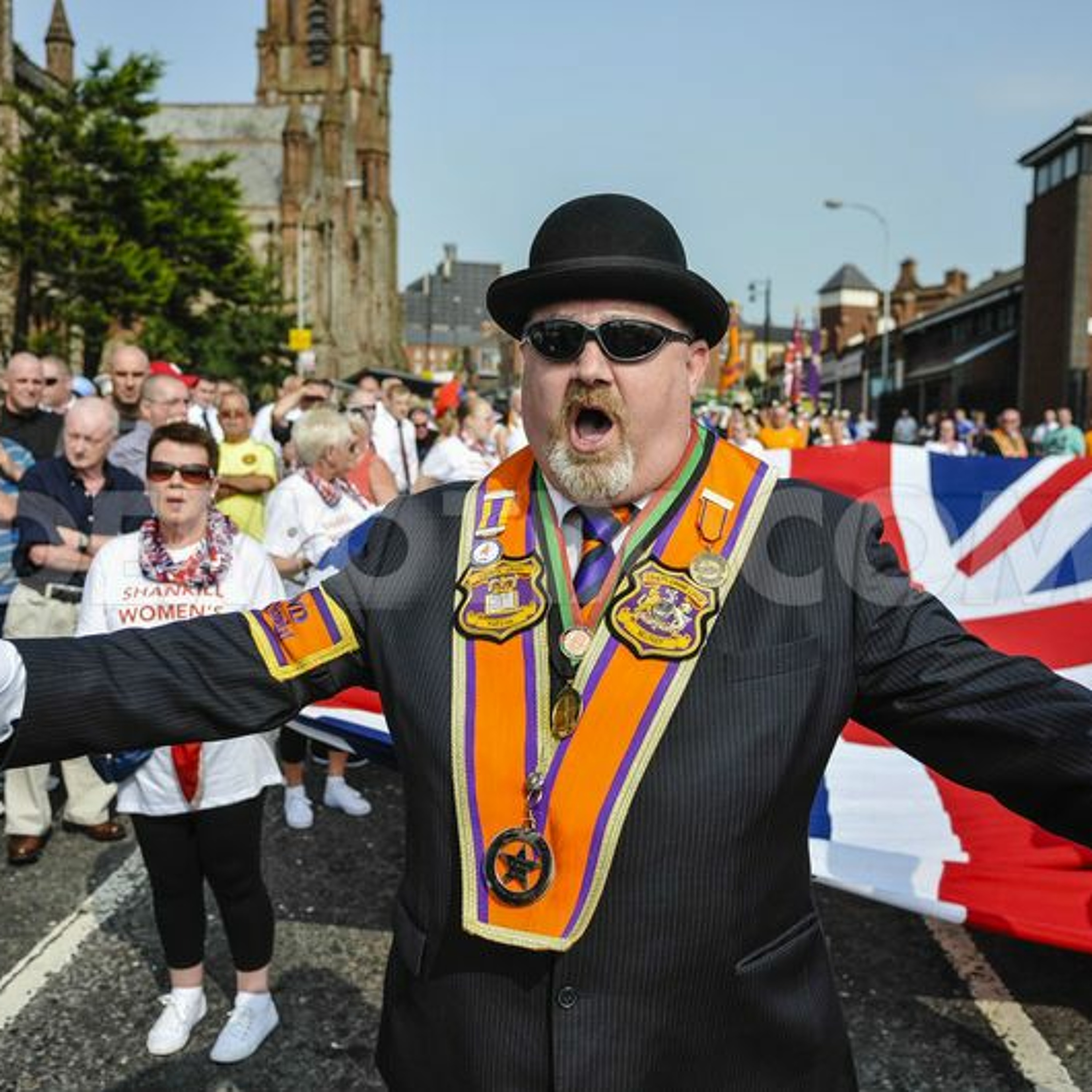
WHAT IS A NATION? pt 1 Northern Ireland
National History: When does a "tribe" become a "nation"? The case of Ulster's protestants or the Scotch-Irish as they are called in America
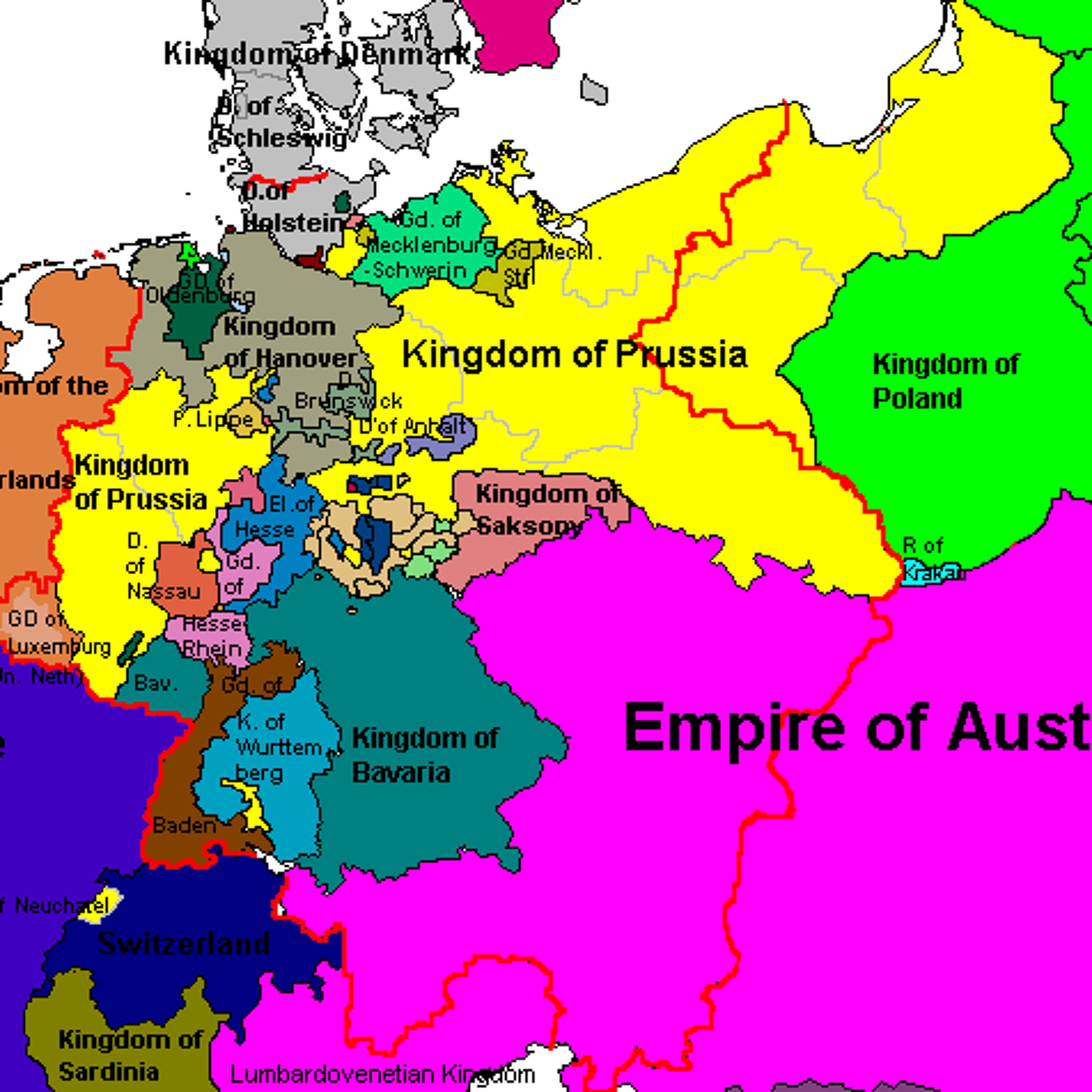
WHAT IS A NATION? pt 5 From the ashes of Empires
National History: Europe - what is "the" nation? What is the "nation-state"?

Faith Without God pt 2: Becoming Religions Anyway
Cultural History: Buddha, Confucius and the first Greek taught man was responsible for his own fate not the gods. But then something strange happened: their teachings became the basis for religions anyway.

Faith Without God, pt 1
Cultural History: Buddha, Confucius and the first Greek philosophers all lived at precisely the same time. They were the first to say that man, not God or the gods, was the measure of all things. Coincidence? or were their civilizations in contact with each other? In this documentary, originally made for BBC Radio 3, archaeologists, historians and philosophers offer their answers.