
Finding Genius Podcast
4,332 episodes — Page 20 of 87

The Benefits Of Yoga | Uplifting Others Through Education & Movement
In this episode, we sit down with Physical Therapist and international yoga leader Lara Heimann to discuss her distinct approach to yoga education. With more than 25 years of experience with yoga, Lara is on a mission to reinvent the practice by helping people find freedom through smarter, safer, and more conscious movement patterns. Through the development of Lara's Yoga Training (LYT) Method, Lara has helped countless students improve their practice. She does this by emphasizing sustainable, freeing, and efficient movements… Join in now to discover: Yoga practices and benefits. What yoga is, and how it helps people across the world. The importance of facilitating the brain-body connection. What sets The LYT Method apart from other yoga practices. The LYT Method seeks to empower people by expanding their bodies and minds. Wondering how Lara achieves this? Join us now! Want to learn more about Lara and her work with LYT Yoga? Click here now! Episode also available on Apple Podcasts: http://apple.co/30PvU9C

Overcoming The Mental Health Stigma | How This Professor Is Reframing Psychological Stereotypes
In this episode, we connect with Stephen P. Hinshaw, Ph.D., a Distinguished Professor of Psychology at UC Berkeley – where he was also Department Chair from 2004-2011. In addition to his position at UC Berkeley, Dr. Hinshaw is also a Professor of Psychiatry and Behavioral Sciences at UC San Francisco. In June 2017, Dr. Hinshaw published Another Kind of Madness: A Journey Through the Stigma and Hope of Mental Illness, a memoir that calls for an end to the dark shaming of mental illness. With his work primarily focusing on developmental psychopathology, clinical interventions with children and adolescents, and mental illness stigma, Dr. Hinshaw has earned himself an international presence in both clinical psychology and mental health… Tune in now to learn about: What led Dr. Hinshaw to pursue his research interests. How families can change the outcome of adolescent mental illness. The importance of eradicating the stigma surrounding mental disorders. How individuals with mental health issues should approach employment. To find out more about Dr. Hinshaw and his work, click here now! Episode also available on Apple Podcasts: http://apple.co/30PvU9C
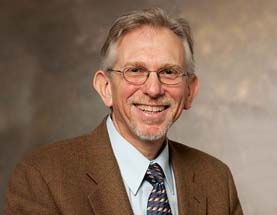
Exploring How This Researcher Is Improving The Fields Of Psychiatry & Neurology
Joining us today is Morris D. Bell, Ph.D., ABPP, a Professor Emeritus and Senior Research Scientist in Psychiatry at Yale University School of Medicine. Additionally, he is a Senior Research Career Scientist for the Department of Veterans Affairs Rehabilitation Research and Development Service. Dr. Bell has extensive experience as a clinical and neuropsychologist, and he devotes much of his time and energy toward researching interventions to restore cognitive and work function for people who struggle with severe and persistent mental disorders. From schizophrenia to substance abuse, Dr. Bell is an expert in a vast array of mental illnesses… In this episode, we explore: What a mental status exam entails. What schizophrenia is, and the different approaches to treating it. How age can affect the onset of mental illness. Whether or not schizophrenia is curable. To find out more about Dr. Bell and his work, click here now! Episode also available on Apple Podcasts: http://apple.co/30PvU9C
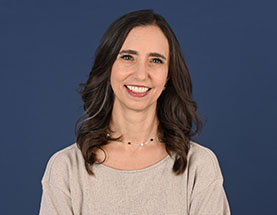
How This Doctor Is Using Functional Medicine To Improve Women's Health
In this episode, we connect with Wendie Trubow MD, MBA, IFMCP, a board-certified OB/GYN with over 25 years of experience in the field. As the President at Five Journeys Functional Medicine & Wellness Clinic, Wendie is committed to creating comprehensive and individualized wellness plans for her patients drawing from five core areas of health… In addition to her work in the field, Wendie is also the best-selling author of Dirty Girl: Ditch the Toxins, Look Great and Feel FREAKING AMAZING!, a book that teaches readers how to optimize their health from a functional medicine perspective. Want to know how Wendie is helping women across the globe improve their health and welfare? Join us now to find out! Jump into the discussion now to uncover: What functional medicine is, and how it can offer lasting solutions to health issues. Health problems that many people deal with daily. How toxins can affect your health. The proper precautions to take when taking mercury fillings out. To learn more about Wendie and her work, click here now! Episode also available on Apple Podcasts: http://apple.co/30PvU9C

Coping With Depression | Exploring Psychological Problems & How To Deal With Them
In this episode, we are joined by Calix Lewis Reneau to discuss his take on anxiety and depression. Calix is a producer and writer, known for films such as Child, Canyon Road, and The Emergent Lens. He is also the author of Dancing with the Black Dog, a book that provides advice, anecdotes, and insights from his experiences as a 30-year survivor of depression… Emotions are the fundamental baseline of our existence. Calix seeks to explore this fact and familiarize readers with tools they can use to effectively manage and excel in the face of this debilitating and often-misunderstood disorder. Jump into the conversation now to learn about: Coping strategies to utilize for major depression. What makes depression a biomedical issue. What suicidal impulses can signify. Tips on how to deal with strong suicidal impulses. The importance of celebrating small victories. Want to find out more about Calix and his journey? Click here now! Episode also available on Apple Podcast: http://apple.co/30PvU9C

Optimizing Health & Nutrition How To Create An Individualized Plan That Boosts Your Metabolism
How can a customized health plan improve your life? Sometimes physical fitness can feel like a futile attempt at enhancing body composition – that's where Re:Vitalize Weight Loss & Wellness comes in… In this episode, we chat with Dan LeMoine, the co-founder of the innovative company Re:Vitalize Weight Loss & Wellness. He joins us to discuss how his company's distinct approach to weight loss is reframing health from a lifestyle and whole food nutrition perspective. Dan is an author and nutritionist with a background in Rugby. With a passion for health and fitness, Dan had the opportunity to work with Dr. Noel Abood to write the Fear No Food – a book that introduces readers to a weight loss program that identifies nutritional needs, fixes the metabolism, and helps them maintain a healthier lifestyle. In this episode, we explore: How to identify the lifestyle differences that affect your body's health. How major life events can impact metabolic health. Why certain people "yo-yo" with their weight loss, and how nutrition optimization can help. What metabolic age is, and how it is determined. To find out more about Dan and his work, click here now! Episode also available on Apple Podcasts : http://apple.co/30PvU9C
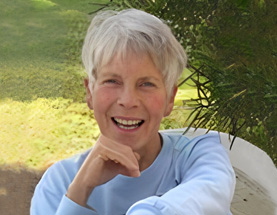
Cultivating Awareness | How Meditation Can Improve Mental Health & Expand Consciousness
Joining us today is Cheri Huber, a Zen student, teacher, and writer. Cheri is the author of more than 20 books – including There Is Nothing Wrong with You: Going Beyond Self-Hate, When You're Falling, Dive, and Time-Out for Parents. She is also the founder of Mountain View Zen Center in Mountain View, California, and the Zen Monastery Practice Center in Murphys, California. Cheri is on a mission to help people establish practical ways to deal with the many difficulties of being human. She does this with encouraging humor, delight, curiosity, and compassion. Ending suffering is Cheri's primary goal, and she helps others navigate this spiritual journey by teaching them how to pay attention, expand their awareness, and step back from the judgment of themselves and others… In this episode, we go over: How to deconstruct the idea of the ego. The ways in which the "inner voice" shows up in people's lives. How to identify guilt, and how to deal with it. Why most people don't address their problems until they have to. To learn more about Cheri and her work, click here now! Episode also available on Apple Podcast: http://apple.co/30PvU9C
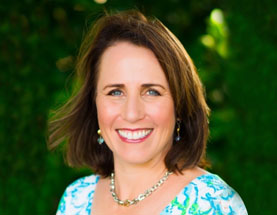
Mental Health Amongst College Students | Why Anxiety & Depression Is On The Rise, & What To Do About It
Today we sit down with Marcia Morris, the author of The Campus Cure: A Parent's Guide to Mental Health & Wellness for College Students, Associate Professor in the Department of Psychiatry, and Associate Program Director for Student Health Psychiatry at the University of Florida. With over 20 years of experience in providing care to university students, Marcia is on a mission to promote both preventive care and comprehensive treatment for individuals struggling with mental illness in the college years and beyond… Offer: Magnesium is integral for 600+ biochemical processes in the human body. The common misconception is that consuming more magnesium will automatically improve health and well-being. The truth is that there are various forms of magnesium, each of which is essential for a variety of physiological processes. Most people are inadequate in all forms of magnesium, while even those considered "healthy" typically only ingest 1 or 2 kinds. Consuming all 7 of magnesium's primary forms is the key to accessing all its health benefits.That's why we packed 7 forms of 450mg of elemental magnesium into each serving of Wild Mag Complex. One dose a day is all you need. Learn more and grab a bottle today at WildFoods.co. Use code GENIUS for 10% off your order. In this episode, we cover: How Marcia got into this area of expertise. How to change the trajectory of young people's lives. The factors that contribute to depression and anxiety amongst college students. The most prevalent issues that young adults face. Why certain students don't reach out for help for mental health problems. How has Marcia's important work impacted college students throughout her community? Click play to find out for yourself! To learn more about Marcia, visit Marciamorrismd.com now! Episode also available on Apple Podcast: http://apple.co/30PvU9C

Understanding The Mind & Body | How To Enhance Your Mental & Physical Health
How do our mental and cognitive states interact with each other? Research has shown that everything is connected – meaning that our brains have an immense impact on the rest of our physical bodies… Joining us in this episode is Bishoy Goubran, a Child and Adolescent Psychiatry Fellow Physician at Rush University Medical Center. Bishoy is an expert in Autism spectrum disorder and psychotic and affective disorders with post-doctoral clinical research training in Behavioral and Cardiovascular medicine. Drawing from his vast background in medicine, Bishoy is interested in digging deeper into understanding the phenomenon of the mind. Offer: Magnesium is integral for 600+ biochemical processes in the human body. The common misconception is that consuming more magnesium will automatically improve health and well-being. The truth is that there are various forms of magnesium, each of which is essential for a variety of physiological processes. Most people are inadequate in all forms of magnesium, while even those considered "healthy" typically only ingest 1 or 2 kinds. Consuming all 7 of magnesium's primary forms is the key to accessing all its health benefits.That's why we packed 7 forms of 450mg of elemental magnesium into each serving of Wild Mag Complex. One dose a day is all you need. Learn more and grab a bottle today at WildFoods.co. Use code GENIUS for 10% off your order. Jump into the conversation now to discover: How belief systems can affect physiological components of the body. The role that the "sympathetic nervous system" plays in our biological being. What heart rate variability is, and what it can tell us about the nervous system. What happens when the parasympathetic state is disrupted. Want to learn more about Bishoy and his work? Click here now! Episode also available on Apple Podcast: http://apple.co/30PvU9C

Changes In Glaciers & Ice How Does This Impact Our Climate System
Ice is an important facet of Earth's climate system. Since ice affects our climate and sea levels, understanding the way ice sheets develop and change over time helps us better predict the future of our planet. So, what are researchers finding? Dr. Alexander Robel joins the podcast to enlighten us… Dr. Robel is an Assistant Professor in the School of Earth and Atmospheric Sciences at Georgia Tech University, and serves as the head of the Ice and Climate research group. By studying the causes of ice sheet change, Dr. Robel is on a mission to develop conceptual, mathematical, and computational tools to predict future changes. Offer: Magnesium is integral for 600+ biochemical processes in the human body. The common misconception is that consuming more magnesium will automatically improve health and well-being. The truth is that there are various forms of magnesium, each of which is essential for a variety of physiological processes. Most people are inadequate in all forms of magnesium, while even those considered "healthy" typically only ingest 1 or 2 kinds. Consuming all 7 of magnesium's primary forms is the key to accessing all its health benefits.That's why we packed 7 forms of 450mg of elemental magnesium into each serving of Wild Mag Complex. One dose a day is all you need. Learn more and grab a bottle today at WildFoods.co. Use code GENIUS for 10% off your order. In this episode, we talk about: What happens when glaciers melt. Where glaciers and ice sheets tend to form, and why they melt. What "sea ice" is, and where it forms. How computer models are used in Dr. Robel's research. Want to learn more about Dr. Robel and his research? Click here now! Episode also available on Apple Podcasts: http://apple.co/30PvU9C
Nanomaterials Are In Our Food – Are They Safe? | An Expert Explains
How are nanomaterials being used around us – and what are the potential risks? Khara D. Grieger, an Assistant Professor and Extension Specialist in Environmental Health and Risk Assessment at North Carolina State University, joins us to discuss this intriguing topic. With a Ph.D. in environmental engineering, Khara is interested in unpacking the uses and risks of nanotechnology in agriculture and food production. Drawing from her extensive knowledge of risk assessment, risk management, and stakeholder engagement, her research is truly ahead of its time… Offer: Magnesium is integral for 600+ biochemical processes in the human body. The common misconception is that consuming more magnesium will automatically improve health and well-being. The truth is that there are various forms of magnesium, each of which is essential for a variety of physiological processes. Most people are inadequate in all forms of magnesium, while even those considered "healthy" typically only ingest 1 or 2 kinds. Consuming all 7 of magnesium's primary forms is the key to accessing all its health benefits.That's why we packed 7 forms of 450mg of elemental magnesium into each serving of Wild Mag Complex. One dose a day is all you need. Learn more and grab a bottle today at WildFoods.co. Use code GENIUS for 10% off your order. In this episode, we cover: The range of nanomaterials that are being developed and used in food and agricultural products. Examples of engineered nanomaterials. Food additives that may be detrimental to health, and why companies keep using them. To learn more about Khala and her work, click here now! Episode also available on Apple Podcasts: http://apple.co/30PvU9C
The Benefits Of Sound Therapy | How To Optimize Your Nervous System Health
In this episode, we sit down with relaxation expert Craig Goldberg to discuss the benefits of sound therapy. As a Certified Vibroacoustic Therapist, Craig regularly hosts events and speaks on the Science of Mindfulness, the efficacy of Essential Oils, nutrition, and Living a Healthy Life. Craig considers himself an evangelist for vibroacoustic therapy, and as the Co-Founder of inHarmony, he is on a mission to help people improve their health – all through science, technology & knowledge. If you're seeking holistic advice on health, wellness, longevity, and biohacking, Craig is certainly the person to turn to… Offer: Magnesium is integral for 600+ biochemical processes in the human body. The common misconception is that consuming more magnesium will automatically improve health and well-being. The truth is that there are various forms of magnesium, each of which is essential for a variety of physiological processes. Most people are inadequate in all forms of magnesium, while even those considered "healthy" typically only ingest 1 or 2 kinds. Consuming all 7 of magnesium's primary forms is the key to accessing all its health benefits.That's why we packed 7 forms of 450mg of elemental magnesium into each serving of Wild Mag Complex. One dose a day is all you need. Learn more and grab a bottle today at WildFoods.co. Use code GENIUS for 10% off your order. Join us now to discover: What sound therapy is, and how it can help people. Why Americans' nervous system health is declining. How inHarmony is changing people's relationships with therapy. How cortisol and adrenaline affect rational thought. Want to find out more about Craig and his work? Click here now! Episode also available on Apple Podcasts: http://apple.co/30PvU9C
Addressing The Global Problem Of Microplastics | How Can We Effectively Solve It?
Joining us today to discuss her research on microplastics is Dr. Gabriela Kalčíková, an Associate Professor at the University of Ljubljana. With a background in chemistry and waste management, Dr. Kalčíková uses her expertise to investigate freshwater microplastics, their interaction with floating plants, and the development of new strategies to remove microplastics from freshwater. Dr. Kalčíková wants to reframe our approach to waste management. As the head of the Planterastics Lab, Dr. Kalčíková works closely with other researchers at the Faculty of Chemistry and Chemical Technology to come up with sustainable solutions to the microplastics crisis… Offer: Magnesium is integral for 600+ biochemical processes in the human body. The common misconception is that consuming more magnesium will automatically improve health and well-being. The truth is that there are various forms of magnesium, each of which is essential for a variety of physiological processes. Most people are inadequate in all forms of magnesium, while even those considered "healthy" typically only ingest 1 or 2 kinds. Consuming all 7 of magnesium's primary forms is the key to accessing all its health benefits.That's why we packed 7 forms of 450mg of elemental magnesium into each serving of Wild Mag Complex. One dose a day is all you need. Learn more and grab a bottle today at WildFoods.co. Use code GENIUS for 10% off your order. In this episode, we discuss: The dangerous components that often exist in landfills. Where microplastics tend to collect in freshwater systems. How certain requirements can impact how microplastic removal technology in wastewater is done. How microplastic particles can affect plant health. To learn more about Dr. Kalčíková and her research, click here now! Episode also available on Apple Podcasts: http://apple.co/30PvU9C

Coping With Bipolar Disorder | Proven Strategies To Help Young People & Their Families
In this episode, we connect with Dr. David Miklowitz, a Professor of Psychiatry in the Division of Child and Adolescent Psychiatry at the UCLA Semel Institute, and a Senior Clinical Research Fellow in the Department of Psychiatry at Oxford University. As a clinical psychologist, Dr. Miklowitz specializes in adolescents and children that suffer from bipolar disorder. By utilizing the resources that the family unit can offer, he has developed effective strategies to treat young people who suffer from this illness. Dr. Miklowitz wants to give people tools to manage their disorder – or support a loved one with the illness. With this in mind, he wrote The Bipolar Disorder Survival Guide: What You and Your Family Need to Know, a book that outlines how to deal with mood episodes, reduce recurrences, avoid misdiagnosis, get the most out of treatment, resolve family conflicts, and more… Offer: Magnesium is integral for 600+ biochemical processes in the human body. The common misconception is that consuming more magnesium will automatically improve health and well-being. The truth is that there are various forms of magnesium, each of which is essential for a variety of physiological processes. Most people are inadequate in all forms of magnesium, while even those considered "healthy" typically only ingest 1 or 2 kinds. Consuming all 7 of magnesium's primary forms is the key to accessing all its health benefits.That's why we packed 7 forms of 450mg of elemental magnesium into each serving of Wild Mag Complex. One dose a day is all you need. Learn more and grab a bottle today at WildFoods.co. Use code GENIUS for 10% off your order. Jump into the conversation now to discover: How bipolar disorder is characterized. How family-focused therapy can be effective in treating bipolar disorder. Three kinds of bipolar disorder, and what the symptoms are. The differences between "ordinary teenage behavior" and bipolar disorder. How early intervention can help prevent certain symptoms. To find out more about Dr. Miklowitz and his work, click here now! Episode also available on Apple Podcast: http://apple.co/30PvU9C

Reframing Trauma & Stress | How To Enjoy Health, Happiness, & Success
Can stress impact your well-being, even if you're unaware of it? Marcy Mckay, the author of Transforming Your Stress sure thinks so – and she joins us today to unpack her perspective on this complex topic. As an award-winning author, speaker, teacher, mentor, wife, mom, and friend, Marcy knows the harm that stress can cause as well as anyone. In the wake of a tragic life event in 2017, Marcy went searching for answers to her challenges. After finding solutions in places she never would have imagined, she decided to share what she has learned with others across the globe… Offer: Magnesium is integral for 600+ biochemical processes in the human body. The common misconception is that consuming more magnesium will automatically improve health and well-being. The truth is that there are various forms of magnesium, each of which is essential for a variety of physiological processes. Most people are inadequate in all forms of magnesium, while even those considered "healthy" typically only ingest 1 or 2 kinds. Consuming all 7 of magnesium's primary forms is the key to accessing all its health benefits.That's why we packed 7 forms of 450mg of elemental magnesium into each serving of Wild Mag Complex. One dose a day is all you need. Learn more and grab a bottle today at WildFoods.co. Use code GENIUS for 10% off your order. In this episode, we explore: How stress can show up in your life. The ways that unresolved issues can manifest later in life. How to get rid of stress physically. The importance of taking care of yourself. To learn more about Marcy, you can find her website here. Episode also available on Apple Podcast: http://apple.co/30PvU9C

Highs & Lows | How To Take Charge Of Your Mental Health (And Thrive Doing It)
Mental health issues can be debilitating. Given that many people don't know where to begin with the management of their psychological challenges, having someone that can help lead the way can be life-changing. Joining us today to discuss his work in this very field is Justin Hayes, a Professor of Business, author, and a Career Coach at The House of You. As someone who has depression himself, Justin draws from his life experiences to inform his work with mental health education. Using engaging lectures, workshops, and books, Justin has helped countless people navigate through their mental health journeys – enabling them to thrive as a result… Offer: Magnesium is integral for 600+ biochemical processes in the human body. The common misconception is that consuming more magnesium will automatically improve health and well-being. The truth is that there are various forms of magnesium, each of which is essential for a variety of physiological processes. Most people are inadequate in all forms of magnesium, while even those considered "healthy" typically only ingest 1 or 2 kinds. Consuming all 7 of magnesium's primary forms is the key to accessing all its health benefits.That's why we packed 7 forms of 450mg of elemental magnesium into each serving of Wild Mag Complex. One dose a day is all you need. Learn more and grab a bottle today at WildFoods.co. Use code GENIUS for 10% off your order. In this episode, we cover: How Justin's mental health diagnosis impacted his personal and professional life. What led to Justin's admittance to a mental health facility. How psychiatrists and therapists can mitigate the impacts of psychological difficulties. Why stress and depression can affect your diet. The importance of getting information out of the mind and putting it on paper. Want to learn more about Justin and his work with The House of You? Click here now! Episode also available on Apple Podcast: http://apple.co/30PvU9C

Microplastics & Waste: What Can We Do To Effectively Solve The Problem?
In this episode, we sit down with a plastic and waste expert to discuss the science of sustainability. Given the threats that microplastics and other contaminants pose to the environment, animals, and humans, having a well-rounded approach to this subject is crucial. With the insight that this guest offers, we get to dive deeper into the intricacies of how to monitor, develop, and sustainably solve the plastic and waste crisis that our world is facing… Offer: Magnesium is integral for 600+ biochemical processes in the human body. The common misconception is that consuming more magnesium will automatically improve health and well-being. The truth is that there are various forms of magnesium, each of which is essential for a variety of physiological processes. Most people are inadequate in all forms of magnesium, while even those considered "healthy" typically only ingest 1 or 2 kinds. Consuming all 7 of magnesium's primary forms is the key to accessing all its health benefits.That's why we packed 7 forms of 450mg of elemental magnesium into each serving of Wild Mag Complex. One dose a day is all you need. Learn more and grab a bottle today at WildFoods.co. Use code GENIUS for 10% off your order. Jump in to explore: How to inform "circular economy approaches" with better data. The power of educating people about bioplastics. If there is data on the harmful effects of plastic on human health. How researchers are able to study and identify microplastics. Why it is important to characterize the diversity of larger plastic particles. Wondering how researchers are tackling the issues surrounding waste and plastics? Join the discussion now to find out for yourself! Episode also available on Apple Podcast: http://apple.co/30PvU9C

Supporting Science At A Global Level | How This Expert Is Boosting Innovation
In this episode, we are joined by Amy Bernard, the head of strategy and programs for the nanoscience and neuroscience divisions of The Kavli Foundation. She sits down with us today to discuss her work in neuroscience, molecular genetics, cell biology, biochemistry, imaging, physiology, open science, and more. With more than 30 years of experience, Amy provides support for fundamental scientific research – and her efforts are making a real difference. The Kavli Foundation is a nonprofit research organization that supports science philanthropy. With the help of experts like Amy, they are on a mission to support advances for the benefit of humanity… Offer: Magnesium is integral for 600+ biochemical processes in the human body. The common misconception is that consuming more magnesium will automatically improve health and well-being. The truth is that there are various forms of magnesium, each of which is essential for a variety of physiological processes. Most people are inadequate in all forms of magnesium, while even those considered "healthy" typically only ingest 1 or 2 kinds. Consuming all 7 of magnesium's primary forms is the key to accessing all its health benefits.That's why we packed 7 forms of 450mg of elemental magnesium into each serving of Wild Mag Complex. One dose a day is all you need. Learn more and grab a bottle today at WildFoods.co. Use code GENIUS for 10% off your order. Jump in to learn more about: Why basic research and science is the backbone of everything we touch. How The Kavli Foundation encourages groundbreaking research. The importance of supporting basic science around the world. The immense complexity of the human brain. How researchers get funding for their work. Want to find out more about Amy and her work with The Kavli Foundation? Click here now! Episode also available on Apple Podcasts: http://apple.co/30PvU9C

Developing Microbiome Therapeutics and Gastrointestinal Conditions | Dr. Lisa von Moltke Explains
How can GI health significantly determine the general health of the rest of the body? Since so many bodily systems utilize products produced along the gastrointestinal tract, minor issues can be increased throughout the body. Listen up to learn: How the gut microbiome has the potential to make or break the body's health How the Western diet may be threatening your gut's health How "bacterial economics" governs GI systems Executive vice president and chief medical officer at Seres Therapeutics, Dr. Lisa von Moltke, discusses her work developing therapeutic techniques to treat gastrointestinal conditions and microbiomes. Through the study of how the gut microbiome and gastrointestinal health affect the operation of the rest of the body, new therapies have been developed to combat GI-targeted infections. New therapies are also being produced to prevent infection with patients undergoing transplants and grafts. Immunosuppressants are also a weak point regarding gut health since they open windows of vulnerability for infections to target your gut. Therefore, developing techniques to treat various diseases without affecting GI health and the gut microbiome may be the next most valuable step in developing pharmaceutical therapeutics. For more information, visit https://www.serestherapeutics.com. Episode also available on Apple Podcasts: apple.co/30PvU9C

The Little Brain in Our Gut: Dr. Emeran Mayer's New Book on Gut Brian Interactions
"Who eats first?" Richard asks Dr. Emeran Mayer as the researcher discusses his new book about the gut-immune connection. The answer is as complex as gut health and immune system interactions, but also just as fascinating. Listen and learn: How the rapid timeline of microbiome research led to understanding connections between gut microbiota and immunity, How facial expressions from emotions are also happening, in a sense, in the gut, How your brain monitors what's happening in your gut through the gut-immune connection, and What hormones are released in your gut and how those tie to emotional reactions. Dr. Emeran Mayer's discusses his latest book, The Gut-Immune Connection: How Understanding the Connection Between Food and Immunity Can Help Us Regain Our Health. He digs deep on some of this timely book's topics, including the ties between our emotions and gut processes. The trillions of microbes producing their own chemicals, or metabolites make for quite a "bi-directional dialogue," he explains. Neurotransmitters throw another element into the mix and the food we bring in completes this intense conversation between our gut and brain. Who does eat first? Well, it's not a one-answer question, explains Dr. Mayer, because different microbes eat different foods. "With a typical standard American diet," he says, "most of it would be absorbed in that very beginning of the small intestine, because everything is processed with very little fiber . . . but if you eat a diet like our ancestors used to eat . . . much higher in fiber . . . it has to travel down." And, it turns out, which microbes get fed the most affects how our body responds, and ultimately, our health. Listen in for more about this integral and fundamental connection. Episode also available on Apple Podcasts: apple.co/30PvU9C

Ant Microbiomes: Researching Microbial Community Functions of Ants with Manuela Ramalho
Ants are perfect models for Manuela Ramalho's research interest in microbiome and host symbiosis. Ants have one of the widest global distribution and habitat diversity of any animal. She captures her enthusiasm and shares it with listeners as she discusses the ecological role of insects and her research on ants. Listen and learn What key questions and ant facts are tied to a better understanding of their microbiome, How elements of an ant's ecosystem such as an ant's habitat and may or may not impact their microbiome, and How microbiomes might differ across different ant species and roles within a colony. Ant scientist Manuela Ramalho grew up in Brazil, an ecosystem flush with insects. Her academic life brought her in touch with all the possibilities of ant research and she's turned that work into a specialization in their microbiome. Now a postdoc researcher at Cornell University, she opens up this research world to listeners, offering an understanding of what we may learn about the impact of the microbiome on the ants themselves as well as how ant ecology, behavior, development, diet, and phylogeny determines the microbes. For example, after she and her colleagues studied the Neotropical species Daceton armigerum, they found that varying their diet had surprisingly no effect on their microbiome. She explains how little scientist understand about the roles of these microbes and how they are beginning to learn more. Some studies, for example, imply symbiotic roles such as microbes providing ants with nutritional benefits. Furthermore, as with most animal species, questions of coevolution may explain the function of microbe–ant symbiotic relationships. Ramhalho is heading in that direction with her latest study using ant phylogeny to map how the diversity of the ants combines with the phylogeny of bacteria, determining if bacteria are evolving together with their hosts. For more details and why these findings might be significant, listen in. For more about Manuela Ramalho, see her web page: manuelaramalho.wordpress.com. Episode also available on Apple Podcasts: apple.co/30PvU9C

Trust Your Gut: Dr. Kathy McCoy Shares Exciting Microbiome Research Discovery
Tiny microbes make a huge difference in our health. These internal ecological systems utilize communication or signaling to maintain this health, effecting immune system function. This podcast shares an important discovery in this communication that influences receptivity to cancer treatment. Listen and learn. How scientists knew the human microbiome influences cancer immunotherapy, but couldn't identify a key player in this mucosal immunology impact factor, What study Dr. McCoy put into play to identify this player in the immune system of the human body, and What steps they might now be able to take to harness the power of the microbiome and translate it to therapies. Dr. Kathy McCoy is a professor in the Department of Physiology and Pharmacology at the University of Calgary and the director of the International Microbiome Centre. Her research is focused on interactions between the microbiome and immune system and she shares an exciting just-published study that presents a key finding in cancer treatment. Specifically, her research asked how gut microbes play a rule in influencing or regulating the efficacy of immune checkpoint blockade therapy or cancer immunotherapy. She says that scientists have known for a few years that our microbiome is associated with immunotherapy success or lack thereof, but needed more information to make a difference in treatment. Here's the big idea behind her findings: while researchers have known there's a microbial immune conversation, they now know that it's a three-way conversation rather than a two-way conversation. In addition to the microbes and immune system players, metabolites sent out by microbes have a say; furthermore, this conversation gets enhanced by cancer immunotherapy. More specifically, they found that one of these metabolites, inosine, binds to a receptor present on T-cells and causes a signal transduction cascade that makes that T-cell turn on an anti-tumor response—it makes the cytokines necessary to attack cancer cells. If a patient doesn't have this metabolite, the immunotherapy may not work as well. The hope is researchers can figure out how to encourage this metabolite in patients. Listen in for more details about this study and about its life-changing implications. For more, see her lab website: kathymccoylab.ca. Episode also available on Apple Podcast: http://apple.co/30PvU9C

Bacterial Behaviors—Scott Anderson, Author of The Psychobiotic Revolution: Mood, Food, and the New Science of the Gut-Brain Connection
Science journalist and author of a revolutionary book on psychobiotics shares compelling insight on the latest research in microbiome and gut-brain connection research. Tune in to discover: In what specific ways the behavior of mice has been shown to change in response to the presence or absence of gut bacteria What role the vagus nerve may play in the gut-brain connection What types of foods lead to physical and functional changes in the brain identifiable via MRI, and how these changes may be associated with greater resilience during stressful situations How your gut microbiota could be controlling your cravings Psychobiotics are a class of microbes that help improve mood. In 2003, research on germ-free mice resulted in a shocking finding: there is a causal connection between bacteria and behavior. Anderson explains all the details of this research and how it has served as a launching pad for additional research in the field. He discusses the production and function of serotonin in the body and as an antidepressant, and the questions that still remain as to why and how serotonin seems to improve mood in the brain. One of the leading theories of the impact of psychobiotics in the brain is that they have the effect of lowering systemic inflammation, which is caused by bacterial dysbiosis in the gut, which in turn can lead to nearly every systemic disease that exists, including Alzheimer's, obesity, heart disease, and diabetes. Anderson discusses the connection between depression and anxiety and obesity, the research that's been done on the composition and diversity of gut microbiota in thin versus overweight individuals, how some people may be able to keep the brain healthy naturally with the use of probiotics or prebiotics, the advent of metabolomics and why it is so important to the study of the gut-brain microbiome axis, and shares a personal story about gut health and how he was able to correct it overnight. Visit http://psychobiotic-revolution.com/ to learn more, and find his book, The Psychobiotic Revolution: Mood, Food, and the New Science of the Gut-Brain Connection on Amazon. Episode also available on Apple Podcast: http://apple.co/30PvU9C

Missing Heritability and the Human Microbiome: Gavin Douglas Discusses the Relationship
Gavin Douglas and colleagues published a paper assessing microbiome research and assertions that the human microbiome explains missing heritability in nature. He discusses this issue and explains What are classic ways of understanding genetic variation in humans and how recently microbiome research has entered this understanding, What the holobiont model is and how it involves claims regarding the microbiome and missing heritability in nature, and How their paper views the microbiome as more of potential element in genetic variation in humans and necessitates more consideration regarding how to integrate it outside of the strict, holobiont model. Gavin Douglas is a PhD Candidate in the Langille Lab in the Deptartment of Microbiology and Immunology at Dalhousie University. His background is in human genetics and he has just published an intriguing paper called "Re-evaluating the relationship between missing heritability and the microbiome" in the journal Microbiome. He helps listeners understand the basics regarding the issue by explaining heritability as the proportion of variation in a phenotype in a given population explained by genetic variance. He offers more background to this standard and then explains the "case of the missing heritability," which basically indicates the variation that isn't explained. Several hypotheses have emerged to explain this missing heritability, several of which are tied to the human microbiome. He describes how, for example, a holobiont model of a human organism puts forward a hologenome—a combined genome that includes the microbiome and might capture the missing heritability. The article discusses this theory and points out ways it doesn't quite fit. For example, the holobiont doesn't present a combined evolutionary unit that transmits over generations. But he does think the microbiome plays a role in this mystery. He explains how and why and different ways scientists use these ideas. For more, follow him on twitter as @gavin_m_douglas and read the open-access paper here: Re-evaluating the relationship between missing heritability and the microbiome. Available on Apple Podcasts: apple.co/2Os0myK
Living Earth: Studying the Microbial Community in Soil with Trent Northen
Trent Northen studies the chemistry of microbiomes. More specifically, he studies how exogenous metabolites structure a microbial community, and, in turn, how those microbes change the metabolite pool and grow the microbial population. Because his work is primarily funded by the Department of Energy, he's focused on the microbial community in soil and on plant roots. He describes The basic cycle of plant life, metabolites, and the microbial population and how this complex system affects each of its parts; The methods of his lab's research, including studies on hydroponic plant systems that are paired with the work of colleagues in the field; and The applications for these studies, like carbon restoration in poor, less fertile soils. Trent Northen is the Interim Deputy of the EGSB Division and a Chemist Senior Scientist at the Berkeley Lab of Biosciences. He begins the podcast describing the rich and complex cycles of plant, metabolites, and microbes, noting how plants feed microbes that live in and around their roots and how those microbial populations in turn help the plants with nitrogen-fixing, excluding pathogens, and transporting phosphorous, among other processes. His work mostly focuses on bacteria that live in close proximity to the roots, but he describes how fungi can interact with plant roots over very large distances. For example, biological soil crusts use fungal hyphae in extraordinary ways. He explains this process and ecology in more detail and then he describes his research into the microbial community attached to the roots of the plants—the rhizosphere. He also explains the mechanism of soil depletion in big agriculture, how the compost and organic carbon cycle of decaying plant materials is absent from larger farming systems. Furthermore, he elaborates on ways the work of his lab can and might address such problems as well as studying which plants might grow in low nutrient environments and heal the soil as well as practices for soil carbon restoration and other advances. For more information, see his lab's website, northenlab.org, and eco-fab.org. Available on Apple Podcasts: apple.co/2Os0myK

Microbial Interactions with Medications: Filipe Cabreiro Talks Drugs and the Microbiome
Filipe Cabrerio researches how a host's microbiome and physiology interact in the context of different conditions such as aging and metabolic syndrome while taking various medications. He shares some his lab's research with listeners, explaining What they found when studying colorectal cancer drugs and microbial metabolism, How metformin interacts with microbial physiologies to alter metabolic syndrome, and What future studies he hopes to instigate involving the vast genetic diversity in some of these microbes, even within the same species, and medical impactions for treatment. Filipe Cabreiro holds a Sir Henry Dale Fellowship in the London Institute of Medical Sciences at the Imperial College of London. His lab works to understand how the microbiome interacts with a host's physiology—how the microbes that one produces interact with others, especially when both are challenged by daily medications taken to deal with disease and in the conditions of aging. The lab recently made an important discovery in the context of cancer drugs: they found that classic drugs for colorectal cancer were modified by microbial metabolism that reduced or amplified the action of the drugs. Further, they found that certain components of food could change that response. He also discusses a study on metformin, a drug taken for type 2 diabetes, and its interaction with the microbiome. They found that nutrients, the host's microbiome, and the drug interact in an important way. Metformin makes selective pressures on certain gut microbes, which translates into longer lasting change associated with positive effects. They think metformin pushes for certain conditions that allow some healthful microbes to survive and also pushes strong metabolic change. The consequences of that change is the production of molecules such as fatty acids and others that can actively regulate the host's physiology and metabolism. He explains the nature of this interaction and the significance in more detail along with challenges to these kinds of studies, further hypotheses, and future research he hopes to take on. For more, see his lab's web page: cabreirolab.org. Available on Apple Podcasts: apple.co/2Os0myK
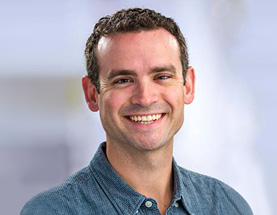
Our Microbiome, Cancer, and Infectious Diseases: Microbiologist Samuel Minot Runs the Numbers
A microbiologist by training, Sam Minot now works as a computational biologist helping other scientists understand the data between of human microbiome and health connections. In this podcast, he explains Why the complexity of bacteria and viruses is important in how scientists might approach infectious viruses and infectious diseases, Why is it difficult to culture "all" bacteria and what that means for microbiome study approaches, and How approaches that prioritize gene-level impact on human health can lead to microbiome-based therapeutics for diseases like cancer. Offer: Magnesium is integral for 600+ biochemical processes in the human body. The common misconception is that consuming more magnesium will automatically improve health and well-being. The truth is that there are various forms of magnesium, each of which is essential for a variety of physiological processes. Most people are inadequate in all forms of magnesium, while even those considered "healthy" typically only ingest 1 or 2 kinds. Consuming all 7 of magnesium's primary forms is the key to accessing all its health benefits.That's why we packed 7 forms of 450mg of elemental magnesium into each serving of Wild Mag Complex. One dose a day is all you need. Learn more and grab a bottle today at WildFoods.co. Use code GENIUS for 10% off your order. Samuel Minot is a Staff Scientist with the Microbiome Research Initiative in the Vaccine and Infectious Disease Division of the Fred Hutch Cancer Research Center. He begins this conversation with a foundational question in microbiology: how do the microbes on us impact our health? He then discusses the complexity of the interaction of bacteria and the viruses that infect them, also called phages. He offers examples of new discoveries constantly upending our picture of what viruses and bacteria can do and ways infectious viruses impact some bacteria and cause disease. As an example, he discusses cholera, which is harmful because of a satellite virus that infects a bacterium: the two together make the disease. He then lays the ground for why it is important to prioritize a gene-level study of our microbiome by describing the impossibility of culturing every bacterium. He describes what functional annotation is and how that concept allows him to identify genes that affect human health and work to understand data at this level. He talks about the big impacts in his field, namely newer findings on how the microbiome influences the treatment of cancer. Studies show that the kinds of microbes in our gut relate to our immune response's handling of different treatments to fight the cancer. In other words, the immune system is poised to respond to cancer treatment based on the microbiome. This is leading to hopeful microbiome-based therapeutic treatments for cancer. For more, see https://www.fredhutch.org/en/research/divisions/vaccine-infectious-disease-division.html and Sam Minot's blog at minot.bio. Episode also available on Apple Podcasts: http://apple.co/30PvU9C

The Evolution of Antibiotic Resistance in Gut Bacteria: Sharmily Khanam Explains Her Research
While scientists know antibiotic resistance is linked to the widespread use of antibiotics, understanding the physiology and microbiome of guts that have never been exposed to synthetic antibiotics might offer information to help address this resistance. Researcher Sharmily Khanam designed a study to tackle this gap in knowledge. She explains How our understanding of resistance mostly comes from clinicallybrelevant bacteria that's pathogenic and our understanding is therefore incomplete; Where she found a population without any exposure to synthetic antibiotics and what her research process is; and What pattern and discovery this research has offered, namely the ubiquitous nature of the antibiotic resistant gene and additional questions this raises. Offer: Magnesium is integral for 600+ biochemical processes in the human body. The common misconception is that consuming more magnesium will automatically improve health and well-being. The truth is that there are various forms of magnesium, each of which is essential for a variety of physiological processes. Most people are inadequate in all forms of magnesium, while even those considered "healthy" typically only ingest 1 or 2 kinds. Consuming all 7 of magnesium's primary forms is the key to accessing all its health benefits.That's why we packed 7 forms of 450mg of elemental magnesium into each serving of Wild Mag Complex. One dose a day is all you need. Learn more and grab a bottle today at WildFoods.co. Use code GENIUS for 10% off your order. Dr. Sharmily S. Khanam is a Postdoctoral Research Associate with the Department of Microbiology and Plant Biology at the University of Oklahoma. She explains her initial question in her research, namely what the microbial population in our ancestors was like and how resistant they were to the current antibiotics. She and her colleagues are therefore studying a population in a remote village in the Amazon Forest in Peru. Currently they are studying the scope and extent of antibiotic resistance in the gut microbiome population of this ancestral-like population, comparing them with the gut microbial population, physiology, and antibiotic resistant population in the microbiome of people exposed to modern antibiotics. They are trying to see if our ancestral microbiome was well positioned to tolerate the modern day antibiotics. She explains that researchers need to fill the gap of knowledge in understanding the molecular mechanism involved in resistance to a diverse group of antibiotics. She adds that at the same time, this will provide a foundation to investigate and characterize the molecular mechanism in the bacterial population and how that is related to host metabolism—the combination of host and microbial population is creating the outcome that scientists need to understand in order to interrupt this process and prevent resistance. She adds an explanation of their findings thus far and explains how this may help the medical community. To learn more about this study, see her LinkedIn profile and Google scholar account. Episode also available on Apple Podcast: http://apple.co/30PvU9C

What Is Depression? | Exploring The Nature Of A Widespread Mental Illness
In this episode, we discuss depression's causes and cures with Sarah Zabel, a writer who concentrates her work on this universal mental illness. Sarah retired from the U.S. Air Force in 2018 as a Major General, and since then, she has embarked on a new career as a science writer. Inspired, intrigued, and frustrated by watching someone close to her struggle with depression, Sarah has made it her mission to educate people on this illness so that they can understand it better themselves… In 2021, Sarah wrote Fighting Chance: How Unexpected Observations and Unintended Outcomes Shape the Science and Treatment of Depression, a book that looks inside the twisting search for the causes and cures for depression – the leading cause of illness and disability worldwide. Offer: Magnesium is integral for 600+ biochemical processes in the human body. The common misconception is that consuming more magnesium will automatically improve health and well-being. The truth is that there are various forms of magnesium, each of which is essential for a variety of physiological processes. Most people are inadequate in all forms of magnesium, while even those considered "healthy" typically only ingest 1 or 2 kinds. Consuming all 7 of magnesium's primary forms is the key to accessing all its health benefits.That's why we packed 7 forms of 450mg of elemental magnesium into each serving of Wild Mag Complex. One dose a day is all you need. Learn more and grab a bottle today at WildFoods.co. Use code GENIUS for 10% off your order. Join in now to uncover: How Sarah's friend motivated her to take a closer look at depression. What depression really is. How depression can coincide with age and genetic vulnerabilities. Different factors that contribute to depression. Want to learn more about Sarah and her work? Click here now! Episode also available on Apple Podcast: http://apple.co/30PvU9C

The Fascinating History Of Psychiatry | How Has This Field Evolved Over Time?
In this episode, we are joined by Dr. Jonathan Sadowsky, the Theodore J. Castele Professor of Medical History at Case Western Reserve University. In addition to his work as an academic, Dr. Sadowsky has written three books, the most recent being The Empire of Depression: A New History. He also has an upcoming publication from Routledge Press entitled Electroconvulsive Therapy in America: The Anatomy of a Medical Controversy. Dr. Sadowsky engages with a variety of interesting topics, including his primary concentration: the history of psychiatry in Africa and the United States. Although he didn't expect to dive so deep into this research area, his background in African history paved the way for his immense fascination with mental illnesses – specifically how they are quantified and treated across time and cultures… Offer: Magnesium is integral for 600+ biochemical processes in the human body. The common misconception is that consuming more magnesium will automatically improve health and well-being. The truth is that there are various forms of magnesium, each of which is essential for a variety of physiological processes. Most people are inadequate in all forms of magnesium, while even those considered "healthy" typically only ingest 1 or 2 kinds. Consuming all 7 of magnesium's primary forms is the key to accessing all its health benefits.That's why we packed 7 forms of 450mg of elemental magnesium into each serving of Wild Mag Complex. One dose a day is all you need. Learn more and grab a bottle today at WildFoods.co. Use code GENIUS for 10% off your order. Jump into the conversation now to learn more about: The shocking history of electroconvulsive therapy. The risks associated with electroconvulsive therapy. The interesting history of psychiatry. Where progress has been made in the field of psychiatry. How psychedelics may be used in the future of medicine. Want to find out more about Dr. Sadowsky and his work? Click here now! Episode also available on Apple Podcast: http://apple.co/30PvU9C
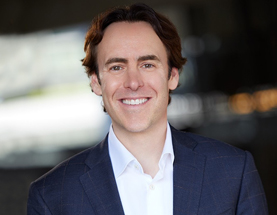
Brain Health 101 | How To Lower Your Risk Of Memory Loss & Improve Longevity
In this episode, we sit down with Dr. Marc Milstein, an internationally recognized speaker on optimizing brain health, lowering the risk of dementia, and boosting happiness and productivity. He joins us today to discuss the many facets of brain health, and how he's made it his mission to educate people around the world… Starting out as a researcher at UCLA studying breast cancer, Dr. Milstein learned that the same protein involved in breast cancer is also involved in learning and memory. This sparked his interest in brain science – and how it can be used to transform and maximize productivity, energy, and longevity. Offer: Magnesium is integral for 600+ biochemical processes in the human body. The common misconception is that consuming more magnesium will automatically improve health and well-being. The truth is that there are various forms of magnesium, each of which is essential for a variety of physiological processes. Most people are inadequate in all forms of magnesium, while even those considered "healthy" typically only ingest 1 or 2 kinds. Consuming all 7 of magnesium's primary forms is the key to accessing all its health benefits.That's why we packed 7 forms of 450mg of elemental magnesium into each serving of Wild Mag Complex. One dose a day is all you need. Learn more and grab a bottle today at WildFoods.co. Use code GENIUS for 10% off your order. Jump into the conversation now to learn more about: How understanding brain health can improve overall wellness. The role the circadian rhythm plays outside of sleep. Brain protocols that Dr. Milstein recommends for optimizing health. How certain conditions can contribute to health issues down the road. Want to find out more about Dr. Milstein and his work? Click here now! This episode is sponsored by Wild Food Co, a company that provides high-quality and healthy superfood ingredients direct from small producers. To get 10% off your next order, use the coupon code GENIUS! Episode also available on Apple Podcasts: http://apple.co/30PvU9C

What Are The Root Causes Of Most Autoimmune Conditions? | A Wellness Expert Explains
In this episode, we sit down with Elizabeth Harris, the author of What's Wrong with My Child and America Is Infected. She sits down with us today to discuss her work as a researcher and entrepreneur – specifically her distinct take on autoimmune conditions. With more than 20 years of experience in the field of wellness, Elizabeth is a science-minded business owner that is on a mission to educate medical professionals and other parents about her discoveries. Currently working on her Master's in Molecular Medicine, Elizabeth has dedicated her time to uncovering the strange disease that took her firstborn son's life. Identified as a mysterious bacteria, she believes this could be the primary cause of an array of other ailments in America… Offer: Magnesium is integral for 600+ biochemical processes in the human body. The common misconception is that consuming more magnesium will automatically improve health and well-being. The truth is that there are various forms of magnesium, each of which is essential for a variety of physiological processes. Most people are inadequate in all forms of magnesium, while even those considered "healthy" typically only ingest 1 or 2 kinds. Consuming all 7 of magnesium's primary forms is the key to accessing all its health benefits.That's why we packed 7 forms of 450mg of elemental magnesium into each serving of Wild Mag Complex. One dose a day is all you need. Learn more and grab a bottle today at WildFoods.co. Use code GENIUS for 10% off your order. In this conversation, we cover: Elizabeth's history with health and wellness. How antibiotics fight invasive organisms. The importance of working with a health coach. The discoveries that Elizabeth has made over the course of her career. What is Elizabeth doing to get to the root of her family's medical issues? Tune in now to find out for yourself! To learn more about Elizabeth and her work, click here now! Episode also available on Apple Podcast: http://apple.co/30PvU9C

The Benefits Of Healthy Skin | How To Make Skincare More Accessible For Men
How do successful companies scale and create fantastic retail experiences for their customers? Kelley Thornton, the CEO of Tiege Hanley, Inc., joins us today to discuss this, and much more… Kelley describes himself as a "serial entrepreneur", and since founding Tiege Hanley in 2015, he has focused his expertise on a distinct marketing strategy: uncomplicated skin care for men. Skincare is an important part of a healthy routine, and Tiege Hanley is on a mission to make men aware of the benefits of daily upkeep. From disease prevention to simply looking and feeling good, the advantages of healthy skin are endless – and Kelley is determined to give men the resources they need to look and feel better than ever. Offer: Magnesium is integral for 600+ biochemical processes in the human body. The common misconception is that consuming more magnesium will automatically improve health and well-being. The truth is that there are various forms of magnesium, each of which is essential for a variety of physiological processes. Most people are inadequate in all forms of magnesium, while even those considered "healthy" typically only ingest 1 or 2 kinds. Consuming all 7 of magnesium's primary forms is the key to accessing all its health benefits.That's why we packed 7 forms of 450mg of elemental magnesium into each serving of Wild Mag Complex. One dose a day is all you need. Learn more and grab a bottle today at WildFoods.co. Use code GENIUS for 10% off your order. Tune in now to uncover: The percentage of men who are aware of the value of skincare. How to effectively take care of your skin. The difference between morning and nighttime moisturizers. How different ingredients help skin replenish itself. Want to learn more about Kelley and his work with Tiege Hanley? Click here now! Tiege Hanley is offering podcast listeners 30% off their next skincare order. To redeem yours, visit tiege.com/findinggenius today! Episode also available on Apple Podcast: http://apple.co/30PvU9C

Diving Into Dermatology | How Do Experts Manage Rare Skin Disorders?
Today, we sit down with Dr. Michelle S. Min, an Assistant Clinical Professor of Dermatology at UC Irvine's School of Medicine. As a professional that specializes in dermatology-rheumatology, Dr. Min deals with a wide range of skin disorders – from psoriatic disease to lupus… Dr. Min graduated from the Boston University School of Medicine in 2016, and since then, she has continued to refine her role as both a clinician and researcher of dermatology. Wondering how her work has developed over the years? Tune in now to see for yourself! Offer: Magnesium is integral for 600+ biochemical processes in the human body. The common misconception is that consuming more magnesium will automatically improve health and well-being. The truth is that there are various forms of magnesium, each of which is essential for a variety of physiological processes. Most people are inadequate in all forms of magnesium, while even those considered "healthy" typically only ingest 1 or 2 kinds. Consuming all 7 of magnesium's primary forms is the key to accessing all its health benefits.That's why we packed 7 forms of 450mg of elemental magnesium into each serving of Wild Mag Complex. One dose a day is all you need. Learn more and grab a bottle today at WildFoods.co. Use code GENIUS for 10% off your order. Jump into the conversation now to learn about: What dermatology is, and how Dr. Min got interested in it. The most tricky types of skin disorders that dermatologists deal with. How drug-triggered rashes are treated. How technological advancements make dermatological practice easier. Want to find out more about Dr. Min and her work? Click here now! Episode also available on Apple Podcast: http://apple.co/30PvU9C

Using AI To Empower Scientists | How To Expedite The Clinical Experimentation Process
In this episode, we sit down with Luigi Gentile, the Chief Revenue Officer at BenchSci, a company that uses advanced biomedical artificial intelligence to empower scientists all around the world. He joins us today to discuss their preclinical R&D platform that uses patented machine learning technology to extract experiment evidence from internal and external data sources. The R&D process behind clinical experimentation is often challenging and time-consuming. BenchSci seeks to expedite this process by cutting down on trial and error procedures – and thus, empowering scientists across therapeutic areas with cutting-edge biomedical knowledge… Offer: Magnesium is integral for 600+ biochemical processes in the human body. The common misconception is that consuming more magnesium will automatically improve health and well-being. The truth is that there are various forms of magnesium, each of which is essential for a variety of physiological processes. Most people are inadequate in all forms of magnesium, while even those considered "healthy" typically only ingest 1 or 2 kinds. Consuming all 7 of magnesium's primary forms is the key to accessing all its health benefits.That's why we packed 7 forms of 450mg of elemental magnesium into each serving of Wild Mag Complex. One dose a day is all you need. Learn more and grab a bottle today at WildFoods.co. Use code GENIUS for 10% off your order. Jump in now to explore: How BenchSci saves scientists time and money. How scientists had to conduct clinical experimentation prior to BenchSci's technology. The algorithm that BenchSci is using to truly understand experiments. The three categories of clinical experimentation. To learn more about Luigi and his work with BenchSci, click here now! Episode also available on Apple Podcast: http://apple.co/30PvU9C

Promoting Healthy Lifestyles | How This Company Is Taking Charge Of Food & Nutrition
In this episode, we sit down with Colin Stuckert, the Founder and CEO of Wild Foods Co. With a mission to help their customers live their best lives, Wild Foods is a company that provides high-quality functional superfoods and Earth-sourced supplements – all directly sourced from small producers. What are the benefits of knowing your ingredients are sustainable, natural, and pure? Wild Foods Co's products are certainly raising the bar for food and nutrition – and this is only the beginning… Offer: Magnesium is integral for 600+ biochemical processes in the human body. The common misconception is that consuming more magnesium will automatically improve health and well-being. The truth is that there are various forms of magnesium, each of which is essential for a variety of physiological processes. Most people are inadequate in all forms of magnesium, while even those considered "healthy" typically only ingest 1 or 2 kinds. Consuming all 7 of magnesium's primary forms is the key to accessing all its health benefits.That's why we packed 7 forms of 450mg of elemental magnesium into each serving of Wild Mag Complex. One dose a day is all you need. Learn more and grab a bottle today at WildFoods.co. Use code GENIUS for 10% off your order. Join the conversation now to learn about: What sets Wild Foods Co's supplements apart from other companies. The importance of sourcing quality ingredients for mineral supplements. Why taking different forms of magnesium in a complex supplement is so beneficial. How to navigate buying the best possible supplement brands for your body. Whether you're a health junkie, entrepreneur, or creator, this podcast is sure to pique your interest. Tune in now to discover the advantages of taking high-quality supplements! To find out more about Colin and his work with Wild Foods Co, click here! Episode also available on Apple Podcast: http://apple.co/30PvU9C
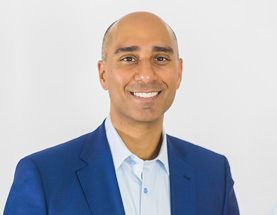
Reframing Cardiovascular Health | How To Take Action Against Hypertension
In this episode, we connect with Dr. Jay Shah, the Chief Medical Officer at Aktiia. As a cardiologist by training and practice, Dr. Shah has developed extensive experience within the medical field – with expertise lying in the academic, clinical, and teaching environments. After more than 10 years as a practicing medical professional, Dr. Shah was ready for something new. He was ready to impact more patients using his clinical experience in a different way. This is where Aktiia came into the picture… Aktiia is a revolutionary company that is on a mission to empower both patients and providers to improve the diagnosis, monitoring, and treatment of hypertension. This is a condition that affects nearly half of the American adult population, and more than 1 billion people worldwide. Join us now to learn about: What Aktiia is, and why it was founded. The biggest problems in blood pressure management. The importance of monitoring your blood pressure, and why people tend to neglect doing it regularly. What "stable blood pressure" is. Want to learn more about Dr. Shah and his work with Aktiia? Click here now! Episode also available on Apple Podcasts: http://apple.co/30PvU9C

Exploring Silicone & Polymer Chemistry | What Makes These Materials So Important?
In this episode, we discuss silicone and polymer chemistry with Michelle Cummings, a Senior R&D Leader at Dow Performance Silicones. With over 25 years of experience in this industry, Michelle has developed a strong technical understanding of silicone chemistry and material science. From consumer electronics to automotive applications, silicone is used in more than one may think. By utilizing her skills in formulation and mechanical characterization, Michelle is on a mission to enhance silicone innovation in lighting, 3D printing, silicone elastomers, and more… Join in now to find out: How silicone is driving the technology market forward. The differences between rubber and silicone. The primary reasons why scientists use silicone to create different materials. Why silicone is used in water-resistant applications. Want to learn more about Michelle and her work with Dow Performance Silicones? Click here now! Episode also available on Apple Podcasts: http://apple.co/30PvU9C

What Is Fusion? | Exploring The Intricacies Of An Immensely Powerful Form Of Energy
Joining us today is Andrea "Annie" Lynn Kritcher, a nuclear engineer and physicist at the Lawrence Livermore National Laboratory. Annie has been working in fusion for over 18 years, which eventually led to her developing Hybrid-E – a capsule that enables inertial confinement fusion. Much of Annie's postdoctoral research explored how to use X-rays to measure the properties of plasma, and how nuclei interact with it. In 2022, she was elected Fellow of the American Physical Society for her contributions to the creation of the first laboratory burning and igniting fusion plasma – a high honor for a member of her field… In this episode, you will discover: What fusion is. How researchers are creating extremely hot conditions in laboratories to create fusion. How magnetic fields can be used to squeeze plasma down. What "inertial confinement" is. Want to learn more about Annie and her work with the Lawrence Livermore National Laboratory? Click here now! Episode also available on Apple Podcasts: http://apple.co/30PvU9C
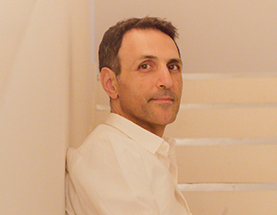
How To Find Happiness | Understanding The Importance Of Finding Answers Within
Happiness is an abstract concept that can be difficult to define – but it seems like we're all trying to find it in some way or another… What if you had the ability to uncover happiness from within yourself? Spiritual teacher Shai Tubali joins us today to discuss how you can accomplish just that through one holistic process. Shai describes himself as a "happiness history expert". He believes that by taking advantage of tools such as meditation, psychological and emotional development, and intellectual study, spiritual fulfillment will come naturally. So how can you start your own inner journey of mental, emotional, and spiritual transformation? Listen in to find out for yourself… In this episode, we discuss: The importance of understanding philosophy as a search for happiness. Examples of how happiness has been described throughout history. Practical ways to find happiness within yourself. What mindfulness is, and how it can act as the gateway to reality. The many different forms of meditation. Want to learn more about Shai Tubali and his teachings? Visit shaitubali.com now! Episode also available on Apple Podcasts: http://apple.co/30PvU9C

Local Farming 101 | How To Effectively Raise And Sell Meat In Your Community
What are the benefits of buying your meat from a local farm? In this episode, we sit down with Sebastien Bonneu to discuss his farming practices, and why farm-raised meat is generally better tasting – and better for you – than meat from a factory. Sebastien runs Countryside Farm, a farm based in Cedar Creek, Texas that raises, processes, and sells birds, rabbits, and wild hogs. Raised on a farm outside of Bordeaux, France, Sebastien cut his teeth sustainably farming with his parents – who are both chefs. Since then, he has brought his own family to a plot of land outside of Austin to put his knowledge and skills to the test… Join us now to find out: What makes turkeys a good type of bird to raise and eat. How long it takes to raise a duck to sell for meat. What a typical customer buys from Countryside Farm. How animals are transported from farm to consumer. Want to learn more about Sebastien and his work with Countryside Farm? Click here now! Episode also available on Apple Podcasts: http://apple.co/30PvU9C
Using Drones To Keep People Safe | How Technology Is Improving Public Security
In this episode, we connect once again with Alex Bäcker, an inventor, board director, technologist, author, entrepreneur, coach, and public speaker. Alex is the founder and CEO of Drisit, a company that uses real-time streaming of drone footage and automated drone missions to empower individuals to see anywhere in the world… Drisit is constantly advancing, and Alex joins the podcast today to fill us in on the company's latest developments – specifically how they are using their drones in the context of security. What role are drones playing in the improvement of public safety? Tune in now to find out for yourself! In this episode, we discuss: What Drisit is, and what its mission is. How drones can be used to improve the safety of college students. The feedback that "Drisit Bodyguard" has been receiving. Applications where drones can be used for enhanced safety. If drone footage is admissible in court. To learn more about Alex and his work with Drisit, click here now! Episode also available on Apple Podcasts: http://apple.co/30PvU9C

Climate Change & COVID-19 | How To Refine Your Understanding Of Science & The Environment
Today, we sit down with William Sargent, a NOVA consultant and the winner of the Boston Globe's Winship Award. He joins us in this episode to discuss his work as a renowned author and scientist covering subjects such as marine biology, fishing, diving, underwater photography, global warming, and more. William has written a whopping 27 books about science and the environment. These include World on Edge: Covid-19, Climate Change, Ukraine and Solutions, and Storm Surge: A Coastal Village Battles the Rising Atlantic. His distinct insight is informed by years of research and personal interaction with the issues he tackles… In this episode, you will learn about: What a scientific author does. How severe storms can impact beaches, and how they compare to sea level rise. Insights from journalists regarding the current war in Ukraine. The potential origins of COVID-19. William is determined to bridge the gap between science and storytelling – and the success he has achieved is fascinating. Wondering how his work has contributed to scientific narratives around the world? Tune in now! To find out more about William and his work, click here now! Episode also available on Apple Podcasts: http://apple.co/30PvU9C

How To Develop Safe And Effective Medications | Exploring The Next Generation Of Therapeutics
What will the next generation of medicine production look like? Dr. Govind Rao joins us today to discuss the importance of constructing safe and effective medications – standards that are harder to reach than one may think… Dr. Rao is a Professor of Chemical and Biochemical Engineering, and the Director of the Center for Advanced Sensor Technology at the University of Maryland, Baltimore County. His research interests are primarily focused on how to enhance the production of protein-based therapeutics from the traditional fermentation and cell culture approach – something biopharmaceuticals have been doing for over 30 years. In this episode, we discuss: Experimentation that Dr. Rao's lab is doing. New technology that is enabling scientists to create proteins. The paradigm shift that may be on the horizon for therapeutic production. Drugs that are most likely to improve in the near future. Wondering how Dr. Rao is contributing to the future of medicine and wellness? Join in now to see for yourself! Want to find out more about Dr. Rao and his research? Click here now! Episode also available on Apple Podcasts: http://apple.co/30PvU9C

Child Concentration And Stress | What Can It Tell Us About Human Development?
Child psychologist and neuroscientist Sam Wass joins the podcast today to discuss the early human development of attention and stress. What makes Sam's research unique is the way he analyzes not one – but two people at once. He does this to explore the interpersonal properties that exist between parents and their children. Sam is a Professor of Developmental Psychology in the Department of Psychological Sciences at the University of East London's School of Psychology. Here, he heads up the BabyDevLab and the Developmental Group. What has his psychological and neurological work uncovered? Tune in now to find out! In this episode, we talk about: Why children are considered to be less emotionally stable early on. How parents and children coregulate physiological stress. How children learn from adults. How to calm down children's stress levels. To learn more about Sam and his work, click here now! Episode also available on Apple Podcasts: http://apple.co/30PvU9C

Could Plastic-Eating Worms Solve The Plastic Crisis? | An Expert Explains
Are polyethylene-destroying enzymes the answer to plastic pollution that we've been looking for? Federica Bertocchini, an expert in molecular biology, joins the podcast today to enlighten us on this fascinating research topic. Federica works with the Department of Plant and Microbial Biotechnology at Centro de Investigaciones Biológicas-Margarita Salas in Madrid, Spain. With a passion for environmental science, Federica found herself looking for plastic eating-organisms – and you'd be surprised what her research has uncovered… In this episode, we cover: How plastic affects the worms that eat it. The enzymes that are able to break down polyethylene. What happens to plastic substances after worms digest them. To find out more about Federica Bertocchini and her work, click here now! Episode also available on Apple Podcasts: http://apple.co/30PvU9C

How To Take Charge Of Your Health And Wellness | Advice From A Functional Medicine Expert
In this episode, we connect with award-winning Functional Medicine MD Dr. Peter Kozlowski. Dr. Kozlowski's practice centers around healing from chronic disease and maintaining long-term health by identifying underlying causes, focusing on nutrition, gut health, hormones, and toxins. Dr. Kozlowski is also the author of Best-Selling books Get the Func Out and Unfunc your Gut, works that address mental, emotional, spiritual, and physical health – all from a functional medicine perspective… Jump in now to hear us discuss: How Dr. Kozlowski's past alcoholism shaped his professional future. What functional medicine really is. The five main areas that doctors look at with functional medicine. How imbalances can cause health to deteriorate. Wondering how this functional medicine expert is working towards reframing health and wellness? Join the conversation now to find out for yourself! To learn more about Dr. Kozlowski and his work, click here now! Episode also available on Apple Podcasts: http://apple.co/30PvU9C

Can Sound Frequencies Kill Cancer? | Exploring The Benefits Of The Rife Machine
Rejoining us in this episode is Dr. Bill McGraw, a boundary-pushing research scientist and the author of Aluminum Detox: An Easy Solution and Mercury: The Ultimate Truth and Chronic Disease. He sits down today to discuss Rife Machines – instruments used to treat various ailments using electromagnetic frequencies. Used as a noninvasive form of therapy, Rife Machines were invented nearly a century ago to get rid of cancer, Lyme disease, and other serious conditions. Dr. McGraw says he has been using Rife Machines for years on his patients with a 95% success rate… How do these curious inventions work? Tune in now to see for yourself! Join us now to explore: The origins of Rife technology. How certain frequencies have been linked to killing viruses and cancer cells. How scalar fields can identify different types of viruses. Use Code Bill0323 to get 5% OFF on any two Spooky Equipments.Visit https://www.spooky2-mall.com/ now!! To learn more about Dr. McGraw and his work with Rife Machines, click here now! Episode also available on Apple Podcasts: http://apple.co/30PvU9C

Who's Eating Who In Aquatic Systems? | How Food Webs Are Affected By Microplastics
How do microplastics impact aquatic ecosystems? What can happen if an entire food web of aquatic organisms is exposed to microplastic contaminants? Garth Covernton, a researcher who studies the interactions between microplastic pollution and aquatic ecology, joins the podcast today to enlighten us on these critical questions… Garth is a University of Toronto Arts and Sciences Postdoctoral Fellow working in the Rochman lab and the McMeans lab as part of the pELAstics project. Through his work, Garth is on a mission to "provide conservation managers and policymakers with the simplified frameworks required to protect aquatic ecosystems". Join us now to learn about: The types of freshwater that Garth is conducting his research in. What food webs are, and what they can tell us about microplastic contamination. The most commonly used and produced polymers that contaminate aquatic systems. The mechanisms of analysis used to determine how microplastics move through different ecosystems. Animals that are more at risk for ingesting microplastics. Want to find out more about Garth and his research? Click here now! Episode also available on Apple Podcasts: http://apple.co/30PvU9C

What Are The Root Causes Of Drug Addiction? | A Renowned Neuroscientist Explains
In this episode, we connect with Judy Grisel, an internationally recognized behavioral neuroscientist, and professor of psychology at Bucknell University. She joins us today to discuss her work researching the root causes of drug addiction. Judy has a history of her own with addiction, and she uses her past to fuel her mission to understand the neuroscience of addiction. In 2019, she published Never Enough: The Neuroscience and Experience of Addiction, a book that explores "how drugs work, the dangerous hold they can take on the brain, and the surprising way to combat today's epidemic of addiction". Jump into the conversation now to discover: The three main streams of influence that increase or decrease the risk for addiction. The difference between the brains of addicts before and after they start using. Why addiction is considered a "form of learning". Why people who use opiates regularly feel "normal" over time when they're on them. The more we understand about addiction, the easier it will be to prevent future generations from using. How has Judy's work contributed to this mission? Tune in now to find out for yourself! To uncover more about Judy and her work, click here now! Episode also available on Apple Podcasts: http://apple.co/30PvU9C