Everyday Wellness: Midlife Hormones, Menopause, and Science for Women 35+
704 episodes — Page 6 of 15
BONUS: Unlock the Power of Plant-Based Minerals with Caroline Alan
Today, I am delighted to connect with Caroline Alan, the Co-founder and CEO of Beam Minerals. Coming from the corporate world, Caroline struggled until she discovered the incredible ability of plant-based minerals to support the body and restore its natural balance. She is now devoted to educating people about the benefits of mineral replenishment and the efficacy of plant-based humic and fulvic substances. In today’s discussion, Caroline shares her journey, and we dive into why we experience such significant mineral depletions in our modern-day lifestyles, looking at hidden hunger and the role of our mitochondria. We discuss the interrelationship between mineral storage and adrenal health, the extensive background of plant-based minerals, and the etiology of cramps and hydration. We also explore the signs and symptoms of mineral depletion and explain how to take mineral products for the best results. Join us to learn about the transformative power of plant-based minerals in our modern lives. IN THIS EPISODE YOU WILL LEARN: Why so many people experience mineral depletion at this time How soil health, food quality, and human health are all interrelated The fundamental role mitochondrial function plays in energy production and overall health Why adrenal health is critical for women during perimenopause and menopause The origins of humic and fulvic minerals How fulvic and humic acids help in preventing chronic diseases Why Caroline advocates for using fulvic acid products instead of salt-based electrolytes Caroline shares tips for managing Herxheimer reactions How do mineral deficiencies impact sleep and exercise performance? The benefits of magnesium spray for foot cramps and plantar fasciitis Connect with Cynthia Thurlow Follow on Twitter Instagram LinkedIn Check out Cynthia’s website Submit your questions to [email protected] Connect with Caroline Alan On the Beam Minerals website Find Beam Minerals on social media @beamminerals Caroline on social media @themineralgeek
Ep. 420 Eat Like a Girl: Redefining Female Nutrition and Wellness with Dr. Mindy Pelz (D.C.)
Today, I am delighted to have my friend and colleague, Dr. Mindy Peltz, on the show with me for the third time. She is a well-known women's health advocate, deeply dedicated to empowering women to trust and embrace the process of natural healing within their bodies. In our discussion, we dive into her latest book, Eat Like a Girl, and she explains how her mom influenced the development of her nutritional and mindset philosophy and her approach to food. We explore the social media incubator, how societal norms shape our self-worth, and how to eat like a girl. We also discuss using food as hormonal medicine, the role of estrobolome, and how environmental toxins are in our personal care products and food. I know you will love today's valuable, insightful, and thought-provoking conversation with Dr. Mindy Pelz. IN THIS EPISODE YOU WILL LEARN: How our childhood experiences shape our approach to food and health Dr. Mindy discusses the five principles in her latest book, Eat Like a Girl The unrealistic expectations of the diet culture and why we need a more flexible and personalized approach to food The benefits of eating fermented foods How protein is essential, especially for women who are fasting intermittently How social media impacts health habits and the dangers of following short-term trends Why women must take ownership of their health and make informed decisions based on their unique needs The link between estrogen and people-pleasing Using food as hormonal medicine The importance of minimizing exposure to exogenous estrogens and other toxins Why we need a holistic approach to health and what that includes Connect with Cynthia Thurlow Follow on Twitter Instagram LinkedIn Check out Cynthia’s website Submit your questions to [email protected] Connect with Dr. Mindy Pelz On her website Dr. Mindy’s latest book, Eat Like a Girl, is available on Dr. Mindy’s website, Amazon, Barnes and Noble Online, or from most bookstores.

Ep. 419 Hormone Therapy Trends: Allopathic vs. Integrative Care with Dr. Kathleen Jordan
I am thrilled to connect with Dr. Kathleen Jordan today. She is an internist, menopause-certified provider, and the Chief Medical Officer at Midi Health, where she leads a team of clinicians on a telehealth platform serving women across the USA. In our conversation today, we explore key trends and regional differences in prescribing hormone replacement therapy, contrasting the traditional allopathic approach with integrative care. Dr. Jordan shares her philosophy on lab results and symptoms when addressing estrogen, progesterone, and testosterone utilization and highlights the need to access medications and insurance. We also dive into weight loss resistance, sleep, exercise, alcohol, and the research on GLP-1s. This insightful conversation with Dr. Kathleen Jordan is invaluable, so you will likely want to listen to it more than once. IN THIS EPISODE YOU WILL LEARN: Why many clinicians are reluctant to prescribe HRT How testosterone use varies across the different states, and the challenges of prescribing it due to its controlled substance status Why must testosterone levels be monitored? The benefits of combining GLP-1 therapy with HRT How does regular exercise improve metabolic health? Why it is hard to maintain a healthy weight in midlife How alcohol increases the risk of cancer The benefits of stress management and optimizing hormone levels for better sleep Common sexual health issues in midlife How hormone fluctuations can affect mental health Connect with Cynthia Thurlow Follow on Twitter Instagram LinkedIn Check out Cynthia’s website Submit your questions to [email protected] Connect with Dr. Kathleen Jordan Midi Health

BONUS: Breaking Down Calorie Restriction, Protein Intake and The Ketogenic Diet with Chris Irvin
I had the honor of reconnecting with Chris Irvin today! (He was with me once before, on Episode 175.) Chris is a nutrition researcher, writer, and educator specializing in low-carb dieting for metabolic health and human performance. He is the author of Keto Answers, The Carnivore Diet for Beginners, and Mommy, Do I Have to Eat This? He is also the Chief Marketing officer at BioCoach, a company dedicated to taking down prediabetes and diabetes. Chris is an incredible resource on the value of keto and low-carb diets! His book, Keto Answers, is one of my favorite keto resources to recommend to clients! In this episode, Chris and I get into the differences between micro and macronutrients. We talk about the therapeutic uses of keto, low-carb, hormesis, and carnivore diets, the role of metabolic health, the value of protein, balancing longevity and sarcopenia, and the results of over-fasting, over-restricting, and creating too much stress on the body. We also dive into questions from listeners about the impact of low-carb and ketogenic diets on cholesterol panels and endurance, how to troubleshoot digestive distress, protein excess, and Chris’s favorite gadgets and supplements. I hope you enjoy listening to this podcast as much as I did recording it! Stay tuned for more! IN THIS EPISODE YOU WILL LEARN: The therapeutic benefits of keto, carnivore, low-carb diets, and fasting. The value of protein. How much protein should you eat? The importance of having muscle. The benefits of eating grass-fed red meat. The problem with over-restricting, over-exercising, and over-fasting. Changing things up occasionally and using reverse dieting for optimum health. Adding more protein to your diet will make you feel better, and you won't gain weight. How will a low-carb or keto diet impact your overall cholesterol? Chris explains how a low-carb or keto diet affects the performance of endurance athletes. Products you can use to optimize endurance performance. Chris explains why digestive distress could occur with keto and shares his recommendations for overcoming it. The impact of a low-carb diet on thyroid function. Connect with Cynthia Thurlow Follow on Twitter Instagram LinkedIn Check out Cynthia’s website Connect with Chris Irvin On his website On Facebook Instagram Twitter Thinking Health Newsletter The Keto Answers Podcast

Ep. 418 Fat Loss Myths, Muscle Matters & Diet Break Strategies Explained with Dr. Bill Campbell
Today, I am thrilled to welcome Dr. Bill Campbell, a professor and director of the Performance and Physique Enhancement Lab at the University of South Florida and the creator of Body by Science, a review summarizing the latest and best research on fat loss and muscle-building. His research focuses on helping people optimize their physiques within a sustainable lifestyle. In our discussion, we tackle common misconceptions about fat loss and explore ways to measure body fat rather than lean mass. We look at the mechanisms that increase hunger and slow metabolism when body fat is too low, the effects of crash and yo-yo dieting, the menopause transition, and contributors to weight-loss resistance. We cover concerns related to muscle protection, protein needs, and lifestyle habits in strength training. Dr. Campbell also defines diet breaks, discusses his concerns about time-restricted and intermittent fasting when protein intake is insufficient, and shares some of his favorite supplements. You will love this informative conversation with the delightful Dr. Bill Campbell. IN THIS EPISODE YOU WILL LEARN: Some common misconceptions surrounding fat loss What are the most effective ways to measure body fat? The average body fat percentages for men and women How social media and fitness competitions have skewed our perceptions of body fat The benefits of fat-loss sprints as an alternative to crash dieting Why women may struggle with weight loss resistance during menopause Dr. Campbell clarifies the concept of anabolic resistance and explains the need for higher protein intake as we age Why very short feeding windows are not ideal for building muscle How diet breaks can help to control hunger The adverse effects of sleep deprivation Connect with Cynthia Thurlow Follow on Twitter Instagram LinkedIn Check out Cynthia’s website Submit your questions to [email protected] Connect with Dr. Bill Campbell On Instagram
Ep. 417 Why Talking About Death Makes Us Uncomfortable with Julie McFadden, RN
I am thrilled to have Julie McFadden, RN, a hospice and palliative care nurse with over 15 years of experience, joining me today. Julie is committed to normalizing death and dying. In our conversation, we address common misconceptions surrounding hospice care and why discussions about death and dying make us feel uncomfortable. We explore the concept of death with dignity, emphasizing the importance of open, honest conversations around end-of-life issues, including advanced directives, living wills, and code status. We address the challenges of technology within traditional allopathic medicine, clarify what hospice truly is, and explain the ICU signs that indicate someone is close to the end of their life. We also share some practical tips for processing grief and uncomfortable feelings. This discussion with Julie McFadden is a must-listen for healthcare professionals as it is full of valuable insights. Her book, Nothing to Fear: Demystifying Death to Live More Fully, is also helpful as a resource for anyone navigating end-of-life concerns with loved ones or friends. IN THIS EPISODE YOU WILL LEARN: How hospice is all about providing comfort and quality of life The challenges associated with prolonging life in traditional allopathic medicine Why conversations about death and dying are essential How the medical system has changed the way we view death How hospice differs from palliative care Why patients should get informed about the progression of their disease and why their families must prepare for the end of their lives How advanced directives and living wills ensure that the wishes of patients are respected, and some examples of those directives How interventions can sometimes cause more harm than good Julie offers tips for processing grief and supporting others who are grieving. How clinicians can support one another when dealing with traumatic experiences Connect with Cynthia Thurlow Follow on Twitter Instagram LinkedIn Check out Cynthia’s website Submit your questions to [email protected] Connect with Julie McFadden On her website On TikTok, Instagram, YouTube

BONUS: Eat to Beat Your Diet: Achieve A Balanced Lifestyle with Dr. William Li
I am happy to connect with Dr. William Li today! He is a world-renowned physician, scientist, speaker, and author. He is known for leading the Angiogenesis Foundation, and his groundbreaking work has impacted more than 70 diseases. He is also a Ted-X speaker and the author of Eat to Beat Your Diet, one of my favorite books thus far this year. Dr. Li’s latest book is about what happens in the body, how it should operate, and the steps we can take to restore the body to its hard-wired level. We dive into how body fat impacts our health, the role of metabolism throughout our lifetime, the differences between the three fat-impacting hormones, including leptin, adiponectin, and resistin, and gender differences. We speak about new drugs like Ozempic and Semaglutide, the role of brown fat, the impact of the microbiome and specific bacteria, and we also discuss nutrition and lifestyle. IN THIS EPISODE YOU WILL LEARN: Why Dr. Li chose this time to write his latest book. Why Dr. Li believes 60 is the new 20. The four stages of metabolism all humans have been hard-wired to go through throughout their lifespan. How does excess body fat derail the metabolism, and how can we unleash our inner metabolism? Why is it better to eat slowly? Why should we learn to respect and tame our fat instead of hating or fearing it? Dr. Li shares his views on new prescription drugs like Ozempic and Semaglutide. Dr. Li shares some interesting facts about body fat. Changes that occur in our body fat distribution as we get older. How can we help our bodies fight excess body fat, let our inner metabolism come to the surface, and lower inflammation by being aware and mindful? How modern-day lifestyle choices contribute to metabolic disease. Dr. Li gets into the interplay between the gut microbiome and our metabolism and the role of Akkermansia. Some everyday foods contain natural chemicals that can activate our body’s health defenses, tame the metabolism and fight body fat. BIO William W. Li, MD, is an internationally renowned physician, scientist, and New York Times bestselling author of the forthcoming book “Eat to Beat Your Diet: Burn Fat, Heal Your Metabolism, Live Longer”. His groundbreaking work has led to the development of more than 30 new medical treatments and impacts care for more than 70 diseases, including cancer, diabetes, blindness, heart disease, and obesity. His TED Talk, “Can We Eat to Starve Cancer?” has garnered more than 11 million views. Dr. Li has appeared on Good Morning America, CNN, CNBC, LIVE with Kelly and Ryan, and the Rachael Ray Show, and he has been featured in USA Today, Time Magazine, The Atlantic, and O Magazine. He is the president and medical director of the Angiogenesis Foundation. Connect with Cynthia Thurlow Follow on Twitter Instagram LinkedIn Check out Cynthia’s website Connect with Dr. William Li On his website On social media: @DrWilliamLi Dr. William Li’s latest book: Eat to Beat Your Diet: Burn Fat, Heal Your Metabolism, and Live Longer

Ep. 416 Blood Sugar, Hormones & Tools: Master Your Health Journey with Kara Collier. RDN, LDN, CNSC
I am delighted to have Kara Collier joining me for the third time today. The last time we connected was in episode 285. Kara is a registered nutritionist and dietitian. As the co-founder and Vice President of Clinical Operations at Nutrisense, she is the leading authority on continuous glucose monitoring technology for health optimization, disease prevention, and reversing metabolic dysfunction. In our discussion today, we dive into the outdated history of dietitian recommendations, the problem with rigid nutritional dogma, and the need for dietary nuances. We look at scale-related phobias and how many individuals have become disconnected from their bodies, and we discuss the use of tools and data for better health. We also share signs of blood sugar dysregulation, explain what blood sugar spikes mean for your health, explore how perimenopause and menopause affect insulin sensitivity, and touch on the benefits of postprandial excursions and training, stressors, macros, and more. I know you will love today’s invaluable and insightful conversation with Kara Collier. IN THIS EPISODE YOU WILL LEARN: How dietary advice must fit individual nuances and needs The dangers of rigid nutritional dogmatism Why the scale is not a reliable tool for monitoring health The benefits of continuous glucose monitors for analyzing metabolic health How attuning to body signals allows people to make better health decisions Common symptoms of blood sugar dysregulation How the menstrual cycle affects insulin sensitivity and blood glucose levels The impact of various types of exercise on blood glucose levels Will hormetic stress lead to optimal health? The benefits of making protein a dietary priority Connect with Cynthia Thurlow Follow on Twitter Instagram LinkedIn Check out Cynthia’s website Submit your questions to [email protected] Connect with Kara Collier On social media: karacollierrd or Nutrisenseio Nutrisense Previous Episode Mentioned: Ep. 285 Improving Metabolic Health: Lifestyle Interventions To Optimize Metabolic Health with Kara Collier

Ep. 415 The Power of Quiet: Essential for a Balanced Life with Elaine Glass
I am delighted to have Elaine Glass joining me on the podcast today. Elaine has transformed many lives with her healing presence, coaching countless people and helping them unlock their essential selves to find purpose, peace, and self-empowerment. She now travels the world, sharing her methodologies, holistic healing techniques, energy medicine, and spiritual guidance. In this episode, we explore the notion of getting quiet, examining the impact of social media, texting, and ghosting. We discuss the pervasive issue of busyness, the role of trauma, and the labyrinth as a meditative tool, emphasizing the power of rest. We also look into why many women struggle with receiving, the significance of the great pause, and ways to create harmony in life. I am confident you will find this conversation with Elaine Glass as insightful and enriching as I did recording it. IN THIS EPISODE YOU WILL LEARN: Elaine shares her journey of discovering inner stillness Why is it essential for women to get quiet? How social media contributes to dissatisfaction and angst in women Why Elaine believes that no children should have phones until high school How technology has disconnected people from their true selves How busyness can be a reflection of trauma for some The benefits of using the labyrinth as a meditative tool for personal transformation How listening without fixing can improve marriages Why rest is essential for self-love The importance of pausing, purging, and discovering your purpose in the second half of life How to find purpose and develop intuition through self-awareness and spiritual practices Bio: For over 15 years Elaine Glass has transformed lives with her healing presence and coached countless people to unlock their truest selves, finding purpose, peace, and self-empowerment. At one point she found herself at a personal crossroads. A newly single mother, burned out, fearful, and alone, she lived the next decade in search of her own healing and inner truth. She now travels the world sharing her holistic healing techniques, energy medicine methodologies, and spiritual guidance. Her mission today is to guide people in connecting with their soul's calling to bring lasting love, joy, and vitality. Connect with Cynthia Thurlow Follow on Twitter Instagram LinkedIn Check out Cynthia’s website Submit your questions to [email protected] Connect with Elaine Glass On her website Order a copy of Elaine’s book, Get Quiet
BONUS: Optimal Protein, Red Light Therapy and Biohacking with Vanessa Spina
I am honored and delighted to have Vanessa Spina joining me on the podcast today! Vanessa is the best-selling author of Keto Essentials and a sports nutrition specialist whose expertise on the ketogenic diet has left a lasting impact on countless lives! With a background in biomedical science and a multifaceted career as an international stockbroker, her pioneering journey in the health and wellness industry has been nothing short of remarkable! In this episode, we dive deep into the fascinating realm of nutrition, from unraveling the mysteries of protein-recommended daily allowances and the leucine threshold to exploring the pivotal role of strength training in metabolic health. We dispel common misconceptions about the ketogenic diet, debunk the deceptive nature of the scale, and unveil the significance of DEXA scans in understanding changes in body composition. Vanessa also sheds light on the crucial importance of mitochondrial health and shares invaluable insights on various methods, including red light therapy, cold thermogenesis, micronutrients, and structured supplementation, to support our cellular powerhouses. Join Vanessa and me as we embark on a knowledge-rich journey and uncover the keys to optimal health and well-being! IN THIS EPISODE YOU WILL LEARN: Common misconceptions about ketogenic diets Why a traditional ketogenic diet is not for everyone Why macronutrients are essential Misinformation regarding the recommended daily allowance for protein How to build muscle The relationship between metabolic health and muscle health The importance of DEXA scans for understanding body composition Why resistance training is a priority How to support the mitochondria The benefits of red light therapy and cold therapy Connect with Cynthia Thurlow Follow on Twitter Instagram LinkedIn Check out Cynthia’s website Connect with Vanessa Spina On her website The Optimal Protein Podcast Vanessa’s book, Keto Essentials: 150 Ketogenic Recipes to Revitalize, Heal, and Shed Weight

Ep. 414 Is Obesity Really Genetic? Debunking the Myths with Dr. Ken Berry
I am delighted to have Dr. Ken Berry returning to the podcast for his fourth appearance today. He is a physician, bestselling author, and passionate advocate for health, known for his no-nonsense approach to wellness. Dr. Berry has practiced at the Berry Clinic since 2003 and is an active community member. He has a YouTube channel with more than 2 million subscribers- one of my favorite go-to resources for patients. In our discussion today, we explore a recent Time news article and the growing concerns around the declining trustworthiness of media sources. We dive into the limitations of observational research, the problem with celebrity endorsements of ultra-processed foods, rising obesity rates in children and teens, and whether genetic factors are actually behind obesity, as highlighted recently in a 60 Minutes segment. We also discuss the impact of sugar, grains, and seed oils and the significance of visceral fat. You will not want to miss this invaluable discussion with Dr. Ken Berry. IN THIS EPISODE YOU WILL LEARN: Dr. Berry breaks down some deeper issues surrounding the recent Time article, where a lone registered dietician claimed that ultra-processed foods are acceptable. How media sources are losing their credibility The vital part social media plays in changing the narrative and holding media sources accountable Why consumers must stay informed and be proactive in their health choices The health implications of eating ultra-processed foods Dr. Berry shares his concerns about the American Academy of Pediatrics recommending drugs like ozempic for children. The benefits of eating whole foods Dr. Berry shares his three rules for a healthy diet. Why we need to avoid sugar and seed oils How following a low-carb diet can help to reduce visceral fat. Dr. Berry introduces the American Diabetes Society and explains its mission. Bio: Dr. Ken D. Berry, MD, is a licensed family physician, best-selling author, and leading advocate for the Proper Human Diet (PHD). With over two decades of clinical experience, Dr. Berry specializes in helping patients improve their health through low-carbohydrate, nutrient-dense eating. His best-selling book, "Lies My Doctor Told Me: Medical Myths That Can Harm Your Health," and his popular YouTube channel, which has over 3 million subscribers, provide accessible, evidence-based guidance on nutrition and wellness. Dr. Berry's mission is to empower individuals to reclaim their health by debunking common medical myths and promoting sustainable dietary and lifestyle changes. He is also a member of the Diet Doctor low-carb expert panel and an active participant in the keto and low-carb communities. Dr. Berry lives with his wife Neisha, and their children on a farm in Holladay, Tennessee. Connect with Cynthia Thurlow Follow on Twitter Instagram LinkedIn Check out Cynthia’s website Submit your questions to [email protected] Connect with Dr. Ken Berry On his website YouTube The American Diabetes Society Dr. Berry has three books available on Amazon: Lies My Doctor Told Me, Kicking Ass After 50, and Common Sense Labs

Ep. 413 Understanding Menopause: Symptoms, Gaslighting, and Support with Andrea Donsky
I am thrilled to have nutritionist and menopause expert Andrea Donsky joining me today. Andrea delivers a very positive message within the perimenopause and menopause space. In today’s discussion, we dive into her ongoing research on the 103 reported symptoms of menopause, exploring the impact of medical gaslighting and the need for advocacy and education. We discuss the significance of taking personal inventory and look at metabolic health, sarcopenia, and insulin resistance. Andrea also shares the singular challenges she has experienced as a nutritionist regarding women in perimenopause and menopause, and we cover concerns surrounding alcohol, ultra-processed foods, weight loss resistance, and the effects of wearables. I am confident you will enjoy this informative conversation with Andrea Donsky and find it as engaging as I did. IN THIS EPISODE YOU WILL LEARN: Andrea shares the 20 most commonly reported symptoms of menopause The challenges many women face in getting their symptoms recognized and treated by doctors Why women need to be informed and empowered to make decisions about their health How lifestyle and nutrition are crucial factors in managing menopause symptoms Why women in menopause should avoid processed foods and alcohol Why it is essential to make informed choices about what you consume Tips for making vegetables taste great Andrea discusses the benefits of intermittent fasting Some tools and techniques for improving your health The challenges surrounding weight loss resistance and factors that contribute to it Connect with Cynthia Thurlow Follow on Twitter Instagram LinkedIn Check out Cynthia’s website Submit your questions to [email protected] Connect with Andrea Donsky On her website On TikTok and Instagram

BONUS: Improving Metabolic Health: Lifestyle Interventions To Optimize Metabolic Health with Kara Collier, RD
Get ready to venture into the realm of cutting-edge health and nutrition as I reconnect with Kara Collier, a registered dietitian and the co-founder of Nutrisense, the revolutionary continuous glucose monitor app! Our paths last crossed back in January of 2021, and I am thrilled to catch up with Kara again! Today, we delve deep into the ever-evolving landscape of metabolic health in 2023, exploring the pivotal role of CGM labs and glucometers in understanding our bodies. In today’s captivating conversation, Kara unravels the significance of measuring glucose against other metabolites, unveiling the profound impact of macros, exercise, supplements, sleep quality, life stage, and bio-individuality on our well-being. With a plethora of invaluable hacks to optimize your blood sugar, we invite you to join us on a captivating journey that will leave you empowered to take charge of your health and transform your life! Gear up for an enlightening conversation packed with valuable insights you will not want to miss! Prepare to be inspired and informed as we uncover the secrets to unlocking your metabolic potential! IN THIS EPISODE YOU WILL LEARN: The current state of metabolic health What is leading to obesity in the US? Getting your fasting glucose value below 90 The pros and cons of glucometers Glucose monitoring and the 8020 rule Tracking your data to learn about yourself Hacks to improve your diet The role of movement in metabolic health How important is Zone 2 training for mitochondrial health? Follicular versus luteal phase and insulin sensitivity The importance of protein and carbohydrates Blood sugar and sleep quality About Kara Kara Collier is the co-founder and VP of Health at Nutrisense, one of America’s fastest-growing wellness-tech startups. After becoming frustrated with the shortcomings of the traditional healthcare system, she made it her mission to help others reach their maximum health potential using modern technology & expert coaching. She is the leading authority on the use of continuous glucose monitoring (CGM) technology for health optimization and disease prevention. Kara is a Registered Dietitian Nutritionist (RDN), Licensed Dietitian/Nutritionist (LDN), and Certified Nutrition Support Clinician (CNSC). Connect with Cynthia Thurlow Follow on Twitter, Instagram & LinkedIn Check out Cynthia’s website Connect with Kara Collier On Instagram Nutrisense Previous Episode Mentioned Ep. 132 – Continuous Glucose Monitors: Why They’re Not Just for Diabetics Anymore with Kara Collier

Ep. 412 Midlife Sandwich: Navigating Changing Identities with Dr. Sarah Milken
Today, I am excited to connect with Sarah Milken, the creator and host of the side-splittingly superb Flexible Neurotic podcast, dedicated to women recreating themselves in the second half of life. Before she started the podcast, Sarah received a PhD in educational psychology at the University of Southern California and then taught at their Graduate School of Education. This episode gets a little more personal than usual as Sarah and I dive into the challenges of living in a half-empty nest. We explore how our relationships evolve, the challenges of children gaining independence, initiating and sustaining tough conversations, and staying connected with our significant other. We also look at people-pleasing and self-expansion in midlife and discuss whether or not we should opt for HRT. Whether navigating an empty nest or wondering what lies ahead, you will love this conversation with Sarah Milken. IN THIS EPISODE YOU WILL LEARN: The emotional challenges parents tend to face when their children leave for college Redefining your roles as a parent How practicing self-care and finding new hobbies and interests helps fill the void The difficulties associated with parenting independent children Why you need to create a safe space for your children to share their concerns and challenges Maintaining a relationship with your partner while navigating changing family dynamics Why we must be open and honest about boundaries The importance of being present and available for your children as they navigate their independence The pros and cons of hormone replacement therapy Embracing midlife as a time for self-discovery and self-care Connect with Cynthia Thurlow Follow on Twitter Instagram LinkedIn Check out Cynthia’s website Submit your questions to [email protected] Connect with Sarah Milken On her website The Flexible Neurotic on YouTube Instagram TikTok

Ep. 411 Benzodiazepines: From Relief to Risk in Mental Health with Dr. Olivera Bogunovic and Holly Hardman
I am thrilled to have Dr. Olivera Bogunovic and Holly Hardman with me on the show today. Dr. Bogunovic is an assistant professor of psychiatry at Harvard Medical School and the medical director of the alcohol, drug, and addiction outpatient program at the McLean Hospital, and Holly directed the documentary As Prescribed. In today’s discussion, we dive into the ongoing benzodiazepine crisis in the United States, with over 92 million prescriptions written each year for medications like Ativan, Valium, Xanax, and Klonopin. We discuss the origin of those drugs in the 1970s as treatments for anxiety and how they lead to tremendous physical dependency. Holly shares her experience with the neurological effects she suffered after long-term use of Klonopin, and we examine challenges in psychiatric care, the need for informed consent, and the impact of social media. We also cover the role of lifestyle, the need for psychotherapy and psychosocial support, and the significance of hope. This conversation is truly invaluable! Given how frequently benzodiazepines get prescribed, everyone must understand their associated risks and considerations. IN THIS EPISODE YOU WILL LEARN: How prescribing practices have evolved over the last two decades The significant consequences older adults face when they suddenly stop using benzodiazepines Holly shares how doctors misinformed her when she began taking Klonopin. Holly describes the benzodiazepine-induced symptoms and cognitive issues she experienced Why people must get informed about the long-term effects of benzodiazepines when consenting to take them How benzodiazepines work in the body and impact the brain Why benzodiazepines are ineffective when used long-term for insomnia The challenges certain people face when accessing psychiatric care What is BIND, and what are its symptoms? The significance of diet and holistic approaches for managing mental health and why community support is essential in the recovery process Why As Prescribed is an educational documentary for everyone Connect with Cynthia Thurlow Follow on Twitter Instagram LinkedIn Check out Cynthia’s website Submit your questions to [email protected] Connect with Dr. Olivera Bogunovic The McLean Hospital (in Boston) The documentary, As Prescribed, is available in the United States and Canada on Prime Video, Apple, Kanopy, Tubi, and Google.
BONUS: Eat Smarter: The Impact of Ultra-Processed Foods on Your Gut, Brain and Metabolic Health with Shawn Stevenson
I am delighted to connect with Shawn Stevenson for the first show of 2023! Shawn is the host of the prolific Model Health Show. He is also a Nutritional Scientist, an author, and a father. Shawn was a top-tier athlete when he was in high school. At fifteen, his hip broke while running a 200-meter time trial. He had some standard of care, but nobody ever asked how an apparently healthy kid broke his hip while running. Two years later, he went to college. Soon after that, he got diagnosed with degenerative disc disease. In this episode, we get into how his background influenced his career path. We discuss fast food economies, ultra-processed food, the impact of subsidized food on our health, the gut microbiome, and the danger of seed oils. We dive into metabolic switching, the vagus nerve, and how it impacts food absorption and leaky gut. We talk about brain health and how the brain gets influenced by the food we eat, the interrelationship between the brain and metabolic health, insulin sensitivity, and the impact of inflammation on the brain. We also speak about the importance of hydration and electrolytes, and more. IN THIS EPISODE YOU WILL LEARN: How Shawn developed his passion for talking about nutrition and synthesizing research and got to where he is today. How changing his thinking changed his life. What are ultra-processed foods? How ultra-processed foods impact the health of the average American citizen. Why so many Americans are obese today. Why we need to understand the connection between the brain and the gut. What is the relationship between our immune system and our gut microbiome? An unusual benefit of extra-virgin olive oil. What can you do to have a healthier brain? The critical importance of high-quality sodium for cognitive function. Why Omega-3s are vital for our brains. Bio: Shawn Stevenson is the author of the USA Today National bestseller Eat Smarter, and the international bestselling book Sleep Smarter. He’s also the creator of The Model Health Show, featured as the number #1 health podcast in the U.S. with millions of listener downloads each year. A graduate of the University of Missouri–St. Louis, Shawn studied business, biology, and nutritional science and became the cofounder of Advanced Integrative Health Alliance. Shawn has been featured in Forbes, Fast Company, The New York Times, Muscle & Fitness, ABC News, ESPN, and many other major media outlets. Connect with Cynthia Thurlow Follow on Twitter Instagram LinkedIn Check out Cynthia’s website Connect with Shawn Stevenson On his website The Model Health Show On Facebook, Instagram, YouTube, and Twitter Shawn’s books are available on Amazon or at bookstores.

Ep. 410 Cognitive Changes: Memory, Aging, and Brain Health Insights with Tommy Wood, MD, PHD
I am delighted to have Dr. Tommy Wood joining me today. He is an Assistant Professor of Pediatrics at the University of Washington, where he studies brain injury and how lifestyle choices and environmental factors impact brain health, cognitive function, and chronic disease. In today's discussion, we explore age-related cognitive changes and how cognitive function peaks early in life and evolves through retirement. We cover specialization versus lifelong learning, the role of memory, the effects of childhood trauma, and the physiology of dementia and Alzheimer's. We also discuss how sleep impacts brain health, lifestyle factors, labs to consider, including homocysteine and Omega-3 levels, and the value of skeletal muscle mass in preventing dementia. Dr. Wood also shares his insights on concussions, traumatic brain injuries, and supplements like creatine and sex hormones for maintaining cognitive health. This conversation with Dr. Tommy Wood is exceptionally insightful, and I look forward to having him back on the show again. IN THIS EPISODE YOU WILL LEARN: Common cognitive changes that occur in perimenopause, menopause, and beyond How some aspects of cognitive function remain relatively stable or even improve with age Why education is not necessary for cognitive development, and how specialized careers can reduce cognitive stimulation. How retirement impacts cognitive function The benefits of physical activity, particularly cardiovascular fitness, for brain health Why memory issues are not necessarily indicative of dementia How trauma can lead to smaller brain volume Why regular sleep and proper circadian alignment are crucial for maintaining brain health and cognitive function Blood markers for cognitive health Why muscle mass is essential for overall health and cognitive function Connect with Cynthia Thurlow Follow on Twitter Instagram LinkedIn Check out Cynthia’s website Submit your questions to [email protected] Connect with Dr. Tommy Wood On Instagram The Better Brain Fitness Podcast

Ep. 409 Hormones, Muscle, and Gut Health: The Connection with Wade Lightheart
I am thrilled to have Wade Lightheart joining me today. Wade is sought after by athletes and high-performing individuals for his expertise in optimizing health and fitness. He is a three-time Canadian natural bodybuilding champion, a premier global authority on natural nutrition and training methods, and the author of several books on health, nutrients, and exercise. In our conversation today, Wade and I dive into digestion and gut health, breaking down the stages of digestion and looking at the effects of poor digestion, including muscle loss and sarcopenia. We examine the impact of low stomach acid and explore the evolution of the processed food industry since World War Two. We also discuss immunity and fasting, the benefits of hormones for overcoming weight loss resistance and enhancing muscle and metabolic health, testing to inform specific recommendations, and the role of bio-individuality. I know you will enjoy all the actionable insights Wade shares today on optimizing your health and fitness. IN THIS EPISODE YOU WILL LEARN: The five stages of digestion The role enzymes and hydrochloric acid play in the digestive process Why probiotics are essential for maintaining the balance between good and bad gut bacteria The consequences of poor digestion How modern farming practices have depleted the nutritional content of food Why muscle mass is essential for maintaining a healthy metabolism The benefits of weight training and a protein-rich diet for retaining muscle mass How genetic testing can help in personalizing health strategies and preventing diseases Why lifestyle adjustments are necessary for healthy aging How stress and trauma impact health The education system and 365-day money-back guarantee Bioptimizers offers Bio: Wade T. Lightheart is a Certified Sports Nutritionist Advisor, president/director of education, and co-founder of BIOptimizers. As a plant-based and drug-free athlete for more than two decades, Wade is a three-time National Natural Bodybuilding Champion who competed in both the IFBB Mr. Universe and the INBA Natural Olympia by the age of 31. At the age of 50, Wade came out of retirement to win the Open Men’s and Grand Master’s Categories at the INBA Ironman International, then competed at The PNBA Natural Olympia. Six months later, Wade successfully ran his first marathon in four hours. Connect with Cynthia Thurlow Follow on Twitter Instagram LinkedIn Check out Cynthia’s website Submit your questions to [email protected] Connect with Wade Lightheart Bioptimizers The Awesome Health Podcast Recommended book: Enzyme Nutrition by Dr. Edward Howell
BONUS: Muscle, Bone & Joint Health in Menopause with Debra Atkinson
I am thrilled to have my friend and colleague, Debra Atkinson, back on the show today. She was with me before for Episode 165, in August of 2021, which became one of the most sought-after episodes of the year. Debra is a hormone-balancing exercise coach, a fitness expert, and an influential figure who has guided more than 275,000 women through transforming their second halves with newfound vitality and energy. She is also an accomplished author, the host of Flipping 50 TV, and a TEDx speaker. In our conversation today, we delve into the physiological changes during perimenopause and menopause that impact weight training and muscle development, and we explore how to shift into the second stage of life as an endurance athlete while promoting recovery. We discuss the importance of strength training during perimenopause and menopause and get into the role of volume, movements, zone 2 training, flexibility, and HiT. We also discuss biohacking, explain how hormone replacement therapy impacts muscle and bone health, and Debra shares her favorite supplements. IN THIS EPISODE YOU WILL LEARN: The physiologic changes that impact muscle health during perimenopause and menopause The challenges of transitioning from an endurance athlete to a menopausal women How Debra struggled with hormonal imbalances and inflammation during menopause Some common exercise mistakes during perimenopause and menopause Why recovery time between weight training sessions is essential The importance of breathing and pelvic floor exercises The benefits of HiT training for women in midlife At which times during the menstrual cycle should strength training be done? Strength training and bone health for post-menopausal women The advantages of doing high-impact exercises on most days of the week The merits of vibration training and infrared saunas for recovery and wellness Supplements for muscle gain and recovery Connect with Cynthia Thurlow Follow on Twitter Instagram LinkedIn Check out Cynthia’s website Submit your questions to [email protected] Connect with Debra Atkinson On her website On YouTube Instagram, Facebook Previous Episode Mentioned Ep. 165 – A Fresh Perspective On Menopause & Fitness: The Importance of Listening to Your Body with Debra Atkinson

Ep. 408 Hormone Myths: Progesterone & More Explained, Part 2 with Dr. Devaki Lindsey Berkson
We have Part 2 of our two-part series on progesterone with Dr. Lindsey Berkson today. Dr. Berkson is one of my favorite hormone experts. She has a talent for breaking complex ideas down to make them easily understandable for clinicians and the general public. She is a peer-reviewed, published researcher, bestselling author, educator, leader in thought, nutritional gastroenterology, and hormones, and a formulator and inventor. We continue our discussion today by diving into the disruptive effects of oral contraceptives on the endocrine system, looking at the impact of progesterone on thyroid health, leaky gut, and immune function during perimenopause and menopause. We explore the role of testosterone in gut health and lab ranges for breast protection, and we also discuss progesterone resistance and reactivity, and oxytocin. You will not want to miss this informative conversation with Dr. Lindsey Berkson. She will return to the show toward the end of this year for Part 3 of our discussion. IN THIS EPISODE YOU WILL LEARN: The intricate link between progesterone and thyroid function How endocrine disruptors impact thyroid physiology Why iodine is essential for thyroid health and cancer prevention How progesterone relates to thyroid health Why progesterone and estrogen are crucial for maintaining gut integrity and preventing leaky gut How testosterone helps to prevent autoimmune diseases What are the ideal progesterone levels for women in perimenopause and menopause? The role oxytocin plays in women with progesterone resistance How to overcome progesterone resistance or reactivity The interplay between progesterone and oxytocin and their roles in bonding and pregnancy Connect with Cynthia Thurlow Follow on Twitter Instagram LinkedIn Check out Cynthia’s website Submit your questions to [email protected] Connect with Dr. Lindsey Berkson On her website Find Dr. Berkson’s books on Amazon
Ep. 407 Exploring Menopause: Ovarian Aging and Metabolic Health with Dr. Betty Murray
Today, I am excited to connect with my friend and colleague, Dr. Betty Murray. She is a women's health advocate, nutrition expert, PhD researcher, certified functional medicine practitioner, author, and speaker. In our conversation, we dive into the menopause controversy, looking at mitochondrial health, the development of visceral fat, aging, and senescence. We explore infertility, premature ovarian insufficiency, metabolic derangement, and poor metabolic health in menopause. Dr. Betty provides a fascinating overview of liver health and phases one, two, and three of liver detoxification, and we explain the critical role of bile in formal detoxification. We also cover the gut microbiome, estrobolome, the significance of enzyme beta-glucuronidase, and weight loss resistance. I am sure you will love this invaluable conversation with Dr. Betty Murray. IN THIS EPISODE YOU WILL LEARN: How menopause gets misconstrued as a natural state that women should endure without treatment Why Dr. Betty believes menopause should be considered a disease state How research on women gets neglected Why personalized care is an essential requirement for women in menopause How menopause affects various aspects of health, including heart disease, osteoporosis, and dementia Why metabolic derangement occurs, and the domino effect it can create within the body The role nutrition and lifestyle play in managing menopause symptoms Why fiber, hydration, and adequate protein are essential for supporting liver function and detoxification Dr. Betty explains the three-stage process the liver uses to metabolize hormones The role bile plays in detoxification Why periodic detoxification is necessary for supporting liver function Connect with Cynthia Thurlow Follow on Twitter Instagram LinkedIn Check out Cynthia’s website Submit your questions to [email protected] Connect with Dr. Betty Murray On her website On her telemedicine platform On Instagram The Menopause Mastery podcast
BONUS: Nurturing the Gut Microbiome: Impact of a Long-Term Gut Health with Dr. Robynne Chutkan
Today, I have the honor of connecting with Dr. Robynne Chutkan, one of the most recognizable gastroenterologists in the United States. She is also the author of Anti-Viral Gut, one of the books I enjoyed reading most in 2022! Knowledge of the microbiome dates back to the 1600s when Anthony van Leeuwenhoek observed bacteria in his dental plaque through a microscope. However, it has taken us several centuries to understand the interdependence and beneficial nature of those bacteria. The terms "microbiome" and "microbiota" are often used interchangeably. They refer to the organisms and genes that live in and on our bodies, predominantly in the GI tract. Those organisms include bacteria, viruses, protozoa, fungi, parasites, and archaea, which, despite their microscopic size, collectively weigh around four to five pounds. Today, Dr. Chutkan and I dive deep into the physiology of the microbiome and discuss how that interplays with immunology. We discuss the benefits of hydrochloric acid, the impact of proton pump inhibitors and other medications on the health of the gut microbiome, and the role of dysbiosis and the Estrobolome. We get into how the pharmaceutical industry has influenced both medical practice and the outlook of healthcare providers, and we talk about the impact of sleep, exercise, stress, and alcohol on the gut. Dr. Chutkan also shares top tips from her anti-viral diet book on the best ways to support the gut. (One of her tips is to consume 30 plant types per week for a healthier gut microbiome.) This show has been one of my favorite podcasts I have recorded in the last year. I hope you enjoy listening to it! IN THIS EPISODE YOU WILL LEARN: What is the microbiome, and why is it important? Why do we need to understand the interrelationship between the oral microbiome, the gut microbiome, and the vaginal microbiome? The importance of stomach acid. How do proton pump inhibitors affect gut health? The three big things that interfere with digestion. How pharmaceutical companies have taken over medical education. The role of statins in women. The importance of the Estrobolome test. The three different types of estrogens in the body. Why exercise is an important contributor to gut health. The net impact of low-quality sleep on immune function. Dr. Chutkan shares her top tips for a healthy gut microbiome. Connect with Cynthia Thurlow Follow on Twitter Instagram LinkedIn Check out Cynthia’s website Connect with Dr. Robynne Chutkan On her website On Instagram (@gutbliss) Books by Dr. Robynne Chutkan: The Anti-Viral Gut: Tackling Pathogens from the Inside Out Gutbliss: A 10-Day Plan to Ban Bloat, Flush Toxins, and Dump Your Digestive Baggage The Bloat Cure: 101 Natural Solutions for Real and Lasting Relief The Microbiome Solution: A Radical New Way to Heal Your Body from the Inside Out Book mentioned: Why We Sleep: Unlocking the Power of Sleep and Dreams by Matthew Walker

Ep. 406 Protein, Creatine and Training for Menopause and Beyond with Dr. Stacy Sims
I am honored to connect with Dr. Stacy Sims today. She is a forward-thinking international exercise physiologist and nutrition scientist on a mission to revolutionize exercise and nutrition performance- particularly for women. In our conversation, we discuss the exclusion of women from research in the modern science era and how gender differences begin in utero. We look into the importance of tracking our menstrual cycles, the differences between follicular and luteal phases, and problematic ovulatory cycles, exploring the current research on oral contraceptives, the impact of the Women's Health Initiative, and the kind of training that is essential for women in perimenopause and menopause. We also cover the physiologic changes that occur in perimenopause and menopause, and Dr. Sims shares her thoughts on weight loss resistance, SECO, undereating, the importance of protein, and essential supplements for middle-aged women. I know you will love this invaluable conversation with Dr. Stacy Sims. IN THIS EPISODE YOU WILL LEARN: Why are women still excluded from many studies? How the physiological differences between men and women begin in utero and continue through adulthood How stress during pregnancy affects the developing fetus How the muscle morphology of women differs from that of men Why girls need to learn new ways to move and build strength during puberty How tracking menstrual cycle phases helps women optimize their training The potential long-term effects of using oral contraceptives Why a diverse diet is essential for supporting gut health Common misconceptions surrounding hormone therapy Why Dr. Sims recommends creatine for women in perimenopause and menopause Connect with Cynthia Thurlow Follow on Twitter Instagram LinkedIn Check out Cynthia’s website Submit your questions to [email protected] Connect with Dr. Stacy Sims On her website On Instagram Facebook TikTok

Ep. 405 Gut Health Across Life Stages: Key Factors with Josh Dech
Today, I am thrilled to connect with Josh Dech. Josh is a former paramedic and holistic nutritionist specializing in Crohn's, Colitis, and other gut-related disorders. He has collaborated with some of the most renowned doctors worldwide, and he serves as a medical lecturer at the Priority Health Academy, where he educates doctors on the holistic approach to gut health and inflammatory bowel disease. In today's conversation, we explore the alarming statistic that 50% of all gut diseases occur in the United States, and the 105 million ambulatory care visits, 14 million hospital admissions, 236,000 deaths, and the 142 billion dollars these conditions cost annually. We dive into the impact of chronic stress, toxins, nutrient deficiencies, and life stages on gut health, and we look at the significance of the vagal nerve, the microbiome, and how it impacts mental health. We also cover dysbiosis, stool and organic acid testing, nutritional choices, and supplements. This riveting conversation with Josh Dech contains many valuable insights, and I know you will love and appreciate it. IN THIS EPISODE YOU WILL LEARN: Why are gut diseases much more prevalent in the United States than in other countries? The truth about glyphosate How poisonous nerve agent-class chemicals get used in producing our food How stress affects the body on a molecular level The disruptive impact non-nutritive sweeteners have on the gut microbiome Why fiber is essential for the gut microbiome The impact of modern diets on gut health How nutrient deficiencies contribute to poor gut health The importance of the vagus nerve for gut health What dysbiosis is, and how to address it Why we need to avoid processed foods and focus instead on natural nutrient sources Bio Josh Dech: Josh is an ex-paramedic and Holistic Nutritionist specializing in Crohn’s and Colitis, as well as other related gut issues. After reversing over 250 cases of Crohn’s and Colitis (previously thought to be impossible to fix), he has been connected to some of the world’s most renowned doctors. He has since been recruited to the Priority Health Academy as a medical lecturer, helping educate doctors on the holistic approach to gut health and inflammatory bowel disease, and has launched a top 5% globally ranked podcast. Connect with Cynthia Thurlow Follow on Twitter Instagram LinkedIn Check out Cynthia’s website Submit your questions to [email protected] Connect with Josh Dech On his website
BONUS: The Impact Of Intermittent Fasting On Metabolic Health In Women with Temple Stewart
Today I have the honor of connecting with Temple Stewart! She is a registered dietician specializing in low-carb dieting for women’s weight loss. I have spoken on the stage with Temple several times over the last year, and she is delightful! In this episode, she shares her background, and we dive into how she was able to reverse her PCOS and Hashimoto’s by adopting a low-carbohydrate ketogenic diet. We discuss food psychology, woke nutrition, whether or not “if it fits your macros” is a good philosophy, issues surrounding the traditional allopathic nutrition model, and challenges related to nutrition research. We also get into plateau busters and share five ways to measure success other than the scale. IN THIS EPISODE YOU WILL LEARN: How Temple transformed her life by using nutrition as medicine. Which foods tend to provoke inflammation in the thyroid gland in women? How people’s relationships with food play into the work Temple does. Temple shares her thoughts on woke nutrition. Temple dives into some of the big issues with the allopathic nutrition model. I share some interesting statistics related to American health. How creating consumer awareness will hopefully lead to consumers demanding more for their health regarding food supply and health care. Why is it so challenging to do nutritional research? Temple shares a starting point for addressing weight loss resistance. What carbohydrate reduction or restriction does for us metabolically. The benefits of following a carnivore diet. Why do we need to read food labels and become aware of where sugar may sneak into our diets? Temple shares her favorite ways to break plateaus. Five ways to measure success other than the scale. Connect with Cynthia Thurlow Follow on Twitter Instagram LinkedIn Check out Cynthia’s website Connect with Temple Stewart On Instagram TikTok Twitter Spotify (@the.ketogenic.nutritionist) The Ketogenic Nutritionist Podcast Books mentioned: Metabolical, by Robert Lustig
Ep. 404 Listener Q&A: GYN Concerns and Menopause Insights with Dr. Anna Cabeca
I am delighted to have my dear friend, Dr. Anna Cabeca, joining me for the fourth time today. She was with me before on episodes 94, 202, and 317. Today, we dive into various questions from listeners about their GYN concerns, covering why suffering is optional in perimenopause and menopause and why we must refine ourselves during that life stage. We discuss the symptoms of perimenopause, explaining the best time to start using bioidentical hormones, issues with pellet therapy, especially testosterone, and various kinds of bioidentical hormones and vaginal estrogen. We also look at DHEA and testosterone therapies, symptoms to watch out for, sexual health, treatment therapy options for incontinence, and vaginal rejuvenation. I know you will love this invaluable discussion with Dr Anna Cabeca. IN THIS EPISODE YOU WILL LEARN: How to navigate perimenopause and menopause proactively rather than reactively What are the early signs of perimenopause? Dr. Anna discusses her approach to starting bioidentical hormones The importance of detoxification and gut health Various types of hormone applications, including progesterone, pregnenolone, DHEA, testosterone, and estrogen The importance of addressing the underlying cause of hormonal imbalances What role do hormonal therapies play in maintaining vaginal health? The limitations of certain incontinence medications Dr. Anna introduces her Sexual CPR program Dr. Anna shares her experience with vaginal rejuvenation procedures Why we must only use personal care products containing clean, non-toxic ingredients Connect with Cynthia Thurlow Follow on Twitter Instagram LinkedIn Check out Cynthia’s website Submit your questions to [email protected] Connect with Dr. Anna Cabeca On her website On social media: @the girlfriend doctor Previous Episode Mentioned: Ep. 94 Reclaim Your Vibrancy, Sexuality, Health and Happiness! - with Dr. Anna Cabeca Ep. 202 Dr. Anna Cabeca - Healing Your Hormones and Becoming Empowered with The Girlfriend Doctor Ep. 317 Perimenopause Wisdom: Dr. Cabeca on Ovarian Health, Menopause & More!
Ep. 403 Breaking Free from Toxic Diet Culture & Disordered Eating with Anna Vocino
I am thrilled to connect with the talented culinary personality and tastemaker Anna Vocino today. With her extensive experience as a bestselling cookbook author, actor, stand-up comedian, podcast host, and clean-eating expert, and her role as the founder of Eat Happy Kitchen, Anna brings her wealth of experience to the show. In our discussion, we dive into her journey with autoimmunity, exploring the role of nutrition, the effects of trauma, the importance of healthy eating, and how food can support our overall well-being. We cover her no sugar, no grains approach, especially during perimenopause and menopause, discussing insulin resistance and why we need to set healthy boundaries. We also get into the connection between food choices and mood, the harmful effects of the toxic diet culture, disordered eating, and fears of consuming carbohydrates, highlighting the significance of evaluating food labels, food manufacturing practices, and high-quality ingredients. Lastly, we touch on her latest book, Eat Happy Italian. I am confident you will enjoy this conversation with Anna Vocino as much as I did. IN THIS EPISODE YOU WILL LEARN: How her struggle with autoimmune conditions led Anna to shift to a gluten-free lifestyle Anna discusses her recent surgical menopause How maintaining a healthy diet and lifestyle helps manage the symptoms of menopause The connection between nutrition and mental health Why should we personalize our dietary choices and not feel guilty about enjoying an occasional treat? Why we must read food labels carefully The problem with becoming too rigid about your food choices Anna shares how she creates her food products using only high-quality ingredients How the recipes Anna creates are adaptable to different dietary restrictions and preferences Ways to navigate the best options in grocery stores and farmer's markets Bio: Anna Vocino Anna Vocino is a comic, culinary tastemaker, clean-eating expert, and founder of the premium natural food company Eat Happy Kitchen. After being diagnosed with celiac disease, she has authored hundreds of gluten-free, low-carb recipes in her bestselling cookbooks Eat Happy, Eat Happy Too, and the upcoming Eat Happy Italian. As a respected voice within the clean-eating community, Anna can deftly transform almost any recipe into a low-carb version of the dish without sacrificing taste. Connect with Cynthia Thurlow Follow on Twitter Instagram LinkedIn Check out Cynthia’s website Submit your questions to [email protected] Connect with Anna Vocino On her website Eat Happy Kitchen Substack newsletter The Fitness Confidential podcast The Bedside Matters podcast
BONUS: Lipid Masterclass: An Introduction to Lipids and Cholesterol with Dr. Thomas Dayspring
Today, I am excited to share the first class in a series of lipid masterclasses with the amazing Dr. Thomas Dayspring! Dr. Dayspring is certified in internal medicine and clinical epidemiology and is a fellow of the American College of Physicians and the National Lipid Association. He was previously the Educational Director of a nonprofit organization and has served as the Chief Academic Advisor for two major cardiovascular labs. Due to the in-depth nature of my discussions with Dr. Dayspring over several sessions, each lasting nearly six hours, it seemed logical to present these masterclasses in segmented chunks to make them easier to understand. In our first class today, we dive into the fundamentals, exploring what lipids are and how lipids and fatty acids are classified. We cover the physiology and transportation of cholesterol and the role of apoptosis, apo-proteins, and apo-lipoproteins, unravel the differences between HDL, LDL, IDL, and VLDL, and explain how to calculate LDLs and triglycerides for assessing metabolic health. Dr. Dayspring also shares his preferences regarding lab values and the indicators that provide information to help him determine the early risk of cardiovascular disease. We get into some detailed aspects of physical chemistry in this episode, so I highlight the main clinical points throughout our conversation to make it more understandable. Be sure to join Dr. Dayspring and me for our next episode in the lipid masterclass series. IN THIS EPISODE YOU WILL LEARN: What are lipids, and why are they important? Dr. Dayspring explains what triglycerides are. How lipids get absorbed and transported throughout the body What lipoproteins are, and how they get classified How cholesterols get calculated The impact of triglycerides on cholesterol levels and cardiovascular health How high triglyceride levels can indicate early insulin resistance or increased ASCVD risk What is the role of HDL particles? How metabolic syndrome impacts cardiovascular health Bio: Thomas Dayspring MD is a Fellow of both the American College of Physicians and the National Lipid Association and is certified in internal medicine and clinical lipidology. After practicing in New Jersey for 37 years, in 2012, he moved to Virginia. He served as an educational director for a nonprofit cardiovascular foundation and until mid-2019 as a Chief Academic Advisor for two major CV laboratories. Since then, he has served as a virtual cardiovascular / lipidology educator. Career-wise he has given over 4000 domestic (in all 50 states) and several international lectures, including over 600 CME programs on atherothrombosis, lipids/lipoproteins (and their treatment), vascular biology, biomarker testing, and women’s cardiovascular issues. He has authored several manuscripts and lipid textbook chapters and performed several podcasts. For several years he was an Associate Editor of the Journal of Clinical Lipidology. He was the recipient of the 2011 National Lipid Association’s Presidents Award for services to clinical lipidology and the 2023 Foundation of NLA Clinician/Educator Award. He has over 34K followers on his educational Twitter (X) feed (@Drlipid). He has Gold Heart Member status as a professional member of the American Heart Association and serves as a Social Media Ambassador for the European Atherosclerosis Society and the National Lipid Association. Connect with Cynthia Thurlow Follow on Twitter, Instagram & LinkedIn Check out Cynthia’s website Submit your questions to [email protected] cynthiathurlow.com/lipids Connect with Dr. Thomas Dayspring Twitter (@DrLipid) LinkedIn

Ep. 402 Menopausal Gut Health: Latest Research and Insights with Dr. Tim Spector
I am thrilled to have the opportunity to connect with Dr. Tim Spector today. He is a professor of genetic epidemiology at King's College, the director of the Twins UK study, a scientific cofounder at Zoe, and a leading researcher. He is also trained in rheumatology and epidemiology and is the author of Food for Life, his most recent book on nutrition and health. In our conversation today, we unpack the new science on the role of the microbiome, the benefits of diverse food choices, and why Dr. Spector does not support superfoods. We dive into plant-material diversity, fiber, polyphenol-rich foods, fermented foods, and protein, and explore and explore issues surrounding bio-individuality specific to fiber, the impact of antibiotics, the Predict study, the Zoe program, and research on menopausal gut microbiomes. Dr. Spector explains why he does not believe in snacking, the value of digestive rest and intermittent fasting, and why lifestyle is a critical factor in menopause and beyond. We also get into some fascinating upcoming research. I know you will love this insightful discussion with Dr. Spector. IN THIS EPISODE YOU WILL LEARN: What defines a healthy gut microbiome? Dr. Spector explains the concept of the microbiome as a virtual organ Why dietary diversity is essential How fermented foods and plant-based proteins improve gut health Some interesting research on research on how menopause affects the gut microbiome Dr. Spector describes the holistic approach of the ZOE program Why most snacks are unhealthy, and how extending the time between meals can improve gut health Using intermittent fasting to rest the gut and improve overall health How a poor night of sleep can alter food choices the following day The interplay between exercise and gut health Dr. Spector shares some ongoing research on the impact of coffee on the gut microbiome Connect with Cynthia Thurlow Follow on Twitter Instagram LinkedIn Check out Cynthia’s website Submit your questions to [email protected] Connect with Dr. Tim Spector On Zoe Instagram ZOE Science & Nutrition podcast

Ep. 401 Understanding Fatty Liver: Causes and Risk Factors with Kristin Kirkpatrick, RD
I am honored to have Kristin Kirkpatrick joining me today. She is a registered dietitian, bestselling author, presenter, and dietitian with the Department of Wellness and Preventative Medicine at the Cleveland Clinic. The fatty liver epidemic now affects one in four people globally. In our discussion today, we explore who is most at risk, the essential functions of the liver, and how factors like COVID, stress, overeating, and alcohol contribute to the problem. We dive into the role of visceral fat, and Kristin shares her go-to labs and tests for assessing metabolic health. We break down why SECO is outdated, why sugar is particularly harmful to the body, and the effects of andropause, menopause, and other hormonal changes. We also tackle the toxic diet culture, under-eating, alcohol, poor sleep, exercise, carb restriction, beneficial supplements, and how nutrigenomics can guide us in navigating bio-individuality. I know you will love this eye-opening conversation with Kristin Kirkpatrick. IN THIS EPISODE YOU WILL LEARN: Why fatty liver is a silent epidemic The connection between fatty liver, type 2 diabetes, and insulin resistance How the COVID-19 infection impacts the liver How non-alcoholic fatty liver gets diagnosed What are the primary functions of the liver? How ultra-processed foods contribute to sugar intake and impact metabolic health Why we must nourish the body with nutrient-dense foods instead of focusing on calorie restriction How does aging affect metabolic health? Why it is essential to maintain muscle mass during menopause The role of exercise in maintaining metabolic health How nutrigenomics helps in understanding genetic influences Connect with Cynthia Thurlow Follow on Twitter, Instagram & LinkedIn Check out Cynthia’s website Submit your questions to [email protected] Connect with Kristin Kirkpatrick On her website On social media: @fuelwellwithkrissy
BONUS: Understanding Menopause: Hormonal Shifts in Women's Brains with Dr. Lisa Mosconi
I am delighted and honored today to interview Dr. Lisa Mosconi. She is an Associate Professor of Neuroscience in neurology and radiology at Cornell Medicine and Director of the Women's BRAIN Initiative and the Alzheimer's Prevention Clinic at Weill Cornell Medicine, New York Presbyterian Hospital. She is also a globally acclaimed neuroscientist with a Ph.D. in neuroscience and nuclear medicine and the author of the New York Times bestseller The XX Brain and, more recently, The Menopause Brain. In our conversation, we discuss how women’s brains change during perimenopause and menopause, looking at the significance of puberty, pregnancy, and perimenopause, as well as the lack of medical research on women and medical gaslighting. We explore the concept of bikini medicine and its misconceptions regarding women's health and hormones alongside the crucial roles of hormones like estradiol, progesterone, and testosterone in our neuroendocrine system. Dr. Mosconi also provides insights into evolving menopausal treatments, including lifestyle interventions. Dr. Mosconi is an esteemed figure in neuroscience and a prominent voice in women's health. I am confident you will gain valuable insights and perspectives from my discussion with her today. IN THIS EPISODE YOU WILL LEARN: How women's brains change during perimenopause and menopause How the lack of information for young girls can lead to medical gaslighting and confusion during perimenopause Dr. Mosconi explains how a simple sugar is used as a tracer to track glucose metabolism in the brain during perimenopause Why brain changes during menopause may lead to mental fatigue and brain fog How the lack of training and research on menopause in medical residency programs leads to a poor understanding among clinicians Why women need to consider their brain and metabolic health during perimenopause Why estrogen is essential after menopause The benefits of HRT for menopausal women How stress impacts hormone production Connect with Cynthia Thurlow Follow on Twitter, Instagram & LinkedIn Check out Cynthia’s website Submit your questions to [email protected] Connect with Dr. Lisa Mosconi On her website On Instagram
Ep. 400 Proven Health Secrets from a Top Longevity Doctor with Dr. Darshan Shah
I am delighted to connect with Dr. Darshan Shah today. He is a health and wellness specialist, a board-certified surgeon, a published author, an entrepreneur, and the founder of Next Health, the world's first and largest health optimization clinic. In our discussion today, we dive into the current state of U.S. healthcare, contrasting how the traditional allopathic model focuses on acute care and disease treatment with a preventative approach. We cover the health of children and teens, mitochondrial dysfunction, the impact of shift work on circadian rhythms, hormonal regulation through HRT and lifestyle changes, looking at Akkermansia, gut physiology, and the implications of ultra-processed foods. We also explore cutting-edge therapies like IV NAD and exosome treatments. I am sure you will love this enlightening and informative conversation with Dr. Darshan Shah as much as I did. IN THIS EPISODE YOU WILL LEARN: The present state of healthcare in the United States Why we need to be personally responsible for our health How modern lifestyles impact mitochondrial health The impact of shift work on healthcare providers The interplay between gut health and hormonal changes Why it is essential to address gut health and hormone deficiencies concurrently The health implications of eating ultra-processed foods Why do we need to track biomarkers regularly? The benefits of novel therapies like IV NAD and exosome therapy Some tips for making simple and nutrient-dense meals Bio: Dr. Drashan Shah Dr. Shah graduated from the accelerated 6-year MD/BS program at the University of Missouri, Kansas City, and earned his medical degree at the age of 21, becoming one of the youngest physicians in the country. He then continued his training in general surgery and trauma in Kern County, California where he performed over 10,000 operations on all body systems. From trauma surgery to reconstructive surgery, Dr. Shah has seen and done it all. He was also prolific in writing many articles published in dozens of academic journals, started a surgical education website, and was an outstanding teacher of fellow medical students and residents. Connect with Cynthia Thurlow Follow on Twitter Instagram LinkedIn Check out Cynthia’s website Submit your questions to [email protected] Connect with Dr. Darshan Shah Next Health On Instagram
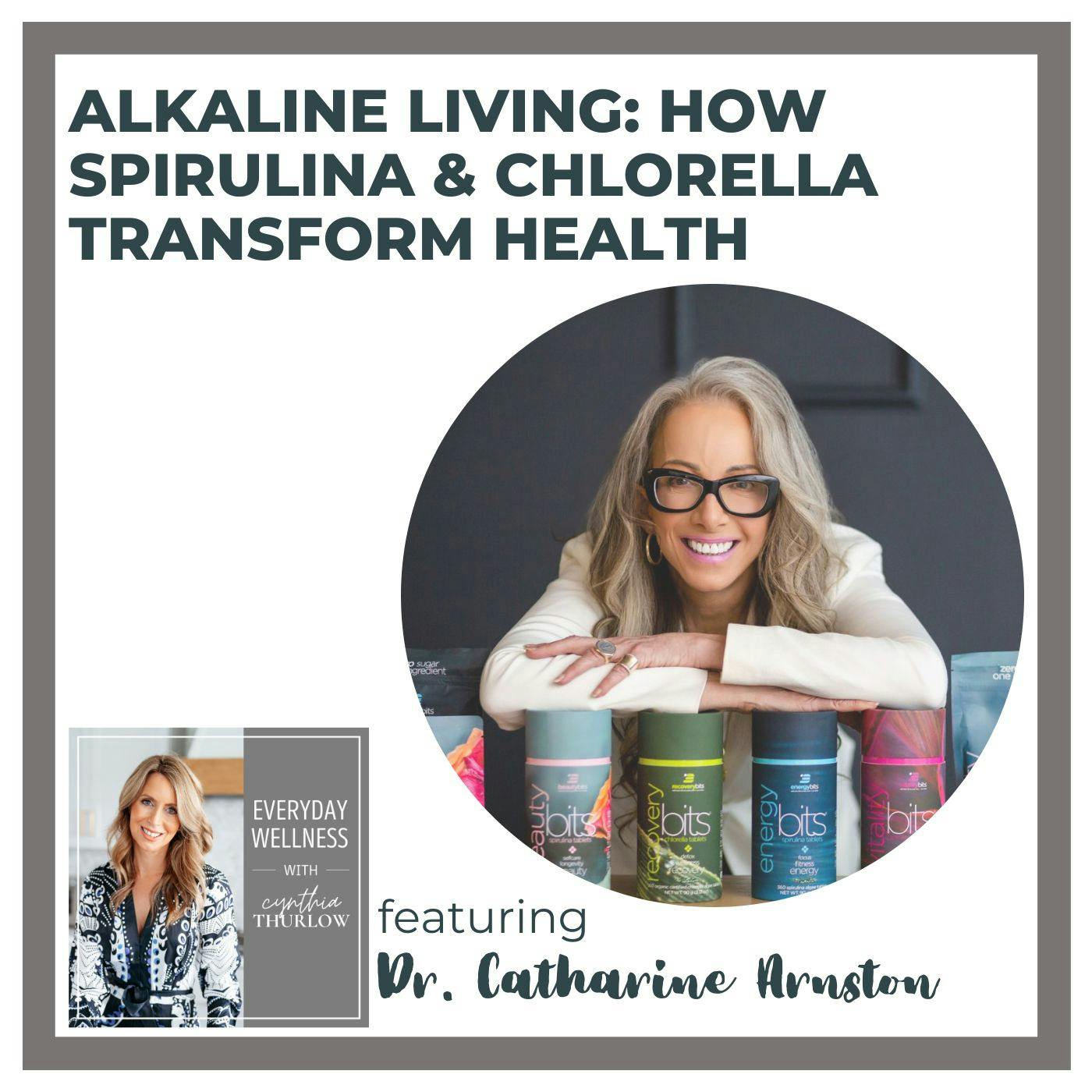
Ep. 399 Alkaline Living: How Spirulina & Chlorella Transform Health with Dr. Catharine Arnston
I am delighted to reconnect with Dr. Catharine Arnston today. She is the founder, CEO, and Chief Scientific Officer of ENERGYbits. She last joined me on Episode 226 of the podcast. In our conversation, we dive into the importance of an alkaline lifestyle, looking at how our modern-day lifestyles expose us to toxins while contributing to soil depletion and poor-quality food. We discuss the benefits of spirulina, the effects of mitochondrial dysfunction in perimenopause and menopause, the role of free radicals and antioxidants, and the research currently being done on Me Screen, spirulina, and chlorella. We cover the differences between chlorella and spirulina, explaining how chlorella impacts the immune system and gut microbiome and how it is beneficial for cleansing, toning, healing, and overcoming hangovers. We explain how algae can help us reverse our biological or chronologic age, Catharine shares some tips for aging gracefully, and we also create a mini-course on algae. I know you will love and appreciate today’s invaluable conversation with Dr. Catharine Arnston. IN THIS EPISODE YOU WILL LEARN: The health benefits of an alkaline lifestyle and how algae helps in maintaining blood PH levels How soil degradation and over-processing impact the quality of our food Why algae farming is sustainable and beneficial for the environment The nutritional benefits of spirulina and chlorella compared to those of collagen. How the non-stimulant effects of spirulina assist in ATP generation Why mitochondrial health is crucial How aging impacts ATP production How chlorella aids the detoxification process How combining spirulina with chlorella leads to optimum health Catharine shares lifestyle hacks for aging gracefully Connect with Cynthia Thurlow Follow on Twitter Instagram LinkedIn Check out Cynthia’s website Submit your questions to [email protected] Connect with Dr. Catharine Arnston ENERGYbits - Use the code CYNTHIATHURLOW for a 20% discount on all ENERGYbits products On Instagram and Facebook Previous Episode Mentioned: Ep. 226 The Incredible Benefits of Algae, Chlorella, and Spirulina with Dr. Catharine Arnston

BONUS: Smarter Not Harder: More Results, Less Effort with Dave Asprey
I am honored to reconnect with Dave Asprey today! He is the renowned father of biohacking and a New York Times bestselling author. Dave would like a world where we all have enough free time and peace to be at full power! In this episode, he and I have a no-nonsense conversation about his newest book, Smarter Not Harder, which is my favorite of all his books! We dive into the impact of the pandemic, the art and science of environment, the laziness principle, homeostasis, and the concept behind “slope with the curve” thinking. We discuss anti-nutrients, the biohacking pathway, REHIIT training, and various other cellular hacks, including hypoxification and specialized breathing, and how trauma pertains to becoming a more efficient human. I also ask Dave about his favorite supplements. I hope you enjoy listening to today’s conversation with Dave Asprey as much as I did recording it! IN THIS EPISODE YOU WILL LEARN: Why Dave chose to write his latest book now. How Dave’s book can help you achieve homeostasis. The 5 goals in Dave’s book that he recommends for people focus on, one at a time. A fundamental mistake that people in the world of health and fitness often make. How the “slope with the curve” biology works. How you can save energy with biohacking. The benefits of REHIT (Reduced Energy High-Intensity Interval Training). Some foods that can negatively impact our health. Dave shares his thoughts on dairy. Using hypoxification as a cellular biohack. Dave sheds some light on his favorite supplements. The role of trauma resolution. Connect with Cynthia Thurlow Follow on Twitter Instagram LinkedIn Check out Cynthia’s website Connect with Dave Asprey On his website Danger Coffee To open an Upgrade Labs, go to www.ownanupgradelabs.com Books mentioned Men Are from Mars Women Are from Venus by John Gray Dave’s new book, Smarter Not Harder is available from most bookstores.
Ep. 398 Curating a Curious Mind: Effective Strategies with Jim Kwik
I am thrilled to have Jim Kwik joining me on the podcast today. Jim is an advocate for brain health. He is recognized widely as a global expert in memory improvement, brain optimization, and accelerated learning. He is also a New York Times bestselling author, keynote speaker, and the host of the acclaimed Kwik Brain Podcast. In our conversation, we dive into digital dementia, exploring how our heavy dependence on technology affects our memories, learning styles, visualization, teaching methods, and lifestyle choices. We touch on the role of the reticular activating system (RAS) in learning, looking at how to foster a curious mindset. We also cover information overload, the benefits of the Pomodoro Technique for brain breaks, common middle-age concerns, and the role of nootropics. Jim has kindly offered to give a few books away to our listeners. To participate, take a screenshot of the podcast featuring Jim and me and identify something you learned on social media, explaining how you will apply it to boost your brain health. Jim and his team will select a handful of listeners to receive an autographed copy of his book, Limitless- one of my favorites. This discussion with Jim Kwik is invaluable, and I know you will enjoy it! IN THIS EPISODE YOU WILL LEARN: What is digital dementia? Why handwriting notes is better than digital note-taking Jim shares a whole-brain note-taking method that combines logical left-brain and holistic right-brain thinking The benefits of visualization for learning and retaining information Why you need to forget what you already know to learn something new Why we need to stay curious and engage in lifelong learning How taking regular breaks helps us to avoid information overload and maintain focus Jim explains the Pomodoro Technique How genetics and lifestyle impact brain health The benefits of meditation, diet, and exercise Why Jim is passionate about the aging brain Bio: Jim Kwik is an internationally acclaimed authority in the realm of brain optimization. With over 30 years of experience, Jim has dedicated his life to helping people tap into their brain’s full potential. From overcoming learning challenges after a childhood brain injury, Jim embarked on a journey with the mission to leave no brain behind. Through his teachings, Jim inspires others to unlock their innate genius, empowering them to live a life of greater power, productivity, and purpose. Connect with Cynthia Thurlow Follow on Twitter Instagram LinkedIn Check out Cynthia’s website Submit your questions to [email protected] Connect with Jim Kwik On his website Instagram Twitter Facebook YouTube Kwik Brain Podcast Limitless is available on the Limitless website.

Ep. 397 Beyond the Scale: Compassion, Body Trust, and Reverse Diet Tips with Kylie Larson
I am thrilled to reconnect with Kylie Larson today. Kylie is truly an exceptional individual. She is a Brendon Bouchard-trained coach, host of the Far from Perfect Podcast, content creator, and founder of Lift to Get Lean. In our discussion today, we dive into the role of compassion, particularly during perimenopause and menopause, and explore the concepts of surrender and trusting your body. We discuss why women are more concerned about the number on the scale than their body composition, explain why data is simply data, and how resistance to change can affect our ability to manage perimenopause and menopause. We cover macros, misinformation, and metabolic flexibility and look into the value of maintenance and how to reverse diet. Kylie also shares some of her favorite resources, books, and tools. I was honored to reconnect with Kylie, and I know you will love this conversation with her as much as I did. IN THIS EPISODE YOU WILL LEARN: The role of compassion in perimenopause and menopause How struggling to accept body changes can lead to self-criticism and stress The benefits of resting and mindful exercising Why body composition is more important than the number on the scale Why we need to be flexible about our health goals The value of nutrient-dense foods for maintaining muscle mass Misconceptions surrounding macros How to maintain balance in your diet and lifestyle Why getting enough sleep is essential Making informed decisions about your food choices Kylie’s favorite books and resources Connect with Cynthia Thurlow Follow on Twitter Instagram LinkedIn Check out Cynthia’s website Submit your questions to [email protected] Connect with Kylie Larson On Instagram The Far from Perfect podcast Book mentioned: Think Again by Adam Grant

BONUS: Breaking Down Perimenopause, Menopause and Women's Health with Marcelle Pick, NP
Today I am honored to connect with a friend and fellow nurse practitioner, Marcelle Pick! Marcelle is passionate about transforming how women experience healthcare through an integrative approach. She has successfully treated thousands of women through her unique approach to wellness. Marcelle is currently a faculty member of The Institute of Functional Medicine and has served as a Medical Advisor to Healthy Living Magazine. She has written countless articles and multiple books, including Is It Me or My Hormones? I always think of Marcelle as a pioneer in the women’s health/nurse practitioner space. In this episode, we dive into her background and the impact of the Women’s Health Initiative. We discuss the limitations of the traditional allopathic model regarding hormones, common misconceptions about adrenal health, perimenopause, and menopause, adverse childhood events and adrenal health, how lifestyle affects our sex hormones, fibroids, endometriosis, PMS, PMDD, and contraception for perimenopause. We speak about endocrine disruptors, mold, and micro toxins. We also get into ways to think about hormone replacement therapy and ways to address intimacy and low libido. I love connecting with other nurses and nurse practitioners! I hope you will love today’s conversation with Marcelle as much as I did! IN THIS EPISODE YOU WILL LEARN: Marcelle was part of the first all-women practice in the country. How the Women’s Health Initiative has impacted health care for women. The limitations of the traditional allopathic model, particularly in terms of perimenopause, menopause, and hormones. The less common labs that Marcelle likes to look at for her patients. Marcelle shares her approach to unraveling the symptoms of perimenopause. Some unique ways in which Marcelle deals with problems like fibroids and endometriosis. How childhood trauma could lead to adrenal and autoimmune issues, weight-loss resistance, and various other health problems. Many of the things Marcelle recommended for treating PMS and PMDD back in the day (1985) have now become the standard of care. Contraceptive options for women in perimenopause. The impact of stress on adrenal function during perimenopause and menopause. Marcelle dives into liver health and detoxification, chemicals and other factors that could impact our health, and changes we can make to avoid problems and feel better. What Marcelle does to help women with low libido. Connect with Cynthia Thurlow Follow on Twitter, Instagram & LinkedIn Check out Cynthia’s website Connect with Marcelle Pick On her website On Facebook and Instagram All of Marcelle’s books are available on Amazon

Ep. 396 Hormone Myths: Progesterone & More Explained, Part 1 with Dr. Devaki Lindsey Berkson
I am thrilled to be doing a two-part series on progesterone with Dr. Lindsey Berkson. Dr. Berkson is a peer-reviewed researcher, bestselling author, educator, nutritional gastroenterology and hormonal thought leader, and an inventor and formulator of nutraceuticals and pharmaceuticals. In the first part of our series today, we address common misconceptions about hormones and provide an overview of the anatomy and physiology of progesterone, including lesser-known production sites outside the ovaries and adrenal glands. We examine the limitations of current medical training, the influence of the Women’s Health Initiative, and shifts in prescribing practices. We also explore the effects of chronic stress, ultra-processed foods, and toxins, discussing practical steps to mitigate exposure. You will also learn about essential cofactors for progesterone production, including zinc, iodine, magnesium, vitamin B6, and vitamin A, along with strategies for optimizing digestion. This enlightening series on progesterone with Dr. Lindsey Berkson has many valuable insights, and I know you will gain a lot from it. IN THIS EPISODE YOU WILL LEARN: Why progesterone is an essential hormone How did progesterone become misunderstood? How progesterone has contributed to human evolution Dr. Berkson debunks the common myths surrounding progesterone How hormones function as signaling molecules The importance of progesterone receptors in the brain, heart, and lungs The role progesterone plays in protecting the lungs How modern lifestyle factors affect hormone levels Why you need to filter all your water, including shower water How eating organic foods can help reduce exposure to endocrine disruptors Connect with Cynthia Thurlow Follow on Twitter, Instagram & LinkedIn Check out Cynthia’s website Submit your questions to [email protected] Connect with Dr. Lindsey Berkson On her website Find Dr. Berkson’s books on Amazon

Ep. 395 Biomarkers for Longevity: What to Monitor with Siim Land
I am excited to have Siim Land on the show with me for the third time today. Siim is a bestselling author, anthropologist, keynote speaker, and longevity enthusiast who is exceptionally bright and knows how to simplify complex research into actionable insights. In our discussion today, we explore his latest book, The Longevity Leap, and dive into mTOR, how to activate and decrease it, and the physical consequences of an mTOR imbalance. We look into NAD, supplementation, frailty, and the critical role of exercise, discussing VO2 Max, heart rate variability, and the advantages of saunas and cold therapy. We also share strategies for optimizing sleep, cover how sleep impacts aging, and discuss biomarkers for longevity, why normal is not always optimal, melatonin, and the effects of shift work and jet lag. I am confident you will find this conversation with Siim Land as enlightening as I did. IN THIS EPISODE YOU WILL LEARN: What mTOR does in the body Why maintaining mTOR balance is crucial for longevity Lifestyle factors and supplements to support mTOR The significance of NAD for energy production Why circadian rhythm alignment is vital for energy production and longevity The benefits of melatonin supplementation How artificial light impacts sleep, and why we need regular sleep patterns How regular exercise can extend health and reduce the risk of chronic diseases What heart rate variability is, and how to improve it biomarkers for health and longevity Bio: Siim Land is an eight-time best-selling author, keynote speaker, and anthropologist from Estonia. He is the author of several landmark books, such as Metabolic Autophagy, Stronger by Stress, The Immunity Fix, The Mineral Fix, WIN, The Collagen Cure, The Blood Sugar Fix, and The Obesity Fix. Siim has a bachelor's degree in anthropology. Connect with Cynthia Thurlow Follow on Twitter Instagram LinkedIn Check out Cynthia’s website Submit your questions to [email protected] Connect with Siim Land On his website On Instagram and YouTube The Longevity Leap is available on Amazon

BONUS: Women & Intermittent Fasting: Enhancing Metabolic Health with Megan Ramos
Step into the world of metabolic health and fasting as we embark on a captivating journey with the renowned Canadian clinical educator Megan Ramos! In an era when chronic illness and obesity have become alarmingly prevalent, and dieting has become a lifelong struggle for many, Megan is on a mission to revolutionize our understanding of metabolic health. Known for her expertise in therapeutic fasting and low-carb diets, she co-founded the revolutionary Fasting Method alongside the renowned Dr. Jason Fung and co-authored the bestselling book Life in the Fasting Lane. Now, she returns with her latest work, delving into the untold stories of women and fasting. In today’s captivating discussion, Megan and I explore the staggering statistics that reveal a nation plagued by chronic illness and weight issues, where even the average person has tried 126 diets in their lifetime. Megan shares her groundbreaking insights on women and fasting, unveiling the truth behind misdiagnosis, the myths surrounding intermittent fasting, the role of macros and insulin secretion, and the profound impact of the pandemic on our hormones, sleep, and stress levels. Prepare yourself for a thought-provoking episode as we tackle pressing questions from listeners, covering the dawn effect, gout, insomnia, and invaluable strategies for achieving fasting success! IN THIS EPISODE YOU WILL LEARN: My journey with PCOS Why does body composition matter so much? PCOS, the number one endocrine disorder in Westernized countries Common myths about intermittent fasting The fertility aspect of postmenopausal women The slippery slope of perimenopause Is fasting just an extreme form of calorie restriction? The impact of sleep and stress on glucose and insulin levels How to integrate intermittent fasting into your lifestyle Magnesium supplementation for insulin resistance How to deal with gout Connect with Cynthia Thurlow Follow on Twitter Instagram LinkedIn Check out Cynthia’s website Connect with Megan Ramos The Fasting Method Find Megan on social media @Megan J. Ramos Purchase a copy of Life in the Fasting Lane Purchase a copy of The Essential Guide to Intermittent Fasting For Women Previous Episodes Featuring Megan Ep. 116 – Using Intermittent Fasting to Reverse Chronic Illnesses – with Megan Ramos Ep. 188 – Troubleshooting Your Fasting Method with Megan Ramos
Ep. 394 Improving Gut Health: Tips and Strategies with Kiran Krishnan
I am thrilled to have the amazing Kiran Krishnan joining me on the podcast today. Kiran is a research microbiologist and health and wellness expert who aims to make complex information understandable for everyone. He has founded several successful health and supplement companies over the last 20 years, including Microbiome Labs, the preeminent microbiome therapeutics-focused brand amongst healthcare professionals. Kiran has also conducted many research studies and published chapters in scientific textbooks. He has global patents and has become a sought-after speaker on human health and the microbiome. In our discussion, we dive into leaky gut, its contributing factors, and the roles of endotoxins and lipopolysaccharides. We clarify postprandial endotoxemia, exploring how perimenopause and menopause affect the microbiome and the impact of oral contraceptives and synthetic hormones. We highlight common symptoms of gastrointestinal issues, including problems associated with bloating, and explain how the immune system- innate and adaptive, impacts gut health. We also discuss the significance of keystone species like akkermansia, the importance of diversity, the role of stool testing, and the value of fiber, touching on the polarizing nature of dietary dogma and improving gut health through supplementation and lifestyle changes. This conversation is the first in a series on the gut microbiome, and I am confident you will enjoy it. IN THIS EPISODE YOU WILL LEARN: Why leaky gut has specific significance for women in perimenopause and menopause Why it is essential to understand and address a leaky gut How intestinal permeability lies at the root of most chronic diseases The factors that contribute to a leaky gut What postprandial endotoxemia is The symptoms of a leaky gut The difference between innate and adaptive immune responses How chronic conditions like diabetes and obesity impact the immune system The role of the microbiome in disease susceptibility Bacterial that are beneficial for gut health Why it is essential to have a diverse diet comprised of whole foods Supplements and lifestyle practices that support gut health BIO: Kiran is a research microbiologist and a health and wellness expert who aims to make complex information understandable to all. He has founded a number of successful health and supplement companies over the last 20 years including co-founding and leading Microbiome Labs, the preeminent, microbiome therapeutics-focused brand among healthcare professionals. He is currently a co-founder and partner in 3other companies that aim to revolutionize wellness care. He has conducted and published several research studies in scientific journals, has published chapters in scientific textbooks/reference books, has global patents, and is a sought-after speaker on human health and the microbiome Connect with Cynthia Thurlow Follow on Twitter Instagram LinkedIn Check out Cynthia’s website Submit your questions to [email protected] Connect with Kiran Krishnan On Instagram Facebook

Ep. 393 AMA #10: Top Supplements for Sleep, Brain Fog, & More with Cynthia Thurlow, NP
Today, we have AMA number 10. In this session, I answer many of your questions regarding the supplements I travel with and those I recommend. I dive into the benefits of Vitamin B12 and adaptogenic herbs, looking at ways to support low cortisol and PMS and various supplements that support sleep, brain fog, joint pain, and aching muscles. My team and I love receiving your questions and offering all the support you require. Please continue submitting your questions, and consider joining the supportive community on my free and gimmick-free Facebook group, where I answer questions several times each week. Stay tuned for more! IN THIS EPISODE YOU WILL LEARN: My favorite supplements to use when traveling How to get back on track after overindulging The supplements I recommend for improving brain health and cognition The importance of fresh fruits and vegetables Which supplements are best for teenagers? What I recommend for removing toxins from the body The best supplements to use during perimenopause Some natural ways to support low cortisol levels How to support PMS naturally Supplements for supporting menopause symptoms, hormone balance, inflammation, sleep, and brain fog The benefits of HRT for joint pain and muscle cramps in postmenopausal women Connect with Cynthia Thurlow Follow on Twitter Instagram LinkedIn Check out Cynthia’s website Submit your questions to [email protected] Join my free Facebook group
BONUS: Bio-individuality and Fasting: Personalized Approaches to Metabolic Health with Dr. Jason Fung
I am delighted to reconnect with Dr. Jason Fung today. We last connected in October 2020 for Episode 121. Dr. Fung is a nephrologist and a prominent figure in the intermittent fasting and low-carb space. He has made significant contributions as a founding member of The Fasting Method with his evidence-based guidance on weight loss and blood glucose management through low-carb diets and intermittent fasting. He has written several books, including The Obesity Code, The Complete Guide to Fasting, The Diabetes Code, and The Cancer Code. In our discussion today, we look at the forecast for metabolic health in 2024, exploring how the growth of the diabetes population relates to the effects of the pandemic and addressing the conflict of interest with organizations like the ADA and registered dieticians. Dr. Fung shares some of his biggest frustrations, including the shallow and myopic thinking amongst those focusing on calories in and calories out, and we get into various facets of metabolic health, from the nuanced influences of gender, puberty, perimenopause, and menopause to hedonistic eating, sarcopenia, bio-individuality, and therapeutic fasting. Dr. Fung also shares his perspective on GLP-1s, shiftwork, supplements, and more. Join us for valuable insights on various aspects of metabolic health and how they impact our well-being. IN THIS EPISODE YOU WILL LEARN How the influence of food companies has led dieticians and diabetes associations to focus on moderation instead of a balanced diet Dr. Fung shares his frustration with the lack of progress in addressing the diabetes issue How hormones impact weight gain and hunger Why does focusing on calories in and out not provide the solution to weight loss? How intermittent fasting can help to control hormonal issues How middle-aged women need to find balance when fasting to maintain muscle mass and avoid sarcopenia How intermittent fasting can lead to increased strength despite losing muscle mass What causes shift workers to gain weight? The potential drawbacks of using GLP-1 drugs for weight loss Why magnesium deficiency is a common problem in modern society Connect with Cynthia Thurlow Follow on Twitter, Instagram & LinkedIn Check out Cynthia’s website Submit your questions to [email protected] Connect with Dr. Jason Fung Website Twitter and YouTube The Fasting Method Dr. Fung's books Previous Episode Featuring Dr. Jason Fung Ep. 121 – The Truth About Diabetes, Kidney Disease and Insulin Resistance with Dr. Jason Fung
Ep. 392 Hidden Perimenopause & Menopause Symptoms to Watch For with Dr. Suzanne Fenske
I have the privilege of connecting with Dr. Suzanne Fenske today. She is an integrative gynecologist, double-board certified in obstetrics, gynecology, and integrative medicine, and fellowship-trained in minimally invasive gynecologic surgery and functional medicine. She established her practice, Tara MD, to empower women to take charge of their health and well-being by combining modern and integrative medicine to offer enhanced care, more time, and improved services. In our discussion today, we explore menopausal advocacy, addressing the lesser-known symptoms of perimenopause and menopause and medical gaslighting. We discuss detoxification, looking at the significance of the vaginal, uterine, and urinary tract microbiome and factors that could negatively impact it. We also cover the critical role of the estrobolome, the importance of nourishing the body during perimenopause and menopause, and common reasons for weight loss resistance. I am confident you will find this conversation with Dr. Suzanne Fenske as insightful and enjoyable as I did. IN THIS EPISODE YOU WILL LEARN: Some of the less common symptoms of perimenopause and menopause and how they affect the lives of women How estrogen metabolism can impact gut health Identifying and addressing underlying causes of inflammation How inflammation and food intolerances can lead to weight gain Modern lifestyles practices that can disrupt the vaginal microbiome Dietary recommendations for improving hormone metabolism Why women should focus on nourishing their bodies instead of following trendy diets The benefits of tracking macros to identify areas for improvement How cortisol imbalances in perimenopausal women can lead to cravings and fatigue How alcohol impacts sleep quality The benefits and risks of testosterone for women Bio: Dr. Suzanne Fenske is an integrative gynecologist. She is double board-certified in obstetrics and gynecology as well as integrative medicine. She is also fellowship-trained in minimally invasive gynecologic surgery and functional medicine. Dr. Fenske is also a certified menopause provider through the menopause society. Dr. Fenske founded Tara MD in 2021 to help women take control of their health and well-being by blending the best of modern and integrative medicine through more care, time, and services. Connect with Cynthia Thurlow Follow on Twitter Instagram LinkedIn Check out Cynthia’s website Submit your questions to [email protected] Connect with Dr. Suzanne Fenske On the Tara MD website On Instagram

Ep. 391 Why Processed Foods Wreck Metabolic Health with Vinnie Tortorich
I am delighted to reconnect with my good friend, Vinnie Tortorich, today, who was a guest on episodes 133 and 191. For those who may not be familiar with Vinnie, he is a truth-teller and disrupter who prompts people to think outside of their comfort zones in an easy and non-confrontational way. He is host of the Fitness Confidential Podcast, author of Fitness Confidential, and documentary film expert. His most recent documentary is Dirty Keto. In our conversation today, Vinnie and I dive into the impact of the processed food industry on metabolic health, looking at the issue with net carbs, the dangers of sugar and artificial sweeteners, and their role in the ongoing metabolic health crisis. We discuss the consequences of instant gratification, sedentary lifestyles, and the addictive nature of processed sugars and grains, also exploring various medical therapies, including GLP-1s. I am confident you will enjoy this discussion with Vinnie Tortorich as much as I did. IN THIS EPISODE YOU WILL LEARN: How the processed food industry created the term net carbs to make processed foods appear healthier The importance of addressing sugar addiction The lack of discussion around the health risks associated with society celebrating obesity How instant gratification has impacted people’s food choices and health The importance of recognizing true hunger versus boredom or stress-induced cravings How uncomfortable feelings can lead to food addiction Why it is essential to make exercise a daily habit Why it is crucial to avoid non-vegetable carbohydrates for metabolic health A strategy for enjoying sweet treats while maintaining a ketogenic diet How food influences metabolism and brain function Weighing up the risks and benefits of GLP-1 therapies for metabolic health Connect with Cynthia Thurlow Follow on Twitter Instagram LinkedIn Check out Cynthia’s website Submit your questions to [email protected] Connect with Vinnie Tortorich On his website Instagram and Twitter (@vinnietortorich) Vinnie’s documentaries on Amazon (Not Dirty Keto) Previous Episode Mentioned Ep. 191 Benefits of an Animal-Based Diet vs a Plant-Based Diet with Vinnie Tortorich

BONUS: Addressing the Root Cause of Hormonal Imbalances with Dr. Sara Gottfried
Today, I have the privilege of connecting with Dr. Sara Gottfried! Dr. Sara is a board-certified physician who graduated from Harvard and MIT. She practices evidence-based integrative, precision, and functional medicine. She is a Clinical Assistant Professor in the Department of Integrative Medicine and Nutritional Sciences at Thomas Jefferson University and Director of Precision Medicine at the Marcus Institute of Integrative Health. She has written four New York Times bestselling books, including her latest book called WOMEN, FOOD, AND HORMONES. Dr. Sara is one of my favorite doctors in integrative medicine and GYN! In this episode, we dive into the infodemic, how stress impacts hormones, the impact of age-related changes on hormonal regulation, alcohol, and gender differences with ketogenic lifestyles. We discuss some of the lesser-known hormones, including growth hormone, and how to support it properly. We touch on disordered eating, how trauma influences our relationship with food, epigenetics, and the role of a lifetime relationship with food. We also look at methylation, glutathione, detox reactions, supporting physical detoxification, and our toxic diet culture. I hope you benefit as much from this episode as I did! IN THIS EPISODE YOU WILL LEARN: Dr. Sara explains what the infodemic is and discusses the impact it has had on how she communicates with her patients. What happens to our hormones as we age? The impact of stress on hormone regulation. Dr. Sara busts the myth that testosterone is a male hormone and discusses what testosterone means for women. How does alcohol consumption impact women’s hormones? Why do men tend to have an easier time with the ketogenic diet than women? The dramatic changes that occur in women’s bodies as they transition from perimenopause to menopause. Looking at the interrelationship between trauma, stress, and autoimmunity. The changes that occur with growth hormones as we age. How trauma affects the genes. How disordered eating impacts metabolism. How to support physical detoxification naturally, without going to extremes. How to address weight-loss plateaus. Connect with Cynthia Thurlow Follow on Twitter Instagram LinkedIn Check out Cynthia’s website Connect with Dr. Sara Gottfried On her website On Facebook, Twitter, Instagram Dr. Sara’s books are available at Amazon and major bookstores.

Ep. 390 Understanding Shame, Food Behaviors & Weight Loss with Michelle Shapiro, RD
I am delighted to have Michelle Shapiro joining me on the show today. She is a Native New Yorker and an integrative and functional registered dietitian who has worked with thousands of clients, holistically reducing anxiety, healing longstanding gut health issues, and lovingly approaching weight problems. In our conversation today, we explore shame and eating behaviors, looking at self-empathy and the inner dialogue that usually accompanies weight-loss resistance. We examine whether or not obesity is a disease and the effects of adverse childhood experiences and dive into fasting, hormesis, autoimmunity, and the concept of surrender. We also clarify what intuitive eating involves, the role of highly sensitive bodies, and some common causes of digestive distress and bloating. Michelle brings a wealth of knowledge to today’s insightful and engaging discussion. I know you will love it! IN THIS EPISODE YOU WILL LEARN: Why kindness and sensitivity matter when it comes to discussing the sensitive topic of weight Why clinicians should view obesity as a symptom of underlying metabolic issues rather than a disease How internal dialogue and protection mechanisms influence people’s food choices How adverse childhood events and high-pressure social environments can increase the risk of eating disorders How food allergies and fear can lead to disordered relationships with food Why safety is the key to hormone regulation Is intermittent fasting a dangerous practice? The benefits of practices like grounding, Reiki, and acupuncture for overcoming anxiety and feeling safe in the body The importance of self-reliance in healing, and the role of practitioners in guiding their clients toward self-awareness What you need to focus on when implementing intuitive eating The unique challenges that highly sensitive people are likely to face Connect with Cynthia Thurlow Follow on Twitter Instagram LinkedIn Check out Cynthia’s website Submit your questions to [email protected] Connect with Michelle Shapiro On her website Quiet the Diet Podcast The Highly Sensitive Body Hub

Ep. 389 No Period Now What? Impact of Diet, Stress, & Genetics with Dr. Nicola Sykes
I am excited to connect with Dr. Nicola Sykes today. Dr. Sykes received her Ph.D. in Computational Biology from MIT. After experiencing hypothalamic amenorrhea and discovering a shortage of information about the condition in the public domain, she wrote a comprehensive guide to help people understand it and recover. In our discussion today, we dive into the nature of hypothalamic amenorrhea and explore its physiology. We address the effects of amenorrhea on eating habits, discuss caloric restrictions, fasting, exercise, and chronic stress, clarify the distinctions between eating disorders and disordered eating, and examine the role of genetics. Dr. Sykes also explains why she does not believe in post-pill amenorrhea, and our conversation touches on differentiators with polycystic ovarian syndrome, symptoms, and lab evaluations. Given the frequent concerns from listeners about losing their menstrual cycles, this conversation with Dr. Sykes promises to be particularly valuable for those affected by prolonged fasting and similar issues. IN THIS EPISODE YOU WILL LEARN: Dr. Sykes explains what hypothalamic amenorrhea is and why it is essential for women to understand it How a lack of exercise and energy deficits can impact menstruation Why we must support our bodies with exercise and proper nutrition rather than focusing on weight loss How stress impacts the body, particularly during perimenopause and menopause Why rest and recovery are essential when doing high-intensity workouts How we need to eat enjoyable foods and focus on moderation instead of striving for an ideal standard How disordered eating differs from eating disorders The difference between hypothalamic amenorrhea and PCOS Some common symptoms of hormone imbalance The benefits of tracking menstrual and ovulation cycles Bio: Dr Sykes (formerly Rinaldi) has a PhD in computational biology from MIT. After experiencing hypothalamic amenorrhea herself and finding a lack of information about the condition in the public sphere, she set out to write a comprehensive guide to understanding the condition and how to recover. Her book, "No Period. Now What?" has helped thousands of people recover from missing periods and better understand their bodies and hormonal systems. The book has been translated into multiple languages and serves as a guide for numerous dietitians and medical professionals helping those experiencing missing periods. Connect with Cynthia Thurlow Follow on Twitter Instagram LinkedIn Check out Cynthia’s website Submit your questions to [email protected] Connect with Dr. Nicola Sykes On her website Instagram Support group Buy ebook: No Period. Now what? Schedule a one-on-one session with Dr. Sykes

BONUS: A Detailed Guide to Healthy Hormones with Dr. Lara Briden
I am excited to connect with Dr. Lara Briden today! She is one of my favorite naturopathic doctors and the author of the bestselling books Period Repair Manual and Hormone Repair Manual. She has 25 years of experience in women's health, and she currently has consulting rooms in Christchurch, New Zealand, where she treats women with PCOS, PMS, endometriosis, perimenopause, and many other hormone- and period-related health problems. Dr. Briden is a wealth of information! She brings a fresh perspective and a positive voice to the health and wellness space, and I often recommend her book, Hormone Repair Manual, to my clients and patients. Today, she and I dive into her background as an evolutionary biologist and discuss how she became passionate about supporting women and advocating for them throughout their lifetime. We talk about perspectives on aging, what the second puberty (perimenopause) is, and the impact of histamine, mass-cell granulation, and estrogen. We discuss fat redistribution in middle age and the loss of insulin sensitivity. We speak about how using alcohol impacts brain health, sleep, the gut microbiome, appetite, cravings, and hinders estrogen metabolism. We also touch on ways to address dysfunctional uterine bleeding in middle age and explain how to advocate for your health, how middle-age impacts the nervous system, and the role of inflammatory foods, including dairy. I hope you enjoy our discussion as much as I did! Stay tuned for more! IN THIS EPISODE YOU WILL LEARN: Dr. Briden talks about her background as an evolutionary biologist and how she changed her career and became an advocate for women’s health. Many women fear the process of aging. Dr. Briden and I talk about women’s mindsets and their perspectives on aging. Why is there so little awareness about perimenopause? Dr. Briden defines menopause and discusses the timeframe in which some women experience perimenopause symptoms. How can ongoing hormonal fluctuations during perimenopause, or second puberty, increase the likelihood of women having issues with a histamine response? Dr. Briden talks about fat redistribution in middle age and explains why women need to stay on top of it from a metabolic perspective. How can our modern-day lifestyle make the metabolic shift women experience in menopause even more challenging? Dr. Briden talks about natural treatments and hormone therapies to lighten the flow of the extremely heavy periods that some women experience during perimenopause. Dr. Briden discusses the connection between cow dairy and an inflammatory reaction in some people. Women need to understand what happens in their bodies when they have either a partial or a full hysterectomy. Dr. Briden talks about estrogen and brain health. How does alcohol affect the body? What are the best options with the fewest side effects for hormone therapy for women? Connect with Cynthia Thurlow Follow on Twitter, Instagram & LinkedIn Check out Cynthia’s website Connect with Dr. Lara Briden On her website On Facebook, Instagram, and Twitter: https://twitter.com/LaraBriden Dr. Briden’s blog Dr. Briden’s podcast Books mentioned: Period Repair Manual (for women in their 20s and 30s) by Dr. Lara Briden Hormone Repair Manual (for women of 40-plus) by Dr. Lara briden Free download of the first two chapters of both Dr. Lara Briden’s books The XX Brain: The Groundbreaking Science Empowering Women to Maximize Cognitive Health and Prevent Alzheimer's Disease by Lisa Mosconi, PhD

Ep. 388 Busted Metabolism: GLP-1s Benefits, Use & Common Myths with Dr. Tyna
I am thrilled to connect with Dr. Tyna Moore today. She is a naturopathic physician and chiropractor, host of the Dr. Tyna podcast, a best-selling author, and an international speaker who offers a unique perspective for those seeking a stronger foundation for their health and well-being. Recent statistics indicate that approximately 13% of Americans have used GLP-1 agonists, a class of drugs primarily prescribed for weight loss or metabolic health issues. According to a KFF health tracking poll, over 15 million people were prescribed GLP-1 drugs as of May 2024, and a Truvada report revealed that more than a million patients used those medications between January 2018 and September 2023. Dr. Tyna thinks outside of the traditional media narrative regarding GLP-1 drugs and has been very successful in using them with her patients. In our discussion today, we explore the underlying reasons for the metabolic health crisis in our country, looking at sarcopenic obesity, why we are malnourished yet over-fed, and the impact of a sedentary lifestyle. We also dive into GLP-1 drugs, discussing their origin and their neurologic benefits, debunking the myths surrounding them, and examining their use during perimenopause and menopause. Stay tuned for today’s enlightening discussion with Dr. Tyna Moore on these incredible new weight-loss drugs and their application. IN THIS EPISODE YOU WILL LEARN: Why are we so sick as a country? The limitations of traditional allopathic medicine regarding lifestyle-related diseases Why weightlifting is essential for optimal health The benefits of peptides for cognition, pain reduction, and preventing brain fog The advantages of using GLP-1 agonists for treating depression and metabolic dysfunction The potential risks of using GLP-1 drugs Debunking the myths surrounding the use of GLP-1 drugs Why women in perimenopause and menopause face unique challenges with metabolic health Why middle-aged women are the most stressed group of people, and how stress can exacerbate insulin resistance The merits of using GLP-1 peptides for treating middle-aged women with metabolic issues Why proactive lifestyle changes are essential for the neurocognitive health of menopausal women Connect with Cynthia Thurlow Follow on Twitter Instagram LinkedIn Check out Cynthia’s website Submit your questions to [email protected] Connect with Dr. Tyna Moore On her website Instagram Facebook YouTube Ozempic Uncovered Course Podcast