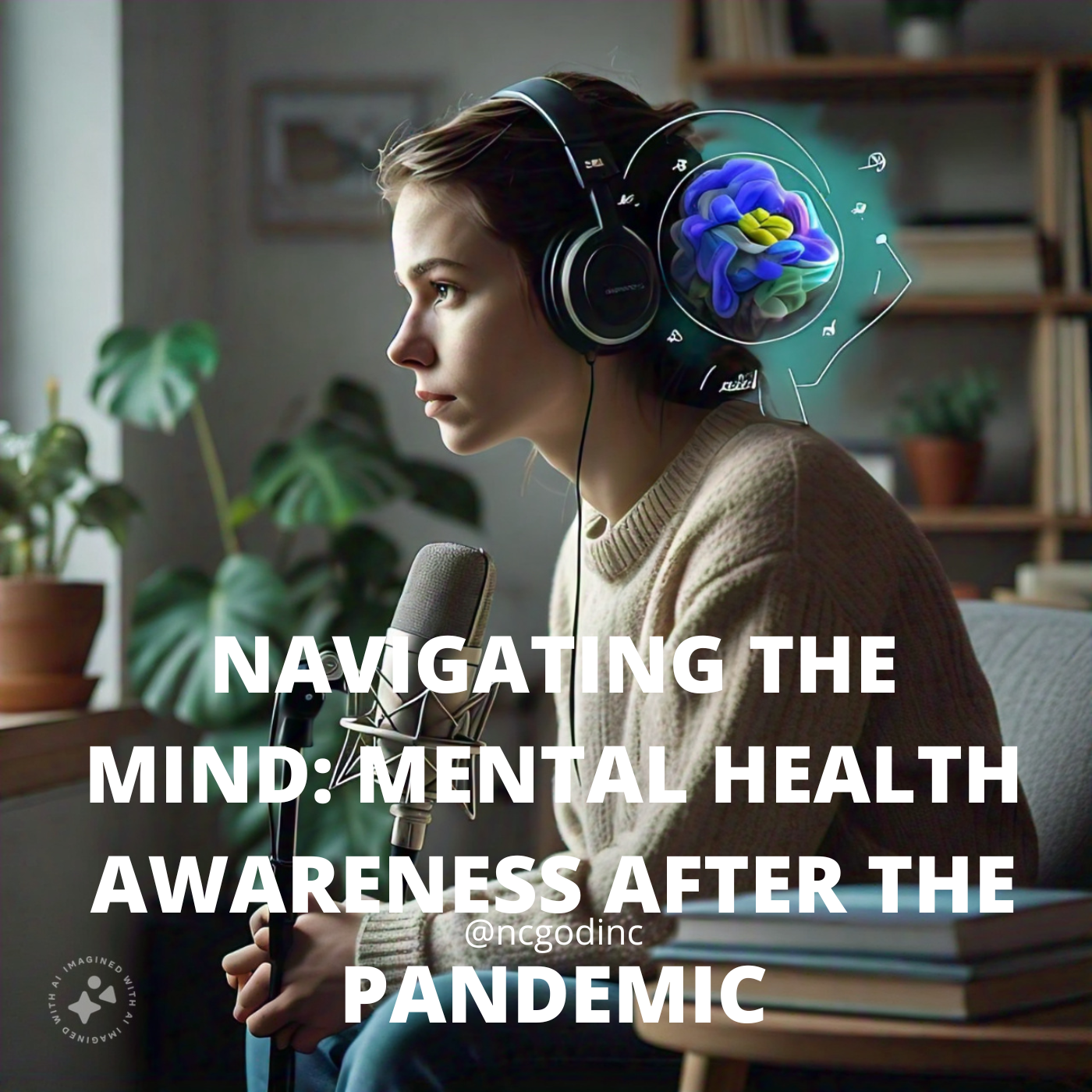
Navigating the Mind: Mental Health Awareness After the Pandemic
Erna Podcast: Unfiltered Conversations · Erna JUlien
Audio is streamed directly from the publisher (content.rss.com) as published in their RSS feed. Play Podcasts does not host this file. Rights-holders can request removal through the copyright & takedown page.
Show Notes
Mental health is a critical aspect of overall well-being and encompasses emotional, psychological, and social health. It influences how individuals think, feel, and behave. Mental health is essential for managing stress, interacting with others, and decision-making.
The COVID-19 pandemic significantly impacted mental well-being, leading to a rise in anxiety, depression, and isolation. Research by the World Health Organization (WHO) shows a considerable increase in reported anxiety and depressive disorders during the pandemic.
Stigma associated with mental health refers to negative perceptions and discrimination experienced by those facing mental health challenges. This stigma often prevents individuals from seeking help, which can result in a decline in their mental health. The National Alliance on Mental Illness (NAMI) emphasizes that stigma contributes to feelings of shame and isolation. To combat this, fostering open conversations, sharing personal stories, and educating the public are crucial steps toward reducing stigma.
Various coping strategies can be employed to navigate challenging times:
- Mindfulness and meditation can help individuals stay present and alleviate stress.
- Regular physical activity, even simple exercises like walking or yoga, can improve mood and decrease anxiety.
- Maintaining social connections with family and friends is vital, and virtual gatherings or phone calls can help combat isolation.
- Seeking professional help through therapy or counseling can provide support and strategies for managing mental health challenges. Teletherapy has become increasingly accessible, particularly during the pandemic.
Resources for mental health support include hotlines such as the National Suicide Prevention Lifeline (1-800-273-TALK), local mental health resources, and community services. It's essential to remember that seeking help is a sign of strength, and talking about mental health is important.