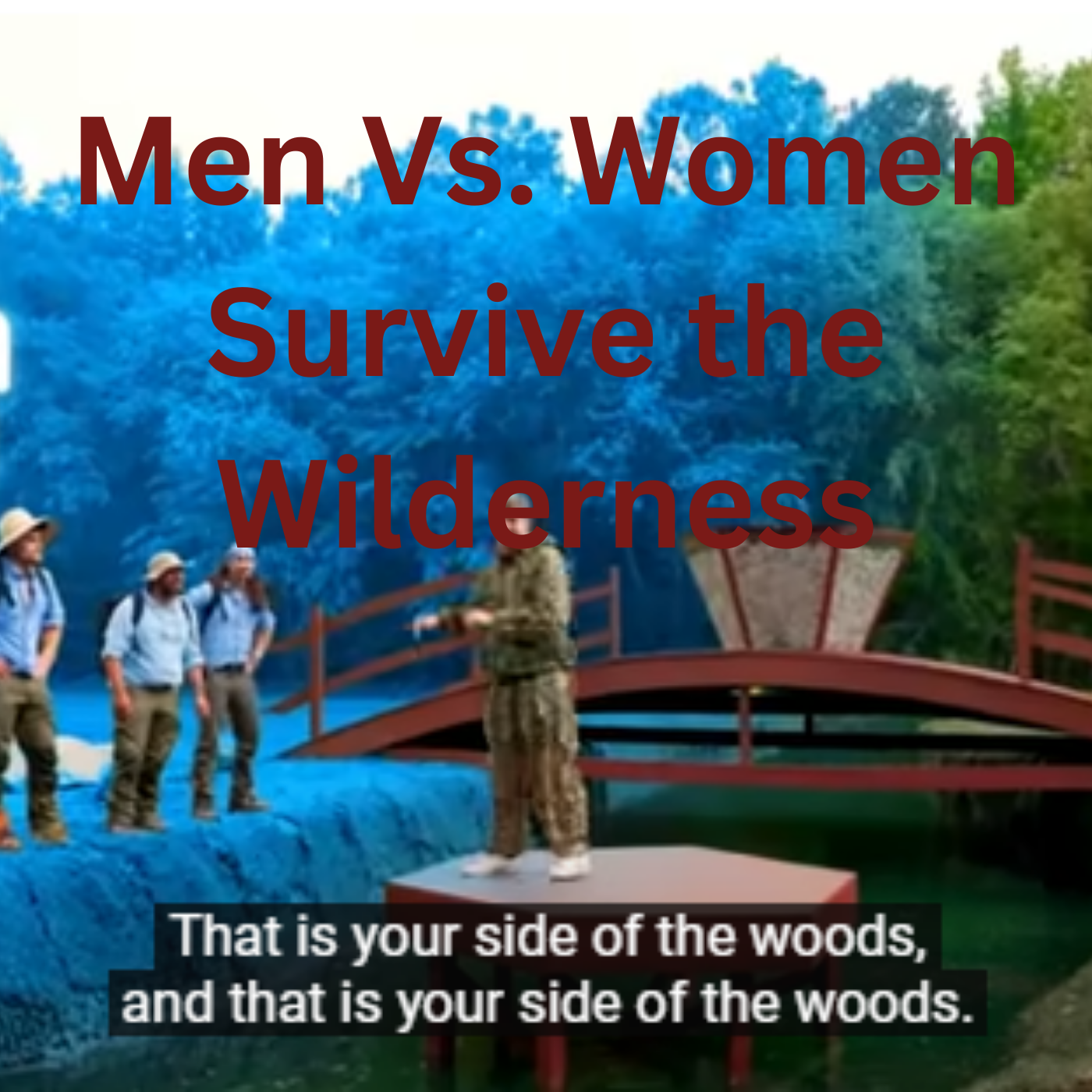
Men Vs. Women Survive the Wilderness for $500,000 Mr.Beast
Erna Podcast: Unfiltered Conversations · Erna JUlien
Audio is streamed directly from the publisher (content.rss.com) as published in their RSS feed. Play Podcasts does not host this file. Rights-holders can request removal through the copyright & takedown page.
Show Notes
Comparing the Strategies of the Men's and Women's Teams
Your previous request asked for a summary of the video, "Men Vs. Women Survive the Wilderness for $500,000." Your current request seems to be asking for a deeper look into the strategies used by the two teams.
The women's team seemed to approach the challenge with a focus on long-term planning and resource management. This is evident from the beginning. On day three, the women discuss the need for rationing and self-elimination [1]. By day ten, they execute this strategy, sending Hannah home to increase the remaining team members' chances of winning [2]. This early strategizing allowed them to conserve their resources and gain an advantage, as seen in their enjoyment of a plentiful meal after winning the first challenge while the men struggled with their dwindling rations [3].
The women's strategic approach extended beyond food and included prioritizing shelter. Their focus on building a sturdy shelter is evident in their efforts as early as the first night [4, 5]. This proved to be a wise decision as they remained dry and comfortable during a massive storm that left the men's camp soaked and miserable [6].
The men, in contrast, seemed less focused on long-term strategy and resource management. Initially, they prioritized entertainment and shelter-building, but they did so without considering the long-term implications. For example, they quickly constructed a shelter using the first twigs they found, while the women took the time to build a more durable and weather-resistant structure [4, 5]. Their lack of rationing and early strategic planning put them at a disadvantage, as their food supply ran low much faster than the women's [7].
While both teams experienced moments of discouragement and considered quitting, the men's reasons differed from the women's. The women's decisions to leave were primarily strategic, aiming to maximize their team's chances of winning by increasing the remaining members' food supply. The men's departures were more often driven by individual hardship, such as sleep deprivation [8], a loss in a challenge [9], or fear after a bear encounter [10].
In the end, the women's early and consistent strategic approach, which emphasized resource management, long-term planning, and teamwork, proved to be the winning formula.