EMplify by EB Medicine
151 episodes — Page 3 of 4
Episode 48 - Infective Endocarditis
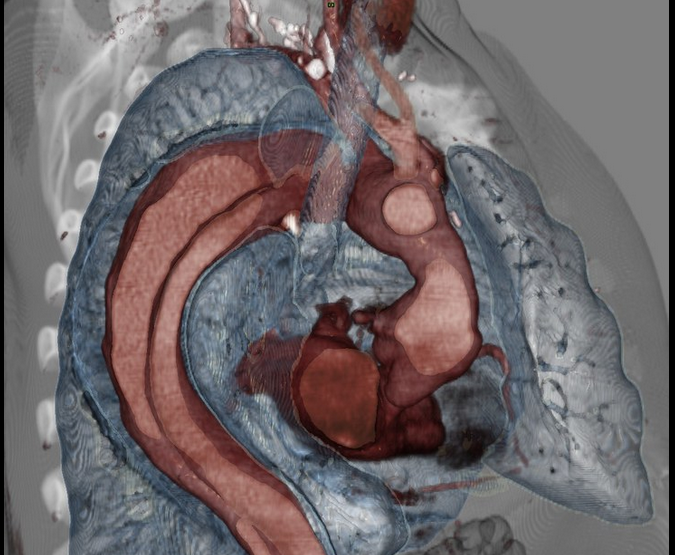
EMplify September 2020 – Infective Endocarditis Topics: Definition and new classification methods. Changes in at-risk patients in the U.S. History and Examination Imaging Chest Xray Trans-throacic Echocardiography (TTE) Trans-esophagel Echocardiography (TEE) CT Angiography MRI Bacteriology Antibiotics Summary Write us at [email protected]
Episode 47 - Racism In Medicine with Dr. Maurice Selby
EMplify August 2020 – Racism In Medicine with Dr. Maurice Selby, Assistant Professor, Emergency Medicine, Emory School of Medicine Host- Health In Harlem radio show (WHCR 90.3 FM)and podcast Topics: History of racism in medicine Niggerology Experimentation on Women Pain thresholds, endurance to harsh environments, food and water Institutional Review Boards (IRBs) and their role in racism Non-compliant patients Believing your patient Poor outcomes in medicine due to racial bias Bereaving families Racism among physicians and providers Micro agressions What it’s like to experience racism as a physician. Next steps. Leave us a voicemail at 678-336-8466, ext 128 Write us at [email protected]
Episode 46 - (Part 2) Ventilator Management of Adult Patients in the ED: An Interview with Dr. Ryan Pedigo
EMplify July 2020 – Ventilator Management Of Adult Patients with Dr. Ryan Pedigo, Part 2 Topics: ARDS COVD-19 Lung Compliance Prone Positioning Metabolic Derangements DKA Capnography and Waveform Analysis Leave us a voicemail at 678-336-8466, ext 128 Write us at [email protected]
Episode 45 - (Part 1) Ventilator Management of Adult Patients in the ED: An Interview with Dr. Ryan Pedigo
EMplify July 2020 – Ventilator Management Of Adult Patients with Dr. Ryan Pedigo, Part 1 Topics: Ventilator Modes Volume Assist vs Pressure Support Tidal Volumes Tidal Volume Measurement Tables Inspiratory / Expiratory Ration FiO2: How much oxygen do we need? COPD Patients Permissive Hypercapnia Volume vs Respiratory Rate Adjustments Asthma Patients Respiratory Rate Adjustments Leave us a voicemail at 678-336-8466, ext 128 Write us at [email protected]
Episode 44 - Multi-system Inflammatory Syndrome in Children (MIS-C): An Interview with Dr. Ilene Claudius and Dr. Mohsen Saidinejad
EMplify June 2020 Multi-system Inflammatory Syndrome in Children (MIS-C) with COVID-19: An Interview with Dr. Ilene Claudius and Dr. Mohsen Saidinejad. What is it and when did we discover it as an entity? Have either of you treated anyone with the disease? Discussion of different cohorts of patients with MIS-C. Definition of MIS-C. Shock: cardiogenic and distributive shock presentations. Fever, is 4 days required? Discussion of where in the COVID-19 illness MIS-C occurs. Is clinical shock a requirement? Screening criteria (labs) and the Children’s Hospital Of Philadelphia pathway. What is available as treatment? A discussion of IVIG Steroids Cytokine blockers Remdesivir Why IVIG? Complications of the disease. Why are there more cases in New York? How has MIS-C changed your practice of testing children? Is there utility in testing for COVID-19 infection or antibodies in these cases? Resources:EB Medicine Novel 2019 Coronavirus SARS-CoV-2 (COVID-19): An Updated Overview for Emergency Clinicians EB Medicine COVID-19: The Impact on Pediatric Emergency Care Children’s Hospital of Philadelphia Clinical Pathway for MIS-C. Have questions or comments on the podcast? Leave us a voicemail at 678-336-8466, ext 128 or write us at [email protected] .
Episode 43 - Rural EM and COVID-19: An Interview with Dr. Harry Wingate and Dr. Ken Gramyk
EMplify June 2020 Rural Emergency Medicine and COVID-19: An Interview with Dr. Harry Wingate and Dr. Ken Gramyk. The rural experience in Georgia and Idaho. Covering both the ED and inpatient areas. Transfers. Schedule and ED operation changes. Practicing in a resource limited environment. Volume changes during the pandemic. Employee furloughs and staffing changes. EMS availability and transfers. Telemedicine. Have questions or comments on the podcast? Leave us a voicemail at 678-336-8466, ext 128 or write us at [email protected] .
Special Message on Racism
You may be accustomed to hearing me speak about COVID-19. Yes, the crisis appears to be improving, and yes much remains unknown and still to be told. But today, even in the midst of pandemic, there is another, different crisis gripping our country. Racism. It did not begin this week, this year, or this century. It did not catch us by surprise. But it certainly is a crisis of pandemic proportion. And we cannot sit in silence. People of color in our communities have been deemed unequal, unworthy of justice, unworthy of life itself. I would love to say that the practice of medicine puts us above racism. But that would be a lie. I would love to say that the Hippocratic oath makes us behave differently, see the world differently, and treat people of color justly. But that too, would be a lie. Today Black Americans are suffering, and that pain is boiling over, becoming a torrent of injustice that we can no longer ignore. And our response cannot be silence. I don’t know the solution, but I am listening and learning. I don’t know a way to relieve the pain, as a fellow human or as a physician, but I will sit and be present. I don’t know the depth of the suffering, but I lament the loss of George Floyd, Breonna Taylor, Ahmaud Arbery, and countless others. Martin Luther King Jr. said: “The ultimate measure of a man is not where he stands in moments of comfort and convenience, but where he stands at times of challenge and controversy.” So today, I want to be clear. We, at EB Medicine, stand with our brothers and sisters of color. -------------------------------------- Leave us a voicemail at 678-336-8466, ext 128 Write us at [email protected]
Episode 42 -The New Orleans Experience and Palliative Care : An Interview with Dr. Ashley Shreves
EMplify May 2020 – The New Orleans Experience and Palliative Care : An Interview with Dr. Ashley Shreves EBMedicine Live Webinars: Thursday, June 4th - Life-threatening Headaches + current considerations due to COVID-19 Wednesday, June 17th – A New Timing-and-Triggers Approach to Diagnosing Causes of Acute Dizziness Click the link to register: https://www.crowdcast.io/e/20200606/register Leave us a voicemail at 678-336-8466, ext 128 Write us at [email protected]
Episode 41 - Mt Sinai COVID-19 Protocols - Interview with Dr. Legome
EMplify May 2020- Mt Sinai COVID-19 Protocols - Dr. Legome Contact us: [email protected] 1-678-336-8466, ext. 128 Emergency Department COVID Management Protocols: One Institution’s Experience and Lessons Learned Laboratory Testing and Imaging Disposition/admission Criteria Cardiac Arrest Protocol Medication Treatment Guidelines Anticoagulation Protocol Intubation Protocol Nonaerosolized Asthma Protocol Acute Dyspnea/Palliative Care Treatment Death Management Talking Points COVID-19 Smart Phrases / Discharge Plan for Likely COVID-19 Patients Guidelines for Prone Positioning of Nonintubated Patients Critical Care for ED COVID-19 Patients
Episode 40 - COVID-19: An Interview with Colby Redfield, MD-Tent Triage, Telemedicine, PPE, and EMS
EMplify April 2020 – Colby Redfield, MD Contact us: [email protected] 1-678-336-8466, ext. 128 COVID-19 Topics: 1.Triage Tent Implementation (02:35) 2.Telemedicine – In the tent, in the department, and in follow up. (08:45) 3. PPE (16:30) Reusing N95s Using elastomeric full and half face respirators CDC, FDA, Osha 4. EMS (22:44) Crew Safety Criteria for transport Viral filters Handoff to the ED Helpful Links: 1. Novel 2019 Coronavirus SARS-CoV-2 (COVID-19): An Updated Overview for Emergency Clinicians https://www.ebmedicine.net/topics/infectious-disease/COVID-19 2. Reusable Facemasks and COVID-19 https://adminem.com/reusable-facemasks-and-covid-19/ 3. University of Florida Halyard H600 masks https://anest.ufl.edu/clinical-divisions/mask-alternative/ https://ufhealth.org/news/2020/uf-health-anesthesiology-team-devises-respirator-mask-made-existing-hospital-materials
Episode 39 - Discussion with MDCalc on COVID-19 risk scores & NYC
Interview with Joe Habboushe, MD, CEO of MDCalc about new COVID-19 tools and his New York City experience. MDCalc's new COVID-19 resource center: https://www.mdcalc.com/covid-19 EBMedicine's COVID-19 article with recent updates: https://www.ebmedicine.net/topics/infectious-disease/COVID-19 Time Stamps: 00:00- Discussion of new tools for COVID-19: calculators, risk factors and odds ratios, labs, etc. 40:02- Discussion of the New York City COVID-19 crisis.
Ep 38Episode 38 - COVID-19 Update: An Interview with Andrea Duca, MD
COVID-19 Update 03-18-2020 - An interview with Andrea Duca, MD, Emergency Physician in Bergamo, Italy Time Stamps: 01:29 Dr. Andrea Duca introduction. 02:05 What were your shifts like at the start of the epidemic? 04:50 Were you testing patients for CoOVID-19 initially? 05:08 Were the COVID-19 tests completed in-house or sent out to a government lab? 05:35 The arrival of the first cases. Then… and now. 07:03 What percent of your daily volume is due to COVID-19 patients? 08:17 Are COVID-19 patients diverted to a regional facility? 09:13 Are you still testing patients for COVID-19 today? 09:57 What is your current medication protocol? 10:35 Which antivirals are you currently using? 10:54 Hydroxychloroquine 11:14 Do you use non-invasive ventilation? 13:35 What kind of isolation do you use, airborne or droplet? 14:46 Do you put on new PPE as you go room to room? 15:21 What PPE do you currently use? 15:38 When did you create dirty and clean zones in the emergency department? 16:45 Do you have a dirty and clean side in the waiting room? 17:03 What is your annual emergency department volume? Daily volume? 18:04 How many treatment rooms are in your emergency department? 18:38 What percent of patients are admitted? Do you have borders? 19:54 Where do discharged patients go? 20:14 Have you personally been infected? 20:58 Do you test your staff who are ill? What is your protocol for infected staff? 22:46 What percent of the ED staff were sick at any given time? And inpatient nurses? 24:00 How did you deal with so many inpatient nurses being sick? 24:36 What are your surgeons, who cannot operate, currently doing? 25:35 Are you running out of non-invasive ventilation equipment? 26:20 Summary of current workflow for infected staff. 26:36 How do you use ultrasound for COVID-19 patients in the ED? 29:50 What criteria must a patient meet to be discharged? 31:00 EMS and their role in community screening. 32:20 What are you looking for on ultrasound examination? 34.42 What size chest tube are you utilizing for a pneumothorax in a patient with positive pressure ventilation? 26:33 What inpatient location are patients sent to? By what criteria? 37:05 Have you seen any infected pregnant patients or staff? 38:02 Have you seen any infected children? 38:43 Are you still testing patients? How many times are you testing them? 39:21 What psychological support do you have for staff? 42:25 What would you have liked to know early on, that yo
Episode 37 - Novel Coronavirus COVID-19: An Overview for Emergency Clinicians
In this episode of EMplify, Dr. Sam Ashoo interviews Drs. Al Giwa and Akash Desai, the authors of Emergency Medicine Practice’s recent article: Novel Coronavirus COVID-19: An Overview for Emergency Clinicians. This episode, designed specifically for emergency clinicians, discusses Coronavirus COVID-19, including: The cause and history of the virus How it’s transmitted/spread and prevention methods Tools for management and treatment in the ED Which patients should be tested for Coronavirus The role of telehealth, and when patients should go to the ED Using vital signs to triage patients in the ED And more! 00:00 Intro 01:01 Why should we care about Coronavirus? 02:22 What is zoonotic transmission? 03:56 SARS and MERS and previous coronaviruses. 04:38 What are typical Coronavirus symptoms? 04:55 What is R0 (R naught)? 06:46 Why is there so much concern about this Coronavirus strain? 10:05 Is there concern that COVID-19 is more lethal? 12:45 What tools do we have to combat pandemics? Containment 14:38 Treatment and vaccines 16:32 Fecal oral transmission 19:01 Airborne and droplet transmission 21:20 Recommendations for the public 22:00 Recommendations for healthcare workers 23:24 Who should get tested? 24:47 How to get patients tested? 25:51 What do you do with a patient you want to be tested? 30:28 Closing
Episode 36 - Diagnosis and Management of Acute Gastroenteritis in the Emergency Department
Acute Gastroenteritis- Author: Dr. Brian Geyer Introduction: Do both vomiting and diarrhea have to be present? No 1996 AAP guidelines, 2016 ACG guidelines, and 2017 IDSA guidelines all note diarrhea illness but may be vomiting predominant. Studies use more vague definitions like: > 1 episode of vomiting and/or > 3 episodes of diarrhea in 24 hours without known chronic cause like inflammatory bowel disease. Diarrhea is at least 3 unformed stools per day. Acute episode <14 days Persistent episode 14-29 days Chronic diarrhea >29 days Patients in the ED may present with only some of these symptoms depending their time in course of illness. Literature Review: There is abundant literature on pediatric AGE but sparse research on AGE in adults. Therefore, many recommendations are extrapolated from the pediatric literature. Causes: 70% of US cases are estimated to be caused by viruses, norovirus being most common. o 26% norovirus o 18% rotavirus Among bacterial causes: o 5.3% Salmonella, most common o 5.3% Clostridium o 3% Campylobacter o 3% parasitic infections Large portion, 51%, have no cause identified. (In ED patients) Interestingly, 79% of cases never have a cause identified (not ED specific) In ED patients, only 25% ever have a cause identified, this increases to 49% when a stool sample is obtained. (not ED specific) Food poisoning is responsible for 5% of AGE but results in 30% of deaths. Most commonly: Salmonella, Clostridium perfringens, and Campylobacter Majority of foodborne illness is still viral, mostly norovirus E Coli is normal in the gut, but two most common causes are: Shiga toxin Ecoli (STEC) AKA enterohemorrhagic Ecoli (EHEC) - causes Hemolytic Uremic Syndrome in 5-10% Entertoxigenic Ecoli (ETEC) - causes traveler's diarrhea Both cause self-limited illness. Alternate Diagnoses: Appendicitis: In the peds literature, misdiagnosis of appendicitis as AGE leads to 47% absolute increased risk of perforation. Suggestive findings include: Migration of pain to RLQ RLQ tenderness on exam (initial or repeat) Absence of diarrhea Pain not improved with episodes of diarrhea Negative factors include multiple ill family members, recent international travel, presence of diarrhea (as defined above). Ciguatera Fish Poisoning Toxin produced by algae consumed by reef fish like grouper, red snapper, sea bass and Spanish mackerel. Symptoms begin 6-24 hours post ingestion. Fish tastes normal. Patients may develop neurological symptoms like paresthesias, generalized pruritis, and reversal of hot/cold sensation. Symptoms resolve spontaneously, and treatment with mannitol is controversial. Scombroid Poisoning Ingesting fish in the Scombroidae family - mackerel, bonito, albacore, and skipjack - that have been stored improperly Bacteria produce histidine decarboxylase which converts histidine to histamine Causes abdominal cramps and diarrhea, and may cause metallic bitter or peppery taste in mouth, and facial flushing within 20-30 min of ingestion Can be confused with allergic reaction Symptoms resolve in 6-8 hours Notification of health dept may prevent others from being infected. Page 5 Table 1- Distinguishing Factors in the Differential Diagnosis of AGE History: Table 2, page 6 has key questions to ask. Onset, timing, number of stools, presence of blood, fever, quality of abdominal pain and location, recent antibiotics, etc. Extremes of age, immunosuppression, and pregnancy should be identified. Mortality is highest in the patients >65 yo. Physical Exam: We talked about RLQ abd pain, but what about bloody stool? An observational study of 889 adults and 151 pediatric with AGE showed that a negative fecal occult test showed accurately excluded invasive bacterial etiology with a NPV 87% in adults and 96% in children. But PPV was only 24%. Laboratory Testing and Imaging: Dehydration is the biggest contributor to mortality, especially in the very young and elderly. Lab evaluation for dehydration is recommended in these populations. No consistent association between lab abnormalities and bacterial etiology. WBC and differential does not differentiate bacterial vs viral, but may help in identifying severity of illness. Hemoglobin and platelets are helpful if HUS is suspected. Stool Cultures: 2017 IDSA guidelines recommends them in patients with fever, bloody or mucoid stools, severe abdominal cramping or tenderness, or signs of sepsis, noting these patients are at higher risk of bacterial infection. Specifically, Salmonella, shigella, Campylobacter, and Yersinia 2016 ACG guidelines recommend them for patients with watery diarrhea and moderate to severe illness with fever for at least 72 hours. Consider them for immunocompromised patients and those with recent abx use or hospitalization. C Difficile testing is recommended for all patients with AGE who are age >2 with a history of recent abx use or recent hospitalization Blood cultures are recommended for patients <3 months old and any patient with signs of se
Episode 35 - Diabetic Hyperglycemic Emergencies: A Systematic Approach
Show Notes Please take our listener survey at https://forms.gle/spMwHJS795Qnfgww7 Diabetic Hyperglycemic Emergencies: A Systematic Approach, by H. Evan Dingle, MD and Corey Slovis, MD, FACP, FACEP, FAAEM, FAEMS American Diabetes Association (ADA) and International Society for Pediatric and Adolescent Diabetes (ISPAD) guidelines are reviewed in addition to the references used by each consensus statement. Also, a primary literature review was conducted with particular attention given to prospective studies. Topics reviewed include: Etiology and pathophysiology of DKA and HHS Precipitating causes Differential diagnosis Diagnostic studies ECG Lab Imaging Treatment IV fluids Insulin therapy Potassium Sodium bicarbonate Phosphate Pediatrics IVF changes Insulin changes Cerebral edema Airway management Euglycemia DKA Thrombosis and anticoagulation. Time stamps: 00 Introduction 1:34 Cases 21:47 Summary of key points 26:37 Closing
Episode 34 - Emergency Department Management of Non–ST-Segment Elevation Myocardial Infarction
Show Notes Please click here and take our listener survey Emergency Department management of Non-St Segment Elevation Myocardial Infarction, by Drs Julianna Jung and Sharon Bord. Chest pain is the second most common complaint Over 6.4 million visits to US EDs annually include chest pain. 25% will be diagnosed with ACS 1/3 will have STEMI, 2/3 NSTEMI. Guidelines reviewed include those from: AHA/ACC ACEP European Society of Cardiology In addition to reviewing the primary literature each of them used as a basis for their recommendations. Show More v Please click here and take our listener survey Part 1: Definitions Myocardial Infarction: elevated cardiac biomarkers (aka troponin) with clinical evidence of acute myocardial ischemia (aka signs and symptoms, ECG changes, abnormal imaging, or coronary thrombosis at cath or autopsy). Myocardial injury, unfortunately also can be abbreviated as MI, but not in our discussion. This term refers solely to cases where biomarker elevation is present without any other clinical evidence for ischemia. STEMI definition from the European Society of cardiology: ST elevation >1mm in two or more contiguous leads other than V2-V3 ST elevation in V2-V3 > 2.5mm in med < 40 yrs old >2 mm in men > 40 yrs old >1.5mm in woman, regardless of age. MACE= Major Adverse Cardiovascular Event: including re-infarction, stroke, dysrhythmia, heart failure, cardiogenic shock, and death. Part 2 : Why do we care? In-hospital mortality rates are about the same for STEMI and NSTEMI, about 10%. 1-year fatality rate in NSTEMI is more than double that of STEMI, at about 25% Part 3: Pathophysiology Type 1 MI (Infarction) is caused by atherosclerotic plaque rupture. Type 2 MI is the "mismatch" due to an imbalance in myocardial oxygen supply and demand. This can be the result of hypotension, tachycardia, sepsis, PE, etc. Part 4: Pre-hospital care Prehospital ECGs decrease time to intervention. (PCI) in STEMI Early administration of aspirin decreases mortality and complications of MI (all types). (19), and is safe in the pre-hospital setting (20) - only 45% of get it during EMS transport, so room for improvement here (21) Part 5: ED evaluation: Some of the interesting highlights History Diaphoresis Vomiting Radiation of pain to both arms or shoulders Radiation of pain to right shoulder Although teaching has been that women have atypical presentations, a 2016 study did not support it. However, it did find that elderly patients and those with diabetes may present atypically. (dyspnea, fatigue, nausea, or epigastric pain) Past Medical History Family and personal history of CAD Other medical diagnoses Tobacco use Illicit substance abuse Age (CAD prevalence in age<40 is 1%, age >80 is 25%) ** HIV - find citing 8. Grunfeld C, Delaney JA, Wanke C, et al. Preclinical atherosclerosis due to HIV infection: carotid intima-medial thickness measurements from the FRAM study. AIDS (London, England). 2009;23(14):1841–9. [PMC free article] [PubMed] [Google Scholar] 9. Holloway CJ, Ntusi N, Suttie J, et al. Comprehensive cardiac magnetic resonance imaging and spectroscopy reveal a high burden of myocardial disease in HIV patients. Circulation. 2013;128(8):814–22. [PubMed] [Google Scholar] ** Cancer with hx of radiation to the chest Exam Neurological neurologic deficit may point to aortic dissection Friction rub may be heard New murmur associated with papillary muscle rupture. Diagnostics Telemetry ECG. Patterns to know… Troponin... you should get it Scoring systems Heart Score Grace TIMI Imaging in the ED CXR CT angiography, CT PE, CCTA Echocardiography - POC or formal Part 6: Medications Oxygen (if sat <90%) Morphine (no) Nitrates Aspirin Antiplatelet agents PSY12 inhibitors IIb/IIIa inhibitors Heparins Beta Blockers Statins Part 7: Revascularization Immediate/urgent revascularization is recommended for all patients with NSTEMI who show signs of clinical instability, including refractory angina, sustained ventricular dysrhythmias, new or worsening heart failure, or shock (AHA class Ia recommendation; ESC class Ic recommendation). Otherwise, there is no clear benefit to immediate revascularization on all NSTEMI patients. Part 8: The Specials… Women Black Patients Young Patients Diabetics Cocaine Users
Episode 33 - Acute Bronchiolitis: Assessment and Management in the Emergency Department (Pharmacology CME)
Show Notes Differentiating bronchiolitis from asthma and reactive airway disease in young children can be challenging, and a rapidly changing clinical presentation can confound accurate assessment of the severity of the illness. This episode reviews risk factors for apnea and severe bronchiolitis; discusses treatments/therapies and provides evidence-based recommendations for the management of pediatric patients with bronchiolitis. Show More v Pathophysiology Bronchiolar narrowing and obstruction is caused by: Increased mucus secretion Cell death and sloughing Peri-bronchiolar lymphocytic infiltrate Submucosal edema Smooth muscle constriction seems to have a limited role, perhaps explaining the lack of response to bronchodilators. Median duration of illness is 12 days in children <24 months 18% still ill at 3 weeks.2 9% still ill at 4 weeks.2 Etiology RSV accounts for 50-80% of cases, but rare in children >2 yo.3 Late fall epidemic peaking Nov-March, in the US.4 Human Metapneumovirus (HMPV) accounts for 3-19% 5,6 Similar seasonal variation to RSV. Parainfluenza, influenza, adenoviruses, coronaviruses, rhinoviruses, and enteroviruses are other causes.4-6 Rhinoviruses have been shown to play a larger role in Asthma.7 Presentation The American Academy of Pediatrics defines it as any of the following in infants: 1 Rhinitis Tachypnea Wheezing Cough Crackles Use of accessory muscles Nasal flaring Differential Diagnosis Emergent Causes Infection: pneumonia, chlamydia, pertussis Foreign body: aspirated or esophageal Cardiac anomaly: congestive heart failure, vascular ring Allergic reaction Bronchopulmonary dysplasia exacerbation Non-acute Causes Congenital anomaly: tracheoesophageal fistula, bronchogenic cyst, laryngotracheomalacia Gastroesophageal reflux disease Mediastinal mass Cystic fibrosis Clinical Pearls Vomiting, wheezing, and coughing associated with feeding; consider GERD. Wheezing associated with position changes; consider tracheomalacia or great vessel anomalies. Wheezing exacerbated by flexion of neck and relieved by neck hyperextension; consider vascular ring. Multiple respiratory tract infections and failure to thrive; consider cystic fibrosis or immunodeficiency. Wheezing with heart murmur, cardiomegaly, cyanosis, exertion or sweating with feeding; consider cardiac disease. Sudden onset of wheezing and choking; consider foreign body. Risk Factors for Severe Bronchiolitis Age < 6-12 weeks11-13 Prematurity < 35-37 weeks’ gestation11-13 Underlying respiratory illness such as bronchopulmonary dysplasia1 Significant congenital heart disease; immune deficiency including HIV, organ or bone marrow transplants, or congenital immune deficiencies14,15 Altered mental status (impending respiratory failure) Dehydration due to inability to tolerate oral fluids Ill appearance12 Oxygen saturation level ≤ 90%1 Respiratory rate: > 70 breaths/min or higher than normal rate for patient age1,12 Increased work of breathing: moderate to severe retractions and/or accessory muscle use1 Nasal flaring Grunting Risk Factors for Apnea Full-term birth and < 1 month of age16,17 Preterm birth (< 37 weeks’ gestation) and age < 2 months post birth11-13,17 History of apnea of prematurity Emergency department presentation with apnea17 Apnea witnessed by a caregiver17 Diagnostic Testing Xray Radiographs increase the likely hood of a physician giving antibiotics, even if the X-ray is negative.18-20 Routine radiography is discouraged, but may be helpful when severe disease requires further evaluation or exclusion of foreign body. Viral testing is not necessary for the diagnosis but may help when searching for the cause of fever in young infants. 2016 ACEP fever guidelines note that positive viral testing can impact further workup of fever for a serious bacterial infection (SBI).21 In infants <28 days, serious bacterial infection is high, even in patients with bronchiolitis: 10% (RSV+) and 14% (RSV -)22. Standard fever evaluation is recommended. In the 28-60 day old group, SBI rates were 5.5% (RSV+) and 11.7% (RSV-). All were UTIs.22 Urinalysis is recommended. Emergency Department Treatment Oxygen Keep O2 saturation >90% Clinicians may choose not to use continuous pulse oximetry (weak recommendation due to low-level evidence and reasoning)1 Fluids IV or NG administration of fluids to combat dehydration, until respiratory distress and tachypnea resolve. Suctioning Routine use of “deep” suctioning may not be beneficial and may be harmful.1 Nasal suction should be used to help infants with respiratory distress, poor feeding or sleeping. Bronchodilators1,25,26 Generally nor recommended for routine use. May trial in infants with: Severe bronchiolitis (these were excluded in the studies). History of prior wheezing. Family history of atopy/asthma in an older infant. Anticholinergic Agents (ipratropium bromide) No evidence for improvement in bronchiolitis.31-34 Corticosteroids AAP1, Cochrane Review27, and PECARN28 stud
Episode 32 - Assisting With Air Travel Medical Emergencies: Responsibilities and Pitfalls (Ethics CME)
Show Notes Jeff: Welcome back to EMplify, the podcast corollary to EB Medicine’s Emergency Medicine Practice. I’m Jeff Nusbaum and I’m back with Nachi Gupta. Nachi: For our regular listeners, you probably noticed a lapse in recent episodes as we pulled away from our usual monthly releases. Jeff: With both of us having increasing demands on our time -- myself with business school and the busiest 21 month old in the world and Nachi with yet another entrepreneurial endeavor on the horizon -- we decided that it would be best to pass the podcast on to another host, so EMplify can continue to create and deliver the high quality materials that you deserve. Nachi: We have obviously really enjoyed creating this podcast and working closely with EB Medicine to produce it. We are deeply appreciative of you, our listeners, and your wonderful feedback and comments over the years. Without you, there would be no point in us working so hard on this. Jeff: And keep the feedback coming as we hand the reins to Dr. Sam Ashoo as the new host of EMplify. Dr. Ashoo is an Emergency Physician based out of Tallahassee Florida with a keen interest in informatics who has been featured on several other podcasts you may have heard. We can’t think of a better person to take over for EMplify. I’m sure you’ll really like him and the content he produces. Well, with that, let’s get started on our final scheduled episode of EMplify! Nachi: As we are just about to see one of the busiest travel days of the year, that would be the Wednesday before Thanksgiving, we thought there would be no better time to discuss the September 2019 issue of EMP: Assisting With Air Travel Medical Emergencies: Responsibilities and Pitfalls. Jeff: This was a fantastic issue, thanks to the hard work by Drs. DeLaney and Greene, both of the University of Alabama Birmingham School of Medicine. Thanks as well to the peer editors, Dr. Knight, and Dr. Hill of the University of Cincinnati. Nachi: And I think you have a bit of a disclosure for this month... Show More v Jeff: Well, this is a first! Finally at the point in my career where I can announce a disclosure, though it’s more of a potential conflict of interest than an actual disclosure, but certainly still worth noting. I currently spend some of my time working for STAT-MD - which is an airline consultation service run by the Center for Emergency Medicine and UPMC. Though I’m certainly a junior member of the team, in some sense, I’ve responded nearly 500 inflight emergencies over the last two years. Nachi: And this definitely places you are in a particularly nice position to share some information with our listeners this month, and I’ll have some questions scattered throughout the episode for you too. Jeff: Sounds great, so let’s dive in, starting with what I think is the most important point - qualified, active, licensed, and sober providers should volunteer to assist in the event of a medical emergency rather than decline out of fear of medicolegal concerns. Nachi: I couldn’t agree more, so let me reiterate, please trust the evidence. And volunteer to help should you hear the call. We’ll get to this in a bit but there is little medicolegal concern and you owe it to the sick passenger to help. Jeff: So what are the chances you are called - well, they are not particularly high, but certainly not negligible either. In 2019, of the 4 billion passengers expected to fly, there will be an estimated 60,000 medical emergencies. That means there will be about 1 emergency per every 604 flights. Nachi: So, I fly about 4 times a month for work. At 4 times per month, over the next 12 years I can expect about one medical emergency. Already excited! Let’s start with some physiology. Cabin pressurization varies, but is typically equivalent to an altitude of 8000 feet. Jeff: And this has a huge effect, in one study of healthy volunteers, this change in pressure resulted in a 4-10 point decrease in oxygen saturation and a 35 point drop in arterial oxygen partial pressure from 95 mm Hg to 60. Nachi: In another study of healthy volunteers on a long haul flight, this change caused 7% of passengers to report symptoms consistent with acute altitude illness. Jeff: Due to the principles of Boyle’s law, decreased cabin pressure also causes expansion of gases within anatomical spaces in the body such as the eye, GI tract, sinuses, middle ear, etc. This expansion can potentially threaten surrounding structures. Nachi: So there must be guidelines for those recent post-op for flying - right? Jeff: There certainly are, but I don’t think we need to get into the weeds on this one since nobody listening will likely be doing pre-flight screenings. I think one thing to remember here, is that though cabins are pressurized to several thousand feet, they CAN be pressurized even further if necessary. The airlines don’t do this because it takes a tremendous quantity of fuel to do so, but if pressurization will defer a diversion, this option may peak their in
EXTRA Supplement Podcast - Concussion in the Emergency Department: A Review of Current Guidelines - Trauma EXTRA Supplement (Trauma CME)
Show Notes Dr. Susan Kirelik, a concussion specialist and emergency medicine physician, discusses the key points of concussion diagnosis and management from the perspective of the emergency medicine clinician. The topics covered include: The signs and symptoms of concussion and how it is diagnosed in the ED The initial evaluation of a patient presenting with a head injury, including tools for determining when neuroimaging is indicated Screening tools for the evaluation of patients with suspected concussion, such as the VOMS examination and the SCAT5 and Child SCAT5 tools Management of patients in the ED after making a concussion diagnosis and the role of rest, antiemetics, and acute pain management for these patients The importance of aftercare instructions when discharging concussed patients, in the context of new guidelines for concussion recovery The risk factors for prolonged recovery from concussion and resources for concussion recovery Patients seeking concussion clearance in the ED Addressing patient or parent questions about the long-term complications of concussion, such as second impact syndrome, the potential for cumulative effects of multiple concussions, and risk for CTE (chronic traumatic encephalopathy) Susan B. Kirelik is the Medical Director of the Rocky Mountain Pediatric OrthoONE Center for Concussion and is an attending pediatric emergency medicine physician at the Rocky Mountain Hospital for Children in Denver, Colorado. Read the article: Concussion in the Emergency Department: A Review of Current Guidelines - Trauma EXTRA Supplement (Trauma CME) References McCrory P, Meeuwisse W, Dvorak J, et al. Consensus statement on concussion in sport-the 5(th) international conference on concussion in sport held in Berlin, October 2016. Br J Sports Med. 2017;51(11):838- 847. (Consensus statement) Meeuwisse WH, Schneider KJ, Dvorak J, et al. The Berlin 2016 process: a summary of methodology for the 5th International Consensus Conference on Concussion in Sport. Br J Sports Med. 2017;51(11):873-876. (Conference summary) Kuppermann N, Holmes JF, Dayan PS, et al. Identification of children at very low risk of clinically-important brain injuries after head trauma: a prospective cohort study. Lancet. 2009;374(9696):1160-1170. (Prospective cohort study; 42,412 patients) Stiell IG, Wells GA, Vandemheen K, et al. The Canadian CT Head Rule for patients with minor head injury. Lancet. 2001;357(9266):1391-1396. (Prospective cohort study; 3121 patients) Mucha A, Collins MW, Elbin RJ, et al. A brief vestibular/ocular motor screening (VOMS) assessment to evaluate concussions: preliminary findings. Am J Sports Med. 2014;42(10):2479-2486. (Cross-sectional study; 64 patients) Links to tools and publications mentioned in the podcast: PECARN Pediatric Head Trauma: Official Visual Decision Aid for Clinicians Vestibular/Ocular-Motor Screening (VOMS) for Concussion SCAT5 tool Child SCAT5 tool REAP concussion management (NOTE: this is the new URL for “center4concussion.com,” which is mentioned in the podcast) Tip sheets for educators, parents, and healthcare providers on managing concussion recovery in the classroom
Episode 31 - Emergency Department Management of Patients Taking Direct Oral Anticoagulant Agents (Pharmacology CME)
Show Notes Jeff: Welcome back to EMplify the podcast corollary to EB Medicine’s Emergency medicine Practice. I’m Jeff Nusbaum and I’m back with Nachi Gupta. This month, we are tackling a topic for which the literature continues to rapidly change - we’re talking about the ED management of patients taking direct oral anticoagulants or DOACs, previously called novel oral anticoagulants or NOACs. Nachi: Specifically, we’ll be focusing on the use of DOACs for the indications of stroke prevention in atrial fibrillation and the treatment and prevention of recurrent venous thromboembolisms. Jeff: This month’s article was authored by Dr. Patrick Maher and Dr. Emily Taub of the Icahn School of Medicine at Mount Sinai, and it was peer reviewed by Dr. Dowin Boatright from Yale, Dr. Natalie Kreitzer from the University of Cincinnati, and Dr. Isaac Tawil from the University of New Mexico. Nachi: In their quest to update the last Emergency Medicine Practice issue on this topic which was published in 2013, they reviewed over 200 articles from 2000 to present in addition to 5 systematic reviews in the cochrane database, as well as guidelines from the American Heart Association, European society of cardiology, and the american college of cardiology. Jeff: Thanks to a strong literature base, Dr’s Maher and Taub found good quality evidence regarding safety and efficacy of the DOACs in relation to warfarin and the heparin-based anticoagulants. Nachi: But do note that the literature directly comparing the DOACs is far more limited and mostly of poor quality. Show More v Jeff: Fair enough, we’ll take what we can get. Nachi: Well, I’m sure more of those studies are still coming. Jeff: Agree. Let’s get started with some basics. Not surprisingly, DOACs now account for a similar proportion of office visits for anticoagulant use as warfarin. Nachi: With huge benefits including reduced need for monitoring and a potential for reduced bleeding complications, this certainly isn’t surprising. Jeff: Though those benefits are not without challenges - most notably the lack of an effective reversal agent and the risk of unintentional overdose in patients with altered drug metabolism. Nachi: Like all things in medicine, it’s about balancing and finding an acceptable risk/benefit profile. Jeff: True. Let’s talk pathophysiology for a minute - the control of coagulation in the human body is a balance between hemorrhage and thrombosis, mediated by an extensive number of procoagulant and anticoagulant proteins. Nachi: Before the development of the DOACs, vitamin K antagonists controlled the brunt of the market. As their name suggests, they work by inhibiting the action of vitamin K, and thus reducing the production of clotting factors 2, 7, 9, and 10, and the anticoagulant proteins C and S. Jeff: Unfortunately, these agents have a narrow therapeutic window and many drug-drug interactions, and they require frequent monitoring - making them less desirable to many. Nachi: However, in 2010, the FDA approved the first DOAC, a real game-changer. The DOACs currently on the market work by one of two mechanisms - direct thrombin inhibition or factor Xa inhibition. Jeff: DOACs are currently approved for stroke prevention in nonvalvular afib, treatment of VTE, VTE prophylaxis, and reduction of major cardiovascular events in stable cardiovascular disease. Studies are underway to test their safety and efficacy in arterial and venous thromboembolism, prevention of embolic stroke in afib, ACS, cancer-associated thrombosis, upper extremity DVT, and mesenteric thrombosis. Nachi: Direct thrombin inhibitors like Dabigatran, tradename Pradaxa, was the first FDA approved DOAC. It works by directly inhibiting thrombin, or factor IIa, which is a serine protease that converts soluble fibrinogen into fibrin for clot formation. Jeff: Dabigatran comes in doses of 75 and 150 mg. The dose depends on your renal function, and, with a half-life of 12-15 hours, is taken twice daily. Note the drastically reduced half-life as compared to warfarin, which has a half-life of up to 60 hours. Nachi: The RE-LY trial for afib found that taking 150 mg of Dabigatran BID had a lower rate of stroke and systemic embolism than warfarin with a similar rate of major hemorrhage. Dabigatran also had lower rates of fatal and traumatic intracerebral hemorrhage than warfarin. Jeff: A separate RCT found similar efficacy in treating acute VTE and preventing recurrence compared with warfarin, with reduced rates of hemorrhage! Nachi: Less monitoring, less hemorrhage, similar efficacy, I’m sold!!! Jeff: Slow down, there’s lots of other great agents out there, let’s get through them all first... Nachi: Ok, so next up we have the Factor Xa inhibitors, Rivaroxaban, apixaban, edoxaban, and betrixaban.As the name suggests, these medications work by directly inhibiting the clotting of factor Xa, which works in the clotting cascade to convert prothrombin to thrombin. Jeff: Rivaroxaban, trade name Xarelto, the secon
Episode 30 - Emergency Department Management of Patients With Complications of Bariatric Surgery
Show Notes Jeff: Welcome back to EMplify the podcast corollary to EB Medicine’s Emergency Medicine Practice. I’m Jeff Nusbaum and I’m back with Nachi Gupta for the 30th episode of EMplify and the first Post-Ponte Vedra Episode of 2019. I hope everybody enjoyed a fantastic conference. This month, we are sticking in the abdomen for another round of evidence-based medicine, focusing on Emergency Department Management of Patients With Complications of Bariatric Surgery. Nachi: As the obesity epidemic continues to worsen in America, bariatric procedures are becoming more and more common, and this population is one that you will need to be comfortable seeing. Jeff: Thankfully, this month’s author, Dr. Ogunniyi, associate residency director at Harbor-UCLA, is here to help with this month’s evidence-based article. Nachi: And don’t forget Dr. Li of NYU and Dr. Luber of McGovern Medical School, who both played a roll by peer reviewing this article. So let’s dive in, starting with some background. Starting off with some real basics, obesity is defined as a BMI of greater than 30. Jeff: Oh man, already starting with the personal assaults, I see how this is gonna go… Show More v Nachi: Nah! Just some definitions, nothing personal! Jeff: Whatever, back to the article… Obesity is associated with an increased risk of hypertension, hyperlipidemia, and diabetes. Rising levels of obesity and associated co-morbidities also lead to an increase in bariatric procedures, and thereby ED visits! Nachi: One study found a 30-day ED utilization rate of 11% for those undergoing bariatric surgery with an admission rate of 5%. Another study found a 1-year post Roux-en-y ED visit rate of 31% and yet another found that 25% of these patients will require admission within 2 years of surgery. Jeff: Well that’s kind worrisome. Nachi: It sure is, but maybe even more worrisome is the rising prevalence of obesity. While it was < 15% in 1990, by 2016 it reached 40%. That’s almost half of the population. Additionally, back in 2010, it was estimated that 6.6% of the US population had a BMI> 40 – approximately 15.5 million adults!! Jeff: Admittedly, the US numbers look awful, and honestly are awful, but this is a global problem. From the 80’s to 2008, the worldwide prevalence of obesity nearly doubled! Nachi: Luckily, bariatric surgical procedures were invented and honed to the point that they have really shown measurable achievements in sustained weight loss. Along with treating obesity, these procedures have also resulted in an improvement in associated comorbidities like hypertension, diabetes, NAFLD, and dyslipidemia. Jeff: A 2014 study even showed an up to 80% reduction in the likelihood of developing DM2 postoperatively at the 7-year mark. Nachi: Taken all together, the rising rates of obesity and the rising success and availability of bariatric procedures has led to an increased number of bariatric procedures, with 228,000 performed in the US in 2017. Jeff: And while it’s not exactly core EM, we’re going to briefly discuss indications for bariatric surgery, as this is something we don’t often review even in academic training programs. Nachi: According to joint guidelines from the American Society for Metabolic and Bariatric Surgery, the American Association of Clinical Endocrinologists, and The Obesity Society, there are three groups that meet indications for bariatric surgery. The first is patients with a BMI greater than or equal to 40 without coexisting medical problems. The second is patients with a BMI greater than or equal to 35 with at least one obesity related comorbidity such as hypertension, hyperlipidemia, or obstructive sleep apnea. And finally, the third is patient with a BMI of 30-35 with DM or metabolic syndrome though current evidence is limited for this group. Jeff: Based on the obesity numbers, we just cited – it seems like a TON of people should be eligible for these procedures. Which again reiterates why this is such an important topic for us as EM clinicians to be well-versed in. Nachi: As far as types of procedures go – while there are many, there are 3 major ones being done in the US and these are the lap sleeve gastrectomy, Roux-en-Y gastric bypass, and lap adjustable gastric banding. In 2017, these were performed 60%, 18%, and 3% of the time. Jeff: And sadly, no two procedures were created alike and you must familiarize yourself with not only the procedure but also its associated complications. Nachi: So we have a lot to cover! overall, these surgeries are relatively safe with one 2014 review publishing a 10-17% overall complication rate and a perioperative 30 day mortality of less than 1%. Jeff: Before we get into the ED specific treatment guidelines, I think it’s worth discussing the procedures in more detail first. Understanding the surgeries will make understanding the workup, treatment, and disposition in the ED much easier. Nachi: Bariatric procedures can be classified as either restrictive or malabsorptive,
Episode 29 - Assessing Abdominal Pain in Adults: A Rational, Cost-Effective, and Evidence-Based Strategy
Show Notes Jeff: Welcome back to EMplify the podcast corollary to EB Medicine’s Emergency medicine Practice. I’m Jeff Nusbaum and I’m back with Nachi Gupta for your regularly scheduled monthly dose of evidence based medicine. This month, we are tackling an incredibly important topic – Assessing abdominal pain in adults, a rational, cost effective, and evidence-based strategy. Nachi: This incredibly important topic was chosen to mark the 20th anniversary of Emergency Medicine Practice. It is actually a revision of the first issue of Emergency Medicine Practice in 1999, now with updated evidence and recommendations. Thanks Robert Williford and Dr. Colucciello for getting this all started 2 decades ago! Jeff: Wow – 20 years – that’s amazing considering Emergency Medicine as a specialty hadn’t even been around all that long at the time and as Dr. Jagoda writes in his intro “evidence based education was still finding its footing.” Nachi: As a tribute to the man who started it all, EB Medicine again turned to Dr. Colucciello, who is no longer wearing his editor in chief hat, but instead is a professor at the University of North Carolina School of Medicine, to update his original article with the latest evidence. Jeff: Before we dive into the meat and potatoes of this month’s issue, let me also recognize Drs. Taylor and Shaukat of Emory and Coney Island Hospital respectively for their efforts in peer reviewing this huge topic. Show More v Nachi: For a number of reasons, this month is going to be a little different. You will notice that we will focus more on safe disposition instead of on diagnosis. Which is reasonable, as that is the crux of our job as emergency physicians. Jeff: Indeed. So for those of you who can’t wait, here’s a quick spoiler, The CBC isn’t all that useful. CT is good but you really should learn ultrasound, and lastly, sick patients need prompt consultation and resuscitation, not rapid trips to radiology. Nachi: All valid points, but let’s dive in too some actual detail. Jeff: Abdominal pain is the one of most frequent complaint in US emergency departments, representing 8% of all adult ED visits, with admission rates for all patients with abdominal pain ranging between 18-42% and reaching as high as 60% for the elderly. Nachi: With respect to the elderly, statistically speaking, 20% presenting with abdominal pain will undergo surgery, and 5% will die. Jeff: Often the etiology of the abdominal pain is never determined. This happens up to 40% of the time by the end of the ED visit. Nachi: I feel like that needs to be restated for emphasis – nearly half of patients who present to the ED with abdominal pain will have no determined etiology for their pain. Clearly, that doesn’t mean you are a bad ED physician – it’s just the way it goes. Jeff: Definitely still a win to be told you aren’t having an intra-abdominal catastrophe at the end of your visit! Nachi: Moving on to pathophysiology. Visceral pain results from distention or inflammation of the hollow organs or from ischemia from any internal organ, while the more localized, somatic pain is typically from irritation of the adjacent peritoneum. Jeff: And don’t forget about referred pain. Due to the movement of organs and stretching of nerve pathways during fetal development, pain may be referred to distant sites, like diaphragmatic irritation presenting as shoulder pain. Nachi: Let’s talk differential diagnosis. The differential for abdominal pain is tremendously broad and includes both intra-abdominal and extra abdominal pathologies. Check out table 2 for a very thorough list. Jeff: Table 1 is also worth reviewing while you’re on page 3 as it lists a few of the common dangerous mimics that often lead to misdiagnosis on initial presentation. To highlight a few – a AAA can masquerade as renal colic, diverticulitis, or a lumbar strain; an ectopic may present similar to PID, a UTI, or a corpus luteum cyst, and mesenteric ischemia may present shockingly similar to gastroenteritis, constipation, ileus, or an SBO. Nachi: Though misdiagnosis is certainly possible at any age, one must be particularly cautious with the elderly. Abdominal pain in the elderly is complicated by a number of factors, they often have no fever, no leukocytosis, or no localized tenderness despite surgical disease, surgical problems progress more rapidly, and lastly, they are at risk for vascular catastrophes, which don’t typically afflict the younger population Jeff: Dr. Colucciello closes the section on the elderly with a really thought-provoking point – we routinely admit 75 year old with chest pain and benign exams, yet we readily discharge a 75 year old with abdominal pain and a benign exam even though the morbidity and mortality of abdominal pain in this group exceeds that of the chest pain group. Nachi: That’s an interesting perspective, but we still have to think about this in the context of what an admission would offer in either of these cases. Most of the testing for abdo
Episode 28 - Depressed and Suicidal Patients in the Emergency Department: An Evidence-Based Approach
Show Notes Jeff: Welcome back to EMplify, the podcast corollary to EB Medicine’s Emergency Medicine Practice. I’m Jeff Nusbaum, and I’m back with my co-host, Nachi Gupta. This month, we’re moving into uncharted territories for the podcast… we’re talking psychiatry Nachi: Specifically, we’ll be discussing Depressed and Suicidal Patients in the emergency department. Jeff: As a quick survey of our audience before we begin, how many of you routinely encounter co-morbid psychiatric conditions in your ED patients, especially depression? Nachi: That would certainly be all of our listeners! Jeff: And how many of you struggle to admit or transfer patients for a formal psychiatric eval? Show More v Nachi: Again, just about all of our listeners I’m sure! Jeff: And finally, how many of you wish there was a clearly outlined evidence-based approach to managing such patients to improve care and outcomes? Nachi: That would certainly be helpful. So now that we are all in agreement with just how necessary this episode is, let’s dive in. Jeff: This month’s issue was authored by Dr. Bernard Chang, Katherine Tezanos, Ilana Gratch and Dr. Christine Cha, who are all at Columbia University. Nachi: In addition, it was peer reviewed by Dr. Nicholas Schwartz of Mount Sinai School of Medicine in New York and Dr. Scott Zeller of the university of California-Riverside. Jeff: Quite the team, from a variety of backgrounds. Nachi: And just to put this topic into perspective - annually, there are more than 12 million ED visits for substance abuse and mental health crises. This represents nearly 12.5% of all ED visits. Of note, among these visits, nearly 650,000 individuals are evaluated for suicide attempt. Jeff: Looking more in depth, of the mental health complaints we see daily, mood disorders are the most common, representing 43%, followed by anxiety disorders, 26%, and then alcohol related conditions at 23% Nachi: And as is often the case, these numbers are likely underestimates, as many psychiatric complaints, especially depression, often go unnoticed by the patients and providers alike. In one study of patients who presented with unexplained chest and somatic complaints, 23% met the criteria for a major depressive episode. Jeff: Sad, but terrifying, though I suppose it all makes this issue so much more valuable. Nachi: Before we get to the evidence and an evidence-based approach, let’s start with some definitions. Jeff: Certainly a good place to start, but let me preface this with an important point - arriving at a specific psychiatric diagnosis in the ED is likely neither feasible nor realistic due to the obvious limitations, most namely, time - instead, you should focus on assessing and collecting information on the presenting symptoms and taking a comprehensive psychiatric and medical history. Nachi: According to DSM-5, to diagnose a major depressive disorder you must have 5 or more of the following: depressed mood, decreased interest or pleasure in most activities, body weight change, insomnia or hypersomnia, restlessness or slowing, fatigue, feelings of worthlessness or guilt, diminished ability to think or concentrate or indecisiveness, or finally recurrent thoughts of death and or suicide. In addition, at least 1 of the symptoms must be either a depressed mood or loss of interest. Jeff: These symptoms must last most of the day, nearly every day, for 2 weeks. Nachi: And these symptoms must cause clinically significant distress or impairment across multiple areas of functioning. Jeff: So those were criterion A and B. Criterion C, D, and E state that a MDD does not include factors from substance use or medical conditions, psychotic disorders, or manic episodes. Nachi: Once you’ve had the symptoms for 2 years with little interruption, you likely qualify for a persistent depressive disorder rather than a MDD. Jeff: And if your symptoms repeatedly co-occur around menses, this is more likely premenstrual dysphoric disorder. Nachi: Moving on to suicide and suicide related concepts. Suicidal ideation is the consideration or desire to kill oneself. Jeff: These can be active or passive thoughts, for example, “I don’t want to be alive” vs “I want to kill myself.” Nachi: Other important terms include, the suicide plan, suicide attempt, suicide gesture and nonsuicidal self-injury. The plan typically includes the how, where, and when a person will carry out their attempt. Jeff: A suicide gesture is an action or statement that makes others believe that a person wants to kill him or herself, regardless of the actual plan. Nachi: I think that’s good for definitions, let’s discuss some more epidemiology. Based on 2005 data, the prevalence of 1 month MDD was 5% with a lifetime prevalence of major depression of 13%. Jeff: If those figures seem a bit high, another CDC study found that in a general population survey of a quarter million people between 2006-2008, 9% met the criteria for major depression. Pretty big numbers... Nachi: Sadly, though outp
Episode 27 - Emergency Department Diagnosis and Treatment of Sexually Transmitted Diseases (Pharmacology CME and Infectious Disease CME)
Show Notes Jeff: Welcome back to EMplify, the podcast corollary to EB Medicine’s Emergency Medicine Practice. I’m Jeff Nusbaum, and I’m back with my co-host, Nachi Gupta. This month, we’re moving from the trauma bay back to a more private setting, to discuss Emergency Department Diagnosis and Treatment of Sexually Transmitted Diseases. Nachi: And for those of you who follow along with the print issue and might be reading in a public place, this issue has a few images that might not be ideal for wandering eyes. Jeff: I’d say we need a “not safe for work” label on this episode, though I think we are one of the unique workplaces where this is actually quite safe. Nachi: And we’re obviously pushing for “safe” practices this month. The article was authored by Dr. Pfenning-Bass and Dr. Bridges from the University of South Carolina School of medicine. It was edited by Dr. Borhart of Georgetown University and Dr. Castellone of Eastern Connecticut Health Network. Jeff: Thanks, team for this deep dive. Nachi: STDs or STIs are incredibly common and often under recognized by both the public and health care providers. Jeff: In addition, the rates of STDs in the US continue to rise, partly due to the fact that many patients have minimal to no symptoms, leading to unknowing rapid spread and an estimated 20 million new STDs diagnosed each year. Treating these 20 million cases amounts to a whopping $16 billion dollars worth of care annually. Nachi: 20 million! Kinda scary if you step back and think about it. Jeff: Definitely, perhaps even more scary, undiagnosed and untreated STDs can lead to infertility, ectopic pregnancies, spontaneous abortions, chronic pelvic pain and chronic infections. On top of this, there is also growing antibiotic resistance, making treatment more difficult. Nachi: All the more reason we need evidence based guidelines, which our team from South Carolina has nicely laid out after reviewing 107 references dating back to 1990, as well as guidelines from the CDC and the national guideline clearinghouse. Jeff: Alright, so let’s start with some basics: pathophysiology, prehospital care, and the H&P. STDs are caused by bacteria, viruses, or parasites that are transmitted vaginally, anally, or orally during sexual contact, or passed from a mother to her baby during delivery and breastfeeding. Nachi: In terms of prehospital care, first, make sure you are practicing proper precautions and don appropriate personal protective equipment to eliminate or reduce the chance of bloodborne and infectious disease exposure. In those with concern for possible sexual assault, consider transport to facilities capable of performing these sensitive exams. Jeff: As in many of the prehospital sections we have covered -- a destination consult could be very appropriate here if you’re unsure of the assault capabilities at your closest ER. Nachi: And in such circumstances, though patient care comes first, make sure to balance medical stabilization with the need to protect evidence. Jeff: Exactly. Moving on to the ED… The history and physical should be conducted in a private setting. For the exam, have a chaperone present, whose name you can document. The “5 Ps” are a helpful starting point for your history: partners, practices, prevention of pregnancy, protection from STDs, and past STDs. Nachi: 5 p’s, I actually haven’t heard this mnemonic before, but I like it and will certainly incorporate it into my practice. Again, the 5 p’s stand for: partners, practices, prevention of pregnancy, protection from STDs, and past STDs. After you have gathered all of your information, make sure to end with an open ended question like “Is there anything else about your sexual practices that I need to know?” Jeff: Though some of the information and even the history gathering may make you or the patient somewhat uncomfortable, it’s essential. Multiple partners, anonymous partners, and no condom use all increase the risk of multiple infections.
Episode 26 – Blunt Cardiac Injury: Emergency Department Diagnosis and Management (Trauma CME)
Show Notes Jeff: Welcome back to EMplify, the podcast corollary to EB Medicine’s Emergency Medicine Practice. I’m Jeff Nusbaum, and I’m back with my co-host, Nachi Gupta. This month, after a few months of primarily medical topics, we’re talking trauma, specifically Blunt Cardiac Injury: Emergency Department Diagnosis and Management. Nachi: With no gold standard diagnostic test and with complications ranging from simple ectopic beats to fulminant cardiac failure and death, this isn’t an episode you’ll want to miss. Jeff: Before we begin, let me give a quick shout out to our incredible group of authors from New York -- Dr. Eric Morley, Dr. Bryan English, and Dr. David Cohen of Stony Brook Medicine and Dr. William Paolo, residency program director at SUNY Upstate. I should also mention their peer reviewers Drs. Jennifer Maccagnano and Ashley Norse of the NY institute of technology college of osteopathic medicine and UF Health Jacksonville, respectively. Nachi: This month’s team parsed through roughly 1200 articles as well as guidelines from the eastern association for surgery in trauma also known as EAST. Jeff: Clearly a large undertaking for a difficult topic to come up with solid evidence based recommendations. Nachi: For sure. Let’s begin with some epidemiology, which is admittedly quite difficult without universally accepted diagnostic criteria. Jeff: As you likely know, despite advances in motor vehicle safety, trauma remains a leading cause of death for young adults. In the US alone, each year, there are about 900,000 cases of cardiac injury secondary to trauma. Most of these occur in the setting of vehicular trauma. Nachi: And keep in mind, that those injuries don’t occur in isolation as 70-80% of patients with blunt cardiac injury sustain other injuries. This idea of concomitant trauma will be a major theme in today’s episode. Jeff: It certainly will. But before we get there, we have some more definitions to review - cardiac concussion and contusion, both of which were defined in a 1989 study. In this study, cardiac concussion was defined as an elevated CKMB with a normal echo, while a cardiac contusion was defined as an elevated CKMB and abnormal echo. Nachi: Much to my surprise, though, abnormal echo and elevated ck-mb have not been shown to be predictive of adverse outcomes, but conduction abnormalities on ekgs have been predictive of development of serious dysrhythmia Jeff: More on complications in a bit, but first, returning to the idea of concomitant injuries, in one autopsy study of nearly 1600 patients with blunt trauma - cardiac injuries were reported in 11.9% of cases and contributed to the death of 45.2% of those patients. Nachi: Looking more broadly at the data, according to one retrospective review, blunt cardiac injury may carry a mortality of up to 44%. Jeff: That’s scary high, though I guess not terribly surprising, given that we are discussing heart injuries due to major trauma... Nachi: The force may be direct or indirect, involve rapid deceleration, be bidirectional, compressive, concussive, or even involve a combination of these. In general, the right ventricle is the most frequently injured area due to the proximity to the chest wall. Jeff: Perfect, so that's enough background, let’s talk differential. As you likely expected, the differential is broad and includes cardiovascular injuries, pulmonary injuries, and other mediastinal injuries like pneumomediastinum and esophageal injuries. Nachi: Among the most devastating injuries on the differential is cardiac wall rupture, which not surprisingly has an extremely high mortality rate. In terms of location of rupture, both ventricles are far more likely to rupture than the atria with the right atria being more likely to rupture than the left atria. Atrial ruptures are more survivable, whereas complete free wall rupture is nearly universally fatal. Jeff: Septal injuries are also on the ddx. Septal injuries occur immediately, either from direct impact or when the heart becomes compressed between the sternum and the spine. Delayed rupture can occur secondary to an inflammatory reaction. This is more likely in patients with a prior healed or repaired septal defects. Nachi: Valvular injuries, like septal injuries, are rare. Left sided valvular damage is more common and carries a higher mortality risk. In order, the aortic valve is more commonly injured followed by the mitral valve then tricuspid valve, and finally the pulmonic valve. Remember that valvular damage can be due to papillary muscle rupture or damage to the chordae tendineae. Consider valvular injury in any patient who appears to be in cardiogenic shock, has hypotension without obvious hemorrhage, or has pulmonary edema. Jeff: Next on the ddx are coronary artery injuries, which include lacerations, dissections, aneurysms, thrombosis, and even MI secondary to increased sympathetic activity and platelet activity after trauma. In one review, dissection was the most commonly uncovere
Episode 25 - Evaluation and Management of Life-Threatening Headaches in the Emergency Department
Shownotes Jeff: Welcome back to EMplify, the podcast corollary to EB Medicine’s Emergency Medicine Practice. I’m Jeff Nusbaum, and I’m back with my co-host, Nachi Gupta. This month, we’re tackling an incredibly important topic - evaluation and management of life threatening headaches in the Emergency Department. Nachi: Fear not, this will not simply be “who needs a head CT episode”; we’ll cover much more than that. Listen closely as this is an important topic, with huge consequences for mismanagement. Jeff: Absolutely. As some quick background - headaches account for 3% of all ED visits in the US, with 90% being benign primary headaches and less than 10% being secondary to other causes like vascular, infectious, or traumatic etiologies. It’s within these later 10% that we are looking for the red flag signs to identify the potentially life-threatening headaches. Nachi: And to do so, Dr. David Zodda and Dr. Amit Gupta, PD and APD at Hackensack University Medical and Trauma Center, and their colleague Dr. Gabrielle Procopio, a PharmD, have done a fantastic job parsing through the literature, which included over 500 abstracts, 89 full text articles, guidelines from ACEP and the American Academy of Neurology, as well as canadian and european neurology guidelines, to summarize the best evidence based recommendations for you all. Jeff: We would be remiss to not also mention Dr. Mert Erogul of Maimonides Medical Center and Dr. Steven Godwin, Chair of Emergency Medicine at the University of Florida College of Medicine. Nachi: Alright, so let’s get started with some definitions and pathophysiology. The international classification of headache disorders 3, or ICHD-3, classifies headaches into primary, secondary, and cranial neuropathies. Jeff: Primary headache disorders include migraine, tension, and cluster headaches. Secondary headaches include those secondary to vascular disorders, traumatic disorders, and disorders in hemostasis. These are the potentially life threatening headaches that can have a mortality has high as 50%. Nachi: And the final category includes cranial neuropathies, such as trigeminal neuralgia. Jeff: And I think we can safely say that that wraps up our discussion in this episode on cranial neuropathies, moving on…. Nachi: Headaches result from traction to or irritation of the meninges and blood vessels, which are the only innervated central nervous system structures. Activation of specific nerve ganglion complexes by neuropeptides like -- substance P and calcitonin gene-related peptide -- are thought to contribute to head pain. Jeff: It is important to note that all headache pain shares common pain pathways, thus response to pain medications does not exclude potential life threatening secondary causes of headache. This led to the ACEP guideline which states just that.. Nachi: I feel like that deserves ding sound as it's a critically important point. To repeat, just because a pain medication relieves a headache, that does not exclude dangerous secondary causes! Jeff: And what are the life threatening headaches? Life-threatening headaches include subarachnoid hemorrhage, cervical Artery Dissection, which includes both vertebral Artery Dissection and carotid artery dissection, cerebral Venous Thrombosis, idiopathic intracranial hypertension, giant cell arteritis, and posterior reversible encephalopathy syndrome, or PRES. Nachi: Slow down for a second and let’s not skip over your favorite section.. Let’s talk pre hospital care for headache patients. Jeff: Good call! Pre-hospital care is fairly straightforward and includes a primary survey, conducting a focused neurologic exam, and assessing for red flag signs, which include focal neurologic deficits, sudden onset headache, new headache in those over 50, neck pain or stiffness, changes in visual Acuity, fever or immunocompromised State, history of malignancy, pregnancy or postpartum status, syncope, and seizure. That’s quite a list. For a visual reference, see Table 3 in the print issue. Nachi: And patients with neurologic deficits or severe sudden-onset headaches, should be transported immediately to the nearest available stroke center. Tylenol should be offered for pain management. Avoid opioids and nsaids. Jeff: Upon arrival to the emergency department, history and physical should include your standard vitals, testing neurologic function, cranial nerve testing, head and neck exam, as well as a fundoscopic exam. As was the case for your pre-hospital colleagues, you should also assess for red flag signs for life-threatening headaches. Check out tables 2, 3, and 4 for more details here. Nachi: With respect to Vital Signs, in the setting of an acute headache, severe hypertension should prompt a search for signs of end-organ damage such as hypertensive encephalopathy, intracranial Hemorrhage, PRES, and preeclampsia in pregnant women. Additionally, fever, and especially fever and neck stiffness, should raise concern for CNS infection. Jeff: For your neu
Episode 24 - First Trimester Pregnancy Emergencies: Recognition and Management
Jeff: Welcome back to Emplify, the podcast corollary to EB Medicine’s Emergency Medicine Practice. I’m Jeff Nusbaum, and I’m back with my co-host, Nachi Gupta. This month, we’re talking about a topic… Nachi: … woah wait, slow down for a minute, before we begin this month’s episode – we should take a quick pause to wish all of our listeners a happy new year! Thanks for your regular listenership and feedback. Jeff: And we’re actually hitting the two year mark since we started this podcast. At 25 episodes now, this is sort of our silver anniversary. Nachi: We have covered a ton of topics in emergency medicine so far, and we are looking forward to reviewing a lot more evidence based medicine with you all going forward. Jeff: With that, let’s get into the first episode of 2019 – the topic this month is first trimester pregnancy emergencies: recognition and management. Nachi: This month’s issue was authored by Dr. Ryan Pedigo, you may remember him from the June 2017 episode on dental emergencies, though he is perhaps better known as the director of undergraduate medical education at Harbor-UCLA Medical center. In addition, this issue was peer reviewed by Dr. Jennifer Beck-Esmay, assistant residency director at Mount Sinai St. Luke’s, and Dr. Taku Taira, the associate director of undergraduate medical education and associate clerkship director at LA County and USC department of Emergency Medicine. Jeff: For this review, Dr. Pedigo had to review a large body of literature, including thousands of articles, guidelines from the American college of obstetricians and gynecologists or ACOG, evidence based Practice bulletins, ACOG committee opinions, guidelines from the American college of radiology, the infectious diseases society of America, clinical policies from the American college of emergency physicians, and finally a series of reviews in the Cochrane database. Nachi: There is a wealth of literature on this topic and Dr. Pedigo comments that the relevant literature is overall “very good.” This may be the first article in many months for which there is an overall very good quality of literature. Jeff: It’s great to know that there is good literature on this topic. It’s incredibly important as we are not dealing with a single life here, as we usually do... we are quite literally dealing with potentially two lives as the fetus moves towards viability. With opportunities to improve outcomes for both the fetus and the mother, I’m confident that this episode will be worth your time. Nachi: Oh, and speaking of being worth your time…. Don’t forget that if you’re listening to this episode, you can claim your CME credit. Remember, the indicates an answer to one of the CME questions so make sure to keep the issue handy. Jeff: Let’s get started with some background. First trimester emergencies are not terribly uncommon in pregnancy. One study reported 85% experience nausea and vomiting. Luckily only 3% of these progressed to hyperemesis gravidarum. In addition, somewhere between 7-27% experience vaginal bleeding or miscarriage. Only 2% of these will be afflicted with an ectopic pregnancy. Overall, the maternal death rate is about 17 per 100,000 with huge racial-ethnic disparities. Nachi: And vaginal bleeding in pregnancy occurs in nearly 25% of patients. Weeks 4-8 represent the peak time for this. The heavier the bleeding, the higher the risk of miscarriage. Jeff: Miscarriage rates vary widely based on age, with an overall rate of 7-27%. This rises to nearly 40% risk in those over 40. And nearly half of miscarriages are due to fetal chromosomal abnormalities. Nachi: For patient who have a threatened miscarriage in the first trimester, there is a 2-fold increased risk of subsequent maternal and fetal adverse outcomes. Jeff: So key points here, since I think the wording and information you choose to share with often scared and worried women is important – nearly 25% of women experience bleeding in their first trimester. Not all of these will go on to miscarriages, though the risk does increase with maternal age. And of those that miscarry, nearly 50% were due to fetal chromosomal abnormalities. Nachi: So can we prevent a miscarriage, once the patient is bleeding…? Jeff: Short answer, no, longer answer, we’ll get to treatment in a few minutes. For now, let’s continue outlining the various first trimester emergencies. Next up, ectopic pregnancy… Nachi: An ectopic pregnancy is implantation of a fertilized ovum outside of the endometrial cavity. This occurs in up to 2% of pregnancies. About 98% occur in the fallopian tube. Risk factors for an ectopic pregnancy include salpingitis, history of STDs, history of PID, a prior ectopic, and smoking. Jeff: Interestingly, with respect to smoking, there is a dose-relationship between smoking and ectopic pregnancies. Simple advice here: don’t smoke if you are pregnant or trying to get pregnant. Nachi: Pretty sound advice. In addition, though an IUD is not a risk factor for an ectopic pregnancy
Episode 23 - Influenza Diagnosis and Management in the Emergency Department
Jeff: Welcome back to Emplify, the podcast corollary to EB Medicine’s Emergency Medicine Practice. I’m Jeff Nusbaum, and I’m back with my co-host, Nachi Gupta. This month, we’re talking about a topic that is ripe for review this time of year. We’re talking Influenza… Diagnosis and Management. Nachi: Very appropriate as the cold is settling in here in NYC and we’re already starting to see more cases of influenza. Remember that as you listen through the episode, the means we’re about to cover one of the CME questions for those of you listening at home with the print issue handy. Jeff: This month’s issue was authored by Dr. Al Giwa of the Icahn School of Medicine at Mount Sinai, Dr. Chinwe Ogedegbe of the Seton Hall School of Medicine, and Dr. Charles Murphy of Metrowest Medical Center. Nachi: And this issue was peer reviewed by Dr. Michael Abraham of the University of Maryland School of Medicine and by Dr. Dan Egan, Vice Chair of Education of the Department of Emergency Medicine at Columbia University. Jeff: The information contained in this article comes from articles found on pubmed, the cochrane database, center for disease control, and the world health organization. I’d say that’s a pretty reputable group of sources. Additionally, guidelines were reviewed from the american college of emergency physicians, infectious disease society of america, and the american academy of pediatrics. Nachi: Some brief history here to get us started -- did you know that in 1918/1919, during the influenza pandemic, about one third of the world’s population was infected with influenza? Jeff: That’s wild. How do they even know that? Nachi: Not sure, but also worth noting -- an estimated 50 million people died during that pandemic. Jeff: Clearly a deadly disease. Sadly, that wasn’t the last major outbreak… fifty years later the 1968 hong kong influenza pandemic, H3N2, took between 1 and 4 million lives. Nachi: And just last year we saw the 2017-2018 influenza epidemic with record-breaking ED visits. This was the deadliest season since 1976 with at least 80,000 deaths. Jeff: The reason for this is multifactorial. The combination of particularly mutagenic strains causing low vaccine effectiveness, along with decreased production of IV fluids and antiviral medication because of the hurricane, all played a role in last winter’s disastrous epidemic. Nachi: Overall we’re looking at a rise in influenza related deaths with over 30,000 deaths annually in the US attributed to influenza in recent years. The ED plays a key role in outbreaks, since containment relies on early and rapid identification and treatment. Jeff: In addition to the mortality you just cited, influenza also causes a tremendous strain on society. The CDC estimates that epidemics cost 10 billion dollars per year. They also estimate that an epidemic is responsible for 3 million hospitalized days and 31 million outpatient visits each year. Nachi: It is thought that up to 20% of the US population has been infected with influenza in the winter months, disproportionately hitting the young and elderly. Deaths from influenza have been increasing over the last 20 years, likely in part due to a growing elderly population. Jeff: And naturally, the deaths that we see from influenza also disproportionately affect the elderly, with up to 90% occurring in those 65 or older. Nachi: Though most of our listeners probably know the difference between an influenza epidemic and pandemic, let’s review it anyway. When the number of cases of influenza is higher than what would be expected in a region, an epidemic is declared. When the occurrence of disease is on a worldwide spectrum, the term pandemic is used. Jeff: I think that’s enough epidemiology for now. Let’s get started with the basics of the influenza virus. Influenza is spread primarily through direct person-to-person contact via expelled respiratory secretions. It is most active in the winter months, but can be seen year-round. Nachi: The influenza virus is a spherical RNA-based virus of the orthomyxoviridae family. The RNA core is associated with a nucleoprotein antigen. Variations of this antigen have led to the the 3 primary subgroups -- influenza A, B, and C, with influenza A being the most common. Jeff: Influenza B is less frequent, but is more frequently associated with epidemics. And Influenza C is the form least likely to infect humans -- it is also milder than both influenza A or B. Nachi: But back to Influenza A - it can be further classified based on its transmembrane or surface proteins, hemagglutinin and neuraminidase - or H and N for short. There are actually 16 different H subtypes and 9 different N subtypes, but only H1, H2, H3, and N1 and N2 have caused epidemic disease. Jeff: Two terms worth learning here are antigen drift and anitgen shift. Antigen drift refers to small point mutations to the viral genes that code for H and N. Antigen shift is a much more radical change, with reassortment of viral genes. When cells
Episode 22 - Electrical Injuries in the Emergency Department An Evidence-Based Review
Jeff: Welcome back to Emplify, the podcast corollary to EB Medicine’s Emergency Medicine Practice. I’m Jeff Nusbaum, and I’m back with my co-host, Nachi Gupta. This month, we’re back with our old routine – no special guests. Nachi: Don’t sound so sad about it! Jeremy was great last month, and he’s definitely paved the way for more special guests in upcoming episodes. Jeff: You’re right. But this month’s episode is special in its own way - we’ll be tackling Electrical Injuries in the emergency department - from low and high voltage injuries to the more extreme and rare lightning related injuries. Nachi: And this is obviously not something we see that often, so listen up for some easy to remember high yield points to help you when you get an electrical injury in the ED. And pay particular attention to the , which, as always, signals the answer to one of our CME questions. Jeff: I hate to digress so early and drop a cliché, “let’s start with a case…” but we, just a month ago, had a lightning strike induced cardiac arrest in Pittsburgh, so this hits really close to home. Thankfully, that gentleman was successfully resuscitated despite no bystander CPR, and if you listen carefully, we hope to arm you with the tools to do so similarly. Nachi: This month’s print issue was authored by Dr. Gentges and Dr. Schieche from the Oklahoma University School of Community Medicine. It was peer reviewed by Dr. O’Keefe and Dr. Silverberg from Florida State University College of Medicine and Kings County Hospital, respectively. Jeff: And unlike past issues covering more common pathologies, like, say, sepsis, this month’s team reviewed much more literature than just the past 10 years. In total, they pulled references from 1966 until 2018. Their search yielded 477 articles, which was narrowed to 88 after initial review. Nachi: Each year, in the US, approximately 10,000 patients present with electrical burns or shocks. Thankfully, fatalities are declining, with just 565 in 2015. On average, between 25 and 50 of the yearly fatalities can be attributed to lightning strikes. Jeff: Interestingly, most of the decrease in fatalities is due to improvements in occupational protections and not due so much to changes in healthcare. Nachi: That is interesting and great to hear for workers. Also, worth noting is the trimodal distribution of patients with electrical injuries: with young children being affected by household currents, adolescent males engaging in high risk behaviors, and adult males with occupational exposures and hazards. Jeff: Electrical injuries and snake bites – leave it to us men to excel at all the wrong things… Anyway, before we get into the medicine, we unfortunately need to cover some basic physics. I know, it might seem painful, but it’s necessary. There are a couple of terms we need to define to help us understand the pathologies we’ll be discussing. Those terms are: current, amperes, voltage, and resistance. Nachi: So, the current is the total amount of electrons moving down a gradient over time, and it’s measured in amperes. Jeff: Voltage, on the other hand, is the potential difference between the top and bottom of a gradient. The current is directly proportional to the voltage. It can be alternating, AC, or direct, DC. Nachi: Resistance is the obstruction of electrical flow and it is inversely proportional to the current. Think of Ohm’s Law here. Voltage = current x resistance. Jeff: Damage to the tissues from electricity is largely due to thermal injury, which depends on the tissue resistance, voltage, amperage, type of circuit, and the duration of contact. Nachi: That brings us to an interesting concept – the let-go threshold. Since electrical injuries are often due to grasping an electric source, this can induce tetanic muscle contractions and therefore the inability to let go, thus increasing the duration of contact and extent of injury. Jeff: Definitely adding insult to injury right there. With respect to the tissue resistance, that amount varies widely depending on the type of tissue. Dry skin has high resistance, far greater than wet or lacerated skin. And the skin’s resistance breaks down as it absorbs more energy. Nerve tissue has the least resistance and can be damaged by even low voltage without cutaneous manifestations. Bone and fat have the highest resistance. In between nerve and bone or fat, we have blood and vascular tissue, which have low resistance, and muscle and the viscera which have a slightly higher resistance. Nachi: Understanding the resistances will help you anticipate the types of injuries you are treating, since current will tend to follow the path of least resistance. In high resistance tissues, most of the energy is lost as heat, causing coagulation necrosis. These concepts also explain why you may have deeper injuries beyond what can be visualized on the surface. Jeff: And not only does the resistance play a role, but so too does the amount and type of current. AC, which is often found
Episode 21- Updates and Controversies in the Early Management of Sepsis and Septic Shock
Disclaimer: This is the unedited transcript of the podcast. Please excuse any typos. Jeff: Welcome back to Emplify, the podcast corollary to EB Medicine’s Emergency Medicine Practice. I’m Jeff Nusbaum, and I’m back with my co-host, Nachi Gupta. This month, we’ll be talking Updates and Controversies in the Early Management of Sepsis and Septic Shock. We have a special episode for you this month… We’ve brought Dr. Jeremy Rose, one of the peer reviewers, and a sepsis expert, on with us to talk through the content this month. Jeremy: Dr. Jeremy Rose here. Thanks for having me in on this conversation. I’m always happy to talk about this topic because it’s clearly important. There’s a great deal of confusion around sepsis and I hope that in the next couple minutes we can clarify things in a way that really help your average front line doc trying to get it right. Nachi: So Dr. Rose, before we get started, tell us a bit about your background and your interest in sepsis… Jeremy: I’m the Assistant Medical Director and Sepsis Chair at Mount Sinai Beth Israel in Manhattan. For those listening, my hospital probably looks a little bit like yours. We’re busy, interesting, and just a little rough around the edges. We like it that way. More importantly, though, we mirror the national averages regarding sepsis. Roughly half of in-hospital mortality is associated with septic in some fashion. Pretty incredible when you think about it. Half. Jeff: Sepsis chair... clearly this is an important topic if it warrants it’s own chair at a major hospital in NYC. But getting back to the article this month. This month’s issue was authored by Faheem Guirgis, Laurent Page Black, and Elizabeth DeVos of the University of Florida, Department of Emergency Medicine. Nachi: And it was peer reviewed by Michael Allison, Assistant Director of the Adult ICU at Saint Agnes Hospital, and Jeremy Rose and Eric Steinberg of Mount Sinai Beth Israel. Jeff: So as well all know Sepsis is bread and butter emergency medicine, but, what is sepsis? It seems that every month or so we have a new guideline, bundle, definition, or whatever… I think it’s best to start with the basics - At its core, sepsis is a dysregulated response to infection that can be life-threatening. Nachi: Right and it’s the combined inflammatory with immunosuppressive features of sepsis that lead to the devastating organ dysfunction and even death. Optimal management of septic patients has been a source of intense research, stemming from the landmark study by Rivers in 2001. Jeremy, can you give us a little historical context there? Jeremy: Rivers was a real pioneer. He found a 16% mortality reduction with randomization to an early aggressive care bundle. Amazing work. That being said, many components of that bundle have since been disregarded. For example, Manny Rivers would measure CVP in all of his patients, something we rarely do. Nachi: Not to cut you off and steal your thunder there, but we’ll get to the most recent updates in management shortly. Let’s first talk definitions and terminology, and specifically, diagnosis, which is definitely a big elephant in the room. As Jeff mentioned a few minutes ago, diagnostic criteria have undergone so so so many changes. Jeff: Yes it has! 1991 marked the first standardized definition. Then in 2001, sepsis-2 was introduced. In 2014, the Society of Critical Care Medicine and the European Society of Intensive Care Medicine started a task force, and by 2016, updated definitions were out again! Sepsis-3!! A lot of this came after the realization that SIRS was just too broad and was overly sensitive and non-specific. Jeremy, why don’t you take us through Sepsis 3. Jeremy: So just to back up a little and frame this: Here’s the fundamental problem: As we likes to say, “there’s no troponin for sepsis.” And if you look at our patients, we tend not to miss the hypotensive, tachycardic, febrile patient. We know they’re septic. But how do we find the ones who don’t look as sick. Frequently elderly, possibly with normal-ish vitals and no fever. Those can be a lot harder to spot, but they may indeed be septic. Also, for research purposes we have to have a common definition, so Sepsis 3 came up with something called the SOFA score. The problem with the SOFA score is that its difficult to perform in the ED. It has parameters like bilirubin that often aren’t available when we want to screen out very sick patients. Fortunately there is the abridged version qSOFA, which identifies non-icu patients who are at high risk of inpatient mortality. So here it is, and if you get one thing from this episode, this is it: There are ONLY 3 criteria to the qSOFA. 3 Criteria. RR > 22; AMS; SBP <= 100. That’s it. If you have two of these criteria, you are up to 14 times more likely to die of sepsis during a hospital admission. That’s pretty profound; these patients are very sick. This is meant to replace SIRS. It also captures a much sicker population than the patients inclu
Episode 20 - Emergency Department Management of North American Snake Envenomations
Jeff: Welcome back to Emplify, the podcast corollary to EB Medicine’s Emergency Medicine Practice. I’m Jeff Nusbaum, and I’m back with my co-host, Nachi Gupta and we’ll be taking you through the September 2018 issue of Emergency Medicine Practice - Emergency Department Management of North American Snake envenomations. Nachi: Although this isn’t something we encountered too frequently – it does seem like I’ve been hearing more about snake bites in the recent months. Jeff: I actually flew someone just the other day because the local ED ran out of CroFab after an envenomation in Western PA. Nachi: Yeah, this is definitely more than “just a boards topic,” and it’s really important to know about in those rare circumstances. In terms of incidence, there are actually about 10,000 ED visits in the US for snake bites each year, and 1/3 of these involve venomous species. Jeff: That’s a good teaser, so let’s start by recognizing this month’s team – the two authors, Dr. Sheikh, a medical toxicologist, and Patrick Leffers, a pharmD, and emergency medicine and clinical toxicology fellow. Both are at the University of Florida Jacksonville, and they reviewed a total of 120 articles from 2006-2017, in addition to reviews from both Cochrane and Dare. Nachi: And don’t forget our peer reviewers this month, Dr. Daniel Sessions, a medical toxicologist working at the South Texas Poison Center, and our very own editor-in-chief, Dr. Andy Jagoda, who is also Chair of the Department of Emergency Medicine at Mount Sinai in New York City. Jeff: What a team! But, let’s get back to the snakes. As some background, from 2006-2015 there were almost 66,000 reported snake exposures and 31 deaths from snake envenomation in the US. Of course, this number likely underestimates the true total. Nachi: And there are two key subfamilies of venomous snakes to be aware of – the Crotalinae – or pit vipers – which includes rattlesnakes, copperheads, and water moccasins; and the Elapidae – of which you really only need to know about the coral snake. Jeff: And while those are the only two NATIVE snake subfamilies to be acutely aware of, don’t forget that exotic snakes, which are shockingly popular pets -- they can also cause significant morbidity and mortality. Nachi: Oh, and one other quick note before we get into the epidemiology – most of the recommendations this month come from expert opinion, as high quality RCTs are obviously difficult. In addition, many of the studies were based in other countries, where the snakes, the anti-venoms and their availability, and the general healthcare systems are different from those that most of us work in. Jeff: Unless we have listeners abroad? Do we have listeners in other countries? Nachi: Oh we definitely do... but we are going to be a bit biased towards US envenomation today. In any case, venomous snake bites occur most frequently in men aged 18 to 49 during warmer months with provoked bites occurring more frequently in the upper extremities and unprovoked bites in the lower extremities. Jeff: In one study of poison center data from the last decade, nearly half of all victims of snake bites were victims of unknown type snakes. However, of those that were known, copperheads were the most common, while rattlesnakes caused the most fatalities – 19 of 31 in this dataset. Nachi: In a separate study of snake bites in the early 2000s, 32% of exposures were from venomous snakes and 59% of those resulted in admission. That’s remarkably high. Jeff: Snake bite severity depends on several key factors: the amount of venom, the composition of the venom, the body size of the bite victim, the victim's clothing, the size of the bite, comorbid conditions, and the timing and quality of medical care the victim receives. Nachi: To be a bit more specific - First, the amount of venom will depend on the species of snake, with variations even occurring within the same species. Secondly, while there is a correlation between rattlesnake size and bite severity, there is much more at play. Some snakes can even vary the amount of venom based on threat risk – with defensive bites having different profiles than bites to strike prey. Jeff: I found it pretty interesting that an estimated 10-25% of pit viper bites are considered dry bites, that is, ones in which no venom is released. Nachi: Right, this is just one reason why all victims shouldn’t immediately get anti-venom, but we’ll get there. Jeff: We definitely will. As we already stated – venom composition varies greatly. Pit vipers produce a predominantly hemotoxic venom. Systemic effects include tachycardia, tachypnea, hypotension, nausea, vomiting, weakness, and diaphoresis. Neurotoxicity is rare and is usually due to inter-breeding between species. Nachi: While rattlesnake bites are associated with higher morbidity and mortality, the more common copperhead bites typically only cause local tissue effects. More serious systemic findings such as coagulopathy and respiratory failure have been
Episode 19 - Cannabinoids: Emerging Evidence in Use and Abuse
Show Notes Disclaimer: This is the unedited transcript of the podcast. Please excuse any typos. Jeff: Welcome back to Emplify, the podcast corollary to EB Medicine’s Emergency Medicine Practice. I’m Jeff Nusbaum, and I’m back with my co-host, Nachi Gupta and we’ll be taking you through the August 2018 issue of Emergency Medicine Practice. Nachi: This month’s topic is one that Jeff has significant personal experience with from his college days. We’re reviewing Cannabinoids -- and emerging evidence in their use and abuse. Jeff: Um… that is definitely not true. I was actually a varsity rower in college... Are we still reviewing talking points together before we start recording these episodes? Nachi: Sometimes… Jeff: This month’s issue was authored by Mollie Williams, who is the EM residency program director at the Brooklyn Hospital Center. It was peer-reviewed by Joseph Habboushe, assistant professor at NYU and Nadia Maria Shaukat, director of the emergency and critical care ultrasound at Coney Island Hospital in Brooklyn, New York. Nachi: We’re going to be talking about the pathophysiology of cannabinoids, clinical findings in abuse, best practice management, differences between natural and synthetic cannabinoids, and treatment for cannabinoid hyperemesis syndrome. So buckle up and get ready. Jeff: As you’re listening through this episode, remember that the means that we are about to answer one of the CME questions from the end of the print issue. If you’re not driving while listening, be sure to jot down these answers and get your CME credit when we’re going through this issue.. Nachi: As of June 2018, there are 31 states, the District of Columbia, and 2 US territories that possess state and local-level laws allowing the use of cannabis medicinally or in recreational formulations. Marijuana actually maintains the highest lifetime use of an illicit drug used within the US. Jeff: There are a shocking 22 million past-month users of marijuana in the US, followed by pain relievers at 3.8 million, and cocaine at 1.9 million. Clearly, an important topic worth discussion, especially as synthetic products have become more widely available. Nachi: And worth noting -- Colorado, where medicinal and recreational marijuana use has been decriminalized and later legalized, has shown a nearly 2-fold increase in the prevalence of ED visits, which may be related to marijuana exposure. Jeff: Medicinally, cannabinoids are currently used in the treatment of chronic pain syndromes, complications of multiple sclerosis and paraplegia, weight loss due to appetite suppression in HIV/aids, chemotherapy-induced nausea and vomiting, seizures, and many other neuropsychiatric disorders. In fact, cannabis use has been documented for medical use dating as far back as 600 BC in West and Central Asia. Nachi: All of that being said though, there is an absence of high-quality reviews and evidence to support the use of cannabinoids for any of the indications you just mentioned. And the US DEA maintains cannabis as a Schedule I substance. Jeff: This DEA designation limits the ability to do research and obtain federal funding for such research. General lack of federal regulations on chemical content also leads to product variation, which may be a cause of increased incidences of accidental overdoses. Nachi: To attain the most up to date information for this article, Dr. Williams searched the PubMed and Cochrane Databases from 1950 to 2018. This produced predominantly case reports and retrospective studies. There were just a few randomized prospective studies -- not surprising. Jeff: Let’s get started with the pathophysiology. There are 3 cannabis species to be aware of: Cannabis sativa, cannabis indica, and cannabis ruderalis. Within these species, over 545 active cannabis-derived components have been described. Nachi: There are ten main constituents of cannabis sativa. Of these, 9-tetrahydrocannabinol (delta-9-THC) and cannabidiol (CBD) are found in the greatest quantities. The neuropsychiatric and addictive properties of cannabis are due primarily to the delta-9-THC. Jeff: THC and other cannabis derivatives work through the endocannabinoid system and other neuroregulators. The endogenous cannabinoid system has 4 components: (1) endogenous endocannabinoids, (2) receptors, (3) degradation enzymes, and (4) transport mechanisms. Nachi: There are two endogenous endocannabinoids to know about: anandamide (AEA) and 2-arachidonoyl-glycerol. Jeff: Cannabinoid receptors are broadly dispersed through the central nervous system, and to a lesser degree, also to other organ systems. Nachi: Because CB receptors are concentrated within the central nervous system, they exert the majority of their effects on the neuropsychiatric systems. And -- yes that’s a double ding -- the cannabinoid 1 (or CB1) receptor is most responsible for cannabis-induced neuropsychiatric effects. Jeff: Interestingly, the anti-emetic effects and possible palliative properties of cannabis
Episode 18 – Emergency Department Management of Dyspnea in the Dying Patient
Join Jeff, a former firefighter, and Nachi, a former mathematician, as they take you through the July 2018 issue of Emergency Medicine Practice: Emergency department management of dyspnea in the dying patient Most Important References 17. Reuben DB, Mor V. Dyspnea in terminally ill cancer patients. Chest. 1986;89(2):234-236. (Prospective; 1754 patients)34. Lunney JR, Lynn J, Foley DJ, et al. Patterns of functional decline at the end of life. JAMA. 2003;289(18):2387-2392. (Prospective cohort; 4190 patients)40. Steinhauser KE, Christakis NA, Clipp EC, et al. Factors considered important at the end of life by patients, family, physicians, and other care providers. JAMA. 2000;284(19):2476-2482. (Cross-sectional survey; 1122 patients/families/providers)41. Quill TE, Arnold R, Back AL. Discussing treatment preferences with patients who want “everything.” Ann Intern Med. 2009;151(5):345-349. (Review)63. Clemens KE, Quednau I, Klaschik E. Use of oxygen and opioids in the palliation of dyspnoea in hypoxic and non-hypoxic palliative care patients: a prospective study. Support Care Cancer. 2009;17(4):367-377. (Nonrandomized trial; 46 patients)66. Abernethy AP, McDonald CF, Frith PA, et al. Effect of palliative oxygen versus room air in relief of breathlessness in patients with refractory dyspnoea: a double-blind, randomised controlled trial. Lancet. 2010;376(9743):784-793. (Double-blind randomized controlled trial; 239 patients)68. Galbraith S, Fagan P, Perkins P, et al. Does the use of a handheld fan improve chronic dyspnea? A randomized, controlled, crossover trial. J Pain Symptom Manage. 2010;39(5):831-838. (Randomized controlled crossover trial; 50 patients)
Episode 17 - Managing Shoulder Injuries in the Emergency Department Fracture, Dislocation, and Overuse
Join hosts Jeff Nusbaum, MD, and Nachi Gupta, MD on this episode of EMplify as they take you through the June 2018 issue of Emergency Medicine Practice: Managing Shoulder Injuries in the Emergency Department Fracture, Dislocation, and Overuse. This month, Richard Pescatore, director of clinical research at Crozer-Keystone Health System and clinical assistant professor at the Rowan University School of Osteopathic Medicine, along with Andrew Nyce, vice chairman and associate professor at cooper medical school of Rowan University reviewed just over 100 articles to come up with their evidence-based recommendations. Their recommendations were then edited by John Munyak of Maimonides and Mark Silverberg of SUNY Downstate and Kings County Hospital. Most Important References * Ponce BA, Kundukulam JA, Pflugner R, et al. Sternoclavicular joint surgery: how far does danger lurk below? J Shoulder Elbow Surg. 2013;22(7):993-999. (Prospective cohort; 49 patients) * Slaven EJ, Mathers J. Differential diagnosis of shoulder and cervical pain: a case report. J Man Manip Ther. 2010;18(4):191-196. (Case report) * Helfen T, Ockert B, Pozder P, et al. Management of prehospital shoulder dislocation: feasibility and need of reduction. Eur J Trauma Emerg Surg. 2016;42(3):357-362. (Retrospective review; 70 patients) * Lenza M, Belloti JC, Andriolo RB, et al. Conservative interventions for treating middle third clavicle fractures in adolescents and adults. Cochrane Database Syst Rev. 2014(5):CD007121. (Systematic review; 3 trials, 354 patients) * Neer CS, 2nd. Displaced proximal humeral fractures: part I. Classification and evaluation. 1970. Clin Orthop Relat Res. 2006;442:77-82. (Review article) * Sholsberg J, Jackson R. Best evidence topic report. Intra-articular corticosteroid injections in acute rheumatoid monoarthritides. Emerg Med J. 2004;21(2):204. (Systematic review; 1 study, 137 patients)
Episode 16 - Recognizing and Managing Emerging Infectious Diseases in the Emergency Department
Join hosts Jeff Nusbaum, MD, and Nachi Gupta, MD on this episode of EMplify as they take you through the May 2018 issue of Emergency Medicine Practice: Recognizing and Managing Emerging Infectious Diseases in the Emergency Department. This month’s issue was authored by Drs. Millan, Thomas-Paulose, and Egan from Mount Sinai St Luke’s and Mount Sinai West in New York city.
Episode 15 - Jaundice in the Emergency Department: Meeting the Challenges of Diagnosis and Treatment
Jaundice is a manifestation of elevated serum bilirubin, and can have many causes, some of which can be life-threatening. Join hosts Jeff Nusbaum, MD, and Nachi Gupta, MD on this episode of EMplify as they take you through the April 2018 issue of Emergency Medicine Practice: Jaundice in the Emergency Department: Meeting the Challenges of Diagnosis and Treatment. This month’s issue was authored by Dr. Taylor and Dr. Wheatley both of the Emory School of Medicine. It was peer reviewed by Dr. Chung of the Icahn School of Medicine at Mount Sinai, and Dr. Horan of Our Lady of Lourdes Medical Center.
Episode 14 - Emergency Department Management of Smoke Inhalation Injury in Adults
When treating patients who have suffered injury in a fire, managing their airway is as critical as treating their burns. Join hosts Jeff Nusbaum, MD, and Nachi Gupta, MD on this episode of EMplify as they take you through the March 2018 issue of Emergency Medicine Practice: Emergency Department Management of Smoke Inhalation Injuries in Adults. This month’s issue was authored by Dr. Otterness and Dr. Ahn of the Stony Brook School of Medicine. It was also reviewed by a toxicology duo of Dr. Manini of The Icahn School of Medicine at Mount Sinai and Dr. Nelson of Rutgers New Jersey Medical School.
Episode 13 - Emergency Department Management of Patients With Thermal Burns
Welcome back to Emplify, the podcast corollary to EB Medicine’s Emergency Medicine Practice. We’ll be taking you through the February 2018 issue of Emergency Medicine Practice: Emergency Department Management of Patients with Thermal Burns.
Episode 12 - Managing Patients with Oncologic Complications in the Emergency Department
As the prevalence of cancer continues to increase in the general population and improvements in cancer treatment prolong survival, the incidence of patients presenting to the emergency department with oncologic complications will, similarly, continue to rise. This episode reviews 3 of the more common presentations of oncology patients to the emergency department: metastatic spinal cord compression, tumor lysis syndrome, and febrile neutropenia. Signs and symptoms of these conditions can be varied and nonspecific, and may be related to the malignancy itself or to an adverse effect of the cancer treatment. Timely evidence-based decisions in the emergency department regarding diagnostic testing, medications, and arrangement of disposition and oncology follow-up can significantly improve a cancer patient's quality of life. This episode of EB Medicine's EMplify podcast is hosted by Nachi Gupta, MD, PhD, and Jeff Nusbaum, MD. This month's corresponding full-length journal issue of Emergency Medicine Practice was authored by David Wacker, MD, and Michael McCurdy, MD. It was peer reviewed by Kevin Chase, MD, and Natalie Kreitzer, MD. Link to article: http://www.ebmedicine.net/topics.php?paction=showTopic&topic_id=564
Ep 11Episode 11 - Managing Dislocations of the Hip, Knee, and Ankle in the Emergency Department
Lower-extremity dislocations are less common in the emergency department (ED) than shoulder and elbow dislocations, and emergency clinicians’ experience with evaluation and reduction techniques is often limited. Nonetheless, these dislocations can be serious because of their association with vascular injury. This episode discusses the mechanism of injury, diagnostic approach, treatment plans, and potential complications of dislocations of the hip, knee, and ankle. This episode of EB Medicine's EMplify podcast is hosted by Jeff Nusbaum, MD, and Nachi Gupta, MD, PhD. This month's corresponding full-length journal issue of Emergency Medicine Practice was authored by Dr. Caylyne Arnold, Dr. Zane Fayos, Dr. David Bruner, and Dr. Dylan Arnold. It was peer reviewed by Dr. Melissa Leber and Dr. Christopher Tainter. Link to article: http://www.ebmedicine.net/topics.php?paction=showTopic&topic_id=559
Episode 10 - Management of Inflammatory Bowel Disease Flares in the Emergency Department
Because of the chronic relapsing nature of inflammatory bowel disease (IBD), emergency clinicians frequently manage patients with acute flares and complications. IBD patients present with an often-broad range of nonspecific signs and symptoms, and it is essential to differentiate a mild flare from a life-threatening intra-abdominal process. Recognizing extraintestinal manifestations and the presence of infection are critical. This episode reviews the literature on management of IBD flares in the emergency department, including laboratory testing, imaging, and identification of surgical emergencies, emphasizing the importance of coordination of care with specialists on treatment plans and offering patients resources for ongoing support This episode of EB Medicine’s EMplify podcast is hosted by Jeff Nusbaum, MD, and Nachi Gupta, MD, PhD. This month’s corresponding full-length journal issue of Emergency Medicine Practice was authored by Dr. Michael Burg and Dr. Steven Riccoboni. It was peer reviewed by Dr. Andrew Lee and Dr. Chad Roline. Links and Resouces: http://www.ebmedicine.net/topics.php?paction=showTopic&topic_id=559 - Management of Inflammatory Bowel Disease Flares in the Emergency
Episode 9 - Diagnosis and Management of Acute Exacerbation of Chronic Obstructive Pulmonary Disease
COPD has huge economic and human burdens in the US. In fact, in 2010, two studies estimated that COPD exacted a direct and indirect cost of somewhere between $36 and $50 billion dollars in the US. With respect to the ED – in 2011, there were more than 1.7 million ED visits for COPD-related problems, with nearly 1/5th requiring hospitalization. This episode of EB Medicine’s EMplify podcast is hosted by Jeff Nusbaum, MD, and Nachi Gupta, MD. This month’s corresponding full-length journal issue of Emergency Medicine Practice was authored by a strong team from the University of Maryland: Drs. Van Holden, Donald Slack, Michael McCurdy, and Nirav Shah. It was peer reviewed by Dr. Gabriel Wardi of the University of California San Diego and Dr. Geralda Xavier of Kings County Hospital in New York City. Links and Resouces: http://www.ebmedicine.net/topics.php?paction=showTopic&topic_id=557 - Diagnosis and Management of Acute Exacerbation of Chronic Obstructive Pulmonary Disease
Episode 8 - Recognizing and Managing Adrenal Disorders in the Emergency Department
Primary and secondary adrenal insufficiency are underrecognized conditions among emergency department patients, affecting an estimated 10% to 20% of critically ill patients. The signs and symptoms of cortisol deficit can be nonspecific and wide-ranging, and identification and swift treatment with stress-dosing of hydrocortisone is vital to avoid life-threatening adrenal crisis. This episode offers a review of the literature regarding adrenal disorders, from diagnosis to management to disposition. This episode is hosted by Jeff Nusbaum, MD, and Nachi Gupta, MD. This month’s issue was authored by Drs. Cutright, Ducey, and Barthold of the University of Nebraska Medical Center, and it was edited by Dr. Knight of the University of Cincinnati and Dr. Zammit of the University of Rochester. Thank you, team, for your efforts putting this together. Links and resources: EB Medicine - www.ebmedicine.net Recognizing and Managing Adrenal Disorders in the Emergency Department - http://www.ebmedicine.net/topics.php?paction=showTopic&topic_id=550
Episode 7 - Emergency Management of Renal and Genitourinary Trauma: Best Practices Update
For trauma patients in the ED, life- and limb-threatening injuries take priority, but renal and genitourinary injury can have long-term consequences for patients, including chronic kidney disease, erectile dysfunction, incontinence, and other serious problems. This episode offers a review of the literature regarding treatment of renal and GU injuries, from diagnosis to management to disposition. This episode is hosted by Jeff Nusbaum, MD, and Nachi Gupta, MD. This month’s issue was authored by Drs. Bryant and Shewakramani of the University of Cincinnati College of medicine and it was edited by Dr. Bryce of Vanderbilt University Medical Center and Dr. Shaukat of Coney Island Hospital. Thank you, team, for your efforts putting this together. Links and resources: EB Medicine - www.ebmedicine.net Emergency Management of Renal and Genitourinary Trauma: Best Practices Update - http://www.ebmedicine.net/topics.php?paction=showTopic&topic_id=547
Episode 6 - Identifying Emergency Department Patients With Chest Pain who are at Low Risk for Acute Coronary Syndromes
Though a minority of patients presenting to the emergency department with chest pain have acute coronary syndromes, identifying the patients who may be safely discharged and determining whether further testing is needed remains challenging. This topic is of massive importance to emergency physicians and there is a wealth of literature exploring it. Every year, in the US, there are roughly 8 million ED visits for chest pain, and of those, only 13-25% lead to the diagnosis of acute coronary syndromes or ACS. This episode is hosted by Jeff Nusbaum, MD, and Nachi Gupta, MD. This month’s issue was authored by Dr. David Markel, of Tacoma Emergency Care Physicians and was reviewed by Dr. Keith Marill from Mass General and Dr. Andrew Schmidt of the University of Florida College of Medicine. Links and resources: EB Medicine - www.ebmedicine.net Identifying Emergency Department Patients With Chest Pain who are at Low Risk for Acute Coronary Syndromes - https://tinyurl.com/y848wacl MDCalc - www.mdcalc.com
Episode 5 - Dental Emergencies Management Strategies That Improve Outcomes (Trauma CME)
This month's episode of EMplify, a podcast corollary to the Emergency Medicine Practice journal, focuses on management strategies that improve dental emergency outcomes. Hosts Jeff Nusbaum, MD, and Nachi Gupta, MD, cover all aspects of the diagnosis and management of this condition, from initial diagnosis and treatment in the emergency department to controversies and cutting-edge strategies. This podcast is based on the full-length review published in the June 2017 issue of Emergency Medicine Practice. In it, author Ryan Pedigo, MD, Director of Undergraduate Medical Education at Harbor-UCLA Medical Center and Assistant Professor of Emergency Medicine at the David Geffen School of Medicine, cover evidence published in more than 700 articles and reviewed recommendations from the International Association for Dental Traumatology and the Cochrane Database. Topics covered in this episode of EMplify include: Case Presentations Dental Anatomy Pathophysiology Traumatic Dental Emergencies Concussion Subluxation Luxation Avulsion Fracture Ellis classification system Atraumatic dental emergencies Dental Infections Dental Disease Prehospital Care Imaging Nerve blocks Antibiotics Management of tooth trauma Treatment for dental fractures Summary of key points Links and resources: Tables referenced in this podcast episode - http://www.ebmedicine.net/topics.php?paction=showTopicSeg&topic_id=543&seg_id=9020 Dental Emergencies: Management Strategies That Improve Outcomes - https://www.ebmedicine.net/topics.php?paction=showTopic&topic_id=532 Clinical Decision Making in Emergency Medicine - http://www.clinicaldecisionmaking.com/
Episode 4 - Acute Decompensated Heart Failure: New Strategies for Improving Outcomes
This month's episode of EMplify, the podcast corollary to the Emergency Medicine Practice journal, focuses on acute decompensated heart failure. Hosts Jeff Nusbaum, MD, and Nachi Gupta, MD, cover all aspects of the acute management of this condition, from initial diagnosis and treatment in the emergency department to novel biomarkers and new and controversial therapies. The podcast is based on the full-length review published in the May 2017 issue of Emergency Medicine Practice. In it, co-authors Emily Singer Fisher, MD, and Boyd Burns, DO, FACEP, FAAEM, both of the University of Oklahoma School of Community Medicine, cover evidence published in 190 articles, and 10 reviews from the Cochrane database, as well as current guidelines issued by the American Heart Association and the American College of Cardiology Foundation. Topics covered in this episode of EMplify include Basics of acute decompensated heart failure Key differences in the pathophysiology of heart failure with reduced ejection fraction and heart failure with preserved ejection fraction Prehospital Care Initial ED Evaluation of acute decompensated heart failure Narrowing down the differential Physical exam best practices Diagnostic Studies Pulmonary ultrasound Cardiac ultrasound Treatment Lab markers Management of acute decompensated heart failure Role of early revascularization New and novel therapies Disposition Summary of the key points Links and resources: Tables referenced in this podcast episode - https://www.ebmedicine.net/topics.php?paction=showTopicSeg&topic_id=541&seg_id=8977 Noninvasive Ventilation For Patients In Acute Respiratory Distress: An Update - https://www.ebmedicine.net/topics.php?paction=showTopic&topic_id=532 Clinical Decision Making in Emergency Medicine - http://www.clinicaldecisionmaking.com/
Episode 3 - Maxillofacial Trauma in the Emergency Department
Welcome back to another episode of EMplify, the podcast corollary to EB Medicine’s Emergency Medicine Practice. This month, we’ll be talking “Maxillofacial Trauma in the Emergency Department.” This episode’s content was curated by Drs. Devjani Das, MD, RDMS, FACEP, and Lea Salazar, MD. Both of Hofstra Northwell School of Medicine, Northwell Health-Staten Island University Hospital, Staten Island, NY. Don’t miss it! Topics: Overview on Maxillofacial Trauma Epidemiology of Maxillofacial Trauma Fracture Types: Nasal bone fractures Mandibular fractures Orbital fractures Zygomatic fractures Maxillary fractures or Le Fort fractures Le Fort 1 fractures or horizontal fractures Le fort 2 fractures or pyramidal fractures Le Fort 3 fractures or transverse fractures Frontal bone fractures Prehospital Care Initial ED Evaluation and Management 10 Steps of the Physical Exam Diagnostic Testing, Treatment, and Disposition Imaging Specific to Each Injury Management of Each Injury Special Populations Controversies and Cutting-Edge A Disposition Quick Rundown of the Key Take-Home Points Links and Resources: Maxillofacial Trauma: Managing Potentially Dangerous and Disfiguring Complex Injuries - https://www.ebmedicine.net/topics.php?paction=showTopic&topic_id=538 Hofstra Northwell School of Medicine - http://medicine.hofstra.edu/ Northwell Health-Staten Island University - https://www.northwell.edu/find-care/locations/staten-island-university-hospital Clinical Decision Making in Emergency Medicine - http://www.clinicaldecisionmaking.com/ EMplify Twitter Account - @ebmedicine Email: [email protected]
Episode 2 - Sedative-Hypnotic Drug Withdrawal Syndrome: Recognition And Treatment
Welcome back to another episode of EMplify, the podcast corollary to EB Medicine’s Emergency Medicine Practice. This month, we’ll be talking about sedative-hypnotics. Specifically, we’ll be talking about sedative-hypnotic drug withdrawal syndromes, both the recognition of such syndromes and their appropriate treatment. This episode’s content was curated by Cynthia Santos, MD, of Emory University Hospital and Ruben Olmedo, MD, who is director of the division of toxicology at Mount Sinai Hospital. Don’t miss it! Topics: Why EB Medicine chose this topic Pathophysiology of sedative-hypnotic drug withdrawal syndromes Specific sedative hypnotic classes Toxicologic syndromes’ differential subcategories Prehospital care Initial ED management Emergency department diagnostic studies Treatment Different classes of medications Controversies Quick rundown of the key take-home points Bonus: Interview with Dr. Cynthia Santos Links and Resources: Sedative-Hypnotic Drug Withdrawal Syndrome: Recognition And Treatment - http://bit.ly/2mp4mAR Alcohol Withdrawal Syndrome: Improving Outcomes Through Early Identification And Aggressive Treatment Strategies (Critical Care Issue) - http://bit.ly/2mWN8hp Current Guidelines For The Management Of Acute Alcohol Withdrawal In The Emergency Department - http://bit.ly/2nkBM7H Emory University Hospital - https://www.emoryhealthcare.org/locations/hospitals/emory-university-hospital/ Mount Sinai Hospital - http://www.mountsinai.org/locations/mount-sinai Twitter Account - @ebmedicine 16th Annual Clinical Decision Making in Emergency Medicine - http://clinicaldecisionmaking.com/ Email: [email protected]
Episode 1 - Optimizing Survival Outcomes For Adult Patients With Nontraumatic Cardiac Arrest
Welcome to the inaugural episode of EMplify, the podcast corollary to EB Medicine’s Emergency Medicine Practice journal. For the first episode, we are going to focus on one of the most popular articles from last year, the October 2016 issue, entitled “Optimizing Survival Outcomes For Adult Patients With Nontraumatic Cardiac Arrest.” We have one huge disclosure about this episode, as we will have for them all. The content was not originally created by us. This issue was authored by Dr. Julianna Jung, MD, FACEP at Johns Hopkins University. Here’s what we will cover: Topics: Facts about cardiac arrest A quick review of the latest iteration of the AHA guidelines The pathophysiology The differential The common underlying causes Prehospital care Diagnostic imaging Chest compressions and shock Ventilation Medications Post-arrest cooling Tools used to prognosticate When to stop resuscitating Special circumstances Recent controversies and cutting-edge advances Links and Resources: Link to the post - http://www.ebmedicine.net/topics.php?paction=showTopic&topic_id=521 The New England Journal of Medicine - http://www.nejm.org/ Johns Hopkins University - https://www.jhu.edu/ AHA - http://www.heart.org/HEARTORG/ Email: [email protected]