
EMplify by EB Medicine
318 episodes — Page 2 of 7

Stroke In Pregnant and Postpartum Patients- An Interview With Dr Srinivansan
In this episode, Sam Ashoo, MD, interviews Vasisht Srinivasan, MD, FACEP one of the authors of the December 2023 Emergency Medicine Practice EXTRA article, Emergency Department Management of Stroke in Pregnant and Postpartum Patients EpidemiologyEvidenceCausesRisk FactorsDifferential DiagnosisPrehospital CareED History and Physical ExamLabsImagingED BP ManagementSpecific Ischemic Stroke TherapiesSpecific Hemorrhagic Stroke Therapies

Pediatric UTI and Pneumonia
In this episode, Sam Ashoo, MD, and TR Eckler, MD, discuss the January 2024 Pediatric Emergency Medicine Practice article, Management of Pediatric Urinary Tract Infections in the Emergency Department, and the January 2024 Evidence Based Urgent Care article on Pediatric Community-Acquired Pneumonia: Diagnosis and Management in the Urgent Care Setting.UTIEpidemiology and NomenclaturePrehospital CareED History and Physical ExamInfants Age <2 Months Children Age 2 Months to 2 Years Children >2 Years AdolescentsUrinalysisClean Catch Protocol Catheterization Suprapubic AspirationBlood Cultures and CSFBiomarkers (CRP and ESR)TreatmentCommunity Acquired PneumoniaDistinguishing Viral vs Bacterial PneumoniaImagingAntibiotic TreatmentVaccinationSteroidsAtypical PresentationsCheck out the clinical pathways at https://www.ebmedicine.net/pathways

Pediatric Toxic Ingestions
In this episode, Sam Ashoo, MD, and TR Eckler, MD, discuss the December 2023 Pediatric Emergency Medicine Practice article, Management of Pediatric Toxic Ingestions in the Emergency Department.Need help now? Call the Poison Help Line at: 1‑800‑222‑1222EpidemiologyPrehospital CareED History and Physical ExamDiagnostic StudiesLabsEKGImagingUrine Toxicology TestingTreatmentHemodialysisActivated CharcoalWhole Bowel IrrigationGastric LavageIpecacDrug Specific TherapiesAcetaminophenAlcoholsAnticholinergicsBeta BlockersCalcium Channel BlockersCholinergic AgentsDigoxinIronOpioidsSalicylatesSedative HypnoticsSulfonylureasLaundry PodsCheck out the clinical pathways at https://www.ebmedicine.net/pathways
Pediatric DKA and HHS
In this episode, Sam Ashoo, MD, and TR Eckler, MD, discuss the November 2023 Pediatric Emergency Medicine Practice article, Pediatric Diabetes: Management of Acute Complications in the Emergency Department and some of the highlights from the other EB Medicine articles published in November.EpidemiologyDifferential diagnosisPrehospital careED history and physical examDiagnostic studiesPoint of care testing Labs ImagingTreatmentIV fluids, the 2-bag system Mild DKA Moderate to severe DKA Potassium and phosphate supplementation Magnesium and calcium Sodium bicarbonate Hypoglycemia HHS MonitoringComplicationsCerebral edema IntubationInsulin pumpsDispositionSummaryHighlightsEBUC - Management of Acute Asthma Exacerbations in Urgent CareEMP - Evidence-Based Emergency Department Management of Methamphetamine ToxicityPEMP - Trauma Extra - Blunt Thoracic Injuries (coming Nov. 15th)Check out the clinical pathways at https://www.ebmedicine.net/pathways

Substance Use in Adolescents
In this episode, Sam Ashoo, MD, and TR Eckler, MD, discuss the October 2023 Pediatric Emergency Medicine Practice article, Substance Use in Adolescents: Recognition and Management in the Emergency Department and the October 2023 Emergency Medicine Practice article, Evidence-Based Emergency Department Management of Migraine and Other Primary HeadachesSubstance Use In Adolescents EpidemiologyRisk FactorsDifferential DiagnosisPrehospital CareED History and Physical ExamUrine Drug ScreenTreatmentMarijuana Alcohol Methaphetamines MDMA Cocaine OpioidsDispositionMigraine and Other Primary HeadachesEpidemiologyCluster HeadachesMedication Overuse HeadacheNerve BlocksGreater Occipital Sphenopalatine GanglionPregnant PatientsDispositionCheck out the clinical pathway at https://clinicalpathways.ebmedicine.net

Rectal Bleeding
In this episode, Sam Ashoo, MD, and TR Eckler, MD, discuss the September 2023 Emergency Medicine Practice article, Emergency Department Management of Patients With Rectal BleedingEtiology/pathophysiologyRisk factorsDifferential diagnosisPrehospital careED history and physical examDiagnostic studiesLaboratory testingImaging studiesTreatmentTransfusionCoagulation reversalEmbolizationSpecial PopulationsPediatricsPregnant patientsElderly patientsScoring systemsDispositionCheck out the clinical pathway at https://clinicalpathways.ebmedicine.net

Pulmonary Embolism with Al Sacchettii, MD
In this episode, Sam Ashoo, MD, and TR Eckler, MD, interview Al Sacchetti, MD, about the August 2023 Emergency Medicine Practice article, Evidence-Based Management of Pulmonary Embolism in the Emergency DepartmentEtiology/pathophysiologyRisk factorsDifferential diagnosisPrehospital careED history and physical examDiagnostic scoring systemsPregnant patients Diagnostic studiesECGD-DimerTroponin & BNPChest x-rayCT V/Q scansMRIUSTreatmentIV fluidsAnticoagulationVasopressorsThrombolyticsThrombectomyECMODispositionCheck out the clinical pathway at https://clinicalpathways.ebmedicine.net

Acute Pericarditis & Myocarditis
In this episode, Sam Ashoo, MD, and TR Eckler, MD, discuss the July 2023 Emergency Medicine Practice article, Diagnosing and Treating Pericarditis and Myocarditis in the Emergency DepartmentEpidemiologyNomenclatureEtiologyDifferential diagnosisPrehospital careED history and physicalDiagnosticsECGLabsImaging (X-ray, CT, US, MRI)Treatment Special populationsCOVID-19AthletesMIS-C

Hypertensive Emergencies
In this episode, Sam Ashoo, MD, and TR Eckler, MD, discuss the June 2023 Emergency Medicine Practice article, Hypertensive Emergencies: Guidelines and Best Practice RecommendationsEpidemiologyEtiologyDifferential diagnosisPrehospital careHistory and physical DiagnosticsTreatmentAcute decompensated heart failureAcute ischemic strokeAcute coronary syndromeIntracerebral hemorrhageSubarachnoid hemorrhageAortic dissectionHypertensive encephalopathySevere pre-eclampsia and eclampsiaControversiesArterial line placementBeta blockers and cocaineRisk management caveatsSummary

GI Foreign Body Ingestion
In this episode, Sam Ashoo, MD, and TR Eckler, MD, discuss the May 2023 Emergency Medicine Practice article on Emergency Department Management of Gastrointestinal Foreign Body IngestionEpidemiologyEtiology - types of ingestionsAnatomy - common locations by ageFood impactionSharp objectsButton batteriesMagnetsColorectal foreign bodiesPrehospital careHistory and PhysicalImagingExpectant managementEndoscopic removalNon-endoscopic techniquesBody PackingGlucagonGastric button batteriesSummary

Career Longevity
In this episode, Sam Ashoo, MD, talks with Rob Orman, MD, founder of Orman Physician Coaching, about longevity in emergency medicine. Personal foundation Regular check-insBecoming an expert in… Job stressLiving beneath your meansRecharging and shift workBad outcomesPhysician loungeLearning to say noSet a reminderMore at Orman Physician Coaching

Infective Endocarditis-Associated Stroke
Announcements: The interactive Clinical Pathways have launched and they are available for free! In this episode, Sam Ashoo, MD, and TR Eckler, MD, discuss the March 2023 Emergency Medicine Practice article on Emergency Department Management of Infective Endocarditis-Associated StrokeEpidemiologyPathophysiologyPopulations at RiskComplicationsIntracranial hemorrhageAneurysmsHeart blockPrehospital CareED History and ExaminationImagingAntibiotic TherapySurgical TreatmentSpecial PopulationsSummary
Pediatric Electrolyte Emergencies
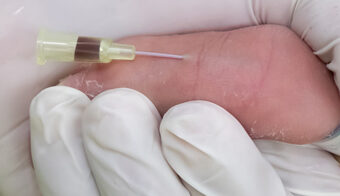
Announcements: The interactive Clinical Pathways have launched and they are available for free! — In this episode, Sam Ashoo, MD, and TR Eckler, MD, discuss the February 2023 Pediatric Emergency Medicine Practice article on Pediatric Electrolyte Emergencies: Recognition and Management in the Emergency Department — History Point-of-care testing I/O lines Presentation, differential, and treatment of:HyponatremiaHypernatremiaHypokalemiaHyperkalemiaHypocalcemiaHypercalcemiaHypomagnesemiaHypophosphatemia

Opioids in Children and Adolescents
Announcements: The interactive Clinical Pathways have launched and they are available for free! ___In this episode, Sam Ashoo, MD, and TR Eckler, MD, discuss the January 2023 Pediatric Emergency Medicine Practice article on the Responsible and Safe Use of Opioids in Children and Adolescents in the Emergency DepartmentDEA-X Waiver Repeal:The Mainstreaming Addiction ActThe Medication Access and Training Expansion Act (MATE)FOAMed postOpioids in Children and Adolescents: IntroductionEpidemiology and Statistics Medication safety at homeEscalation of pain meds at homeNaloxone prescriptionsMedications in childrenCodeineTramadolNSAIDsLocal anesthetics and nerve blocksIntranasal meds: Ketamine and fentanylOpioids and sedationRegional anesthesiaChronic pain

Allergic Reactions and Anaphylaxis
Announcements: The interactive Clinical Pathways have launched and they are available for free! — In this episode, Sam Ashoo, MD, and TR Eckler, MD, discuss the July 2022 Emergency Medicine Practice article on the Management of Allergic Reactions and Anaphylaxis in the Emergency Department. IntroThe number of ED visits and hospitalizationsStudies show up to 57% of anaphylactic reactions are not recognized, and epinephrine is not administered in up to 80% of cases. Criteria2006 Second National Institute of Allergy and Infectious Disease/Food Allergy and Anaphylaxis Network (NIAID/FAAN)WAO revised the criteria in 2020 Delphi group and Brown et alPathophysiology EpidemiologyMost common causes in children and adultsMore than half of deaths from anaphylaxis occur within the first hour of symptom onsetPrehospital CareGive epi, H1 blockersMainstay = recognitionED CareAirwayEpinephrineDecontaminationH1 and H2 blockersCorticosteroidsBiphasic reactionsGlucagonSpecial CasesAlpha-galScombroidKounis syndrome

Pediatric Septic Shock
Announcements: 1) The interactive Clinical Pathways have launched and they are available for free! 2) 2023 E/M coding guidelines are in effect. See the summary here. ___ In this episode, Sam Ashoo, MD, interviews Ara Festekjian, MD, one of the authors of the November 2022 Pediatric Emergency Medicine Practice article on Pediatric Septic Shock in the Emergency Department Introduction: How common is sepsis in kids and what is the mortality rate in the US? DefinitionsSeptic shockSepsis associated organ dysfunctionSepsis-3Compensated vs uncompensated shock EtiologyNeonateCentral line and VP shuntsAspleniaImmunocompromised children Differential Diagnosis Prehospital Care ED EvaluationHistoryExaminationSeptic shock + cardiogenic shockWarm vs cold shockEvolution of physical exam findingsDiagnosticsLabsImagingTreatmentIV/IO placementFluid bolusesAntibiotics Pressors Airway management Special PopulationsFebrile neutropeniaNewborns with septic shockControversiesFluid volumeFluid typeAntibiotic timingCorticosteroids

Influenza
In this episode, Sam Ashoo, MD, and TR Eckler, MD, discuss the December 2022 Evidence-Based Urgent Care article on Influenza in Urgent Care.EpidemiologyHistorical dataSince COVID, tracking "influenza-like illness" has been complicatedInfluenza deaths and ageAnnual mortality OutbreaksTransmissionClassificationInfluenza A, B, and CHemagglutinin and neuraminidase subgroupsAntigenic drift and shiftPathophysiologyTransmissionIncubation Secondary infectionH3N2VaccinesEgg-based, cell-based, and recombinant influenza vaccinesCDC recommendationsPatients aged >65 yearsDifferential DiagnosisComplications TestingWhen is it indicated? What types of tests are available? Testing in periods of low and high prevalence TreatmentHigh-risk conditions that suggest treatment Antiviral medications Oseltamivir: NNT and NNHResistance patternsBilling and Coding

Angioedema
In this episode, Sam Ashoo, MD, interviews Prayag Mehta, MD, and Nikola Milanko, MD, two of the authors of the October 2022 Emergency Medicine Practice article on Angioedema in the Emergency Department Pathophysiology: Non-pitting edema of respiratory or GI tractHistamine meditated, bradykinin mediated, or idiopathicAcquired, inherited, or idiopathicDo they present differently? (Urticaria, speed of onset)Histamine MediatedMost common form: 40%-70%Can be triggered by NSAIDsCan be induced by physical mechanism like cold, vibrationIs rash a reliable method of distinguishing the types?Bradykinin MediatedMay progress slowlyCan be inherited or acquiredCommon triggers include ACE inhibitors and TPATable 1 Differential Diagnosis Prehospital CareProtect airwayEpi, steroids, antihistaminesAvoid CPAPED HistoryFigure 2: Distinguishing characteristics of histamine vs bradykinin mediatedED ExamImportance of repetitive examsAirway examinationLaryngoscopy?DiagnosticsFigure 6: Flow diagram of ED workupLabsImagingTreatmentAirway: IntubationMedicationSpecial PopulationsPediatricPregnant/lactating patientsControversiesTXADisposition

Pediatric Ocular Trauma
In this episode, Sam Ashoo, MD, interviews Ami Shah, MD, MPH, and Don Walker, MD, about eye injuries in the pediatric population. Why ocular injuries? Why did you pick this topic? What kind of injuries are included and at what age are they most common? Injury zones and terminology Differential DiagnosisWhat should we keep in mind when we are confronted with an ocular injury? (Table 3)Prehospital CareWhat do our EMS colleagues need to keep in mind when transporting a child with an ocular injury?How can they help us in the ED?ED EvaluationHistory: What's important to know?Physical: Visual acuity and eye examDiagnostics: Slit lamp, ocular pressure, US, CT, MRITreatmentLid lacerations: Who repairs and when?Orbital fractures: What should we be looking for? Why is it different in children? When does repair typically occur?Corneal abrasionsCorneal foreign bodyChemical injuries: Irrigate with what and for how long?Traumatic hyphema: Treatment, dispositionTraumatic iritis: Treatment, outcomeOpen globe injuriesRetrobulbar hematoma - First 10 EMSpecial PopulationsHemophilia, Von Willebrand diseaseSickle cell and traitNeonates and infantsContact lensesControversies and Cutting EdgeKetamineTetanusNSAIDs, topical?Topical anestheticsVisual acuity apps

Career Disillusionment
In this episode of EMplify: Conversation, Sam Ashoo, MD talks with Rob Orman, MD, founder of Orman Physician Coaching, about career disillusionment.Career Disillusionment: What is it? How do we combat it? Should we combat it? A frog in boiling water... BurnoutTwo questions to ask yourselfHow coaching can helpThe advice trapA framework to explore your career and life goalsMore at Orman Physician Coaching.

Pediatric Firearm Injuries to the Extremity
In this episode, Sam Ashoo, MD interviews Rawad Rayes, MD and Eva Tovar Hirashima, MD, MPH – two of the authors of the August 2022 PEMP article on Pediatric Firearm Injuries to the Extremity: Management in the Emergency Department.Episode Outline:How common are pediatric firearm injuries? What is the most common location of these injuries? Is there much literature published on this topic? Epidemiology What’s been the trend in pediatric firearm injuries over the past 10 years? Do we have any idea how/why these are occurring (ie, accidental, intentional, etc)Terminology: For those unfamiliar with firearms (table 1)Ballistics: Mechanisms of damage. Pre-hospital careTrauma center transportPrehospital hemorrhage control -- Combat application tourniquet, anything else? ED EvaluationSIPA -- What is it and why use it? Primary survey -- Tachycardia -> delayed cap refill -> hypotension in children? Secondary SurveyDiagnostic Studies: Damage Control ResuscitationWound Care -- Do we remove projectiles? Can they stay in? Antibiotics Joint InvolvementCompartment Syndrome -- 3 As vs 6 PsRhabdomyolysisControversiesCTA for all injuries? Hemostatic devices -- Any role for these in the ED?
Conversation - Artificial Intelligence and EM Coach
Conversation - Artificial Intelligence and EM Coach

Conversation - Artificial Intelligence and EM Coach
In this episode of EMplify: Conversation, Sam Ashoo, MD talks with Andrew Phillips, MD, MEd, founder of EM Coach, about artificial intelligence and emergency medicine education.EM/Critical care practice - what’s that like? EM Coach - what is it? Artificial Intelligence -What is it and how does EM Coach use it? The algorithmHow did you create it? What does it do? The evidence behind itHow and where to access EM Coach

Human Trafficking of Children and Adolescents
In this episode, Sam Ashoo, MD interviews Lela Bachrach, MD, MS, Larissa Truschel, MD, MPH, and Makini Chisolm-Straker, MD, MPH - the authors of the July 2022 PEMP article on Human Trafficking of Children and Adolescents: Recognition and Response in the Emergency Department. Listen to the discussion to hear more about the emergency medicine approach to human trafficking. Human Trafficking of Children and Adolescents: Recognition and Response in the Emergency Department EMplify - Sept 2022Episode Outline:Differential DiagnosisWhat is the differential diagnosis for this scenario in the ED?Are these diagnoses mutually exclusive ?EMS/Prehospital CareWhat role do EMS providers play in the recognition of trafficking?ED EvaluationWhat are common presentations/complaints that may represent trafficking?Examination: Privacy, use of a separate room, how do we accomplish this with minors?Ground rules: What does this mean? How do you state this in your practice? Do you find this dissuades patients form reporting?Technology: What if they are on the phone?History - HEADS-EDPhysical examination - Findings that lead to suspicion, documentation best practices.Diagnostic StudiesImaging: Any role for this?Lab testing: STI, anything else?Screening tools: Trauma-informed care, PEARR toolLocal laws differ by state. How do we handle this with patients? Does it dissuade reporting?"Rescuing mentality" and what that means in the EDTreatment MedicalBeyond medicines: Local services, national hotlineSpecial PopulationsDiagnosis: What to chart? National Human Trafficking Hotline 1-888-373-7888https://humantraffickinghotline.org/
Human Trafficking of Children and Adolescents
Human Trafficking of Children and Adolescents
International Medical Corps, Ukraine
International Medical Corps, Ukraine

International Medical Corps, Ukraine
In this episode of EMplify: Conversation – Sam Ashoo, MD, and TR Eckler, MD, speak with John Roberts, MD, MPH, about his work with the International Medical Corps and his efforts in Ukraine.Topics include:What is the International Medical Corps (IMC) and what does it do?What has IMC been doing in the U.S.?What is involved in disaster response?What has IMC been doing in Ukraine?What are the conditions like in Ukraine now?How does bombing of civilian areas affect Ukraine and the IMC projects?How can we support IMC efforts?How can we volunteer with the IMC?How does IMC balance long-term efforts and short-term relief to prevent harm to communities?How has the war in Ukraine effected surrounding areas?What has been most frustrating and most rewarding for you in your work with IMC?How did you start your career in disaster medicine and how would someone interested in it follow your footsteps?LinksIMC WebsiteIMC JobsRoster PositionsRoster position - MDRoster position - Nurse Roster position - Nurse Practitioner Roster position - Midwife Disaster MedicineThe Nuts & Bolts of Global EM, free e-book
Valvular Emergencies
Valvular Emergencies
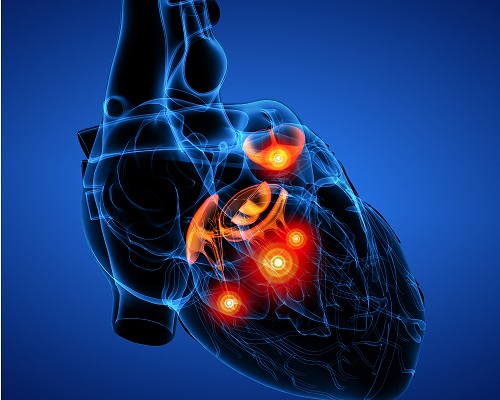
In this episode, Sam Ashoo, MD interviews Adam Sigal, MD and Stephanie Costa, MD - the authors of the August 2022 EMP article on Managing Acute Cardiac Valvular Emergencies in the Emergency Department. Listen to the discussion to hear more about the emergency medicine approach to valvular emergencies. Managing Acute Cardiac Valvular Emergencies in the Emergency DepartmentEMplify - August 2022Episode Outline:Why Valvular disease? How common is it? How often do we see it in the ED? Which valves are we talking about? Aortic Valve DiseaseTypes and causesMitral Valve DiseaseTypes and causesTricuspid and Pulmonic DiseaseDifferential Diagnosisacute coronary syndromes (ACS)pulmonary embolismtamponadechronic obstructive pulmonary disease (COPD)pneumoniapneumothoraxPrehospital CareEvaluation of chest painHistoryShock ED EvaluationHistoryAortic StenosisAortic RegurgitationMitral StenosisMitral RegurgitationPhysical exam findings Diagnostic Testing LabsECGCXRBedside USFormal ECHOTreatmentSpecial PopulationsProsthetic valvesPregnant patientsSee Episode Page
Valvular Emergencies
Update- Where Are We With...

Update- Where Are We With...
In this episode of EMplify, Sam Ashoo, MD reviews recent updates on the following topics: COVID-19Public health emergency extendedCases increasingMedications and Vaccinations availablePharmacists prescribing COVID medicationsCDC COVID Therapeutics websiteHHS COVID Therapeutics LocatorMonkeypoxCases increasingVaccinationTestingFOAMED post on Diagnosis and Treatment PPEScience Direct article on Monkeypox 3I ToolMedication ShortagesBenzodiazepinesFOAMED post on benzodiazepine equivalenceAmerican Society of Health System Pharmacists (ASHP)988 Crisis LineBaby Formula Shortage
Update- Where Are We With...
Conversation - Meningococcal Meningitis
Conversation - Meningococcal Meningitis
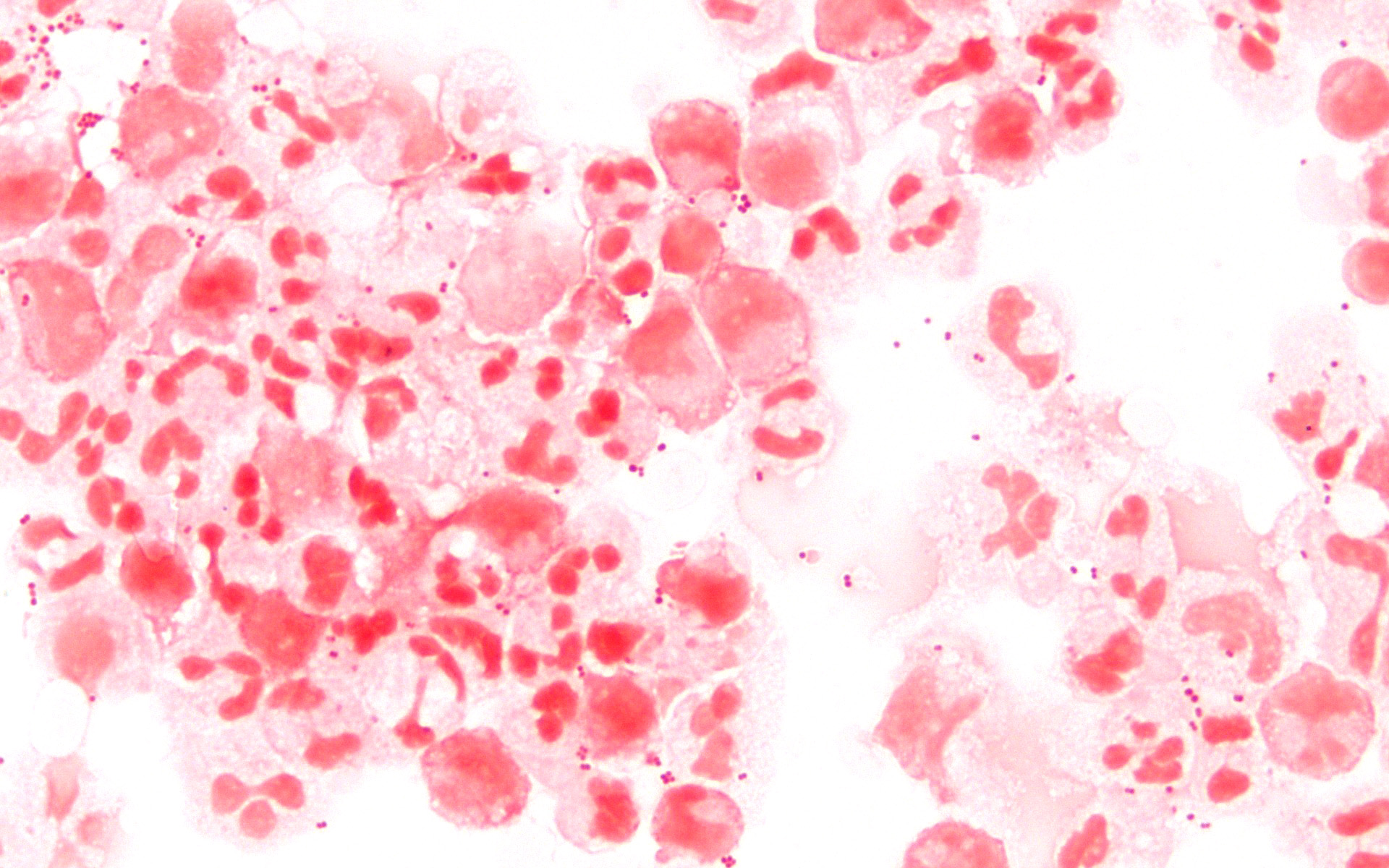
In this episode of EMplify: Conversation, Sam Ashoo, MD and TR Eckler, MD discuss meningococcal meningitis and the recent outbreak in Florida.Topics discussed include:Which vaccines are currently approved by the FDA and recommended by the CDC.The difference between the MEN ACWY vaccine and the meningococcal B vaccine.What the current recommendations are for those exposed.Challenges for healthcare providers treating patients who have been exposed or have symptoms.Further reading:Hogan AN, Brockman II CR, Santa Maria A. Emergency department management of adults with infectious meningitis and encephalitis. Emerg Med Pract. 2022 Apr;24(4):1-24. Epub 2022 Apr 2. PMID: 35315604.CDC Meningococcal Disease and Vaccination. As always, we value your feedback. Please take our listener survey.See the episode page for more details.
Conversation - Meningococcal Meningitis
Conversation - High Sensitivity Troponin
Conversation - High Sensitivity Troponin
Conversation - High Sensitivity Troponin
In this episode of EMplify: Conversation, Sam Ashoo, MD and TR Eckler, MD discuss high sensitivity troponin testing and clinical pathways.Topics discussed include: Which troponin assay are you currently using and what are its limits of detection? Do delta troponin results only count if they increase? If the test result is indeterminate, then what? repeat in 1 hr (European standard), repeat in 3 hours (depending on chest pain onset), or just admit if the HEAR(T) score is high? What does one negative troponin on presentation mean? No death in 30 days to 1 year but still missed MI?And more... ReferencesAnand A, et al; HiSTORIC Investigators†. High-Sensitivity Cardiac Troponin on Presentation to Rule Out Myocardial Infarction: A Stepped-Wedge Cluster Randomized Controlled Trial. Circulation. 2021 Jun 8;143(23):2214-2224. doi: 10.1161/CIRCULATIONAHA.120.052380. Epub 2021 Mar 23. PMID: 33752439; PMCID: PMC8177493.Chapman AR, et al. Association of High-Sensitivity Cardiac Troponin I Concentration With Cardiac Outcomes in Patients With Suspected Acute Coronary Syndrome. JAMA. 2017 Nov 21;318(19):1913-1924. doi: 10.1001/jama.2017.17488. Erratum in: JAMA. 2018 Mar 20;319(11):1168. Soerensen NA [corrected to Sorensen NA]. PMID: 29127948; PMCID: PMC5710293.Chenevier-Gobeaux C, et al. Multi-centre evaluation of recent troponin assays for the diagnosis of NSTEMI. Pract Lab Med. 2018 Feb 26;11:23-32. doi: 10.1016/j.plabm.2018.02.003. PMID: 30014015; PMCID: PMC6045566.Chiang CH, Chiang CH, Lee GH, Qian F, Chen SC, Lee CC. Time to Implement the European Society of Cardiology 0/1-Hour Algorithm. Ann Emerg Med. 2020 Nov;76(5):690-692. doi: 10.1016/j.annemergmed.2020.05.038. PMID: 33097132; PMCID: PMC7575504.McCarthy CP, Januzzi JL Jr. Increasingly Sensitive Troponin Assays: Is Perfect the Enemy of Good? J Am Heart Assoc. 2020 Dec;9(23):e019678. doi: 10.1161/JAHA.120.019678. Epub 2020 Nov 26. PMID: 33238785; PMCID: PMC7763764.Neumann JT, et al. Application of High-Sensitivity Troponin in Suspected Myocardial Infarction. N Engl J Med. 2019 Jun 27;380(26):2529-2540. doi: 10.1056/NEJMoa1803377. PMID: 31242362.Miller J, Cook B, Singh-Kucukarslan G, Tang A, Danagoulian S, Heath G, Khalifa Z, Levy P, Mahler SA, Mills N, McCord J. RACE-IT - Rapid Acute Coronary Syndrome Exclusion using the Beckman Coulter Access high-sensitivity cardiac troponin I: A stepped-wedge cluster randomized trial. Contemp Clin Trials Commun. 2021 Apr 23;22:100773. doi: 10.1016/j.conctc.2021.100773. PMID: 34013092; PMCID: PMC8114080.

Conversation – Cognitive Reframing
In this episode of EMplify: Conversation, Sam Ashoo, MD and Rob Orman, MD discuss cognitive reframing.What is cognitive reframing you ask? It is a tool for dealing with a particularly difficult event. In our case, we discuss the “near miss” medical case and how it impacted a physician. Then we discuss how the use of cognitive reframing can help improve our perception of these “near miss” events in medicine. We also discuss what this tool can do for our longevity in medicine, regardless of our career choices. So take a listen. You may be surprised how this tool can be used in all aspects of your life.Rob Orman refers to a videos he created for a client for the post-shift power-down. You can find it and other helpful videos on his YouTube channel.Also, if you would like to learn more about Dr Rob Orman’s coaching services, visit his home page .As always, we value your feedback. Please take our listener survey.See the episode page for more details.
Procedural Sedation & Analgesia
In this episode, Sam Ashoo, MD interviews Prayag Mehta, MD and Joshua Kern, MD – two of the authors of the June, 2022 EMP article on Procedural Sedation and Analgesia in the Emergency Department. Listen to the discussion to hear more about the emergency medicine approach to sedation in adults and pediatrics !Procedural Sedation and Analgesia in the Emergency DepartmentEMplify – June 2022Episode Outline:1.Procedural sedation and analgesia (PSA): terminology2.Levels of sedationMinimalModerateDeepGeneral anesthesia3.Prehospital care4.ED care: patient assessmentASA class systemComplicationsEquipment needed (Table 1)Larson maneuver (Figure 2)5.Procedural techniqueCurrent ACEP and AAP recommendationsData for 1- or 2-physician sedation6.Preprocedural fastingDo we even need to consider this in PSA?7.Capnography8.Oxygen supplementation9.Preprocedural opioids10.Preprocedural sedatives11.Anticholinergics12.Antiemetics13.Treatment (Table 2)FentanylRemifentanilMidazolamNitrous oxidePropofolKetamineKetofolEtomidate14.Reversal agentsNaloxoneFlumazenil15.Special populationsPediatricsPregnancyGeriatrics16.Cutting edgeDexmedetomidine
Procedural Sedation & Analgesia
Procedural Sedation & Analgesia

Conversation – Ukraine with Dr. JP McBryde
The war in Ukraine has now been ongoing for 100 days. In today’s episode of EMplify: Conversations we hear from Dr. J.P. McBryde about his experience as an emergency physician volunteering in Ukraine.You can read more about Med Global and their efforts in Ukraine, on their home page:https://medglobal.org/ukraine/We would love to have your feedback. Please take the listener survey:https://www.surveymonkey.com/r/ZQRWQFWThanks for being a listener.
Monkeypox

Monkeypox
EpidemiologyCaused by double stranded DNA virus, genus orthopoxvirus, closely related to smallpox and cowpox.Discovered in 1958 in monkeys with first human case recorded in 1970 in the Democratic Republic of Congo. (CDC) It is a zoonotic disease , meaning it is transmitted from animal to humans, with primary reservoir in squirrels, Gambian poached rats, dormice, different species of monkeys and others. First reported in the U.S. in 2003. Cases were related to pet prairie dogs that had been housed with monkeypox virus infected African rodents, imported from Ghana (WHO)There are 2 clades (having evolved from same ancestral line) of the disease. The current outbreak is from the West African lineage. (WHO)West African – milder disease, 1-3% fatalityCongo Basin – severe disease, 10% fatality Due to the similarity in the viruses, immunization against smallpox has been found to prevent infection with monkeypox. The WHO believes that increasing frequency of worldwide infection may be related to waning immunity against smallpox, since that disease was eradicated in 1980 and the vaccine is no longer popularly used. TransmissionAnimal to human – contact with sick or dead animals, ingesting poorly cooked meat of infected animals.Human to human -” Human-to-human transmission is thought to occur primarily through large respiratory droplets. Respiratory droplets generally cannot travel more than a few feet, so prolonged face-to-face contact is required. Other human-to-human methods of transmission include direct contact with body fluids or lesion material, and indirect contact with lesion material, such as through contaminated clothing or linens.” (CDC)SymptomsInitial 1-3 days – fever, lymphadenopathy, back pain, headache, myalgias, fatigue2-4 weeks of rash progression: macules -> papules -> vesicles -> pustules -> scabsThe pox rash starts on the face and spreads to the rest of the body.TestingDetection is by PCR testing, ideally of body fluid contained in the pox blisters.Test kits are available through local U.S. Health Departments and the CDC. All suspected cases should be reported to local authorities.TreatmentTreatment includes vaccinating anyone who has been exposed with the smallpox vaccine (ring vaccination). The general population is no longer routinely vaccinated due to side-effects of the smallpox vaccine.No current recommendation exists for antiviral therapy or smallpox immunoglobulin therapy. See CDC recommendations PreventionThe JYNNEOS vaccine was FDA approved in 2019 for adults > 18 against both smallpox and monkeypox. It is a 2 dose non-replicating attenuated virus that does not produce a lesion, and therefore can not cause transmission to others. The CDC Advisory Committee on Immunization Practices is currently evaluating vaccine data with a formal recommendation pending. Media reports note the U.S. government has ordered millions of doses. The original smallpox vaccine (DRYVAX) is no longer in production. However, a second generation clone, ACAM2000, is produced by Synofi and approved by the FDA. The WHO notes that smallpox vaccine is 85% effective in preventing monkeypox.Vaccination is recommended for lab workers and anyone exposed to monkeypox. The CDC recommends vaccination within 4 days of exposure to prevent disease, with ACAM2000. However, vaccination between days 4-14 is also recommended to reduce disease severity. Vaccination does carry risks. The CDC estimates “Based on past experience, it is estimated that between 1 and 2 people out of every 1 million people vaccinated will die as a result of life-threatening complications from the vaccine” (ACAM2000) but notes that disease fatally is 1-10% outweighing the risk of vaccination. Further ReadingCurrent WHO Outbreak TrackerCDC Monkeypox ReferenceJohns Hopkins Monkeypox Reference