Education, The Creative Process: Educators, Writers, Artists, Activists Talk Teachers, Schools & Creativity
315 episodes — Page 6 of 7
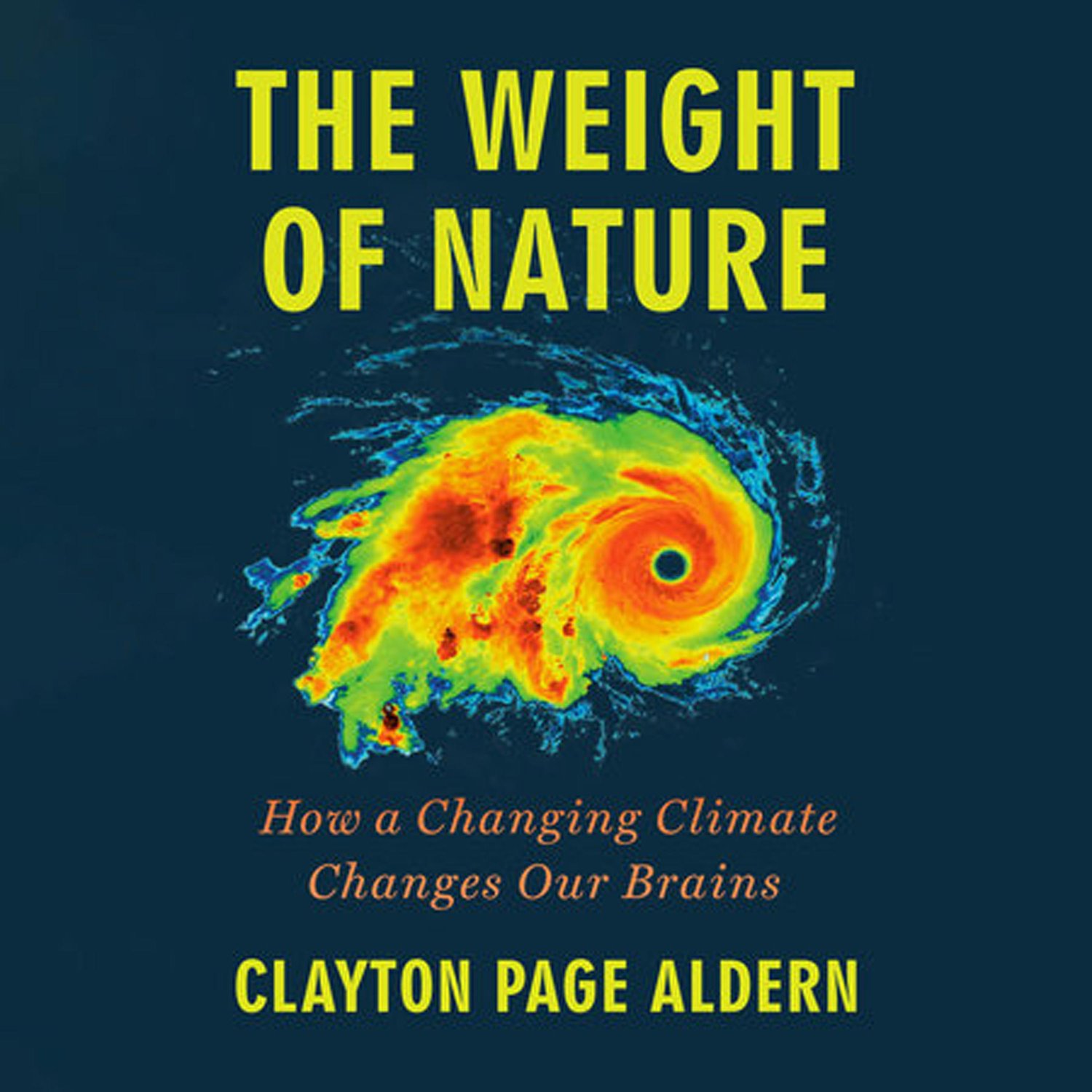
How does a changing climate affect our minds, brains & bodies? - Highlights - CLAYTON ALDERN
"Our brain is the organ from which our rich experience of the world arises. Brains are responsible for love, for sadness, and these profound experiences are those in which I sought to investigate."Clayton Page Aldern is an award winning neuroscientist turned environmental journalist whose work has appeared in The Atlantic, The Guardian, The Economist, and Grist, where he is a senior data reporter. A Rhodes Scholar, he holds a Master's in Neuroscience and a Master's in Public Policy from the University of Oxford. He is also a research affiliate at the Center for Studies in Demography and Ecology at the University of Washington. He is the author of The Weight of Nature: How a Changing Climate Changes Our Minds, Brains, and Bodies, which explores the neurobiological impacts of rapid environmental change.https://claytonaldern.comwww.penguinrandomhouse.com/books/717097/the-weight-of-nature-by-clayton-page-aldern https://csde.washington.edu www.creativeprocess.infowww.oneplanetpodcast.orgIG www.instagram.com/creativeprocesspodcast
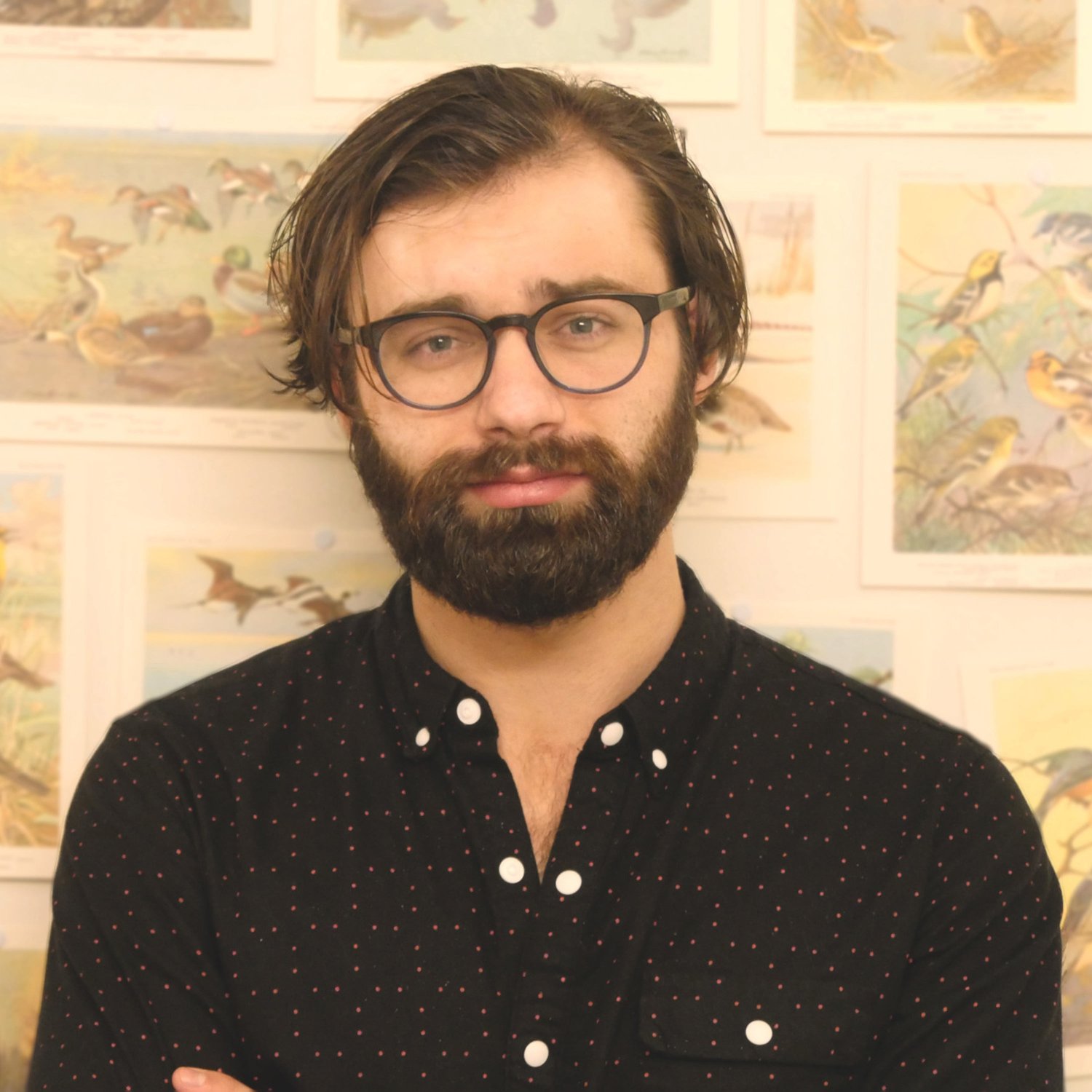
How climate change is making us sick, angry & anxious - CLAYTON ALDERN - Neuroscientist turned Eco-Journalist
How does a changing climate affect our minds, brains and bodies?Clayton Page Aldern is an award winning neuroscientist turned environmental journalist whose work has appeared in The Atlantic, The Guardian, The Economist, and Grist, where he is a senior data reporter. A Rhodes Scholar, he holds a Master's in Neuroscience and a Master's in Public Policy from the University of Oxford. He is also a research affiliate at the Center for Studies in Demography and Ecology at the University of Washington. He is the author of The Weight of Nature: How a Changing Climate Changes Our Minds, Brains, and Bodies, which explores the neurobiological impacts of rapid environmental change."Our brain is the organ from which our rich experience of the world arises. Brains are responsible for love, for sadness, and these profound experiences are those in which I sought to investigate."https://claytonaldern.comwww.penguinrandomhouse.com/books/717097/the-weight-of-nature-by-clayton-page-aldern https://csde.washington.edu www.creativeprocess.infowww.oneplanetpodcast.orgIG www.instagram.com/creativeprocesspodcast

There’s another side to every war. Satire, War & Hollywood - Co-creator DON McKELLAR on The Sympathizer
"What saved me as a young person, I think, was how I connected with the arts. And I was exposed to this sort of world of possibility. What I hope for children is sort of courageous curiosity. I feel that they have to pursue their creative impulses, and I hope that art can inspire them to do that. That's what I always do. When I'm creating work, I always want it to be inspiring in a way. Not inspiring like a Hallmark movie, you know, like not happy, not necessarily, but provocative in a way that inspires thought, inspires creativity. So when I see young people, what I always try and encourage in them is sort of courage. Courage at facing the world, not being afraid of the world, and being. And I think that art can provide that, can bolster that courage."Don McKellar is a highly accomplished writer, director, and actor. He has written films including Roadkill, Highway 61, Dance Me Outside, The Red Violin, and Blindness. He won the Prix de la Jeunesse at the 1988 Cannes Film Festival for his directorial debut, Last Night, which he also wrote and starred in. He is an eight-time Genie Award nominee and a two-time winner.He wrote the book for the acclaimed musical The Drowsy Chaperone, for which he received a Tony Award. Most recently, Don served as writer, executive producer, and co-showrunner on The Sympathizer, a television adaptation of Viet Thanh Nguyen's Pulitzer Prize-winning novel of the same name. The series was co-created with Park Chan-wook.www.imdb.com/name/nm0001528/mediaviewer/rm2411273728/?ref_=nm_ov_phwww.imdb.com/title/tt14404618/?ref_=nv_sr_srsg_0_tt_8_nm_0_q_the%20sympawww.creativeprocess.infowww.oneplanetpodcast.orgIG www.instagram.com/creativeprocesspodcastPhoto courtesy of HBO

DON McKELLAR on The Sympathizer with Hoa Xuande, Robert Downey Jr., Park Chan-wook
What are the stories we tell ourselves to justify our actions in times of war? How can the arts convey complexity and foster understanding?Don McKellar is a highly accomplished writer, director, and actor. He has written films including Roadkill, Highway 61, Dance Me Outside, The Red Violin, and Blindness. He won the Prix de la Jeunesse at the 1988 Cannes Film Festival for his directorial debut, Last Night, which he also wrote and starred in. He is an eight-time Genie Award nominee and a two-time winner.He wrote the book for the acclaimed musical The Drowsy Chaperone, for which he received a Tony Award. Most recently, Don served as writer, executive producer, and co-showrunner on The Sympathizer, a television adaptation of Viet Thanh Nguyen's Pulitzer Prize-winning novel of the same name. The series was co-created with Park Chan-wook."What saved me as a young person, I think, was how I connected with the arts. And I was exposed to this sort of world of possibility. What I hope for children is sort of courageous curiosity. I feel that they have to pursue their creative impulses, and I hope that art can inspire them to do that. That's what I always do. When I'm creating work, I always want it to be inspiring in a way. Not inspiring like a Hallmark movie, you know, like not happy, not necessarily, but provocative in a way that inspires thought, inspires creativity. So when I see young people, what I always try and encourage in them is sort of courage. Courage at facing the world, not being afraid of the world, and being. And I think that art can provide that, can bolster that courage."www.imdb.com/name/nm0001528/mediaviewer/rm2411273728/?ref_=nm_ov_phwww.imdb.com/title/tt14404618/?ref_=nv_sr_srsg_0_tt_8_nm_0_q_the%20sympawww.creativeprocess.infowww.oneplanetpodcast.org IG www.instagram.com/creativeprocesspodcastPhotos courtesy of HBOSusan Downey, Robert Downey Jr., Don McKellarRobert Downey Jr. in The Sympathizer, photo by Beth Dubber/HBOHoa Xuande in The Sympathizer, photo by Hopper Stone/HBO
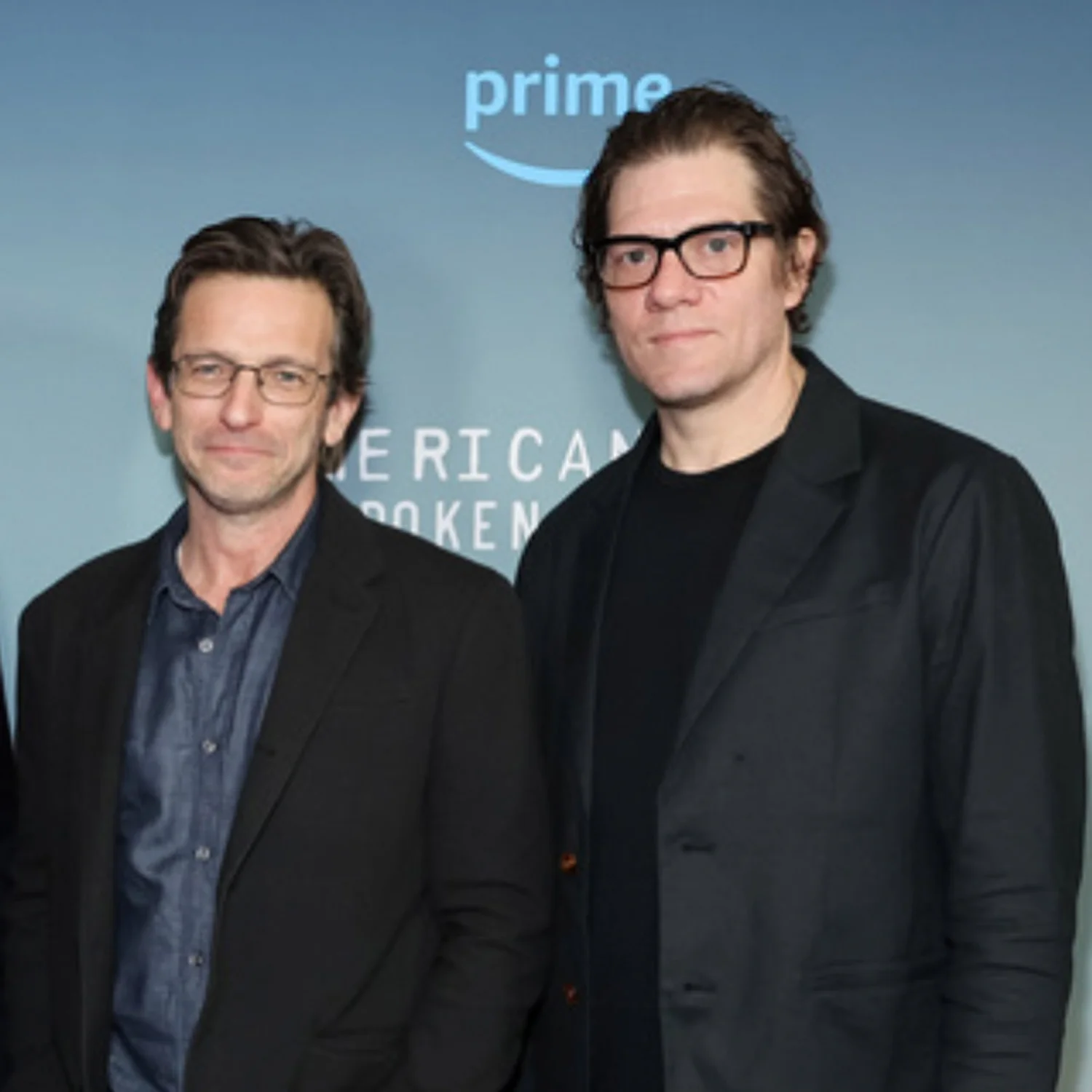
Do good deeds offset bad deeds? How do our families shape who we become?- Highlights - DAN FUTTERMAN & ADAM RAPP
"S. E. Hinton, Susie Hinton wrote The Outsiders when she was 15 and 16. It was published when she was 17. She was told by one editor in particular that she couldn't have any swear words, so she was sort of forced to write about these very big, intense, love-and-death operatic themes where there's a boy who dies by suicide by cop. There's a boy who dies from a fire. So it's about grief. His parents die in a car crash prior to all that. There's this hugely stacked deck of grief that exists in the novel. But when you read the novel, there's a very sweet and loving tone to it. So when I started working on it, I recall childhood in Joliet, Illinois. My mom was a single parent, and she raised three kids on her own on a nurse's salary. So I had to give myself permission to take her great dark themes and actions that are in her novel and like give language to it that was also from an adult world.Right now, live theater is probably much different than looking at a screen. It's much different than looking at your computer or your Game Boy or whatever. I see grown men on the subway playing video games on their phones. And we're not even looking at each other on the subways anymore. We're like deep in our in a screen. And I wonder what that's done. And so I think theater actually has a powerful ability to rewire us to the human experience. And maybe because of it, maybe we can find more empathy or more capacity toward kindness."Dan Futterman is creator, executive producer, and writer of Amazon Prime's American Rust, the acclaimed crime drama starring Jeff Daniels, Maura Tierney, and David Alvarez. Previously, Dan has written screenplays for Capote, Foxcatcher, In Treatment, and Gracepoint. He served as executive producer on The Looming Tower. Dan is also an actor, director, and two-time Oscar nominee.Adam Rapp is the executive producer and writer of American Rust. He has written plays, films, and series, including Red Light Winter, The Sound Inside, In Treatment, Blackbird, The Looming Tower, and Dexter: New Blood. His latest novel is Wolf at the Table. He recently wrote the book for the new Broadway musical, The Outsiders. www.imdb.com/name/nm0001246www.imdb.com/name/nm1452688/?ref_=fn_al_nm_1www.imdb.com/title/tt1532495/ https://outsidersmusical.com/ www.hachettebookgroup.com/titles/adam-rapp/wolf-at-the-table/9780316434164/?lens=little-brownwww.creativeprocess.infowww.oneplanetpodcast.orgIG www.instagram.com/creativeprocesspodcast

The Outsiders Musical & American Rust w/ ADAM RAPP & DAN FUTTERMAN - Award-winning Writers
What role do the families we’re born into or the traumas we experience shape the people we become? Do good deeds offset bad deeds? How can the arts increase our capacity for empathy, understanding, and kindness?Dan Futterman is creator, executive producer, and writer of Amazon Prime's American Rust, the acclaimed crime drama starring Jeff Daniels, Maura Tierney, and David Alvarez. Previously, Dan has written screenplays for Capote, Foxcatcher, In Treatment, and Gracepoint. He served as executive producer on The Looming Tower. Dan is also an actor, director, and two-time Oscar nominee.Adam Rapp is the executive producer and writer of American Rust. He has written plays, films, and series, including Red Light Winter, The Sound Inside, In Treatment, Blackbird, The Looming Tower, and Dexter: New Blood. His latest novel is Wolf at the Table. He recently wrote the book for the new Broadway musical, The Outsiders."S. E. Hinton, Susie Hinton wrote The Outsiders when she was 15 and 16. It was published when she was 17. She was told by one editor in particular that she couldn't have any swear words, so she was sort of forced to write about these very big, intense, love-and-death operatic themes where there's a boy who dies by suicide by cop. There's a boy who dies from a fire. So it's about grief. His parents die in a car crash prior to all that. There's this hugely stacked deck of grief that exists in the novel. But when you read the novel, there's a very sweet and loving tone to it. So when I started working on it, I recall childhood in Joliet, Illinois. My mom was a single parent, and she raised three kids on her own on a nurse's salary. So I had to give myself permission to take her great dark themes and actions that are in her novel and like give language to it that was also from an adult world.Right now, live theater is probably much different than looking at a screen. It's much different than looking at your computer or your Game Boy or whatever. I see grown men on the subway playing video games on their phones. And we're not even looking at each other on the subways anymore. We're like deep in our in a screen. And I wonder what that's done. And so I think theater actually has a powerful ability to rewire us to the human experience. And maybe because of it, maybe we can find more empathy or more capacity toward kindness."www.imdb.com/name/nm0001246www.imdb.com/name/nm1452688/?ref_=fn_al_nm_1www.imdb.com/title/tt1532495/ https://outsidersmusical.com/ www.hachettebookgroup.com/titles/adam-rapp/wolf-at-the-table/9780316434164/?lens=little-brownwww.creativeprocess.infowww.oneplanetpodcast.orgIG www.instagram.com/creativeprocesspodcast
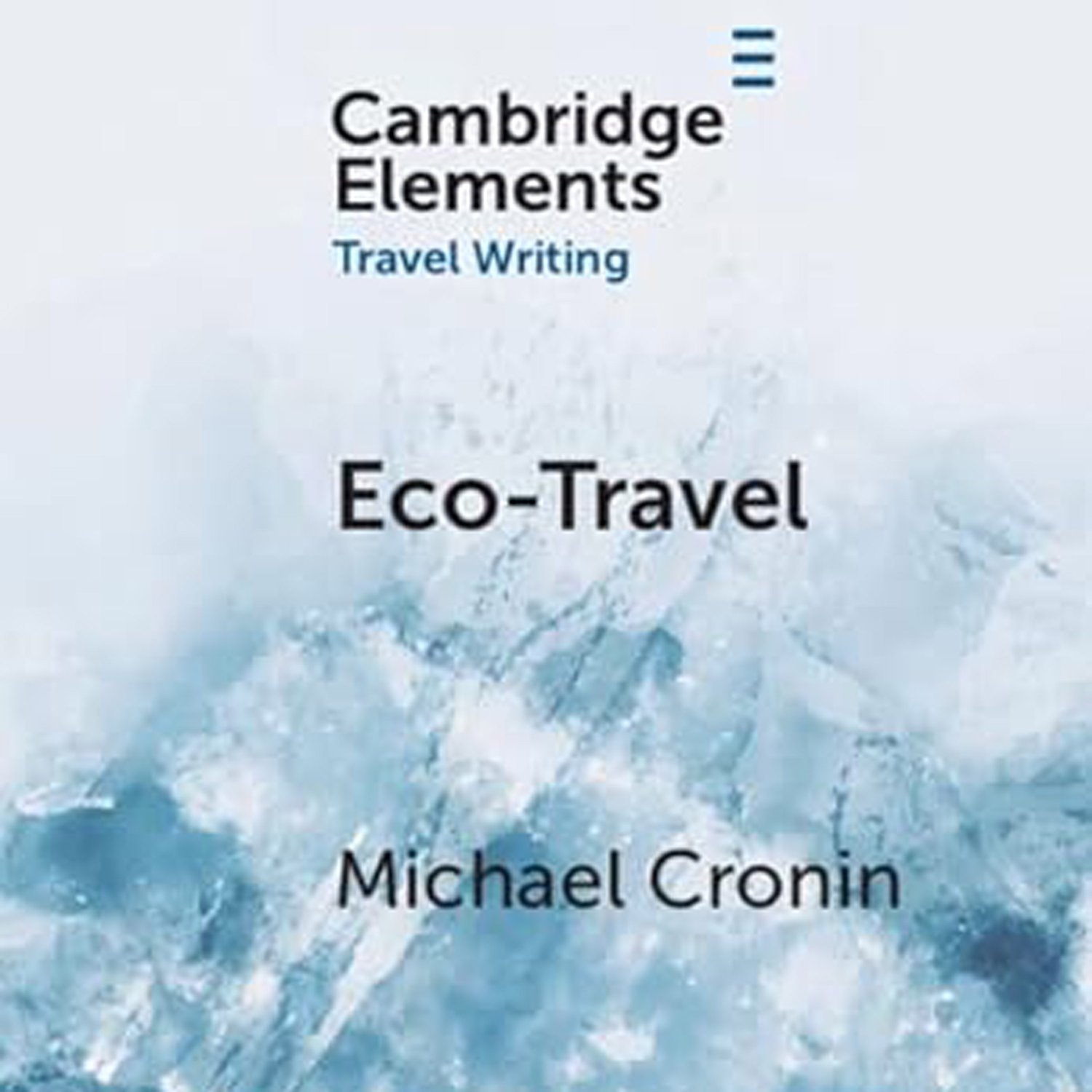
How has travel contributed to the ecological degradation of the planet? - Highlights - MICHAEL CRONIN
“What I think will stay with you for an entire lifetime is to be equipped with the capacity and the tools to find wonder in the world. And that is to find a language for that world, which is supplied through a folk tale, mythology, literature, poetry, and song. And then to also to have the kind of knowledge basis. I still think we suffer from this terrible division between the humanities and the sciences. These two worlds are sundered. I think we need to bring them together. Anybody who has for a moment studied the operations of photosynthesis in a plan or capillary action in trees is just astonished by the miracle of these operations. So I think we need to infuse a kind of a syncretic knowledge, but that would have as its central or its core point of value a rediscovery of wonder in the world. And of course, a world that you wonder at is a world that you cherish and a world that you cherish is a world that you want to preserve. And that, I think, is our only hope.”Michael Cronin is an Irish academic specialist in culture, travel literature, translation studies, and the Irish language. He has taught in universities in France and Ireland and has held visiting research fellowships to universities in Canada, Belgium, Peru, France, and Egypt. He's a fellow of Trinity College Dublin, an elected member of the Royal Irish Academy, and a senior researcher in the Trinity Centre for Literary and Cultural Translation. He is the current holder of the Chair of French (est. 1776) at TCD. He is the author of Eco-Travel: Journeying in the Age of the Anthropocene, Eco-Translation: Translation and Ecology in the Age of the Anthropocene, and other books.www.tcd.ie/French/people/michaelcronin.phpwww.cambridge.org/core/books/ecotravel/24263DF8E2E021915FEF4F937F146D25www.routledge.com/Eco-Translation-Translation-and-Ecology-in-the-Age-of-the-Anthropocene/Cronin/p/book/9781138916845www.creativeprocess.infowww.oneplanetpodcast.orgIG www.instagram.com/creativeprocesspodcast
Eco-Travel: Journeying in the Age of the Anthropocene w/ MICHAEL CRONIN - Author, Prof. of Culture, Literature & Translation
How has tourism and writing about travel contributed to the ecological degradation of the planet?How does language influence perception and our relationship to the more-than-human world?Michael Cronin is an Irish academic specialist in culture, travel literature, translation studies, and the Irish language. He has taught in universities in France and Ireland and has held visiting research fellowships to universities in Canada, Belgium, Peru, France, and Egypt. He's a fellow of Trinity College Dublin, an elected member of the Royal Irish Academy, and a senior researcher in the Trinity Centre for Literary and Cultural Translation. He is the current holder of the Chair of French (est. 1776) at TCD. He is the author of Eco-Travel: Journeying in the Age of the Anthropocene, Eco-Translation: Translation and Ecology in the Age of the Anthropocene, and other books.“What I think will stay with you for an entire lifetime is to be equipped with the capacity and the tools to find wonder in the world. And that is to find a language for that world, which is supplied through a folk tale, mythology, literature, poetry, and song. And then to also to have the kind of knowledge basis. I still think we suffer from this terrible division between the humanities and the sciences. These two worlds are sundered. I think we need to bring them together. Anybody who has for a moment studied the operations of photosynthesis in a plan or capillary action in trees is just astonished by the miracle of these operations. So I think we need to infuse a kind of a syncretic knowledge, but that would have as its central or its core point of value a rediscovery of wonder in the world. And of course, a world that you wonder at is a world that you cherish and a world that you cherish is a world that you want to preserve. And that, I think, is our only hope.”www.tcd.ie/French/people/michaelcronin.phpwww.cambridge.org/core/books/ecotravel/24263DF8E2E021915FEF4F937F146D25www.routledge.com/Eco-Translation-Translation-and-Ecology-in-the-Age-of-the-Anthropocene/Cronin/p/book/9781138916845www.creativeprocess.infowww.oneplanetpodcast.orgIG www.instagram.com/creativeprocesspodcast

How can music help us expand our understanding of consciousness & AI? - Highlights - DUSTIN O’HALLORAN
"I think it's really a crossroads between knowledge and wisdom. And I think that wisdom for me is so connected to nature and the information that we get from nature. We ultimately are part of the natural world. And the knowledge of knowing things and facts and these kinds of bits of information doesn't necessarily mean that we are going in the right direction that we know things. In this space, a lot of wisdom is being lost... About being connected to an earlier time. I feel that that's true. Language is being diminished. There's so many things that are being diminished in this moment. And yet, we're creating something that is going to have vastly more knowledge. But this is where it splits. And what is the idea of consciousness? Is wisdom something that's external? Is it something that is more related to quantum physics and the quantum world, more than just the physical body and the physical brain?"Dustin O’Halloran is a pianist and composer and member of the band A Winged Victory for the Sullen. Winner of a 2015 Emmy Award for his main title theme to Amazon's comedy drama Transparent, he was also nominated for an Oscar, a Golden Globe, and a BAFTA for his score for Lion, written in collaboration with Volker Bertelmann (aka Hauschka). He has composed for Wayne McGregor (The Royal Ballet, London), Sofia Coppola’s Marie Antoinette, Ammonite starring Kate Winslet, and The Essex Serpent starring Claire Danes. He produced Katy Perry’s “Into Me You See” from her album Witness and appears on Leonard Cohen’s 2019 posthumous album Thanks For The Dance. With six solo albums under his name, his latest album 1 0 0 1, which explores ideas of technology, humanity and mind-body dualism, is available on Deutsche Grammophon.https://dustinohalloran.com/www.deutschegrammophon.com/en/artists/dustin-o-halloranwww.imdb.com/name/nm0641169/bio/?ref_=nm_ov_bio_smMusic courtesy of Dustin O’Halloran and Deutsche Grammophonwww.creativeprocess.infowww.oneplanetpodcast.orgIG www.instagram.com/creativeprocesspodcast

Consciousness, AI & Creativity with DUSTIN O’HALLORAN - Emmy Award-winning Composer
What will happen when Artificial General Intelligence arrives? What is the nature of consciousness? How are music and creativity pathways for reconnecting us to our humanity and the natural world?Dustin O’Halloran is a pianist and composer and member of the band A Winged Victory for the Sullen. Winner of a 2015 Emmy Award for his main title theme to Amazon's comedy drama Transparent, he was also nominated for an Oscar, a Golden Globe, and a BAFTA for his score for Lion, written in collaboration with Volker Bertelmann (aka Hauschka). He has composed for Wayne McGregor (The Royal Ballet, London), Sofia Coppola’s Marie Antoinette, Ammonite starring Kate Winslet, and The Essex Serpent starring Claire Danes. He produced Katy Perry’s “Into Me You See” from her album Witness and appears on Leonard Cohen’s 2019 posthumous album Thanks For The Dance. With six solo albums under his name, his latest album 1 0 0 1, which explores ideas of technology, humanity and mind-body dualism, is available on Deutsche Grammophon."I think it's really a crossroads between knowledge and wisdom. And I think that wisdom for me is so connected to nature and the information that we get from nature. We ultimately are part of the natural world. And the knowledge of knowing things and facts and these kinds of bits of information doesn't necessarily mean that we are going in the right direction that we know things. In this space, a lot of wisdom is being lost... About being connected to an earlier time. I feel that that's true. Language is being diminished. There's so many things that are being diminished in this moment. And yet, we're creating something that is going to have vastly more knowledge. But this is where it splits. And what is the idea of consciousness? Is wisdom something that's external? Is it something that is more related to quantum physics and the quantum world, more than just the physical body and the physical brain?"https://dustinohalloran.com/www.deutschegrammophon.com/en/artists/dustin-o-halloranwww.imdb.com/name/nm0641169/bio/?ref_=nm_ov_bio_smMusic courtesy of Dustin O’Halloran and Deutsche Grammophonwww.creativeprocess.infowww.oneplanetpodcast.orgIG www.instagram.com/creativeprocesspodcast
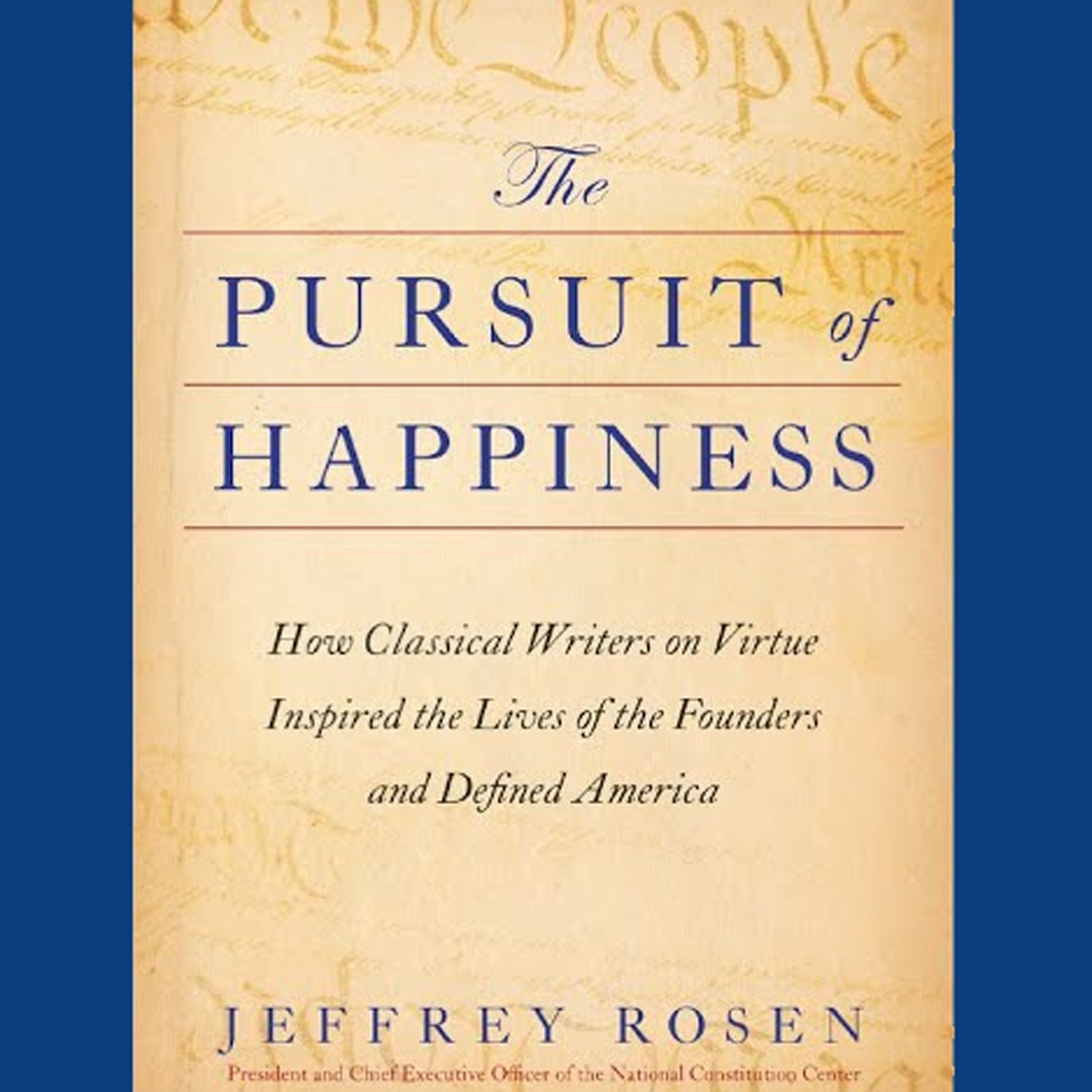
How to Live a Good a Life - Stoic Wisdom & the Founding Fathers - Highlights - JEFFREY ROSEN
"The habits of deep reading are themselves the most tangible expression of the virtues. In that sense, the virtue of industry is the one that I still take with me. So many of the Founders did, too. They fell short of so many virtues, as we all do every day. But it was the habits of deep reading and writing, keeping up a consistent daily schedule, and setting aside time for deep reading and writing that they maintained until the end of their lives."Jeffrey Rosen is President and CEO of the National Constitution Center, where he hosts We the People, a weekly podcast of constitutional debate. He is also a professor of law at the George Washington University Law School and a contributing editor at The Atlantic. Rosen is a graduate of Harvard College, Oxford University, and Yale Law School. He is the author of seven previous books, including the New York Times bestseller Conversations with RBG: Justice Ruth Bader Ginsburg on Life, Love, Liberty, and Law. His essays and commentaries have appeared in The New York Times Magazine; on NPR; in The New Republic, where he was the legal affairs editor; and in The New Yorker, where he has been a staff writer. His latest book is The Pursuit of Happiness: How Classical Writers on Virtue Inspired the Lives of the Founders and Defined America.https://constitutioncenter.org/about/board-of-trustees/jeffrey-rosenwww.simonandschuster.com/books/The-Pursuit-of-Happiness/Jeffrey-Rosen/9781668002476https://constitutioncenter.org/news-debate/podcastswww.creativeprocess.infowww.oneplanetpodcast.orgIG www.instagram.com/creativeprocesspodcast

The Pursuit of Happiness - JEFFREY ROSEN - President & CEO of the National Constitution Center
What is the true meaning of the pursuit of happiness? What can we learn from the Founding Fathers about achieving harmony, balance, tranquility, self-mastery, and pursuing the public good?Jeffrey Rosen is President and CEO of the National Constitution Center, where he hosts We the People, a weekly podcast of constitutional debate. He is also a professor of law at the George Washington University Law School and a contributing editor at The Atlantic. Rosen is a graduate of Harvard College, Oxford University, and Yale Law School. He is the author of seven previous books, including the New York Times bestseller Conversations with RBG: Justice Ruth Bader Ginsburg on Life, Love, Liberty, and Law. His essays and commentaries have appeared in The New York Times Magazine; on NPR; in The New Republic, where he was the legal affairs editor; and in The New Yorker, where he has been a staff writer. His latest book is The Pursuit of Happiness: How Classical Writers on Virtue Inspired the Lives of the Founders and Defined America."The habits of deep reading are themselves the most tangible expression of the virtues. In that sense, the virtue of industry is the one that I still take with me. So many of the Founders did, too. They fell short of so many virtues, as we all do every day. But it was the habits of deep reading and writing, keeping up a consistent daily schedule, and setting aside time for deep reading and writing that they maintained until the end of their lives."https://constitutioncenter.org/about/board-of-trustees/jeffrey-rosenwww.simonandschuster.com/books/The-Pursuit-of-Happiness/Jeffrey-Rosen/9781668002476https://constitutioncenter.org/news-debate/podcastswww.creativeprocess.info www.oneplanetpodcast.org IG www.instagram.com/creativeprocesspodcast

Intimacy Coordinator ITA O’BRIEN on Normal People, Sex Education & Creating Safe Spaces
"I felt so grateful to be working on content that had the question of consent and open conversation at its core, particularly on the show Sex Education, from my very first conversation with Ben Taylor and Jon Jennings. It's a young cast exploring in-depth, intimate content, and they're saying, we know that we need to be able to really support our young cast. They came to me, and then I shared how we could journey through that. So there was a real awareness of intention to take care, understanding of the challenges of working with such exposing intimate scenes."Ita O’Brien is the UK’s leading Intimacy Coordinator, founder of Intimacy on Set (and author of the Intimacy On Set Guidelines). Her company, set up in 2018 provides services to TV, film, and theatre when dealing with intimacy, and is a SAG-Aftra accredited training provider of Intimacy Practitioners. Intimacy on Set has supported numerous high-profile film and TV productions including Normal People & Conversations With Friends (BBC3/Hulu), Sex Education 1&2 (Netflix), I May Destroy You (BBC/HBO), It’s A Sin (Channel 4), (Neal Street Prods / Searchlight Pictures).https://www.itaobrien.com/https://www.itaobrien.com/intimacy-on-set-guidelines.htmlhttps://www.imdb.com/name/nm1357677/www.creativeprocess.infowww.oneplanetpodcast.orgIG www.instagram.com/creativeprocesspodcast

Intimacy Coordinator ITA O’BRIEN on Sex Education, Normal People & Creating Safe Spaces
How can intimate scenes be brought to the screen in ways that respect the emotional well-being and privacy of the artists themselves? How do we make sure that we can create a story about abuse without anyone being abused in the process?Ita O’Brien is the UK’s leading Intimacy Coordinator, founder of Intimacy on Set (and author of the Intimacy On Set Guidelines). Her company, set up in 2018 provides services to TV, film, and theatre when dealing with intimacy, and is a SAG-Aftra accredited training provider of Intimacy Practitioners. Intimacy on Set has supported numerous high-profile film and TV productions including Normal People & Conversations With Friends (BBC3/Hulu), Sex Education 1&2 (Netflix), I May Destroy You (BBC/HBO), It’s A Sin (Channel 4), (Neal Street Prods / Searchlight Pictures)."I felt so grateful to be working on content that had the question of consent and open conversation at its core, particularly on the show Sex Education, from my very first conversation with Ben Taylor and Jon Jennings. It's a young cast exploring in-depth, intimate content, and they're saying, we know that we need to be able to really support our young cast. They came to me, and then I shared how we could journey through that. So there was a real awareness of intention to take care, understanding of the challenges of working with such exposing intimate scenes."www.creativeprocess.infowww.oneplanetpodcast.orgIG www.instagram.com/creativeprocesspodcast

What can turtles teach us about time, patience & wisdom? - Highlights - SY MONTGOMERY & MATT PATTERSON
"I had a good friend in college who was from Kuwait, and I loved learning about her culture. If all your friends are just your same age, your same sex, your same socioeconomic group, your same race, and your same language, that's not going to broaden you very well. I feel that way when I cross species divides, too, and just start to learn, well, what's it like to be you?"Author Sy Montgomery and illustrator Matt Patterson are naturalists, adventurers, and creative collaborators. Montgomery has published over thirty acclaimed nonfiction books for adults and children and received numerous honors, including lifetime achievement awards from the Humane Society and the New England Booksellers Association.Patterson’s illustrations have been featured in several books and magazines, such as Yankee Magazine and Fine Art Connoisseur. He is the recipient of Roger Tory Peterson Wild American Art Award, National Outdoor Book Award for Nature and the Environment, and other honors. Most recently, Patterson provided illustrations for Freshwater Fish of the Northeast.Their joint books are Of Time and Turtles: Mending the World, Shell by Shattered Shell and The Book of the Turtle. Montgomery’s other books include The Soul of an Octopus, The Hawk’s Way and The Secrets of the Octopus (published in conjunction with a National Geographic TV series).www.mpattersonart.comhttps://symontgomery.comwww.harpercollins.com/products/of-time-and-turtles-sy-montgomery?variant=41003864817698www.harpercollins.com/products/the-book-of-turtles-sy-montgomery?variant=40695888609314https://press.uchicago.edu/ucp/books/book/distributed/F/bo215806915.htmlwww.creativeprocess.infowww.oneplanetpodcast.orgIG www.instagram.com/creativeprocesspodcast

Of Time and Turtles - Author SY MONTGOMERY & Illustrator MATT PATTERSON
What can turtles teach us about time, patience, and wisdom? What can we learn about the mysteries of consciousness by observing animals? How can we open our senses and embrace the interconnectedness of all life on Earth?Author Sy Montgomery and illustrator Matt Patterson are naturalists, adventurers, and creative collaborators. Montgomery has published over thirty acclaimed nonfiction books for adults and children and received numerous honors, including lifetime achievement awards from the Humane Society and the New England Booksellers Association.Patterson’s illustrations have been featured in several books and magazines, such as Yankee Magazine and Fine Art Connoisseur. He is the recipient of Roger Tory Peterson Wild American Art Award, National Outdoor Book Award for Nature and the Environment, and other honors. Most recently, Patterson provided illustrations for Freshwater Fish of the Northeast.Their joint books are Of Time and Turtles: Mending the World, Shell by Shattered Shell and The Book of the Turtle. Montgomery’s other books include The Soul of an Octopus, The Hawk’s Way and The Secrets of the Octopus (published in conjunction with a National Geographic TV series)."I had a good friend in college who was from Kuwait, and I loved learning about her culture. If all your friends are just your same age, your same sex, your same socioeconomic group, your same race, and your same language, that's not going to broaden you very well. I feel that way when I cross species divides, too, and just start to learn, well, what's it like to be you?"www.mpattersonart.comhttps://symontgomery.comwww.harpercollins.com/products/of-time-and-turtles-sy-montgomery?variant=41003864817698www.harpercollins.com/products/the-book-of-turtles-sy-montgomery?variant=40695888609314https://press.uchicago.edu/ucp/books/book/distributed/F/bo215806915.htmlwww.creativeprocess.infowww.oneplanetpodcast.orgIG www.instagram.com/creativeprocesspodcast

The Transformative Power of Writing with ANDRE DUBUS III - Highlights
“And so I teach young people, and I find it immensely gratifying to do so, especially for those who've already found writing in their blood so young. I say, ‘Do you know how lucky you are to have found something that makes you feel so alive this early in your life? People live whole lives and never find it.’ ”Andre Dubus III’s nine books include the New York Times’ bestsellers House of Sand and Fog, The Garden of Last Days, and his memoir, Townie. His work has been included in The Best American Essays and The Best Spiritual Writing anthologies. His novel, House of Sand and Fog was a finalist for the National Book Award and was made into an Academy Award-nominated film starring Ben Kingsley and Jennifer Connelly. His most recent books are the novel, Such Kindness and a collection of personal essays, Ghost Dogs: On Killers and Kin. Dubus has been a finalist for the National Book Award, and has been awarded a Guggenheim Fellowship, The National Magazine Award for Fiction, two Pushcart Prizes, and is a recipient of an American Academy of Arts and Letters Award in Literature. His books are published in over twenty-five languages, and he teaches at the University of Massachusetts Lowell. www.andredubus.comwww.andredubus.com/ghost-dogswww.andredubus.com/house-of-sand-and-fogwww.andredubus.com/such-kindnesswww.creativeprocess.infowww.oneplanetpodcast.orgIG www.instagram.com/creativeprocesspodcast

Exploring Trauma, Healing & Redemption with ANDRE DUBUS III
What can reading teach us about loss, healing, and survival? How can we transform anger into empathy? What can we learn from the creative act about turning personal setbacks into opportunities for self-discovery and growth?Andre Dubus III’s nine books include the New York Times’ bestsellers House of Sand and Fog, The Garden of Last Days, and his memoir, Townie. His work has been included in The Best American Essays and The Best Spiritual Writing anthologies. His novel, House of Sand and Fog was a finalist for the National Book Award and was made into an Academy Award-nominated film starring Ben Kingsley and Jennifer Connelly. His most recent books are the novel, Such Kindness and a collection of personal essays, Ghost Dogs: On Killers and Kin. Dubus has been a finalist for the National Book Award, and has been awarded a Guggenheim Fellowship, The National Magazine Award for Fiction, two Pushcart Prizes, and is a recipient of an American Academy of Arts and Letters Award in Literature. His books are published in over twenty-five languages, and he teaches at the University of Massachusetts Lowell.“And so I teach young people, and I find it immensely gratifying to do so, especially for those who've already found writing in their blood so young. I say, "Do you know how lucky you are to have found something that makes you feel so alive this early in your life? People live whole lives and never find it.”www.andredubus.comwww.andredubus.com/ghost-dogswww.andredubus.com/house-of-sand-and-fogwww.andredubus.com/such-kindnesswww.creativeprocess.infowww.oneplanetpodcast.orgIG www.instagram.com/creativeprocesspodcast

Revolutionizing Sustainability: BERTRAND PICCARD's Path to a Cleaner Planet - Highlights
"You have the brain, and you have the heart, and you cannot feed only the brain without feeding the heart. So feeding the heart means creating authentic relations between people and educating children to have compassion, empathy, and respect for others, nature, animals, and other human beings. I'm a bit afraid that today we feed only the brain and not the heart. And when we want to put these Neuralink implants in the brain, we forget that there is the heart where maybe we should also work a little bit more."Bertrand Piccard is a notable Swiss environmentalist, explorer, author, and psychiatrist. His ventures include being the first to travel around the world in a non-stop balloon flight and years later in a solar-powered airplane. He is regarded as a pioneer in clean technology. Piccard is also the founder of the Solar Impulse Foundation, which has identified over 1500 actionable and profitable climate solutions and connects them with investors. As a UN Ambassador for the Environment, his goal is to convince leaders of the viability of a zero-carbon economy, which he will demonstrate via his next emission-free project Climate Impulse, a green hydrogen-powered airplane that can fly nonstop around the earth.http://www.solarimpulse.comhttps://climateimpulse.org/https://bertrandpiccard.com/Photos:Bertrand Piccard with Ilham Kadri, CEO Syensqo (main technological partner of Climate Impulse)Bertrand Piccard @ Solar Impulse, Jean Revillard

Beyond the Horizon: Pioneering Green Aviation with BERTRAND PICCARD - Aviator, Explorer, Environmentalist
What is the future of green aviation? How do we share environmental solutions to unite people and change the climate narrative from sacrifice and fear to enthusiasm and hope?Bertrand Piccard is a notable Swiss environmentalist, explorer, author, and psychiatrist. His ventures include being the first to travel around the world in a non-stop balloon flight and years later in a solar-powered airplane. He is regarded as a pioneer in clean technology. Piccard is also the founder of the Solar Impulse Foundation, which has identified over 1500 actionable and profitable climate solutions and connects them with investors. As a UN Ambassador for the Environment, his goal is to convince leaders of the viability of a zero-carbon economy, which he will demonstrate via his next emission-free project Climate Impulse, a green hydrogen-powered airplane that can fly nonstop around the earth."You have the brain, and you have the heart, and you cannot feed only the brain without feeding the heart. So feeding the heart means creating authentic relations between people and educating children to have compassion, empathy, and respect for others, nature, animals, and other human beings. I'm a bit afraid that today we feed only the brain and not the heart. And when we want to put these Neuralink implants in the brain, we forget that there is the heart where maybe we should also work a little bit more."http://www.solarimpulse.comhttps://climateimpulse.org/https://bertrandpiccard.com/Photos:COPSummitBertrand Piccard with Simon Stiell, Executive Secretary of the UNFCCCVille de Demain exhibition, Cité des sciences et de l'industrie, Paris

Who were the Neanderthals? - Highlights - DR. LUDOVIC SLIMAK
"As long as your children believe your traditions are a good way to be human on Earth, they will continue to be like you. And your society and your civilization will continue. But the moment they see a better and more efficient way to do things, they will no longer believe in your ways, and your traditions will collapse in a whisper. I think what is very, very important for the young generations - because they hear every day and everywhere that this is the end of our world because of many things, particularly about the question of climate change - and we must tell young generations, first of all, we don't know anything about the future. Maybe the future is incredibly nice. Incredibly nice, because we are going to have at a certain moment absolute energy, the ability to travel anywhere in space, the ability to colonize any satellite in our solar system, and maybe with no more any kind of fitness, no more cancer, nothing else. So the future can be bright and incredible. And the young generations should keep in mind that they are on a magical planet which is full of beauty and they must love it and preserve it as best as they can with hope."Ludovic Slimak is a paleoanthropologist at the University of Toulouse in France and Director of the Grotte Mandrin research project. His work focuses on the last Neanderthal societies, and he is the author of several hundred scientific studies on these populations. His research has been featured in Nature, Science, the New York Times, and other publications. He is the author of The Naked Neanderthal: A New Understanding of the Human Creature.http://ww5.pegasusbooks.com/books/the-naked-neanderthal-9781639366163-hardcoverhttps://lampea.cnrs.fr/spip.php?article3767www.odilejacob.fr/catalogue/sciences-humaines/archeologie-paleontologie-prehistoire/dernier-neandertalien_9782415004927.phpwww.creativeprocess.infowww.oneplanetpodcast.orgIG www.instagram.com/creativeprocesspodcast

Will human efficiency destroy the planet and us? - DR. LUDOVIC SLIMAK - Author of The Naked Neanderthal
Who were the Neanderthals? And what can our discoveries about them teach us about intelligence, our extractivist relationship to the planet, and what it means to be human?Ludovic Slimak is a paleoanthropologist at the University of Toulouse in France and Director of the Grotte Mandrin research project. His work focuses on the last Neanderthal societies, and he is the author of several hundred scientific studies on these populations. His research has been featured in Nature, Science, the New York Times, and other publications. He is the author of The Naked Neanderthal: A New Understanding of the Human Creature."As long as your children believe your traditions are a good way to be human on Earth, they will continue to be like you. And your society and your civilization will continue. But the moment they see a better and more efficient way to do things, they will no longer believe in your ways, and your traditions will collapse in a whisper. I think what is very, very important for the young generations - because they hear every day and everywhere that this is the end of our world because of many things, particularly about the question of climate change - and we must tell young generations, first of all, we don't know anything about the future. Maybe the future is incredibly nice. Incredibly nice, because we are going to have at a certain moment absolute energy, the ability to travel anywhere in space, the ability to colonize any satellite in our solar system, and maybe with no more any kind of fitness, no more cancer, nothing else. So the future can be bright and incredible. And the young generations should keep in mind that they are on a magical planet which is full of beauty and they must love it and preserve it as best as they can with hope."http://ww5.pegasusbooks.com/books/the-naked-neanderthal-9781639366163-hardcoverhttps://lampea.cnrs.fr/spip.php?article3767www.odilejacob.fr/catalogue/sciences-humaines/archeologie-paleontologie-prehistoire/dernier-neandertalien_9782415004927.phpwww.creativeprocess.infowww.oneplanetpodcast.orgIG www.instagram.com/creativeprocesspodcast
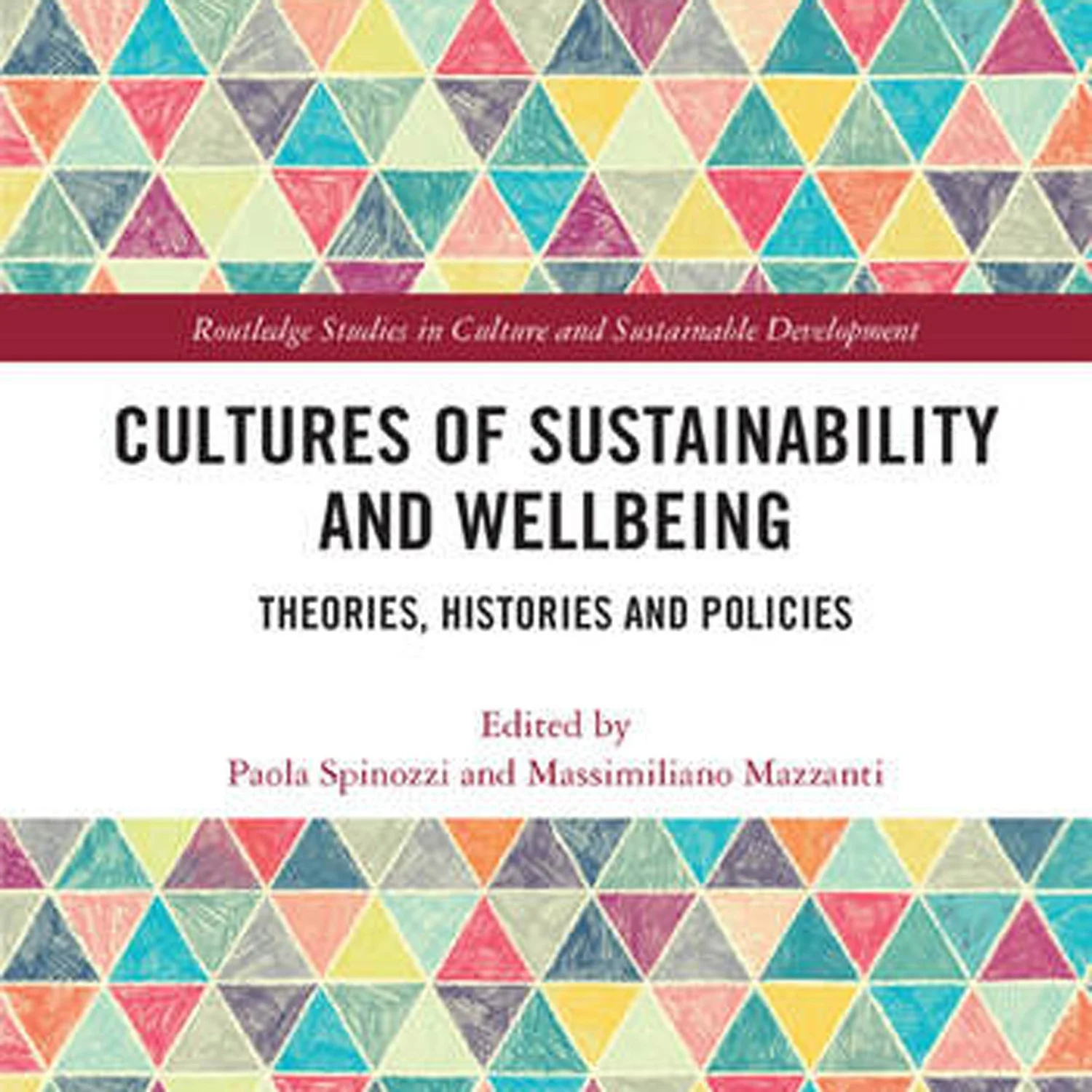
What does it mean to have an ecological mind? - Highlights - PAOLA SPINOZZI
"I started as a scholar of English literature in particular. And then I realized I didn't like boundaries. I've always tried to explore other domains and areas of knowledge. So I moved on to the relationship between literature and science because what has always fascinated me is how science is written, circulated, and understood and how science is popularized and narrativized. The Role of Utopian Studies in Sustainability led me straight to sustainability and to envision possible future societies. For example, the sciences and the humanities coexist and thrive on and sustain each other. And if you think about the best or the worst possible futures, then after a while, you come to think about whether futures may be sustainable or not. More importantly, we should try to envision ways of living in the future that may be acceptable and, above all, enjoyable for everyone."Paola Spinozzi is Professor of English Literature at the University of Ferrara and currently serves as Pro-Vice-Chancellor for Internationalisation. She is the coordinator of the PhD Programme in Environmental Sustainability and Wellbeing and the co-coordinator of Routes towards Sustainability. Her research encompasses the ecological humanities and ecocriticism, utopia and sustainability; literature and the visual arts; literature and science; cultural memory. She has co-edited Cultures of Sustainability and Wellbeing: Theories, Histories and Policies and published on post/apocalyptic and climate fiction, nature poetry, eco-theatre; art and aesthetics, imperialism and evolutionism in utopia as a genre; the writing of science; interart creativity.https://docente.unife.it/paola.spinozzi https://www.unife.it/studenti/dottorato/it/corsi/riforma/environmental-sustainability-and-wellbeinghttps://www.routesnetwork.net https://www.routledge.com/Cultures-of-Sustainability-and-Wellbeing-Theories-Histories-and-Policies/Spinozzi-Mazzanti/p/book/9780367271190.www.creativeprocess.infowww.oneplanetpodcast.orgIG www.instagram.com/creativeprocesspodcast
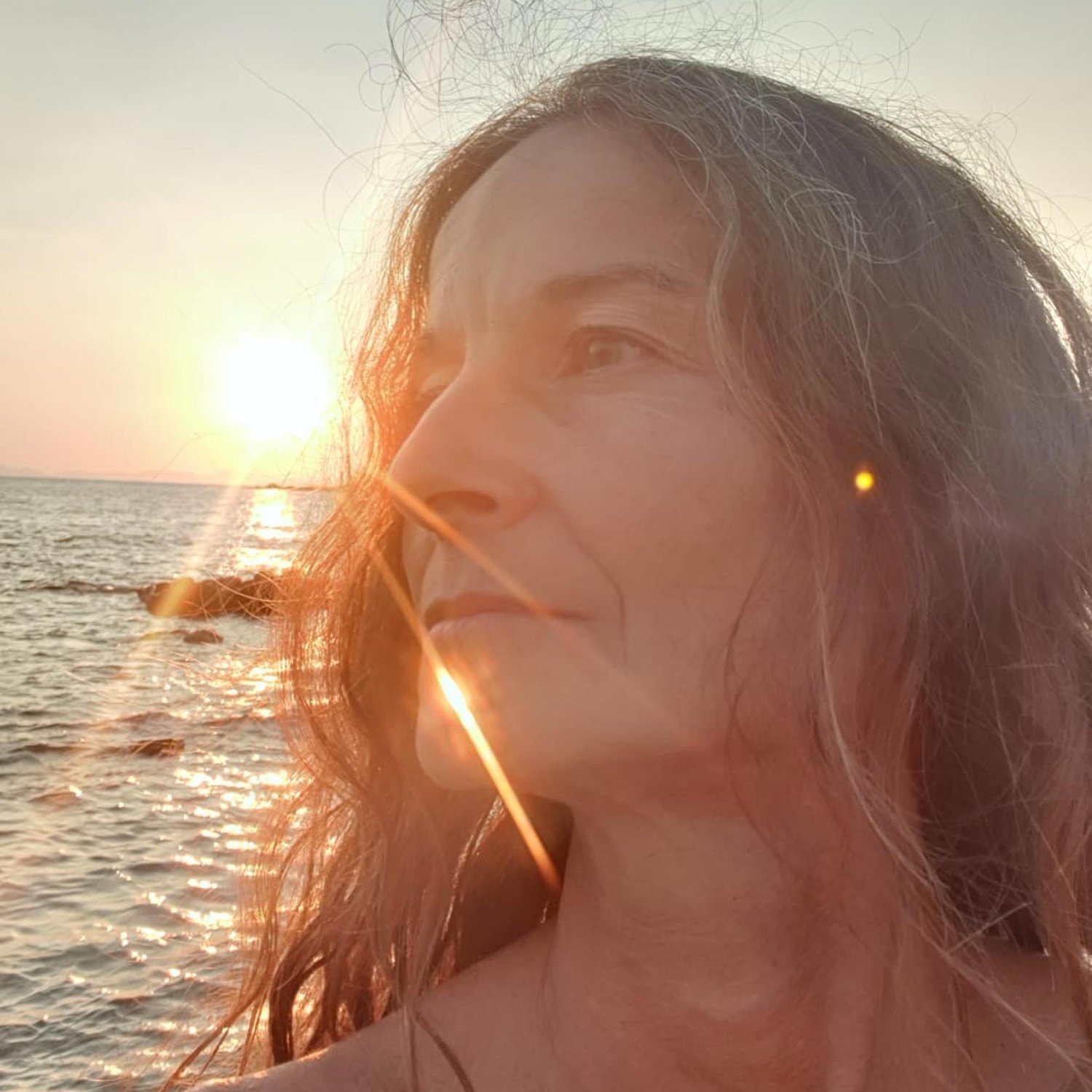
Literature, Humanities & Sustainability: PAOLA SPINOZZI - Coordinator, Phd Programme, Environmental Sustainability & Wellbeing, UNIFE
How can we create positive change? What does it mean to have an ecological mind? How can interdisciplinary collaborations help us move beyond educational silos and create sustainable futures?Paola Spinozzi is Professor of English Literature at the University of Ferrara and currently serves as Pro-Vice-Chancellor for Internationalisation. She is the coordinator of the PhD Programme in Environmental Sustainability and Wellbeing and the co-coordinator of Routes towards Sustainability. Her research encompasses the ecological humanities and ecocriticism, utopia and sustainability; literature and the visual arts; literature and science; cultural memory. She has co-edited Cultures of Sustainability and Wellbeing: Theories, Histories and Policies and published on post/apocalyptic and climate fiction, nature poetry, eco-theatre; art and aesthetics, imperialism and evolutionism in utopia as a genre; the writing of science; interart creativity."I started as a scholar of English literature in particular. And then I realized I didn't like boundaries. I've always tried to explore other domains and areas of knowledge. So I moved on to the relationship between literature and science because what has always fascinated me is how science is written, circulated, and understood and how science is popularized and narrativized. The Role of Utopian Studies in Sustainability led me straight to sustainability and to envision possible future societies. For example, the sciences and the humanities coexist and thrive on and sustain each other. And if you think about the best or the worst possible futures, then after a while, you come to think about whether futures may be sustainable or not. More importantly, we should try to envision ways of living in the future that may be acceptable and, above all, enjoyable for everyone."https://docente.unife.it/paola.spinozzi https://www.unife.it/studenti/dottorato/it/corsi/riforma/environmental-sustainability-and-wellbeinghttps://www.routesnetwork.net https://www.routledge.com/Cultures-of-Sustainability-and-Wellbeing-Theories-Histories-and-Policies/Spinozzi-Mazzanti/p/book/9780367271190.www.creativeprocess.infowww.oneplanetpodcast.orgIG www.instagram.com/creativeprocesspodcast

Seeing the Life of Jesus through the eyes of his Mother: MACIEJ HEN - Award-winning Author & Filmmaker
How would the life of Jesus be told through the eyes of his mother? How can literature help us understand history and the nature of identity? Maciej Hen was born in 1955 in Warsaw. He graduated from the Cinematography Department at the Film School in Łódź. For years he has been trying his hand at diverse activities, from music to all fields of journalism and television lighting design. As a prose writer, Hen has published four novels so far: Według niej (2004, DUE; the English translation, According to Her, published in 2022 by Holland House Books, was shortlisted to the EBRD Literary Prize in 2023), Solfatara (2015, W.A.B., 2016 Gombrowicz Prize and shortlisted for the Norwid Prize and the Angelus Prize), Deutsch dla średnio zaawansowanych, Segretario and one non-fiction book, Beatlesi w Polsce (The Beatles in Poland)."Polish intellectuals, artists, and writers are still in that never-ending argument on Polish history in terms of why Poland lost its independence after being some kind of empire and what the injustices and historical harms were. The traumas of World War II and the period before WWII, the Communist period, and everything of that nature are topics of argument that are really present in Polish culture, creativity, and literature. On the other hand, contemporary Polish literature is very much form-oriented, not so much content-oriented, except for some topics focusing on the peasant background of the society or discussing injustices the peasant class suffered, and that's it. But generally, contemporary Polish literature is very much language-oriented. There is a race towards experimentalism to be observed. And I, quite frankly, try to be beyond all of that because I'm a content-oriented type of writer. Of course, the language issues are important for me, too, but not dominant."https://en.wikipedia.org/wiki/Maciej_Henwww.hhousebooks.com/shortlisted-ebrd-according-to-herwww.wydawnictwoliterackie.pl/autor/1271/maciej-henhttps://www.instagram.com/maciej.hen/www.facebook.com/profile.php?id=100064871385361www.creativeprocess.info www.oneplanetpodcast.org IG www.instagram.com/creativeprocesspodcast

The Art of Bringing Stories to Life - Highlights - LISA EDELSTEIN
"My favorite teacher was in second grade. I had a teacher named Mrs. Abo who let me write all my homework assignments in rhyme. And it was like such a simple thing. I asked her if I could write all my homework assignments in rhyme. And she said, "Absolutely!" And she gave me permission to be wildly creative while still doing my work. And little moments like that can really change a kid's life. And I lobbied with this group called the Creative Coalition. We went and lobbied in DC to really fight for the arts being added to the STEM programs to make them STEAM programs because they're so interconnected. It's creative imagination that got us to the moon. It's science fiction stories that are getting us to Mars. It's like that. You know, playing the piano helps you in math. It's all part of the beautiful development of the brain, and it helps so much for learning other things."From her role as Dr. Lisa Cuddy on the hit Fox series House M.D, to her starring role as Abby McCarthy in Bravo's first scripted series Girlfriend's Guide to Divorce, Lisa Edelstein's range of roles are as diverse talent. Some of Edelstein's feature credits include Keeping the Faith, What Women Want, Daddy Daycare, As Good as It Gets, and Fathers and Sons. She played a Holocaust survivor and adopted mother in the drama television series Little Bird. The story centres on a First Nations woman who was adopted into a Jewish family during the Sixties Scoop, as she attempts to reconnect with her birth family and heritage.Lisa’s career began by writing, composing, and performing an original AIDS awareness musical Positive Me at the renowned La Mama Experimental Theater Club in New York City. In the wake of COVID, Lisa began to paint using old family photographs as starting points. Her incredibly detailed paintings capture intimate relationships and spontaneous moments with honesty and compassion.https://lisaedelstein.komi.io/www.lisaedelsteinpaintings.com/www.imdb.com/name/nm0249046www.creativeprocess.infowww.oneplanetpodcast.orgIG www.instagram.com/creativeprocesspodcastArtworks:“Beach Day”, “Marsha”, “Karen” Courtesy of the ArtistLisa Edelstein in the StudioPhoto credit: Holland Clement, Courtesy of the artist
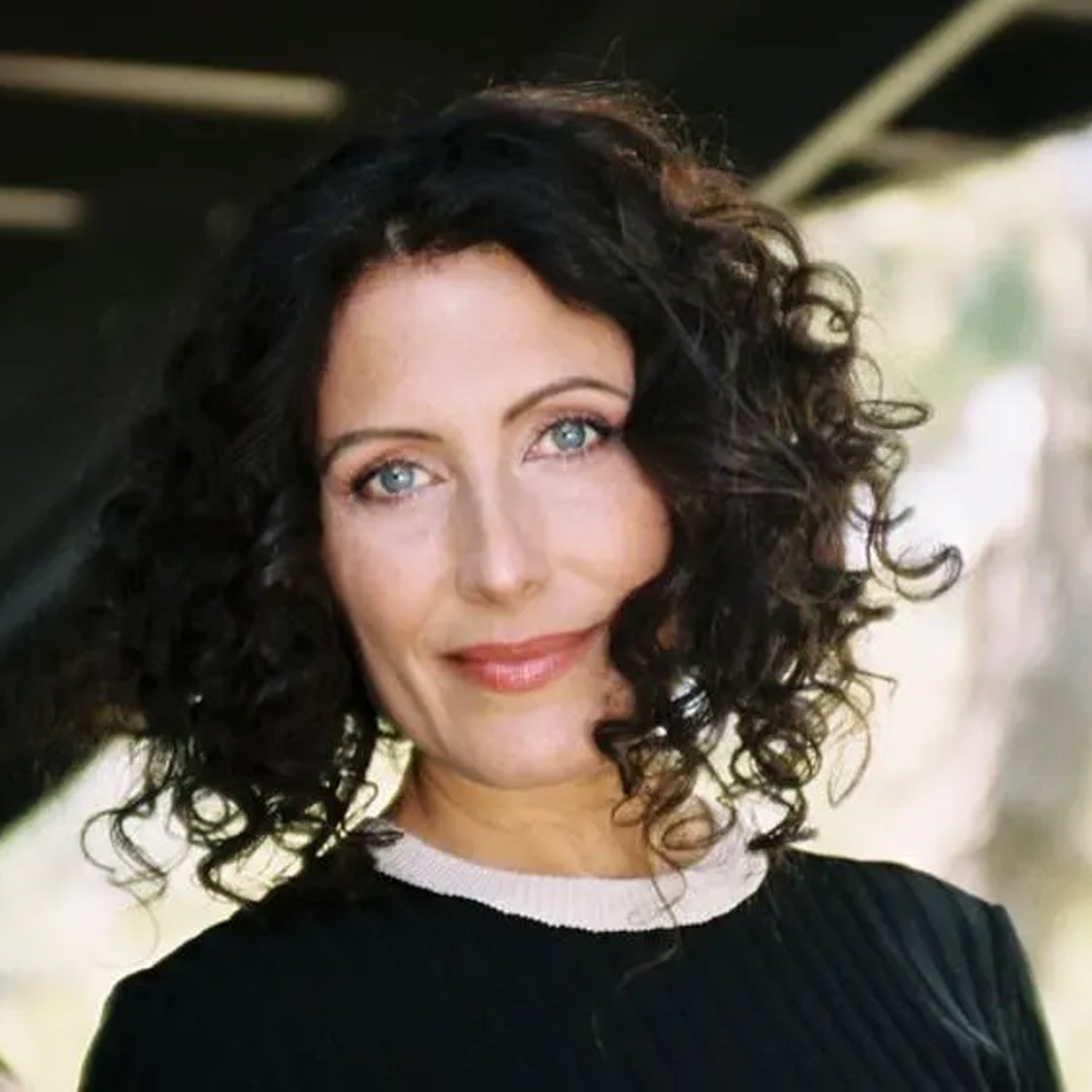
LISA EDELSTEIN - From Acting to Directing, Writing & Visual Art
How can the arts help us examine and engage with social issues? How do our families shape our views, memories, and experience of the world?From her role as Dr. Lisa Cuddy on the hit Fox series House, to her starring role as Abby McCarthy in Bravo's first scripted series Girlfriend's Guide to Divorce, Lisa Edelstein's range of roles are as diverse talent. Some of Edelstein's feature credits include Keeping the Faith, What Women Want, Daddy Daycare, As Good as It Gets, and Fathers and Sons. She played a Holocaust survivor and adopted mother in the drama television series Little Bird. The story centres on a First Nations woman who was adopted into a Jewish family during the Sixties Scoop, as she attempts to reconnect with her birth family and heritage.Lisa’s career began by writing, composing, and performing an original AIDS awareness musical Positive Me at the renowned La Mama Experimental Theater Club in New York City. In the wake of COVID, Lisa began to paint using old family photographs as starting points. Her incredibly detailed paintings capture intimate relationships and spontaneous moments with honesty and compassion."My favorite teacher was in second grade. I had a teacher named Mrs. Abo who let me write all my homework assignments in rhyme. And it was like such a simple thing. I asked her if I could write all my homework assignments in rhyme. And she said, "Absolutely!" And she gave me permission to be wildly creative while still doing my work. And little moments like that can really change a kid's life. And I lobbied with this group called the Creative Coalition. We went and lobbied in DC to really fight for the arts being added to the STEM programs to make them STEAM programs because they're so interconnected. It's creative imagination that got us to the moon. It's science fiction stories that are getting us to Mars. It's like that. You know, playing the piano helps you in math. It's all part of the beautiful development of the brain, and it helps so much for learning other things."https://lisaedelstein.komi.io/www.lisaedelsteinpaintings.com/www.imdb.com/name/nm0249046www.creativeprocess.info www.oneplanetpodcast.orgIG www.instagram.com/creativeprocesspodcastPhoto credit: Mitch StoneCourtesy of the artist

What does the future hold for our late-stage capitalist society with mega-corps controlling everything? - Highlights - KYLE HIGGINS, KARINA MANASHIL & KID CUDI
“So the feeling that we've essentially been priced out of the life that we were supposed to lead. So, we were all taught to put our heads down, go to school, and get a job. You're going to afford a family, a house, kids, all the things that your parents had, you're going to have if you just follow the same path. But none of the things that were promised has a path. So the collective majority who grew up on technology and have no problem living inside of it are saying [of AI]: Hey, can this thing save me? Can I find my out?”Karina Manashil is the President of MAD SOLAR. After graduating from Chapman University with a BFA in Film Production, she began her career in the mailroom at WME where she became a Talent Agent. In 2020, she partnered with Scott Mescudi and Dennis Cummings to found MAD SOLAR. Its first release was the documentary “A Man Named Scott” (Amazon), and she then went on to Executive Produce Ti West trilogy “X,” “Pearl” and “MaXXXine” (A24). Manashil received an Emmy nomination as an Executive Producer on the Netflix animated event “Entergalactic." She also produced the Mescudi/Kyle Higgins comic book “Moon Man” which launched through Image Comics. She is next producing the upcoming Mescudi/Sam Levinson/The Lucas Bros film “HELL NAW” (Sony) and the animated feature “Slime” from auteur animator Jeron Braxton.Kyle Higgins is an Eisner award-nominated #1 New York Times best-selling comic book author and award-winning filmmaker known for his work on DC Comics’ Batman titles as well as his critically-acclaimed reinventions of Mighty Morphin Power Rangers for Boom! Studios/Hasbro, Ultraman for Marvel Comics, and his creator-owned series Radiant Black, NO/ONE and Deep Cuts for Image Comics. Kyle is the founder and creative director of Black Market Narrative and The Massive-Verse.moonmancomics.com https://imagecomics.comhttps://www.imdb.com/name/nm3556462/?ref_=fn_al_nm_1www.creativeprocess.infowww.oneplanetpodcast.orgIG www.instagram.com/creativeprocesspodcastAudio of Scott Mescudi courtesy of Mad Solar and Moon Man Comic Book Release and Revenge Of (Eagle Rock, CA, Jan 31, 2024)

Comics, Music, Ethics & AI: KYLE HIGGINS, KARINA MANASHIL & KID CUDI on the Making of Moon Man
What does the future hold for our late-stage capitalist society with mega-corporations owning and controlling everything? How can the world-building skills of the makers of films and comics help us imagine a better future?Kyle Higgins is an Eisner award-nominated #1 New York Times best-selling comic book author and award-winning filmmaker known for his work on DC Comics’ Batman titles as well as his critically-acclaimed reinventions of Mighty Morphin Power Rangers for Boom! Studios/Hasbro, Ultraman for Marvel Comics, and his creator-owned series Radiant Black, NO/ONE and Deep Cuts for Image Comics. Kyle is the founder and creative director of Black Market Narrative and The Massive-Verse.Karina Manashil is the President of MAD SOLAR. After graduating from Chapman University with a BFA in Film Production, she began her career in the mailroom at WME where she became a Talent Agent. In 2020, she partnered with Scott Mescudi and Dennis Cummings to found MAD SOLAR. Its first release was the documentary “A Man Named Scott” (Amazon), and she then went on to Executive Produce Ti West trilogy “X,” “Pearl” and “MaXXXine” (A24). Manashil received an Emmy nomination as an Executive Producer on the Netflix animated event “Entergalactic." She also produced the Mescudi/Kyle Higgins comic book “Moon Man” which launched through Image Comics. She is next producing the upcoming Mescudi/Sam Levinson/The Lucas Bros film “HELL NAW” (Sony) and the animated feature “Slime” from auteur animator Jeron Braxton.“So the feeling that we've essentially been priced out of the life that we were supposed to lead. So, we were all taught to put our heads down, go to school, and get a job. You're going to afford a family, a house, kids, all the things that your parents had, you're going to have if you just follow the same path. But none of the things that were promised has a path. So the collective majority who grew up on technology and have no problem living inside of it are saying [of AI]: Hey, can this thing save me? Can I find my out?” -Karina Manashilmoonmancomics.com https://imagecomics.comhttps://www.imdb.com/name/nm3556462/?ref_=fn_al_nm_1www.creativeprocess.infowww.oneplanetpodcast.orgIG www.instagram.com/creativeprocesspodcastAudio of Scott Mescudi courtesy of Mad Solar and Moon Man Comic Book Release and Revenge Of (Eagle Rock, CA, Jan 31, 2024)

Reshaping Our World: Climate Change, Education, Mental Health & Advocacy for Nature
"Climate change gives us a chance to re-imagine the world in a way that every single human being can participate in. And so whether you're in a remote part of the United States or some other country, when you learn about climate change, it shouldn't just be the science. It should be the opportunity." –Kathleen RogersExcerpts of interviews from One Planet Podcast & The Creative Process.Voices on this episode are:KATHLEEN ROGERSPresident of EarthDay.ORGPOORVA JOSHIPURASenior VP, PETA UK - Author of Survival at Stake: How Our Treatment of Animals is Key to Human ExistenceDAVID FENTONFounder of Fenton Communications - Author of The Activist’s Media Handbook: Lessons From 50 Years as a Progressive Agitator BRITT WRAYAuthor of Generation Dread: Finding Purpose in an Age of Climate CrisisResearcher Working on Climate Change & Mental Health, Stanford UniversityDR. FARHANA SULTANACo-author: Water Politics: Governance, Justice & the Right to WaterFmr. UNDP Programme Officer, United Nations Development ProgrammeANDRI SNÆR MAGNASON Icelandic Writer & Documentary Filmmaker Author of On Time and Water, The Casket of Time, LoveStar, Not OkTHOMAS CROWTHER Ecologist - Co-chair of the Board for UN Decade on Ecosystem Restoration - Founder of RestorDR. SHIV SOMESHWAR Fmr. European Chair for Sustainable Development & Climate Transition - Sciences PoPAULA PINHO Director of Just Transition at the European Commission Directorate-General for EnergyARMOND COHEN Executive Director of Clean Air Task ForceMAYA K. VAN ROSSUM Founder of Green Amendments For The Generations - Delaware Riverkeeper Author of The Green Amendment: The People's Fight for a Clean, Safe, and Healthy EnvironmentMax Richter’s music featured in this episode:“Spring 1” from The New Four Seasons – Vivaldi Recomposed “Vladimir’s Blues” from The Blue NotebooksMusic is courtesy of Max Richter, Universal Music Enterprises,and Mute Song.www.creativeprocess.infowww.oneplanetpodcast.orgIG www.instagram.com/creativeprocesspodcastPhoto courtesy of UnsplashPhoto credit: Valdemaras D.

Songs of Nature - Musicians, Writers, Ecologists, Philosophers on the Mysteries of the Natural World
“The natural world has its own sonic language. Its own fingerprints. And that's one of the beautiful things about being out here. There is another acoustic environment, another sort of sonic fingerprint, and it is always changing. Every day is a sort of a different sound picture. I walk out the door and you do hear it changing over time. The leaves are coming in now, different kinds of bird song. The wind sounds different. It's a wonderful thing to be around and experience.” —Max RichterExcerpts of interviews from One Planet Podcast & The Creative ProcessSY MONTGOMERYNYTimes Bestselling Author of Of Time and Turtles: Mending the World, Shell by Shattered Shell, Secrets of the Octopus, The Hawk’s Way: Encounters with Fierce Beauty, and other booksMAX RICHTERAward-winning Composer, Pianist & Environmentalist (The Blue Notebooks, Waltz with Bashir, Arrival, Ad Astra) His album SLEEP is the most streamed classical record of all time. Cofounder of Studio Richter MahrMERLIN SHELDRAKEBiologist & Bestselling Author of Entangled Life: How Fungi Make Our Worlds, Change Our Minds, and Shape Our Futures, Winner of the Wainwright Prize 2021THOMAS CROWTHEREcologist - Co-chair of the Board for UN Decade on Ecosystem Restoration - Founder of RestorTIOKASIN GHOSTHORSEFounder/Host of First Voices Radio - Master Musician of the Ancient Lakota FluteERLAND COOPERNature’s Songwriter - Composer of “Folded Landscapes”RICK BASSEnvironmentalist & Story Prize Award-winning Author of “Why I Came West”, “For a Little While” - Fmr. Geologist - Organizer of Climate Aid: The Voice of the ForestPETER SINGER“Most Influential Living Philosopher” - Author, Founder of The Life You Can SaveKATHLEEN ROGERSPresident of EarthDay.ORGwww.creativeprocess.infowww.oneplanetpodcast.orgIG www.instagram.com/creativeprocesspodcastwww.maxrichtermusic.comhttps://studiorichtermahr.comMax Richter’s music featured in this episode are “On the Nature of Daylight” from The Blue Notebooks, “Path 19: Yet Frailest” from Sleep.Music is courtesy of Max Richter, Universal Music Enterprises, and Mute Song.Photos courtesy of UnsplashPhoto credit: Kyle Johnson, Sebastian Unrau, Abner abiu Castillo diaz, Deepak Nautiyal

What are we willing to give up to find meaning & a sense of belonging? - Highlights - TARA ISABELLA BURTON
"So everyone should probably throw their smartphones in a river, myself included. And I think that it is hard. There's never going to be a version where you get the right answer, and suddenly your life falls into place, and everything's perfect. And that's not what it's supposed to be for anyway. And I think there is a tendency in self-care circles that once we solve our demons and figure out our path in life, we are in touch with the vibes of the universe. Like suddenly, we're going to be wealthy and healthy and happy and have the perfect marriage. And I think the questions of philosophical inquiry are about how to live a good life, but that's not the same thing as assuming, as so much of contemporary wellness culture assumes, that a normatively successful life will come to us by virtue of doing the right things."Tara Isabella Burton is the author of the novels Social Creature, The World Cannot Give, and Here in Avalon, as well as the nonfiction books Strange Rites: New Religions for a Godless World and Self-Made: Curating Our Image from Da Vinci to the Kardashians. She is currently working on a history of magic and modernity, to be published by Convergent in late 2025. Her fiction and nonfiction have appeared in The New York Times, National Geographic, Granta, The Washington Post, The Wall Street Journal, and other publications.www.taraisabellaburton.comwww.simonandschuster.com/books/Here-in-Avalon/Tara-Isabella-Burton/9781982170097?fbclid=IwAR30lnvlXMrDJtCq_568jUM3hvzr6yUz_GUUZSkbR2RarreOF6PMcvhabBgwww.amazon.com/dp/B07W56MQLJ/ref=sr_1_fkmr0_1?keywords=strange+rites+tara+isabella+burton&qid=1565365017&s=gateway&sr=8-1-fkmr0www.creativeprocess.infowww.oneplanetpodcast.orgIG www.instagram.com/creativeprocesspodcast

Spirituality & Selfhood: TARA ISABELLA BURTON - Author of Here in Avalon, Strange Rites: New Religions for a Godless World
What are we willing to give up to find meaning, connection, and a sense of belonging? What happens if we don't self-promote, self-create, and self-brand on social media? Will we find the right partner? Will we get into the right college? Or find the best job?"So everyone should probably throw their smartphones in a river, myself included. And I think that it is hard. There's never going to be a version where you get the right answer, and suddenly your life falls into place, and everything's perfect. And that's not what it's supposed to be for anyway. And I think there is a tendency in self-care circles that once we solve our demons and figure out our path in life, we are in touch with the vibes of the universe. Like suddenly, we're going to be wealthy and healthy and happy and have the perfect marriage. And I think the questions of philosophical inquiry are about how to live a good life, but that's not the same thing as assuming, as so much of contemporary wellness culture assumes, that a normatively successful life will come to us by virtue of doing the right things."www.taraisabellaburton.comwww.simonandschuster.com/books/Here-in-Avalon/Tara-Isabella-Burton/9781982170097?fbclid=IwAR30lnvlXMrDJtCq_568jUM3hvzr6yUz_GUUZSkbR2RarreOF6PMcvhabBgwww.amazon.com/dp/B07W56MQLJ/ref=sr_1_fkmr0_1?keywords=strange+rites+tara+isabella+burton&qid=1565365017&s=gateway&sr=8-1-fkmr0www.creativeprocess.infowww.oneplanetpodcast.orgIG www.instagram.com/creativeprocesspodcast

Climate Education: Does Healing the Planet Begin in the Classroom? - BRYCE COON - Director of Education - EarthDay.ORG
How can we better educate young people about the future & the planet? How can we address eco-anxiety while providing students with climate optimism, hope, and solutions?Bryce Coon is the Director of Education at EarthDay.ORG, a nonprofit that champions climate education for all students and is the global driving force behind Earth Day. Previously, Coon was a high school teacher for 11 years in Montgomery County, teaching economics and leading a variety of projects for students, such as a school-wide tutoring program. Throughout his teaching career, Bryce participated in international fellowships where he studied climate education and policy in Asia, Europe, and Oceania.https://www.earthday.org/campaign/climate-environmental-literacy/Planet vs. Plastics www.earthday.org Sign The Global Plastic Treaty Petition https://action.earthday.org/global-plastics-treaty Toolkits: https://www.earthday.org/our-toolkits NDC Guide for Climate Education https://www.earthday.org/wp-content/uploads/2023/11/NDC-GUIDE-Final.pdfwww.creativeprocess.infowww.oneplanetpodcast.orgIG www.instagram.com/creativeprocesspodcastPhotos courtesy of EARTHDAY.ORG

KATHLEEN ROGERS - President of EarthDay.ORG - Planet vs. Plastics Campaign 2024
How can we reimagine a world without plastic? How can we push governments and companies to admit what they know about the health impacts of plastics and change public policy?Kathleen Rogers is the President of EARTHDAY.ORG. Under her leadership, it has grown into a global year-round policy and activist organization with an international staff. She has been at the vanguard of developing campaigns and programs focused on diversifying the environmental movement, highlighted by Campaign for Communities and Billion Acts of Green. Prior to her work at EARTHDAY.ORG, Kathleen held senior positions with the National Audubon Society, the Environmental Law Institute, and two U.S. Olympic Organizing Committees. She’s a graduate of the University of California at Davis School of Law, where she served as editor-in-chief of the law review and clerked in the United States District Court for the District of Columbia. EARTHDAY.ORG’s 2024 theme, Planet vs. Plastics, calls to advocate for widespread awareness of the health risks of plastics, rapidly phase out all single-use plastics, urgently push for a strong UN Treaty on Plastic Pollution, and demand to end fast fashion. Let's build a plastic-free planet for generations to come."The world recognizes that plastics have imperiled our future. Many environmentalists, myself included, view plastics as on par with, if not worse than, climate change because we do see a little light at the end of the tunnel on climate change. Babies vs. Plastics is a collection of studies, and we particularly focused on children and babies because their bodies and brains are more impacted than adults by the 30, 000 chemicals that assault us every day.We have histories littered with dozens of stories and court cases of malfeasance where companies knew for years before we, the public, did about the impacts. Climate change is a perfect example because we know Exxon scientists knew in 1957 that burning fossil fuels was creating climate change and that eventually, the temperature of the planet would heat up, and they hid it from us for 50-plus years. And more and more reports are coming out every day about what companies and some governments know. Tobacco companies knew tobacco caused cancer for decades before our scientists did. And so we have the same problem with plastics.”Planet vs. Plastics www.earthday.org Sign The Global Plastic Treaty Petition https://action.earthday.org/global-plastics-treaty Toolkits: https://www.earthday.org/our-toolkits NDC Guide for Climate Education https://www.earthday.org/wp-content/uploads/2023/11/NDC-GUIDE-Final.pdfwww.creativeprocess.infowww.oneplanetpodcast.orgIG www.instagram.com/creativeprocesspodcastPhotos courtesy of EARTHDAY.ORG

The Unseen Invasion of Microplastics in Our Lives - KATHLEEN ROGERS - President of EarthDay.ORG
Microplastics and nanoplastic pollution are currently blanketing the planet. They are in the air we breathe, the food we eat, and the water we drink, infiltrating our bodies and even brains and human embryos. Coca-Cola alone sells 100 billion+ single-use plastic bottles each year, ending up in landfills and the ocean. Earth’s population will reach 9.8 billion people by 2050. Two-thirds of humans will become city dwellers. Our waste will drive a mounting worldwide crisis.Highlights from our interview with Kathleen Rogers, the President of EarthDay.org. The full episode will be published next week.Planet vs. Plastics Sign The Global Plastic Treaty Petition www.creativeprocess.infowww.oneplanetpodcast.orgIG www.instagram.com/creativeprocesspodcast

How does knowing a second language increase your creativity & humanity? - Highlights - ALAN POUL
"I feel like I'm always telling young people, I know you want to make your own films, and I know you think you know everything. And that's one way to do it is to take an iPhone and just make a terrible first feature and then learn as you go. But I'm such a believer in mentorship. And when you have the time when you're young, find people that you admire and put yourselves in their orbit and just absorb and it will serve you so well later in life. I think all great work comes from the need to say something. And so this is the challenge for young artists and also maybe one of the essential elements that can never be completely taken over by AI because there has to be something you feel has not been said, and you feel an urgent need to say it. In fact, you can't not say it. That need to express is what gives birth to unique expression, which is where all of our visual, performance, and creative arts come from."Alan Poul is an Emmy, Golden Globe, DGA, and Peabody Award-winning producer and director of film and television. He is Executive Producer and Director on the Max Original drama series Tokyo Vice, written by Tony Award-winning playwright J.T. Rogers and starring Ansel Elgort and Ken Watanabe, as an American journalist in Japan and his police detective mentor. Poul is perhaps best known for producing all five seasons of HBO's Six Feet Under, all four of Armistead Maupin's Tales of the City miniseries, My So-Called Life, The Newsroom, Swingtown, and The Eddy, which he developed with director Damien Chazelle. His feature film producing credits include Paul Schrader's Mishima and Light of Day, and Ridley Scott's Black Rain.https://www.imdb.com/name/nm0693561 https://www.imdb.com/title/tt2887954/www.creativeprocess.info www.oneplanetpodcast.orgIG www.instagram.com/creativeprocesspodcast

ALAN POUL - Emmy & Golden Globe-winning Producer/Director - Tokyo Vice - Six Feet Under - Tales of the City - My So-Called Life
What does learning another language and living in another culture do for your humanity and creative process?Alan Poul is an Emmy, Golden Globe, DGA, and Peabody Award-winning producer and director of film and television. He is Executive Producer and Director on the Max Original drama series Tokyo Vice, written by Tony Award-winning playwright J.T. Rogers and starring Ansel Elgort and Ken Watanabe, as an American journalist in Japan and his police detective mentor. Poul is perhaps best known for producing all five seasons of HBO's Six Feet Under, all four of Armistead Maupin's Tales of the City miniseries, My So-Called Life, The Newsroom, Swingtown, and The Eddy, which he developed with director Damien Chazelle. His feature film producing credits include Paul Schrader's Mishima and Light of Day, and Ridley Scott's Black Rain."I feel like I'm always telling young people, I know you want to make your own films, and I know you think you know everything. And that's one way to do it is to take an iPhone and just make a terrible first feature and then learn as you go. But I'm such a believer in mentorship. And when you have the time when you're young, find people that you admire and put yourselves in their orbit and just absorb and it will serve you so well later in life. I think all great work comes from the need to say something. And so this is the challenge for young artists and also maybe one of the essential elements that can never be completely taken over by AI because there has to be something you feel has not been said, and you feel an urgent need to say it. In fact, you can't not say it. That need to express is what gives birth to unique expression, which is where all of our visual, performance, and creative arts come from."https://www.imdb.com/name/nm0693561 https://www.imdb.com/title/tt2887954/www.creativeprocess.info www.oneplanetpodcast.org IG www.instagram.com/creativeprocesspodcast

Forty Years in Hollywood - Highlights - ED ZWICK
"I went to film school, But at the end of two years, I think you've only begun the learning. I think it's very hard in school, and particularly in graduate school, to take in all that's coming at you because you're being barraged with information, and you're trying to listen, and you're trying to internalize. At the same time, you're very anxious, and you're very fervent, but you're also furtive about what can I do and how do I get ahead and how do I do this?And I think those things are in contradiction, and what happens After you get out of school, as you begin to try to put into practice some of those things that they've been talking about, especially as you try and fail, unbelievably important to have somebody there with you or on off whom you can bounce ideas.And notions or with whom you can analyze the thing that someone else has done, or you can analyze your own failures. It's a kind of continuing education that happens with a collaborator that as you grow, he grows. You grow together, and you have an observation about something, or he does, and you begin to work, and then you. It was never our intention to work. Our intention was just as friends. It never became about my idea or his idea, but it was the creation of a third idea that somehow evolved."Ed Zwick is a writer, director, and producer who's been active in the film industry for over 40 years. He has been nominated for two Golden Globes for directing the films Glory and Legends of the Fall and received an Academy Award as one of the producers of Shakespeare in Love. Zwick continues to work with his longtime friend and partner, Marshall Herskovitz, at their company Bedford Falls, where they created the widely loved TV show Thirtysomething. His memoir Hits, Flops, and Other Illusions details many of his greatest experiences in the film industry. www.simonandschuster.com/authors/Ed-Zwick/212290077https://www.imdb.com/name/nm0001880/www.creativeprocess.info www.oneplanetpodcast.orgIG www.instagram.com/creativeprocesspodcast
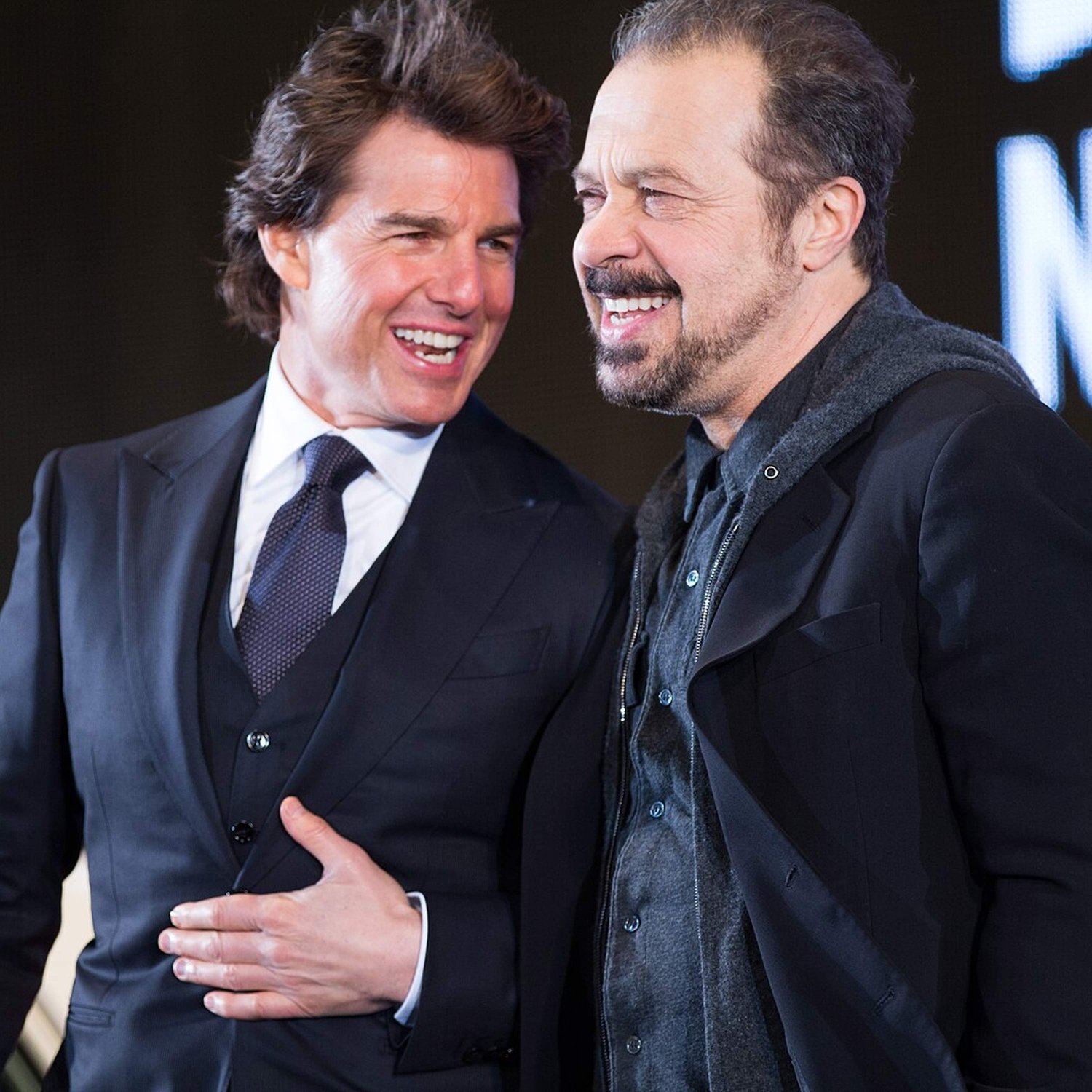
ED ZWICK - Academy Award-winning Writer, Director & Producer - Glory, The Last Samurai, Shakespeare in Love, Thirtysomething
Ed Zwick is a writer, director, and producer who's been active in the film industry for over 40 years. He has been nominated for two Golden Globes for directing the films Glory and Legends of the Fall and received an Academy Award as one of the producers of Shakespeare in Love. Zwick continues to work with his longtime friend and partner, Marshall Herskovitz, at their company Bedford Falls, where they created the widely loved TV show Thirtysomething. His memoir Hits, Flops, and Other Illusions details many of his greatest experiences in the film industry. "I went to film school, But at the end of two years, I think you've only begun the learning. I think it's very hard in school, and particularly in graduate school, to take in all that's coming at you because you're being barraged with information, and you're trying to listen, and you're trying to internalize. At the same time, you're very anxious, and you're very fervent, but you're also furtive about what can I do and how do I get ahead and how do I do this?And I think those things are in contradiction, and what happens After you get out of school, as you begin to try to put into practice some of those things that they've been talking about, especially as you try and fail, unbelievably important to have somebody there with you or on off whom you can bounce ideas.And notions or with whom you can analyze the thing that someone else has done, or you can analyze your own failures. It's a kind of continuing education that happens with a collaborator that as you grow, he grows. You grow together, and you have an observation about something, or he does, and you begin to work, and then you. It was never our intention to work. Our intention was just as friends. It never became about my idea or his idea, but it was the creation of a third idea that somehow evolved."www.simonandschuster.com/authors/Ed-Zwick/212290077https://www.imdb.com/name/nm0001880/www.creativeprocess.info www.oneplanetpodcast.orgIG www.instagram.com/creativeprocesspodcastImage Courtesy of Dick Thomas JohnsonCreative Commons 2.0
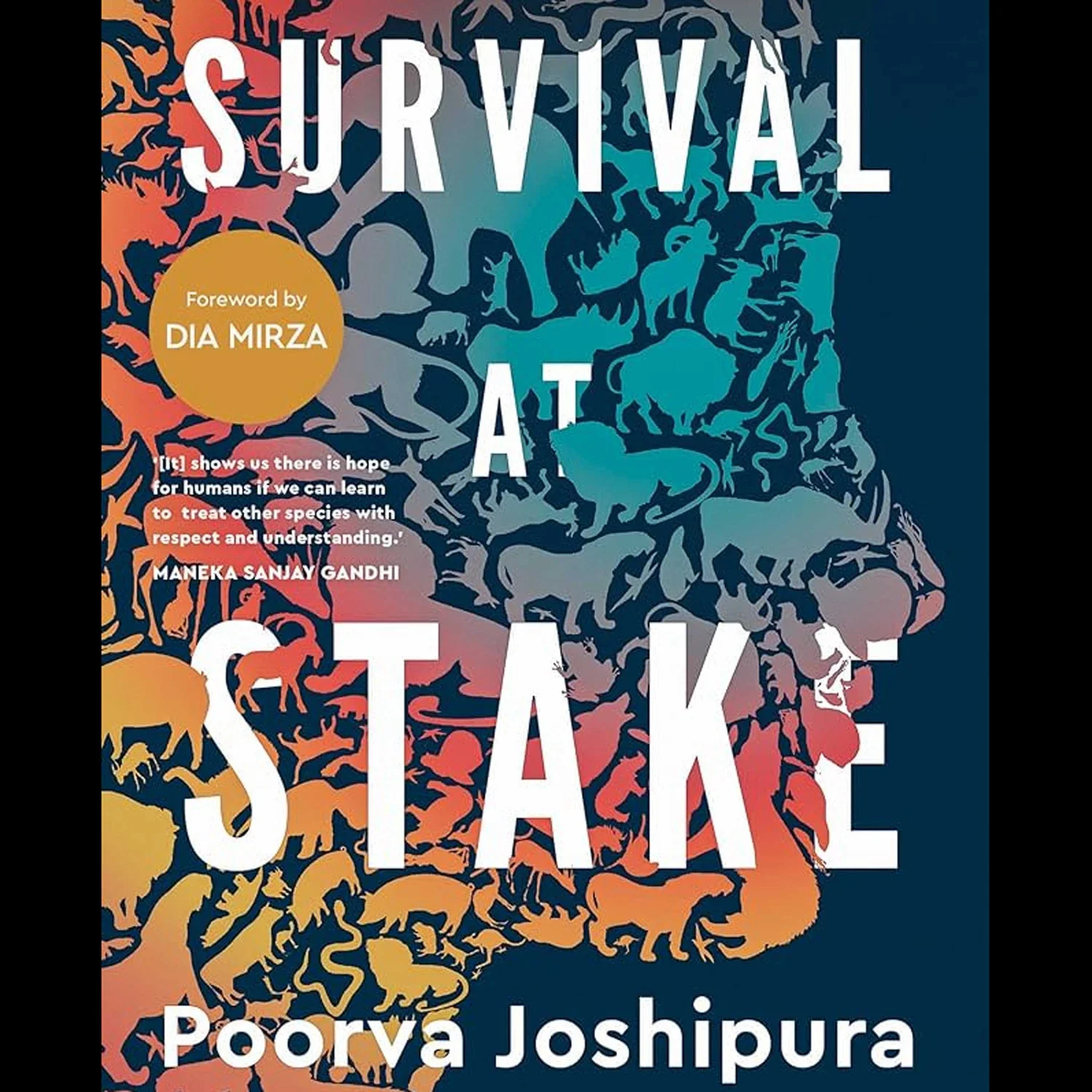
How can we improve animal-human relationships? - Highlights - POORVA JOSHIPURA
“I would go back to that very simple thing of treating animals the way that you would like to be treated. And I know that humane education is becoming a more welcome subject or way of teaching in schools. And I definitely think we need more of that where it's not just you go to school and learn about maths and science and history and so on, but you learn about those subjects within the realm of real-life issues and real-life problems.I wrote Survival at Stake because I've been working in animal rights for nearly the past 25 years. Throughout that time, one common question has been asked: Well, shouldn't we deal with human issues first. But animal rights are human rights. Animal rights is environmentalism. These things are not distinct. And that's the point I was really trying to make in my book. I was inspired to write it because of the COVID-19 crisis. It just brings us back to the point of why it is so important to teach people, young people, and young men the importance of being kind to everyone, animals included. If you teach them that, I think the other lessons start to much more automatically transfer over.”Poorva Joshipura is PETA U.K. Senior Vice President. She is the Author of Survival at Stake: How Our Treatment of Animals is Key to Human Existence and For a Moment of Taste: How What You Eat Impacts Animals, the Planet and Your Health.https://usw2.nyl.as/t1/24/2jdwp5ogezjqb5wxg76eqfqeq/0/14474d94f4e832cd573ffc39be471e57616314b12314a26ca7dd9c2bbf559ac0www.harpercollins.com/products/for-a-moment-of-taste-poorva-joshipura?variant=39399505592354www.creativeprocess.infowww.oneplanetpodcast.orgIG www.instagram.com/creativeprocesspodcast
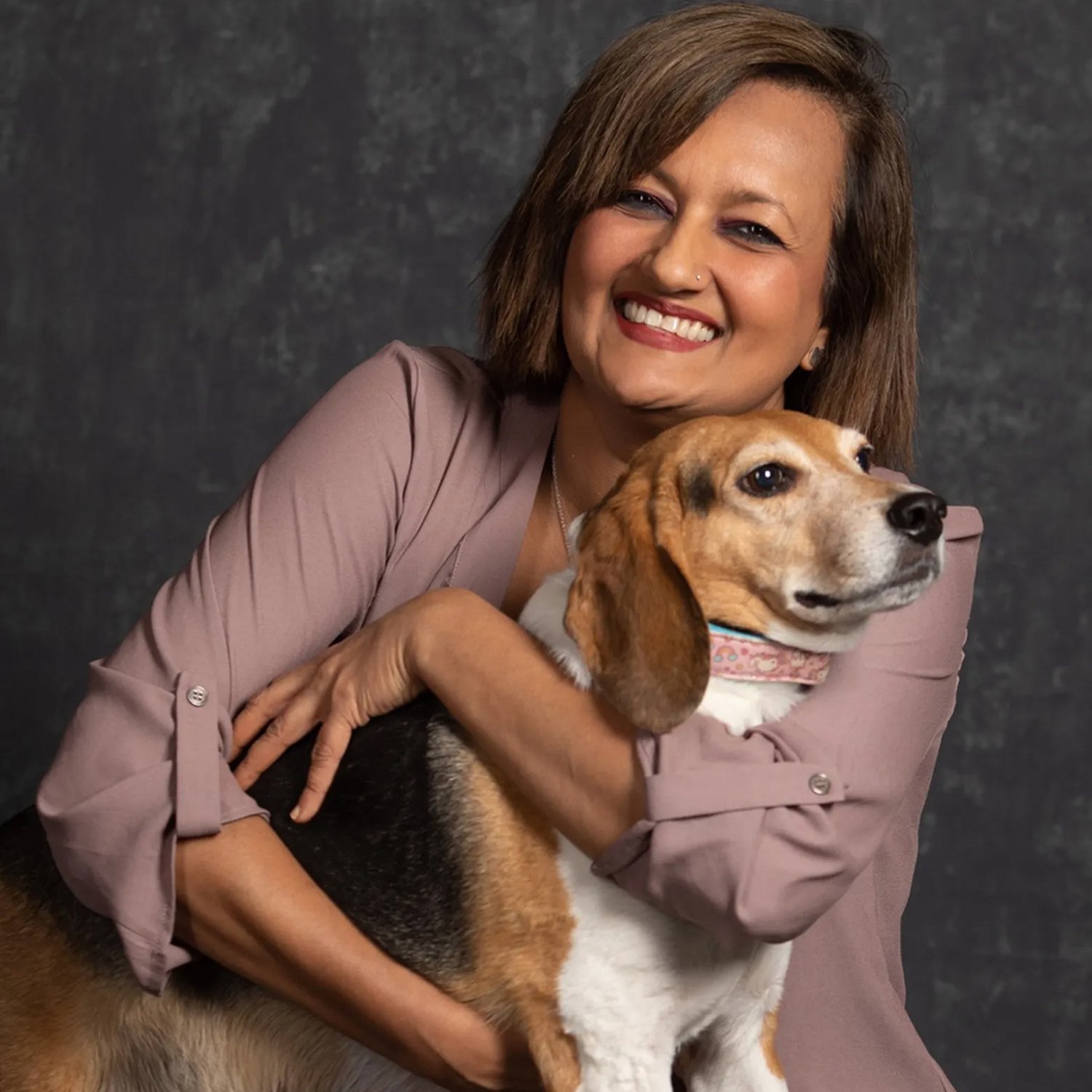
POORVA JOSHIPURA - Senior VP, PETA UK - Author of Survival at Stake: How Our Treatment of Animals is Key to Human Existence
How can we improve animal-human relationships? How can we increase our sensitivity to the other animals who share this planet with us?Poorva Joshipura is PETA U.K. Senior Vice President. She is the Author of Survival at Stake: How Our Treatment of Animals is Key to Human Existence and For a Moment of Taste: How What You Eat Impacts Animals, the Planet and Your Health.“I would go back to that very simple thing of treating animals the way that you would like to be treated. And I know that humane education is becoming a more welcome subject or way of teaching in schools. And I definitely think we need more of that where it's not just you go to school and learn about maths and science and history and so on, but you learn about those subjects within the realm of real-life issues and real-life problems.I wrote Survival at Stake because I've been working in animal rights for nearly the past 25 years. Throughout that time, one common question has been asked: Well, shouldn't we deal with human issues first. But animal rights are human rights. Animal rights is environmentalism. These things are not distinct. And that's the point I was really trying to make in my book. I was inspired to write it because of the COVID-19 crisis. It just brings us back to the point of why it is so important to teach people, young people, and young men the importance of being kind to everyone, animals included. If you teach them that, I think the other lessons start to much more automatically transfer over.”https://usw2.nyl.as/t1/24/2jdwp5ogezjqb5wxg76eqfqeq/0/14474d94f4e832cd573ffc39be471e57616314b12314a26ca7dd9c2bbf559ac0www.harpercollins.com/products/for-a-moment-of-taste-poorva-joshipura?variant=39399505592354www.creativeprocess.infowww.oneplanetpodcast.orgIG www.instagram.com/creativeprocesspodcast
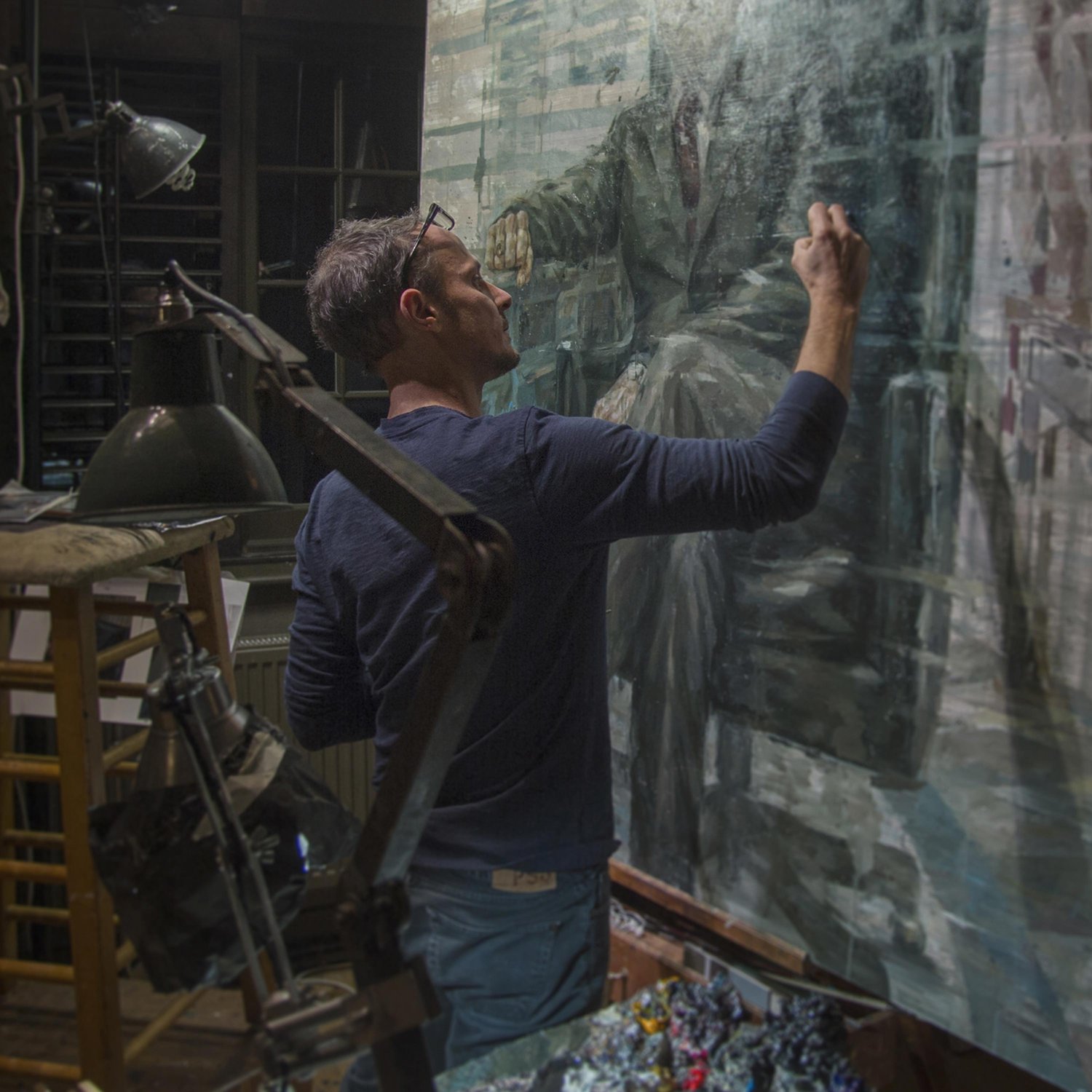
How can the arts help cultivate our intuitive intelligence? - Highlights - JONATHAN YEO
"I'm optimistic about education. There will likely be more traffic between technology and the arts. The tech world needs more creative-minded people and less literal people who have some understanding of how things work.With Jony Ive, you've got someone who designed the iPhone and was very interested in photography himself. We were talking about doing a portrait. He mentioned that he'd been fascinated by self-portraiture as a kid, so much so that when he was doing his industrial design degree, he wrote his thesis on artists' self-portraits. Fast forward a few years, and we are all taking photos every day and learning really fast how to compose images and read images and why they've been cropped in a certain way. All these things, which were probably the preserve of artists and art historians in the past, are suddenly things that kids are thinking about because it's the way they communicate with each other. So I think that that shift is interesting."Jonathan Yeo is one of the world’s leading figurative artists and portrait painters. From celebrated figures such as Sir David Attenborough, peace activist Malala Yousafzai, the Duke of Edinburgh, Nicole Kidman, and Tony Blair, sitting for a portrait with Yeo is a provisional necessity for any 21st century icon. His work, which has been exhibited in museums and galleries around the world, is the subject of several major mid-career retrospectives in the UK and internationally. Yeo’s course on portrait painting is available now on BBC Maestro.www.jonathanyeo.comwww.bbcmaestro.comwww.creativeprocess.infowww.oneplanetpodcast.orgIG www.instagram.com/creativeprocesspodcastImages courtesy of Jonathan Yeo

JONATHAN YEO - Celebrated Portrait Artist on the Importance of Connection & Intuitive Intelligence
How can the arts help cultivate our intuitive intelligence? What does visual art teach us about consciousness and the human condition? Jonathan Yeo is one of the world’s leading figurative artists and portrait painters. From celebrated figures such as Sir David Attenborough, peace activist Malala Yousafzai, the Duke of Edinburgh, Nicole Kidman, and Tony Blair, sitting for a portrait with Yeo is a provisional necessity for any 21st century icon. His work, which has been exhibited in museums and galleries around the world, is the subject of several major mid-career retrospectives in the UK and internationally. Yeo’s course on portrait painting is available now on BBC Maestro."I'm optimistic about education. There will likely be more traffic between technology and the arts. The tech world needs more creative-minded people and less literal people who have some understanding of how things work.With Jony Ive, you've got someone who designed the iPhone and was very interested in photography himself. We were talking about doing a portrait. He mentioned that he'd been fascinated by self-portraiture as a kid, so much so that when he was doing his industrial design degree, he wrote his thesis on artists' self-portraits. Fast forward a few years, and we are all taking photos every day and learning really fast how to compose images and read images and why they've been cropped in a certain way. All these things, which were probably the preserve of artists and art historians in the past, are suddenly things that kids are thinking about because it's the way they communicate with each other. So I think that that shift is interesting."www.jonathanyeo.comwww.bbcmaestro.comwww.creativeprocess.infowww.oneplanetpodcast.orgIG www.instagram.com/creativeprocesspodcastImages courtesy of Jonathan Yeo

How has our biology shaped world history? - Highlights - LEWIS DARTNELL
"It seems that a lot of education is a little bit obsessed with training students to remember facts and figures. In the modern world, when every one of us has got the total of human knowledge in our pockets, it's much less important what you can hold in your head and what you can remember because you can just look it up whenever it becomes important, and it's now how you interpret or analyze or synthesize that information and developing skills and techniques in rapidly understanding and interpreting and analyzing information and making decisions based on information. The internet has changed a huge amount about what is important to our lives and simplified many things that would have been examined on otherwise.It's in finding things out for yourself that is that deep spark of human creativity, which gives us the innovation and all the sort of creativity and designs that we can come up with. So, I think that is something that you would absolutely want to try to continue nurturing yourself."How have our psychology and cognitive biases altered the course of human history? What would you do if you had to rebuild our world from scratch?Lewis Dartnell is an author, researcher, and holds the Professorship in Science Communication at the University of Westminster. He researches astrobiology and the search for microbial life on Mars. He also works as a scientific consultant for the media and has appeared in numerous TV documentaries and radio shows. Dr. Dartnell has won several awards for his science writing and outreach work. He has published five books, including The Knowledge: How to Rebuild our World from Scratch; Origins: How the Earth Made Us; and Being Human: How Our Biology Shaped World History.http://www.lewisdartnell.comhttp://lewisdartnell.com/en-gb/2013/11/the-knowledge-how-to-rebuild-our-world-from-scratchwww.penguin.co.uk/books/433955/origins-by-lewis-dartnell/9781784705435www.penguin.co.uk/books/442759/being-human-by-dartnell-lewis/9781847926708www.creativeprocess.info www.oneplanetpodcast.org IG www.instagram.com/creativeprocesspodcastPhoto credit: Shortlist/Paul Stuart
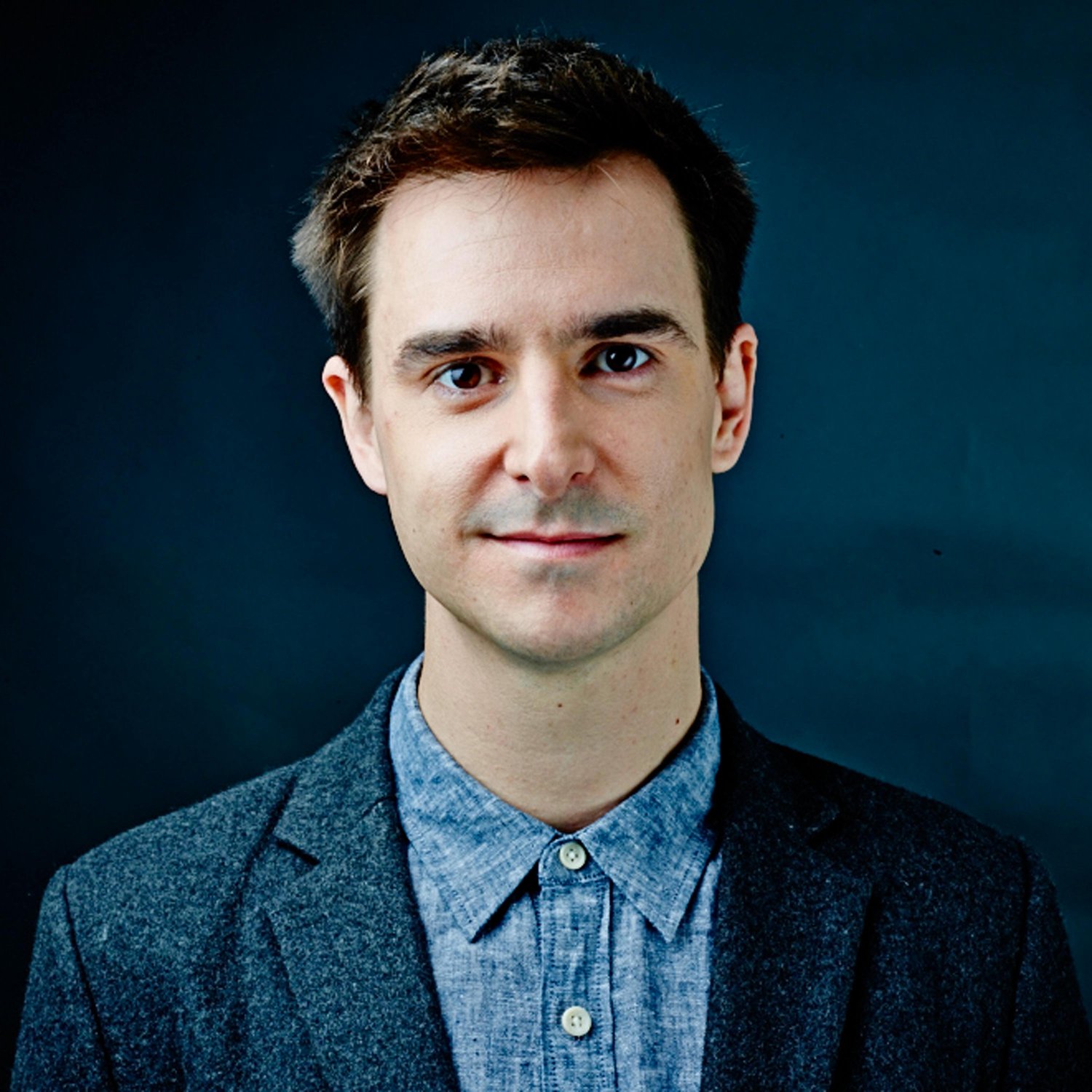
LEWIS DARTNELL - Author of Origins: How the Earth Made Us & Being Human: How Our Biology Shaped World History
How have our psychology and cognitive biases altered the course of human history? What would you do if you had to rebuild our world from scratch?Lewis Dartnell is an author, researcher, and holds the Professorship in Science Communication at the University of Westminster. He researches astrobiology and the search for microbial life on Mars. He also works as a scientific consultant for the media and has appeared in numerous TV documentaries and radio shows. Dr. Dartnell has won several awards for his science writing and outreach work. He has published five books, including The Knowledge: How to Rebuild our World from Scratch; Origins: How the Earth Made Us; and Being Human: How Our Biology Shaped World History."It seems that a lot of education is a little bit obsessed with training students to remember facts and figures. In the modern world, when every one of us has got the total of human knowledge in our pockets, it's much less important what you can hold in your head and what you can remember because you can just look it up whenever it becomes important, and it's now how you interpret or analyze or synthesize that information and developing skills and techniques in rapidly understanding and interpreting and analyzing information and making decisions based on information. The internet has changed a huge amount about what is important to our lives and simplified many things that would have been examined on otherwise.It's in finding things out for yourself that is that deep spark of human creativity, which gives us the innovation and all the sort of creativity and designs that we can come up with. So, I think that is something that you would absolutely want to try to continue nurturing yourself."http://www.lewisdartnell.comhttp://lewisdartnell.com/en-gb/2013/11/the-knowledge-how-to-rebuild-our-world-from-scratchwww.penguin.co.uk/books/433955/origins-by-lewis-dartnell/9781784705435www.penguin.co.uk/books/442759/being-human-by-dartnell-lewis/9781847926708www.creativeprocess.info www.oneplanetpodcast.org IG www.instagram.com/creativeprocesspodcastPhoto credit: Shortlist/Paul Stuart

How can we develop AI systems that are more respectful, ethical, and sustainable? - Highlights - DR. SASHA LUCCIONI
“When people say, oh, yeah, AI is going to help everyone or change humanity or all these claims, they don't realize people don't have access to the Internet in some places or cell phones or the fact that the data used by AI models is not representative of many parts of the world. It's mostly in English, and the data generated on the Internet and AI is mostly by educated, white, male users who post on forums. So there are whole generations and whole regions of the world that are not represented in this data. And so I think that all these claims of the universality of AI or how it's going to help everyone are techno-optimistic. I think it's really important to stay, once again, skeptical of AI, but also learn about it and see it not as some magical thing, but more as a technology. A technology that works but also doesn't work. A technology that comes with costs and benefits.”What are the pros and cons of AI’s integration into our institutions, political systems, culture, and society? How can we develop AI systems that are more respectful, ethical, and sustainable?Dr. Sasha Luccioni is a leading scientist at the nexus of artificial intelligence, ethics, and sustainability, with a Ph.D. in AI and a decade of research and industry expertise. She spearheads research, consults, and utilizes capacity-building to elevate the sustainability of AI systems. As a founding member of Climate Change AI (CCAI) and a board member of Women in Machine Learning (WiML), Sasha is passionate about catalyzing impactful change, organizing events, and serving as a mentor to under-represented minorities within the AI community. She is an AI Researcher & Climate Lead at Hugging Face, an open-source hub for machine learning and natural language processing.https://www.sashaluccioni.comhttps://huggingface.co/http://www.climatechange.aihttps://wimlworkshop.org
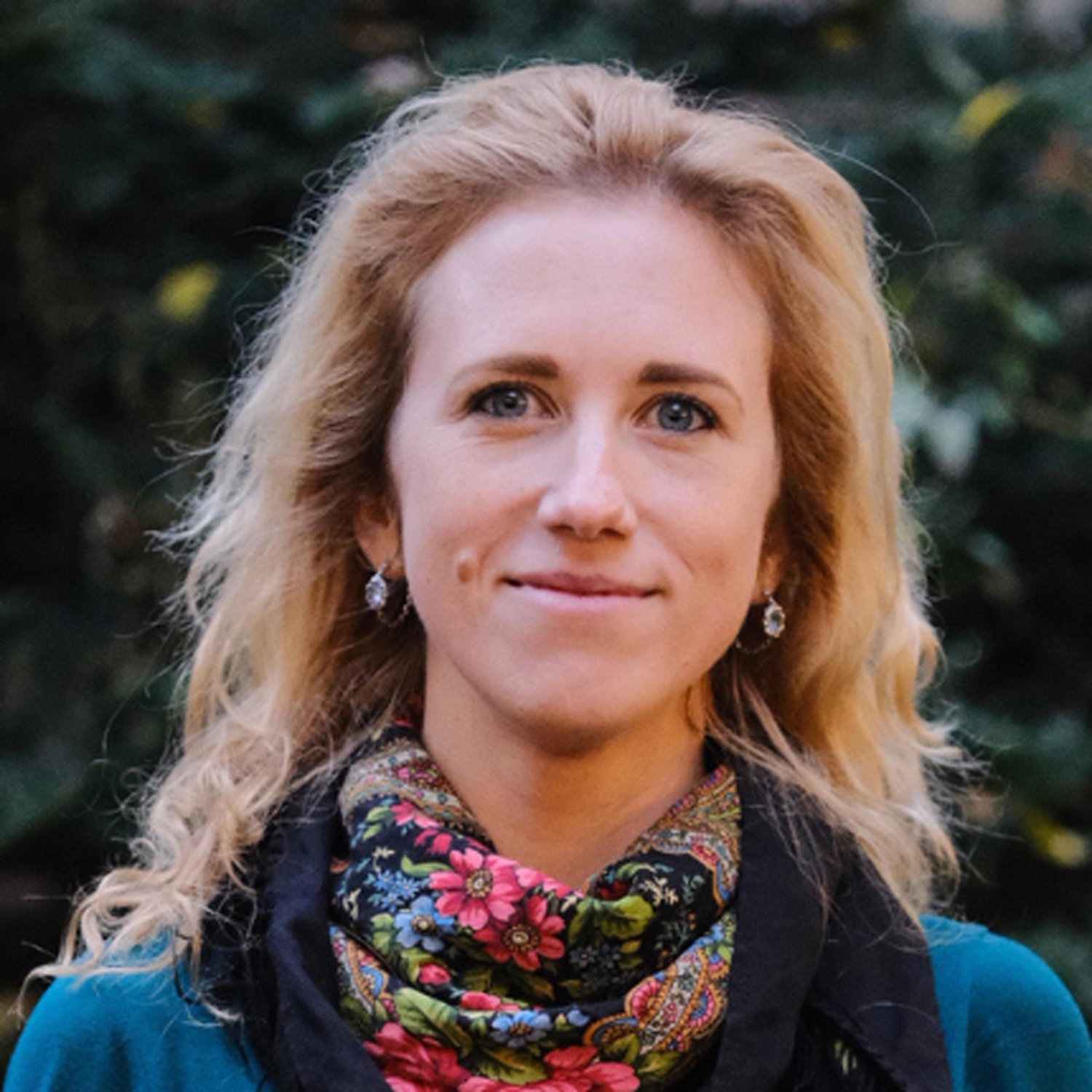
DR. SASHA LUCCIONI - Founding Member Climate Change AI - Climate Lead & AI Researcher - Hugging Face
What are the pros and cons of AI’s integration into our institutions, political systems, culture, and society? How can we develop AI systems that are more respectful, ethical, and sustainable?Dr. Sasha Luccioni is a leading scientist at the nexus of artificial intelligence, ethics, and sustainability, with a Ph.D. in AI and a decade of research and industry expertise. She spearheads research, consults, and utilizes capacity-building to elevate the sustainability of AI systems. As a founding member of Climate Change AI (CCAI) and a board member of Women in Machine Learning (WiML), Sasha is passionate about catalyzing impactful change, organizing events, and serving as a mentor to under-represented minorities within the AI community. She is an AI Researcher & Climate Lead at Hugging Face, an open-source hub for machine learning and natural language processing.“When people say, oh, yeah, AI is going to help everyone or change humanity or all these claims, they don't realize people don't have access to the Internet in some places or cell phones or the fact that the data used by AI models is not representative of many parts of the world. It's mostly in English, and the data generated on the Internet and AI is mostly by educated, white, male users who post on forums. So there are whole generations and whole regions of the world that are not represented in this data. And so I think that all these claims of the universality of AI or how it's going to help everyone are techno-optimistic. I think it's really important to stay, once again, skeptical of AI, but also learn about it and see it not as some magical thing, but more as a technology. A technology that works but also doesn't work. A technology that comes with costs and benefits.”https://www.sashaluccioni.comhttps://huggingface.co/http://www.climatechange.aihttps://wimlworkshop.org

How can enlightened self-interest advance social equity & climate action? - Highlights - DR. SHIV SOMESHWAR
"Now, we are so careless in the way we approach things we think we understand. And we're dismissive. We are quick to judgment. And that's one thing that I hope in my class and the current generation really needs to be a far more reflective. Read and discuss widely. Especially read those things that you disagree with. And then ask yourself why. Why are you having this reaction? Why this negative emotion? Go to the heart of why you think you disagree with this. It enables the young to become better communicators. You need to be open to being questioned. You don't outshout the questioner. You really need to be able to answer these uncomfortable questions, and that's the way of persuasion. And, of course, you have power dynamics over which you have no control, especially when you're young. And that's something they really need to figure out. How does one work in a situation of power and powerlessness? But there is no substitute for knowing."How do urbanization and rural development impact communities differently? How can we make public policy and enlightened self-interest advance climate action?Dr. Shiv Someshwar is a Development Clinician, diagnosing development of cities and nation states. A Visiting Professor at Columbia University, New York and at Sciences Po, Paris, he was the founder chair-holder of the European Chair for Sustainable Development and Climate Transition at Sciences Po. He helped set up the initial national and regional networks of the global Sustainable Development Solutions Network.His publications cover a range of issues: planning, institutions and governance of sustainable development; climate change mitigation, adaptation, risks and offsets; and ecosystem management. He edited Re-living the Memories of an Indian Forester: Memoirs of S. Shyam Sunder and is presently writing The Fallacy of Evidence-Based Policy Making.He convened and chaired the Independent Task Force on Creative Climate Action. Dr. Someshwar received a Ph.D. in urban planning from the University of California, Los Angeles, and he was a Bell-MacArthur fellow at Harvard University. He has two masters’ degrees, on housing and on environmental planning, and is also trained as a professional architect. He has previously worked at the Earth Institute, Columbia University, the Rockefeller Foundation in New York, and the World Bank in Washington D.C.https://www.sciencespo.fr/psia/sites/sciencespo.fr.psia/files/ITFClimateReport_Web.pdf www.amazon.com/Reliving-Memories-Indian-Forester-Memoir/dp/9388337131www.creativeprocess.infowww.oneplanetpodcast.orgIG www.instagram.com/creativeprocesspodcast

DR. SHIV SOMESHWAR - Fmr. European Chair for Sustainable Development & Climate Transition - Sciences Po
How do urbanization and rural development impact communities differently? How can we make public policy and enlightened self-interest advance climate action?Dr. Shiv Someshwar is a Development Clinician, diagnosing development of cities and nation states. A Visiting Professor at Columbia University, New York and at Sciences Po, Paris, he was the founder chair-holder of the European Chair for Sustainable Development and Climate Transition at Sciences Po. He helped set up the initial national and regional networks of the global Sustainable Development Solutions Network.His publications cover a range of issues: planning, institutions and governance of sustainable development; climate change mitigation, adaptation, risks and offsets; and ecosystem management. He edited Re-living the Memories of an Indian Forester: Memoirs of S. Shyam Sunder and is presently writing The Fallacy of Evidence-Based Policy Making.He convened and chaired the Independent Task Force on Creative Climate Action. Dr. Someshwar received a Ph.D. in urban planning from the University of California, Los Angeles, and he was a Bell-MacArthur fellow at Harvard University. He has two masters’ degrees, on housing and on environmental planning, and is also trained as a professional architect. He has previously worked at the Earth Institute, Columbia University, the Rockefeller Foundation in New York, and the World Bank in Washington D.C."Now, we are so careless in the way we approach things we think we understand. And we're dismissive. We are quick to judgment. And that's one thing that I hope in my class and the current generation really needs to be a far more reflective. Read and discuss widely. Especially read those things that you disagree with. And then ask yourself why. Why are you having this reaction? Why this negative emotion? Go to the heart of why you think you disagree with this. It enables the young to become better communicators. You need to be open to being questioned. You don't outshout the questioner. You really need to be able to answer these uncomfortable questions, and that's the way of persuasion. And, of course, you have power dynamics over which you have no control, especially when you're young. And that's something they really need to figure out. How does one work in a situation of power and powerlessness? But there is no substitute for knowing."https://www.sciencespo.fr/psia/sites/sciencespo.fr.psia/files/ITFClimateReport_Web.pdf www.amazon.com/Reliving-Memories-Indian-Forester-Memoir/dp/9388337131www.creativeprocess.infowww.oneplanetpodcast.orgIG www.instagram.com/creativeprocesspodcast