East Bay Yesterday
150 episodes — Page 3 of 3
Deep in Canyon, part 3: “A community of choice”
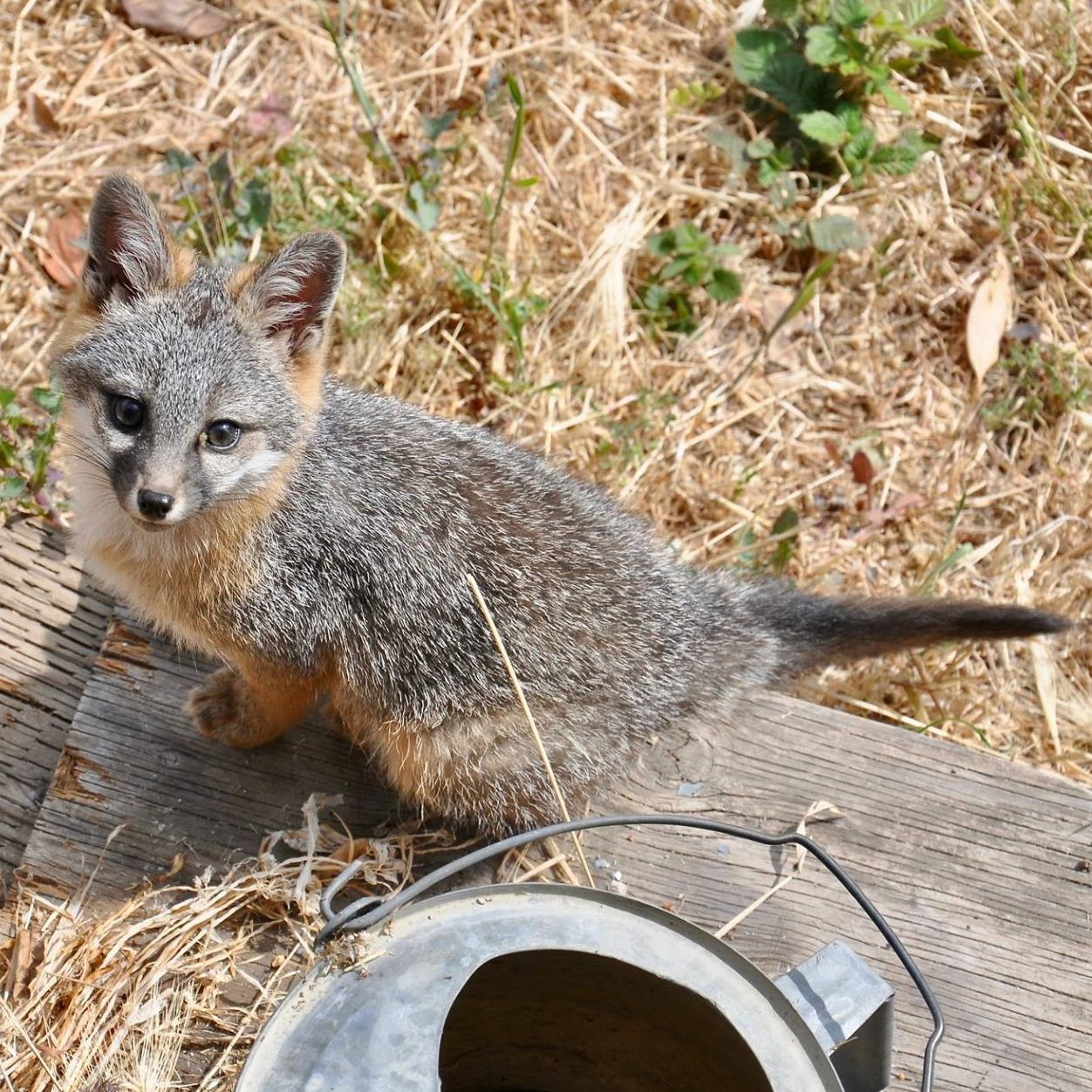
The previous episodes in this miniseries covered the early history of Canyon and this town’s fight for survival during the height of the hippie era. The conclusion of this trilogy explores this unusual little village’s trajectory since then. How did Canyon manage to transition out of the wild and experimental 1960s, while still holding onto many of the values that drew so many idealists out here? Listen now to find out. Bonus: Stay tuned after the credits to hear a cautionary tale about what *not* to do while tripping on psychedelics near an electric fence. If you enjoy the episode, please support East Bay Yesterday: www.patreon.com/eastbayyesterday
EBY Q&A: The earth-shattering history of a small East Bay town
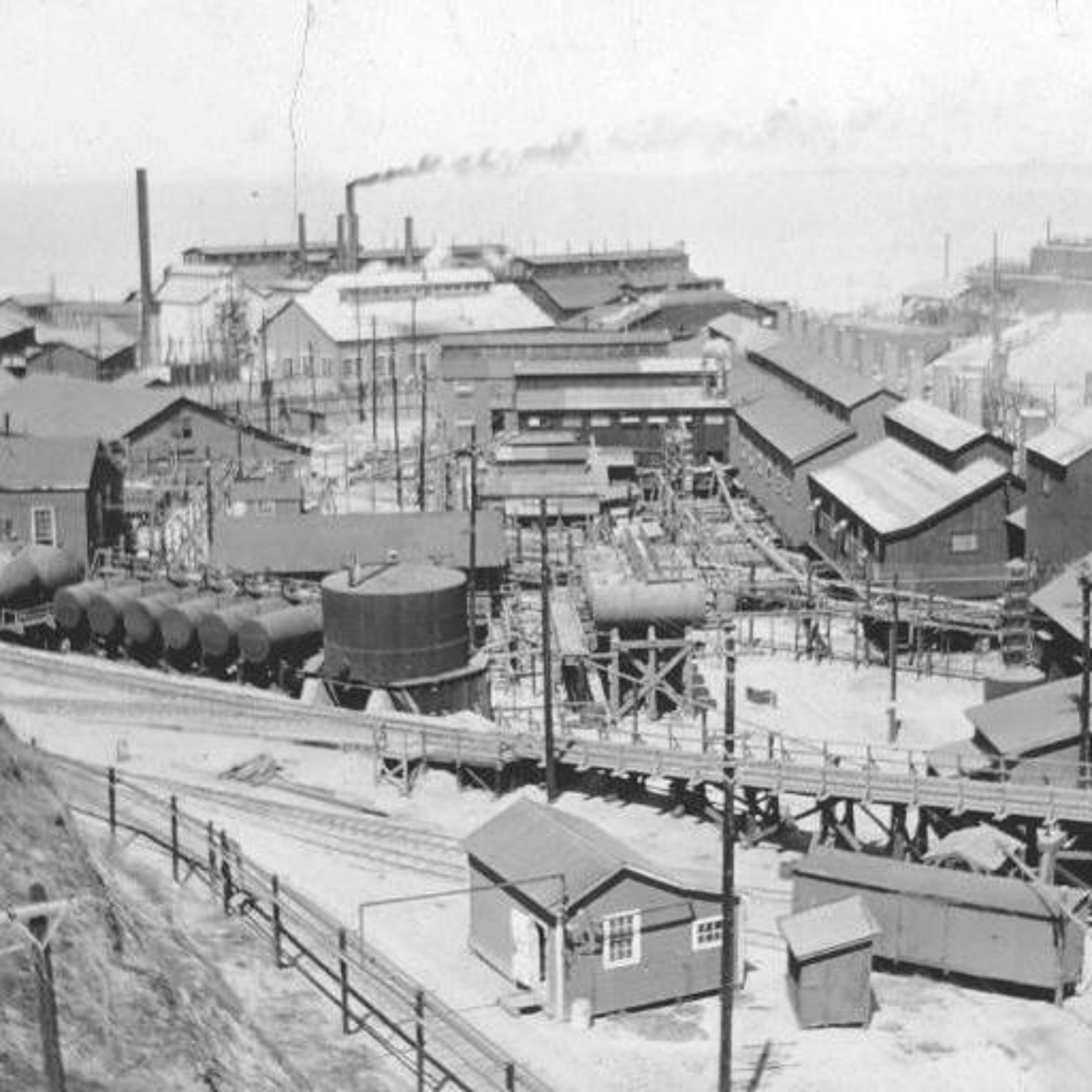
One of the Bay Area’s first business booms was the rapid growth of explosives manufacturing following the Gold Rush. The power of nitroglycerine and later dynamite enabled industrial-scale mining, continent-spanning railroads, and a total reshaping of California’s landscape. For many decades, the small Contra Costa town Hercules produced millions of tons of explosive chemicals that were used to move mountains, build cities, and wage wars. This episode features an interview with Stephen Lawton, a longtime resident of Hercules who co-authored a book all about his town’s earth-shattering history. If you enjoy the episode, please support East Bay Yesterday: www.patreon.com/eastbayyesterday For more info about the Hercules history, including a link to Stephen Lawton’s book “Hercules”: http://herculeshistory.org/
EBY Q&A: Taking South Asian history to the streets
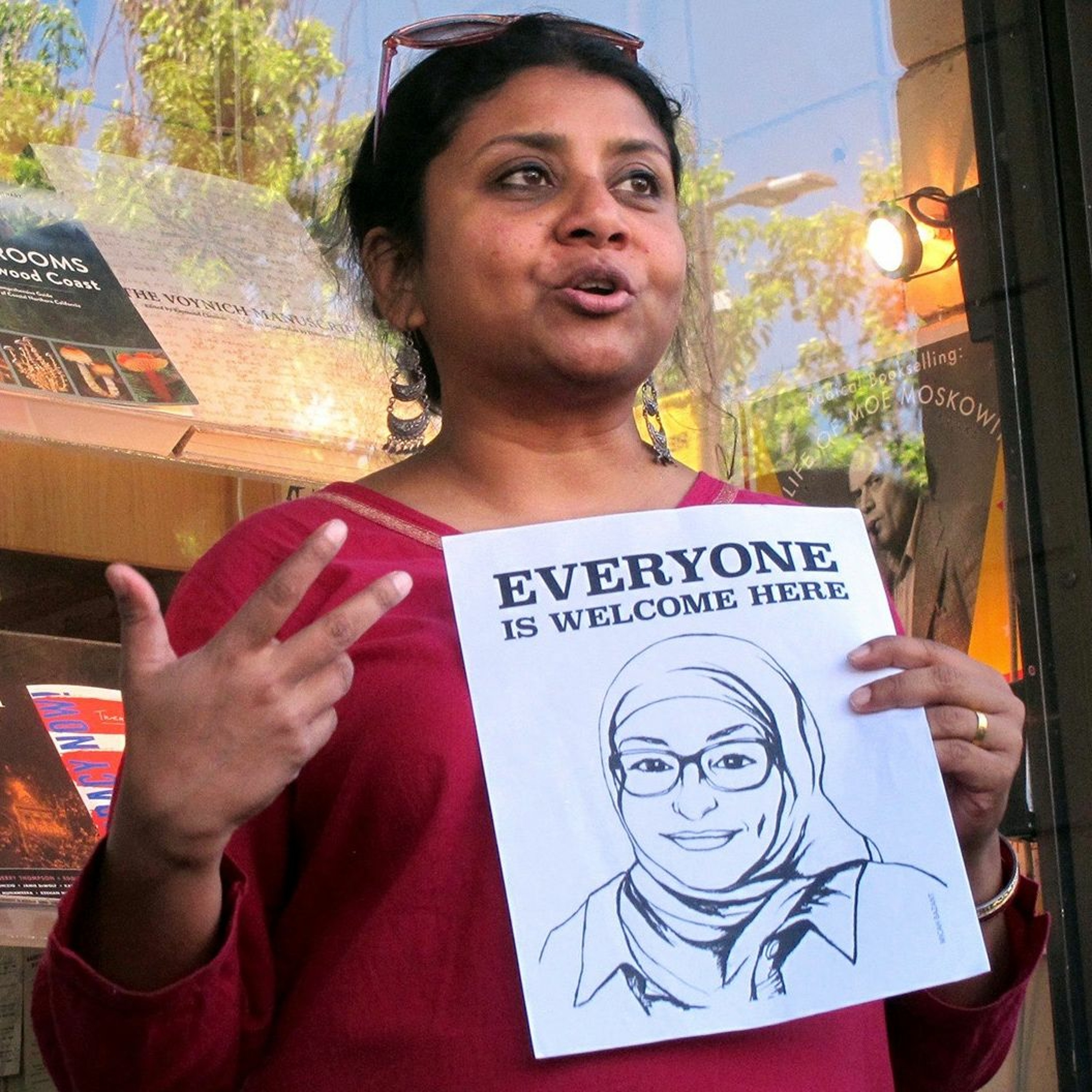
How can history be used to challenge hate crimes? For the past 7 years, Barnali Ghosh and Anirvan Chatterjee have been exploring questions like this through their Berkeley South Asian Radical History Walking Tours. This episode covers some of the tour’s highlights and discusses the unpredictable nature of turning public streets into a classroom. Listen now to hear about the first South Asian LGBTQ publication, an influential anti-colonial movement, housing discrimination battles, and what Barnali and Anirvan think about Asians now outnumbering white people in Alameda County. To see photos and links related to this story, visit: https://eastbayyesterday.com/episodes/eby-qa-2/ If you enjoy the episode, please support East Bay Yesterday: www.patreon.com/eastbayyesterday For more info about the Berkeley South Asian Radical History Walking Tour: http://www.berkeleysouthasian.org/
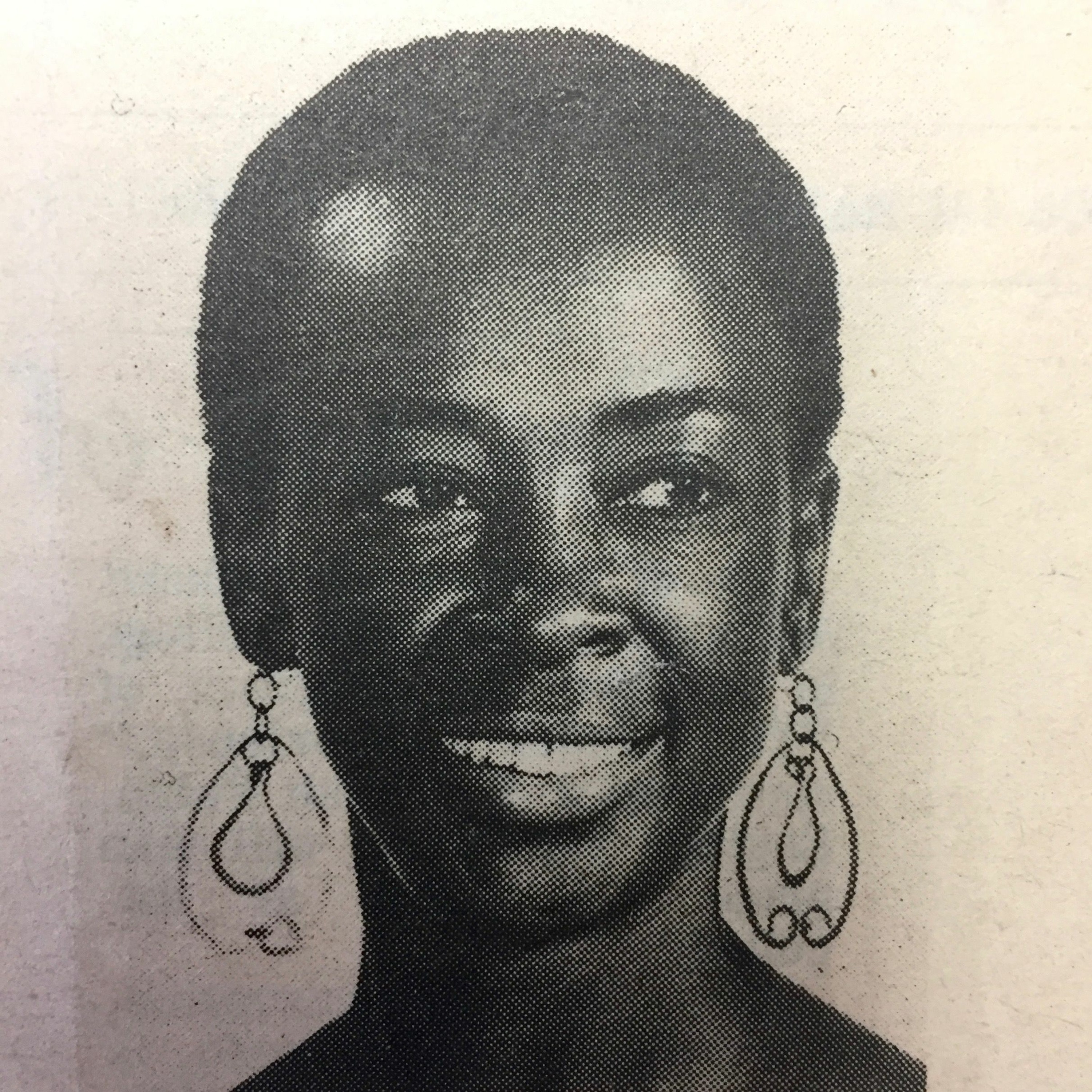
“I enjoyed every day”: A tribute to Ruth Beckford
Ruth Beckford was known as “the Dance Lady” because she mentored several generations of young women through her popular classes and introduced the Bay Area to Afro-Haitian styles with her electrifying performances. She also co-founded the Black Panther Party’s free breakfast program, which FBI director J. Edgar Hoover called “the greatest threat to the internal security of the country.” Ruth Beckford passed away on May 8, 2019. Reflecting on the diverse accomplishments of her former teacher and lifelong friend, Deborah Vaughan said “Ms. Beckford rode life until the wheels came off.” Although an iconic mural of Ms. Beckford will soon be covered by a new development, her 93 years of joy, activism and strength still loom large. This episode explores the life of a woman who collaborated with Maya Angelou, volunteered in women’s prisons, and much more. Featuring interviews conducted by the African American Museum & Library at Oakland and by Penny Peak for the Museum of Performance and Design, listen now for a powerful trip through nearly a century of Oakland history. To see photos and links related to this story, visit: https://eastbayyesterday.com/episodes/i-enjoyed-every-day/ To visit the African American Museum & Library at Oakland: http://www.oaklandlibrary.org/locations/african-american-museum-library-oakland To visit the Museum of Performance and Design: https://www.mpdsf.org/ If you enjoy the episode, please support East Bay Yesterday: www.patreon.com/eastbayyesterday
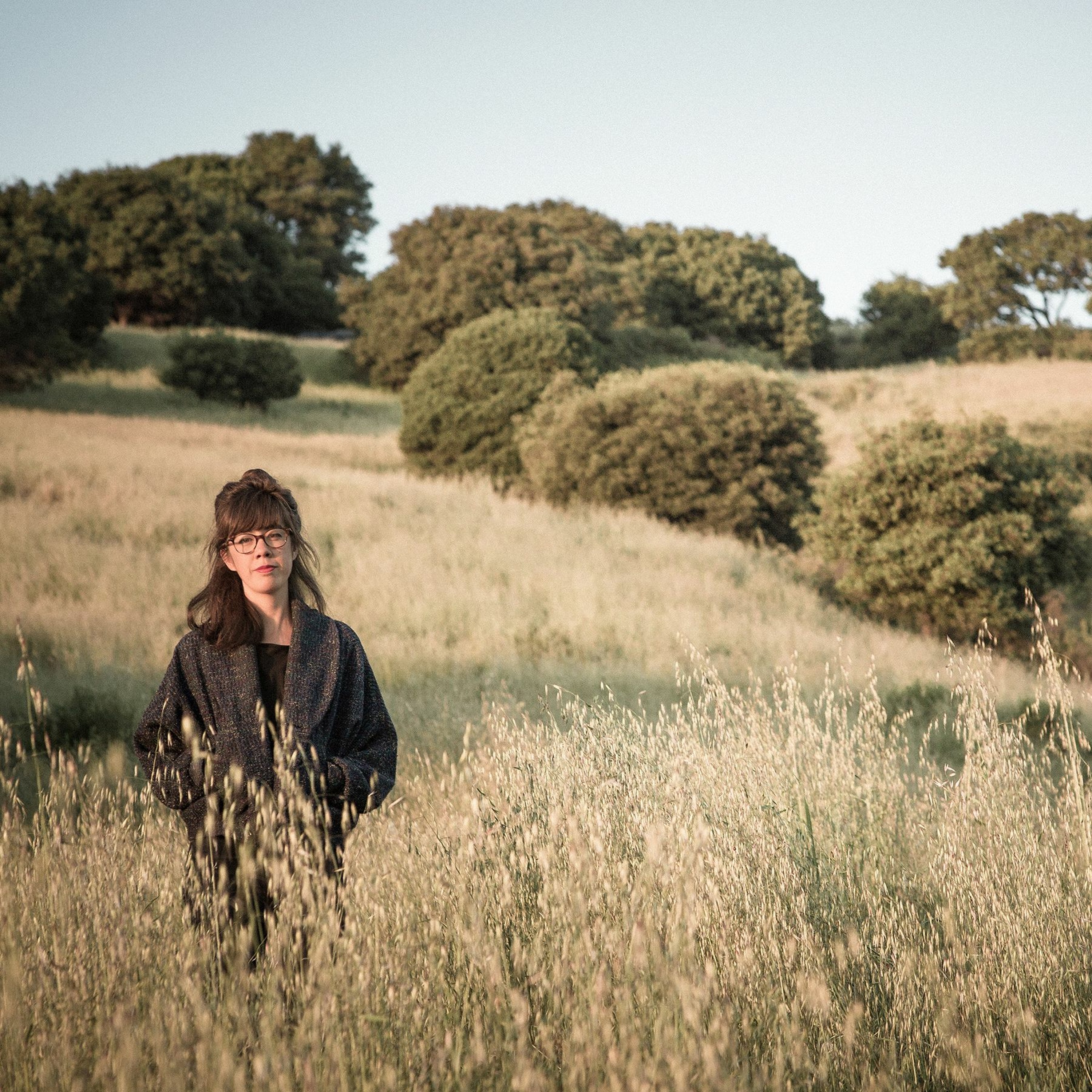
EBY Q&A: How to do nothing in Oakland with Jenny Odell
Jenny Odell wrote that her inspiration for “How to Do Nothing” was “grounded in a particular location, and that is the Morcom Amphitheater of Roses in Oakland, California.” Odell’s countless hours observing birds and other wildlife in this quiet neighborhood park led to the creation of her new book, which The New Yorker praised for “elegantly aligning the crisis in our natural world and the crisis in our minds.” For the first episode of East Bay Yesterday recorded in front of a live audience, I interviewed Jenny about how she challenges the “placelessness” that’s becoming ever more ubiquitous in our digital world. Honoring the book’s theme of “reconnecting with the world around us,” we discussed Chapel of the Chimes, the joys of AC Transit, Oakland’s oldest tree, and much more. [Big thank you to EM. Wolfman Bookstore for hosting and Katie McMurran for recording this conversation.] To see more information about this episode, visit: https://eastbayyesterday.com/episodes/eby-qa-live/ If you enjoy the episode, please support East Bay Yesterday: www.patreon.com/eastbayyesterday
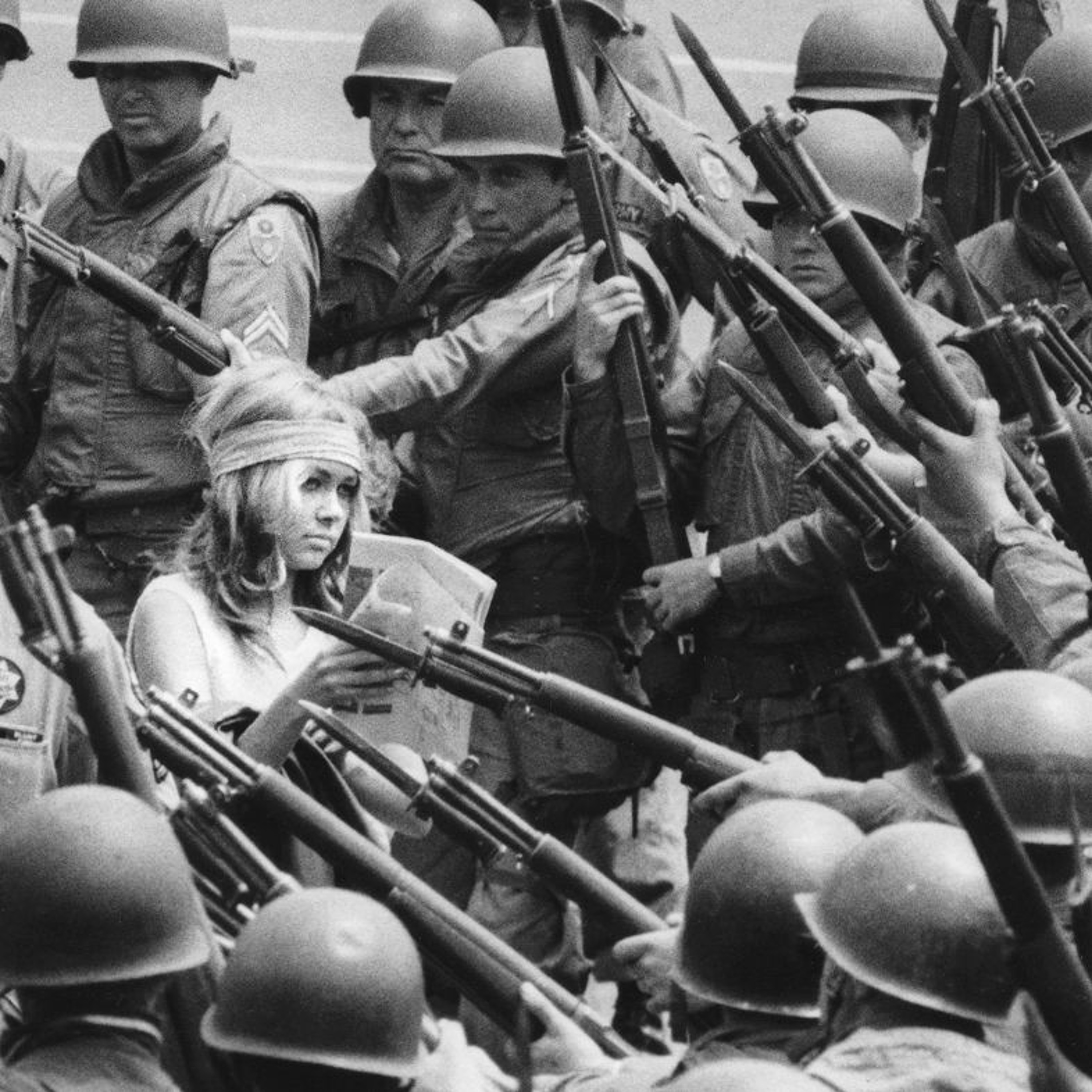
“If it takes a bloodbath, let's get it over with”: When Ronald Reagan sent troops into Berkeley
50 years ago, a group of students, activists and community members transformed a muddy, junk-filled parking lot into a park. When the University of California, under heavy pressure from Gov. Ronald Reagan, tore up the grass and surrounded the land with a heavily-guarded fence, this response triggered a surreal and tragic set of events. The maelstrom of violence that engulfed Berkeley in May 1969 would be almost impossible to believe if the cameras hadn't been rolling. Dozens were shot, hundreds were arrested, and thousands were teargassed – protesters and innocent bystanders alike. During the military occupation of Berkeley by National Guardsmen, a helicopter launched a chemical attack on the University campus, children were surrounded by bayonet-wielding soldiers, and journalists were detained under the supervision of brutally sadistic guards. Amidst this upheaval, Gov. Reagan told a group of reporters, “If it takes a bloodbath, let’s get it over with, no more appeasement.” This episode explores the conflict with Tom Dalzell, the author of “The Battle for People’s Park” (Heyday Books), and through archival audio captured by KPFA-FM reporters in 1969 and 1970. If you enjoy the episode, please support East Bay Yesterday: www.patreon.com/eastbayyesterday To see photos related to this episode: https://eastbayyesterday.com/ To purchase “The Battle for People’s Park, Berkeley 1969”: https://aerbook.com/maker/productcard-4196911-4706.html Episode art: Photo: Ted Streshinsky; courtesy of the Streshinsky Family. Image used by kind permission of Heyday Books.
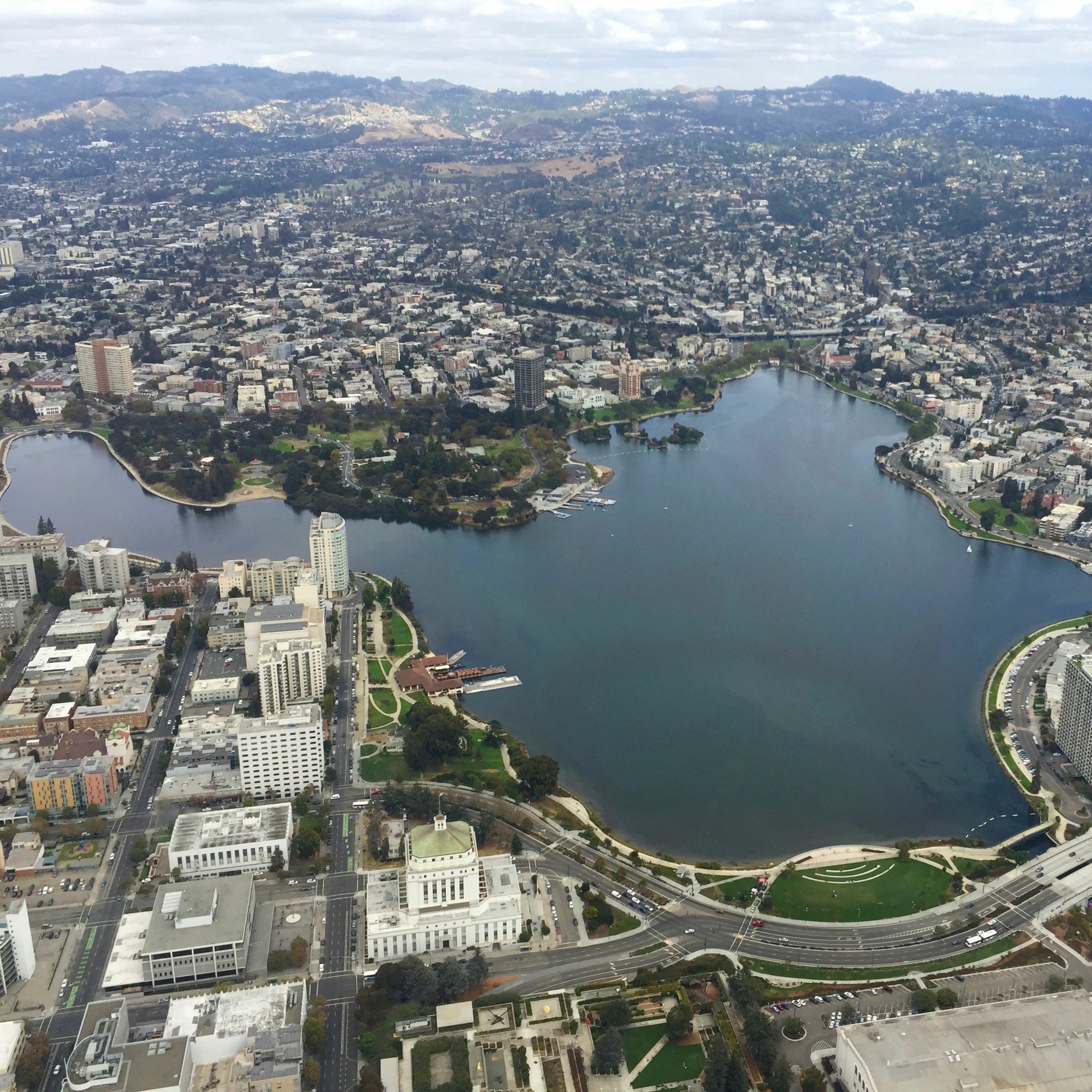
EBY Q&A: Exploring Lake Merritt and Children’s Fairyland
With the weather warming up, I thought now would be a great time for a deep dive into Lake Merritt (not literally!). First, this episode will explore the wild side of this body of water (which is technically a tidal estuary) with Constance Taylor, a naturalist with California Center for Natural History. Then, I’ll interview Children’s Fairyland director C.J. Hirschfield about the enchanting amusement park that’s been entertaining families on the shores of Lake Merritt since 1950. Listen now to hear about the origin of the lake’s geodesic dome, the real story behind Walt Disney’s “inspiration,” and much more. If you enjoy the episode, please support East Bay Yesterday: https://www.patreon.com/eastbayyesterday To see photos related to this episode: https://eastbayyesterday.com/ To learn more about California Center for Natural History: https://calnature.org/ To learn more about Children’s Fairyland: https://fairyland.org/
Deep in Canyon, part 2: “It wasn’t utopia... it was real.”
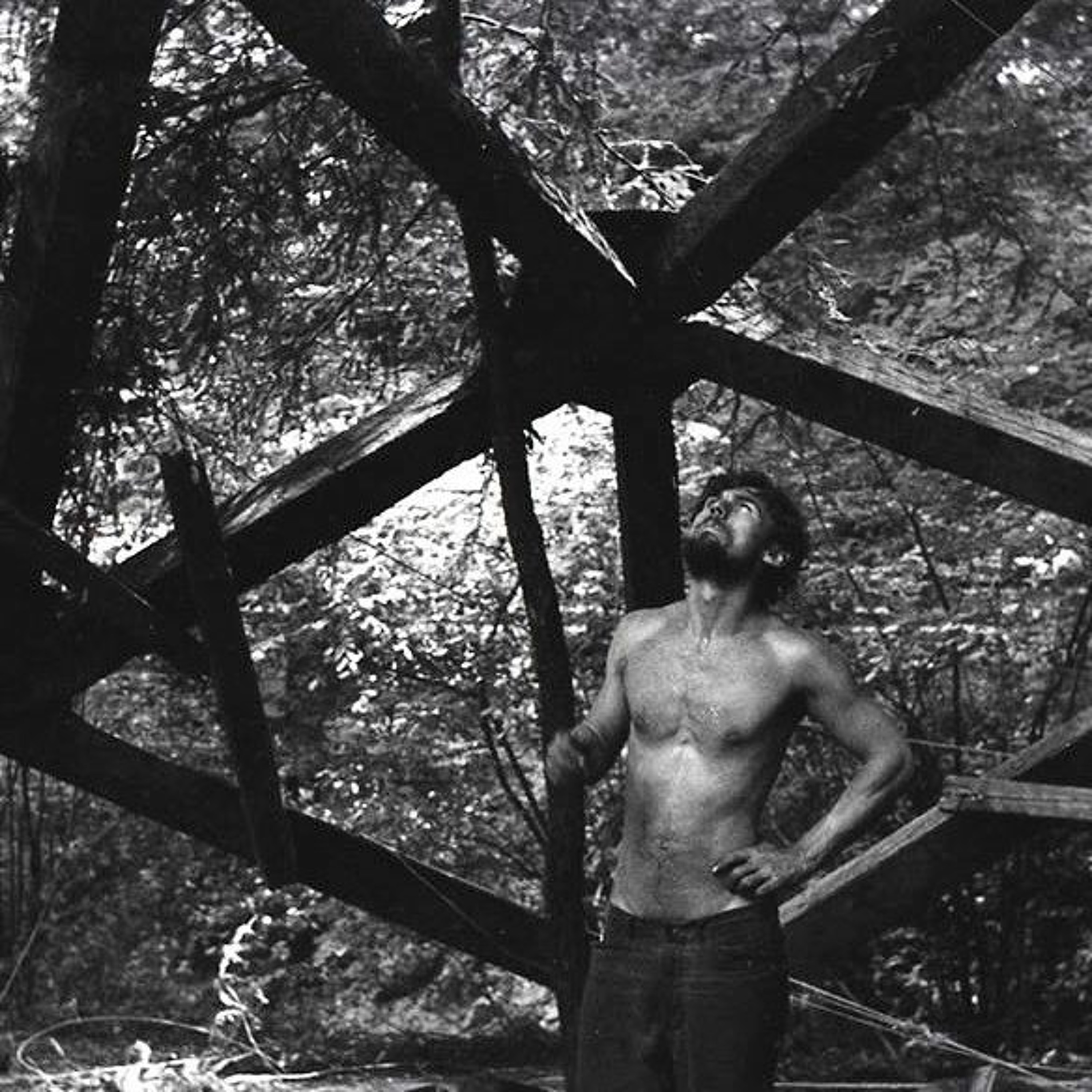
During the 1960s, young people from all over the country flooded into a small village tucked behind the Oakland hills amidst a grove of towering redwoods. Some of them just came to party, but many sought to build an alternative to what they saw as the violence and reckless consumerism of mainstream society. In the forest, they built psychedelic cabins out of scavenged materials and taught each other how to garden, sew, raise chickens and goats, play music, bake bread, and much more. By the end of the decade, this hippie enclave faced several major threats: a crackdown by local government agencies and – even more terrifying – a catastrophic explosion that killed a man and left several of the town’s most important structures in smoldering ruins. This episode explores Canyon’s fight for survival… and why it was worth saving. Featuring interviews with: Christina Bernard, Ed Johnson, Karen Pickett, Deva Rajan, Vicki Saputo, Esperanza Pratt Surls, and also an archival interview with George Menge, conducted about two decades ago by Roberta Llewellyn. (Big thank you to Digital Roots Studio for digitizing the audio cassette.) If you enjoy the episode, please support East Bay Yesterday: www.patreon.com/eastbayyesterday
Deep in Canyon, part 1: “Paradise with a dash of chaos”
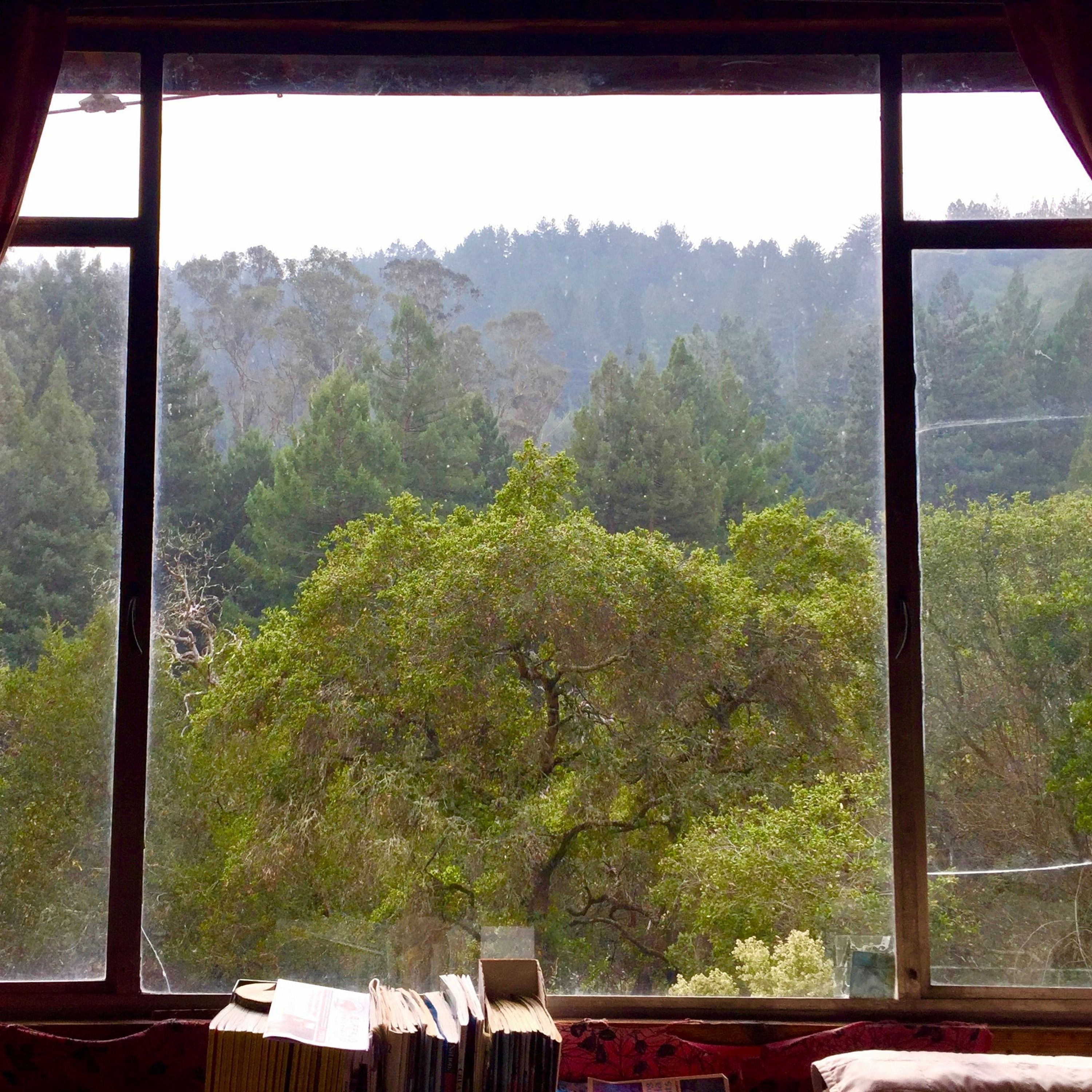
During the Gold Rush, Canyon had more residents than Oakland, but today few people know that this tiny village nestled in the East Bay hills even exists. The “Deep in Canyon” mini-series will explore the history of what author John Van Der Zee called “the last rustic community in metropolitan America.” This episode covers Canyon’s many transformations between the 1840s and the early 1960s – from its rise as a Wild West logging town to the dawn of the “hippie invasion,” with many colorful detours along the way. Featuring interviews with: Vicki Saputo, Esperanza Pratt Surls and Karen Pickett. To see photos related to this story, visit: https://eastbayyesterday.com/ If you enjoy the episode, please support East Bay Yesterday: www.patreon.com/eastbayyesterday
Bonus episode: Q&A with “Evolutionary Blues” director Cheryl Fabio
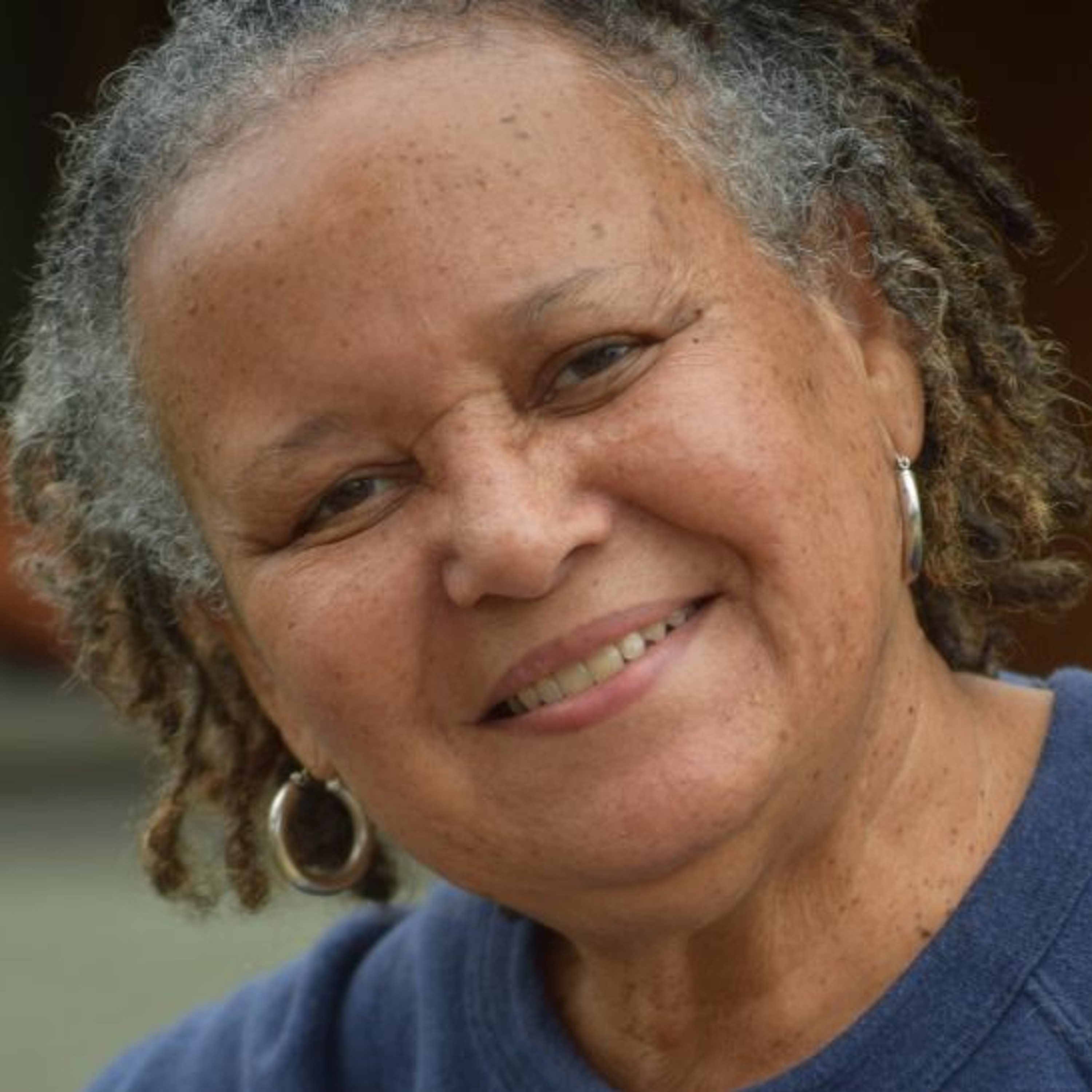
Instead of the usual narrative format, this episode is a one-on-one interview with Cheryl Fabio, the director of “Evolutionary Blues: West Oakland’s Music Legacy.” I interviewed Cheryl for my KPFA radio show this week and I enjoyed the interview so much, I've decided to share it as a podcast. Also, I wanted to spread the word about Cheryl’s upcoming film & artist talk series “Resistance, Resilience & Anticipation: A fresh look at the Black Arts Movement in Oakland.” For more about those events, check out: https://www.swfcenter4sj.org/ For info & upcoming screenings of “Evolutionary Blues,” check out: https://evolutionarybluesfilm.com/ If you enjoy the episode, please support East Bay Yesterday: https://www.patreon.com/eastbayyesterday Since this interview is about the history of West Oakland blues, I also wanted to re-share one of my favorite episodes from 2017. Here is the original description of that program, which follows the Q&A with Cheryl Fabio… “The queen of the West Coast blues”: Sugar Pie DeSanto serves up sweet & spicy stories From jumping off pianos with James Brown to running the streets with Etta James, Sugar Pie DeSanto has led a wild life. In this episode, the soul singer shares memories of performing in Oakland’s legendary 1950s blues clubs, stunning global audiences with her risqué moves, and making grown men cry. As Sugar Pie puts it, “I’m one of the roughest women you could ever know. I ain’t to be played with!” Listen now to find out what happened when one aggressive fan learned this lesson the hard way. Special thanks to Mr. Jim Moore and Jasman Records. Support Sugar Pie DeSanto by purchasing her music at: sugarpiedesanto.com/
“The Silent Generation was over”: Building Berkeley’s 1960s student movement
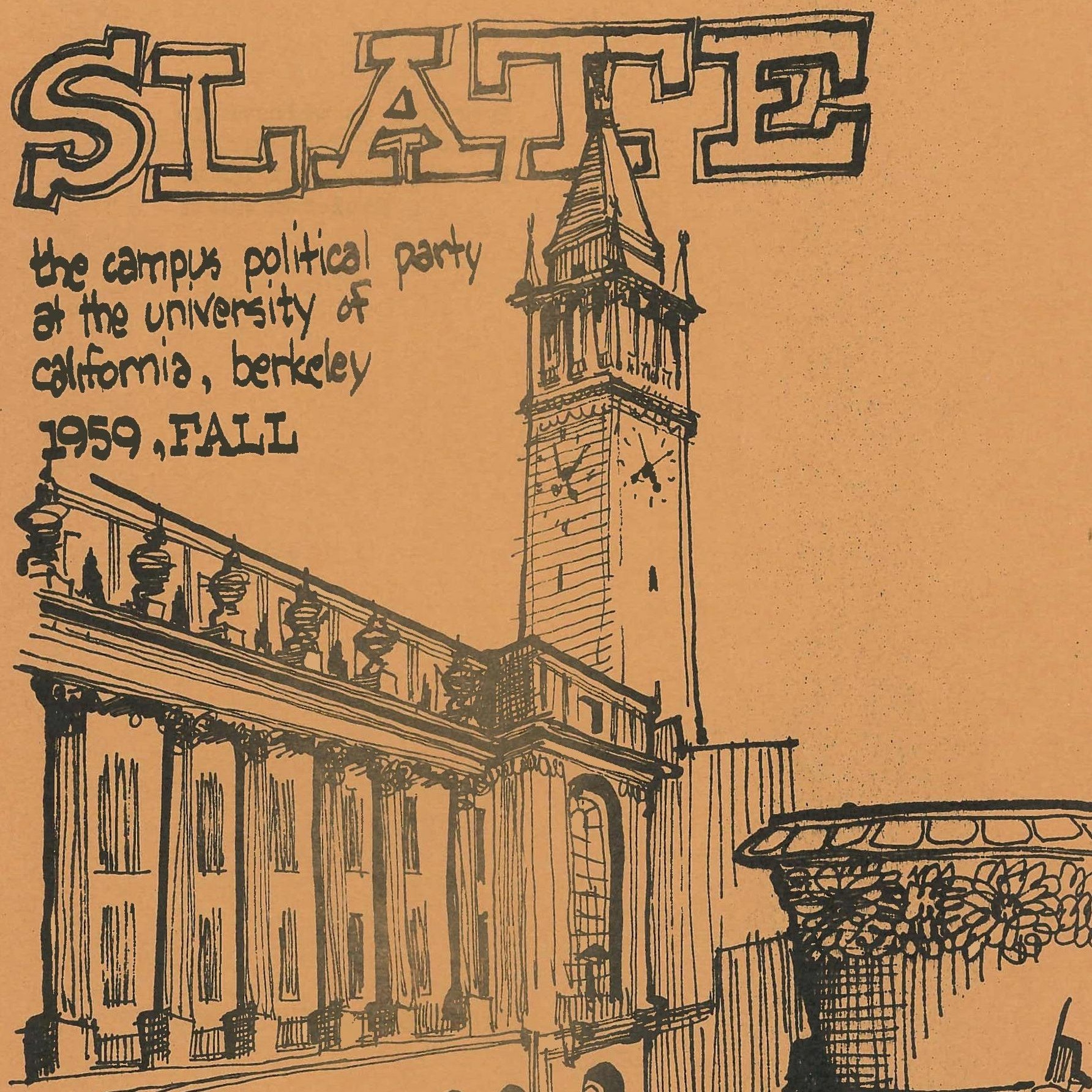
Stories about Berkeley’s rebellious student movement of the 1960s often start with the launch of the Free Speech Movement. But the roots of this pivotal event go all the way back to the previous decade, when a campus group fed up with the innocuous role of student government started rallying around controversial political issues such as civil rights. This episode explores the history of SLATE, a student-led organization that rarely gets credit for their influential role in helping spark a decade of social change. This episode features interviews with former SLATE members Mike Miller, David Armour, Cindy Kamler and Michael Tigar. Interview were conducted by Martin Meeker and Todd Holmes of UC Berkeley’s Oral History Center. To read full interview transcripts, check out the SLATE Oral History Project: http://www.lib.berkeley.edu/libraries/bancroft-library/oral-history-center/projects/slate If you enjoy this episode, please consider supporting East Bay Yesterday on Patreon: https://www.patreon.com/eastbayyesterday
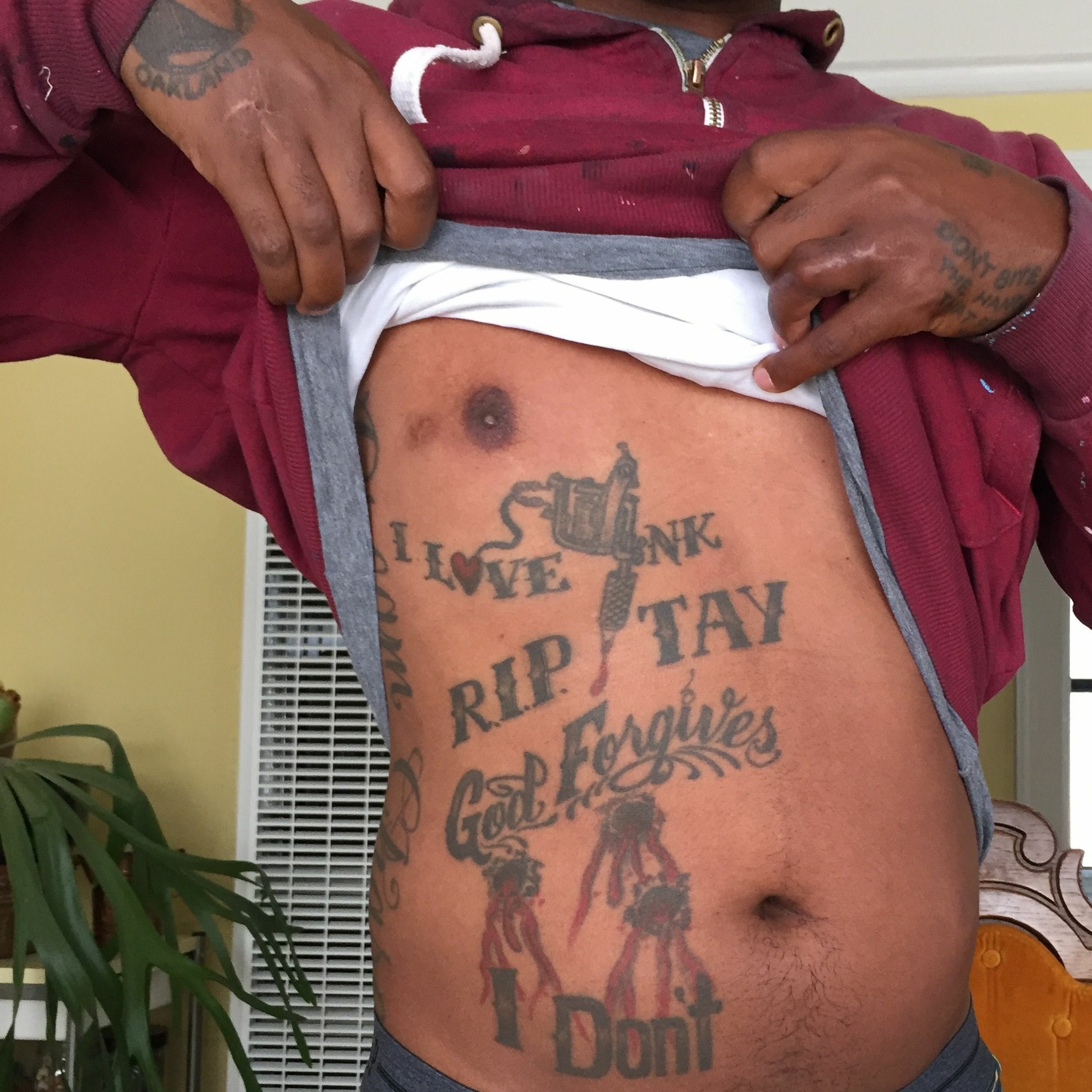
“Getting shot was one of the best things that happened”: Life after an Oakland assassination attempt
Growing up in Oakland, Mike lost many friends and family members in the streets. Three years ago, he almost became a victim, too, when he was shot seven times while sitting in a car with his daughter. Since then, Mike has recovered his health and built a thriving shoe customization business*. He also moved to a safer area. Today’s episode features a deep exploration of Oakland’s violent history with somebody who understands it intimately. *Check out Magic Mike Customs here: https://www.instagram.com/magicmikecustoms/
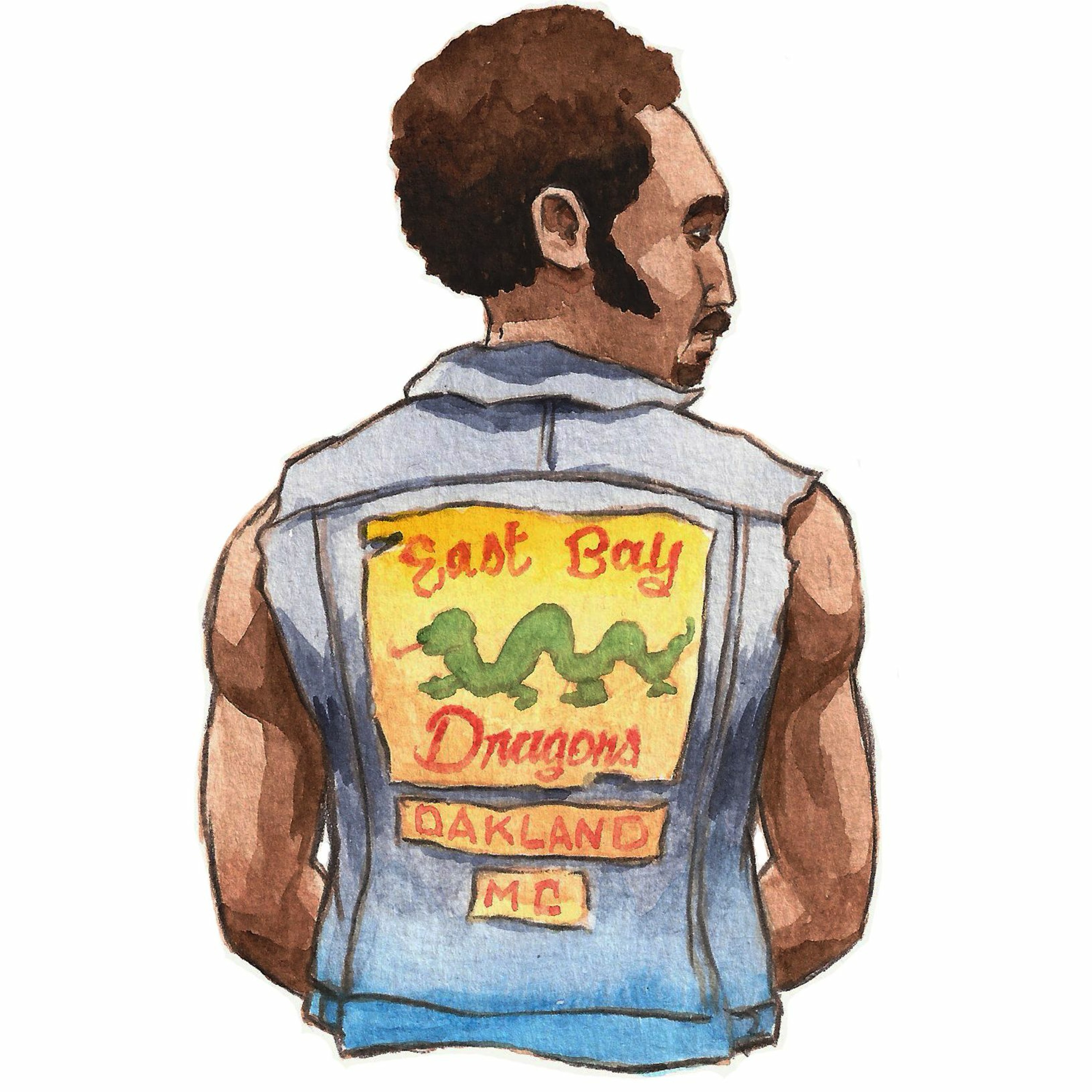
“Respect the patch”: How Oakland’s oldest Black motorcycle club survived nearly 60 years
Tobie Gene Levingston left behind his life as a Louisiana sharecropper in the mid-1950s to work at a Oakland metal foundry. Within a few years, he started the East Bay Dragons, which grew to be one of the most legendary Black motorcycle clubs in the world. This episode goes into the Dragons’ clubhouse for a deep conversation with two long-time members, Melvin Shadrick and Picasso, to explore how the club has managed to thrive all these years – and what it feels like to cruise past another motorcycle pack on the highway going 140 miles per hour. This episode’s art is a watercolor painted by Oakland-based illustrator and author Robert Liu-Trujillo. You can see more of Rob’s work at http://work.robdontstop.com/
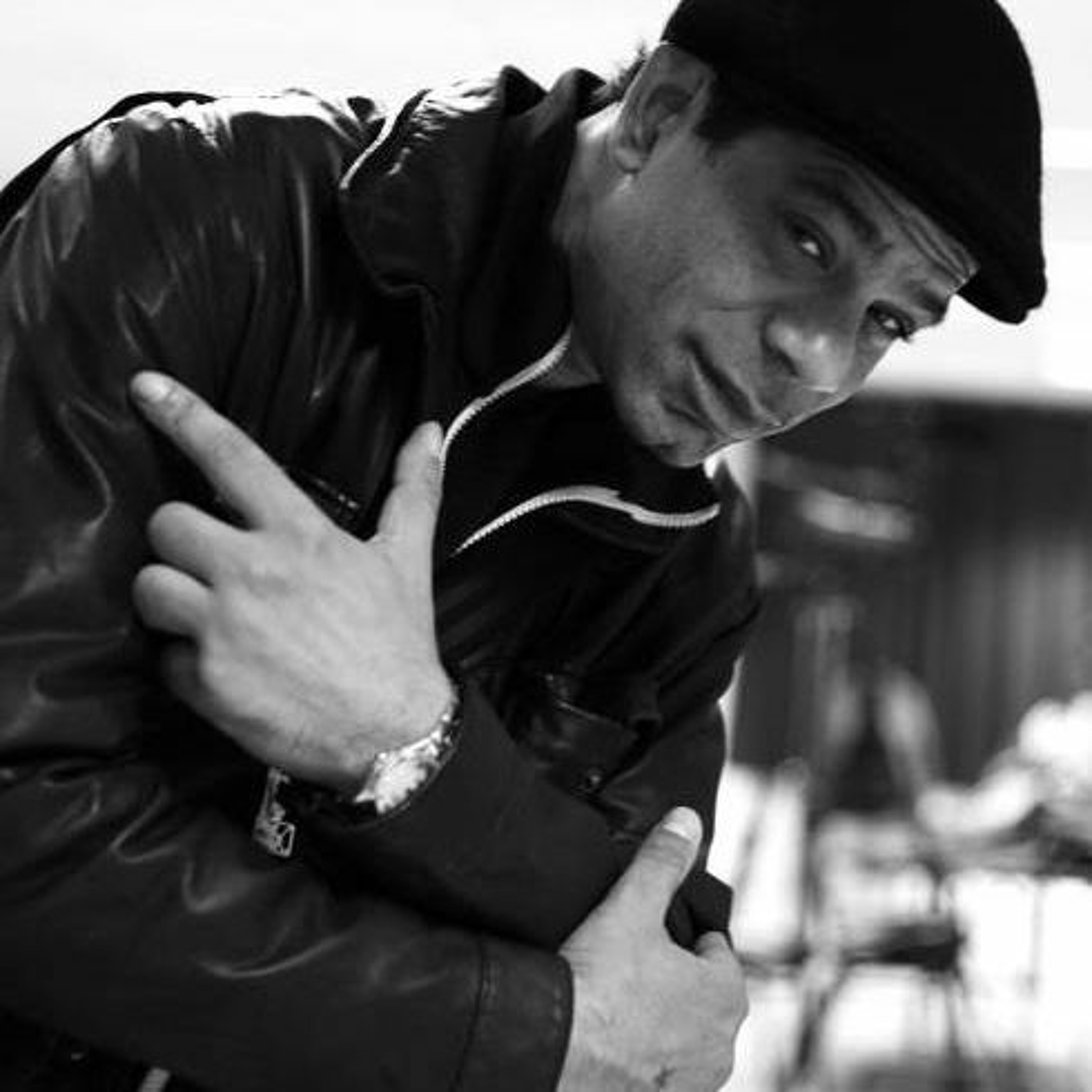
“It’s in the DNA of hip-hop”: Tracing the local roots of a musical movement
The style, music and politics of the East Bay have had a major influence on hip-hop since even before the very first rap album dropped. Photojournalist Eric Arnold recently mapped out the most important locations of this history in the “Hip Hop Atlas of The Bay,” part of the Oakland Museum’s exhibition: “RESPECT: Hip-Hop Style & Wisdom.” In this episode, Arnold shares stories about the Oakland dance trends that laid the groundwork for “b-boy” culture, how Too Short changed the music industry and much more. The Oakland Museum’s hip hop exhibition is running through August 12th. Details here: http://museumca.org/exhibit/respect-hip-hop-style-wisdom
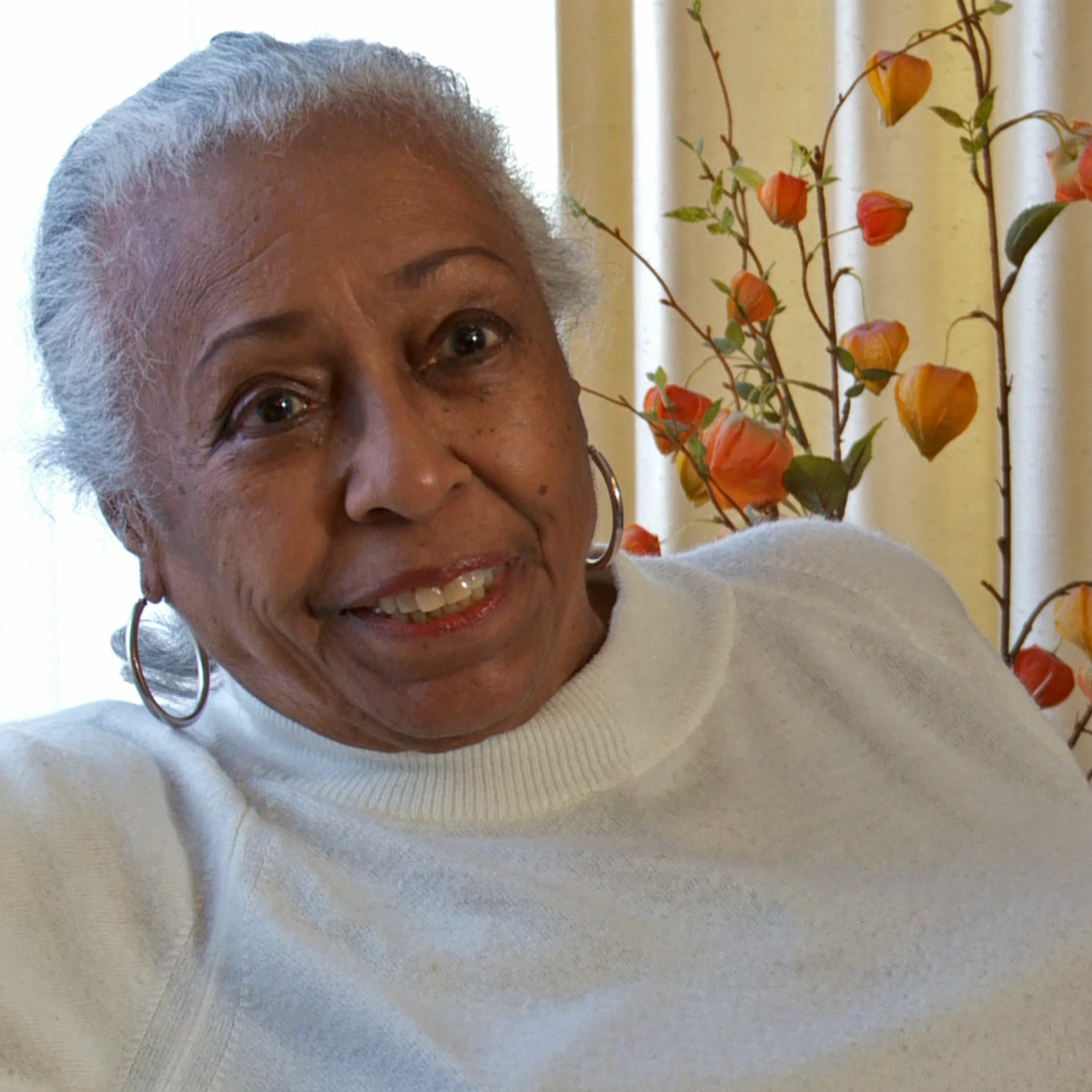
“Get to know us first”: Longtime residents reflect on Oakland’s transformation
North Oakland’s Golden Gate neighborhood has undergone a rapid demographic shift over the past decade as many longtime Black residents have moved out and wealthier, younger white people have moved in. This episode features five stories that explore how folks are navigating these changes. Interviews for this episode were conducted by cultural researcher Sue Mark, founder of Commons Archive. To learn more about the “neighborhood memory bank” that Sue is building, visit: http://www.commonsarchive.net/ The woman featured in this episode’s art is Josephine Lee, who was born in Oakland on August 29, 1925. As you’ll hear in her interview, she is one of Oakland’s many Black residents who refuses to leave the town she loves. You can see more of Josephine Lee and the other residents featured in this video: https://vimeo.com/138672648
“This strange monument”: The story behind one of Oakland’s most prominent abandoned buildings
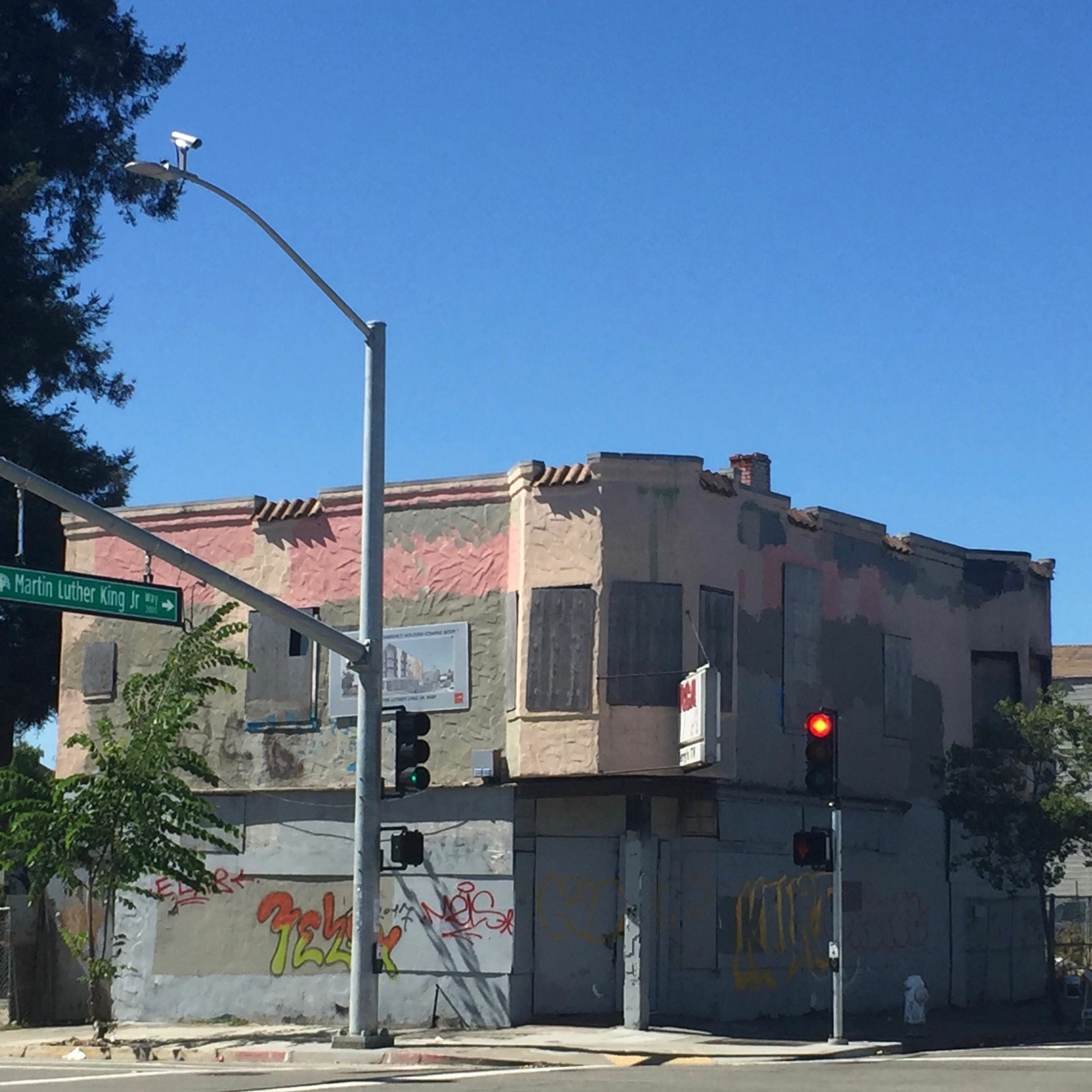
The abandoned pink building on the corner of MacArthur and Martin Luther King Jr. Way has visually dominated that busy intersection for so long that it feels like a monument. But what this monument represents depends on your perspective. It could by a symbol of what happened to one of Oakland’s thriving Black business corridors and the ongoing exodus of a community. Or it could be a symbol of how the revolutionary dreams of the Occupy era literally went down in flames. Or it could symbolize the East Bay’s insane real estate market, where the same piece of property could sell for $90,000 in 2012 and then $3.2 million a few years later. This episode explores these questions with journalist Sam Lefebvre, who recently dug into this history for Open Space magazine. Here’s a link to Sam’s article: “Nine Tenths of the Law” https://openspace.sfmoma.org/2018/05/nine-tenths-of-the-law/
Long Lost Oakland, chapter 5: Overcoming racism, Lew Hing became king of Oakland’s canning industry
Following the 1906 earthquake, Oakland’s Lew Hing supported thousands of victims from San Francisco’s Chinatown who were turned away from official relief camps due to rampant discrimination. On the grounds of his massive Pacific Coast Cannery in West Oakland, Lew fed and sheltered this marginalized community when nobody else would. This episode explores how a self-made mogul overcome California’s vicious anti-Chinese racism to become one of the most powerful businessmen in the early 20th century Bay Area. We’ll also take a tour of the Pacific Cannery Lofts to see what’s left from when the East Bay was the canning capital of the Pacific coast. Featuring interviews with: -Bruce Quan, Lew Hing’s great-grandson -Don Hausler, retired Oakland librarian -Rick and Nancy Holliday, who converted the abandoned cannery into a residential development
Long Lost Oakland, chapter 4: Balloons, booms & busts
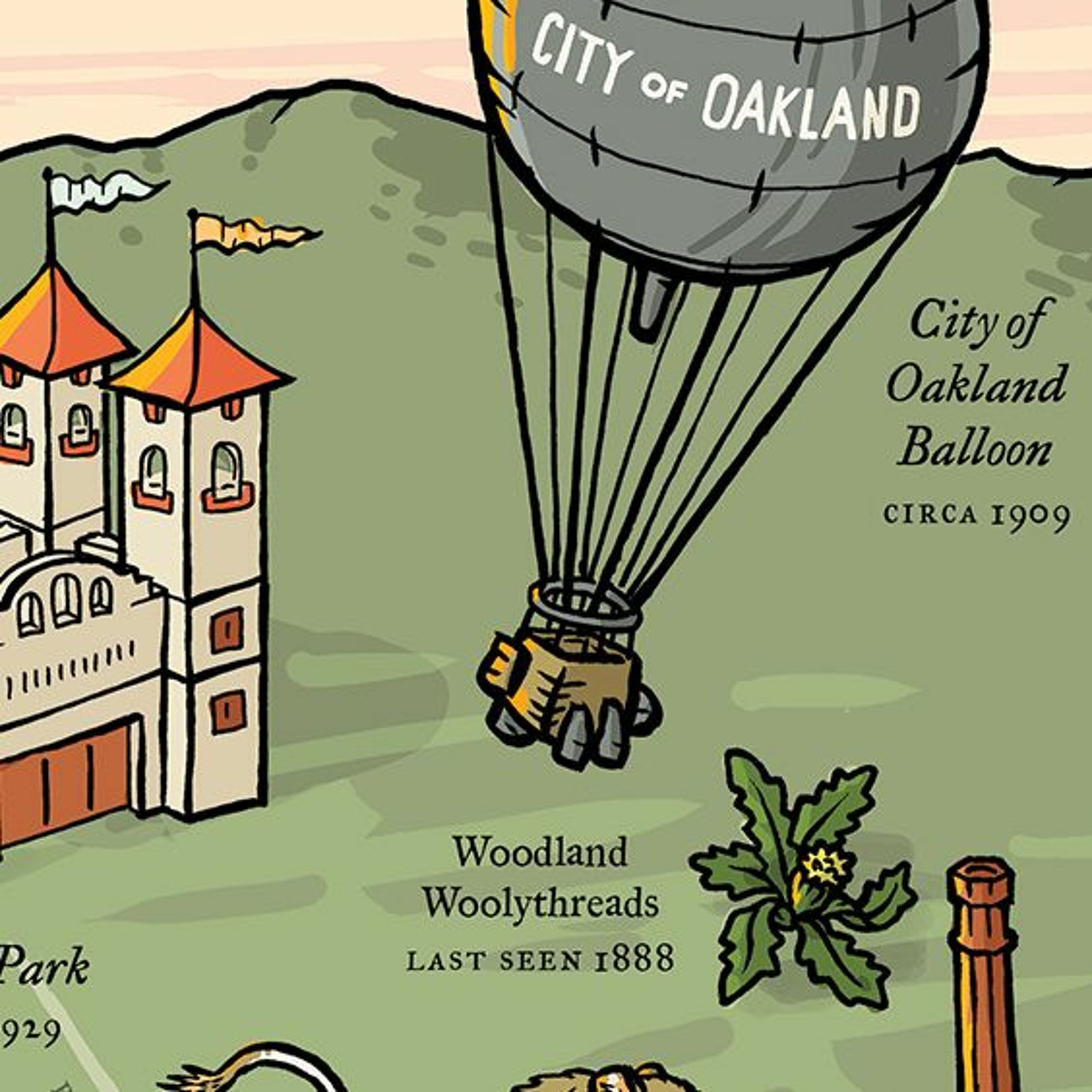
In the early 1900s, newspapers proclaimed that Oakland would become “the great metropolis of the West Coast.” During these boom years, East Bay politicians and business leaders celebrated a hot air balloon called “The City of Oakland” as a representation of the region’s rising prospects. This episode explores the relationship between the balloon’s eventual fate and Oakland’s economic trajectory. Featuring an interview with Gene Anderson, author of “Legendary Locals of Oakland” If you want to get a copy of the Long Lost Oakland map, you get it here: https://www.kickstarter.com/projects/eastbayyesterday/long-lost-oakland
Long Lost Oakland, chapter 3: How battles over sacred sites have revived Ohlone culture
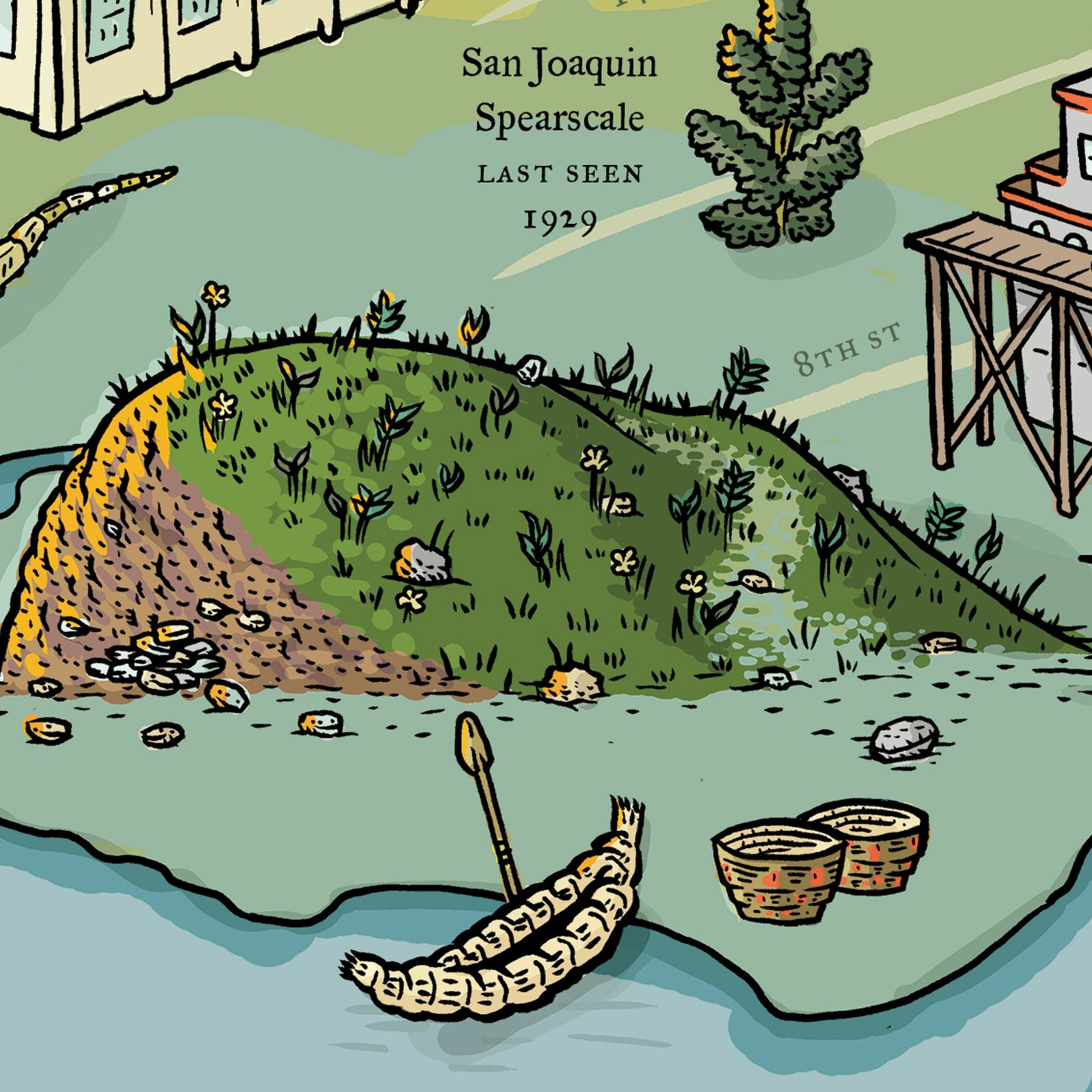
Out of all the features on the Long Lost Oakland map, the Ohlone shellmounds have drawn the most questions. Many of those questions were addressed in an earlier episode, so I’m sharing it again. Here’s the original description: “Have you ever wondered what the East Bay was like before colonization? In this episode, Corrina Gould of Indian People Organizing for Change shares knowledge of how her ancestors, the Ohlone people, maintained a relatively peaceful culture here for thousands of years. Although this history was nearly wiped out, struggles to protect sacred shellmound sites—some of them older than the Egyptian pyramids—have sparked a movement to honor this region’s original inhabitants and reclaim ‘lost’ languages, crafts and practices.”
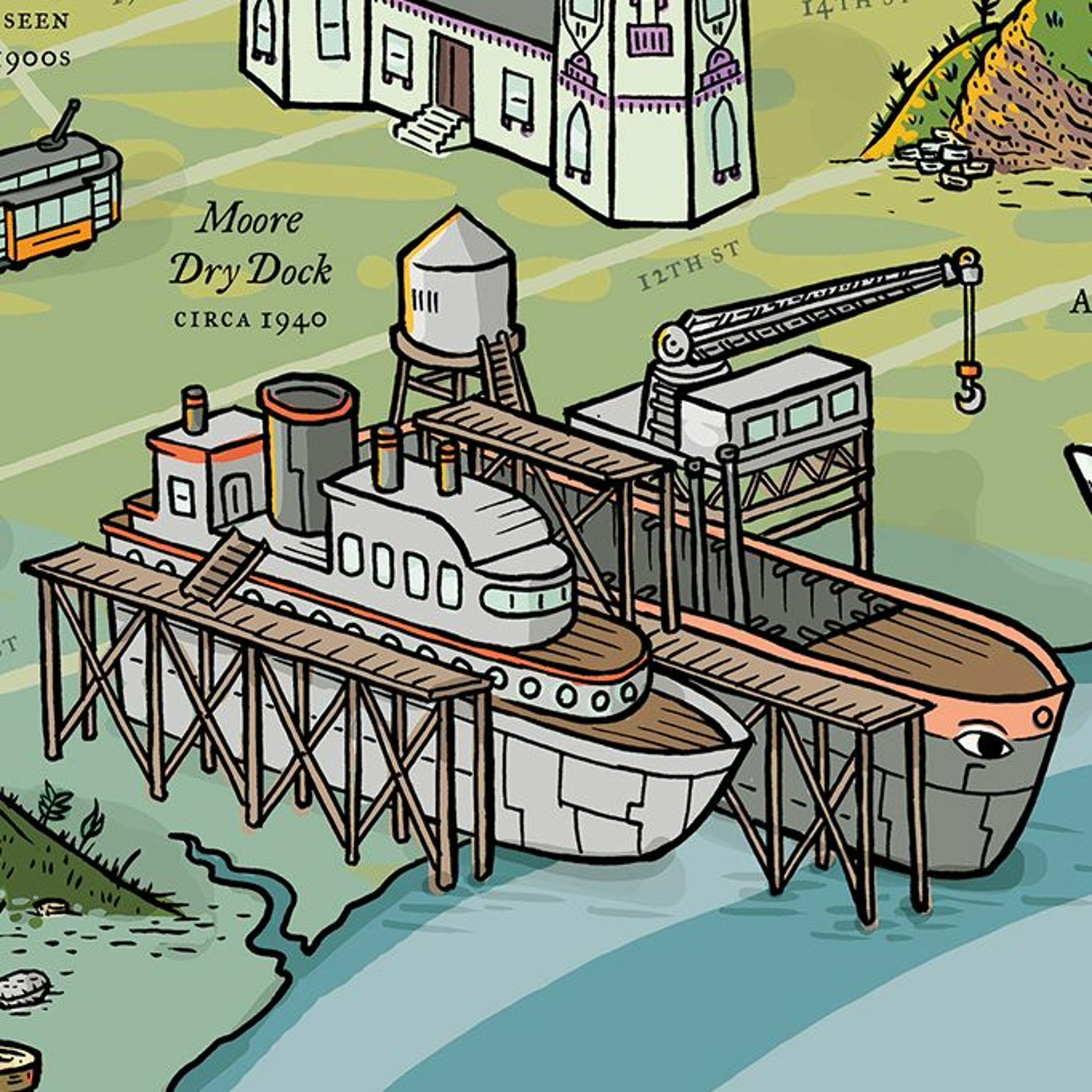
Long Lost Oakland, chapter 2: “When the shipyard closed, my dad came home and cried”
Oakland’s Black population nearly quintupled during the 1940s. Tens of thousands of African Americans fled the Jim Crow-era South to work in East Bay shipyards like Moore Dry Dock Company. The backlash to this boom laid the foundation for decades of entrenched inequality and discriminatory housing patterns. This episode explores the rise of one of one of Oakland’s biggest industrial operations ever – and the aftermath of its demise. Featuring interviews with: -Dorothy Lazard, librarian at Oakland Library History Room -Ron Moore, son of Moore Dry Dock Company co-owner -Marilynn S. Johnson, author of “The Second Gold Rush: Oakland and the East Bay in World War II” If you want to get a copy of the Long Lost Oakland map, you get it here: https://www.kickstarter.com/projects/eastbayyesterday/long-lost-oakland/posts/2137822
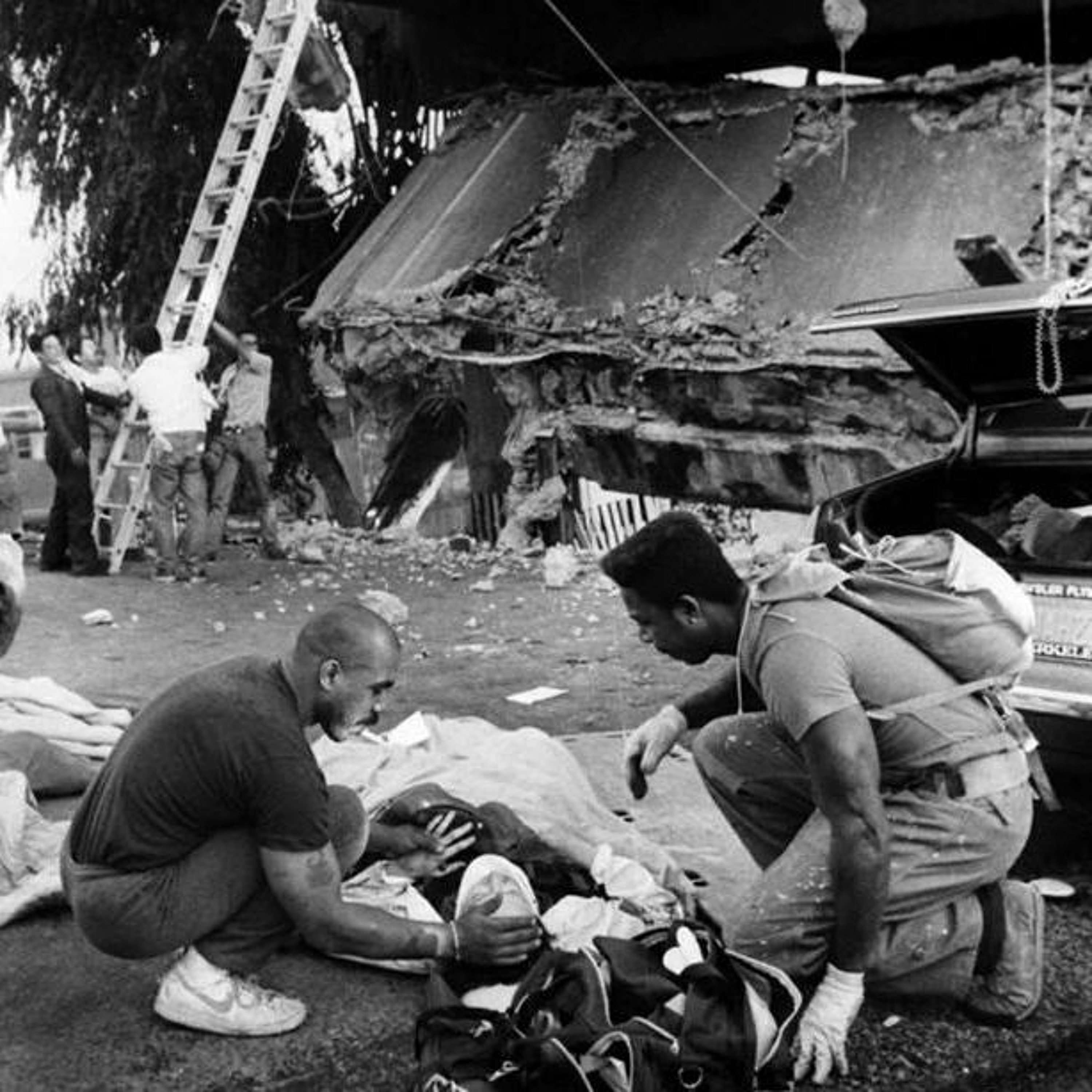
“I’ll die if I let go”: After the earthquake, West Oakland came to the rescue
When the Cypress Freeway collapsed during the Loma Prieta earthquake, many Oakland residents risked their own lives to rescue victims trapped in the ruins. In this episode, a collaboration with Snap Judgement, Raven Roberts shares his memories of what it was like to live through that disaster – and the traumatizing aftermath. Raven’s story reveals that even though West Oakland has changed dramatically since the freeway came down, many long-time residents still carry deep scars from the quake. This story was co-produced by Snap Judgement -- an Oakland-based, nationally syndicated radio show and podcast. To listen to their amazing catalogue of stories, visit: http://snapjudgment.org/ Snap Judgement on SoundCloud: https://soundcloud.com/snapjudgment Extra thanks to Eliza Smith, Mark Ristich and Glynn Washington for giving “East Bay Yesterday” a platform on Snap Judgement and Davey Kim the incredible sound design!
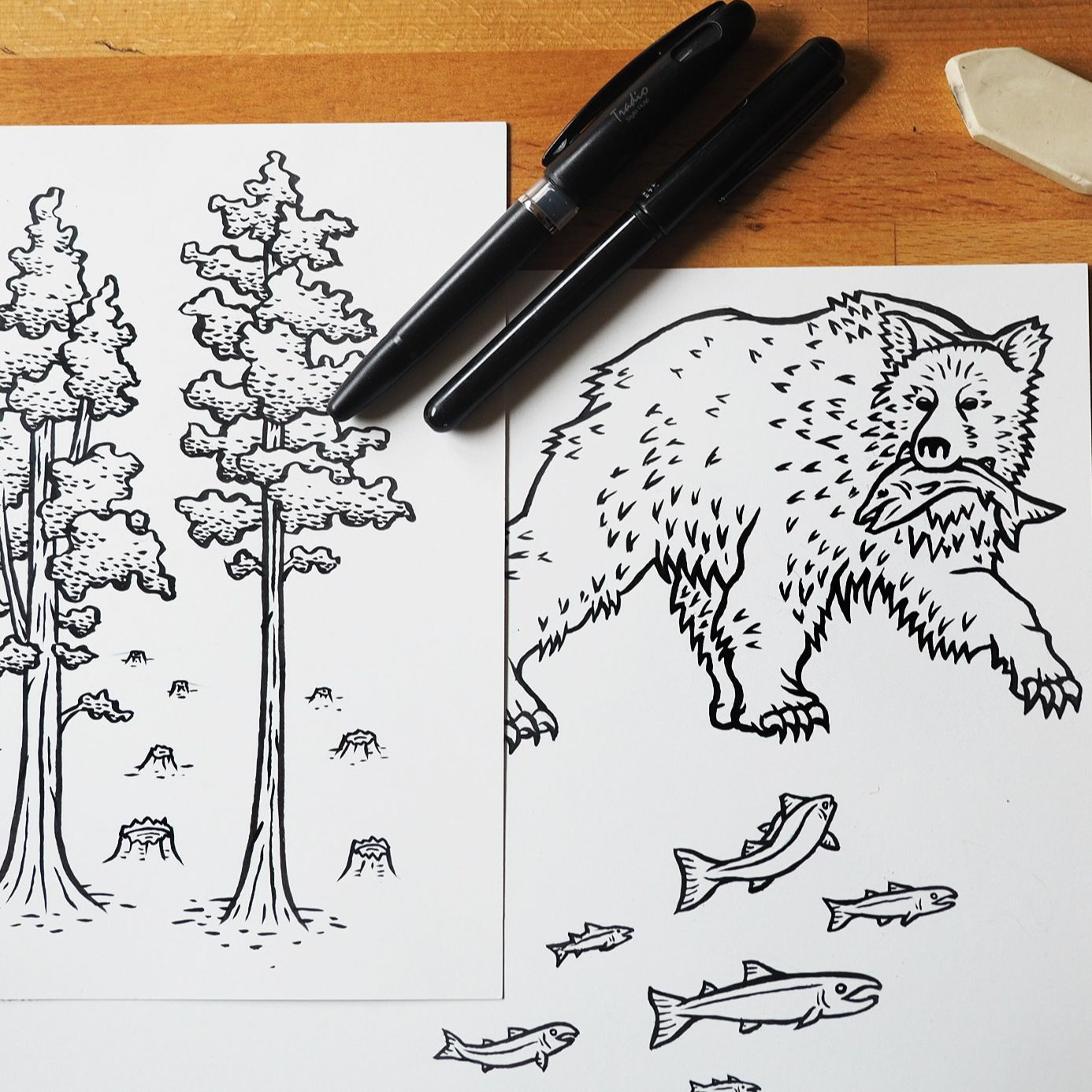
Long Lost Oakland, chapter 1: Grizzly bears & redwood trees
Up until the 1850s, the East Bay was home to hundreds of grizzlies and some of the tallest redwoods in the history of the planet. Within about a decade of the Gold Rush, nearly all of the bears and the trees were wiped out. This episode looks back at the local environment before colonization—and explores how such a massive wave of devastation was able to change the landscape so quickly. Today's show features interviews with Laura Cunningham, author of “State of Change: Forgotten Landscapes of California,” and Amelia Sue Marshall, author of “East Bay Hills: A Brief History.” For more information on these books, visit: https://lcunningham-art.com/books https://www.arcadiapublishing.com/Products/9781467137256 About Long Lost Oakland: The goal of Long Lost Oakland is not to evoke nostalgia or romanticize past eras. It’s to highlight the constantly shifting nature of Oakland in midst of a moment when we can look around and literally watch the landscape of our city change before our eyes. This multimedia collaboration will consist of a podcast mini-series, several events, a walking tour and a hand-illustrated, poster-size map. The full-color map will include an array of geographic features ranging from buildings and infrastructure to plants and animals. The unifying theme of these objects is that they once existed in Oakland, but don’t anymore. Long Lost Oakland will blend art and history in order to explore how our past connects to the world we live in today and the future we may be living in soon. *Kickstarter to fund map printing coming soon!* To receive updates, follow East Bay Yesterday on social media and sign up for the newsletter: https://eastbayyesterday.com/ https://tinyletter.com/EastBay_Yesterday
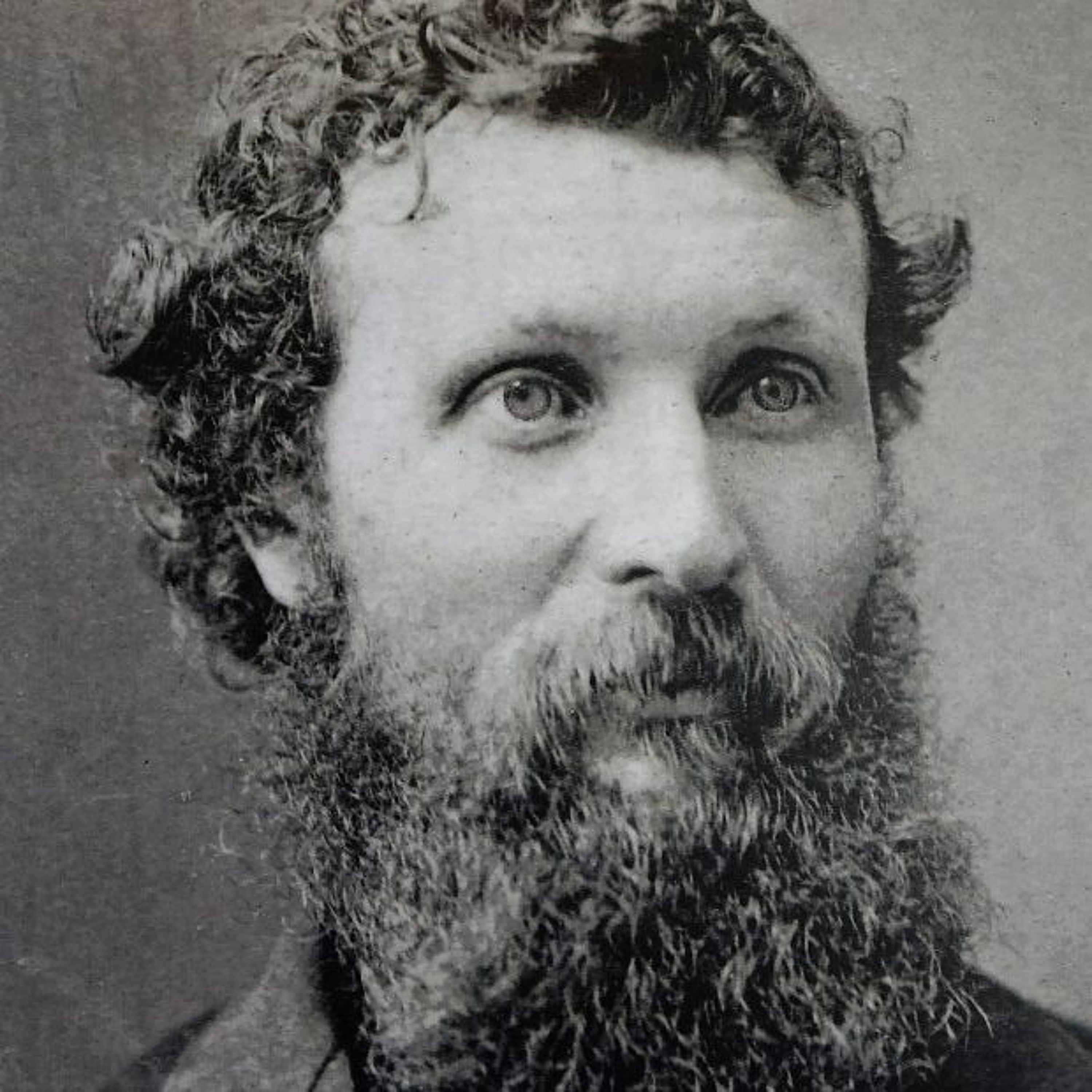
“They can’t believe he lived here”: Why John Muir settled down in the East Bay
John Muir died on Christmas Eve of 1914, but his gravesite is finally just opening up to the public now. In honor of this occasion, we’ll take a look at a side of “the father of America’s National Parks” that’s not widely known — his life in Contra Costa County. This episode features interviews with John Muir Historic Site park rangers who share stories of Muir’s local adventures, his family and why he was often spotted carrying “pillowcases full of money.” For more info on visiting Muir’s grave: https://www.nps.gov/jomu/index.htm For more info on East Bay Yesterday: https://eastbayyesterday.com/
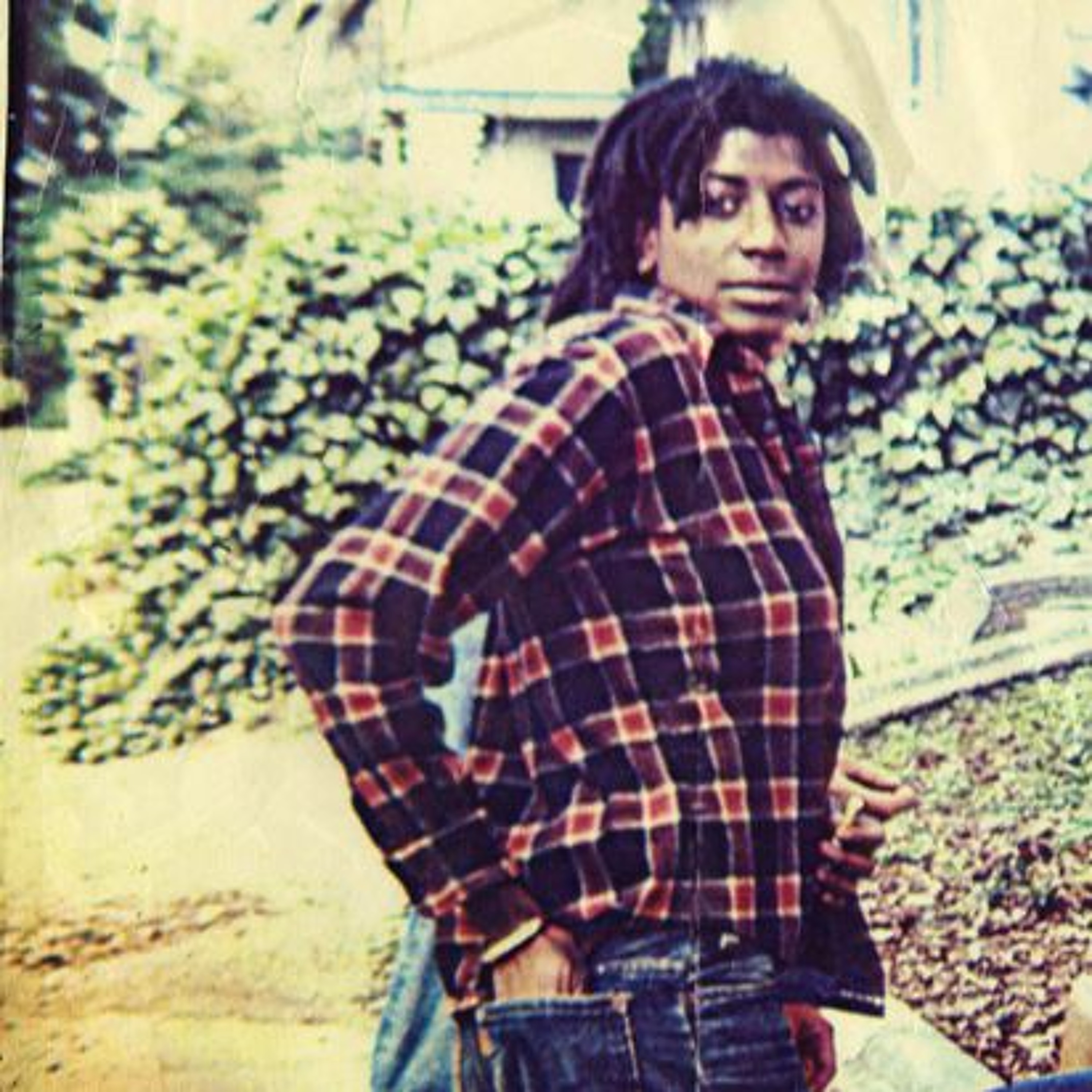
Lenn Keller and the roots of the East Bay’s lesbian of color community
Although Oakland has one of the highest concentrations of lesbians in the country, the history—and impact—of this community is relatively unknown. Lenn Keller is trying to change that with the upcoming launch of the Bay Area Lesbian Archives, a wide-ranging collection of photographs, activist materials, meeting notes, videos and more. In this episode, Keller shares stories of why some of the world’s first lesbian of color groups formed, discusses the thriving network of collectives that existed here in the 1970s and 80s, and reminisces about some of her favorite lesbian bars of the era. Note: The Bay Area Lesbian Archives site has not launched yet, but to support the organization online, visit the fiscal sponsor's webpage: http://labryshealthcarecircle.com/ace/balhap.html
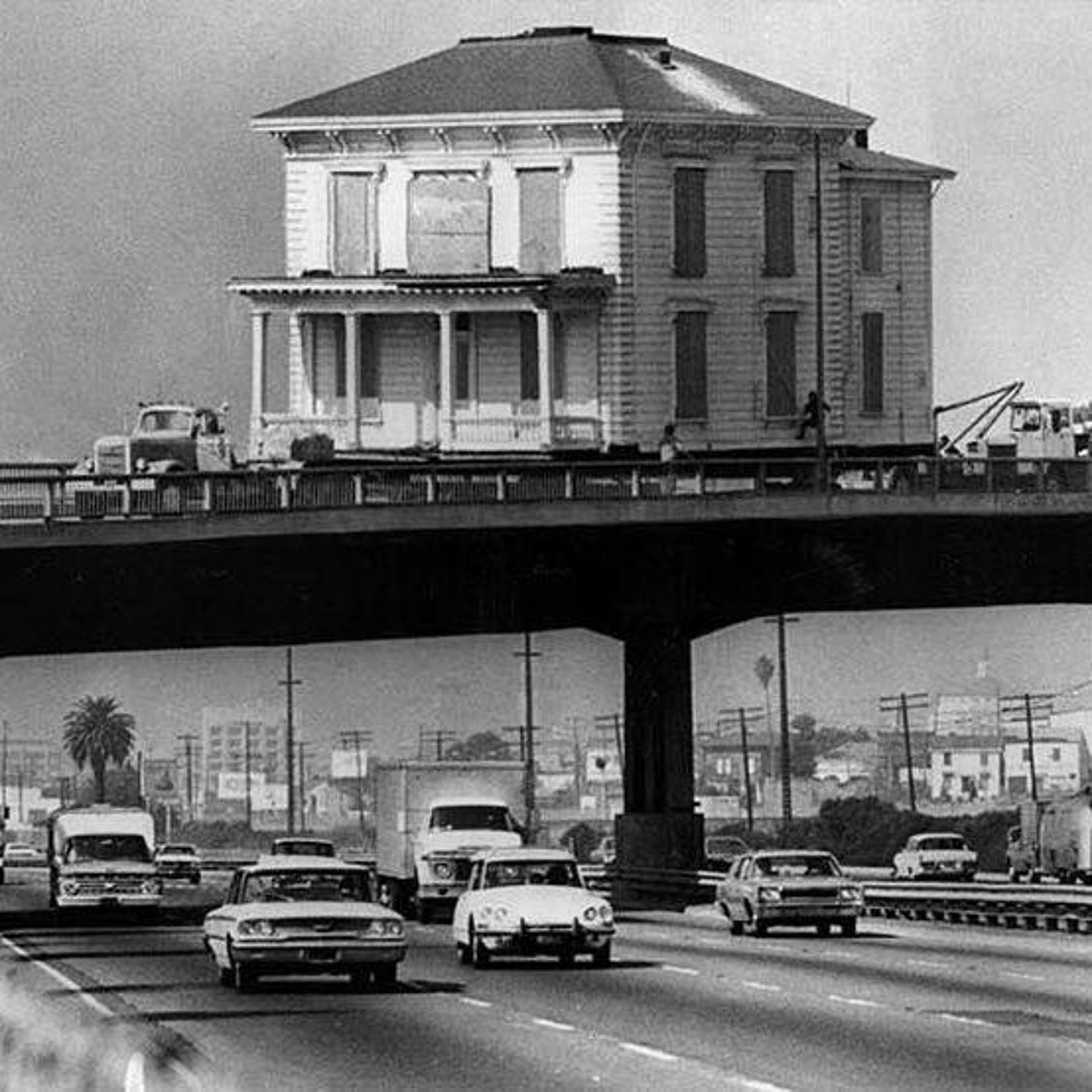
“You can’t replace that with photos”: Why so many buildings in Oakland have been picked up and moved
What do a Buddhist Church, a lighthouse, a 72-room hotel and a whole block of Victorian houses have in common? They’re all Oakland buildings that were picked up and moved from their original settings. This episode explores the history of structure relocation in the East Bay, from the Gold Rush to current projects. Warning: Assumptions about authenticity, technology and historic preservation will be challenged. Featuring interviews with: author Diane Donovan, Oakland Heritage Alliance board member Naomi Schiff, architect Jim Heilbronner and real estate developer Paul Gryfakis.
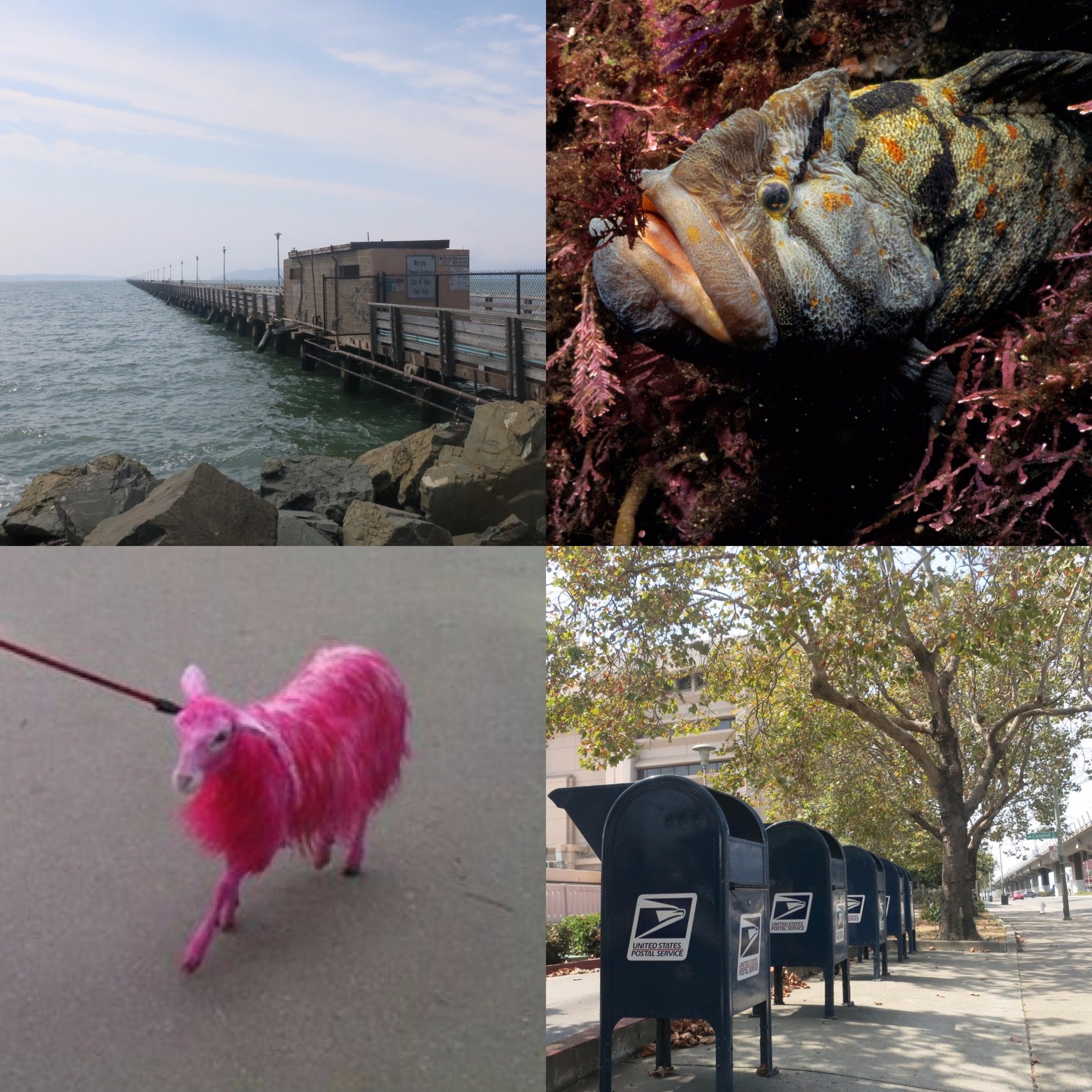
True shorties, vol. 1: Horse heads & bullet holes
Instead of one long story, the 25th episode of East Bay Yesterday features four shorties. In one interview, a man reminisces about using very unusual bait while fishing with his grandpa at the Berkeley pier. In another, a longtime Oakland postal employee recalls his close calls with stray gunfire. From underground circuses to sideshows, this episode compiles quirky memories into an audio time capsule of East Bay history. Support for this episode was provided by my dentist, Dr. Curtis Perry. You can find information about his dental practice at: http://www.oaklandsmiles.com
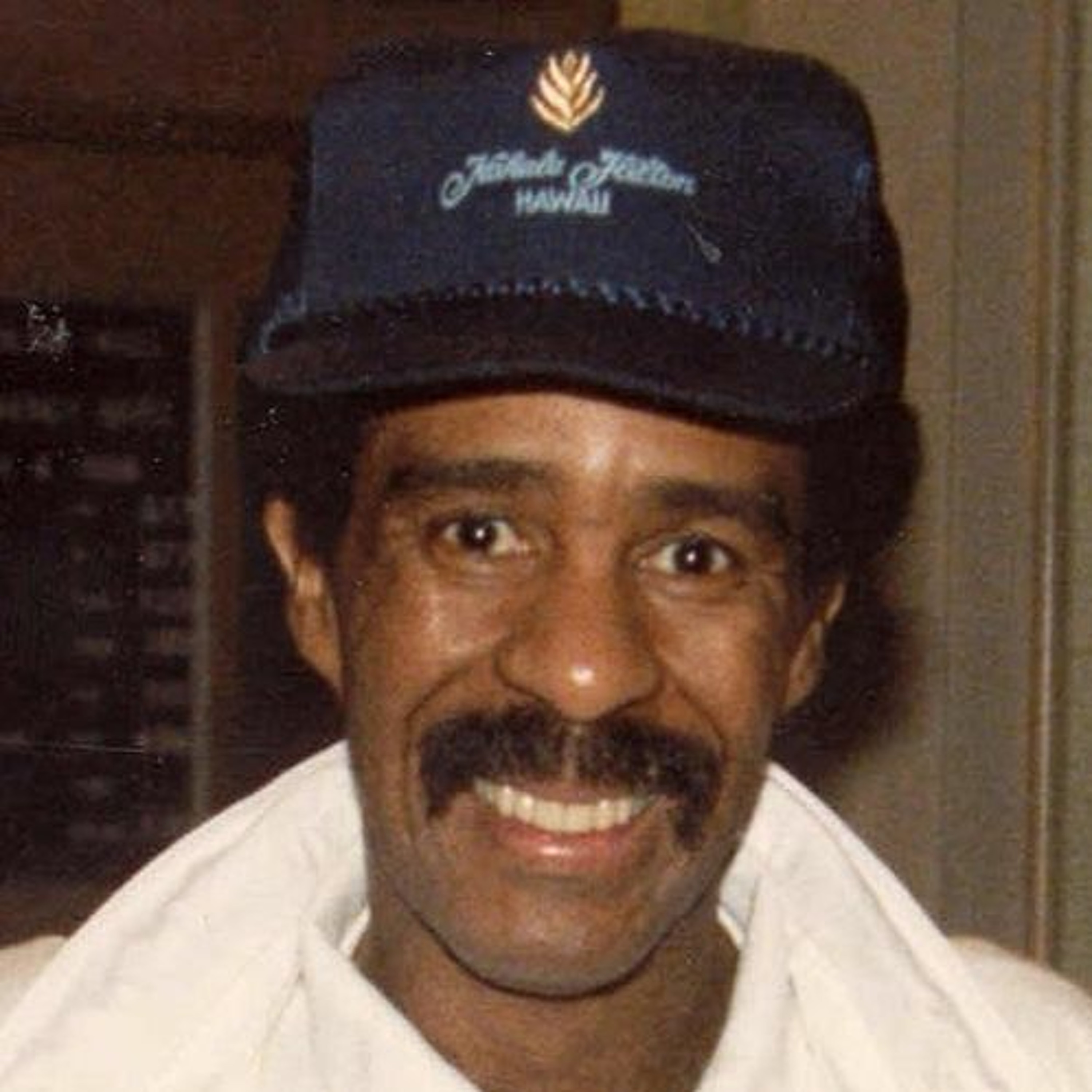
“The freest time of my life”: Richard Pryor’s transformative East Bay experience
Richard Pryor was one of the most influential comedians of all time, but when he first arrived in the East Bay, he said: “I don’t think I have a style yet.” This episode explores how living in Berkeley during an era full of riots and revolutionaries sparked Pryor’s creative evolution. Authors Cecil Brown and Ishmael Reed share memories of these tumultuous times and Pryor biographer Scott Saul explains how the controversial performer went on to change American culture forever.
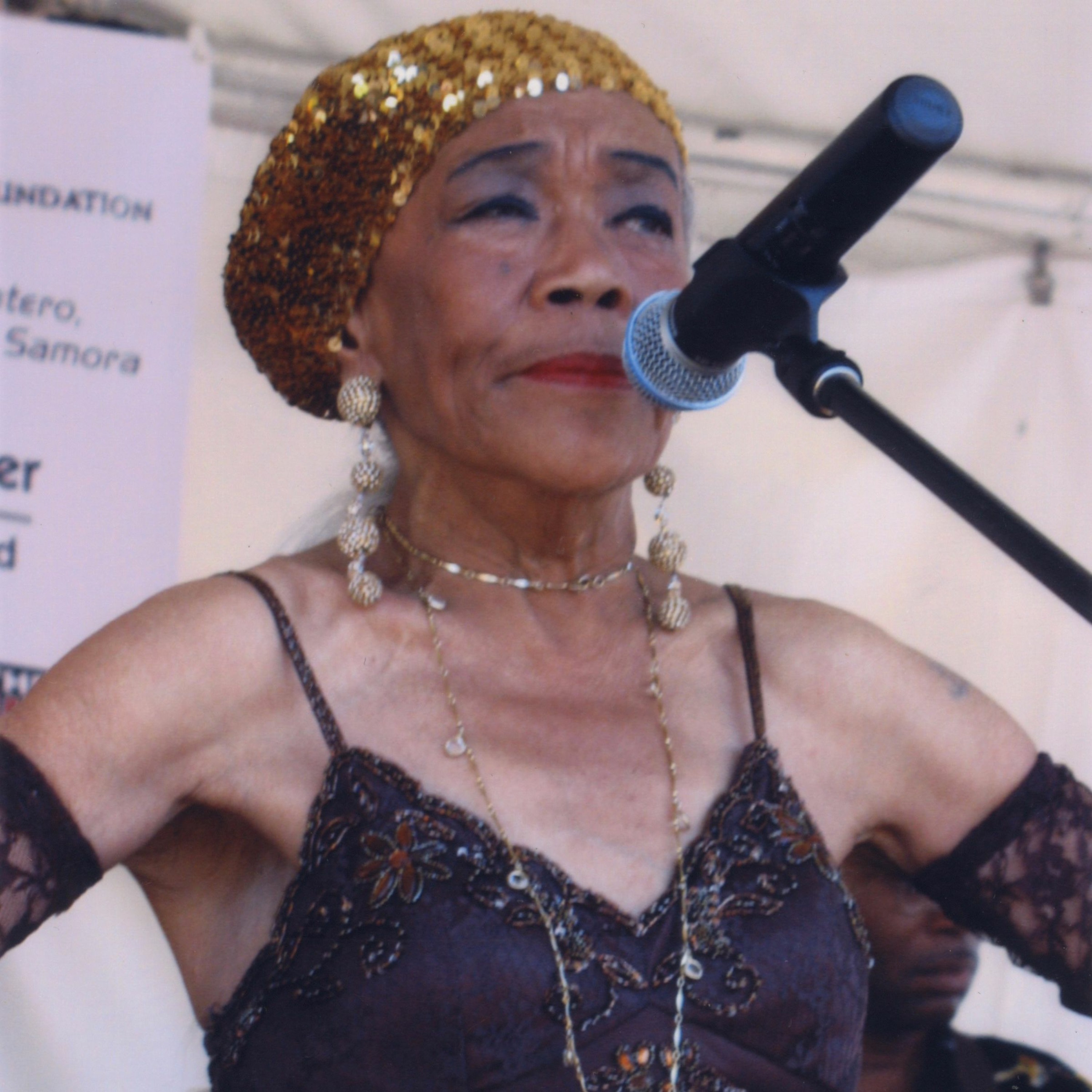
“The queen of the West Coast blues”: Sugar Pie DeSanto serves up sweet & spicy stories
From jumping off pianos with James Brown to running the streets with Etta James, Sugar Pie DeSanto has led a wild life. In this episode, the soul singer shares memories of performing in Oakland’s legendary 1950s blues clubs, stunning global audiences with her risqué moves, and making grown men cry. As Sugar Pie puts it, “I’m one of the roughest women you could ever know. I ain’t to be played with!” Listen now to find out what happened when one aggressive fan learned this lesson the hard way. Special thanks to Mr. Jim Moore and Jasman Records. Support Sugar Pie DeSanto by purchasing her music at: http://sugarpiedesanto.com/ Also, check out my article about Sugar Pie in this week’s issue of East Bay Express: https://www.eastbayexpress.com/
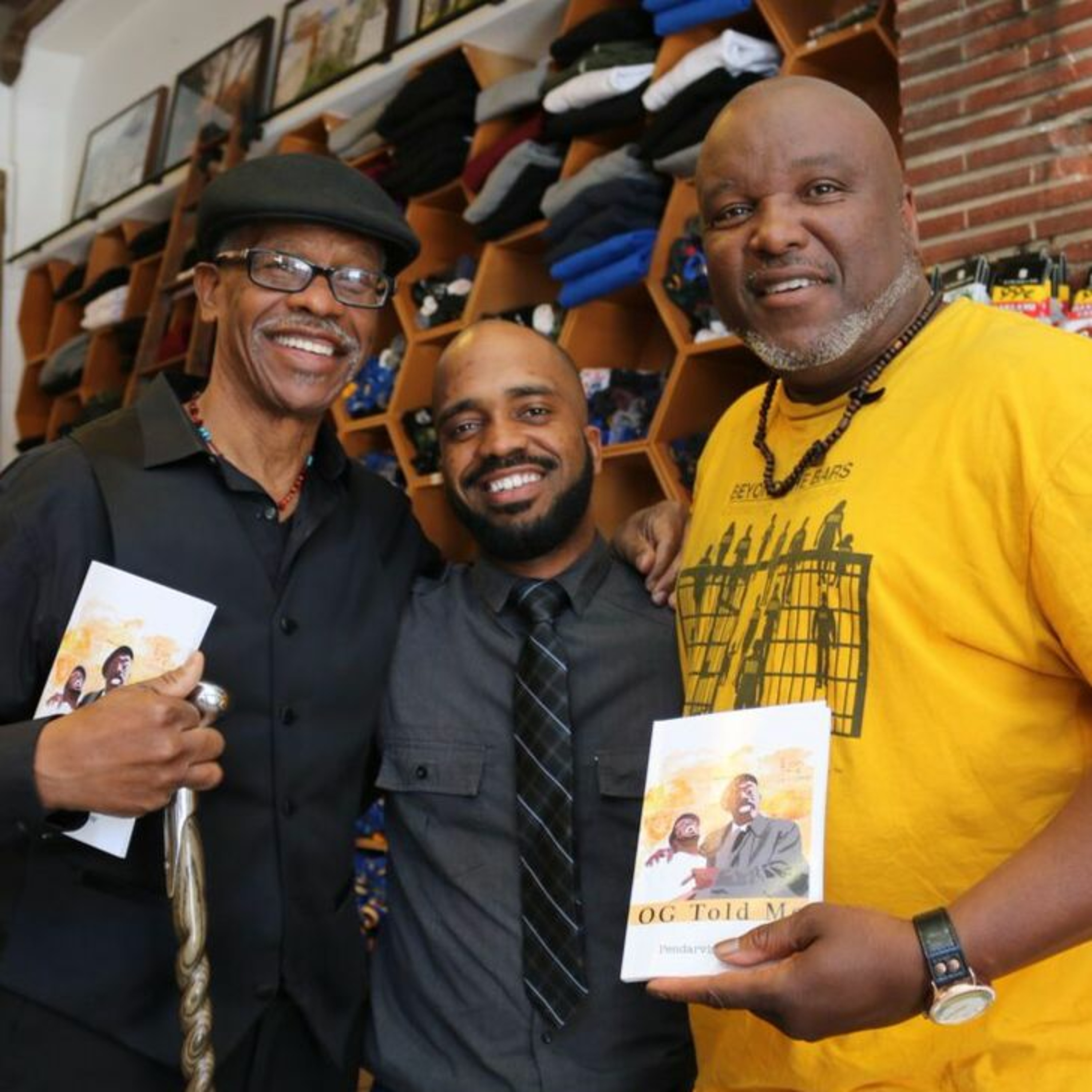
“I believe in the elders”: Pendarvis Harshaw on gathering OG wisdom
“OG Told Me” isn’t just a new book, it’s a survival guide packed full of advice that Pendarvis Harshaw gathered from more than 50 interviews with Black elders. This episode takes a trip back in time though hyphy-era sideshows, graffiti yards and even a possibly haunted building in downtown Oakland.
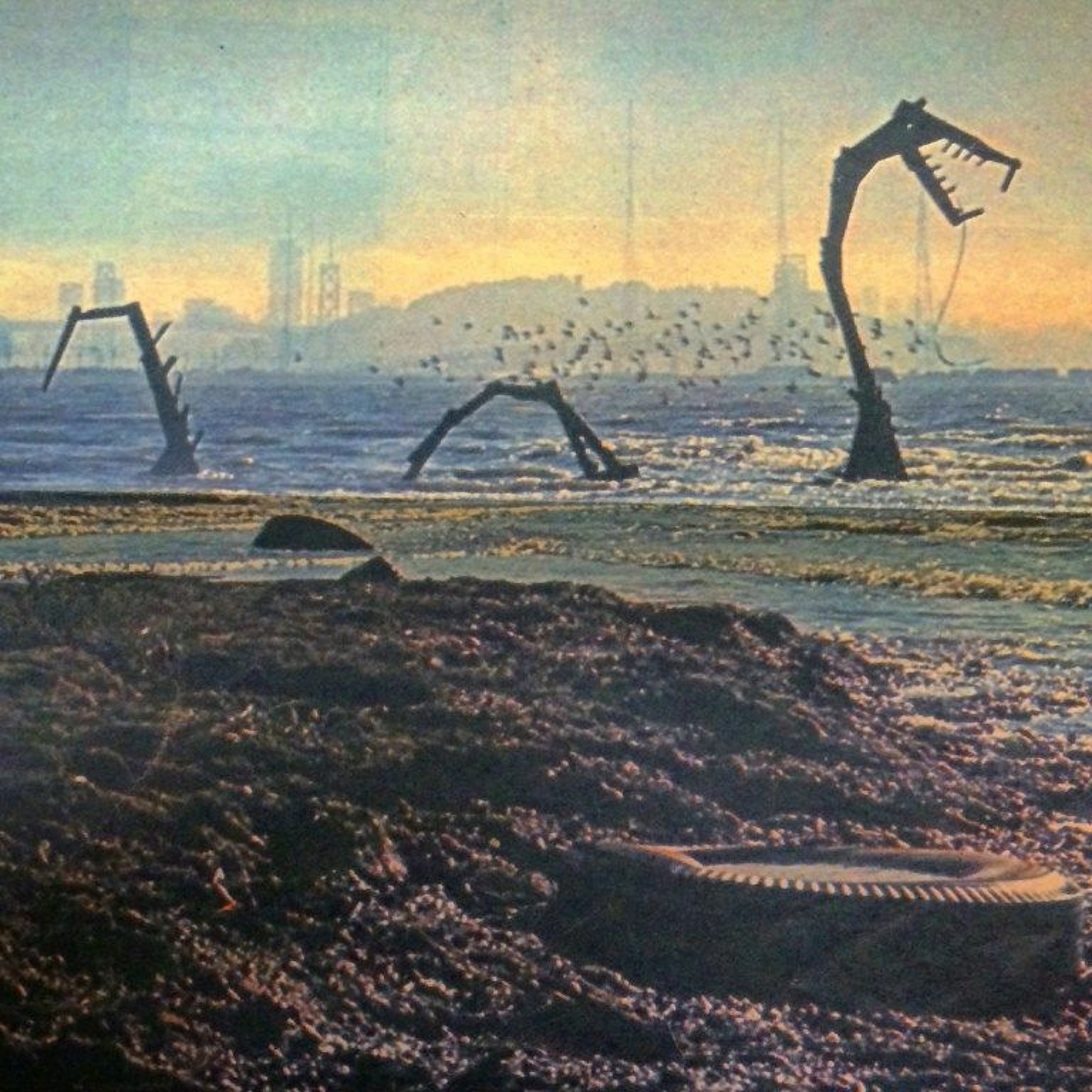
“Monsters rising out of the mud”: From industrial wasteland to renegade art gallery
For decades, millions of drivers passing through Emeryville saw an ever-changing array of giant statues along the bayshore. In addition to the towering wooden vikings, dragons and other whimsical creatures, activists used driftwood and trash to build monumental projects responding to the tumultuous political era. This episode traces the rise and fall of this “renegade drive-thru art gallery” and explores the concept of public art. Featuring interviews with Joey Enos, Tom Enos, Denise Neal, Lincoln Cushing and Tim Drescher. Be sure to follow East Bay Yesterday on social media to see photos of the “Emeryville mudflat sculptures.”
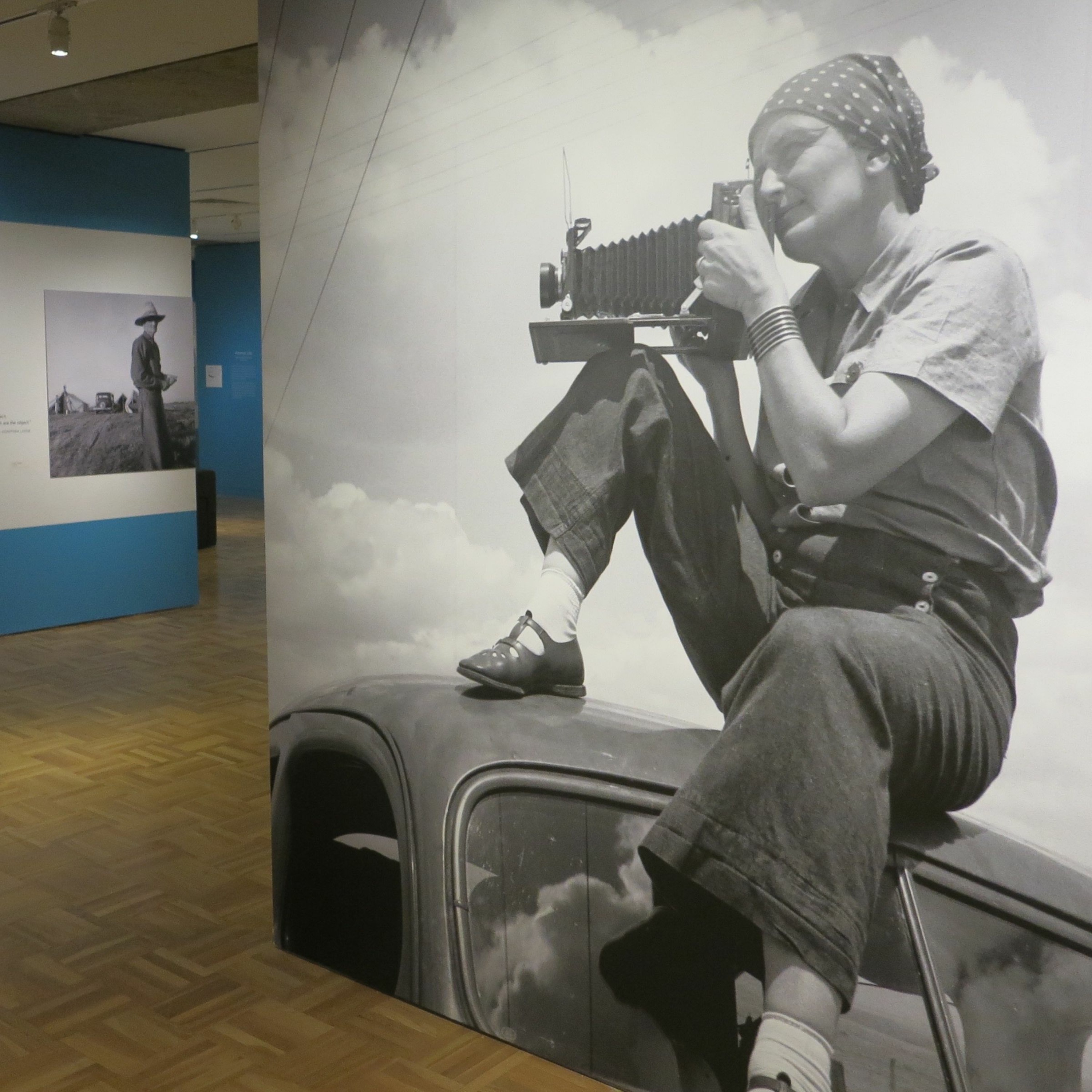
“What about the underdog?”: Dorothea Lange never stopped fighting for freedom
Dorothea Lange is one of the most famous photographers of all time, but the local work she did during her many decades as an East Bay resident is often overlooked. This episode explores how she went from taking portraits of the Bay Area’s wealthiest families to documenting the poor and working class. Dorothea’s goddaughter, Elizabeth Partridge, and Drew Johnson, curator of the Oakland Museum’s new Dorothea Lange exhibition, share insights on what makes her photographs so iconic—and why they’re still so relevant. “Dorothea Lange: Politics of Seeing” is showing at the Oakland Museum of California from May 13 through August 13, 2017. For details, visit: http://museumca.org/exhibit/dorothea-lange-politics-seeing
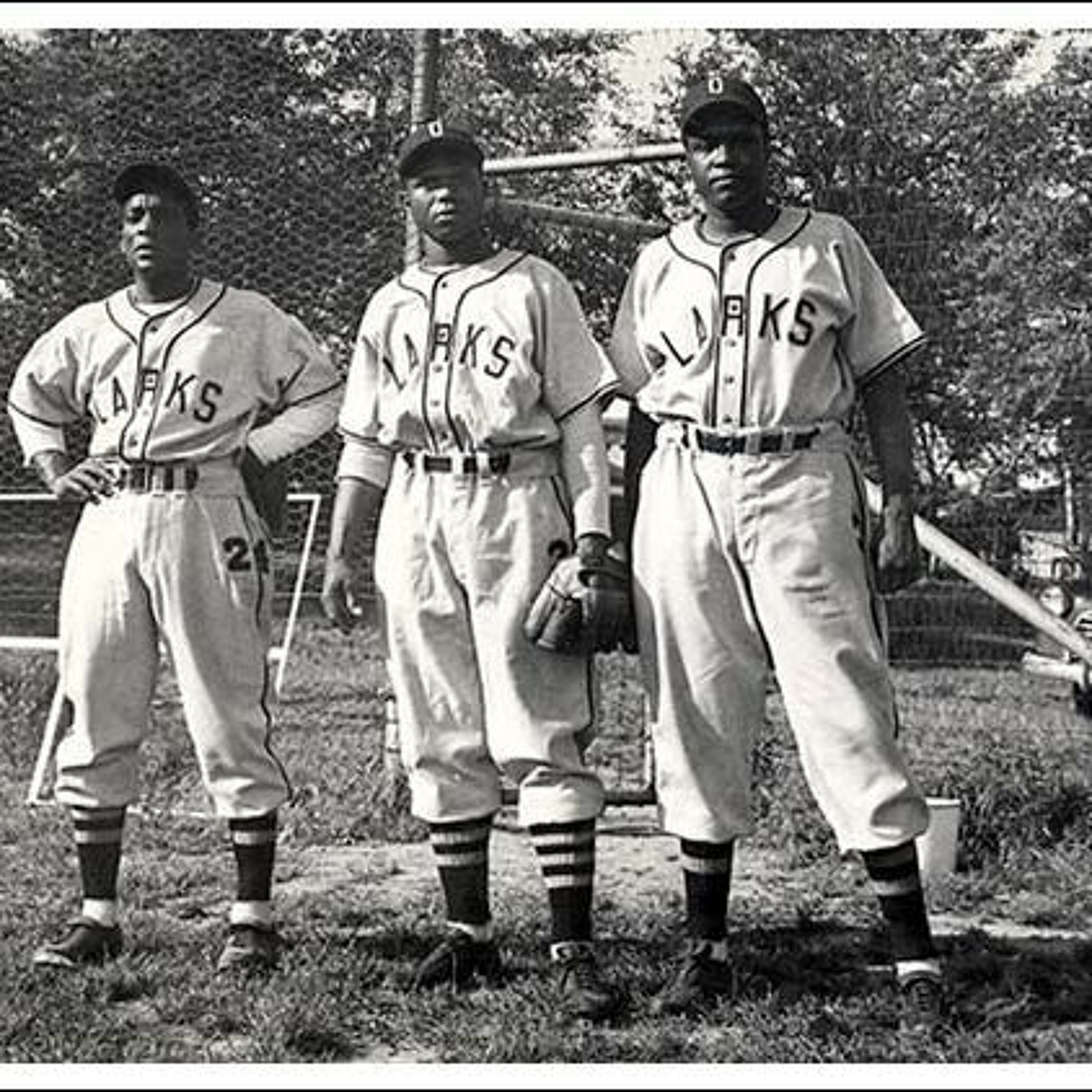
Before the A’s: The East Bay’s earliest baseball teams
Long before the Athletics moved to Oakland, teams like the Colonels, the Larks and the Aztec Stars played baseball in the East Bay. Special guest contributor Cyrus Farivar digs into the roots of our national pastime—and even visits “vintage” game. Did you know that Oakland’s first black mayor was a pitcher in the West Coast Negro League? This is just one of the many stories explored in today’s episode. Play ball!
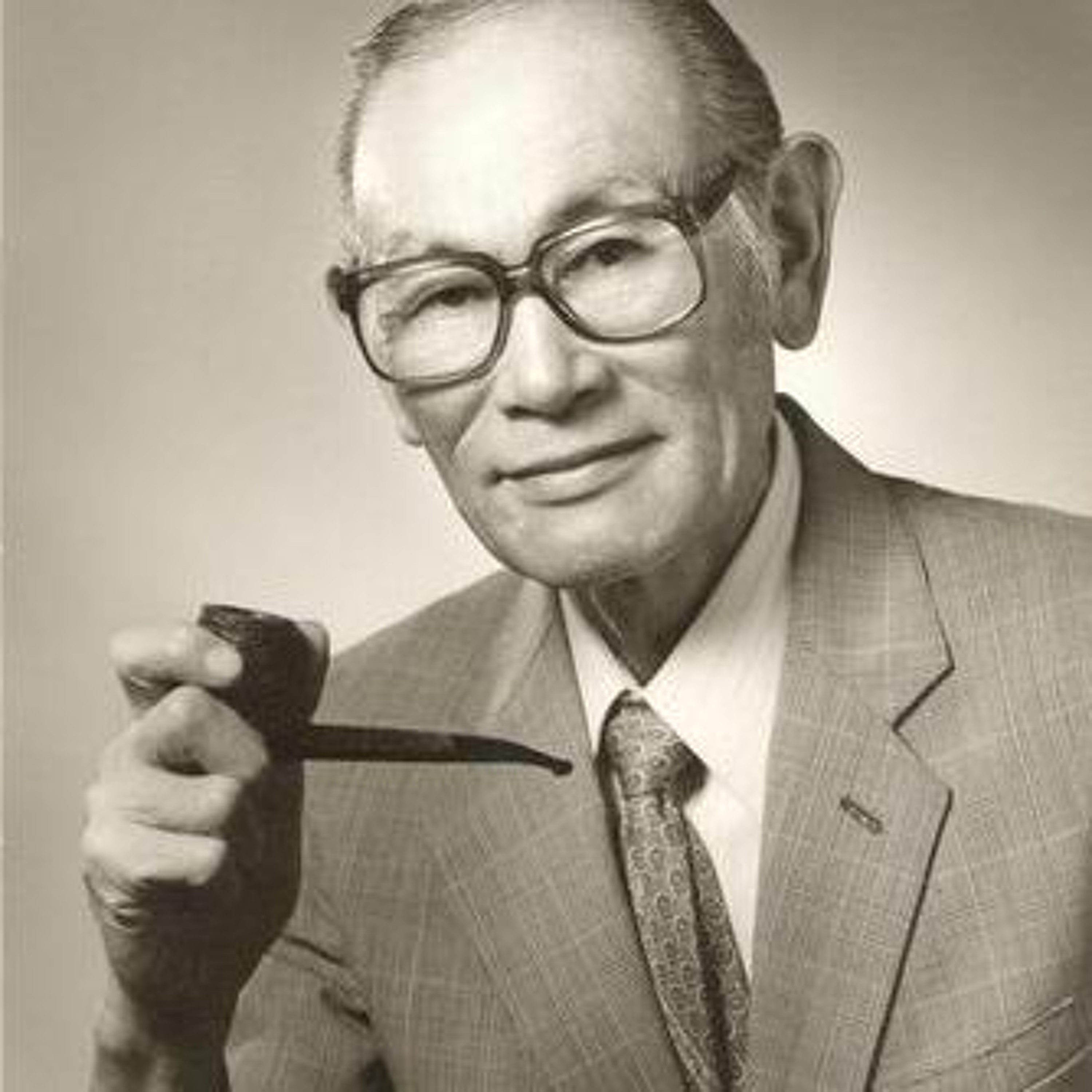
“They knew it was a lie”: Exposing the cover-up behind Japanese-American mass incarceration
Four decades after the U.S. government incarcerated nearly 120,000 Japanese-Americans, long-hidden evidence revealed that the reason behind the mass imprisonment was a lie. This episode explores how the discovery a “smoking gun” report led to Oakland native Fred Korematsu re-opening his World War II-era Supreme Court case. Korematu’s lawyer, Dale Minami, shares how lessons learned from this “civil rights disaster” can help prevent another injustice of this magnitude—or worse.
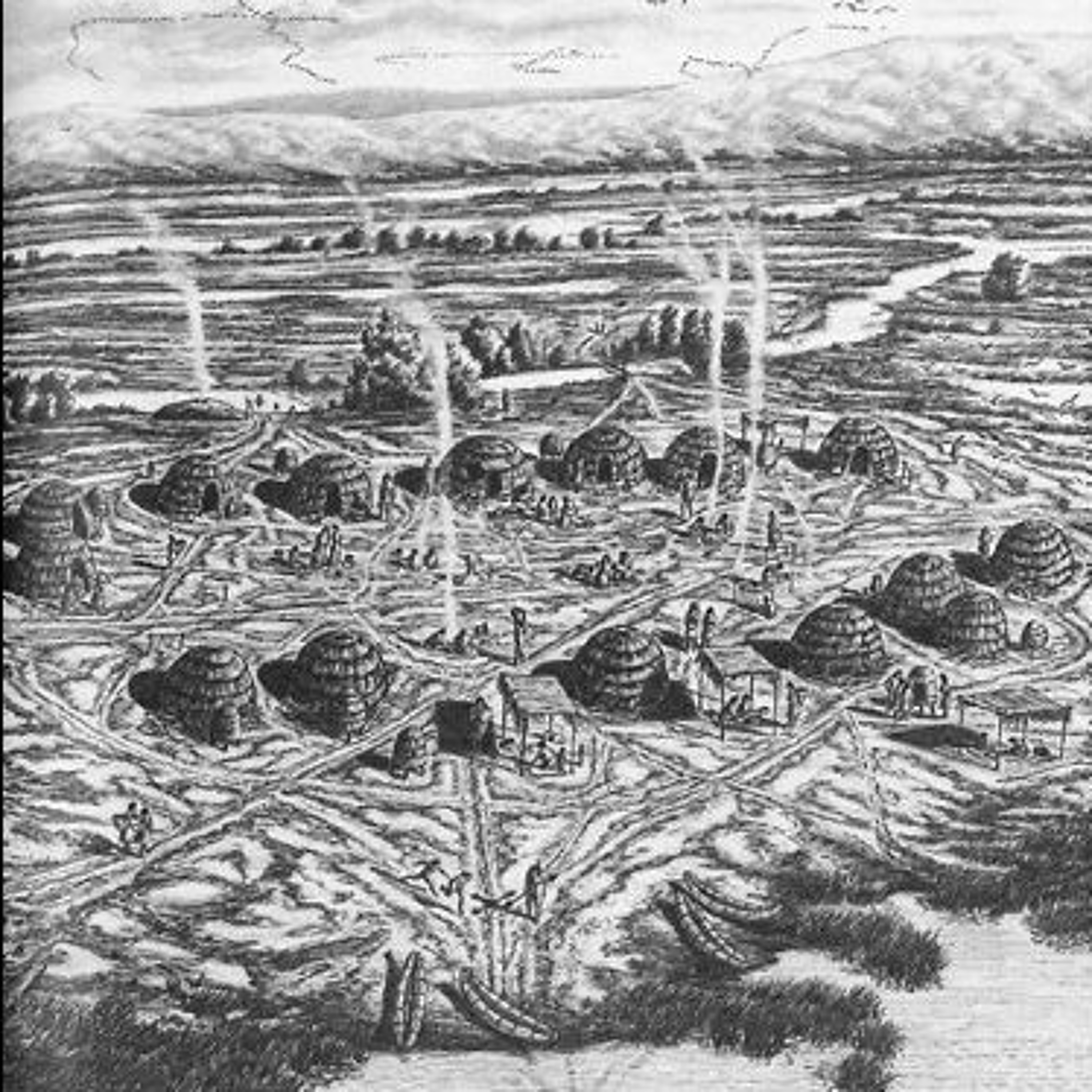
“Where are those ancestors now?”: How battles over sacred sites have revived Ohlone culture
Have you ever wondered what the East Bay was like before colonization? In this episode, Corrina Gould of Indian People Organizing for Change shares knowledge of how her ancestors, the Ohlone people, maintained a relatively peaceful culture here for thousands of years. Although this history was nearly wiped out, struggles to protect sacred shellmound sites—some of them older than the Egyptian pyramids—have sparked a movement to honor this region’s original inhabitants and reclaim “lost” languages, crafts and practices. [Episode art from "The Ohlone Way" by Malcolm Margolin / Heyday Books]
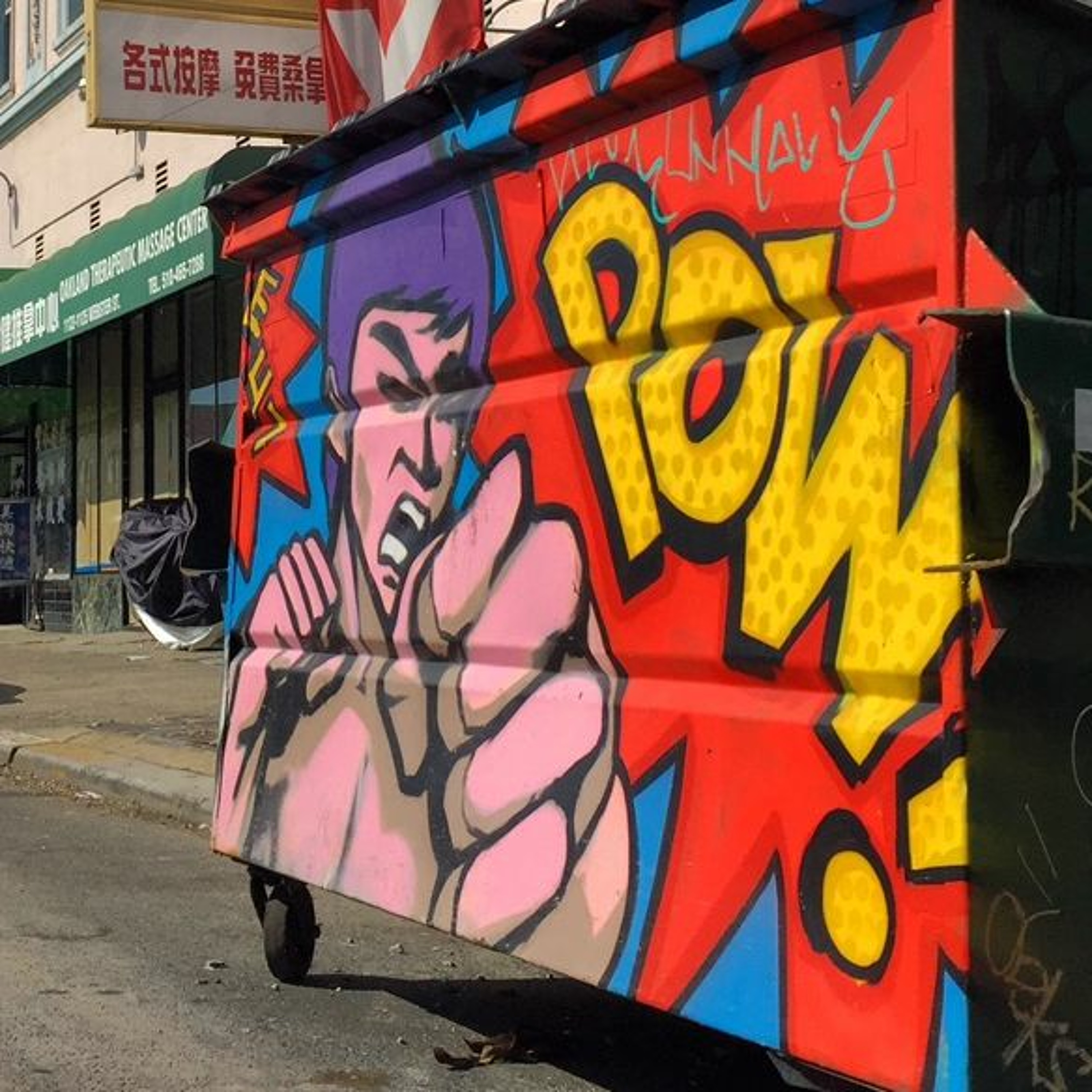
Bruce Lee’s Oakland years: From a legendary fight to a new philosophy
Bruce Lee’s time in the East Bay affected him profoundly. This episode explores how a legendary fight sparked an evolution that changed martial arts forever. Charles Russo, author of “Striking Distance,” and Gary Cagaanan, an Oakland native who trained in one of Bruce Lee’s schools, share insights into this hard-hitting history.
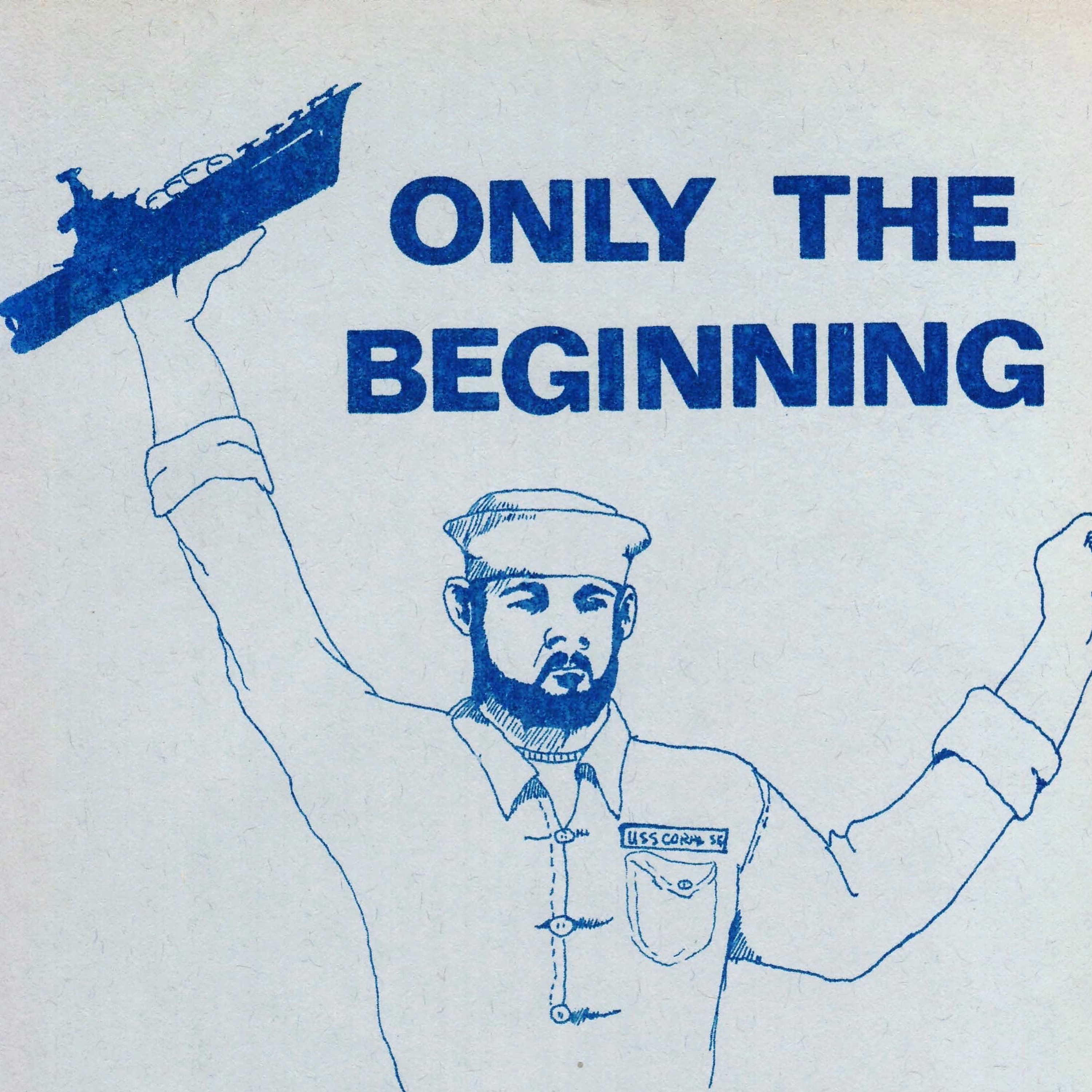
America’s first sanctuary city: The missing chapter in a story of resistance
Although rarely credited, Berkeley became America’s first sanctuary city on November 8, 1971. This episode explores how an ancient idea was revived in protest of the Vietnam War and again to support Central American refugees during the 1980s. With sanctuary cities under attack by the Trump administration, learn how the sanctuary movement started—and triumphed over previous crackdowns by the U.S. government. Featuring interviews with: Jose Artiga, Sister Maureen Duignan, Bennett Falk and Prof. Jennifer Ridgley.
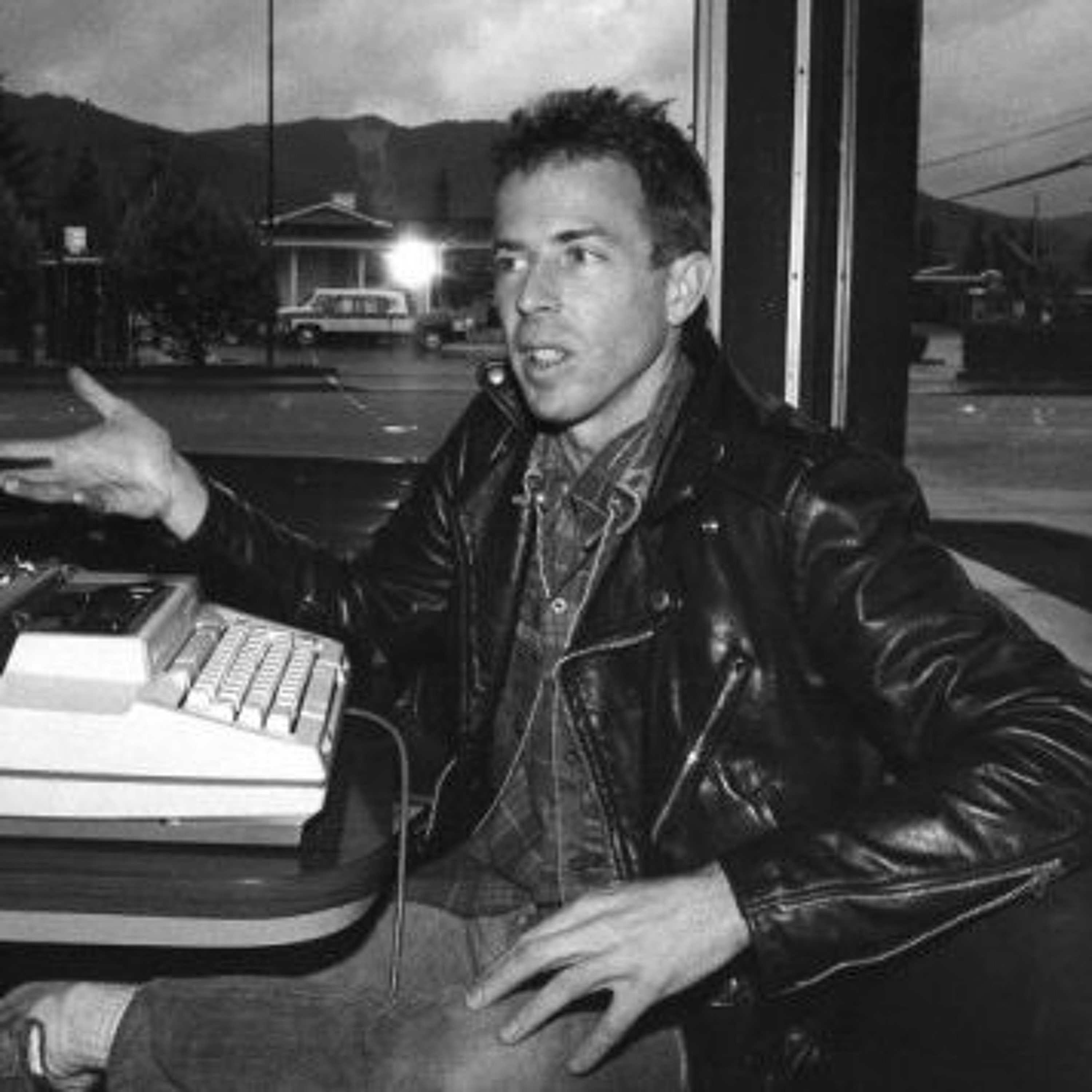
The East Bay punk explosion: How a scene rose from the ashes to create a music mecca
In the mid-1990s, the East Bay was the center of the punk rock universe. Lookout Records co-founder Larry Livermore shares his thoughts on the surprising origins of the scene that produced the biggest-selling punk band of all time and countless other influential (and occasionally notorious) groups. He also reflects on how letting his little record label grow beyond his bedroom into a multi-million dollar company sowed the seeds of its downfall. “It was far beyond the wildest dreams of the young assembly line steel mill worker that I started out as...”
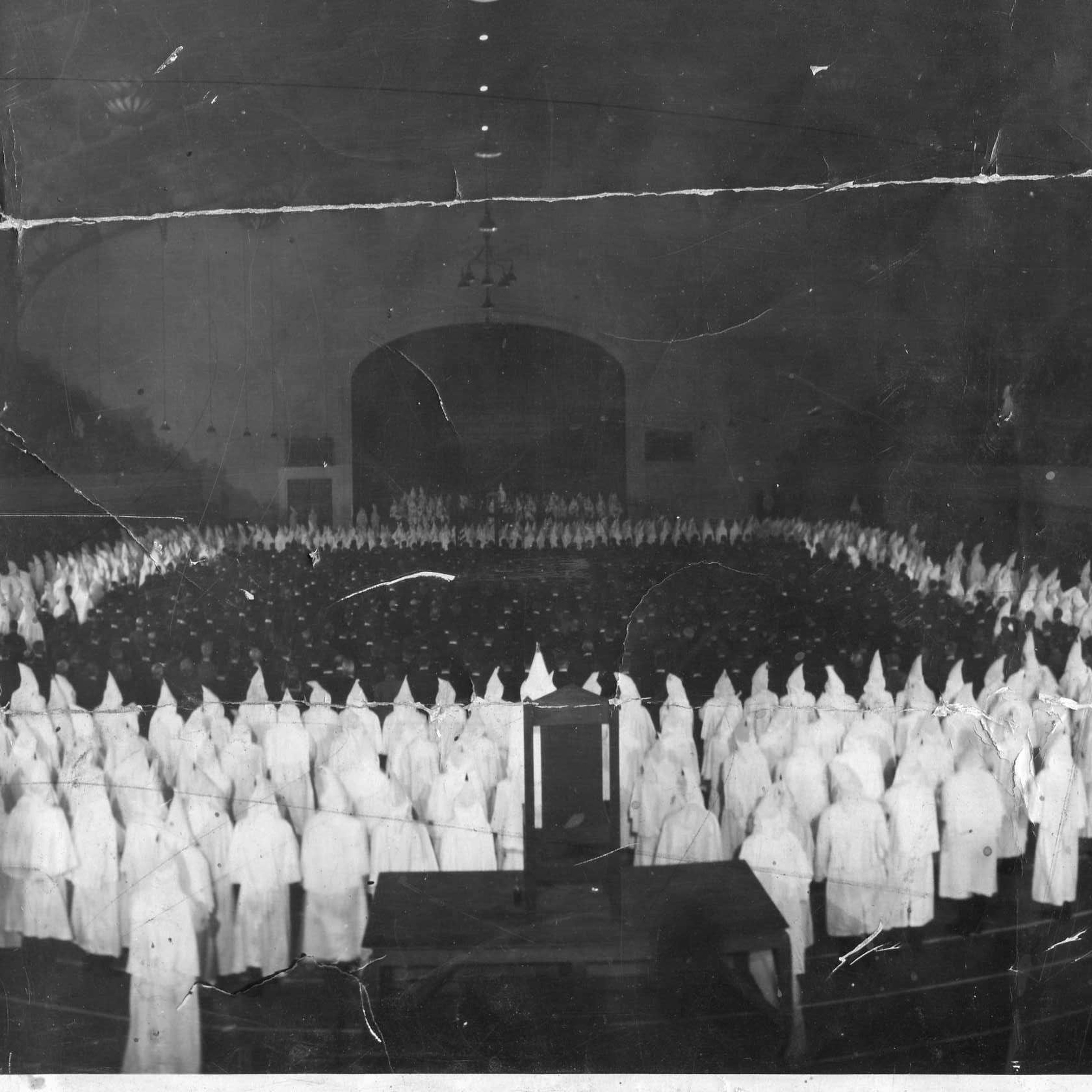
The rise and fall of the Oakland Ku Klux Klan
The East Bay’s KKK started by burning crosses in the hills, and they quickly captured power in City Hall. This movement didn’t last long—their rise and fall all happened around the time of the 1920s. But they did make an impact that changed Oakland forever. The kind of impact that Trump could have on America. This episode features an interview with Professor Chris Rhomberg, author of “No There There: Race, Class, and Political Community in Oakland” [Also available on iTunes and Stitcher]
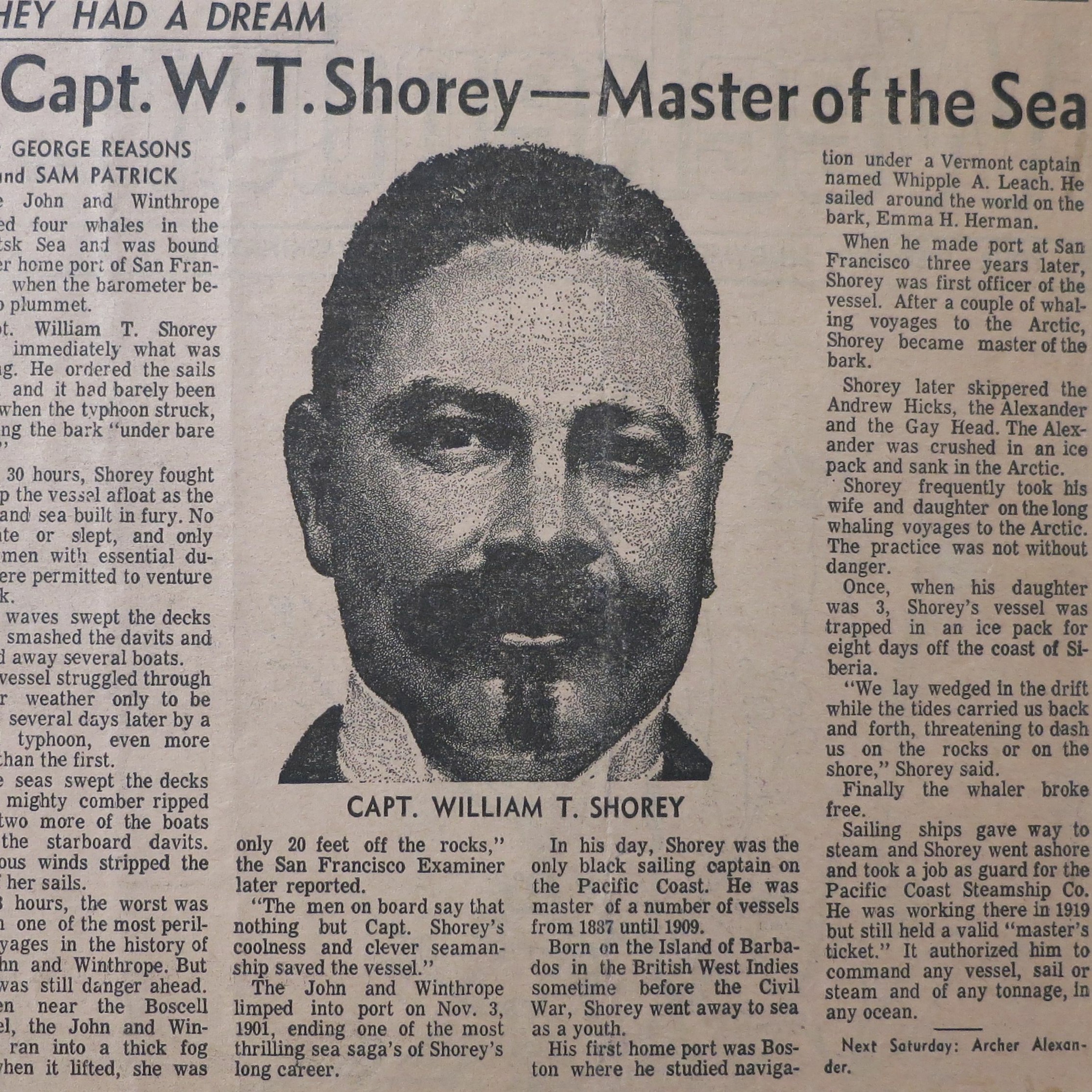
California’s only black whaling captain: William Shorey’s journey from sailor to celebrity
“Black Ahab’s” adventures made him an Oakland hero and one of the most powerful men of color in California—but there’s a dark side to his story that’s rarely discussed. This episode weaves together histories of slavery, whaling and a flood of African American seamen into 19th century Bay Area to explore William Shorey’s rise to the top of a bloody, brutal industry. [Also available on iTunes & Stitcher]
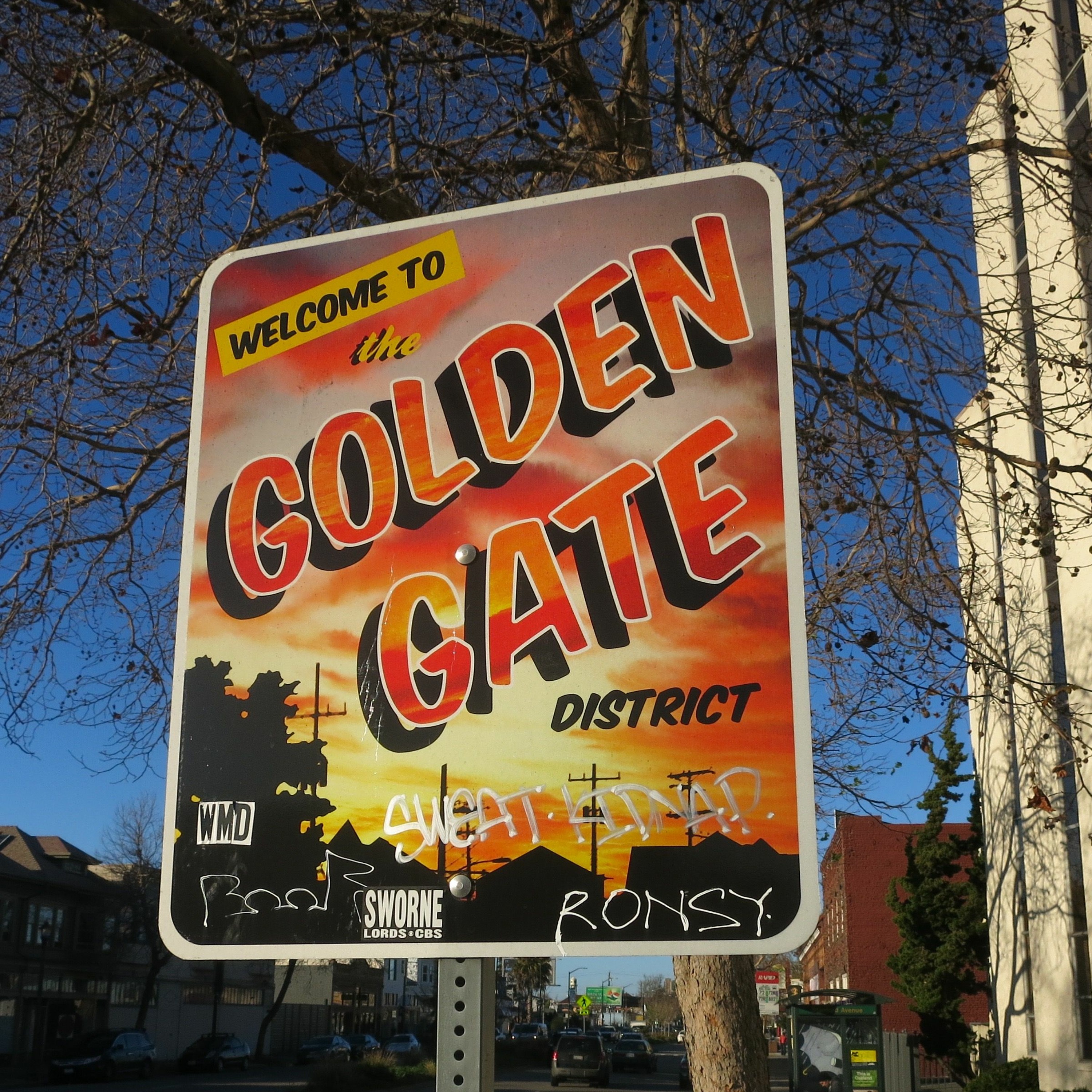
10,000 years of Oakland, 1 piece of land
When Brock Winstead bought a house in the Golden Gate district, he decided to research the history of his property and find out the identity of every single person who had ever owned that plot of land. What he discovered reveals much about the patterns of land use and displacement that continue to shape Oakland today. From colonization to redlining to rebranding, this episode explores the powerful forces that have shaped the East Bay’s development. [Subscribe to this program on iTunes or Stitcher]
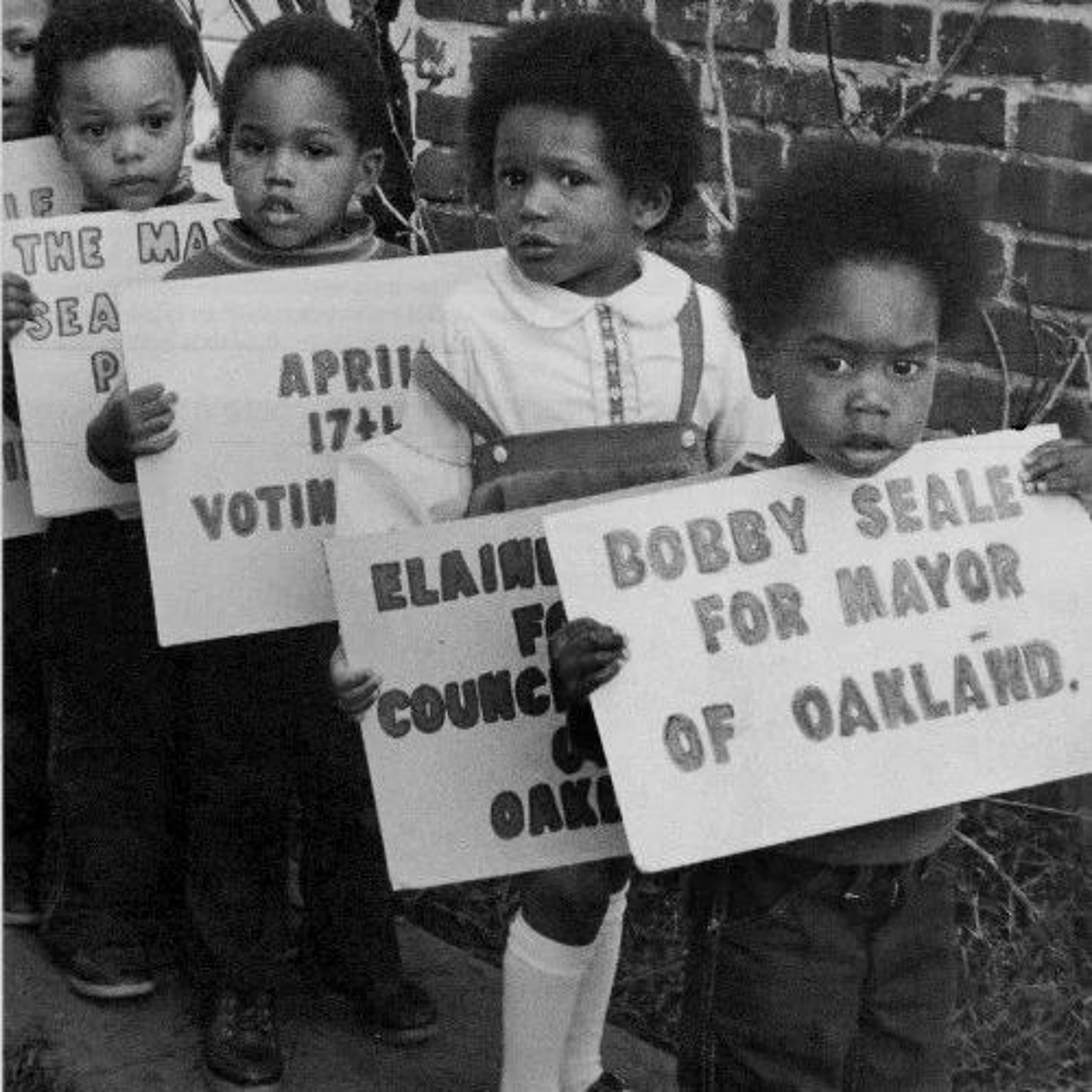
“We were in liberation education”: Exploring the lost lessons of the Black Panthers’ school
From 1973 until 1982, the Black Panthers operated a school in East Oakland that has been called “arguably the Party’s most important organizing legacy.” Although the school solved many problems that continue to plague America’s education system, these lessons have been largely forgotten. Today’s episode explores the history of the Oakland Community School with a former student, a former teacher, and the school’s former director, Ericka Huggins. [Subscribe to East Bay Yesterday though iTunes or Stitcher]
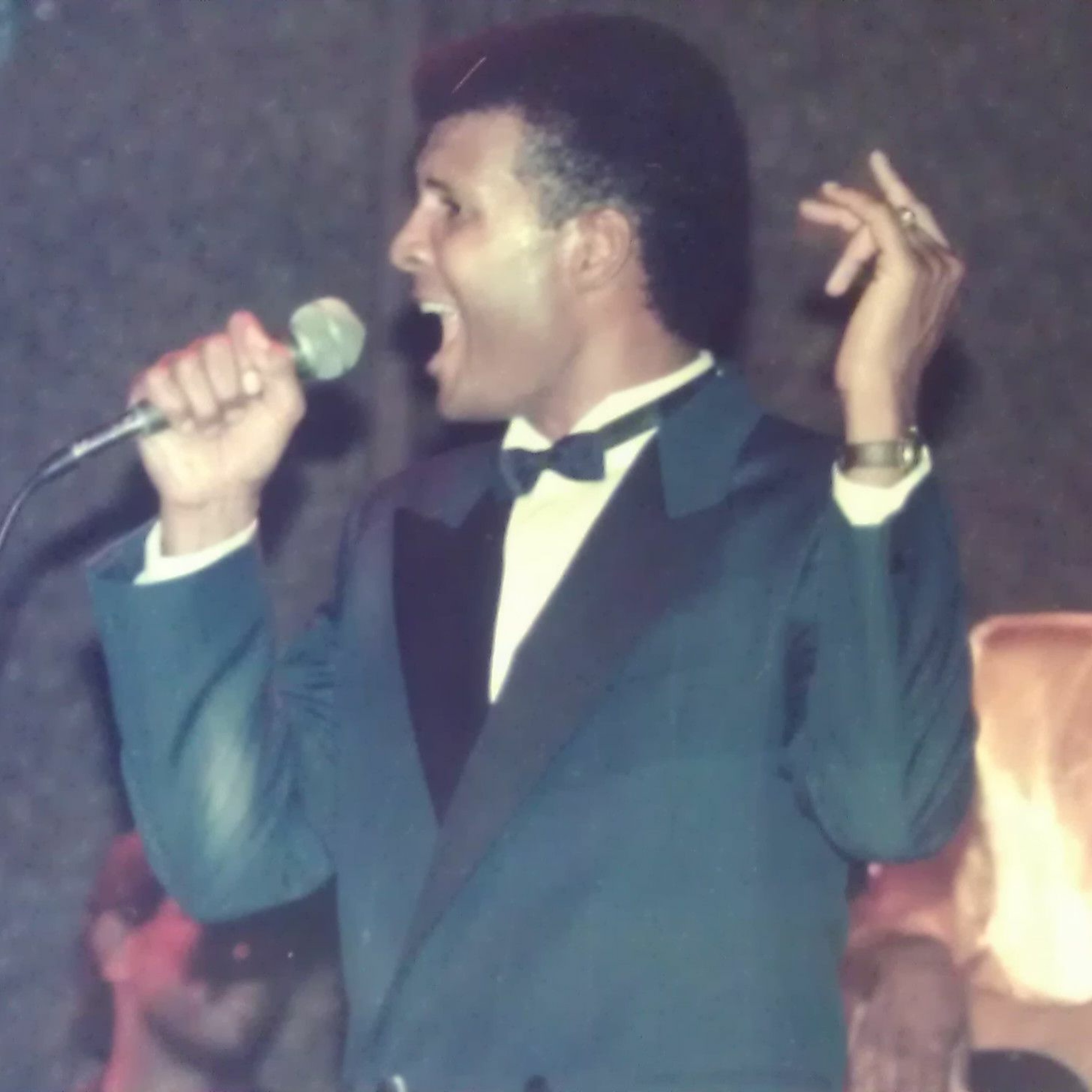
From “one-hit wonder” to “legend”: 30 years later, a singer gets to re-live his dream
Bobby Mardis had one hit song in the 1980s and then hung up his leather pants and retired his dreams of pop music stardom. Thirty years later he was re-discovered, thanks to a random encounter at the Oakland museum. The surreal night of partying that followed shows what can happen when you get to re-live the glory days of your youth—for a single, sweaty night. [Please subscribe to this podcast on iTunes or Stitcher]
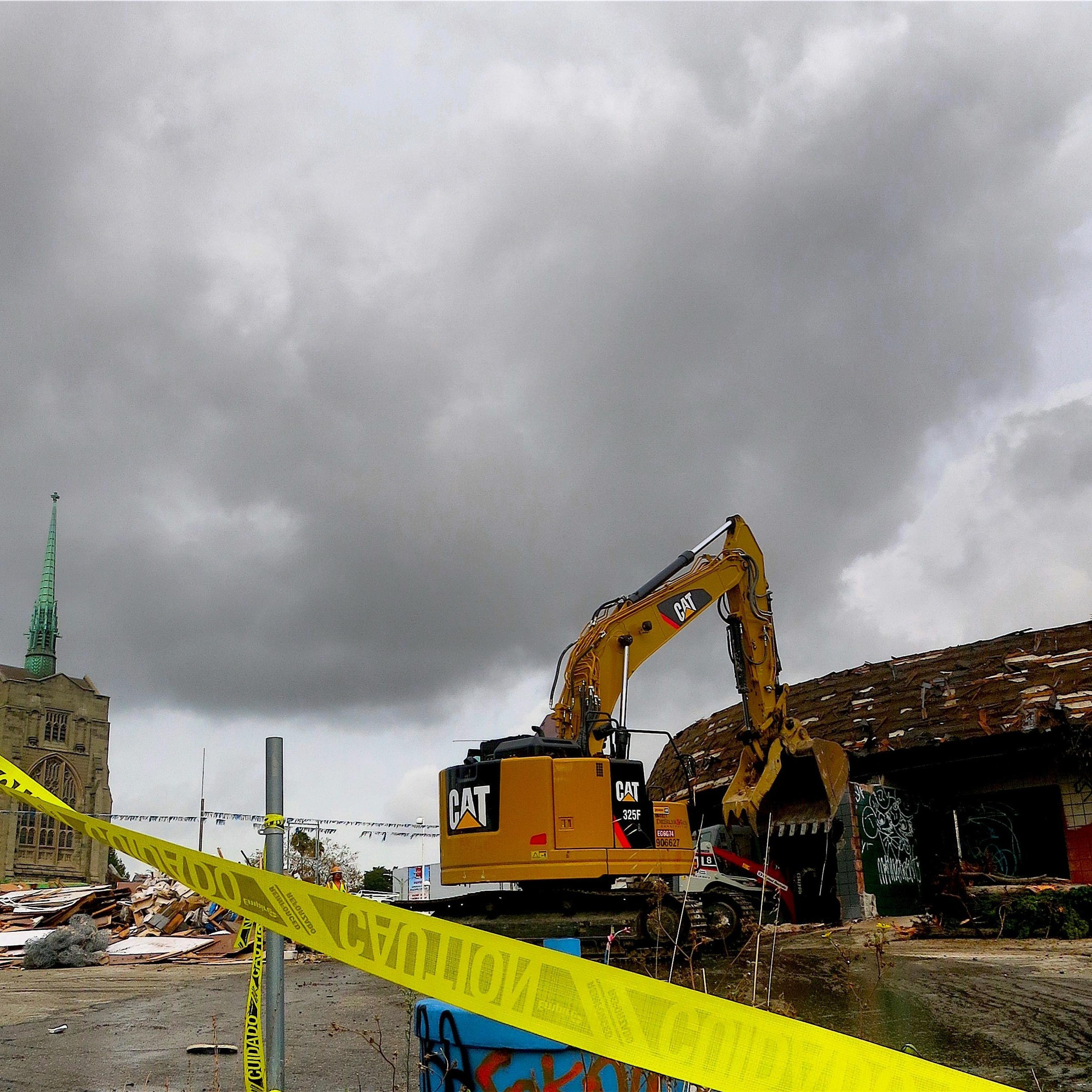
Goodbye to the “flying saucer”: Why many Oaklanders are taking the demolition of a diner personally
“When they demolished it, it’s like a little part of you… goes with it.” That reaction from a former regular customer of Biff’s Diner was shared by many when the spaceship-shaped building was finally torn down last month. This episode explores the stories of Oaklanders who ate and worked at Biff’s—and why so many of us hold a special place in our hearts for diners. [Also available on iTunes & Stitcher]
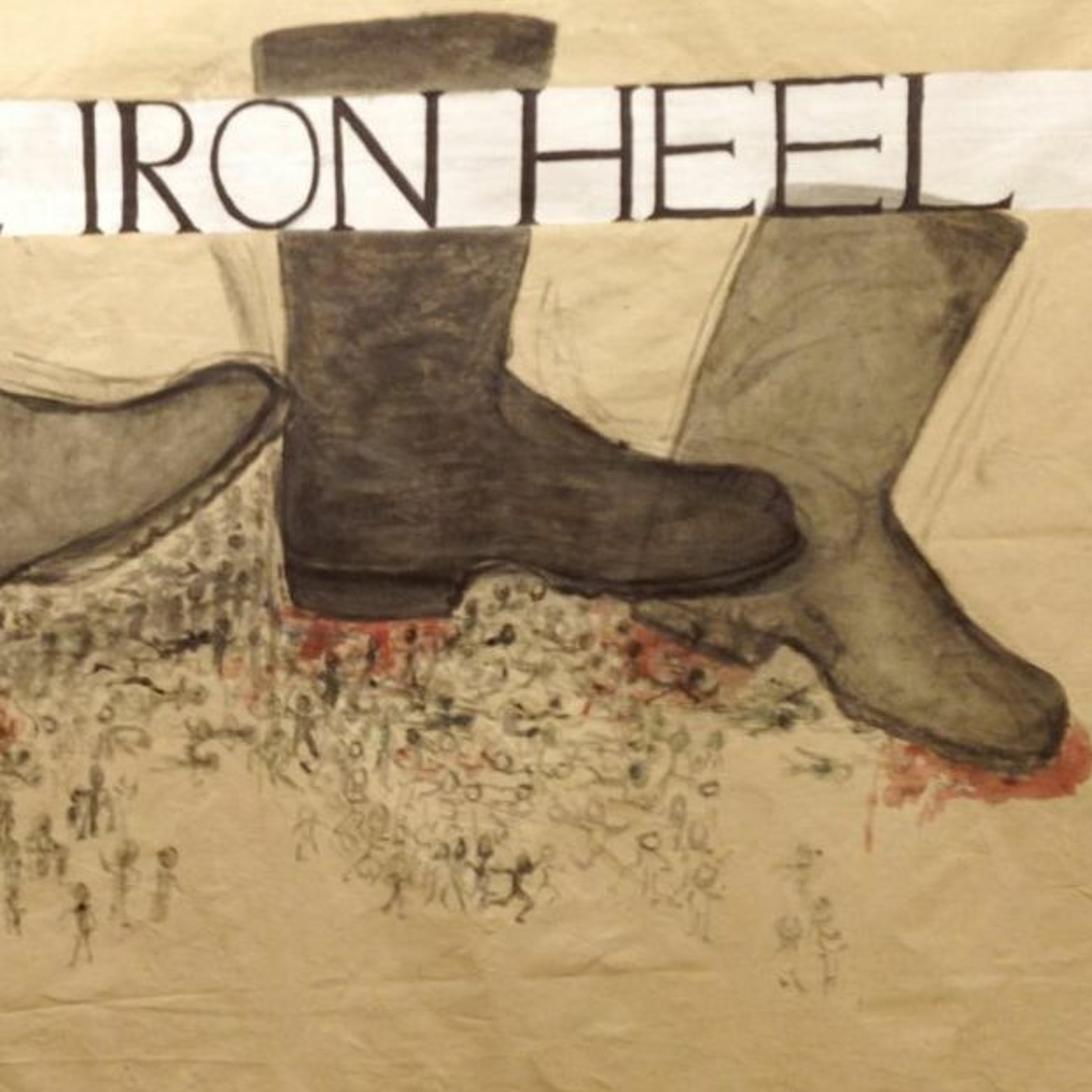
Before “1984” & “Hunger Games”: How the first modern dystopian novel was born in Oakland sweatshops
What better time than election season to explore the first novel to predict the rise of fascism and a brutal government run by corporate elites? This episode features Tarnel Abbott, the great-granddaughter of Jack London, discussing “The Iron Heel,” Occupy Oakland, and a conspiracy to commercialize the East Bay’s most famous writer.
I grew up in Oakland’s oldest cemetery
Loretta Nguyen spent the first few decades of her life living in the only house on the grounds of Oakland’s oldest cemetery. As a young girl, she learned that people are much scarier than ghouls and spirits. This episode explores the nature of fear through stories of grave-robbers, escaped convicts and a very spooky basement. [Also available on iTunes]
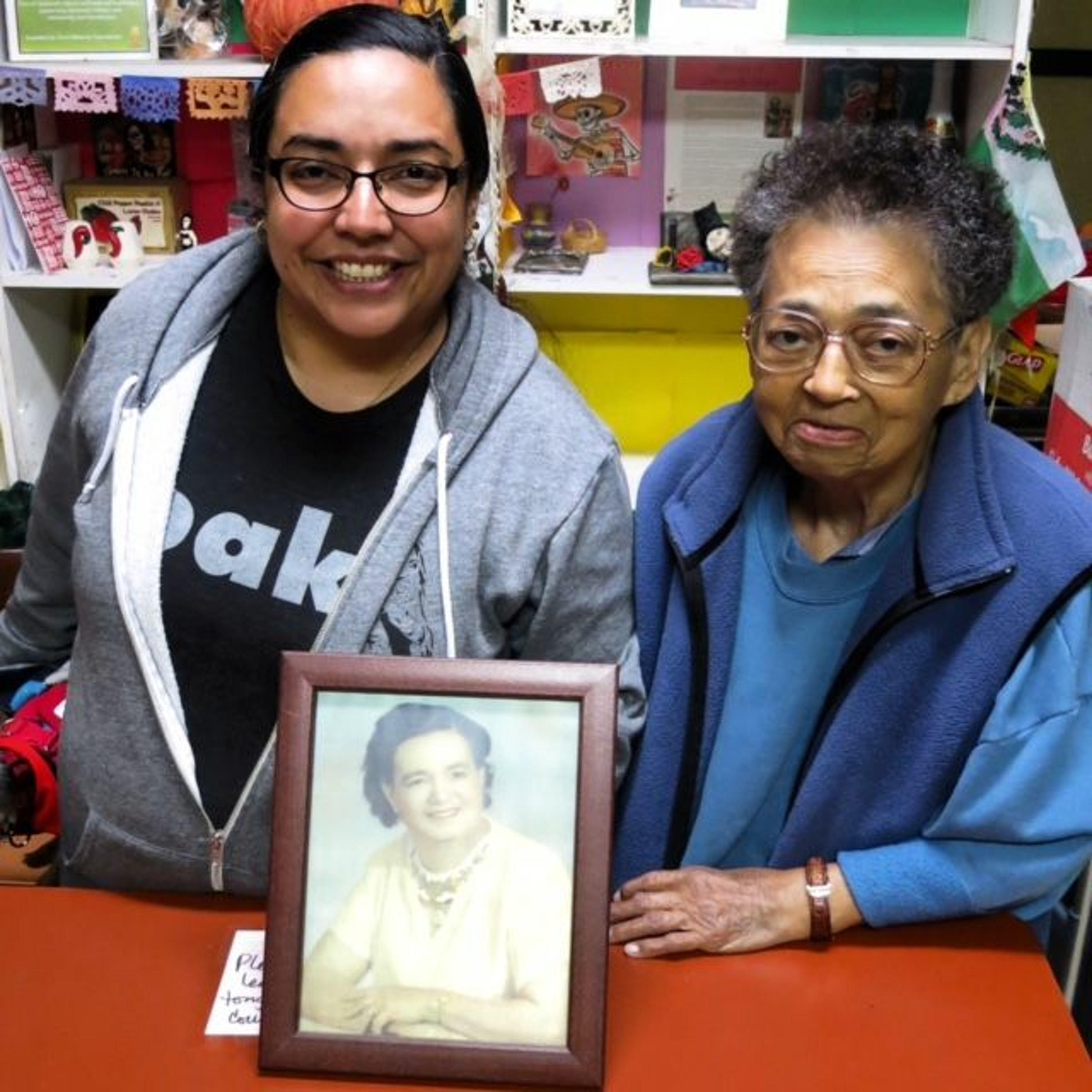
Oakland’s “lost” Latino neighborhood
Get in the mood for Día de los Muertos with this history of Oakland’s “lost” Latino neighborhood. Tina “Tamale” Ramos and her mother Natividad share delicious stories from their decades of running one of the Bay Area’s oldest Mexican restaurants. This episode explores everything from the “birth” of Old Oakland to the dubious origins of Taco Bell. [Also available on iTunes]
“Celeste Guap is not the first”: A history of sexual abuse, the OPD, and a refugee community
Oakland has been an epicenter of minors engaged in the sex trade for a long time. A recent OPD scandal put a spotlight on this crisis, but failed to illuminate the roots of the problem. This episode features four women with an intimate knowledge of this history – and explores an often overlooked factor for why there are so many underage girls out there on Oakland’s “track.” [This episode is also available on iTunes]
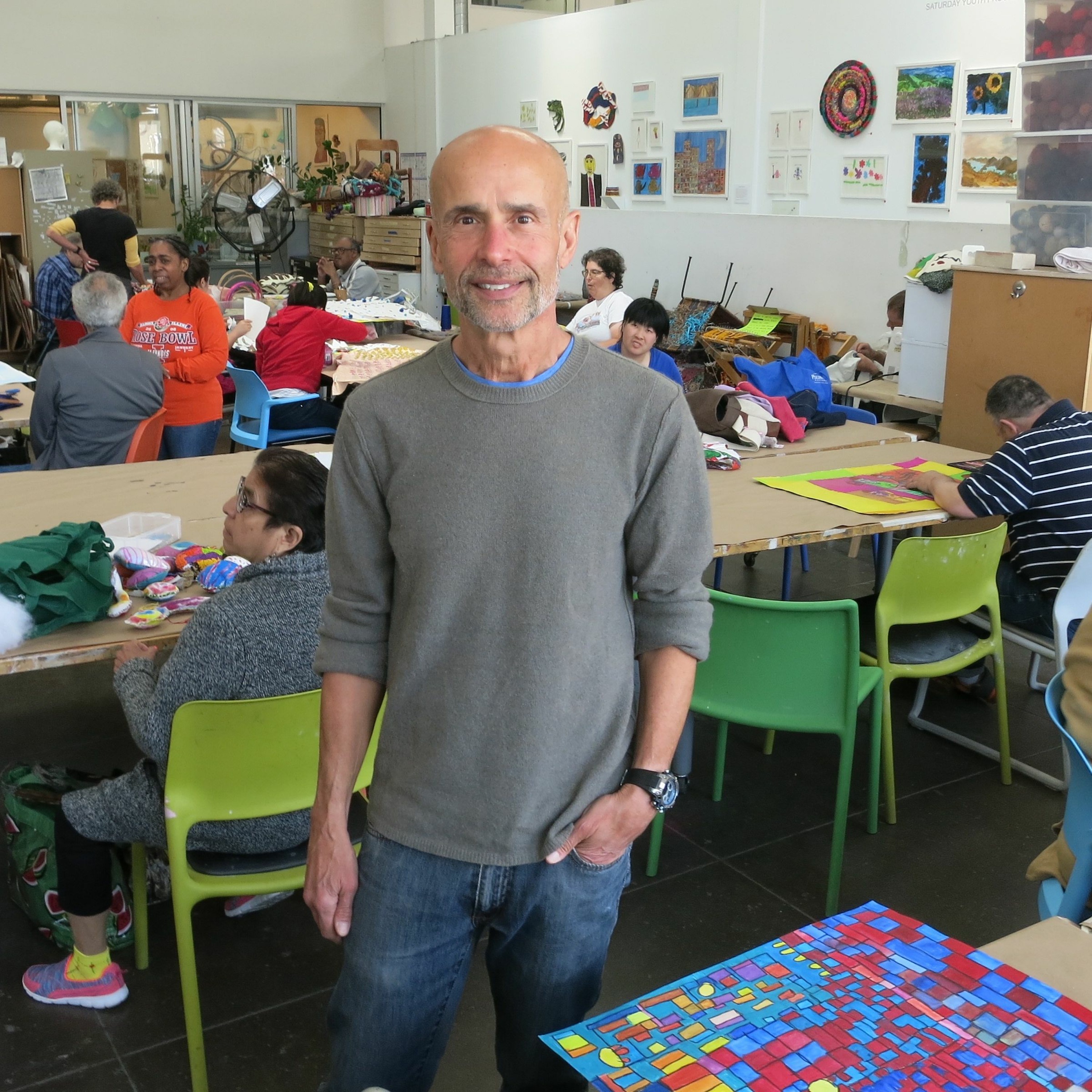
From garages to galleries in Uptown
Ronald Reagan inadvertently sparked the birth of one of Oakland's most renowned and visionary art organizations. Find out how in this new episode that explores the explosion of "outsider" art, the redevelopment of Uptown and the gentrification crisis. Featuring Tom di Maria, director of Creative Growth.
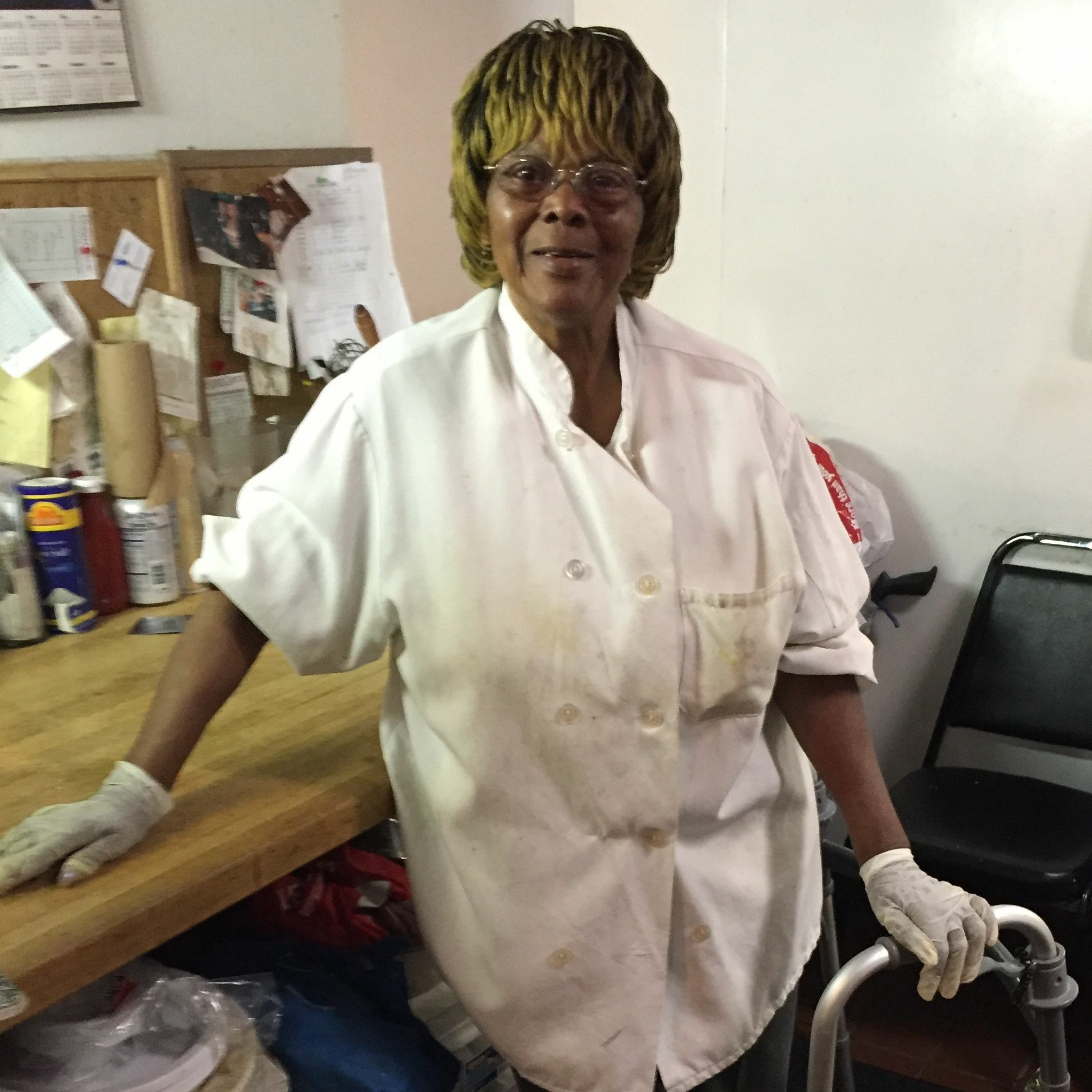
Oakland's oldest soul food chef doesn't want to quit
Nellie Ozen has been cooking soulfood in the East Bay since 1950! Find out why the Raiders loved her, her connection to Huey Newton and her thoughts on the history of this African-American cuisine.
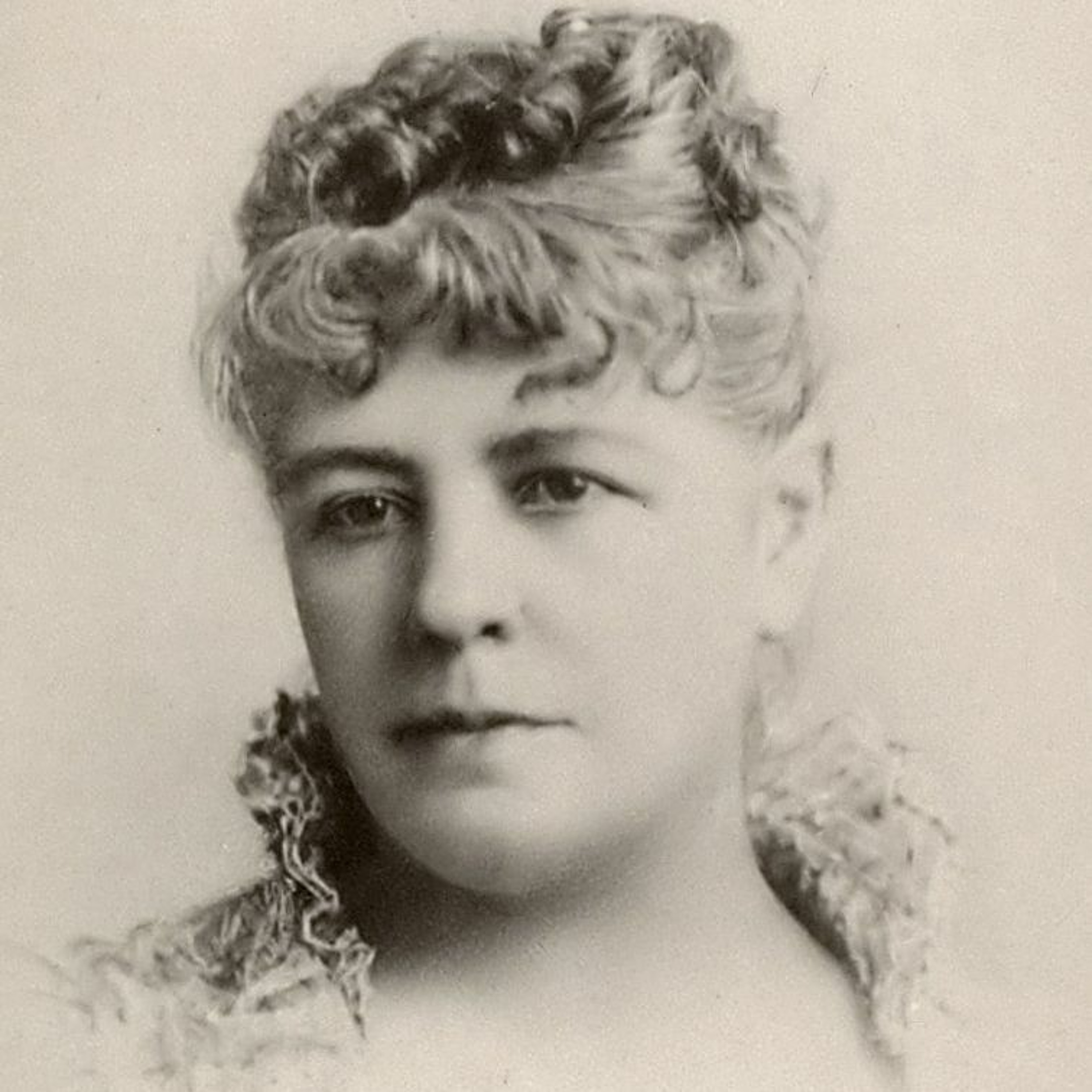
Oakland's first "celebrity" librarian
Here's the story of how one of the Bay Area’s brightest literary stars became the reigning “goddess” of Oakland’s first public library.... Back in the day, poetry was a lot like the hip hop industry is today—and I’m not just making that comparison because poets and rappers both kick rhymes. If you’re skeptical that the lives of California poets in the 1870s were just a wild as rap stars, listen to this episode about the life of the Bay Area’s first literary “It Girl.” Aleta George, the author of “Ina Coolbrith: The Bittersweet Song of California’s First Poet Laureate,” shares incredible stories of Ina’s connection with the early Mormon church, her rise to fame alongside the Bay Area’s first bohemians (including Mark Twain!), her impact on Oakland, and much, much more.