Dysregulated Kids: Science-Backed Parenting Help for Behavior, Anxiety, ADHD and More
440 episodes — Page 6 of 9

Ep 189189: ADHD and Dyslexia: The Dual Challenge
ADHD and dyslexia often overlap due to similarities in symptoms or behavioral manifestations, leading to misdiagnoses and confusion among educators, parents, and even healthcare professionals. That’s why it’s imperative to understand the distinction between the two for accurate diagnosis and effective intervention strategies. For this episode, we unravel the complexities underlying ADHD and dyslexia, aiming to provide clarity and insight to ensure that our children receive the appropriate support and tailored individual interventions. Through this, we can foster a more informed and compassionate approach to supporting children with these conditions, empowering them to thrive academically, socially, and emotionally.For those seeking support, I offer science-backed guidance, tools, and resources to support you and your overall well-being: https://drroseann.com/To learn more about ADHD and dyslexia, you may check out the following posts:● ADHD vs EF vs Dyslexia● 9 Signs Your Child Might be Dyslexic● What Parents Should Know About Auditory Dyslexia ● 504 Plan for Students with Dyslexia● Improving Reading Skills Brain Training for Dyslexia with Nancy Mcdermott● 137 Top 10 IEP Mistakes with Pete Wright Esq
Ep 188188: Why Does My Kid Trigger Me So Much?
Parenting is a rollercoaster of emotions, with highs and lows that can leave us feeling overwhelmed or stressed at times. By understanding the sources of our stress and identifying triggers, we can develop targeted strategies to manage these challenges. This proactive approach not only benefits our own well-being but also enhances our capacity to nurture and support our children through the highs and lows of their own journeys.In today's episode, we'll delve into the common triggers that can lead to feelings of overwhelm in parenting and explore strategies for navigating these challenges effectively. We'll also discuss the importance of self-care and building support networks to maintain emotional resilience amidst the ups and downs of parenting.Don't let ADHD hold your child back. Empower them with the Natural ADHD Focus Formula Kit and unlock their full potential: https://drroseann.com/adhdkitHere are additional resources you may check out for more information:● Dysregulated Behavior in Kids● What is Magnesium Ithreonate Good For● Deal with Oppositional Behavior● Impulsive Behaviors in Children● Dysregulated Behavior
Ep 187187: Can Lyme Disease be Cured? Treatments for Lyme - Dr. Richard Horowitz
Recent statistics show that approximately 14.5% of the global population has been exposed to Lyme disease, reflecting an alarming 1 out of 7 people affected. Lyme Disease, often referred to as "the great imitator," is a complex and elusive tick-borne infection not only presents with a variety of symptoms that can resemble those of other diseases but also poses diagnostic challenges, often leading to misdiagnosis and delayed treatment. Understanding the complex nature of Lyme Disease is therefore essential for both healthcare professionals and the general public to effectively recognize, diagnose, and manage this growing health concern. And so, today's episode revolves around the question: “Can Lyme disease be cured?”I’m honored to be joined by the esteemed Dr. Richard Horowitz who sheds light on treatments and instills optimism in our journey toward wellness.For any concerns or inquiries, you may reach out to Dr. Horowitz via email ([email protected]).Looking for science-backed guidance and resources to support your overall well-being? Explore more tools and support at https://drroseann.com/. With a focus on evidence-based approaches, you'll find valuable insights and practical strategies to enhance your health and wellness journey.Discover more of Dr. Horowitz's research and publications by visiting the following links:● https://pubmed.ncbi.nlm.nih.gov/35884166/● https://pubmed.ncbi.nlm.nih.gov/33105645/Here are more resources to help you: ● https://drroseann.com/category/panspandaslyme-ticks/● https://drroseann.com/panskit● https://drtalks.com/lyme-summit-2024

Ep 186186: Rejection Sensitive Dysphoria Tips
Rejection sensitive dysphoria (RSD) represents a significant yet frequently overlooked challenge experienced by many children, especially those with neurodivergent conditions like ADHD. As it often flies under the radar, it may lead parents, educators, and even mental health professionals to overlook its presence, resulting in undiagnosed or untreated emotional distress in affected children. It is therefore crucial for parents to adapt their parenting approach and provide coping mechanisms suited to the unique needs of these children, rather than relying solely on discipline to alleviate their reactivity. That’s why this episode is important for you!For those seeking support with rejection sensitive dysphoria, I offer science-backed guidance, tools, and resources to support you and your well-being:https://drroseann.com/.Check out the following posts for more information:● Clinical Guide ADHD● Behavioral Iinterventions ADHD● Rejection Sensitivity Dysphoria and ADHD● Rejection Sensitive Dysphoria and ADHD● 10 Essential Coping Skills for ADHD Kids● 11 Emotional Regulation Activities for Children ● ADHD Self Regulation Strategies● Fostering Emotional Regulation

Ep 185185: Homeschooling Special Needs Children and Teens with Terrie McKee
For many parents, traditional schooling settings may not adequately address the diverse needs of their children and teens, leading them to explore alternative options. The good news is that in recent years, homeschooling has gained traction as a transformative educational alternative for families with special needs children and teens, offering a tailored approach that caters to their unique learning needs. However, it's crucial for parents to understand the rules and regulations regarding homeschooling in their area to make informed decisions about extracurricular involvement. By exploring more about homeschooling special needs children in this episode, homeschooling families can make the most of the opportunities available to them.Explore moreabout the Homeschooling Special Needs Expo here: https://www.iajministries.org/homeschooling-special-needs-expo.htmlTo learn more about Dr. Roseann Capanna-Hodge and science-backed mental health solutions, kindly visit https://drroseann.com/.
Ep 184184: Pathological Demand Avoidance vs Oppositional Defiant Disorder
The overlapping symptoms and behaviors of Pathological Demand Avoidance (PDA) and Oppositional Defiant Disorder (ODD) often lead to confusion and ambiguity. This confusion not only complicates the diagnostic process but also impacts the effectiveness of parenting strategies and interventions. That’s why we’re here to unravel the complexities surrounding PDA and ODD, providing clarity and guidance for parents navigating these challenging conditions. Hopefully, this episode equips you with the knowledge and resources necessary to develop tailored parenting strategies and interventions that effectively support child's development and well-being.To learn more about Dr. Roseann Capanna-Hodge and science-backed mental health solutions, kindly visit https://drroseann.com/.Looking for something to calm your brain and support your mental wellness? Check out our Multi-Mag Brain™: Magnesium
Ep 183183: What is Pathological Demand Avoidance?
Pathological Demand Avoidance (PDA) is a condition that may eventually gain recognition in the United States, though it may take time to be included in diagnostic manuals like the Diagnostic and Statistical Manual (DSM). And with the increasing prevalence of autism, currently affecting 1 in 27 boys and 1 in 44 births overall, conditions like PDA are likely to receive more attention.The growing awareness of PDA highlights the importance of understanding its distinct features and providing tailored support for individuals affected by this condition. In this episode, we explore the signs, symptoms, and implications of PDA, shedding light on how it impacts children in different aspects.To learn more about Dr. Roseann Capanna-Hodge and science-backed mental health solutions, please visit www.drroseann.com.
Ep 182182: AuDHD: How Autism Affects Attention
In the ever-evolving landscape of neurodevelopmental disorders, the emergence of AuDHD signifies a deeper understanding of the complexities that individuals face when dealing with co-occurring autism and ADHD. And as our understanding of neurodiversity expands, it becomes increasingly crucial to explore the nuances of conditions like AuDHD, shedding light on how they manifest and how best to support those affected.As we delve deeper into this topic, let us embark on a journey of discovery, empathy, and empowerment, guided by the unwavering commitment to understanding further how autism affects attention.For more information, check out the following:● Autism Myths/● Geeg Brain Maps for ADHD Learning Issues and Autism● 67 Ways How to Help a Child with ADHD Without Medication ● Autism● 37 Ways to Help a Child with Executive Functioning IssuesTo learn more about Dr. Roseann Capanna-Hodge and science-backed mental health solutions, please visit www.drroseann.com.
Ep 181181: Increasing Motivation in Children with Attention Issues
Motivation is a fundamental aspect of a child's ability to succeed academically, socially, and personally. However, for children with attention problems, maintaining motivation can be a significant challenge. Various factors contribute to the low or decreasing motivation observed in these children, impacting their ability to engage effectively in tasks and activities.If you're seeking ways to boost your child's motivation, you've come to the right place! This episode dives deep into a comprehensive understanding of strategies and insights aimed at empowering parents, educators, and caregivers to support children with attention problems. By understanding the relationship between attention, executive functioning, and motivation, individuals can gain valuable insights into the challenges faced by these children and the strategies that can effectively enhance their motivation and engagement.To learn more about Dr. Roseann Capanna-Hodge and science-backed mental health solutions, kindly visit https://drroseann.com/.Looking to delve deeper into ADHD? Explore these additional resources:● ADHD Add Treatment● ADHD Treatments for Children ● ADHDkit
Ep 180180: Natural Remedies for Anxiety and Behavioral Challenges in Kids
From anxiety and depression to behavioral challenges in children, the efficacy of holistic therapies and natural remedies has garnered increasing attention and appreciation. Despite this, there remains a prevalent tendency among some to view conventional medications as the primary solution, a mindset that requires reconsideration.In today’s episode, we’ll talk more about the natural remedies for anxiety and behavioral challenges in children that offer effective alternatives to psychiatric medications and are backed by evidence-based approaches. To learn more about Dr. Roseann Capanna-Hodge and science-backed mental health solutions, kindly visit https://drroseann.com/.
Ep 179179: Parenting Neurodivergent: Helping Your Child Be a Successful Adult with Zhara Astra
Parents of neurodivergent children fear that their kids will encounter challenges they can't overcome, potentially leading to a lack of progress and feeling stuck. This fear can weigh heavily on parents throughout their parenting journey with their neurodivergent child, driving them to seek out strategies and support systems to help their children thrive despite these fears.For today’s episode with Zhara Astra – a filmmaker, professor, and advocate for neurodiversity – we’ll be exploring more about the challenges, triumphs, and essential tips for supporting neurodivergent children on their journey to adulthood. To learn more about Dr. Roseann Capanna-Hodge and science-backed mental health solutions, please visit www.drroseann.com.

Ep 178178: Neurodivergent Families: When You are a Neurodivergent Parent
Neurodivergent families represent a significant portion of the US population, with 25% identifying as neurodivergent. This demographic encompasses individuals who experience neurological differences such as autism, ADHD, or other mental health conditions. However, amidst these challenges, there lies opportunity for growth and resilience. By taking small, actionable steps and committing to positive change, neurodivergent parents can create a more balanced and harmonious family life. And so, today, we delve into the complexities faced by neurodivergent families, particularly focusing on the unique challenges encountered by neurodivergent parents raising neurodivergent children. Embrace motivation for action, break free from being stuck, and witness positive change unfold. To learn more about Dr. Roseann Capanna-Hodge and science-backed mental health solutions, kindly visit https://drroseann.com/.For more information about neurodivergence, you may check out the following posts:● Neurotypical vs Neurodivergent Communication Embracing Diversity in Dialogue● Is SPD Neurodivergent Unpacking the Dimensions of SPD
Ep 177177: How Neuroinflammation Affects Mental Health
Despite its widespread occurrence, many people remain unaware of the prevalence and the profound impact neuroinflammation has on overall well-being. From children to adults, individuals from all walks of life may experience neuroinflammation, whether due to genetic predispositions, environmental factors, or underlying health conditions. And so, recognizing the prevalence of neuroinflammation is the first step in addressing its effects and providing relief to those affected by it. By raising awareness and promoting understanding of neuroinflammation and its consequences, we can empower individuals to identify underlying issues and seek appropriate interventions to alleviate symptoms and improve their quality of life. Join me in this episode of discovery and empowerment, where each insight gained paves the way toward holistic health and resilience.For more information, you may read the following:● Brain Behavior Reset Program● Neurofeedback Overview● Neurofeedback for Pans and Pandas● Clinical Guide Pans and PandasTo learn more about Dr. Roseann Capanna-Hodge and science-backed mental health solutions, please visit www.drroseann.com.
Ep 176176: Nourishing Brains: How Anti-Inflammatory Diets Shape Kids' Behavior
Processed snacks, sugary drinks, and fast meals are everywhere in kids' lives nowadays, often taking the spotlight away from healthier, nutrient-packed foods. This shift in dietary habits raises concerns about the long-term impact on their health and well-being, as they may miss out on essential vitamins, minerals, and other beneficial nutrients crucial for growth, development, and overall health. It thus becomes increasingly important for us to explore alternative approaches to nourishing their bodies and minds. Join me in today’s episode and let’s delve deep into anti-inflammatory diets and the intricate world of improving gut health and addressing picky eating habits in children. As a parent myself, I understand the frustration and challenges that come with trying to expand a child's palate and ensure they're getting the nutrients they need.To learn more about the best diet for children with ADHD, PANS and PANDAS, check out these posts:● ADHD Diet● The Best Diet for Children with Pans and Pandas To learn more about Dr. Roseann Capanna-Hodge and science-backed mental health solutions, please visit www.drroseann.com.
Ep 175175: Treating PANS/PANDAS: From Diagnosis to Recovery - A Comprehensive Approach with Dr. Scott Antoine
Treating Pediatric Acute-onset Neuropsychiatric Syndrome (PANS) and Pediatric Autoimmune Neuropsychiatric Disorders Associated with Streptococcal Infections (PANDAS) demands a comprehensive approach. It is thus important that we not only address the physical symptoms but also attend to the emotional and psychological well-being of both the affected child and their caregivers. Dr. Scott Antoine – an expert from The Center for Fully Functional Health and the author of The Comprehensive Physicians' Guide to the Management of PANS and PANDAS – joins us for today’s episode as he shares more about his expertise and evidence-based approach. Throughout our discussion, Dr. Scott generously sheds light on the complexities of diagnosis, treatment, and recovery in the realm of PANS/PANDAS.Check out The Center for Fully Functional Health: https://fullyfunctional.com/To learn more about PANS/PANDAS, make sure to grab a copy of Dr. Scott Antoine’s book on Amazon: https://www.amazon.com/Comprehensive-Physicians-Guide-Management-PANDAS/dp/163763269XTo learn more about Dr. Roseann Capanna-Hodge and science-backed mental health solutions, please visit www.drroseann.com.

Ep 174174: OCD in School: How OCD Affects Learning
Obsessive-Compulsive Disorder (OCD) is a mental health condition characterized by intrusive thoughts and repetitive behaviors that profoundly impacts the daily lives of those affected and disrupts academic performance and learning. The relentless cycle of obsessions, marked by persistent and distressing thoughts, coupled with compulsions, the repetitive actions or rituals performed to alleviate anxiety, creates significant challenges for individuals in educational settings. As these intrusive thoughts and compulsive behaviors consume valuable time and attention, individuals with OCD often struggle to concentrate on their studies and fully engage in the learning process, leading to academic difficulties and underachievement. By gaining a deeper understanding of the impact of OCD in educational settings, we can better support individuals affected by this disorder and foster environments that promote academic success and well-being. That’s why in this episode, we’ll discuss more about OCD’s impact and what we can do as parents.To learn more about OCD, you may check out the following posts:● 5 Surprising Ways Magnesium Helps ADHD Anxiety OCD and Depression ● OCD● Clinical Guide OCD● Overcoming OCD a Therapists Perspective on Parenting with Michele BernalTo learn more about Dr. Roseann Capanna-Hodge and science-backed mental health solutions, please visit www.drroseann.com.
Ep 173173: Intrusive Thoughts Treatment for OCD
Obsessive-Compulsive Disorder (OCD) remains one of the most widely misunderstood mental health conditions, influenced by misconceptions that tend to overshadow the impact it has on individuals' lives. And despite its prevalence, misconceptions still persist, perpetuating stigma and hindering understanding. Understanding the mechanisms underlying OCD can thus help individuals and their support systems approach treatment with empathy and targeted strategies for recovery. And so, in today’s episode, we delve deeper into how to overcome OCD habits and intrusive thoughts considering that treating intrusive thoughts is crucial for managing OCD and improving quality of daily life.For more information on OCD, you may check out the following posts: 5 Surprising Ways Magnesium Helps ADHD Anxiety OCD andm Depression OCDClinical Guide OCDOvercoming OCD a Therapists Perspective on Parenting with Michele BernalTo learn more about Dr. Roseann Capanna-Hodge and science-backed mental health solutions, please visit www.drroseann.com.
Ep 172172: Belief vs. Skepticism: Navigating Doubts About Behavioral and Mental Health Solutions
There are many doubts as regards behavioral and mental health solutions, influenced by various factors such as misconceptions and conflicting information. Individuals often find themselves uncertain about the efficacy of different treatment options, unsure of where to turn for help amidst a sea of available choices. In today’s episode, we’ll talk more about the challenges of navigating these doubts and explore strategies to help individuals make informed decisions on their journey towards improved mental and emotional well-being.You can learn more about our Brain Behavior Reset Program here: Brain Behavior Reset Program If you want to know more about neurofeedback, check out the following:● Neurofeedback Overview● NeurofeedbackTo learn more about Dr. Roseann Capanna-Hodge and science-backed mental health solutions, please visit www.drroseann.com.
Ep 171171: Can You do Neurofeedback at Home?
Neurofeedback, a scientifically-backed tool offering natural, safe, and enduring self-regulation solutions, brings hope and relief to individuals and families. When individuals can self-regulate, they are more likely to engage with the neurofeedback process and facilitate positive changes in their brain activity.I’m here to answer the frequently asked questions about neurofeedback, particularly as regards doing it at the comfort of our homes, to demystify neurofeedback to further understand what it is.To learn more about neurofeedback, make sure to check out the following:● Neurofeedback● Neurofeedback Overview● ADHD Case Study 2● Ultimate Guide to at Home NeurofeedbackTo learn more about Dr. Roseann Capanna-Hodge and science-backed mental health solutions, please visit www.drroseann.com.
Ep 170170: Can You Recover from PANS PANDAS?
Pediatric Acute-onset Neuropsychiatric Syndrome (PANS) and Pediatric Autoimmune Neuropsychiatric Disorders Associated with Streptococcal Infections (PANDAS), characterized by sudden-onset neuropsychiatric symptoms, often present significant challenges for both patients and their families. From navigating diagnostic uncertainties to accessing appropriate treatment modalities, the road to recovery can indeed be challenging.However, we shouldn’t be discouraged despite how daunting finding treatment for PANS and PANDAS is. Keep in mind that proper guidance and early intervention are crucial to ensure the best care for our children. That’s why in this episode, we discuss more about recovering from PANS and PANDAS.To learn more about PANS and PANDAS, you may check out the following posts:● 5 Surprising Ways Magnesium Helps ADHD Anxiety OCD and Depression● The Best Diet for Children with Pans and Pandas ● Pans Pandas● Clinical Guide Pans and Pandas● Healing Pans Pandas and Ae with Lauren Lee Stone● Panspandaslyme TicksTo learn more about Dr. Roseann Capanna-Hodge and science-backed mental health solutions, please visit www.drroseann.com.
Ep 169169: Treatment for PANS and PANDAS
Dealing with Pediatric Acute-onset Neuropsychiatric Syndrome (PANS) and Pediatric Autoimmune Neuropsychiatric Disorders Associated with Streptococcal Infections (PANDAS) can be challenging not just for those diagnosed with them but also for their families. These conditions also take an emotional toll on them which cannot be overlooked as the impact of PANS and PANDAS extends beyond the physical symptoms, affecting mental well-being, relationships, and overall quality of life. As a mom with a personal experience in dealing with children with PANS diagnosis, I want to delve into the treatment options for PANS and PANDAS to educate more parents considering the fact that there's still a lot of misinformation surrounding these conditions, along with a lack of trained medical professionals and mental health providers. For more information, you may read the following blog posts:5 Surprising Ways Magnesium Helps ADHD Anxiety OCD and DepressionThe Best Diet for Children With Pans and Pandas Pans Pandas Clinical Guide Pans and PandasPanspandaslyme TicksTo learn more about Dr. Roseann Capanna-Hodge and science-backed mental health solutions, please visit www.drroseann.com.
Ep 168168: The Emotional Toll of PANS/PANDAS and Chronic Mental Health Conditions: Traumatic Effects
Living through the emotional toll of chronic mental health conditions like PANS and PANDAS, anxiety, depression, and OCD affects the entire family. It affects every aspect of daily life, from relationships and communication to routines and decision-making. However, with the right tools and support, families can navigate such a challenging journey together.That’s why it’s important for us to raise awareness about the impact of mental health conditions not just on our children but also on families and relationships. Self-regulation then becomes vital when faced with the emotional toll of these conditions not just for our own well-being but for the well-being of our entire family.For more information regarding PANS/PANDAS, you may read the following blog posts:● Clinical Guide Pans and Pandas● Pans Pandas● Healing Pans Pandas and Ae with Lauren Lee Stone● Panspandaslyme TticksTo learn more about Dr. Roseann Capanna-Hodge and science-backed mental health solutions, please visit www.drroseann.com.

Ep 167167: Do You Feel Like You Have You Tried Everything to Help Your Child?
There are times when confronted by challenges, especially those related to mental health, can feel overwhelming. Despite our best efforts to support our children, it often appears that our interventions yield little to no improvement. This sense of helplessness can be profoundly disheartening, leaving parents and caregivers feeling overwhelmed and unsure of where to turn next.As such, the journey towards finding effective solutions may seem uncertain and daunting. However, it is precisely during these challenging times that the importance of perseverance and seeking support becomes most apparent. So make sure to stick around and allow me to offer guidance in navigating through these complexities.Choose your Parent Kit here: ParentkitFor more information, you may read the following posts:● Brain Behavior Reset Program● Neurofeedback Overview● NeurofeedbackTo learn more about Dr. Roseann Capanna-Hodge and science-backed mental health solutions, please visit www.drroseann.com.
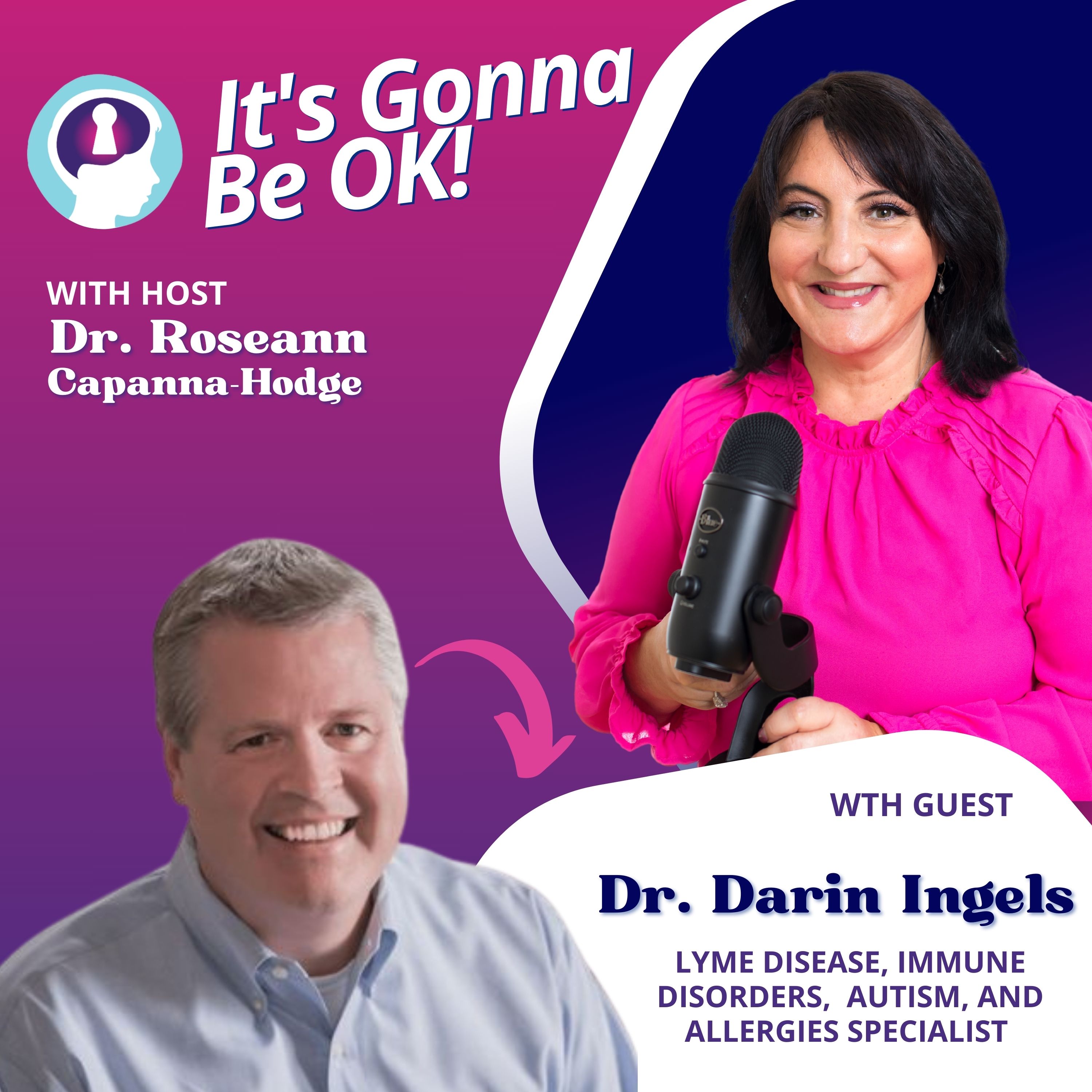
Ep 166166: Magnesium and PANS/PANDAS With Dr. Darin Ingels
Magnesium plays a vital role in treating Pediatric Acute-onset Neuropsychiatric Syndrome (PANS) and Pediatric Autoimmune Neuropsychiatric Disorders Associated with Streptococcal Infections (PANDAS). In fact, magnesium deficiency may contribute to neurological and psychiatric symptoms commonly observed in PANS/PANDAS, such as anxiety, OCD (Obsessive-Compulsive Disorder), tics, and mood disturbances. That is why understanding the role of magnesium supplementation in supporting neurological health and potentially mitigating symptoms associated with PANS/PANDAS is of significant interest to both healthcare providers and individuals dealing with these conditions. And in today’s episode, I have the privilege of being joined by Dr. Darin Ingels – a naturopathic physician greatly committed to supporting people with infectious diseases. Stick with us as we’re going to explore how magnesium and other integrative treatments can help with neuroinflammation.To learn more about magnesium, you may check this out: MagnesiumConnect with Dr. Darin Ingels here: https://dariningelsnd.com/To learn more about Dr. Roseann Capanna-Hodge and science-backed mental health solutions, please visit www.drroseann.com.
Ep 165165: Supplements for Anxiety: Natural Remedies for a Calmer Mind
Anxiety is the top global condition affecting even children as young as six. Recognizing and addressing anxiety, especially in early childhood, is crucial. It highlights the need for awareness, research, and accessible interventions to help individuals of all ages cope with this prevalent mental health challenge.And that’s why I’m here to discuss all about the natural remedies for a calmer mind and dive deep into the science behind these supplements as I prioritize evidence-based solutions.For more information, you can read the following blog posts:● Natural Children Mental Health ● 9 Supplements for ADHD ● 5 Surprising Ways Magnesium Helps ADHD Anxiety OCD and Depression● 5 Herbal Supplements for OCD ● 7 Supplements for AnxietyTo learn more about Dr. Roseann Capanna-Hodge and science-backed mental health solutions, please visit www.drroseann.com.
Ep 164164: Behavioral Regulation and Mood Therapy
In the hustle and bustle of our fast-paced world, many individuals continue to struggle managing and processing their emotions and controlling their responses. The struggle to maintain effective self-regulation in the face of these challenges highlights the importance of developing and honing this skill.For today’s episode, we will talk about the intricacies of behavioral regulation and mood therapy. It's a deep dive into understanding why we sometimes find ourselves in emotional turbulences and how effective mood therapy strategies can serve as a compass for navigating through them.For more information, you may read the following blog posts:● 5 Surprising Ways Magnesium Helps ADHD Anxiety OCD and Depression● Dysregulate Kids● Clinical Guide Mood and Behavior● Angry Kid Tamping Down Moodiness and AngerTo learn more about Dr. Roseann Capanna-Hodge and science-backed mental health solutions, please visit www.drroseann.com.

Ep 163163: Magnesium for Mood: Dr. Jaquel Patterson
Magnesium is a supplement that has left many wondering, "Why didn't I start taking this sooner?" as they witness the benefits and positive effects it brings to different aspects of their health and well-being. In fact, individuals who incorporate magnesium supplementation often experience a positive impact on their overall emotional state, leading to a greater sense of calmness and resilience to stress. Today, we're diving into the fascinating realm of magnesium and its impact on mood, mental health, and various aspects of our well-being. Joining me is the esteemed Dr. Jaquel Patterson, a naturopathic physician I frequently collaborate with as her expertise extends across Connecticut and Arizona, offering consultations to individuals seeking holistic health support.For more information, you may read the following blog posts and watch the relevant YouTube videos:● Magnesium for Kids● 5 Surprising Ways Magnesium Helps ADHD Anxiety OCD and Depression● MagnesiumYou may also check out the following YouTube videos:● https://www.youtube.com/watch?v=Qi9LyCvKnRI● https://www.youtube.com/watch?v=jB9SKd9CGsM● https://youtube.com/live/gH8VqLLssRcTo learn more about Dr. Roseann Capanna-Hodge and science-backed mental health solutions, please visit www.drroseann.com.

Ep 162162: The Science of Supplements: How They Impact Mental Health
As we look into how nutrition connects with mental health, it's clear that supplements do more than just nourish our bodies; they also impact how we think and feel. Understanding the importance of supplements in mental health shows how these are key to not just physical health but also keeping our minds in balance.The importance of supplements in relation to mental health cannot be overstated. That is why in today’s episode, we’ll be focusing on how supplements impact mental health as they play a vital role in supporting and enhancing various aspects of cognitive function, emotional well-being, and overall psychological stability.Check out our Neurotastic Multi-Mag Brain Formula: MagnesiumFor more information, you can read the following blog posts:● Natural Children Mental Health ● 9 Supplements for ADHD ● 5 Surprising Ways Magnesium Helps ADHD Anxiety OCD and DepressionTo learn more about Dr. Roseann Capanna-Hodge and science-backed mental health solutions, please visit www.drroseann.com.

Ep 161161: Brain Map Insights: Charting a Course for Change
Brain mapping, specifically through QEEG brain maps, has proven to be a valuable diagnostic tool, shedding light on different areas of the brain and their activities. One of the remarkable aspects of brain mapping is its versatility, making it applicable to various demographics, including both children and adults. By identifying specific patterns of activity or irregularities in the brain, practitioners can tailor interventions and treatment plans to address individual needs. This personalized approach enhances the effectiveness of therapeutic strategies. That is why we’re discussing all about brain maps in today’s episode.For more information, you can read the following blog posts:● What is the Best PEMF Device for Children and Teens ● Qeeg Brain Map for ADHD and Autism ● Qeeg Brain Maps for ADHD Learning Issues and Autism ● What is a Qeeg Brain MapTo learn more about Dr. Roseann Capanna-Hodge and science-backed mental health solutions, please visit www.drroseann.com.

Ep 160160: What is Sensory Processing Disorder
Sensory processing issues can affect a wide range of people, regardless of neurotypical or neurodivergent status, and can sometimes be linked to developmental factors. The key question then is what turns these issues into a clinically recognized disorder. In today’s episode, I want to delve into one of my favorite topics that many neurodivergent individuals, including some neurotypical ones, struggle with – sensory processing disorder.For more information, you can read the following blog posts:● 5 Surprising Ways Magnesium Helps ADHD Anxiety OCD and Depression● Dysregulate Kids● Clinical Guide Mood and Behavior● What is Sensory Processing● Therapies for Sensory Processing Disorders● Magnesium Benefits Autism● Coping Skills for Kids with ADHD SPD Anxiety and Mood IssuesTo learn more about Dr. Roseann Capanna-Hodge and science-backed mental health solutions, please visit www.drroseann.com.

Ep 159159: Will It Work? Cutting Through the Doubts About Non-Medication Approaches
The reality is that pharmaceutical interventions are commonly prescribed and deeply ingrained in mental health practices. Moreover, many people doubt non-medication methods because they don't fully understand how effective they can be. This skepticism often comes from not knowing about the benefits of non-medication approaches and how effective they can be. The traditional mindset that heavily relies on medications creates a challenge for accepting and using non-medication approaches more widely. That is why in today’s episode, we will be discussing all about non-medication approaches as we debunk myths, shed light on their effectiveness, and discover the power of alternative methods on your mental health journey.To learn more about Dr. Roseann Capanna-Hodge and science-backed mental health solutions, please visit www.drroseann.com.

Ep 158158: How to Calm a Dysregulated Child
One of the frequently asked questions in my Brain Behavior Reset Program is how to calm a dysregulated child. This question goes beyond developmental stages, challenging our expectations of emotional self-regulation. Join me in another episode as we explore how to calm a dysregulated child and look at different strategies and effective solutions to help both parents and children with emotional well-being. How to Deal With Emotional DysregulationOveremotional Child SymptomsHeal Dysregulated Nervous System Dysregulated KidsFostering Emotional RegulationDysregulated Kids GuideTo learn more about Dr. Roseann Capanna-Hodge and science-backed mental health solutions, please visit www.drroseann.com.

Ep 157157: Strategies for Helping Kids Self Regulate
When our children experience dysregulation, it undeniably adds a layer of difficulty to the parenting journey, regardless of their age. As parents, we find ourselves confronted by challenges in regulation, necessitating a comprehensive understanding and application of strategies tailored to the unique needs of each developmental phase.Let's delve into this episode where we discuss the strategies of nurturing self-regulation in our kids and explore the positive behaviors that manifest when they successfully regulate their emotions and actions. Anxiety Coping Skills For Teens Dysregulated KidsFostering Emotional RegulationDysregulated Kids GuideTo learn more about Dr. Roseann Capanna-Hodge and science-backed mental health solutions, please visit www.drroseann.com.
Ep 156156: Interventions for a Dysregulated Nervous System
Regulating the nervous system is key for keeping your overall well-being and mental balance in check. This interconnected balance is pivotal for navigating the complexities of daily life, allowing individuals to adapt and respond to stressors with greater resilience. If you’re wondering how to support your child in building essential skills for improved attention, better grades, and enhanced social interactions, this episode is for you as we explore interventions tailored for a dysregulated nervous system.Iep Goals For Self RegulationChild Regulation StrategiesUnderstanding Self Regulation SkillsSocial Skills Emotional Regulation TipsCo-Regulation And Parenting Sharing Your Calm11 Emotional Regulation Activities For Children

Ep 155155: Self-Regulation in the Classroom
Navigating self-regulation in the classroom is crucial, and often, parents may not recognize issues until their children face the structured environment of school. Overstimulated behaviors or emotional challenges may be evident at home, but cognitive, social, or prosocial issues might go unnoticed. In today’s episode, we’ll delve into the significance of self-regulation in the classroom, exploring how emotional and behavioral dysregulation may only surface under the pressure of academic demands.Heal Dysregulated Nervous System Iep Goals For Self Regulation Dysregulated KidsFostering Emotional RegulationDysregulated Kids Guide
Ep 154154: Helping Children with Dysregulated Behavior
Dysregulation affects not just our children but also us parents as caregivers, impacting our own nervous systems. To address this challenge, it's essential to explore various forms of self-regulation which require consistent effort. That’s why I’m here to shed light on embarking on a journey to navigate the complexities of parenting children with dysregulated behavior. This may serve as a guide for parents, offering practical and actionable steps to promote positive behavioral changes, emotional well-being, and improved sensory and cognitive functioning.Dysregulated kidsFostering Emotional RegulationDysregulated Kids Guide
Ep 153153: Self Regulation and The Neurodivergent Brain
A dysregulated brain can manifest in either understimulation or overstimulation. In an under-stimulated brain, issues like difficulty focusing, learning challenges, withdrawal, and tearfulness may arise. On the other hand, an overstimulated brain tends to exhibit pronounced reactions, intense emotions, anger, and irritation. In today’s episode, we focus on the intricate relationship between neurodivergence and self-regulation as it is crucial to recognize the interconnectedness of self-regulation challenges, or dysregulation, in conditions such as autism, ADHD, learning disabilities, and other various mental health issues.Related Blogs and Podcasts: 11 Ways Children and Teens Can Embrace Their NeurodiversityPodcast Episode 141: Academic Success Strategies for the Neurodivergent ChildPodcast Episode 93: Coping skills for kids with ADHD, SPD, Anxiety and Mood IssuesPodcast Episode 152: What are the Five Areas of Self Regulation?
Ep 152152: What are the Five Areas of Self-Regulation?
Dysregulation, or the lack of effective self-regulation, can have negative consequences across various aspects of an individual's life. That is why equipping ourselves and our children with the necessary self-regulation skills is important. Honing these self-regulatory skills not only enriches our own lives but also holds the potential to fortify the fabric of our communities insofar as the areas of self-regulation intricately mold our well-being, influencing how we navigate our feelings and connect with those around us. It's crucial that we recognize the five distinct areas of self-regulation that require cultivation in order to empower children to not only navigate the present effectively but also to flourish in the future. This commitment drives my dedication to this work, as I aim to contribute to the holistic development of these essential self-regulatory skills.
Ep 151151: What is Self Regulation?
Self-regulation is vital as it impacts our ability to control emotions, thoughts, and behaviors in response to various external stimuli. It's not limited to what we conventionally perceive as stressors; rather, it's based on how our body and brain interpret stimuli. It is thus important that we delve into the fundamental aspects of self-regulation particularly in relation to its application in various contexts, providing insights to empower individuals, parents, and even employees. Moreover, we will also tackle various ways to support a regulated nervous system and address pressing concerns of calming a dysregulated child.
Ep 150150: PANS/PANDAS: Is it a PANS Flare or Behavior?
Exploring the intricacies of PANS (Pediatric Acute-Onset Neuropsychiatric Syndrome) and PANDAS (Pediatric Autoimmune Neuropsychiatric Disorders Associated with Streptococcal Infections) requires a thoughtful examination of both behavioral manifestations and clinical diagnoses. The journey of understanding these conditions goes beyond merely identifying specific behaviors; it necessitates a comprehensive evaluation to distinguish between the nuances of PANS and PANDAS and other clinical issues that might present similar symptoms.Learning more about these goes beyond a surface-level examination of behaviors; it involves a deep dive into clinical diagnoses, considering the distinctive features of these disorders, and recognizing the potential overlap with other conditions. For more information about PANS/PANDAS, check out these blog posts:● Pans Pandas● Neurofeedback for Pans and Pandas

Ep 149149: Why Did My Kid Do That? - Understanding Behavior
It's common to encounter various behaviors exhibited by our kids, be it expressions of frustration, virtual tantrums, or outright anger. But here's the thing – most of the time, kids aren't intentionally acting out. They're not fully aware of why they're behaving the way they are, much like us adults who sometimes struggle to understand our own actions.As parents, it's essential for us to delve deeper into the intricacies of kids' behaviors to become better at guiding them. And so, in our journey to comprehend the reasons behind our kids’ actions, let's distinguish between what demands serious clinical attention and what's a natural part of the developmental process. To learn more about children’s behavior problems, you may read the following blog posts:● Common Child Behavior Problems and Their Solutions● 9 Ways to Improve Your Childs Behavior
Ep 148148: Helping Your Child Confront Their OCD Fears
Obsessive-Compulsive Disorder (OCD), a condition known for its relentless fears and compulsions, can be especially daunting for children. These fears, deeply ingrained within their young minds, drive behaviors and rituals that become their coping mechanisms. Understanding and aiding children coping with OCD fears involves delving into a world where these fears are more than mere concerns; they're disruptive forces affecting their daily routines, social interactions, and mental well-being.From the distressing intensity of these fears to their effects on school, social interactions, and emotional well-being, it is important that we shed light on the unspoken challenges faced by these young individuals. In this episode, we delve into the intricacies of OCD fears in children and discover the crucial ways to provide support and understanding to our children when confronting their OCD fears.You may read the following blog posts to learn more about OCD:● https://drroseann.com/clinical-guide-ocd/● https://drroseann.com/exposure-therapy-ocd/● https://drroseann.com/5-helpful-ocd-treatments-without-medication/● https://drroseann.com/common-types-of-ocd-intrusive-thoughts/● https://drroseann.com/5-herbal-supplements-for-ocd/
Ep 147147: Angry Kid: Tamping Down Moodiness and Anger
Experiencing moodiness and anger is generally normal for kids. It becomes a concern when it interferes with their life – school, relationships, or causes frequent distress. That's when it's more than just a phase and it's a sign that something isn't right. It's a call for us as parents to support them through tough times.In this episode, we tackle the challenge of supporting angry kids amid the high stress levels that both children and adults face. For more information about moods and behavior, you may check out the following blog posts:● https://drroseann.com/proven-strategies-control-anger/● https://drroseann.com/clinical-guide-mood-and-behavior/● https://drroseann.com/7-strategies-to-improve-mood-and-mindset/
Ep 146146: Increasing Focus Without ADHD Meds
When addressing issues of focus and attention, the conversation often gravitates towards the use of ADHD medication as a primary solution. However, it's crucial to explore and consider alternative approaches like natural solutions before immediately turning to medication. By initially exploring other options such as lifestyle changes, behavioral therapy, and environmental adjustments, we can better understand and cater to the multifaceted nature of attention-related issues in a more proactive and holistic approach. This does not only mitigate the immediate reliance on medication but also promotes a more comprehensive understanding of the individual's needs, fostering a more personalized and effective long-term solution for improving focus and attention.To learn more about ADHD, you may read the following blog posts:● https://drroseann.com/inattentive-adhd-treatment/● https://drroseann.com/cognitive-enhancers-for-adhd/● https://drroseann.com/how-to-overcome-adhd-without-medication/● https://drroseann.com/9-supplements-for-adhd/● https://drroseann.com/clinical-guide-adhd/

Ep 145145: Anxiety in Kids: Helping my Kid be Less Fearful and Worried
Worry and avoidance manifesting anxiety, while commonly associated with the experiences of adults, are also experienced by kids. Anxiety in kids might not look the same as it does in grown-ups. It often shows up in small changes, like how they act, their mood, or how they interact with others. In this episode, we delve into how we could help our kids overcome fear and worry. It is crucial for parents, teachers, and other guardians to be attentive and discern these subtle signs, guiding kids through their emotions. Understanding these details becomes essential as it contributes to the creation of a supportive environment that nurtures kids' emotional well-being.To learn more about anxiety, you may read the following blog posts:● https://drroseann.com/can-anxiety-be-treated-without-medication/● https://drroseann.com/anxiety-coping-skills-for-teens/● https://drroseann.com/how-to-be-a-calm-parent/
Ep 144144: All About Magnesium: Frequently Asked Questions About Magnesium
Magnesium plays a crucial role in detoxification and numerous chemical processes in the body. Magnesium deficiency is not just a matter of mineral imbalance; it has profound implications for cognitive and mental health as it is closely linked to cognitive and mental health issues like attention problems, anxiety, and depression. Understanding and addressing magnesium deficiency is crucial for promoting mental and emotional wellness, thus underscoring the vital importance of maintaining appropriate magnesium levels in the body. It is therefore important that we discuss all about magnesium so as to provide more insights about it.To learn more about magnesium, you may read the following blog posts:www.drroseann.com/magnesiumhttps://drroseann.com/101-benefits-of-magnesium/https://drroseann.com/5-surprising-ways-magnesium-helps-adhd-anxiety-ocd-and-depression/https://drroseann.com/magnesium-for-kids/
Ep 143143: Neurofeedback FAQ: Is Neurofeedback Effective?
Neurofeedback is a powerful tool in calming the brain and regulating behavior. By repeatedly guiding the brain to achieve this optimal state, individuals can experience positive changes in their brain function and behavior. Although the effects may not be long-lasting after just one session, consistent neurofeedback sessions can lead to significant improvements in brain functioning.It is a topic often clouded by mystery and misconceptions and has gathered a significant amount of attention. That’s why in today's episode, we embark on an informative journey to explore more about neurofeedback by addressing the frequently asked questions that often pique the curiosity of many individuals. For more information about neurofeedback, you can check out this complete guide (https://drroseann.com/complete-guide-to-neurofeedback/) and other relevant podcast episodes (https://drroseann.com/subject/neurofeedback/).
Ep 140140: PEMF Therapy: How it Helps the Brain
Today, we're diving into one of the most effective tools for calming the brain and body: PEMF therapy. I have been using PEMF for 9 years and integrating it into our practice, and I'm excited to shed light on its benefits. PEMF, or pulsed electromagnetic field therapy, has been instrumental in our practice, assisting clients worldwide seeking help. While there are various natural methods to support the brain's health, sometimes personalized assistance is crucial. In our BrainBehaviorResetTM Program, we use tools like neurofeedback, psychotherapy, coaching, and PEMF to aid individuals in overcoming challenges like anxiety, depression, PANS, PANAS, or OCD, fostering better health and well-being.You can go to https://drroseann.com/help for guidance. Our platform matches you with suitable solutions according to what your needs are, ensuring you receive appropriate support. For those unable to access our Brain Behavior Reset one-on-one program, Calm PEMF is one of the other solutions we offer. Links and Resources:For more information, check out these blogs: All about PEMF: Basics and BenefitsWhat is the best PEMF device for teens?Watch and listen to this podcast:PEMF for ADHD, Anxiety and Depression | Episode 34Remember, the journey to wellness starts today. Embrace the opportunity to make today your day one, not just one day. Visit https://drroseann.com/help for personalized guidance or explore PEMF benefits at https://drroseann.com/calmpemf with our exclusive Black Friday offer. Use code BLACKFRIDAY300 to save $300!
Ep 142142: Breaking The Negativity Cycle: Why Are Some People So Negative?
Negativity never feels right, but sometimes it is just too pervasive that it sneaks into moments of our lives, influencing our thoughts, emotions, and actions. And sometimes, this negativity sticks with us for a long period of time and creates a destructive cycle that entails far-reaching consequences for our mental and emotional well-being.Breaking this cycle is not just about today; it's about ending the generational negativity bias that affects many families and friends we know. This episode empowers us to lead a more positive, fulfilling, and resilient existence by helping us understand important aspects as to why some people are so negative.For more information, you can check out the following blog posts:● https://drroseann.com/nixing-the-negativity-bias-in-our-kids-and-parenting/● https://drroseann.com/rejection-sensitive-dysphoria-and-adhd/● https://drroseann.com/11-emotional-regulation-activities-for-children/● https://drroseann.com/how-to-deal-with-emotional-dysregulation/

Ep 141141: Academic Success Strategies for the Neurodivergent Child
Neurodivergent children encompass a wide range of conditions, from ADHD and autism to anxiety, depression, and more, all of which influence how they learn and engage with the educational system. They usually encounter distinct challenges in achieving academic success as their unique cognitive and emotional profiles require a different approach. This episode highlights the innovative strategies and support systems that can unlock the potential of neurodivergent children, and acknowledge the crucial roles parents, educators, and other allies play in enabling these children to thrive and excel. Whether your child faces challenges like ADHD, autism, mental health issues, anxiety, depression, or OCD, these strategies can be a game-changer. For more information about academic success and neurodiversity, you can read the following blog posts:● https://drroseann.com/back-to-school-success-for-adhd/● https://drroseann.com/ways-children-and-teens-can-embrace-their-neurodiversity/